How We Source Culturally Relevant Books About the Himalayas
Books can open a window into a place, yet a poorly chosen book can reduce a living culture to scenery, stereotypes, or simplified legends. For children in Ladakh and other Himalayan communities, reading material should feel accurate, respectful, and connected to the world around them.
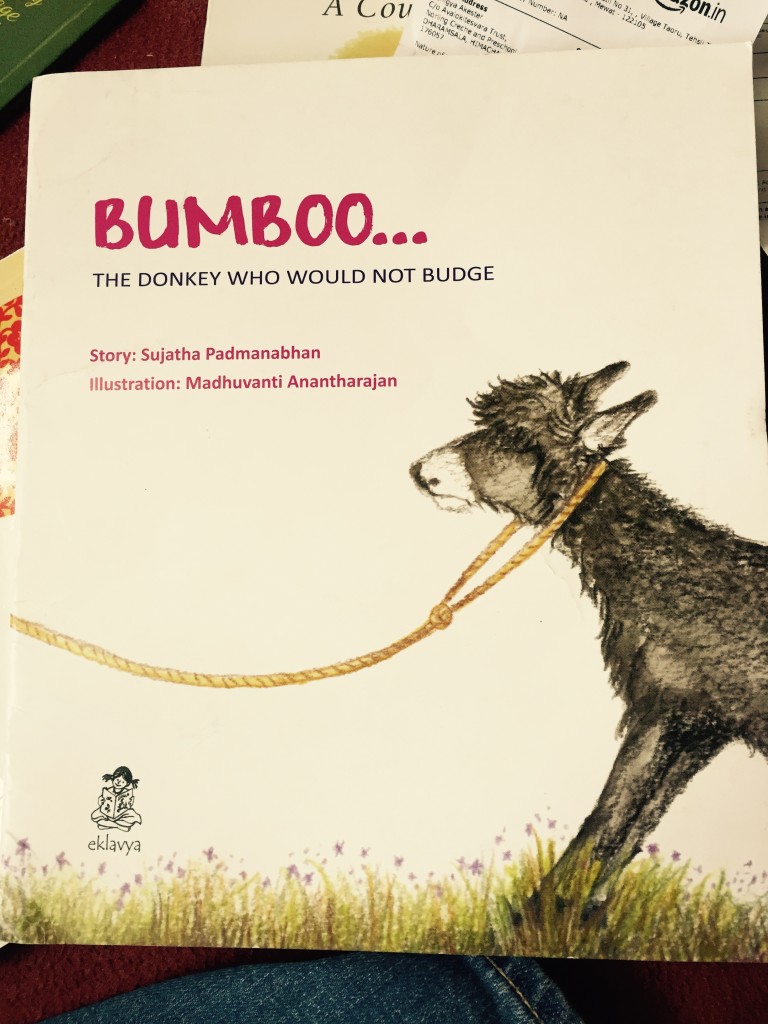
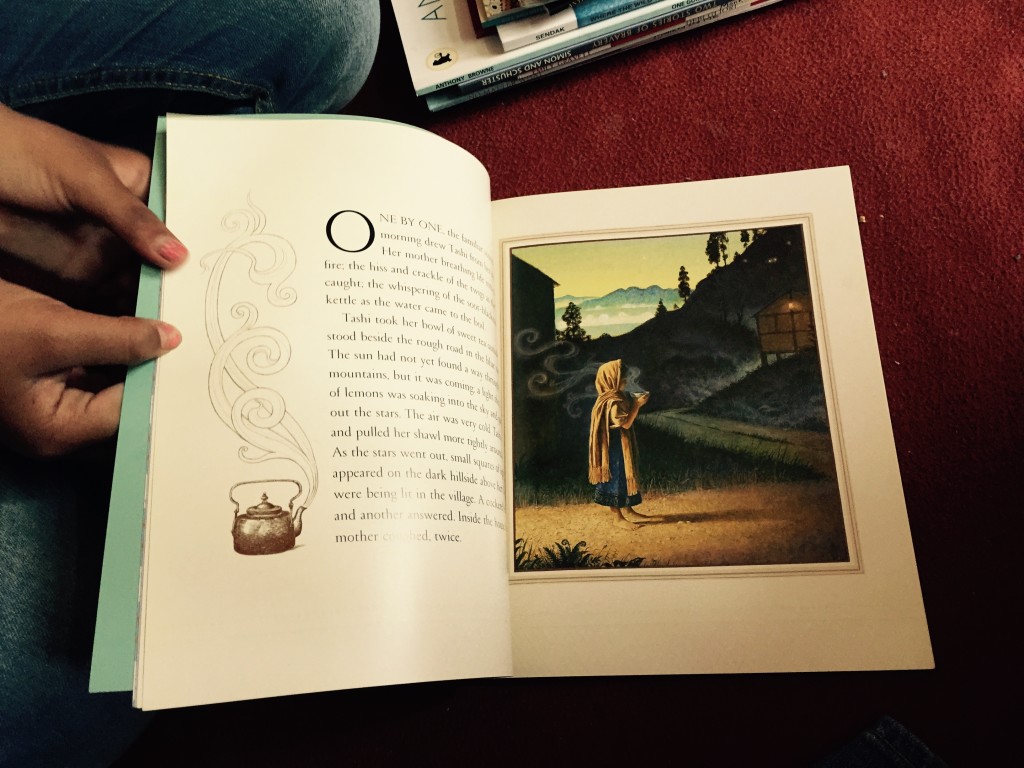
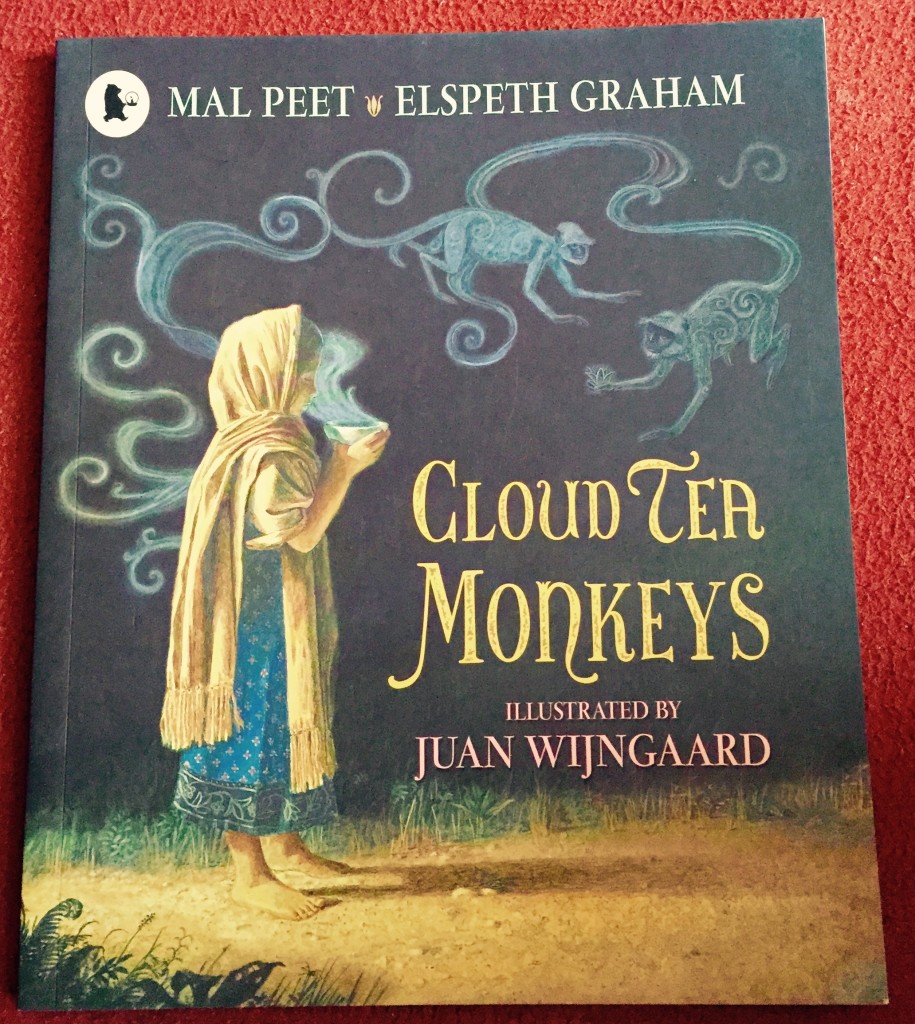
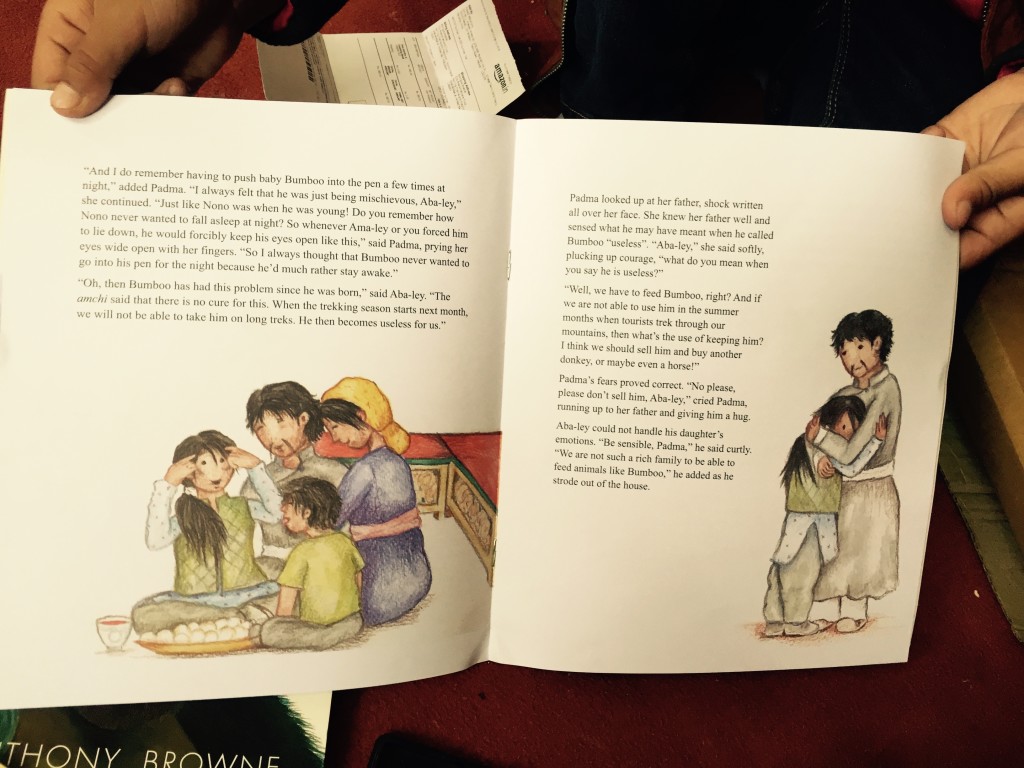
Our approach to Himalayan children’s books begins with local knowledge. We look for stories that reflect regional languages, landscapes, family life, festivals, animals, history, Buddhist traditions, and contemporary experiences without treating the Himalayas as a single, uniform culture.
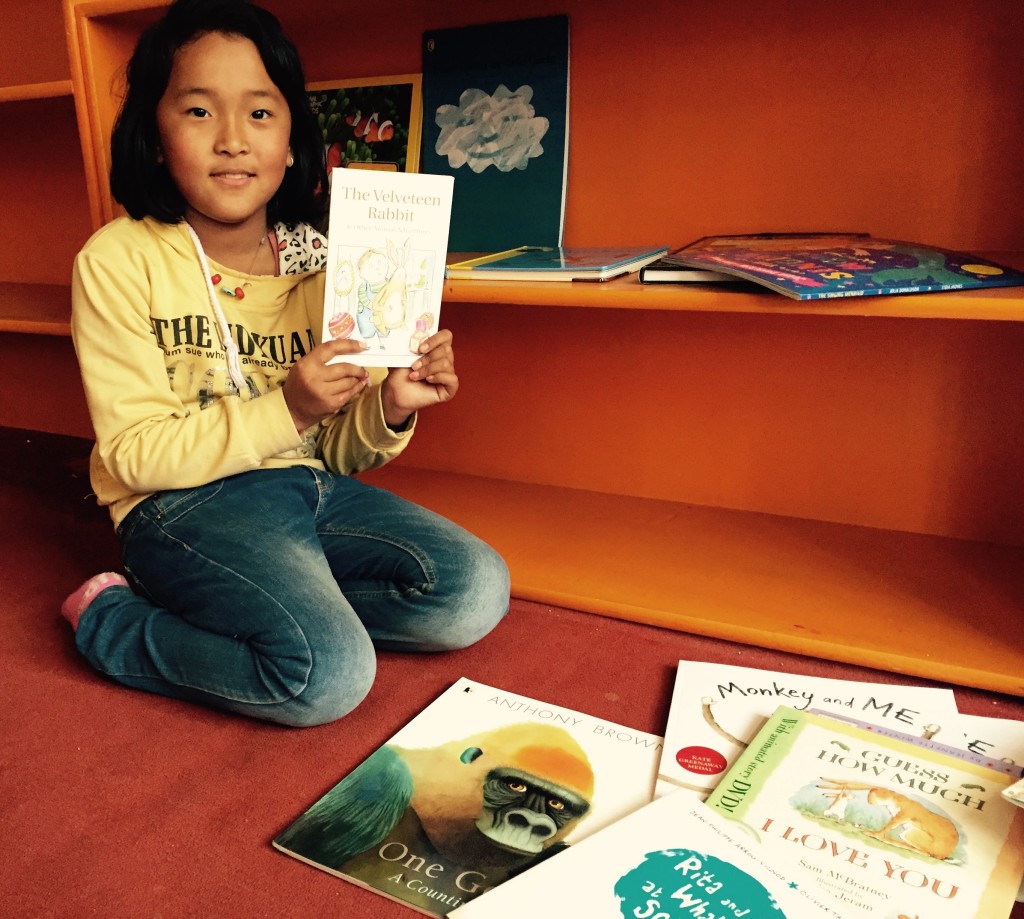
The work also involves practical questions. A book may be beautifully illustrated but unsuitable for a young reader, difficult to use in a reading room, or unavailable in the language children speak at home. We consider age, reading level, format, durability, cultural context, and the needs identified by teachers, families, volunteers, and young monks.
For supporters in Australia, this process provides a meaningful way to understand where donations and book drives can make a difference. Whether a book is sourced in Leh, Delhi, Kathmandu, Melbourne, Sydney, or through a specialist publisher, the goal remains the same: to place relevant, engaging reading resources in the hands of children.
Listening To Local Knowledge
The strongest choices usually begin with conversations rather than catalogues. Teachers, librarians, parents, monastery educators, and community partners can explain which subjects interest children, which languages are most useful, and where gaps exist in existing collections. Their advice helps us avoid assuming that an outsider’s idea of a “Himalayan book” will meet local needs.
We pay close attention to how a story presents religious practice, village life, nomadic communities, mountain environments, and historical events. A book can be relevant because it is set in the region, but setting alone is not enough. We seek authors, illustrators, translators, and publishers with a grounded understanding of the communities represented.
Local knowledge also helps us identify books that support everyday learning. A children’s story about snowfall, a family journey, medicinal plants, wildlife, or a local craft may encourage discussion in ways that a general geography book cannot. These connections make reading feel useful, familiar, and open to further discovery.
Balancing Regional And Global Perspectives
Children benefit from seeing their own lives reflected in books, alongside stories from other parts of the world. We therefore build collections with a balance of locally relevant material, wider Indian and South Asian literature, translated works, illustrated nonfiction, poetry, folk narratives, and carefully selected international titles.
Himalayan communities are diverse. Ladakh, Sikkim, Himachal Pradesh, Arunachal Pradesh, Nepal, Bhutan, Tibet, and mountain areas across Pakistan share some environmental features while having distinct languages, histories, religions, and social traditions. We avoid presenting these places as interchangeable or using “Himalayan” as a substitute for a specific cultural identity.
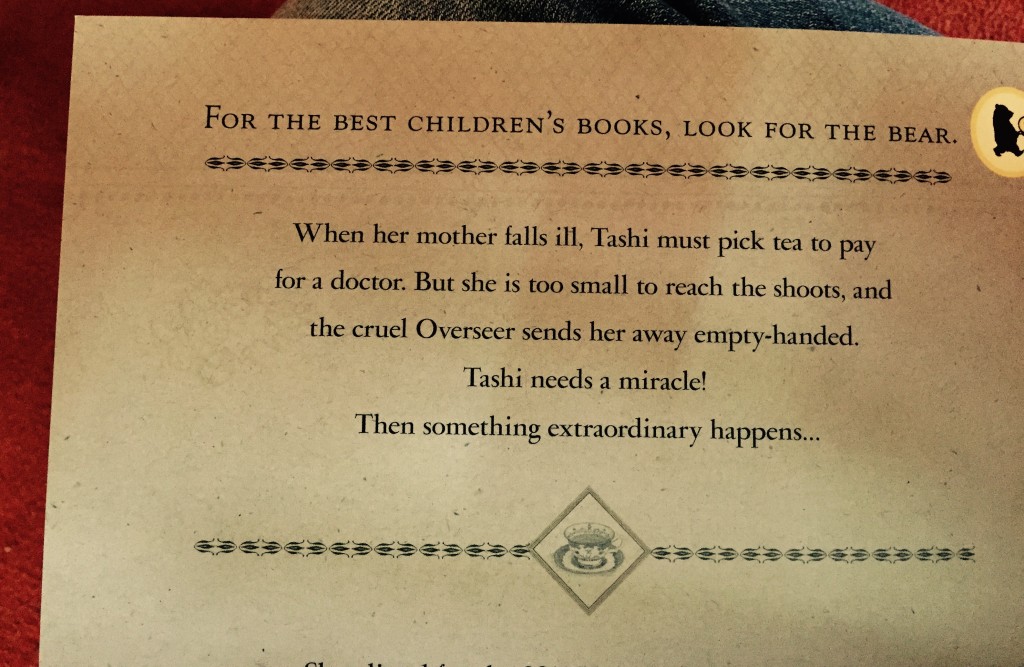
We also consider who gets to speak in a book. A title written by someone from the region may offer an important perspective, while an outside author may contribute valuable research or a compelling story. In either case, we examine the accuracy of the content, the quality of the translation, the visual representation of people, and whether the book encourages curiosity without exoticising communities.
Choosing Books For Real Reading Rooms
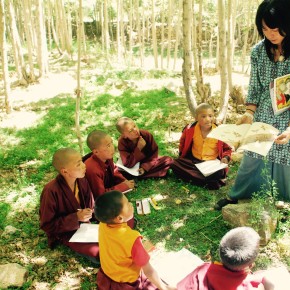
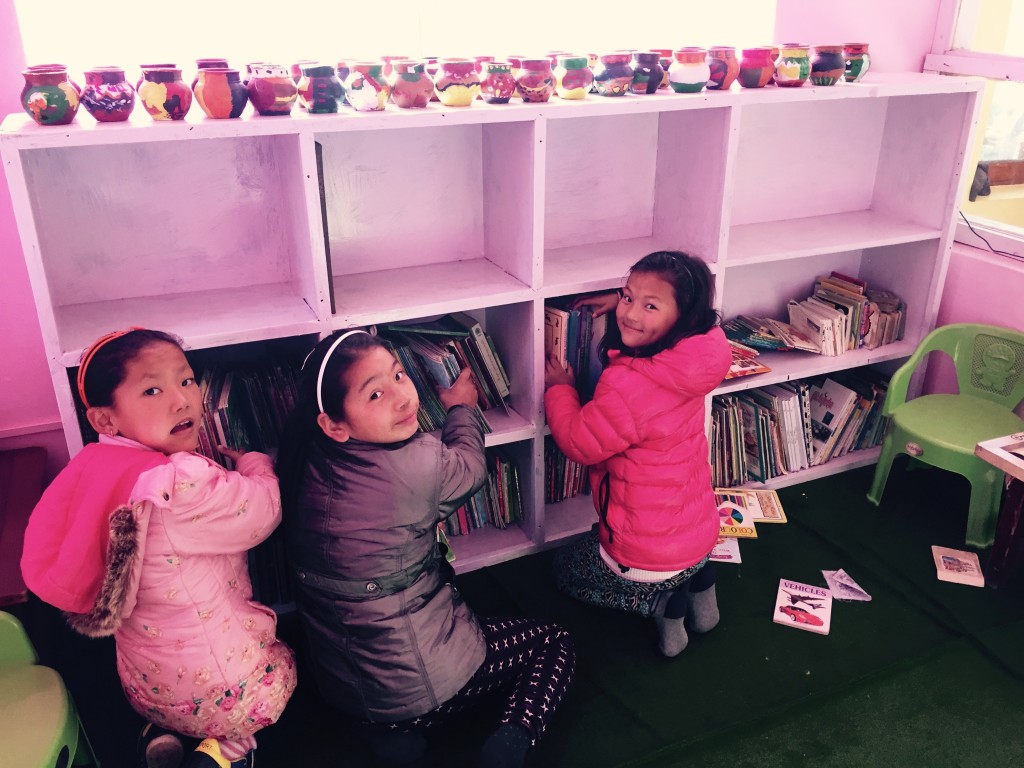
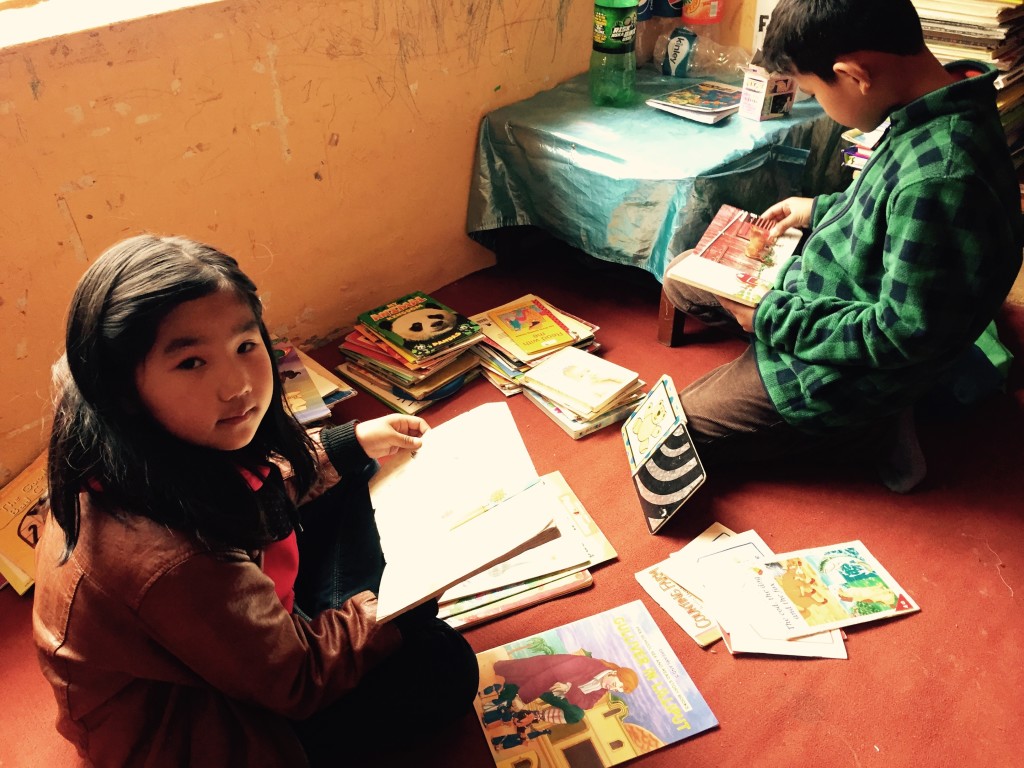
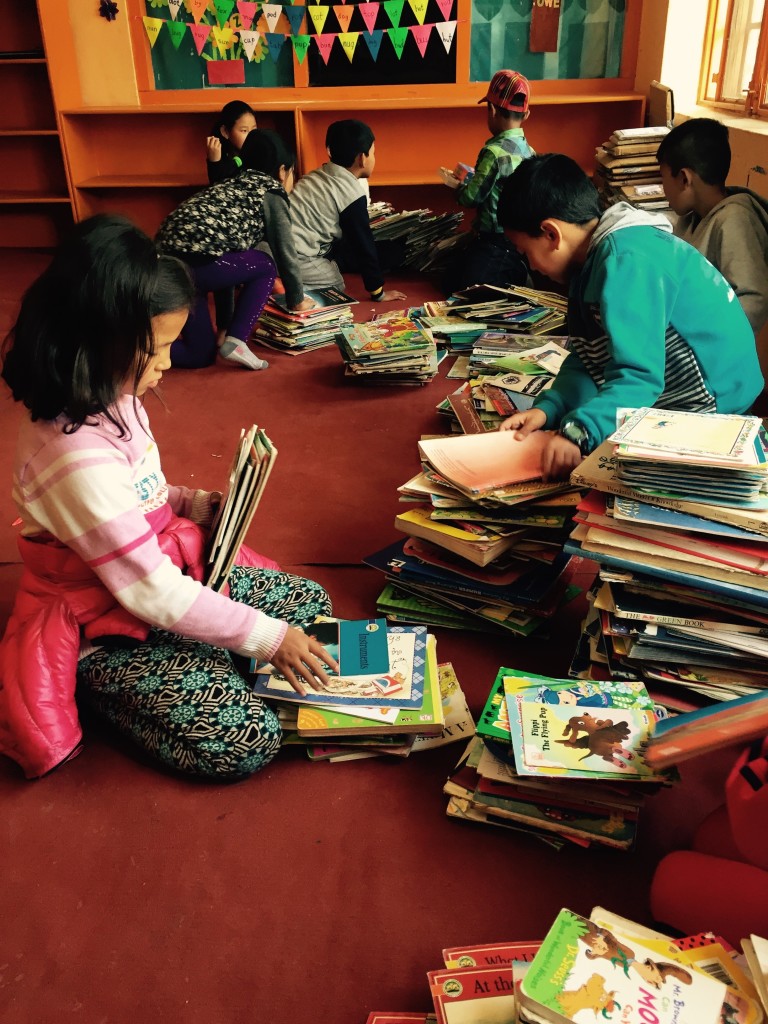
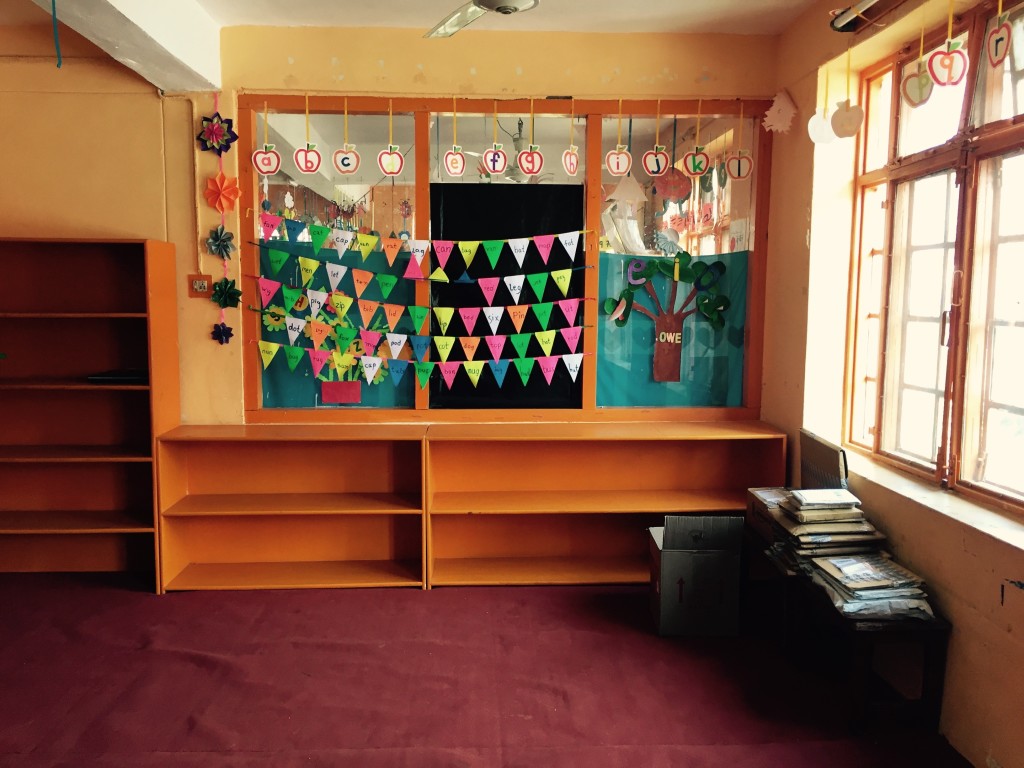
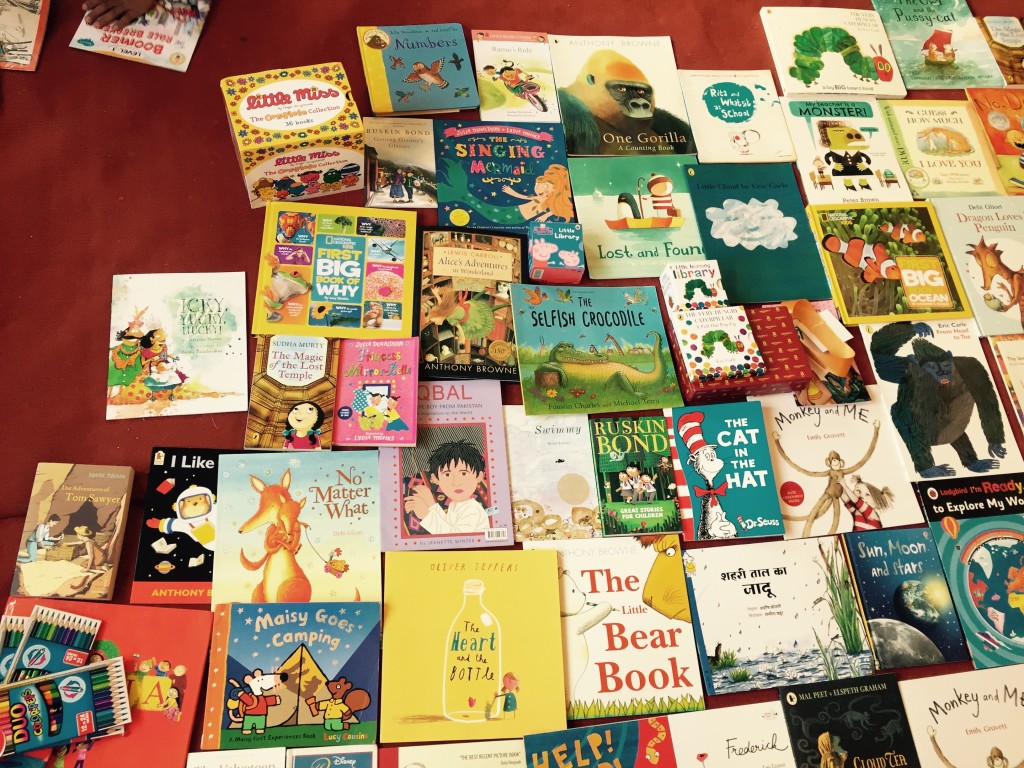
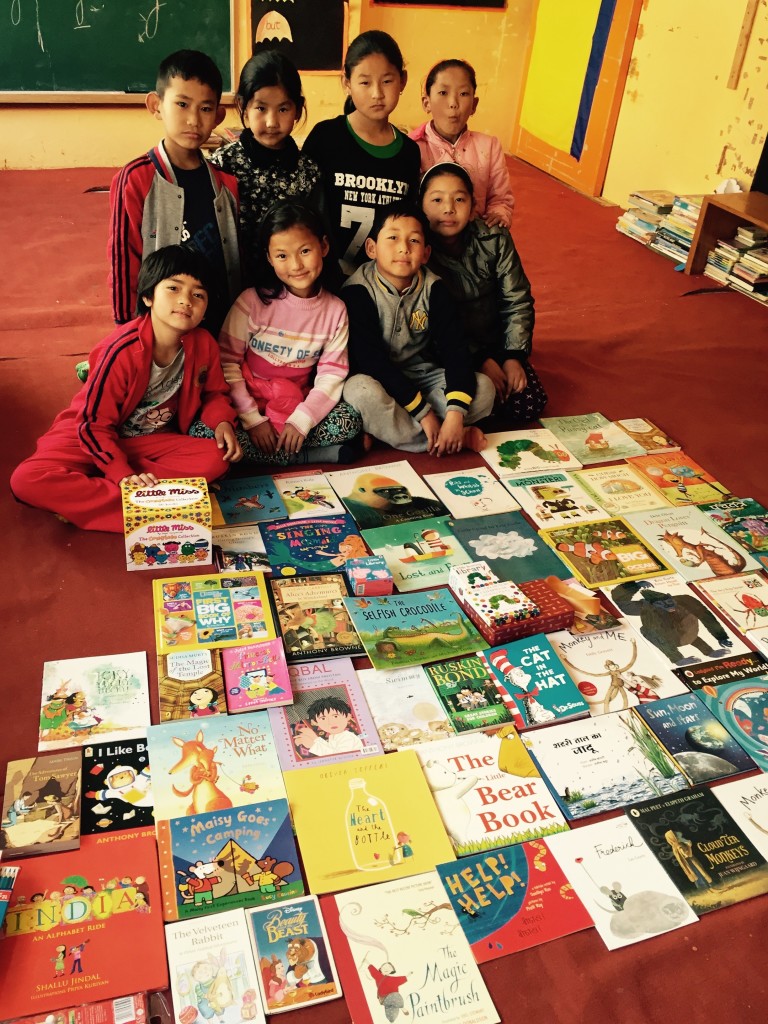
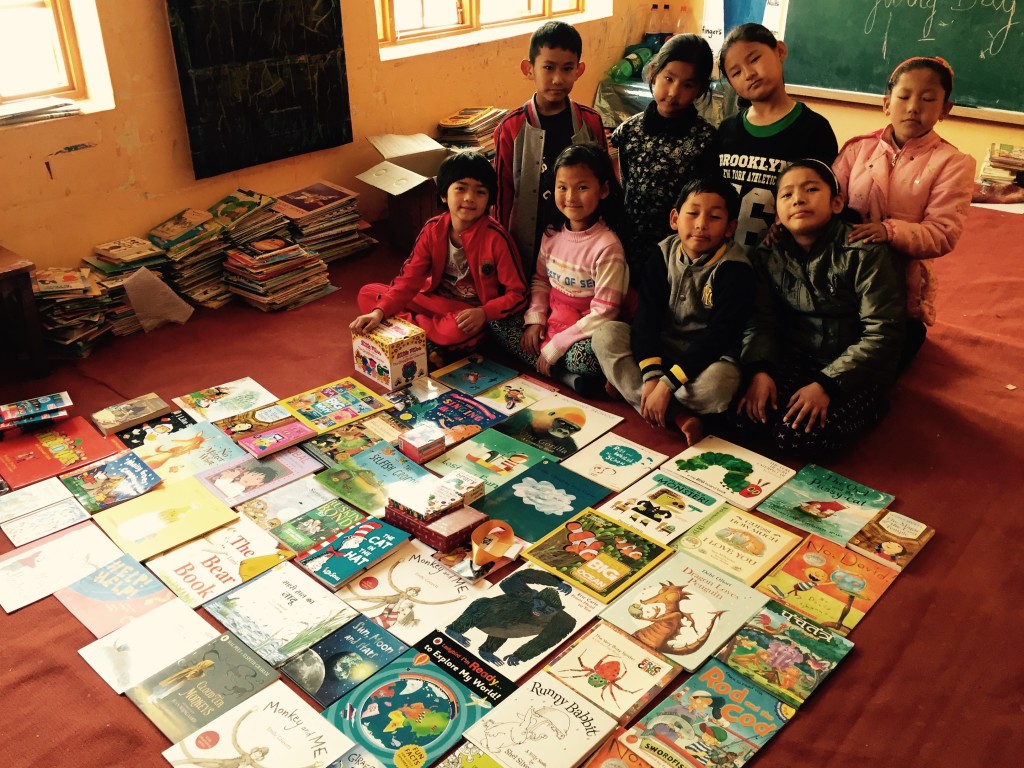
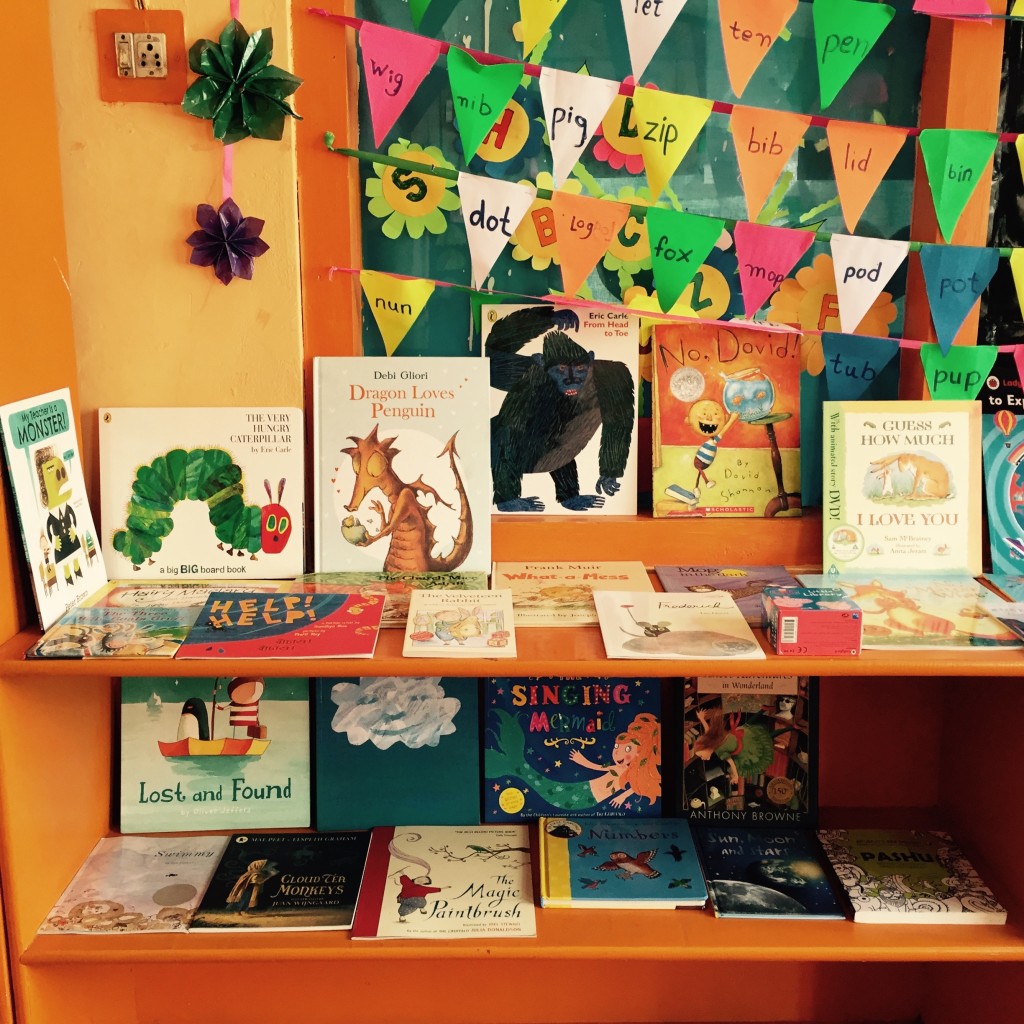
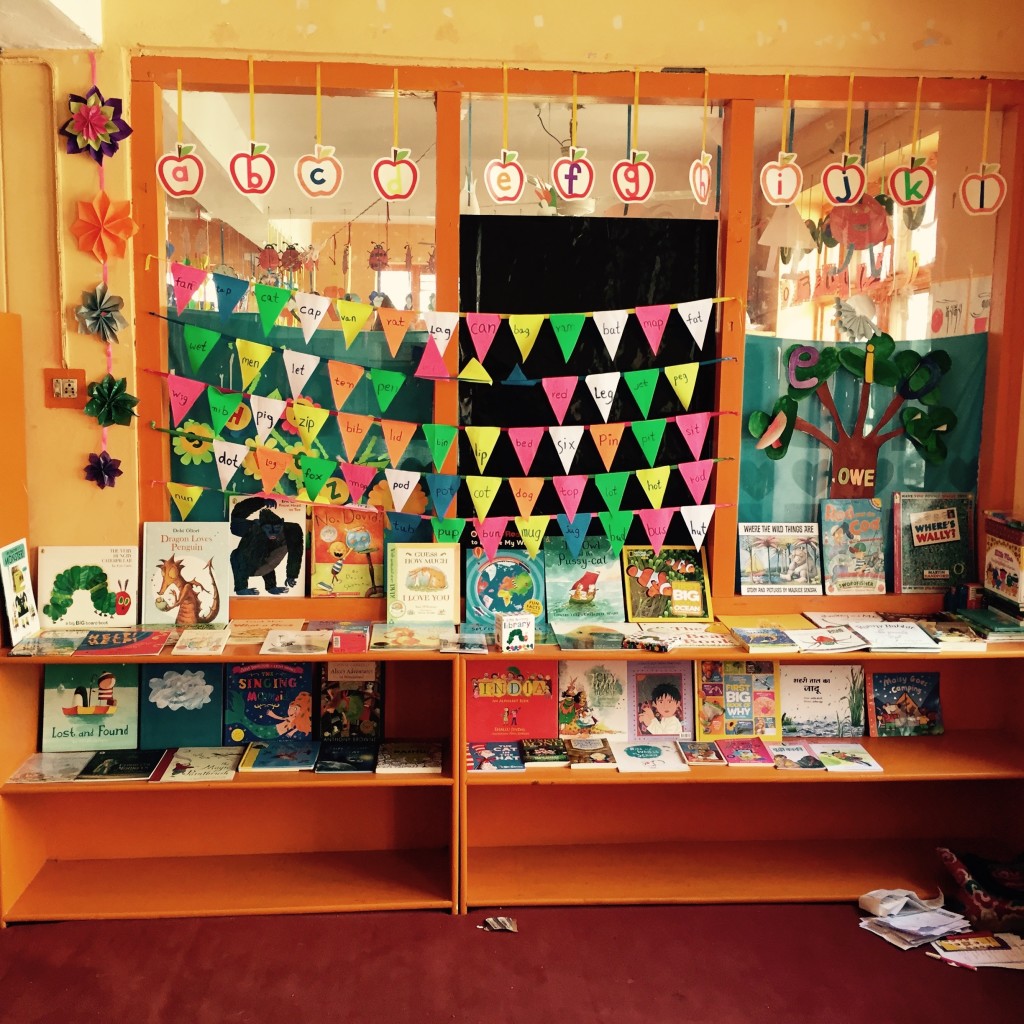
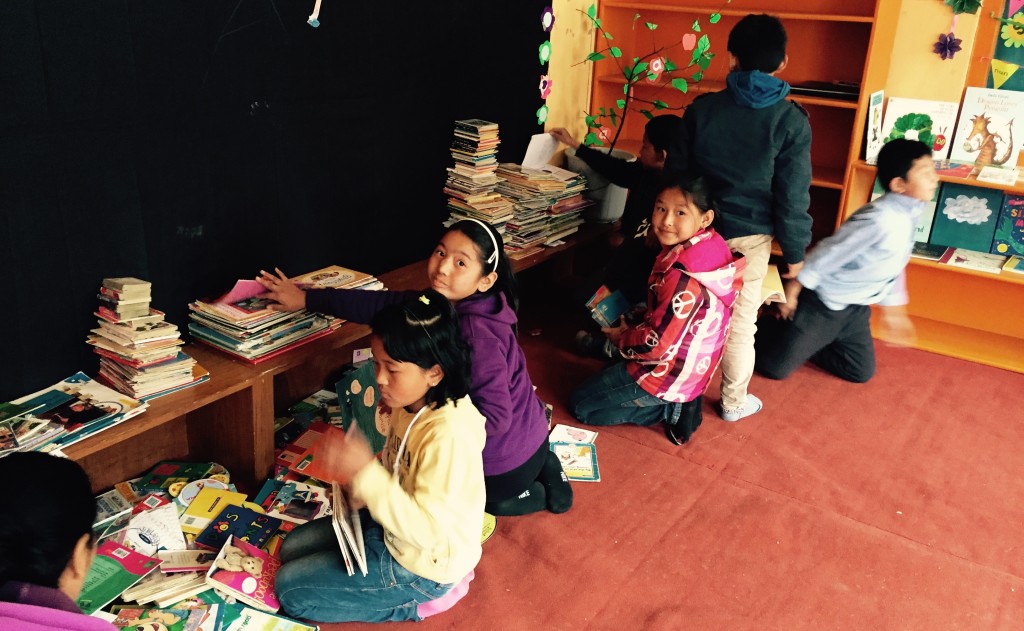
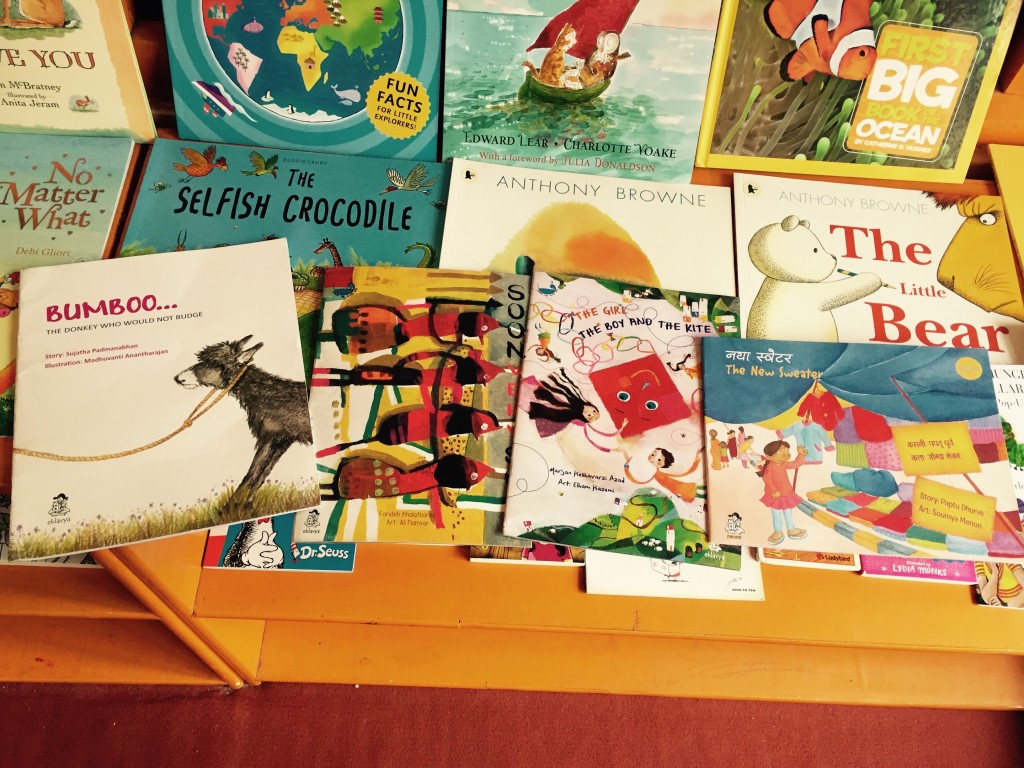
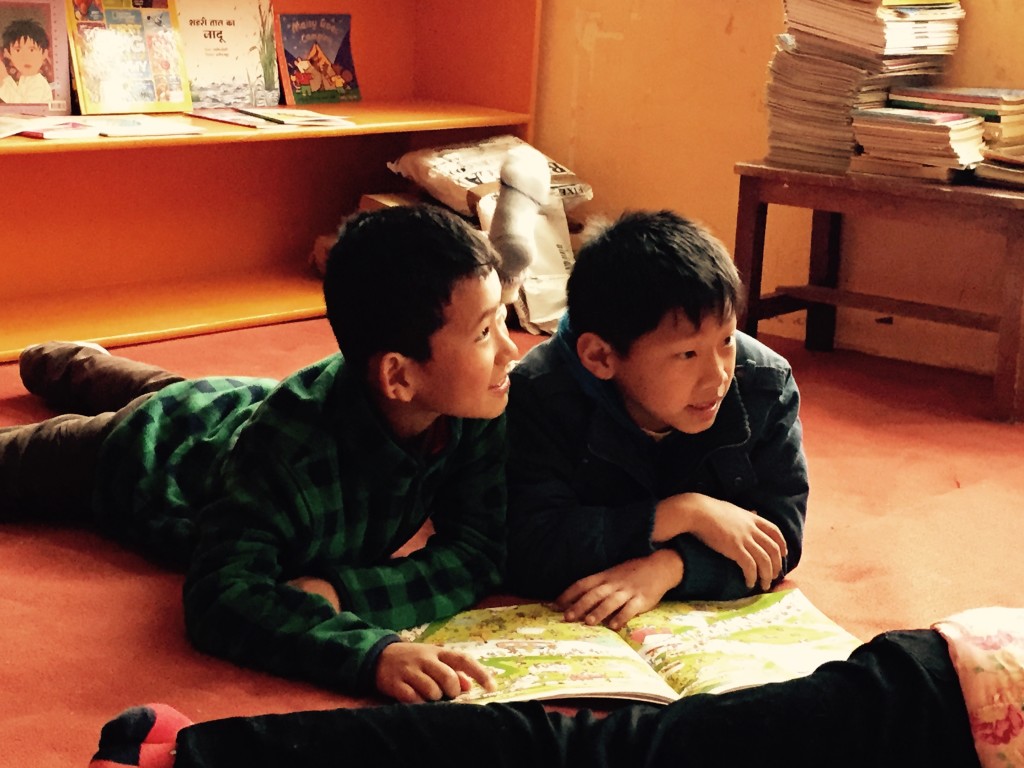
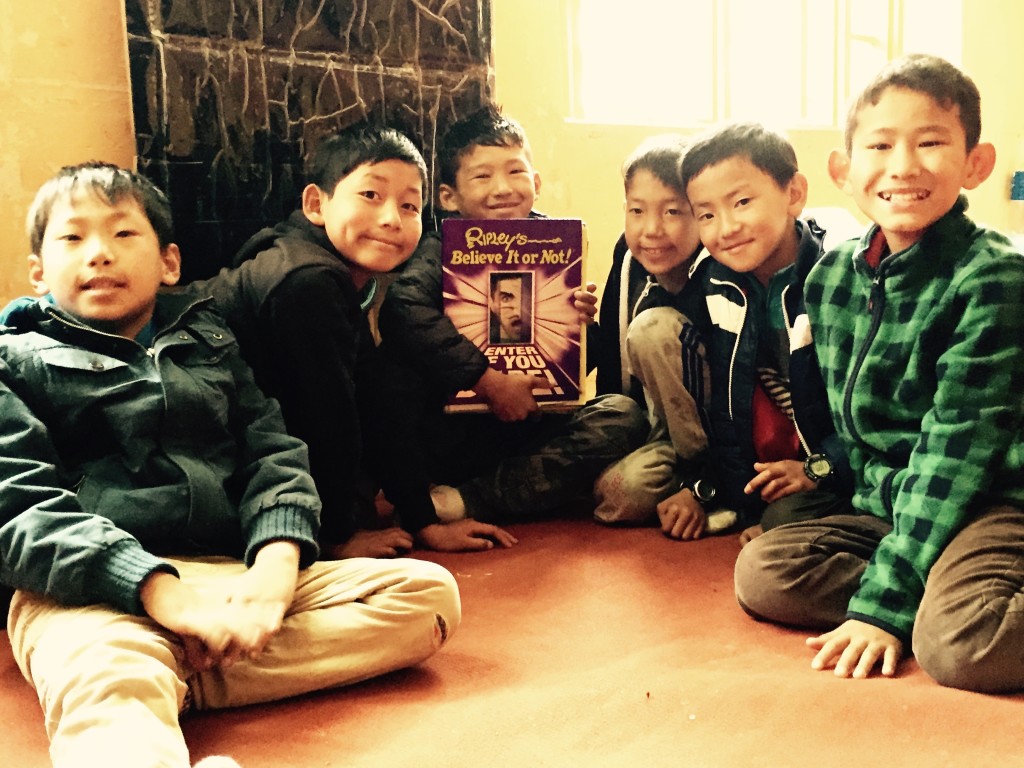
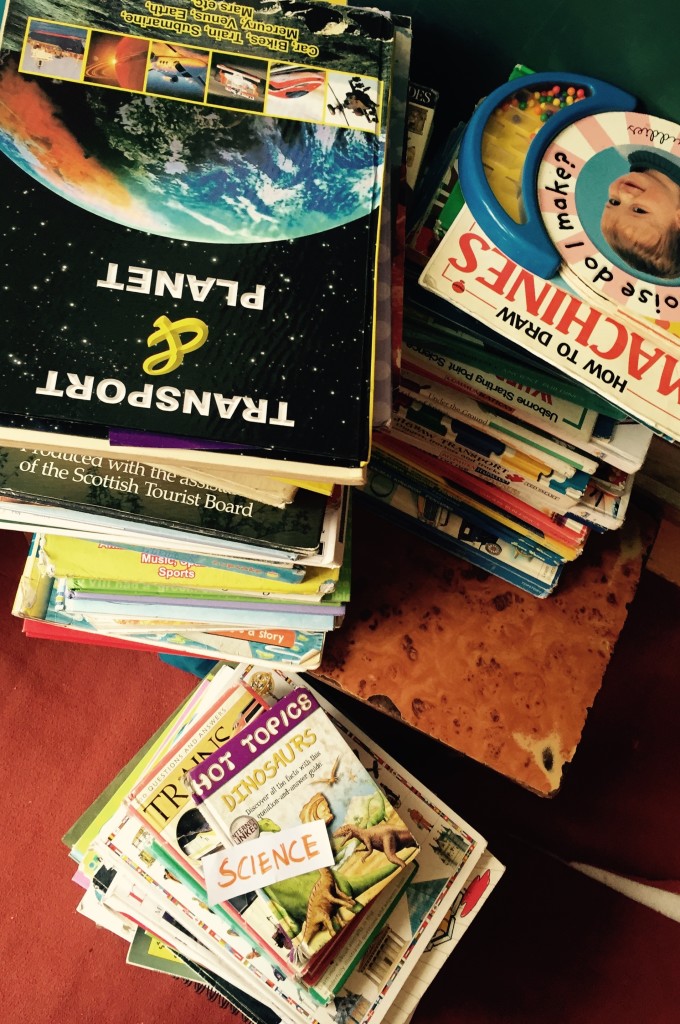
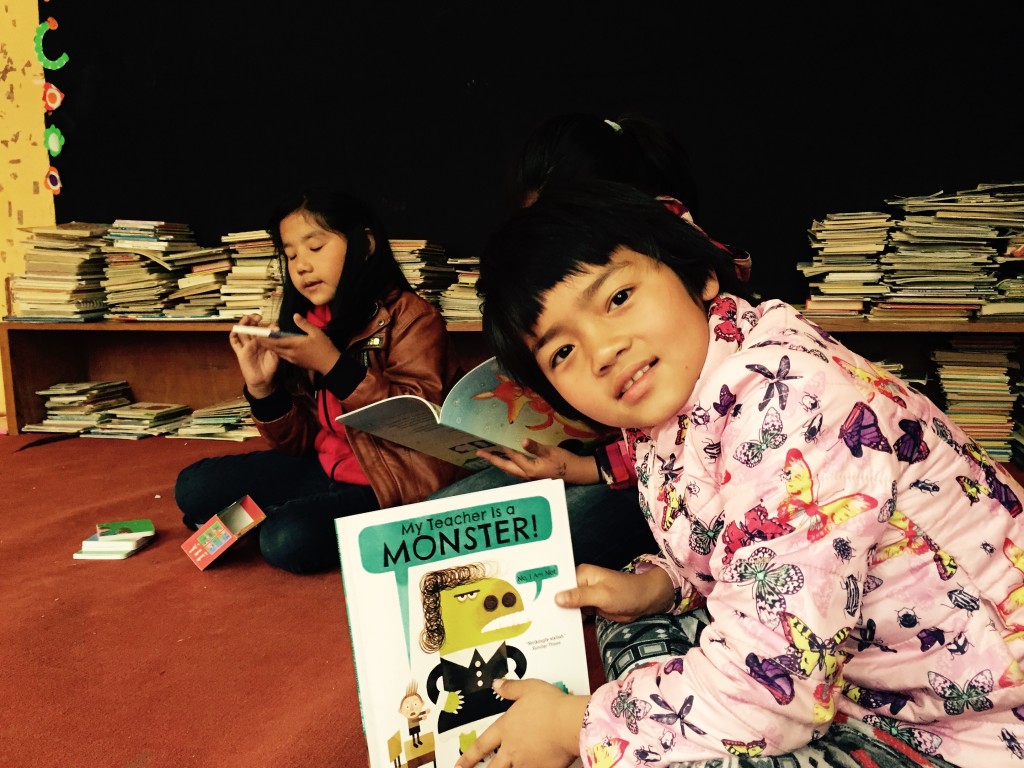
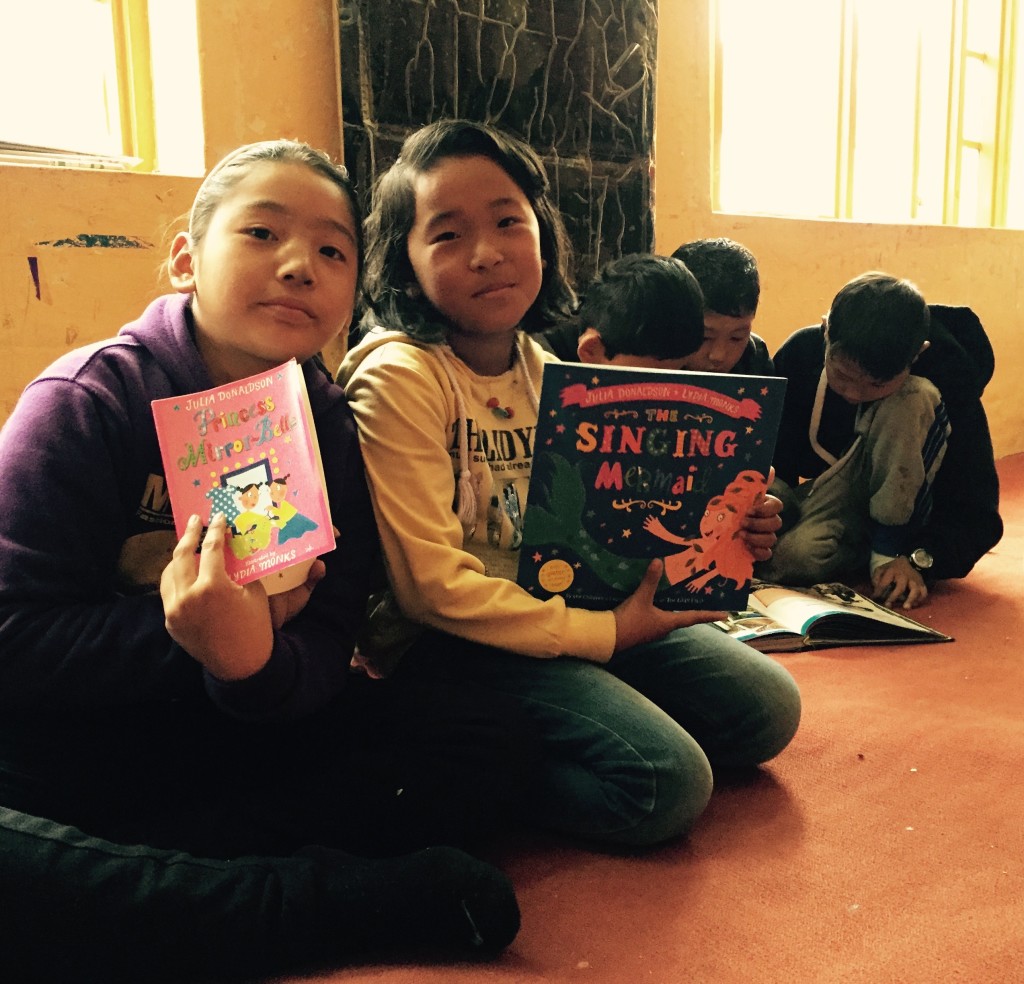
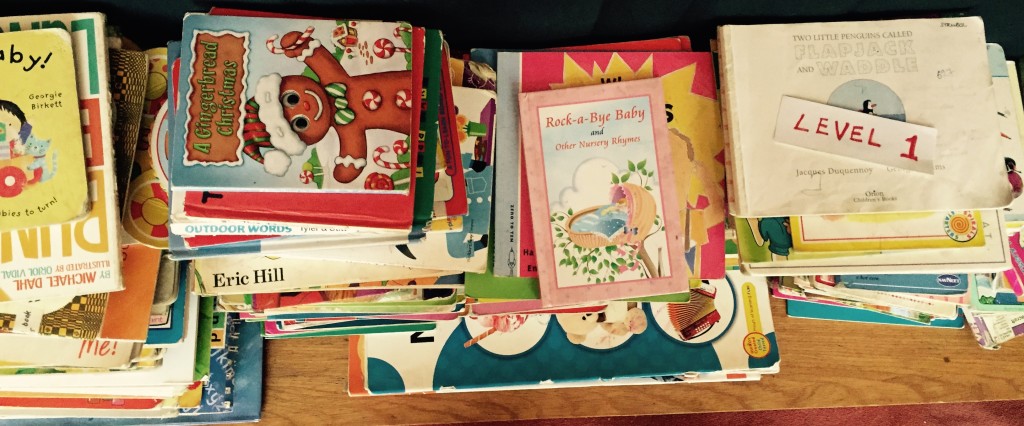
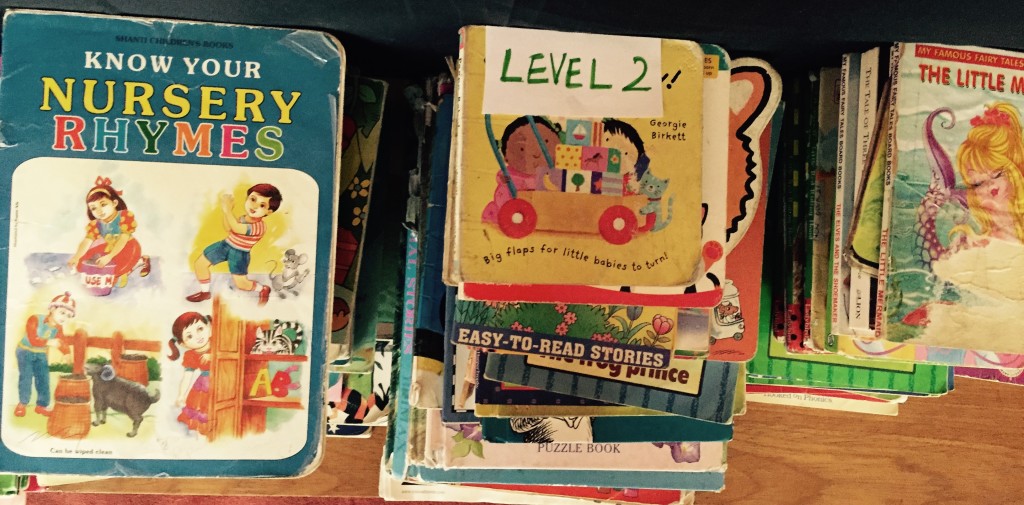
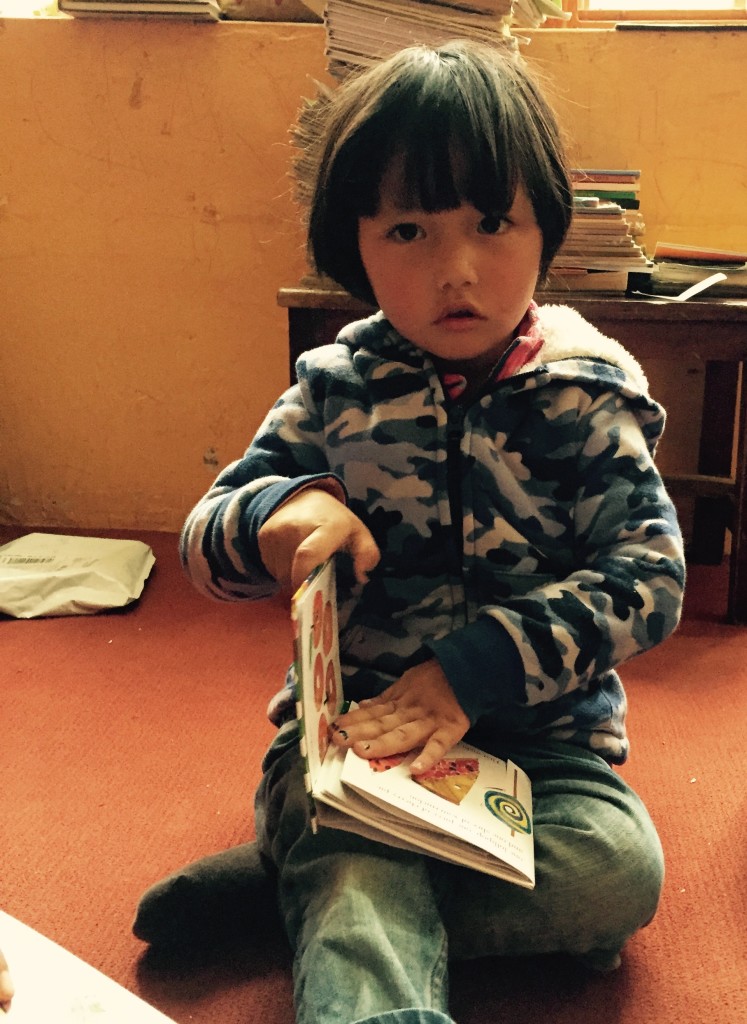
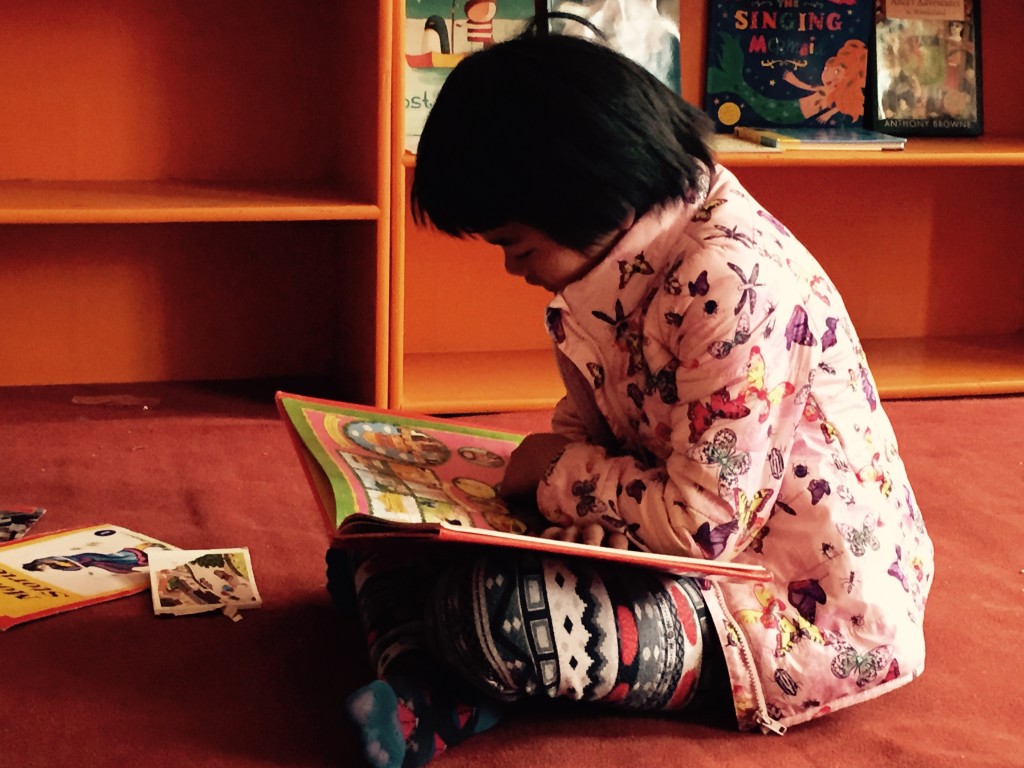
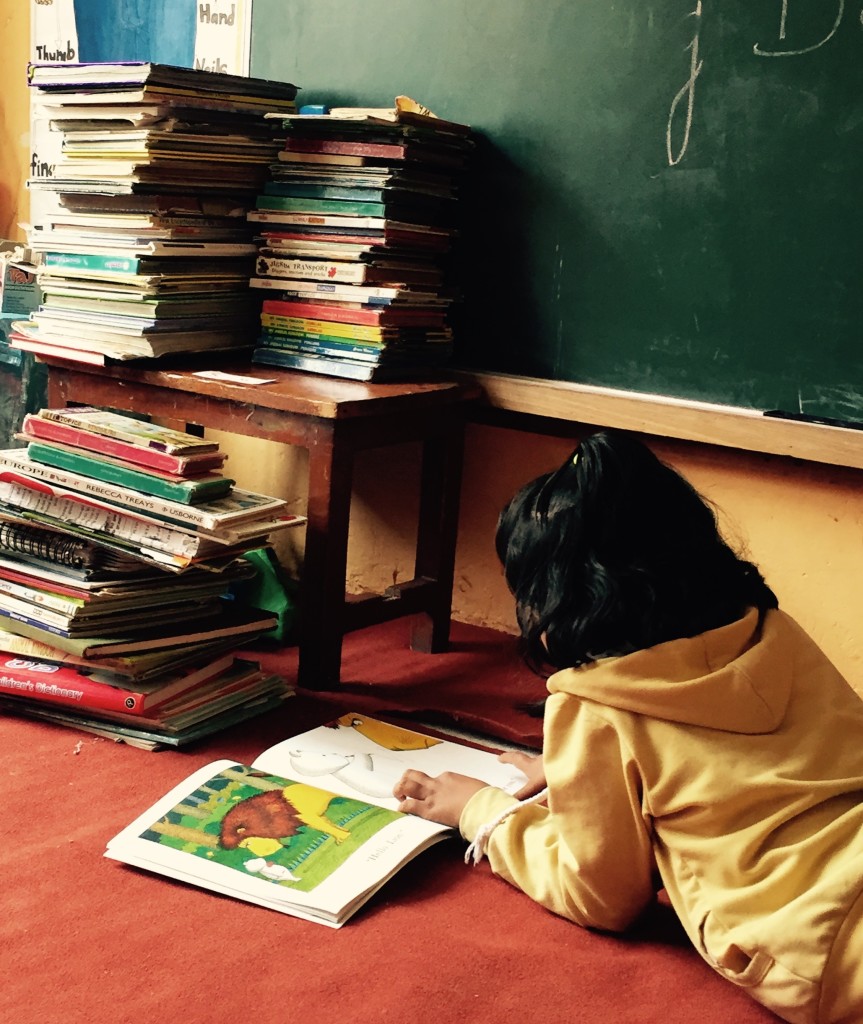
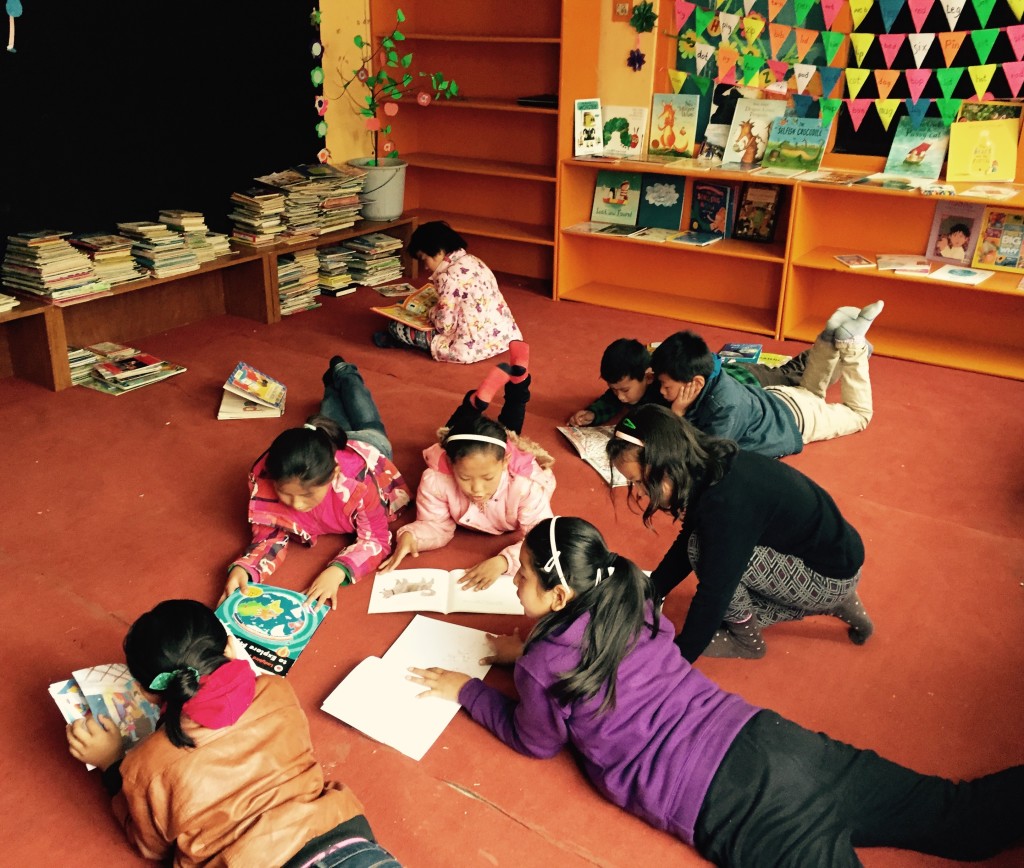
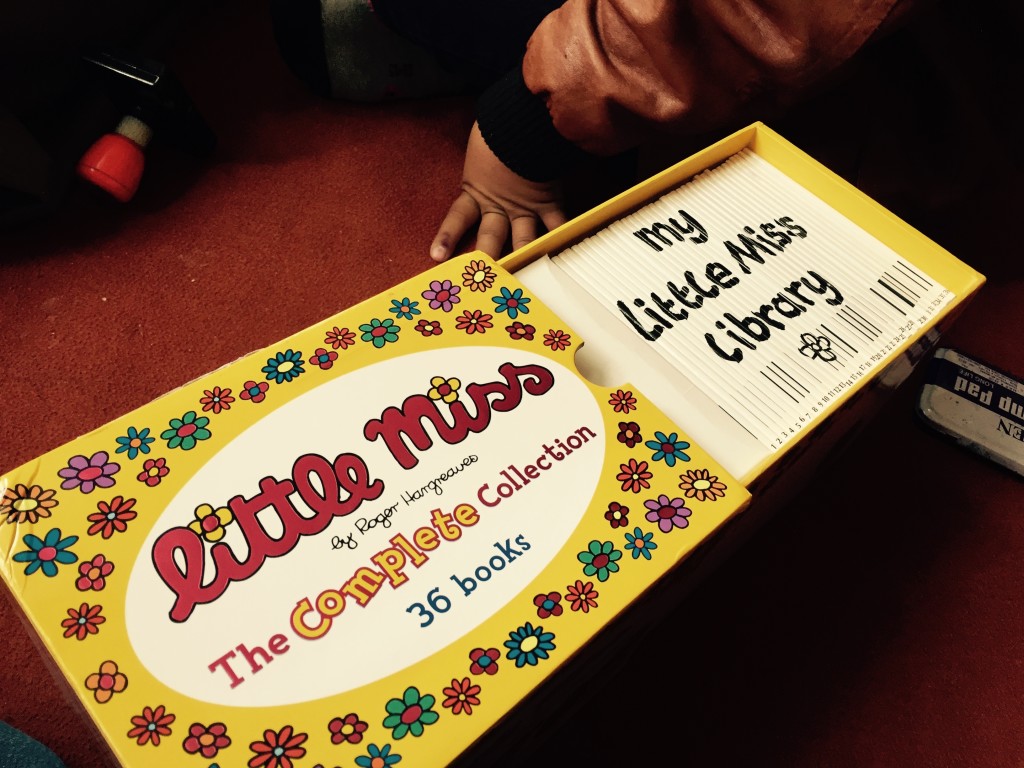
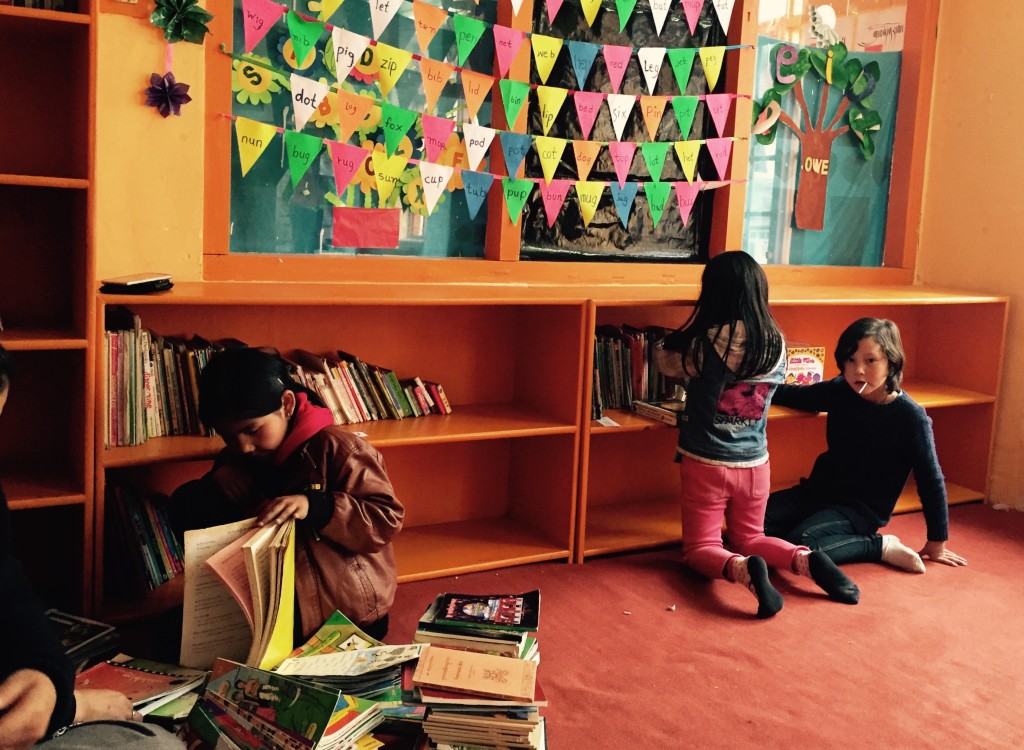
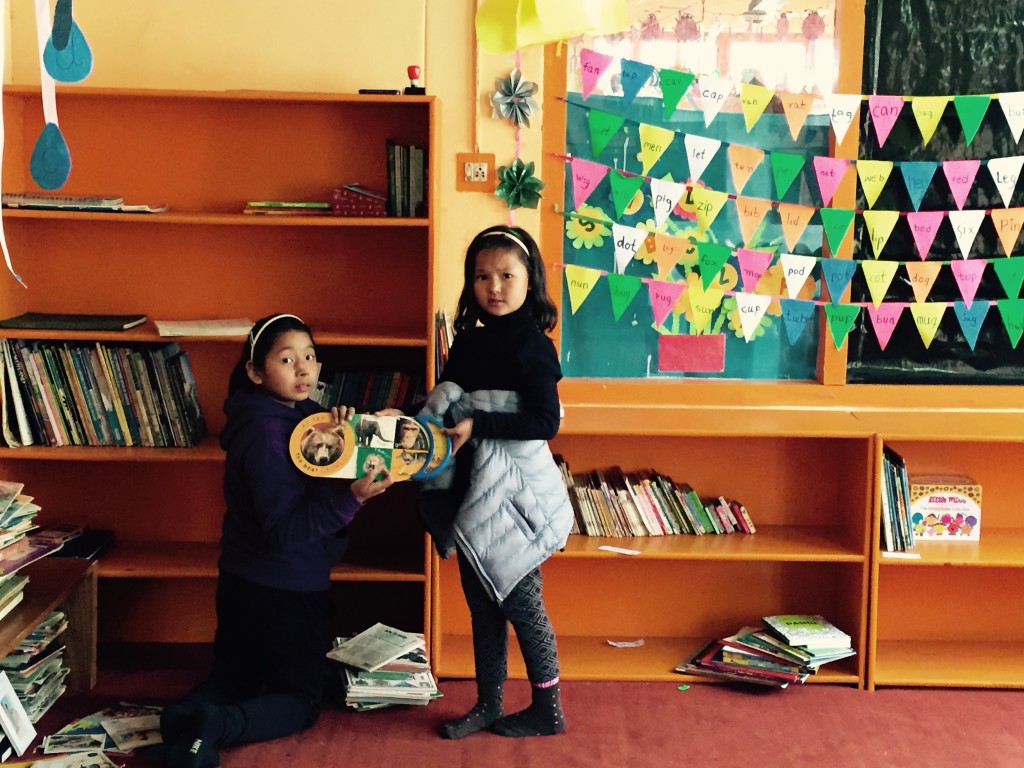
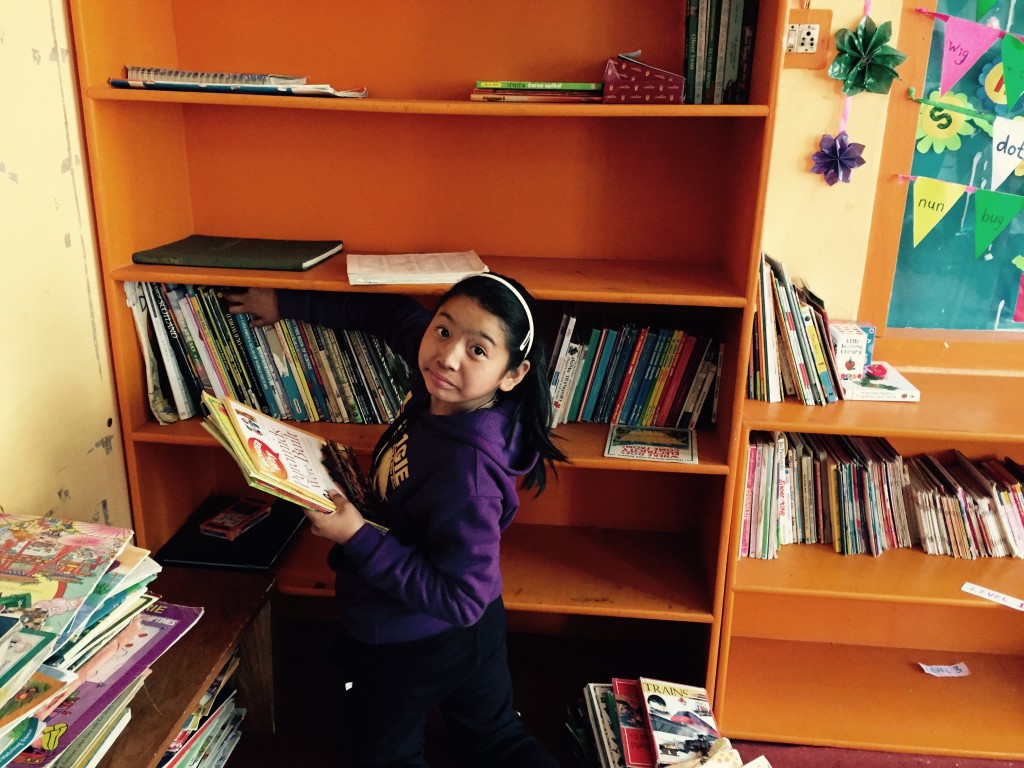
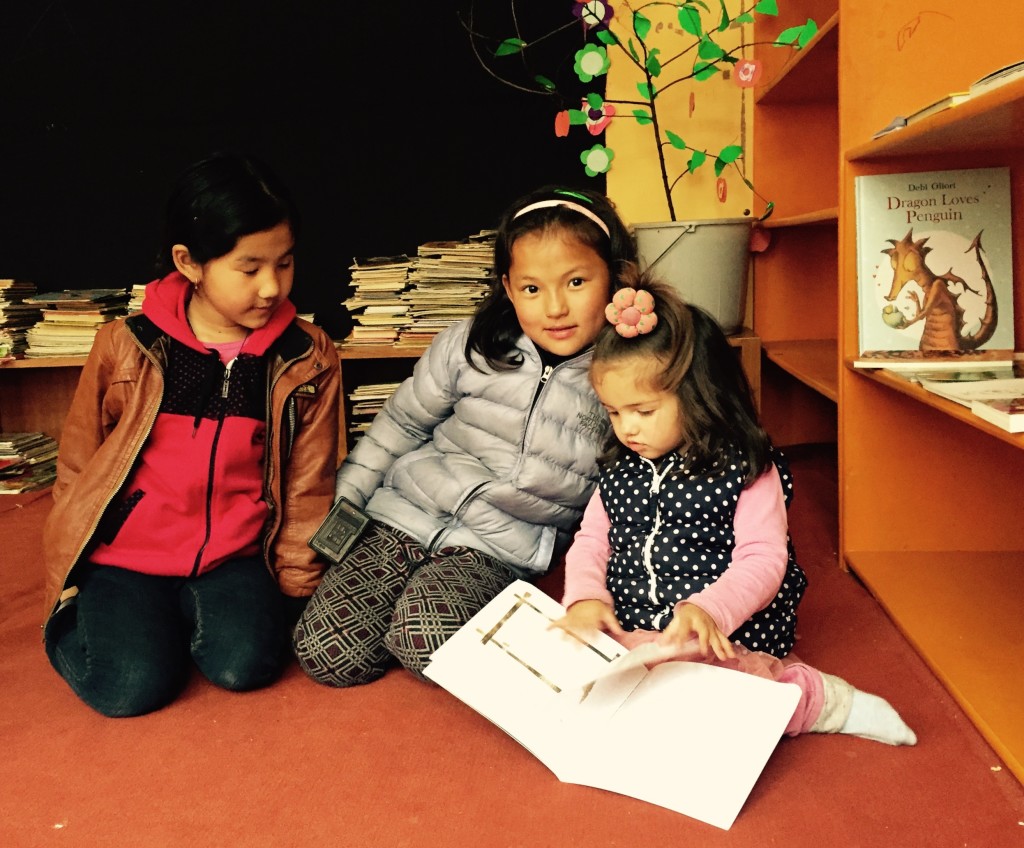
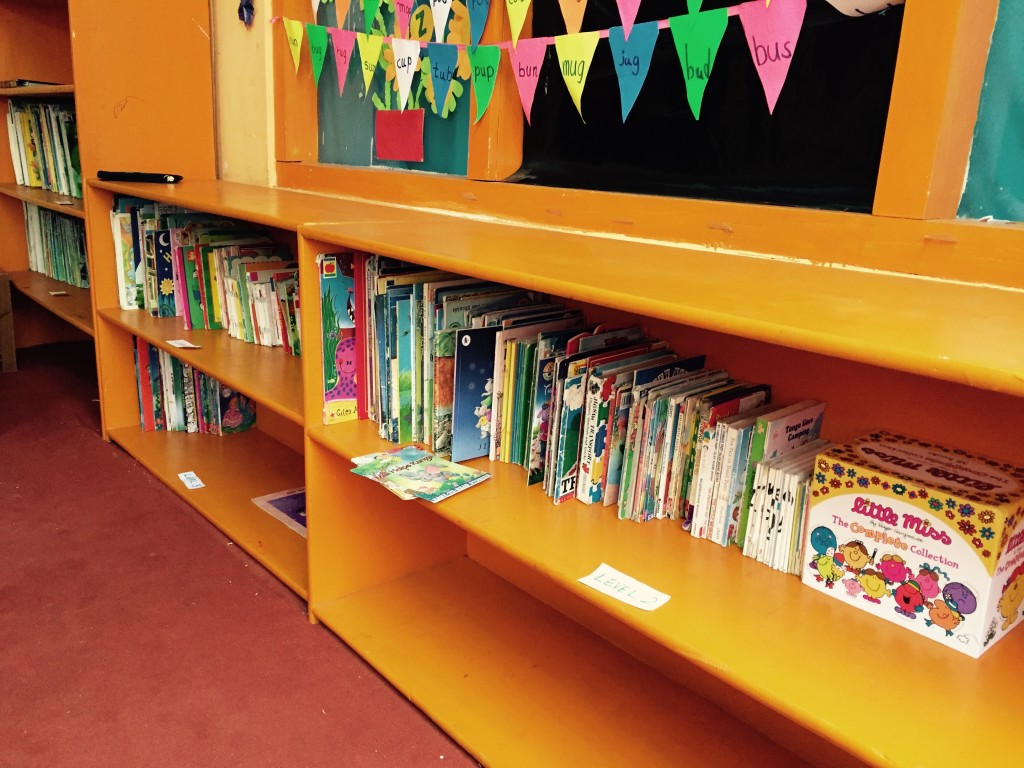
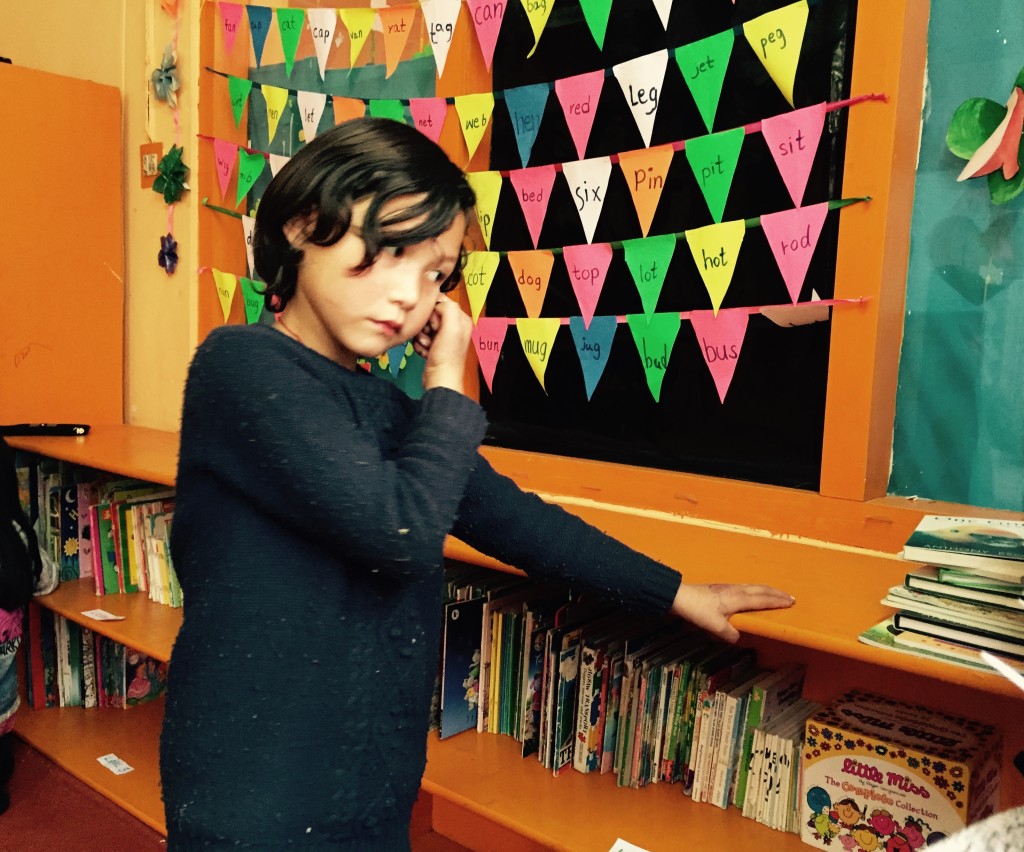
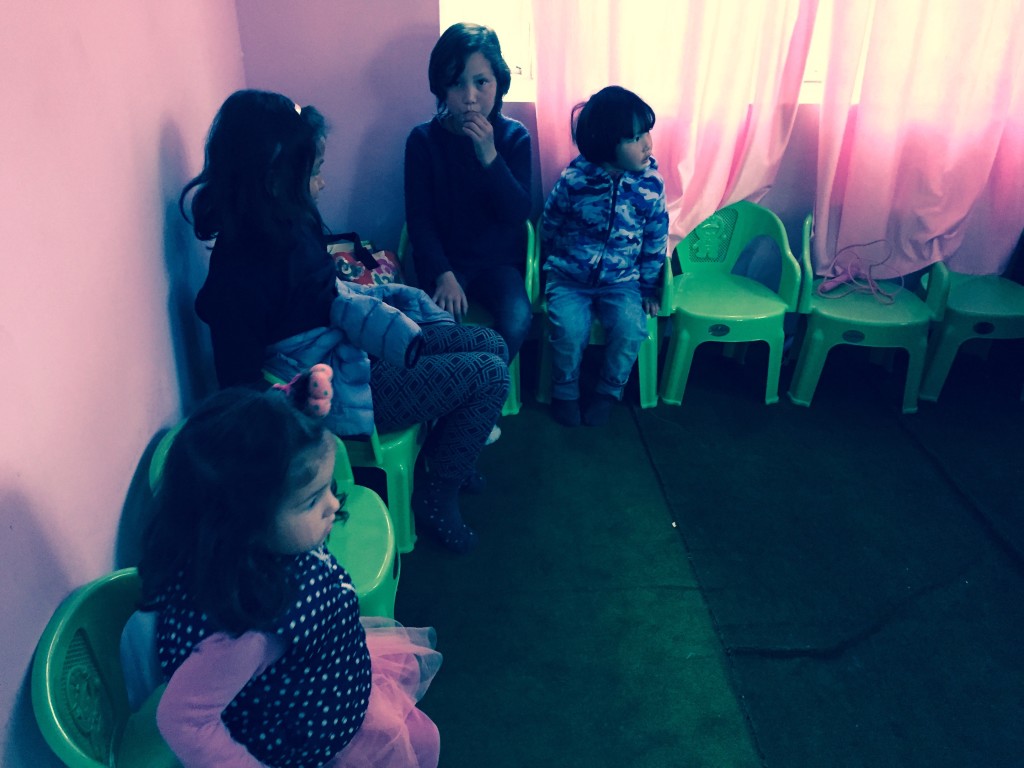
A culturally relevant book still needs to work in practice. Reading rooms may serve children with different ages, reading abilities, first languages, and levels of access to books at home. We select a mixture of picture books, early readers, chapter books, graphic narratives, reference works, biographies, atlases, and activity books so that children can browse independently and find an appropriate challenge.
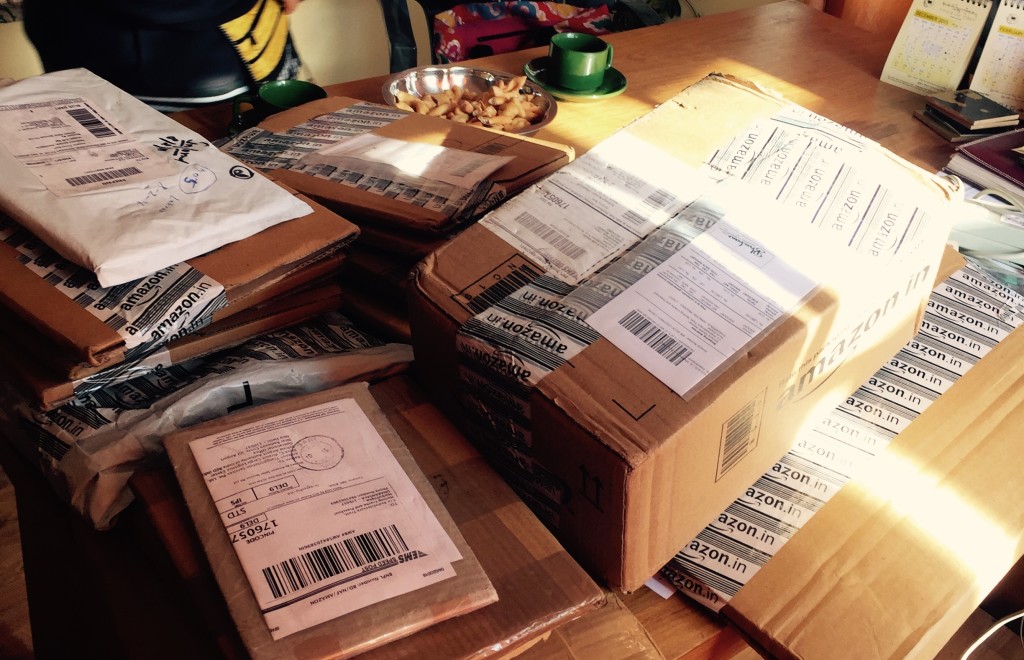
Physical quality matters in remote or heavily used collections. Strong binding, clear printing, readable type, durable pages, and illustrations that reproduce well can extend a book’s life. We also consider weight and size because books may need to travel over long distances by road, air, or porter routes before reaching a community.
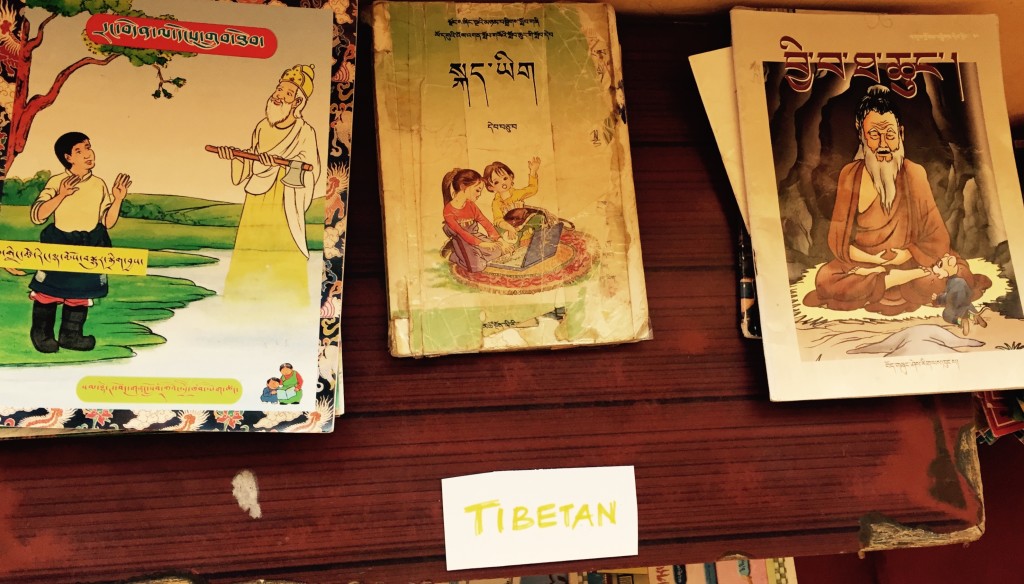
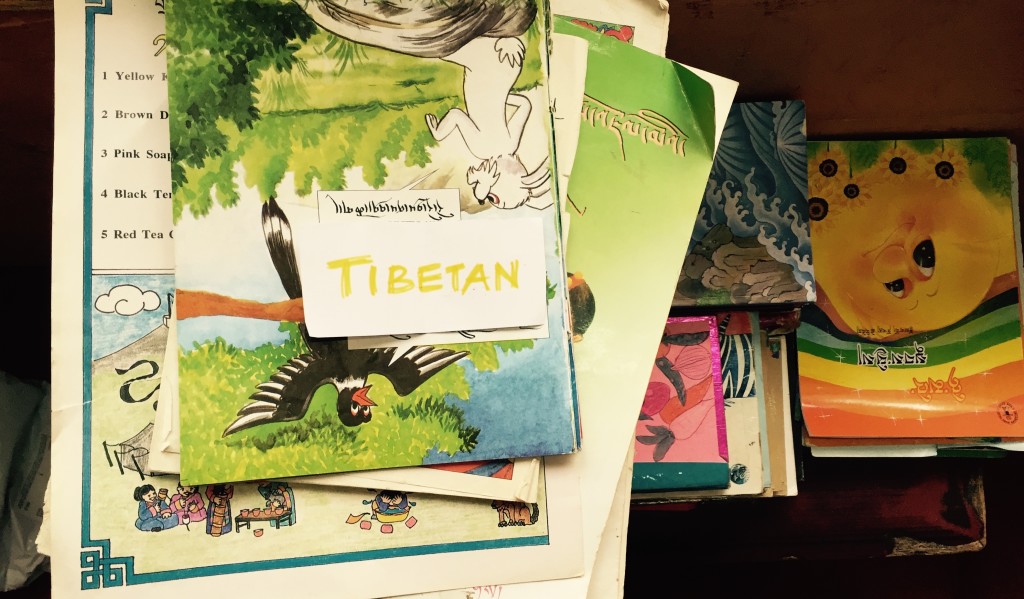
Language access is central. English may be useful for some children’s education, but it should not displace local and regional languages. Where possible, we support books in languages such as Ladakhi, Hindi, Tibetan, Nepali, and other languages requested by community partners. Bilingual books can help children move between familiar speech and school language, while picture-led books can include emerging readers.
Building An Ethical Supply Chain
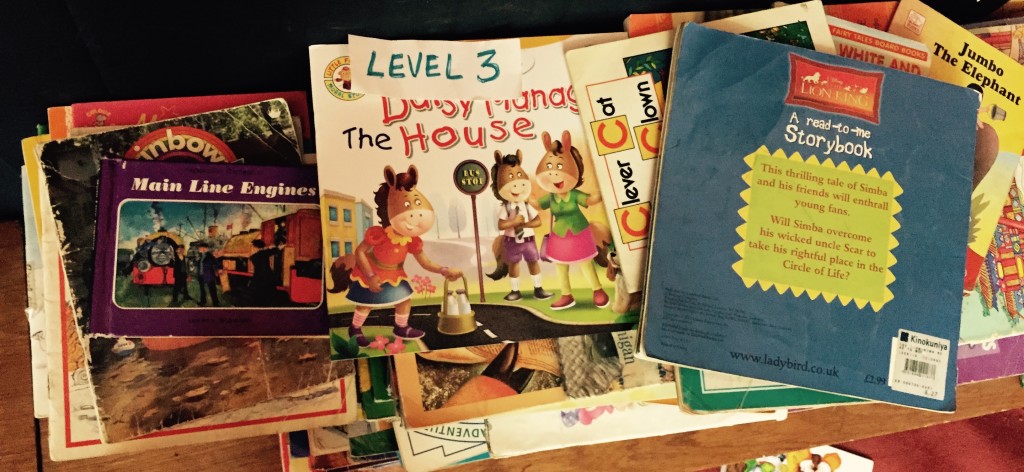
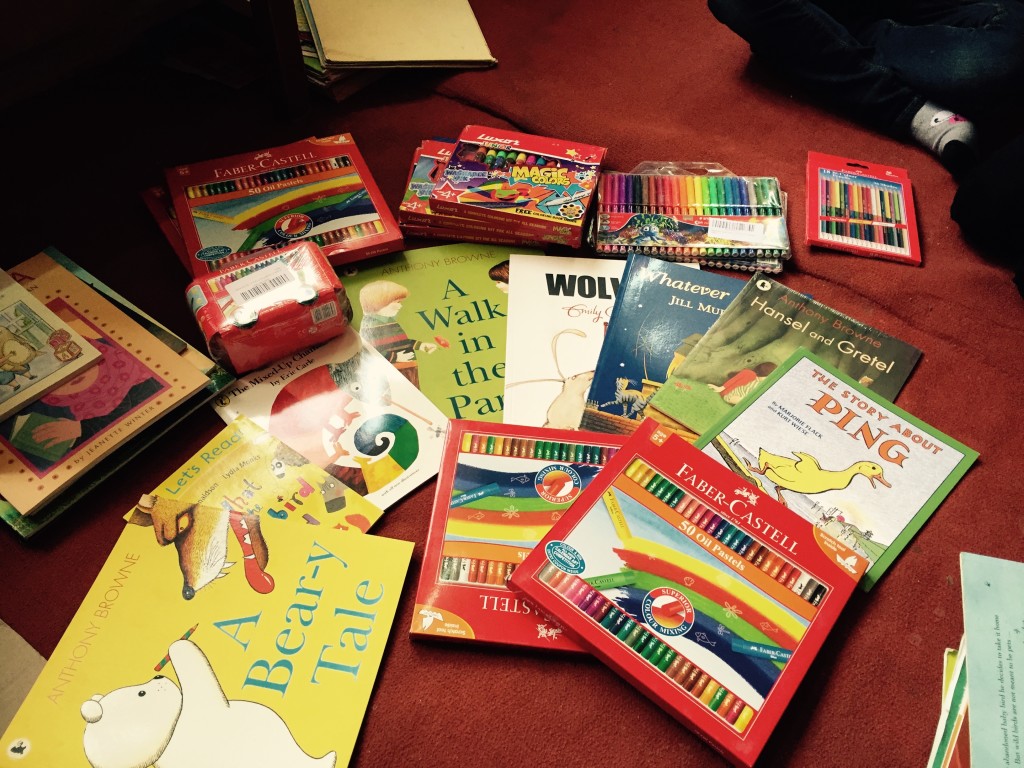
Sourcing books involves more than finding the lowest price. We assess publishers, booksellers, educational suppliers, second-hand stock, donations, and local recommendations for reliability and relevance. A free book is not automatically a useful book: damaged copies, outdated information, unsuitable themes, and duplicate titles can consume transport and storage capacity.
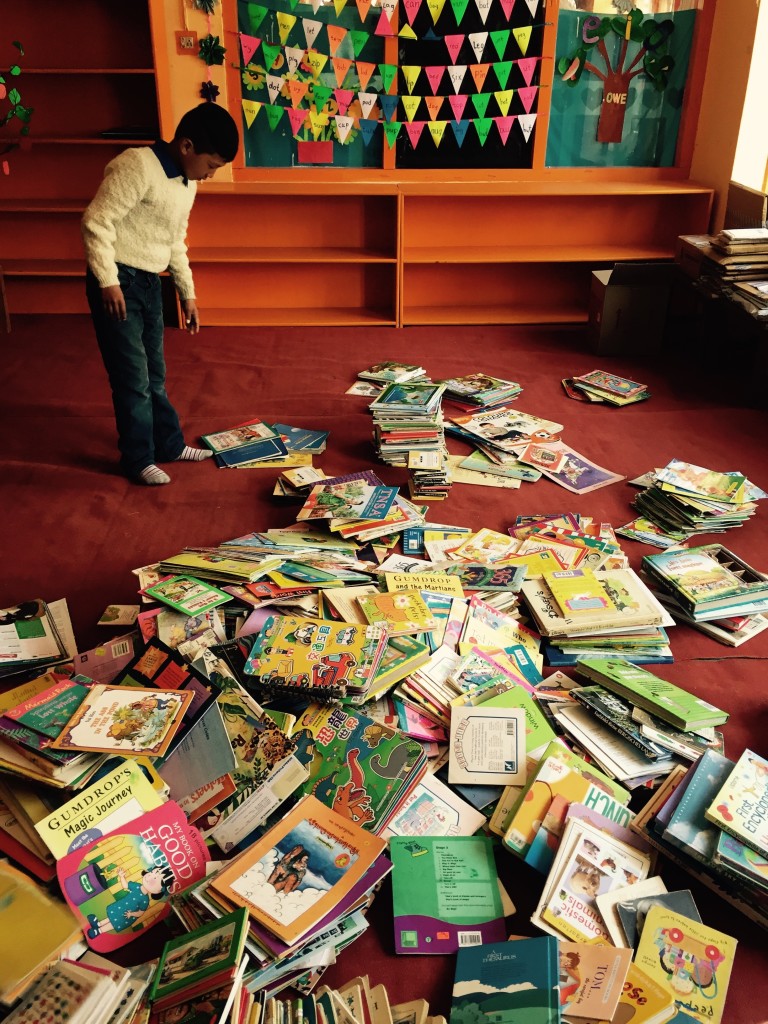
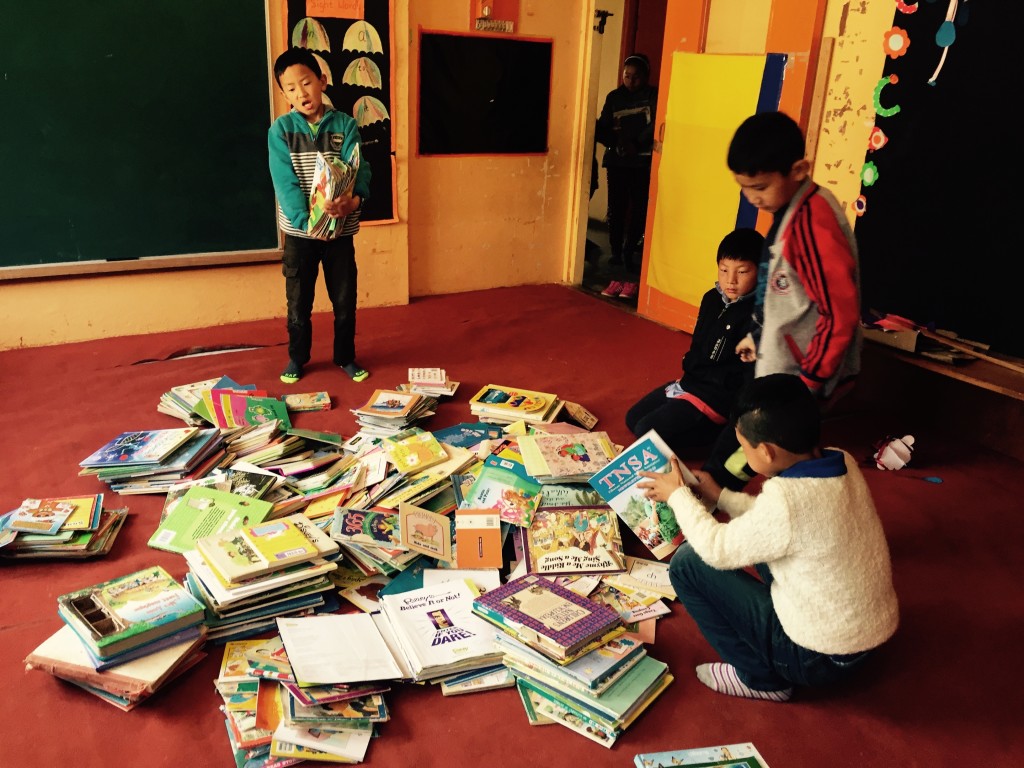
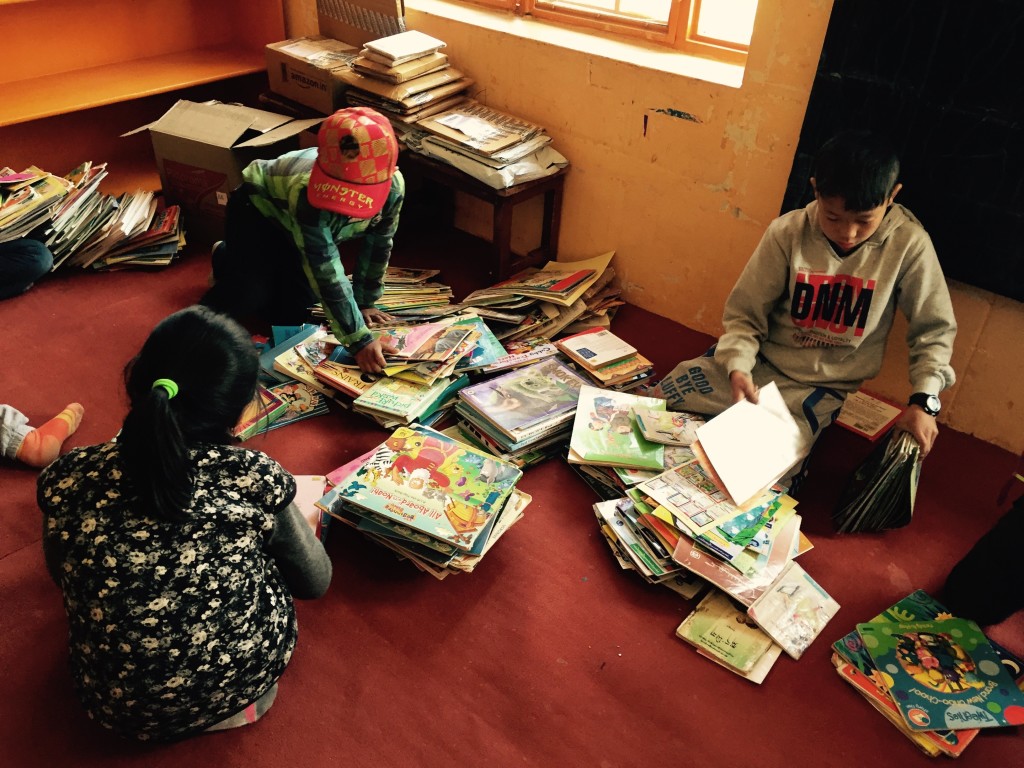
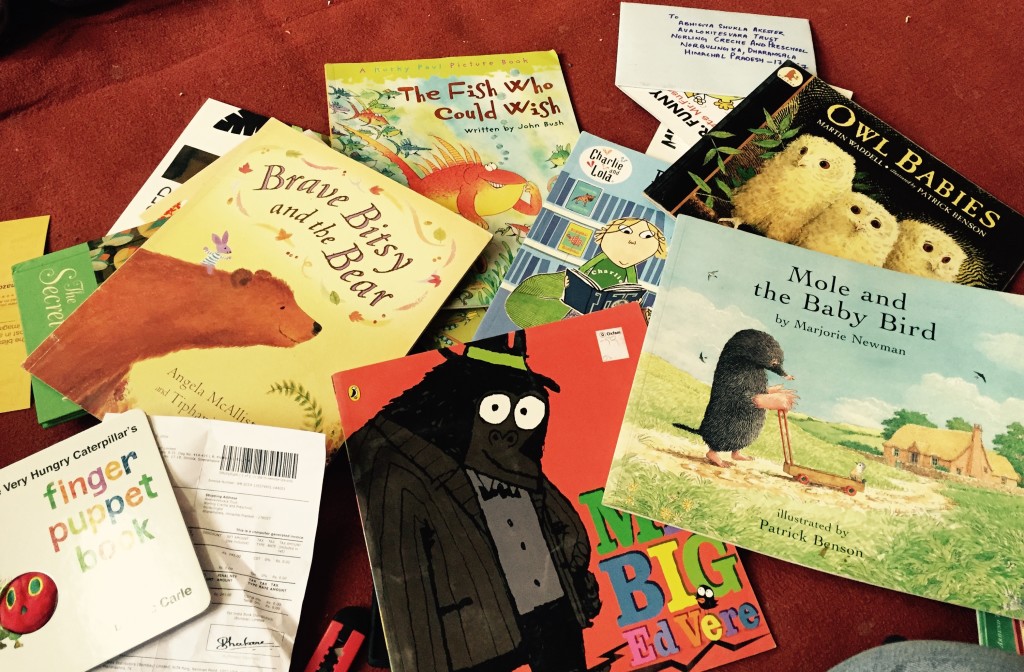
Book drives in Australia require careful curation before anything is packed. Everyday habits such as clearing bookshelves during school holidays or donating after a house move can produce generous collections, but donated titles need to be checked against the needs of the receiving reading room. Newer does not always mean better, and an older classic may be valuable if its language and cultural treatment remain appropriate.
Australian supporters also need to understand the local legal and financial setting. The Copyright Act 1968 governs copying and reproduction, so scanned pages, translated extracts, and digital distribution must be handled with permission where required. Donors may also need to distinguish between a tax-deductible gift and the purchase of goods, depending on the organisation and the transaction. Clear records, honest descriptions, and responsible handling of personal information help maintain trust.
The Australian market offers useful options in cities such as Melbourne, Sydney, Brisbane, and Perth, including independent bookshops, library sales, school networks, multicultural publishers, and specialist distributors. Shipping costs and import requirements can affect whether a local purchase, a regional supplier, or a direct order is the most sensible choice. We weigh the full cost and usefulness rather than measuring success by the number of boxes collected.
Reviewing Relevance Over Time
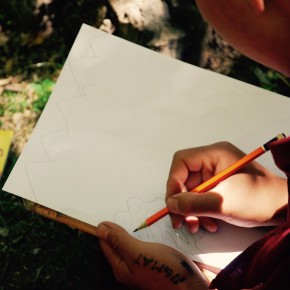
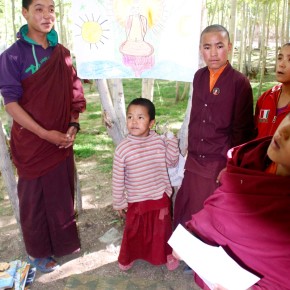
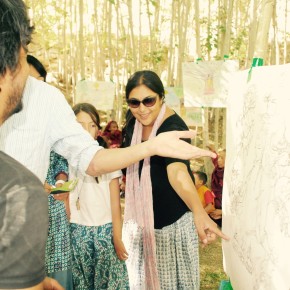
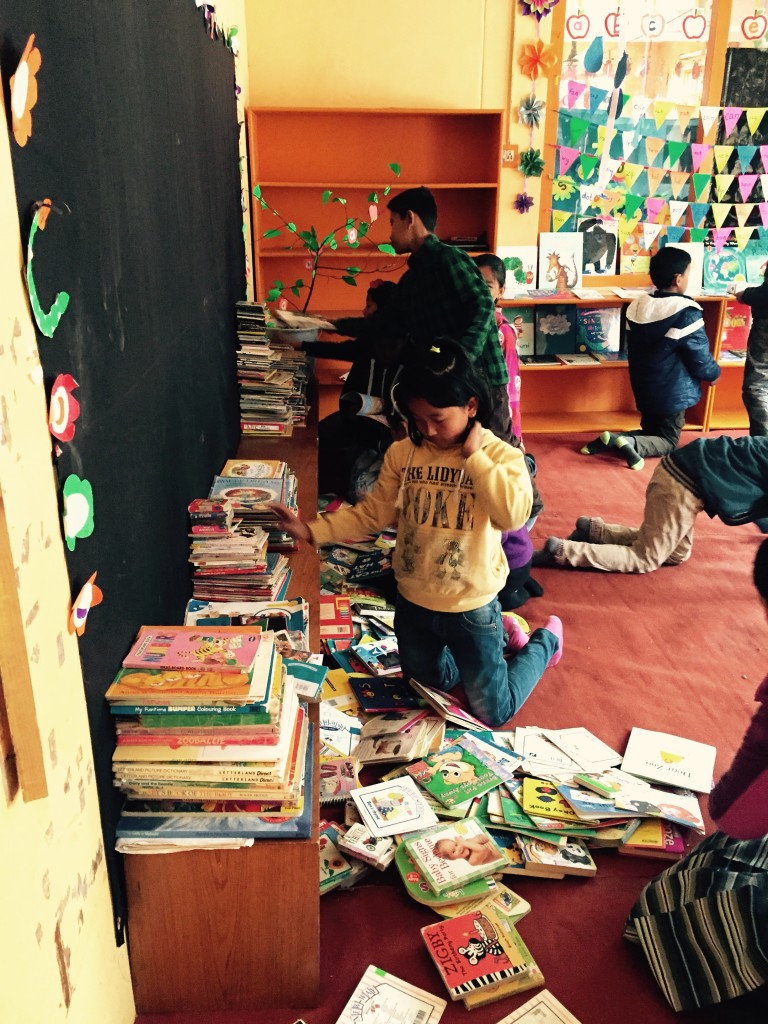
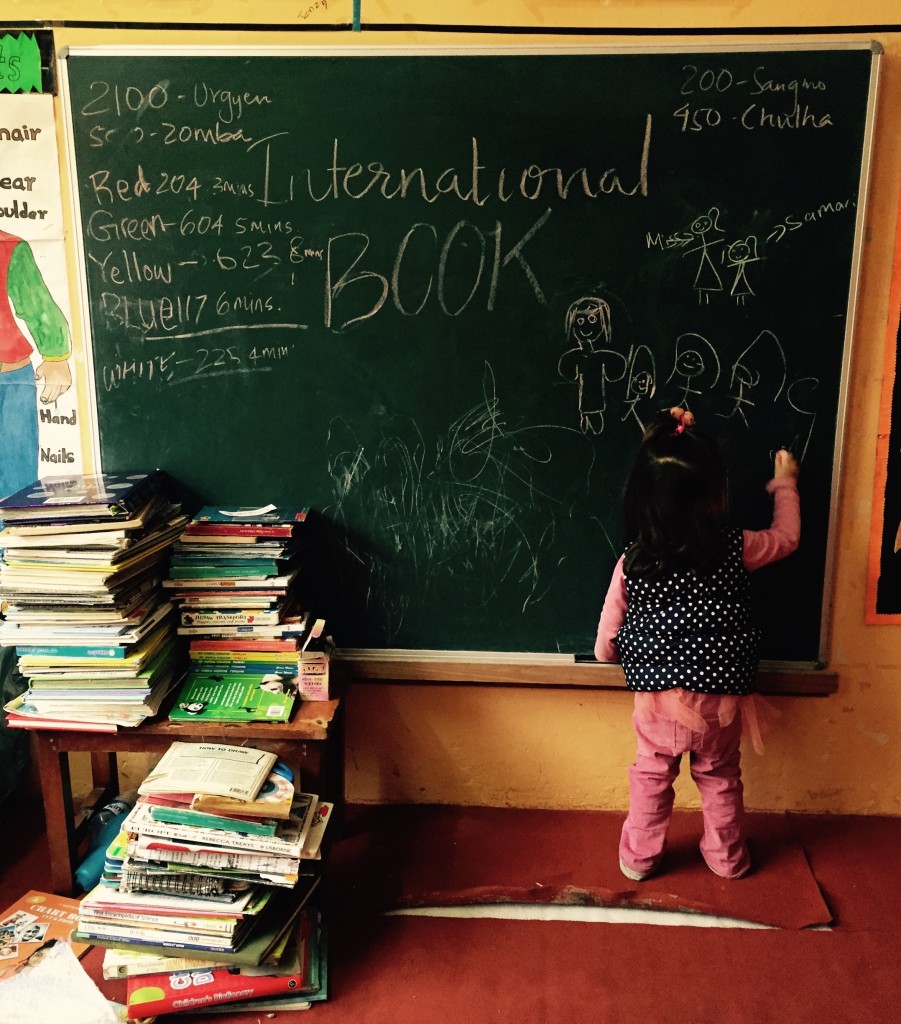
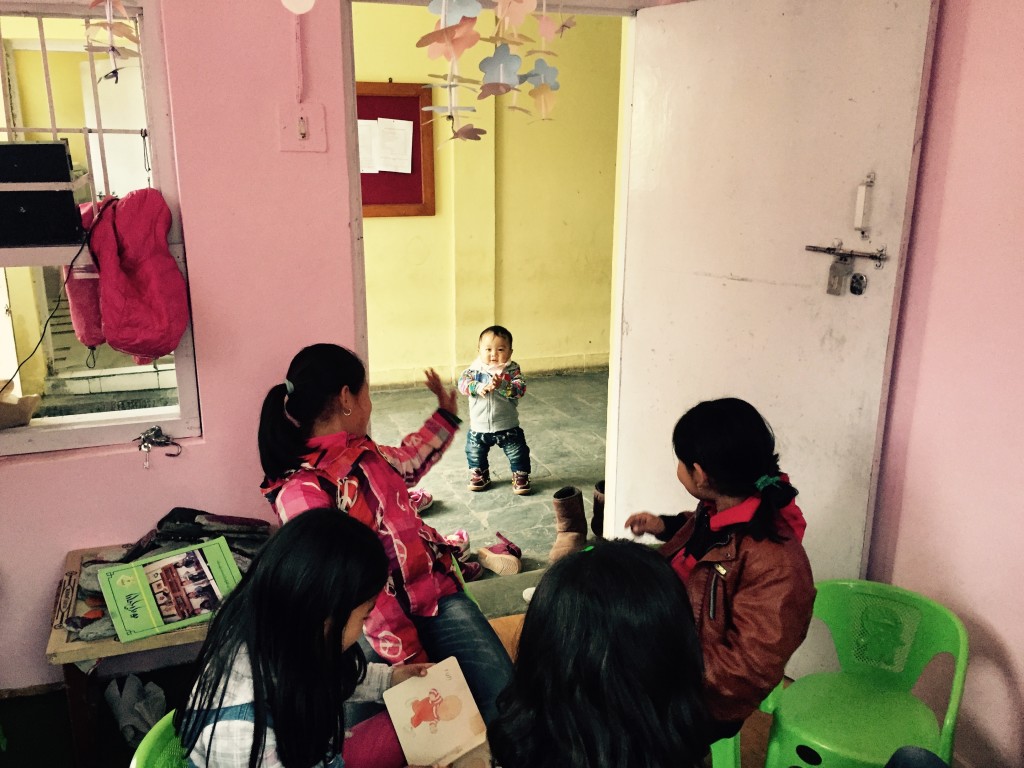
Book selection is an ongoing process. After a collection reaches a reading room, feedback can show which titles are borrowed repeatedly, which illustrations attract younger children, and which topics lead to drawing, music, conversation, or research. Volunteers and educators can record these observations without reducing children’s reading to statistics.
We also review books when new editions become available or when community priorities change. A collection may need more climate and environmental material, stories about girls and boys with varied ambitions, books for young monks, or resources that support artistic and musical activities. The aim is a living library that grows with its readers.
The following principles guide decisions across different sources and formats:
Practical Sourcing Principles
- Prioritise recommendations from teachers, families, librarians, and community educators.
- Check that cultural references, names, clothing, religious traditions, and landscapes are represented respectfully.
- Include local and regional languages alongside English-language resources.
- Match each title to children’s ages, reading levels, interests, and likely use in a shared reading room.
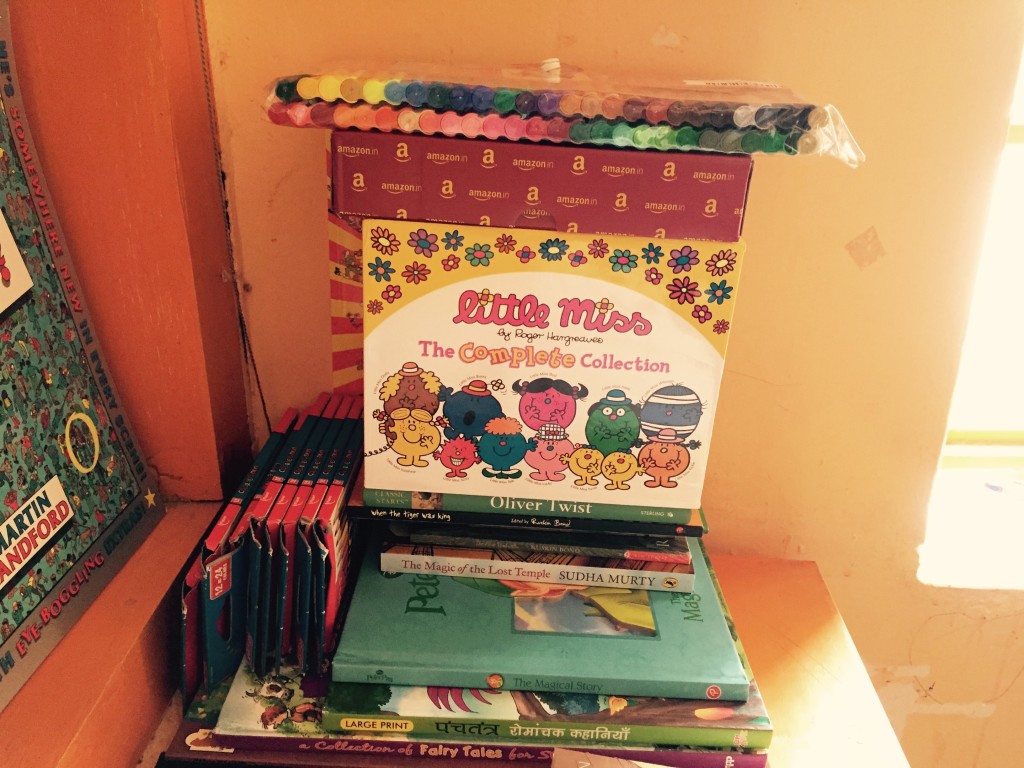
- Inspect donated books for condition, duplication, outdated information, and suitability before shipping.
- Keep records of purchases, donations, permissions, transport costs, and destination communities.
- Review borrowing patterns and educator feedback before expanding or replacing a collection.
| Source |
Strength |
Points To Check |
Best Use |
| Local Himalayan publishers |
Close cultural and linguistic relevance |
Availability, print quality, distribution |
Core community collections |
| Indian and South Asian booksellers |
Broad regional selection |
Language, authorship, regional accuracy |
Mixed-age libraries |
| Australian independent bookshops |
Convenient purchasing and specialist advice |
Shipping, price, stock consistency |
Targeted additions |
| School and community book drives |
Large volume and community involvement |
Condition, duplication, suitability |
Carefully screened supplementary stock |
| Libraries and second-hand sellers |
Affordable and varied titles |
Edition, missing pages, outdated content |
Reference and general reading |
A reliable next step is to create a short priority list with a community partner, including requested languages, age groups, themes, and quantities, before buying or collecting a single book.