How Monastery Partnerships Strengthen Young Monks’ Education
Education in the Himalayan region often grows through relationships. A monastery may have dedicated teachers, motivated young monks, and a strong learning tradition, yet still lack current books, creative materials, quiet reading areas, or opportunities to explore subjects beyond the standard curriculum. A thoughtful partnership can help fill those gaps while respecting the monastery’s culture and daily rhythm.
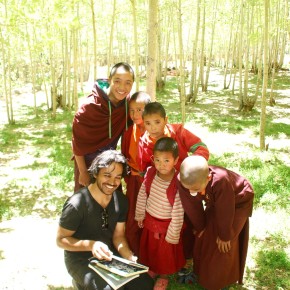
For Avalokiteśvara Trust, supporting young monks means looking at the whole learning environment. Literacy, artistic expression, music, confidence, and access to reliable educational resources all contribute to a child’s development. The aim is to work alongside monastic communities, listen carefully, and build practical initiatives that remain useful long after a book drive or activity session has ended.
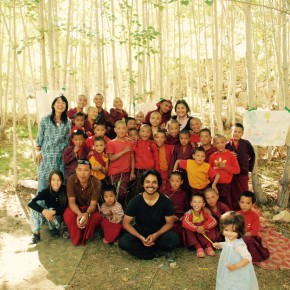
This approach is rooted in steady cooperation rather than one-time assistance. Through Avalokiteśvara Trust’s work, supporters can help create connections between monasteries, volunteers, donors, educators, and children who are eager to learn.
Building Trust Through Listening
A monastery is more than a school building. It is a spiritual home, a community, and a place shaped by long-established responsibilities. Before planning an educational activity, the Trust takes time to understand how the monastery operates, when young monks study, what subjects they enjoy, and which resources teachers consider most valuable.
Conversations with monks, teachers, administrators, and local community members help establish shared priorities. One monastery may need age-appropriate storybooks and a reading corner, while another may benefit from English-language materials, art supplies, musical instruments, or structured creative workshops. Listening prevents outside organizations from bringing unsuitable resources or imposing programs that do not fit local needs.
Trust also develops through consistency. Returning to a community, keeping promises, communicating clearly, and treating monastic leaders as partners creates a foundation for long-term educational support. The relationship becomes a two-way exchange in which local knowledge guides every stage of the work.
Matching Resources To Real Needs
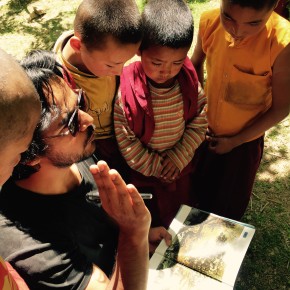
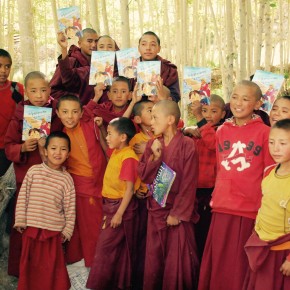
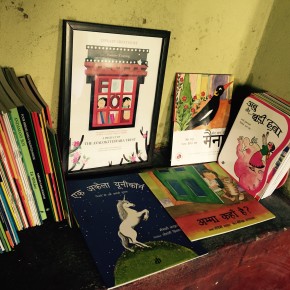
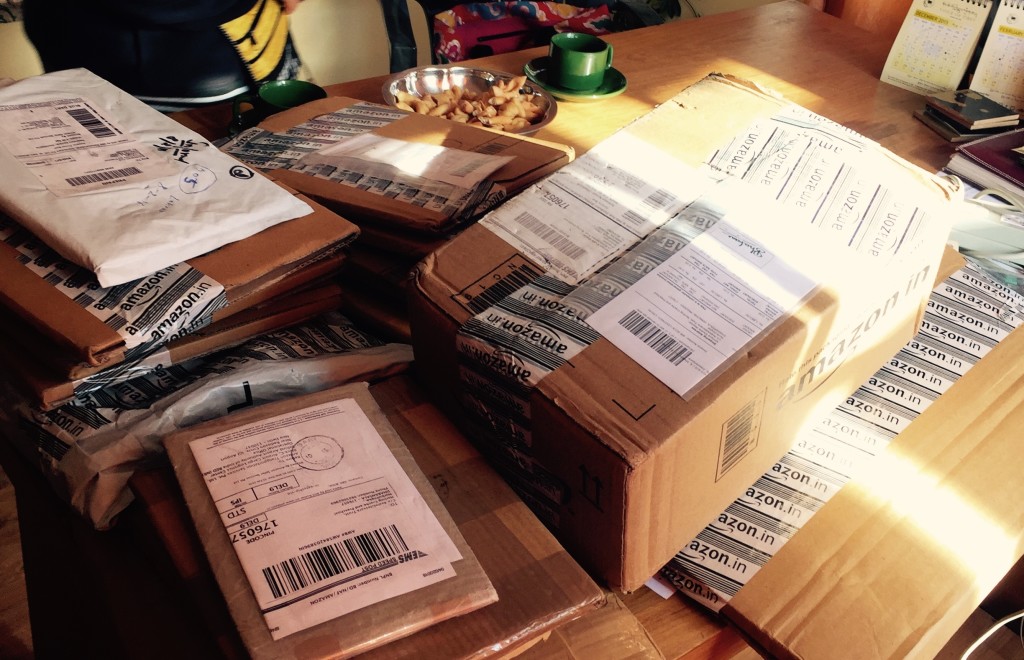
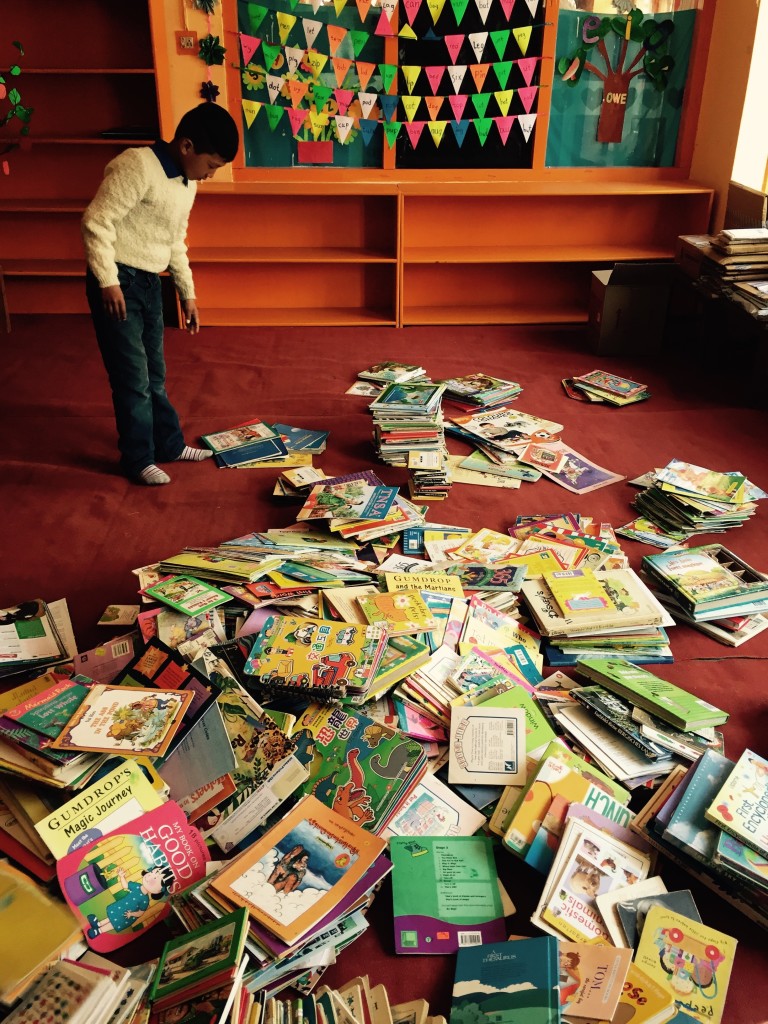
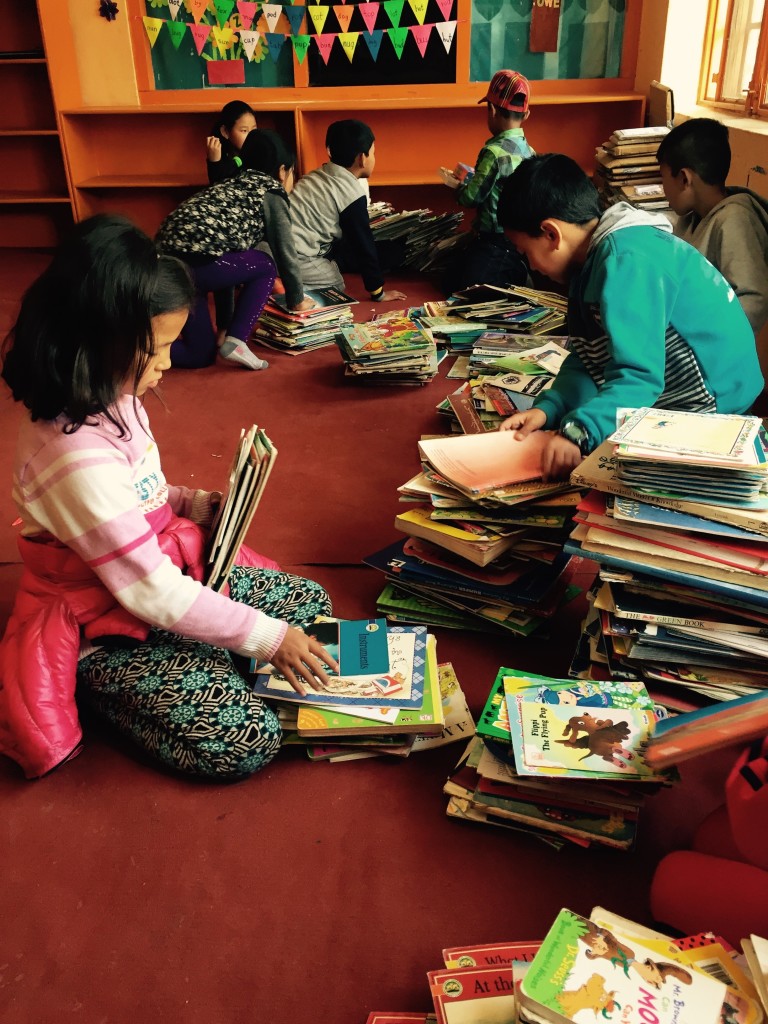
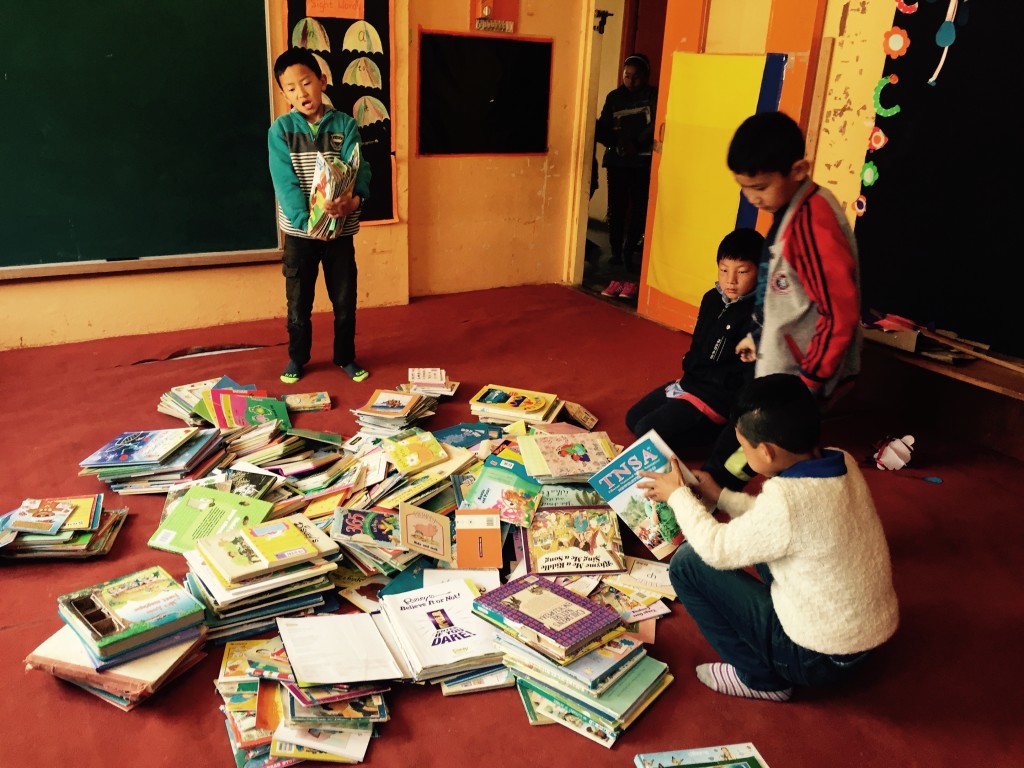
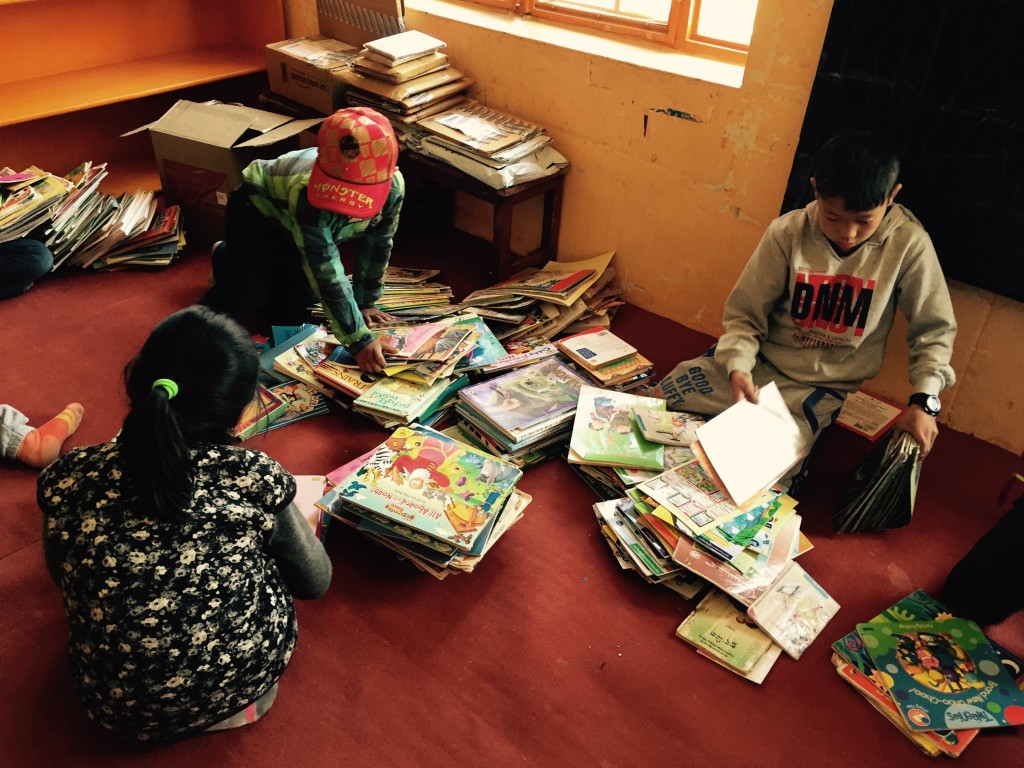
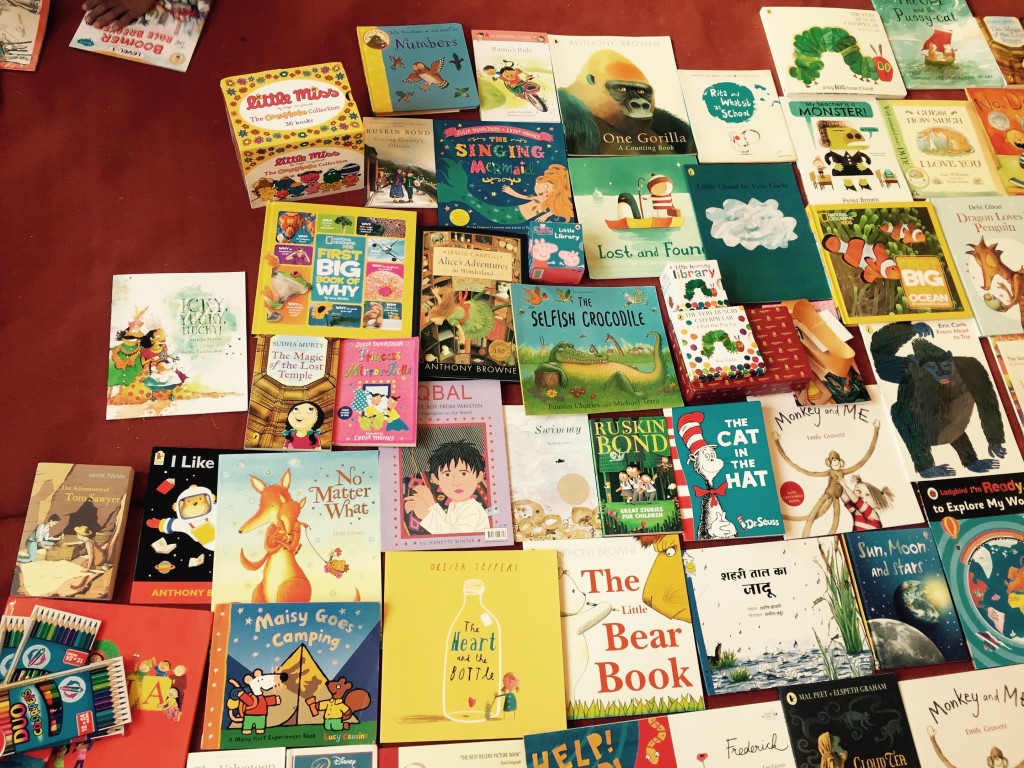
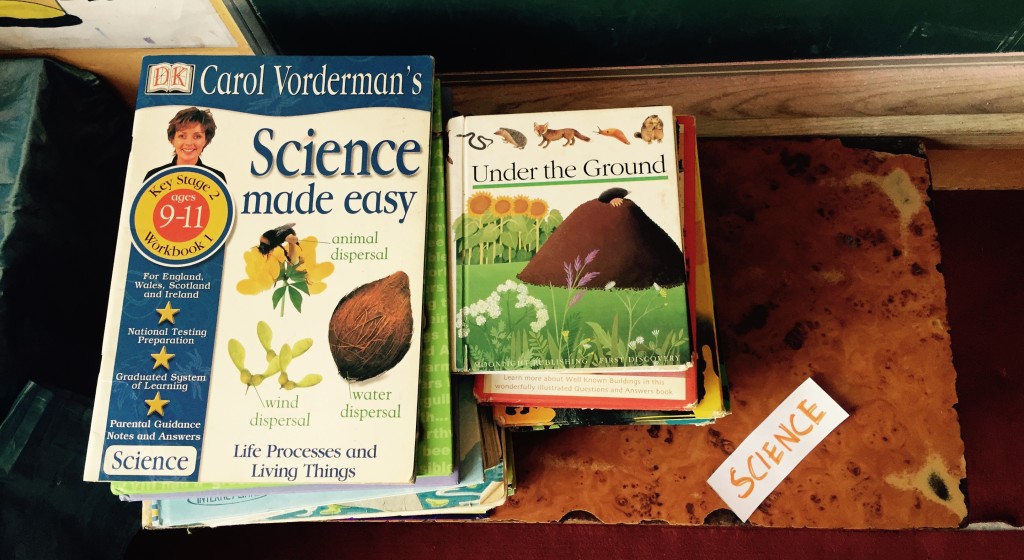
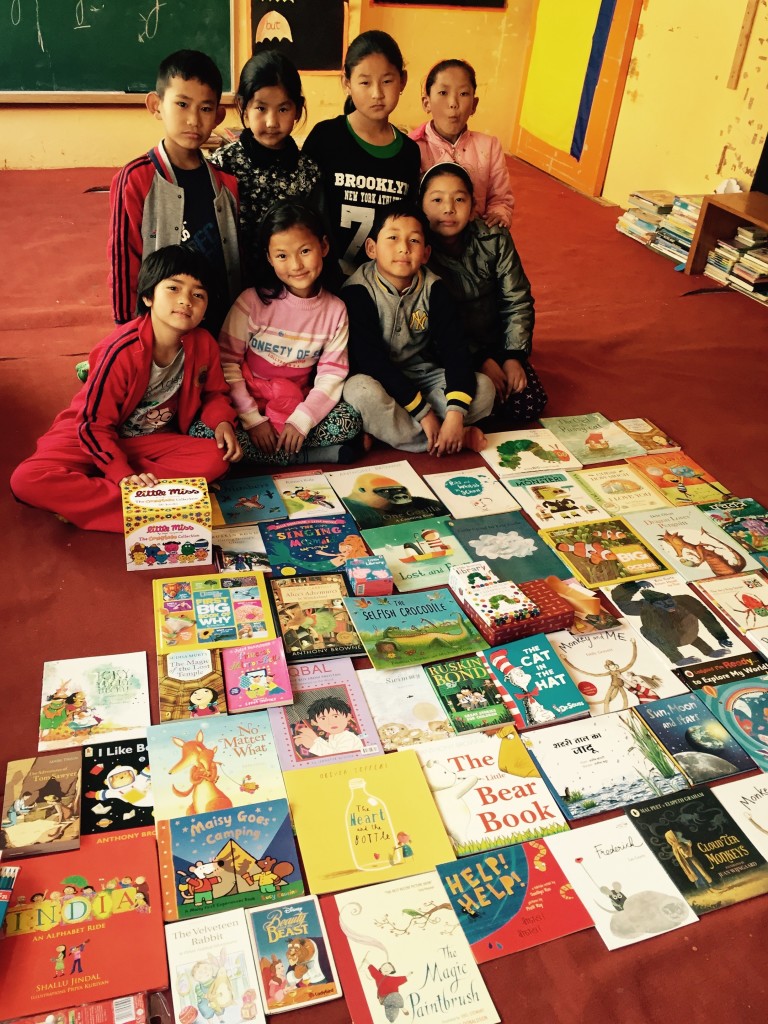
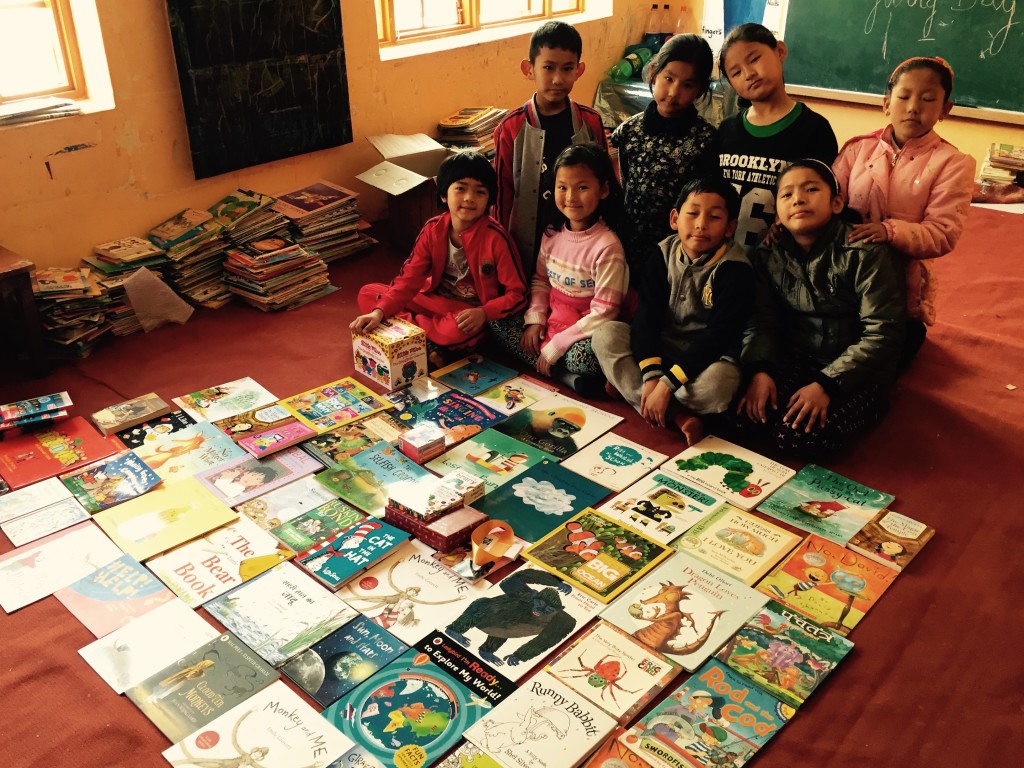
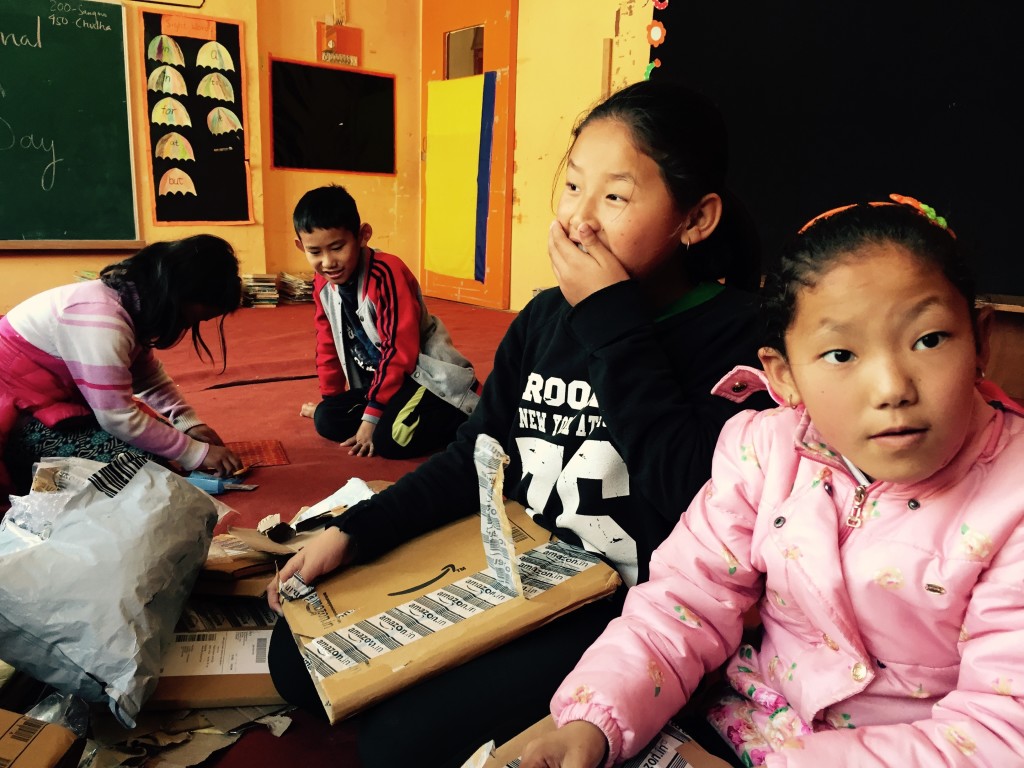
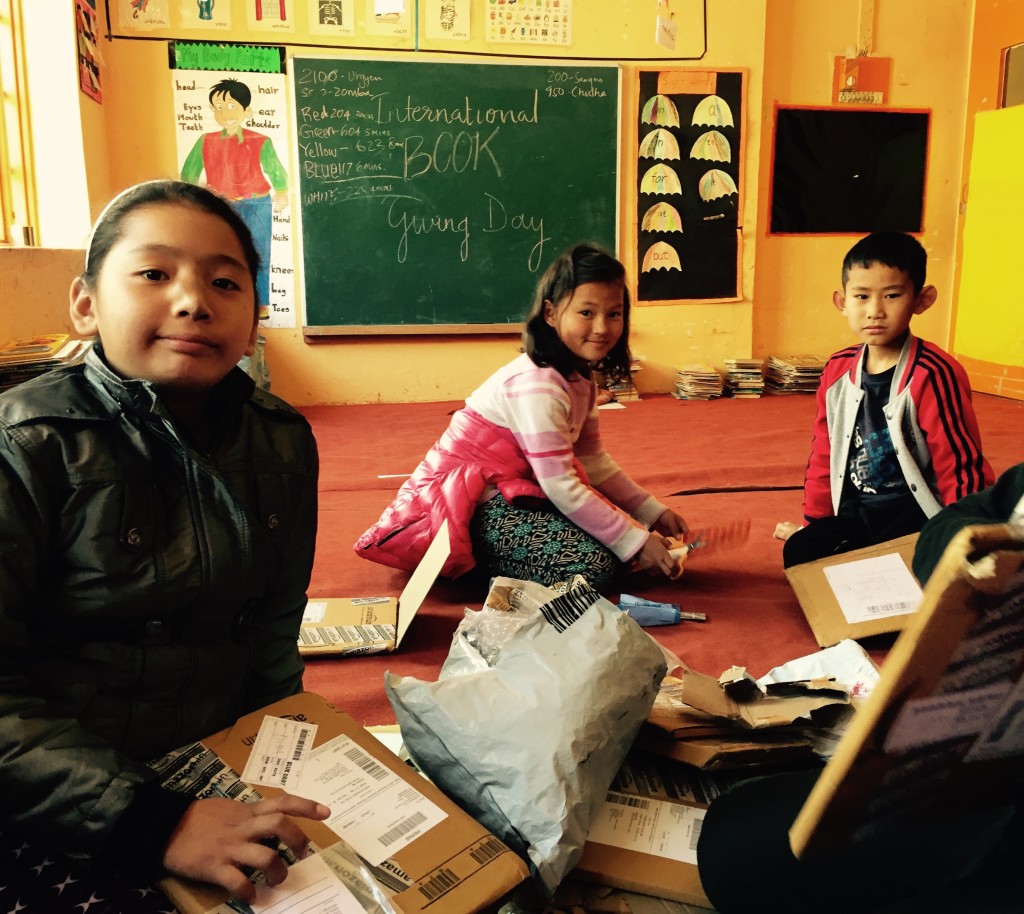
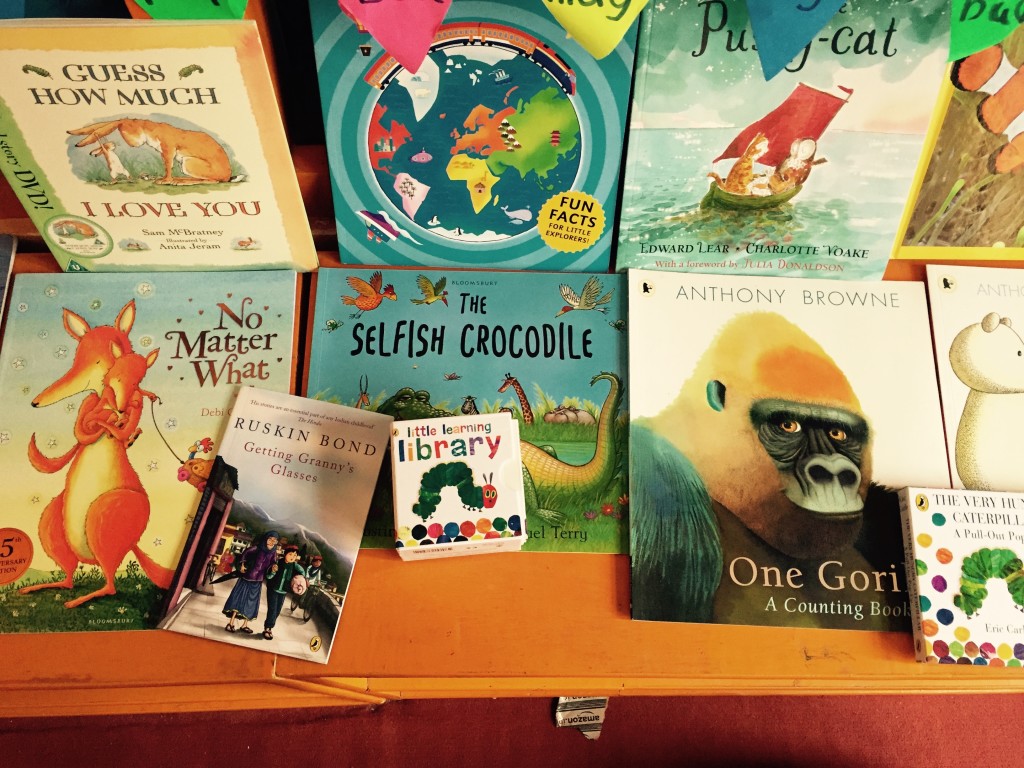
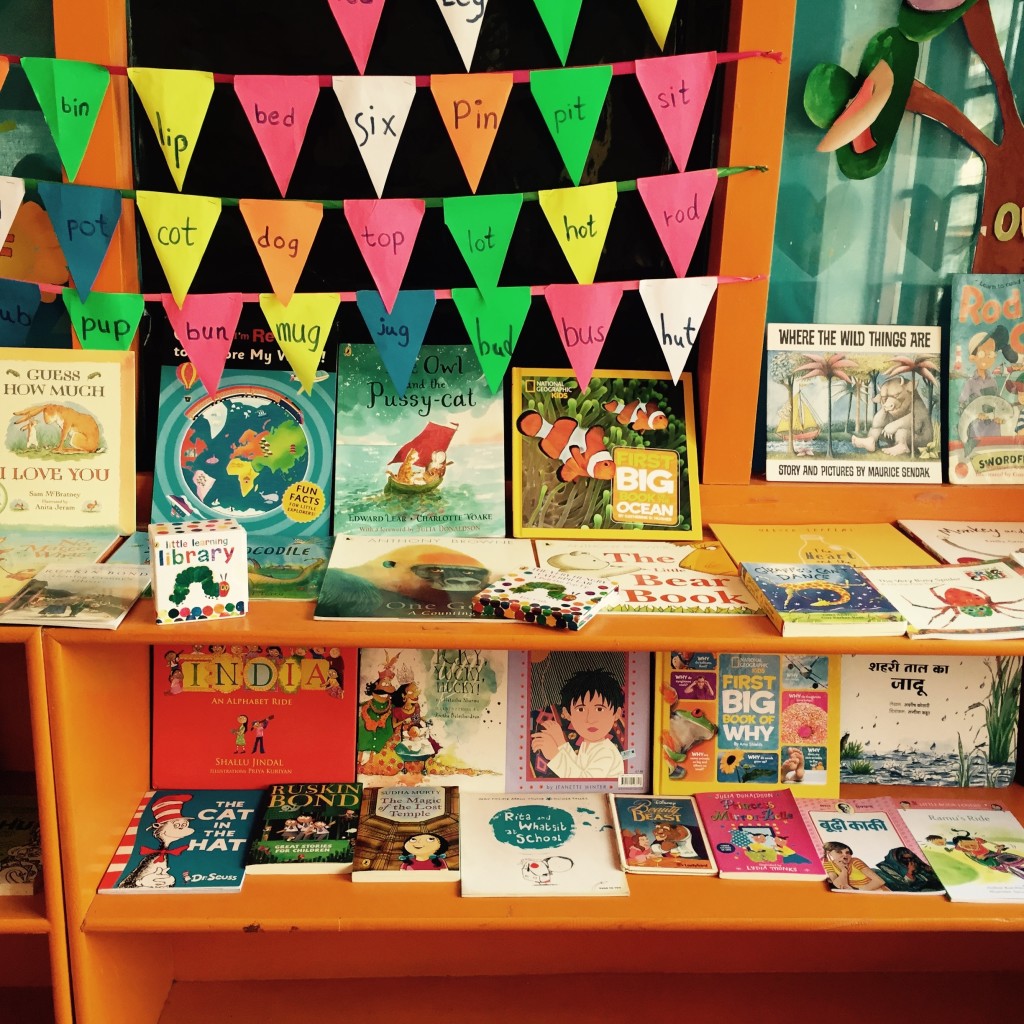
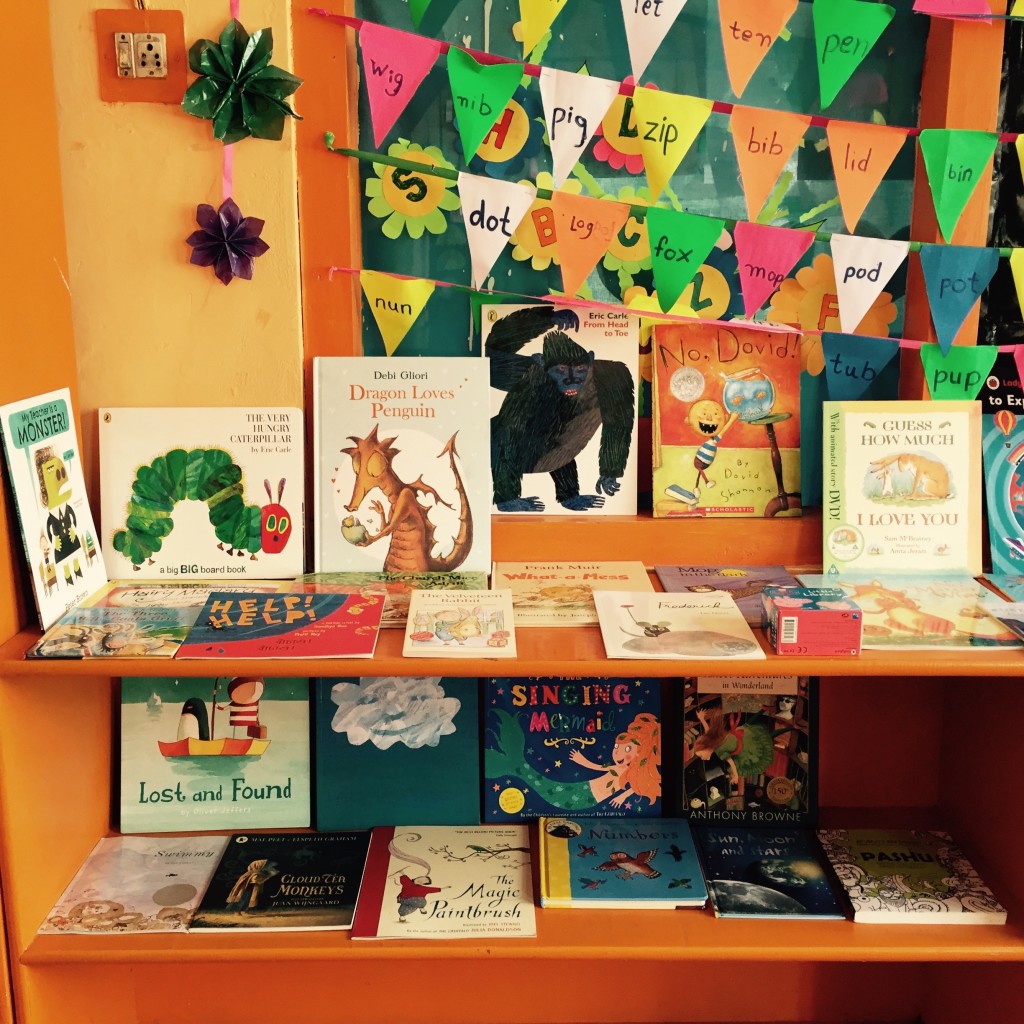
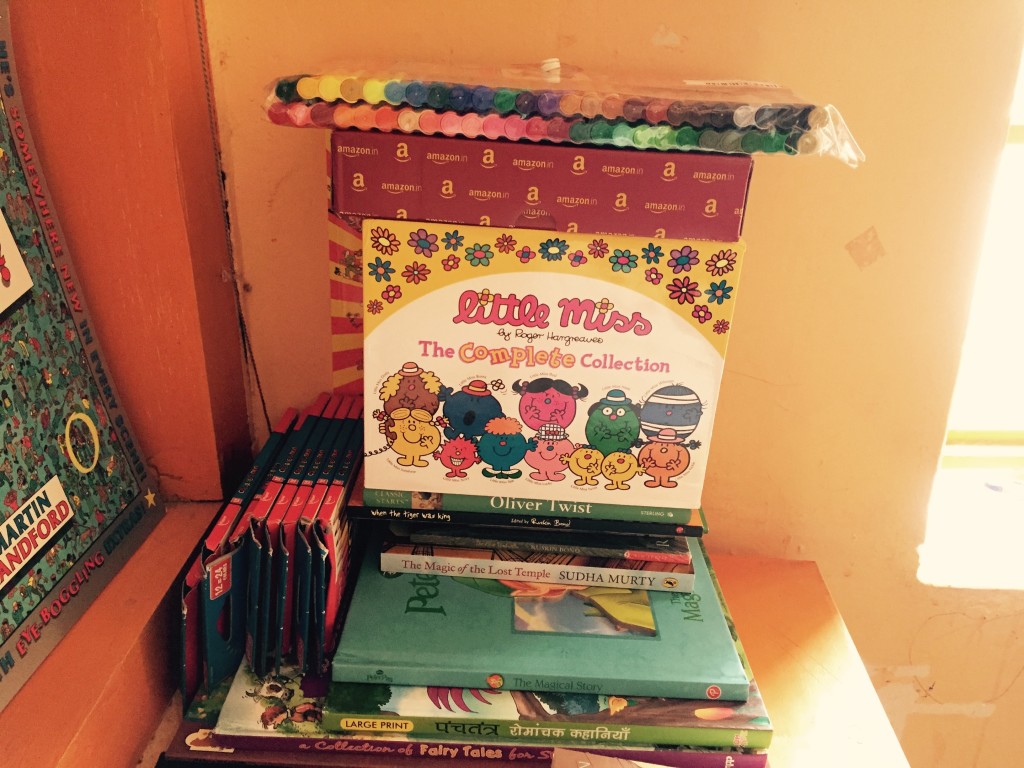
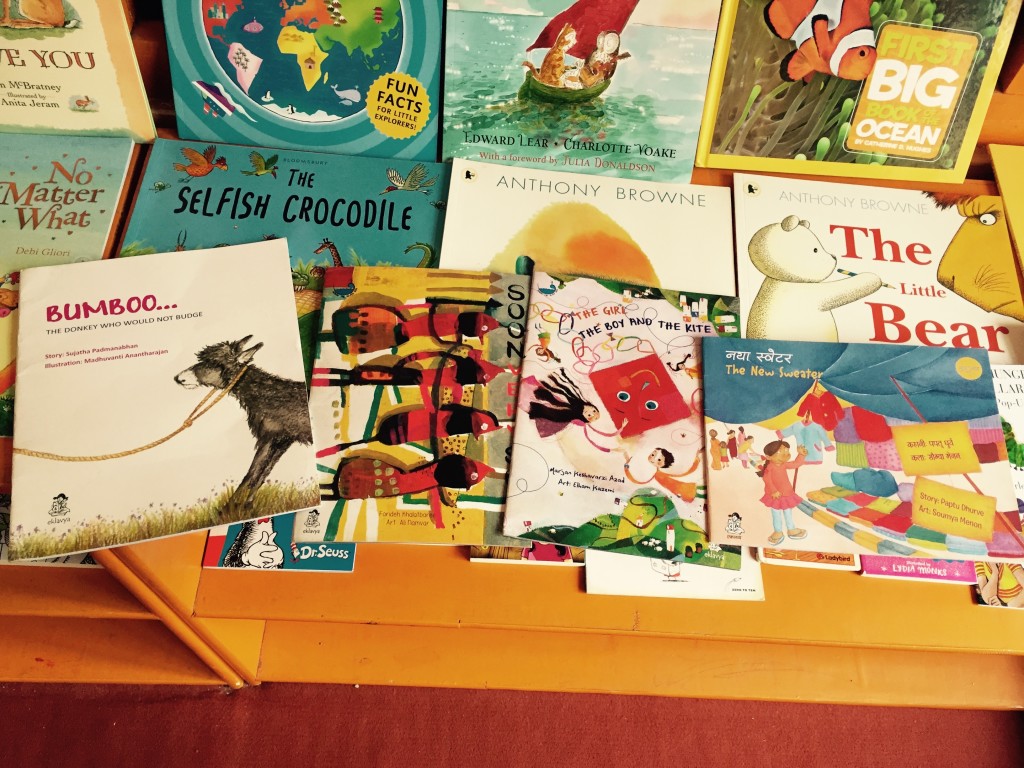
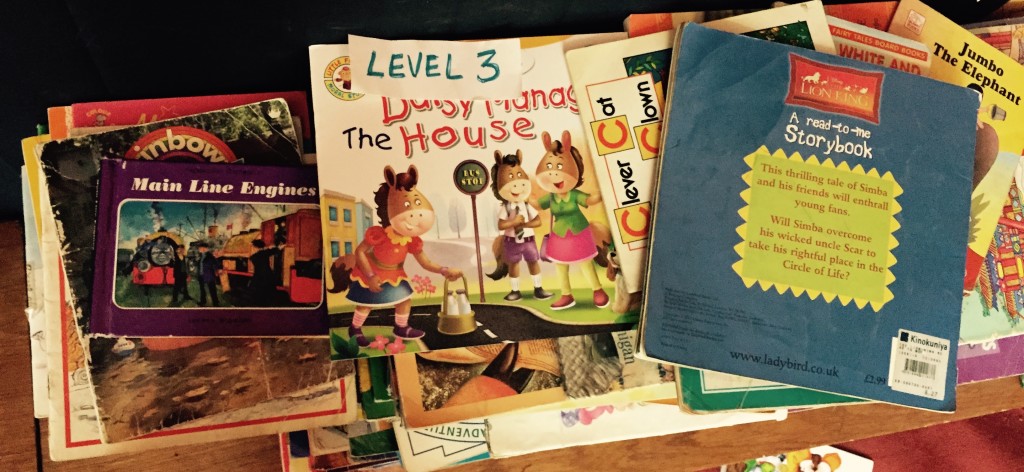
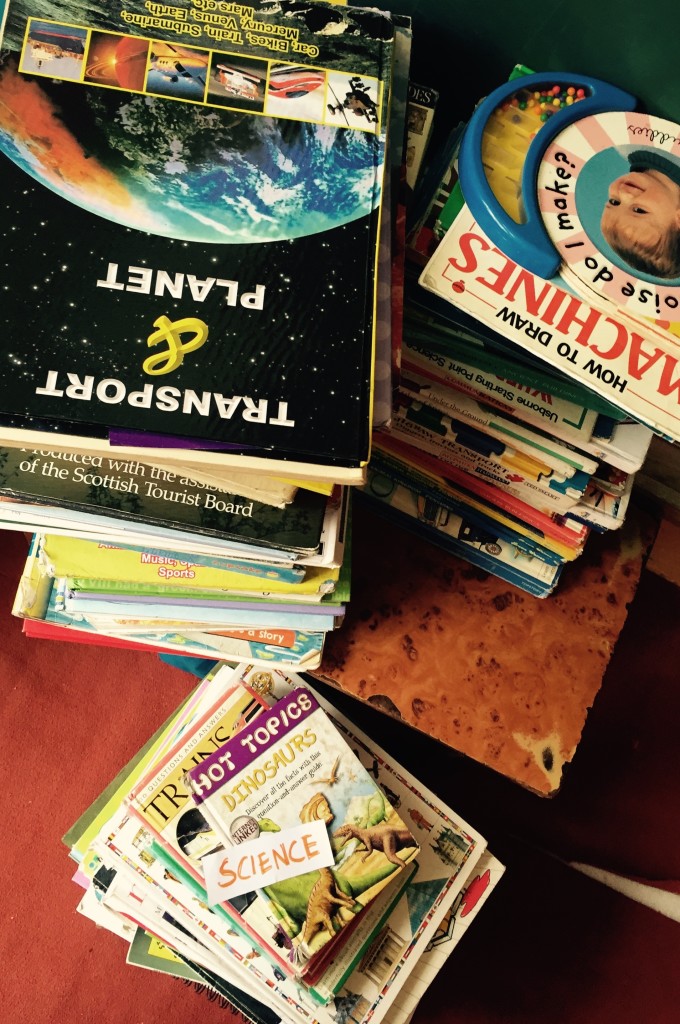
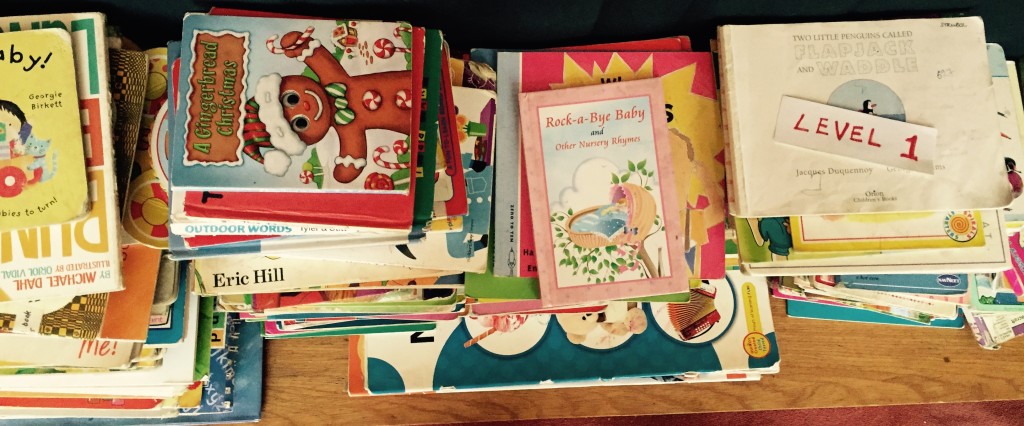
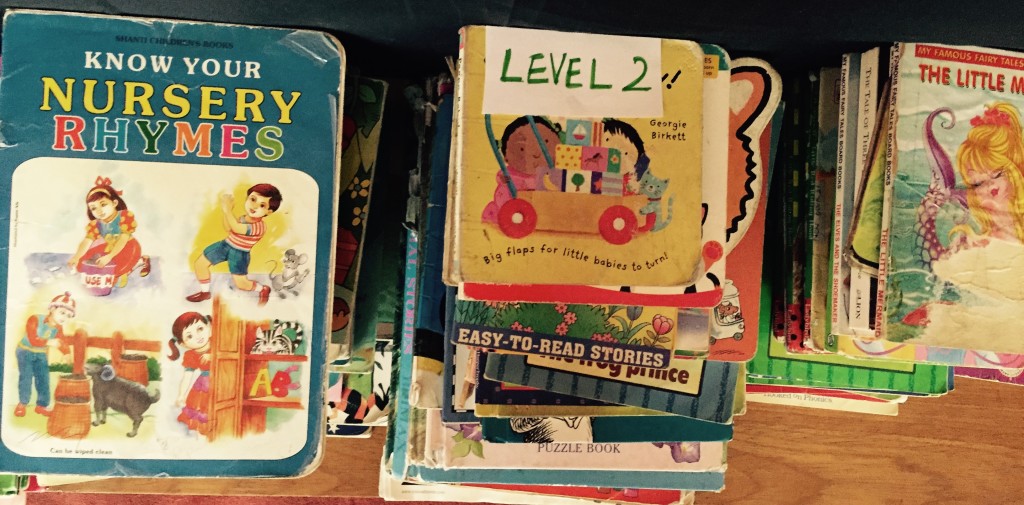
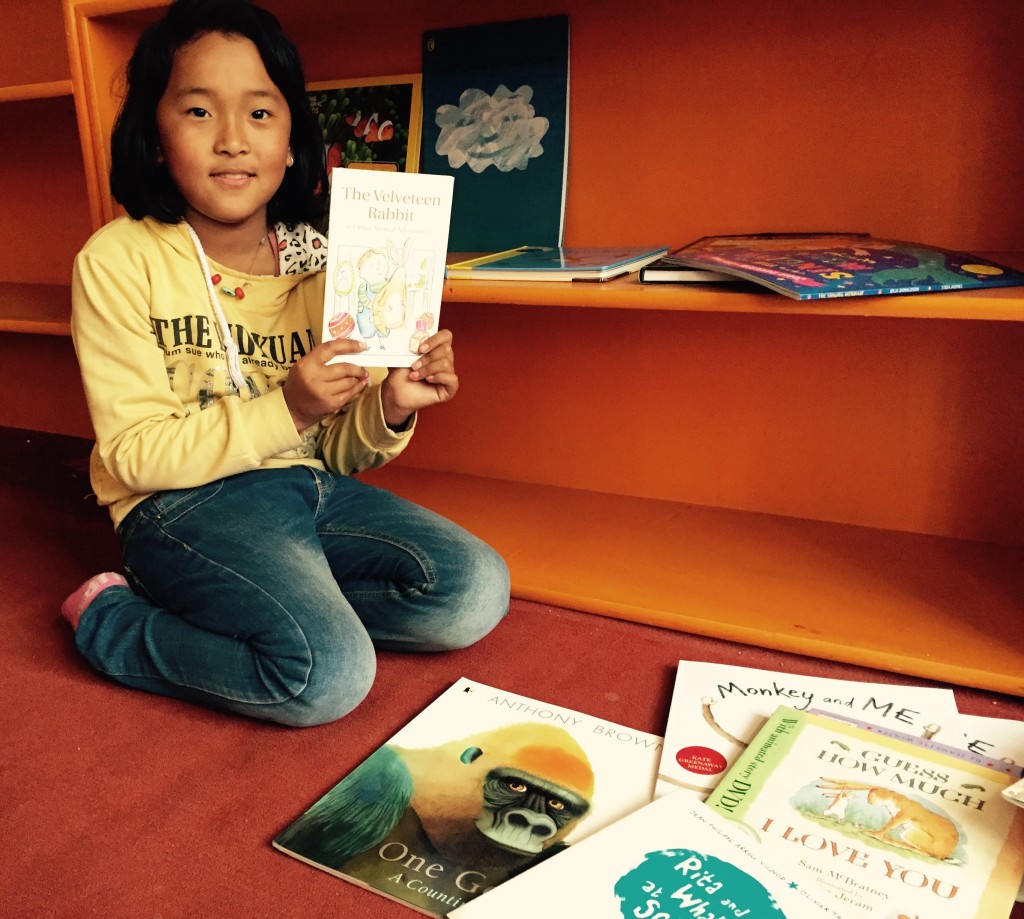
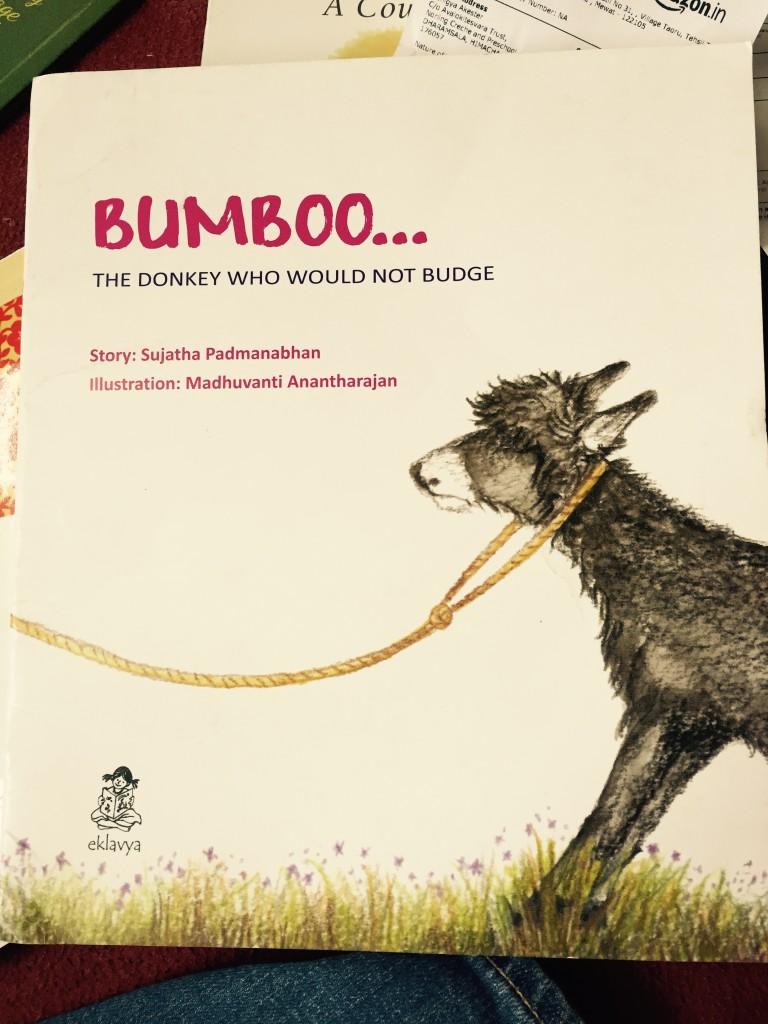
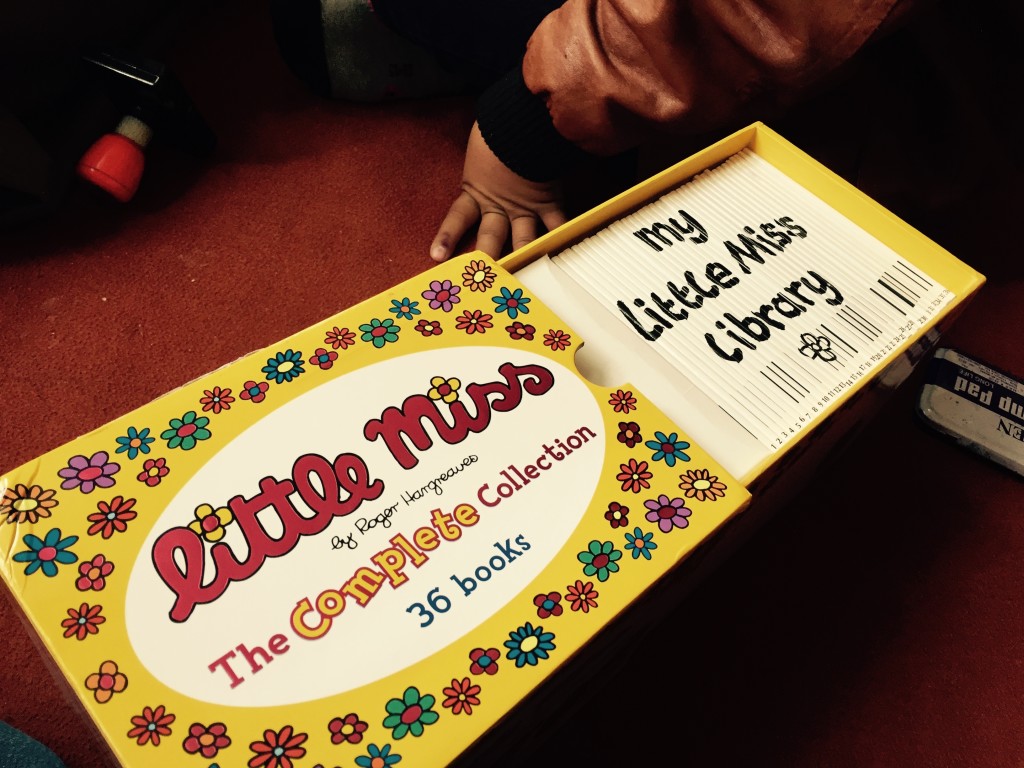
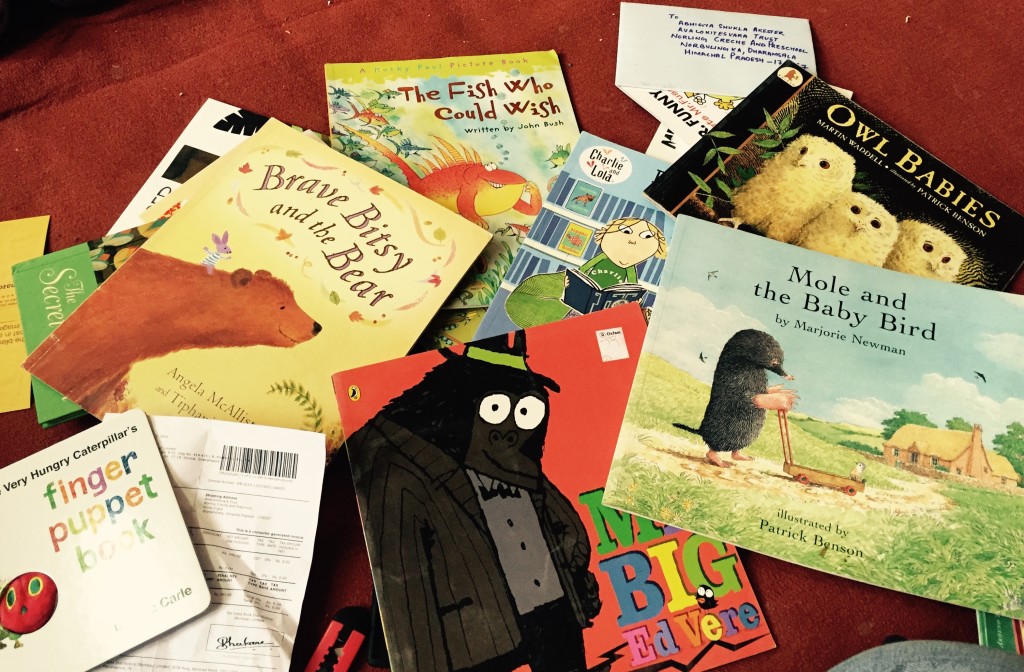
Book donations are most helpful when they are selected with care. Young monks may have different reading levels, language abilities, and interests, so a useful collection should include picture books, early readers, fiction, reference materials, cultural stories, and books that encourage curiosity about the wider world. Quality matters as much as quantity.
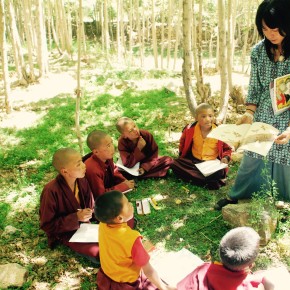
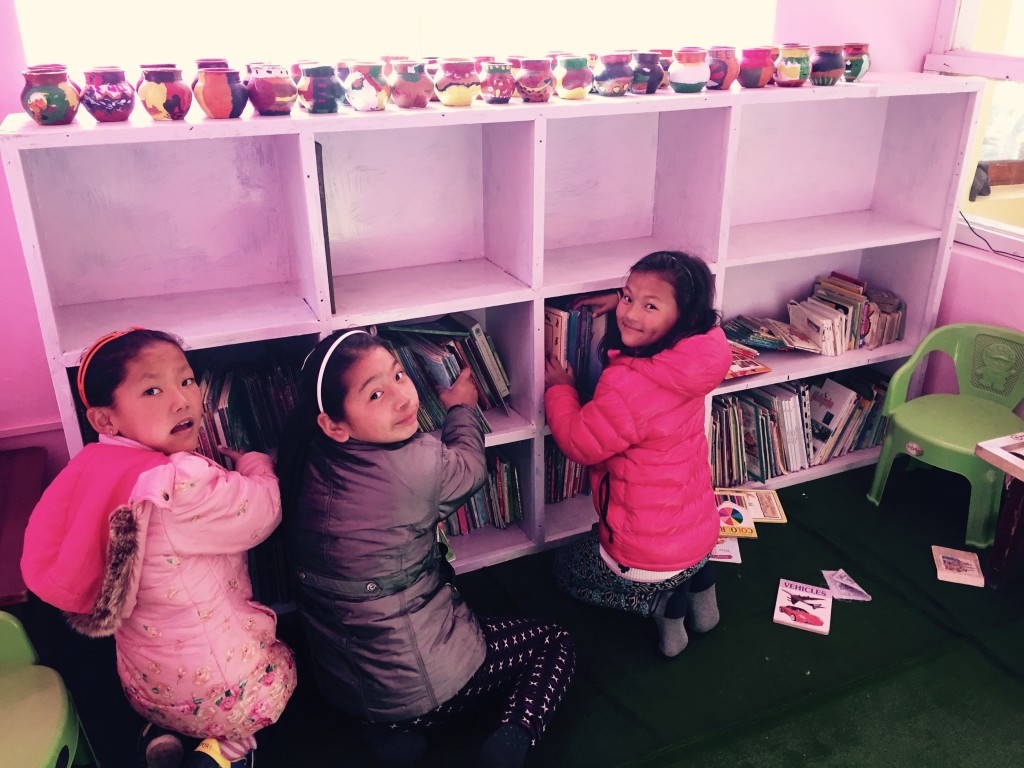
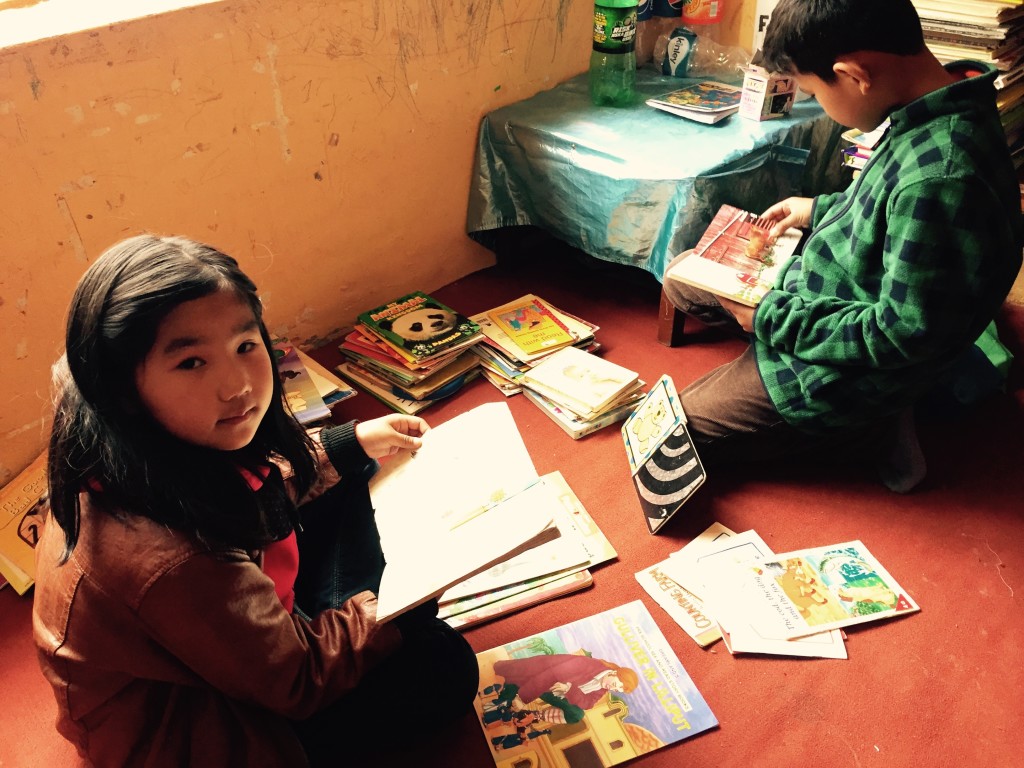
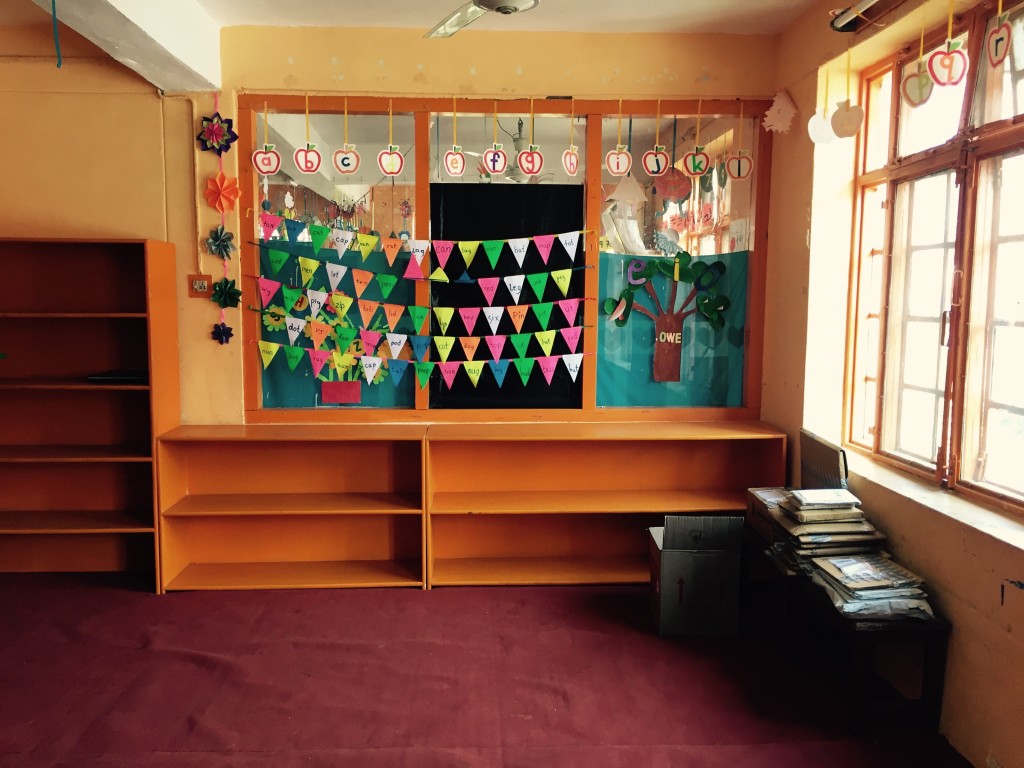
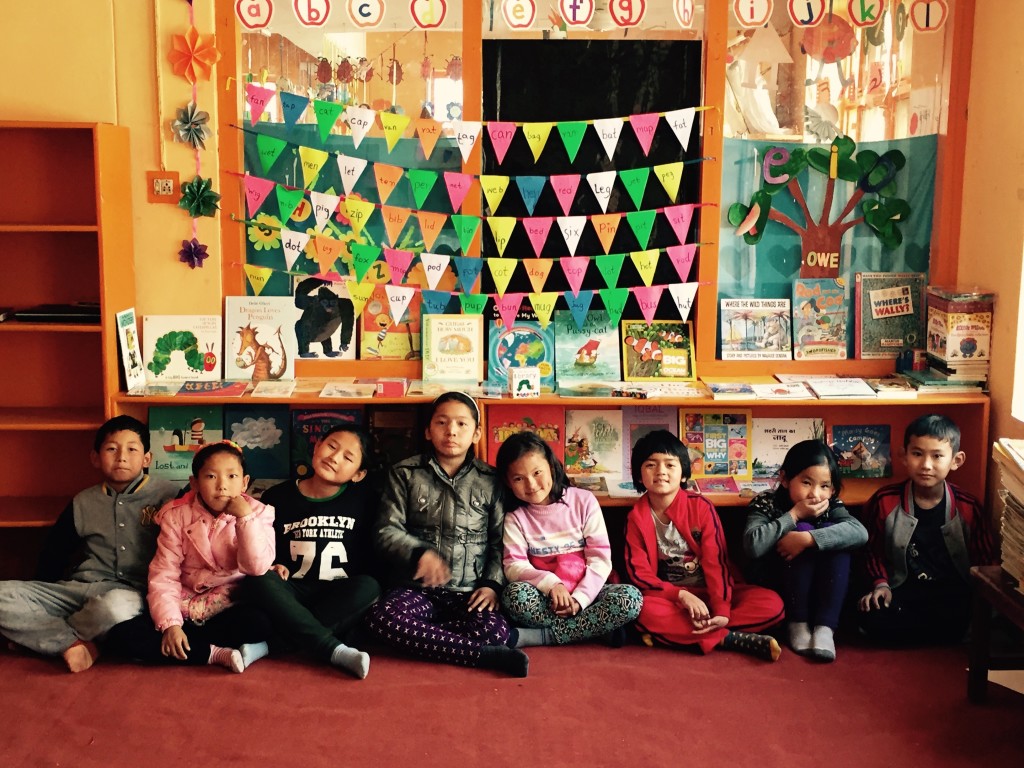
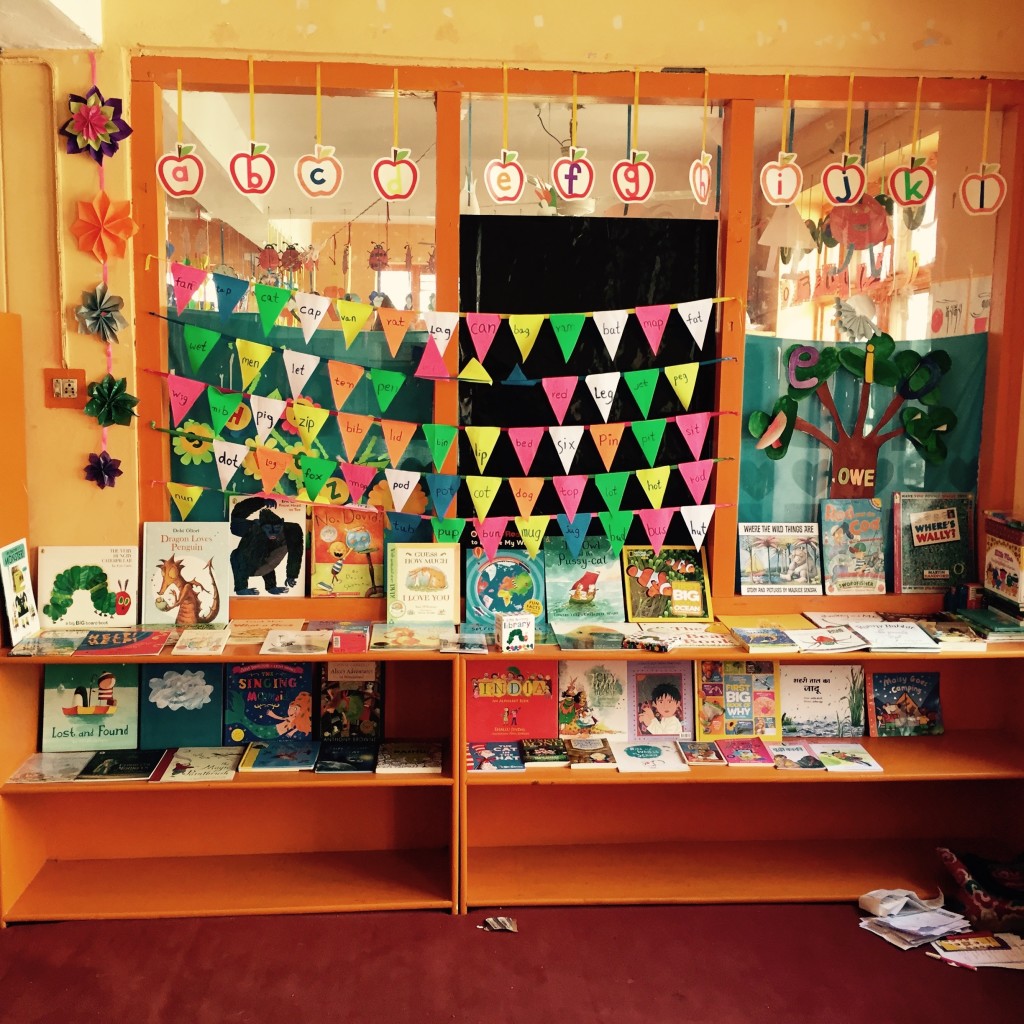
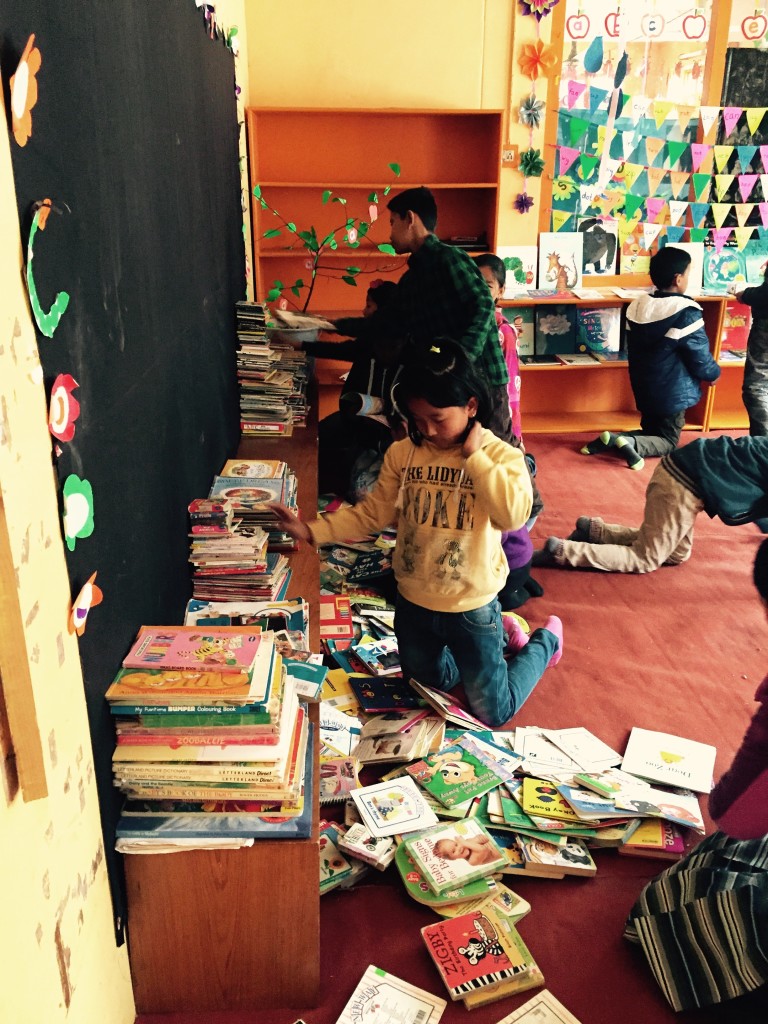
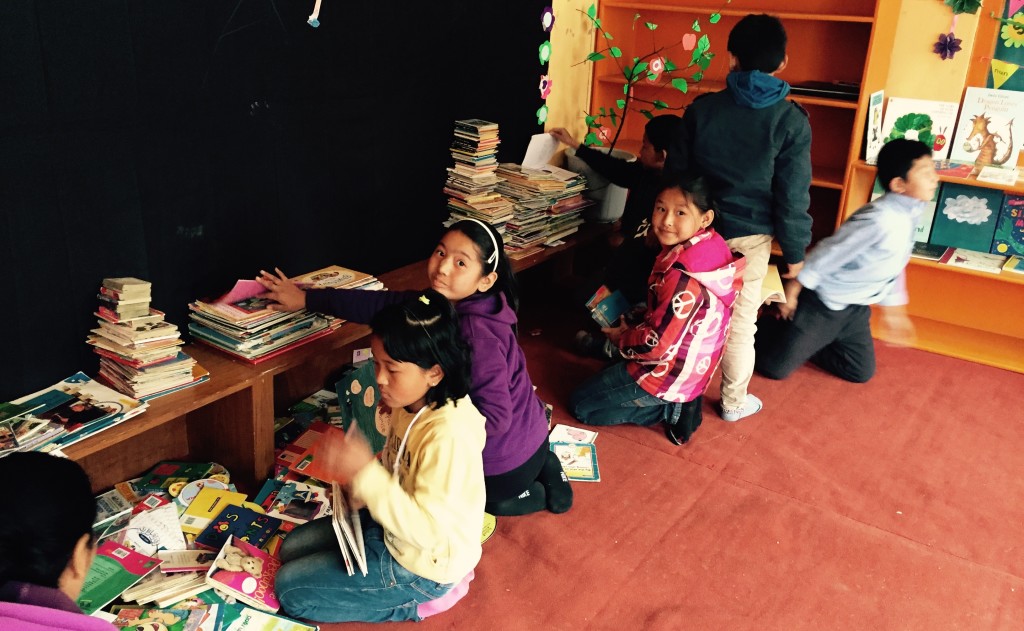
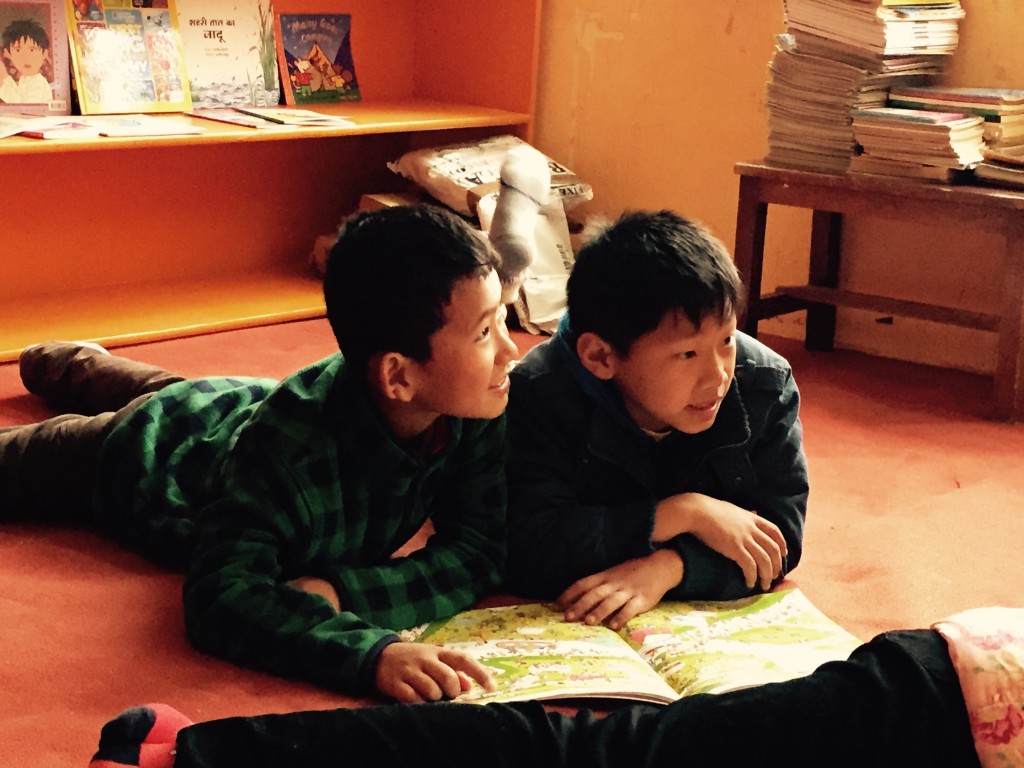
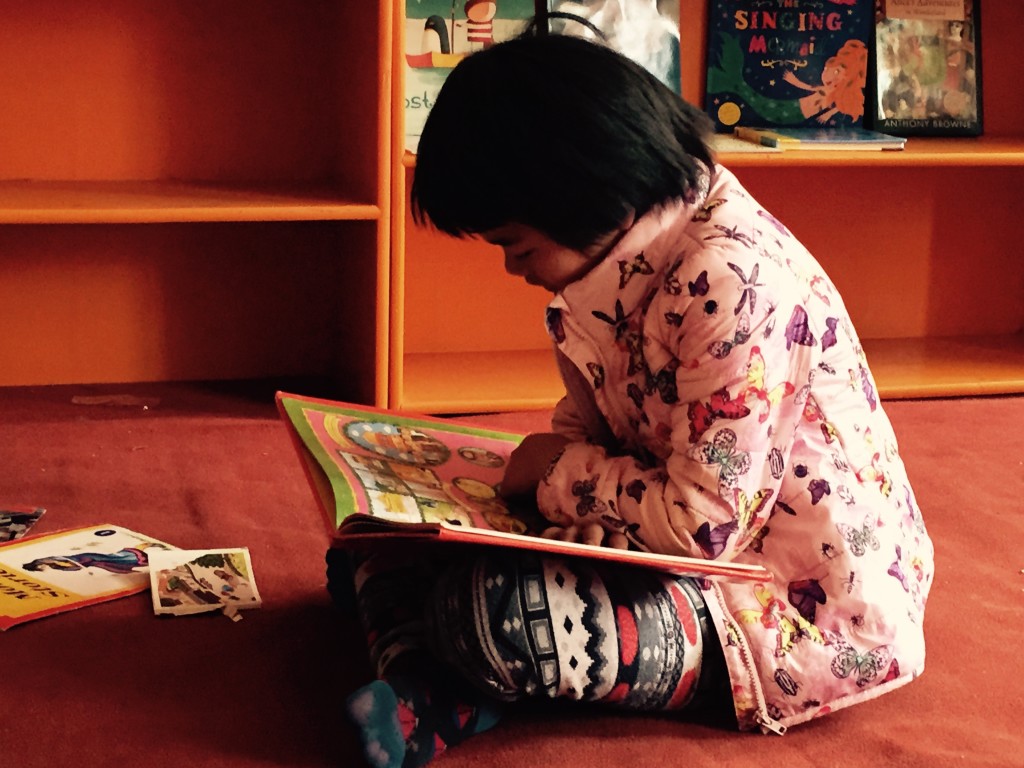
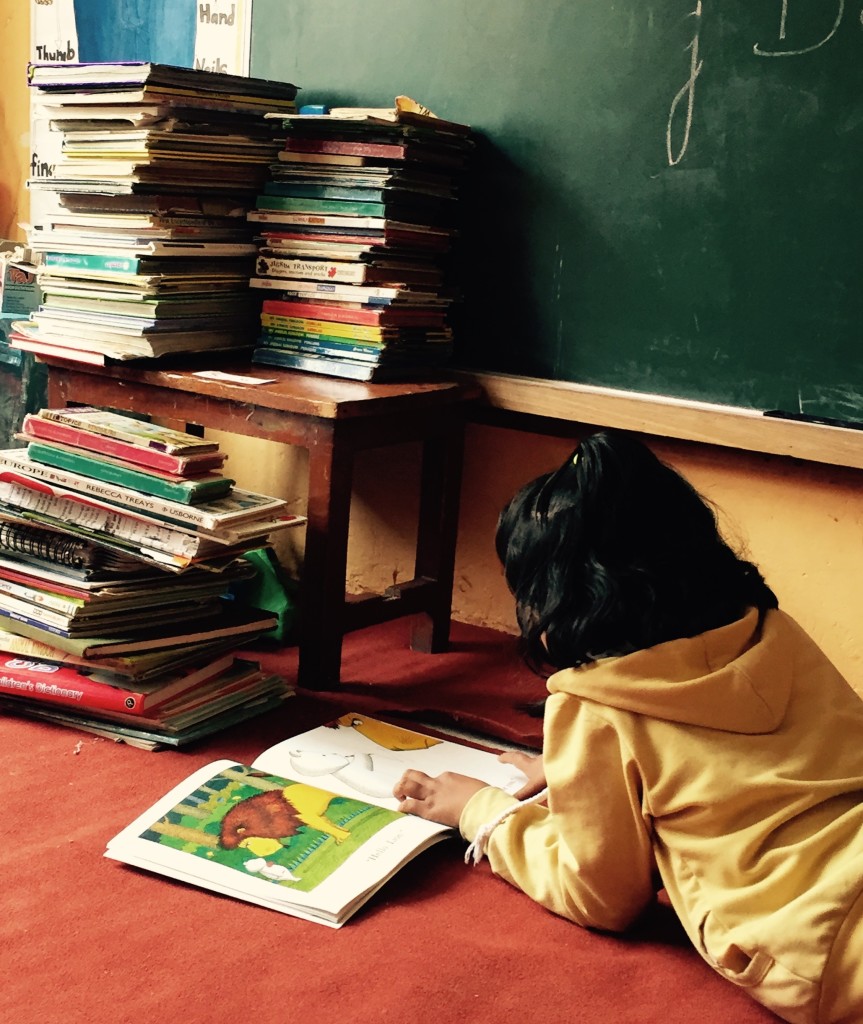
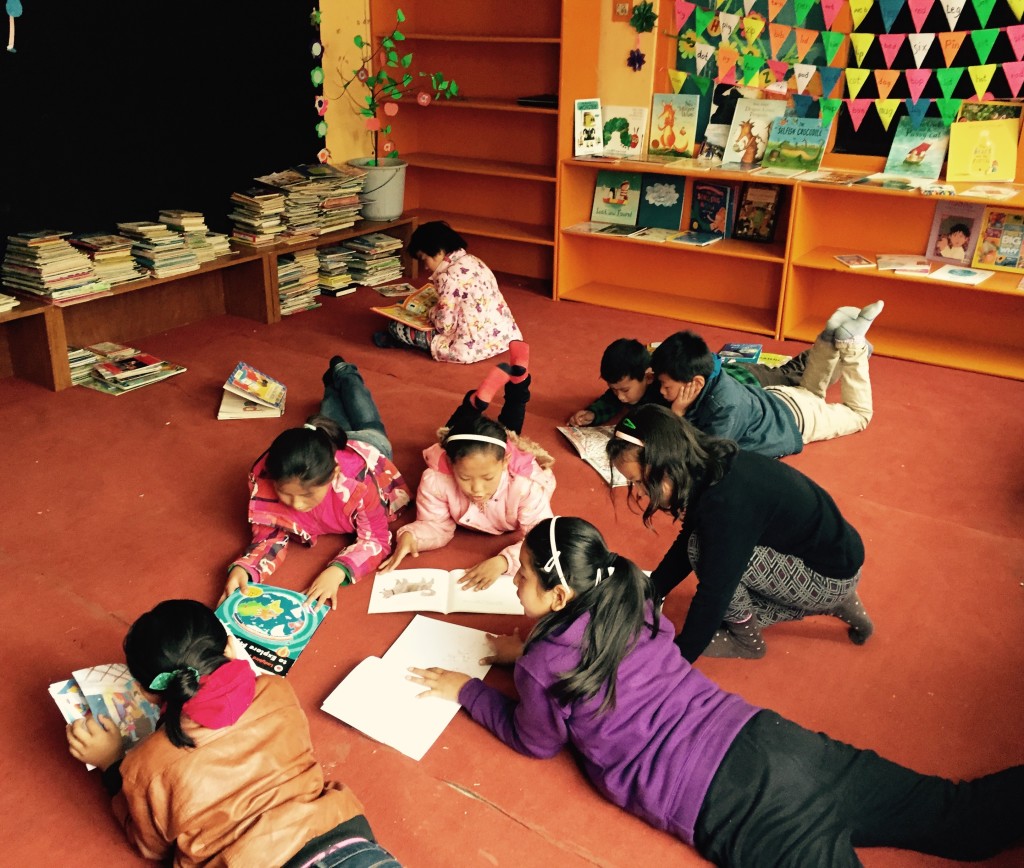
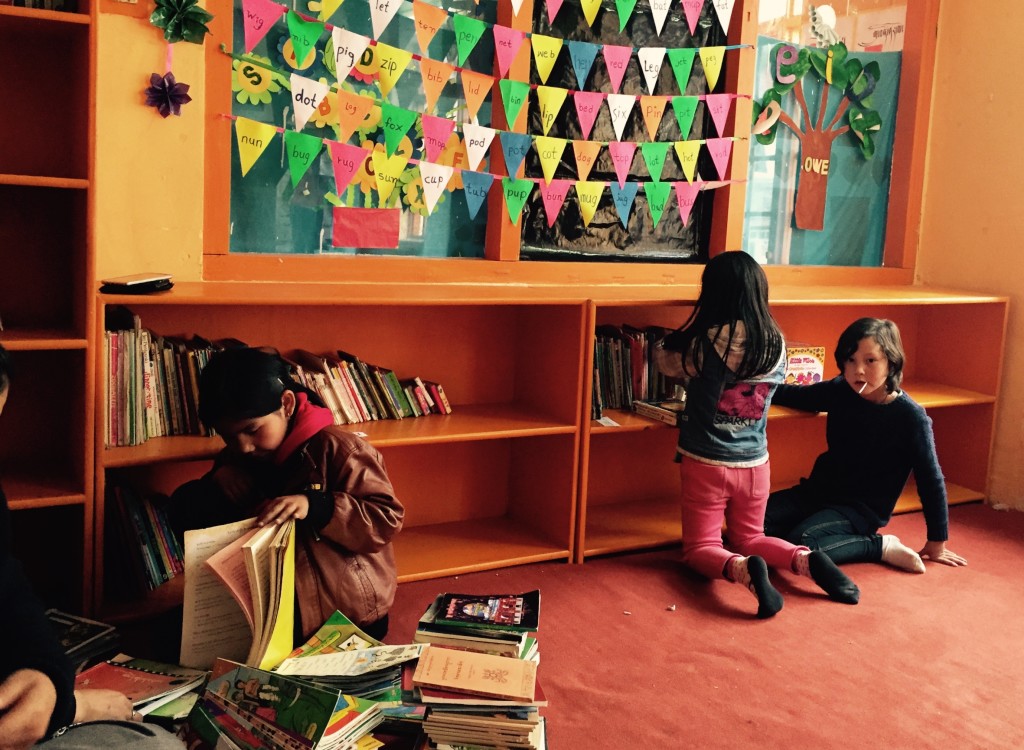
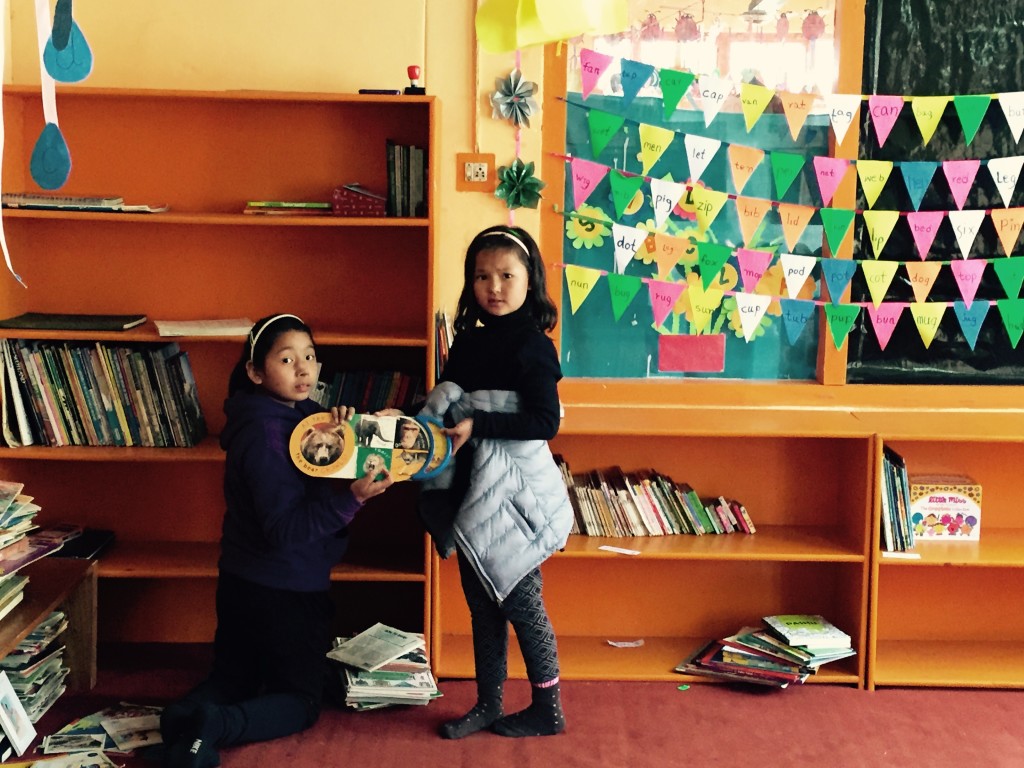
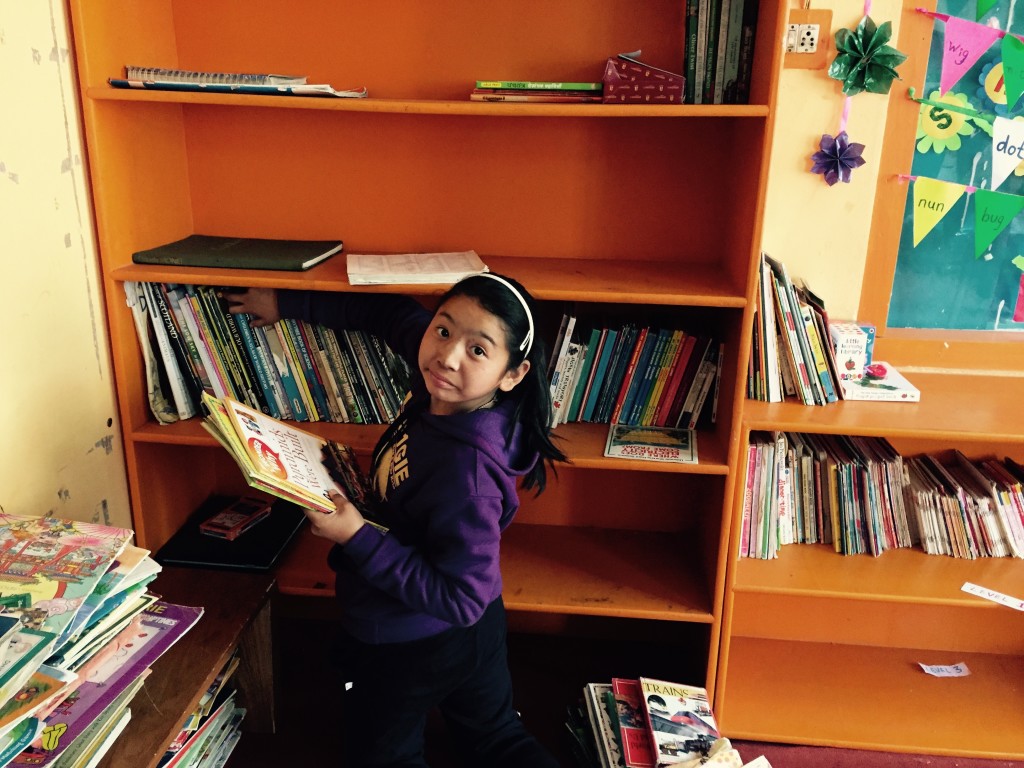
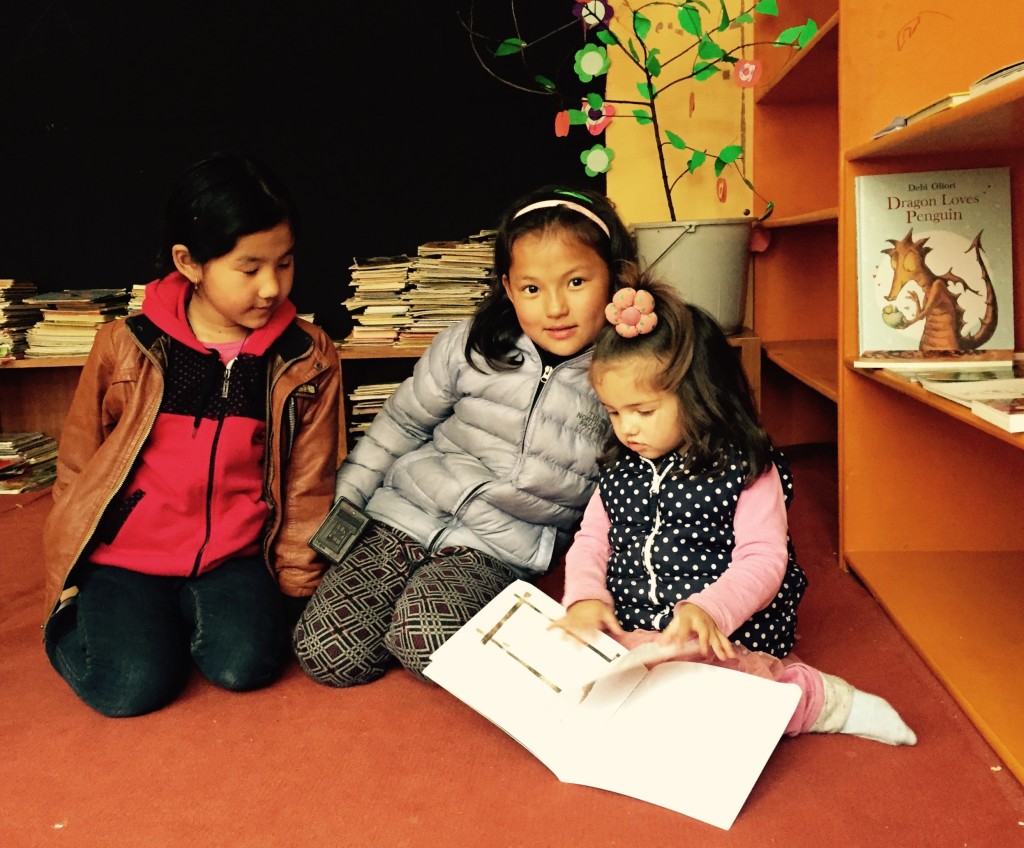
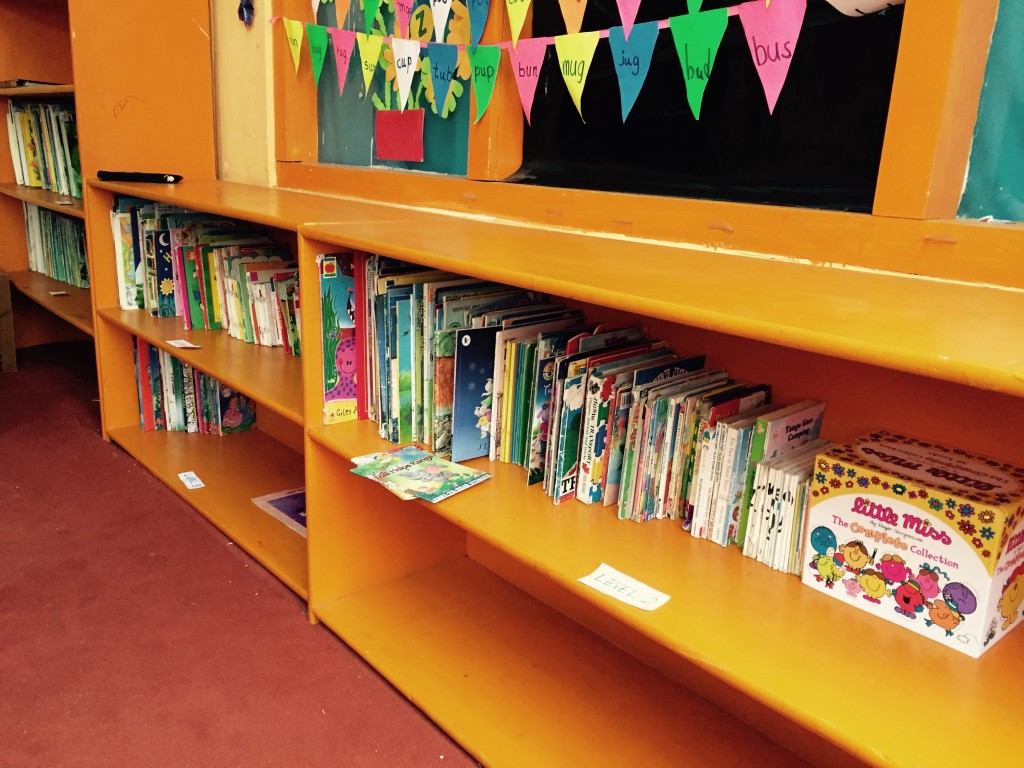
The Trust works toward collections that are inviting and manageable. A small, well-organized library can serve children better than shelves filled with damaged, outdated, or inaccessible titles. Books are sorted, transported, and arranged so that young monks can discover them independently. When possible, reading rooms offer comfortable spaces where children can browse, read quietly, or share stories with friends.
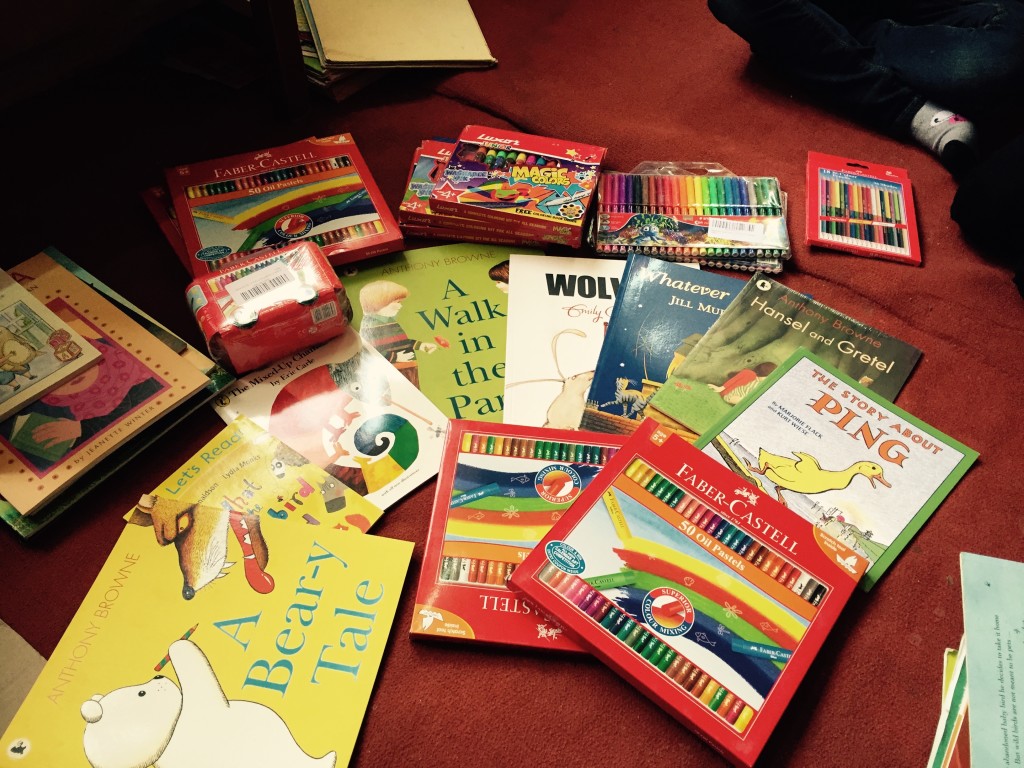
Resource matching extends beyond books. Writing materials, drawing tools, puzzles, educational games, musical equipment, and basic classroom supplies can make learning more active. These additions help teachers vary their lessons and give young monks opportunities to express ideas in ways that formal study may not always allow.
Creating Learning Spaces That Invite Curiosity
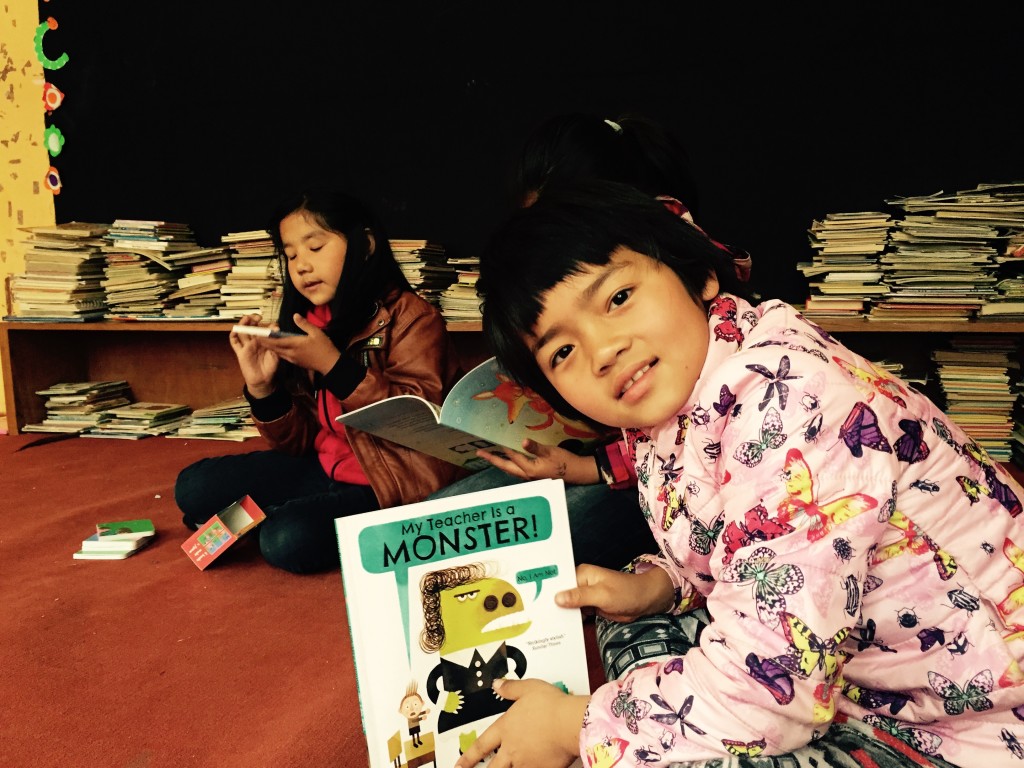
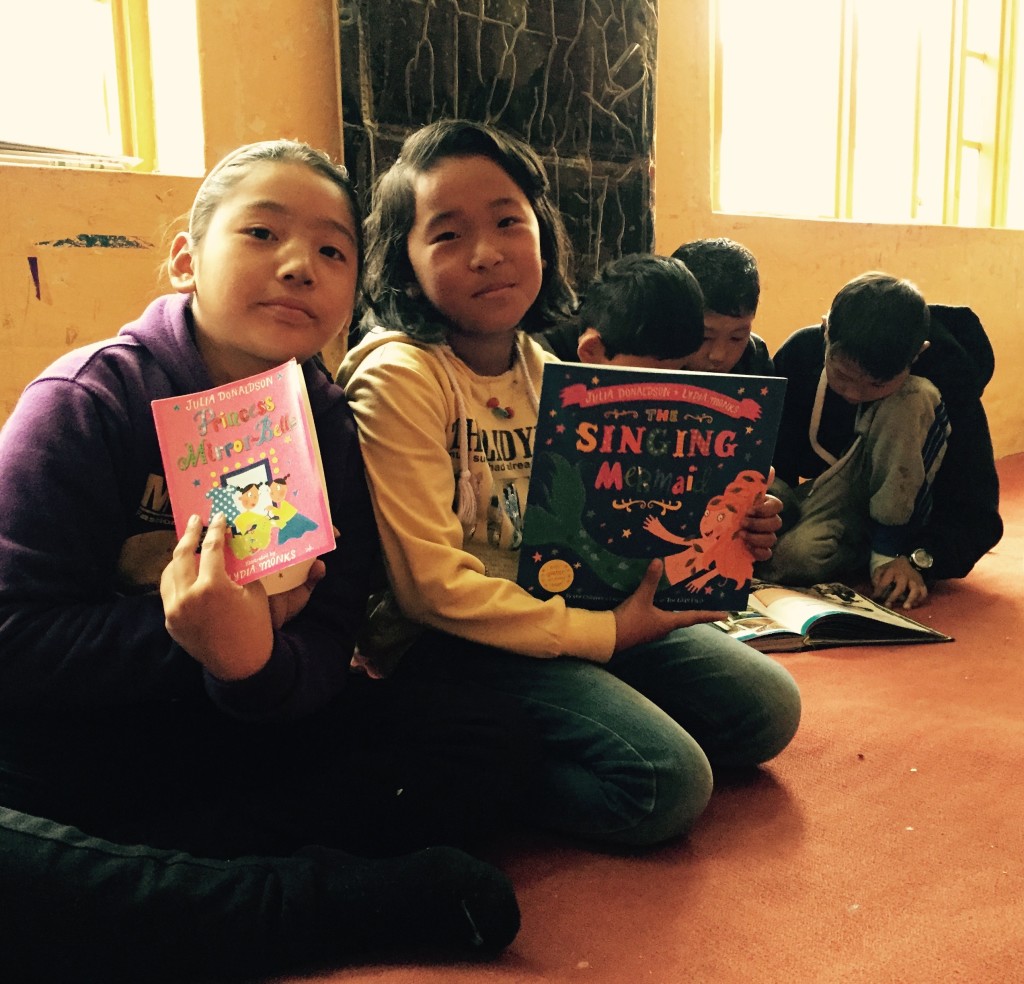
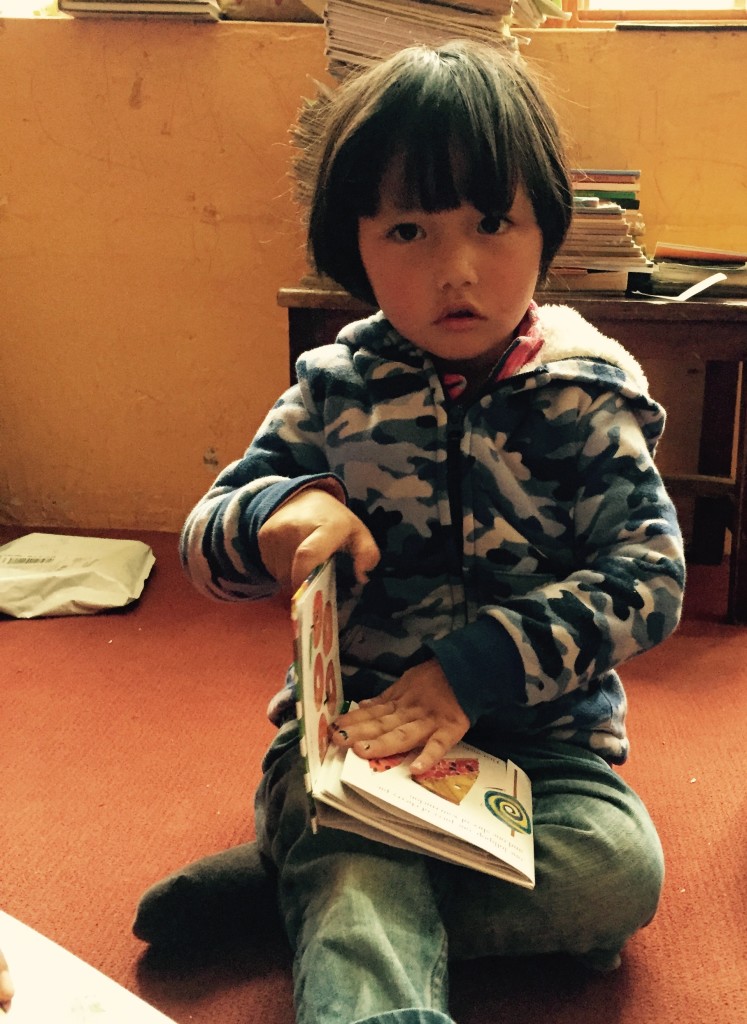
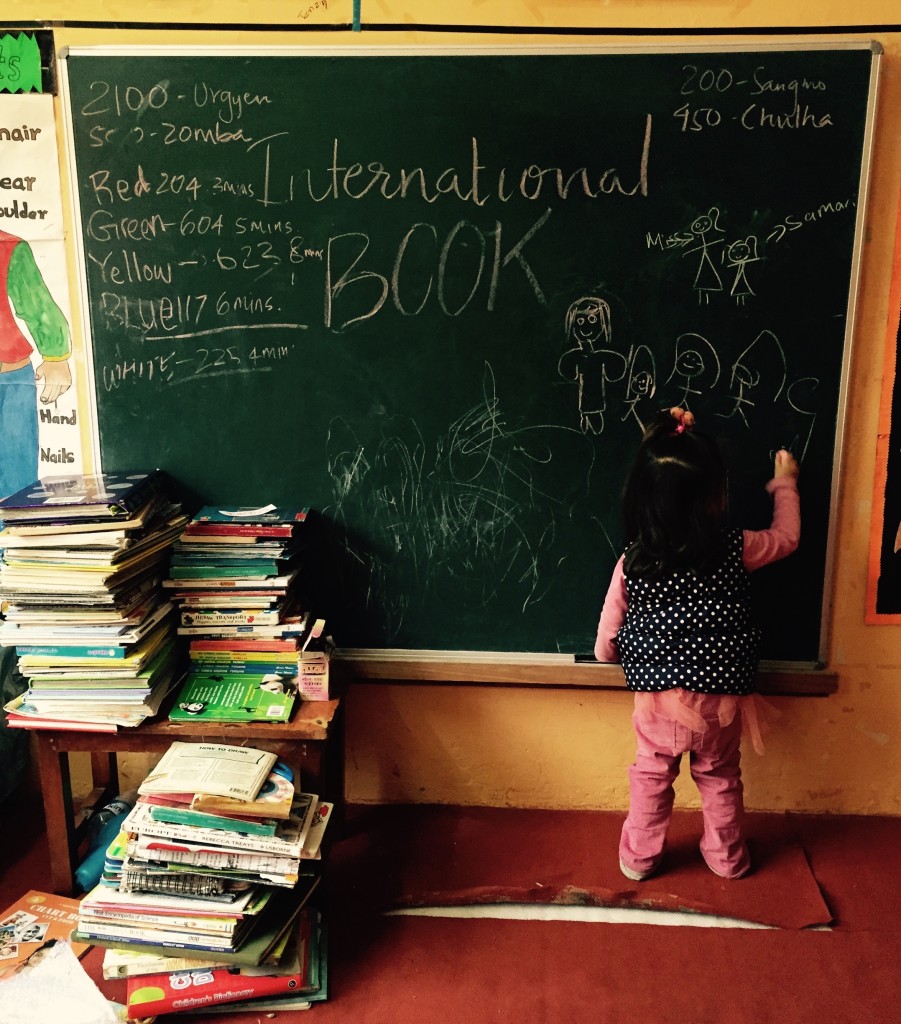
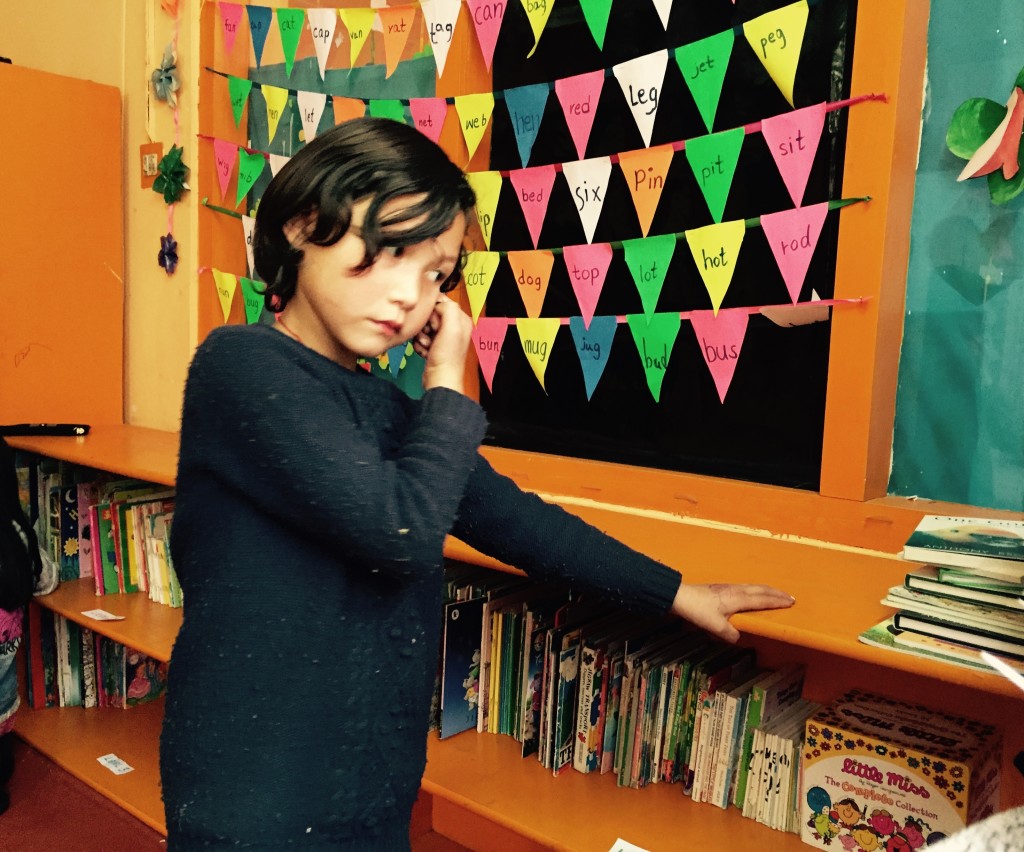
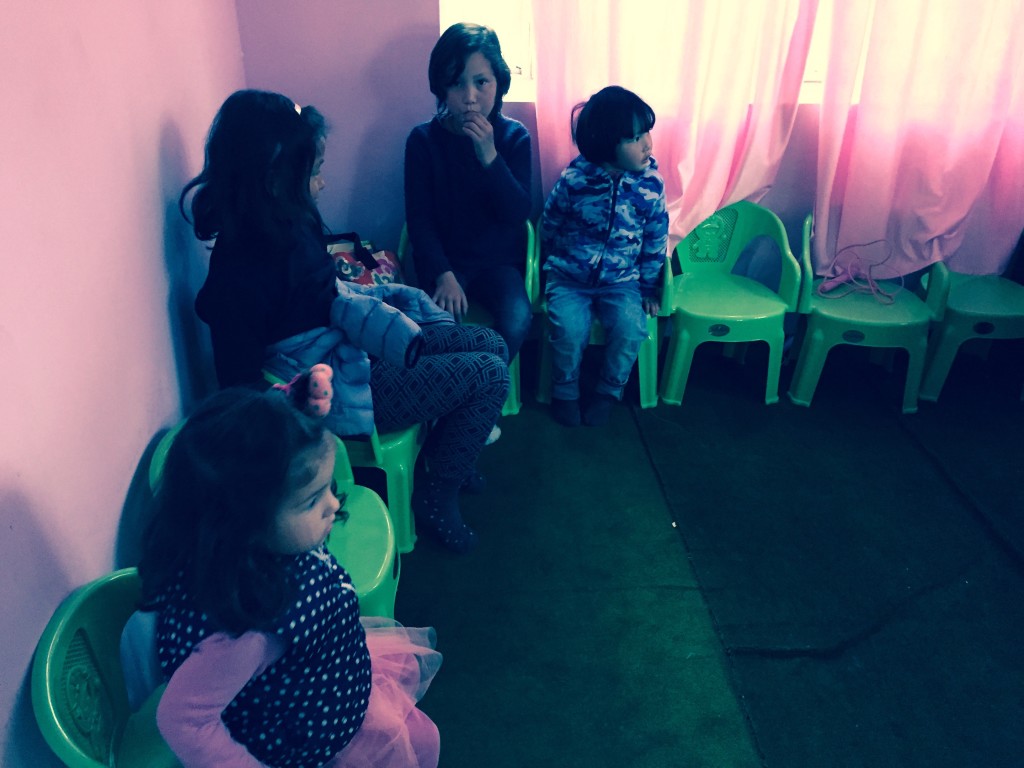
A reading room can change how children experience education. It gives young monks a dedicated place to pause, explore, and choose what they want to learn. Shelving, seating, good lighting, and simple displays can make books feel approachable, even where space and funding are limited.
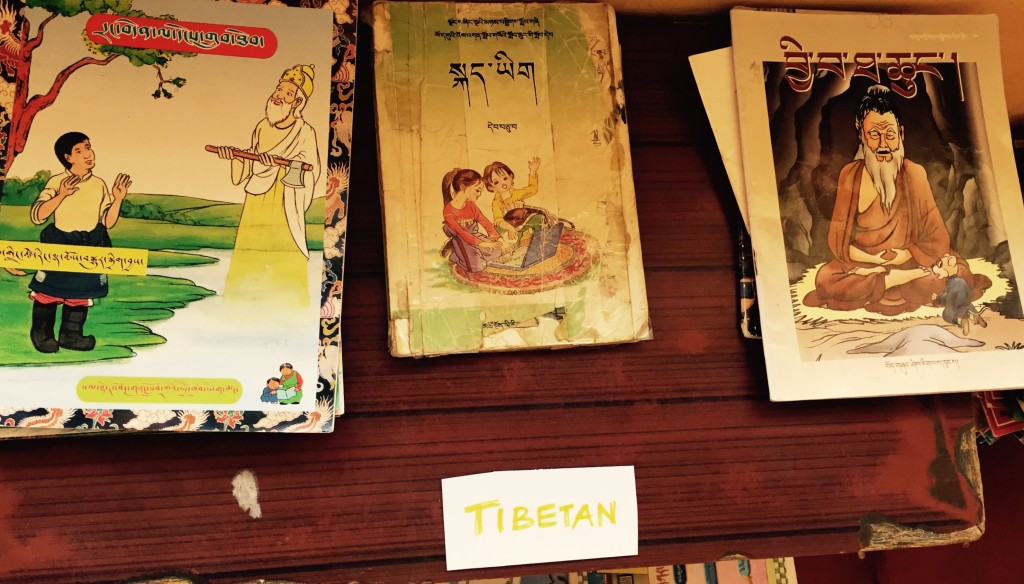
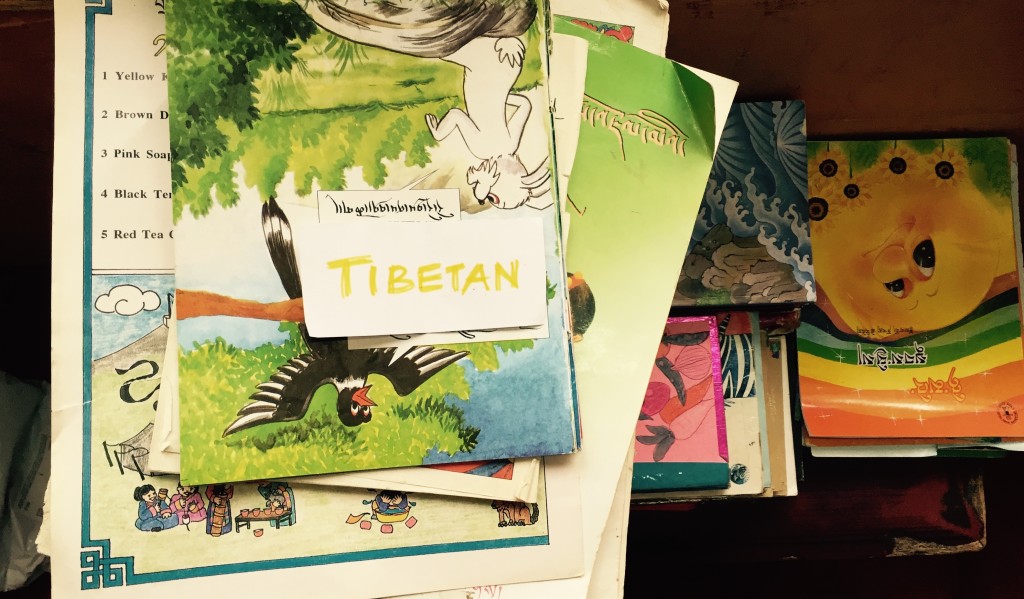
The most effective learning spaces reflect the people who use them. Local stories, images of the Himalayan landscape, bilingual resources, and books connected to Buddhist culture can sit alongside general knowledge and imaginative literature. This balance helps children strengthen their cultural identity while developing wider literacy and communication skills.
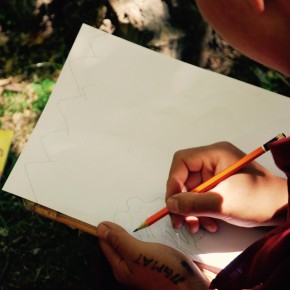
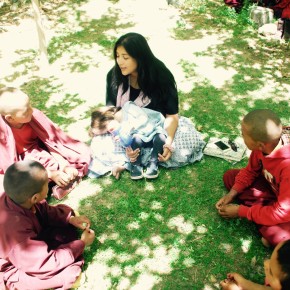
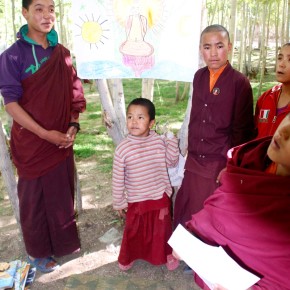
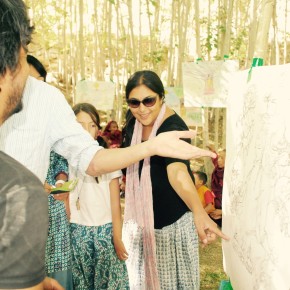
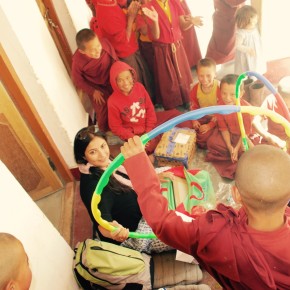
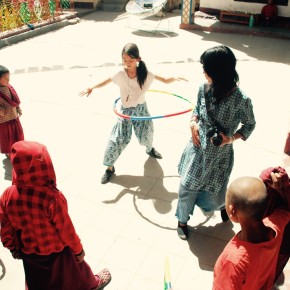
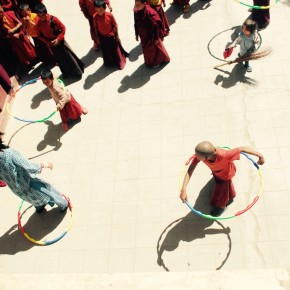
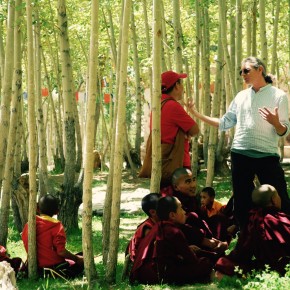
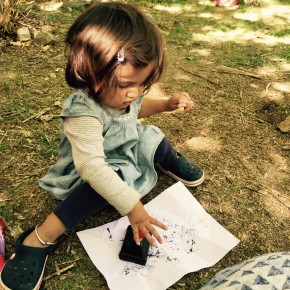
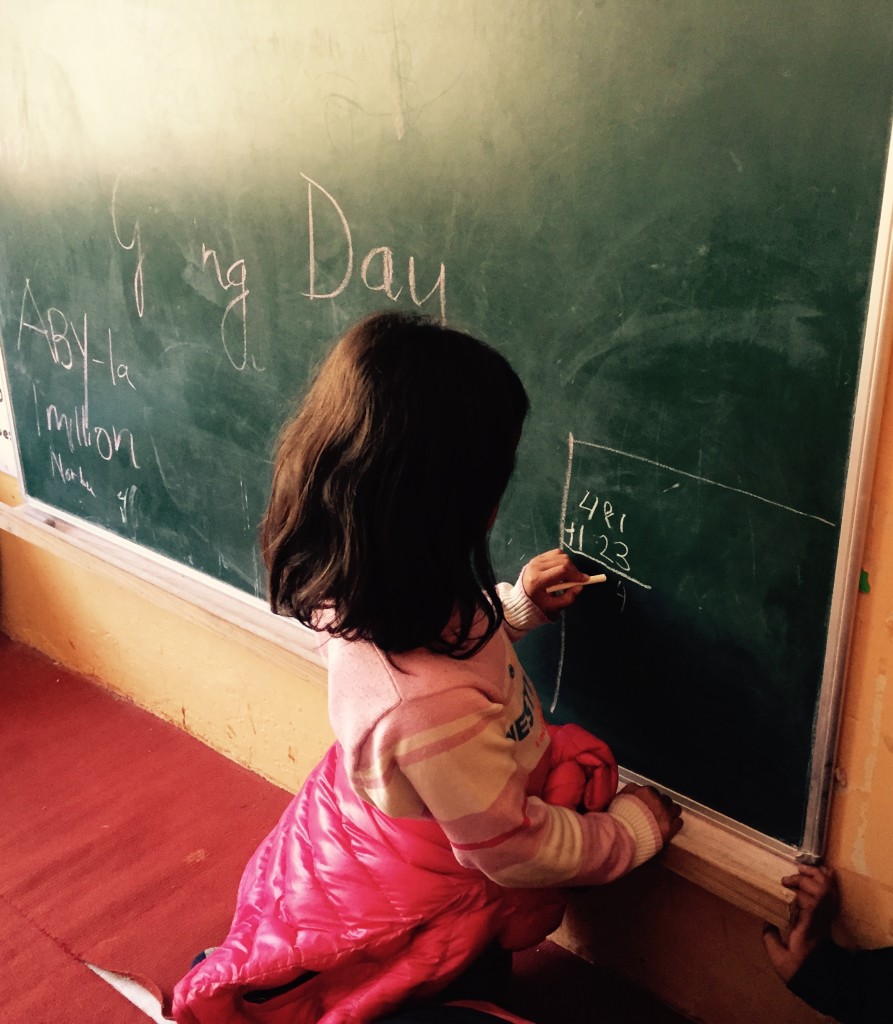
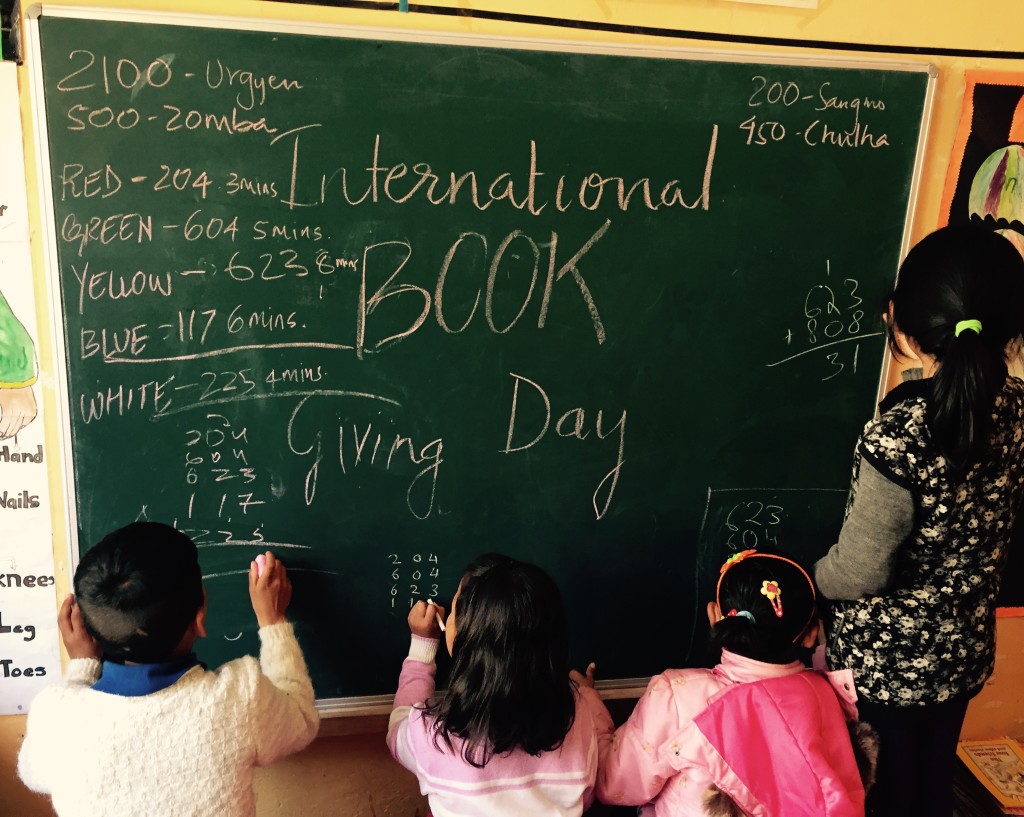
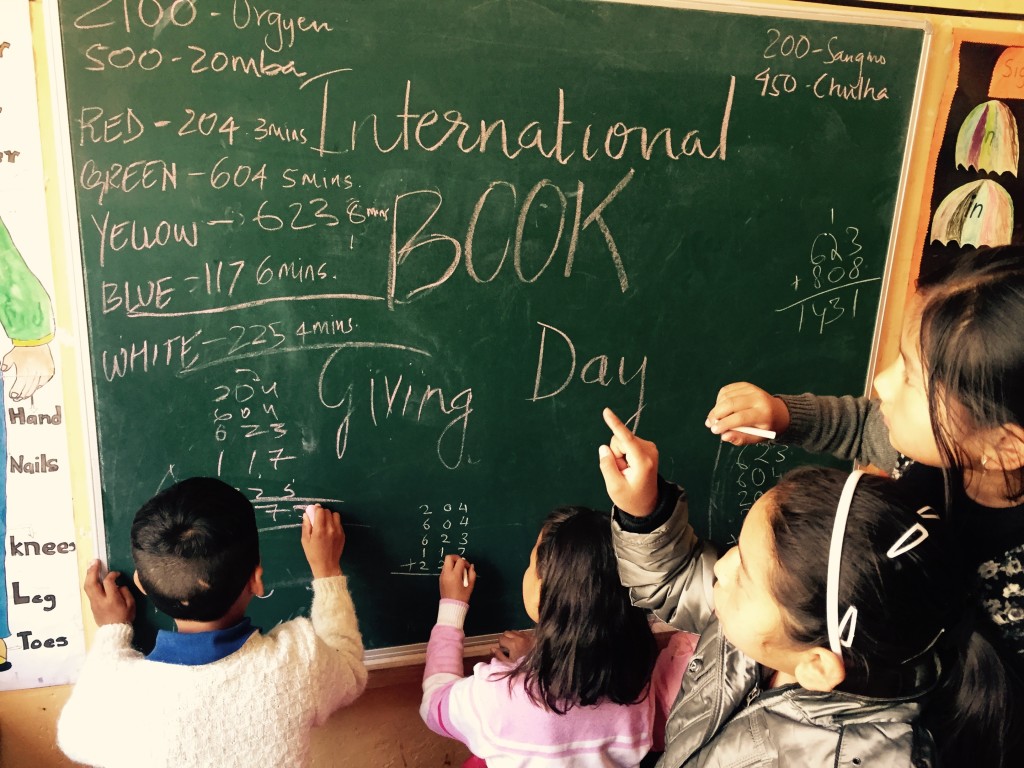
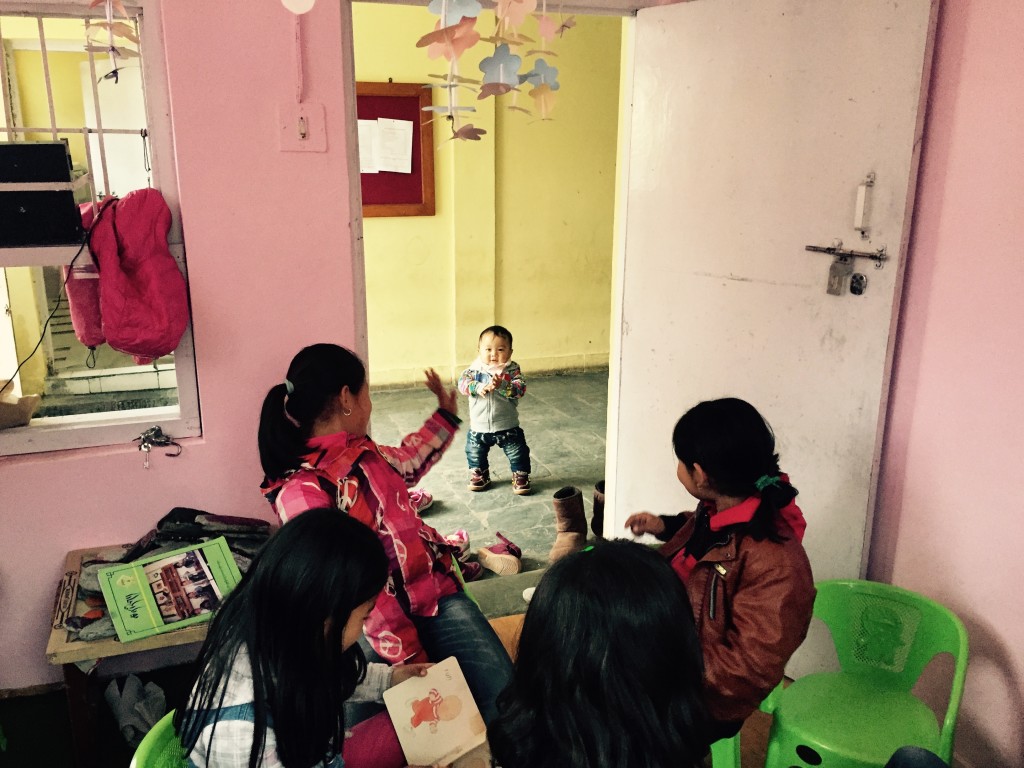
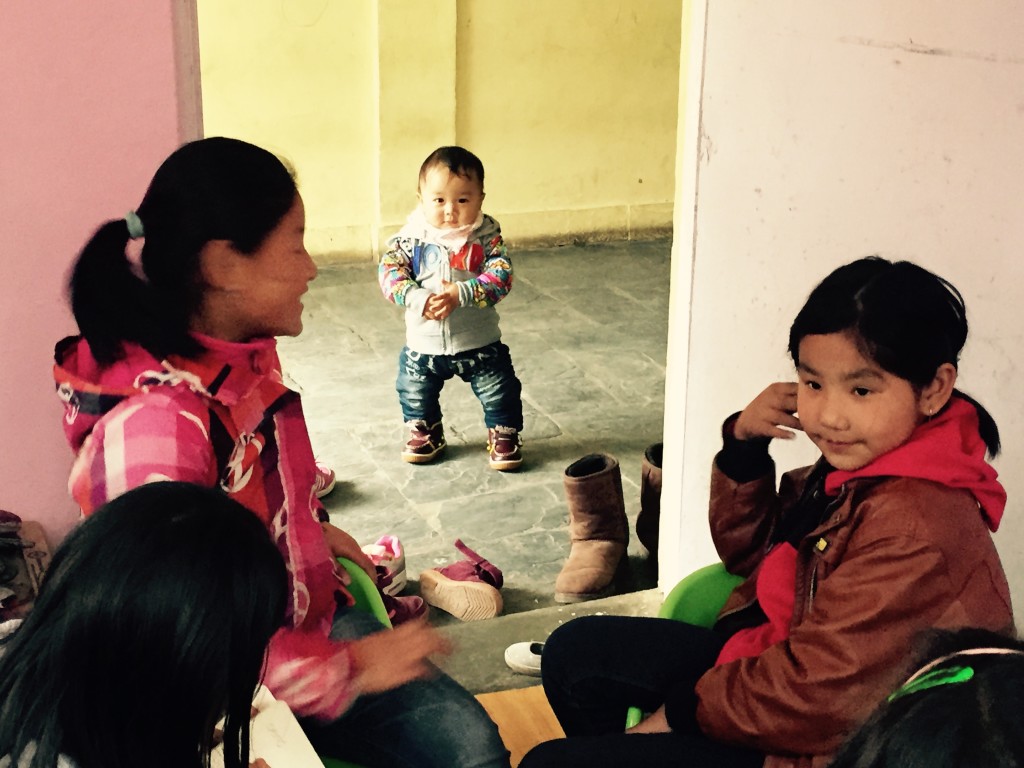
Creative activities bring another dimension to monastery education. Art sessions may encourage observation and patience, while music can support memory, teamwork, and confidence. Storytelling, drawing, painting, and simple performances give young monks a chance to participate actively rather than receiving information passively.
| Partnership Area |
Practical Support |
Educational Benefit |
| Reading rooms |
Shelves, seating, lighting, and organized book collections |
Builds independent reading habits |
| Book drives |
Age-appropriate fiction, reference books, and bilingual materials |
Expands vocabulary and general knowledge |
| Creative learning |
Art supplies, storytelling, music, and group activities |
Develops confidence and self-expression |
| Volunteer engagement |
Reading sessions, workshops, and shared learning |
Encourages communication and curiosity |
| Community coordination |
Planning with teachers and monastery leaders |
Keeps projects relevant and sustainable |
Respecting Monastic Life And Learning
Supporting young monks’ education requires sensitivity to their spiritual commitments. Their schedule may include prayer, meditation, religious study, communal duties, and periods of travel or retreat. Educational programs need to fit around these responsibilities rather than competing with them.
This is why flexible planning matters. A reading session might take place during a free afternoon, while an art or music activity could be arranged as a special workshop. The timing, content, and teaching style can be adapted in consultation with monastery leaders. Respect for religious practice is part of educational effectiveness because children learn best when they feel secure within their community.
The partnership also recognizes the strengths already present in monastic education. Young monks often develop discipline, concentration, memorization skills, and a strong sense of responsibility. Additional literacy and creative resources should reinforce these qualities, helping them connect traditional learning with new forms of inquiry and expression.
Measuring Progress Beyond Numbers
A successful partnership cannot be judged only by the number of books delivered or visits completed. Those figures are useful, but they do not show whether children are reading more often, whether teachers can use the materials, or whether a new space has become part of everyday monastery life.
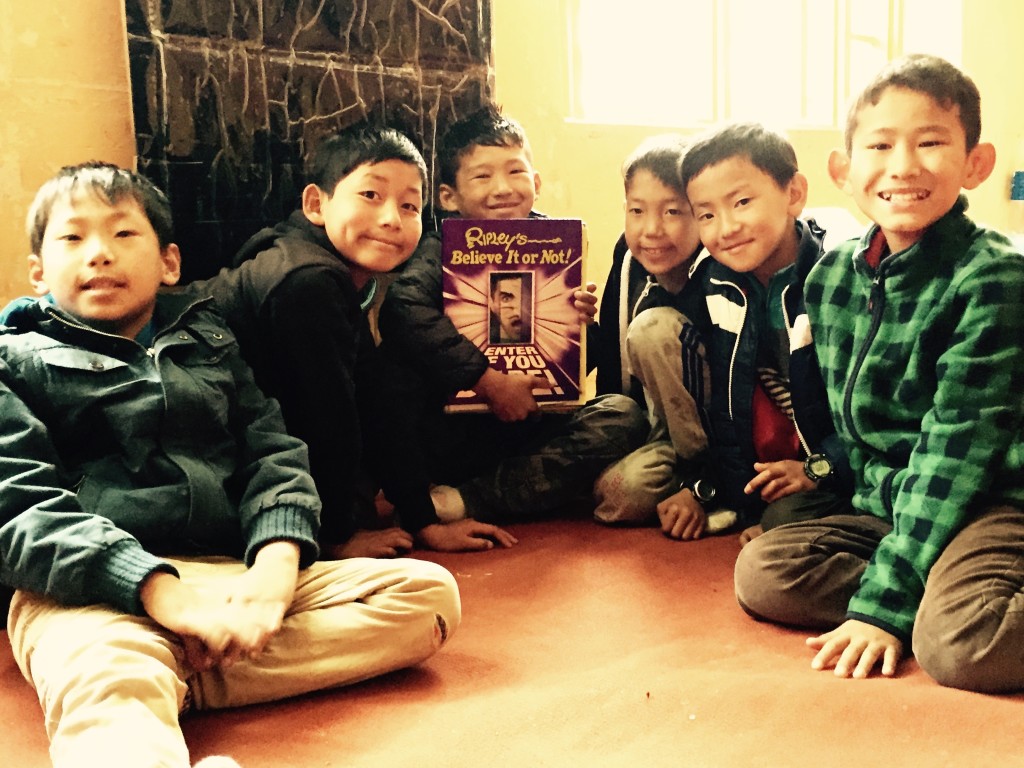
The Trust can look for practical signs of progress: young monks choosing books without prompting, teachers requesting particular subjects, children discussing stories, and groups returning to creative activities. These observations reveal whether resources are being used and where further support may be helpful.
Feedback from the monastery is essential. Teachers and administrators understand the children’s changing needs and can identify gaps that outside visitors might miss. Regular communication allows future book drives, volunteer trips, and educational workshops to become more focused. It also gives partners the opportunity to celebrate small developments that may lead to lasting change.
Making Every Contribution More Useful
Donors and volunteers strengthen monastery partnerships when they contribute with patience and purpose. Financial gifts can support transport, room improvements, learning materials, and program coordination. Book donors can choose new or gently used titles that are durable, engaging, and suitable for the intended age group. Volunteers can bring energy, reading skills, artistic experience, or help with organizing resources.
The most useful contributions usually support an ongoing relationship rather than a single event. A reading room needs maintenance, collections benefit from renewal, and teachers may require materials for new groups of students. Continued involvement helps a monastery build confidence in the program and plan how it will use resources over time.
Supporters can contribute thoughtfully by:
- Donating books that match children’s reading levels, languages, and interests
- Funding practical needs such as shelves, transport, lighting, and classroom supplies
- Sharing skills in reading, storytelling, art, music, or educational activities
- Respecting monastery schedules, local customs, and guidance from community leaders
- Staying connected so future support responds to changing educational priorities
Extending A Partnership Across Generations
When monasteries and charitable organizations work together with care, educational support can reach beyond immediate participants. A young monk who discovers a love of reading may later help organize a library, read aloud to younger children, or encourage another student to explore a new subject. Skills and enthusiasm can circulate through the community.
Partnerships also create a bridge between local wisdom and wider networks of support. Donors, educators, volunteers, and monasteries each bring different knowledge and resources. When those contributions are coordinated respectfully, they can strengthen access to books and enriching activities without weakening the community’s own leadership.
Every contribution helps make that shared work possible. Support a reading room, sponsor educational materials, volunteer your time, or share the Trust’s mission with others who care about children’s learning in the Himalayas. Together, we can help young monks learn with confidence, creativity, and a lasting sense of possibility.