How Monastery Partnerships Support After-School Tutoring
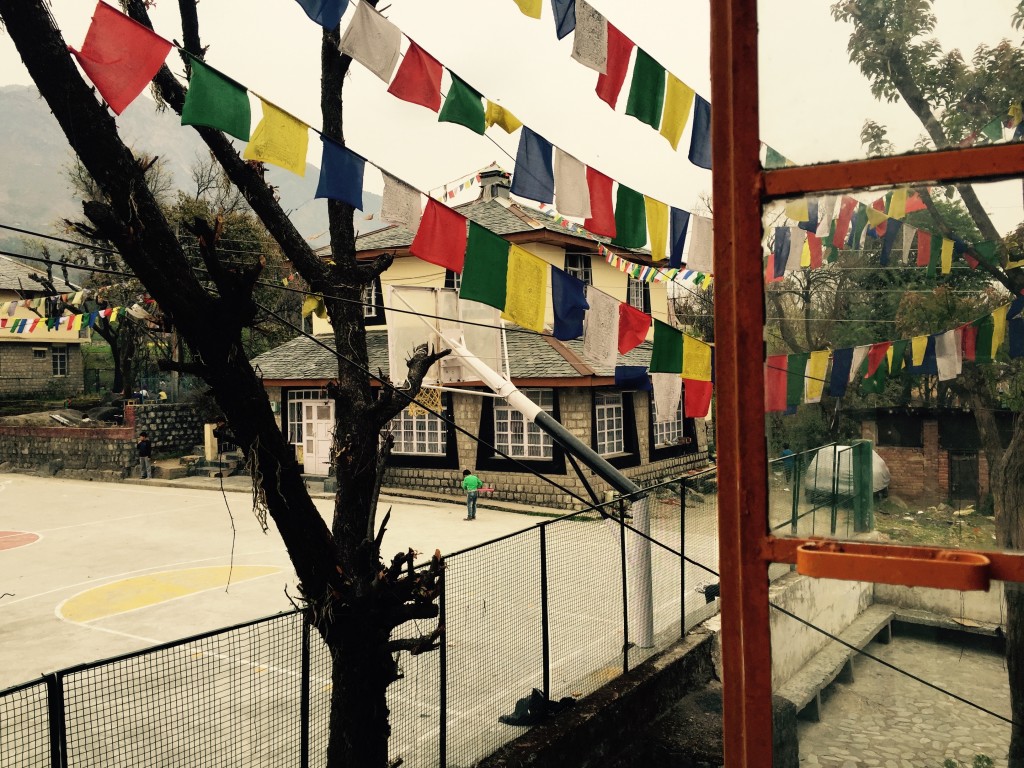
In Ladakh and other Himalayan communities, a monastery can be much more than a place of worship. It may be one of the few trusted, stable spaces where children can read, ask questions, practise creative skills and receive encouragement after the school day ends. Our work begins by recognising the central role monasteries already play in community life.
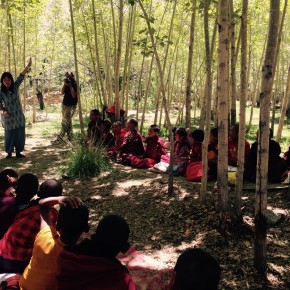
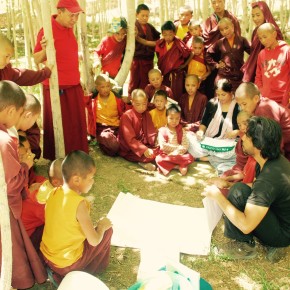
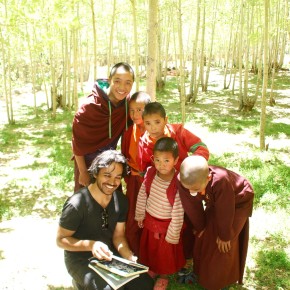
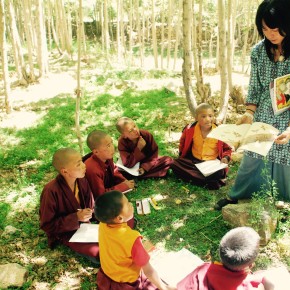
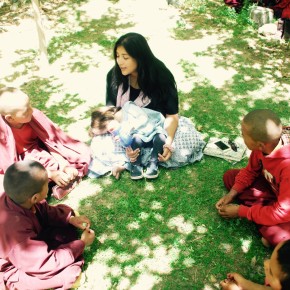
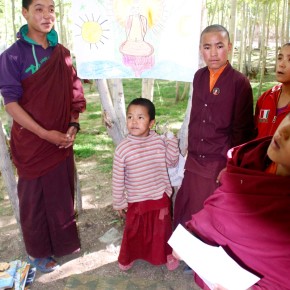
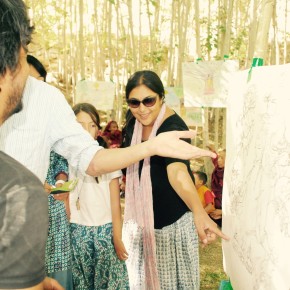
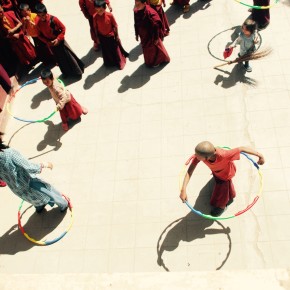
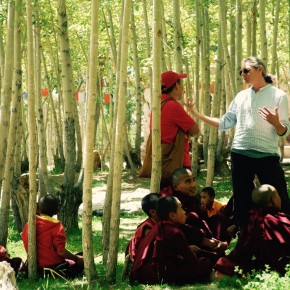
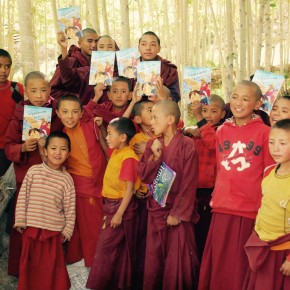
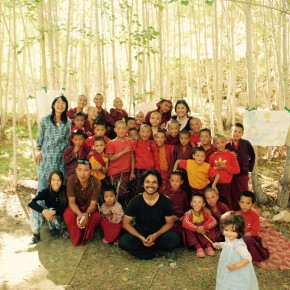
This is how we partner with monasteries to offer after-school tutoring: we listen first, agree on practical responsibilities, and build sessions around the needs of children and young monks. The programme may include literacy support, English practice, homework help, art, music and time to explore good books without pressure.
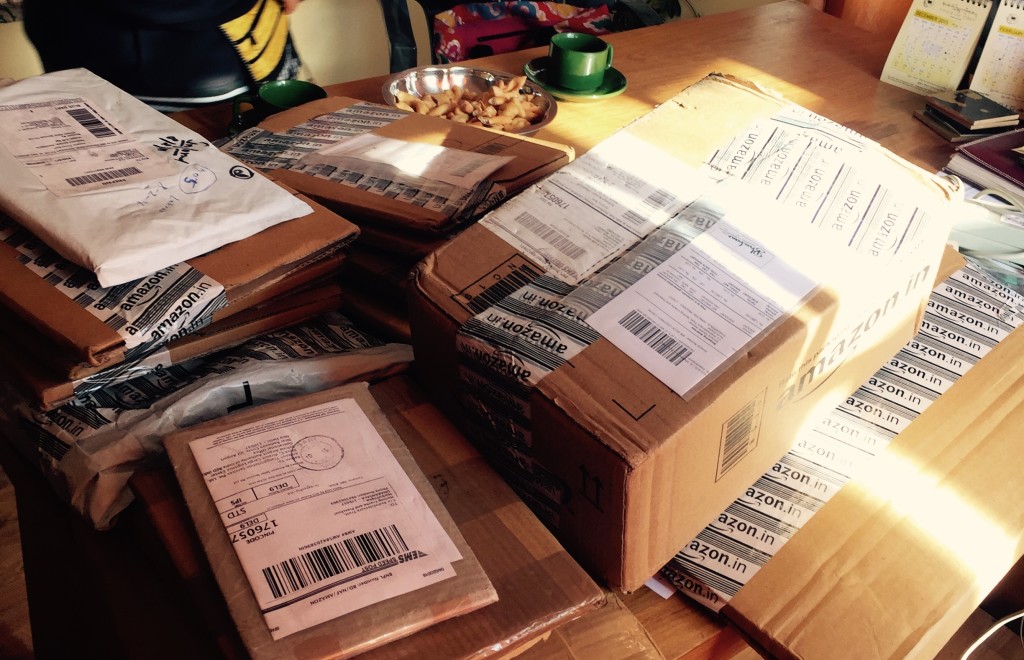
For supporters in Australia, the work offers a direct way to connect local generosity with learning opportunities in remote Himalayan settings. A book drive in Melbourne, a community fundraiser in Sydney or a regular gift from a family in Brisbane can help equip a reading room and sustain the people who make it welcoming.
| Partnership element |
What the monastery contributes |
What the Trust contributes |
| Safe learning space |
A familiar room and local access |
Books, furnishings and learning materials |
| Community connection |
Relationships with families, teachers and monks |
Planning, coordination and programme support |
| Tutoring sessions |
Local guidance and assistance |
Volunteers, resources and creative activities |
| Continuity |
Help with attendance and daily routines |
Ongoing communication and evaluation |
| Cultural respect |
Knowledge of customs, language and community priorities |
Flexible educational methods and charitable support |
Starting with relationships and local knowledge
A successful programme is built through conversation rather than a pre-set model. Before tutoring begins, we speak with monastic leaders, teachers, families and young people about school schedules, transport, language needs and the types of support that would be genuinely useful. This helps prevent an outside organisation from bringing resources that do not match local circumstances.
Monasteries also help us understand the rhythm of community life. Religious observances, seasonal travel, agricultural work and examination periods can all affect attendance. Sessions therefore need to be flexible, with timetables that respect monastery routines instead of competing with them.
The Avalokiteśvara Trust works alongside local partners to support literacy, creativity and access to quality books. Trust grows when responsibilities are clear: monastery representatives may help identify students and supervise the space, while our team coordinates resources, training and communication with supporters.
Turning familiar spaces into learning rooms
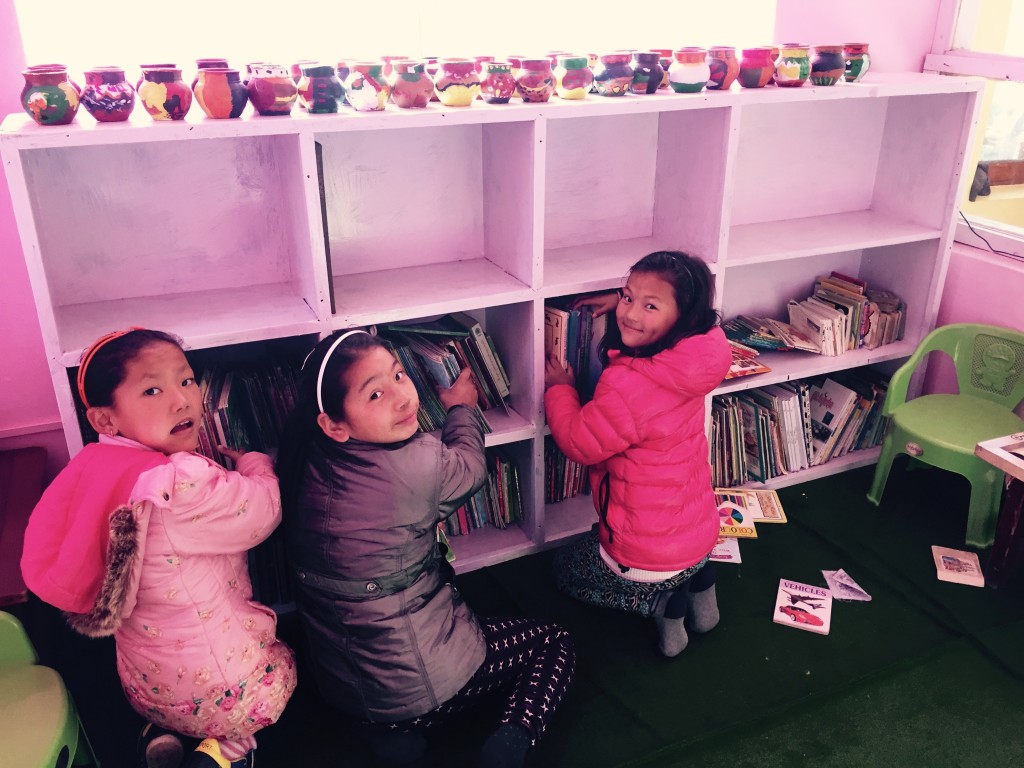
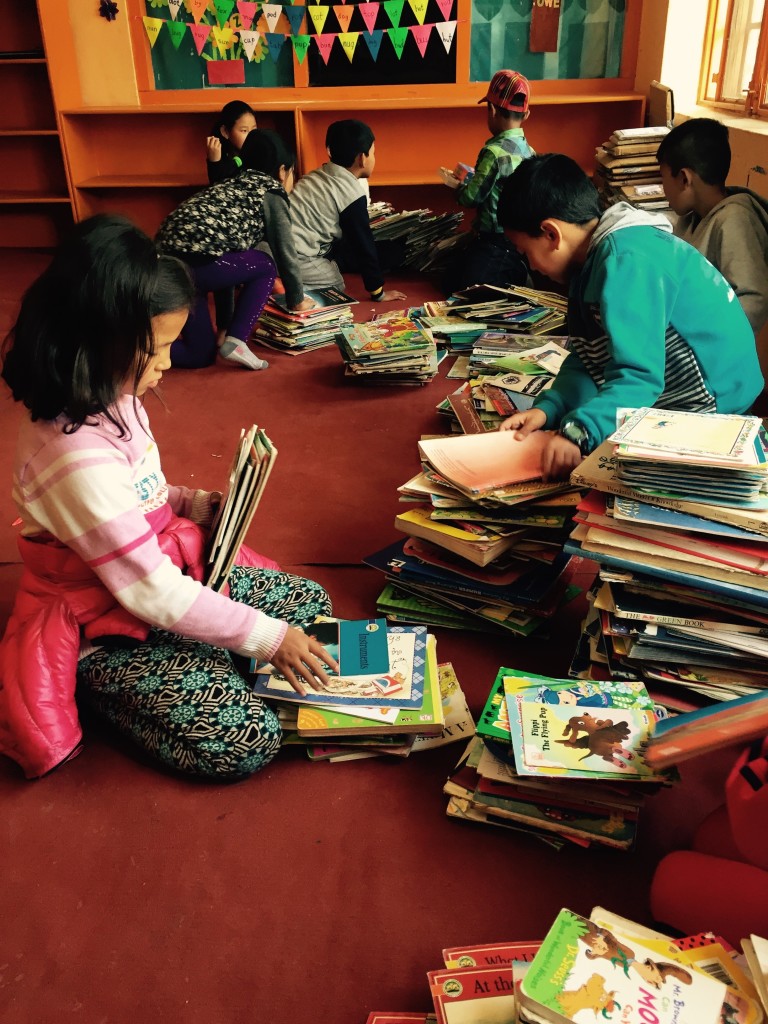
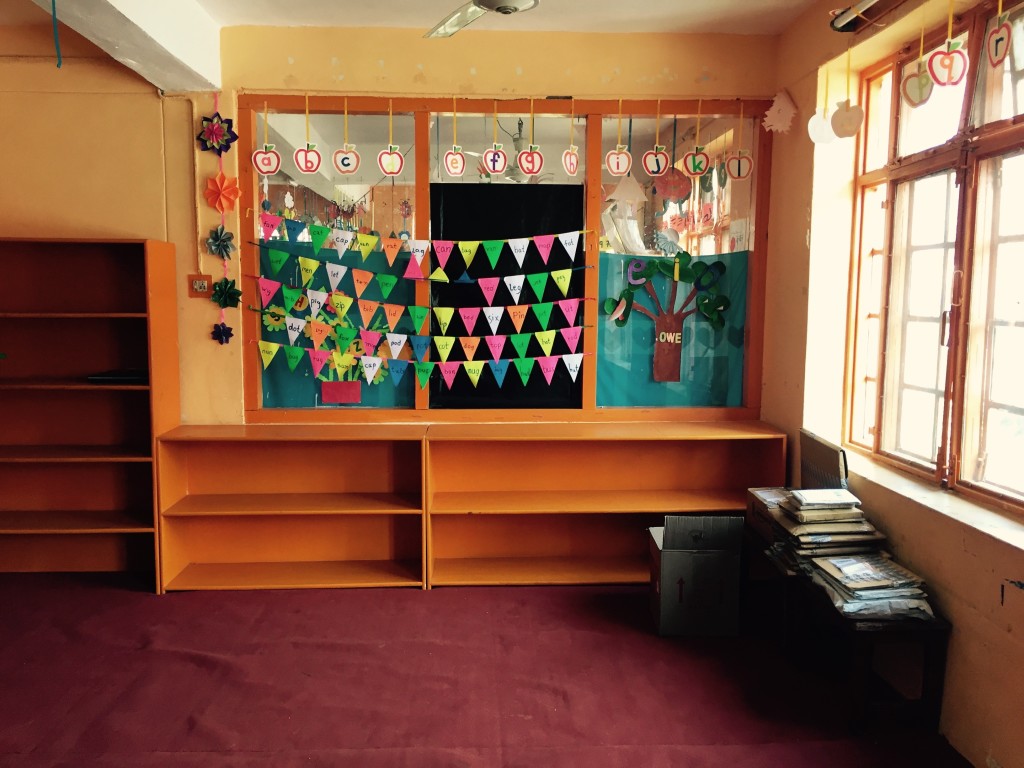
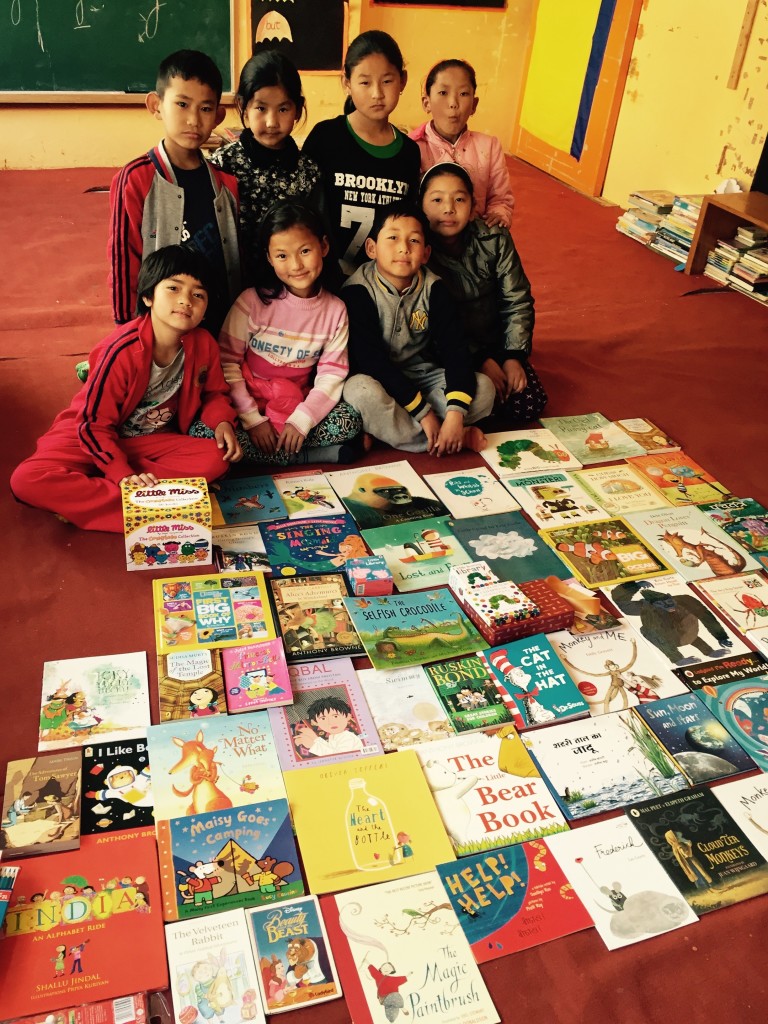
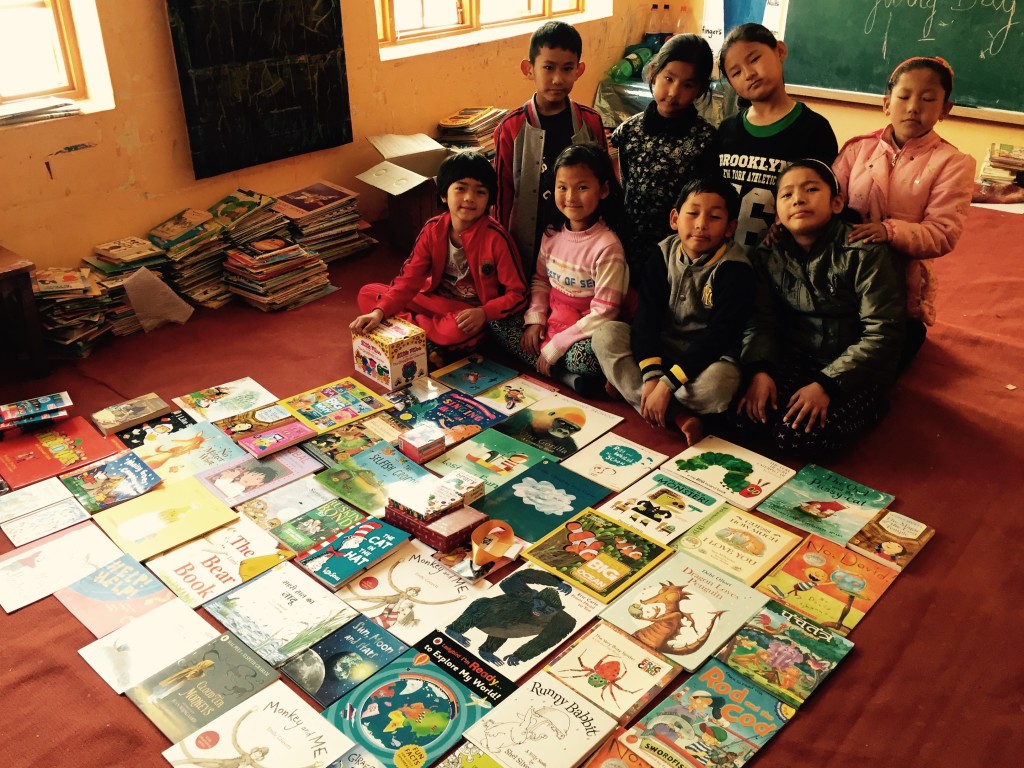
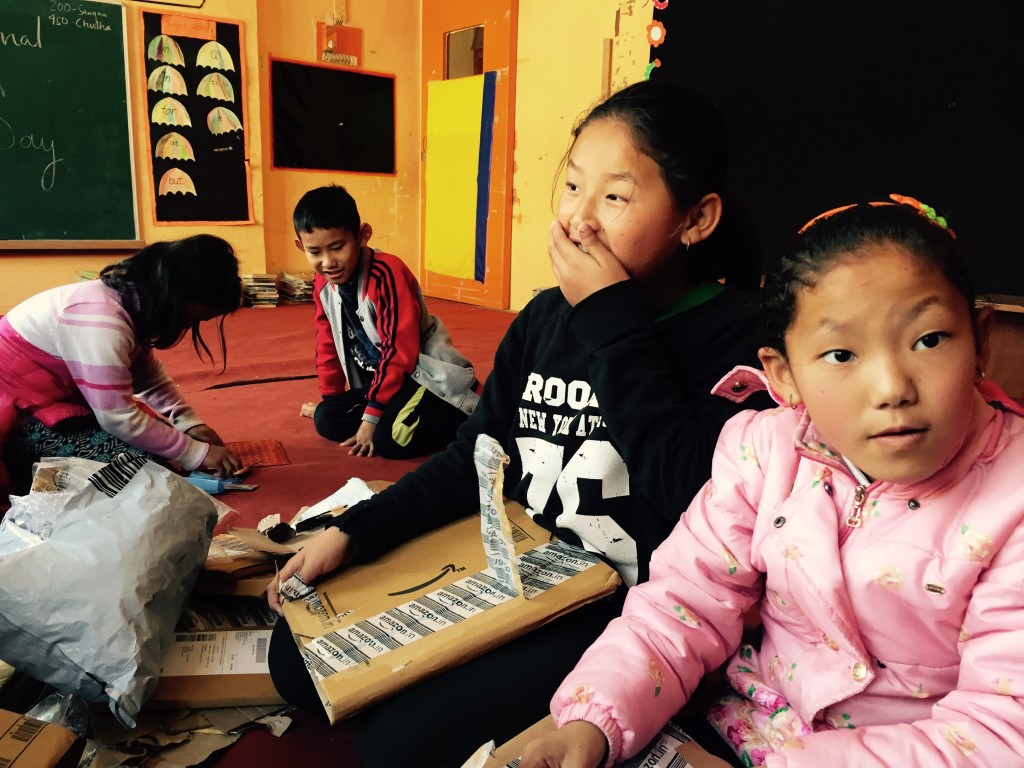
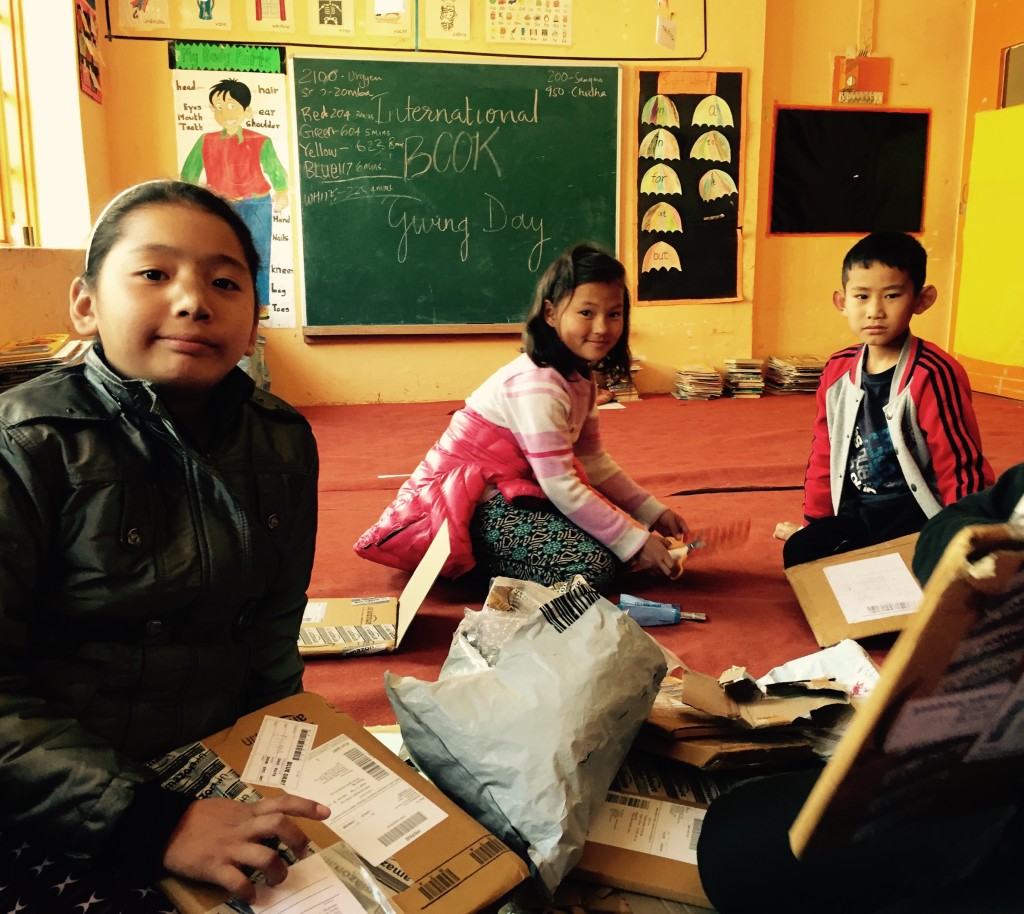
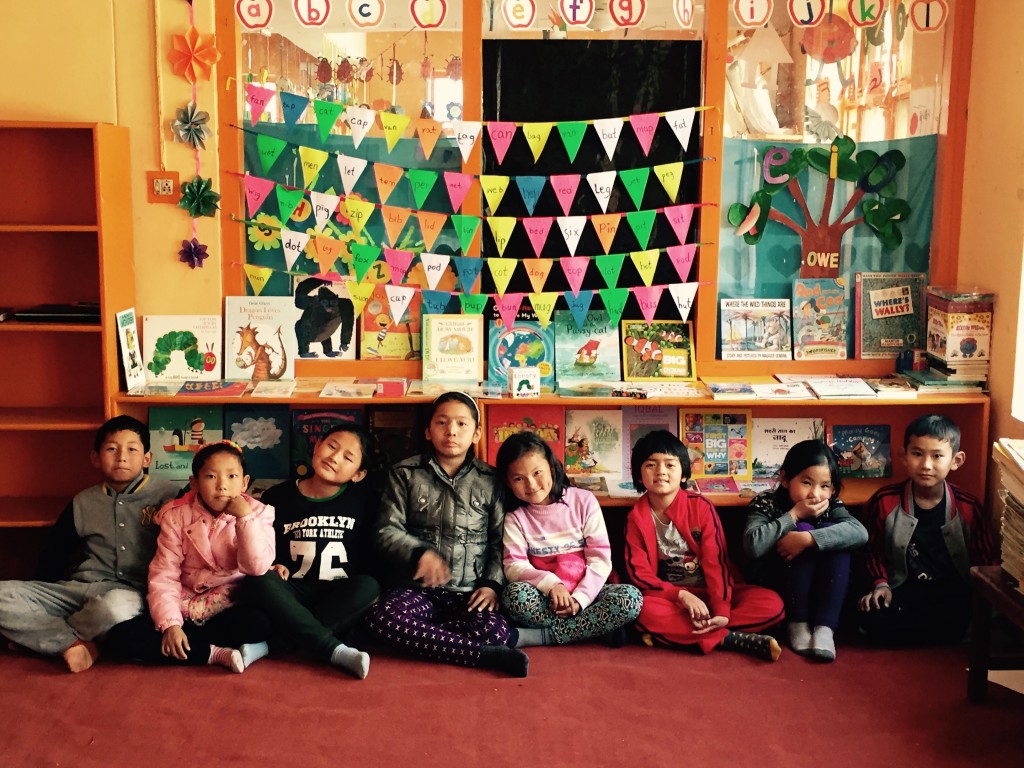
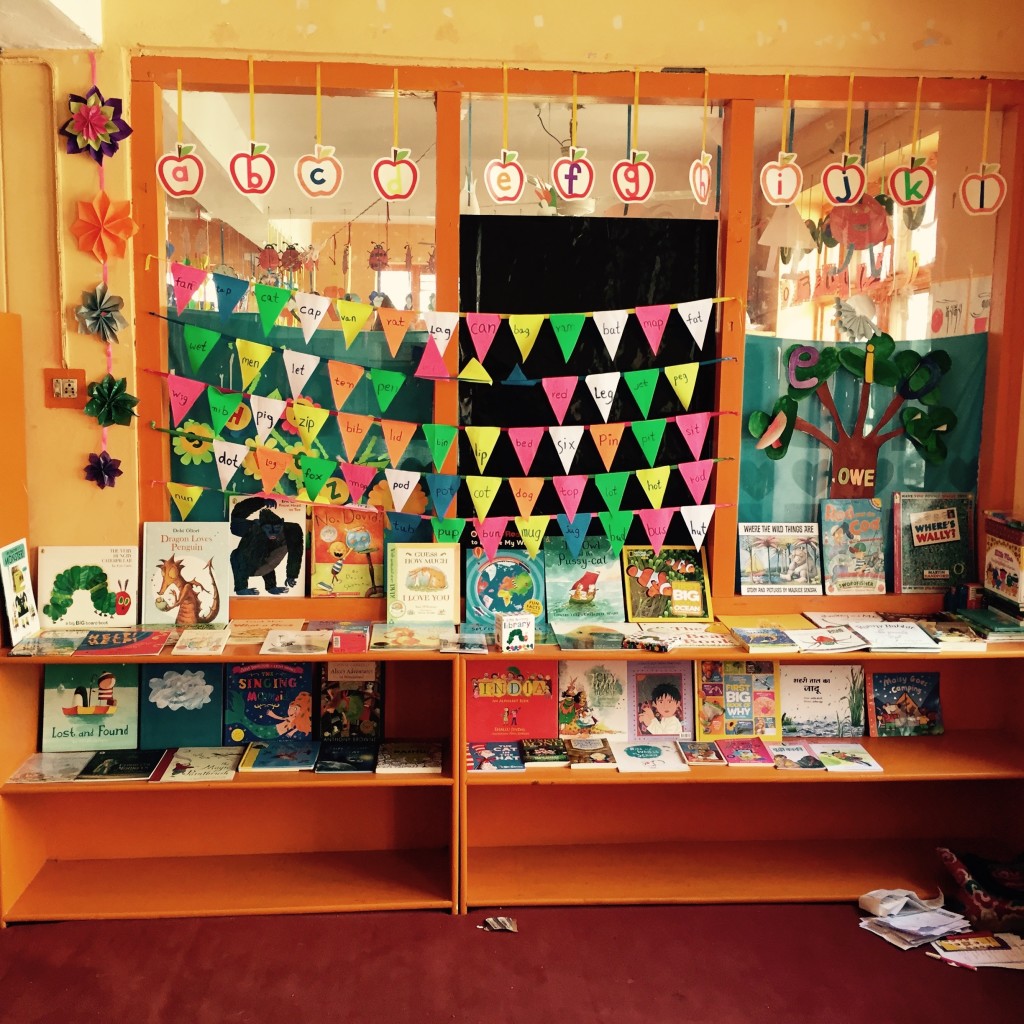
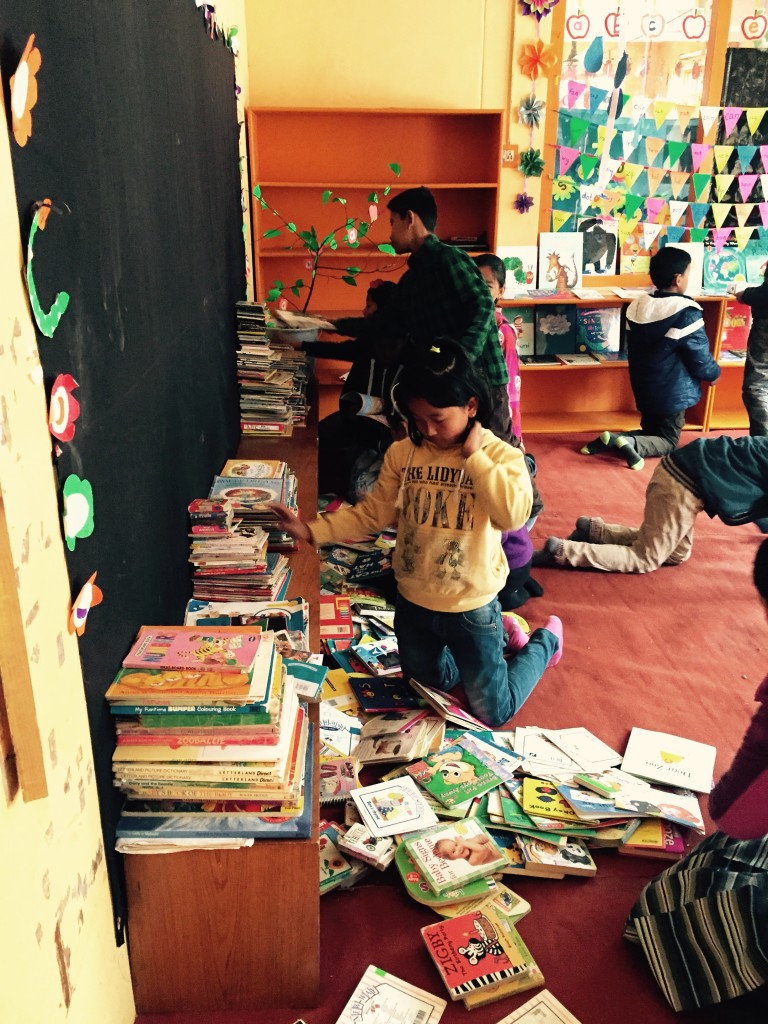
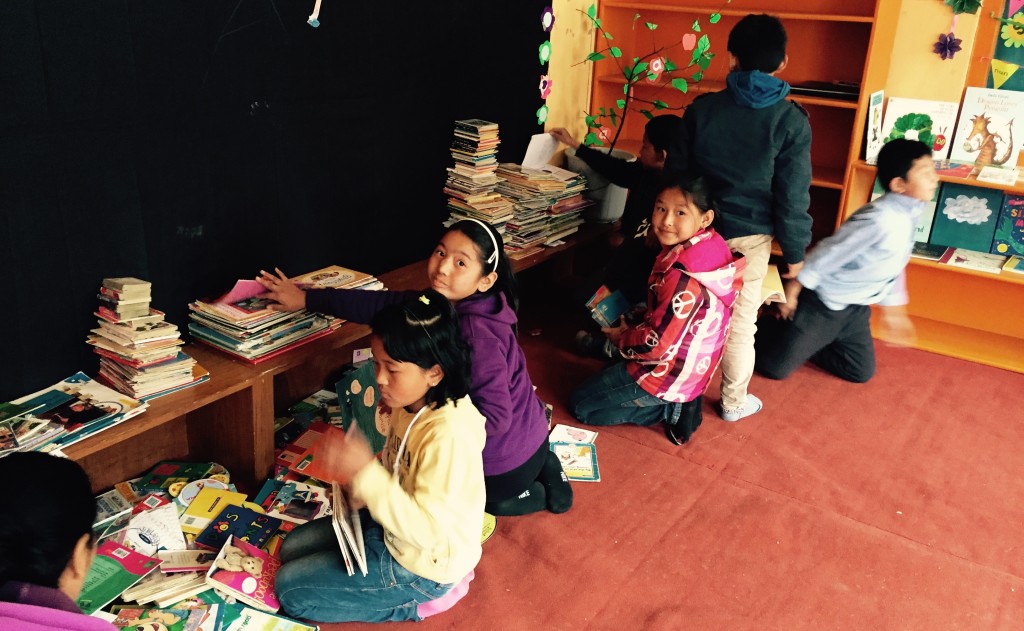
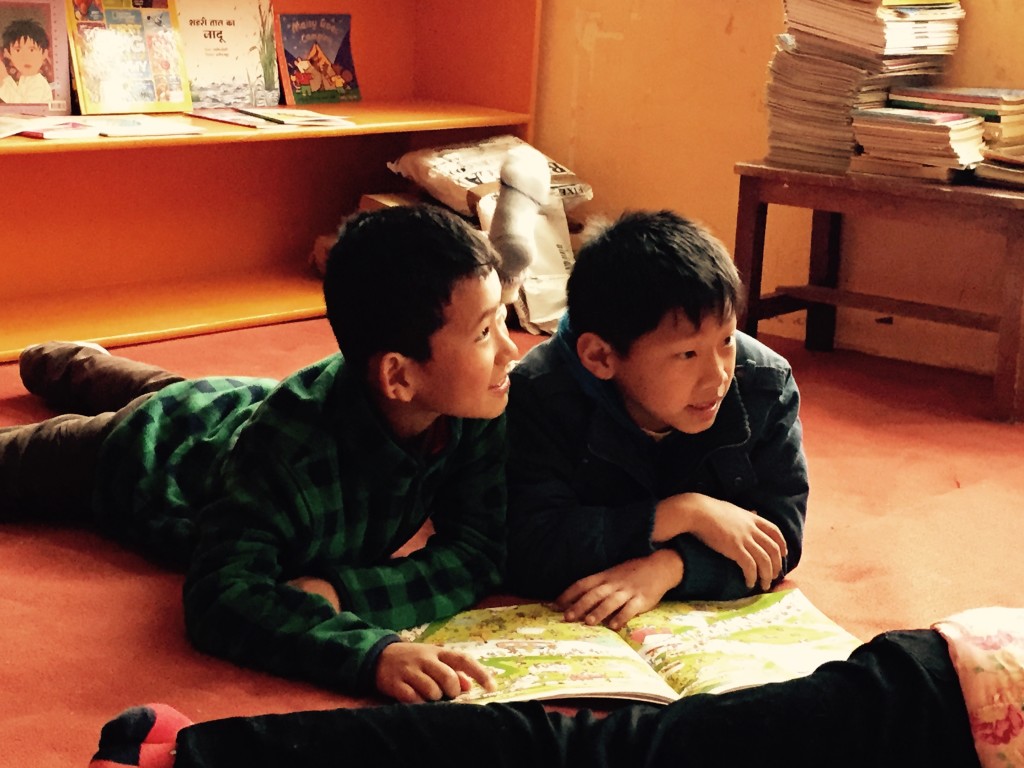
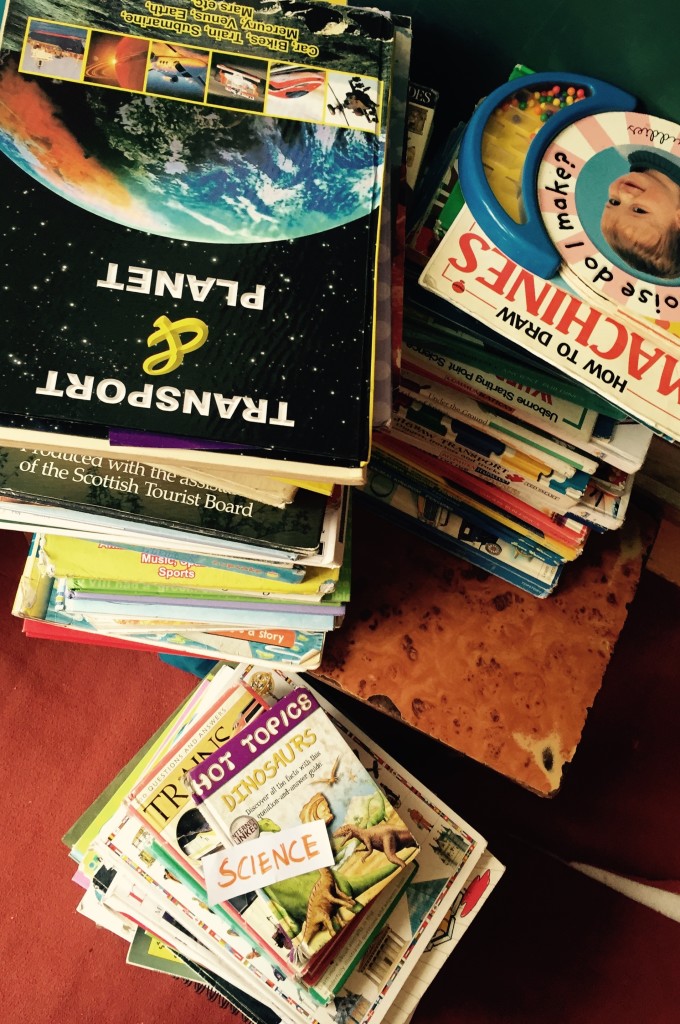
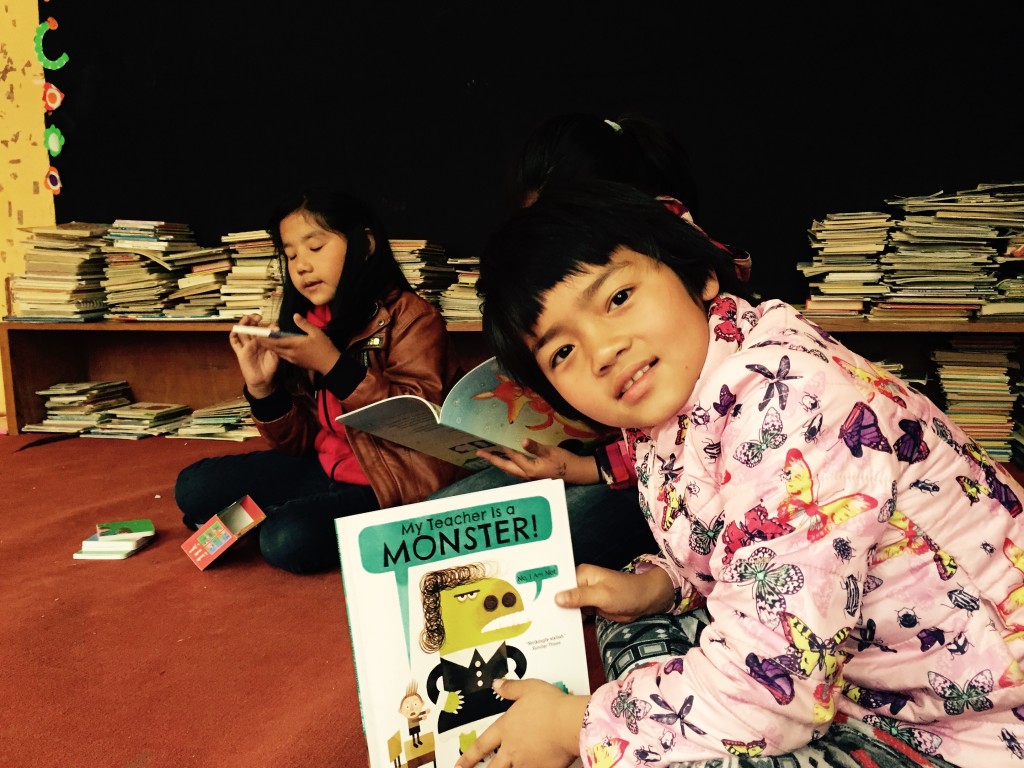
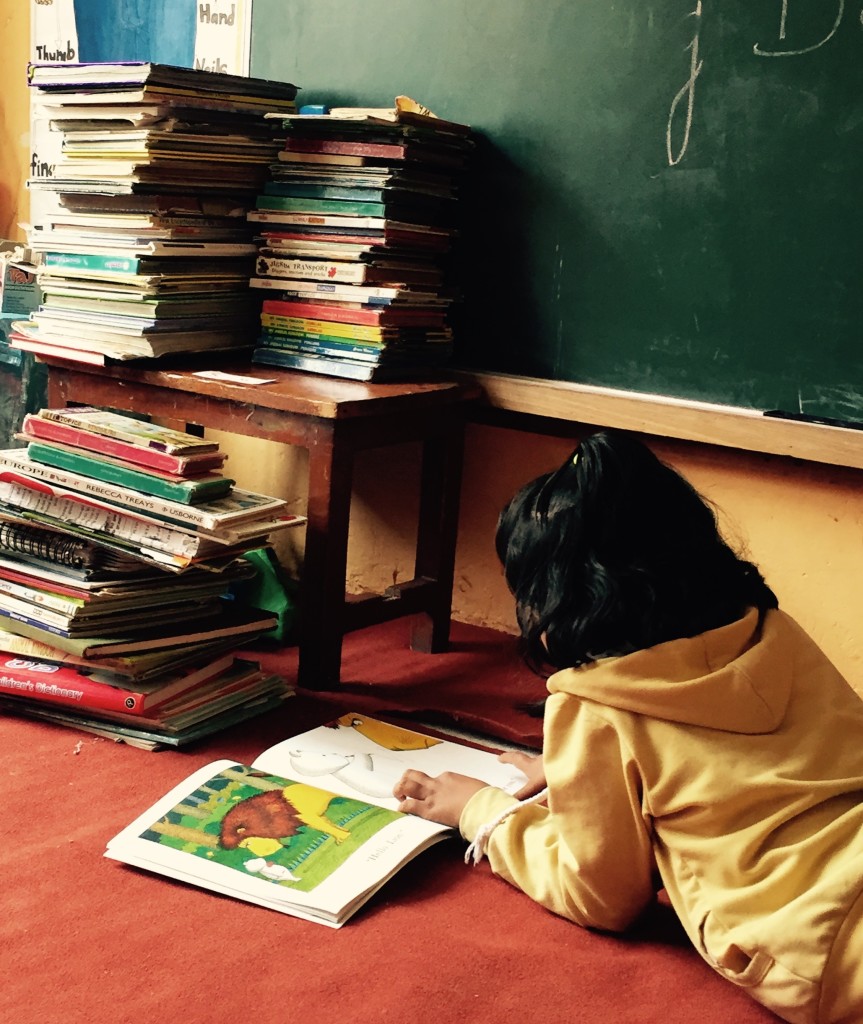
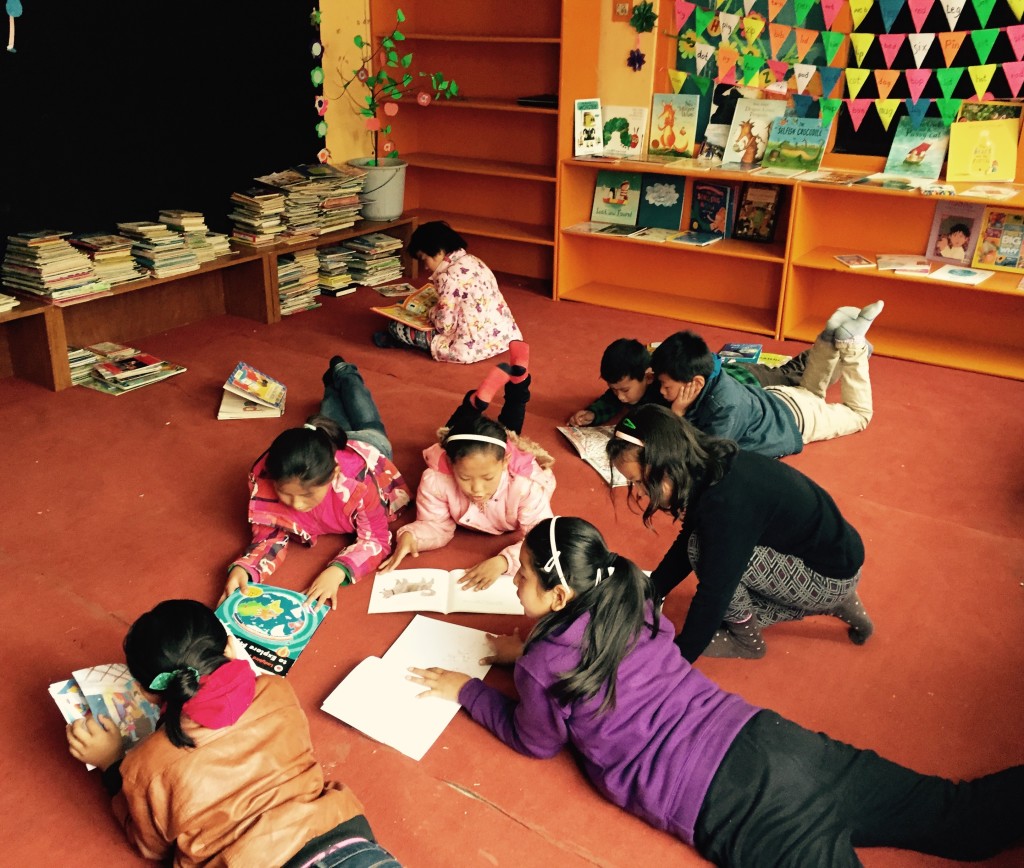
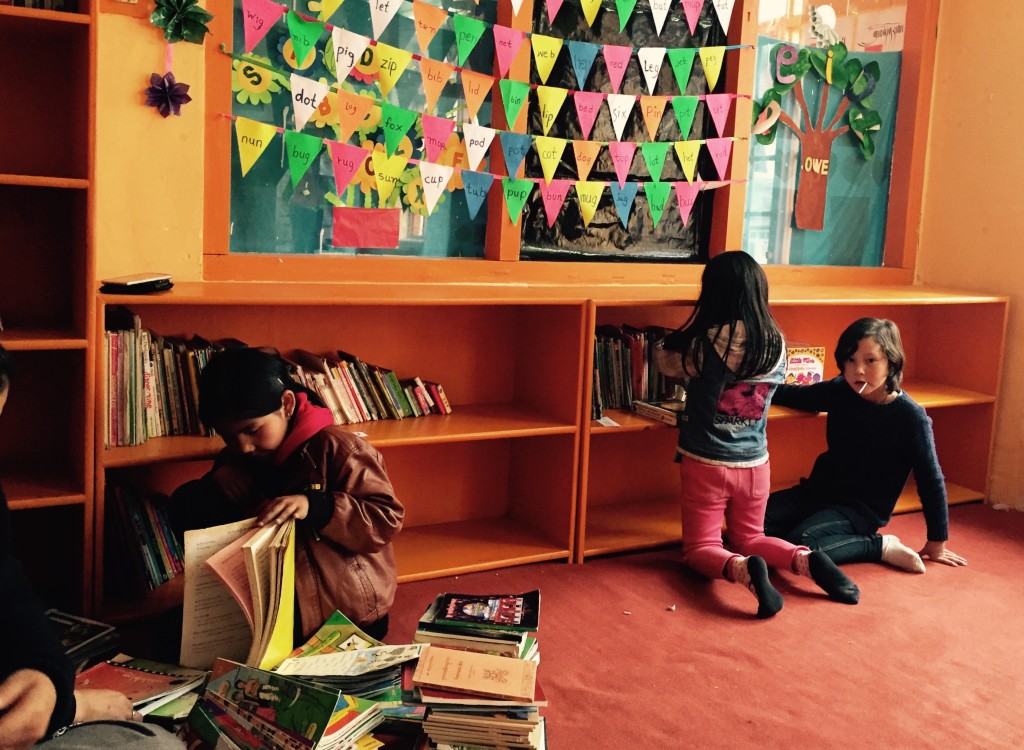
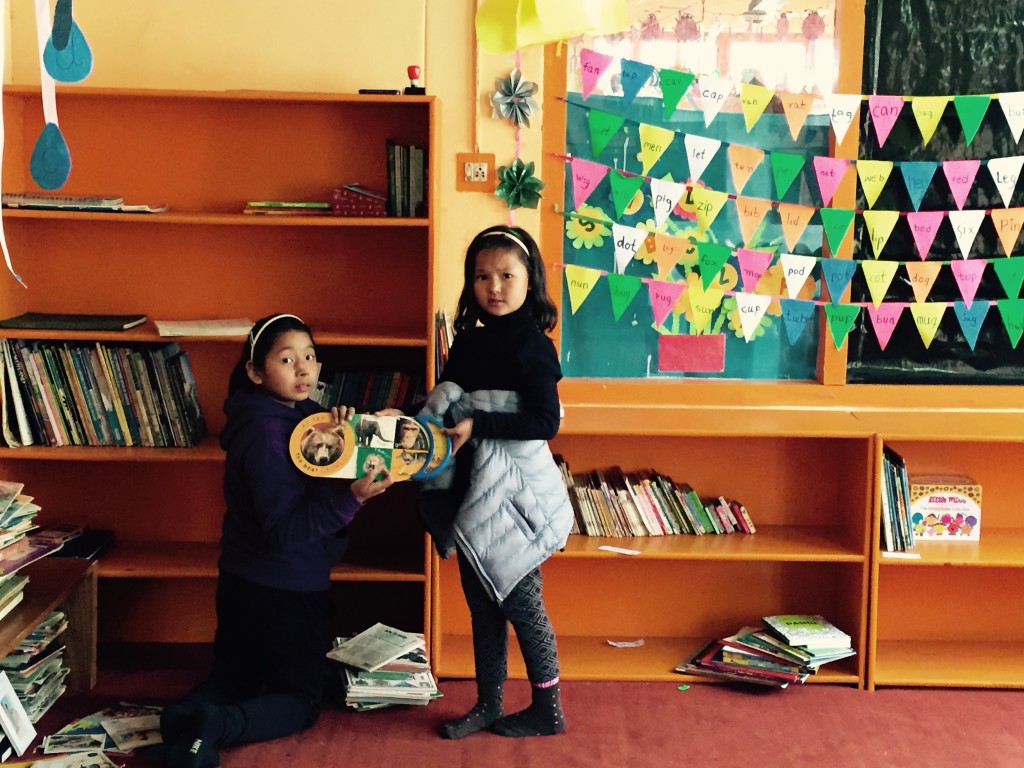
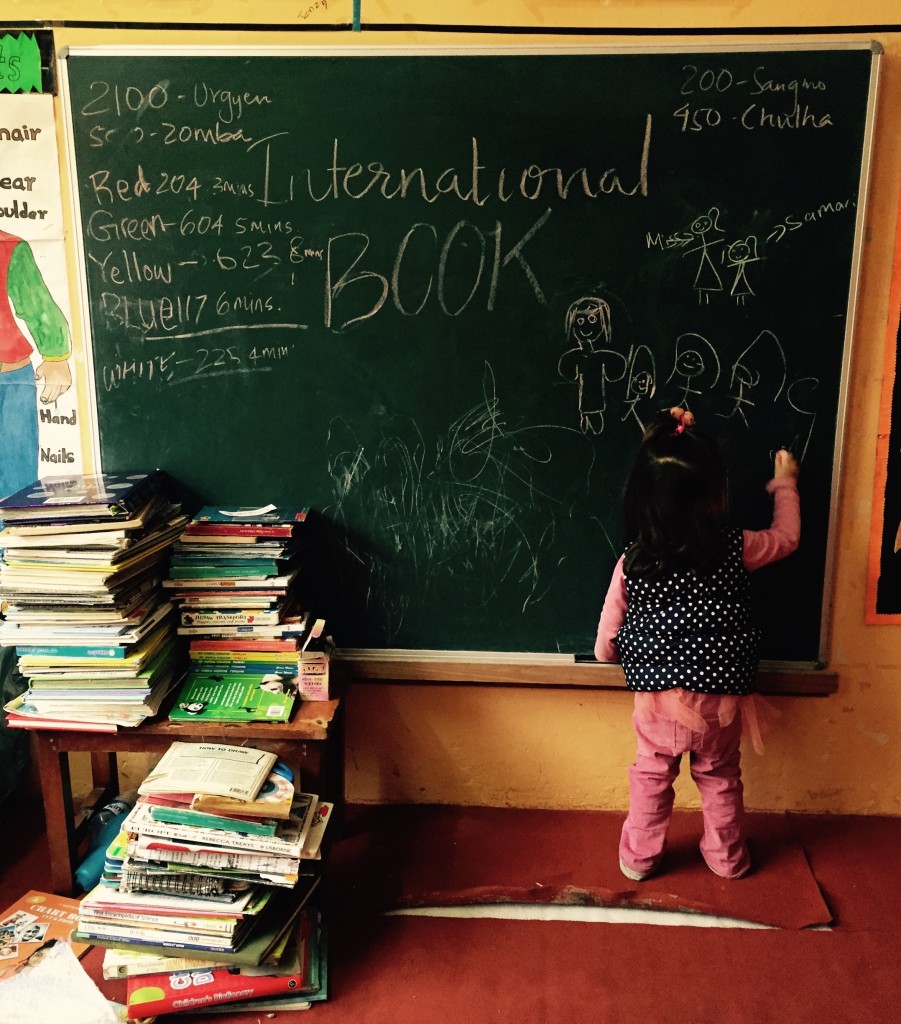
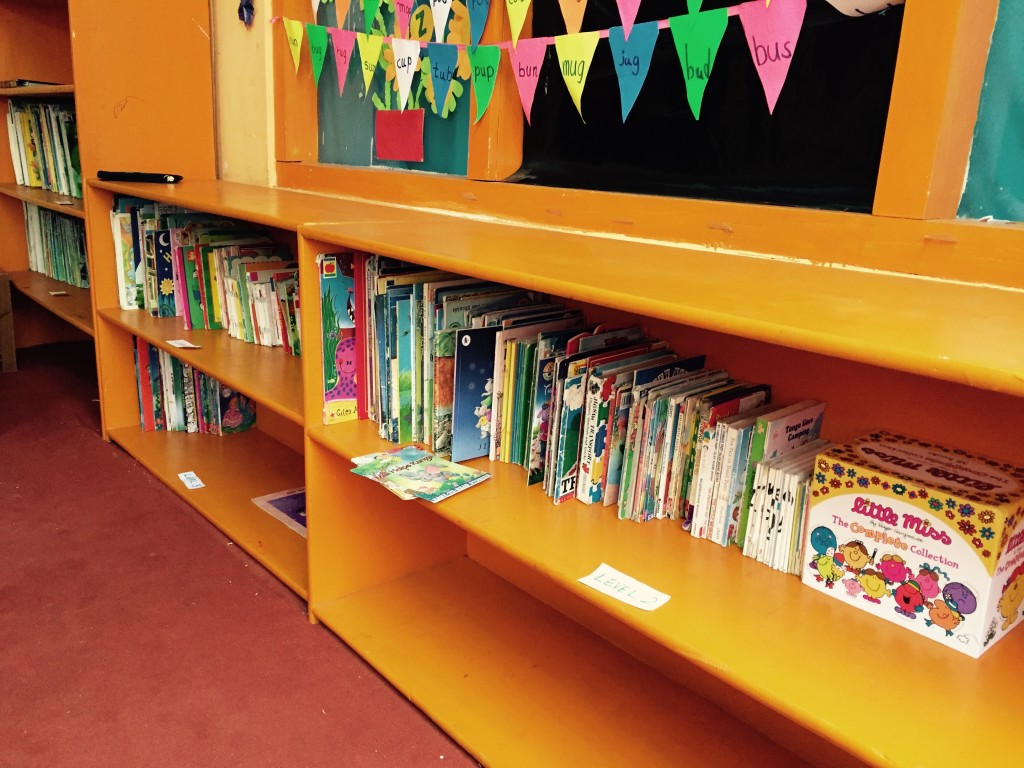
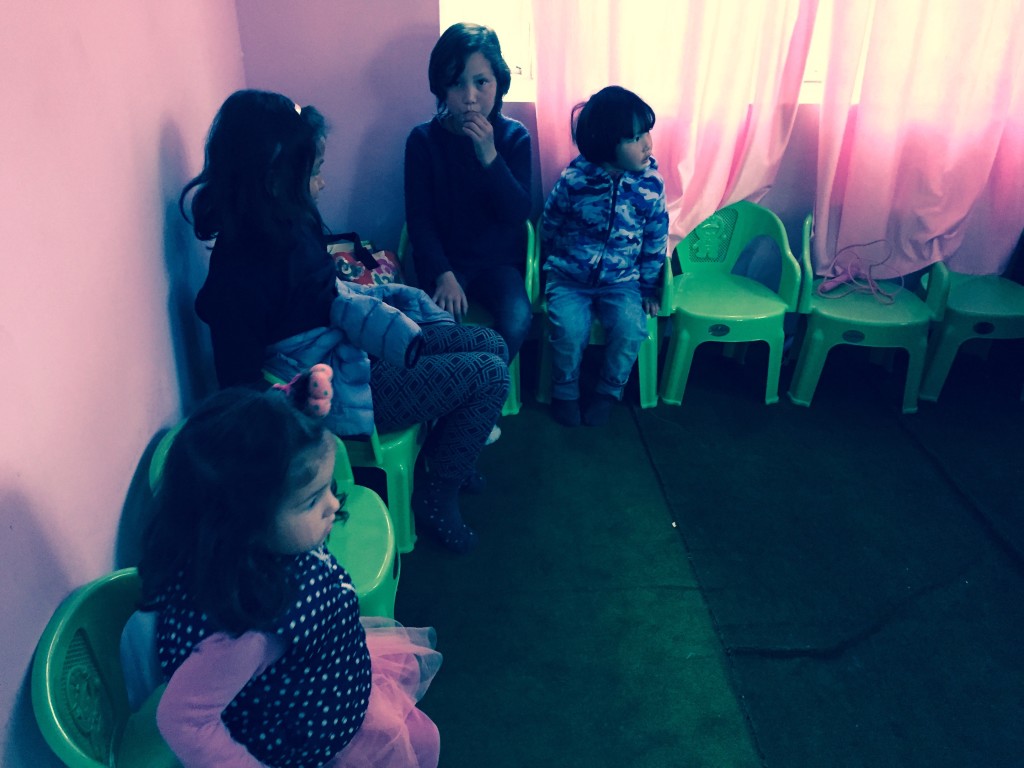
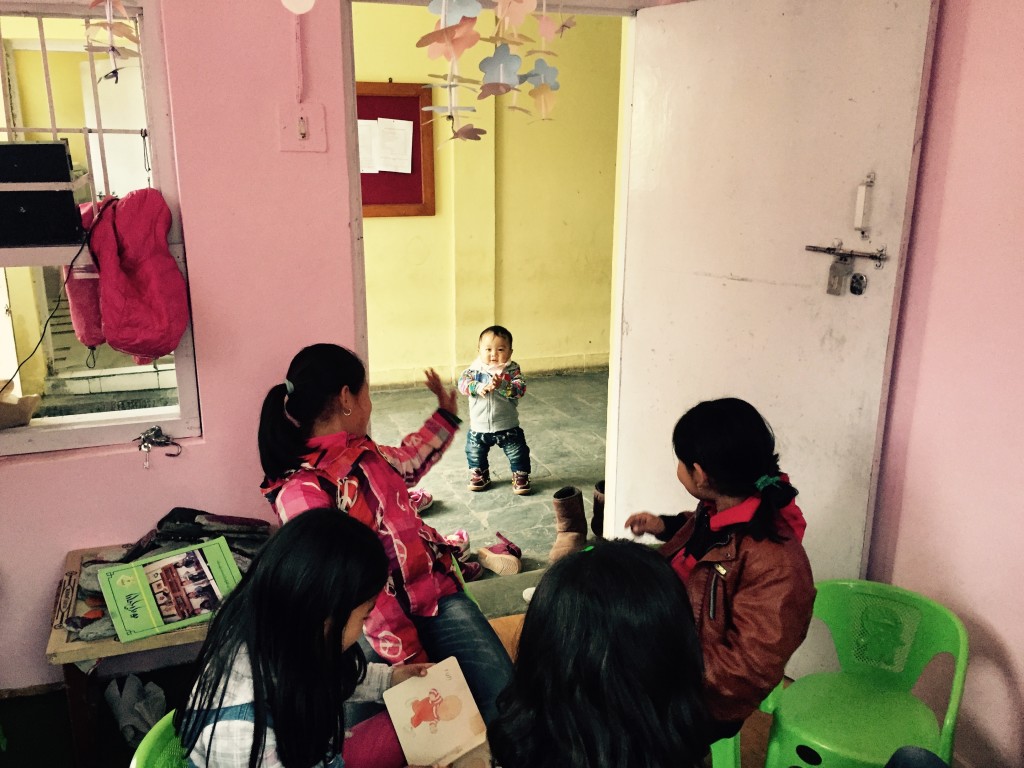
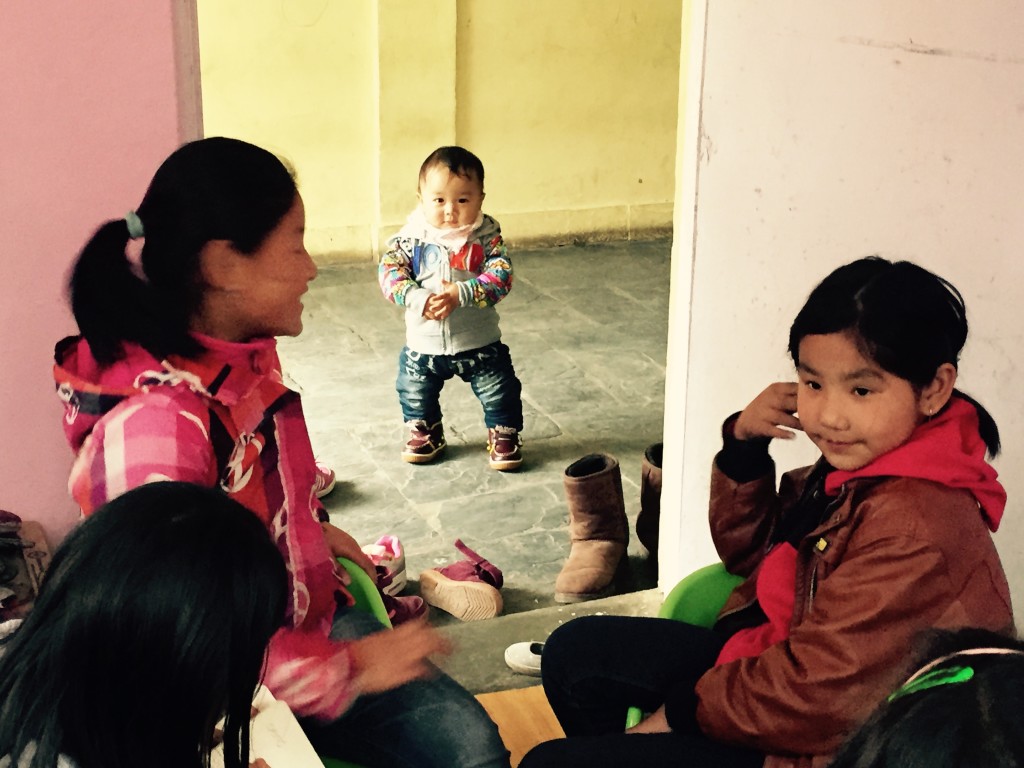
Many children learn best in a place where they already feel safe. A monastery room can provide that sense of familiarity, especially for young monks whose daily lives are closely connected to the institution. With modest improvements such as floor cushions, shelves, lamps, tables and age-appropriate books, an underused room can become an inviting study centre.
The aim is not to recreate an Australian classroom. In remote Himalayan communities, the available space, electricity supply, internet access and number of students may vary considerably. A good reading room can work without expensive technology, using books, writing materials, puzzles, drawing supplies and carefully planned group activities.
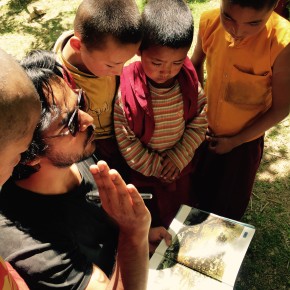
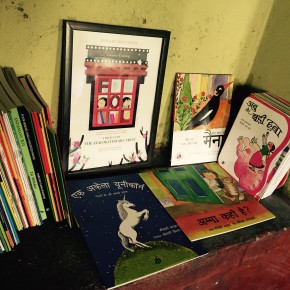
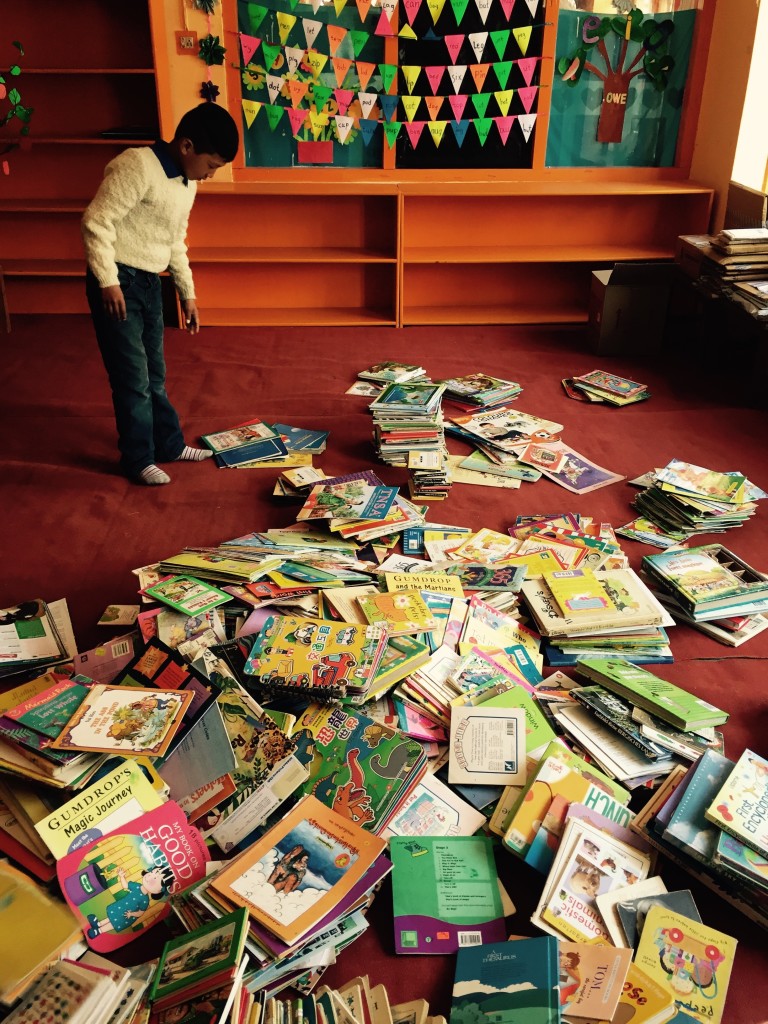
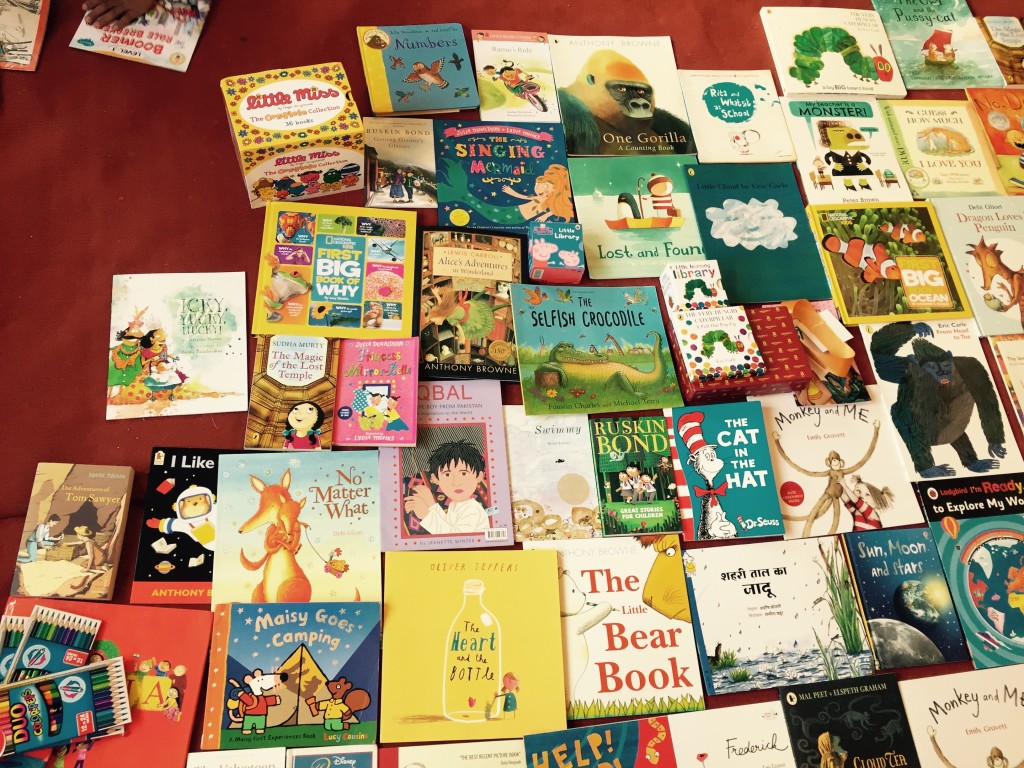
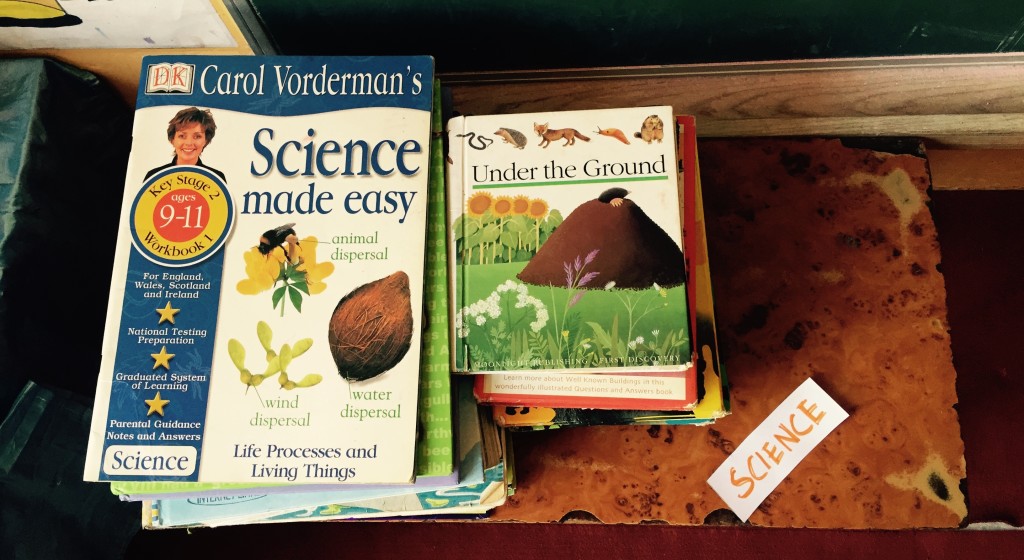
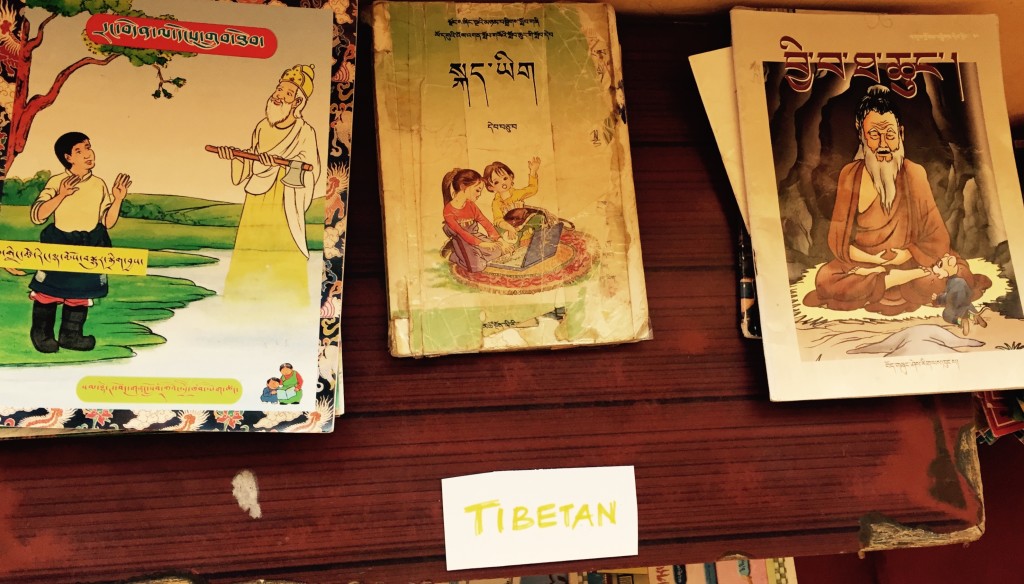
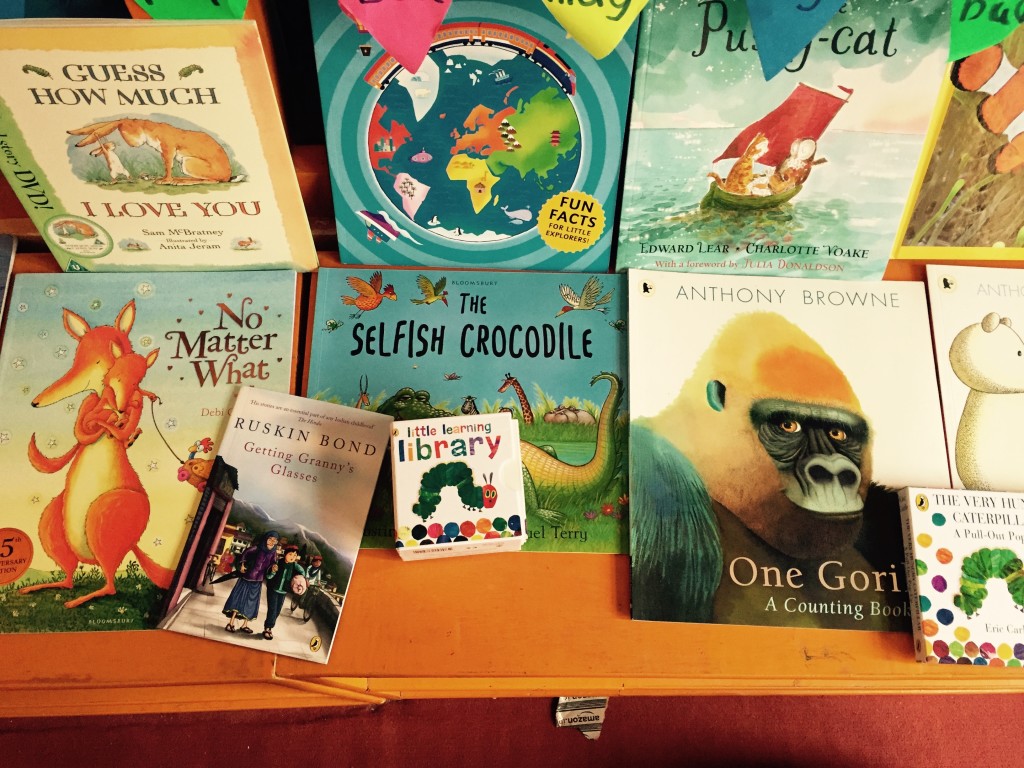
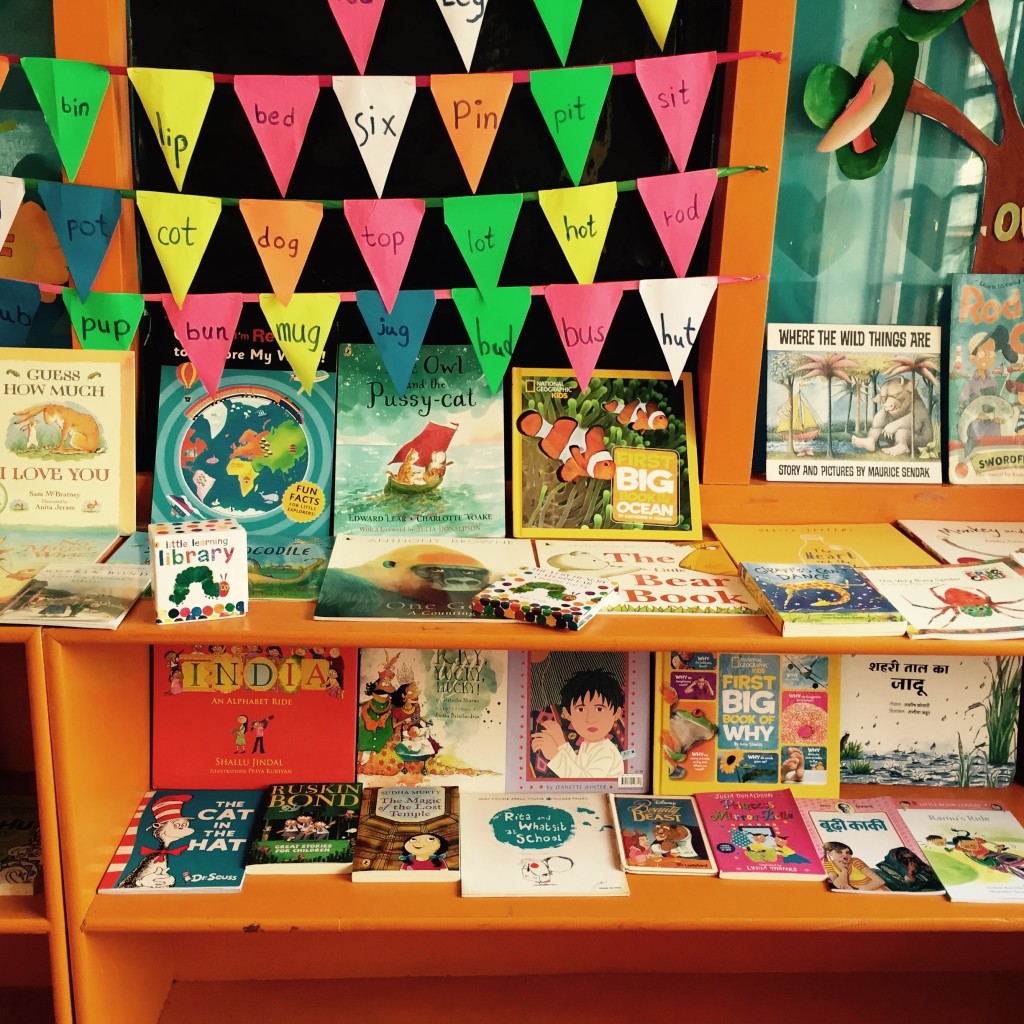
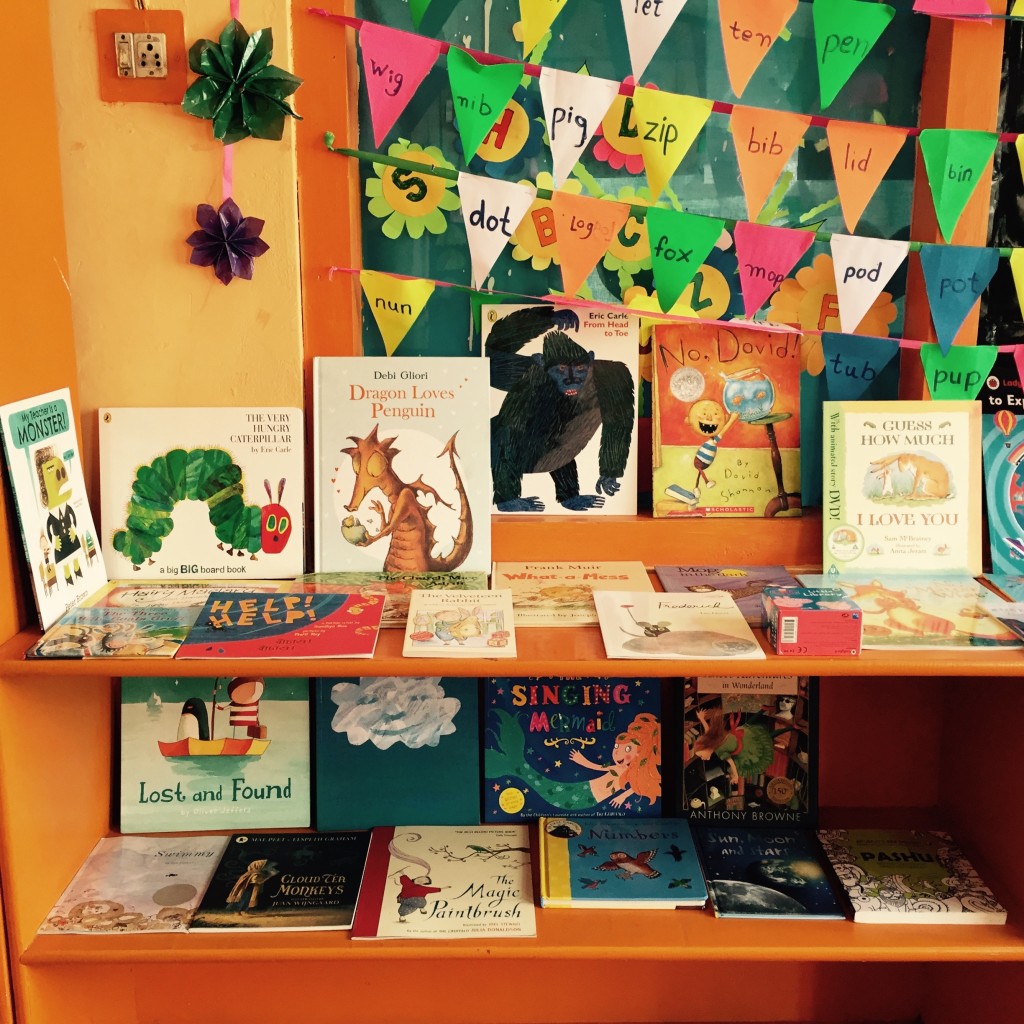
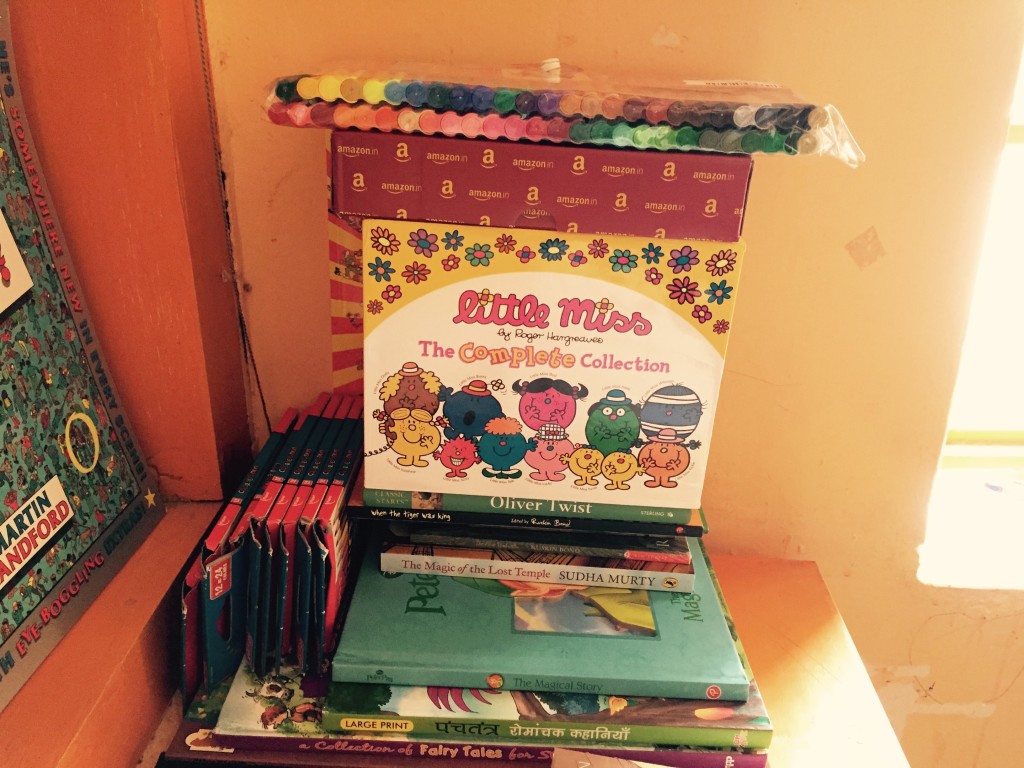
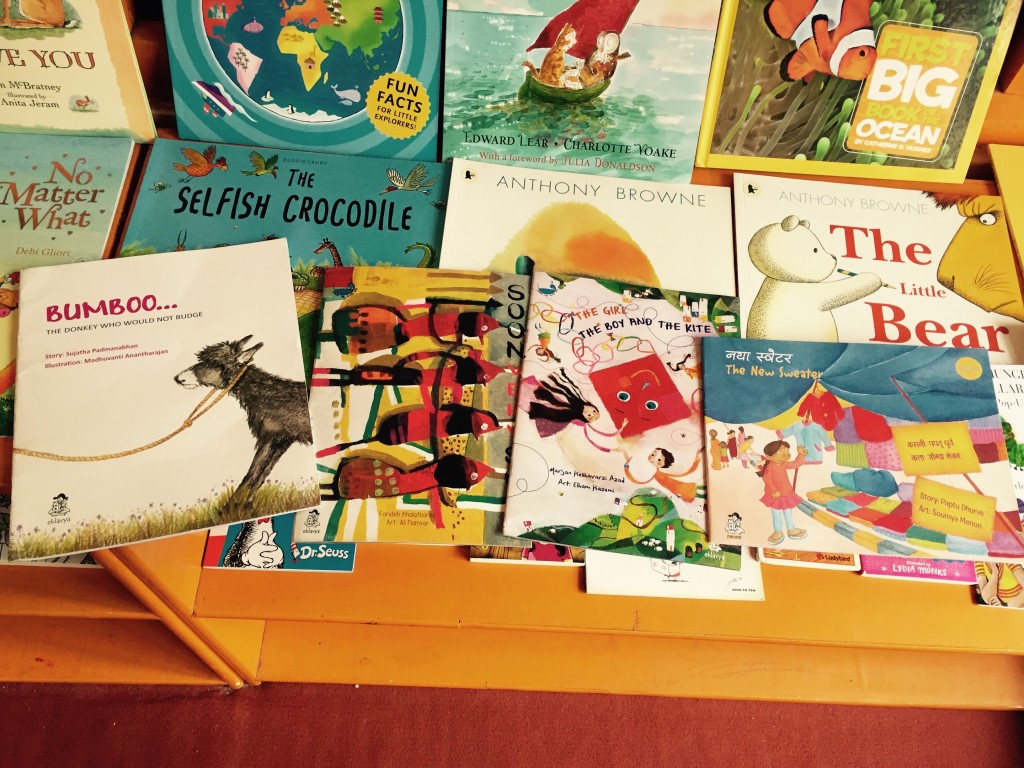
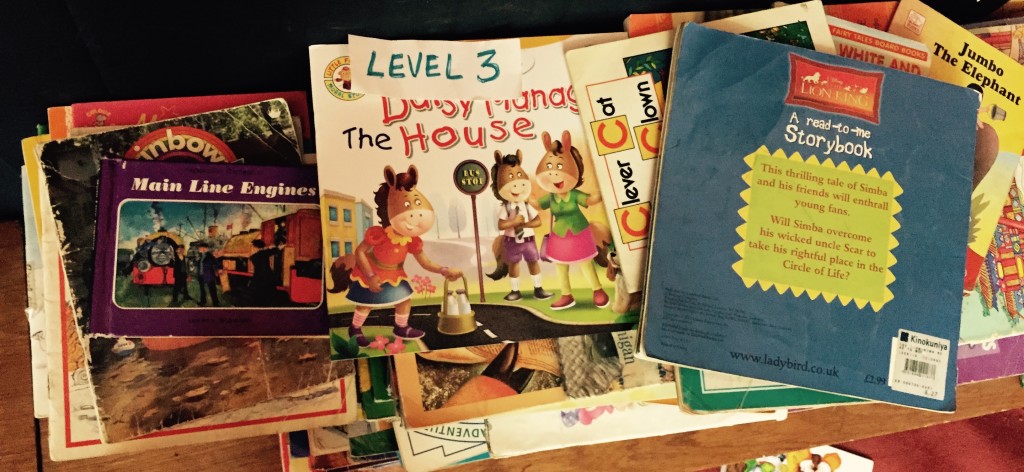
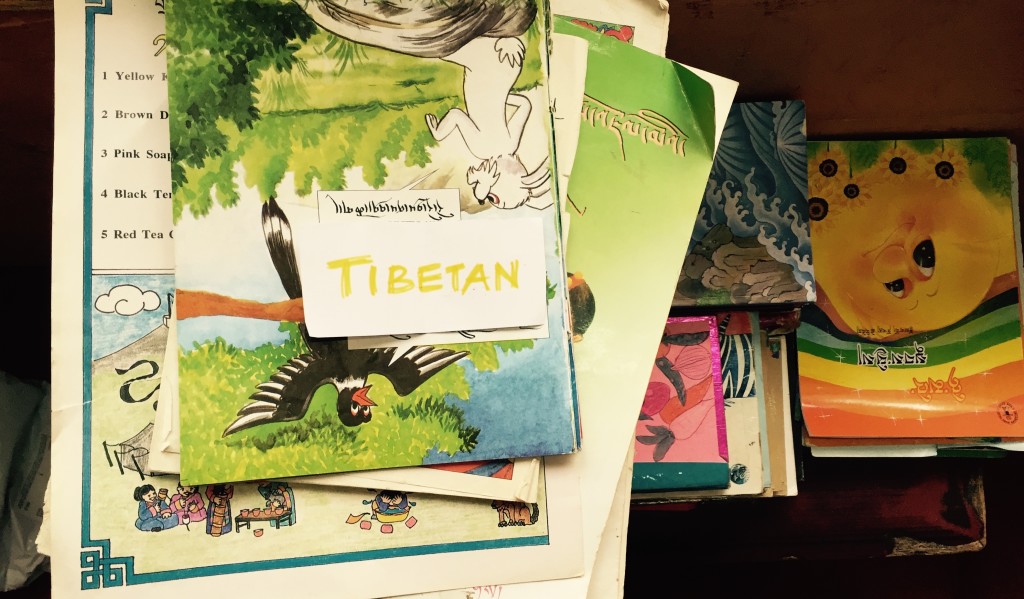
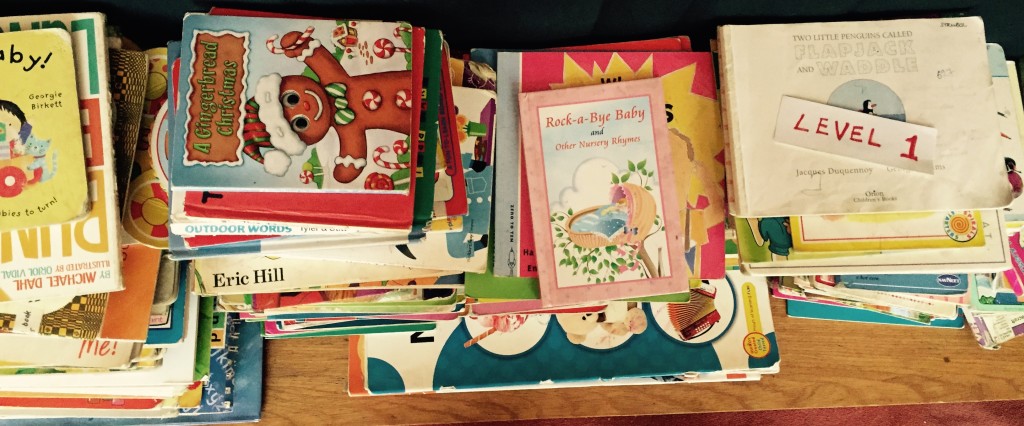
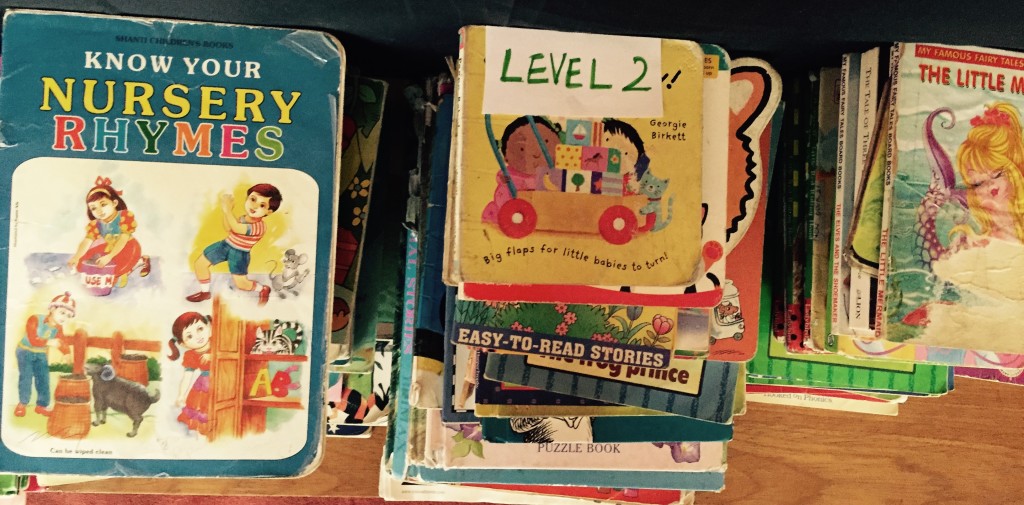
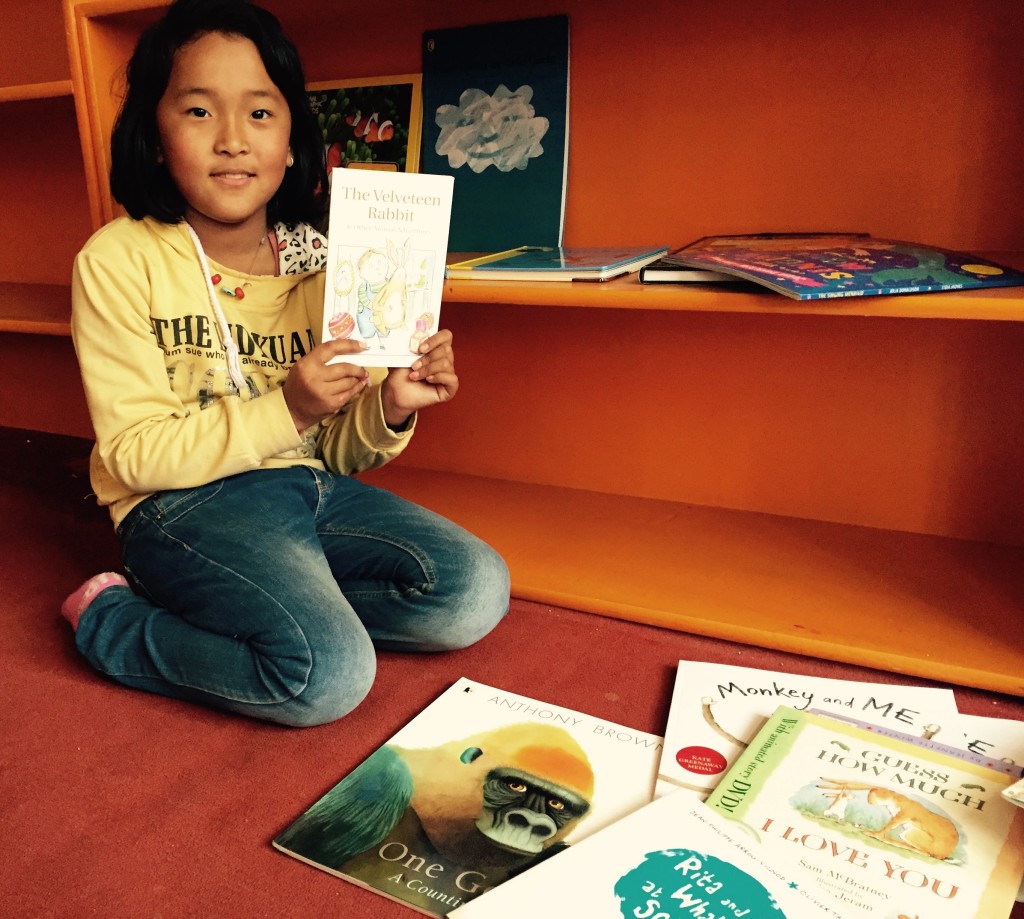
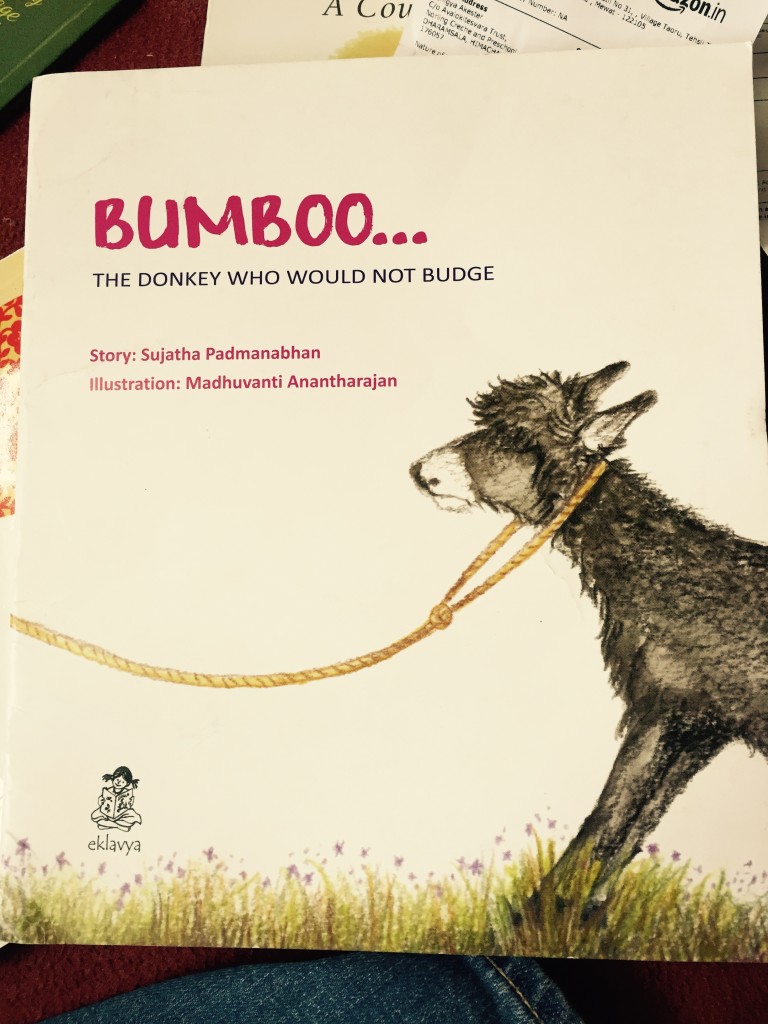
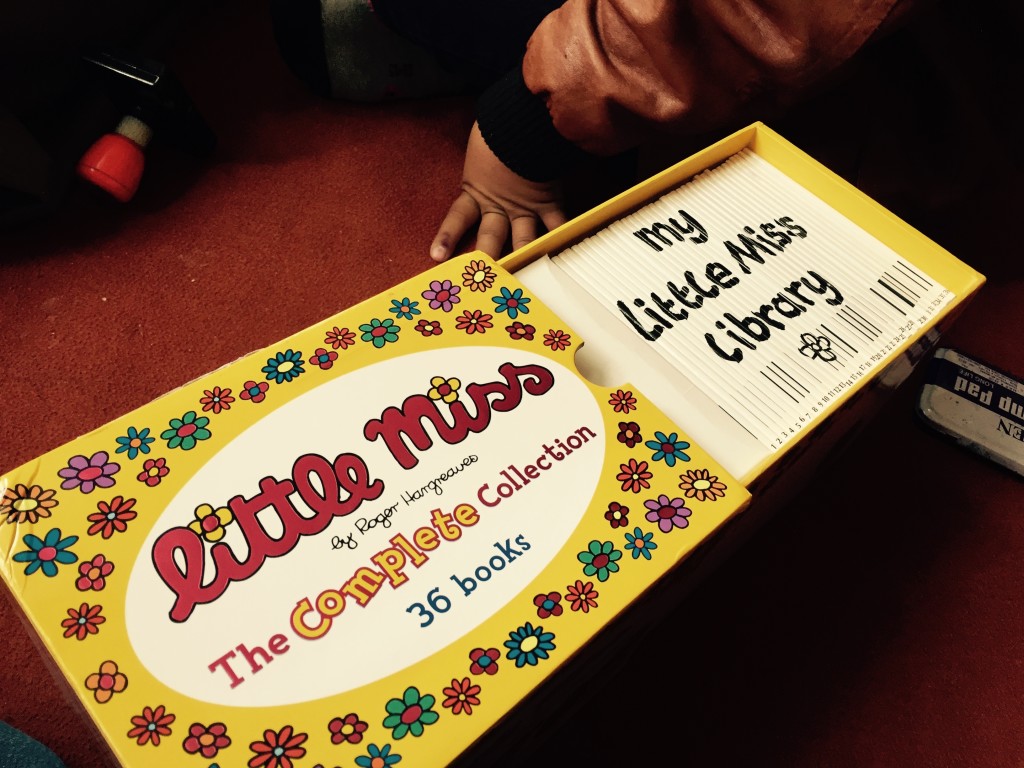
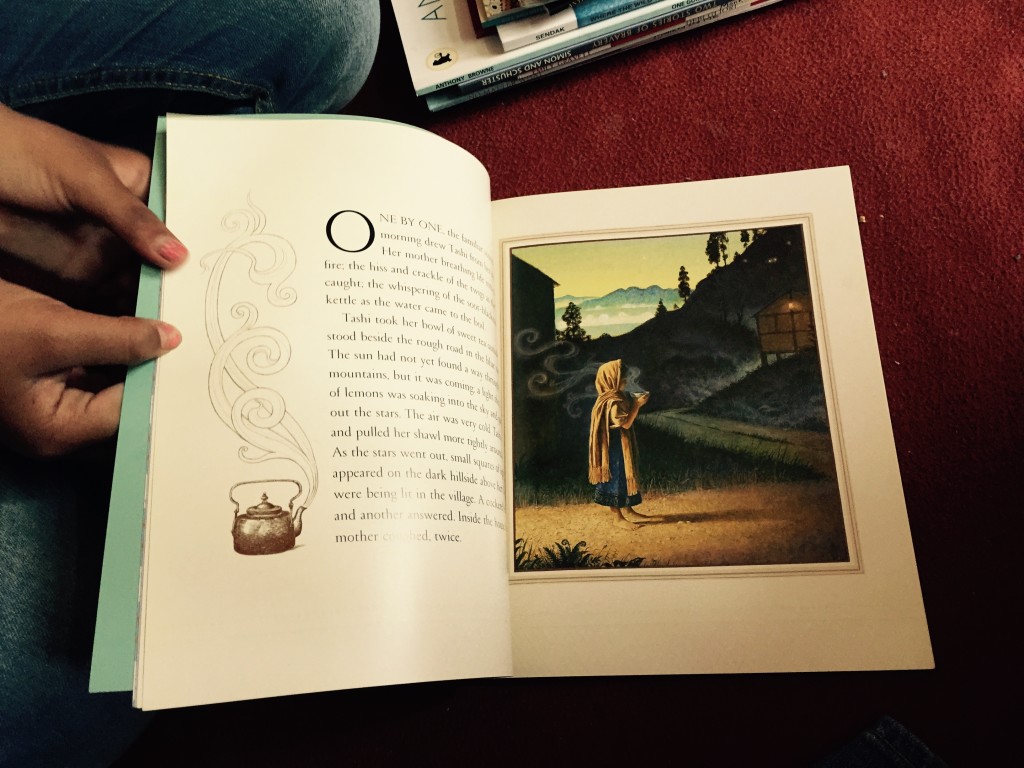
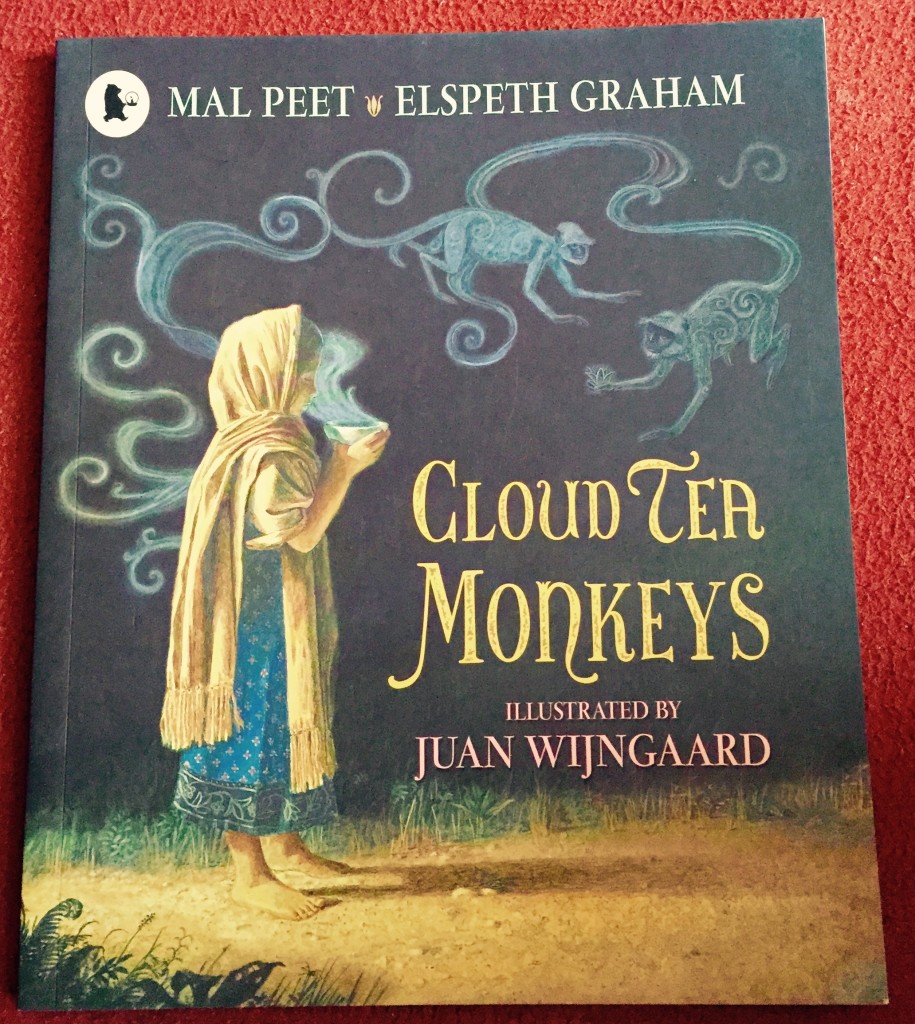
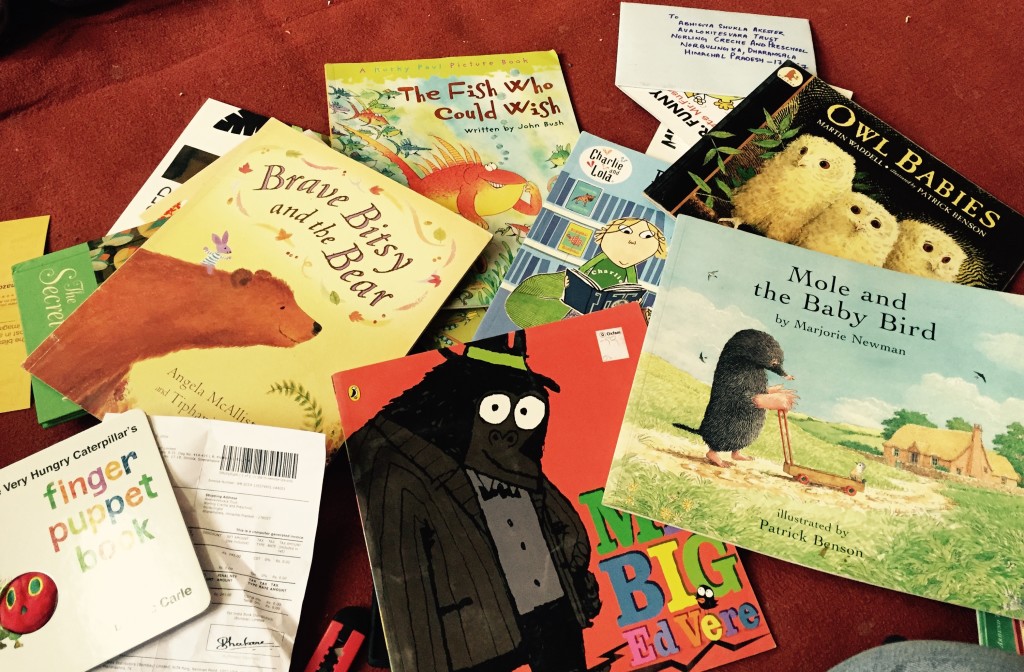
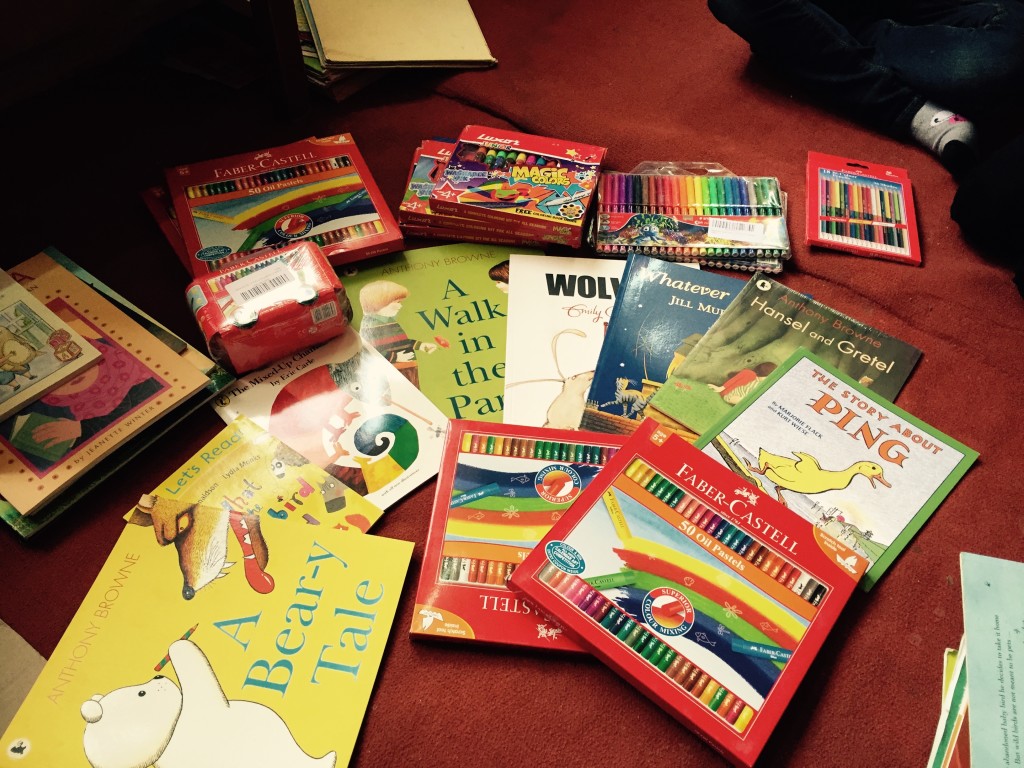
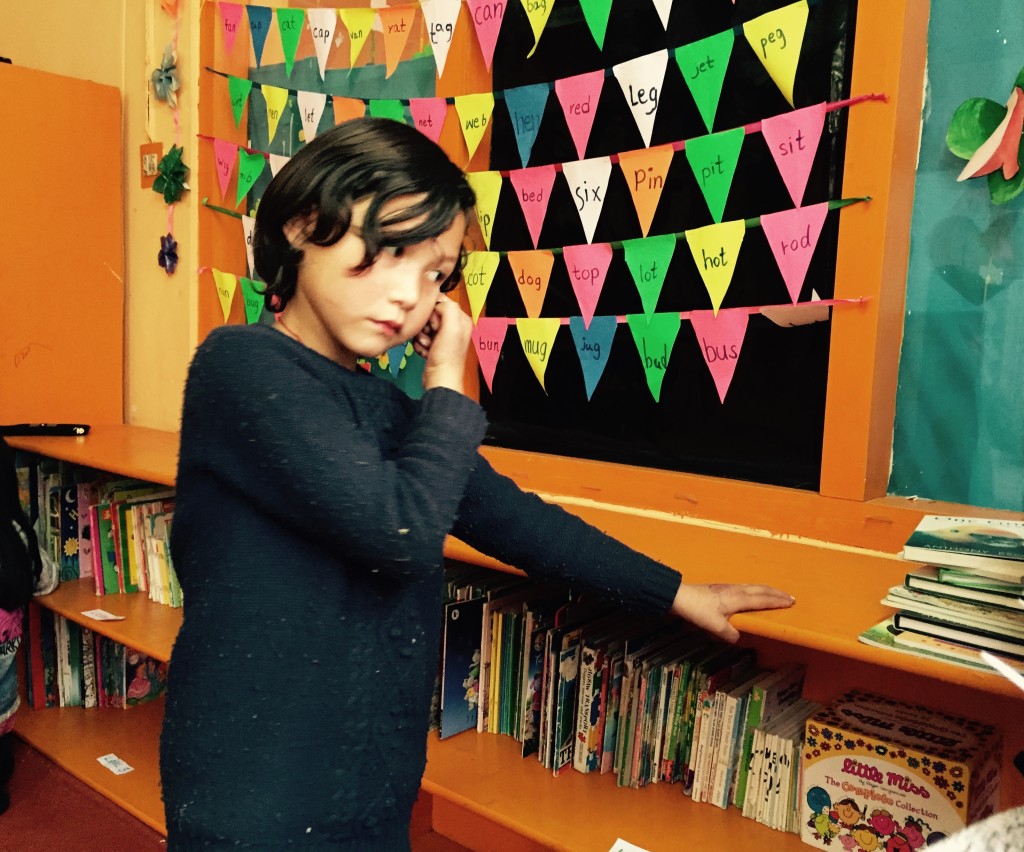
Resources are selected for usefulness and durability. Picture books, bilingual texts, reference materials and graded readers can support children at different levels. Art and music resources add another route into learning for students who may feel hesitant about formal academic work.
Making tutoring relevant to each child
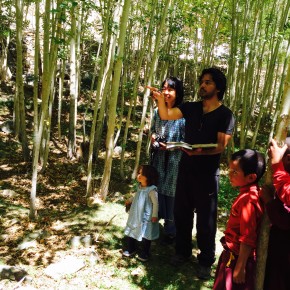
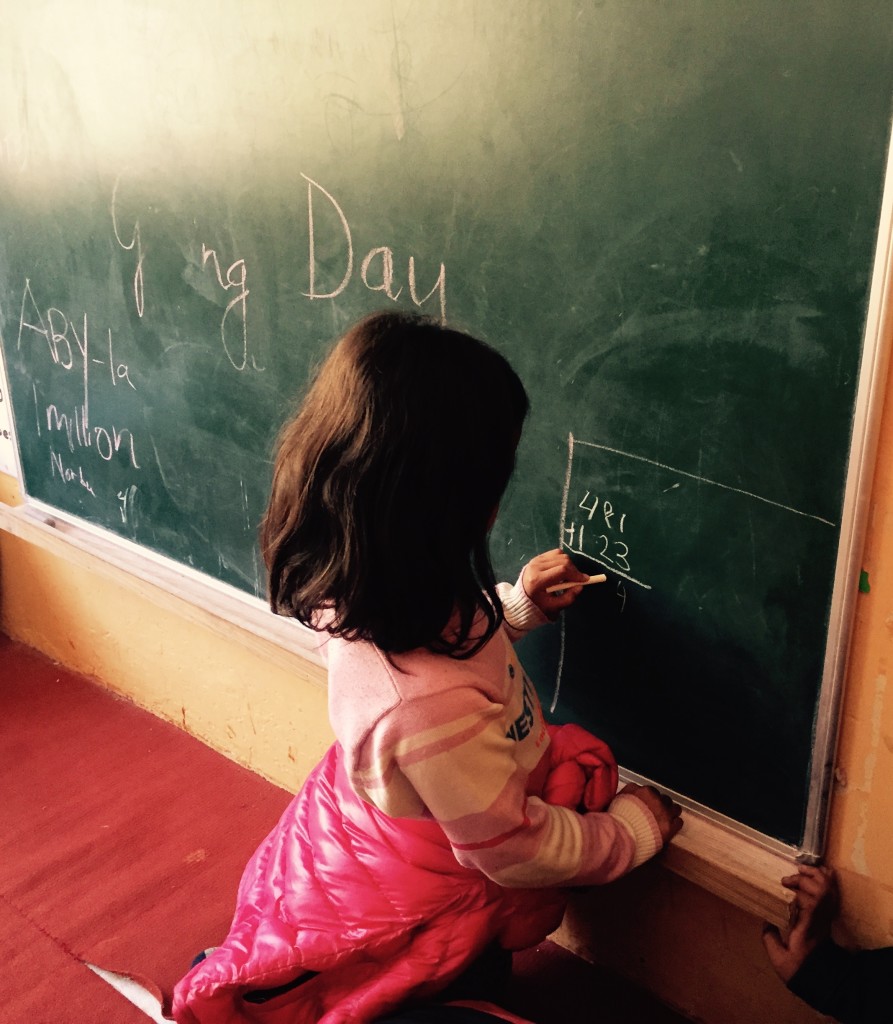
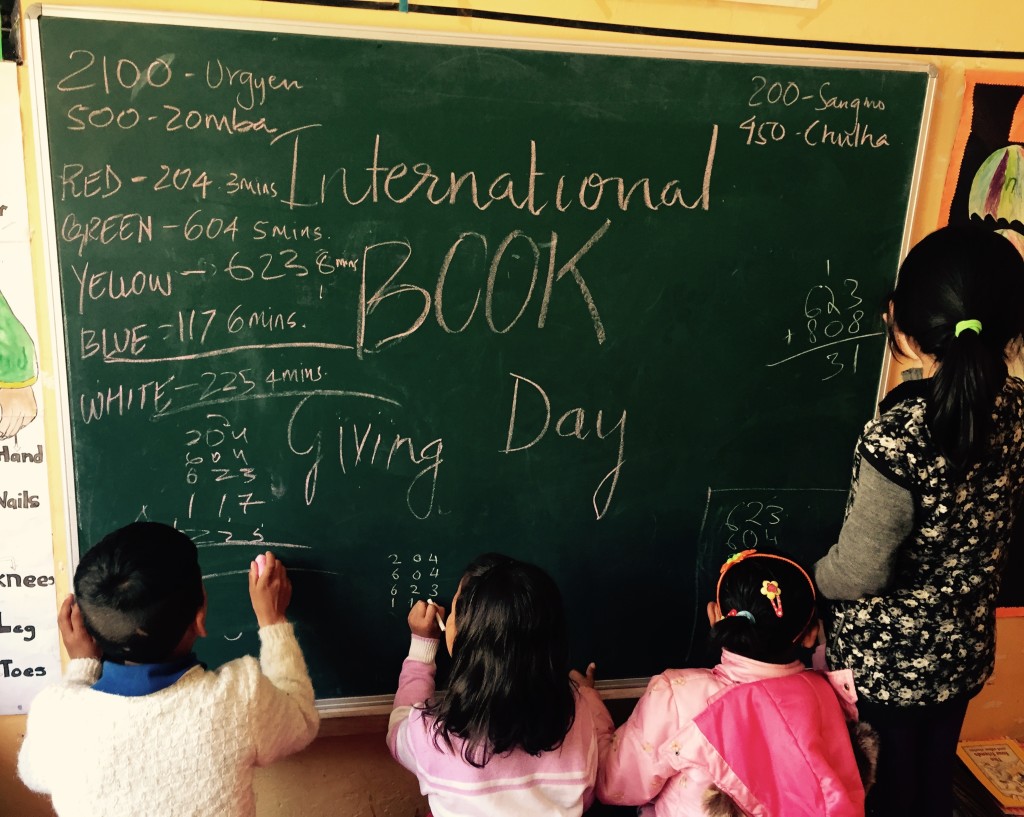
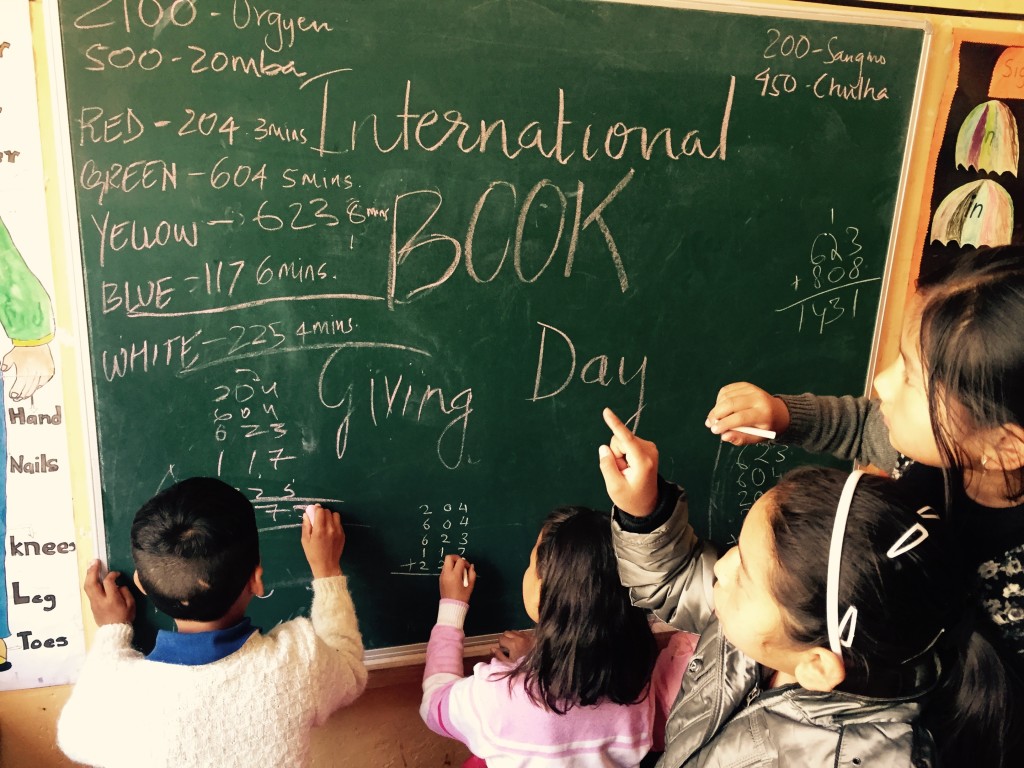
After-school support is most effective when it complements school rather than simply repeating lessons. Tutors may help students understand homework instructions, strengthen reading fluency, practise vocabulary or develop confidence with basic mathematics. Short activities and regular encouragement can make study feel manageable.
English language learning is often valuable, yet it should sit within a broader educational approach. Children benefit from opportunities to discuss stories, draw characters, write about their communities and learn through questions. Where possible, activities include local culture and familiar experiences so that learning feels connected to daily life.
Young monks may have different schedules and responsibilities from other children. Some may need quiet study time, while others may be drawn to storytelling, painting or music. By offering several kinds of activity, the partnership can support varied interests without treating every learner as if they has the same goals or pace.
Coordinating volunteers and local support
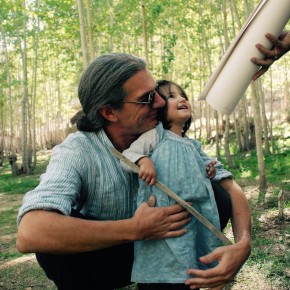
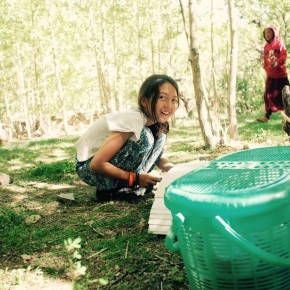
Volunteers bring energy, skills and new ideas, but they need preparation. A short placement should include guidance on respectful behaviour, safeguarding, cultural awareness and the practical realities of teaching in a remote area. Volunteers are there to support local priorities, not to take control of the programme.
Continuity matters as much as enthusiasm. A child should not have to start again every time a visitor leaves. For that reason, volunteers contribute within a shared structure, using simple lesson plans and leaving useful notes for the next tutor. Local partners remain important points of reference between visits.
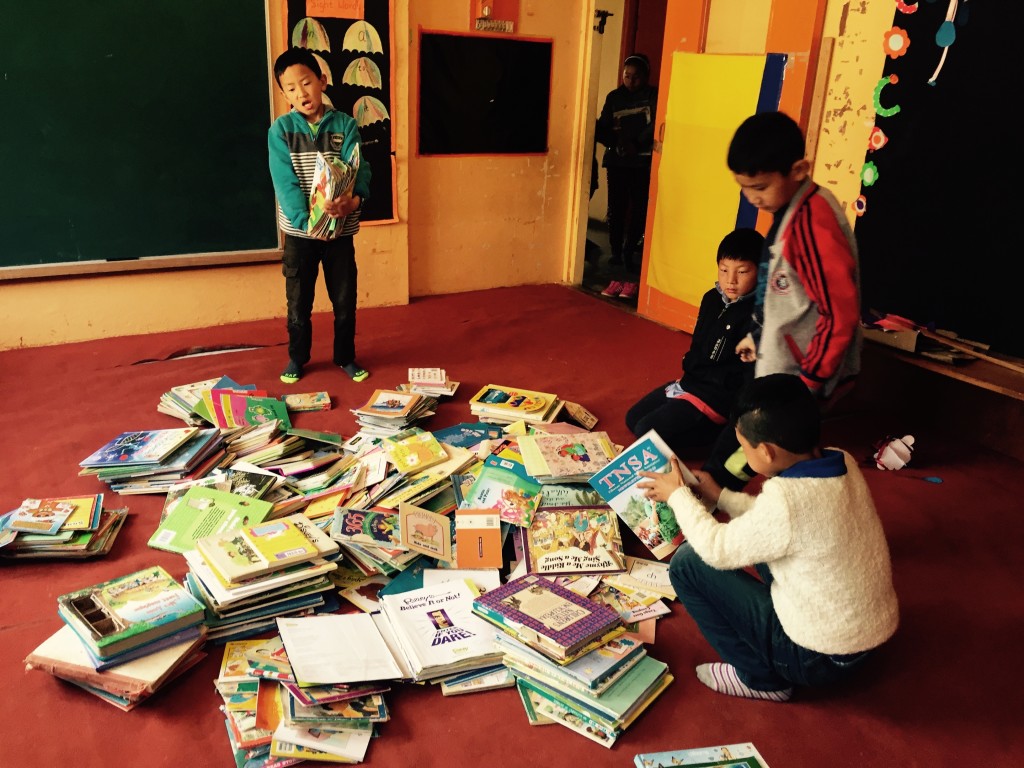
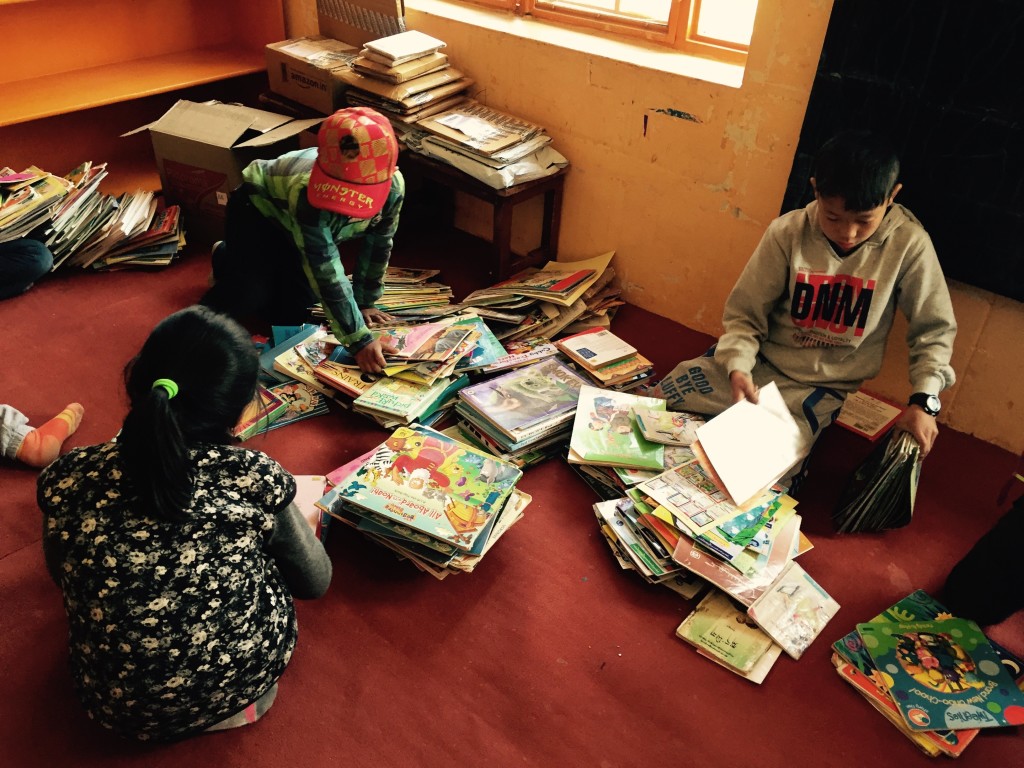
Australian supporters can contribute in several ways. Schools and community groups may organise book collections, while families can sponsor educational materials. Local markets and cultural events in cities such as Adelaide, Perth and Melbourne can provide accessible settings for fundraising, especially when organisers explain exactly how donations support a reading room or tutoring session.
Supporting learning beyond the weekly session
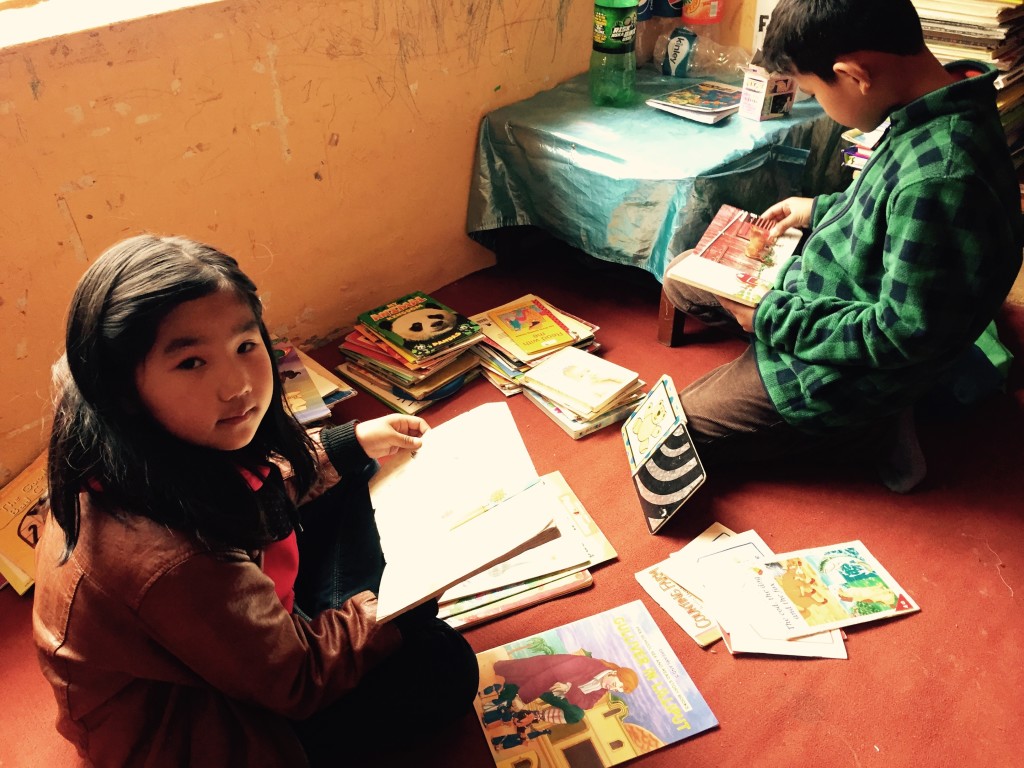
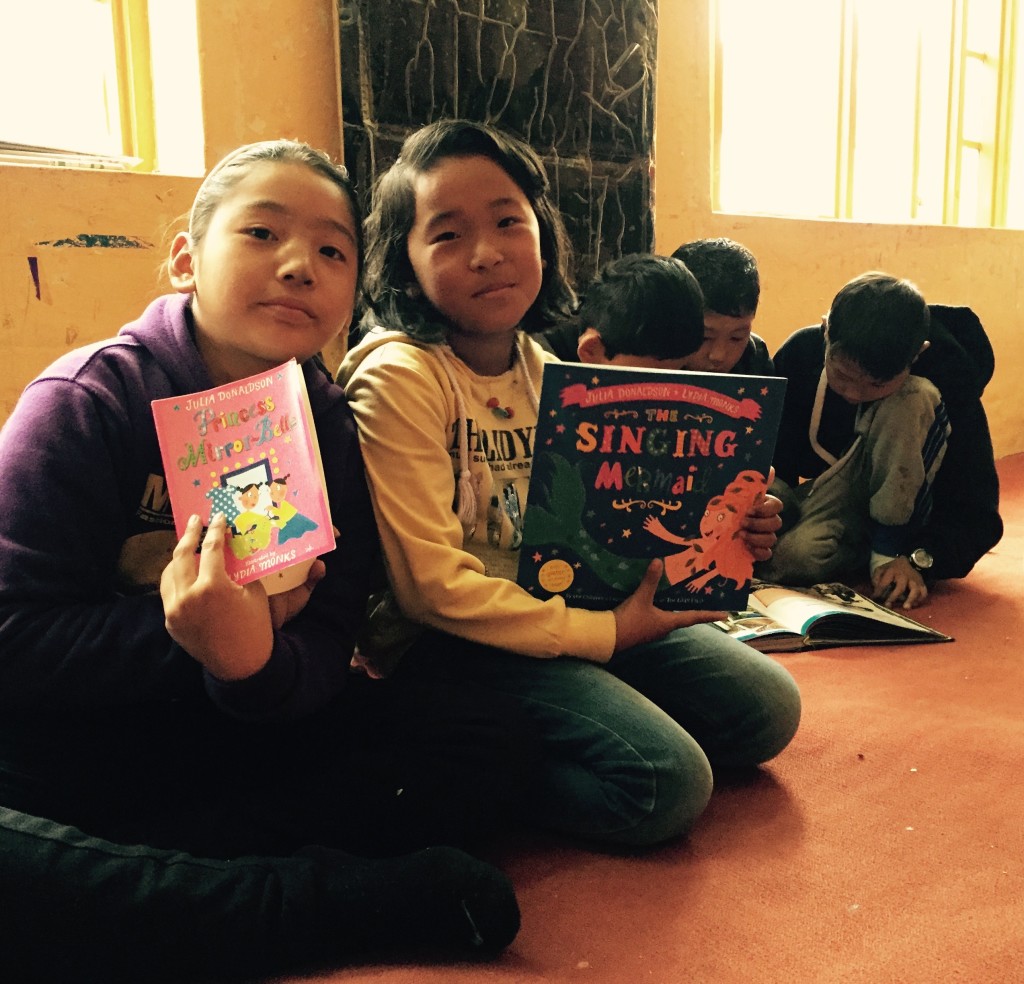
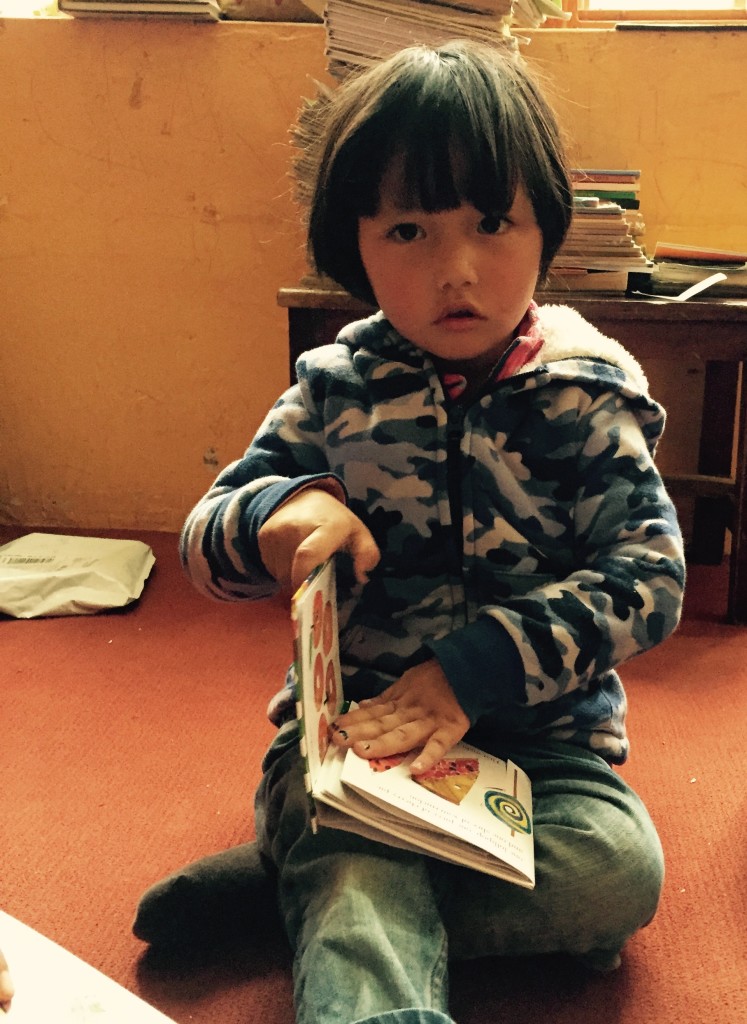
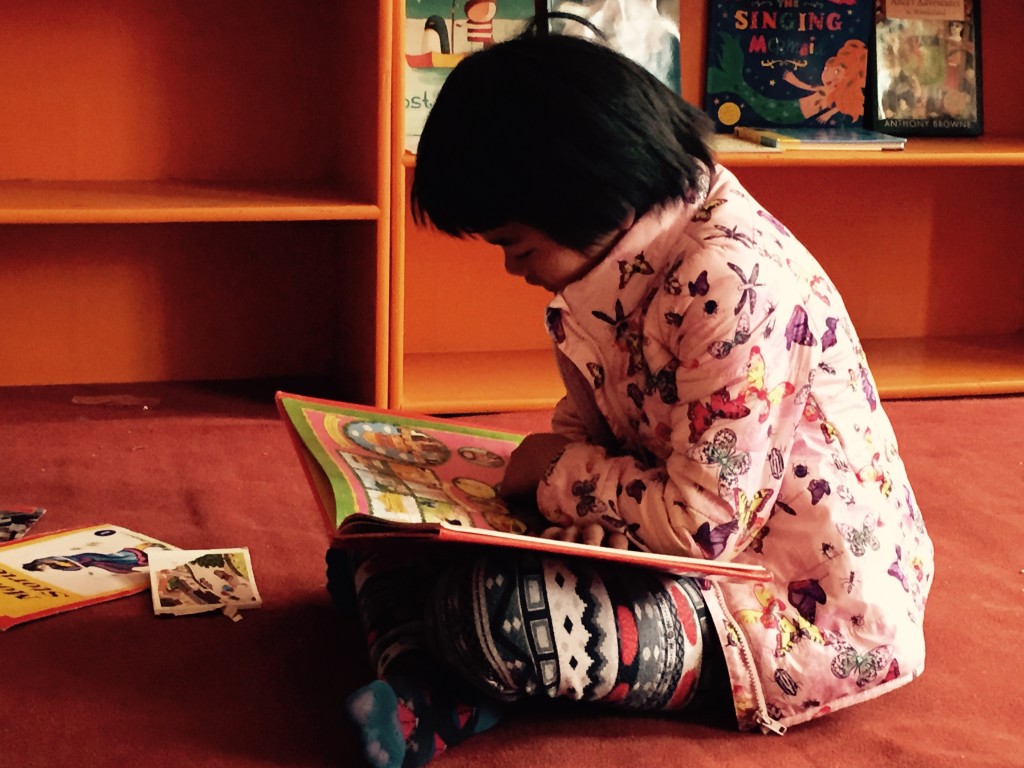
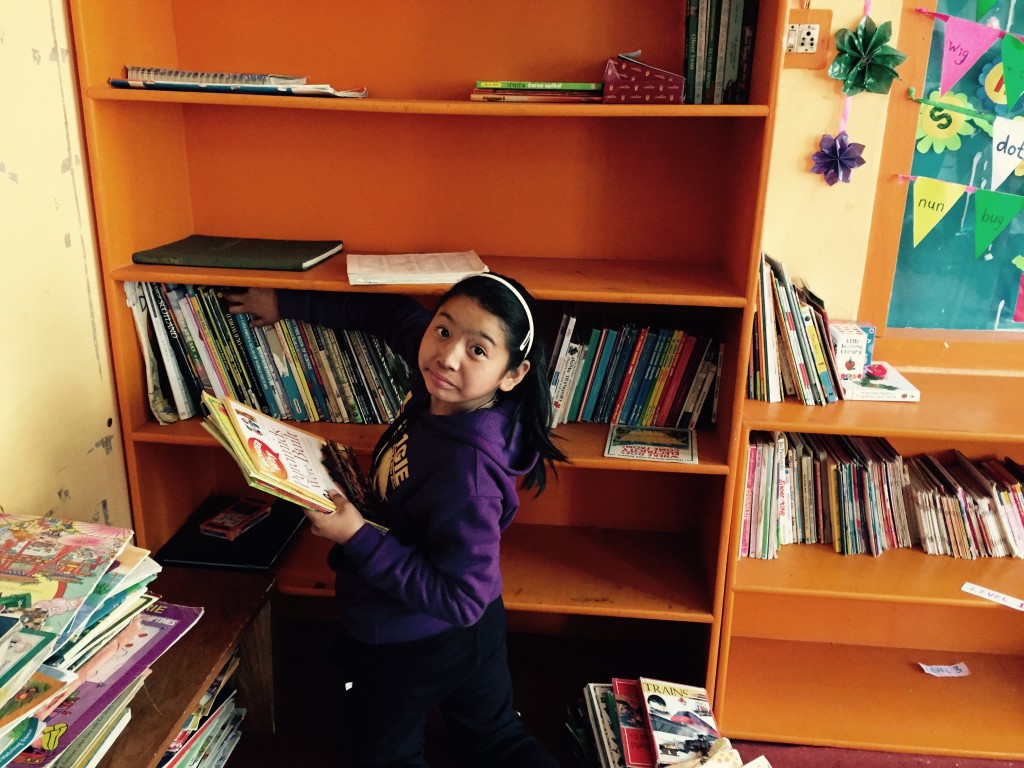
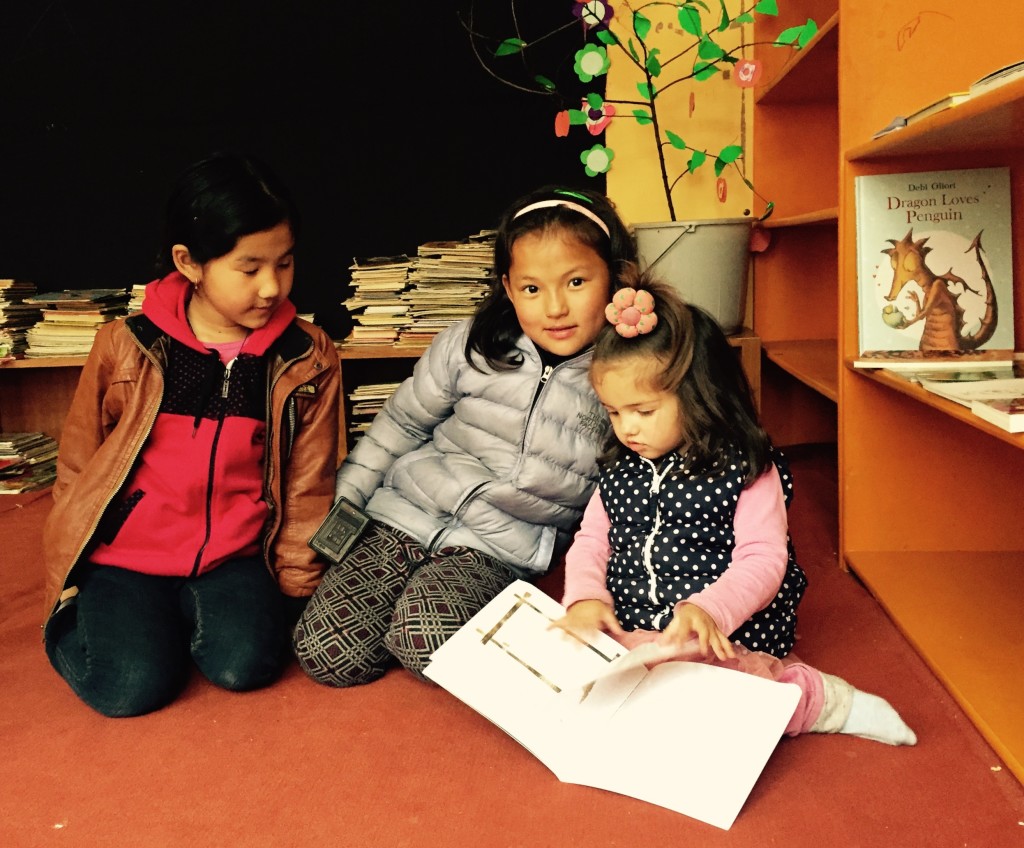
Tutoring becomes stronger when children can continue exploring independently. A well-organised book corner gives students the chance to revisit a story, read with a friend or choose a subject that interests them. This freedom helps develop the habit of reading rather than making books feel like another compulsory task.
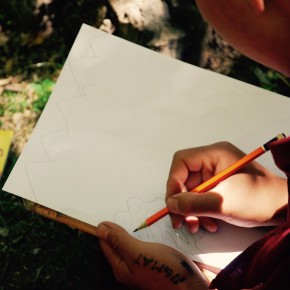
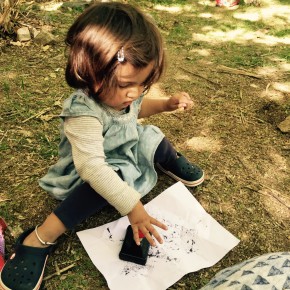
Creative activities extend that learning. A drawing project can lead to new vocabulary; a song can strengthen memory; a group story can encourage public speaking. These experiences are especially valuable where children have limited access to libraries, extracurricular classes or reliable digital resources.
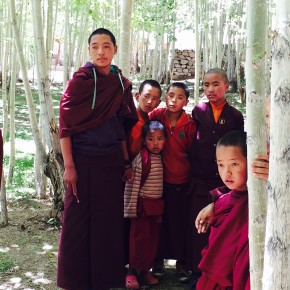
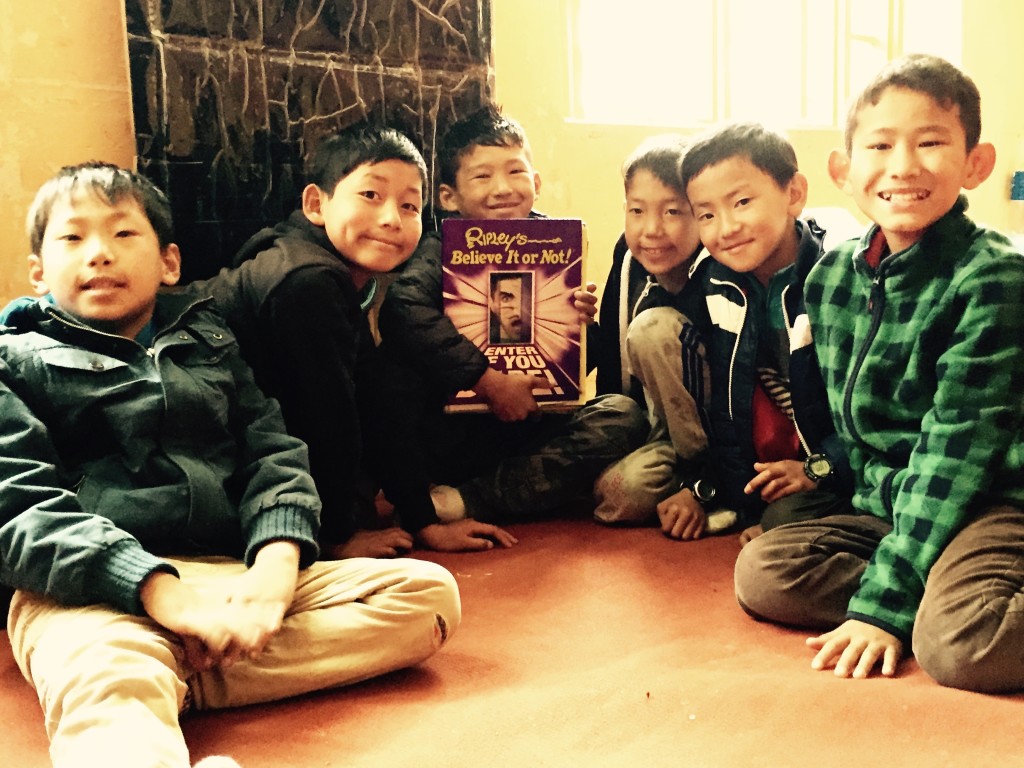
The partnership also supports young monks as learners and mentors. Older students may read aloud to younger children, help organise materials or assist with games. Such responsibilities can build confidence and strengthen the sense that the reading room belongs to the whole community.
Building a partnership that lasts
Long-term work depends on modest, repeatable systems. We keep communication open with monastery representatives, record which resources are being used and pay attention to attendance and feedback. These observations help us adjust book selections, session times and activities without imposing complicated reporting requirements on local partners.
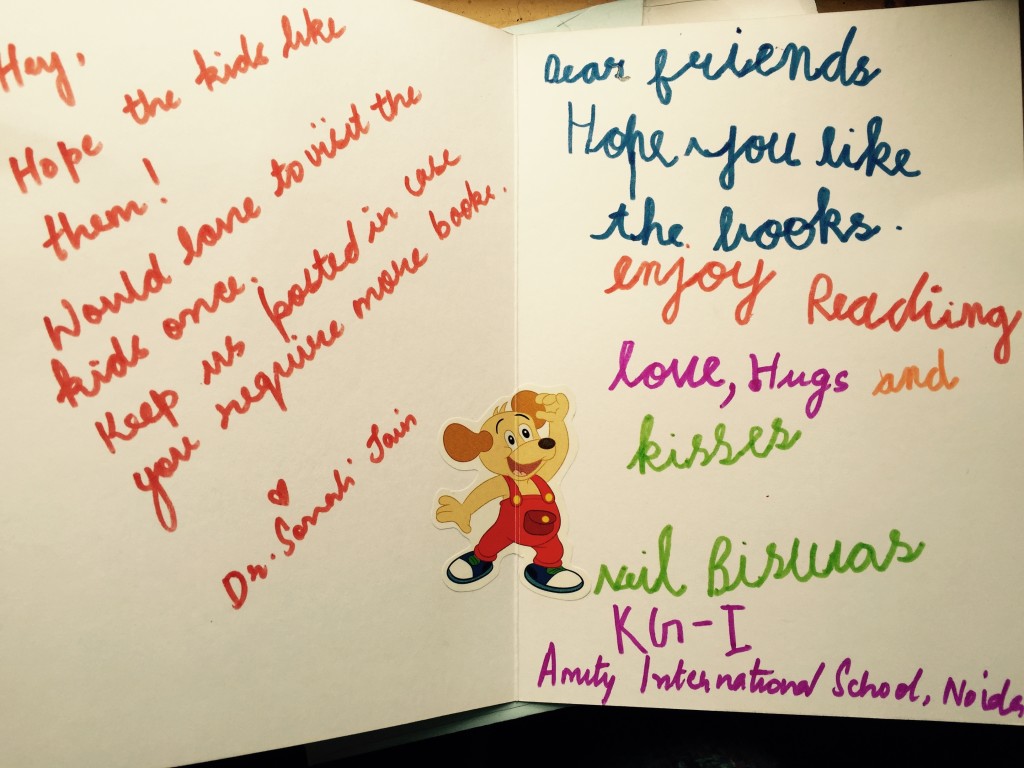
Success is not measured only by test results. A child returning voluntarily to borrow a book, a hesitant reader speaking in a group, or a young monk helping another student can all show meaningful progress. Stories and photographs, shared with care and consent, help Australian supporters understand the human side of the work while respecting privacy.
The next step is practical: choose one local school, community group or family network in Australia, organise a small book or fundraising collection, and direct the proceeds towards books and materials for a monastery-based reading room.