How we keep reading rooms open through Ladakh’s harsh winters
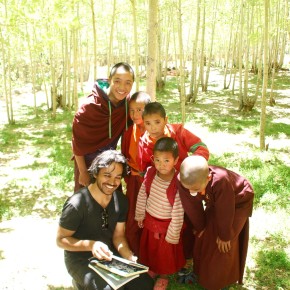
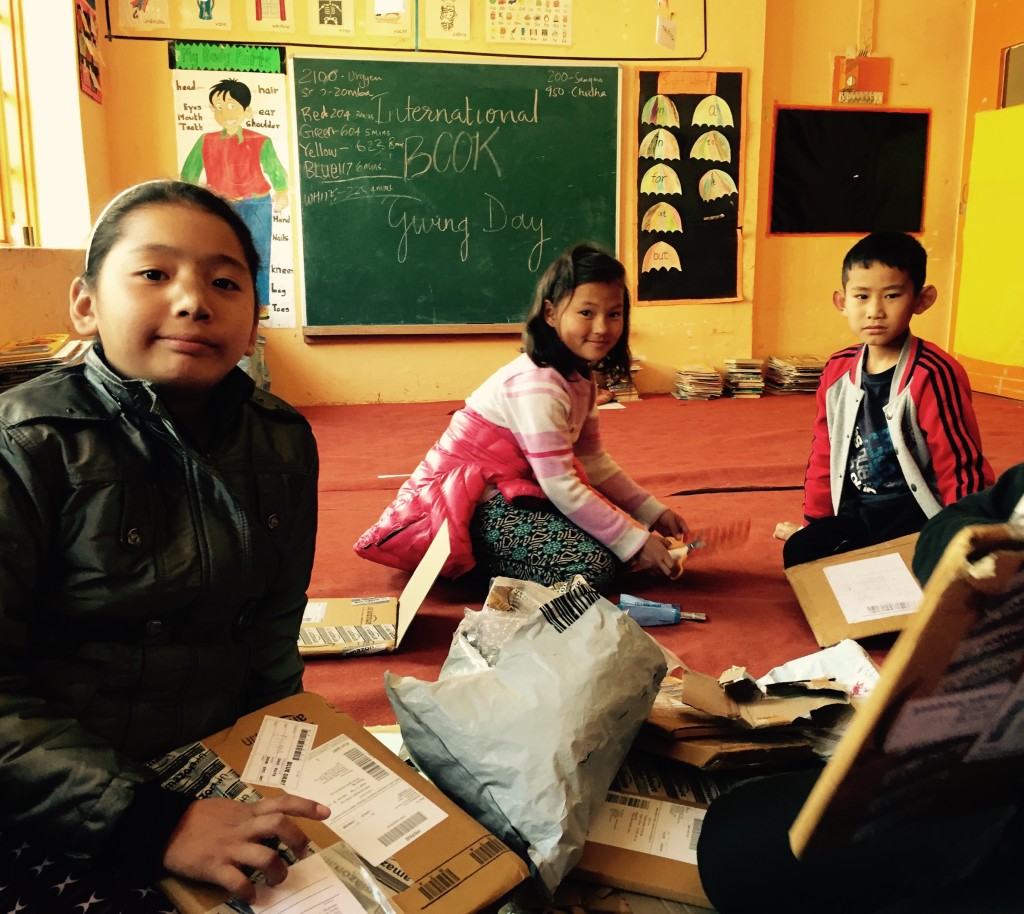
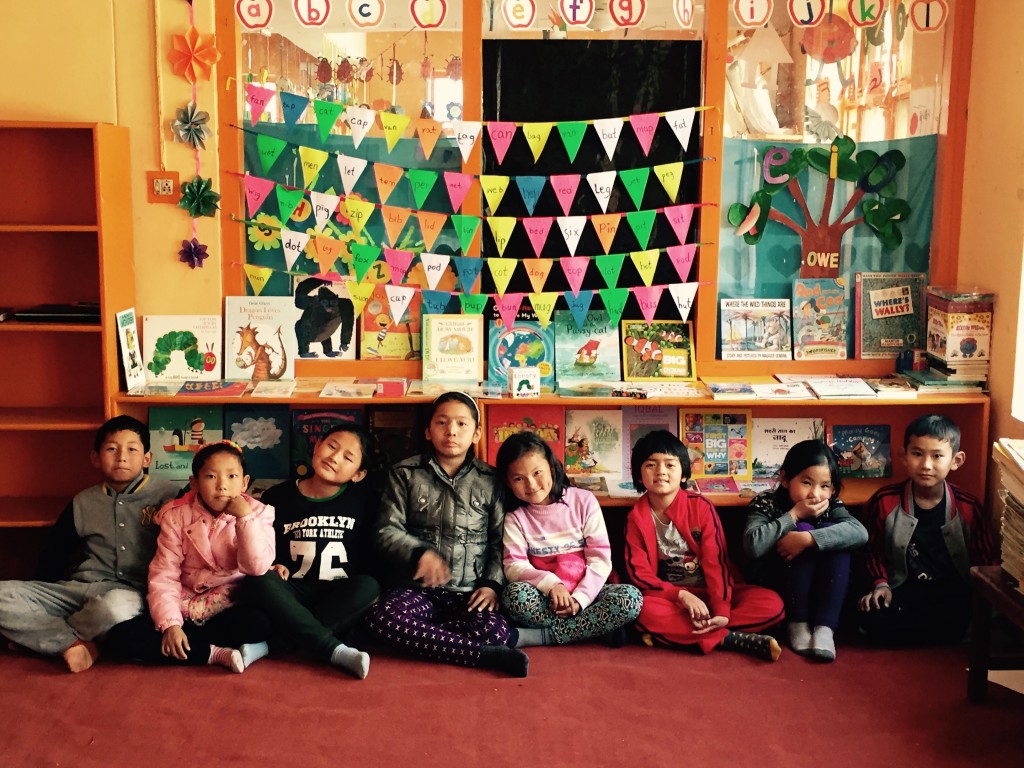
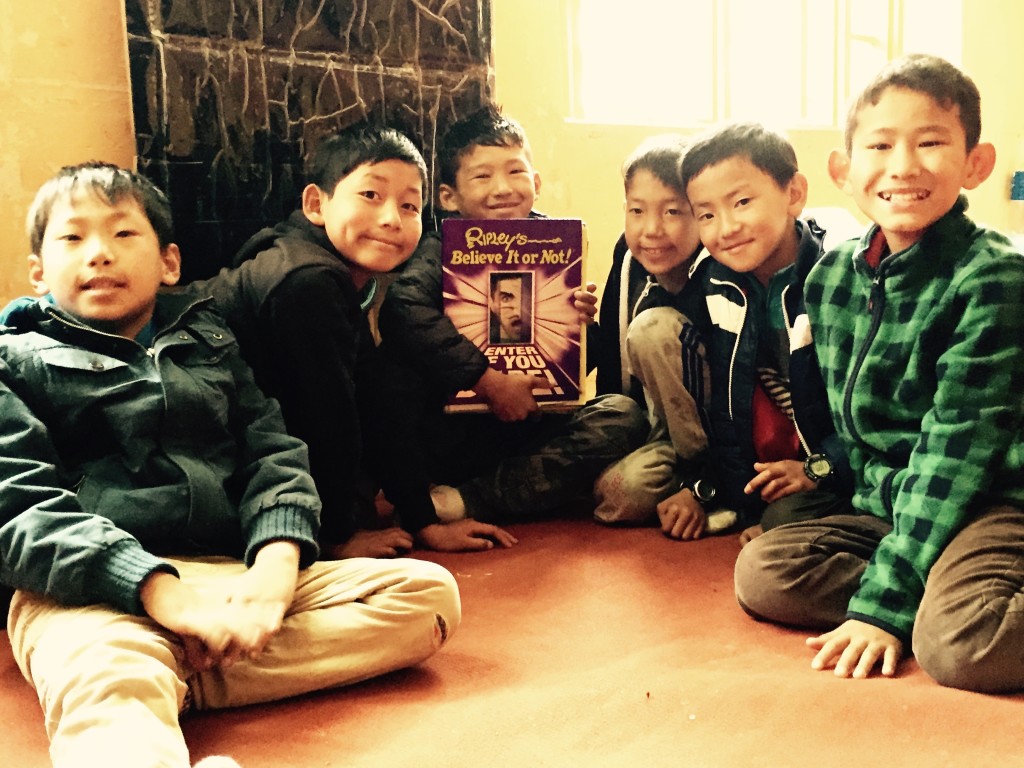
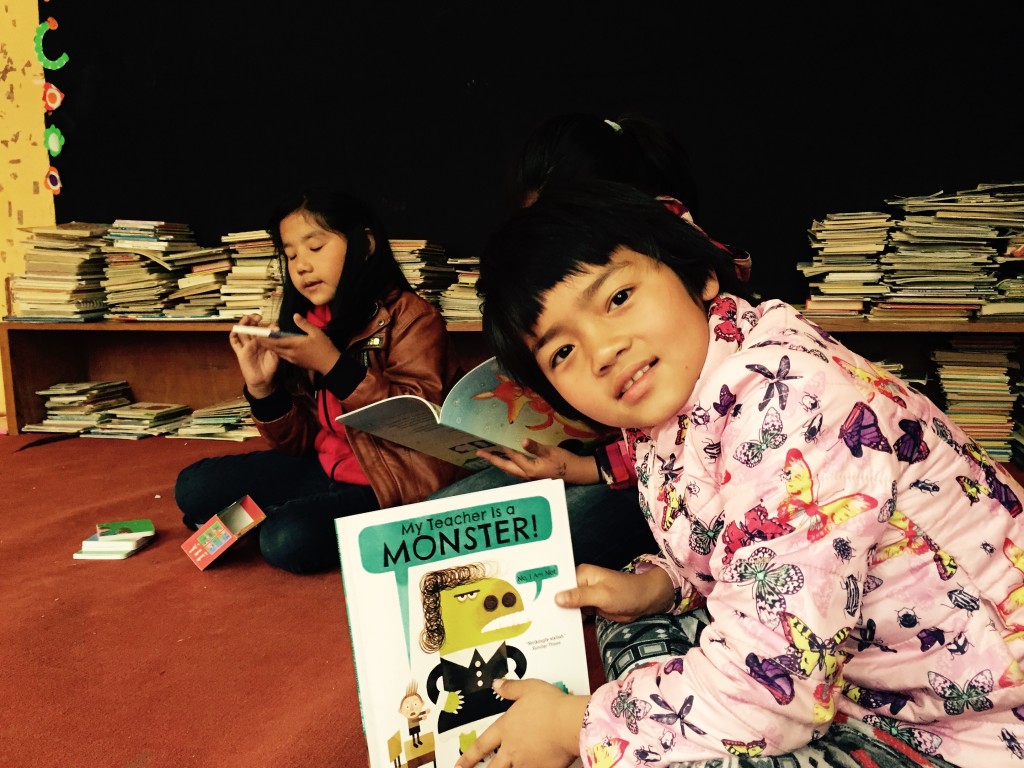
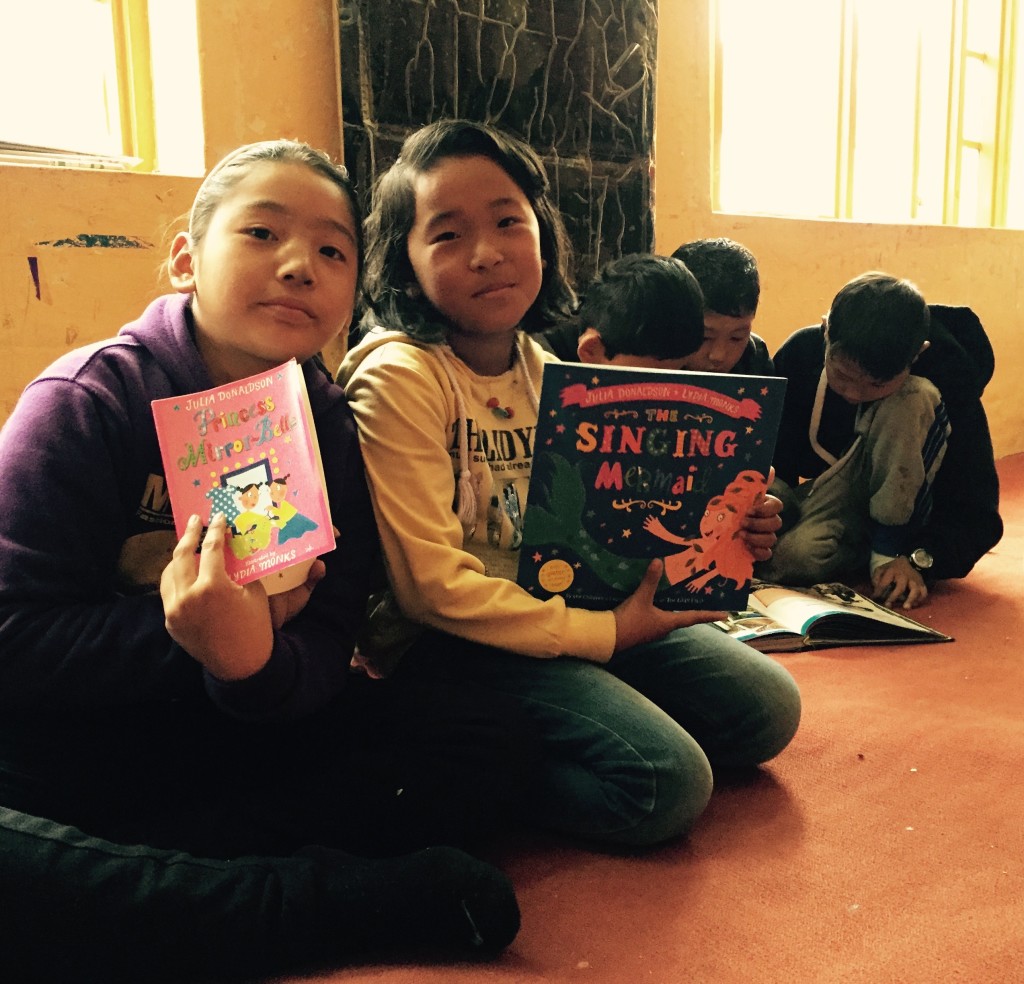
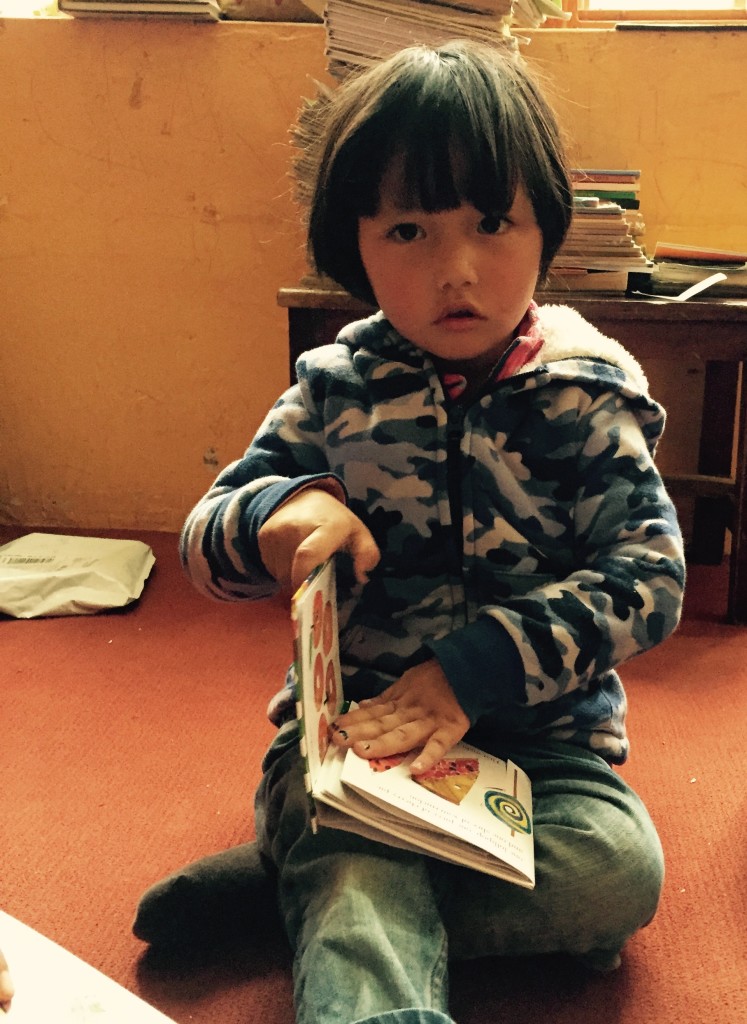
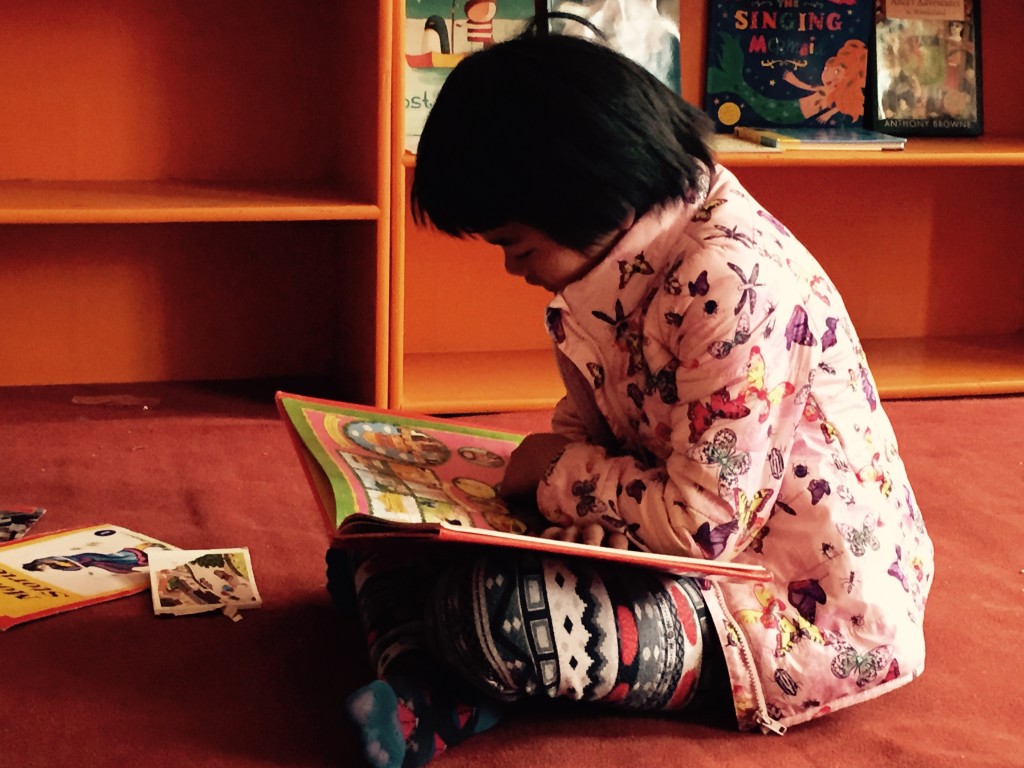
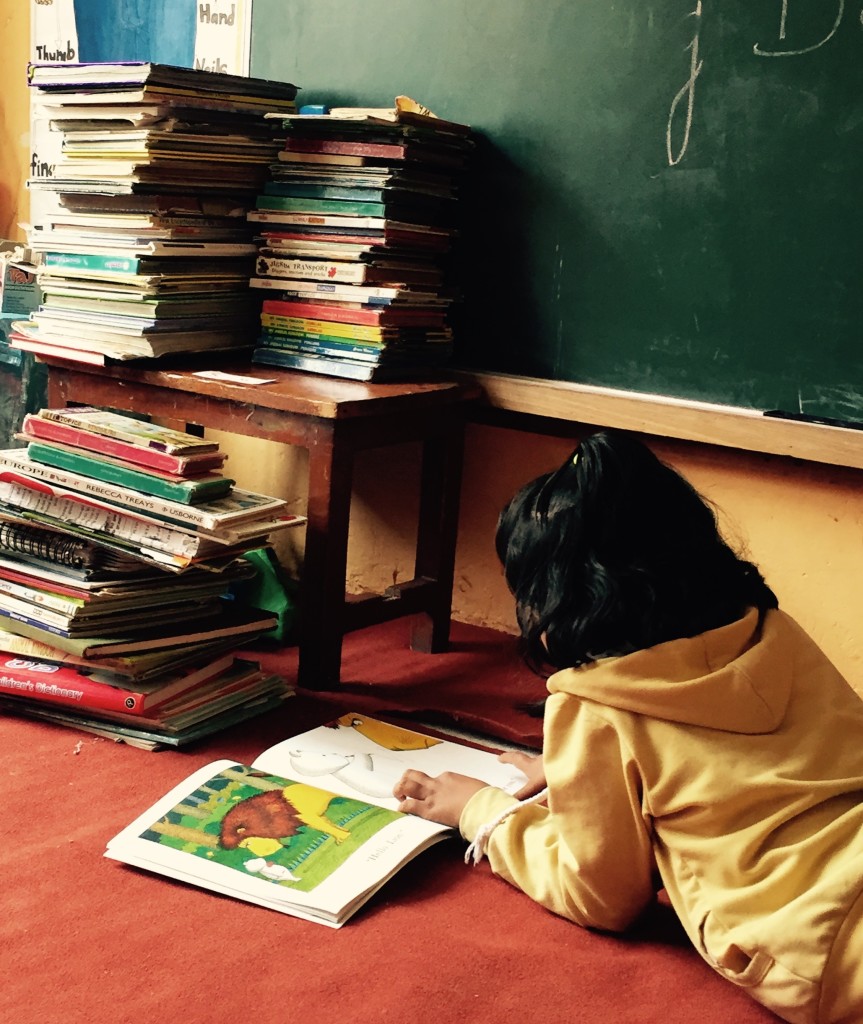
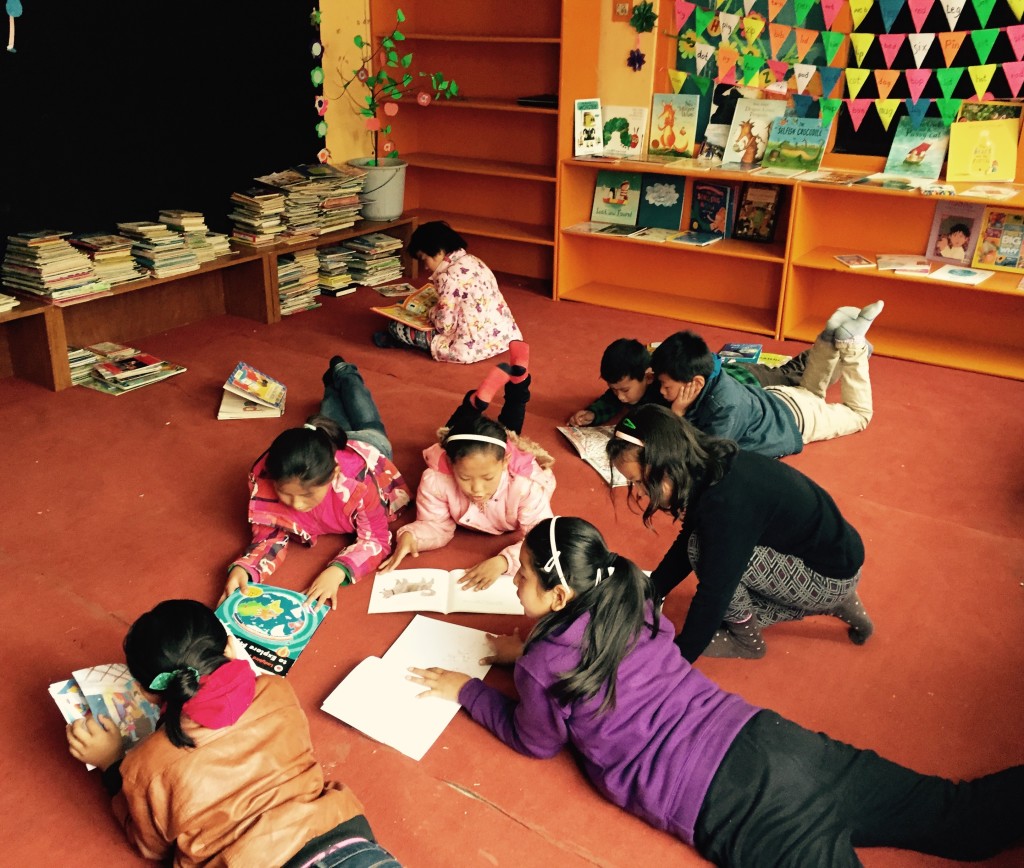
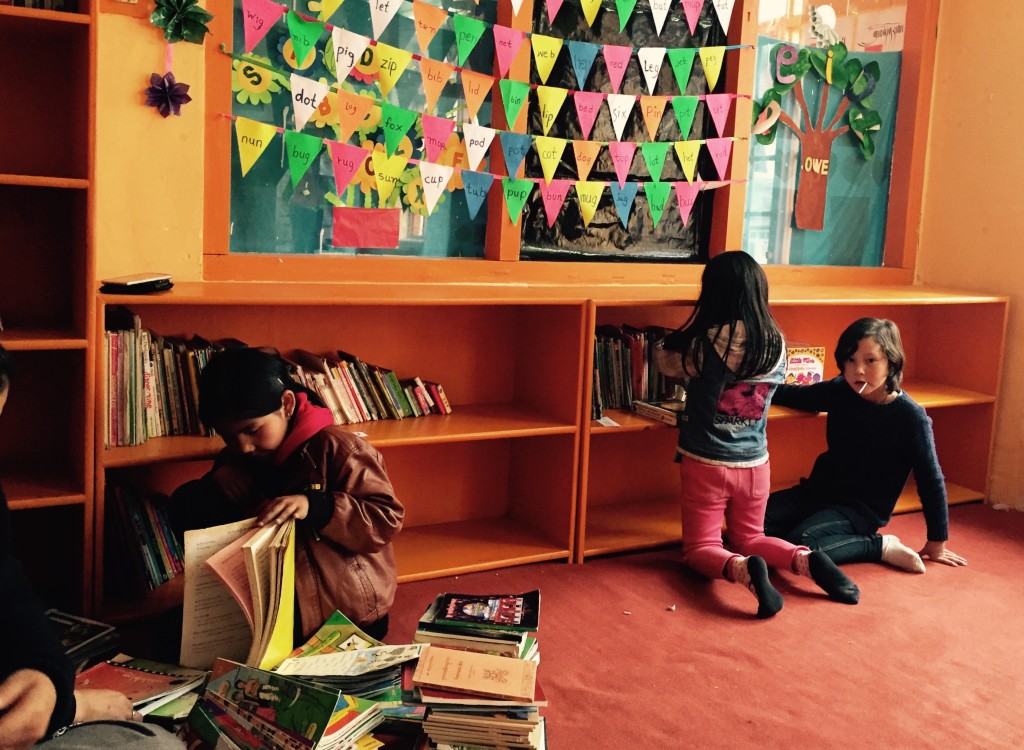
In Ladakh, a reading room is more than a quiet place filled with books. It can be a warm refuge after school, a space for concentration when winter limits outdoor activities, and a shared resource for children and young monks who may have limited access to libraries. At high altitude, however, keeping that space open requires careful planning long before the first heavy snowfall.
The cold season brings freezing temperatures, icy roads, shorter days, and difficult travel between communities. Heating, lighting, maintenance, staffing, and book storage all become part of the work. Through local relationships and practical preparation, Avalokiteśvara Trust helps reading rooms remain useful, welcoming places throughout the winter months.
Our approach connects literacy with care. A child who can reach a warm room, choose a book, draw, listen to a story, or join a creative activity has a dependable opportunity to keep learning when the landscape outside becomes harder to navigate.
Preparing the space before winter arrives
Winter readiness begins during the warmer months. Reading rooms need to be checked for drafts, damaged windows, weak doors, roof leaks, and areas where melting snow could cause dampness. Small repairs made early can prevent larger problems when freezing weather makes construction and transport more difficult.
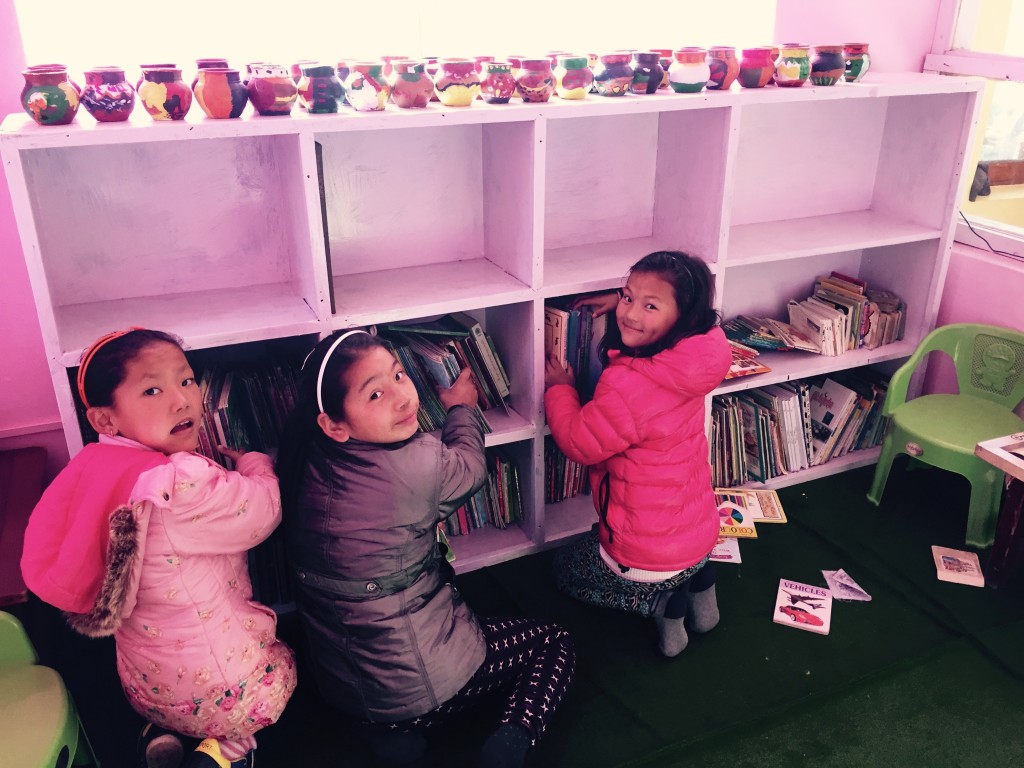
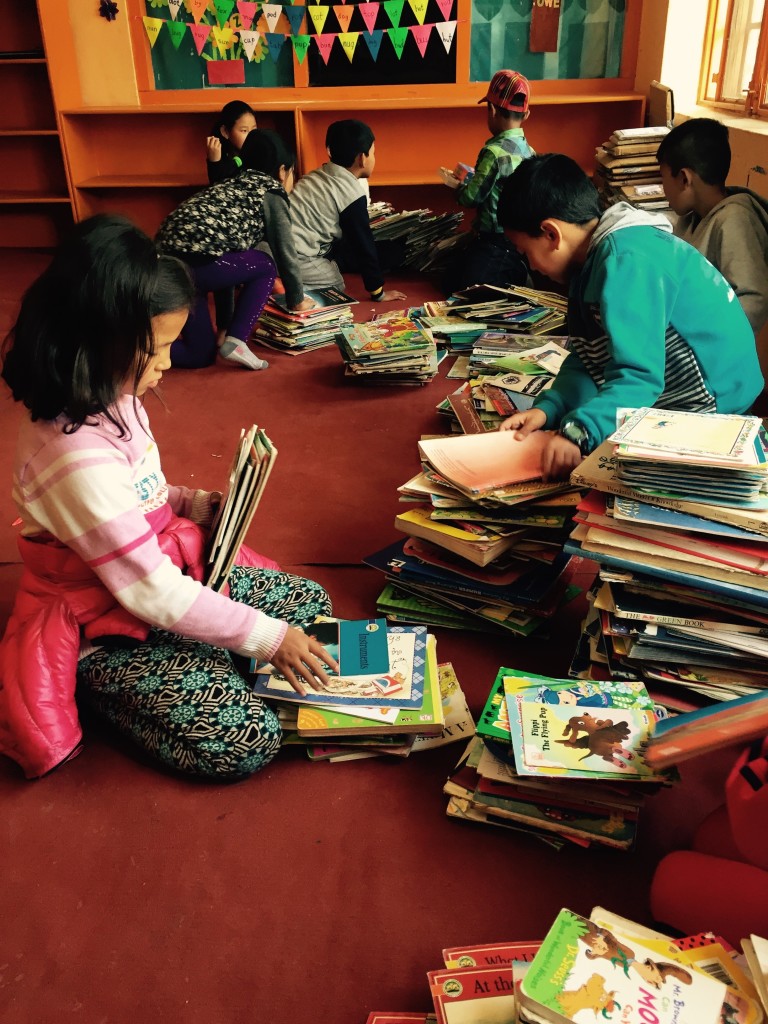
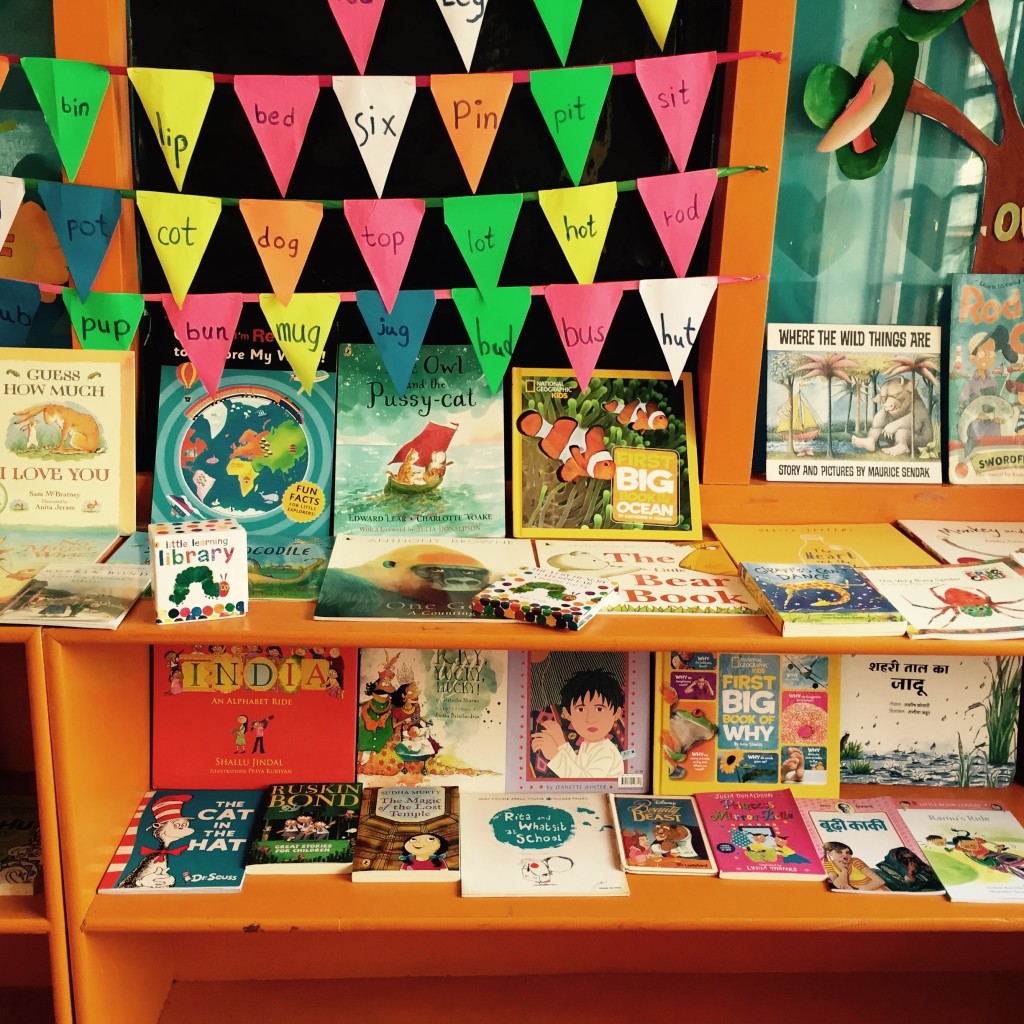
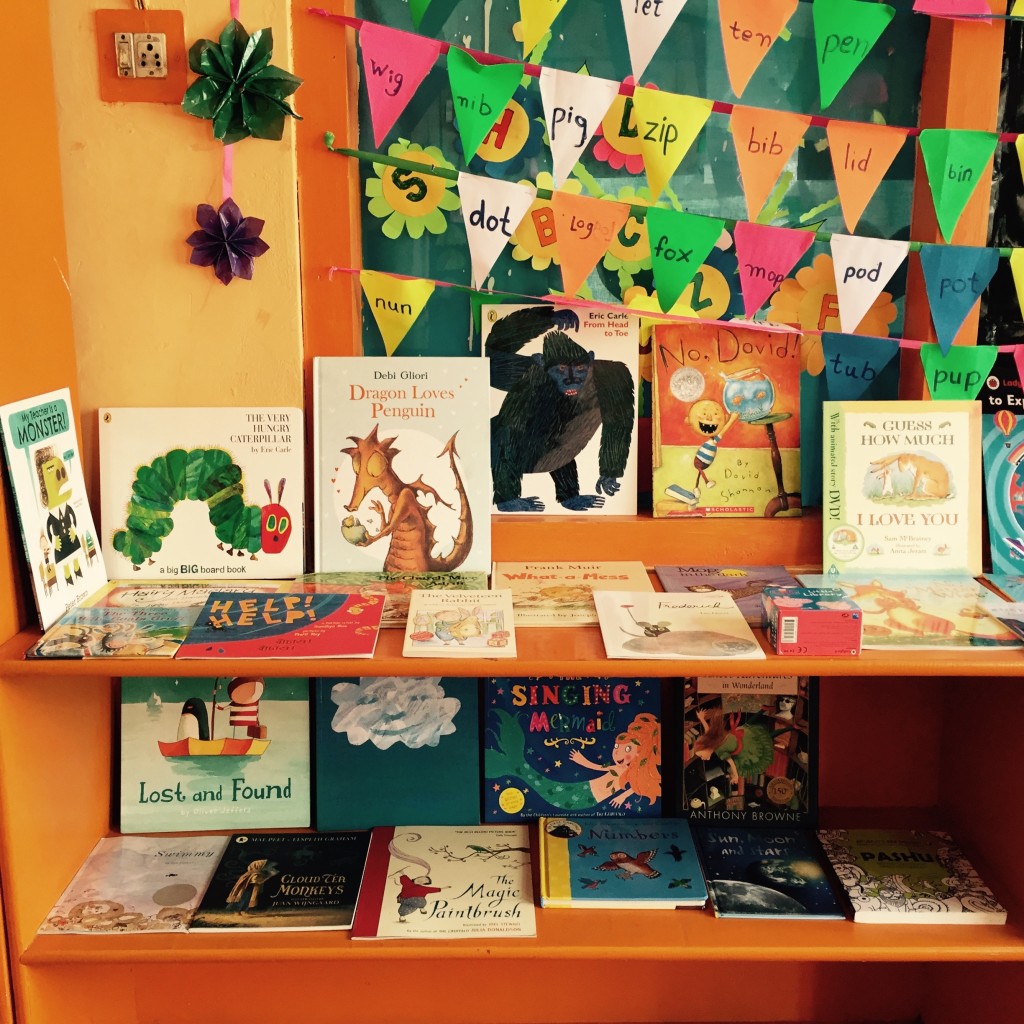
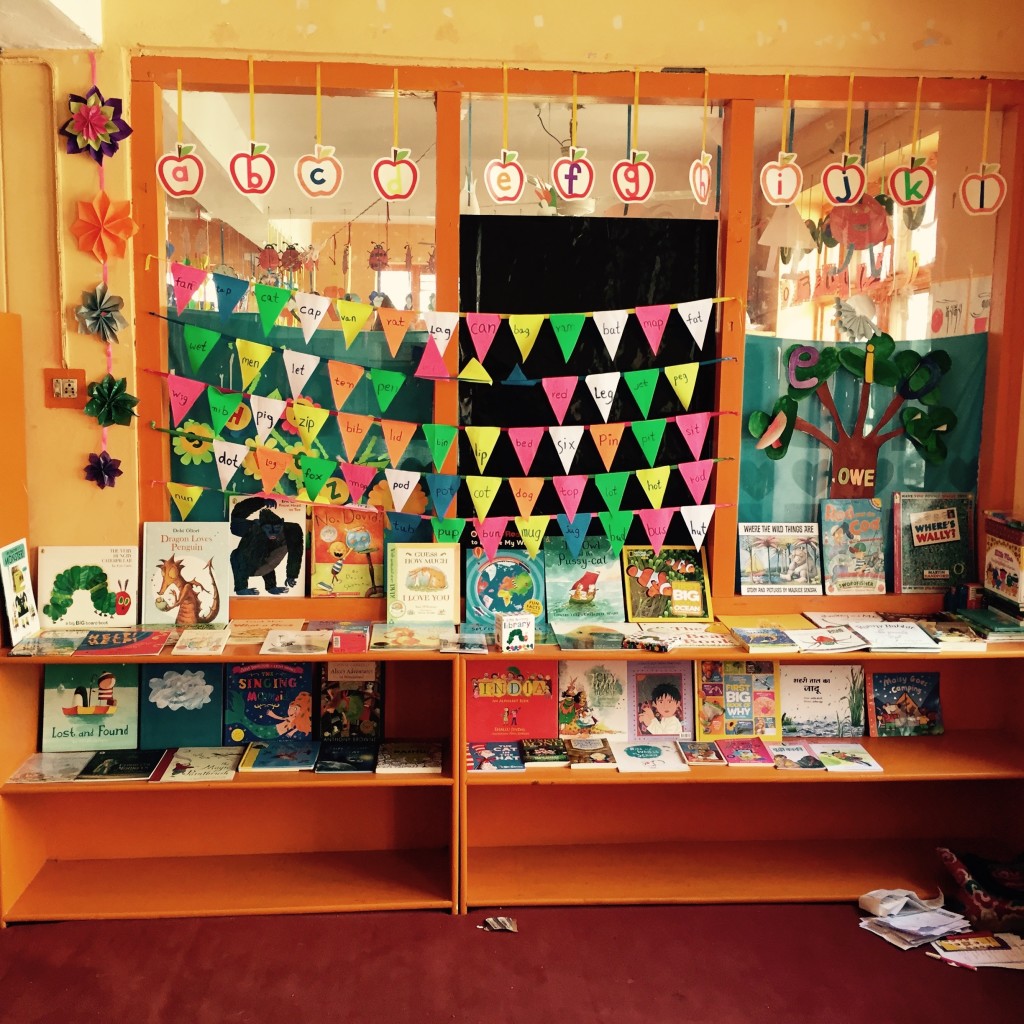
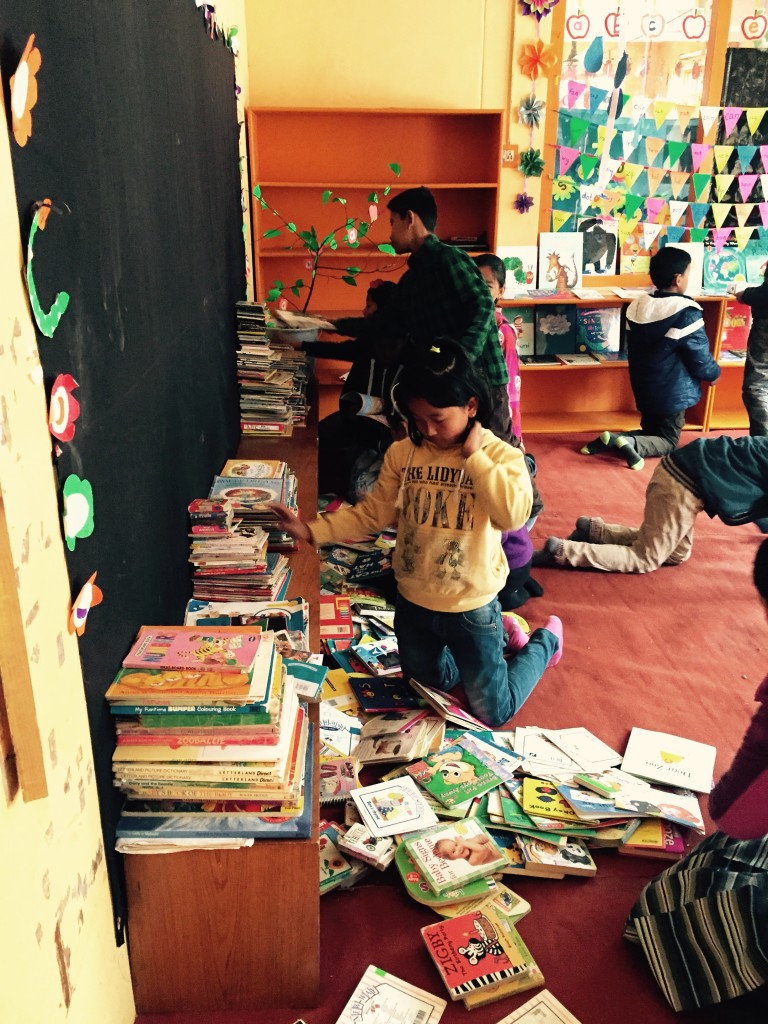
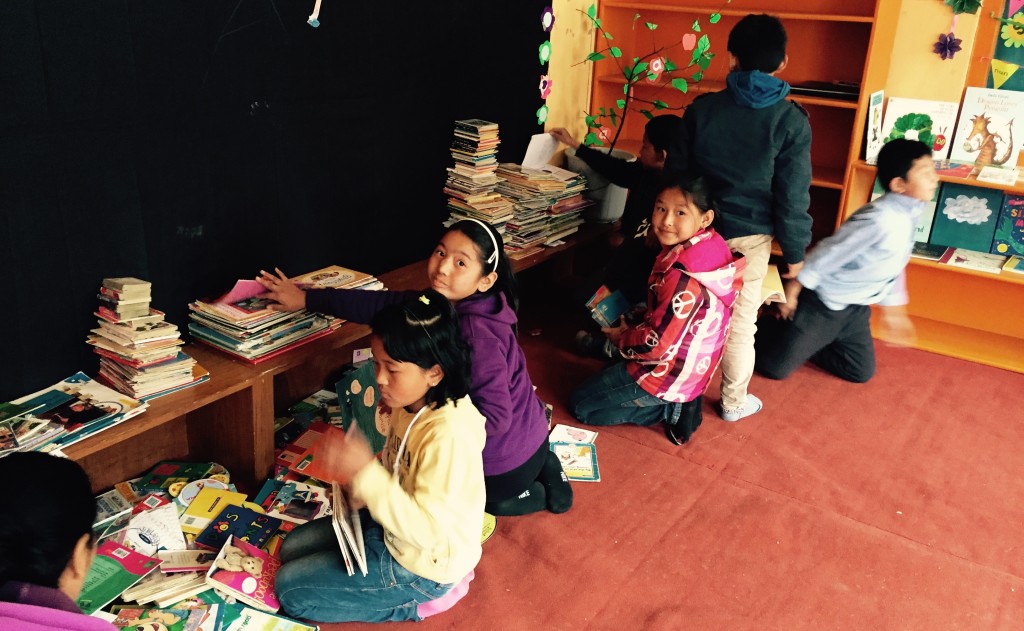
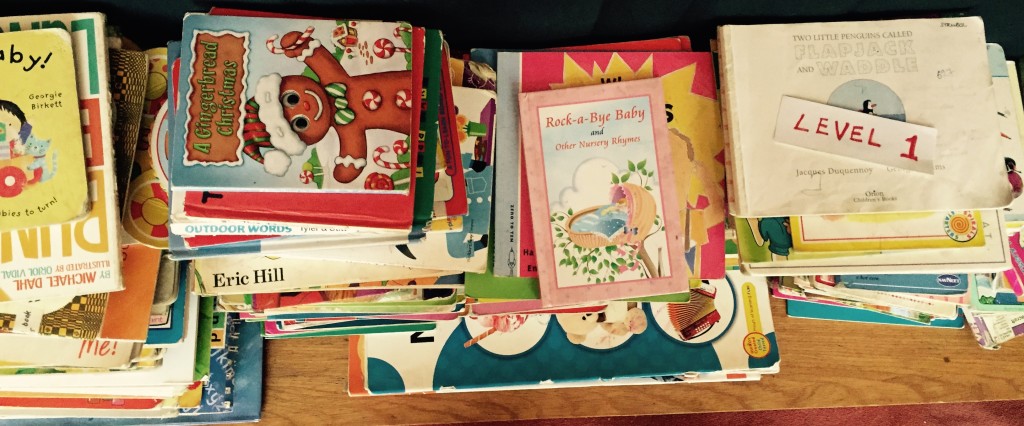
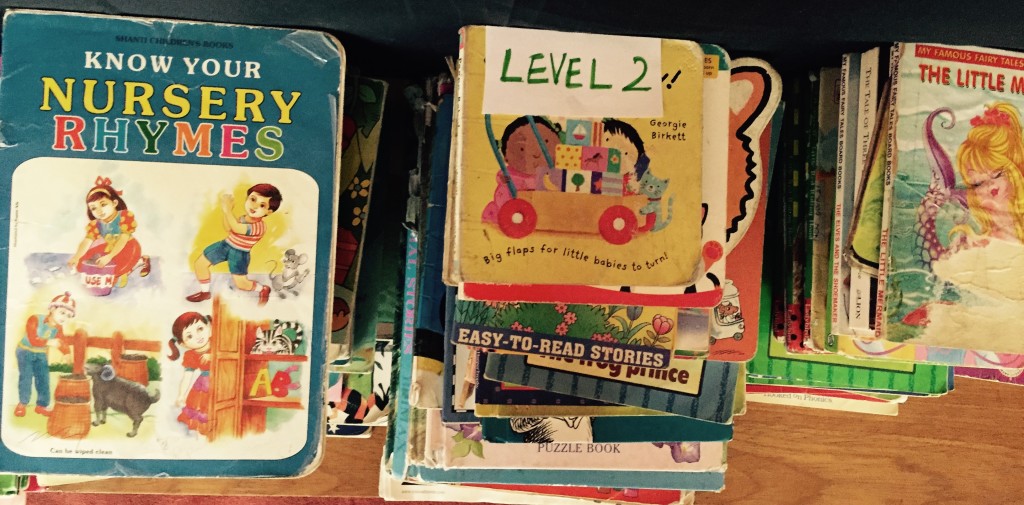
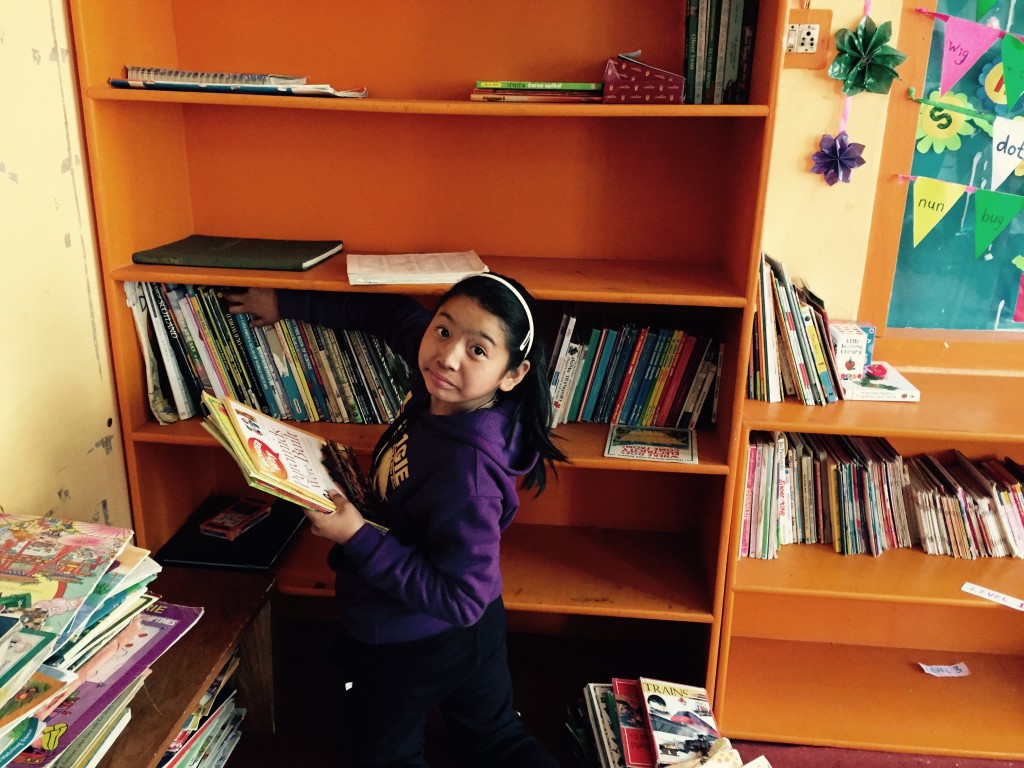
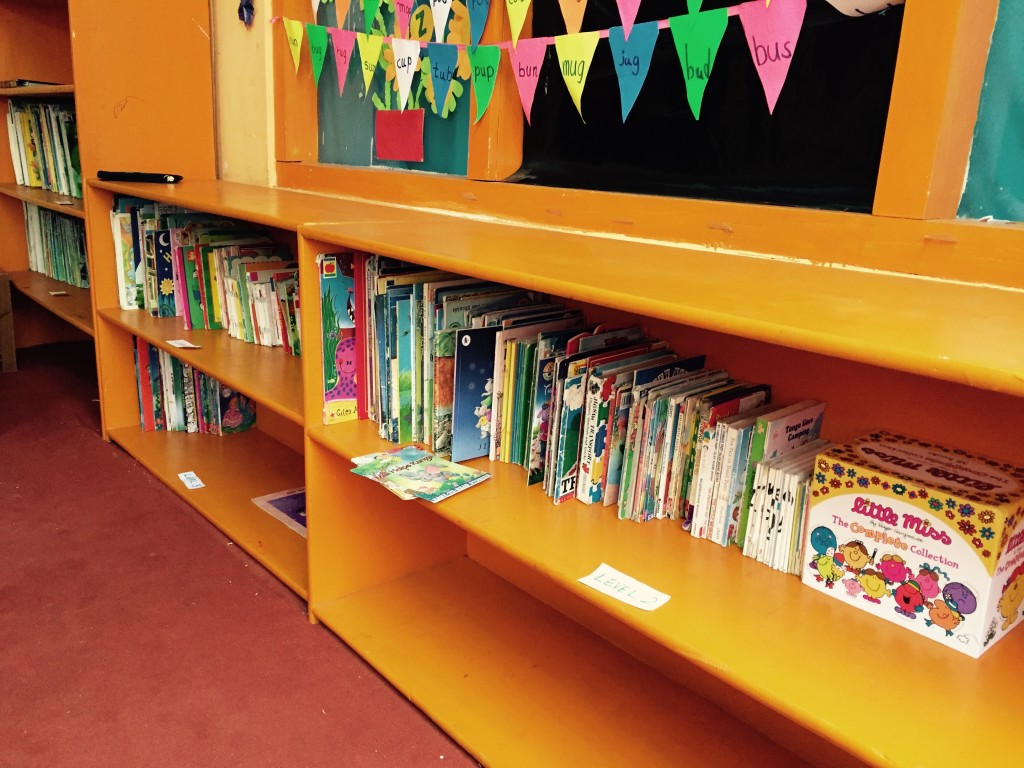
Shelves and books also need protection. Books are kept away from damp walls and raised from floors where possible. Regular tidying helps staff identify worn materials before they become unusable. A well-organized collection makes it easier for children to find storybooks, picture books, reference materials, and age-appropriate learning resources during short winter visits.
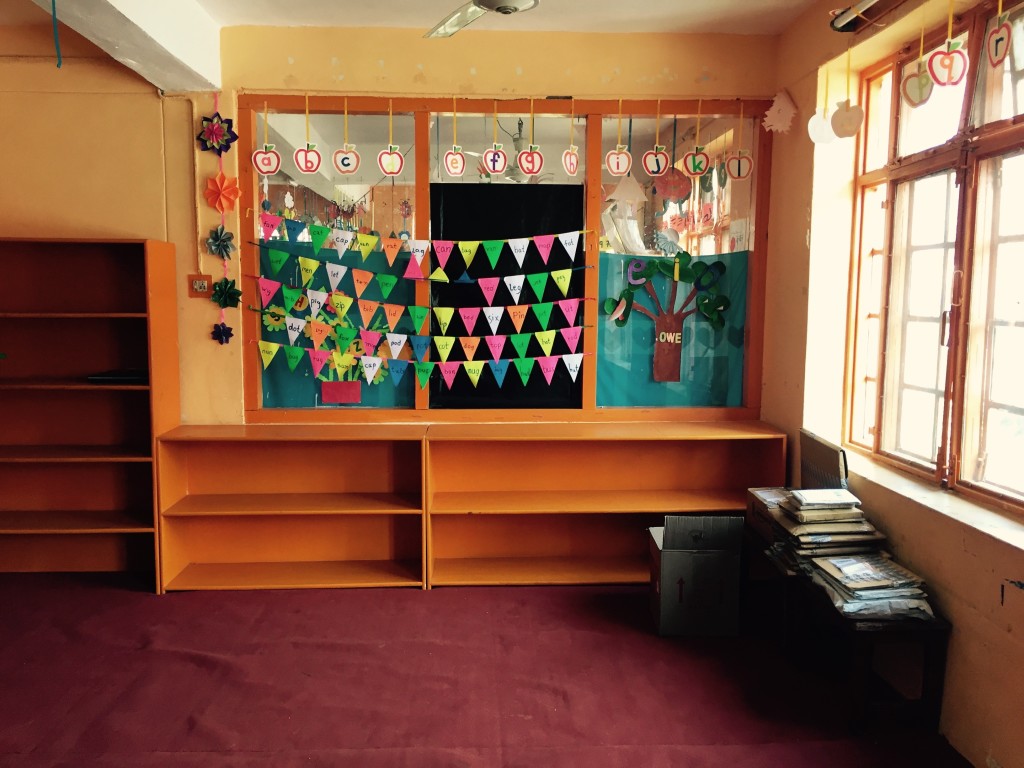
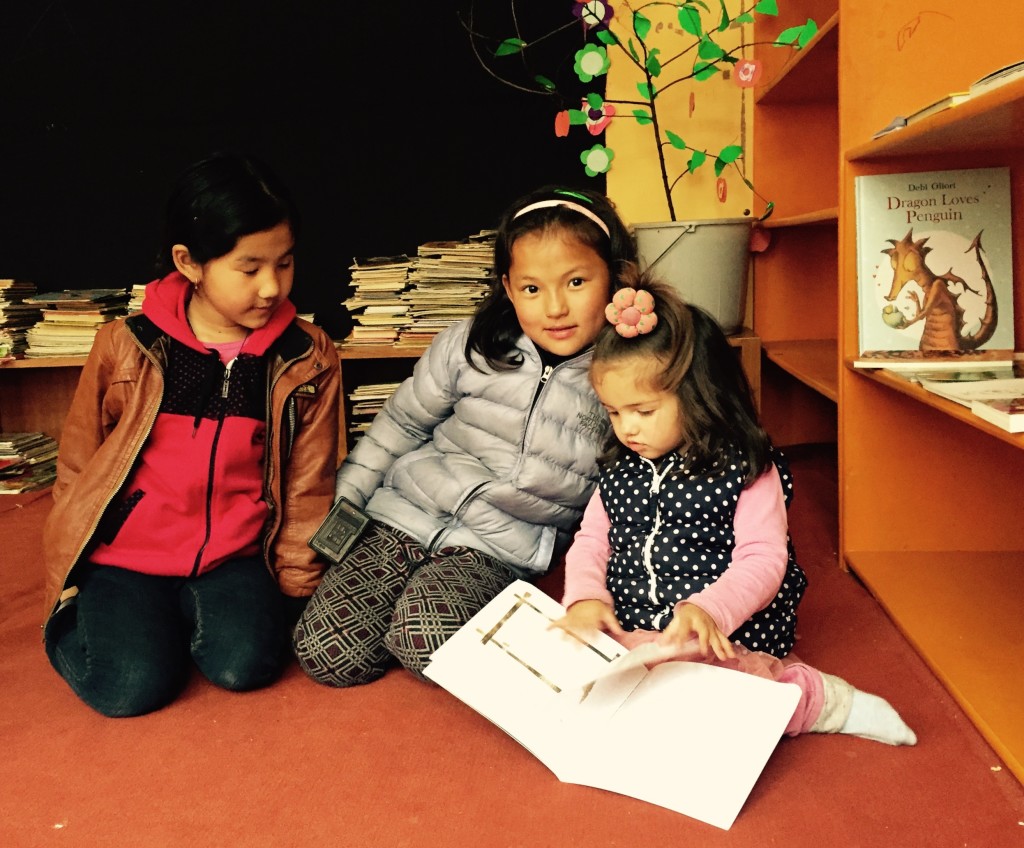
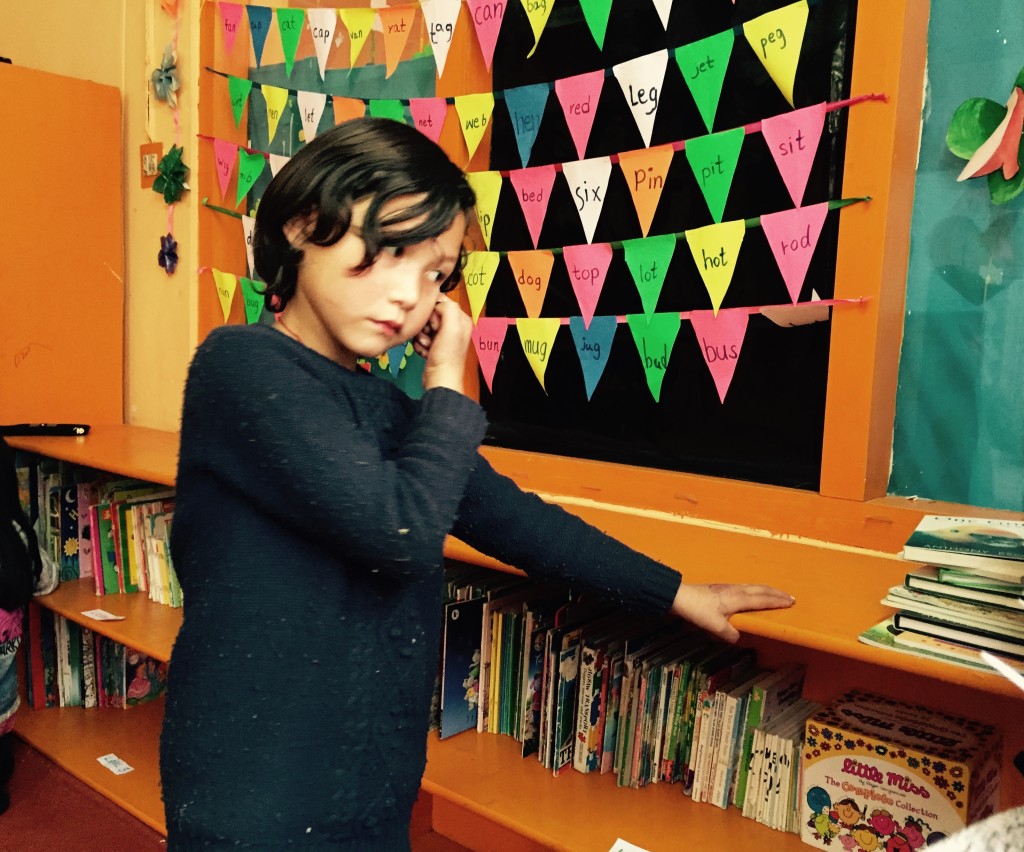
The building itself does not need to be elaborate to support learning. It needs to be safe, clean, bright enough for reading, and arranged with children in mind. Simple seating, floor cushions, sturdy shelves, and a welcoming display can make a modest room feel cared for and inviting.
Planning for heat, light, and safe access
Heating is one of the most important parts of winter operation. The right solution depends on the building, local fuel availability, ventilation, and safety requirements. Staff and community partners consider how to keep rooms comfortable without creating smoke, fire, or air-quality risks.
Daylight is limited during the cold season, so reliable lighting matters. Solar power and other practical energy solutions can be valuable in remote Himalayan communities, especially where electricity supply is inconsistent. Lamps, charging arrangements, and basic equipment are checked before winter reduces travel opportunities for repairs.
Access also requires planning. Snow and ice can make roads unpredictable, while some paths become difficult for younger children or people carrying supplies. Local knowledge helps determine opening times and safe travel arrangements. When conditions are severe, the priority is to protect children and staff while maintaining continuity wherever access remains safe.
Keeping books and learning materials in circulation
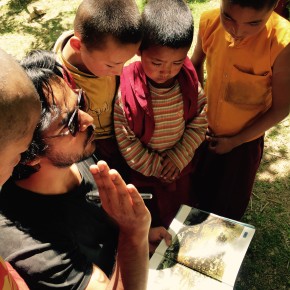
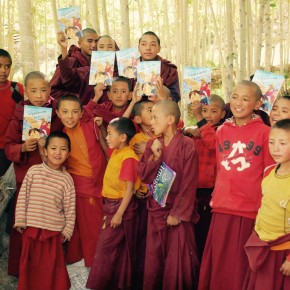
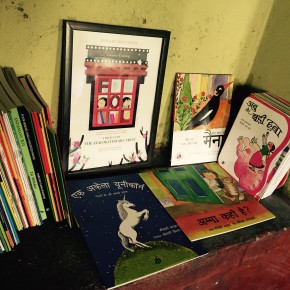
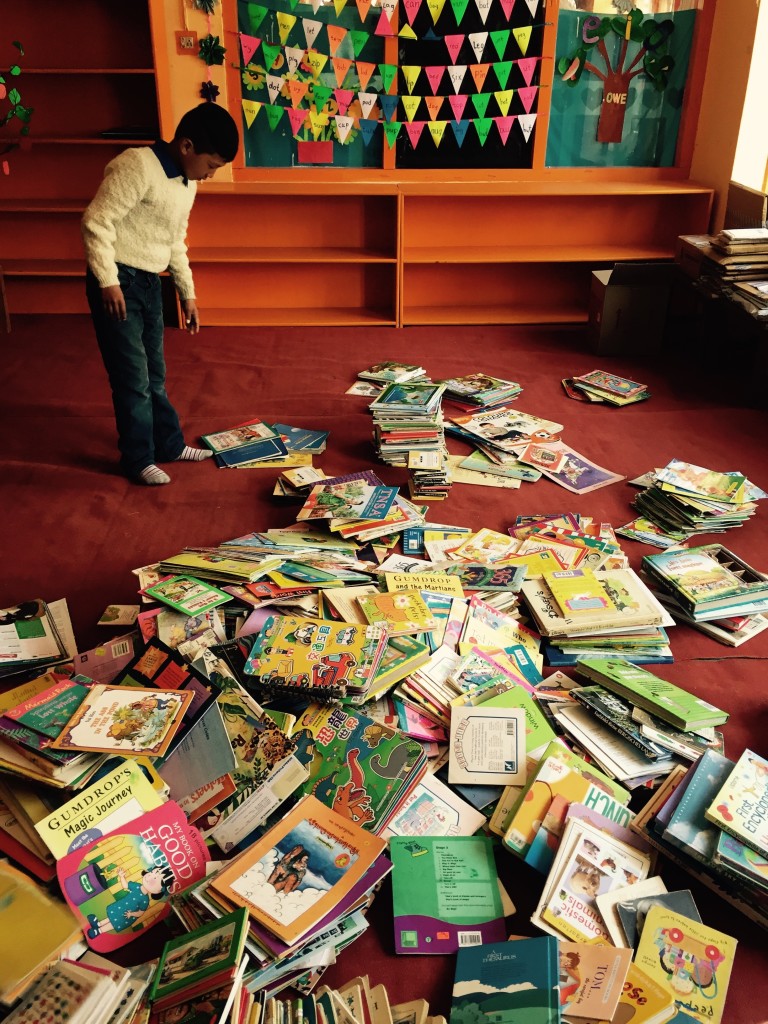
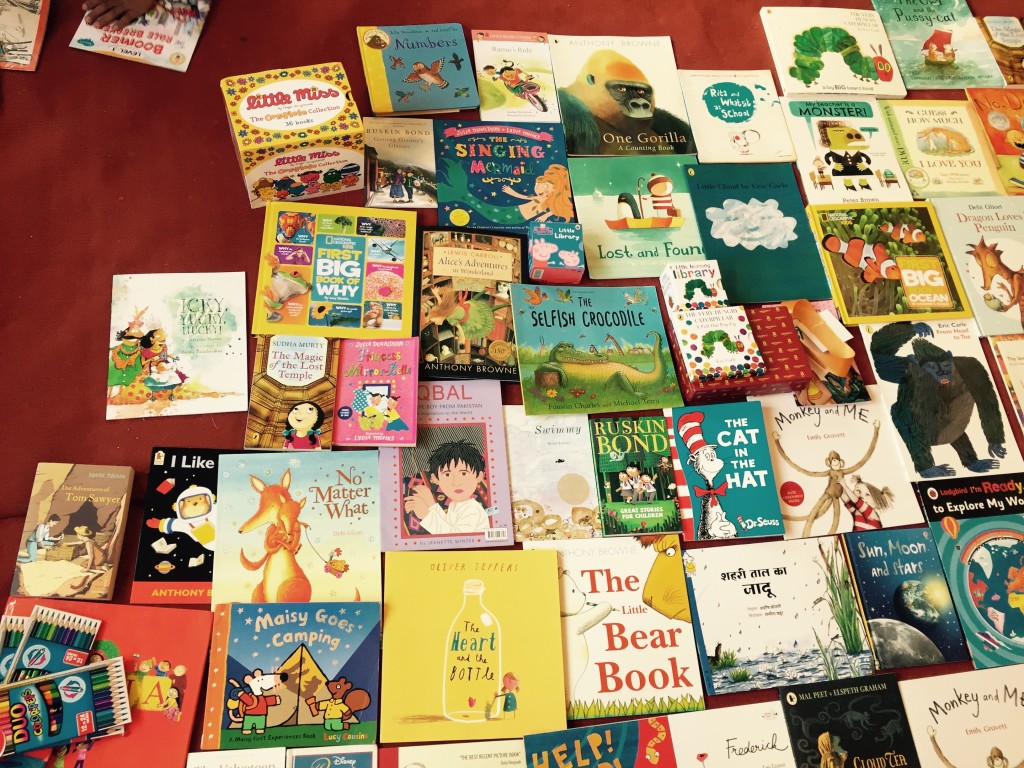
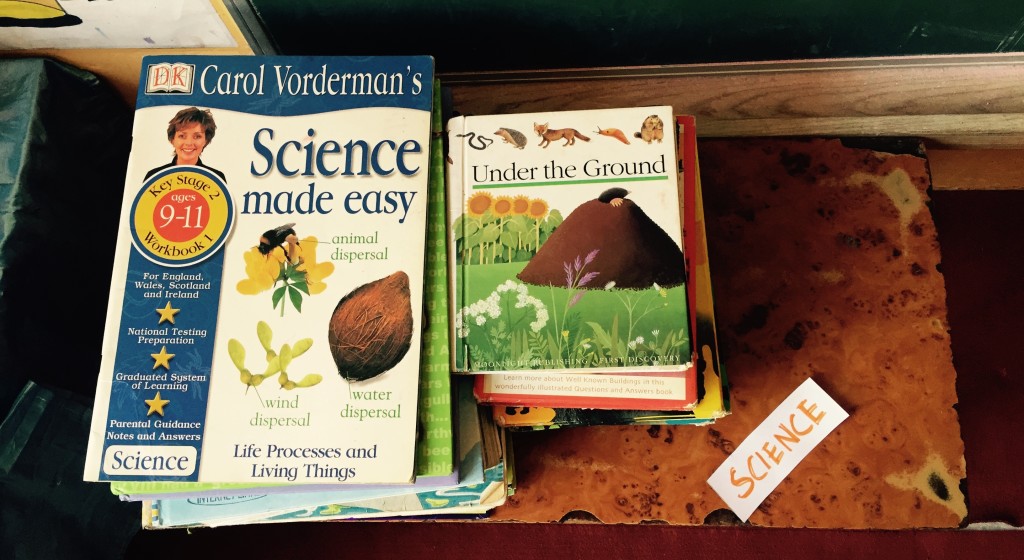
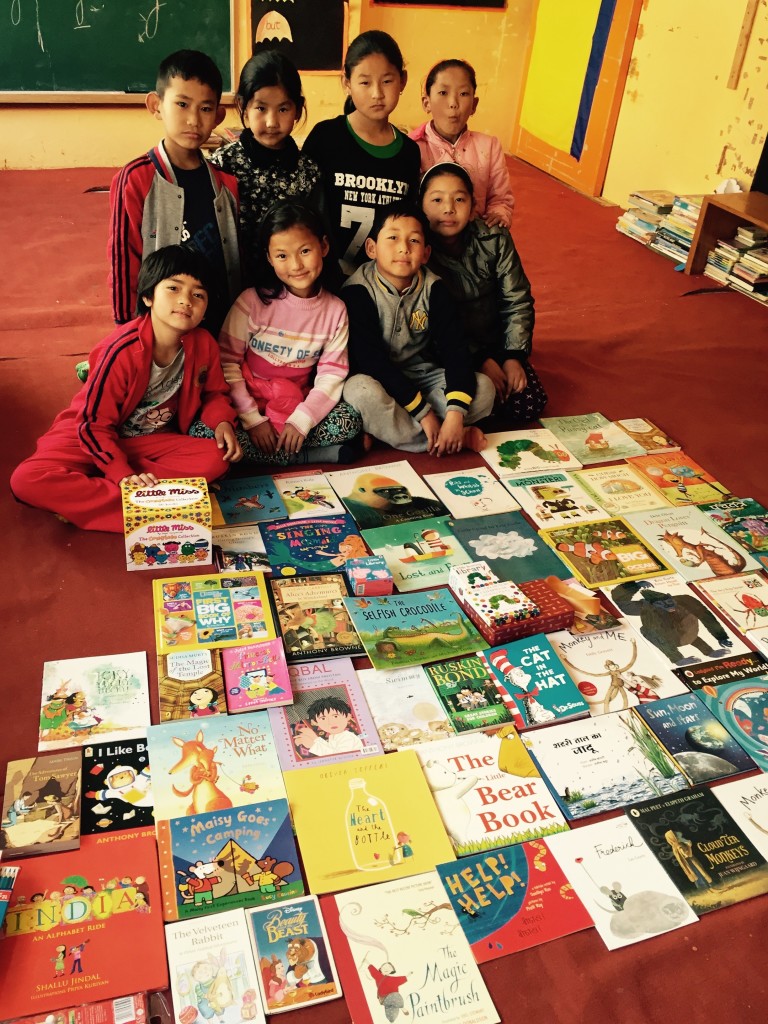
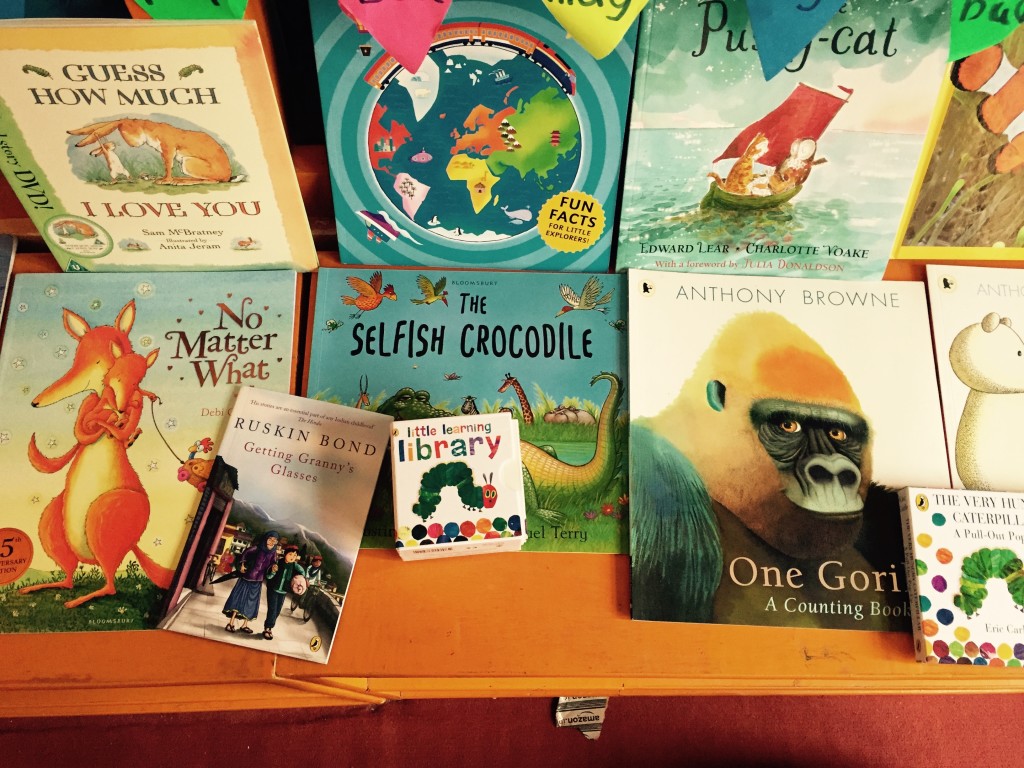
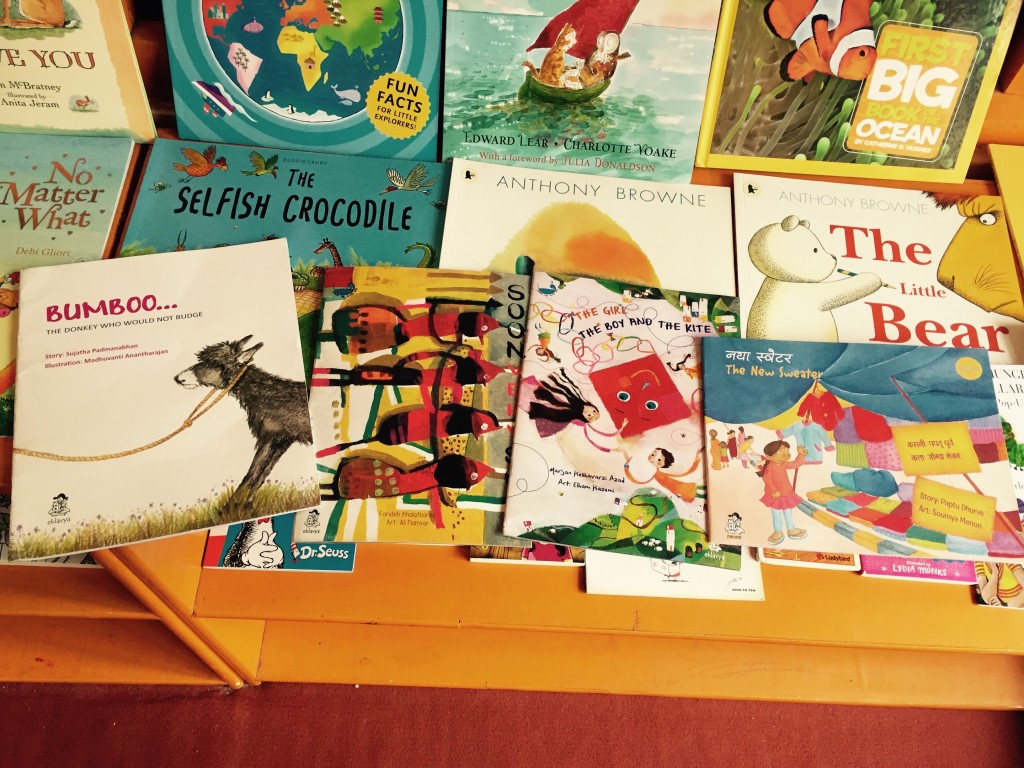
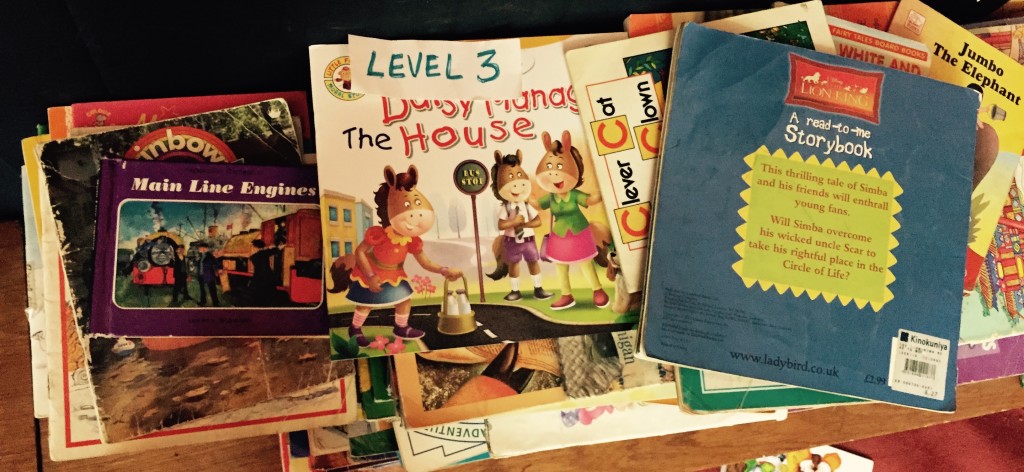
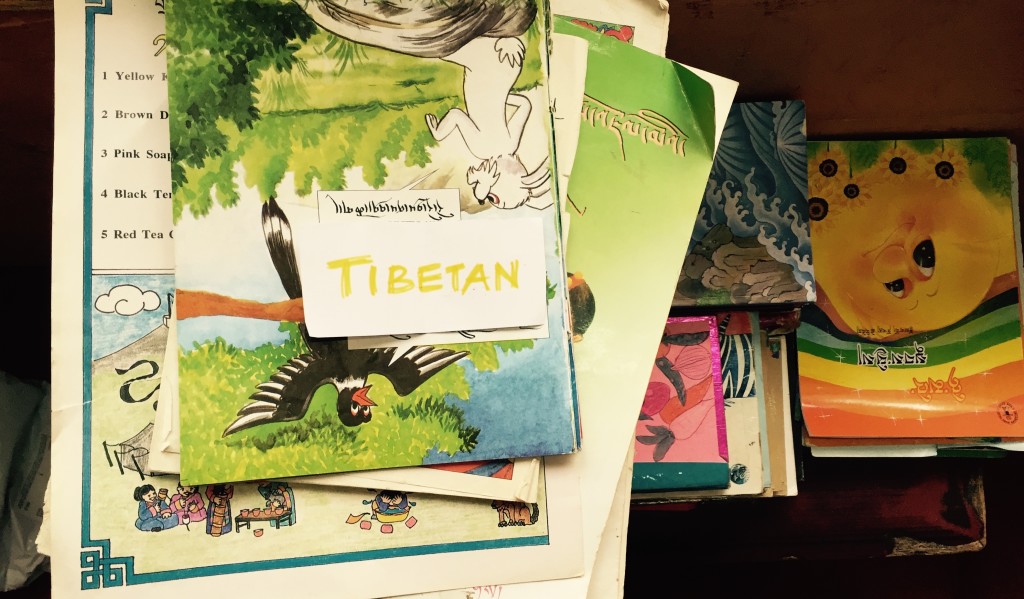
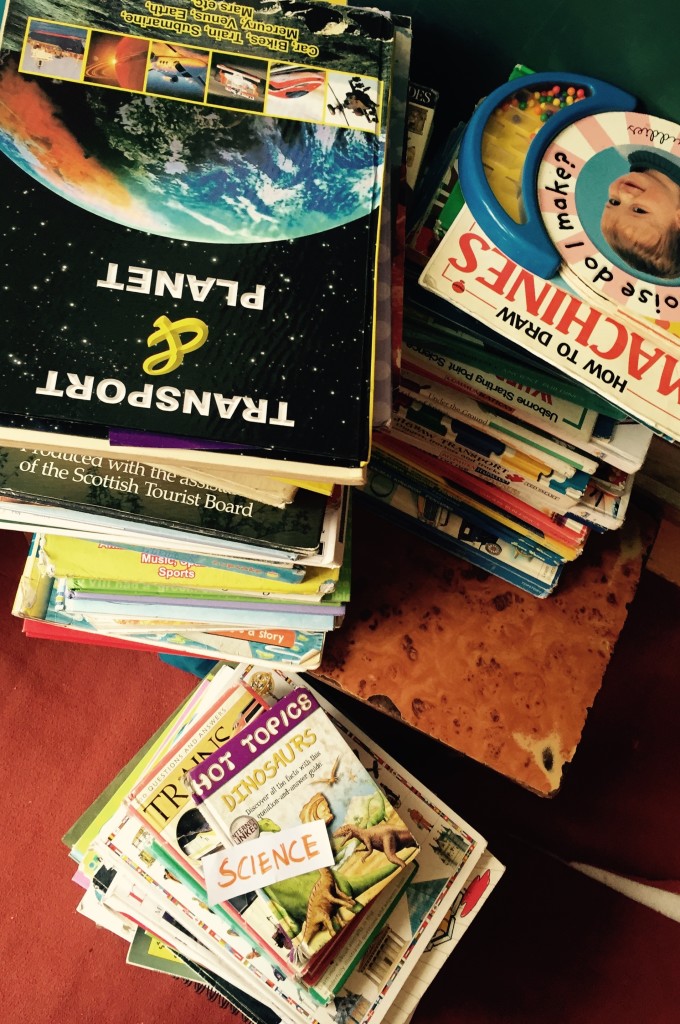
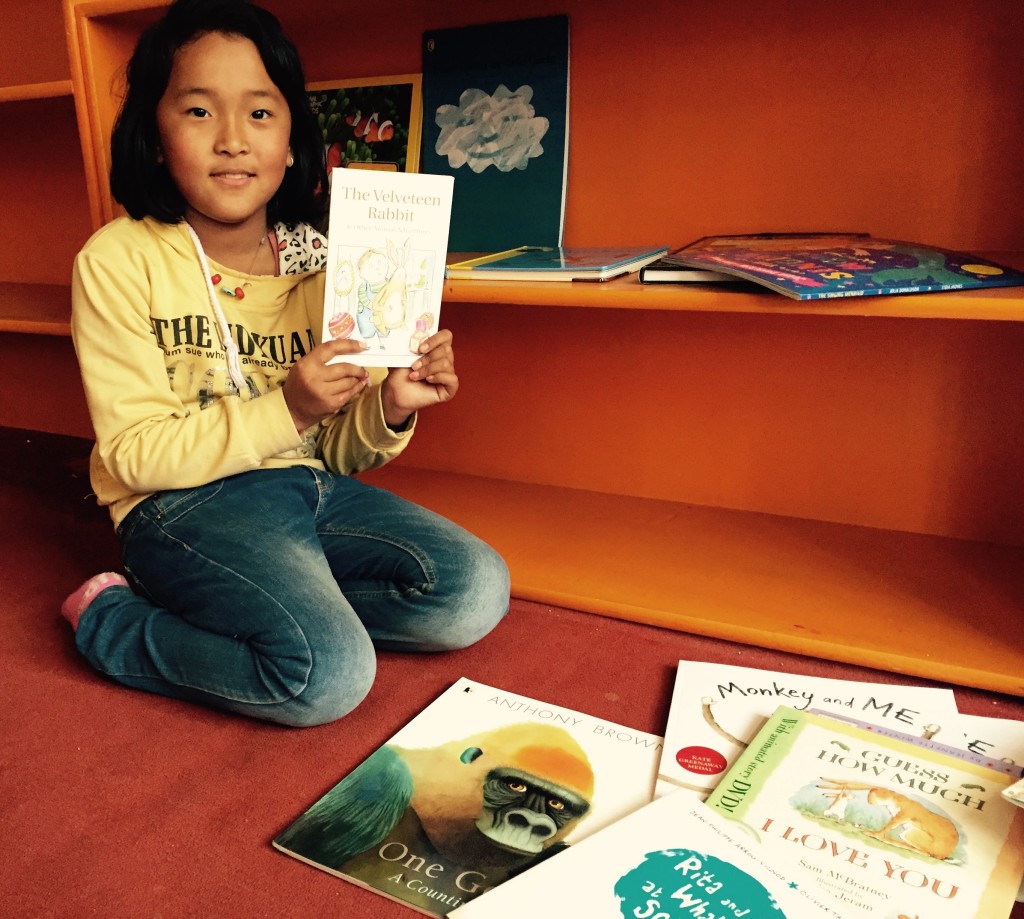
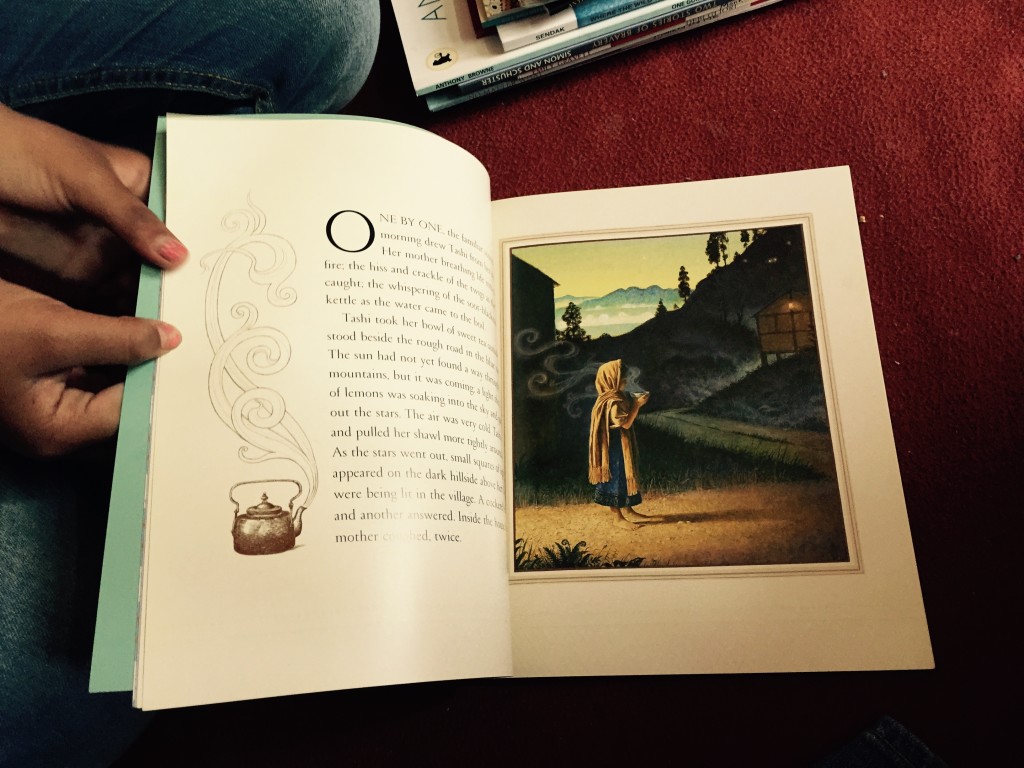
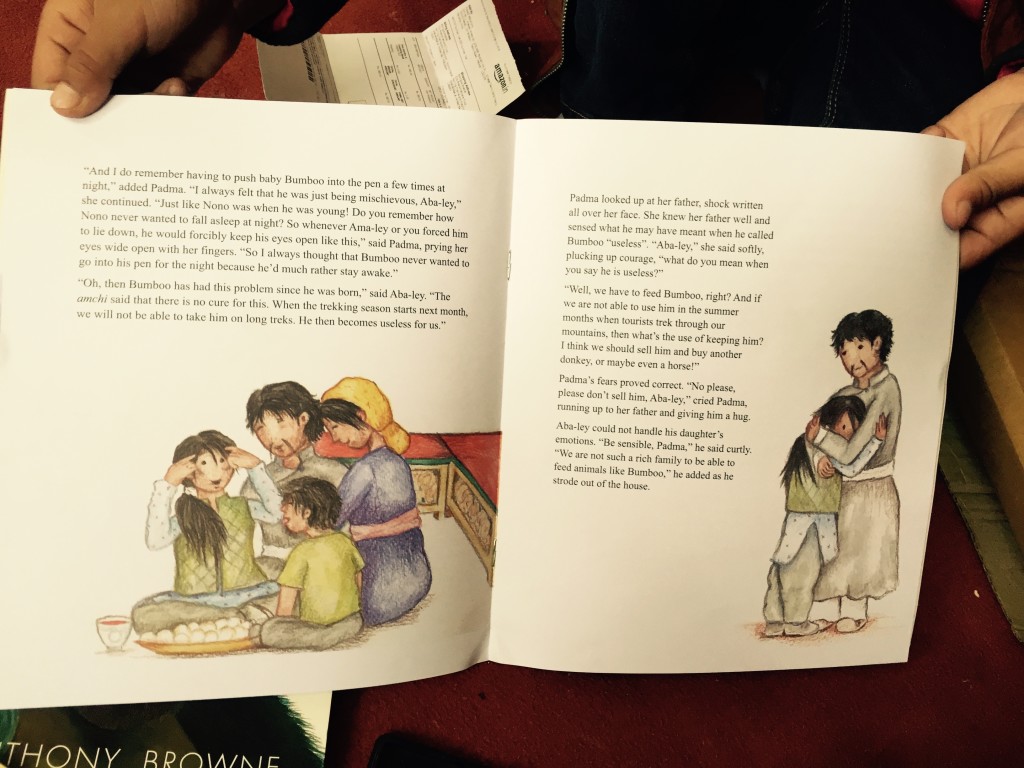
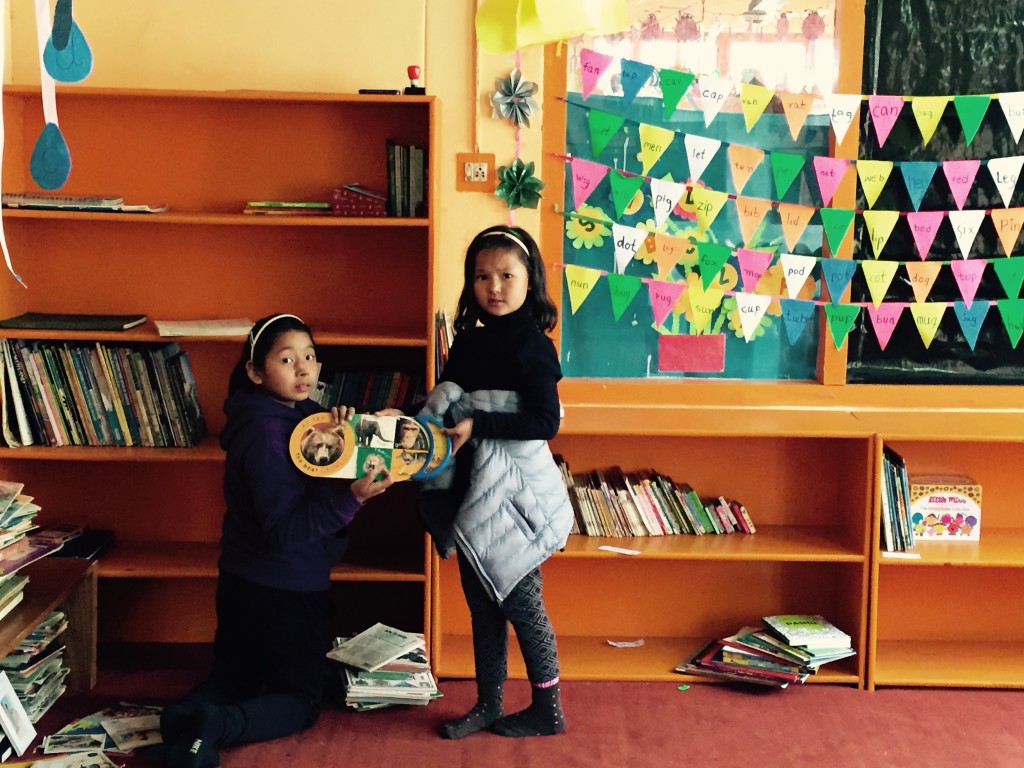
A winter reading room needs a balanced collection. Children may want illustrated stories, local-language books, biographies, poetry, science materials, and books connected to their schoolwork. Young monks may benefit from materials that support language development, general knowledge, artistic interests, and independent study.
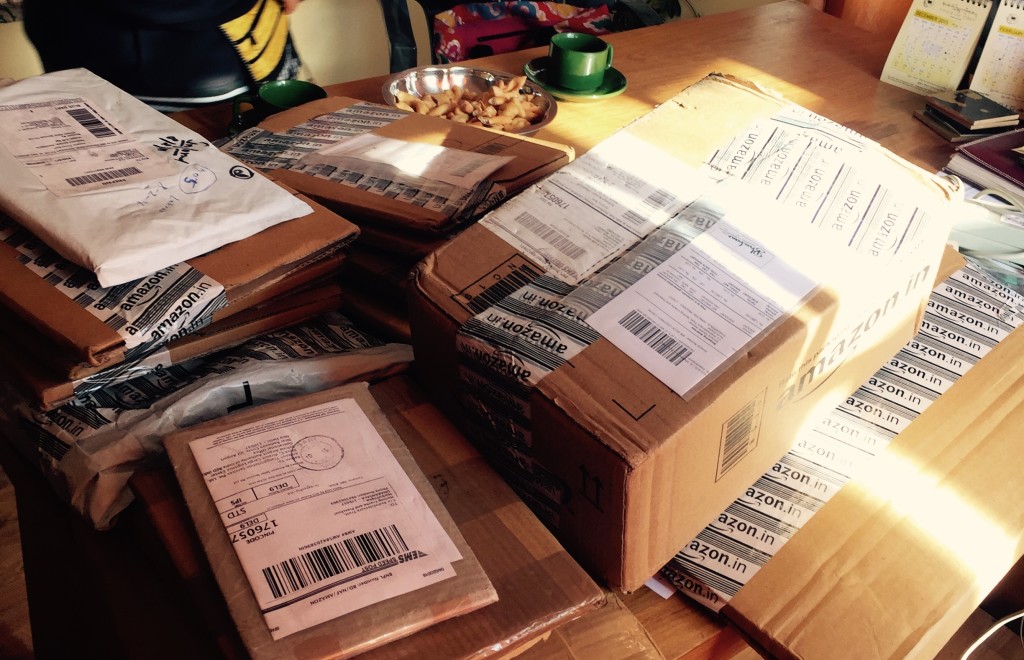
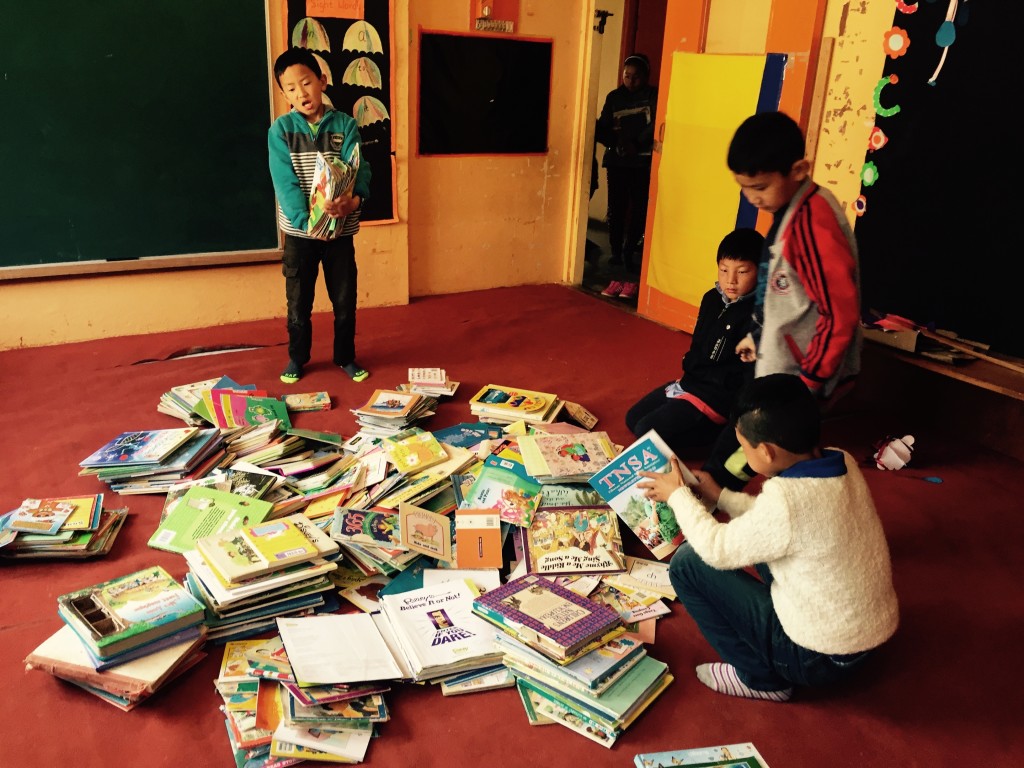
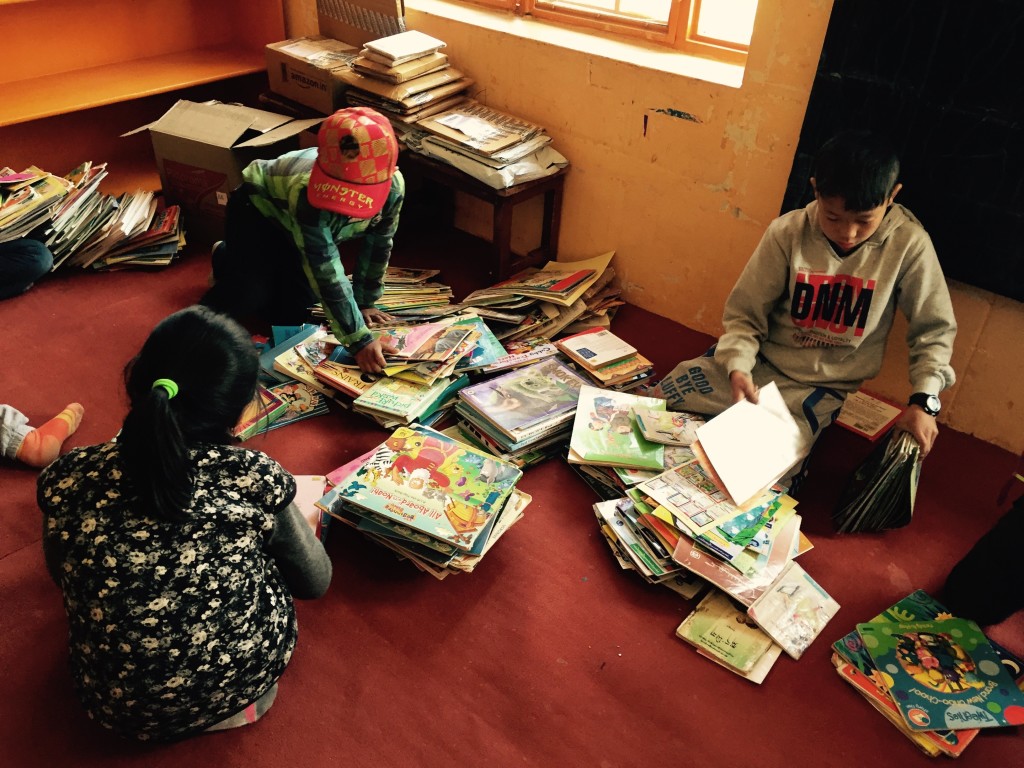
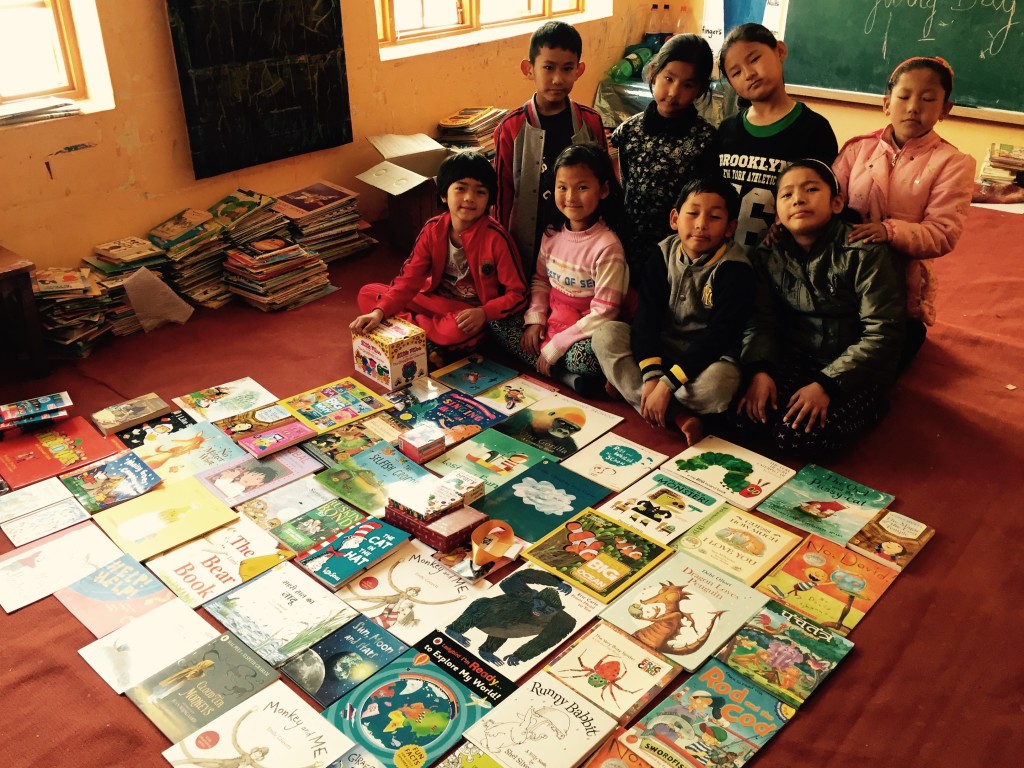
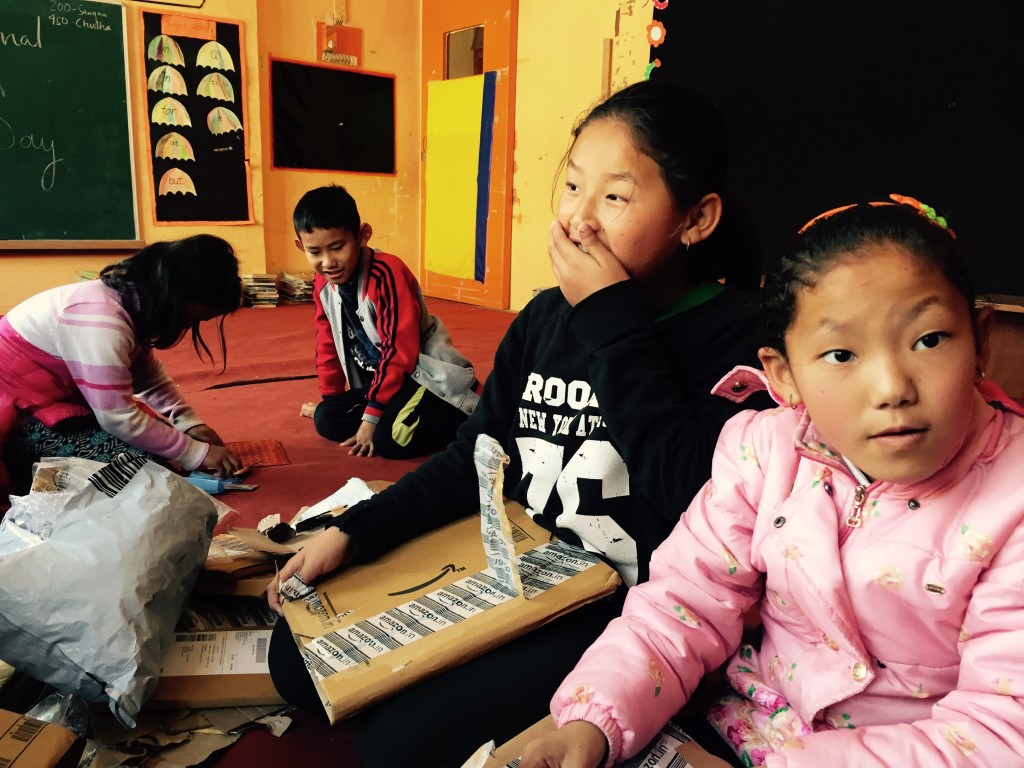
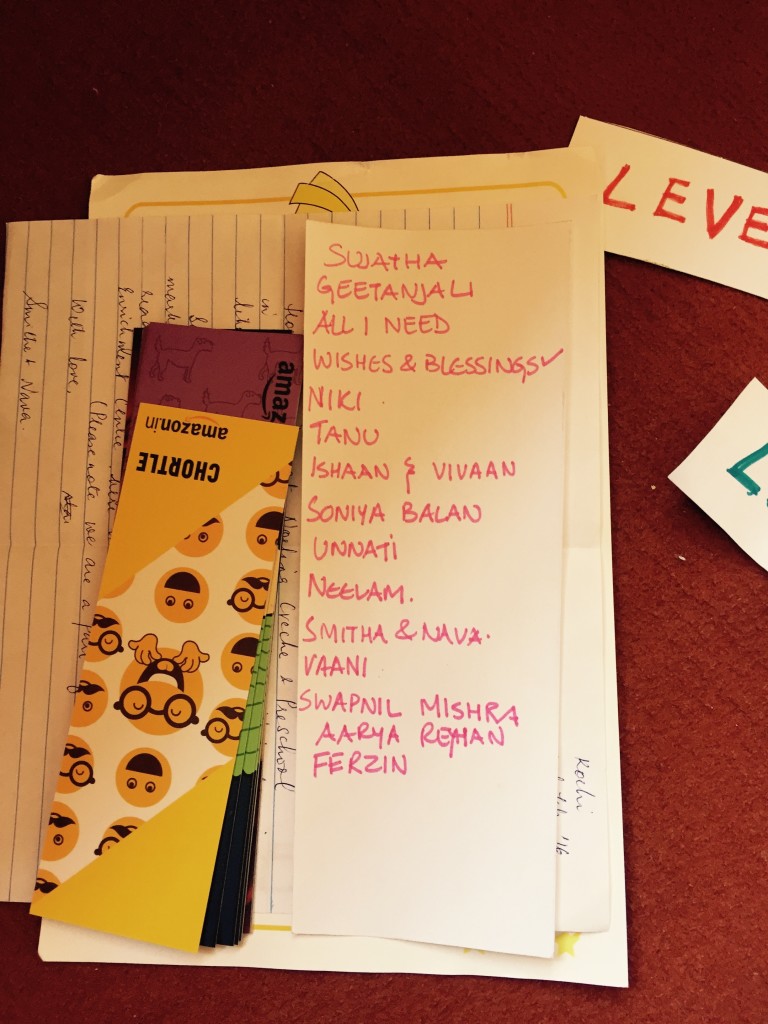
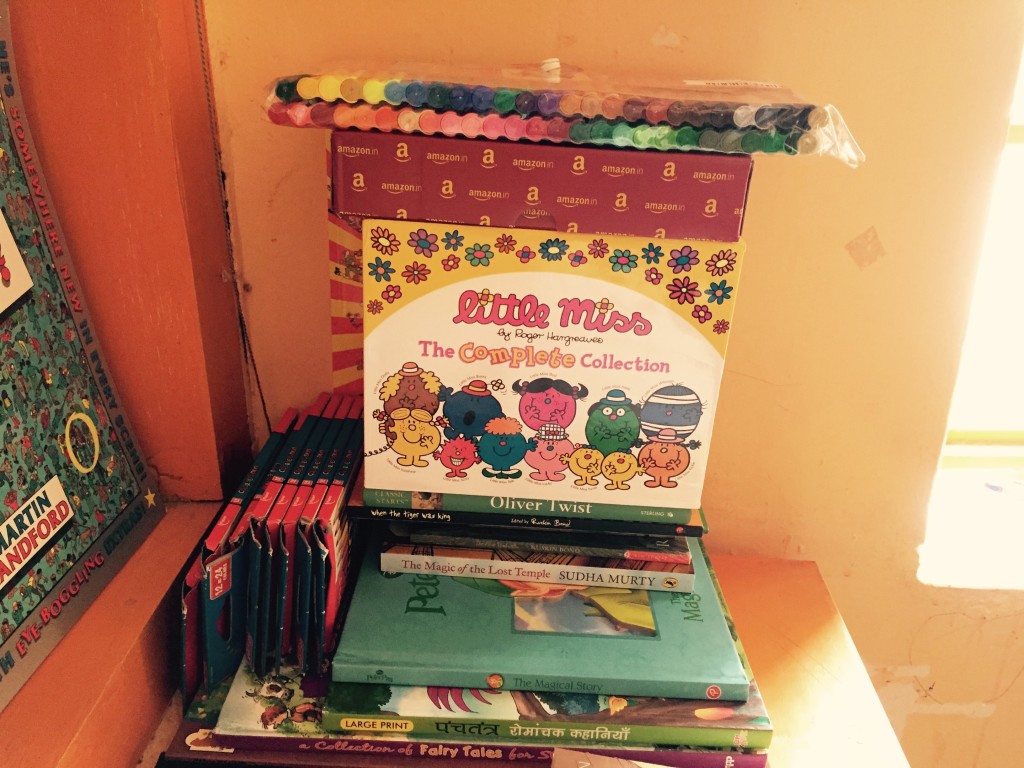
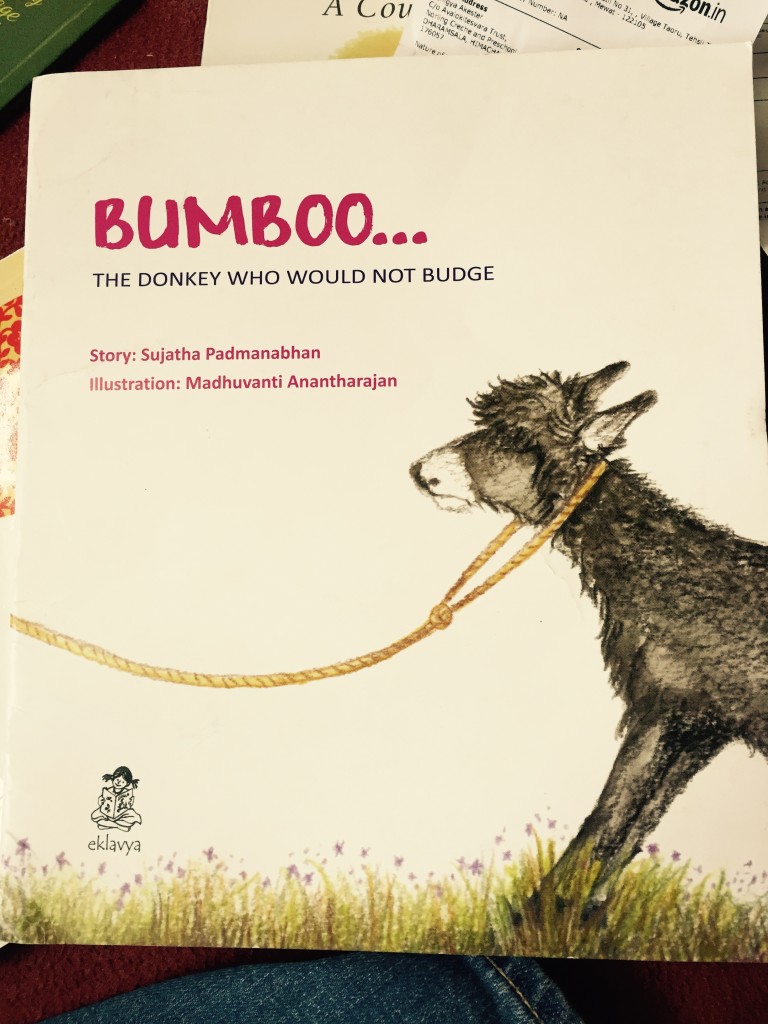
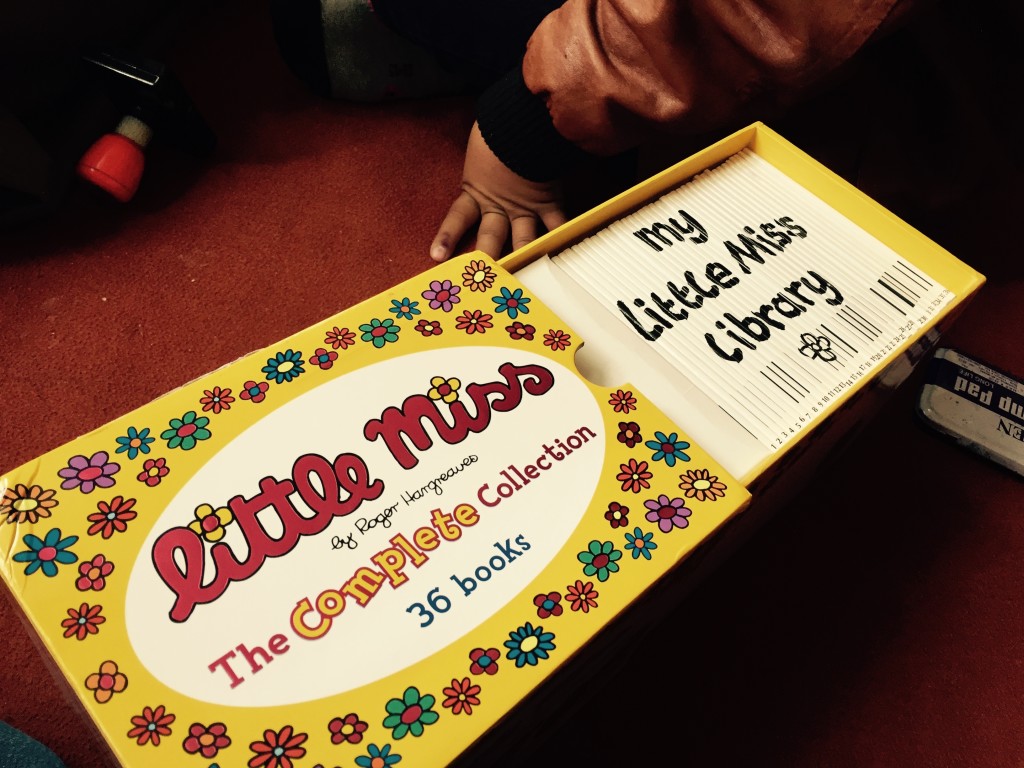
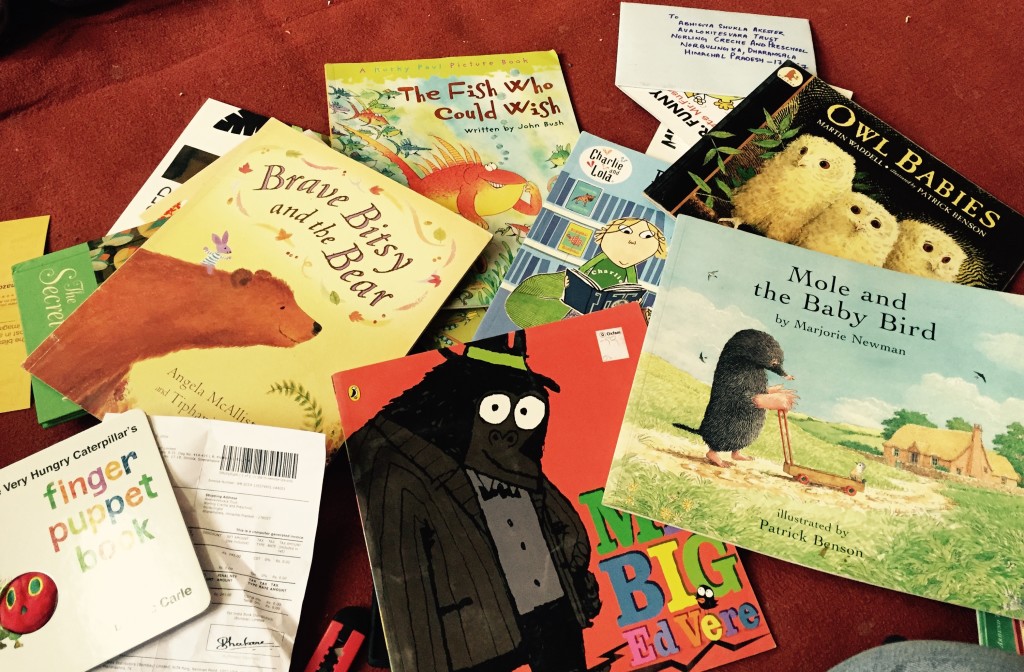
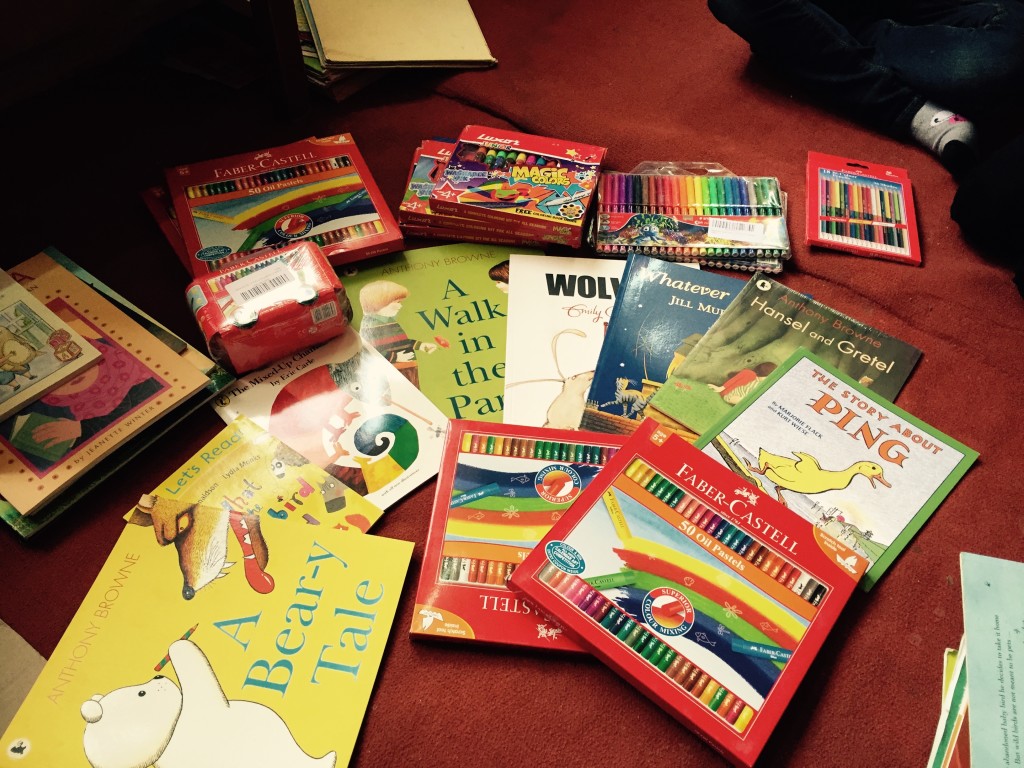
Book drives help expand these collections, but useful donations require thoughtful selection. Books should be in good condition, suitable for the ages served, and relevant to the community. A smaller collection that children can understand and enjoy is often more valuable than a large shipment of unsuitable titles.
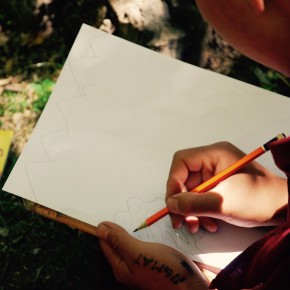
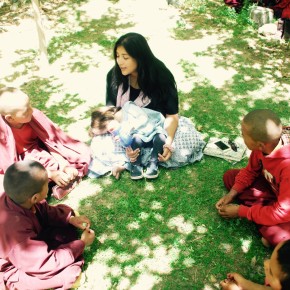
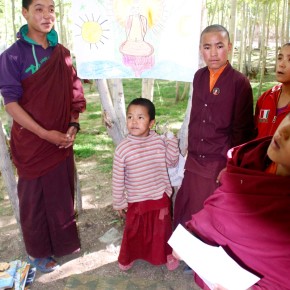
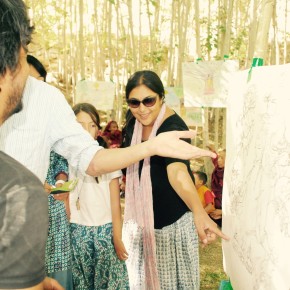
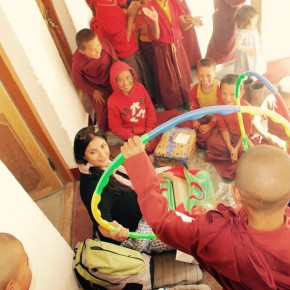
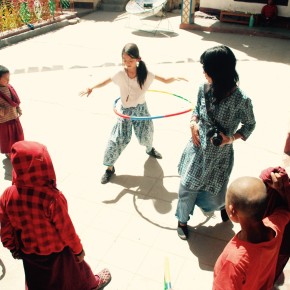
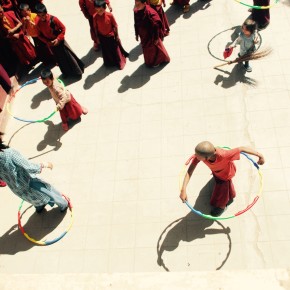
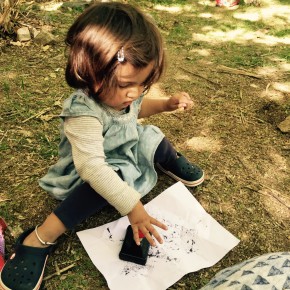
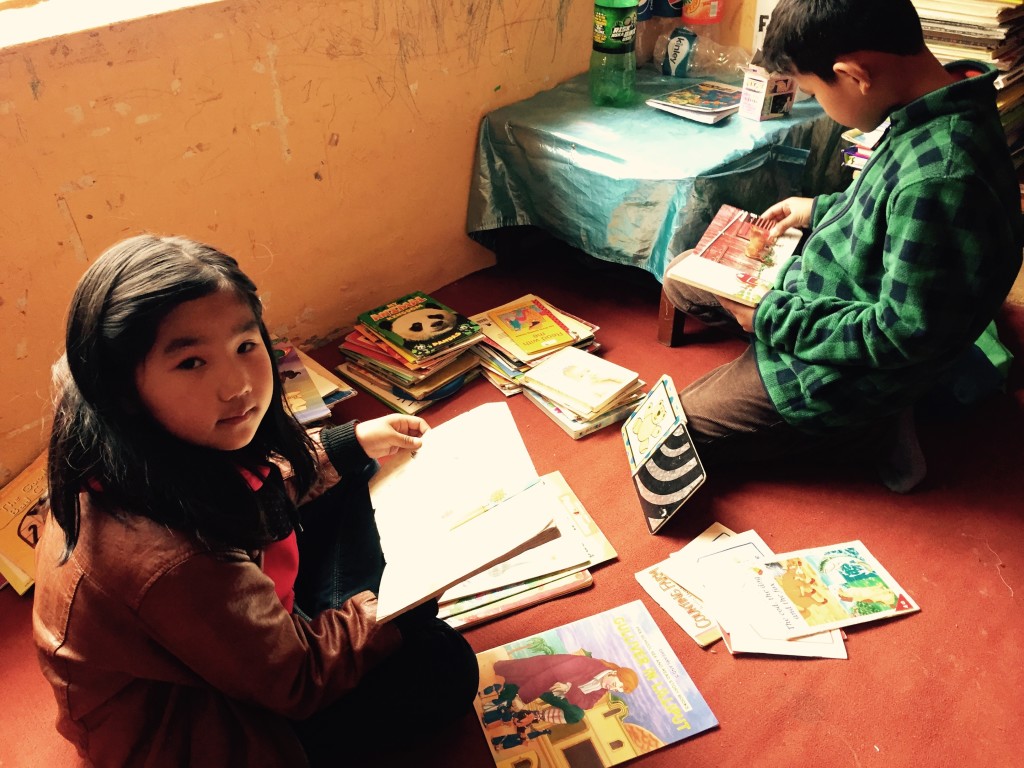
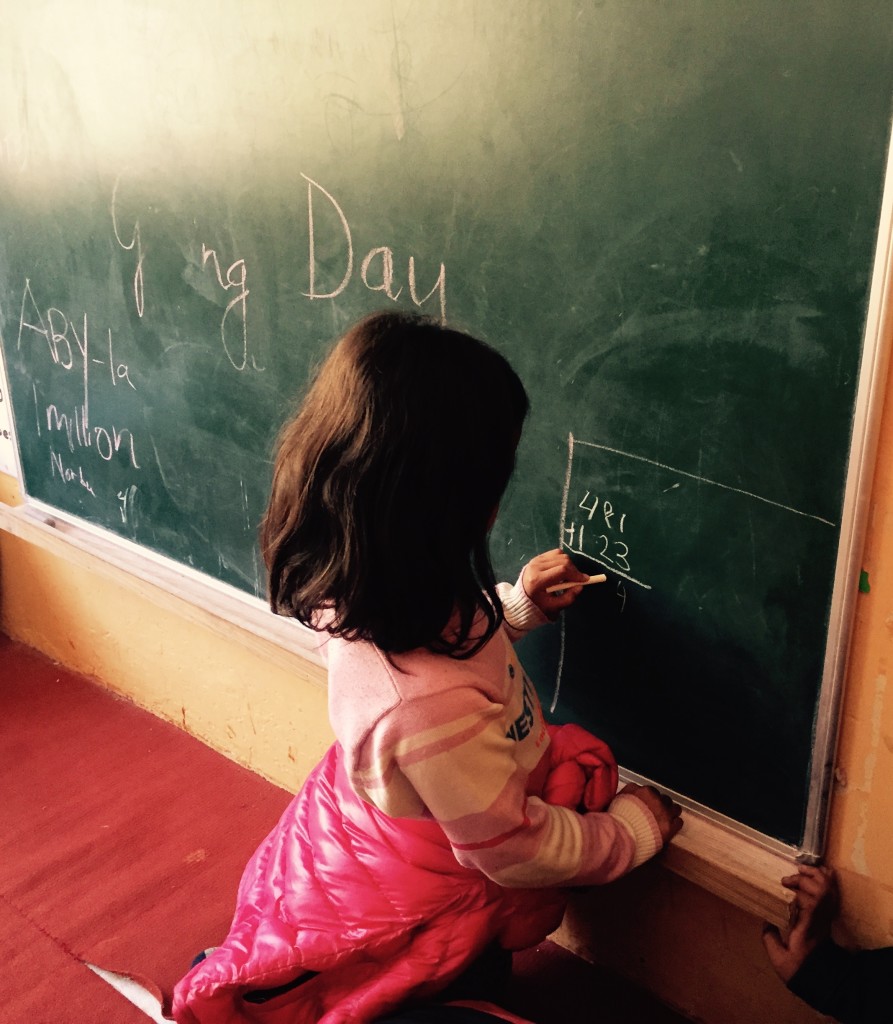
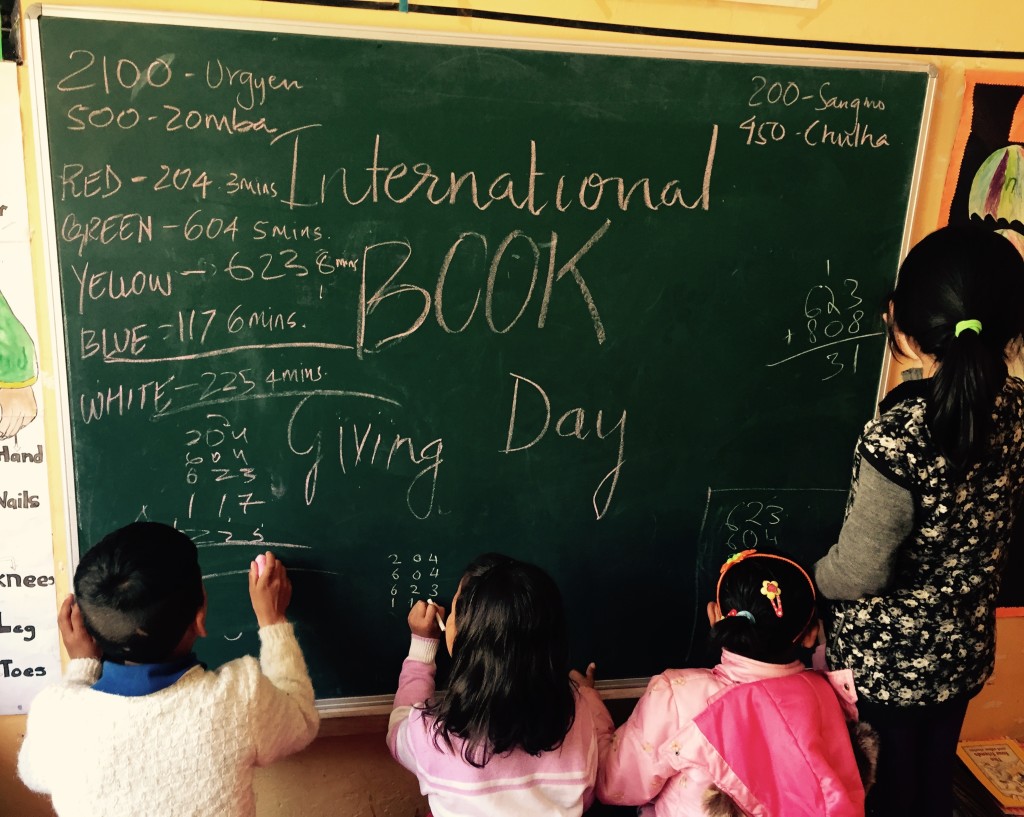
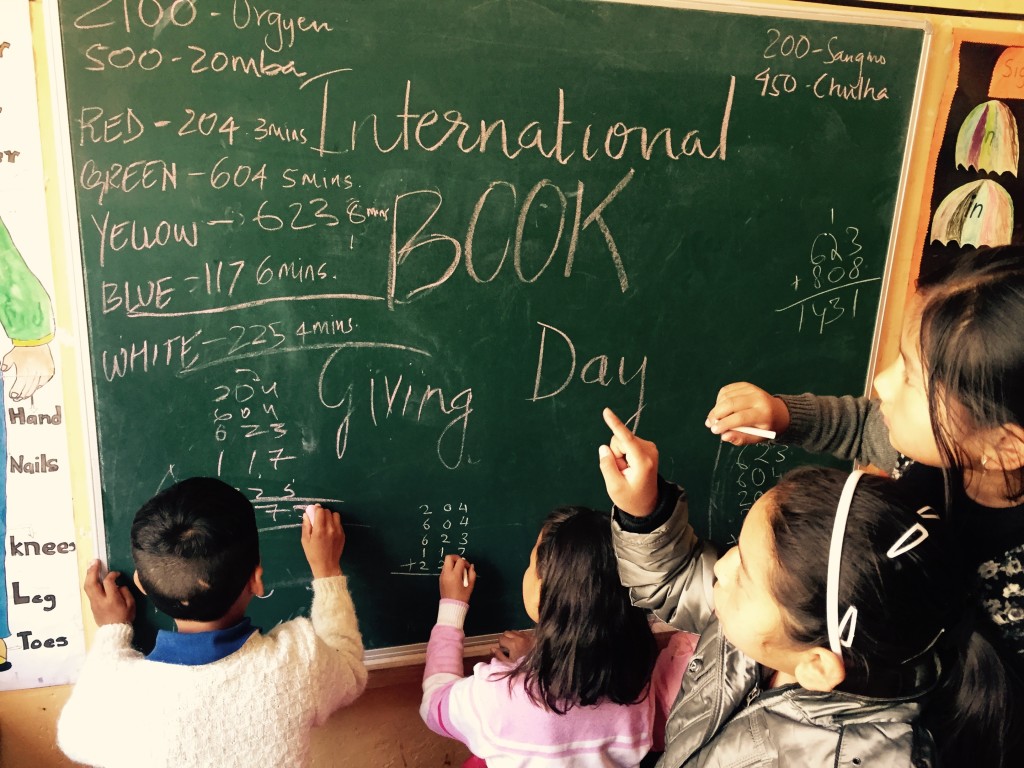
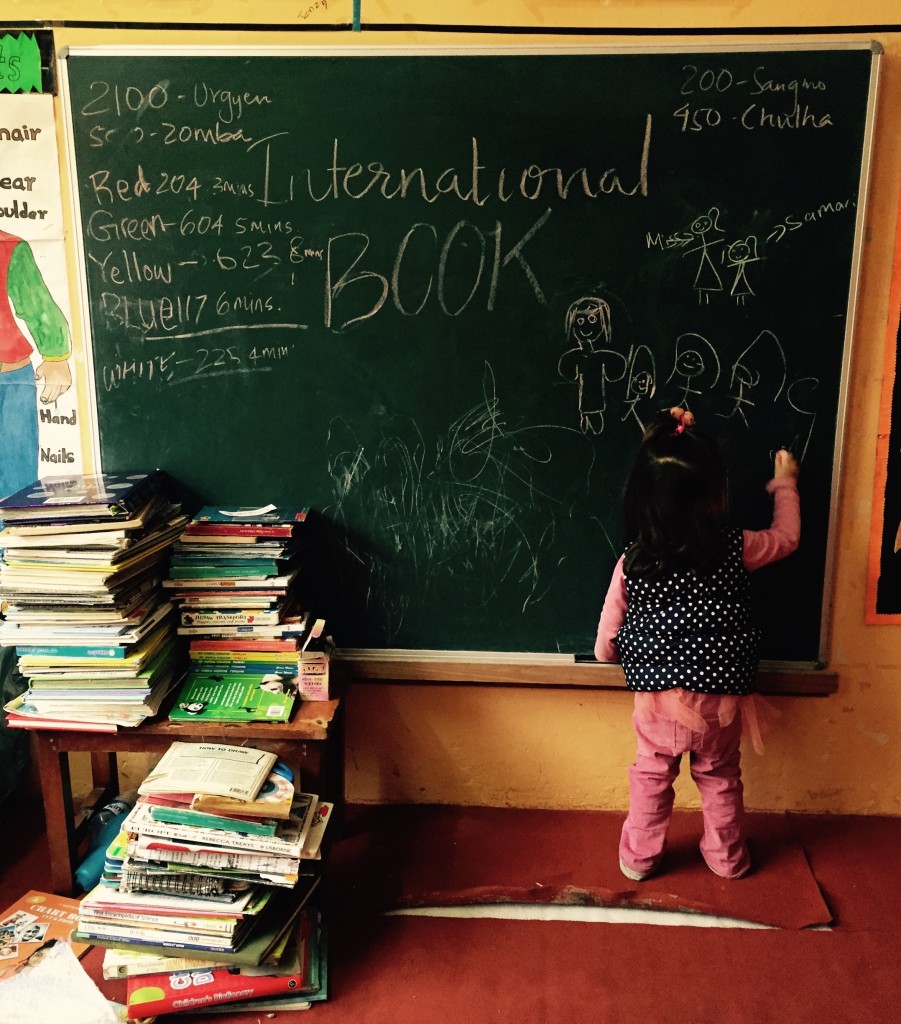
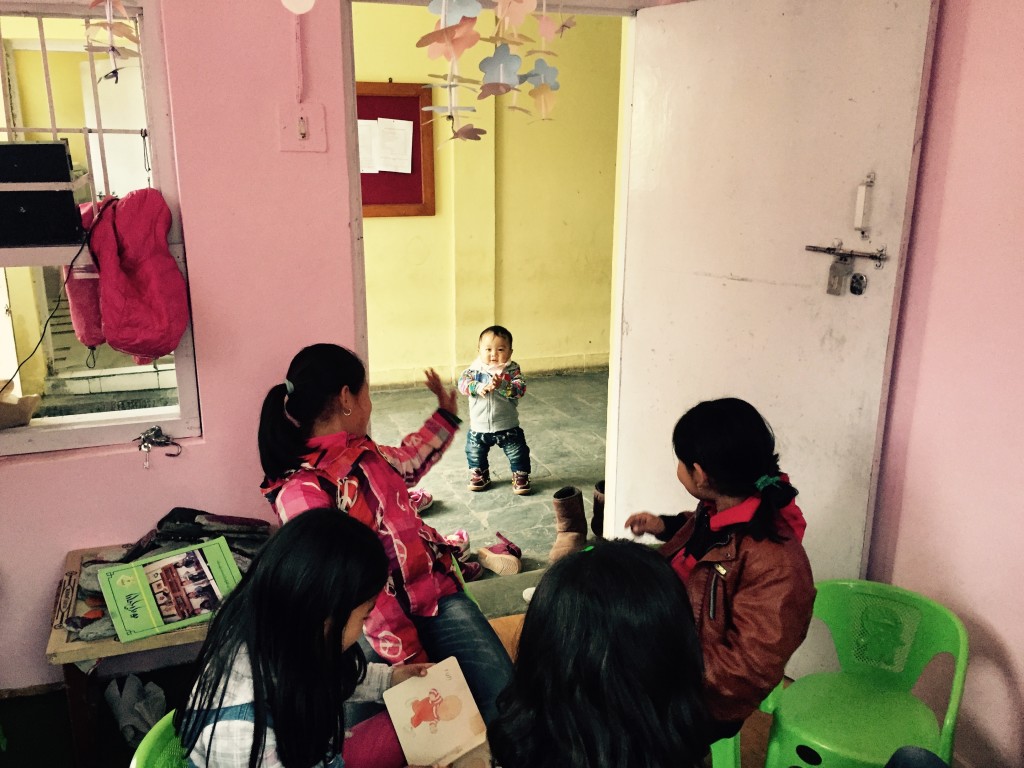
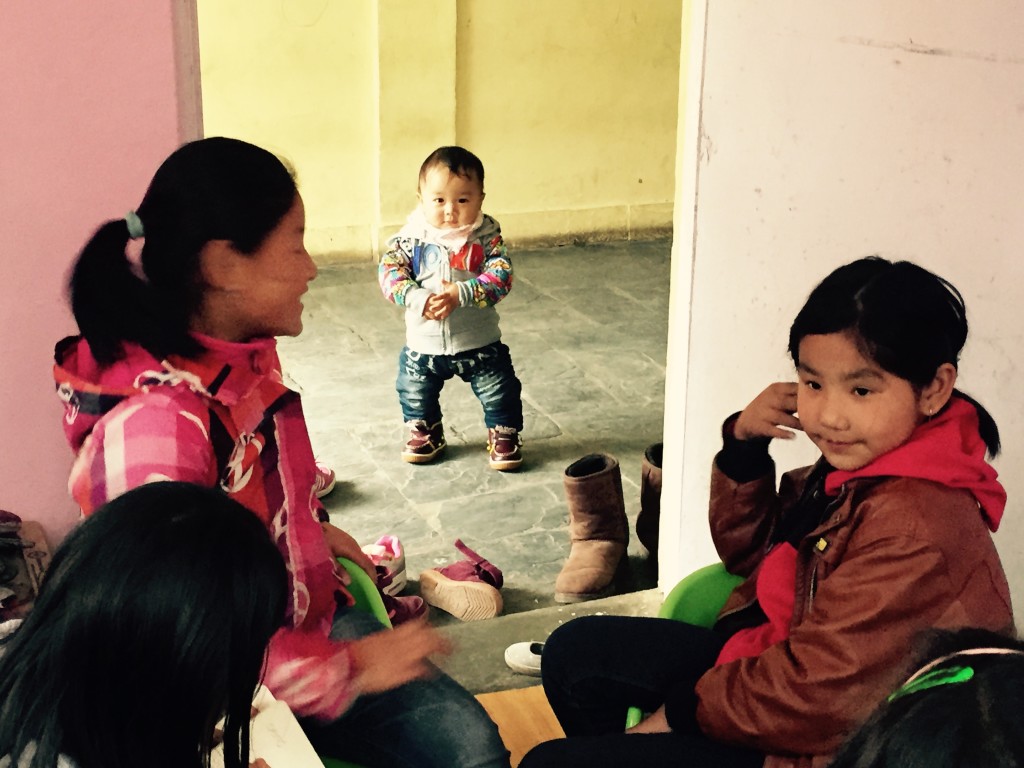
Creative activities extend the life of a reading room beyond silent reading. Drawing, music, storytelling, and simple arts projects give children ways to express themselves and develop confidence. During long winter days indoors, these activities can make regular attendance enjoyable while strengthening communication and imagination.
| Winter need |
Practical response |
Benefit for children |
| Freezing indoor temperatures |
Check insulation, doors, windows, and safe heating options |
A more comfortable space for reading and study |
| Reduced daylight |
Prepare dependable lamps and energy systems |
Longer, safer reading and activity periods |
| Difficult travel |
Coordinate with local staff and adjust schedules when needed |
Safer access during snow and icy conditions |
| Dampness and book damage |
Store books carefully and inspect the room before winter |
A durable collection that remains available |
| Fewer outdoor activities |
Offer stories, art, music, and group learning |
Continued creativity, connection, and routine |
Relying on local people and practical routines
A reading room stays open because people take responsibility for it. Local coordinators, educators, volunteers, families, and community members understand the conditions in ways that outside teams cannot. They can identify which hours work best, which children need additional support, and which repairs should be handled first.
Daily routines make this shared responsibility manageable. Opening and closing checks can cover heating, lighting, cleanliness, windows, and the condition of books. A simple record of attendance and activities helps the team understand how the room is being used without turning the space into a formal classroom.
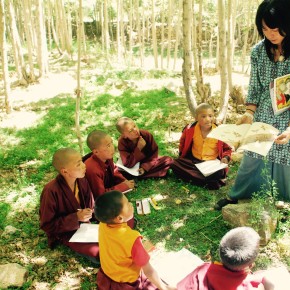
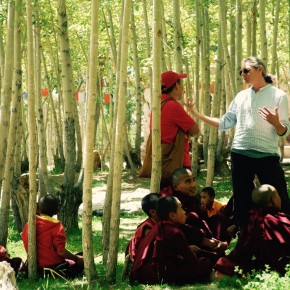
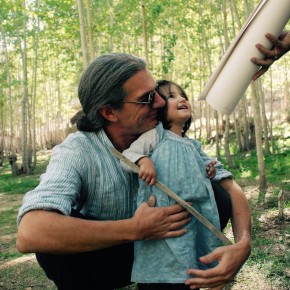
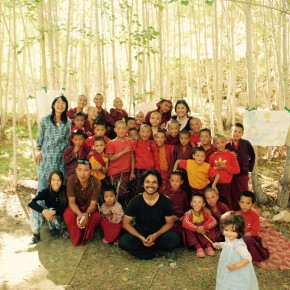
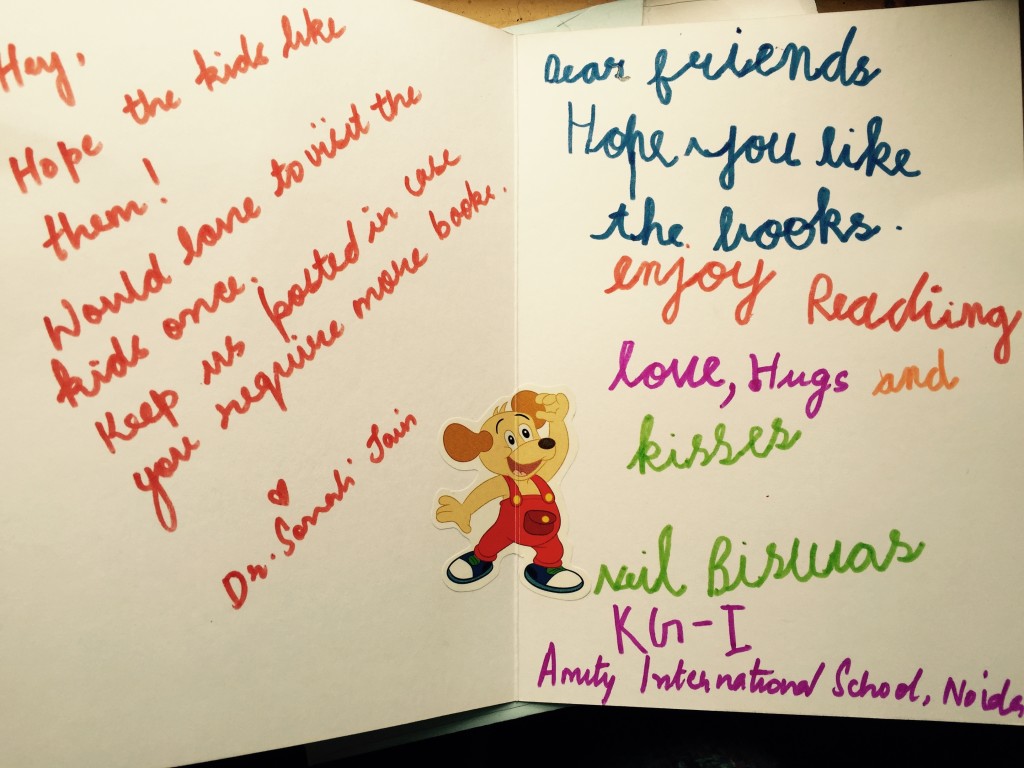
Volunteers also contribute in ways that go beyond shelving books. They may read aloud, lead an art session, help children choose books, organize a small book drive, or document activities for supporters. When travel is possible, visiting volunteers bring energy and new ideas; when travel is restricted, local continuity keeps the room connected to its purpose.
Making winter learning welcoming
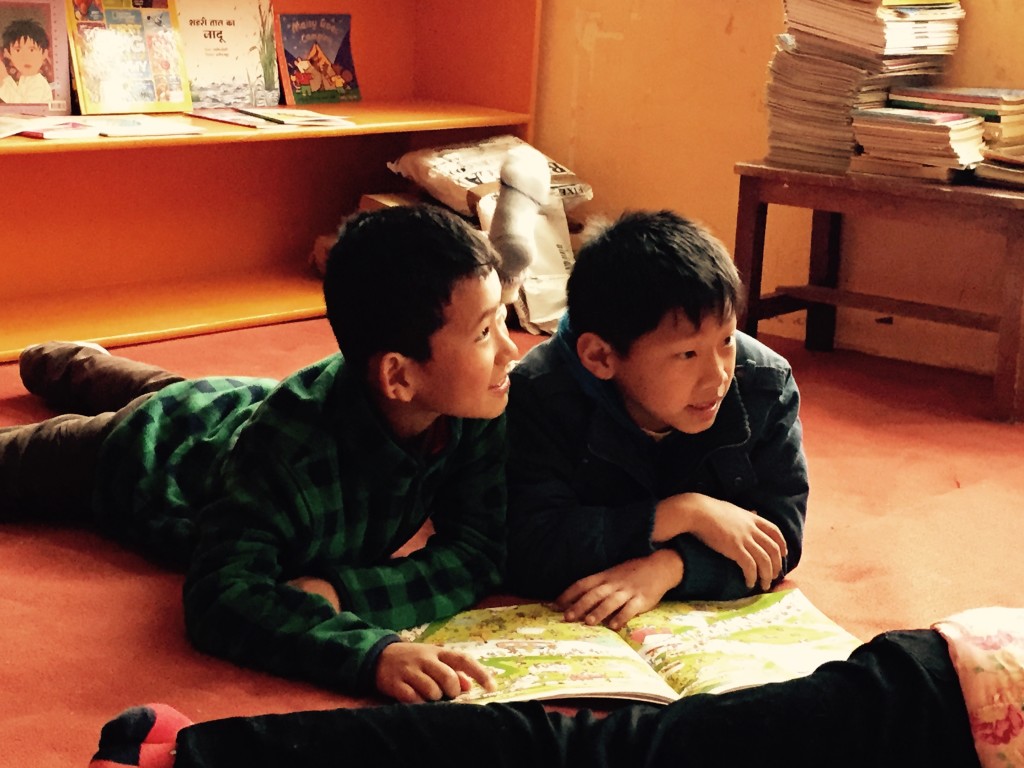
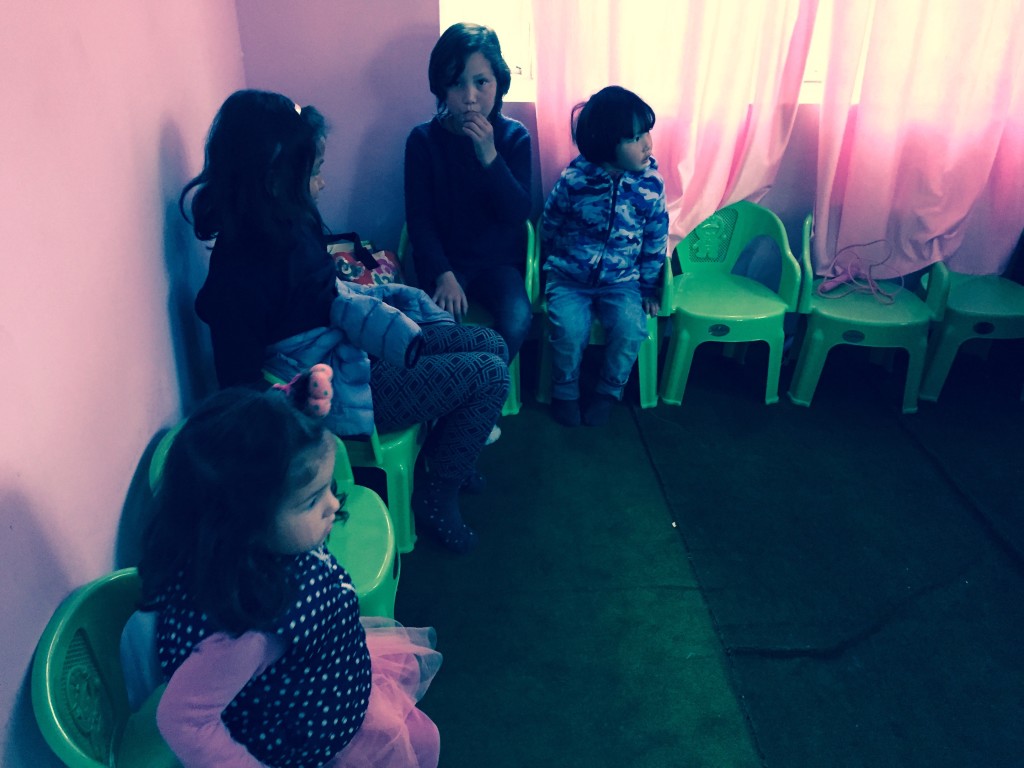
Cold weather can narrow a child’s daily world. School schedules, family responsibilities, and difficult roads may reduce opportunities to gather with friends or explore new ideas. A reading room offers a steady rhythm: arrive safely, warm up, choose an activity, and spend time in a place where curiosity is encouraged.
The atmosphere matters as much as the materials. Children should be able to browse without feeling pressured, ask for help without embarrassment, and return to a favorite book. Displays of children’s artwork, storytelling circles, music sessions, and shared reading can make the room feel like a community space rather than a storage area for books.
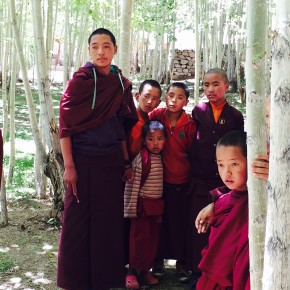
For young monks, reading rooms can provide a calm setting for independent learning and creative exploration. Educational activities can sit alongside artistic and musical opportunities, supporting a broader understanding of learning. This balance respects different interests and gives each visitor a reason to return.
Turning support into dependable winter care
Keeping a reading room open has recurring costs. Heating, lighting, transport, repairs, book purchases, activity materials, and local coordination all require dependable support. One contribution may provide supplies for an activity, while sustained giving helps maintain the conditions that allow a room to function across an entire season.
Donors can support the work by contributing to book drives, funding educational resources, or helping cover practical operating needs. Volunteers can assist with cataloguing, storytelling, creative workshops, communications, and community outreach. Every form of support is most effective when it responds to local priorities and respects the knowledge of people who use and care for the space.
Useful ways to support winter reading access include:
- Sponsor books and learning materials selected for local children and young monks
- Contribute to heating, lighting, repairs, and other seasonal operating costs
- Organize a thoughtful book drive focused on quality, condition, and age suitability
- Volunteer skills in storytelling, art, music, library organization, or fundraising
- Share updates from Ladakh to help more people understand the value of community reading rooms
Carrying the work beyond the cold season
Winter preparation strengthens a reading room throughout the year. Repairs improve the building, organized shelves make resources easier to use, and local routines create confidence among families and staff. The same space that provides warmth in January can host reading clubs, music lessons, art activities, and book distribution when the weather becomes milder.
Avalokiteśvara Trust’s work is grounded in the belief that access to books should not depend on geography, altitude, or season. In Ladakh, maintaining that access takes patience, local partnership, and practical care. It also takes supporters who understand that a welcoming room can influence a child’s confidence, imagination, and future learning.
Support the reading rooms by donating, sharing a book drive, volunteering your skills, or helping provide the materials that keep children learning through the Himalayan winter. Steady support keeps the lights on, the shelves useful, and the doors open when these spaces are needed most.