Opening doors to classical music for Himalayan children
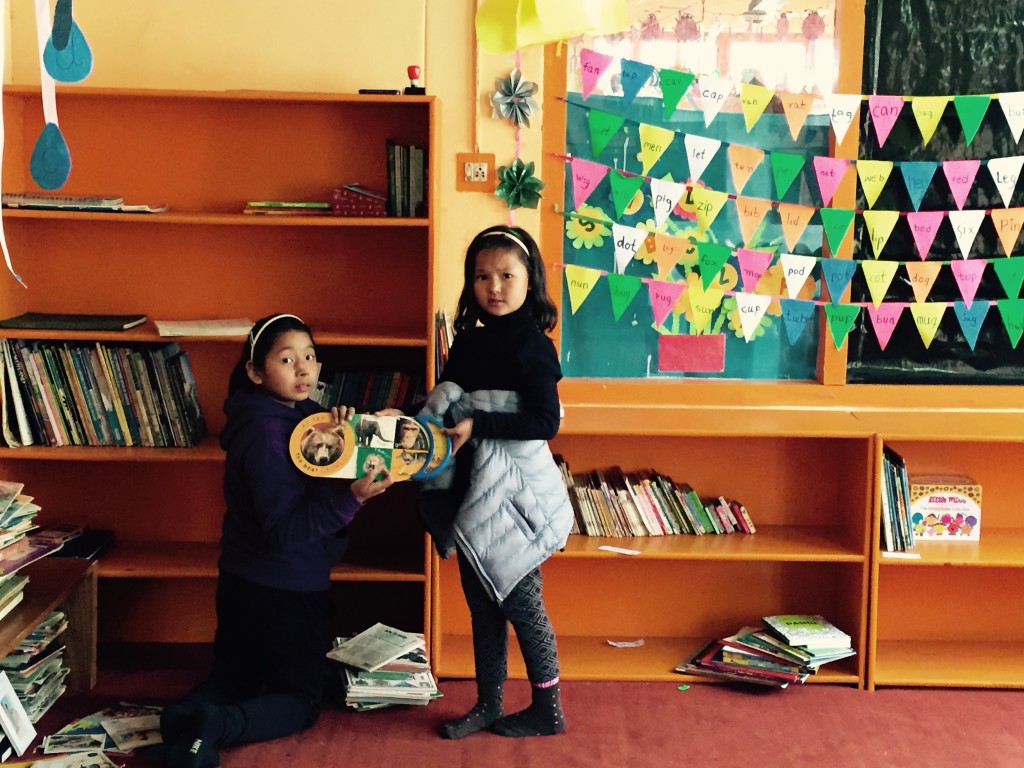
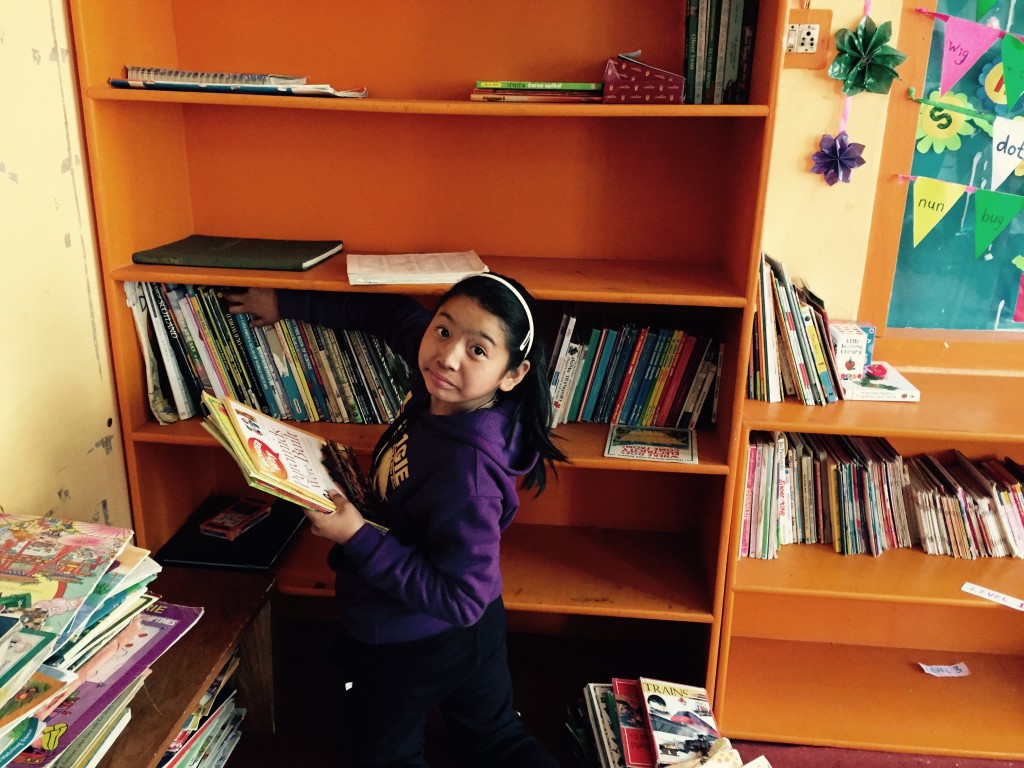
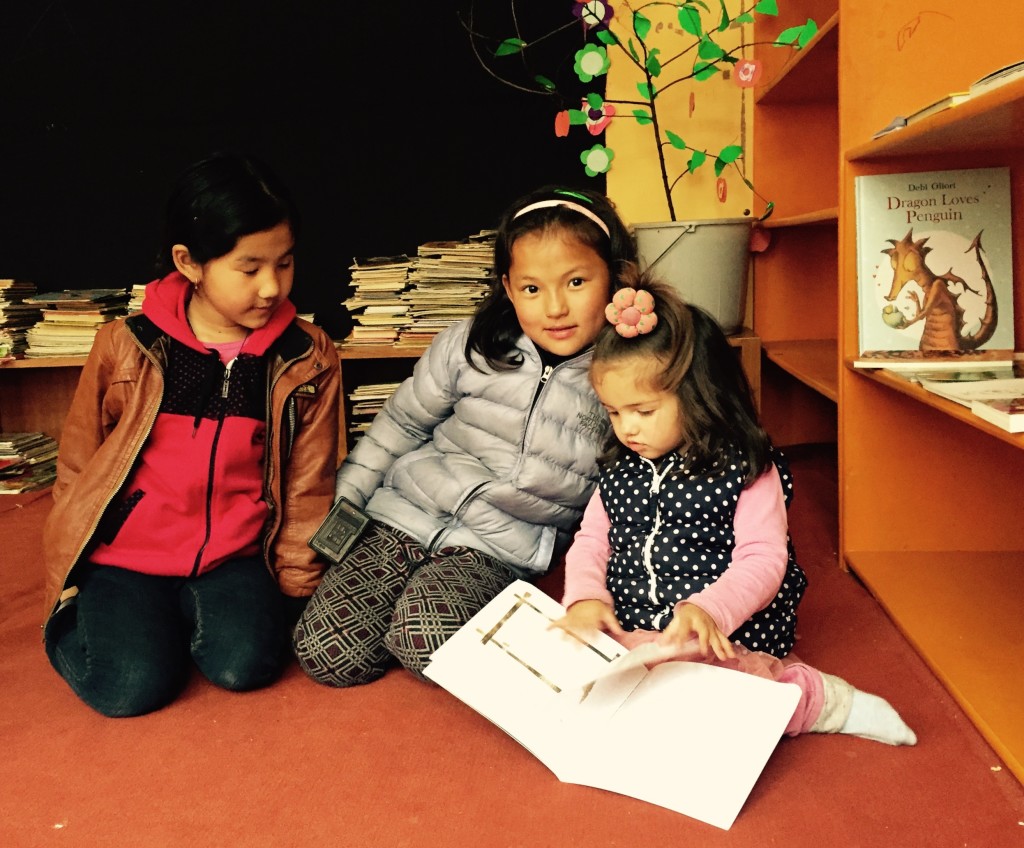
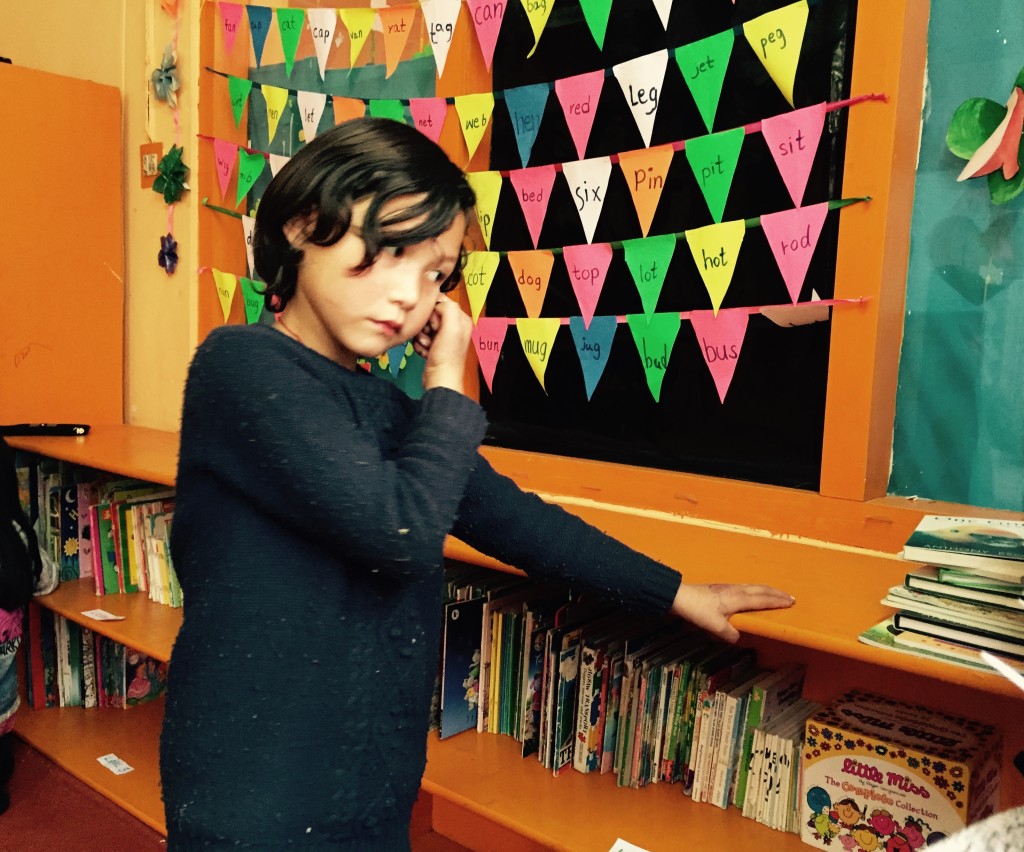
In a reading room high in the Himalayas, a pair of headphones can create a quiet space for discovery. A child may hear a violin for the first time, follow the pulse of a piano, or notice how a flute resembles birdsong carried across a valley. These moments make classical music feel approachable rather than distant or formal.
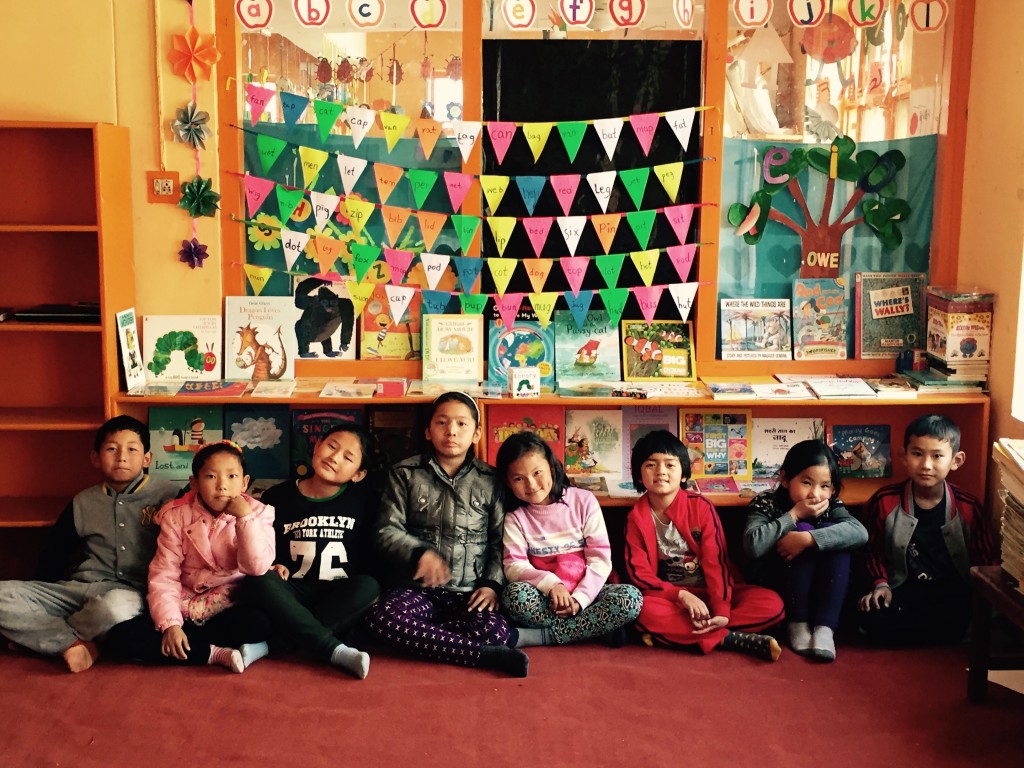
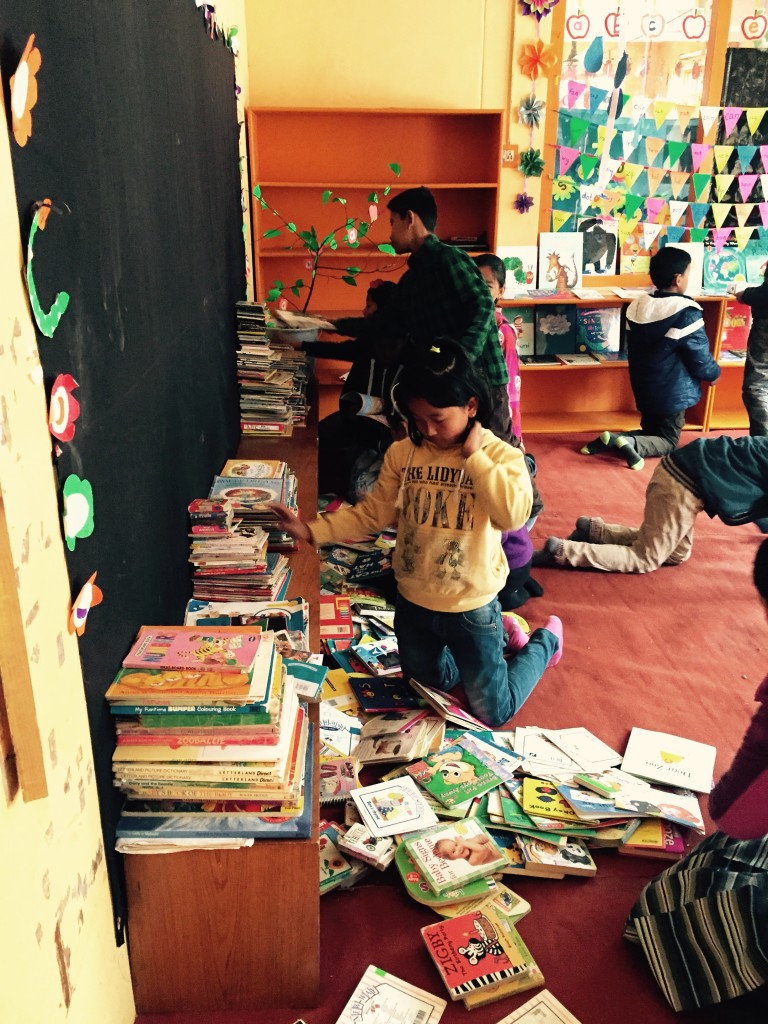
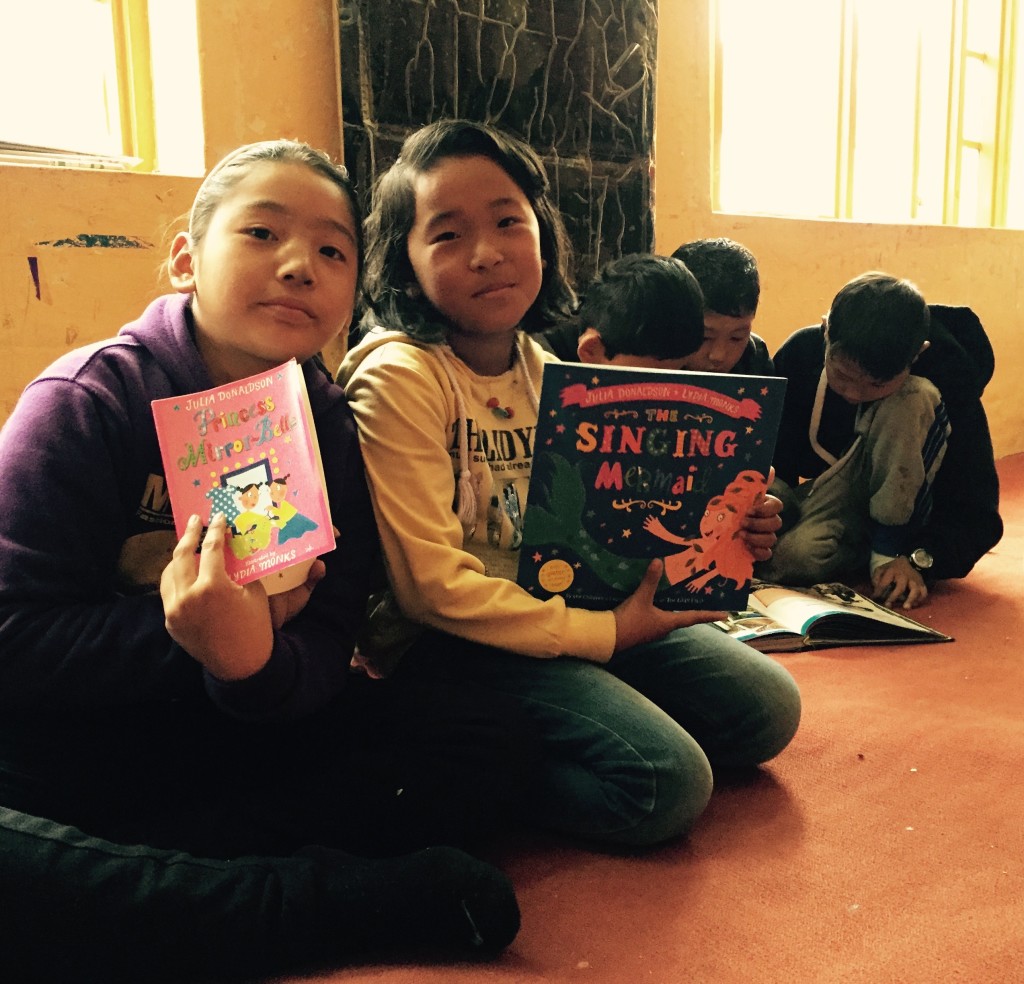
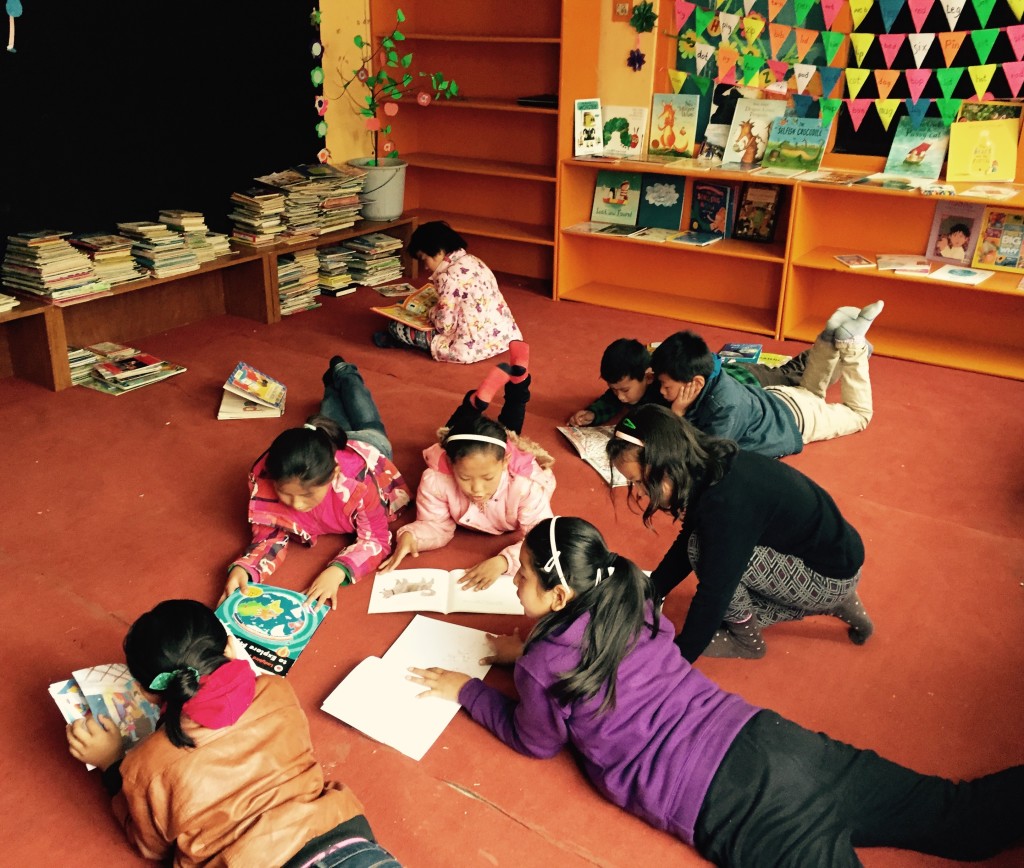
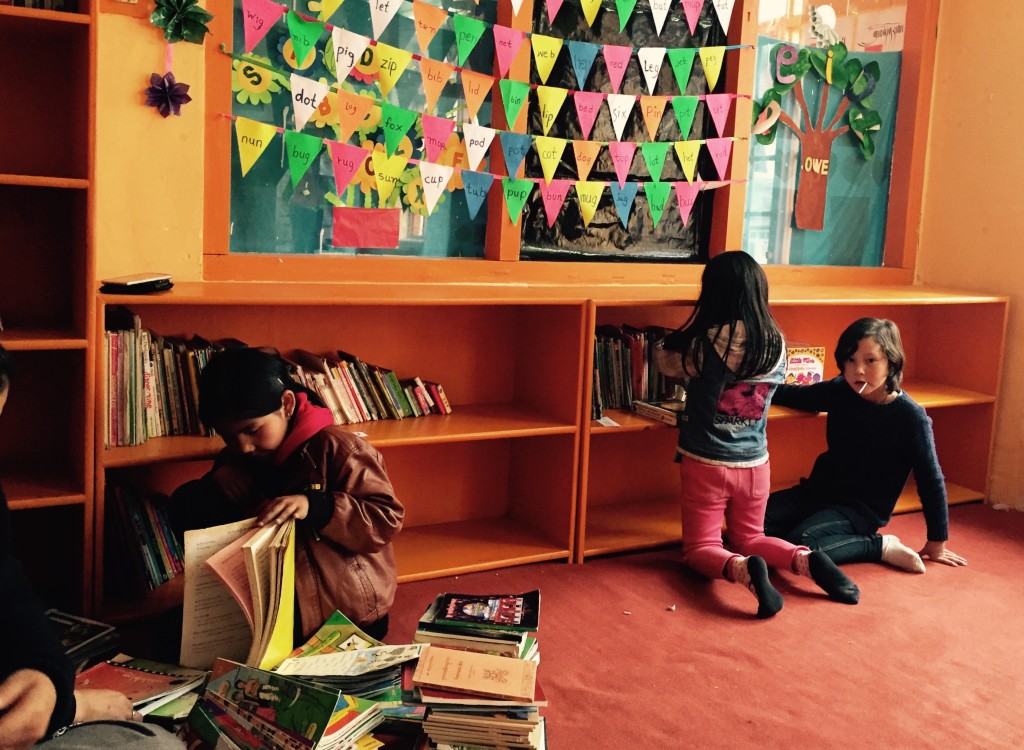
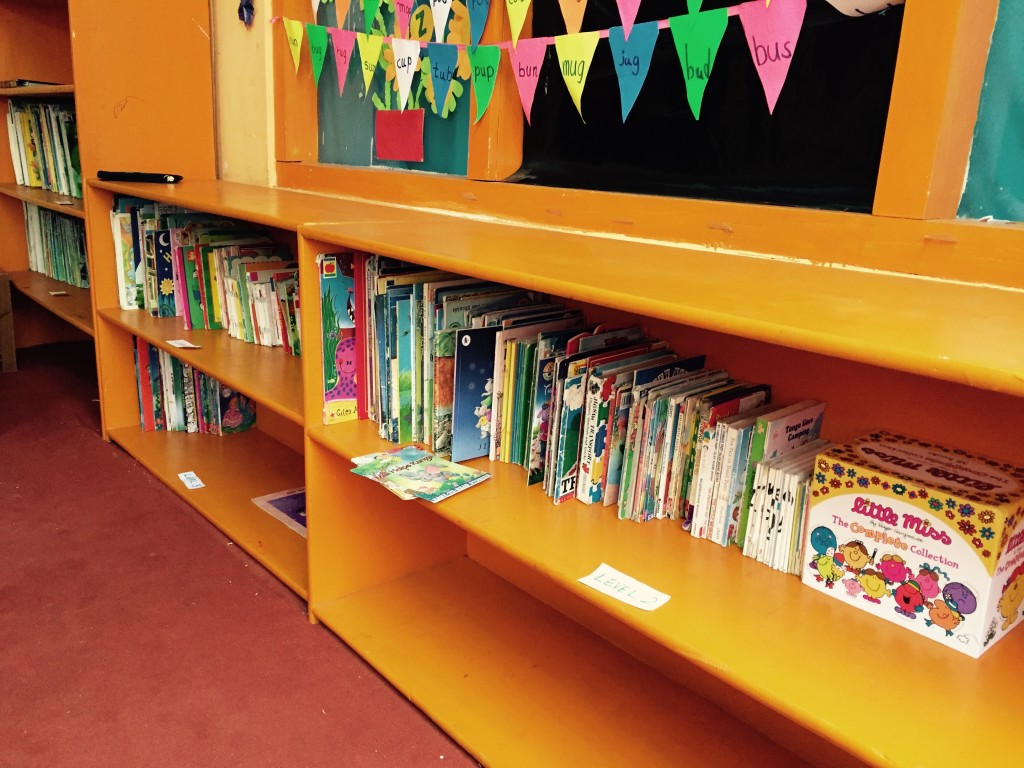
At Avalokiteśvara Trust, music sits alongside books, drawing, storytelling and creative play. Our approach to introducing children to classical music through headphones is designed for communities where access to recordings, instruments and live performances may be limited. A carefully chosen playlist can bring the sound of an orchestra, a solo performer or a chamber ensemble into a small learning space.
For supporters in Australia, the idea may bring to mind ABC Classic, school music programmes, community choirs and performances at venues such as the Sydney Opera House or Melbourne’s Arts Centre. In Himalayan communities, the setting is different, yet children respond to rhythm, mood and musical storytelling with the same instinctive curiosity. The equipment is simple; the learning possibilities are wide.
| Listening approach |
What children experience |
Learning value |
Useful setting |
| Short guided track |
One instrument or musical idea |
Focus and recognition |
Reading room |
| Story-linked playlist |
Music paired with a tale, image or place |
Imagination and memory |
Group activity |
| Quiet individual listening |
A personal encounter with a piece |
Concentration and confidence |
Independent time |
| Movement response |
Clapping, drawing or gentle actions |
Rhythm and self-expression |
Creative workshop |
| Shared listening circle |
Children compare reactions |
Communication and respect |
Small group session |
Why headphones open a door
Headphones reduce distractions and help children notice details that can disappear in a busy room. A soft bow moving across strings, the contrast between loud and quiet passages, or the repetition of a theme becomes easier to hear. For a young listener, this close attention can feel like discovering a hidden layer inside a story.
Personal listening also gives children control. Some may want to replay a lively movement, while others prefer a calm piano piece. They can adjust the volume with guidance, remove the headphones when needed and return to the music at their own pace. This sense of choice is important for children who are still developing confidence in unfamiliar educational settings.
The process does not require a concert hall or expensive sound system. Durable headphones, a basic audio player and downloaded recordings can support a meaningful music education activity. This is particularly useful in remote communities where reliable internet access, specialist teachers and regular cultural programming are not always available.
Choosing music for first encounters
The first playlist should offer variety without becoming overwhelming. Short works by composers such as Vivaldi, Mozart, Saint-Saëns, Tchaikovsky and Debussy can introduce contrasting textures, tempos and instruments. A lively orchestral excerpt might sit beside a gentle cello piece, a solo piano work and music built around a clear repeating rhythm.
Children do not need a history lesson before they listen. A simple description is often enough: “This piece sounds like a fast journey,” or “Listen for the instrument that answers the orchestra.” These prompts direct attention while leaving room for personal interpretation. There is no single correct emotional response to a piece of music.
We also take care with cultural context. Western classical music is one part of a much larger musical world, so listening sessions can include Himalayan folk traditions, local songs and familiar ceremonial sounds. Comparisons between instruments, rhythms and musical purposes help children see classical music as a new language rather than a replacement for their own heritage.
Building a safe listening routine
A consistent routine makes headphone sessions comfortable. We begin with a check of the equipment, a reminder about moderate volume and a short listening period. Younger children may start with five minutes, followed by conversation or drawing. Older children can gradually manage longer pieces and more independent choices.
The adults supporting the activity watch for signs of discomfort. Headphones should fit securely without pressure, and shared equipment must be cleaned between users. Children should never be expected to continue listening if the sound feels too loud or the experience becomes tiring. Careful supervision turns technology into a supportive educational tool.
A predictable sequence can include settling down, listening, responding and sharing. This rhythm is useful in a reading room because it connects music with other forms of concentration. Over time, children may begin to recognise instruments, anticipate changes in a composition and describe what they hear with greater precision.
Linking sound to story and place
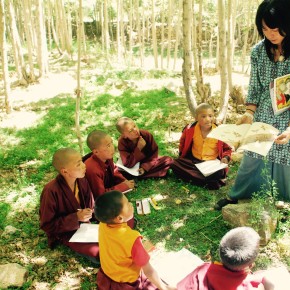
Music becomes memorable when it connects with an image, narrative or physical activity. Before a piece begins, a facilitator might show a picture of a snowy landscape, a busy market or a travelling performer. Children can then listen for sounds that match movement, weather or emotion. Afterwards, they may draw a scene, write a few lines or arrange picture cards in the order the music suggests.
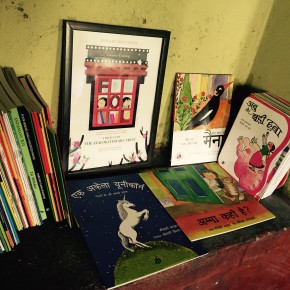
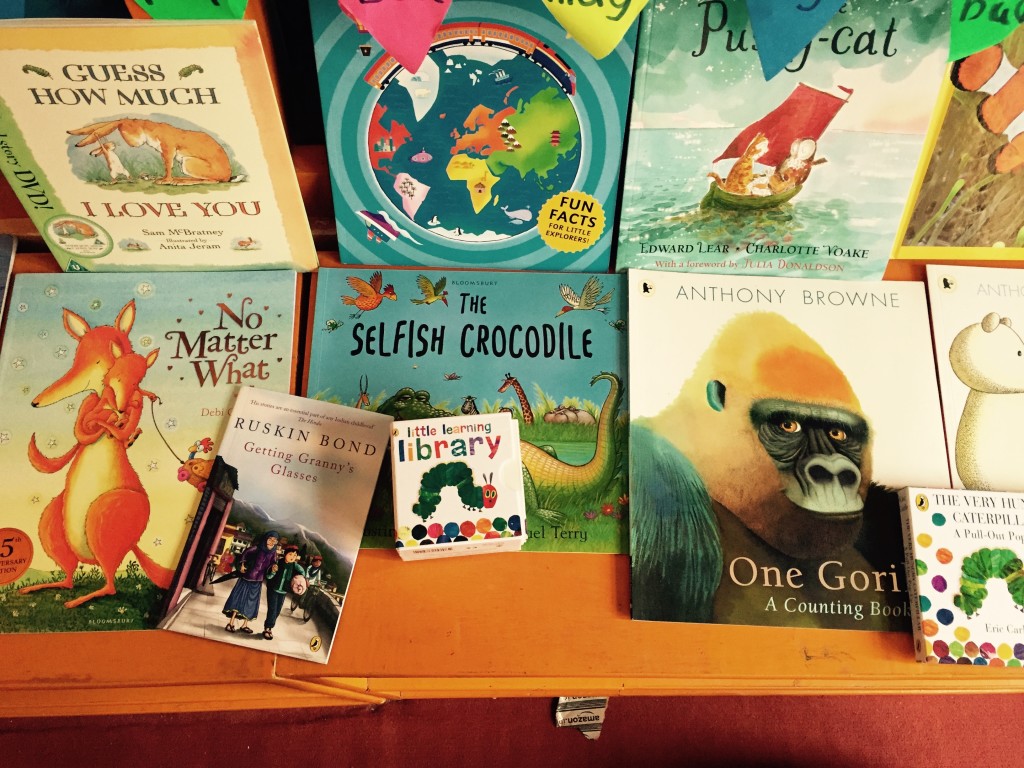
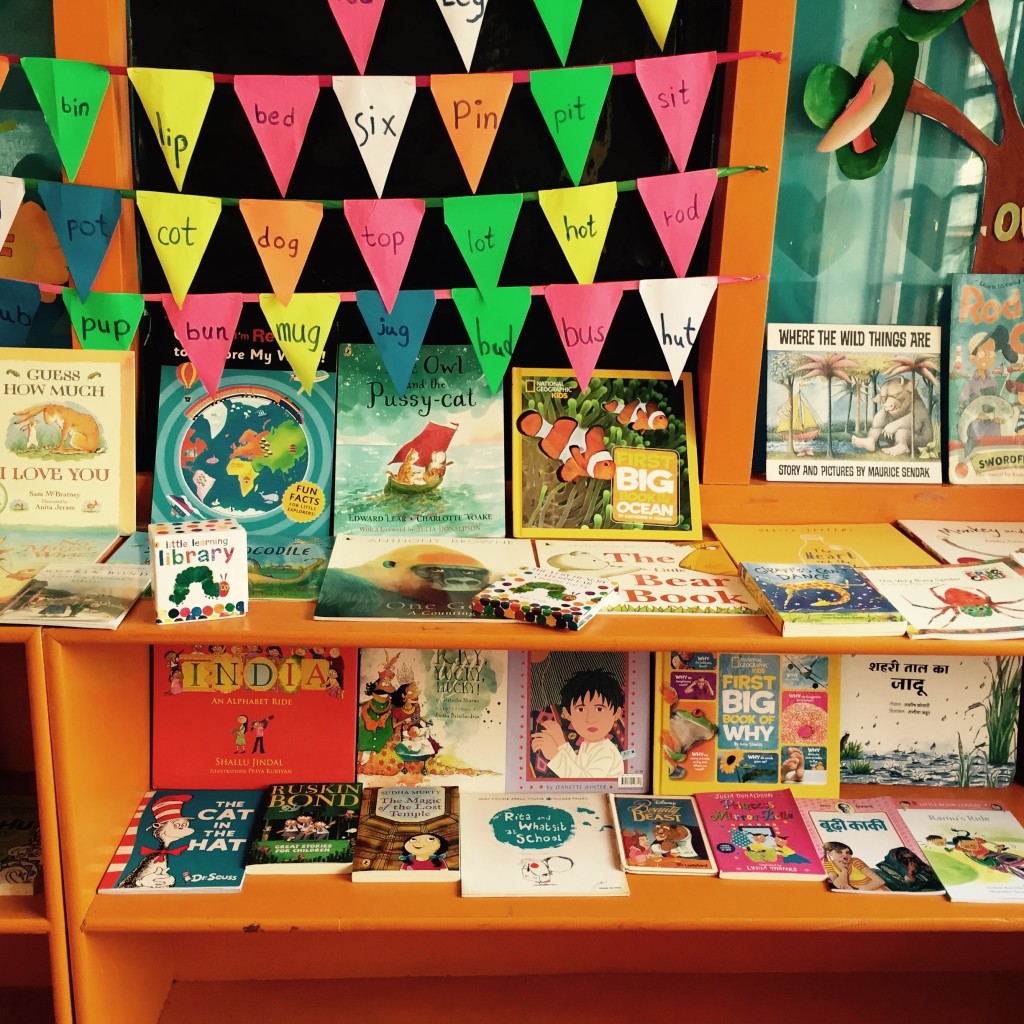
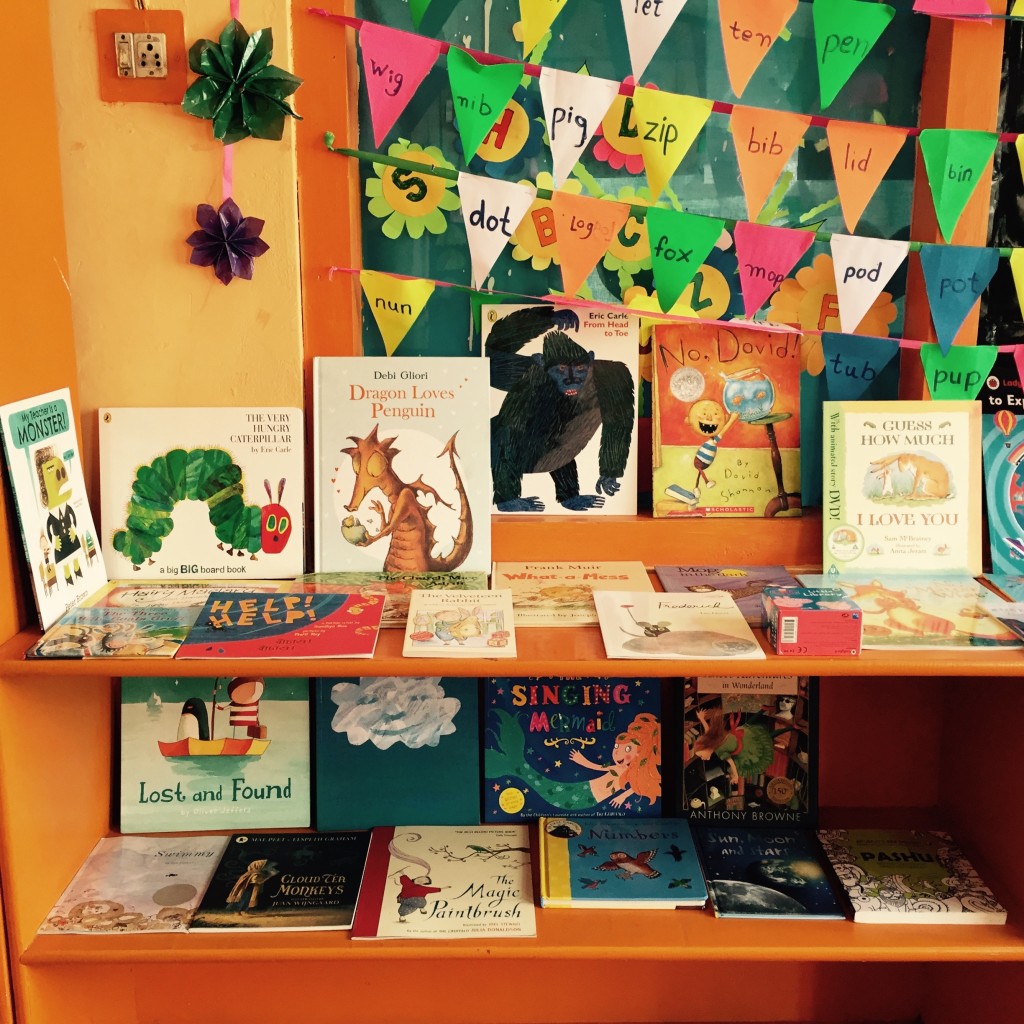
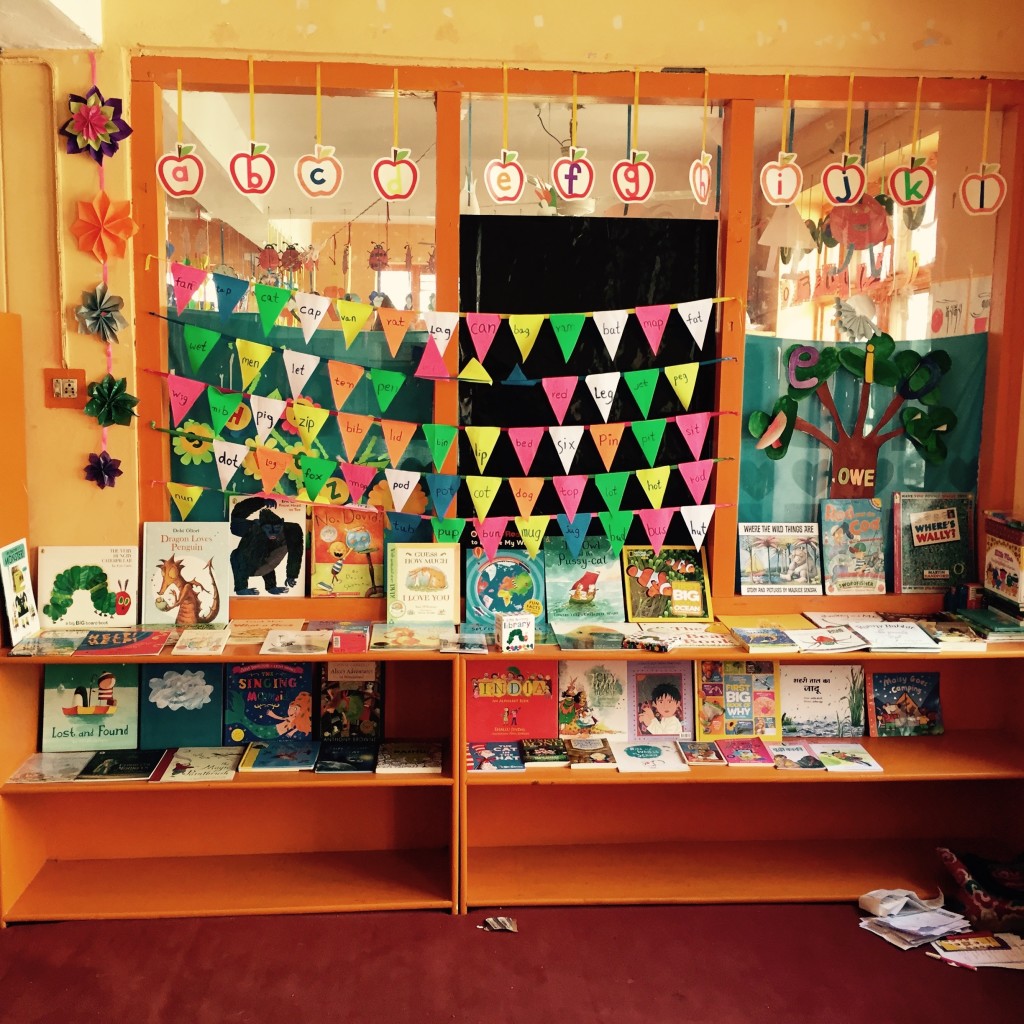
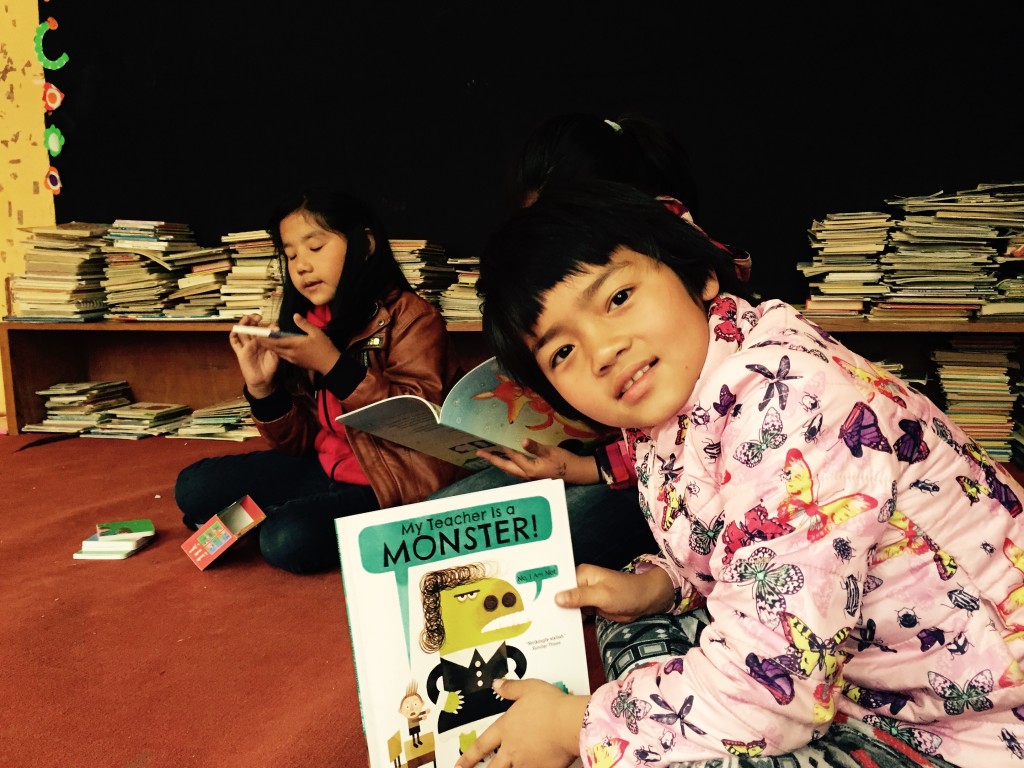
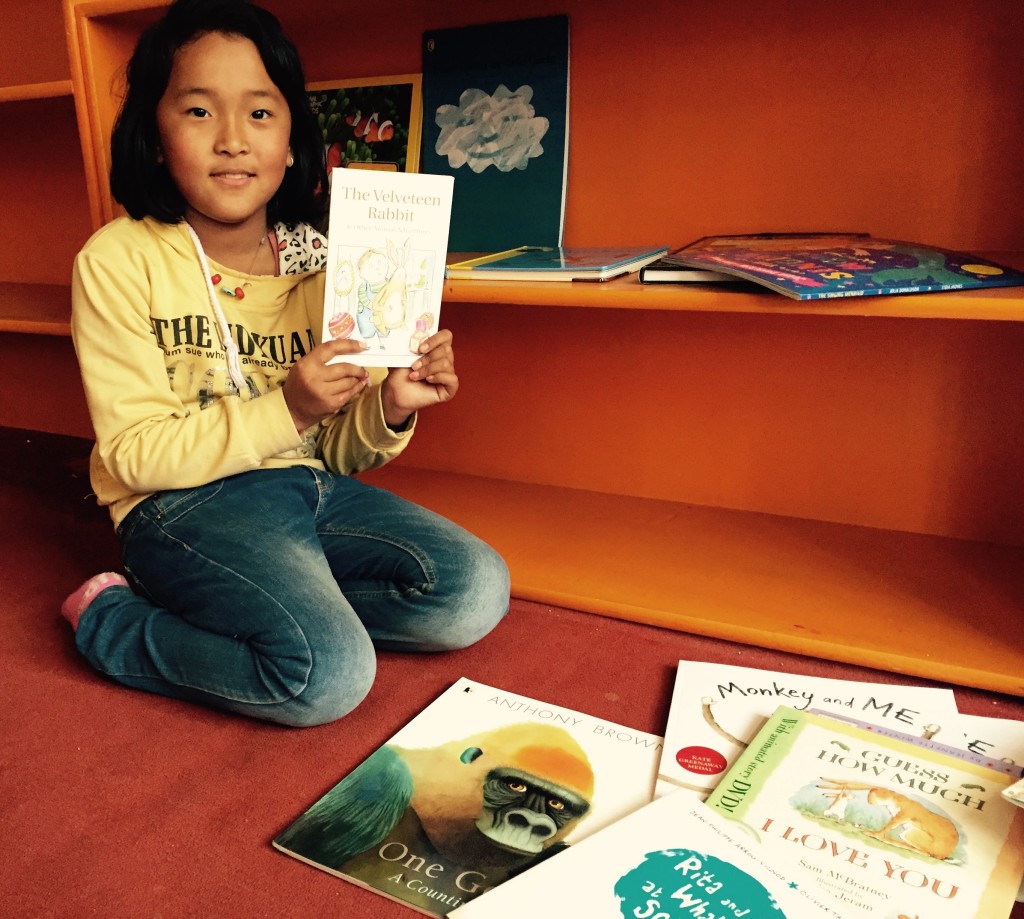
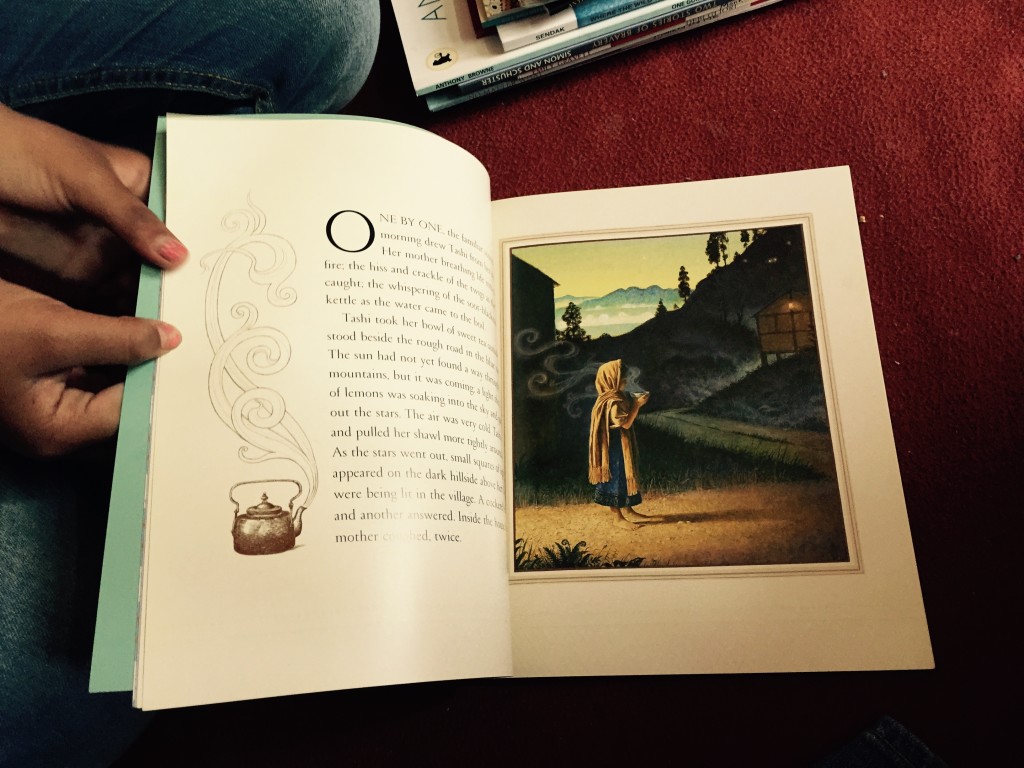
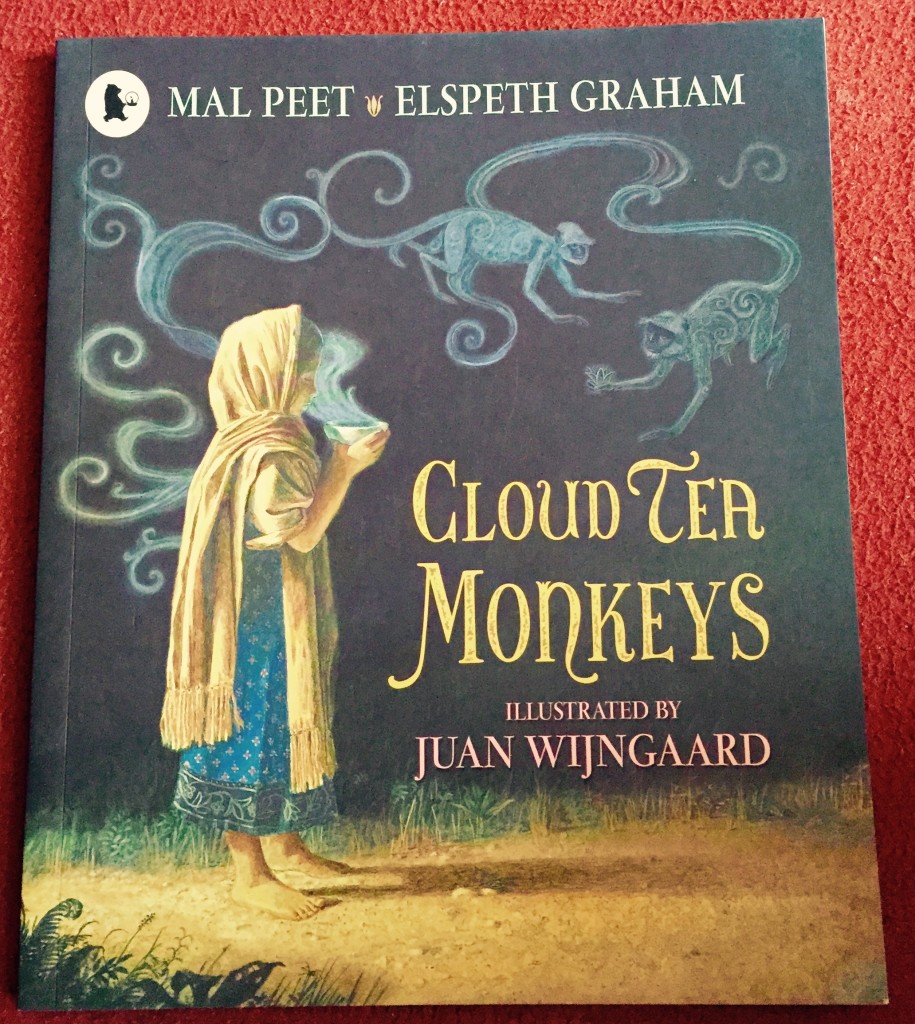
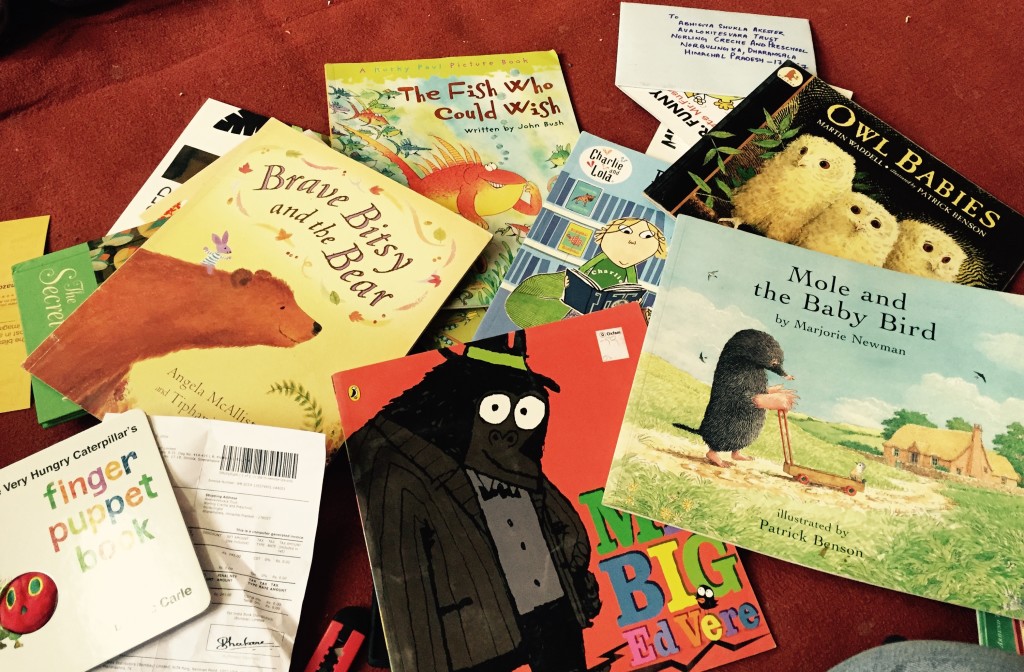
This method works well with books from the reading room. A dramatic orchestral passage can accompany a folktale, while a quiet string quartet can support a story about friendship or reflection. The aim is not to dictate the meaning of the music. Instead, the book gives children a familiar pathway into attentive listening.
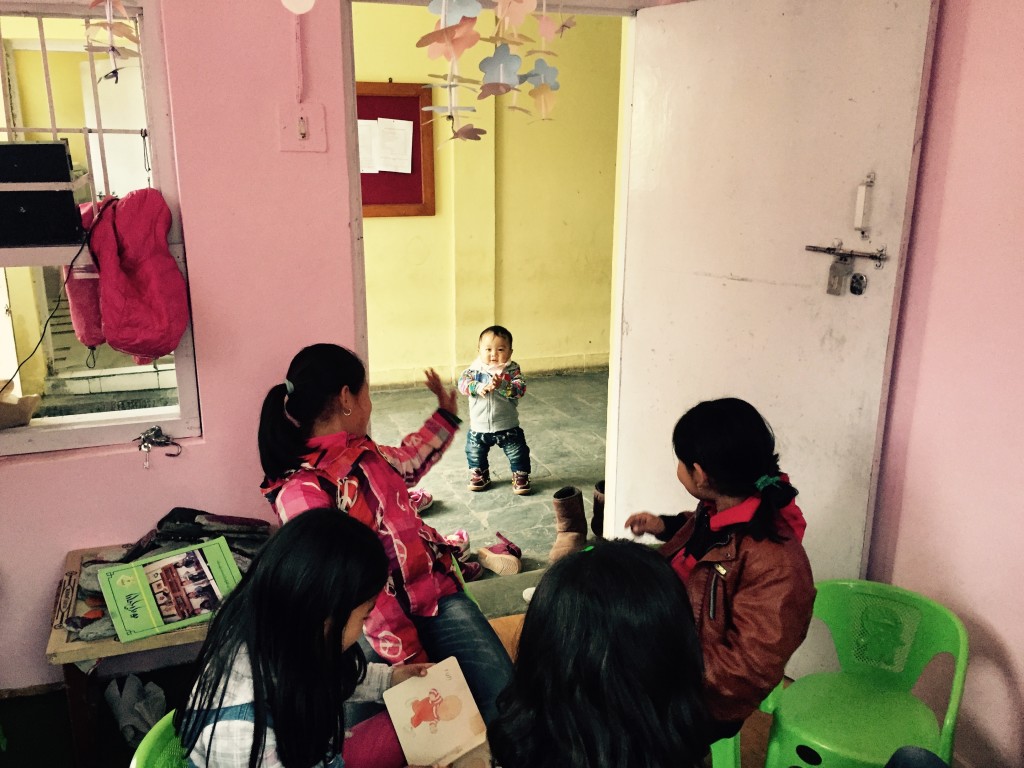
Australian supporters will recognise similar ideas in school music classes and library programmes, where a book, a sound recording and a creative response are often combined. The difference is that Himalayan children may encounter these resources in a small community room, with the mountains and local traditions shaping their interpretation of every sound.
Making the experience social
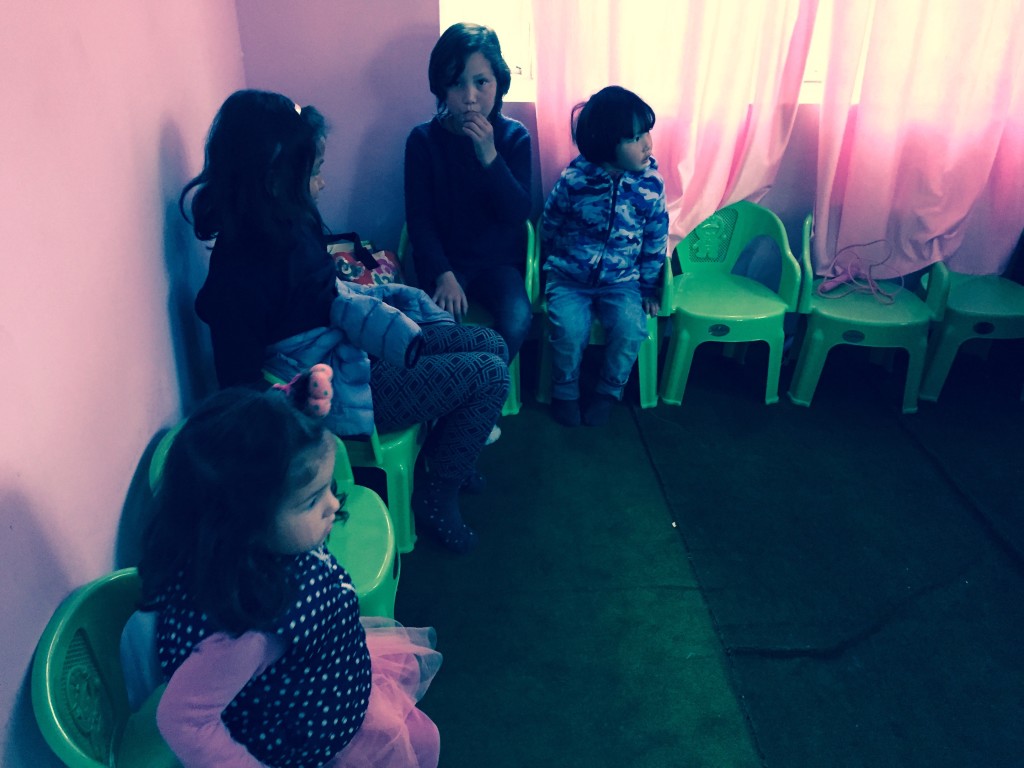
Headphones create an individual encounter, yet the learning can still be shared. After a listening session, children might name the instrument they noticed, choose a colour for the music or place themselves along a line from “peaceful” to “energetic”. These activities welcome children who are more comfortable expressing ideas through movement or art than through extended speech.
Small listening circles also encourage respectful disagreement. One child may hear excitement in a brass passage while another hears tension. Both responses can be discussed without ranking them as right or wrong. This develops vocabulary, confidence and the ability to listen to other people as carefully as they listen to music.
Where appropriate, children can make simple rhythms with clapping, tapping or available classroom materials. They may imitate a repeated pattern or create a response to a recorded melody. These activities keep classical music connected to participation, rather than presenting it as something that belongs only to trained performers or formal venues.
Practical guidance for supporters
Preparing a useful listening library involves more than collecting famous recordings. Audio should be clear, legally sourced and suitable for the equipment available. A balanced collection might include orchestral music, solo works, chamber music, film-free instrumental tracks and recordings connected with local culture.
For families, schools and community groups in Australia, the approach can be adapted using resources from public libraries, school music departments and broadcasters such as ABC Classic. Local events, including free council concerts, multicultural festivals in Melbourne or Sydney, and performances associated with Adelaide’s arts calendar, can provide further examples of how music is shared in public life.
The following practices help keep sessions welcoming and purposeful:
- Choose short recordings before introducing complete symphonies or concertos.
- Offer contrasting instruments, moods and tempos across a listening week.
- Keep volume moderate and check headphone comfort regularly.
- Pair music with books, drawing, movement, maps or simple storytelling.
- Invite children to describe their responses without demanding technical terms.
- Include Himalayan and other local musical traditions beside European classics.
- Maintain a clean, labelled set of durable headphones for shared use.
Australian donors may also find useful comparisons in the local market. A modest budget can cover child-safe headphones, a splitter for group listening, storage cases and printed activity cards, while second-hand bookshops and library sales can help build a music-and-story collection. The priority is dependable access and thoughtful facilitation rather than high-end equipment.
From listening to lasting curiosity
Repeated exposure changes the way children hear. A piece that initially seems unfamiliar may become recognisable after several sessions. Children start to ask why an instrument sounds bright or deep, how an orchestra stays together and whether a melody can tell a story without words. These questions are signs of active learning, even when no formal music vocabulary is used.
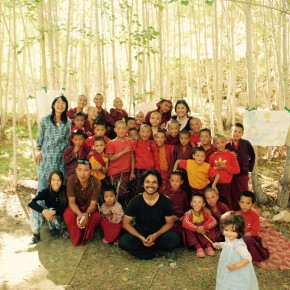
The longer-term value reaches beyond classical appreciation. Focused listening supports patience, memory and sensitivity to pattern. Creative responses encourage children to take risks, make choices and share ideas. For young monks, it can sit alongside contemplative practice; for other children, it can become another way to explore imagination and emotional expression.
A headphone session is small in scale, but it can connect a child with performers, composers and audiences far beyond their village. In time, that connection may lead to singing, instrument lessons, independent reading or a deeper interest in the many musical traditions that shape the world.
The practical takeaway is simple: select a short, well-recorded piece, set a comfortable volume, give children a clear invitation to listen, and leave room for their own response.