Bringing Scientists’ and Explorers’ Lives to Young Readers
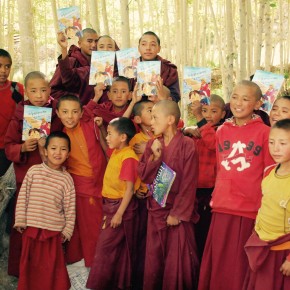
A biography can turn a distant name into a real person. For children in Ladakh and other Himalayan communities, the story of a scientist who kept asking questions or an explorer who travelled through uncertainty can make learning feel personal, possible and exciting. We introduce these books through conversation, images, shared reading and creative follow-up activities rather than treating them as simple factual texts.
This approach also suits children in Australia, where families may visit a public library in Melbourne or Sydney on the weekend, borrow books through a school library, or listen to audiobooks during a long journey. The aim is to build curiosity, strengthen literacy and help young readers see that discovery can begin with an observation, a sketch, a question or a carefully chosen book.
Choosing Lives That Feel Accessible
We select biographies with a clear narrative arc: an early interest, a difficulty, a period of learning and a meaningful achievement. Children often connect more readily with a young Jane Goodall observing animals, Katherine Johnson solving problems through persistence, or Ernest Shackleton organising a team than with a list of dates and awards. The human details give the scientific or geographical achievement emotional shape.
The selection also reflects the age, language background and surroundings of the children. A book about mountain ecology may speak strongly to a child living near the Himalayas, while a story about marine research may connect with children from coastal Australia. We look for accurate, well-illustrated editions with respectful accounts of culture, collaboration and local knowledge.
Explorers’ biographies require careful framing. Older books sometimes present travel as if places were empty or unknown before an outsider arrived. We discuss whose knowledge was used, who lived in a region already, and how maps, guides and communities contributed to an expedition. This gives children a broader understanding of discovery and avoids celebrating conquest without context.
Making Reading A Shared Experience
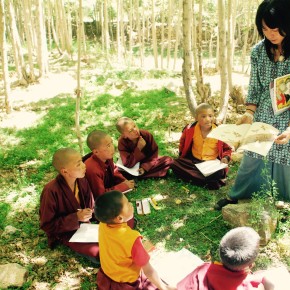
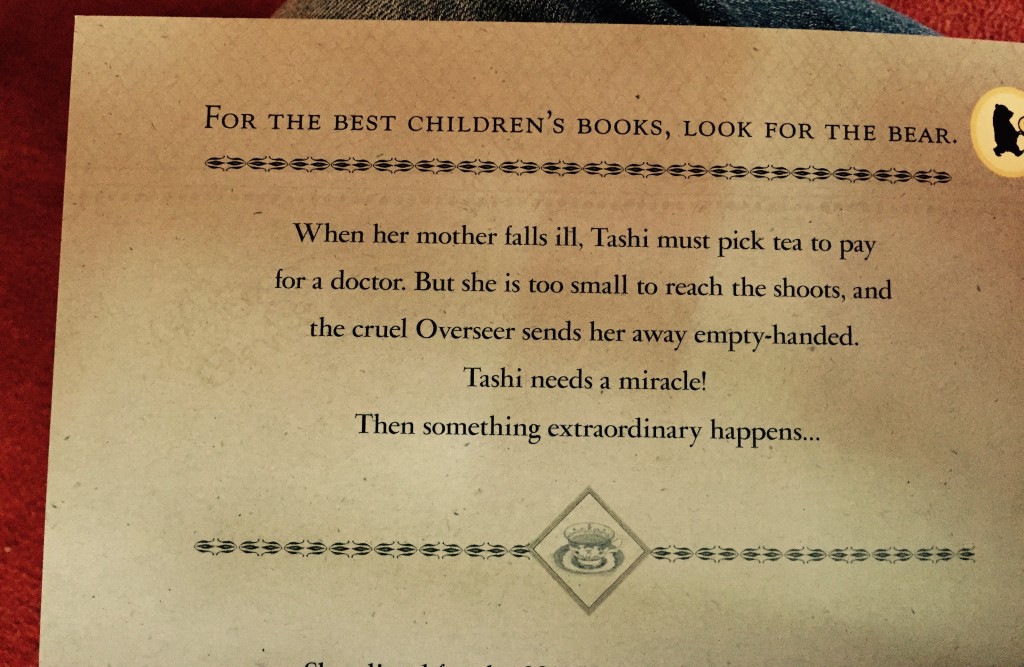
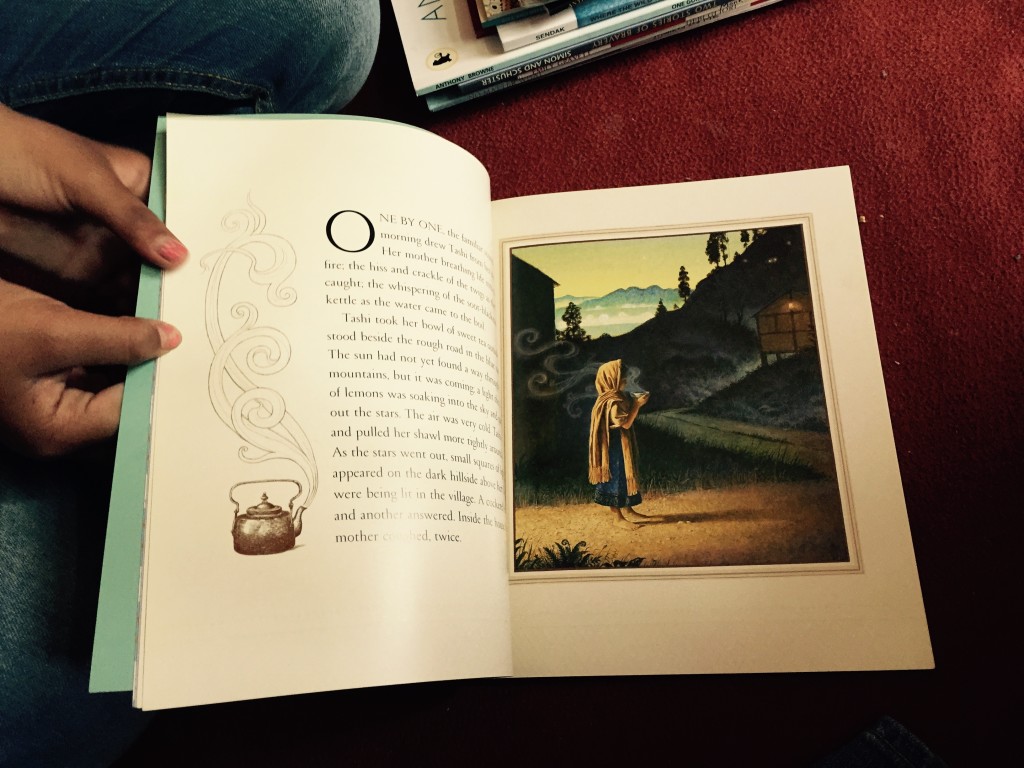
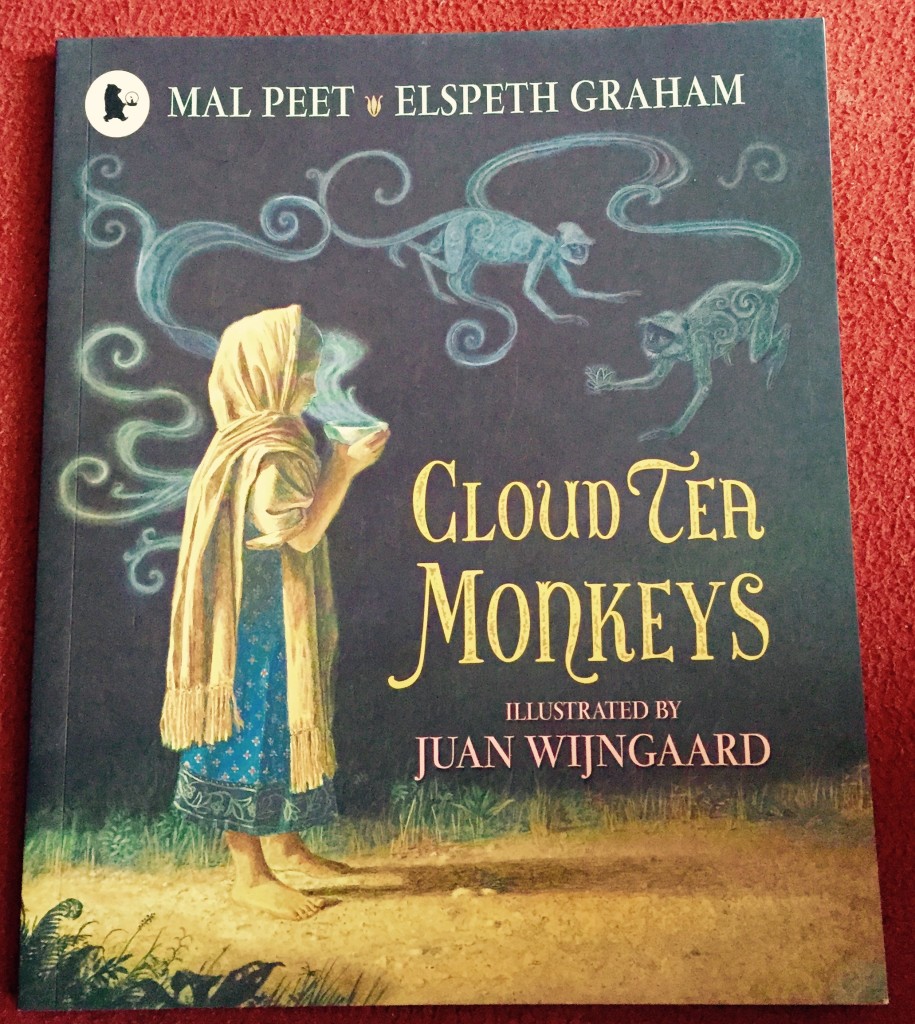
Before opening a book, we show the cover, read the title and invite children to notice small clues. A telescope, field notebook, compass or laboratory bench can lead to predictions about the person’s interests. Children may then place a sticky note beside a question they want the story to answer. These small acts turn listening into active reading.
During a group session, an adult pauses at useful points rather than explaining every unfamiliar word. We might ask children to describe a decision, identify a problem or imagine what evidence the subject needed. Short pauses are especially helpful when reading in a second or additional language because they allow children to retell an idea in their own words.
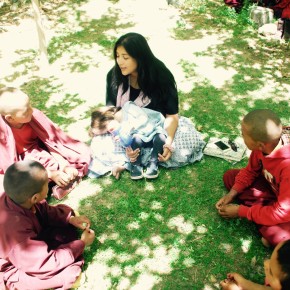
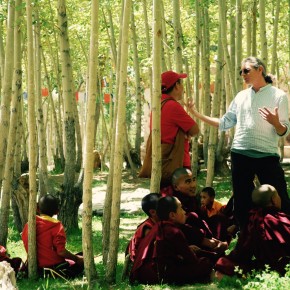
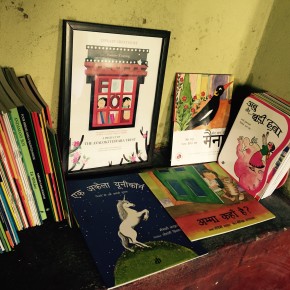
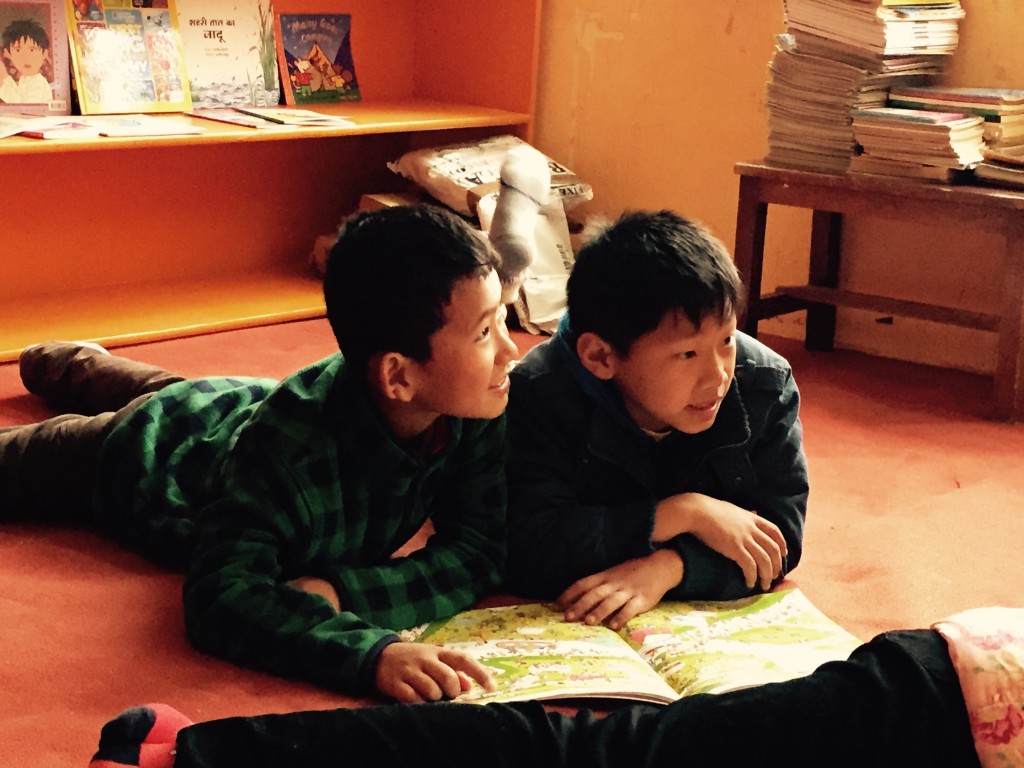
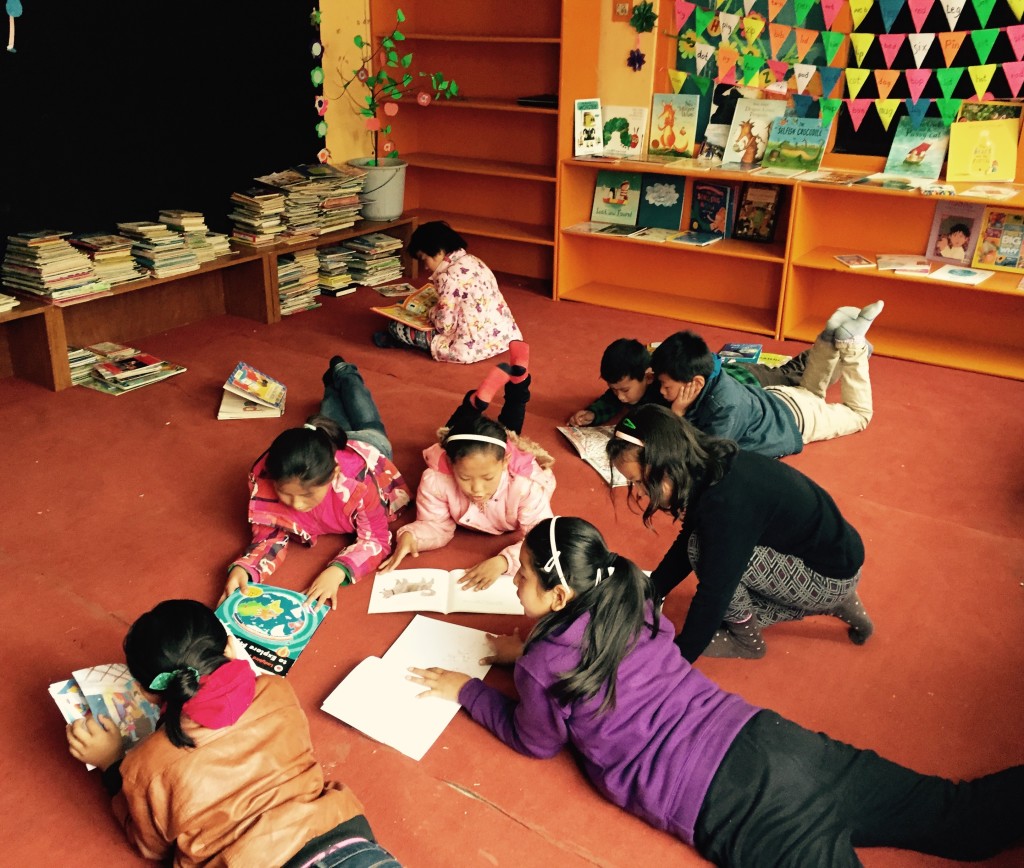
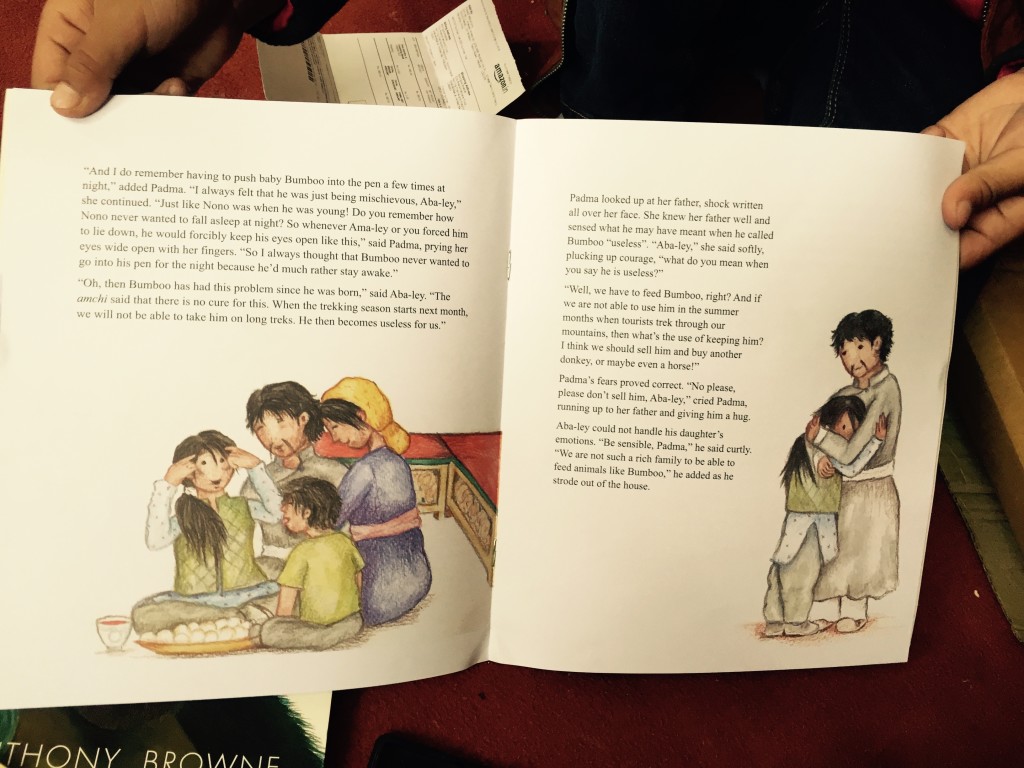
A biography can also become a bridge between communities. Our reading activities draw on the same spirit as library storytelling ideas, adapting read-aloud techniques, visual prompts and discussion games to local settings. In an Australian library, this may fit naturally into a Saturday children’s session; in a Himalayan reading room, it may take place around a shared table with a small collection of bilingual books.
Connecting Personal Qualities With Discovery
Children often assume that famous scientists and explorers were gifted from the beginning. We gently challenge that impression by identifying habits visible in the story: keeping records, making repeated attempts, asking for help, noticing patterns and changing an idea after new evidence appears. These are qualities children can practise in ordinary classroom and home activities.
The following comparison helps facilitators choose a story and a follow-up task without reducing a complex life to one admirable trait.
| Biographical focus |
What children notice |
Reading-room activity |
Broader learning |
| Jane Goodall |
Patience, observation and care for animals |
Keep a five-minute nature journal |
Environmental awareness |
| Katherine Johnson |
Accuracy, persistence and teamwork |
Check a simple route or pattern |
Mathematics and confidence |
| Edmund Hillary |
Preparation, cooperation and courage |
Plan a safe imaginary expedition |
Geography and responsibility |
| Marie Curie |
Experimentation and dedication |
Sort objects by visible properties |
Scientific thinking |
| Wangari Maathai |
Community action and environmental care |
Design a planting or shade project |
Citizenship and sustainability |
These connections matter in Australia too. A child in Perth might compare a biographer’s field notes with observations made at a local wetland, while a child in Canberra could connect a space-science story with a visit to a museum. The activity does not need expensive equipment. Pencils, recycled paper, a map and a few library books can support serious thinking.
We also explain that achievement is rarely individual. Researchers rely on colleagues, technicians, family members, local guides, translators and communities. This idea helps children value cooperation and understand that knowledge grows through shared effort.
Activities That Make Biographies Memorable
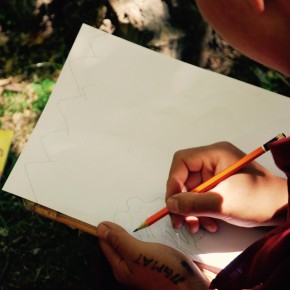
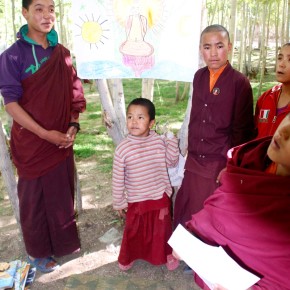
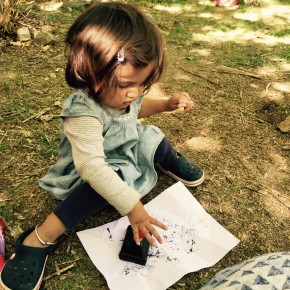
Creative work gives children a way to revisit a book after the final page. It also supports children who may be hesitant to speak in a large group. A drawing, sequence of images or short performance can show understanding without requiring a long written response.
Useful activities include:
- Draw a three-part timeline showing an early interest, a challenge and a discovery.
- Create a field notebook page with a sketch, date, place and observation.
- Build a paper map showing the journey, landscape and people who helped.
- Write a postcard from the scientist or explorer to a future young reader.
A second set of activities focuses on language and discussion. These can be adapted for English learners and for children reading at different levels.
- Match new vocabulary with pictures, gestures or simple definitions.
- Act out a difficult decision and discuss the possible choices.
- Retell one event from the viewpoint of a colleague or local guide.
- Write one question the biography leaves open for further research.
Australian groups can use familiar routines to support this work. A teacher might connect the session to a weekly library borrowing day, while a family could talk about the book during a car trip or over an evening meal. In remote communities, printed extracts and shared storytelling can be useful when internet access is limited. The key is regular contact with books, rather than a single special event.
Building A Responsible Reading Collection
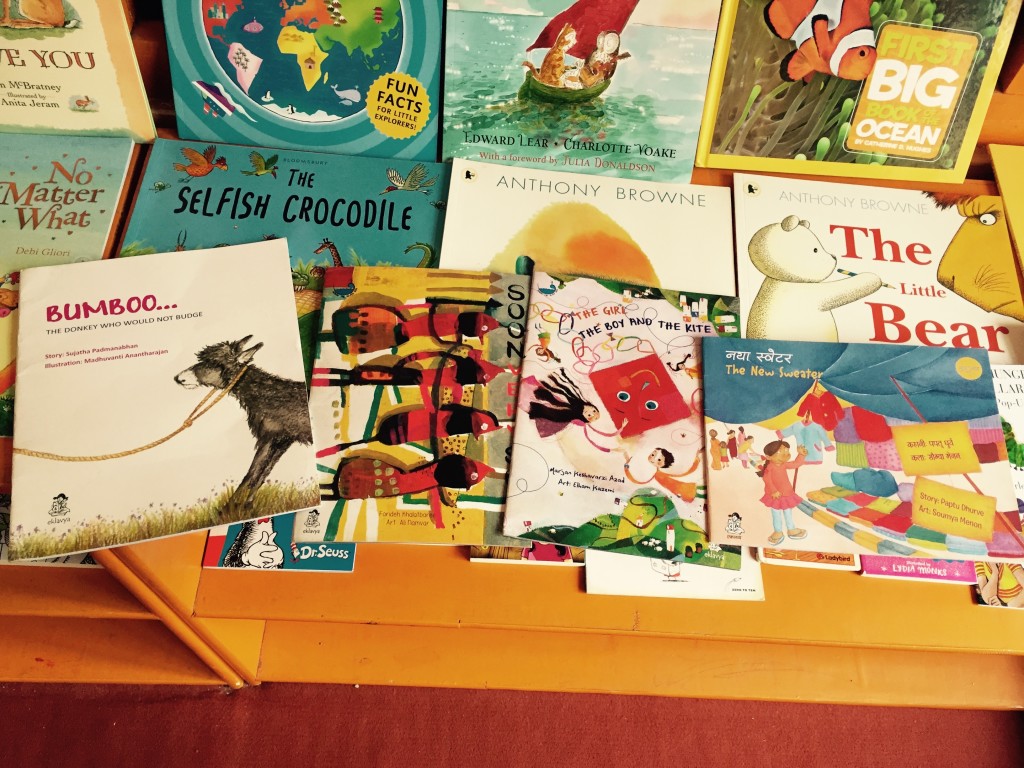
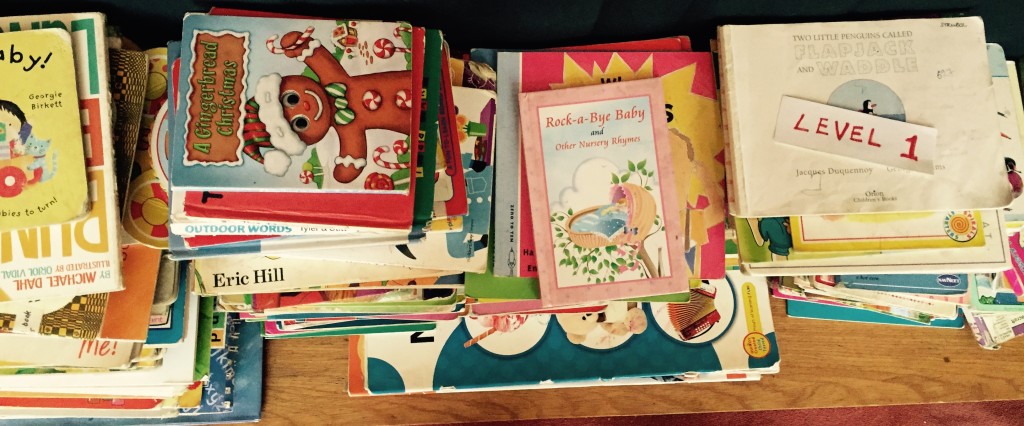
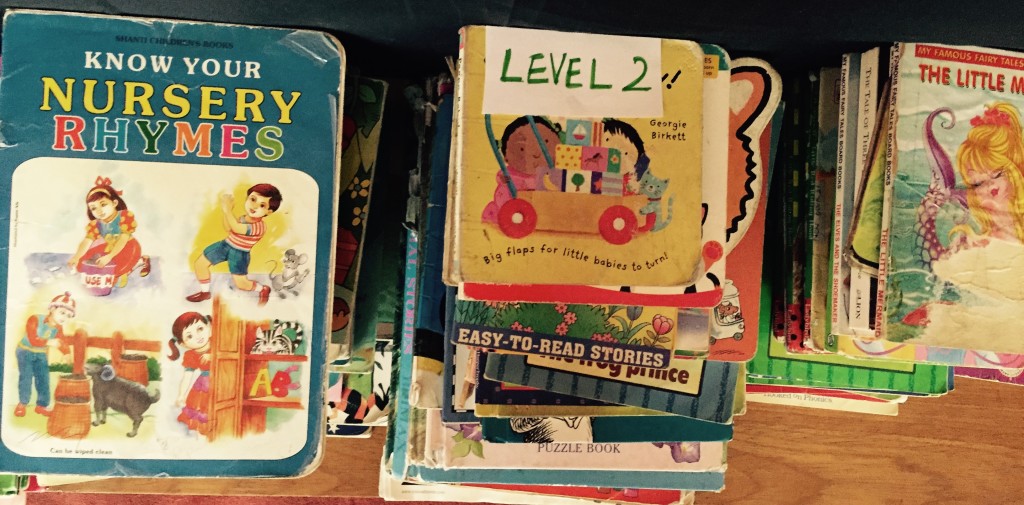
A strong biography collection includes scientists, explorers, inventors, artists, conservationists and community leaders from different regions and backgrounds. We seek stories of women, Indigenous knowledge holders and people whose achievements have sometimes been overlooked. Australian children may recognise figures such as David Unaipon, who made important contributions to invention and knowledge, or marine scientist Valerie Taylor, while Himalayan children may find inspiration in local environmental workers and educators.
Accuracy and permissions also matter. Organisations sharing scanned pages, recorded readings or photographs must consider the Australian Copyright Act 1968 and the licence terms attached to each resource. We favour lawful borrowing, purchased books, donated copies and materials clearly made available for educational use. When photographs show children, responsible programs also follow privacy expectations and obtain appropriate consent; a child’s story should never be treated as public property.
Volunteers receive guidance on age-appropriate language, respectful discussion and safeguarding. In Australia, people working directly with children may need a Working with Children Check under the relevant state or territory system, such as the WWCC in New South Wales or Victoria’s Working with Children Check. Similar care is applied in Himalayan reading rooms through local supervision, clear boundaries and trusted community partnerships.
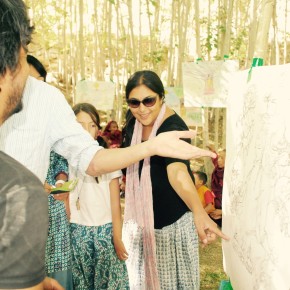
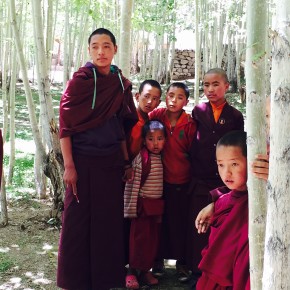
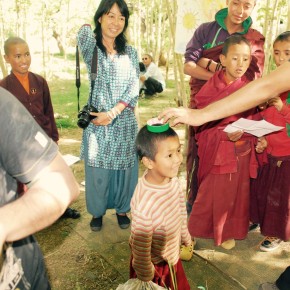
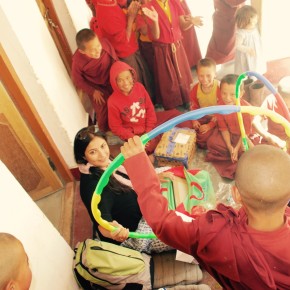
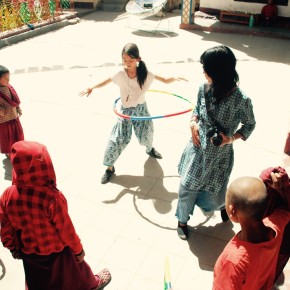
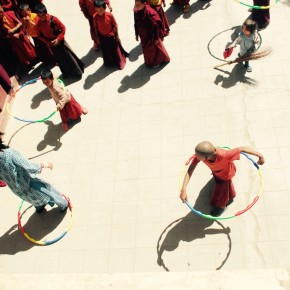
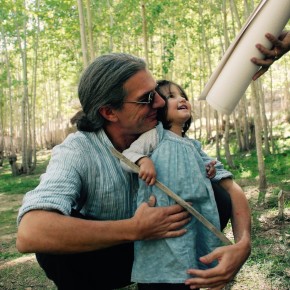
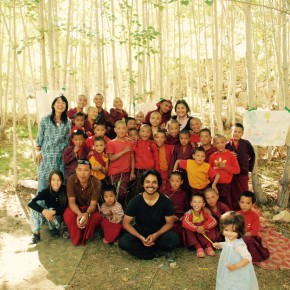
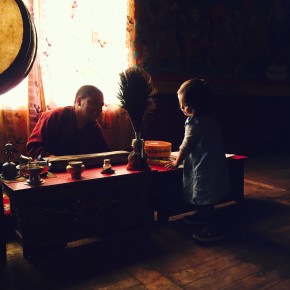
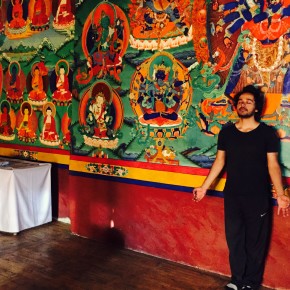
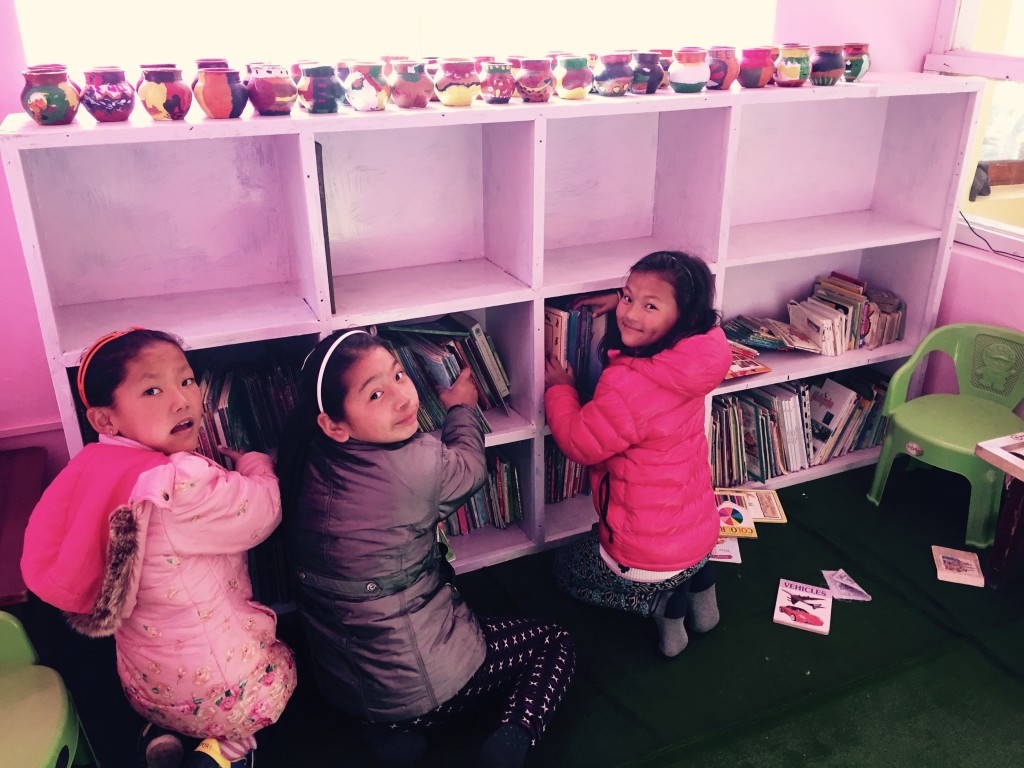
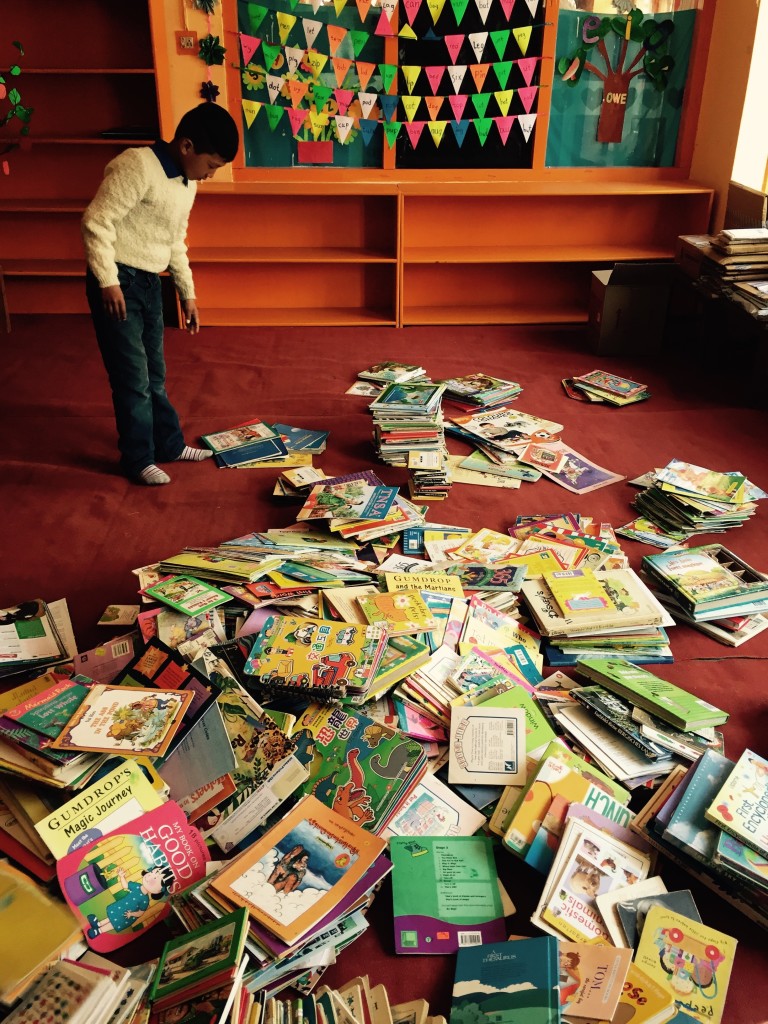
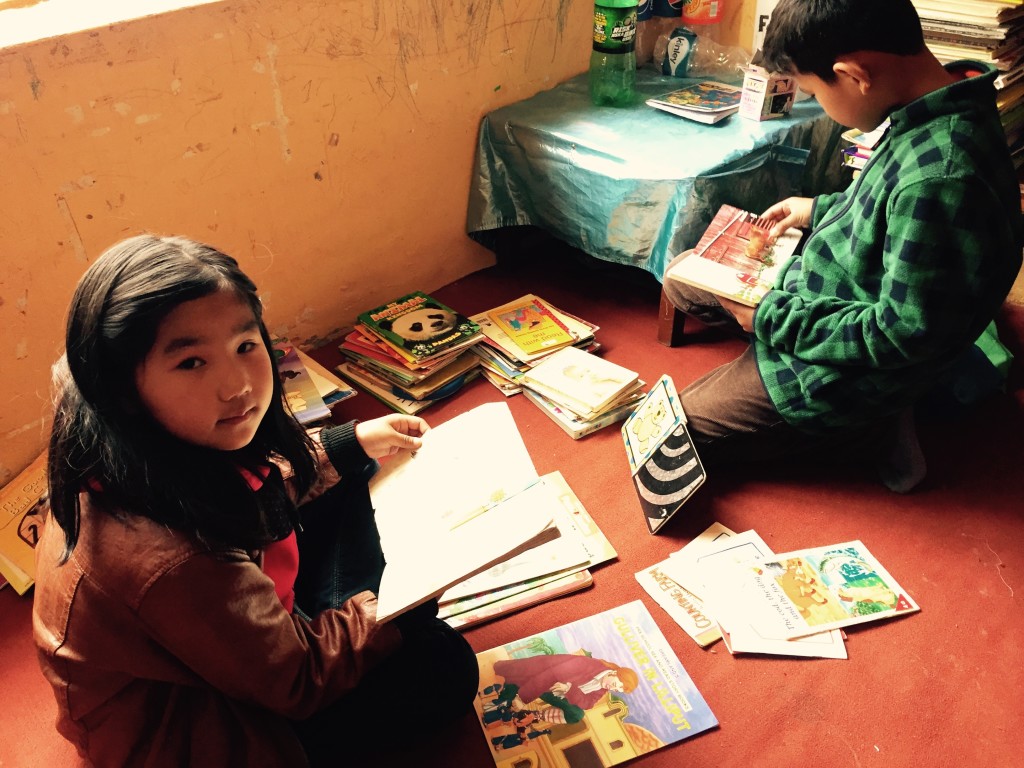
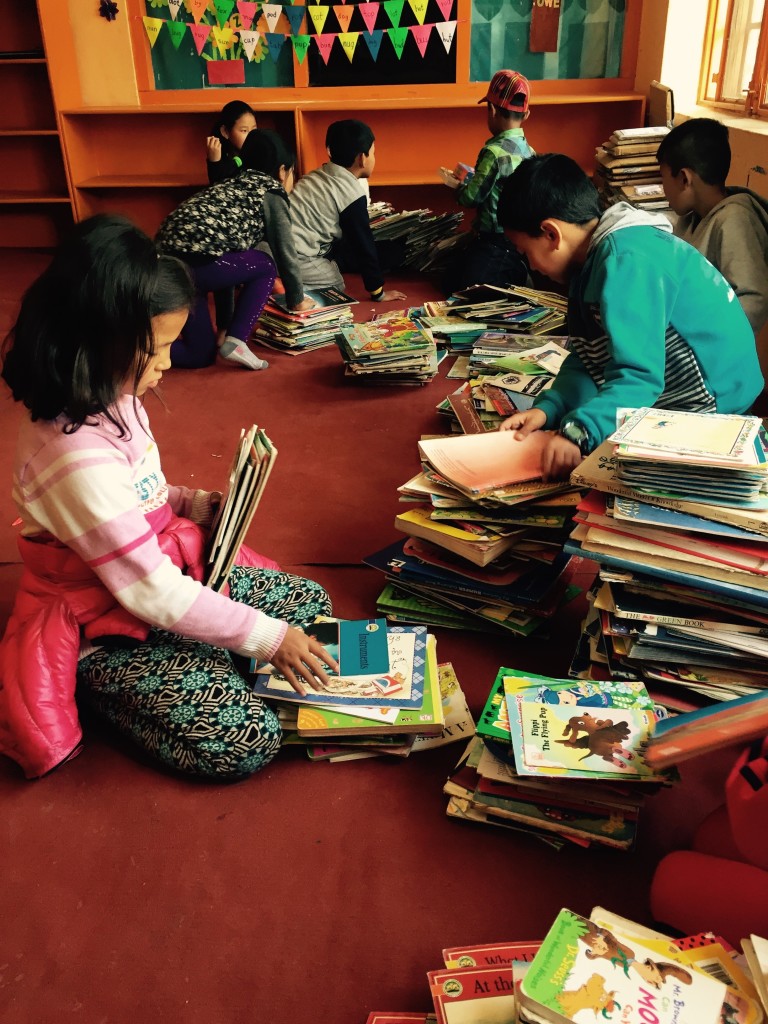
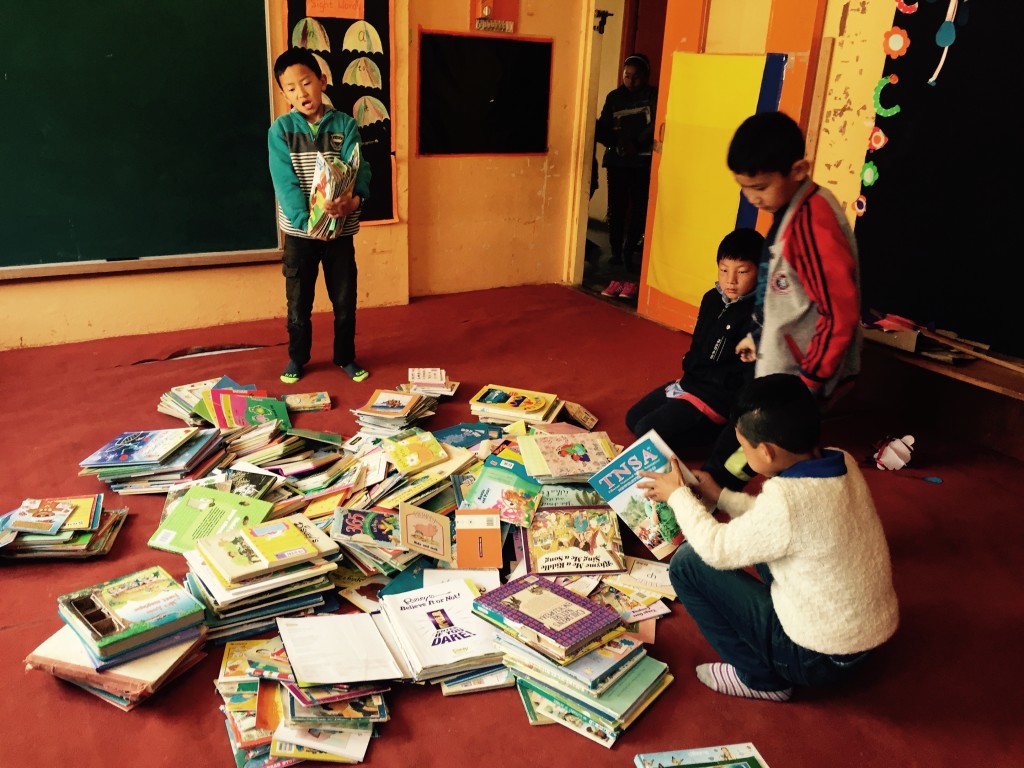
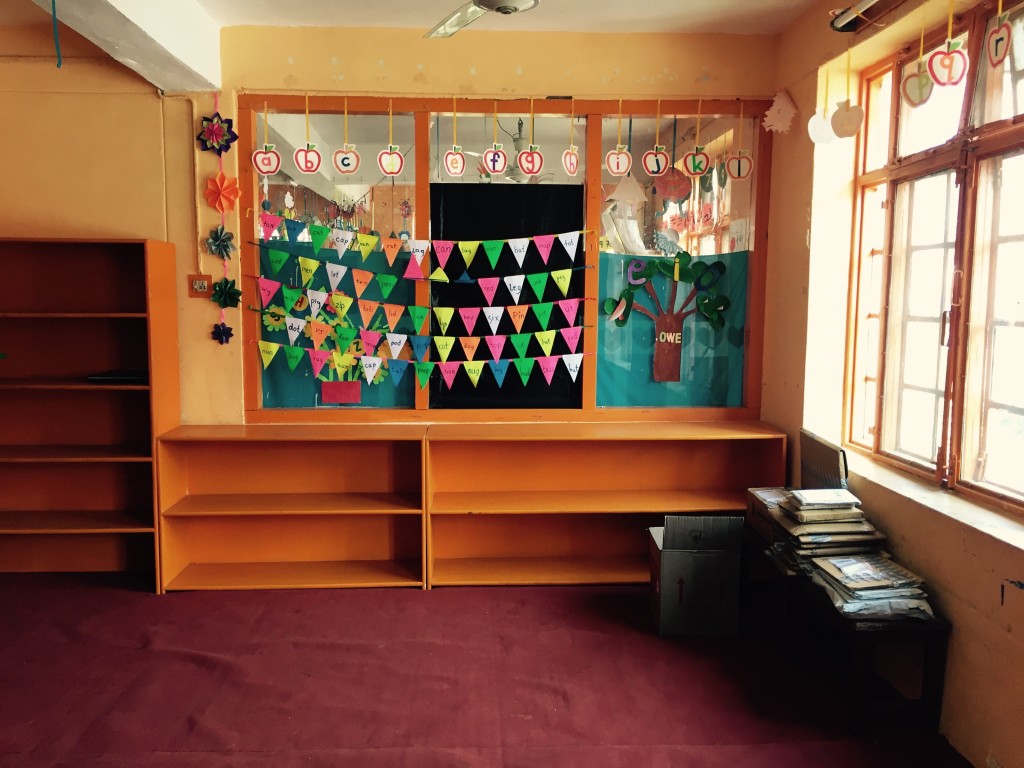
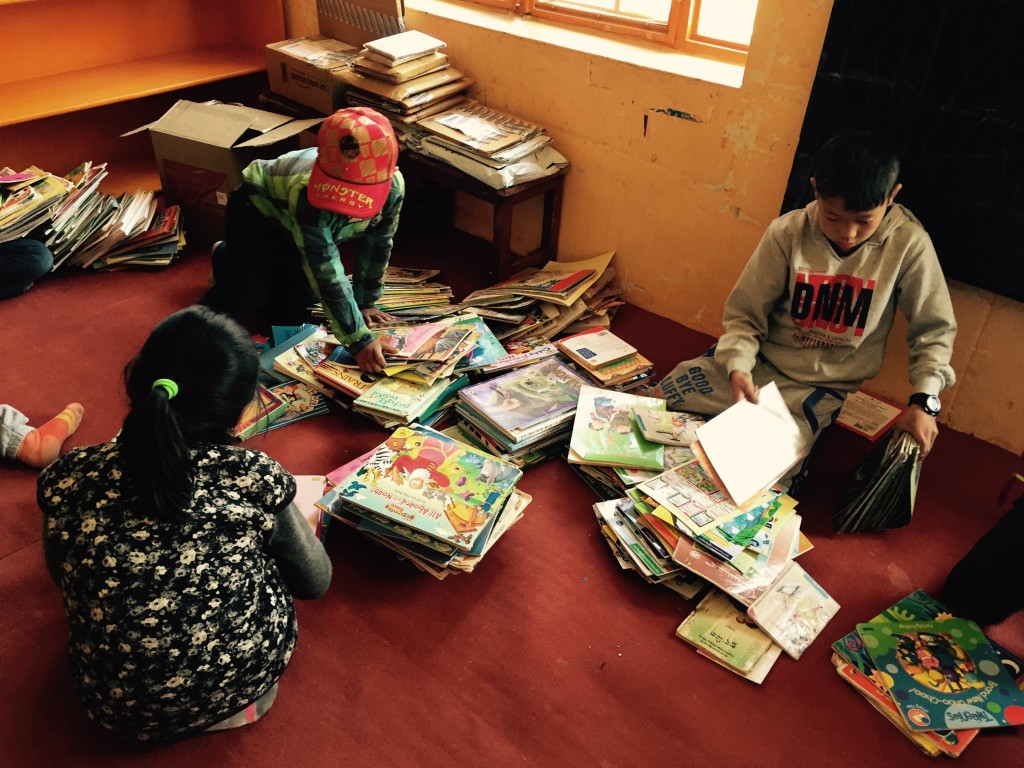
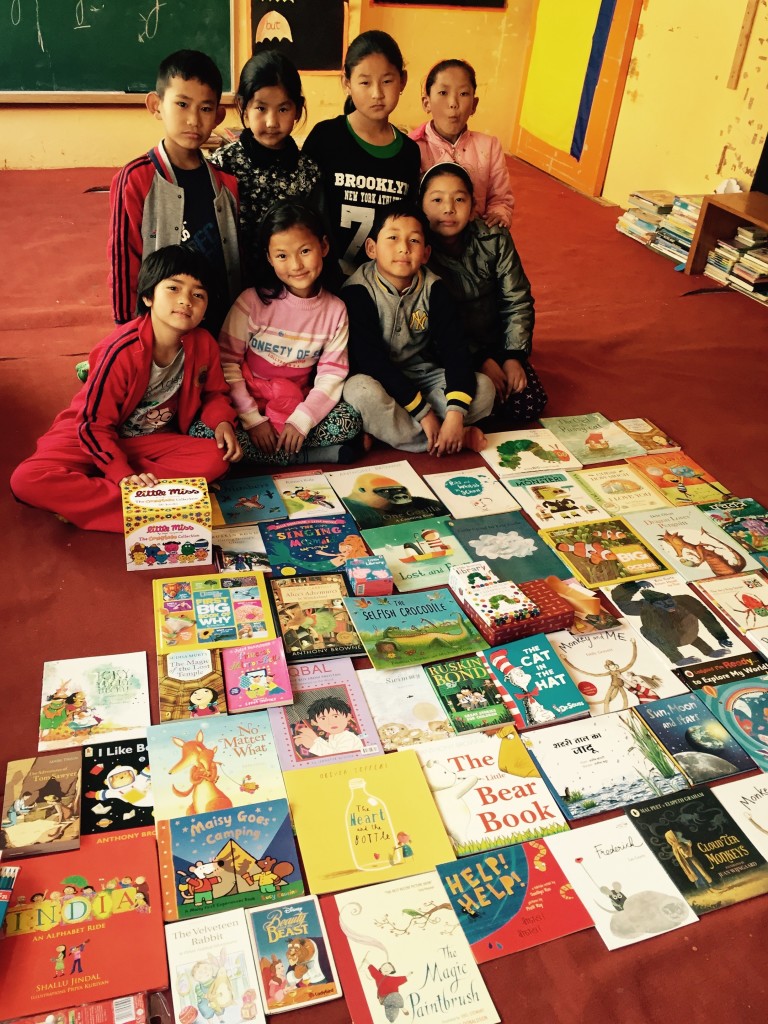
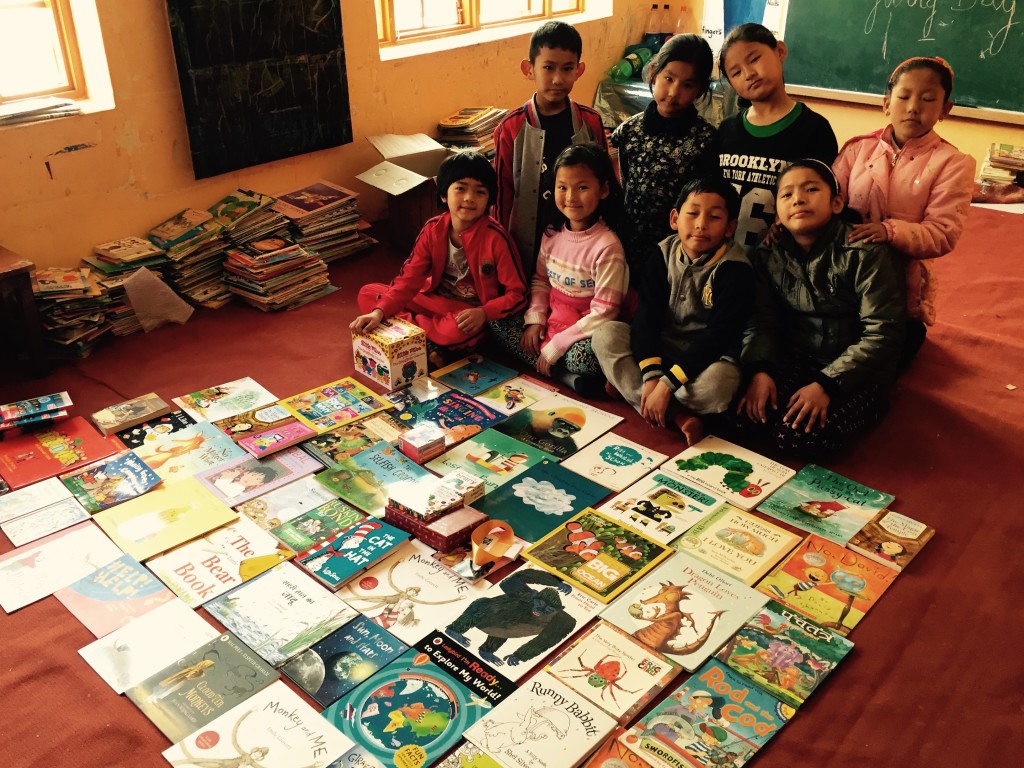
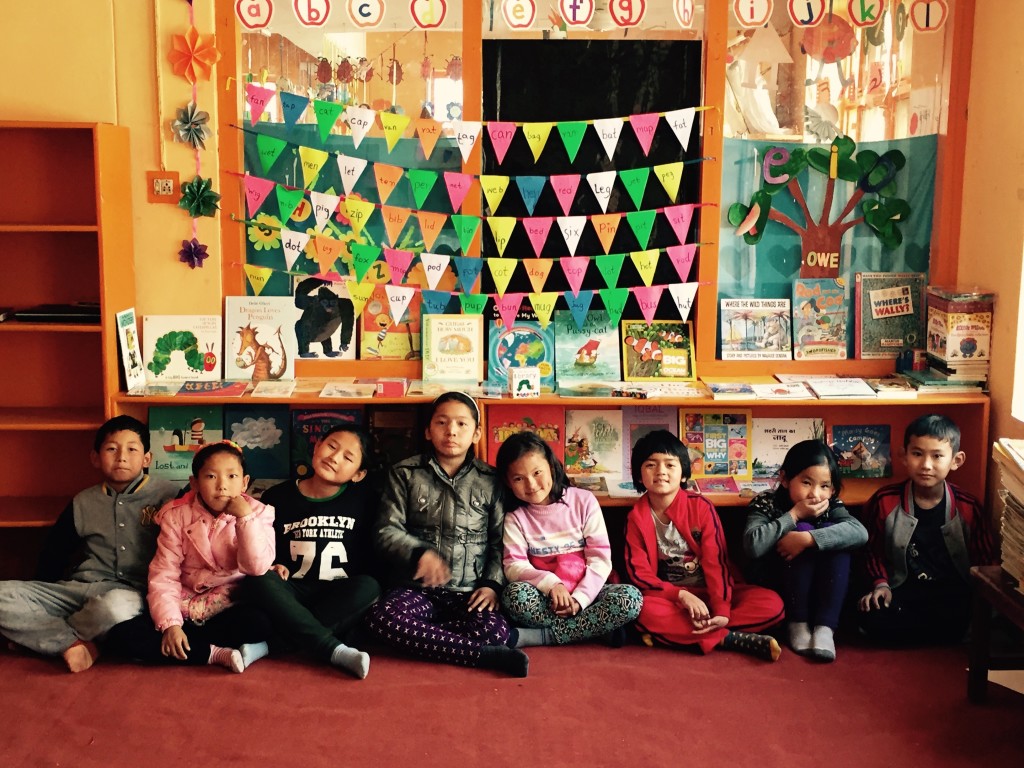
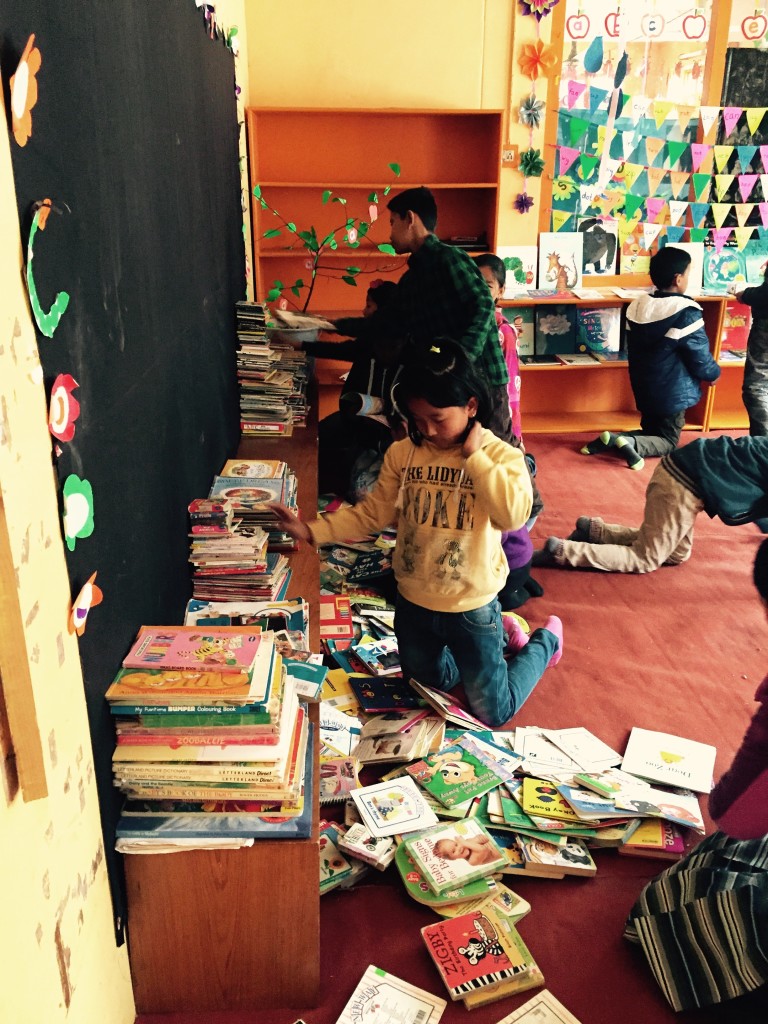
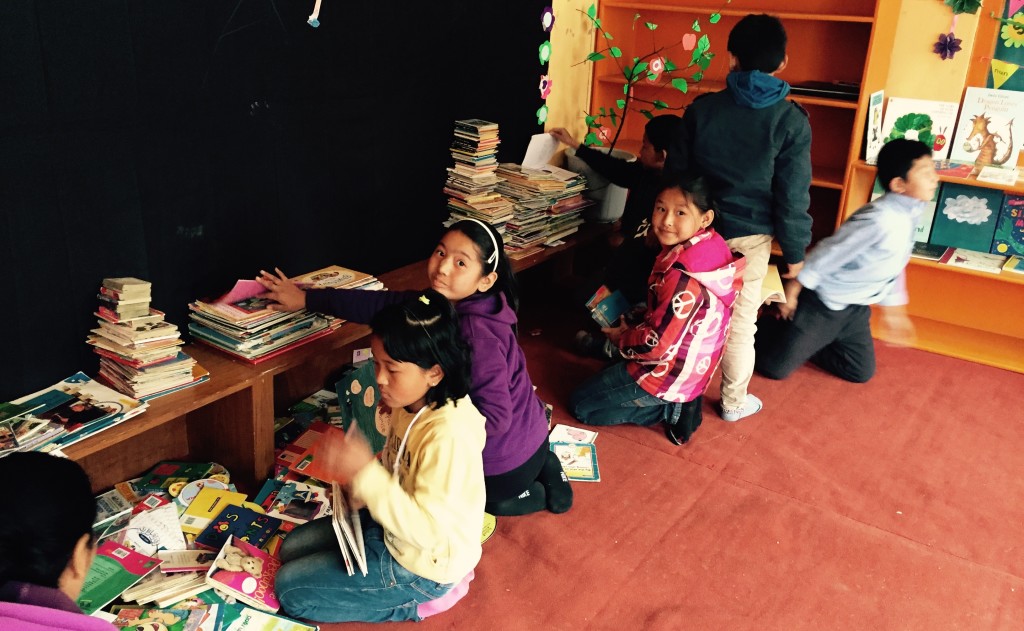
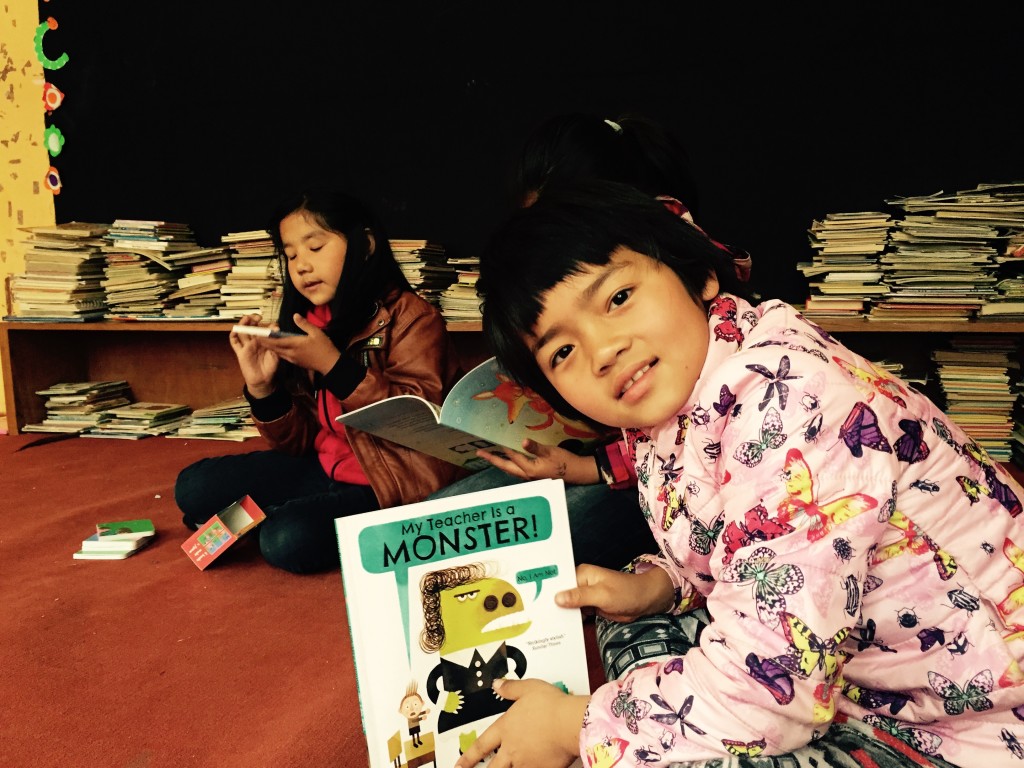
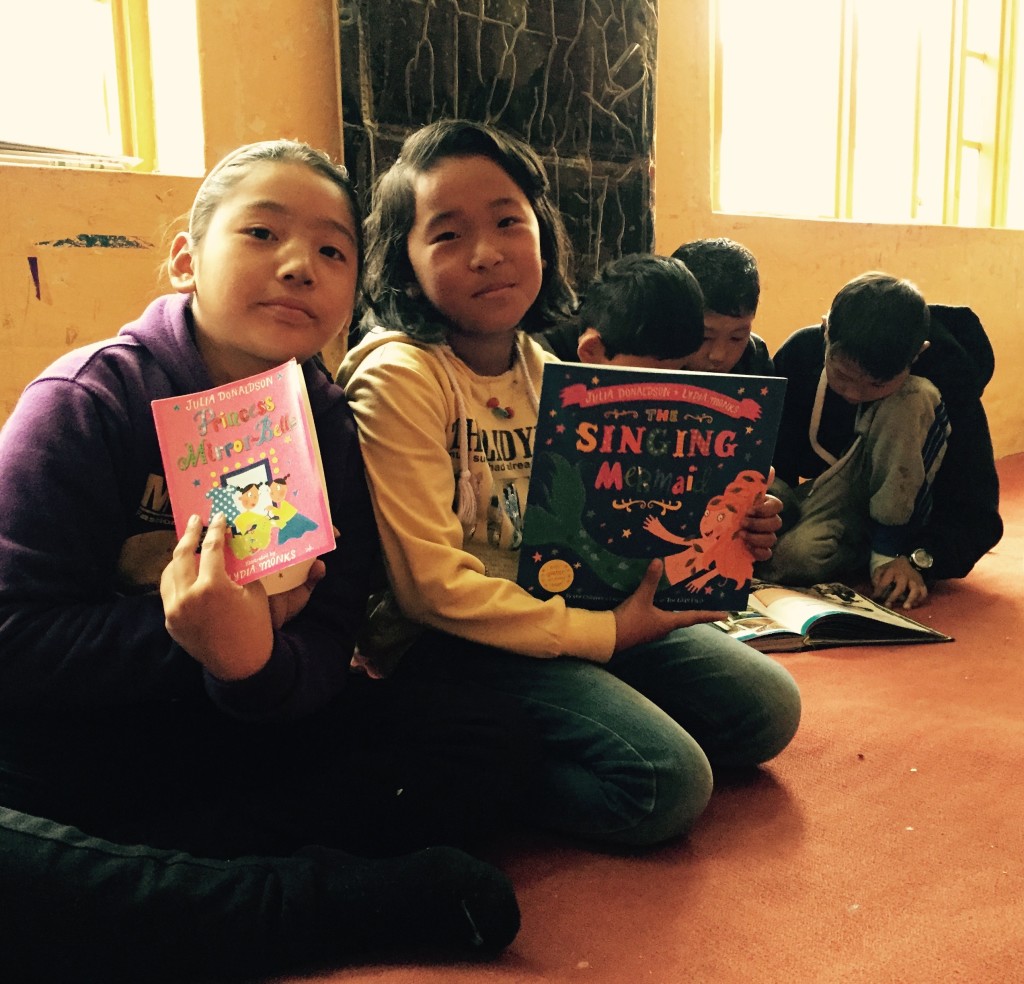
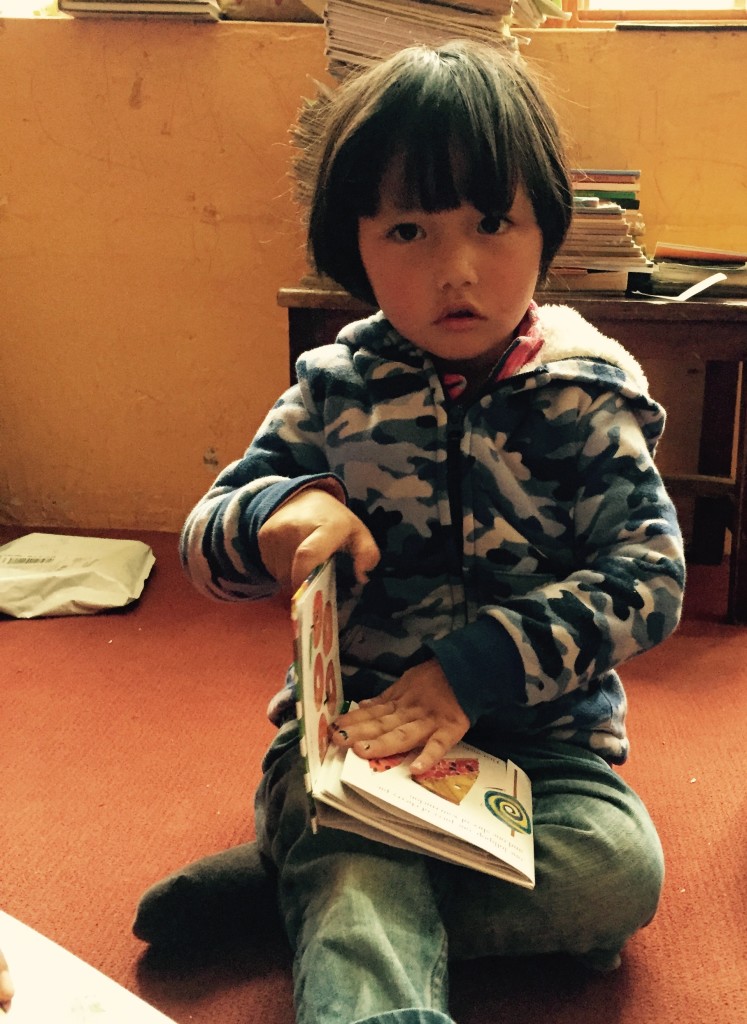
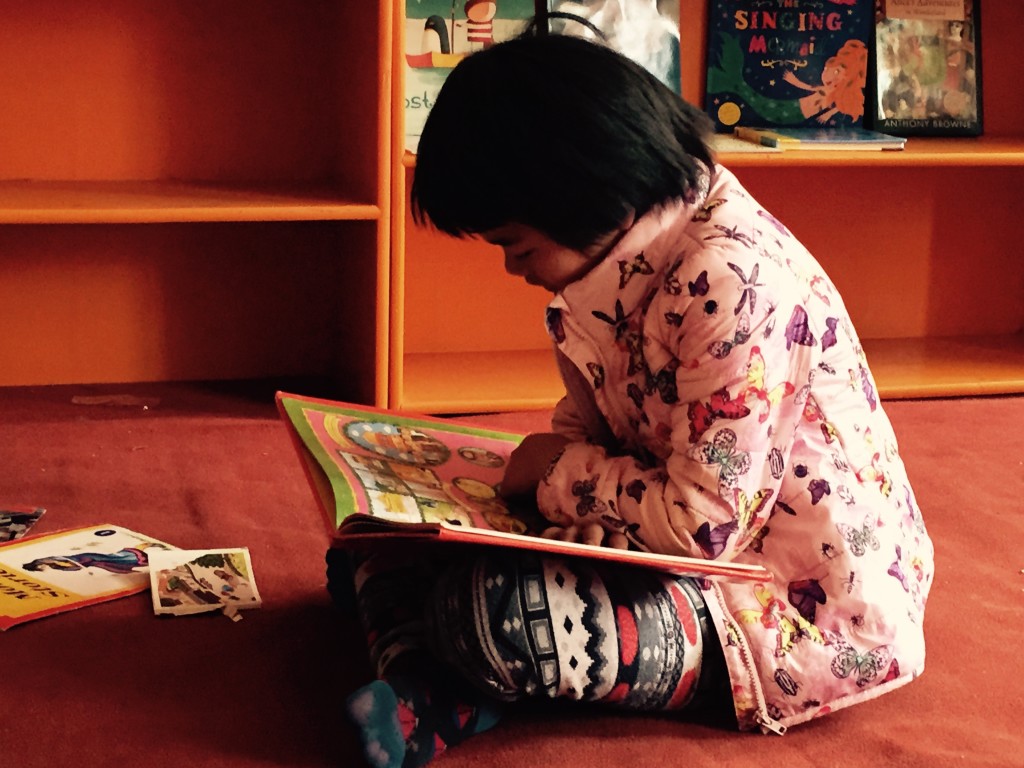
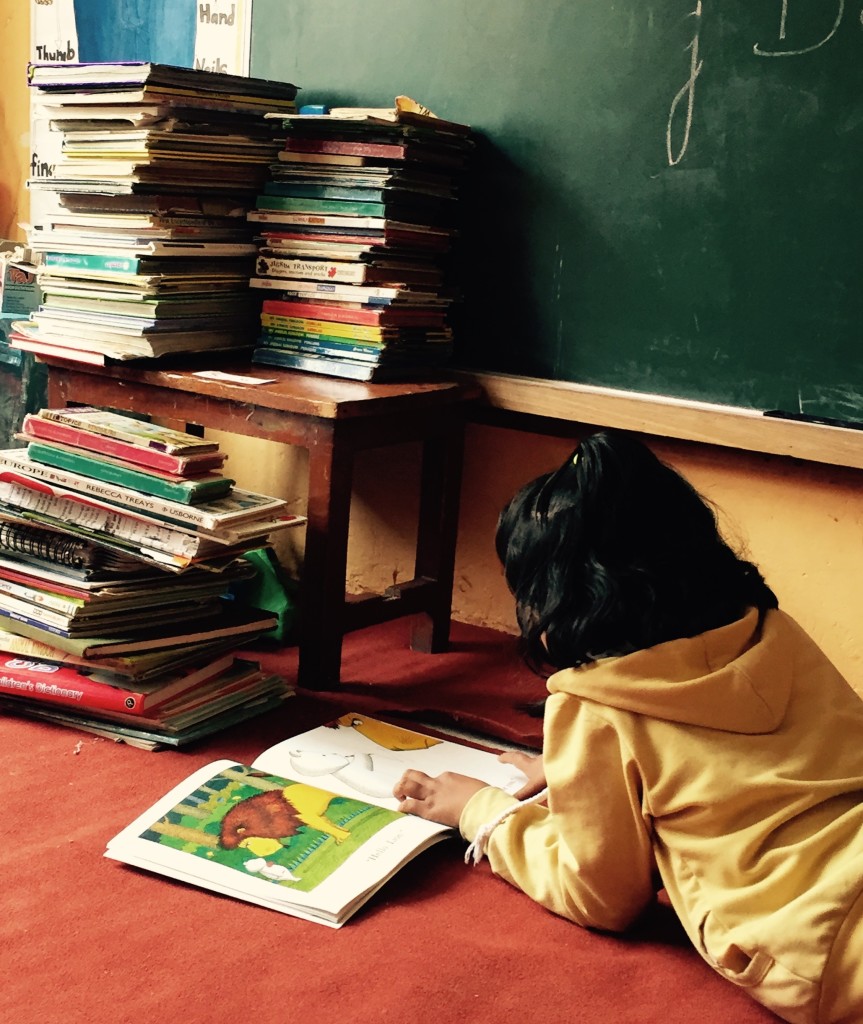
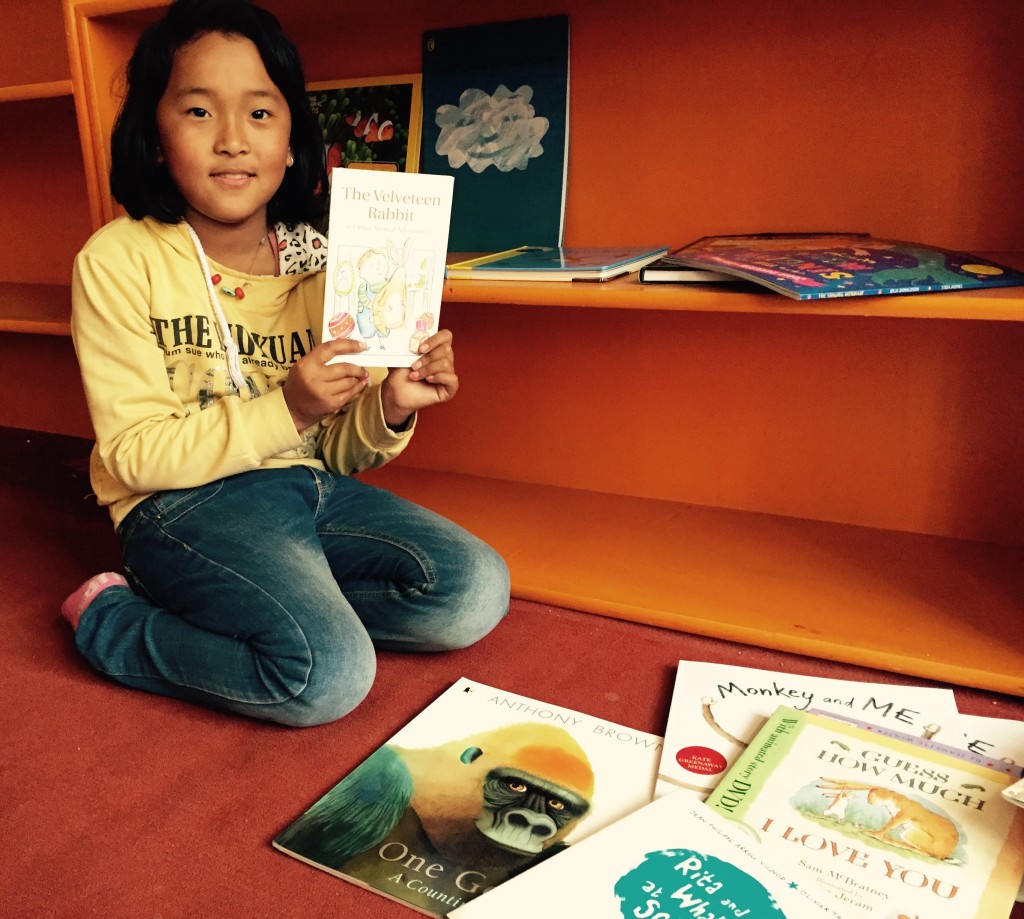
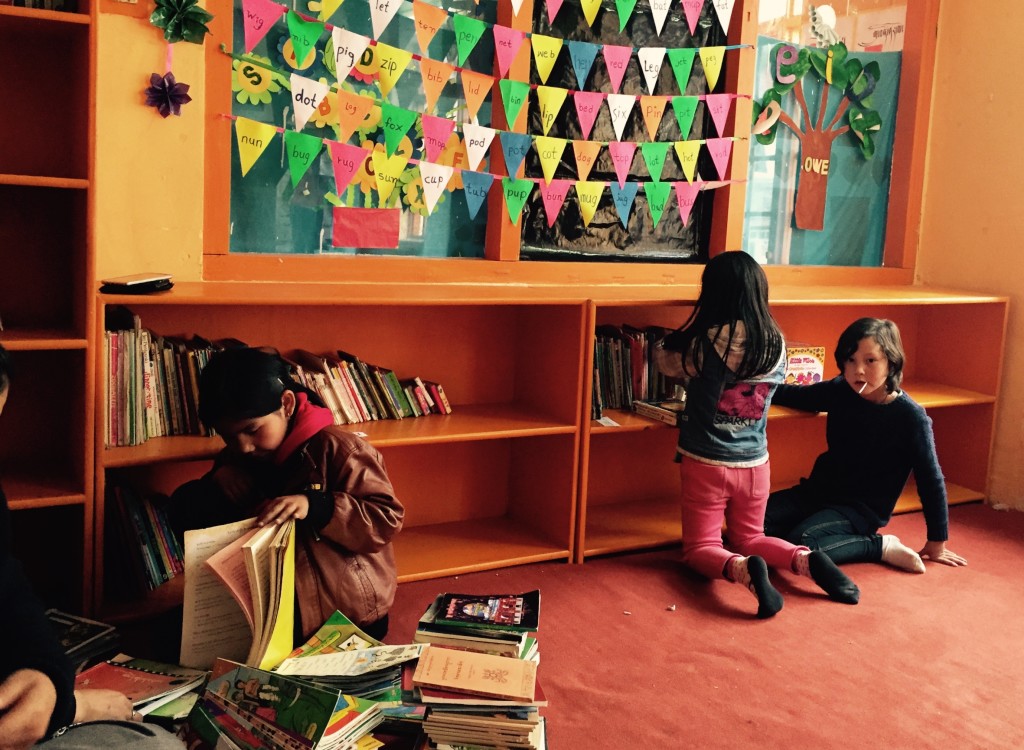
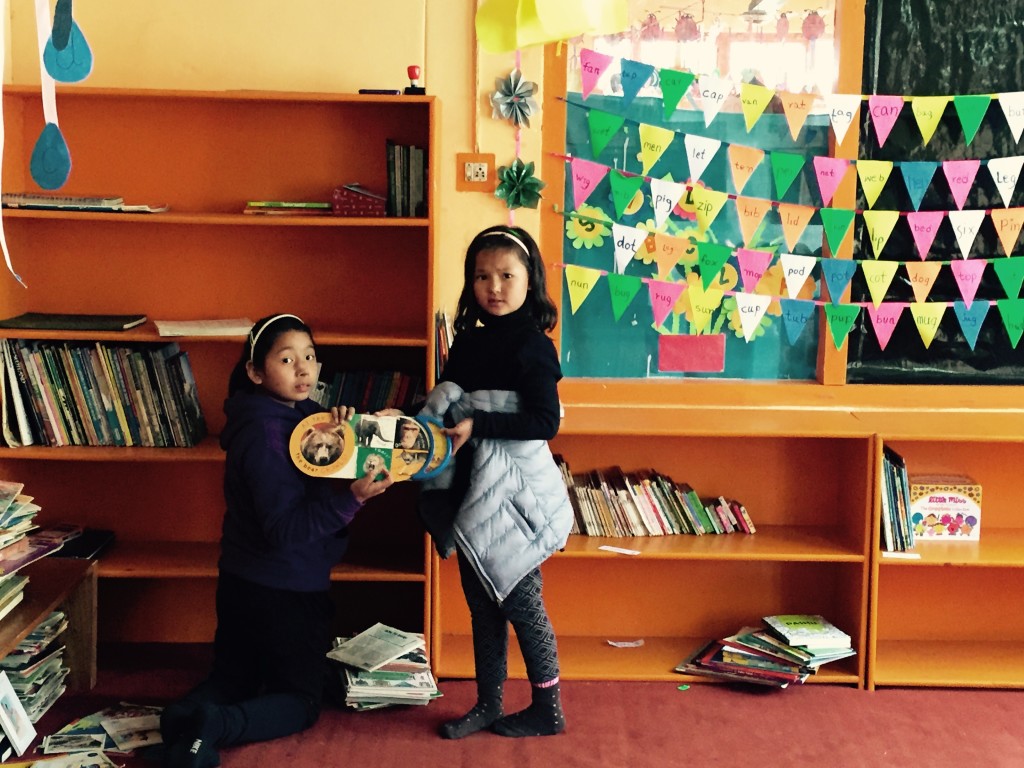
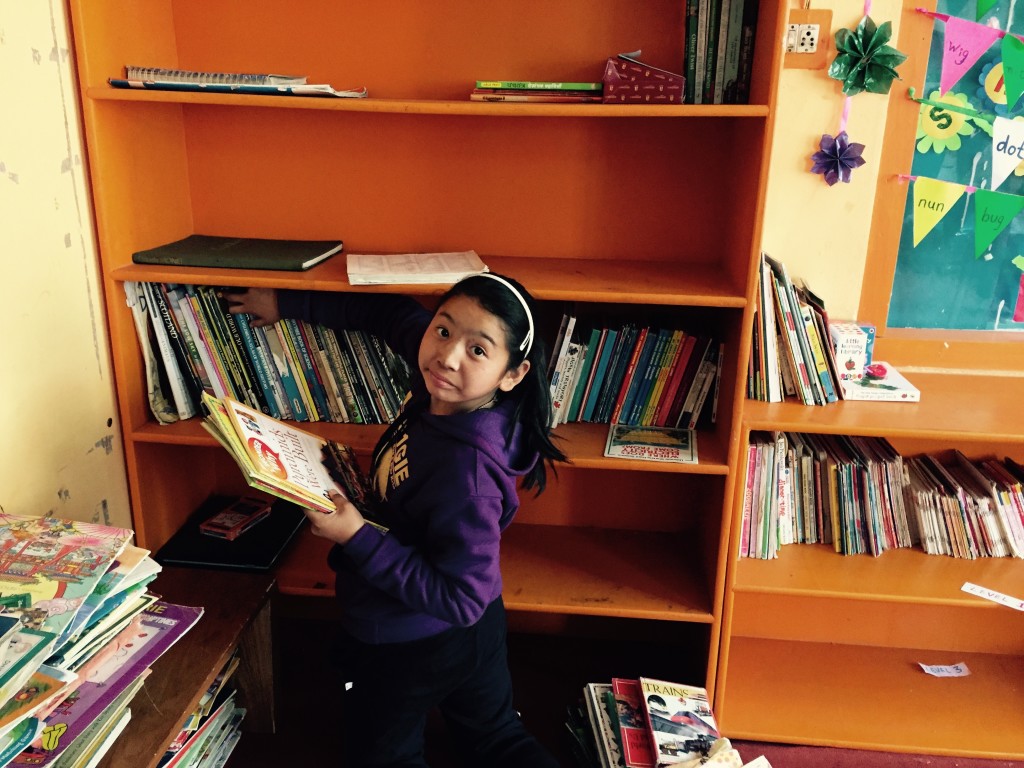
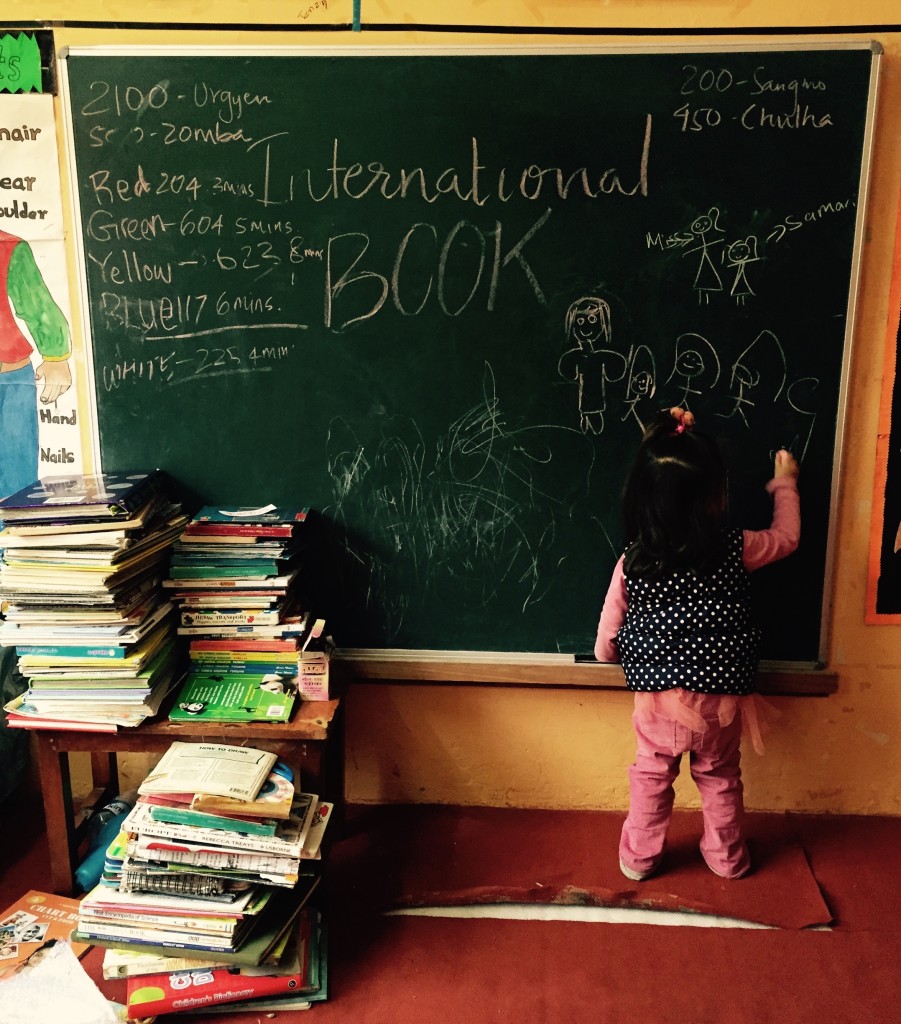
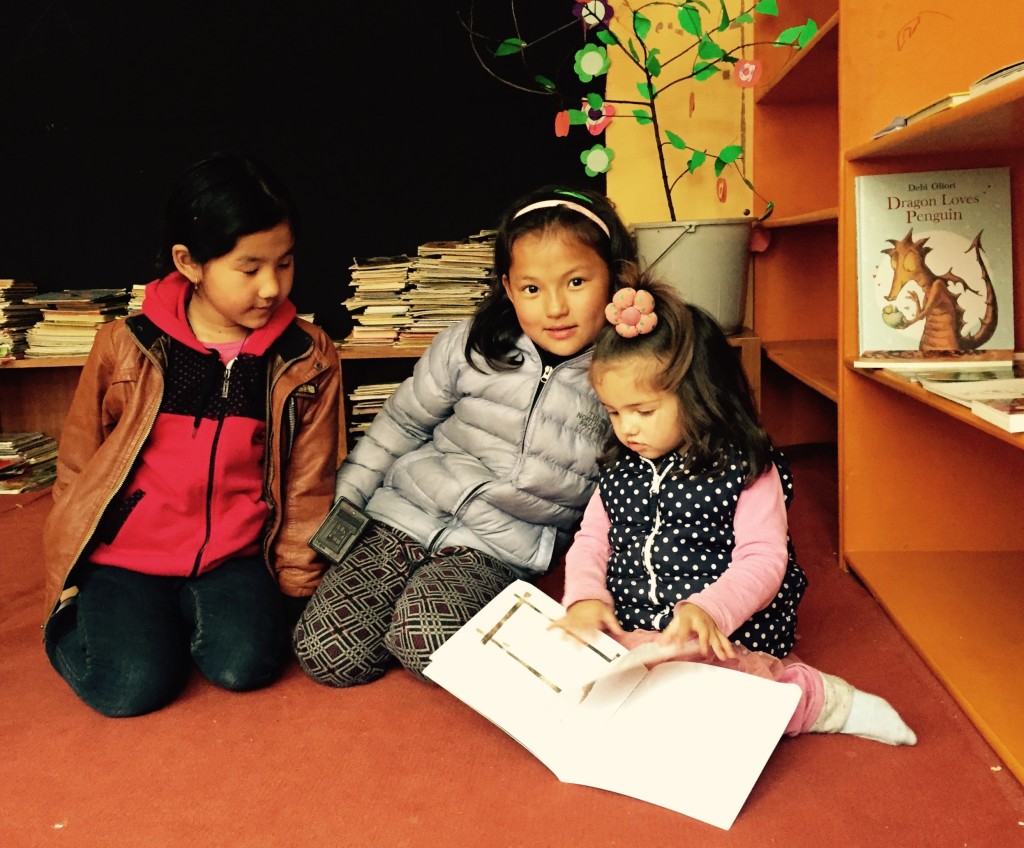
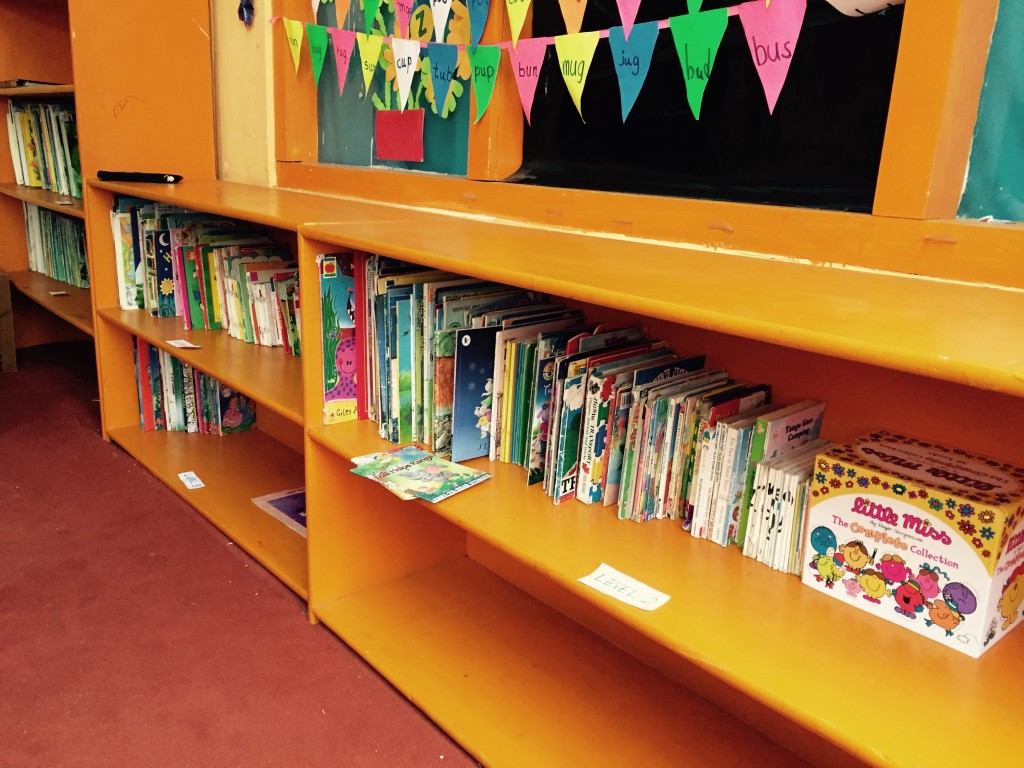
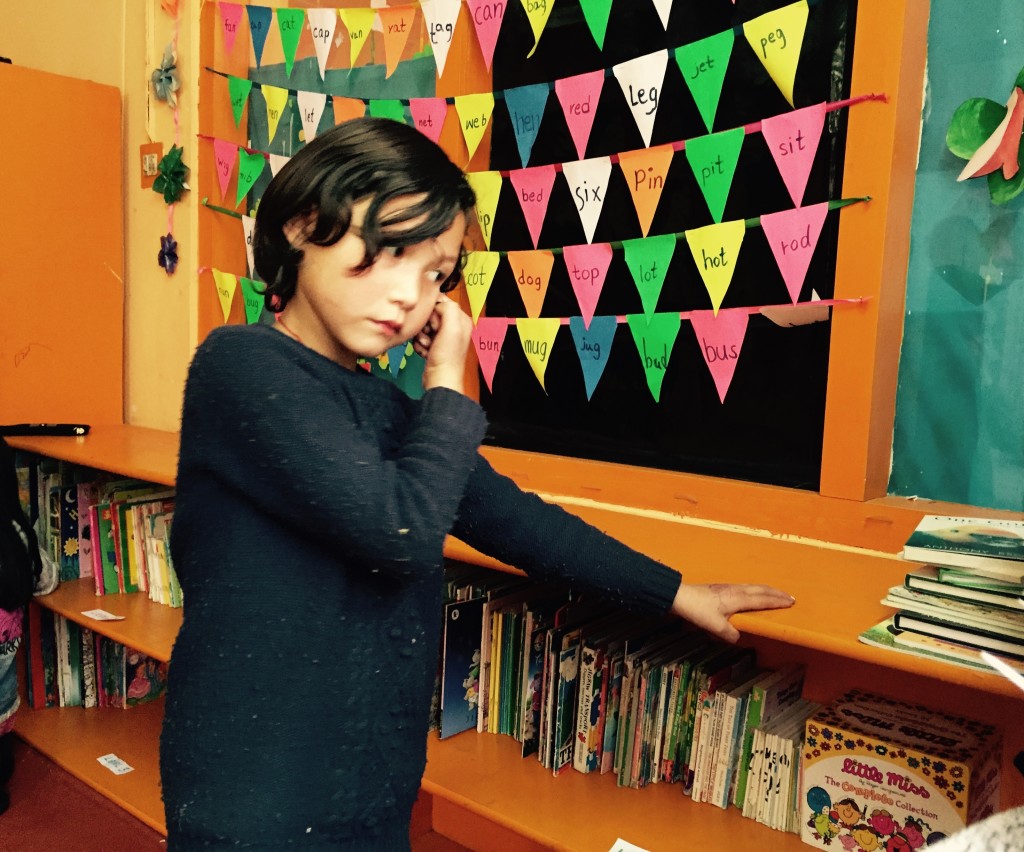
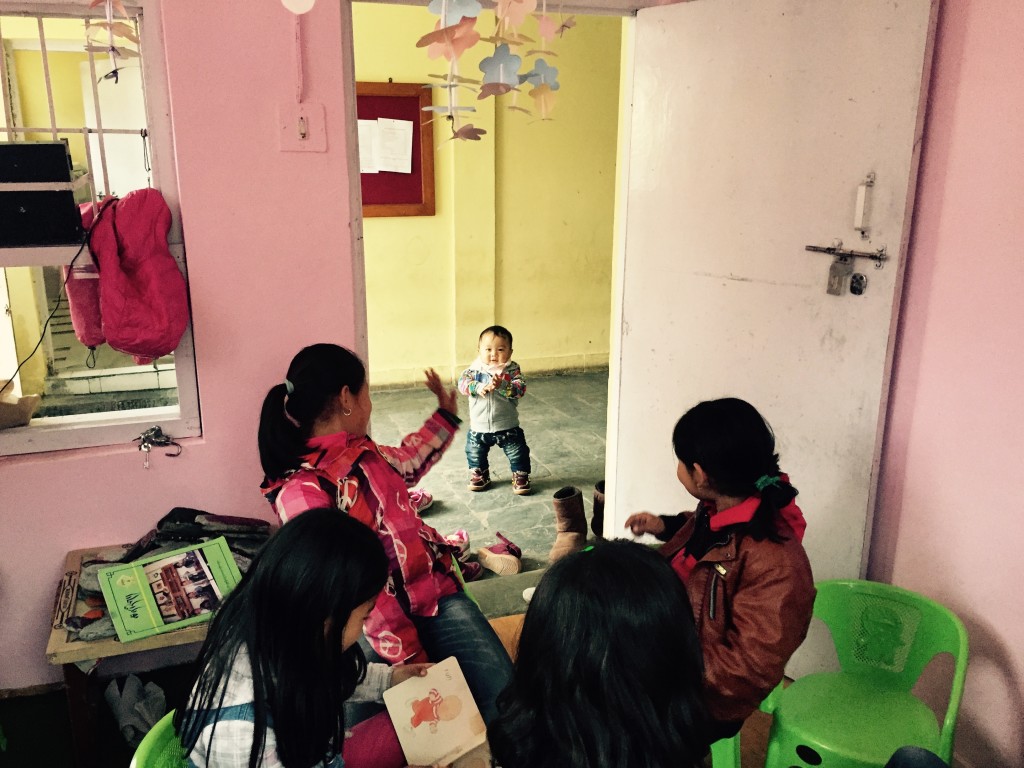
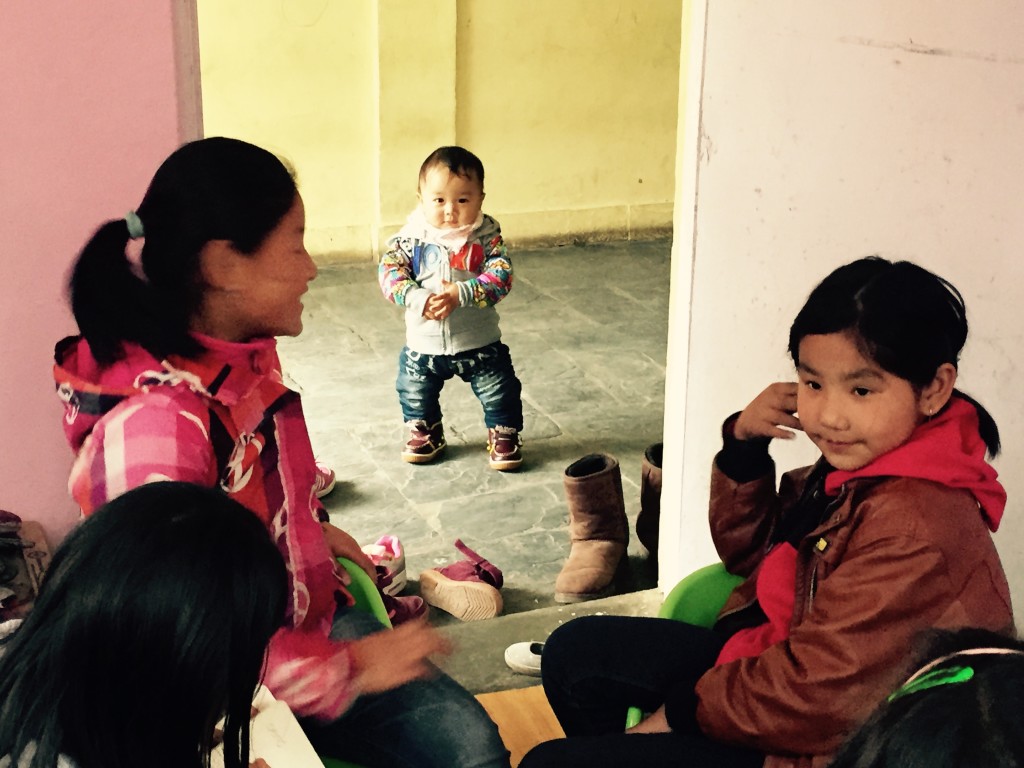
Our work through Avalokiteśvara Trust brings books, artistic activities and educational opportunities together in places where access to quality reading material can be limited. A biography session may therefore lead to music, drawing, map-making or a small science experiment. The book becomes a starting point for confidence and participation, not an isolated lesson.
The most useful measure is what children do after reading. Do they ask a new question, borrow another book, observe their surroundings more closely or explain an idea to a friend? A practical routine is to pair each biography with one evidence-based discussion, one creative response and one small action, such as keeping a nature note or mapping a familiar journey. That simple pattern helps children see scientists and explorers as persistent learners—and themselves as capable of learning in the same way.