Helping children turn words into illustrated worlds
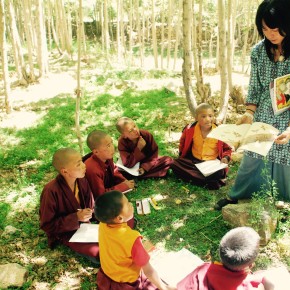
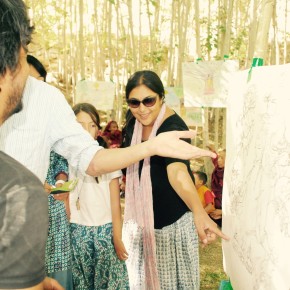
At Avalokiteśvara Trust, a dictionary is more than a reference book. It can become a child’s personal record of language, memory and discovery. Through drawing, writing and conversation, children in Ladakh and other Himalayan communities build illustrated word collections that reflect their surroundings and experiences.
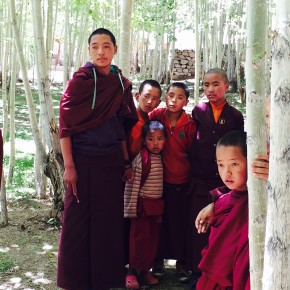
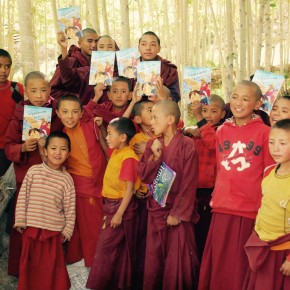
The activity is designed for children and young monks with different levels of literacy. Some may be confident storytellers but still developing English or another school language. Others may communicate more easily through pictures, local languages or oral explanation. An illustrated dictionary gives every child a way to contribute.
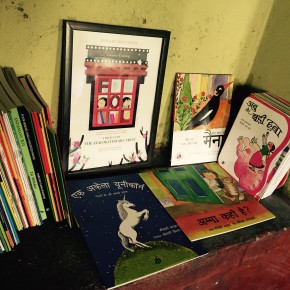
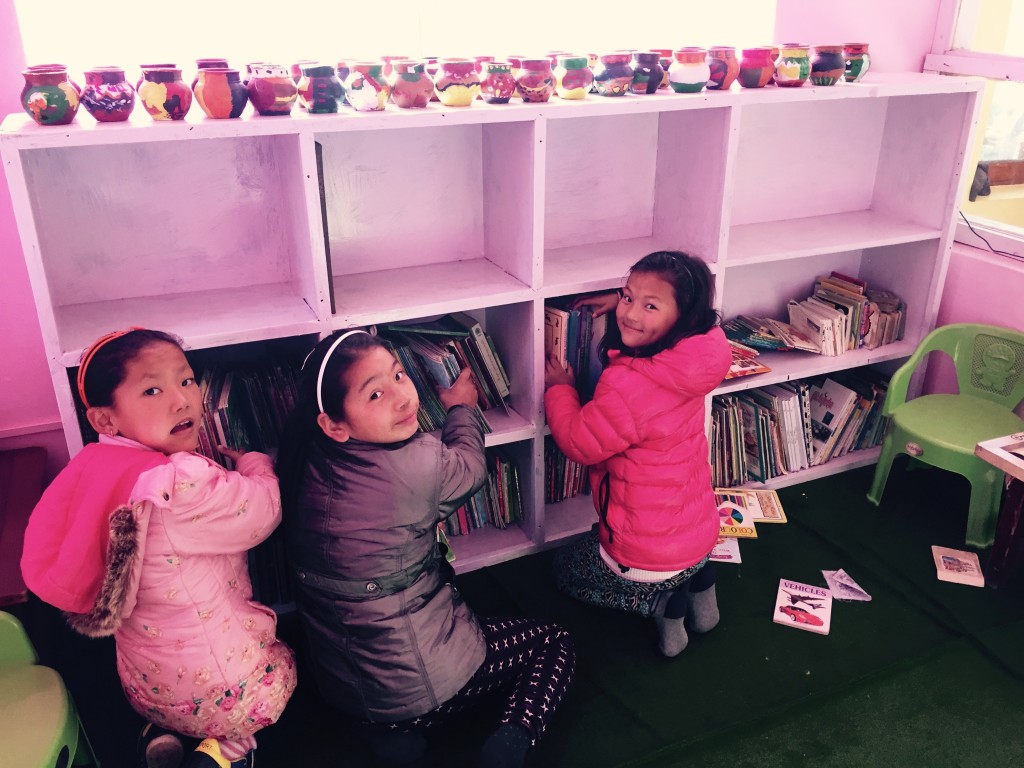
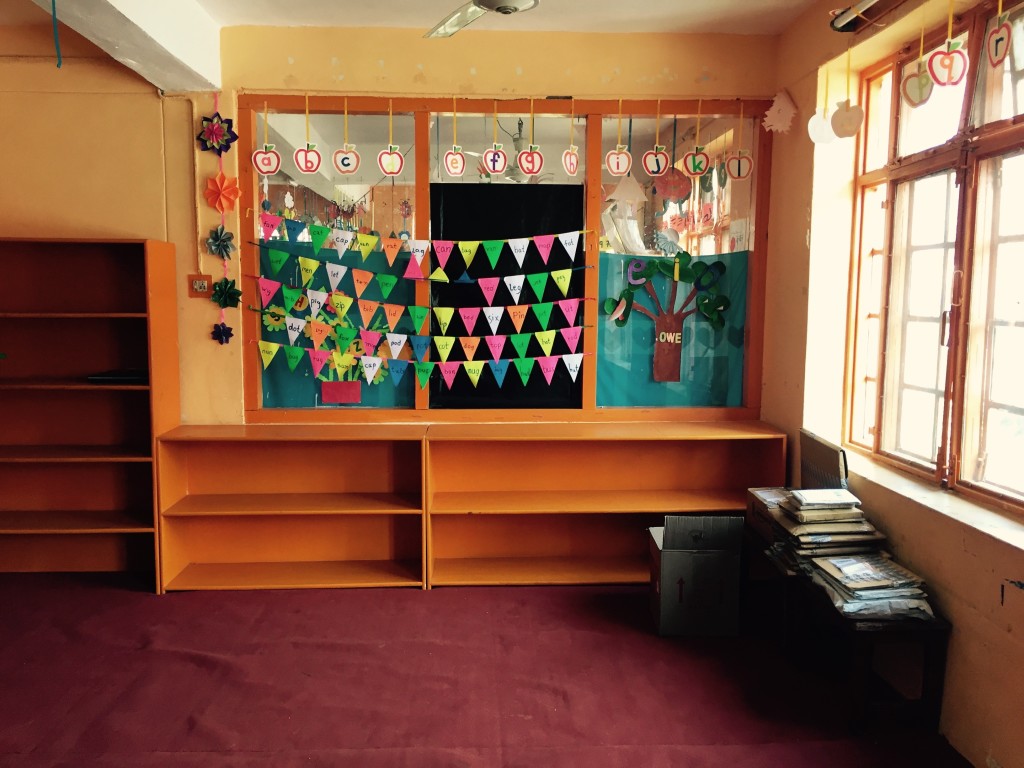
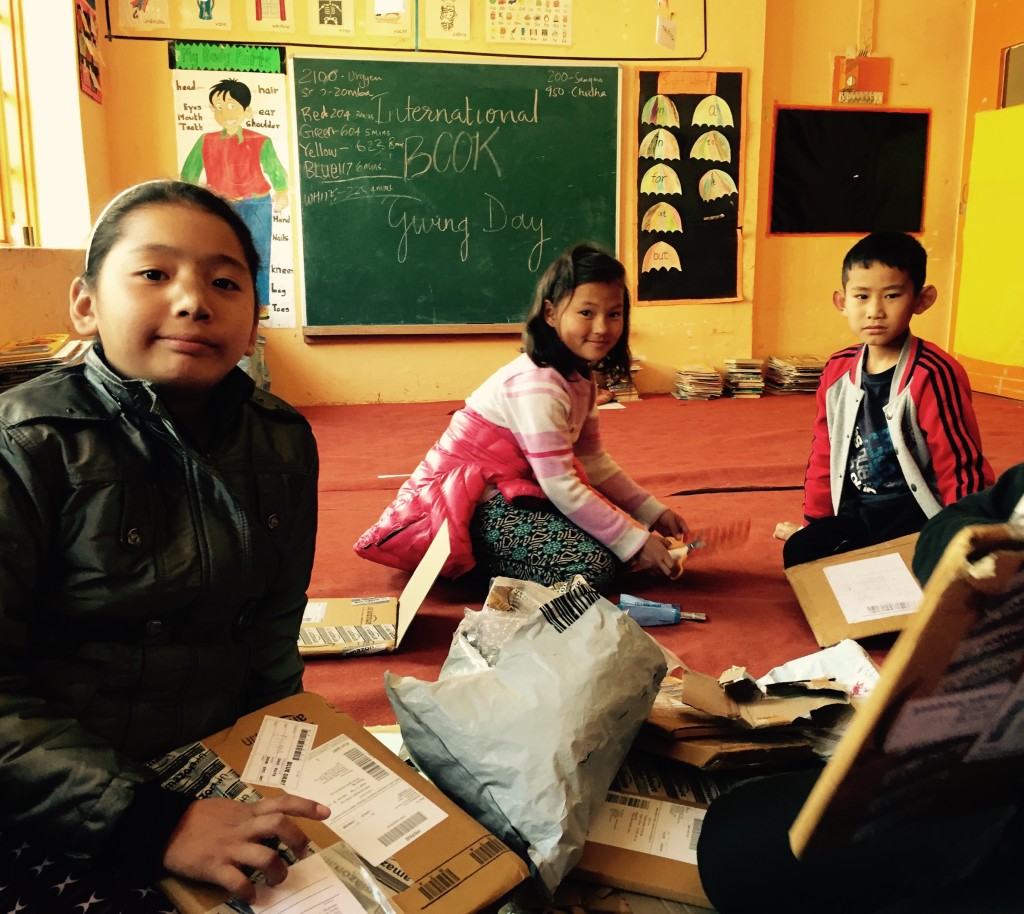
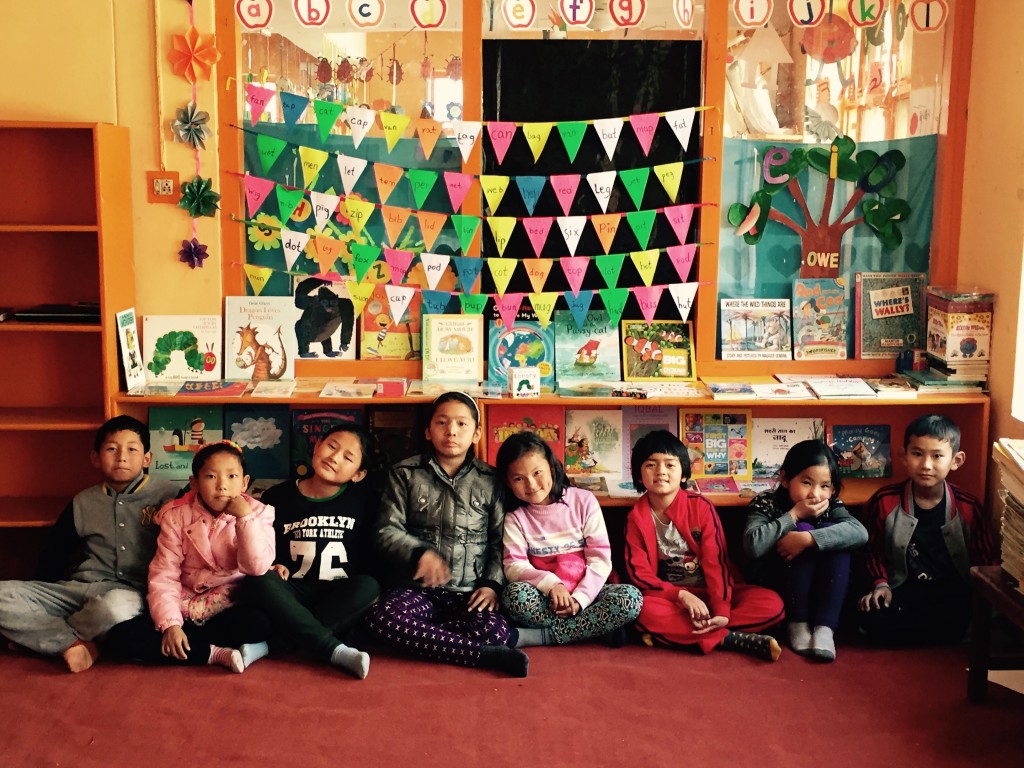
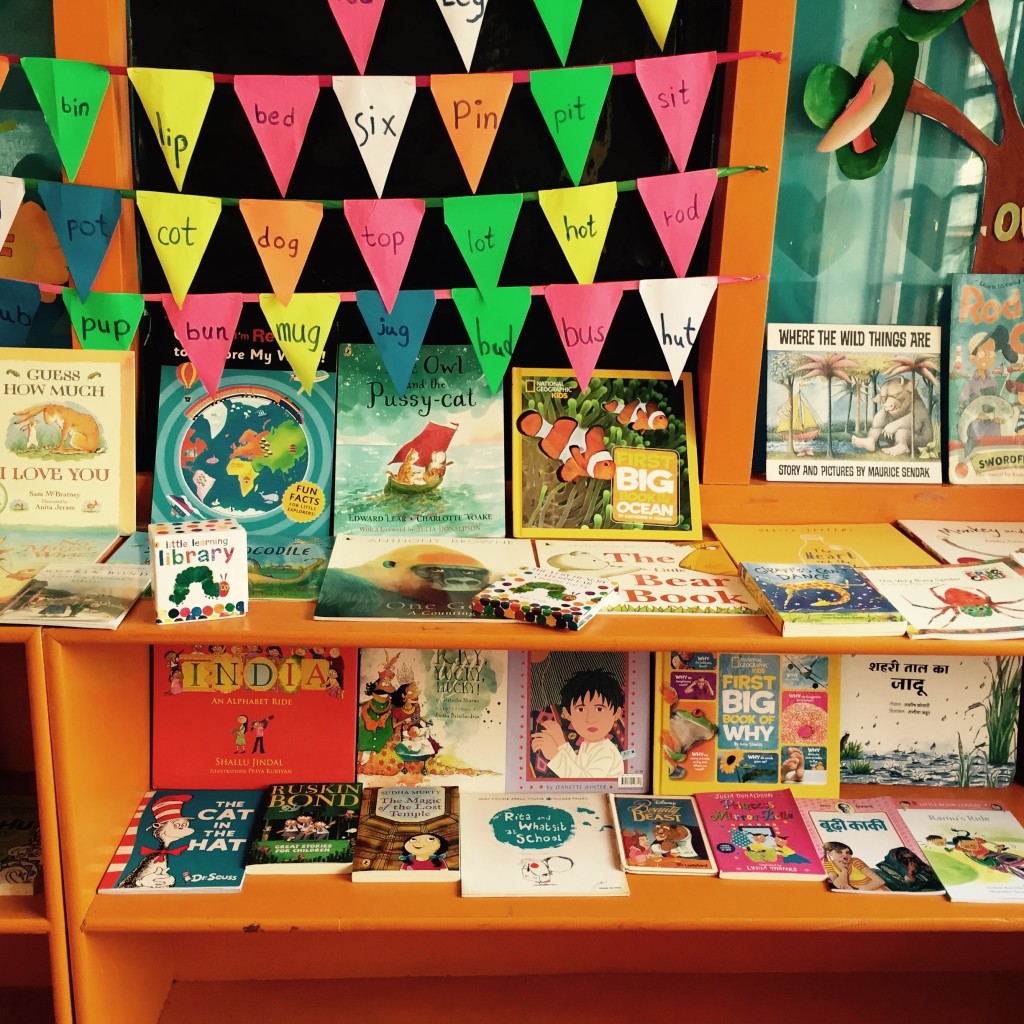
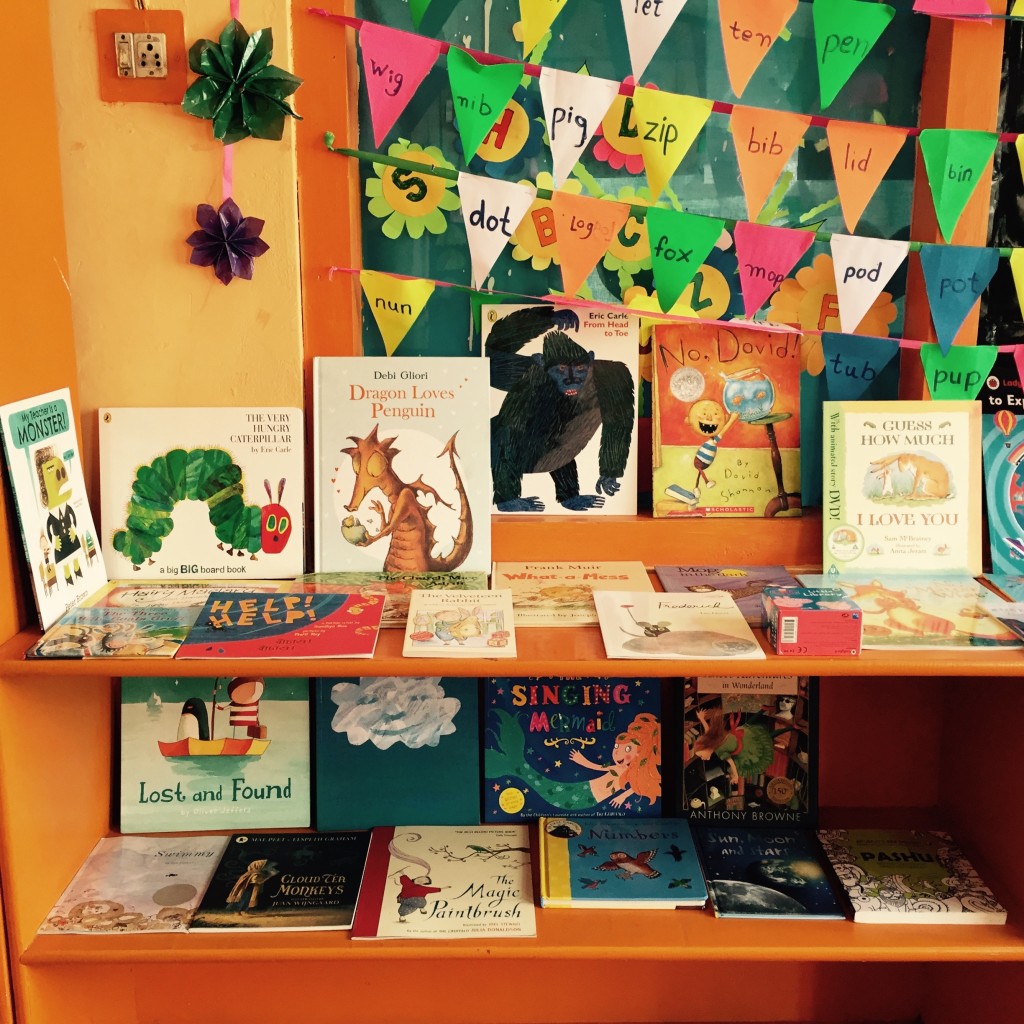
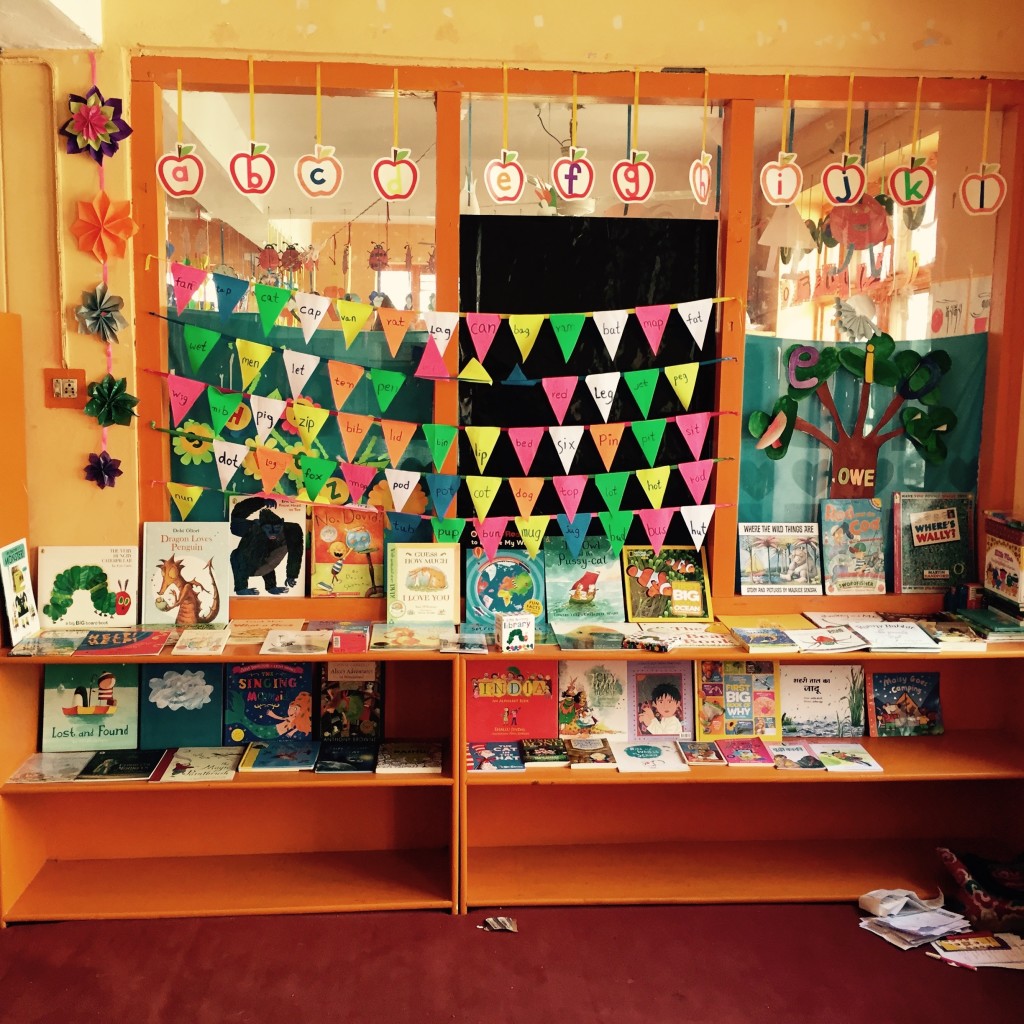
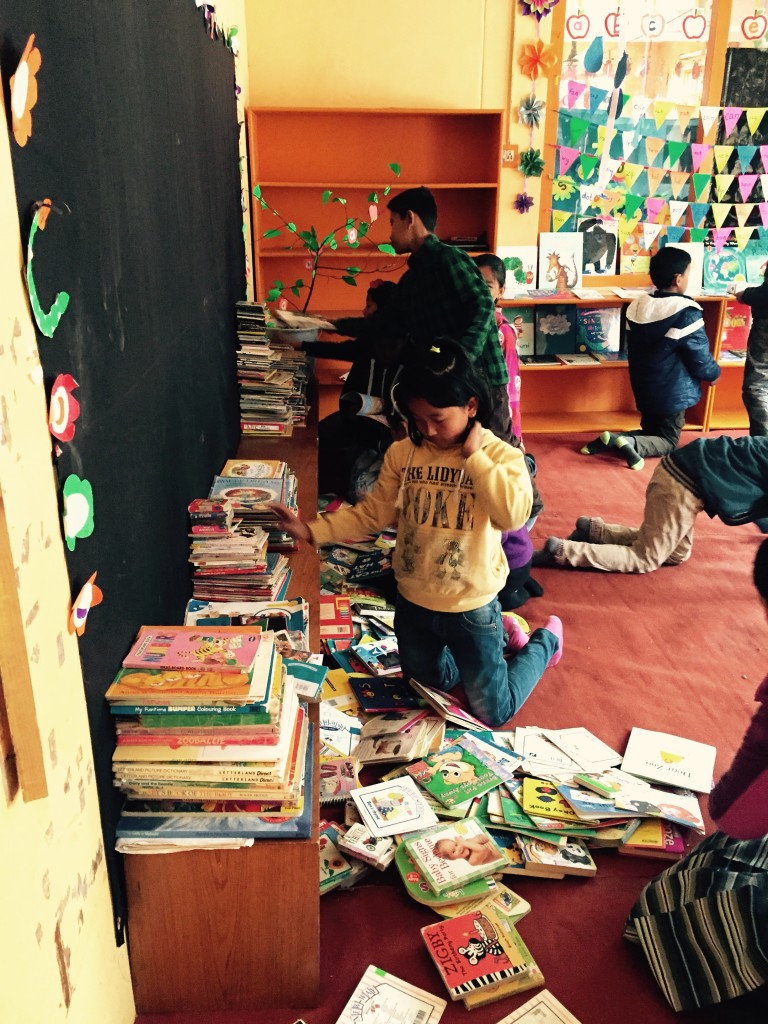
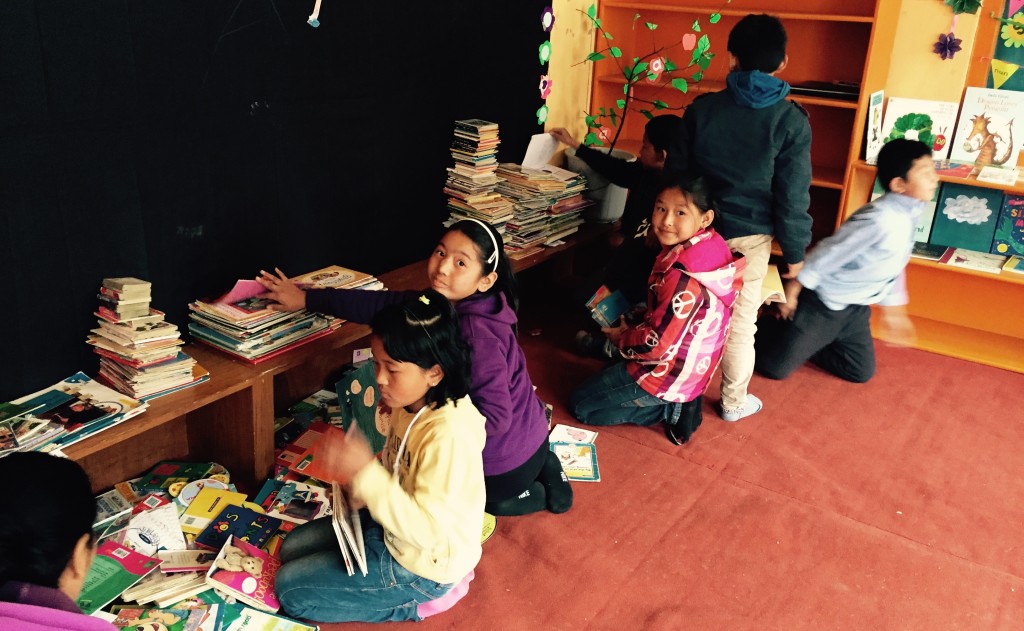
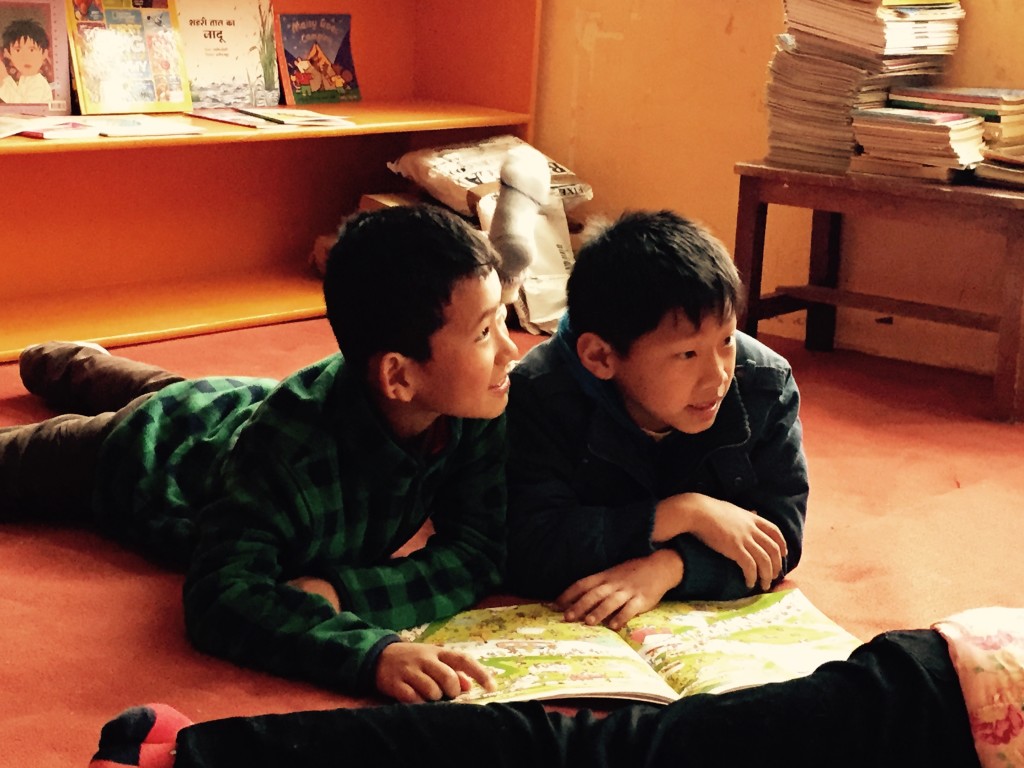
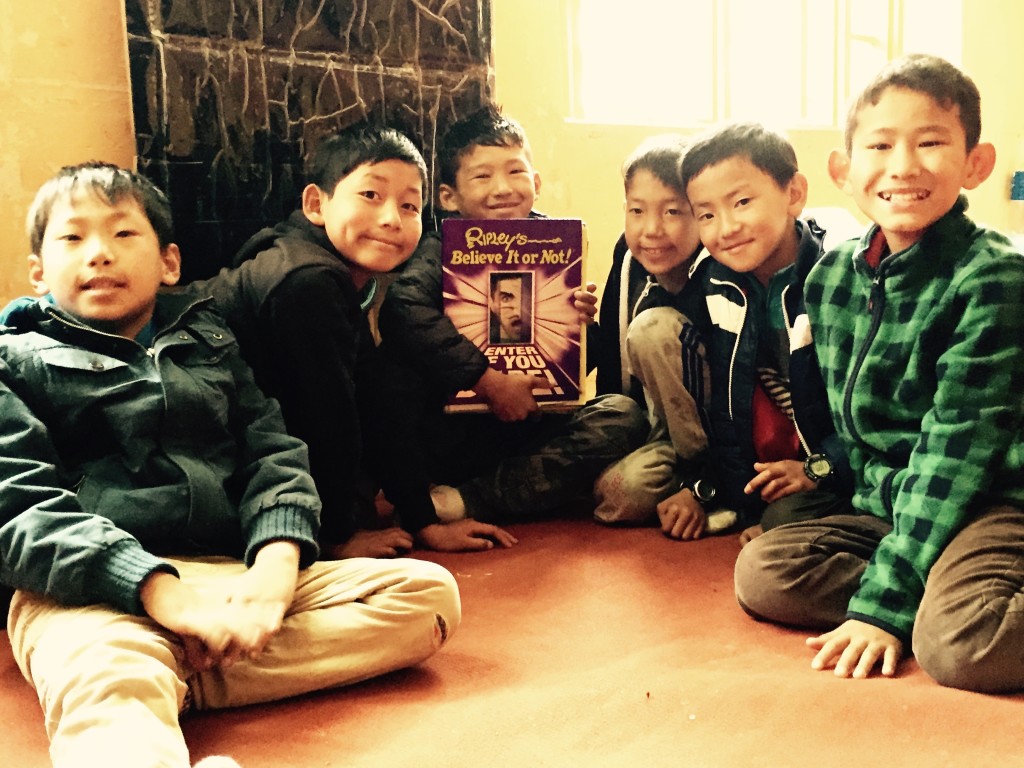
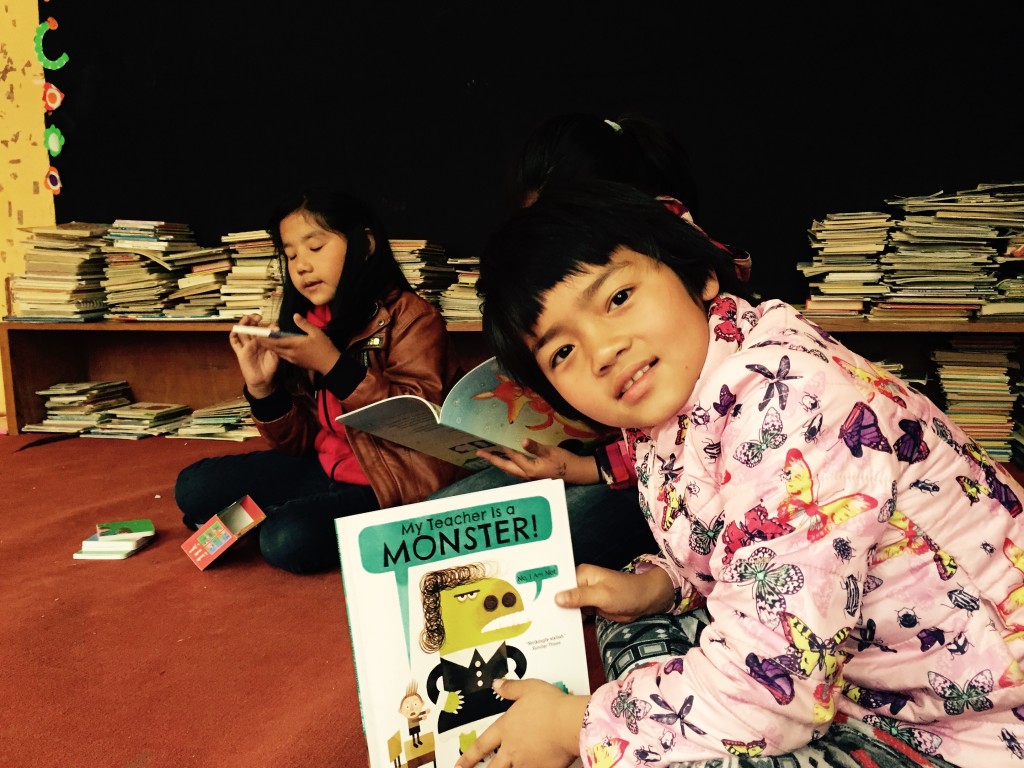
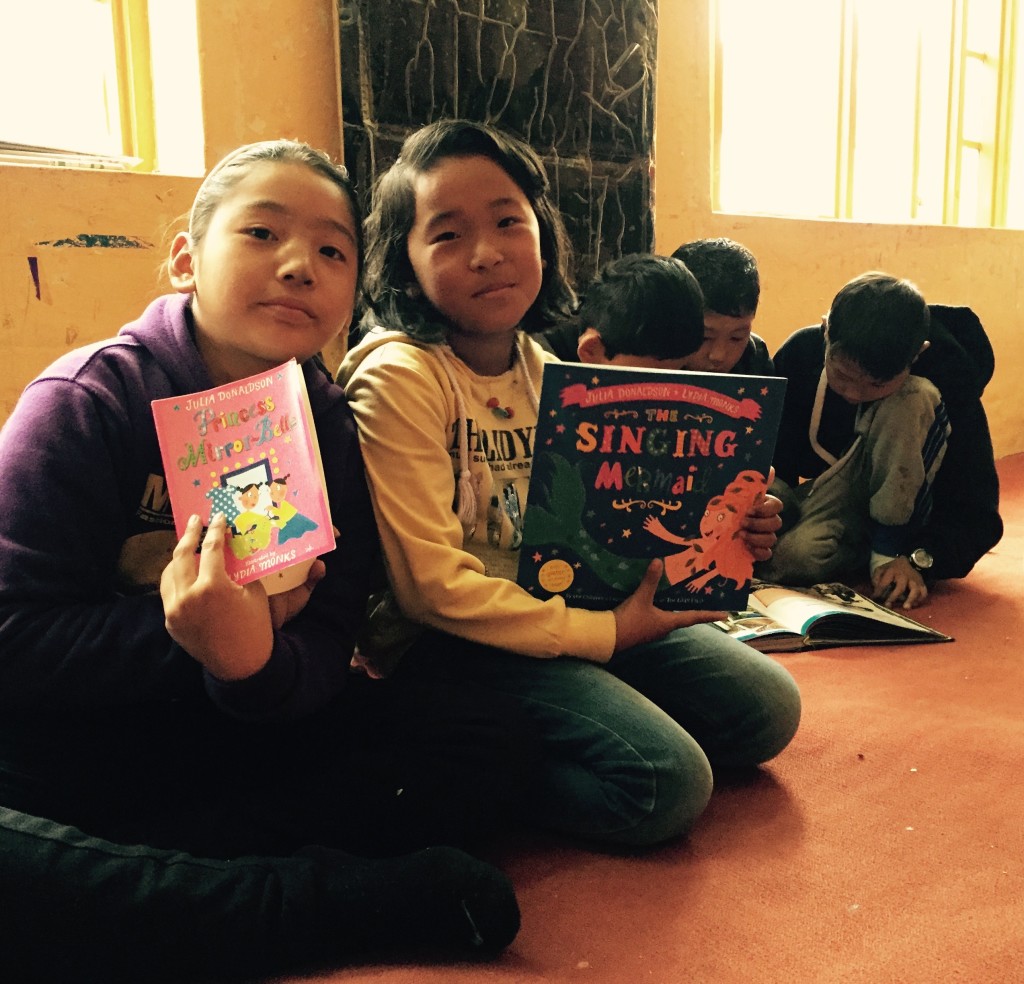
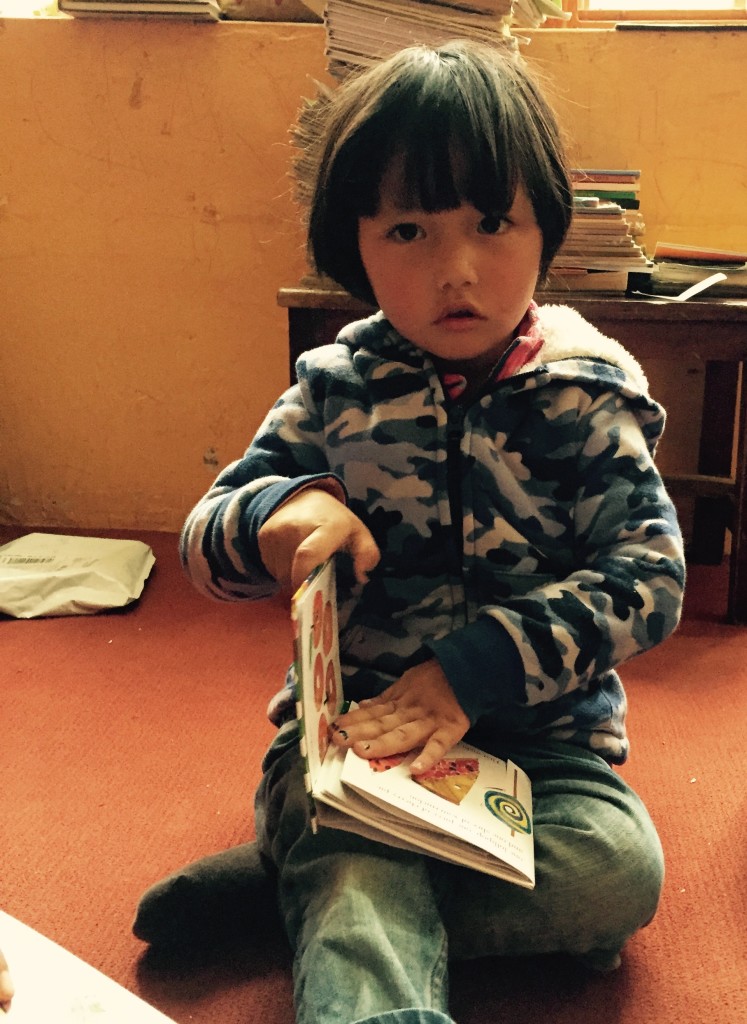
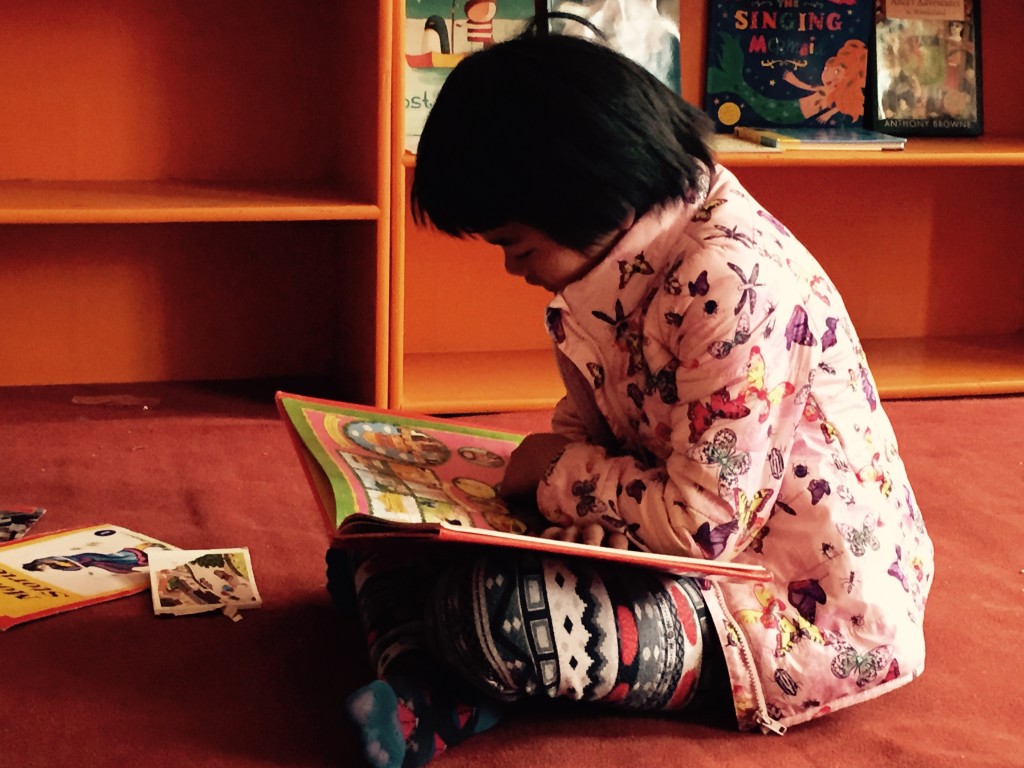
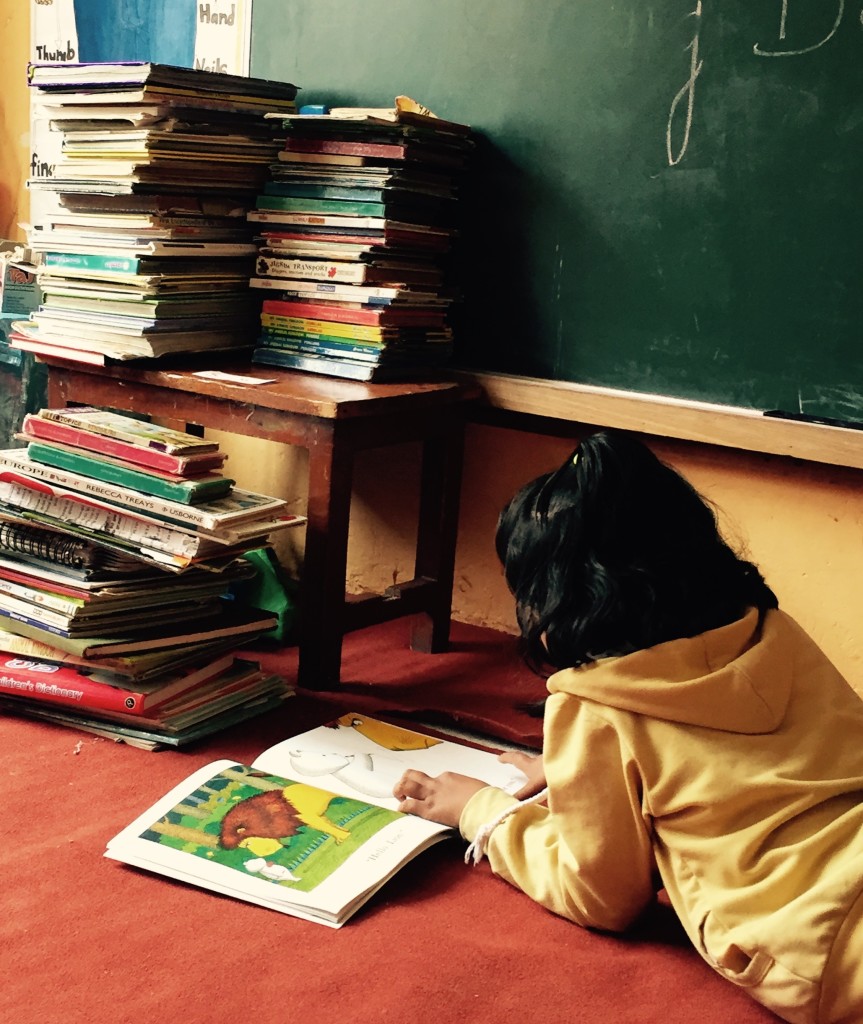
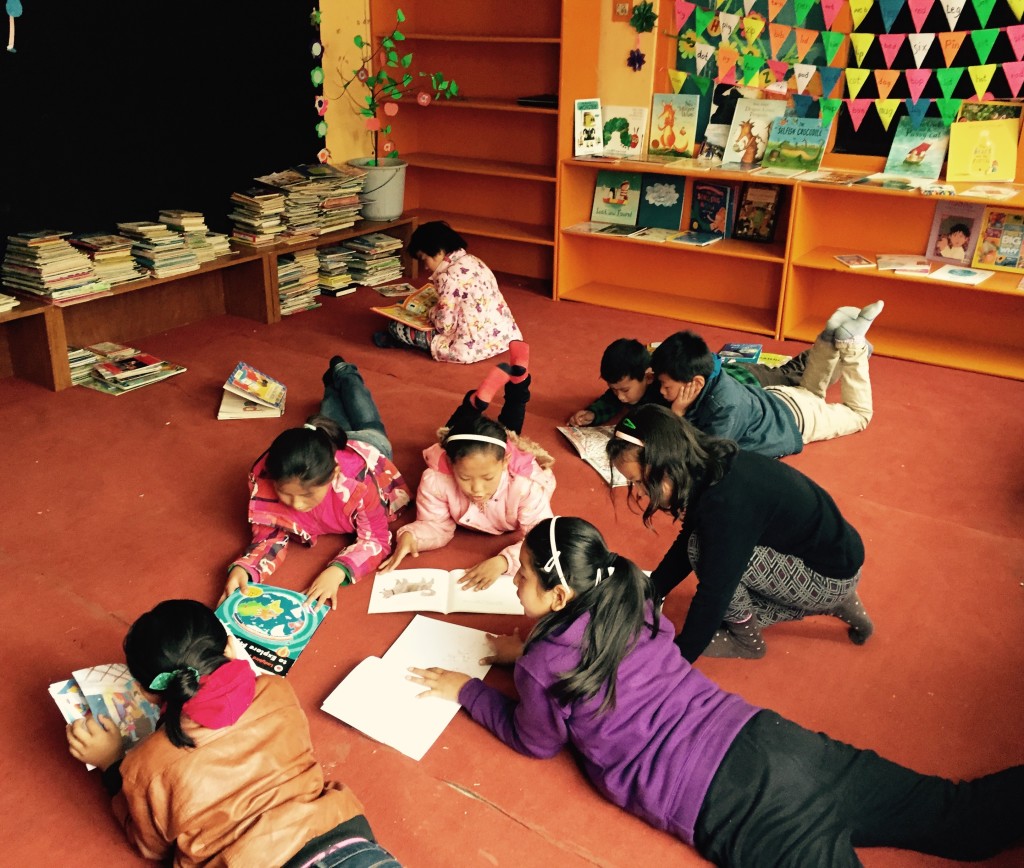
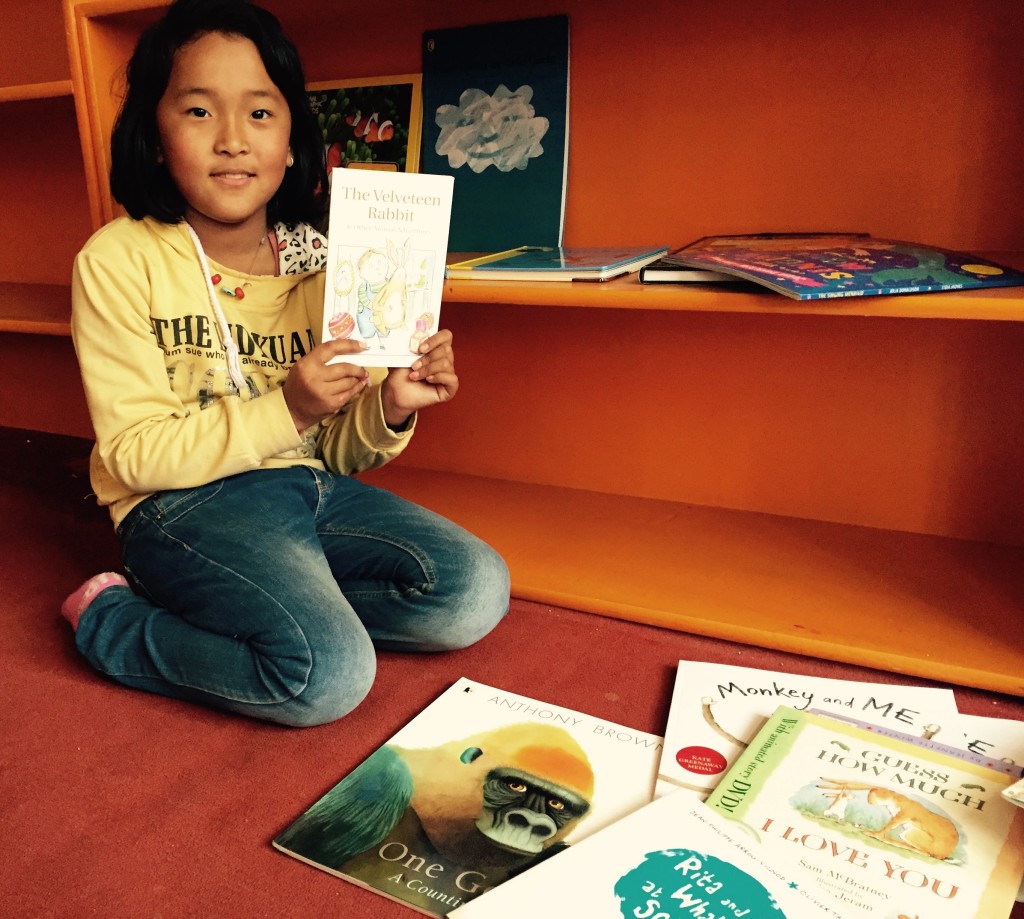
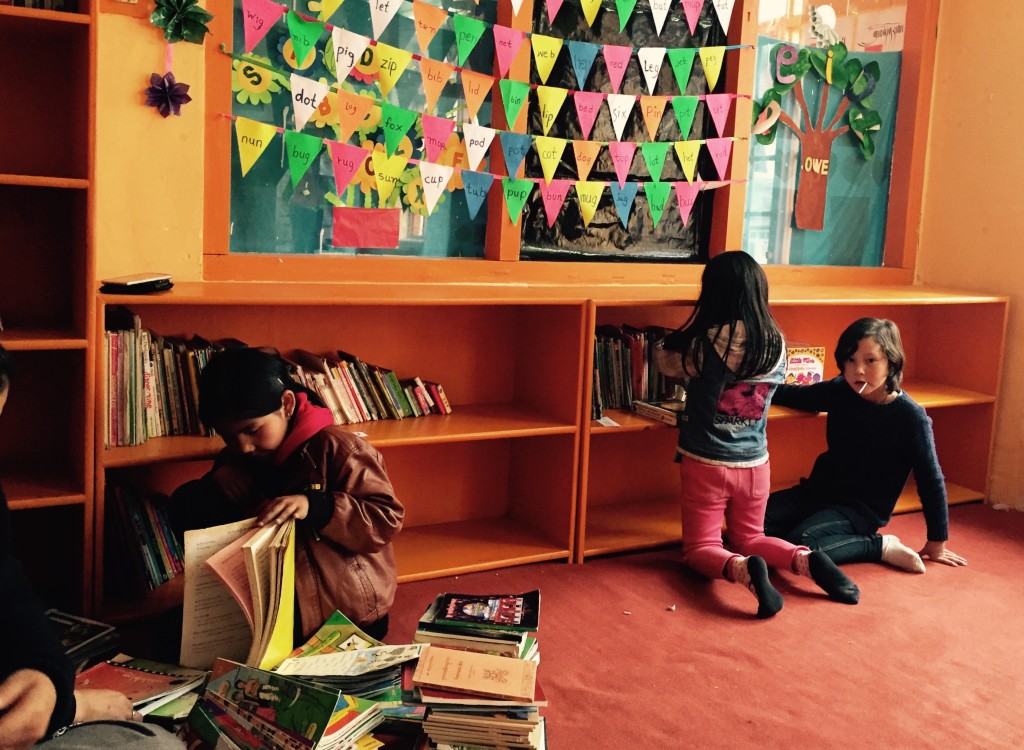
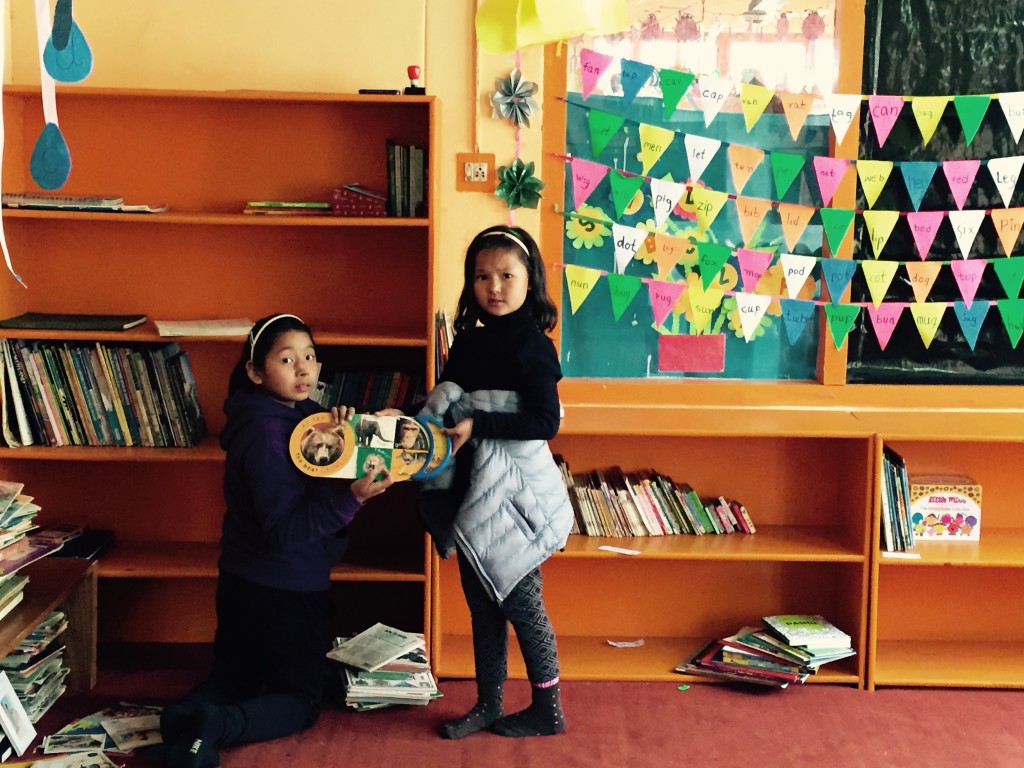
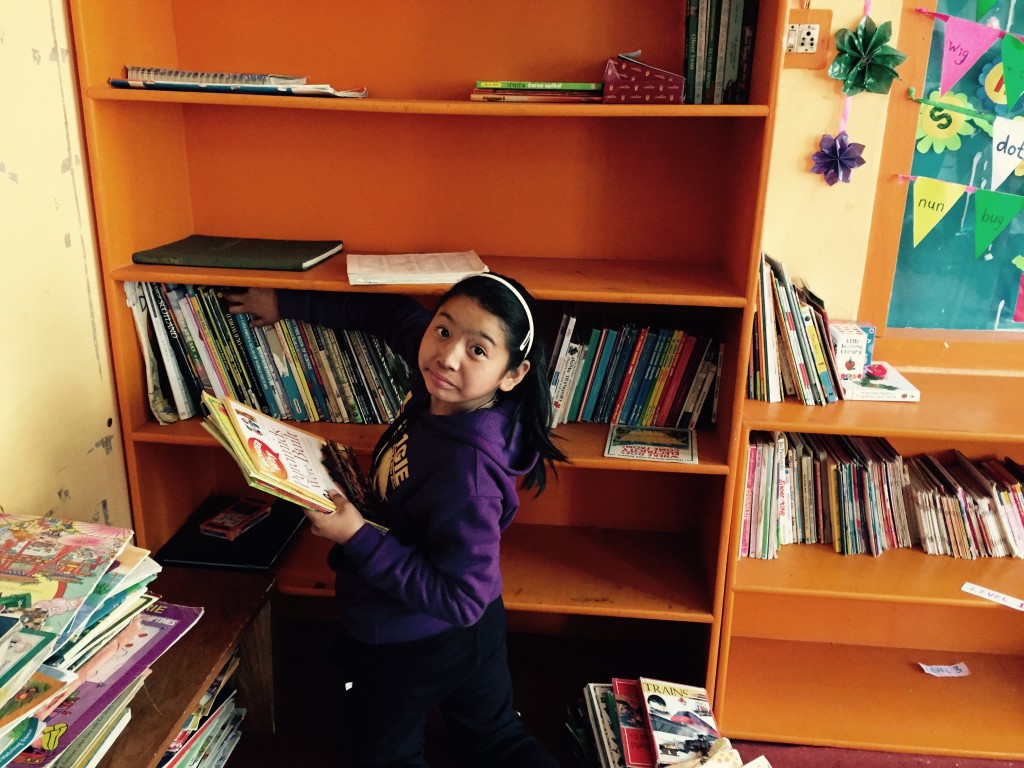
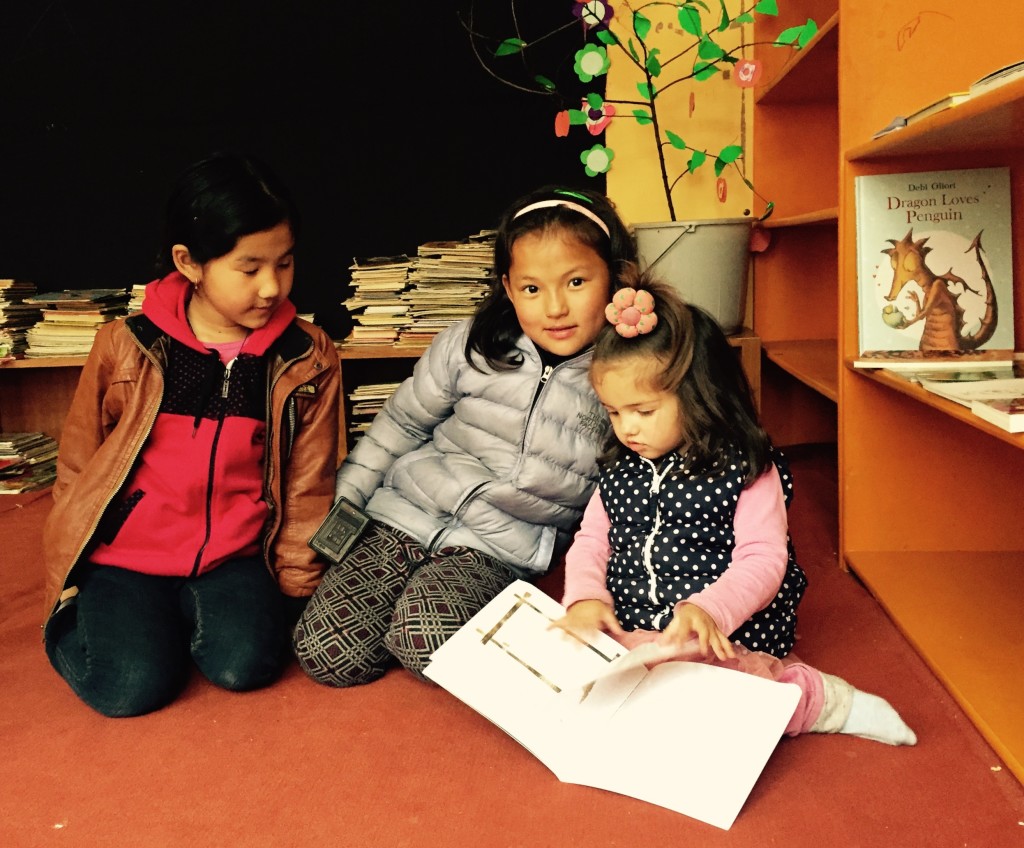
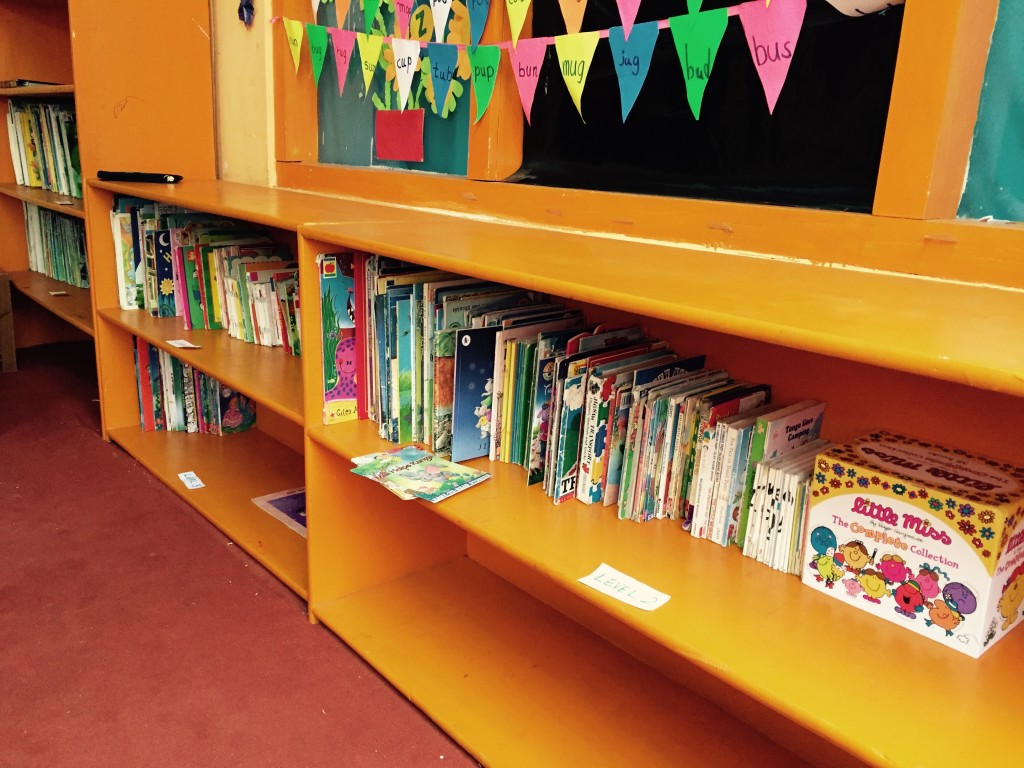
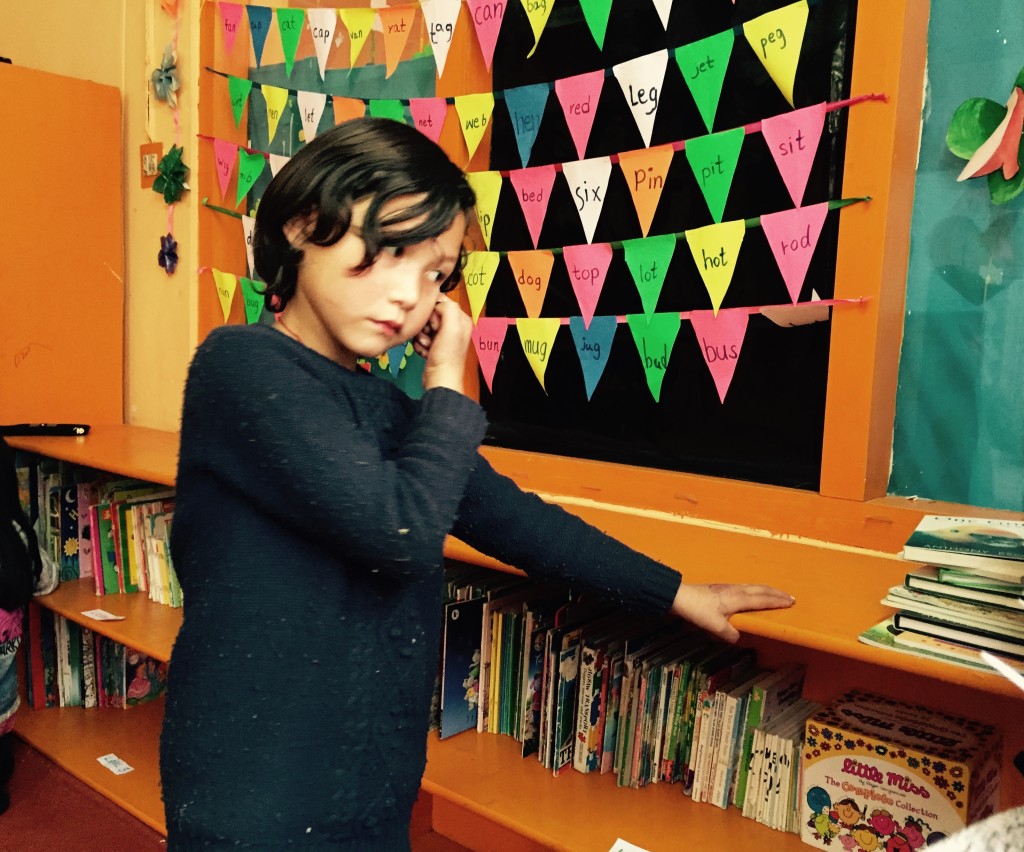
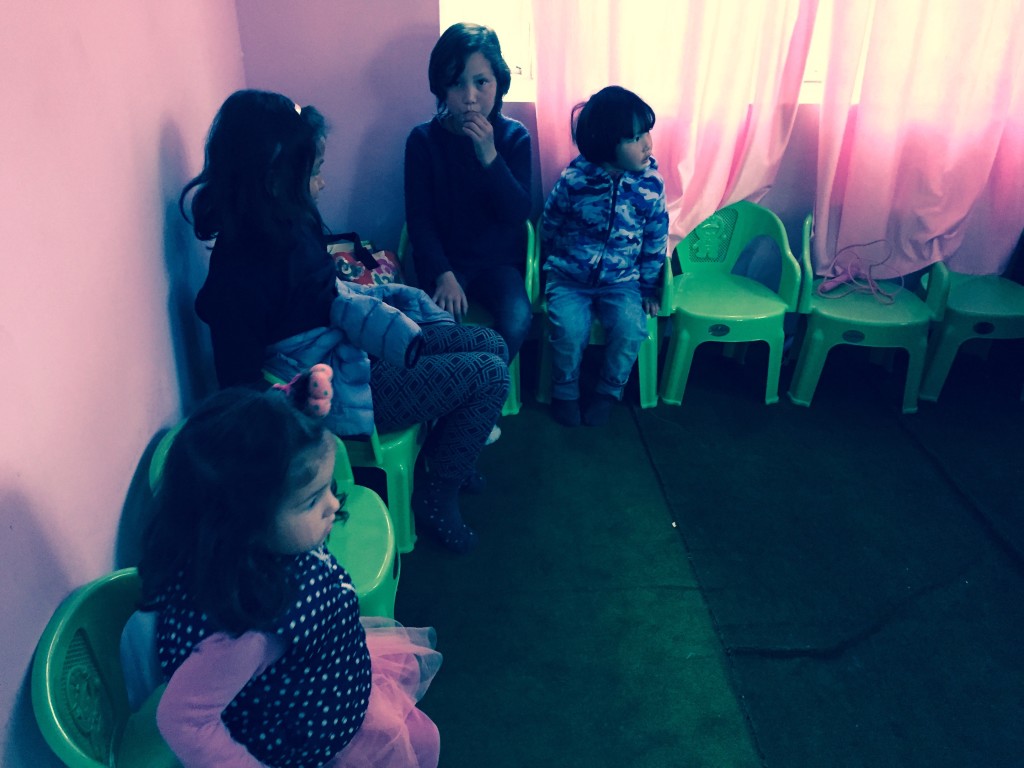
Our reading rooms provide the setting: shelves of quality books, tables for creative work and adults who can encourage curiosity. A word might come from a story, a science lesson, a family tradition, a mountain walk or an object found in the classroom. Each entry grows from something meaningful.
For supporters in Australia, the project connects with familiar habits such as bedtime reading, school library visits and community book exchanges. It also shows how donated books and practical educational activities can support children far from Australia’s large urban centres, including Sydney, Melbourne, Brisbane and Perth.
Starting with words children already know
The first pages usually contain familiar objects, people and actions. A child may choose yak, river, mother, book, snow, friend or walk. Beginning with known vocabulary makes the activity welcoming rather than testing. Children can say the word aloud, explain it in their strongest language and then decide how they want to record it.
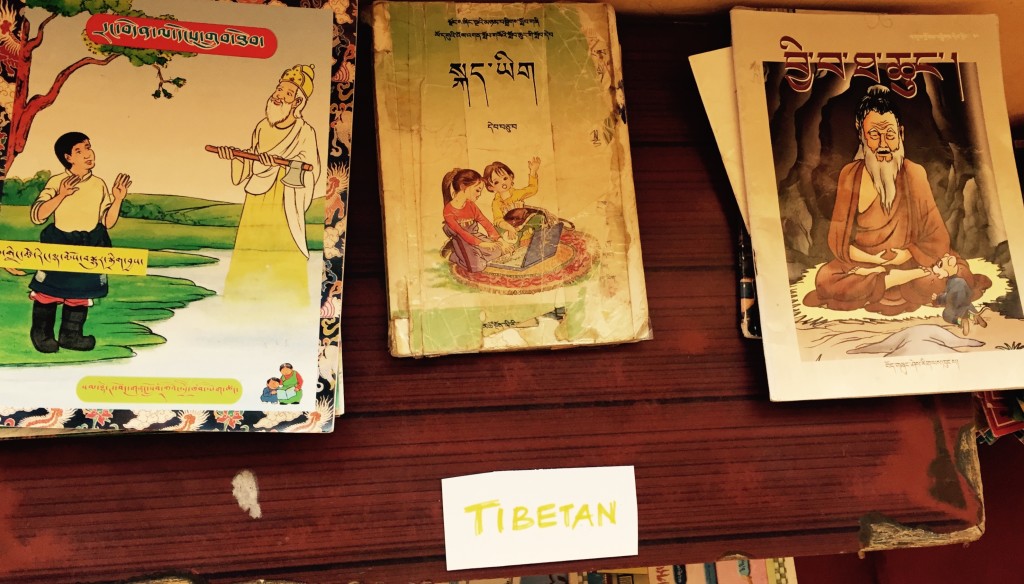
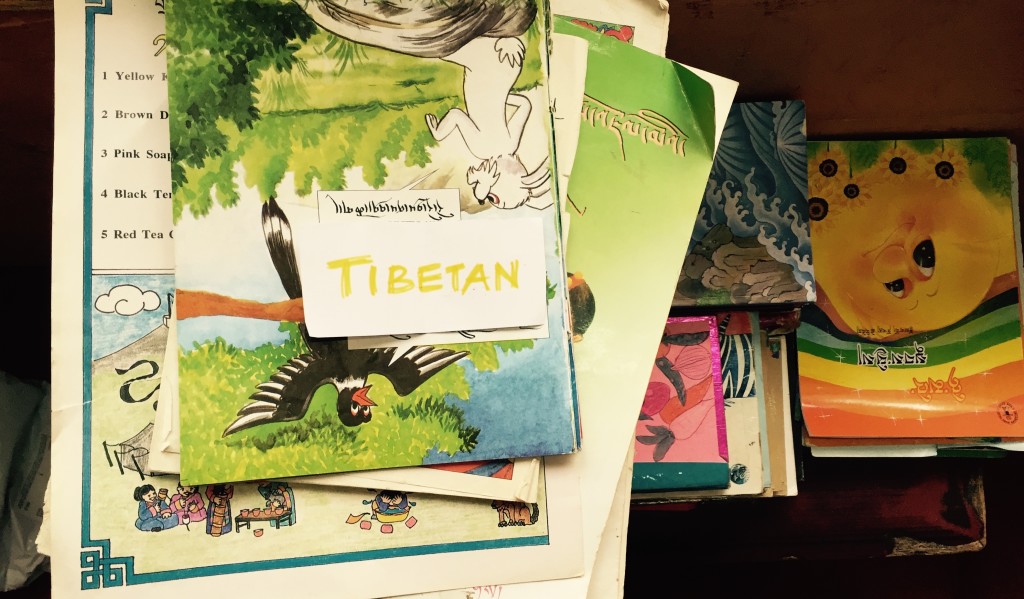
A facilitator may read a short story and invite children to notice interesting words. The group can discuss meanings, sounds and connections between words. If the children speak Ladakhi, Tibetan, Hindi or another local language, the page can include more than one equivalent. English may be added gradually, alongside pronunciation guidance or a short sentence.
The aim is to value multilingual knowledge. A child who knows the local name for a plant, tool or festival brings important knowledge to the group. The dictionary becomes a bridge between home, school and the wider reading room.
Turning meaning into a picture
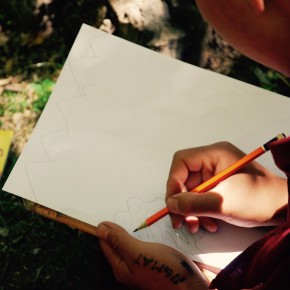
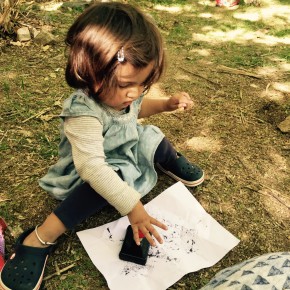
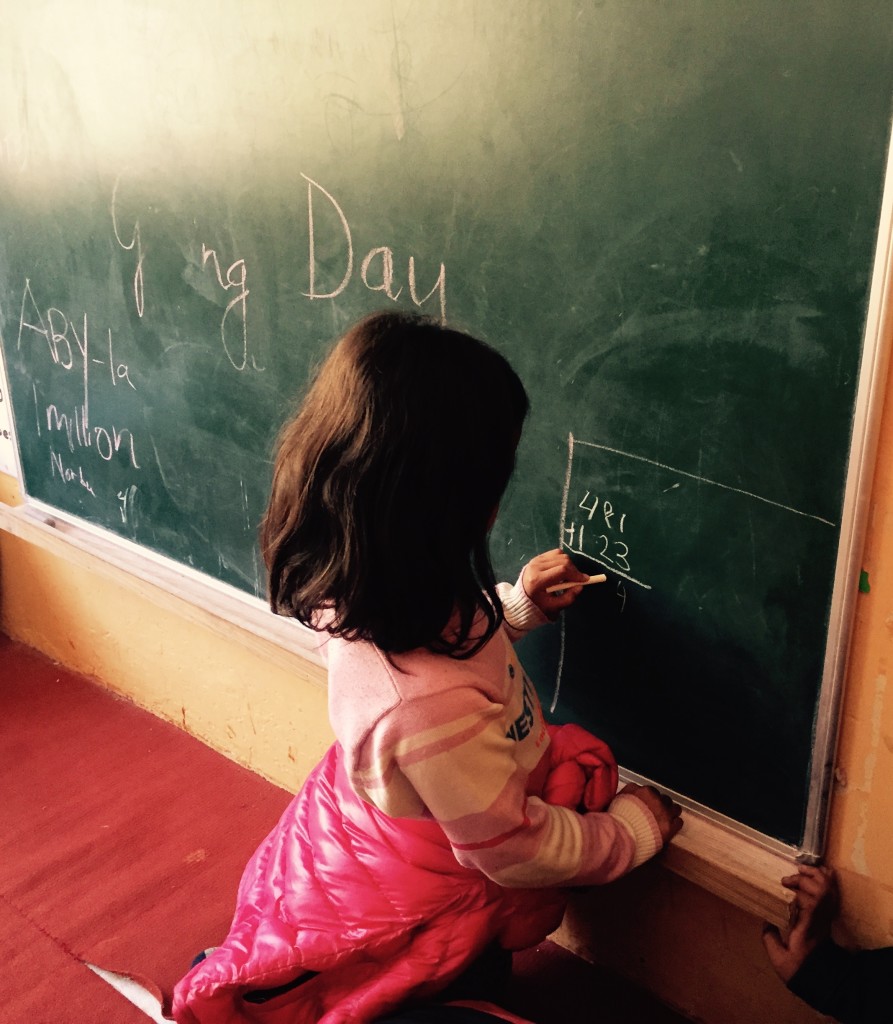
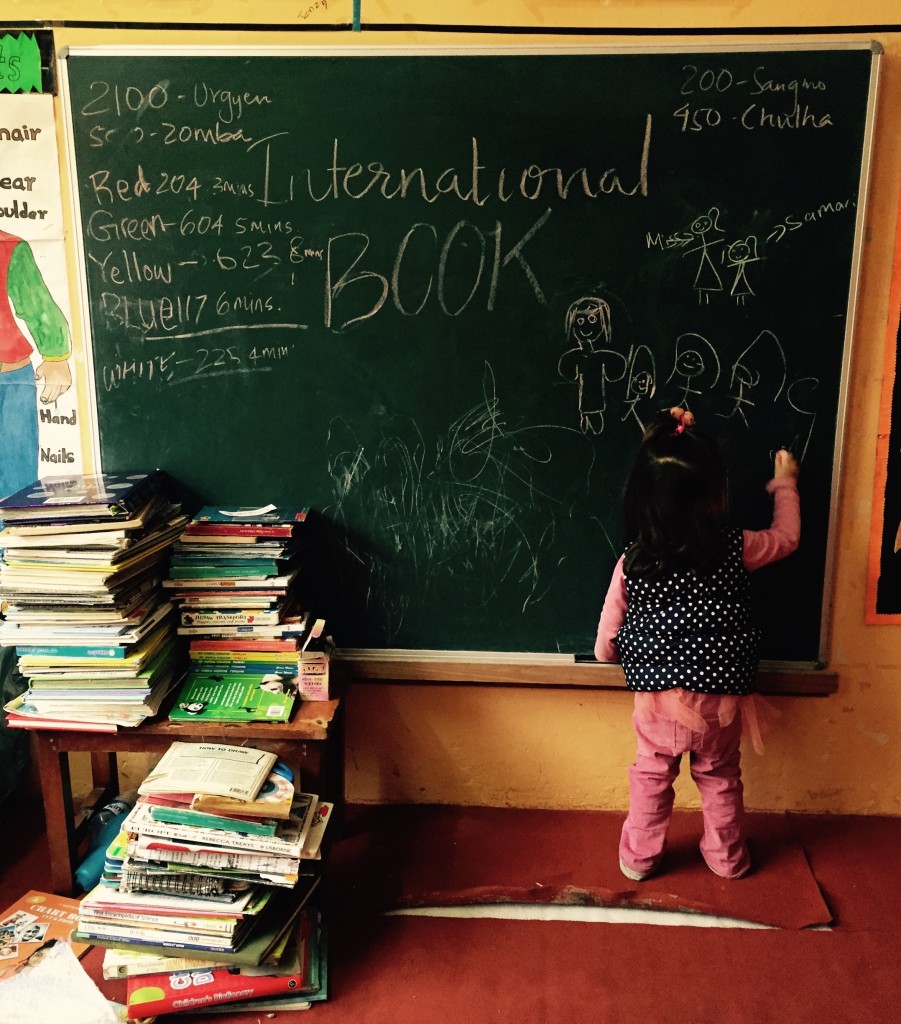
Drawing helps children show meaning before they can define it in formal language. For bridge, a child might sketch a narrow crossing over a stream. For kind, they could draw a friend sharing pencils. The image does not need to be polished. Its purpose is to help the child remember and communicate the word.
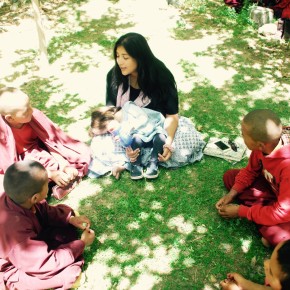
Adults support the process with open prompts rather than correcting every detail. They may ask what is happening in the picture, which colours belong to the object or where it can be found. These conversations develop vocabulary, sequencing and descriptive language while keeping the child’s ownership intact.
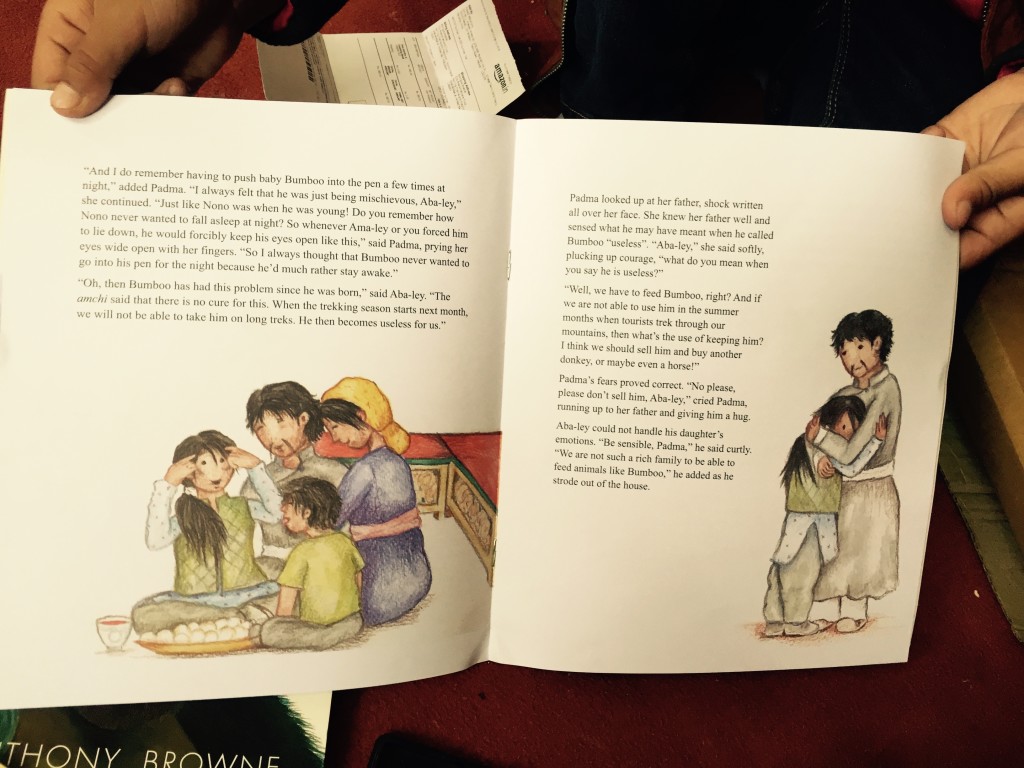
A picture can also reveal cultural context. A drawing of a house, meal or journey may look different from an illustration in an imported textbook. This makes the dictionary locally relevant and gives children confidence that their lives belong in educational materials.
Building each dictionary page
Children can use a consistent page structure without making every entry identical. A simple layout might include the word, a drawing, a translation, a short definition and an example sentence. Older children may add a synonym, an opposite, a word family or a note about where they encountered the term.
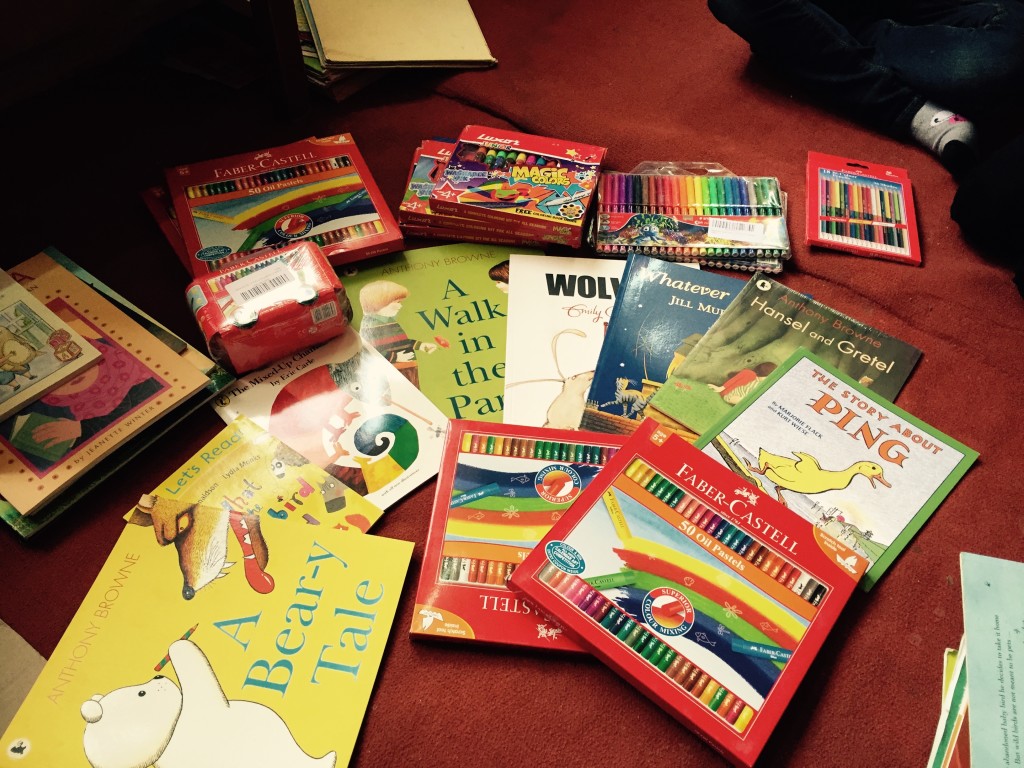
Facilitators often prepare sturdy paper, pencils, coloured materials, rulers and folders. Where printing is available, a small label or typed word can be added after the child has completed the creative work. The process should remain practical in communities where supplies, electricity or internet access may vary.
The pages are reviewed gently for clarity and respect. Children can read entries aloud, compare interpretations and revise their own definitions. This turns editing into a shared learning activity rather than an adult inspection.
Learning through collaboration
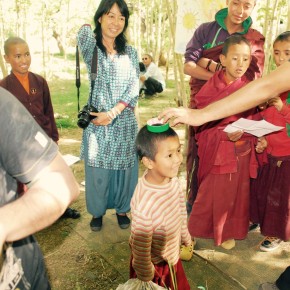
A group dictionary encourages children to learn from one another. One child may draw confidently, another may know several translations and another may be skilled at explaining a word. Working together makes space for different strengths, including artistic, musical, oral and organisational abilities.
Pairs can create themed sections such as weather, animals, feelings, food, travel or school objects. A young monk might contribute words linked to daily study and monastery life, while another child adds vocabulary from home or village life. Their combined pages create a richer picture than a standard vocabulary worksheet.
Collaborative work also develops listening and turn-taking. Children practise asking for clarification, accepting another interpretation and giving kind feedback. These social skills matter in the reading room, classroom and wider community.
Connecting books with local experience
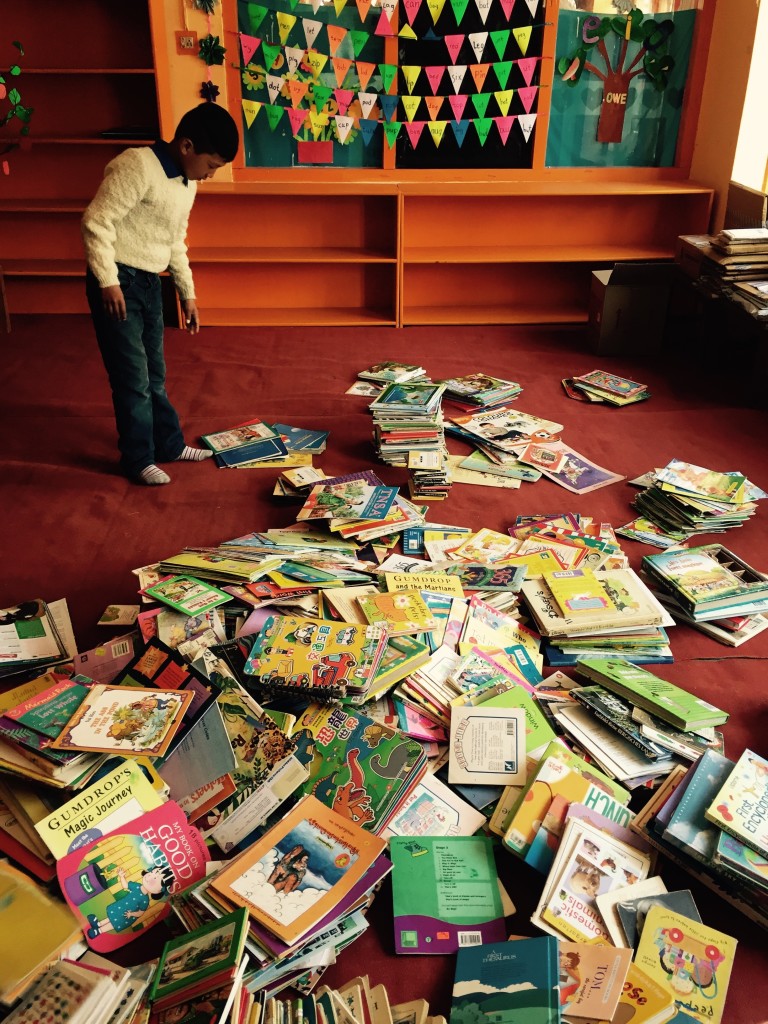
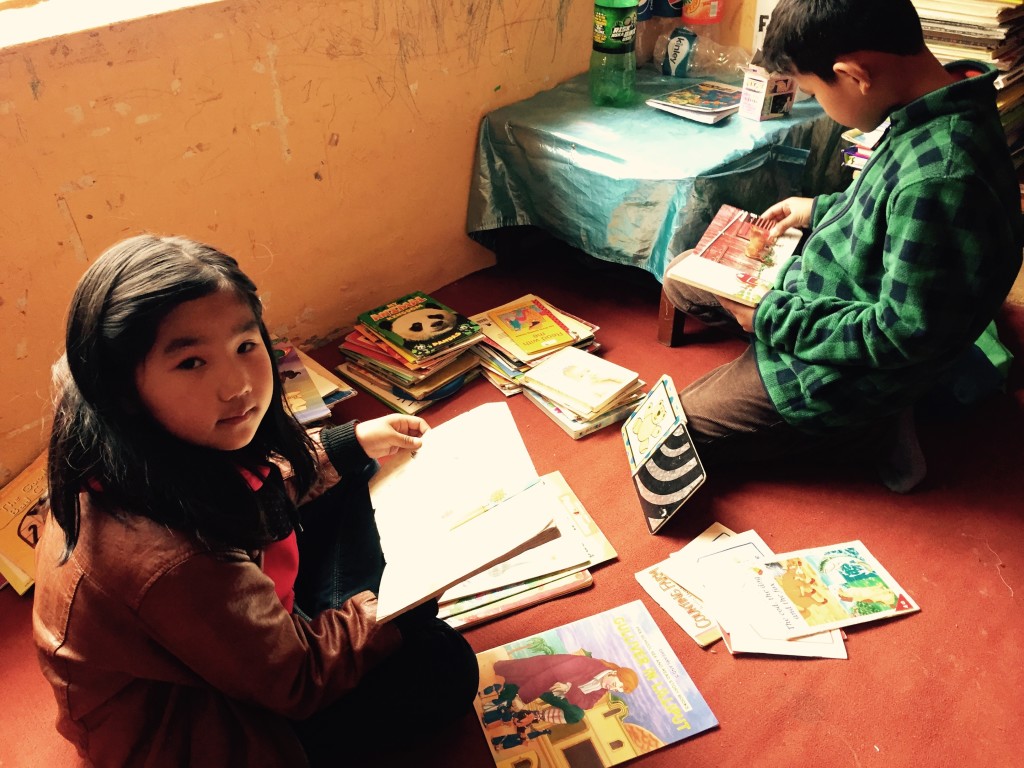
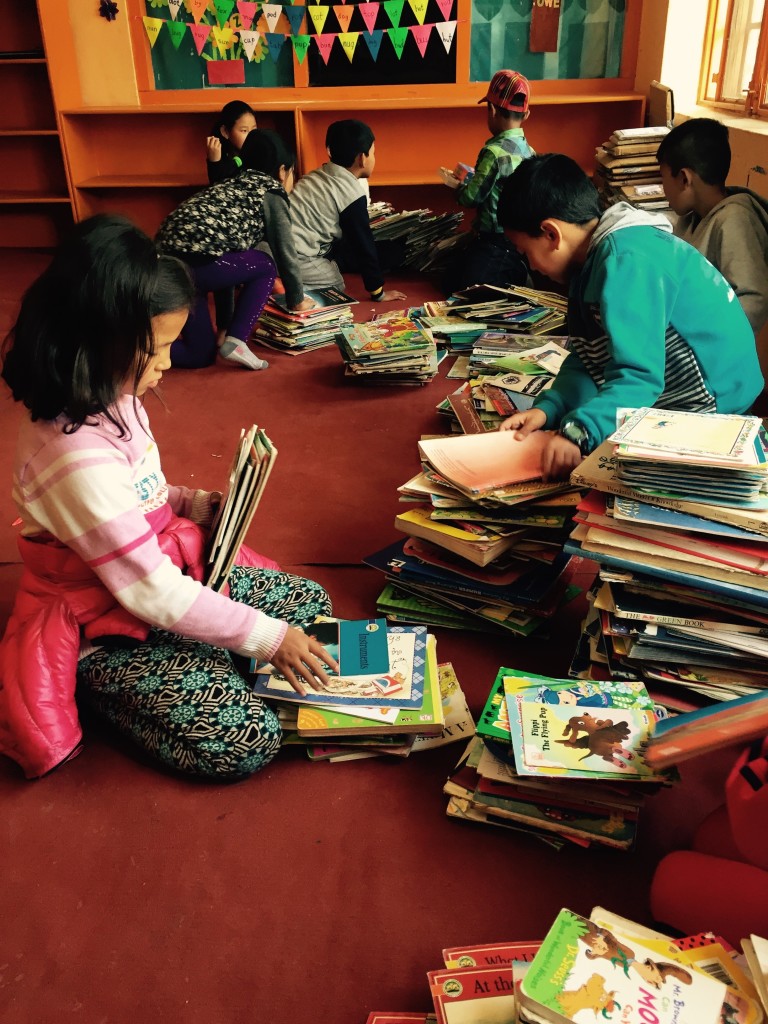
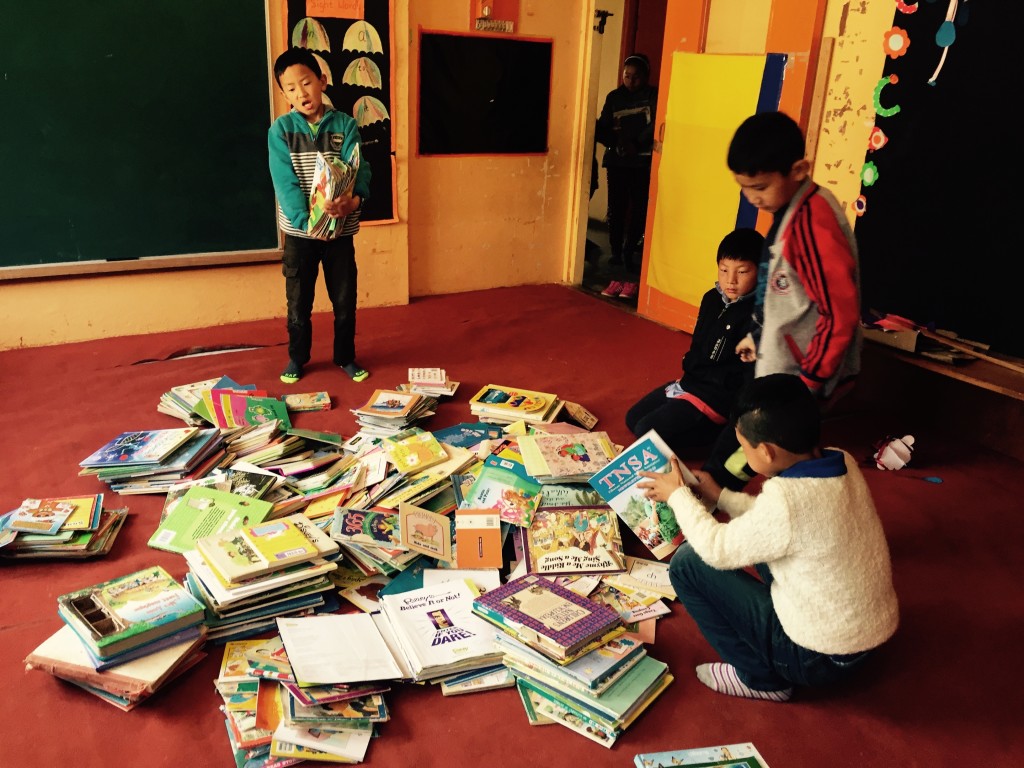
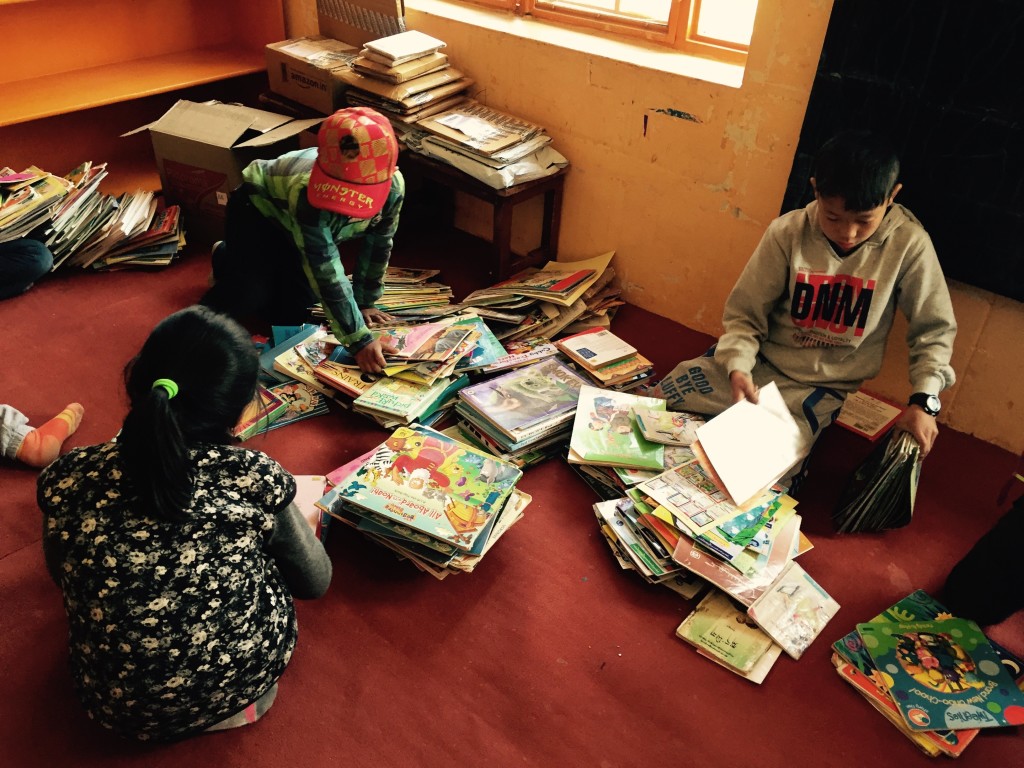
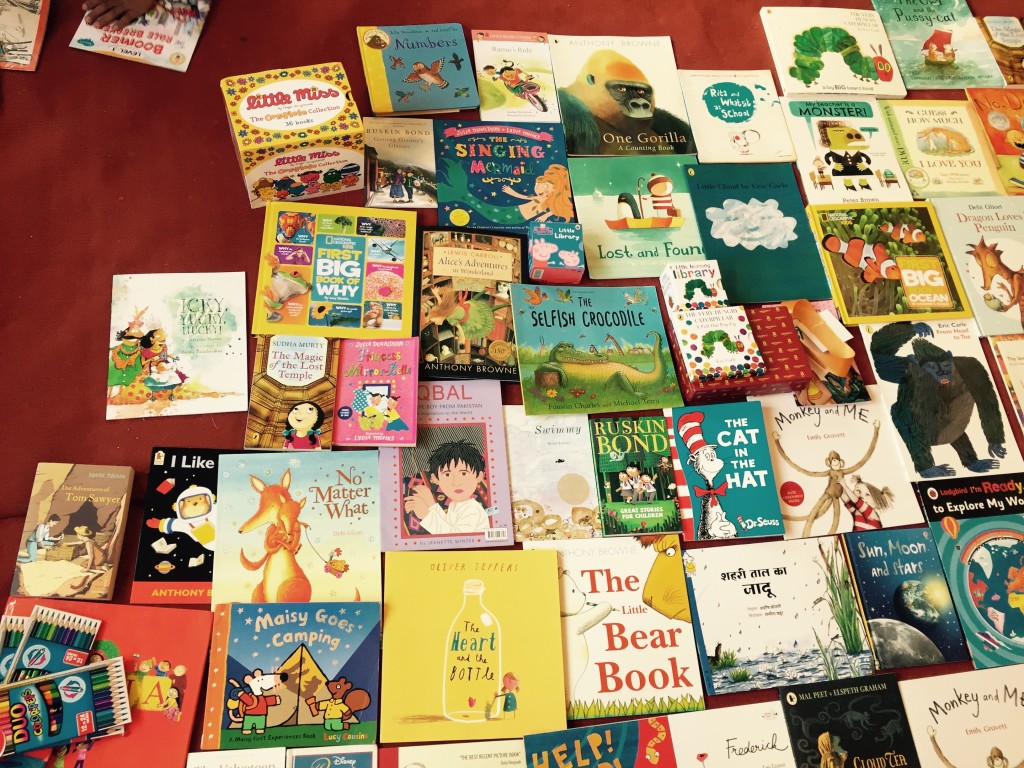
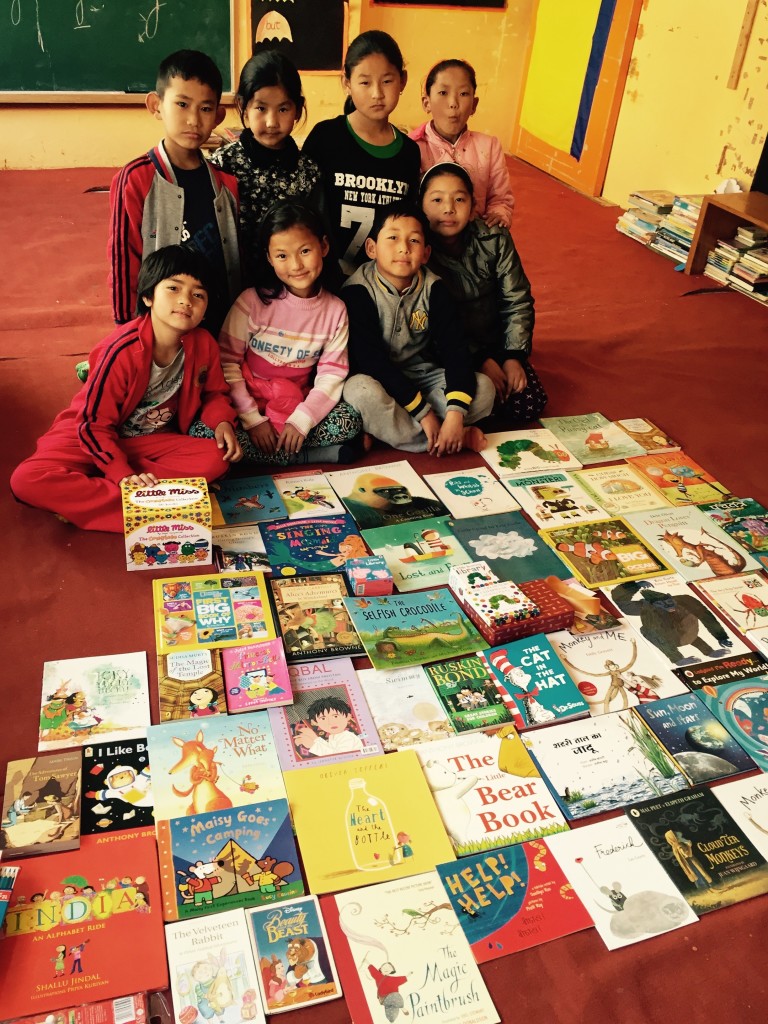
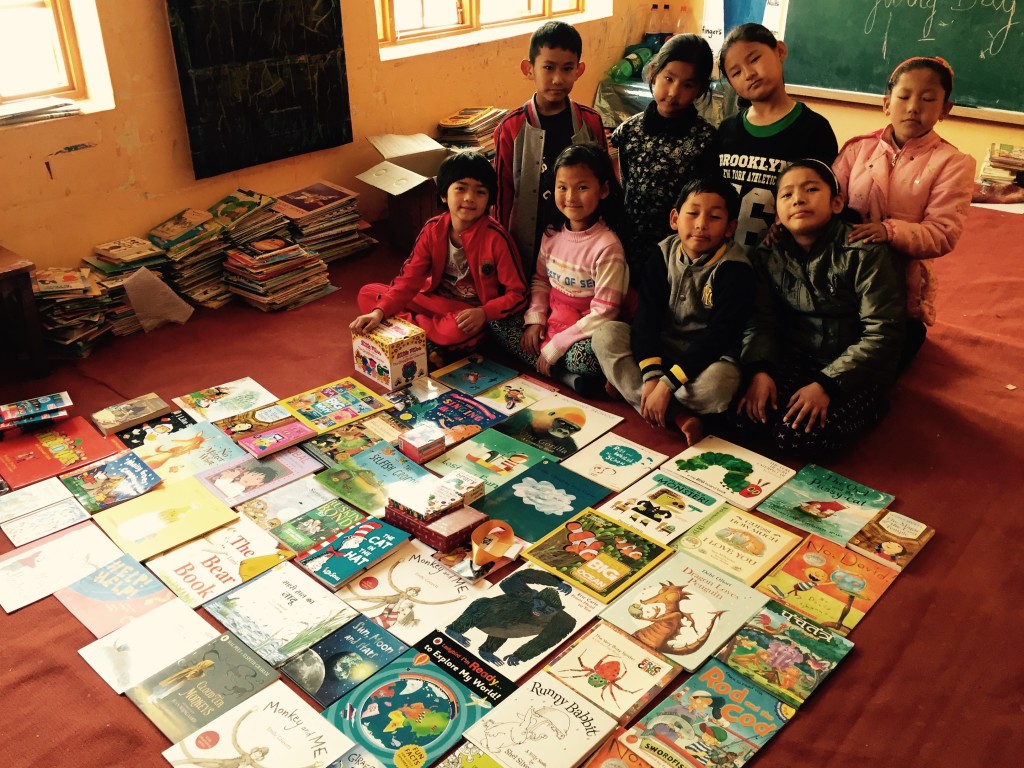
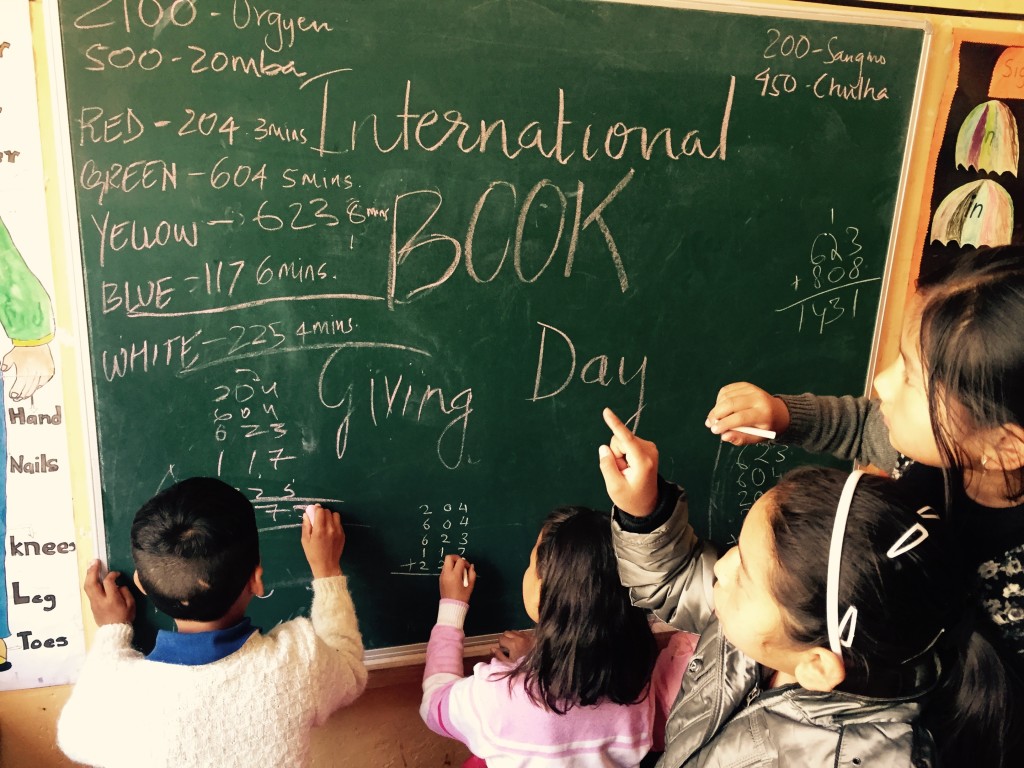
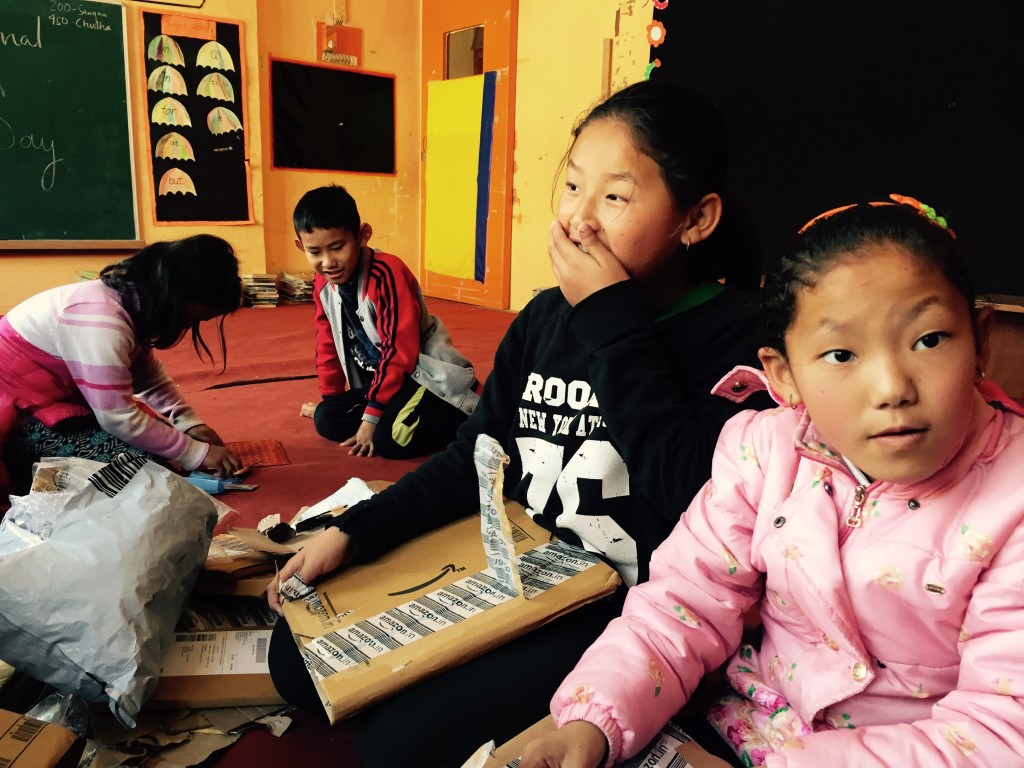
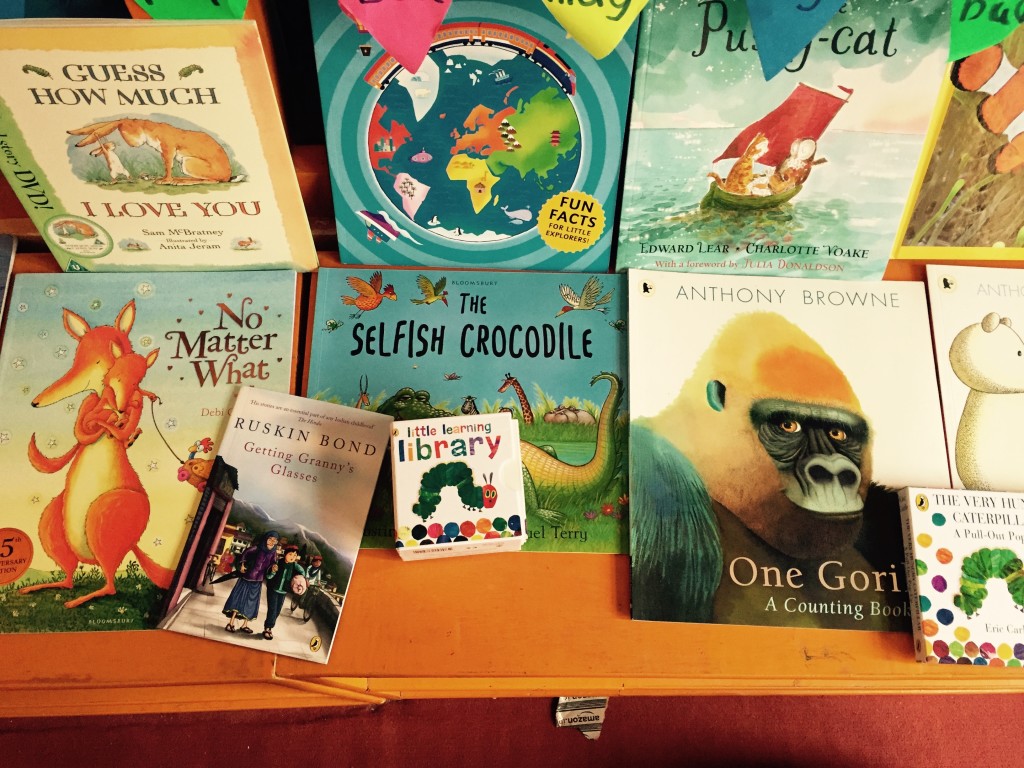
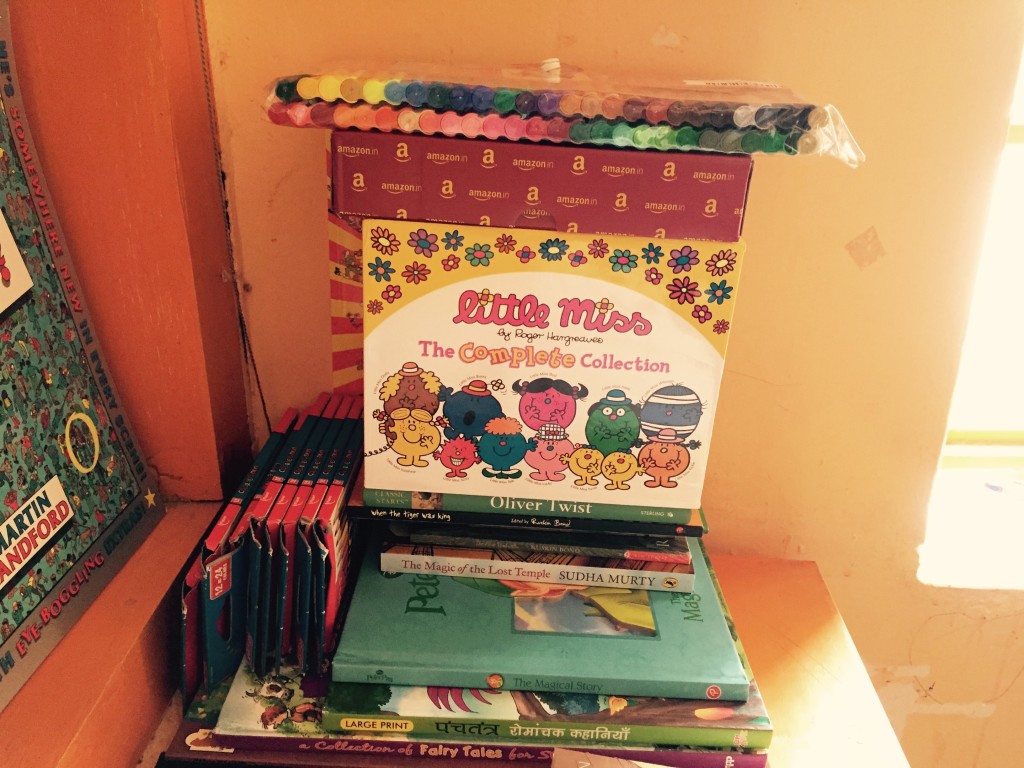
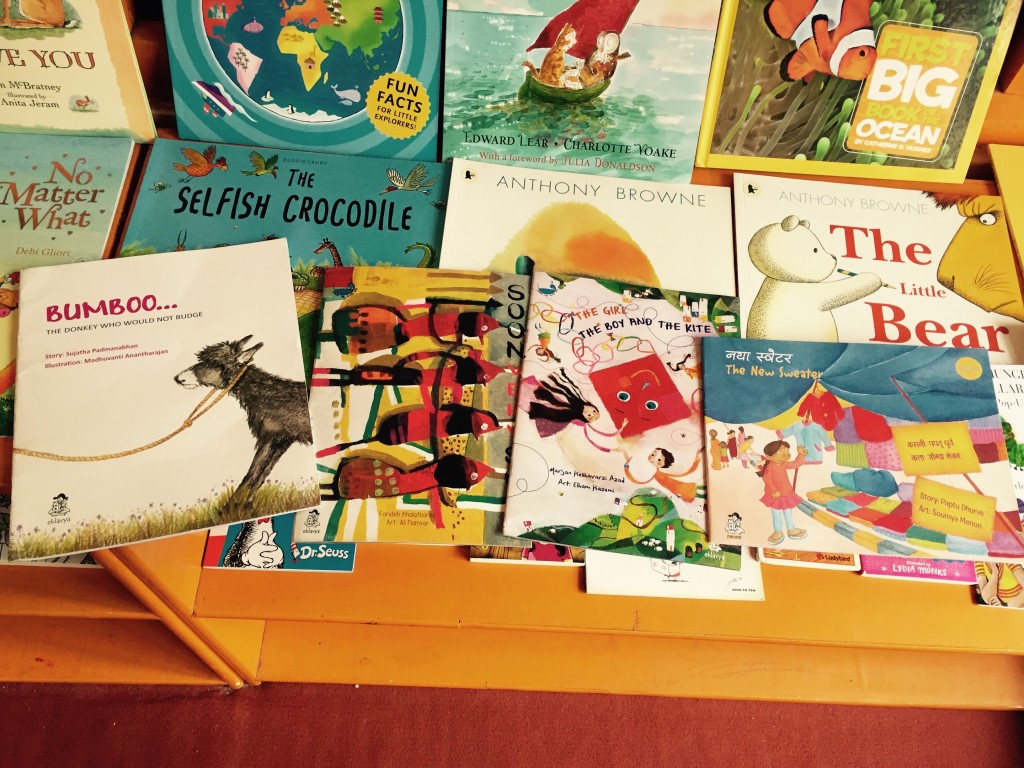
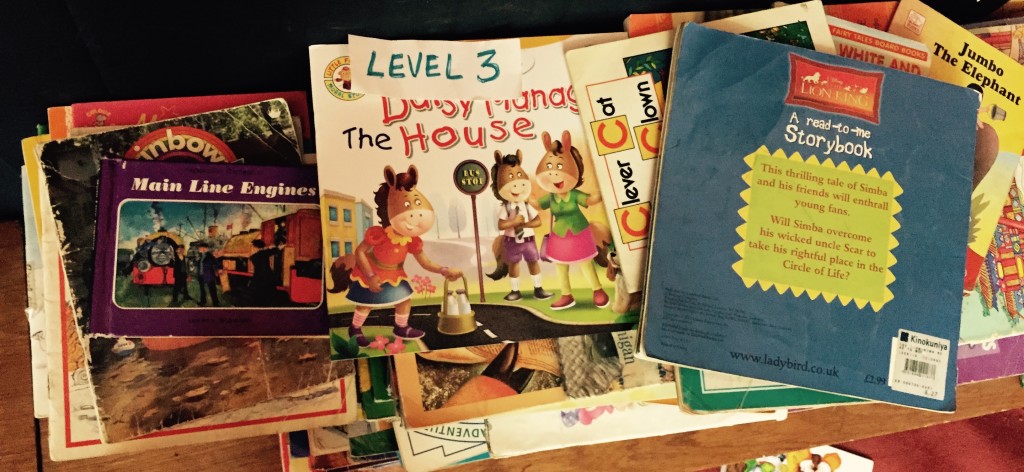
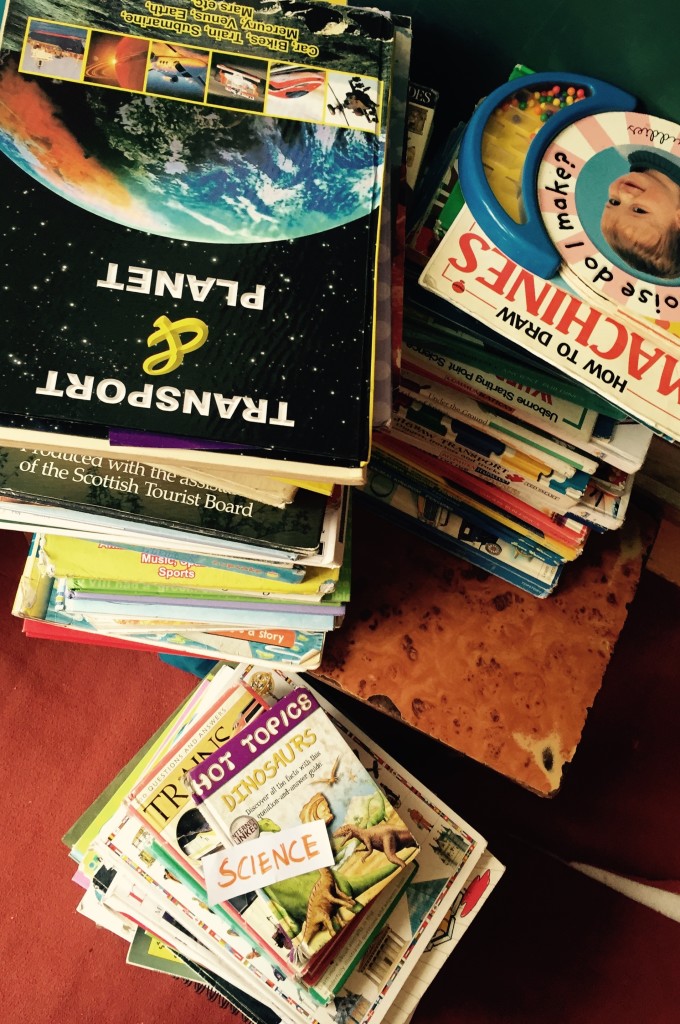
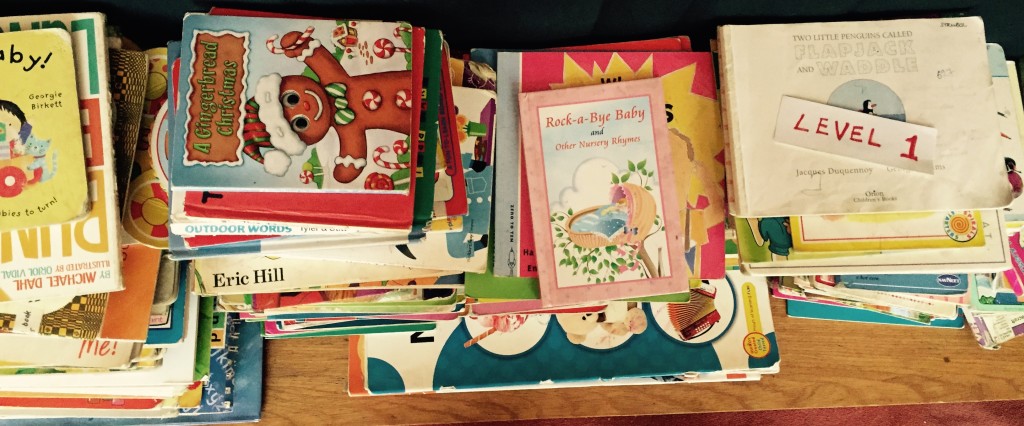
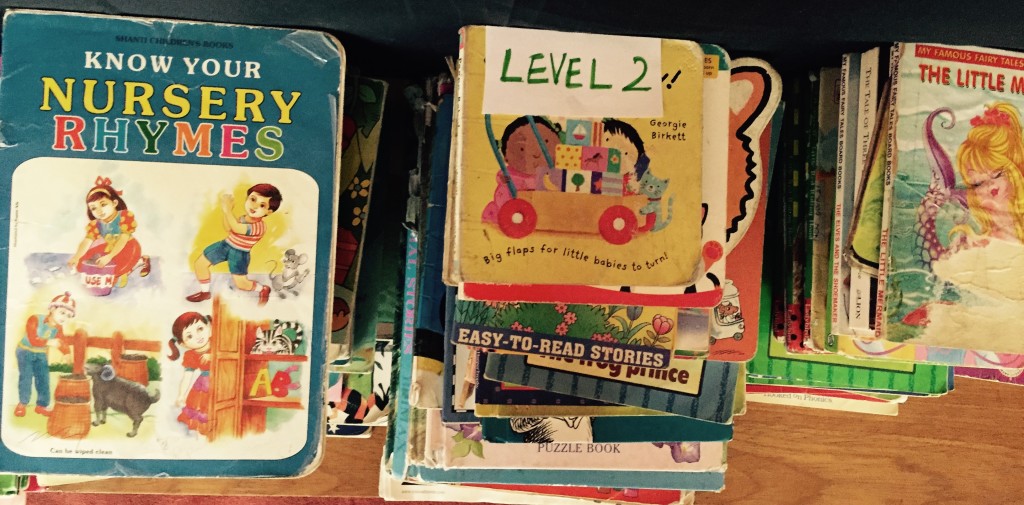
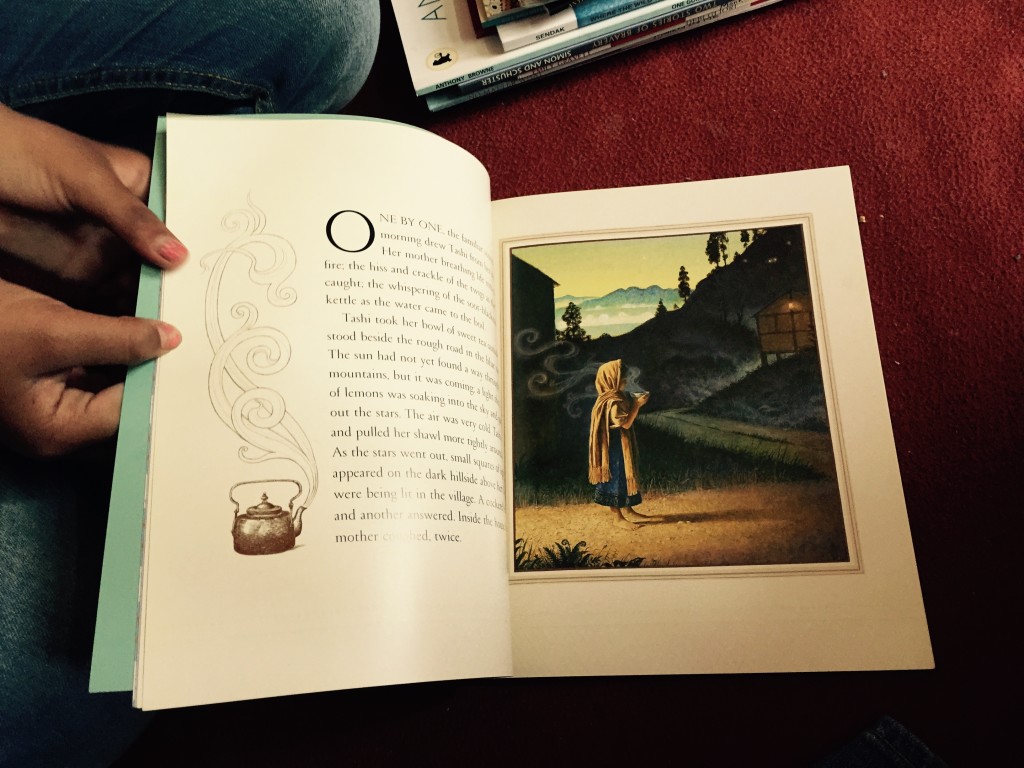
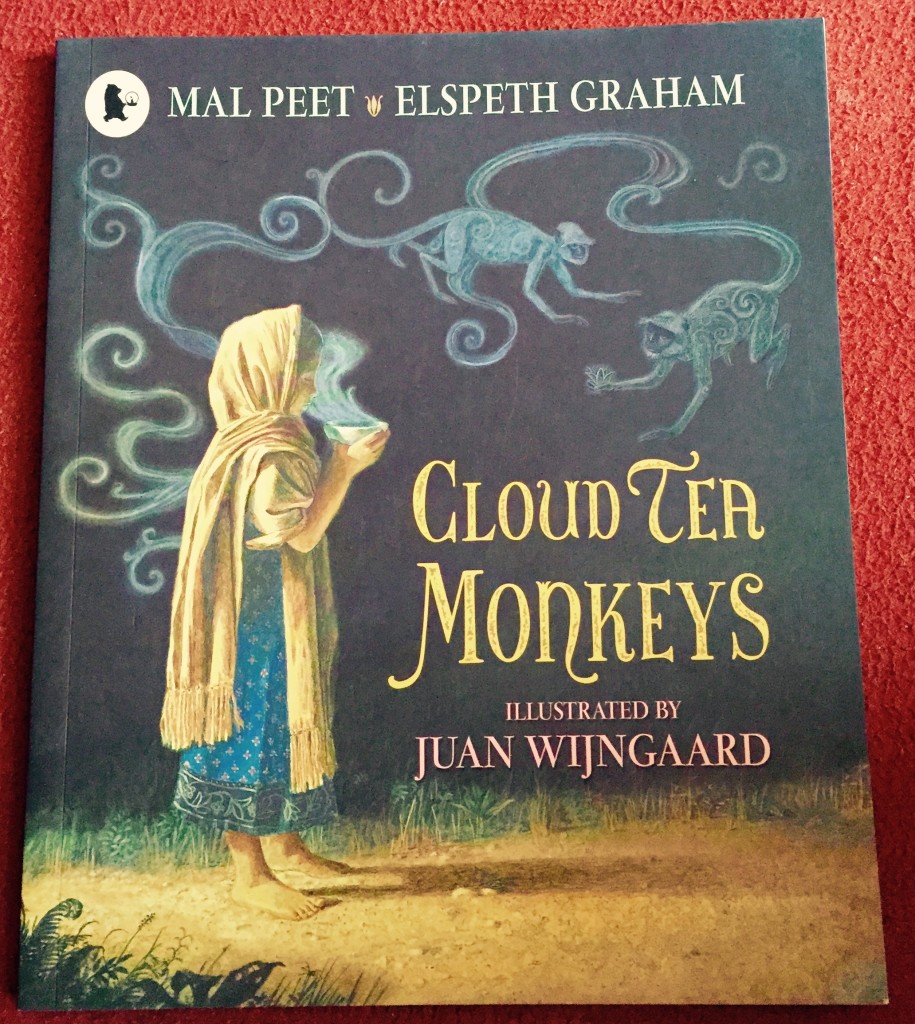
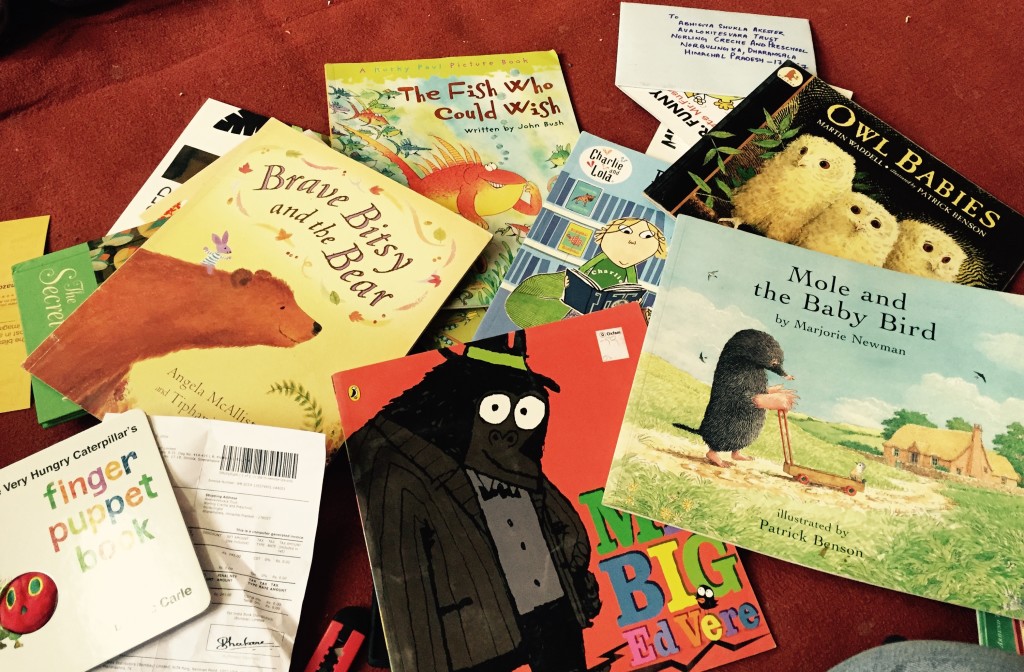
Books provide a steady source of new vocabulary, especially when children have access to illustrated stories, folk tales and nonfiction. During a book drive, donated titles are selected with age, language level and cultural relevance in mind. A facilitator can read a passage and help children choose words worth exploring.
The project can extend beyond the page. After reading about birds, children might observe birds near the reading room and add their own notes. A lesson about weather could lead to entries for wind, cloud, cold and sunlight. A story about travel might inspire drawings of roads, pack animals or mountain paths.
This approach resembles familiar Australian learning experiences such as school library borrowing, Book Week activities and visits to local libraries. It also reflects everyday reading habits, including parents sharing picture books at bedtime. The difference is that children in the project become authors and illustrators of a resource made for their own community.
Making the activity safe and inclusive
Every session follows child-safe practice. Children should be able to choose what they draw, decline to share personal information and receive help without embarrassment. Photos of finished pages or group activities require appropriate permission, especially when material may appear on a website or social media channel.
Australian supporters may recognise the importance of Working with Children Checks, clear volunteer boundaries and responsible photography. These expectations align with the safeguarding principles used by Australian schools, charities and community organisations. Privacy should be considered carefully under relevant Australian privacy requirements, while local laws and community protocols guide practice in the Himalayan setting.
Inclusion also means adapting materials and pace. Some children may have limited fine-motor control, visual difficulties or interrupted schooling. Larger pages, verbal recording, shared drawing and extra time can make participation possible. A dictionary project succeeds when every child can see a place for their voice.
Sharing, preserving and extending the work
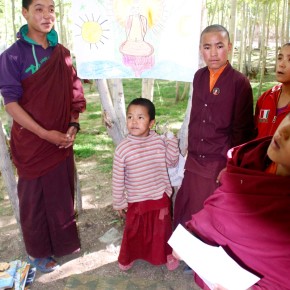
When a set of pages is complete, children can bind it into a class dictionary, display selected entries in the reading room or read the words during a small presentation. Finished books can be revisited during later lessons, allowing children to add definitions and new examples as their language develops.
Supporters in Australia can contribute suitable books through public libraries, school collections, community groups and second-hand bookshops. Op shops and local book fairs may offer affordable children’s titles, while schools often organise book donations around reading events. Donations should be clean, age-appropriate and useful for the languages and interests of the receiving community.
The project also offers a thoughtful alternative to sending resources without context. Books, art materials and volunteer time become most valuable when children help shape how they are used. The finished dictionary is both a learning tool and a record of imagination.
What each format makes possible
| Format |
Strength |
Best use |
| Standard printed dictionary |
Broad coverage and established definitions |
Independent reference work |
| Bilingual picture dictionary |
Links languages through images and translations |
Early vocabulary and multilingual learning |
| Child-created illustrated dictionary |
Builds ownership, creativity and local relevance |
Group projects, reading rooms and language development |
Materials that support the activity
- Picture books and simple nonfiction titles
- Recycled card, folders and binding materials
- Pencils, coloured pencils, crayons and sharpeners
- Large-print word cards and translation prompts
- Rulers, glue and child-safe scissors
A child-created dictionary should not be judged by perfect spelling or artistic technique. Its value lies in the connection between a word, an image and a child’s understanding. With books, patient guidance and room to experiment, children turn vocabulary into something they can hold, share and continue developing.
The key thing to remember is that each illustrated entry gives a child more than a definition: it gives their language, imagination and lived experience a lasting place in learning.