How We Encourage Girls to Stay in School Through Craft Workshops
In the Himalayan region, education can be shaped by distance, household responsibilities, limited resources, and the lack of welcoming spaces for young learners. For many girls in Ladakh and surrounding communities, staying in school depends on more than access to a classroom. It also requires encouragement, confidence, practical support, and a sense that learning belongs in their lives.
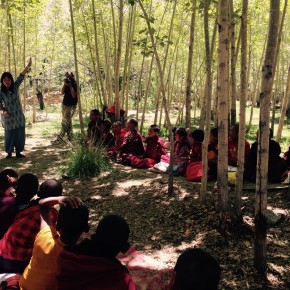
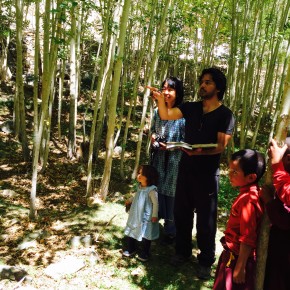
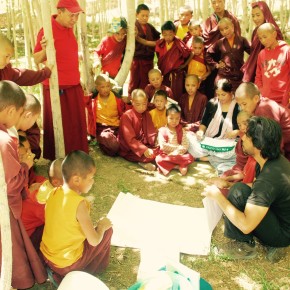
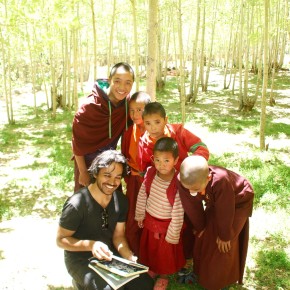
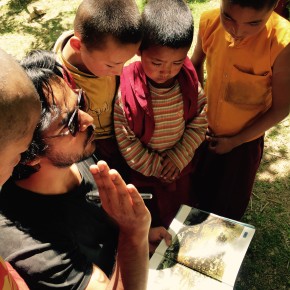
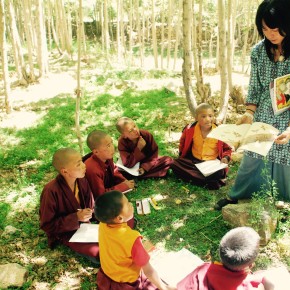
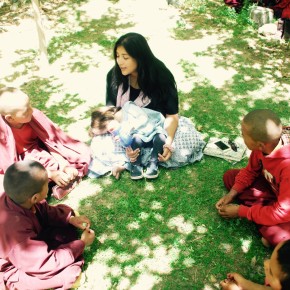
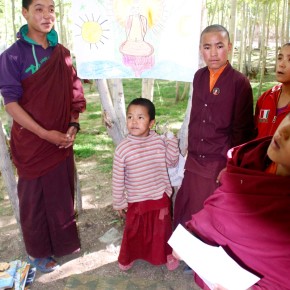
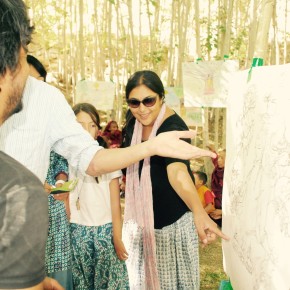
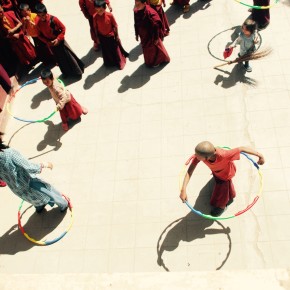
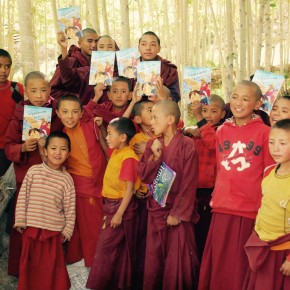
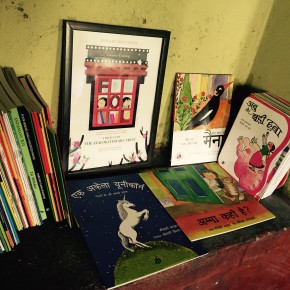
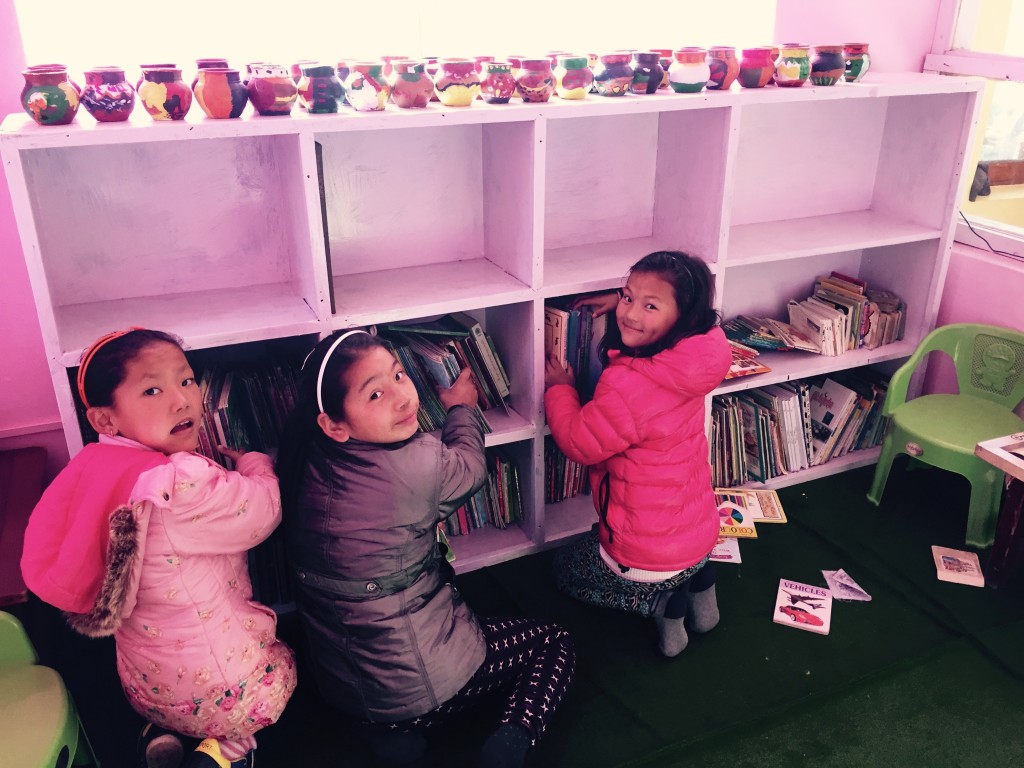
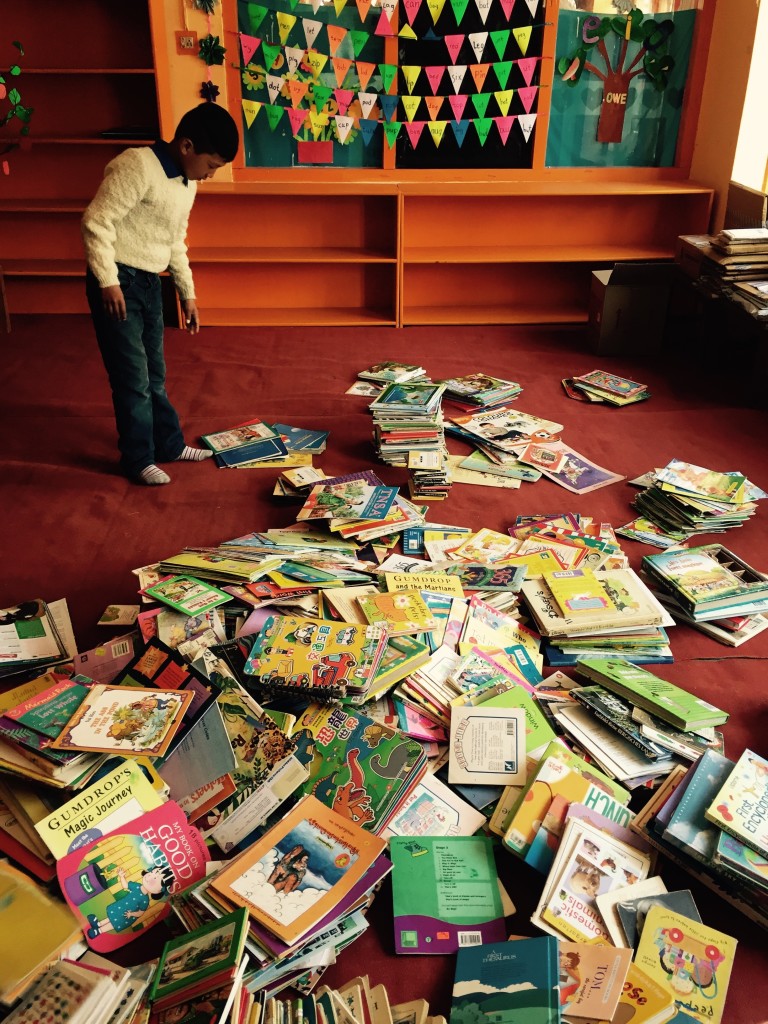
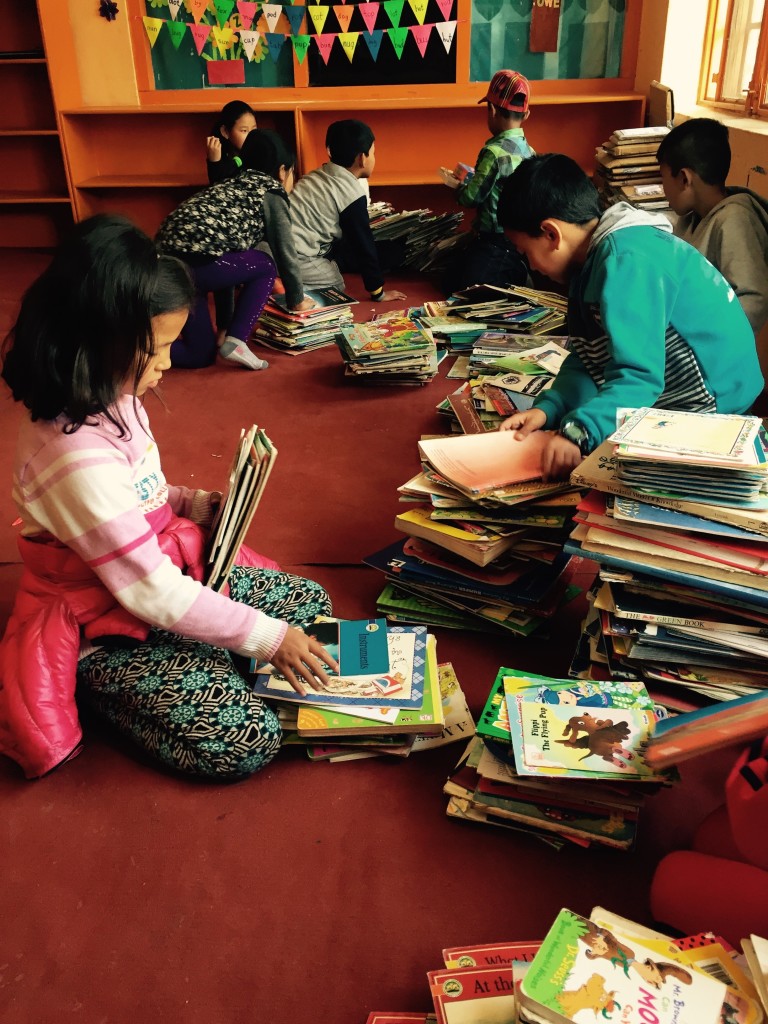
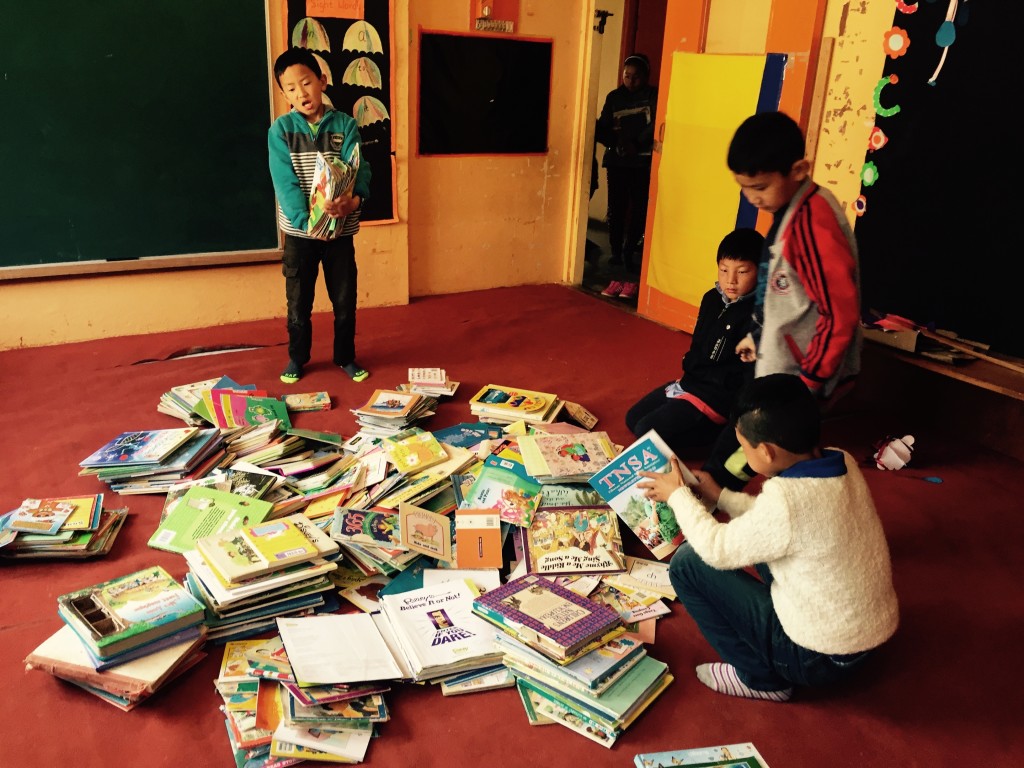
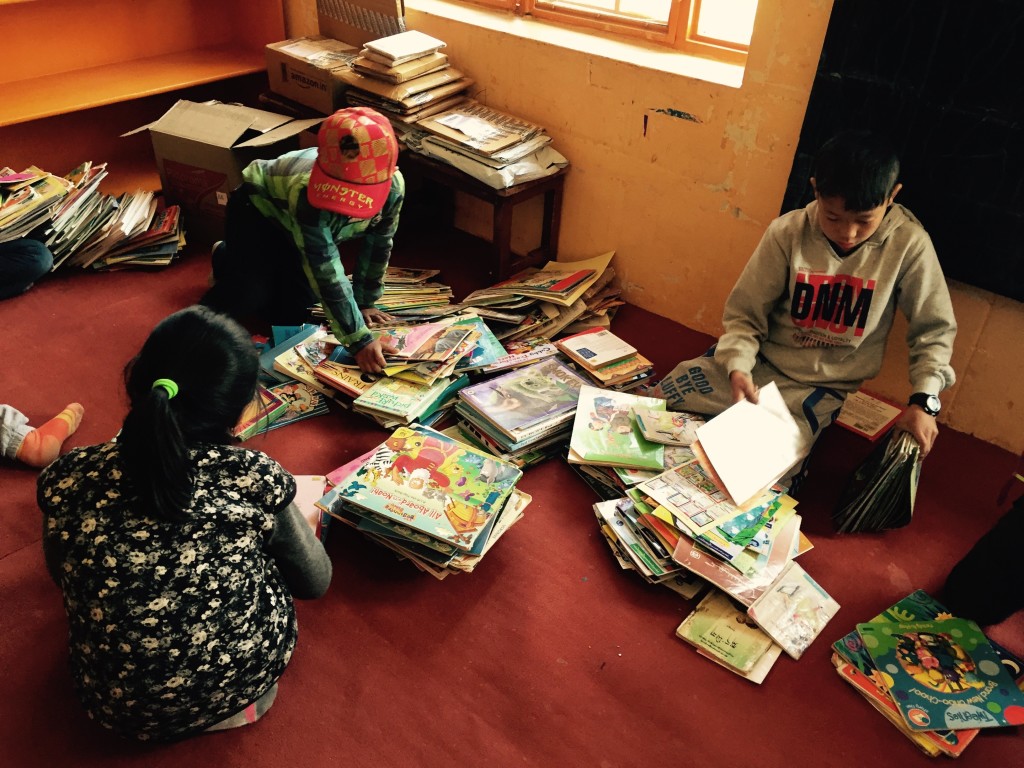
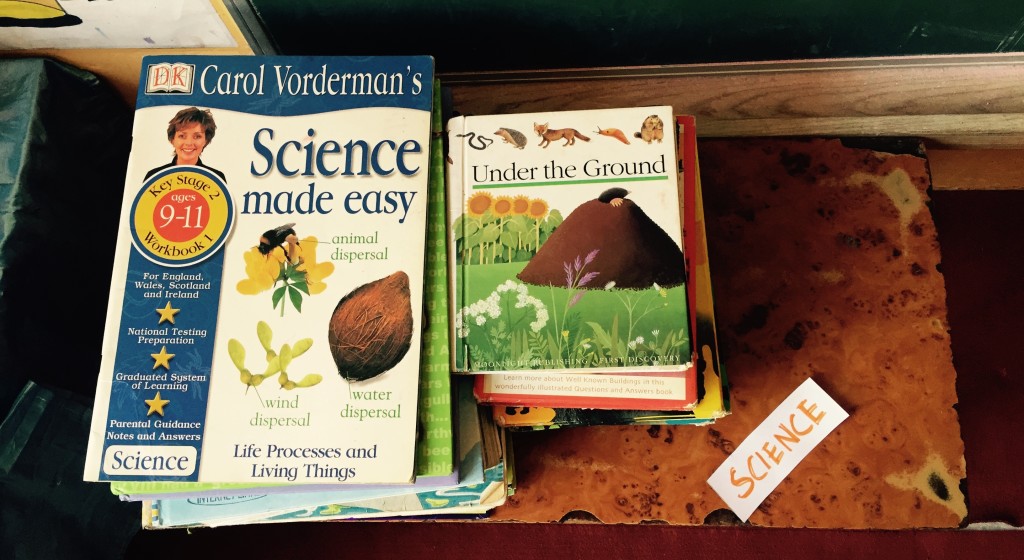
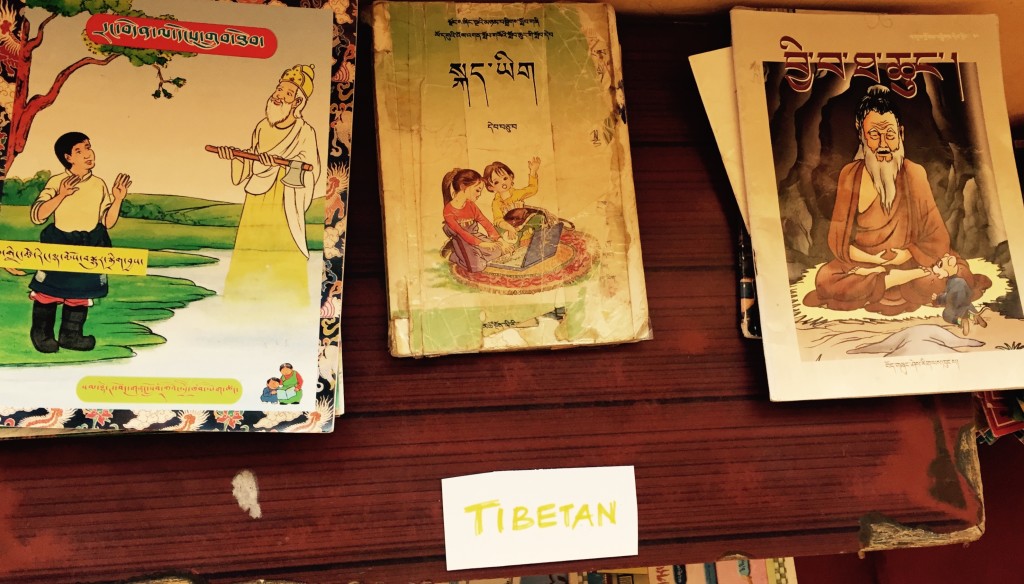
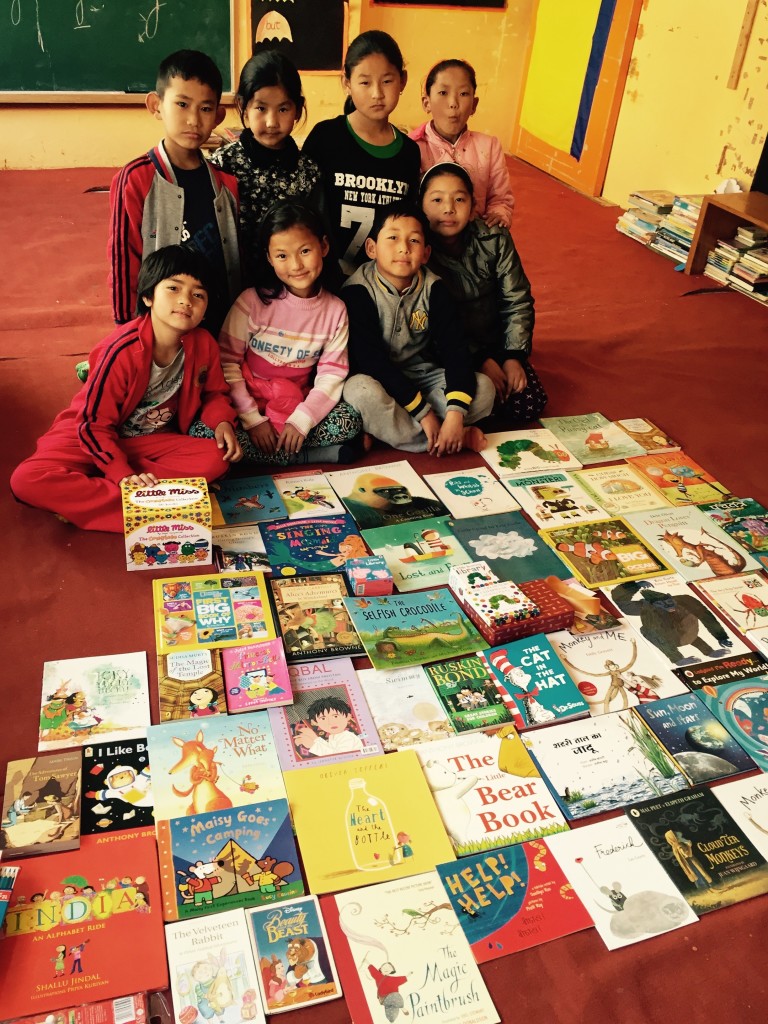
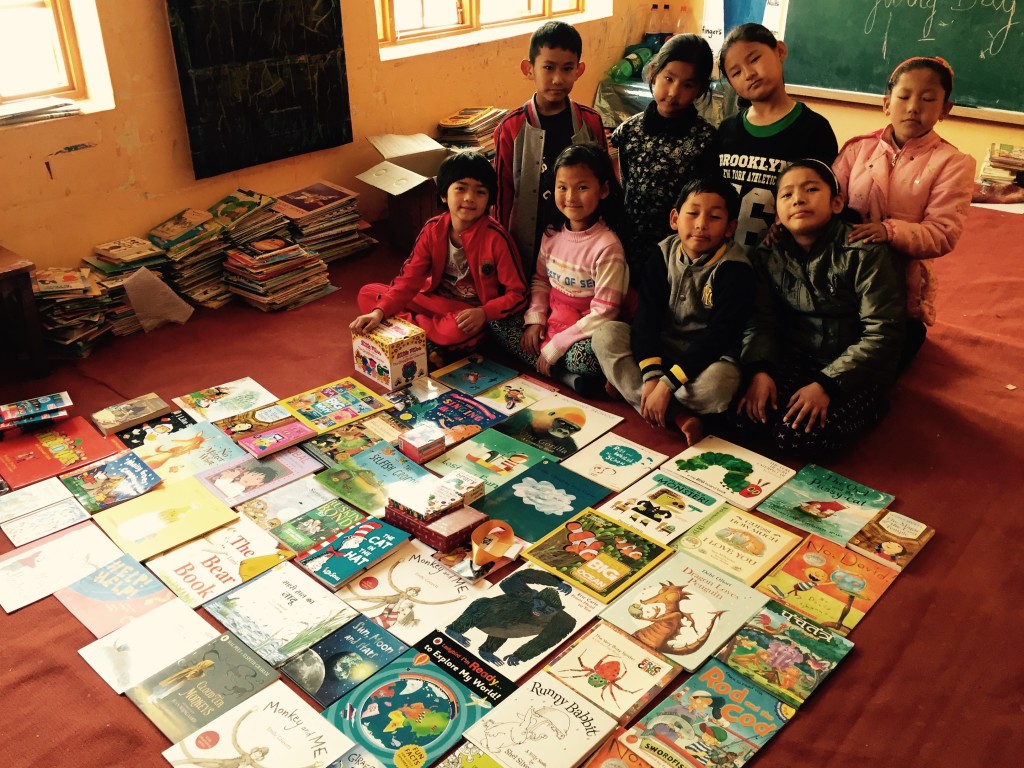
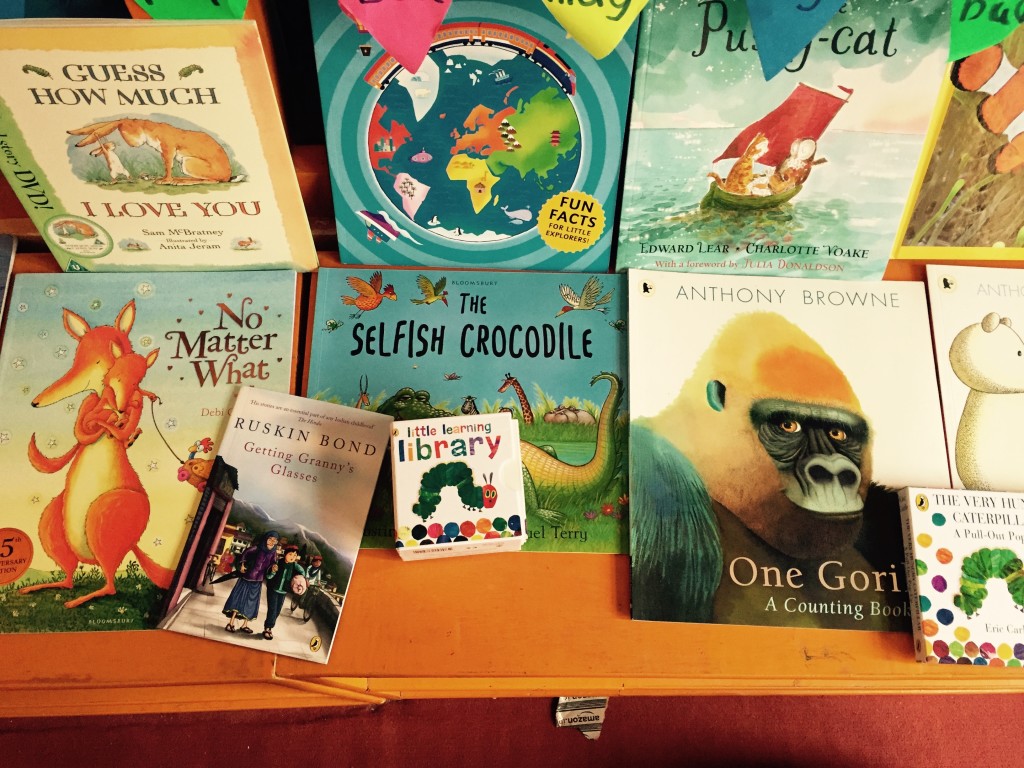
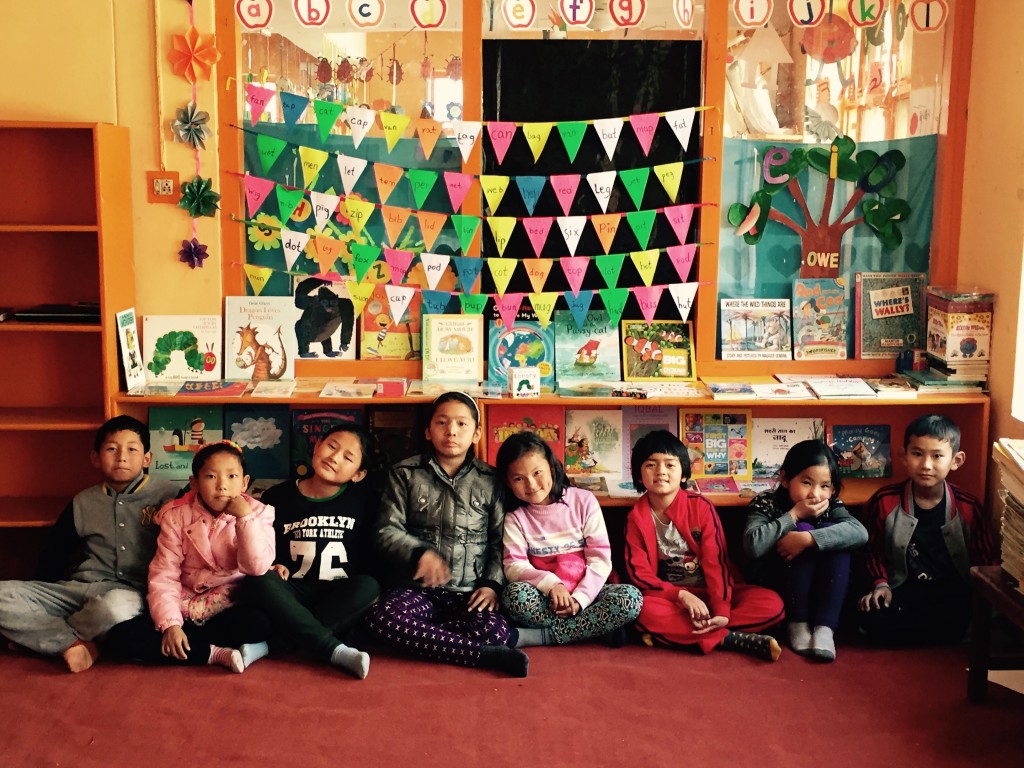
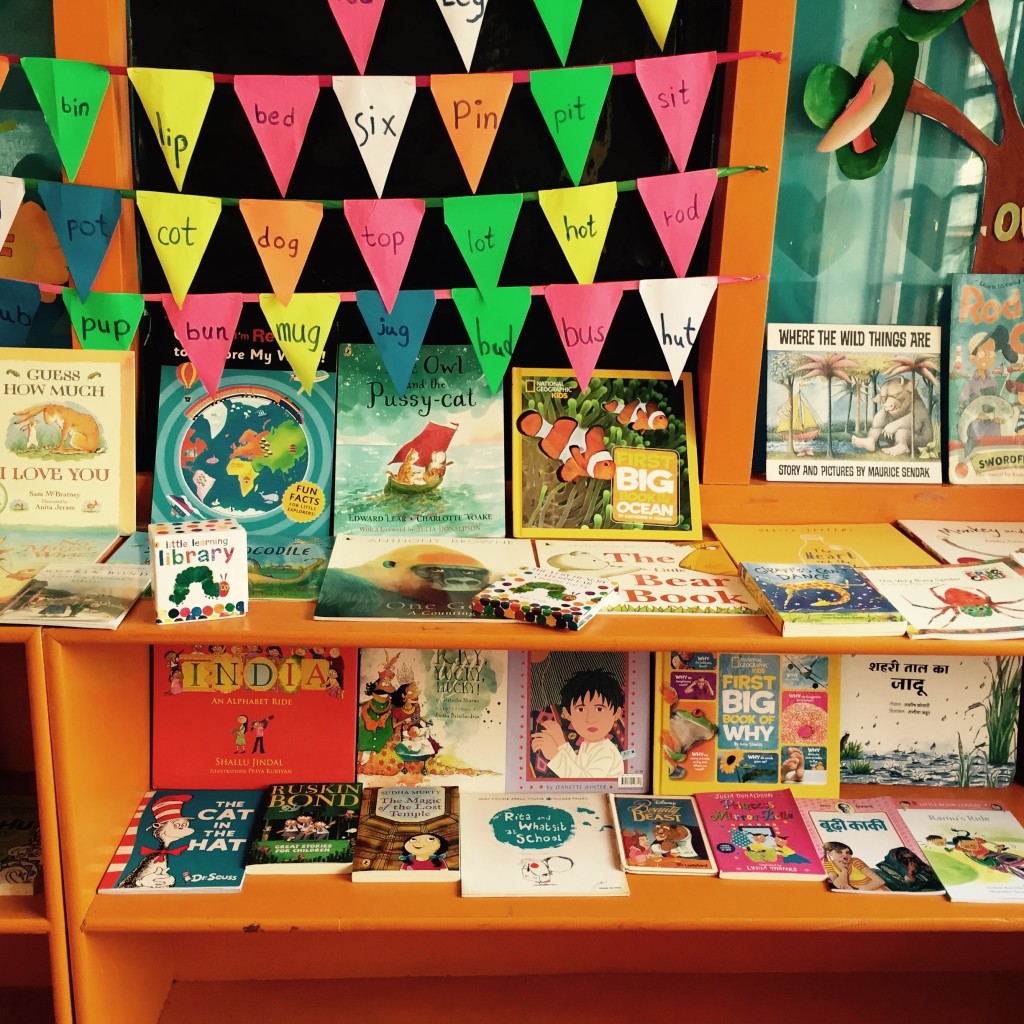
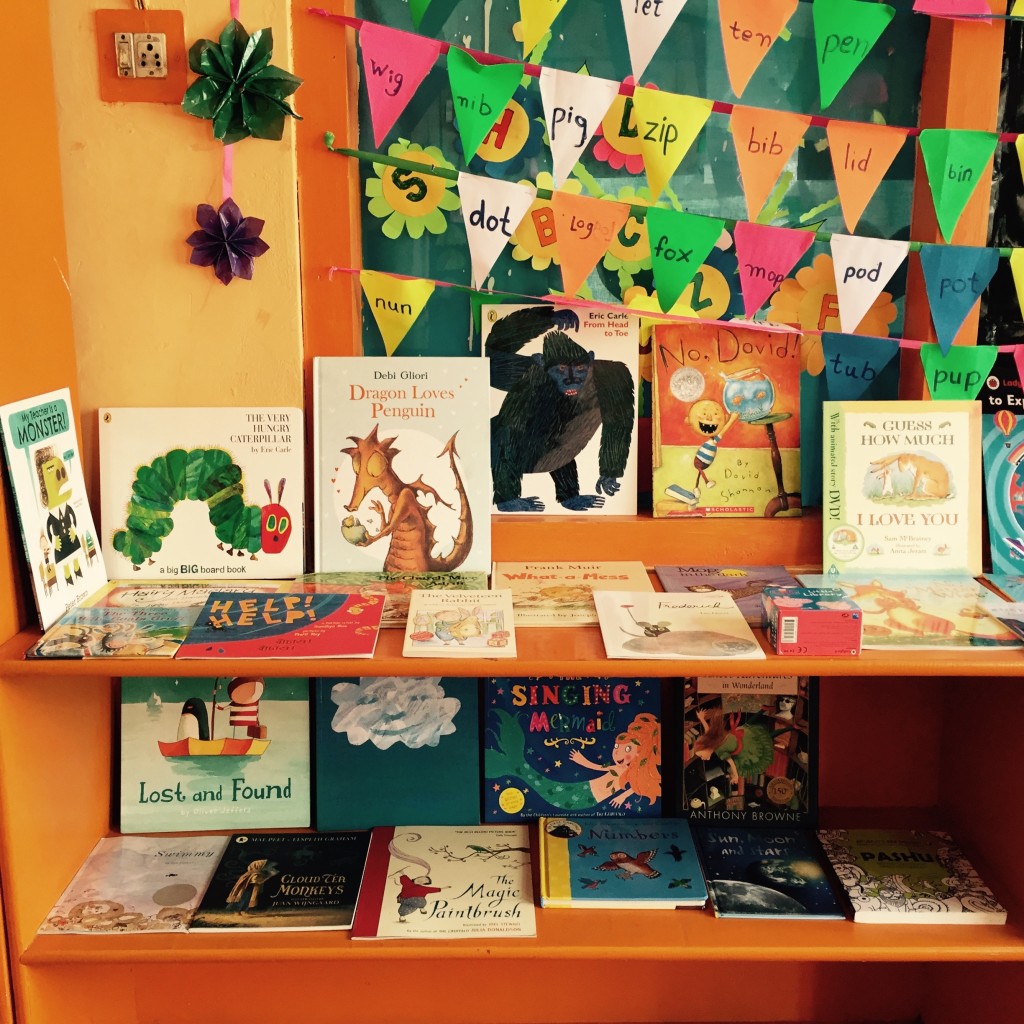
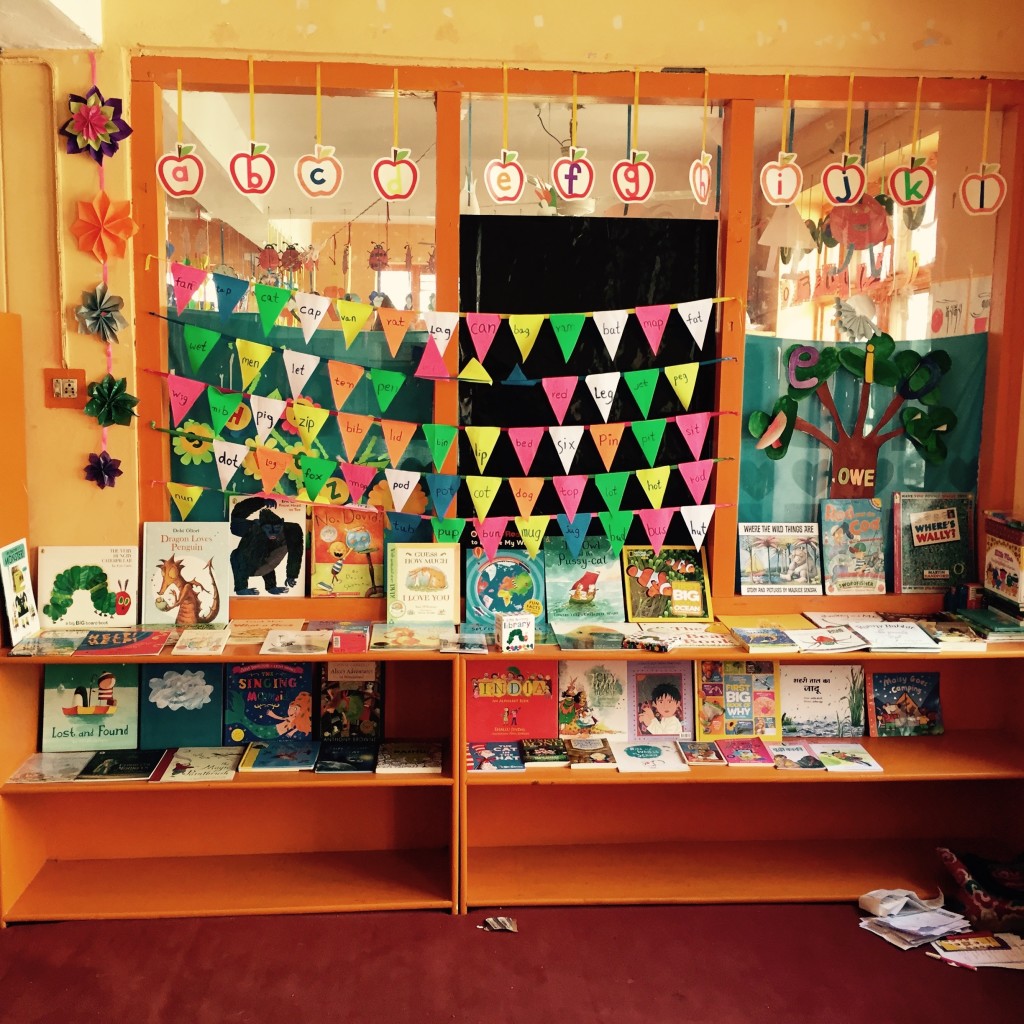
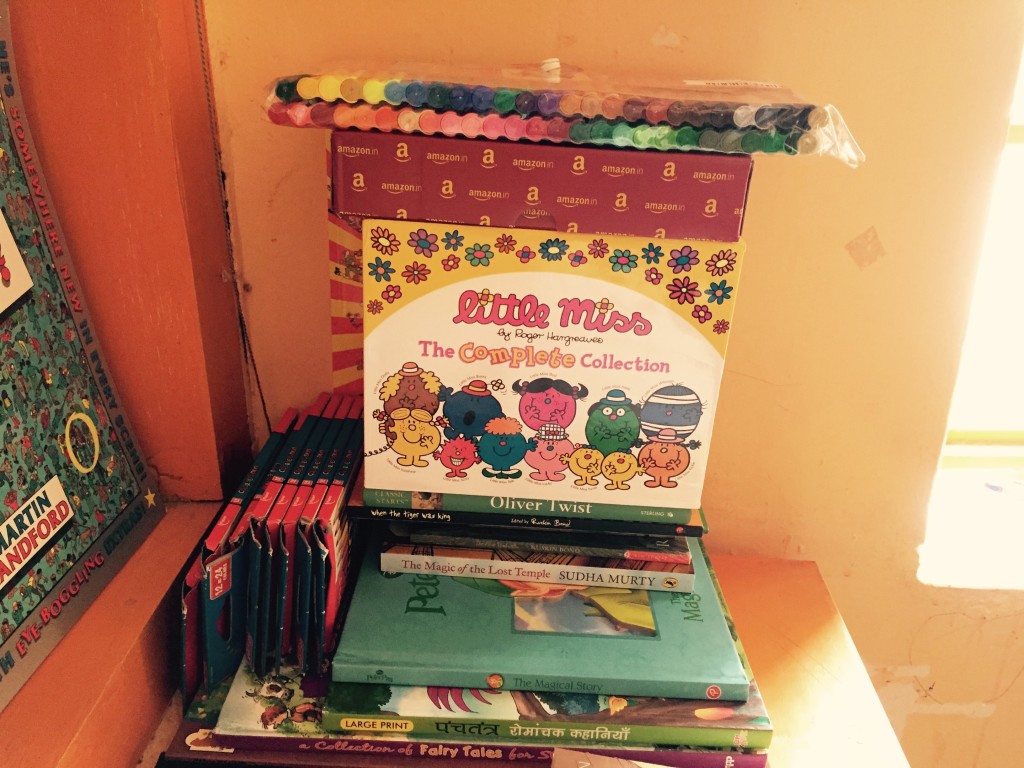
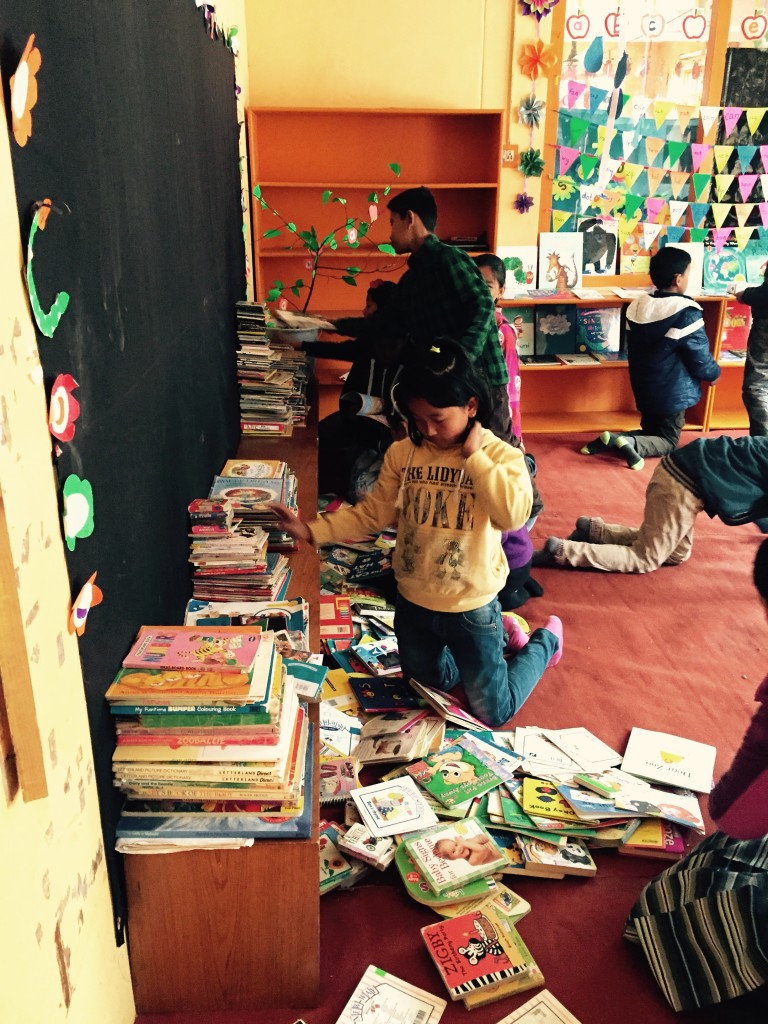
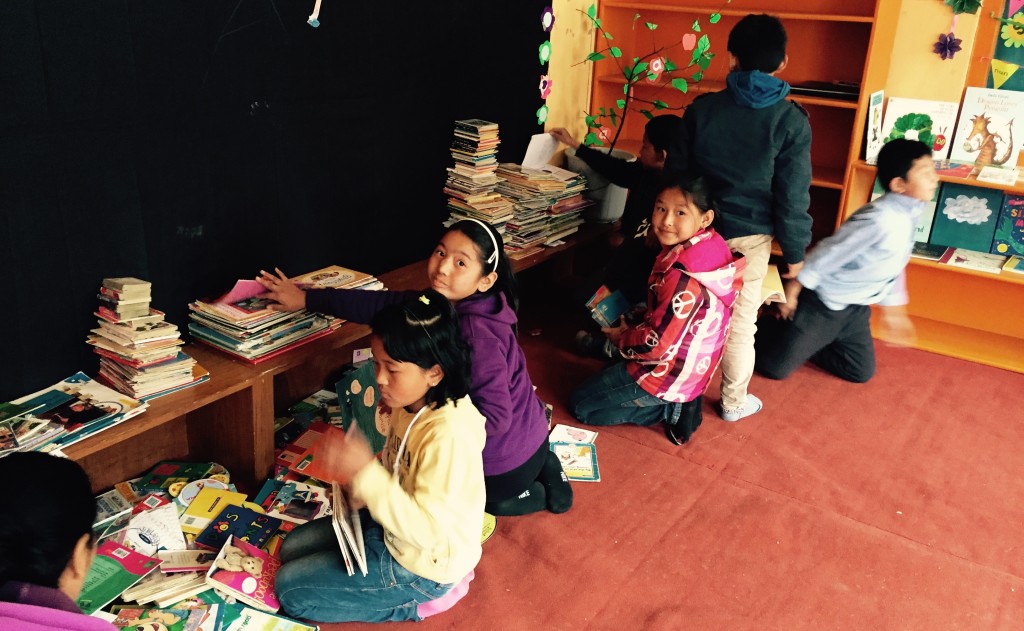
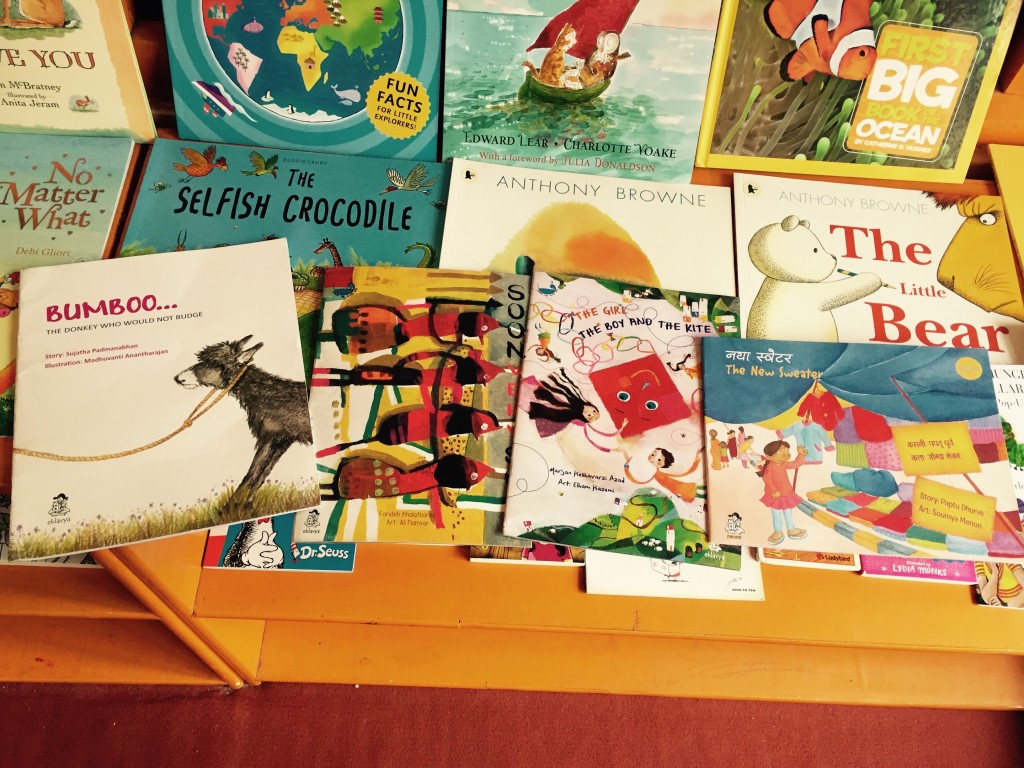
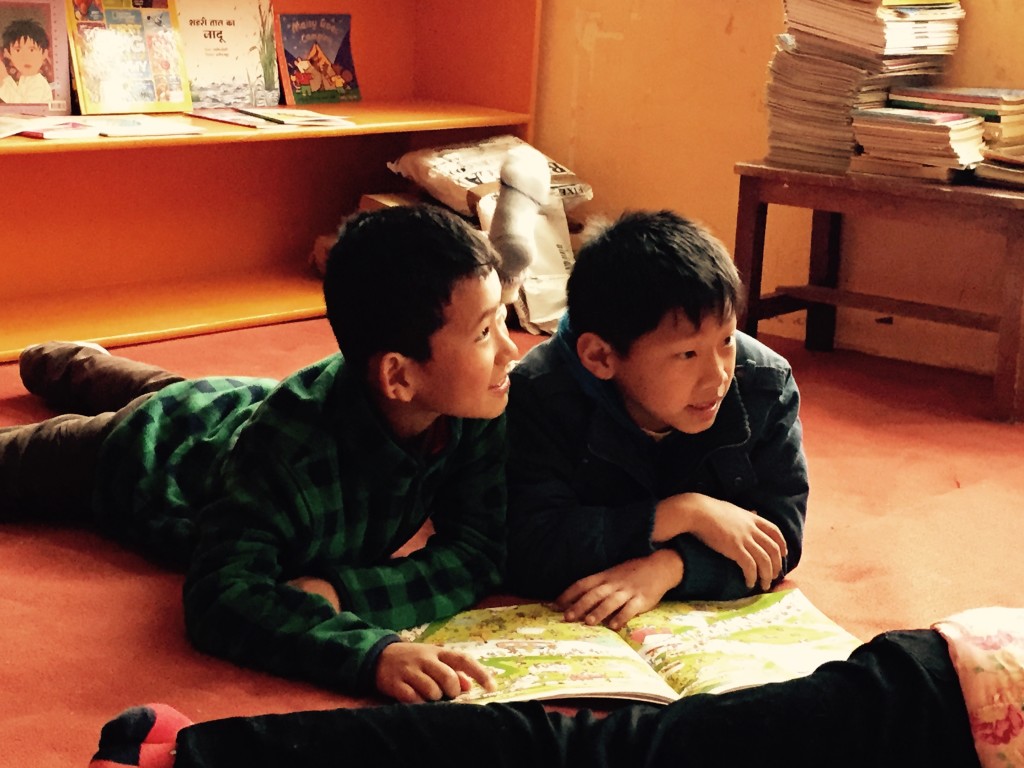
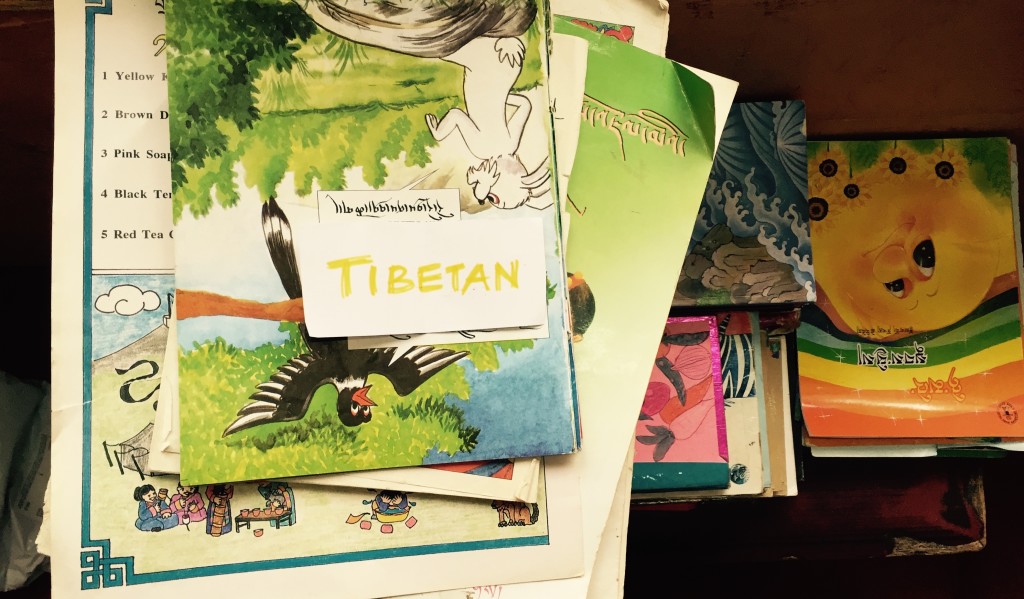
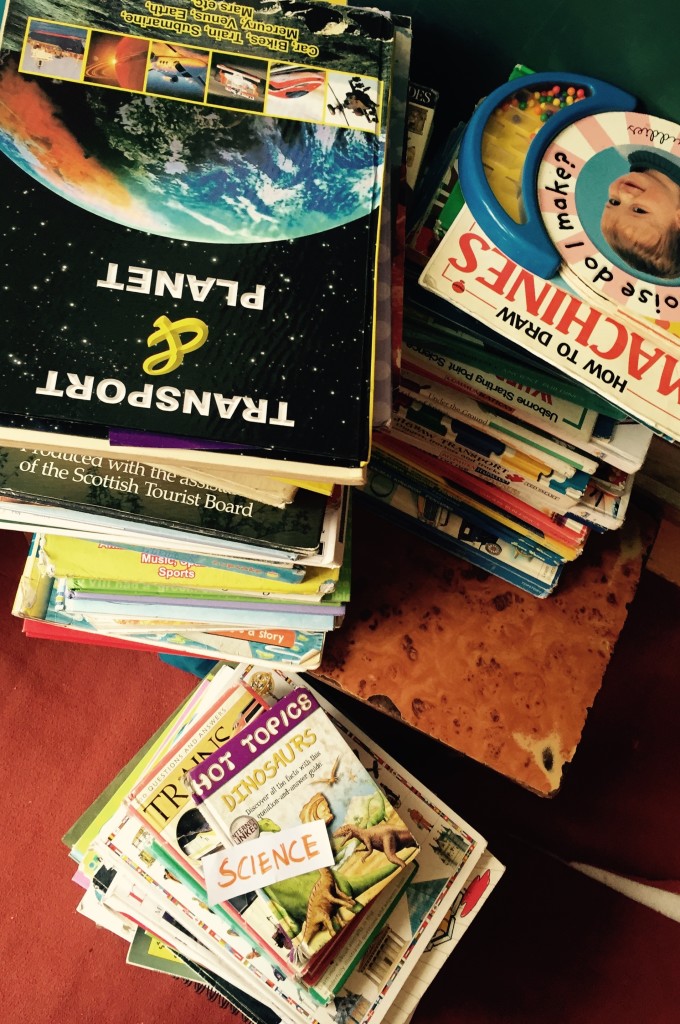
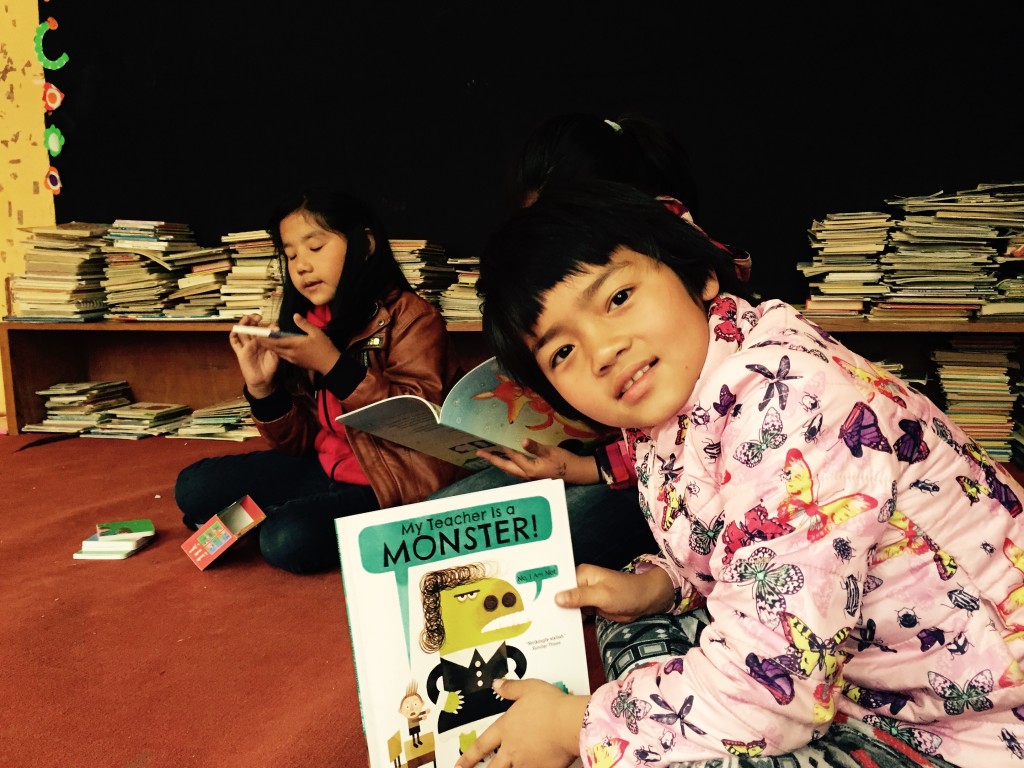
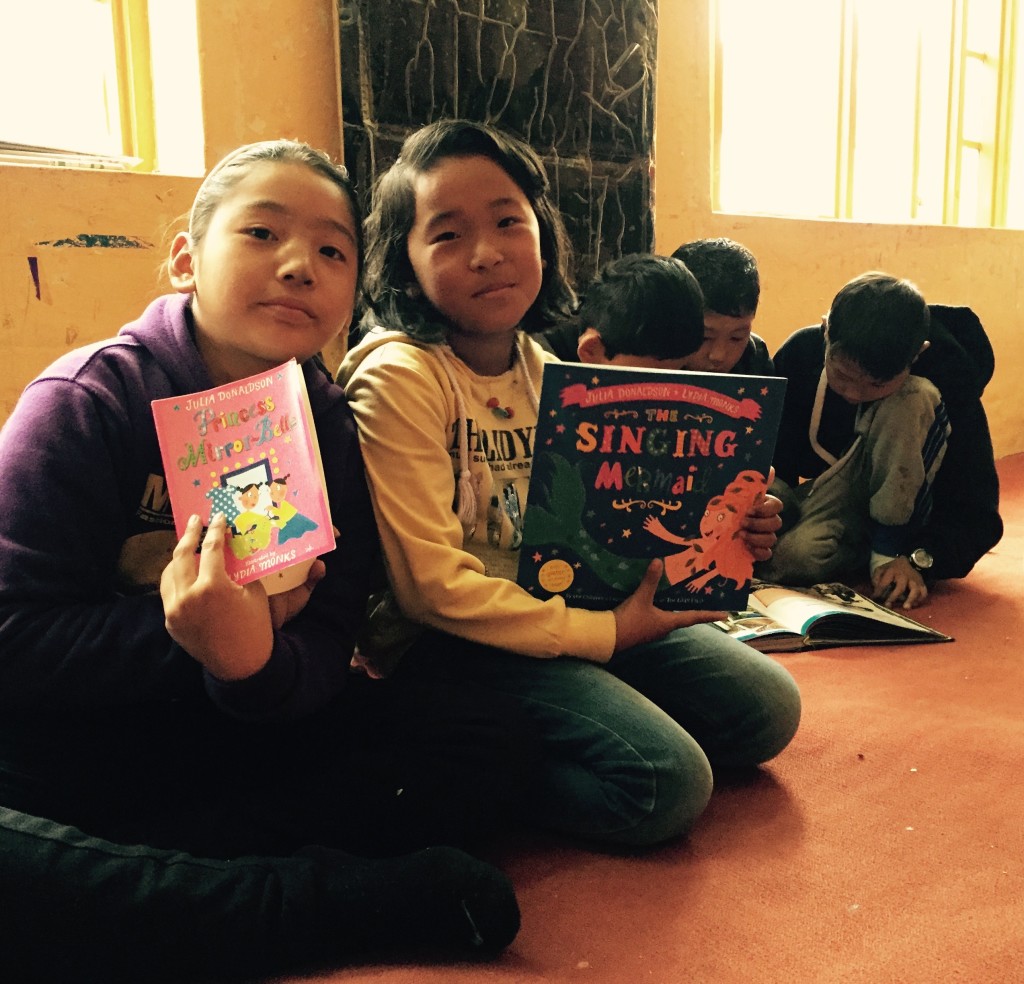
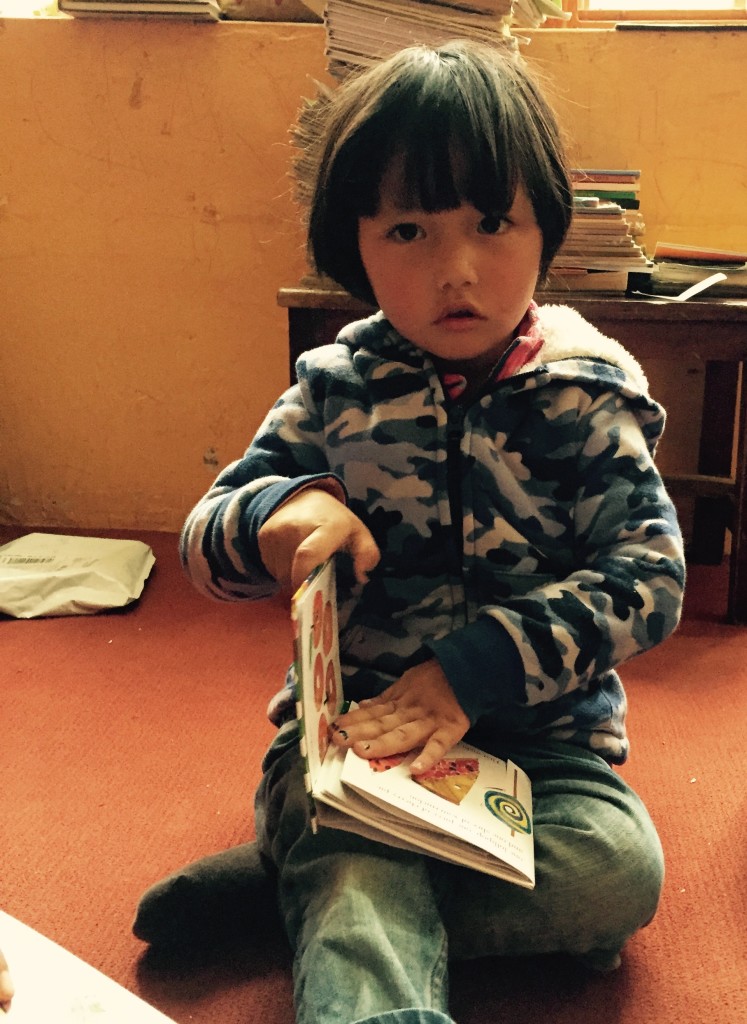
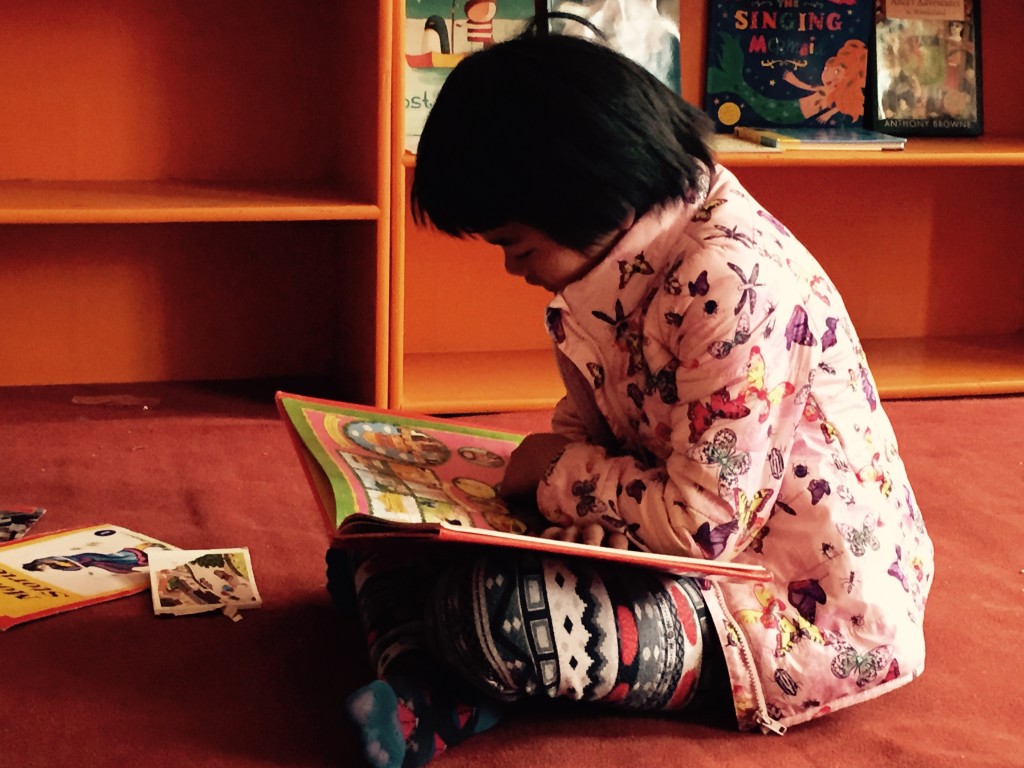
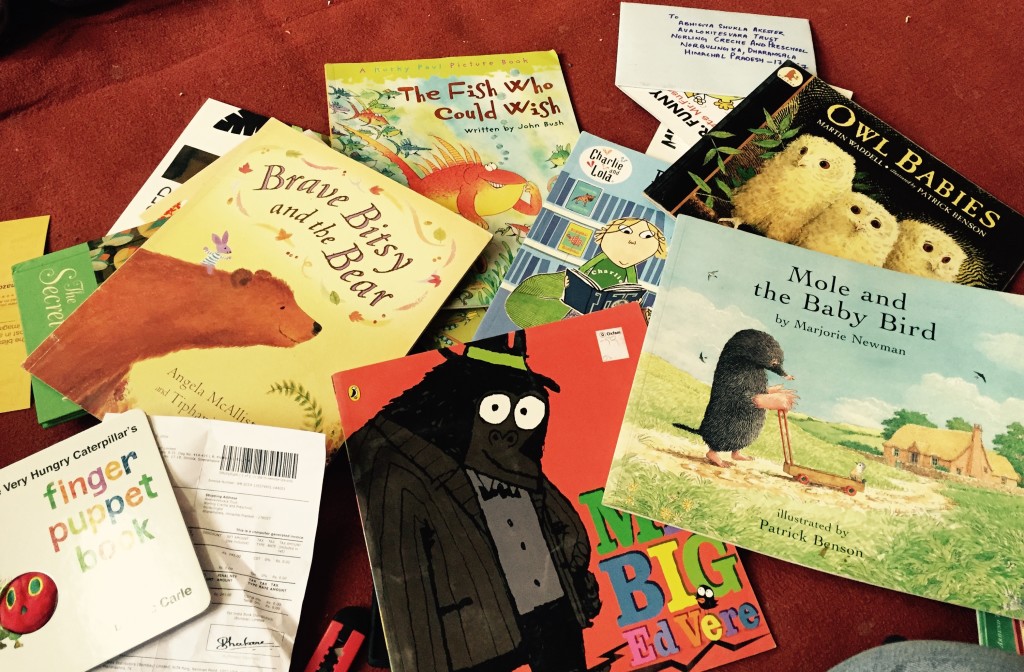
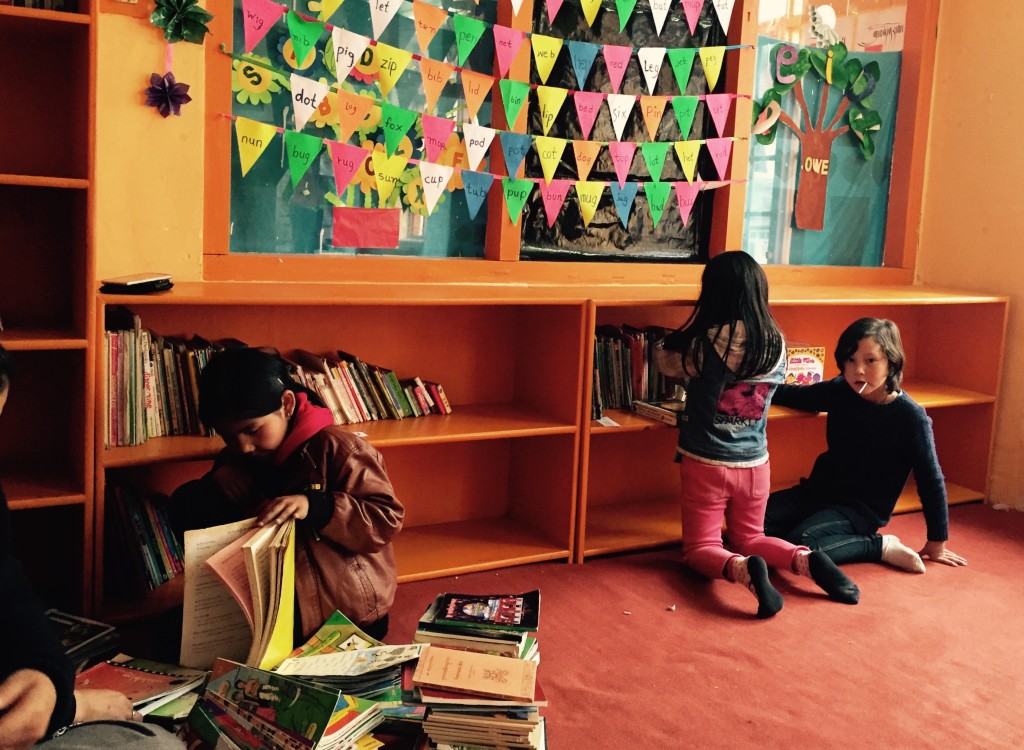
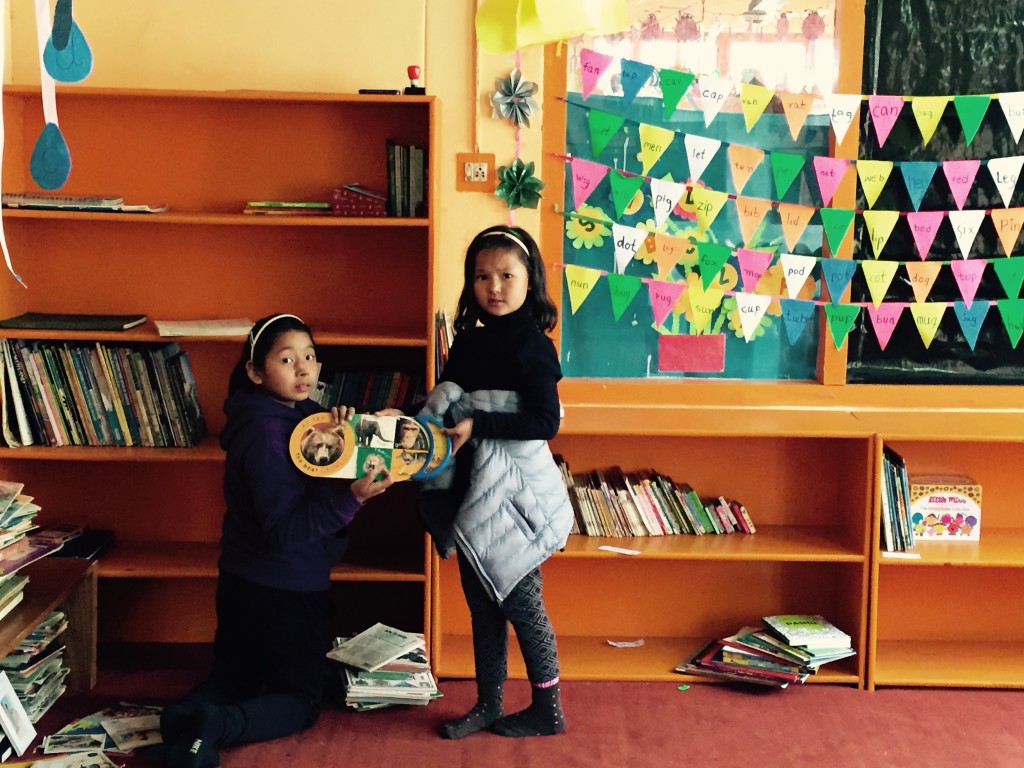
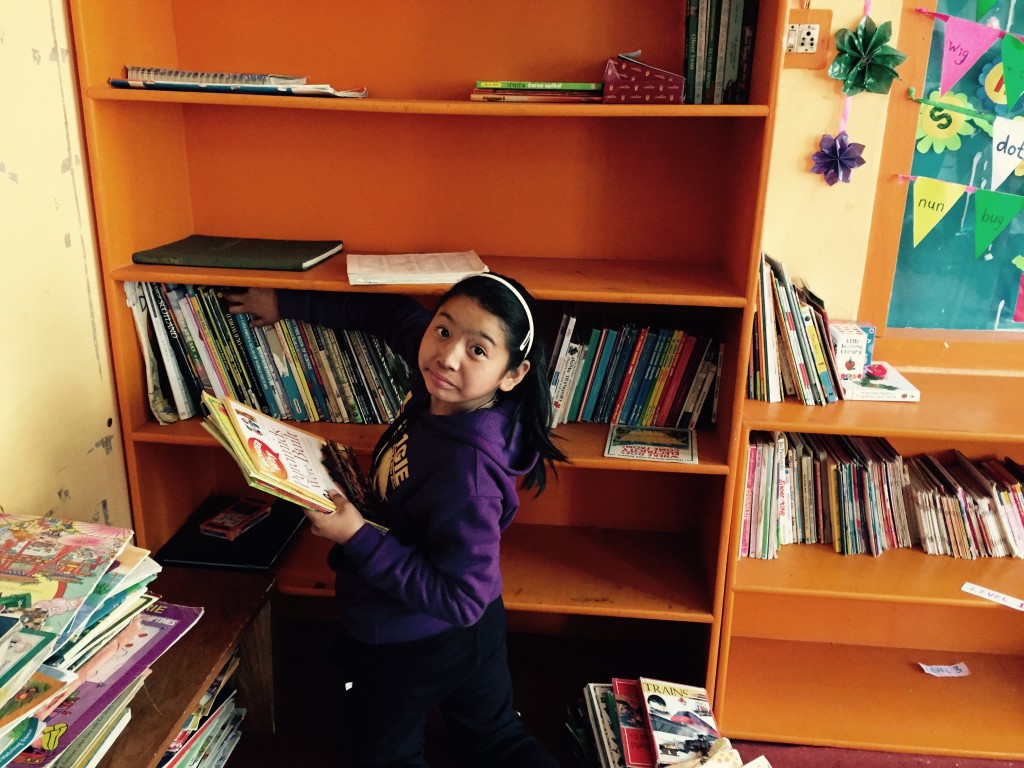
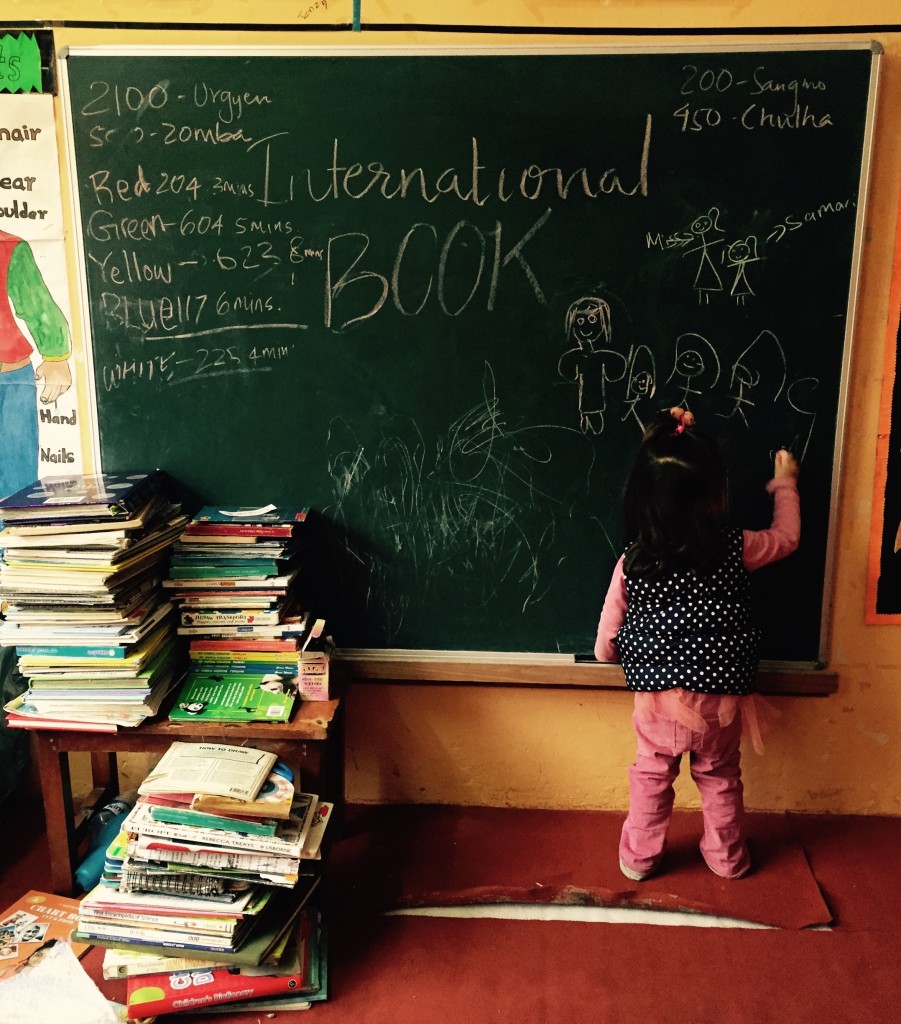
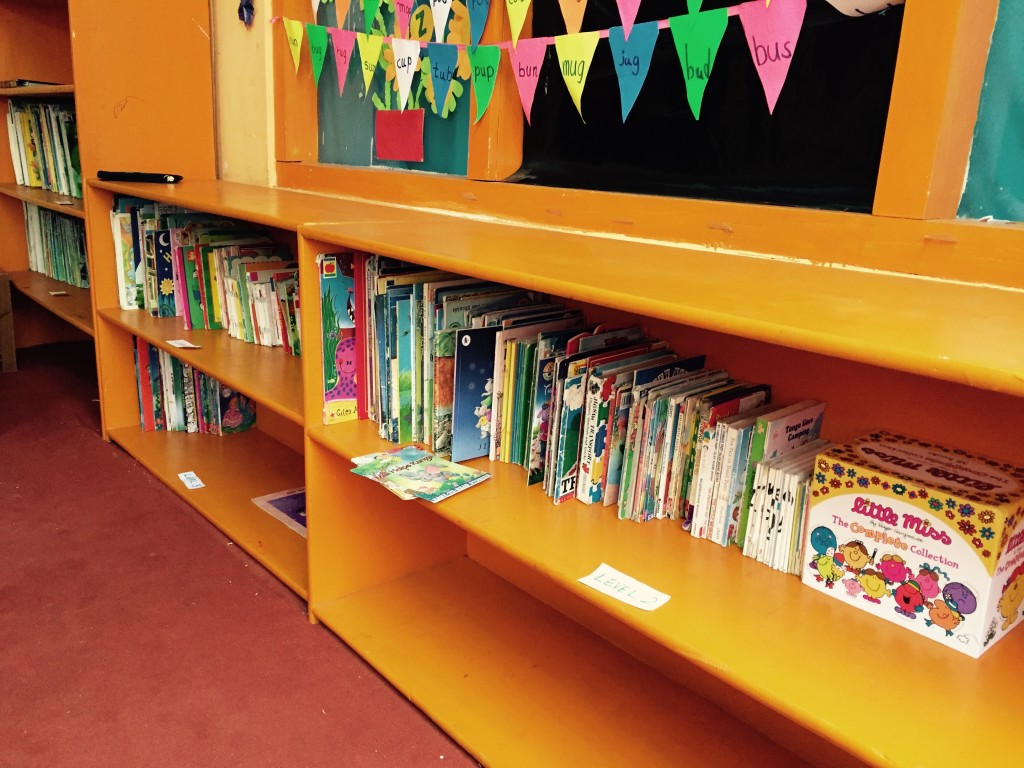
At Avalokiteśvara Trust, craft workshops create that sense of belonging. Through drawing, textile work, paper crafts, painting, and other creative activities, girls have opportunities to express themselves while building skills that support their education. These sessions are connected to our wider work with reading rooms, book drives, and learning activities for children and young monks.
Creative learning gives girls a reason to return, participate, and imagine new possibilities. A workshop may begin with a simple craft project, yet it can lead to stronger communication, improved concentration, friendships, and greater confidence in school.
Creating welcoming spaces for learning
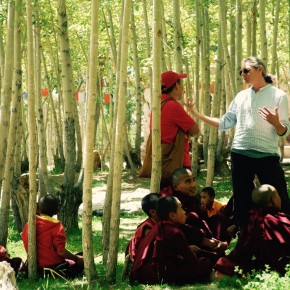
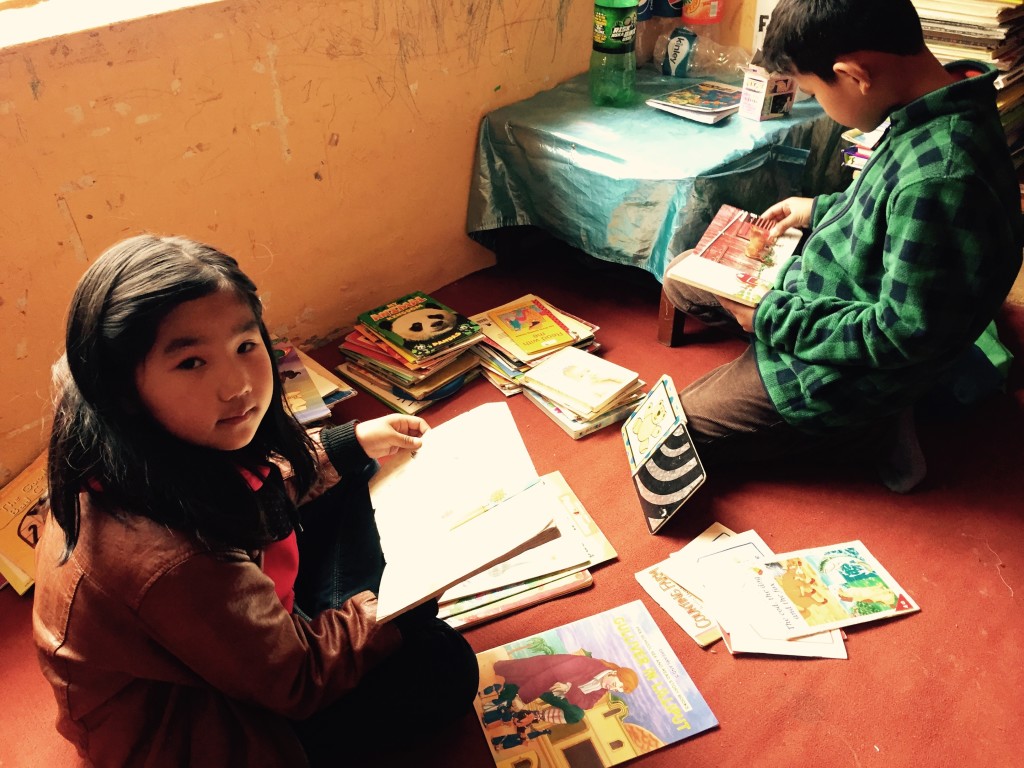
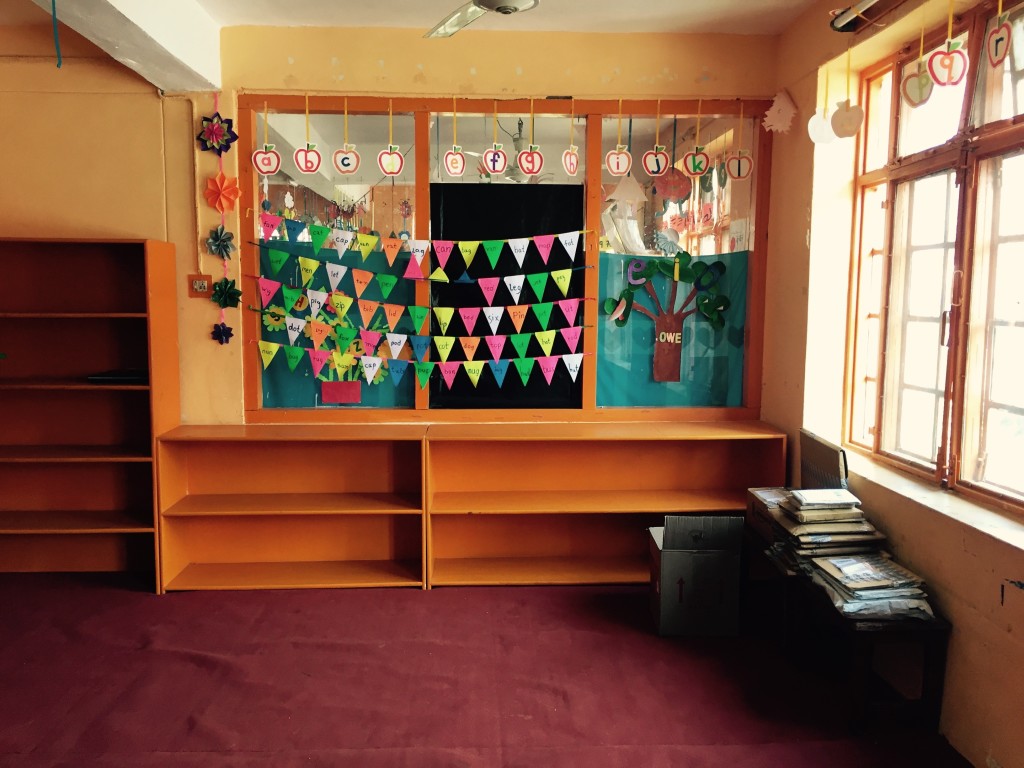
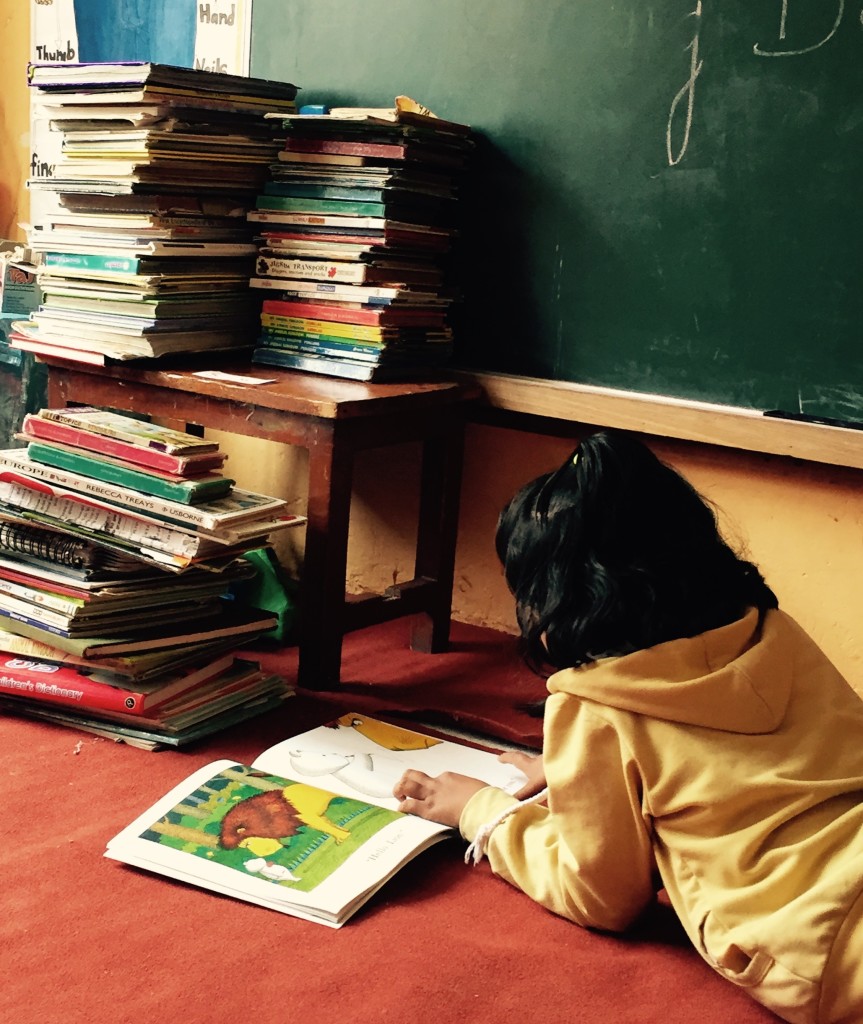
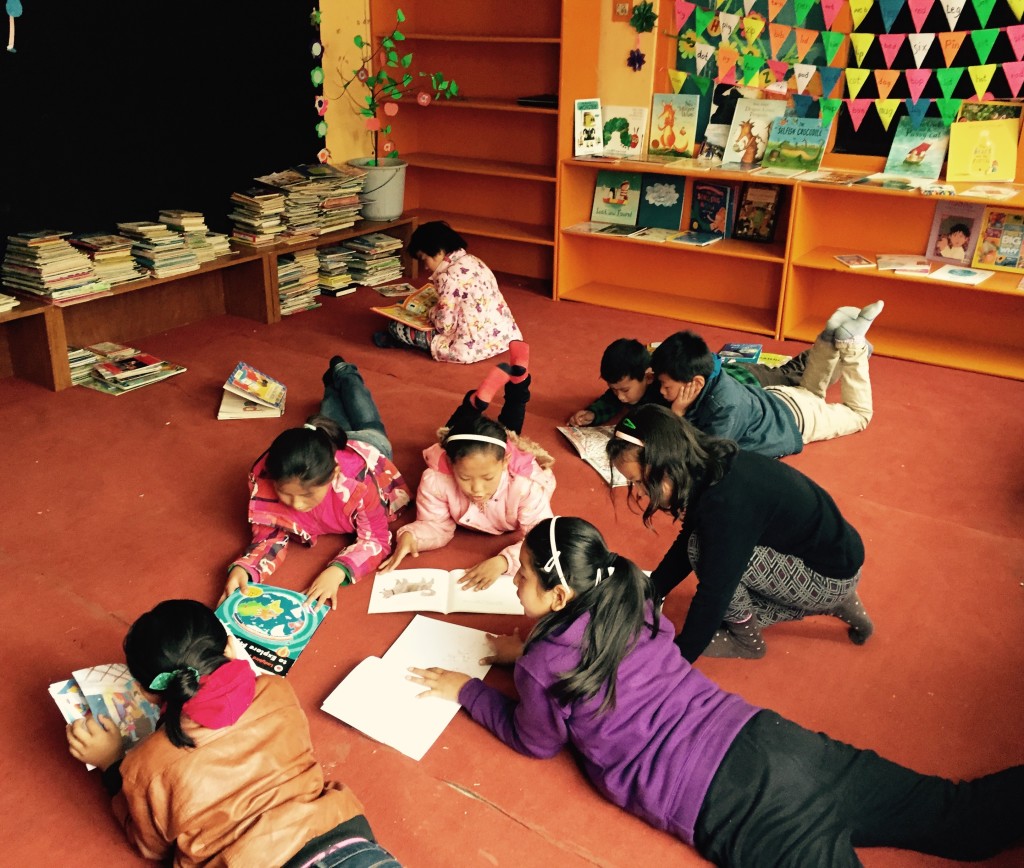
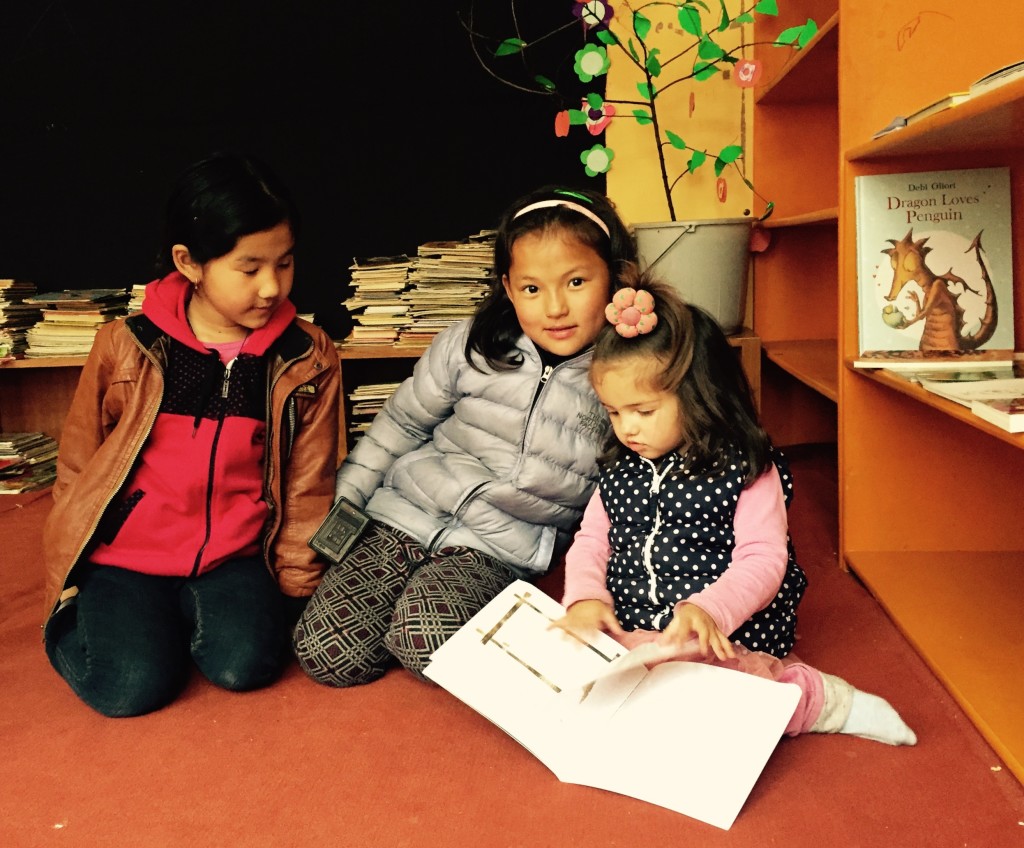
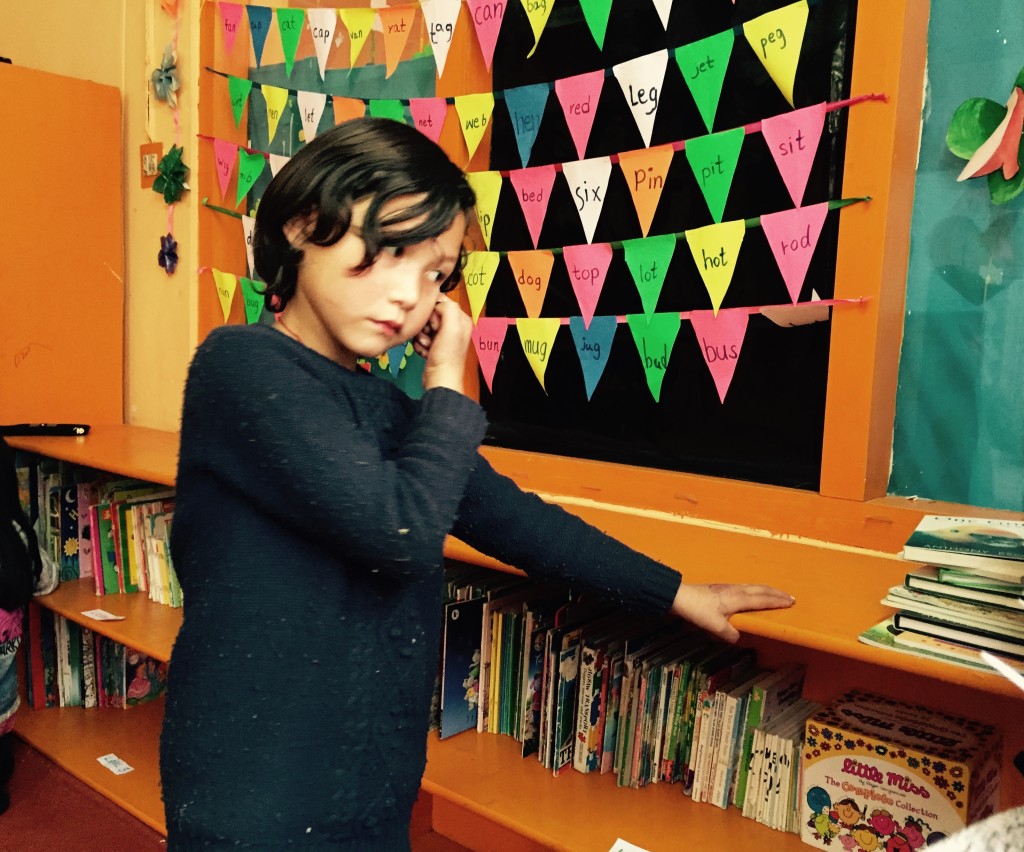
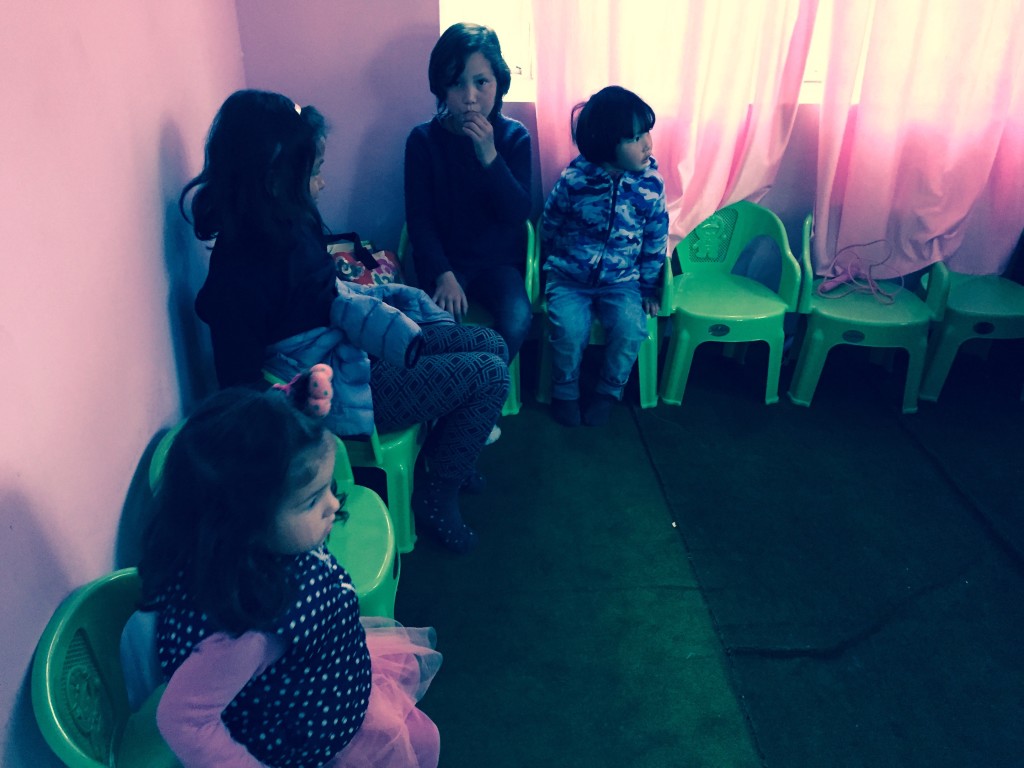
A reading room or community workshop can feel different from a formal classroom. It offers time to explore, make mistakes, and try again without fear of being judged. This relaxed setting is especially valuable for girls who may be hesitant to speak in larger groups or who have had few opportunities to take part in artistic activities.
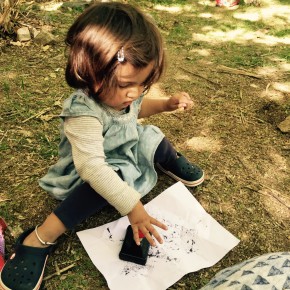
Craft sessions are planned as inclusive learning spaces where every contribution matters. A girl who is quiet during a discussion may communicate thoughtfully through color, pattern, drawing, or handwork. As she sees her ideas respected, she may become more willing to read aloud, ask for help, or take part in school activities.
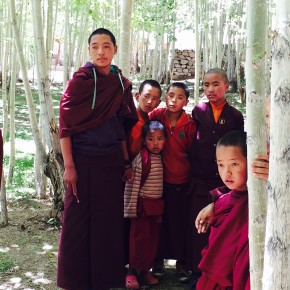
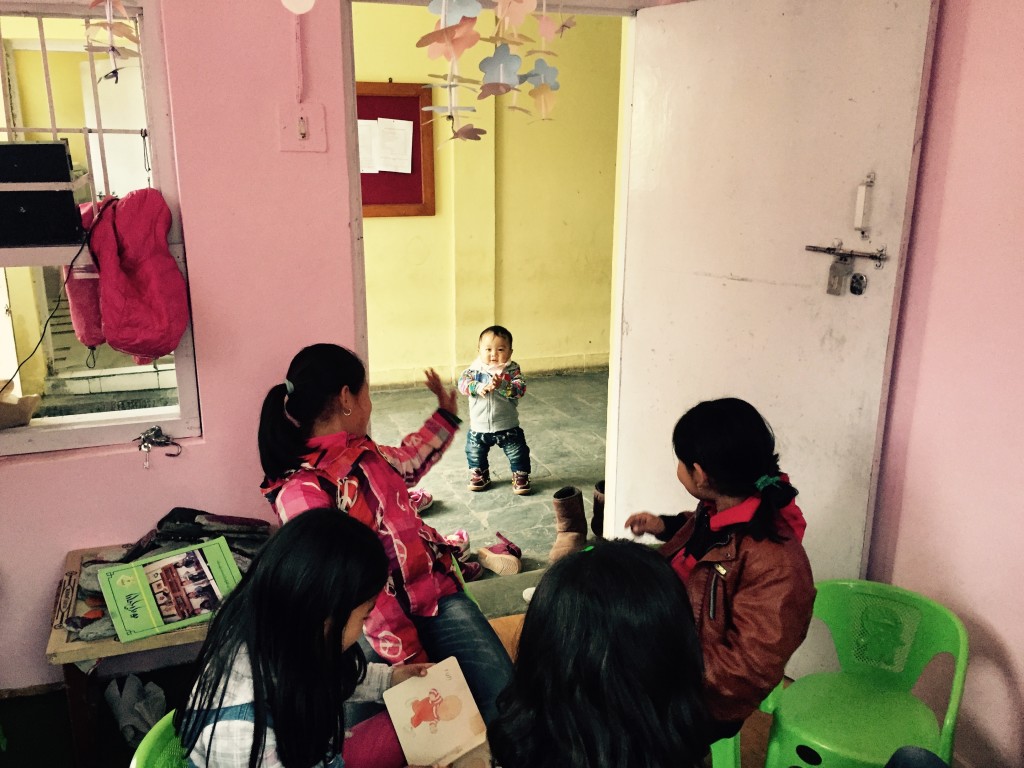
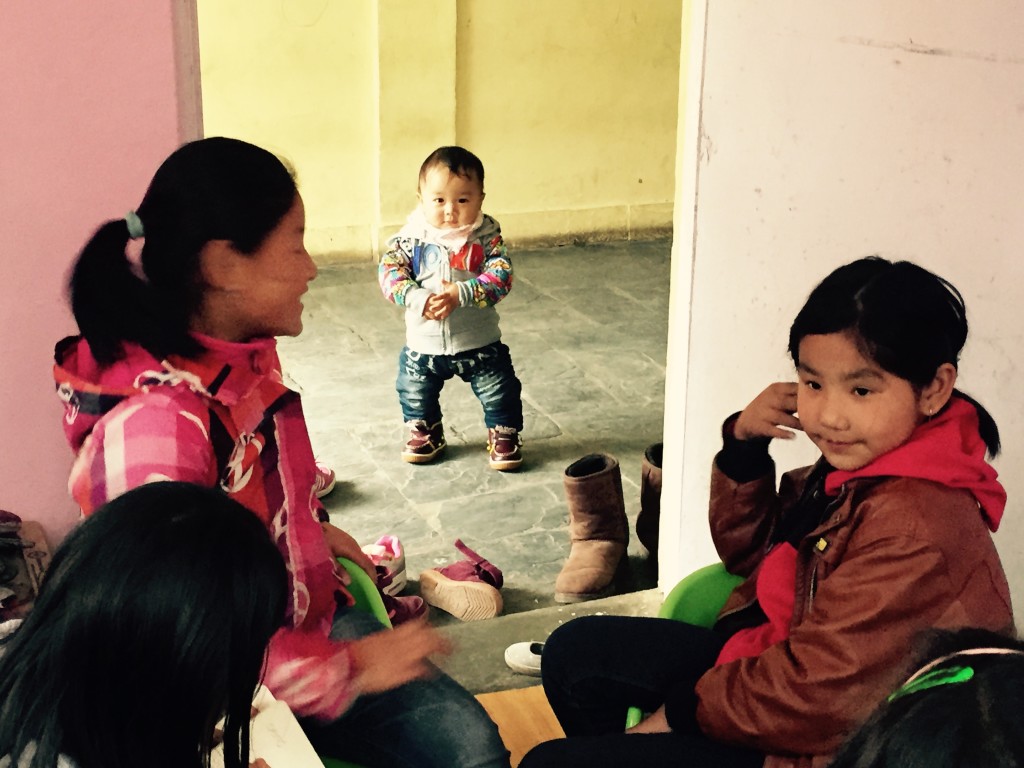
The atmosphere also helps build friendships. Girls work beside one another, share materials, and learn from different approaches. These relationships can make education feel more connected to everyday life and reduce the isolation that sometimes causes students to disengage.
Turning creativity into confidence
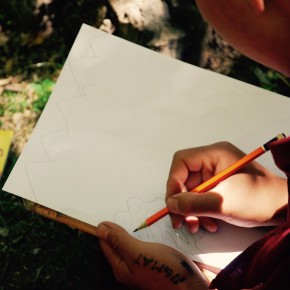
Making something by hand provides visible evidence of progress. A finished weaving, greeting card, painting, or recycled-paper project shows that patience and effort can produce meaningful results. For a child who struggles with a subject at school, this experience can strengthen the belief that improvement is possible.
Workshop leaders can connect creative projects with literacy and other areas of learning. Girls might write a short description of their work, read a story related to a design, calculate measurements, or research traditional patterns. In this way, craft becomes a bridge between artistic expression and academic learning rather than an activity separate from education.
These connections encourage girls to see their abilities more broadly. They are readers, makers, problem-solvers, and collaborators. Such confidence can help them continue attending school when lessons become difficult or when family and community expectations make education harder to prioritize.
Linking workshops with school participation
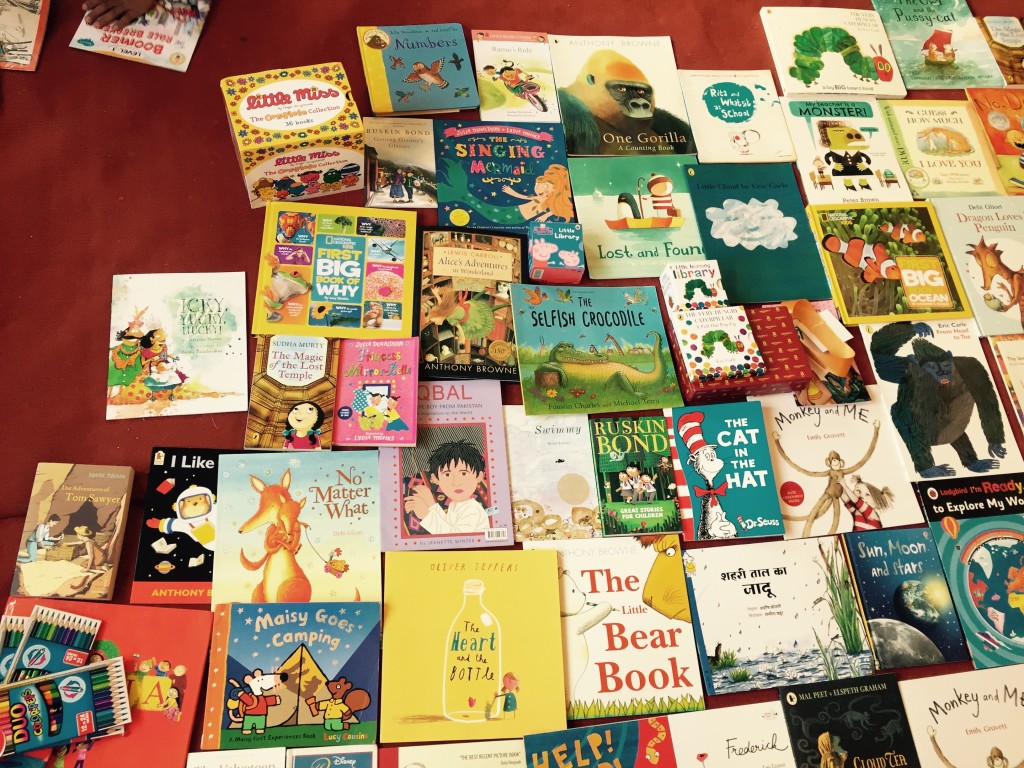
Craft activities are most effective when they support a girl’s wider educational journey. The Trust’s approach places creative sessions alongside access to books, reading practice, educational games, and conversations about the value of continued schooling. This combination helps children develop both enthusiasm and practical learning habits.
Workshops can reinforce skills that schools depend on every day. Following instructions supports comprehension. Sorting materials develops organization. Measuring, planning, and completing a sequence of steps strengthen concentration and problem-solving. Group projects encourage communication, cooperation, and respectful listening.
For girls who have missed lessons, a creative activity can provide a gentle route back into learning. It gives them a positive experience before they face unfinished schoolwork. Regular attendance at community sessions can also help trusted adults notice when a child needs encouragement, books, supplies, or additional support.
| Workshop element |
Learning benefit |
Connection to staying in school |
| Drawing and painting |
Expression, observation, and fine motor skills |
Builds confidence in sharing ideas |
| Textile and paper crafts |
Patience, planning, and coordination |
Strengthens concentration and persistence |
| Group projects |
Communication and cooperation |
Creates supportive peer relationships |
| Story-based activities |
Reading, vocabulary, and imagination |
Makes literacy meaningful and enjoyable |
| Displaying finished work |
Pride and recognition |
Helps girls see themselves as capable learners |
Valuing local culture and girls’ voices
Creative education becomes more meaningful when it respects local knowledge. Patterns, colors, stories, landscapes, and materials from Ladakh and other Himalayan communities can inspire projects. Girls can explore familiar traditions while developing their own interpretations, giving them a stronger connection to both place and personal identity.
This approach avoids presenting education as something distant from community life. A craft workshop can show that school learning, family traditions, and creative expression have room to support one another. Girls may discover that their experiences and observations are valuable sources of knowledge.
Giving girls space to make decisions is equally important. They can choose colors, suggest themes, explain their designs, or help organize a group activity. These small acts of leadership encourage self-advocacy and show that their opinions deserve attention in educational and community settings.
Supporting families and communities
A girl’s ability to remain in school is influenced by the people around her. Families are more likely to value continued education when they can see its benefits and when learning activities respect local responsibilities. Community-based workshops create opportunities for parents, caregivers, educators, and volunteers to witness girls’ progress directly.
Finished projects can become conversation starters at home. A child may explain a new technique, share a story from a reading session, or show how a group activity required planning and cooperation. These moments help families recognize that education develops practical, social, and creative strengths.
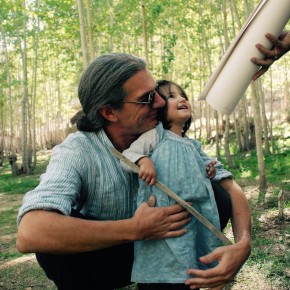
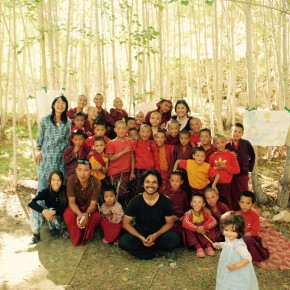
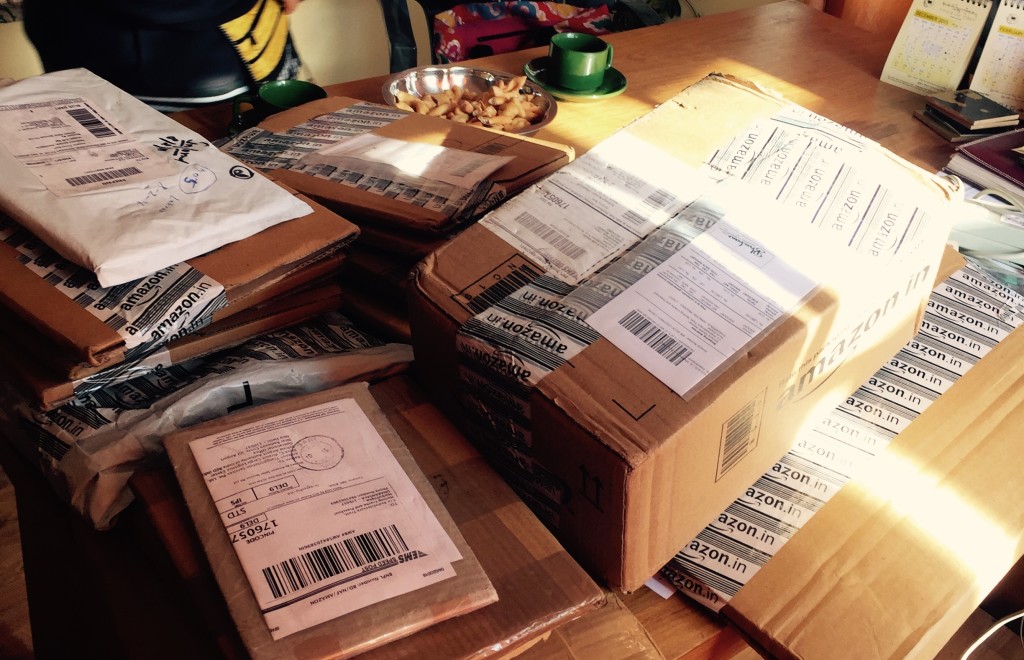
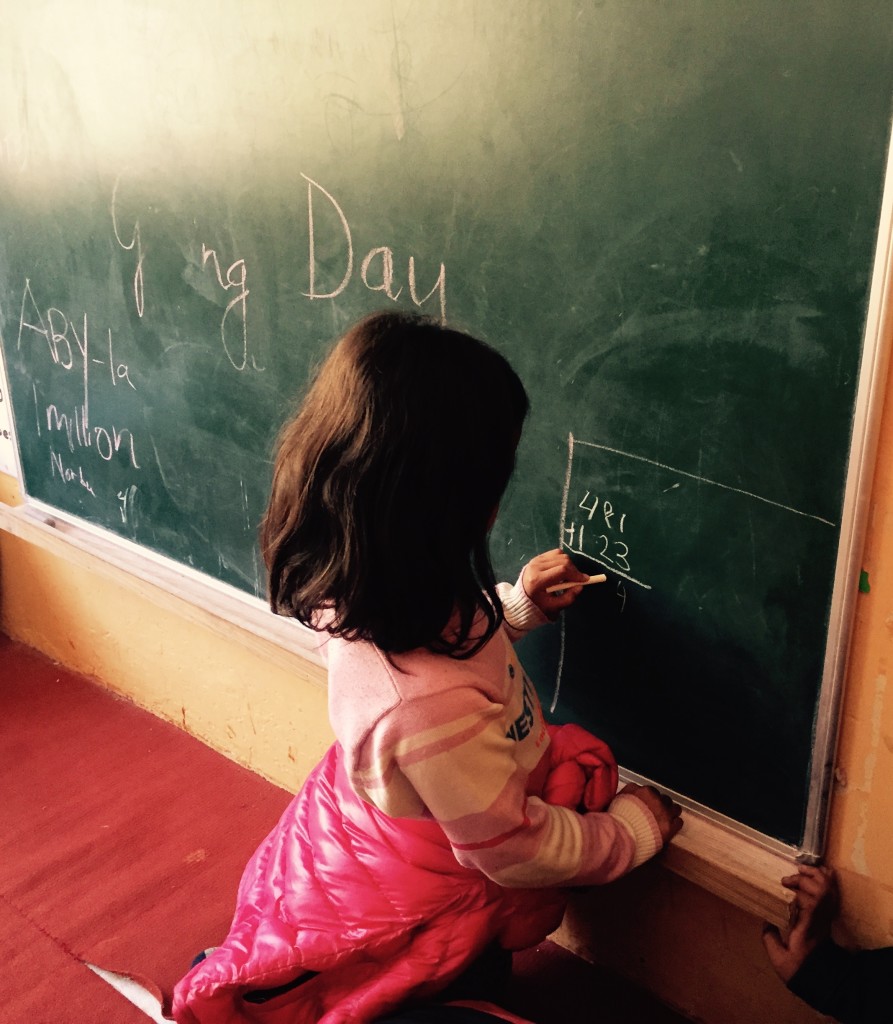
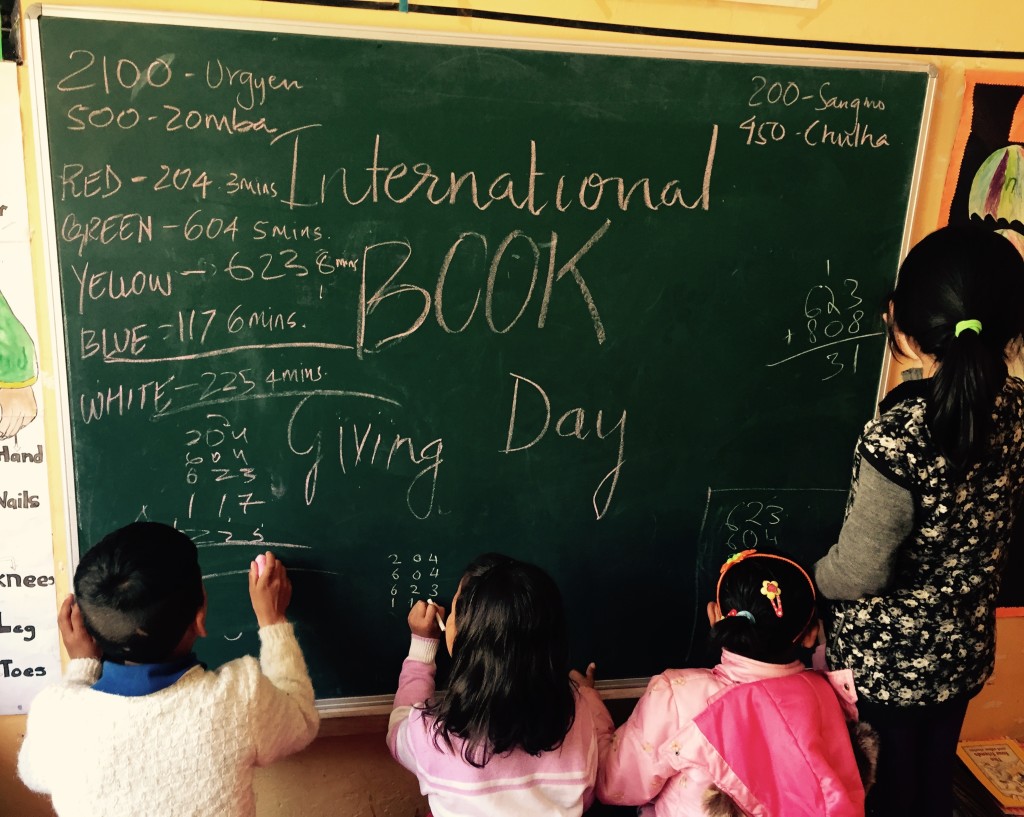
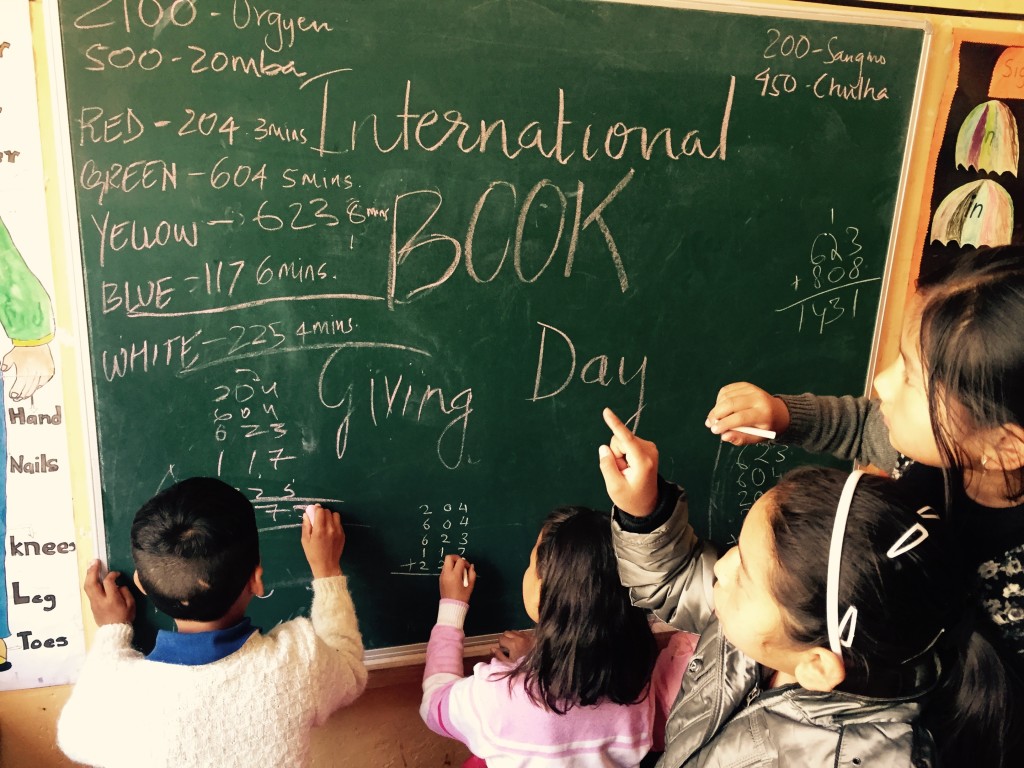
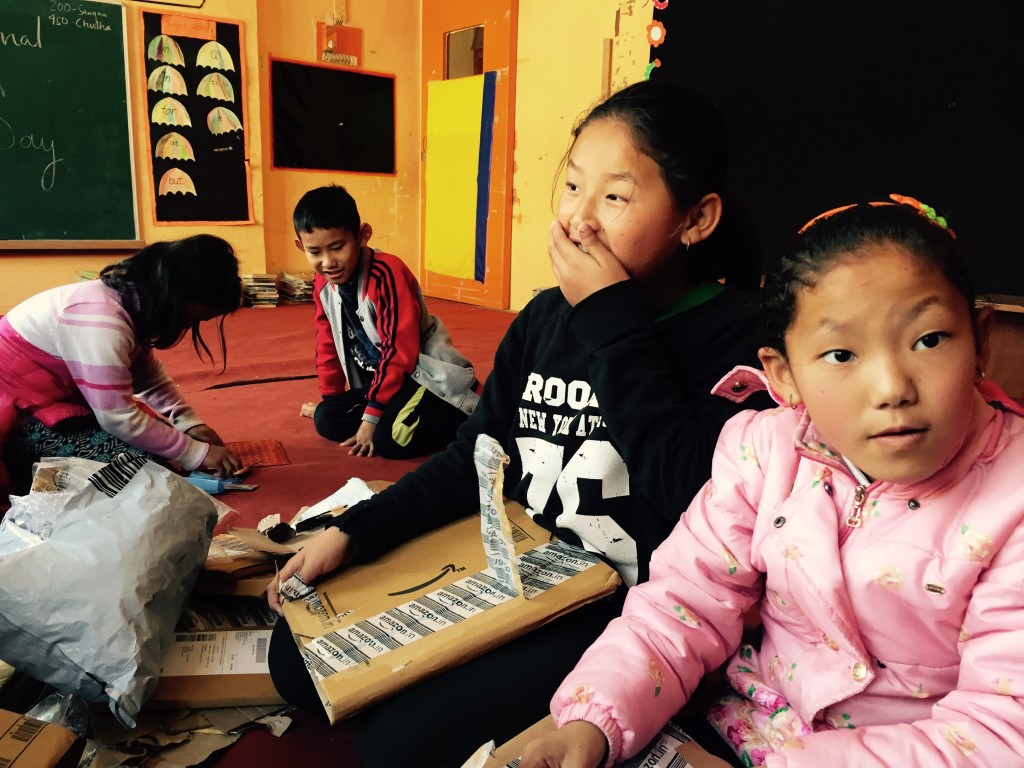
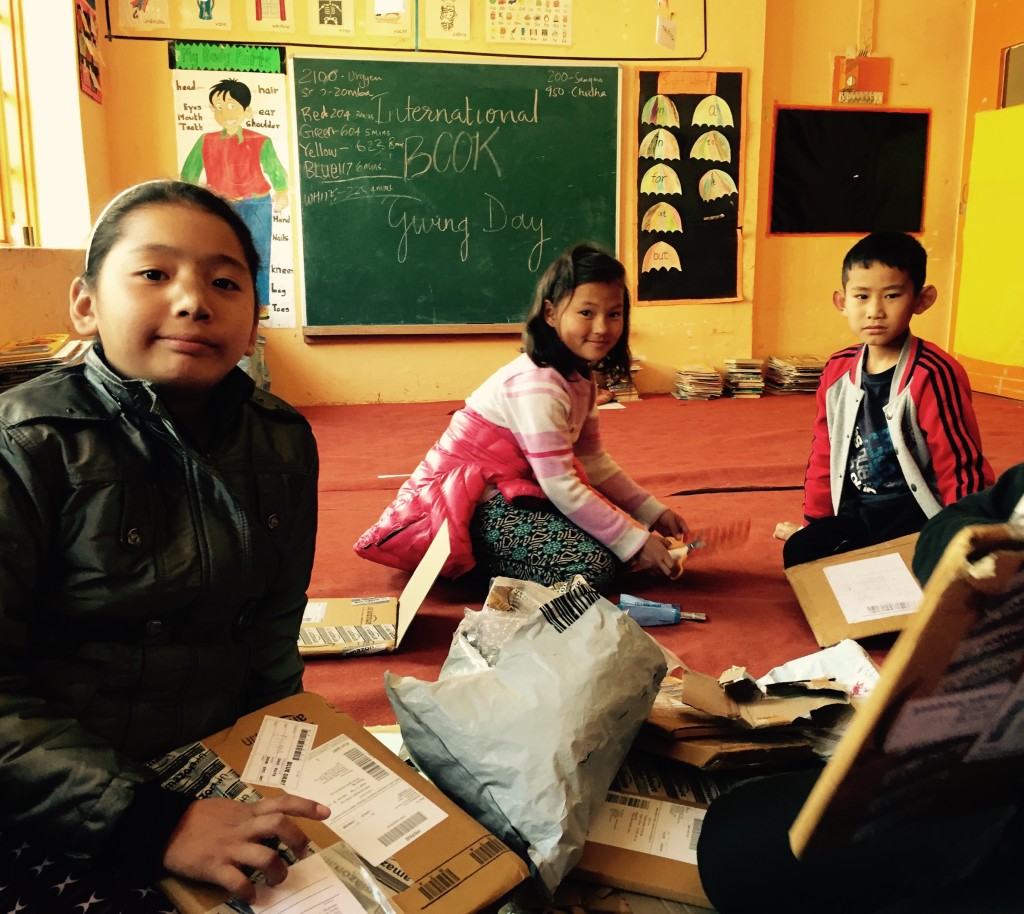
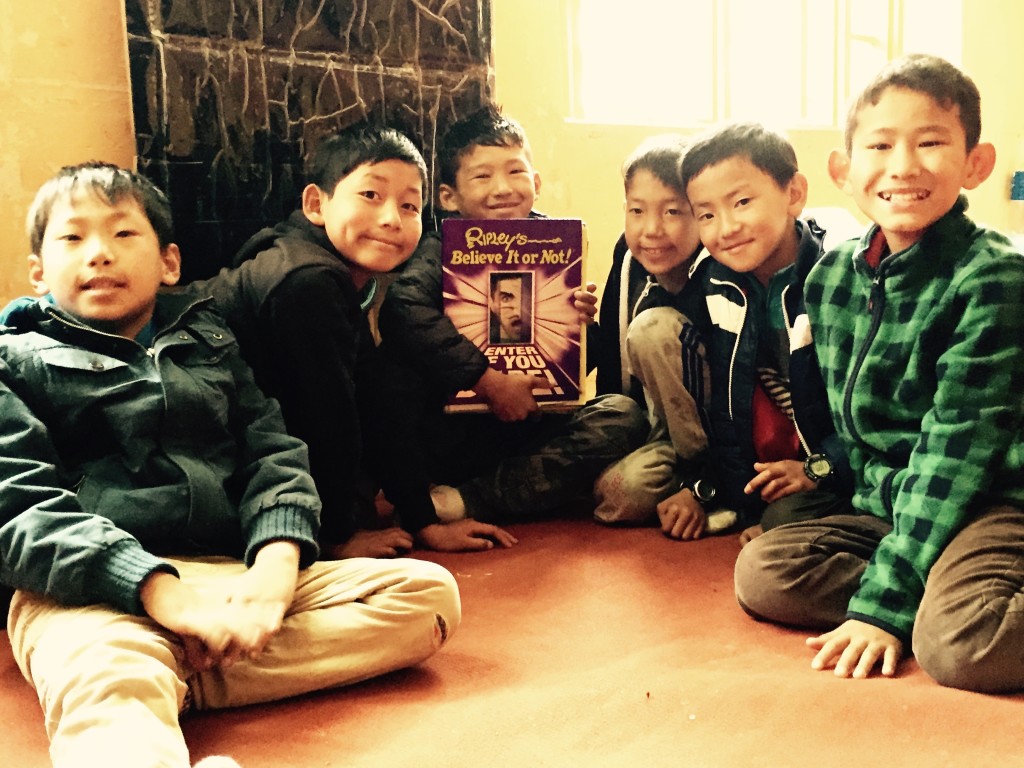
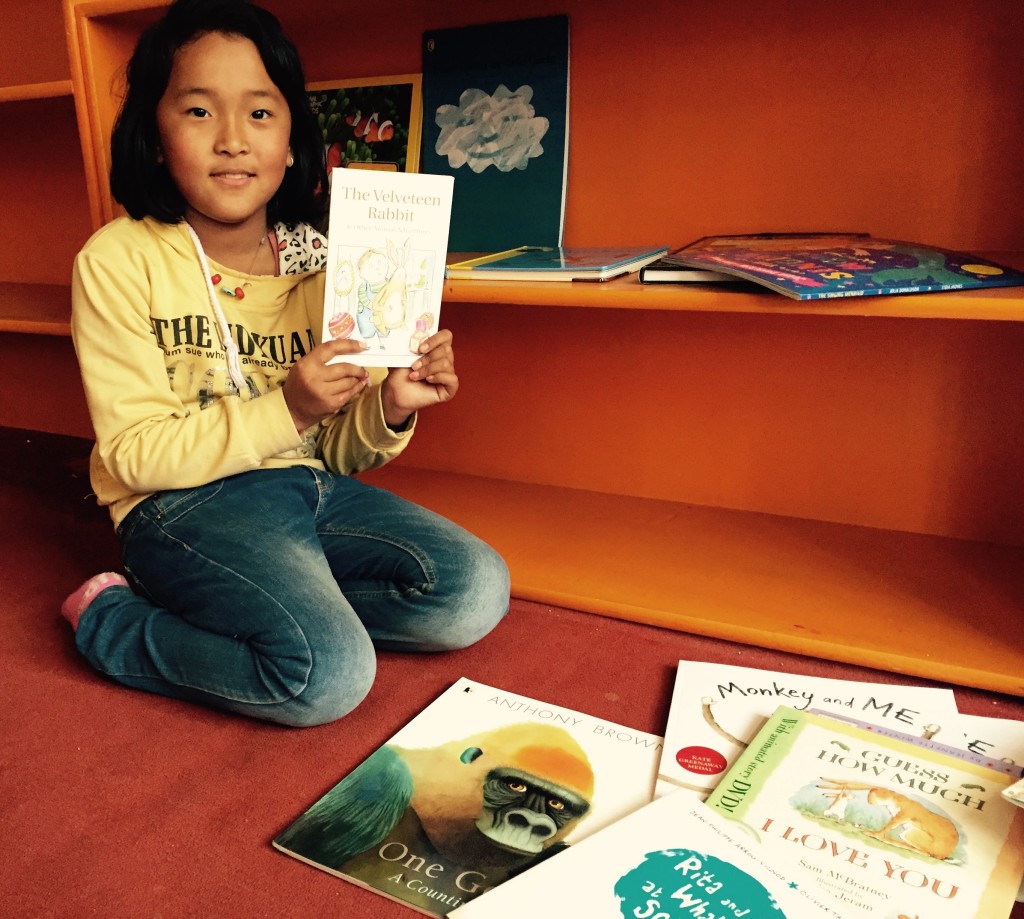
The Trust also shares stories and images from its work to demonstrate how educational resources affect children’s daily lives. Supporters can see that books, safe learning spaces, and creative programs work together. When communities and donors understand this connection, long-term support for girls’ education becomes easier to build.
Making creative learning sustainable
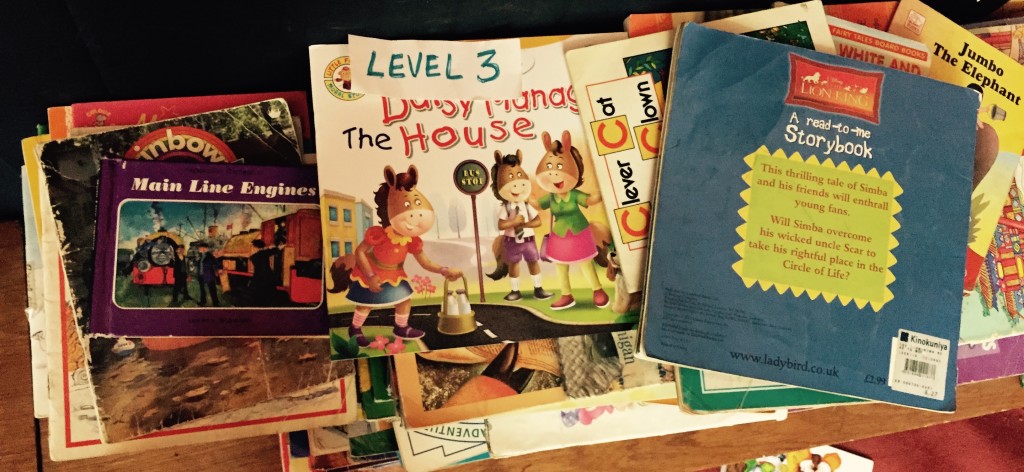
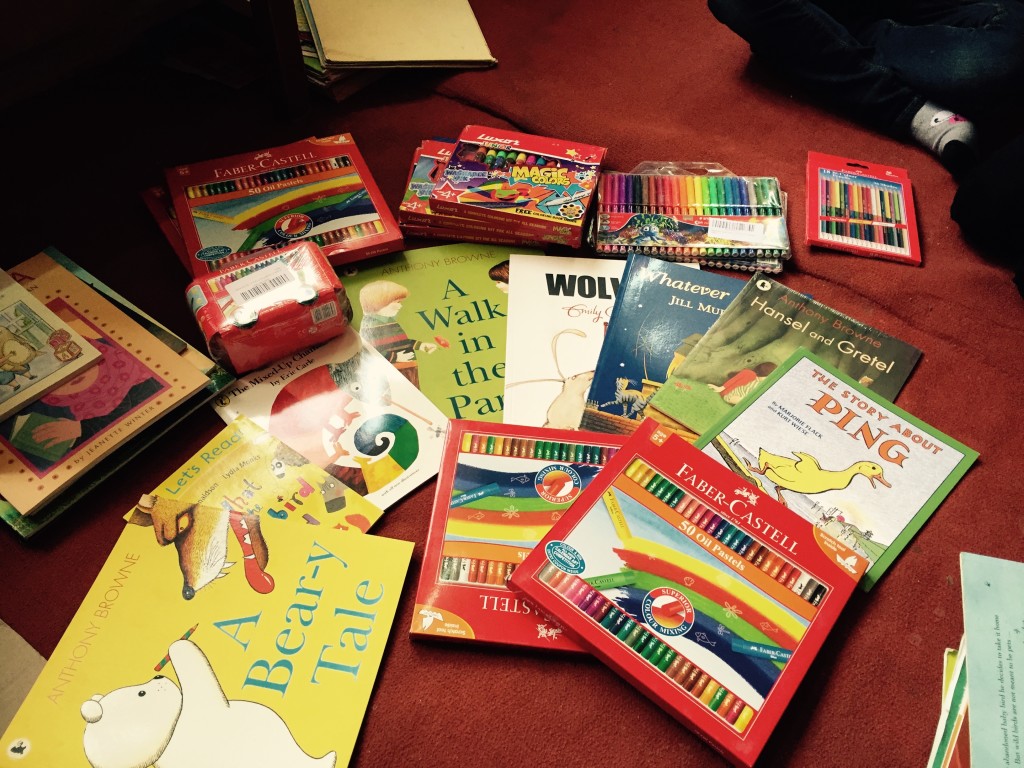
A successful workshop does not depend on expensive equipment. Accessible materials, careful preparation, and committed local support can make regular activities possible. Reused paper, natural fibers, fabric remnants, pencils, paints, and donated supplies can all become tools for learning when they are used thoughtfully.
Consistency matters more than spectacle. Occasional events may be enjoyable, but recurring sessions give girls time to develop skills and relationships. A predictable schedule helps children form routines, while ongoing projects allow them to experience planning, revision, and completion over several visits.
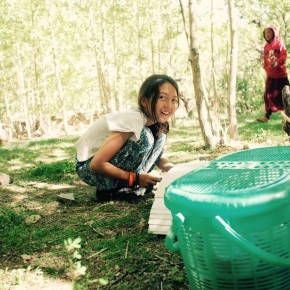
Volunteers can contribute by helping prepare materials, read with children, guide a project, or celebrate progress. Donors can support books, art supplies, reading-room resources, and the coordination required to keep activities available. Each form of support helps create an environment where girls are encouraged to remain curious and engaged.
Practical ways to strengthen this work include:
- Provide age-appropriate books, paper, art supplies, and textile materials.
- Support regular craft and reading sessions rather than one-time activities.
- Encourage girls to lead small parts of projects and share their ideas.
- Connect creative work with literacy, numeracy, and school-based learning.
- Share children’s achievements respectfully with families and supporters.
Opening pathways beyond the classroom
Craft workshops can influence how girls see their future. Creative skills may lead to interests in design, teaching, cultural preservation, entrepreneurship, or community service. Even when a girl chooses a different path, the habits developed through making—focus, patience, collaboration, and confidence—can remain useful throughout her education and adult life.
The larger purpose is to help girls experience school as a place of possibility. Books expand their understanding of the world, while creative activities help them communicate what they think and feel. Together, these resources support a fuller form of learning that recognizes academic progress and personal growth.
Avalokiteśvara Trust is committed to nurturing that possibility in Himalayan communities. By supporting reading rooms, book drives, volunteers, and craft-based education, you can help girls continue learning with confidence and joy. Give time, share resources, or make a donation to help provide the books, materials, and welcoming spaces that keep education within reach.