Letters That Travel Beyond The Himalayas
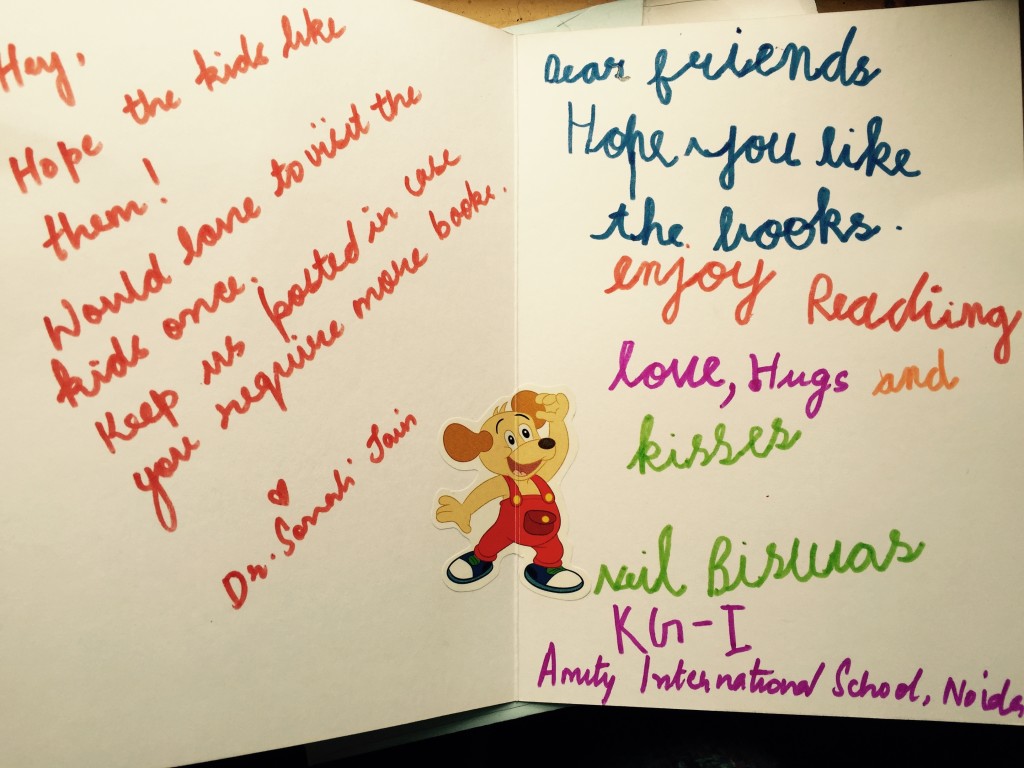
A handwritten letter can make the world feel smaller. For children in Ladakh and other Himalayan communities, writing to a pen pal in another country offers a meaningful reason to practise language, share daily life and imagine places beyond the mountain valleys they know. A page can carry a child’s drawings, questions, favourite stories and hopes across oceans.
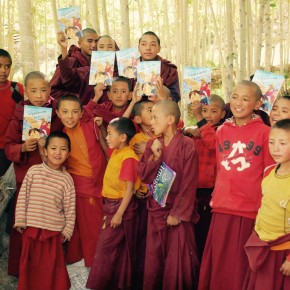
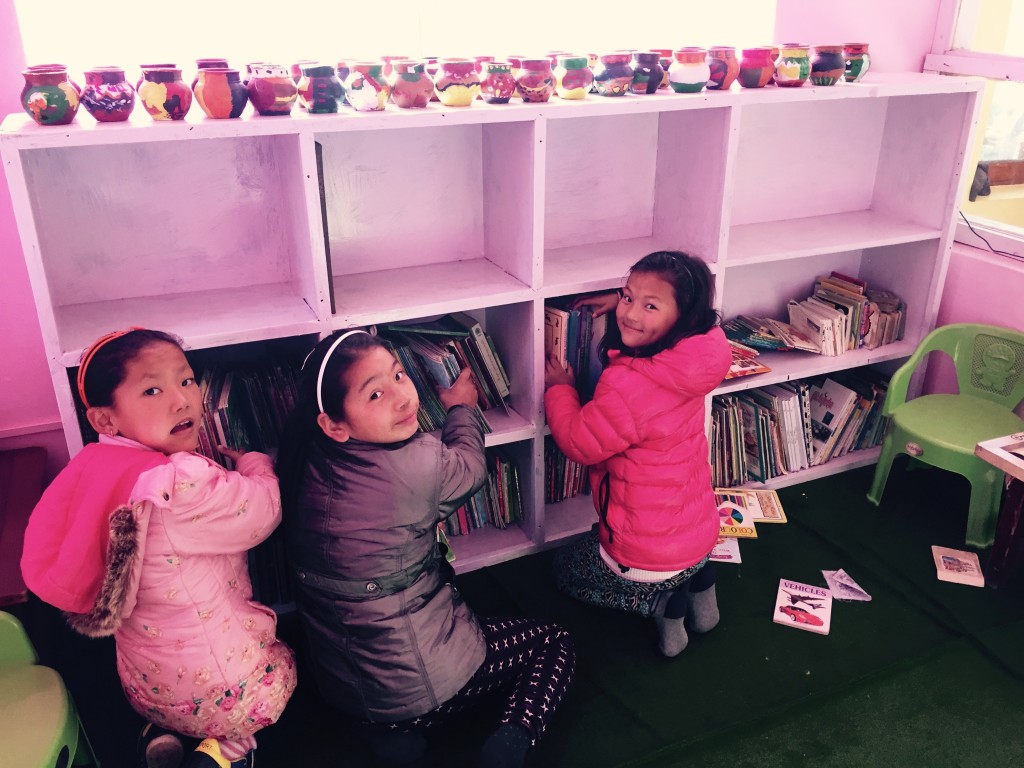
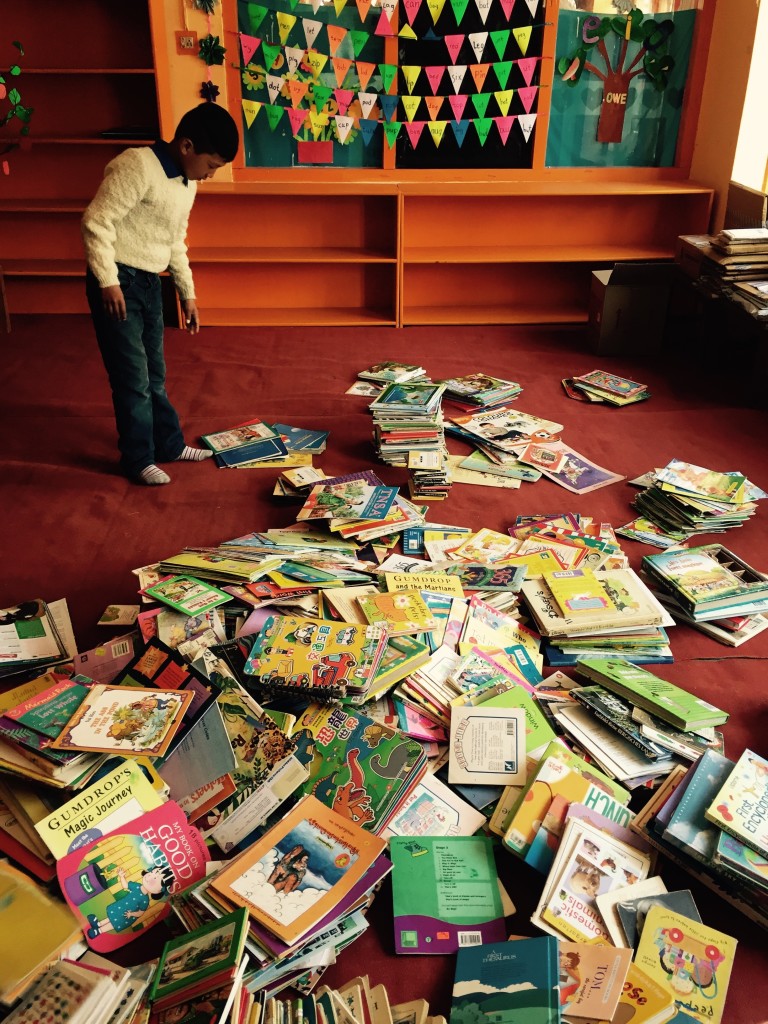
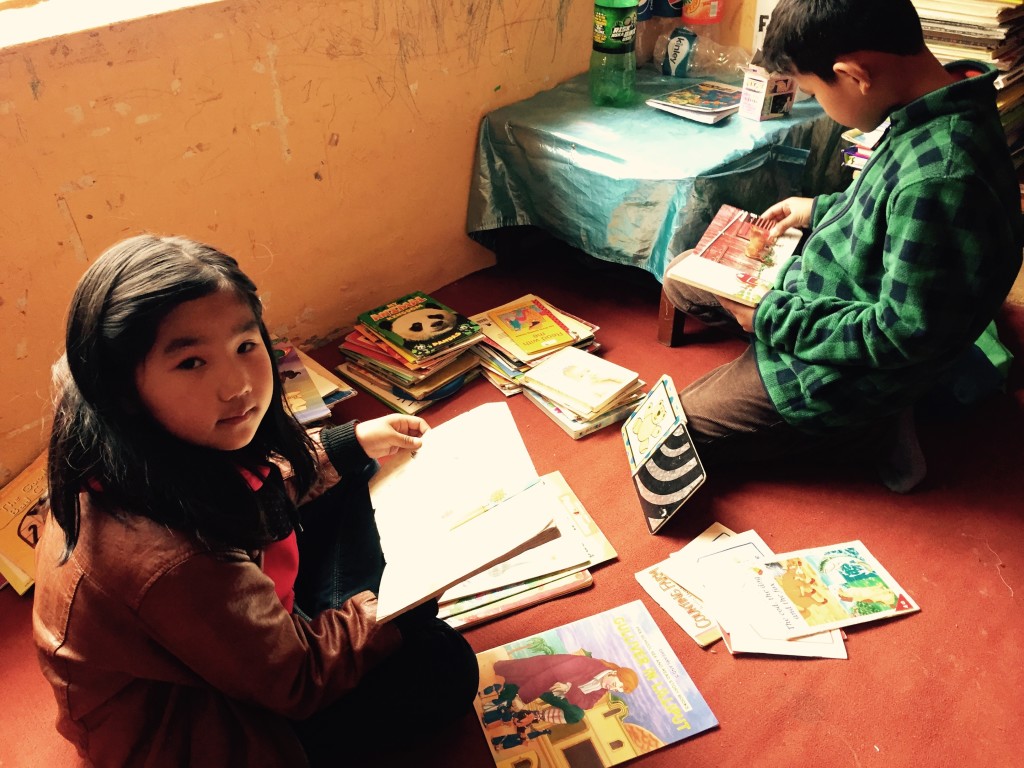
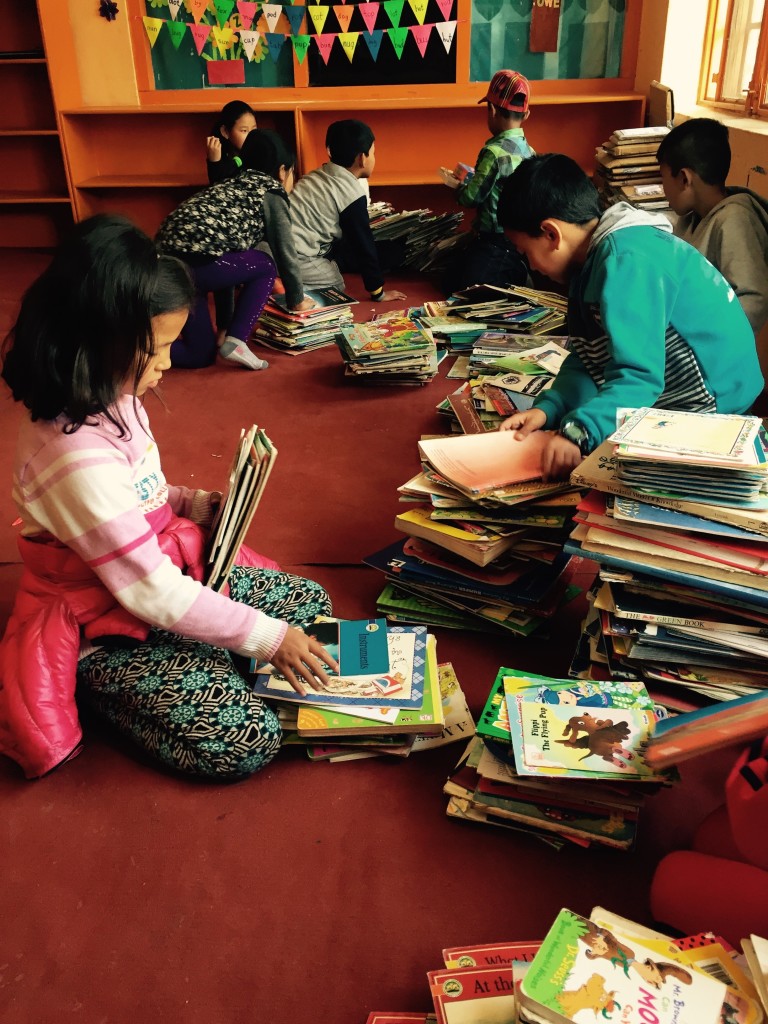
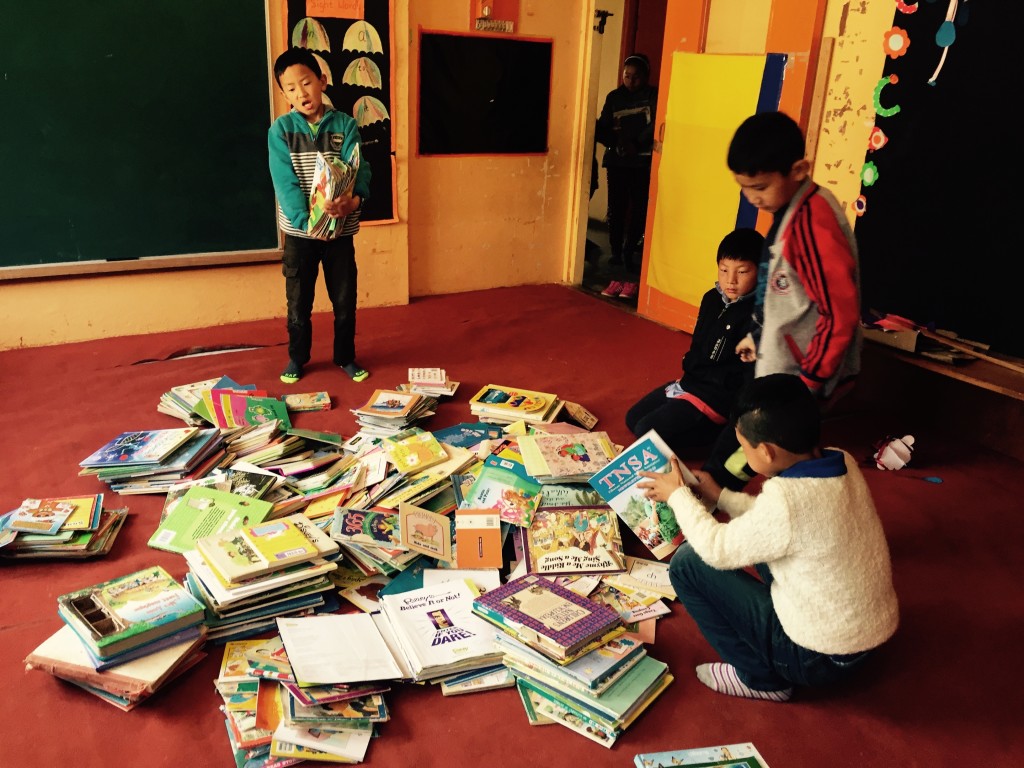
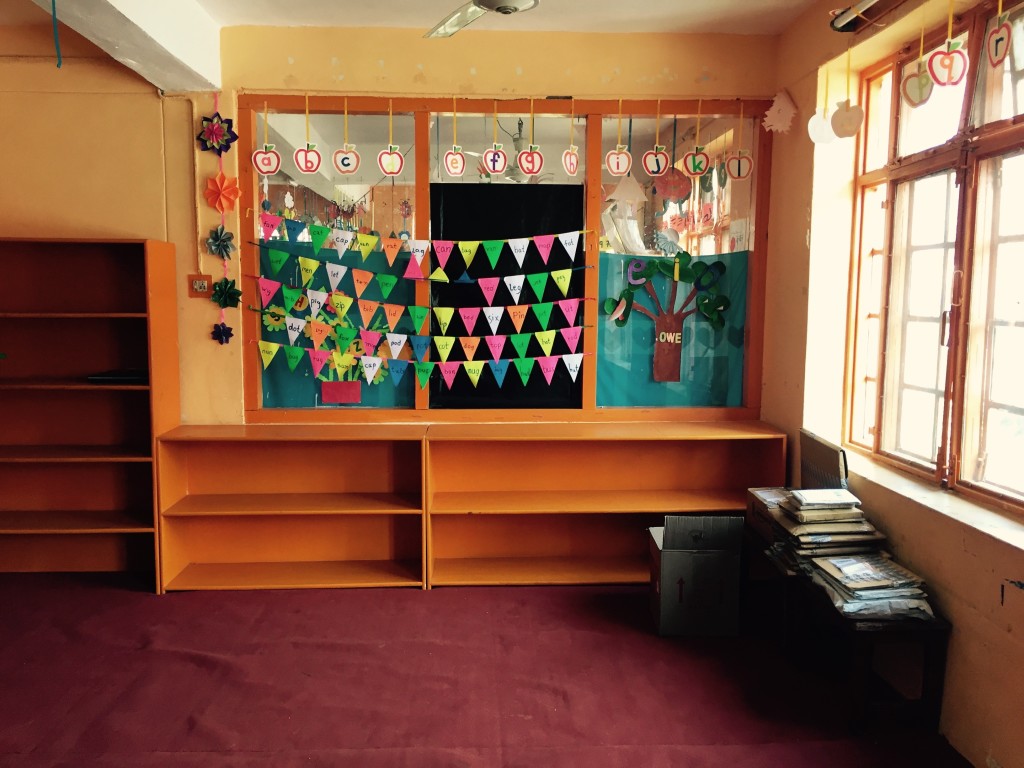
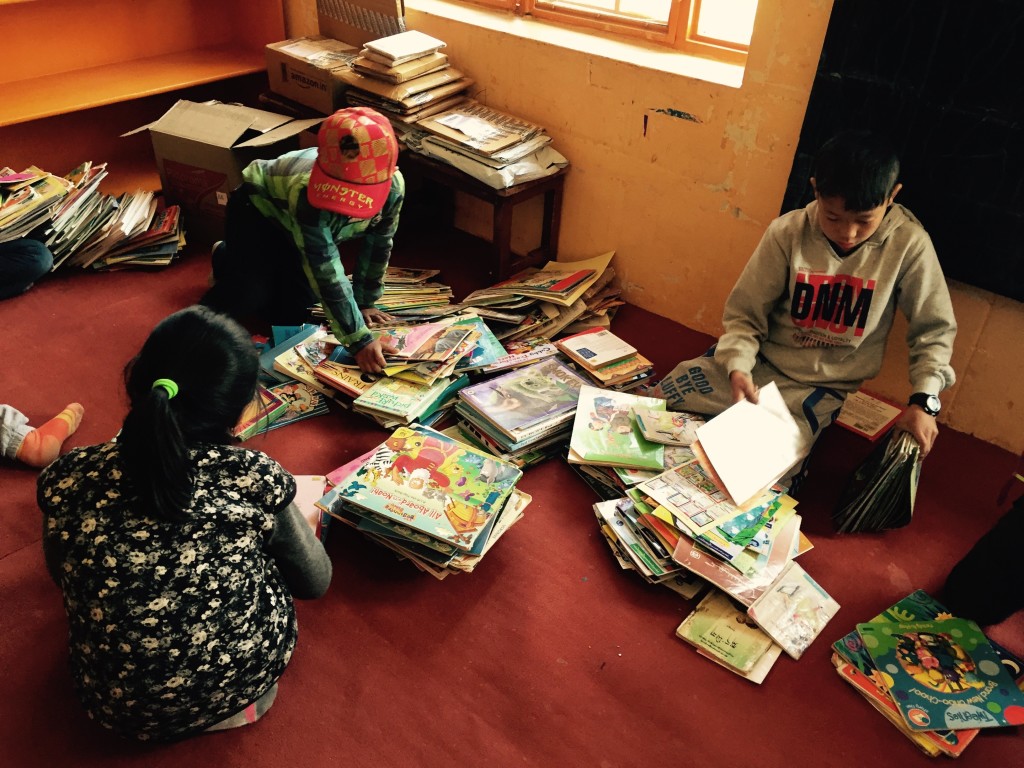
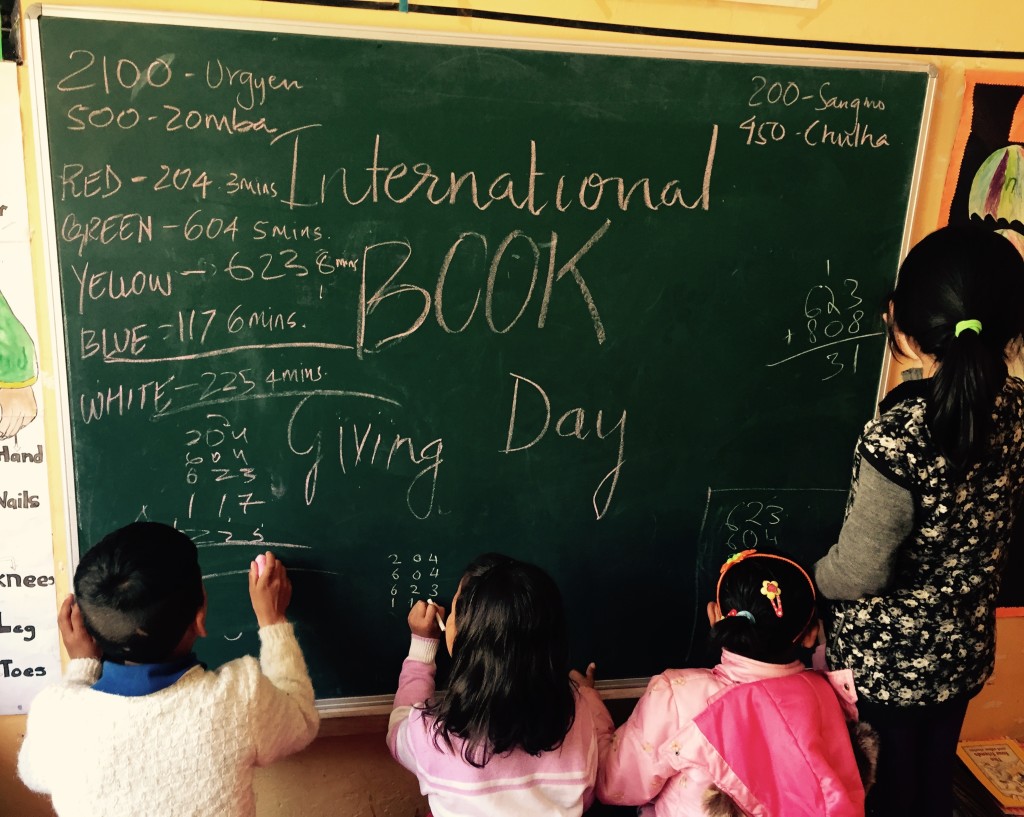
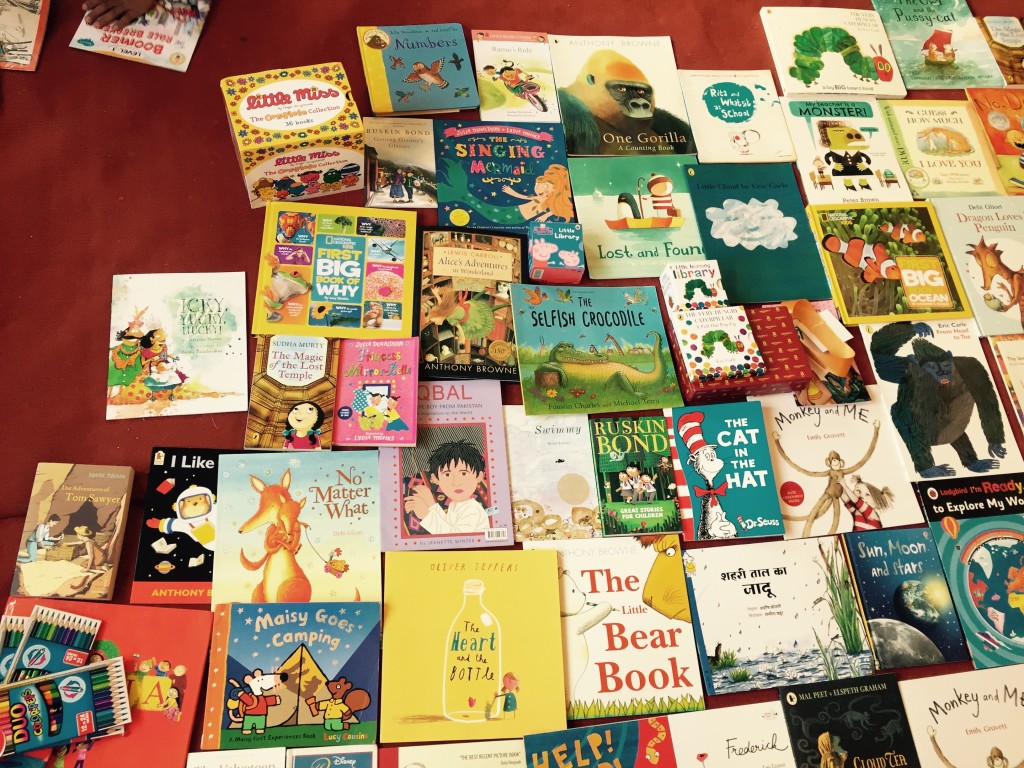
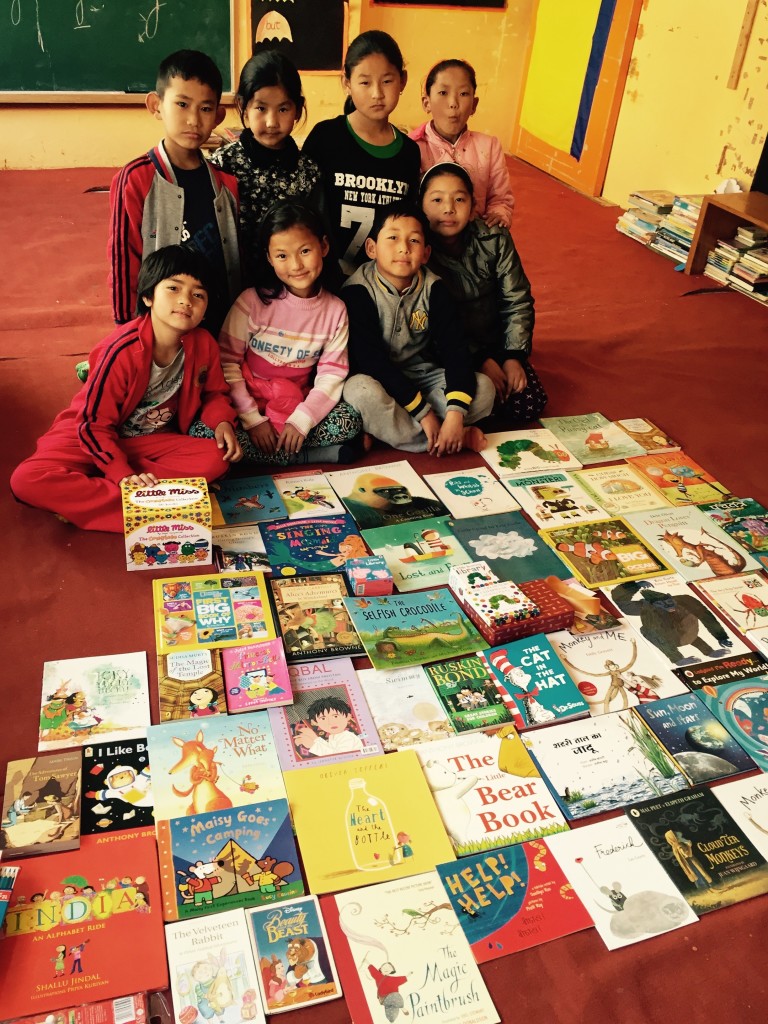
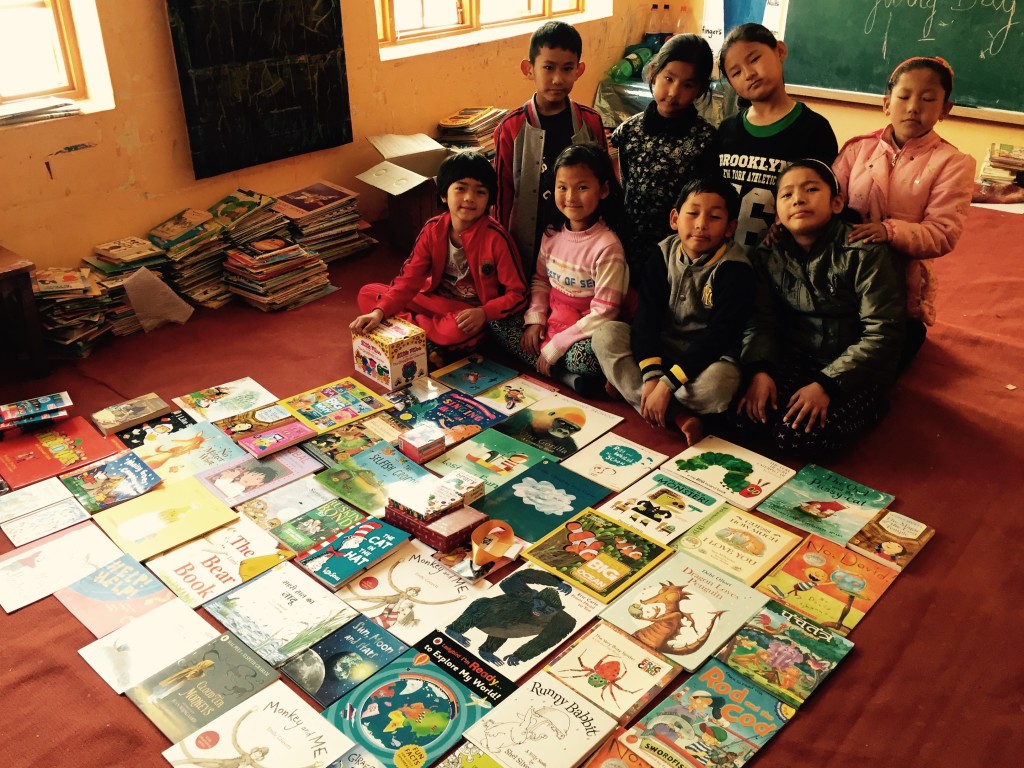
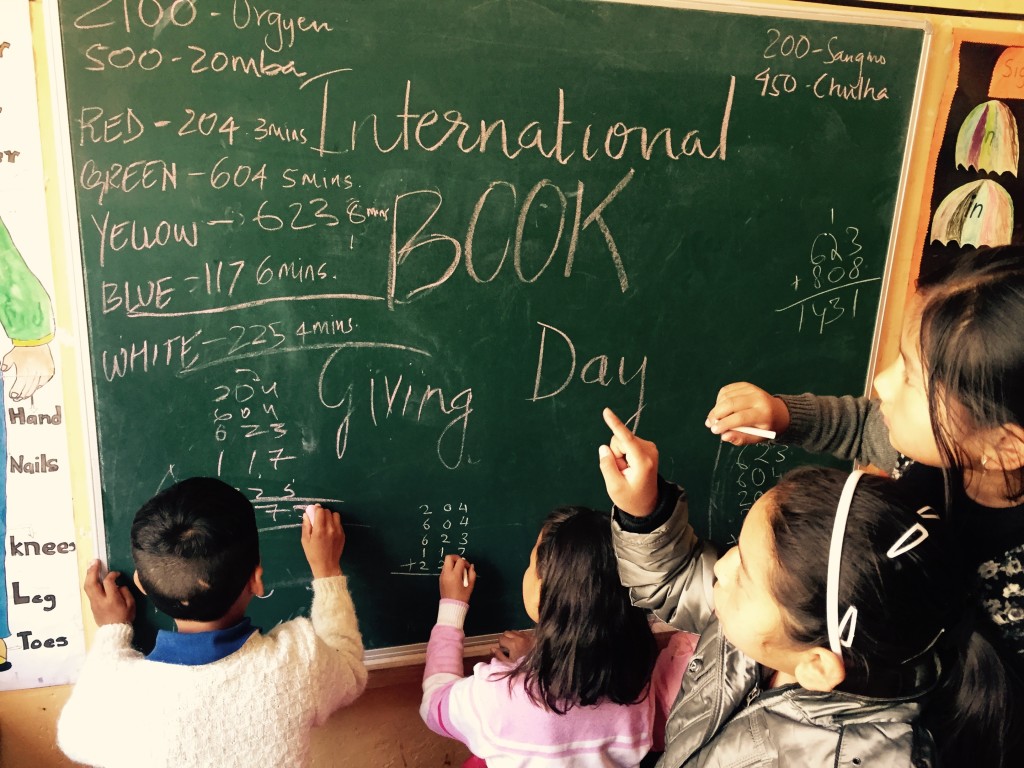
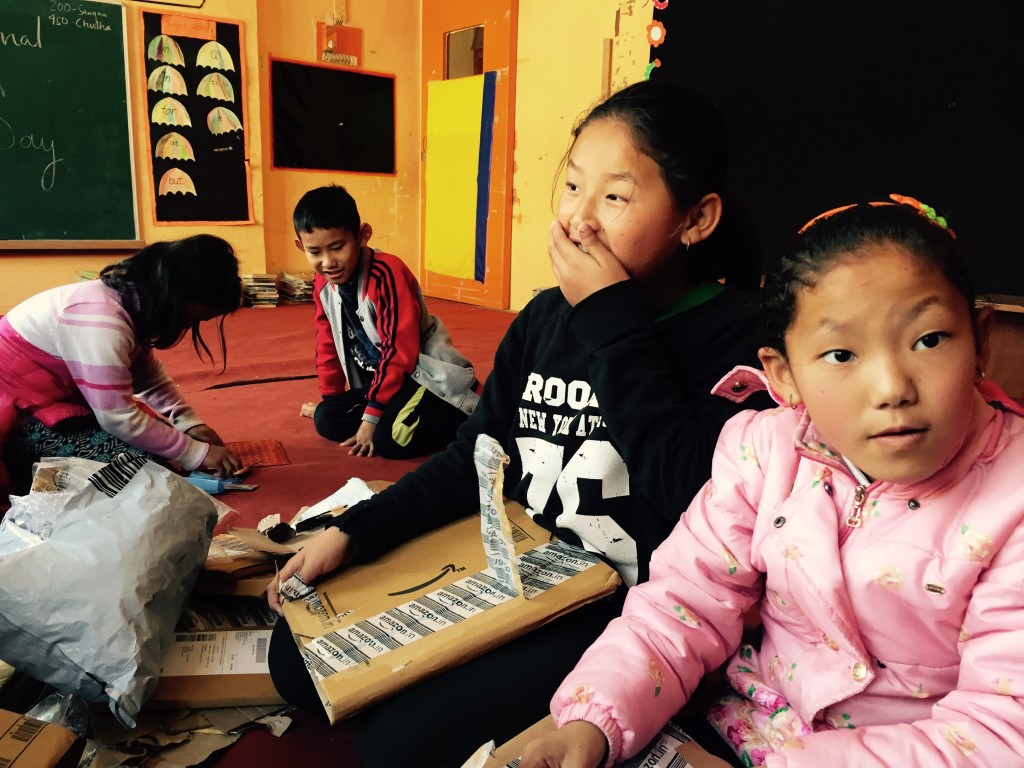
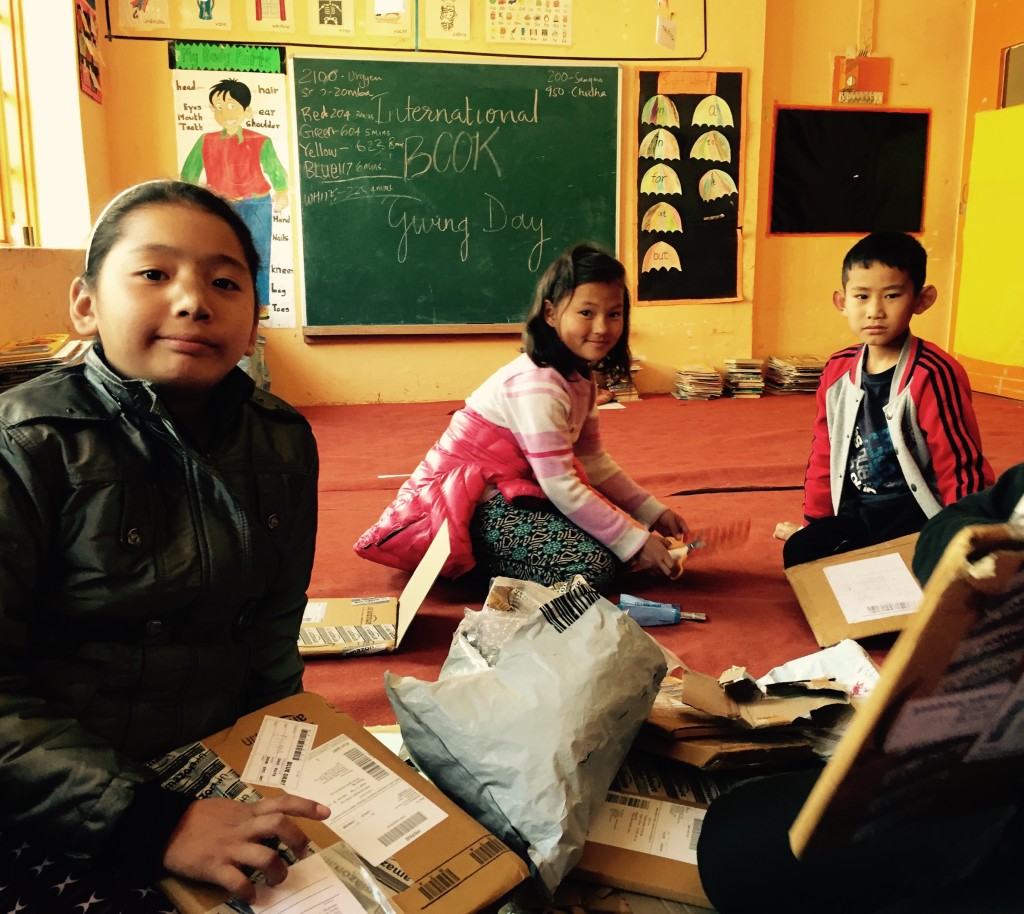
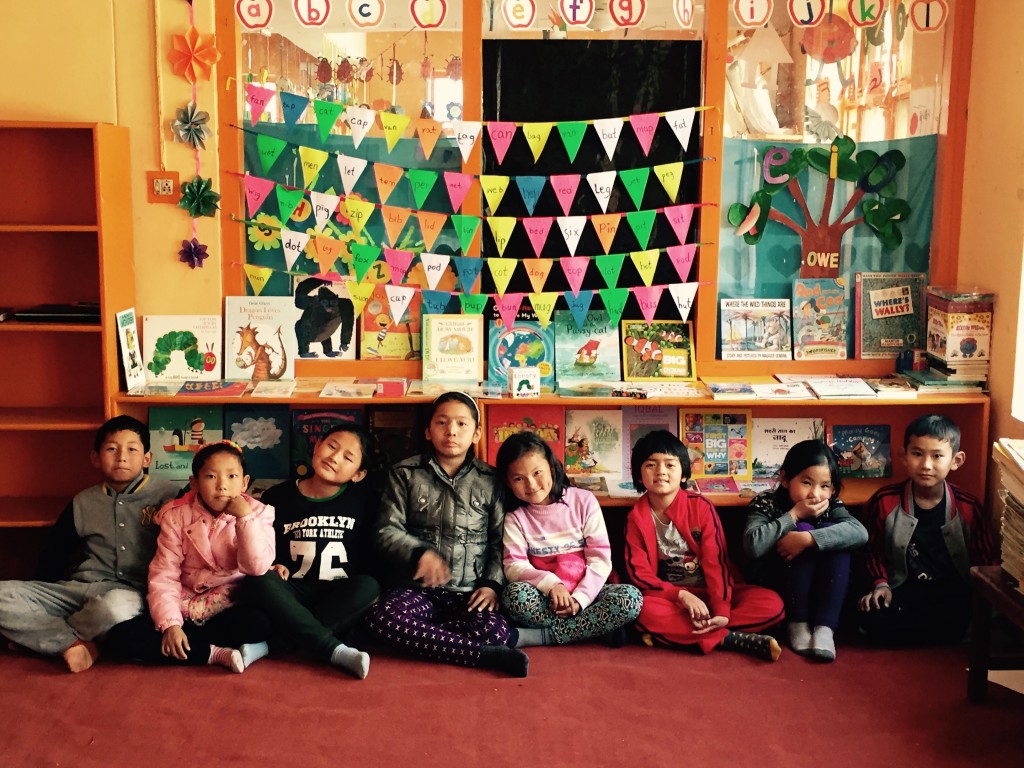
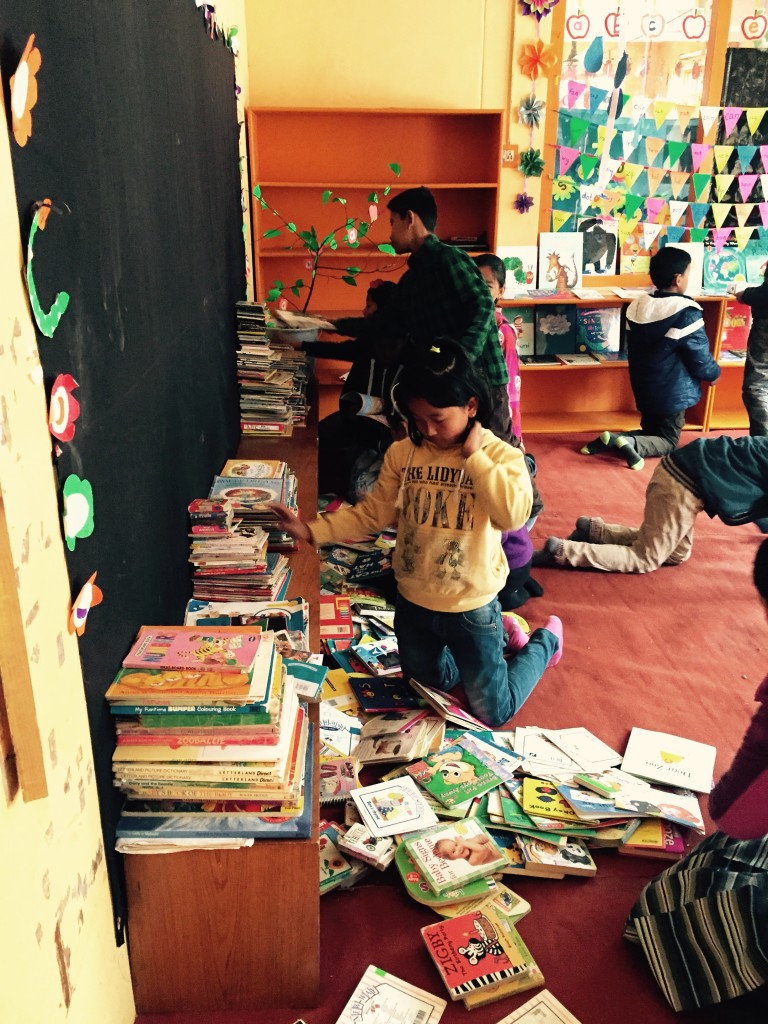
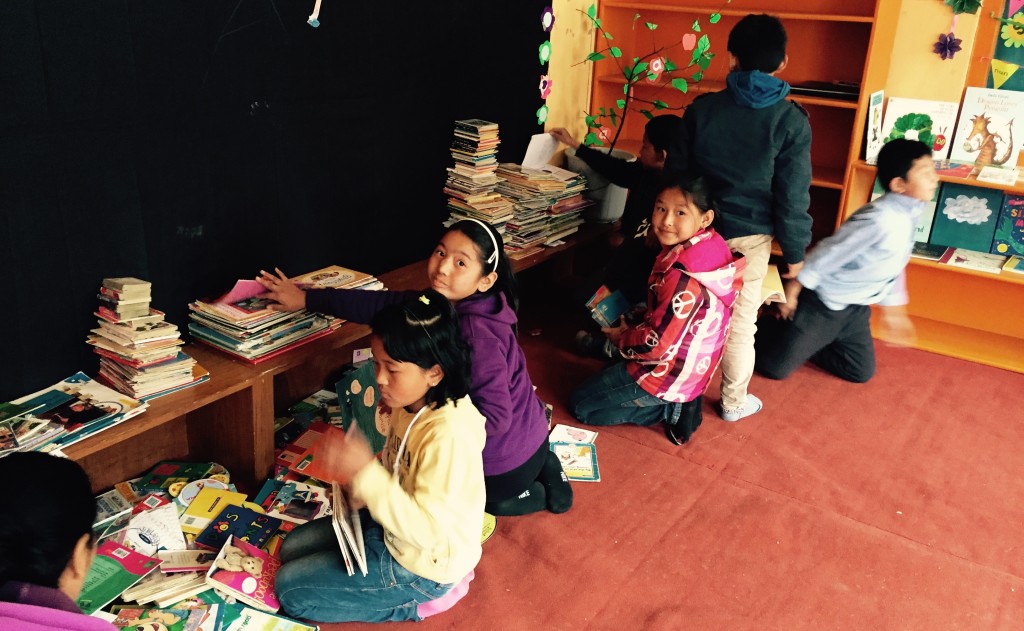
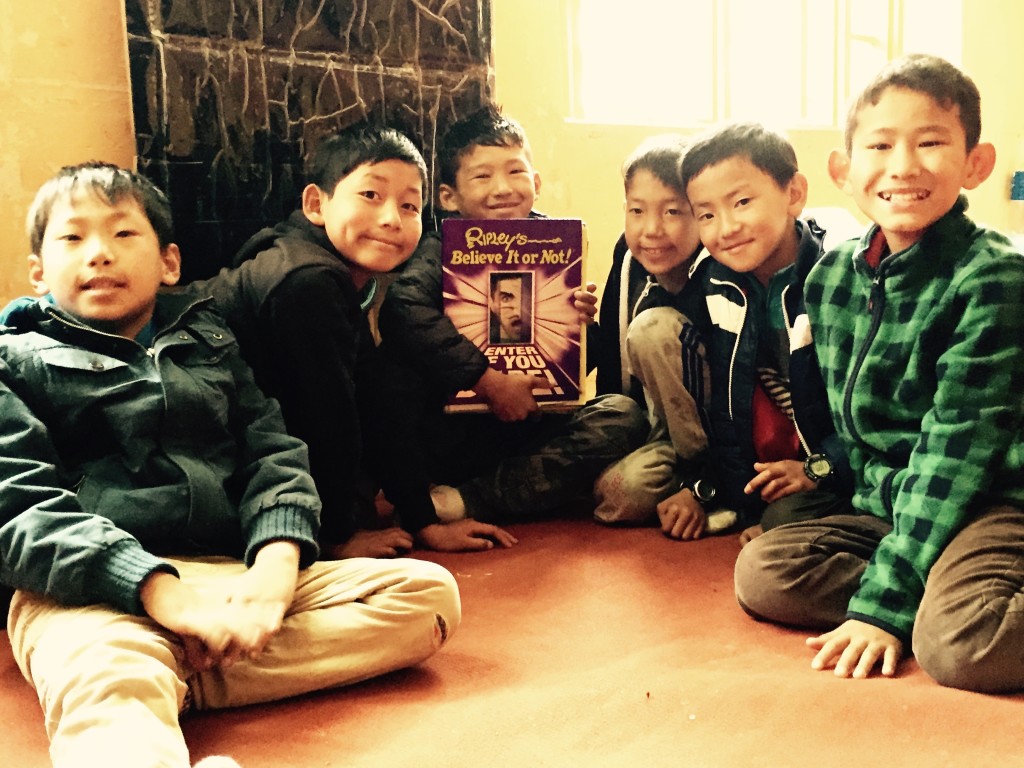
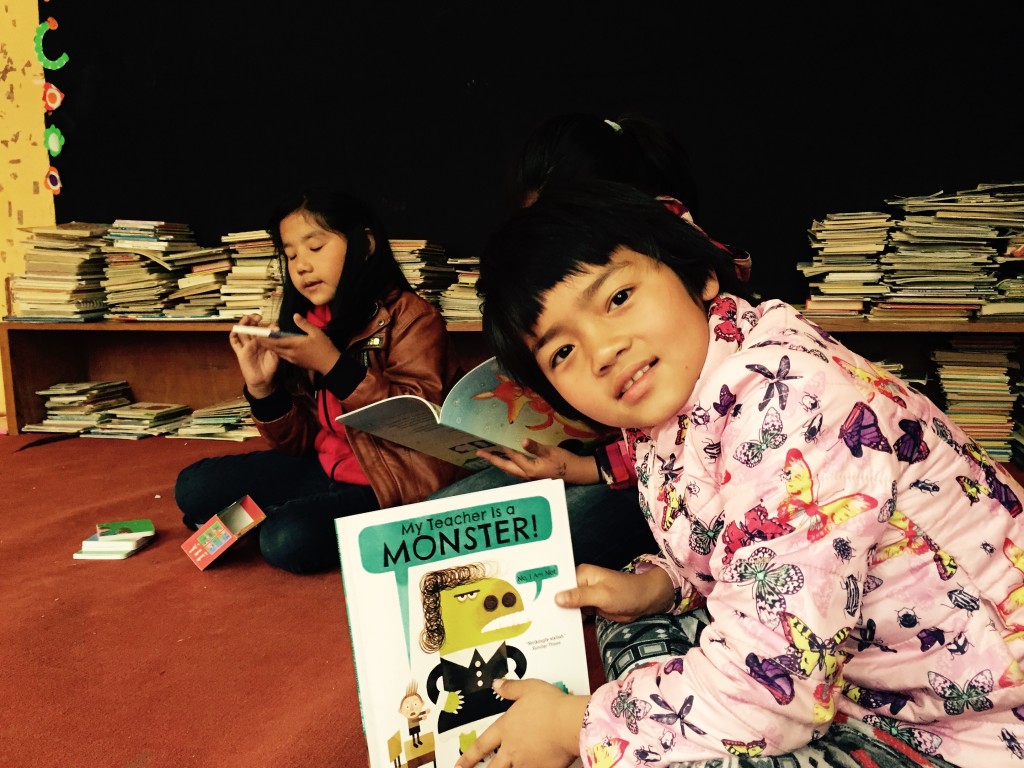
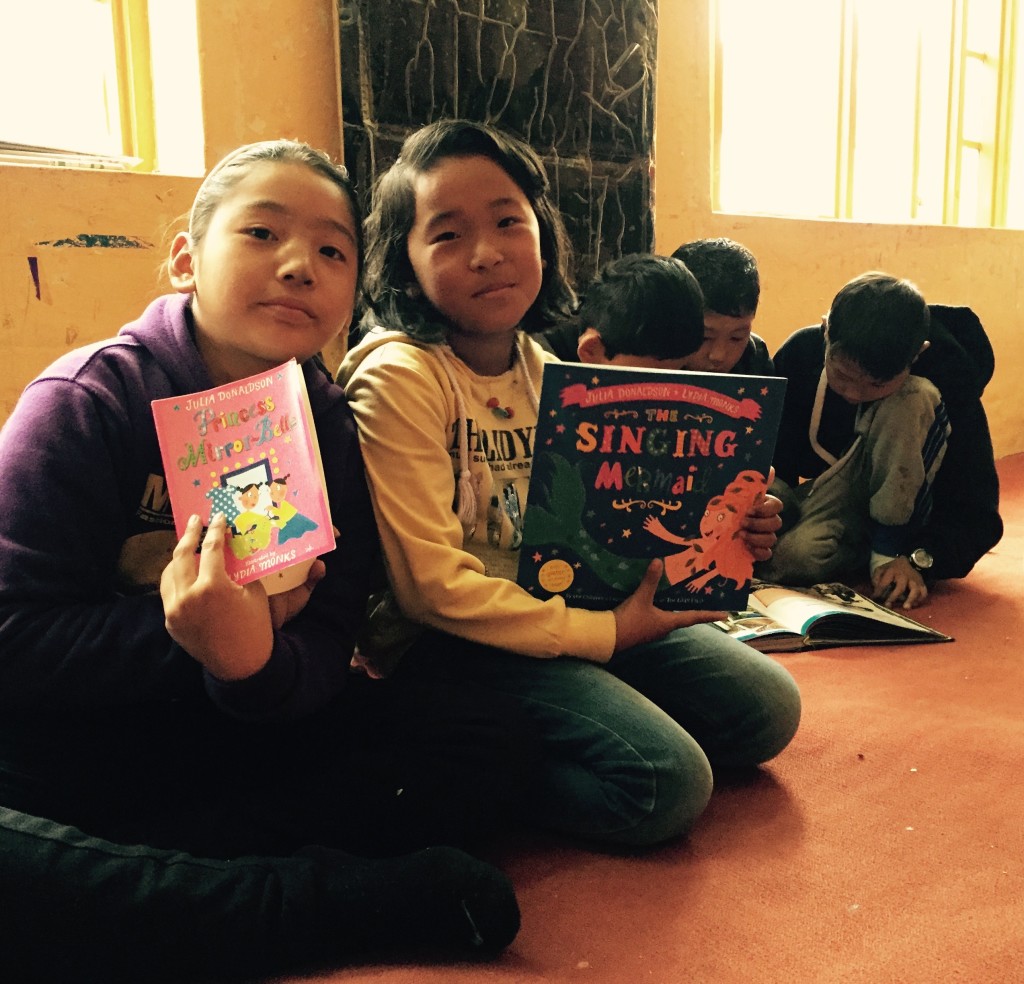
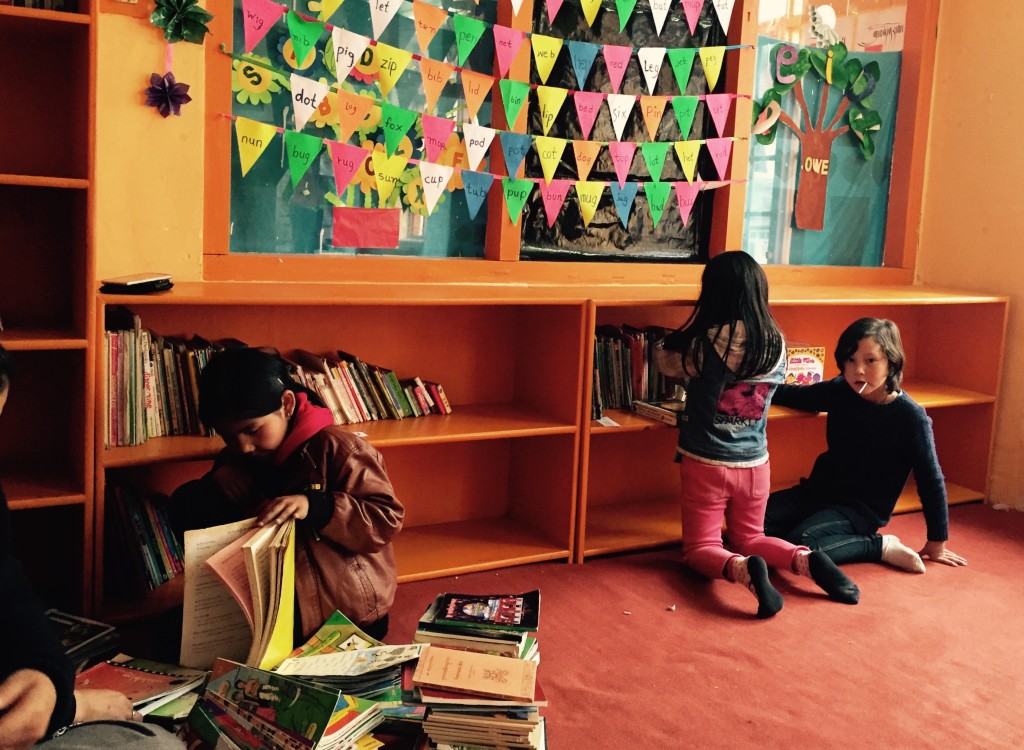
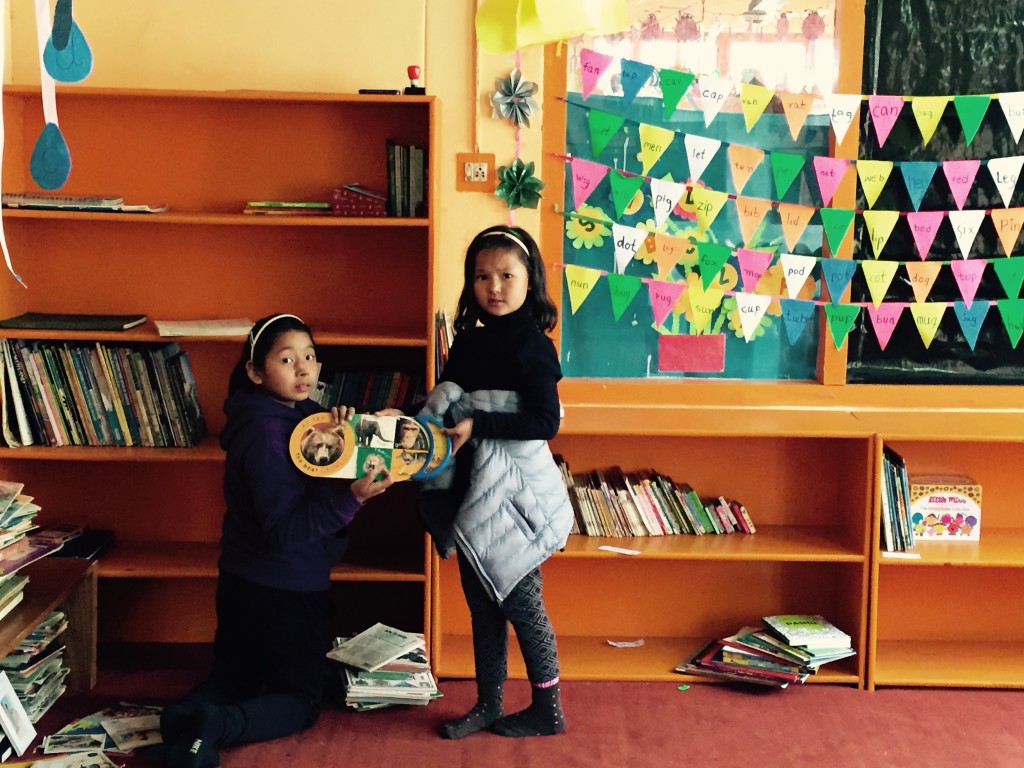
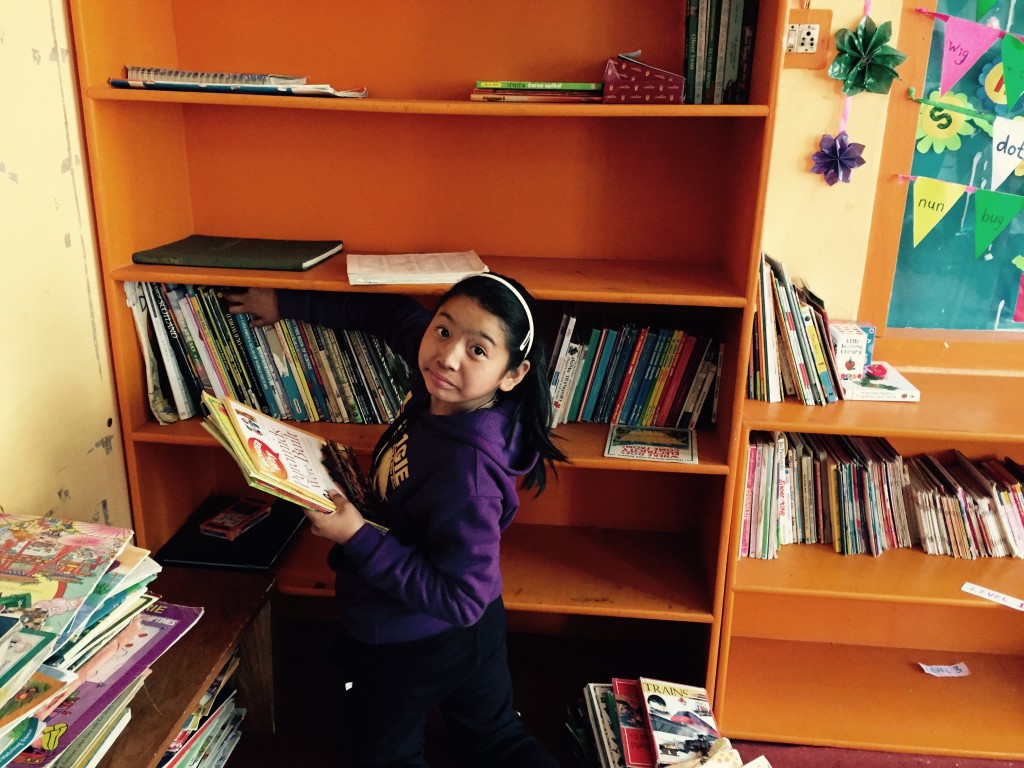
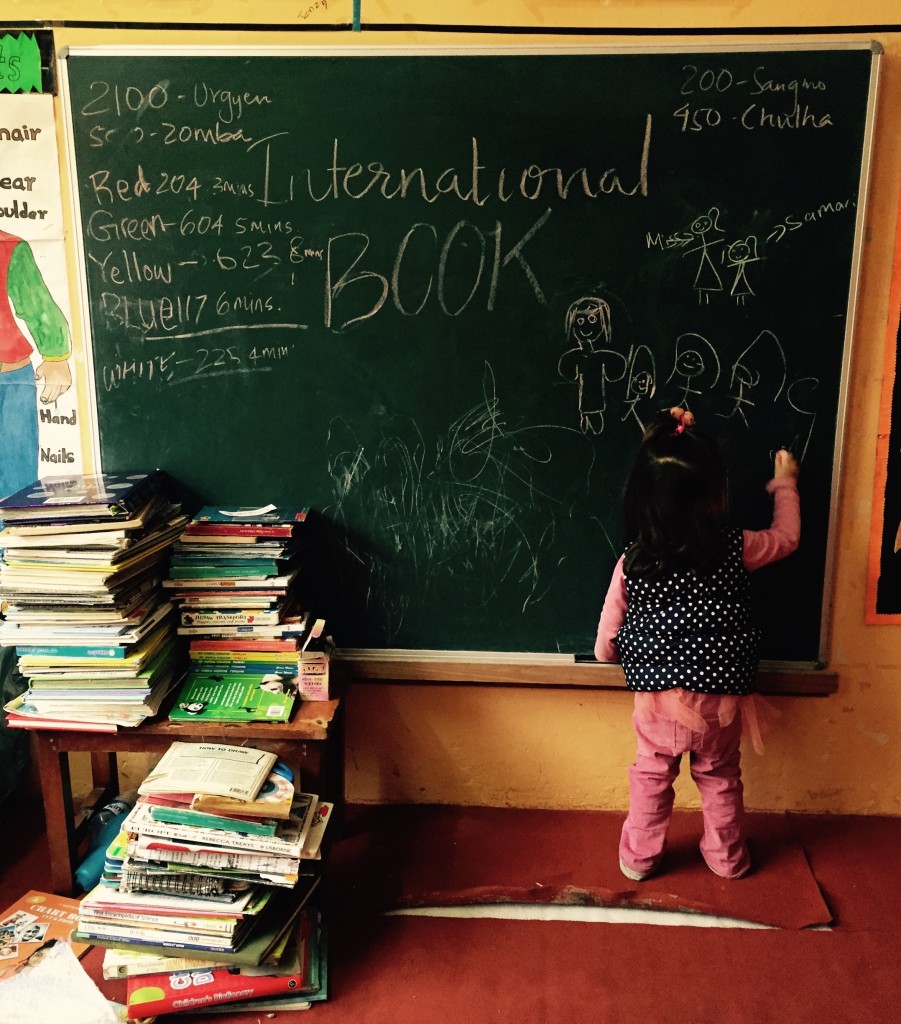
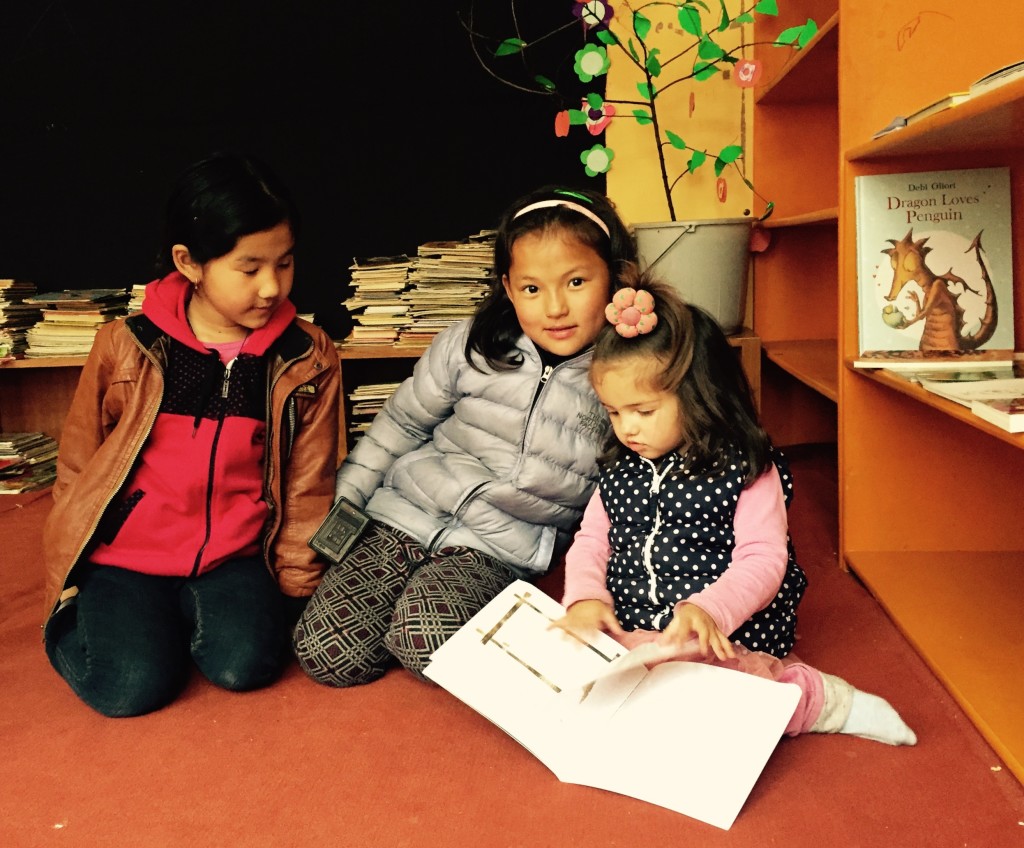
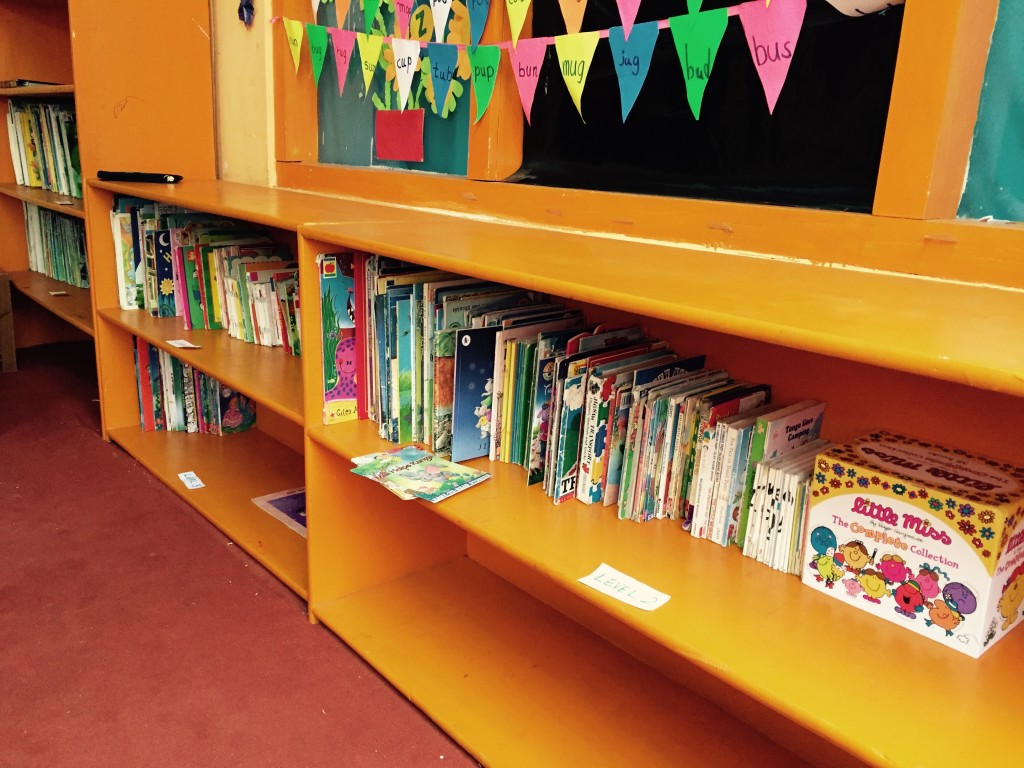
At Avalokiteśvara Trust, we encourage children to write letters to pen pals in other countries as part of a wider approach to literacy and creative learning. Reading rooms, book drives, art activities and music sessions give children the confidence to express themselves, while an international friendship gives writing a real audience and a warm human purpose.
Making writing feel personal and enjoyable
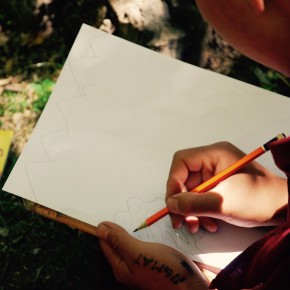
The first step is to present letter writing as a creative exchange rather than a school exercise. Children may begin by decorating stationery, drawing a local landscape or choosing a few words in their own language to teach their correspondent. A letter might describe a family celebration, a favourite book, a cricket match, a monastery, a market day or the changing mountain weather.
Facilitators provide simple prompts for children who are unsure how to begin. They can write about where they live, what they enjoy doing after school, the animals they see, or the food prepared at home. These ideas help young writers discover that ordinary experiences are interesting to someone living far away.
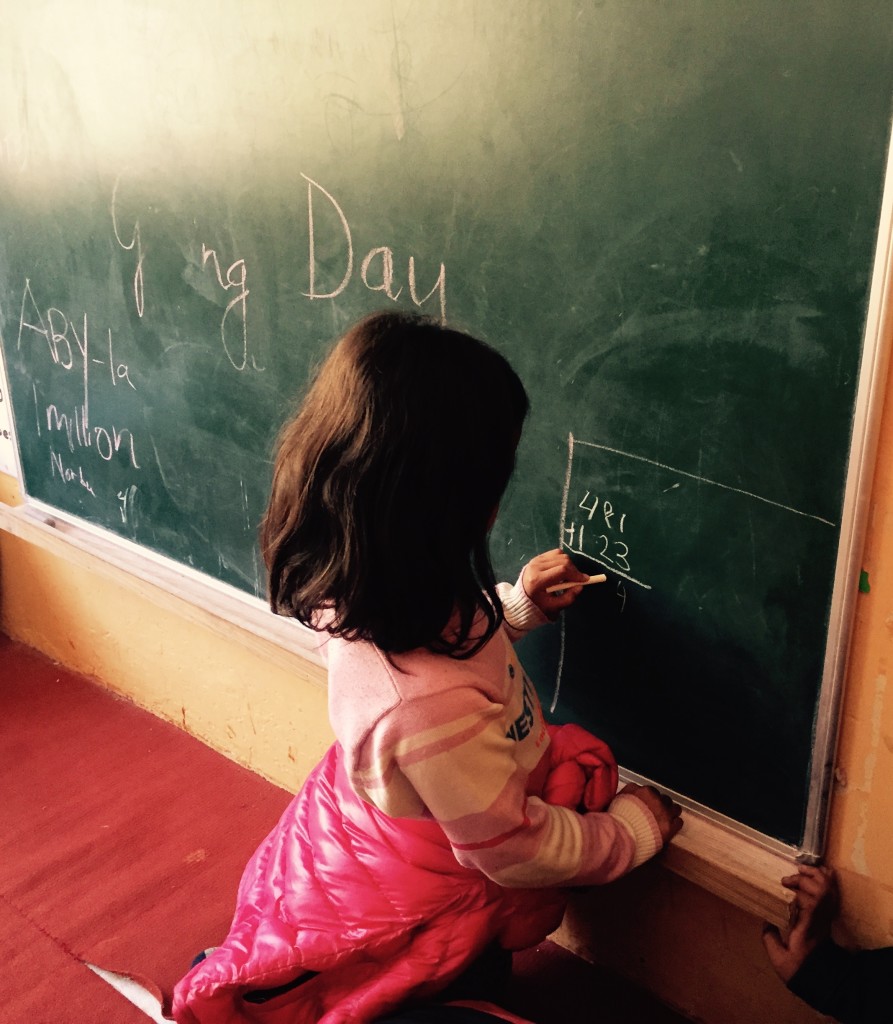
The activity also accommodates different ages and levels of confidence. Younger children may draw a picture and dictate a few sentences, while older students can write several paragraphs and ask thoughtful questions. This flexible approach makes pen pal correspondence welcoming for children who are still developing their English or learning to organise their ideas.
Connecting letters with books and learning
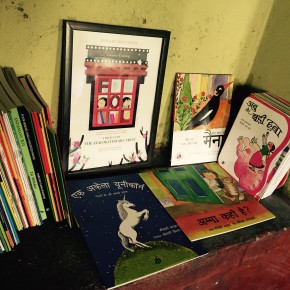
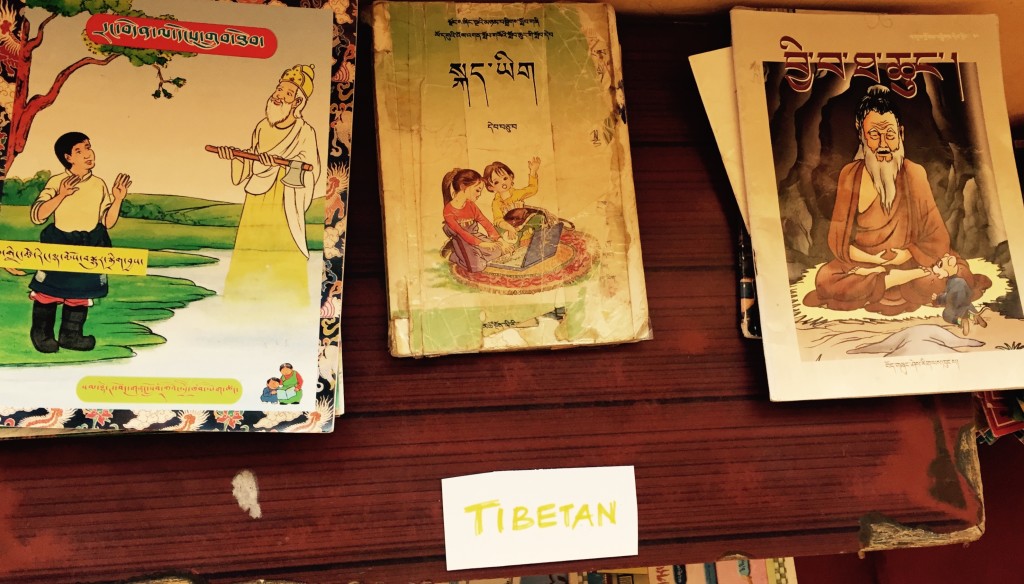
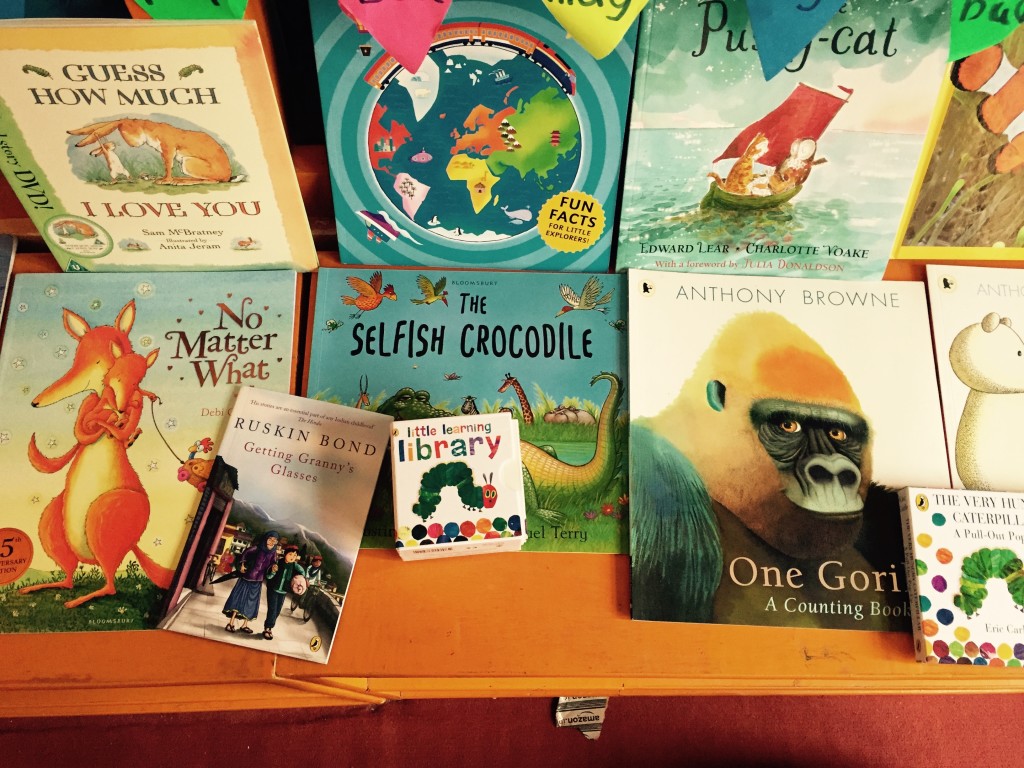
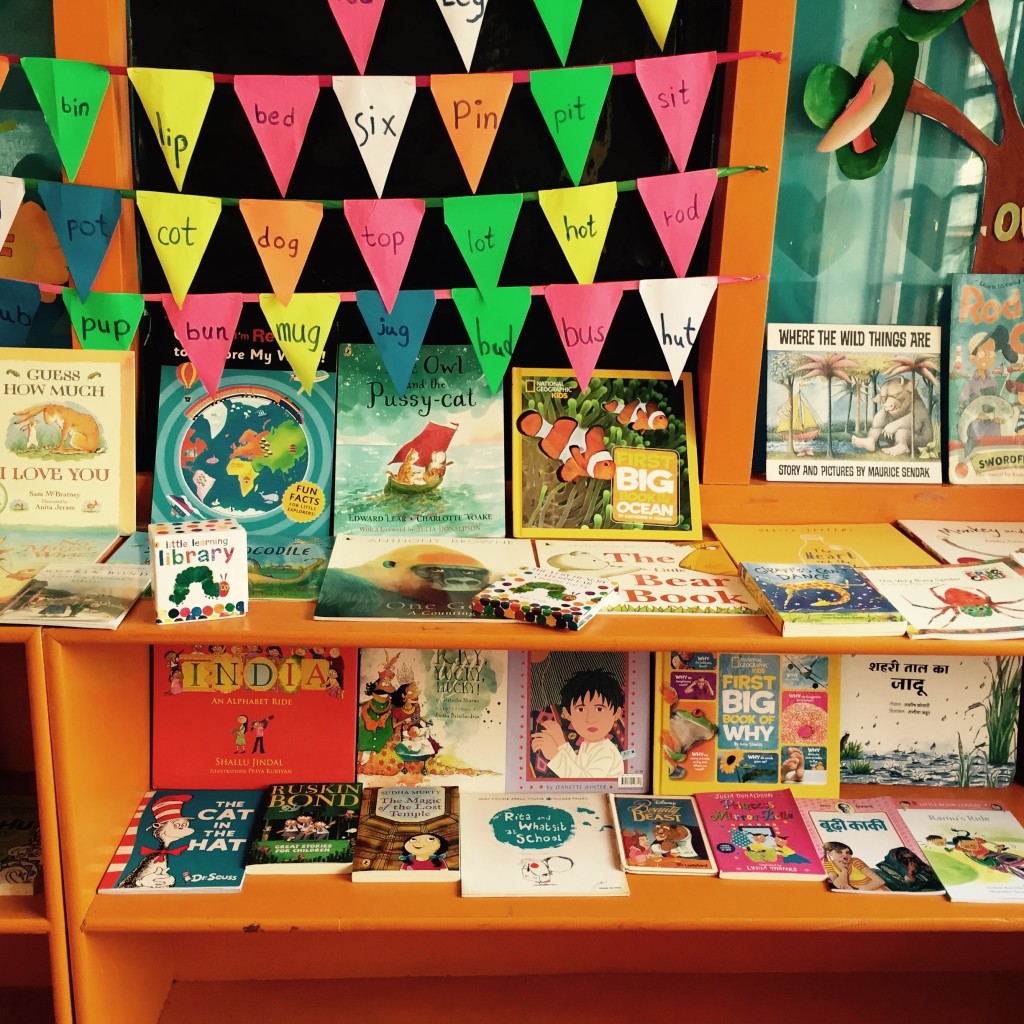
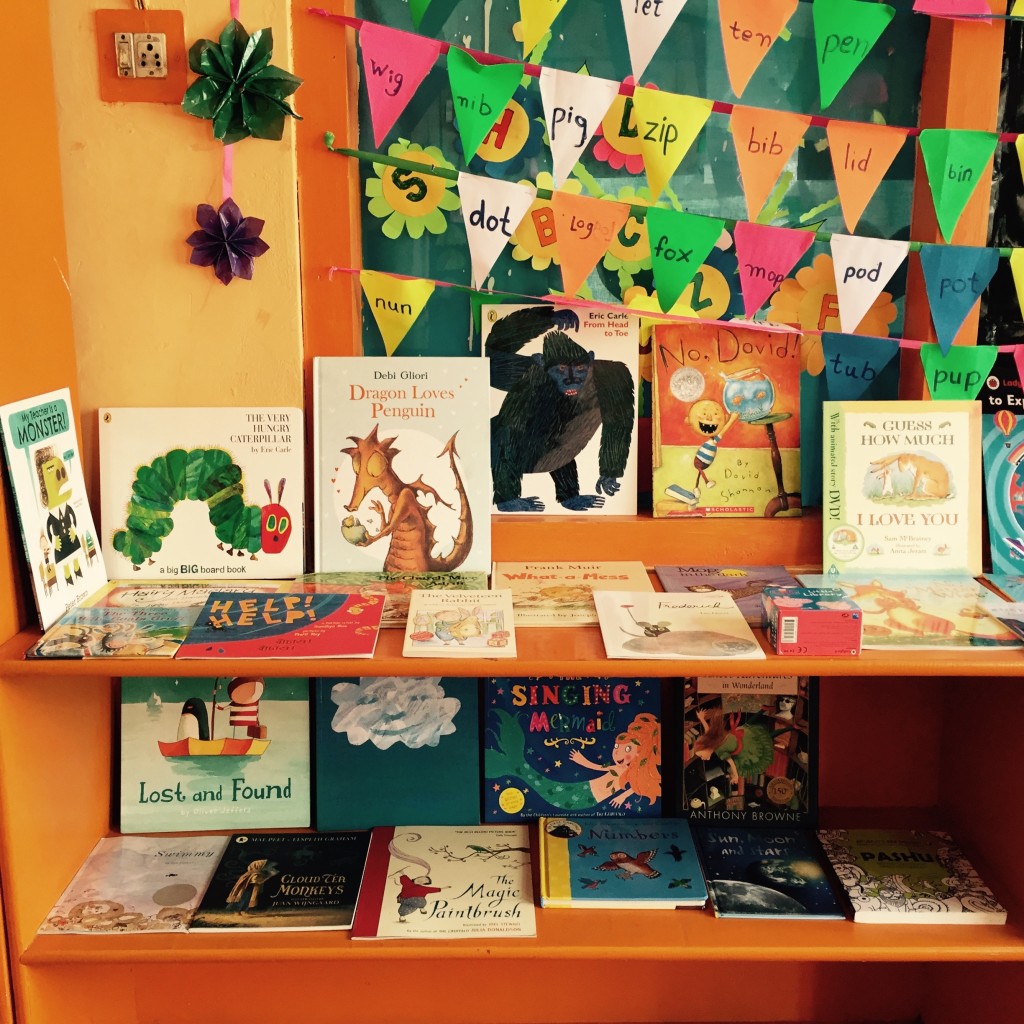
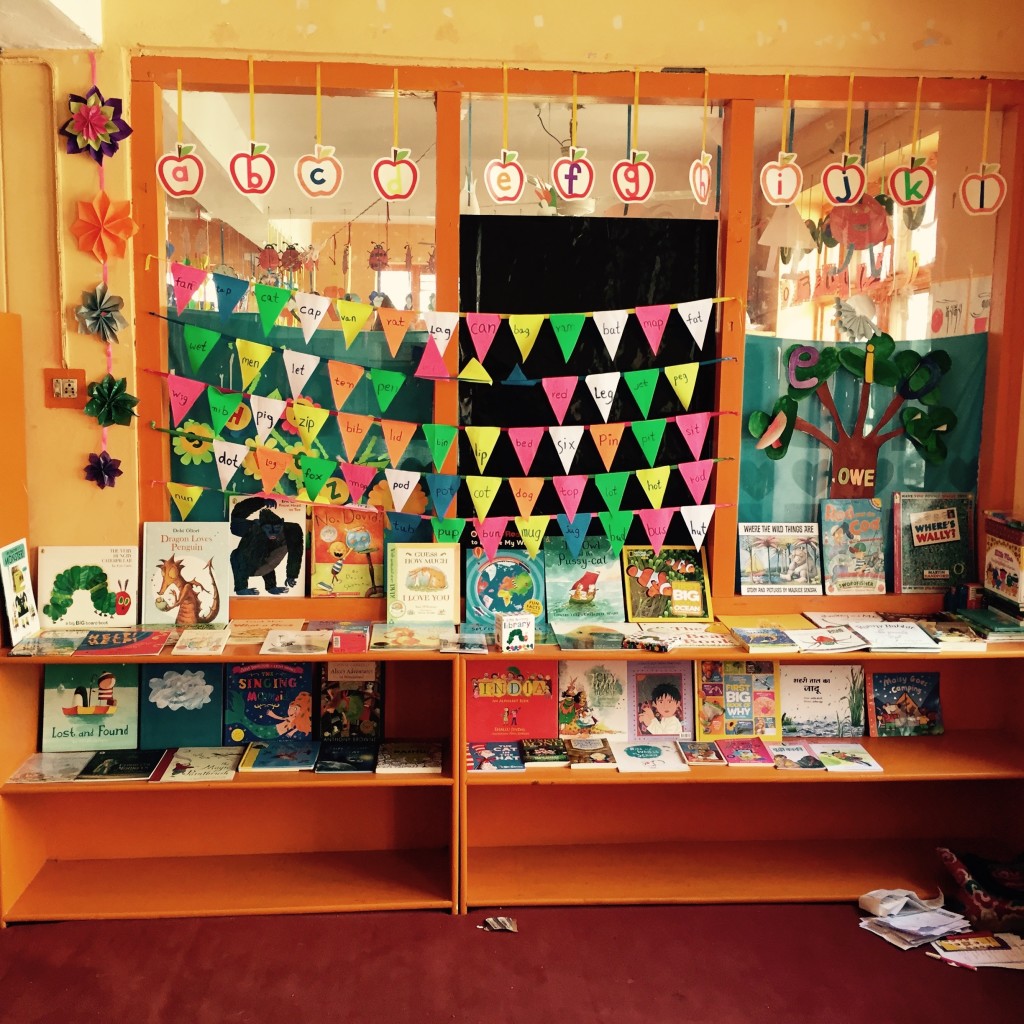
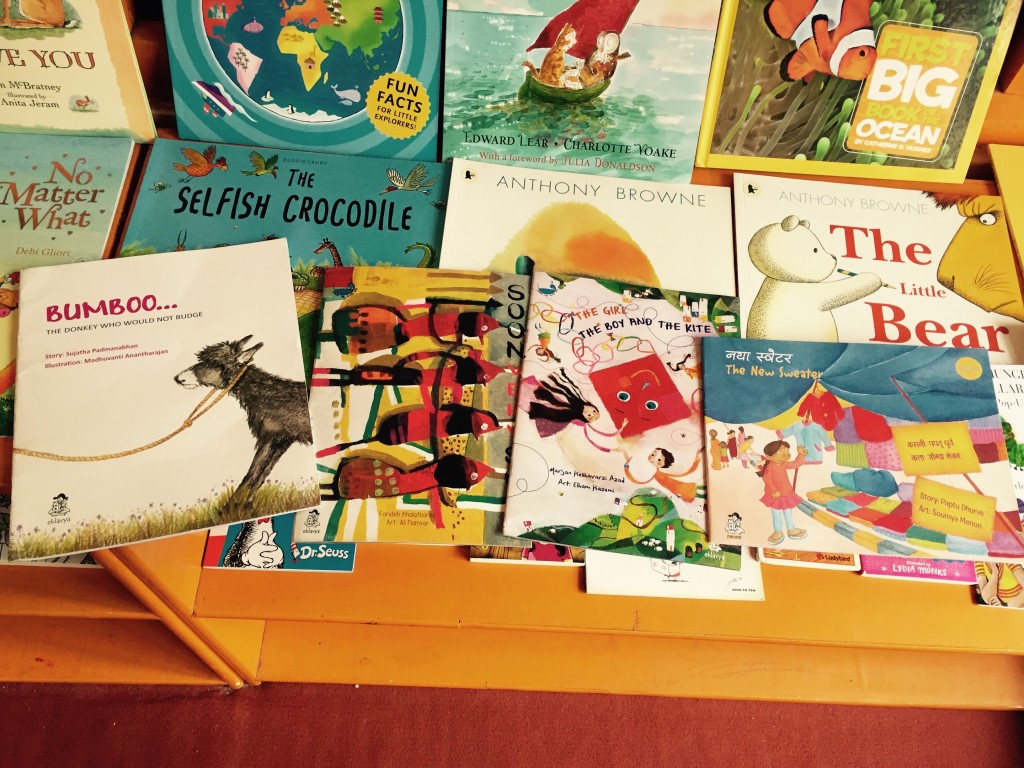
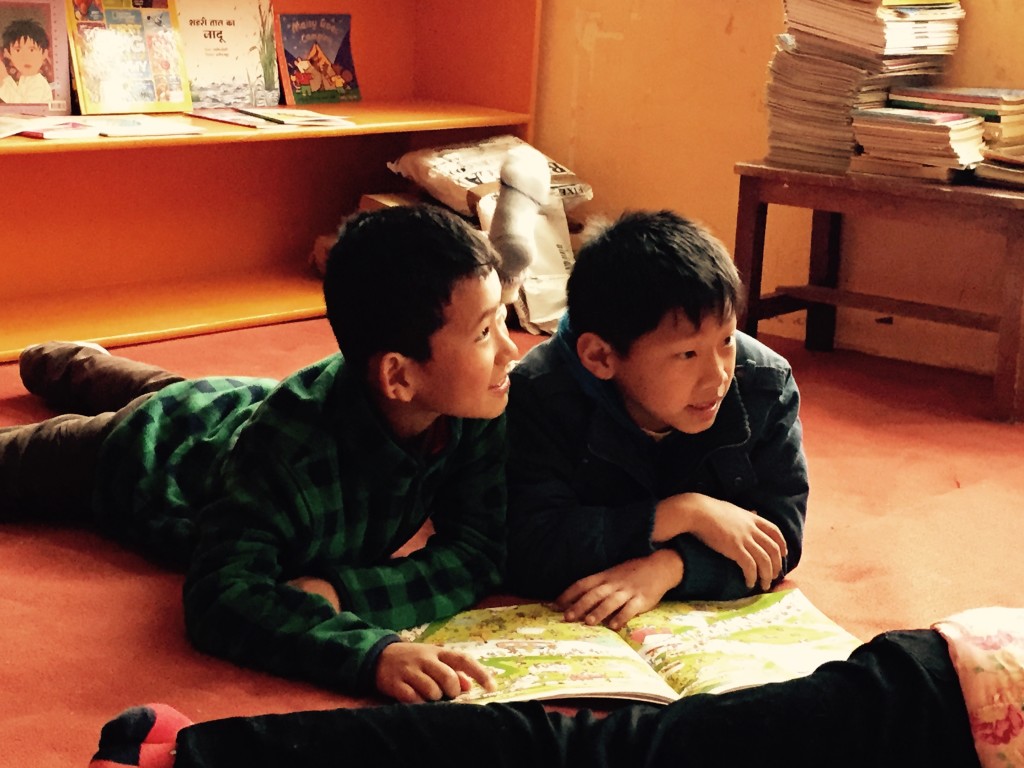
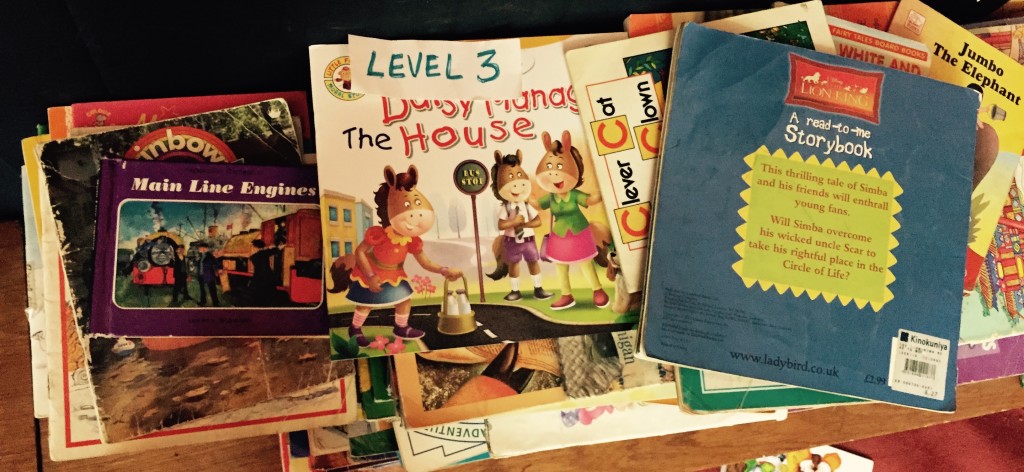
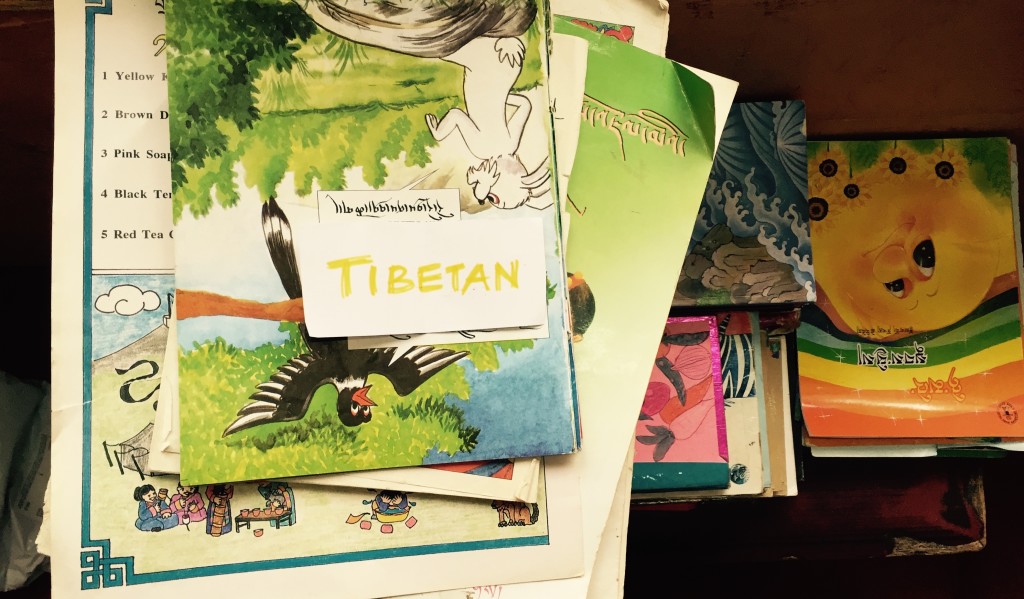
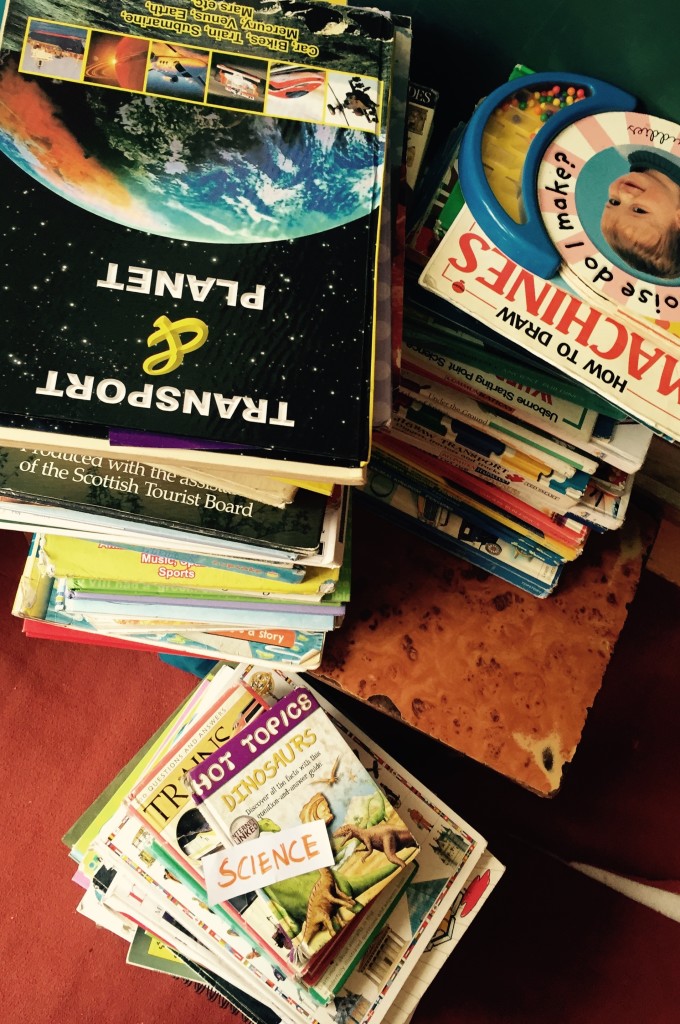
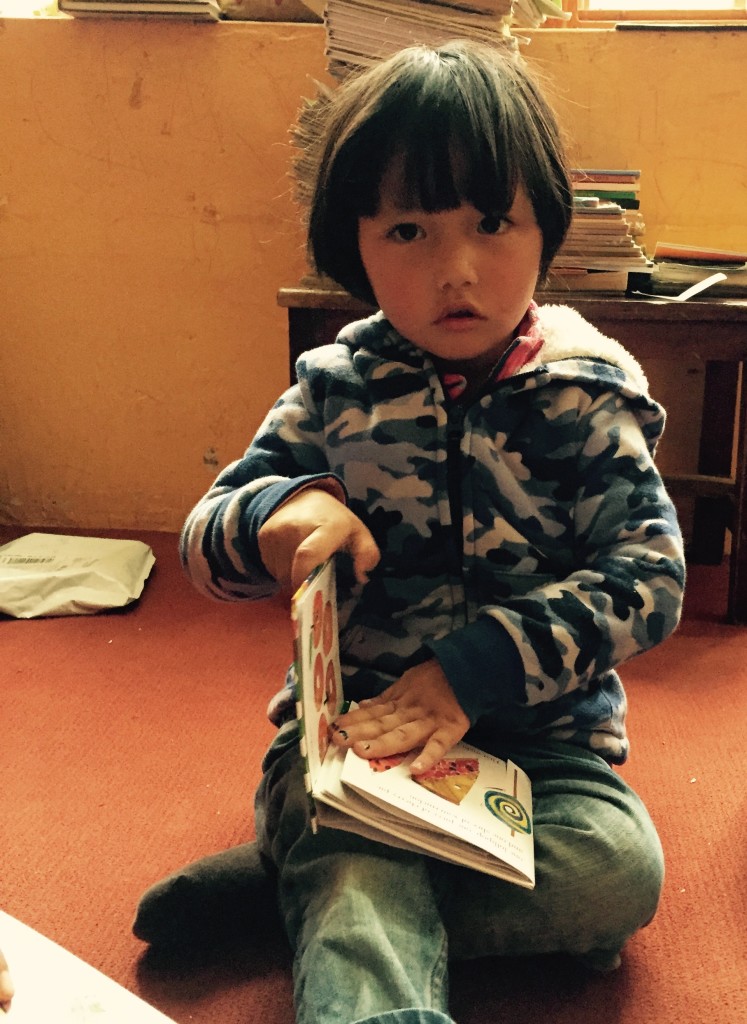
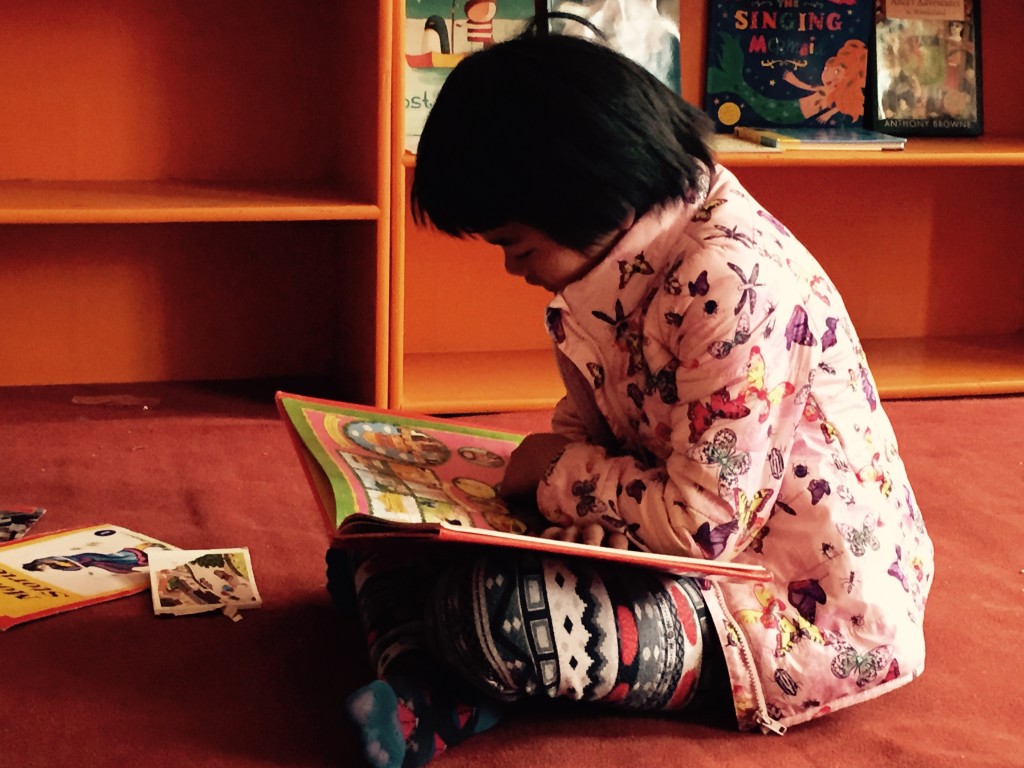
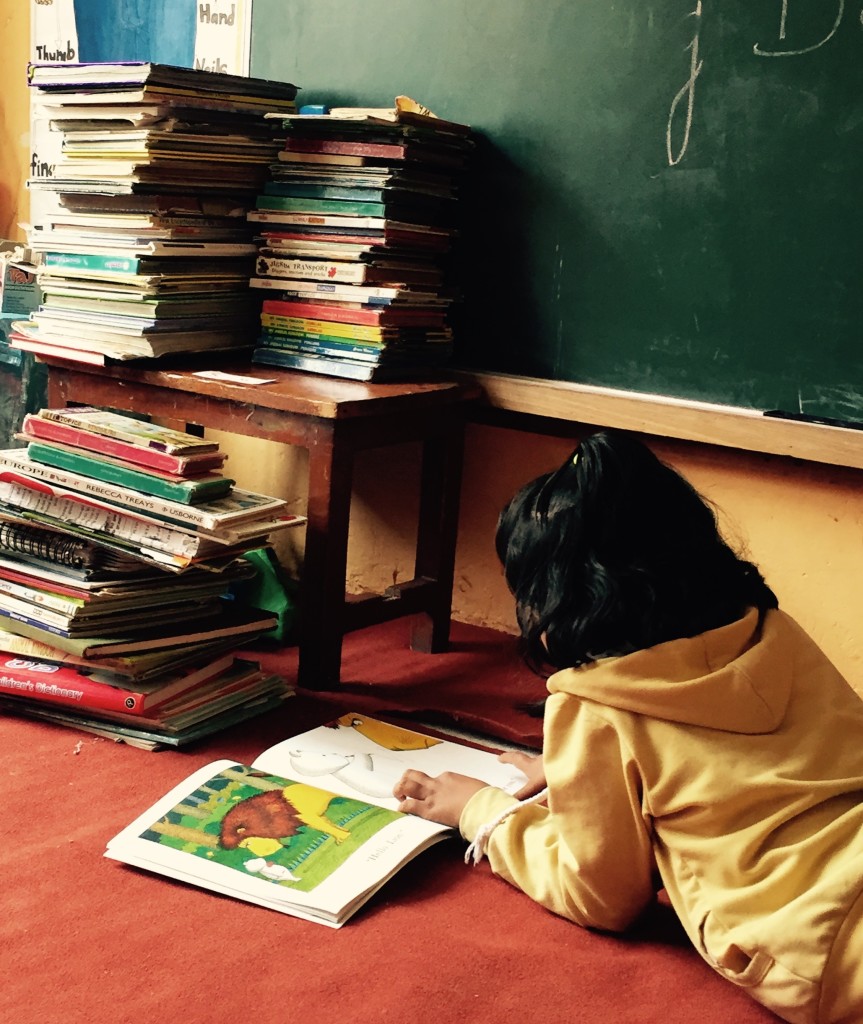
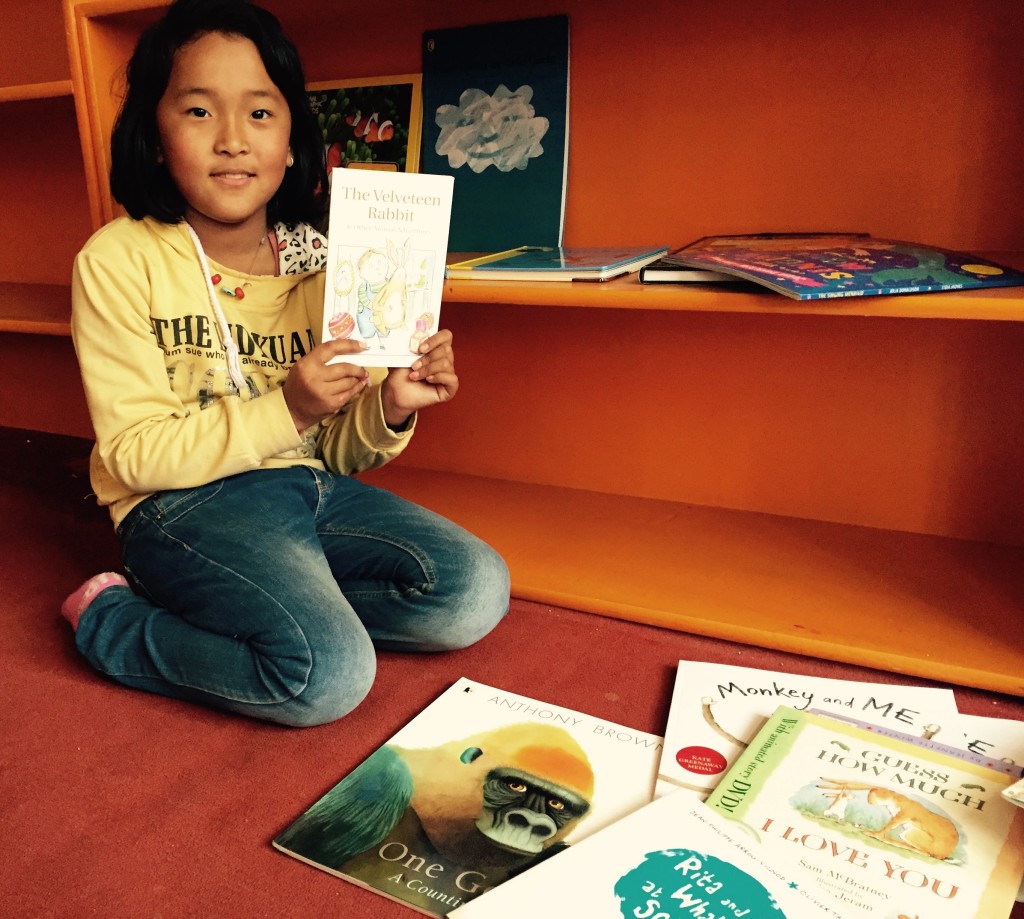
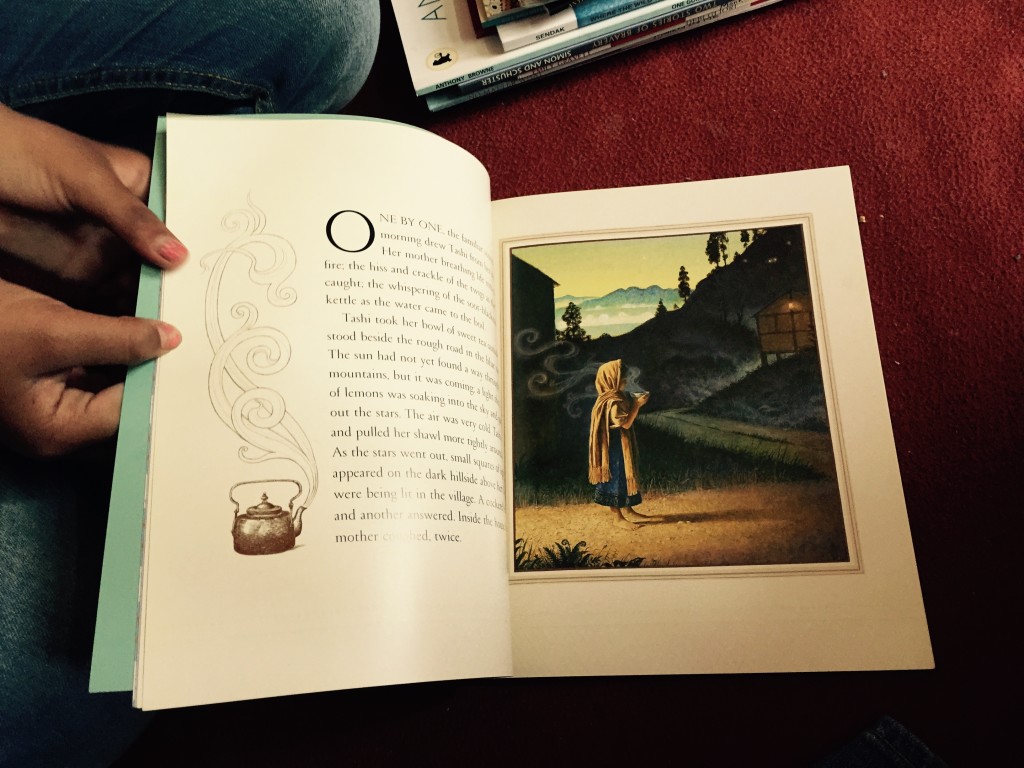
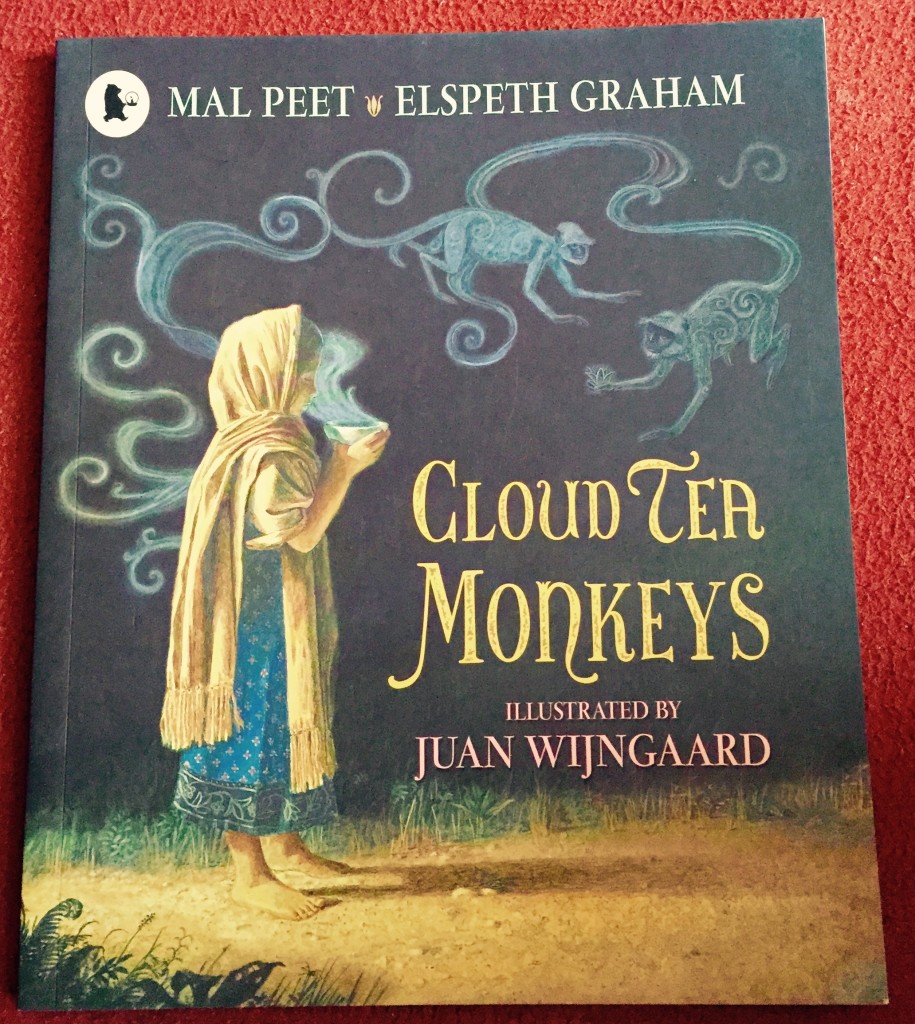
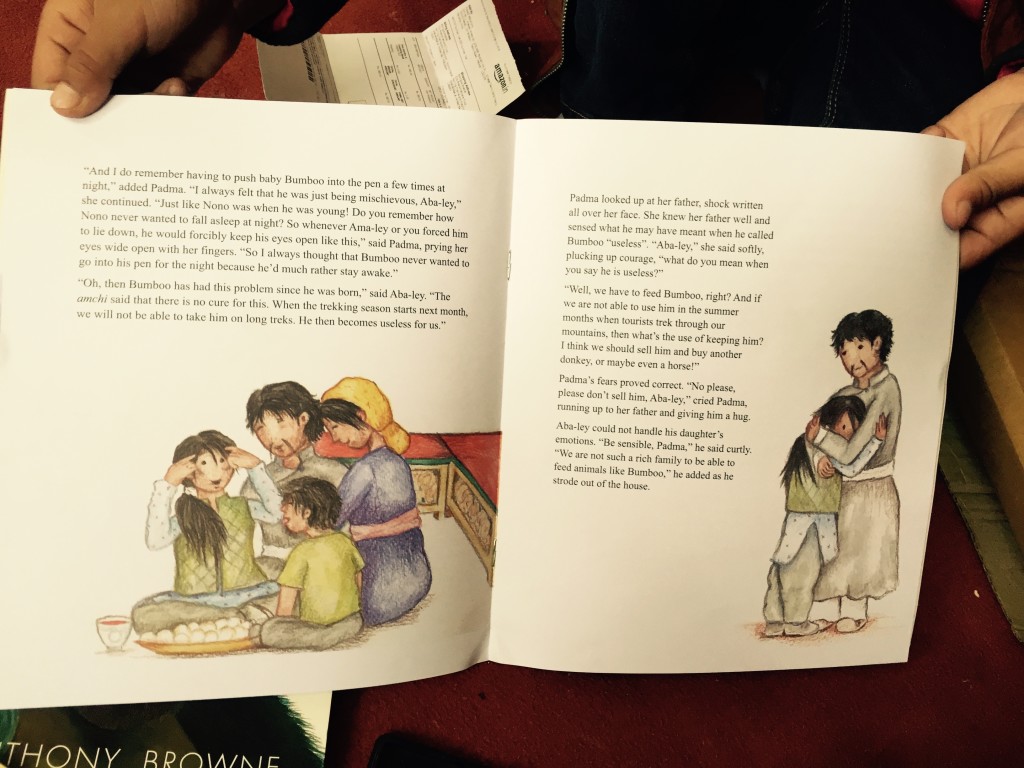
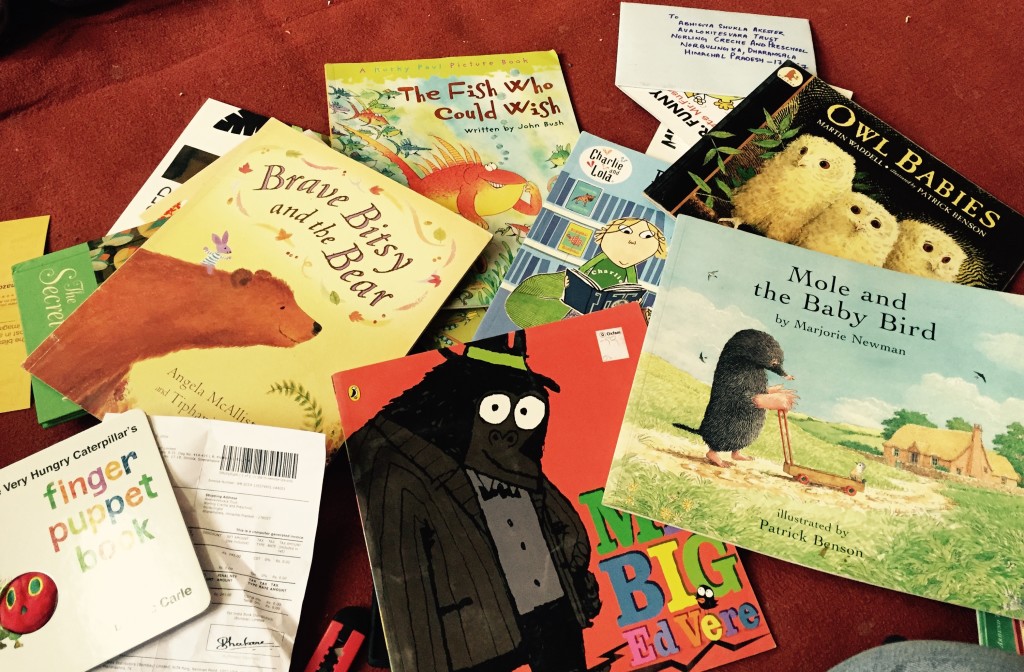
A letter exchange becomes richer when it grows from reading. In our reading rooms, children can explore stories, picture books, biographies and books about distant places before deciding what they would like to share. Reading examples of letters helps them notice greetings, paragraphs, questions and friendly sign-offs without turning the activity into a rigid lesson.
Books also give children subjects to discuss with their overseas friends. A student might recommend a story about mountains, compare traditional instruments, or describe a character who reminds them of someone in their community. In return, a pen pal may introduce Australian animals, a local author or a school library in Melbourne, Brisbane or Perth.
For children in Australia, this exchange can offer a view of Himalayan life that is more personal than a travel article. It can also encourage everyday reading and writing habits. A child who usually spends time on a tablet after school may choose to keep a small notebook for ideas, sketches and new vocabulary before composing a letter on the weekend.
Building cultural understanding through exchange
The most valuable letters contain genuine curiosity and respectful listening. Children are encouraged to ask open questions about school, family traditions, games, music, celebrations and local landscapes. They learn that a pen pal is an individual with particular interests, not a representative of an entire country or culture.
The exchange can reveal both difference and familiarity. A child in Ladakh may write about high-altitude villages, yak herding, Buddhist festivals or long journeys between communities. A child in Australia may describe catching a tram in Melbourne, visiting a beach near Sydney or playing sport at a suburban oval. Both may enjoy drawing, music, stories, pets and time with friends.
We take care to avoid presenting communities as curiosities. Activities focus on mutual sharing, and children decide what they feel comfortable discussing. A letter is a friendship, not a request for personal information. This principle helps correspondence remain safe, balanced and respectful while giving children the freedom to express their own identity.
Creating a safe and reliable correspondence
Children’s safety and privacy guide every stage of the programme. Letters are exchanged through trusted adults or partner schools, and correspondence is reviewed according to the arrangements agreed with families and educational organisations. Children are reminded not to include home addresses, telephone numbers, passwords or other sensitive details.
When Australian schools, families or volunteers participate, privacy practices should align with the Privacy Act 1988 and with the safeguarding policies of the relevant organisation. Permission is needed before sharing a child’s name, photograph, artwork or story publicly. State and territory requirements may also apply to adults working directly with children, including Working with Children Check arrangements.
Practical organisation matters as well. International postage from Australia can be costly, particularly for heavier envelopes, so a school or community group may collect letters and send them in a planned batch. Australia Post services, international stamps and delivery times can change, making it wise to check current options before setting a schedule. The same care applies to sending books or craft materials across borders, where customs rules and costs need consideration.
Turning correspondence into a shared community project
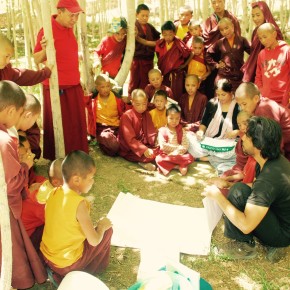
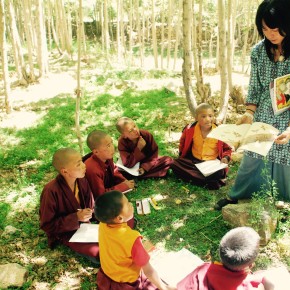
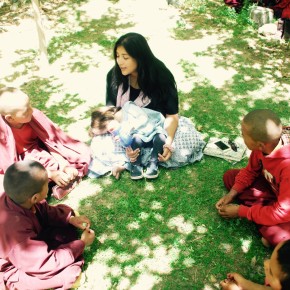
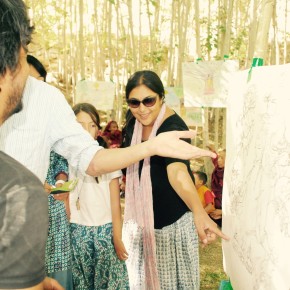
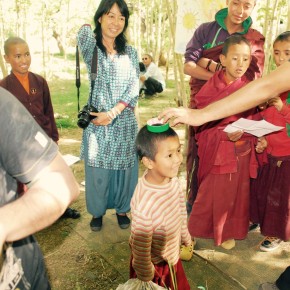
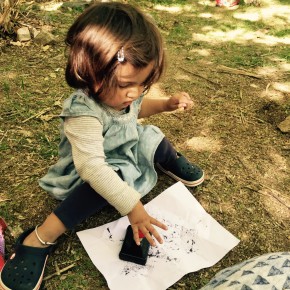
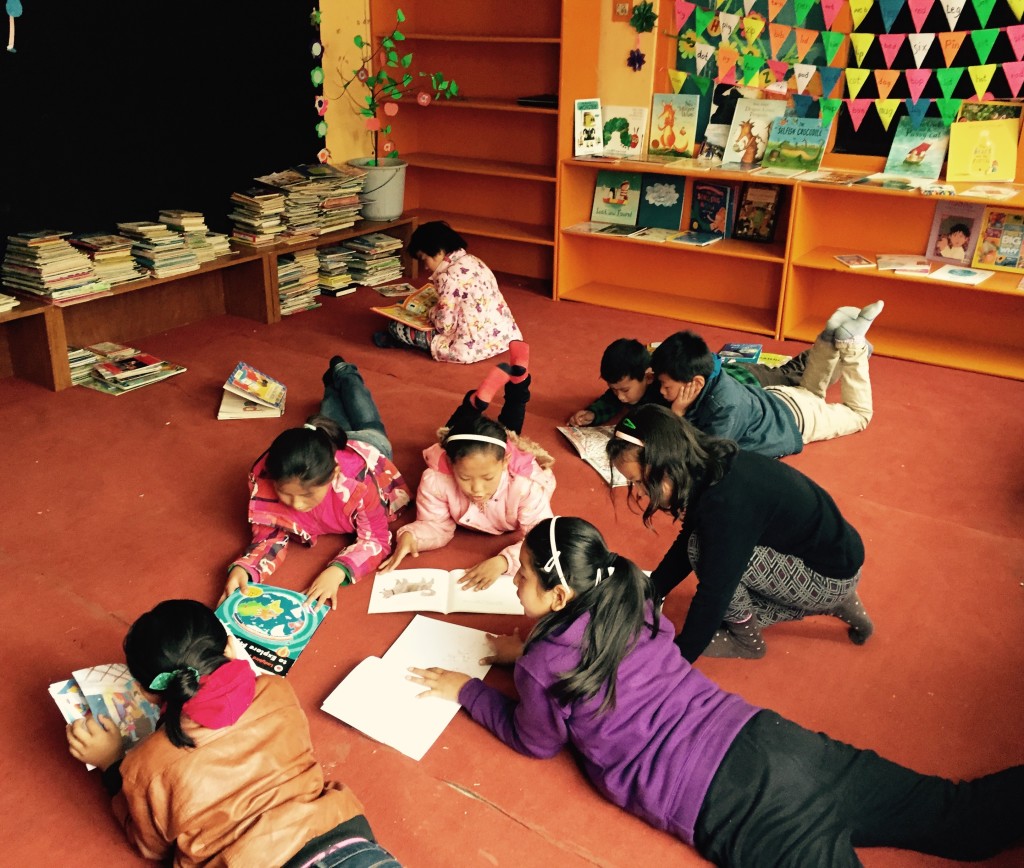
Pen pal writing works best when it is supported by a group. A reading room can host a monthly letter afternoon, with tables for writing, drawing, envelope preparation and quiet reading. Children can share ideas aloud, help one another with spelling and celebrate replies without comparing writing ability.
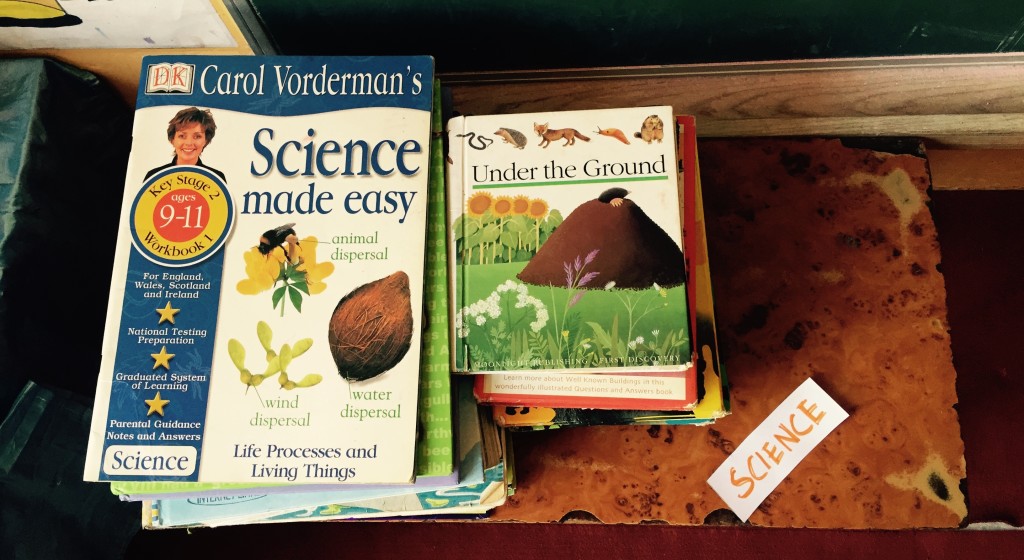
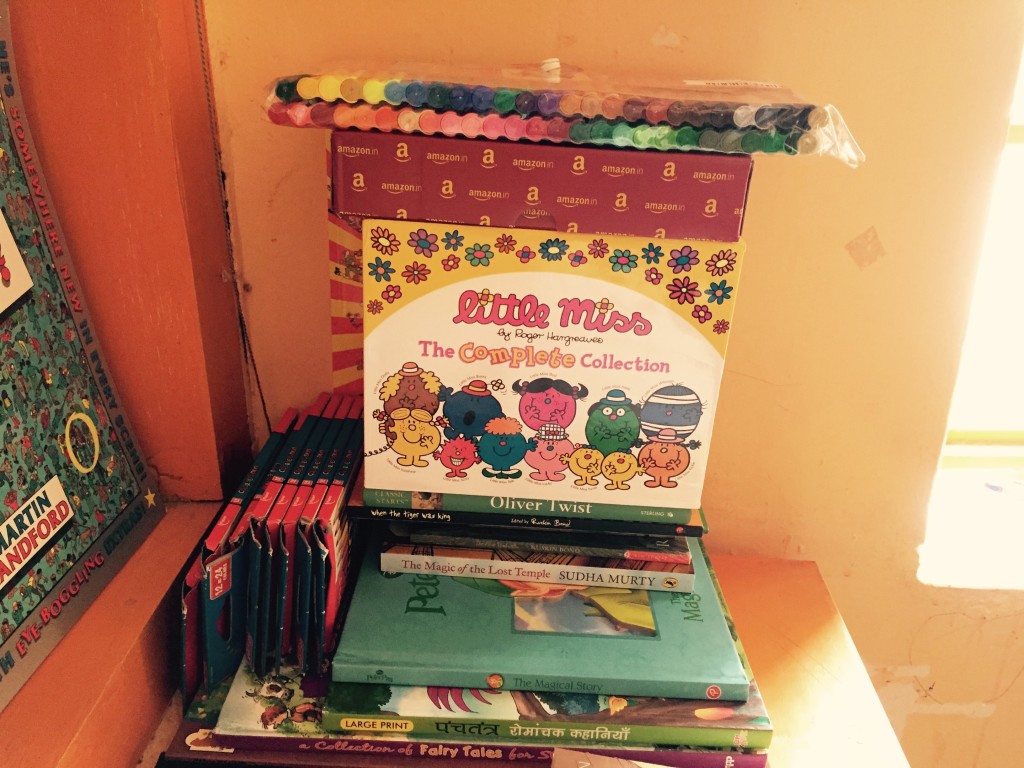
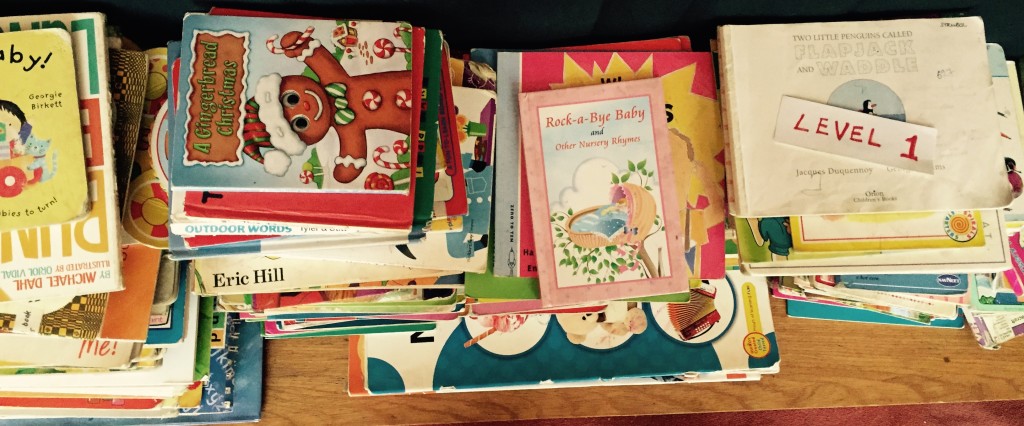
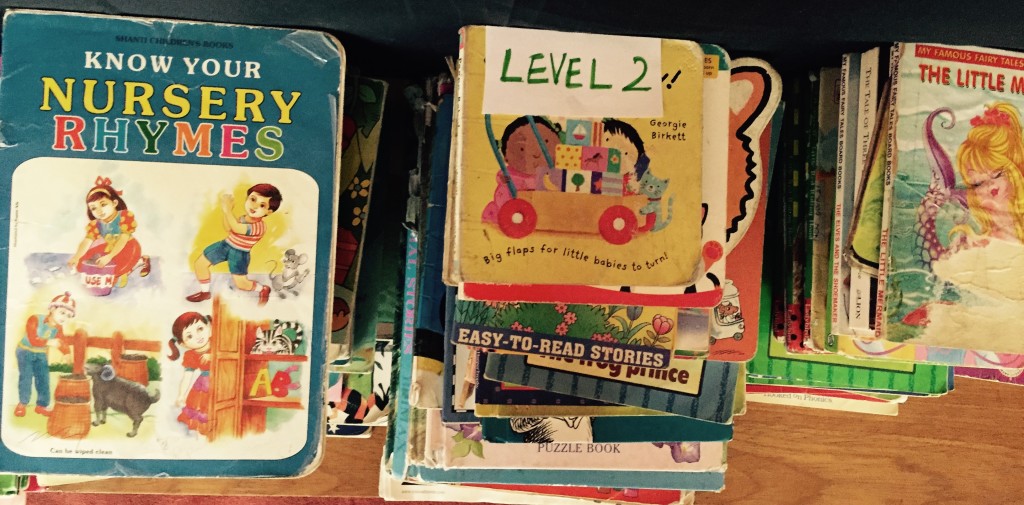
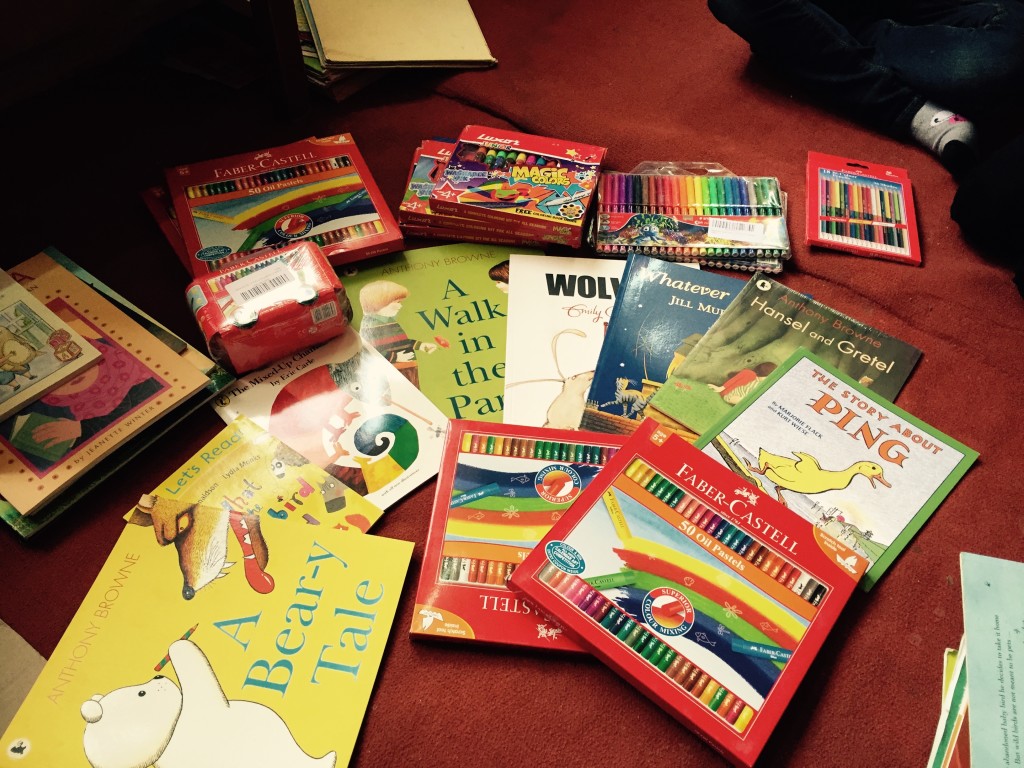
Teachers, families and volunteers in Australian cities can make the exchange part of an existing literacy or community programme. A school in Adelaide might pair the activity with a geography unit, while a library in Sydney could display children’s artwork with permission. A book drive may include age-appropriate novels, dictionaries, notebooks and stationery selected for long-term use rather than novelty.
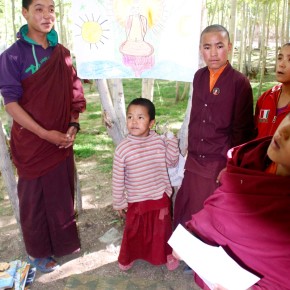
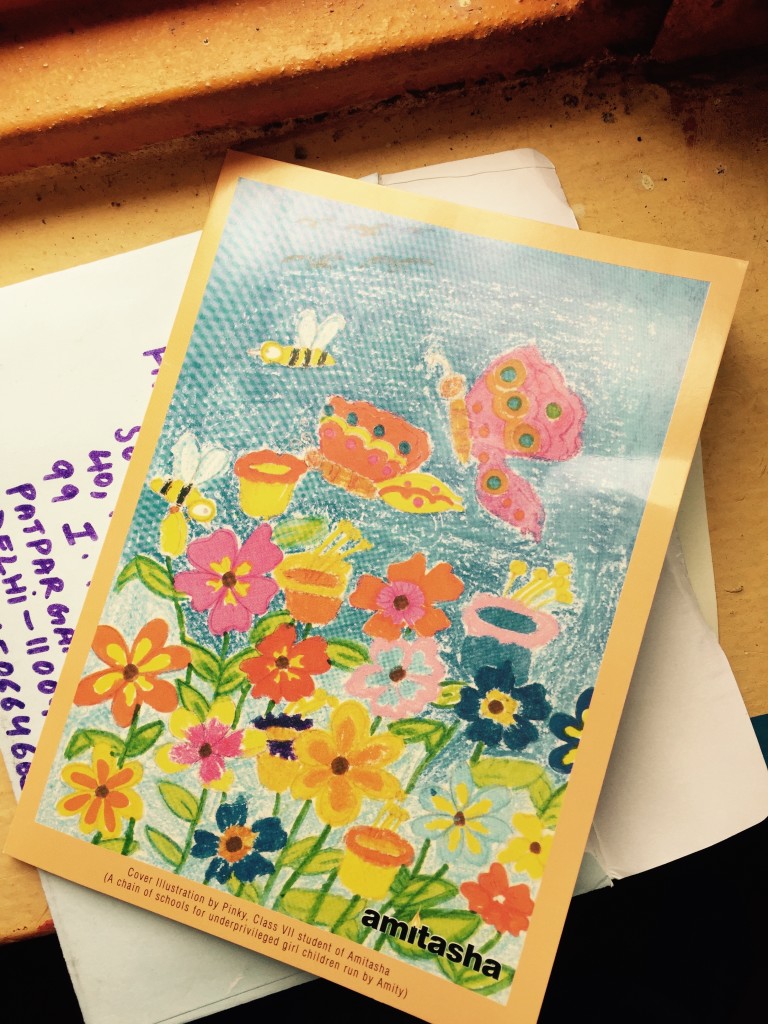
The exchange can also connect with music and art. Children may include a short description of a song, a pattern inspired by local textiles or a sketch of their neighbourhood. When replies arrive, groups can map the journeys of the letters, read selected passages with consent and talk about the similarities and differences they noticed. The result is a sustained learning experience rather than a single mailing.
Practical ways to support a meaningful exchange
- Set a regular writing time, such as one afternoon each month, so correspondence becomes a dependable habit.
- Offer prompts, word banks and visual materials while allowing children to choose their own subjects.
- Pair children by age and broad interests, with adults managing contact details and safeguarding.
- Use plain, durable stationery and confirm current international postage prices before sending letters.
- Ask families for consent before sharing names, photographs, artwork or excerpts online.
- Invite children to send questions as well as information, encouraging a genuine two-way friendship.
A successful letter programme does not depend on polished grammar or expensive resources. It depends on patience, encouragement and the belief that every child has something worth sharing. A drawing of a mountain path, a description of a favourite book or a question about life in another city can become the beginning of a lasting connection.
For children in the Himalayas, each reply can affirm that their experiences matter beyond their immediate community. For children in Australia, receiving a letter can make distant places feel human and relatable. Across different climates, languages and school routines, the exchange builds confidence, empathy and a practical understanding of the wider world.
The most useful starting point is simple: create a safe monthly writing session, provide good paper and books, and give children enough freedom to write in their own voices.