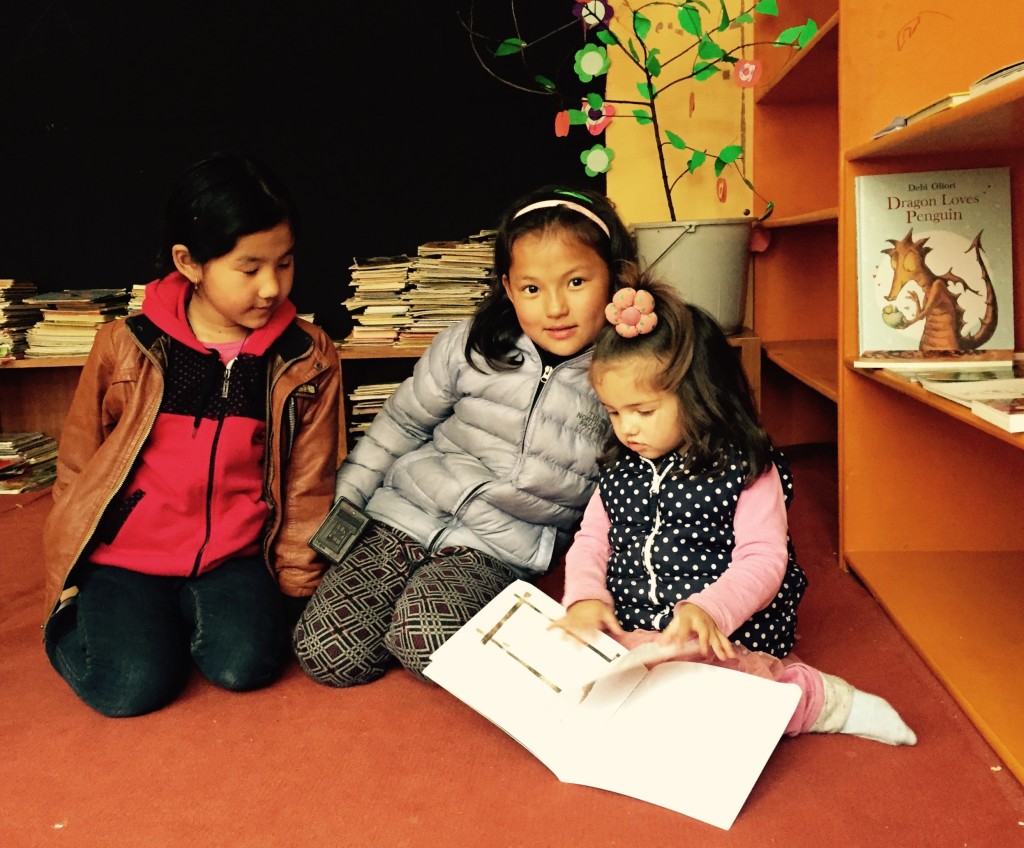
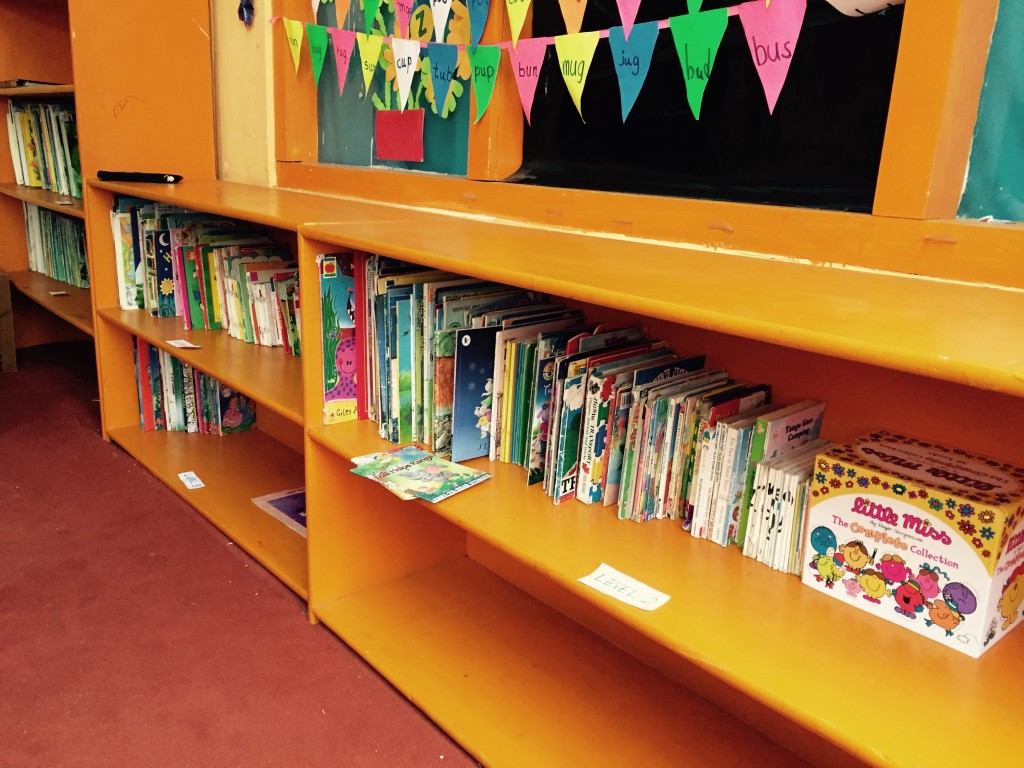
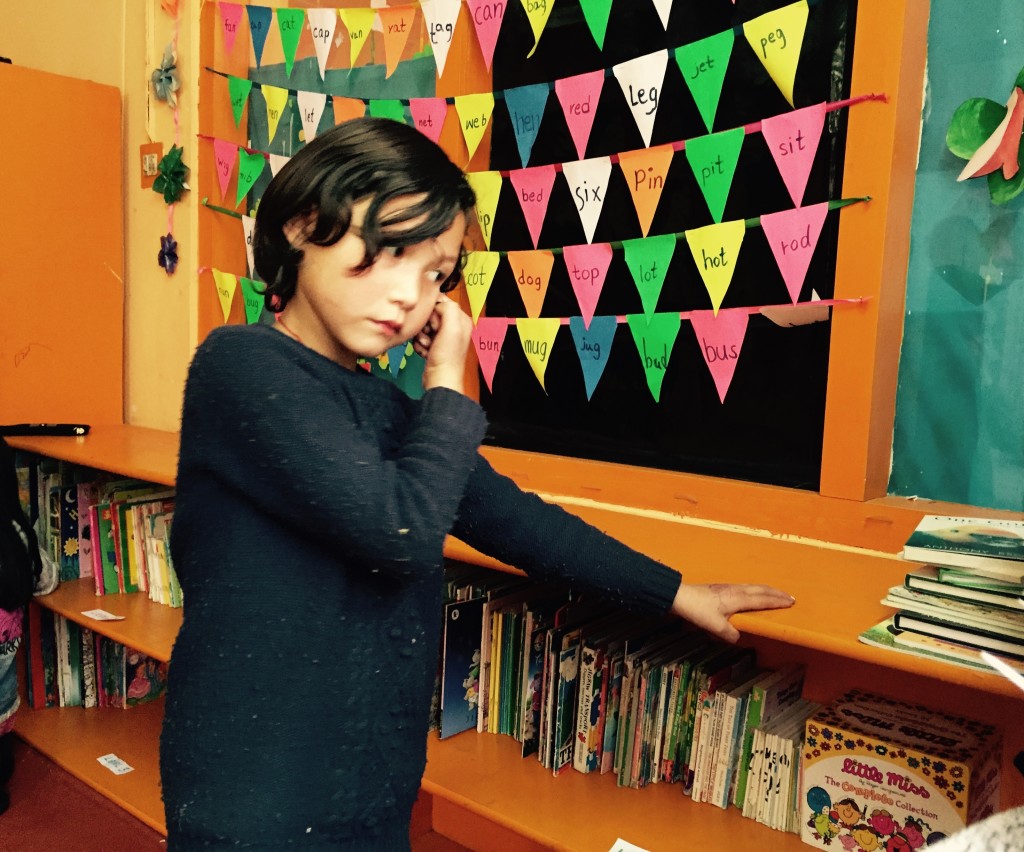
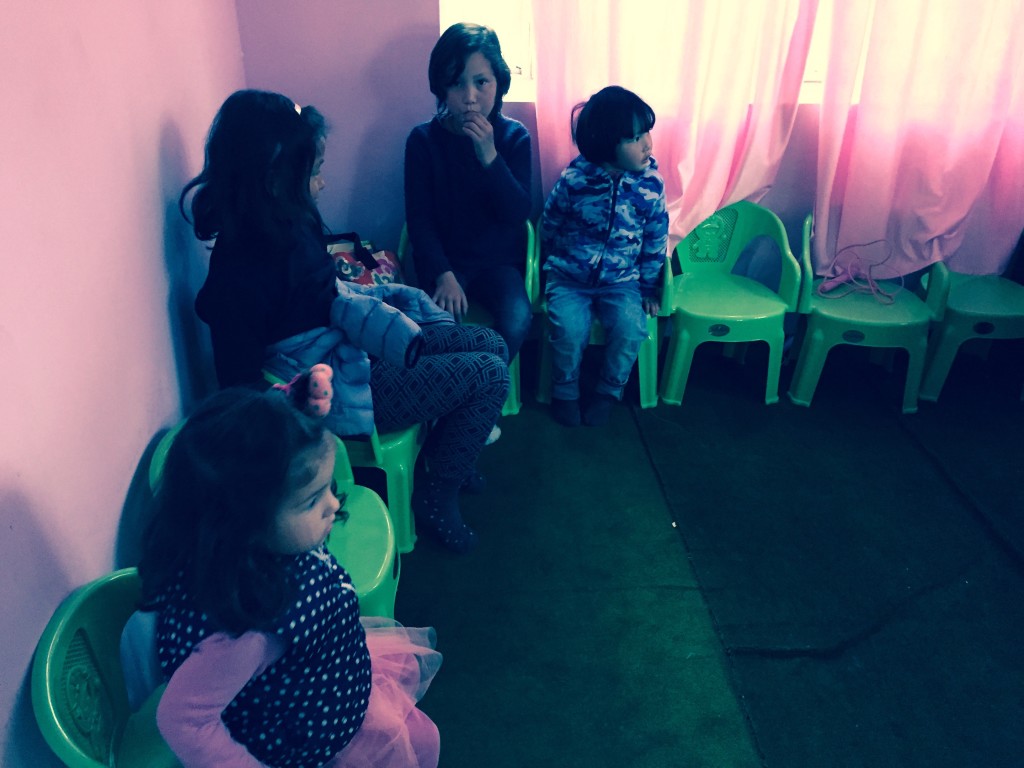
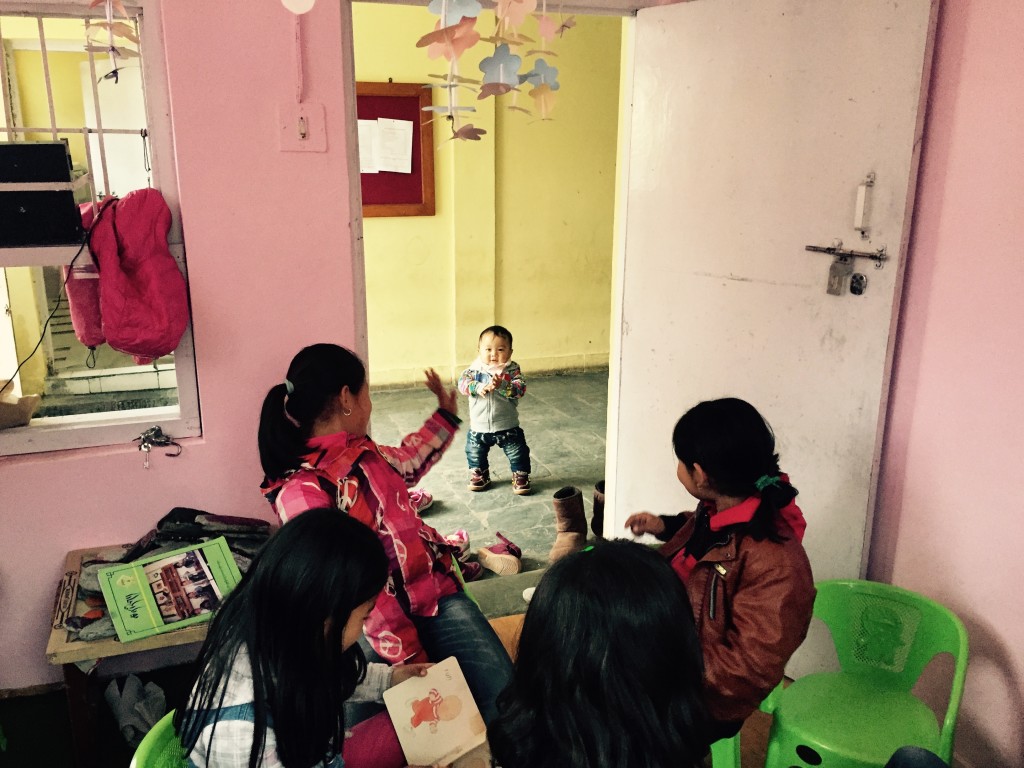
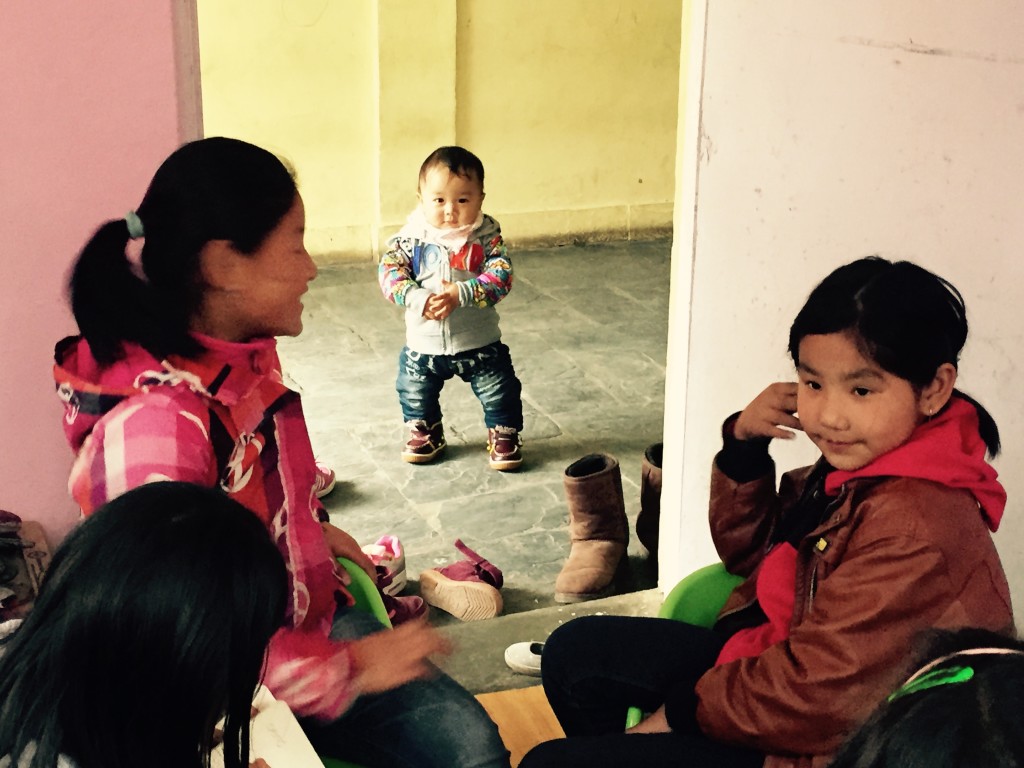
Children name their reading room
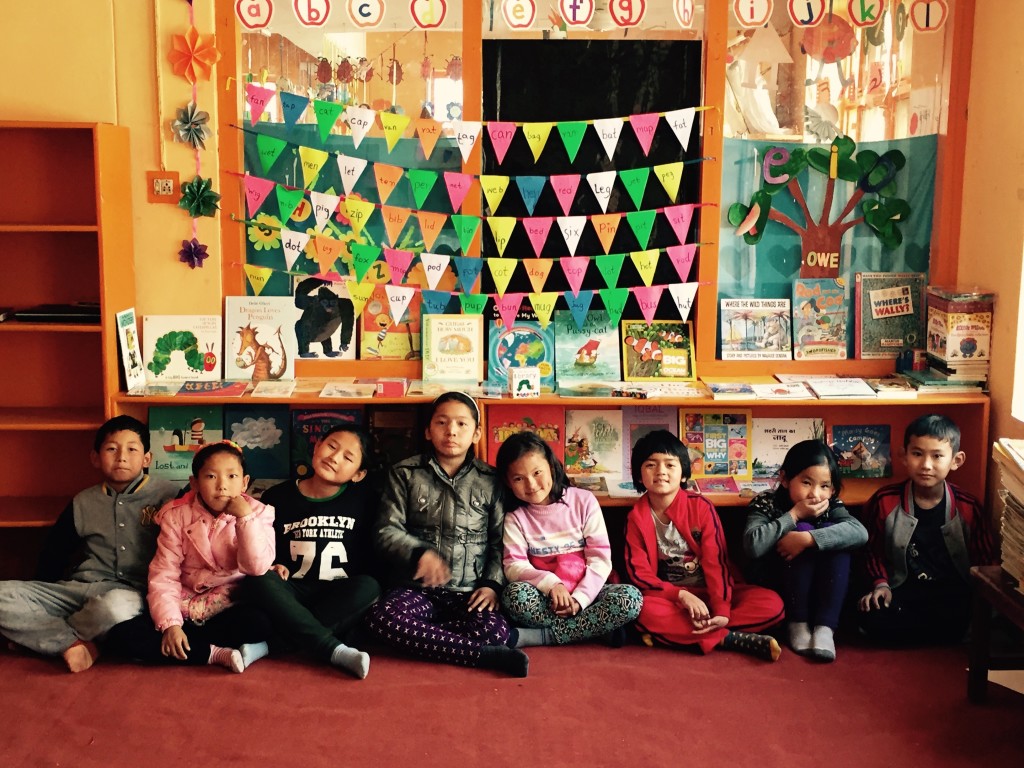
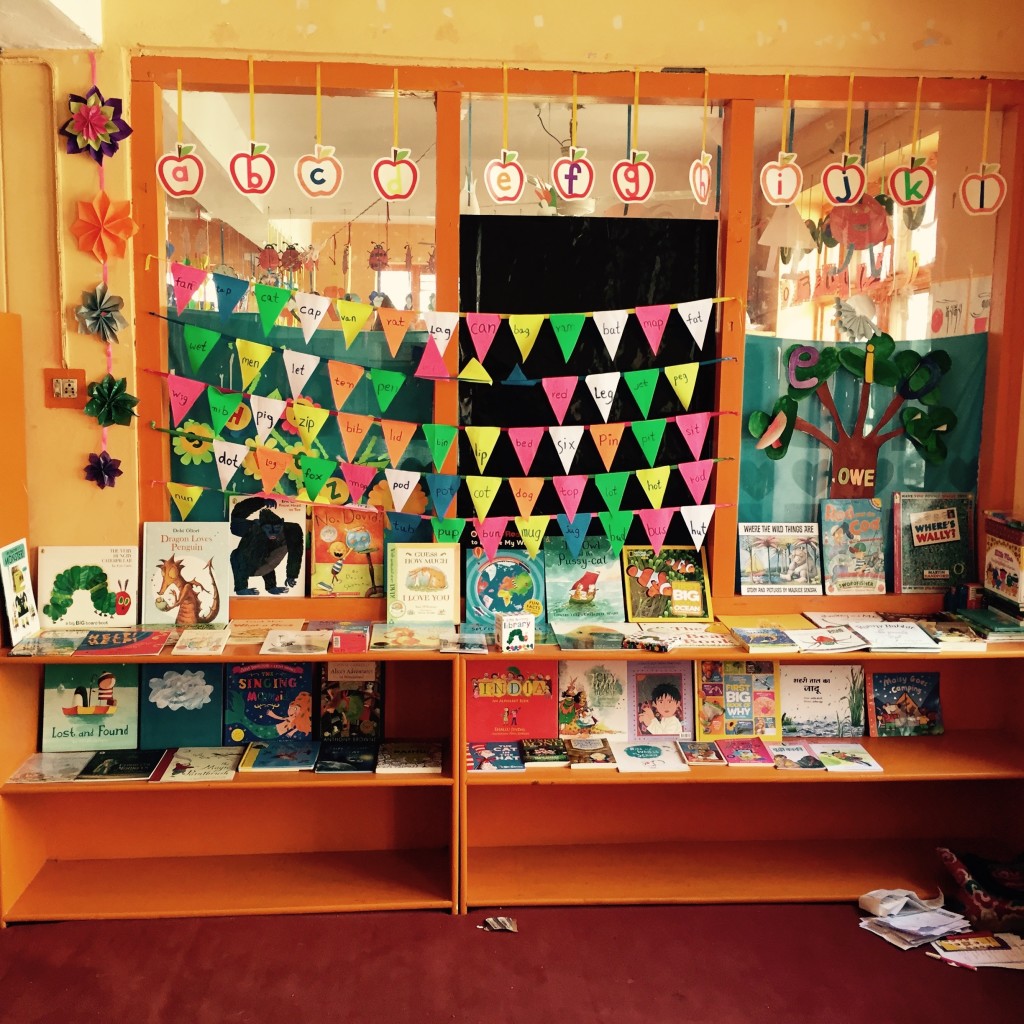
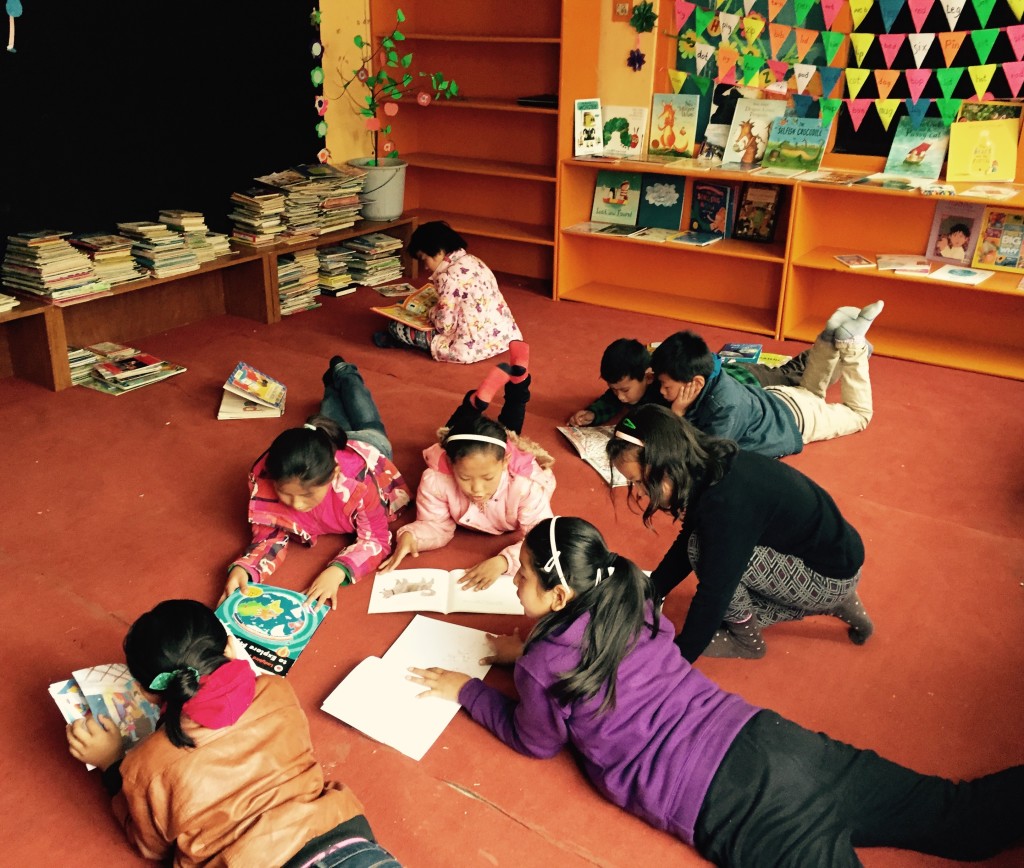
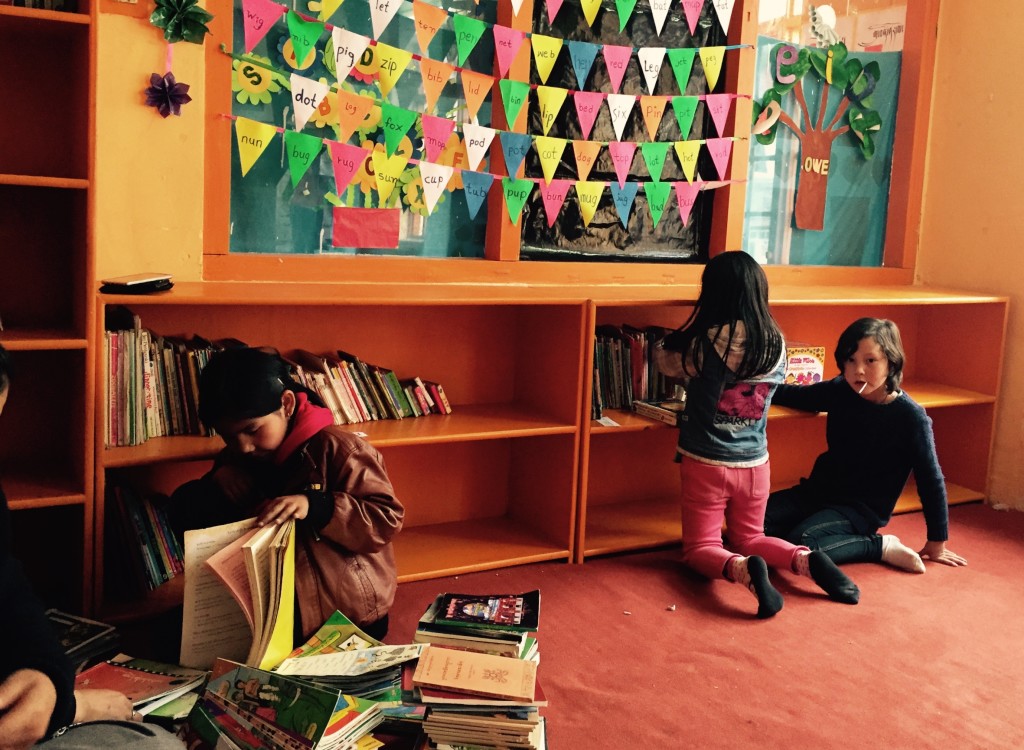
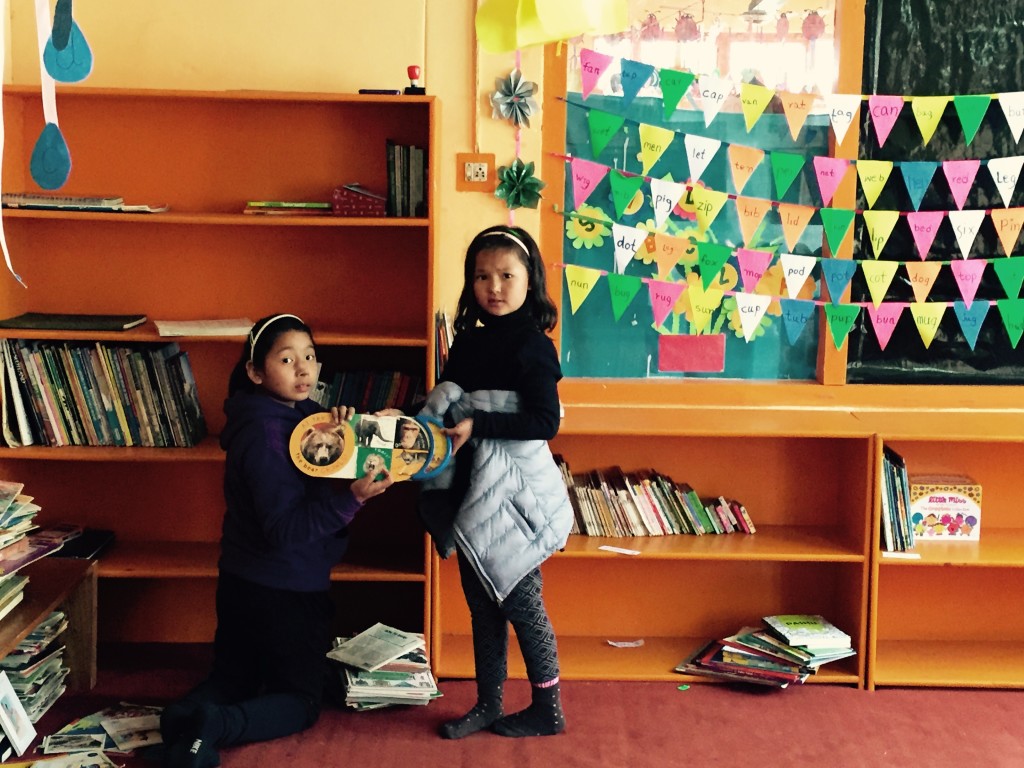
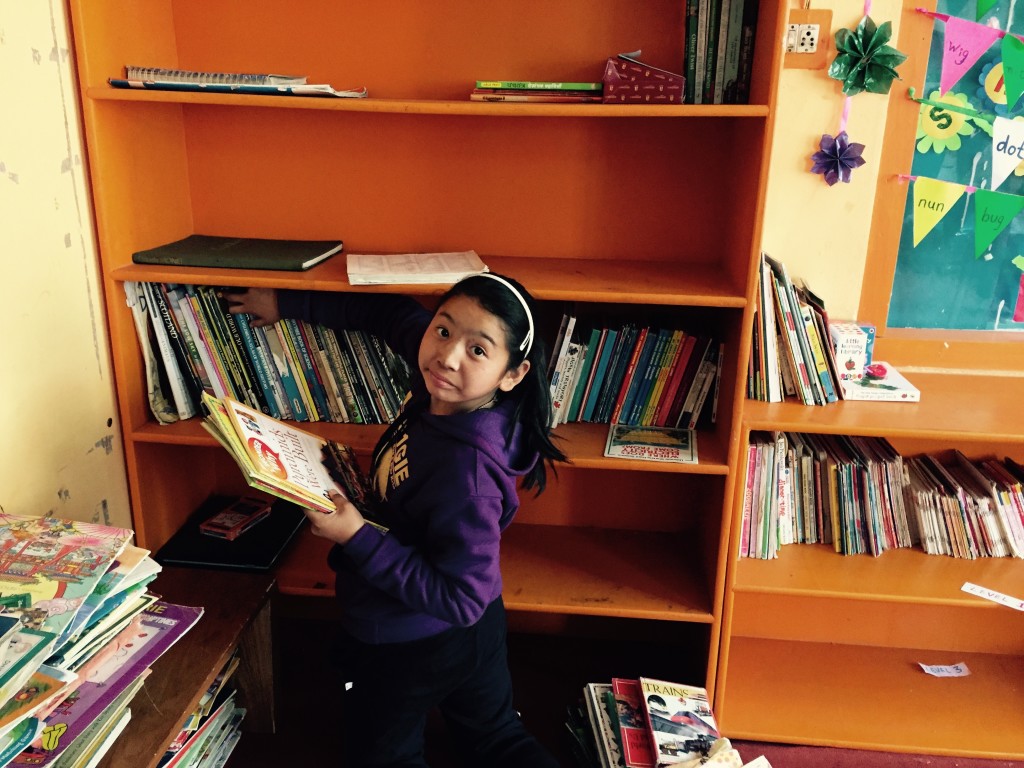
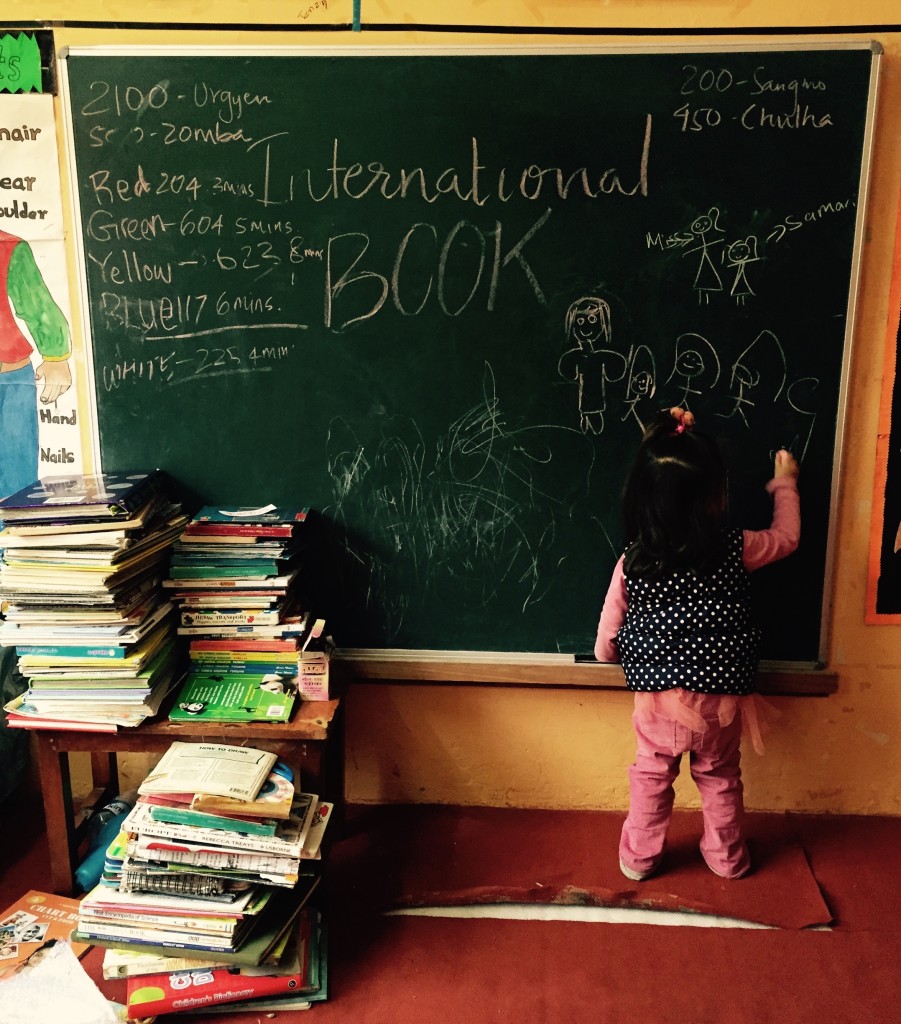
Children are more likely to use and care for a reading space when they can see their own language, ideas and choices inside it. How we create a sense of ownership by letting children name their reading room begins with trusting children to contribute, not merely consume what adults provide. The resulting name becomes a shared starting point for organising books, welcoming visitors and shaping activities.
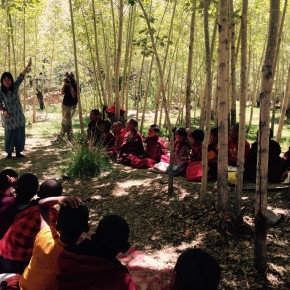
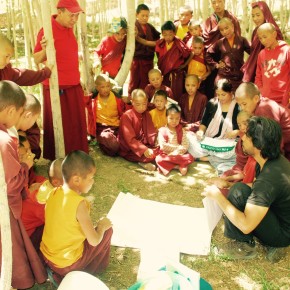
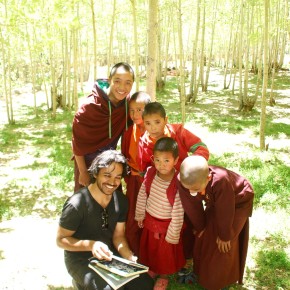
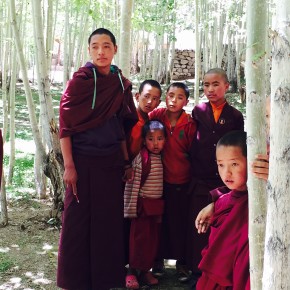
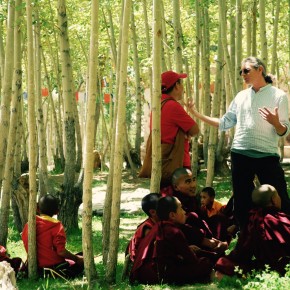
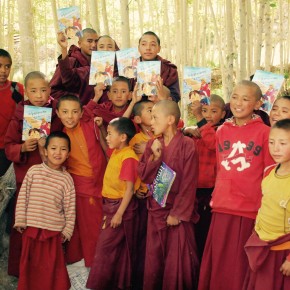
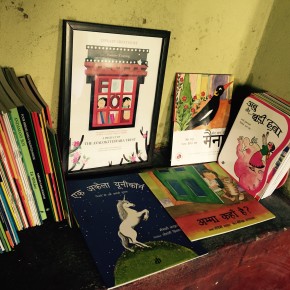
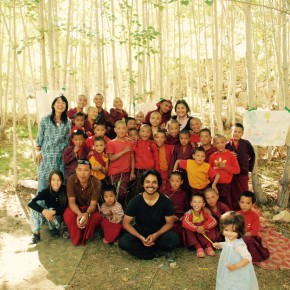
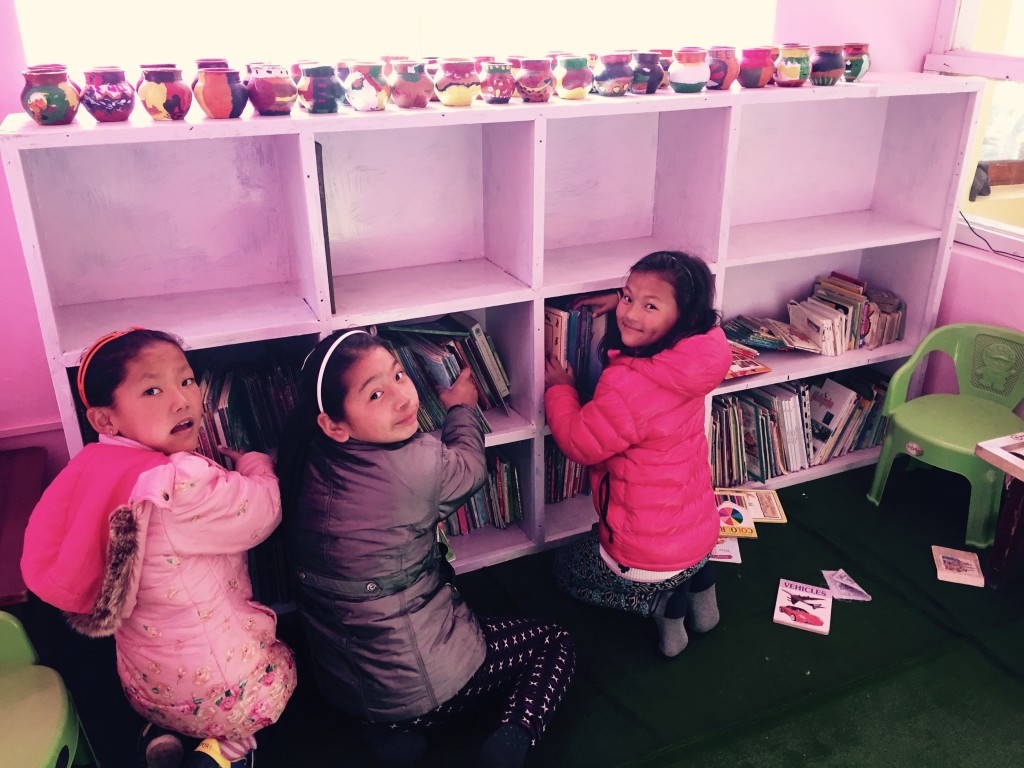
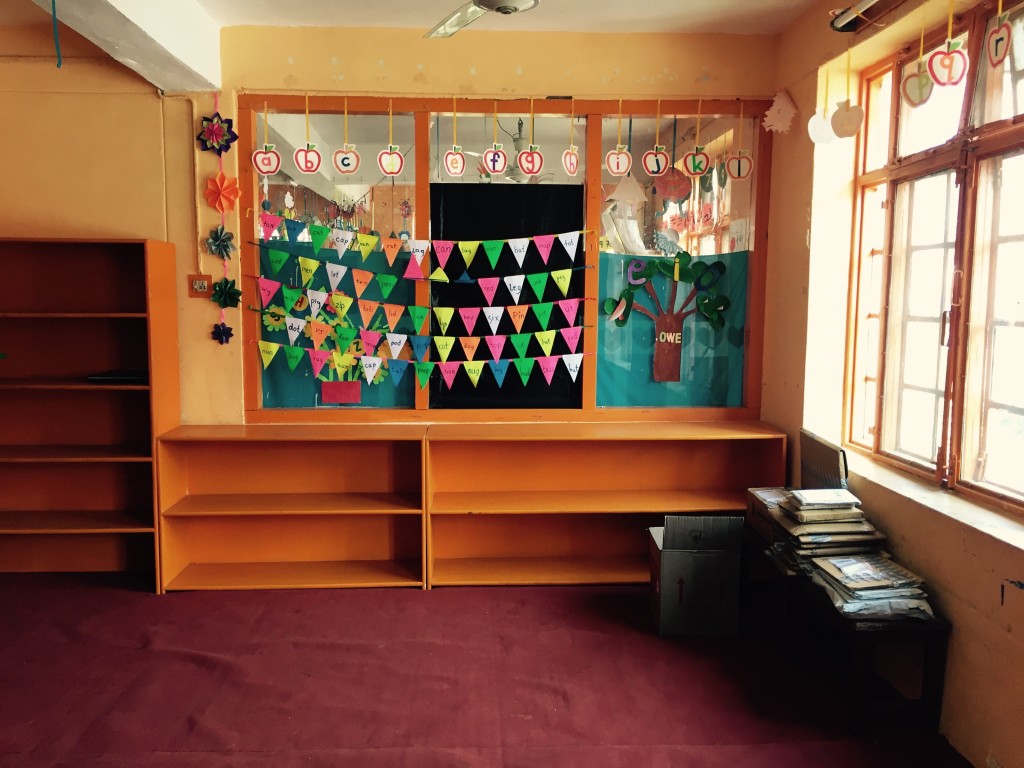
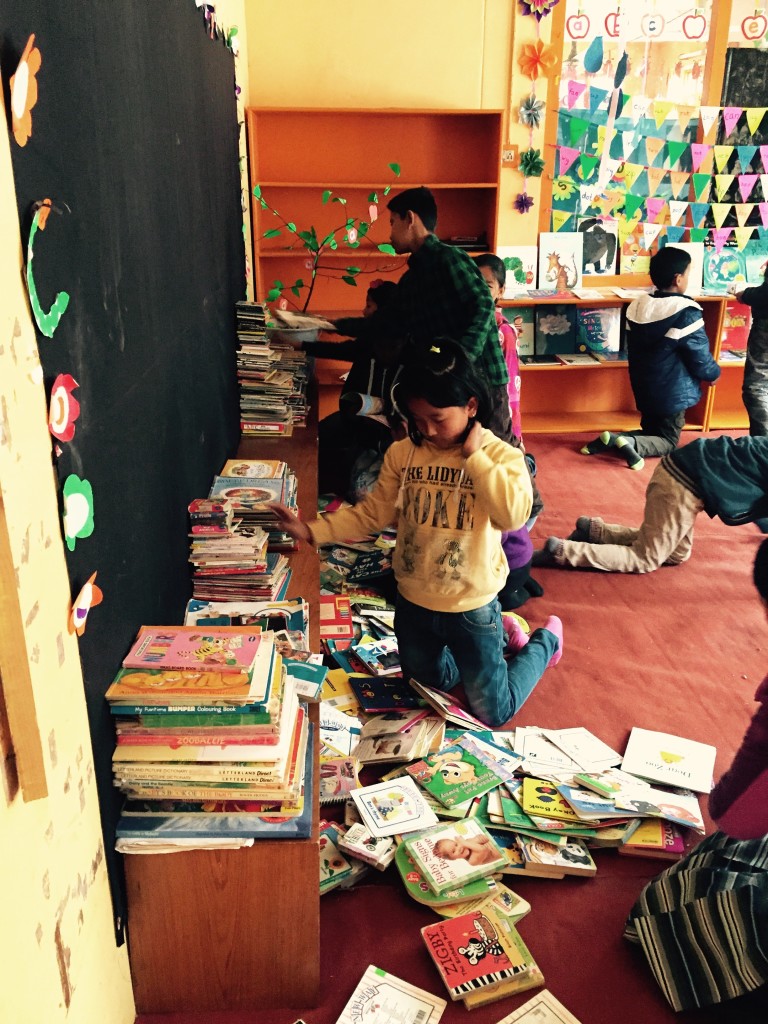
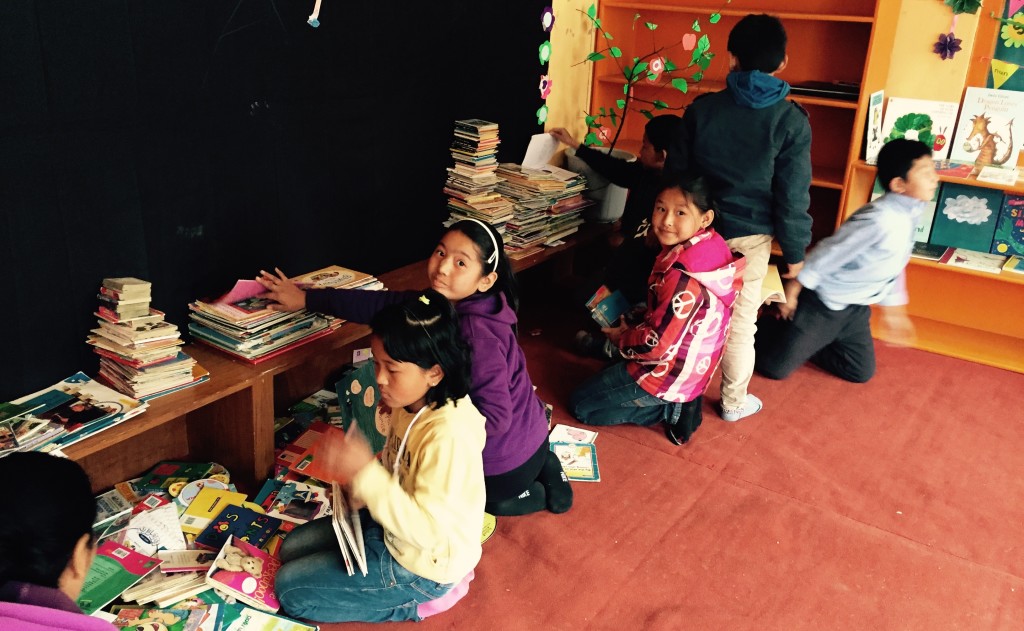
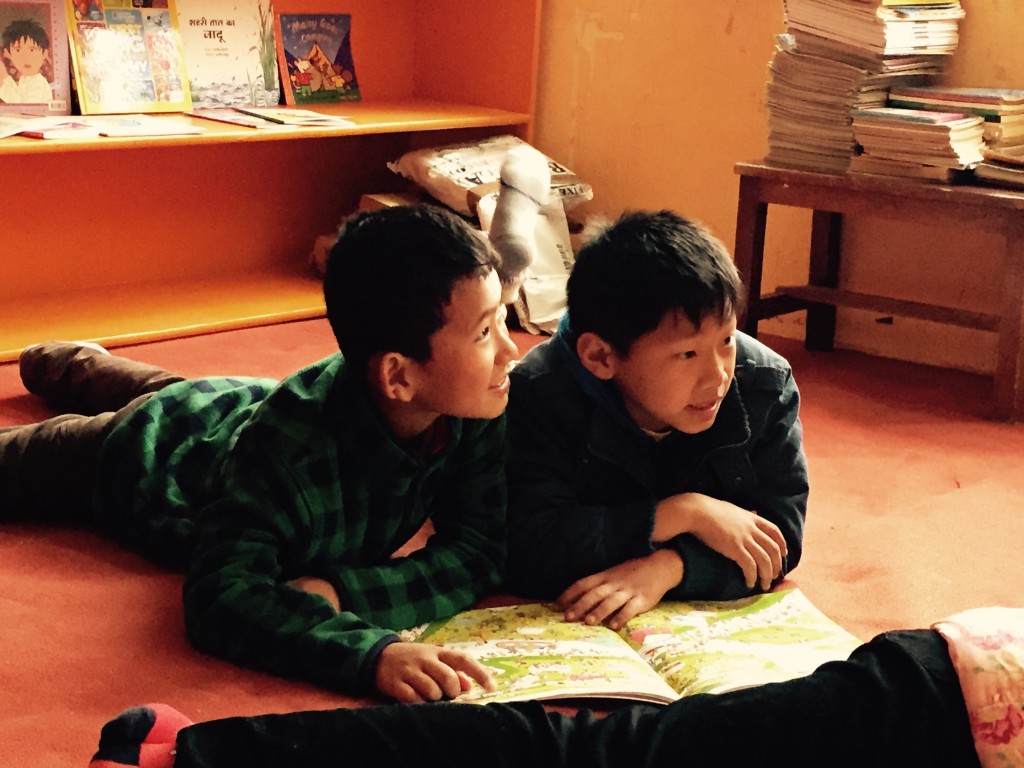
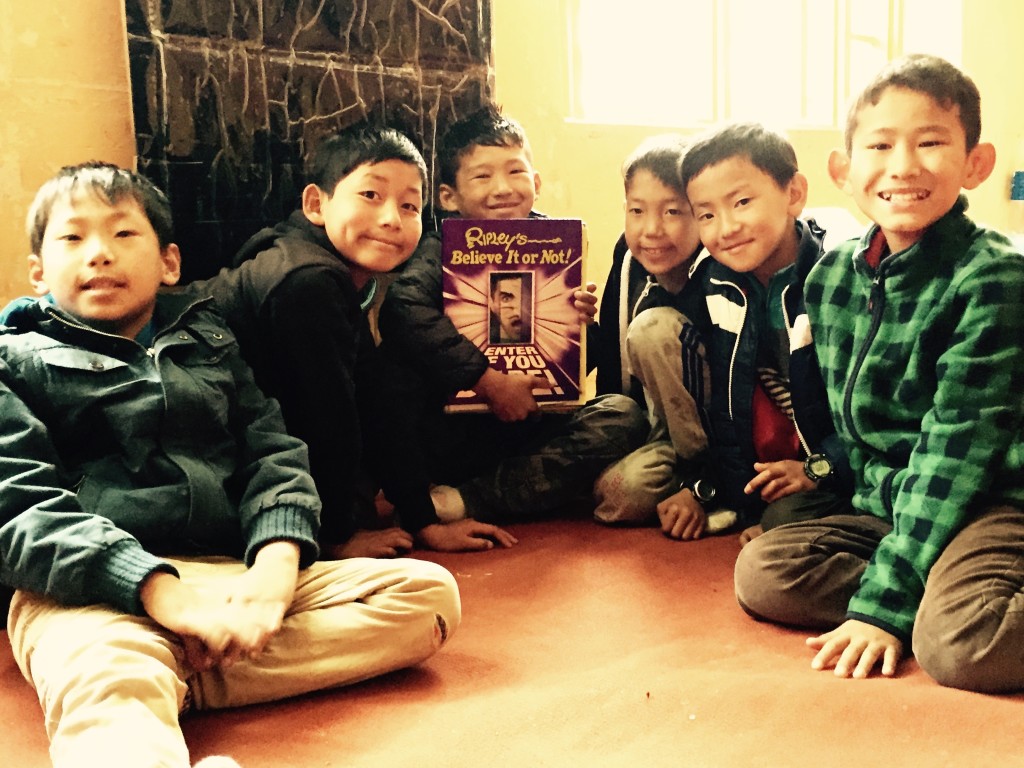
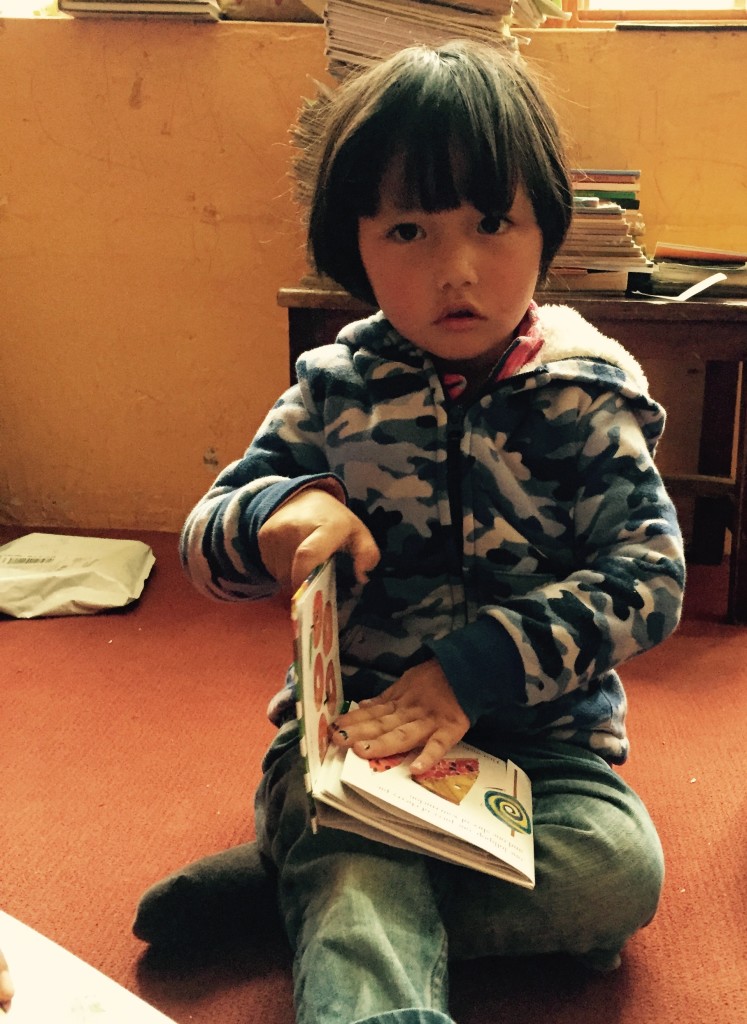
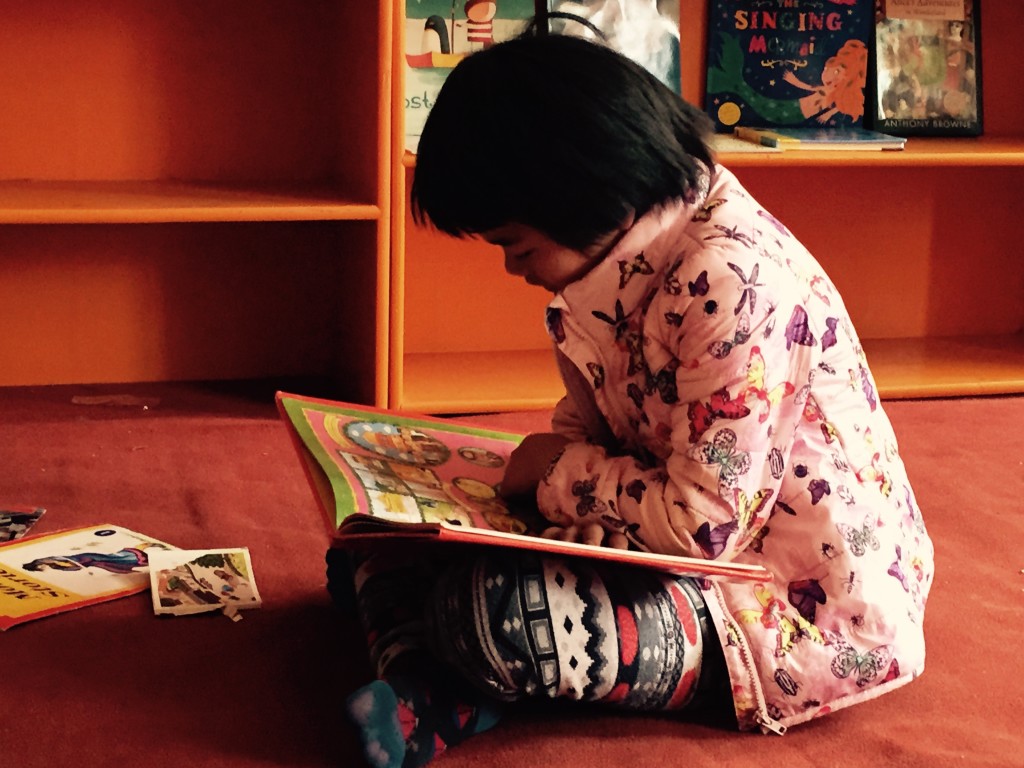
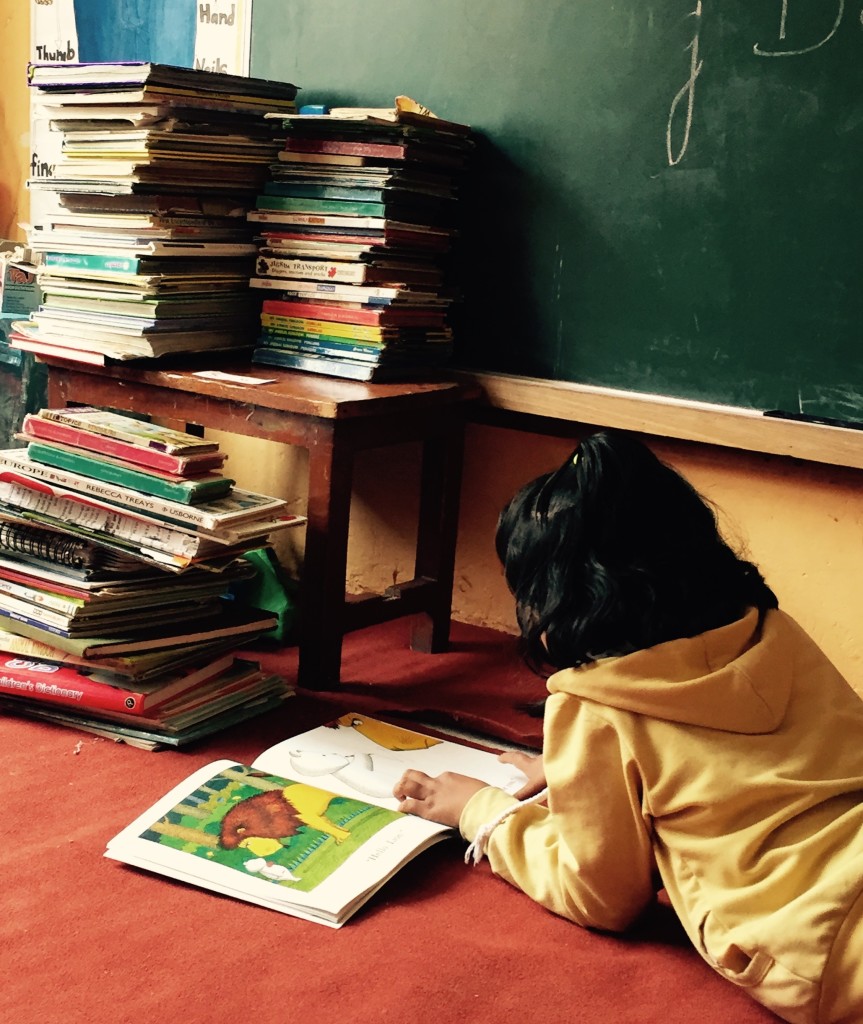
In Ladakh, reading rooms can become important meeting places for children and young monks. A name chosen by the people who use the space gives that setting a character no professionally supplied sign can reproduce. It may reflect a favourite story, the surrounding landscape, a local aspiration or simply the words children want visitors to hear first.
Naming also supports the wider educational, artistic and musical work of Avalokiteśvara Trust. When children name a room, they begin to understand it as a place where their interests matter. They can connect books with songs, pictures, conversations and creative activities rather than treating literacy as a separate school task.
Australian supporters will recognise many of the same principles. Public libraries in Melbourne and Sydney host regular story time, while Children’s Book Week and school holiday reading programmes give children a voice in what they read. Australian book drives can draw on schools, publishers, Dymocks, independent bookshops and community collections, while mobile and mail services help regional readers access books. These familiar practices show how participation can turn a funded resource into a shared cultural space.
What child-led naming changes
A reading room may be well stocked, brightly painted and carefully organised yet still feel like a borrowed facility. The difference lies in who was allowed to make the decisions.
| Feature |
Adult-led reading room |
Child-led reading room |
| Name |
Chosen by staff or donors |
Chosen by the children who use the space |
| Layout |
Fixed around available stock |
Built around the group’s interests and priorities |
| Rules |
Imposed for order |
Developed with the children and adapted with feedback |
| Feeling |
Organised but impersonal |
Familiar, shared and genuinely theirs |
The process works best when naming is more than a ceremonial vote on options adults have already selected. Children need time to discuss books, imagine the space and explain their preferences. Their name can then guide decisions about where books are displayed, which activities are offered and how visitors are welcomed.
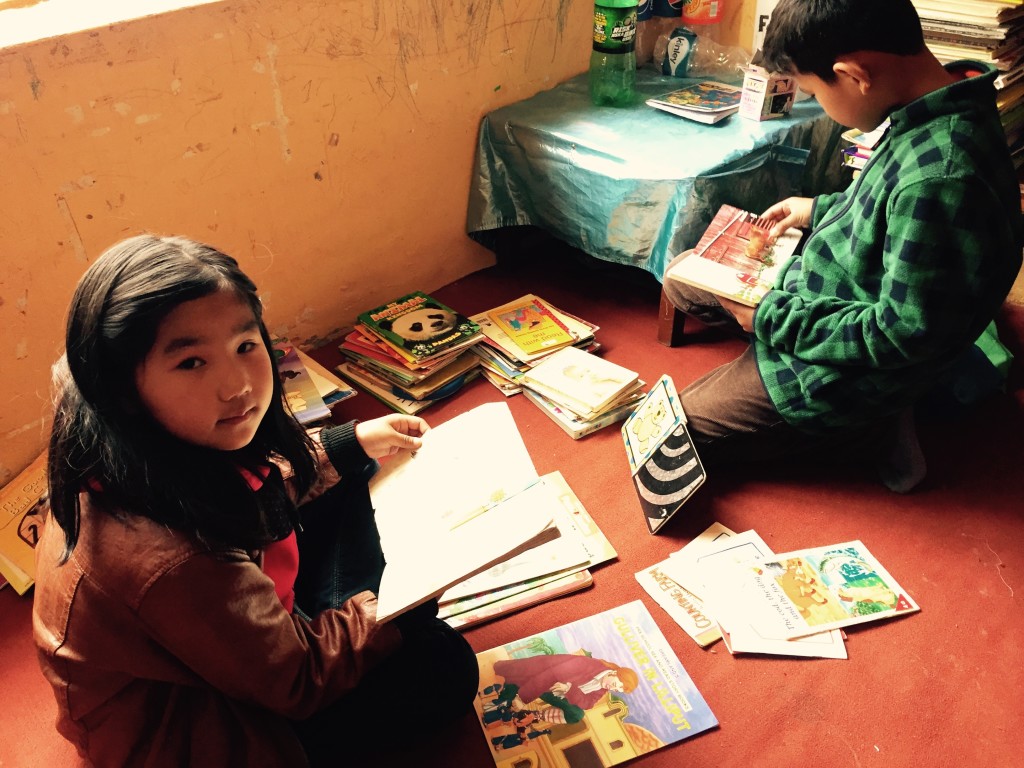
This approach also avoids assuming that every child responds in the same way. Some may suggest an immediate name, while others need drawing, storytelling or quiet discussion. A facilitator gathers these different forms of expression, checks that every child has contributed and helps the group turn individual ideas into a name the community can use.
How a name becomes part of daily life
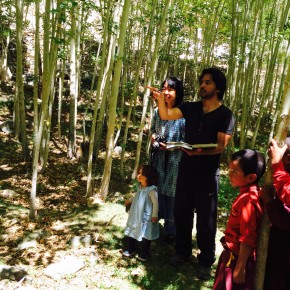
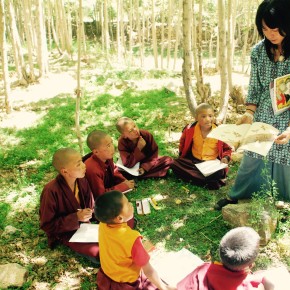
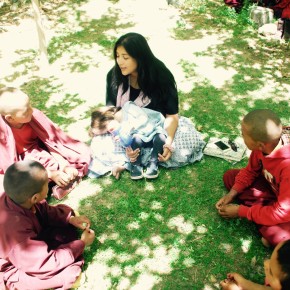
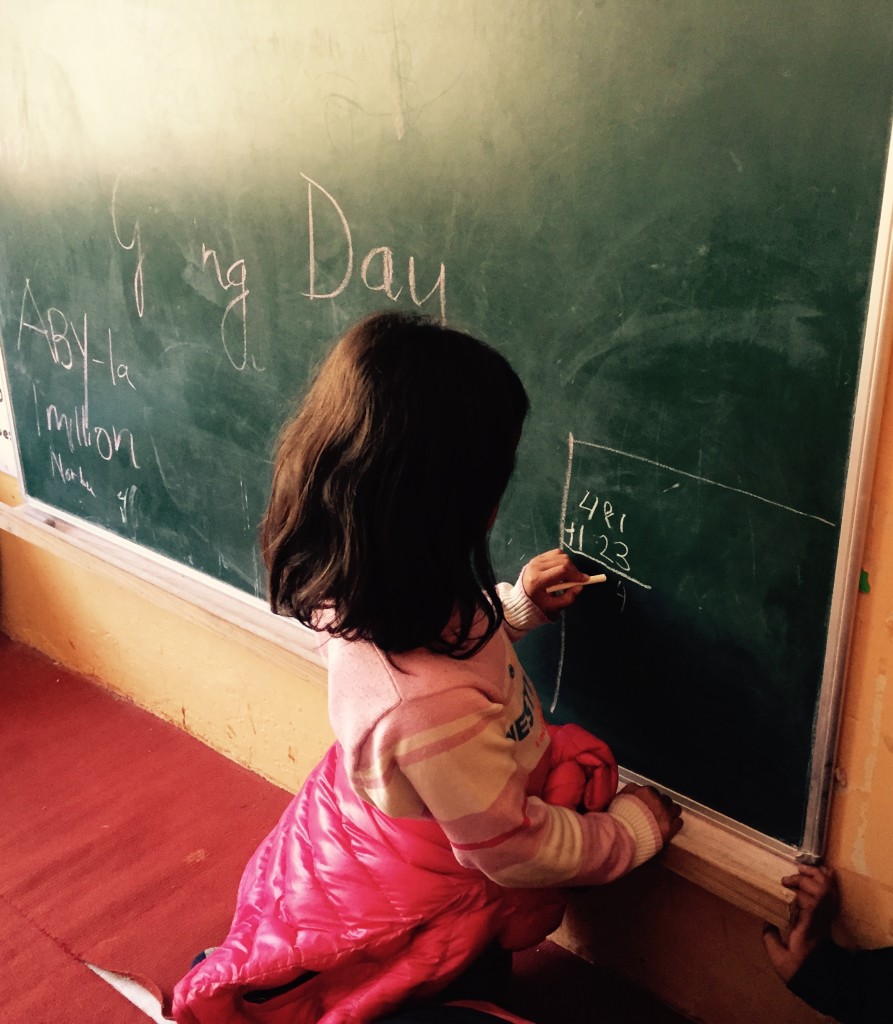
We begin by creating a relaxed setting where children can discuss what a good reading room should contain. They might identify favourite subjects, characters, languages or places before sharing possible names. The group then narrows its choices through conversation and, where appropriate, a vote. A consensus can work just as well when children agree that several ideas should be combined.
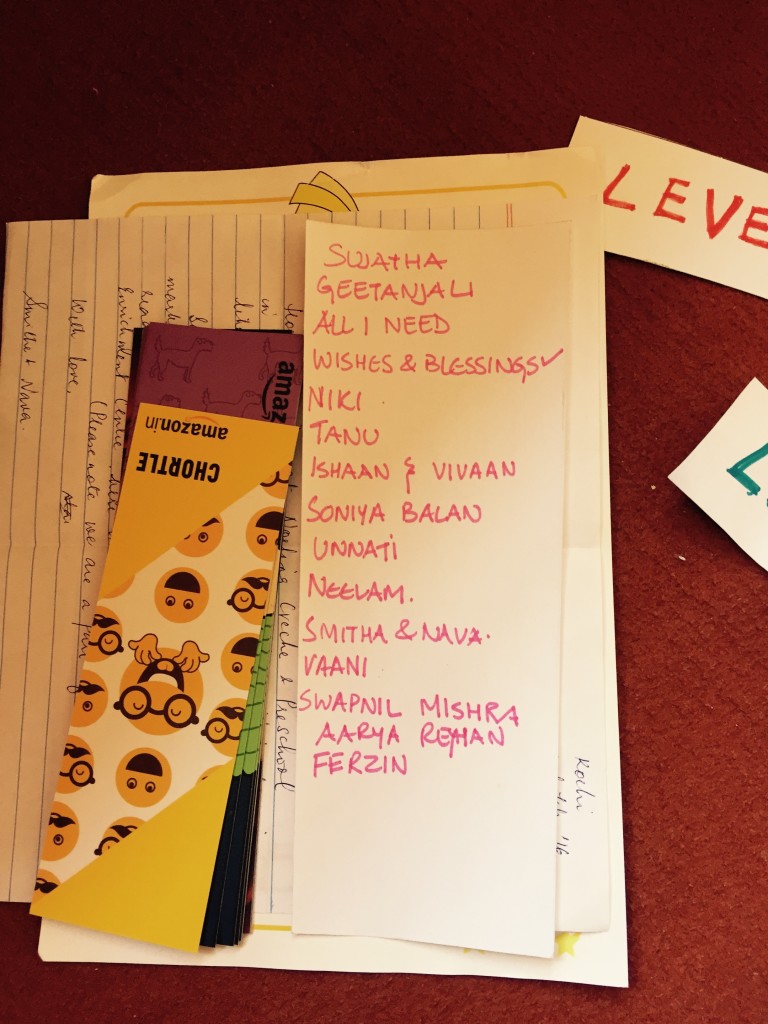
Once selected, the name appears on the entrance sign, reading shelves, activity cards and bookmarks. Children help choose how it is displayed, giving them a practical role in design as well as decision-making. A reading passport bearing the chosen name can record visits, book recommendations and short reflections. A song or musical welcome can be created around the same identity.
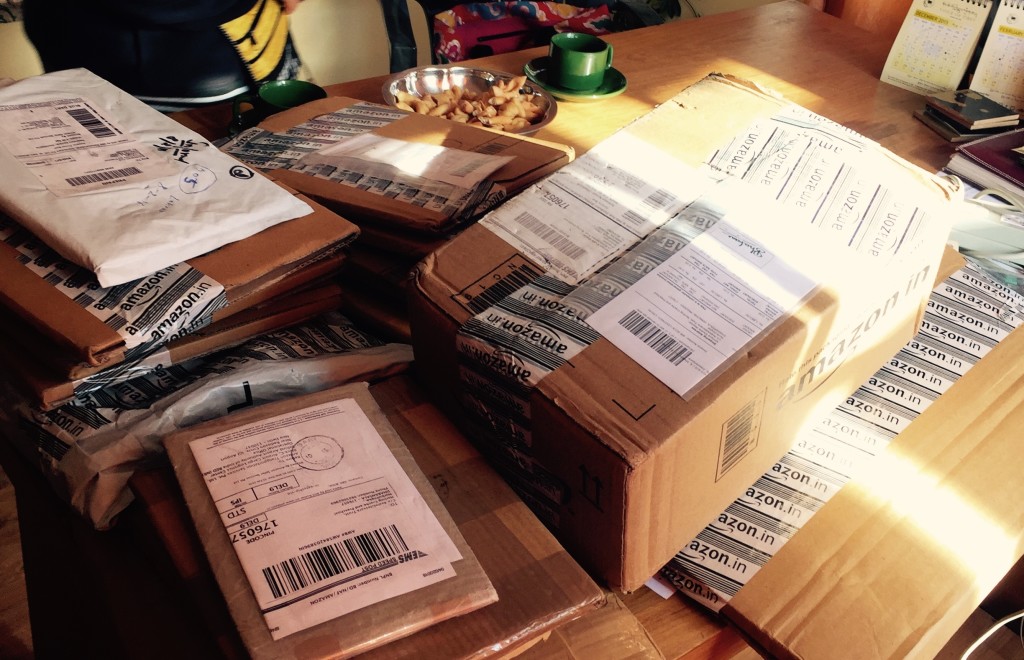
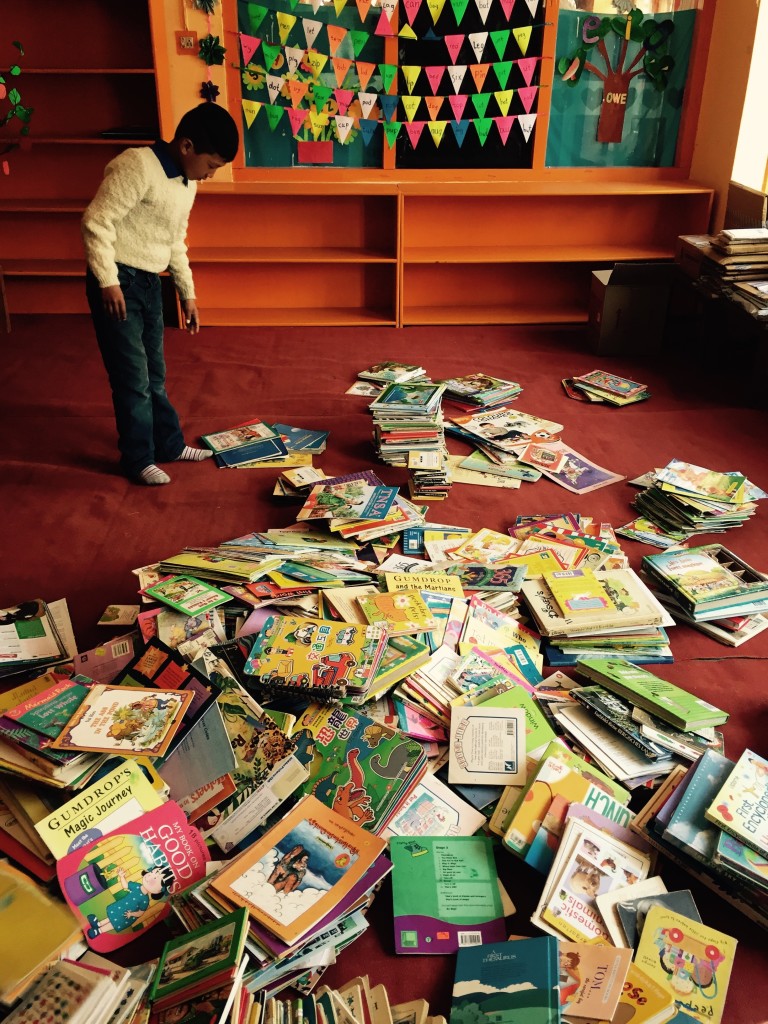
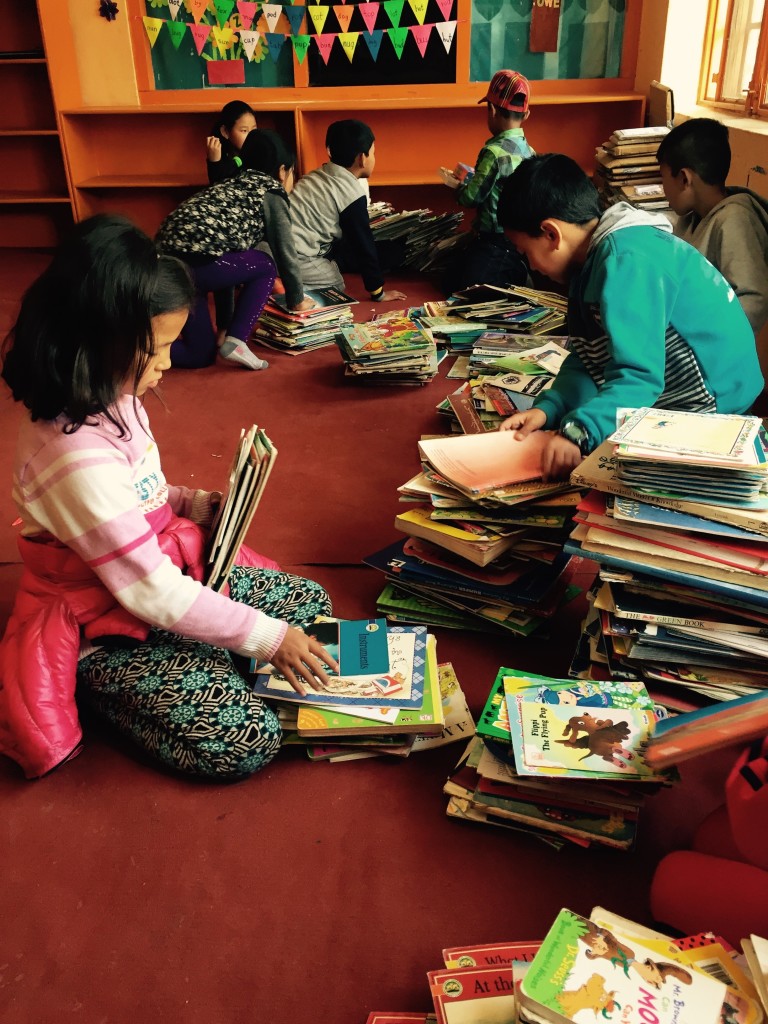
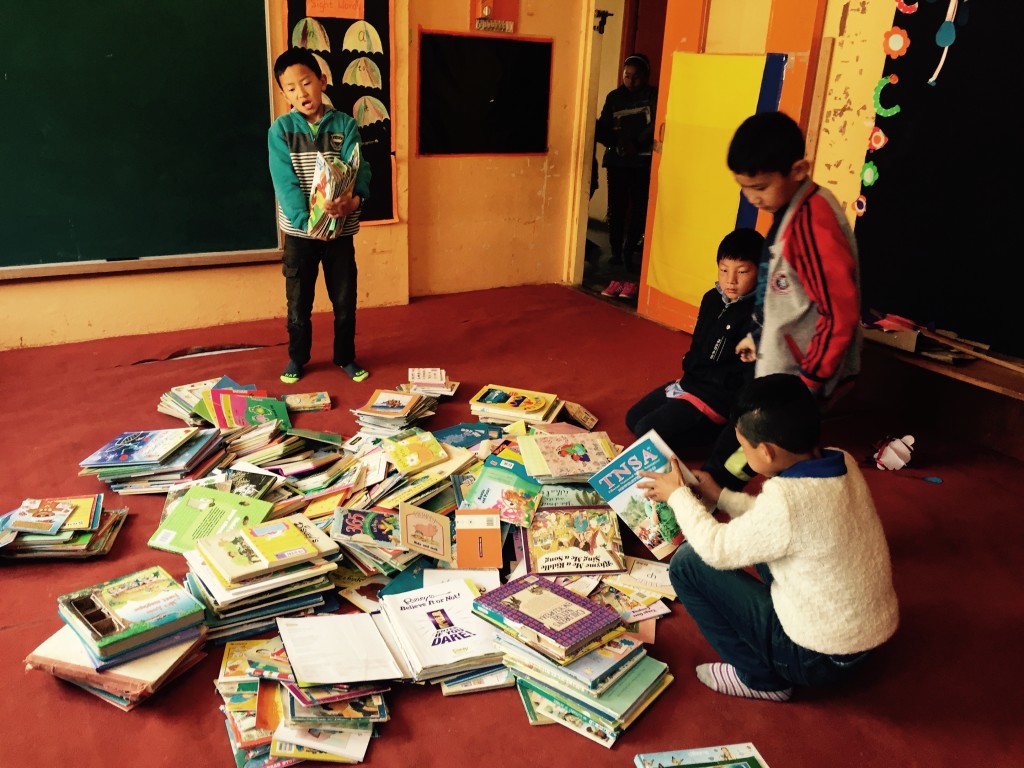
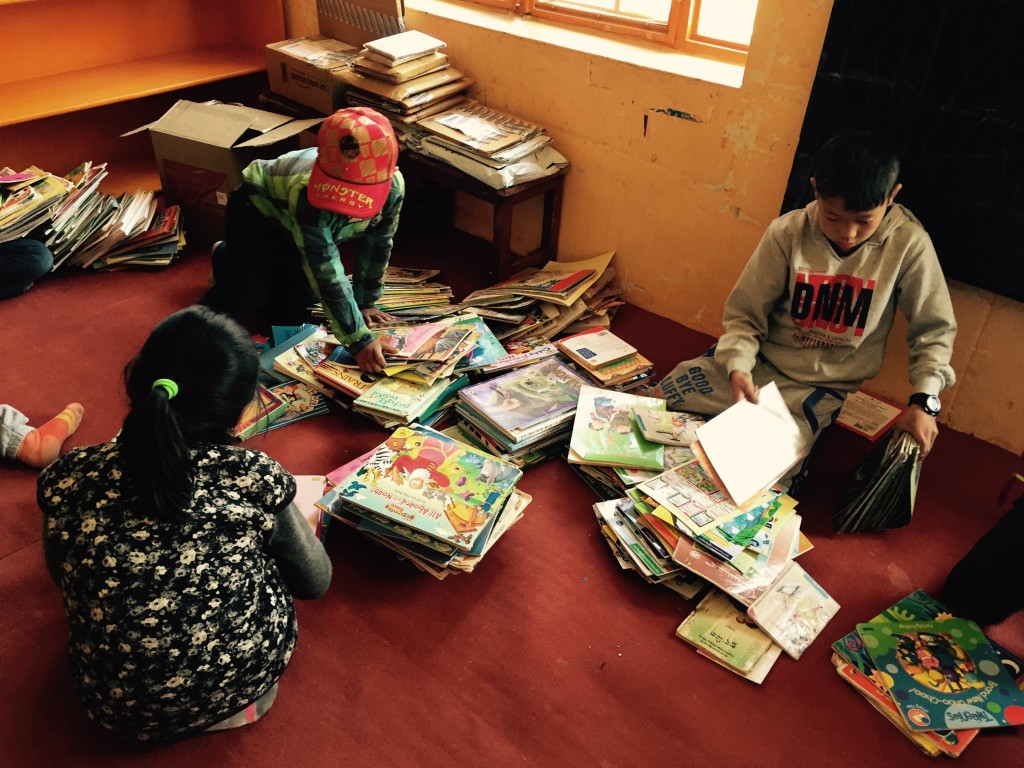
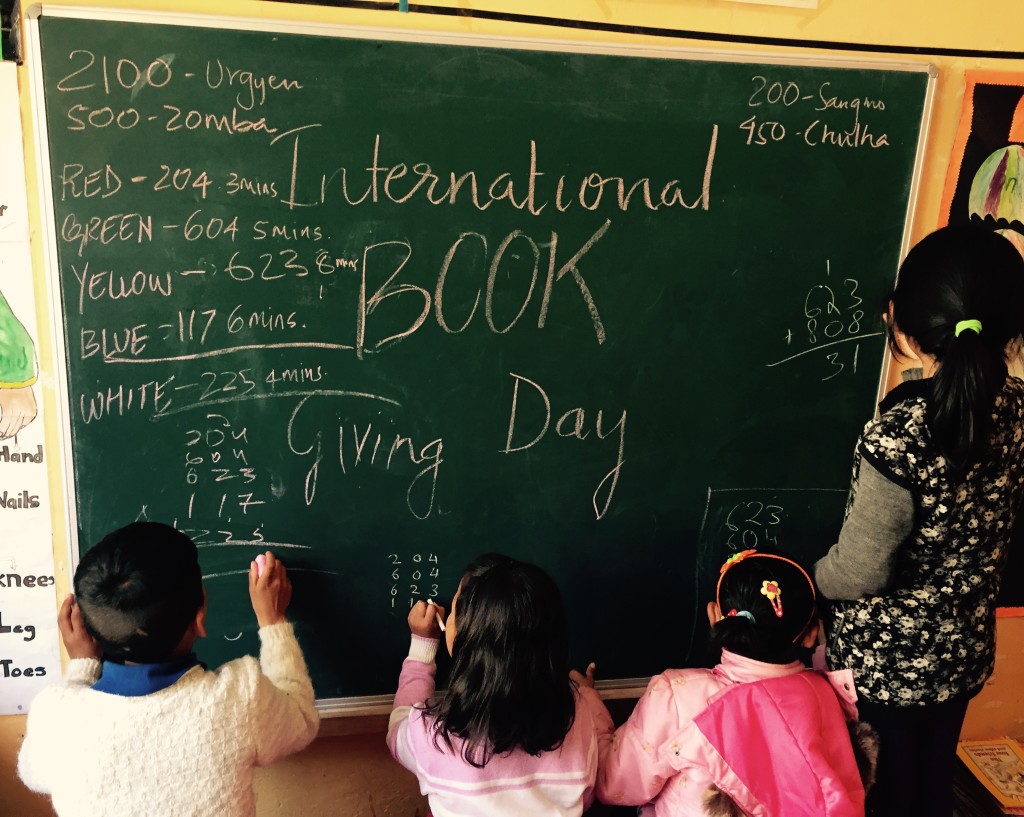
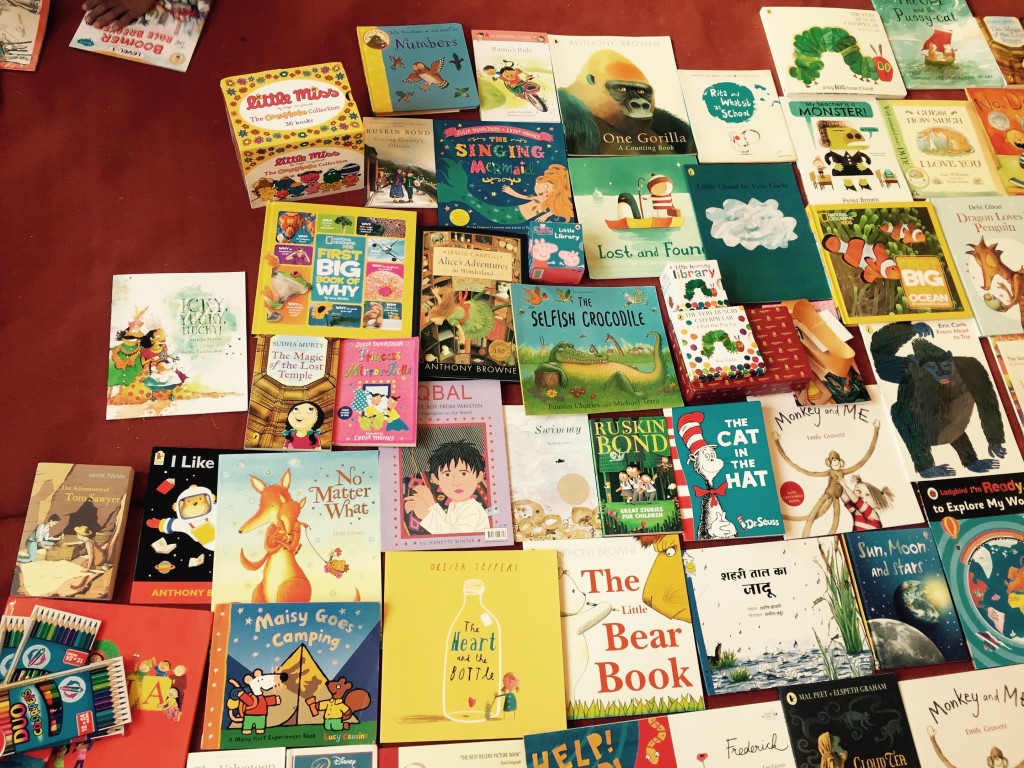
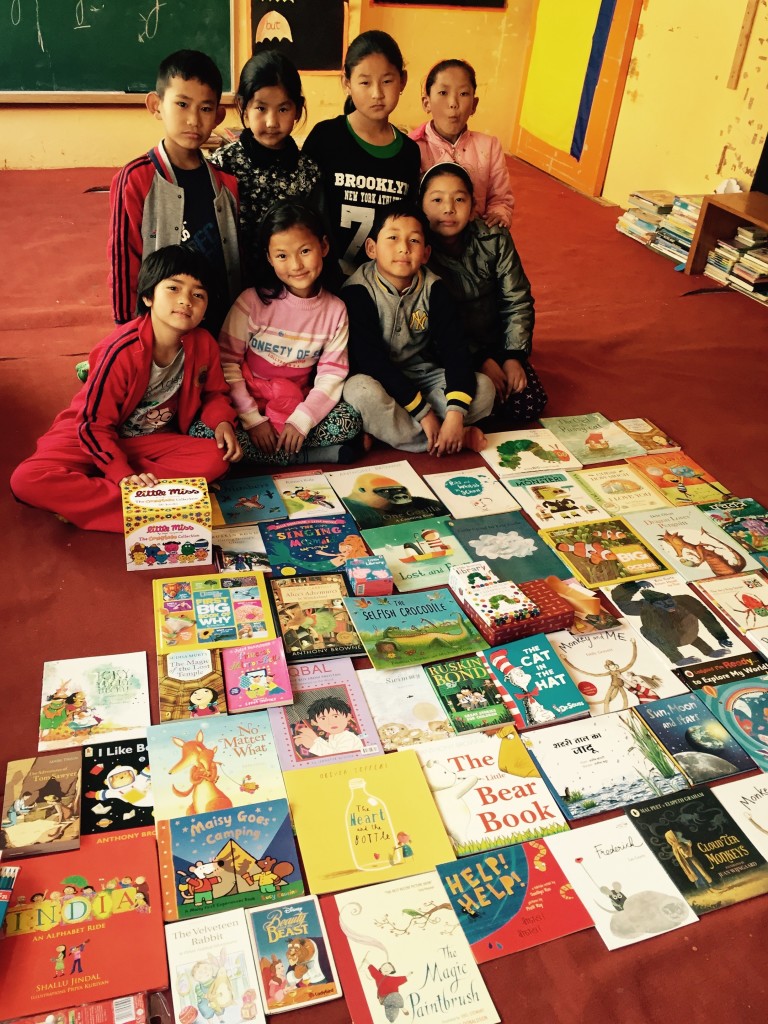
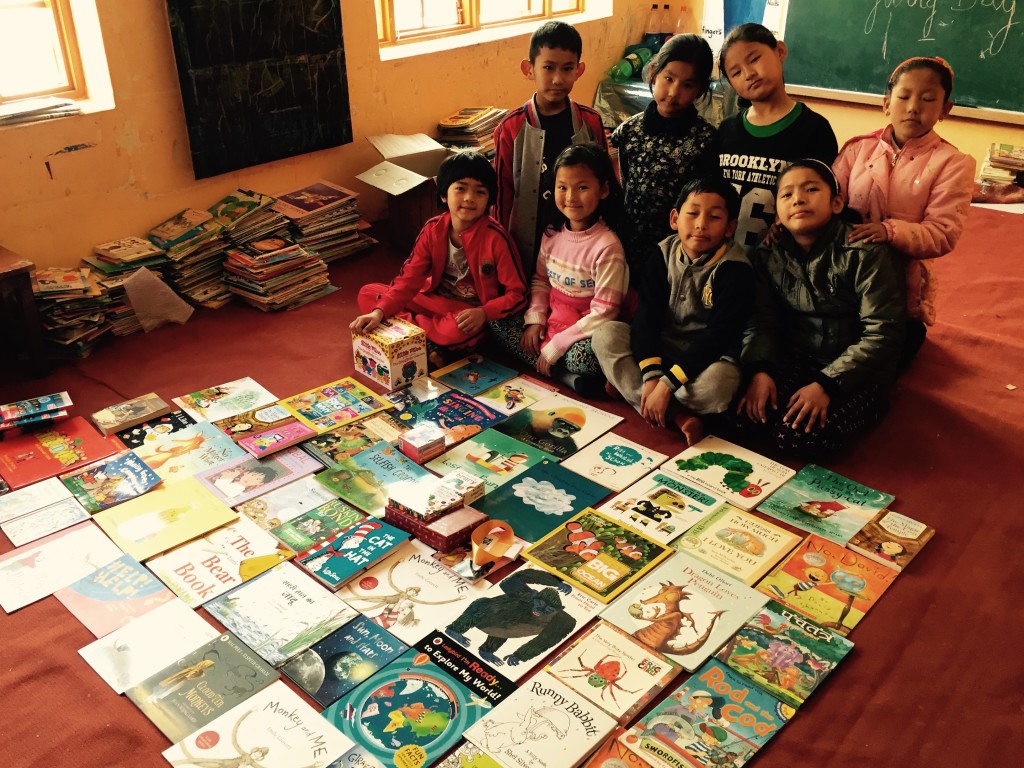
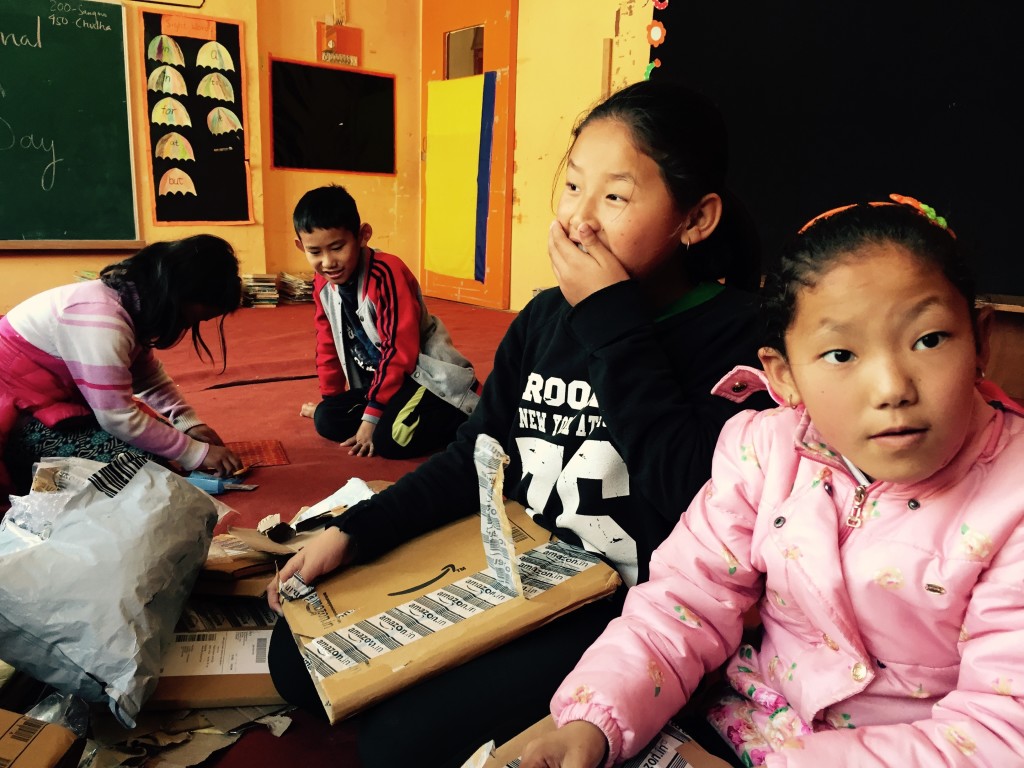
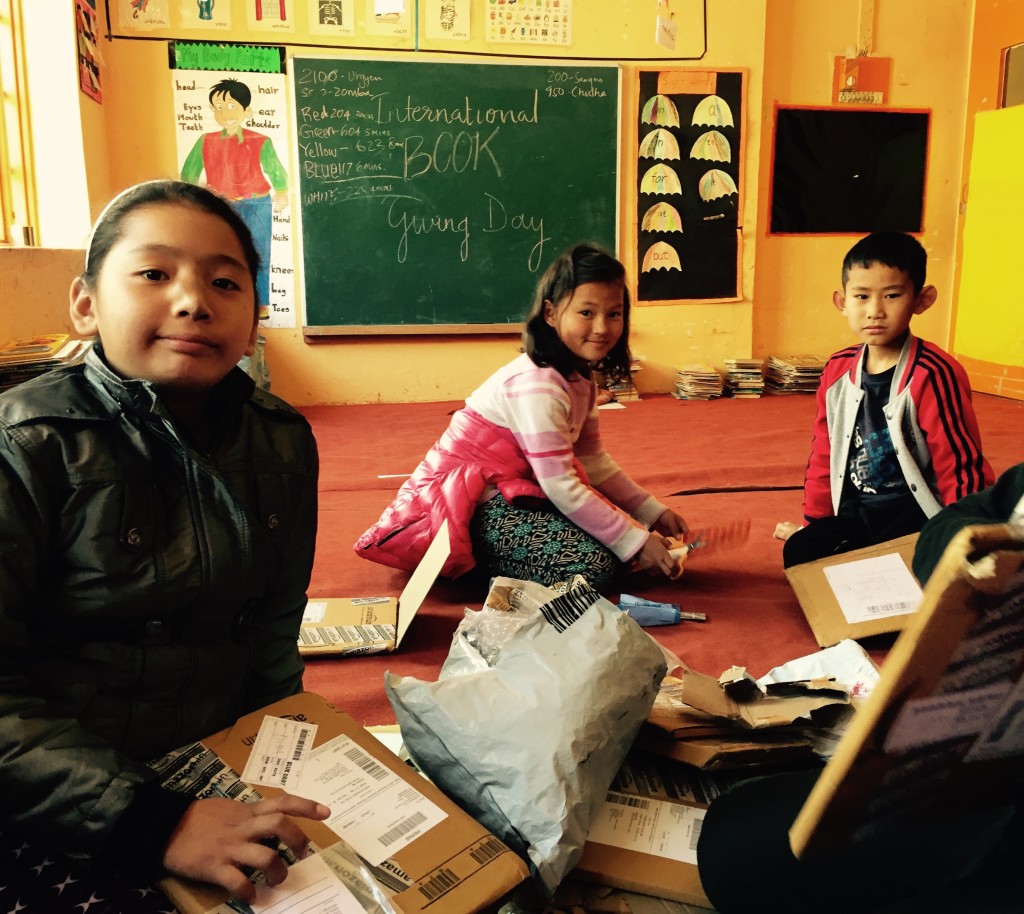
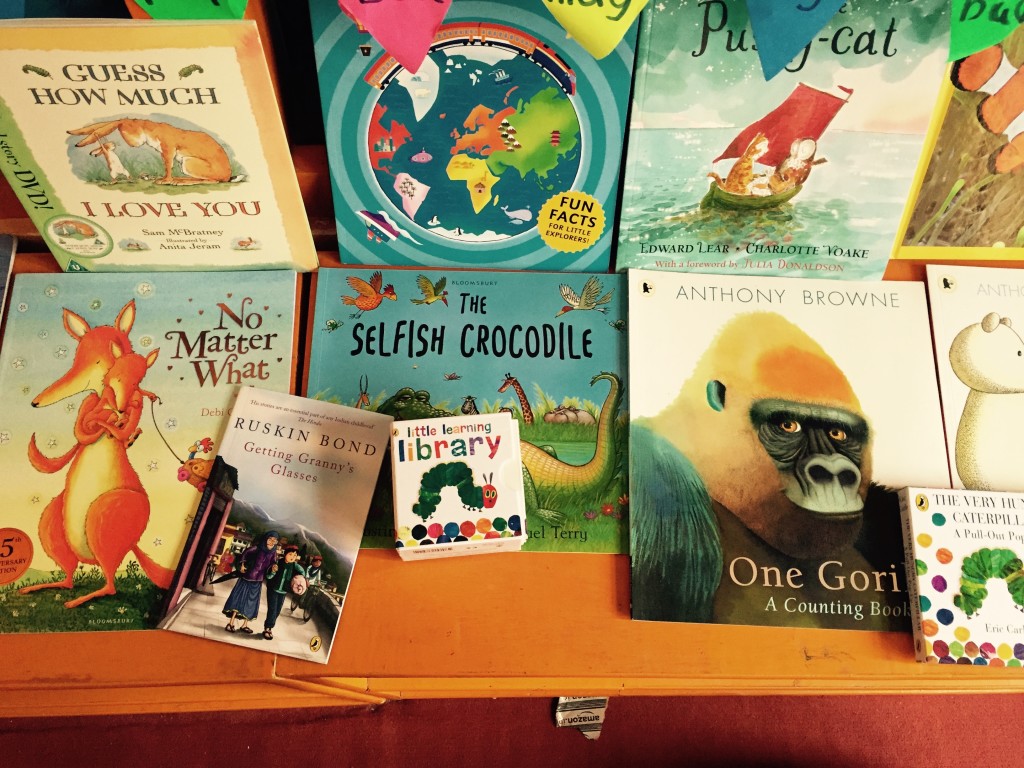
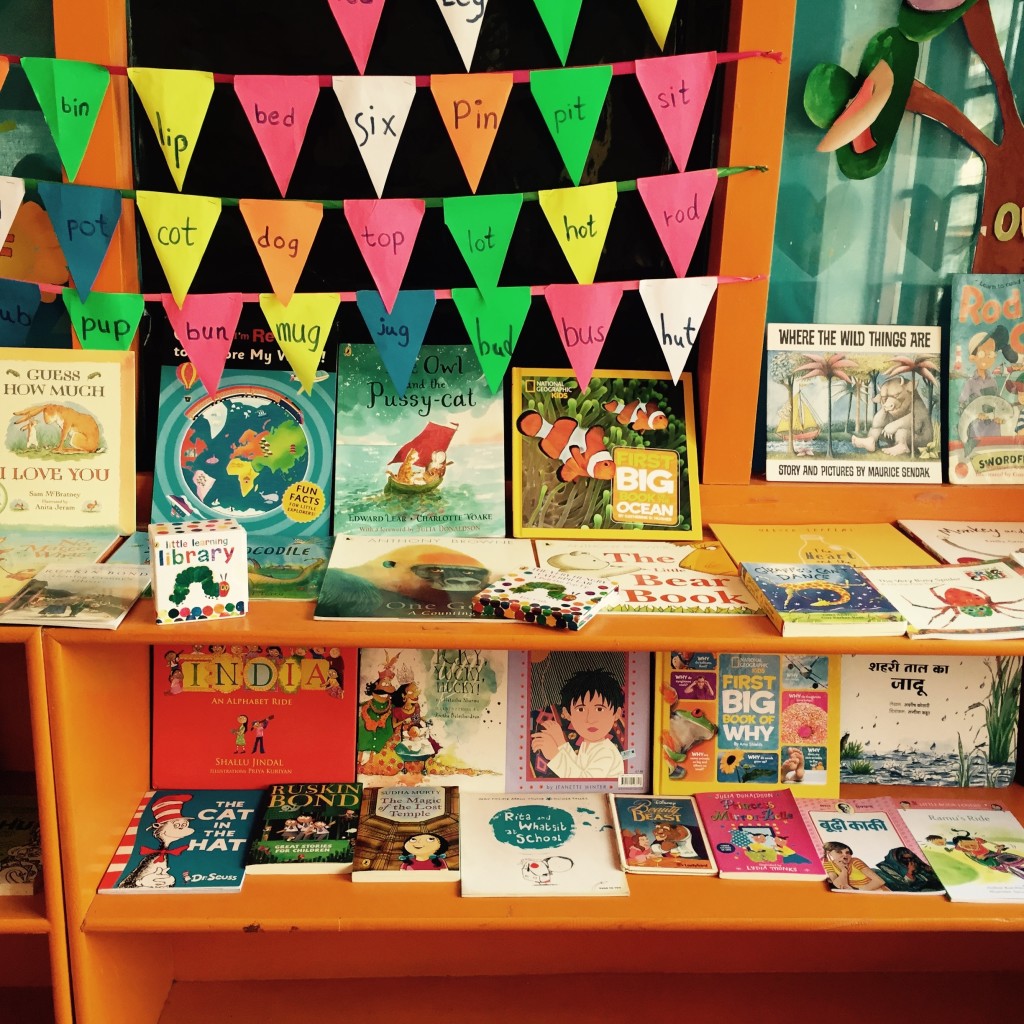
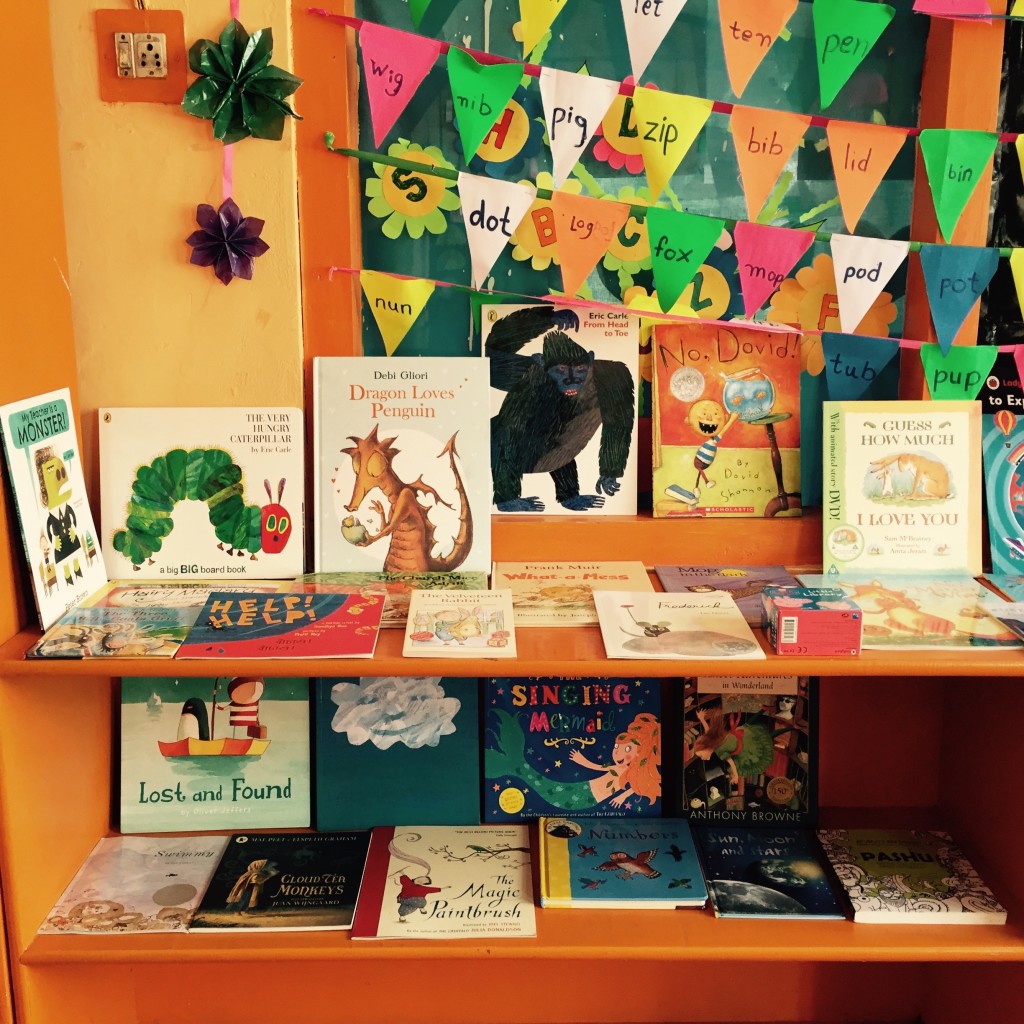
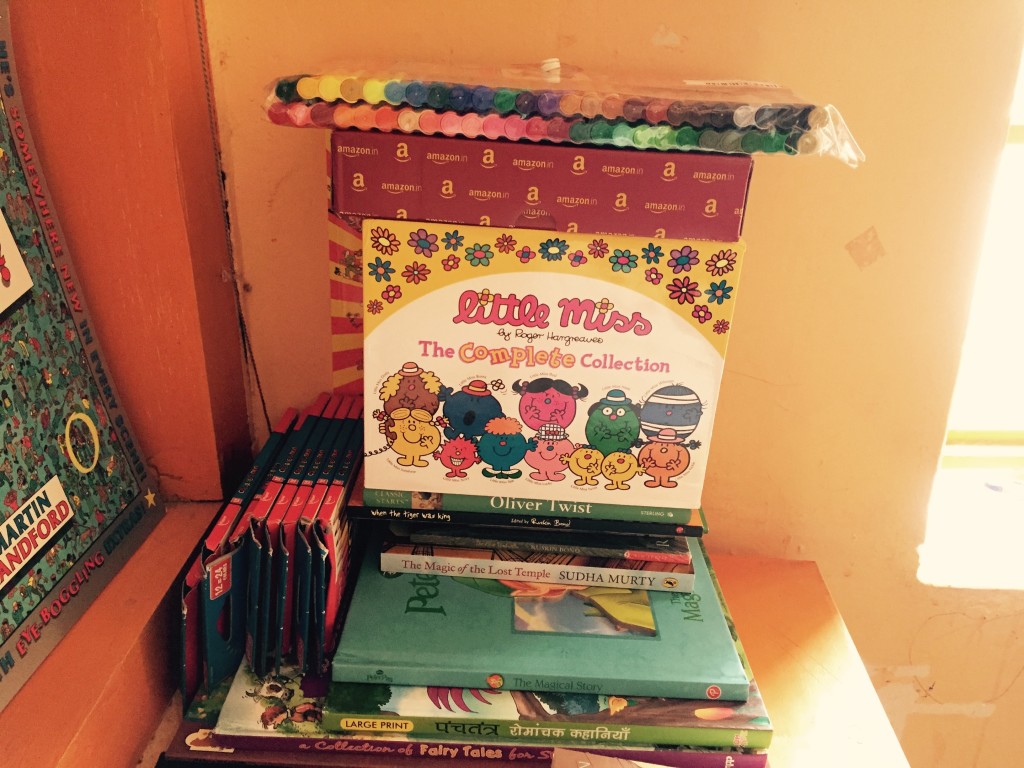
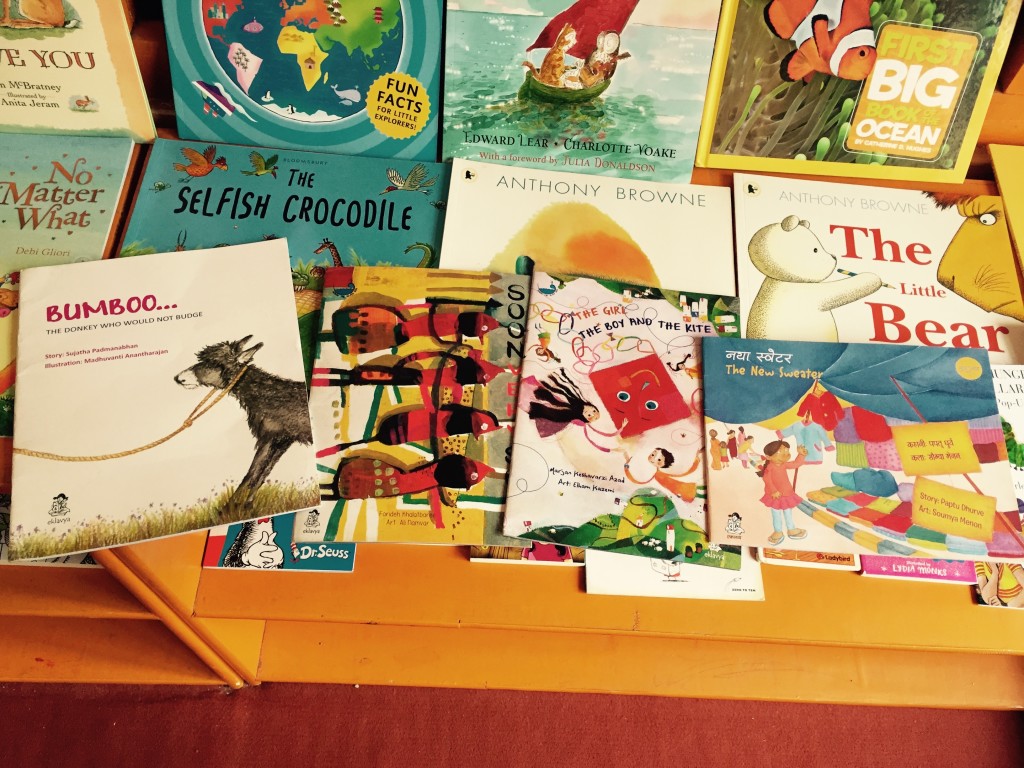
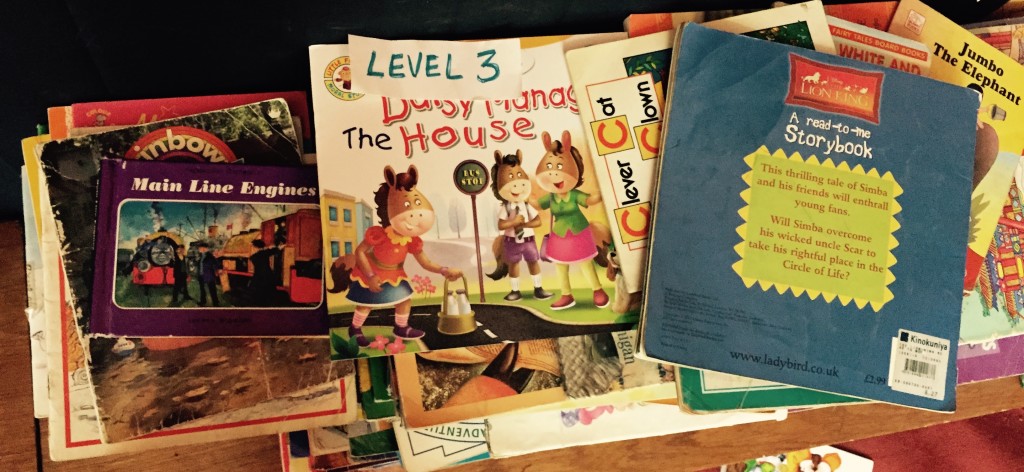
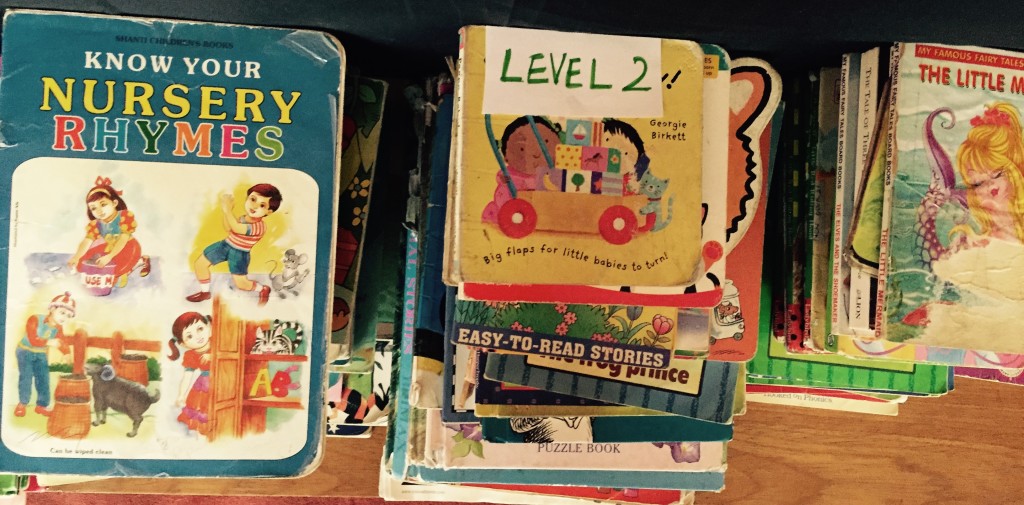
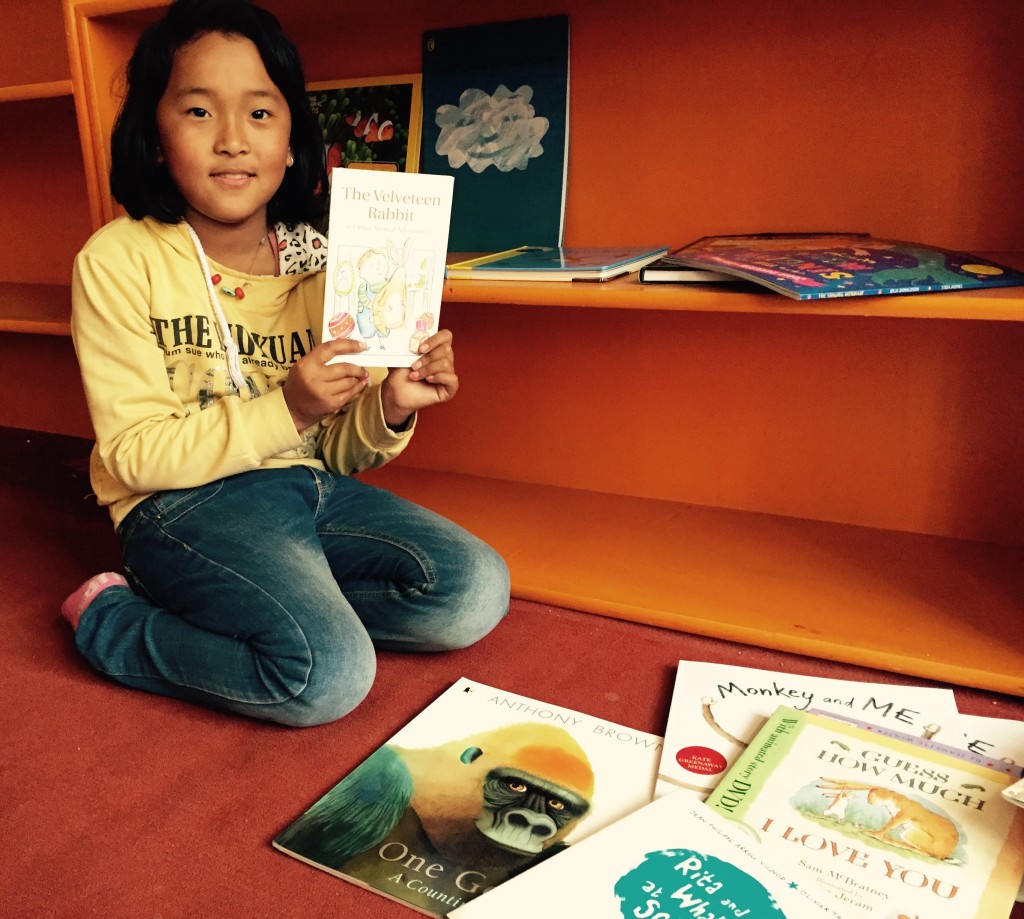
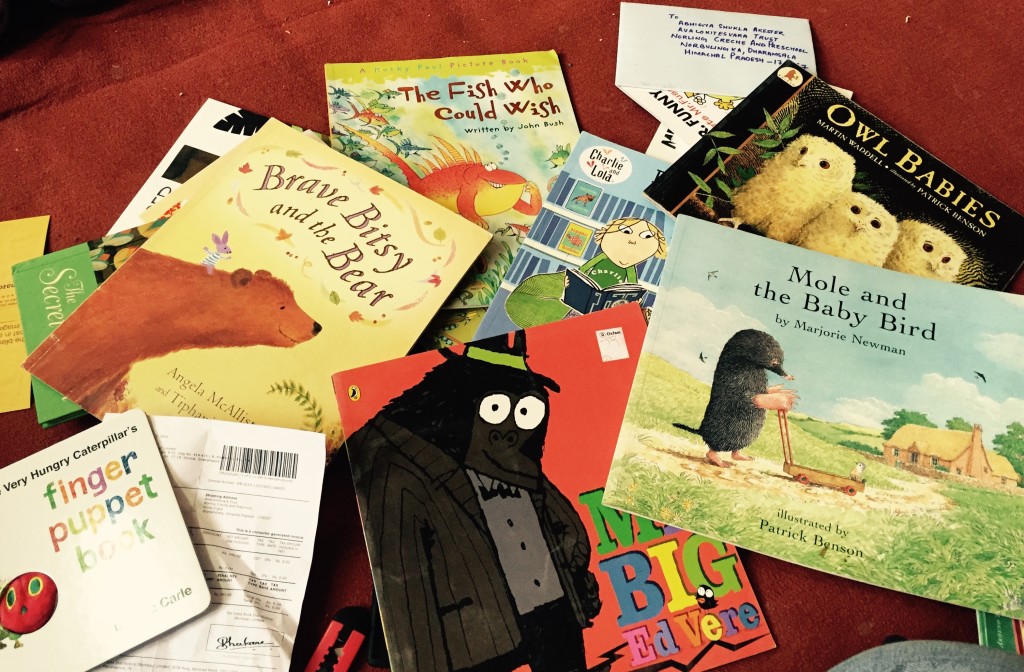
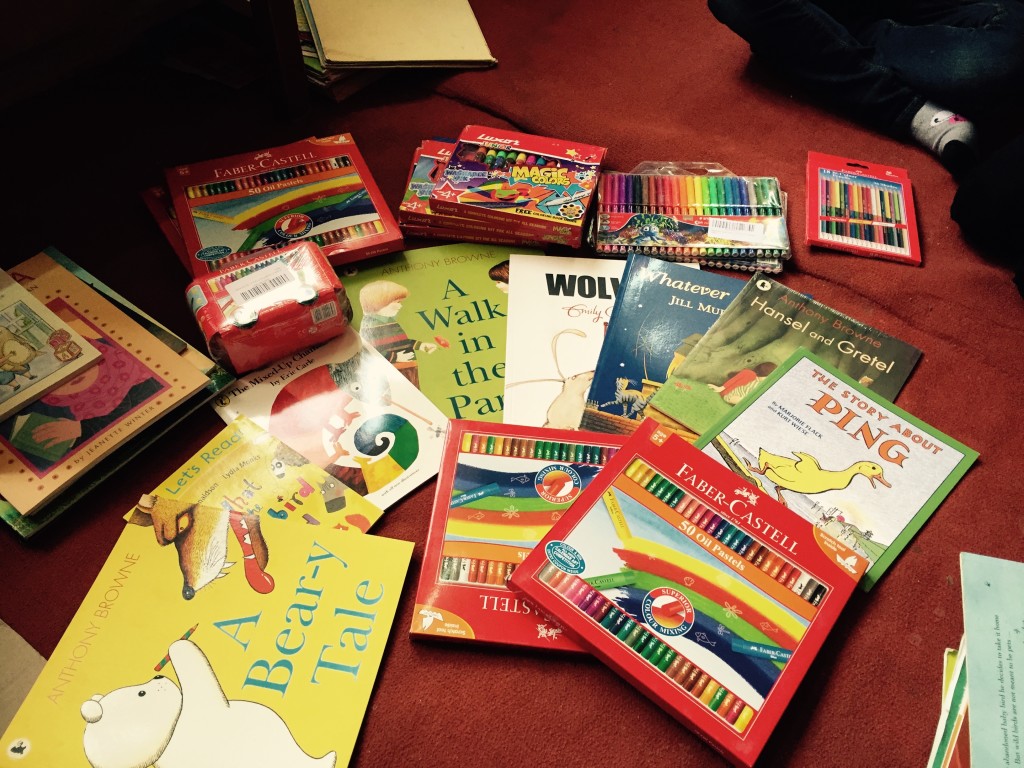
The name also gives book drives a clearer purpose. Instead of delivering a miscellaneous collection, donors and volunteers can ask how each title contributes to the interests represented in the room. Australian teams accustomed to collecting books during school Book Days can involve children in sorting, recommending and labelling new arrivals. The donated books then support a place children recognise as their own.
Why the choice carries deeper meaning
A shared name creates belonging. It gives children a way to refer to the space, claim its benefits and welcome others into it. For young monks and other children in Himalayan communities, this can strengthen confidence while making the room feel accessible rather than institutional. Ownership develops through repeated use, conversation and the knowledge that adults have respected their judgement.
The practice can also support literacy beyond decoding words. Children learn that a community can hold a name, make decisions and revise its choices. If a name no longer reflects the group, the children can discuss why it should remain or change. This makes reading inseparable from communication, identity and collective responsibility.
Although our work is educational rather than clinical, a French guide to gradual readaptation stages after prostate surgery offers a useful analogy. Progress becomes more sustainable when demands are adjusted to the person rather than imposed at once. Similarly, naming works best as a gradual process: observe, listen, try, discuss and refine rather than expect children to produce a perfect result immediately.
A child-led naming process that works
Several practices help ensure that a name is meaningful rather than merely decorative.
- Give children a genuine voice by allowing ideas to influence the room’s name, layout, activities and welcome rather than asking for decoration after every decision has been made.
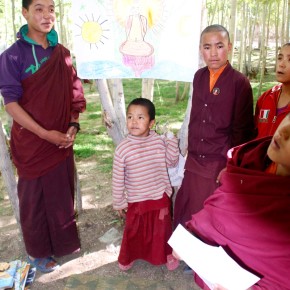
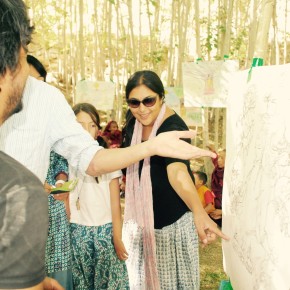
- Offer clear, varied choices through words, pictures and short presentations so children with different communication styles can participate equally.
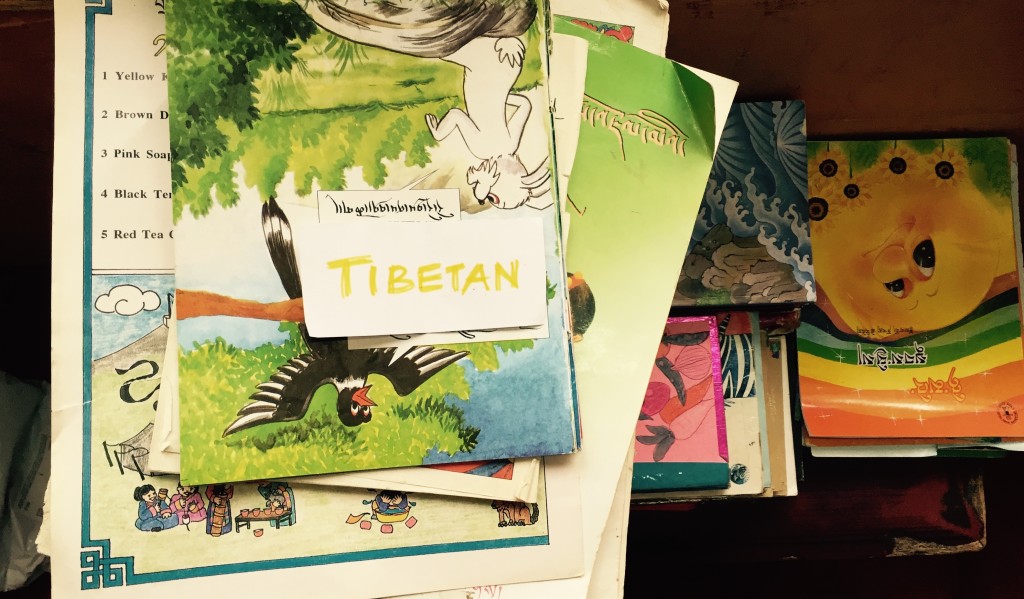
- Include local languages and stories when children wish to do so, allowing the name to express cultural identity without excluding those who use another language.
- Carry the name into everyday actions through signs, bookmarks, book recommendations, reading records and activities that children help design.
- Review the choice regularly by asking whether the name still feels accurate and inviting children to suggest improvements when the group or its needs change.
These steps protect the meaning of the process. A vote followed by an unchanged adult-designed room would teach children that participation is temporary. By contrast, seeing their name guide practical decisions demonstrates that their perspective has genuine value. The room becomes stronger because responsibility is shared, not transferred completely from adults to children.
A shared identity that keeps growing
Ownership does not mean adults abandon their responsibilities for safety, inclusion and good stewardship. It means children have a meaningful part in decisions that affect their learning environment, while adults continue to provide support, resources and careful guidance. The balance lets children develop agency without placing unreasonable expectations on them.
A child-named reading room can also evolve. New books, changing interests and older members joining the group may call for another conversation about the name or the space. That continuity makes ownership stronger: it is not a one-time ceremony but an ongoing relationship between children, books and the community they serve.
Our next concrete step is to hold the first child-naming workshop before any new reading room is furnished.