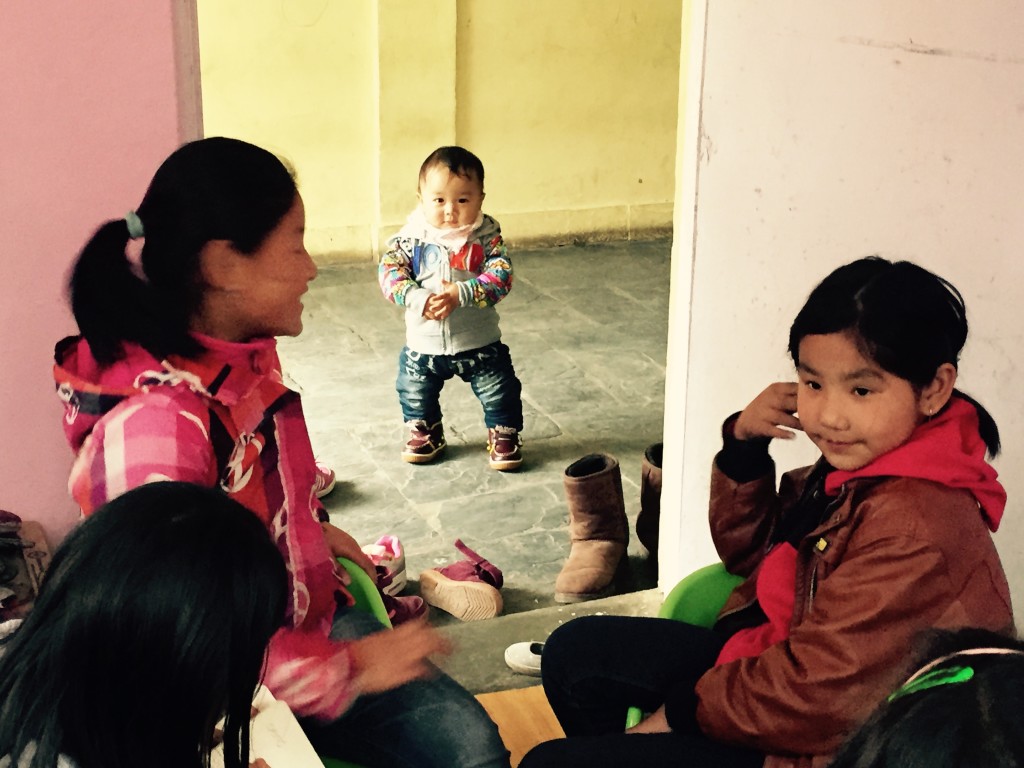
How Our Himalayan Reading Rooms Mark Every 100 Books Read
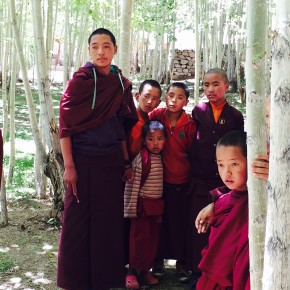
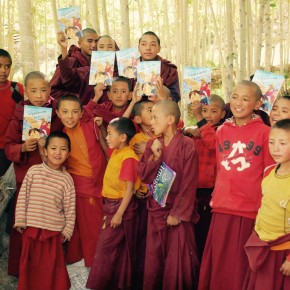
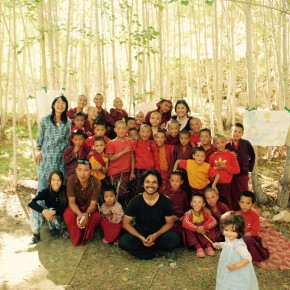
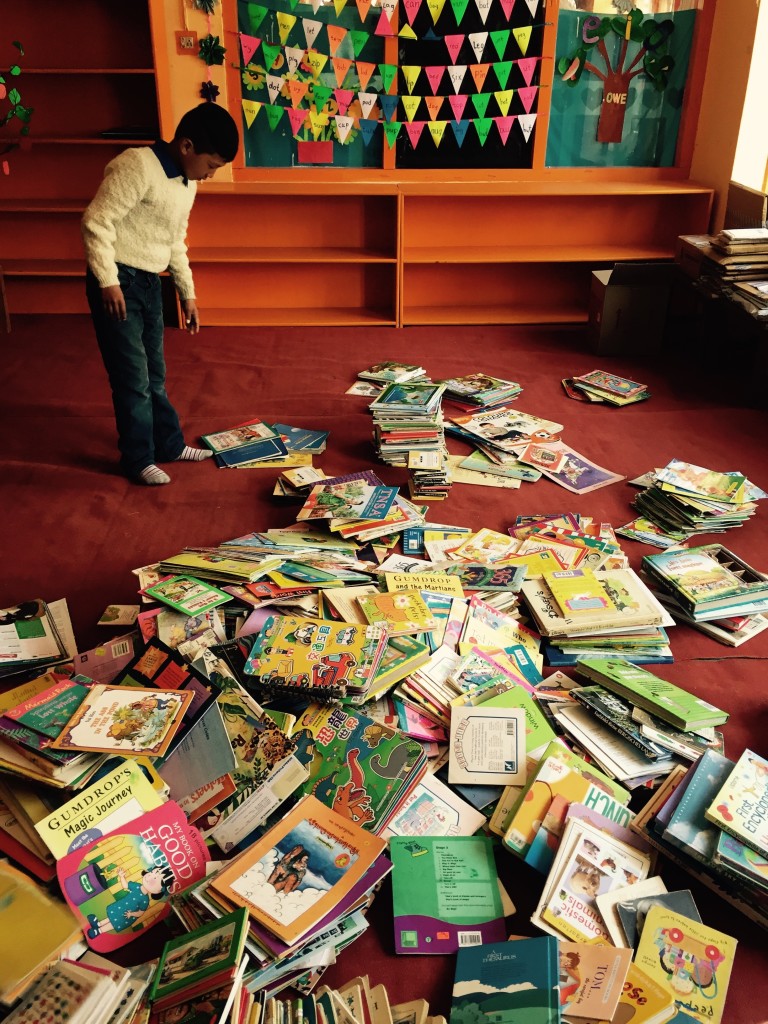
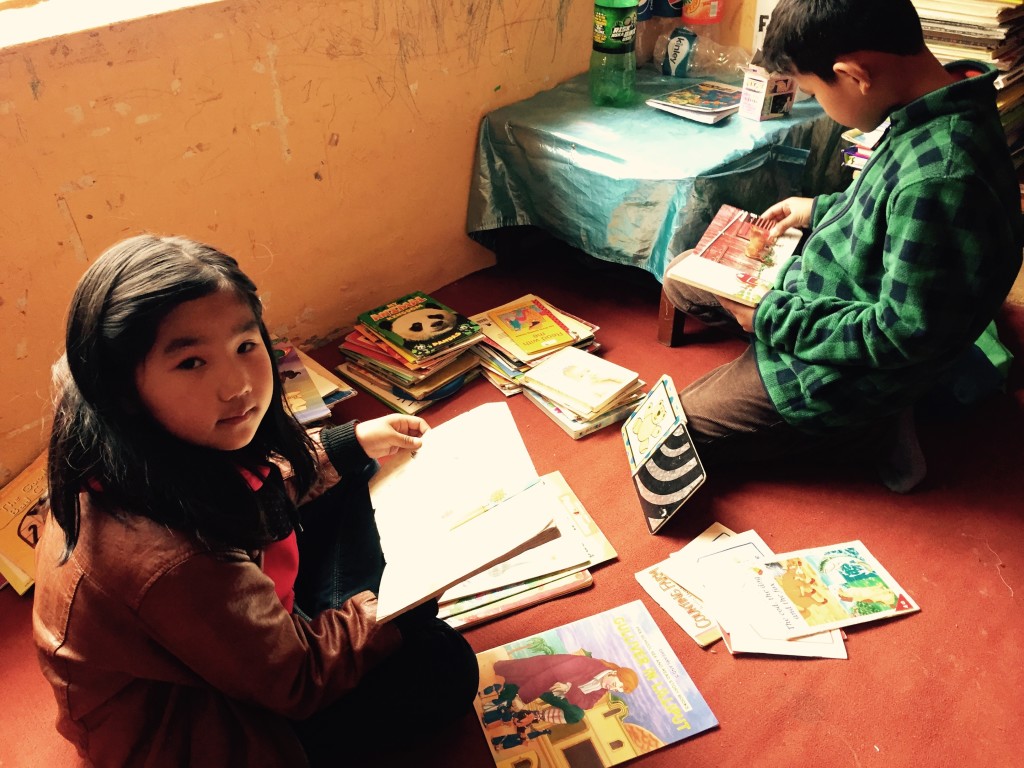
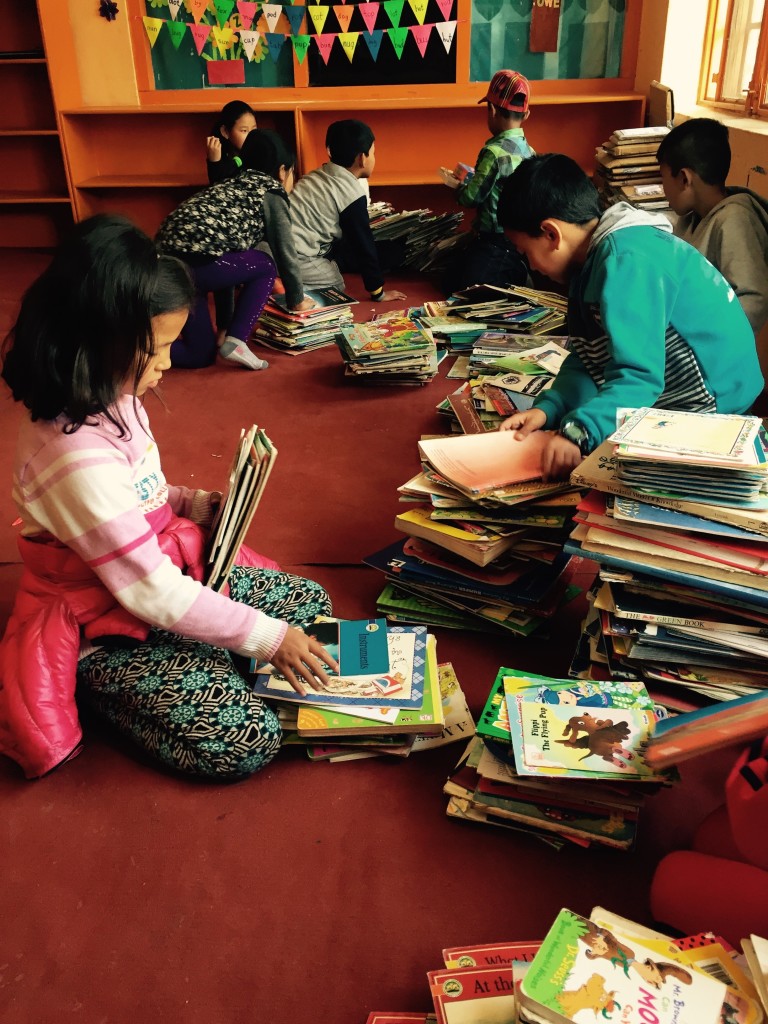
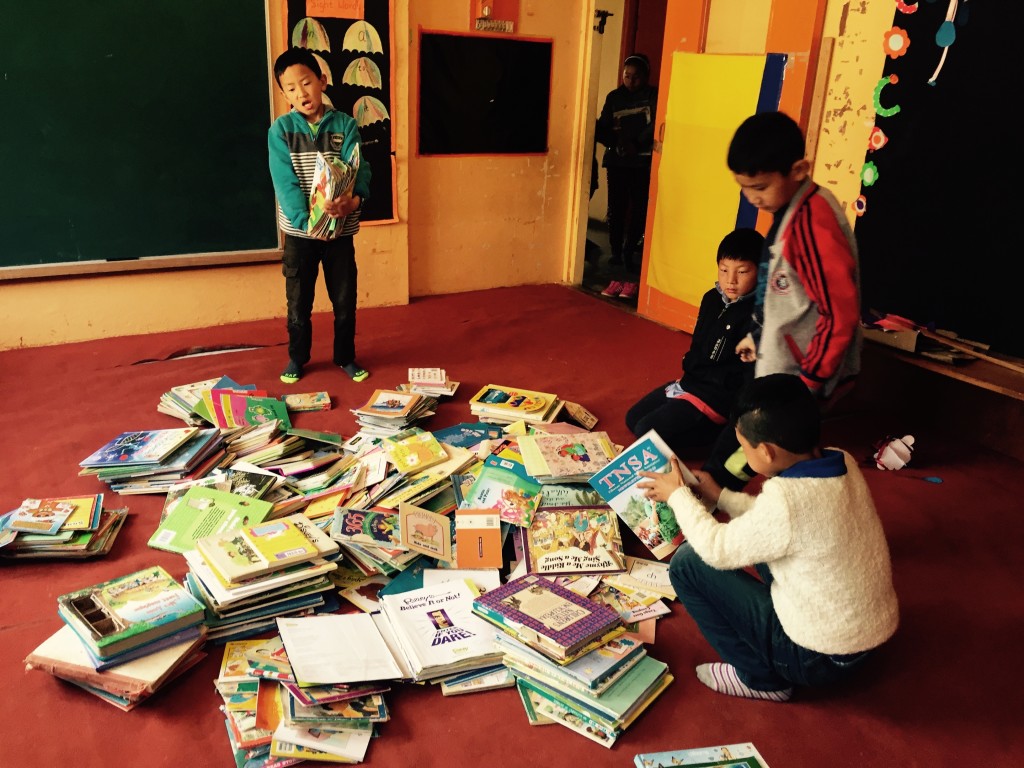
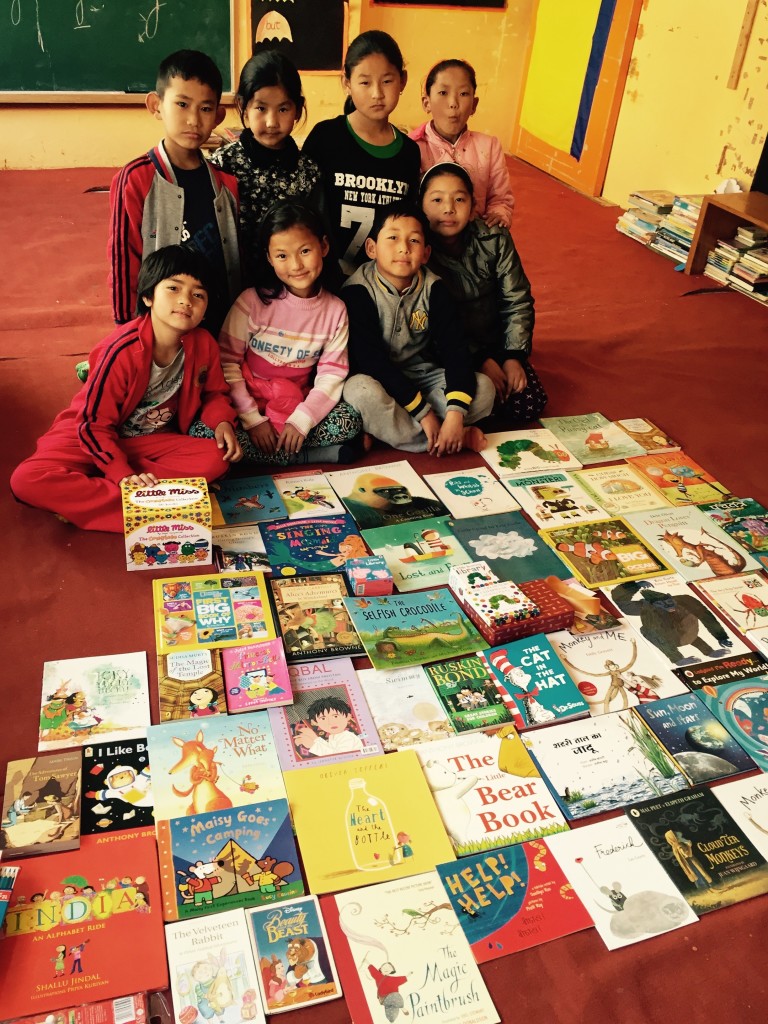
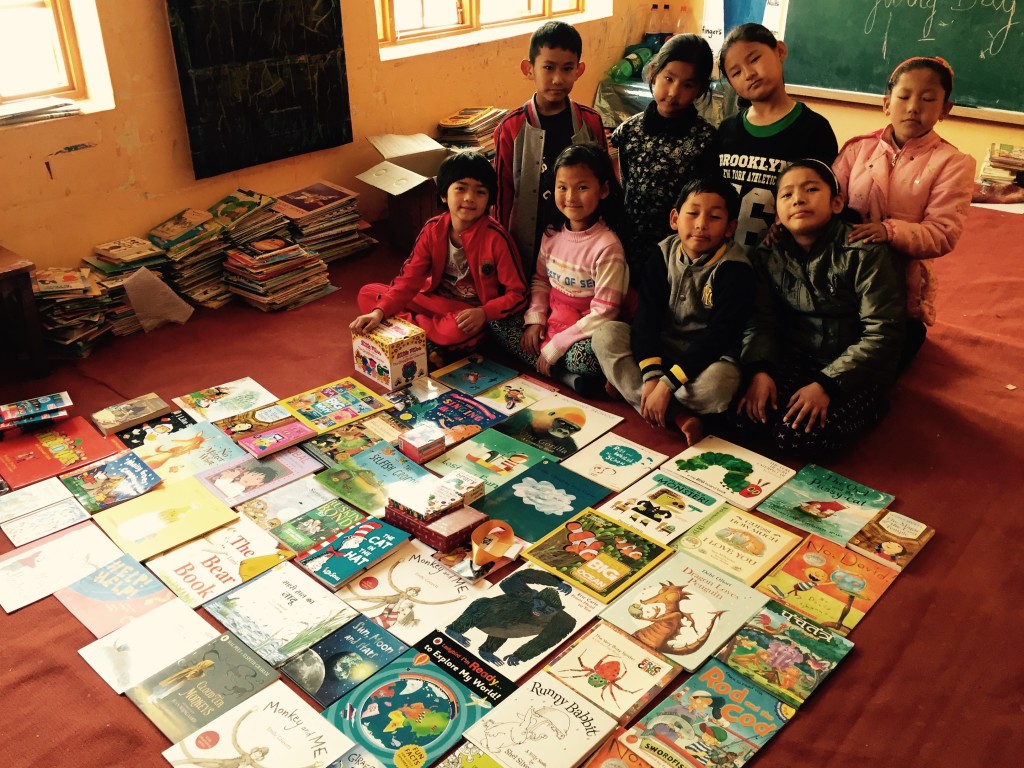
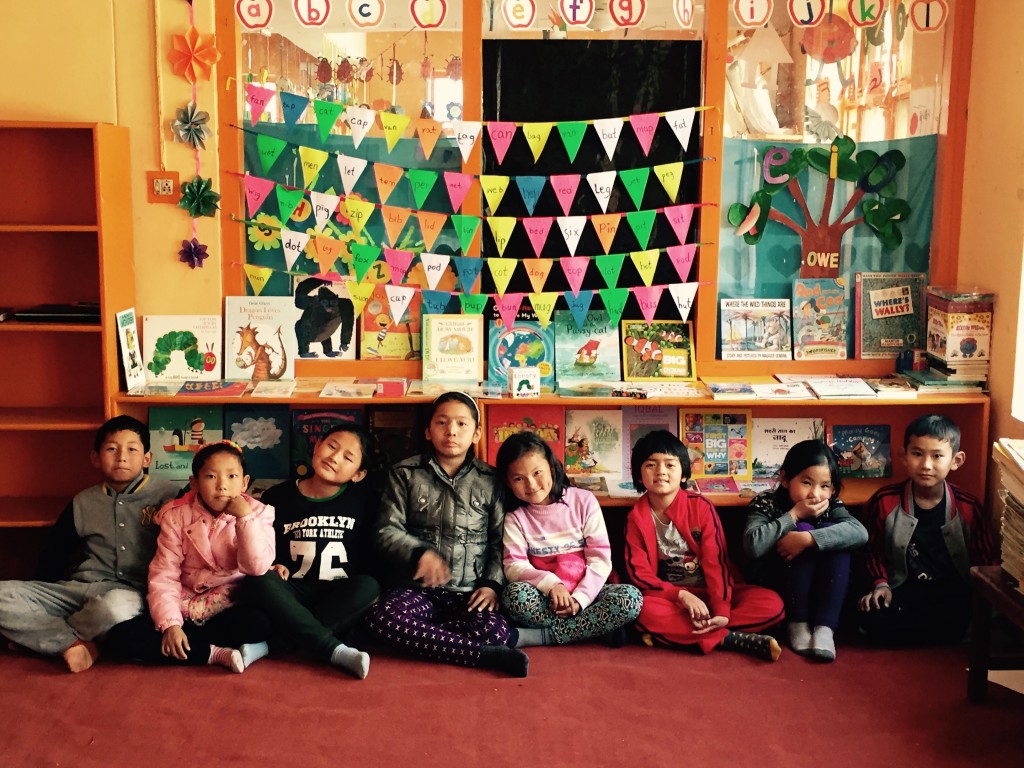
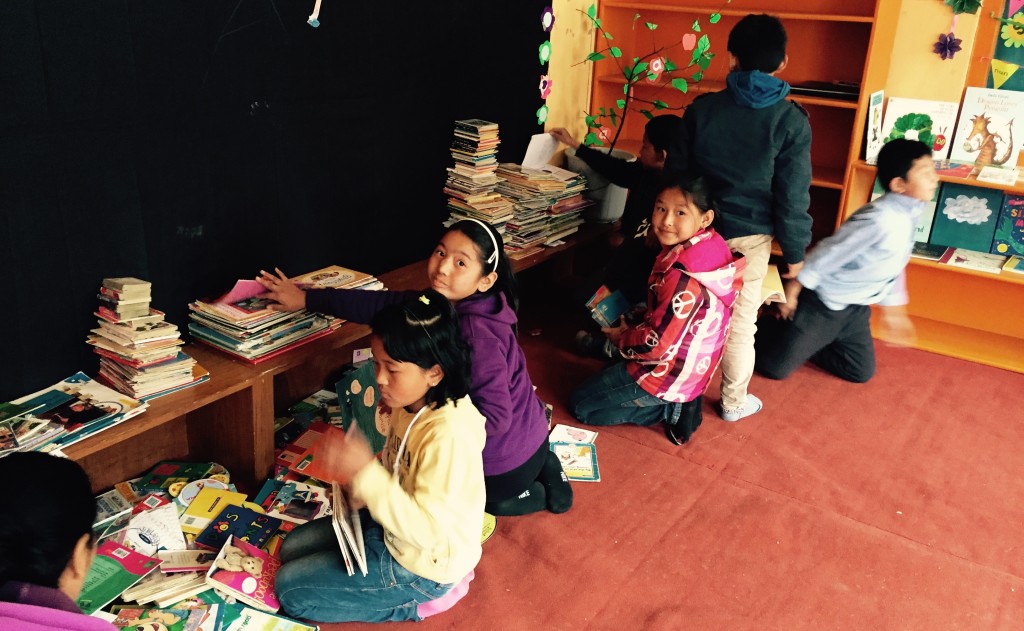
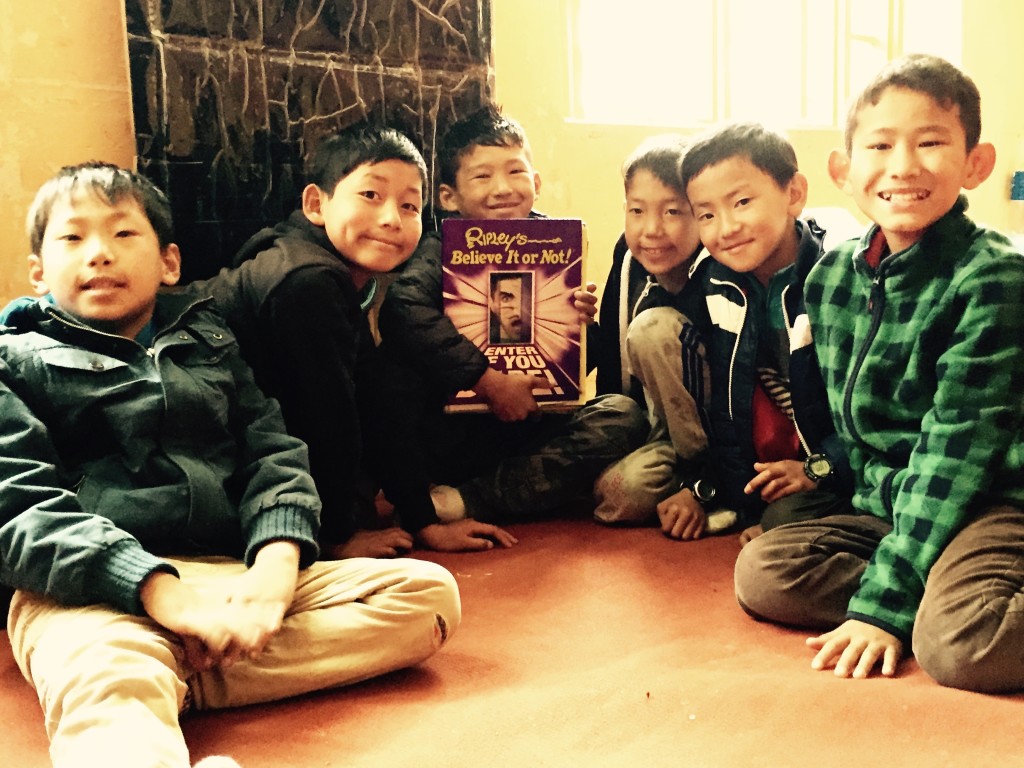
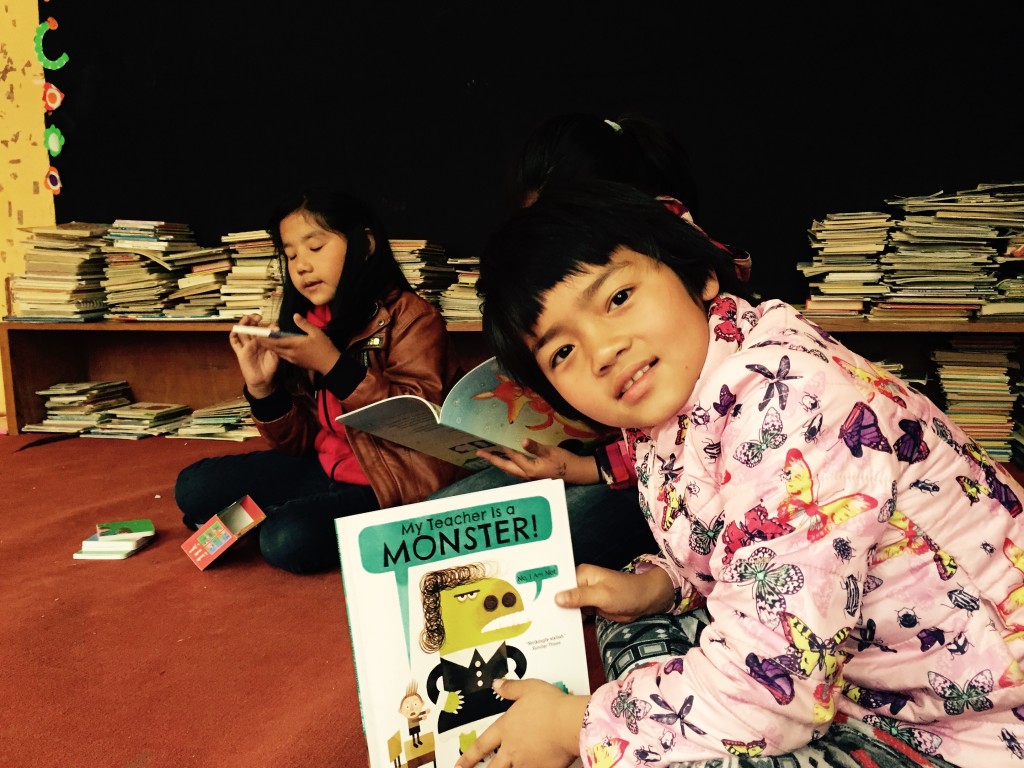
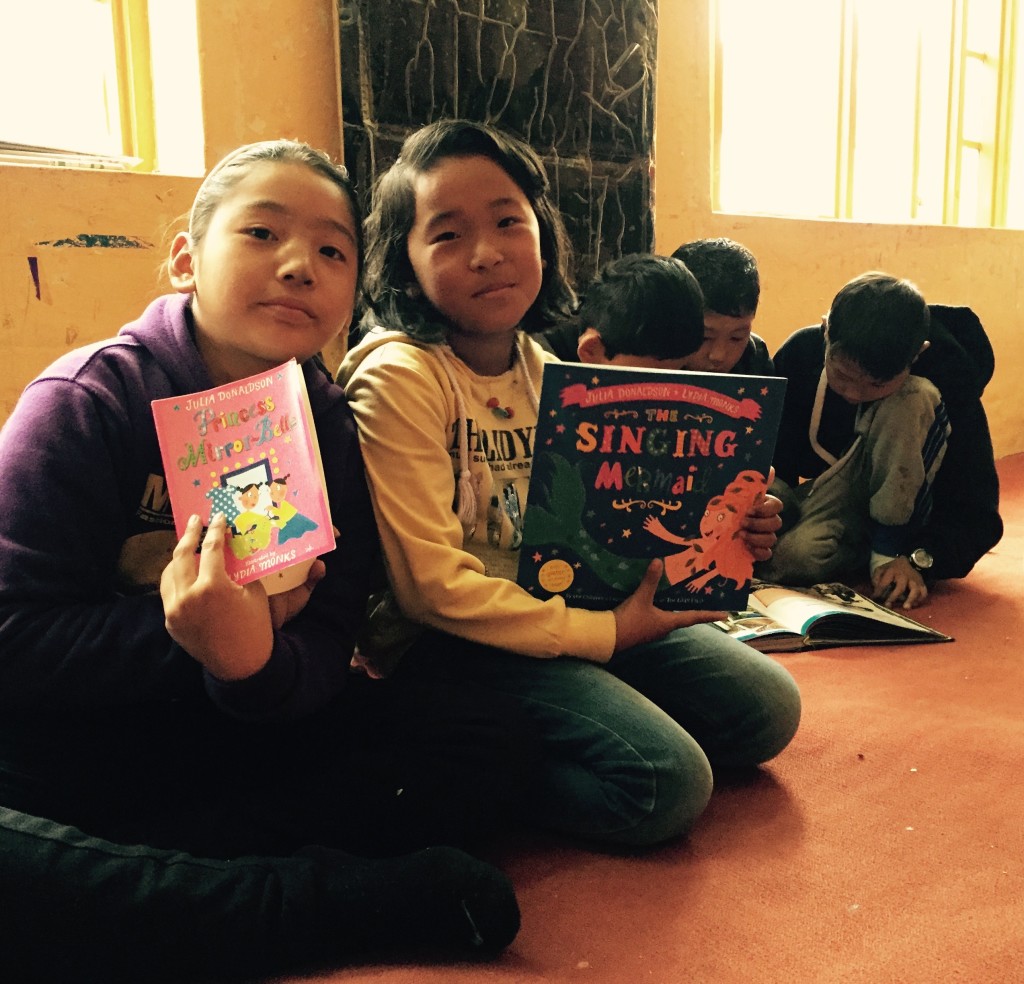
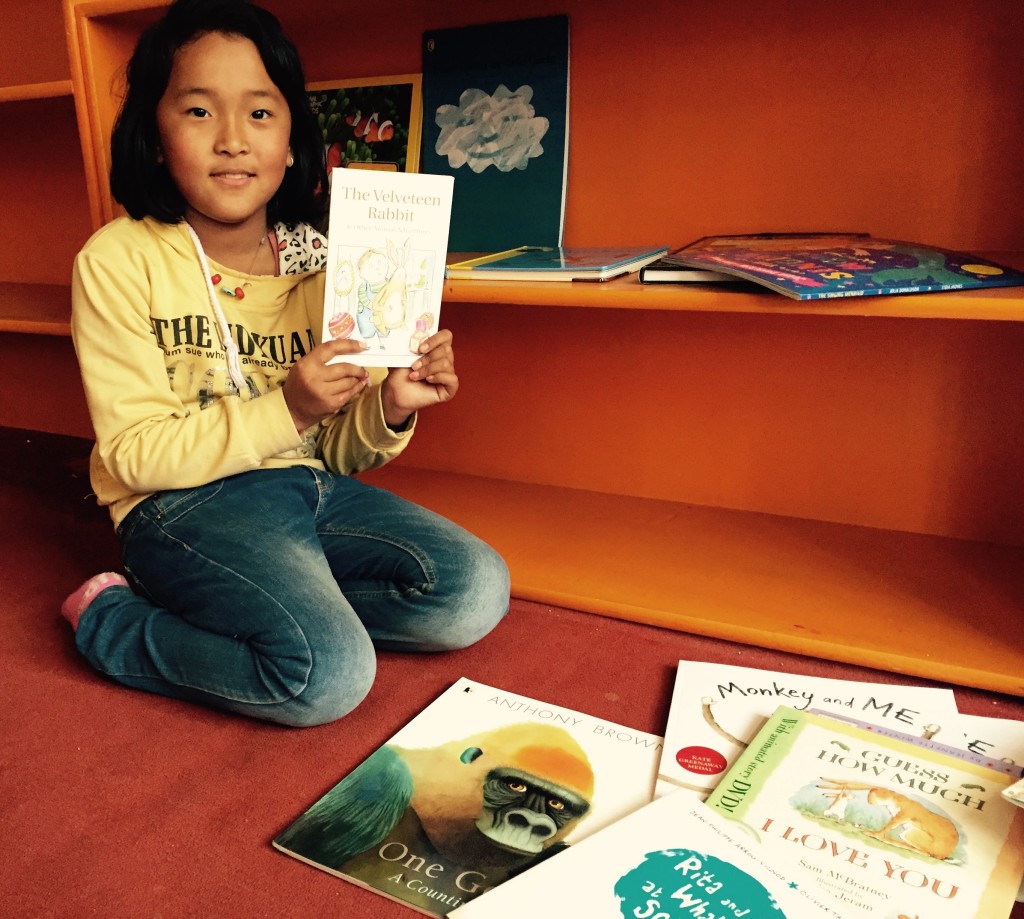
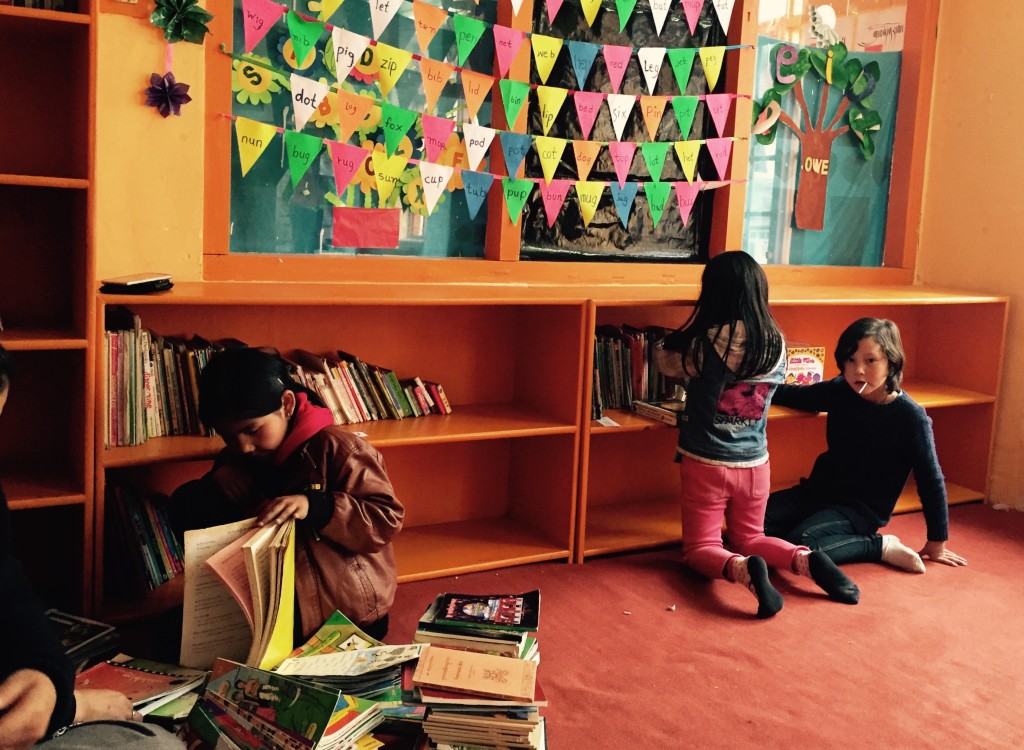
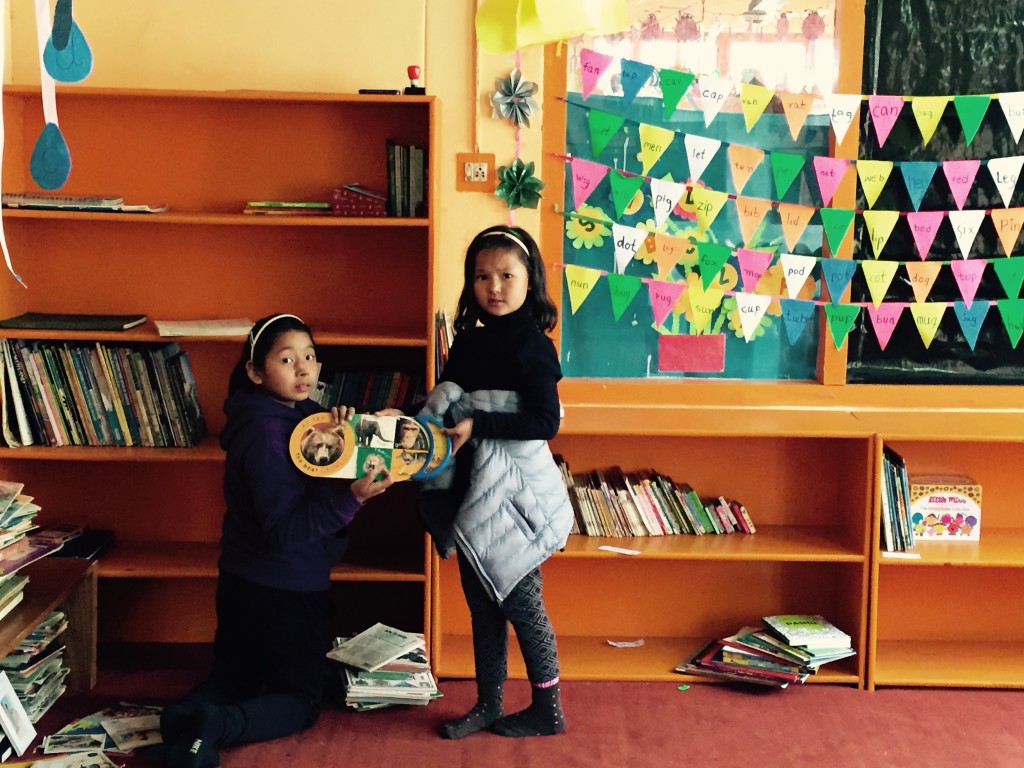
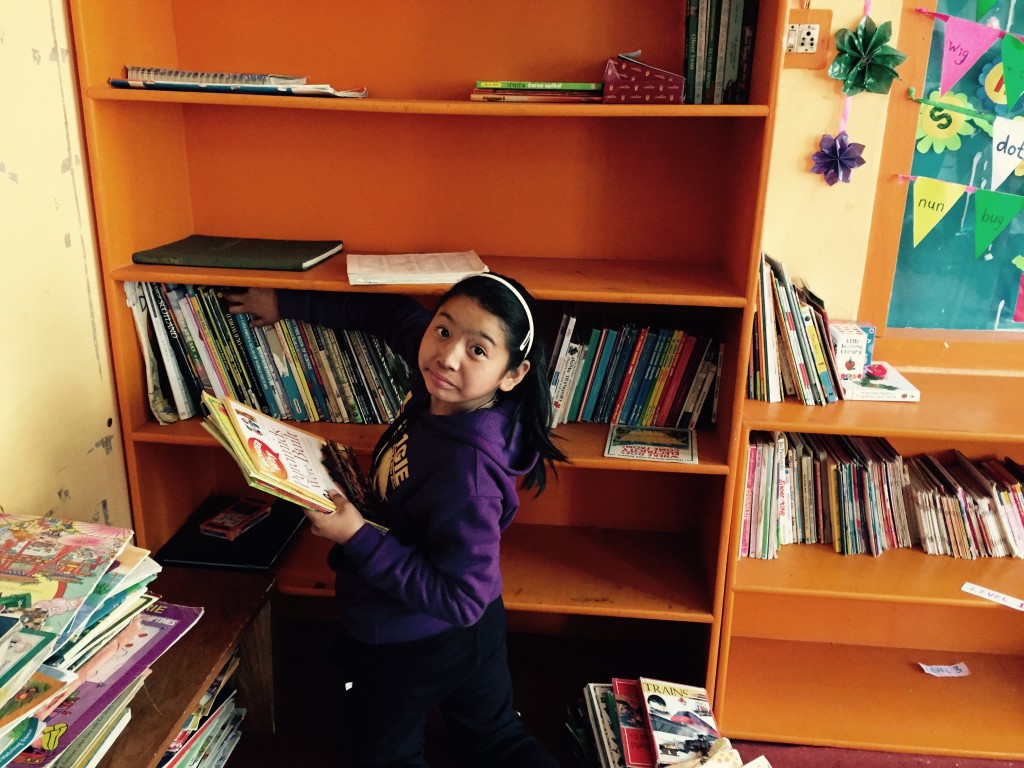
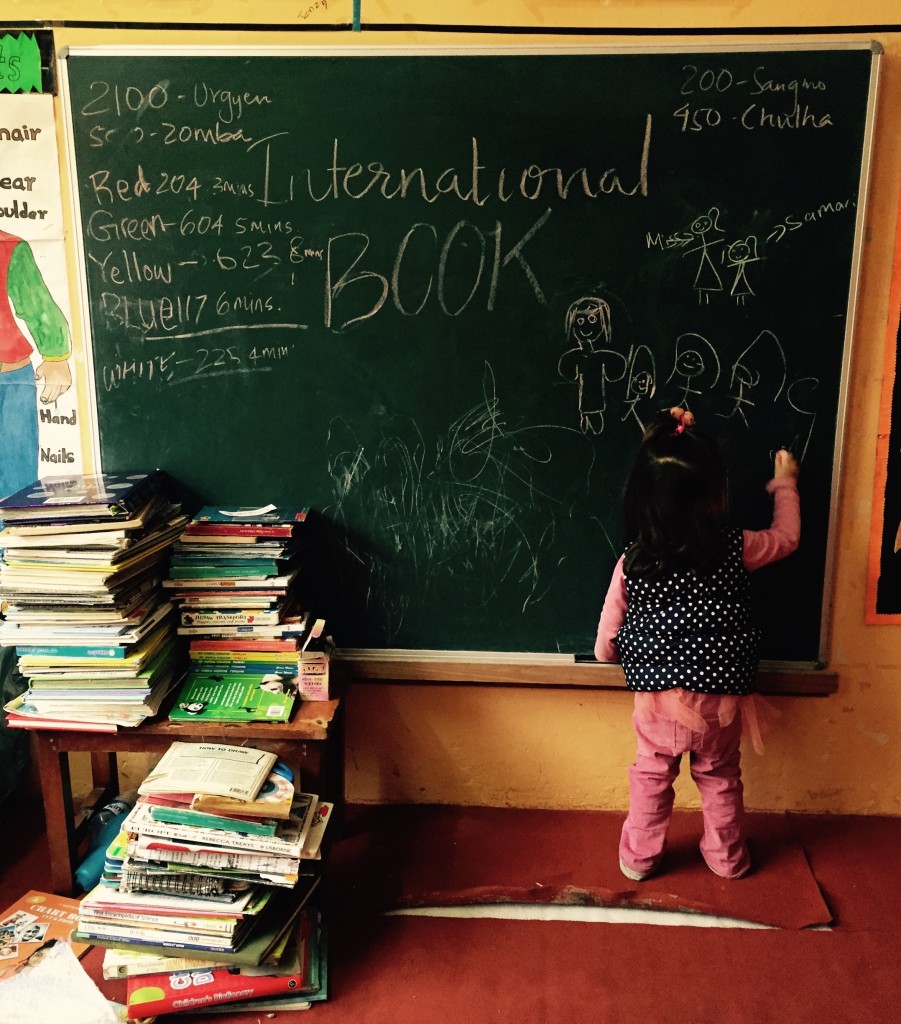
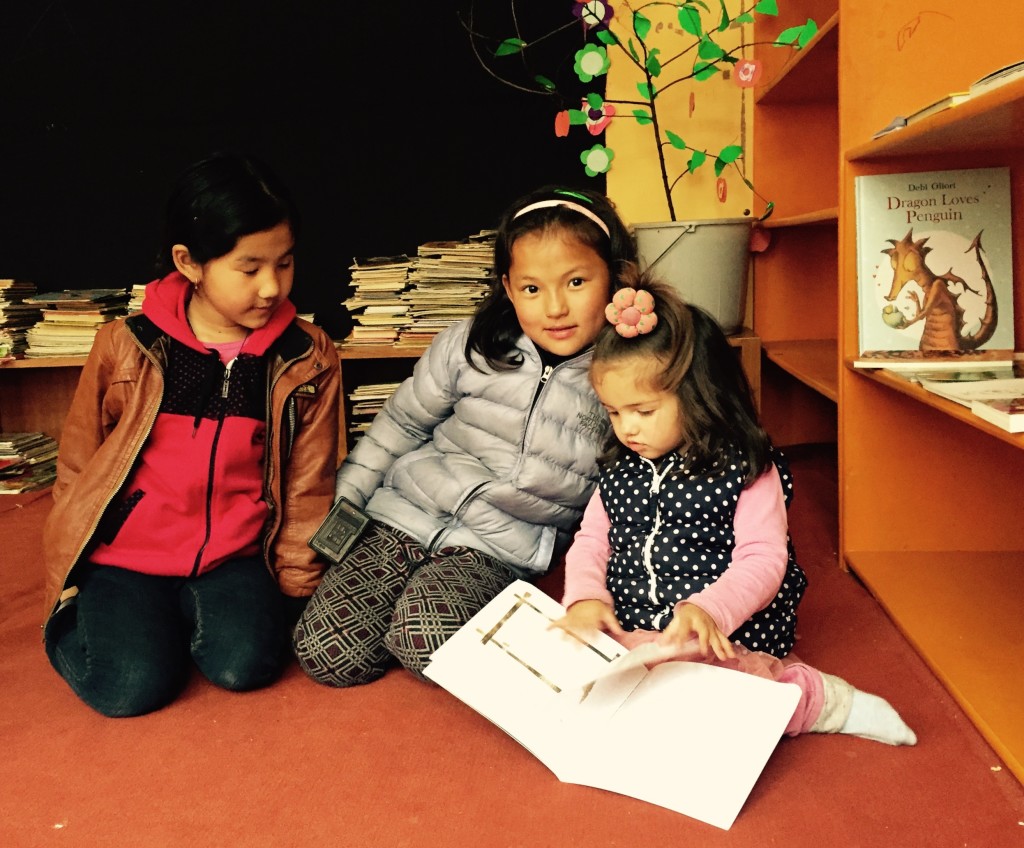
When a child in one of our Ladakh reading rooms turns the last page of their hundredth book, the room falls quiet for a moment before filling with laughter and applause. The Avalokiteśvara Trust has marked this milestone in every reading room we support, from the monastery libraries near Leh to the small community spaces in the Nubra Valley. The tradition began with a single reading room and a borrowed stack of children's books; it now reaches young monks and village children across the Indian Himalayas, with each completed hundred celebrated as a personal triumph and a shared joy.
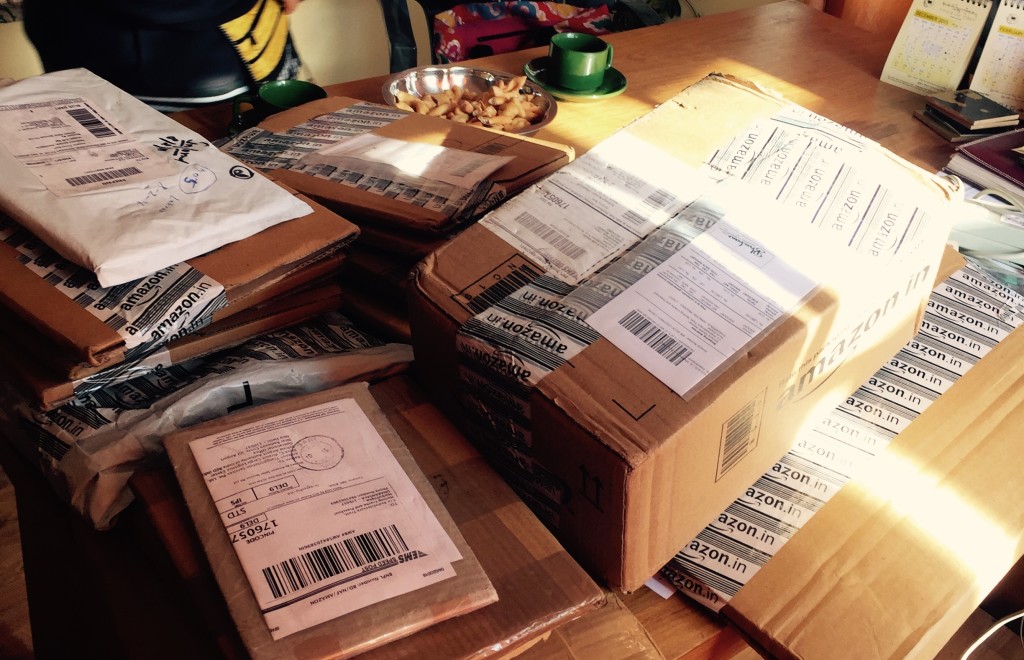
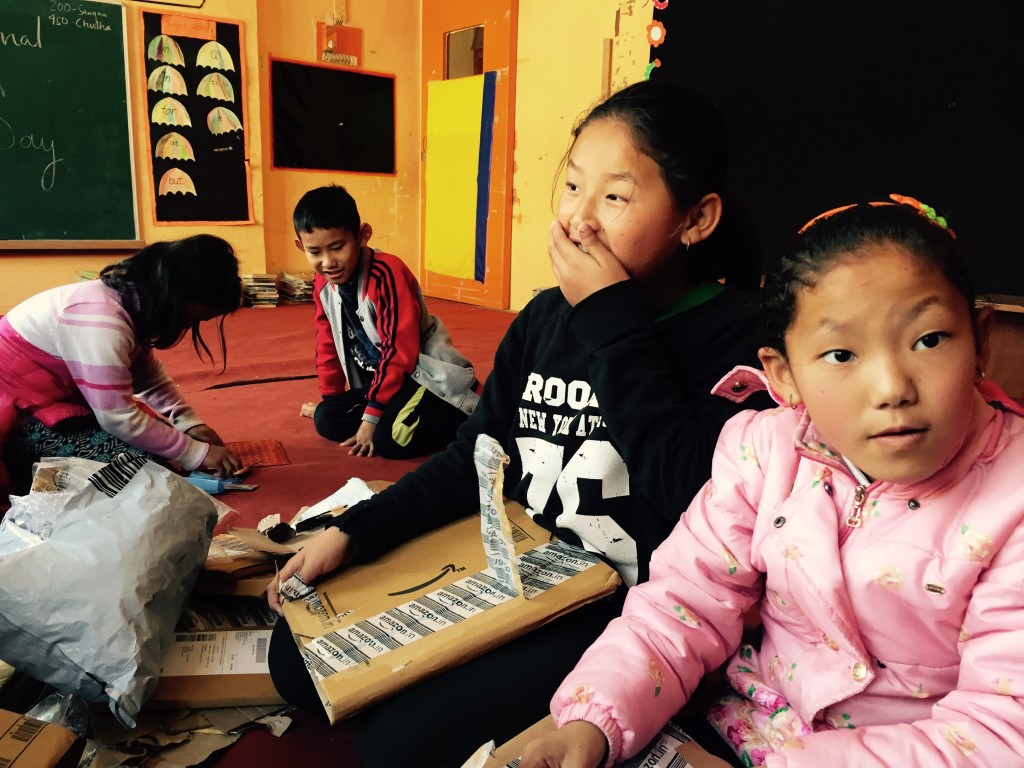
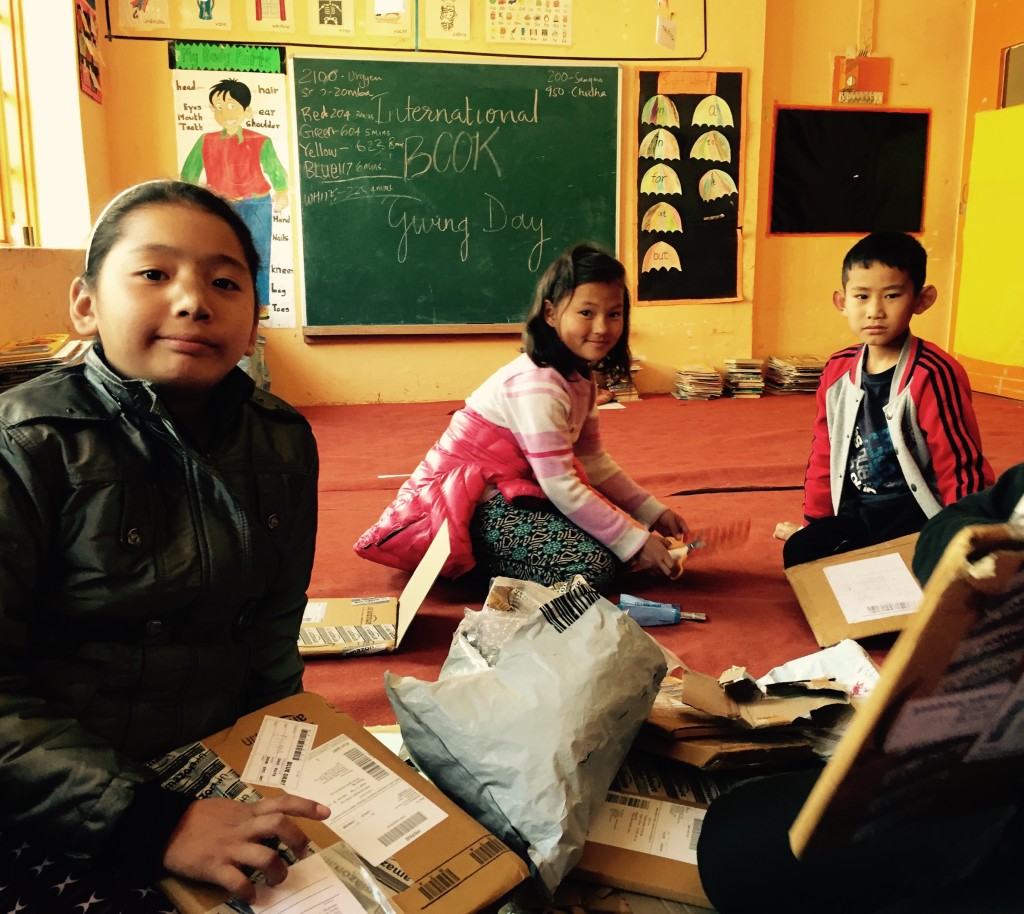
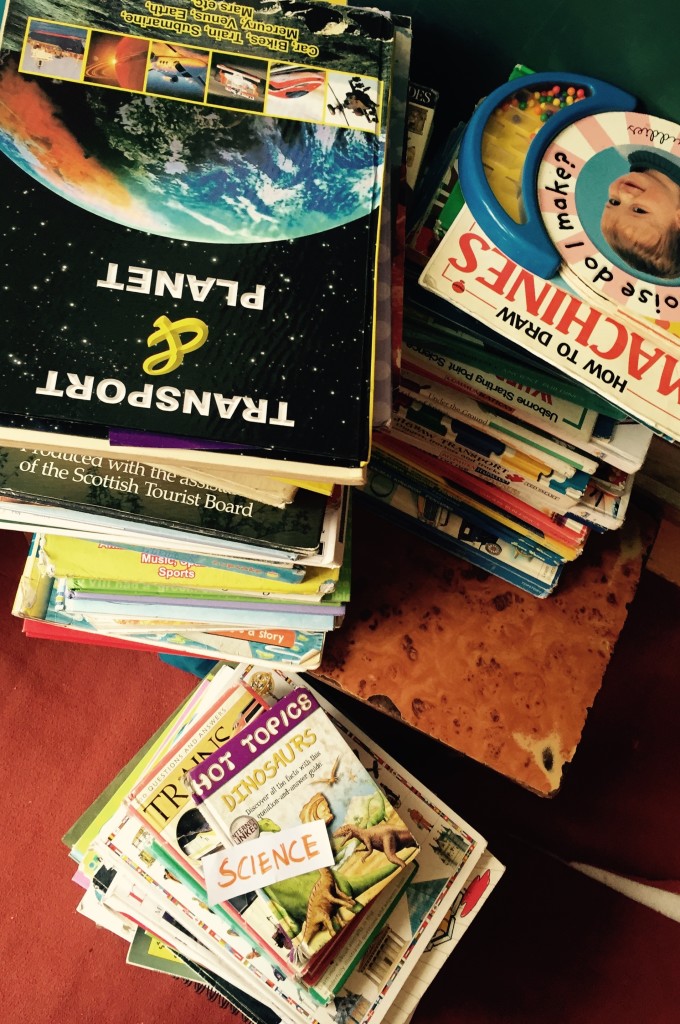
The celebration has grown richer because of supporters who live thousands of kilometres away. Book drives held in Sydney, Melbourne, Brisbane and Adelaide fill the crates that travel north each year. Teachers in Australia who follow our updates tell us the milestone echoes the reading cultures they nurture at home, from the Children's Book Council of Australia Book Week to the quiet reading hours many families protect before dinner. The hundredth book is a small mountain, and crossing it together makes the climb worthwhile for everyone involved.
Why the hundredth book carries real weight
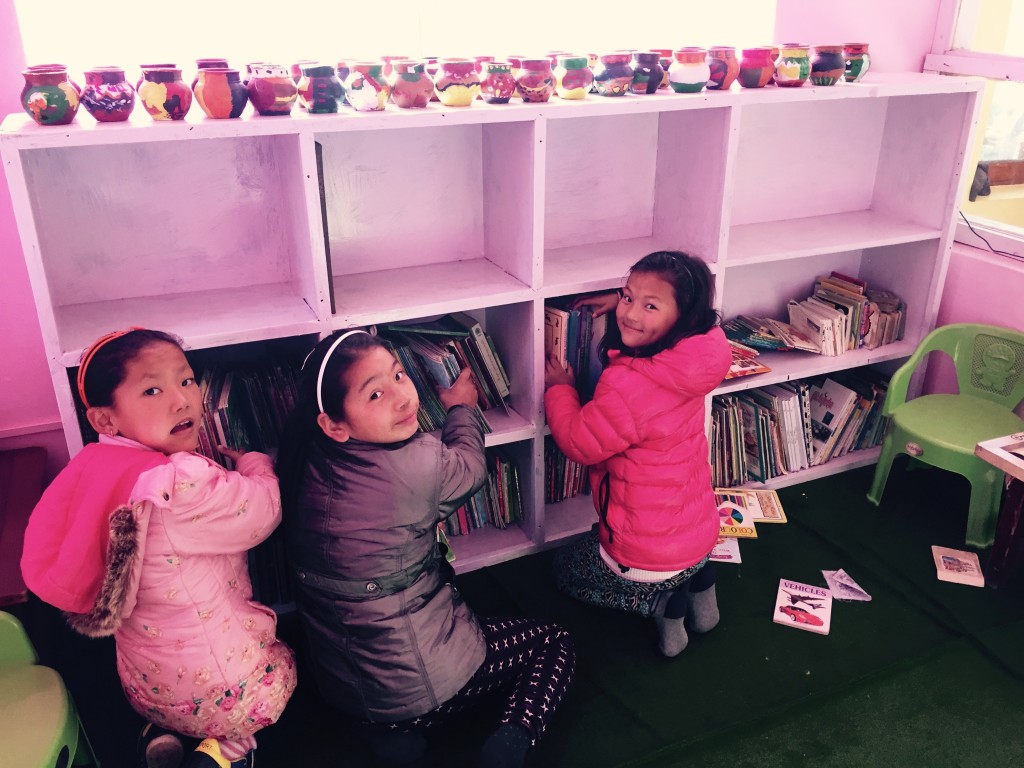
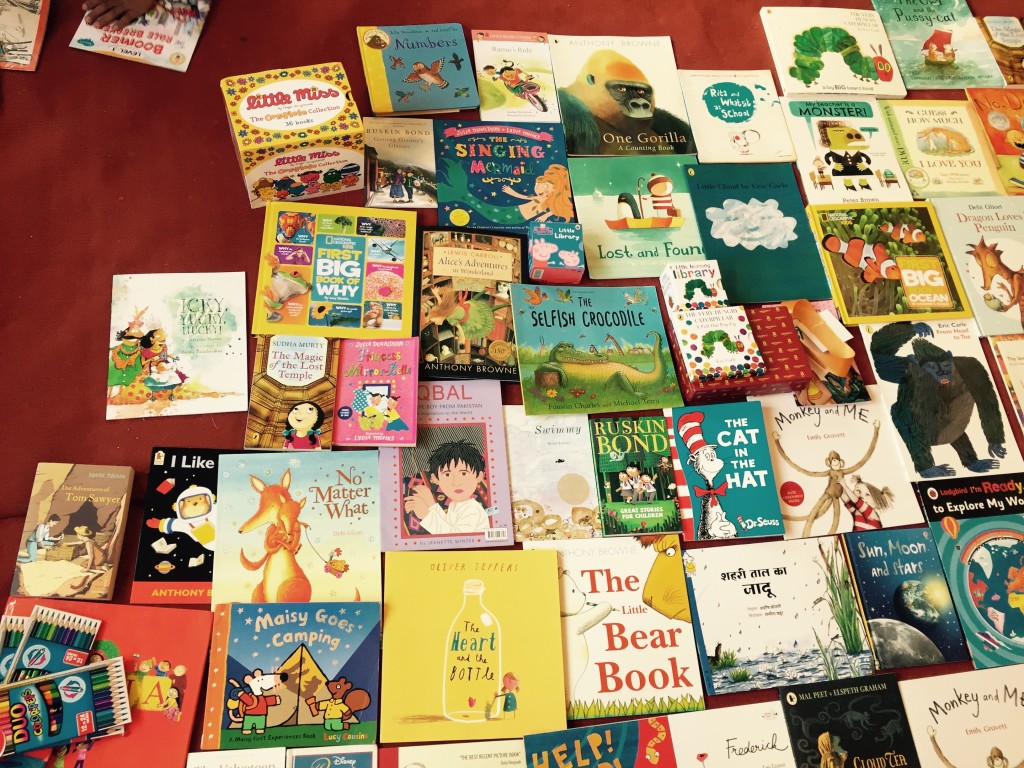
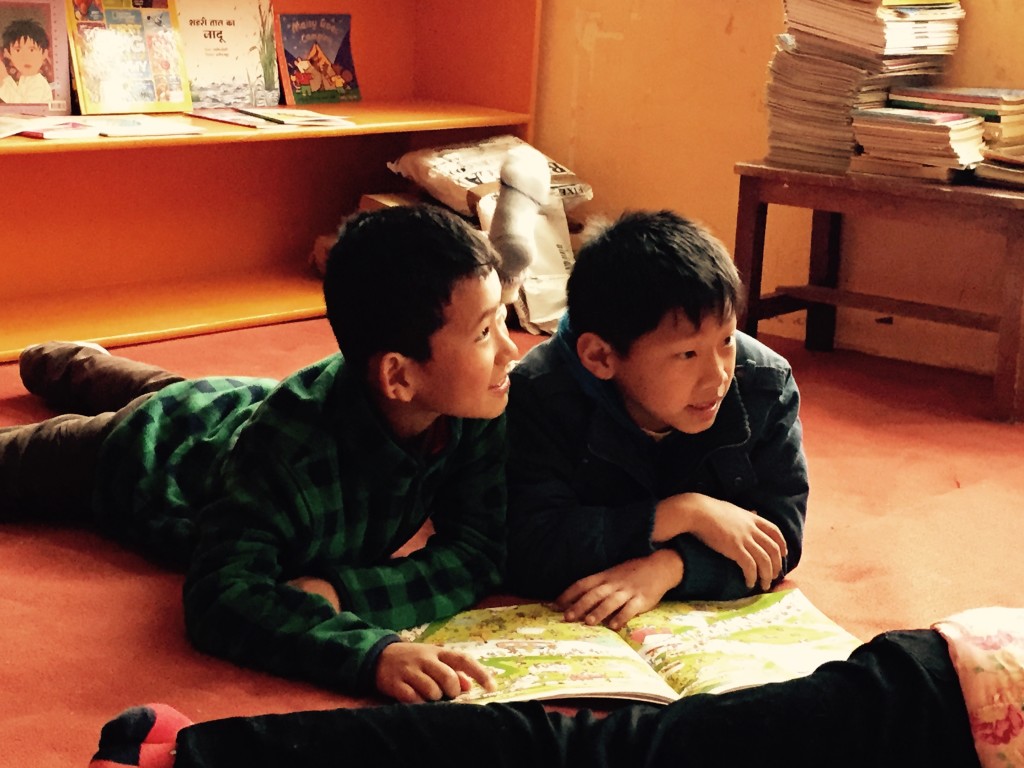
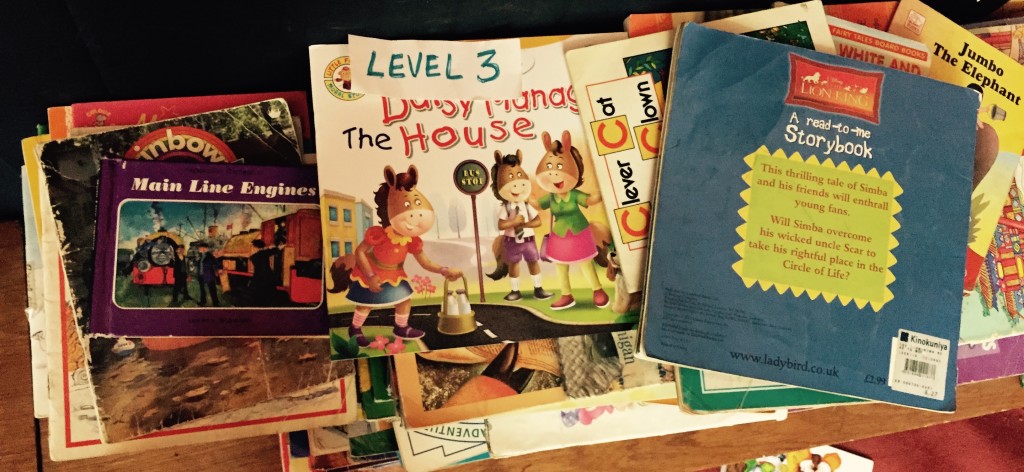
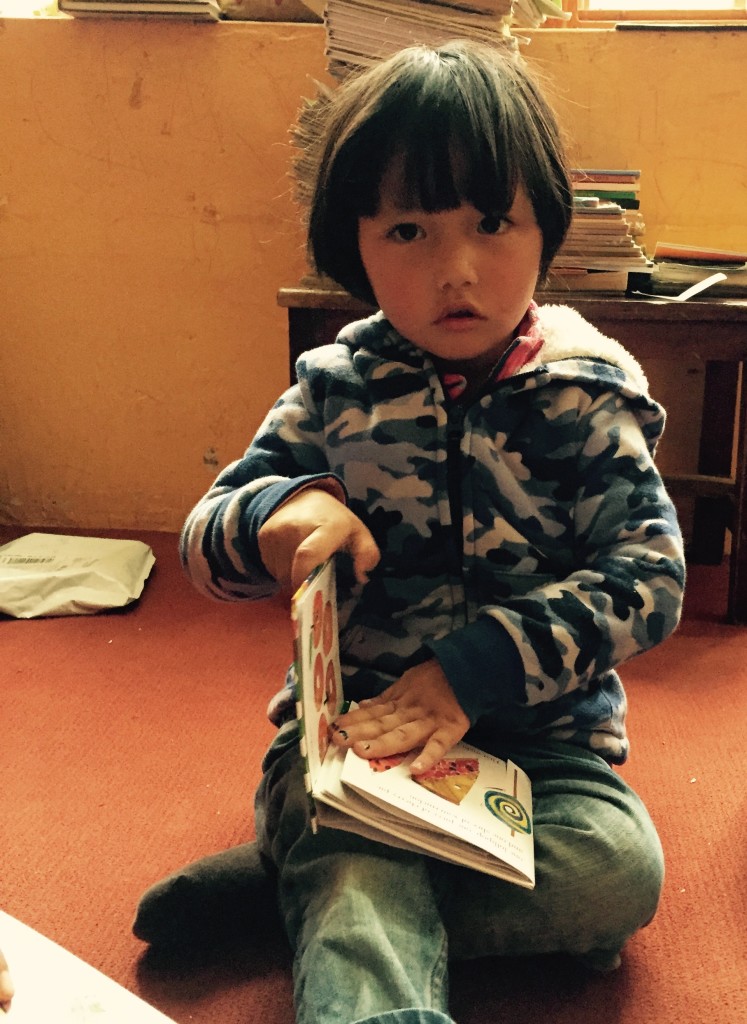
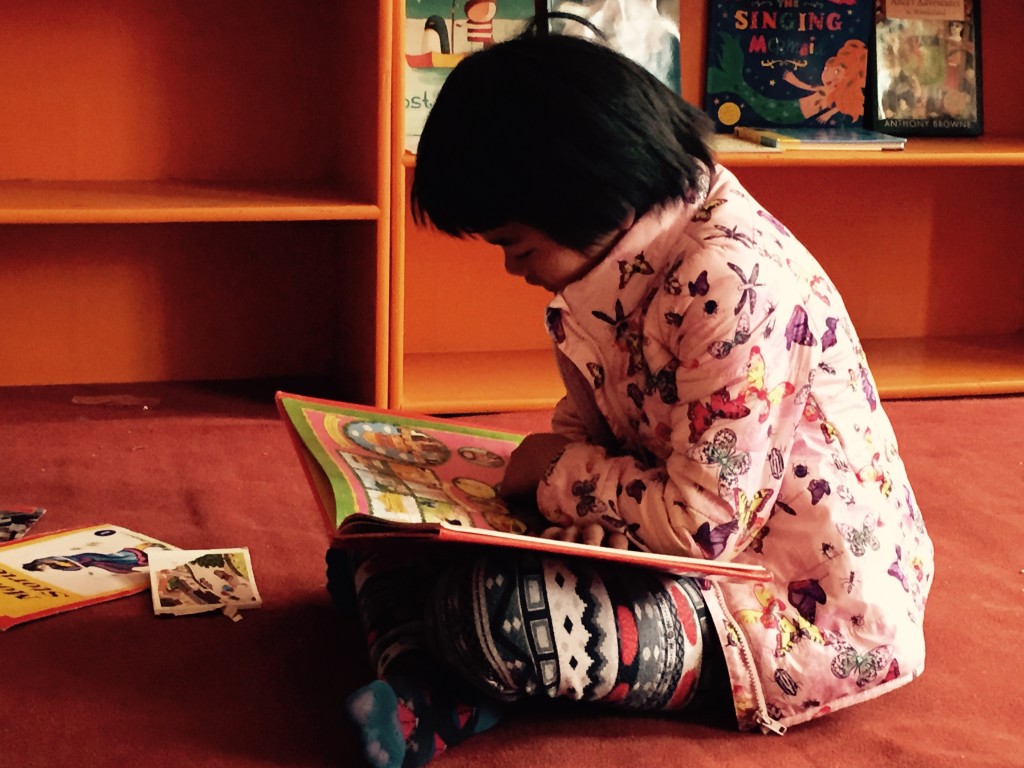
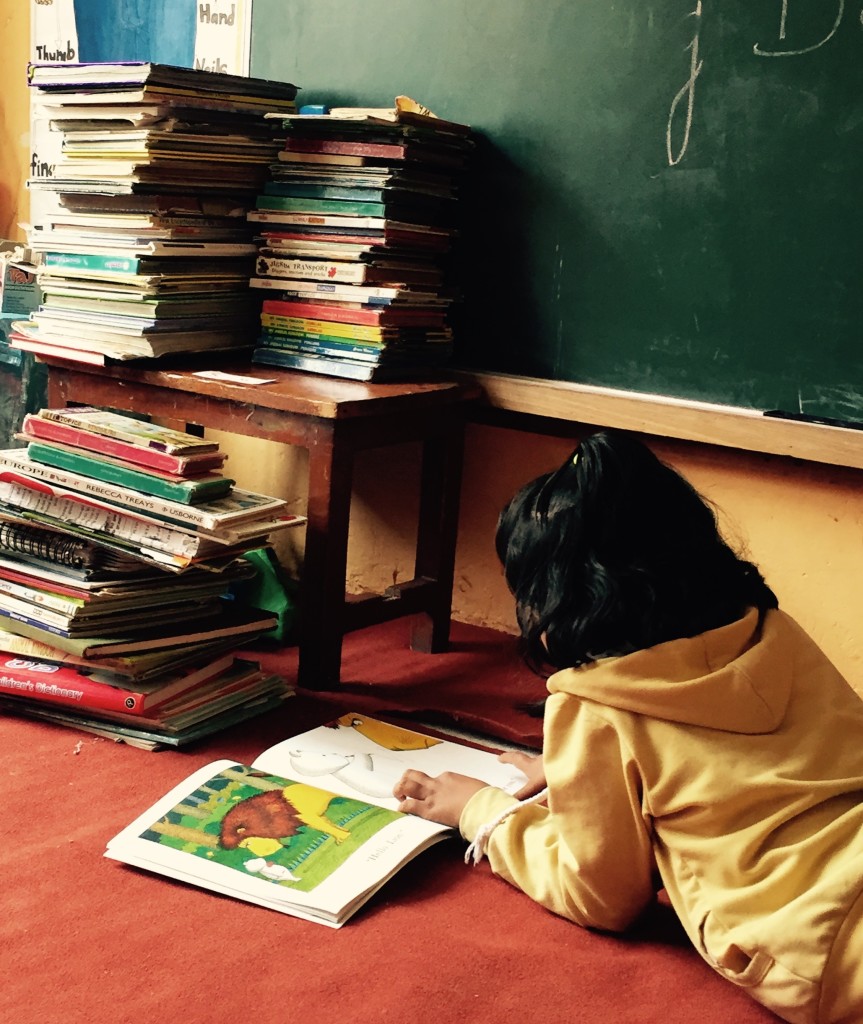
Reading one hundred books is not a casual achievement for a child learning in a remote Himalayan community. Many of the children we work with share a handful of titles across siblings, and English-language books often arrive only when a donor shipment lands. Reaching one hundred means a child has returned again and again to the reading room, swapped books thoughtfully, and practised enough to feel confident with longer texts. The number itself matters less than what it represents: persistence, curiosity, and the slow build of a reading habit.
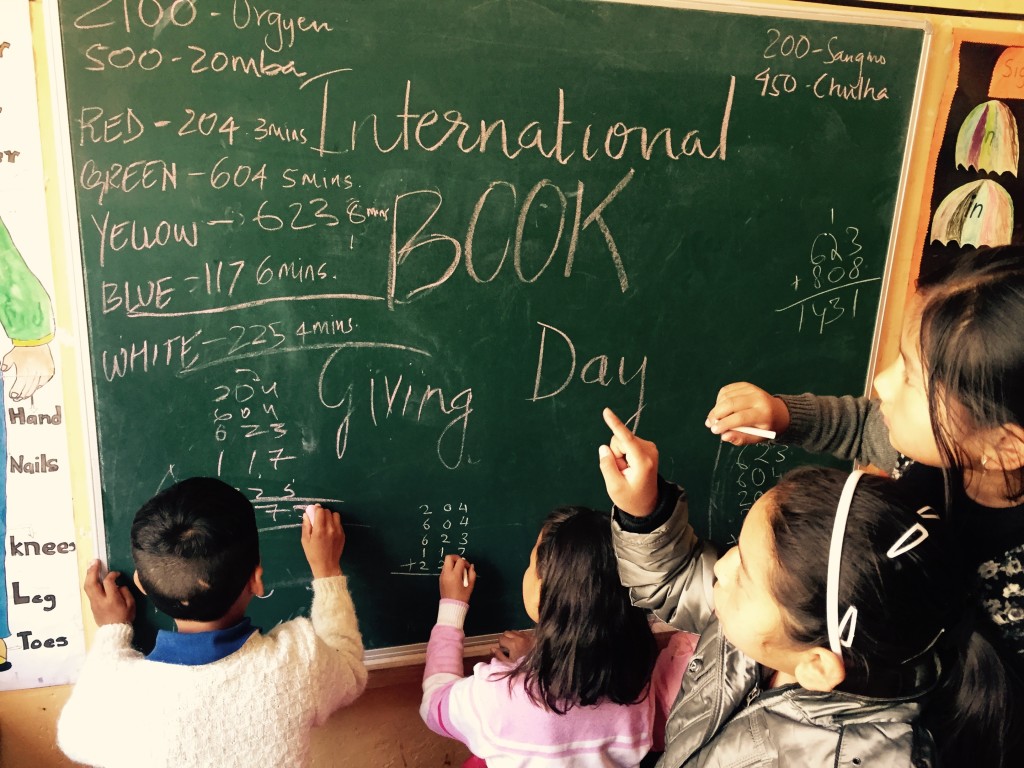
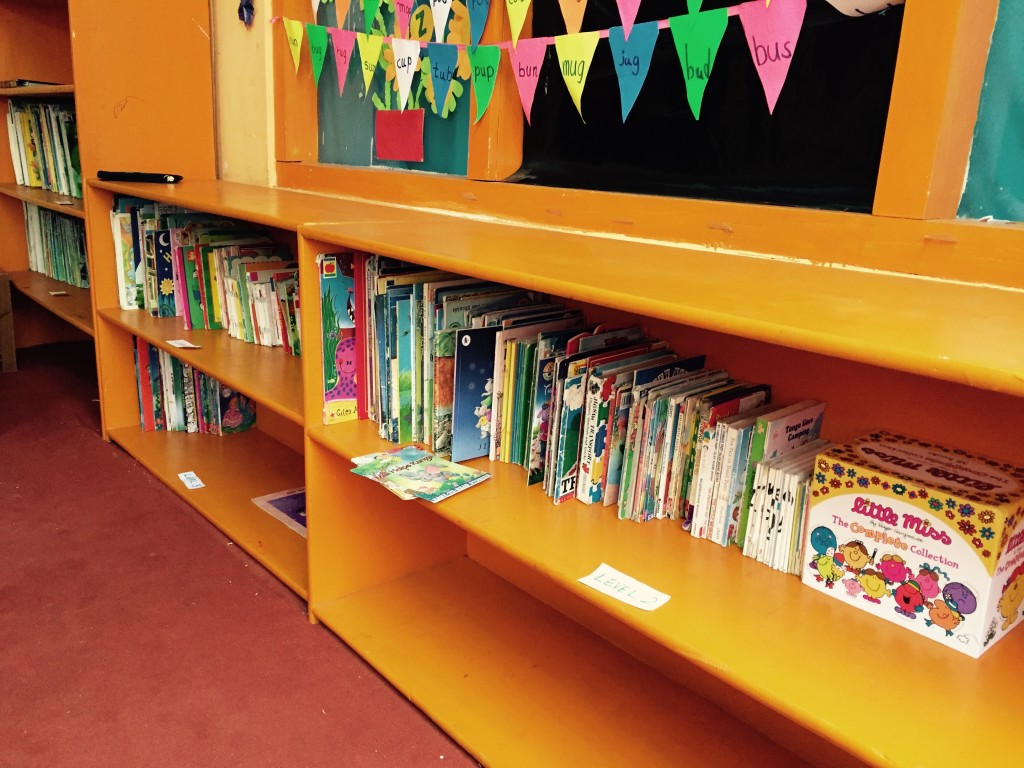
Our team keeps a simple wooden register in each room where readers note the title and date of every finished book. A volunteer or older student checks the entries each week. When the hundredth line is filled in, the reader is invited to choose how they want their milestone marked. Some prefer a quiet word with a senior monk; others ask for a small gathering with their reading group. The register is a record of effort as much as a tally of pages, and it has become one of the most cherished objects in each library.
The ceremony itself, from butter tea to bright scarves
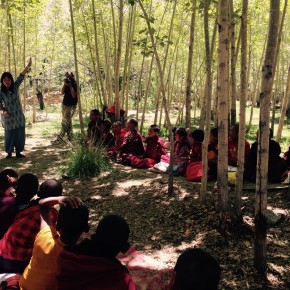
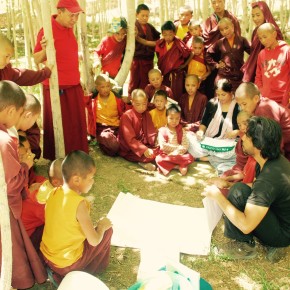
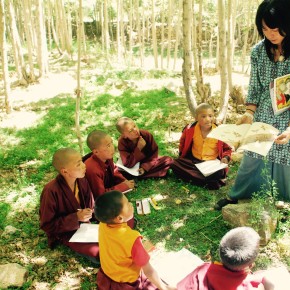
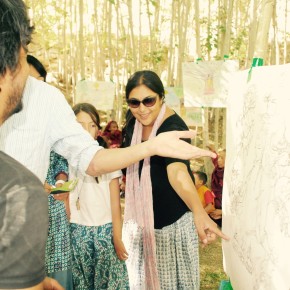
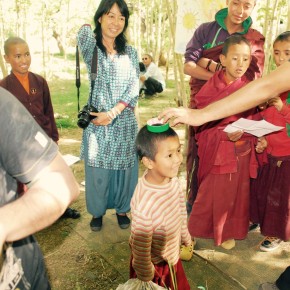
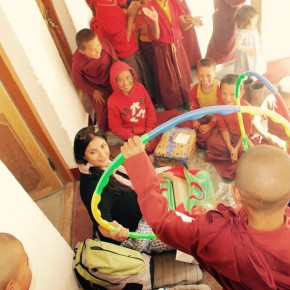
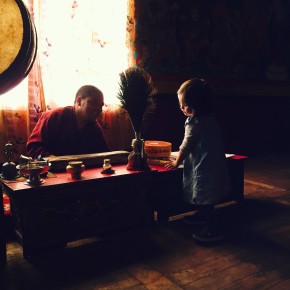
A typical celebration in a Ladakh reading room begins with the reader taking a seat at the front of the room on a small carpet. Younger children bring cushions. A senior monk or trusted teacher offers a short reflection, often linking the child's effort to a Buddhist story about steady practice bearing fruit. A cup of butter tea or warm barley drink is poured, and a kata — a white ceremonial scarf — is draped over the reader's shoulders. There is no applause on demand; instead, the children present exchange a soft clap three times, a local gesture of respect.
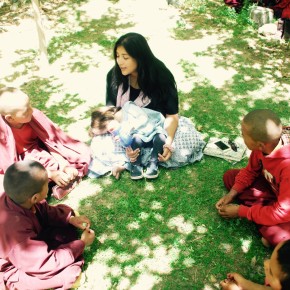
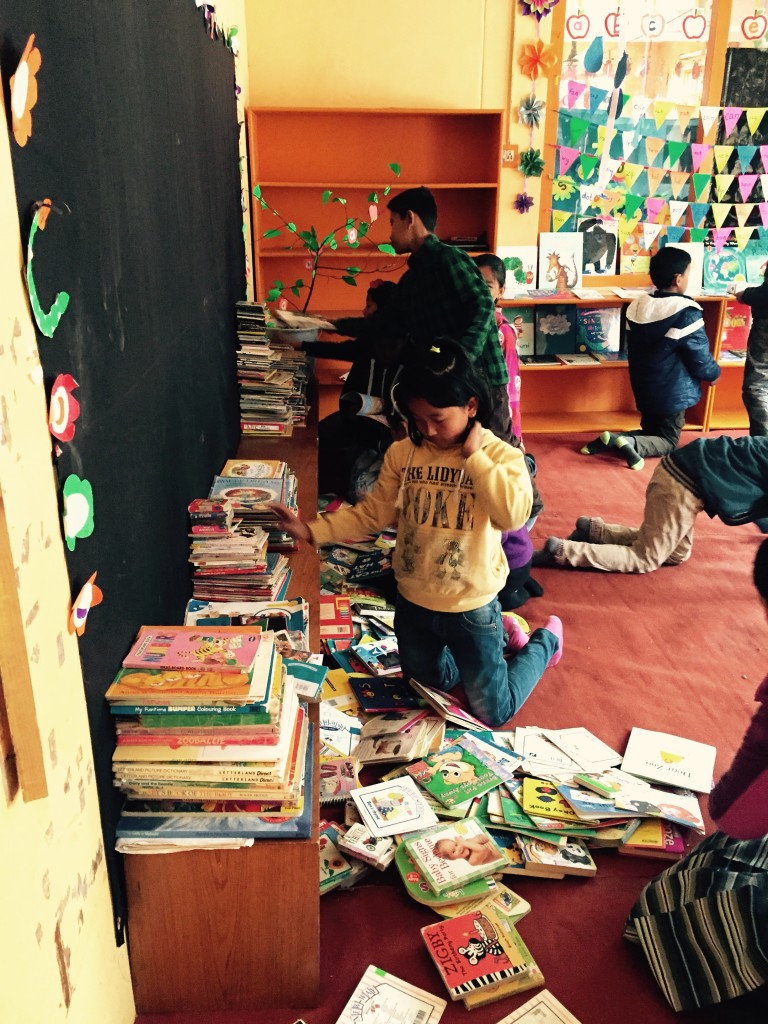
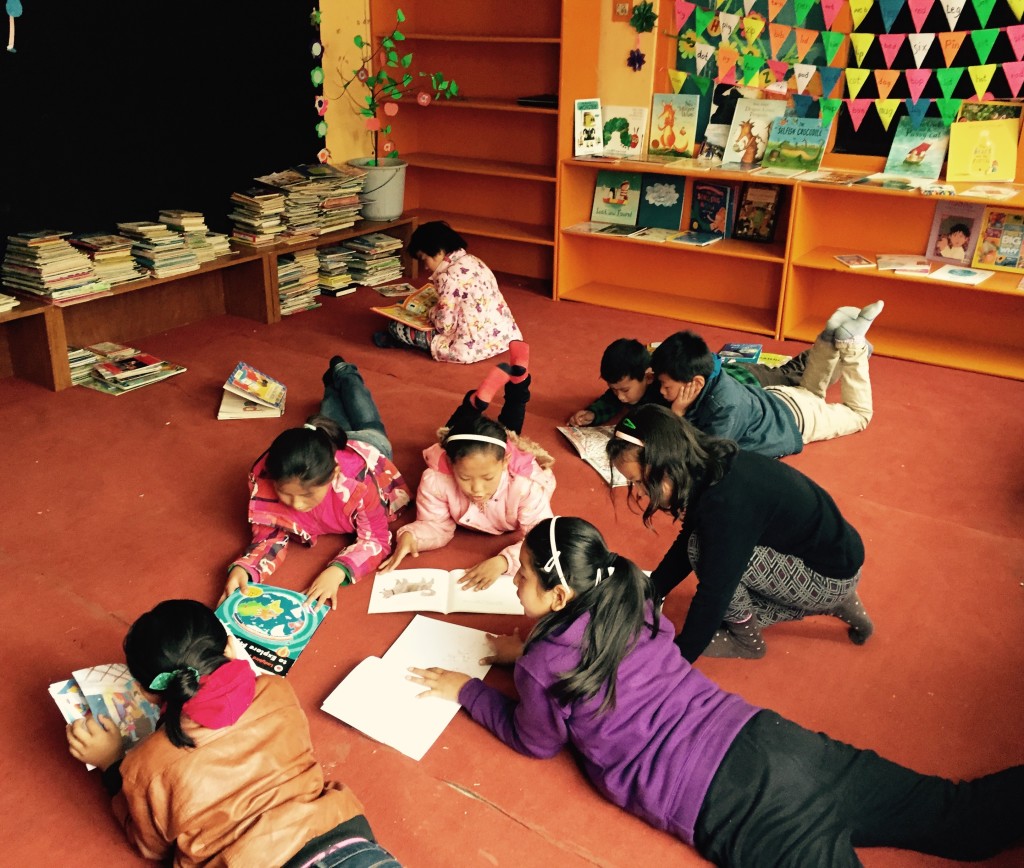
After the formal moment, the room opens for sharing. Readers talk about which book surprised them, which illustration they want to copy, and which character they would like to meet. We have heard children describe a folk tale with the same delight that an Australian child might bring home after a visit to the State Library of Victoria. The conversation is unhurried. Sometimes a parent walks in with a small plate of sweets; sometimes a visiting volunteer from Australia records the moment to send back to a sponsor family in Perth who has funded that year's book crate.
| Milestone |
How it is recorded |
What the reader receives |
Who joins the moment |
| 10 books |
A small painted star on the indoor reading wall |
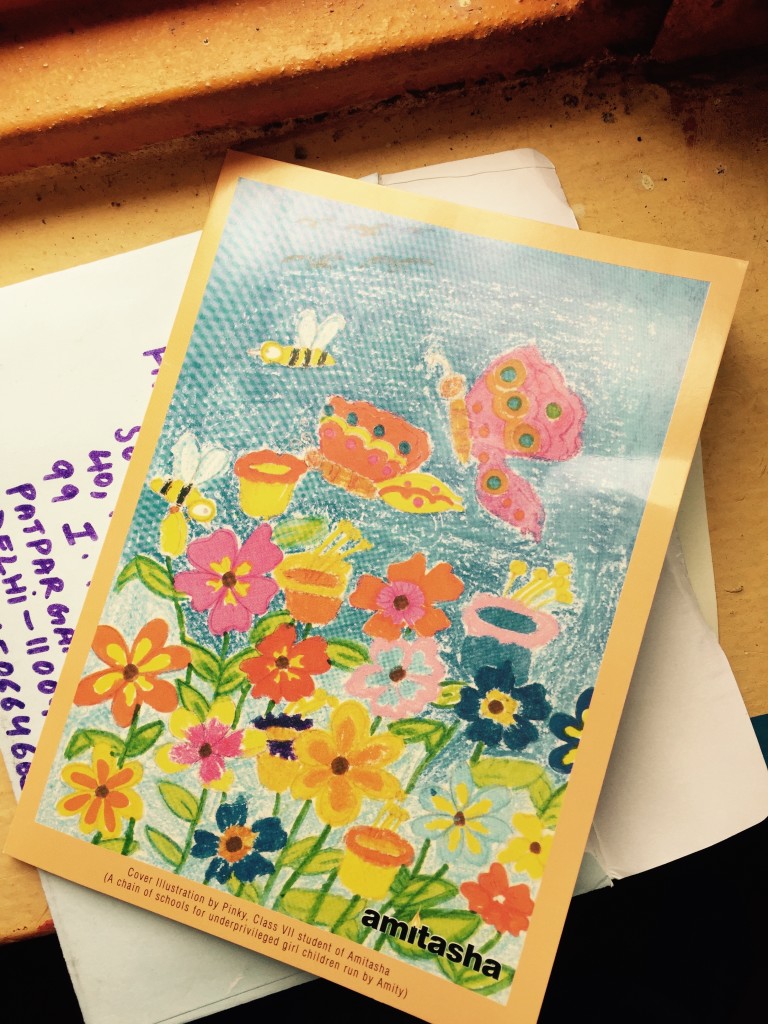
A wooden bookmark and a hand-drawn card |
The reading group peers |
| 50 books |
A line in the wooden register and a photo for the room album |
A pencil case with coloured pencils |
A teacher and a family member |
| 100 books |
A full entry in the register and a framed certificate |
A kata scarf, a certificate, and a book from the treasure shelf |
Senior monk, family, and visiting supporters |
| 250 books |
A name added to the "Mountain Readers" board |
A hand-bound journal for future reading notes |
The whole reading room and invited guests |
Gifts, certificates, and small tokens of recognition
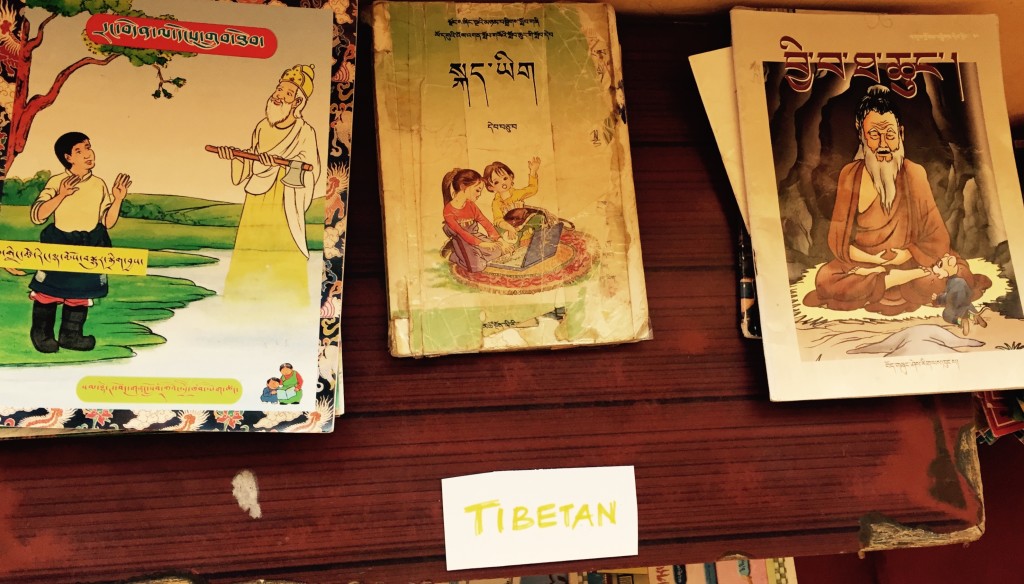
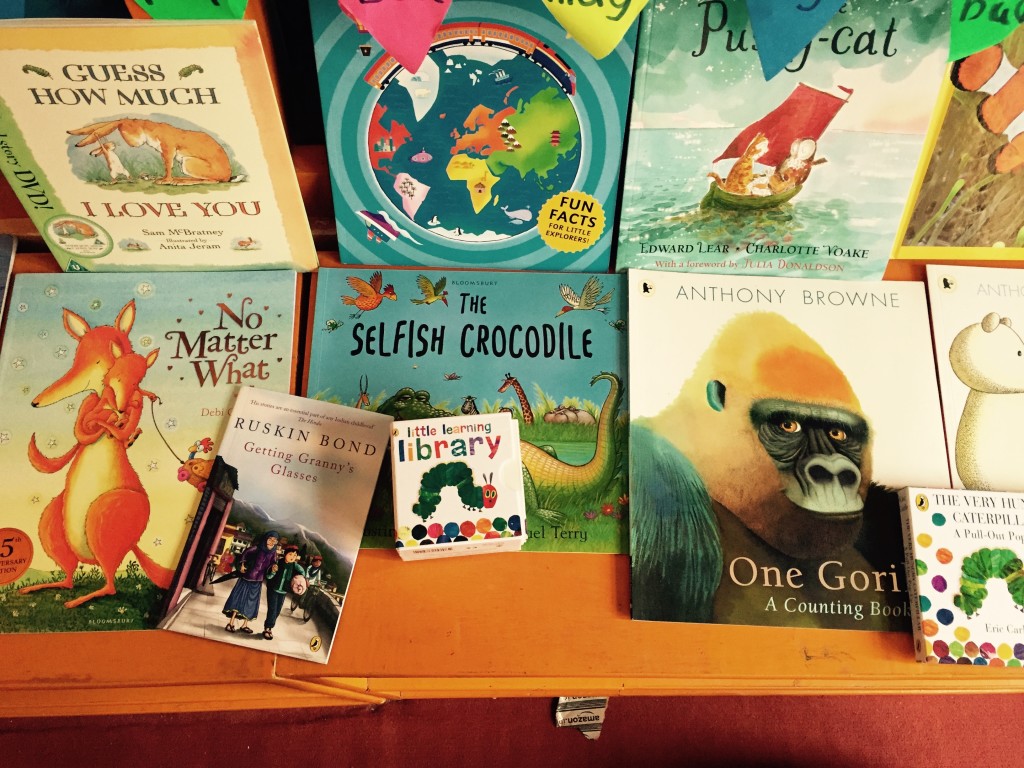
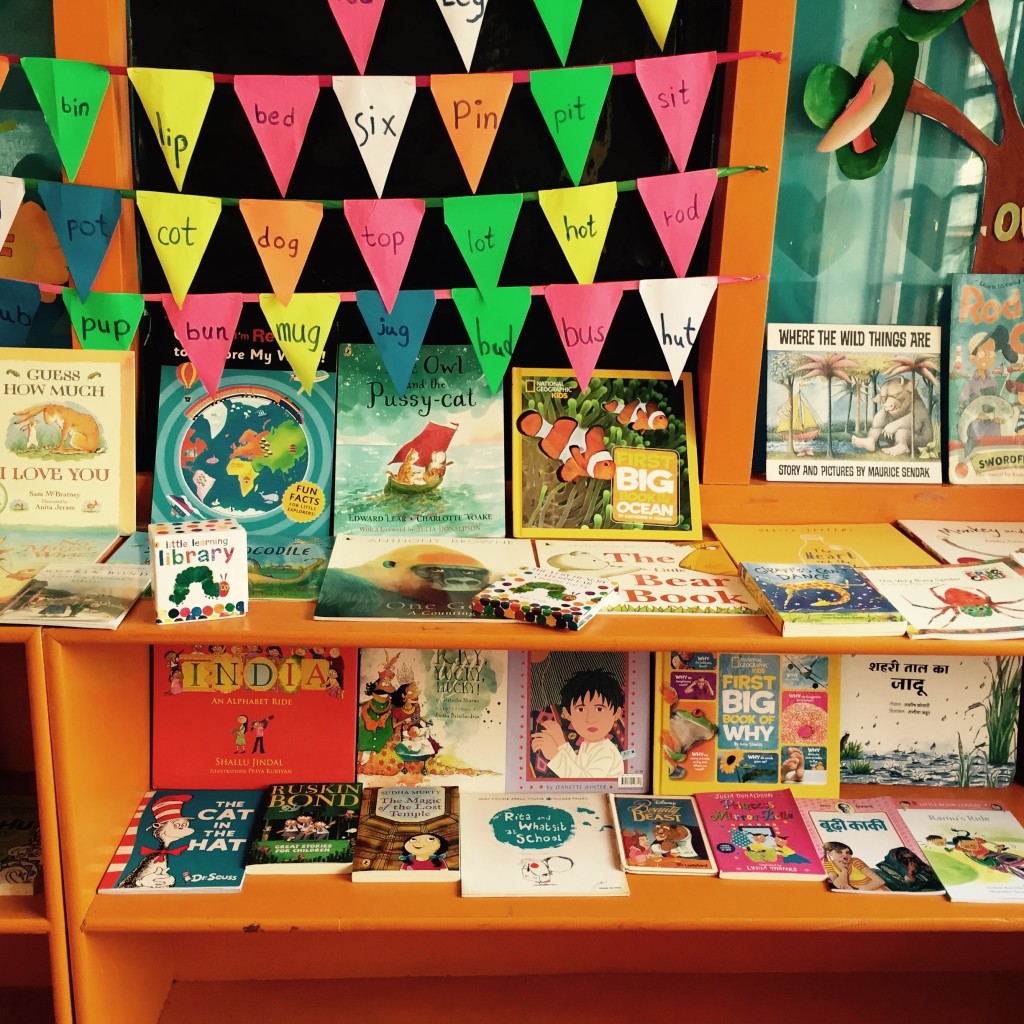
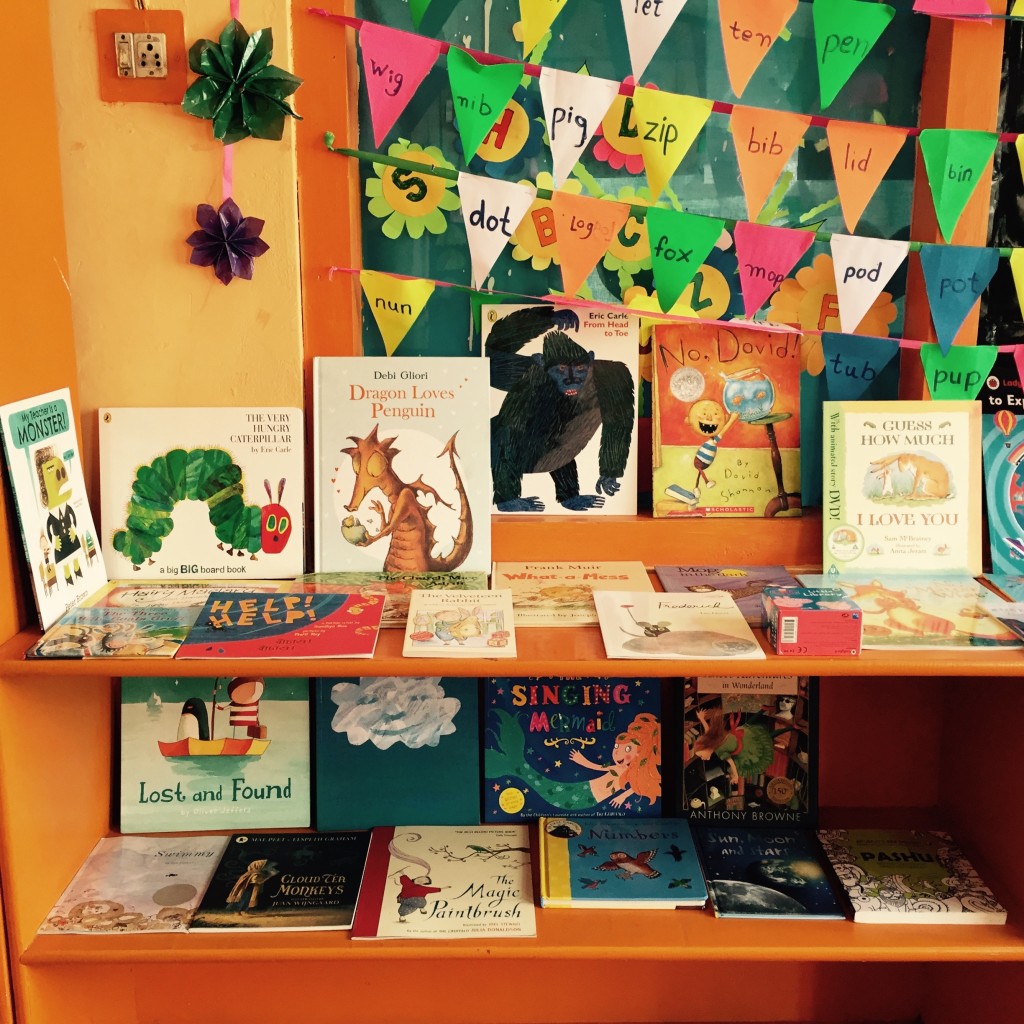
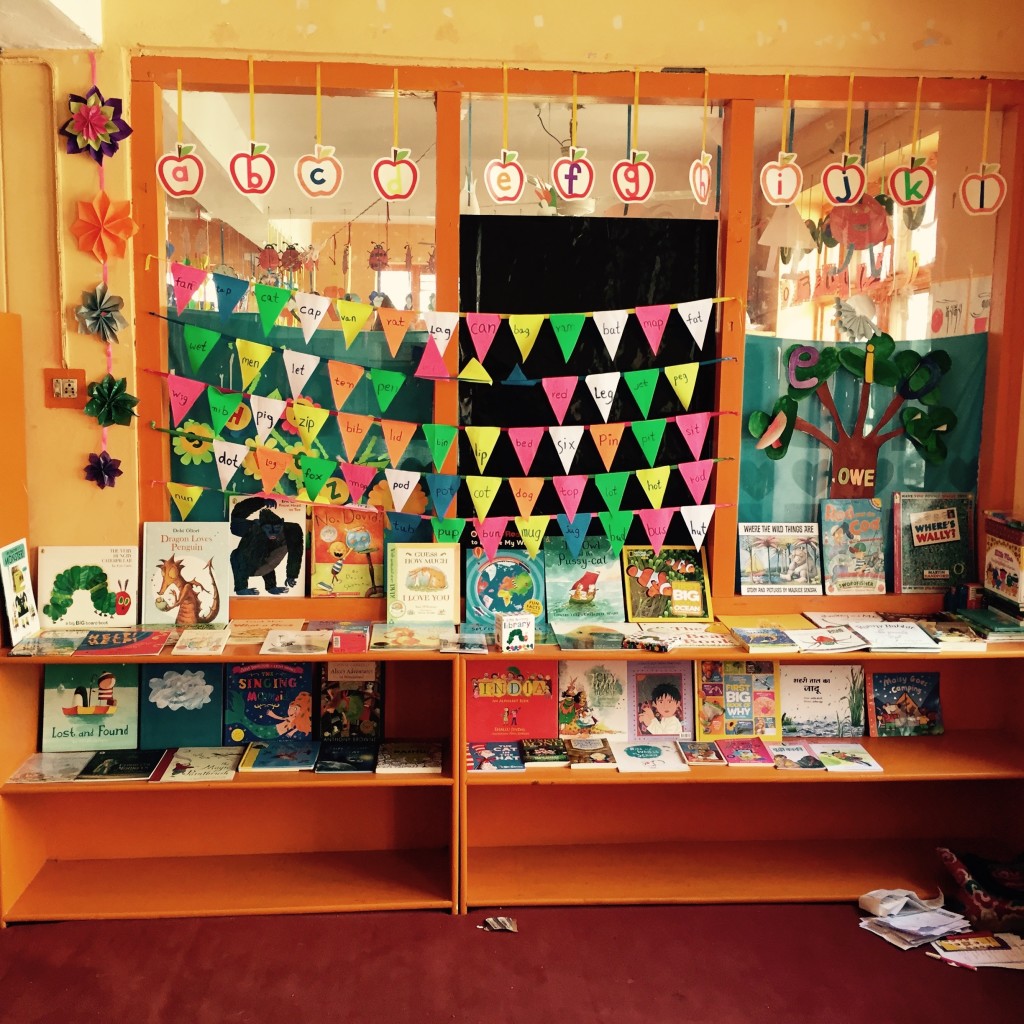
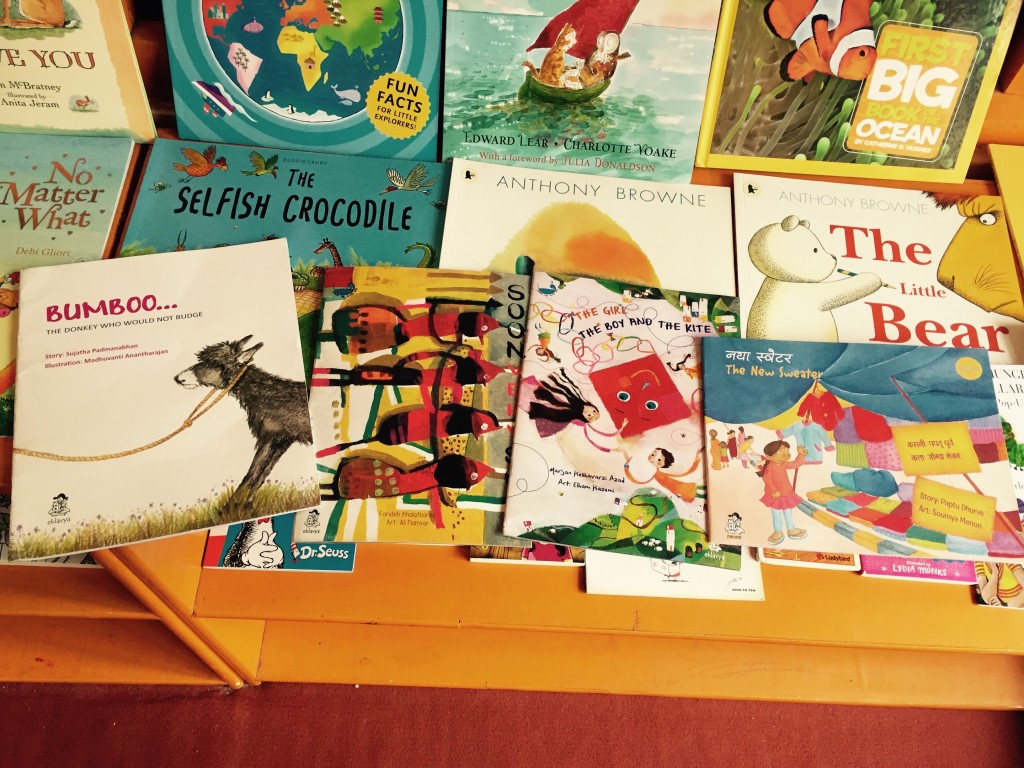
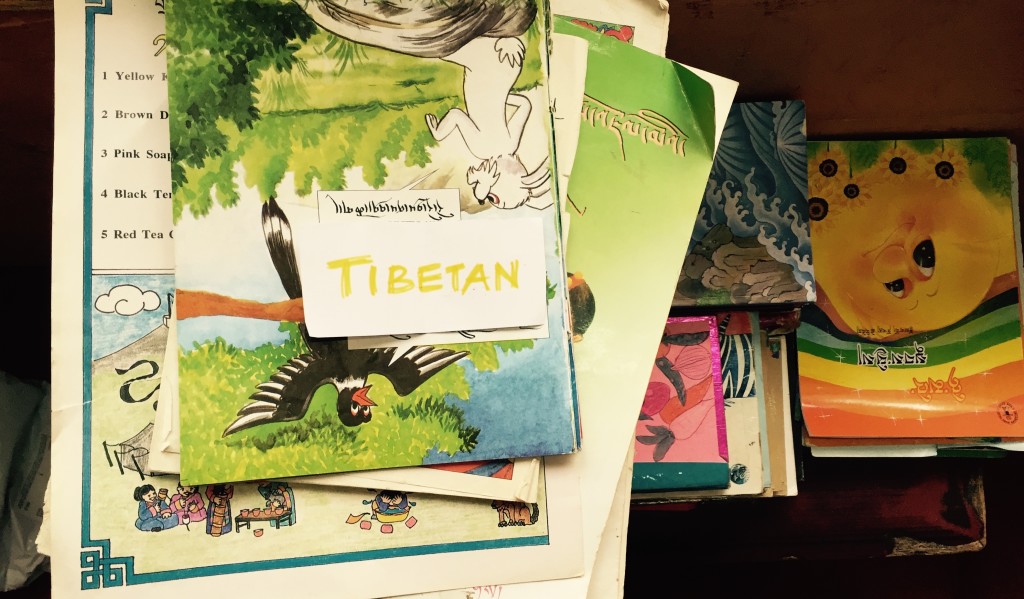
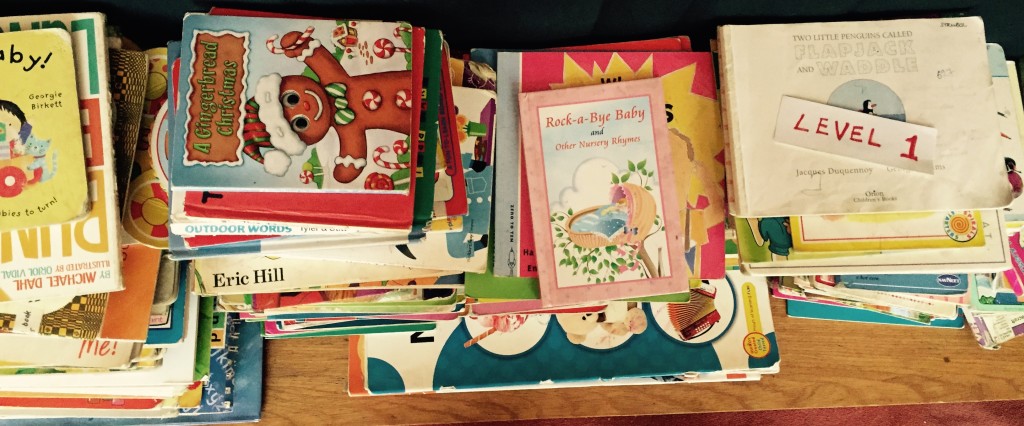
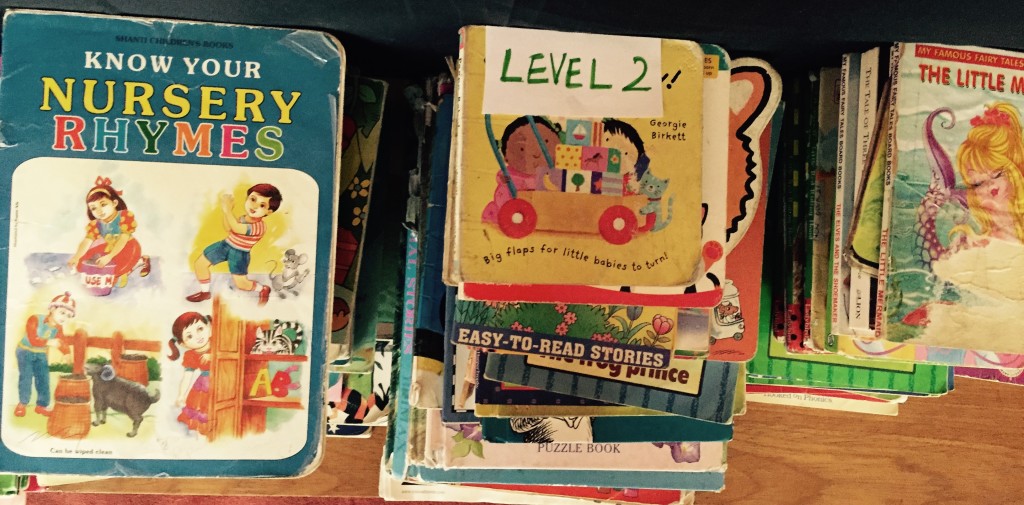
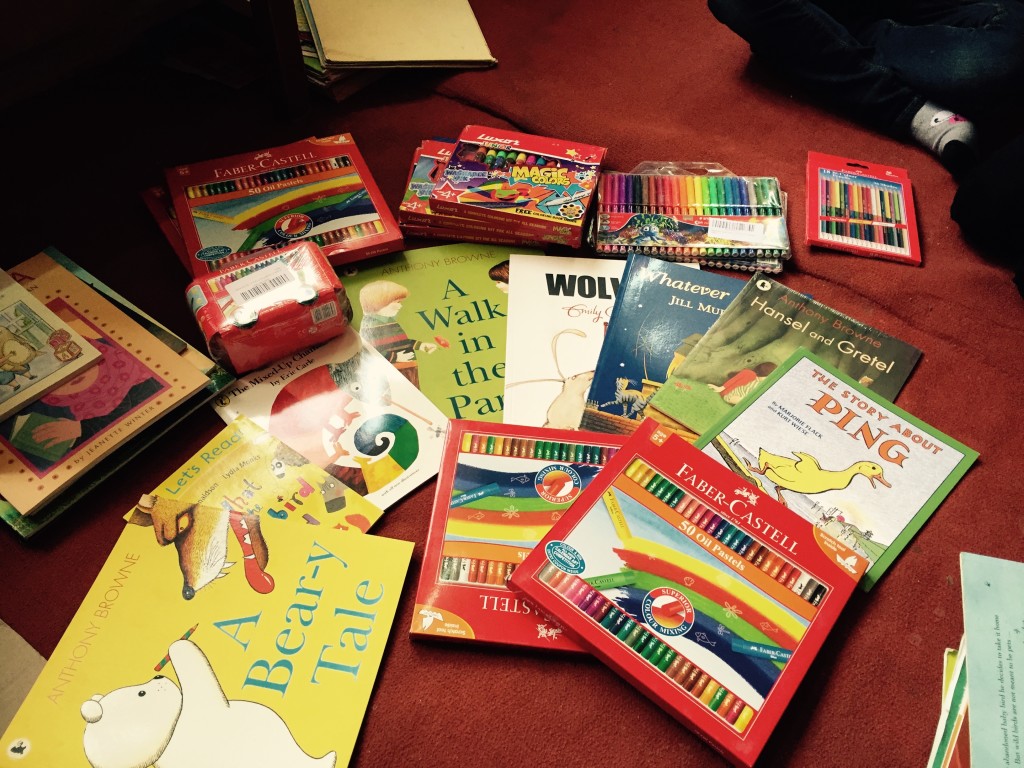
Every child who reaches one hundred receives a few small items alongside the kata. The trust prepares a hand-stamped certificate with the child's name written in both Tibetan and English, a sturdy pencil case filled with coloured pencils, and a bookmark painted by older students in the program. Where funding allows, we add a new book chosen by the child from a small treasure shelf kept aside for milestone readers. The shelf is restocked through Australian donations, including proceeds from school read-a-thons in Adelaide and from a Brisbane bookshop that collects pre-loved titles each autumn.
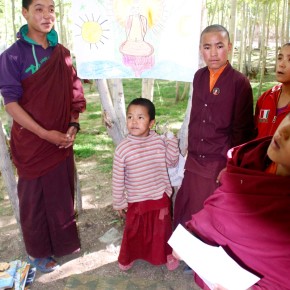
In some spaces, older monks lead a short chant. In others, a small group of younger children performs a song or a recitation they have been practising for weeks. The point is not spectacle but recognition: a child sees that their quiet hours of reading are visible and valued by the community. We have watched shy readers stand a little taller after their hundredth book, and we have seen confident readers become more generous in recommending titles to their friends.
What each milestone reader receives
- A hand-stamped certificate in Tibetan and English with the child's name
- A kata ceremonial scarf draped during the gathering
- A pencil case filled with coloured pencils and a painted bookmark
- A book chosen from the treasure shelf kept aside for milestone readers
How families and villages take part
Families are not spectators in these celebrations; they shape them. Parents often walk to the reading room with their child on the morning of the milestone, sometimes carrying a small offering of fruit or bread to share. In villages where livestock work keeps families outdoors for long hours, the celebration becomes a rare moment when a child is the centre of adult attention for something other than chores. We have seen grandfathers who rarely enter the reading room step inside to watch their grandchild receive a kata, then quietly ask whether they, too, might learn to read alongside the children.
Teachers also use the milestone as a teaching tool. After the ceremony, a teacher might lead a short lesson on how reading one hundred books compares with the reading journeys of well-known Australian authors, whose works sit on our shelves, and with adult readers who credit school libraries with changing their lives. The comparison is gentle, never competitive. It helps the child place their own effort inside a wider story of literacy that crosses continents.
Australian supporters who mark the moment from afar
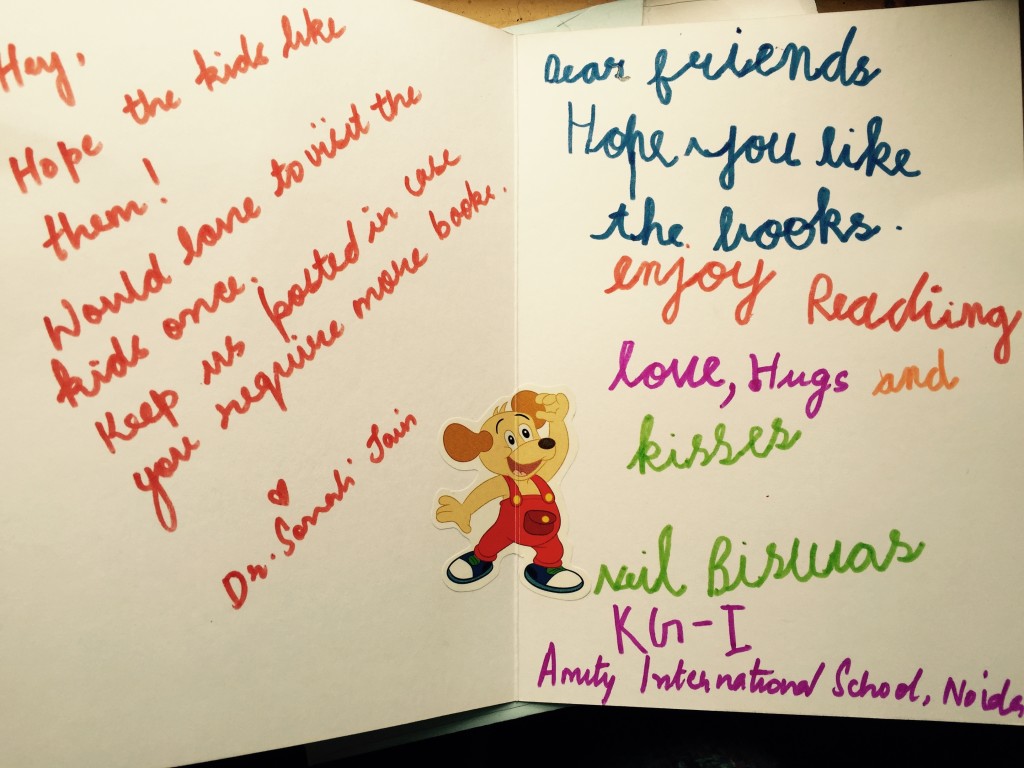
Many of our Australian supporters mark the hundredth book without ever boarding a plane. A retired teacher in Fremantle knits woollen book bags that arrive with the winter shipments. A Year 6 classroom in suburban Sydney runs a "hundred books for a hundred children" drive each spring and sends photos of the wrapped parcels. A reading group in Carlton, Melbourne, gathers once a month to discuss titles from our recommended lists and to write short notes that slip into the front covers of donated books. These notes often end up being read aloud at the very moment a child receives their milestone book.
Australian copyright rules, set out in the Copyright Act 1968, allow educational institutions to copy and share material under fair dealing provisions, which has helped several of our partner schools in Australia prepare reading packs that mirror what the Ladakh rooms use. The packs travel with volunteer teachers who visit our programs, carrying Australian classroom flavour northward. The cross-pollination shows up in ordinary ways: a child in Ladakh reading a picture book illustrated by a Melbourne artist, or a teacher in Sydney using photos from our reading rooms to teach geography. A small design studio in Hobart prints our certificates on recycled paper and ships them with donations gathered through school programs in Tasmania.
Ways Australian supporters share in the milestone
- Knitting woollen book bags that travel with winter shipments
- Running school read-a-thons and book drives in suburbs around Sydney
- Writing short notes that slip inside donated book covers
- Sponsoring a single crate of books through the trust's website
What the milestone builds over time
The hundredth book is a waypoint, not a finish line. Children who cross it usually keep reading, and many return to the register to record their two-hundredth, three-hundredth, and beyond. The trust uses these later milestones to invite younger readers into leadership roles: helping to reshelve books, reading aloud to beginners, and assisting with the next book drive. The act of being celebrated becomes the act of welcoming someone else into the same circle.
We have also noticed that the milestone changes how a child sees the reading room itself. The room stops being only a place to borrow a book and becomes a place where effort is noticed and named. For children growing up in remote Himalayan communities, that sense of being seen is its own kind of literacy. It is the literacy of belonging, and it is the closest thing to a promise we can offer them: that their reading will be remembered, and that we will be there for the next hundred.
Sponsor a single crate of books through the trust's website and choose a milestone dedication when you check out, so a child in Ladakh can place their hundredth book on the shelf with their name on the certificate.