Celebrating A Child’s First Chapter Book
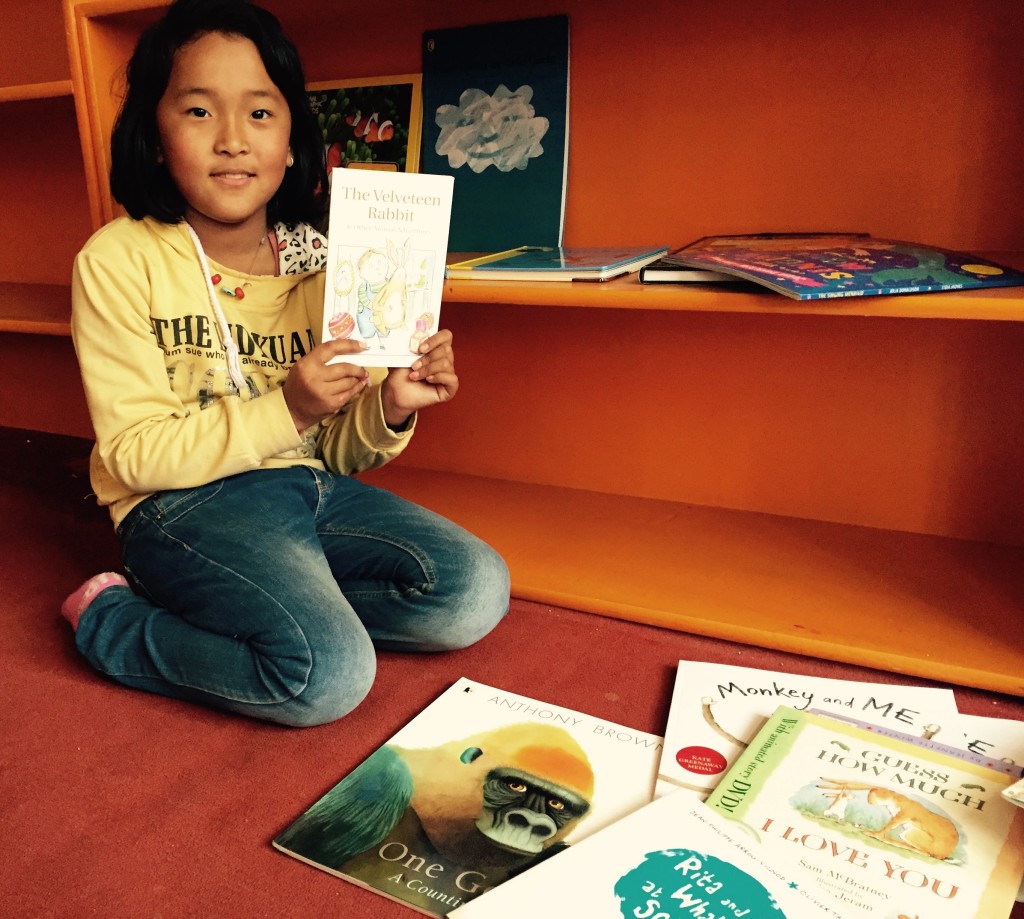
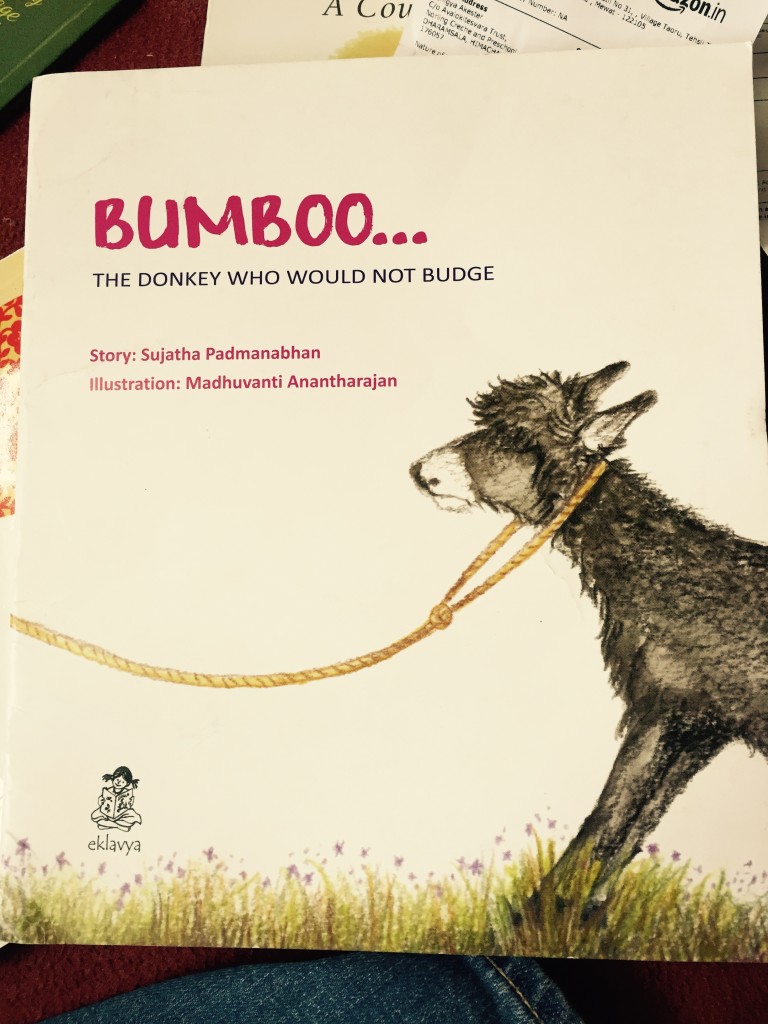
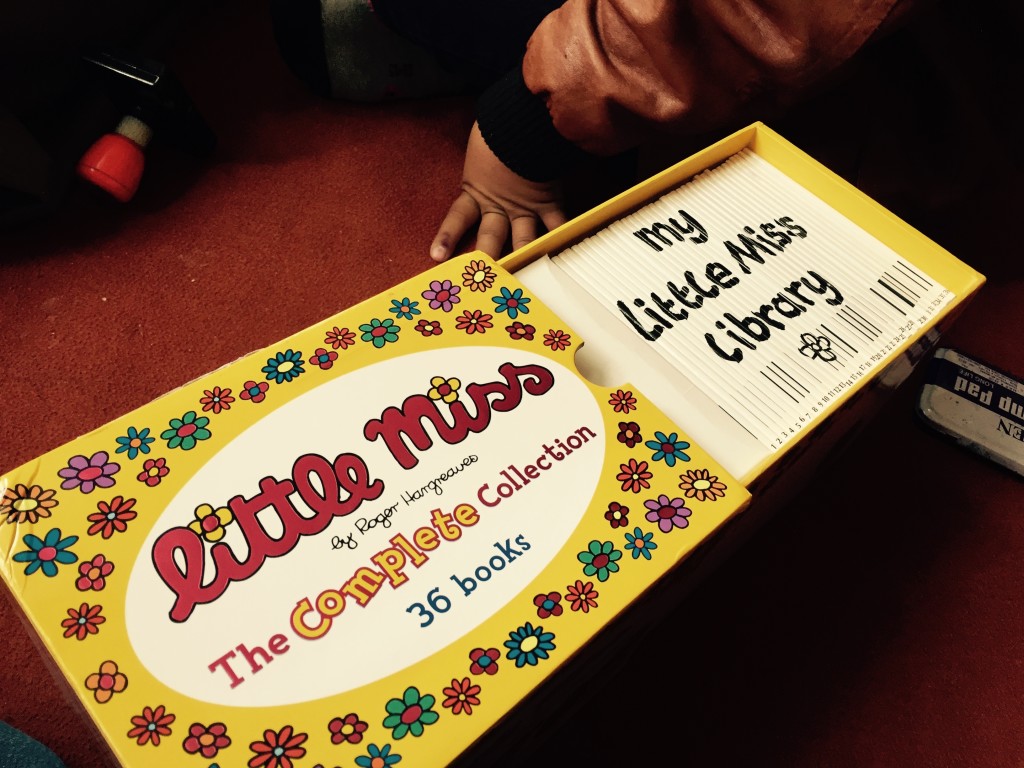
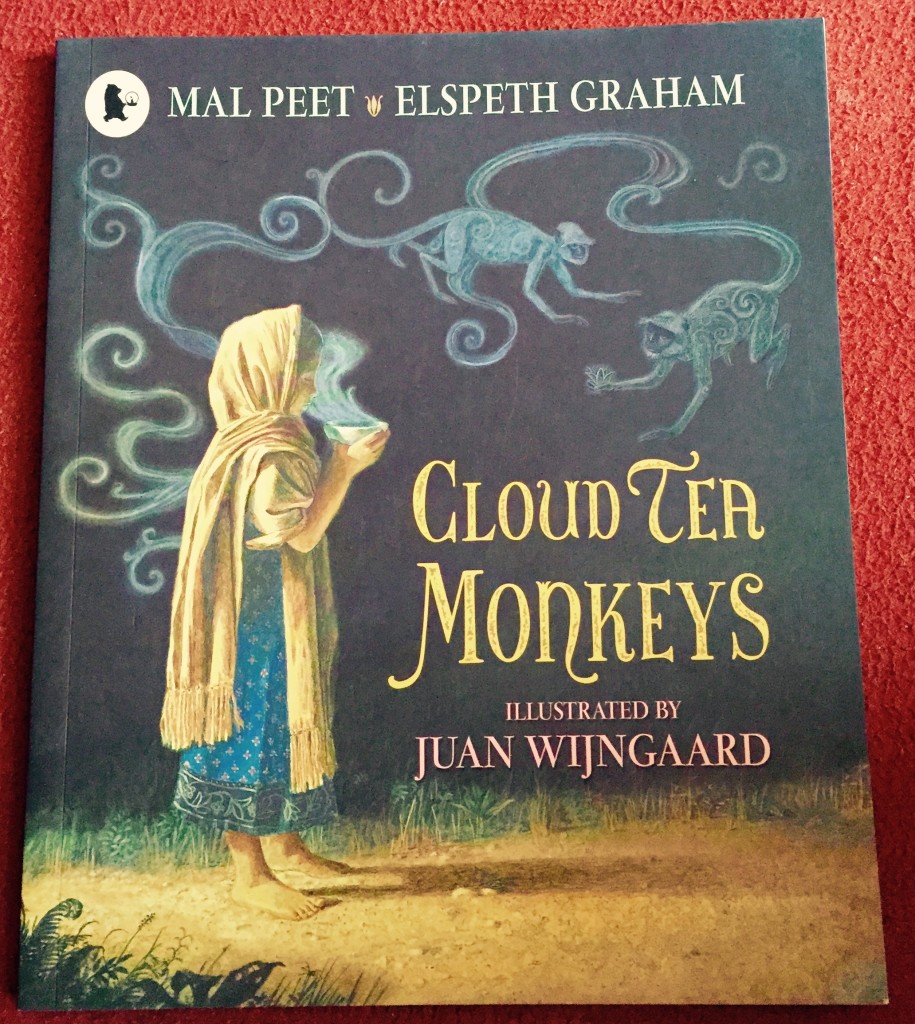
A first chapter book marks a special change in a young reader’s life. The stories are longer, the characters feel more vivid, and each page invites a child to read with increasing independence. At Avalokiteśvara Trust, we celebrate this moment as a shared achievement: a child has found a new way to learn, imagine and make sense of the world.
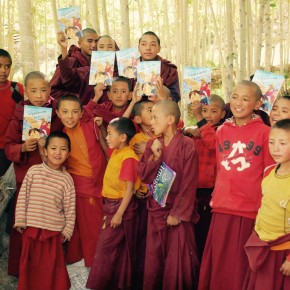
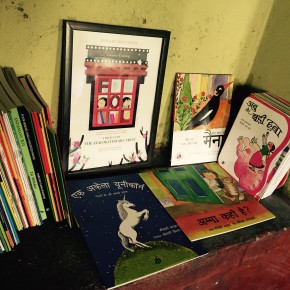
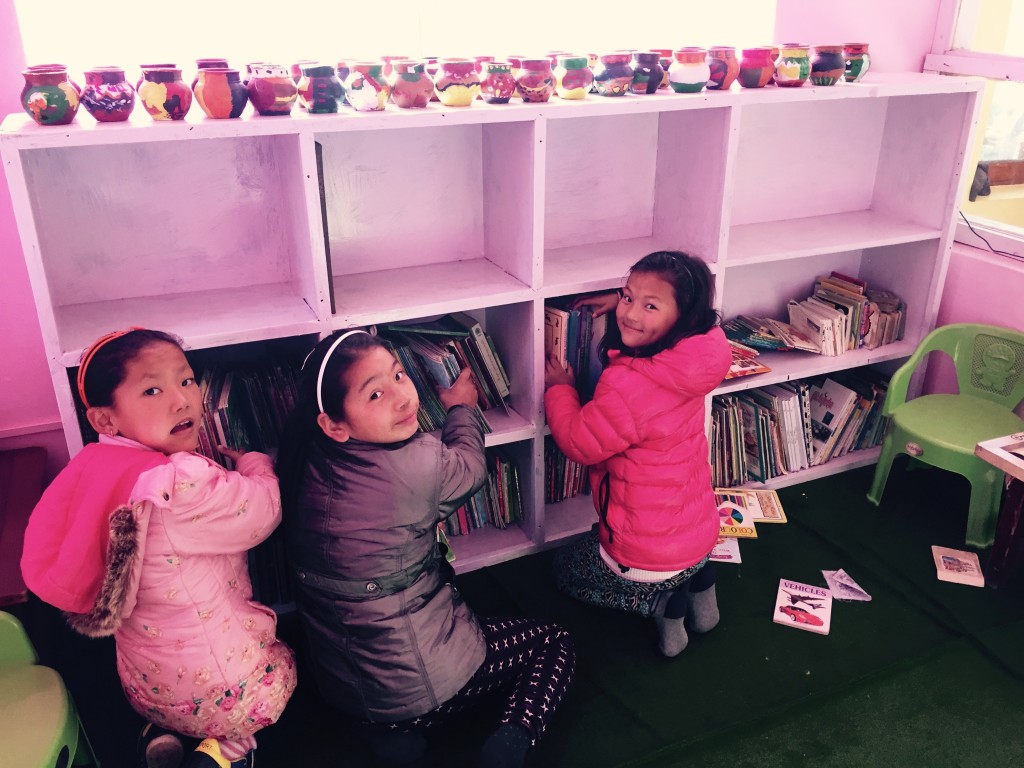
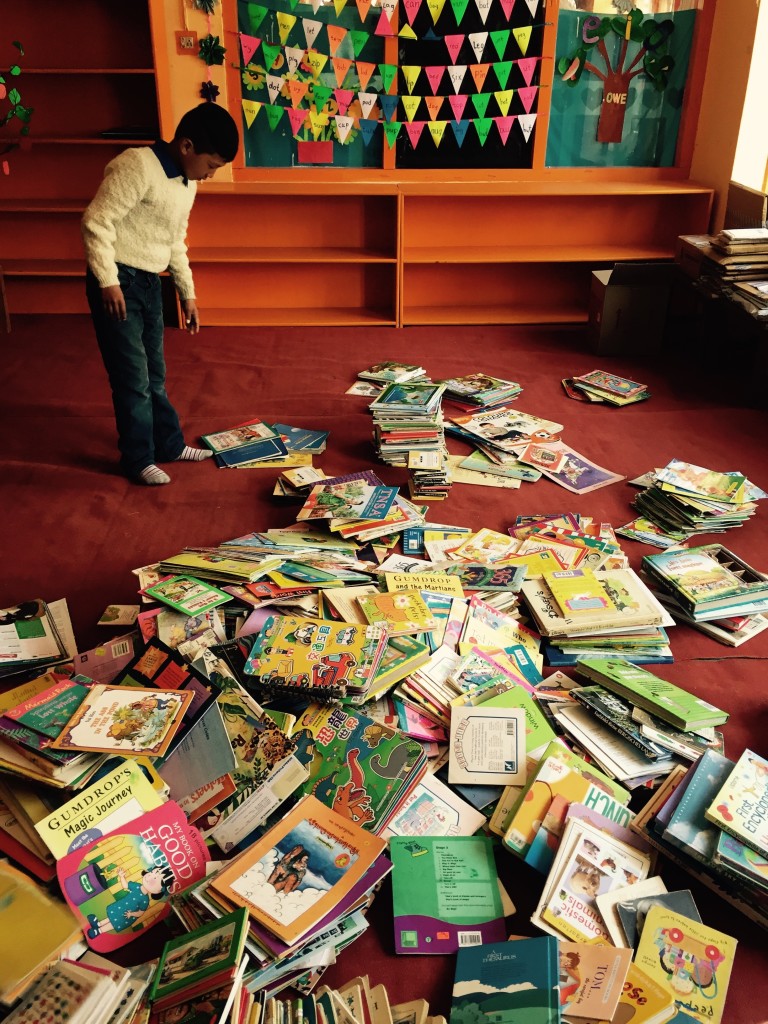
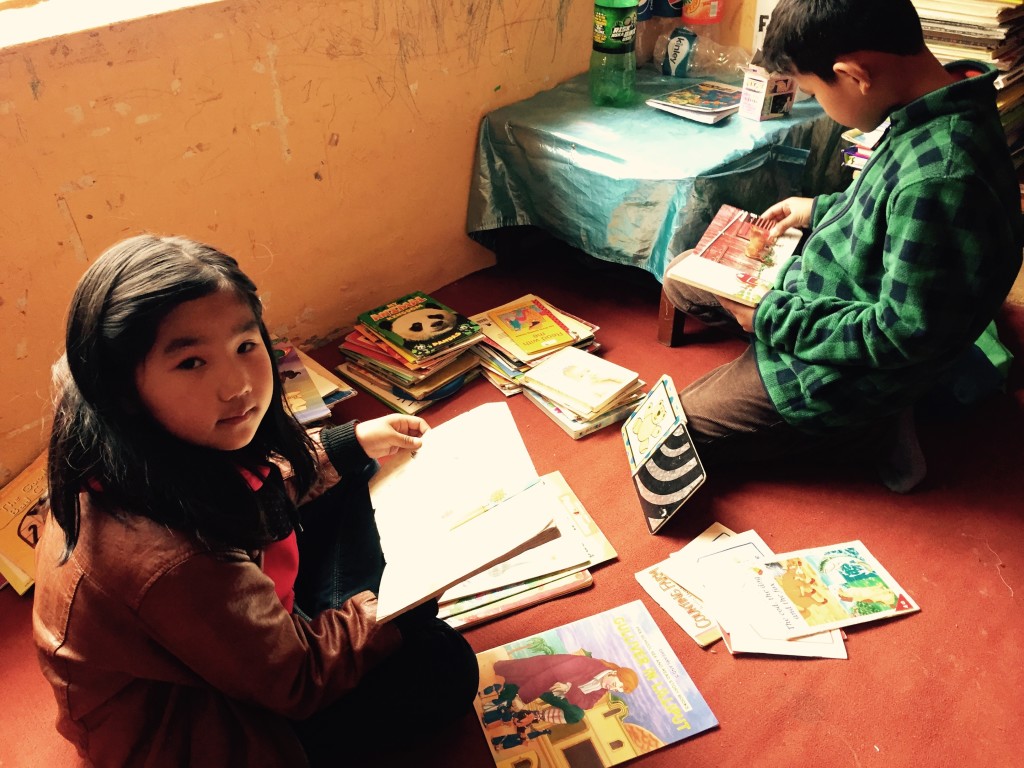
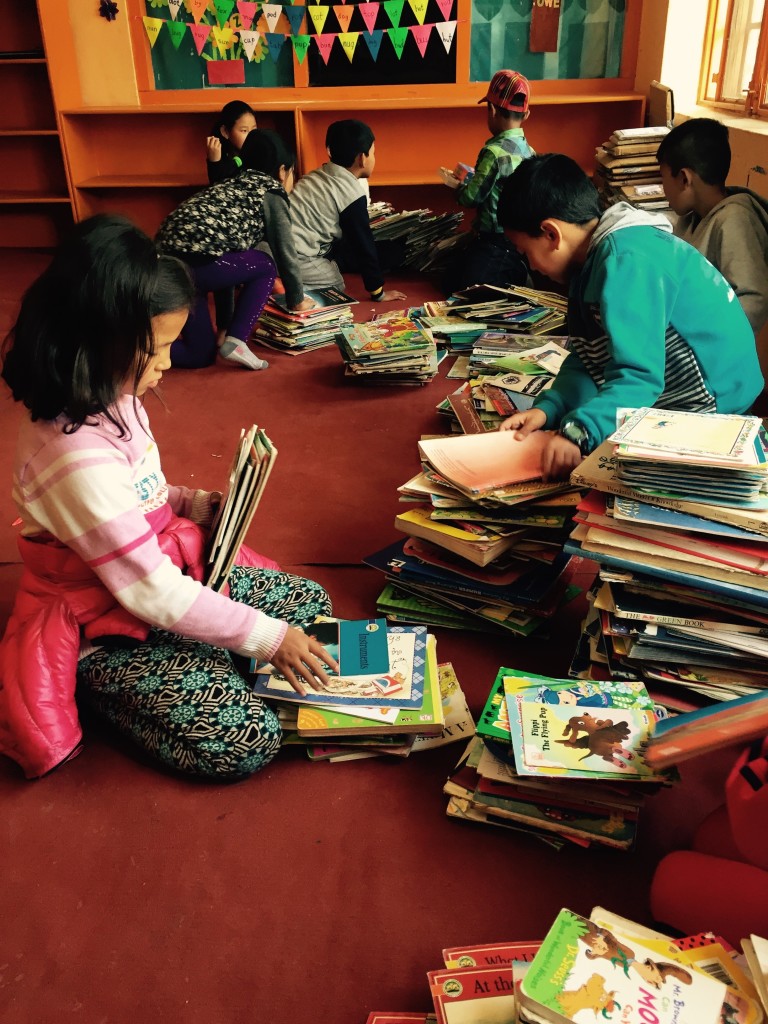
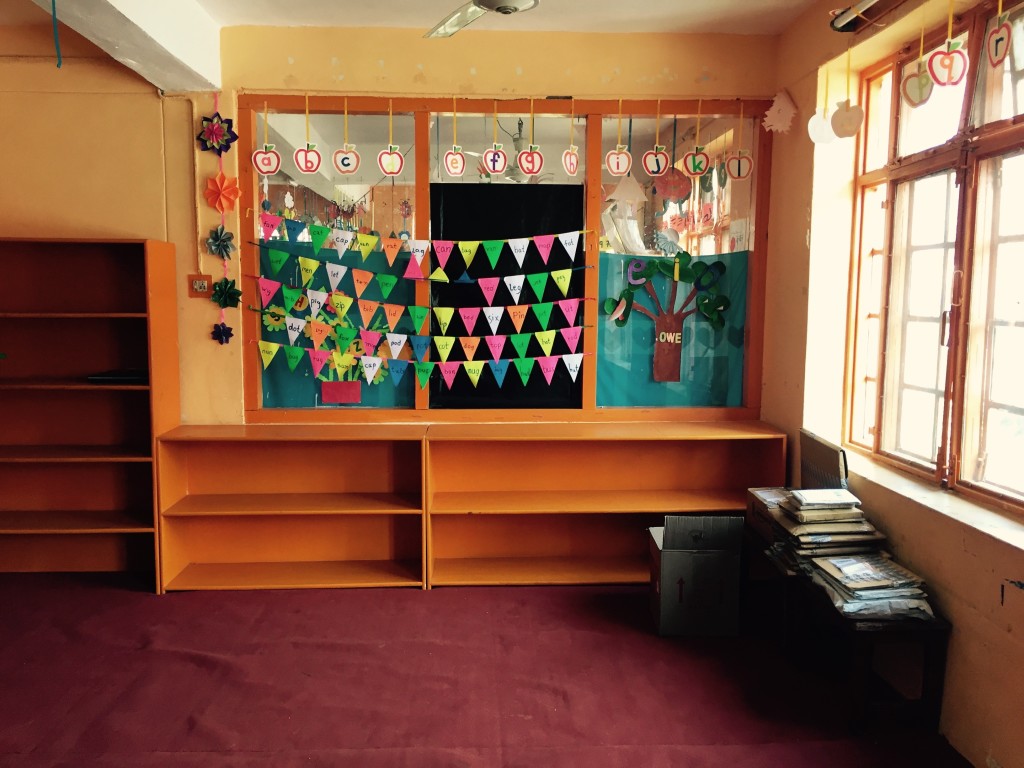
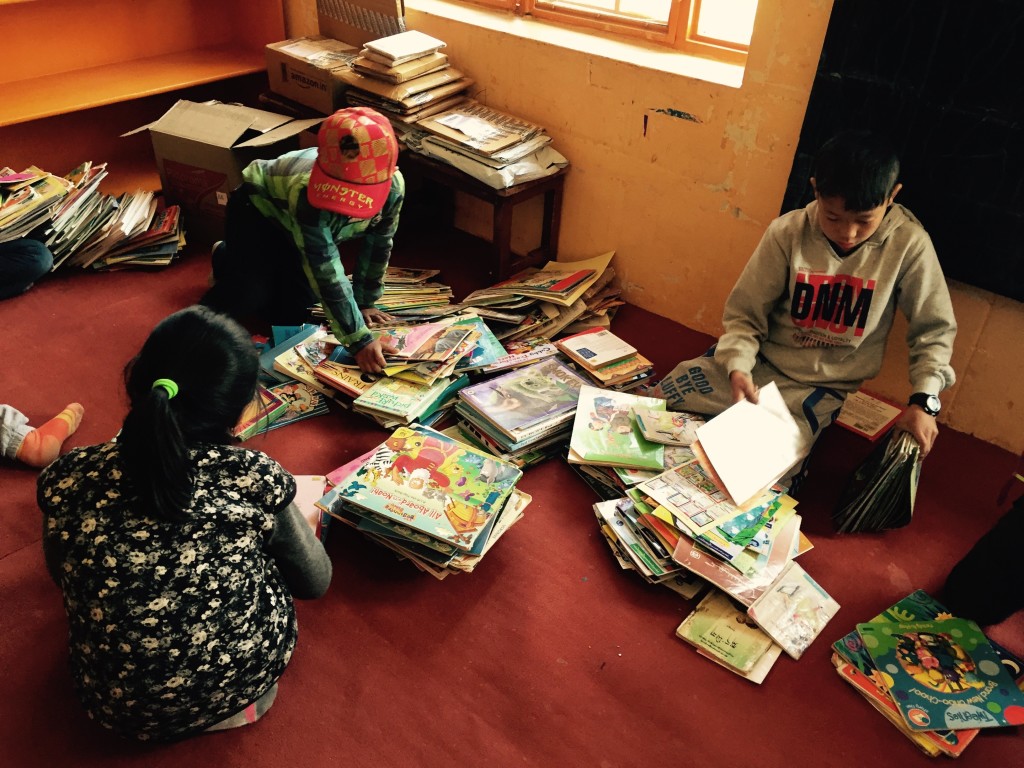
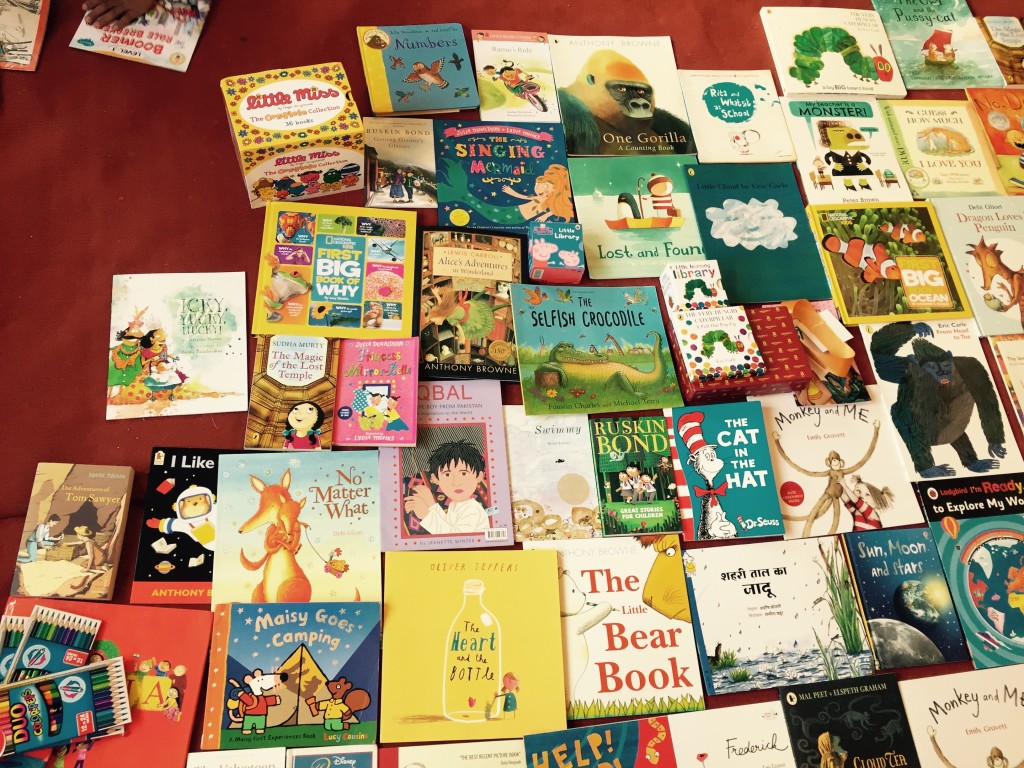
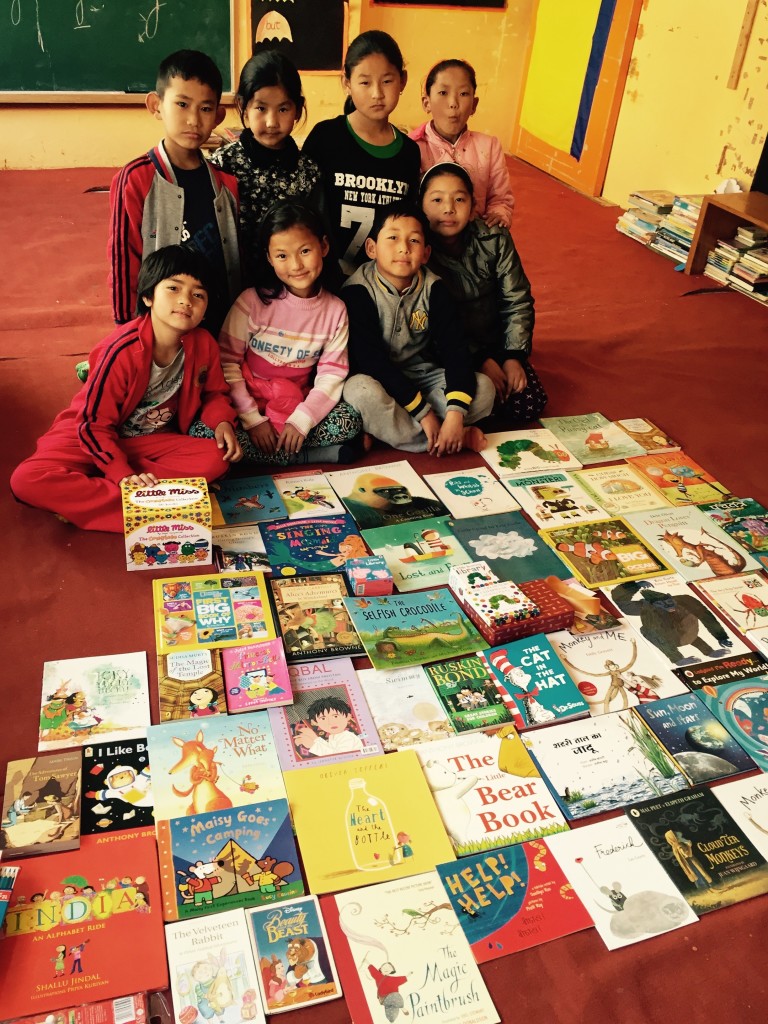
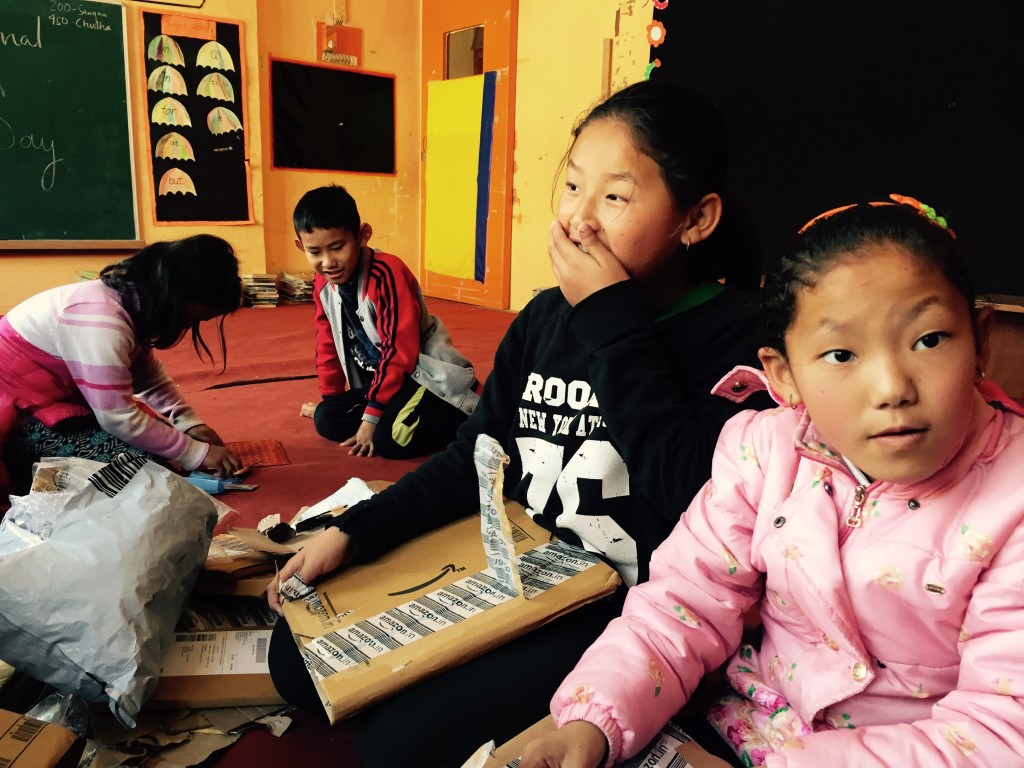
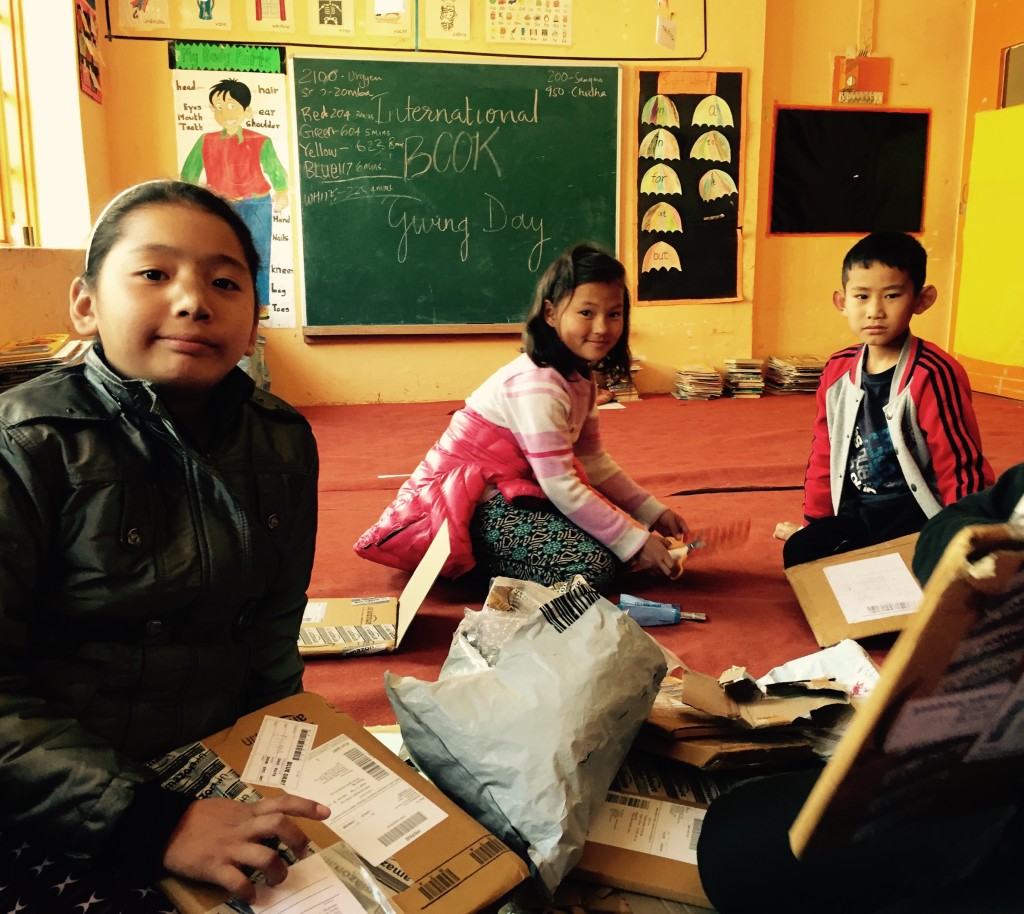
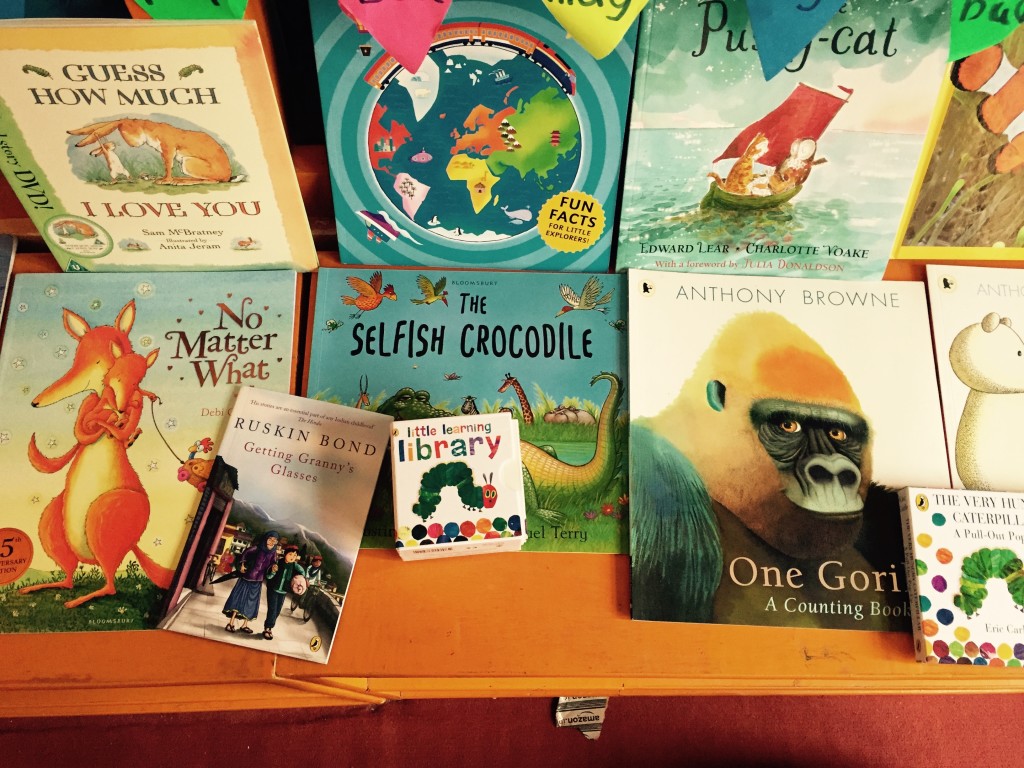
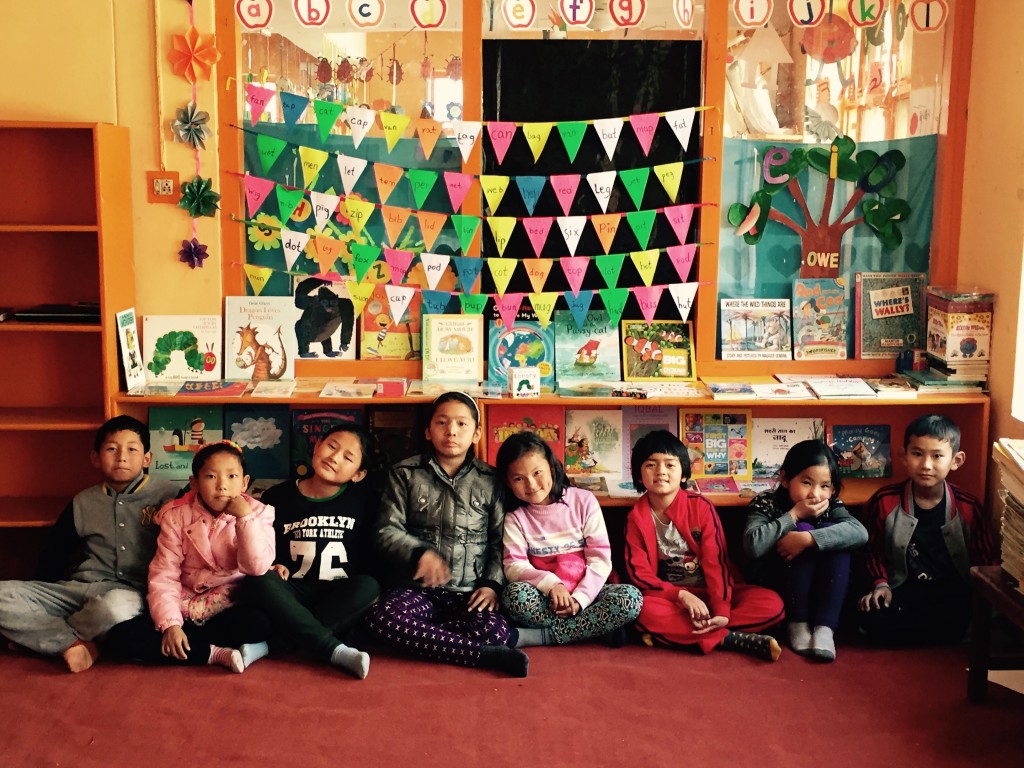
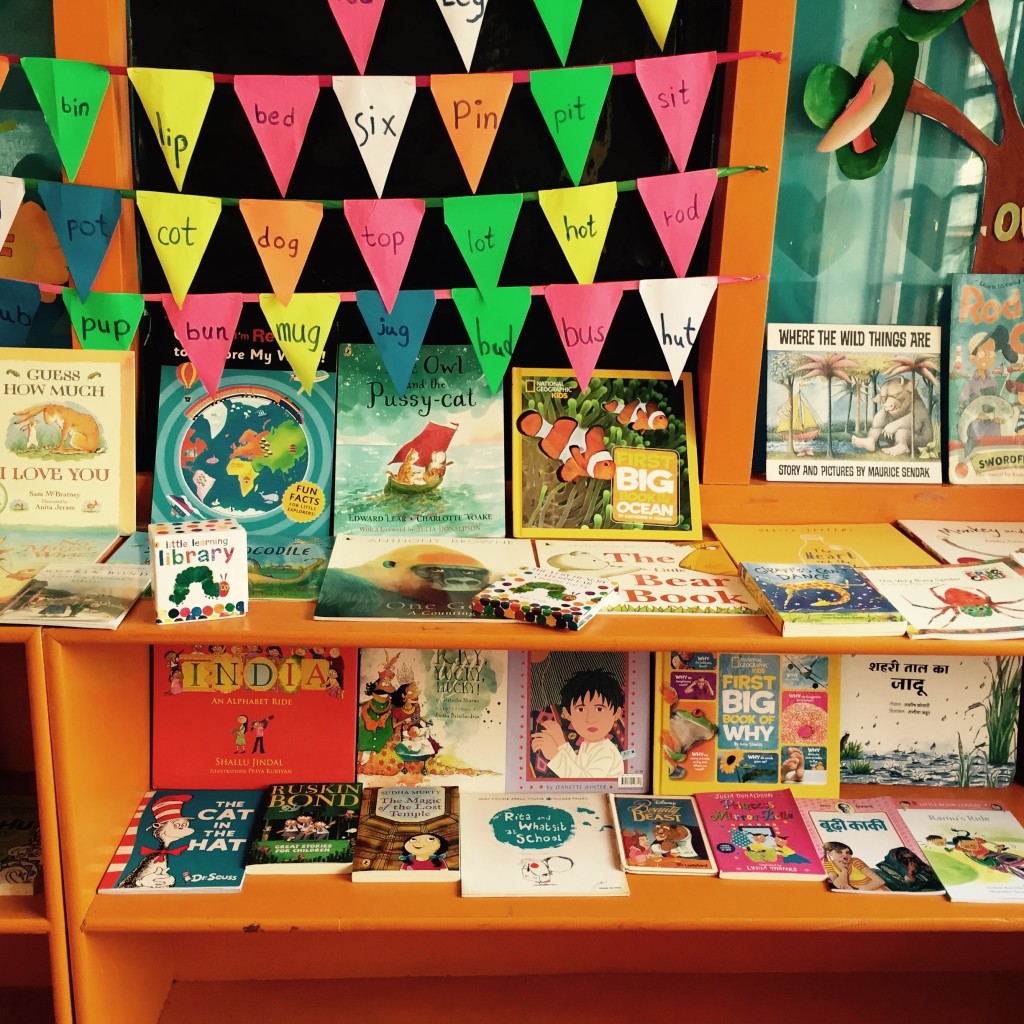
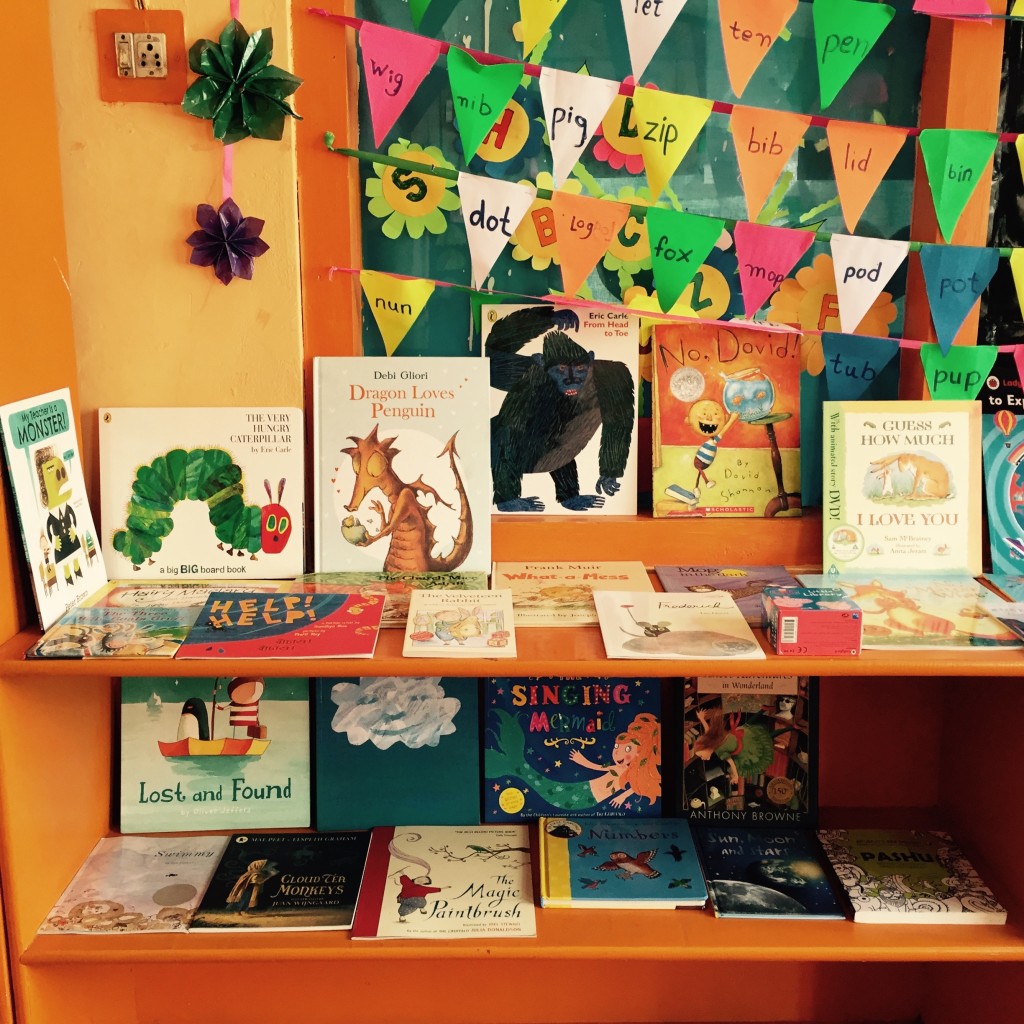
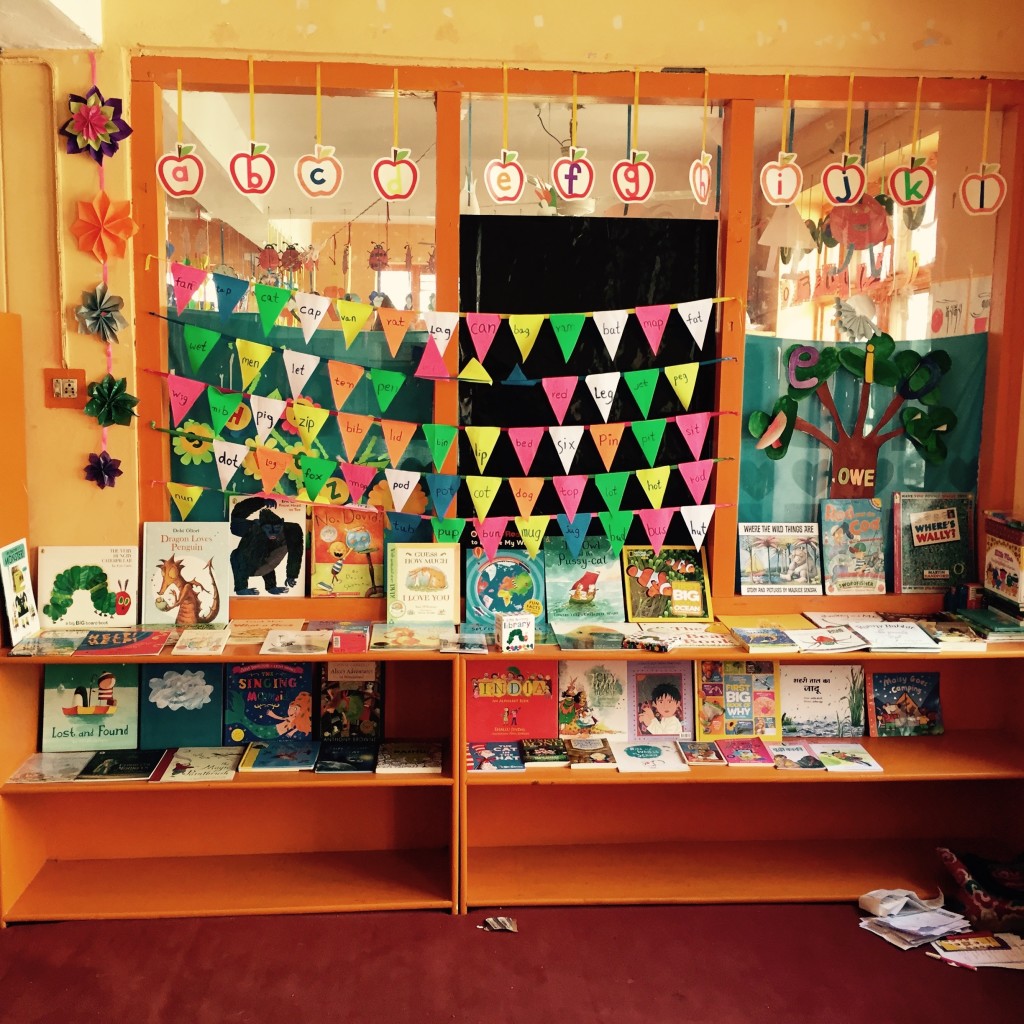
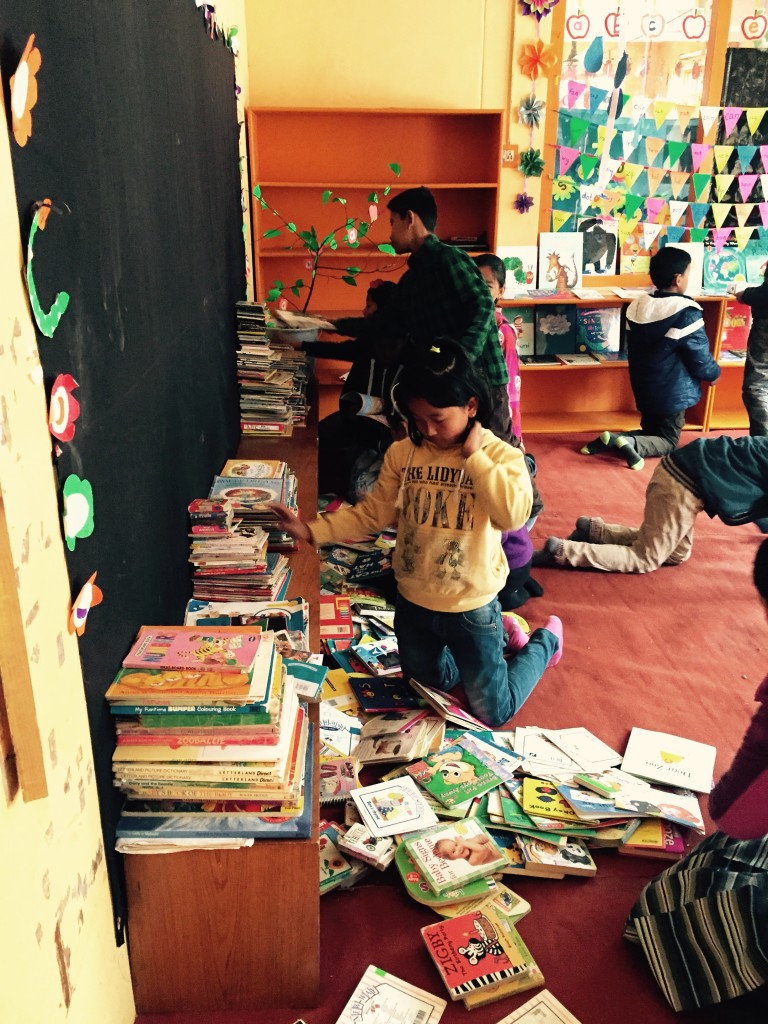
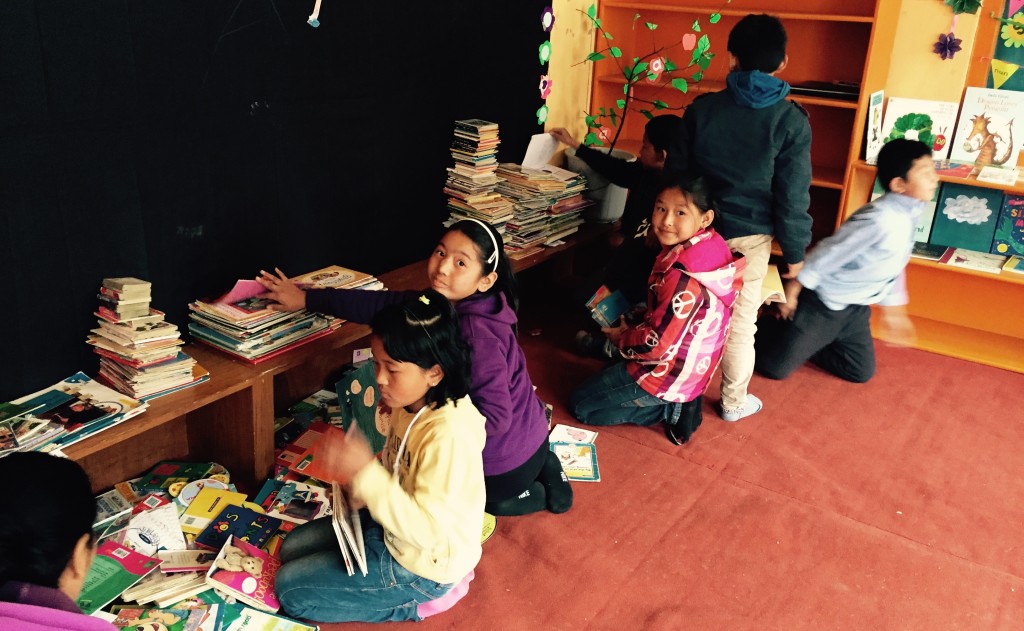
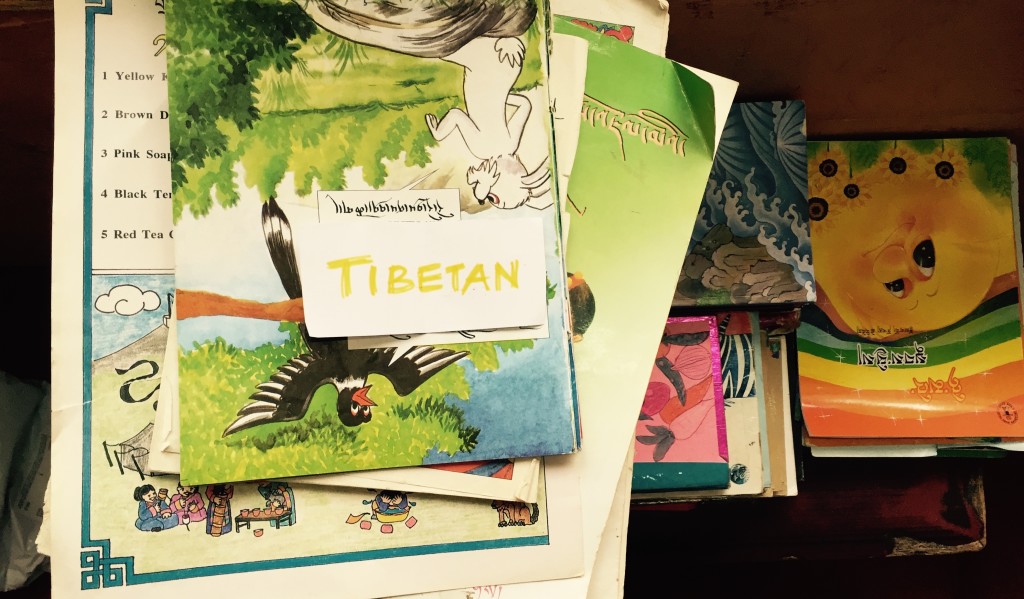
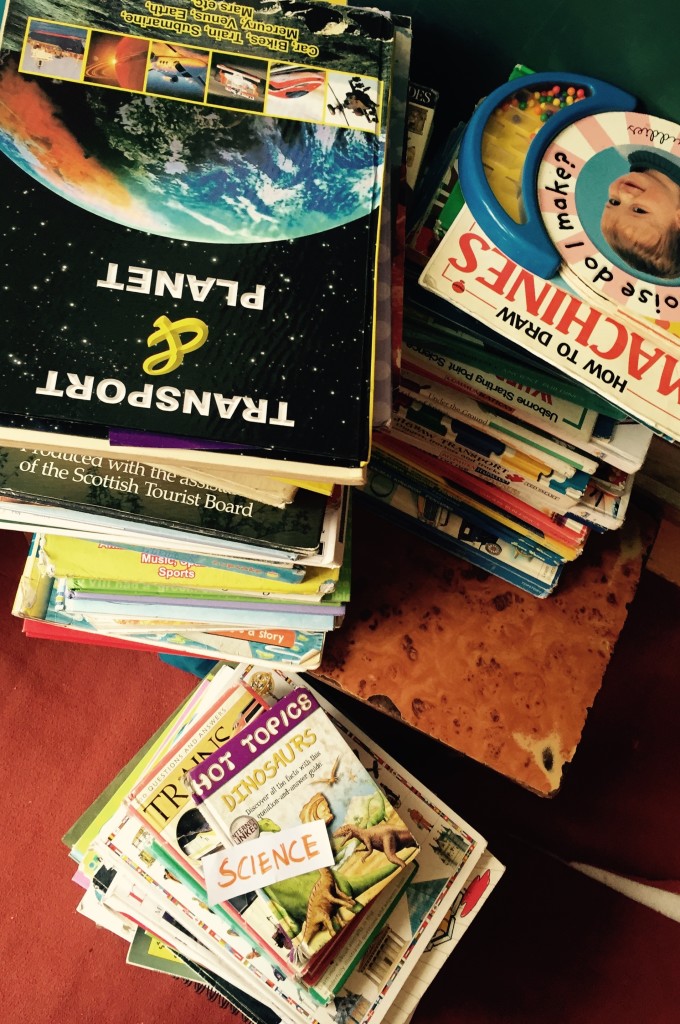
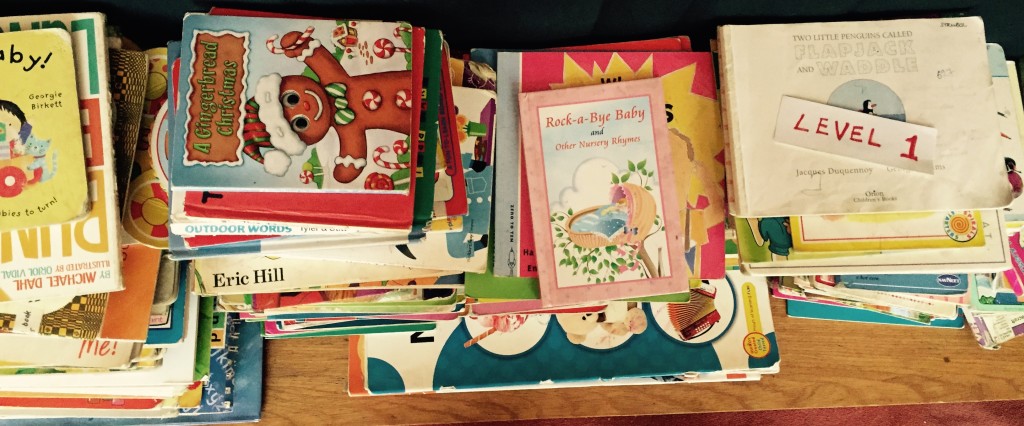
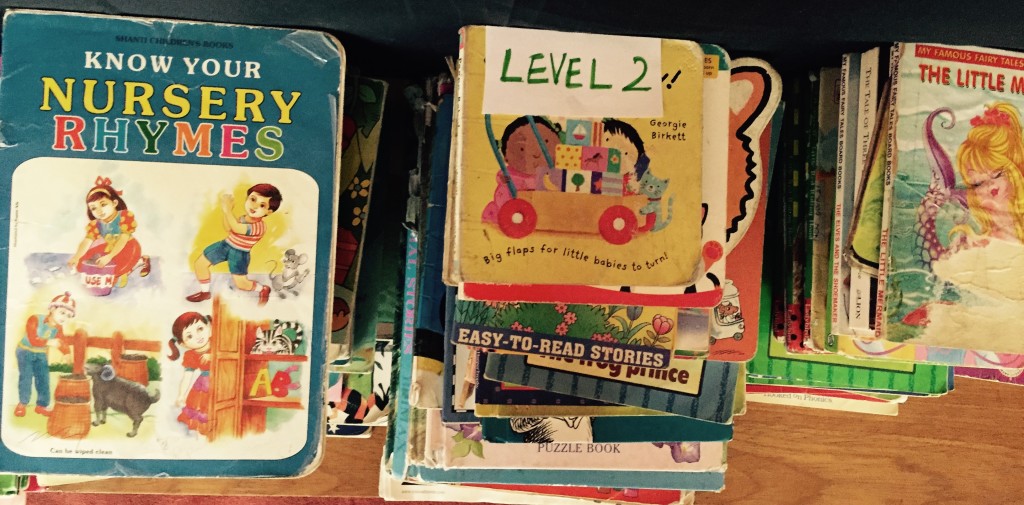
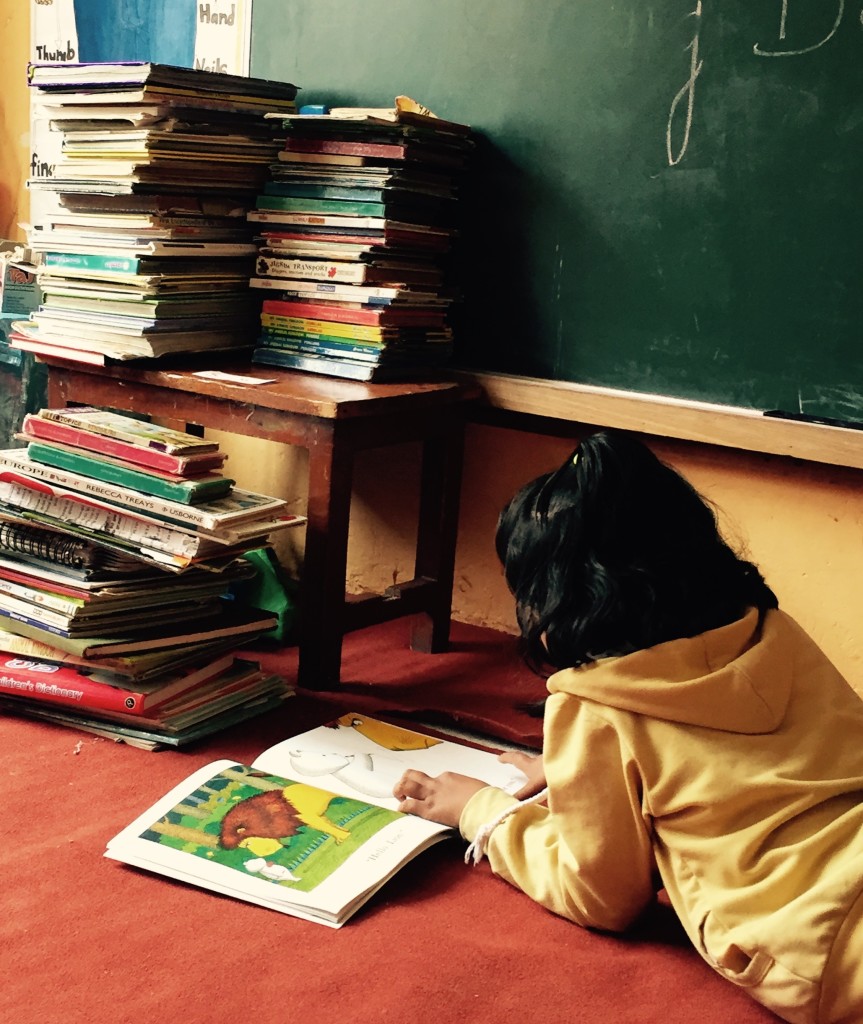
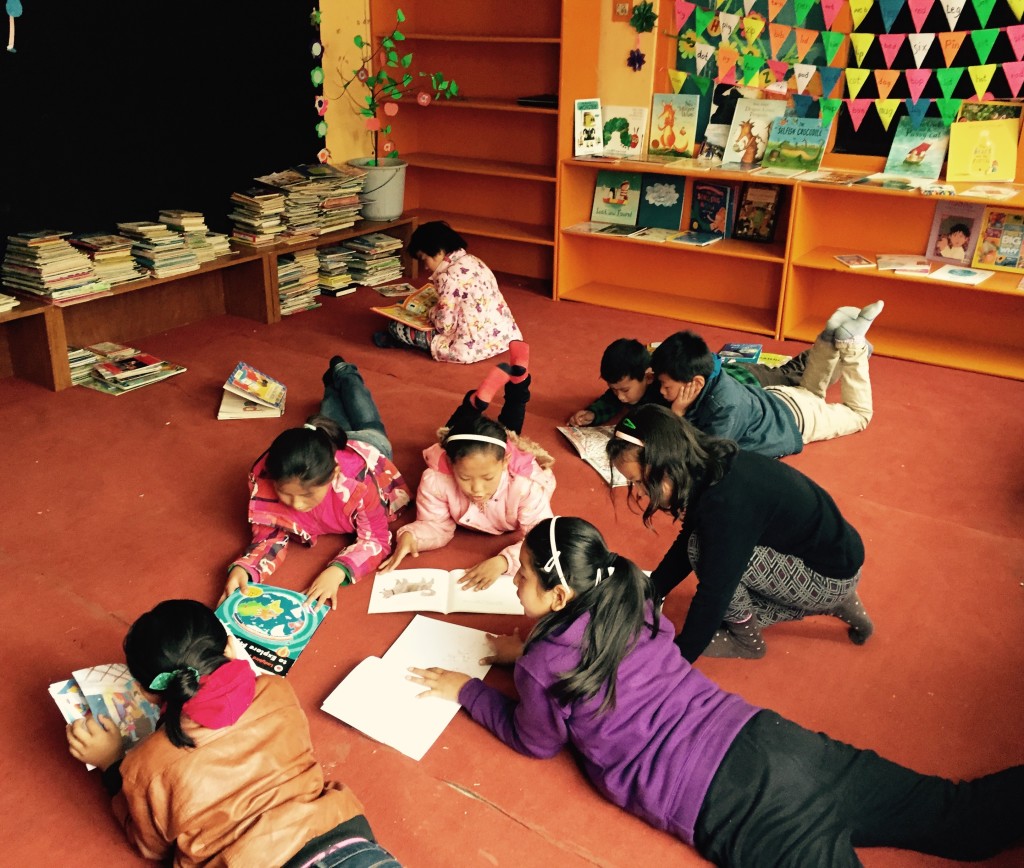
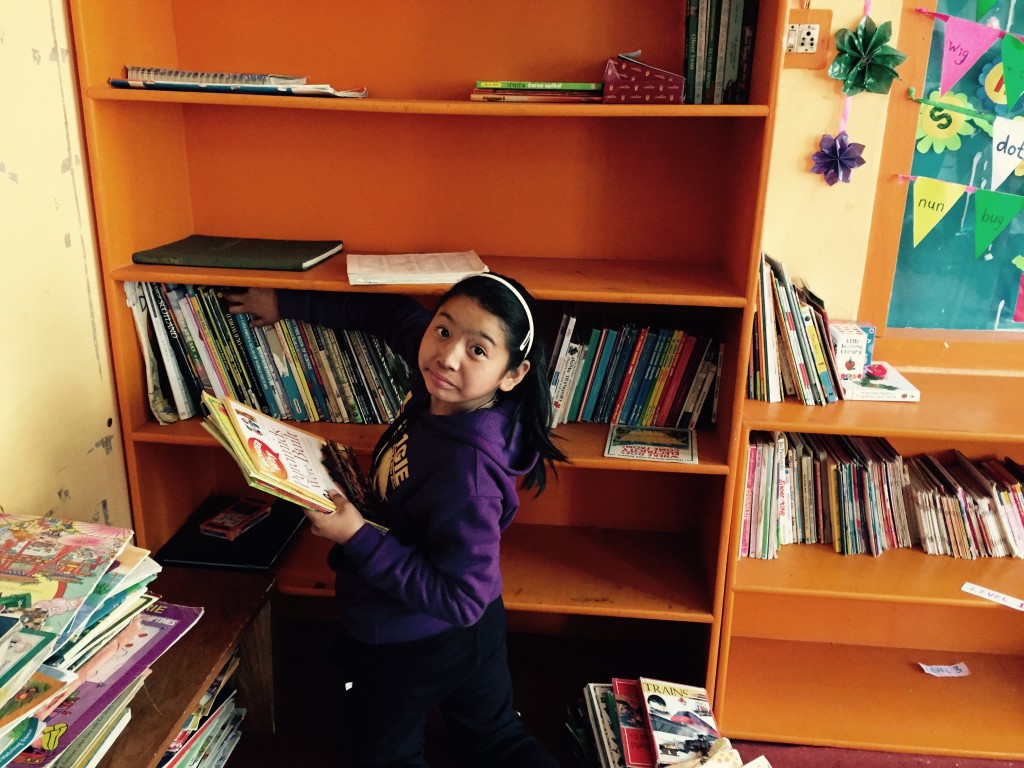
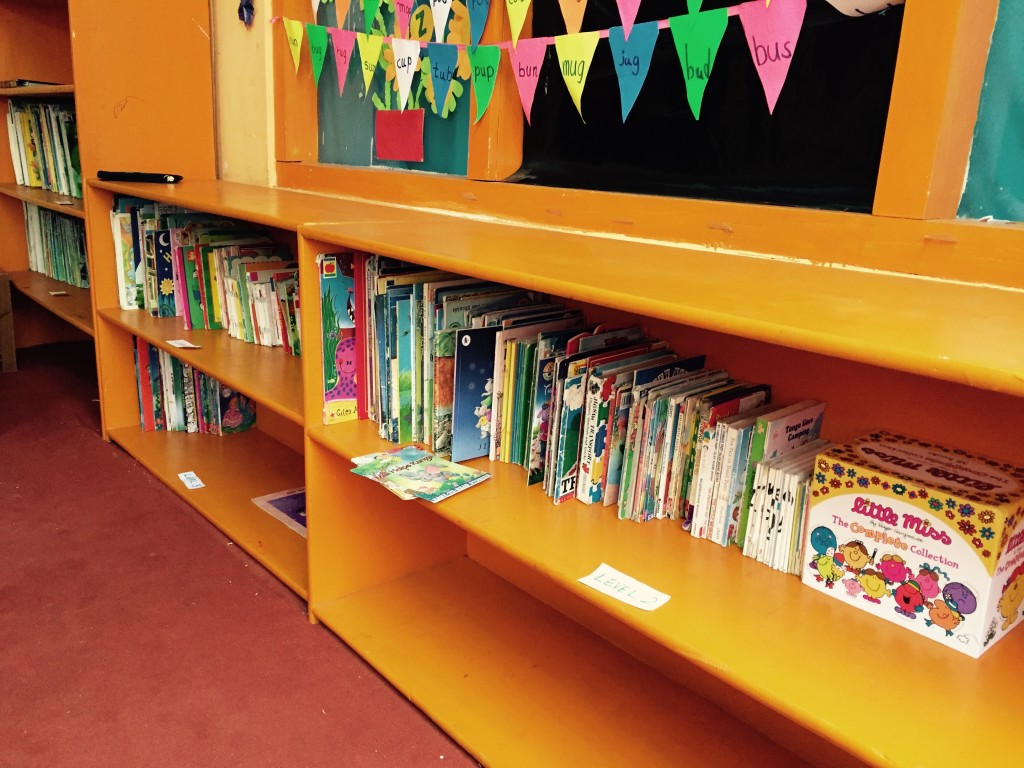
In Himalayan communities, receiving a carefully chosen book can carry deep meaning. Many children and young monks have limited access to libraries, bookshops and age-appropriate reading materials. Through reading rooms, book drives and creative learning activities, we help make a first chapter book a joyful beginning rather than a rare privilege. Supporters in Australia, from Melbourne to Perth, help bring that beginning within reach.
The Moment Reading Becomes An Adventure
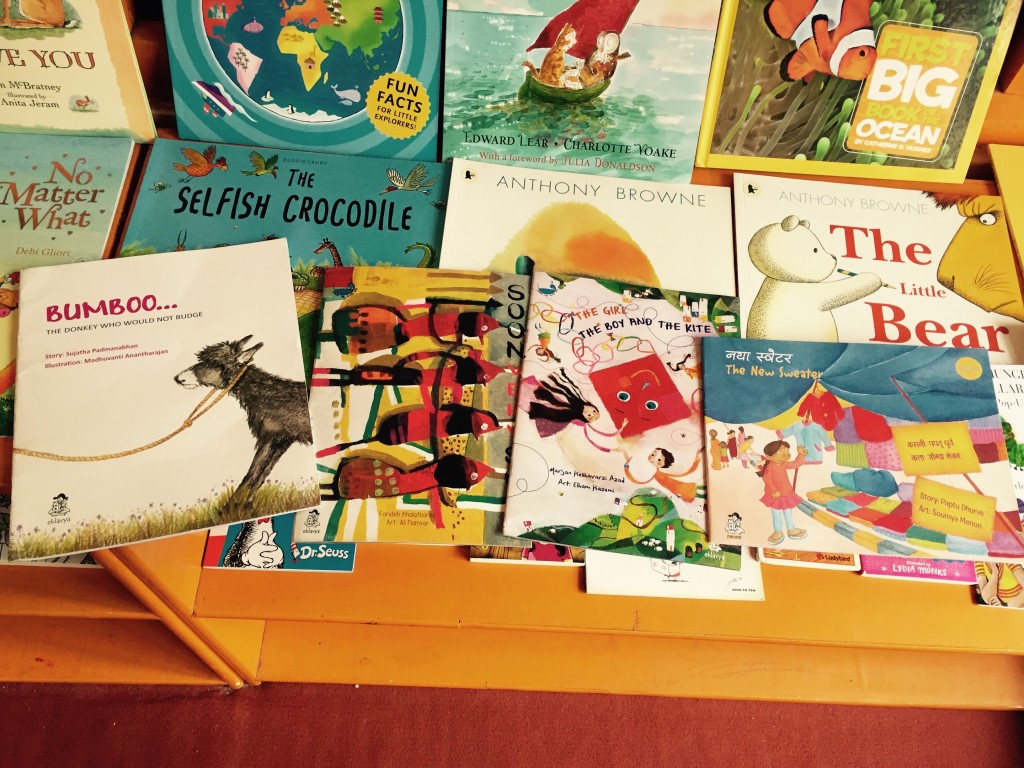
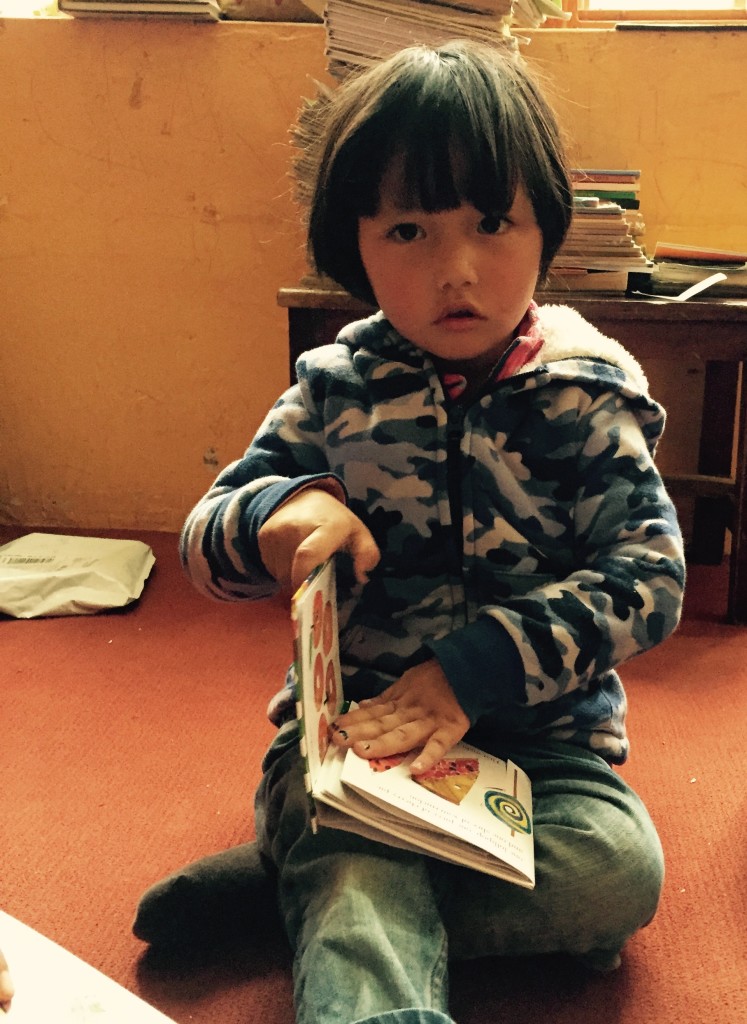
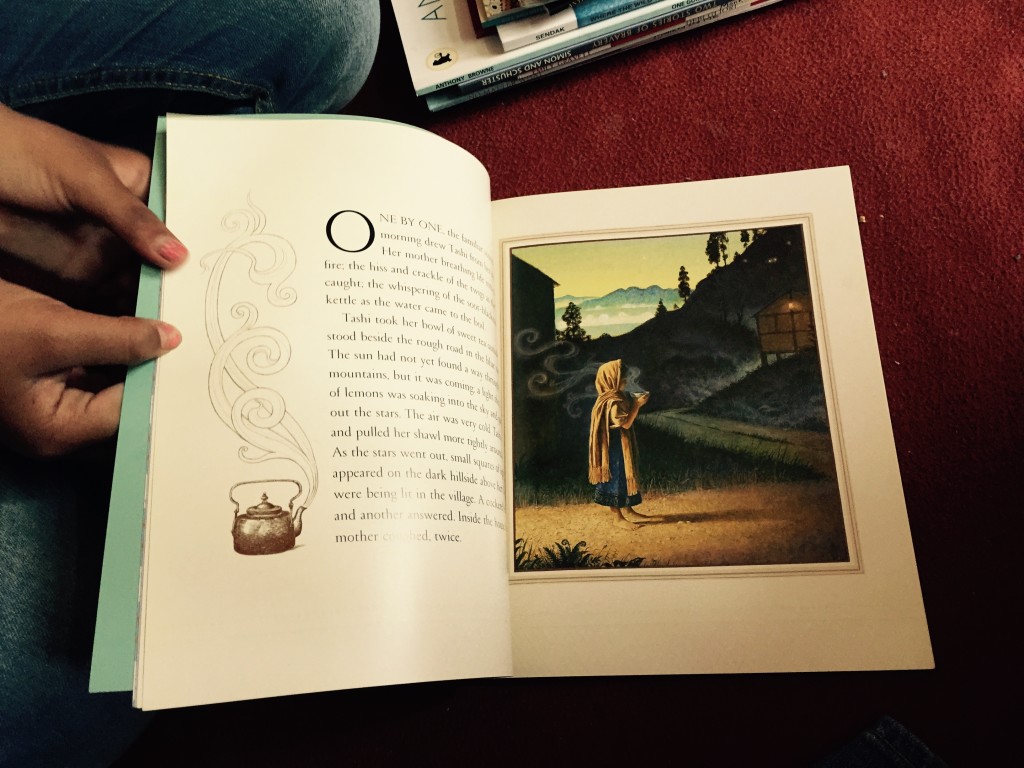
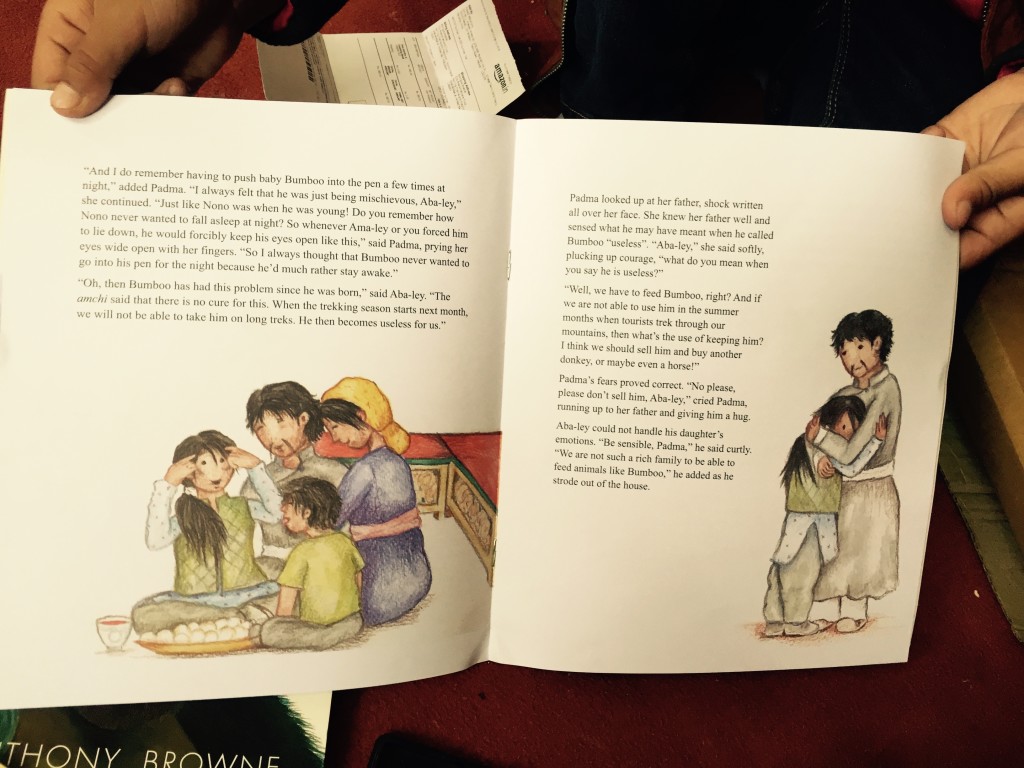
Picture a child opening a book with several chapters, a strong cover and enough pages to hold a complete adventure. The first response may be curiosity, concentration or even a little uncertainty. A chapter book can feel different from a picture book, so we give children time to explore it at their own pace.
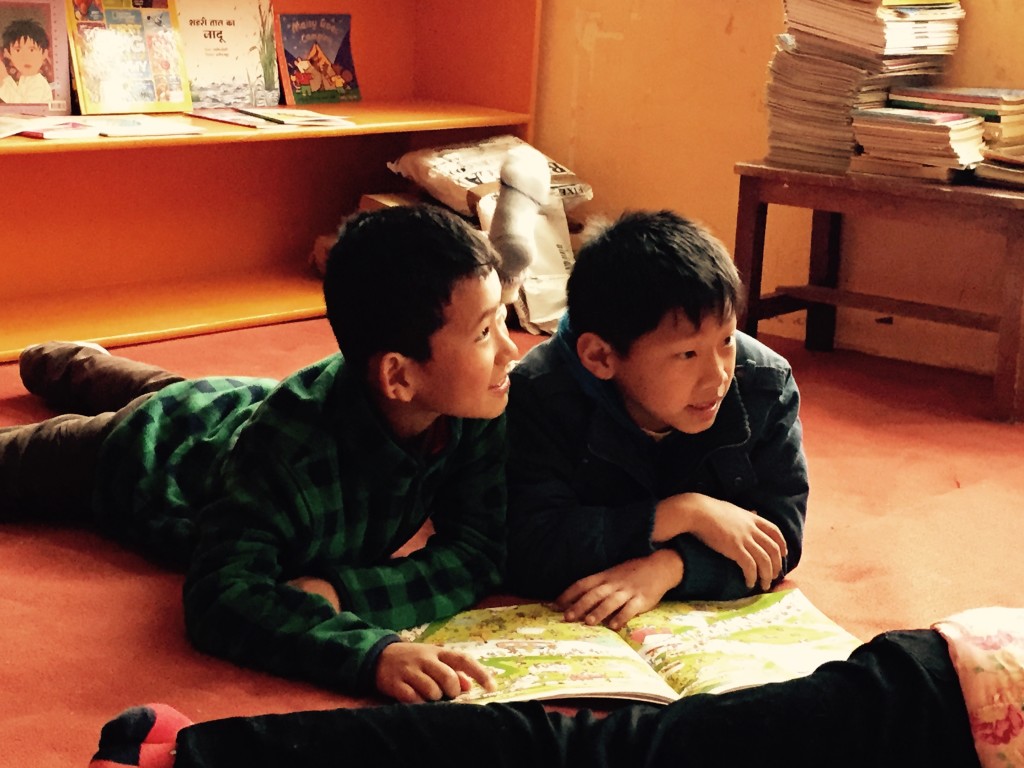
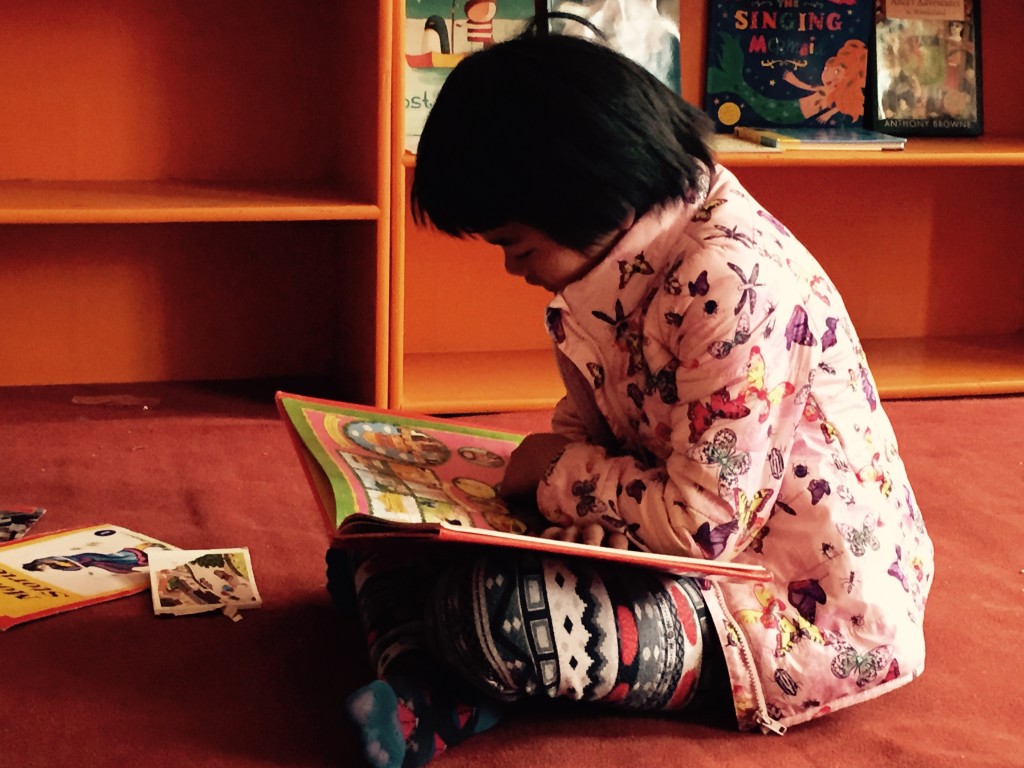
We look for the moment when a child begins to recognise the rhythm of a story. They may return to a favourite character, whisper a difficult sentence aloud or ask what will happen next. These small signs show that reading is becoming an active experience, shaped by the child’s own imagination.
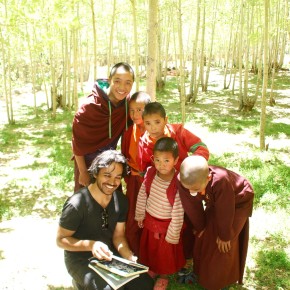
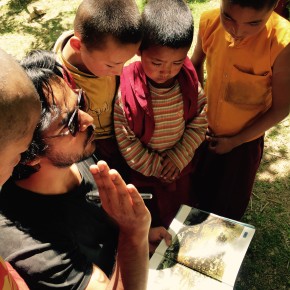
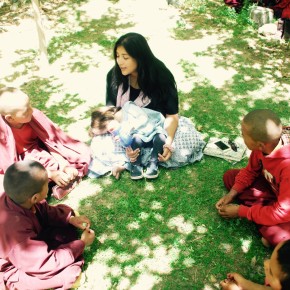
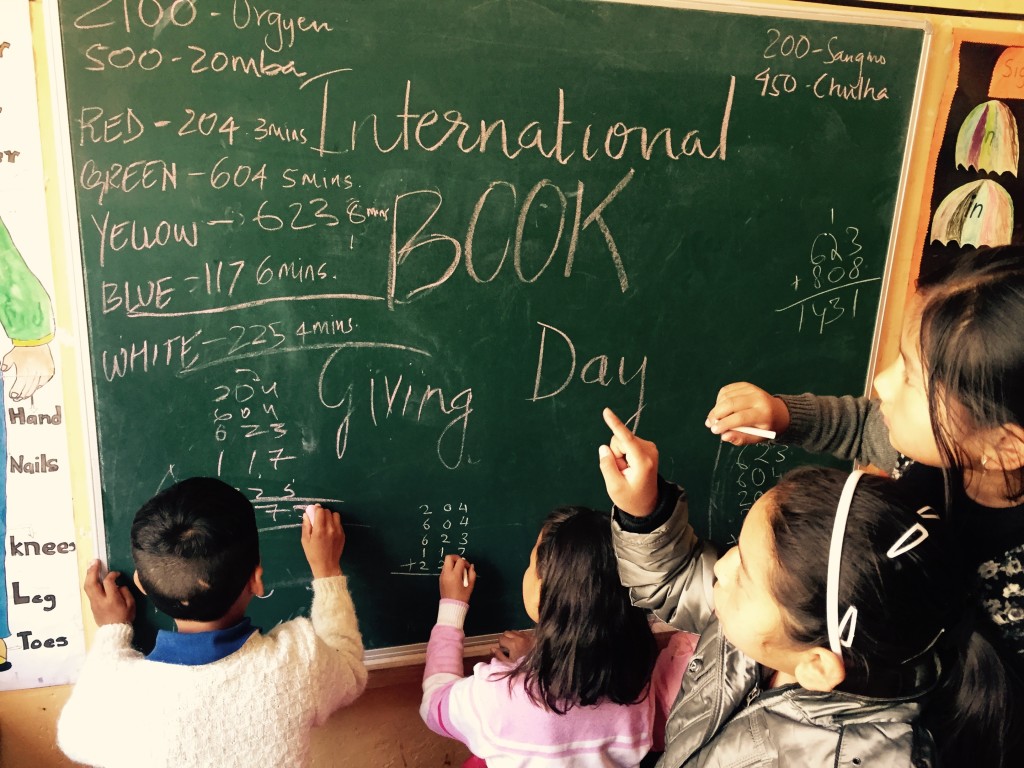
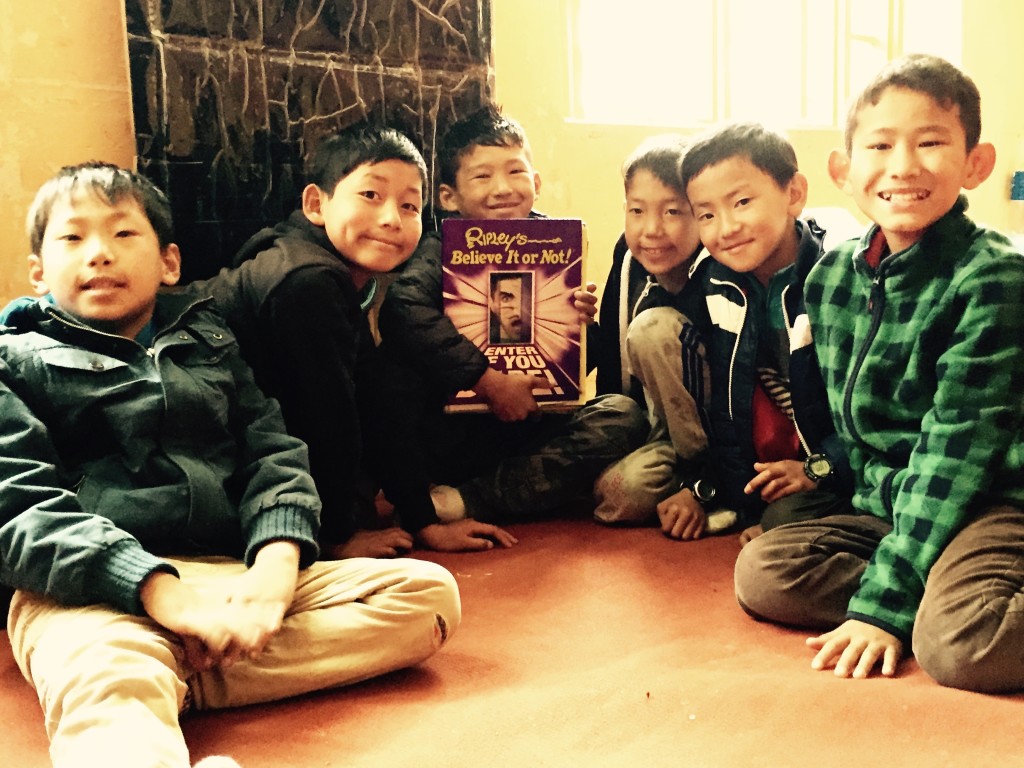
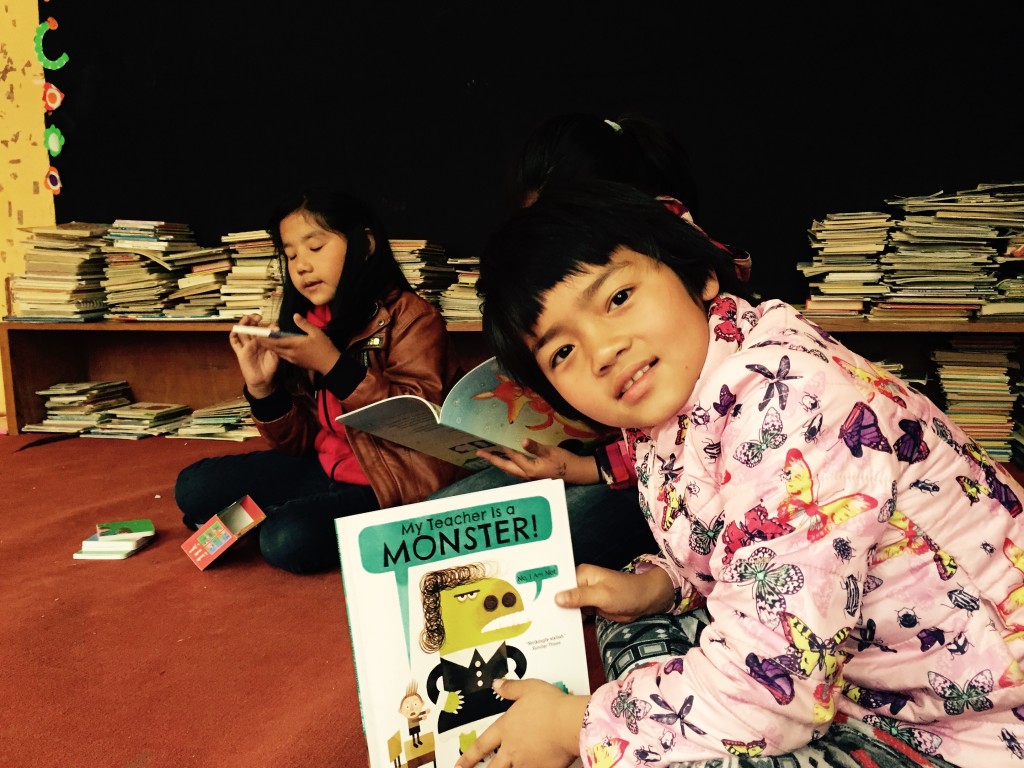
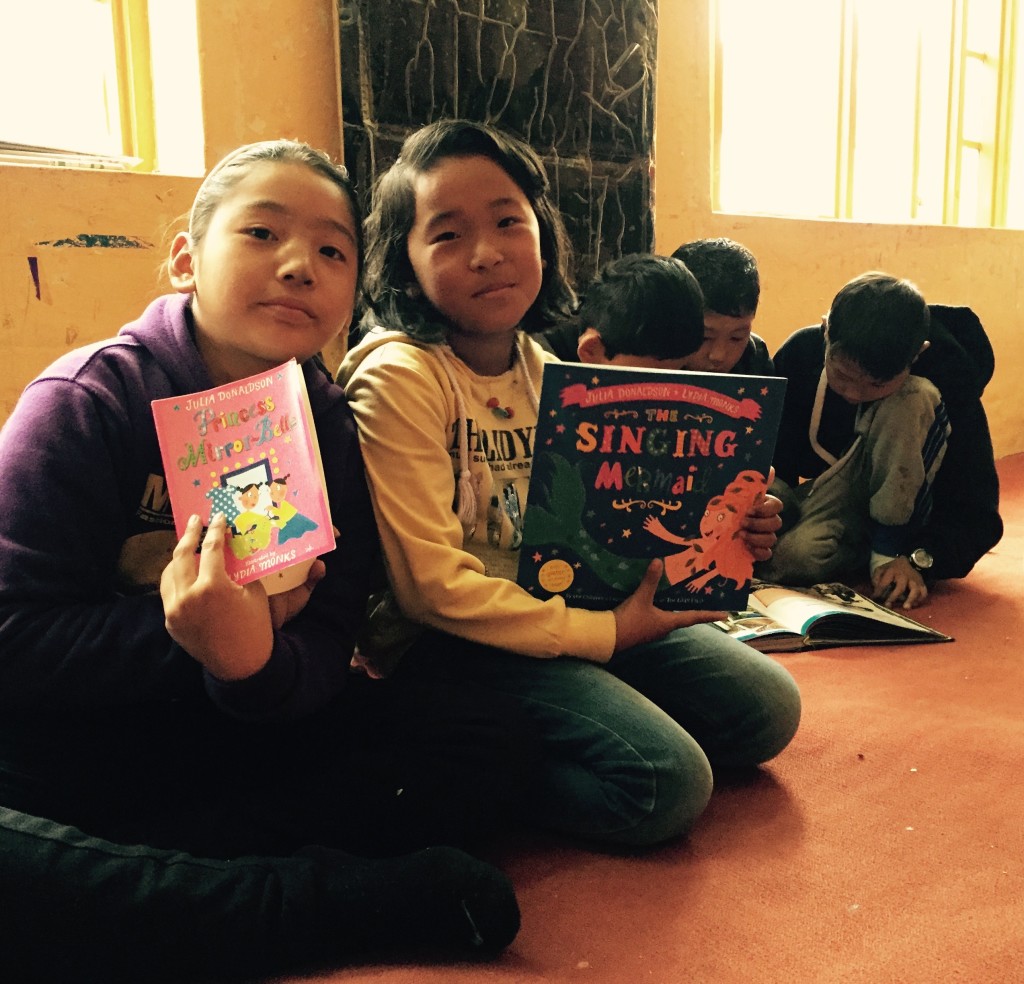
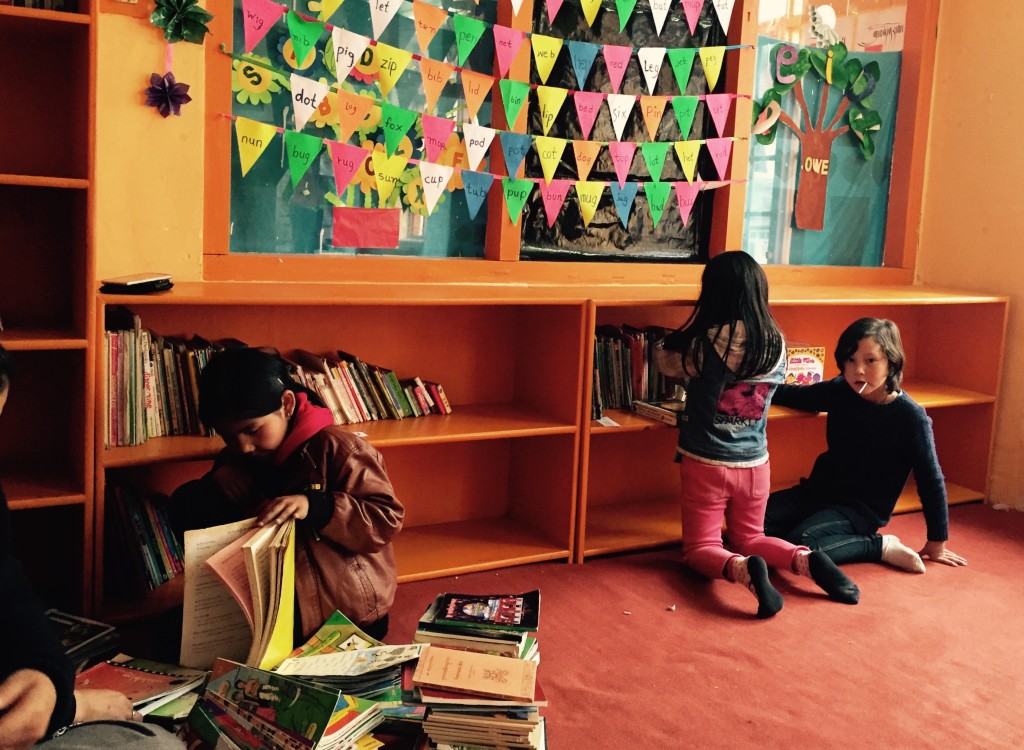
Our celebration is simple and personal. We present the book with warmth, encourage the child to choose where to read, and make space for them to share a favourite illustration, scene or character. The occasion is less about ceremony and more about recognising effort.
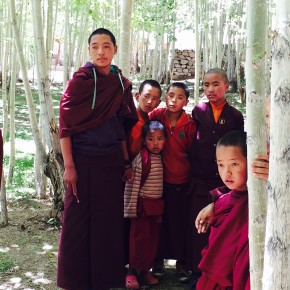
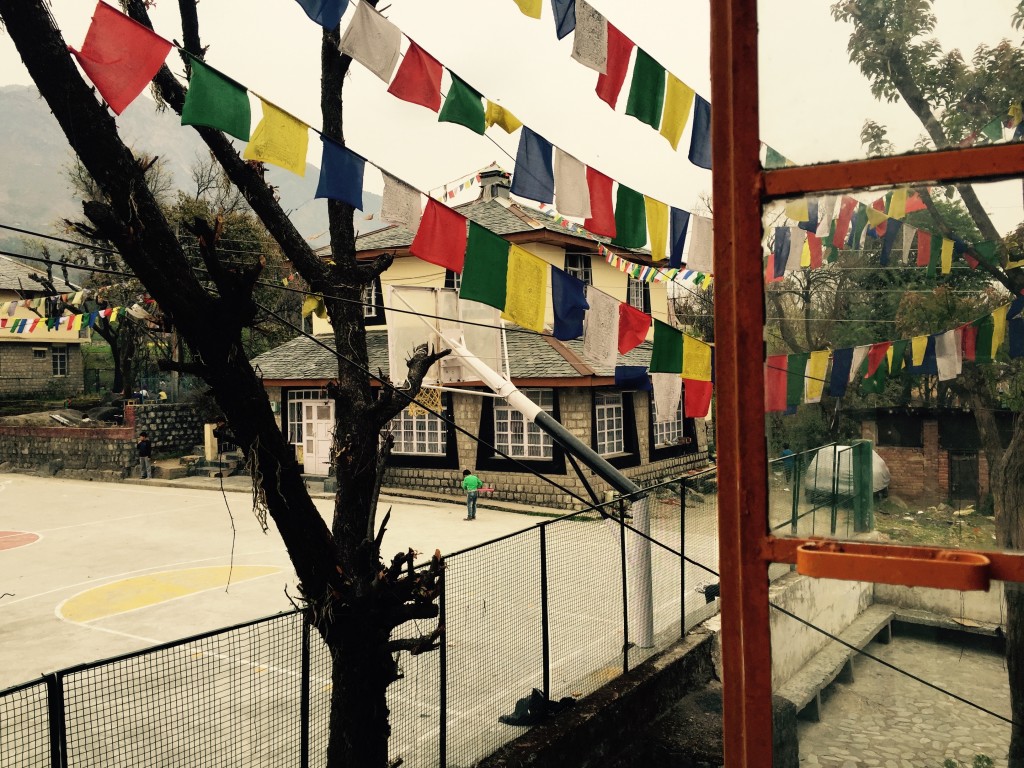
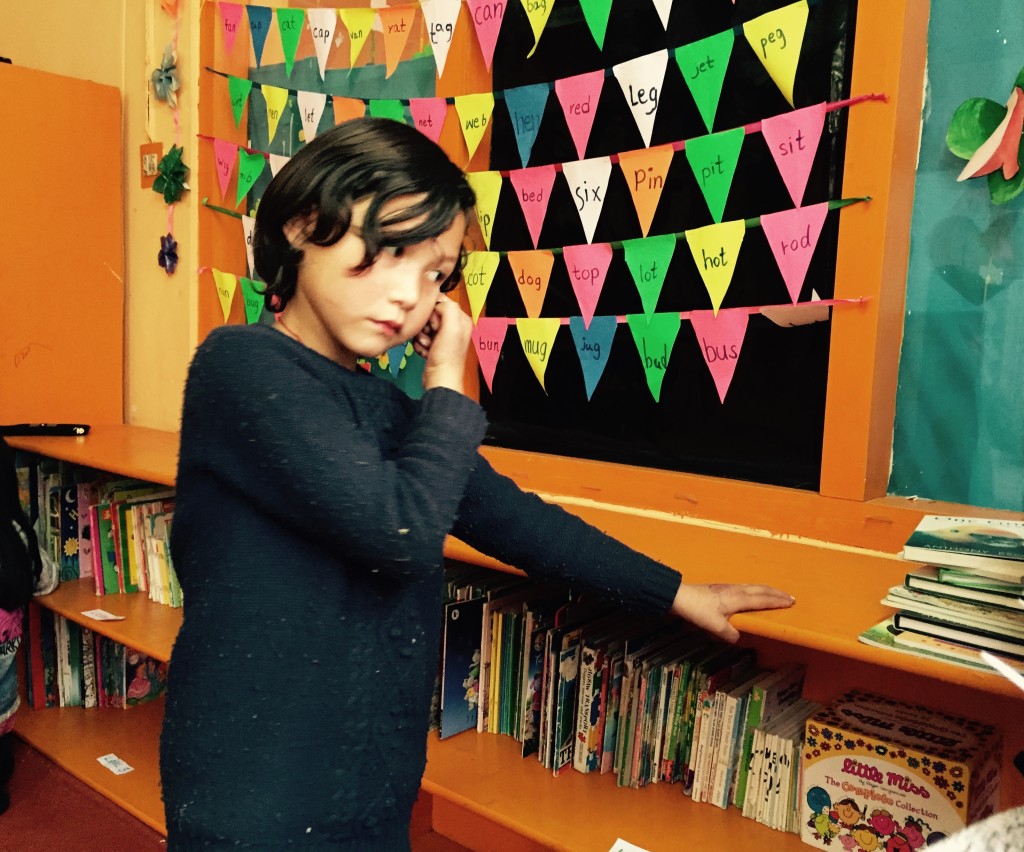
For children growing up around Ladakh’s monasteries and mountain villages, a book can open windows to places they have never visited. A funny school story, a nature tale or a gentle mystery can sit alongside local knowledge and family traditions, giving readers a wider collection of experiences to draw upon.
Choosing A Book That Feels Like It Belongs
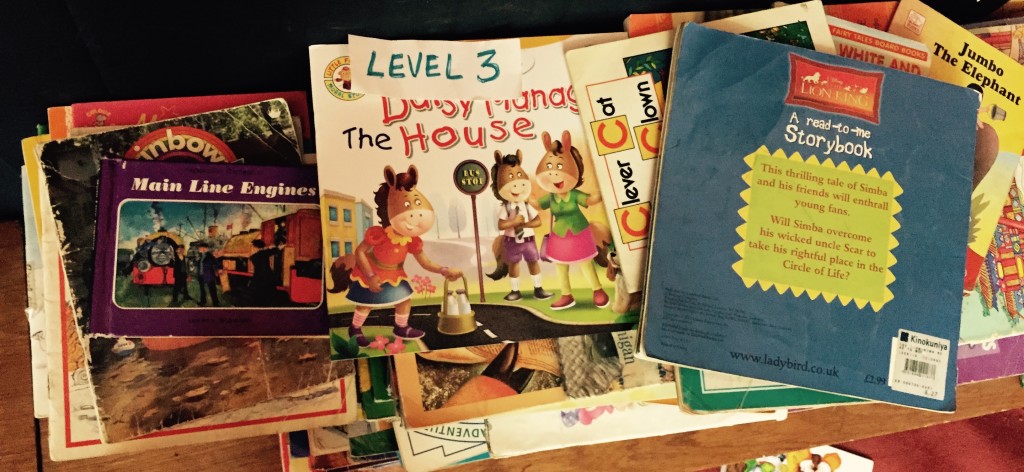
A meaningful first chapter book should be accessible, engaging and suited to the child’s interests. We consider reading level, print size, vocabulary, illustrations and the length of each chapter. A book that is too difficult can discourage a new reader, while the right level creates confidence with every page.
Choice matters as well. Some children are drawn to animals and outdoor adventures; others prefer humour, fantasy, biographies or stories about friendship. Young monks may enjoy books about compassion, nature, history or journeys. When children have a say in what they read, they are more likely to carry the book home, return to it and recommend it to someone else.
Australian supporters often see the value of this approach through their own local libraries. A child visiting a council library in Sydney, Brisbane or Adelaide may browse a large shelf and select a story based on its cover or title. In remote Himalayan communities, that same freedom can be much harder to find, which makes a well-stocked reading room especially important.
What Makes A First Chapter Book A Good Fit
- Clear language with enough challenge to build new reading skills
- A story that reflects the child’s interests, curiosity or daily experience
- Strong print quality suitable for regular handling in a shared reading room
- Illustrations or visual details that support understanding without replacing the text
- A hopeful, thoughtful or entertaining theme that encourages further reading
Making The Celebration Creative
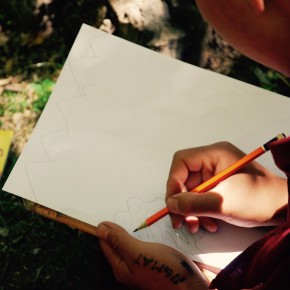
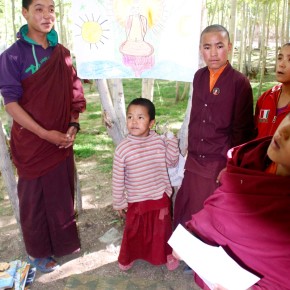
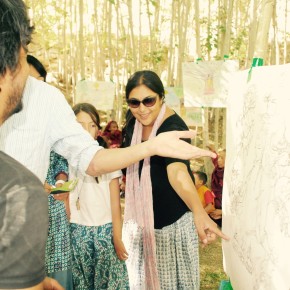
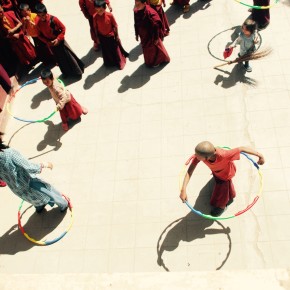
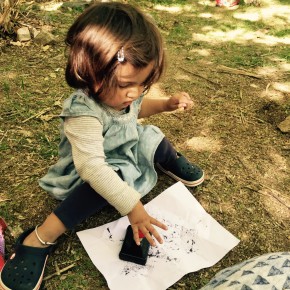
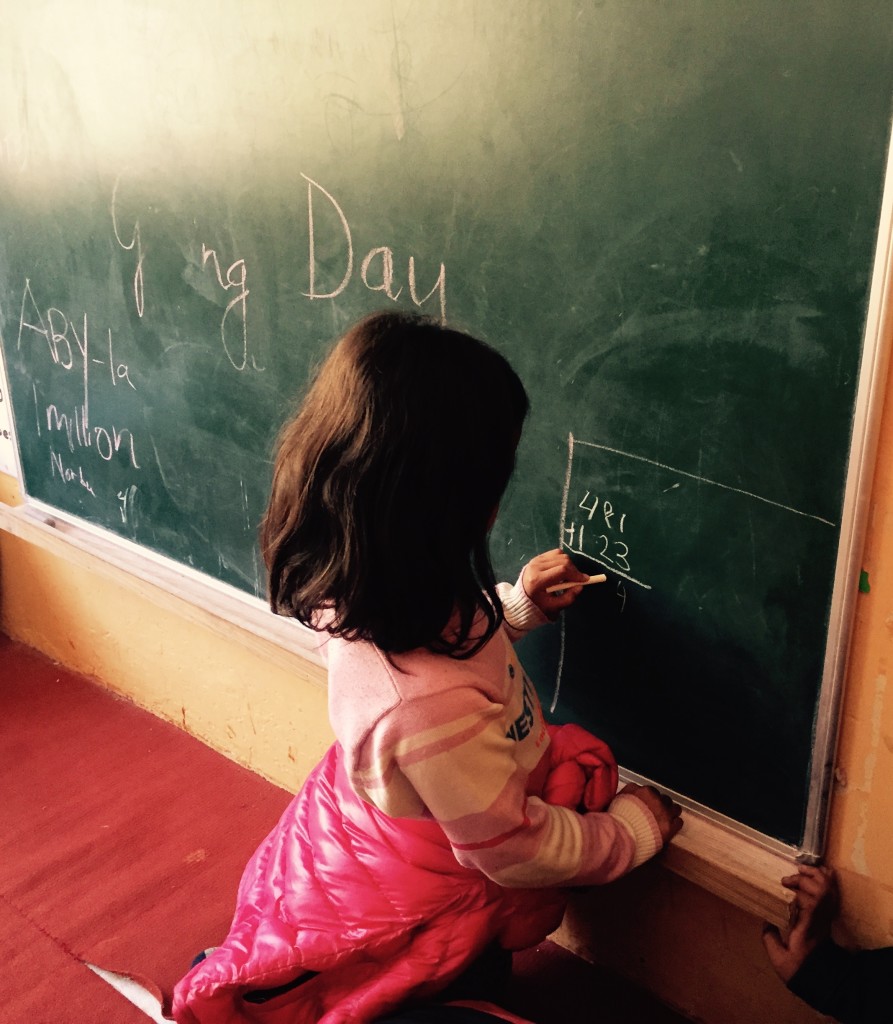
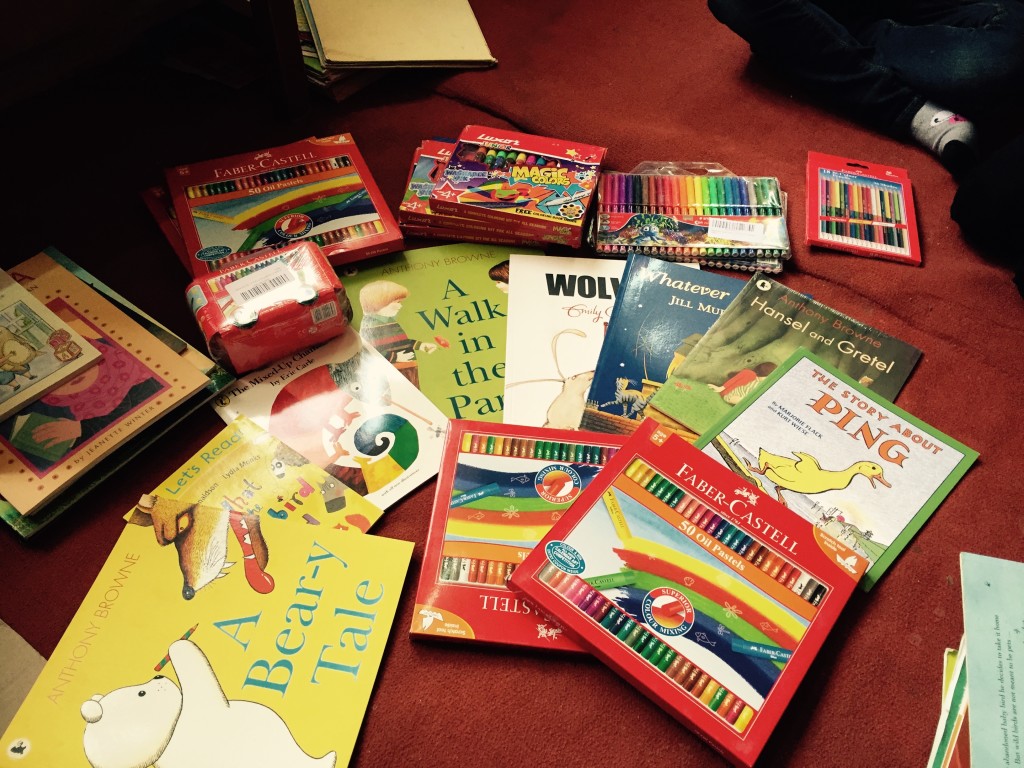
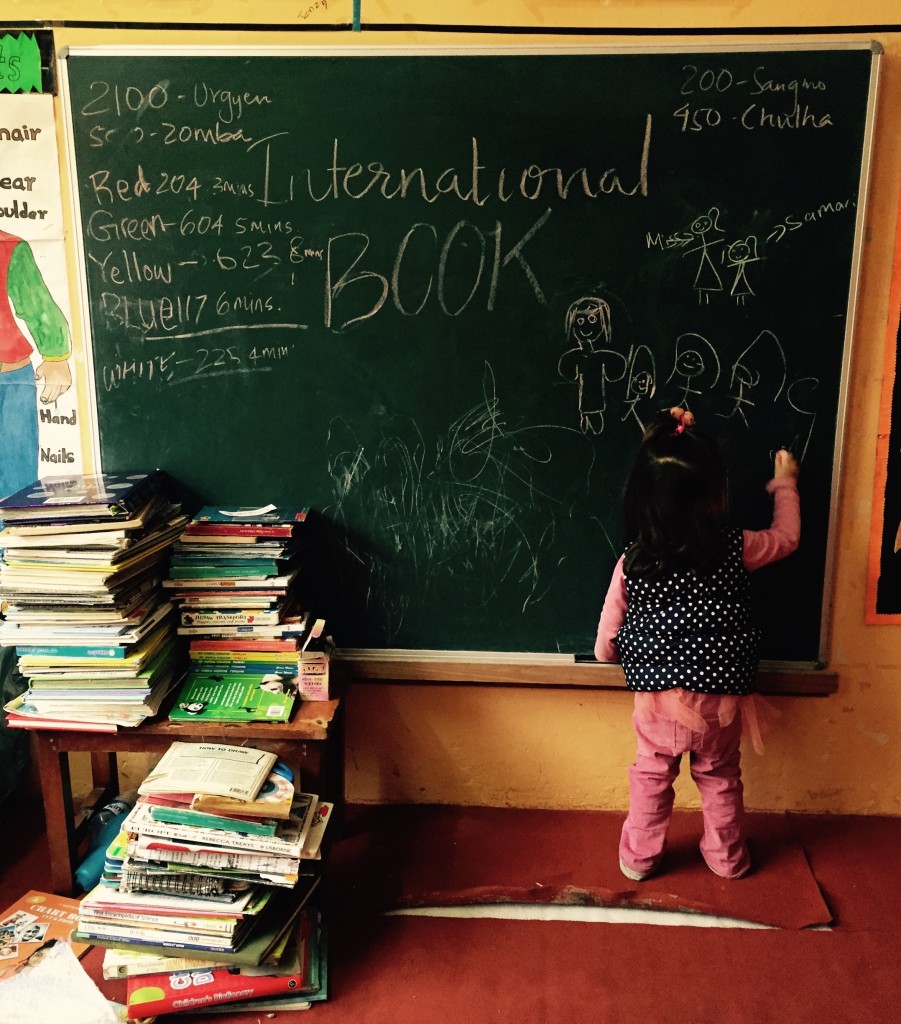
A first book can become the centre of a whole afternoon of discovery. After reading, children might draw a setting, create a paper puppet, act out a scene or compose a short song about the story. These activities help children express what they have understood without turning reading into a test.
Creative responses are particularly valuable for children who are still developing confidence in English or another school language. A drawing of a mountain path, a dramatic retelling or a rhythm made with simple instruments can communicate ideas that are difficult to explain in writing. The book becomes a bridge between literacy, art and music.
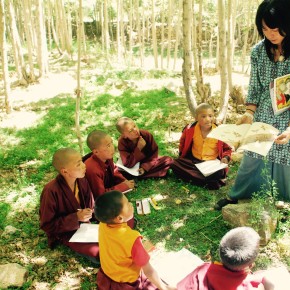
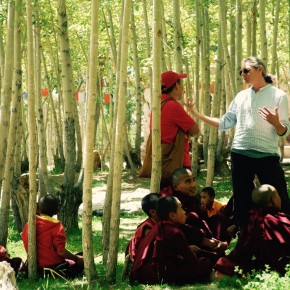
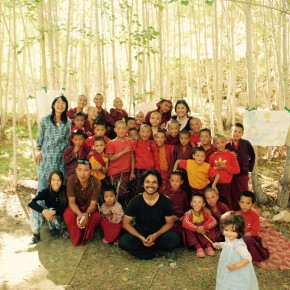
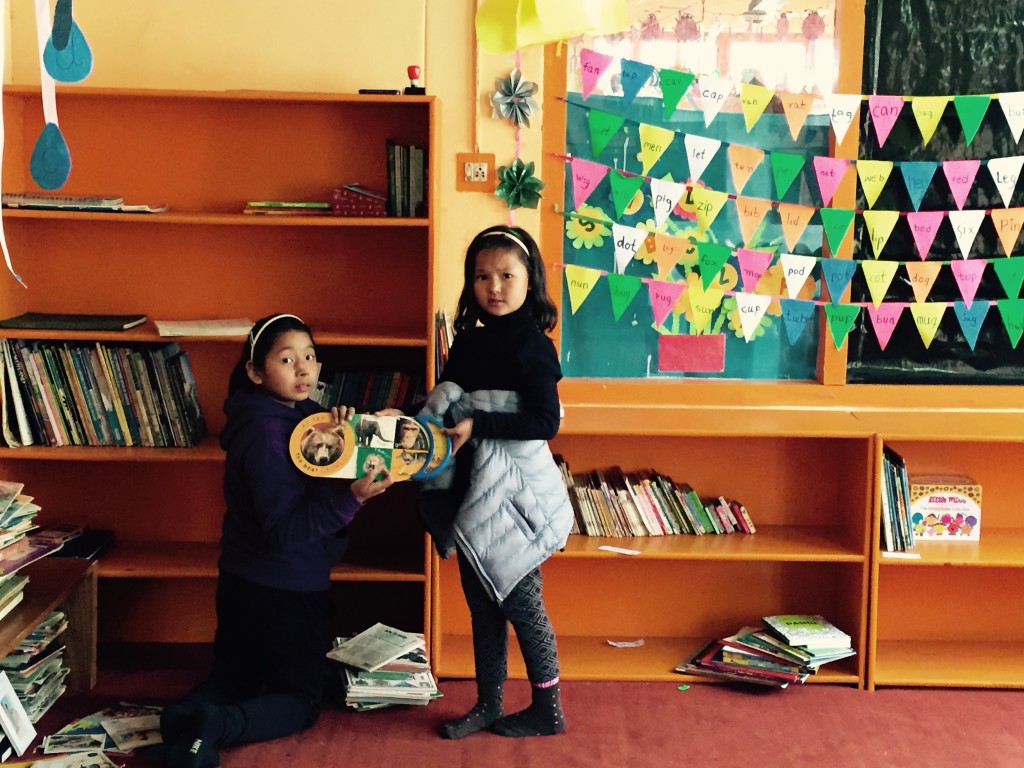
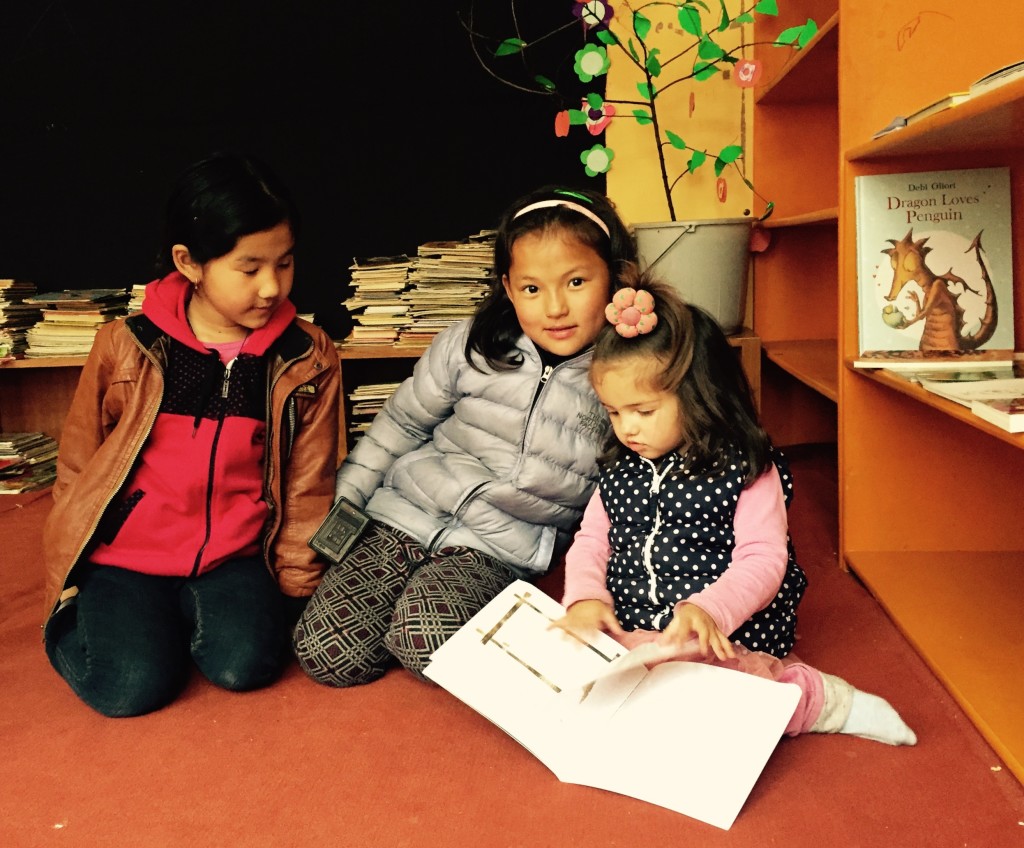
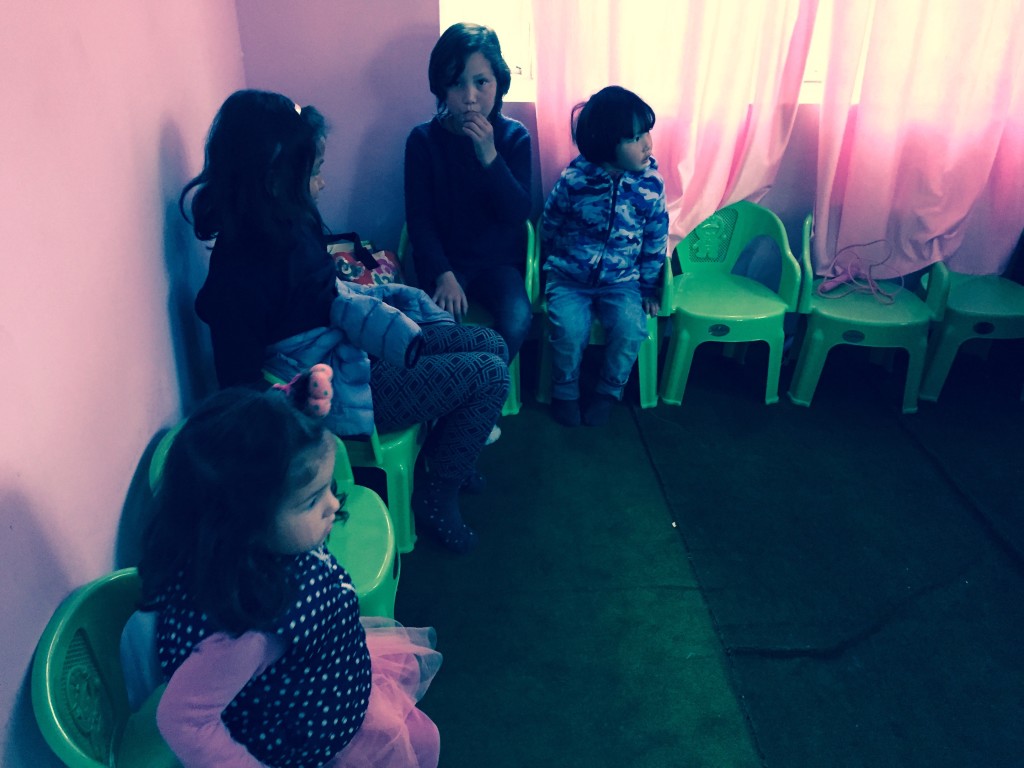
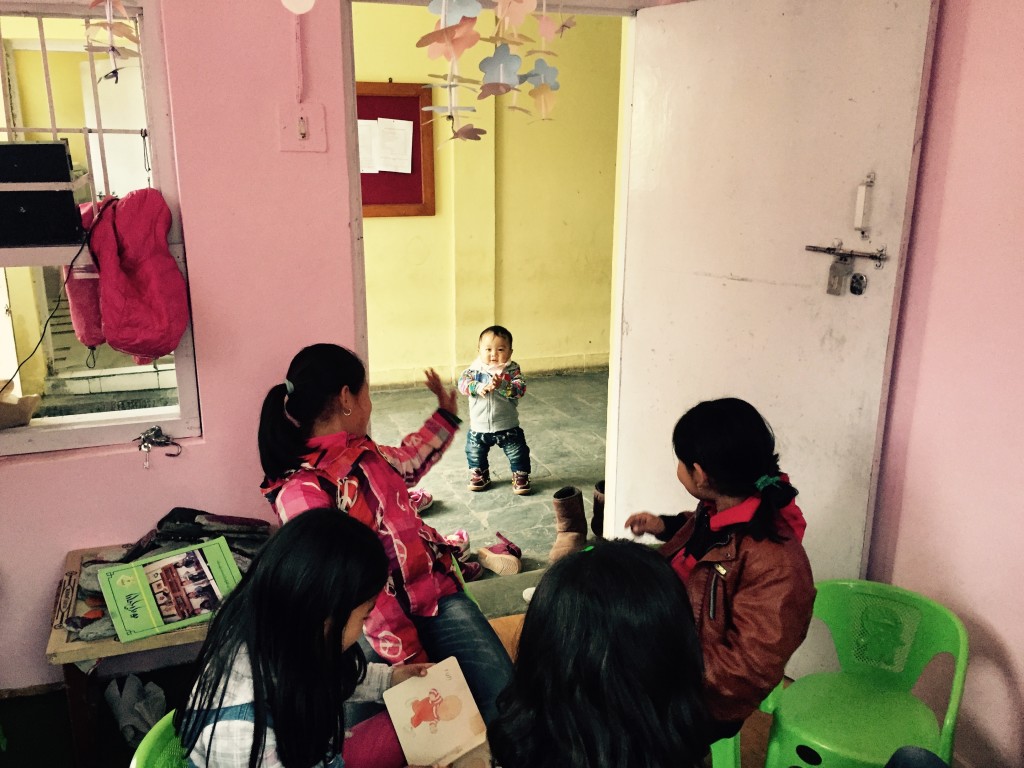
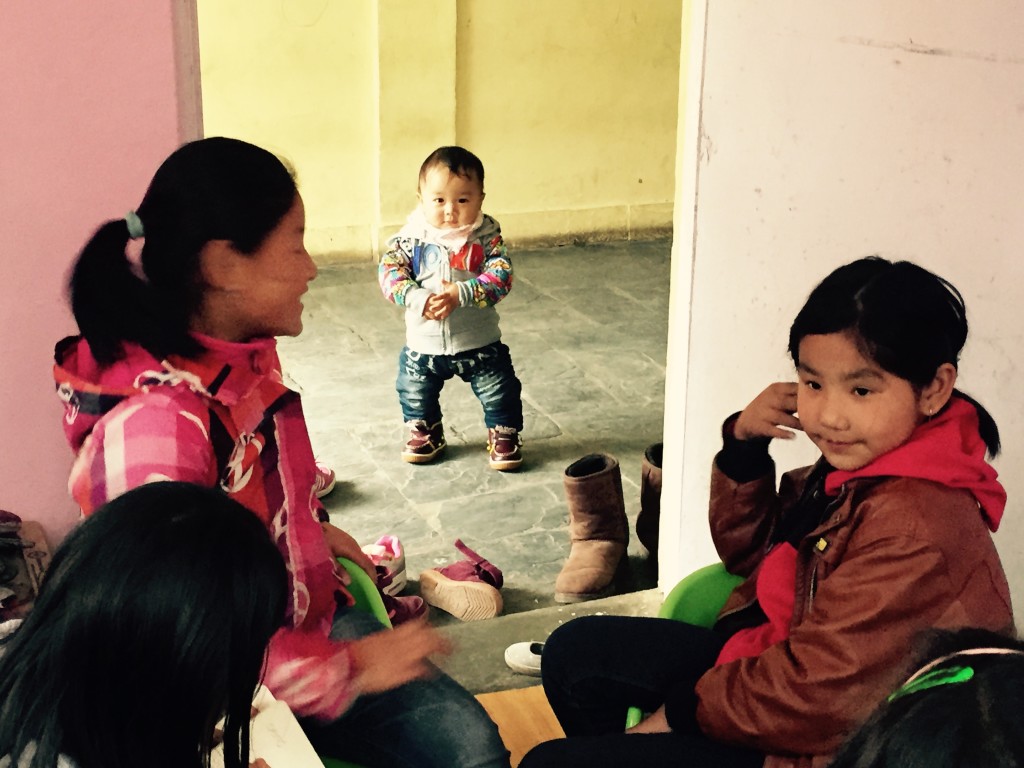
We also invite children to read together when they wish. A young reader may listen to an older child, take turns reading a page or help a friend find a particular chapter. This shared practice builds patience and belonging. It shows that books are social objects, even when reading eventually becomes a quiet individual activity.
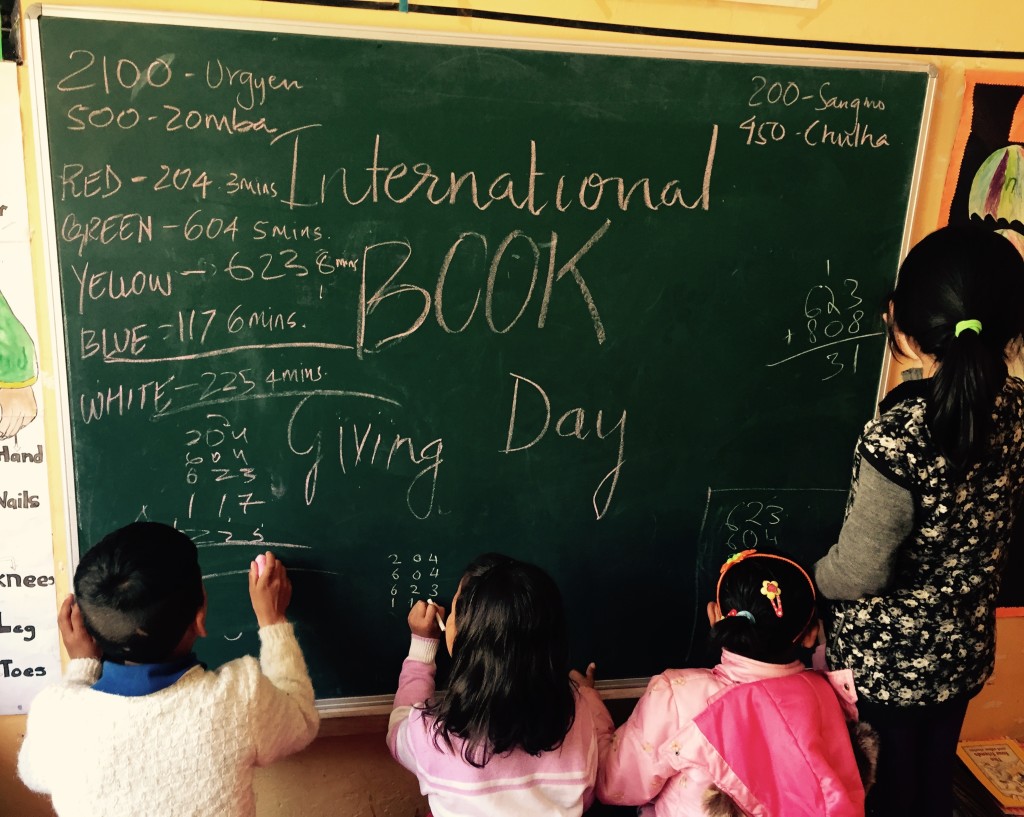
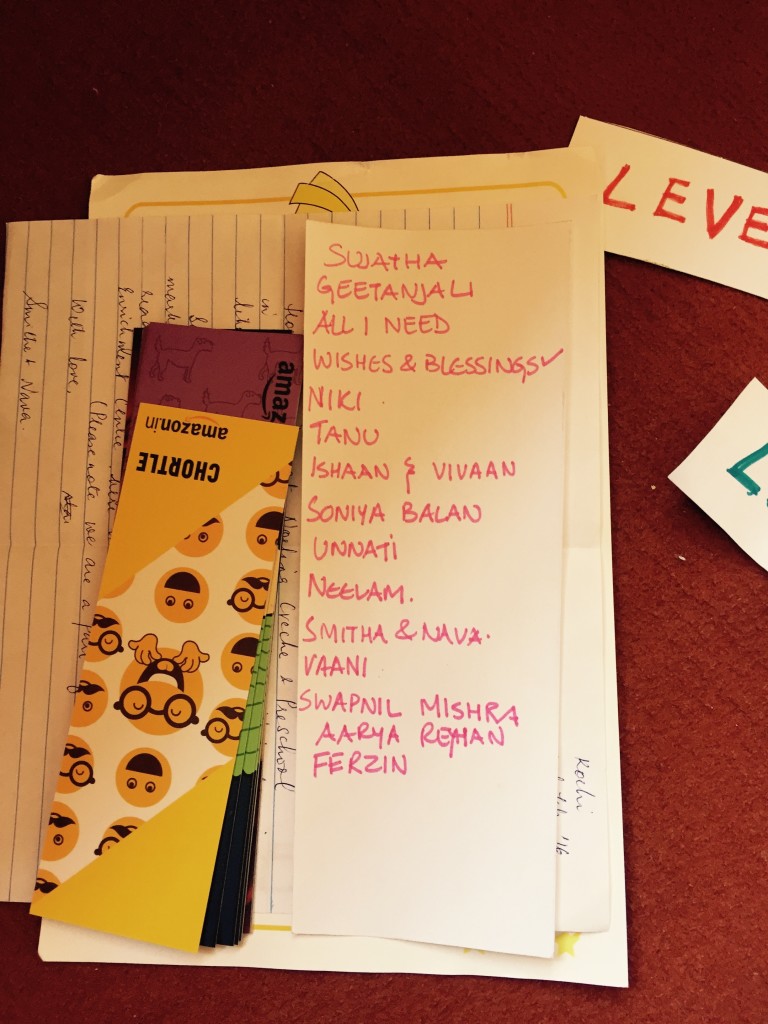
Activities are adapted to available materials. Coloured pencils, recycled paper, handmade bookmarks and locally sourced craft supplies can transform a reading room without creating unnecessary expense. In Australia, families may recognise this spirit from school library displays and Book Week celebrations, where costumes, storytelling and imagination bring books into everyday life.
Extending The Story Through Community
The celebration does not finish when the last page is read. Children often want to talk about the ending, compare characters or explain which part they would change. We make room for these conversations because speaking about a story strengthens comprehension and gives every reader a reason to be heard.
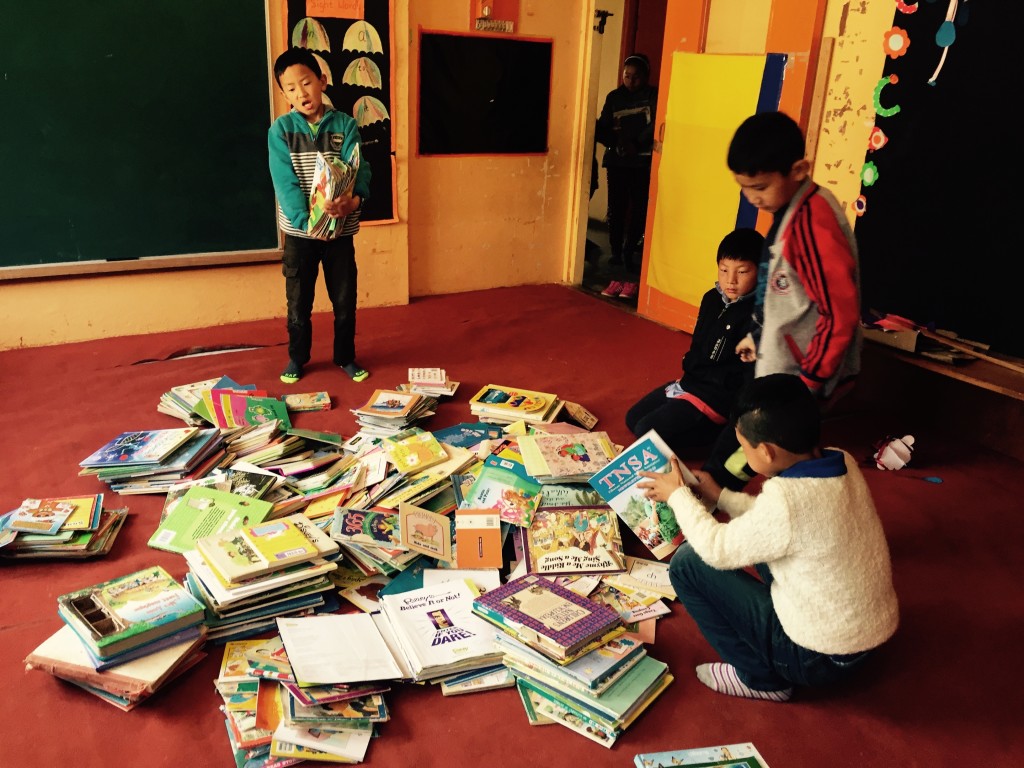
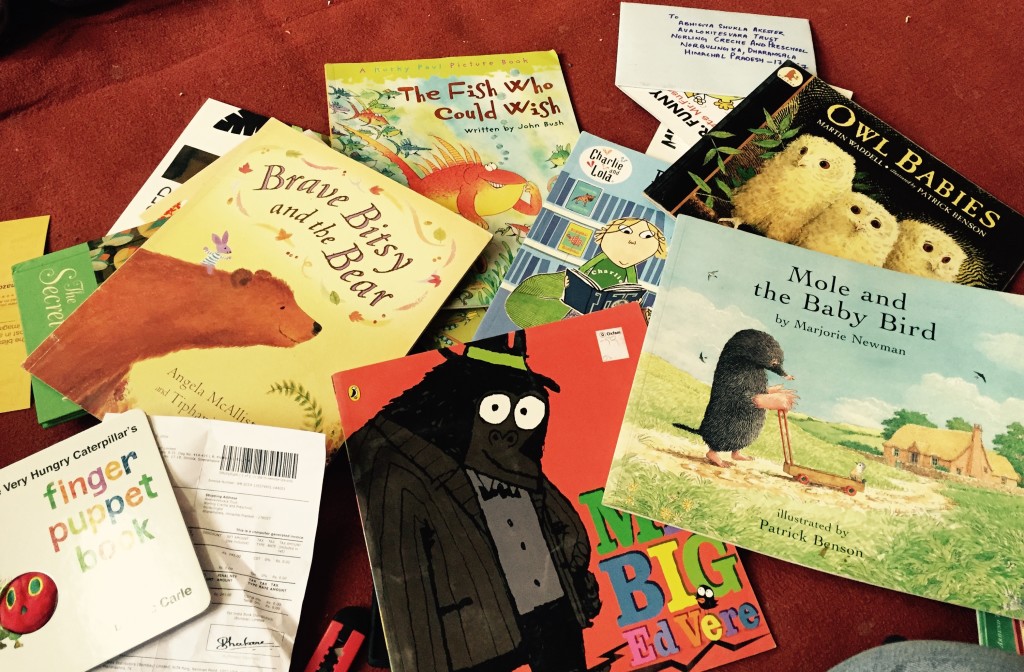
A reading room can become a place where first chapter books circulate among many children. Once one reader has finished, the book may be shared with a sibling, a classmate or a younger child. Simple borrowing records help us understand which titles are popular and where more copies are needed.
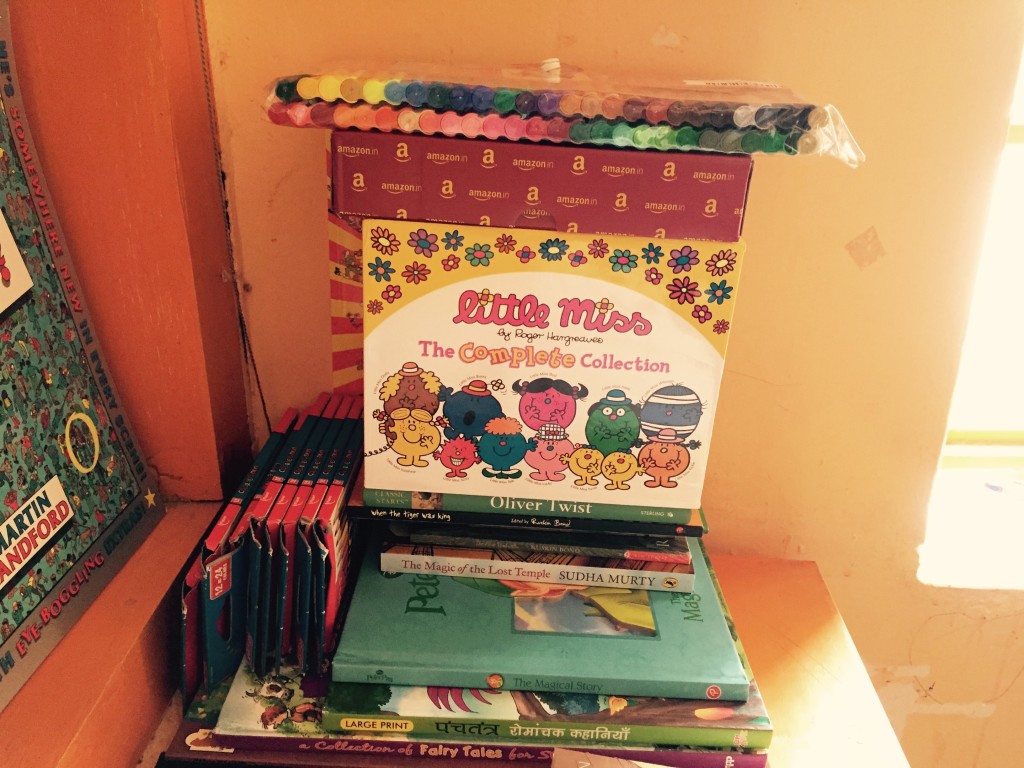
For donors and volunteers in Australia, this creates a direct connection between a contribution and a child’s learning experience. A gift made in Australian dollars can help purchase books, shelves, floor cushions, art supplies or transport to communities where resources are scarce. Supporters may be familiar with the cost of children’s books in the Australian market, especially when new releases and imported titles become expensive; thoughtful book drives can help stretch resources further.
Ways A Book Can Keep Giving
- Add a child-friendly review or drawing to the reading room display
- Pair a new title with a bookmark, notebook or simple creative activity
- Invite children to recommend a book for the next reading list
- Track shared titles so popular subjects can be replenished
- Connect a story with local geography, music, art or environmental learning
The Chapter Continues Beyond The Page
A first chapter book can influence far more than a single reading session. It may encourage a child to visit the reading room each week, try a harder title or imagine a future involving teaching, writing, science or art. The change is gradual, yet repeated access to books can shape confidence over many years.
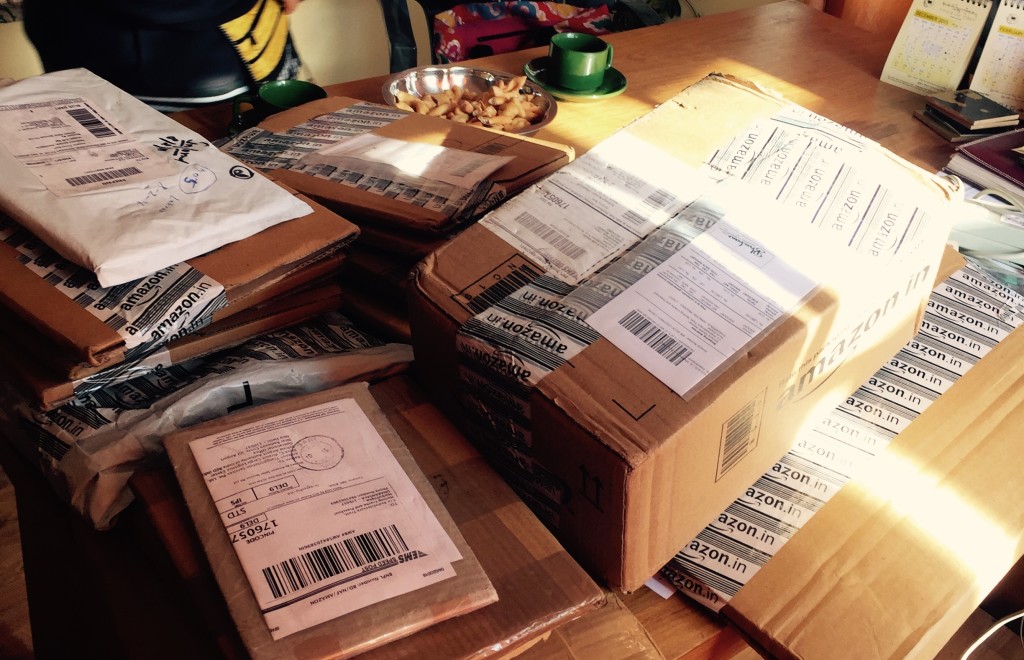
This is why we celebrate each new reader with care. The event acknowledges the child’s persistence while also recognising the community that makes reading possible: families, teachers, volunteers, donors and the people who sort, carry and catalogue books. A book drive in Australia, a volunteer’s time in Ladakh and a child’s quiet decision to turn one more page all form part of the same chain of support.
We hope every child sees their first chapter book as something that belongs to them. It is a keepsake, a companion and an invitation to keep exploring. What readers should remember is that one carefully chosen book can begin a lifelong relationship with learning, imagination and possibility.