Fairy tales rooted in Himalayan places
Classic fairy tales travel easily because their central feelings are familiar: a child seeks safety, a friend offers help, a promise is tested, or courage changes a difficult situation. Yet the settings and characters often come from distant forests, castles and villages that do not reflect the lives of children in Ladakh or other Himalayan communities.
At Avalokiteśvara Trust, adapting these stories means treating local knowledge as part of the creative work. A familiar tale can gain new meaning when its path passes through a high mountain pass, a monastery courtyard or a village beside a dry riverbed. The aim is to encourage reading while giving children space to recognise their own landscapes, languages and everyday experiences.
Starting with a story children already know
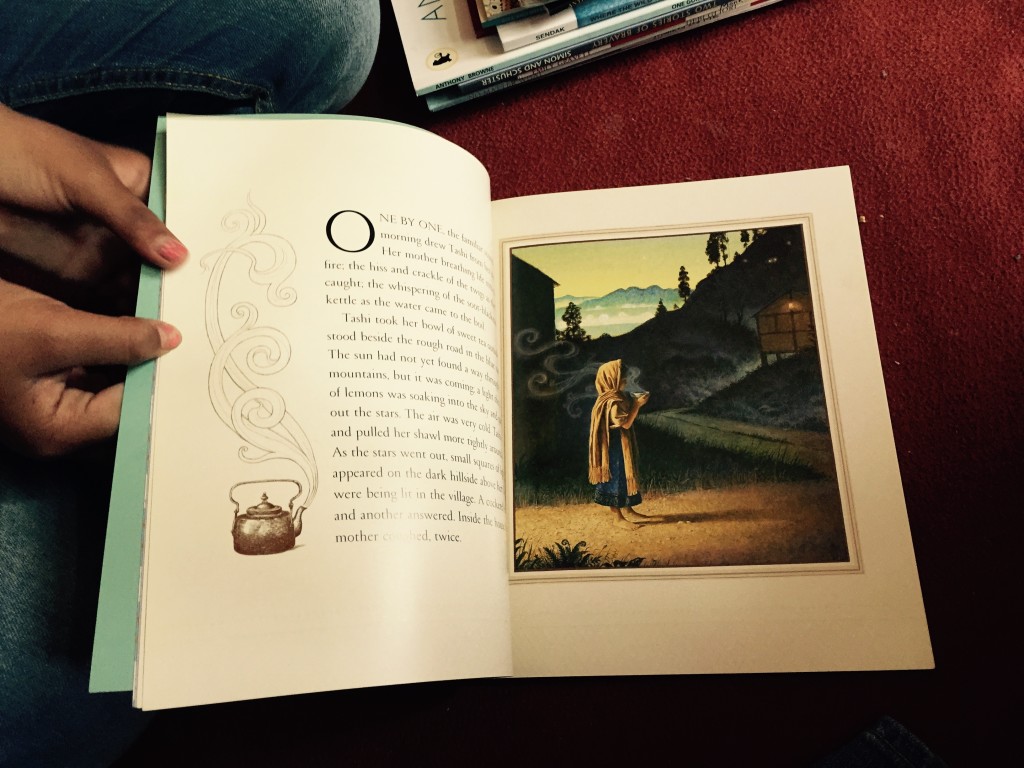
The first step is to identify the emotional heart of a fairy tale rather than copy every detail. In Little Red Riding Hood, the central ideas might be care, a risky journey and wise guidance. In a Himalayan version, the red cloak could become a woollen shawl, the forest could become a mountain trail, and the helpful figure could be an older cousin, neighbour or young monk who knows the route.
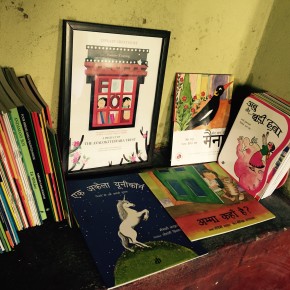
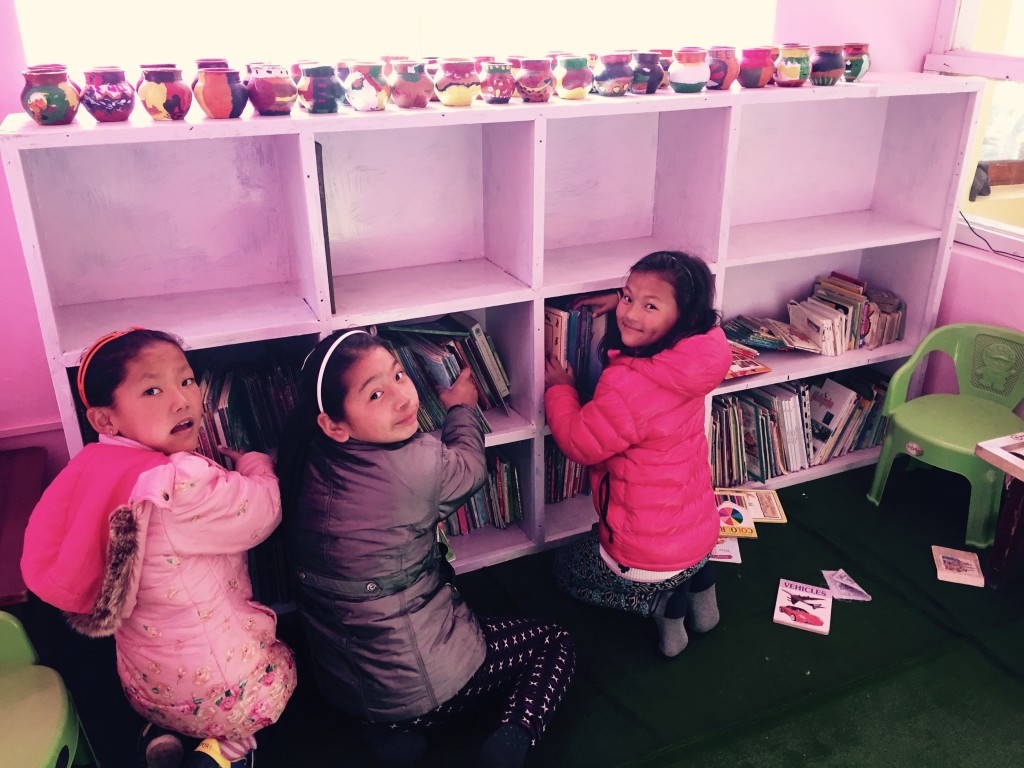
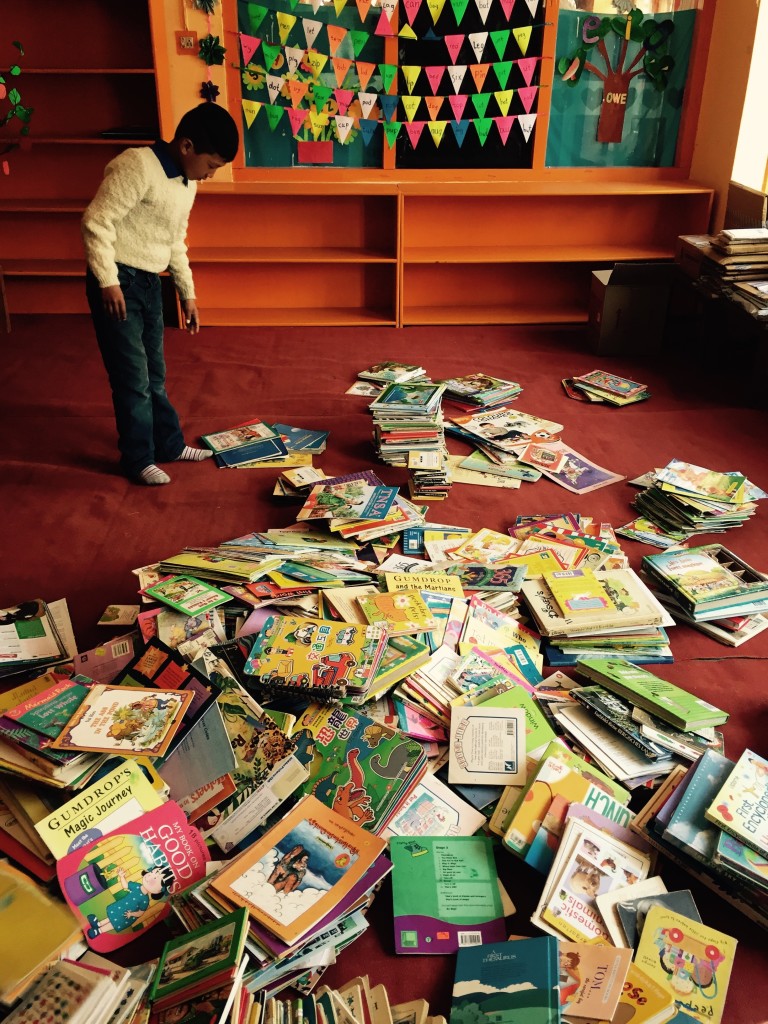
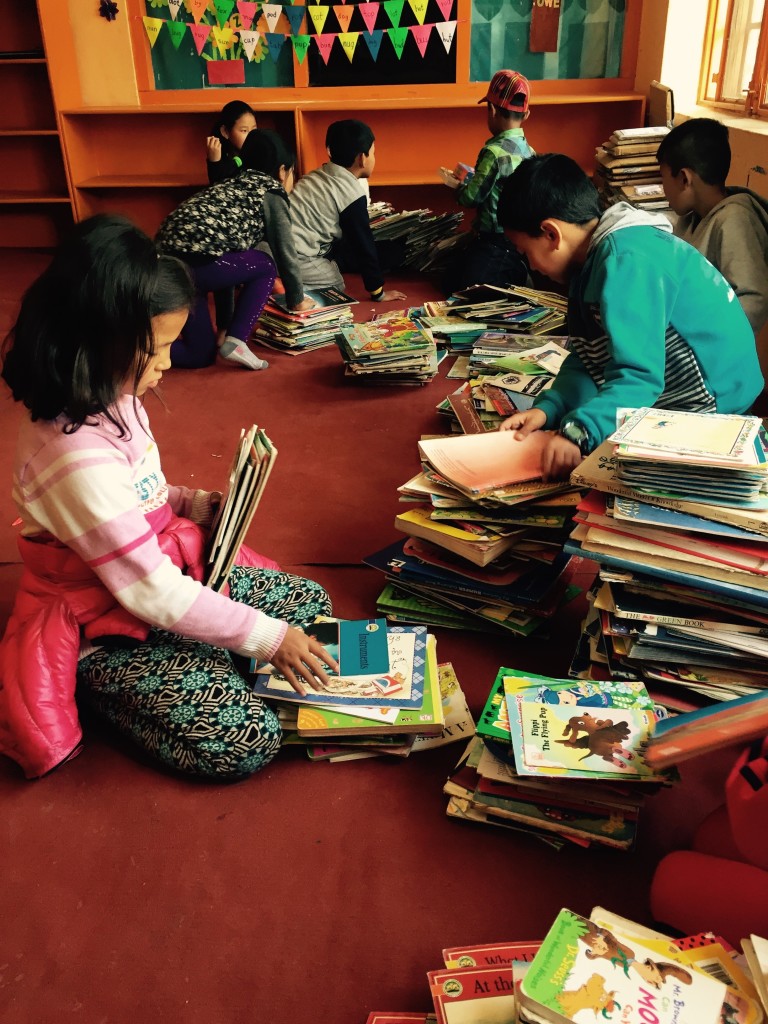
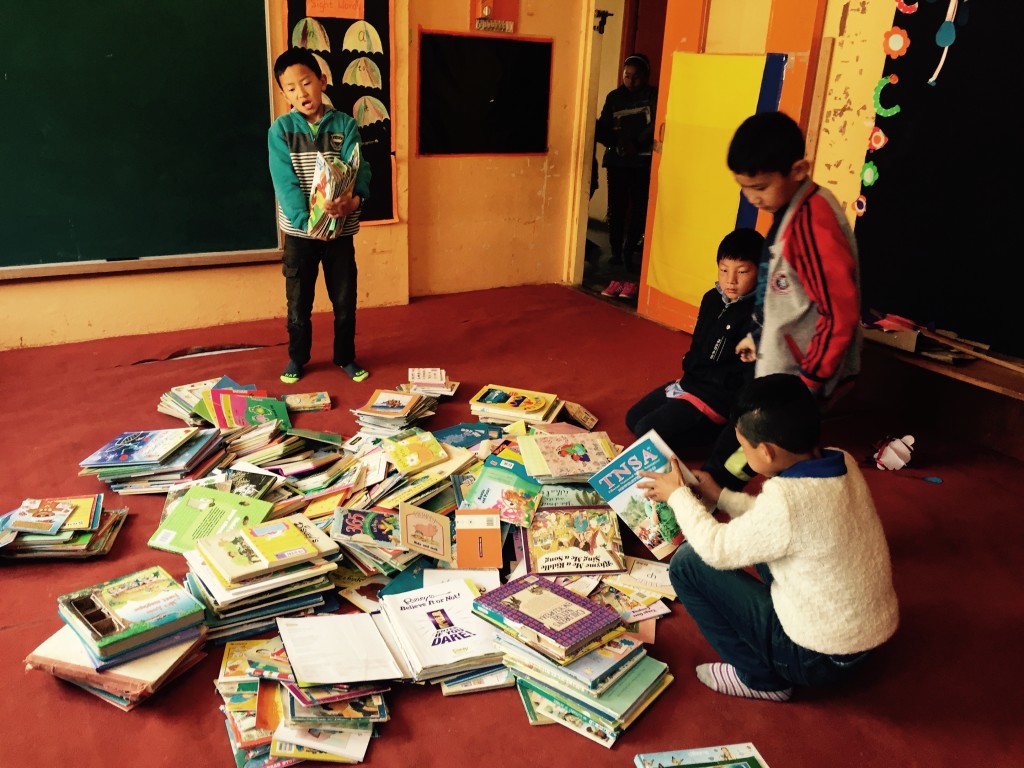
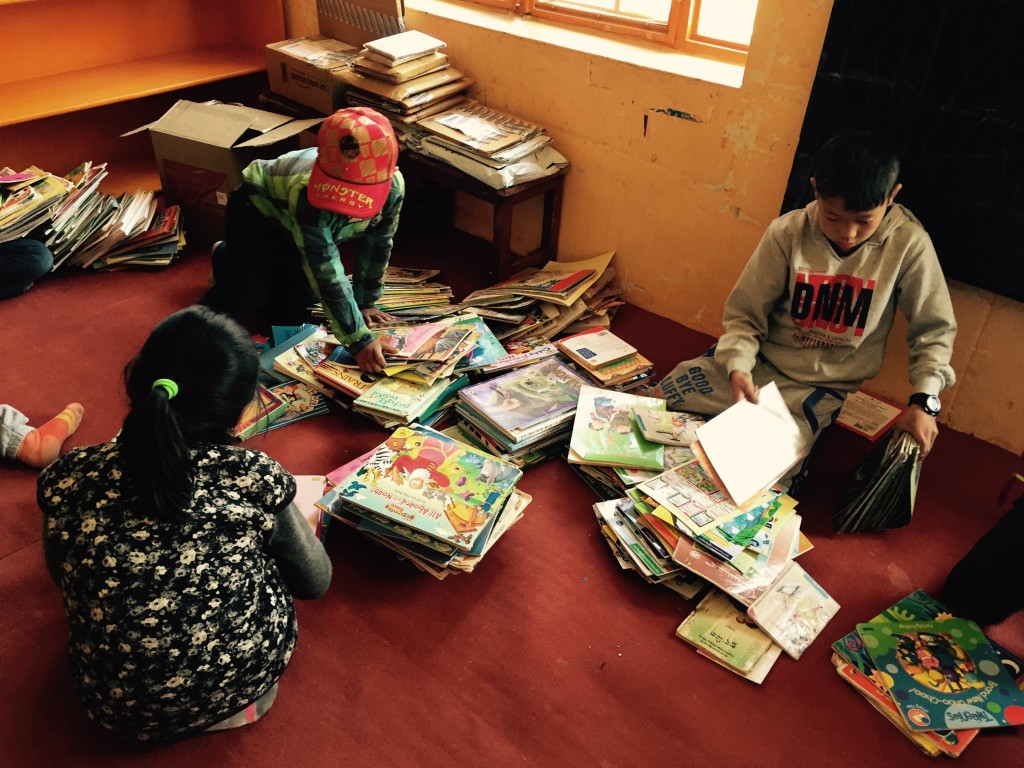
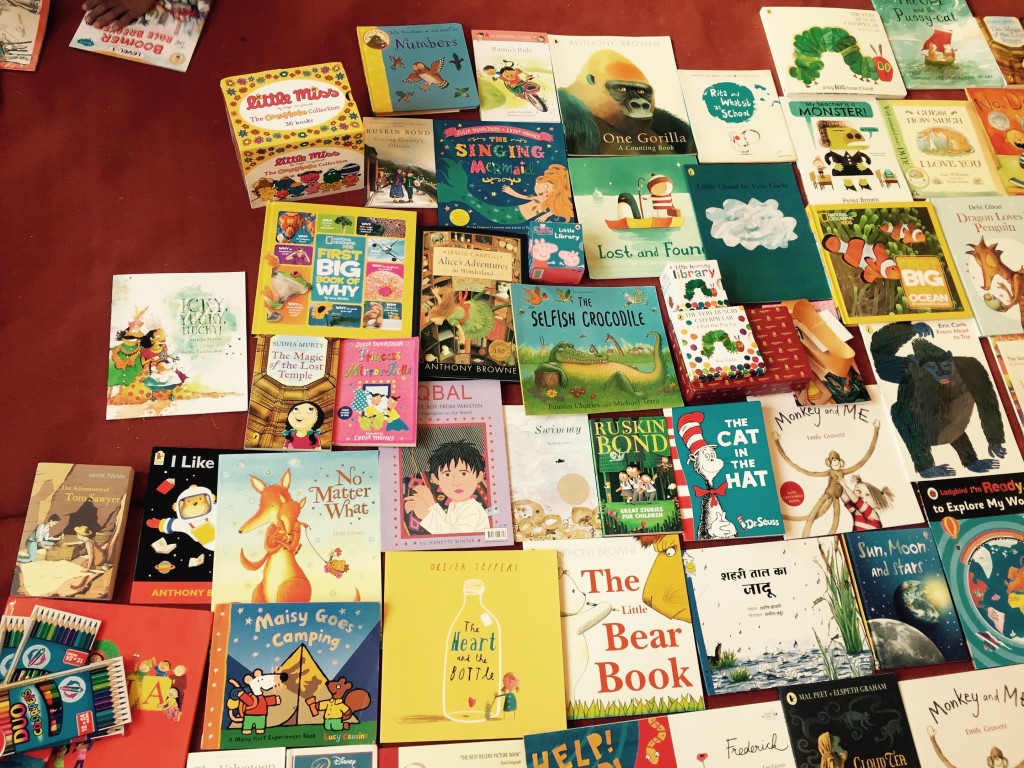
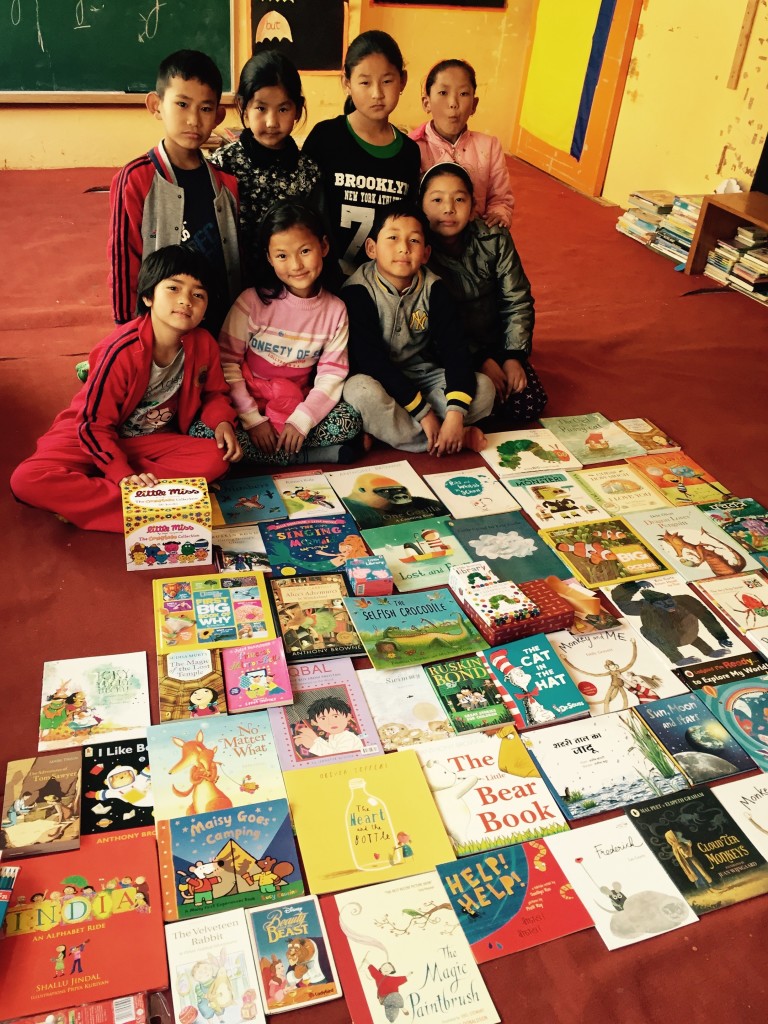
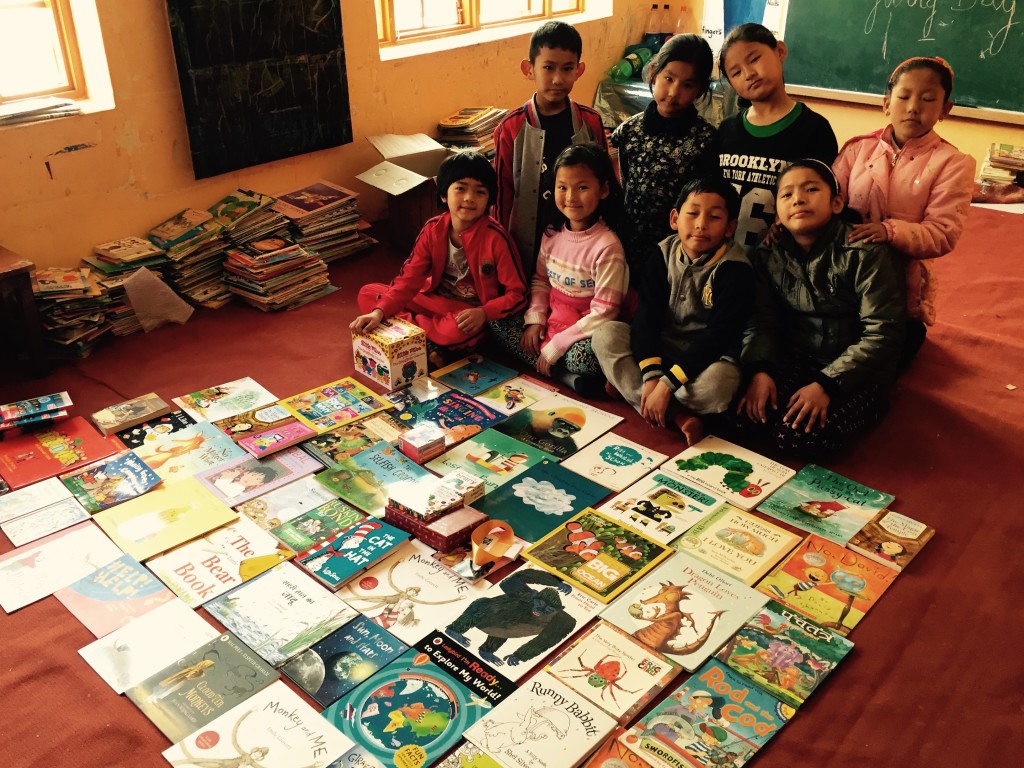
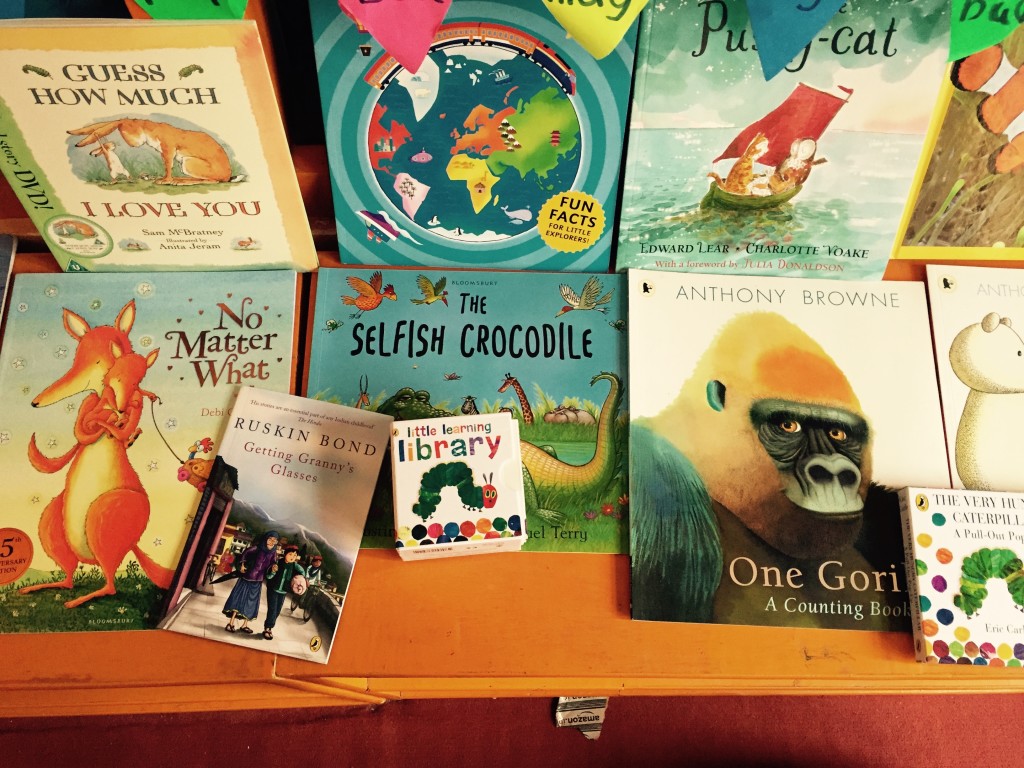
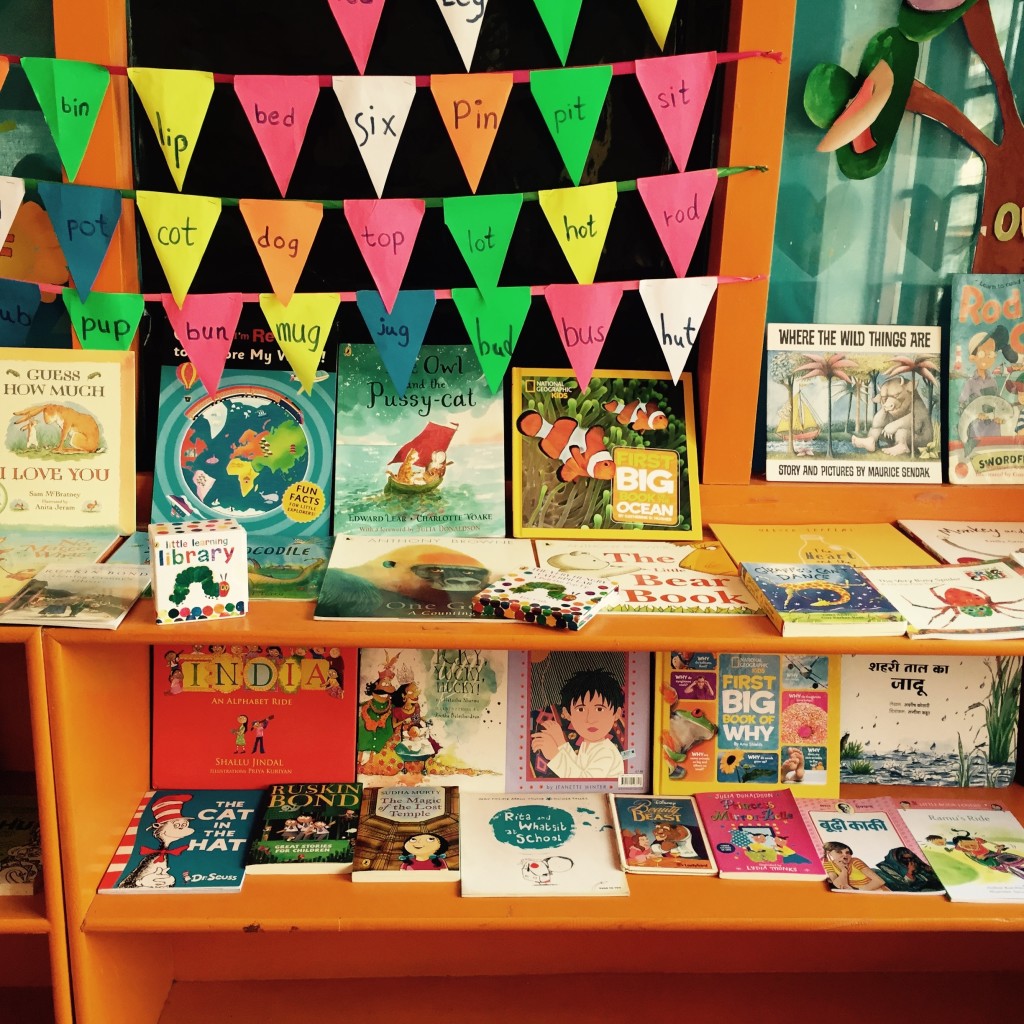
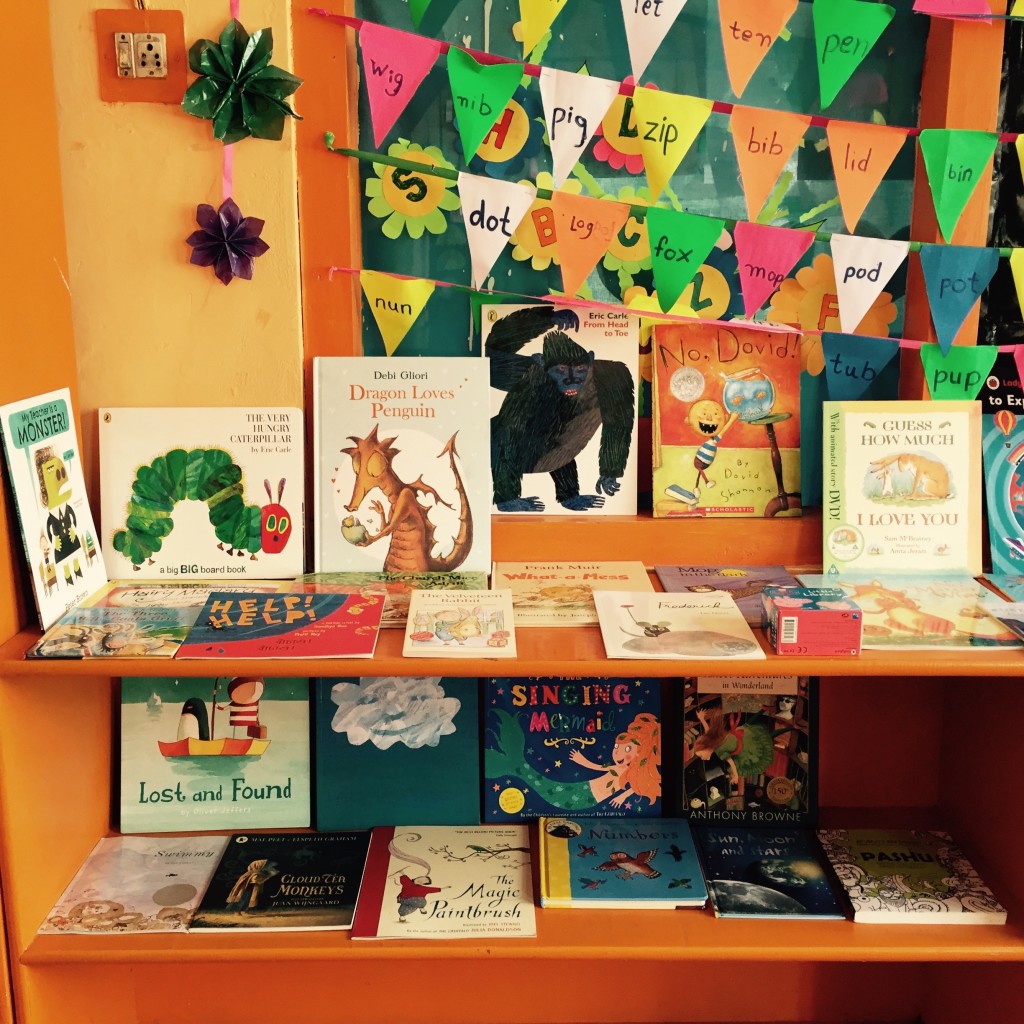
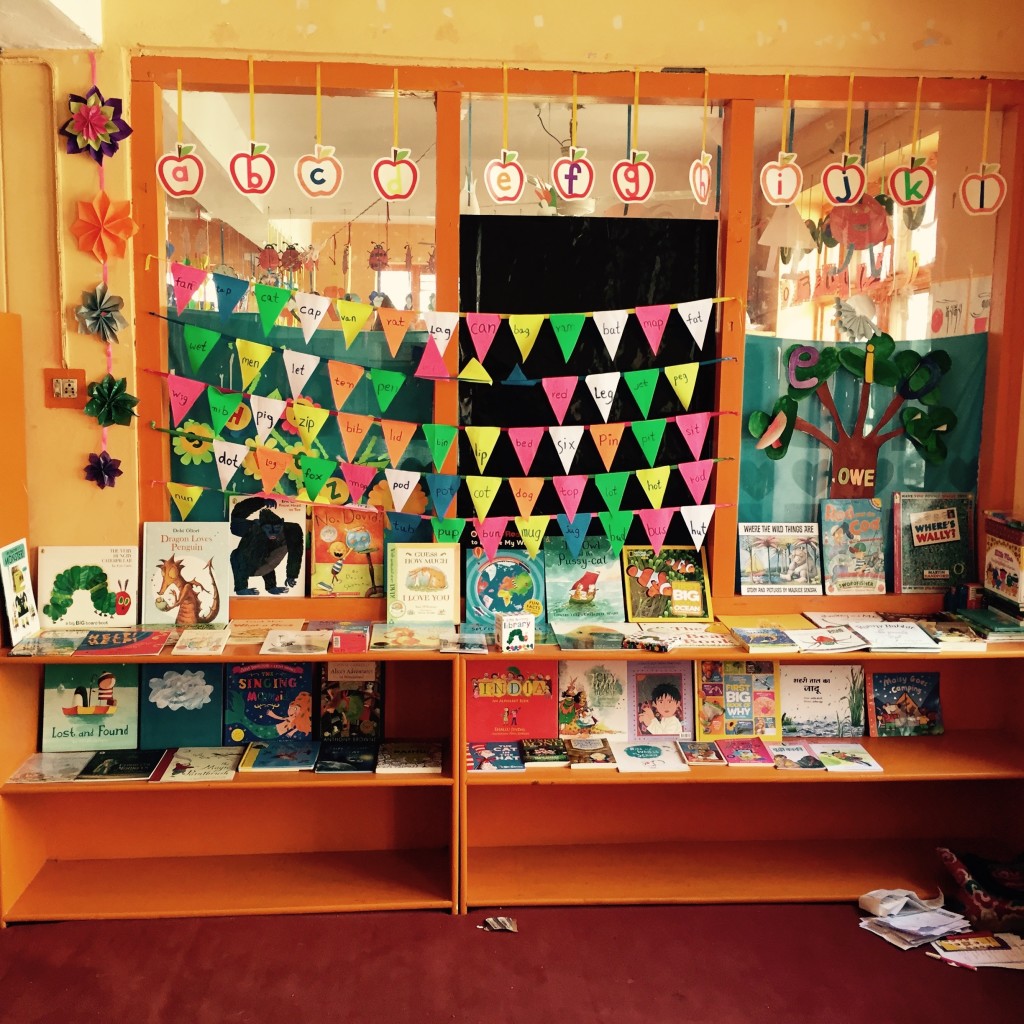
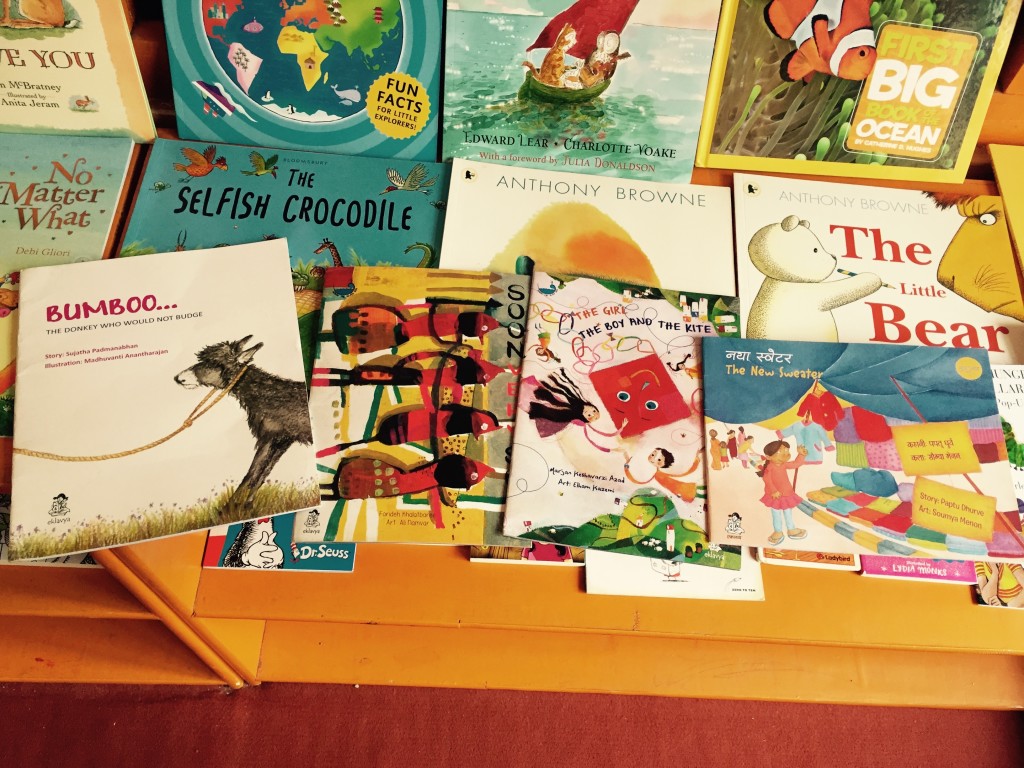
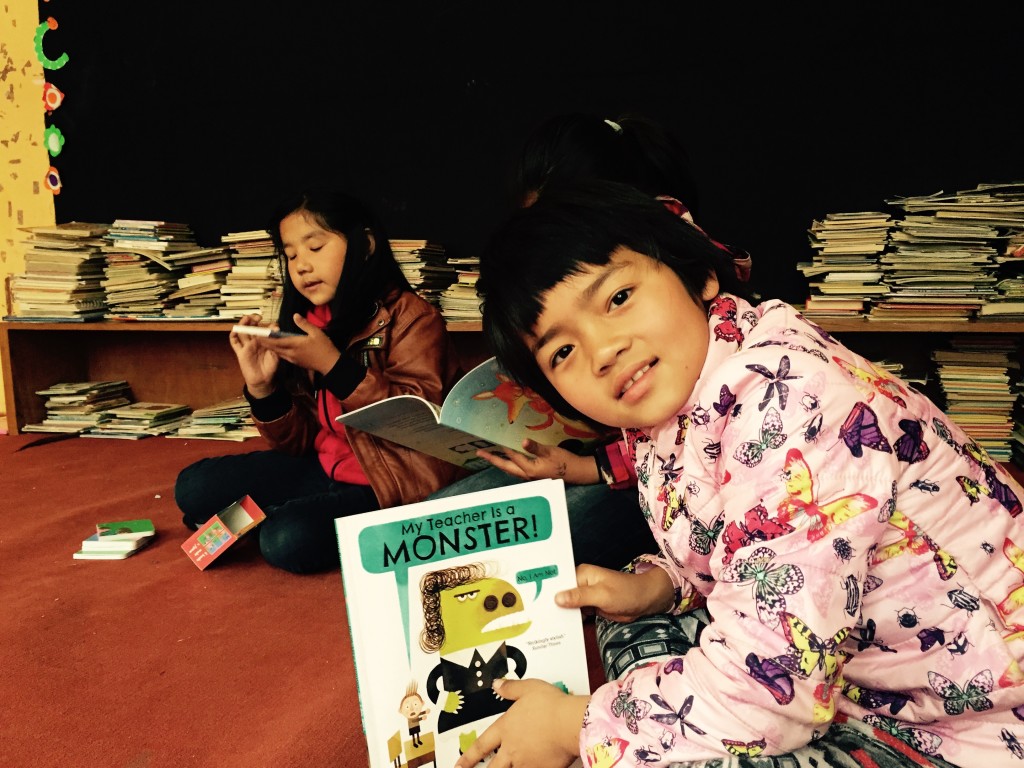
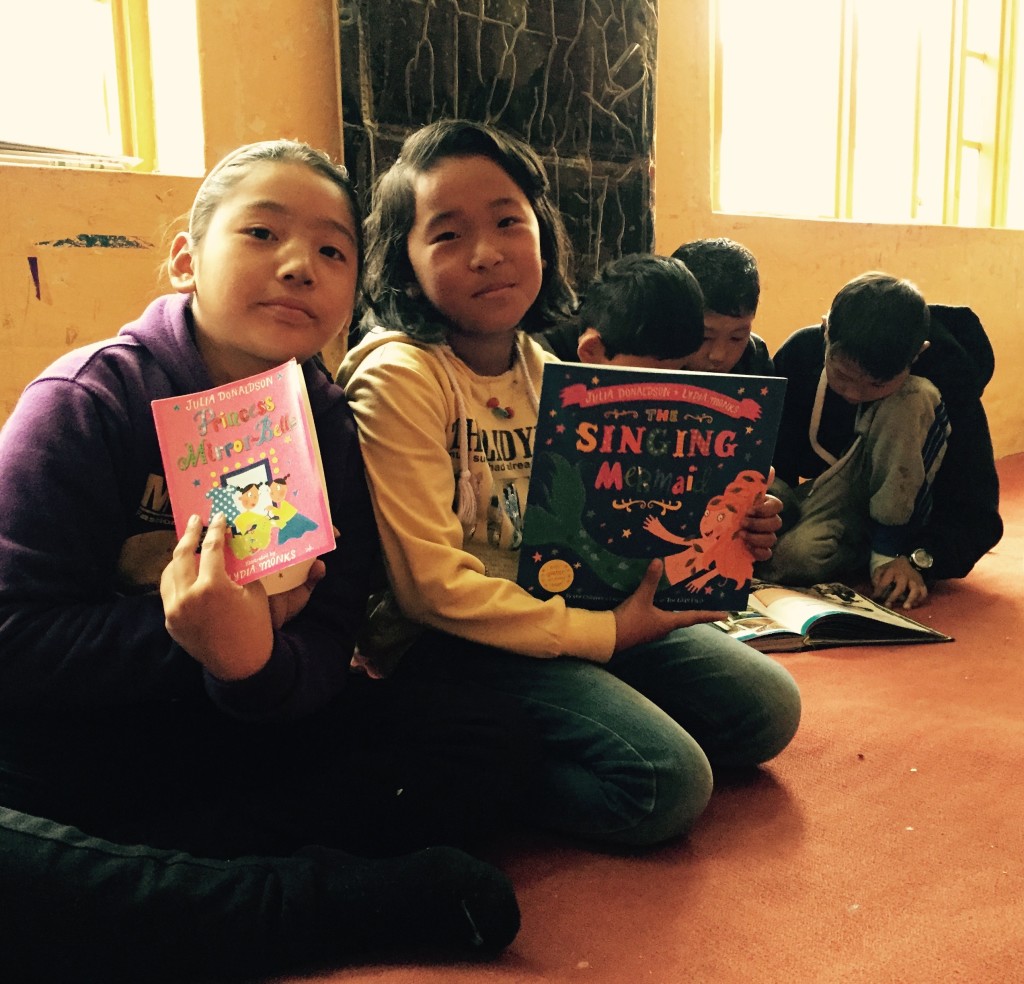
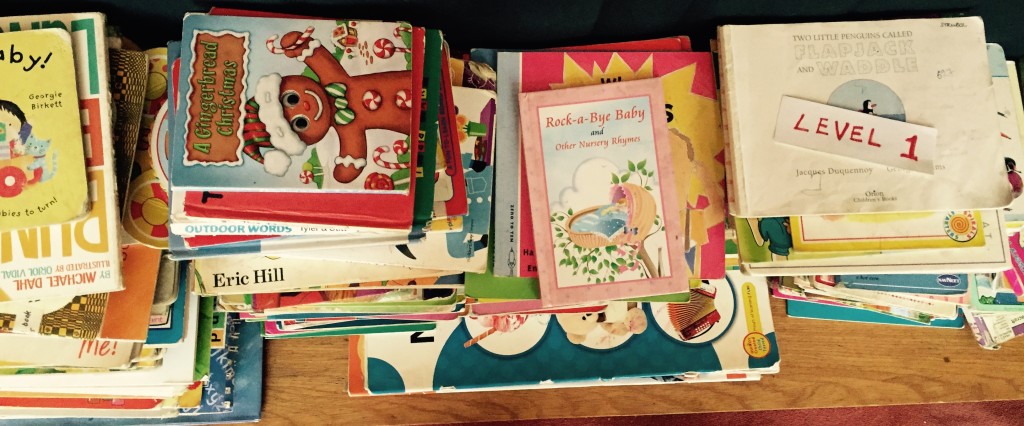
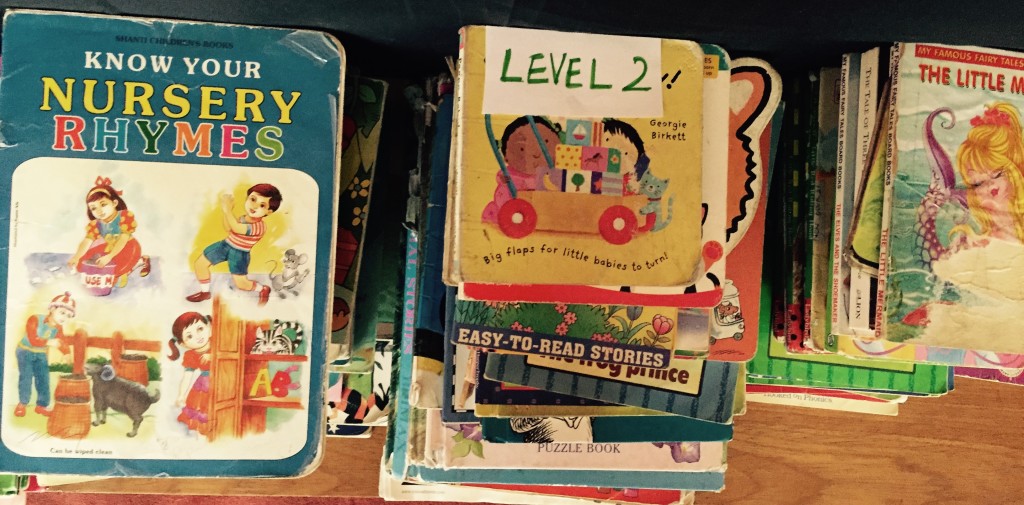
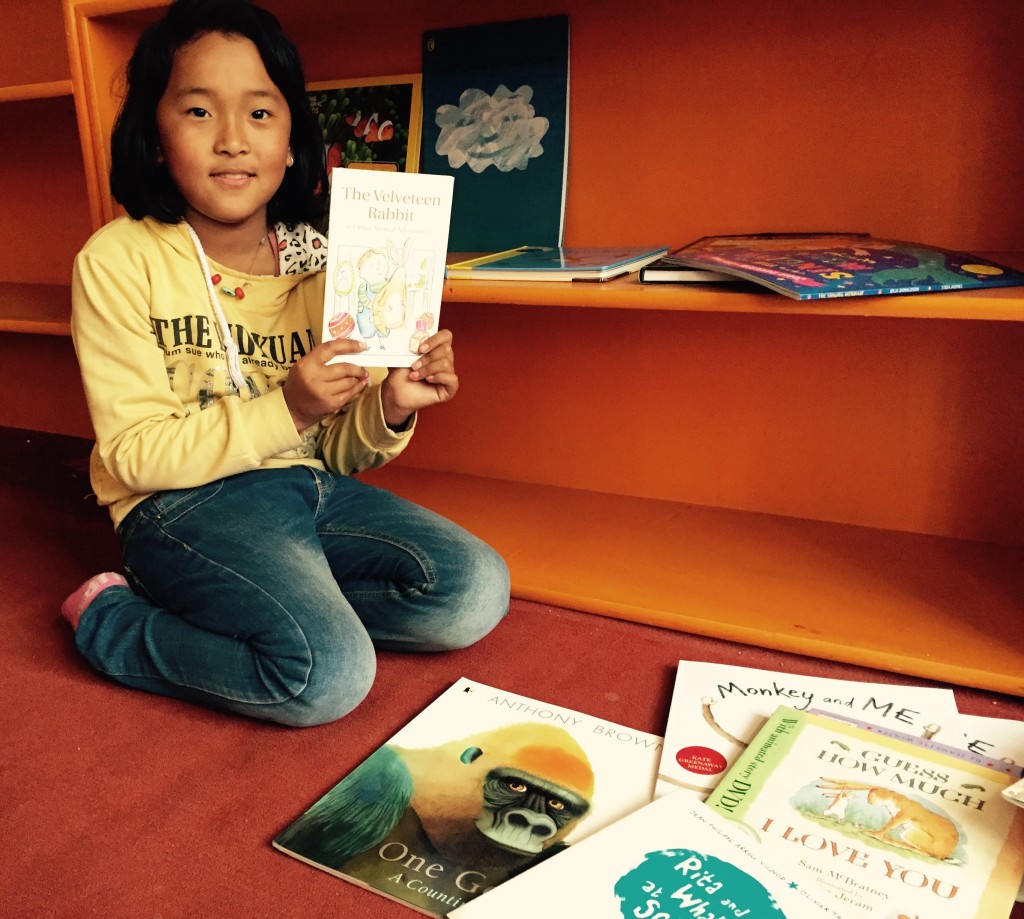
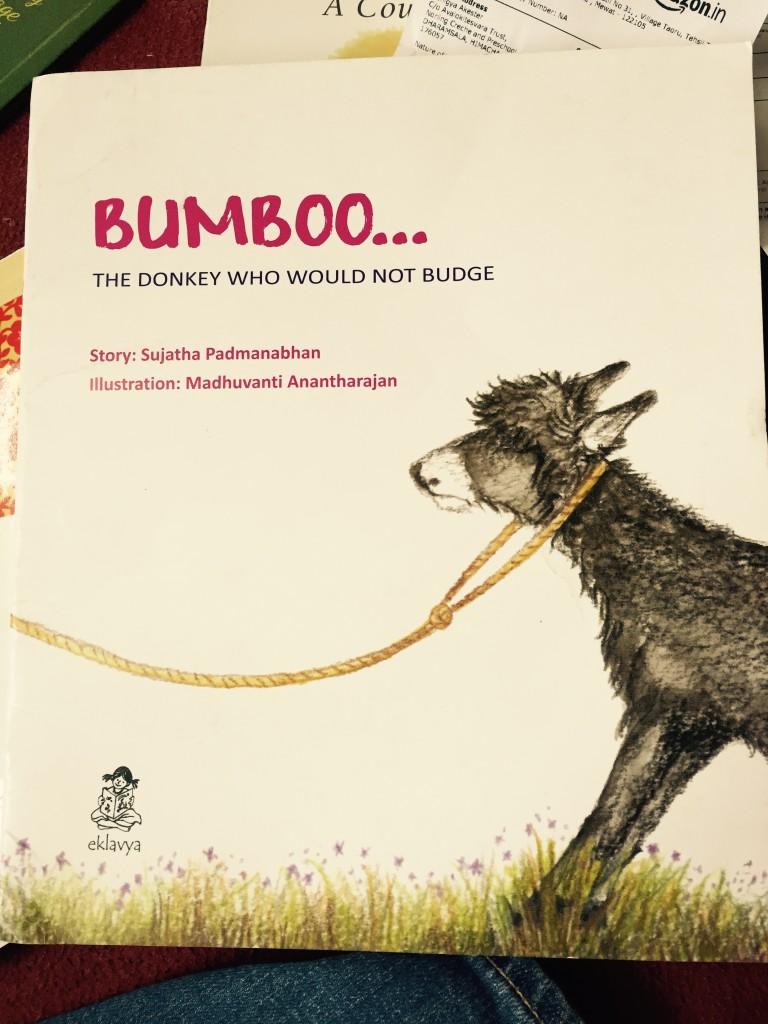
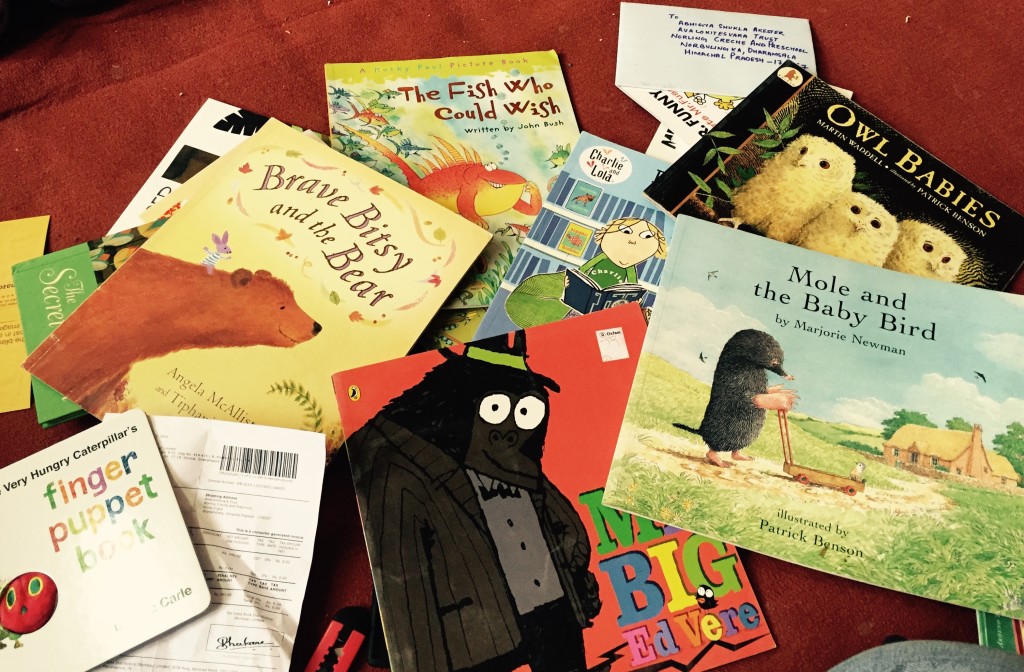
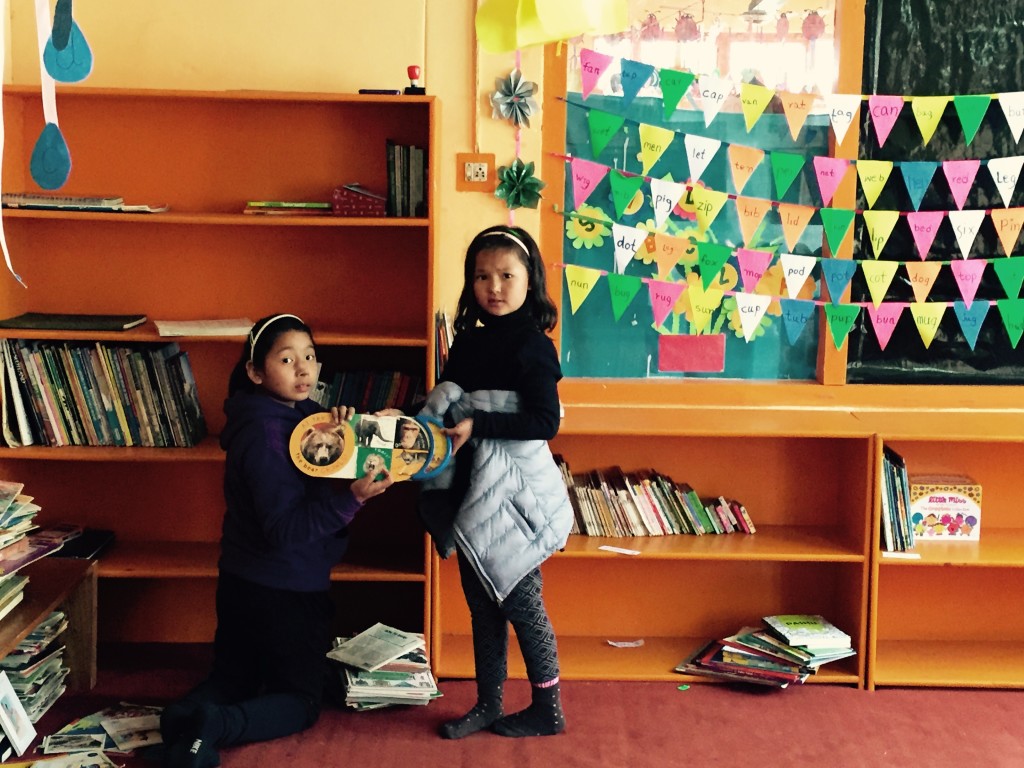
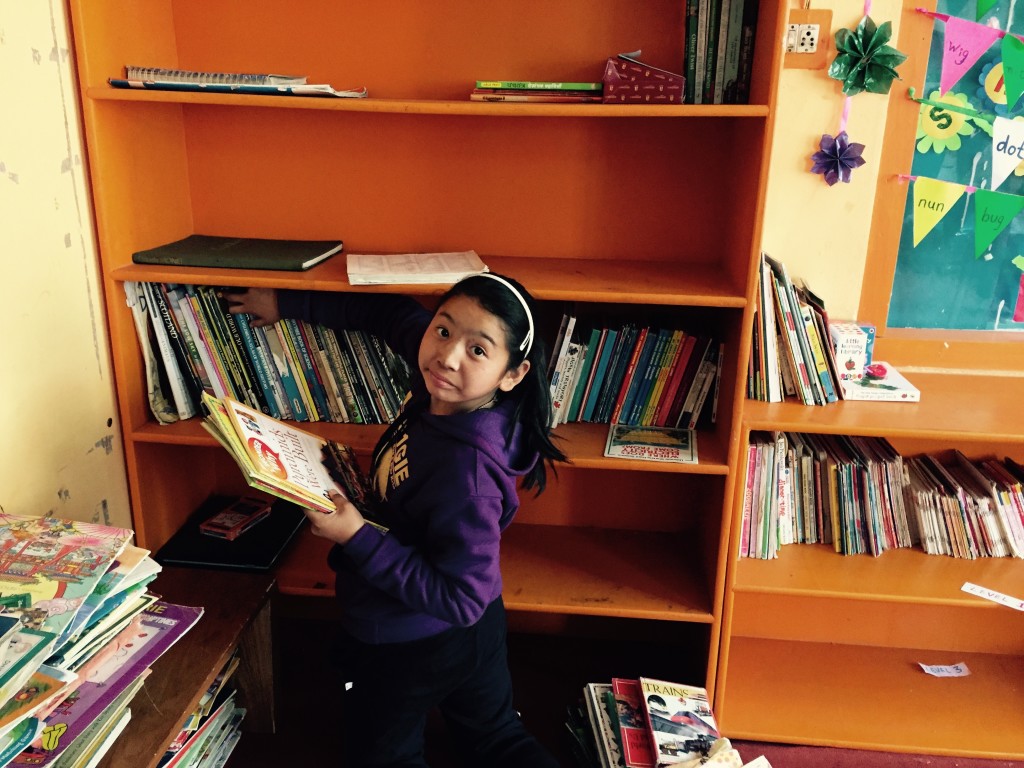
This approach keeps the story recognisable while making its world believable. Children can discuss why a character travels, which places feel safe, and how people find help in their own communities. A book drive or reading-room session may then include several versions of the same tale, allowing young readers to compare castles, forests, valleys and villages without treating one setting as the universal standard.
Adaptation also gives children permission to change the story themselves. They might replace a carriage with a shared taxi, a royal feast with a community meal, or a magical tower with a hillside school. These choices are small, yet they turn passive reading into authorship.
Listening to local voices and memories
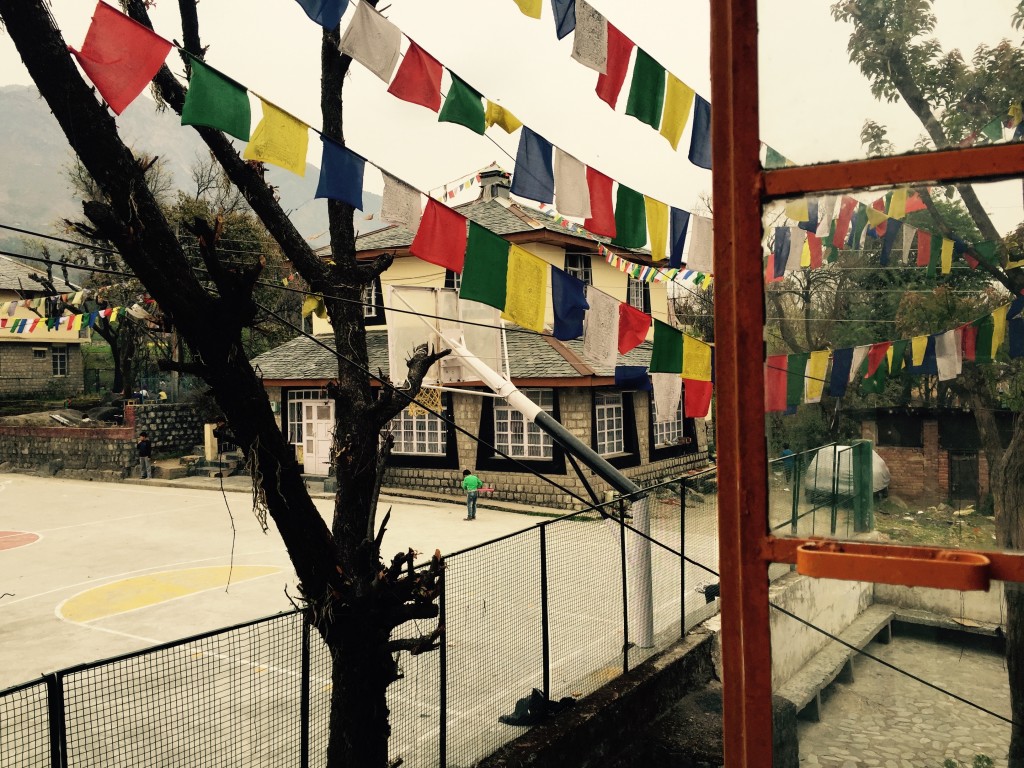
A responsible retelling begins with observation and listening. Children, families, teachers and community leaders can describe the places that matter to them: a path beside irrigation channels, a market street, a prayer flag moving in the wind or a classroom warmed by the afternoon sun. These details are more valuable than a generic idea of an “exotic” mountain landscape.
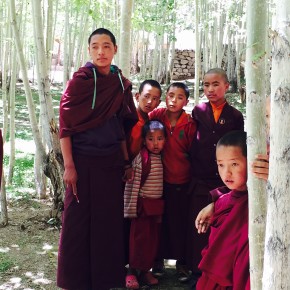
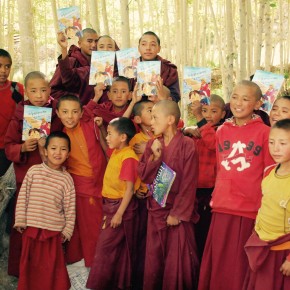
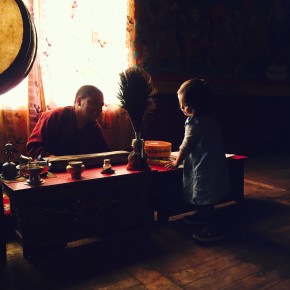
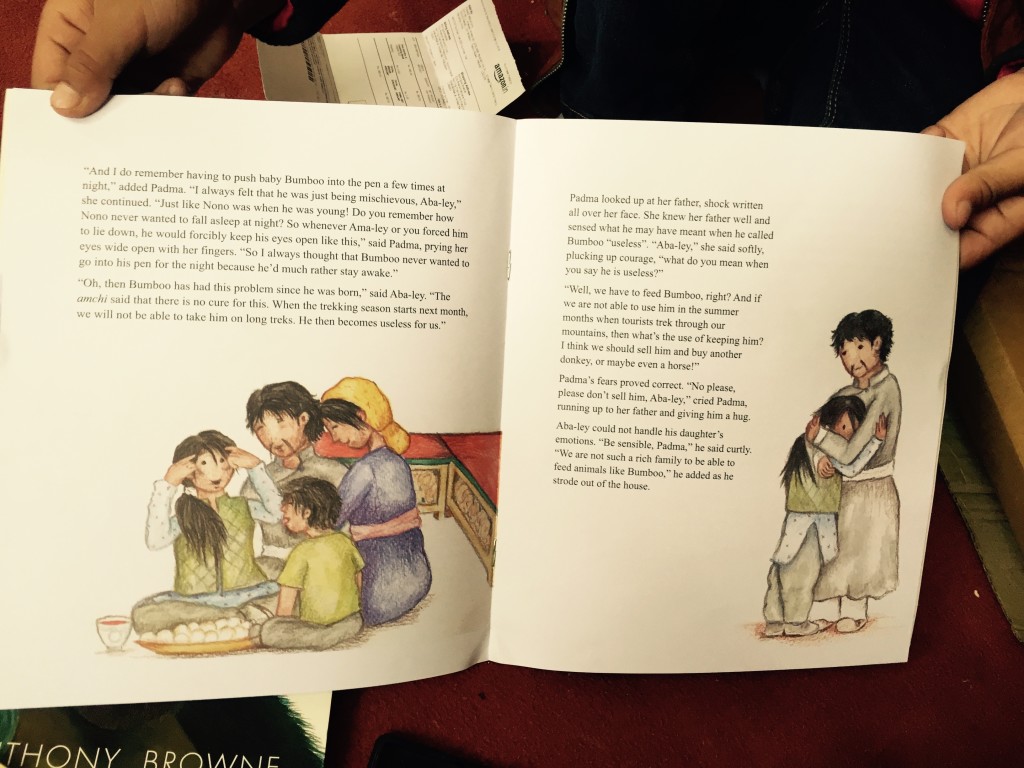
Local characters should have varied personalities and roles. A story may include a curious child, a practical grandmother, a shopkeeper, a craftsperson, a teacher or a novice monk. Young monks can be shown as learners with friendships, humour and creative interests, rather than as symbolic figures placed in the background. Such portrayals help readers see communities as lively and complex.
Names, clothing and customs need care. A character should not be given a local name simply to make a foreign plot appear Himalayan. The creative process works best when children can explain why a detail belongs in the story and when adults check that sacred practices or community traditions are not being used as decoration.
Turning landscapes into part of the plot
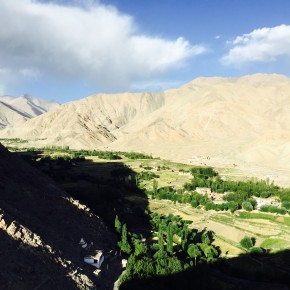
A landscape becomes meaningful when it affects what happens. In a Himalayan fairy tale, altitude may make a journey tiring, a sudden snowfall may delay a messenger, and a narrow footbridge may require cooperation. Dry terrain can shape where animals find water, while a monastery courtyard can provide a place for conversation, music or shelter.
These features can replace familiar European fairy-tale scenery without making the story difficult to follow. A forest might become a poplar-lined valley, and a royal road might become a trail between settlements. The landscape can carry clues, obstacles and comfort. It can also introduce ecological awareness by showing how water, pasture, weather and seasonal movement influence daily life.
Australian readers may recognise the value of this method in their own surroundings. A retelling prepared for children in Melbourne might use a tram stop, a laneway mural or a community garden. In Perth, the heat and sandy ground would change the rhythm of a journey; in Sydney, ferries, busy crossings and harbour weather might shape the action. Place is not a backdrop: it teaches characters how to live.
Comparing familiar elements with local possibilities
The following choices help writers preserve the emotional structure of a classic tale while changing its cultural and geographic details.
| Familiar fairy-tale element |
Local adaptation possibility |
Story purpose |
| Enchanted forest |
A high valley, poplar grove or mountain trail |
Creates uncertainty and discovery |
| Castle |
A monastery, village home or hilltop school |
Provides shelter, authority or mystery |
| Royal banquet |
A community meal with local foods |
Shows generosity and belonging |
| Magic carriage |
A shared vehicle, pack animal or travelling caravan |
Moves the character between communities |
| Fairy godmother |
An elder, teacher, craftsperson or friend |
Offers knowledge and encouragement |
| Glass slipper |
A handmade boot, woven item or treasured object |
Connects identity with memory |
| Wicked wolf |
A natural danger, rumour or selfish decision |
Represents fear and moral choice |
The comparison also helps children discuss what should remain constant. Kindness, bravery and fairness can cross cultural boundaries, while the objects and landscapes carrying those values can change. This distinction is useful in reading rooms because it supports both imagination and critical thinking.
For Australian families, the same activity can invite comparison with local storytelling traditions and First Nations perspectives, provided these are approached with permission and respect. Aboriginal and Torres Strait Islander stories are living cultural knowledge, not raw material for unrestricted adaptation. Teachers and volunteers should use approved resources and follow the guidance of the relevant community.
Making adaptation hands-on
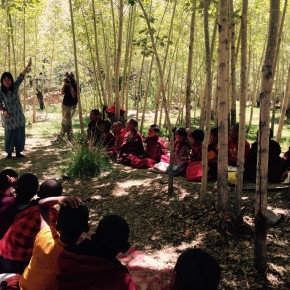
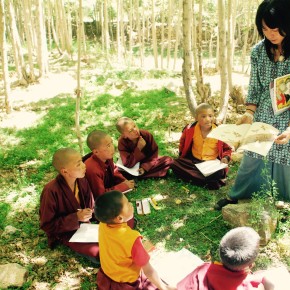
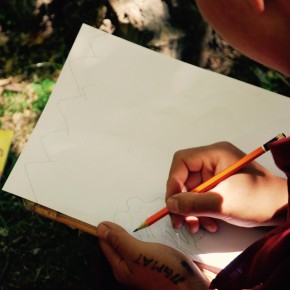
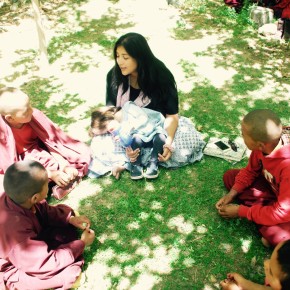
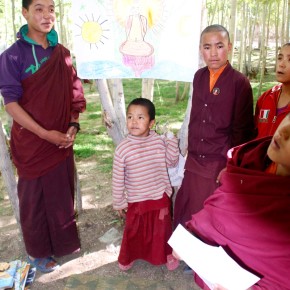
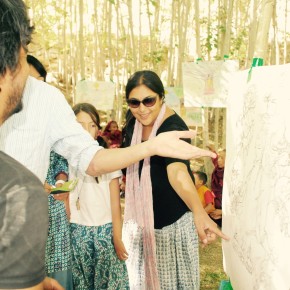
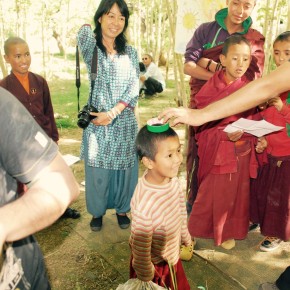
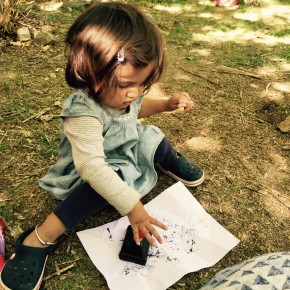
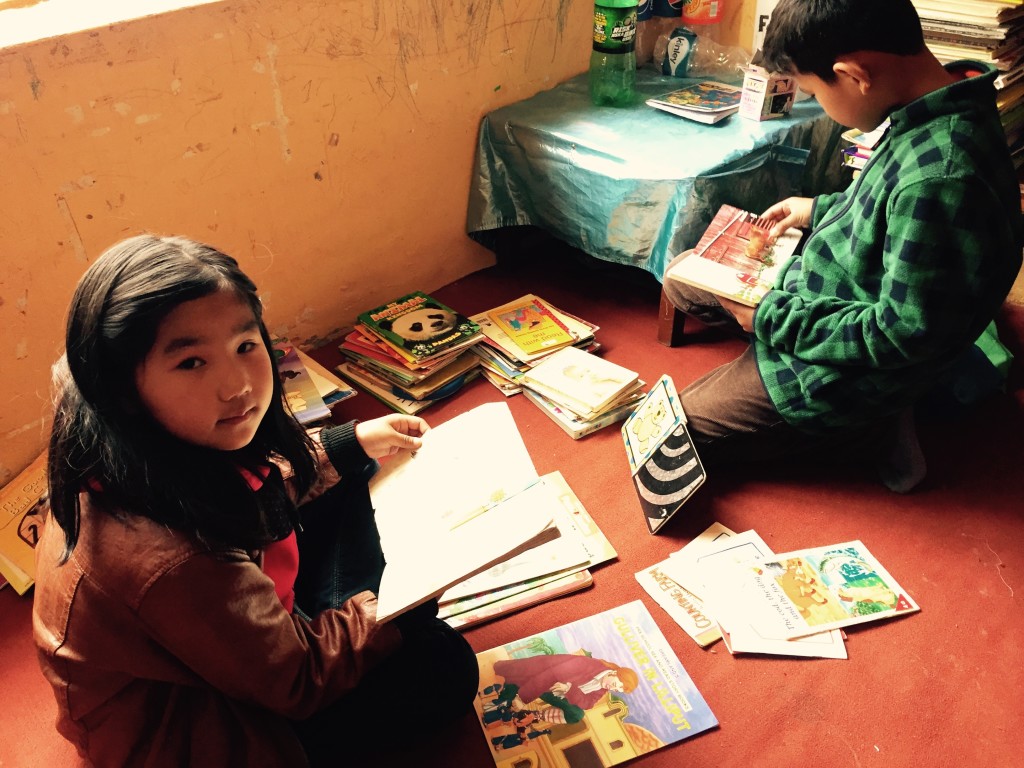
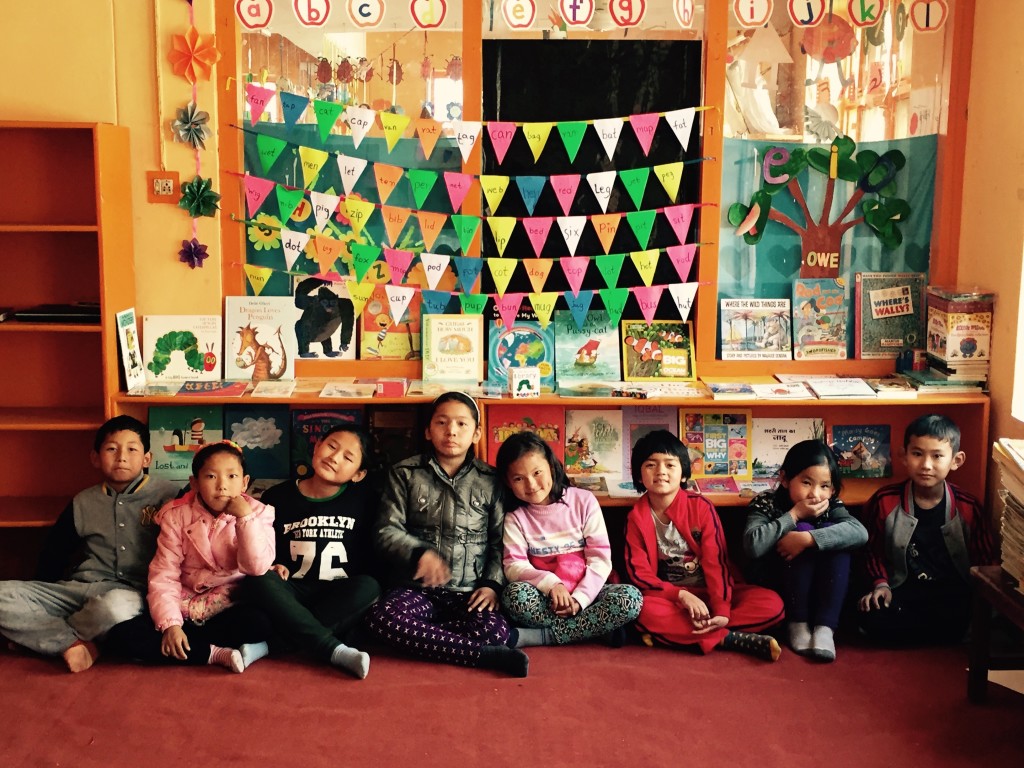
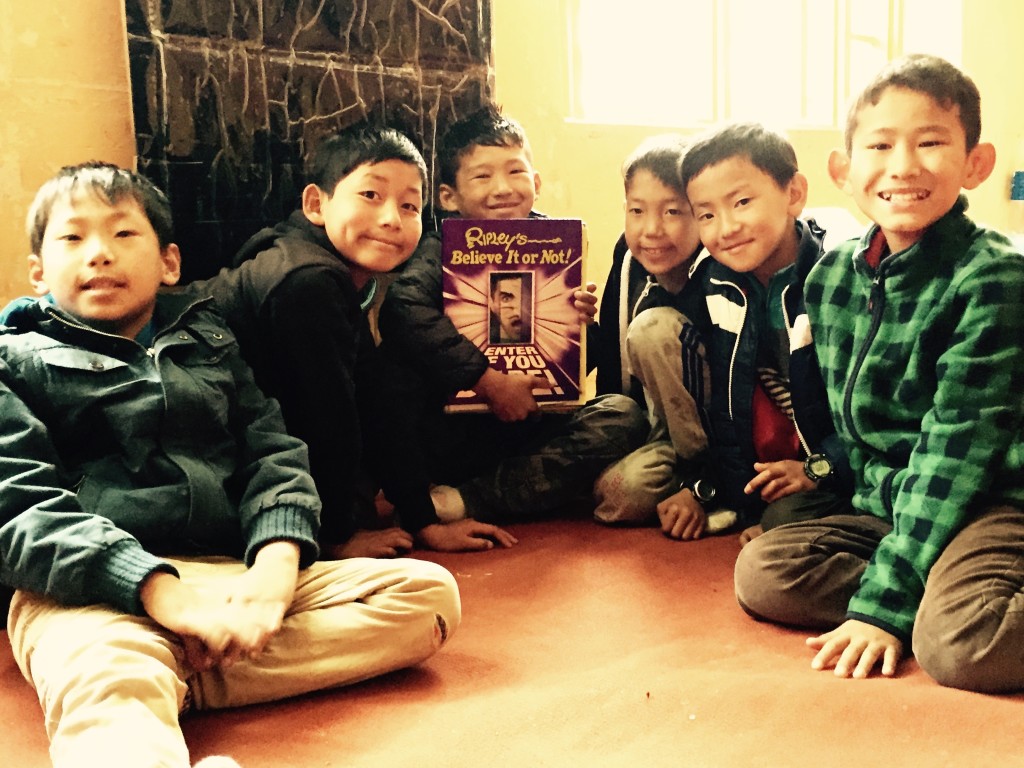
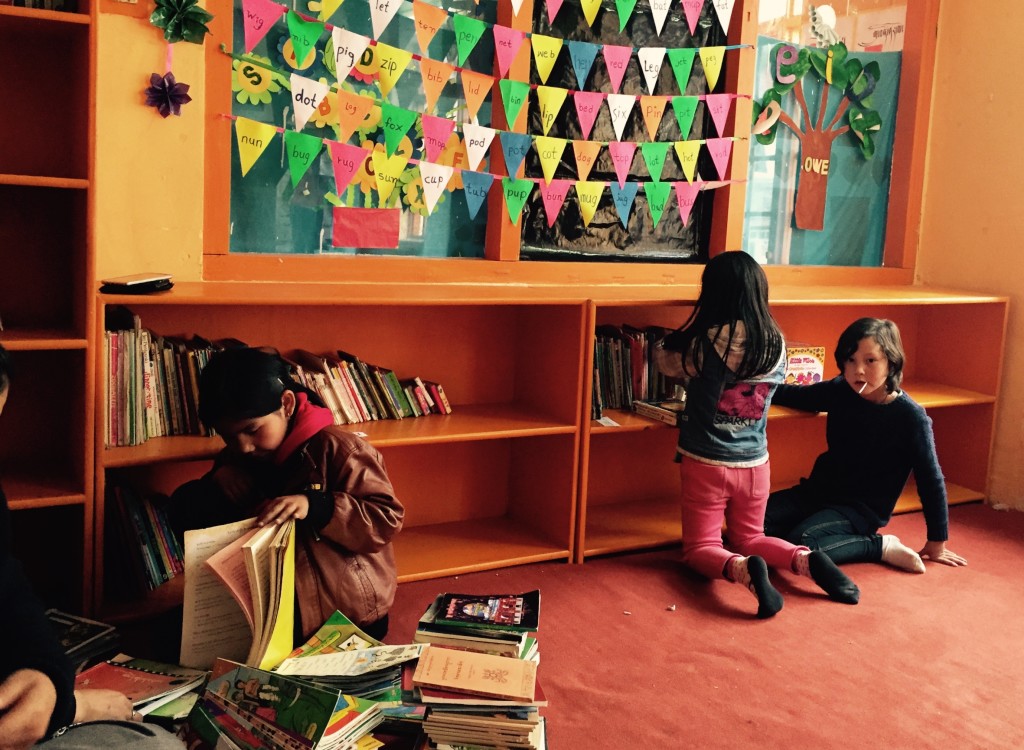
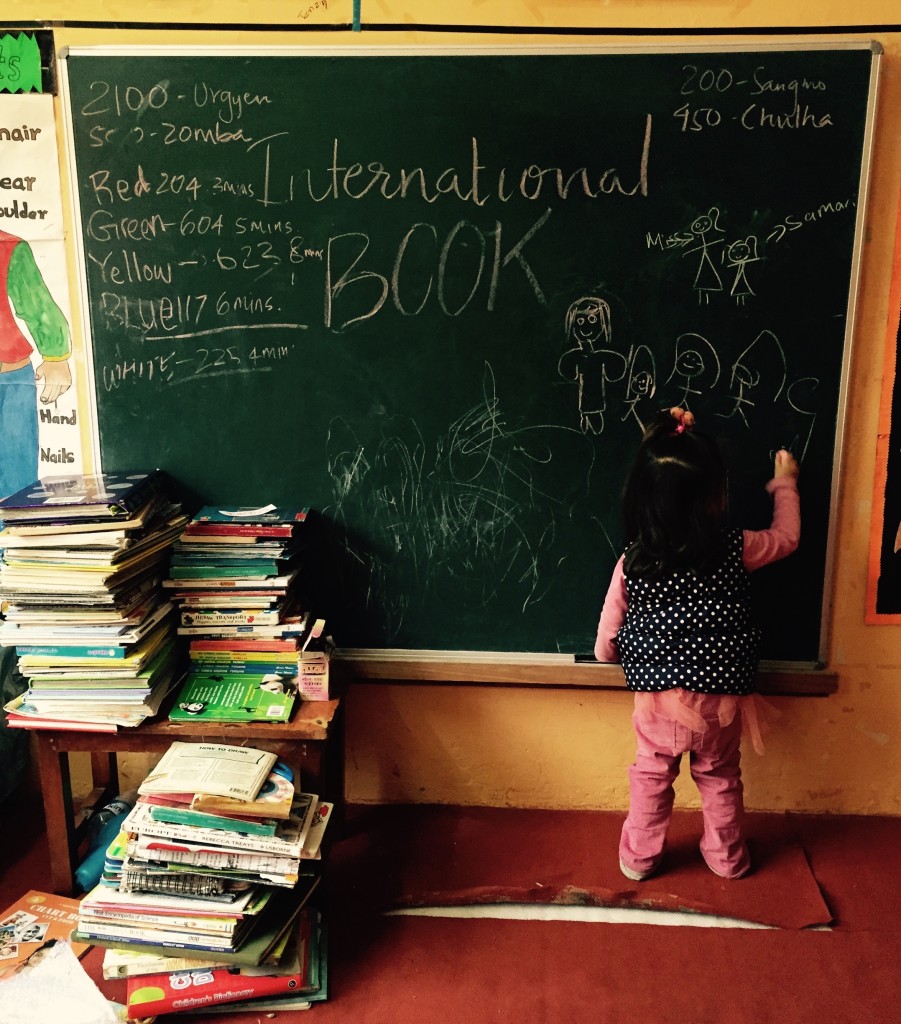
Creative sessions can combine reading with drawing, drama, music and simple craft. After hearing a retold fairy tale, children might sketch a map of the journey, create sound effects for wind and bells, or perform a short scene in two languages. Young monks may contribute chants, rhythms or visual motifs that reflect their own learning environments, while other children bring ideas from home.
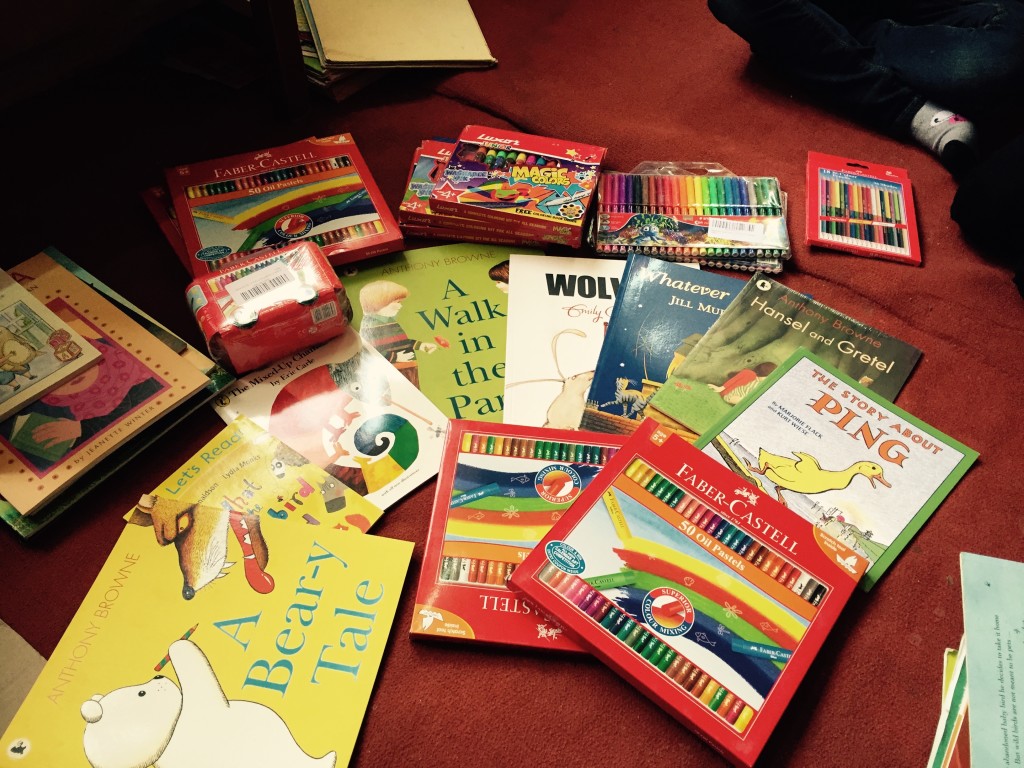
Art activities should use accessible materials. Recycled cardboard can become a mountain pass, fabric scraps can form costumes, and natural colours can inspire illustrations without damaging the surrounding environment. A practical workshop about reducing waste may connect with simple bread making, showing how everyday skills and storytelling can meet around shared work.
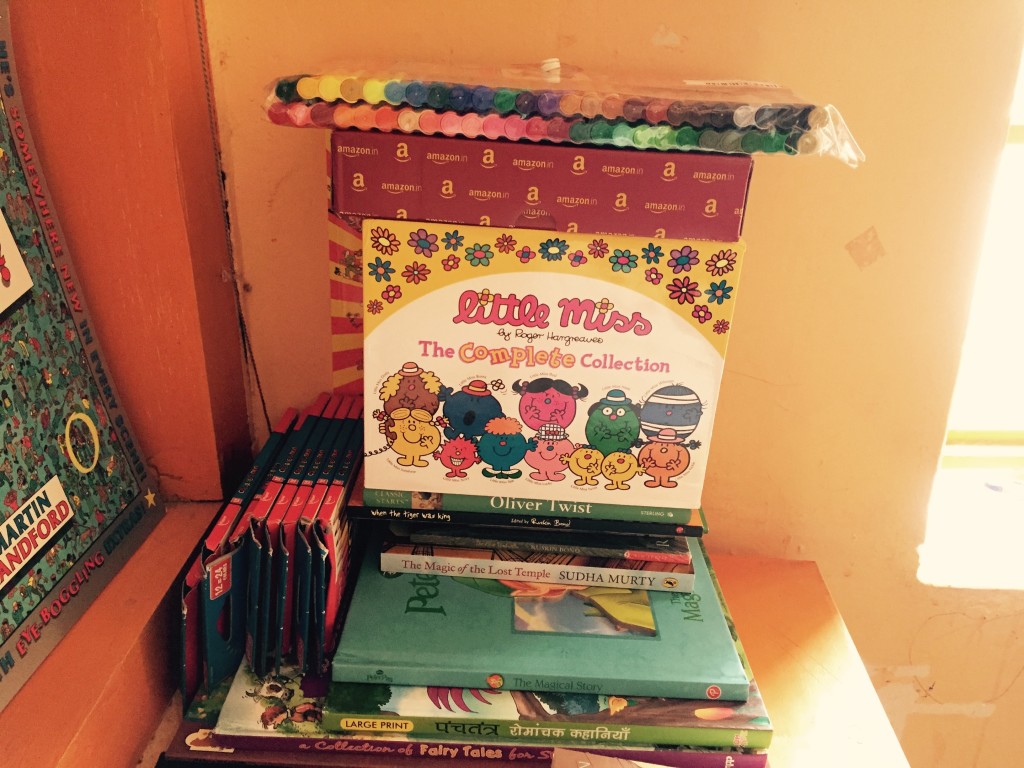
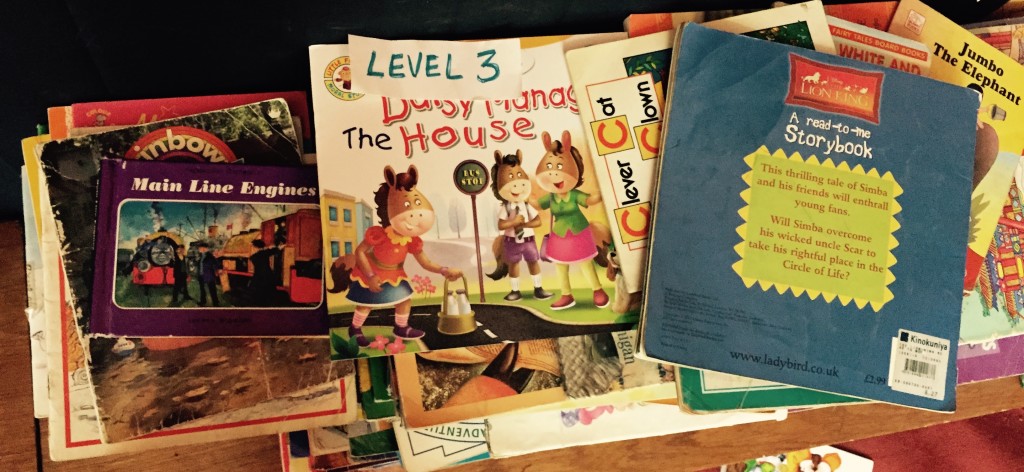
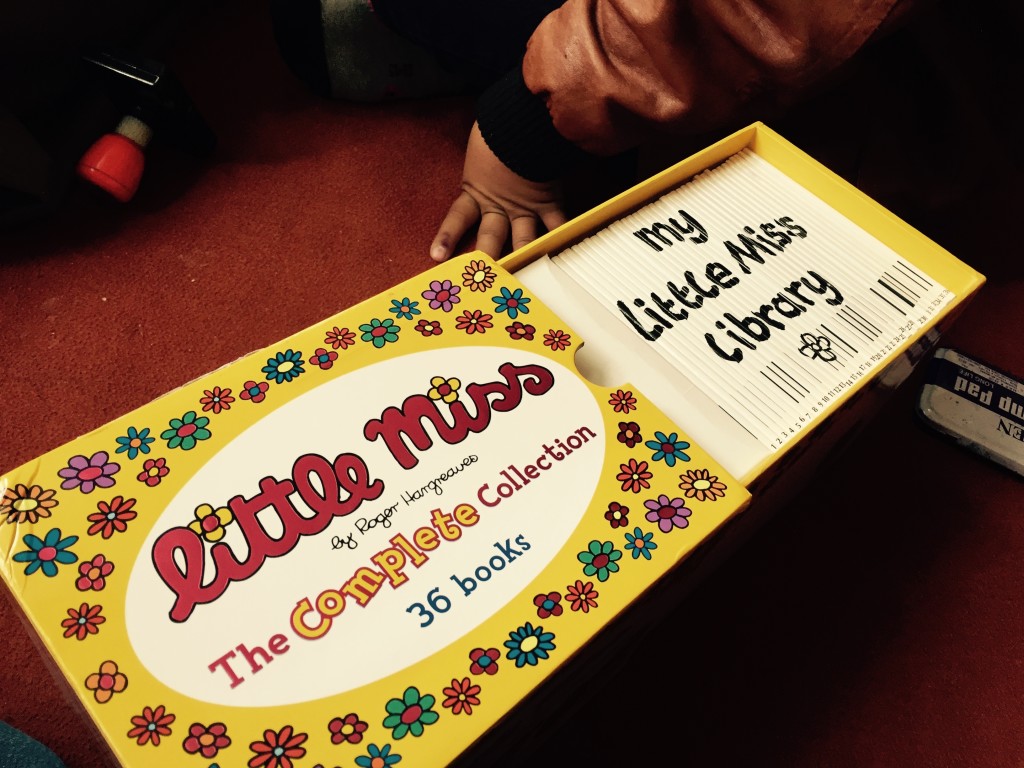
This kind of activity also resonates with Australian habits. Many children read before bed, visit a public library after school or browse books at weekend markets with their families. Yet the price of new books, postage to regional areas and limited school resources can affect access. Donated books should be age-appropriate, durable and relevant rather than simply plentiful, with special attention to bilingual and large-print materials where needed.
Volunteers working with children in Australia commonly need a Working With Children Check, and comparable safeguarding requirements apply when programmes involve children overseas. Clear supervision, consent for photographs and safe storage of personal information are essential. Creative freedom works best when children know their ideas will be respected and their images will not be shared casually.
Sharing stories with care
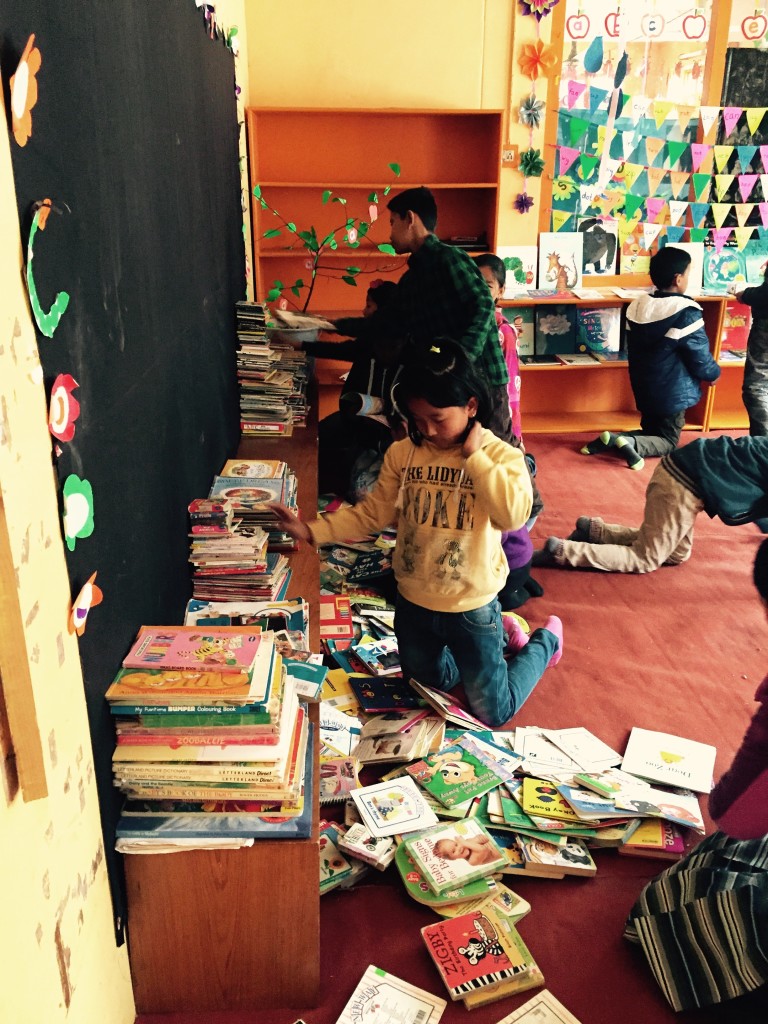
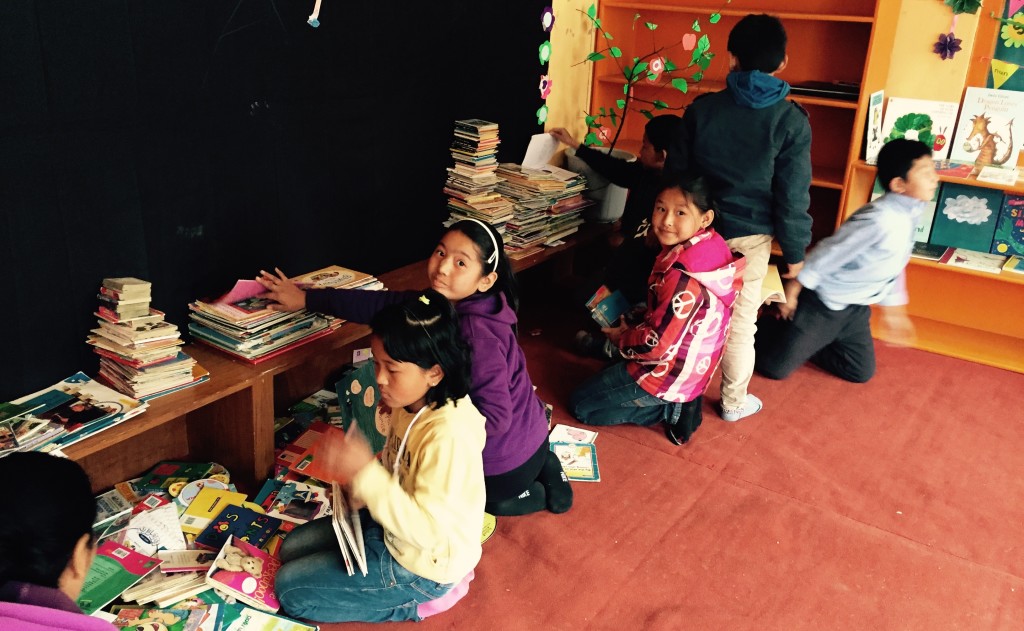
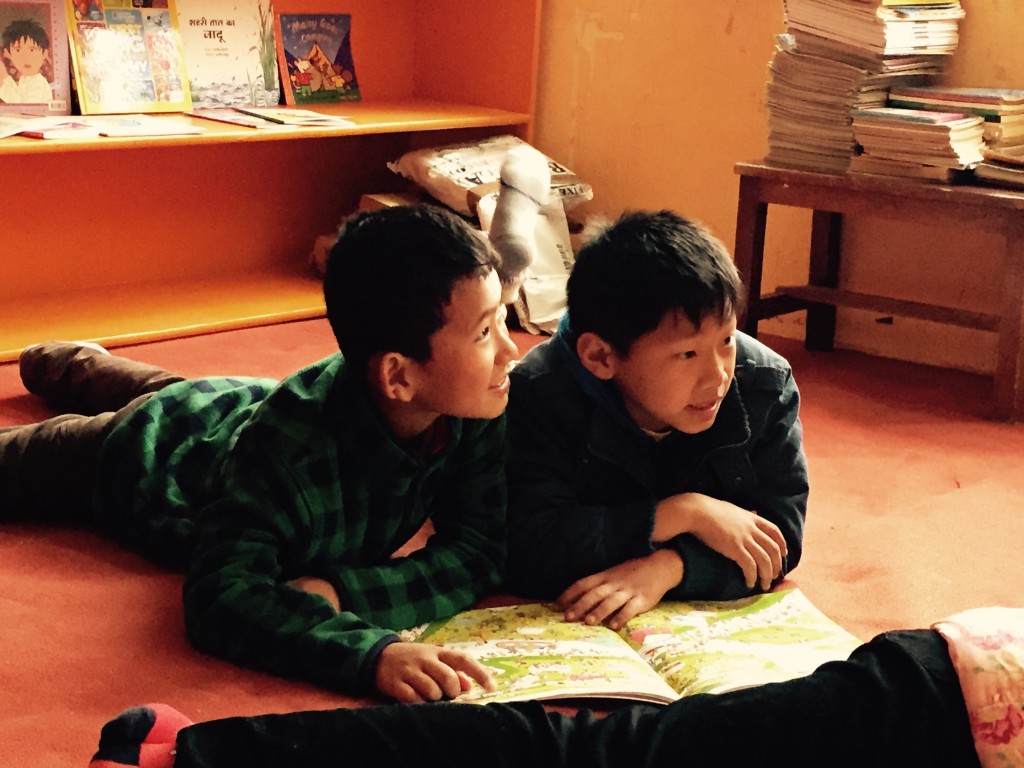
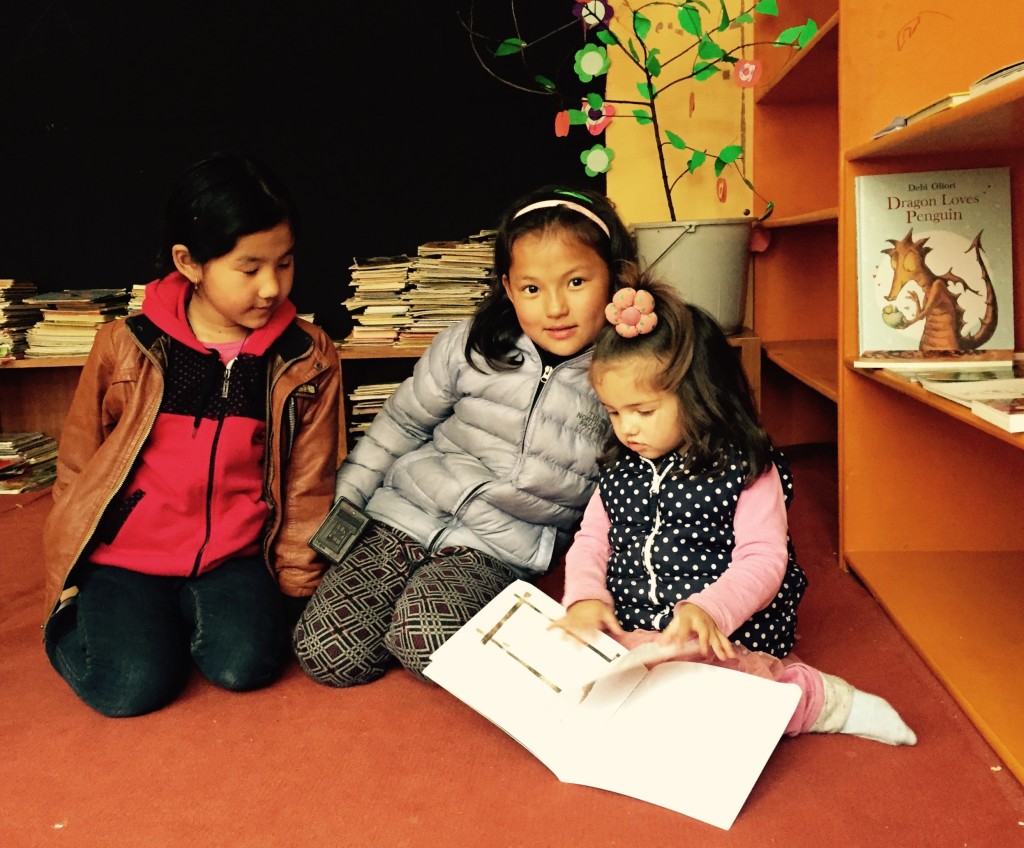
A finished story can travel through reading rooms, school visits, exhibitions, digital posts and community performances. Photographs should show children participating with dignity, and captions should explain the activity rather than present poverty as a spectacle. Families and local partners should understand how images and stories will be used before publication.
Copyright also matters when adapting a modern translation, illustration or published retelling. In Australia, the Copyright Act 1968 protects creative works, while permission may be needed for substantial adaptations or reproduced artwork. Public-domain versions of older tales offer more freedom, but a new translation or illustration can still have its own rights.
The strongest adaptations are collaborative. A volunteer may bring knowledge of Australian libraries and bookshops, while a local teacher understands the community’s language, rhythm and expectations. The final story should carry the warmth of the original tale without pretending that every culture is interchangeable.
When classic fairy tales take the shape of Himalayan paths, homes and voices, reading becomes a form of belonging. Children see that their surroundings deserve a place in imaginative literature, and readers elsewhere learn to approach unfamiliar communities with attention rather than assumption. What they should remember is simple: a fairy tale becomes truly alive when its characters, landscapes and values are allowed to grow from the people who tell it.