A Steady Way to Help Children Read, Create, and Learn
A child’s access to books, creative activities, and a welcoming place to study can shape the way they understand themselves and their future. In Himalayan communities, dependable educational resources are especially meaningful when schools, families, and local organizations work with limited materials.
Monthly giving programs offer a practical way to sustain that work. Instead of relying only on occasional donations, a community of regular supporters can help keep reading rooms active, replenish shelves, and make learning opportunities available throughout the year.
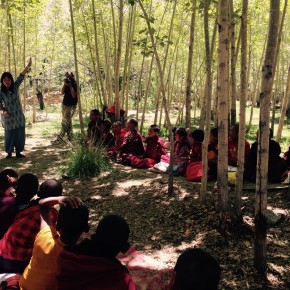
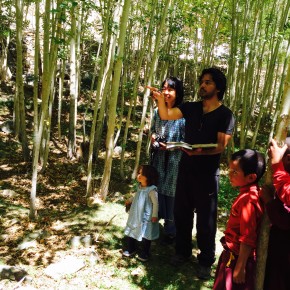
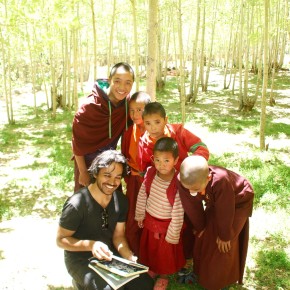
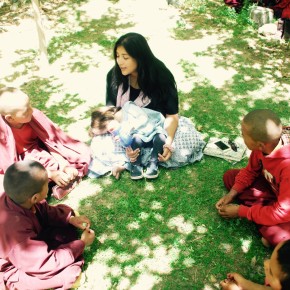
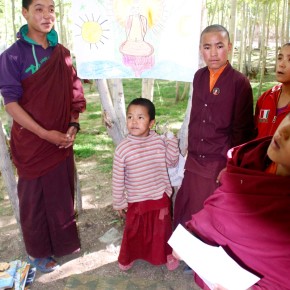
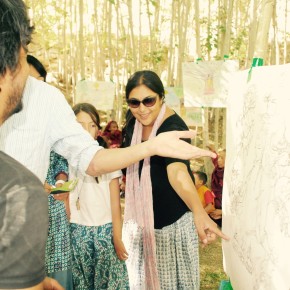
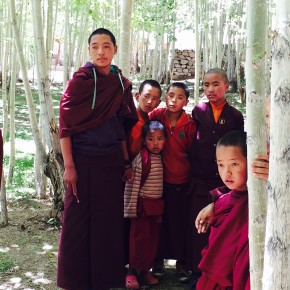
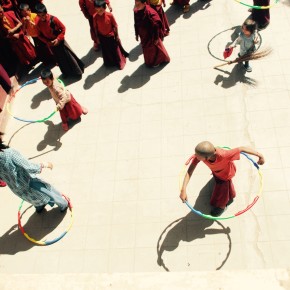
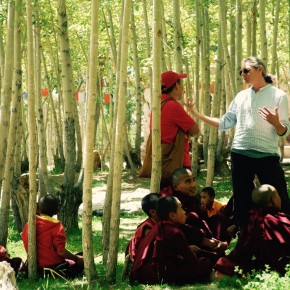
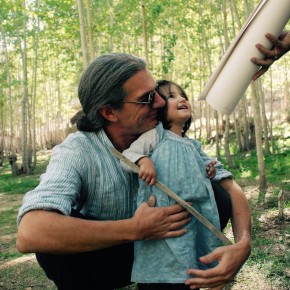
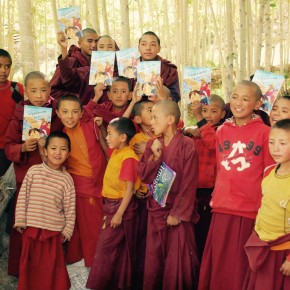
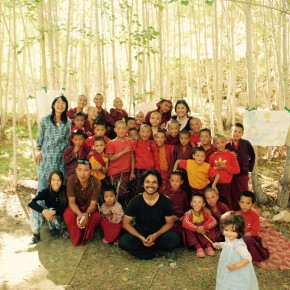
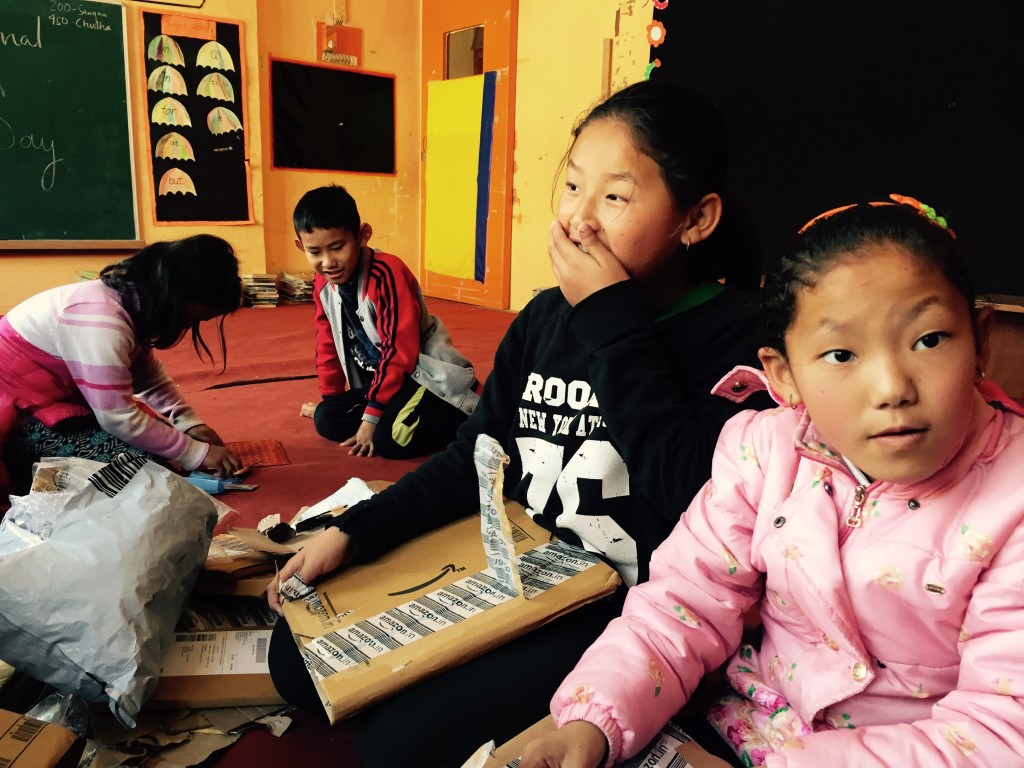
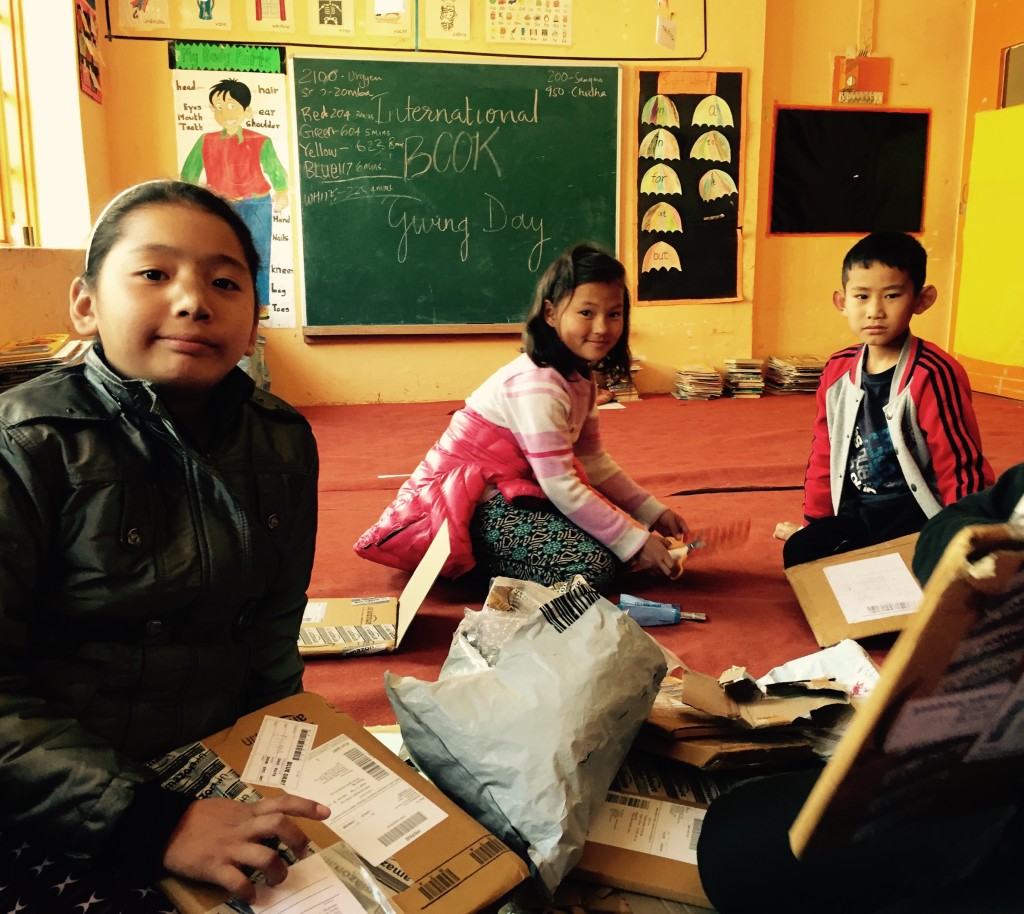
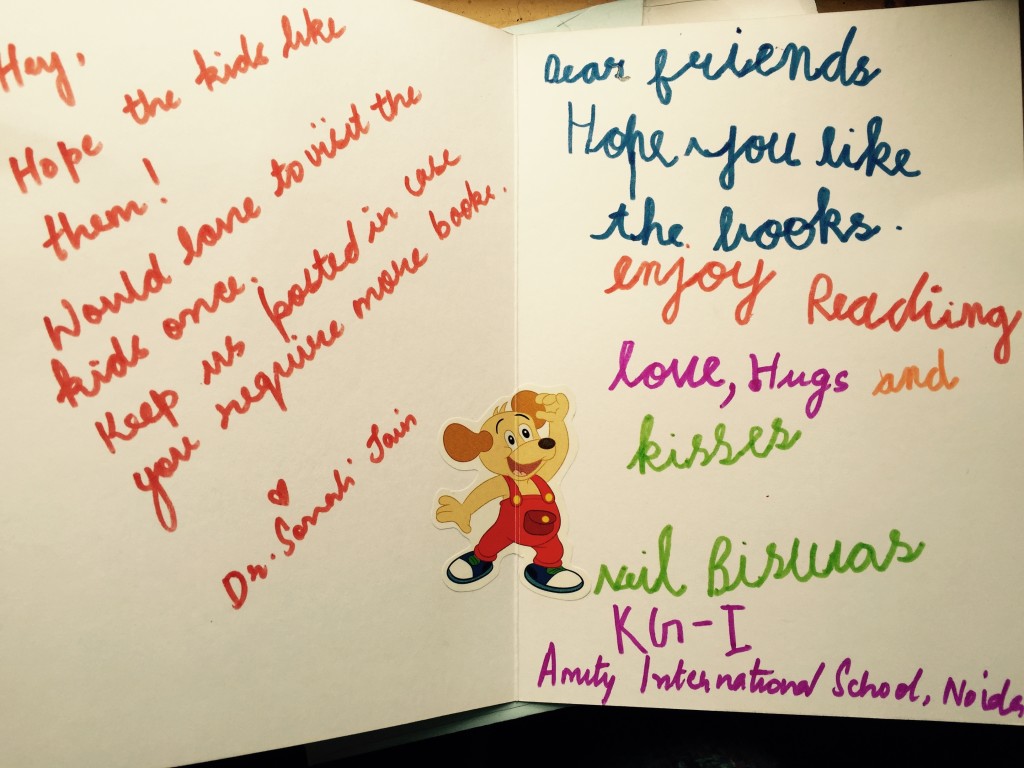
At Avalokiteśvara Trust, support reaches children and young monks in Ladakh and other Himalayan communities through literacy projects, book drives, art, music, and educational activities. You can learn more about the Trust’s work and see how donor support connects with everyday learning.
Why recurring support matters
A one-time gift can provide an immediate boost, such as a shipment of books or supplies for a creative workshop. A monthly contribution creates a dependable foundation behind those activities. That regularity helps charitable organizations plan responsibly, respond to local needs, and continue programs from one season to the next.
Predictable income also reduces the pressure to rebuild funding from scratch after every campaign. When supporters give consistently, the organization can think beyond a single event and invest in stronger reading habits, broader collections, and activities that encourage children to return, participate, and grow in confidence.
Recurring donors become part of a long-term circle of care. Their contributions may be modest individually, yet together they can support the continuity that children need. A reading room is most useful when it remains open, welcoming, and supplied over time.
Where a monthly gift can make a difference
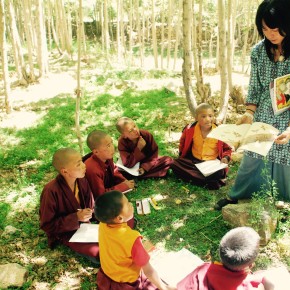
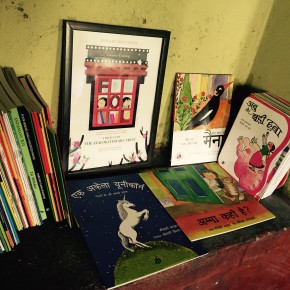
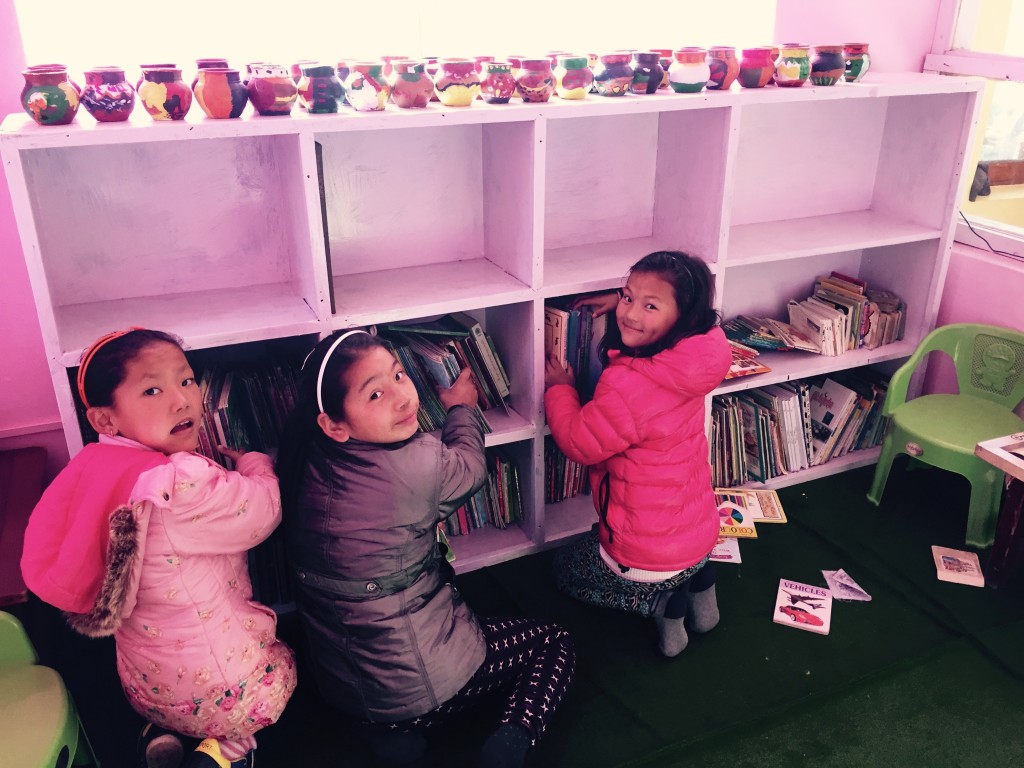
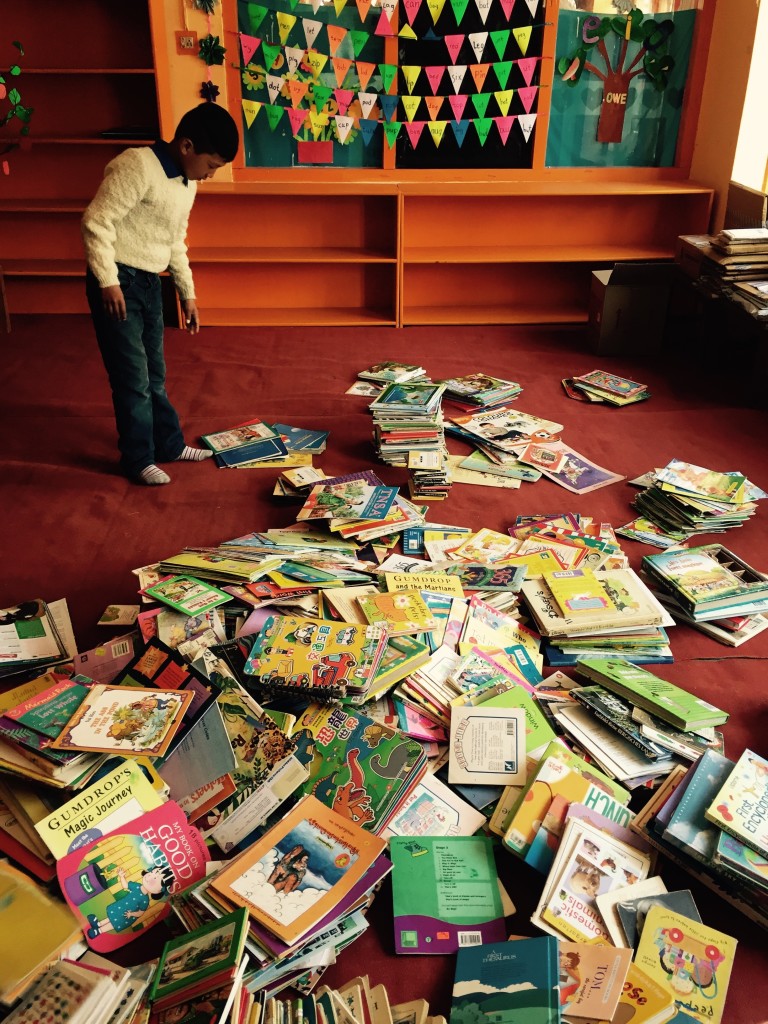
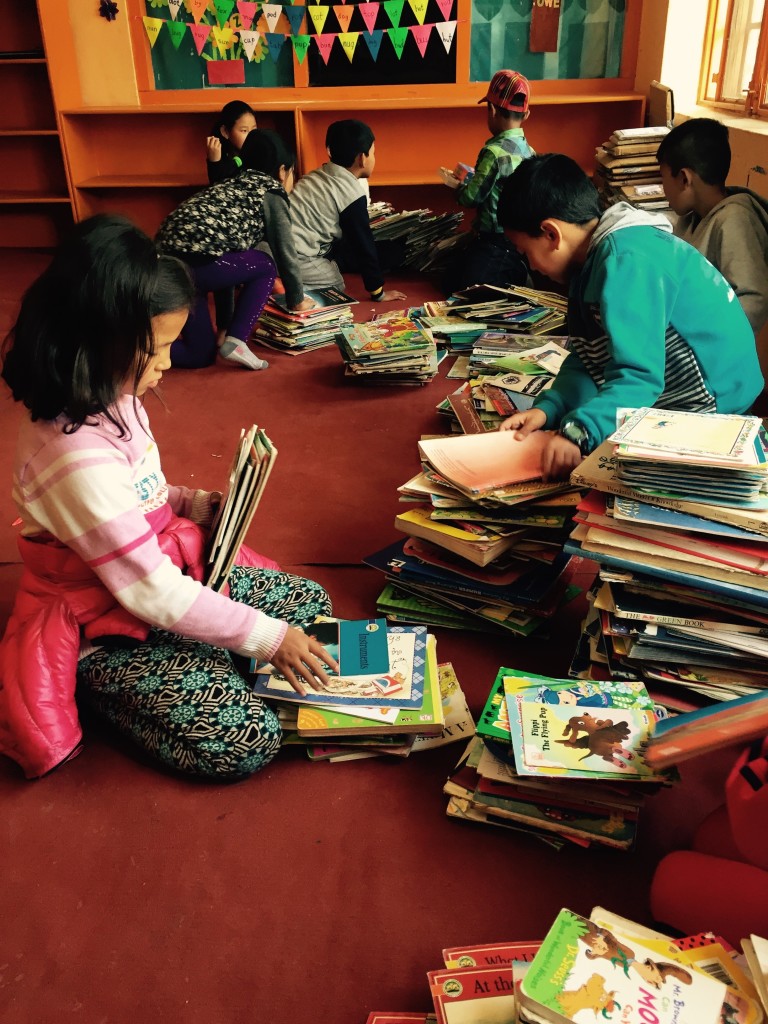
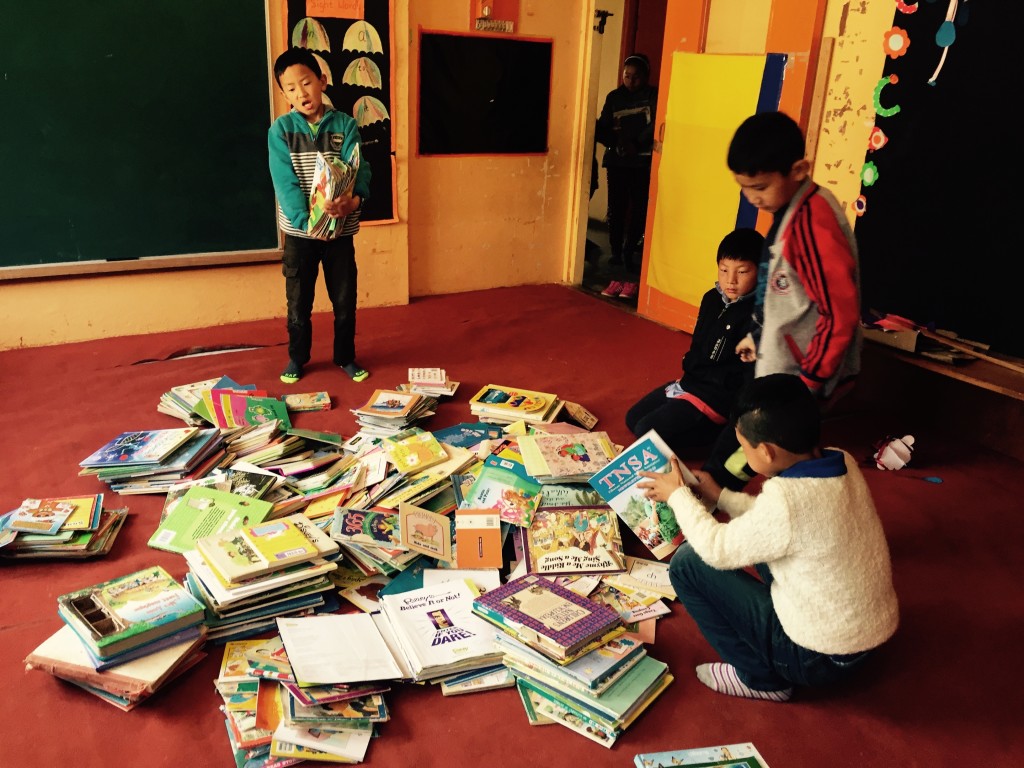
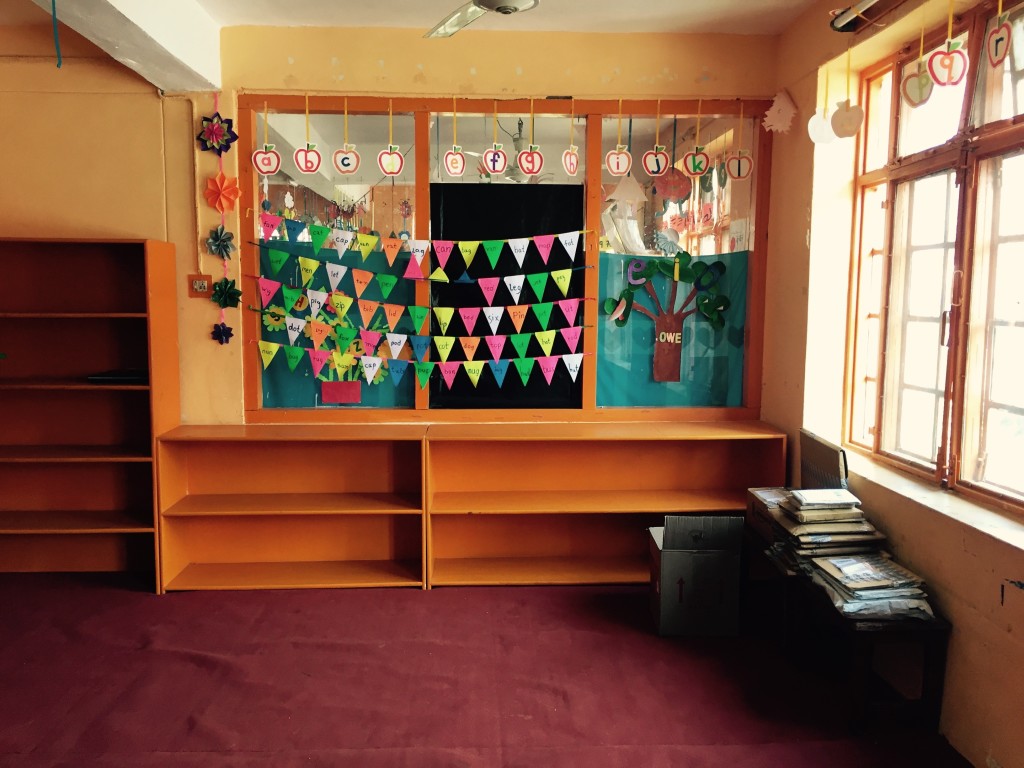
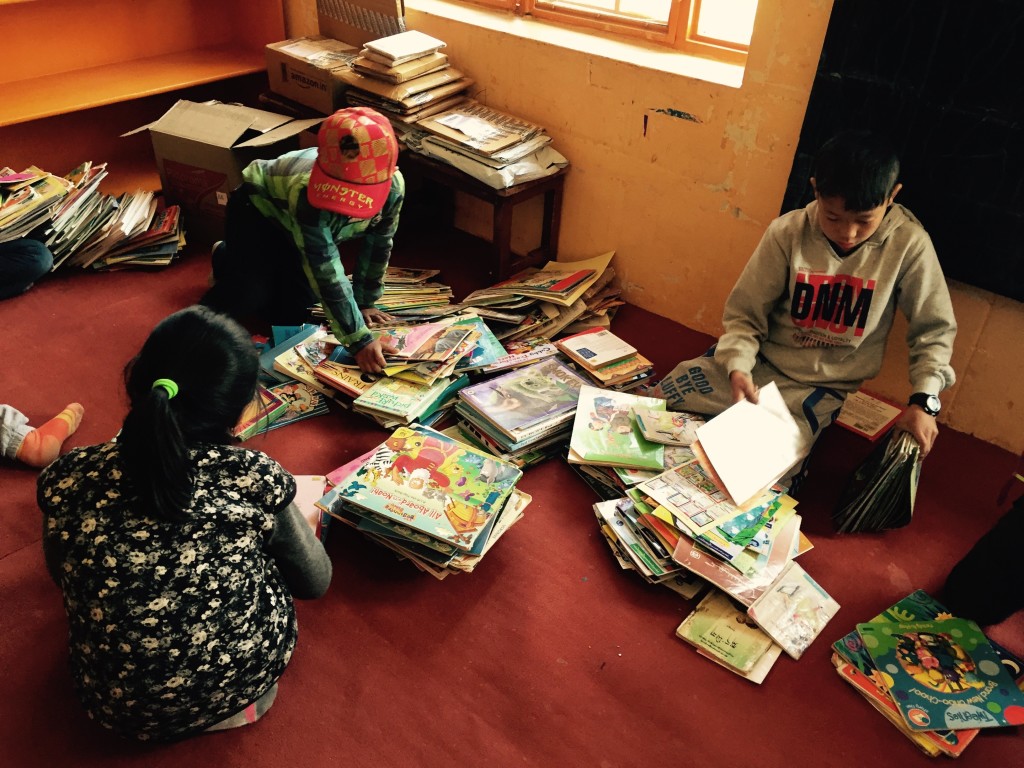
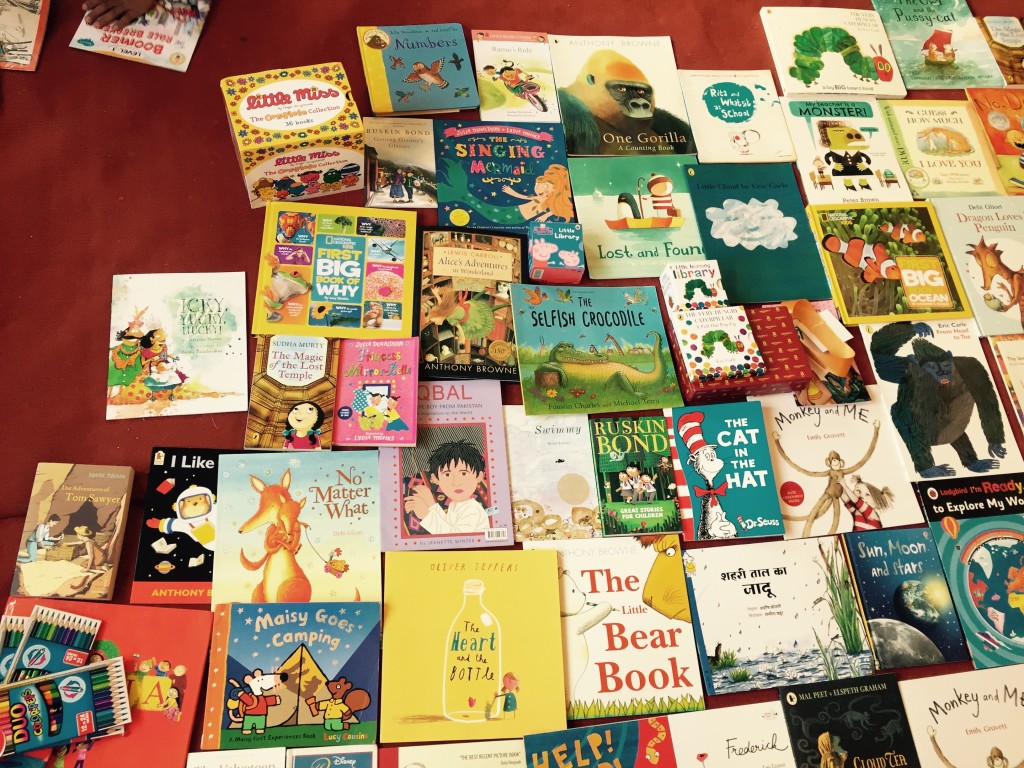
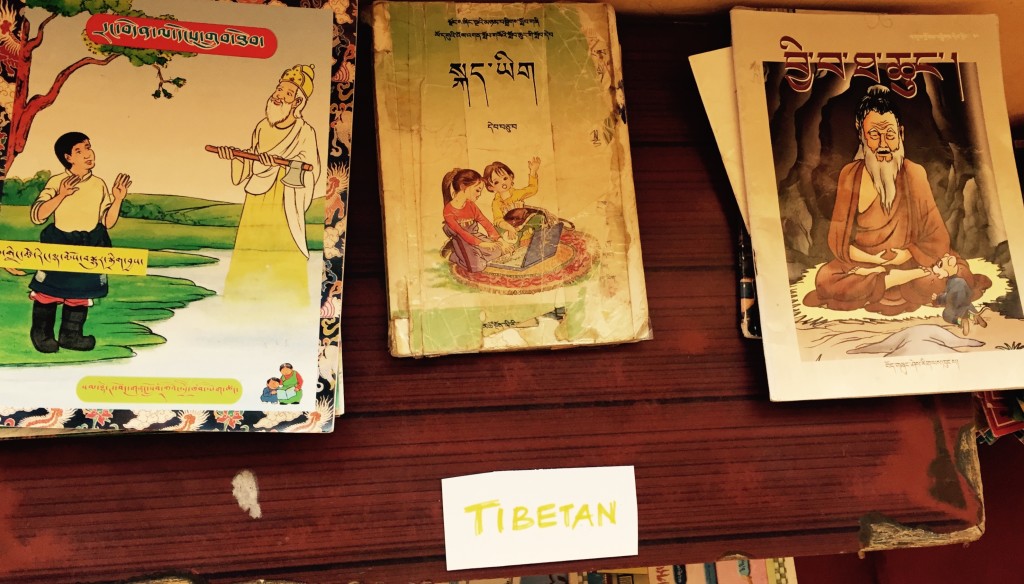
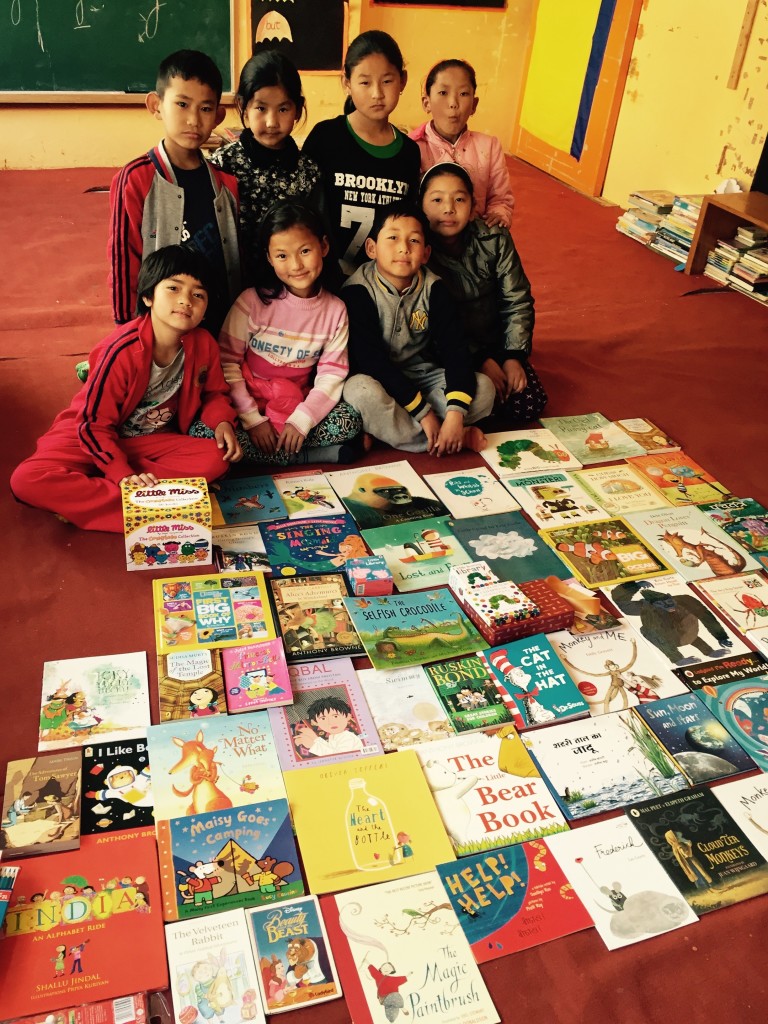
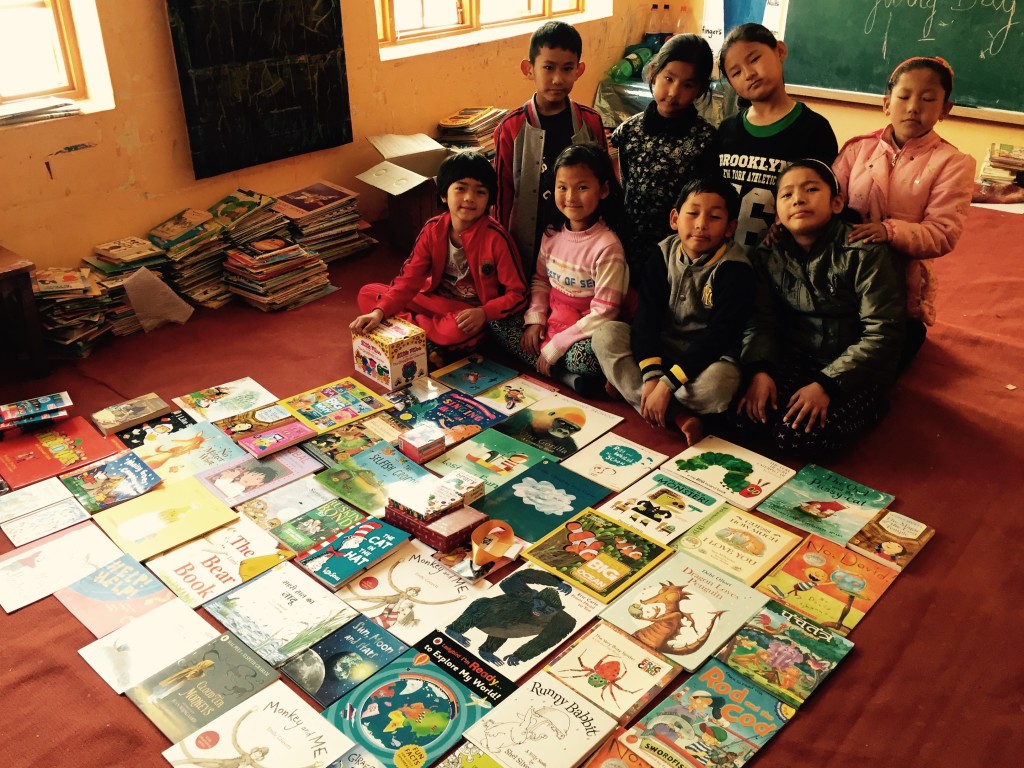
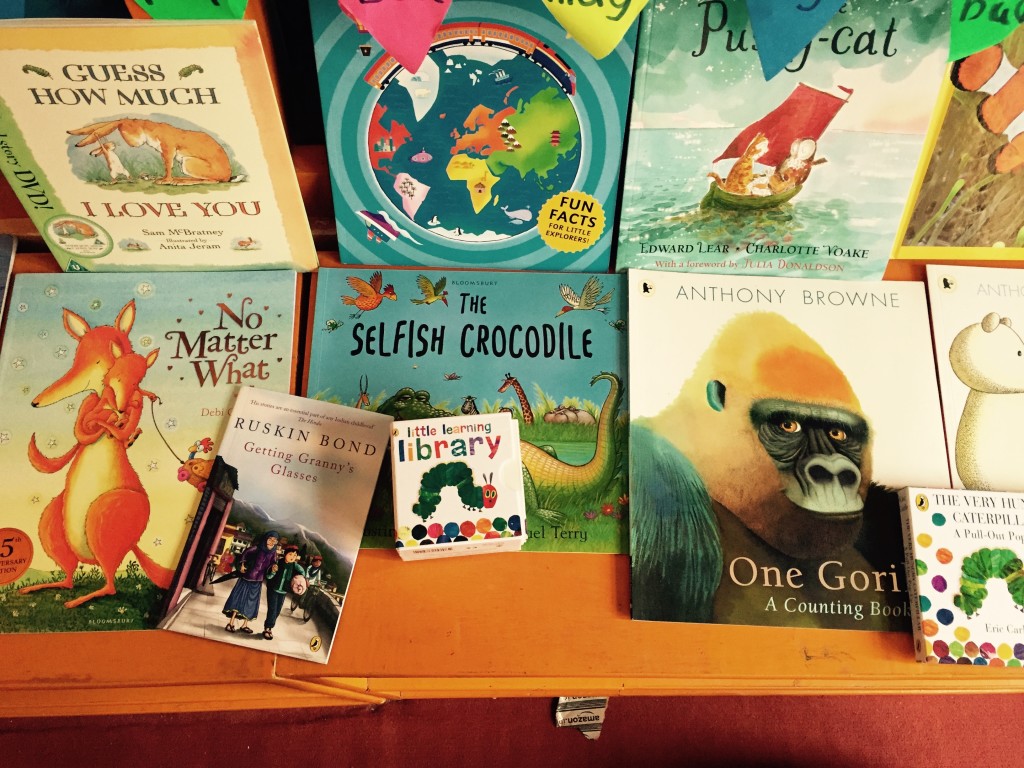
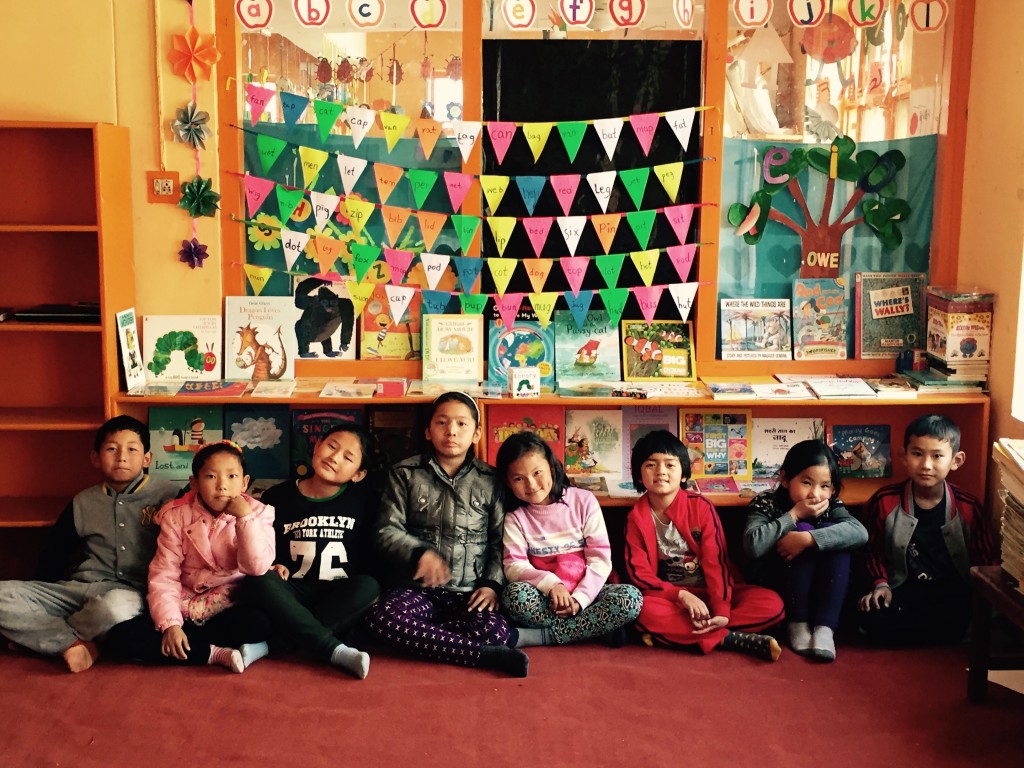
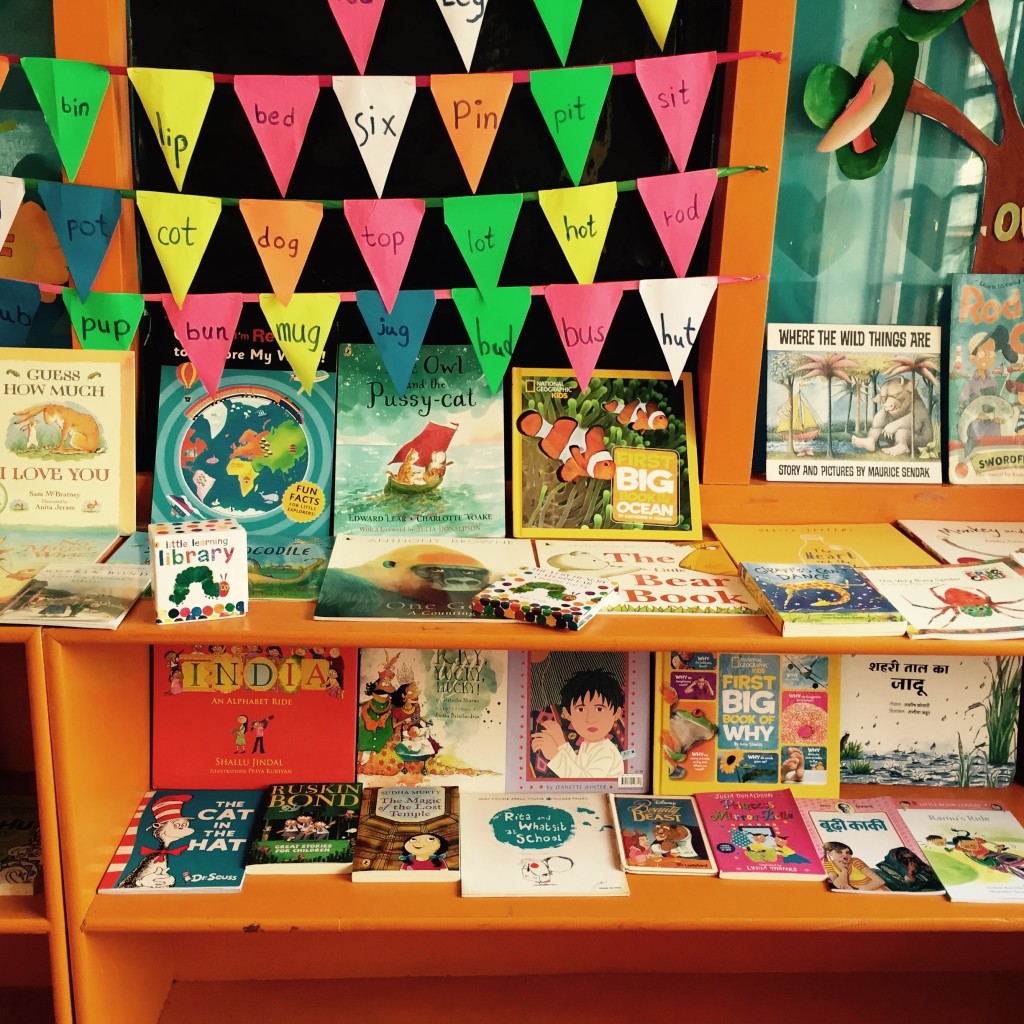
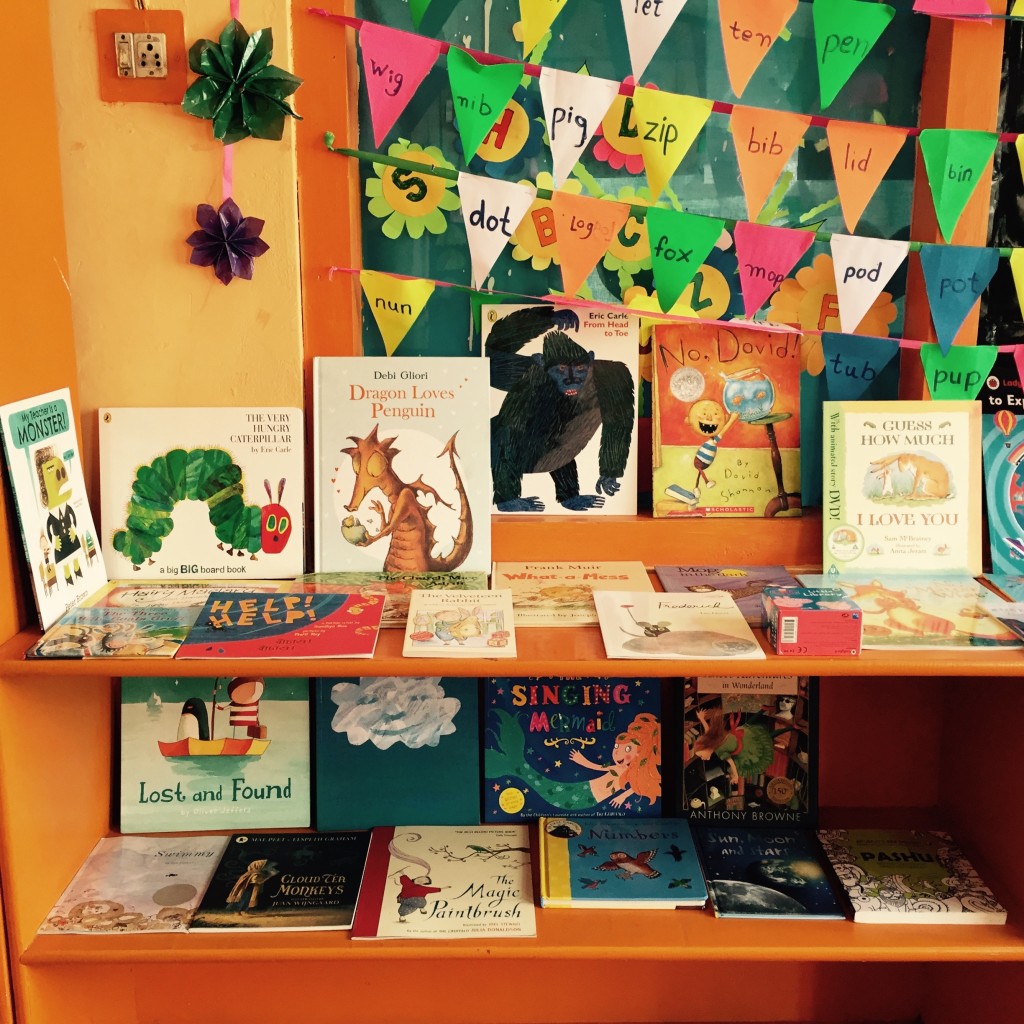
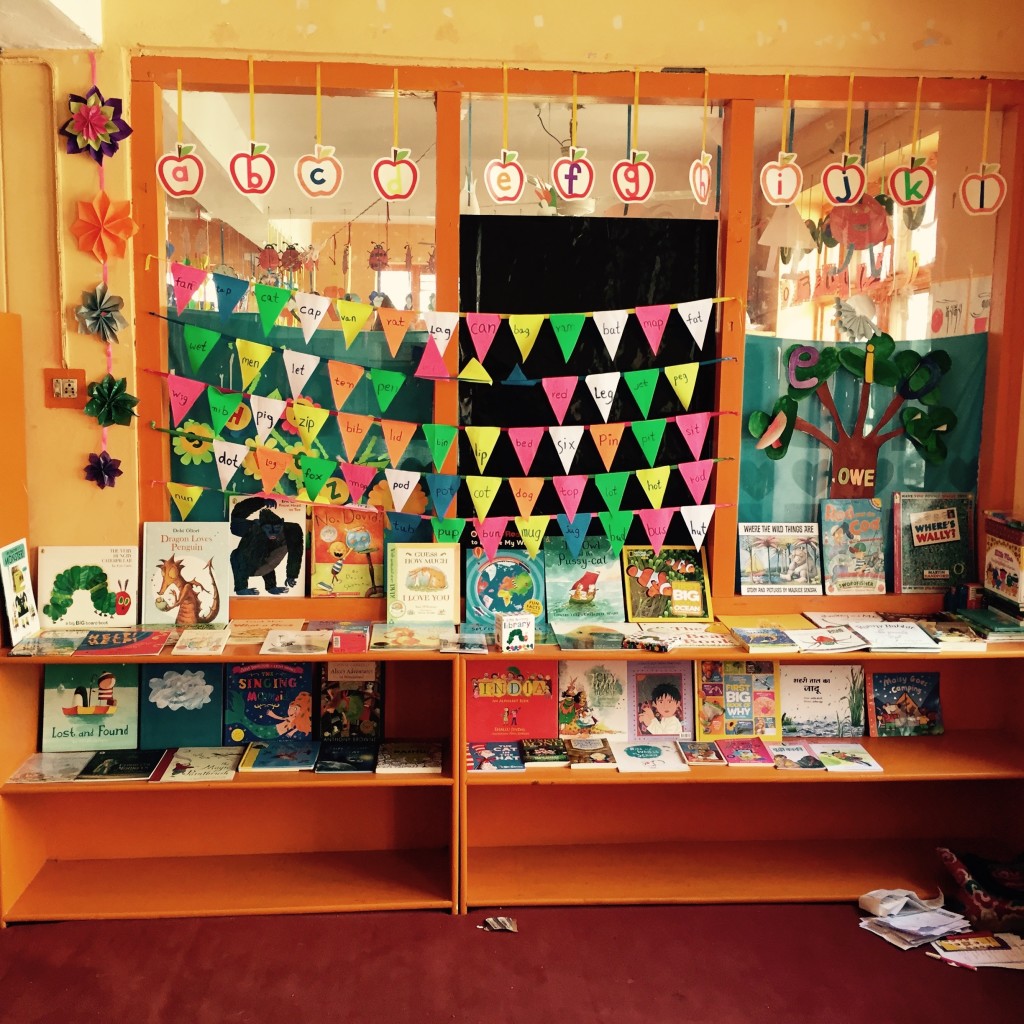
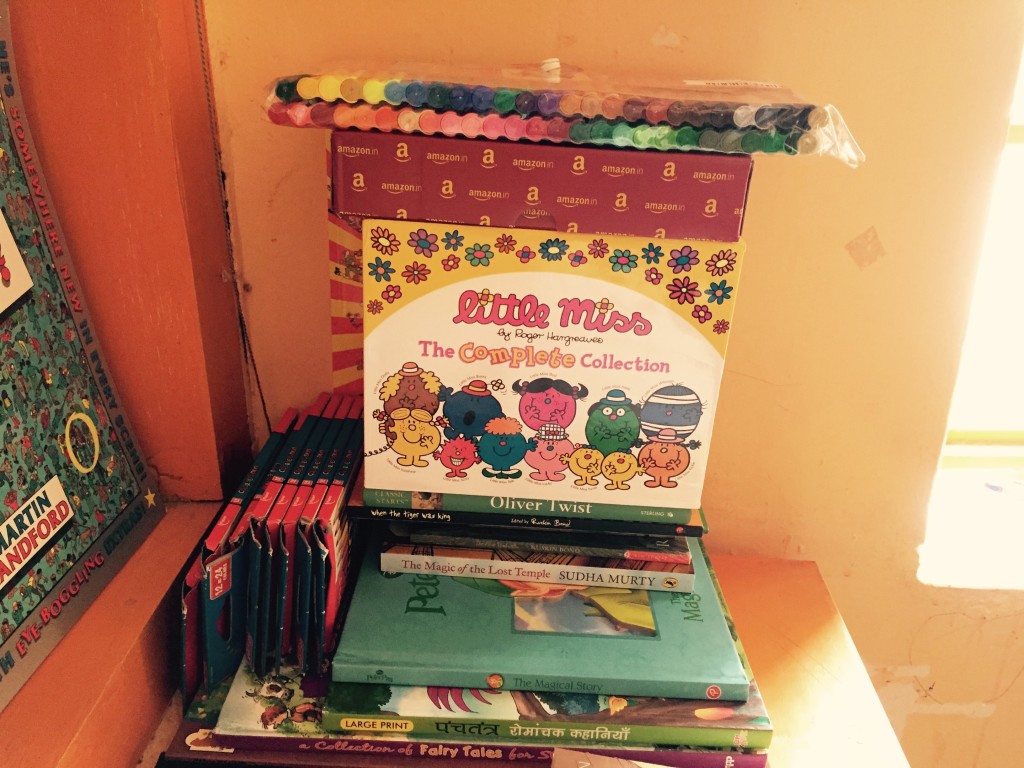
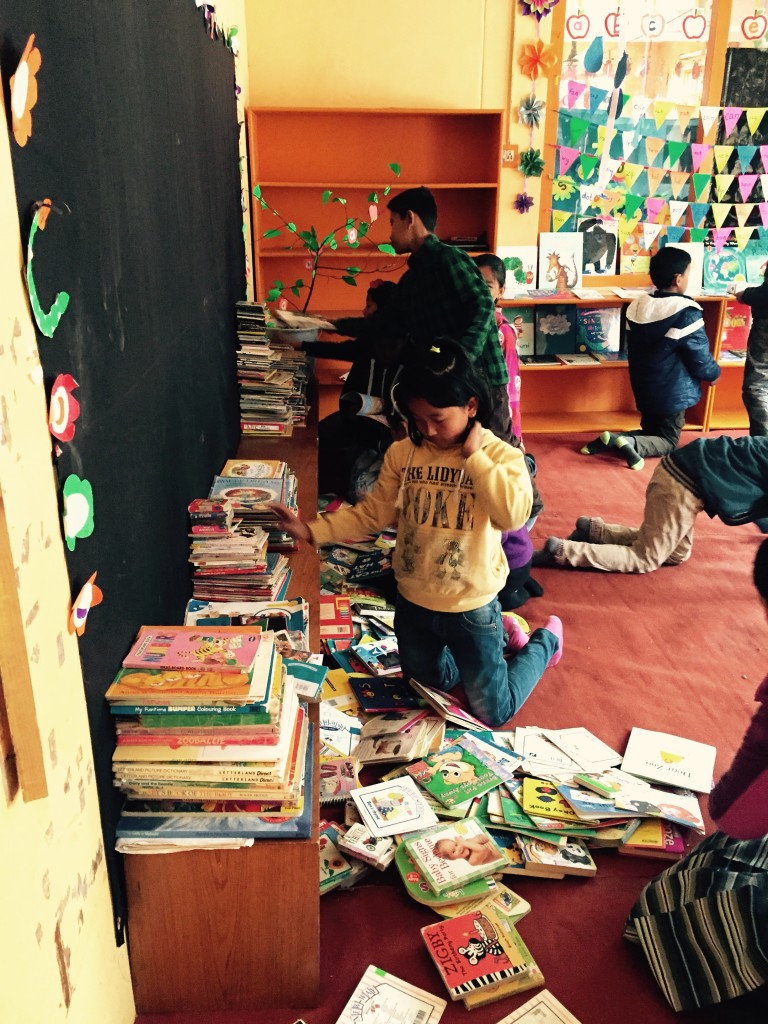
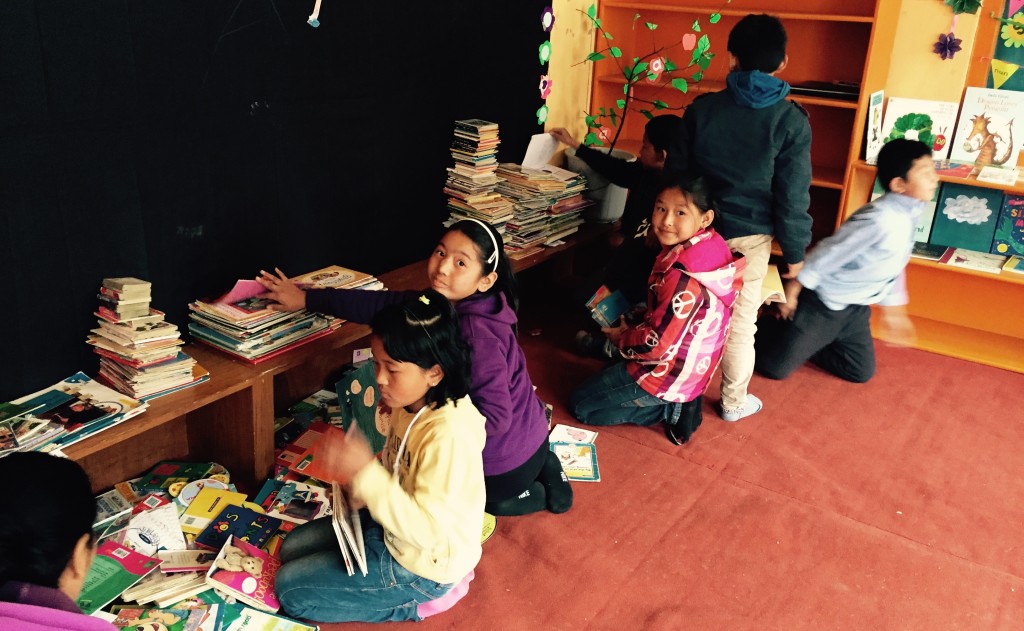
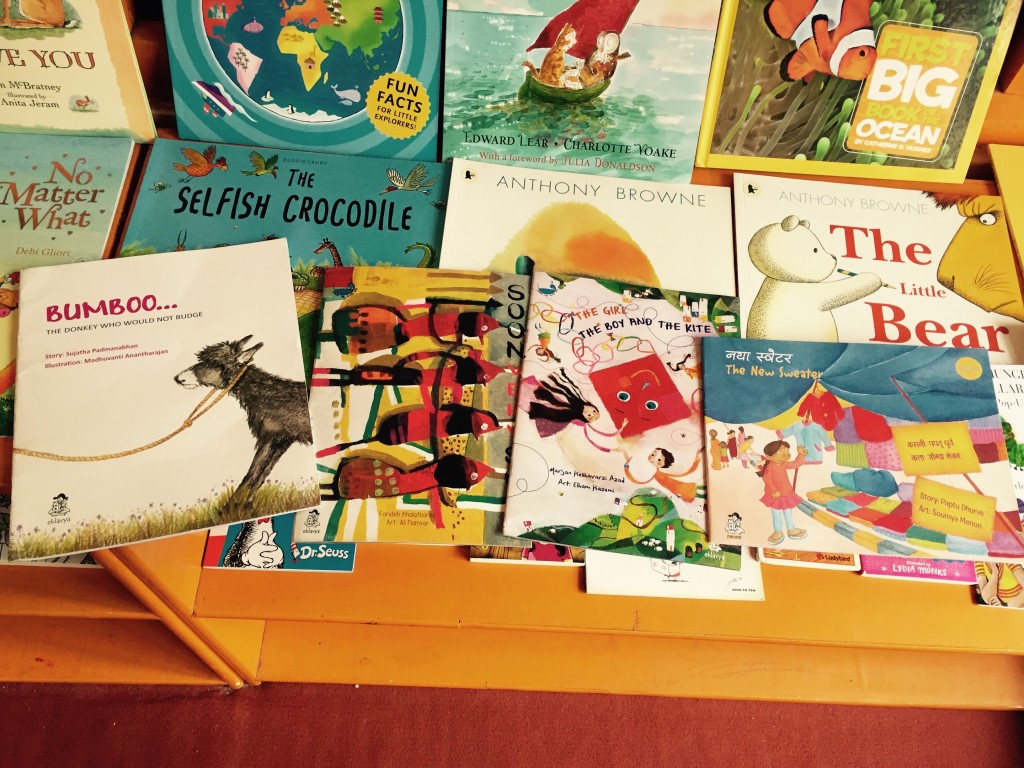
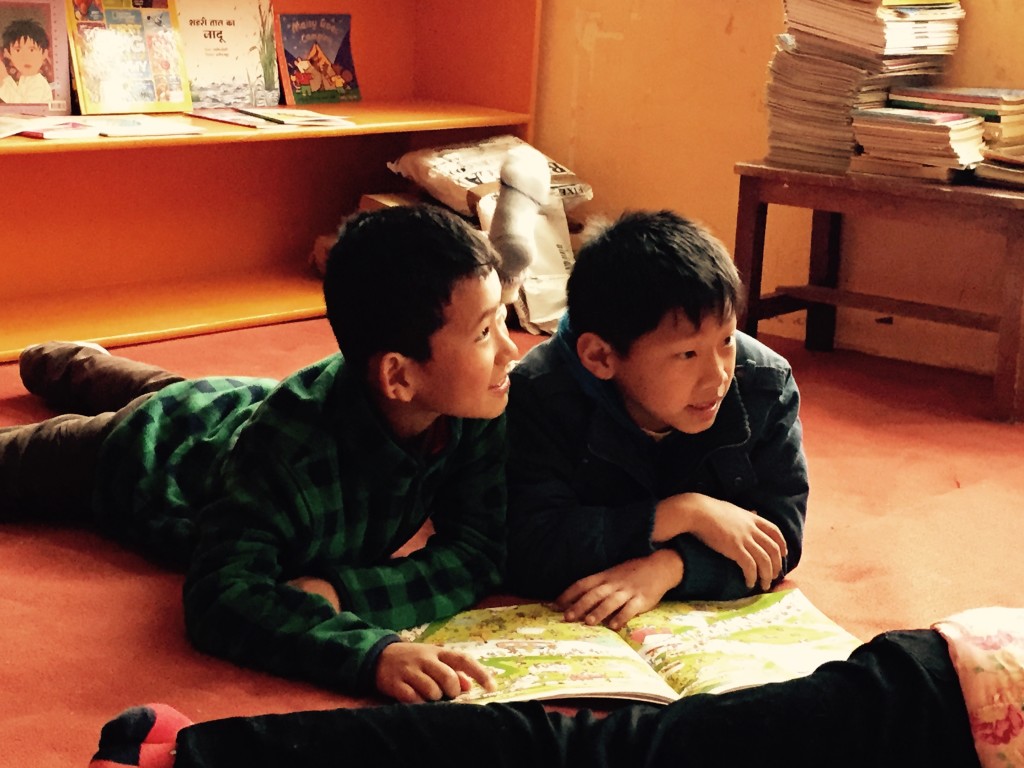
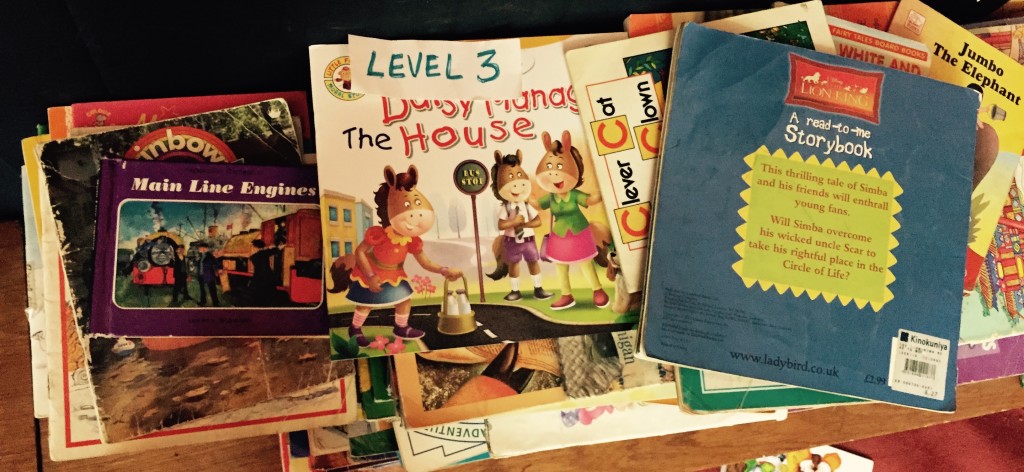
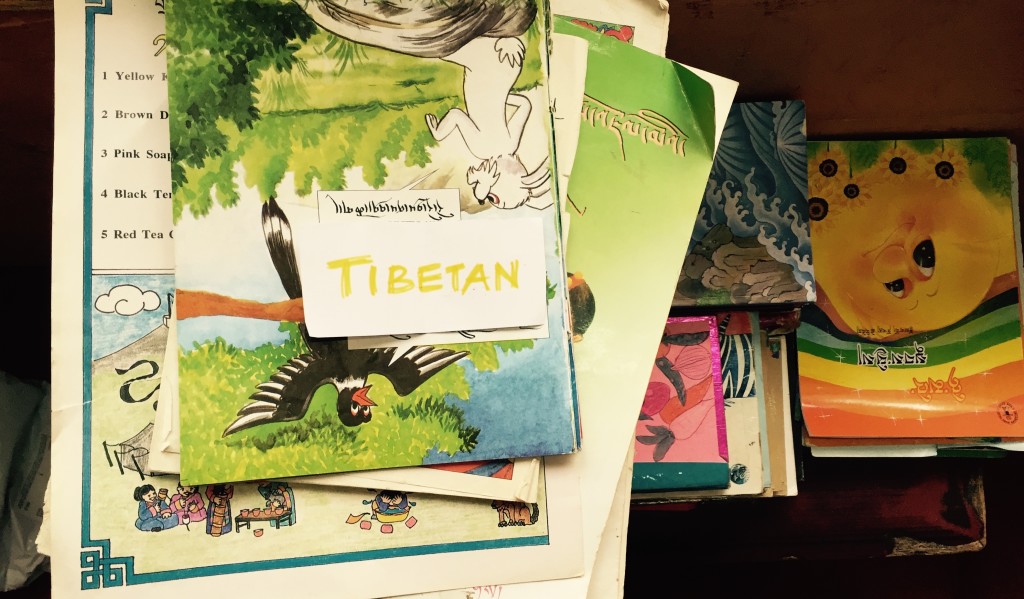
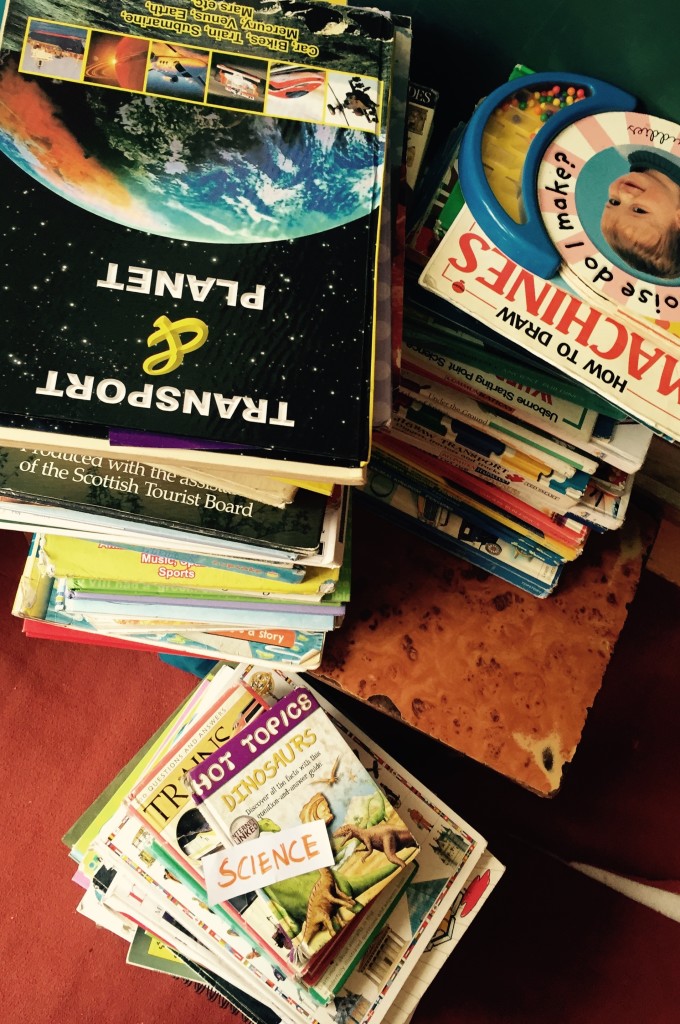
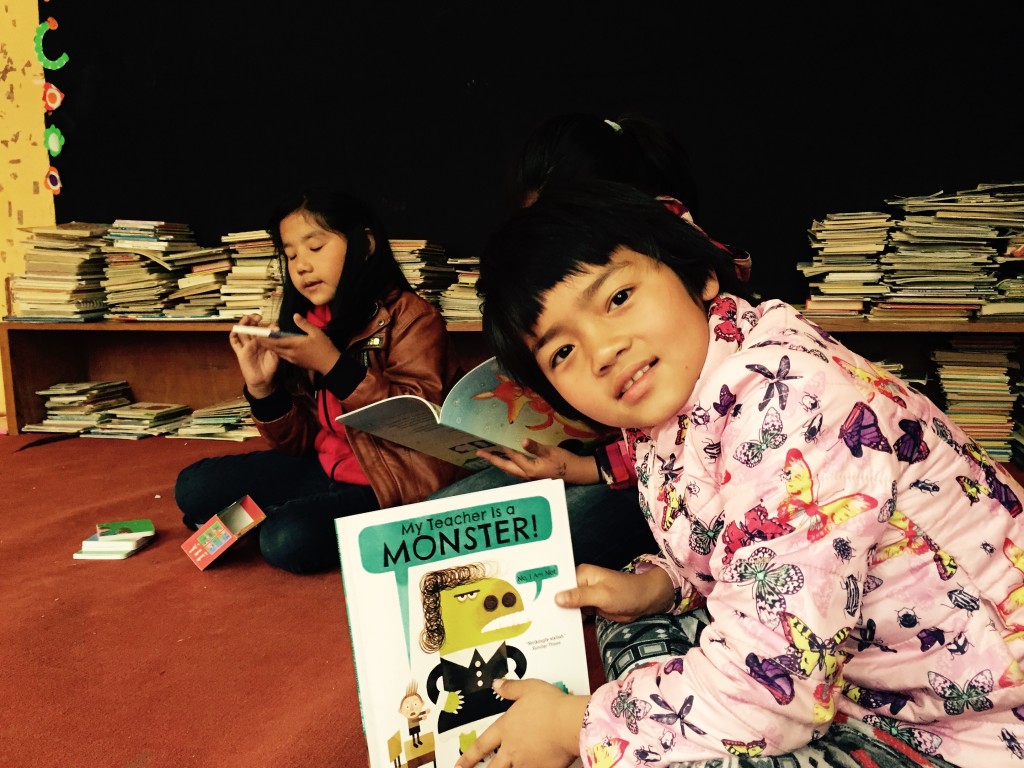
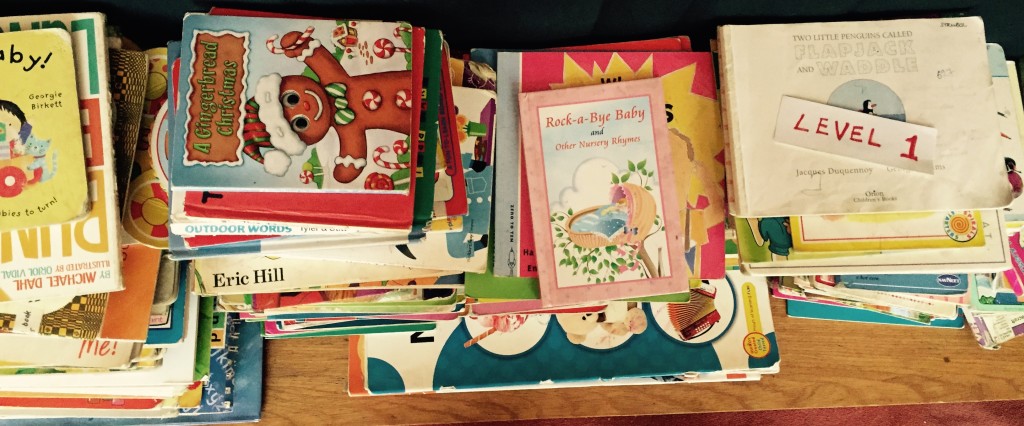
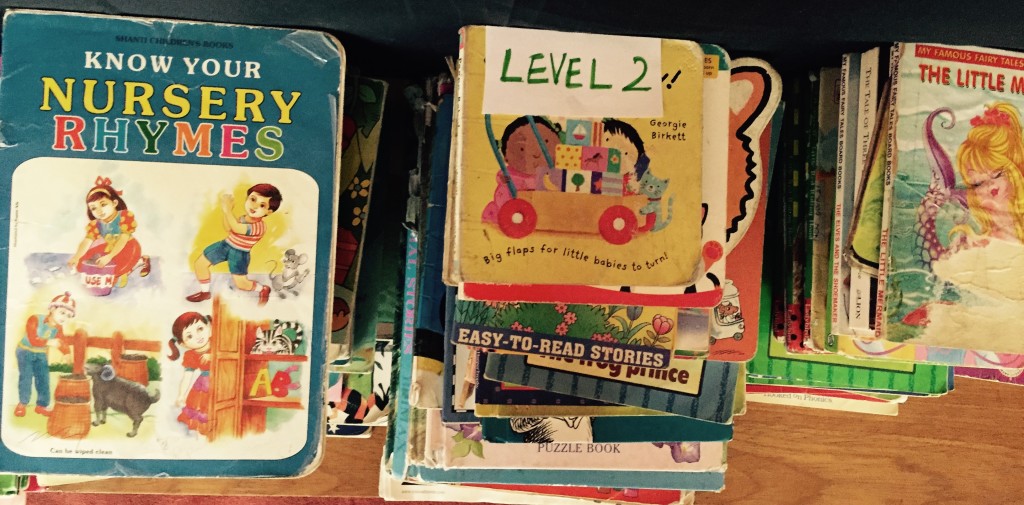
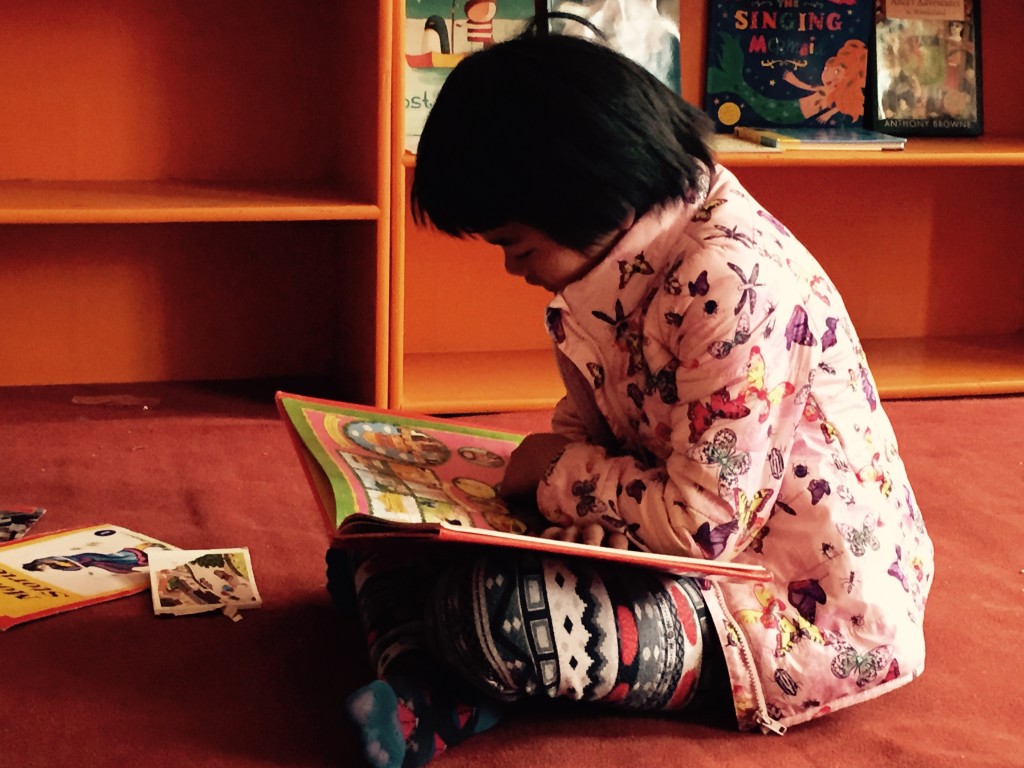
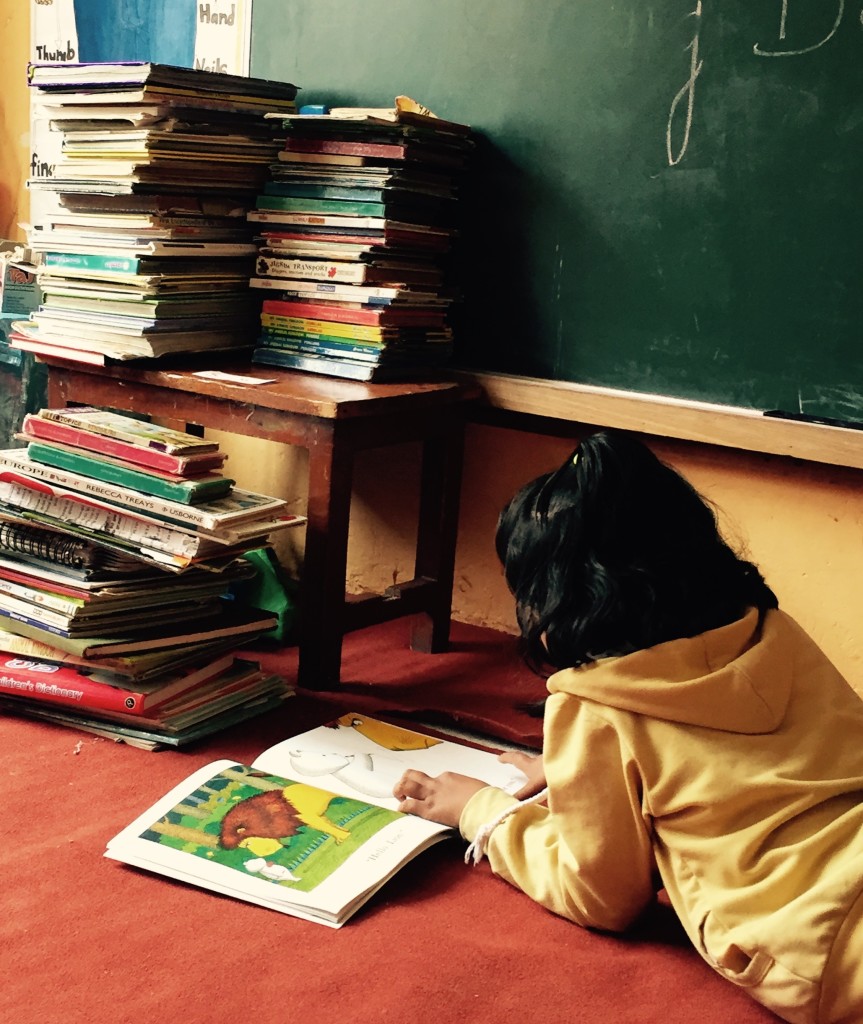
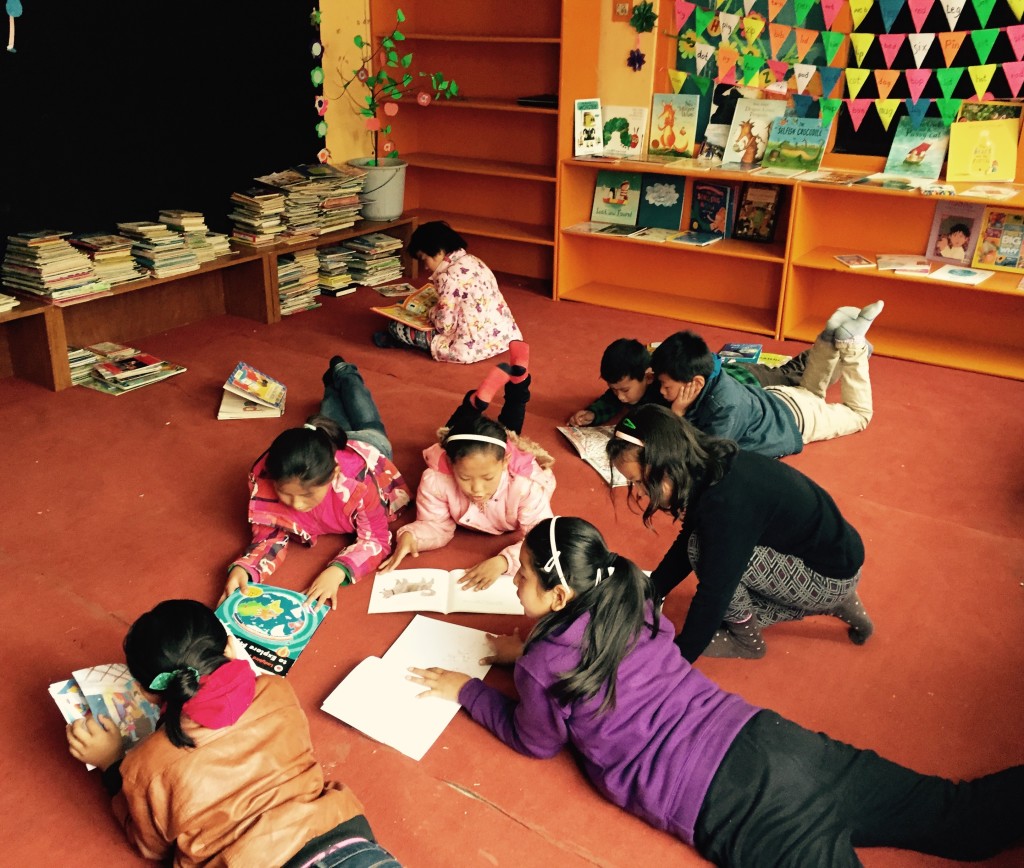
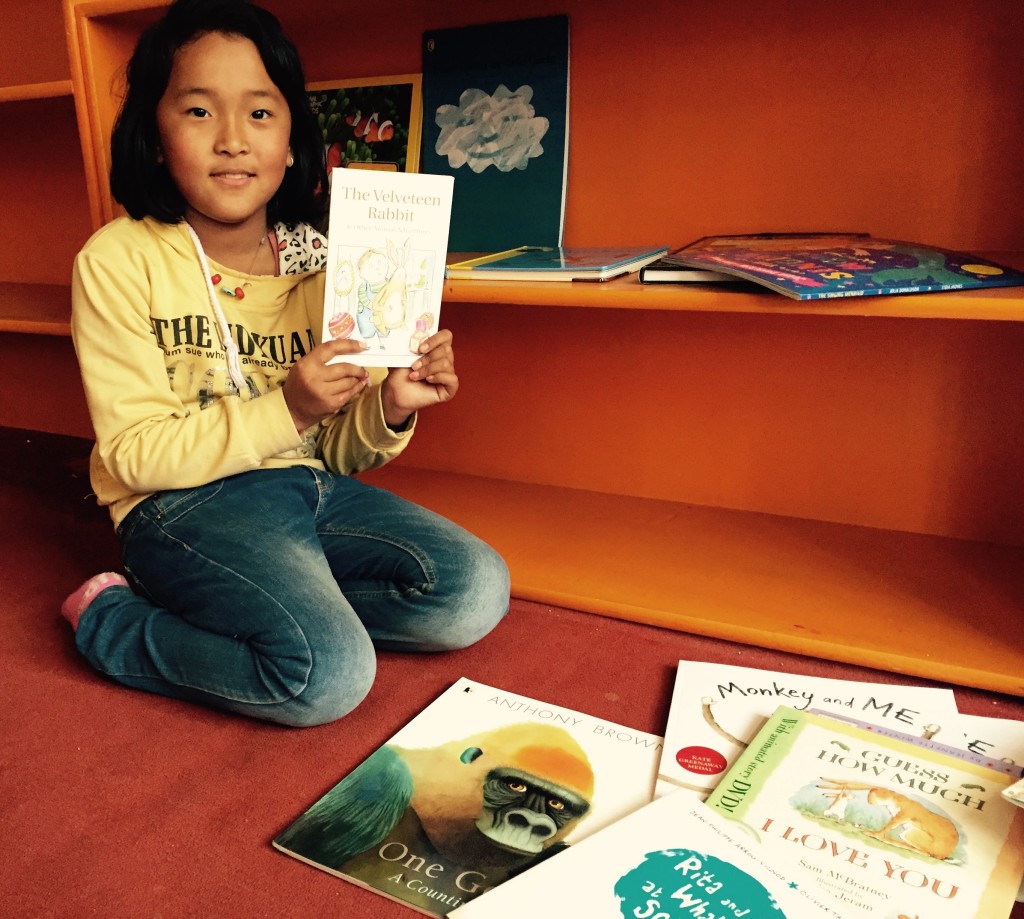
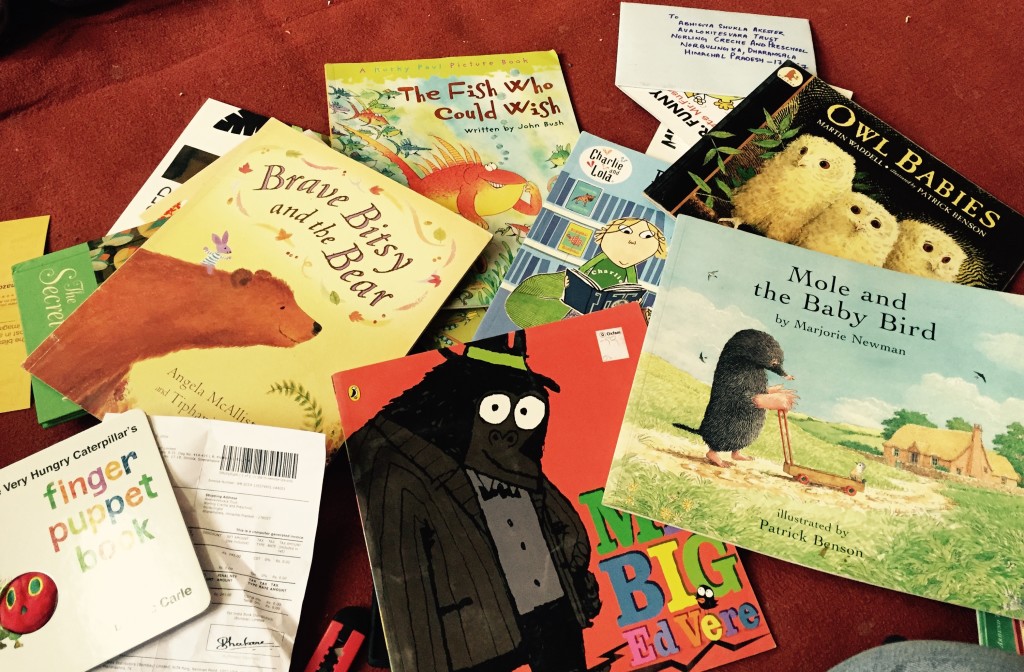
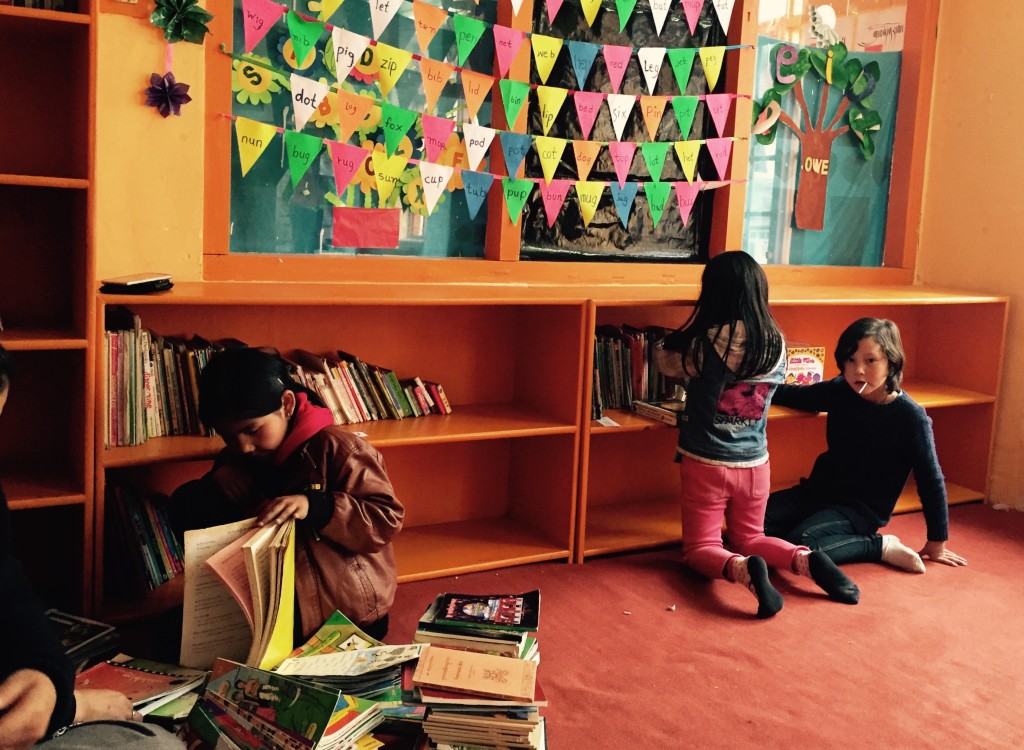
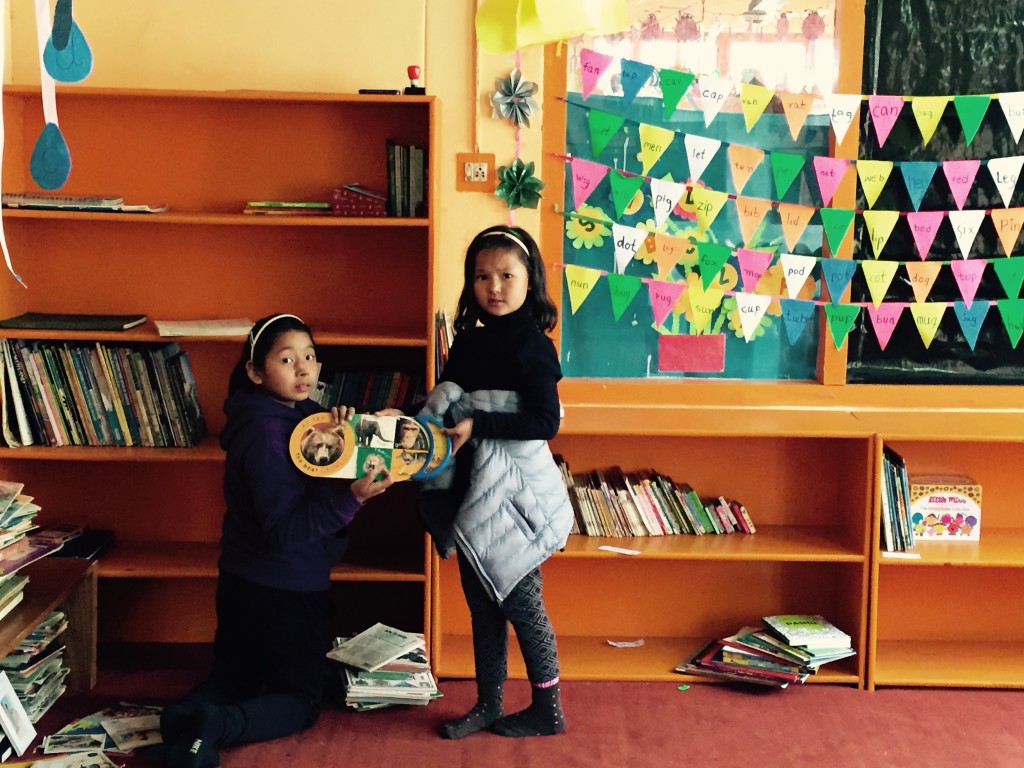
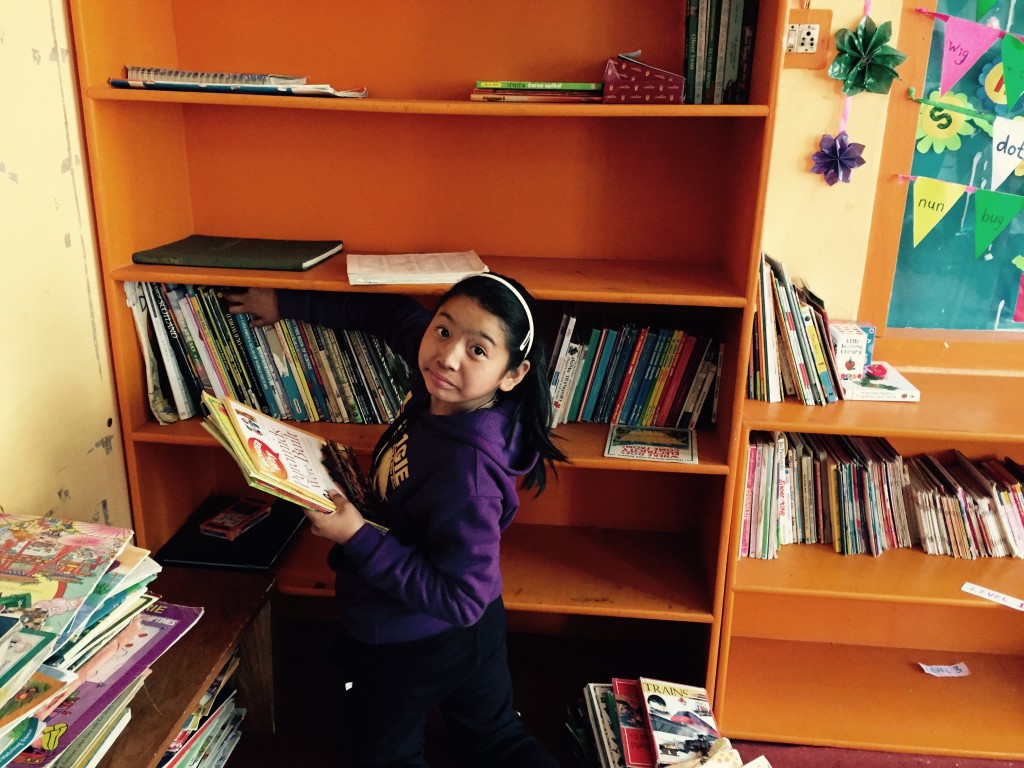
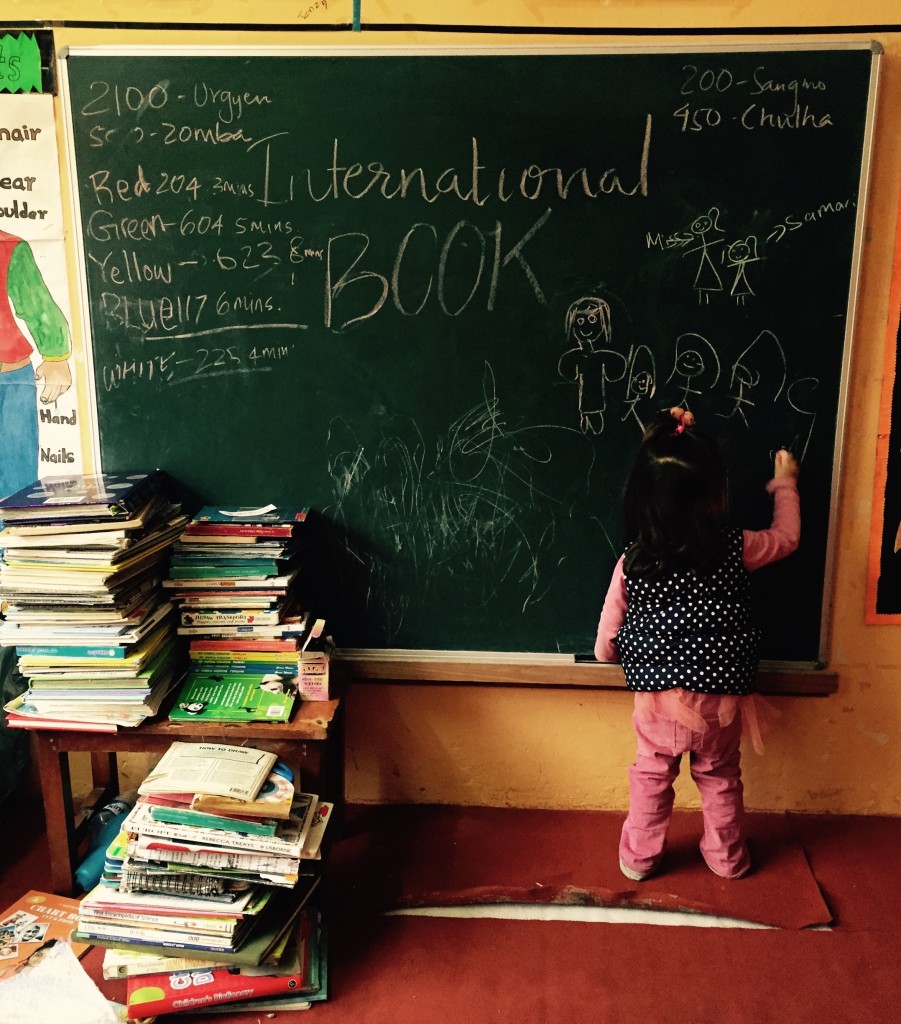
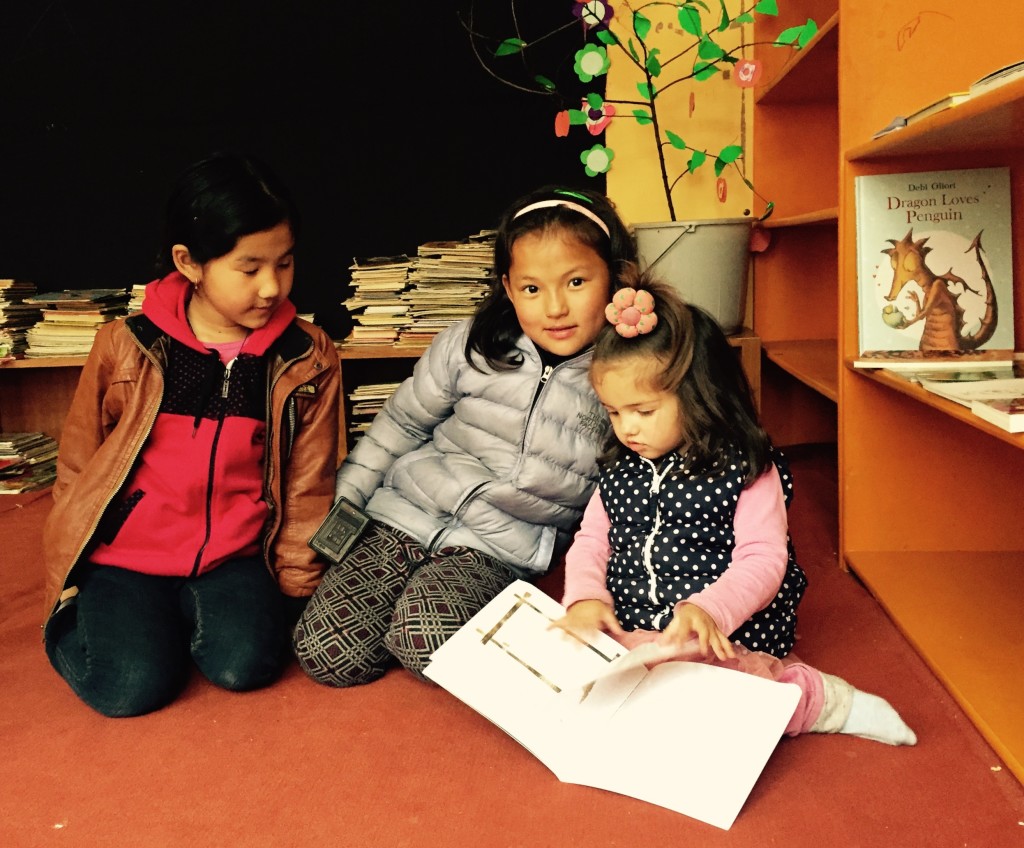
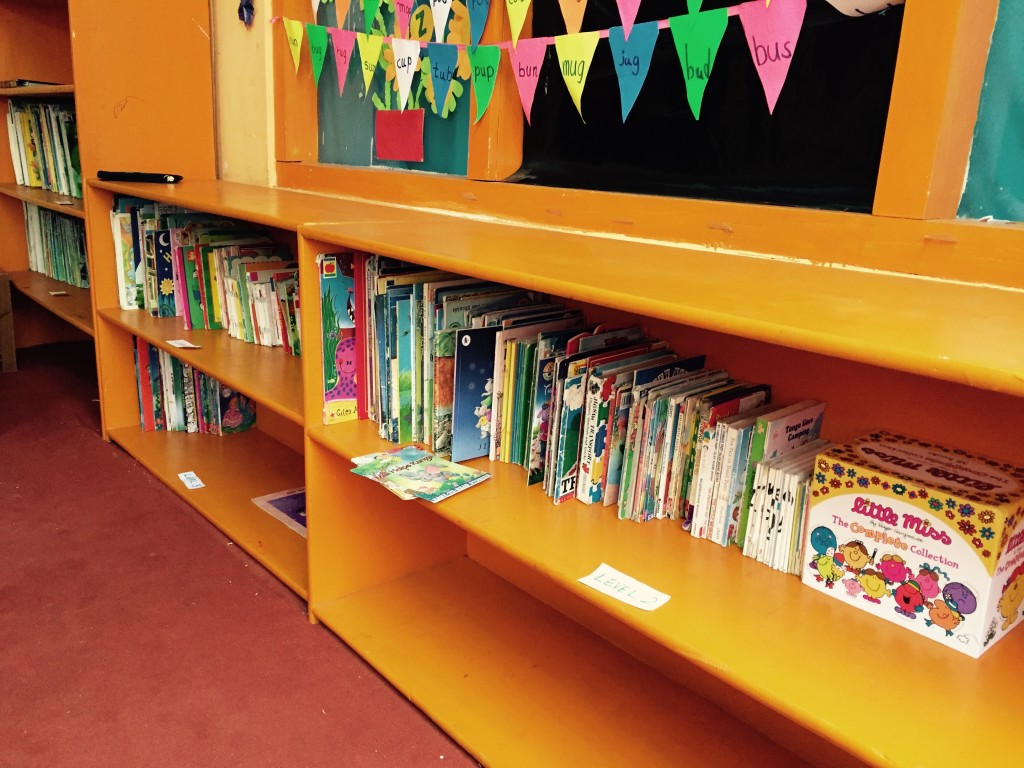
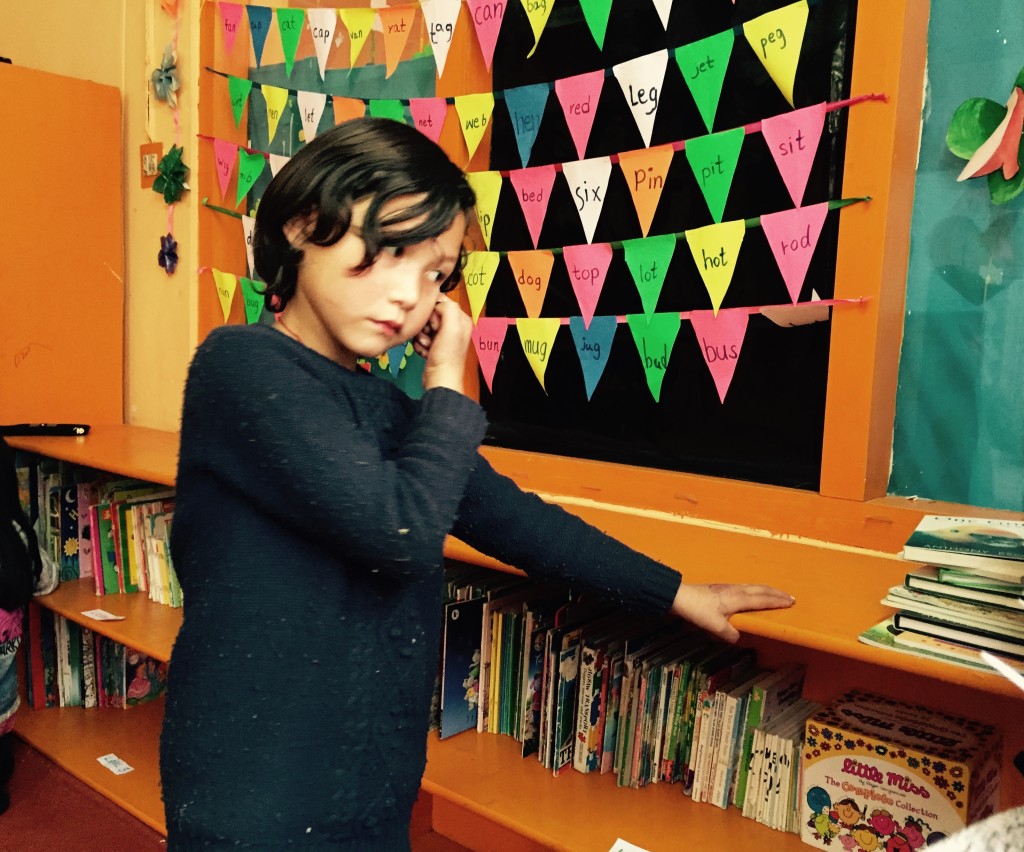
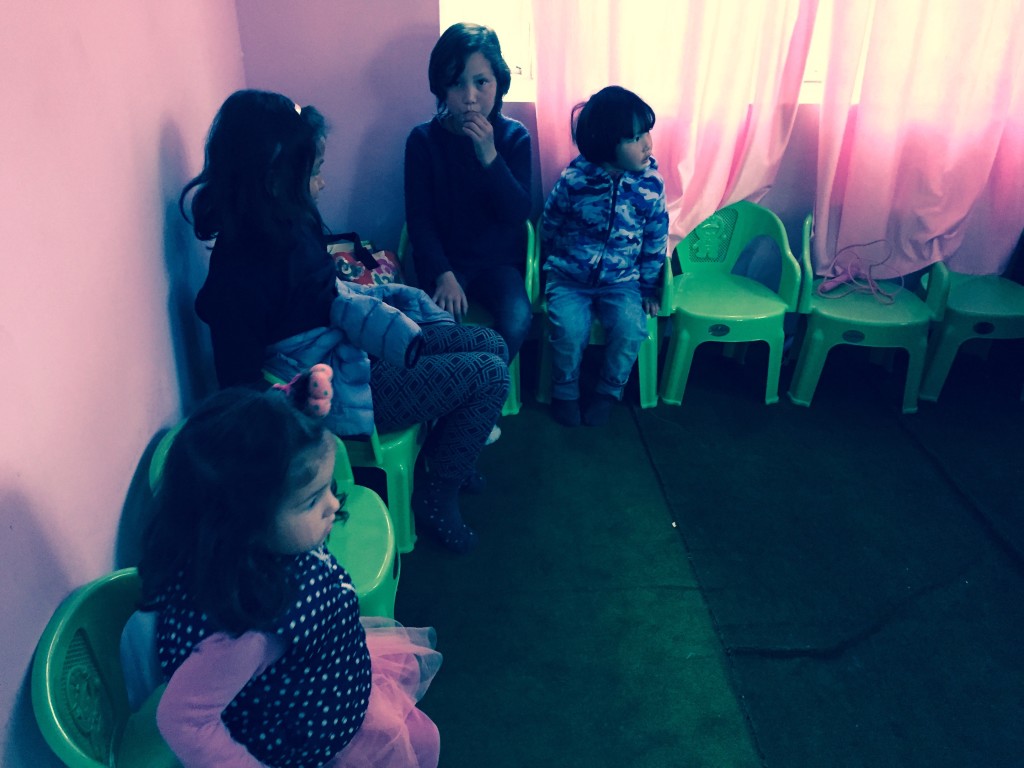
Regular donations can help provide age-appropriate books in English and other locally useful languages, along with shelves, floor seating, lighting, and basic learning materials. These practical details create an environment where children can browse freely, read at their own pace, and associate learning with discovery rather than obligation.
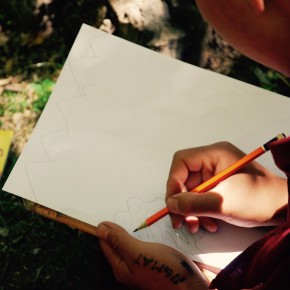
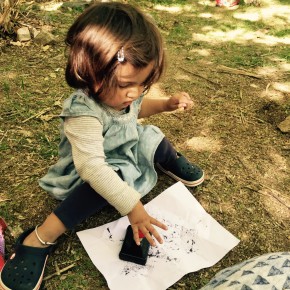
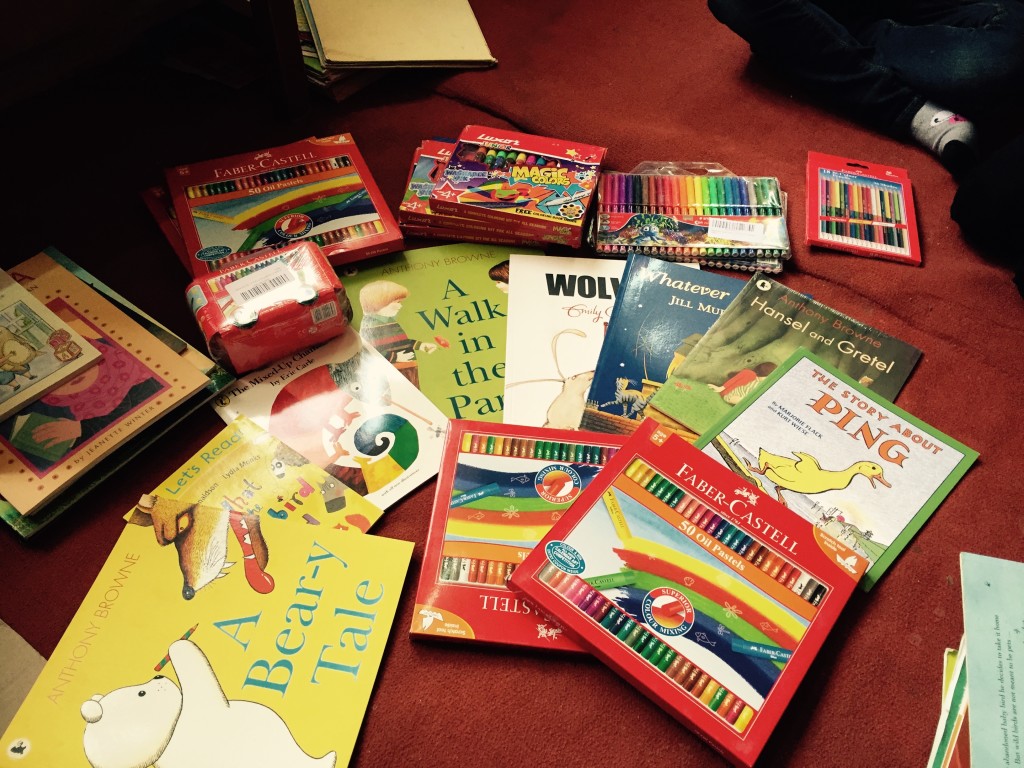
Monthly support can also contribute to artistic and musical activities. Drawing, painting, singing, and instrumental practice give children ways to express ideas that may be difficult to communicate through formal lessons alone. Creative programs strengthen concentration, collaboration, and confidence while making educational spaces more engaging.
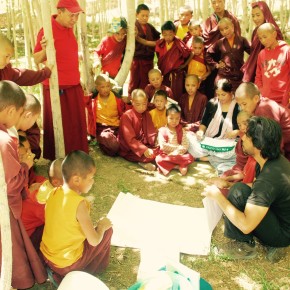
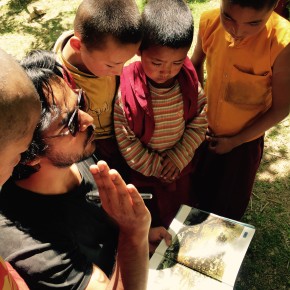
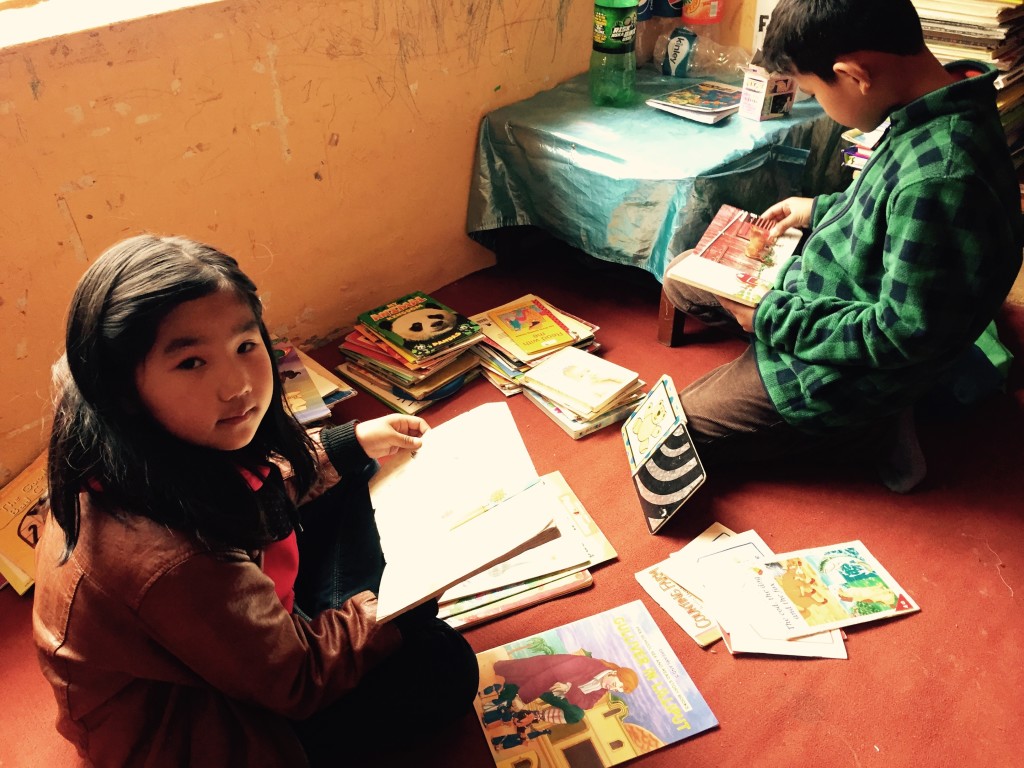
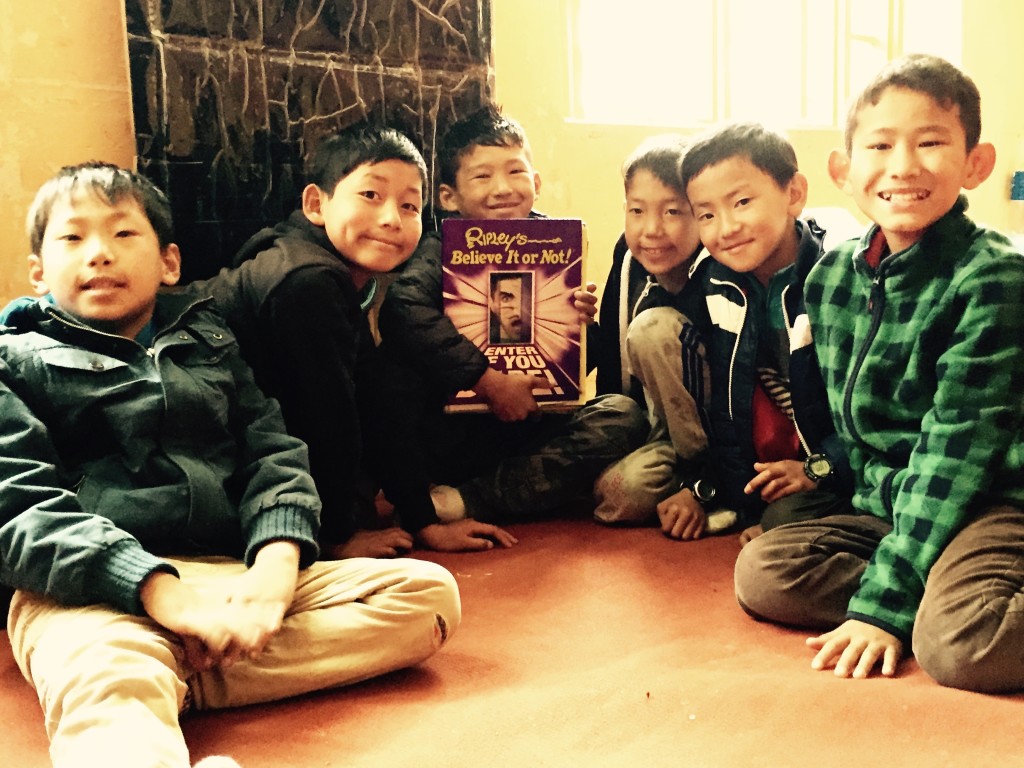
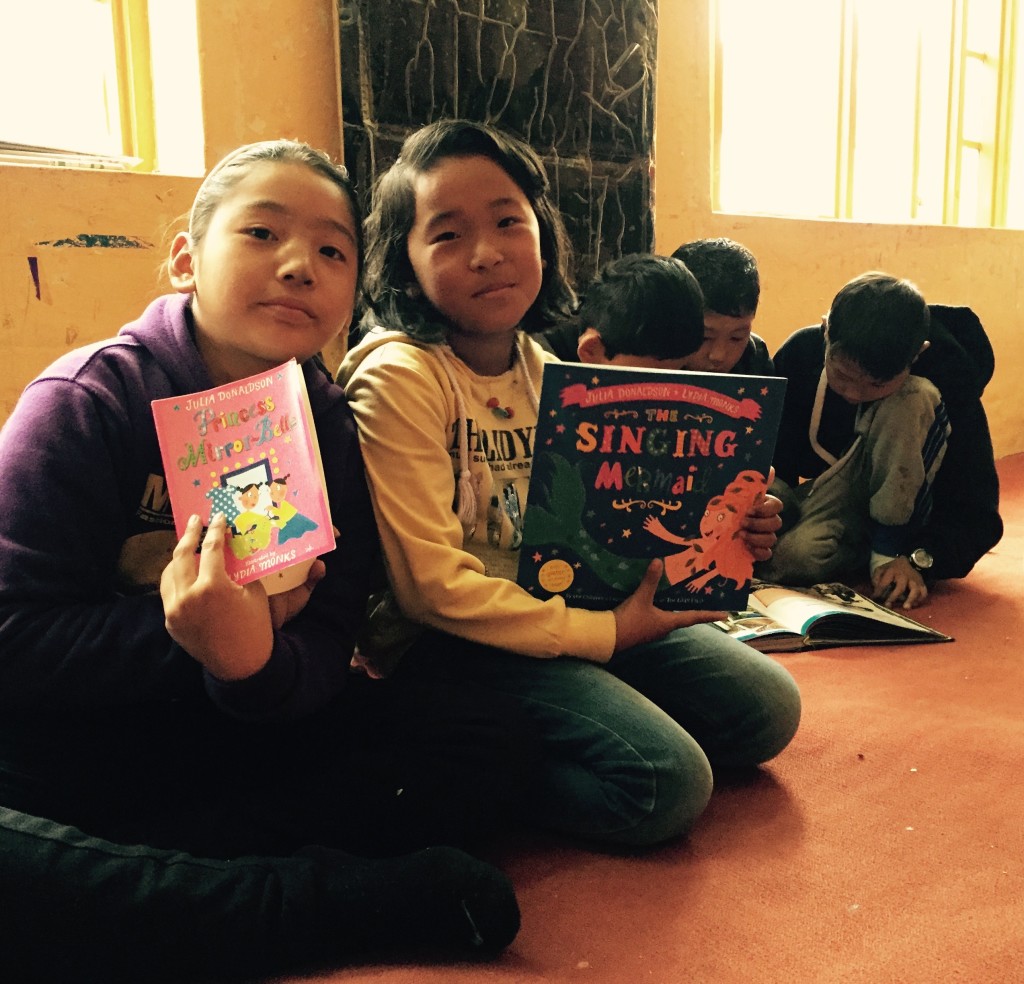
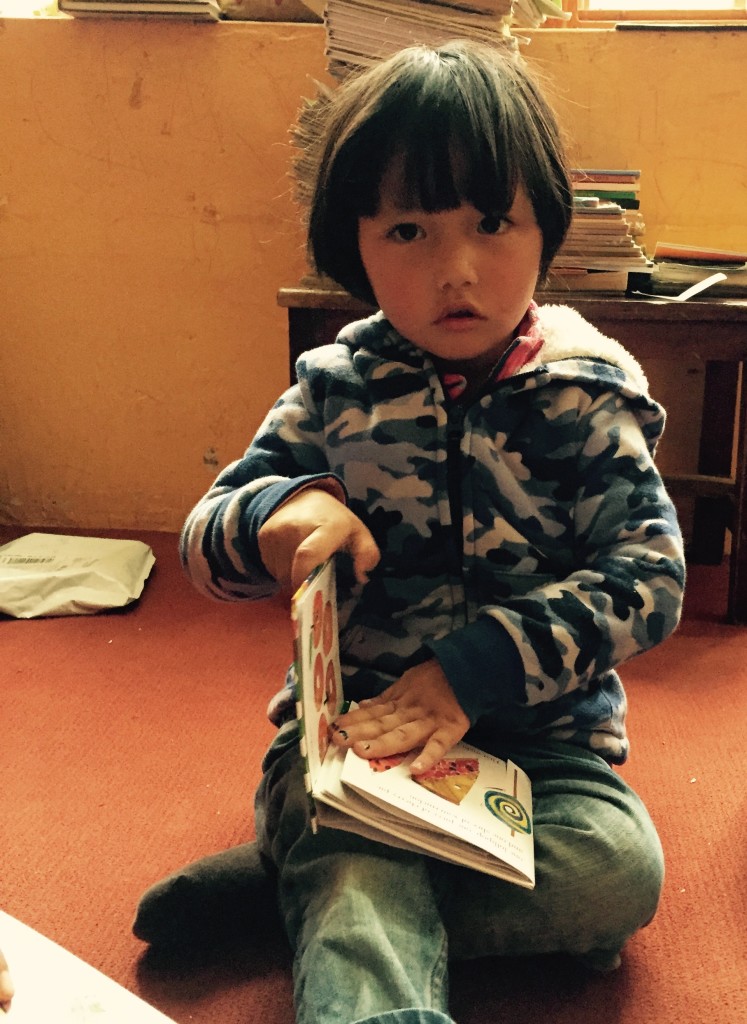
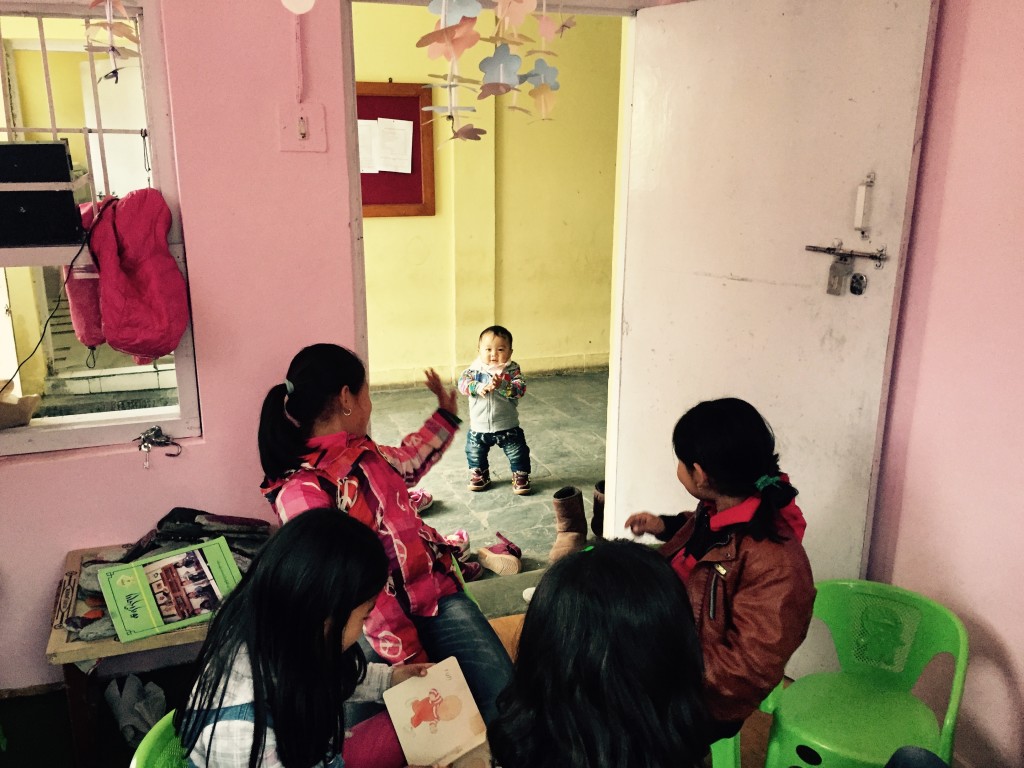
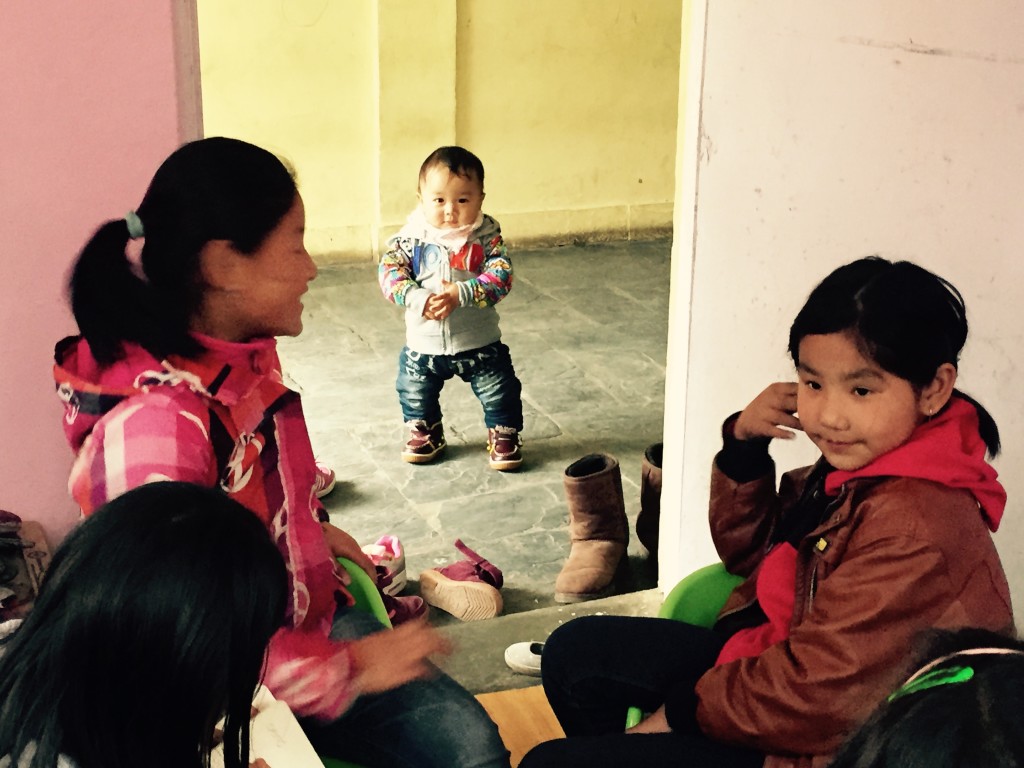
Young monks and children in remote communities benefit from access to stories, reference materials, and guided activities. A steady donor base helps keep these resources connected to the communities they serve, whether the need is a new book collection, a workshop, or support for a local reading space.
How regular donations become lasting resources
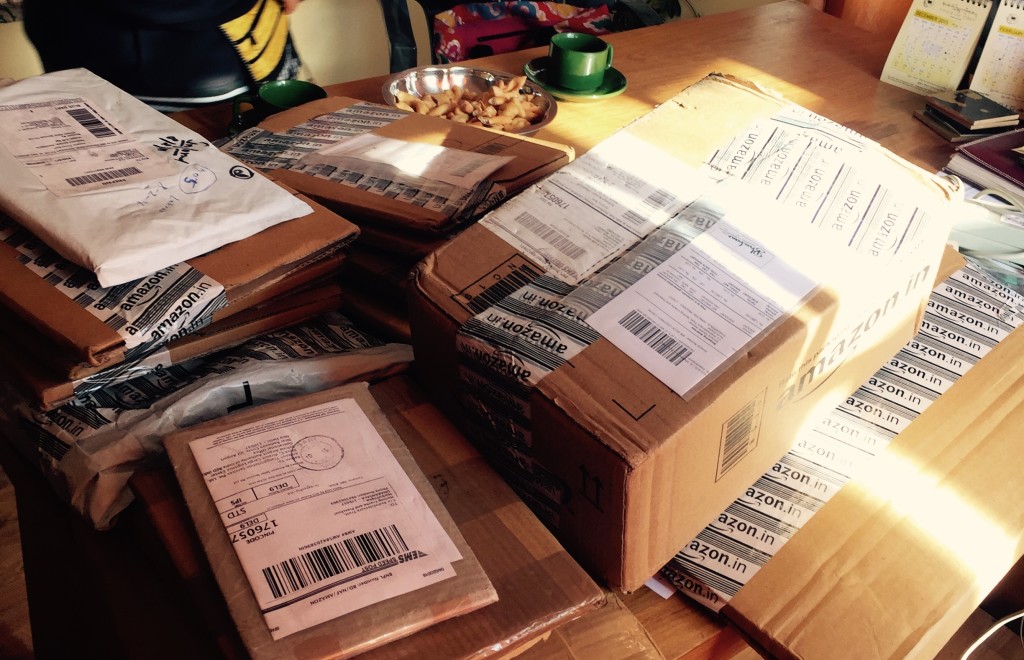
Good stewardship begins with matching funds to meaningful, practical priorities. Donations may help purchase books selected for a particular age group, transport materials to a remote location, or provide supplies for a class or workshop. The value of each gift grows when it responds to an identified need.
A monthly donor does not have to determine exactly which book or activity their contribution funds. Flexible support allows the Trust to direct resources where they are most useful at a given time. This may include maintaining an existing program, supporting a new community initiative, or filling a gap in educational materials.
The impact is often cumulative. One contribution may add to a collection, while several months of giving can help sustain access, replace worn materials, and support a consistent program schedule. Over time, these small acts of generosity create a stronger learning culture.
Finding a giving rhythm that fits
There is no single correct amount for becoming a recurring donor. The most sustainable contribution is one that fits comfortably within a household budget and can continue without creating financial strain. A modest monthly gift, maintained over time, can be more useful than an ambitious pledge that ends quickly.
Many supporters choose an amount by connecting it with a familiar expense, such as one meal out, a book, or a streaming subscription each month. Others begin with a small contribution and increase it later when their circumstances allow. The important feature is consistency, not size.
| Giving approach |
How it helps |
Best suited to |
| Small monthly gift |
Adds dependable support to shared programs |
Individuals beginning recurring giving |
| Mid-level monthly gift |
Helps sustain books, supplies, or activities over time |
Families and established supporters |
| Larger monthly gift |
Offers greater flexibility for ongoing priorities |
Donors seeking a deeper long-term role |
| Annual recurring commitment |
Provides a wider planning horizon |
Supporters who prefer fewer payments |
| Monthly gift with occasional extras |
Combines reliable funding with seasonal generosity |
Donors who want both stability and flexibility |
Before enrolling, donors should review the available payment options, renewal terms, and cancellation process. Clear information makes recurring philanthropy easier to manage and helps supporters feel confident about their commitment.
Make your support part of everyday learning
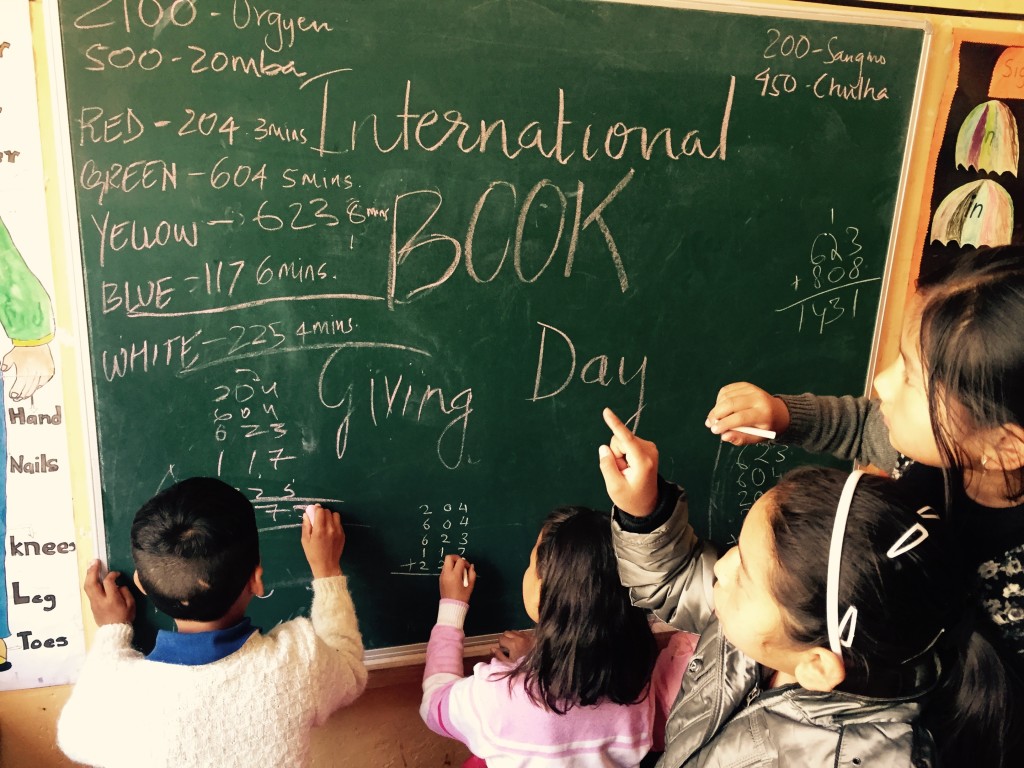
The most meaningful charitable relationships extend beyond a transaction. Donors can follow updates, read stories from the communities involved, and learn how books, art, and music are being used. This connection gives recurring support a human dimension and helps supporters see the progress created by collective action.
Sharing the mission with friends, schools, book clubs, or community groups can also broaden the circle of support. A conversation about literacy in the Himalayas may lead someone else to sponsor a reading room, organize a book drive, or volunteer time and expertise.
Supporters can deepen their involvement in several simple ways:
- Choose a sustainable monthly amount and keep it active for as long as it remains comfortable.
- Share the Trust’s educational mission with friends, family members, schools, or local reading groups.
- Follow project updates to understand how recurring donations support children and young monks.
- Consider an occasional additional gift for book drives, seasonal activities, or urgent educational needs.
- Encourage children in your own household to select and donate books that are suitable for another young reader.
These actions complement financial support without replacing it. A dependable donation gives programs stability, while advocacy and participation help more people understand why access to books and creative learning matters.
Build a lasting circle of care
Monthly giving is also a way to recognize that educational change takes time. A child may visit a reading room many times before discovering a favorite subject, gaining confidence with a new language, or finding the artistic activity that inspires them. Continuity gives those discoveries room to happen.
For communities in Ladakh and across the Himalayan region, quality books and enriching activities can open pathways to curiosity and self-expression. The benefit reaches beyond a single lesson: children develop habits of reading, cooperation, imagination, and independent thought that can accompany them as they grow.
When many people contribute regularly, support becomes shared rather than isolated. Each donor helps maintain a network that connects books, spaces, teachers, volunteers, families, and young learners. That network is what allows a charitable project to become a dependable presence in community life.
A monthly gift to Avalokiteśvara Trust can help keep reading rooms supplied, creative activities active, and educational opportunities within reach for children and young monks. Set up a recurring donation today and become part of the steady support that turns access to books and learning into an enduring possibility.