How to Start a Reading Room in Your Own Community
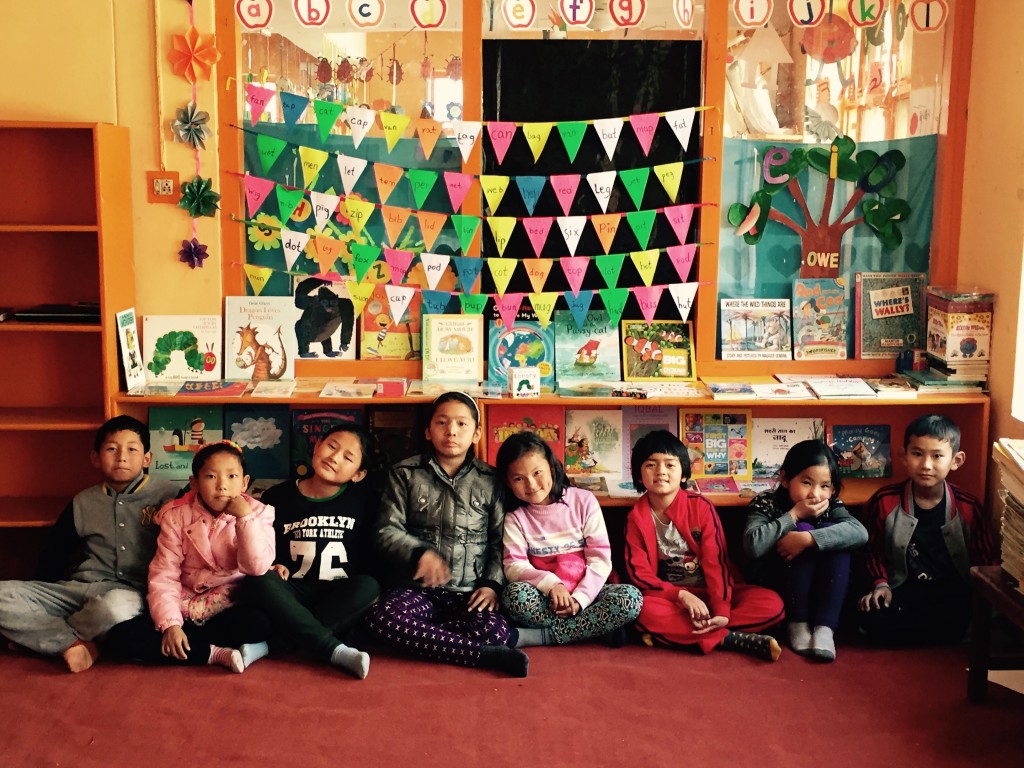
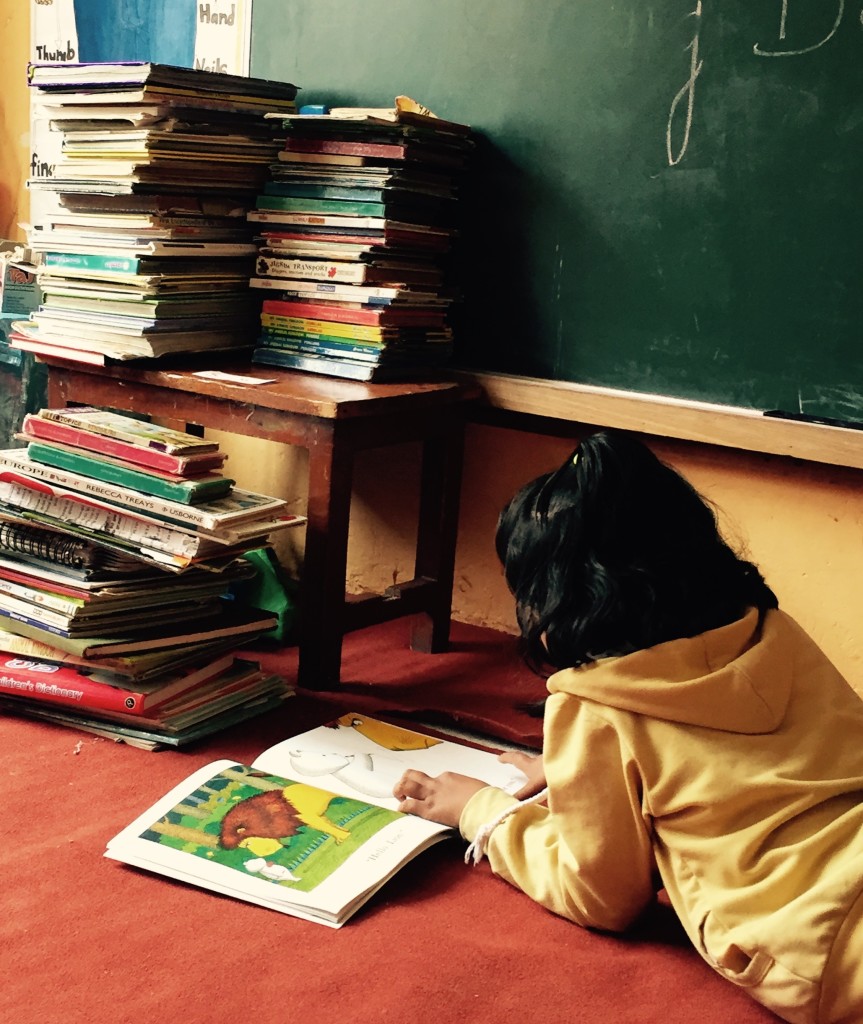
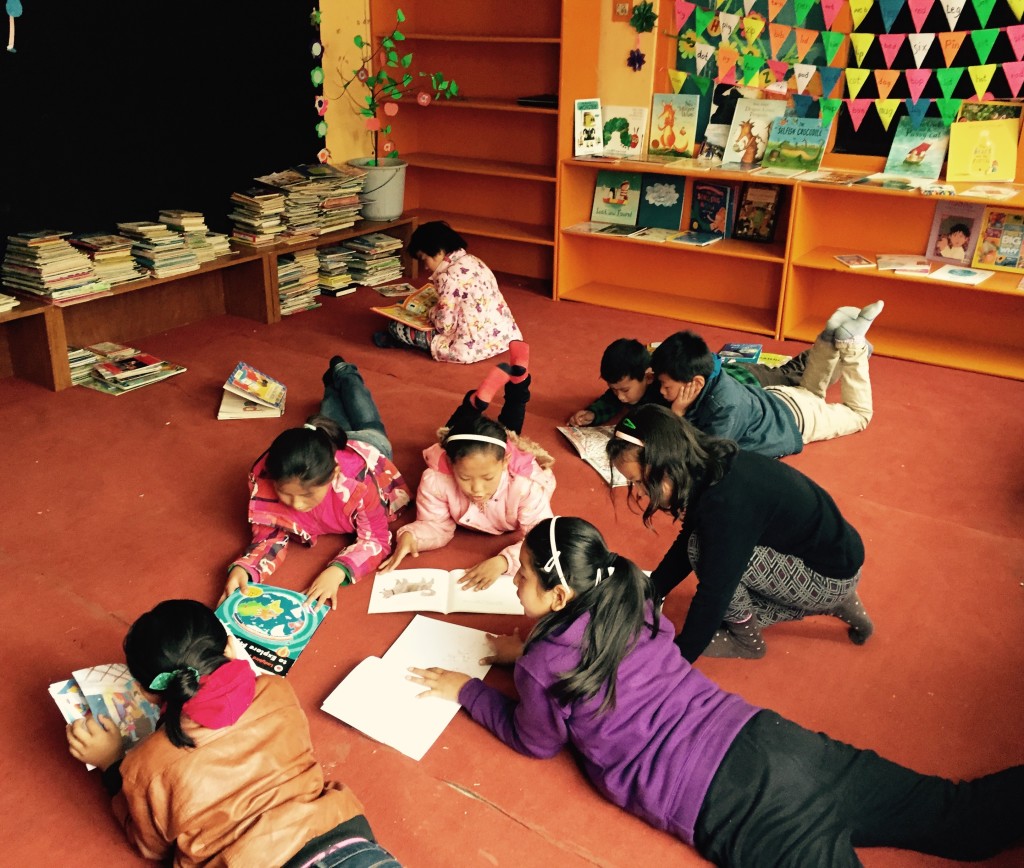
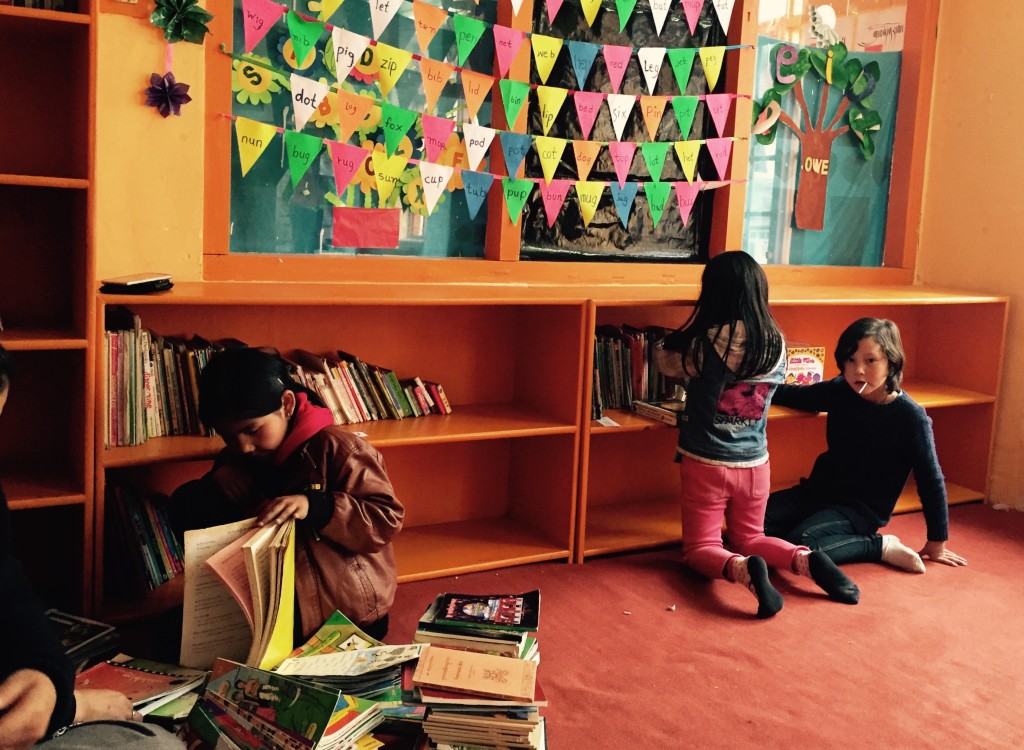
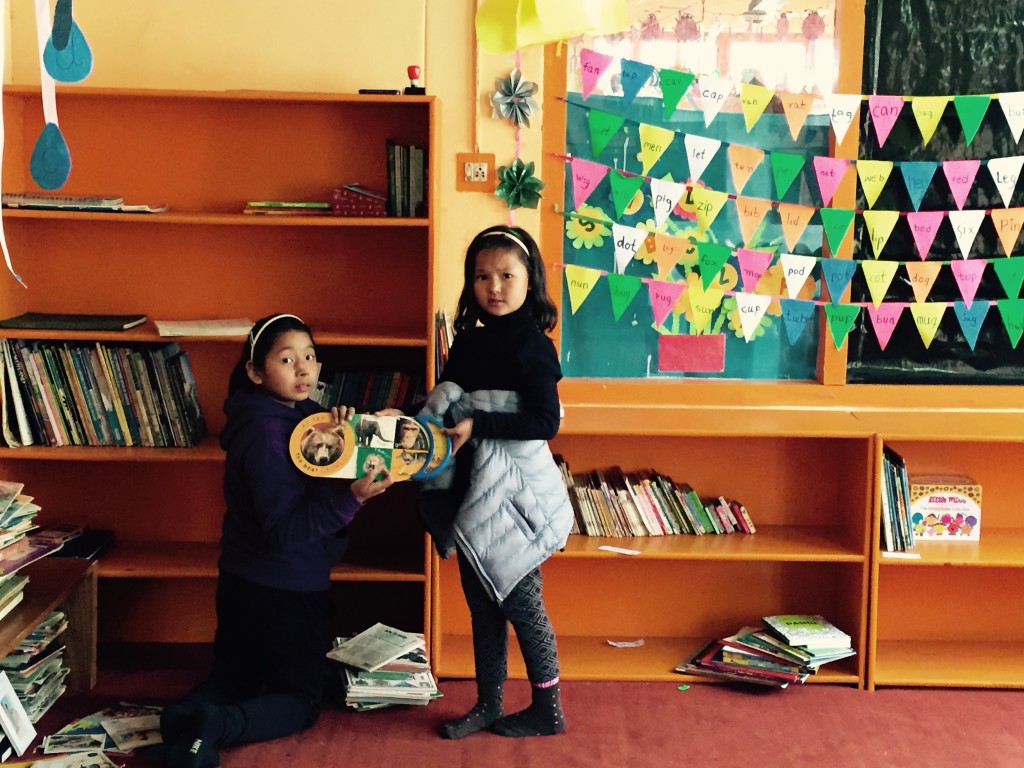
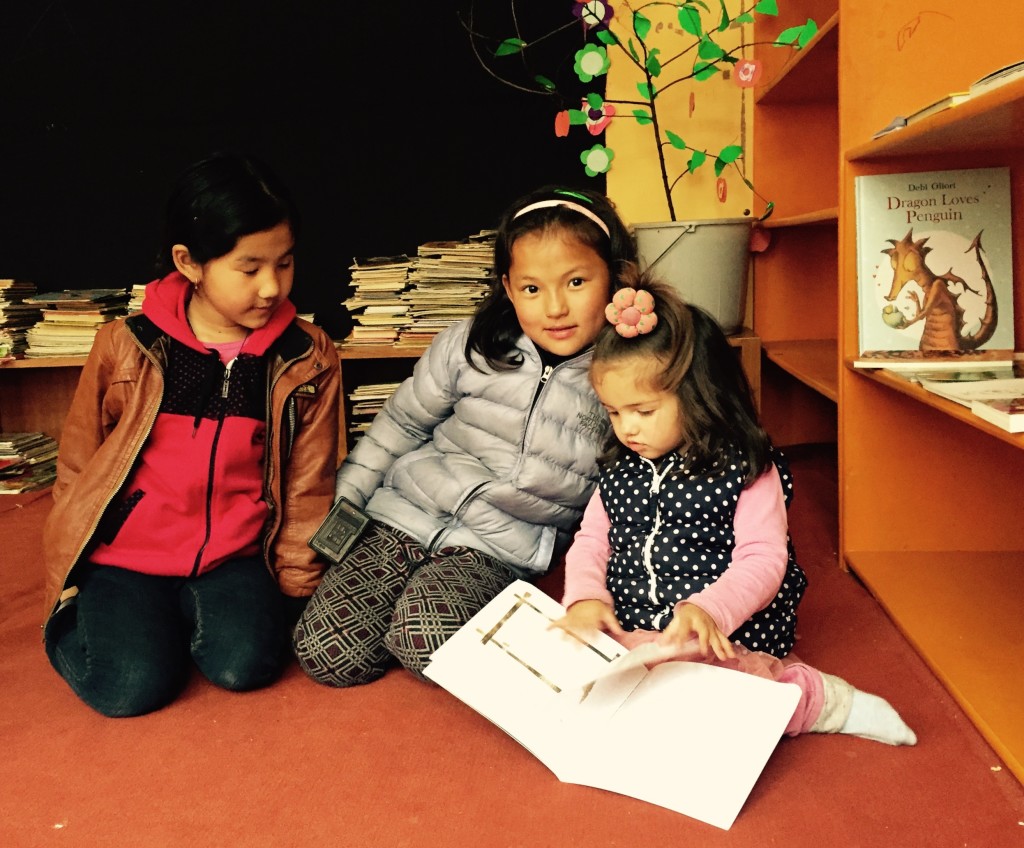
A reading room can be much more than a quiet place filled with shelves. It can become a welcoming learning hub where children discover stories, practice languages, complete homework, draw, listen to music, and build confidence. In communities with limited access to libraries or reliable educational resources, a modest room can make a lasting difference.
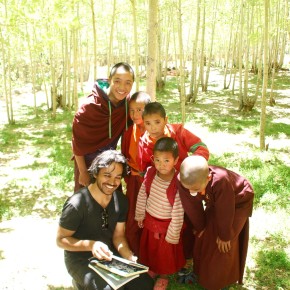
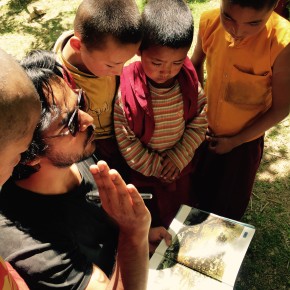
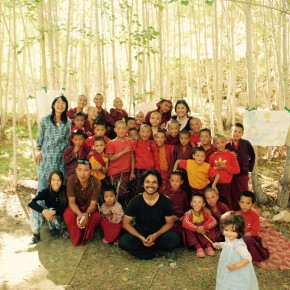
The work of Avalokiteśvara Trust in Ladakh offers useful lessons for anyone hoping to create a similar space. Ladakh’s mountain villages and monastic communities have different needs, distances, languages, and traditions, yet the central principle is widely applicable: begin with local relationships, understand what children actually need, and build slowly around consistent access to books.
Starting a reading room in your own community does not require an expensive building or a large collection. It requires a safe location, thoughtful planning, suitable books, trusted adults, and a commitment to keeping the doors open.
Begin With Listening And Local Partnerships
The strongest community library projects start with conversations rather than purchases. Speak with children, parents, teachers, monks, youth leaders, and neighborhood organizations. Ask what children enjoy reading, which languages they use, what school subjects challenge them, and when they would realistically visit. A reading room that reflects local interests will attract more regular users than one designed from a distance.
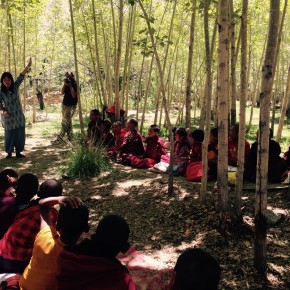
In Ladakh, geography and community structure are especially important. A village may be separated from the nearest town by difficult roads, while a monastery may already offer a trusted gathering place for young monks. In another setting, a school, community center, apartment building, or faith organization might provide the best home. A local partner can help identify suitable hours, introduce volunteers, and explain cultural expectations.
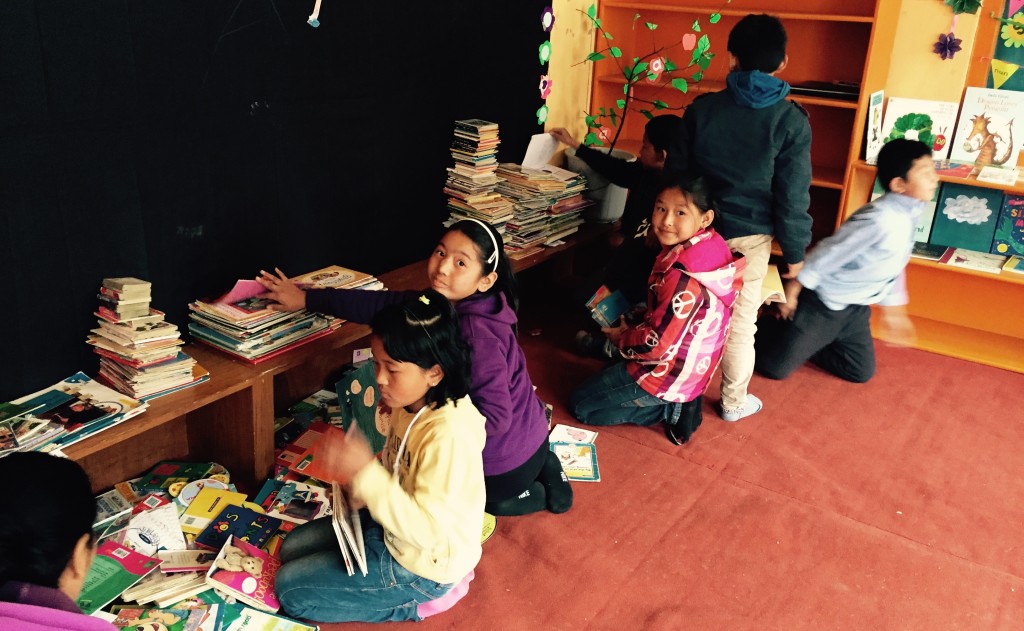
Write down the needs you hear and look for shared ownership. Invite local people to help choose the room, sort donations, paint walls, create signs, or organize opening activities. When residents participate from the beginning, the reading room is more likely to remain useful after an initial grant, book drive, or volunteer visit has ended.
Choose A Space That Feels Safe And Welcoming
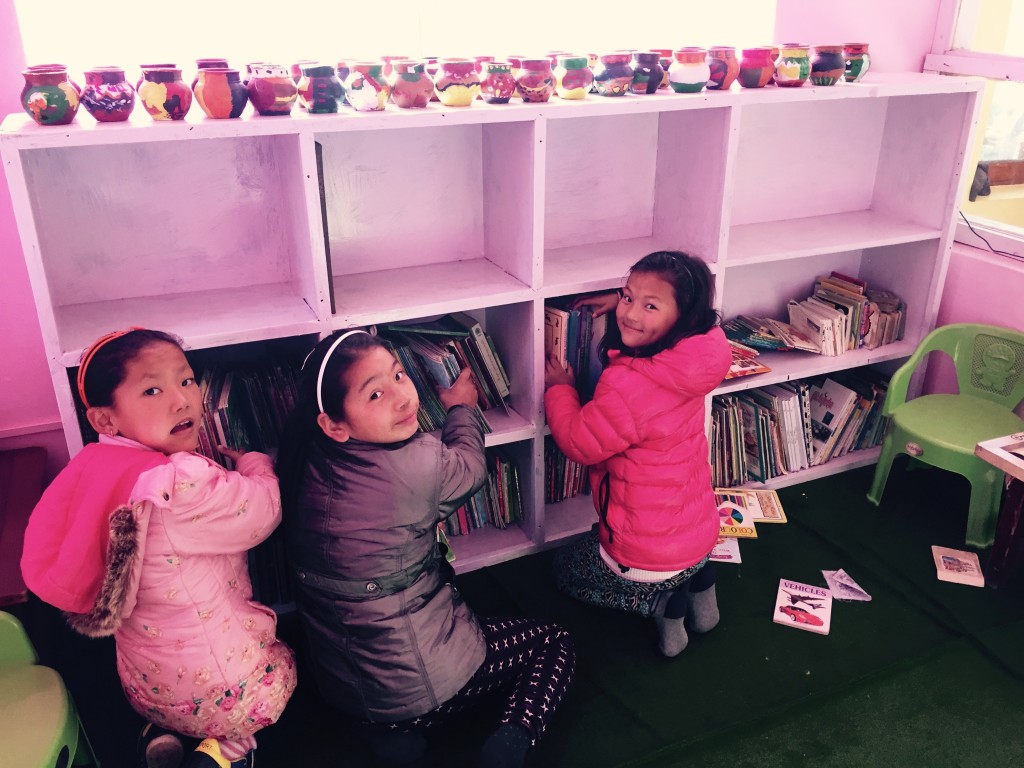
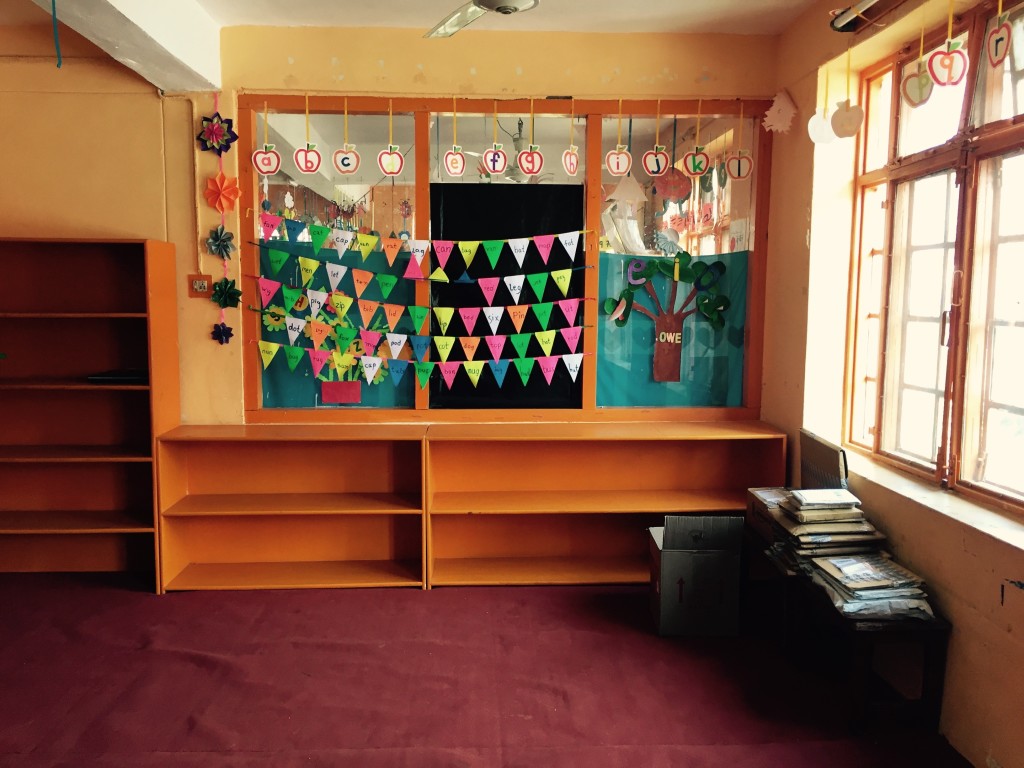
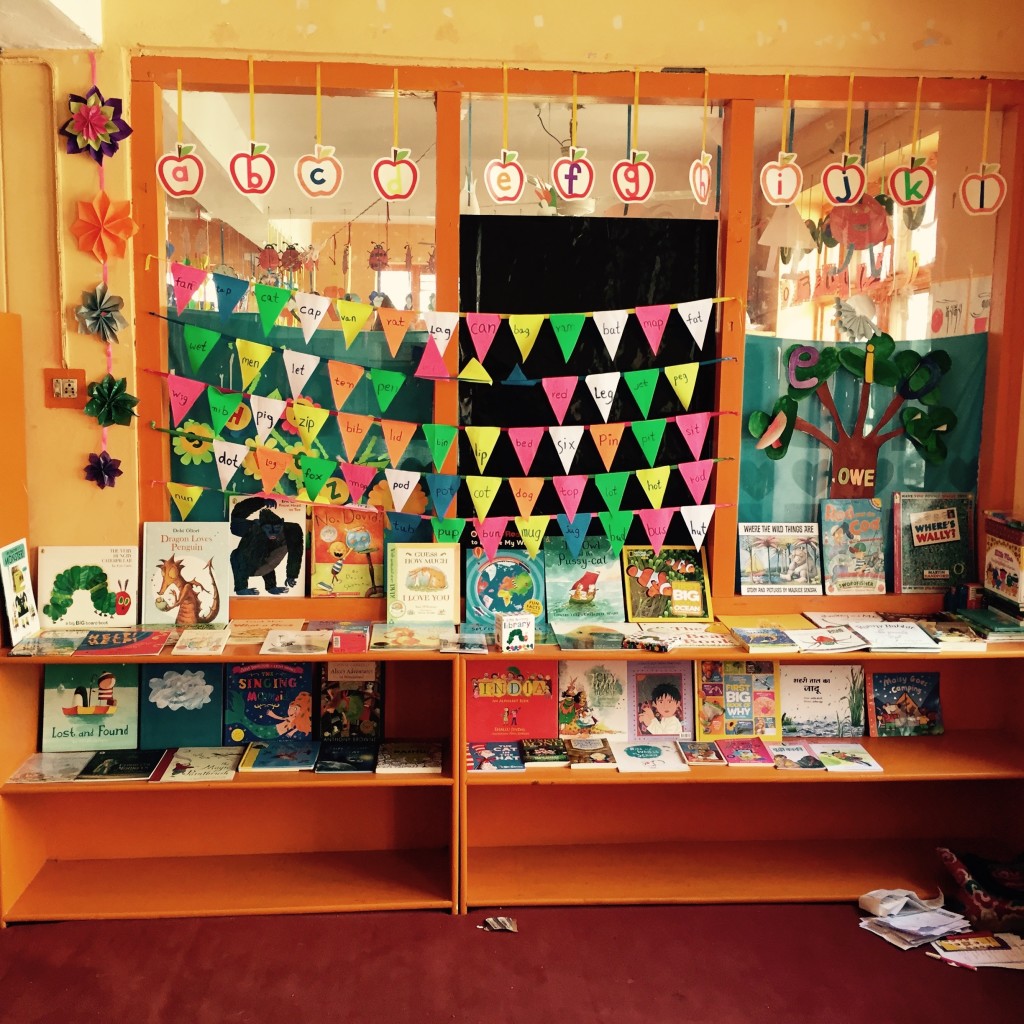
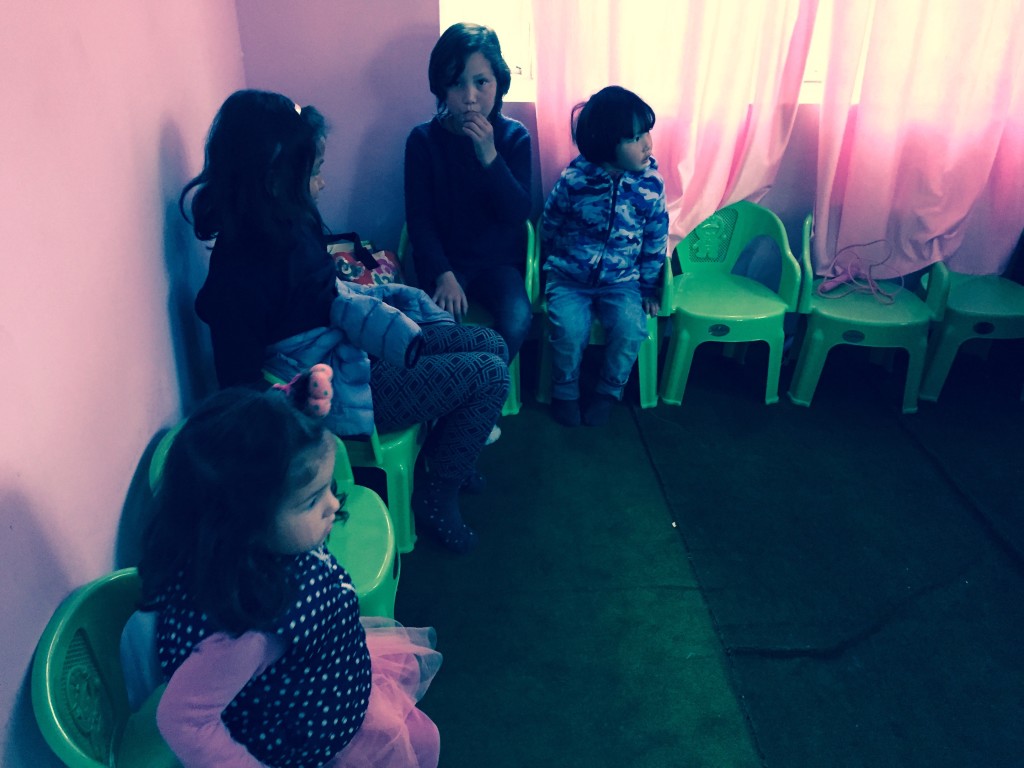
The ideal space does not have to be large. It should be clean, dry, well-lit, easy to reach, and comfortable for children of different ages. Good ventilation, floor cushions, sturdy chairs, and low shelves can make a plain room feel inviting. If electricity is unreliable, consider daylight, rechargeable lamps, and offline educational materials.
Accessibility deserves attention from the start. Check whether children can enter safely, whether younger readers can reach books, and whether the room is usable for children with mobility, visual, or learning needs. Clear pathways, large-print materials, quiet corners, and varied seating can support a wider group without requiring major construction.
Create a simple code of conduct covering respectful behavior, care of books, supervision, and inclusion. Children should know which adults are responsible for the room and how to seek help. Volunteers should follow safeguarding procedures, avoid being alone with a child where possible, and receive guidance on appropriate communication and boundaries.
Build A Collection Around Real Reading Needs
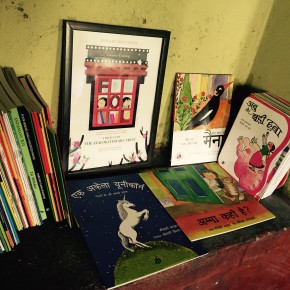
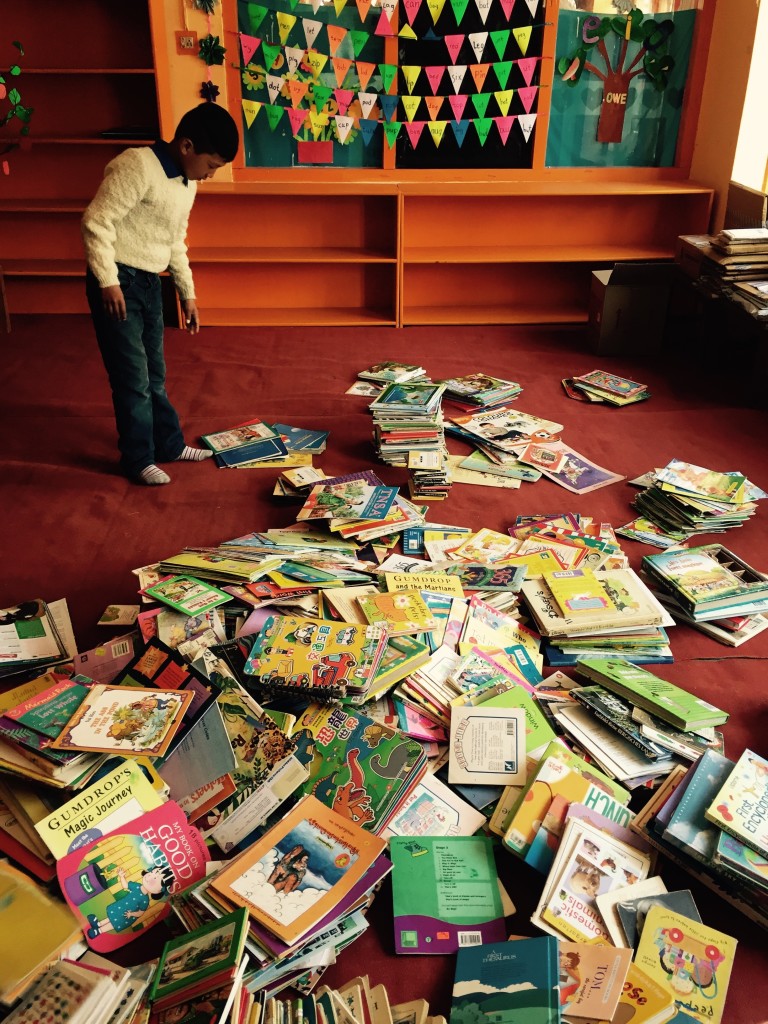
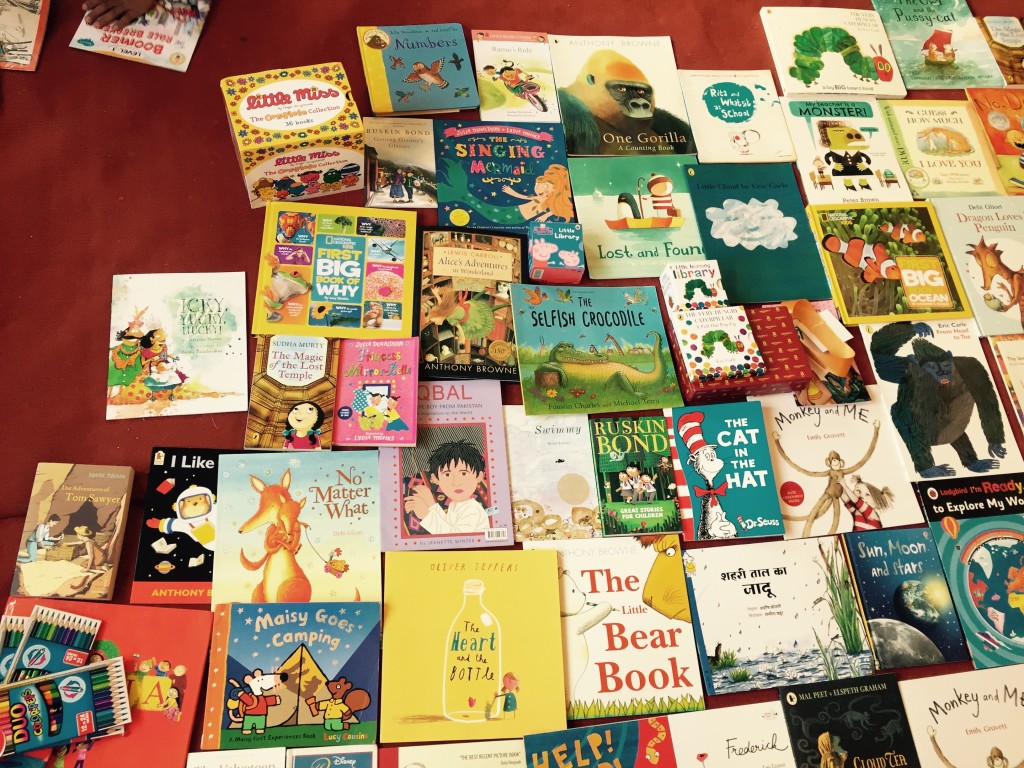
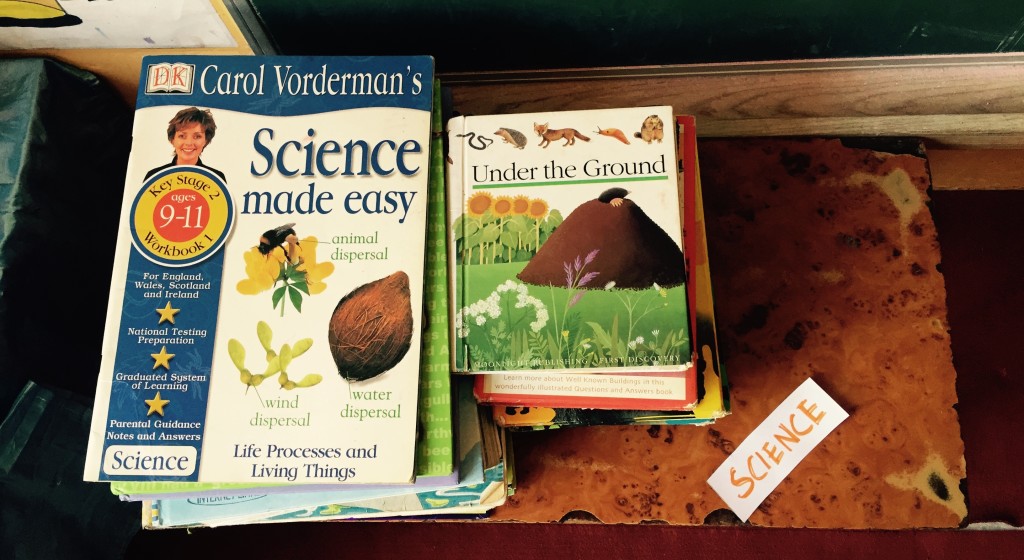
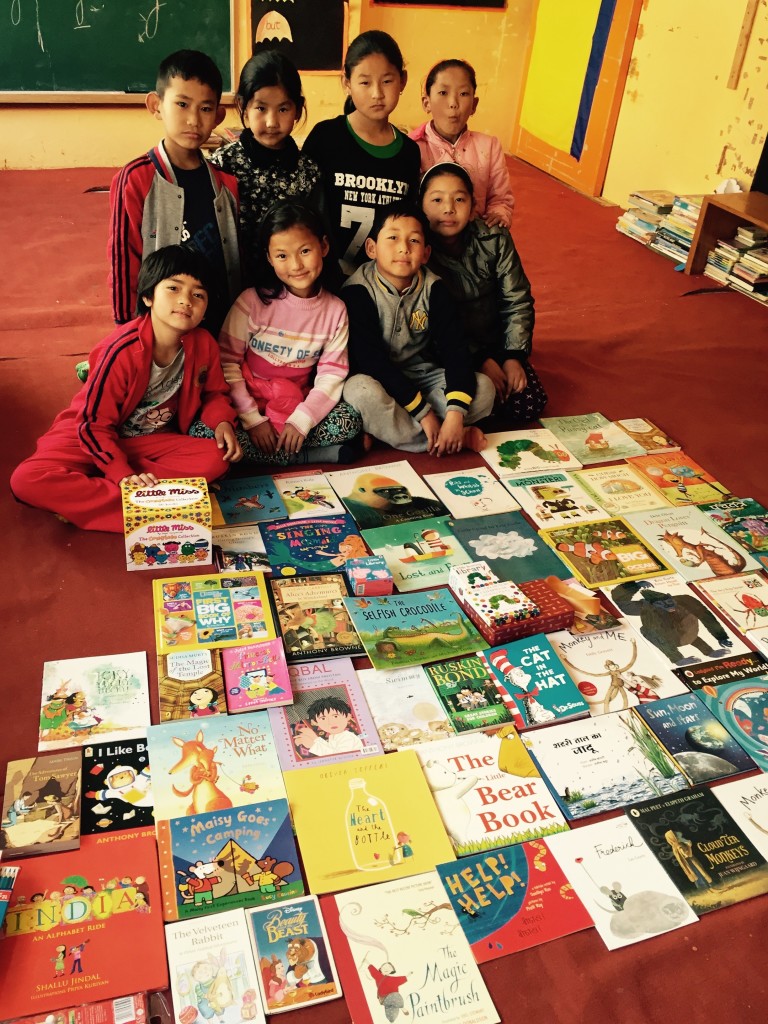
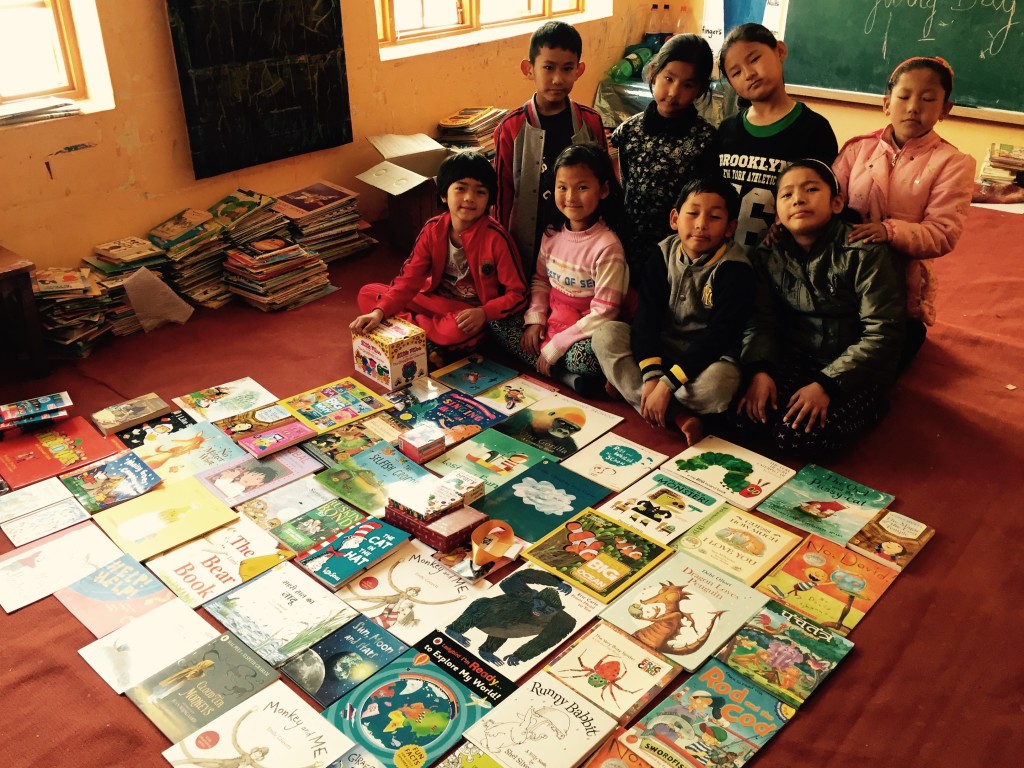
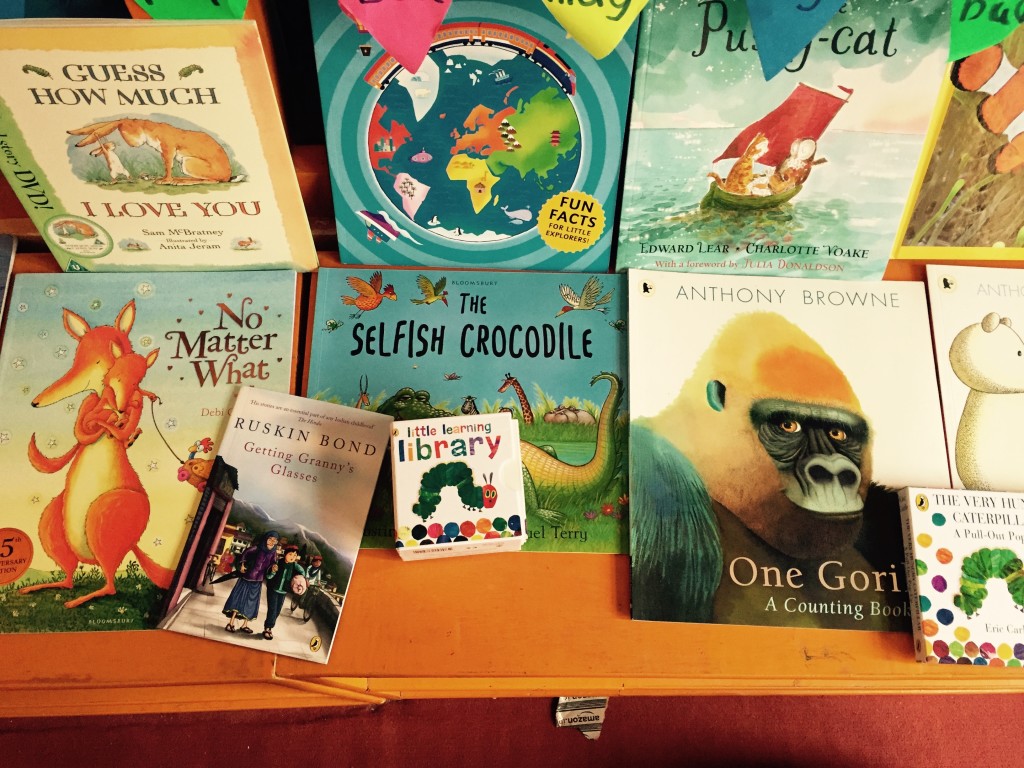
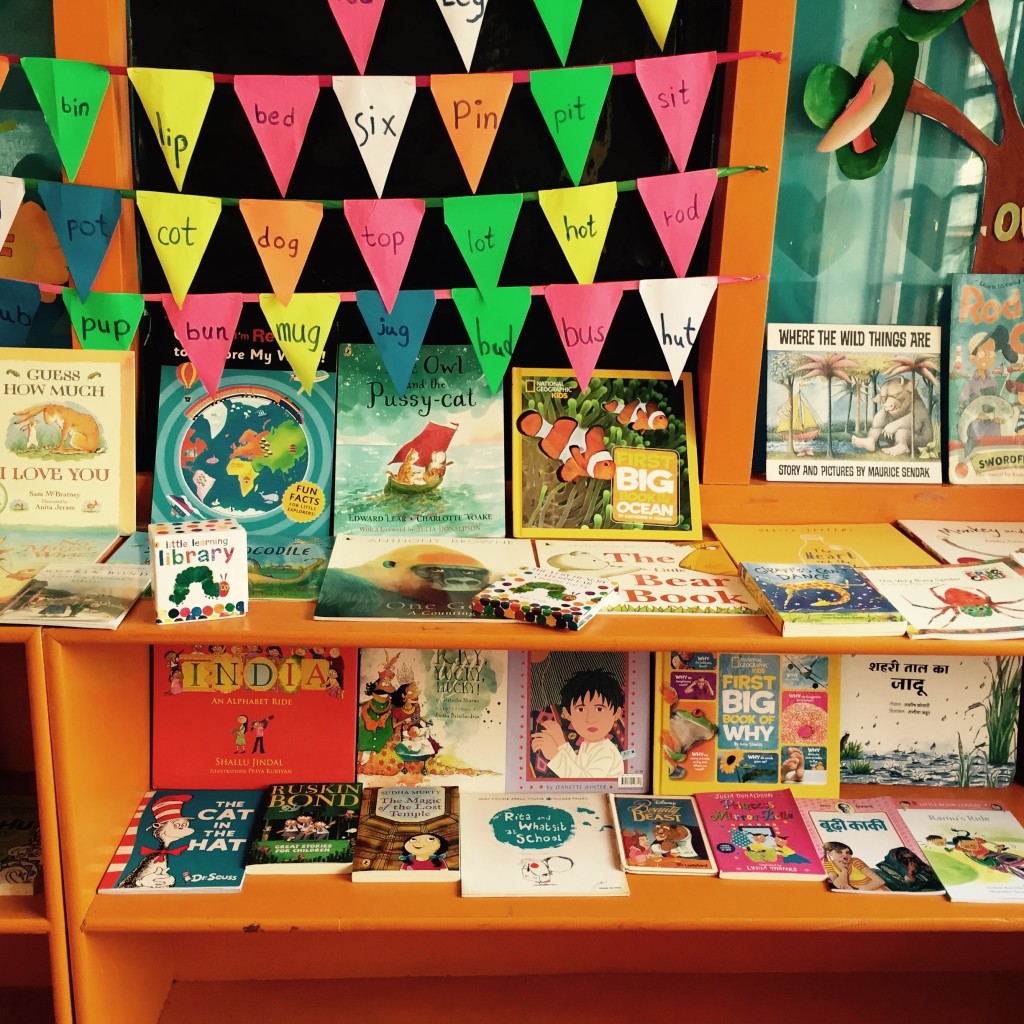
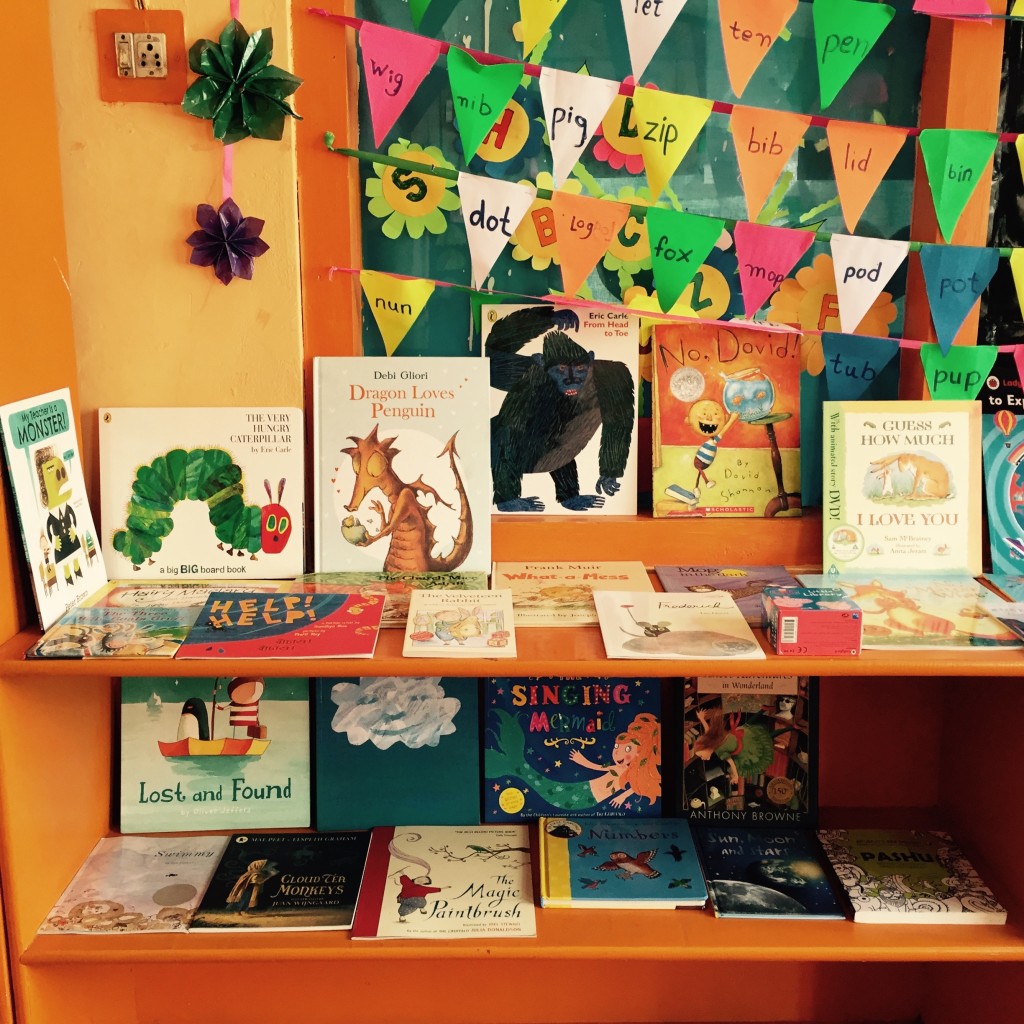
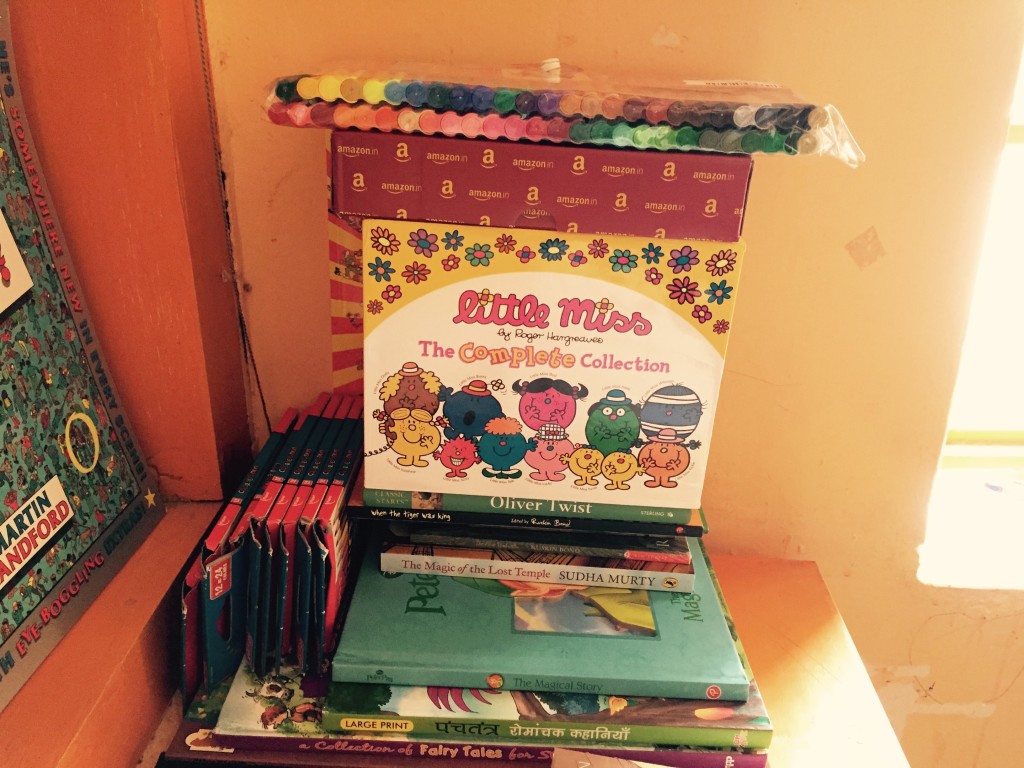
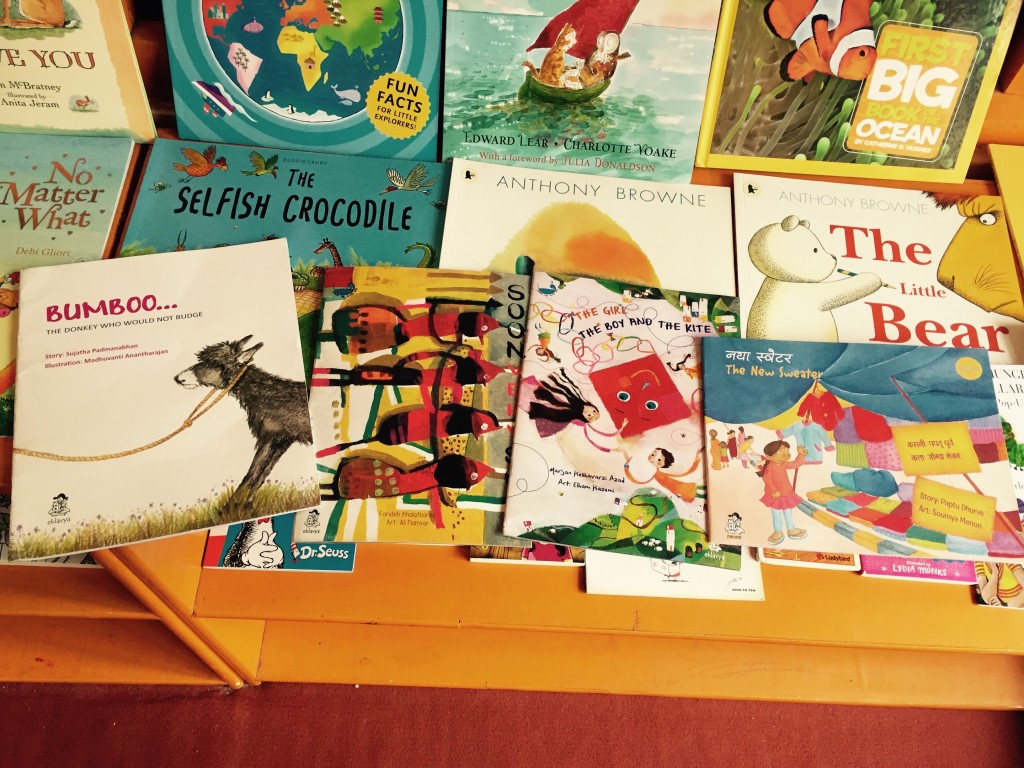
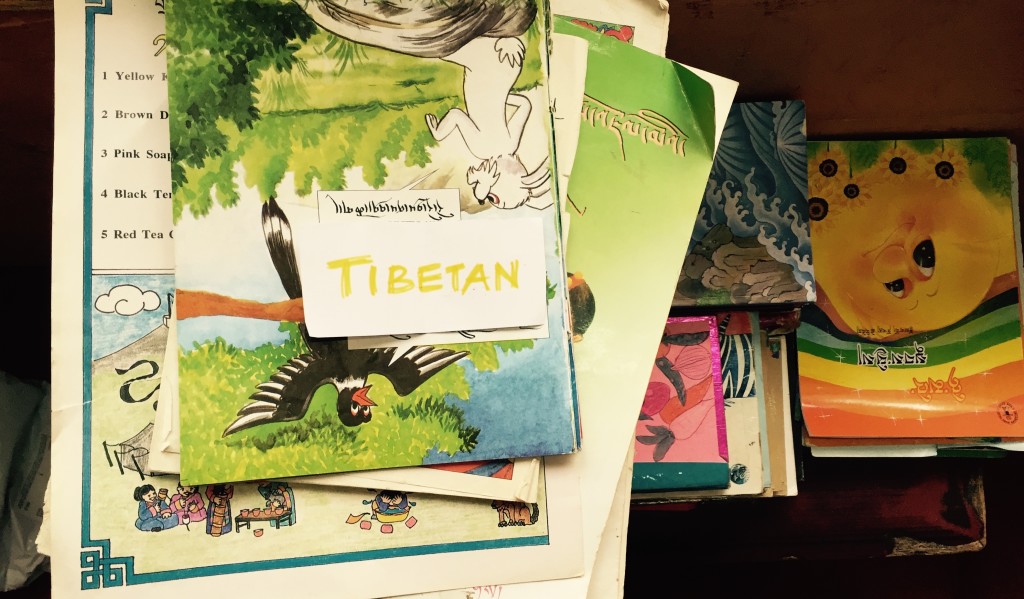
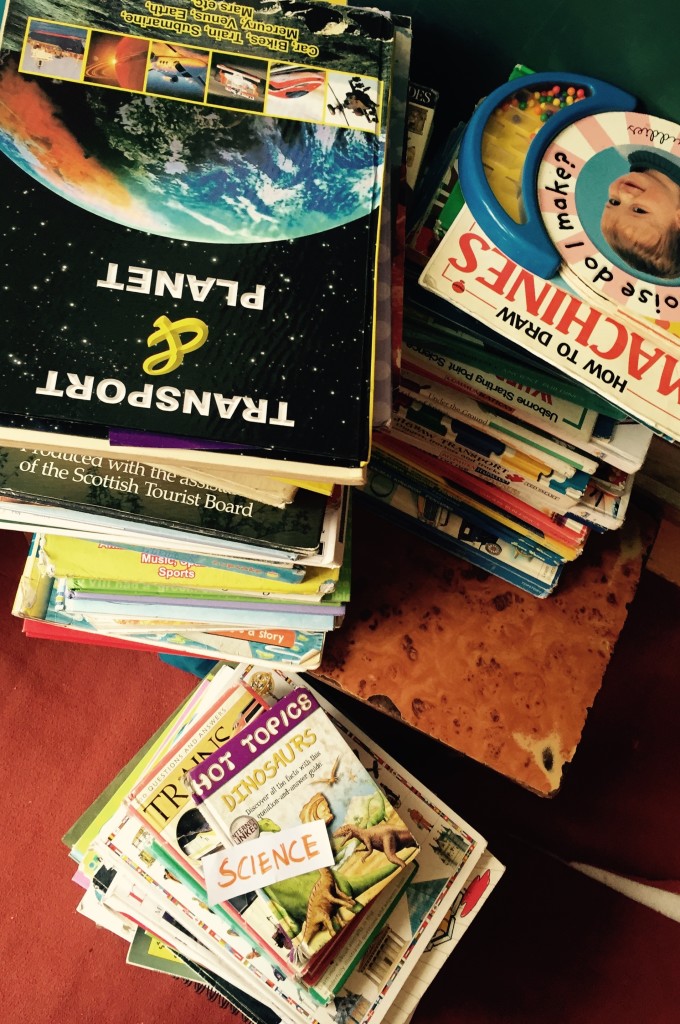
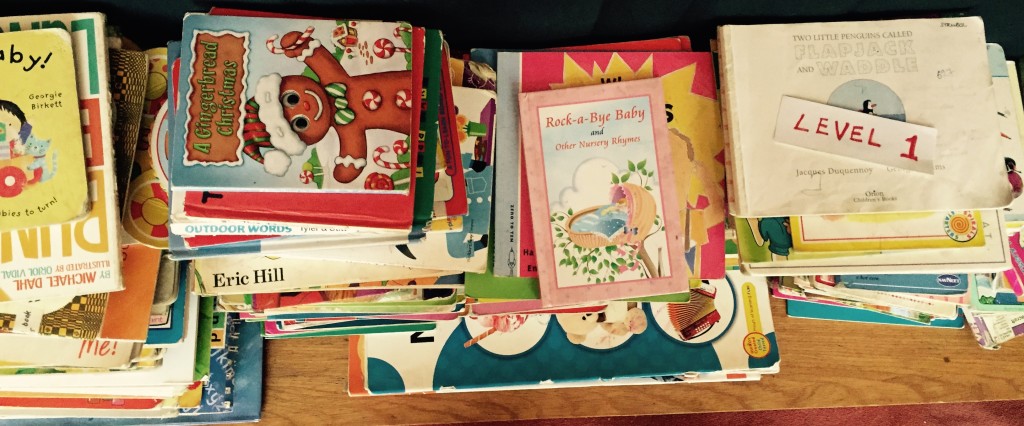
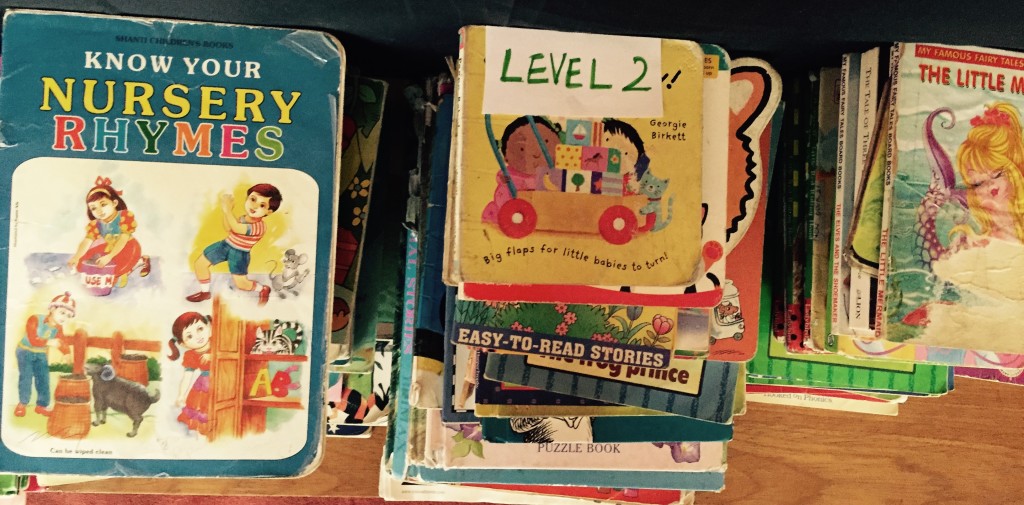
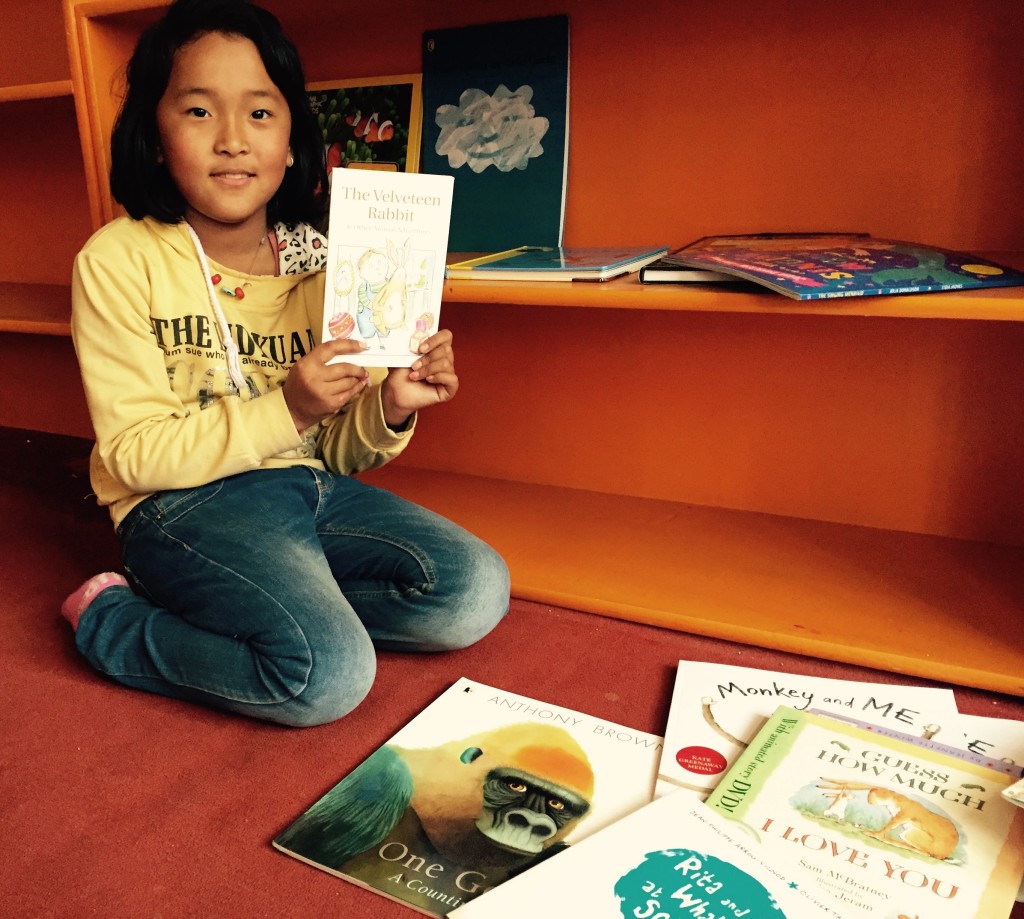
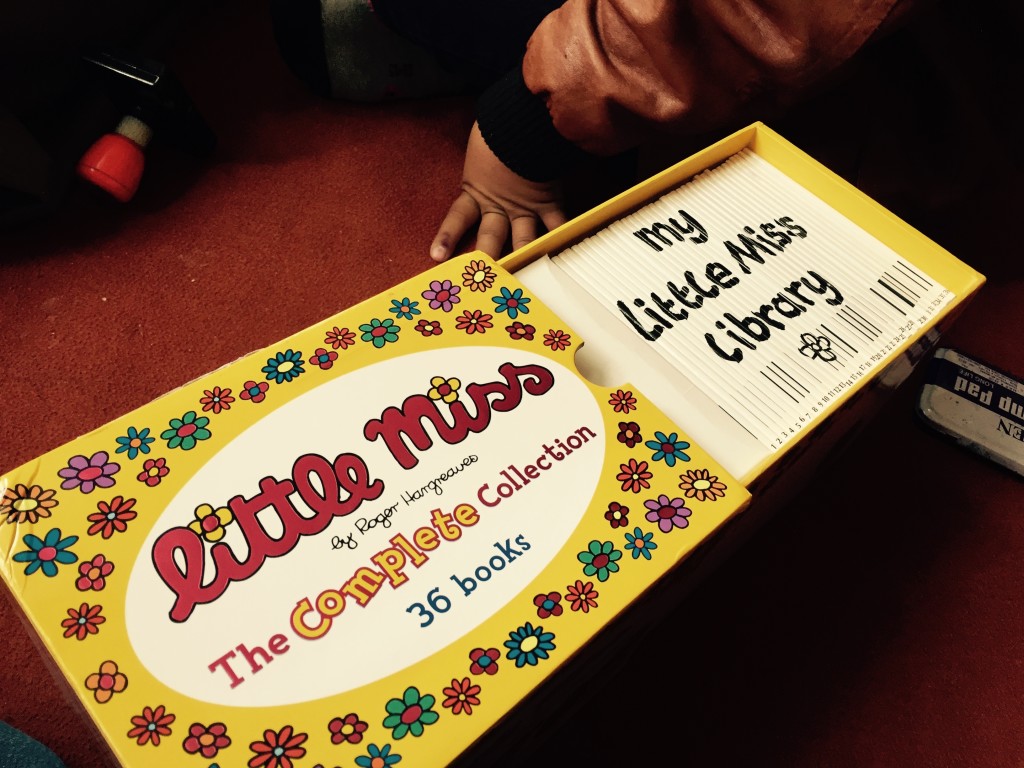
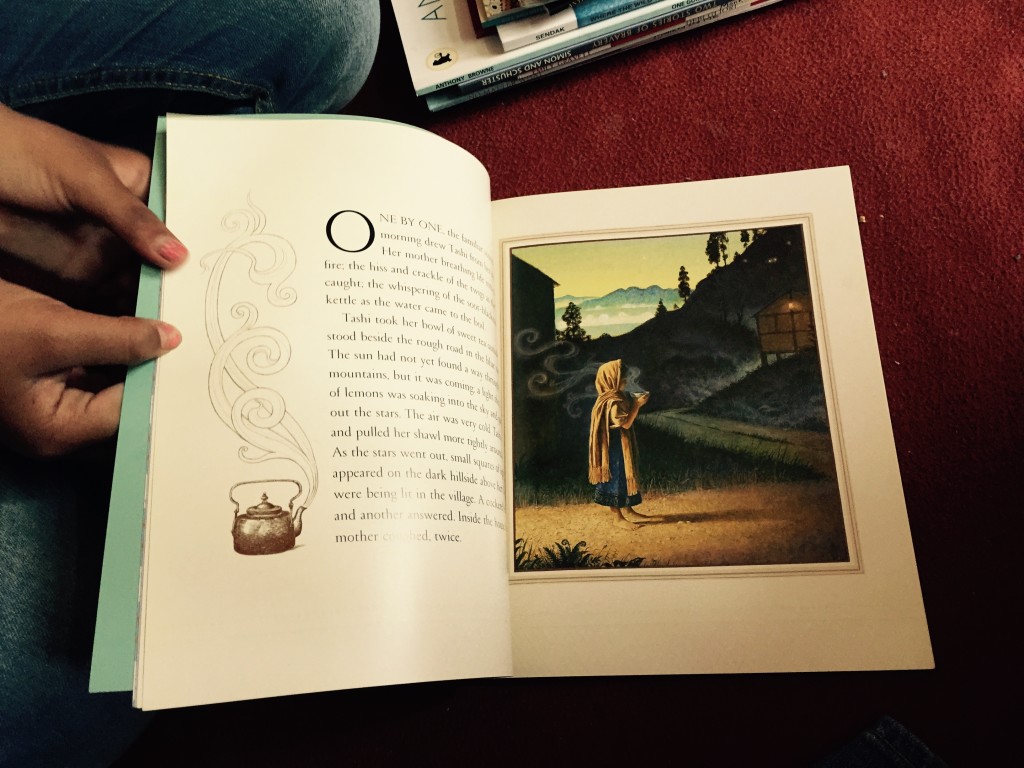
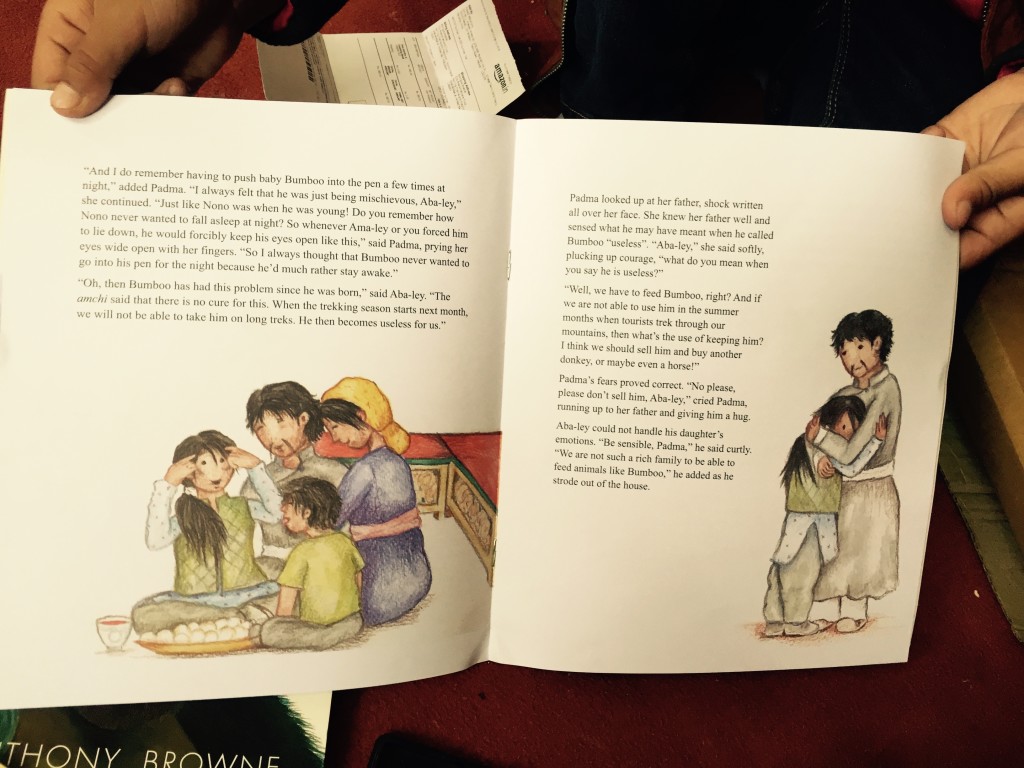
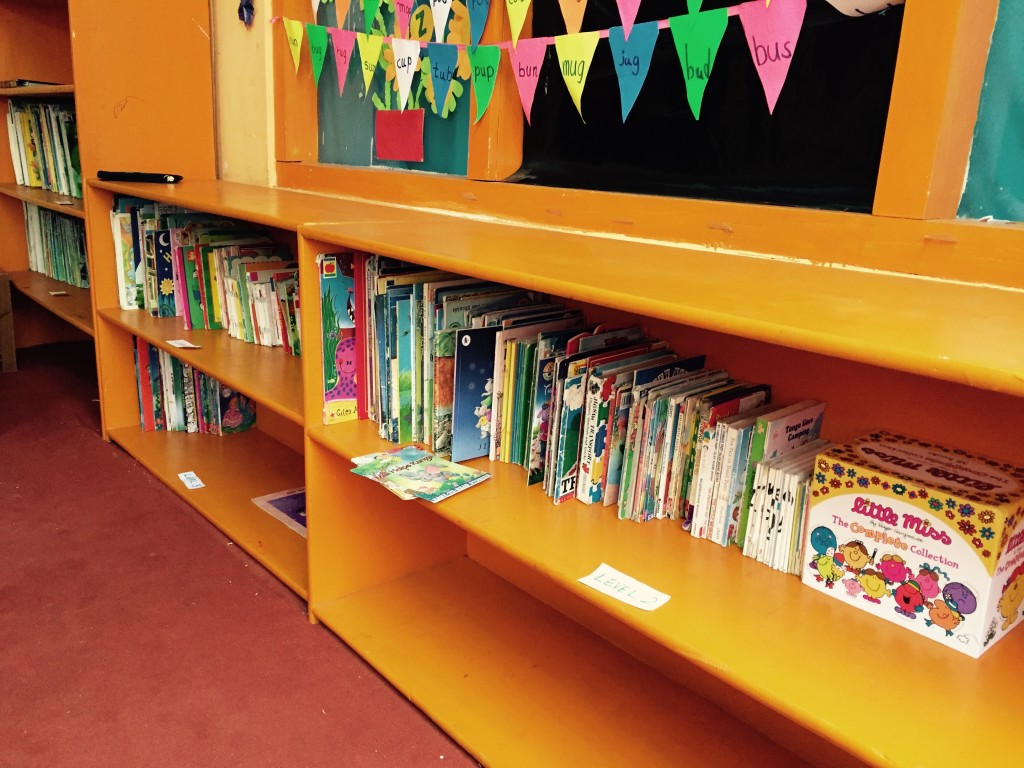
A large pile of donated books is not the same as a useful library. Collections should include picture books, early readers, fiction, nonfiction, reference materials, comics, poetry, local stories, and books connected to children’s schoolwork. Choose materials in the languages children understand best, while adding books that support language learning and broaden their horizons.
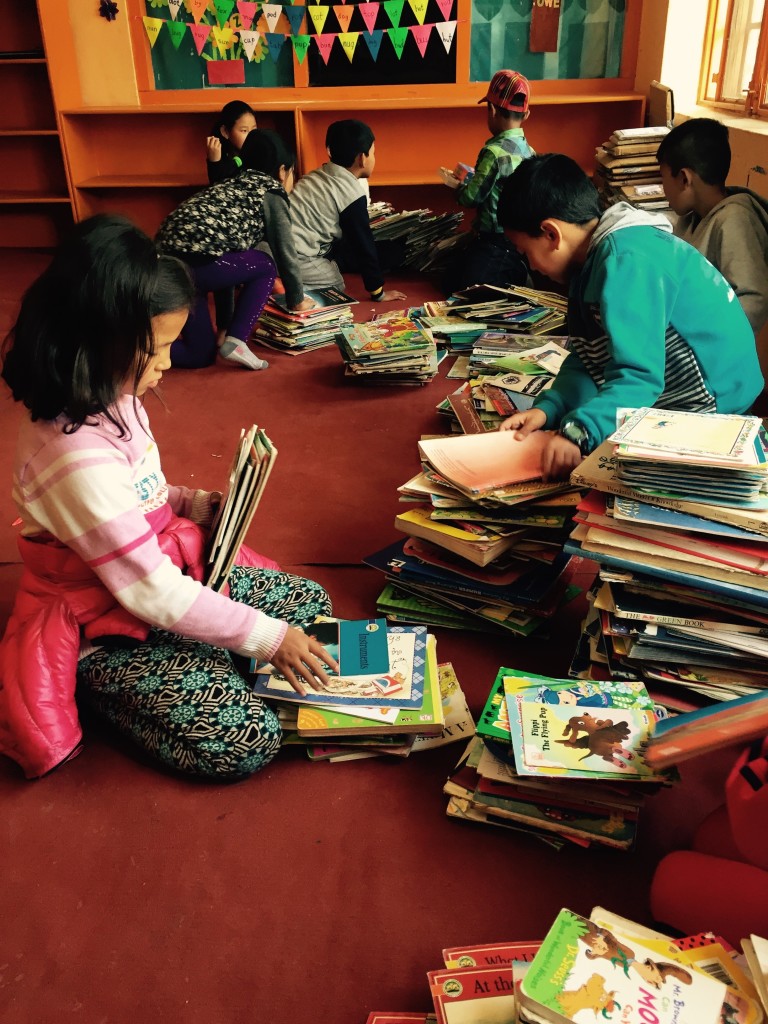
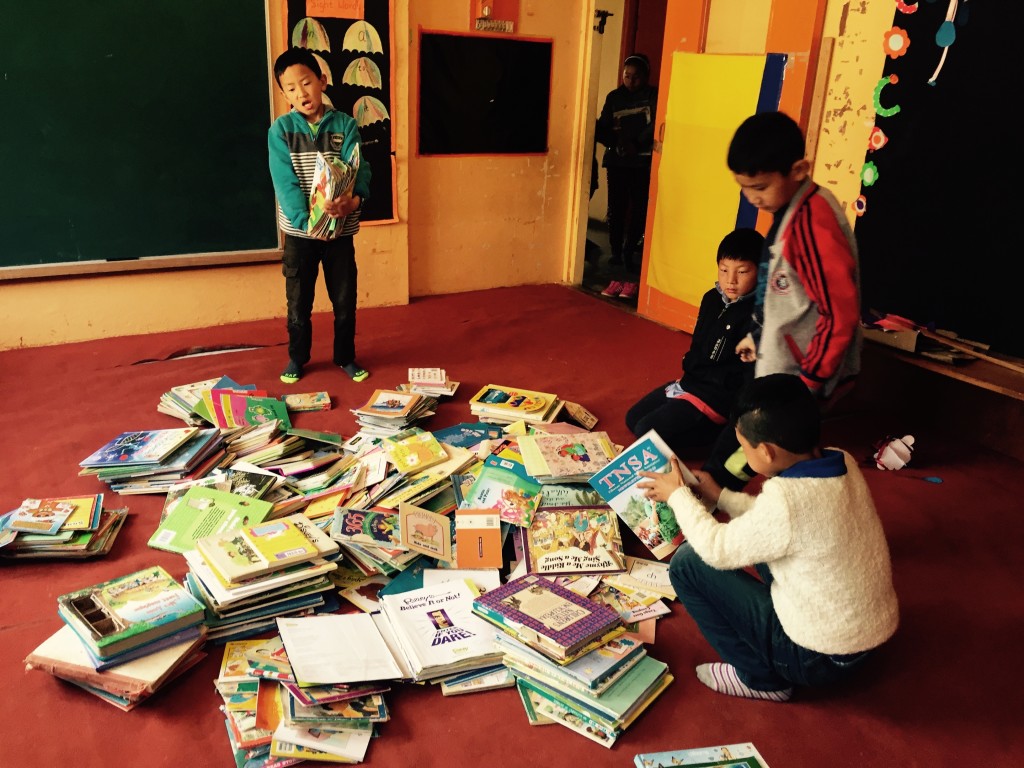
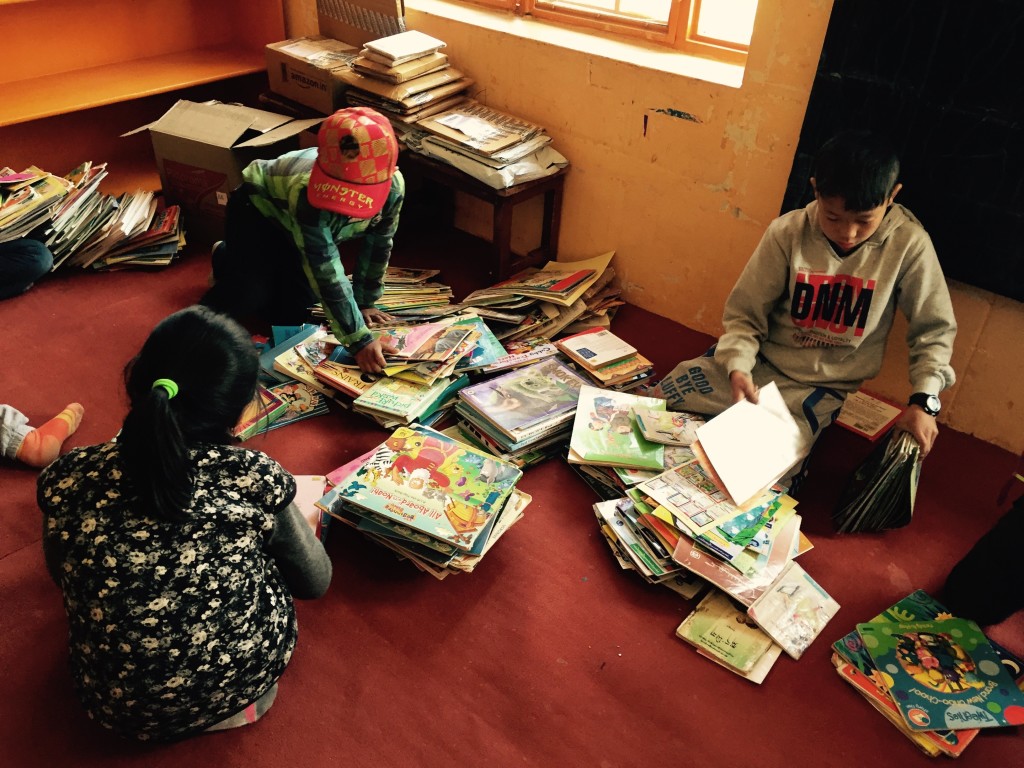
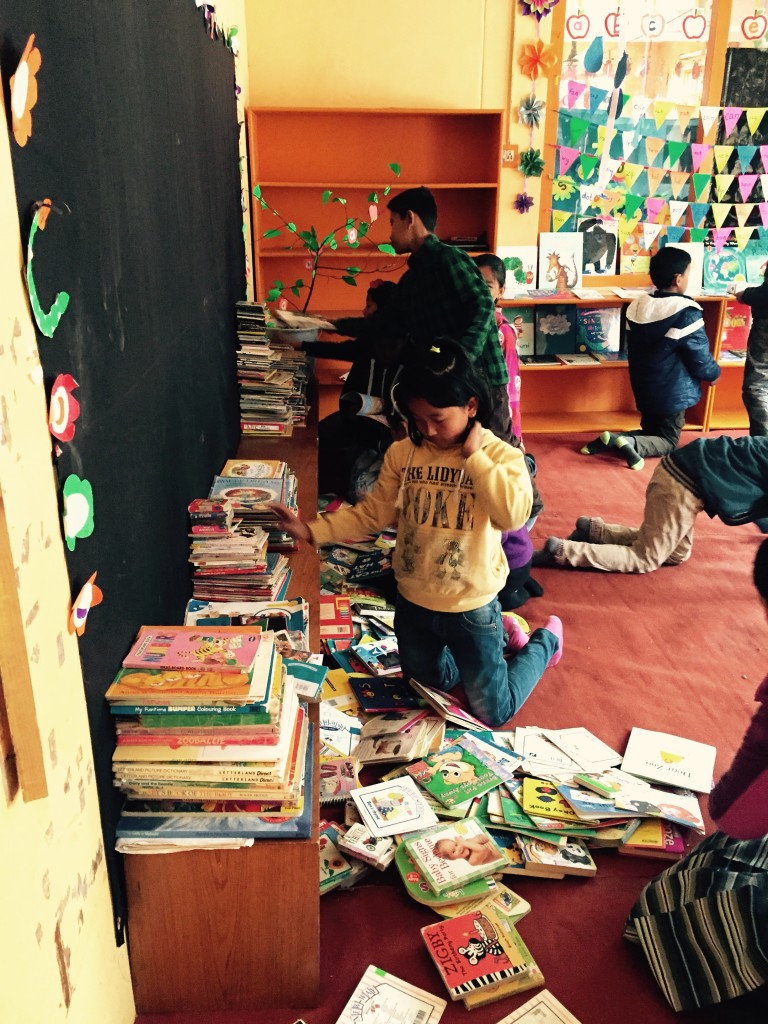
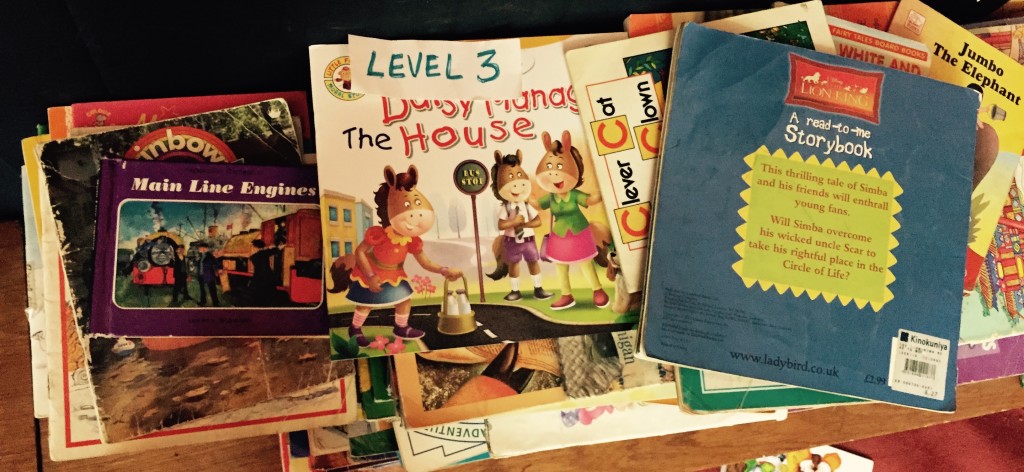
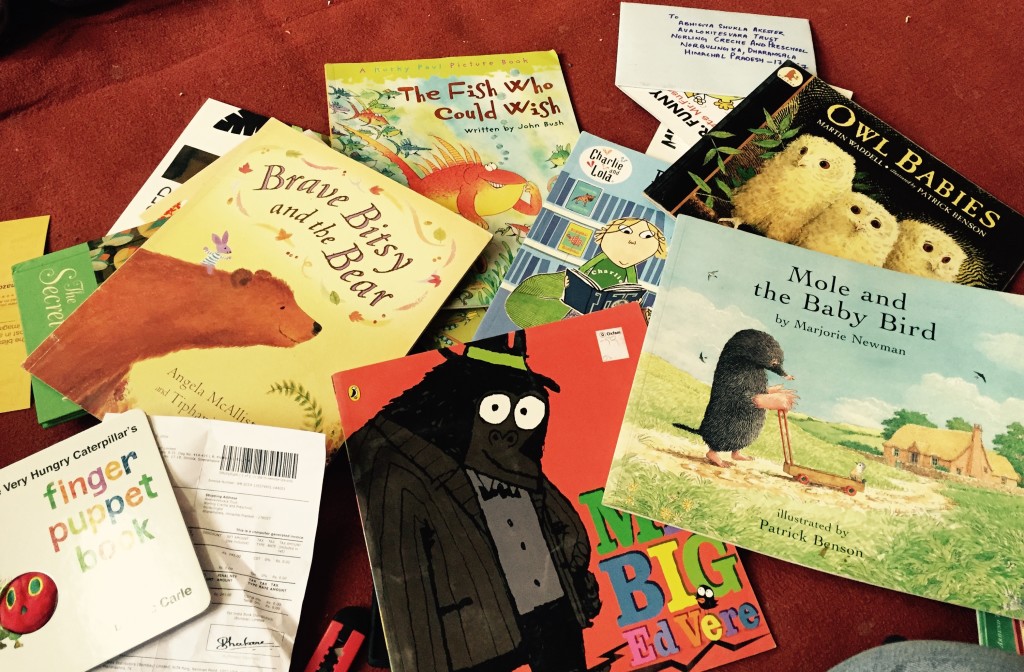
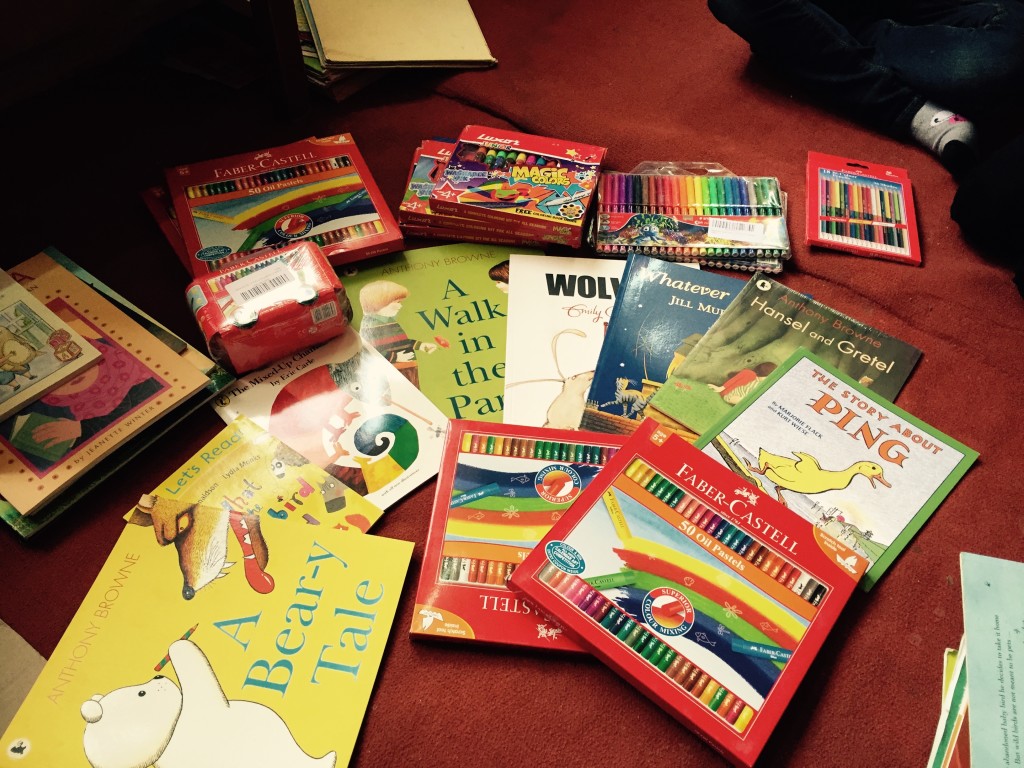
Book drives work better when donors receive clear guidance. Request new or gently used books suitable for the target age group, and explain which languages, subjects, and reading levels are needed. Screen every donation before it reaches the shelves. Damaged, outdated, culturally unsuitable, or advanced books can overwhelm a small collection and consume valuable storage space.
| Collection Priority |
Practical Choice |
Benefit |
| Early literacy |
Picture books, alphabet books, simple stories |
Builds vocabulary and reading confidence |
| Independent reading |
Short novels, comics, folk tales, graded readers |
Encourages regular reading |
| School support |
Dictionaries, atlases, science and mathematics resources |
Reinforces classroom learning |
| Local connection |
Regional history, legends, arts, and bilingual books |
Strengthens identity and comprehension |
| Creative learning |
Drawing guides, music books, craft resources |
Extends learning beyond text |
| Inclusive access |
Large-print books, tactile materials, audio resources |
Welcomes varied abilities and learning styles |
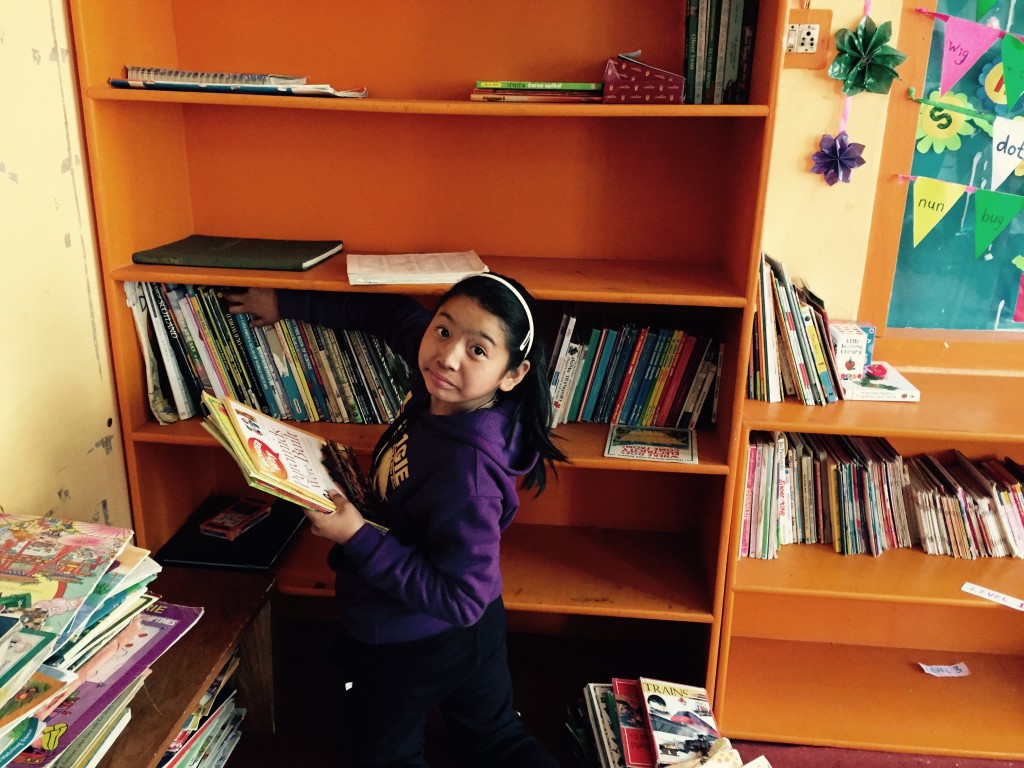
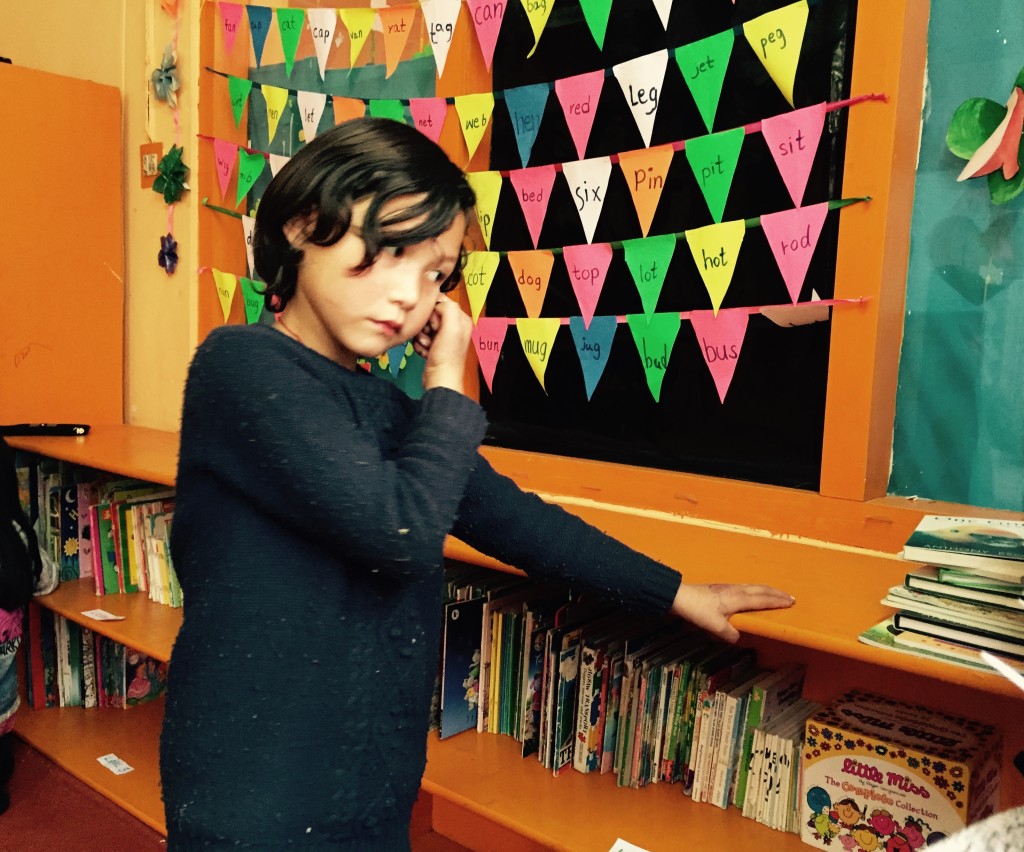
Organize books so children can find them independently. Use color labels, picture symbols, or broad categories instead of relying only on alphabetical order. Keep a simple record of the collection, and review it each year. Books should circulate if possible, because borrowing allows children to read at home and gives families a stronger connection to the project.
Turn The Room Into An Active Learning Hub
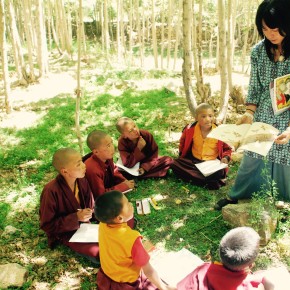
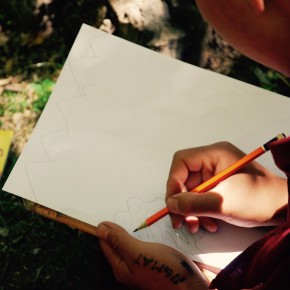
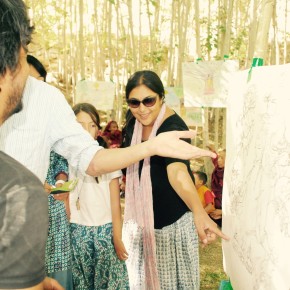
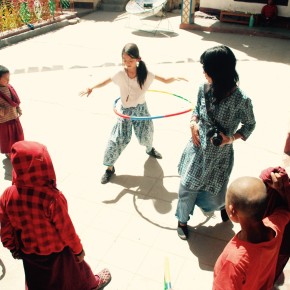
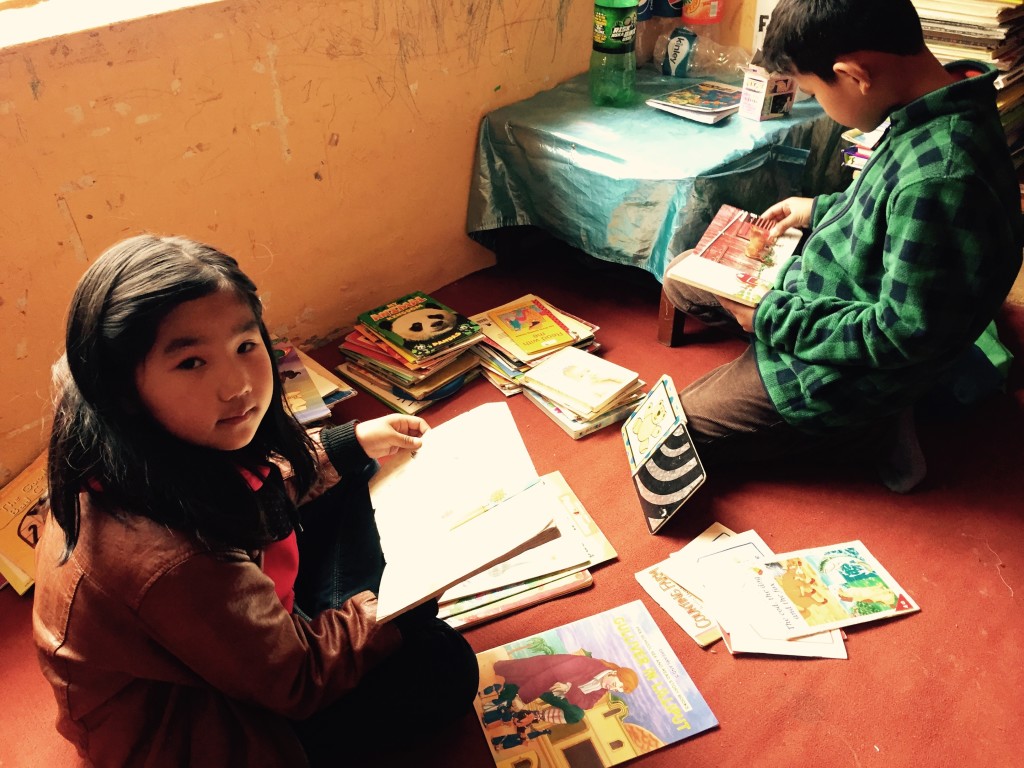
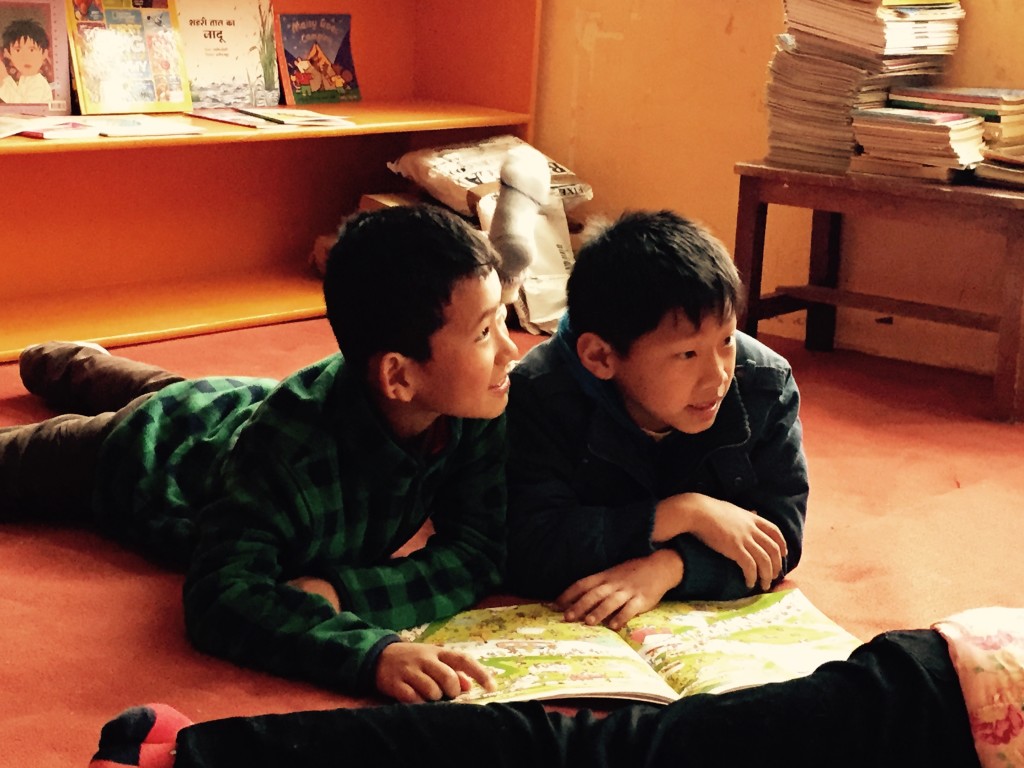
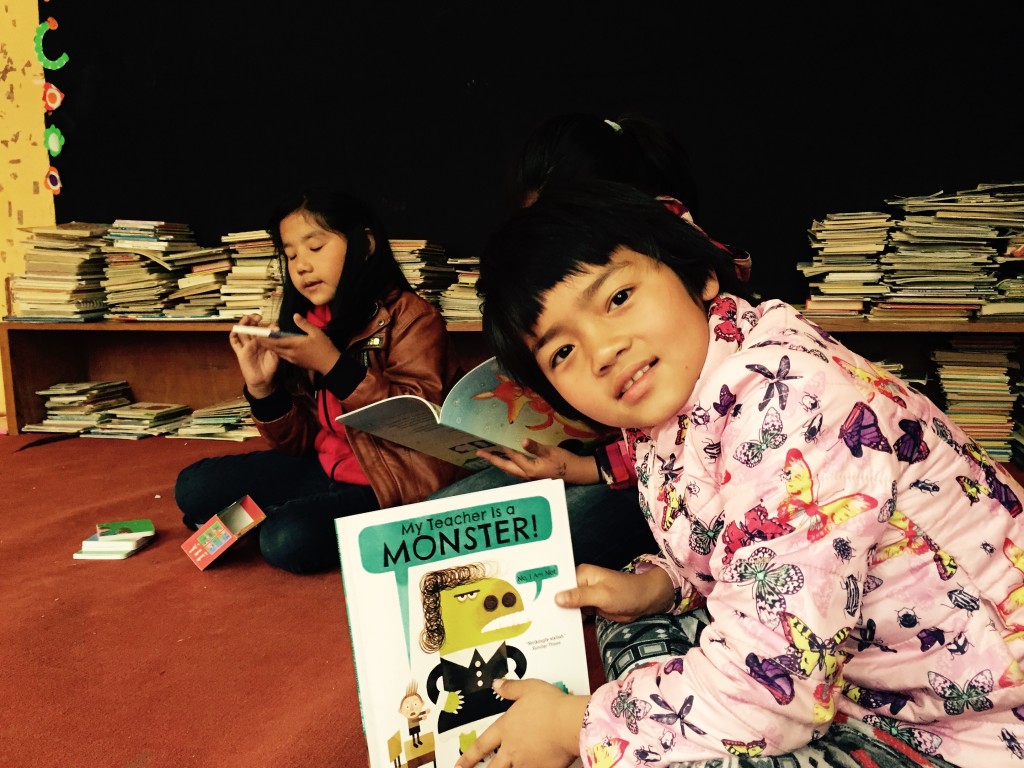
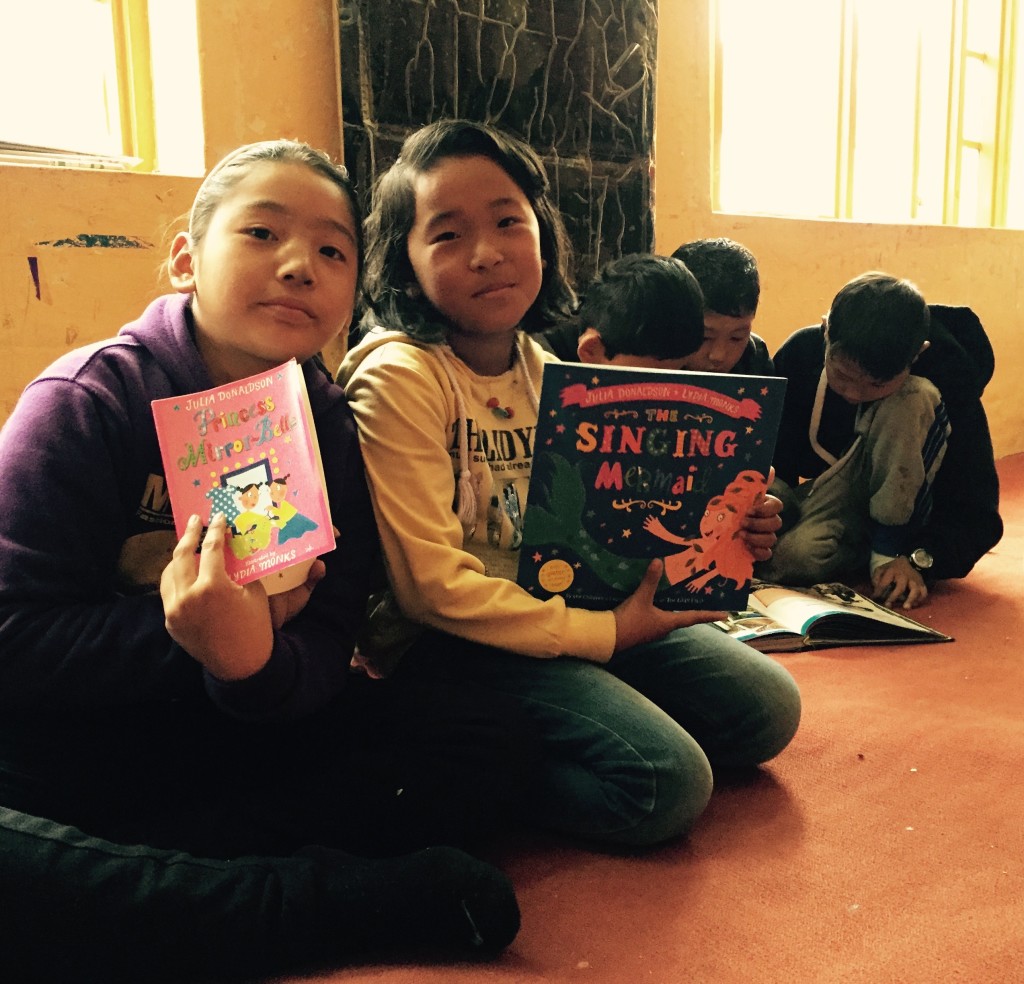
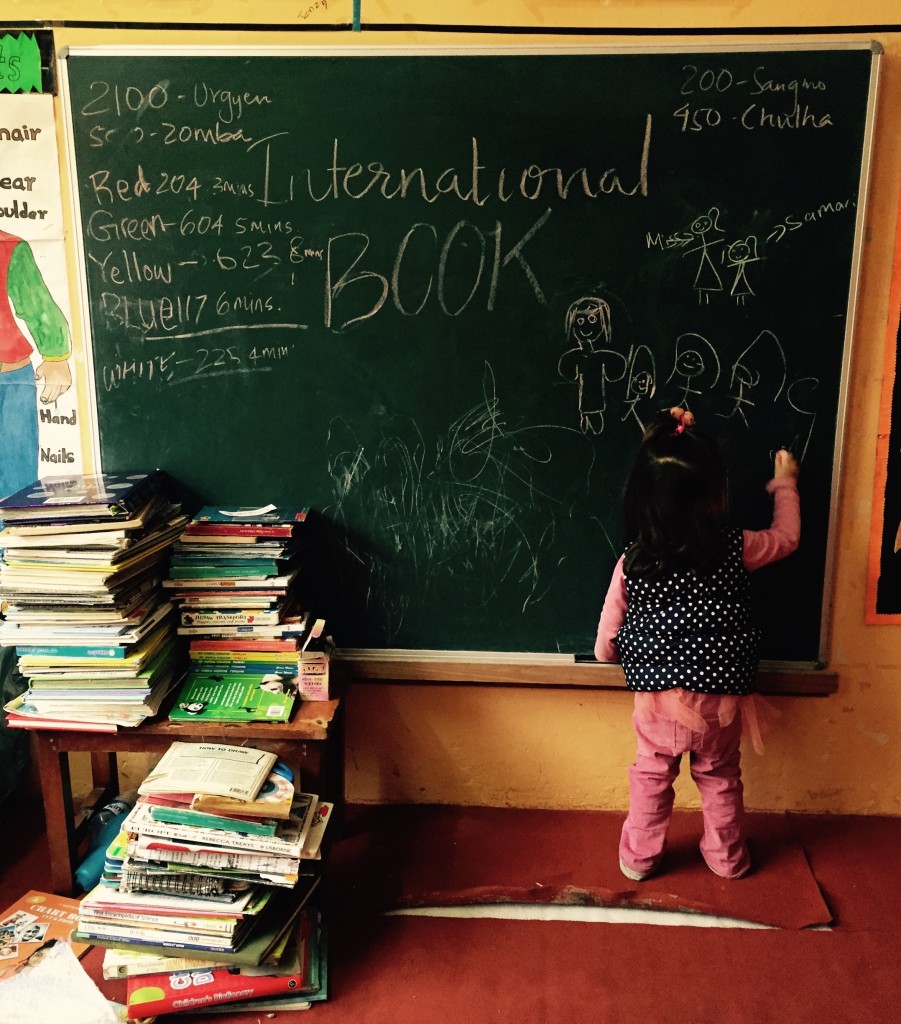
Regular programming gives children a reason to return. A weekly story hour, reading circle, homework period, art session, or music workshop can make the room feel alive. Activities should remain flexible: some children may want a quiet place to read, while others learn best through discussion, drawing, performance, or hands-on projects.
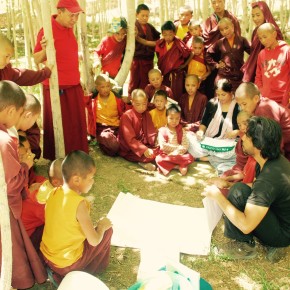
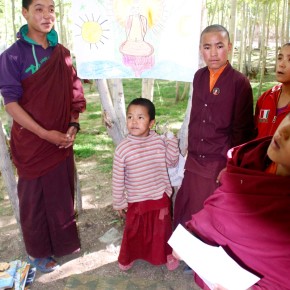
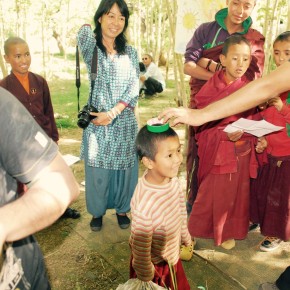
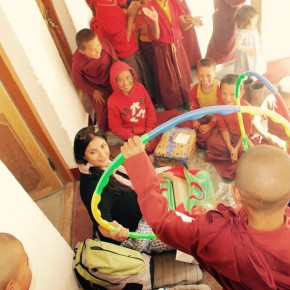
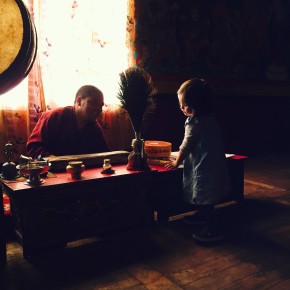
Lessons from Ladakh also point to the value of respecting existing cultural and educational traditions. Invite teachers, artists, storytellers, musicians, and monastic educators to contribute. Local stories can sit beside international children’s literature. A session on folk music, environmental stewardship, or regional history may encourage children who do not initially see themselves as readers.
Keep activities simple enough for local volunteers to continue. A volunteer does not need to deliver a formal lesson every time. They might read aloud, help a child choose a book, organize a vocabulary game, or listen patiently while a beginner practices. Consistency matters more than elaborate events.
Plan Staffing, Funding, And Long-Term Care
A reading room needs dependable people as much as it needs books. Identify a coordinator who manages opening hours, volunteers, supplies, and communication with partners. Create a rota with clear responsibilities so the project does not depend on one person. If children visit after school, schedule at least two responsible adults whenever possible.
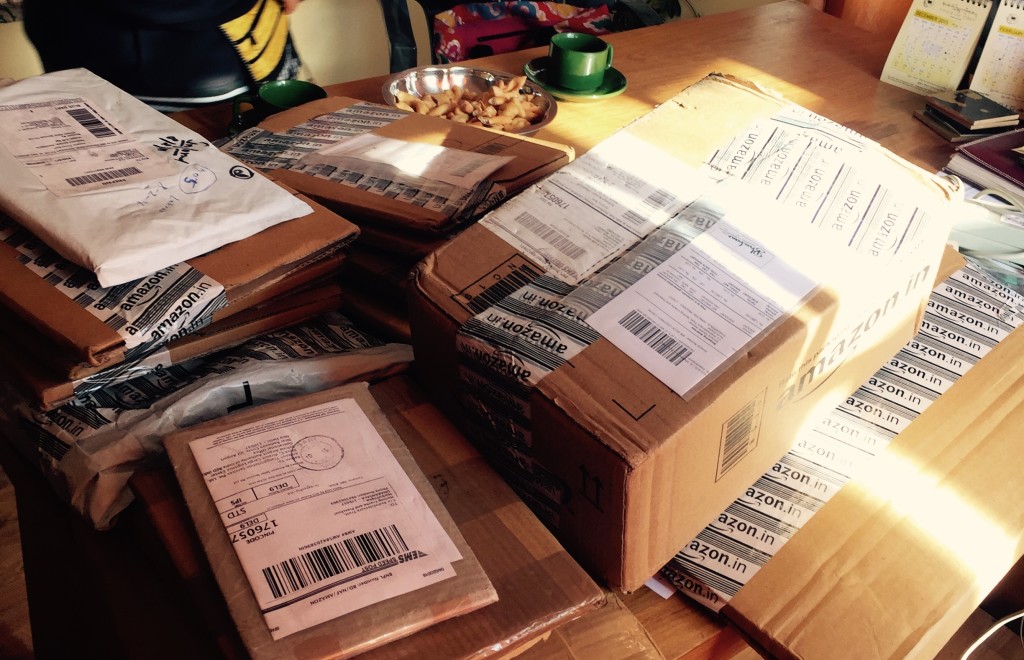
Prepare a realistic budget covering shelves, mats, lighting, transport, repairs, stationery, activity materials, training, and replacement books. Remote communities may face high delivery costs, so local purchasing and carefully coordinated shipments can be more efficient than sending unsuitable donations. A small reserve fund helps the room respond to broken furniture, seasonal needs, or changes in attendance.
Funding can come from individual donors, schools, local businesses, community groups, charitable trusts, and book drives. Explain exactly what support will provide: a set of bilingual readers, monthly creative sessions, shelving for a village room, or transport for educational materials. Transparent records and short updates with consented photographs or stories help supporters understand the project’s impact.
Measure What Children Gain
Evaluation does not need to be complicated. Track attendance, borrowing, volunteer hours, program participation, and the number of active readers. Record which books are most borrowed and which activities attract children who rarely visit. These details can guide collection development and help demonstrate responsible use of donations.
Numbers should be combined with personal observations. A child who begins choosing books independently, reads aloud to a younger sibling, or joins a group discussion may be showing meaningful progress. Invite children and families to share feedback through informal conversations, drawings, suggestion cards, or short interviews in their preferred language.
Review the project after three and six months. Ask whether opening hours work, whether the collection reflects the community, and whether children feel safe and included. Use the findings to adjust rather than assuming the original plan was perfect. A reading room remains strong when it listens continuously.
Practical Steps For A Strong First Year
Before opening the doors, turn the broad vision into a manageable sequence. A pilot room serving one neighborhood or age group can reveal what works without placing excessive pressure on staff or finances.
- Map local partners, potential venues, volunteers, and transport options.
- Survey children and families about languages, interests, schedules, and access needs.
- Prepare a modest collection policy before accepting donated books.
- Set consistent opening hours and publish clear safeguarding expectations.
- Start with one weekly program, then expand according to attendance and capacity.
After the first year, celebrate progress while keeping the focus on continuity. Share a brief report with supporters and community partners, including successes, challenges, attendance patterns, and upcoming priorities. Invite local residents to help decide whether the next investment should be more books, improved lighting, volunteer training, or additional creative activities.
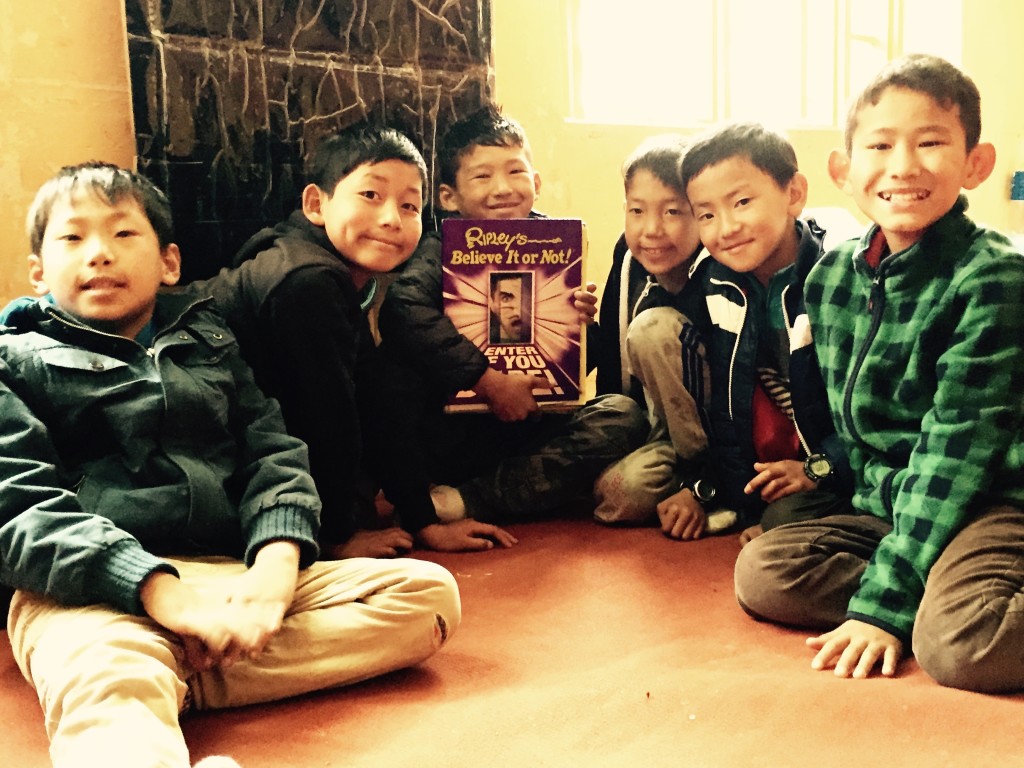
A community reading room grows through trust. In Ladakh and elsewhere, the most valuable resource may be the dependable presence of people who welcome children, protect their curiosity, and make learning materials available week after week.
Your project can begin with a single accessible room, a carefully chosen shelf of books, and a small group of committed helpers. Contact local schools, community organizations, libraries, and charitable partners to build the first circle of support, then invite families to shape the space with you. With patient planning and steady care, that first shelf can become a lasting center for literacy, creativity, and shared possibility.