How To Host A Book Drive For One Himalayan Village
A book drive can become far more meaningful when it is designed for a particular community rather than organized as a general collection. Choosing one Himalayan village gives donors a clear purpose, helps coordinators understand local needs, and creates a direct connection between readers in one place and children in another.
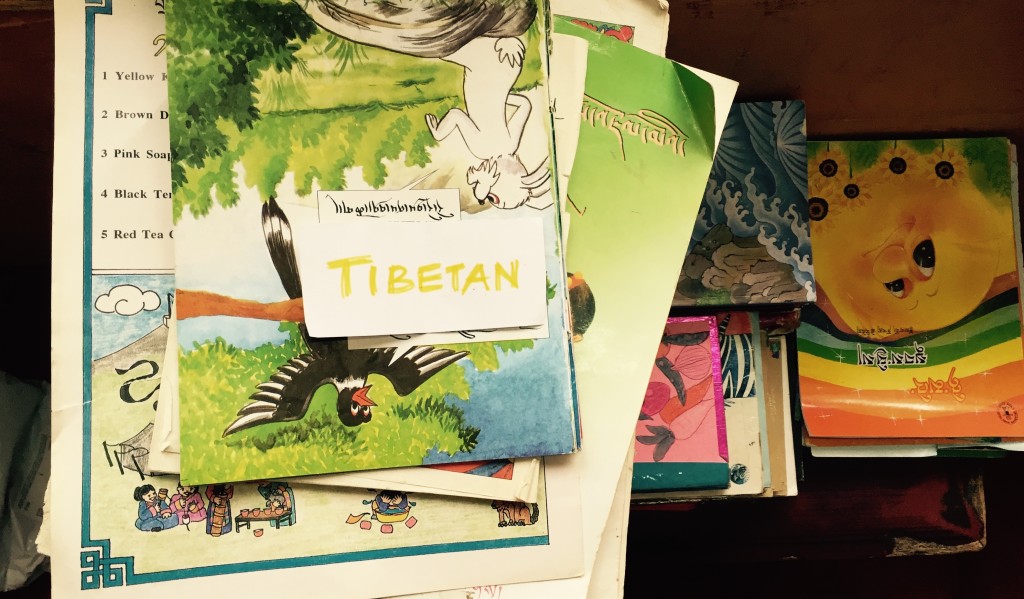
In Ladakh and other Himalayan regions, access to quality books may be limited by distance, cost, weather, and language. A carefully planned donation campaign can support a village reading room, a monastery school, a community library, or an after-school learning space while respecting the culture and daily life of the people it serves.
The strongest drives begin with listening. Before asking for hundreds of books, identify the village, learn what children already read, and work with a trusted local partner. This approach reduces unsuitable donations and helps every parcel contribute to literacy, imagination, and long-term learning.
Begin With A Specific Village Need
Start by defining the community you want to support. A village may need early readers, illustrated science books, English-language practice materials, story collections, art books, or resources for young monks. A remote settlement with a small reading room will have different priorities from a larger school with an established library.
Contact a local organization, teacher, monastery, librarian, or community representative before announcing the drive. Ask about age groups, preferred languages, curriculum needs, reading levels, and available storage. Also find out whether the village has shelves, tables, lighting, and an adult who can help children use the collection.
A credible partner can explain practical restrictions that are easy to overlook. Some communities may have limited postal access, while others may face high transport costs or seasonal road closures. Organizations such as Avalokiteśvara Trust can help supporters understand educational initiatives and connect book giving with wider work in Himalayan communities.
Build A Village-Specific Collection Policy
Create a short donation guide that names the destination and lists the books most likely to be useful. Include recommended subjects, age ranges, formats, languages, and publication conditions. A clear policy makes it easier for families, schools, libraries, and local businesses to donate thoughtfully.
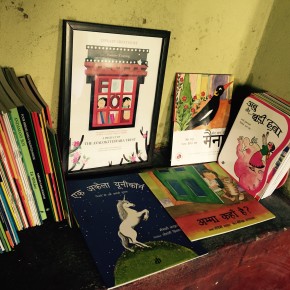
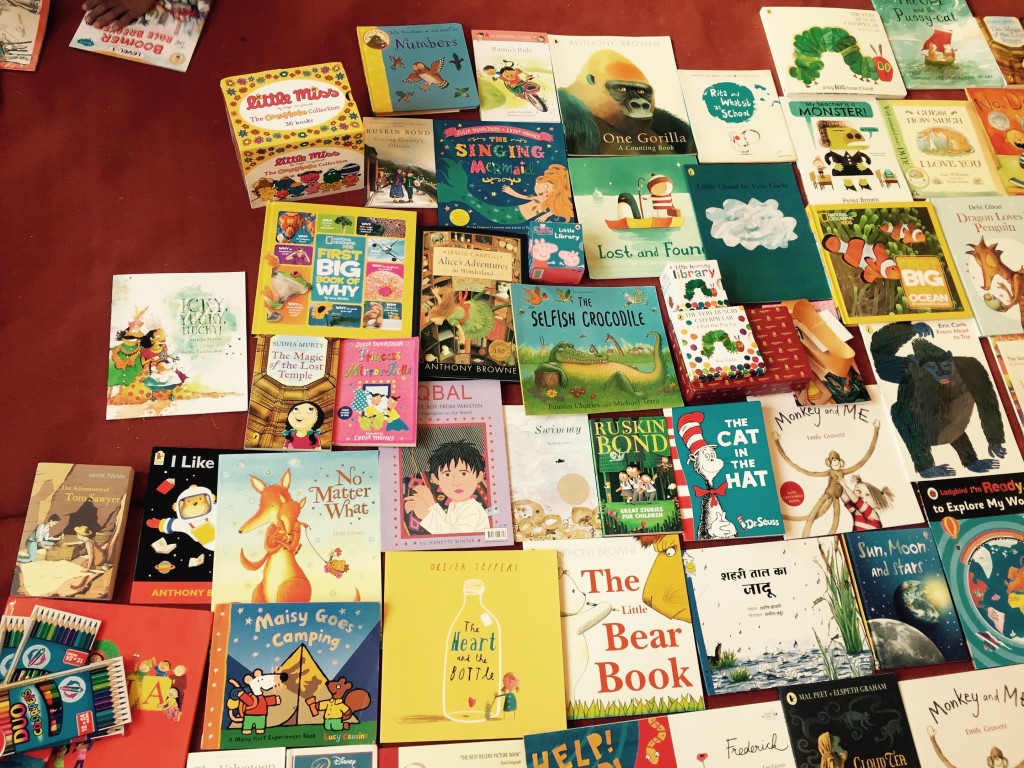
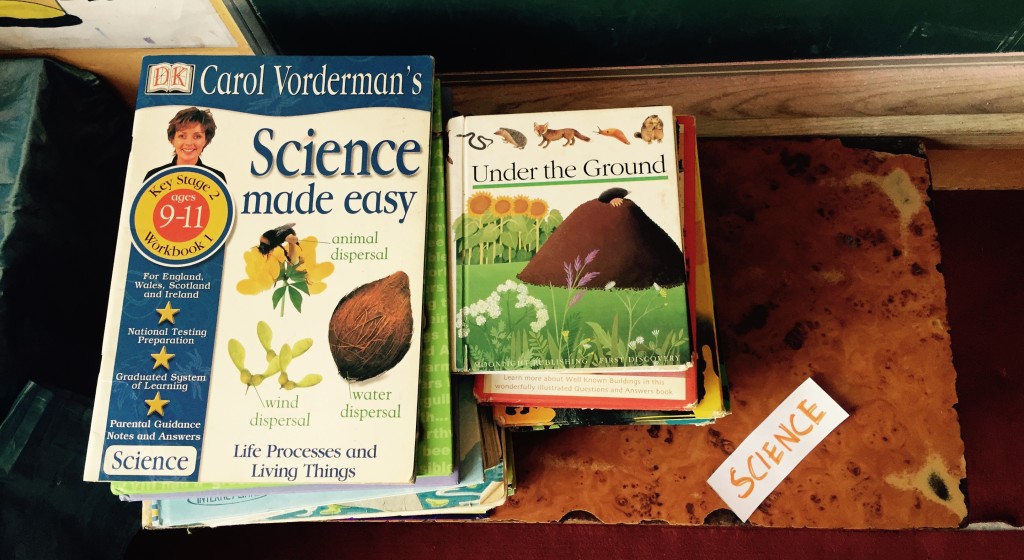
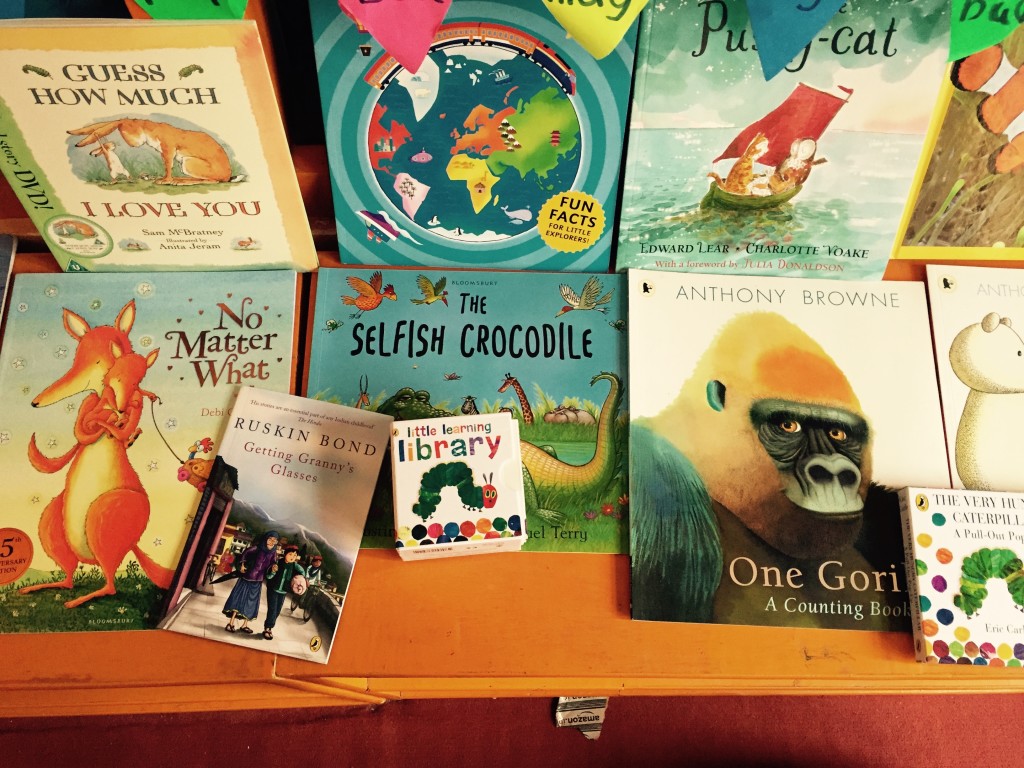
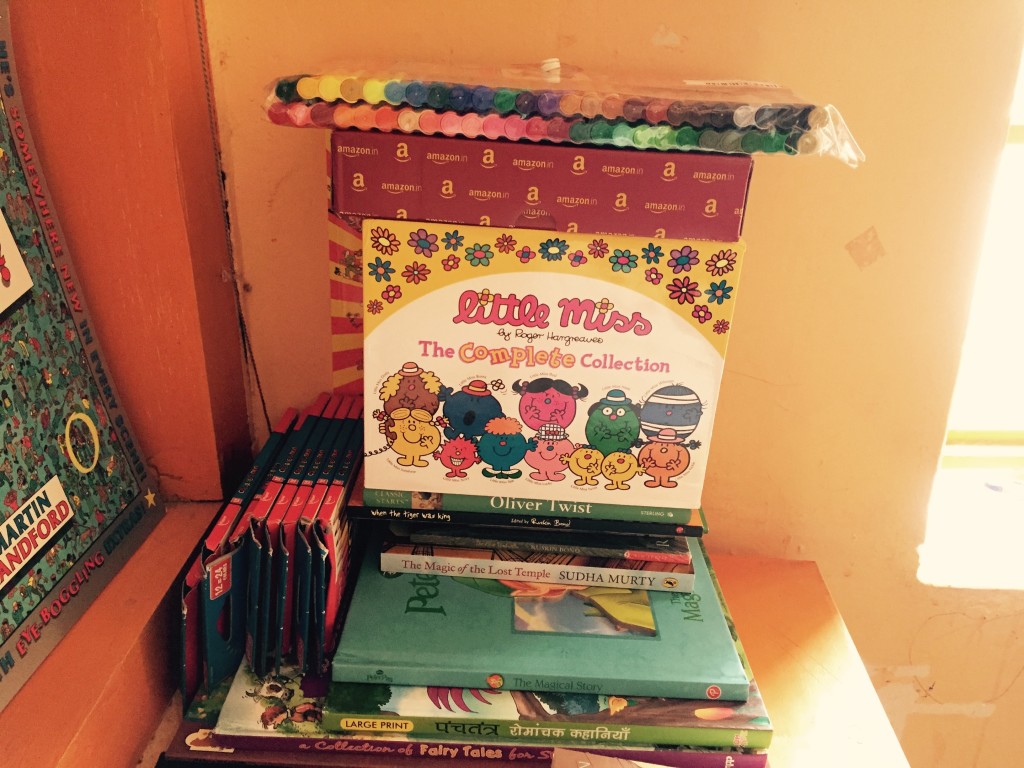
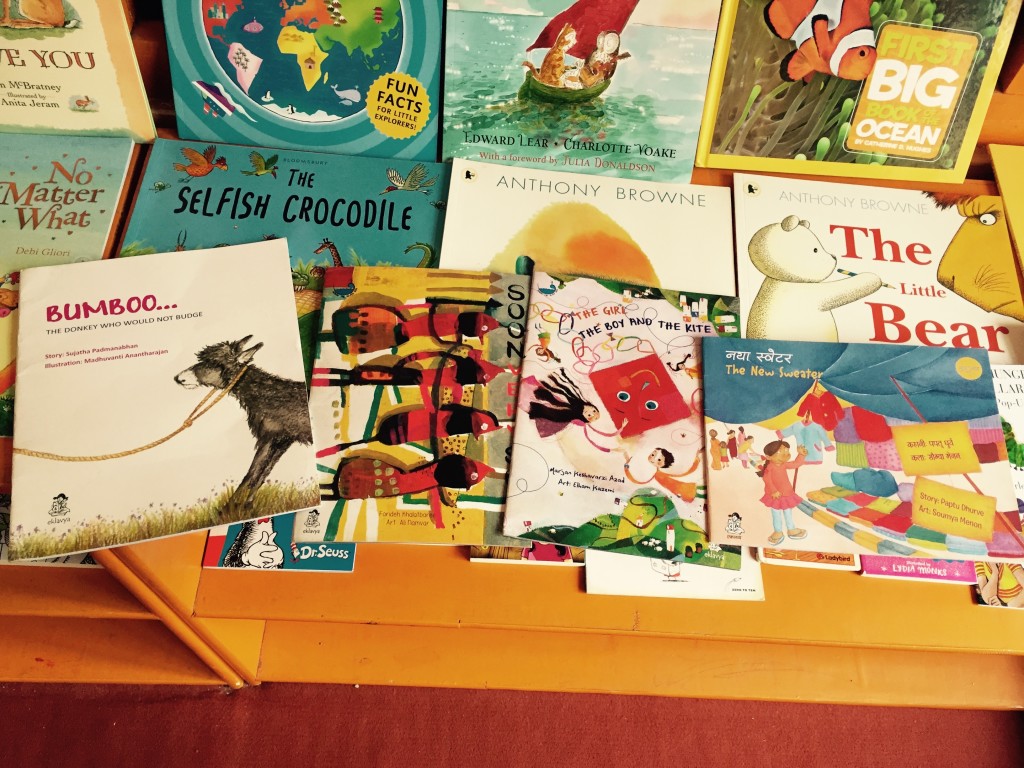
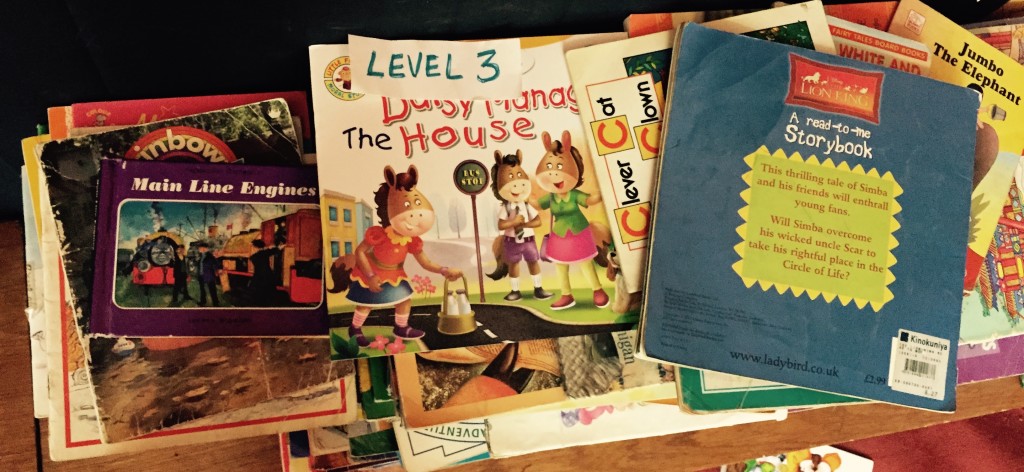
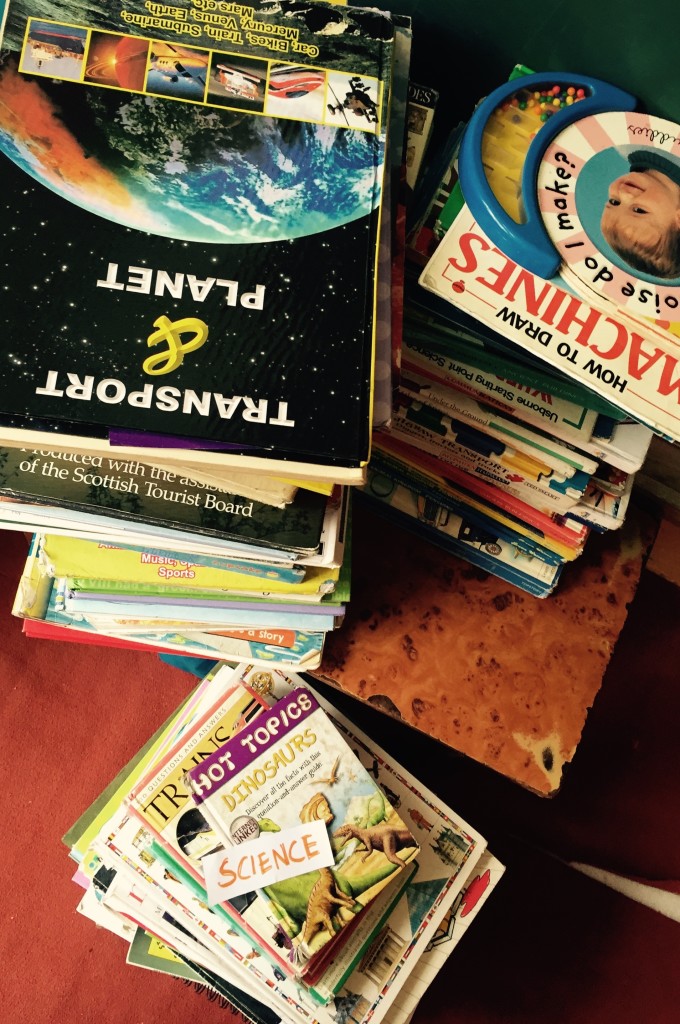
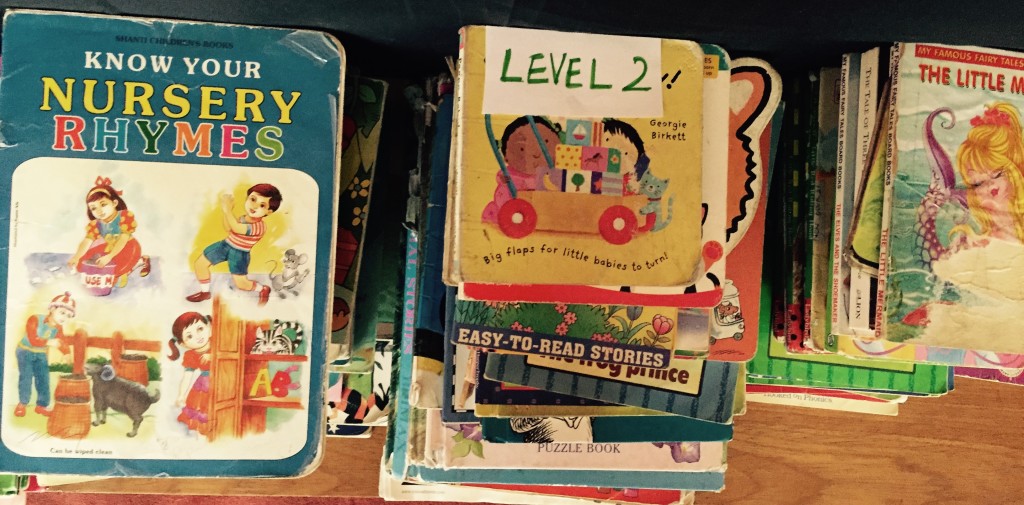
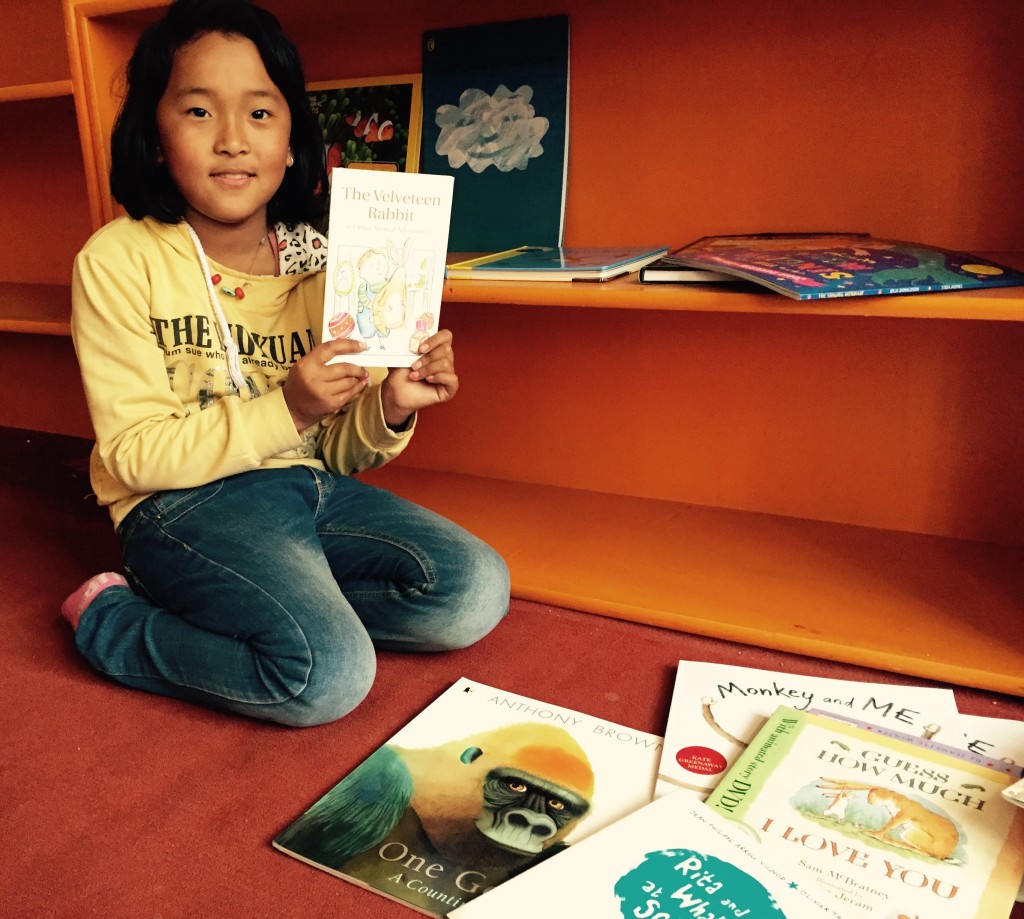
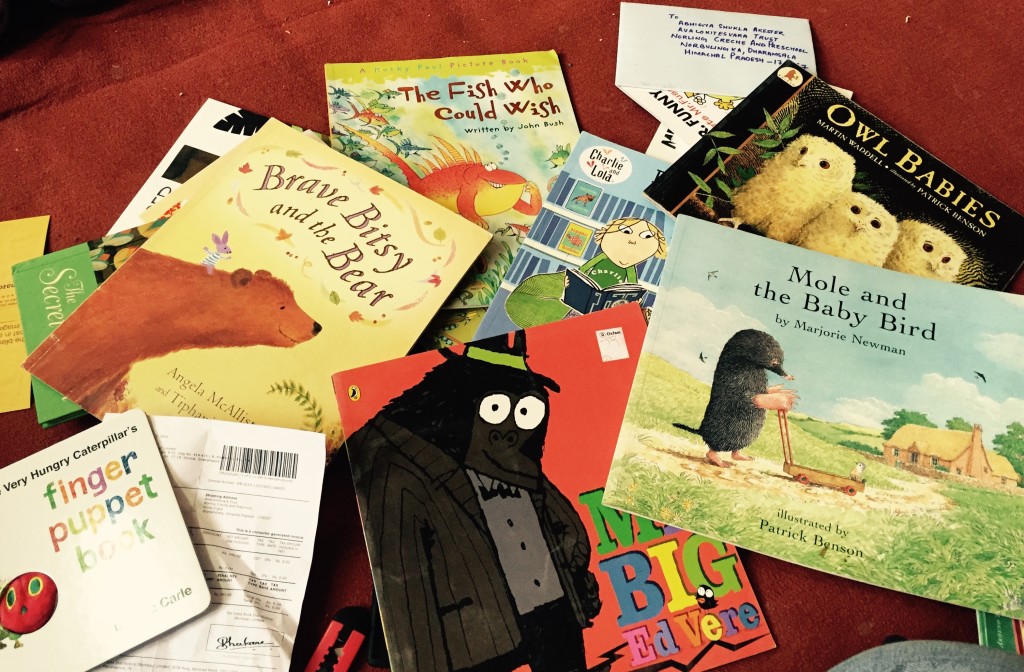
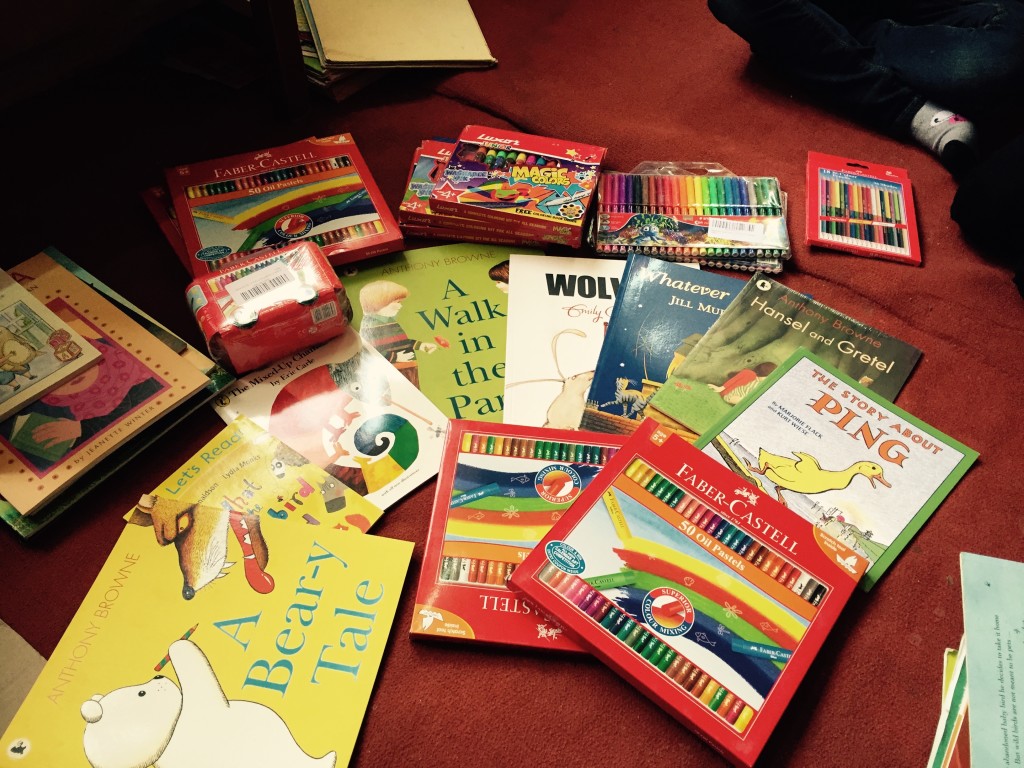
Prioritize clean, complete, durable books. Picture books, beginning readers, folk tales, atlases, biographies, nature guides, poetry, craft books, music resources, and age-appropriate novels can all enrich a learning space. Books with strong visual content may be especially valuable for children who are still developing confidence in a second language.
Avoid sending damaged textbooks, outdated workbooks, adult novels, religious materials that were not requested, or books with content unsuitable for local families. Do not treat the village as a place to discard unwanted items. A smaller, relevant collection is more respectful and useful than a large shipment filled with materials children cannot read or teachers cannot use.
Choose The Right Collection Model
A public campaign can use one collection method or combine several. A school might invite each class to donate one carefully selected book, while a bookstore could host a purchase-and-donate shelf. A community center may collect gently used titles, and a workplace could fund new books through a matching contribution.
The collection model should reflect the needs of the destination. New books are often preferable when the village has limited storage or when shipping costs make every item important. Used books can work well when they are current, clean, culturally appropriate, and easy to sort. A hybrid drive can gather donated titles while allowing supporters to purchase specific gaps.
| Collection model |
Best use |
Main advantage |
Important safeguard |
| New-book campaign |
Requested titles and core library needs |
Predictable quality and relevance |
Share a precise wish list |
| Used-book collection |
Broad reading materials and story books |
Makes participation affordable |
Screen every book before packing |
| Fundraising plus purchasing |
Remote destinations with high freight costs |
Gives coordinators purchasing flexibility |
Explain how funds will be allocated |
| School or workplace drive |
Organized groups with regular communication |
Creates strong community involvement |
Assign one person to manage sorting |
| Local bookstore partnership |
New titles and educational resources |
Simplifies buying and promotion |
Confirm discounts and delivery arrangements |
Keep records throughout the drive. Note the number of books, categories, condition, language, and estimated value. This information supports customs paperwork, transport planning, donor updates, and future decisions. It also prevents a well-intentioned campaign from becoming an unmanageable pile of unsorted materials.
Make Participation Easy And Meaningful
People are more likely to contribute when the request is specific. Instead of saying “bring any books,” offer choices such as “a bilingual picture book,” “a book for ages eight to twelve,” or “a science title suitable for a village reading room.” A short list of examples can guide donors without limiting their generosity.
Give the campaign a clear timeline, collection address, contact person, and packing deadline. If the drive takes place at a school or workplace, place labeled boxes in visible areas and share the criteria beside them. A digital wish list can complement physical donations for supporters who live elsewhere.
Connection matters as much as collection. Display a map of the Himalayan region, explain how books will reach the selected village, and share general information about its learning environment with permission. Avoid presenting children as objects of pity. Focus on their interests, creativity, achievements, and right to accessible educational resources.
Sort, Pack, And Transport Responsibly
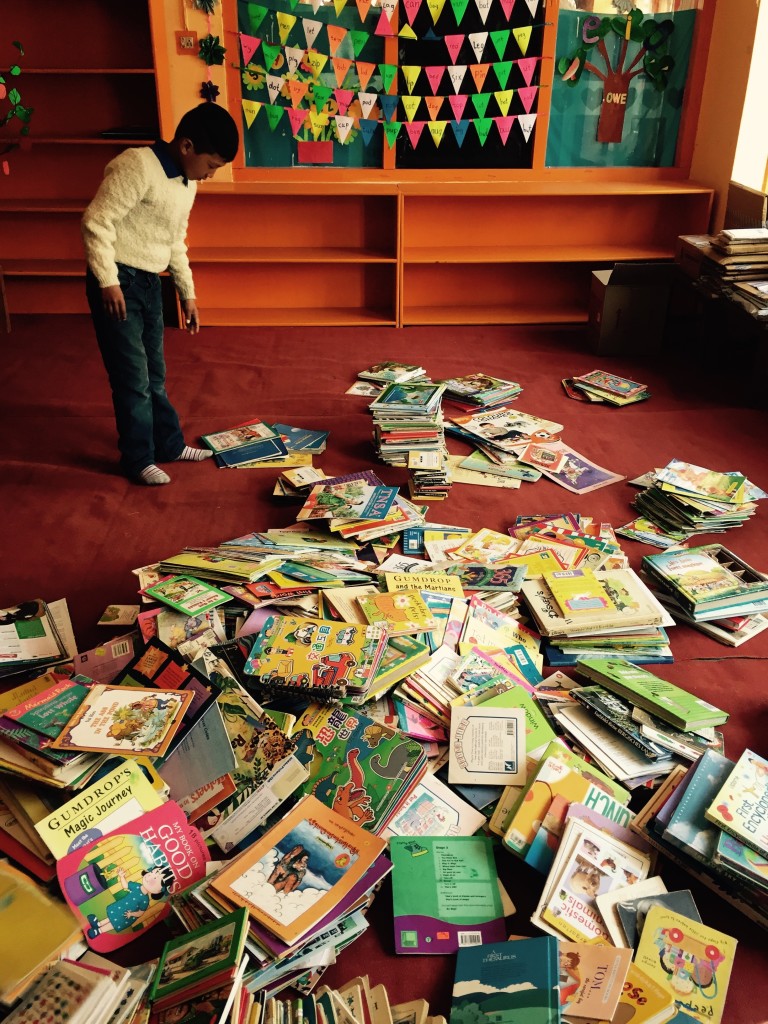
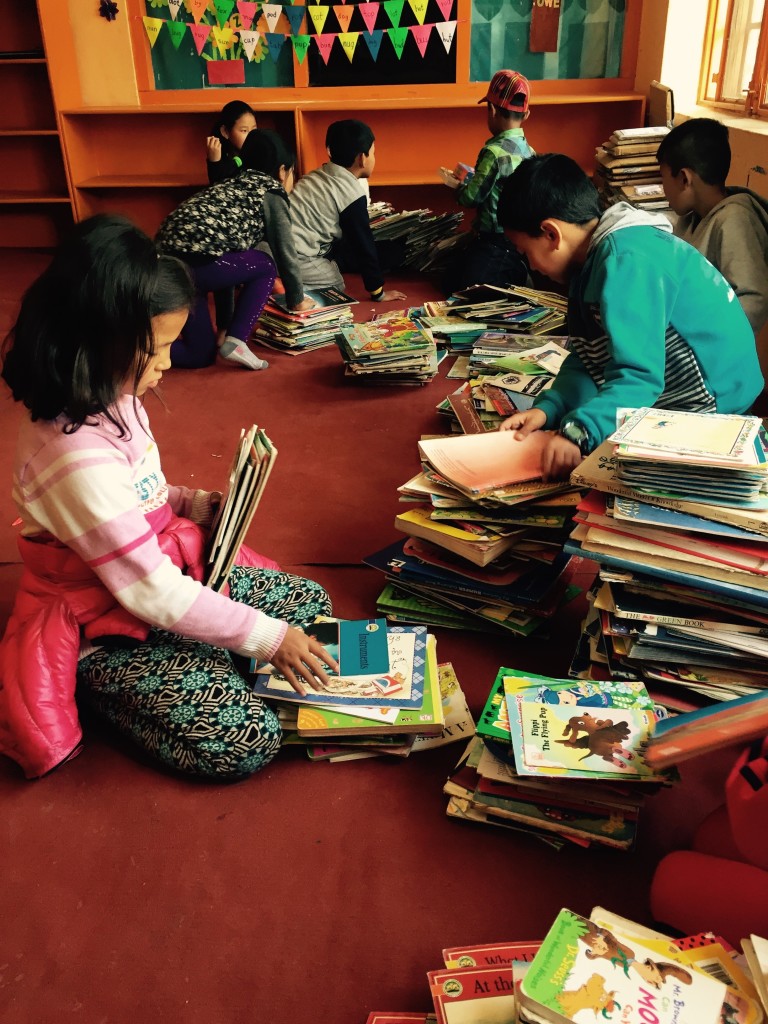
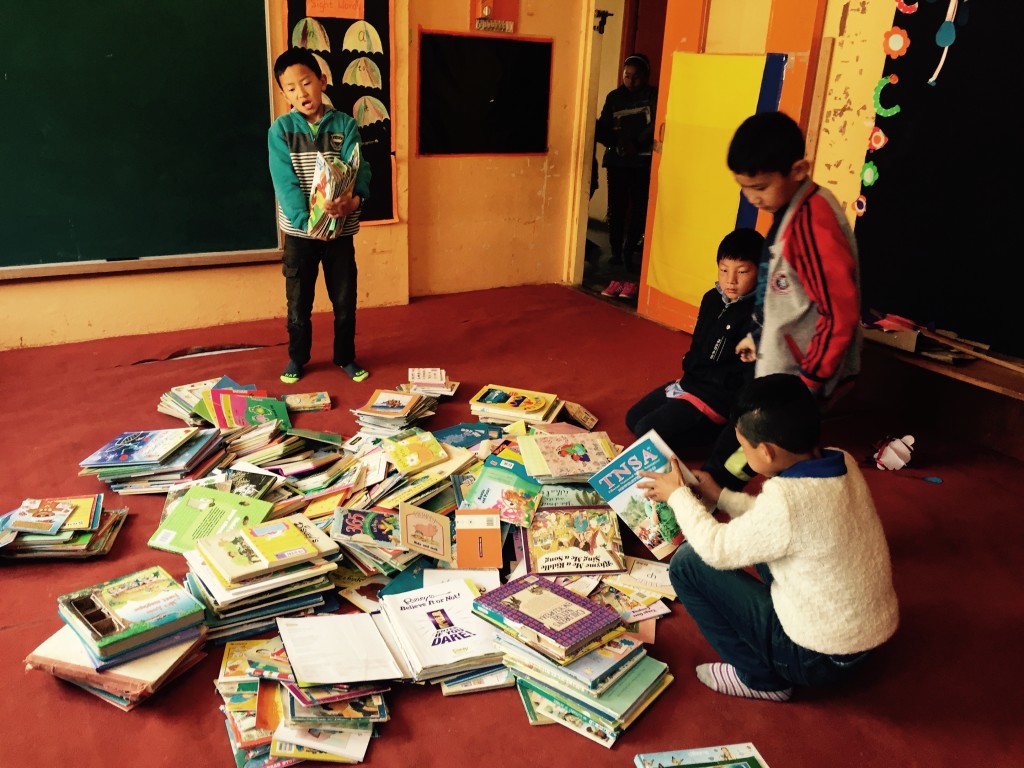
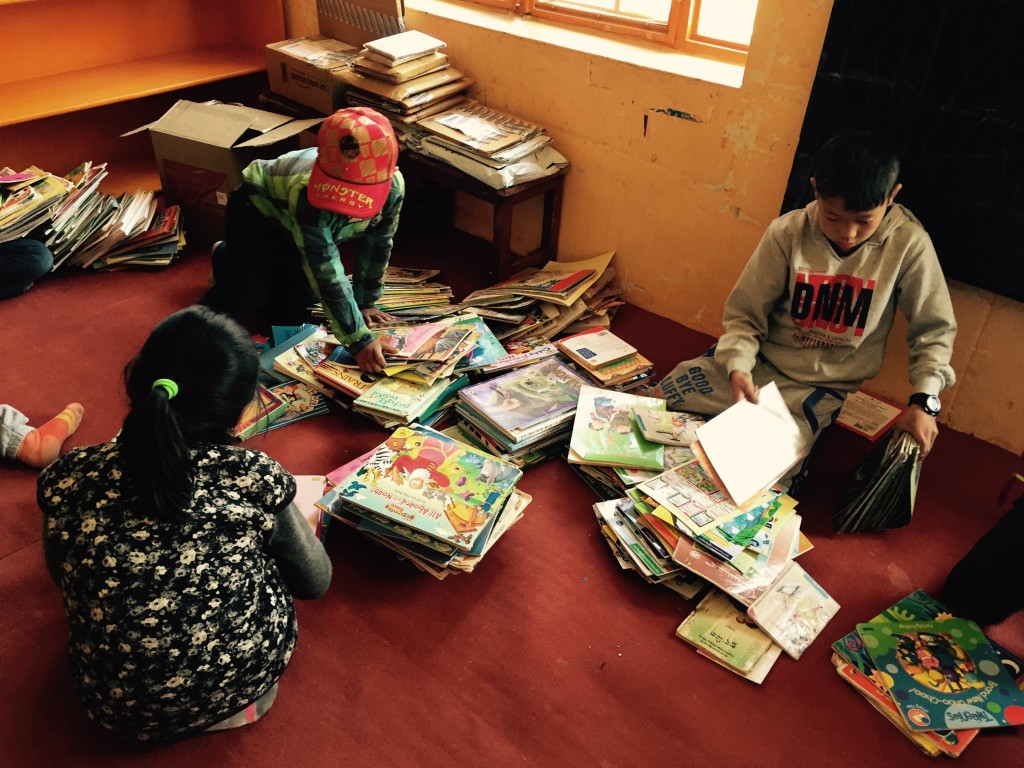
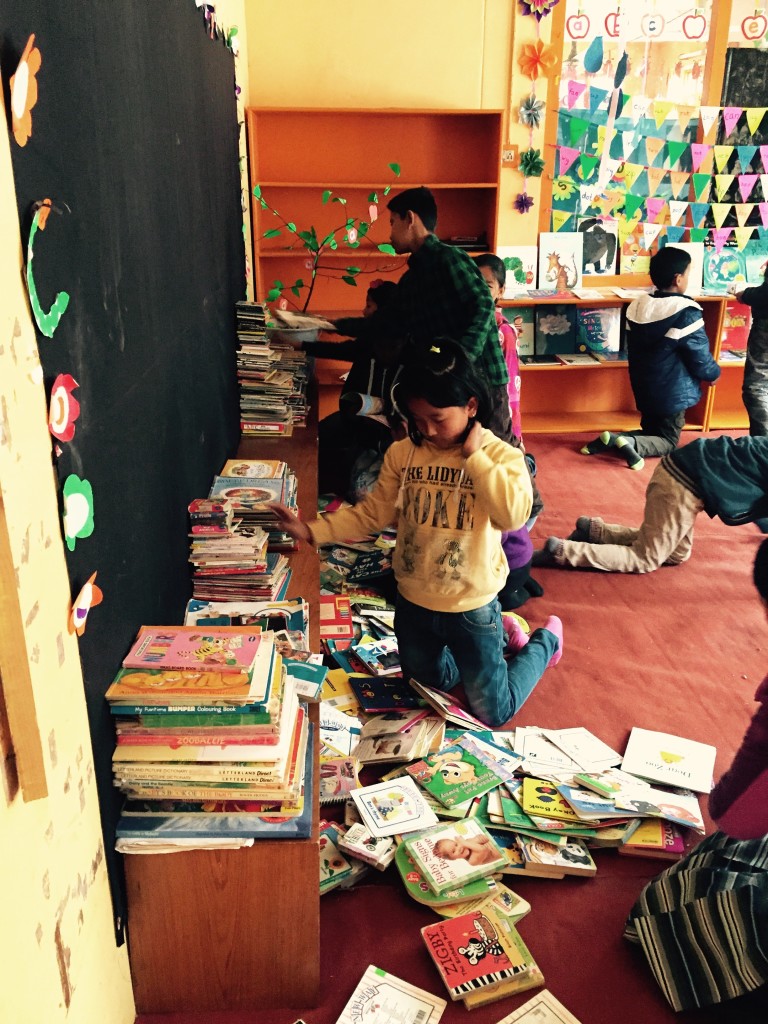
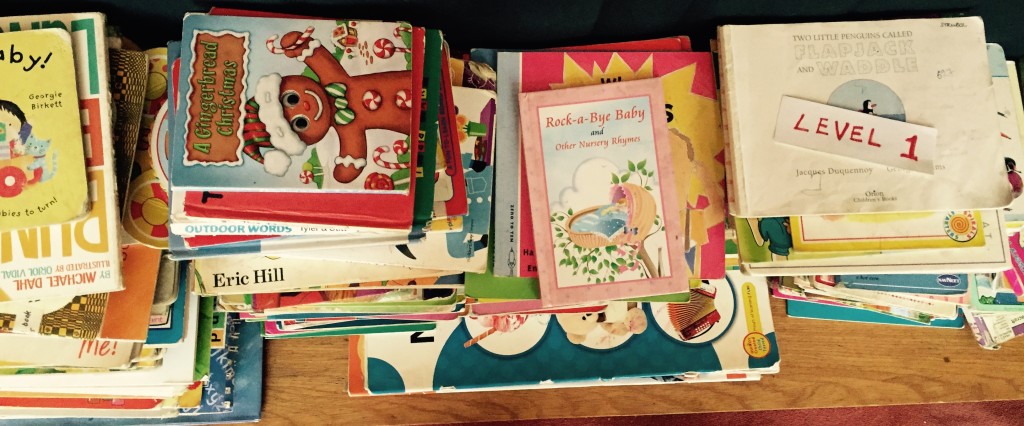
Sorting is the stage that determines whether the final shipment is genuinely useful. Create separate groups for picture books, early readers, middle-grade fiction, reference materials, arts and music, and teacher resources. Remove duplicates when they are excessive, check every page, and set aside titles that need local approval.
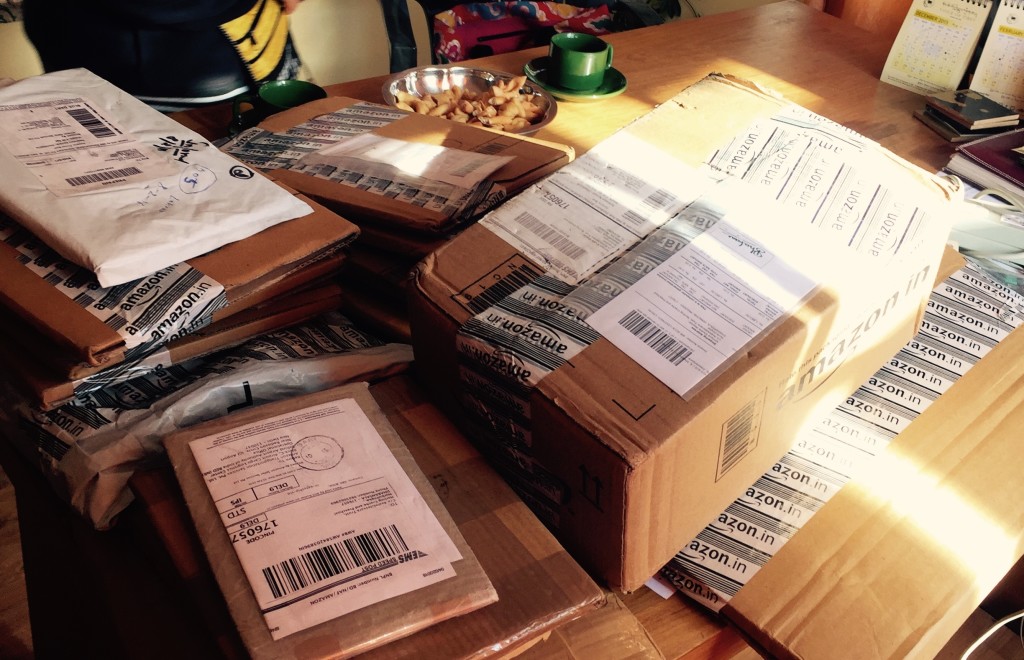
Label boxes by category and age range rather than filling them randomly. Use strong cartons that can tolerate handling and changing weather. Wrap books against moisture, keep boxes light enough to lift safely, and prepare an inventory for the receiving partner. Numbering each carton makes it easier to confirm delivery.
Transport costs can exceed the value of the books, particularly when a shipment must travel through several stages before reaching a high-altitude village. Compare postal services, freight companies, school networks, and nonprofit logistics partners. In some cases, collecting funds for local purchasing is more efficient than shipping heavy cartons across continents.
Plan around the Himalayan calendar. Winter conditions, road closures, festivals, school schedules, and monsoon disruptions in connecting regions can affect delivery. The local partner should decide when books can be received, stored, and introduced to children.
Create A Reading Life After Delivery
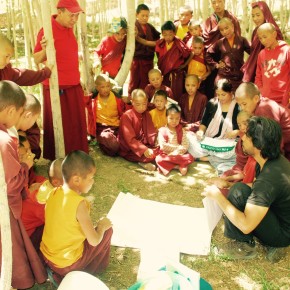
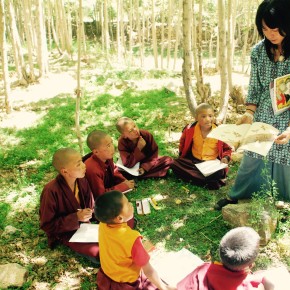
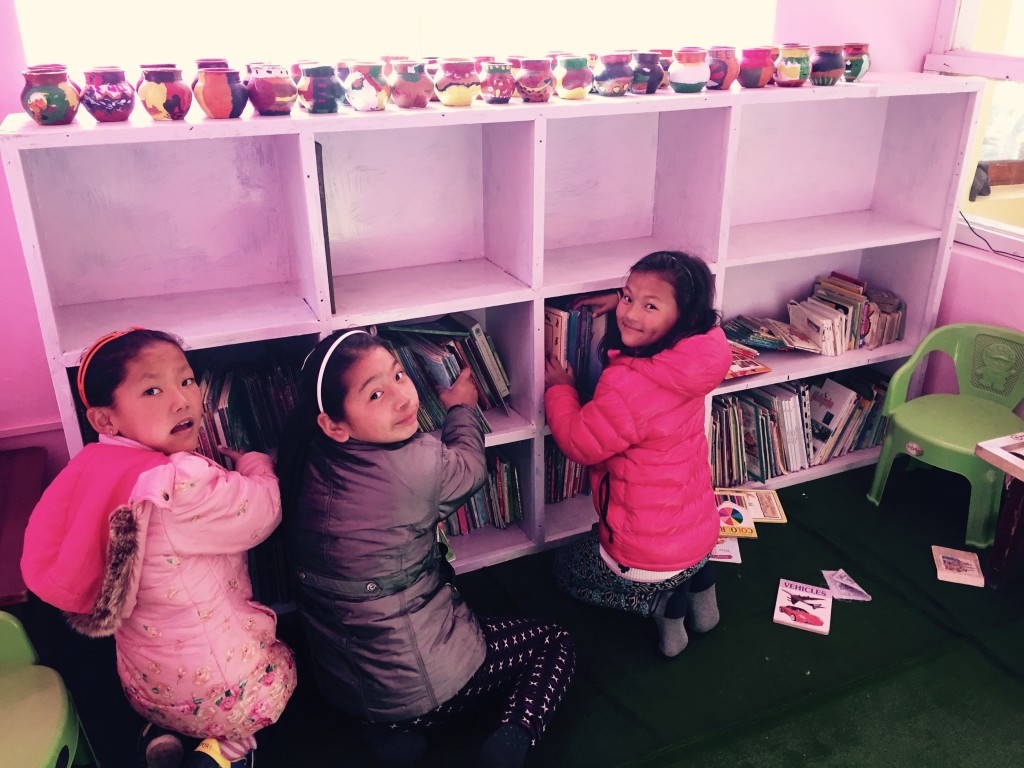
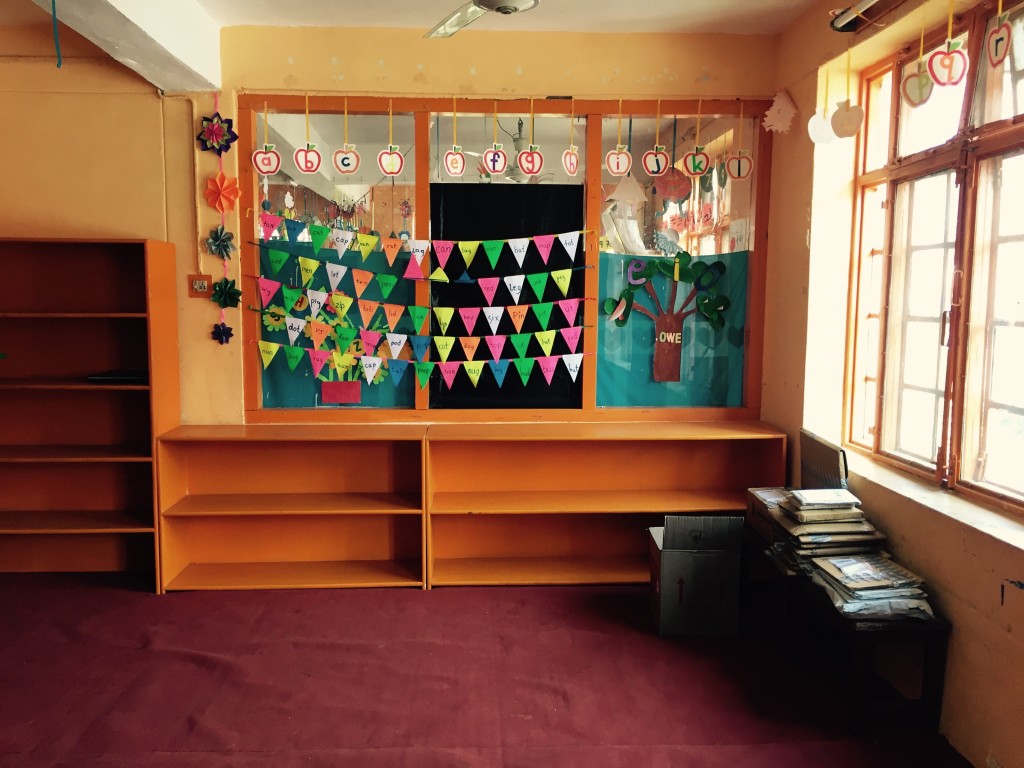
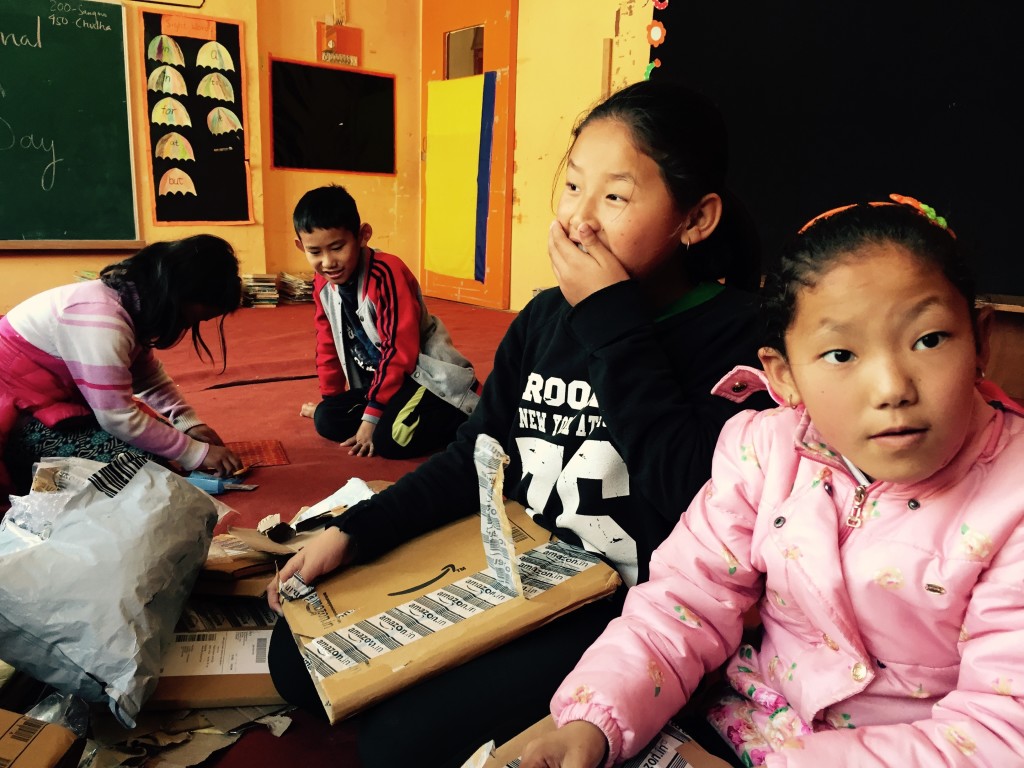
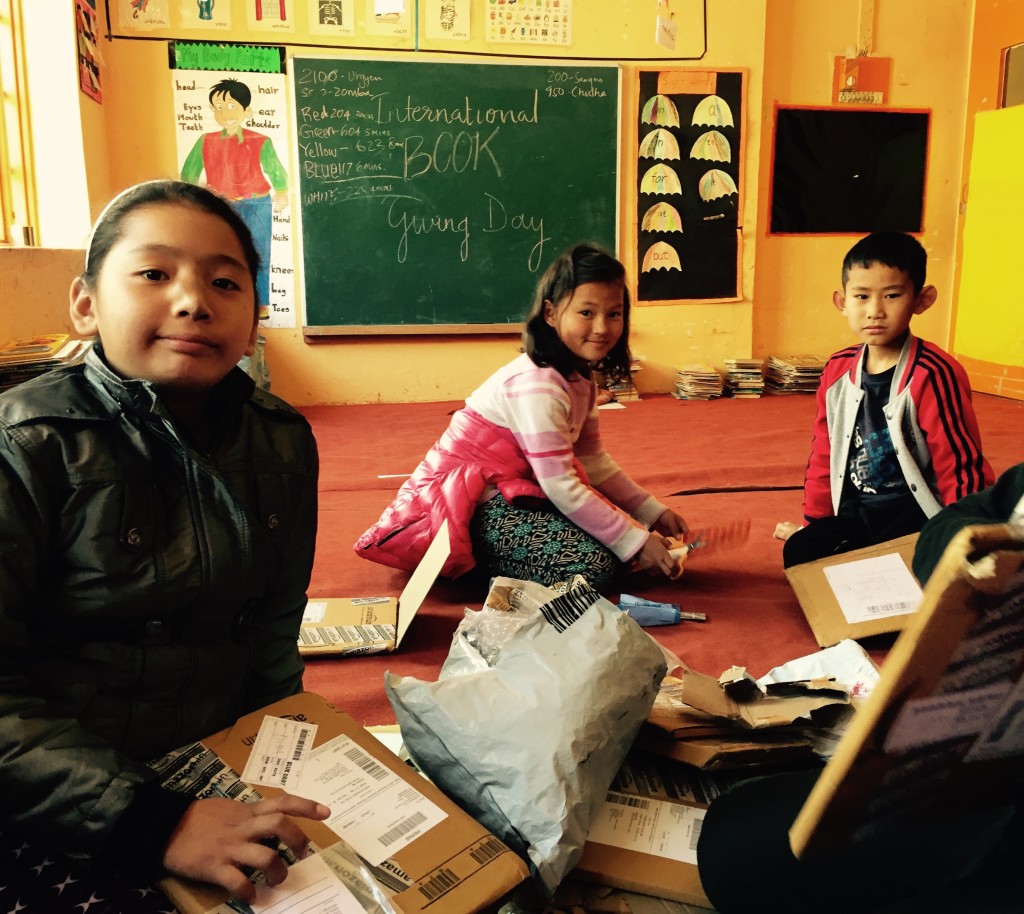
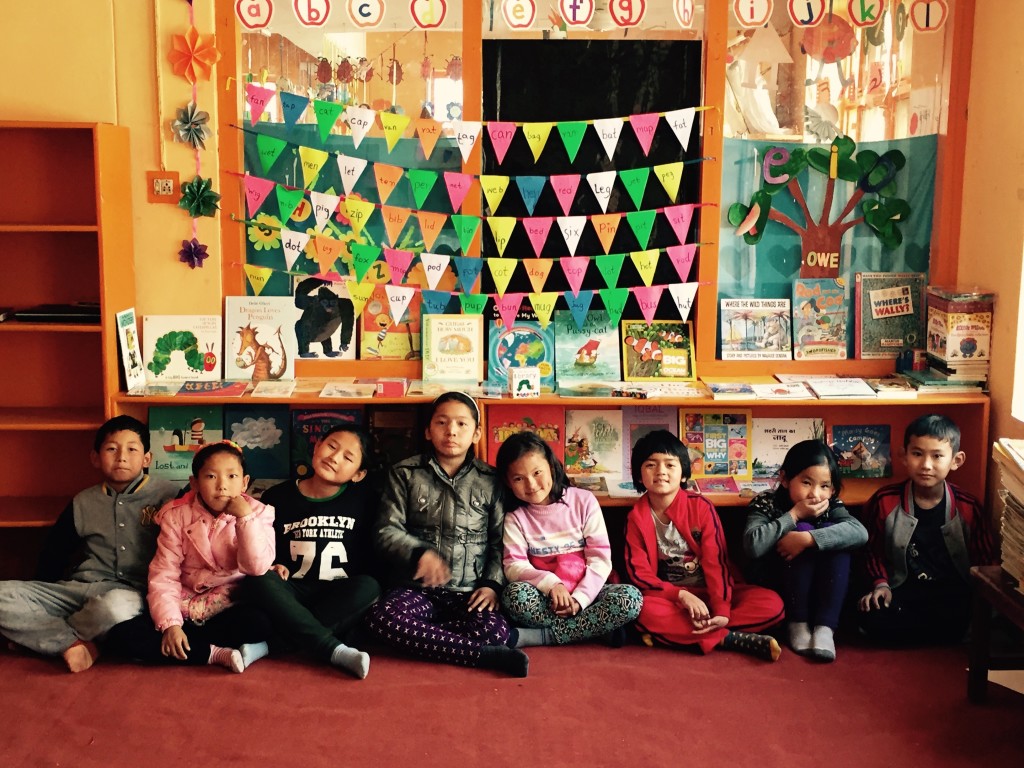
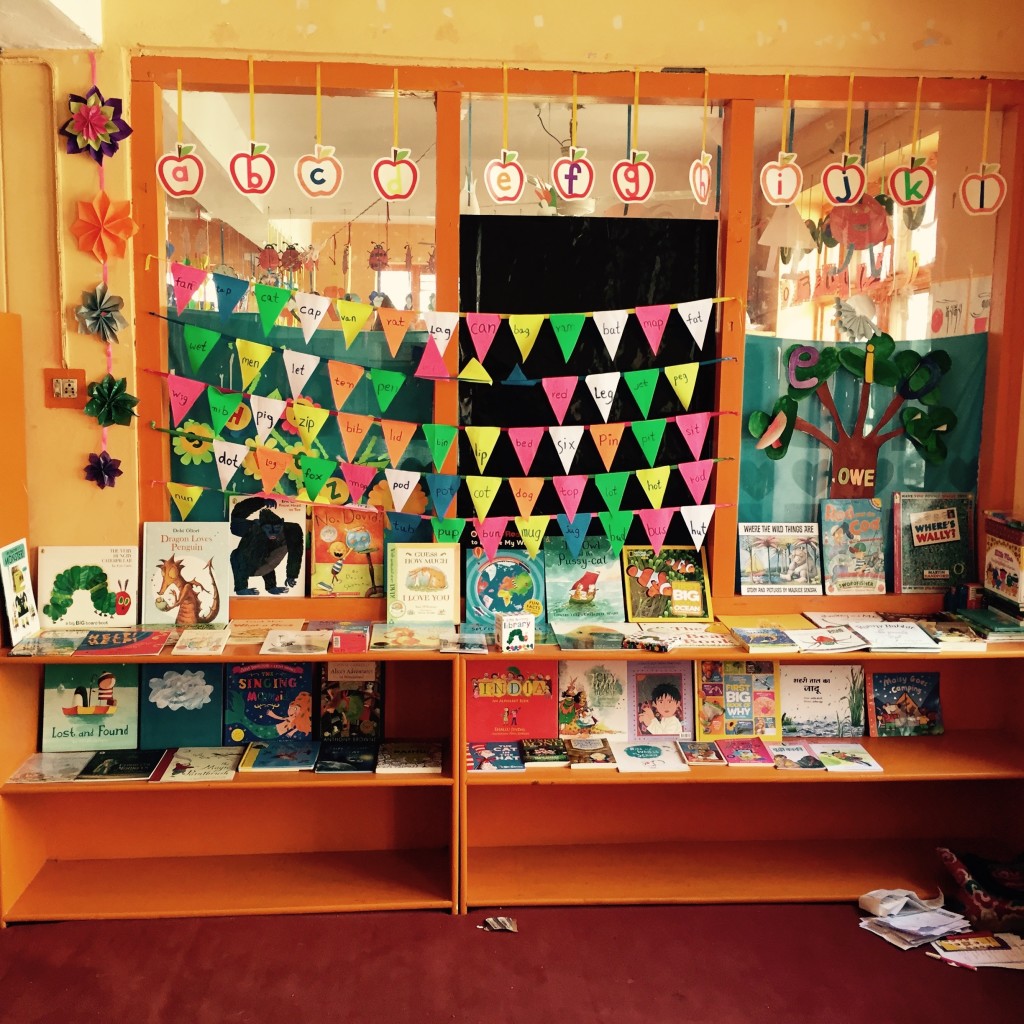
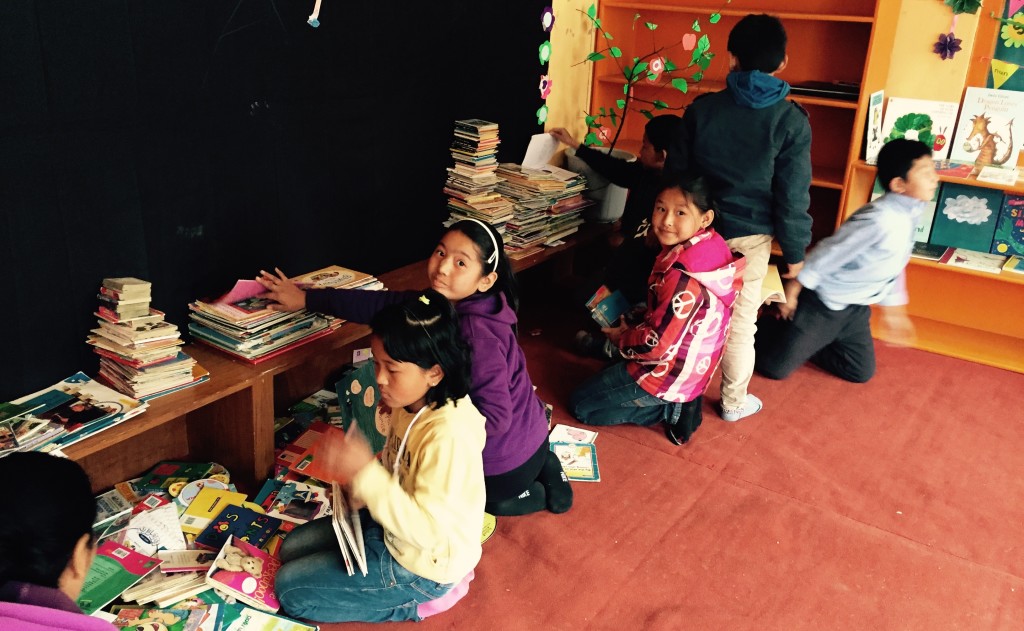
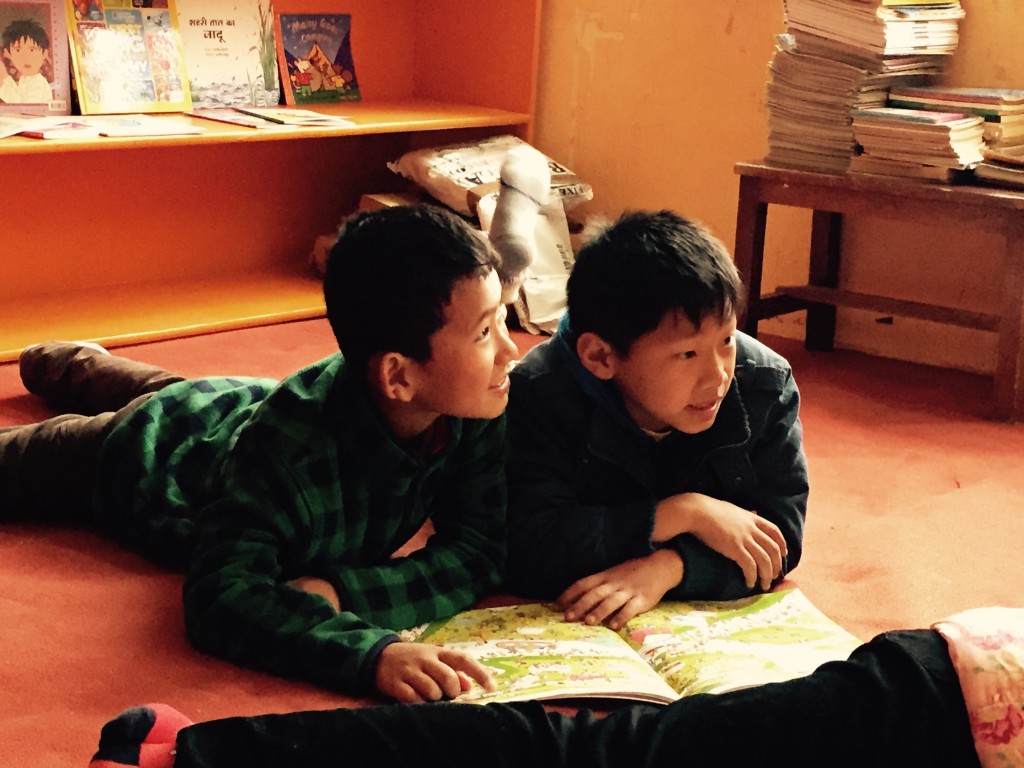
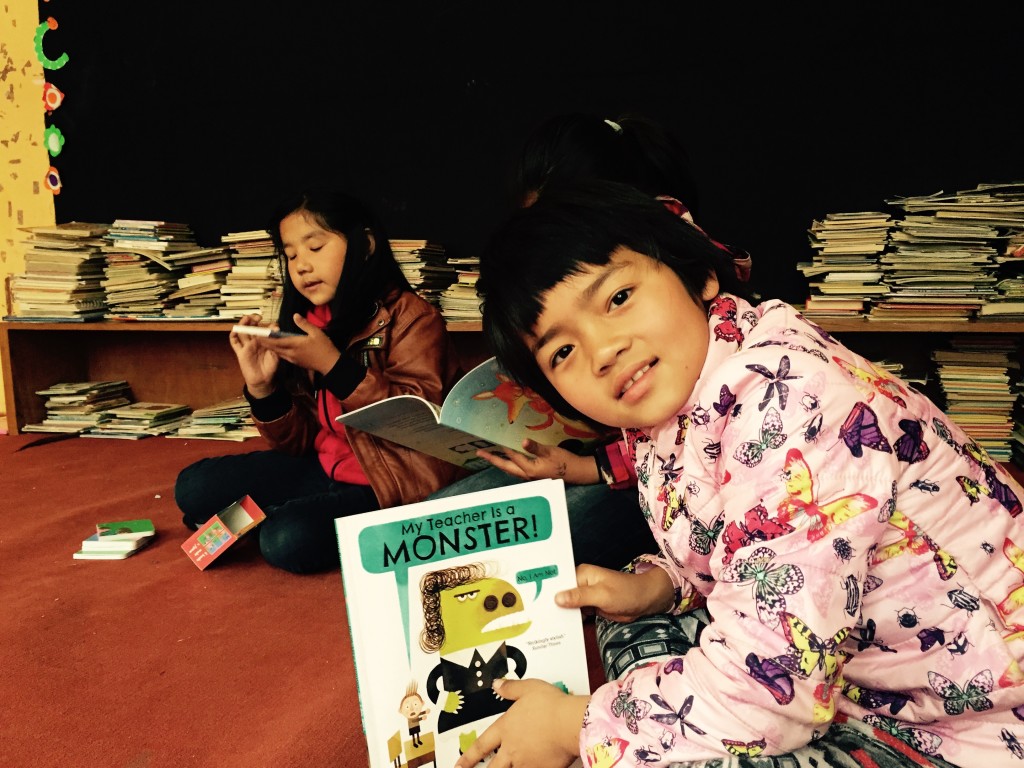
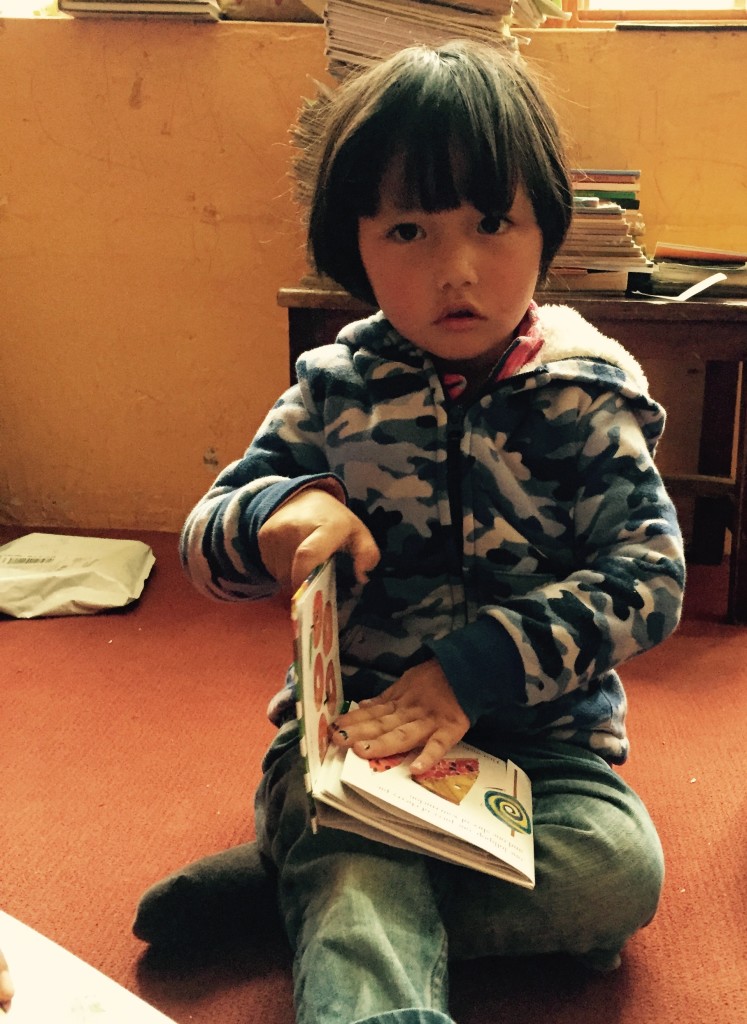
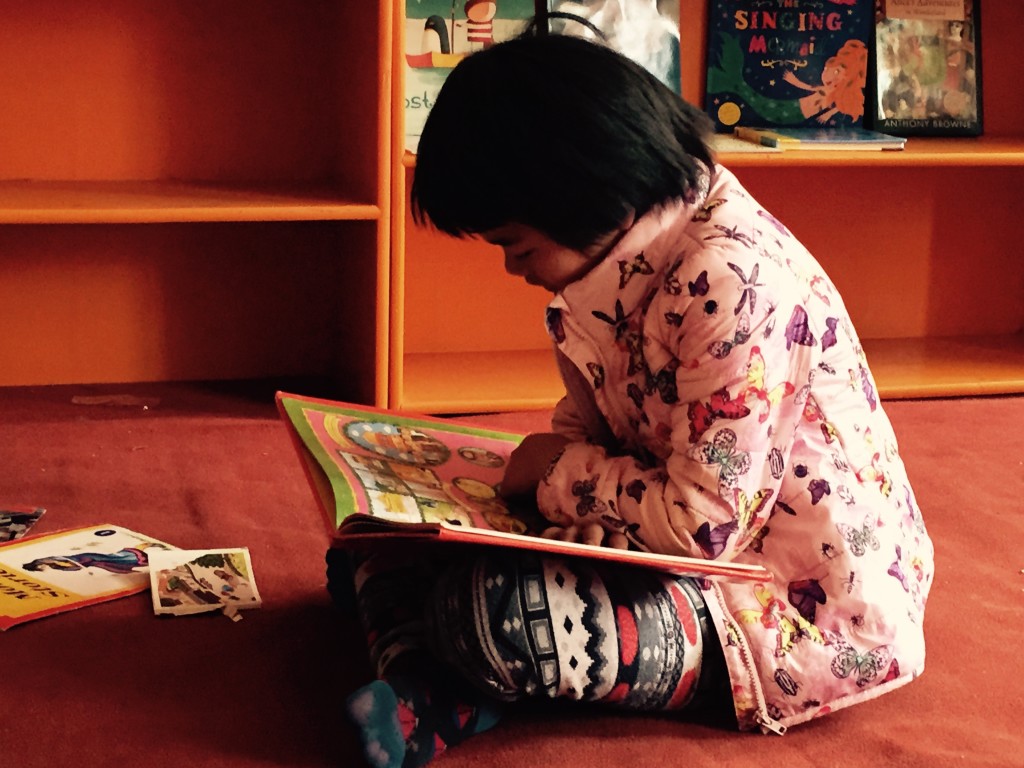
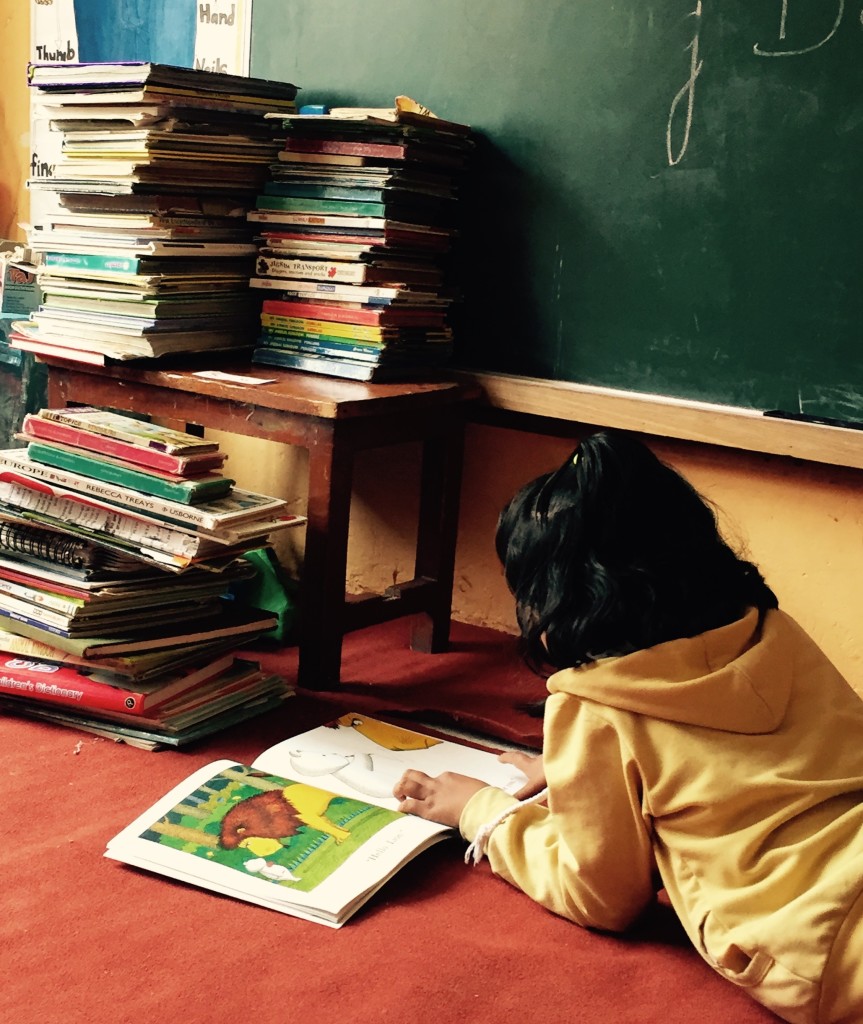
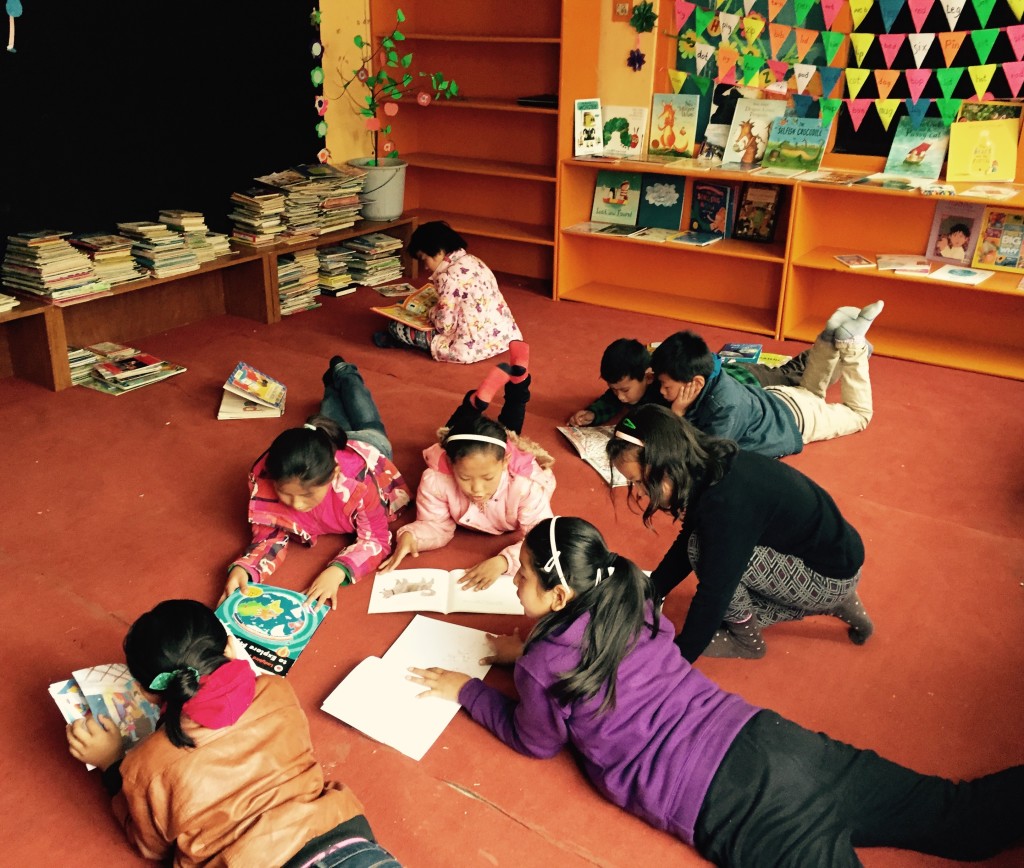
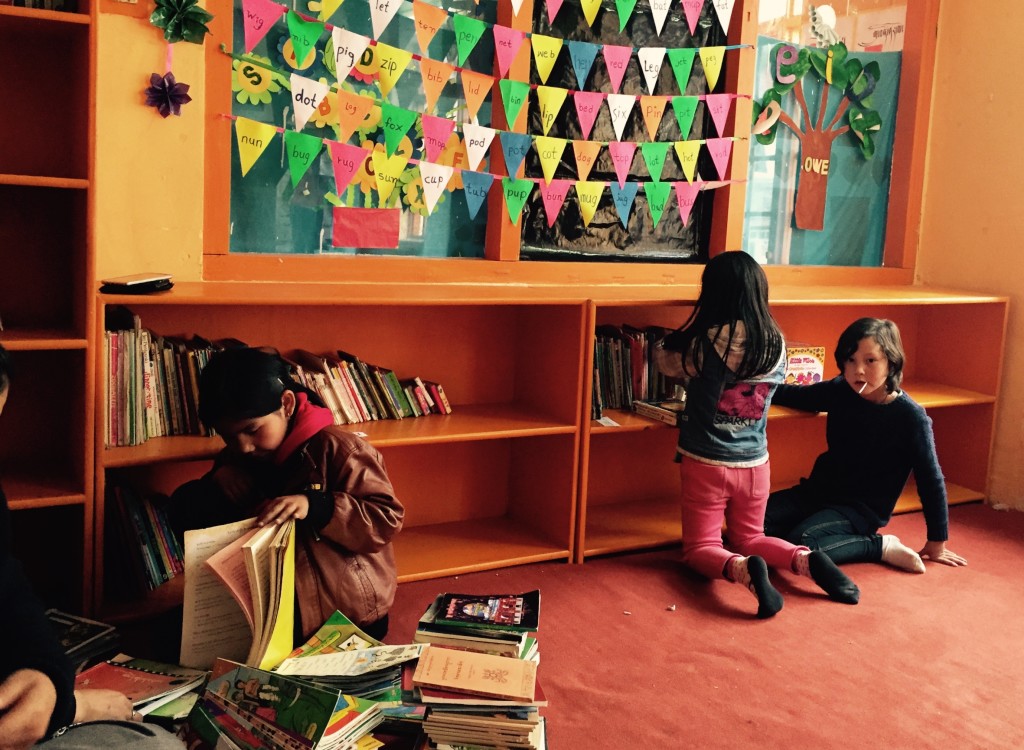
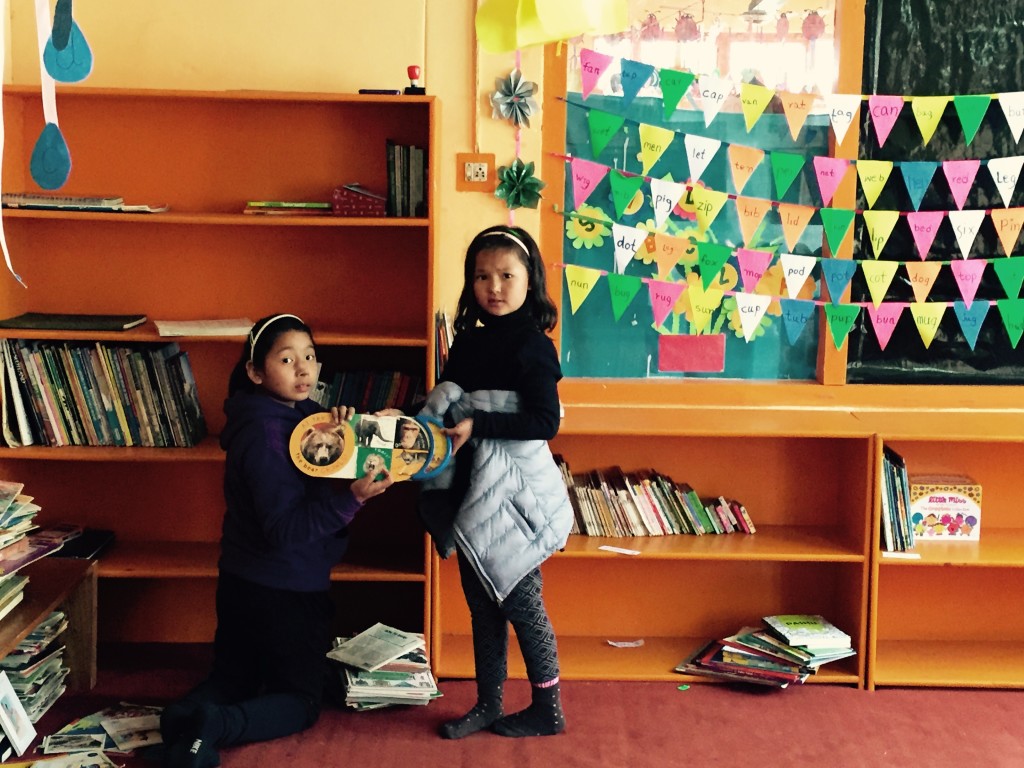
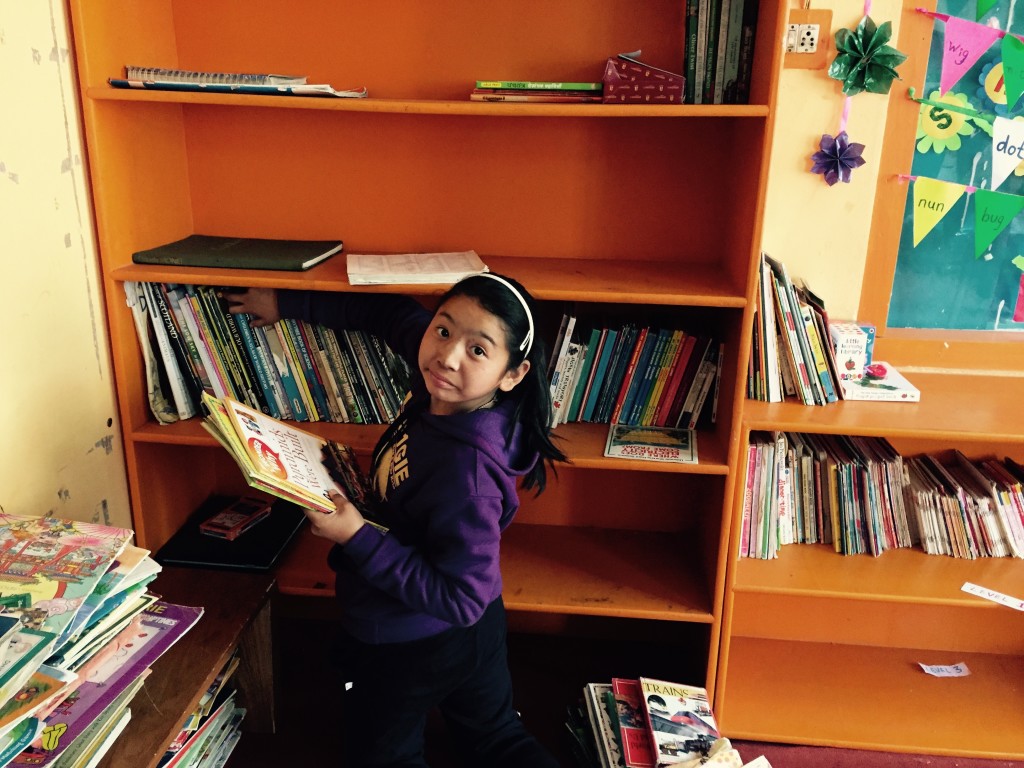
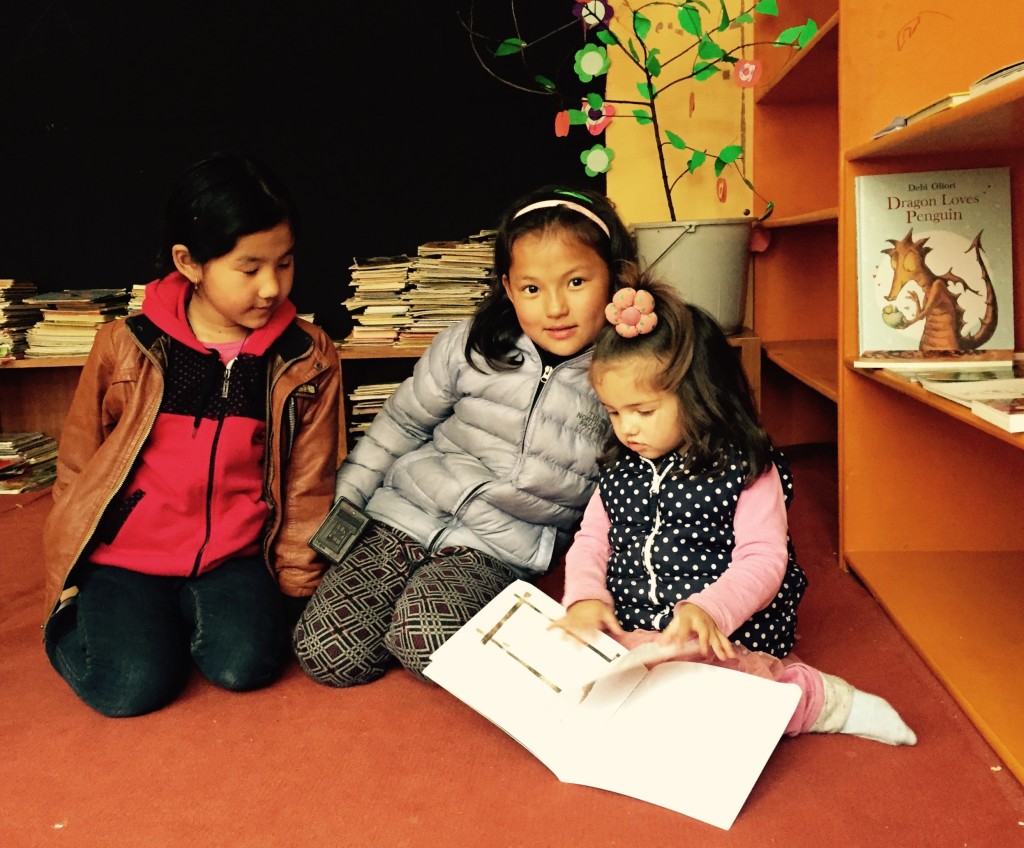
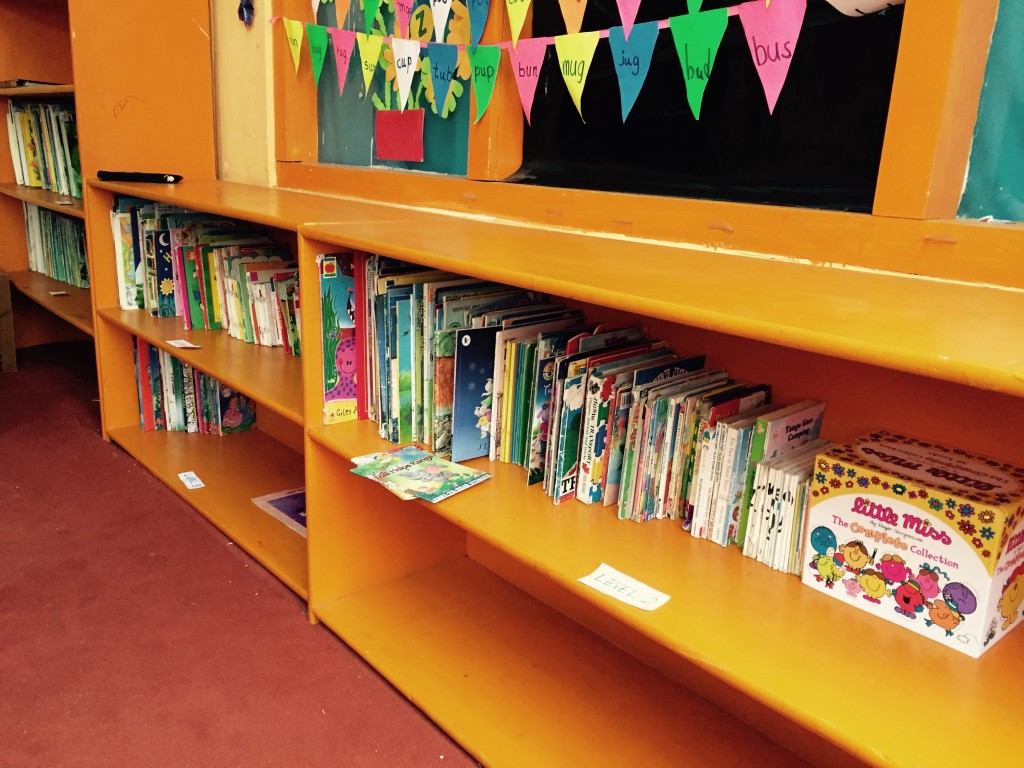
A successful book drive continues after the boxes arrive. Work with teachers, volunteers, or monastery educators to arrange books at accessible heights and create simple borrowing procedures. A quiet corner with cushions, good light, and a few rotating displays can encourage children to visit regularly.
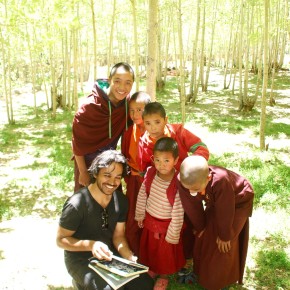
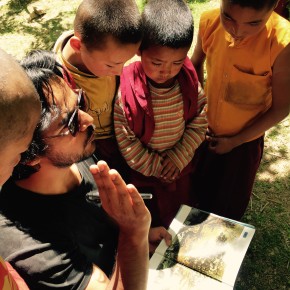
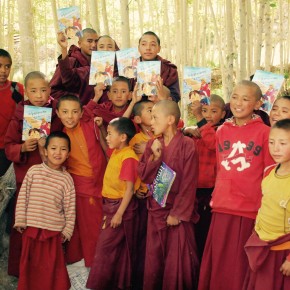
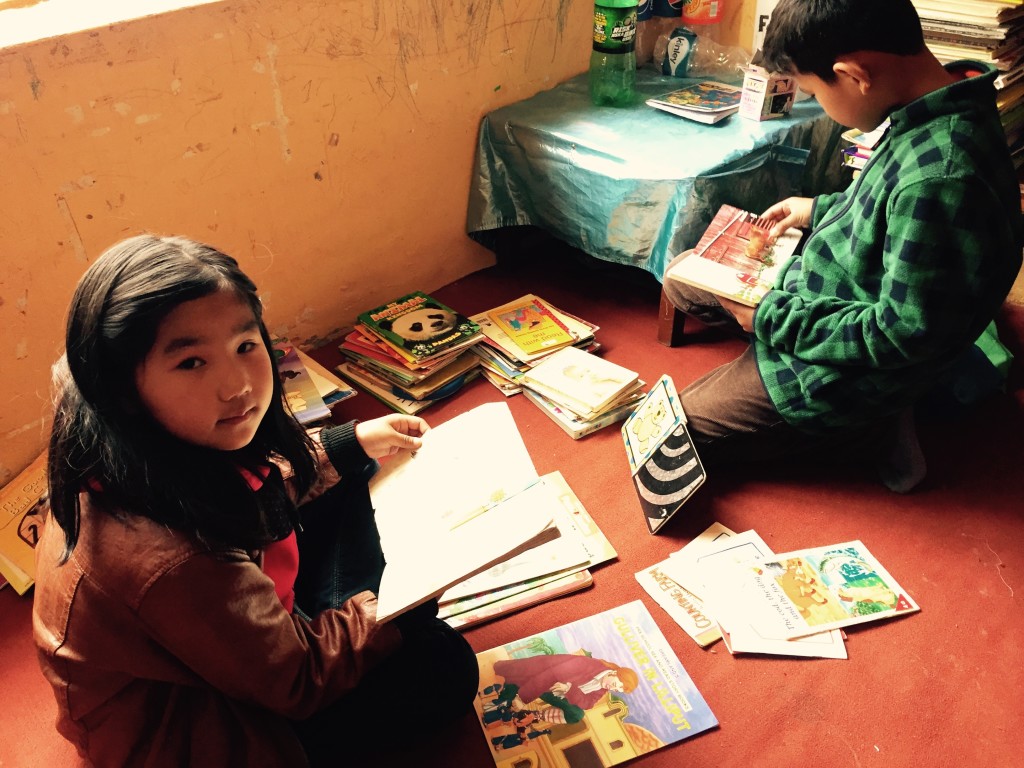
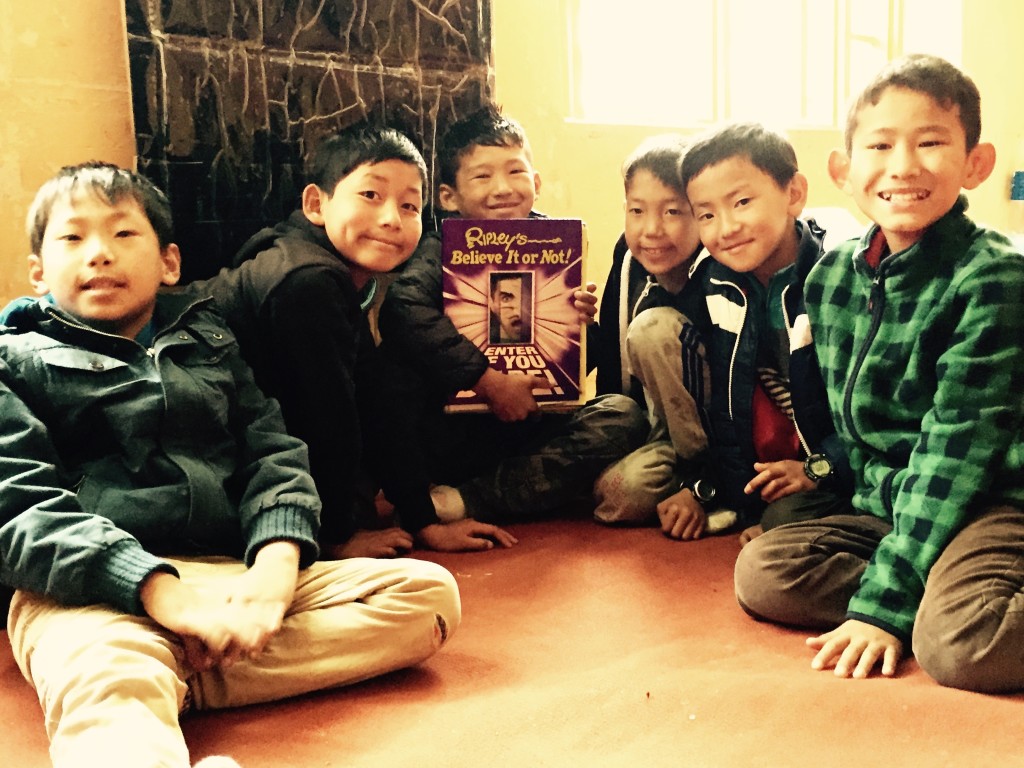
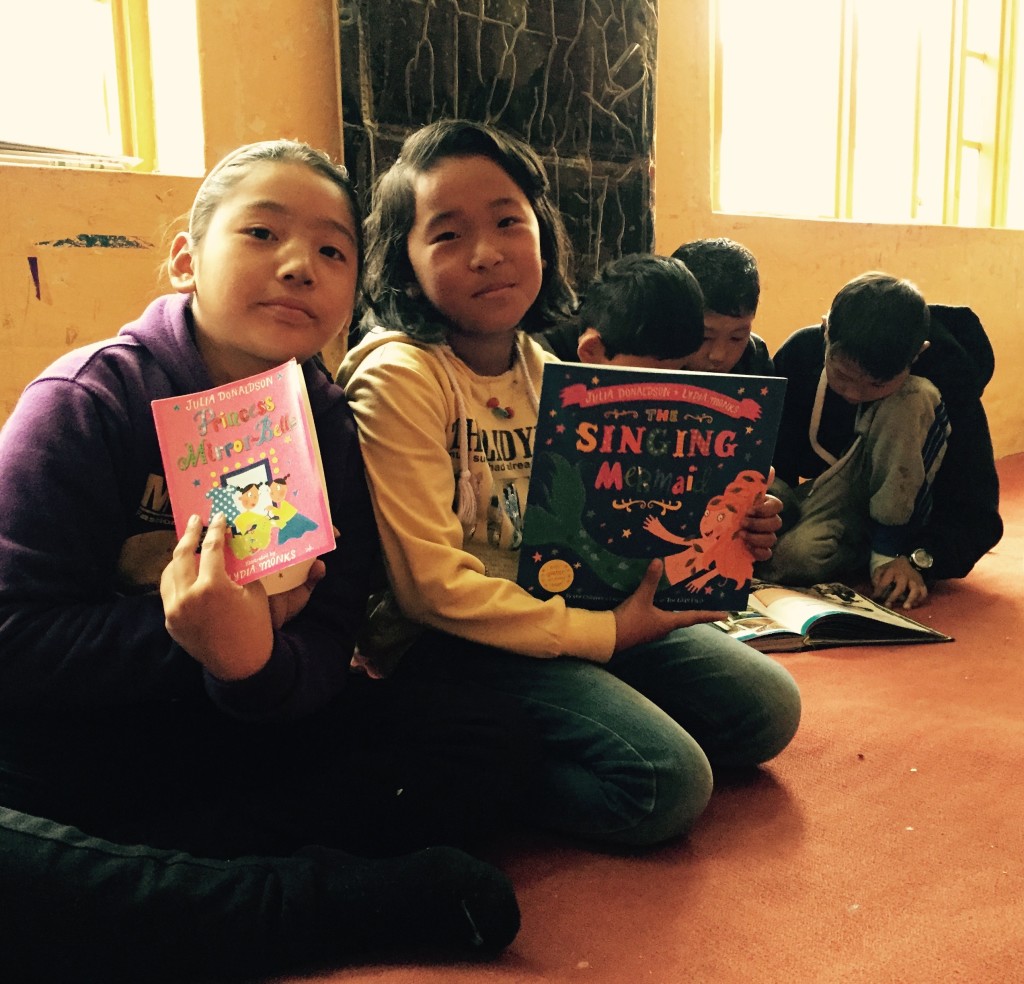
Reading activities can help the collection become part of community life. Storytelling sessions, drawing responses, book discussions, reading clubs, and music or drama projects allow children to use books creatively. Younger readers may benefit from paired reading with older students, while young monks can explore literature alongside educational and artistic activities.
Ask the local partner for feedback after several weeks or months. Which titles are being borrowed? Which subjects are missing? Are books being shared between nearby classrooms? This information can guide the next donation campaign and reveal whether the village needs more books, teacher resources, shelving, or volunteer support.
Practices That Keep A Book Drive Focused
- Name one village or clearly defined learning community as the campaign’s destination.
- Publish age, language, subject, and condition guidelines before collecting donations.
- Set aside money for transport, customs, shelving, or local book purchases.
- Keep a simple inventory and share delivery updates with supporters.
- Request feedback from the receiving community before planning another shipment.
Turn Donor Interest Into Lasting Support
A village book drive can introduce people to a wider network of educational needs. Some supporters may wish to sponsor reading sessions, contribute to a library renovation, provide art materials, or help fund activities for children and young monks. Present these possibilities carefully, without diverting attention from the original book collection.
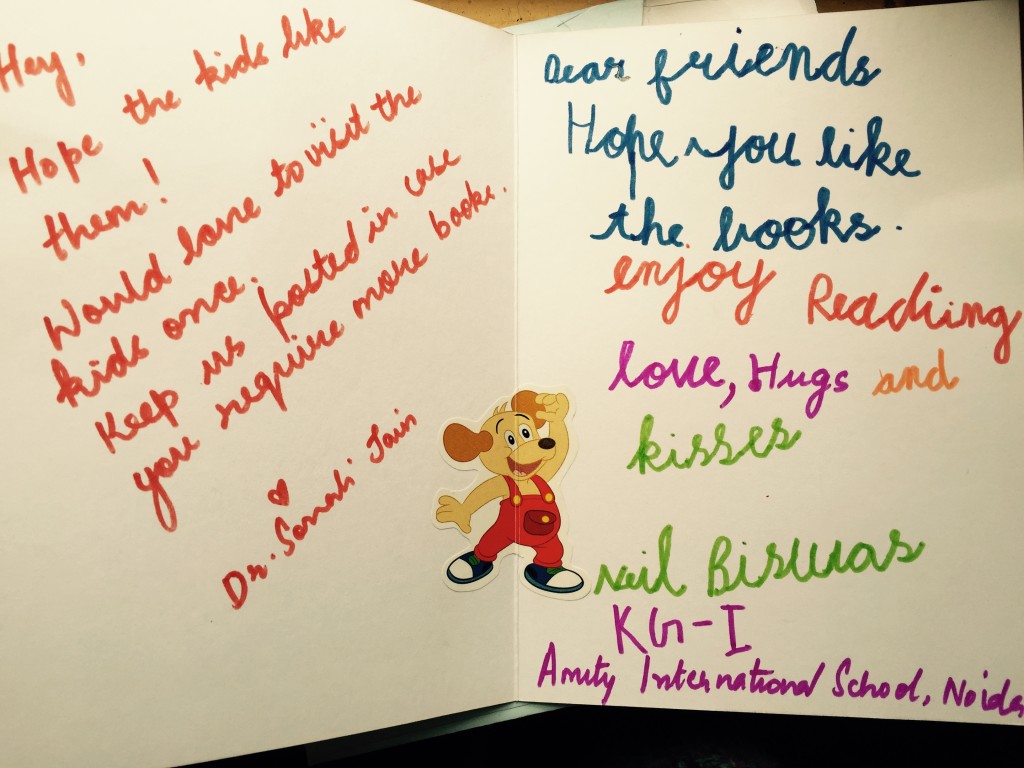
Share the outcome with accuracy and respect. Report how many books were delivered, what categories were included, and how the receiving community is using them. Photographs and stories should be shared only with appropriate permission, especially when children appear in them. A thoughtful update strengthens trust and shows donors that their effort reached a real learning space.
Begin with a modest target if this is your first campaign. A collection of 150 well-chosen books can be easier to transport, catalog, and use than several thousand mixed donations. Once the village partner has assessed the first delivery, future drives can respond to specific gaps and build a dependable reading resource over time.
Choose your Himalayan village, confirm its priorities with a trusted local partner, and publish a focused wish list. Then invite schools, families, libraries, and businesses to fill the collection with books that children can open, understand, and enjoy. A carefully organized drive can place meaningful stories in a remote community and help a reading room become a lasting center of curiosity.