How music gives children a voice beyond words
A child may carry grief, fear, loneliness or excitement without having the language to explain it. In Himalayan communities, children and young monks can also be navigating separation from family, changes in schooling, cultural expectations and the pressures of living away from home. Music creates a gentle space where these feelings can be noticed and shared without requiring an immediate verbal explanation.
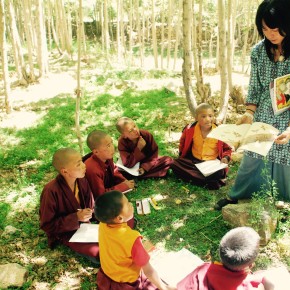
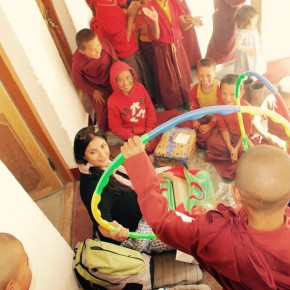
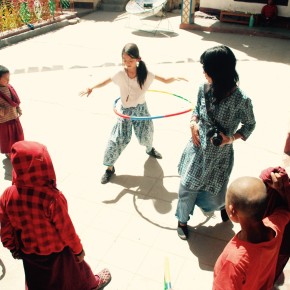
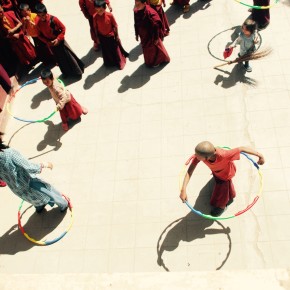
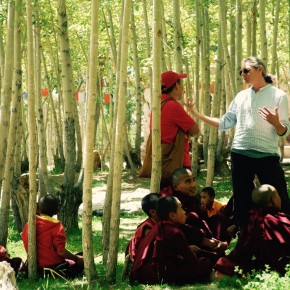
Avalokiteśvara Trust uses creative learning to help children explore their inner worlds. Through singing, rhythm, movement and simple instruments, children can communicate moods, memories and hopes in ways that feel natural. A drumbeat can express anger, a quiet melody can reflect homesickness, and a group song can create a sense of belonging.
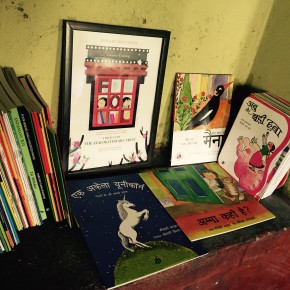
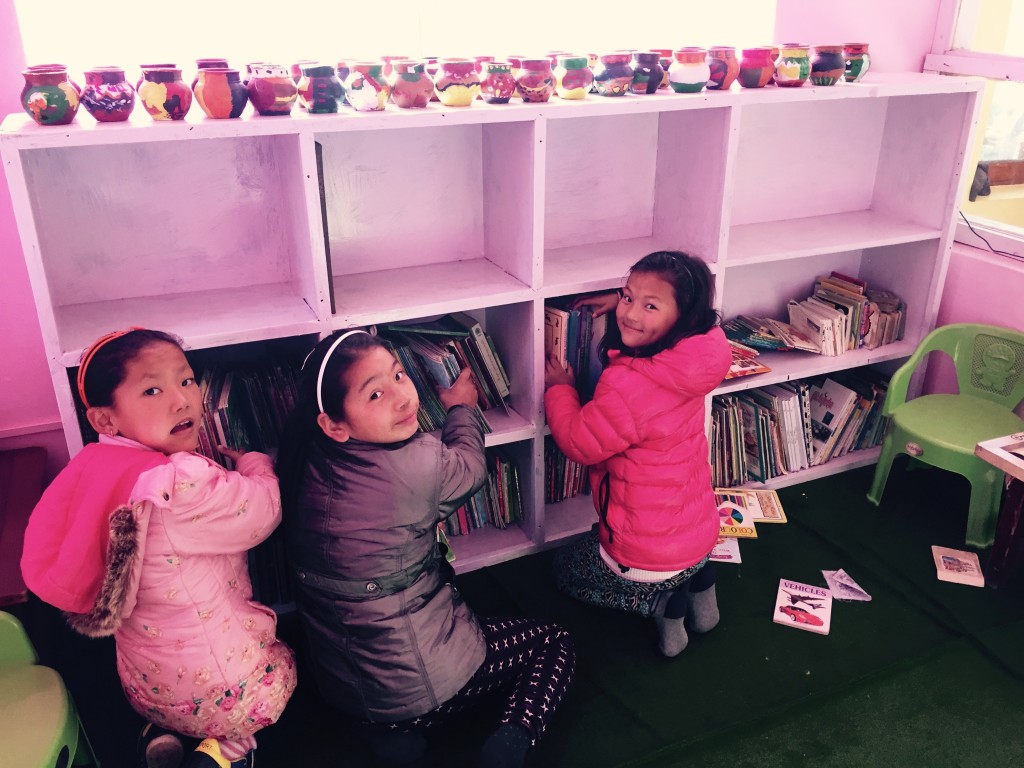
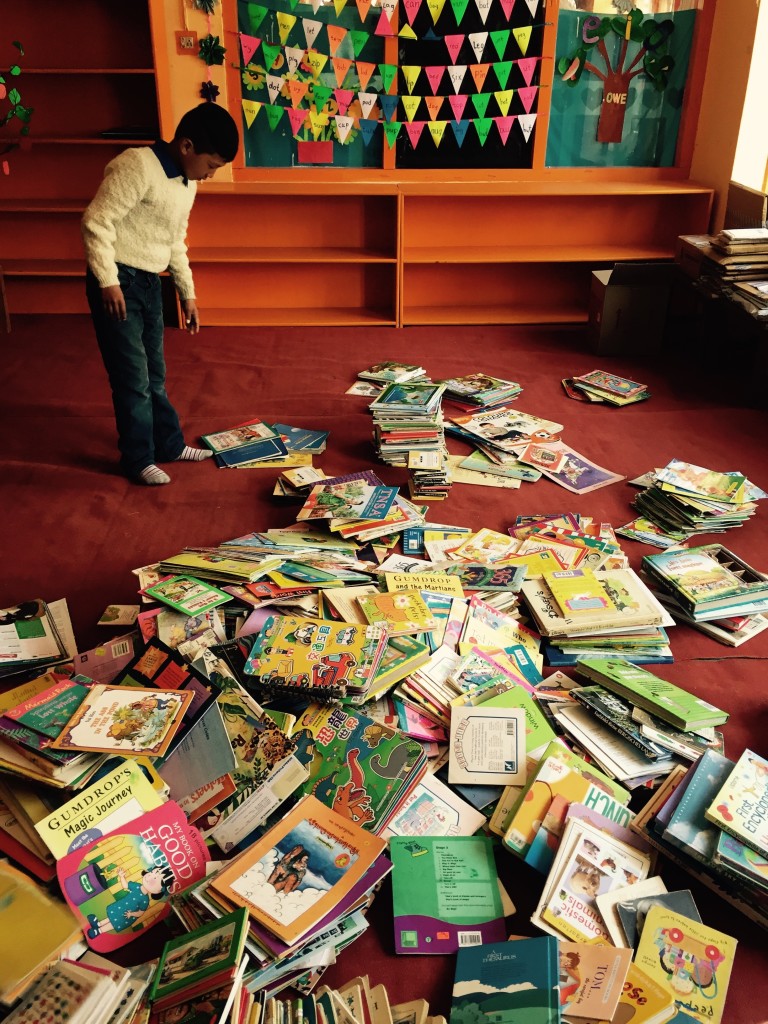
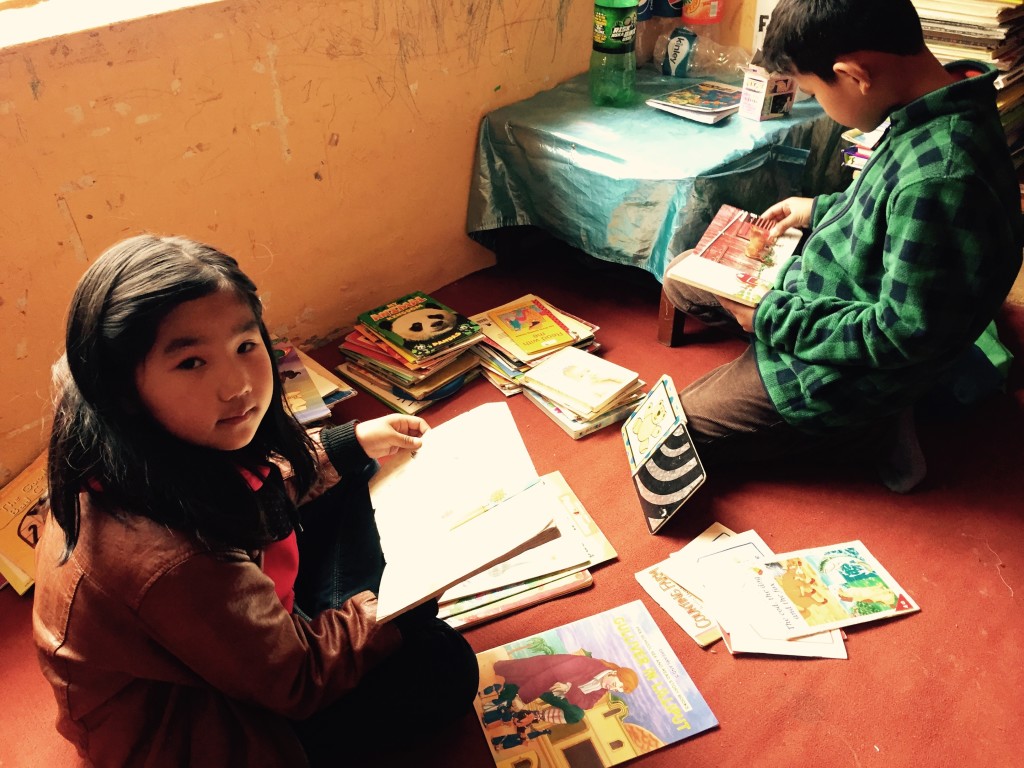
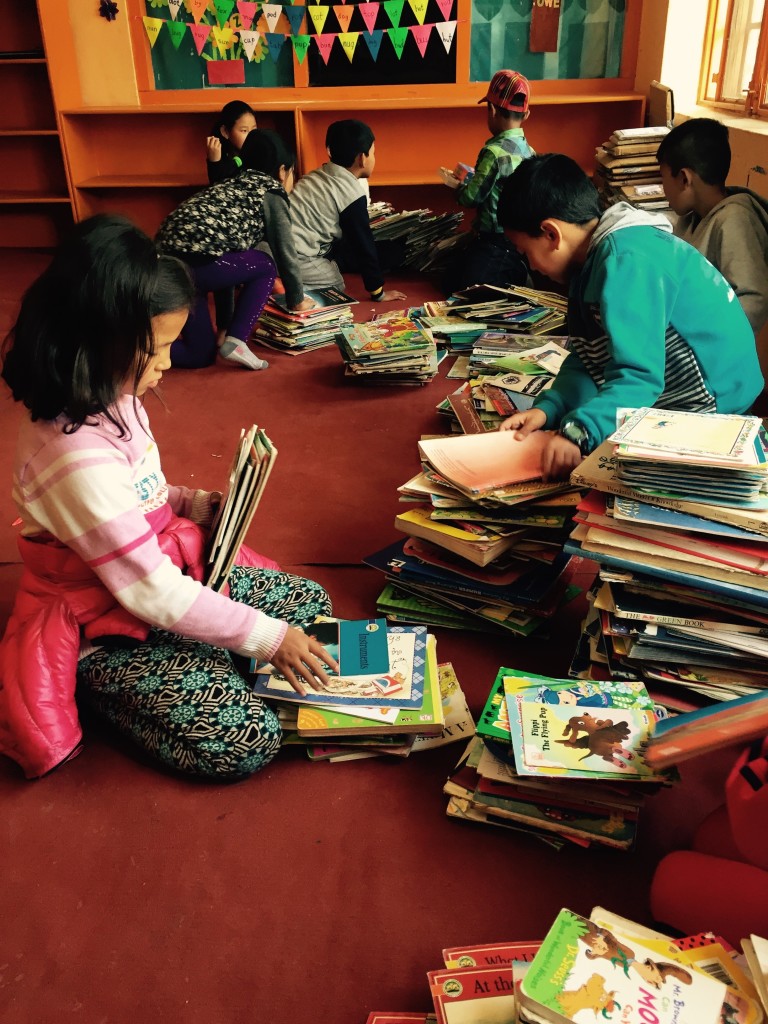
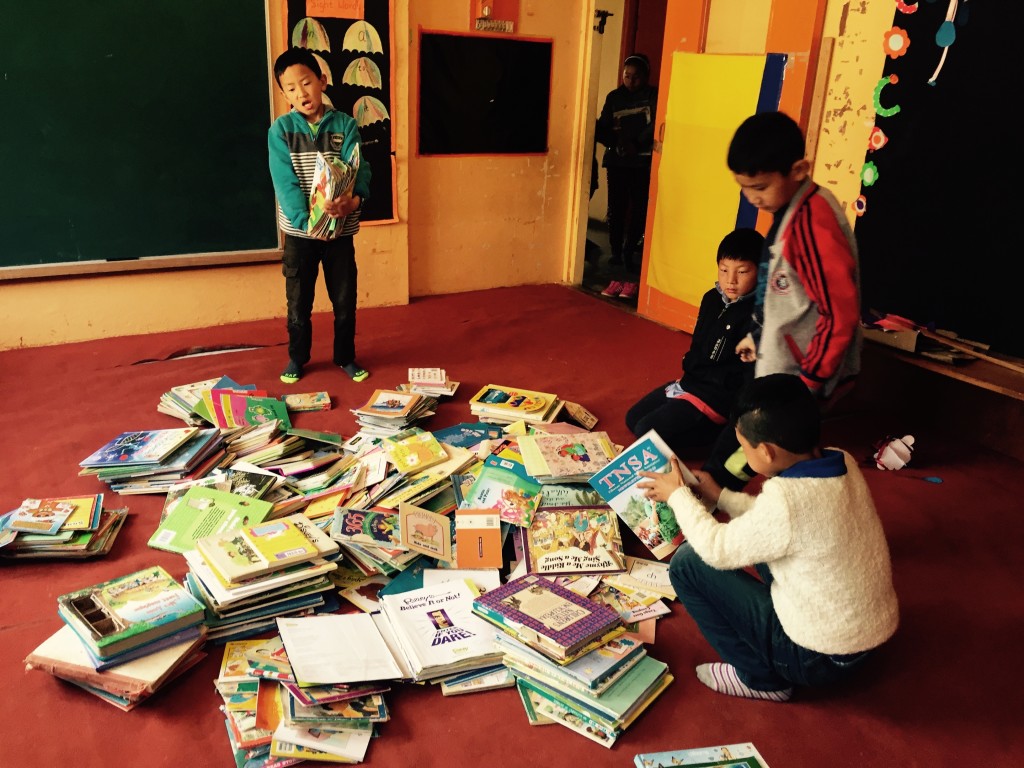
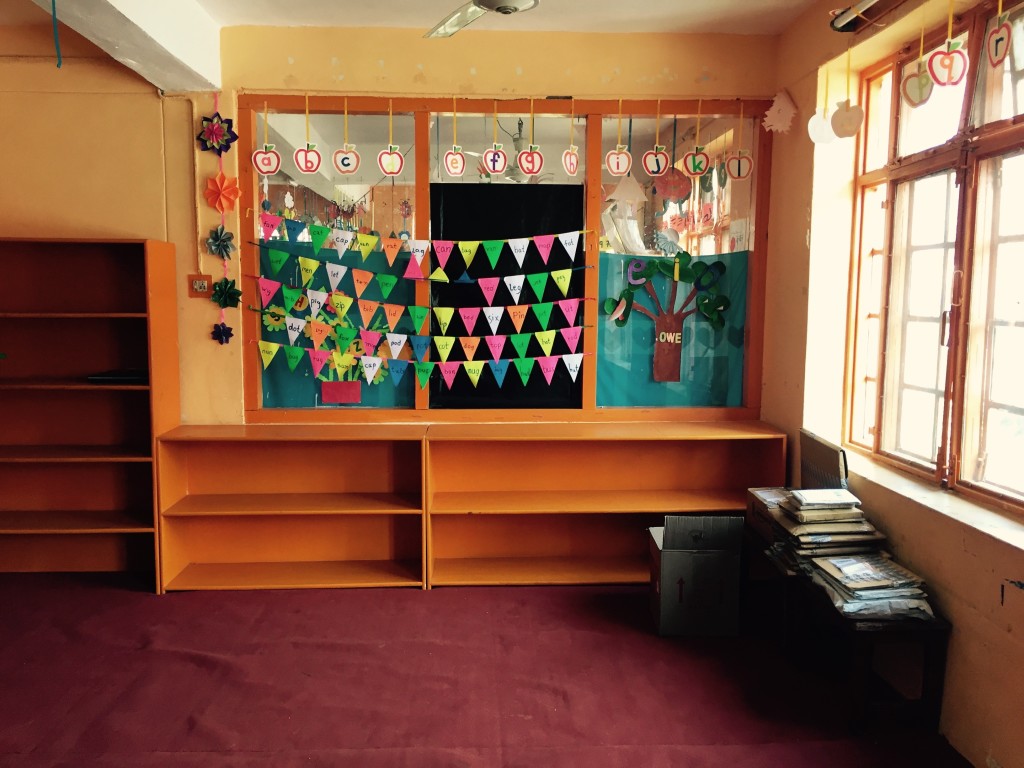
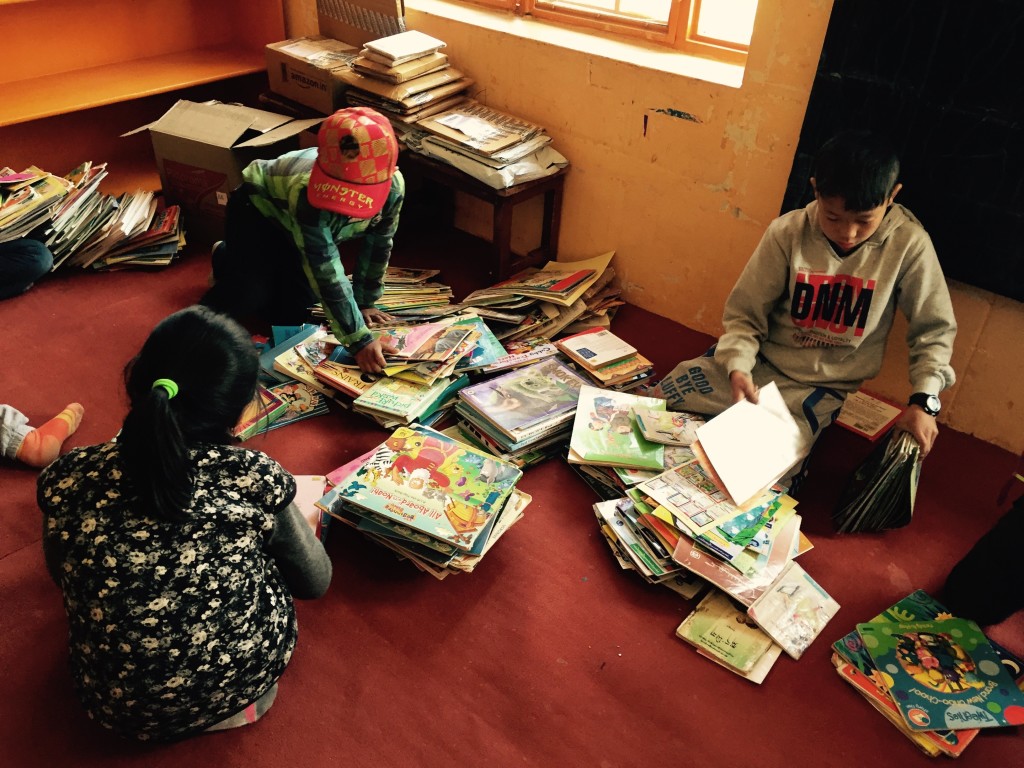
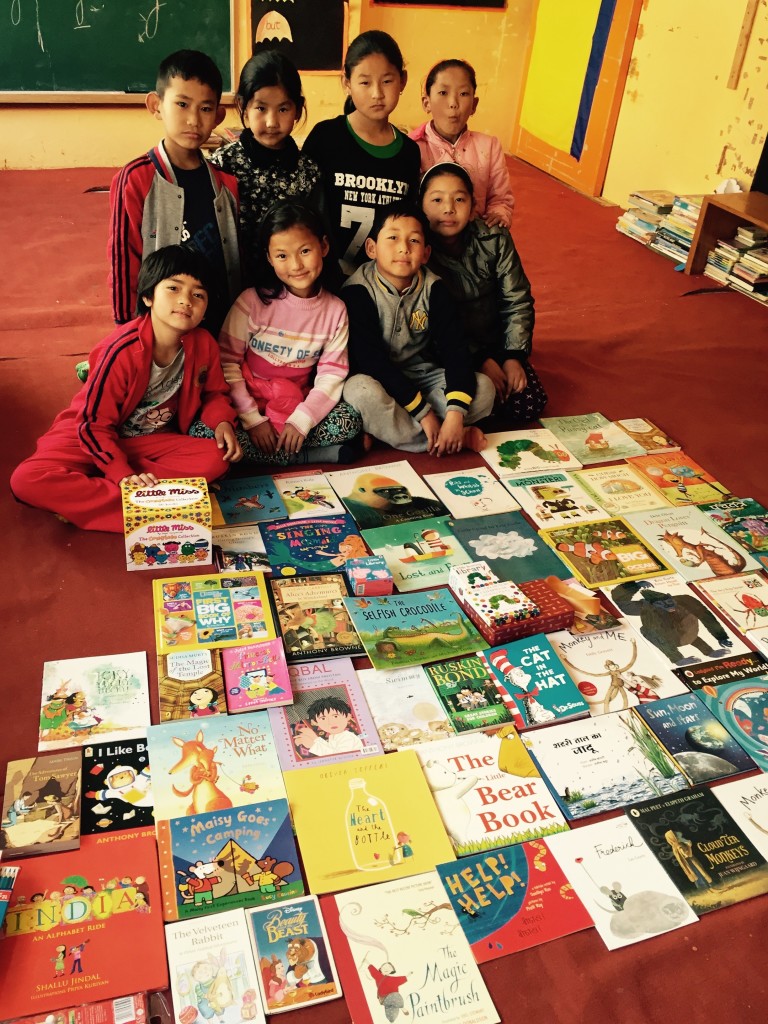
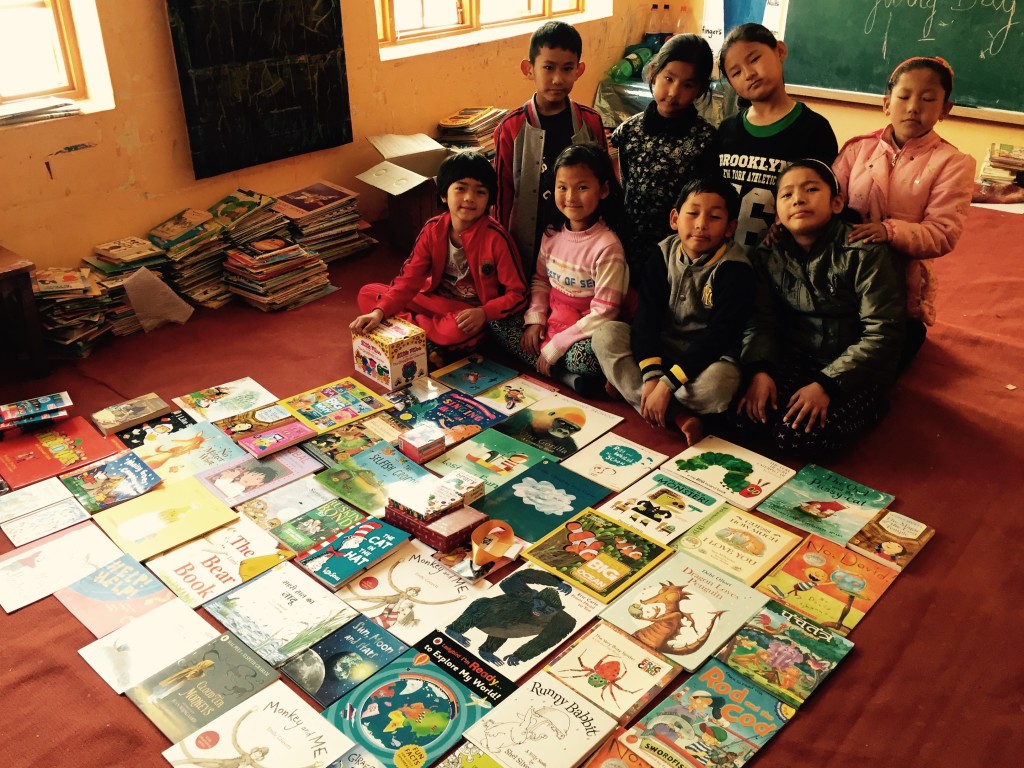
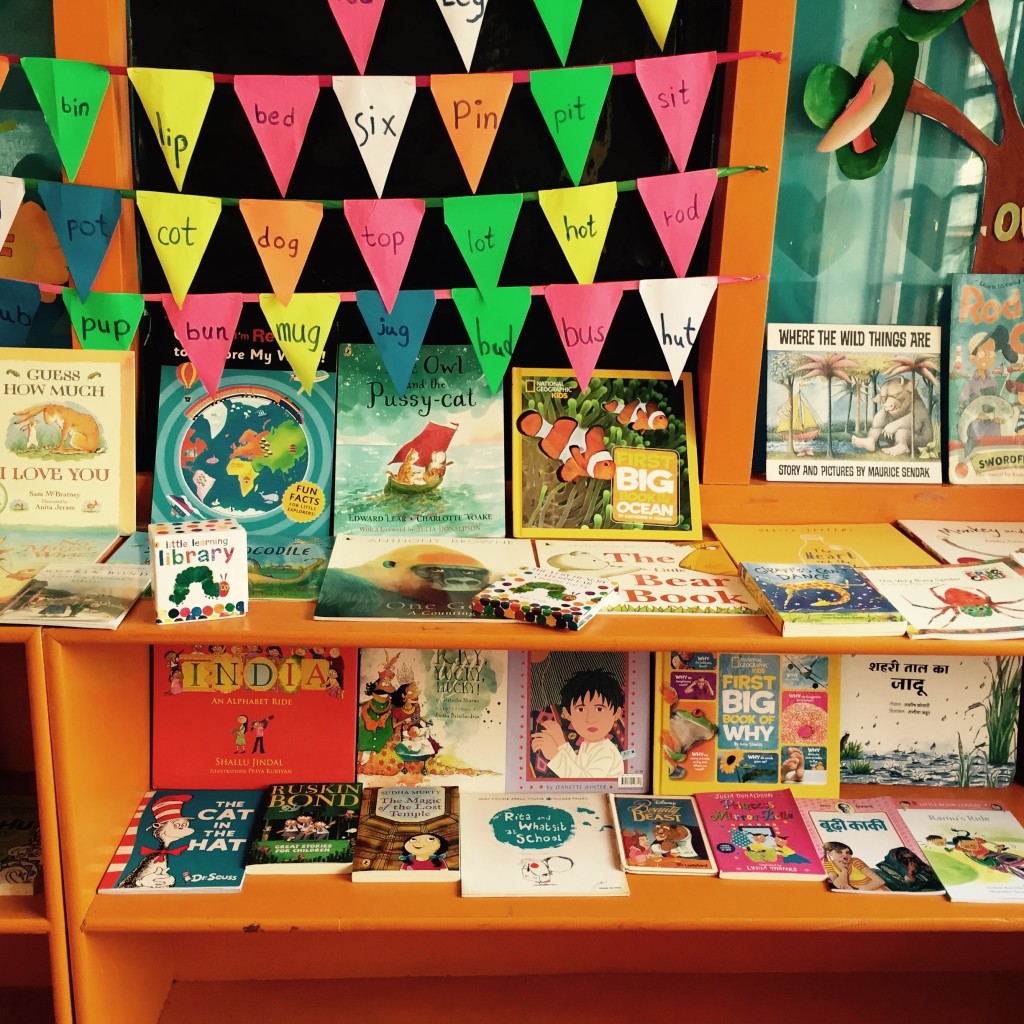
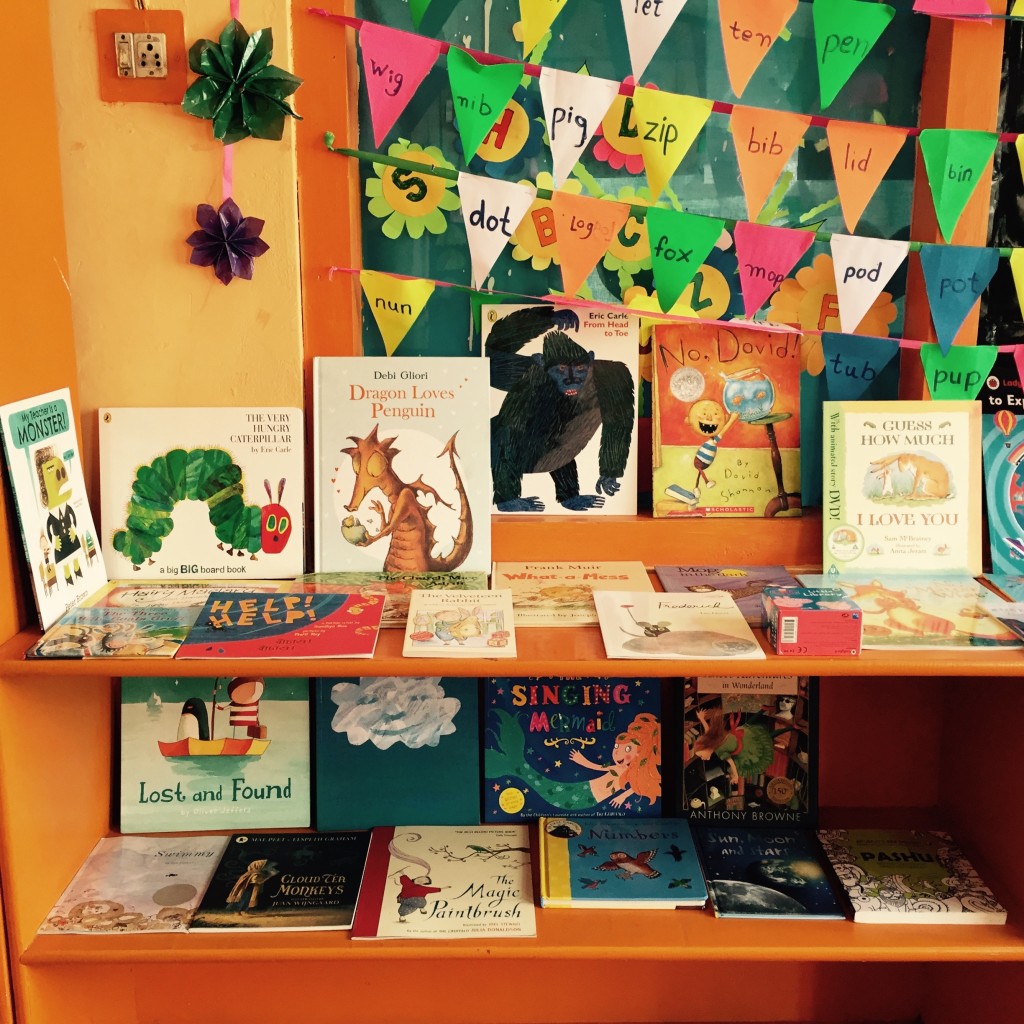
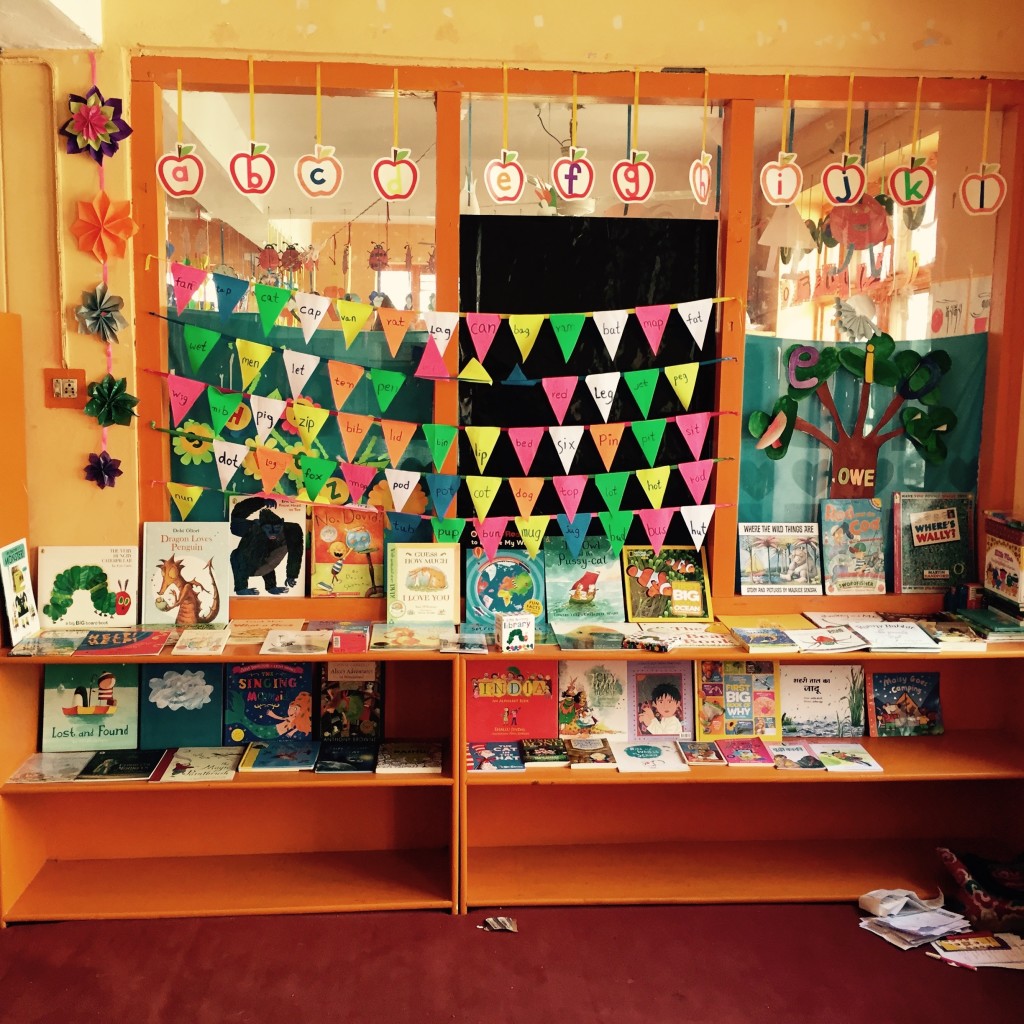
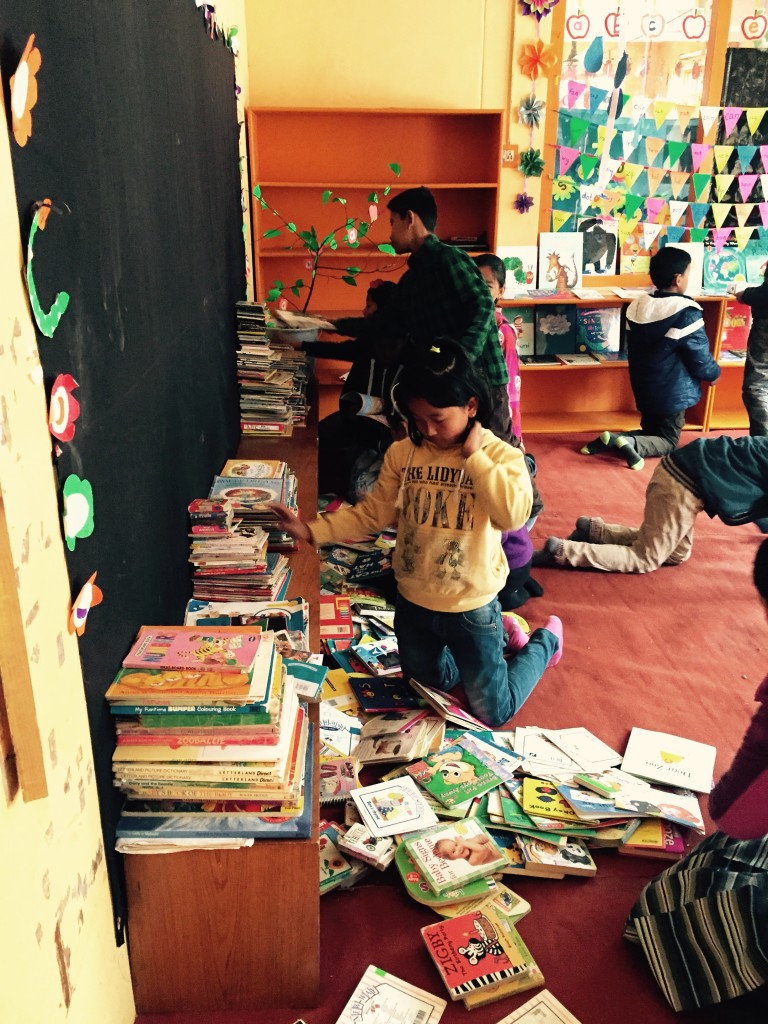
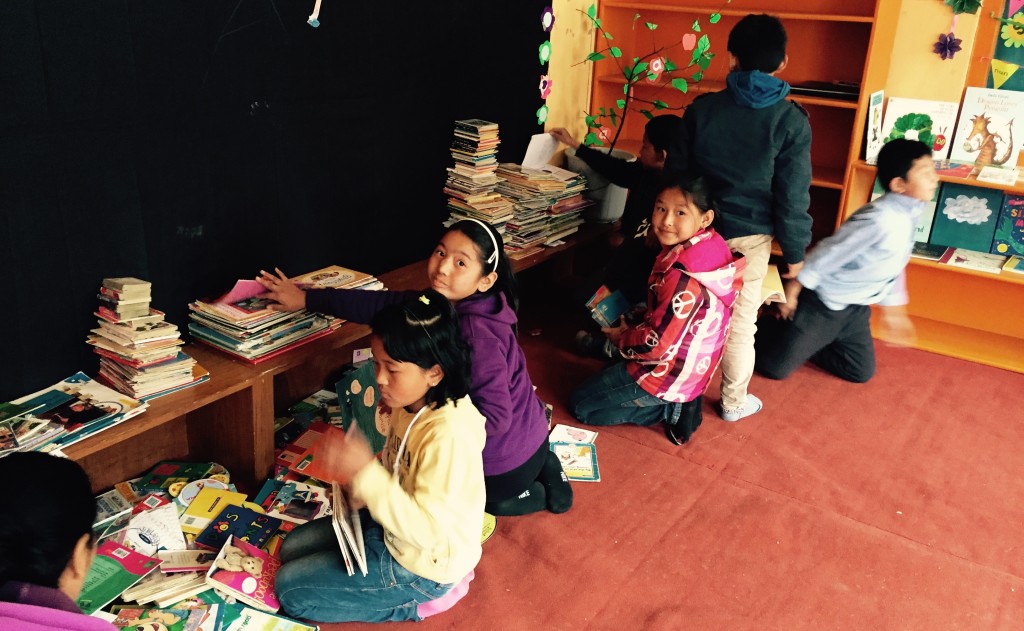
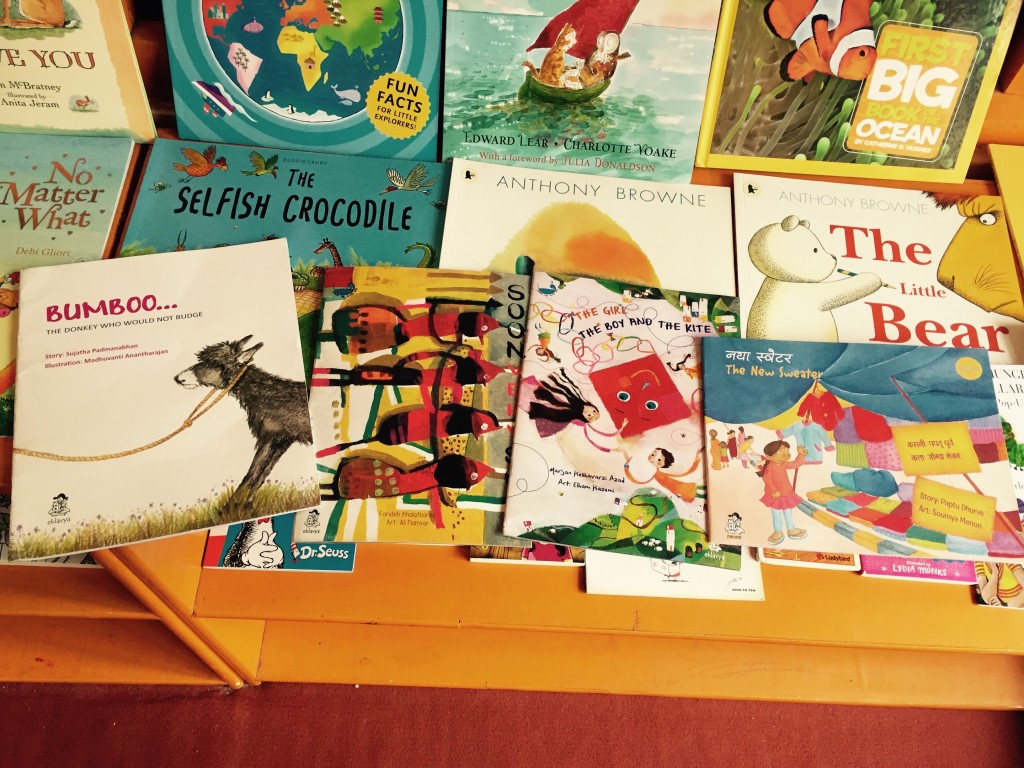
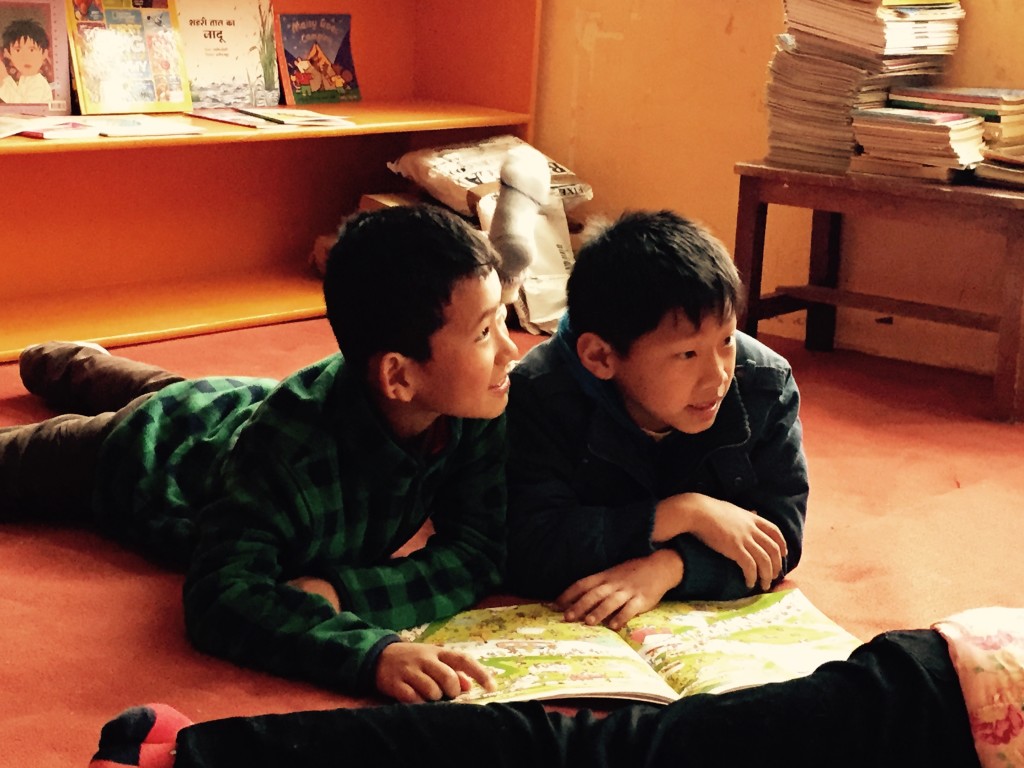
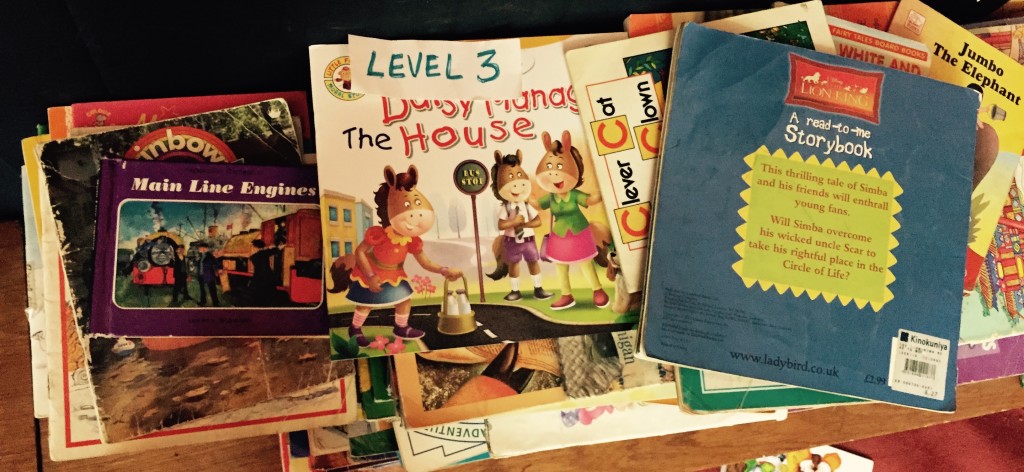
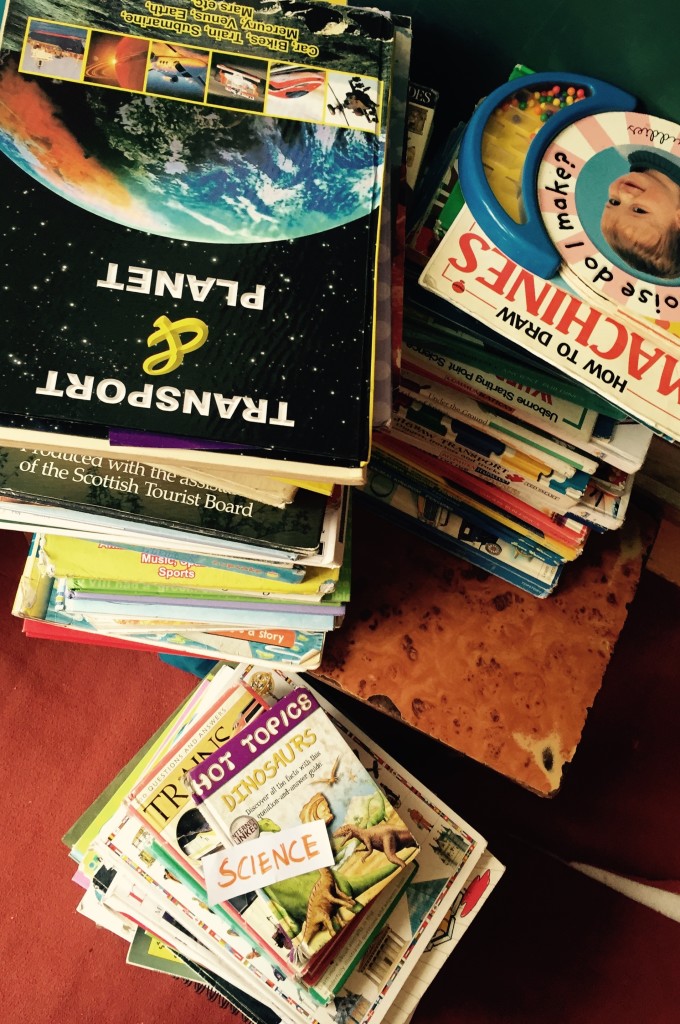
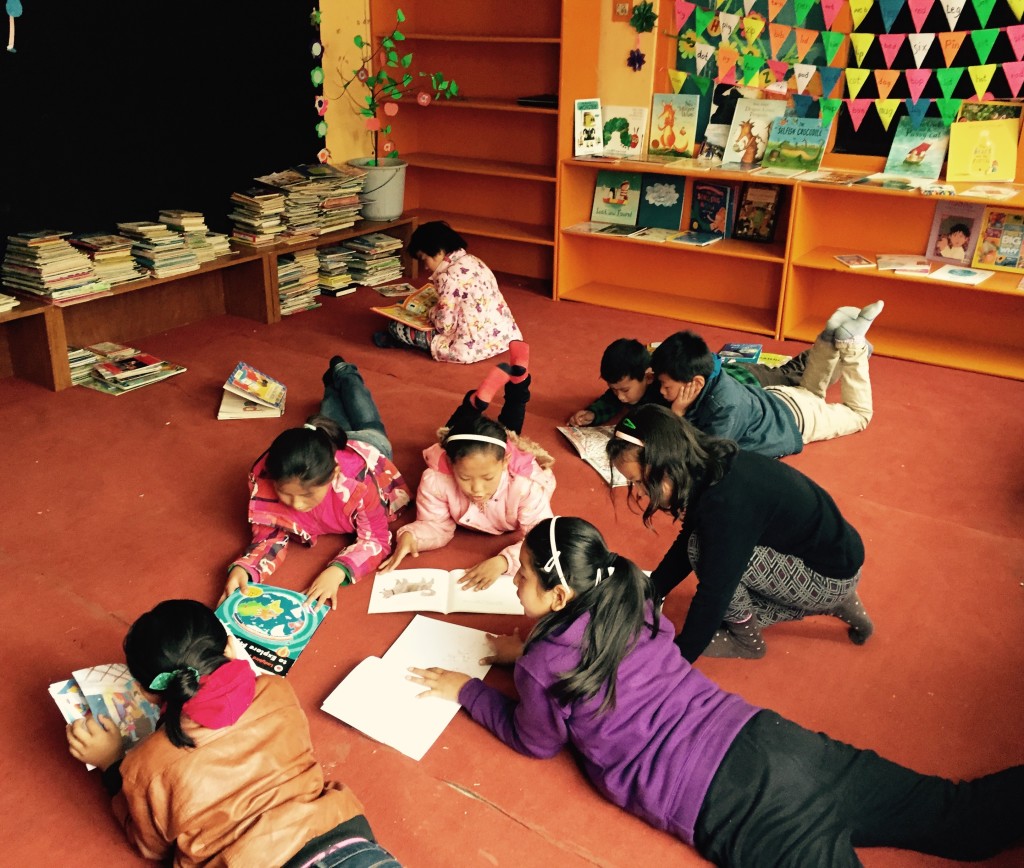
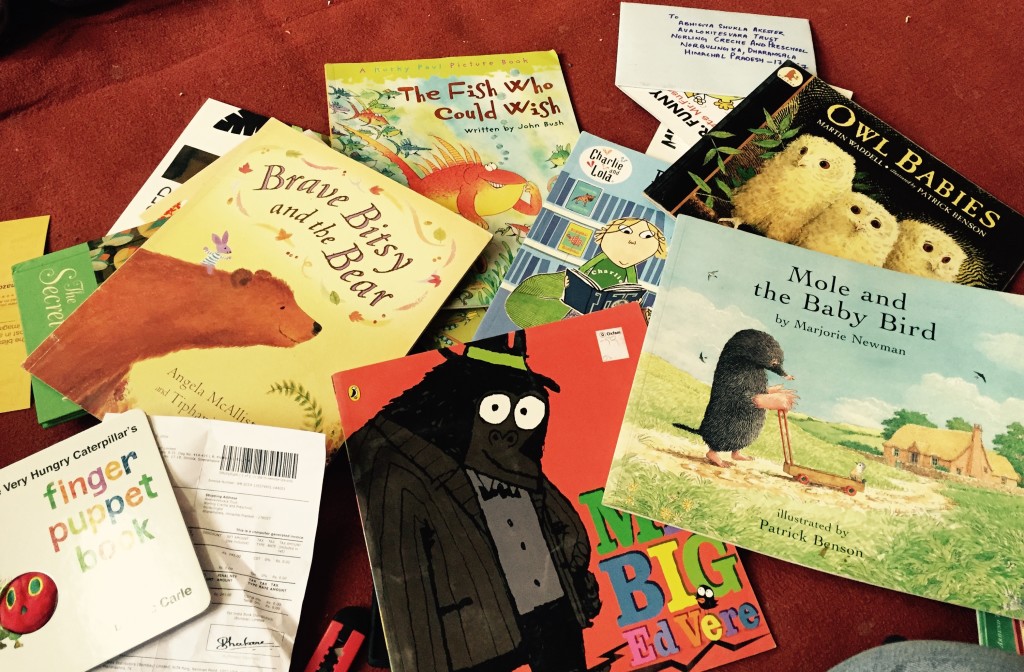
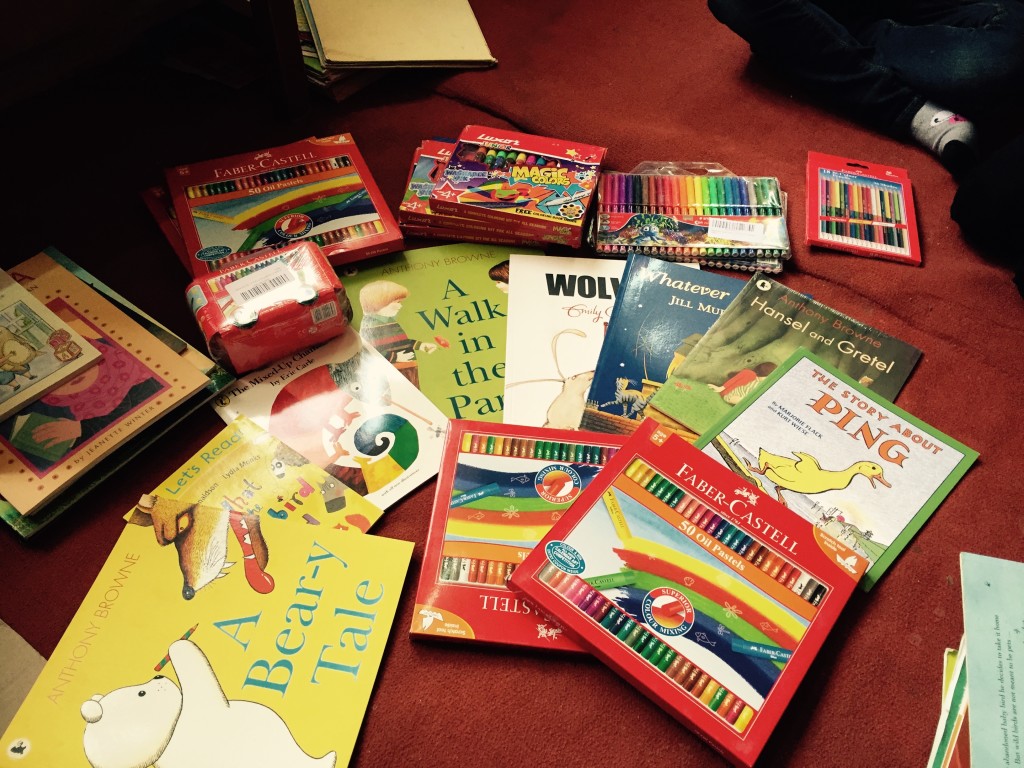
This work sits alongside reading rooms, book drives and other educational activities in Ladakh and neighbouring communities. Music is not treated as a performance test or a luxury added after academic work. It is part of a broader approach to literacy, confidence, imagination and emotional wellbeing.
For supporters in Australia, the value of this programme may feel familiar. Australian schools and community organisations increasingly recognise music, art and drama as useful tools for student wellbeing. The difference is that these activities take place within Himalayan communities, where local culture, monastic life, geography and access to learning materials shape every session.
When feelings arrive before language
Young children often experience emotions physically before they can name them. Anxiety may appear as restlessness, silence or difficulty concentrating. Sadness may look like withdrawal. Excitement can become noisy movement or playful disruption. Asking a child to explain what is wrong may be difficult when the feeling is confusing even to them.
Music gives those sensations a form. Repeating a rhythm can help a child settle their breathing. Singing can release tension through the voice. Changing the speed, volume or pitch of a sound allows children to make emotional choices without having to find precise words.
This is especially valuable for children who speak more than one language or are learning in a language different from the one used at home. A musical response does not depend on advanced vocabulary. A child can choose a fast beat, a low note or a repeated pattern and still communicate something meaningful.
Building emotional safety through shared rhythm
Group music activities offer a reliable structure. A session might begin with a familiar welcome song, move into rhythm games and finish with a quiet listening exercise. Predictable routines help children understand what will happen next, which can make participation feel safer for those who are cautious or unsettled.
Playing together also teaches children that their contribution matters. A child who is hesitant to speak may still keep a steady beat for the group. Another may invent a melody, while a third listens carefully and joins at the right moment. These small acts develop attention, cooperation and trust.
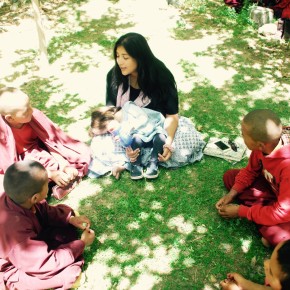
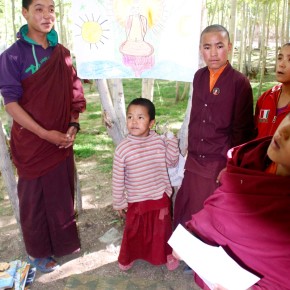
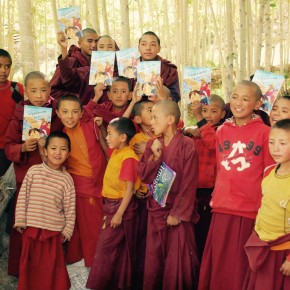
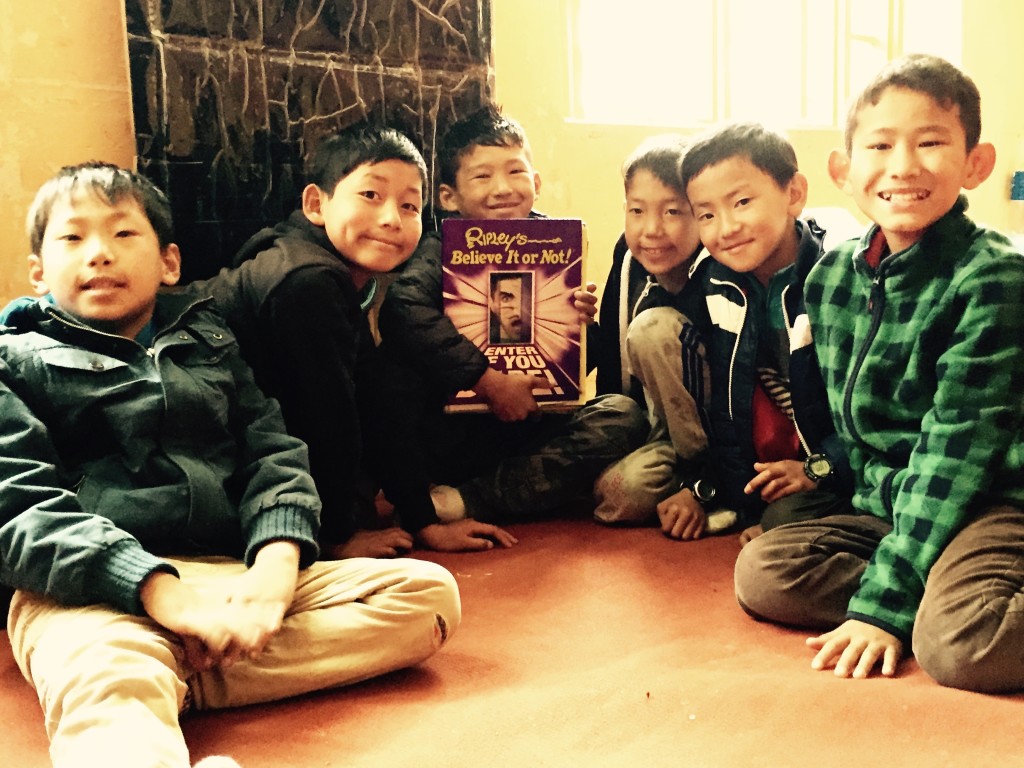
In a community setting, shared rhythm can cross differences in age, confidence and experience. Young monks and local children may have different daily routines, yet a simple call-and-response song gives everyone an equal starting point. The emphasis is on listening and responding rather than competing.
Making space for cultural identity
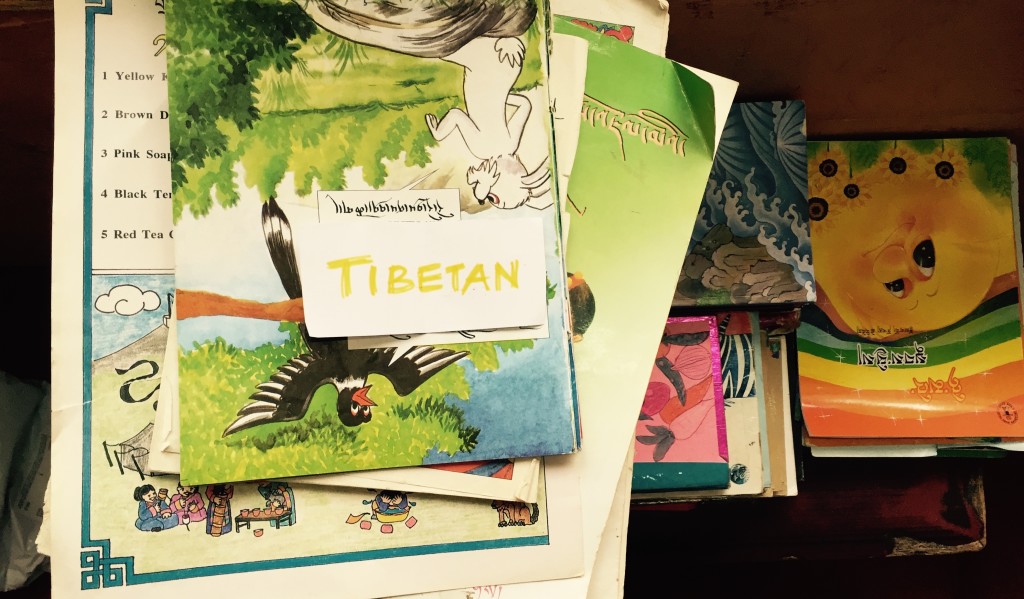
Music carries memory. Local songs, chants, instruments and stories can help children connect learning with their families and surroundings. In Ladakh, an activity may draw on regional sounds, seasonal celebrations or the musical traditions associated with Himalayan Buddhist communities. Such choices make the programme feel rooted rather than imported.
Cultural sensitivity is important when creative activities involve children and young monks. The purpose is not to replace local traditions with a standardised teaching model. It is to create opportunities for children to explore familiar forms, experiment with new sounds and decide how they wish to express themselves.
This approach can strengthen identity while supporting emotional expression. A child might adapt a known melody to describe a journey, create a rhythm inspired by daily life or combine a traditional sound with a contemporary song. Their creativity becomes a bridge between personal experience and community culture.
From private emotion to creative confidence
A music programme does not require children to disclose personal experiences publicly. They can communicate indirectly through stories, soundscapes and imaginary characters. A group might compose music for a story about a mountain journey, giving each section a different mood. Children can then explore fear, courage or relief through the characters rather than speaking about themselves.
Over time, this indirect expression can build emotional vocabulary. Children begin to recognise that sounds can be soft, tense, joyful, unsettled or calm. They may later use those ideas in conversation, drawing, writing or reading. Music therefore supports language development without turning every creative activity into a formal lesson.
The benefits can also be observed in everyday behaviour. A child who gains confidence during a rhythm exercise may become more willing to read aloud in a reading room. Another may learn to wait for a turn, listen to peers or recover after making a mistake. These are practical forms of emotional resilience.
For families and supporters in Australia, this reflects familiar habits around community music. A school concert in Melbourne, a weekend choir in Adelaide or a local music class in Brisbane can give children a structured way to participate and belong. The programme’s Himalayan context is different, yet the underlying principle is shared: creative activity can make social and emotional learning feel engaging rather than clinical.
Connecting Australian support with Himalayan learning
Many Australians understand the value of accessible community programmes because everyday life often includes libraries, school holiday activities, public arts events and local sports clubs. In Sydney, Perth or regional towns, families may rely on council facilities and school networks for affordable enrichment. In remote Himalayan communities, access to books, instruments and organised creative learning can be far more limited.
The Australian charity environment also places importance on transparency, child safety and responsible fundraising. Organisations supporting overseas programmes need to consider Australian Charities and Not-for-profits Commission expectations, privacy responsibilities and safeguards for children. Clear records, appropriate consent for photographs and careful communication help ensure that children are represented with dignity.
The local market matters as well. Buying instruments in Australia can involve GST, shipping costs and a wide retail selection, while transporting durable resources to Ladakh may require different planning. Simple percussion instruments, replacement strings, batteries and storage solutions need to be chosen for reliability, repairability and the realities of mountain travel.
Supporters may also have practical routines that shape how they contribute. A book drive at a school in Canberra, a workplace fundraiser in Sydney or a community concert in Hobart can connect local participation with educational access abroad. The strongest support respects the programme’s local leadership and funds resources that children can use consistently.
What children gain from music-based expression
| Area of development |
How music can help |
What adults may observe |
| Emotional awareness |
Sound and movement give feelings a recognisable shape |
Children identify moods through tempo, volume or musical choice |
| Communication |
Rhythm and melody provide alternatives to spoken explanation |
Quieter children participate without pressure to speak first |
| Social connection |
Group songs require listening, turn-taking and cooperation |
Children respond more patiently and confidently to peers |
| Concentration |
Repetition and musical patterns encourage sustained attention |
Children remain engaged for longer during creative or reading activities |
| Cultural identity |
Local songs and stories link learning with community memory |
Children show pride in familiar traditions and confidence in creative adaptation |
| Resilience |
Improvisation makes mistakes part of the learning process |
Children recover more easily when a performance or activity changes |
The programme’s impact should be understood through these small, cumulative changes rather than a single concert or polished recording. A child humming while reading, tapping a rhythm during a group activity or choosing a song to match a feeling may be showing meaningful growth.
Music also gives adults a different way to notice children’s needs. Facilitators can observe who avoids loud sounds, who always chooses the same rhythm or who becomes more relaxed during singing. These observations should be handled carefully and never treated as a diagnosis. They can, however, guide kinder support and encourage adults to offer patience, choice and reassurance.
For children living far from specialist services, this kind of everyday emotional support can be particularly important. A music session cannot solve every difficulty, yet it can create a dependable moment of connection. Alongside books, art materials and caring relationships, it helps make a learning space where children are seen as whole people.
The practical takeaway is simple: when a child cannot yet explain a feeling, offer a safe rhythm, a familiar song or an instrument they can explore, then listen closely to what their music is saying.