How Ladakhi Winter Becomes Reading Season for Our Children
In Ladakh, winter changes the pace of daily life. High mountain passes close, temperatures fall sharply, and many families spend more time close to home. For children and young monks, this quieter season can create a valuable opportunity: time to read, learn, make art, and discover new worlds through books.
Yet access to a warm, welcoming reading space is not equal in every community. Some children have limited libraries, few age-appropriate books, or little opportunity to explore creative activities beyond their regular lessons. A well-stocked reading room can make the long winter months more purposeful and joyful.
Through its work in Ladakh and other Himalayan communities, Avalokiteśvara Trust helps transform winter days into a season of curiosity. Reading rooms, book drives, educational programs, and artistic activities give children resources that support learning throughout the year.
Winter Changes The Rhythm Of Childhood
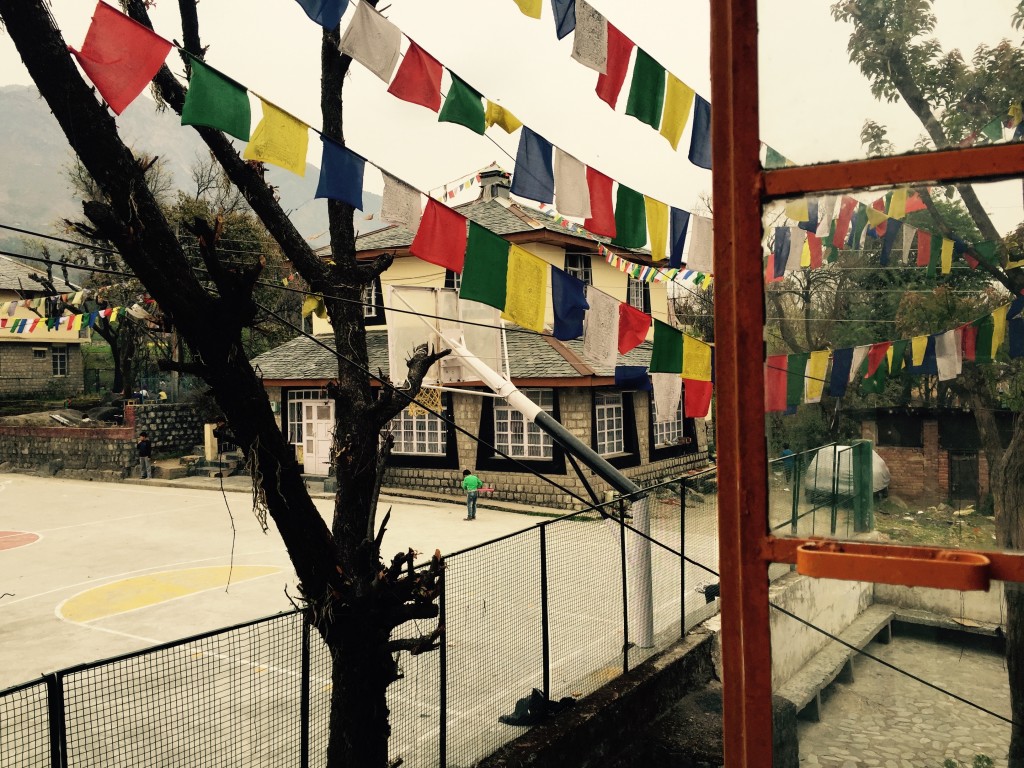
Ladakhi winter is more than a change in weather. In many mountain communities, the season affects travel, schooling, work, and social routines. Snow and icy roads can make movement difficult, while short daylight hours encourage families to remain indoors for longer periods.
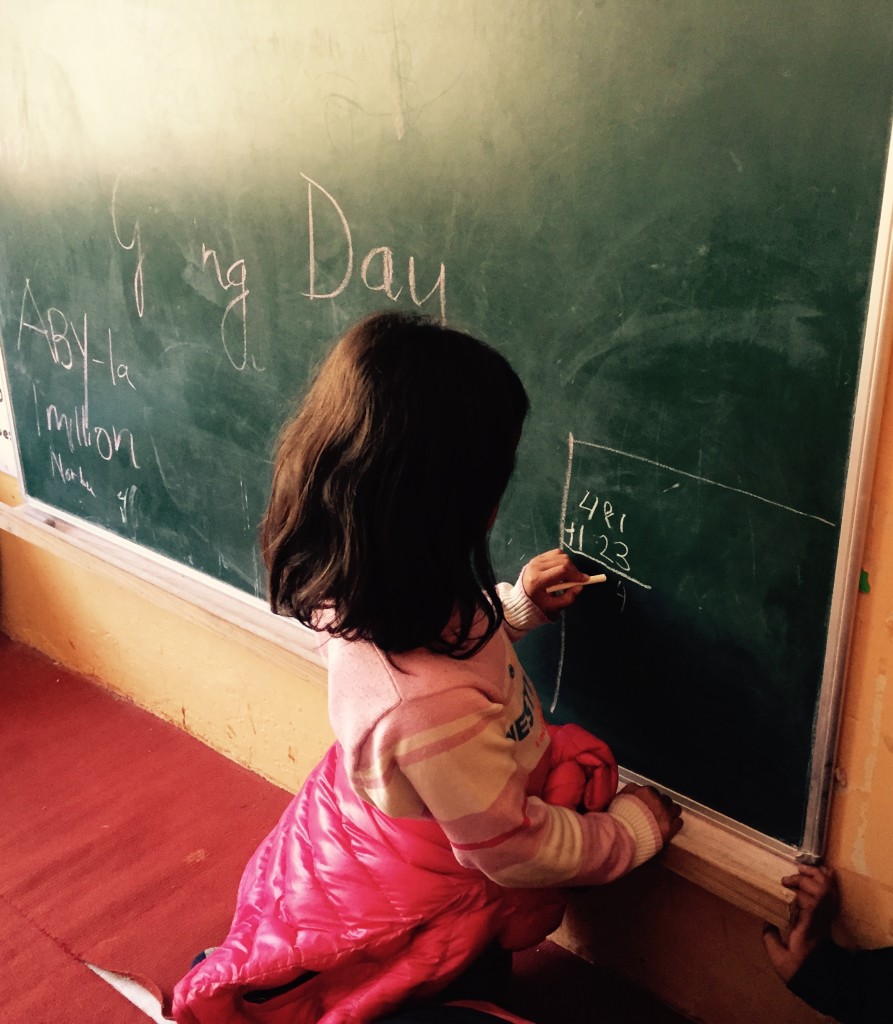
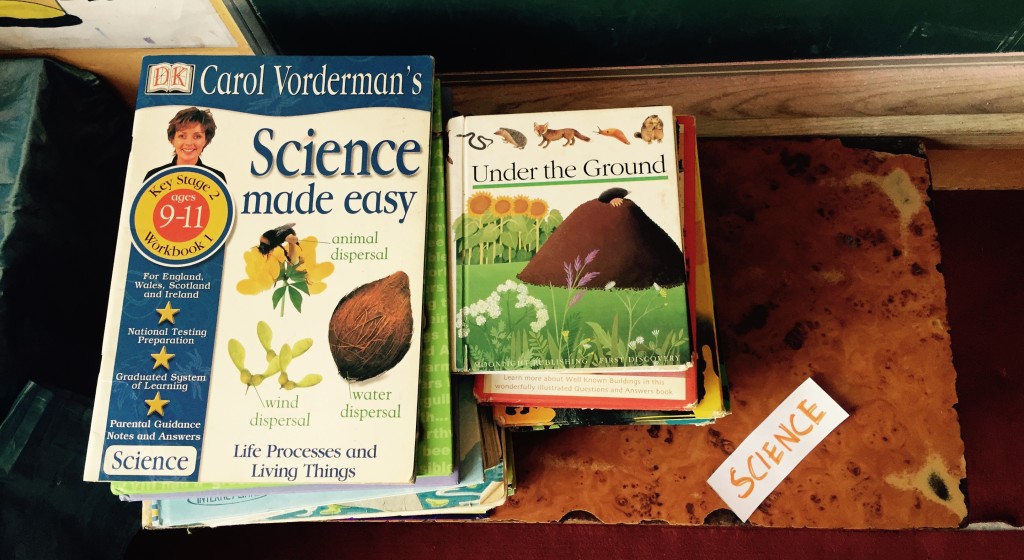
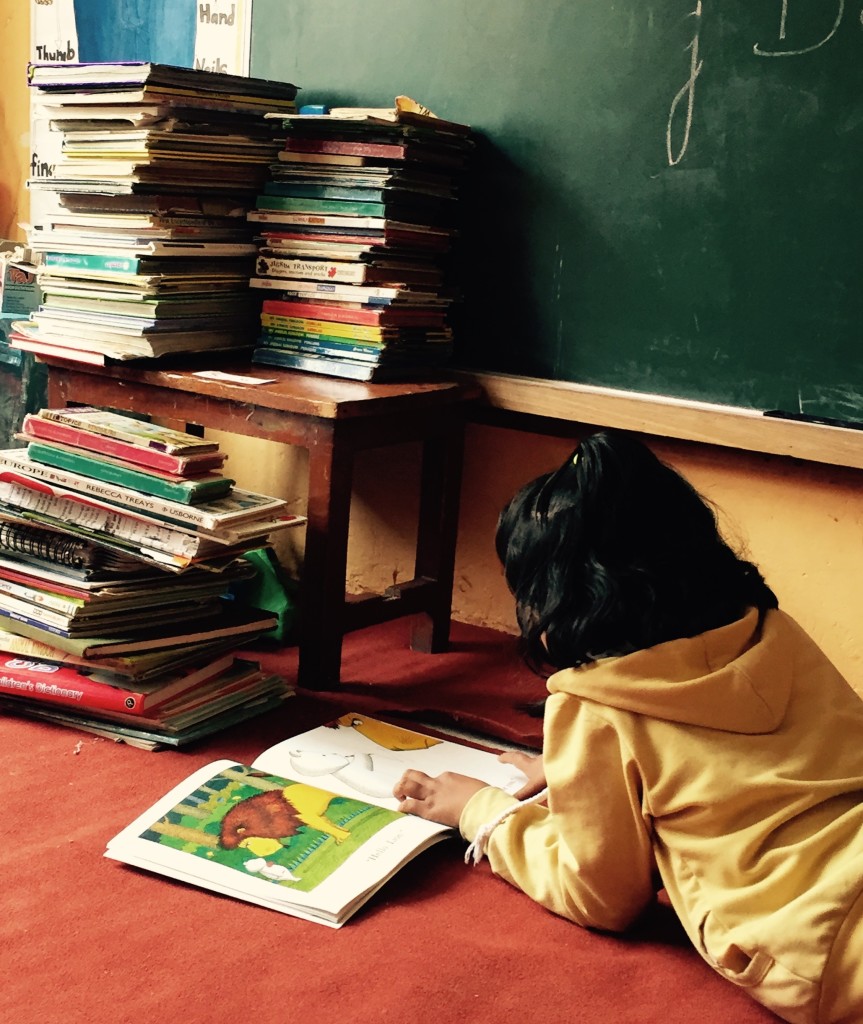
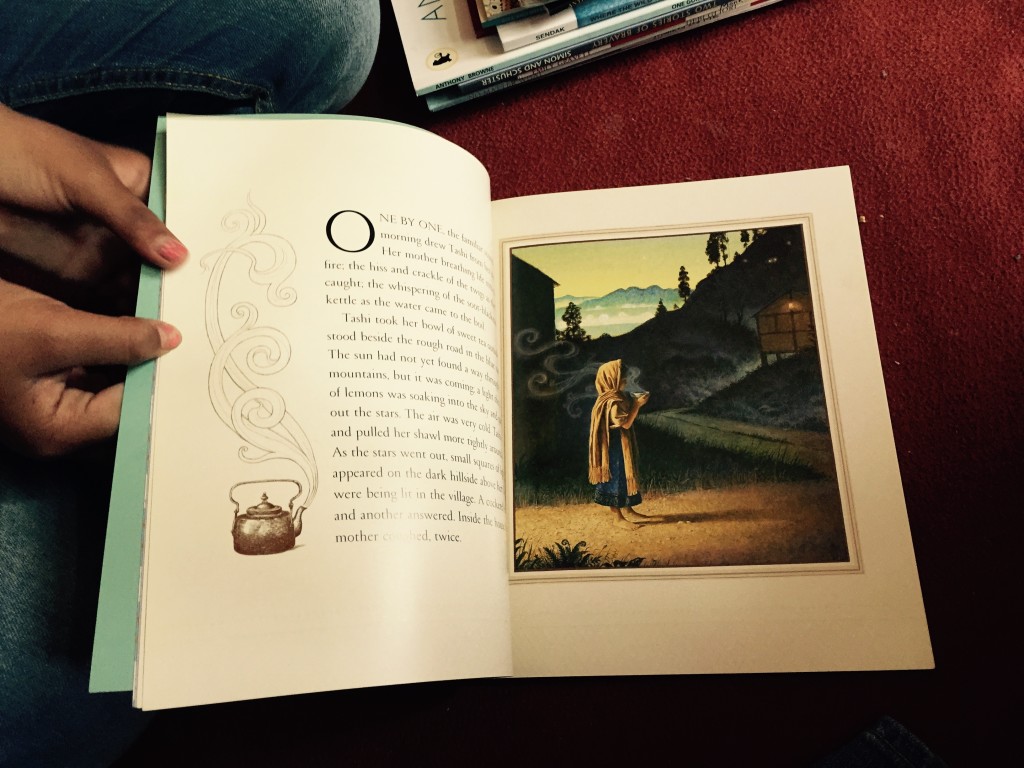
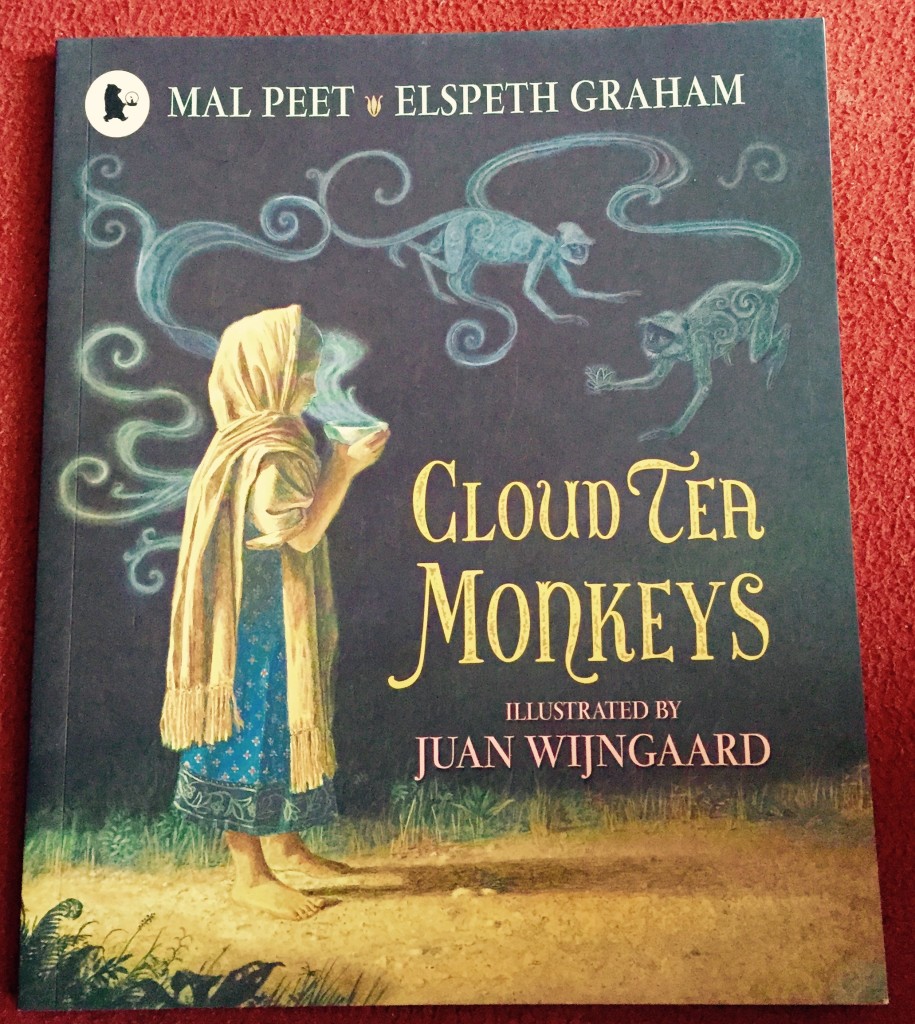
This slower rhythm gives children a chance to focus on activities that require patience and imagination. Reading can become part of the daily routine, whether a child spends twenty minutes with a picture book, follows a story about another culture, or studies an illustrated book about science, animals, or the natural world.
A reading season does not mean every child follows the same schedule. Some children may visit a community reading room after lessons, while young monks may read between monastic studies and daily responsibilities. The important point is that books remain available when outdoor activities are limited.
Warm Rooms Open Wide Worlds
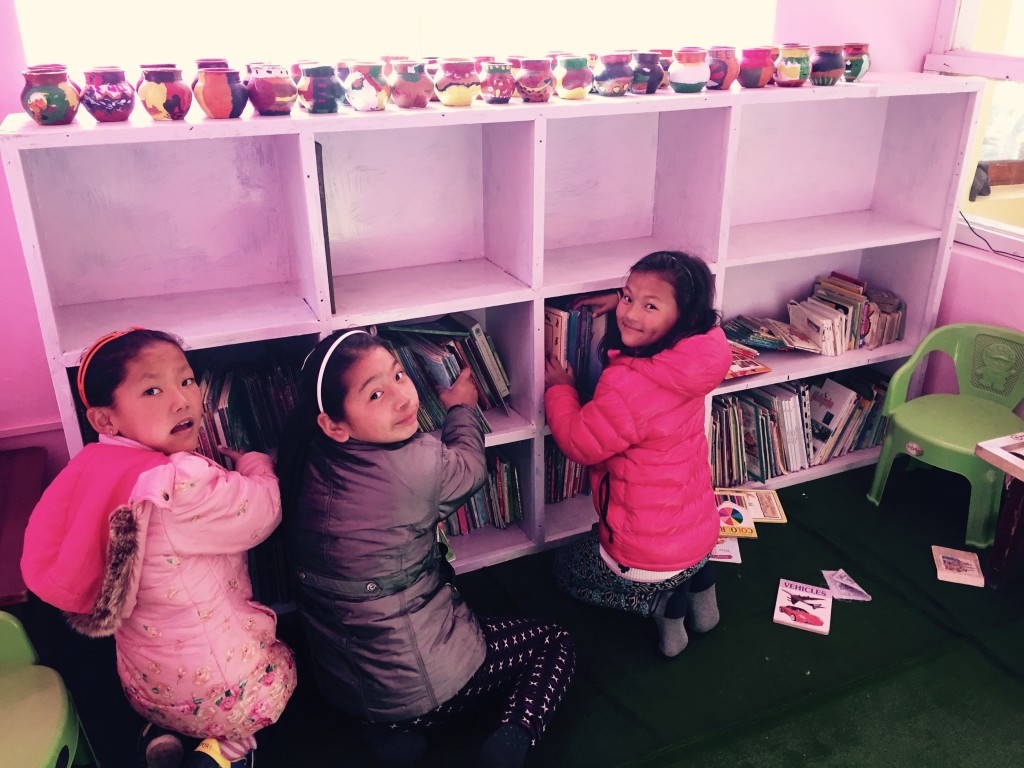
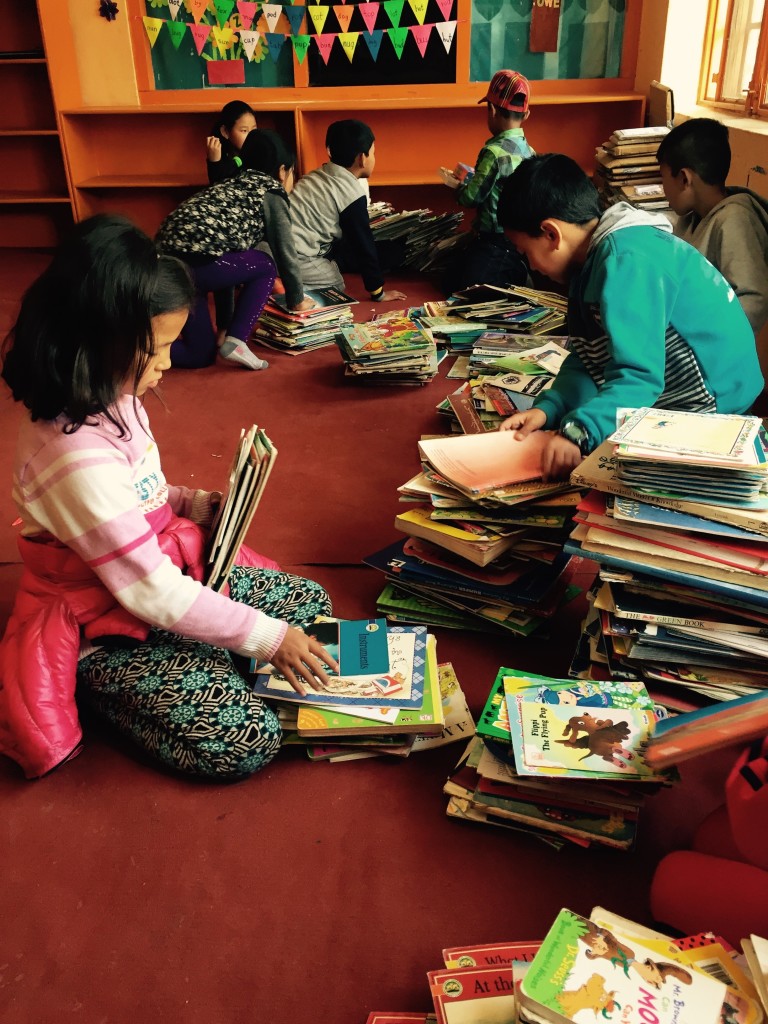
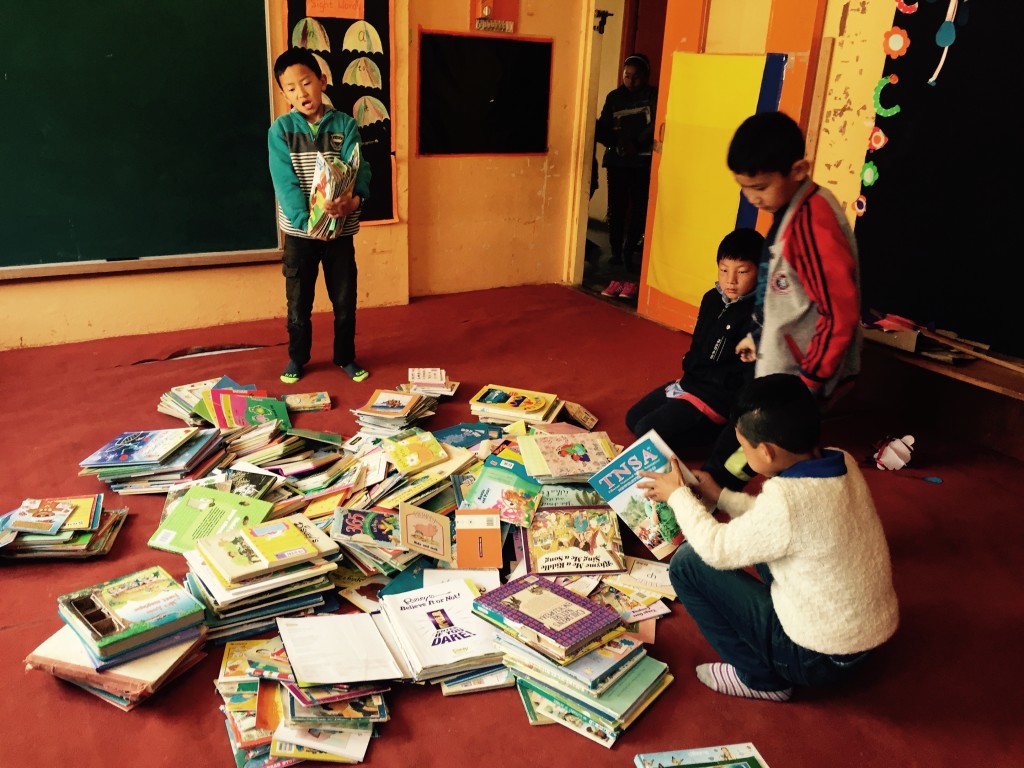
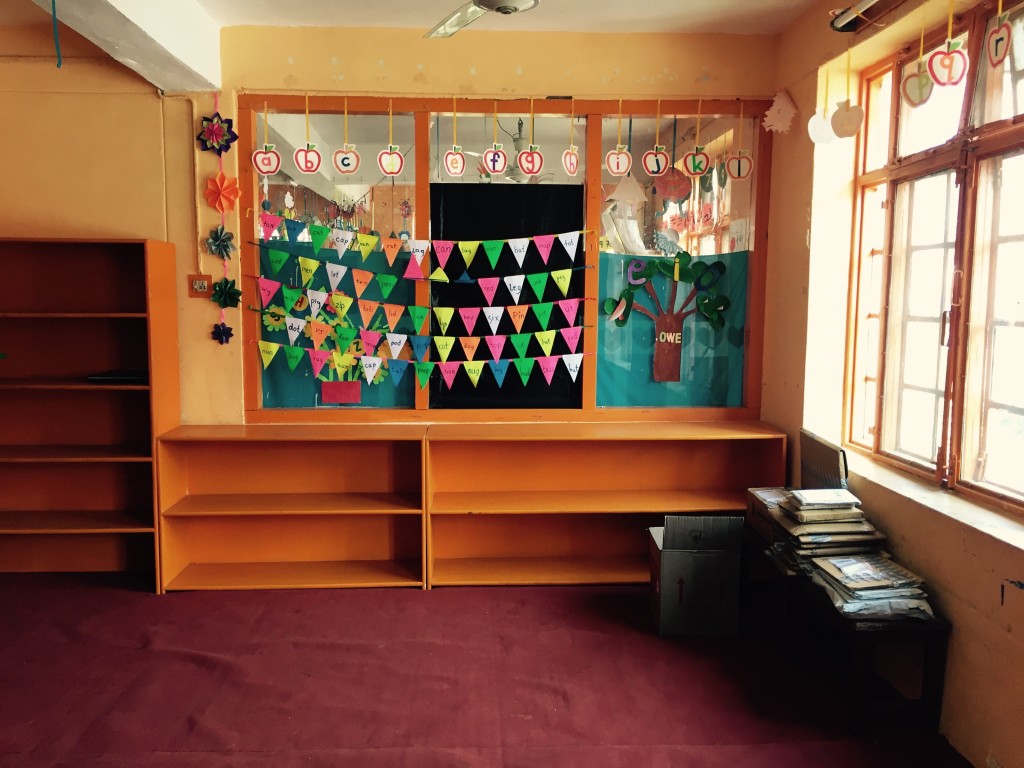
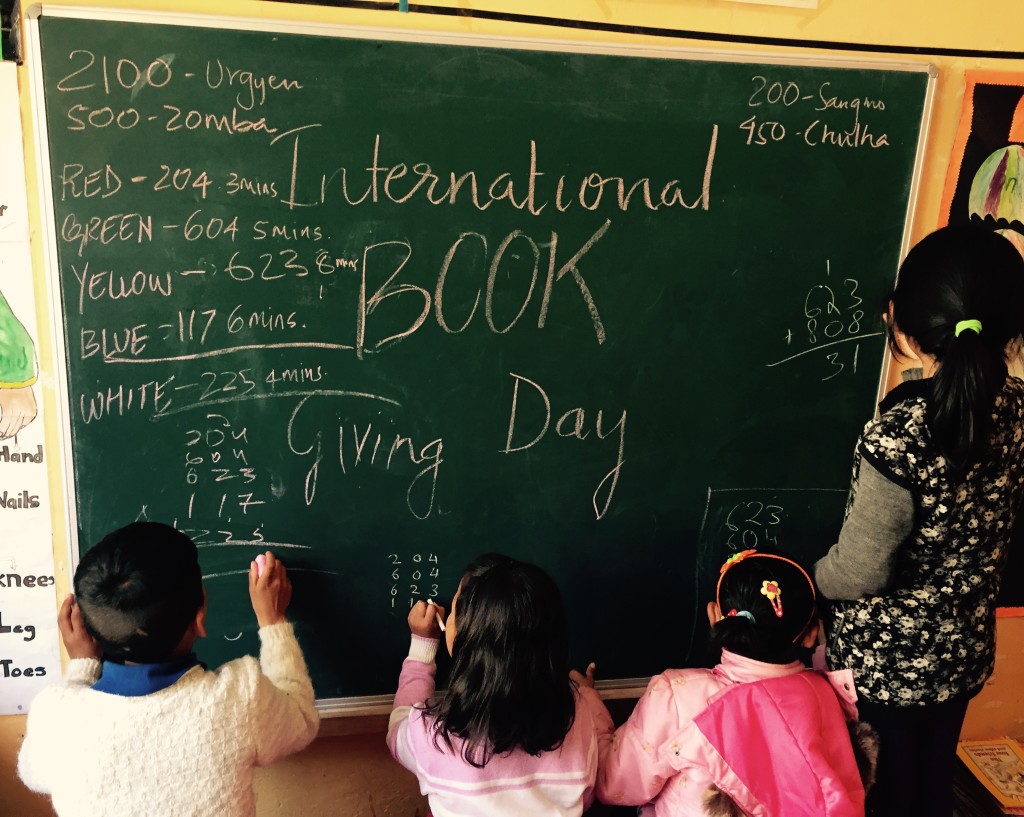
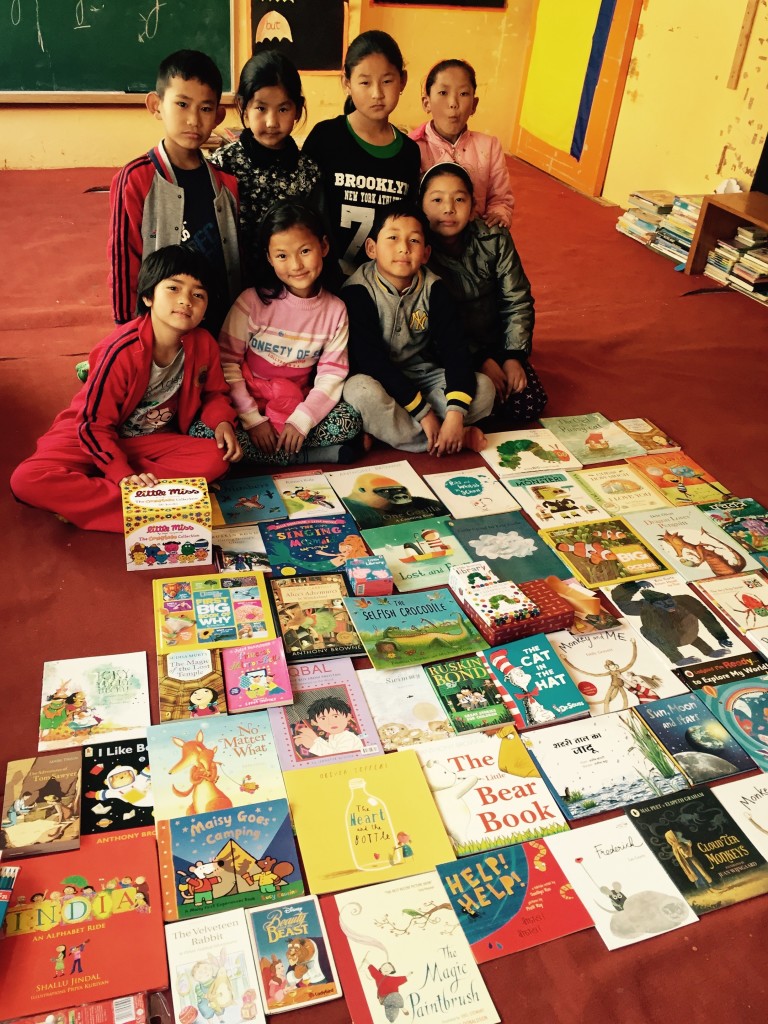
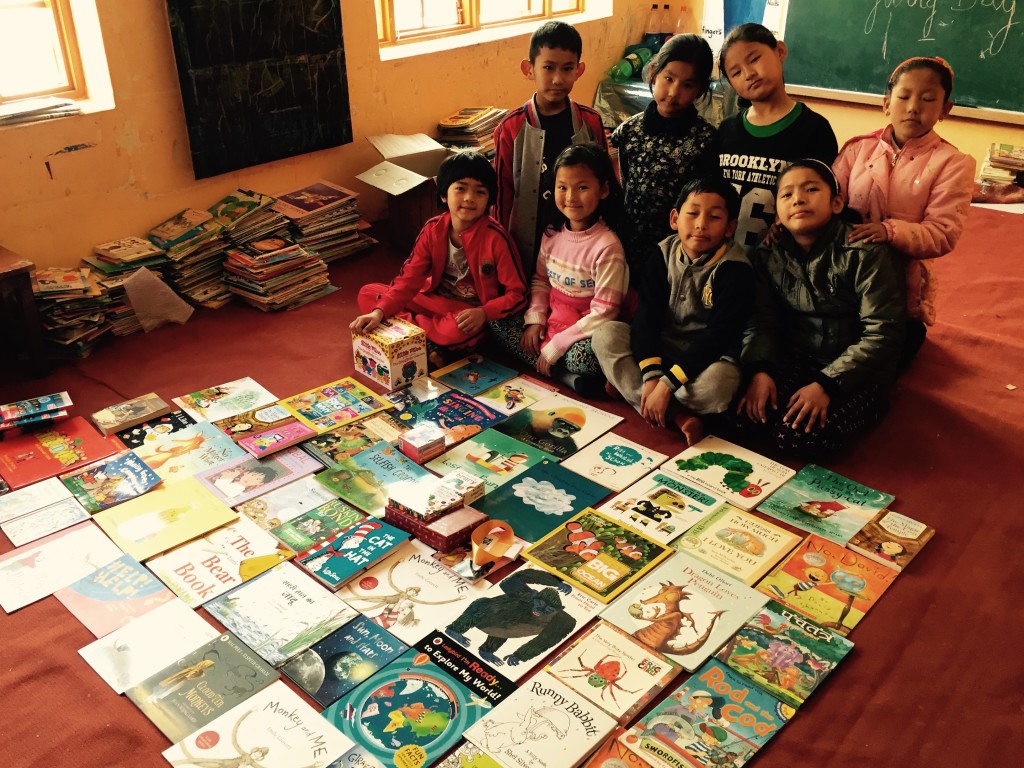
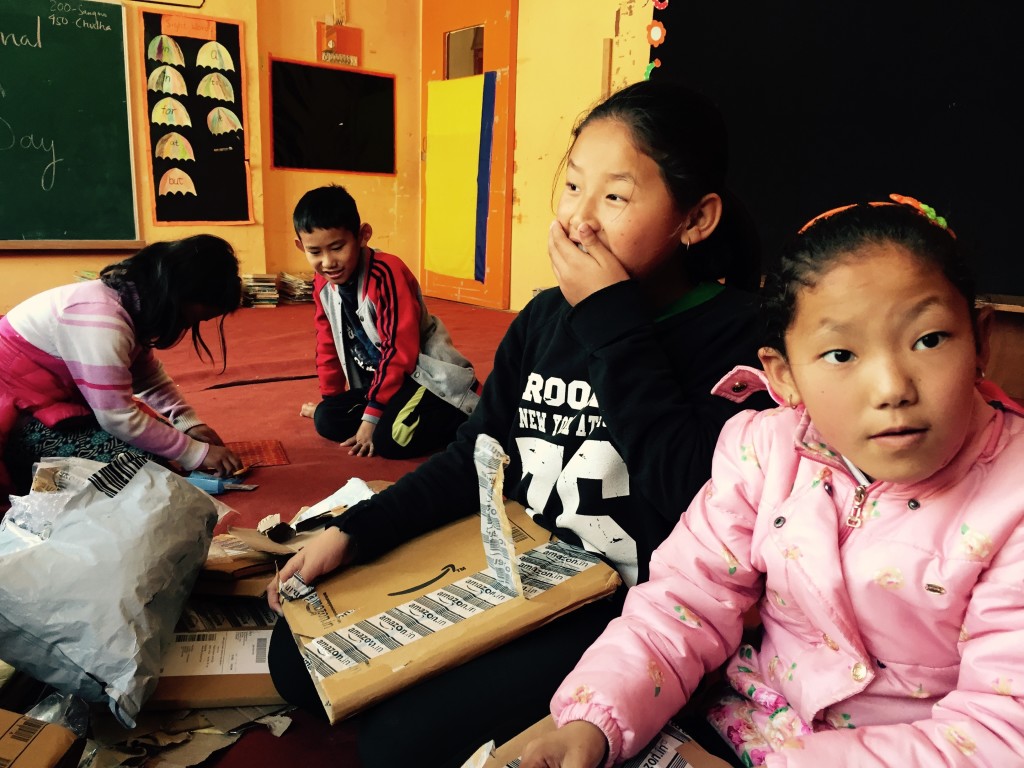
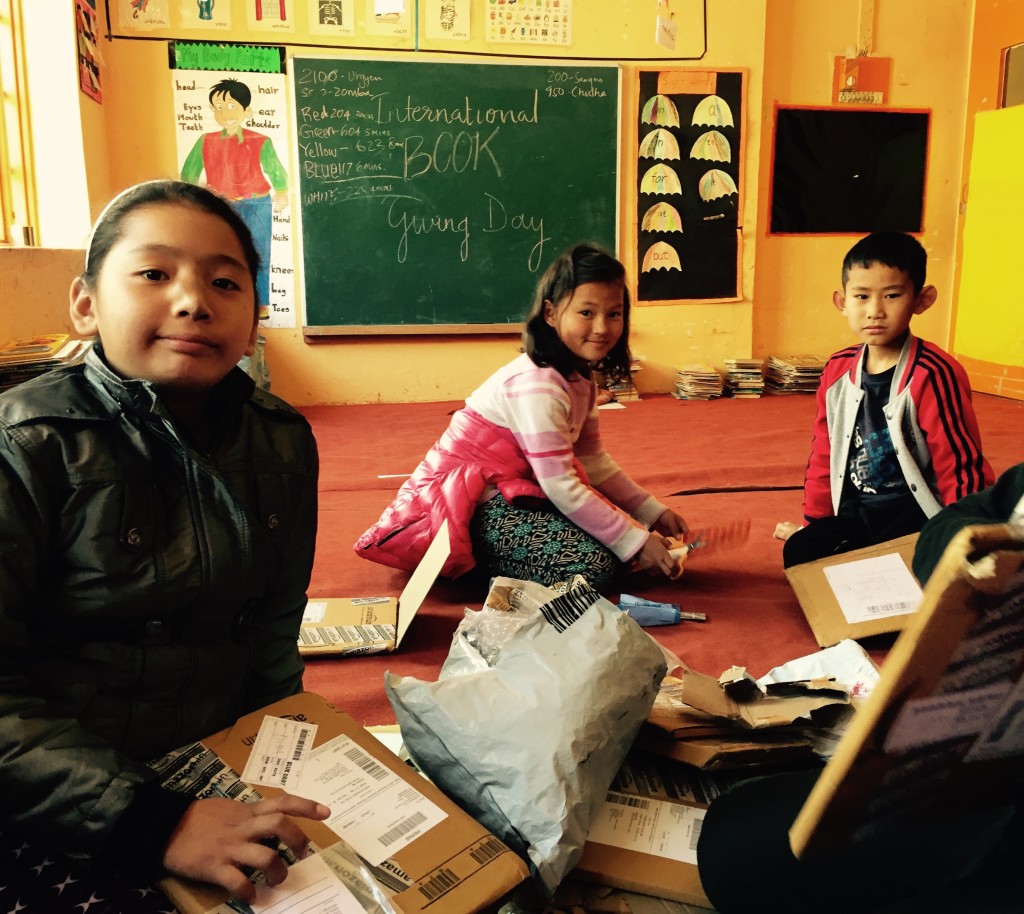
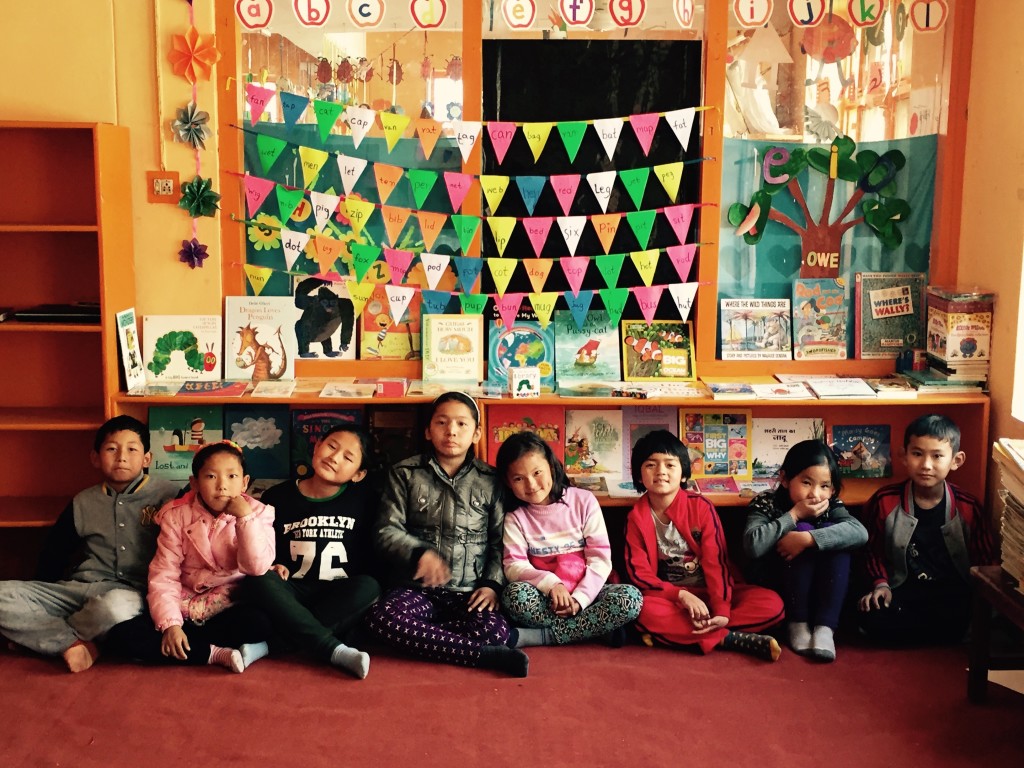
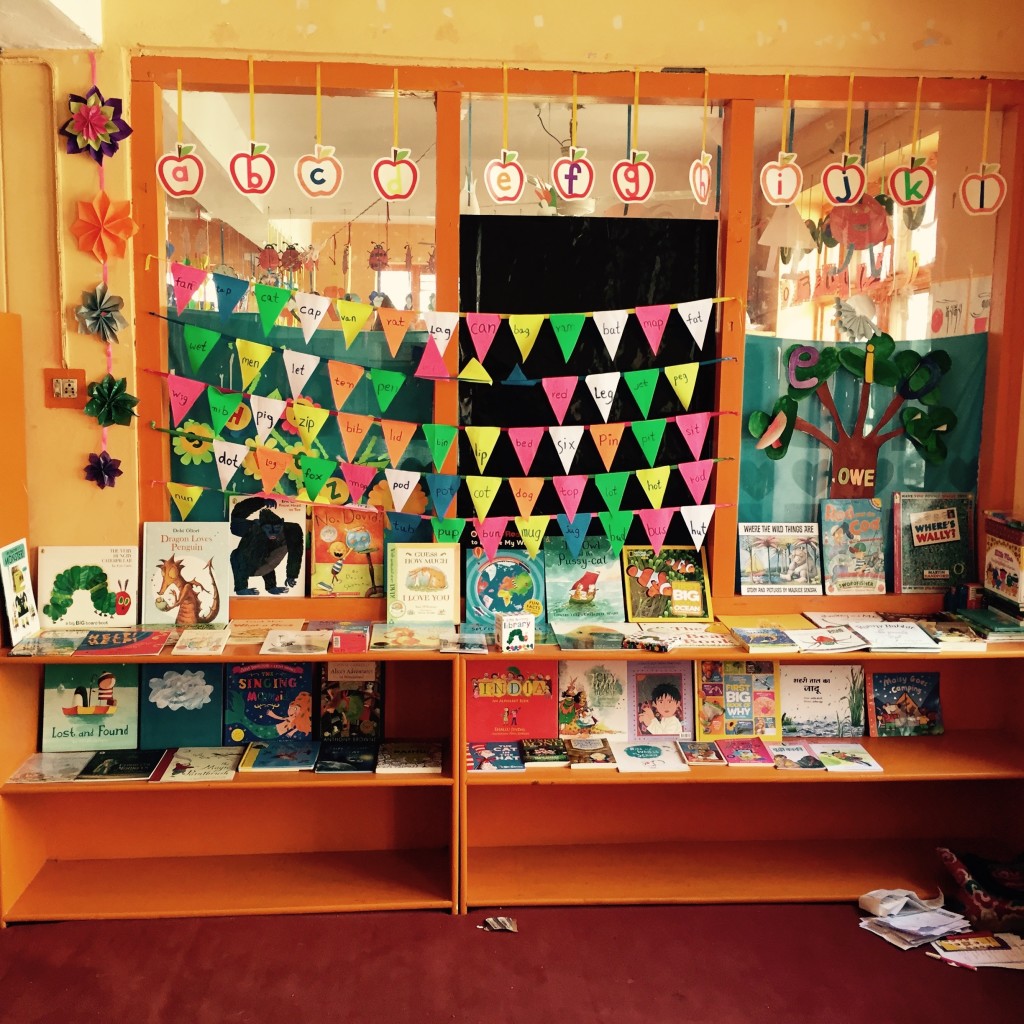
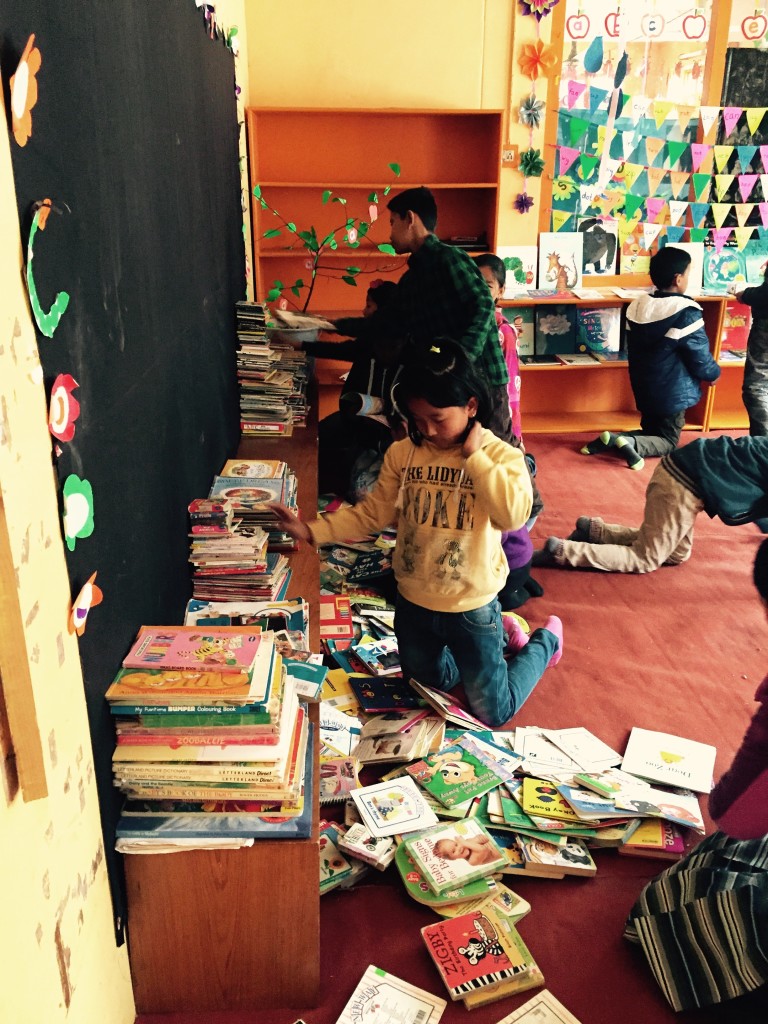
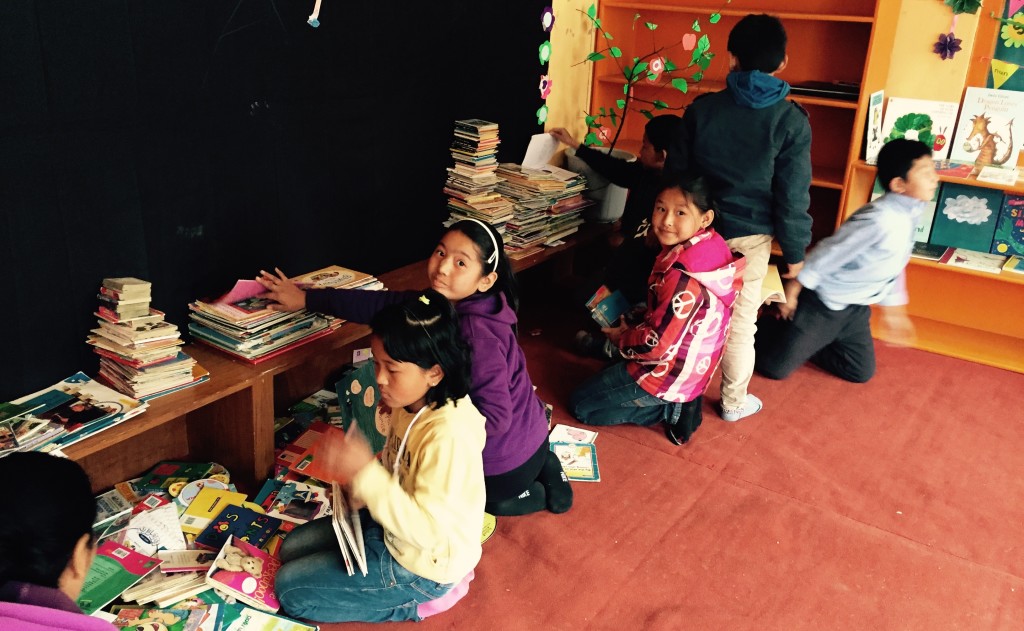
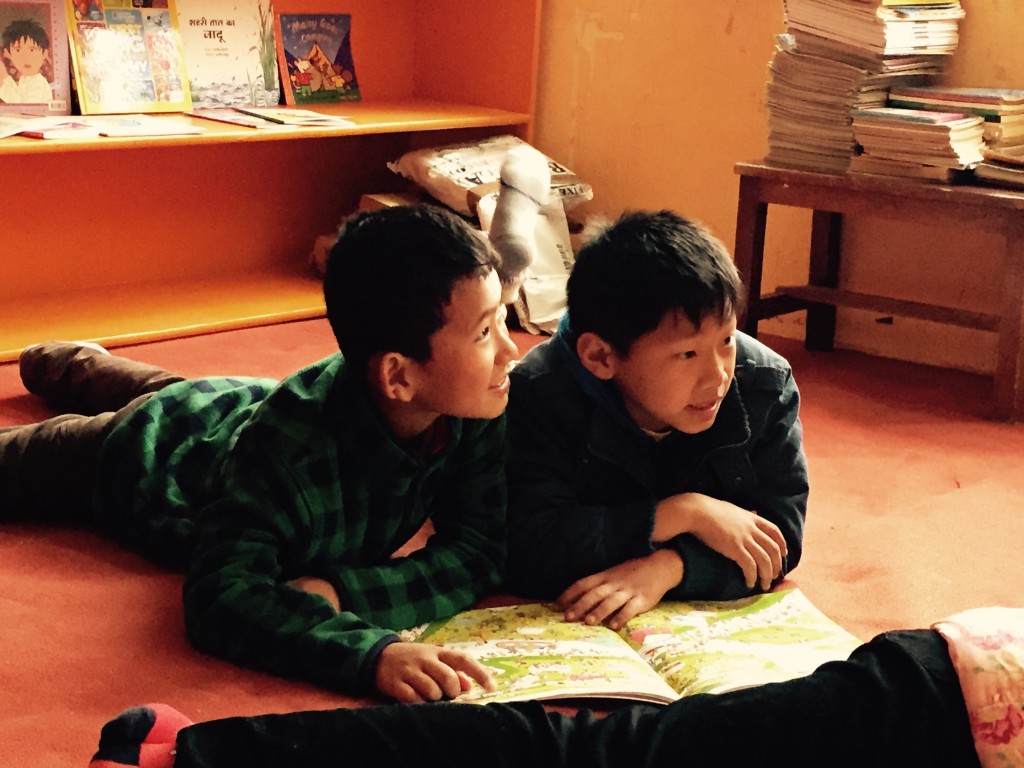
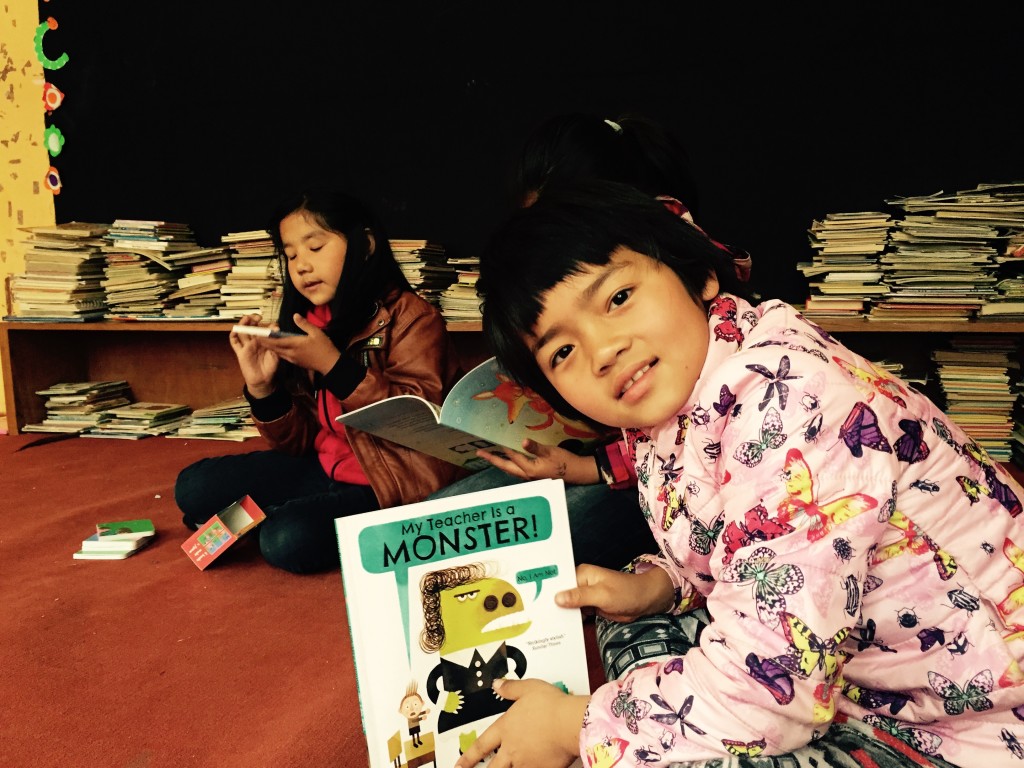
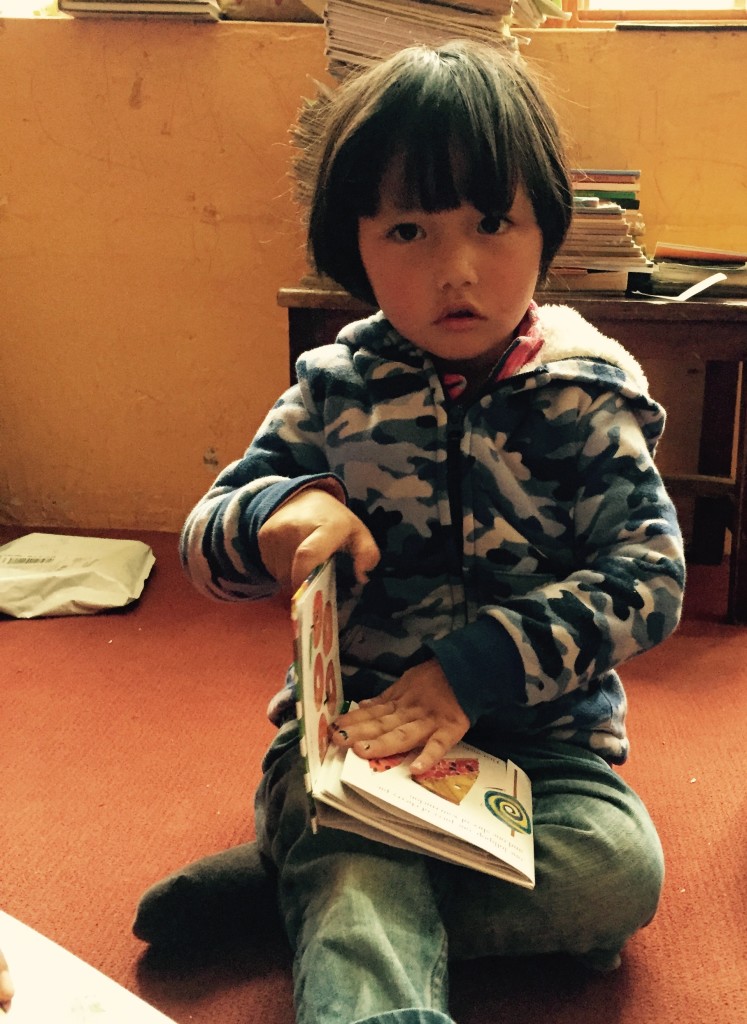
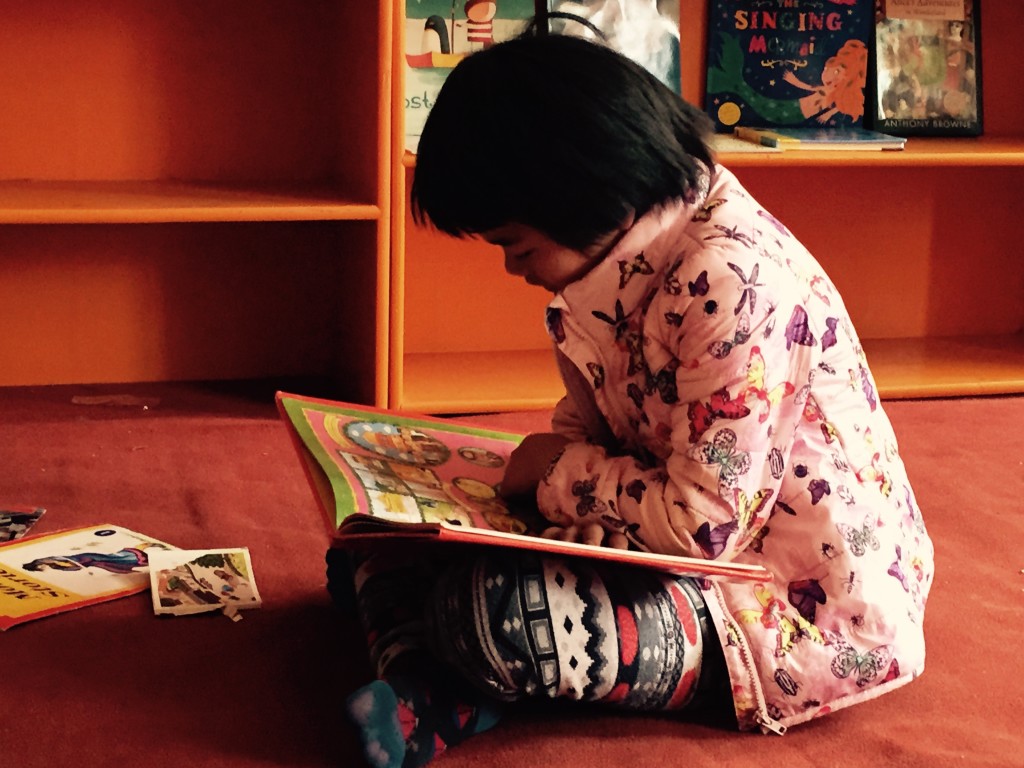
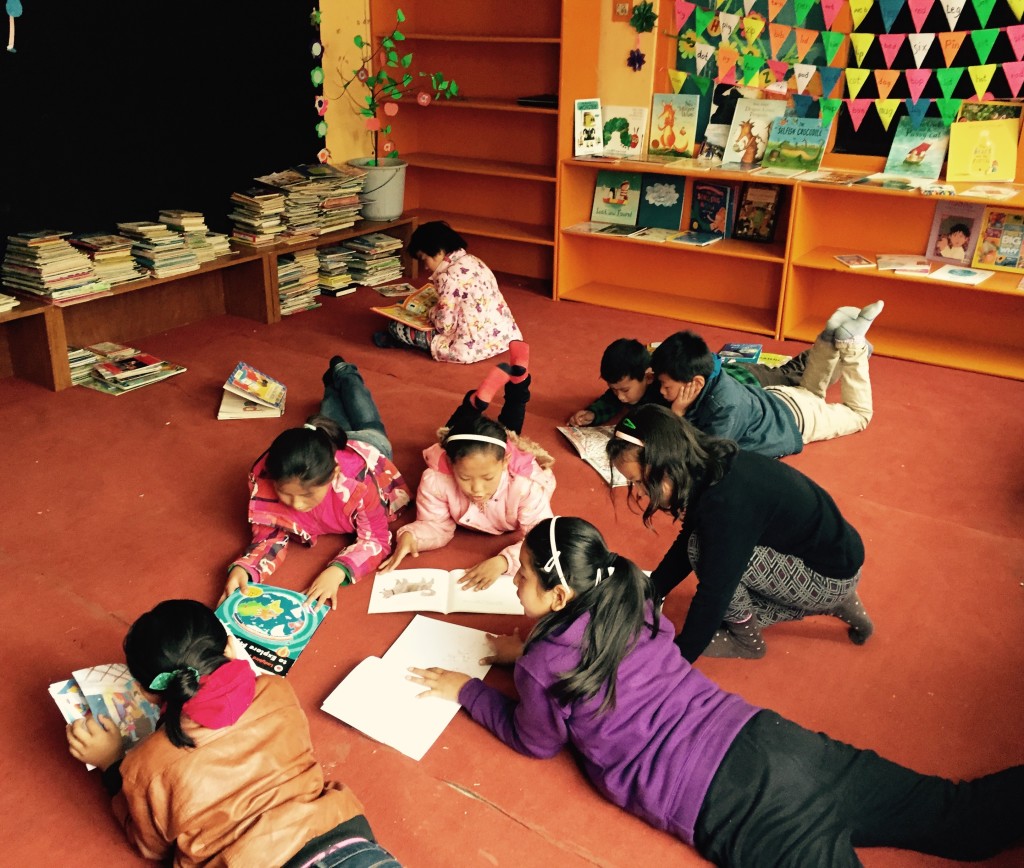
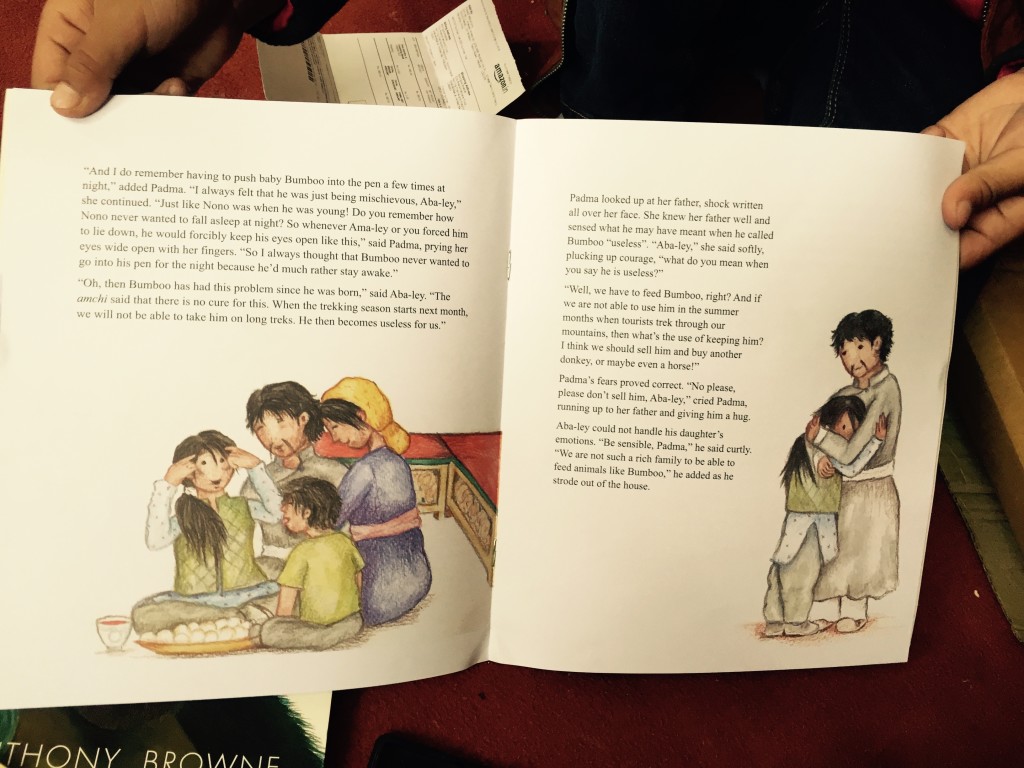
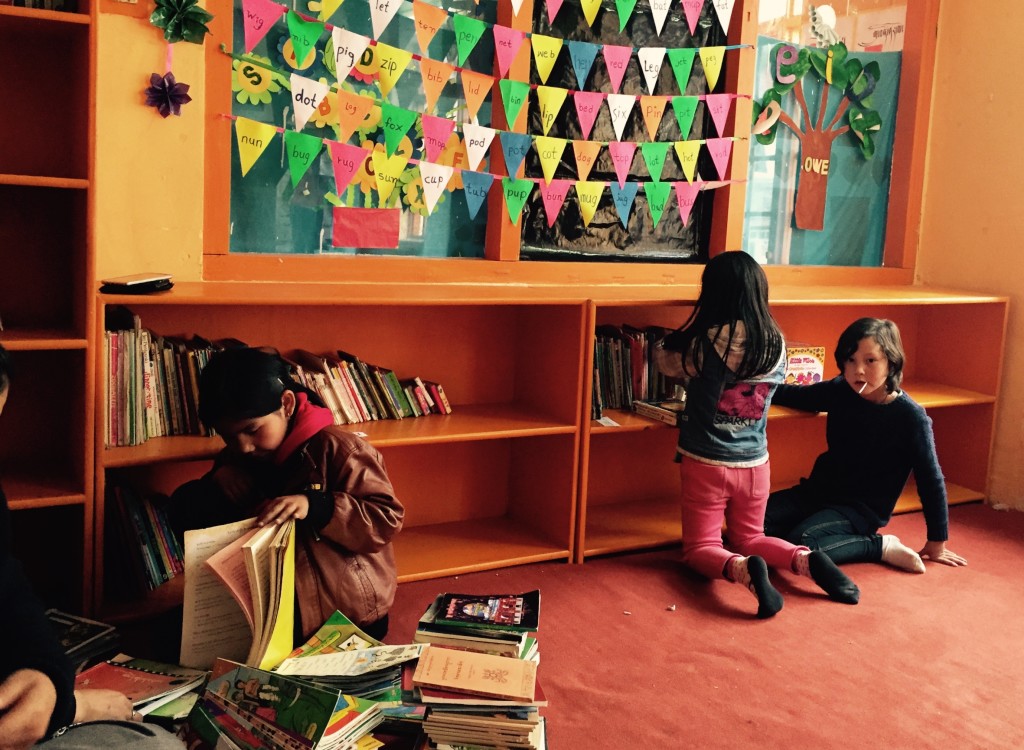
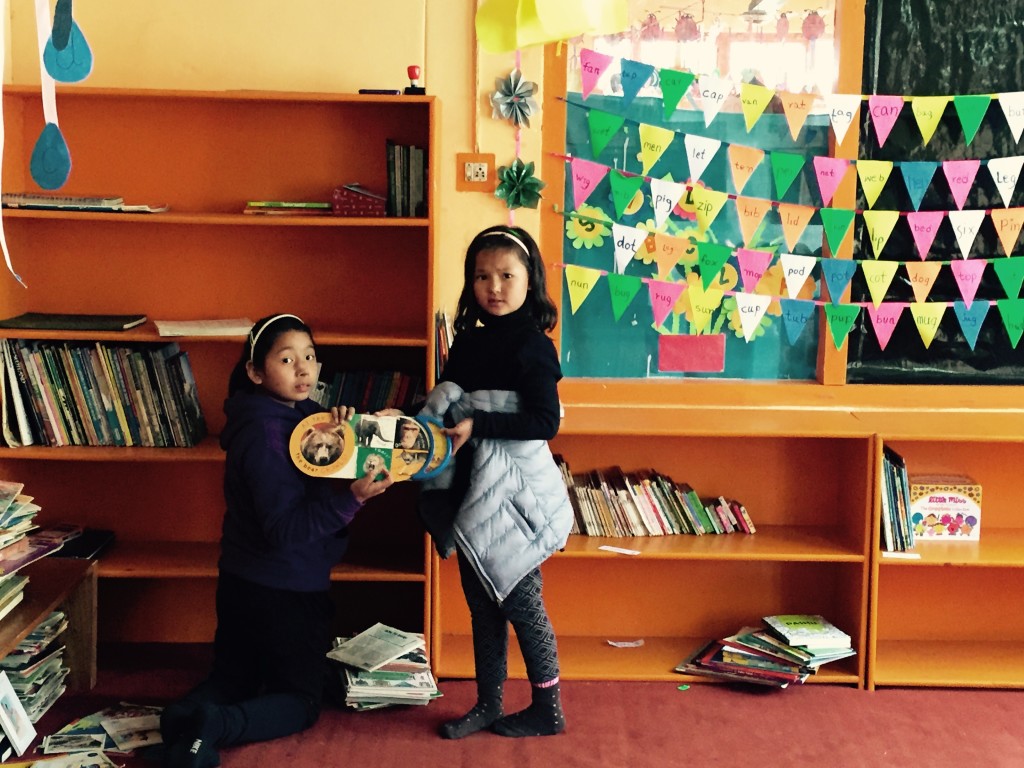
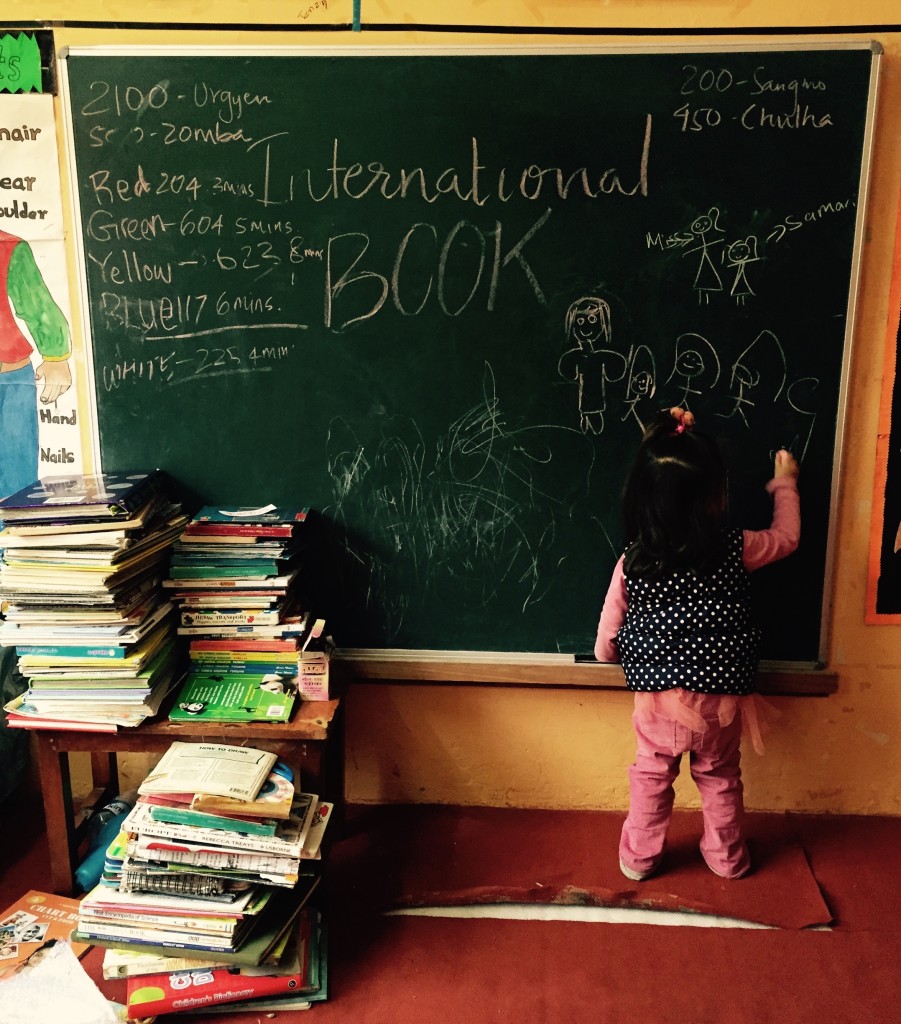
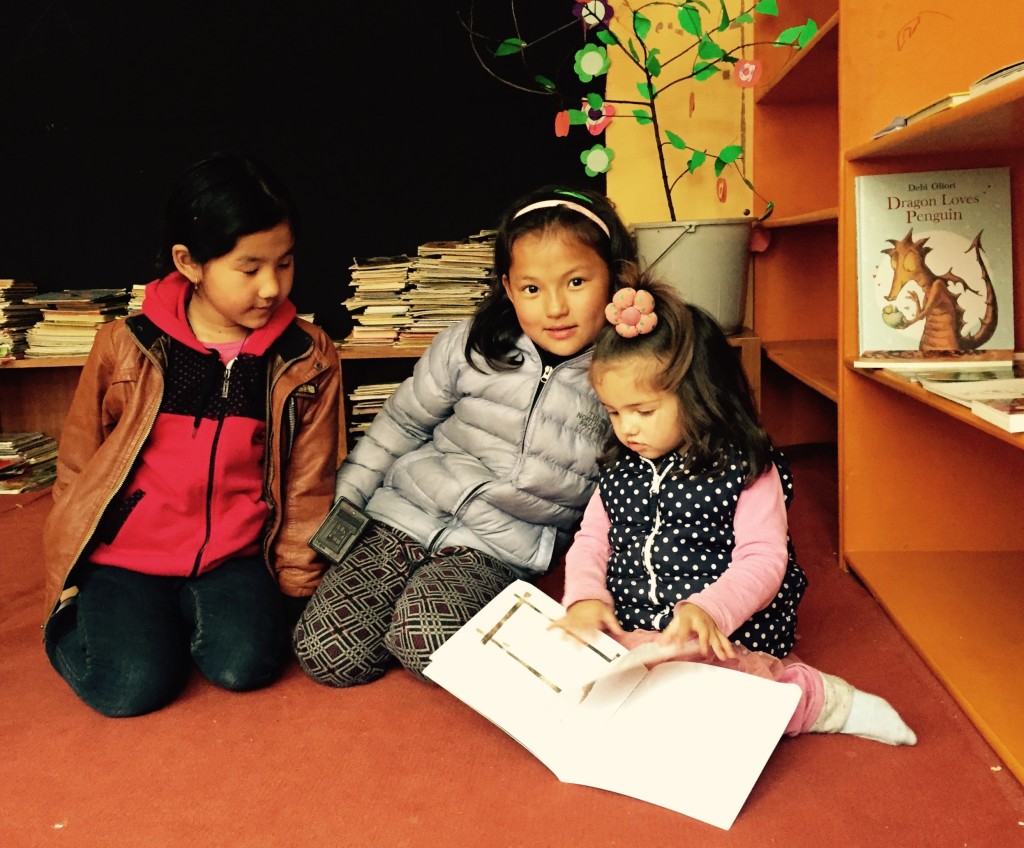
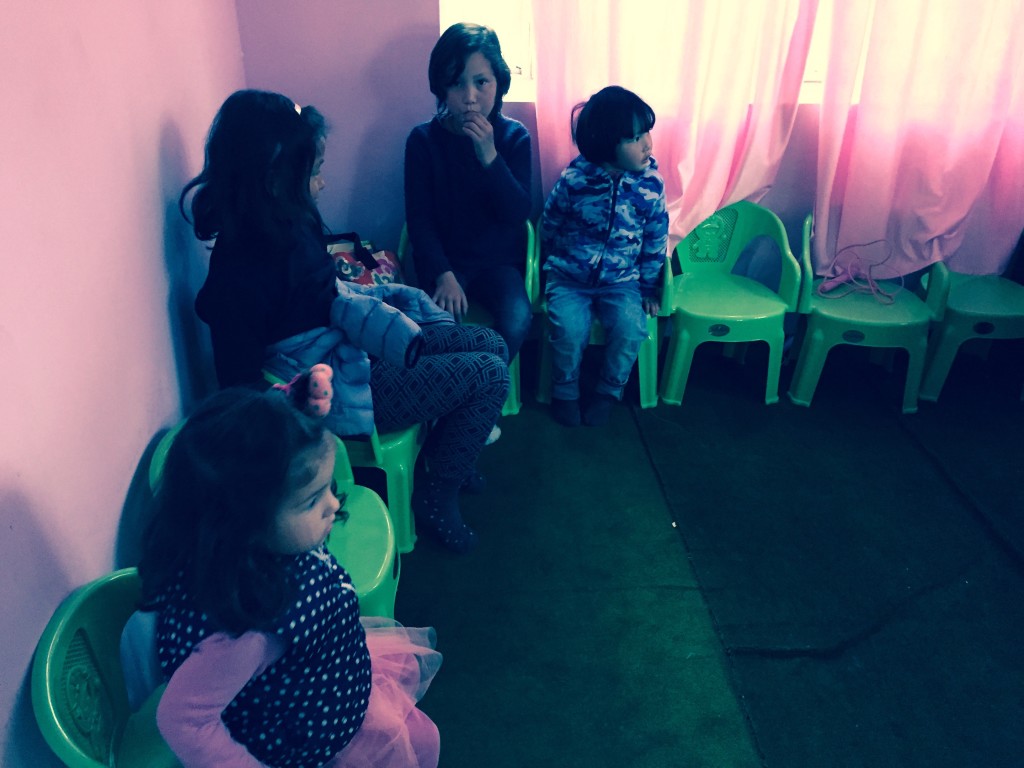
A reading room offers much more than shelves filled with books. It creates a comfortable place where children can sit together, listen to stories, ask questions, and choose materials that match their interests. For children living in remote Himalayan settlements, this kind of space can be an important educational resource.
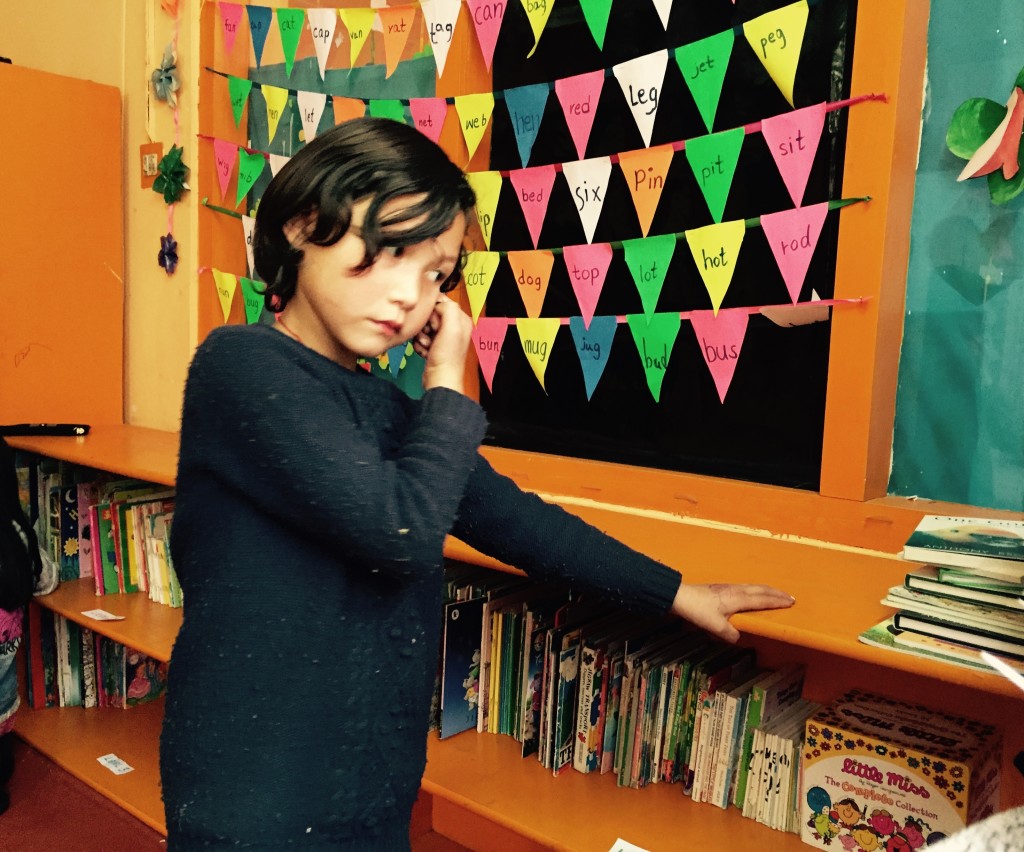
The atmosphere matters. A warm room, simple furniture, colorful illustrations, and an encouraging adult can help children associate reading with comfort and discovery. Children who may feel hesitant in a formal classroom often become more confident when they are free to browse, share a book with a friend, or return to a favorite story.
Books also extend learning beyond the curriculum. A child can encounter new vocabulary, unfamiliar landscapes, different family traditions, and ideas that may not appear in school textbooks. This wider exposure strengthens language development while helping children build empathy and a broader understanding of the world.
Books Carry Learning Across Snow
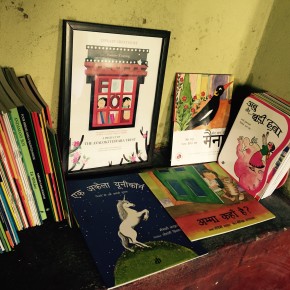
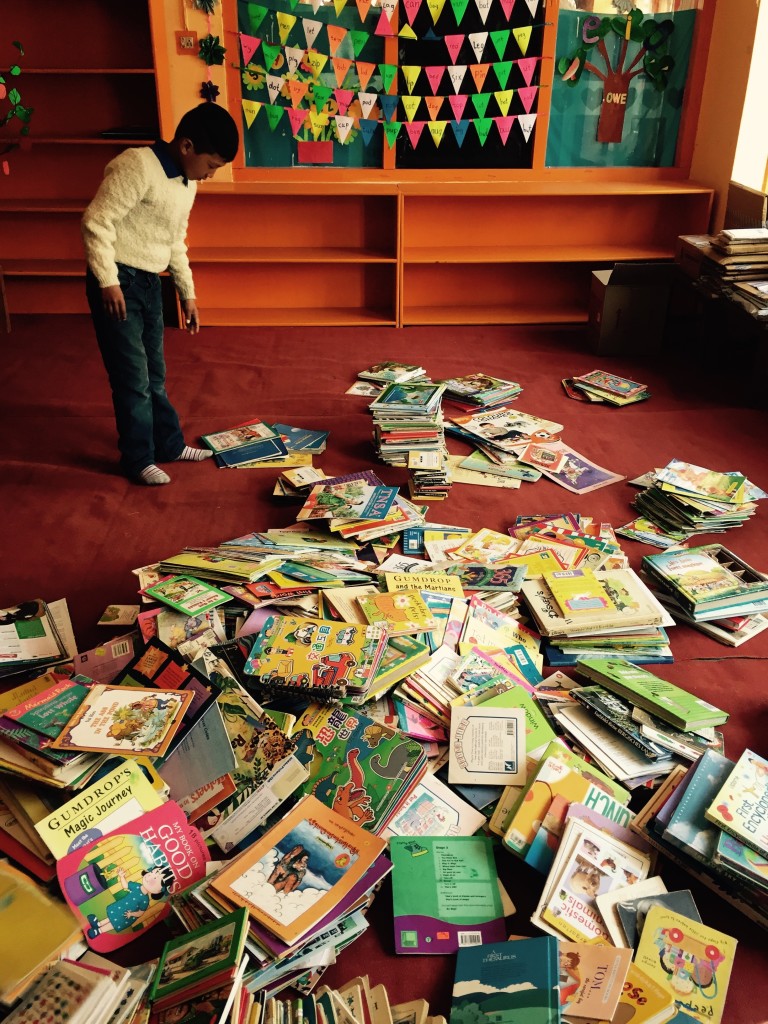
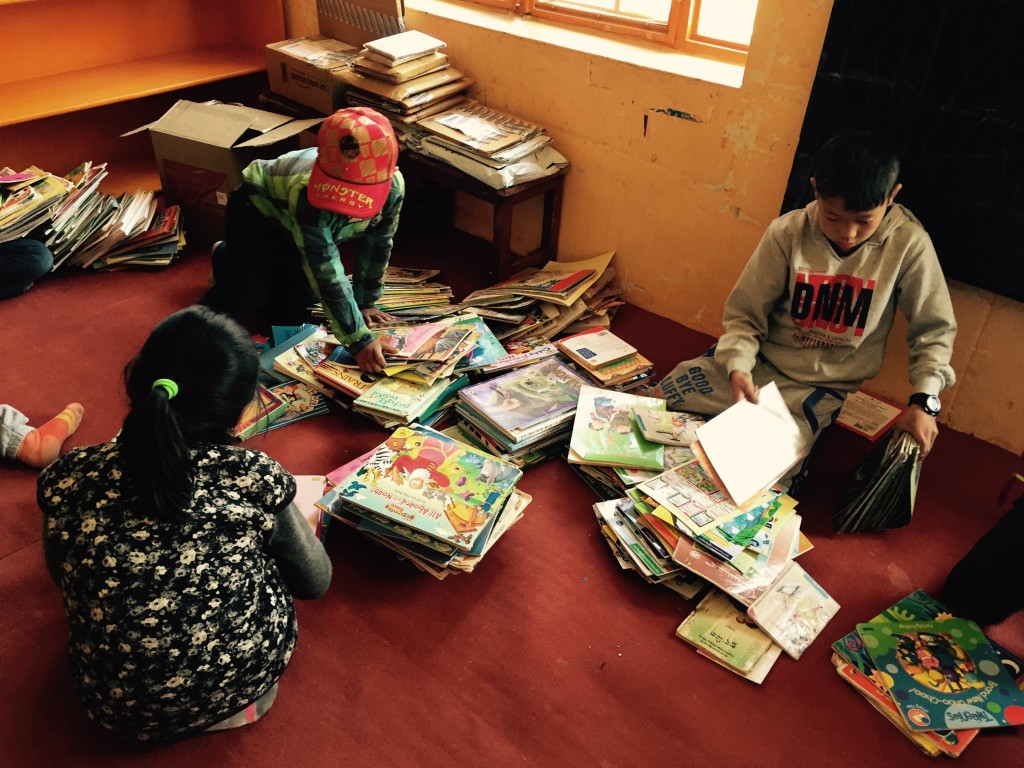
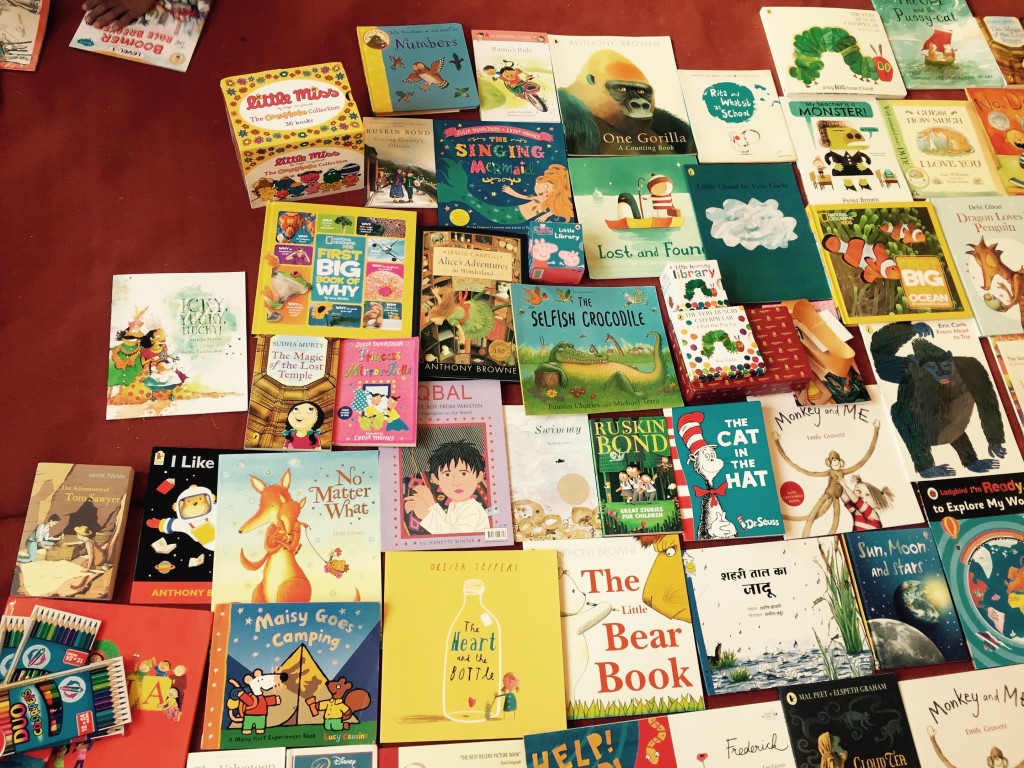
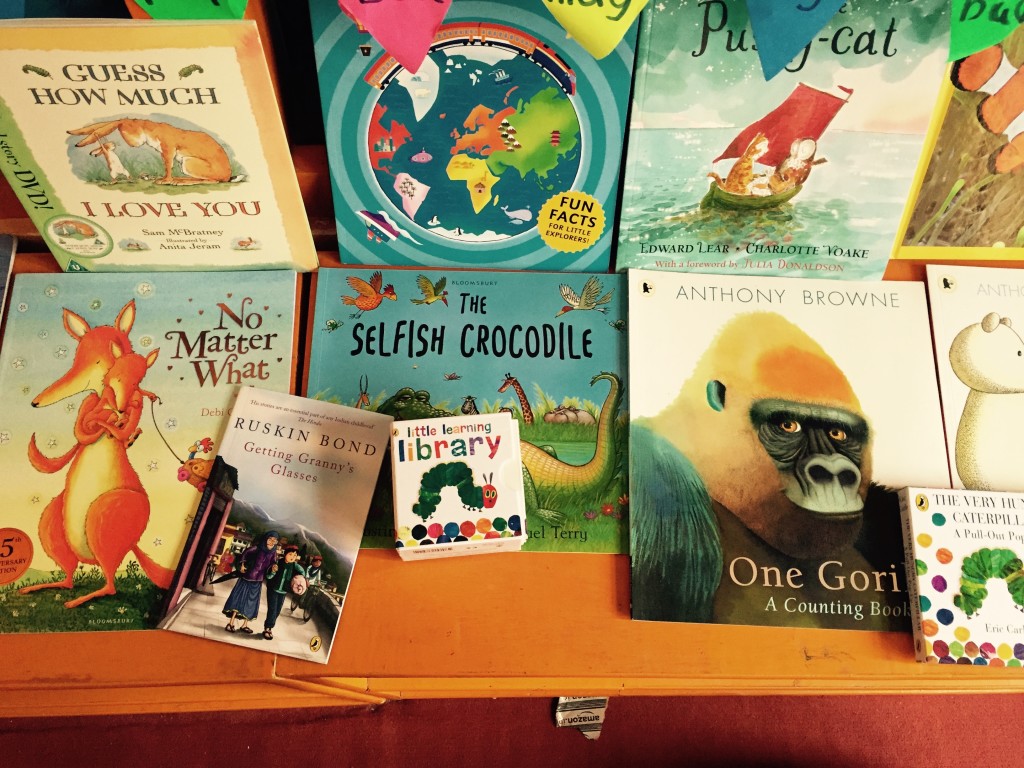
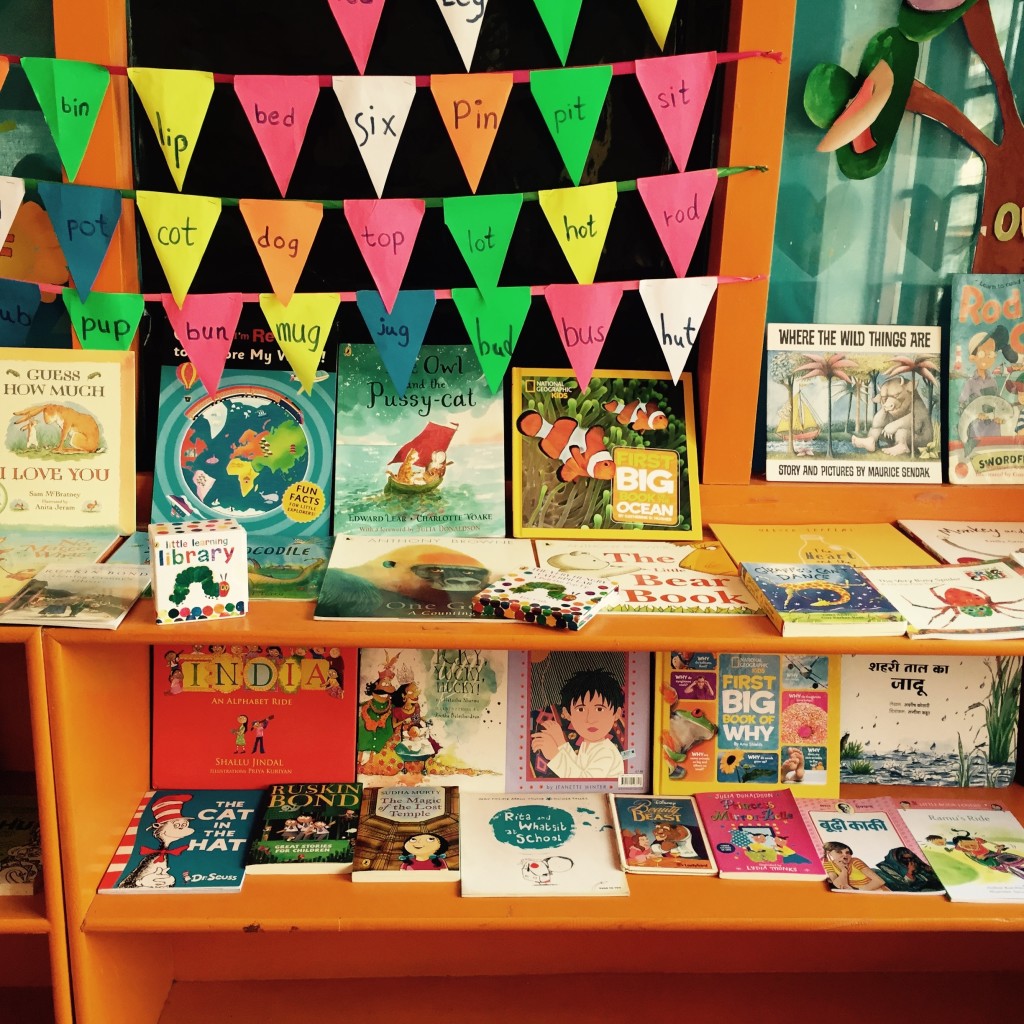
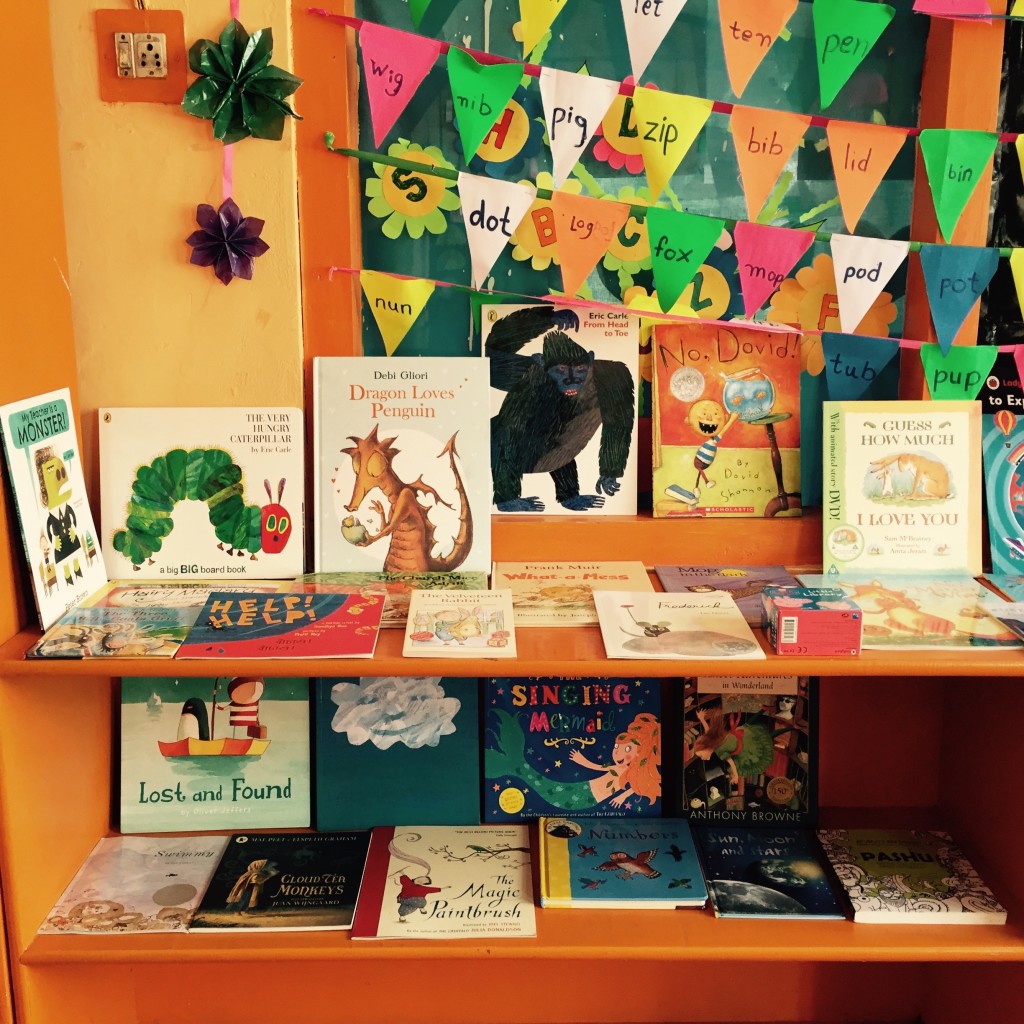
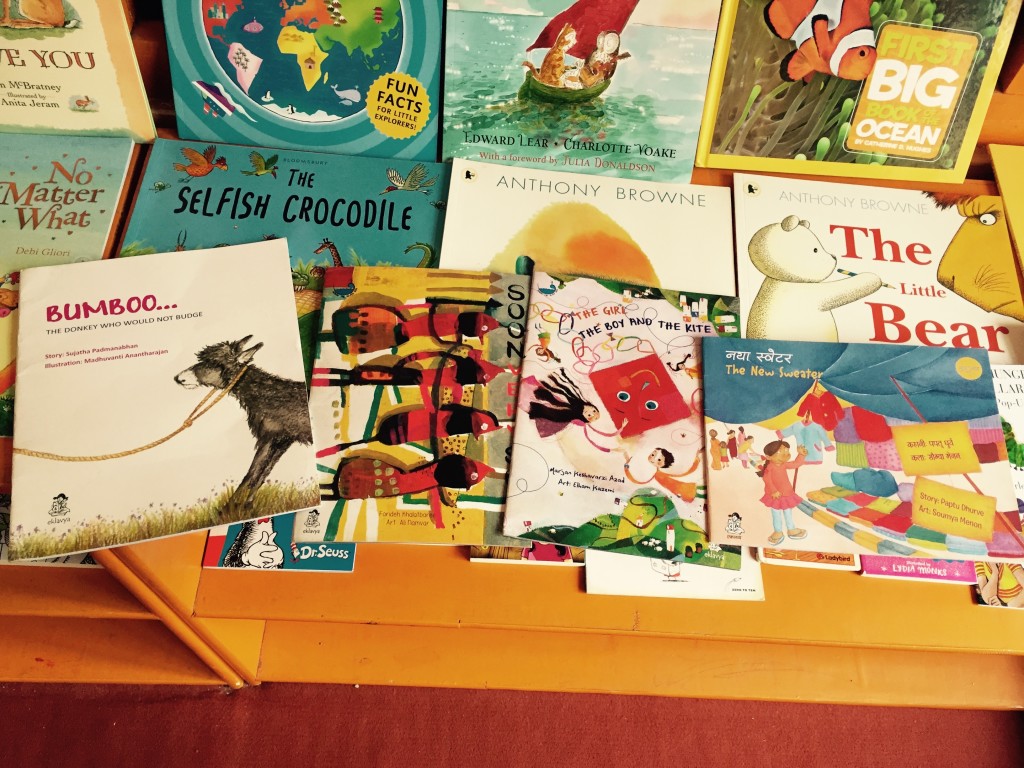
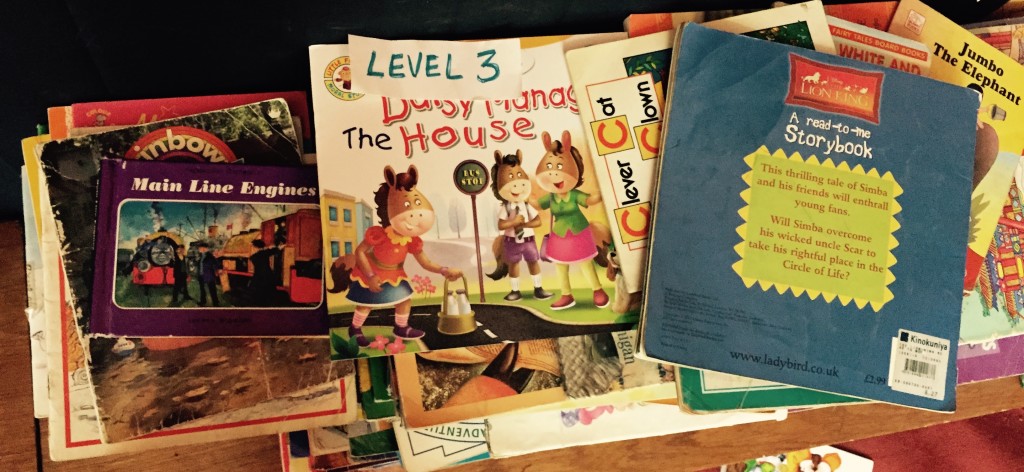
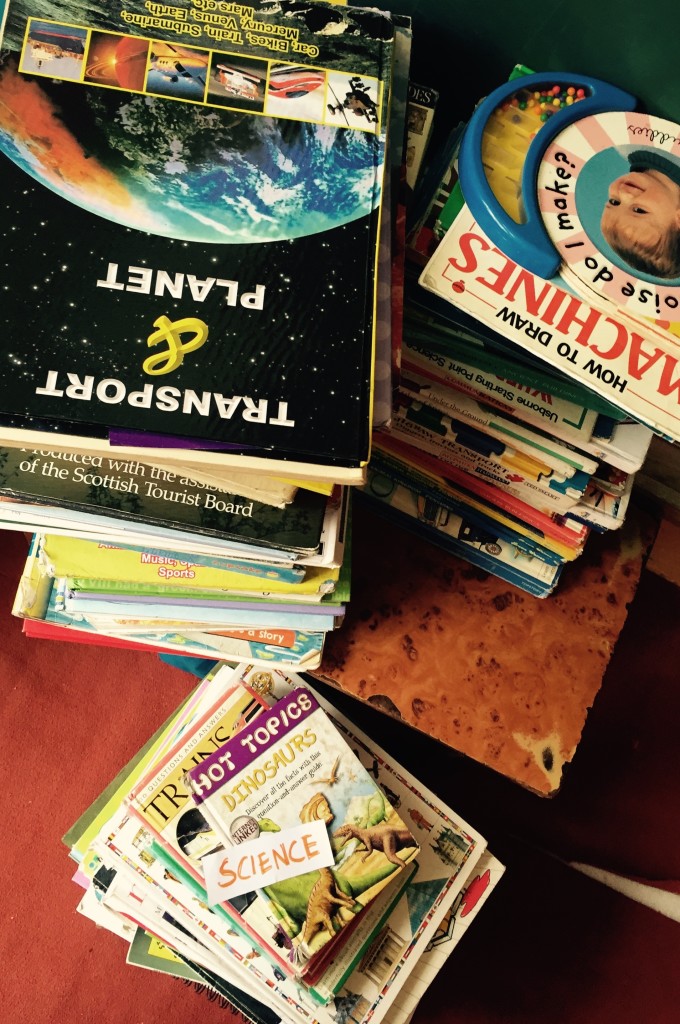
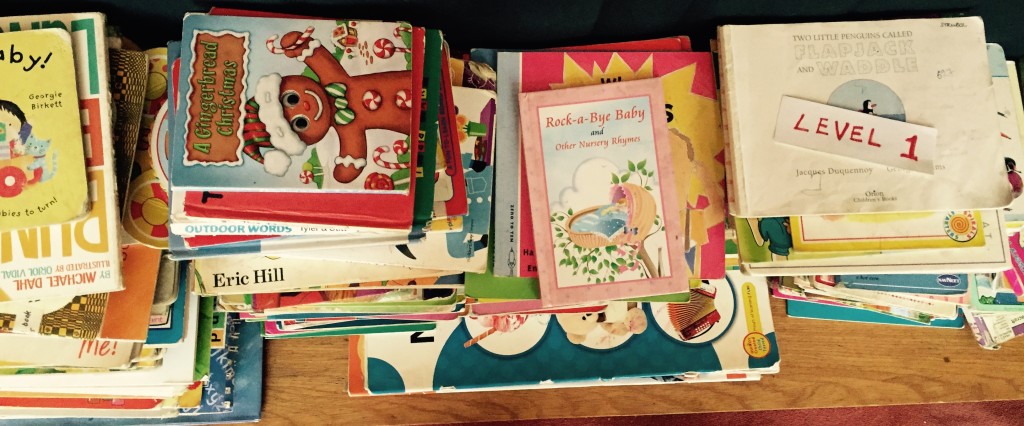
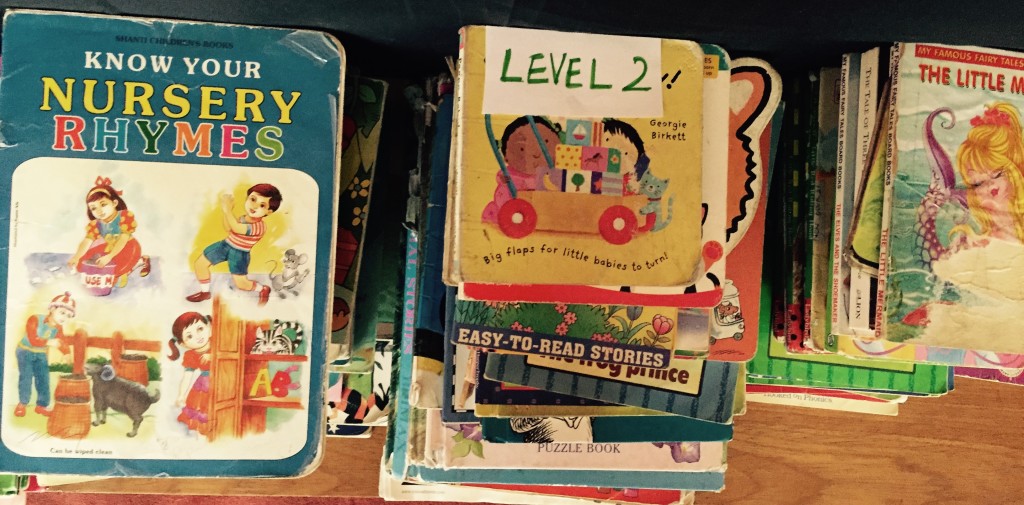
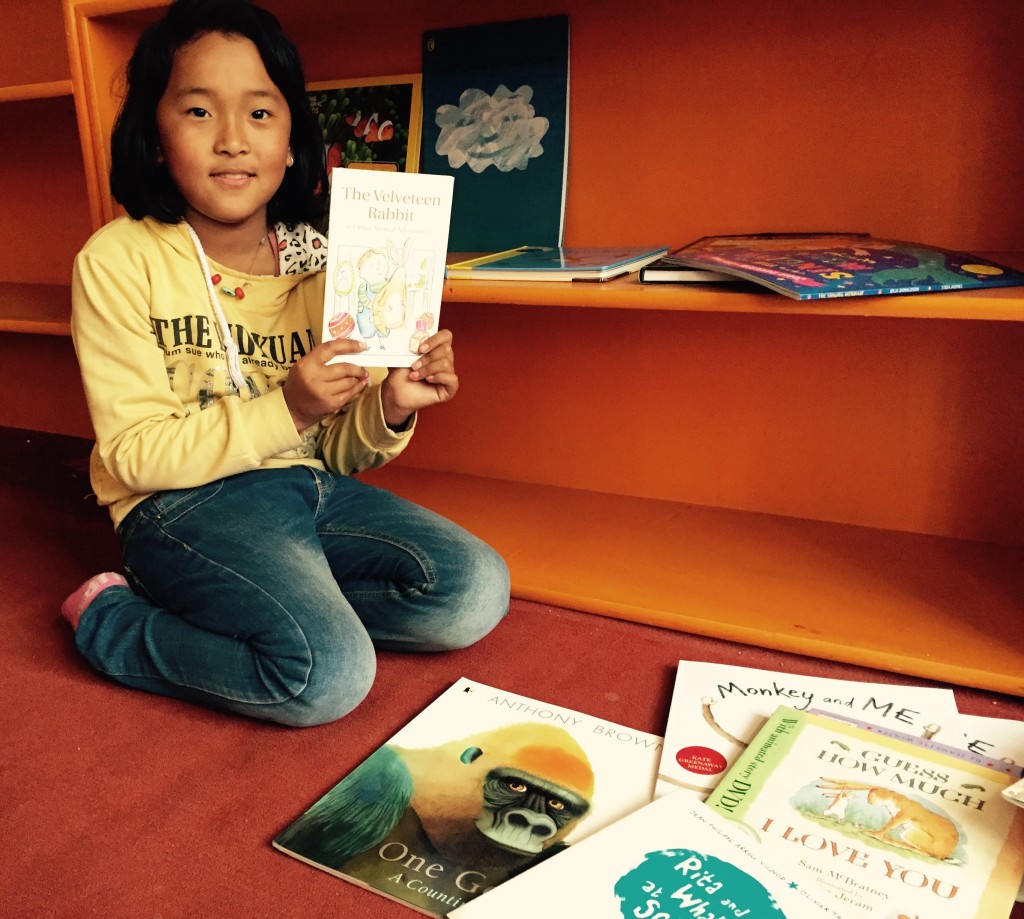
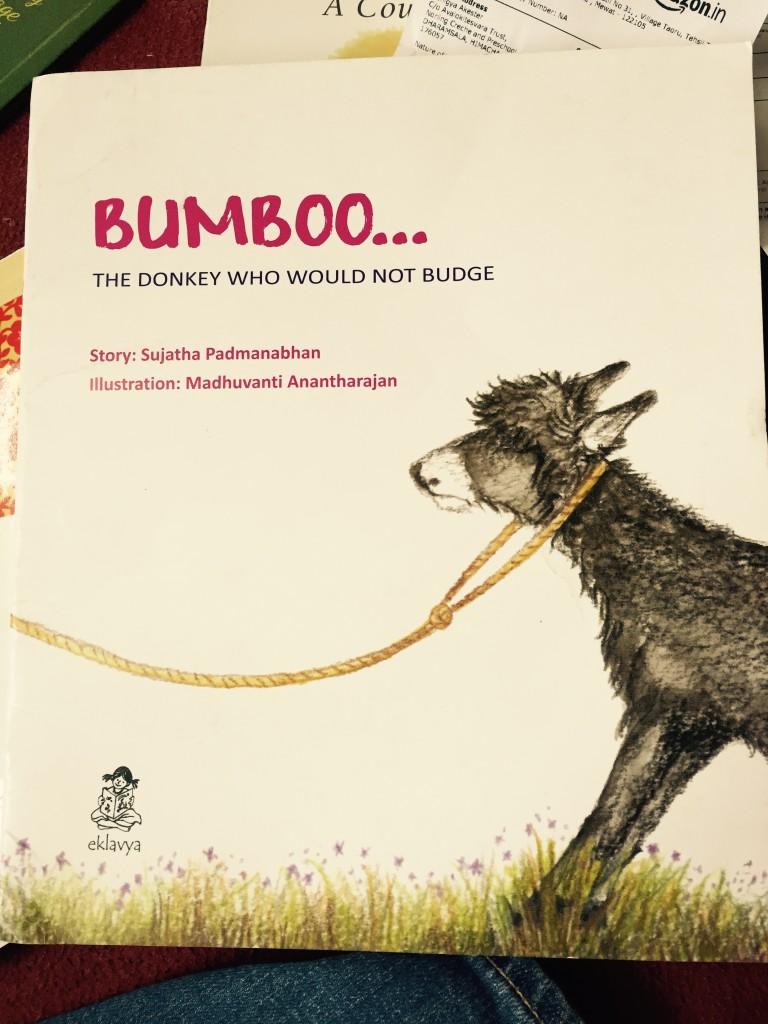
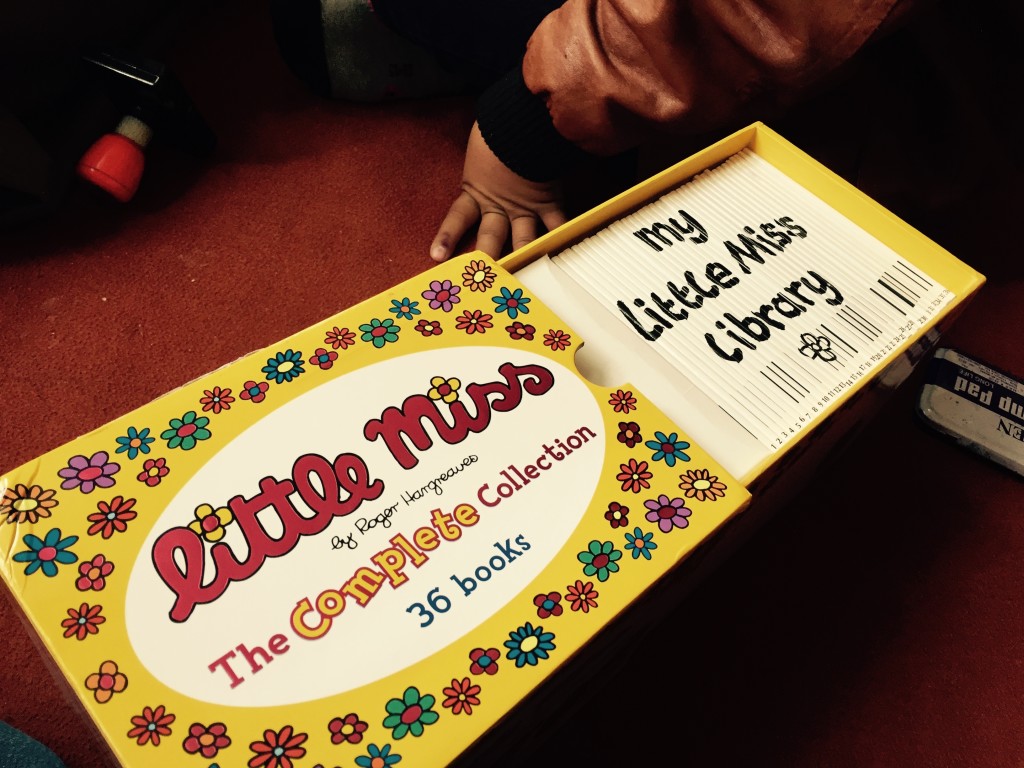
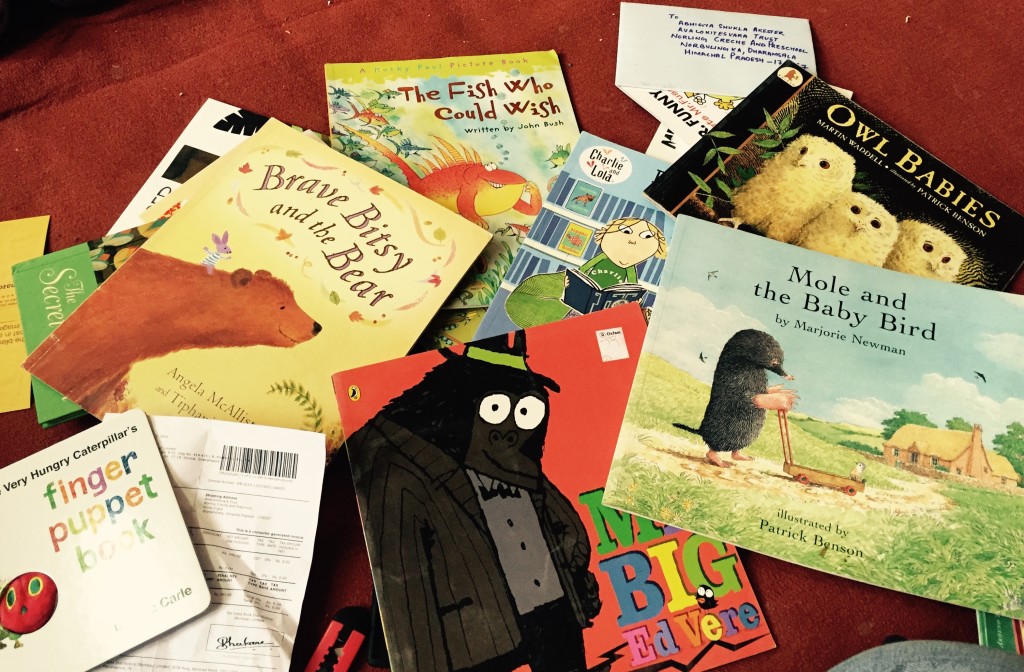
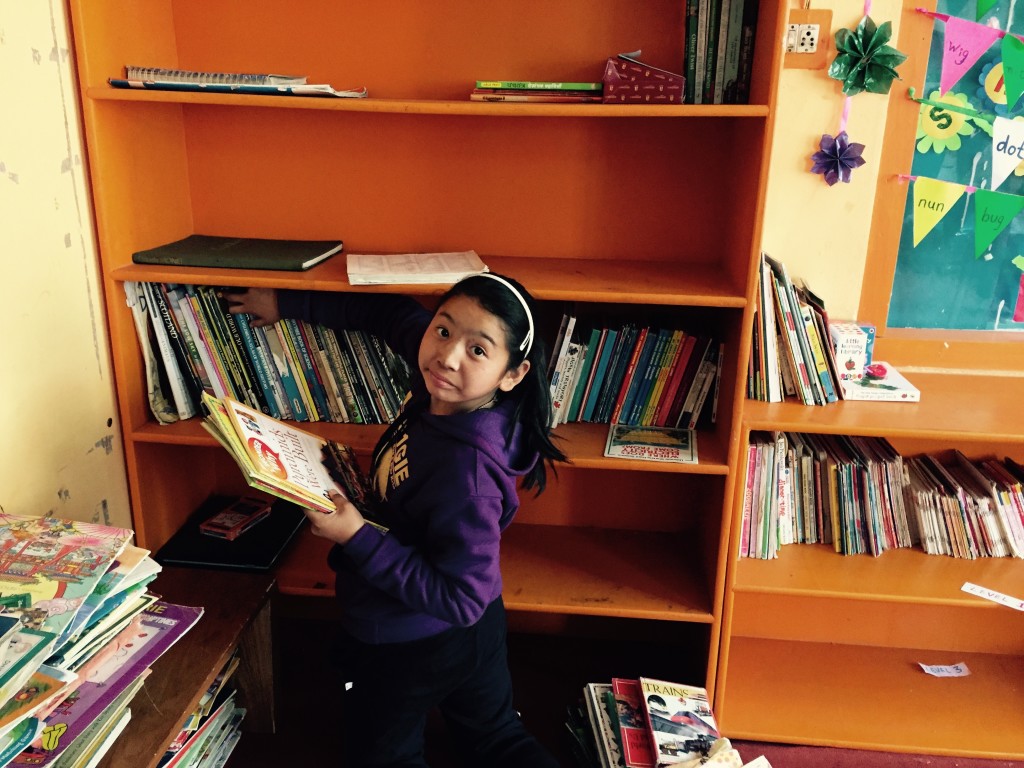
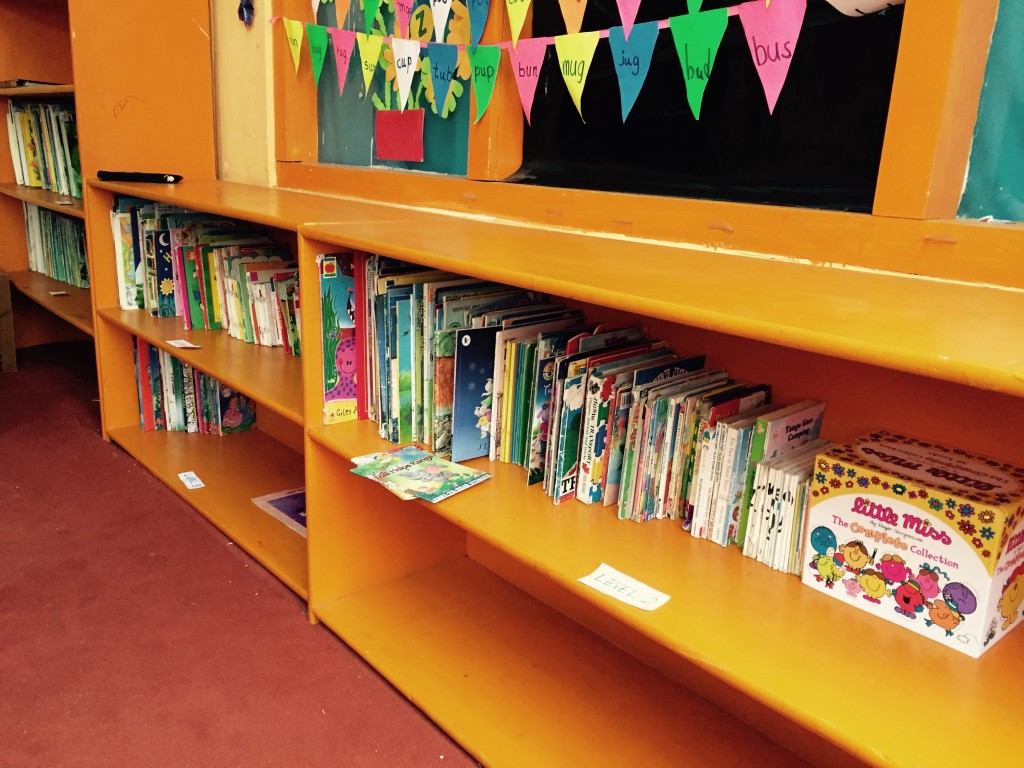
Quality books are especially valuable where access to libraries and educational materials is limited. A thoughtful collection can serve children at different reading levels, from early readers learning basic words to older students seeking biographies, novels, reference books, and creative writing prompts.
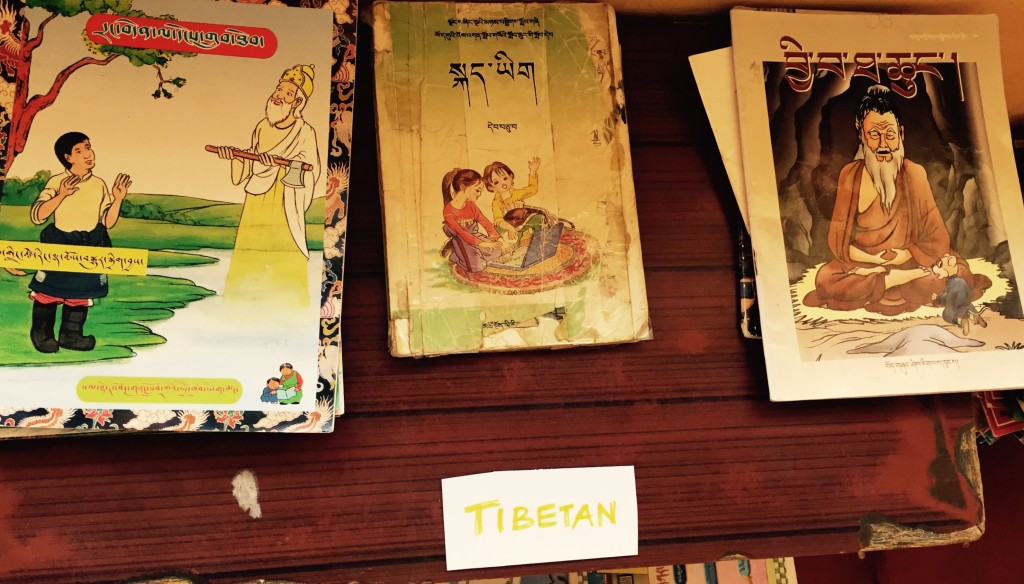
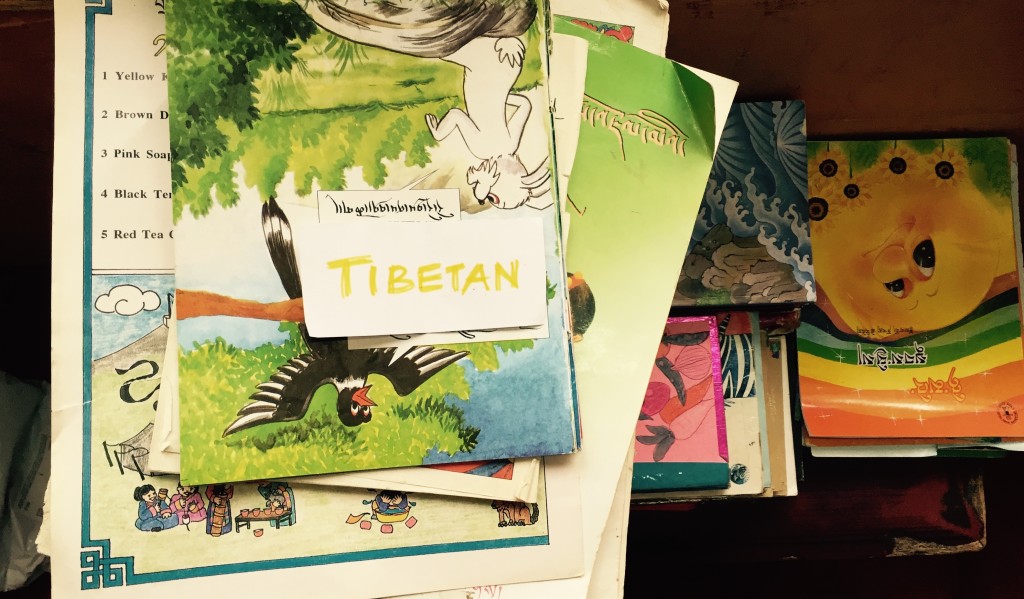
Book drives help respond to this need, but useful collections require care and local understanding. Books should be suitable for the age group, durable enough for regular use, and relevant to the languages children understand. English-language books can support language learning, while Hindi, Tibetan, and other familiar languages help children read with confidence and pleasure.
The value of a book can continue long after winter ends. A story shared in a reading room may inspire a child to write, draw, perform, or explore a new subject at school. In this way, books become a bridge between seasonal activities and long-term educational growth.
| Winter Reading Activity |
Skills And Benefits Developed |
| Shared storytelling |
Listening, vocabulary, concentration, and communication |
| Independent reading |
Confidence, comprehension, imagination, and self-direction |
| Reading in pairs |
Cooperation, peer learning, and social connection |
| Illustrated nonfiction |
Curiosity, observation, and subject knowledge |
| Creative response to a book |
Writing, drawing, music, and emotional expression |
Reading Together Builds Confidence
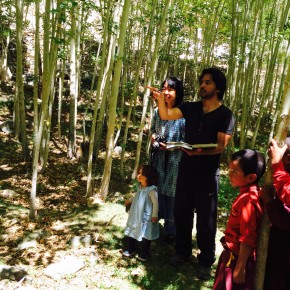
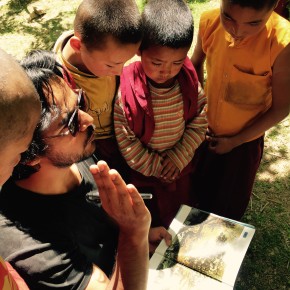
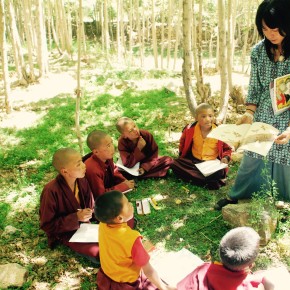
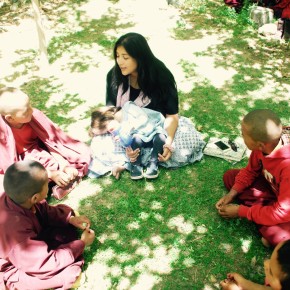
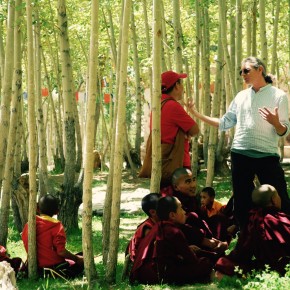
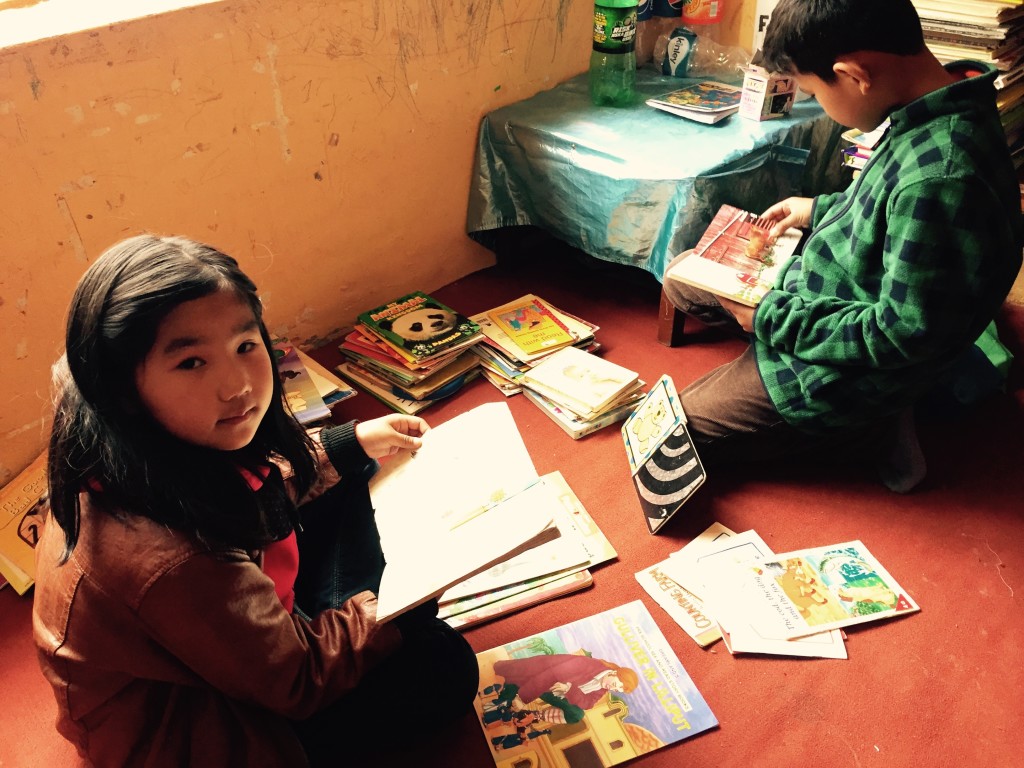
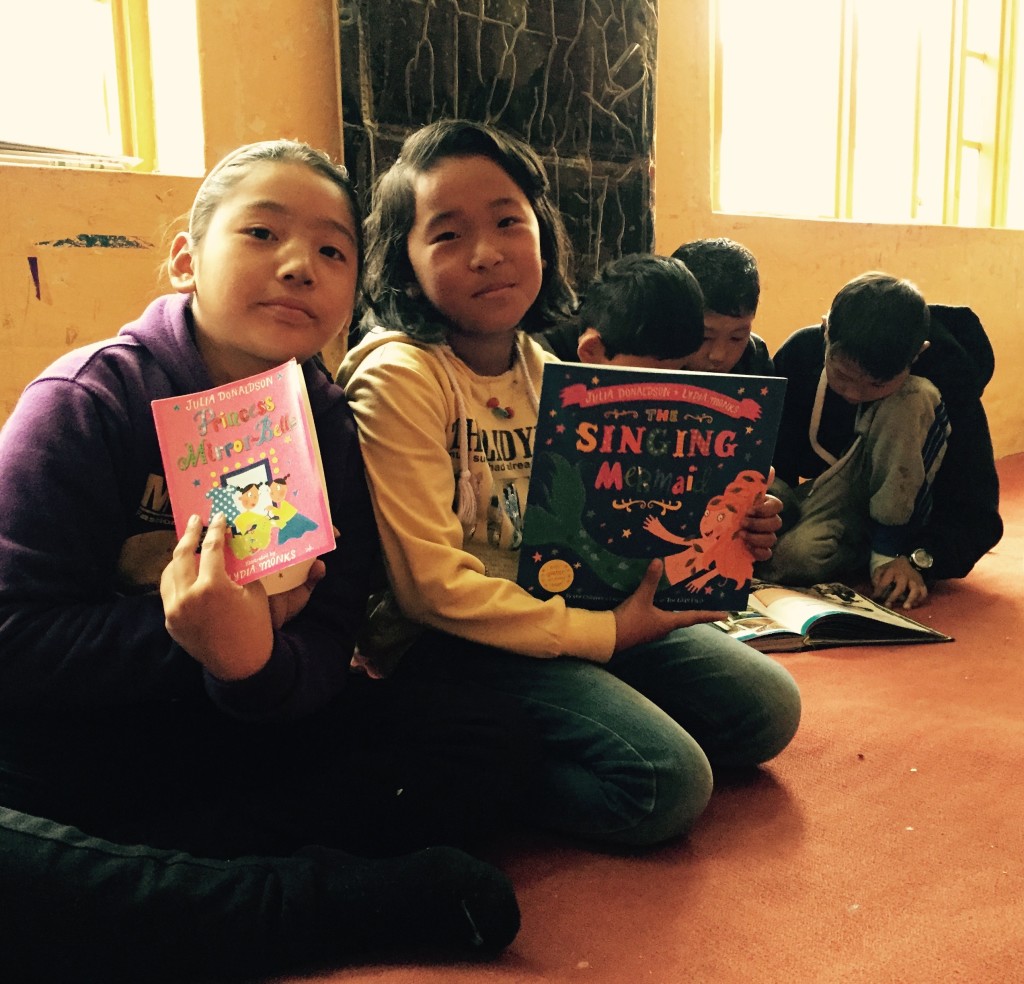
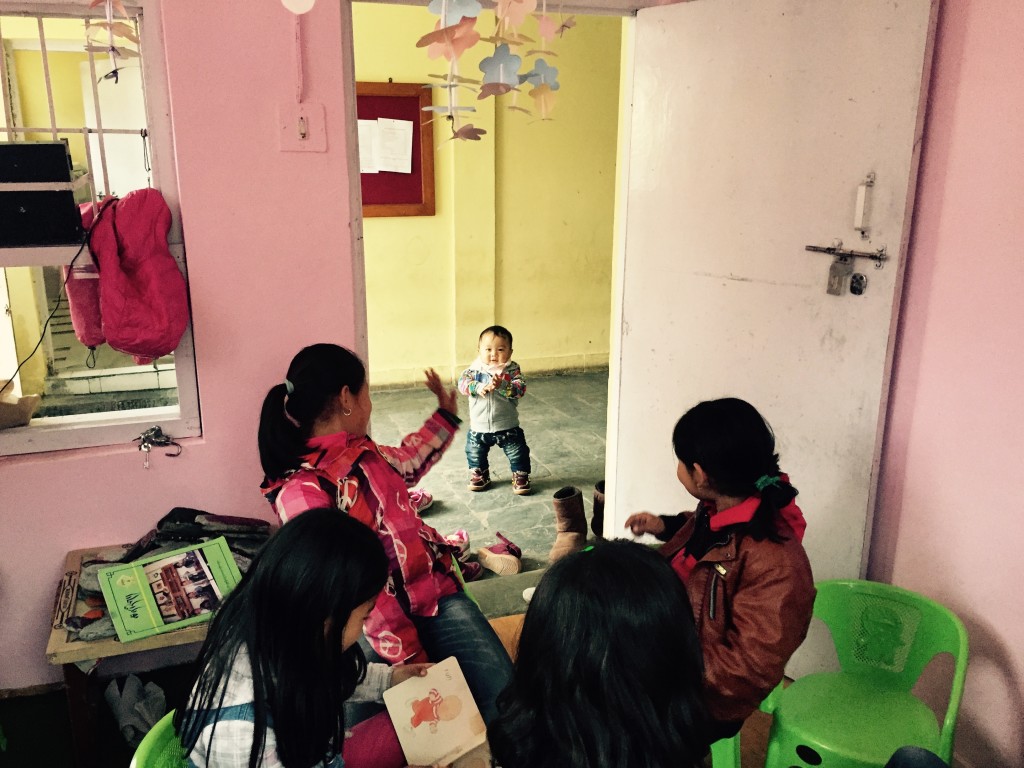
Children often become stronger readers when reading is treated as a shared experience rather than a solitary task. A volunteer, teacher, or older student can read aloud, explain an unfamiliar word, or invite children to describe what they notice in a picture. These small exchanges make reading active and social.
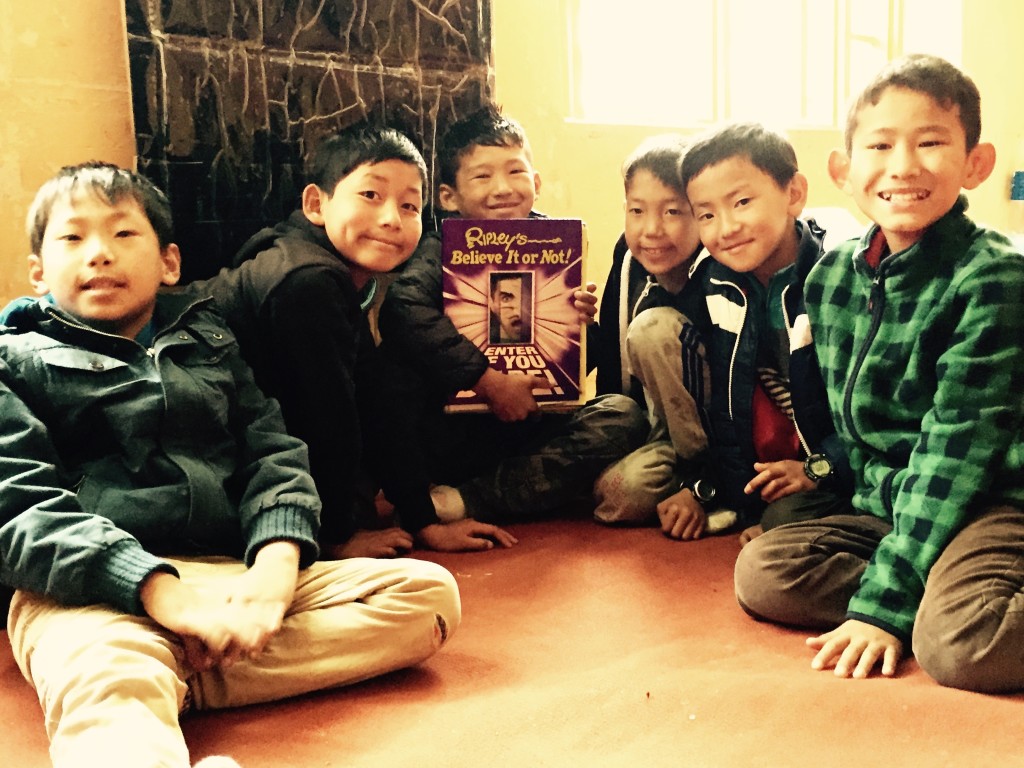
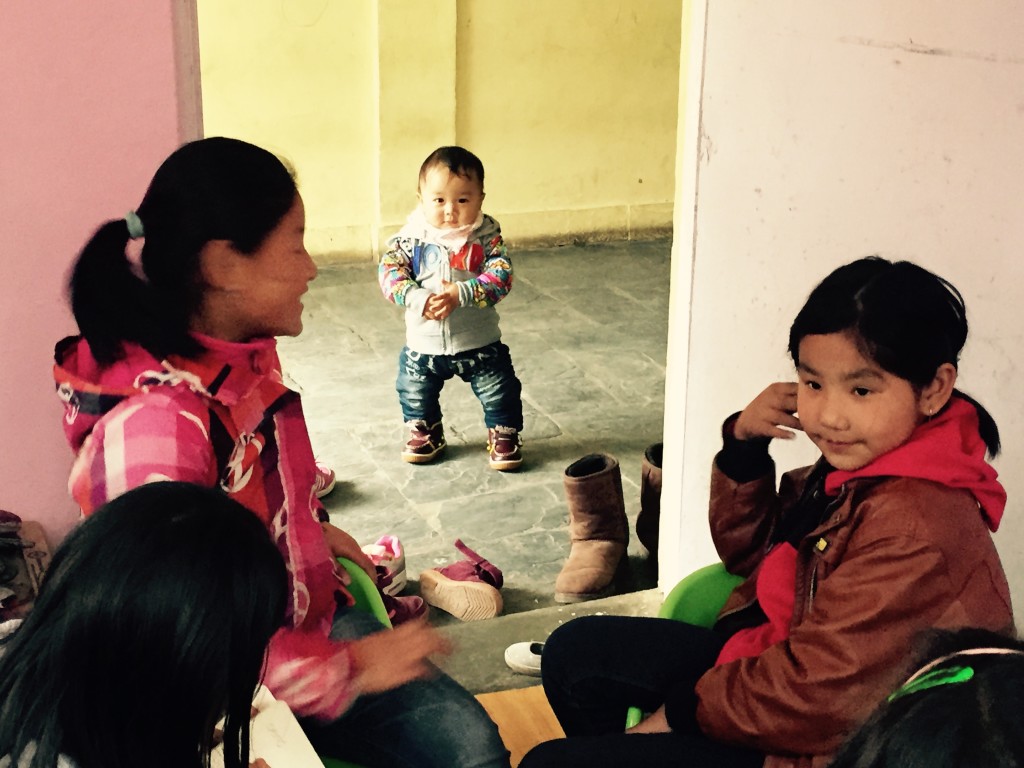
Group reading also allows children to learn from one another. A confident reader may help a younger child sound out a sentence. Another child may bring humor to a story or connect it to local life. Such interactions support communication skills and help children recognize that their ideas have value.
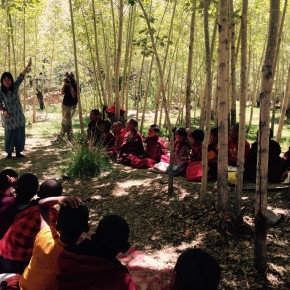
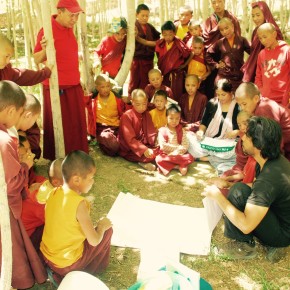
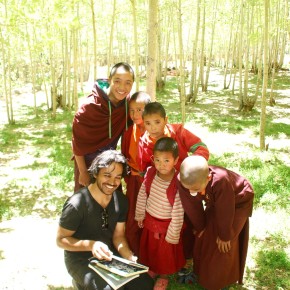
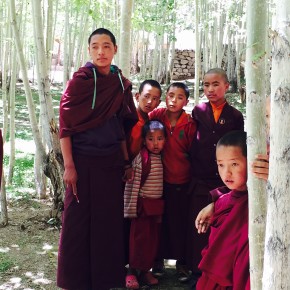
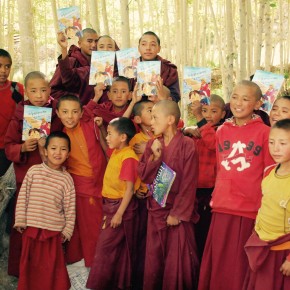
For young monks, group reading can complement a disciplined learning environment with opportunities for exploration and creative interpretation. Stories, history, poetry, and visual books can encourage reflection while introducing subjects beyond the familiar boundaries of daily study.
Creativity Keeps Winter Bright
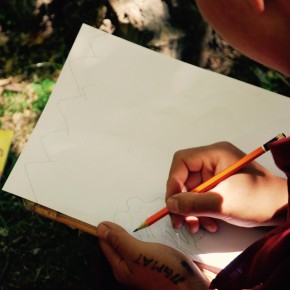
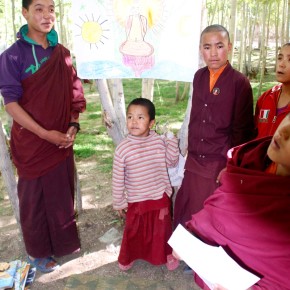
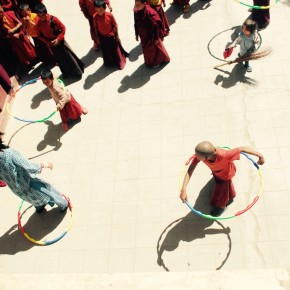
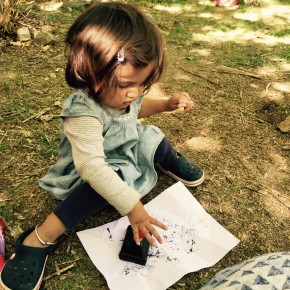
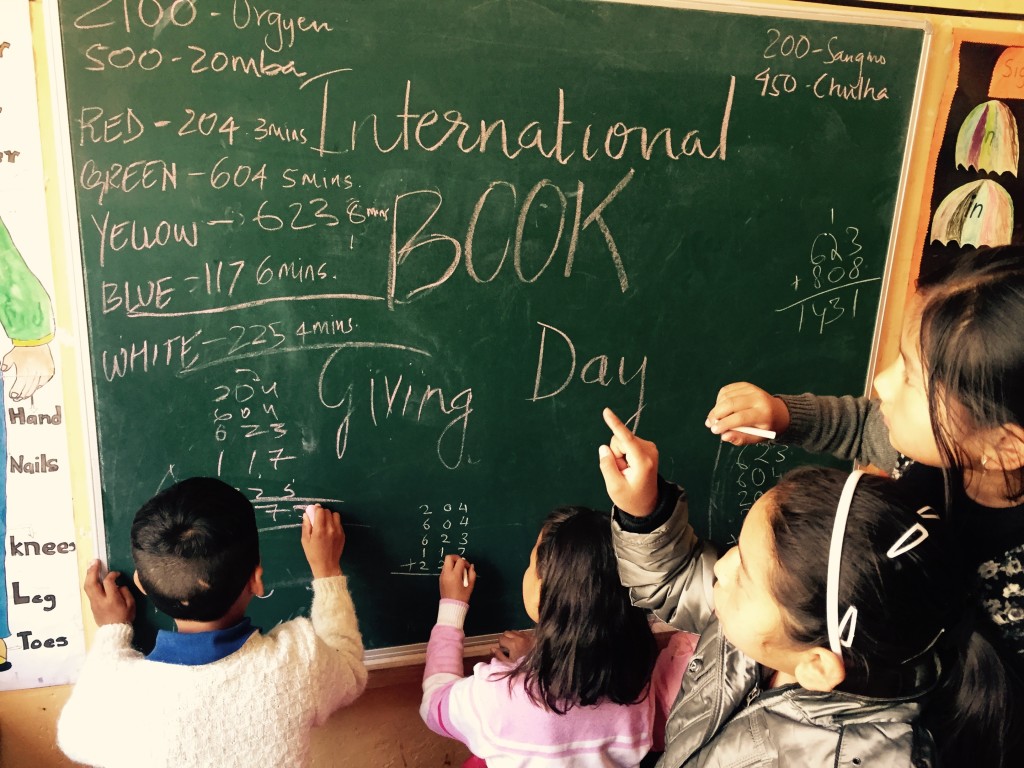
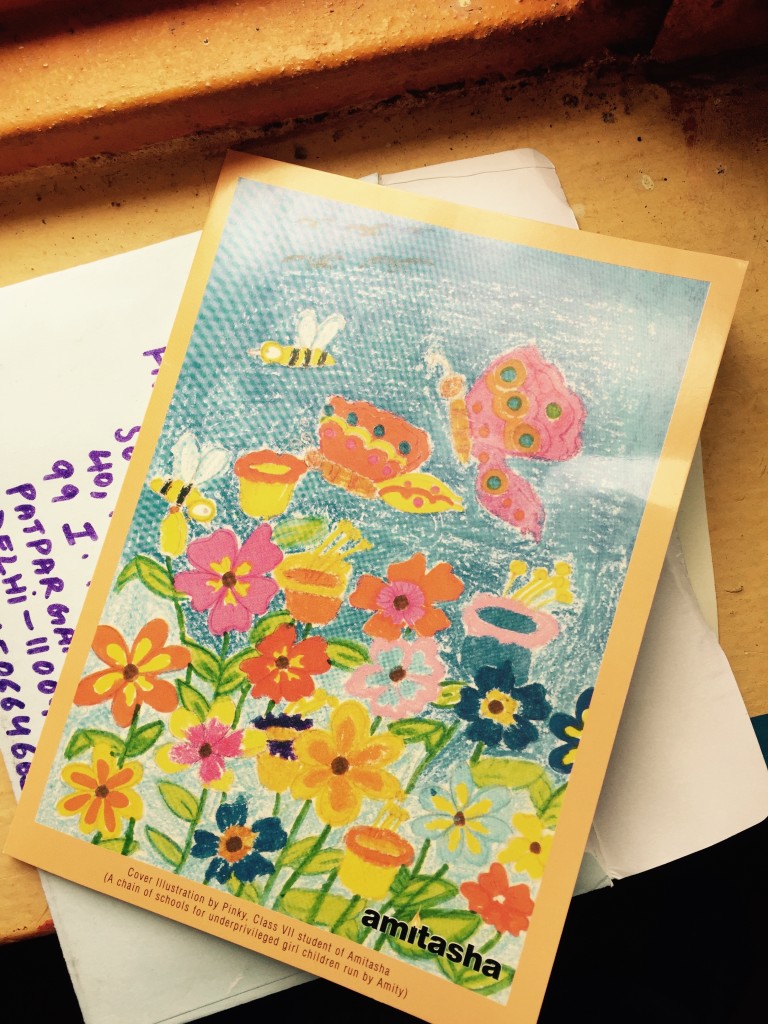
Reading naturally leads to other forms of expression. After listening to a story, children may draw a character, create a paper landscape, compose a song, act out a scene, or write an alternative ending. These activities help children process what they read and make knowledge personal.
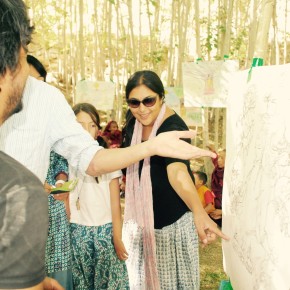
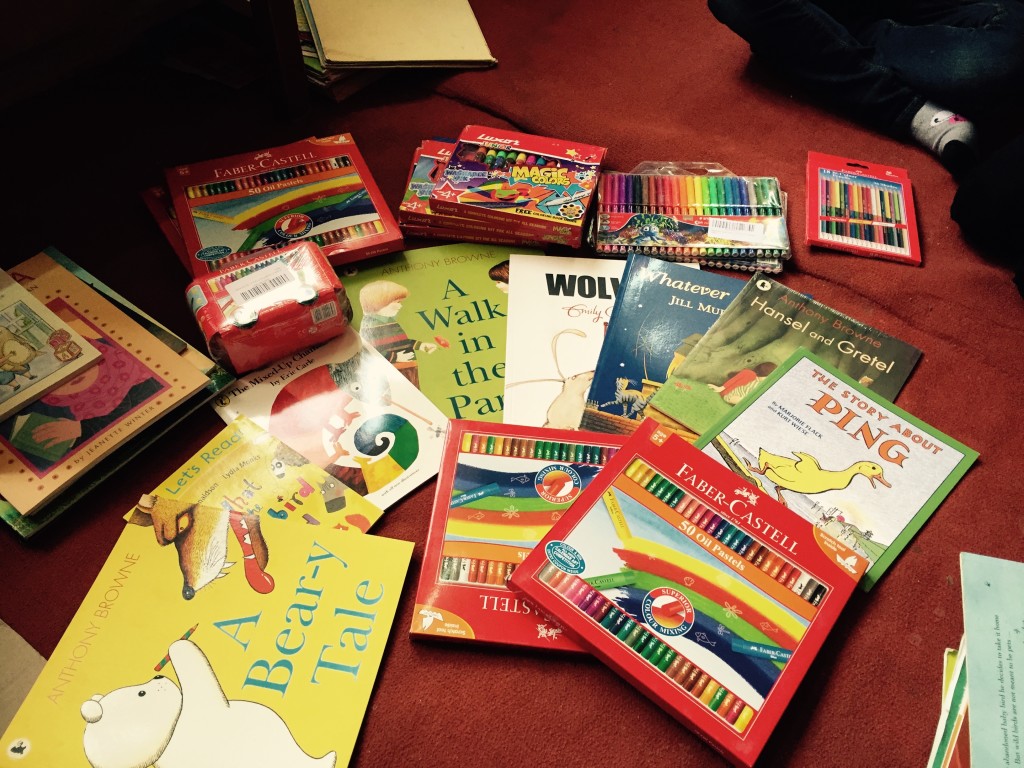
Artistic and musical programs are especially meaningful during a season when outdoor opportunities may be reduced. A small collection of art supplies, simple instruments, or writing materials can turn a reading room into a lively learning studio. Children are given room to experiment, make mistakes, and develop skills through practice.
Creative work also reveals strengths that standard lessons may overlook. A child who is quiet during academic instruction may express strong observation through drawing or deep understanding through music. By linking books with art and performance, winter learning becomes varied, inclusive, and memorable.
A Community Effort Through The Cold Months
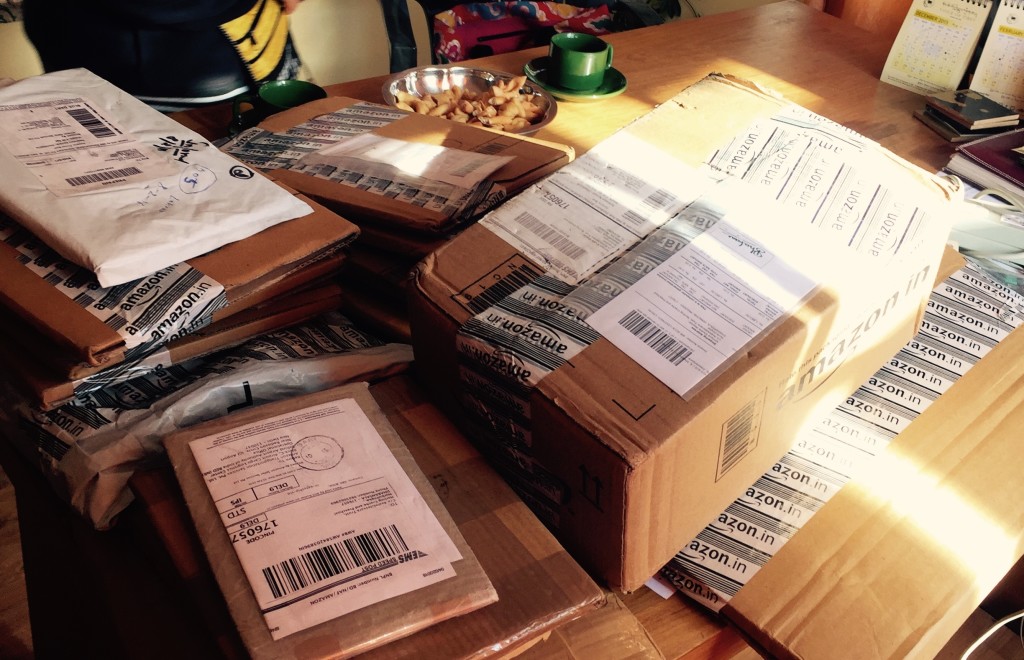
A successful reading program depends on many forms of support. Local educators understand the needs of children and can guide activities. Volunteers may organize shelves, read aloud, lead workshops, or help children select books. Donors make it possible to purchase materials, improve spaces, and sustain programs across more than one season.
Partnerships also help ensure that reading rooms remain connected to their communities. The most effective spaces are welcoming, practical, and shaped by the children who use them. Their interests should influence new book purchases, creative sessions, and educational events.
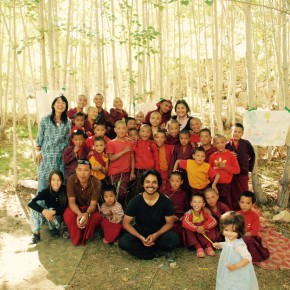
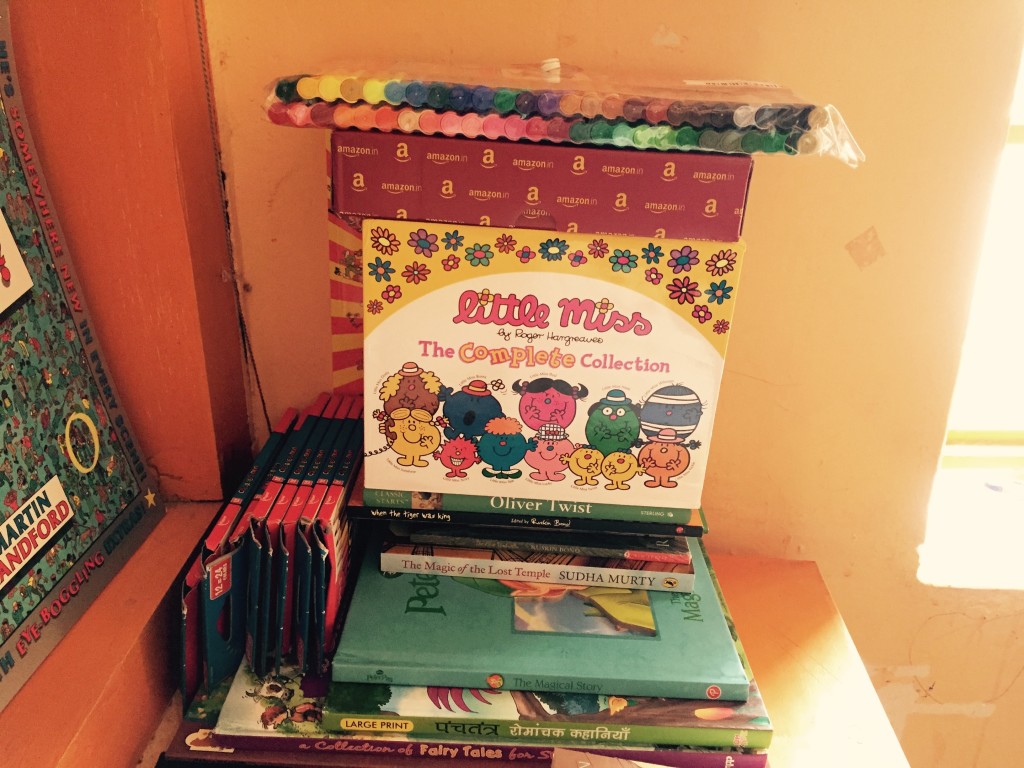
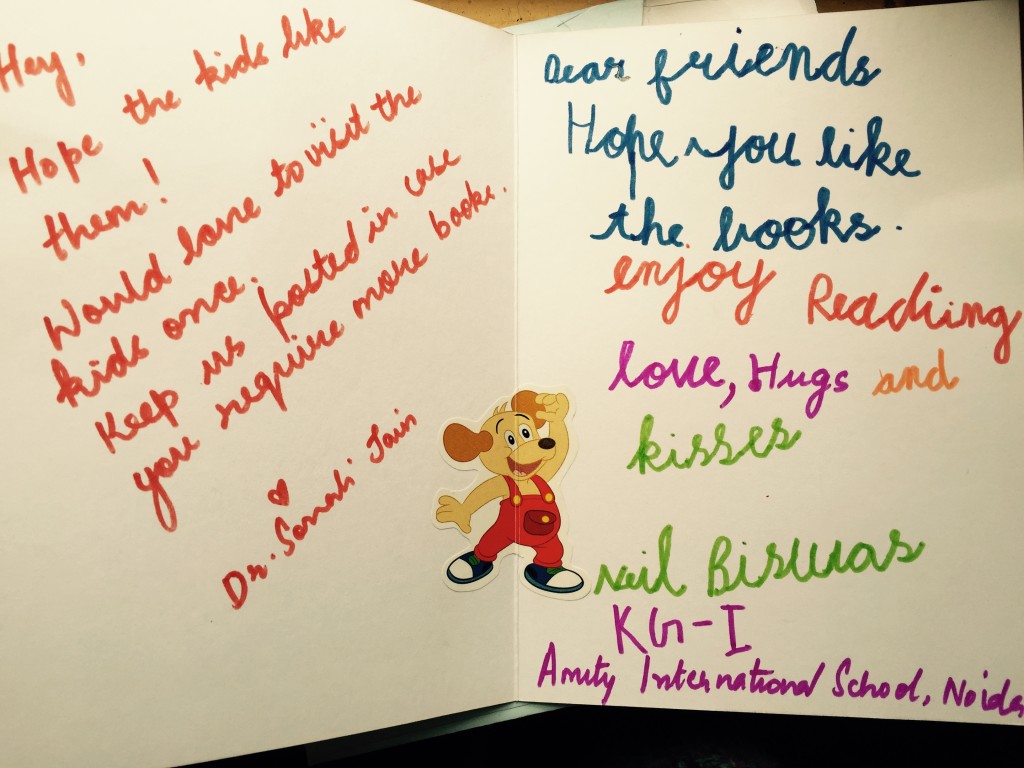
Avalokiteśvara Trust shares stories and photographs from its work so that supporters can see how literacy initiatives develop over time. Each book drive and reading session contributes to a larger goal: helping children in Ladakh and the wider Himalayan region gain regular access to knowledge, creativity, and encouragement.
Ways To Support Winter Reading
Individuals, families, schools, and community groups can help make books and learning activities available during the coldest months:
- Donate toward reading rooms, educational materials, and creative workshops for children and young monks.
- Organize a book drive with age-appropriate, durable books in languages children can read and enjoy.
- Sponsor art supplies, musical activities, or storytelling sessions that connect reading with creative expression.
- Volunteer skills in literacy support, library organization, photography, communications, or educational programming.
- Share the Trust’s work with friends, schools, and community groups that value Himalayan education and child development.
Support is most useful when it is consistent and thoughtfully directed. A single book can delight one child, while a carefully developed reading room can serve an entire community for years. Regular contributions help local partners plan activities, maintain welcoming spaces, and respond to changing educational needs.
When winter settles over Ladakh, a book can bring warmth of a different kind. It can fill a quiet afternoon with questions, give a young reader the confidence to speak, or inspire a drawing that captures an entirely new world. With the support of donors and volunteers, the cold season can become a time of discovery, connection, and possibility.
Help Avalokiteśvara Trust bring books, reading spaces, and creative learning to children and young monks across the Himalayan region. Your support can make this winter a season in which more children read, imagine, and grow.