How Creative Practice Supports Children in Himalayan Communities
In remote mountain communities, childhood unfolds within a distinctive social and natural environment. Long distances between settlements, seasonal weather, limited educational resources, and separation from larger cultural centers can shape how children learn and express themselves. Art offers a meaningful way to respond to these circumstances, giving young people space to observe, imagine, communicate, and connect.
Drawing, painting, music, drama, dance, and craft activities can support children who may not always have the words or confidence to describe their experiences. Artistic work does not require perfect language or academic performance. A child can use color, rhythm, movement, or pattern to share an idea and be heard by others.
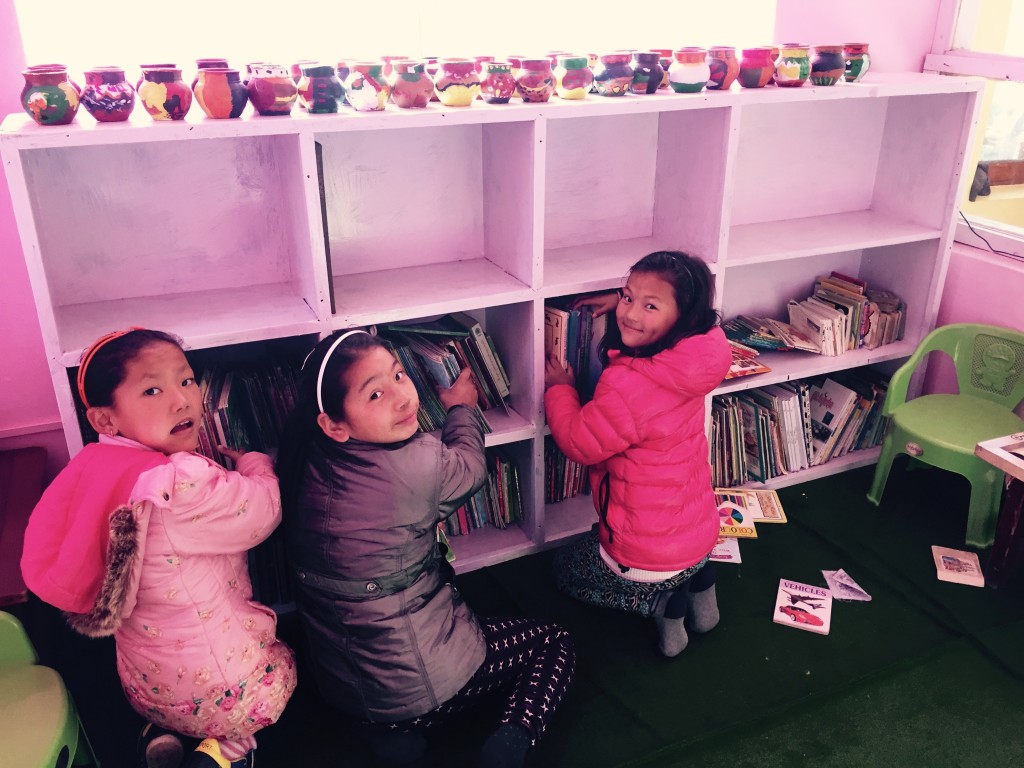
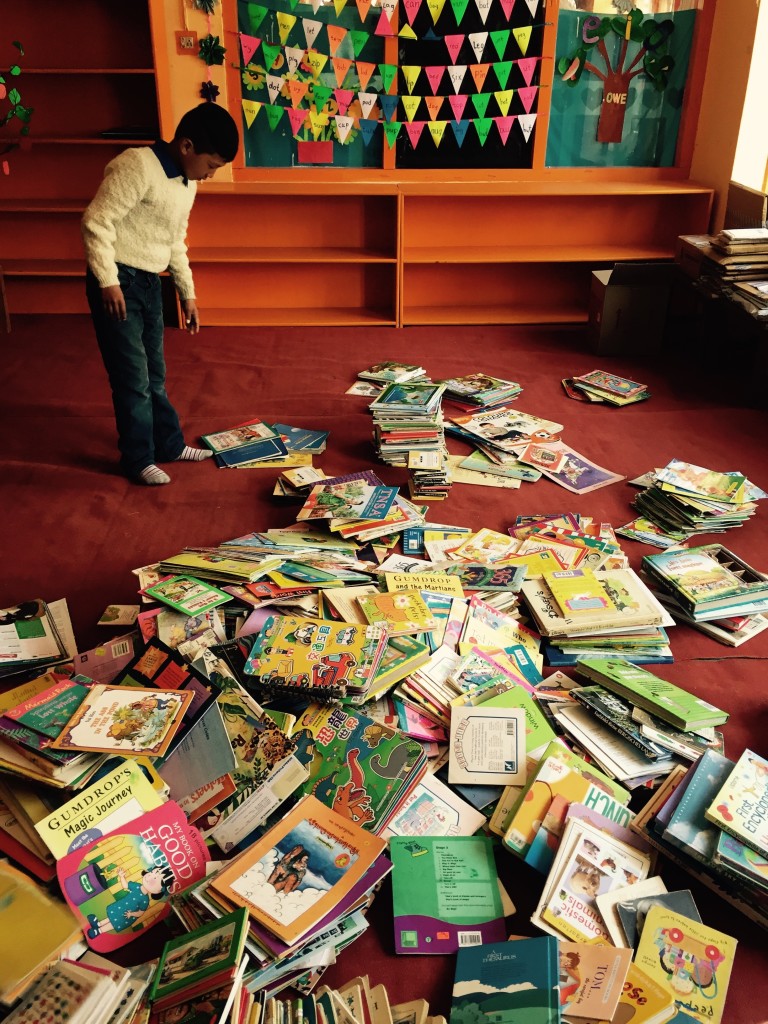
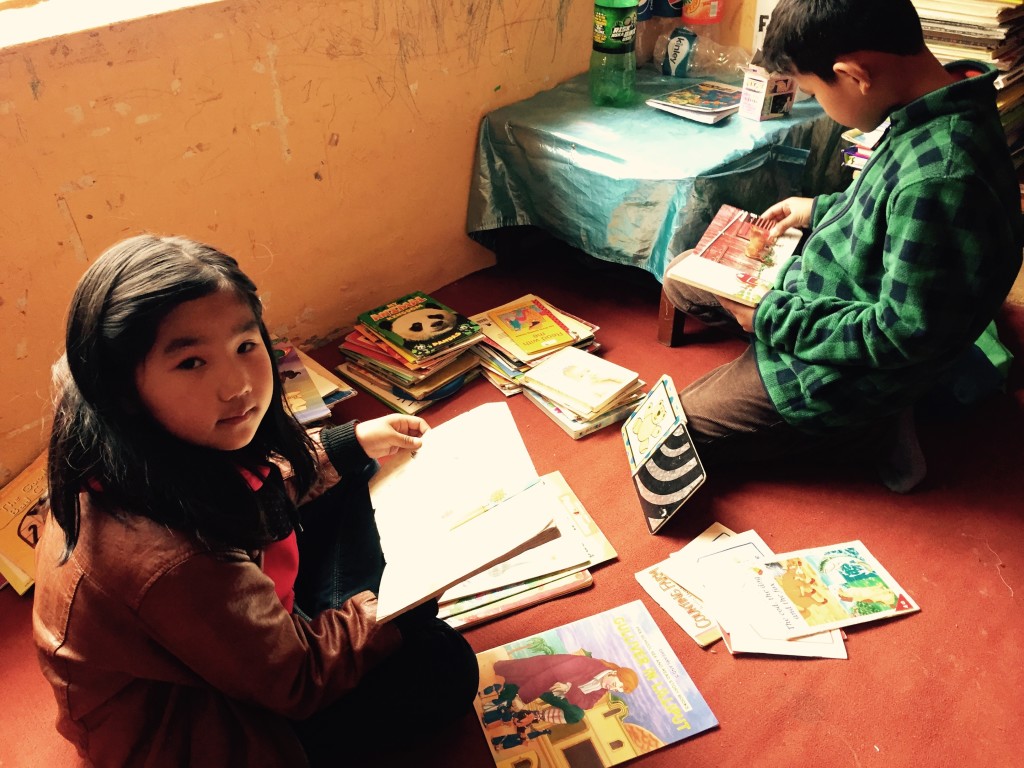
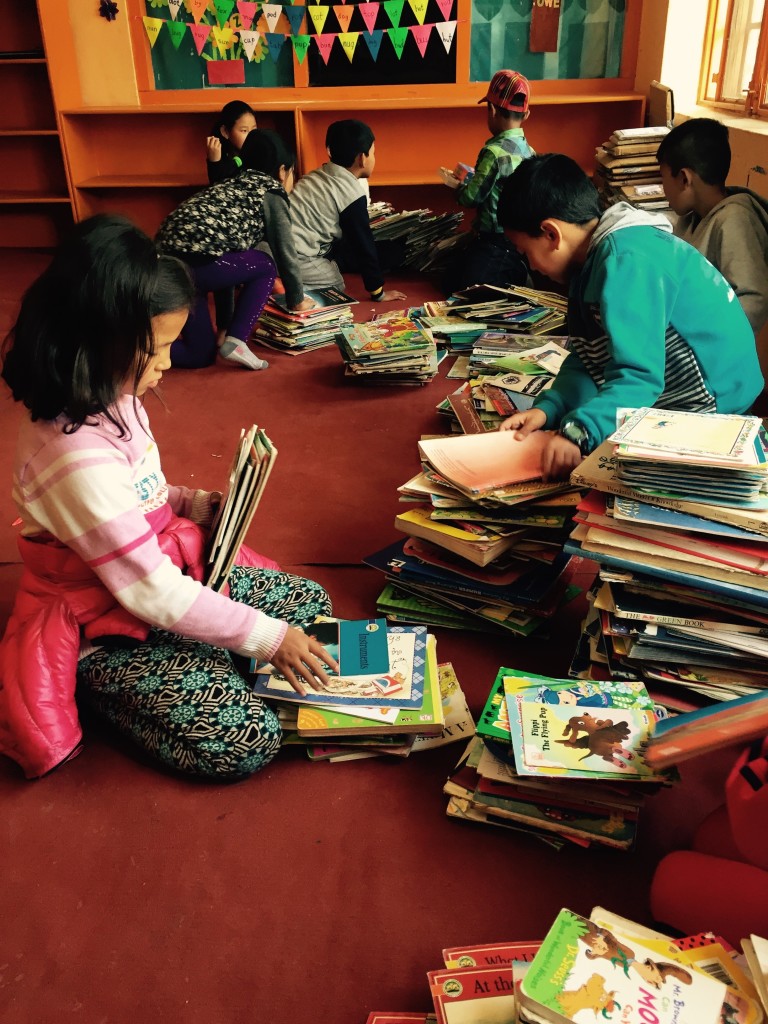
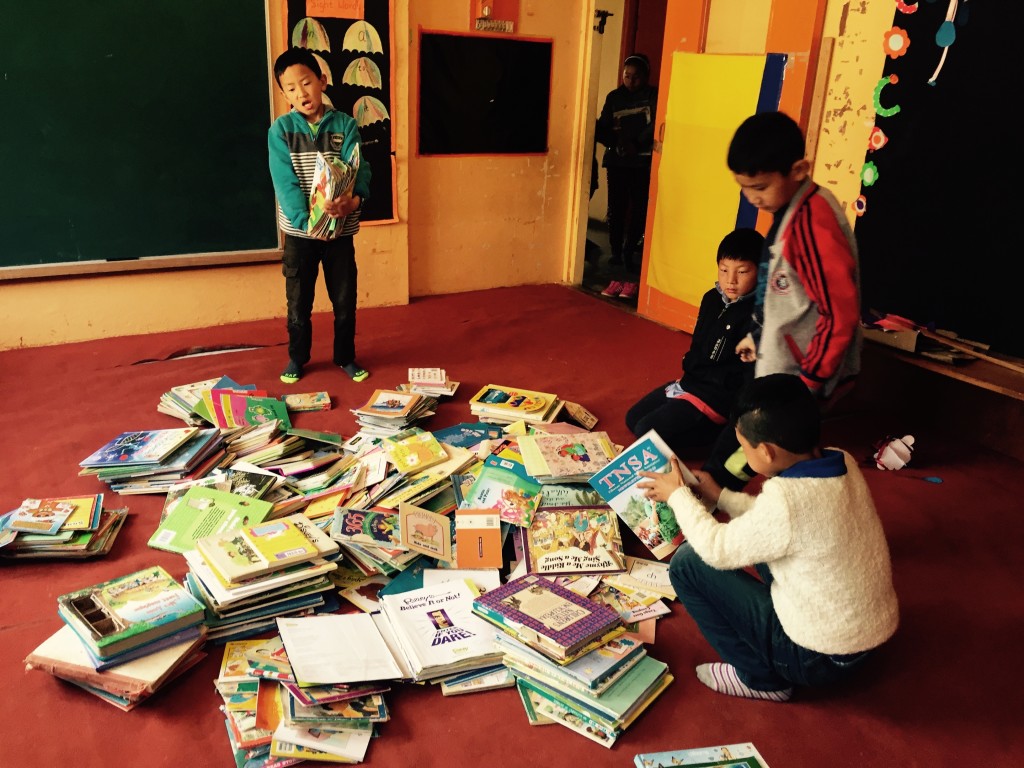
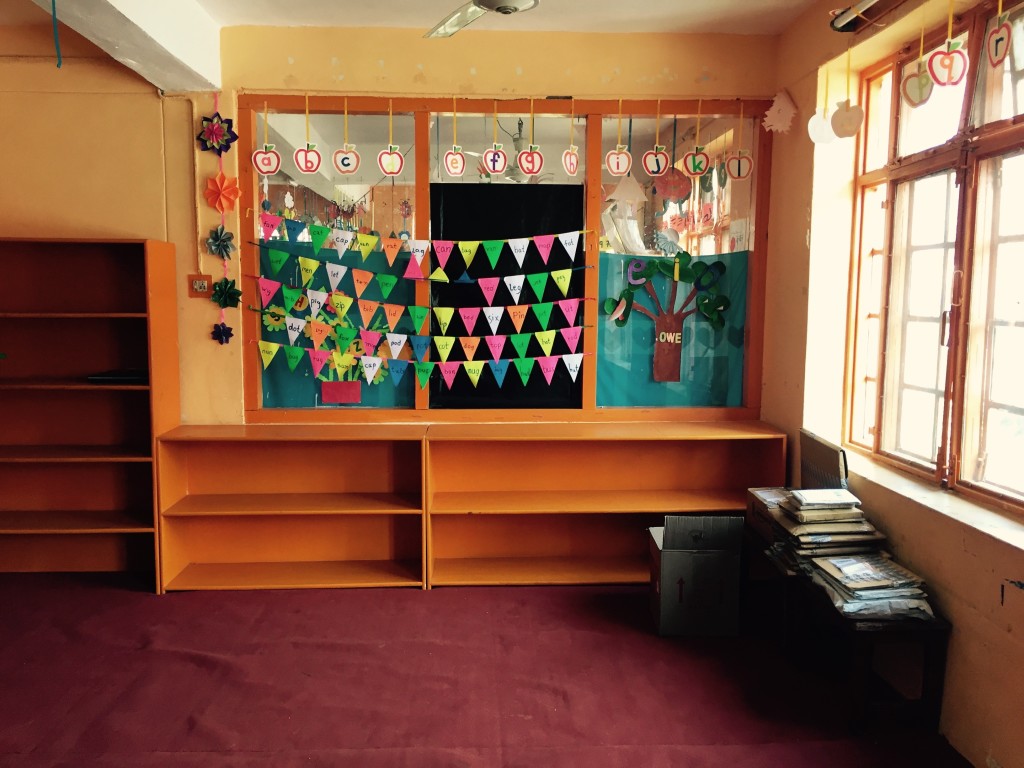
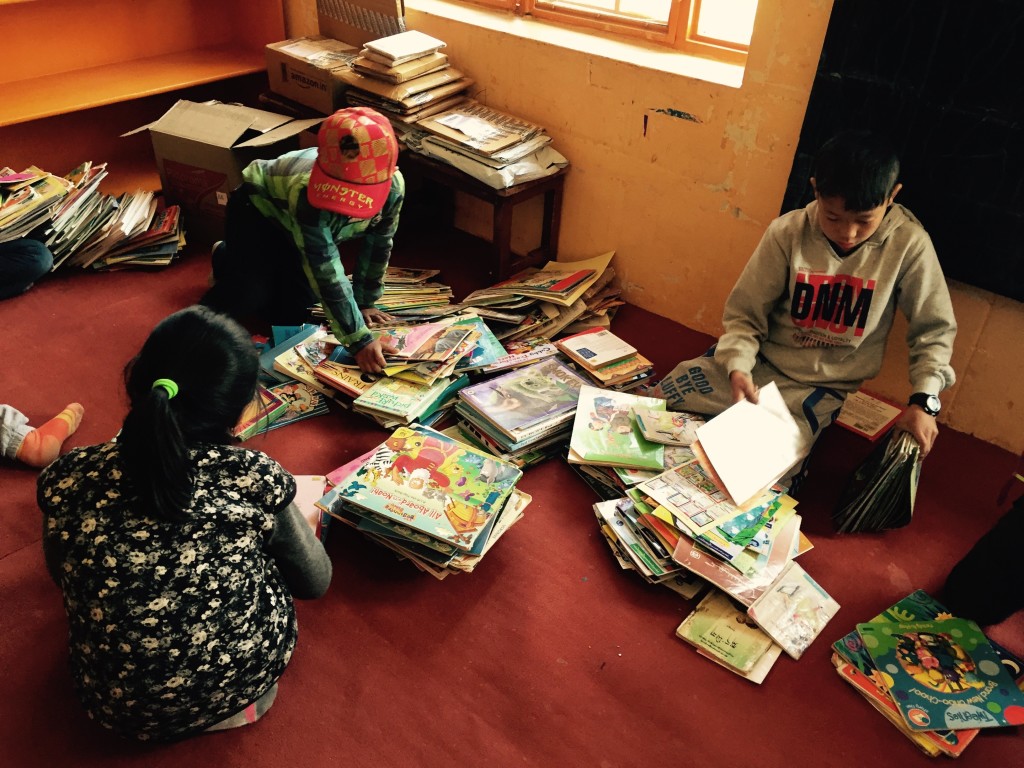
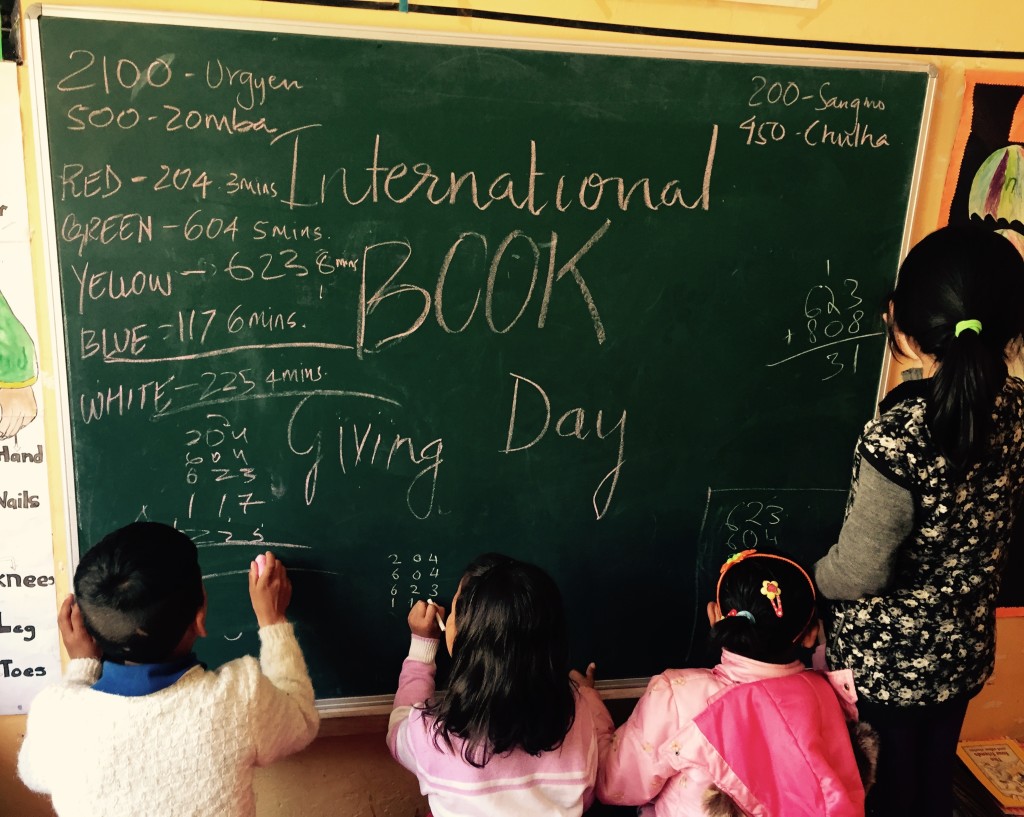
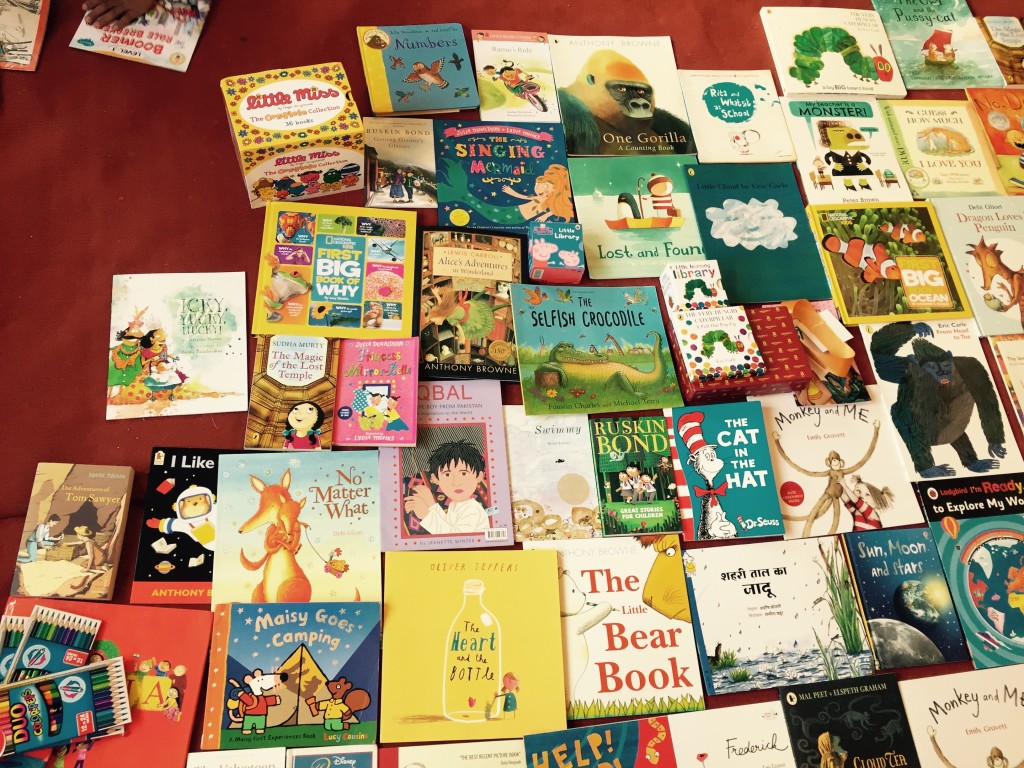
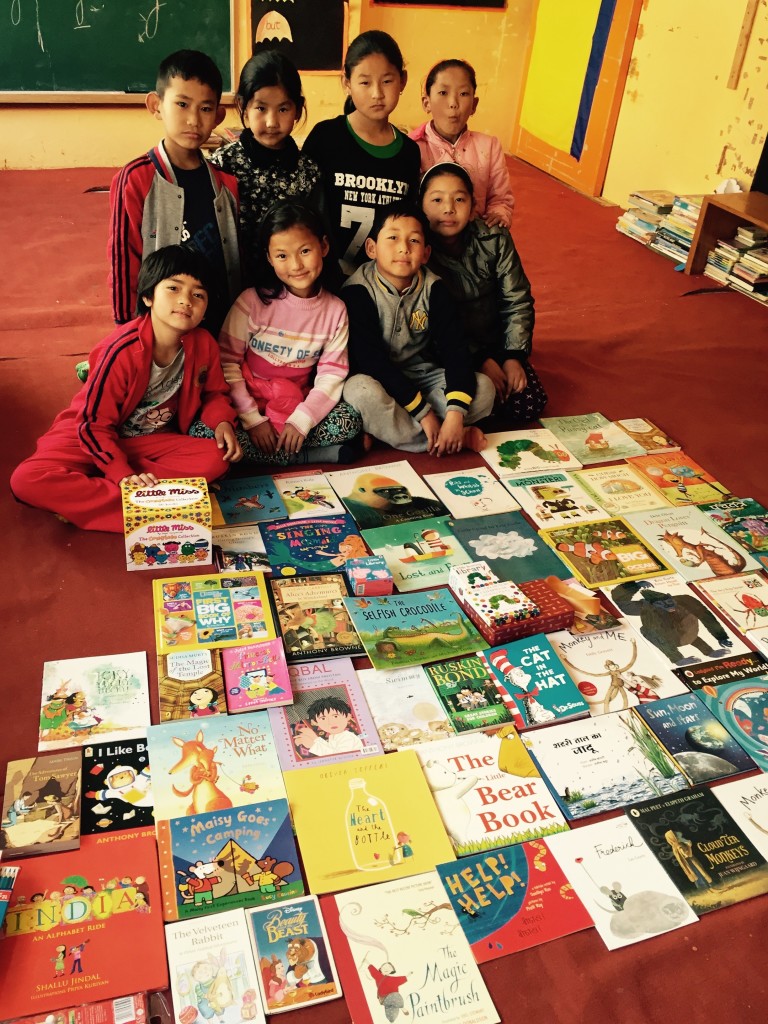
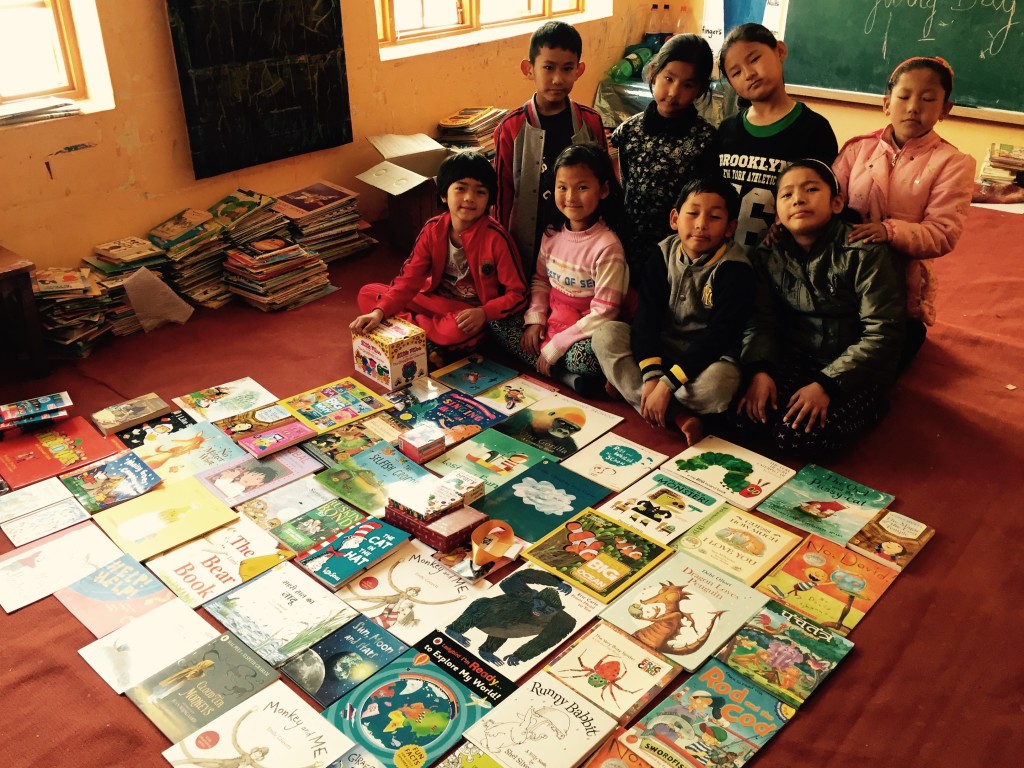
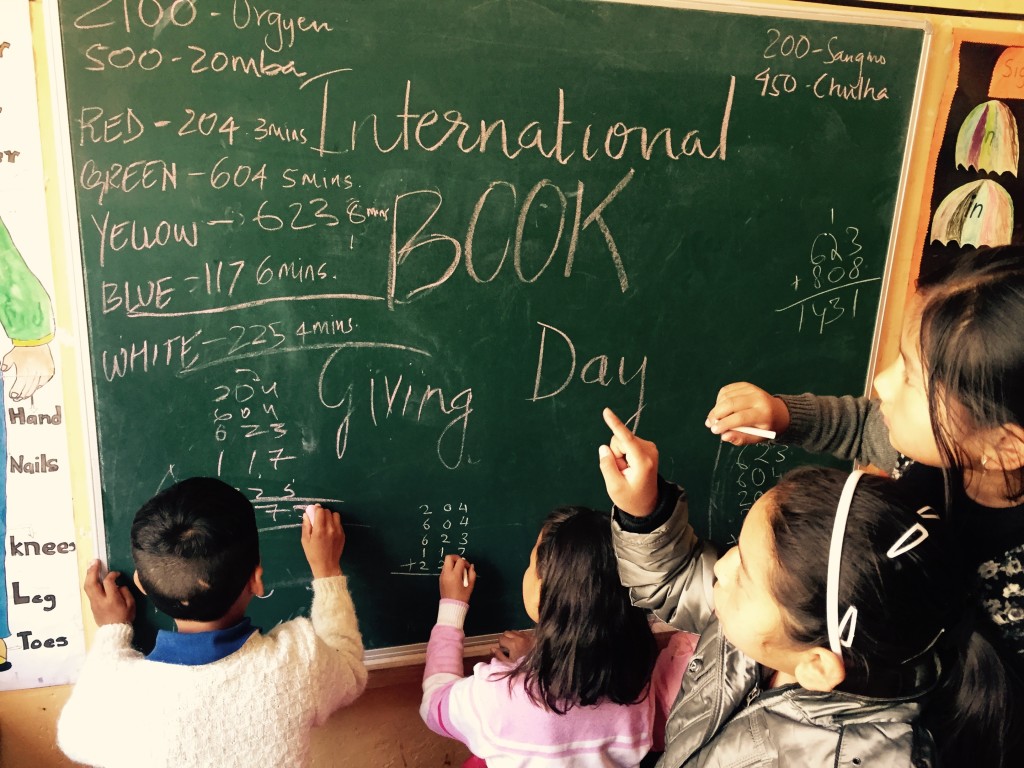
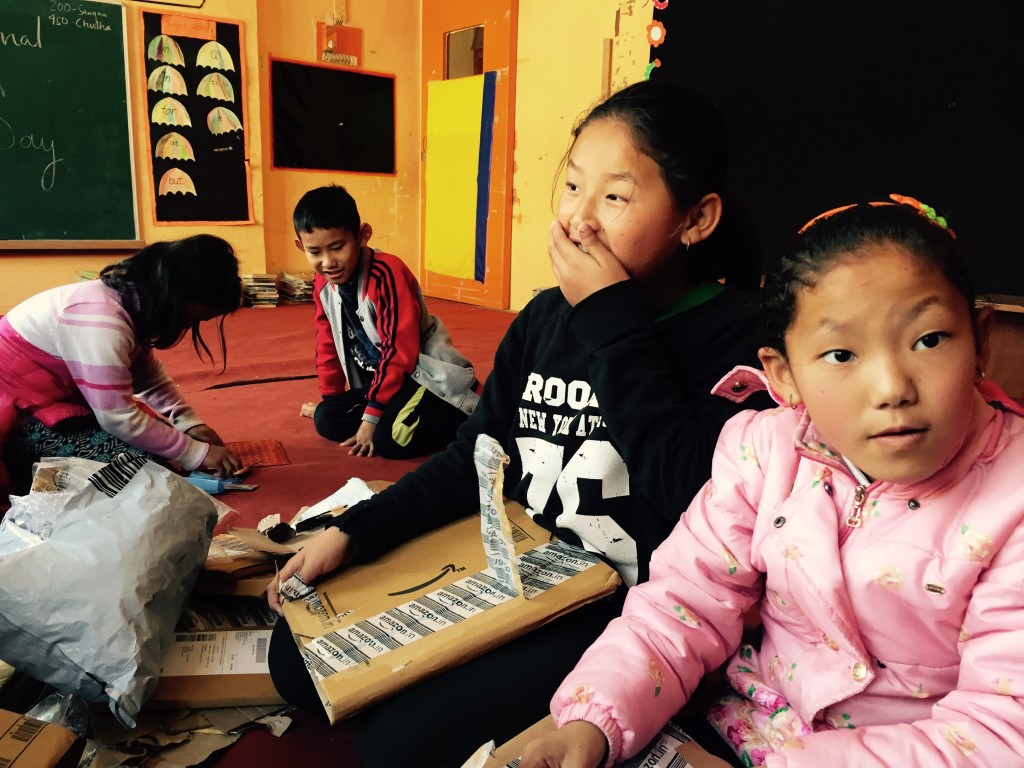
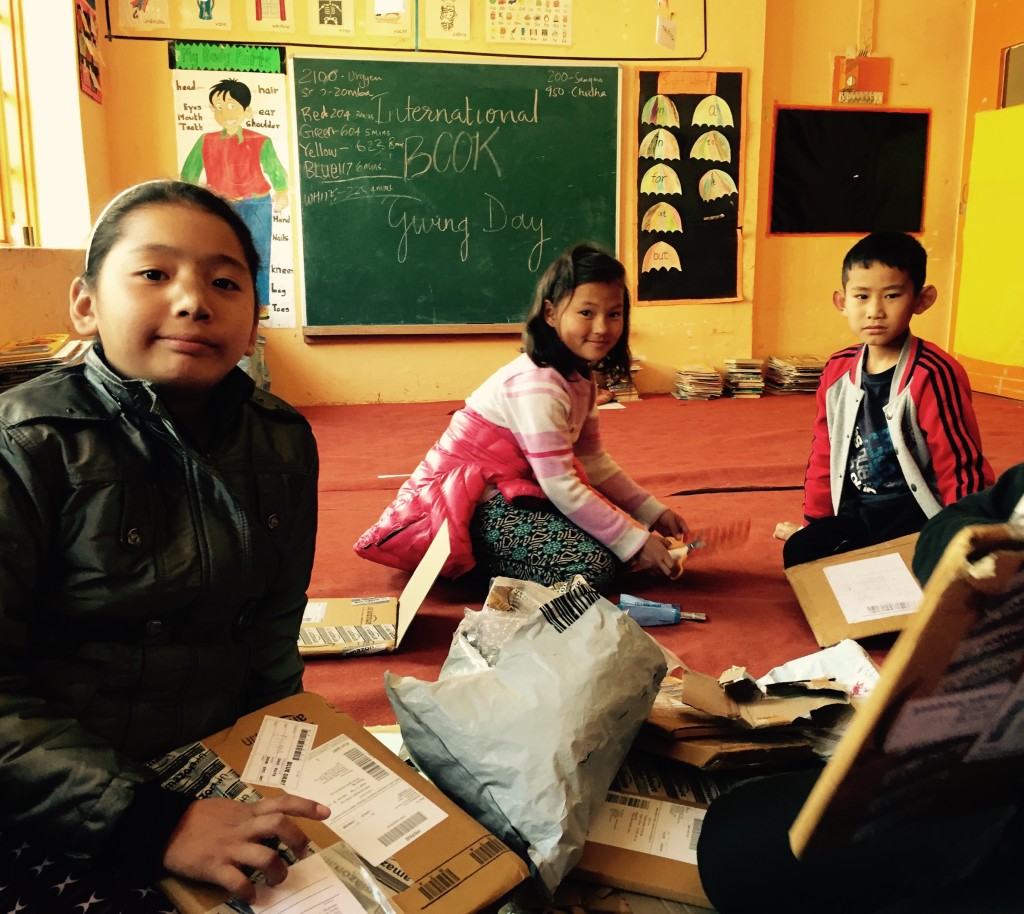
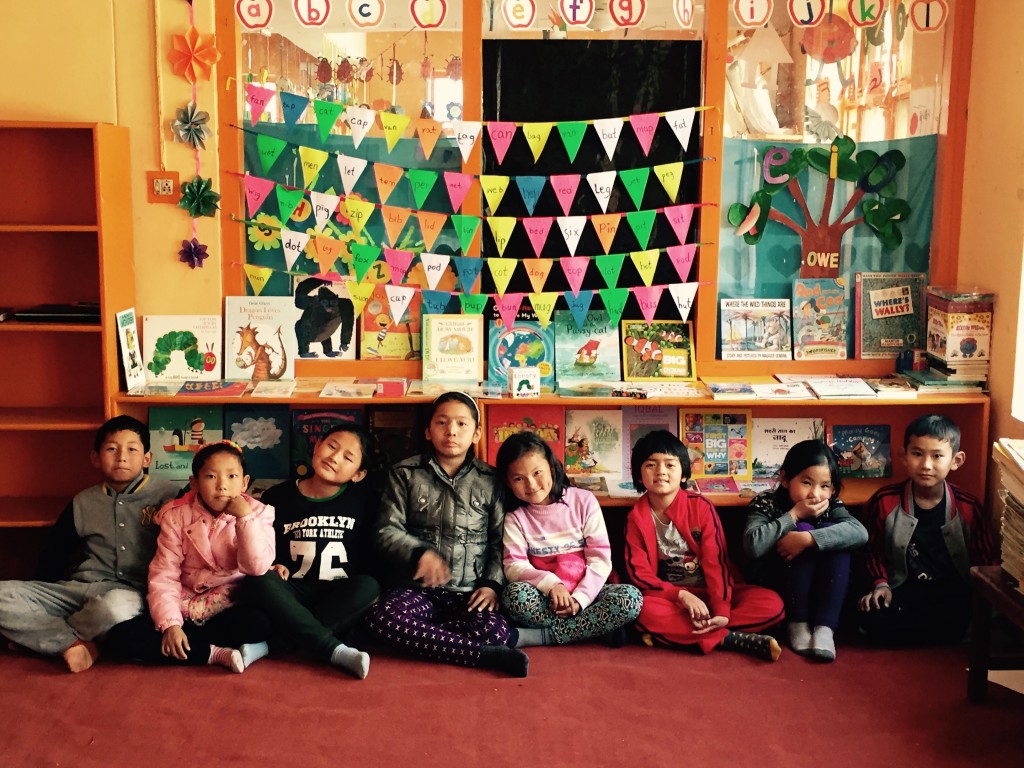
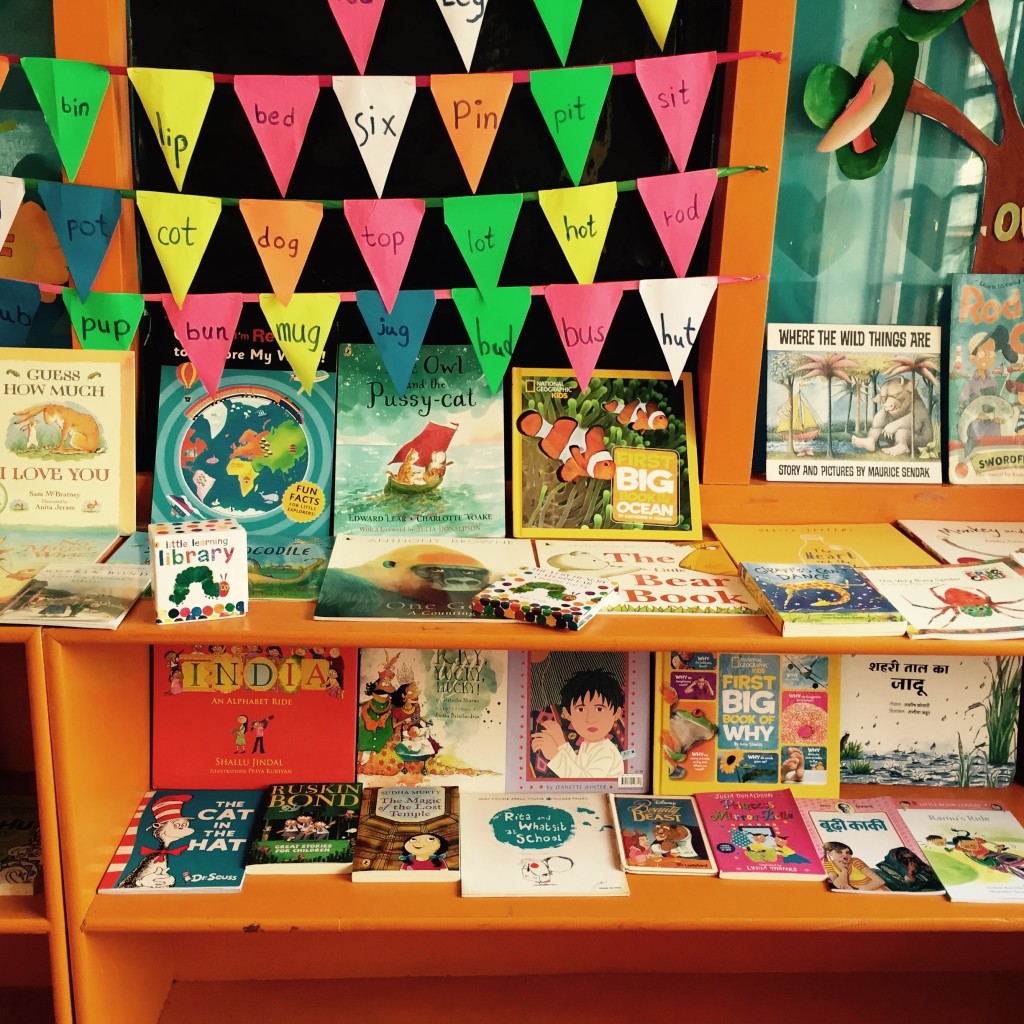
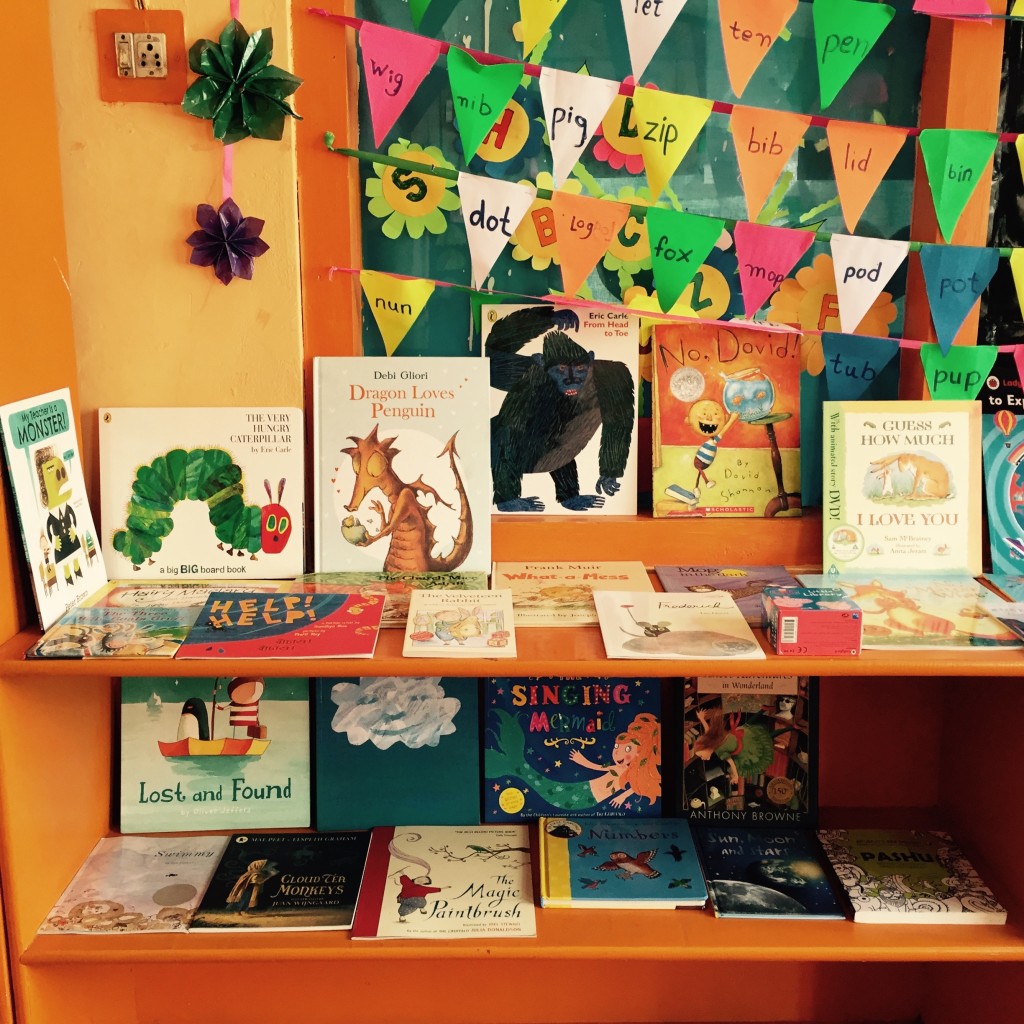
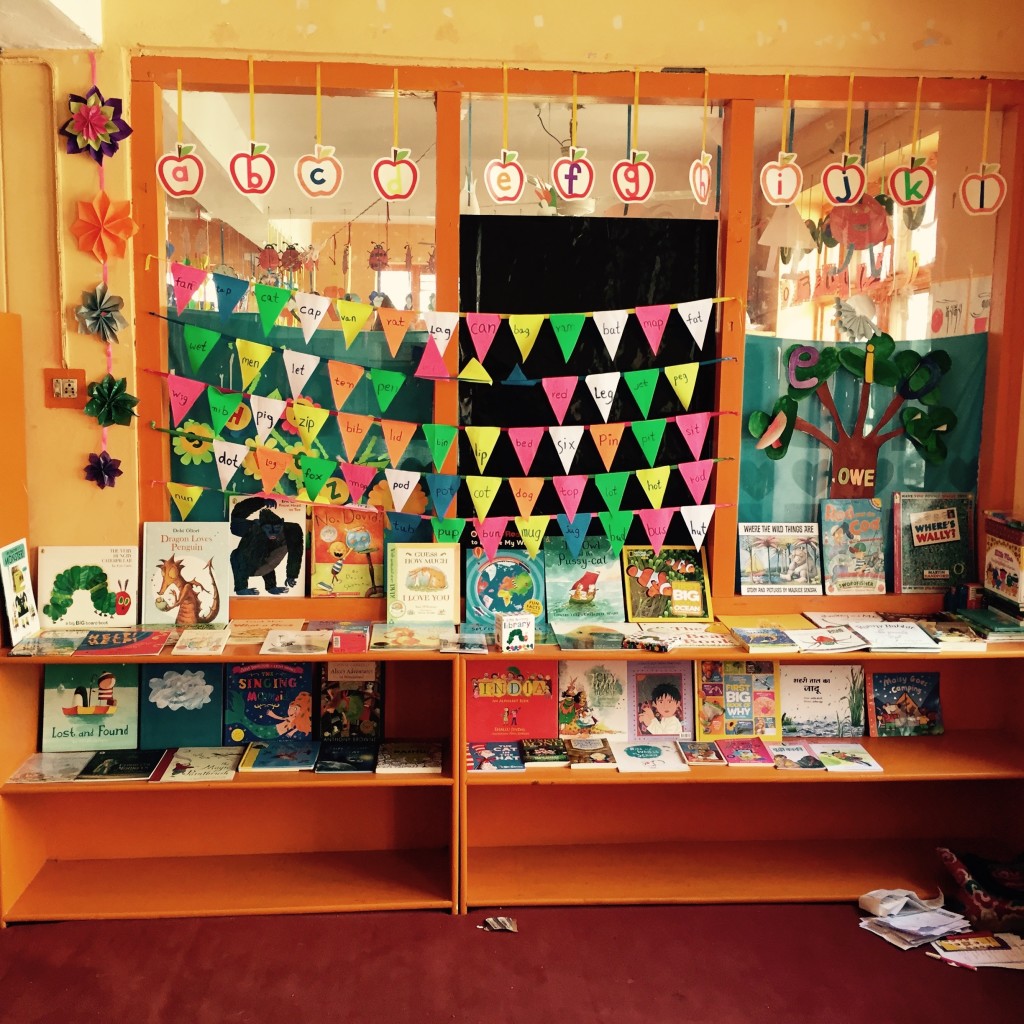
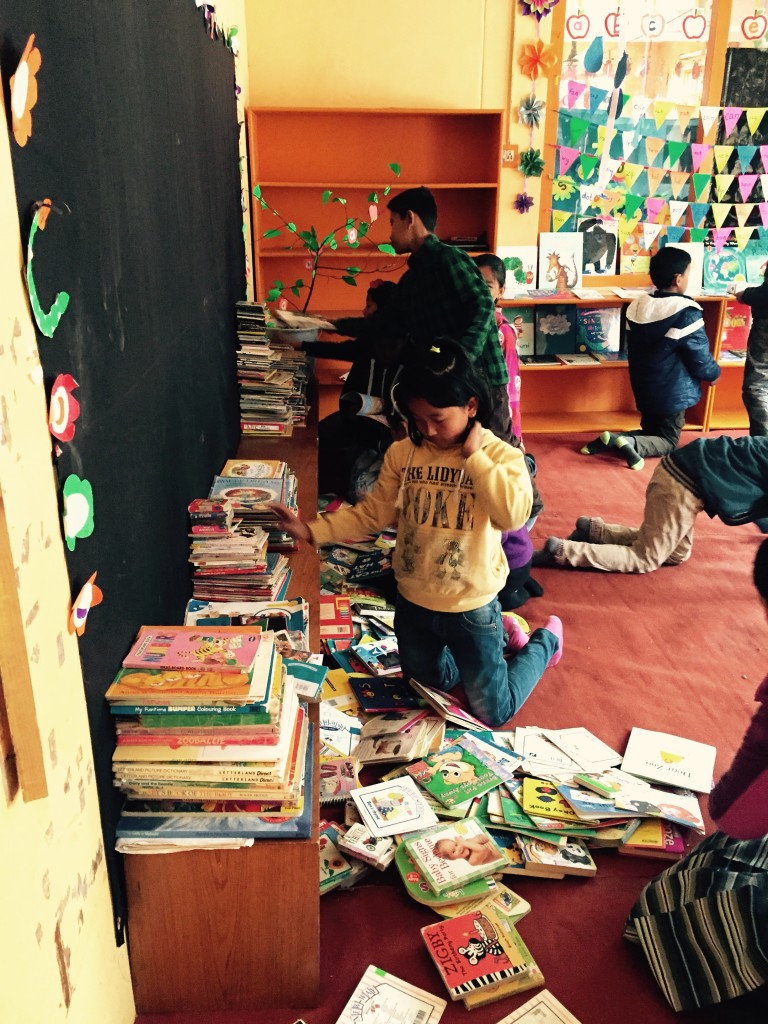
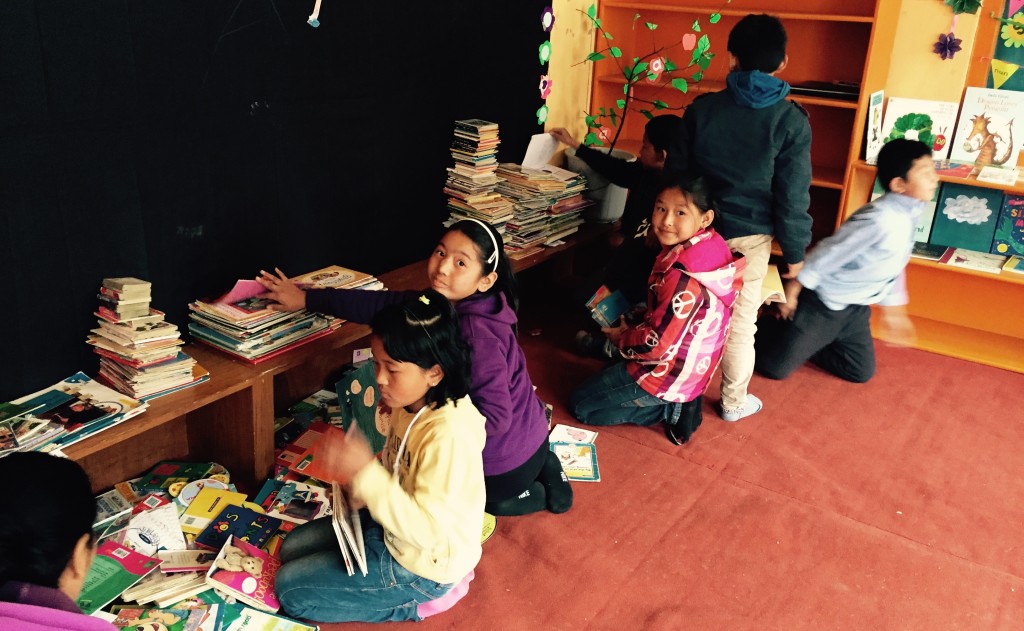
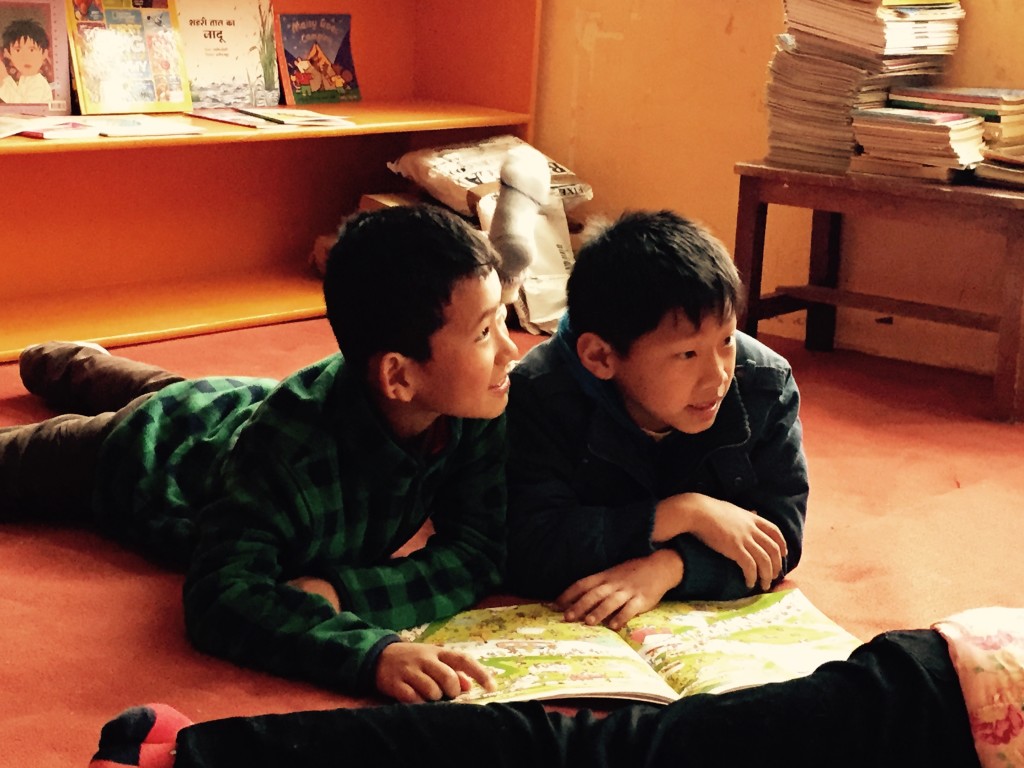
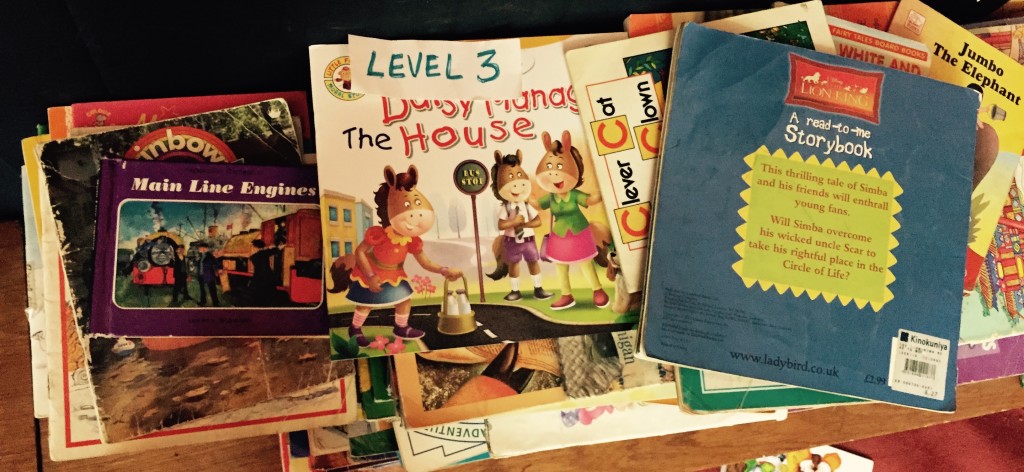
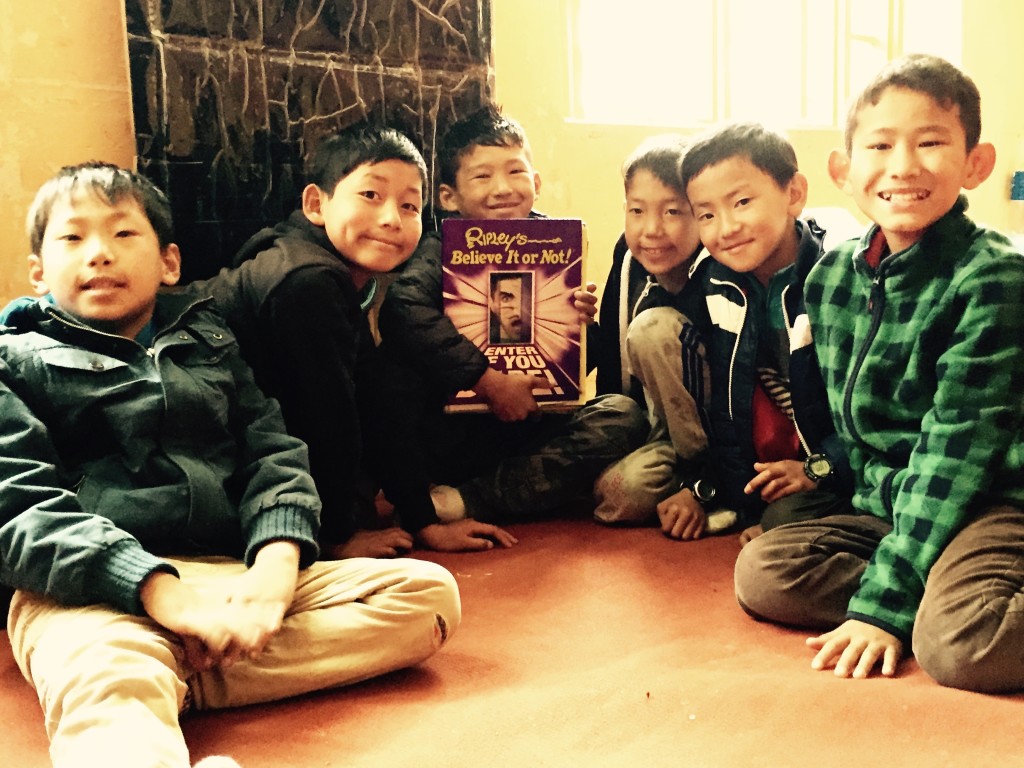
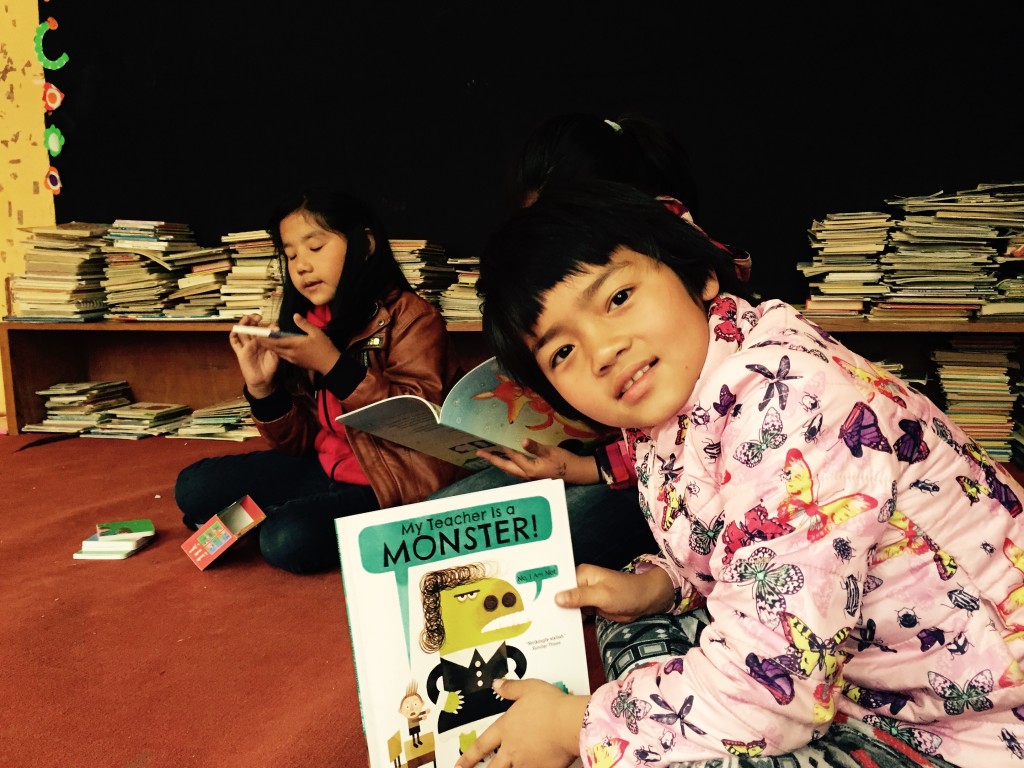
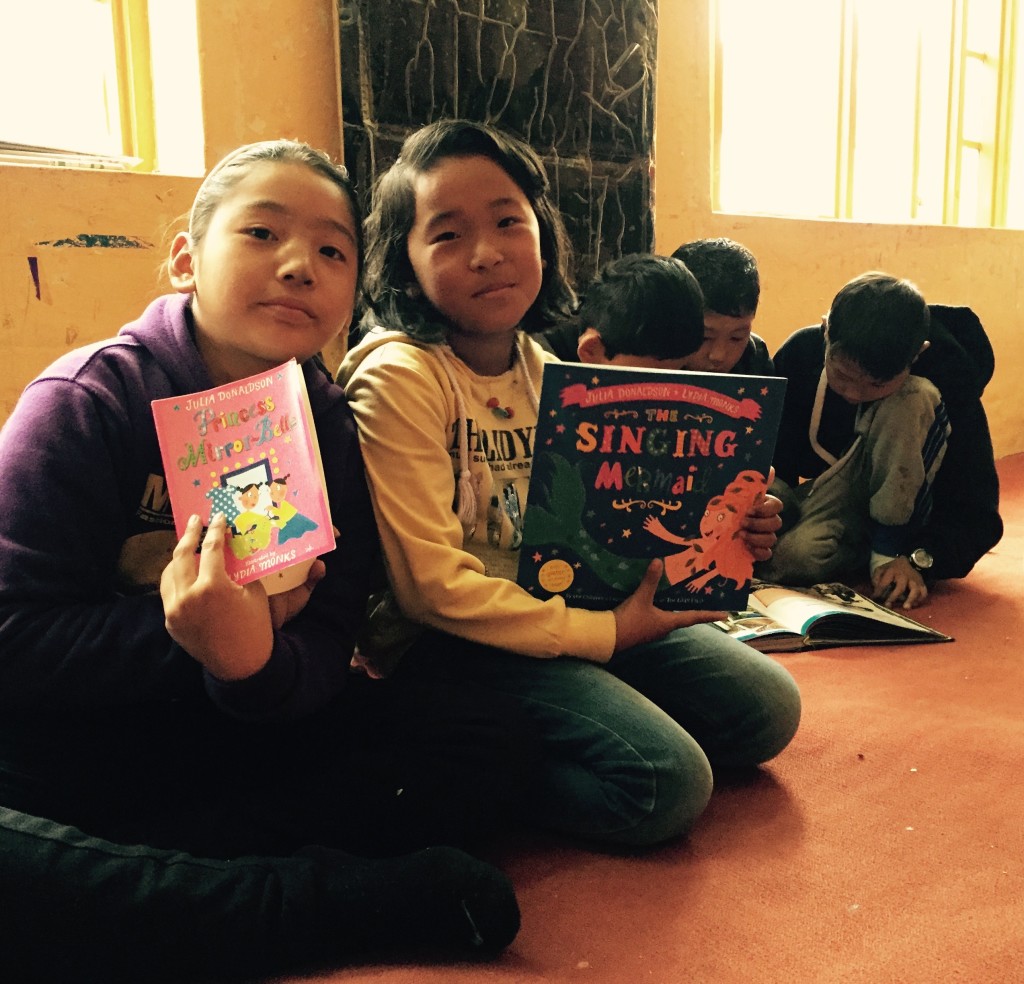
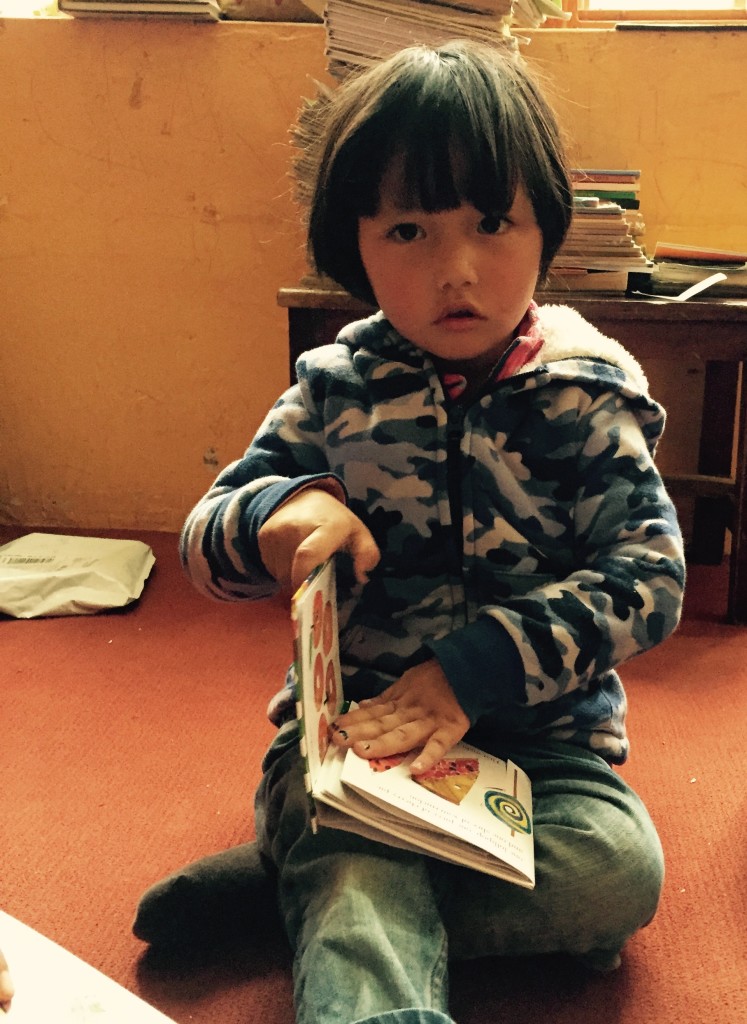
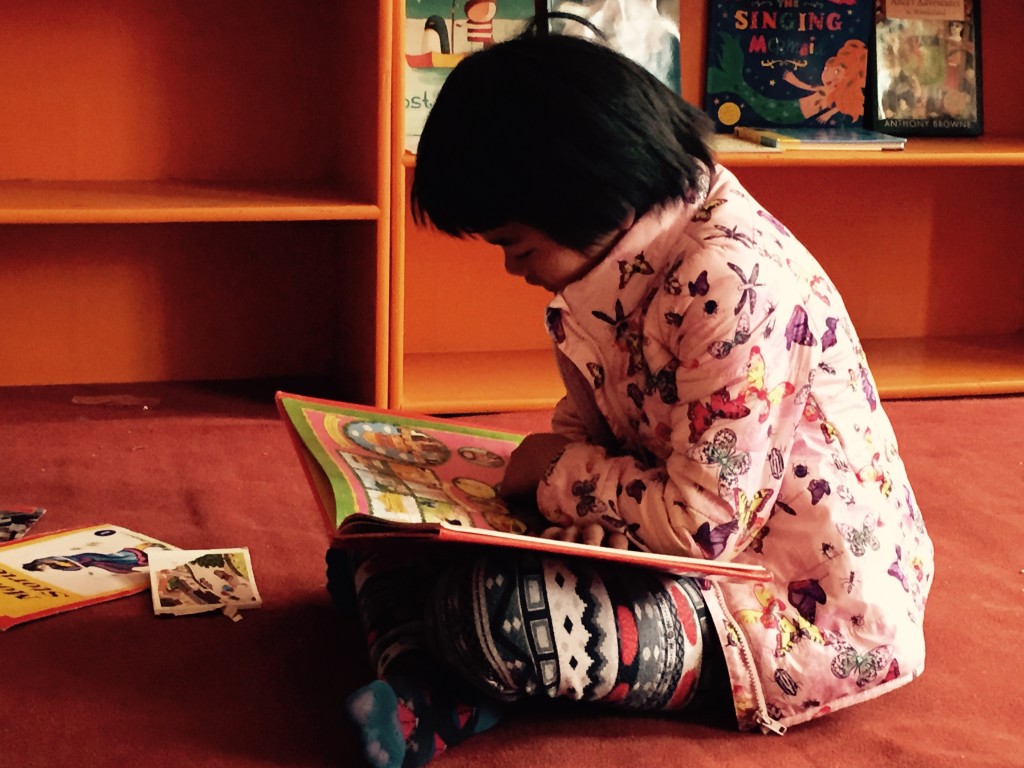
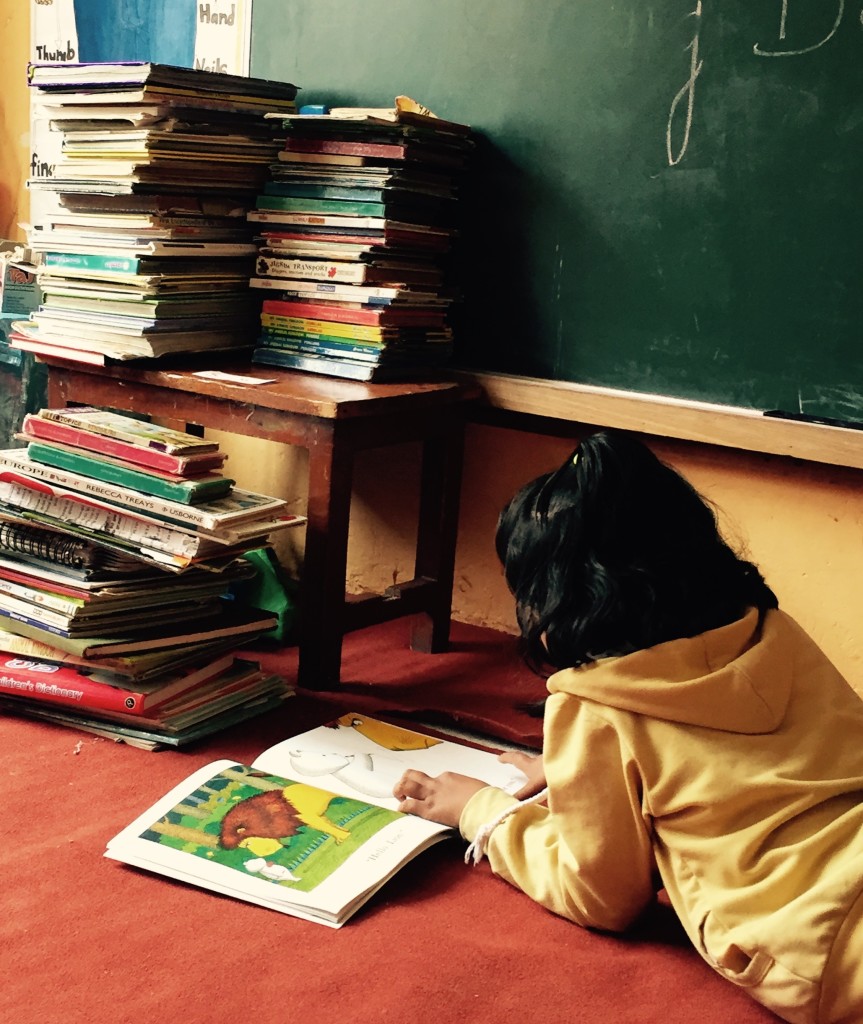
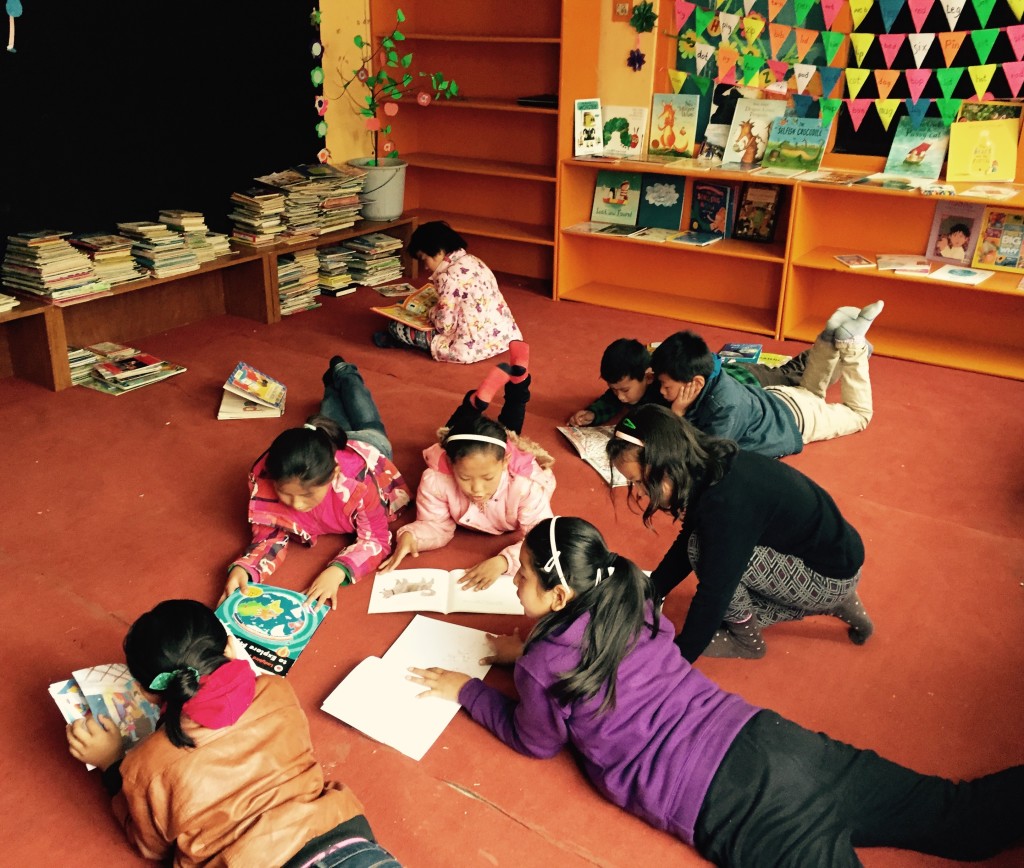
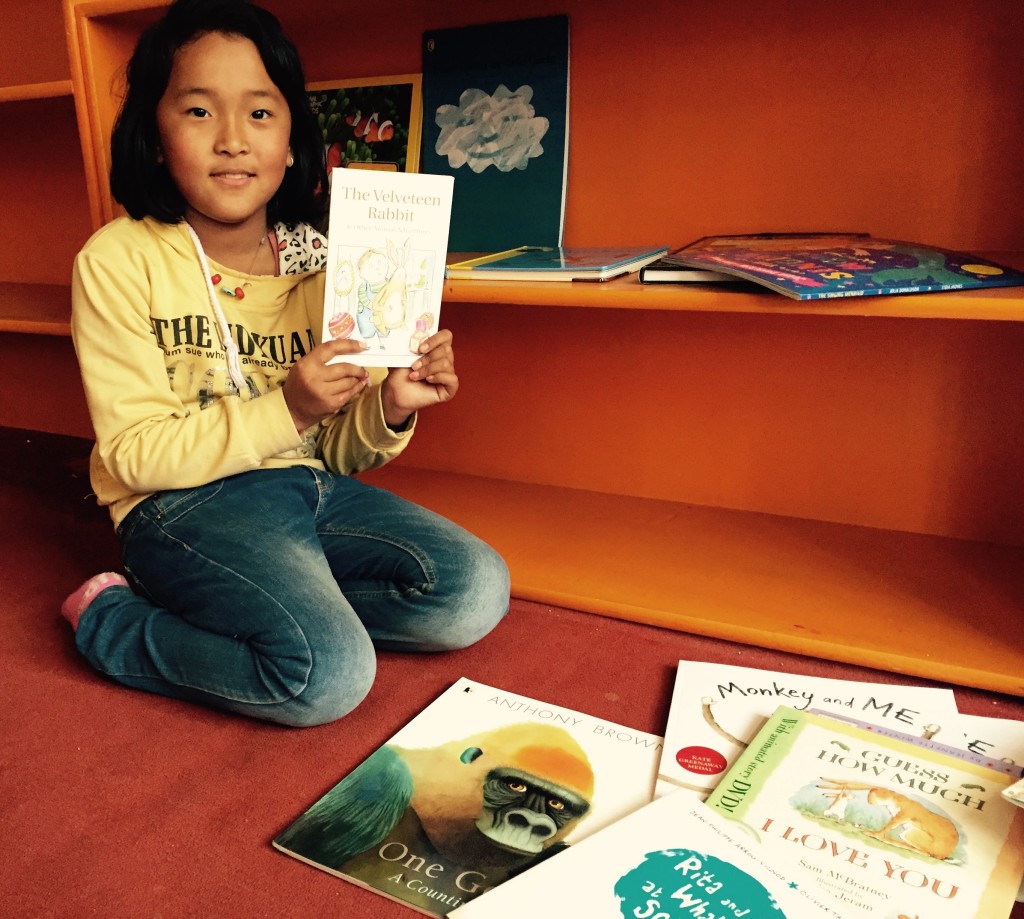
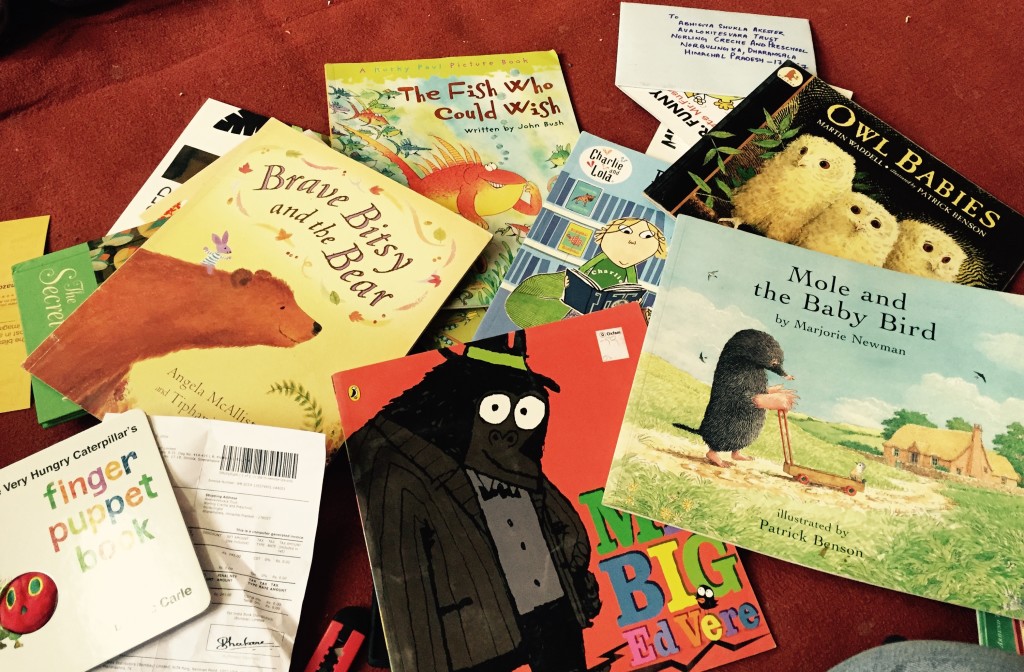
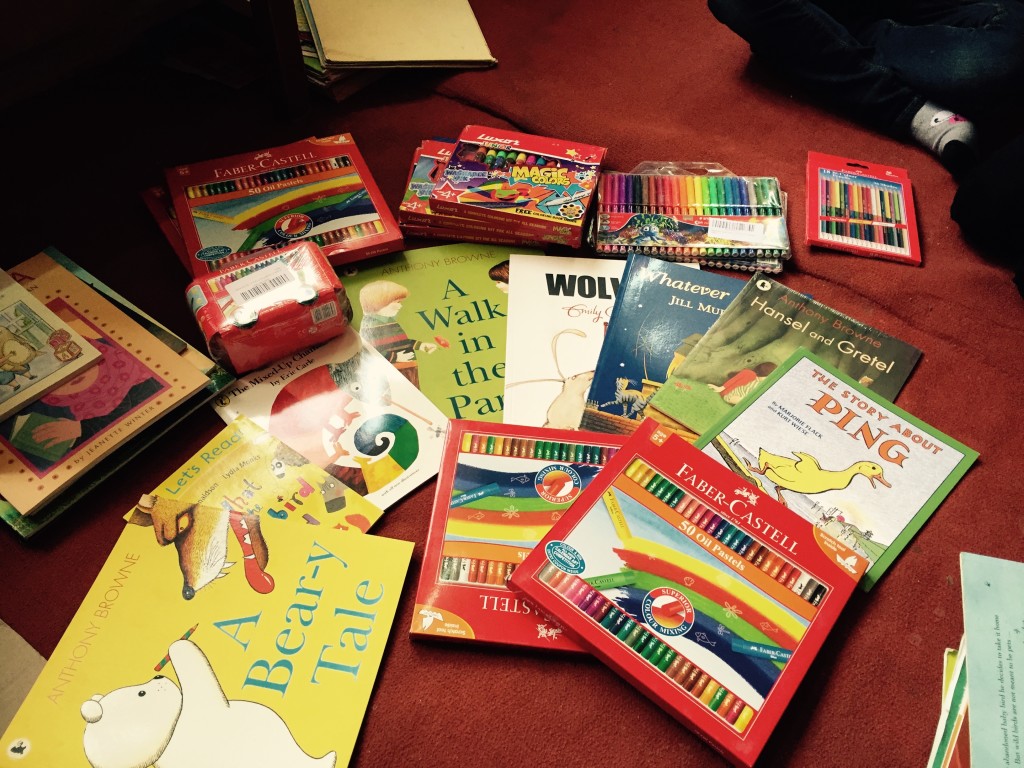
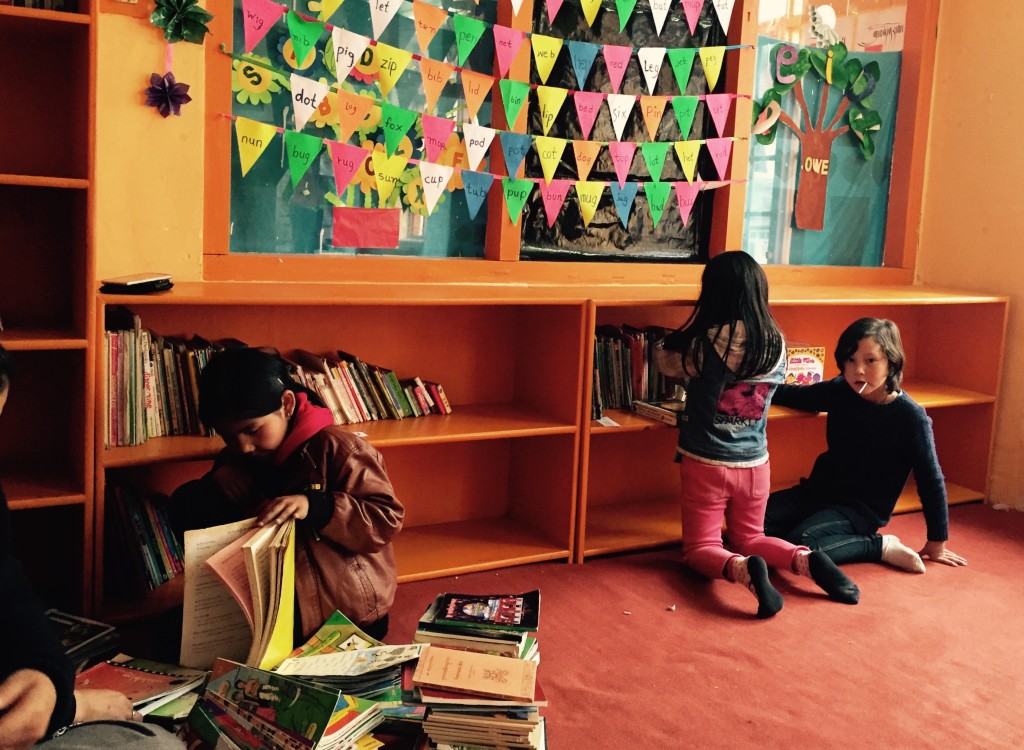
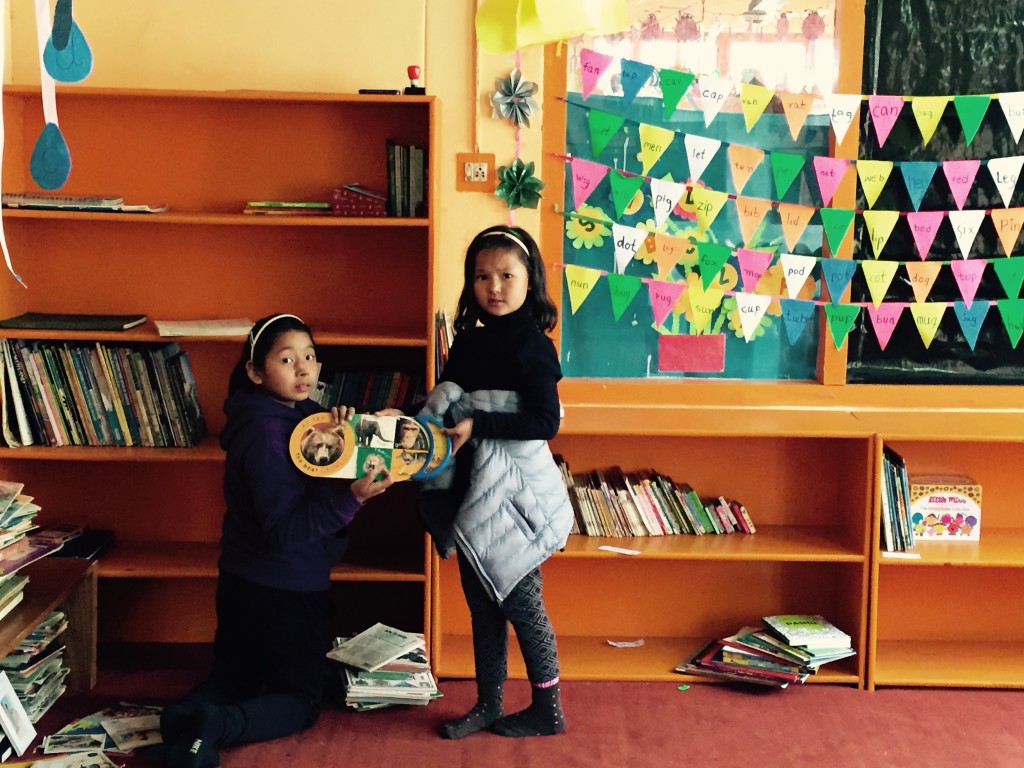
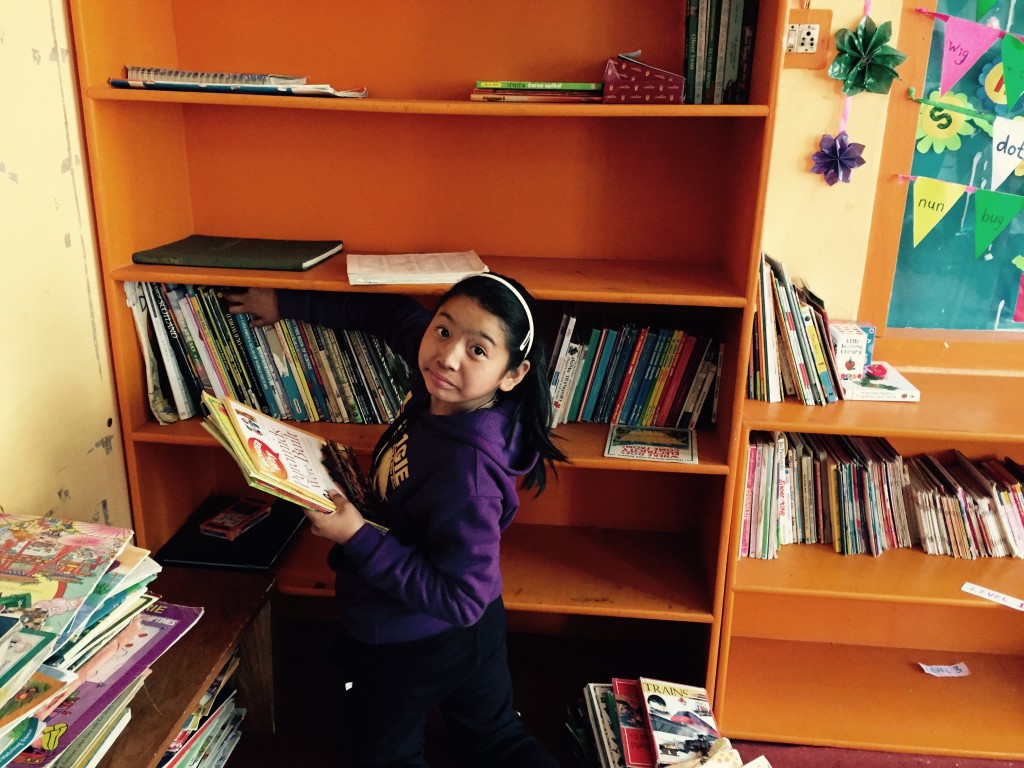
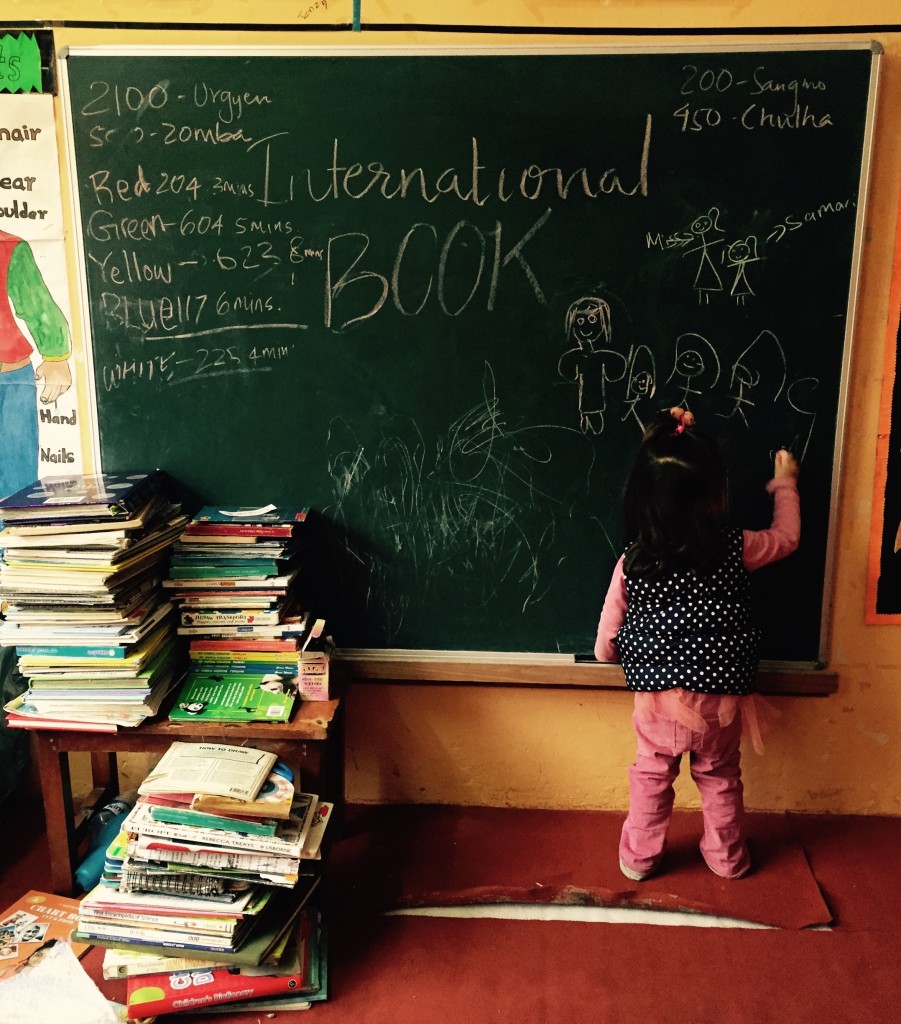
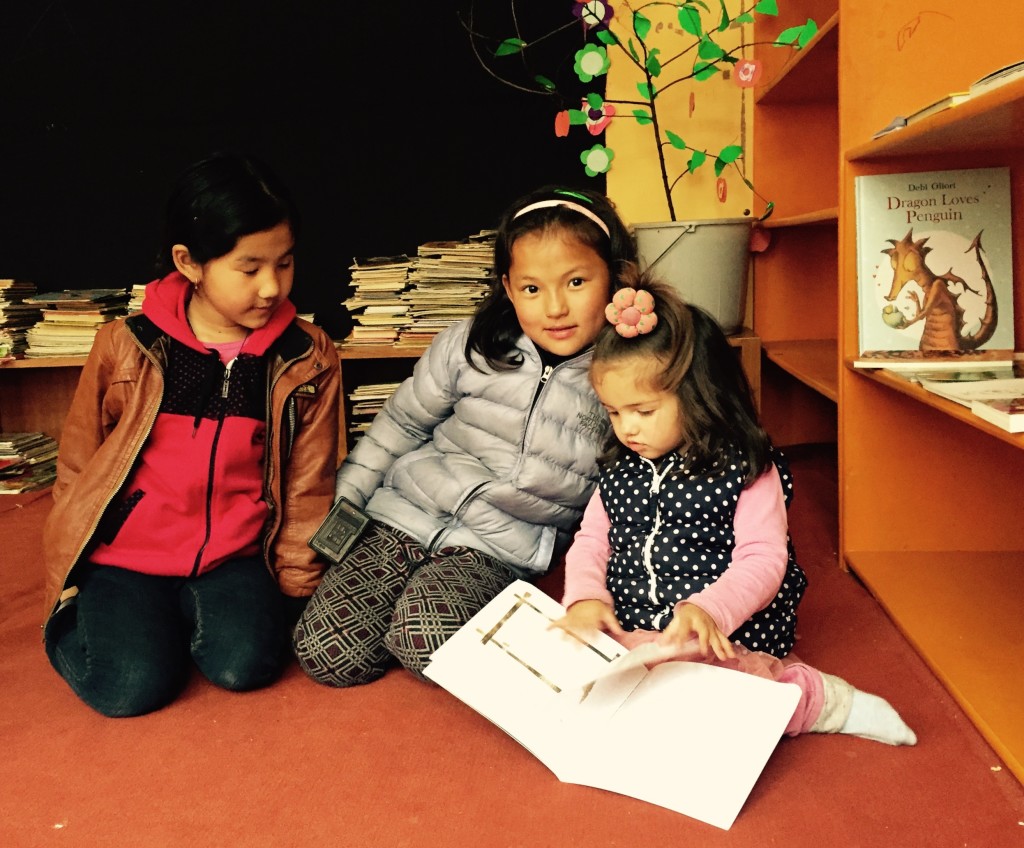
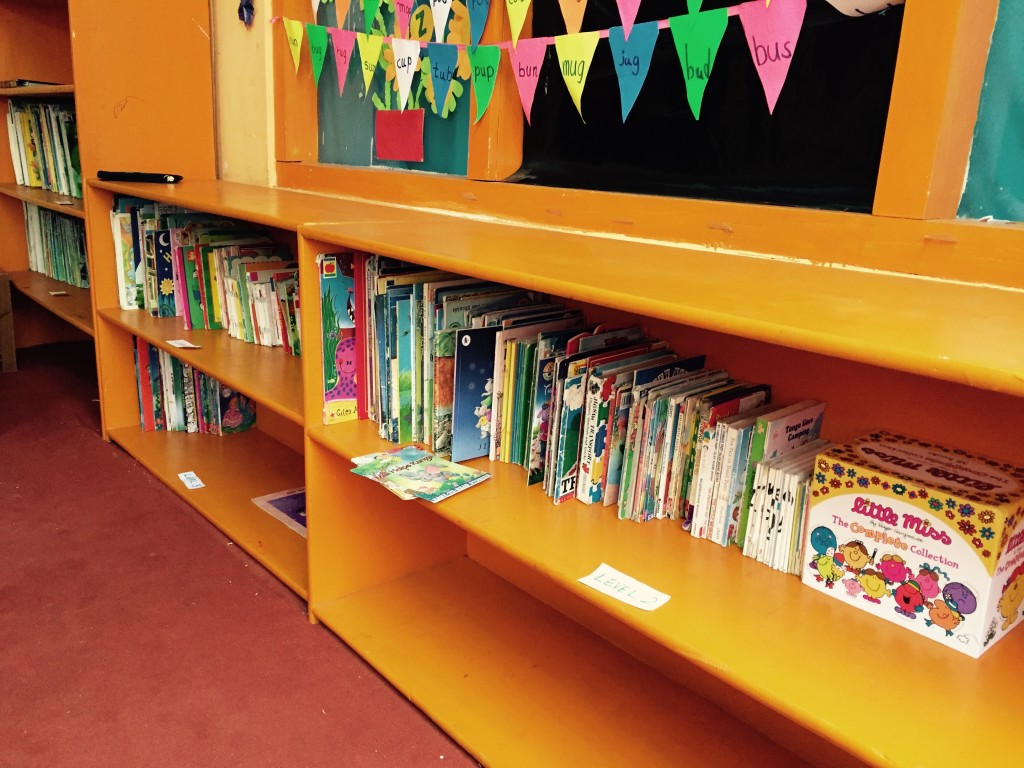
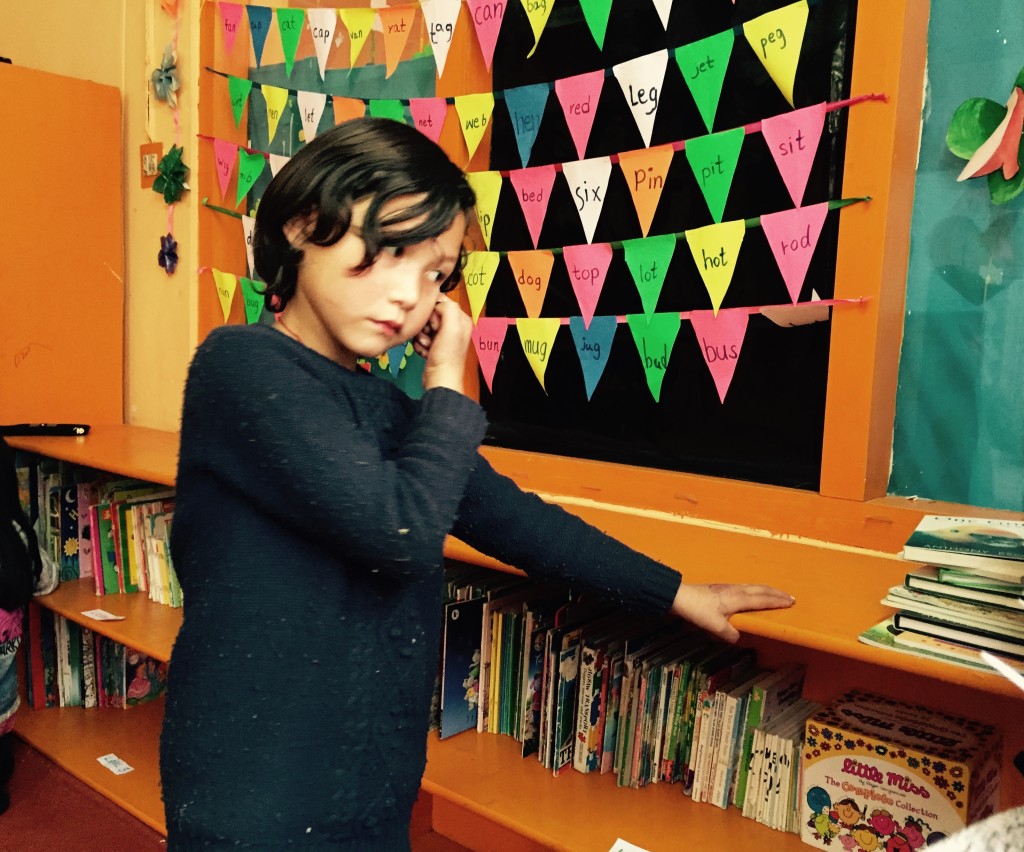
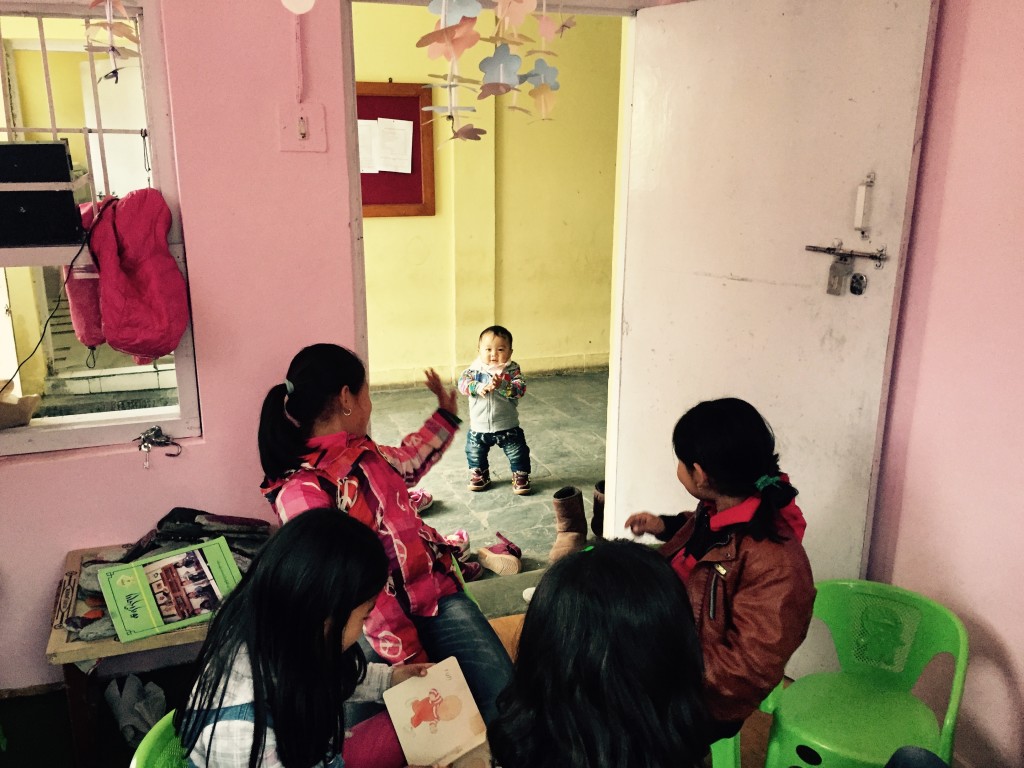
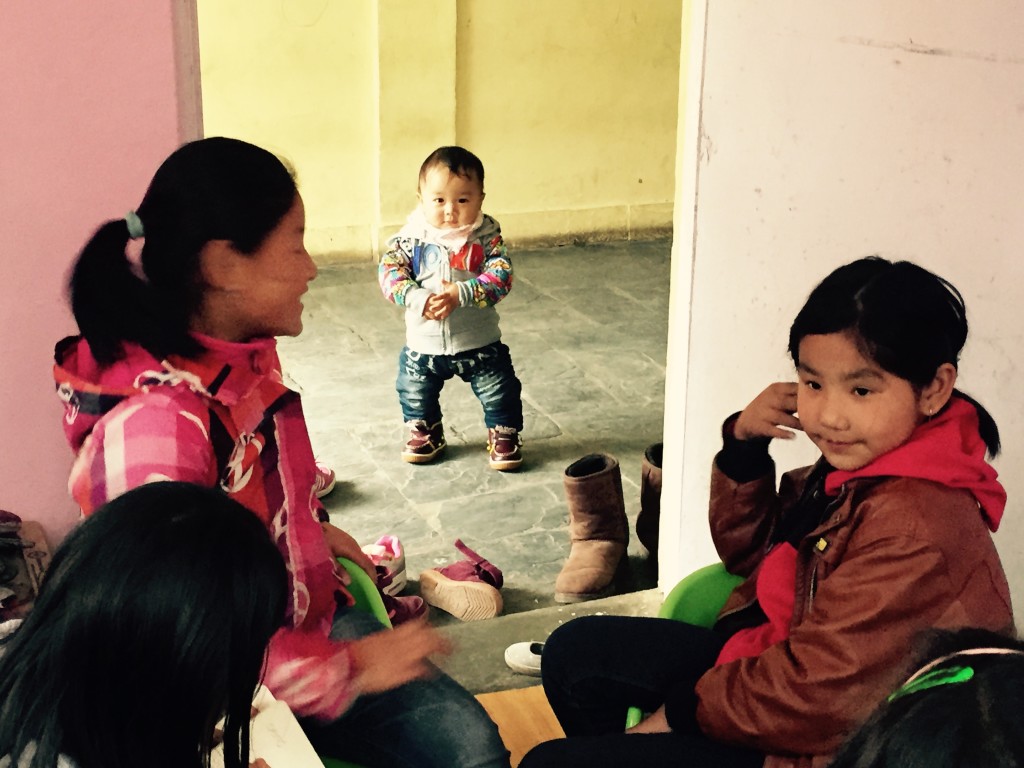
For organizations working in Ladakh and other Himalayan regions, creative education is closely connected with literacy and community life. Reading rooms, book drives, and arts programs create welcoming places where children can explore stories, make things with their hands, and develop a stronger sense of possibility.
A Safe Language For Feelings
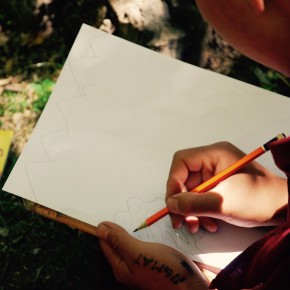
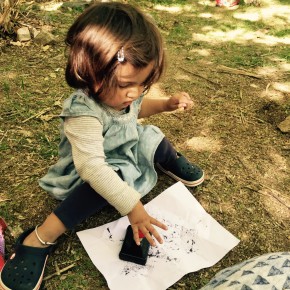
Children often experience emotions before they can explain them clearly. A change in family circumstances, a difficult journey, loneliness, pressure at school, or uncertainty about the future may be difficult to discuss directly. Drawing and painting allow children to represent these feelings through images, shapes, and colors without having to provide a polished verbal explanation.
An adult does not need to interpret every picture as a hidden message. The value often lies in the process itself. When children choose materials, make decisions, and talk about their work at their own pace, they practice emotional awareness. They also learn that their inner experiences deserve attention.
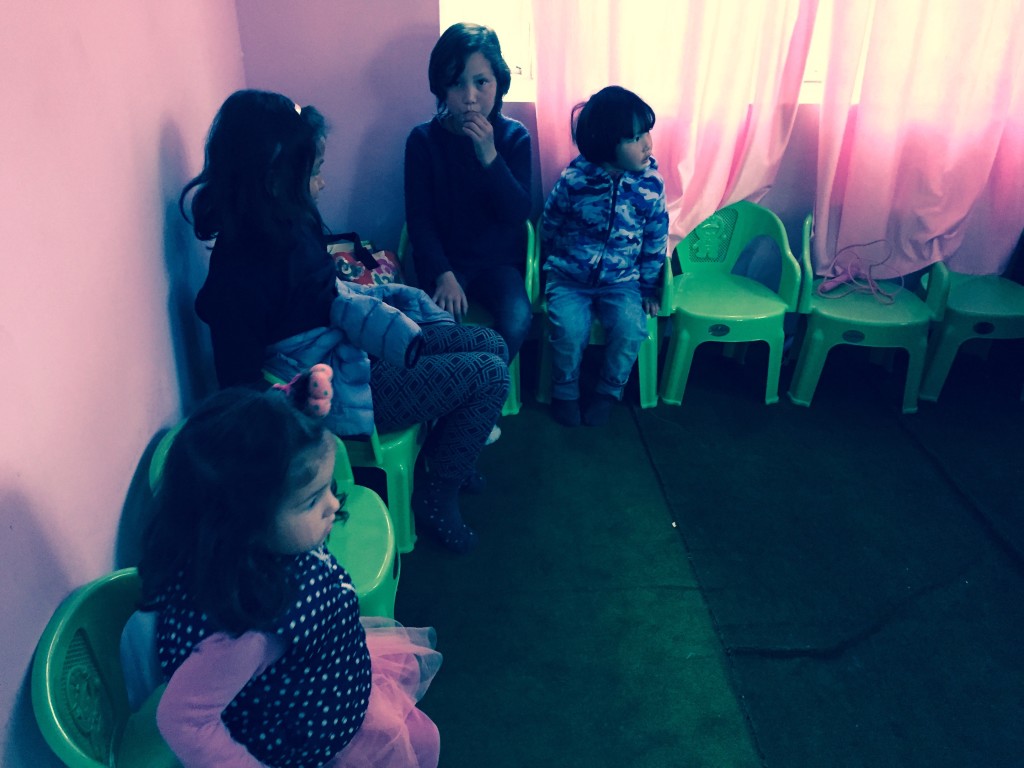
Creative sessions can be especially helpful when they are predictable and supportive. A regular art hour in a reading room or community center gives children a familiar routine. Over time, that dependable space can encourage trust, concentration, and open communication.
Strengthening Identity And Belonging
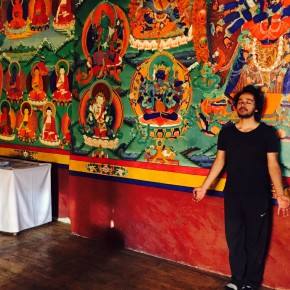
Mountain communities possess rich visual, musical, and storytelling traditions. Local patterns, landscapes, festivals, buildings, clothing, animals, and oral histories can become starting points for creative activities. When children draw their village, create a collage about seasonal life, or learn a traditional song, they see their surroundings as worthy of study and artistic expression.
This approach can strengthen cultural identity without turning heritage into a museum piece. Children can combine local forms with new ideas, experimenting with materials and styles from books, workshops, and their own imagination. Such work respects continuity while leaving room for personal creativity.
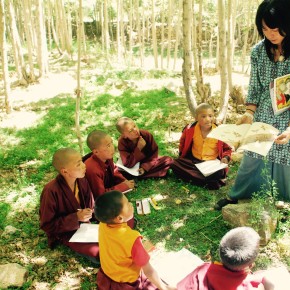
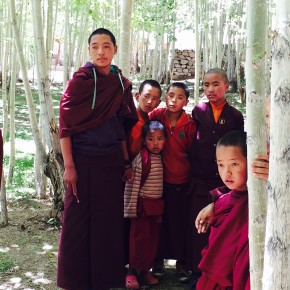
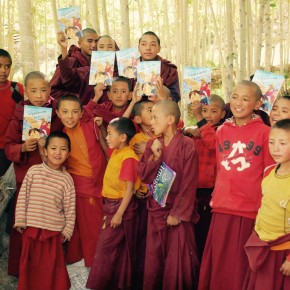
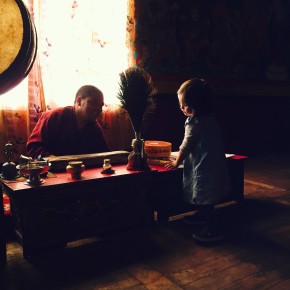
For young monks, artistic activities may offer additional ways to engage with community traditions and daily life. Music, illustration, calligraphy, and visual storytelling can complement reading and religious study. The goal is not to impose an outside model of creativity, but to provide tools that children and mentors can adapt to their own environment.
Learning Through Making
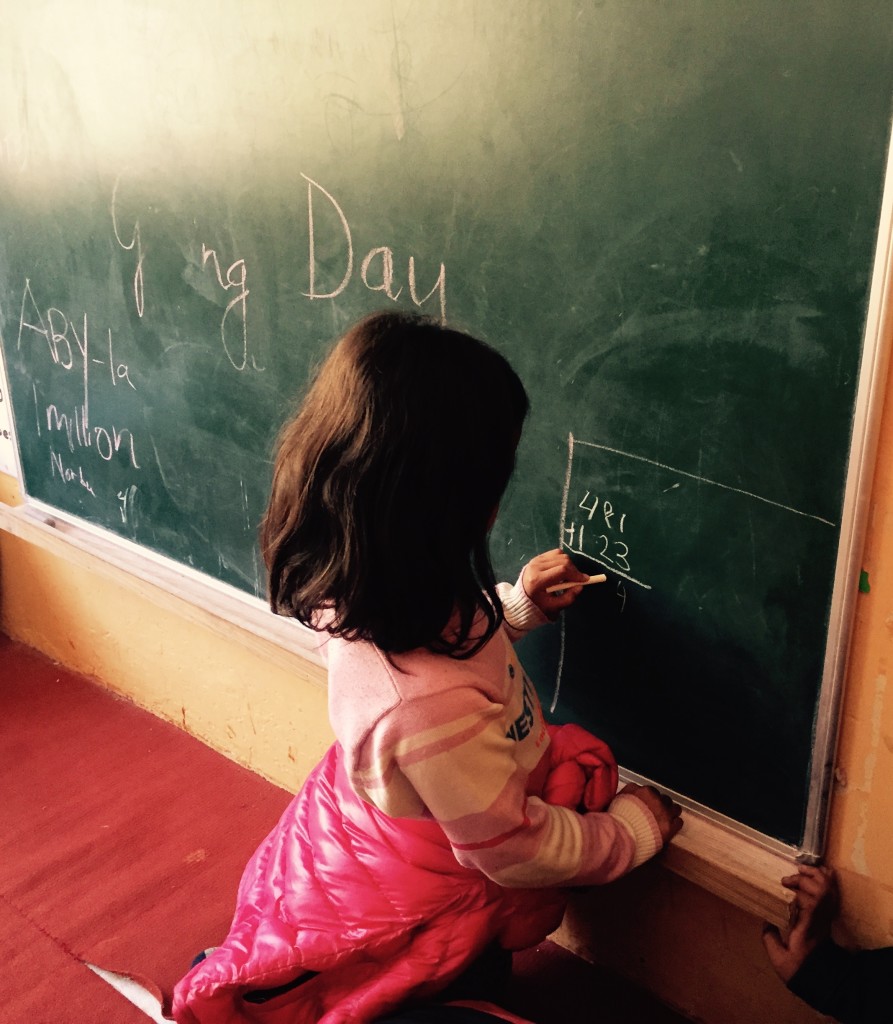
Art develops practical learning skills that reach beyond the finished picture or performance. Children plan a project, follow steps, solve problems, revise their work, and manage materials. These habits support classroom learning in subjects such as language, mathematics, environmental studies, and history.
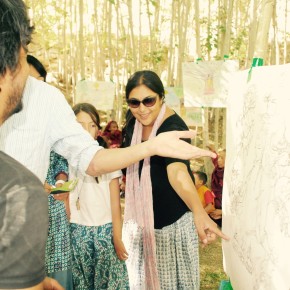
A group mural, for example, can involve measuring a wall, discussing a theme, assigning roles, mixing colors, and presenting the completed work. A handmade book can combine writing, sequencing, illustration, and careful attention to detail. Music activities help children recognize patterns, listen closely, remember sequences, and coordinate with others.
Creative learning is particularly valuable where educational resources are scarce. Simple materials can support substantial experiences: pencils, recycled paper, natural pigments, fabric scraps, clay, or locally available wood. A well-prepared facilitator can turn modest supplies into opportunities for experimentation and discovery.
Creative Activities And Emotional Resilience
Art cannot remove the difficulties associated with isolation, poverty, harsh weather, or limited services. It can, however, help children build constructive ways to respond to stress. Completing a drawing, learning a melody, or contributing to a group performance can provide a sense of agency when other parts of life feel beyond their control.
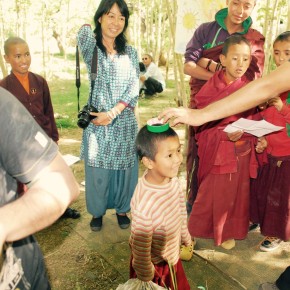
The social aspect matters as much as the individual activity. Children who create together practice cooperation, patience, and respectful feedback. A shared performance can help a quiet child participate in a group, while a collaborative craft project can bring together children of different ages and abilities.
The following activities offer different forms of support and can be adapted to a reading room, school, monastery setting, or village gathering space:
| Creative Activity |
Skills Encouraged |
Possible Emotional Benefit |
Suitable Resources |
| Drawing and painting |
Observation, choice-making, visual communication |
A private and flexible way to express feelings |
Paper, pencils, watercolors |
| Group mural |
Cooperation, planning, shared responsibility |
Stronger belonging and pride in place |
Large paper or prepared wall, paint |
| Music and singing |
Listening, memory, rhythm, coordination |
Confidence, joy, and connection with others |
Voices, simple instruments, recordings |
| Story illustration |
Reading comprehension, sequencing, imagination |
A bridge between personal experience and literature |
Books, paper, colored pencils |
| Drama and role-play |
Language, empathy, problem-solving |
Safe exploration of relationships and difficult situations |
Open space, simple props |
| Clay and handcraft |
Fine motor skills, patience, design |
Calm concentration and satisfaction in making |
Clay, natural or recycled materials |
Making Space For Every Child
Inclusive art programs do not assume that every child will draw, sing, or perform in the same way. Some children enjoy public activities, while others prefer quiet work at the edge of the group. Offering different formats allows children to participate according to their comfort, ability, and interests.
Facilitators can support inclusion by demonstrating several ways to complete a project rather than presenting one correct result. A child with limited fine-motor control might contribute ideas, choose colors, tell a story, or work with a partner. Children who speak different languages can participate through images, gestures, rhythm, and shared making.
It is also important to avoid judging children by artistic skill. Praise is most useful when it recognizes persistence, originality, careful observation, or cooperation. When creative spaces are free from comparison, children are more likely to take risks and develop confidence.
The Role Of Books, Mentors, And Volunteers
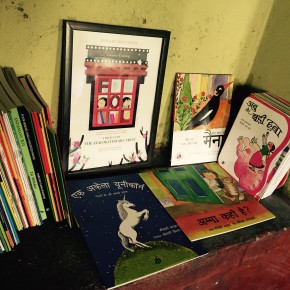
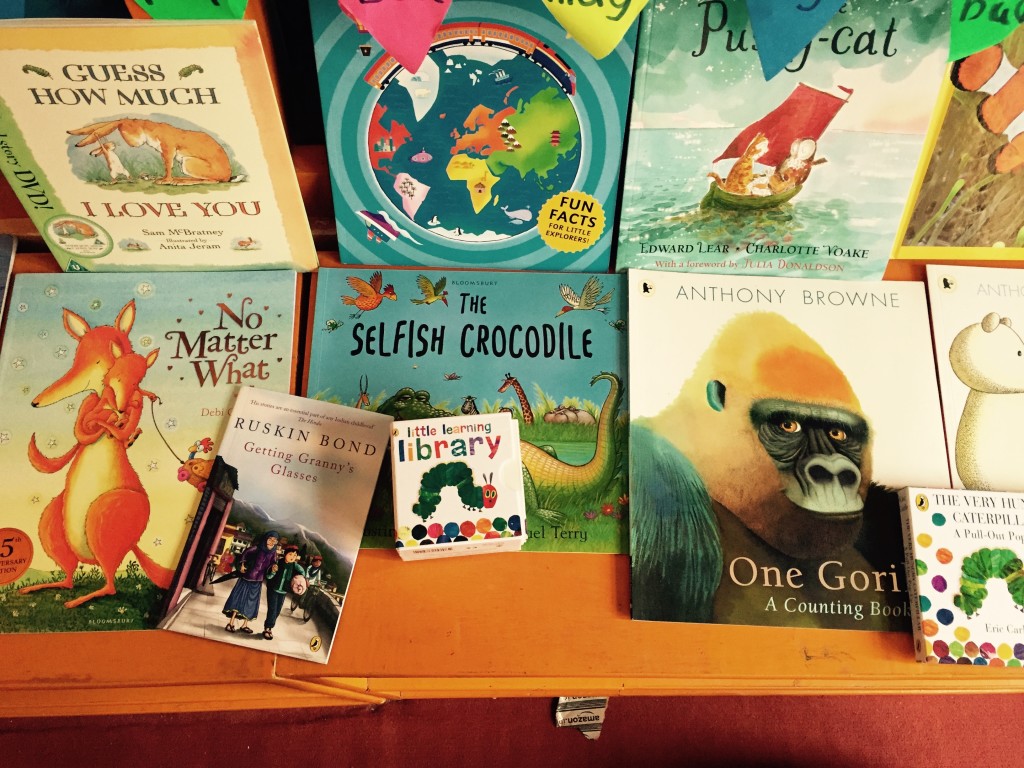
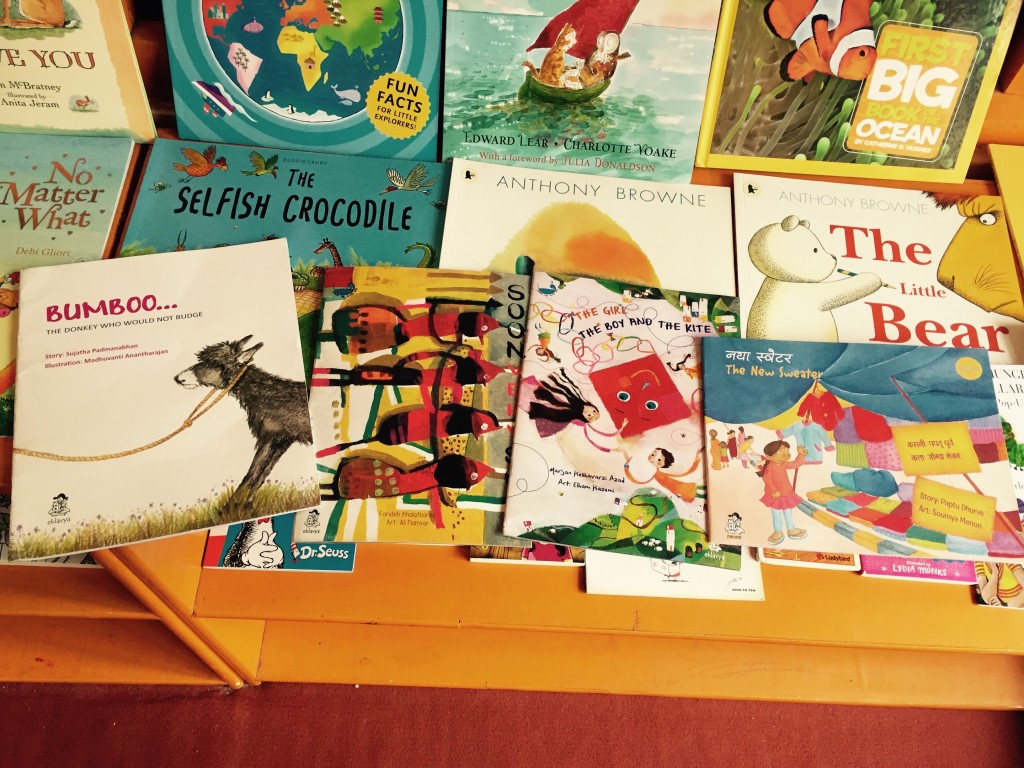
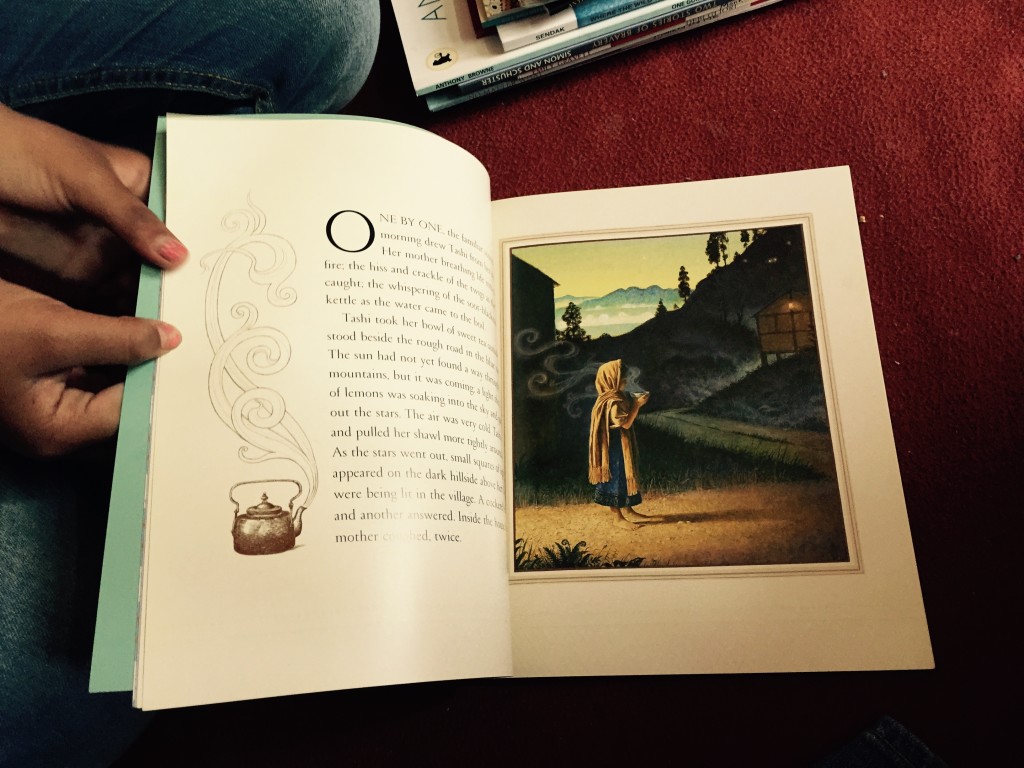
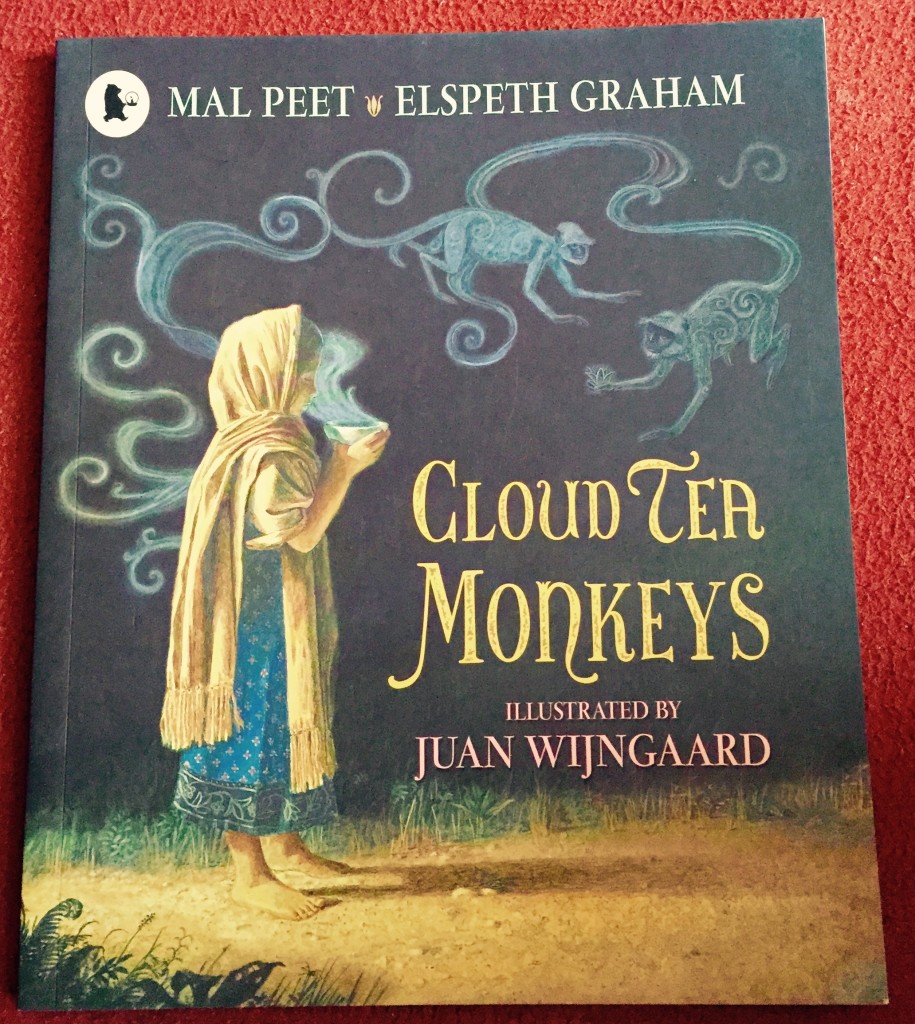
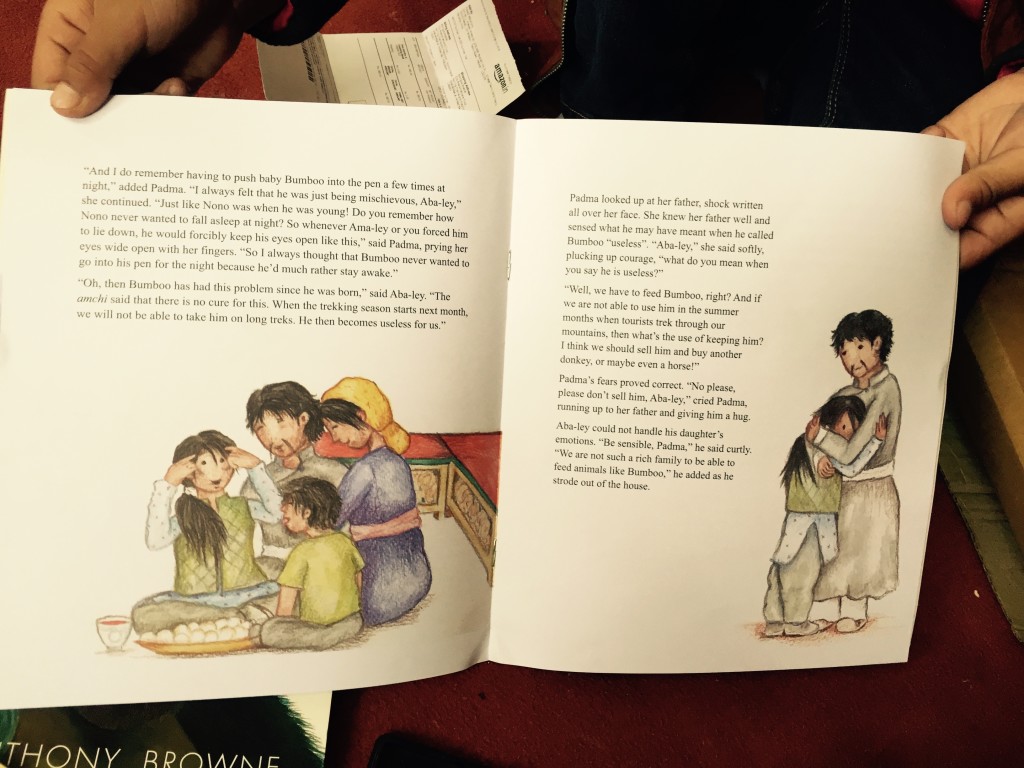
Books can expand the imaginative possibilities of art activities. A story about animals may lead to character drawings; a book about mountains can inspire maps, landscapes, or poems; a biography of an artist can encourage children to discuss how people see the world differently. Reading and art reinforce each other by giving children both ideas and methods for expression.
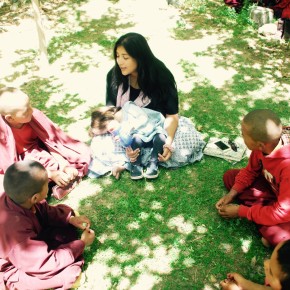
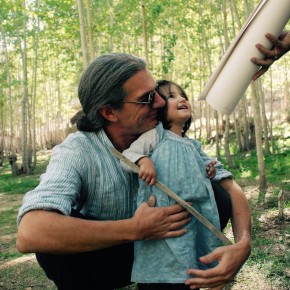
Mentors provide the steady encouragement that turns an activity into a meaningful learning experience. They can ask children about their choices, introduce unfamiliar materials, help resolve disagreements, and make space for reflection. Their role is to guide without taking control of the work.
Volunteers supporting educational projects in Himalayan communities should listen before designing activities. Local teachers, families, monastic leaders, and community partners understand the children’s routines, cultural context, and practical needs. Programs are stronger when outside volunteers contribute skills while respecting local knowledge and enabling community members to shape the creative environment.
Building A Lasting Creative Culture
A single workshop may be enjoyable, but regular access creates deeper benefits. A reading room with art supplies, musical instruments, rotating displays, and story-based activities can become a dependable part of community life. Children return to familiar materials, build on earlier projects, and see their work valued over time.
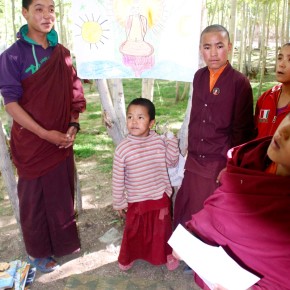
Displaying drawings or handmade books can strengthen this sense of continuity. Exhibitions do not need to be formal or competitive. A wall of children’s landscapes, a small performance for families, or a collection of illustrated stories can celebrate effort and invite conversation between generations.
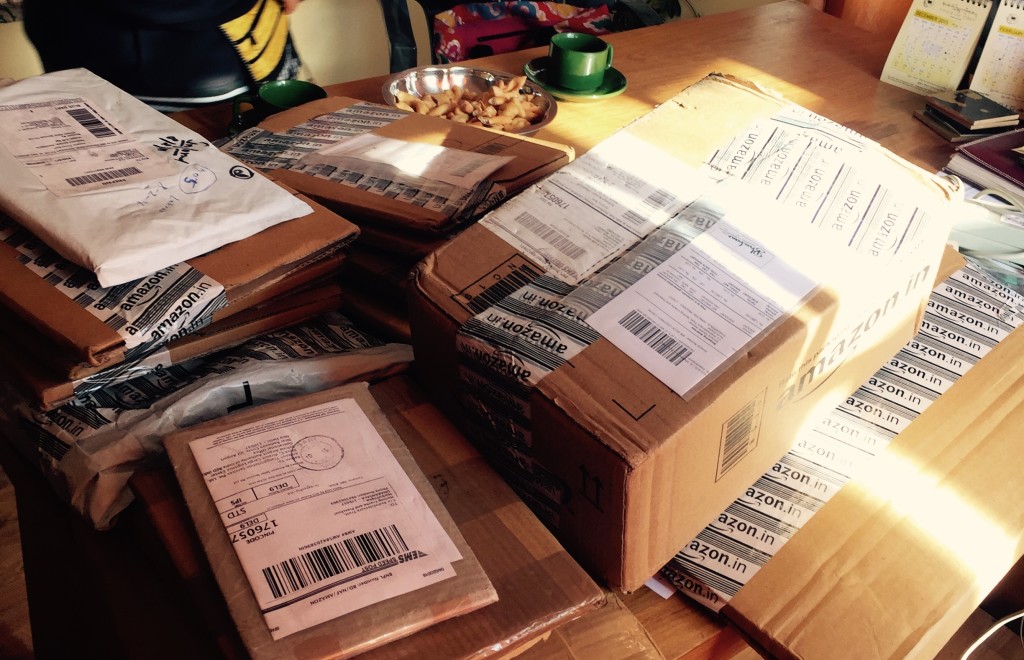
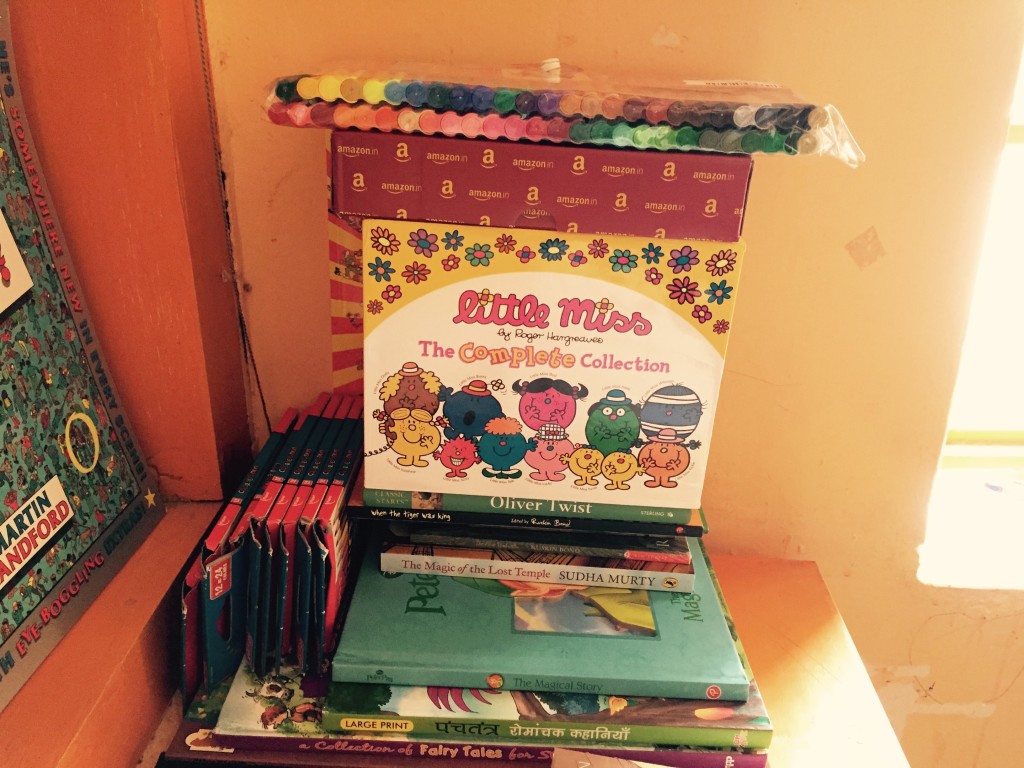
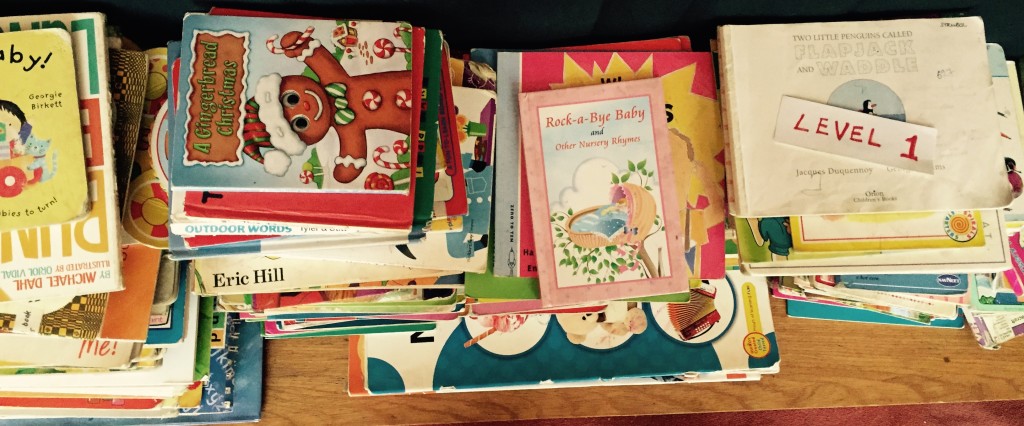
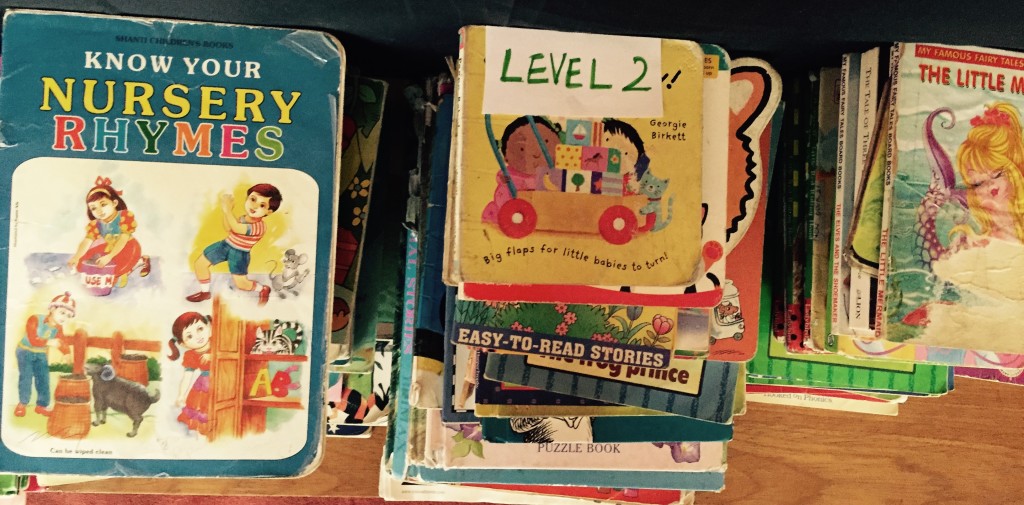
Supporters can help sustain these spaces through donations of quality books, durable supplies, storage materials, teacher resources, and funds for local program coordination. Thoughtful contributions are often more useful than large quantities of unsuitable materials. In remote areas, durable, age-appropriate resources that can be shared repeatedly make a significant difference.
Ways To Support Creative Learning
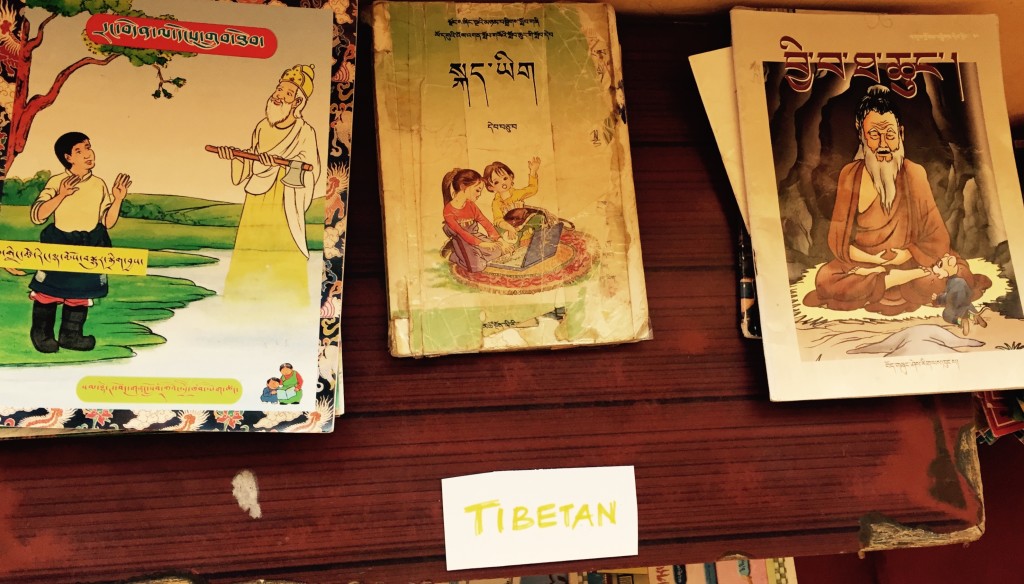
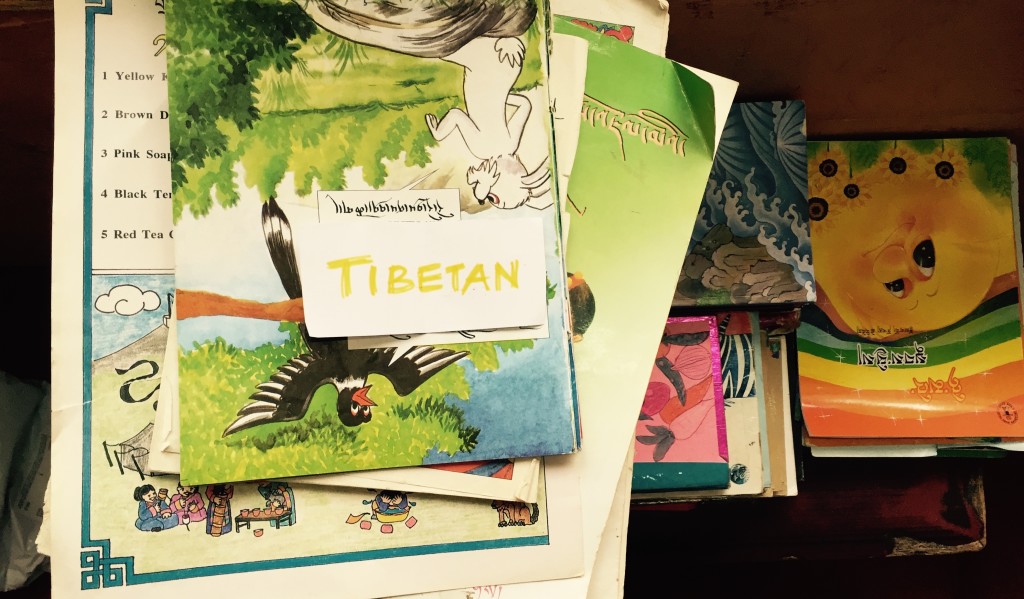
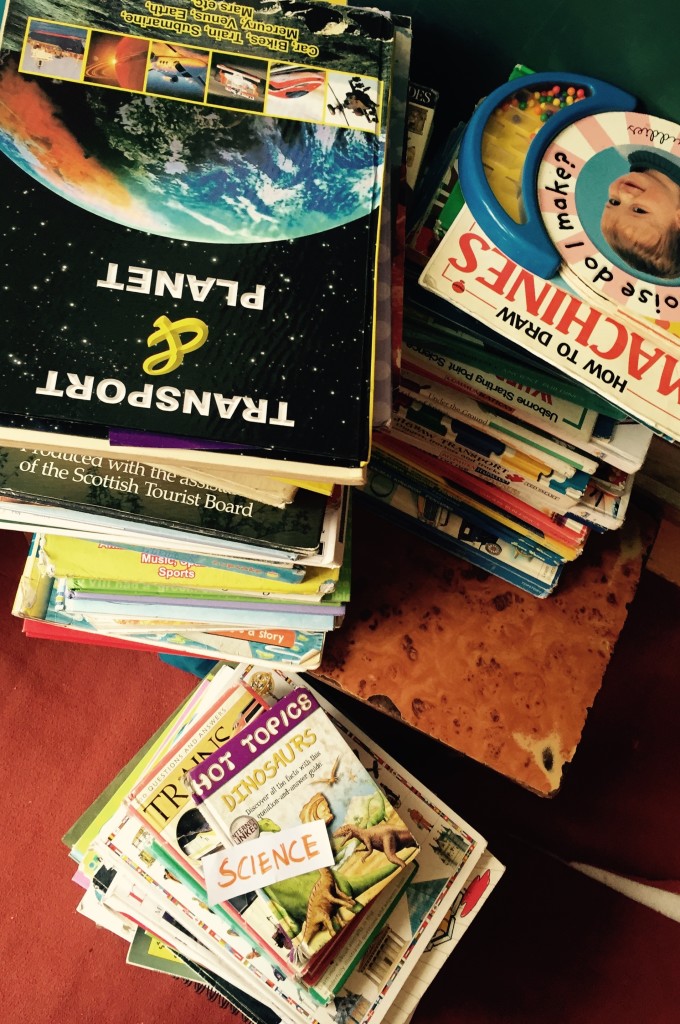
- Donate new or gently used children’s books that reflect varied cultures, interests, reading levels, and languages.
- Fund art materials selected for local activities, including paper, drawing tools, paint, craft supplies, and simple instruments.
- Support reading rooms where children can combine independent reading with guided creative projects.
- Volunteer skills in ways that complement local educators and follow community schedules and safeguarding practices.
- Share stories about children’s creative work respectfully, protecting privacy and recognizing their dignity.
When children have access to books and creative materials, they gain more than an enjoyable pastime. They gain ways to describe their surroundings, preserve memories, explore cultural identity, and imagine futures beyond immediate limitations. Art helps children process life in remote mountain communities by giving experience a form that can be seen, heard, shared, and understood.
Avalokiteśvara Trust supports this kind of learning through reading rooms, book drives, and educational, artistic, and musical activities for children and young monks. Donations and thoughtful volunteer involvement can help keep these welcoming spaces active in Ladakh and other Himalayan communities. Support the work by contributing books, resources, time, or funding so that more children can learn, create, and find their voices.