How A Reading Room Changed A Himalayan Village
In a remote Himalayan village, learning had long been associated with school hours, examinations, and the few textbooks available in the classroom. Children were curious, but there were limited places to explore that curiosity. Once the day’s lessons ended, reading often ended with them.
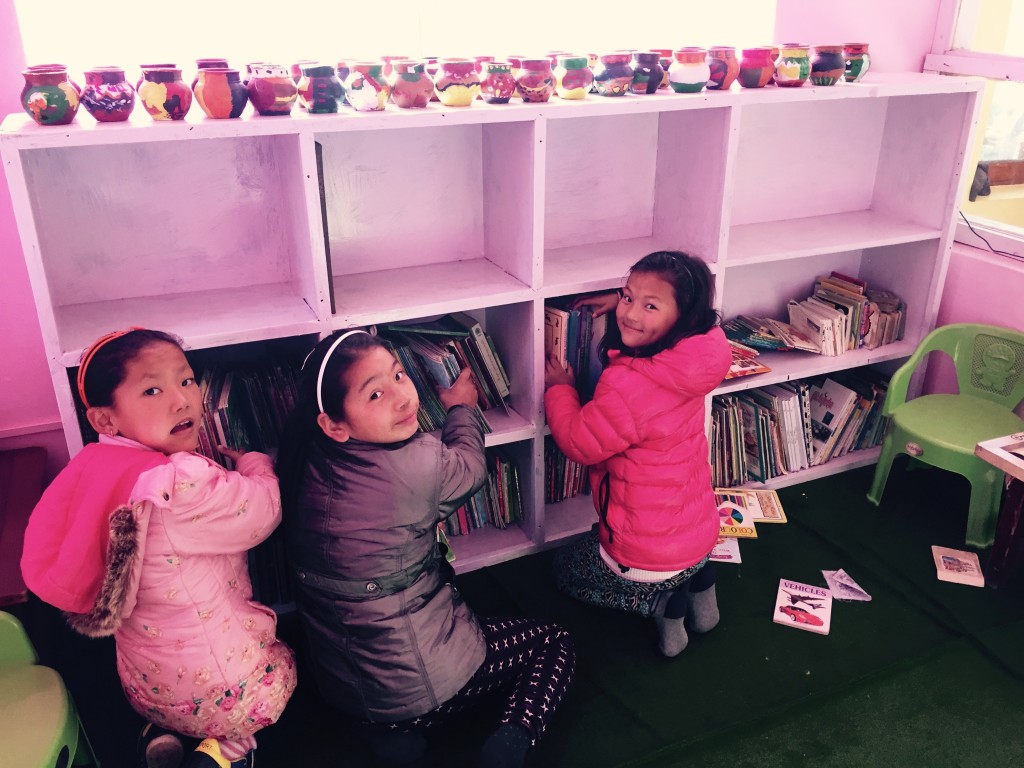
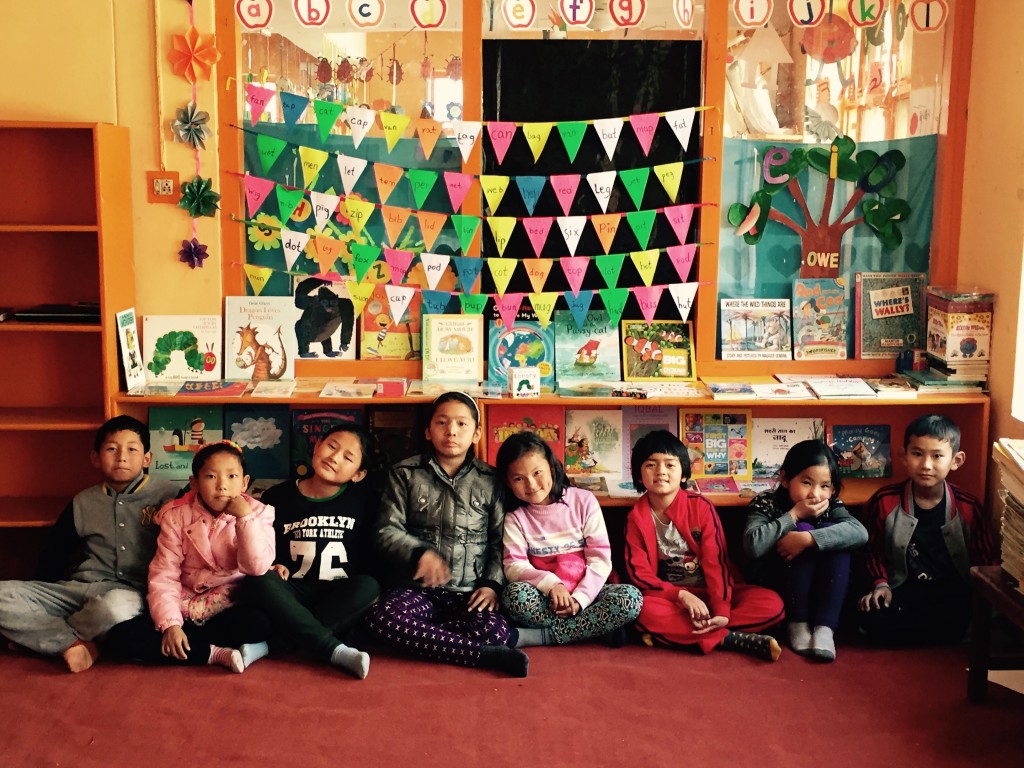
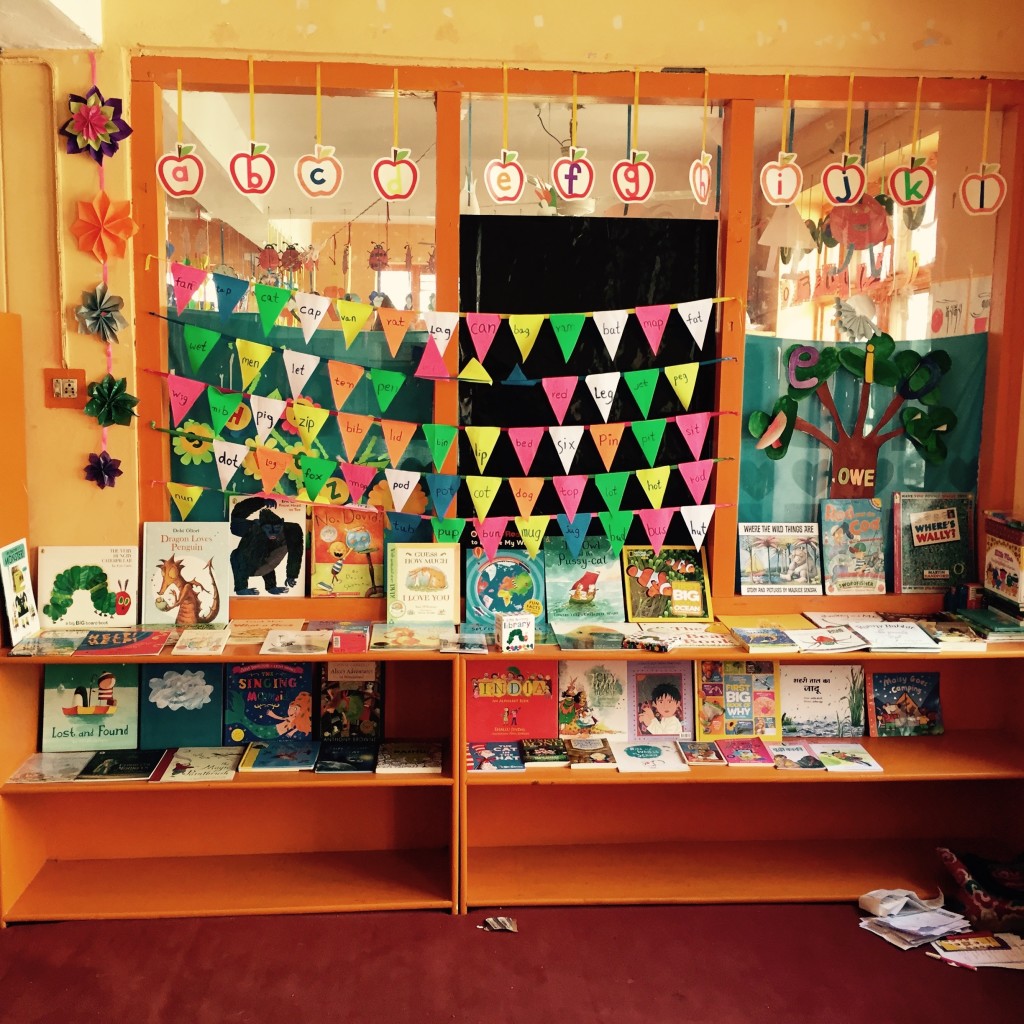
A small reading room began to change that pattern. It offered shelves of children’s books, illustrated stories, reference materials, art supplies, and a welcoming place to sit. Its influence reached far beyond the room itself, reshaping how children, families, teachers, and community leaders viewed education.
The transformation did not arrive through a single dramatic event. It grew through repeated visits, shared stories, informal study sessions, and the gradual realization that books could belong in everyday village life.
A Quiet Space With A Wider Horizon
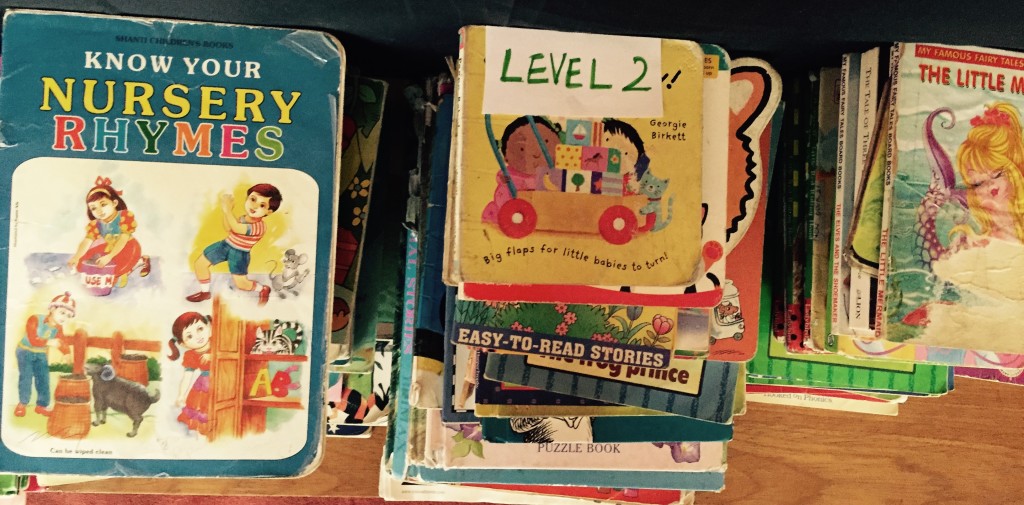
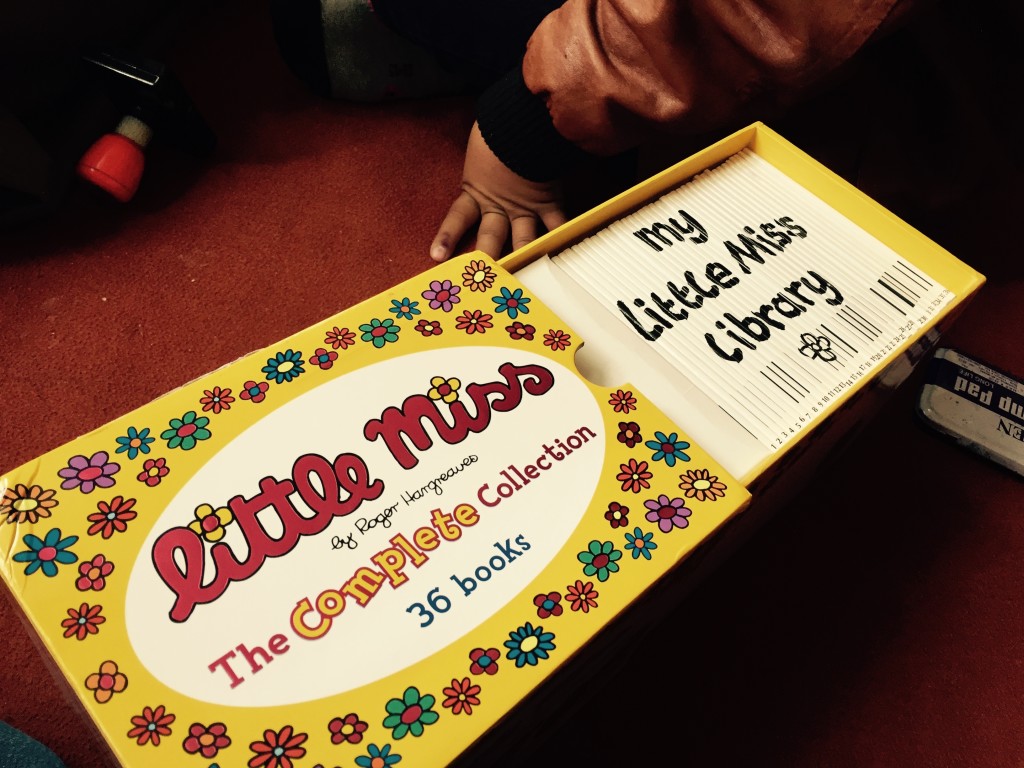
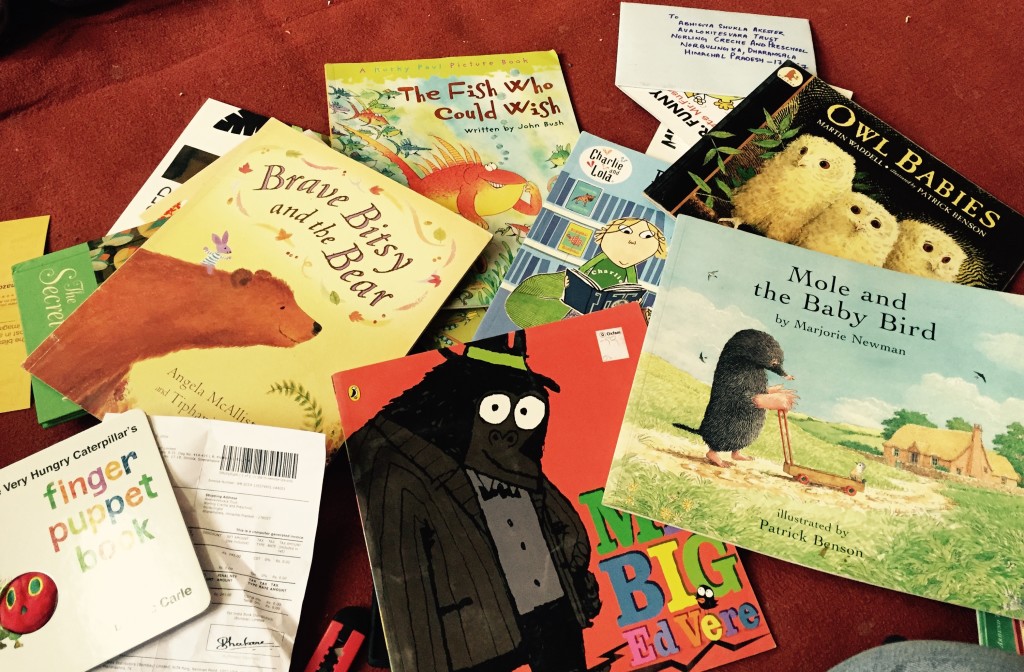
Before the reading room opened, many children had little access to books beyond their school texts. Families might own a few religious volumes or practical manuals, yet children’s literature was rare. A school library, where one existed, was often small and difficult to use outside formal lessons.
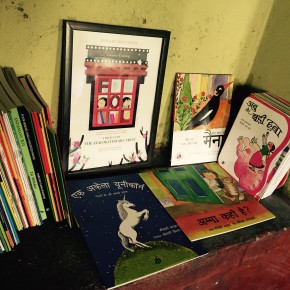
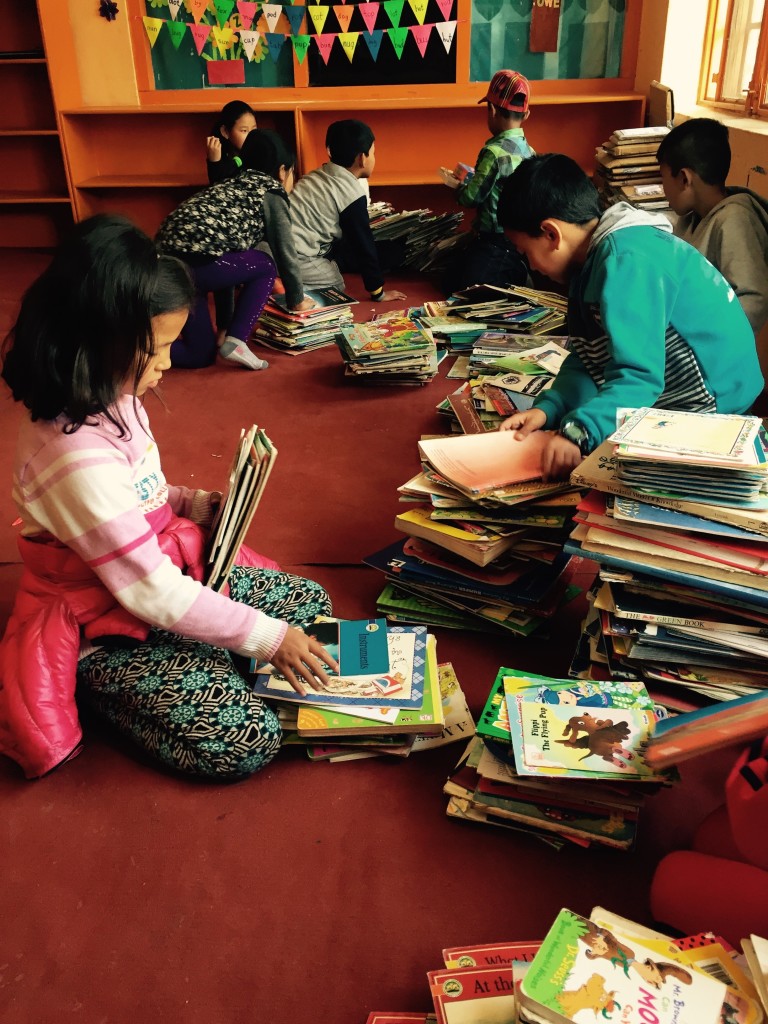
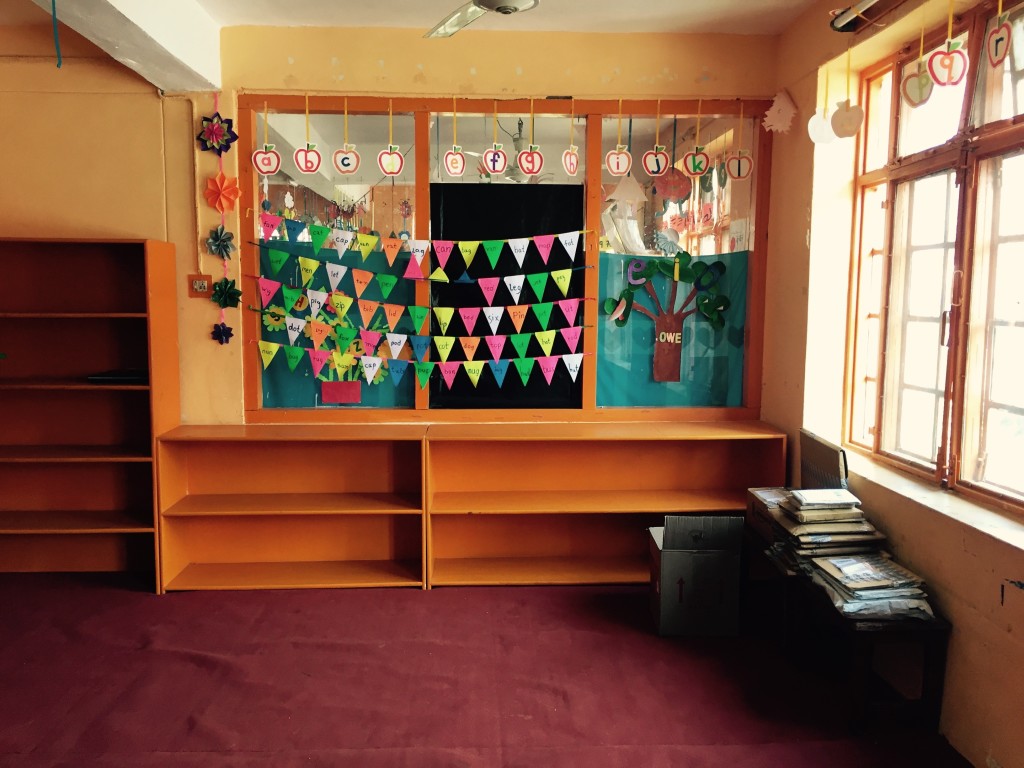
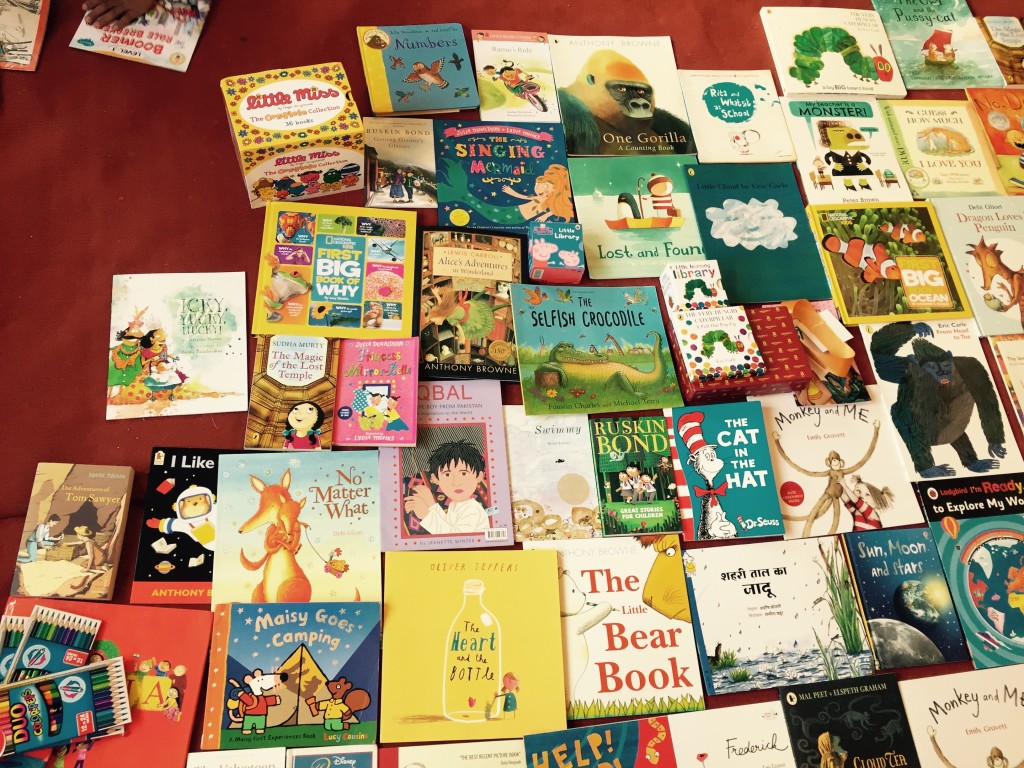
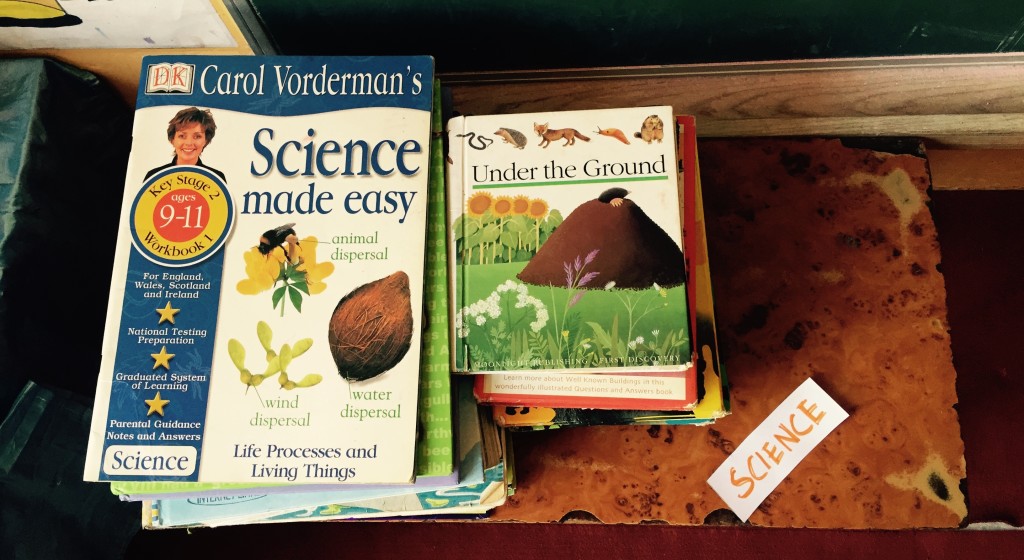
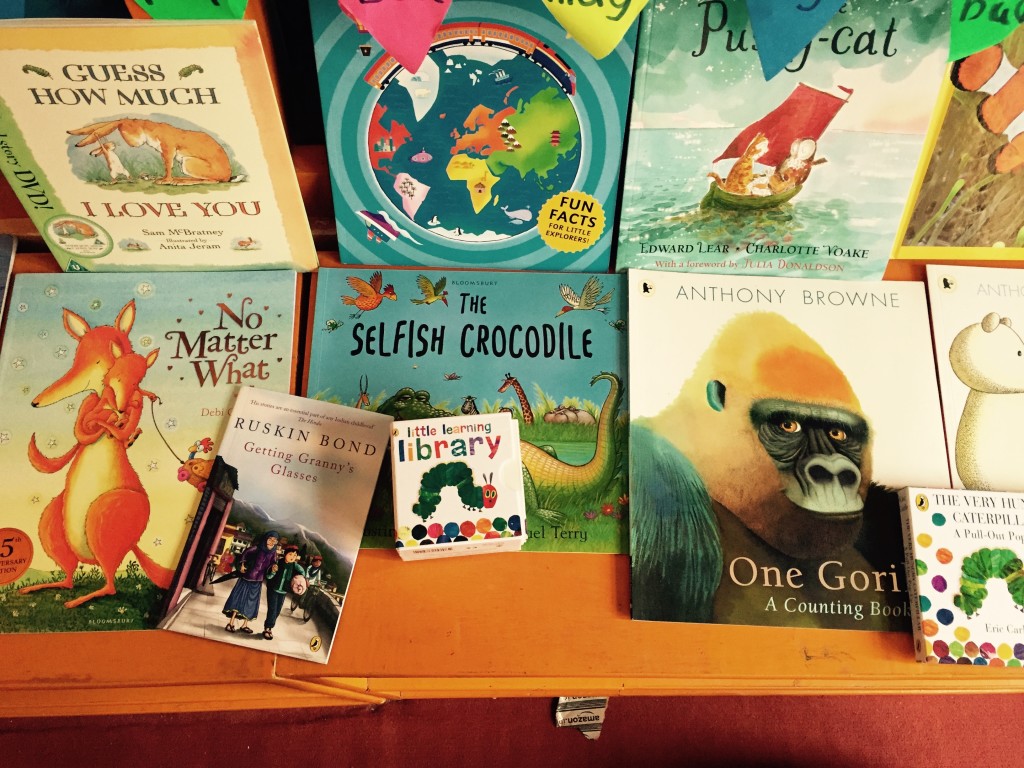
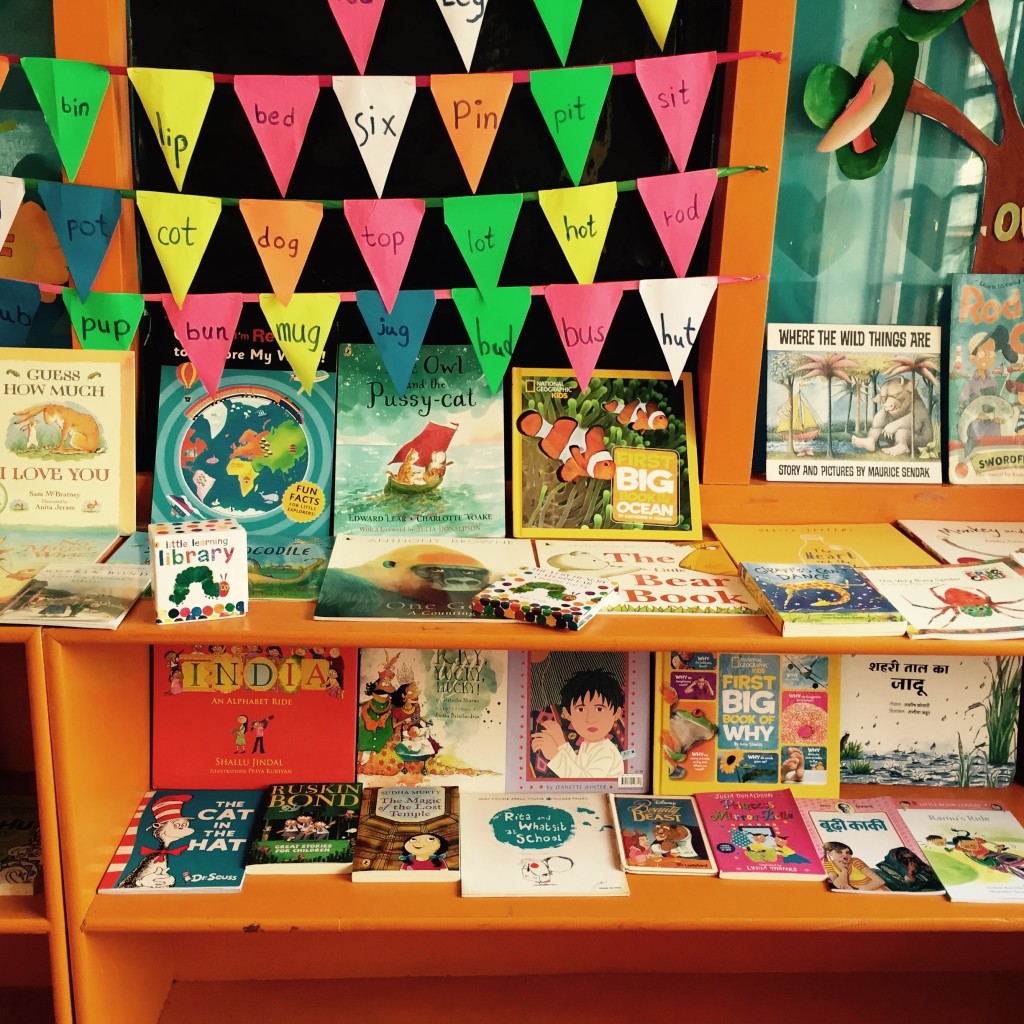
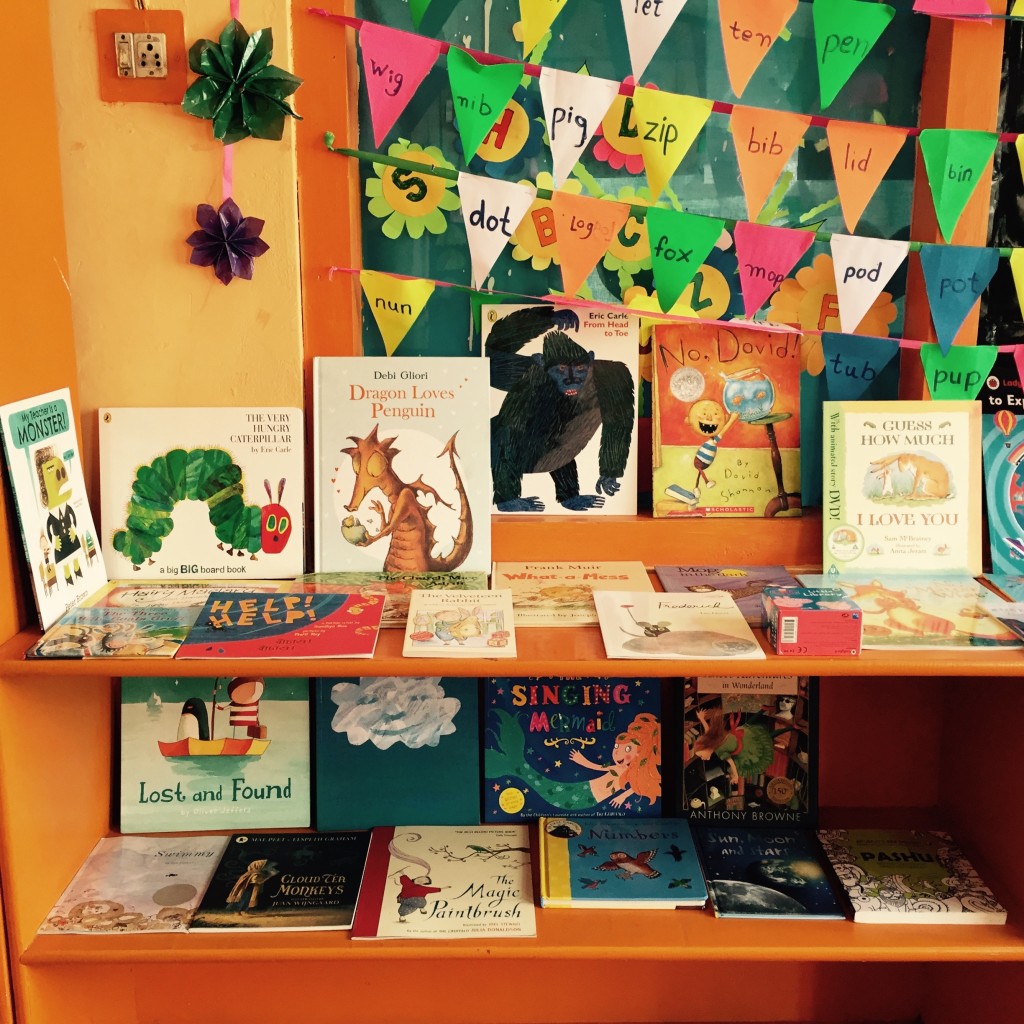
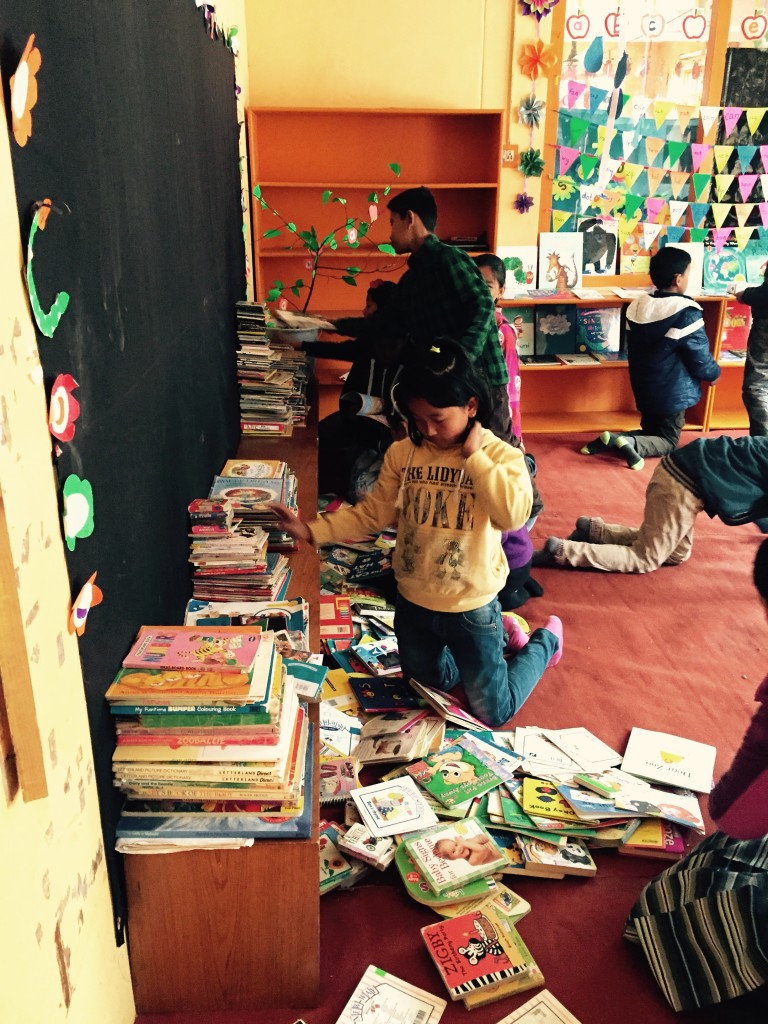
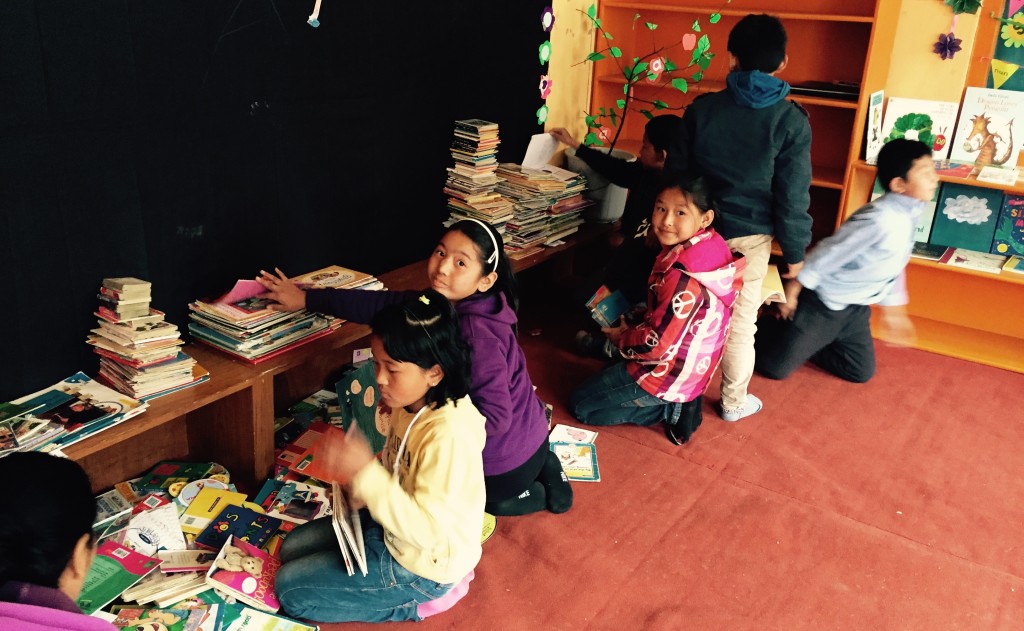
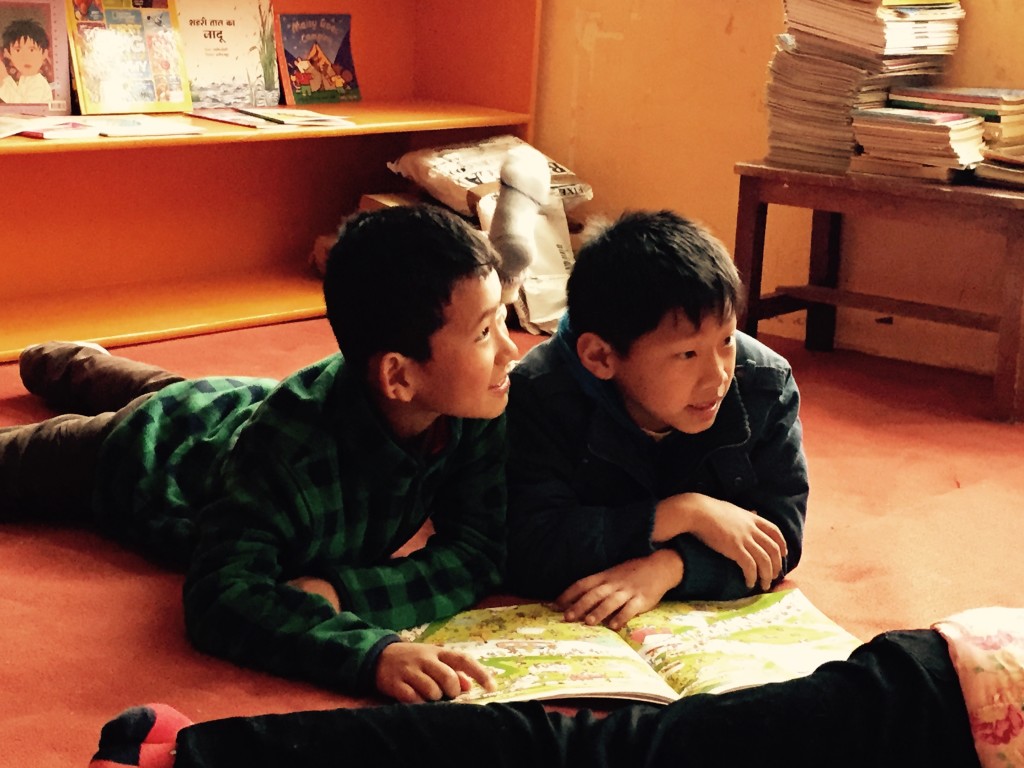
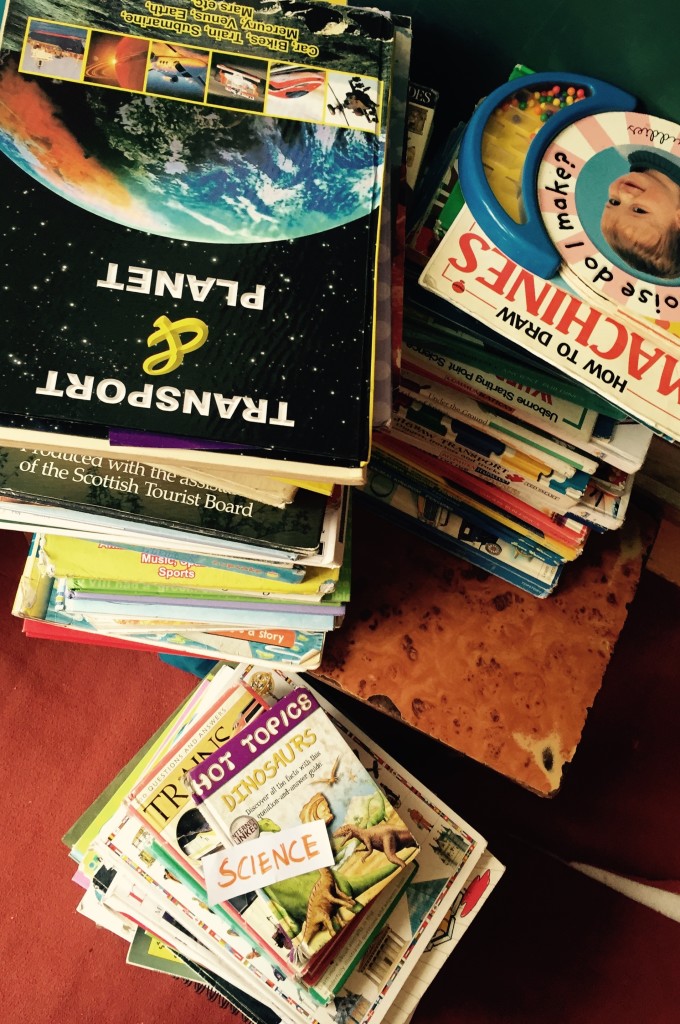
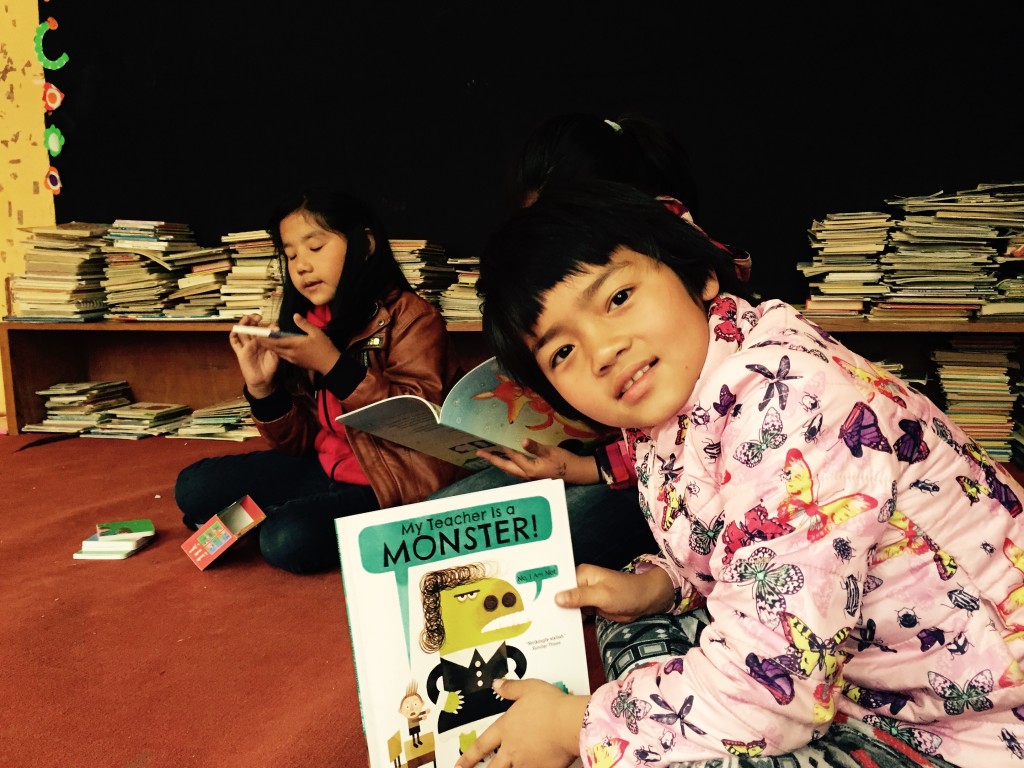
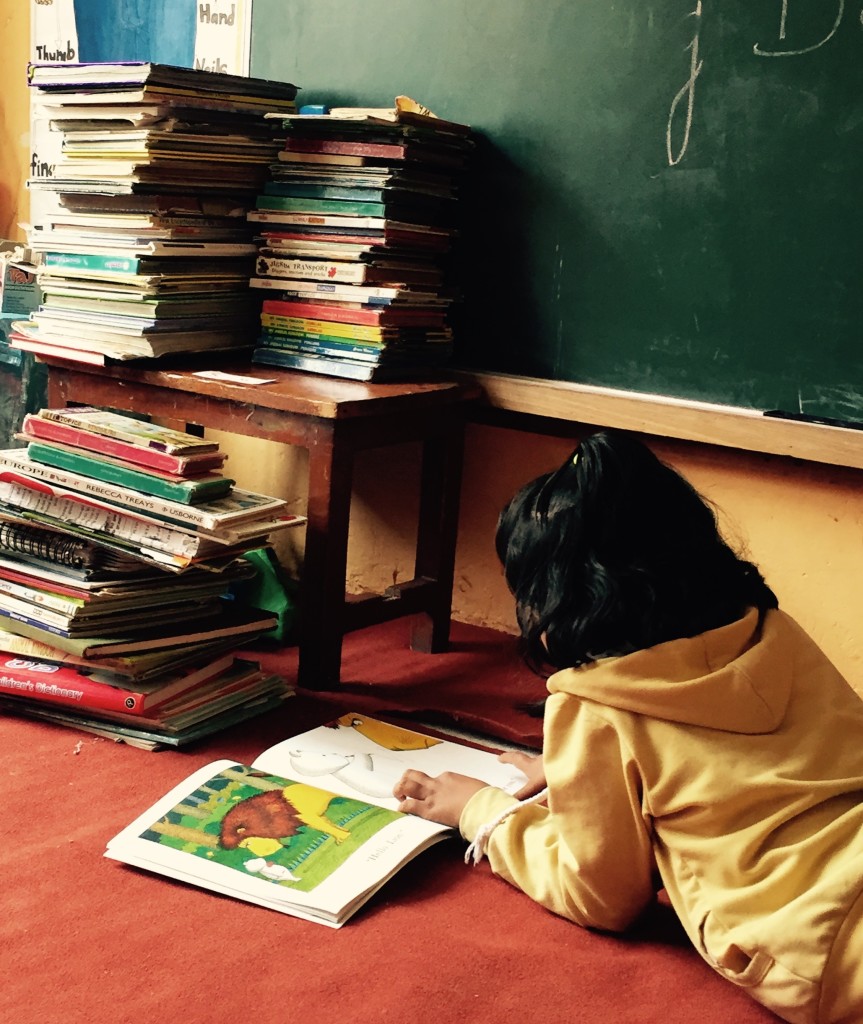
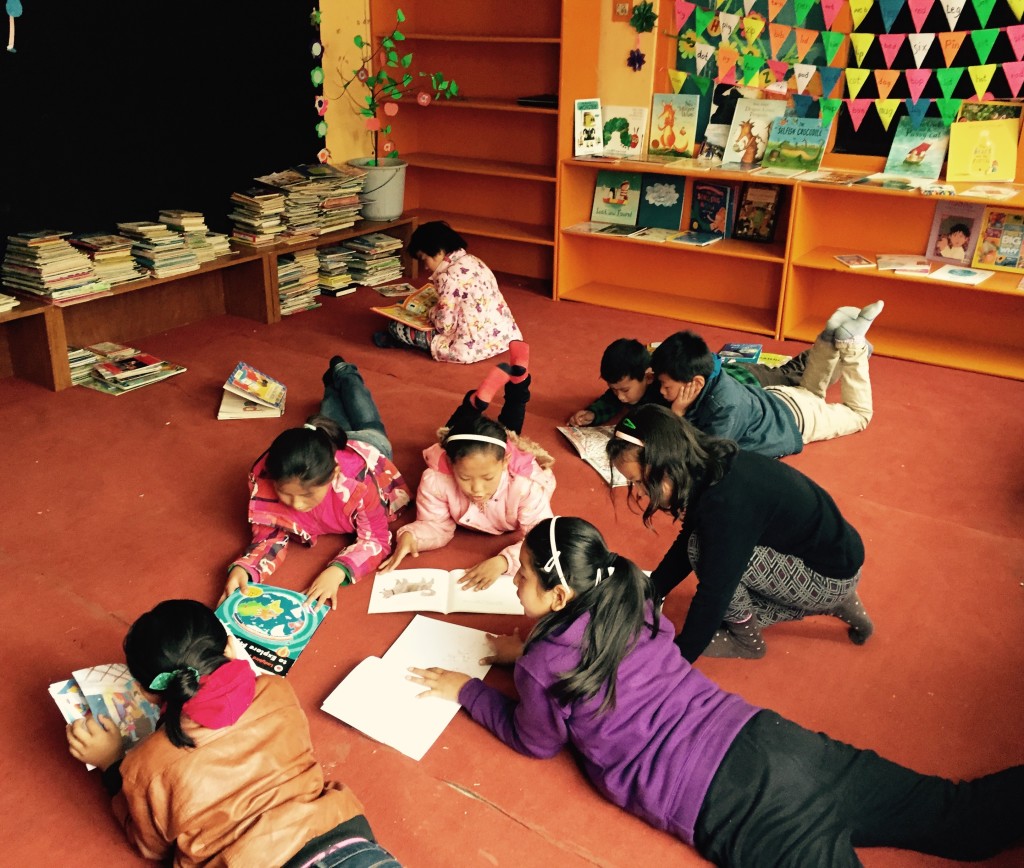
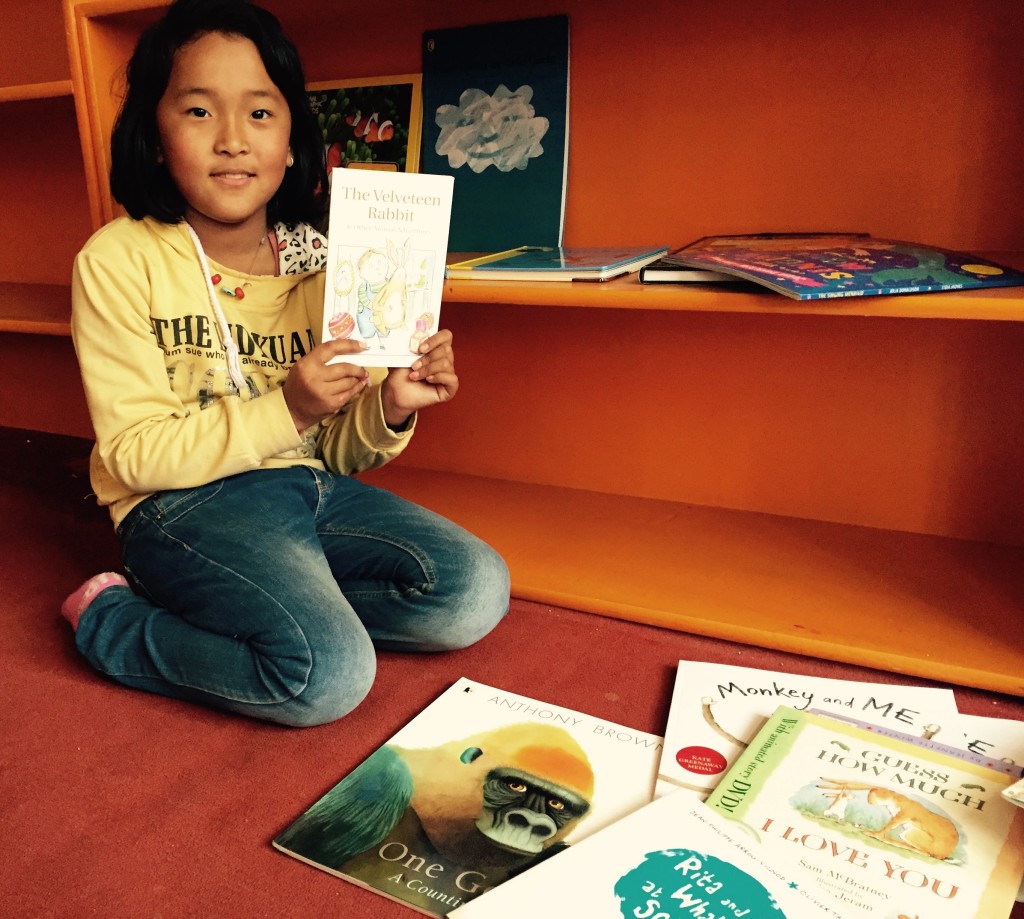
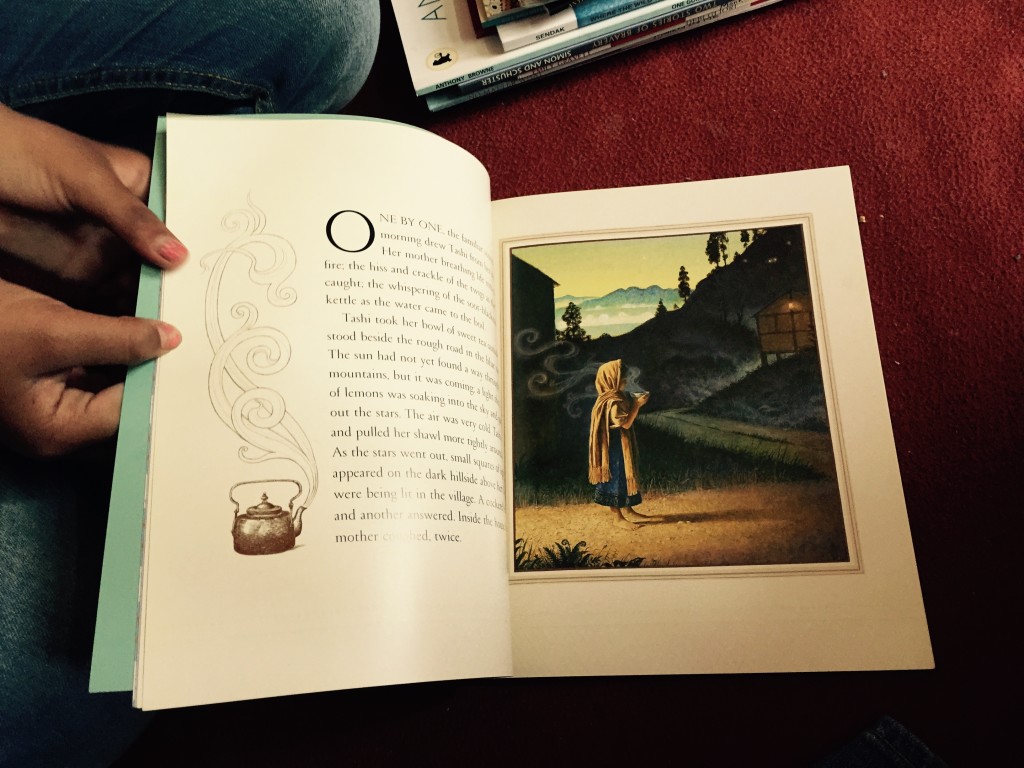
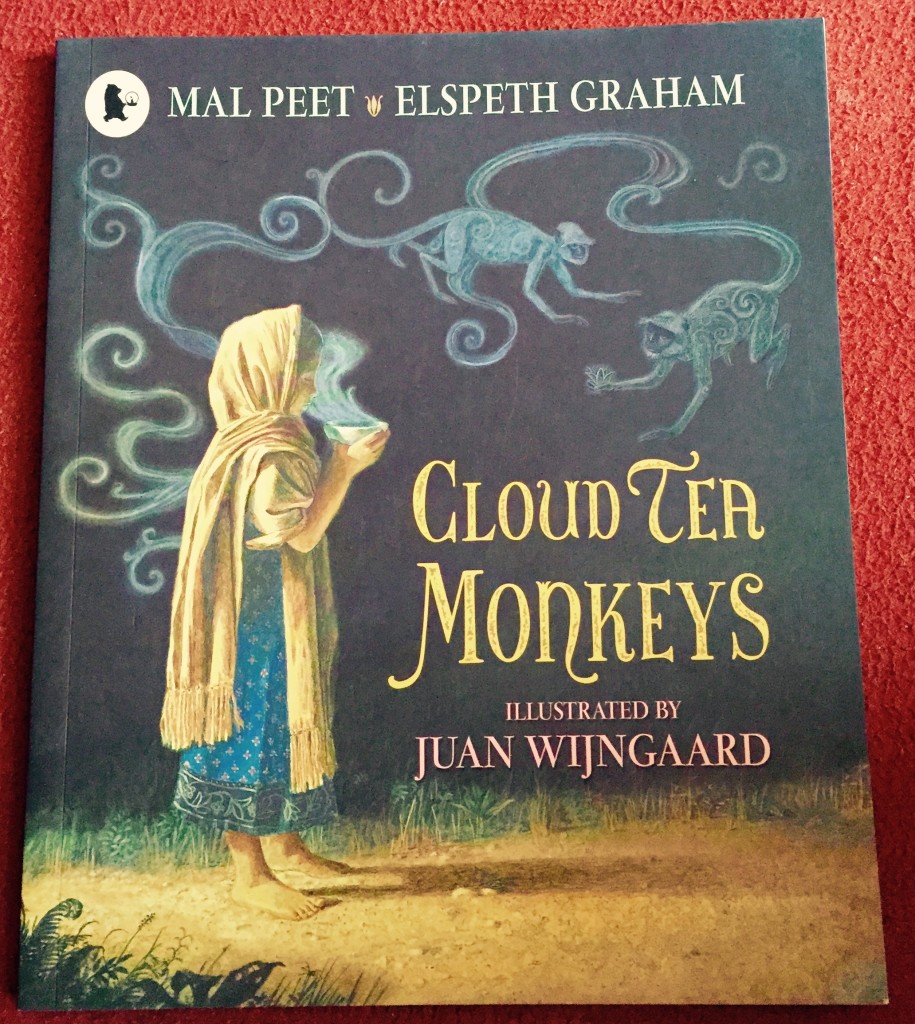
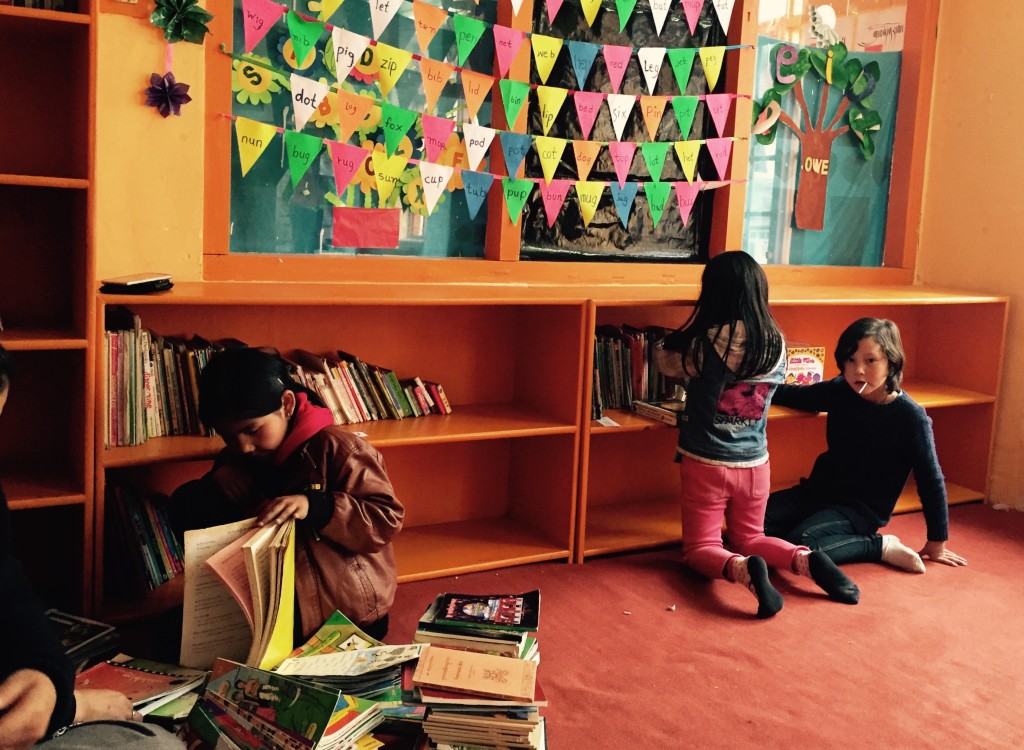
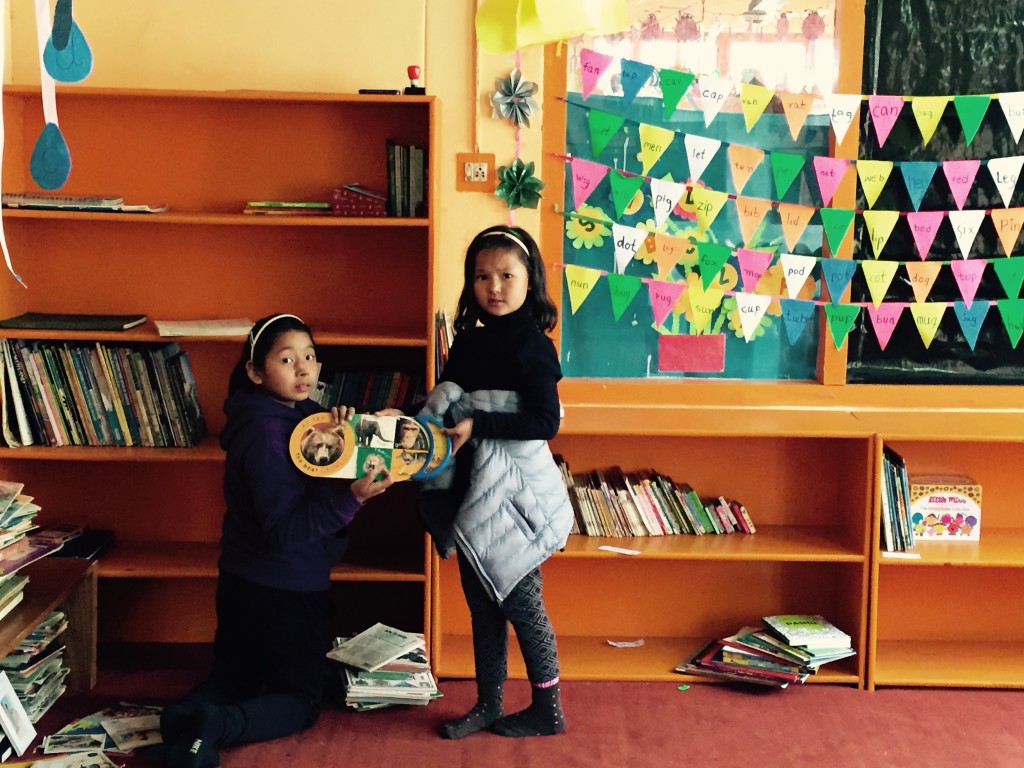
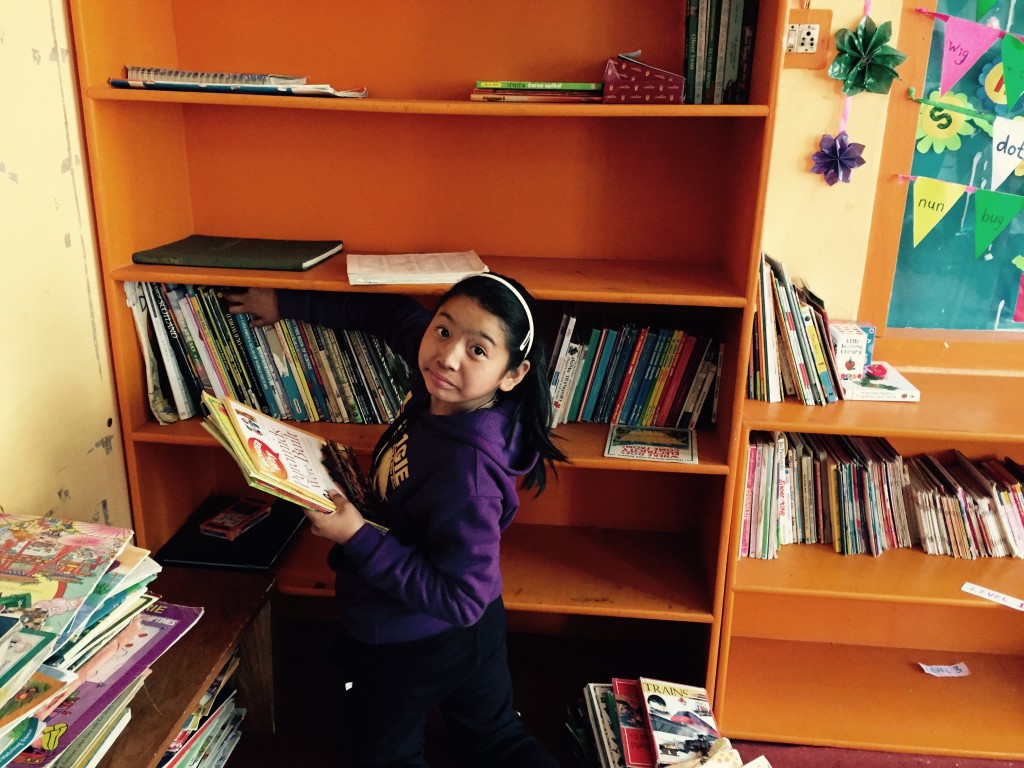
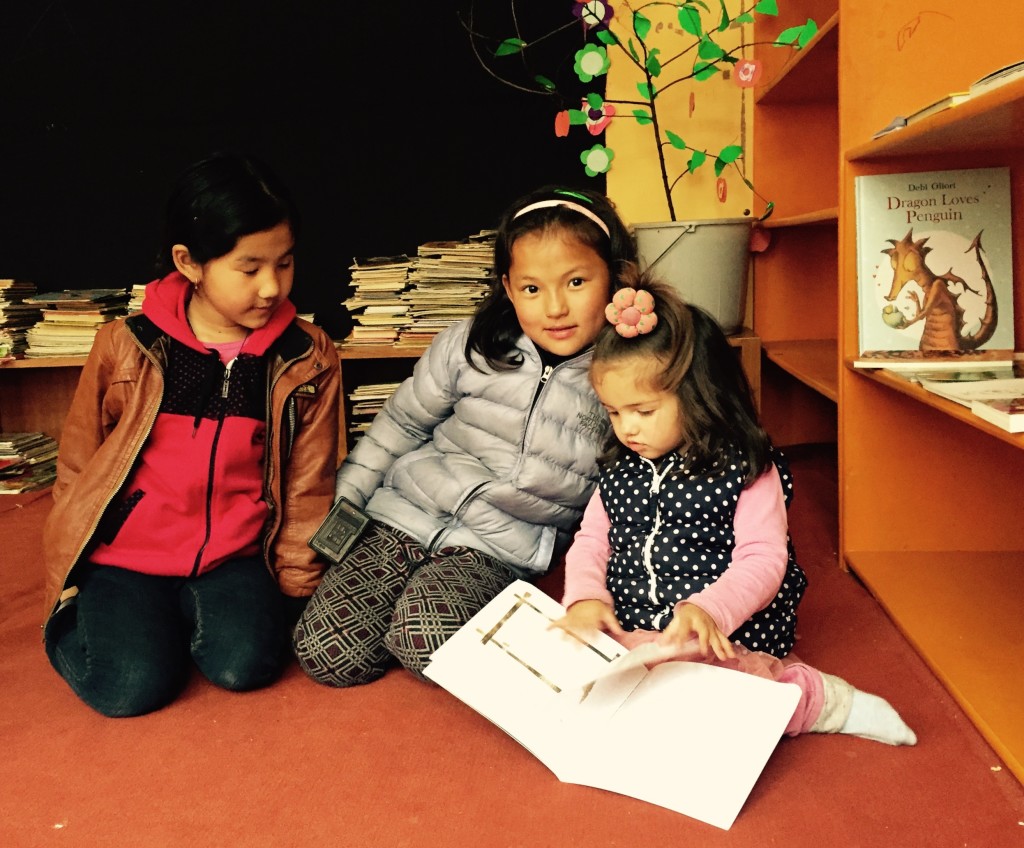
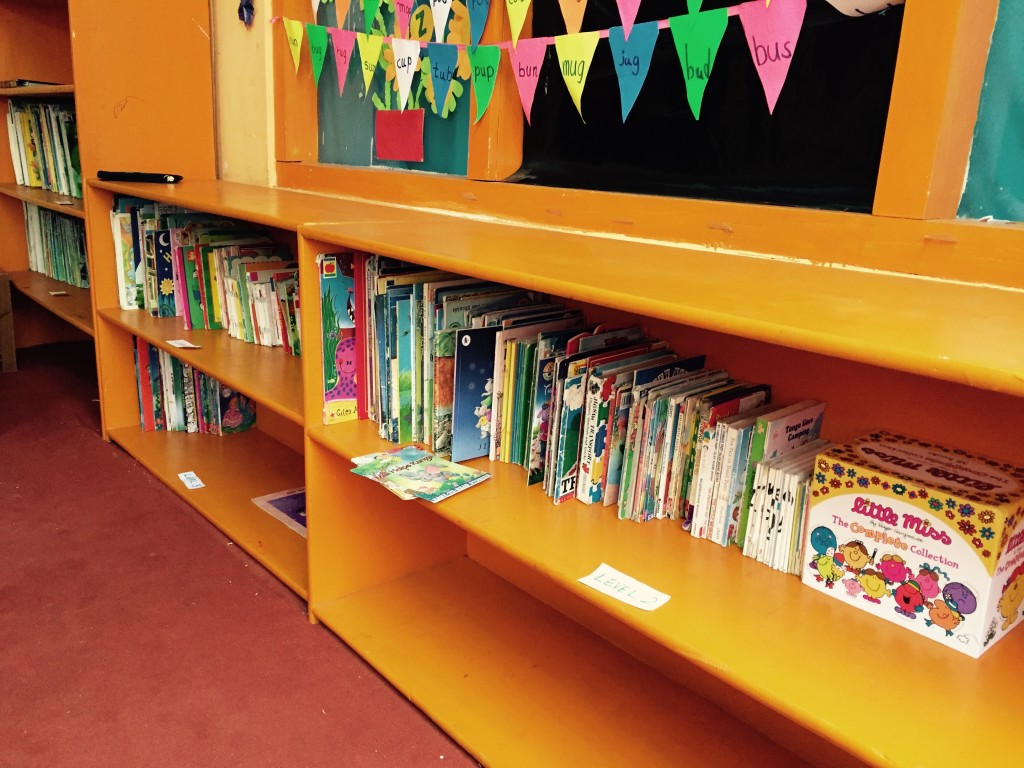
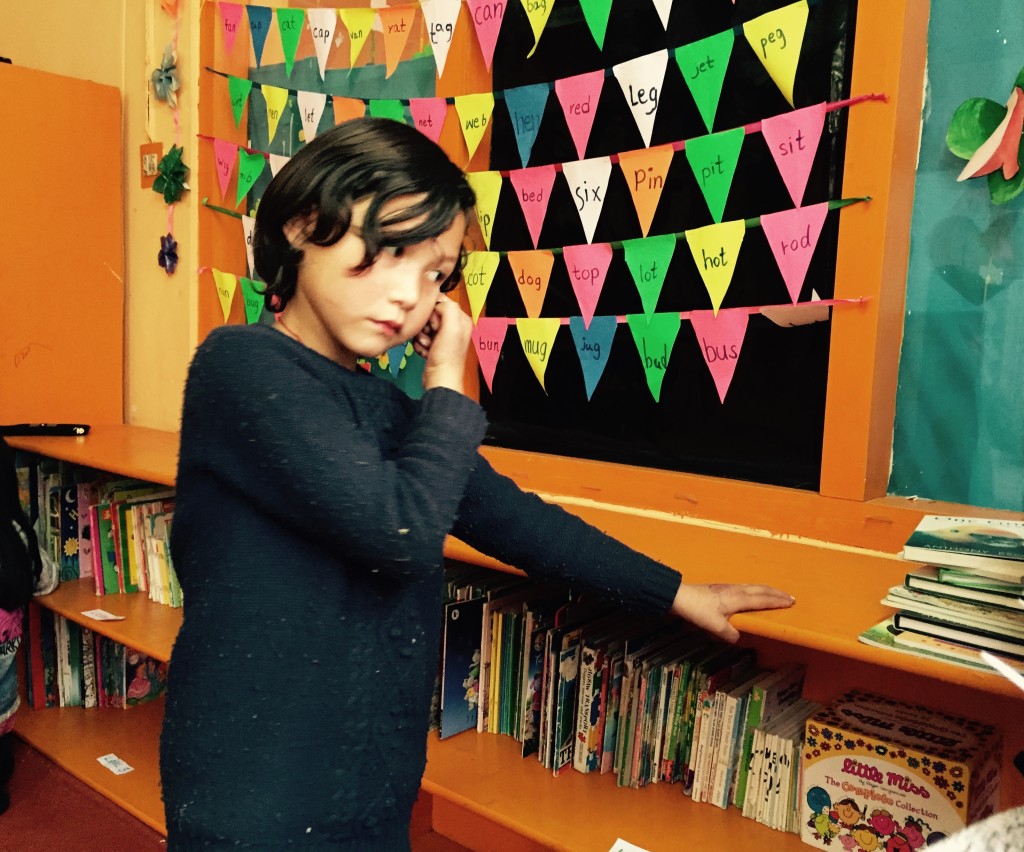
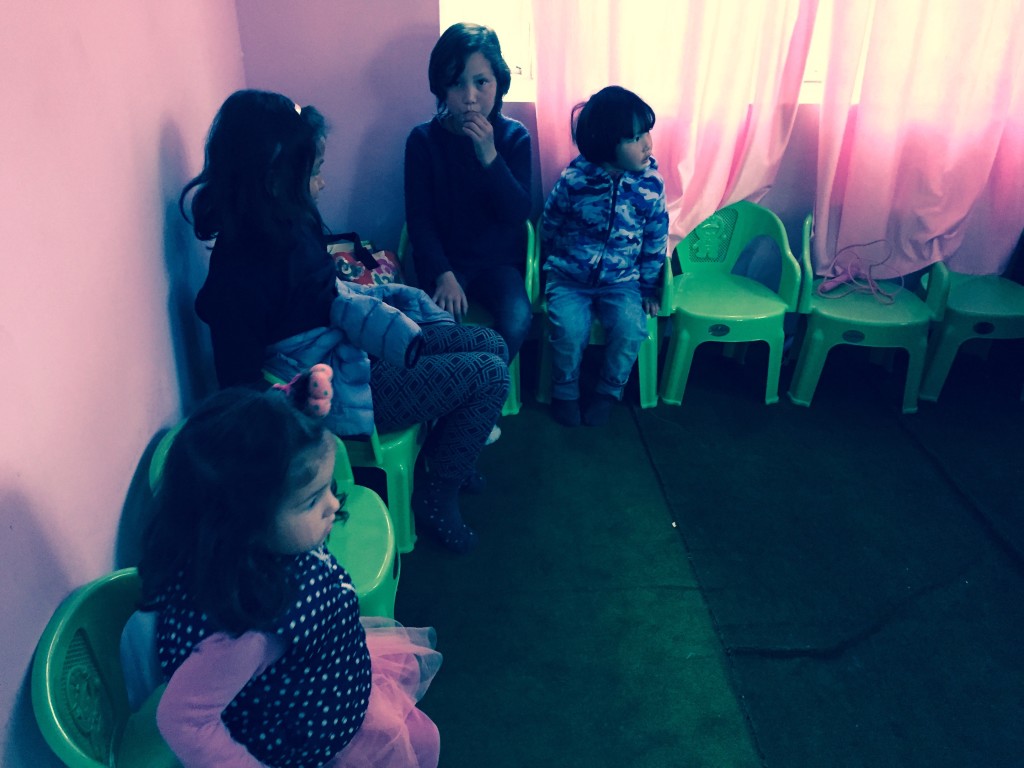
The new room created a different kind of learning environment. It was bright, calm, and designed for children. Low shelves made books easy to reach. Picture books attracted younger readers, while folk tales, science books, biographies, and novels gave older children reasons to return.
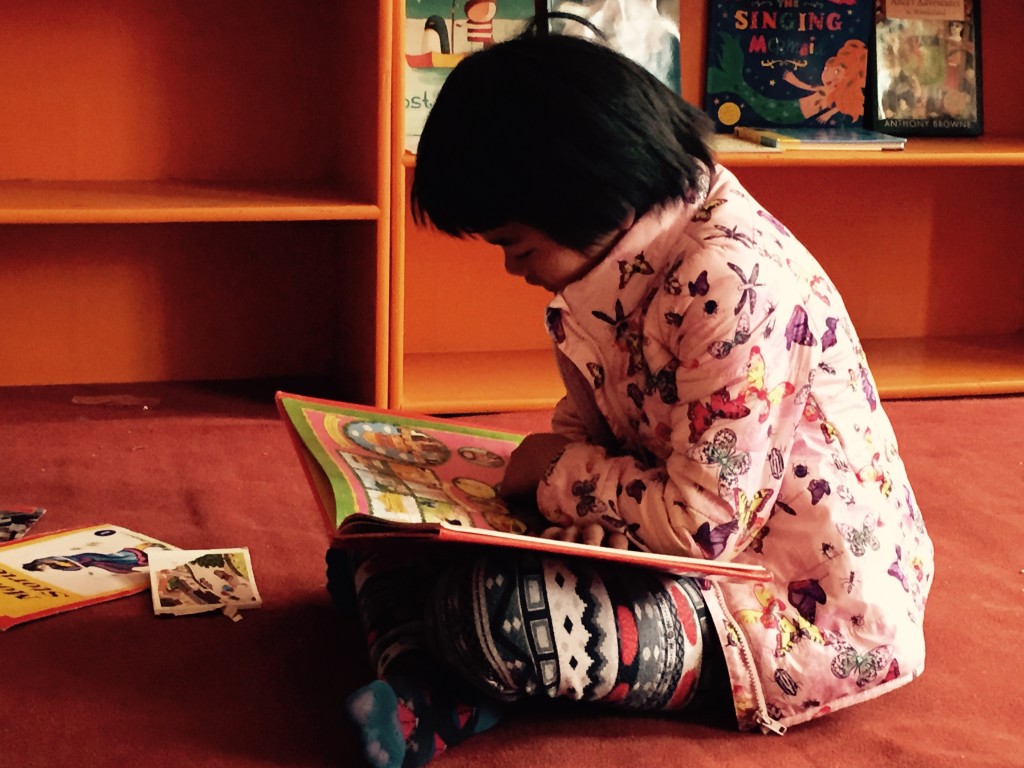
The setting mattered as much as the books. A child could browse without fear of making a mistake, read at a personal pace, or listen to another child tell a story. Learning became something children could choose, enjoy, and share.
The First Changes Were Small
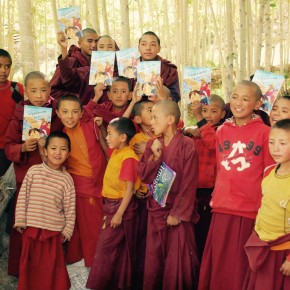
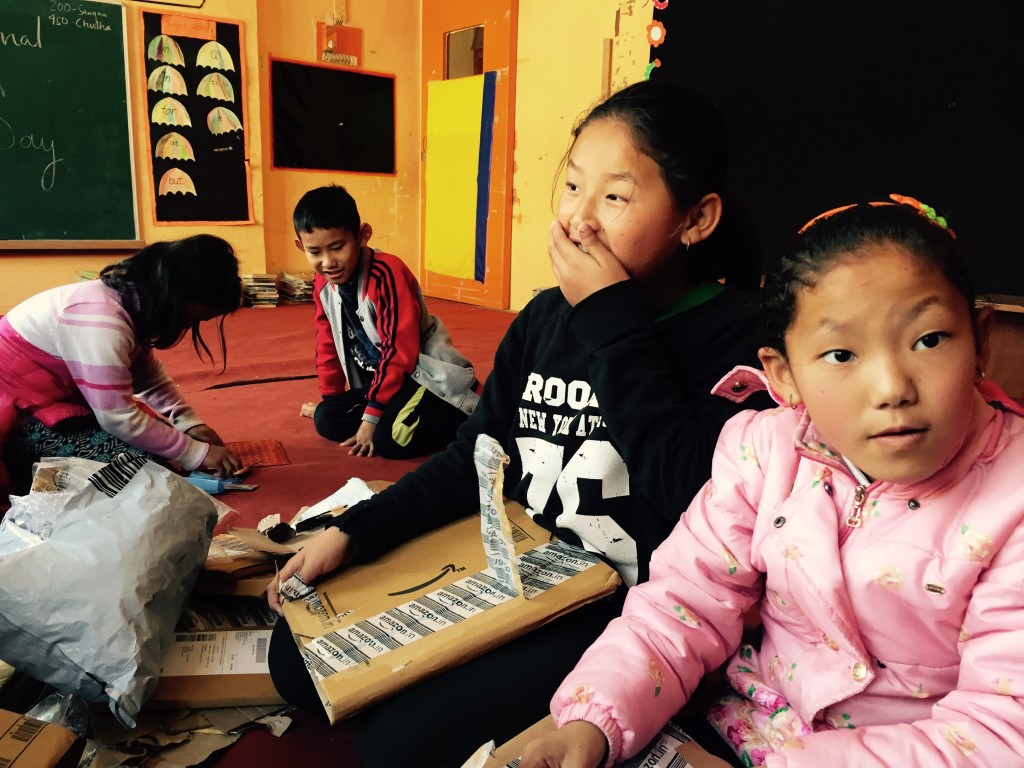
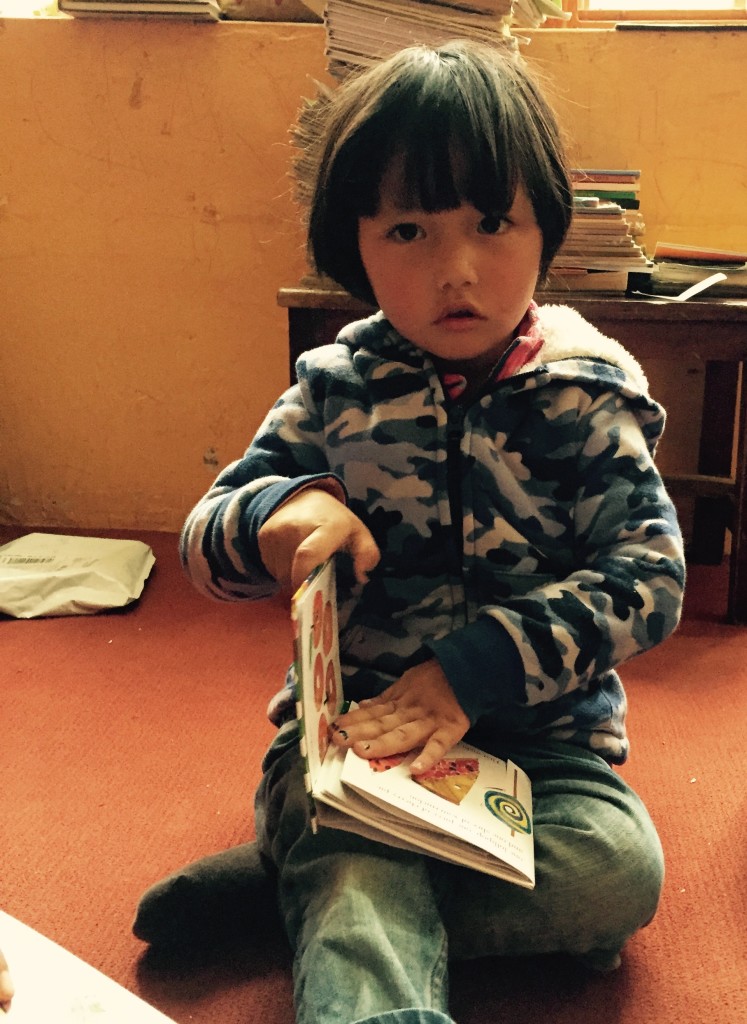
At first, the room’s impact appeared in simple habits. Children began arriving early, staying after school, or visiting while waiting for family members. Some came for one familiar picture book and gradually developed the confidence to try longer stories.
Teachers noticed changes in classroom behavior. Students who had been reluctant to speak began describing characters, retelling stories, and asking questions about unfamiliar subjects. Reading aloud helped children strengthen vocabulary, pronunciation, concentration, and the ability to express an opinion.
These developments were modest, yet they altered expectations. A child who once saw books as difficult school materials could begin to see them as companions, sources of discovery, and tools for understanding the wider world.
Learning Became A Shared Activity
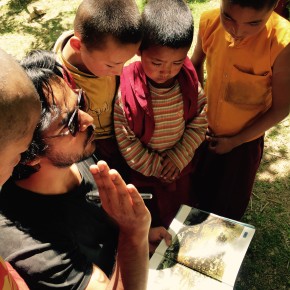
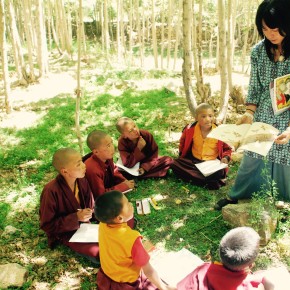
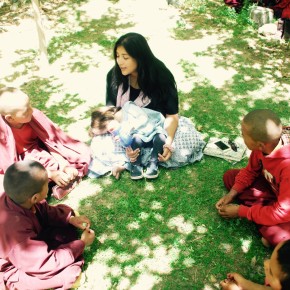
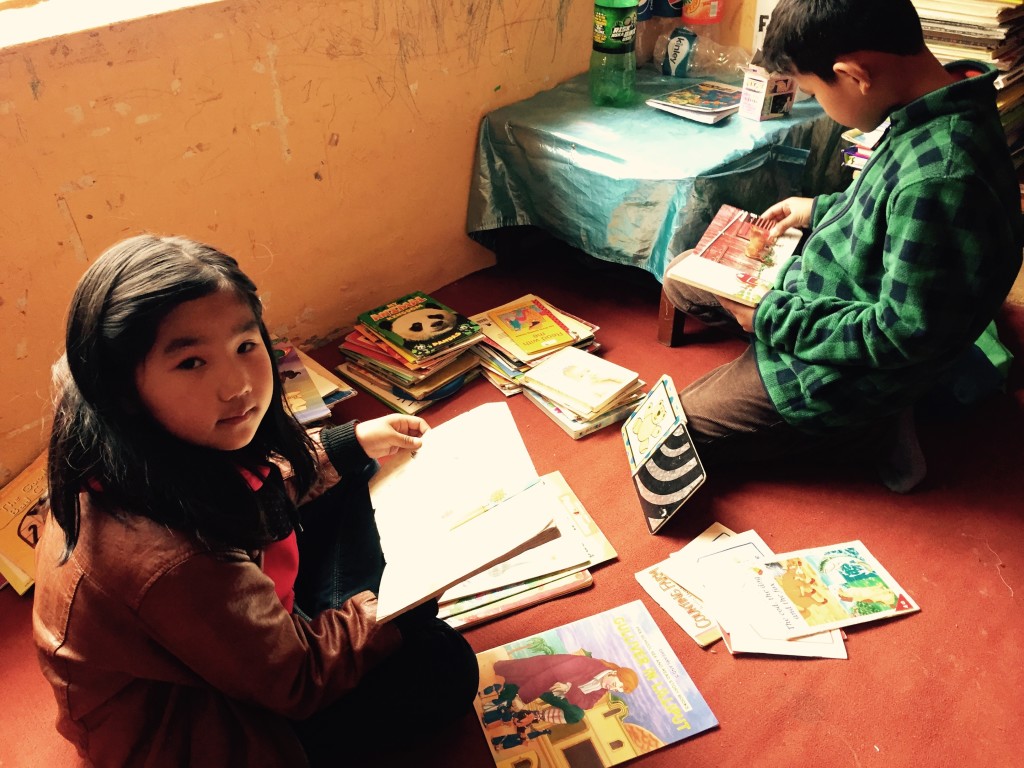
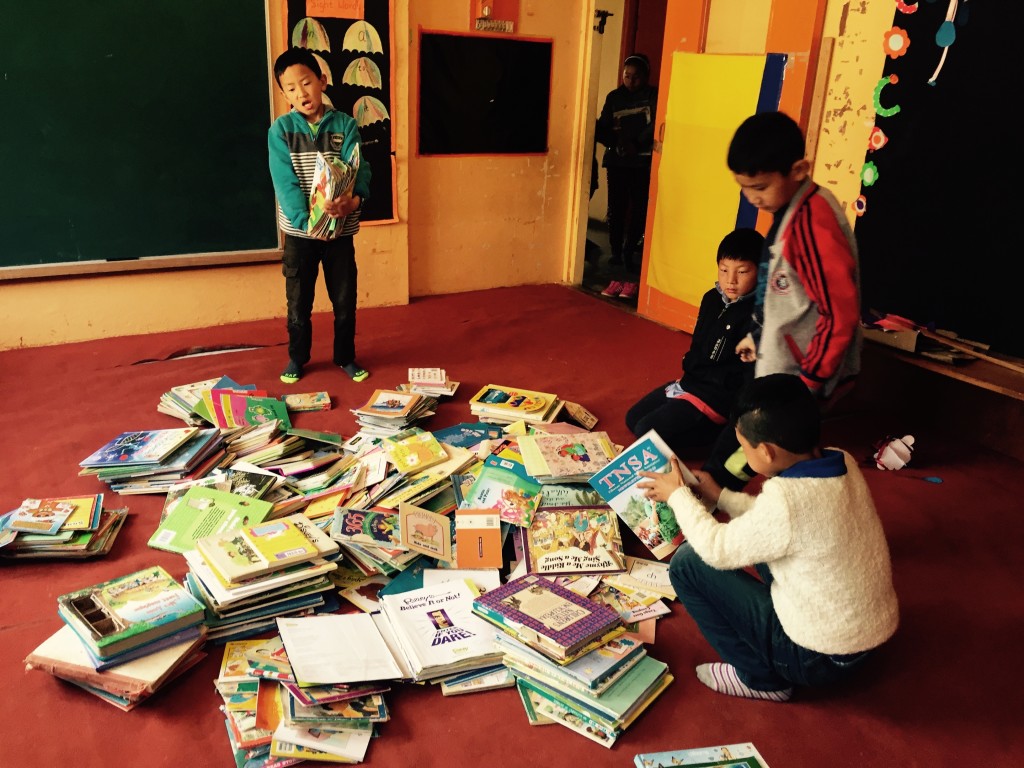
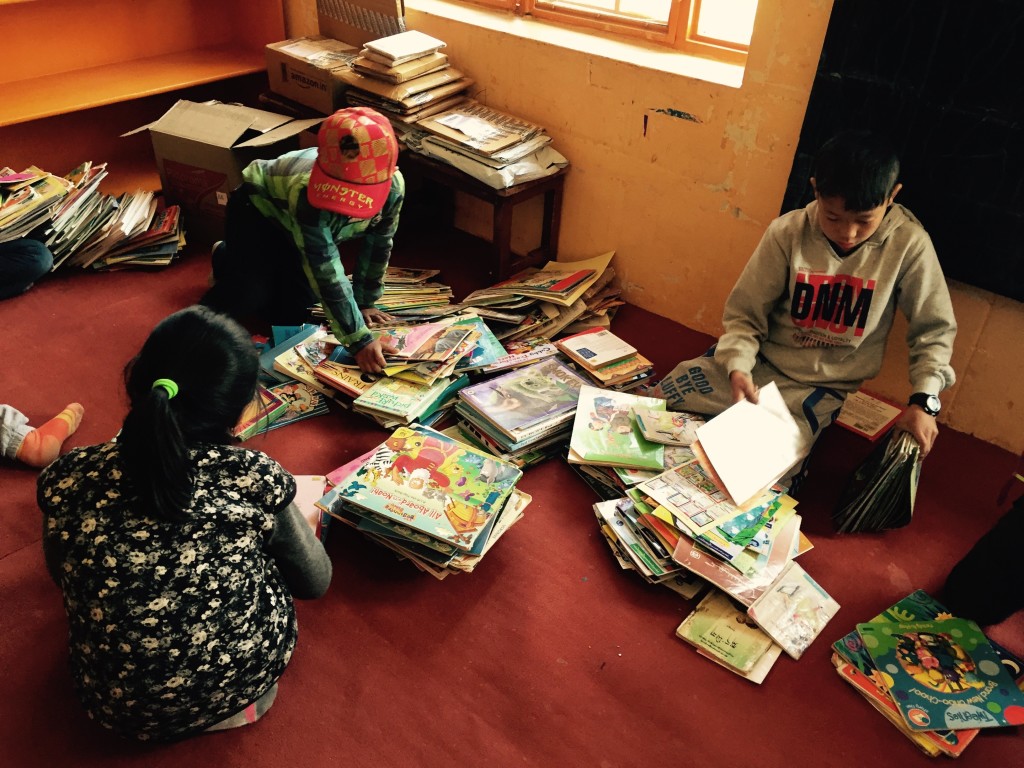
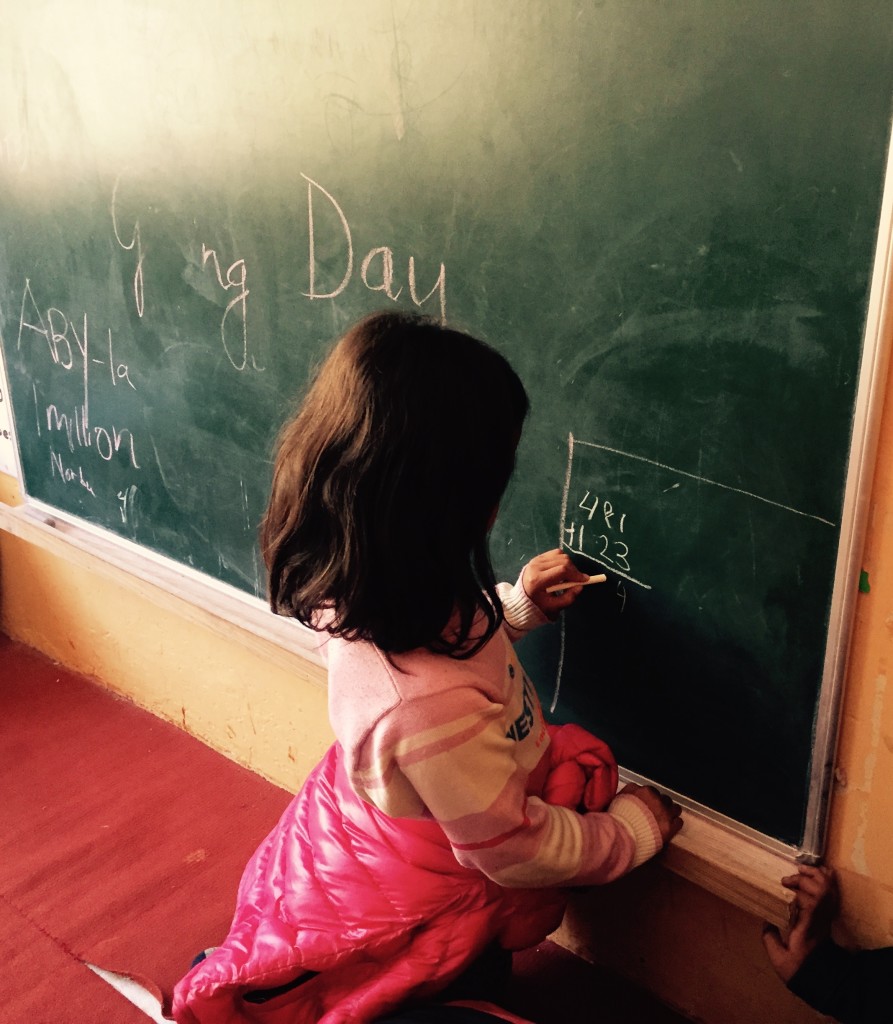
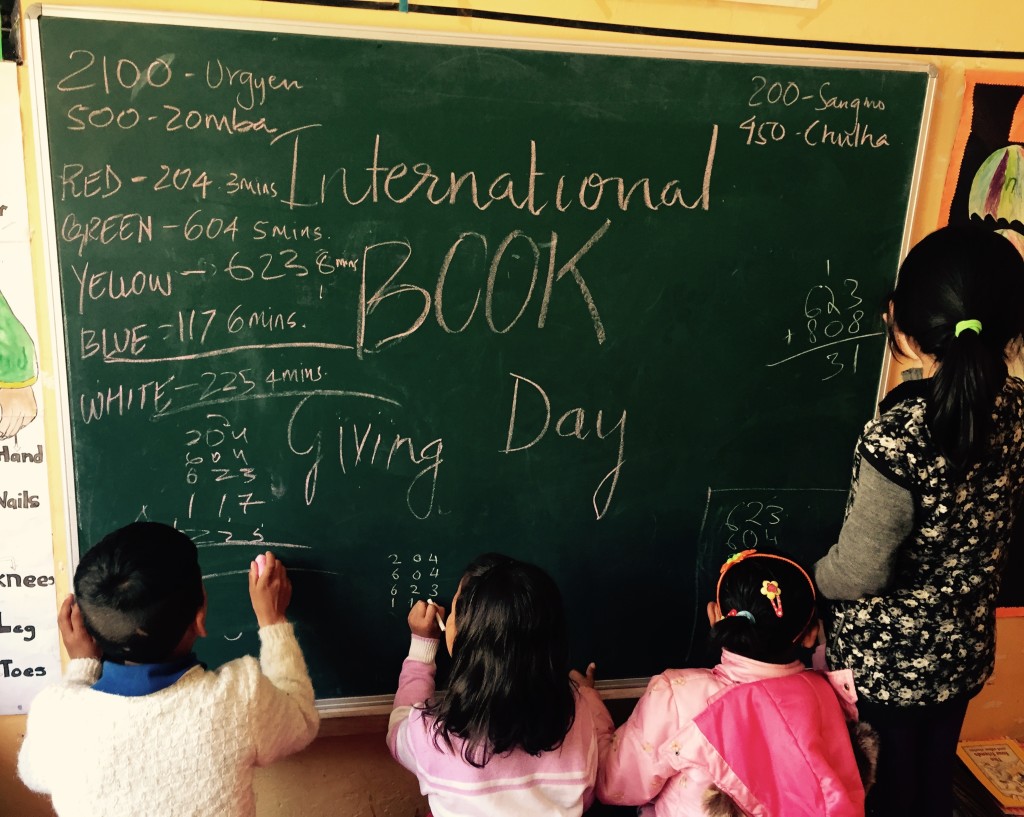
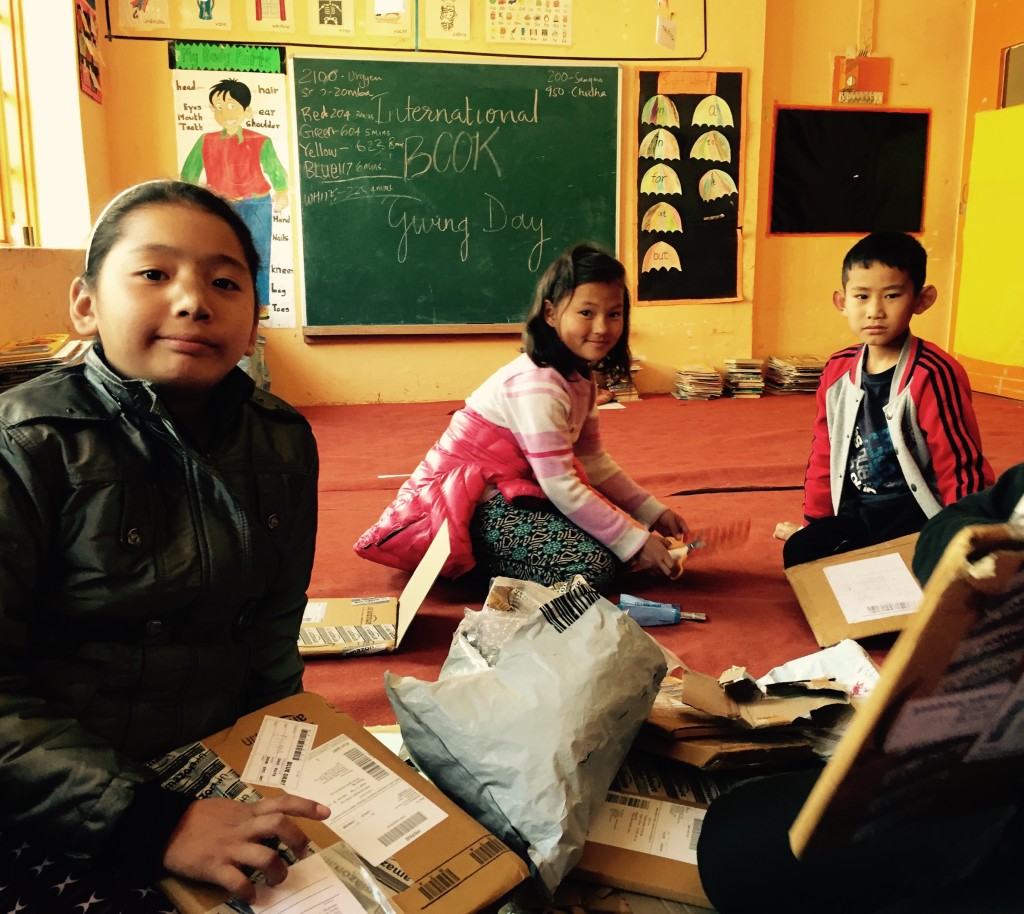
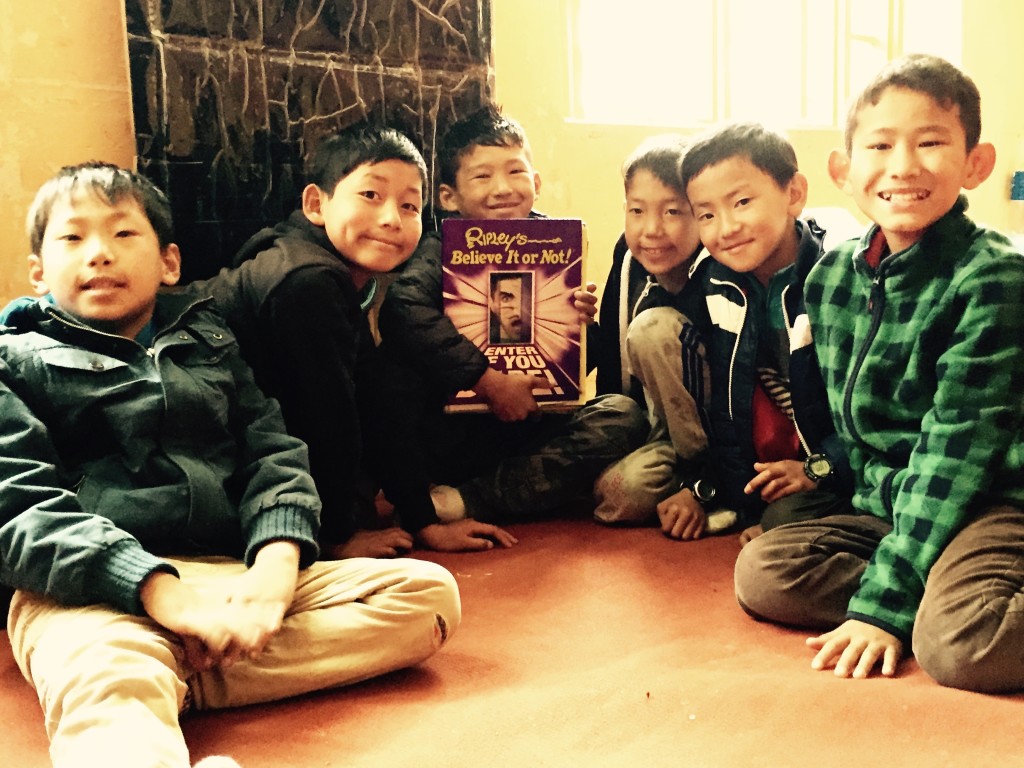
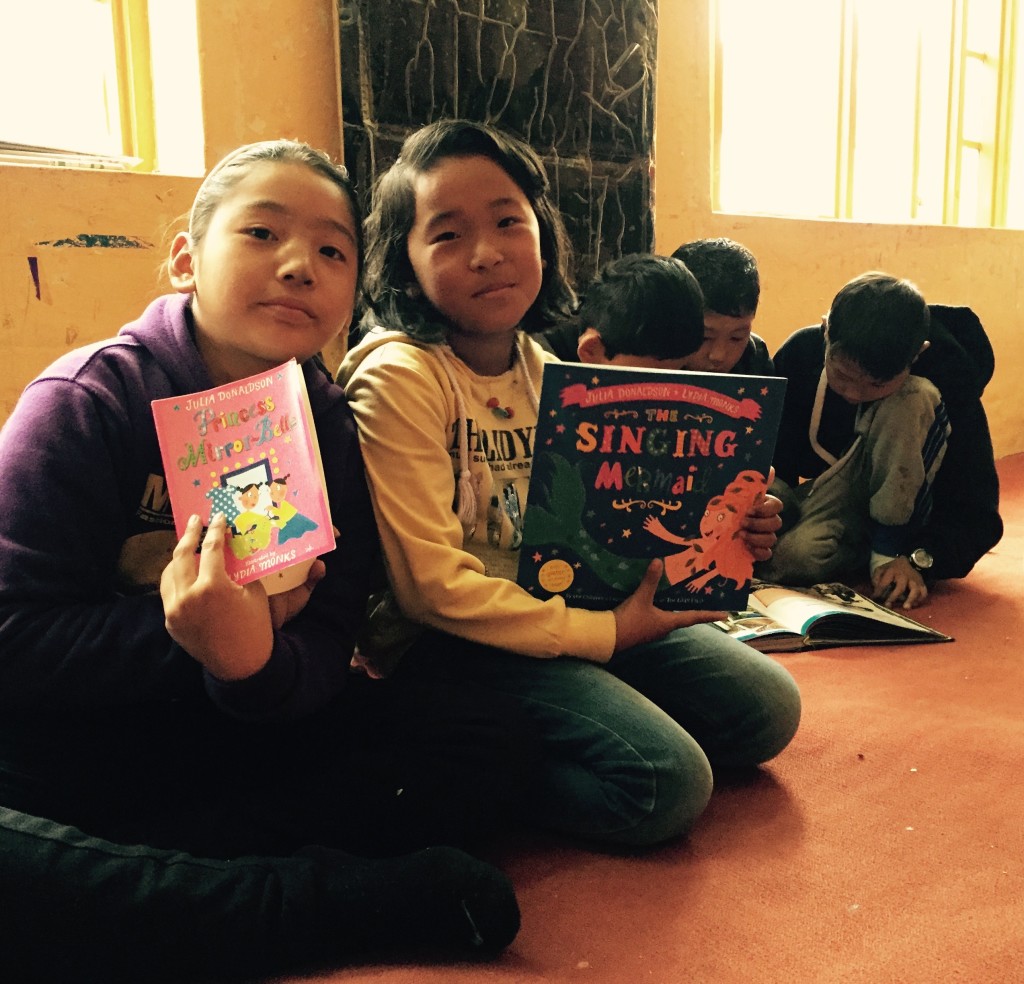
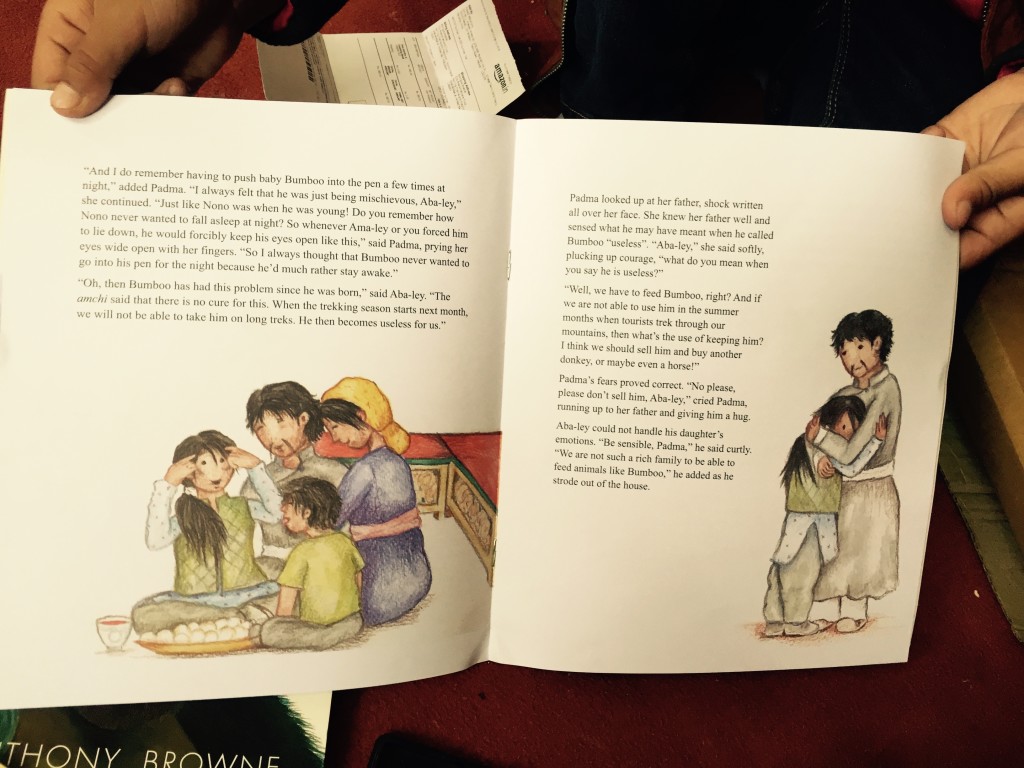
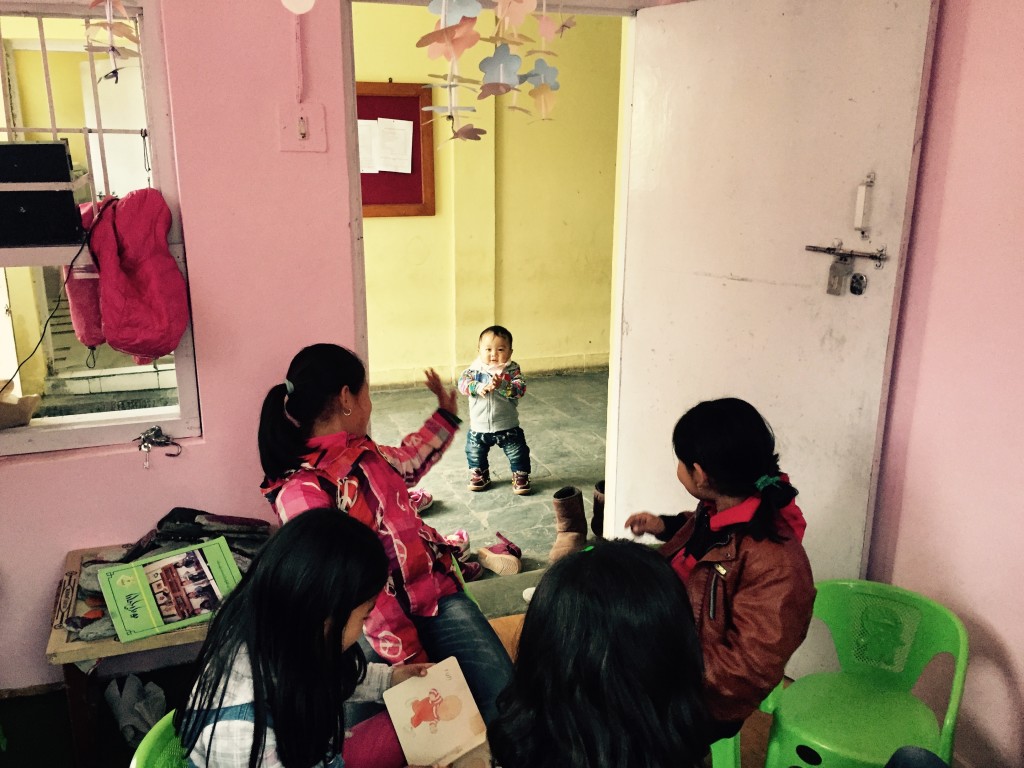
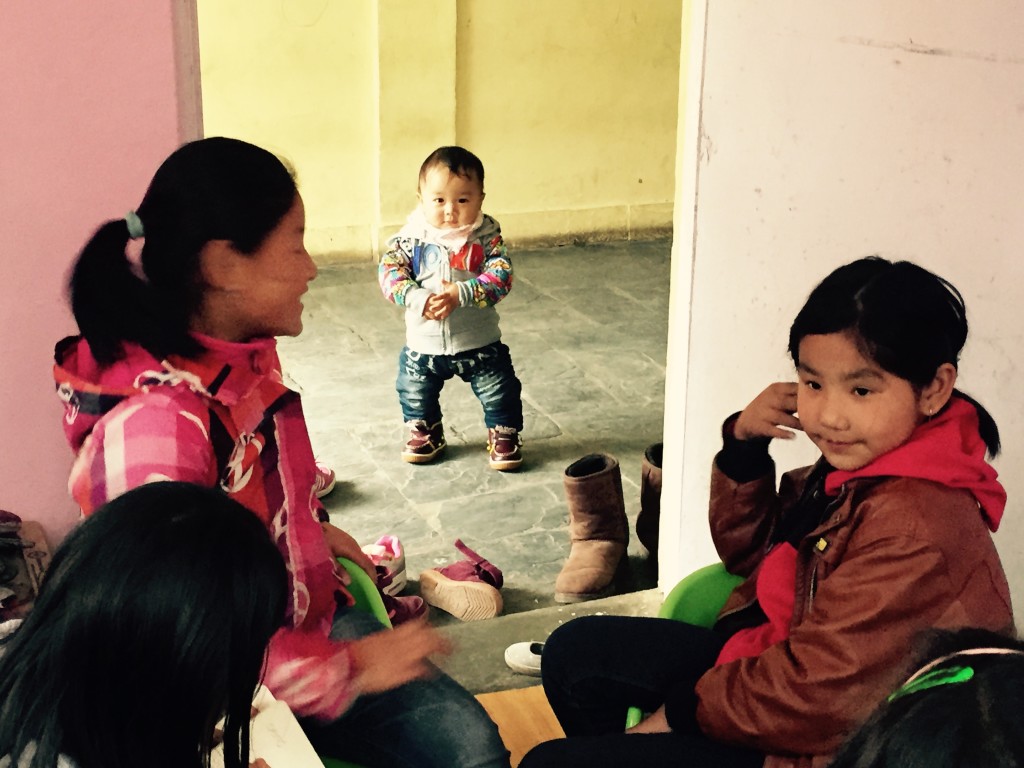
The room also changed the social meaning of education. Reading was no longer limited to a teacher explaining a lesson or a child completing homework. Children gathered in small groups, helped one another decode new words, and discussed stories in their own languages before attempting them in English or another school language.
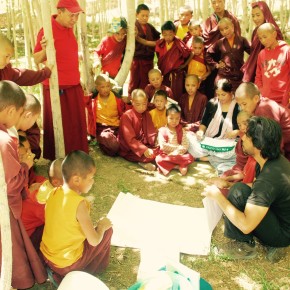
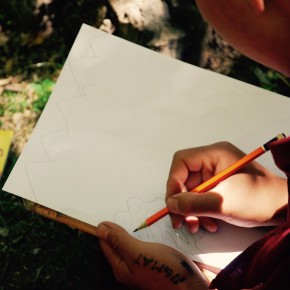
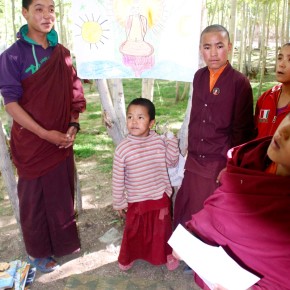
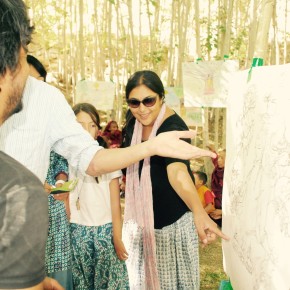
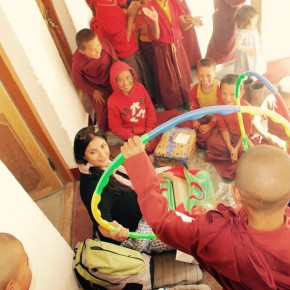
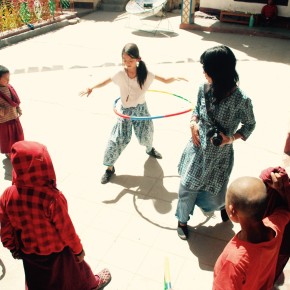
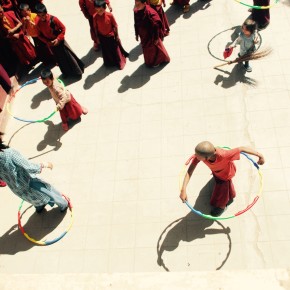
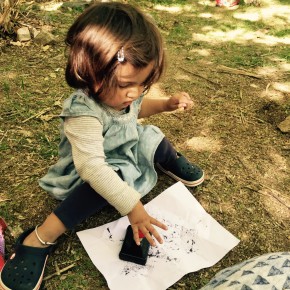
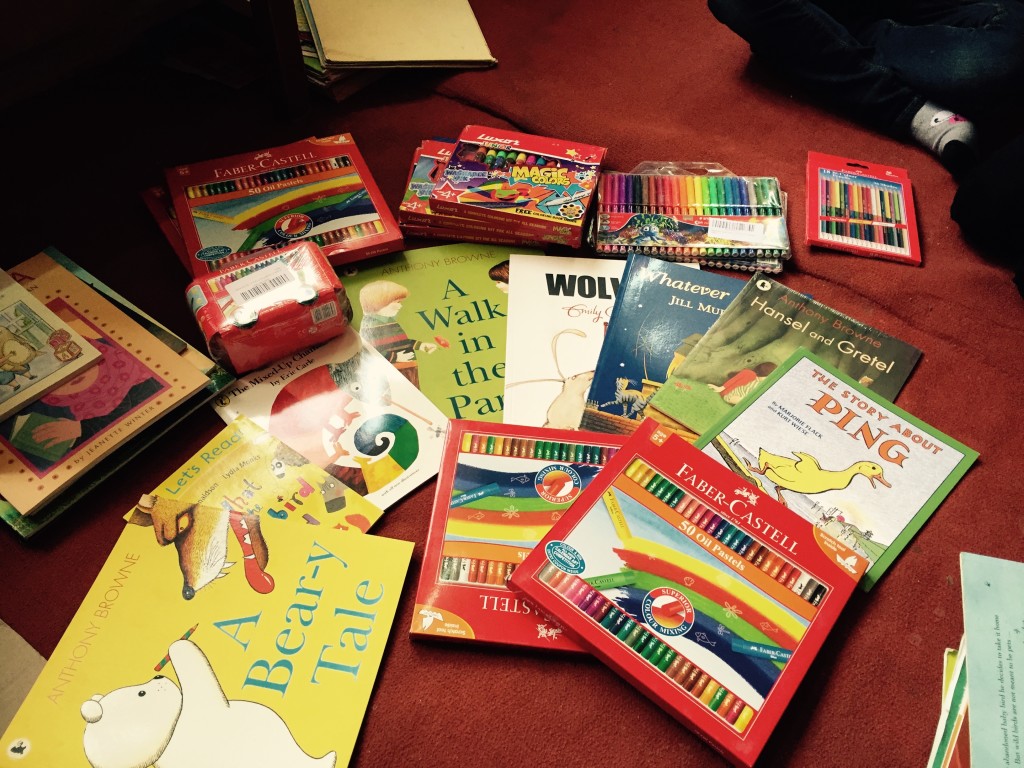
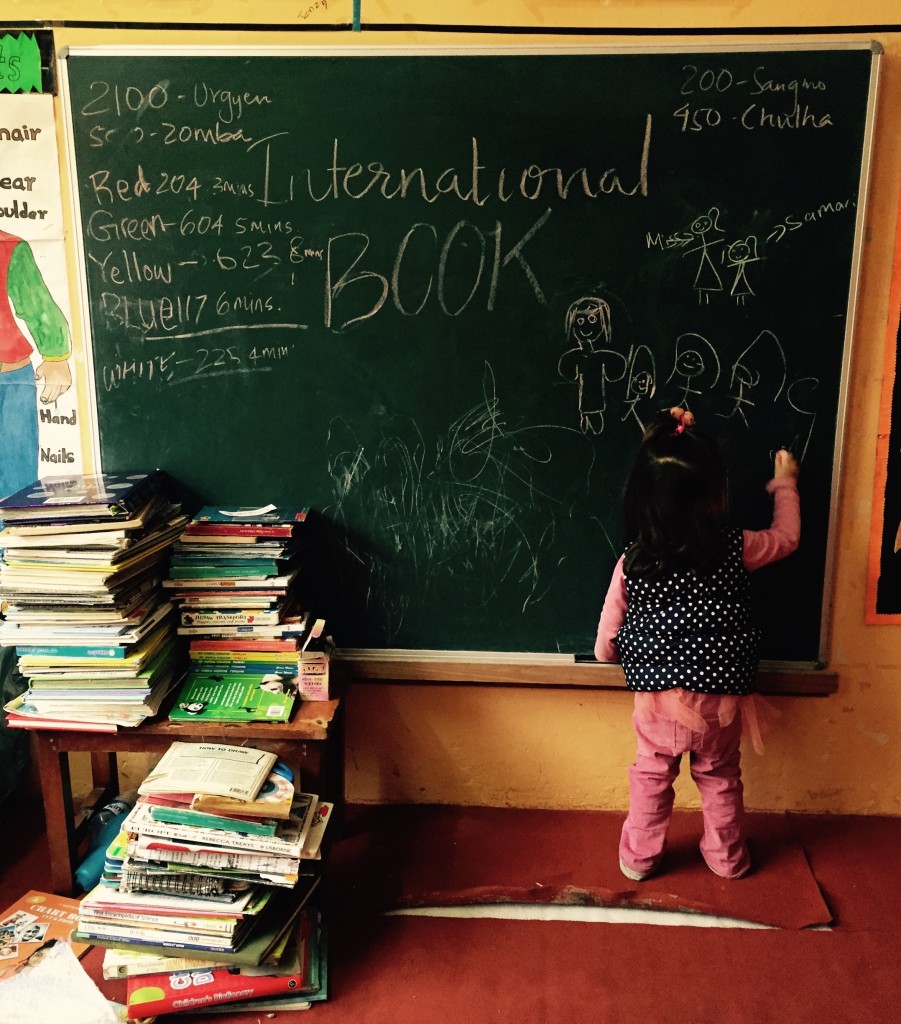
Creative activities widened participation. Drawing a scene from a book, performing a short drama, composing a song, or building a model from a science text allowed children with different strengths to take part. Artistic and musical activities helped turn literacy into an active experience rather than a silent exercise.
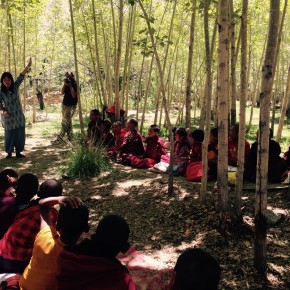
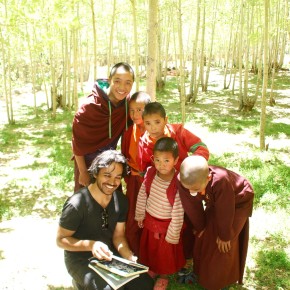
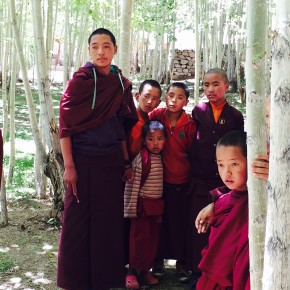
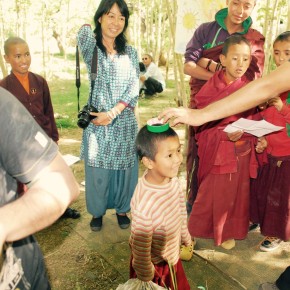
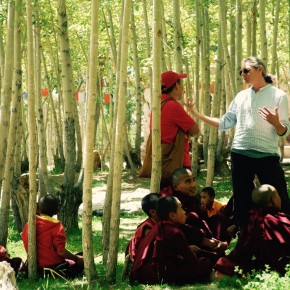
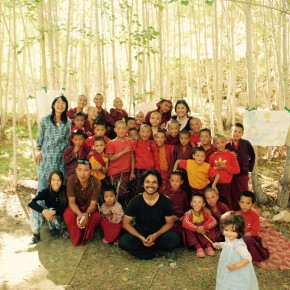
Young monks and village children could meet around shared interests, even when their daily routines differed. A book about mountains, animals, inventors, or distant cultures offered common ground. The reading room became a place where cooperation mattered as much as individual achievement.
| Before The Reading Room |
After Regular Community Use |
| Books were mostly connected with school assignments |
Books became part of leisure, discussion, and family life |
| Children had limited choice in what they read |
Children could select stories and subjects based on interest |
| Learning was often individual and classroom-based |
Reading, art, music, and group activities encouraged collaboration |
| Families saw education mainly through exam results |
Families began noticing confidence, curiosity, and communication skills |
| Teachers carried most responsibility for learning support |
Volunteers, parents, teachers, and older children shared that role |
Families Began To See Different Possibilities
A reading room can influence adults because children carry its energy home. They retell stories at dinner, request books about particular subjects, and ask parents to explain ideas they have encountered. These conversations make learning visible beyond the school building.
Parents may initially focus on practical outcomes. They want children to read more fluently, perform well in examinations, and gain skills useful for future work. Over time, they can also recognize less measurable benefits: greater confidence, patience, imagination, and willingness to communicate.
Community attitudes shift when education becomes connected to daily life. A child reading about another mountain community may compare it with home. A story about a young scientist may inspire a question about local plants or weather. A picture book may lead to a family conversation about traditional art. Books begin to support both modern learning and cultural identity.
Volunteers Turn Access Into Continuity
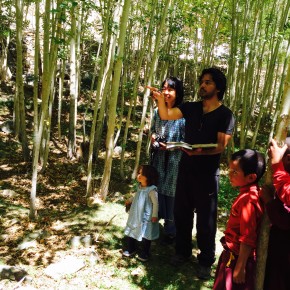
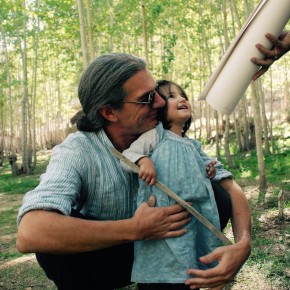
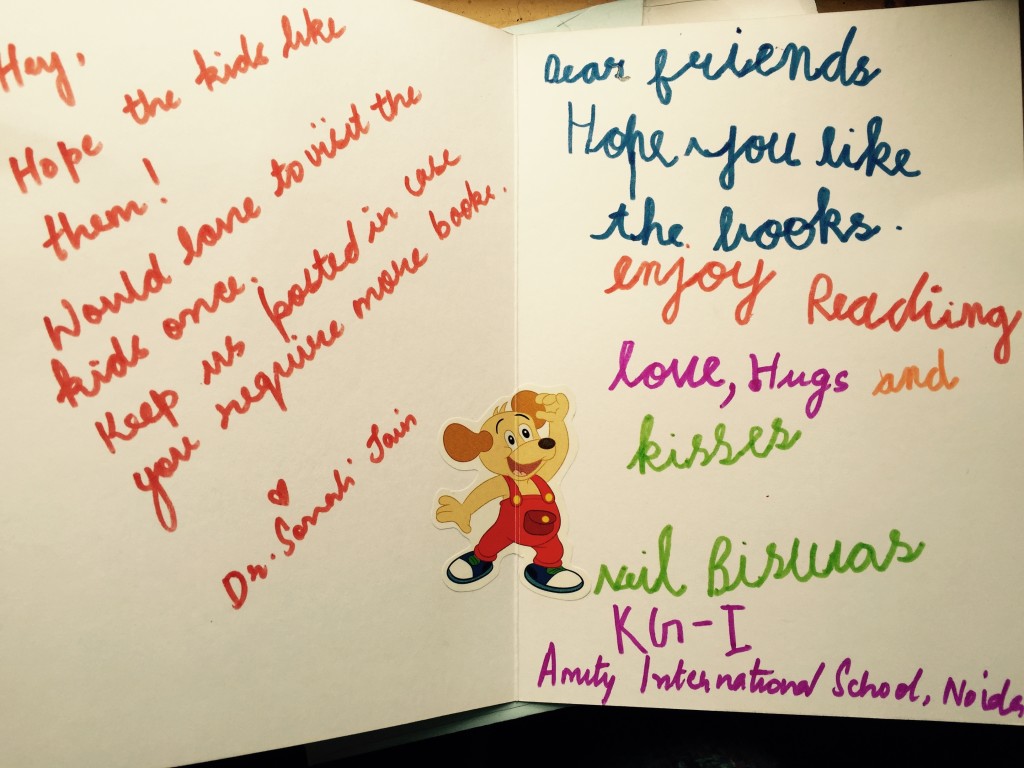
A room filled with books needs people who can keep it active. Volunteers help children select age-appropriate reading materials, read aloud, organize games, and create activities around stories. Their presence ensures that the space remains welcoming rather than becoming a locked collection of books.
Support can take many forms. A volunteer may lead a weekly storytelling session, help older students research a topic, or introduce a group to music and visual art. Someone with experience in early education can show local helpers how to encourage children without correcting every mistake.
This continuity builds trust. Children learn that the room will be open, that someone will listen to their ideas, and that their questions deserve time. Regular contact also helps volunteers understand which books are being used, which subjects interest children, and where additional educational resources are needed.
A Small Library Can Grow A Culture Of Curiosity
The strongest transformation is a change in attitude. When children repeatedly experience books as enjoyable and useful, they become more willing to approach unfamiliar subjects. They learn that confusion is part of learning and that a difficult page can be revisited with help.
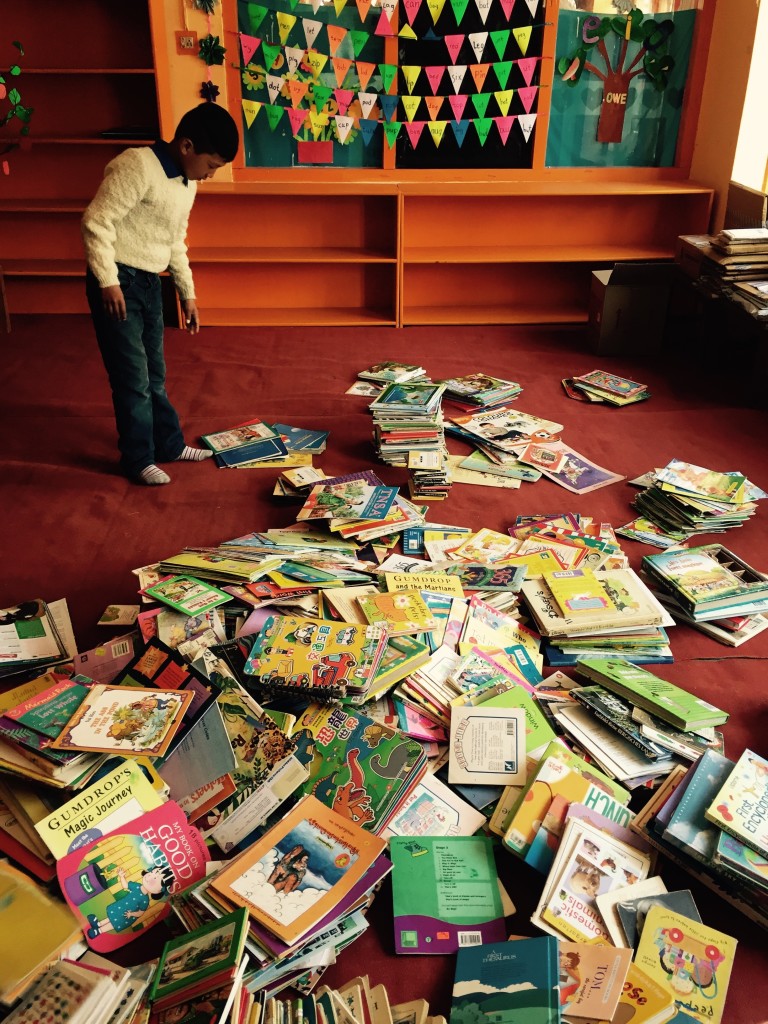
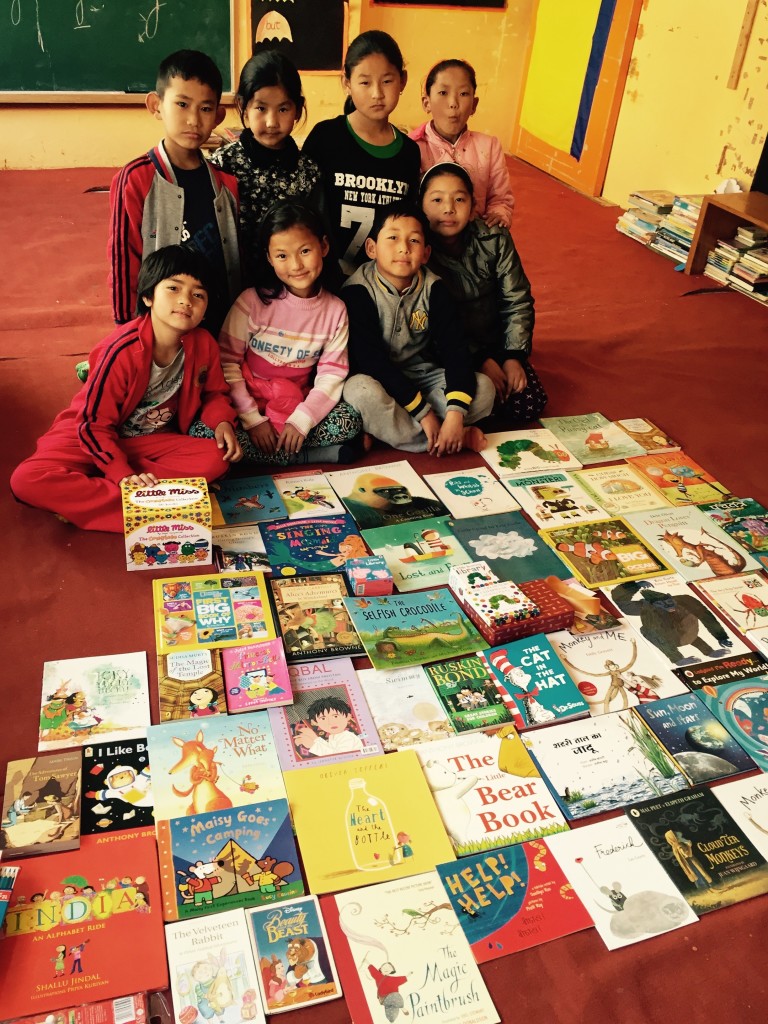
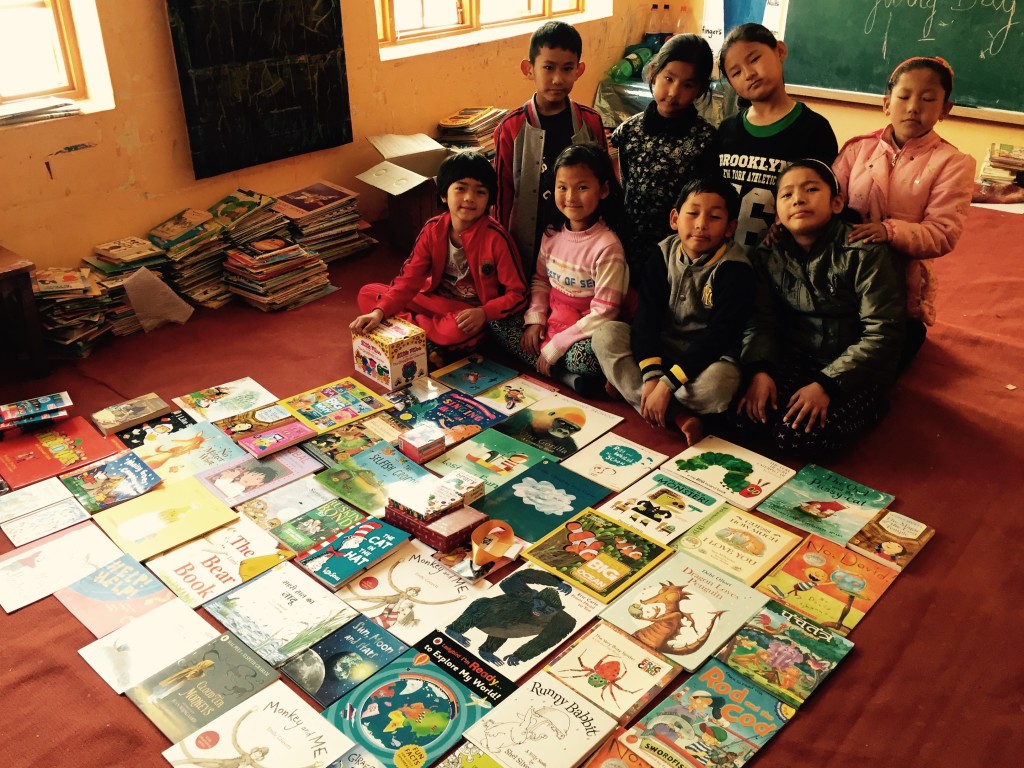
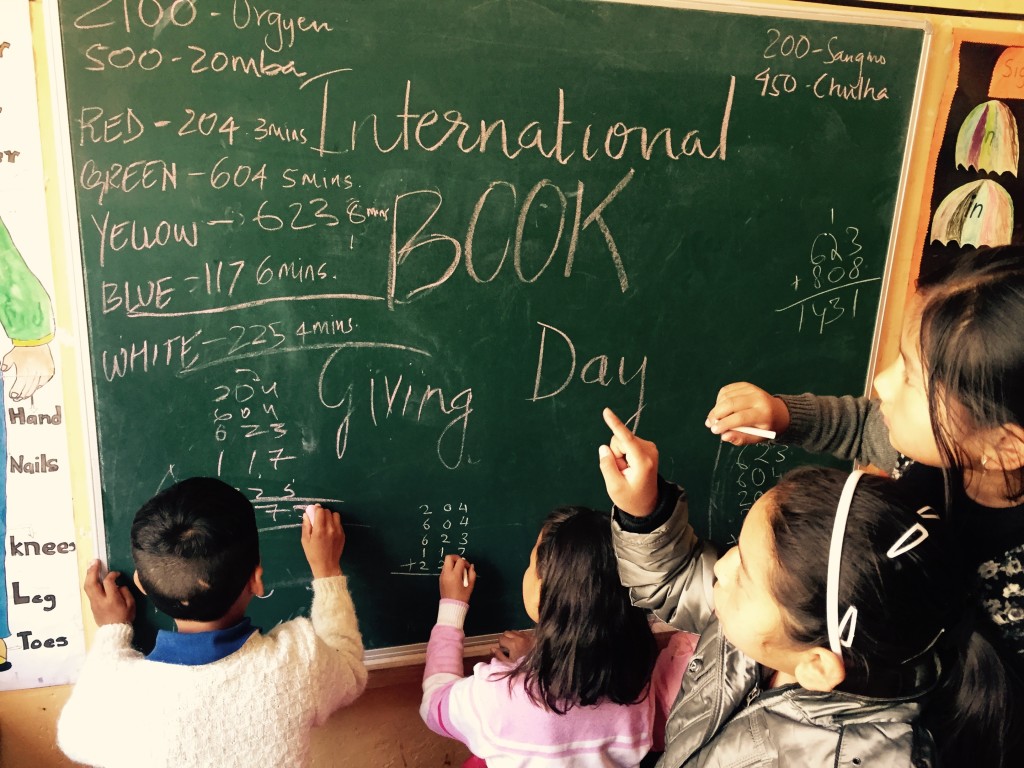
That attitude can influence the wider village. Older students may begin assisting younger readers. Teachers can use stories to enrich lessons. Parents may contribute local knowledge, traditional tales, or time for community events. A book drive becomes more than a delivery of materials; it becomes a sign that the village values children’s intellectual lives.
The reading room also gives donors and supporters a clear way to see how practical resources create lasting effects. Shelves, books, floor cushions, art materials, and trained volunteers may appear simple individually. Together, they create an ecosystem in which literacy and creativity can develop every day.
Ways To Keep The Room Growing
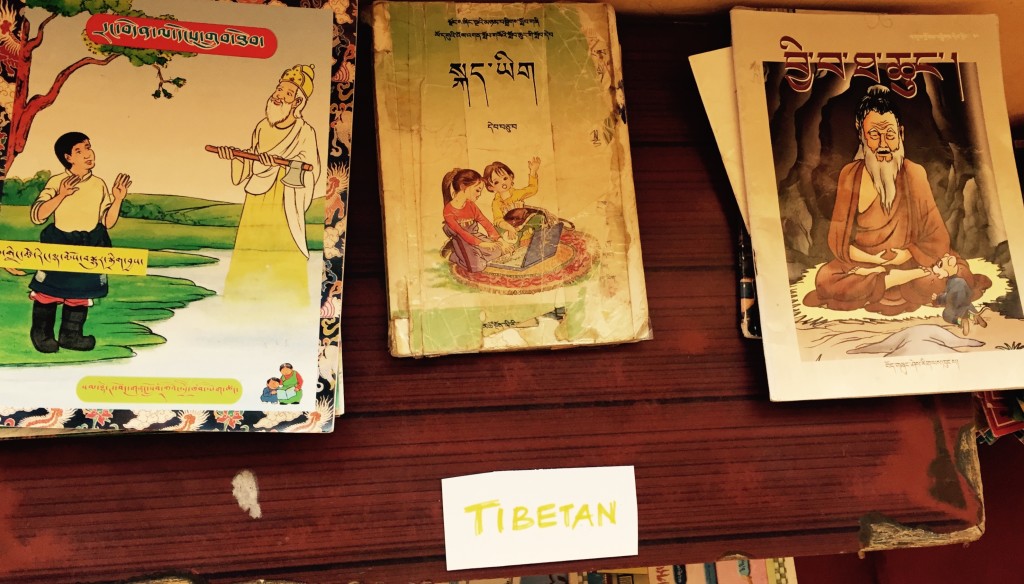
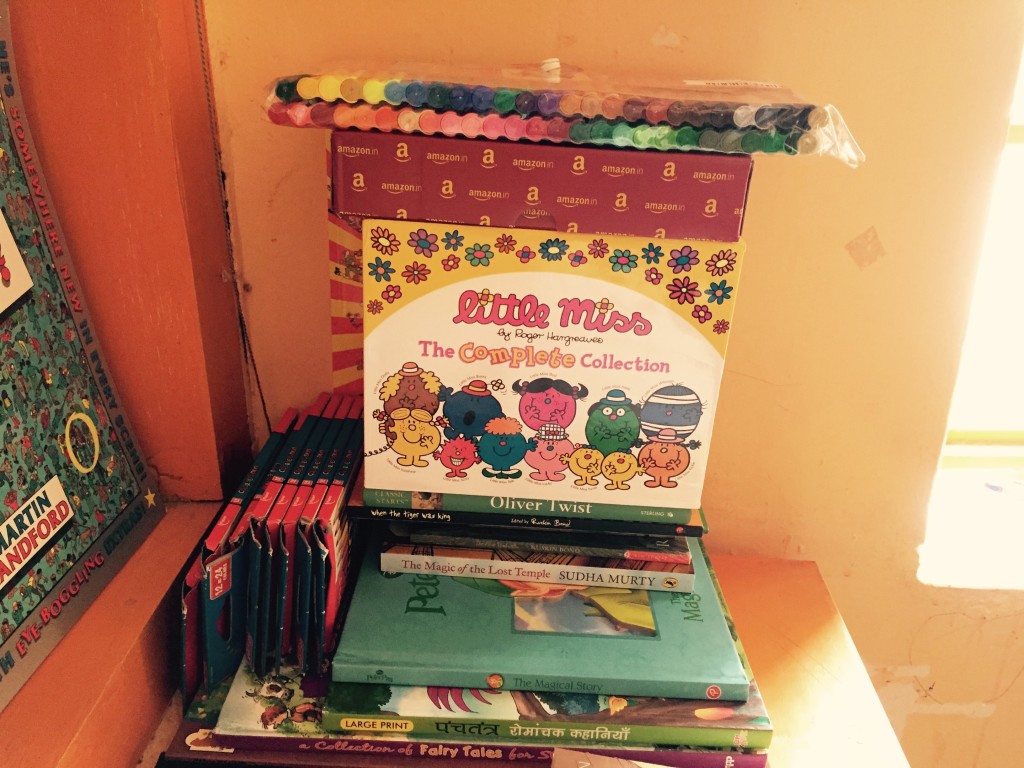
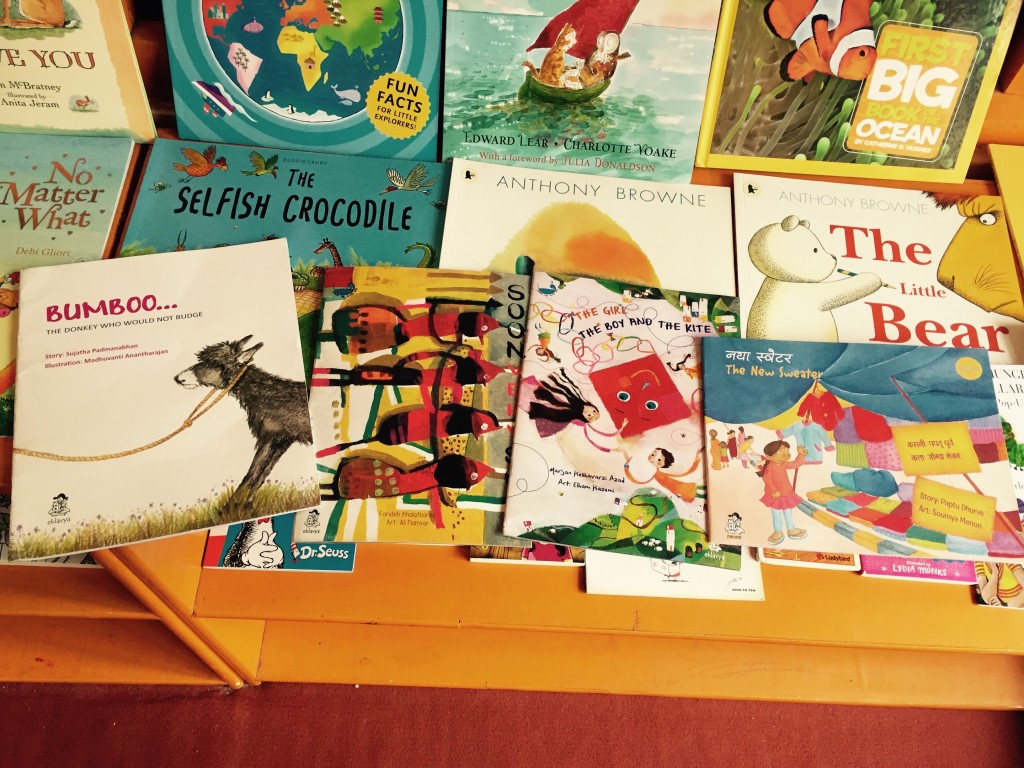
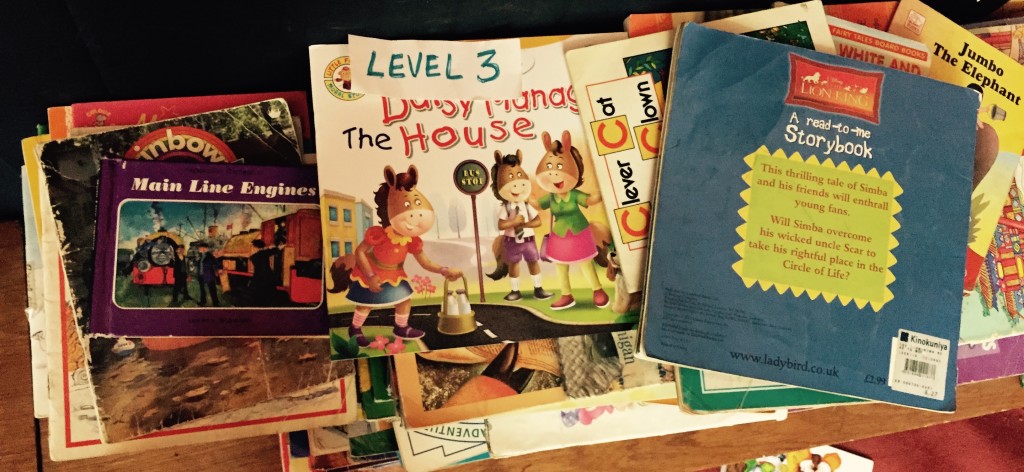
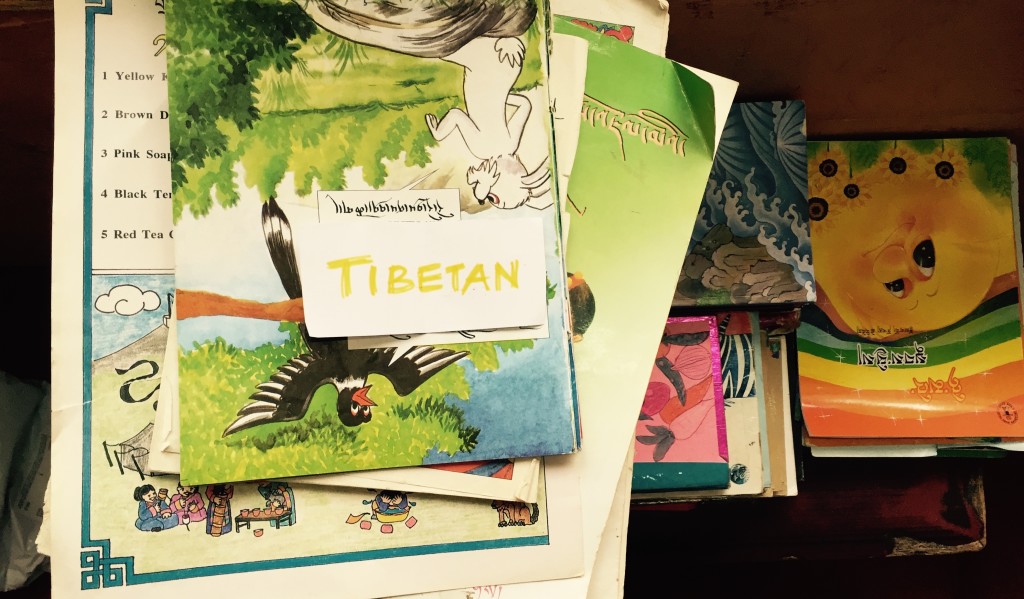
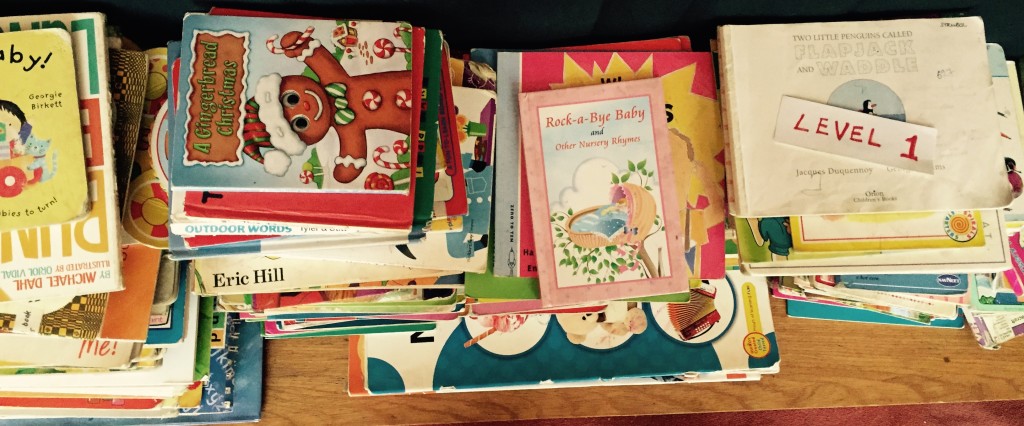
- Build a balanced collection with picture books, local stories, bilingual materials, science titles, biographies, and age-appropriate fiction.
- Schedule regular storytelling, drawing, music, and reading sessions so children have reasons to return throughout the year.
- Train local volunteers and older students to guide younger readers and care for the space.
- Invite families and teachers to recommend subjects, authors, and resources that reflect community interests.
- Track which books and activities children use most often so future book drives respond to genuine needs.
A single room cannot solve every educational challenge in a remote community. It can, however, change what people believe is possible. It can show a child that knowledge is not confined to a classroom, a teacher that curiosity strengthens formal learning, and a family that a few regular reading habits can open new paths.
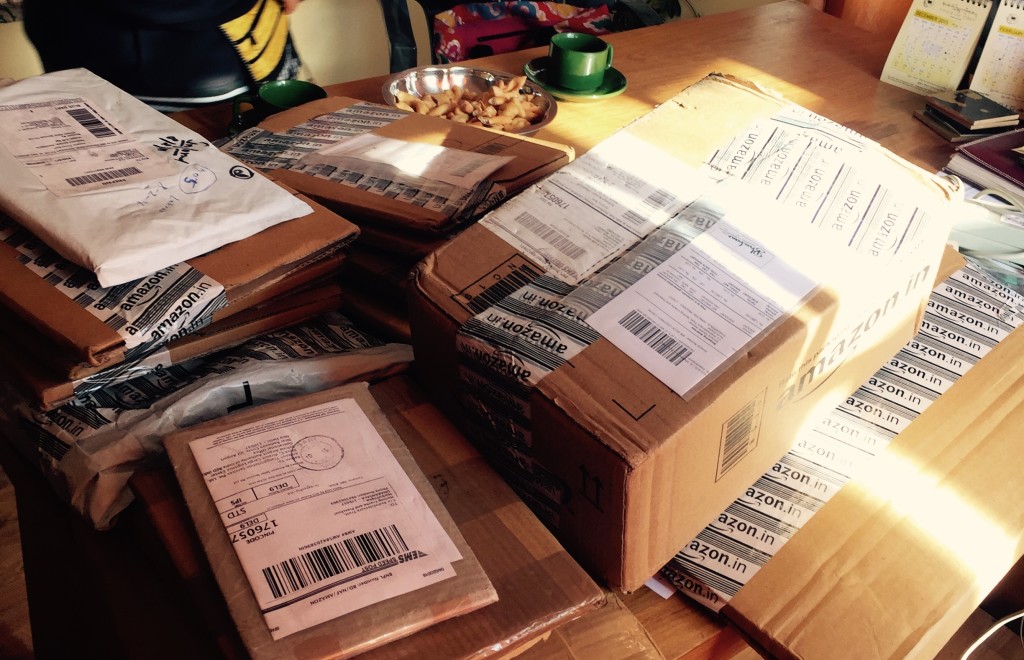
Avalokiteśvara Trust supports this kind of change by creating reading rooms, organizing book drives, and bringing educational, artistic, and musical opportunities to children and young monks in the Himalayan region. Support for books, furnishings, volunteer visits, and local programming helps turn an empty space into a living center of learning.
A contribution can place a new story into a child’s hands, help sustain a creative session, or keep a community reading room active through another season. By supporting literacy in Ladakh and neighboring communities, donors and volunteers help build villages where children are encouraged to read, imagine, ask questions, and share what they discover.