How one picture book sparked a love of art in a Himalayan village
In a small stone house on the edge of a Ladakhi village, a girl named Tsering turned the pages of a battered picture book for the first time. The colours of the painted hills, the smiling animals and the wide blue sky pulled her in, and within minutes she was reaching for a pencil. That quiet afternoon, almost a decade ago, became the seed of a creative movement that still grows in the high valleys today.
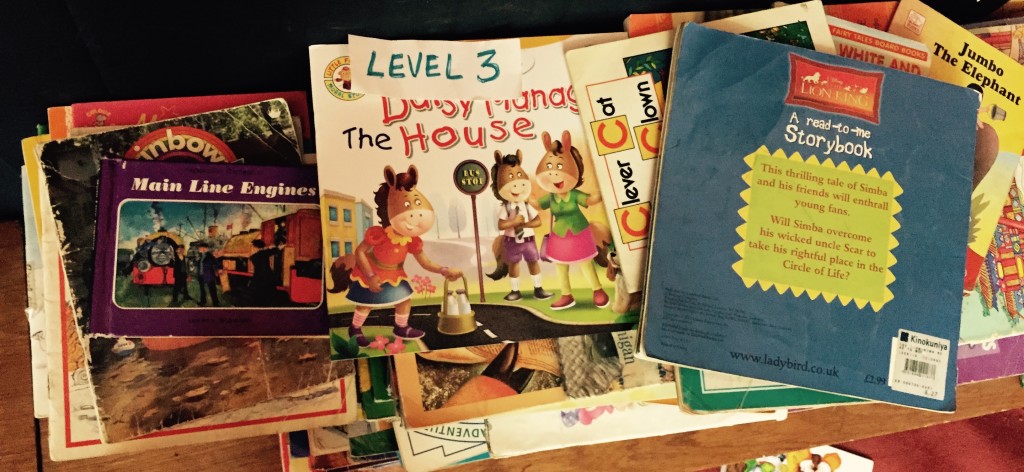
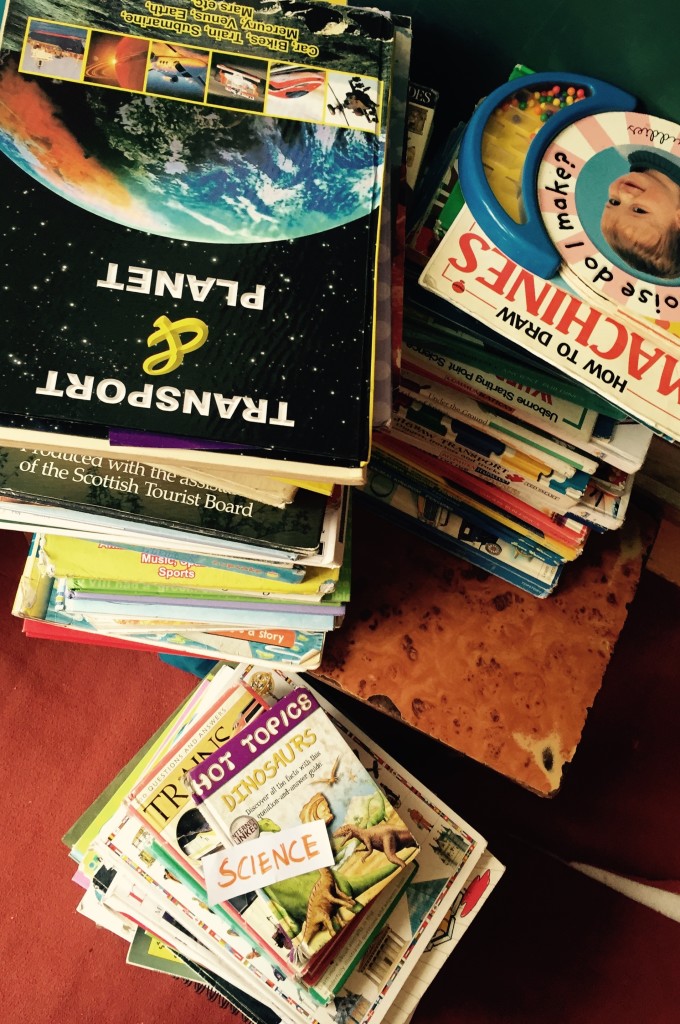
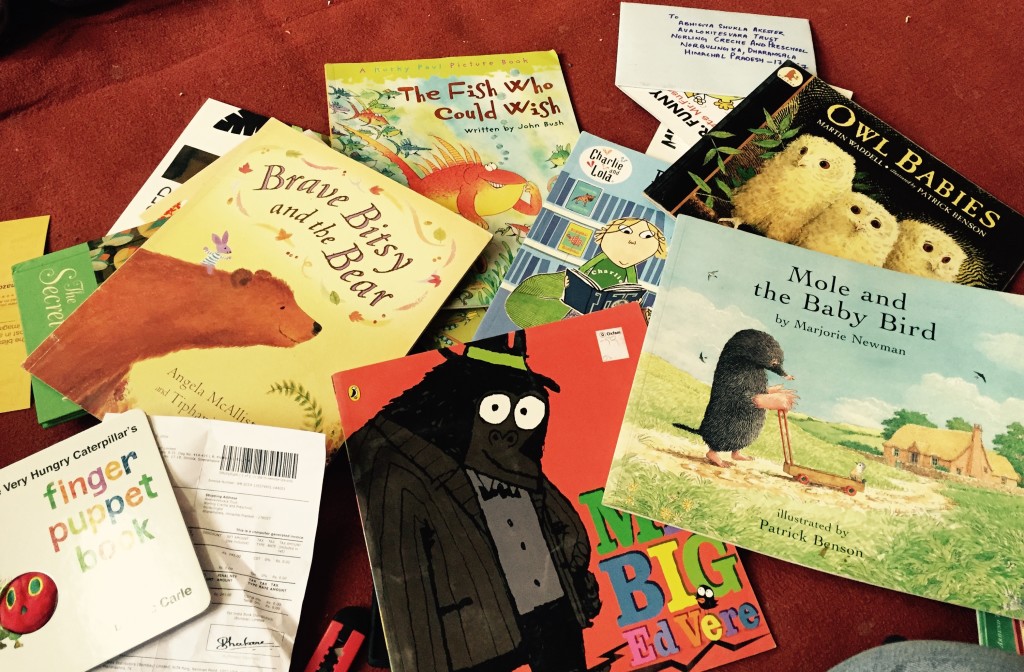
The Avalokiteśvara Trust had brought the book with a small library crate, hoping to plant the habit of reading among children with little access to illustrated stories. No one expected a single volume to spark the village's lasting love of art, music and storytelling. Years later, the school walls are covered in murals, the courtyard hosts weekend watercolour sessions, and the children who pressed their noses to the pages now paint their own.
The day an illustrated book arrived
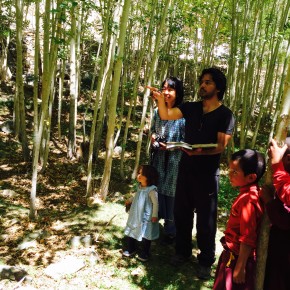
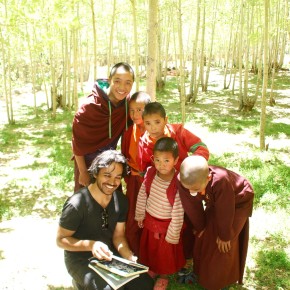
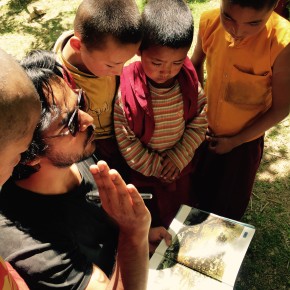
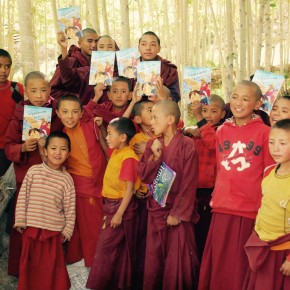
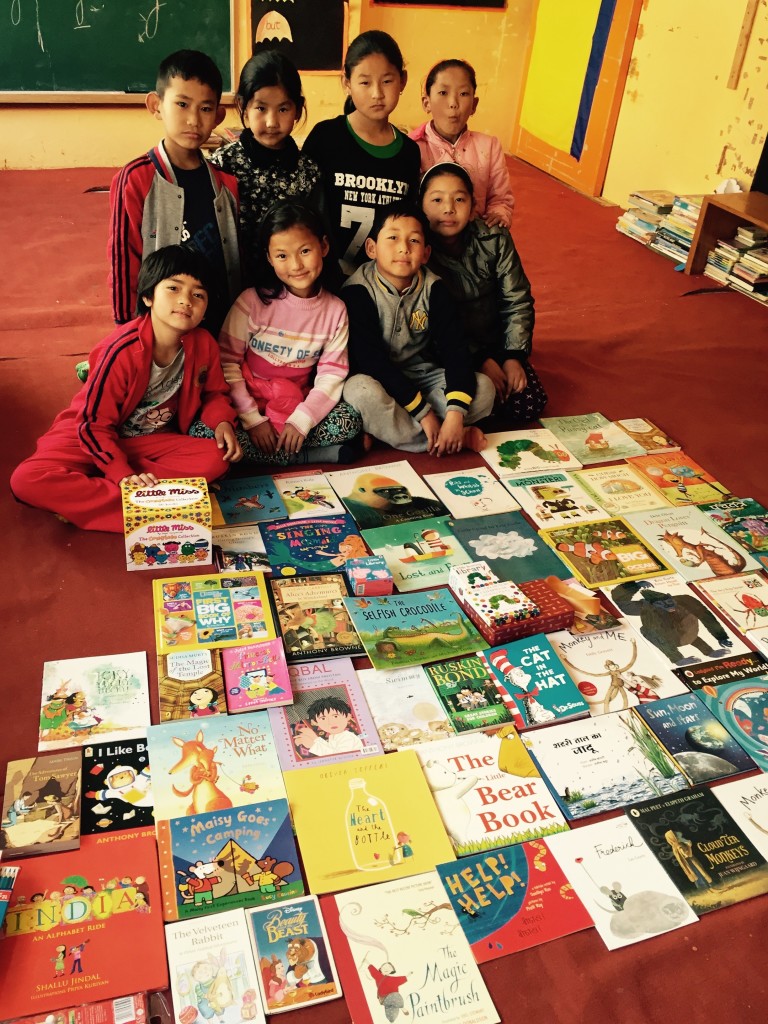
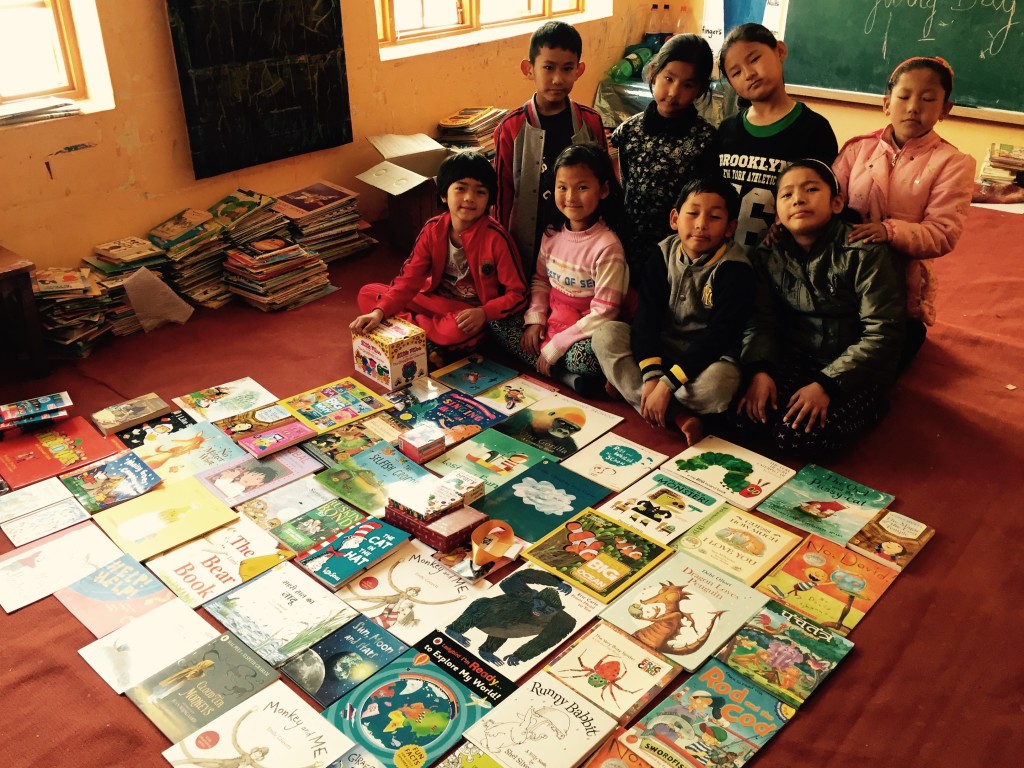
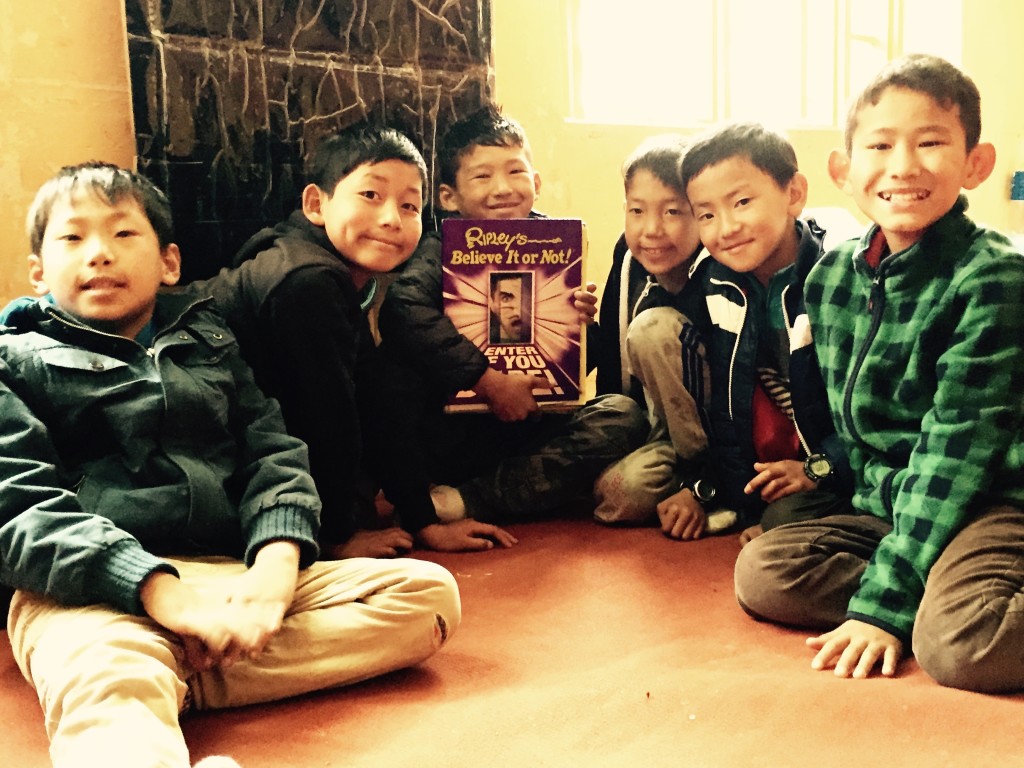
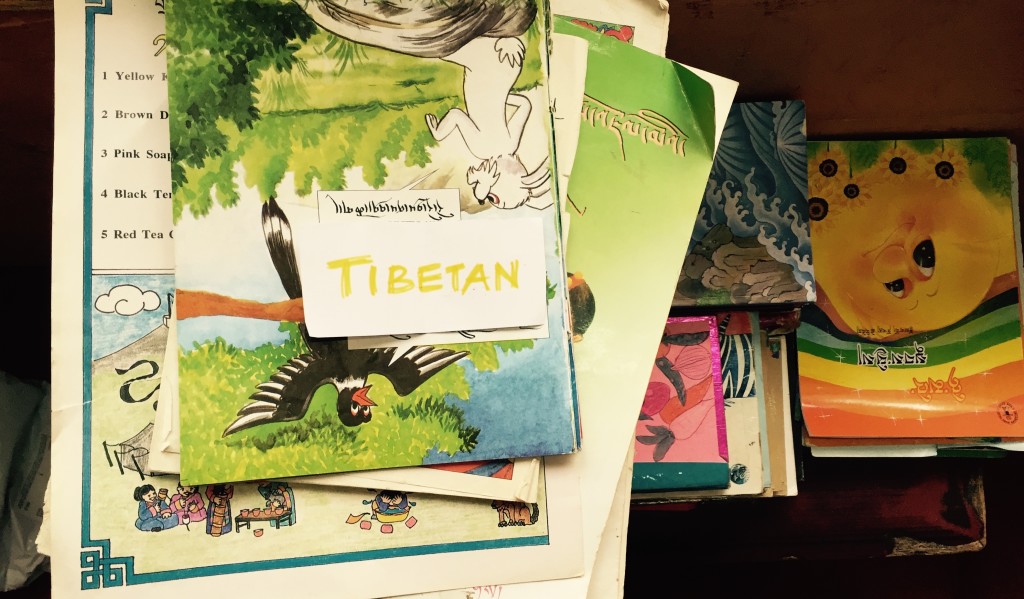
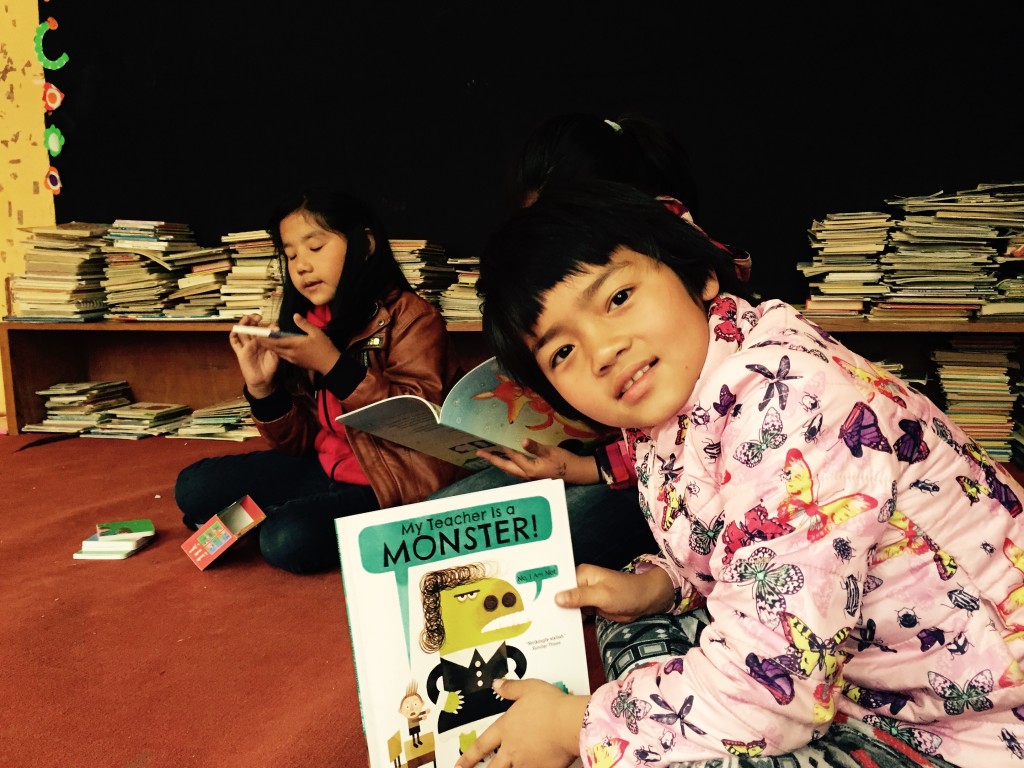
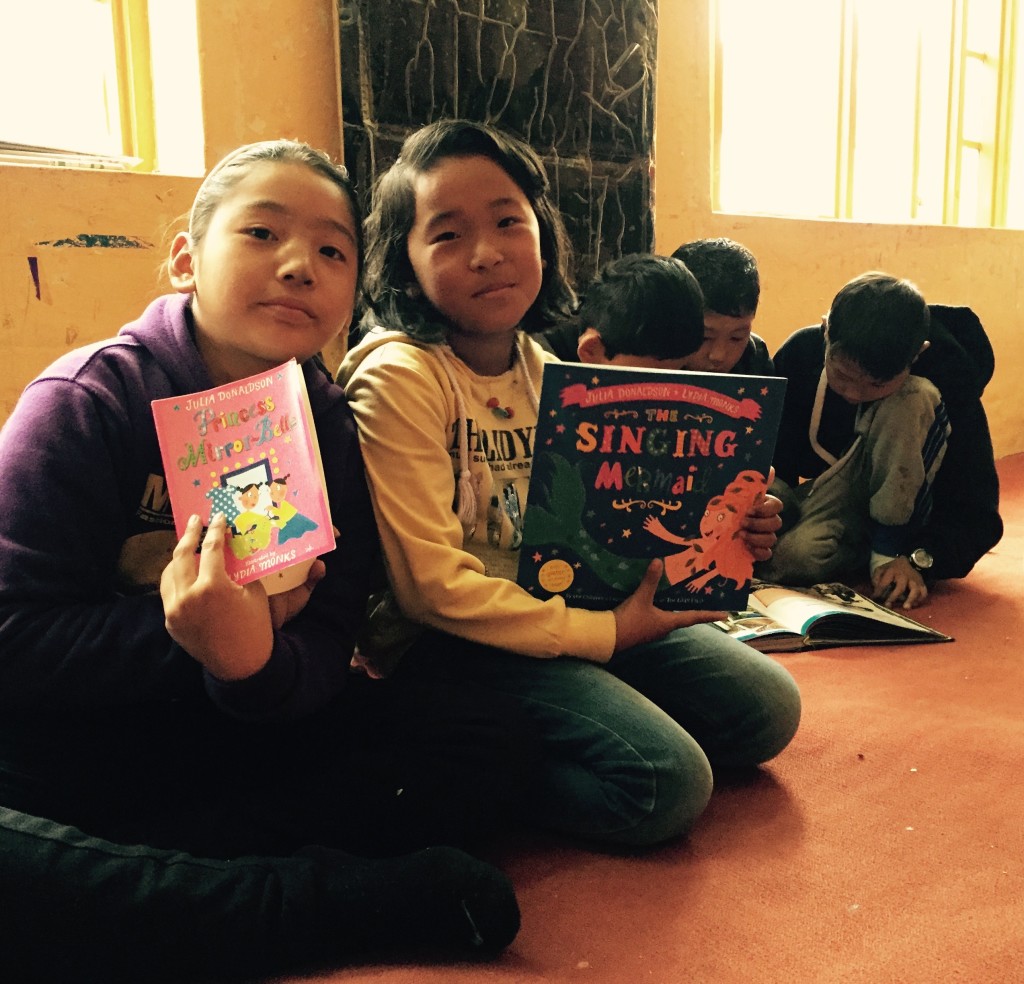
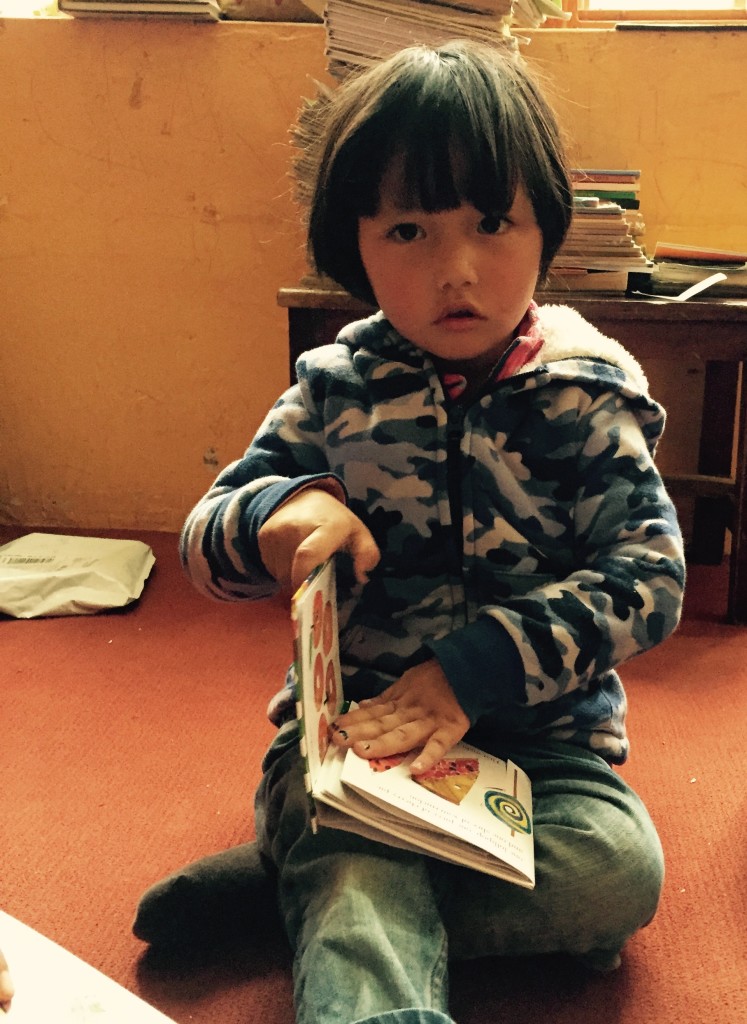
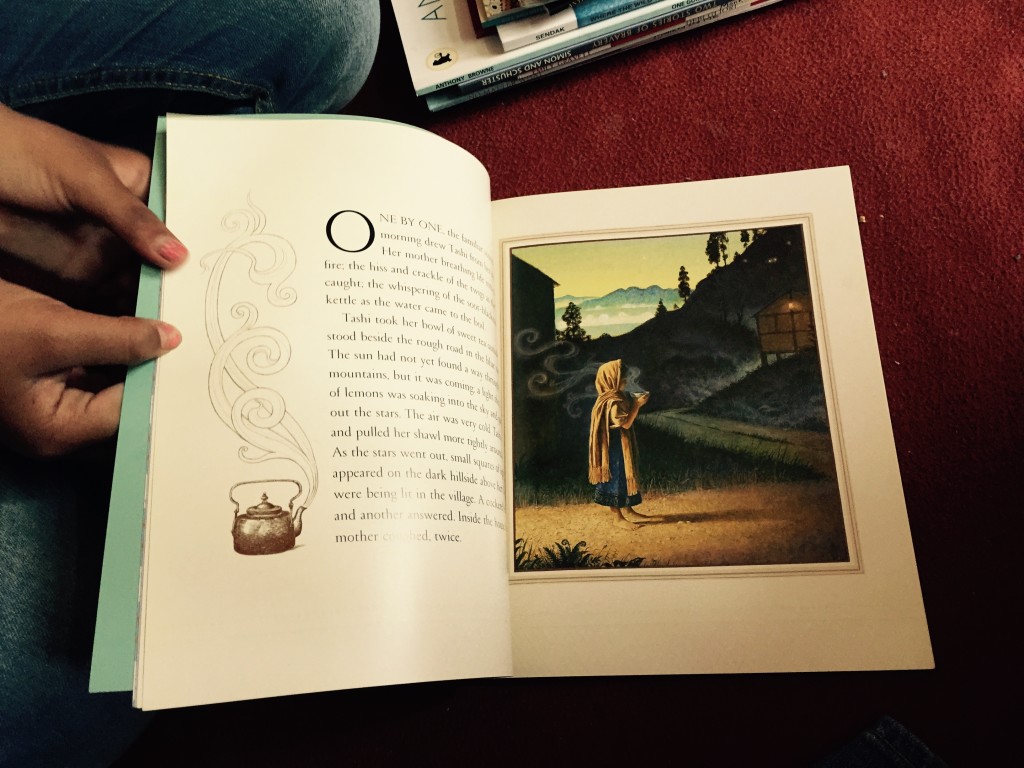
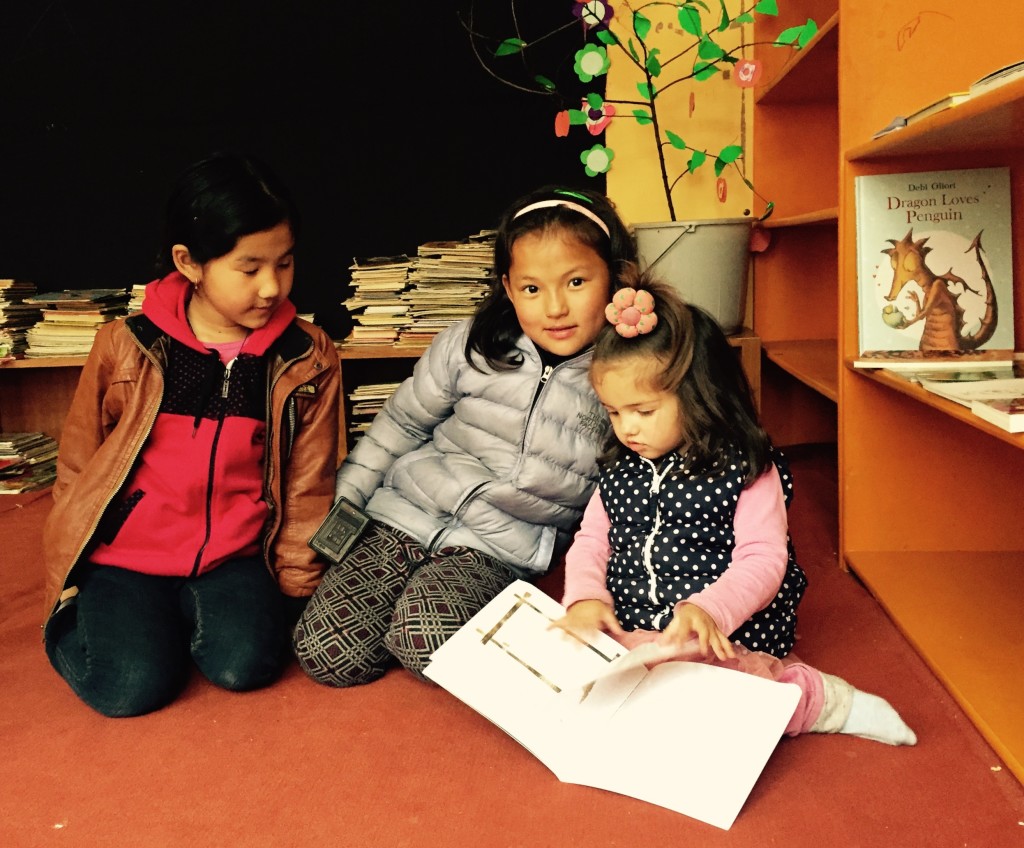
When the volunteers carried the crate down the footpath from Leh, the children gathered as if a travelling caravan had arrived. Most had never held a hardback book before, let alone one whose pages glowed with painted landscapes. A friendly dog wearing a red scarf, a temple reflected in a still lake, a moon rising over snowy peaks: every spread became a small window onto somewhere new.
For many of the younger children, the book was their first encounter with the idea that pictures could tell stories on their own. Within a week, scraps of paper around the village began to fill with copied flowers, birds and patterns. Parents noticed that the children who had seemed shy in class were now spending long afternoons drawing by the window.
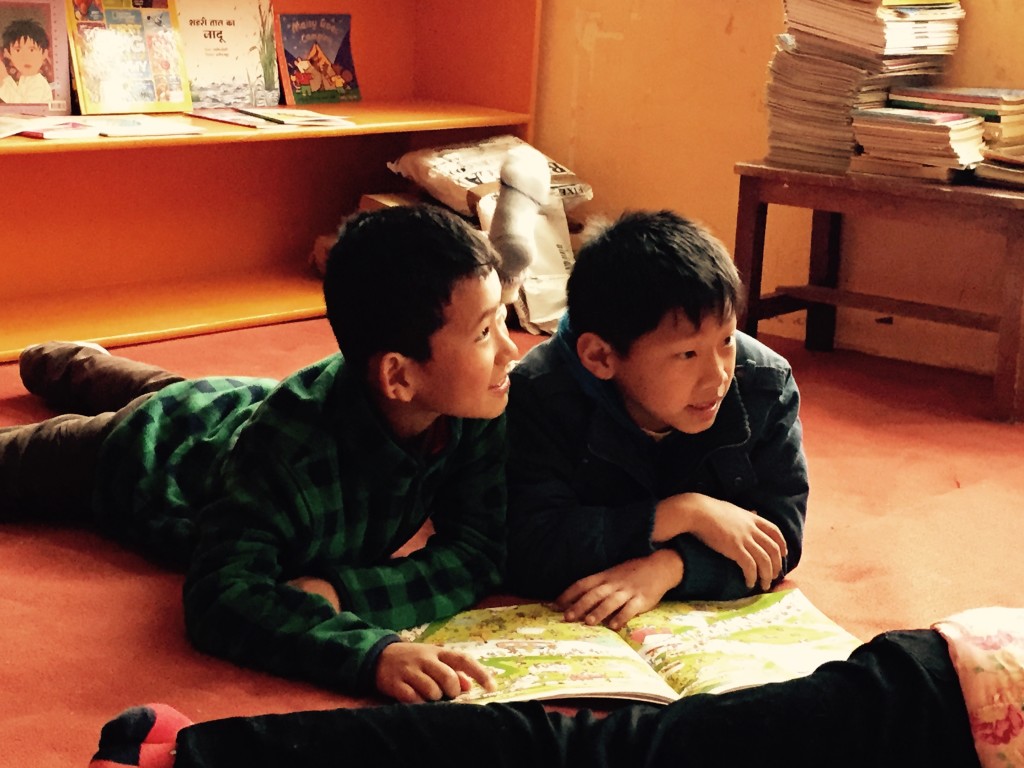
Short captions and large images made the book accessible to children still learning to read. A four-year-old who could not yet write her name could sit beside a nine-year-old and enjoy the same story. This shared experience quietly broke down the usual barriers between ages and grades.
From page to pencil, the first drawings
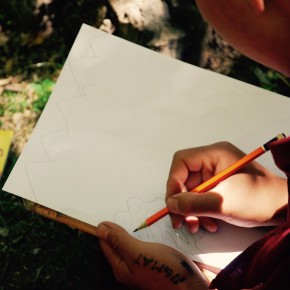
The first attempts were timid, mostly careful outlines of the sun and the mountains in the back of notebooks. Then something shifted. A boy named Stanzin drew his grandmother carrying a bucket of water, and his friends crowded around to ask for copies. The volunteers realised the book had introduced illustration and given the children permission to depict their own lives.
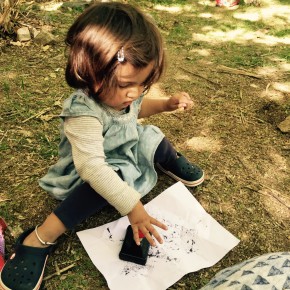
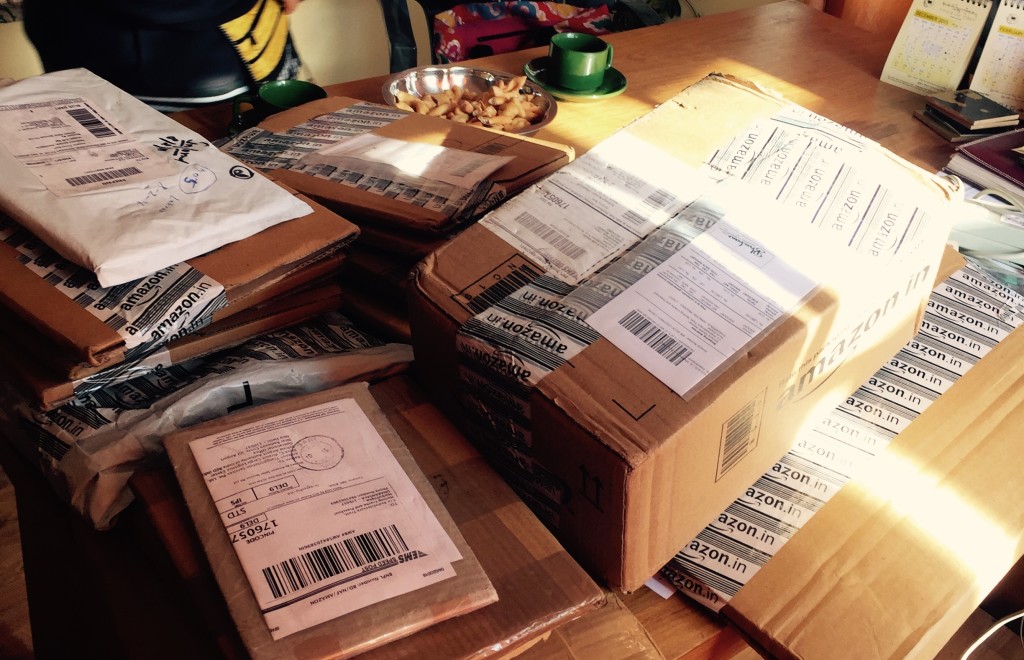
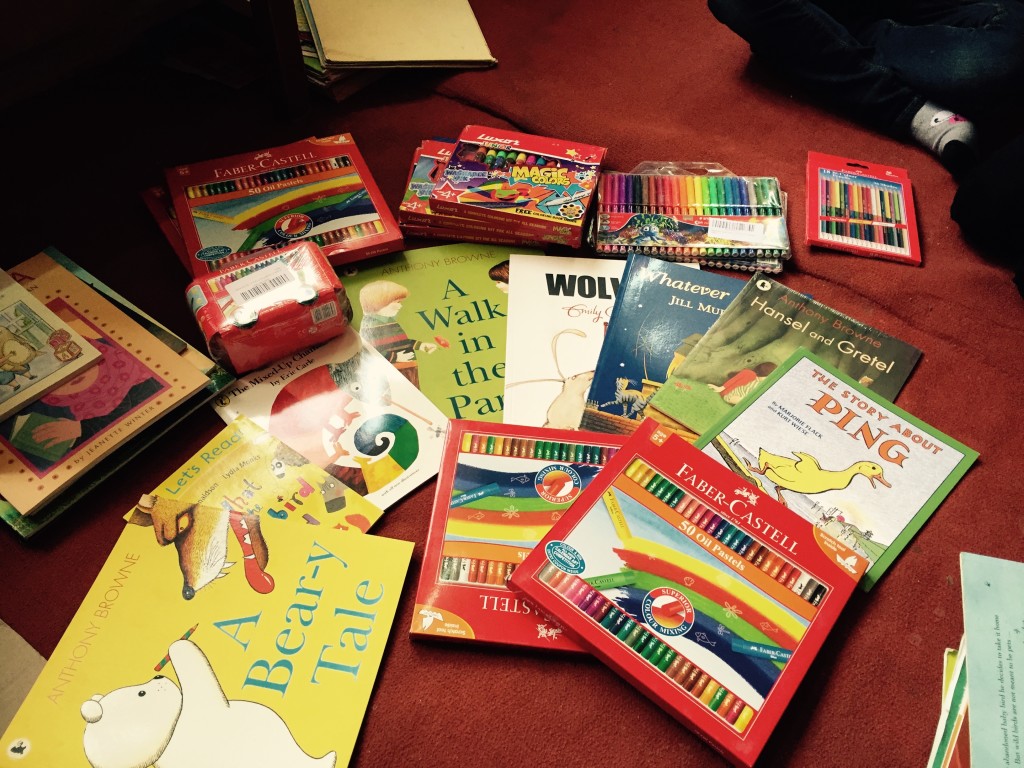
Soon the courtyard was littered with charcoal sketches, rolled-up drawings tucked into pockets, and small ceremonies where finished pieces were taped to the doorframe for everyone to admire. The trust began sending extra pencils, erasers and watercolour pads in its monthly supply runs from Australia, where supporters in Melbourne and Sydney regularly fund shipments.
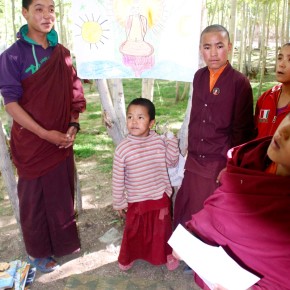
A turning point came when a teenage girl painted her family's prayer flags against an apricot sky. The head monk asked if it could be displayed in the monastery library. From that moment, the children understood that art made in the village was worthy of the same respect as art found in books.
The reading room becomes a creative studio
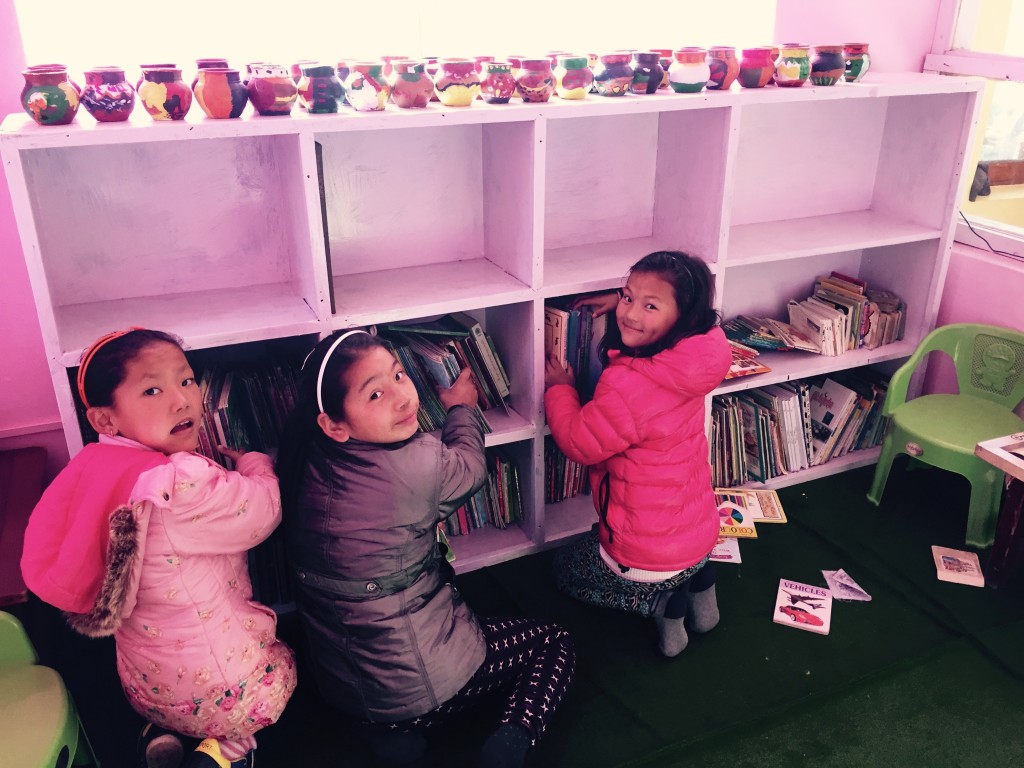
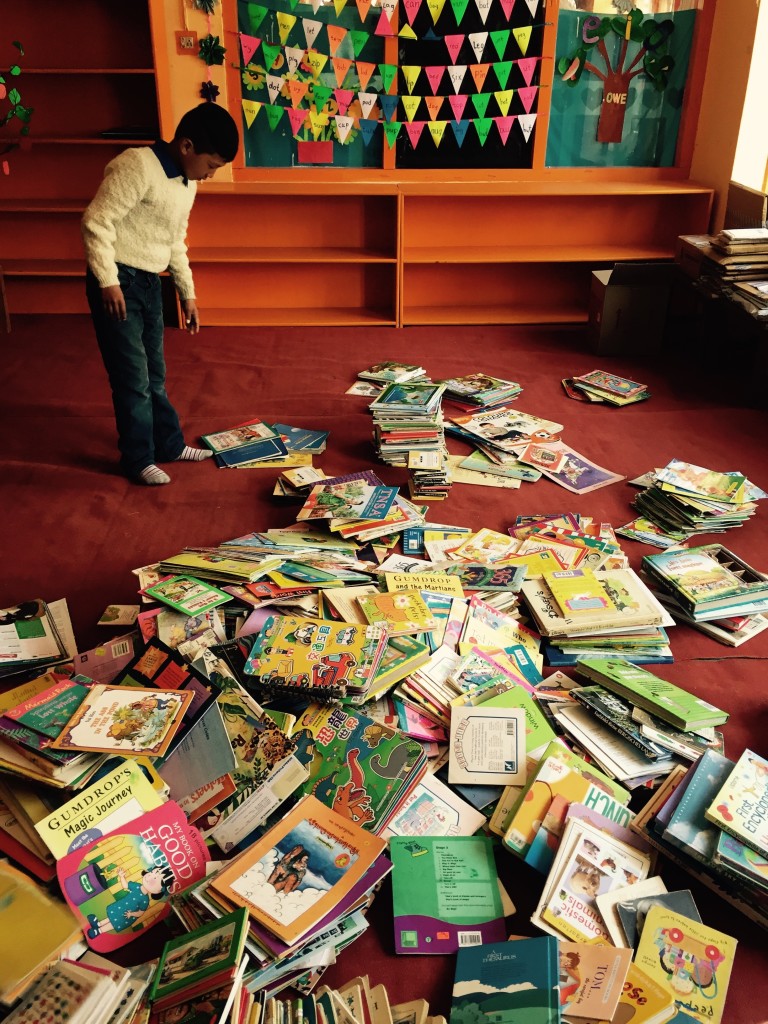
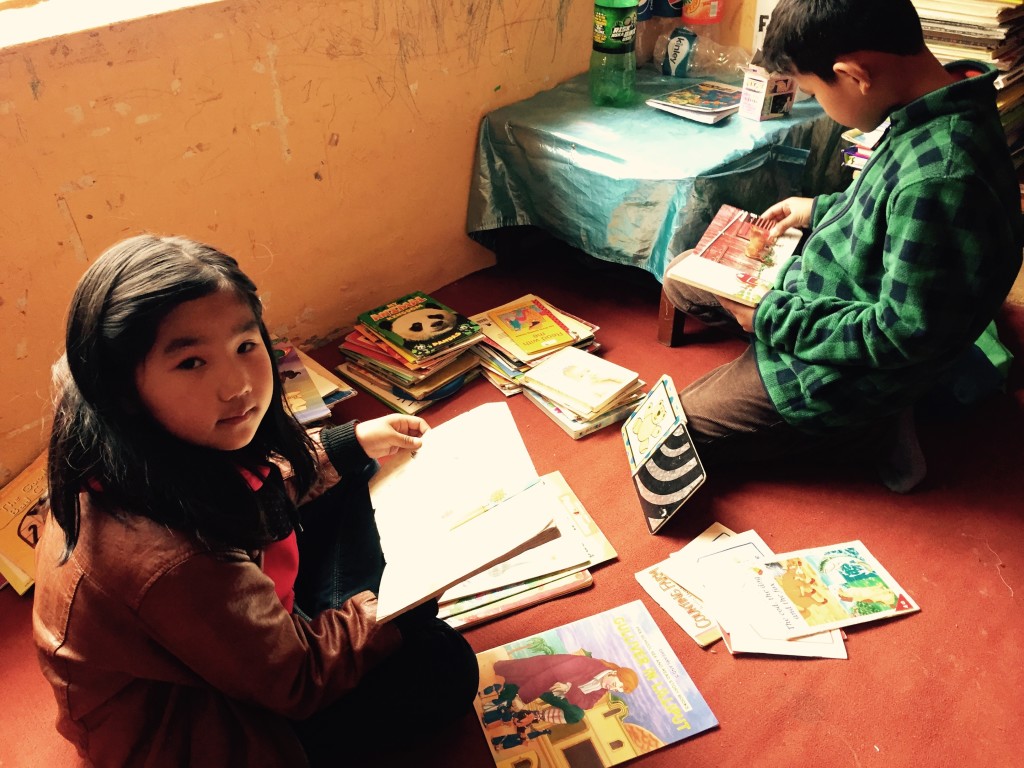
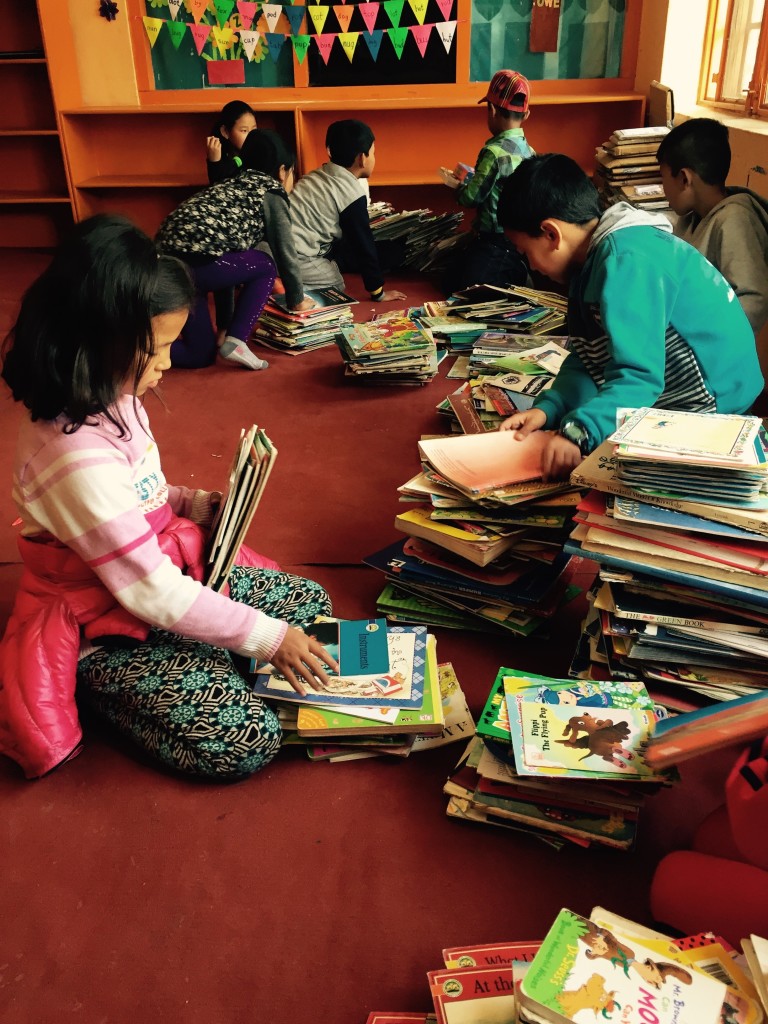
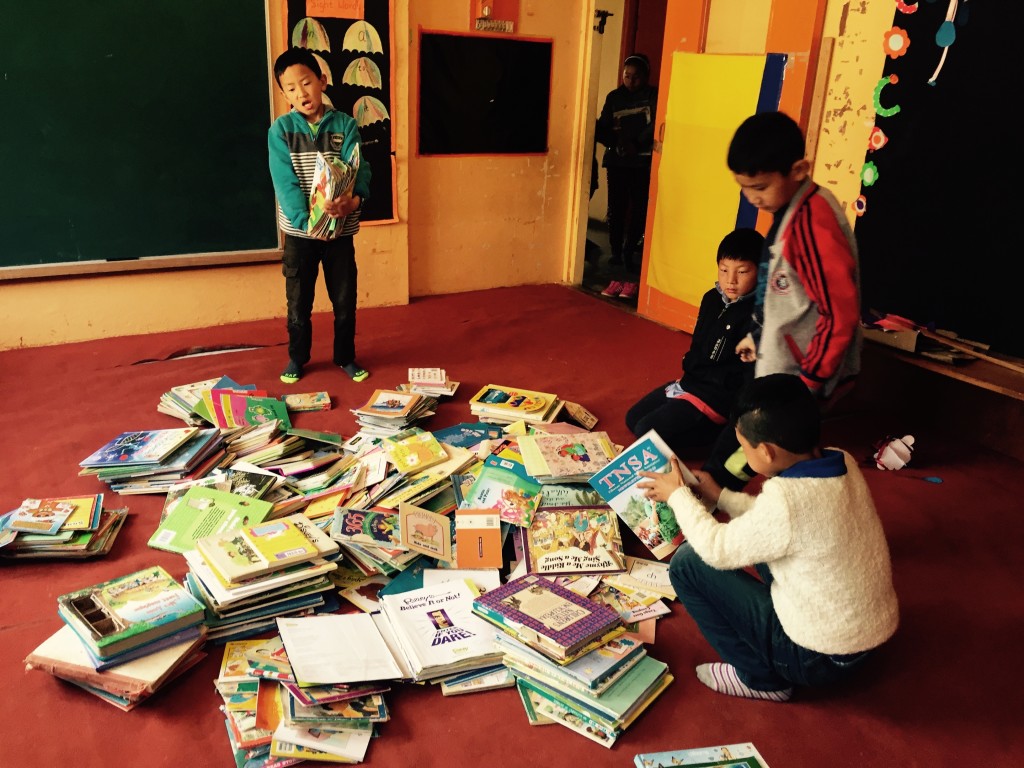
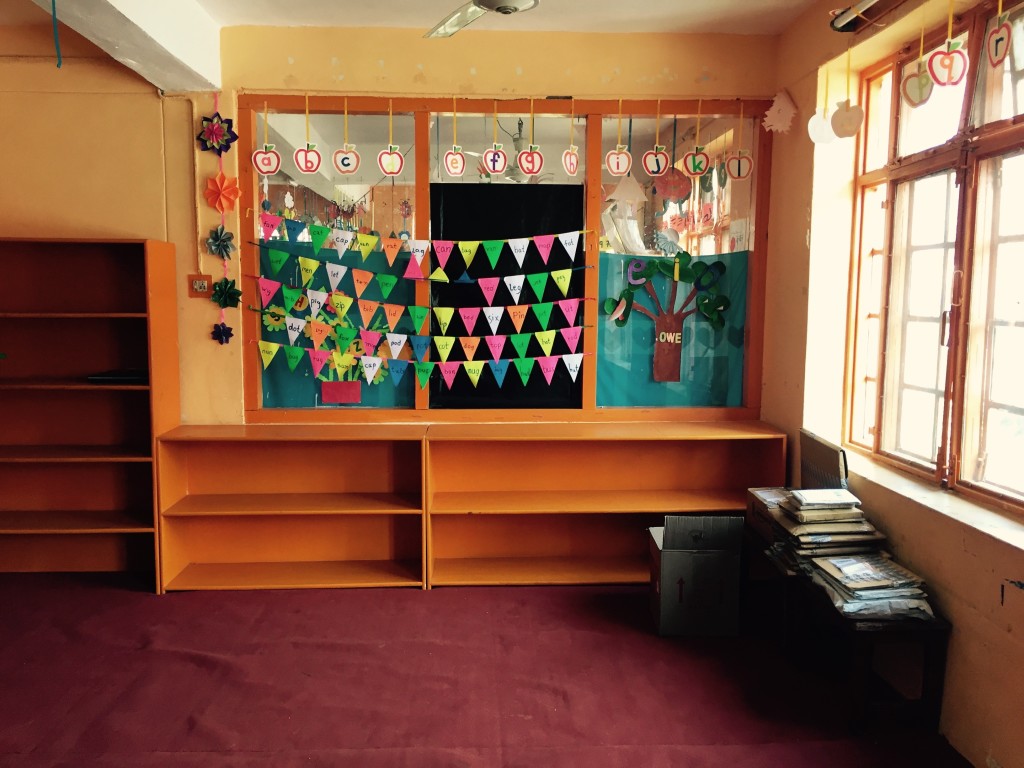
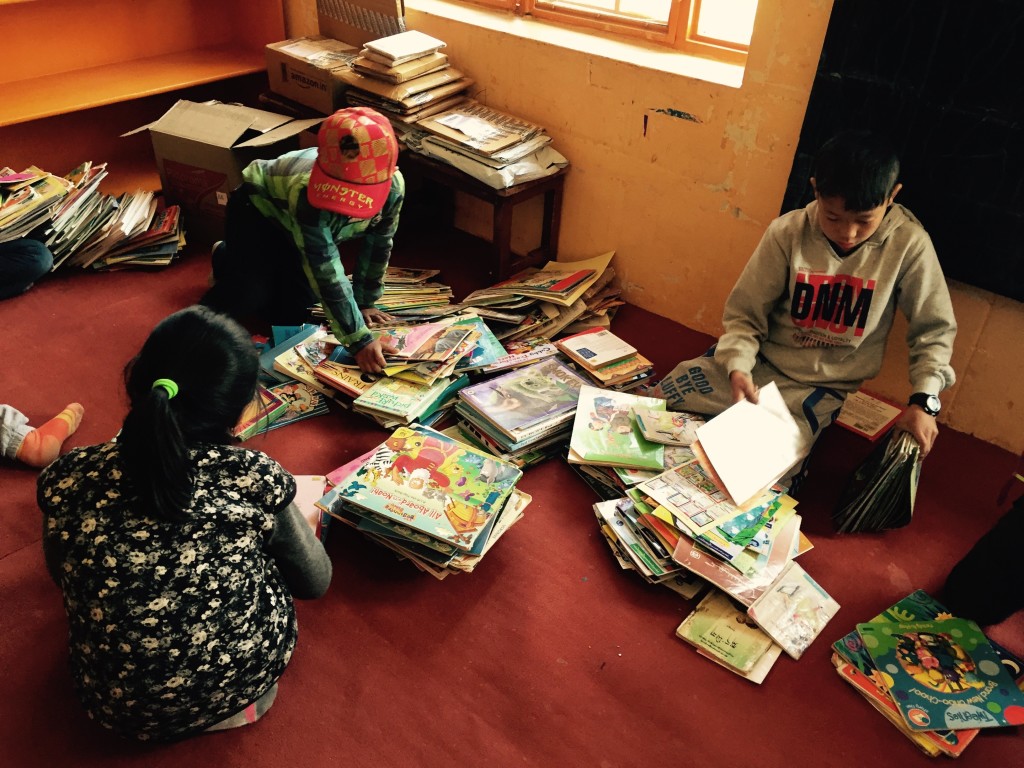
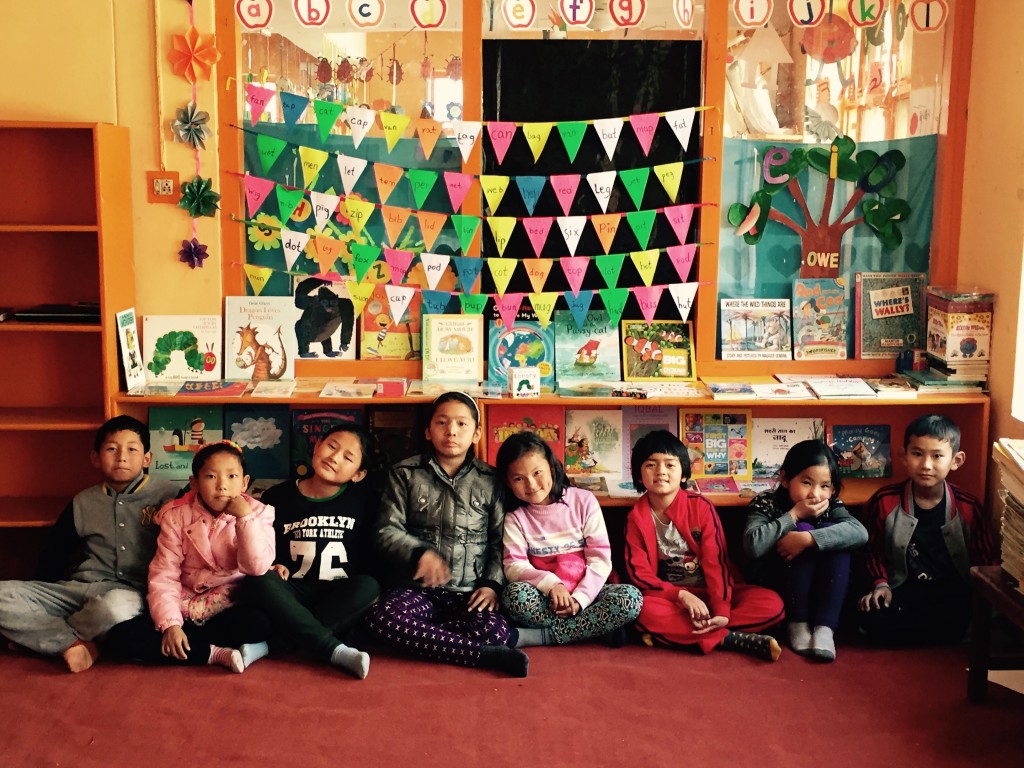
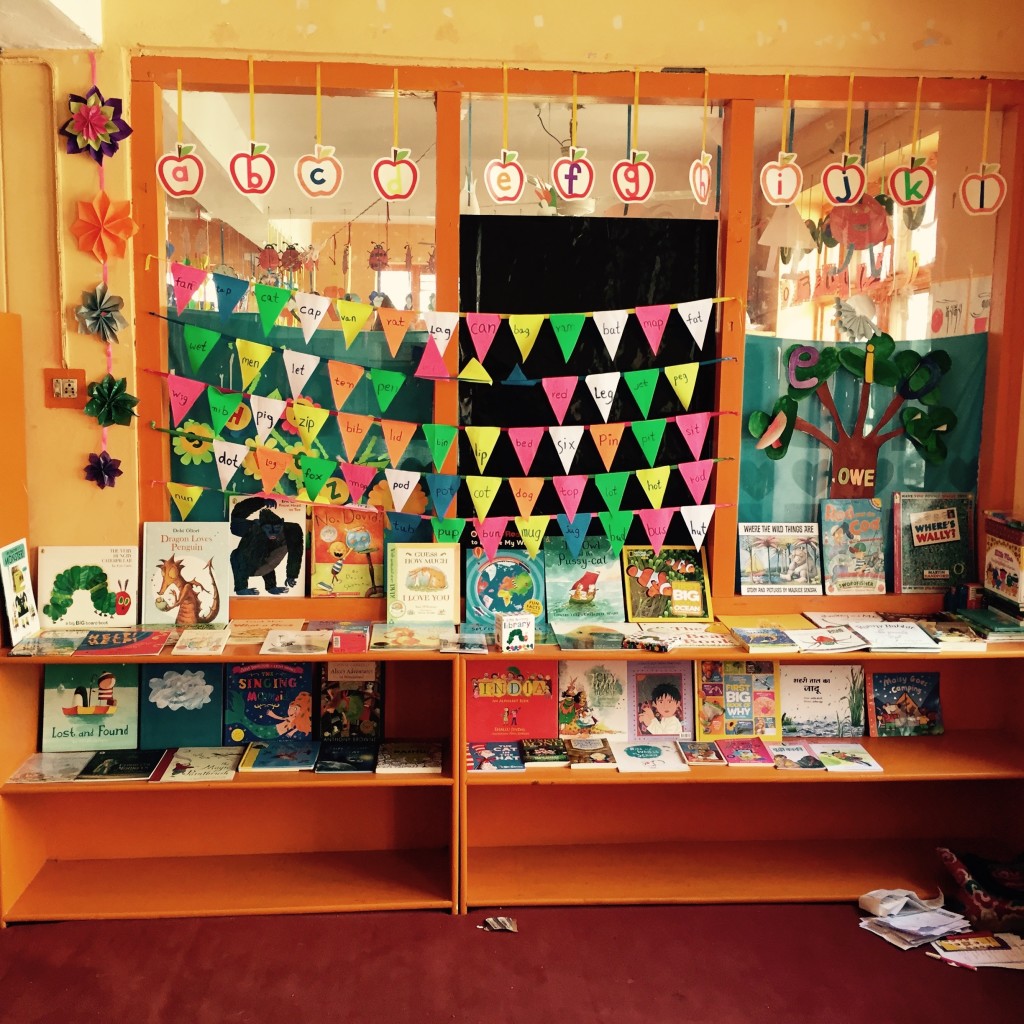
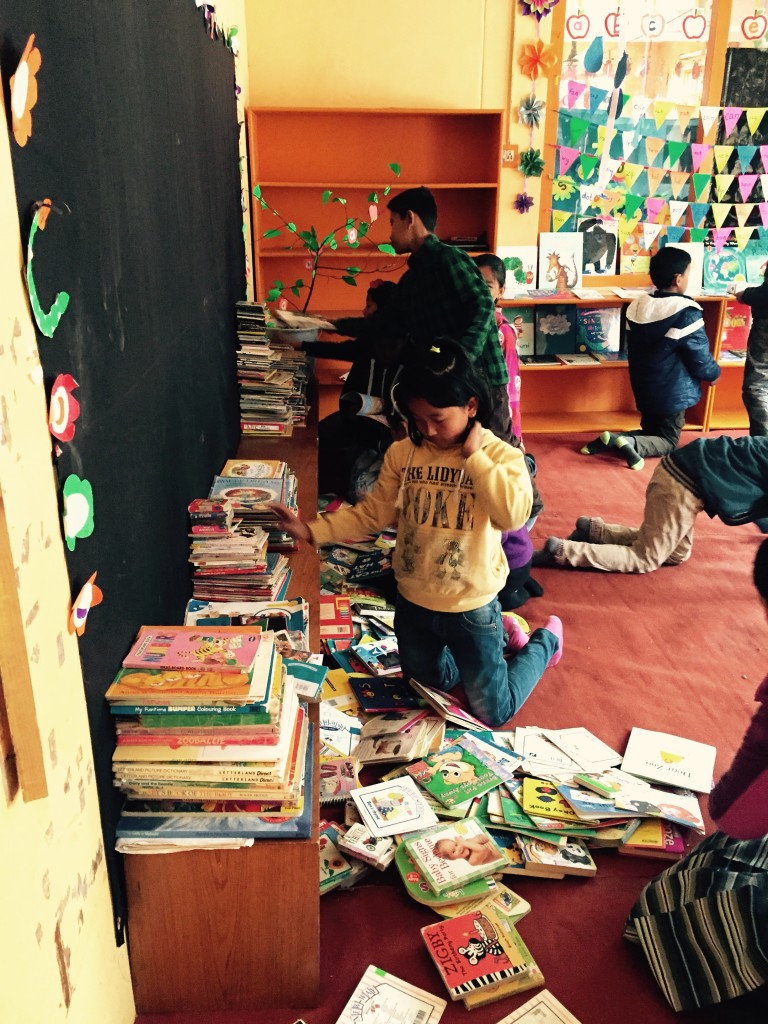
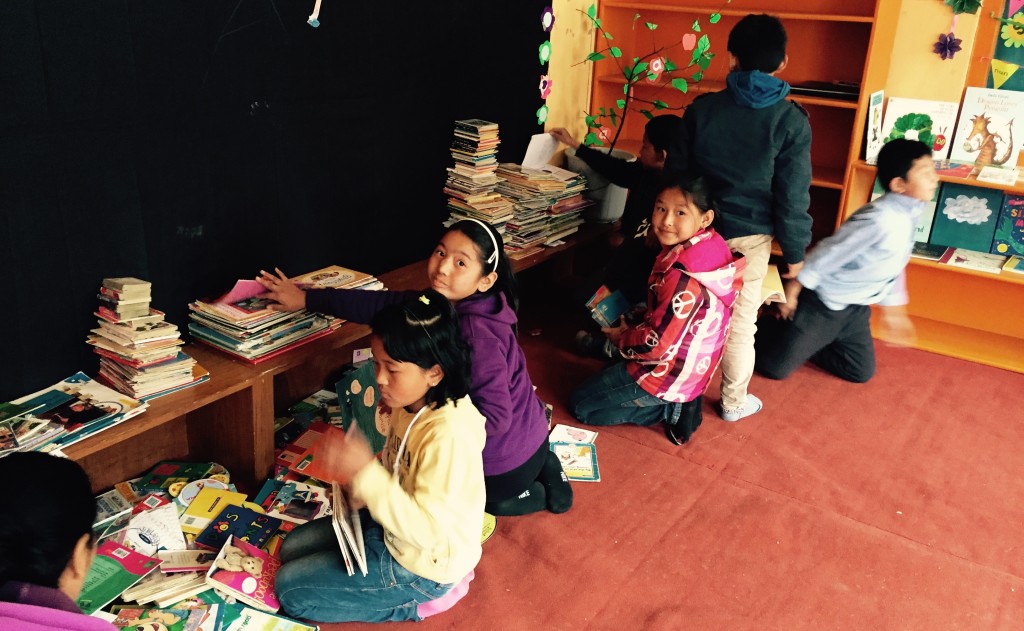
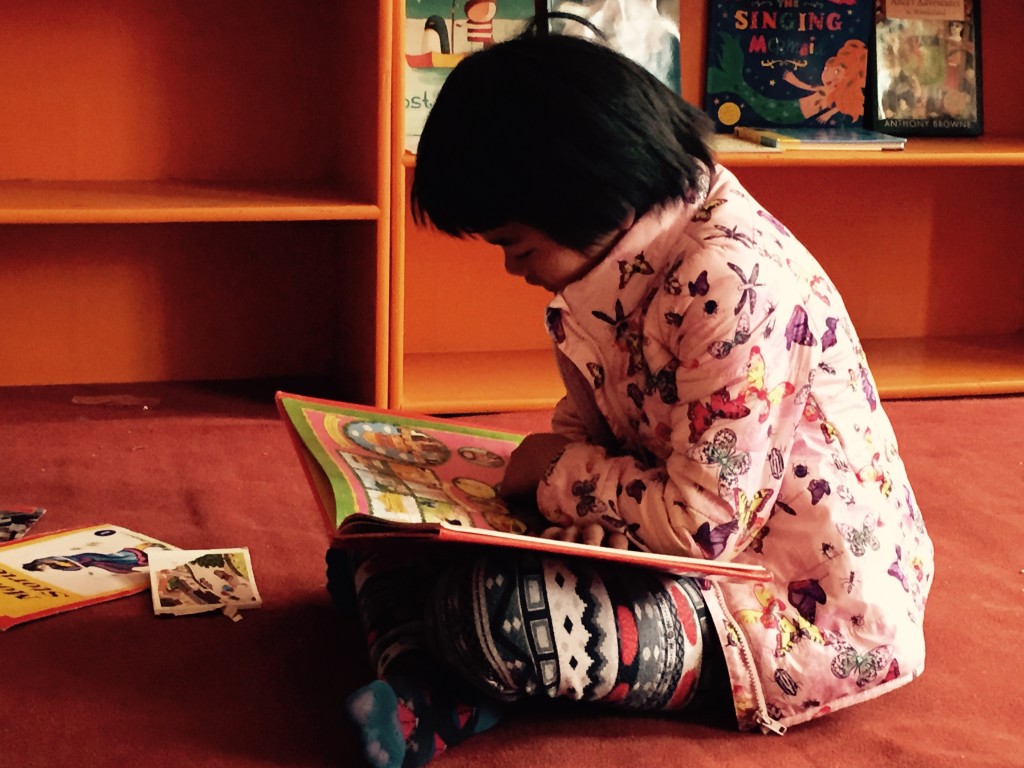
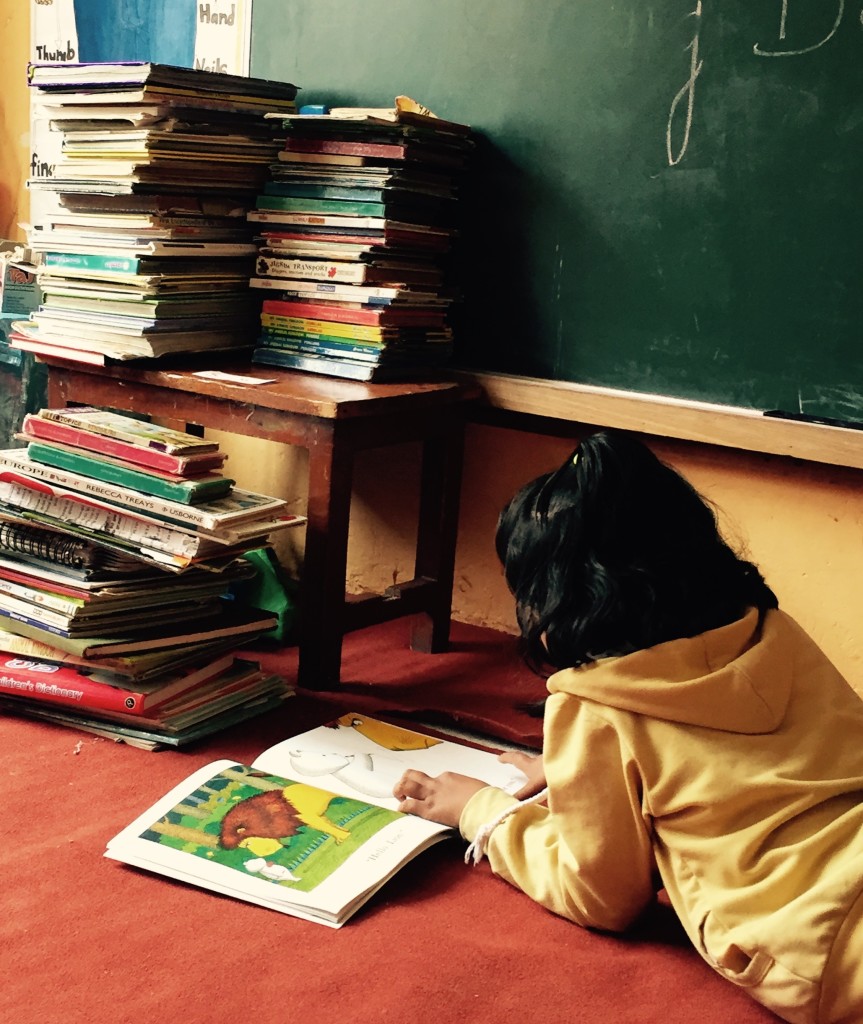
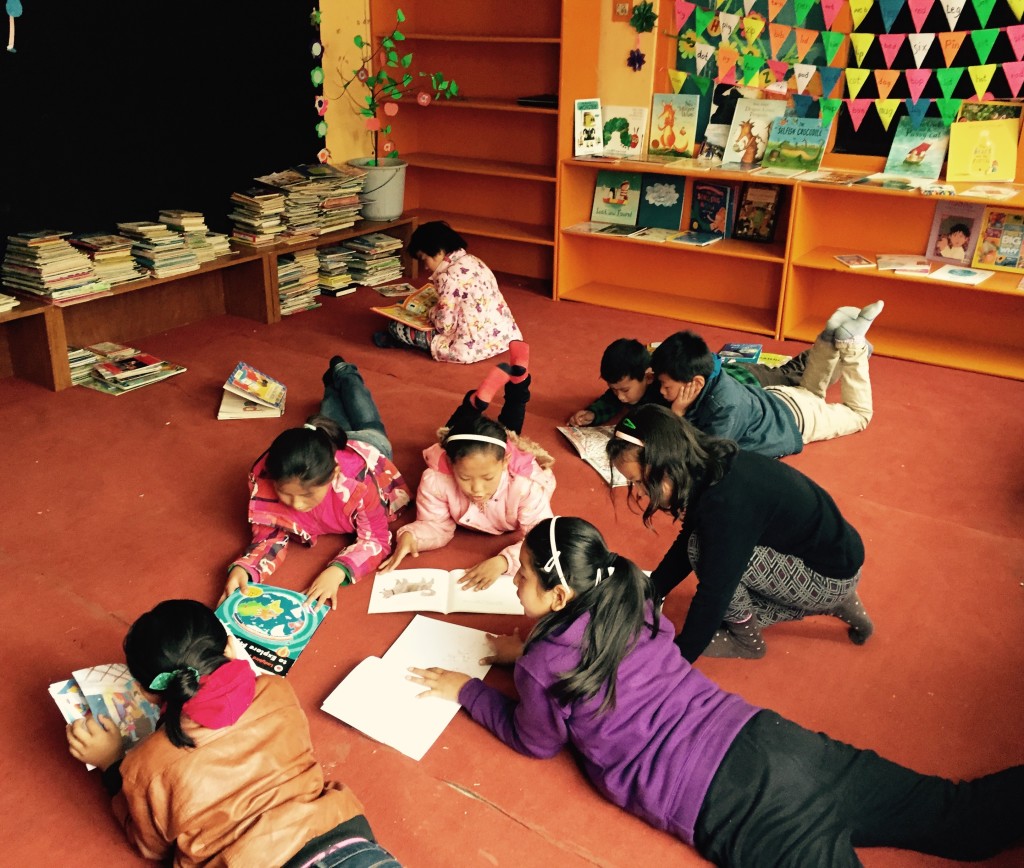
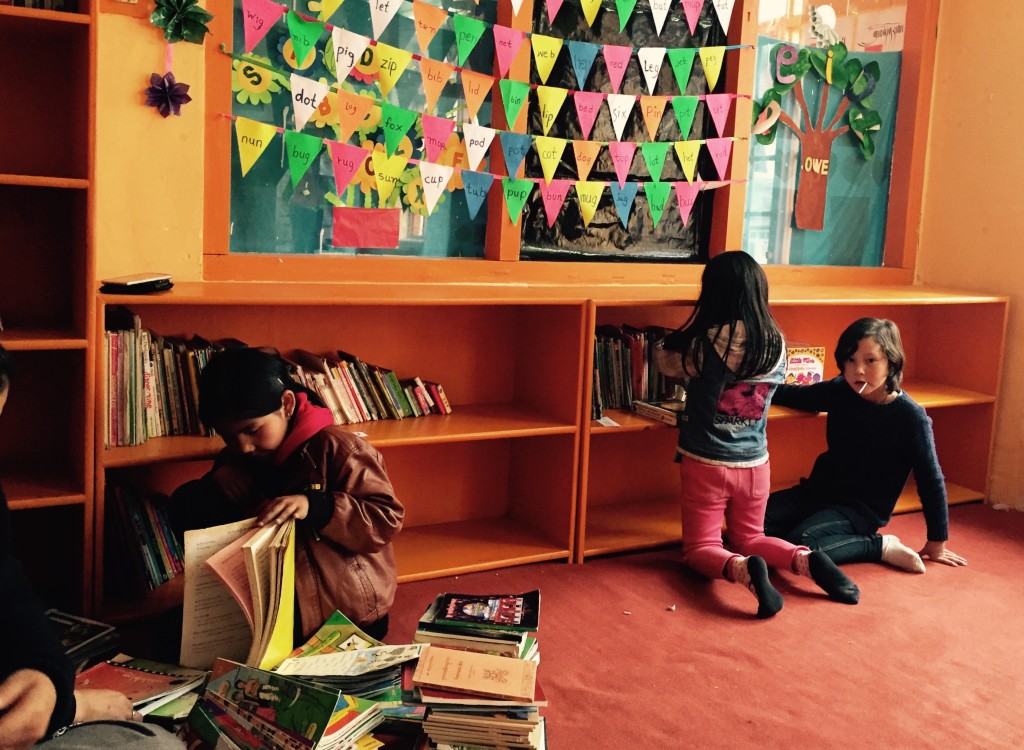
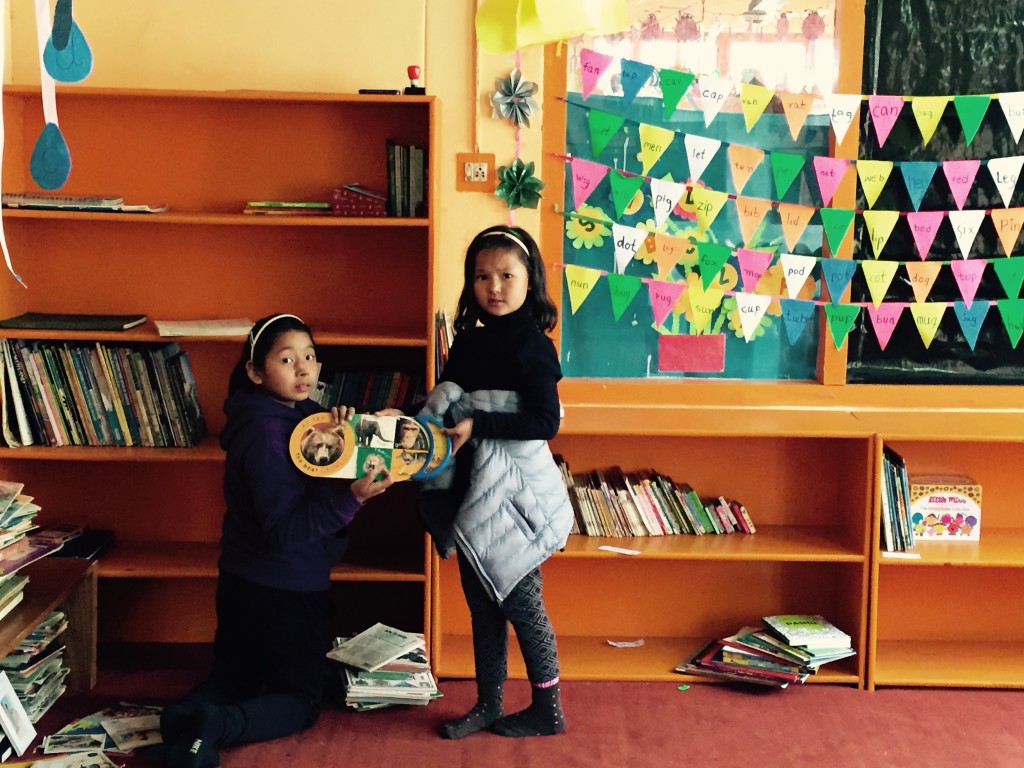
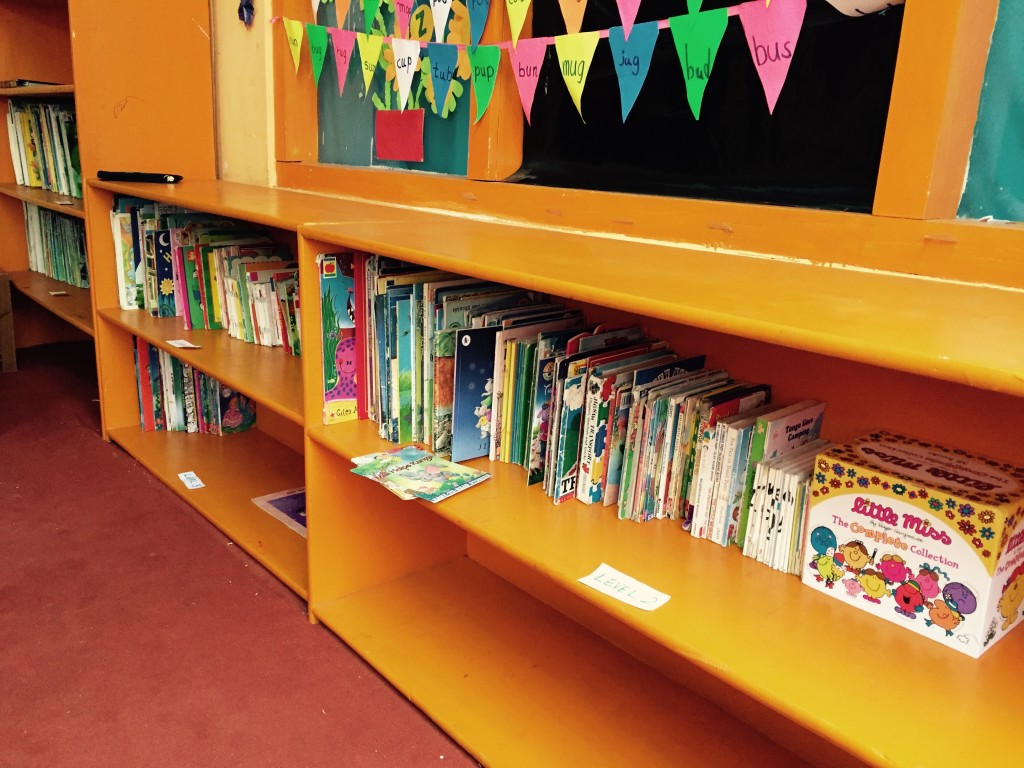
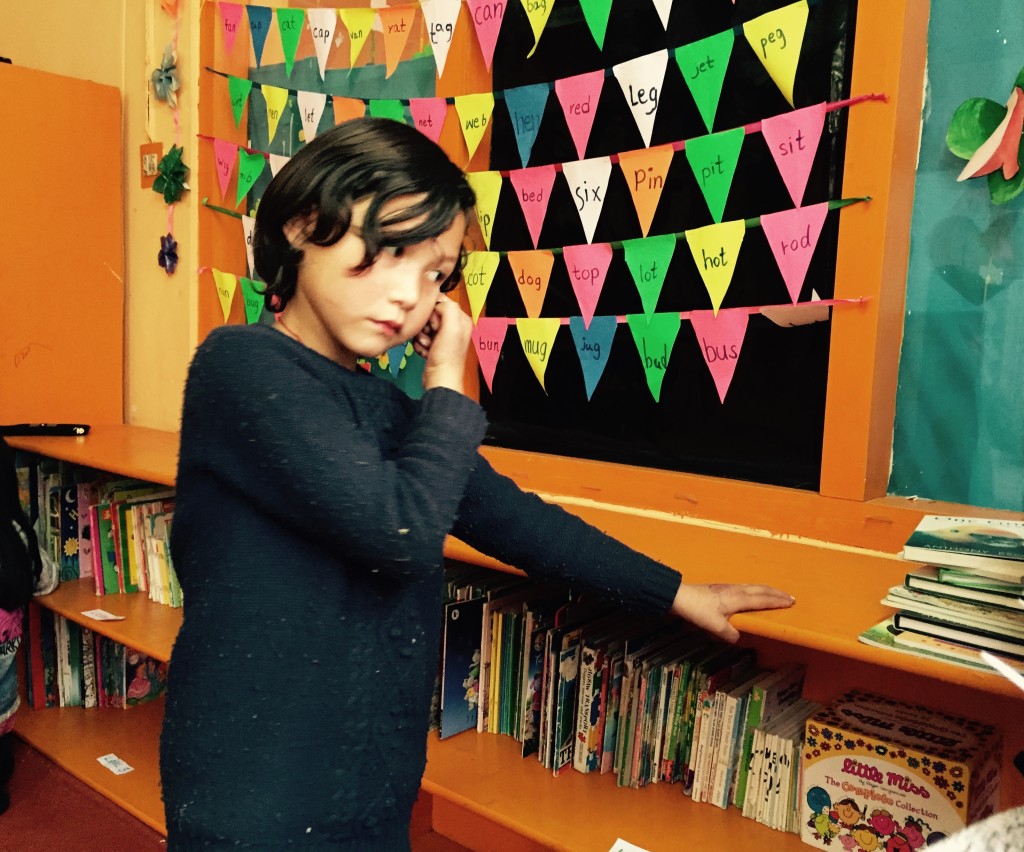
The trust's small reading room, originally furnished with a single rug and a few shelves, gradually turned into an art studio as well as a library. Brushes were hung from nails driven into wooden beams. Buckets doubled as water pots. Old magazines from Adelaide book drives provided collage material, and donated music sheets were repurposed as drawing paper.
Local women, many of whom had never been inside a school as students, started dropping in to watch the children paint. Some picked up brushes themselves, recalling patterns their own mothers had embroidered onto aprons and cushions. The room became a rare shared space where grandmothers, monks and children could create side by side.
The trust's team in Australia worked with a small network of distributors, including a partnership with a Sydney-based supplier, to source affordable art materials that could survive long winters. Tubes of gouache, oil pastels and heavy-weight paper were packed alongside the new picture books, recognising that reading and drawing belonged in the same conversation.
Murals, watercolours and shared canvases
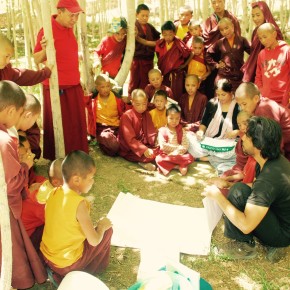
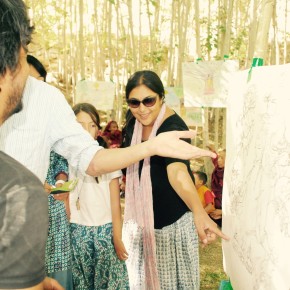
As confidence grew, the children moved from paper to wall. The first mural appeared on the outside of the school, a cheerful procession of yaks, birds and rivers painted in bright primary colours. Parents brought tea to the painters and stayed to lend a hand. Other villages heard about the project and asked whether their own schools could host a similar effort.
The trust responded by creating a travelling mural kit that could be carried on the bus from Leh and set up in a new location within a day. It included large rolls of brown paper, brushes, and a folder of reference images drawn from picture books the children already loved. Each new mural was photographed, framed in simple wood, and sent back to Australia as a gift to donors.
Beyond the murals, the children explored watercolours during winter months, learning to mix shades of grey for snowy skies, suggest wool texture on a sheep, and layer thin washes to imitate butter-lamp glow. Over time the program added charcoal, gouache and oil pastel, each suited to a different season and subject.
| Medium |
Season most used |
Skills developed |
Typical subject matter |
| Watercolour |
Winter |
Layering, patience, colour mixing |
Snow scenes, prayer flags, monastery light |
| Gouache mural |
Spring and autumn |
Large-scale composition, teamwork |
Village life, animals, festivals |
| Charcoal pencil |
Summer evenings |
Line work, shading, quick observation |
Portraits of family members, still life |
| Oil pastel |
Year round, indoors |
Bold colour, blending, texture |
Landscapes, clothing patterns, sky studies |
The trust now shares this work through an online gallery, which quietly built a following among art teachers in Brisbane and Perth who used the children's pieces to discuss composition and colour with their own classes.
A visiting artist from Australia and the leap in confidence
In the third winter, a painter from Melbourne spent two months in the village, funded through the trust's volunteer program. She arrived with sketchbooks, two suitcases of brushes, and a plan to work alongside the children rather than teach them formally. Her presence confirmed that the children's art mattered in the wider world.
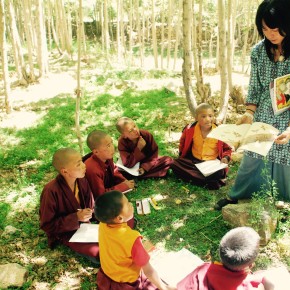
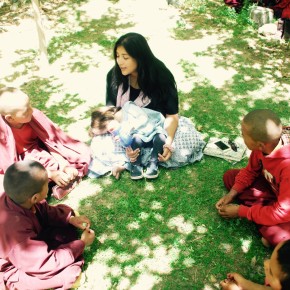
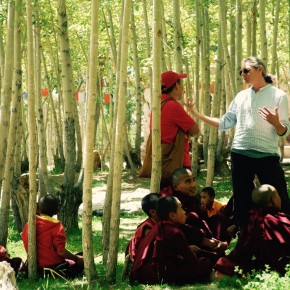
She set up shared drawing sessions under the apricot tree, where children took turns drawing the same view from different angles. They learned there was no single right way to look at a mountain. They began signing their work confidently and trading sketches like precious gifts.
Back in Australia, she organised an exhibition in a small gallery in Fitzroy, selling prints to raise funds. The children watched the opening night through a video call, seeing their drawings framed under spotlights for the first time. The moment confirmed a belief the trust had been quietly nurturing: art created in a remote village belongs in the global conversation.
Skills that grew alongside the paintings
The picture book did more than encourage pretty drawings. It opened a doorway into language, geometry, patience and self-expression, skills the children carry into other parts of school and family life. The trust tracks these quieter outcomes as carefully as the number of brushes delivered each season.
A few of the most lasting abilities the children have developed through the program:
- Visual literacy, the ability to read images, symbols and compositions with confidence
- Fine motor control and patience through long sessions of detailed illustration
- Storytelling in both word and image, including small handmade zines shared between villages
- Collaboration and turn-taking during shared mural and sketch sessions
- A sense of pride in local landscapes, clothing and rituals as worthy subjects for art
- Cross-cultural exchange through exhibitions in Melbourne, Sydney and regional galleries
These skills now ripple into the children's other interests. Some who first learned to draw have gone on to study photography, textile design and film editing. A few have returned to the village during holidays to teach younger children, completing a loop the original picture book set in motion.
Where the journey is heading now
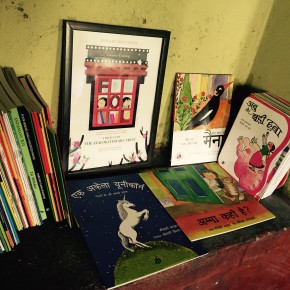
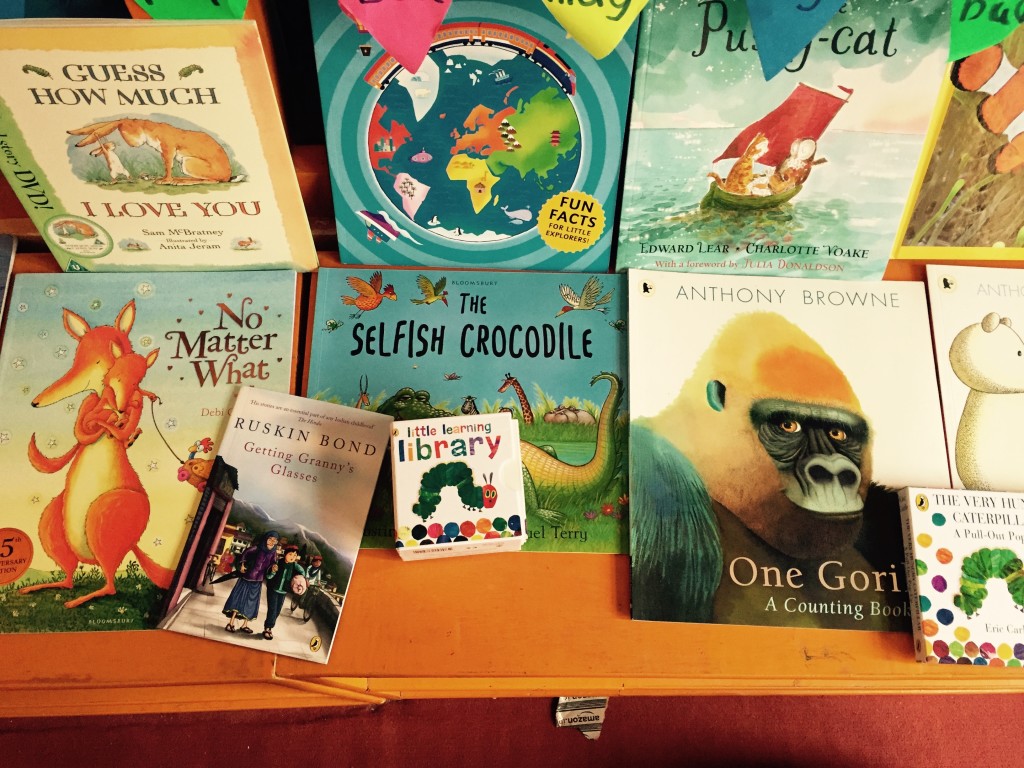
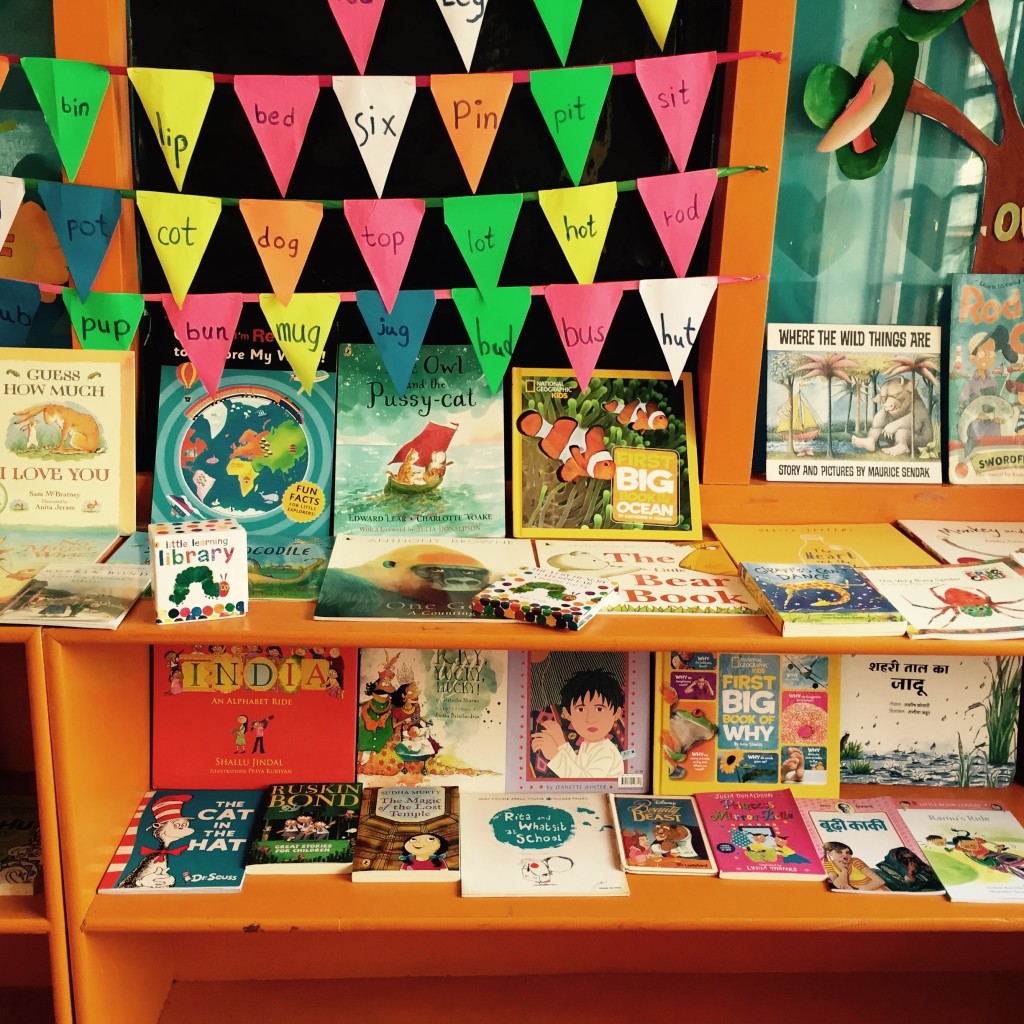
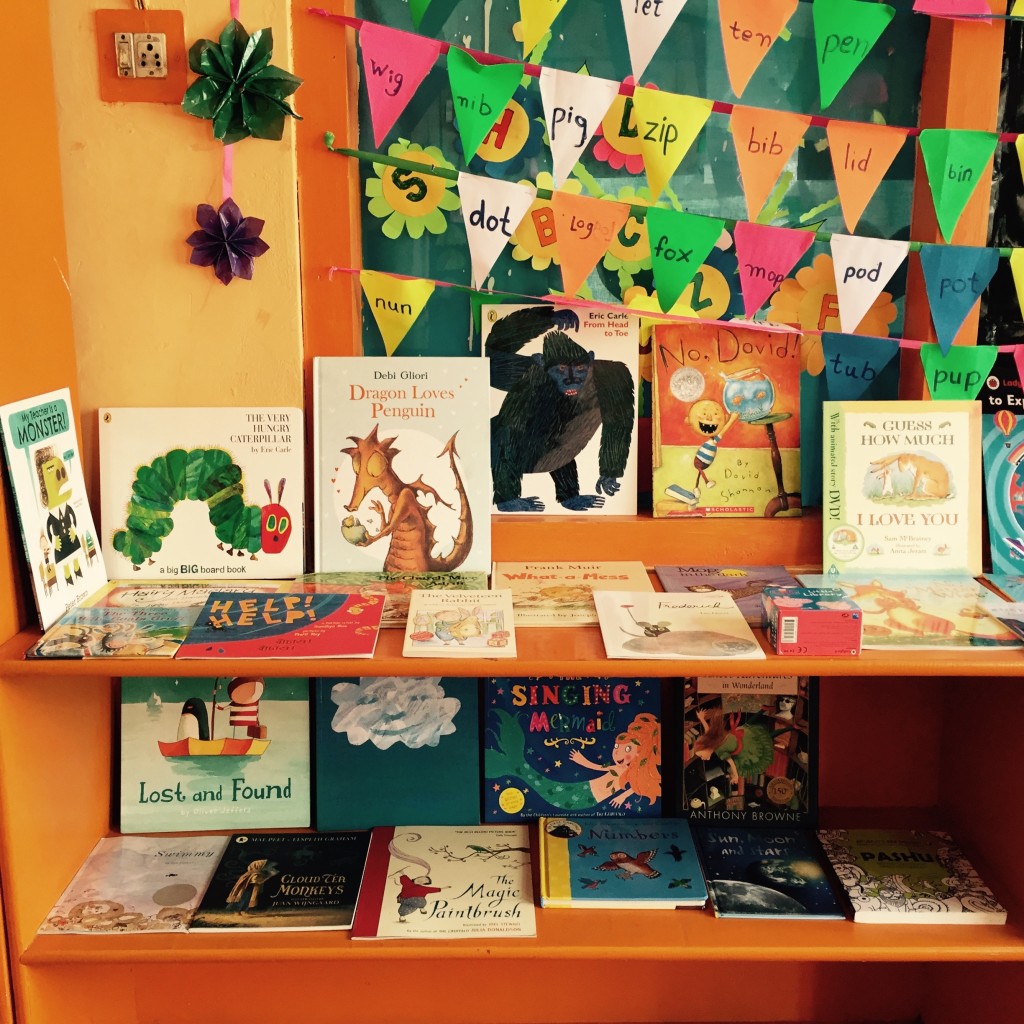
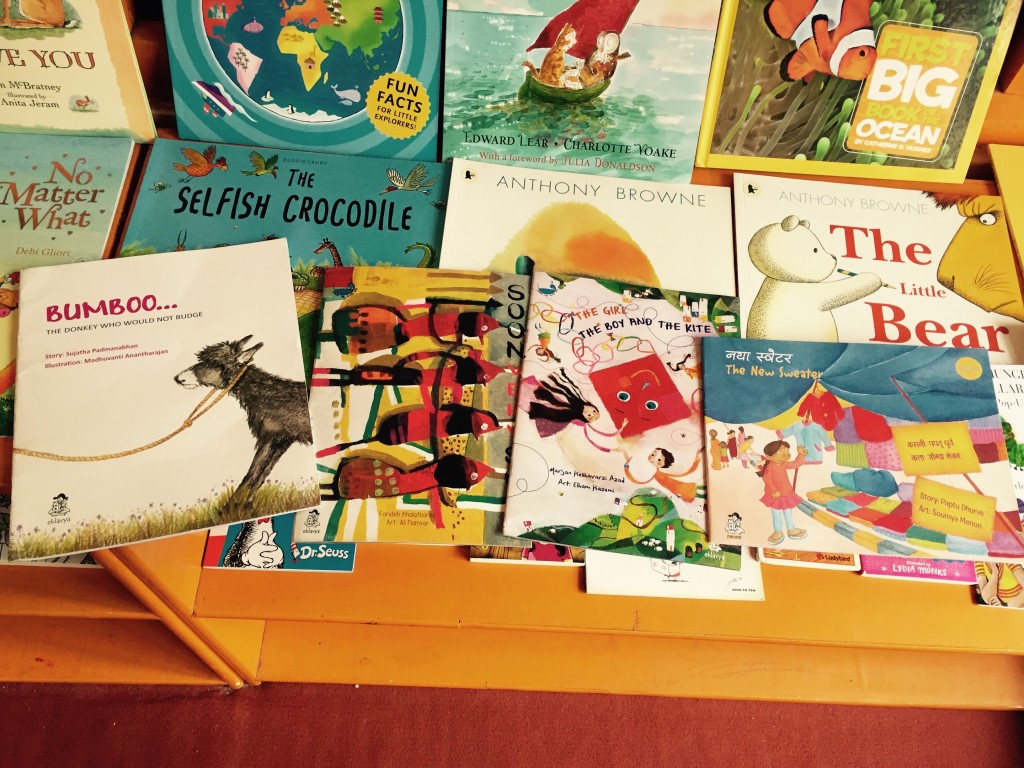
The original picture book sits in a glass-fronted shelf at the back of the reading room, spine cracked and colours softened by small hands. Beside it stands a row of new arrivals, donated by Australian families who heard the story through church groups, school fundraisers and word of mouth.
The trust is preparing a printed anthology of the children's illustrations, with proceeds returning to the village program. A second travelling artist, a printmaker from Adelaide, is due next spring. Plans for a roofed outdoor studio, so painting sessions can continue through monsoon rains, are pinned to the wall on butcher's paper.
A few practical lessons have emerged from watching the program grow:
- A well-chosen picture book can travel further than any single lesson plan
- Children learn to draw by drawing what they already love, rather than copying adult examples
- Shared murals build village pride faster than individual prizes ever could
- Visiting artists work best as collaborators rather than instructors
- Art supplies last longer when stored in a dedicated, child-friendly space
- Australian partners, from Melbourne galleries to Brisbane teachers, multiply the program's reach
The next chapter will be written in brushstrokes, in zines passed between villages, and in the quiet confidence of children who now know their pictures matter. For communities thinking about starting something similar, the simplest beginning is often the most powerful: choose one beloved picture book, read it aloud under a tree, and hand out pencils to whoever wants to draw what they heard.