How a Single Piano Lesson Sparked a Love for Music in a Himalayan Village
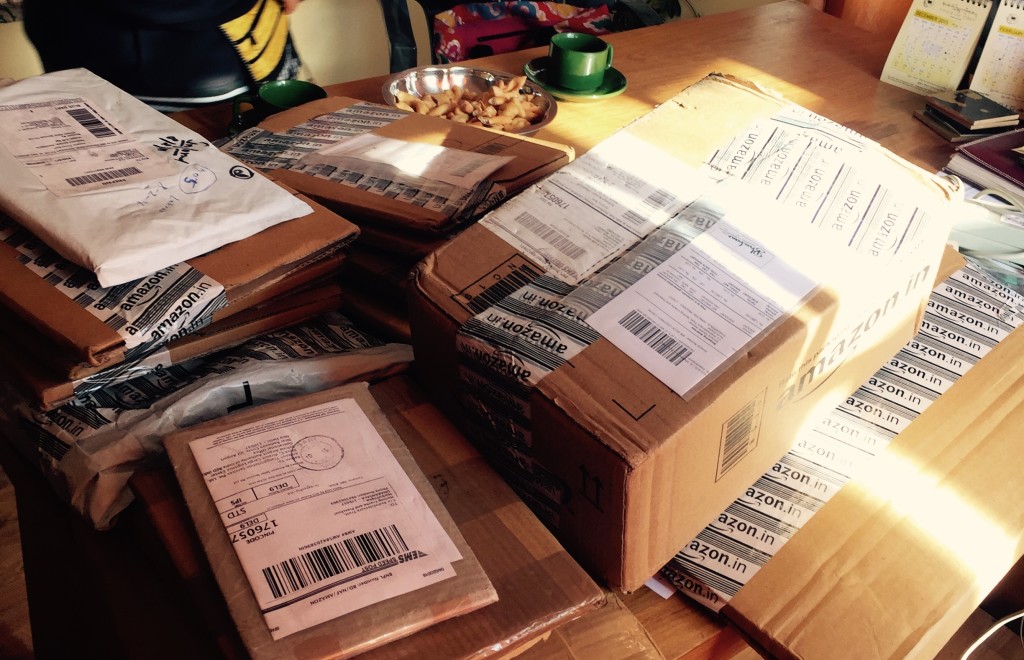
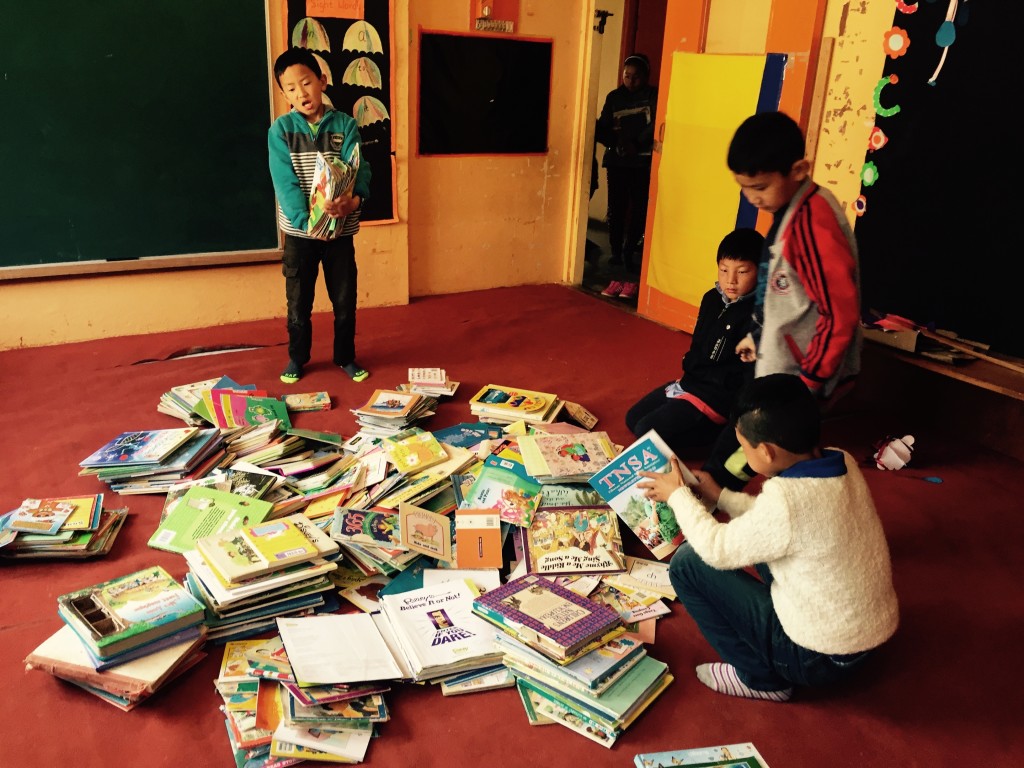
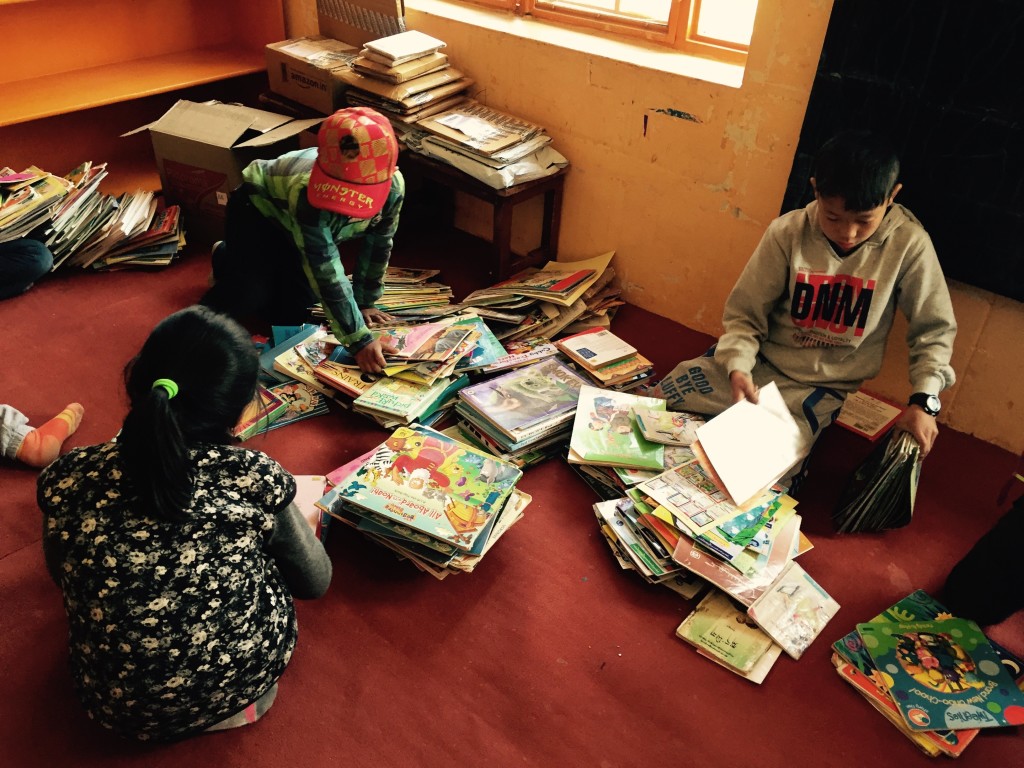
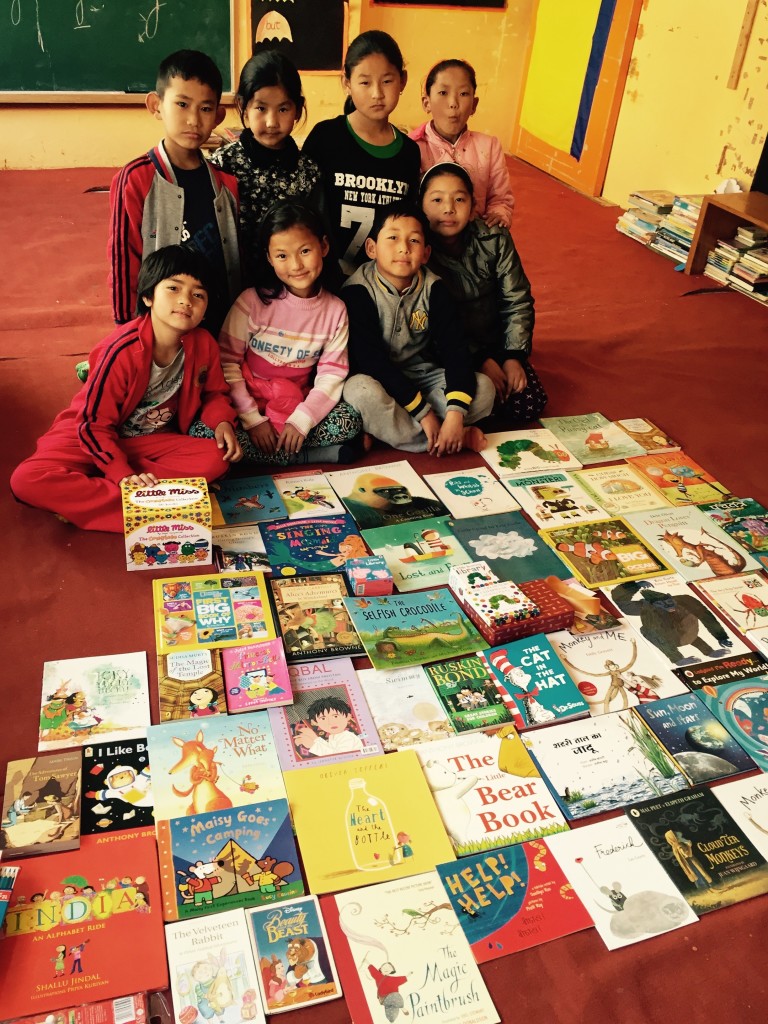
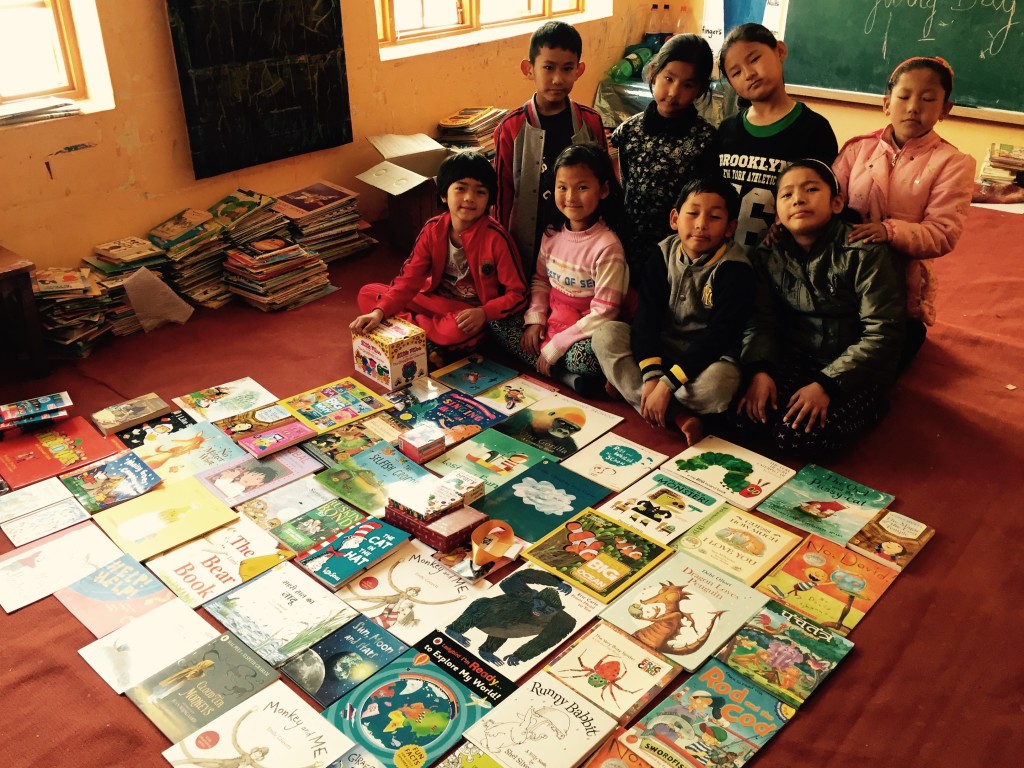
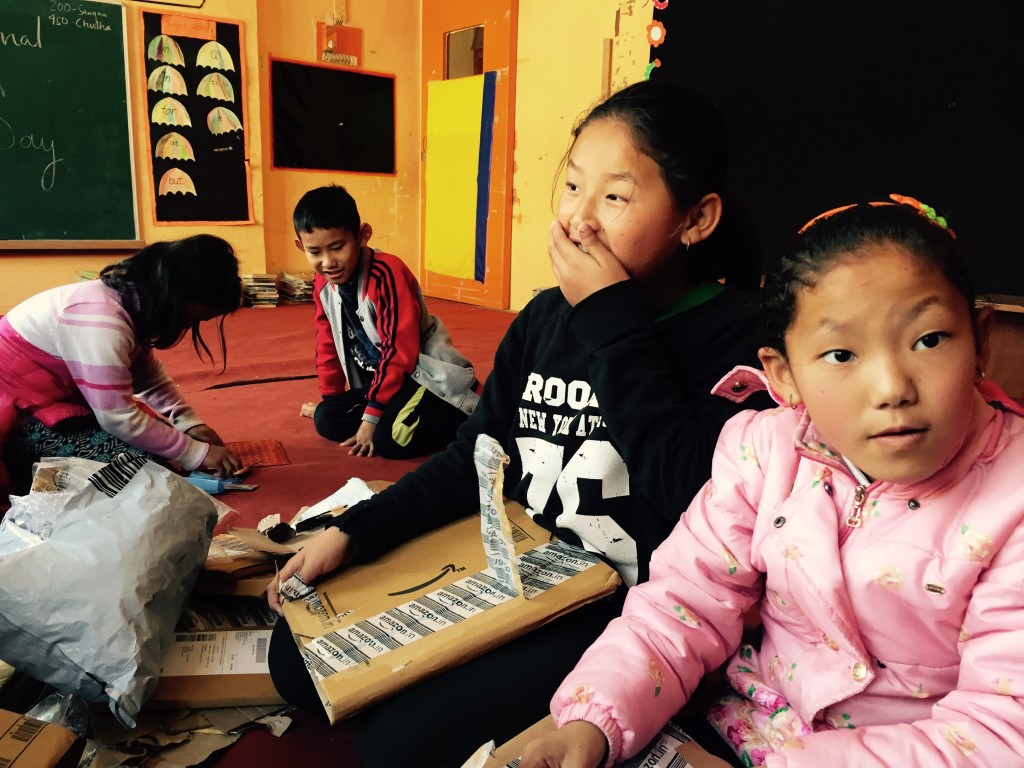
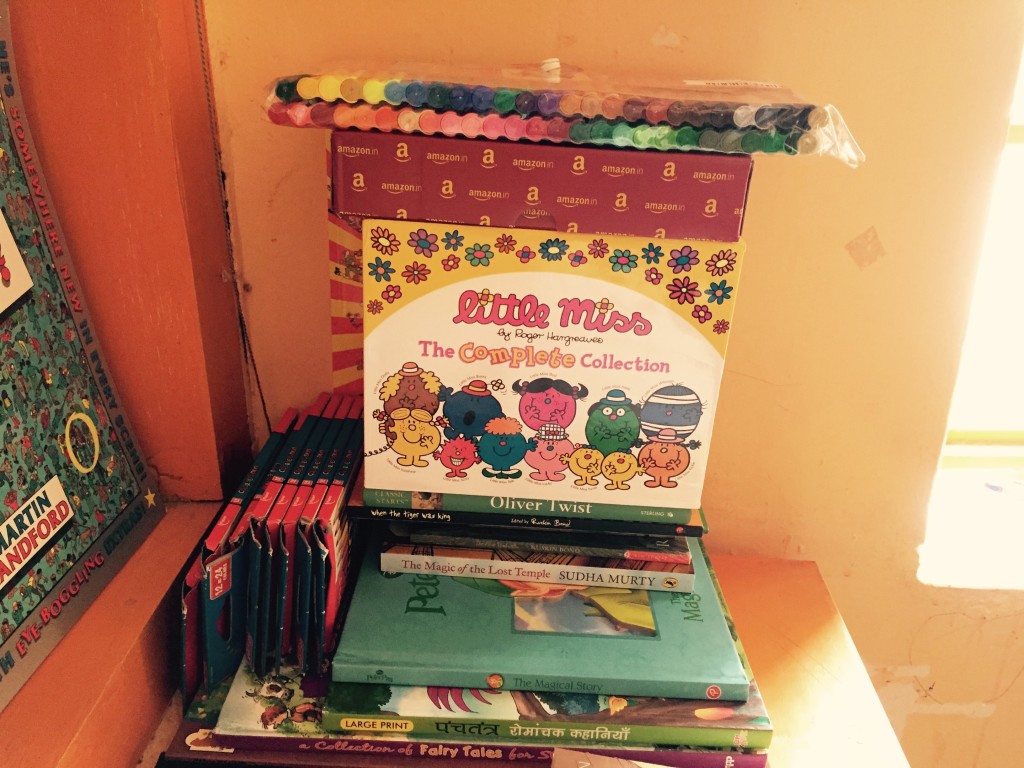
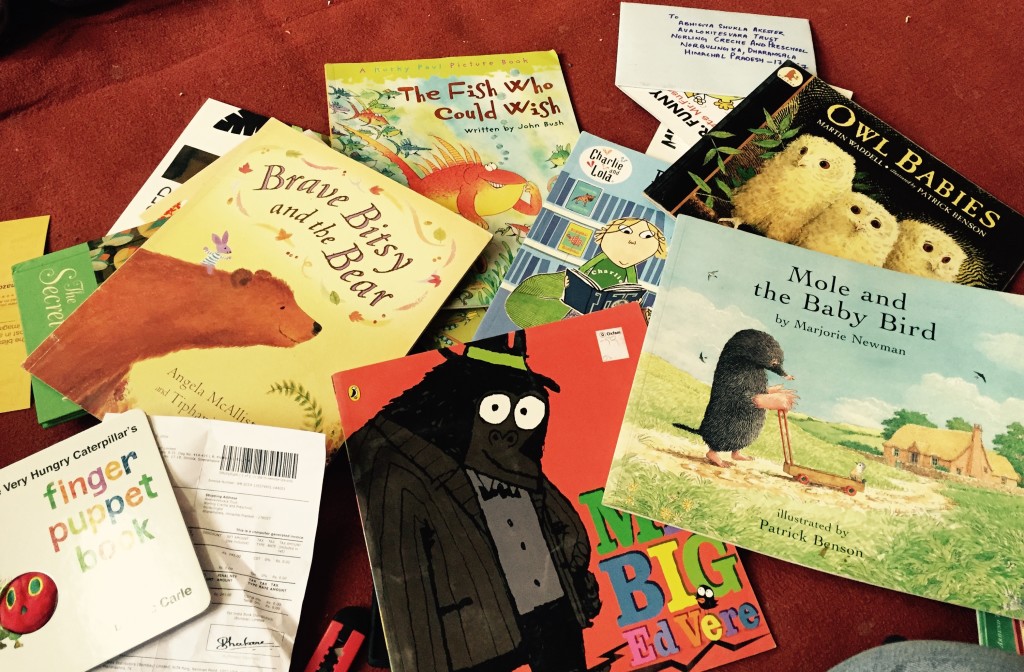
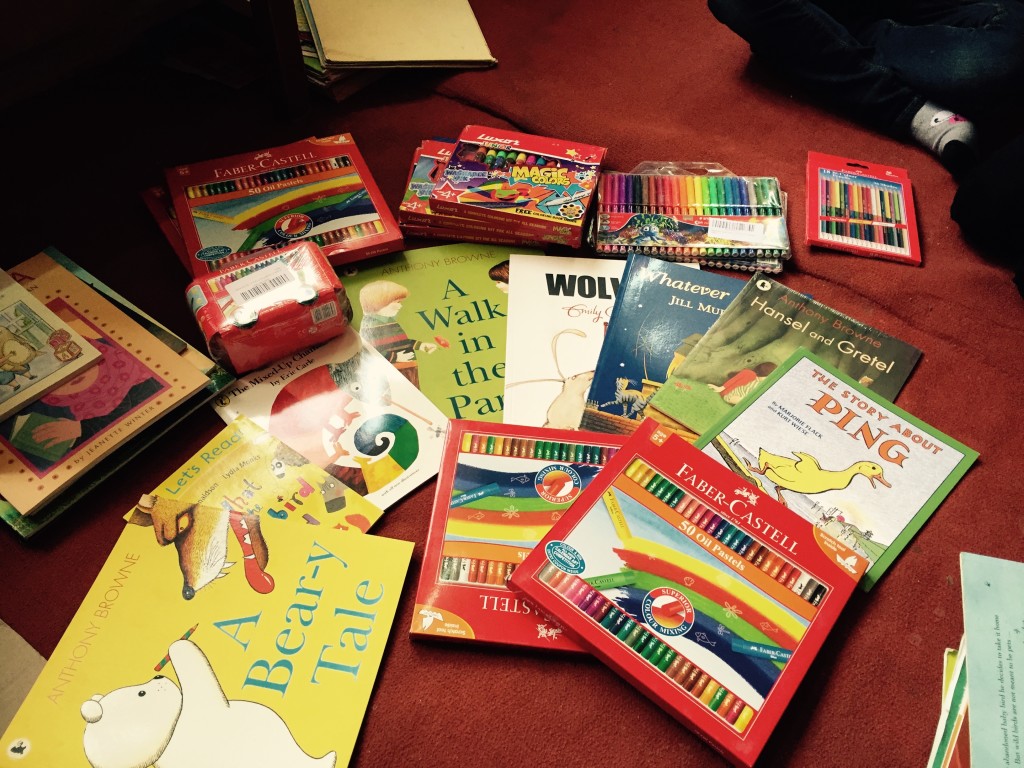
In a high-altitude Himalayan village, a piano once stood quietly in a small learning room, waiting for curious hands. The instrument had arrived with donated books, art supplies, and other educational materials, yet no one was quite sure whether the children would feel comfortable approaching it. Its polished surface seemed unfamiliar in a place where many young people knew local songs by heart but had little access to formal music education.
That changed during one afternoon lesson. A visiting music teacher placed a child’s fingers on the keys and played a simple melody. The sound travelled through the room, drawing children away from their books and games. One lesson became an invitation to listen, experiment, and create.
The experience reflects the wider purpose of Avalokiteśvara Trust: making learning resources available in Himalayan communities while giving children space to discover their own abilities. A piano can teach rhythm and concentration, but it can also become a bridge between confidence, friendship, and imagination.
A Quiet Room Filled With Possibility
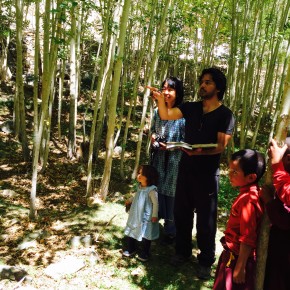
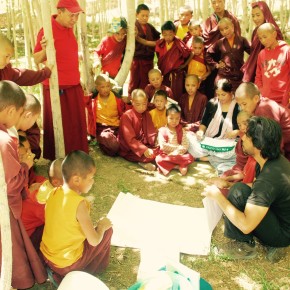
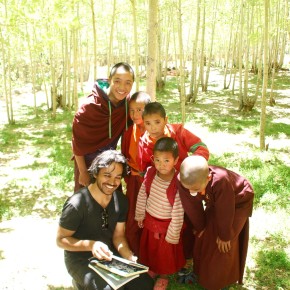
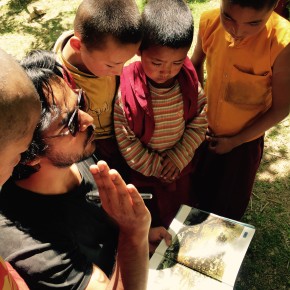
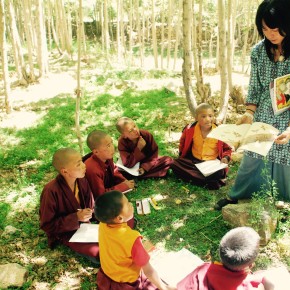
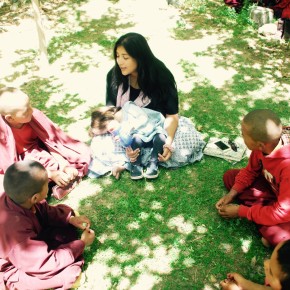
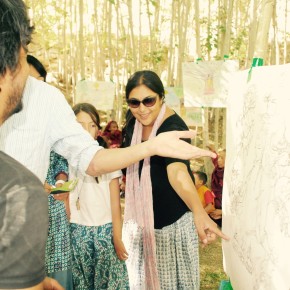
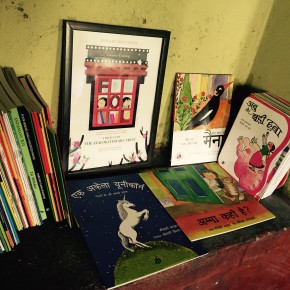
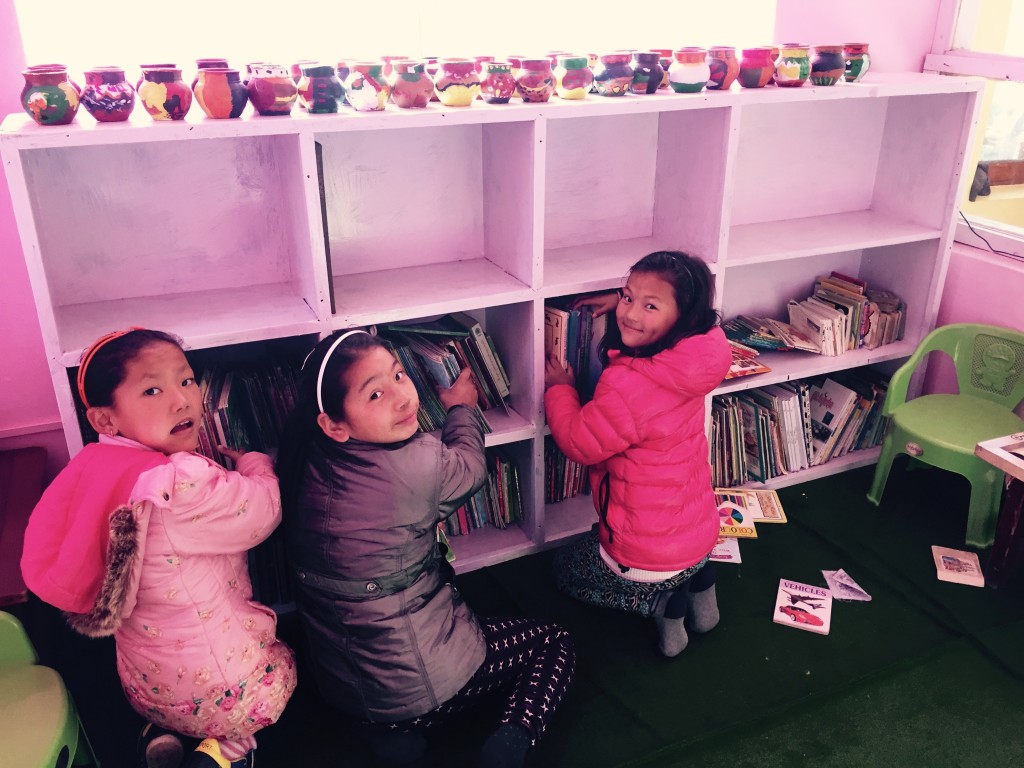
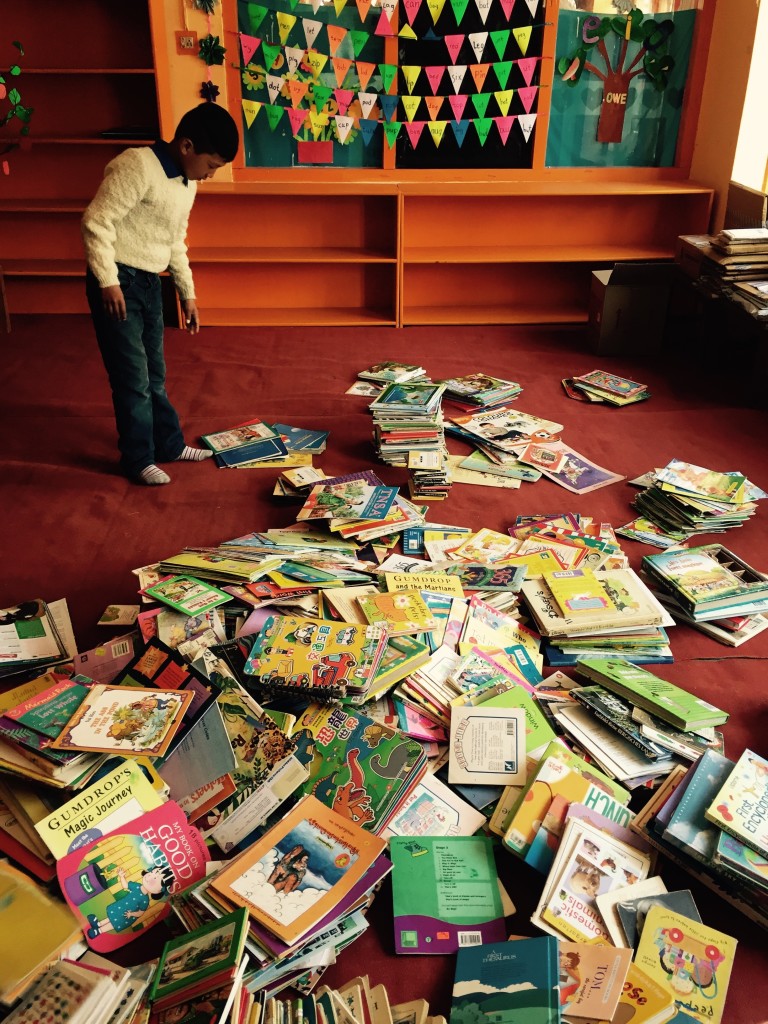
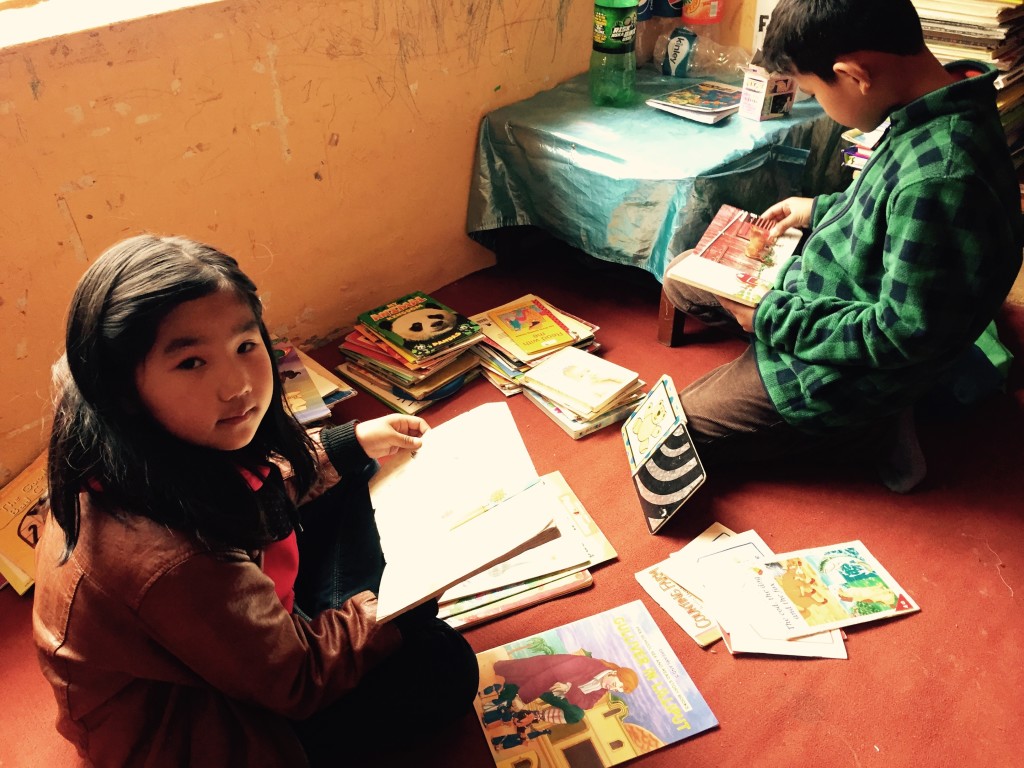
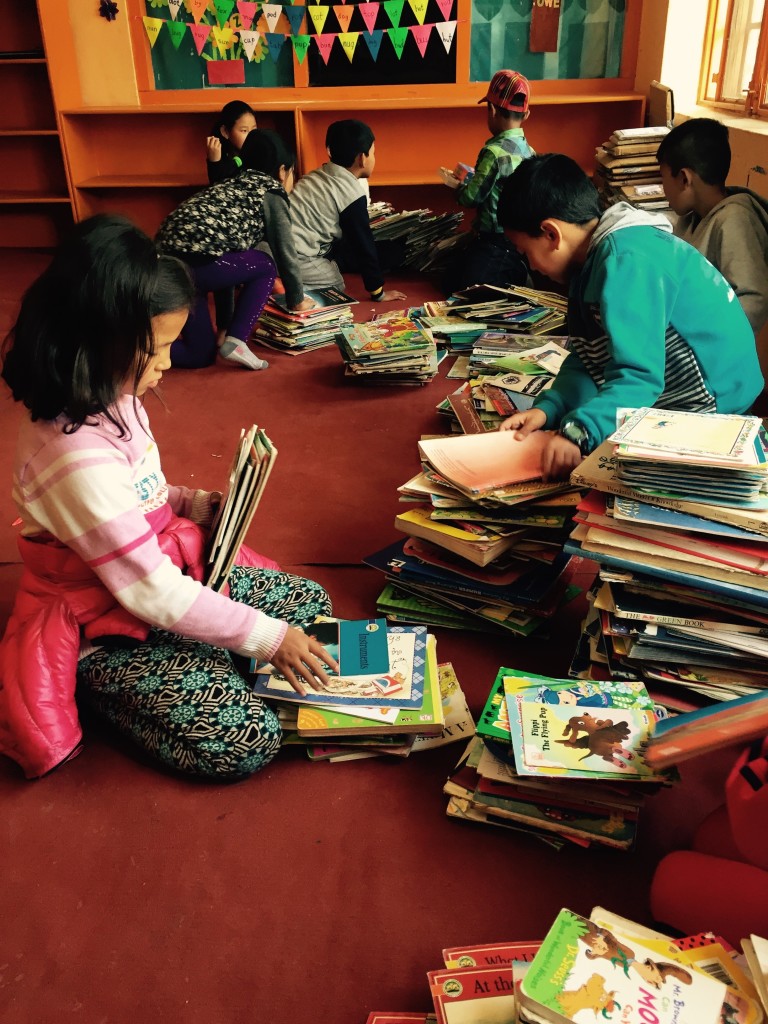
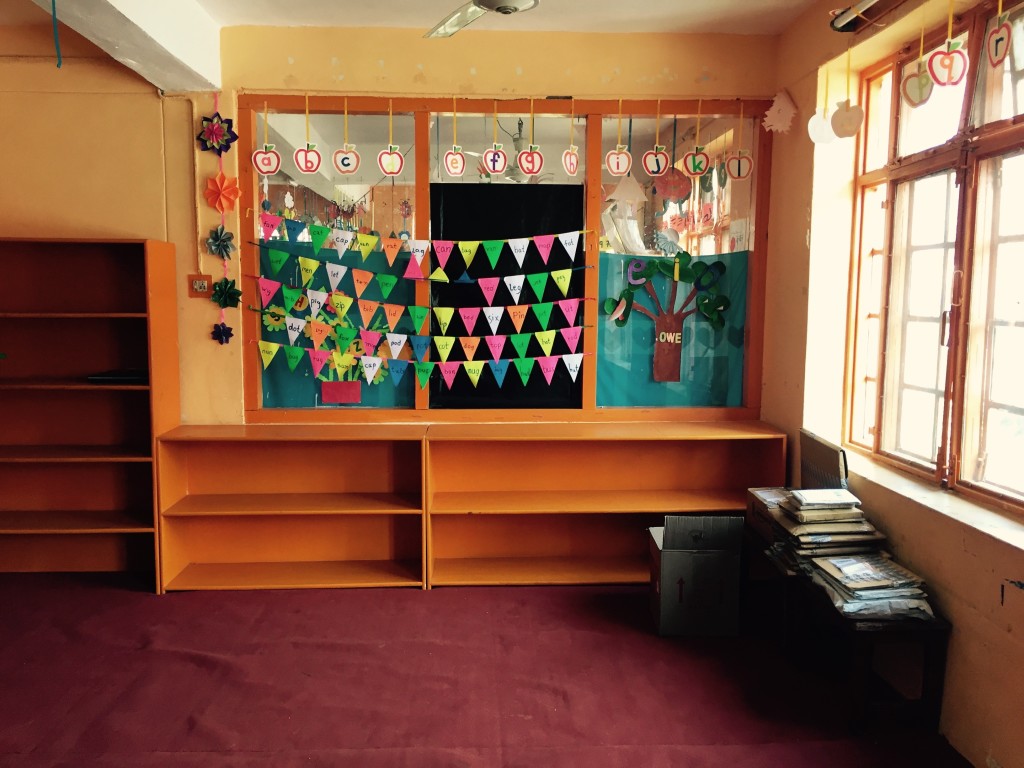
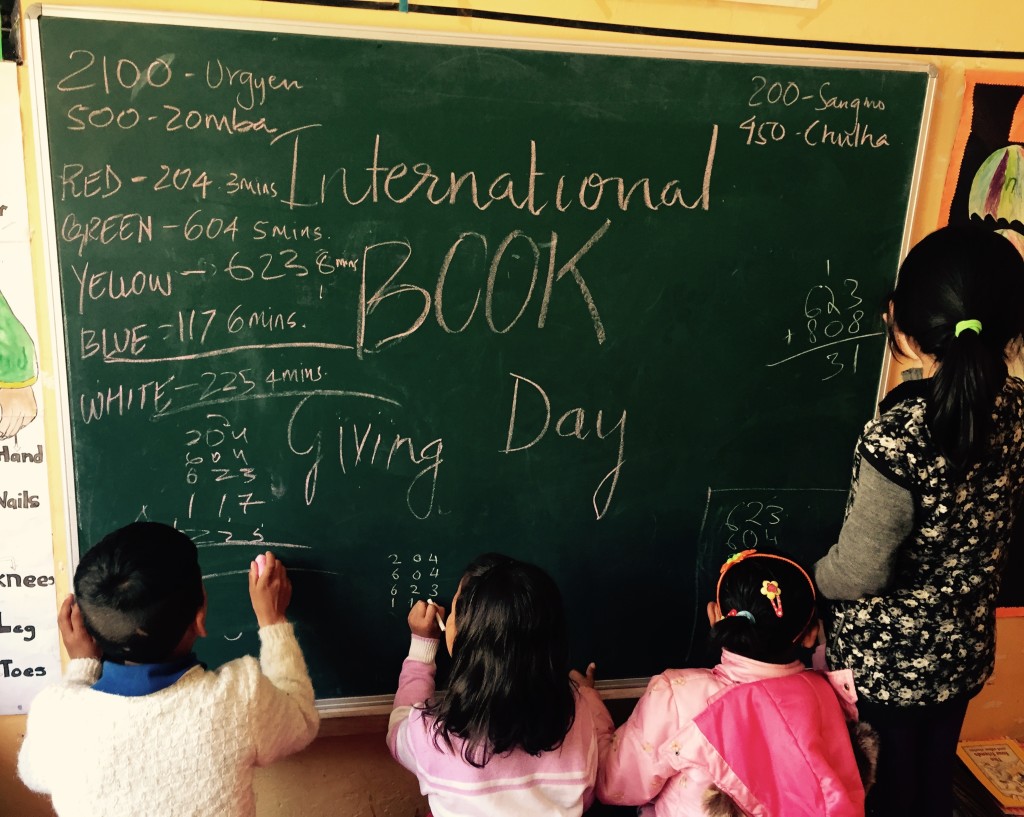
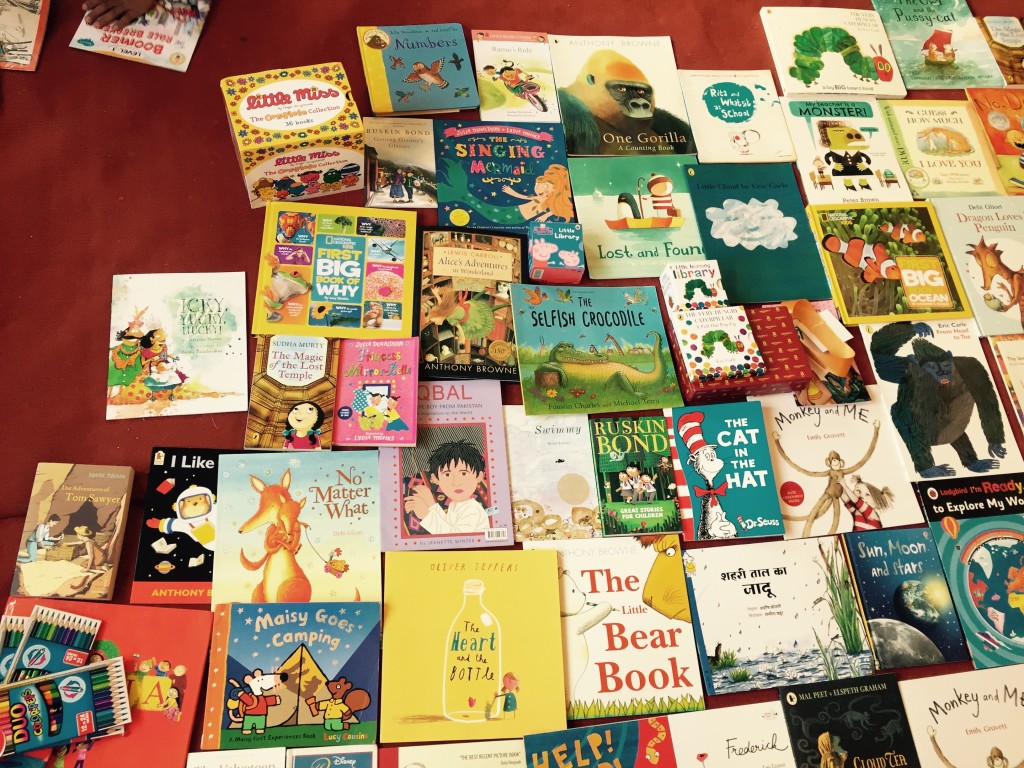
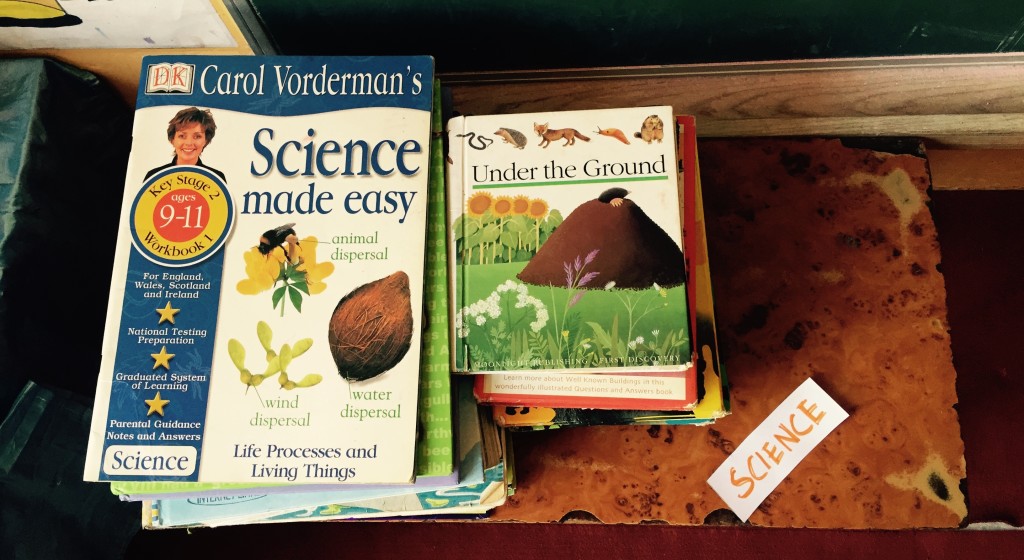
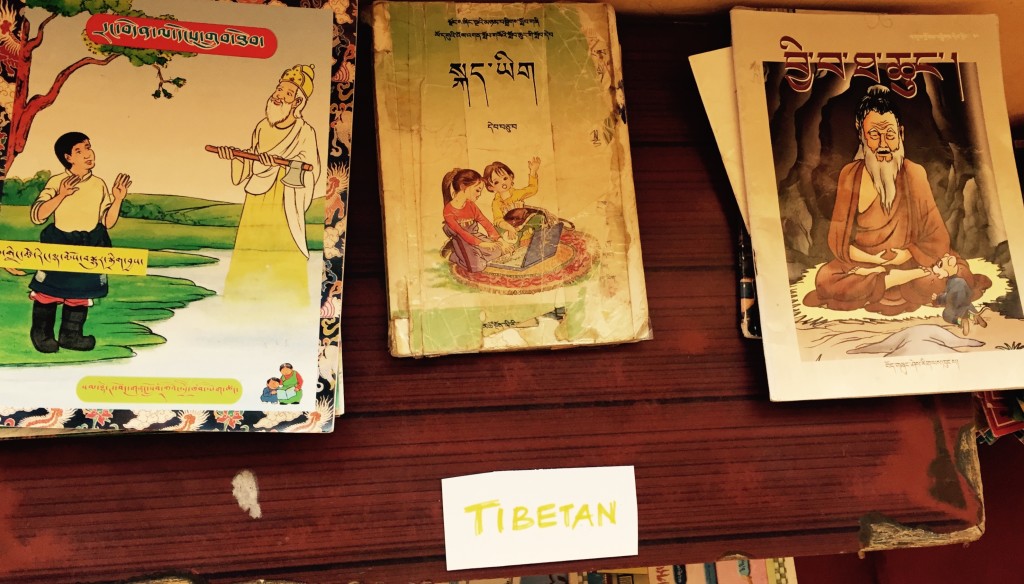
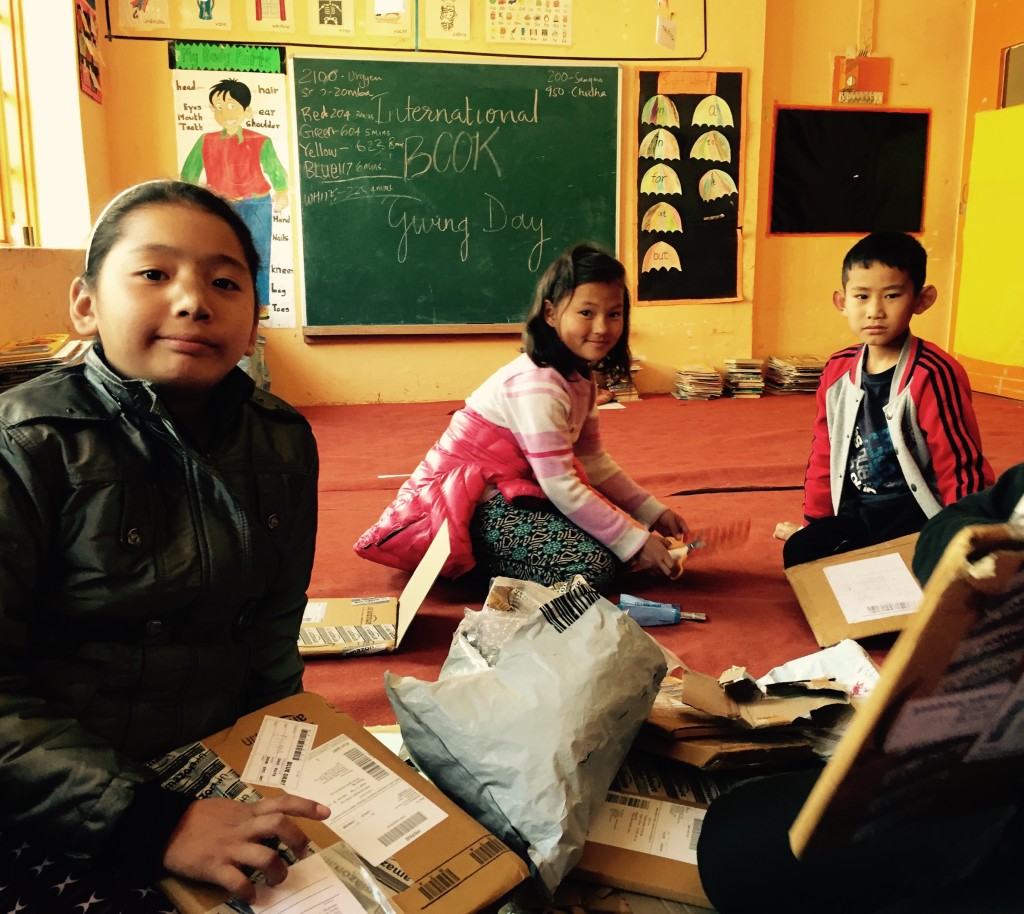
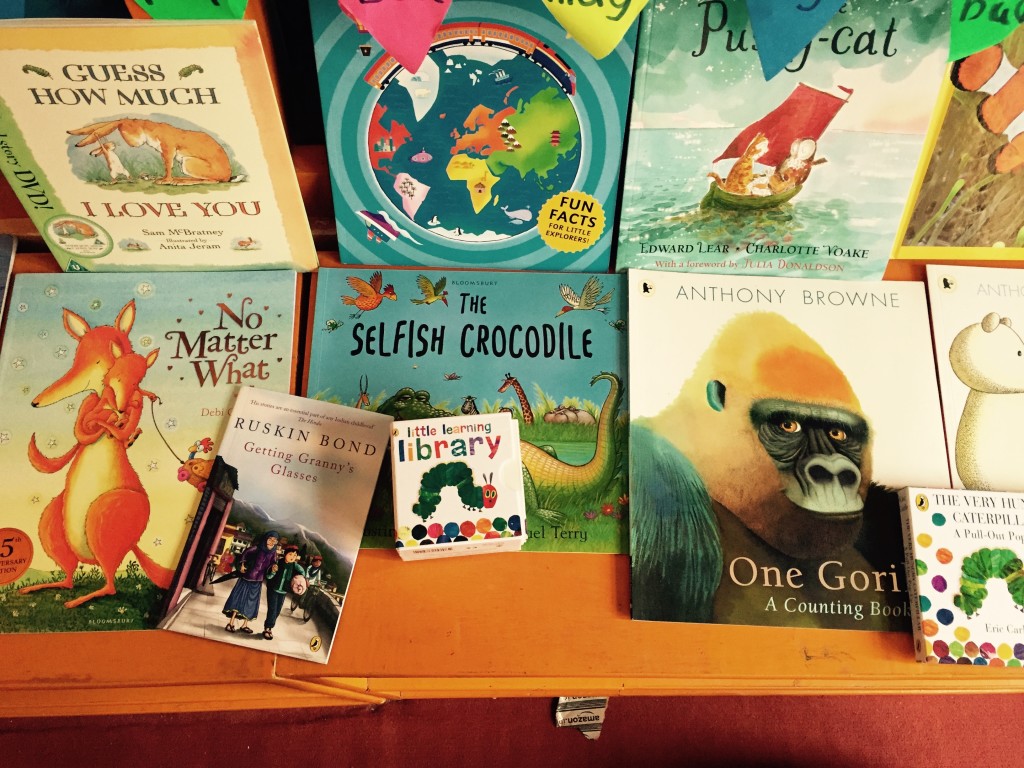
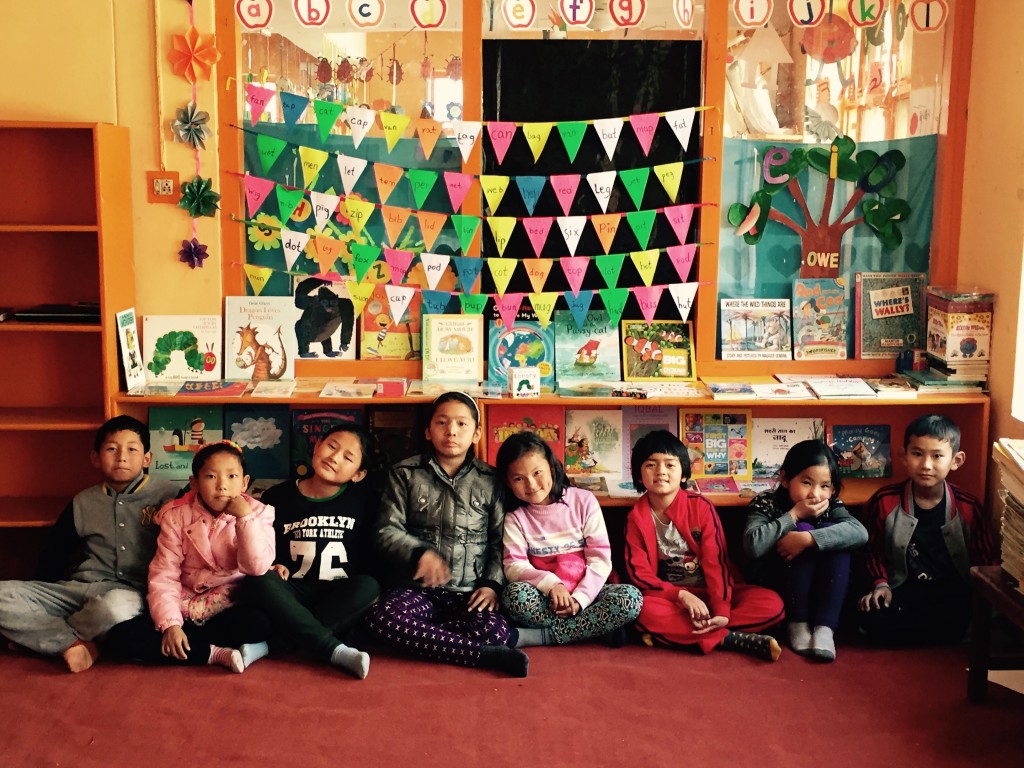
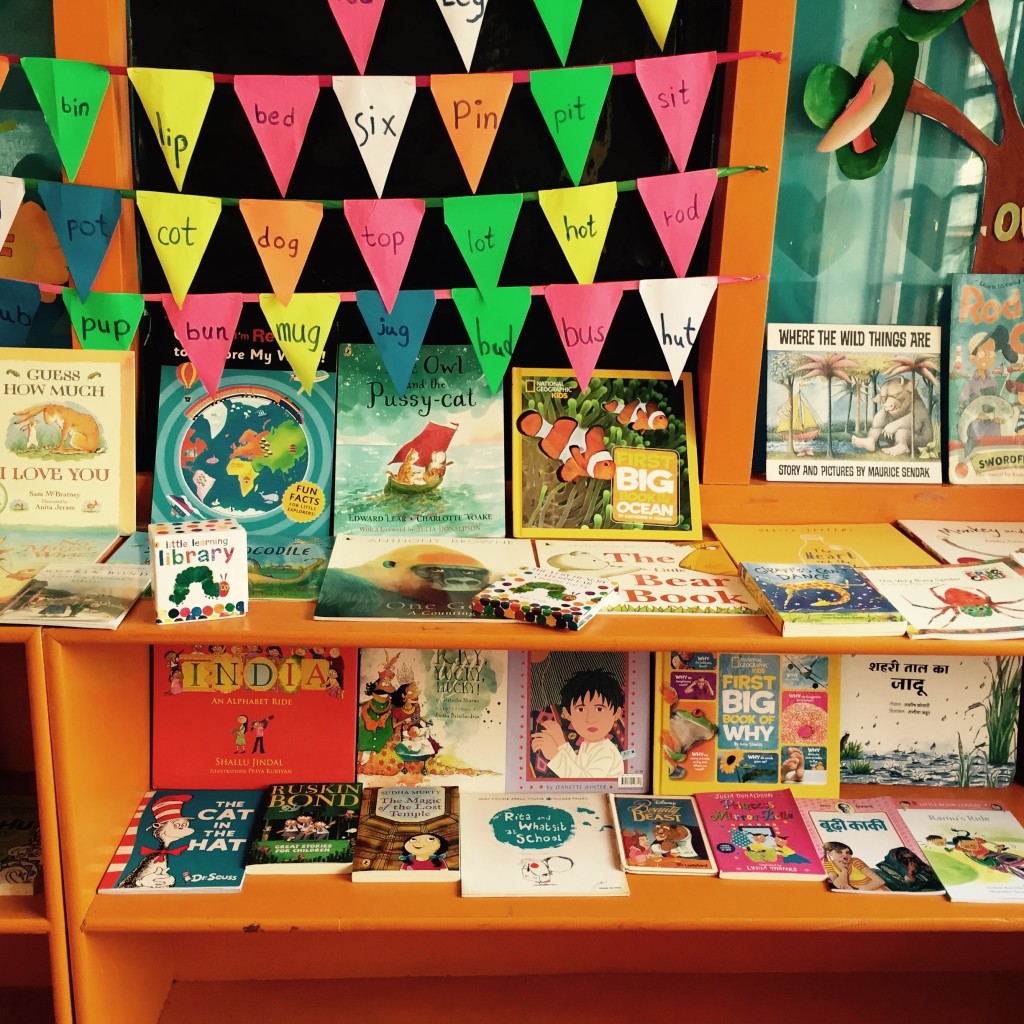
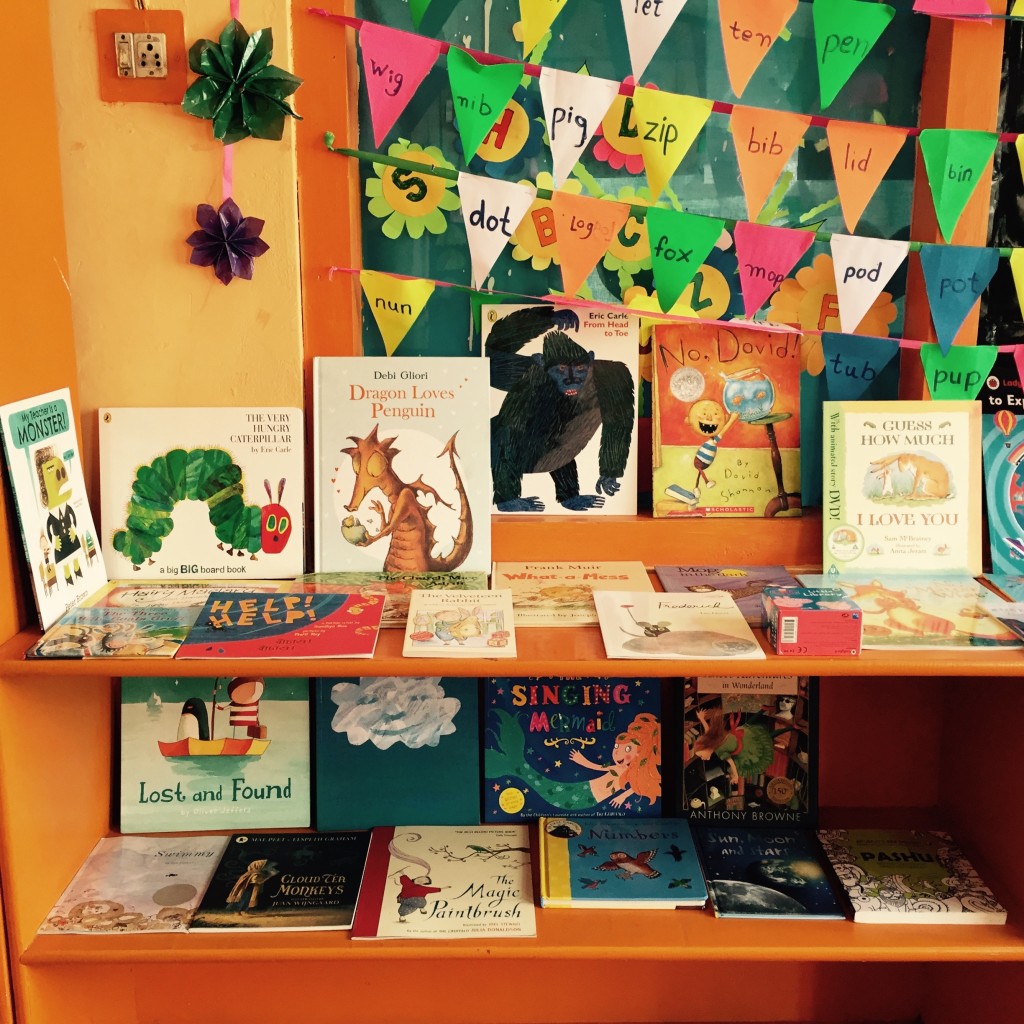
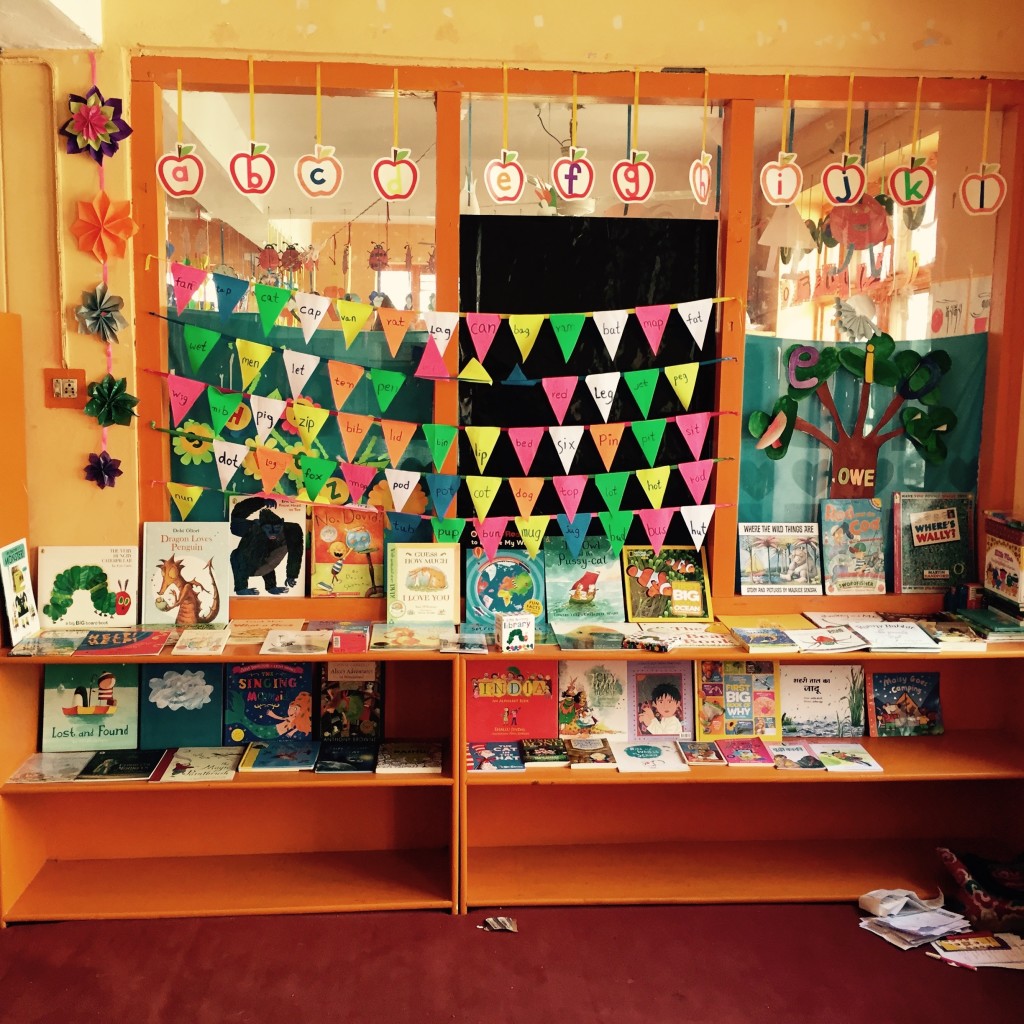
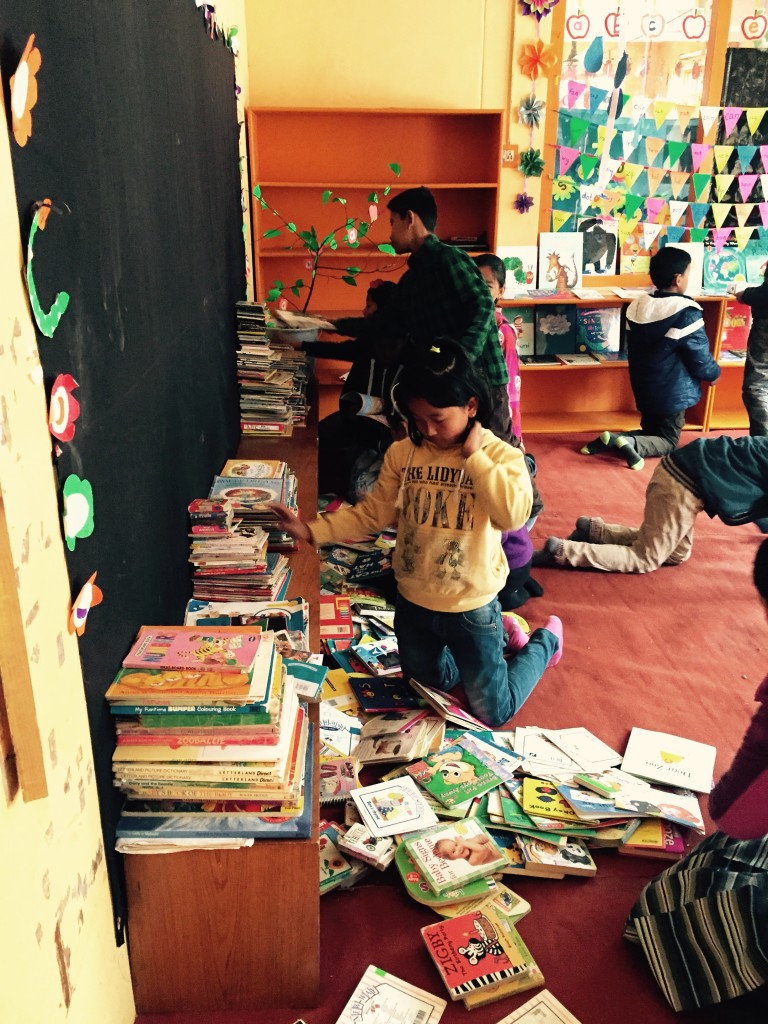
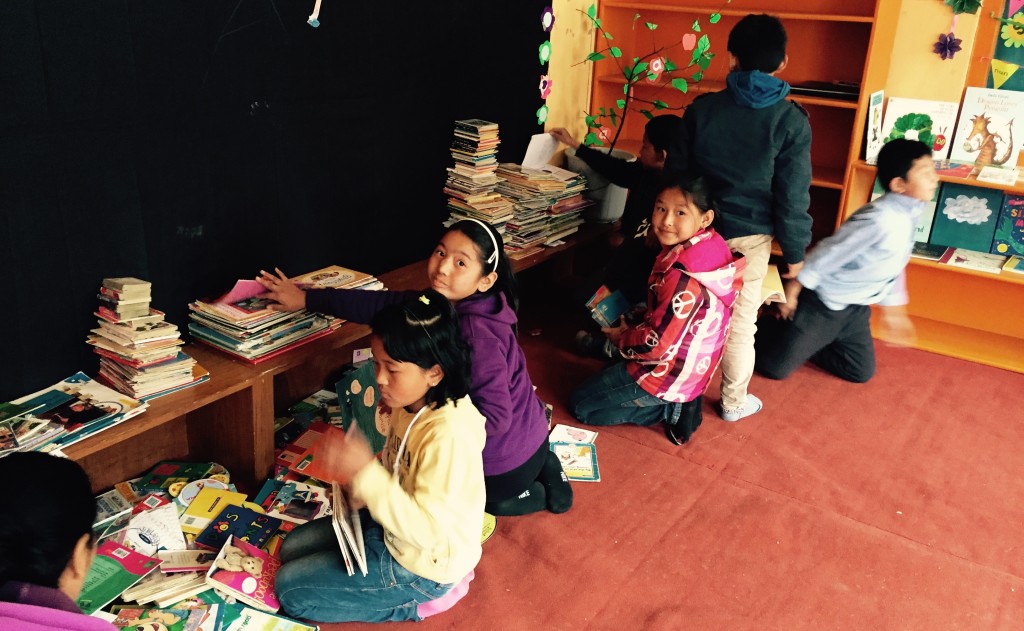
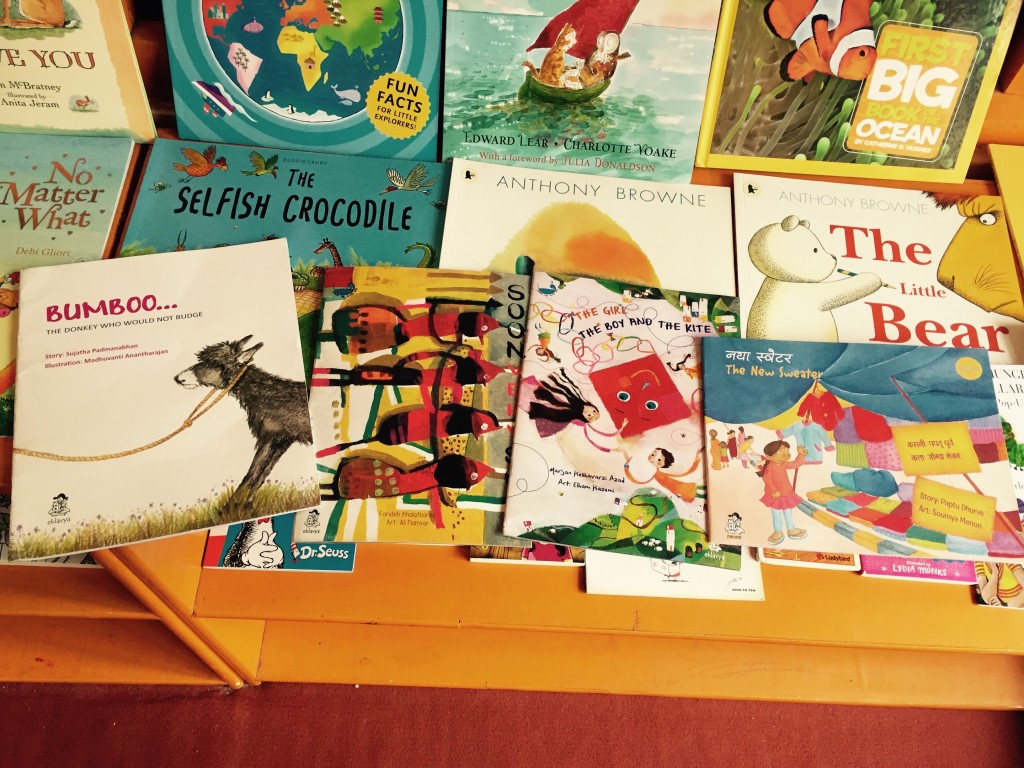
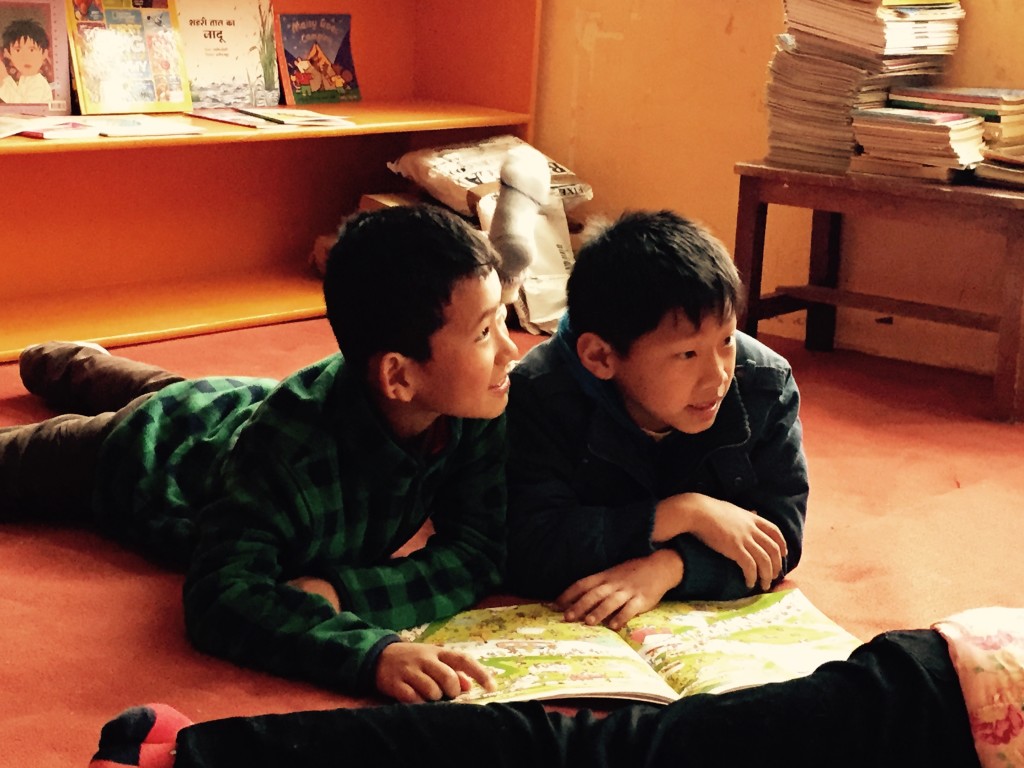
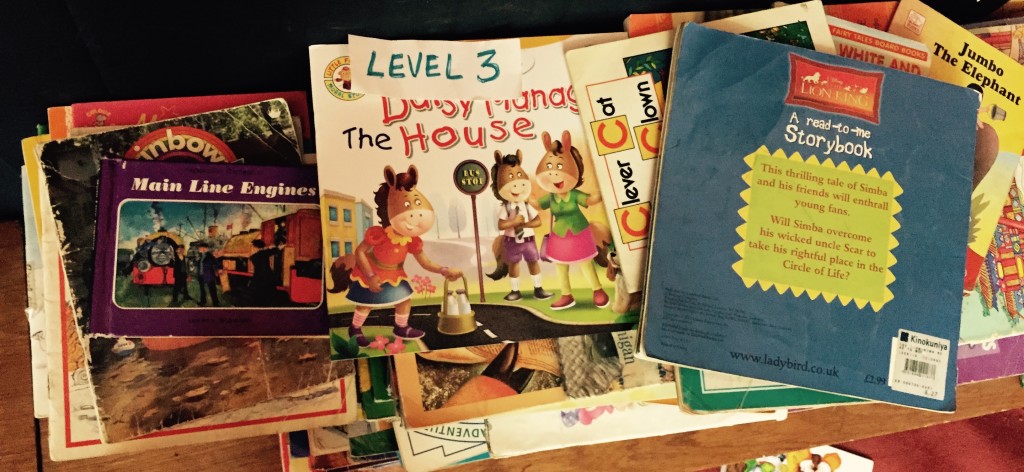
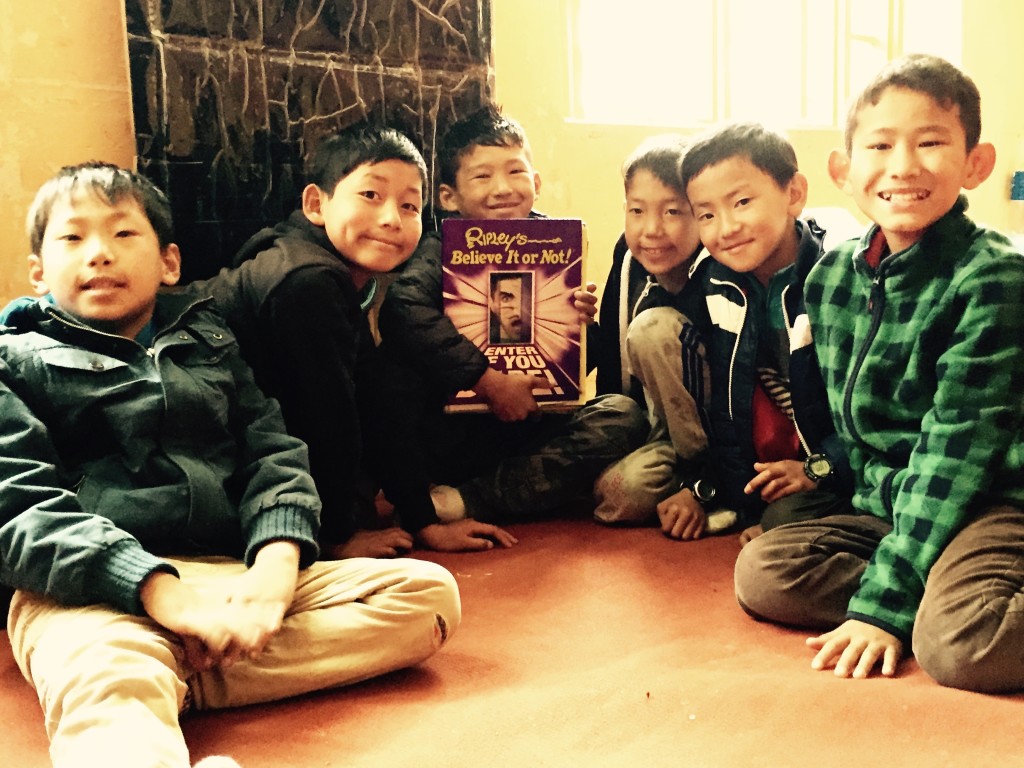
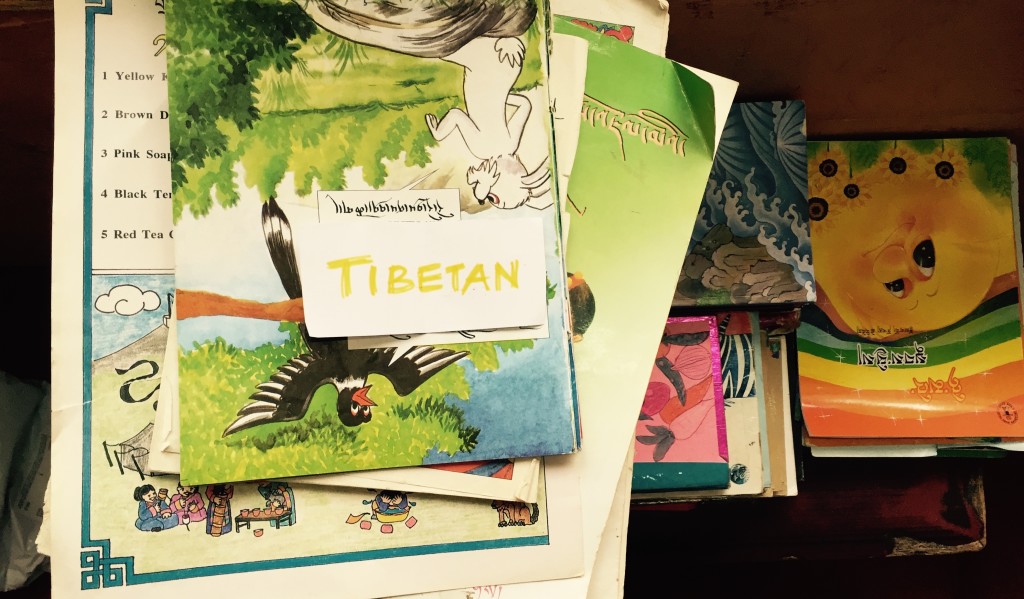
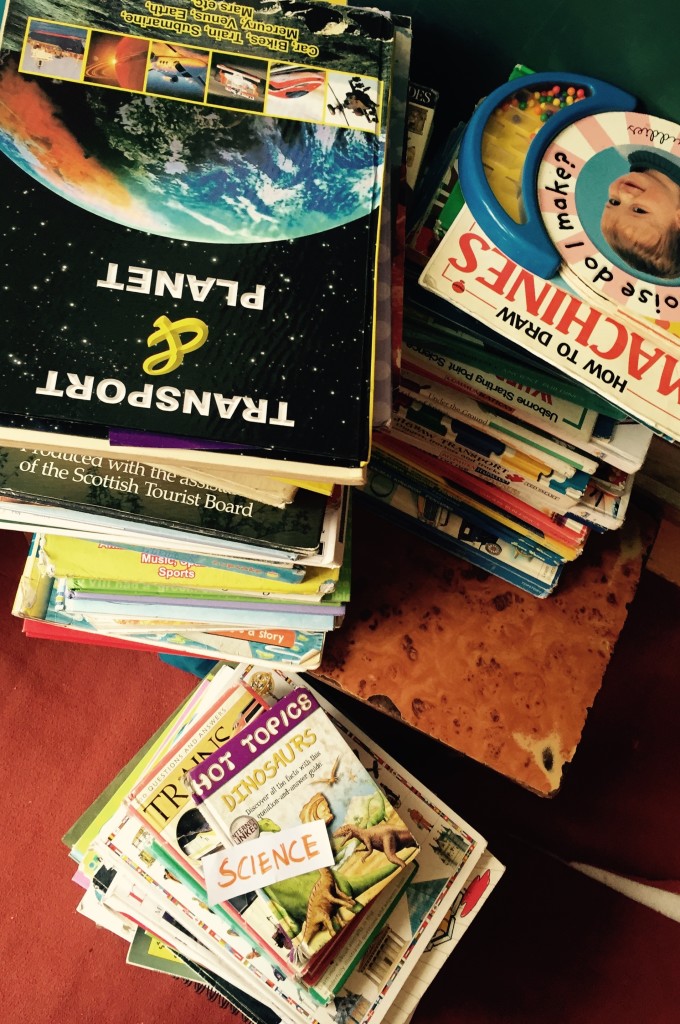
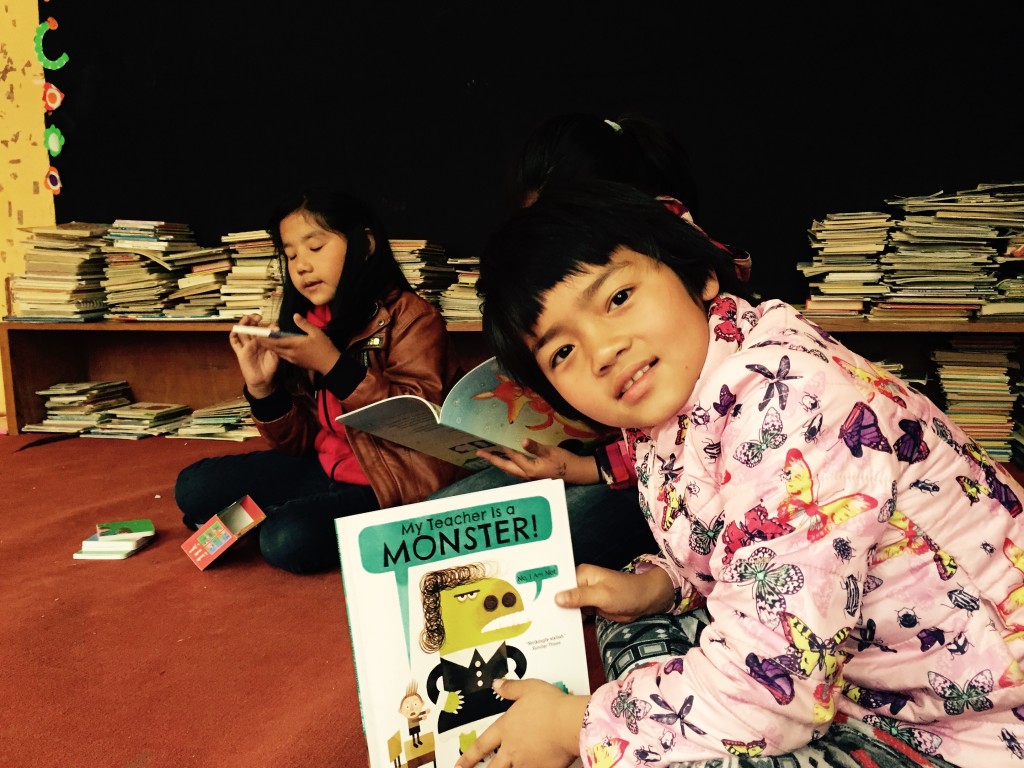
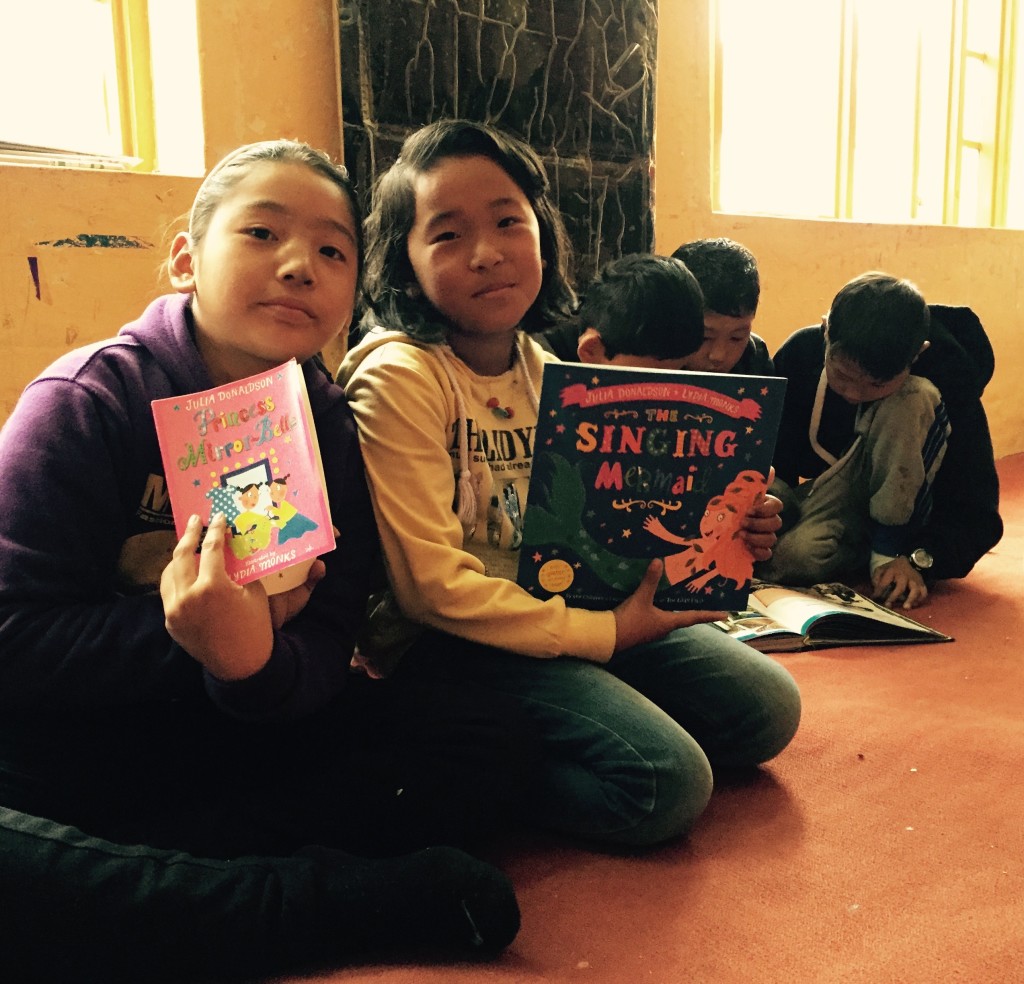
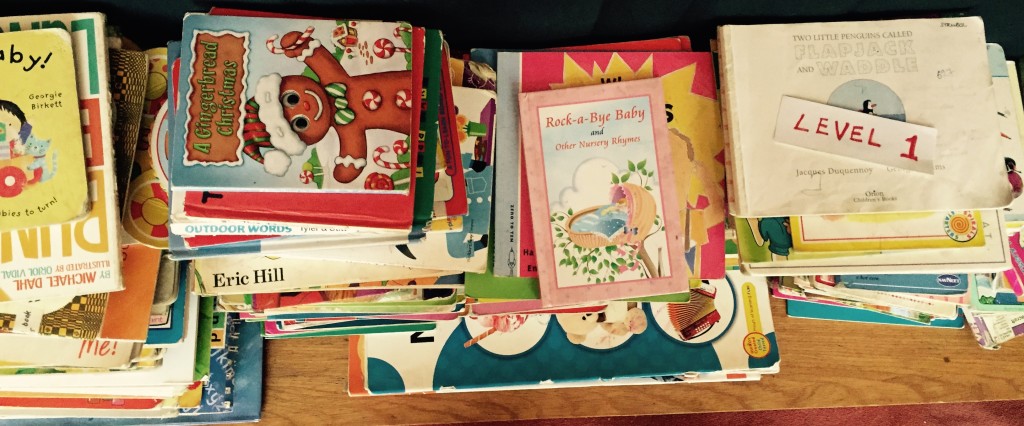
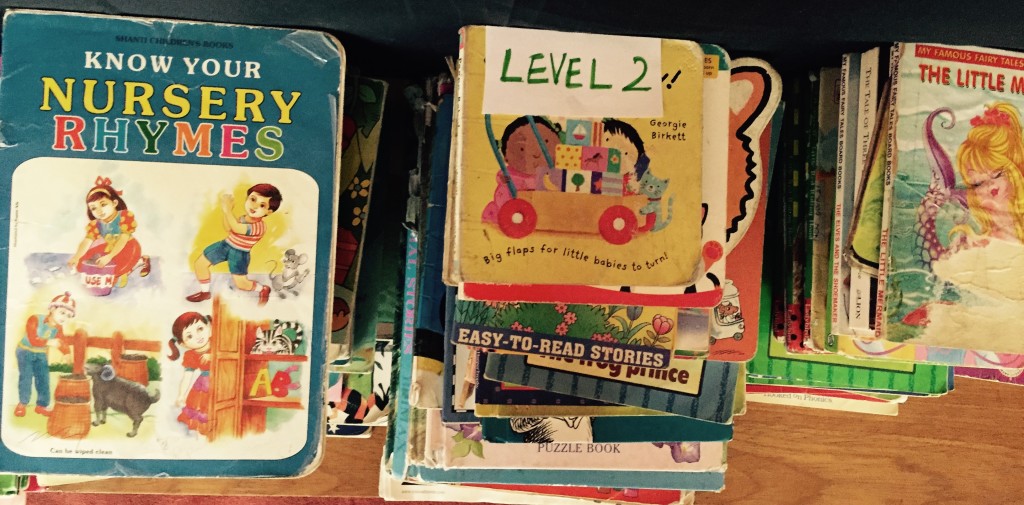
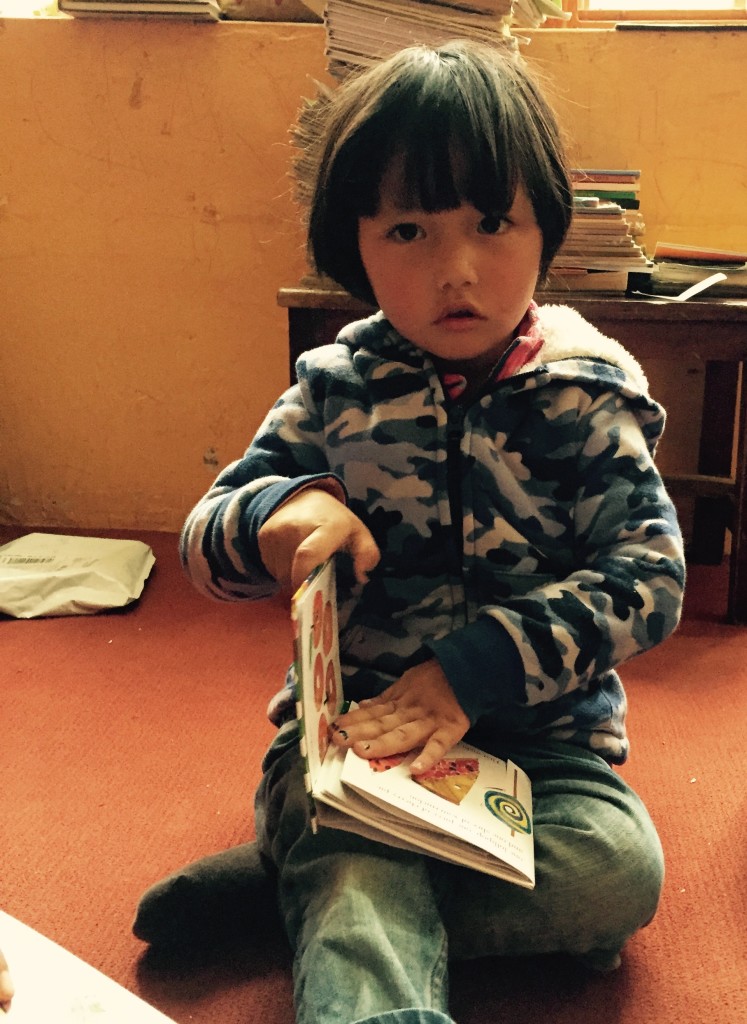
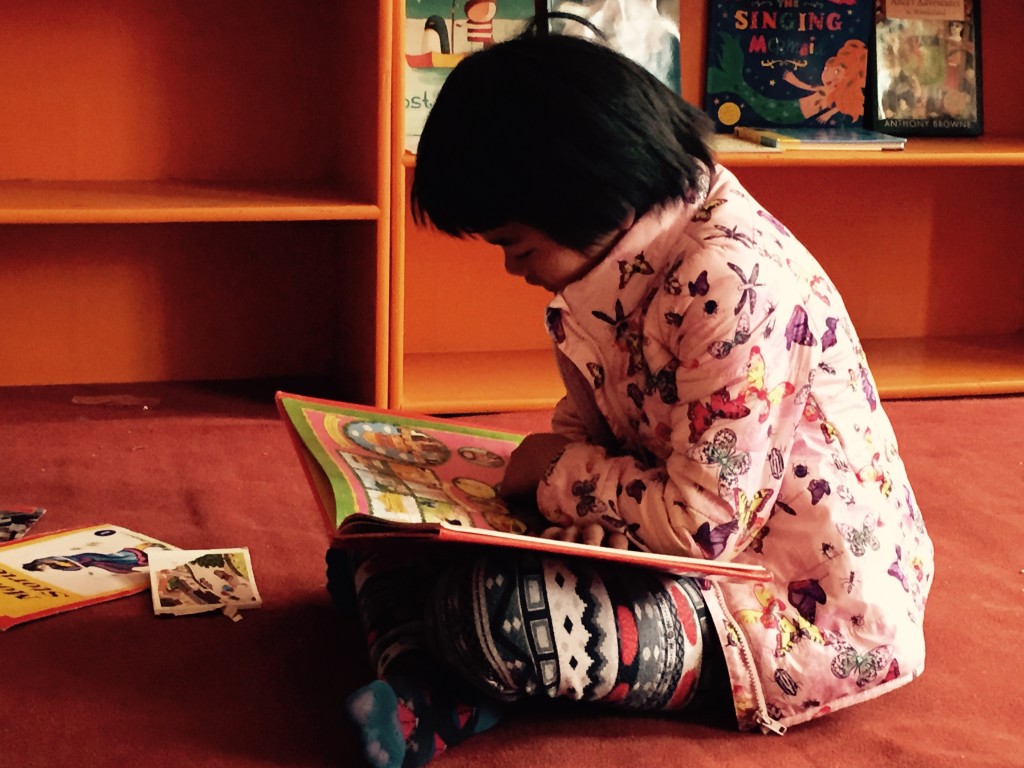
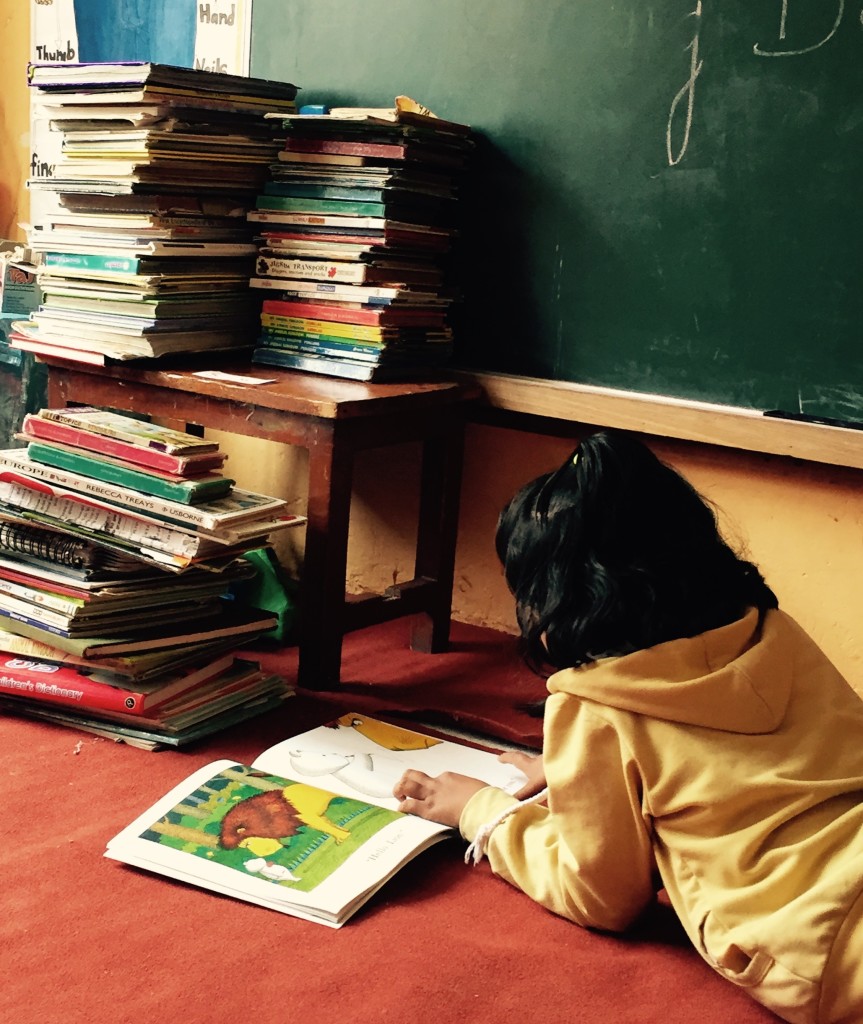
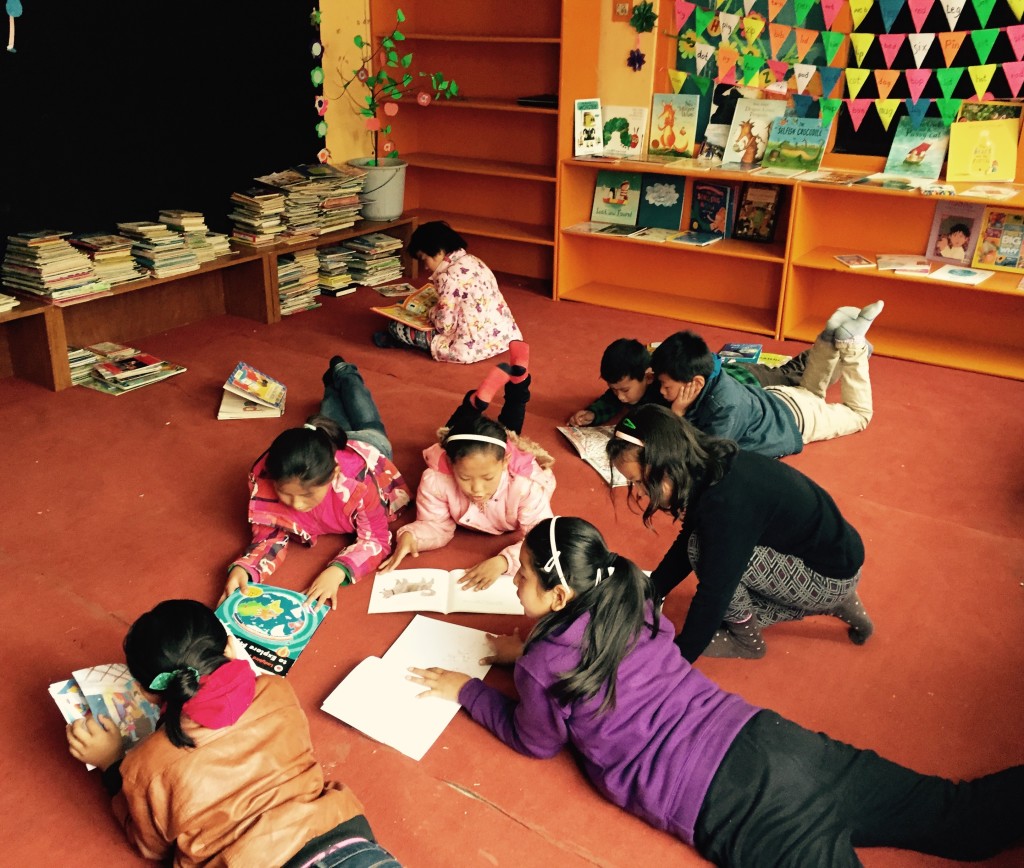
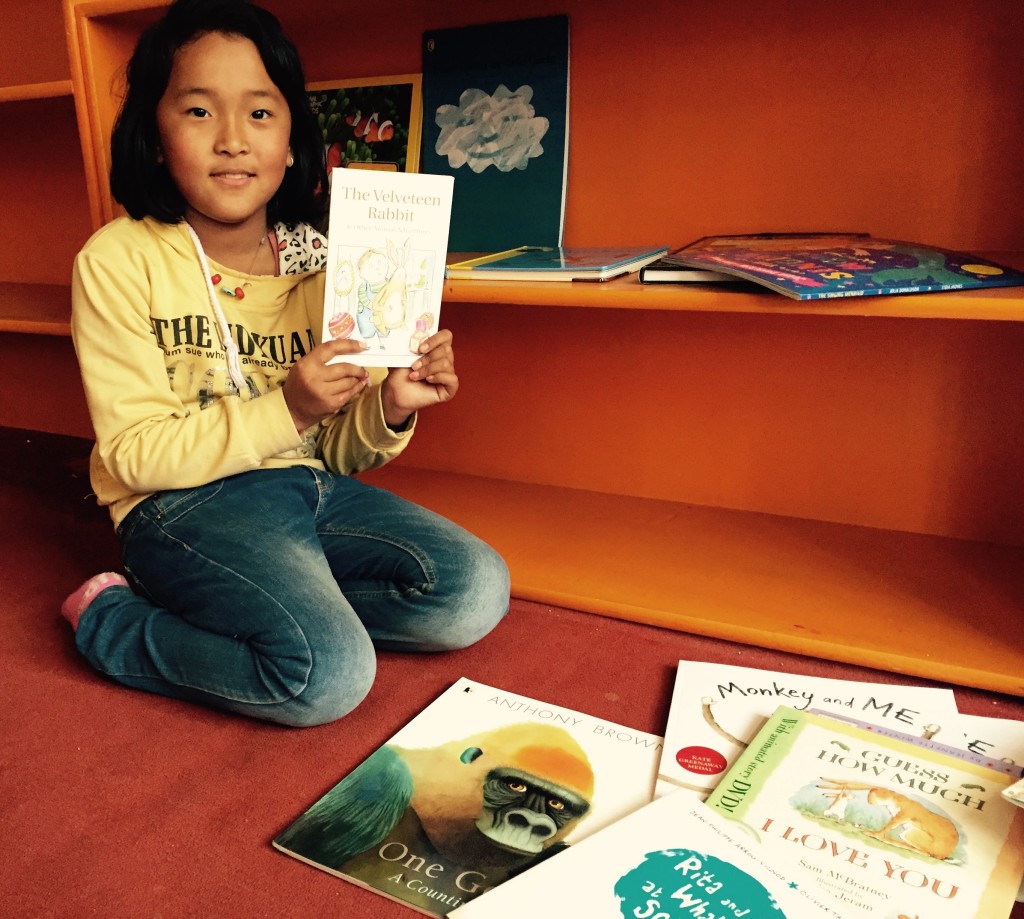
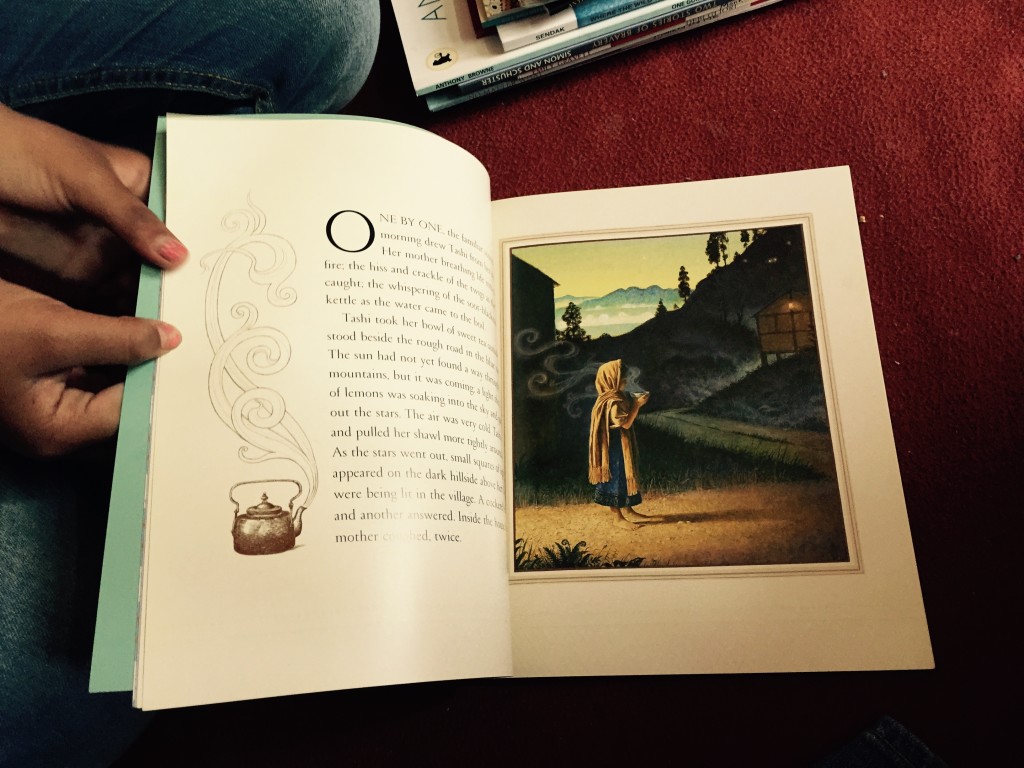
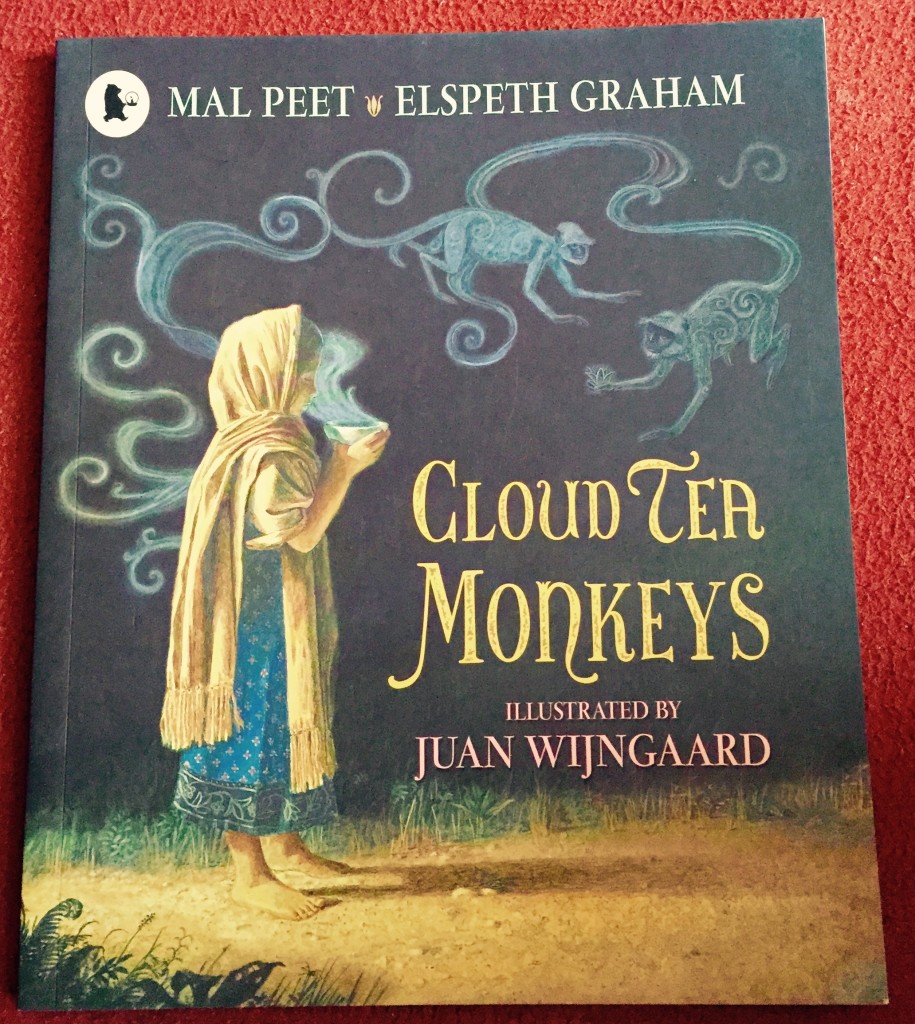
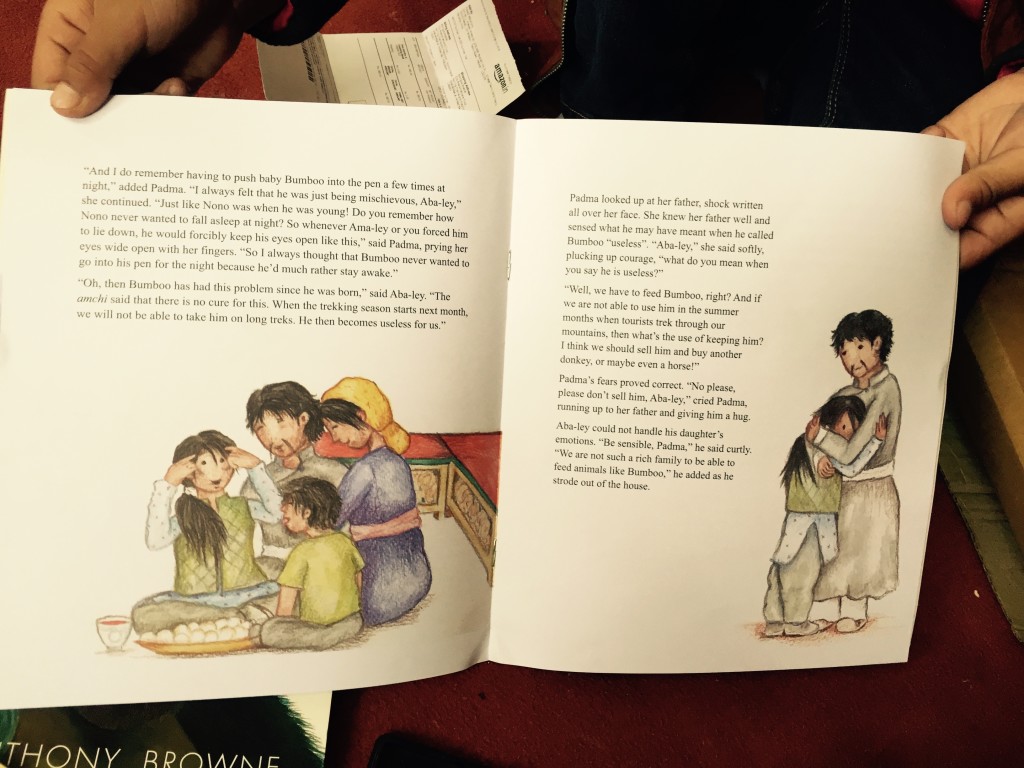
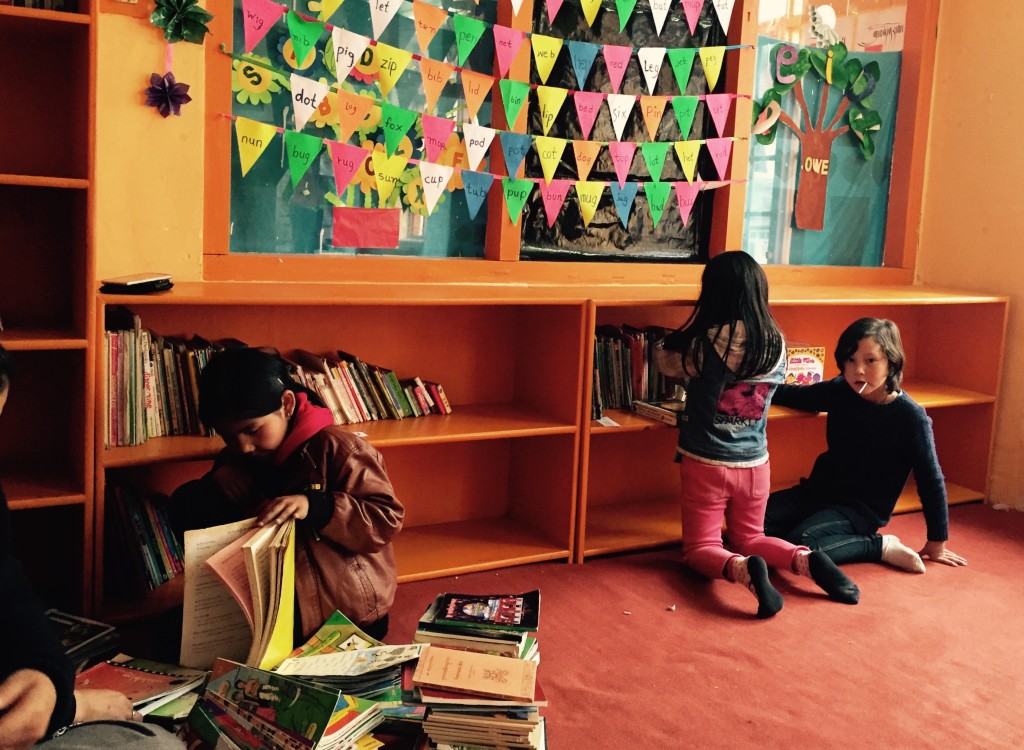
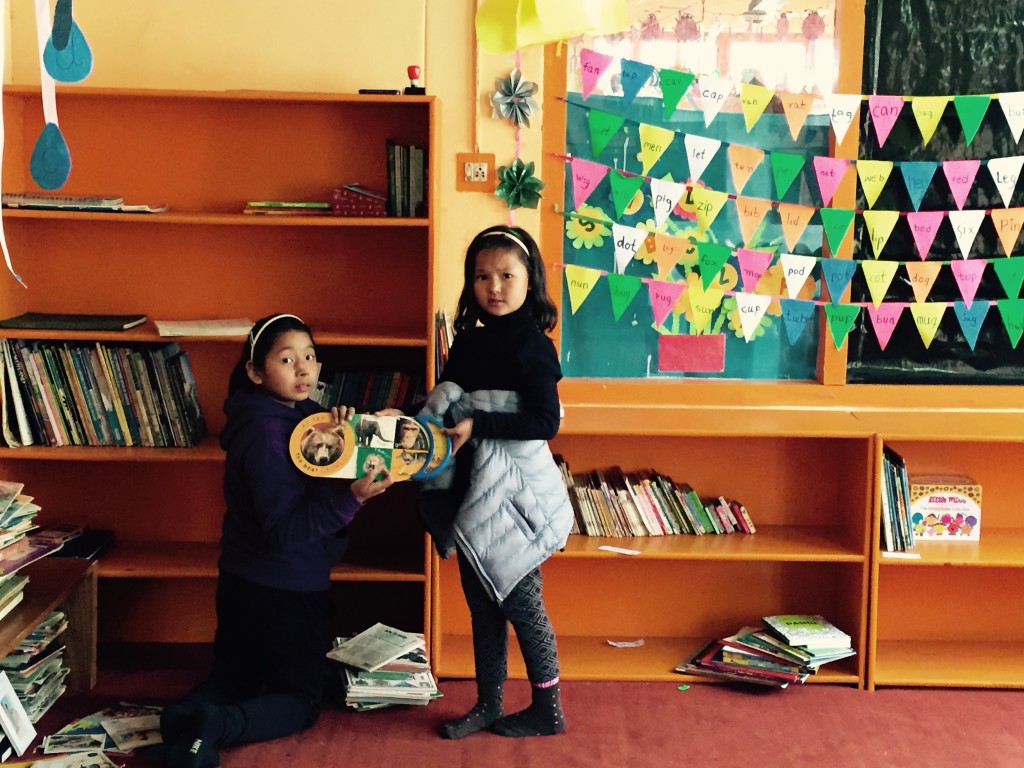
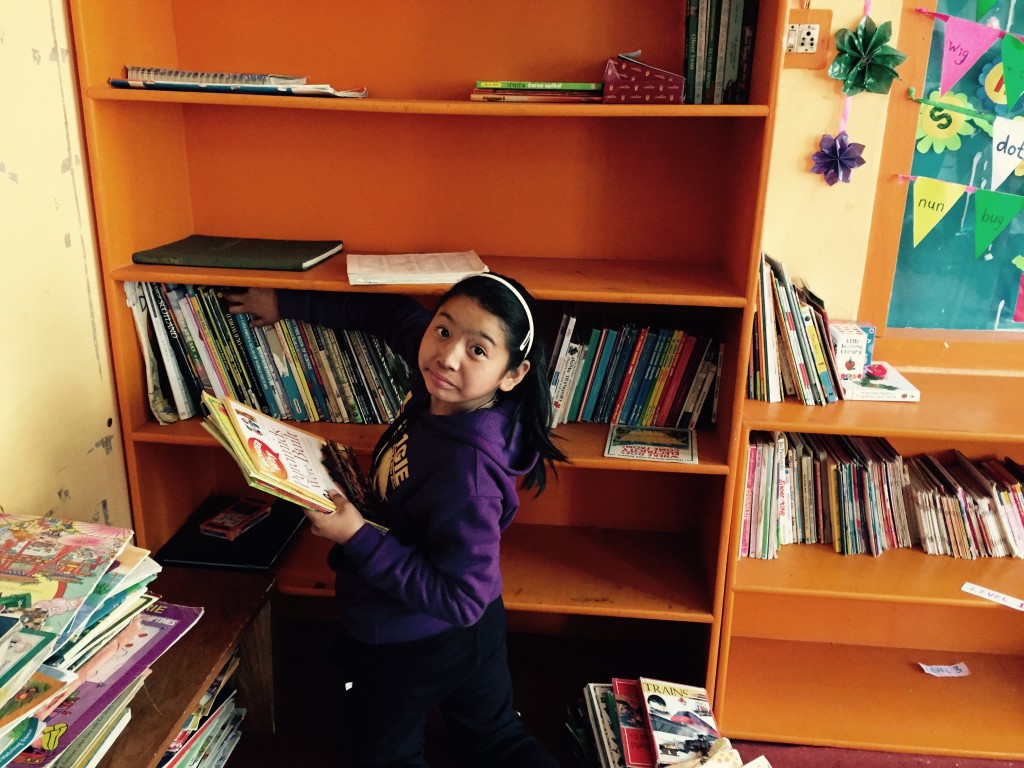
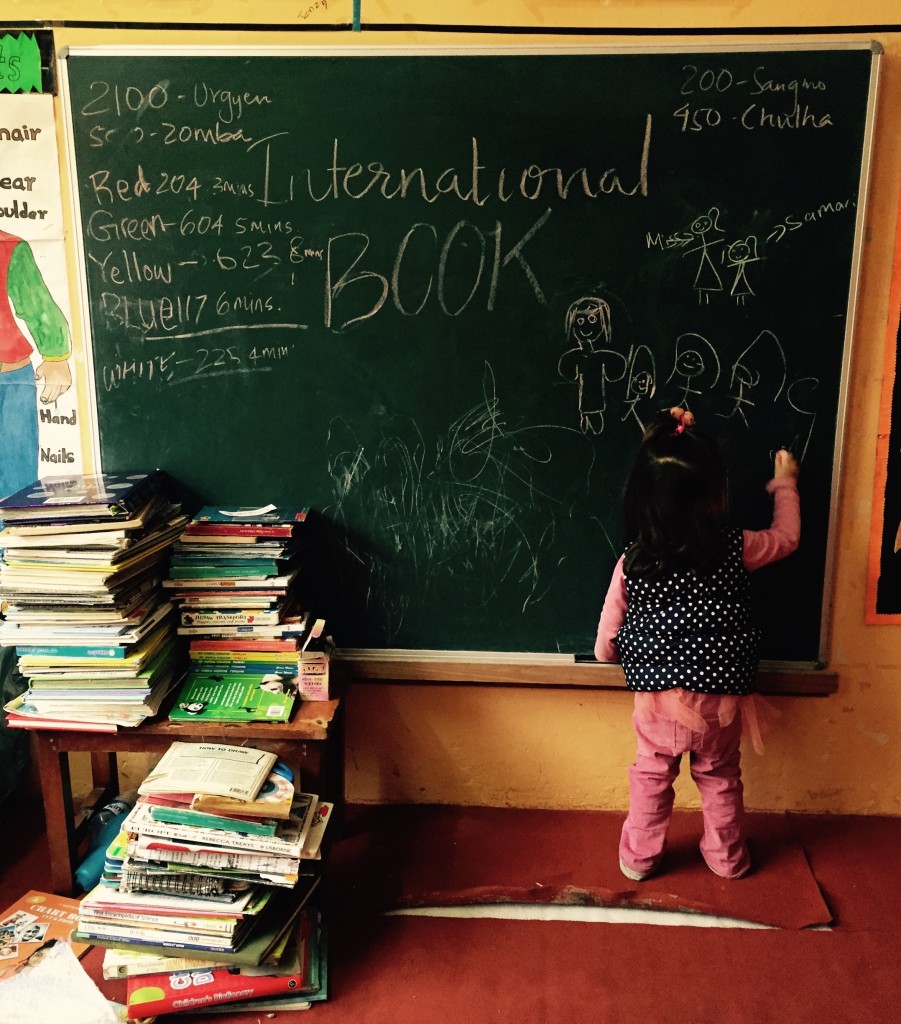
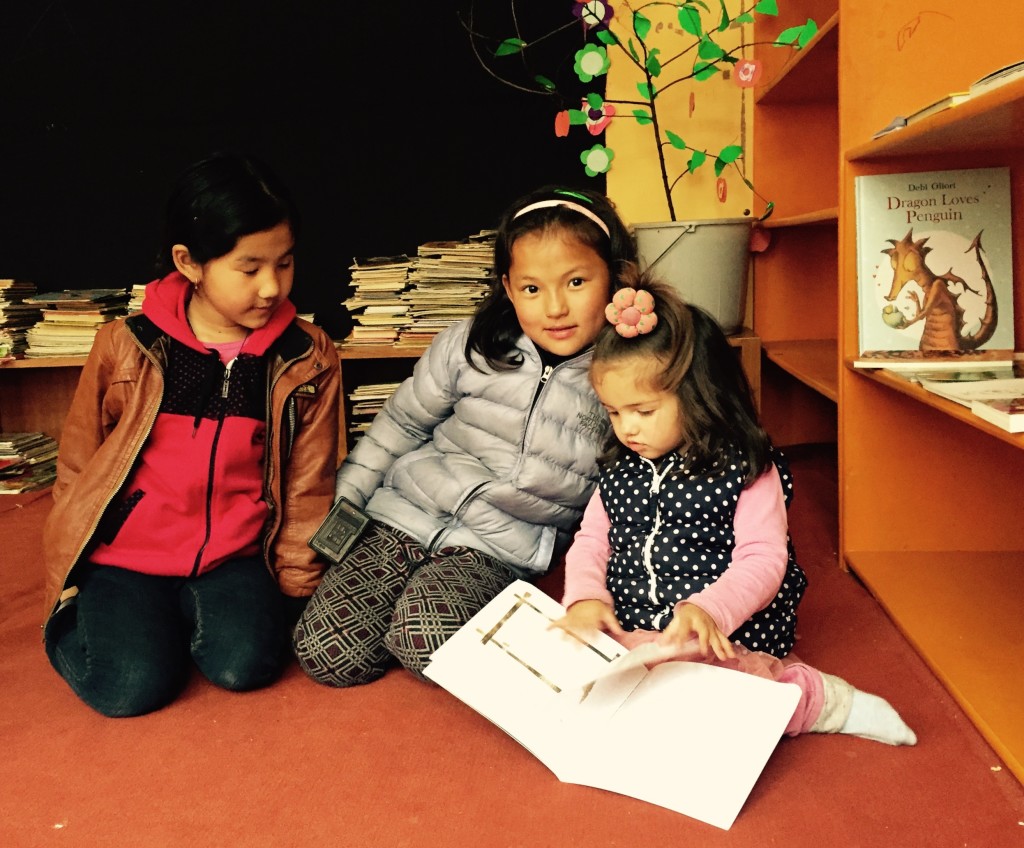
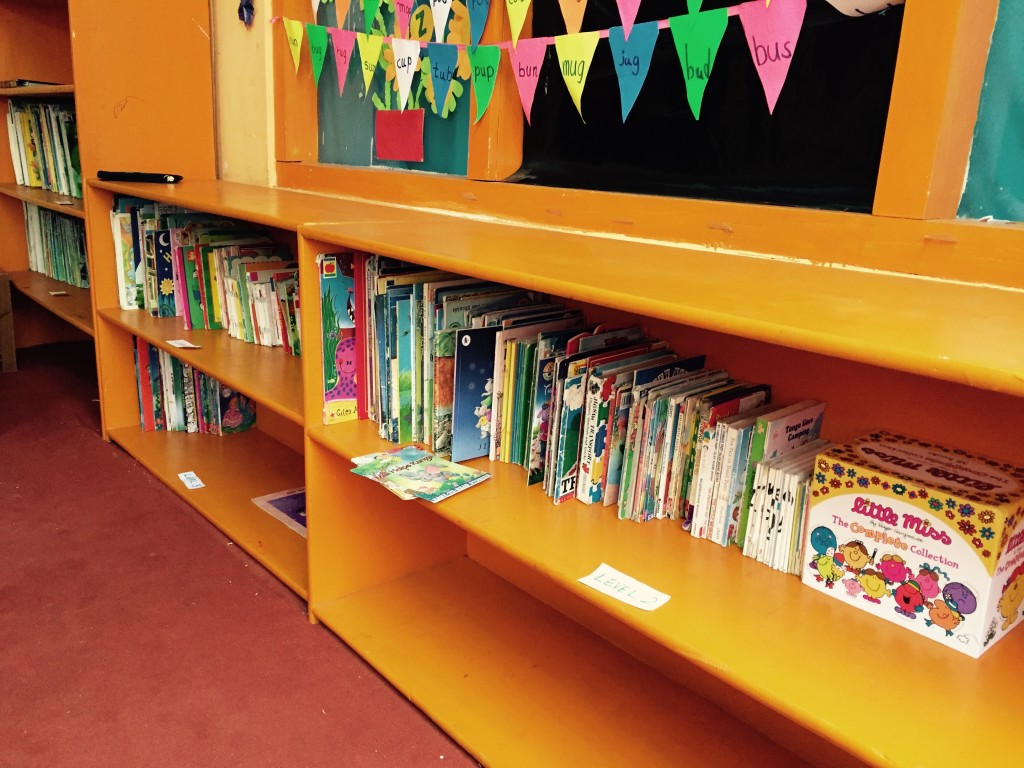
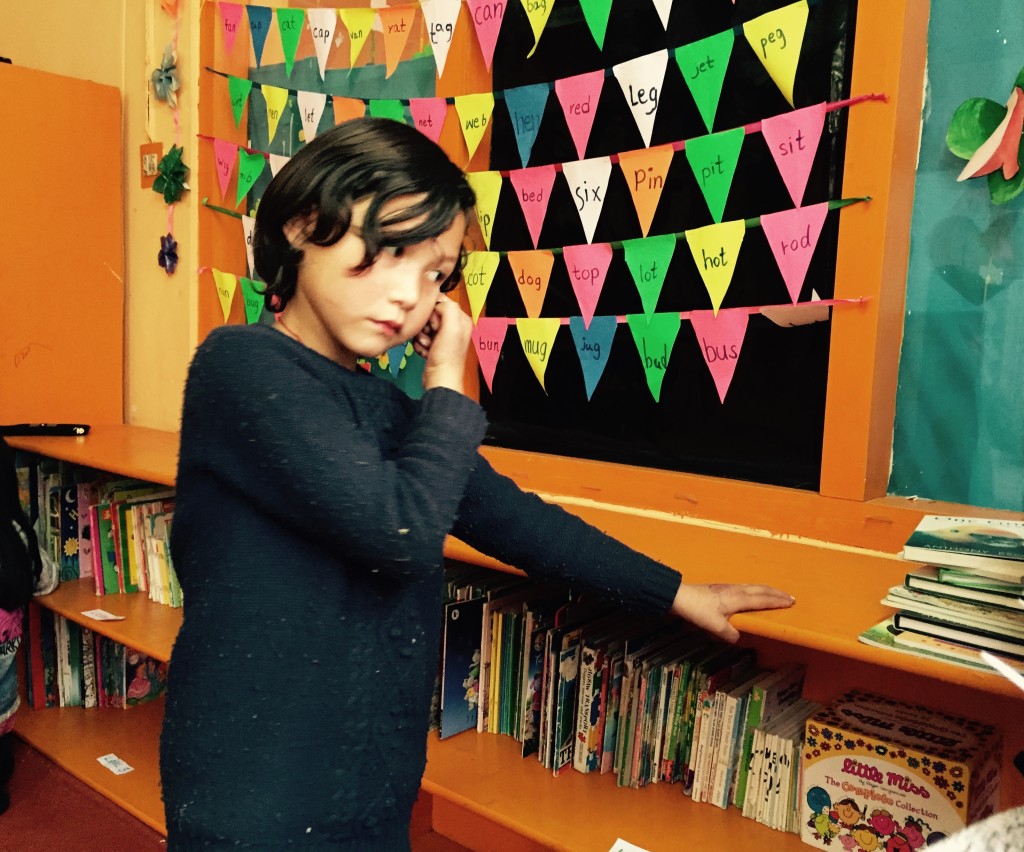
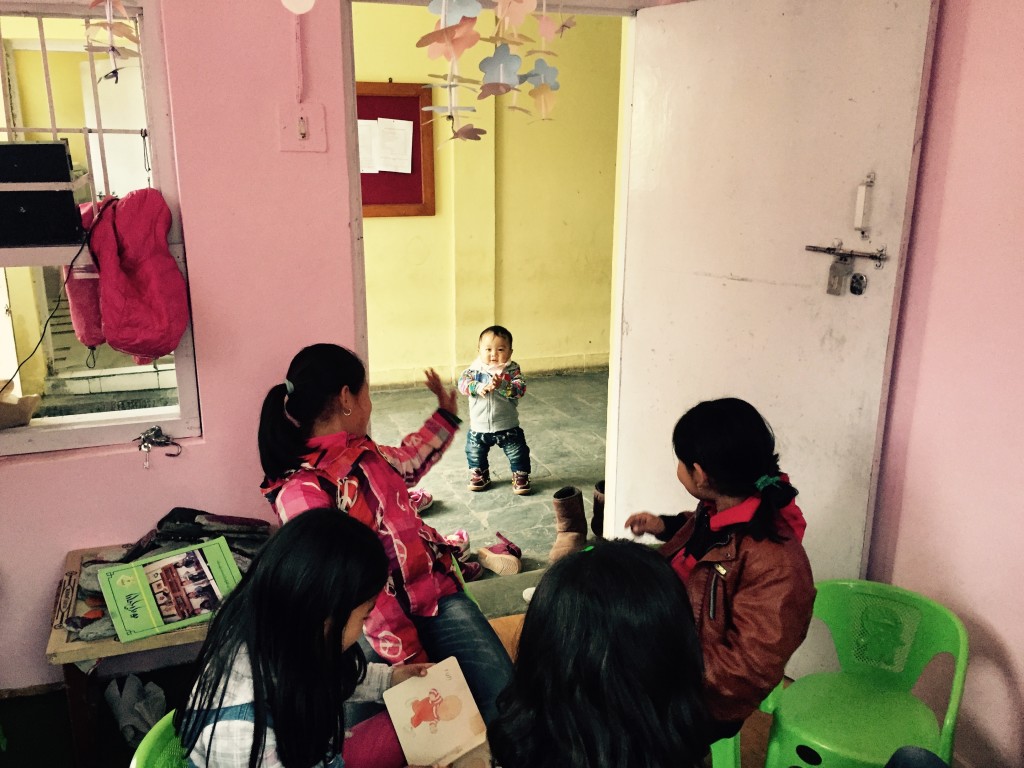
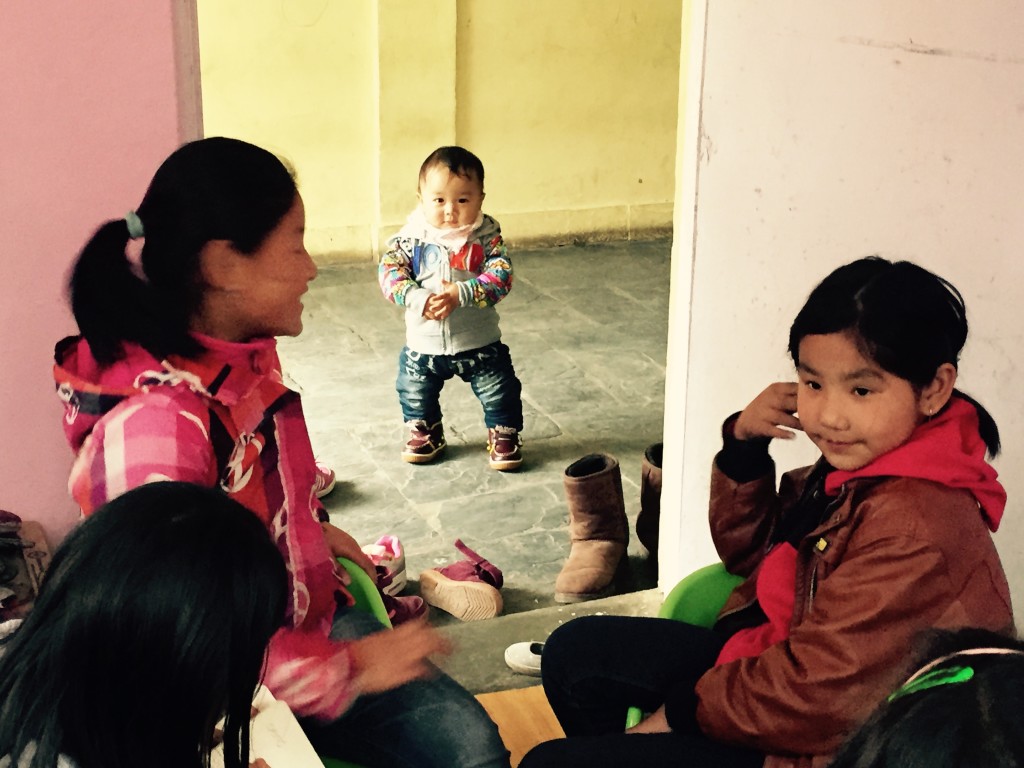
The piano lesson took place in a community reading room where children gathered after school. Shelves held storybooks, picture books, poetry, and illustrated volumes in several languages. For many children, the room was already a welcoming place to read, draw, complete homework, or spend time with friends.
The instrument added a new dimension to that environment. It was not presented as an expensive object reserved for talented students. Instead, the teacher encouraged everyone to come closer, touch the keys gently, and notice how different sounds could be combined. Children who were shy about reading aloud could participate by tapping a rhythm or choosing a note.
This approach mattered. A first encounter with music does not need to begin with scales, examinations, or perfect technique. It can begin with curiosity. When young learners feel safe enough to make mistakes, a new skill becomes an opportunity rather than a test.
The First Melody
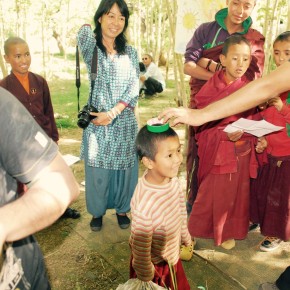
The first exercise was deliberately simple. The teacher played a short sequence of notes and invited the children to repeat it. Some listened carefully and copied the pattern. Others pressed several keys at once, producing unexpected harmonies. Laughter filled the room, followed by a second attempt and then a third.
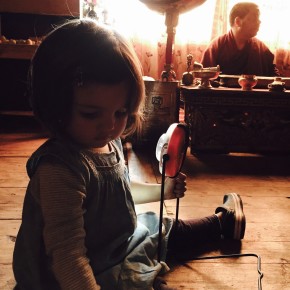
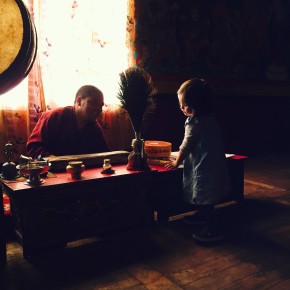
One child remained near the edge of the group, watching in silence. After hearing the melody several times, the child moved forward and placed one finger on the keyboard. The teacher guided the rhythm without taking over. That small moment of participation became the turning point: the piano was no longer a strange object in the room, but something the child could understand.
Music education often begins with such a modest breakthrough. A learner recognizes a pattern, remembers a sound, or discovers that patient practice can change the result. In a remote village, where regular instrumental lessons may be difficult to find, that discovery can carry particular importance.
From Listening To Playing
After the first session, the children began returning to the piano whenever the room was open. They practiced short melodies, experimented with high and low notes, and tried to accompany familiar songs. Some created rhythms inspired by local celebrations, while others borrowed ideas from folk tunes heard at home.
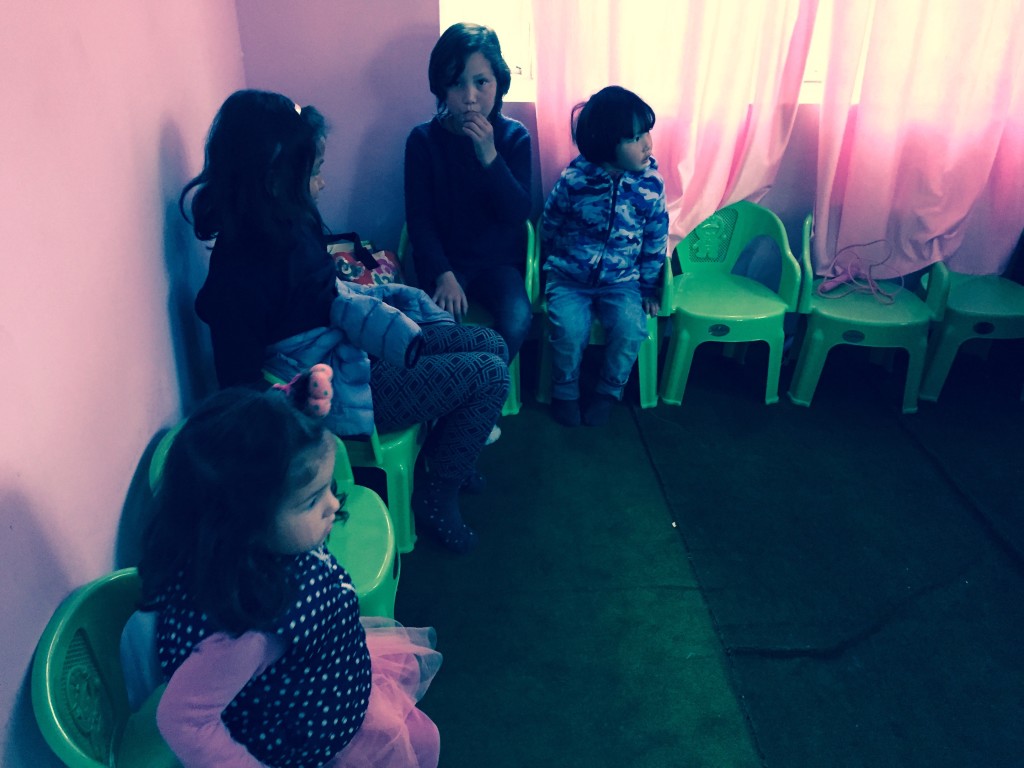
The instrument also encouraged cooperation. Children took turns, listened to one another, and helped younger participants find the correct keys. A student who had learned a melody could teach it to a friend. This informal exchange gave the group a shared purpose and helped music become part of the reading room’s daily life.
| Early experience |
Skill developed |
Wider effect |
| Repeating a short melody |
Listening and memory |
Greater concentration |
| Taking turns at the keyboard |
Patience and respect |
Stronger peer relationships |
| Creating a simple rhythm |
Imagination and coordination |
Confidence in self-expression |
| Practicing several times |
Persistence |
A positive attitude toward learning |
| Performing for friends |
Communication |
Pride in personal progress |
The piano did not replace books, drawing, or study time. It complemented them. Musical practice strengthened attention, while creative activities helped children approach learning with energy and confidence.
Why Creative Learning Matters
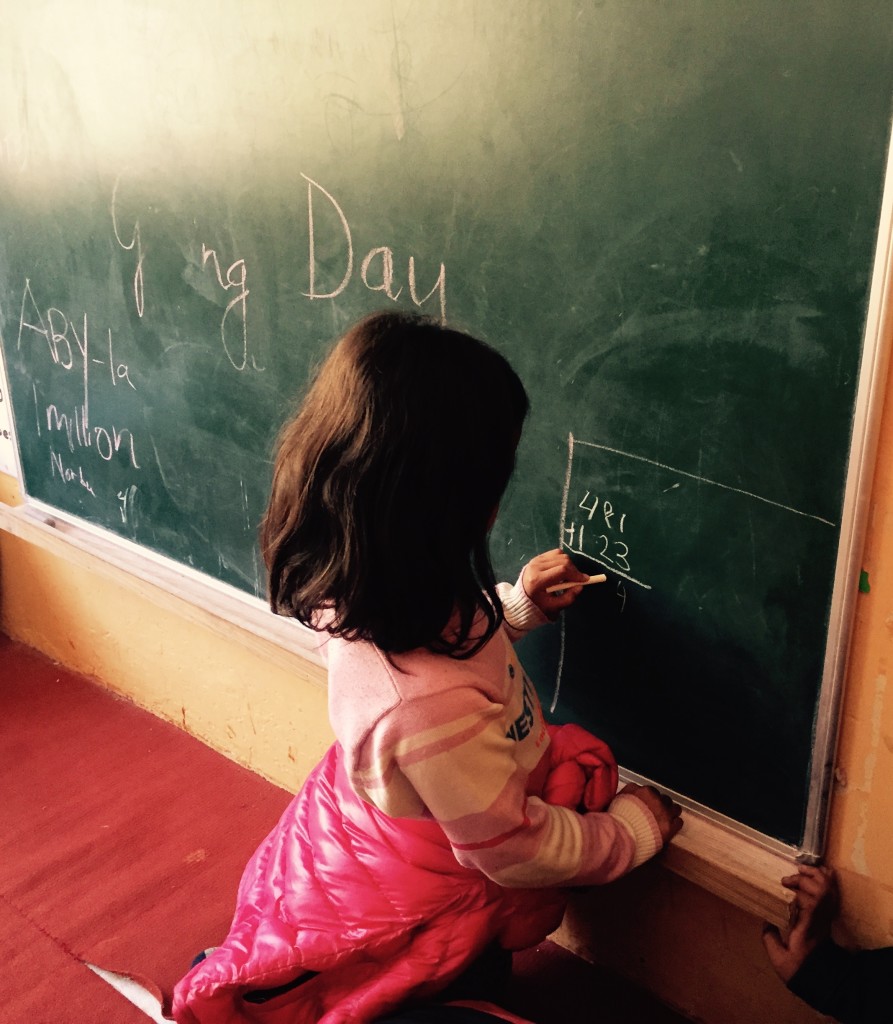
Children in Himalayan communities may face long distances to school, limited educational materials, and few opportunities to explore the arts. These circumstances can make a well-stocked reading room especially valuable. Access to books supports literacy, while music and art open additional ways to process ideas and express feelings.
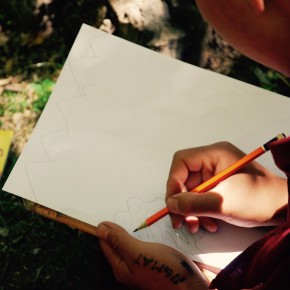
A child who struggles to speak in a group may feel comfortable contributing a rhythm. Another may find that practicing a song improves focus during homework. Someone else may discover an interest in composition, singing, or performance. Creative learning gives children more than a recreational activity; it provides different routes toward participation.
The piano lesson also showed that cultural exchange works best when it respects local identity. The goal was not to replace Himalayan musical traditions with a foreign model. The children were encouraged to connect the new instrument with sounds they already knew: devotional singing, village celebrations, lullabies, and regional melodies. Familiar musical ideas gave the unfamiliar keyboard a place in their world.
A Ripple Through The Community
As the children became more confident, their interest reached beyond the reading room. They spoke about the piano at home and invited siblings to hear new melodies. Parents and community members began to notice that the instrument was helping children spend purposeful time together after school.
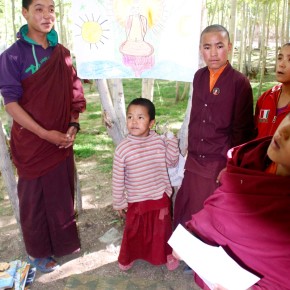
Small performances offered another milestone. A child who once hesitated to touch the keyboard could play a short piece for friends. The audience did not expect polished concert standards. Applause celebrated effort, memory, and courage. These gatherings helped families see how educational programs can nurture abilities that are difficult to measure through ordinary classroom work.
The effect of one lesson therefore extended in several directions. It gave children a shared activity, encouraged regular attendance at the learning space, and helped the community value artistic development. The piano became part of a broader network of books, lessons, volunteers, and local relationships.
Keeping The Music Alive
A single session can spark enthusiasm, but continued access allows that enthusiasm to grow. Instruments need care, learning materials need renewal, and children benefit from patient guidance over time. Volunteers with musical experience can support beginner lessons, while local educators can help adapt activities to the children’s age and interests.
Simple resources can make a lasting difference. Printed song sheets, beginner exercise books, headphones, rhythm instruments, and protective equipment all help create a dependable music program. A regular schedule is equally important because children learn best when they know when the room will be open and when they can practice.
Supporters can contribute in practical ways:
- Sponsor musical instruments and maintenance for community learning rooms.
- Donate beginner-friendly music books, song sheets, and creative learning materials.
- Volunteer time for piano, singing, rhythm, or arts sessions.
- Support reading room programs that combine literacy with music and storytelling.
- Share the work of Avalokiteśvara Trust with people who value education in Himalayan communities.
The most meaningful measure of success may be the child who returns to the keys without being asked. That child is practicing concentration, taking ownership of learning, and discovering that a quiet room can hold an entire world of sound.
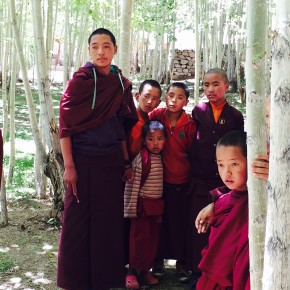
A piano lesson lasts only a short time, yet its influence can continue through daily practice, shared melodies, and the confidence to try something new. In the Himalayan village where this story began, music became more than an unfamiliar activity. It became a source of connection and a reminder that access to creative learning can shape a child’s future.
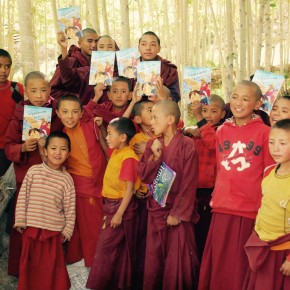
Your support can help Avalokiteśvara Trust place books, instruments, artistic materials, and caring guidance within reach of more children and young monks. Donate, volunteer, or help share these initiatives so that another small learning room can fill with the sound of discovery.