How a Single Desktop Computer Opened a Window to the World
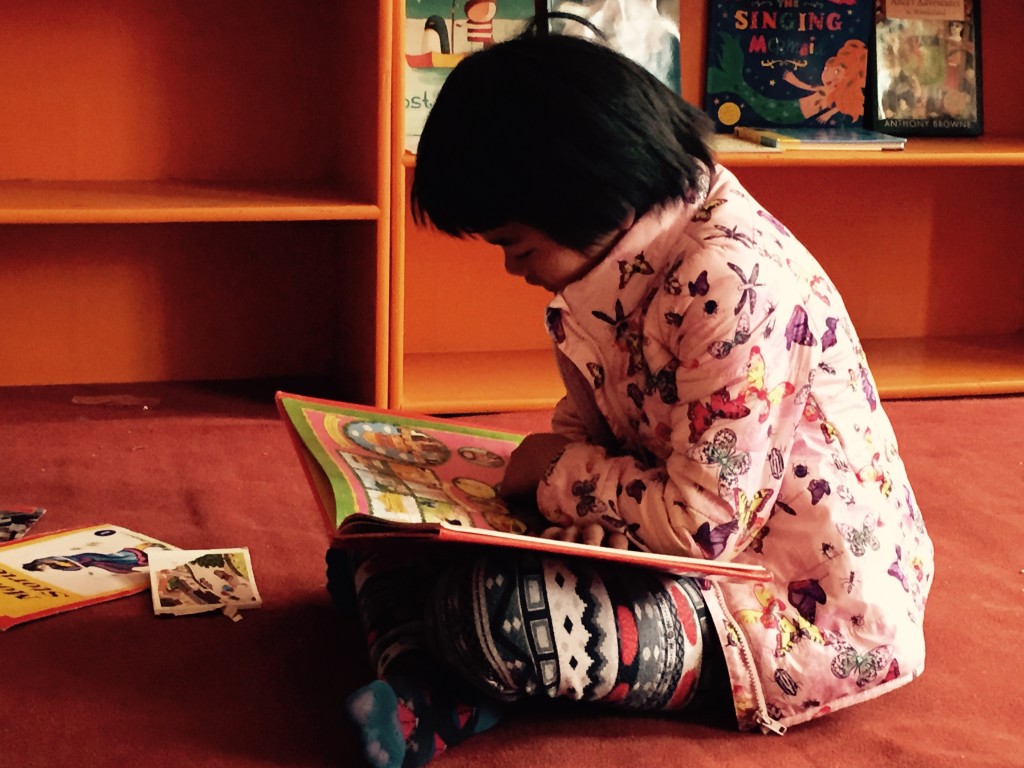
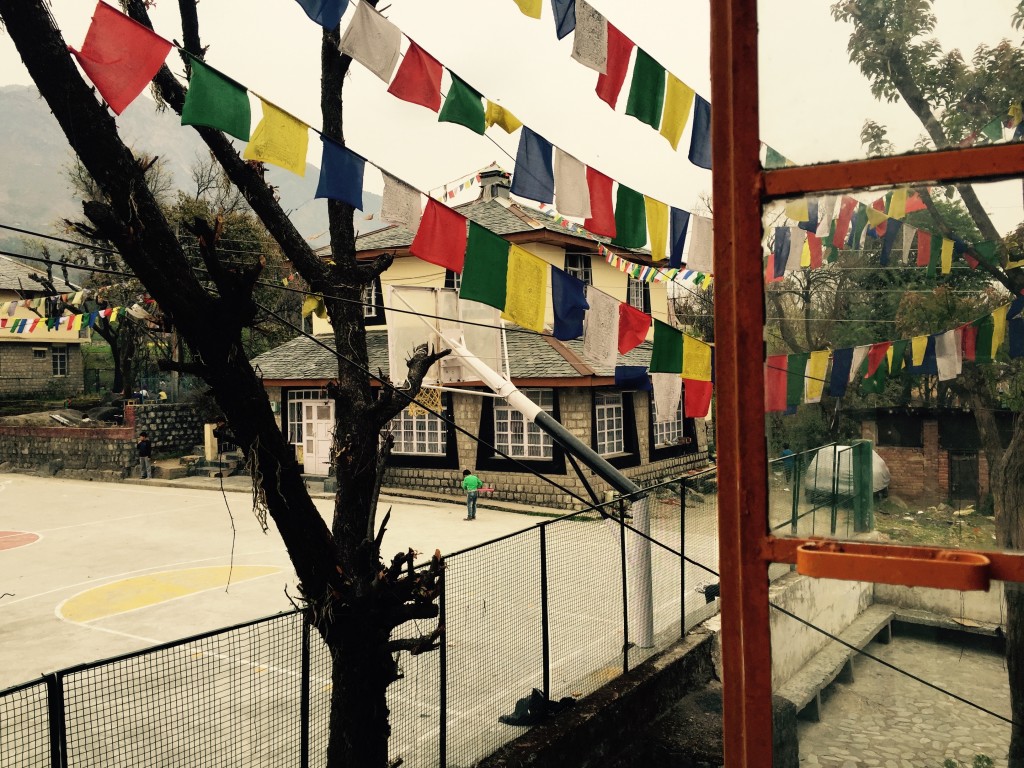
In a Himalayan village, one desktop computer can become far more than a piece of equipment. Set up in a reading room, it offers children a practical way to explore maps, hear unfamiliar languages, discover new stories and connect their local experience with the wider world.
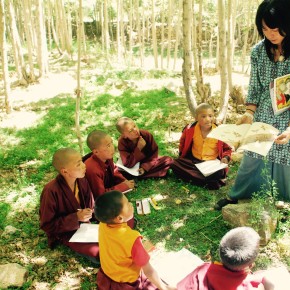
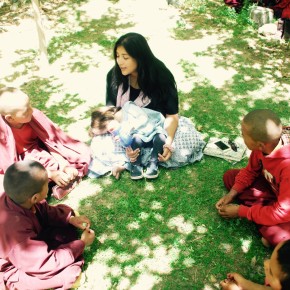
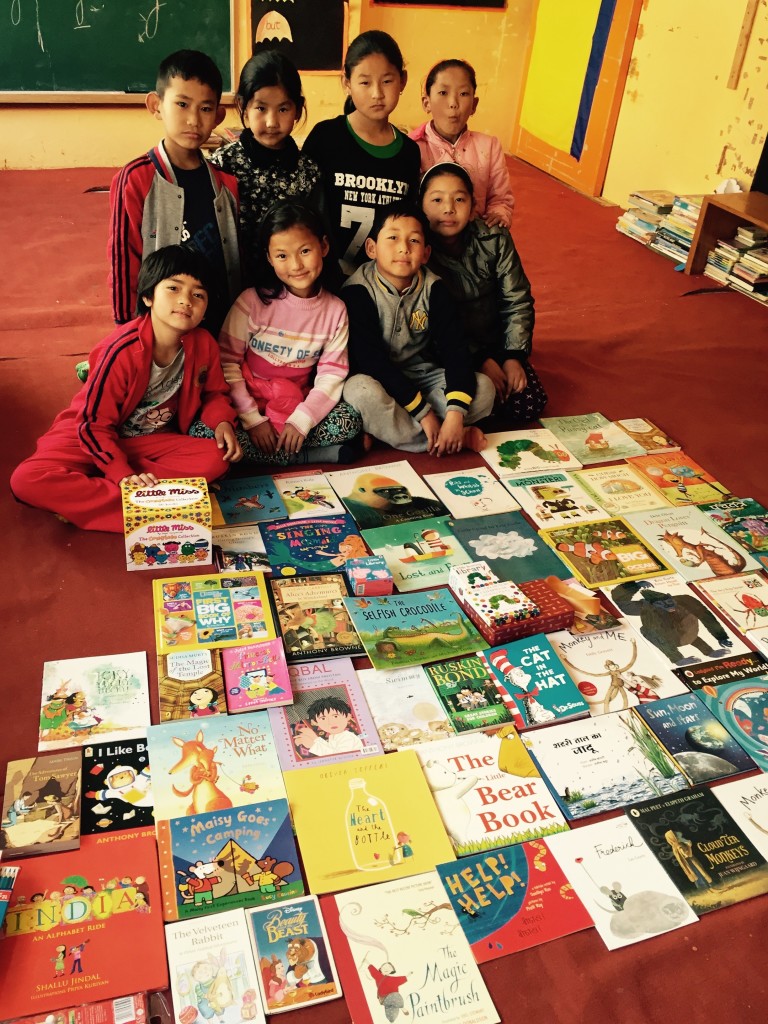
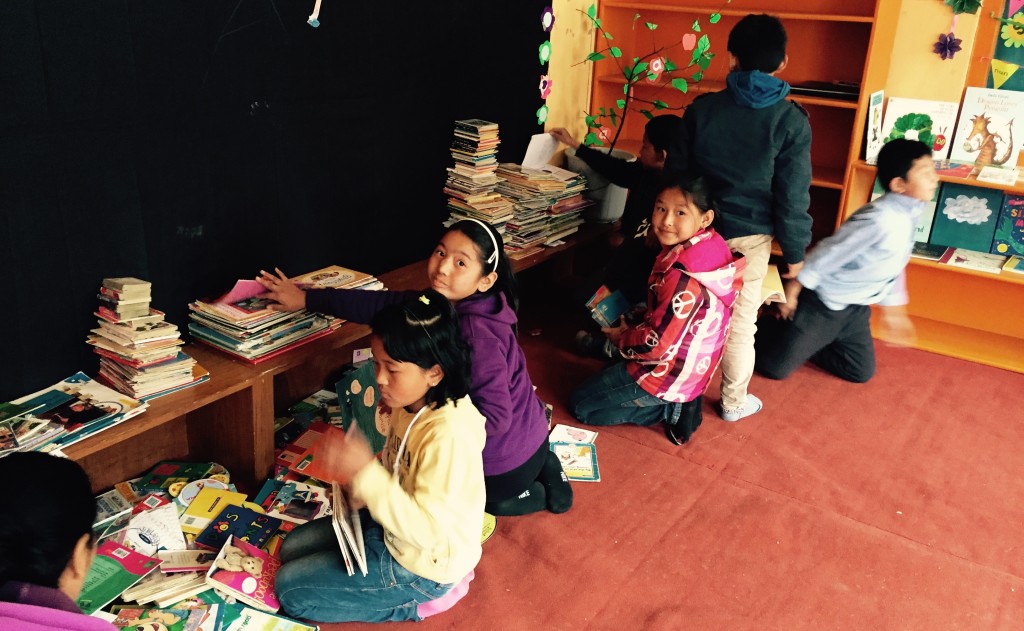
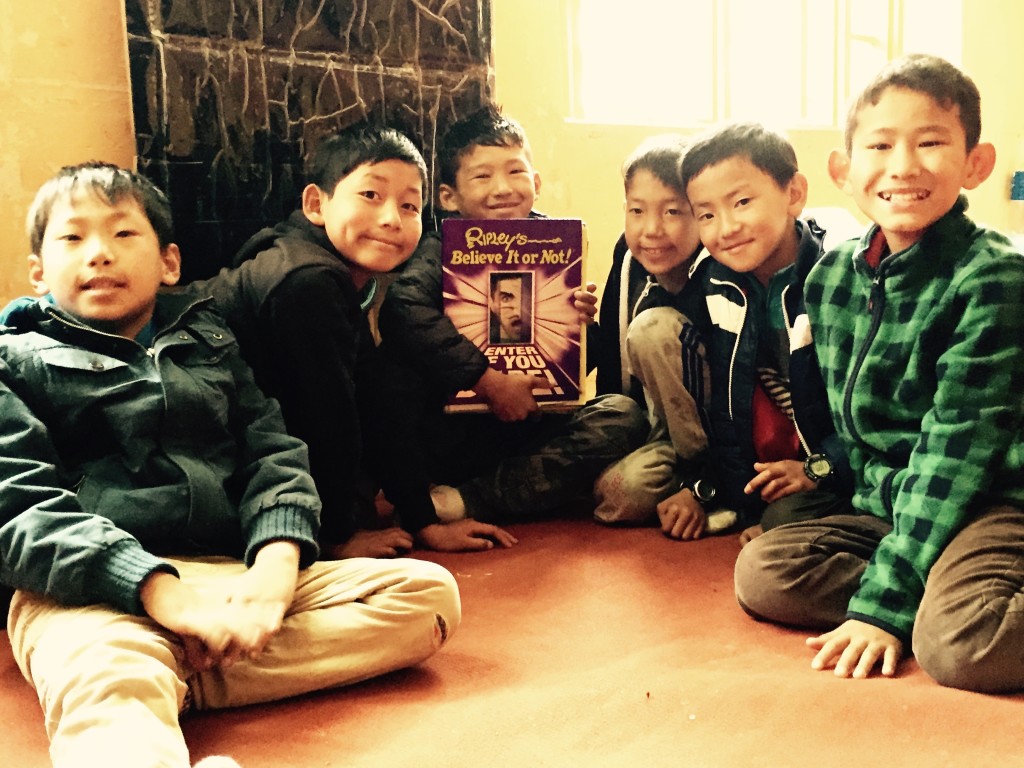
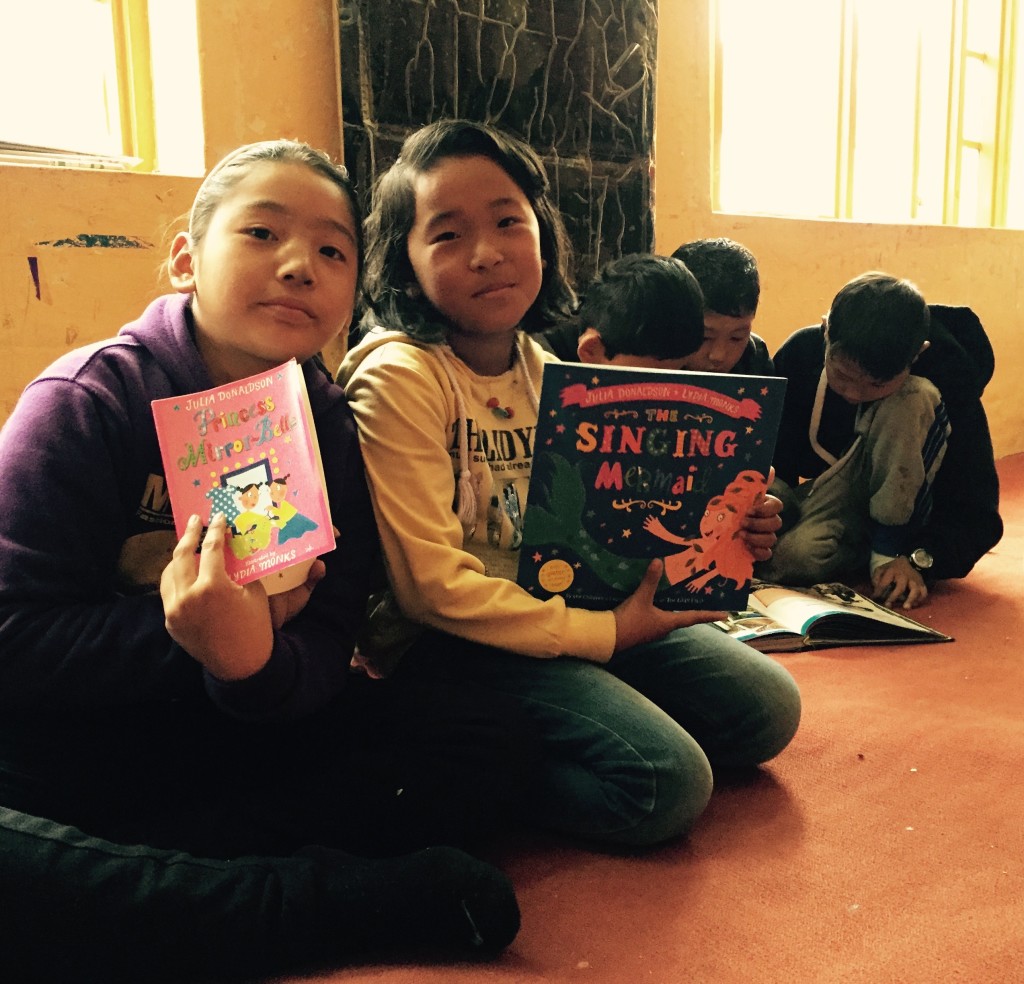
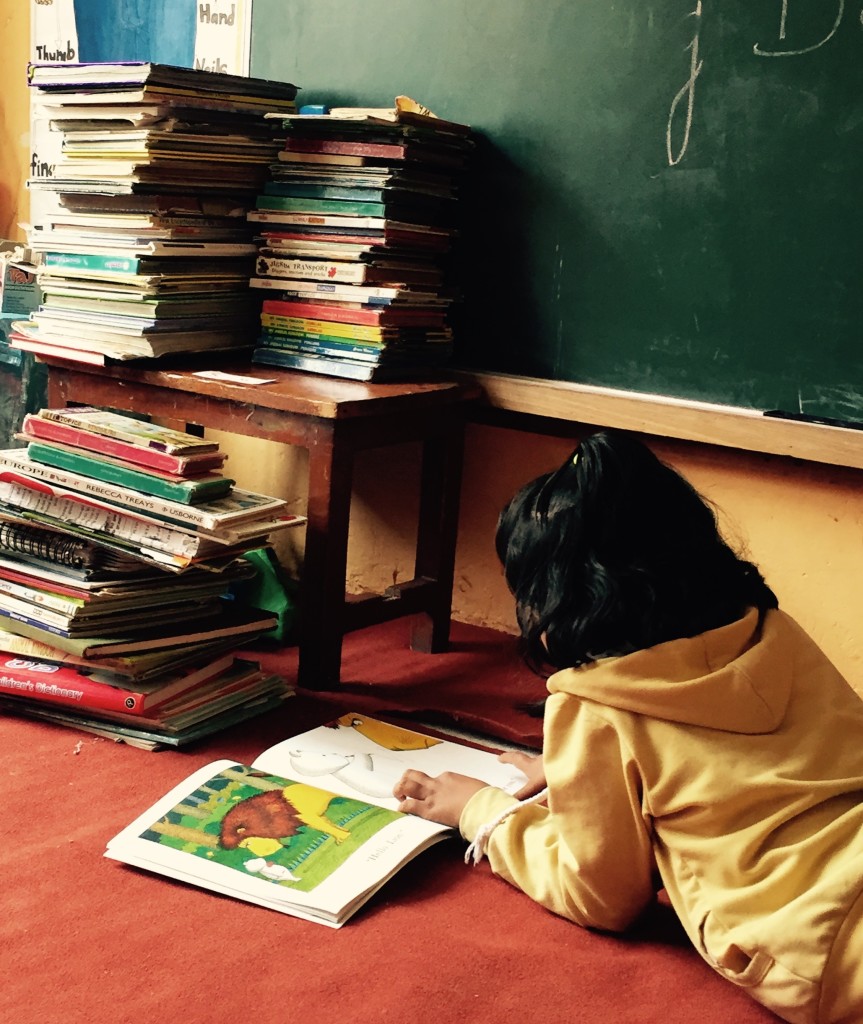
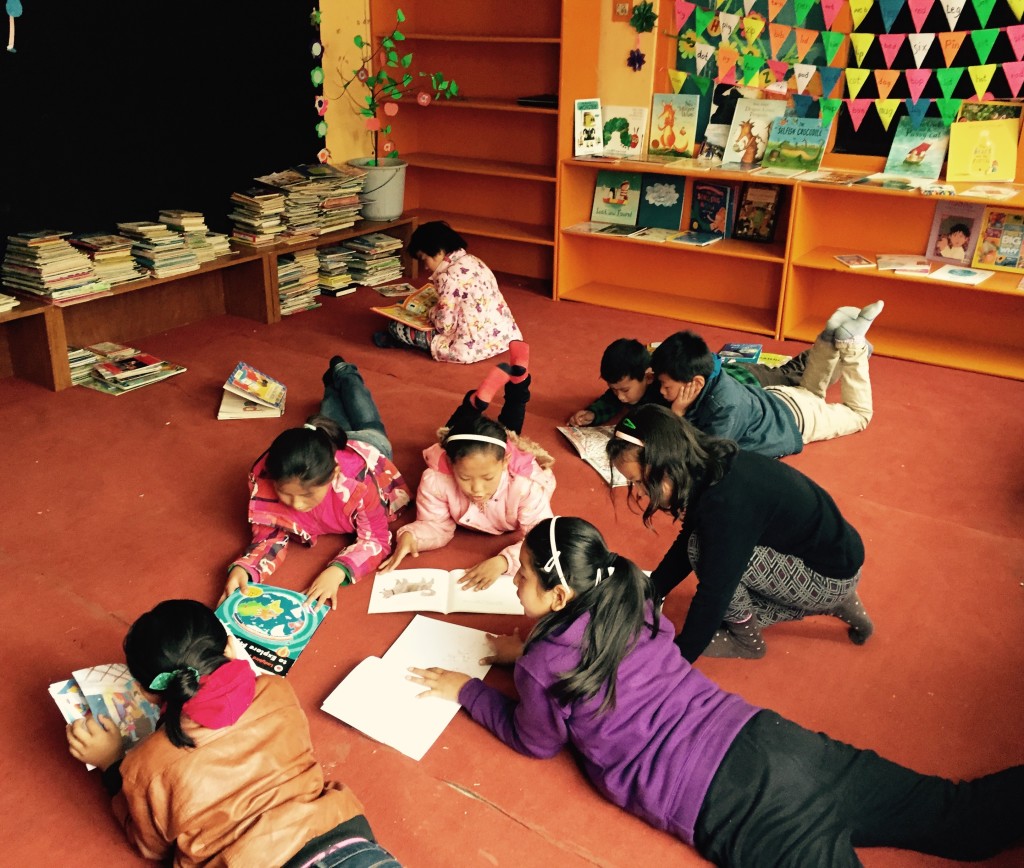
For children in Ladakh and nearby communities, access to books and reliable digital resources may be limited by distance, cost and irregular connectivity. A shared computer gives a whole group an opportunity to learn, create and ask questions together, especially when it is supported by patient guidance and a room filled with books.
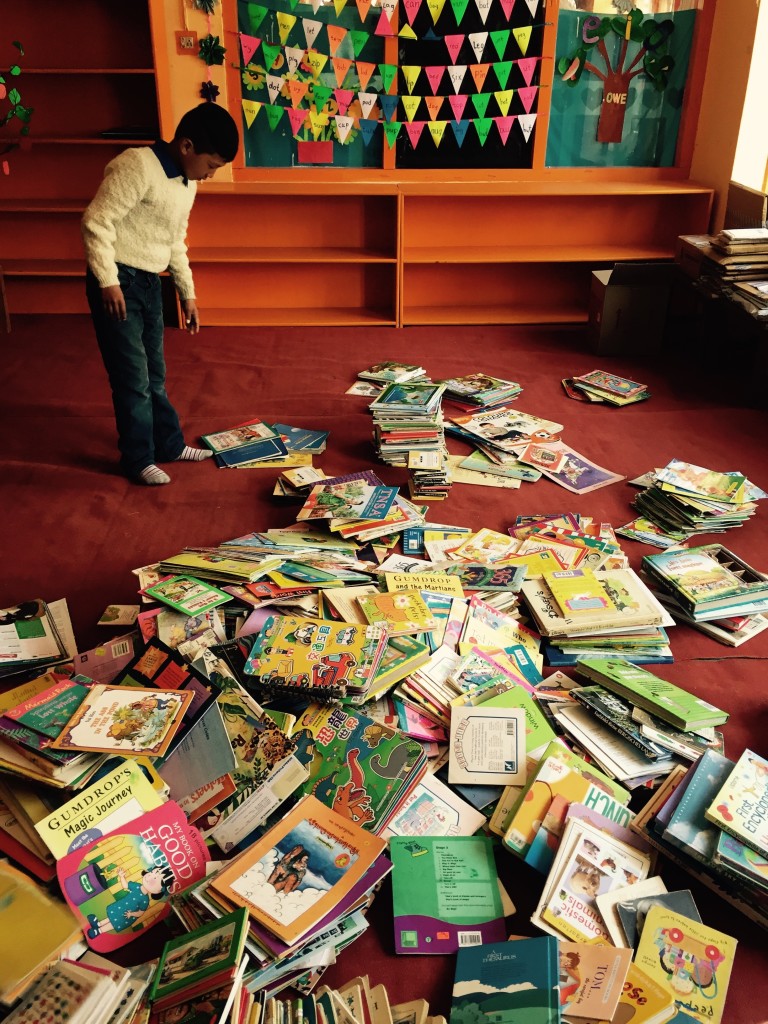
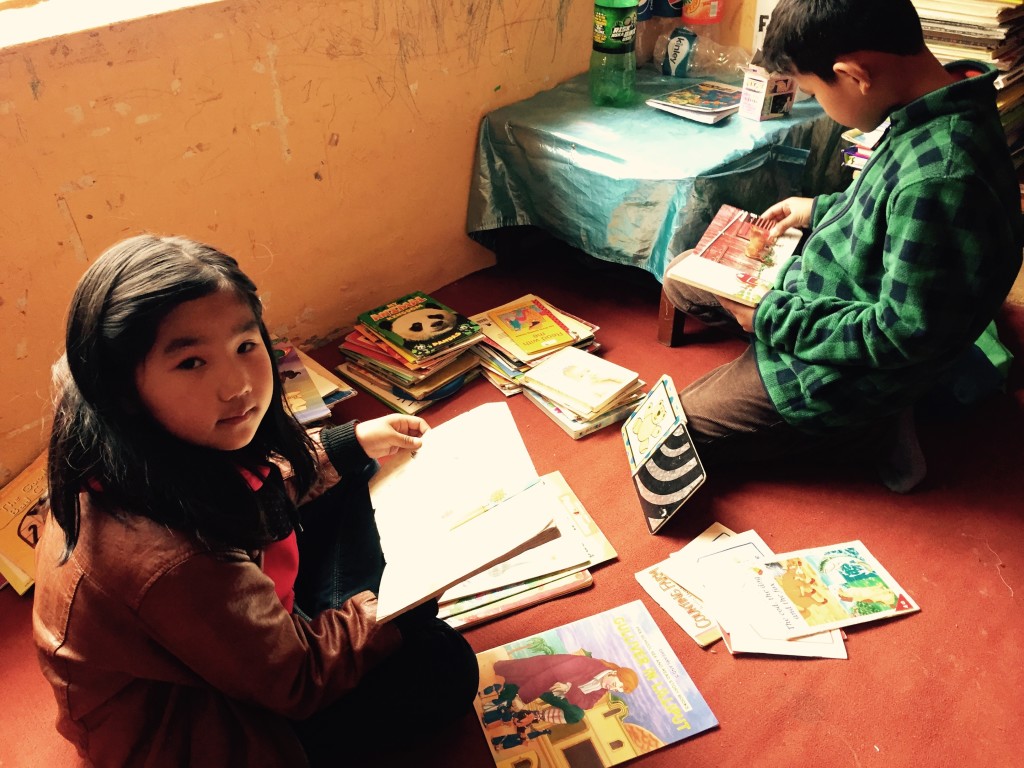
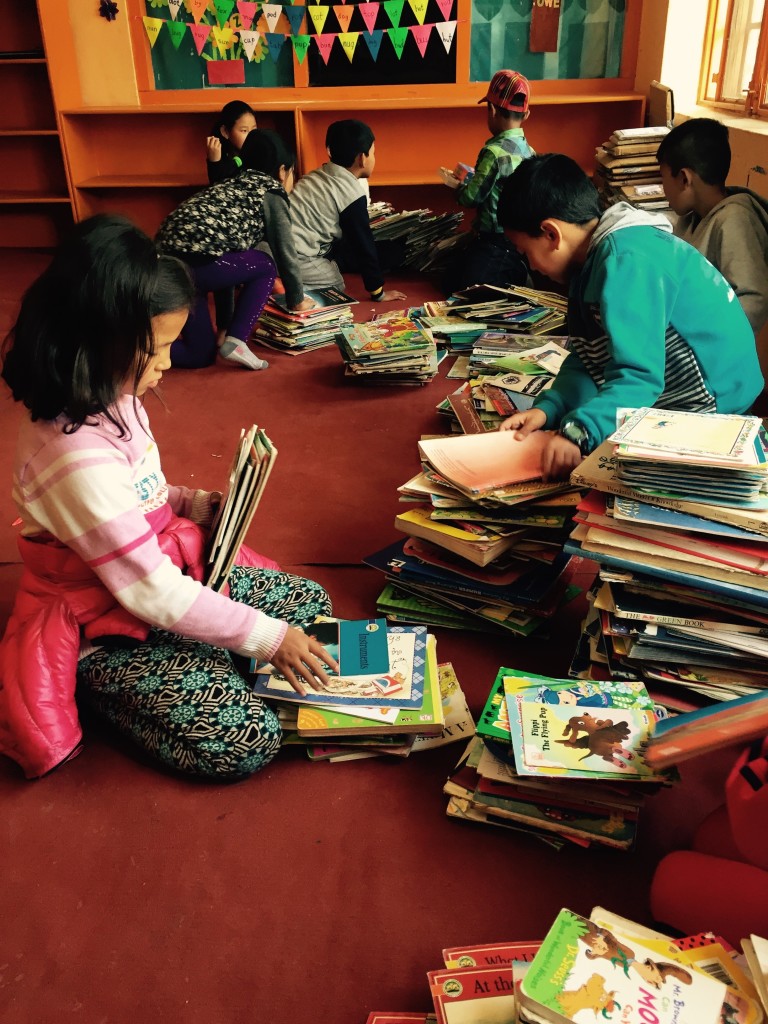
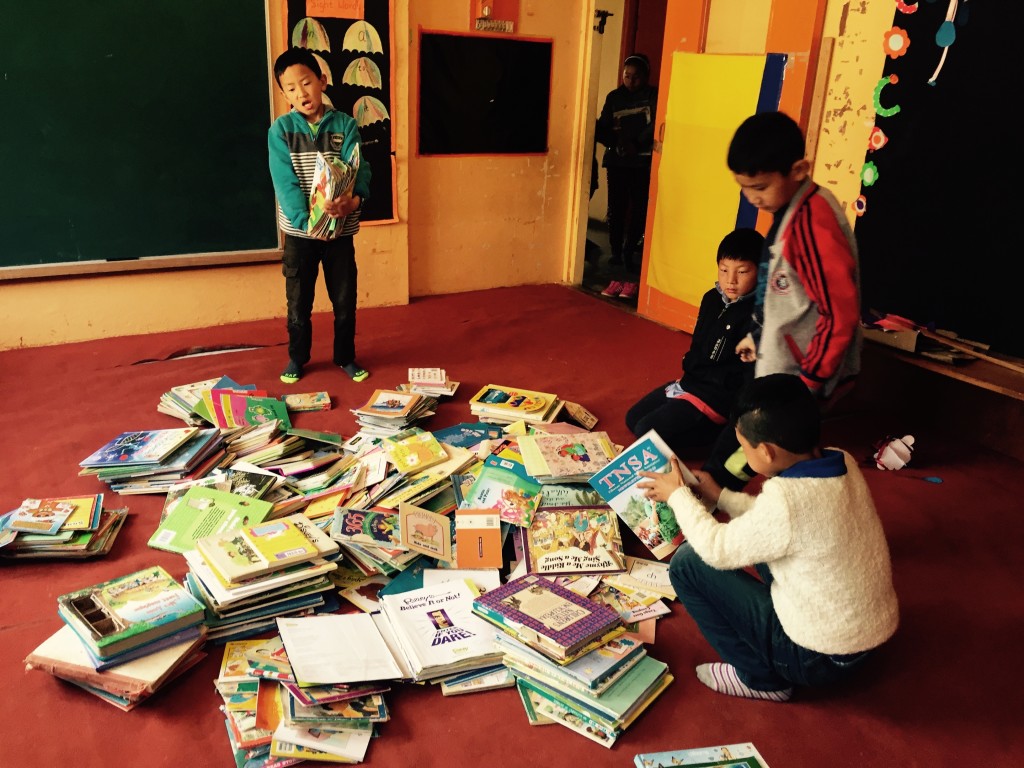
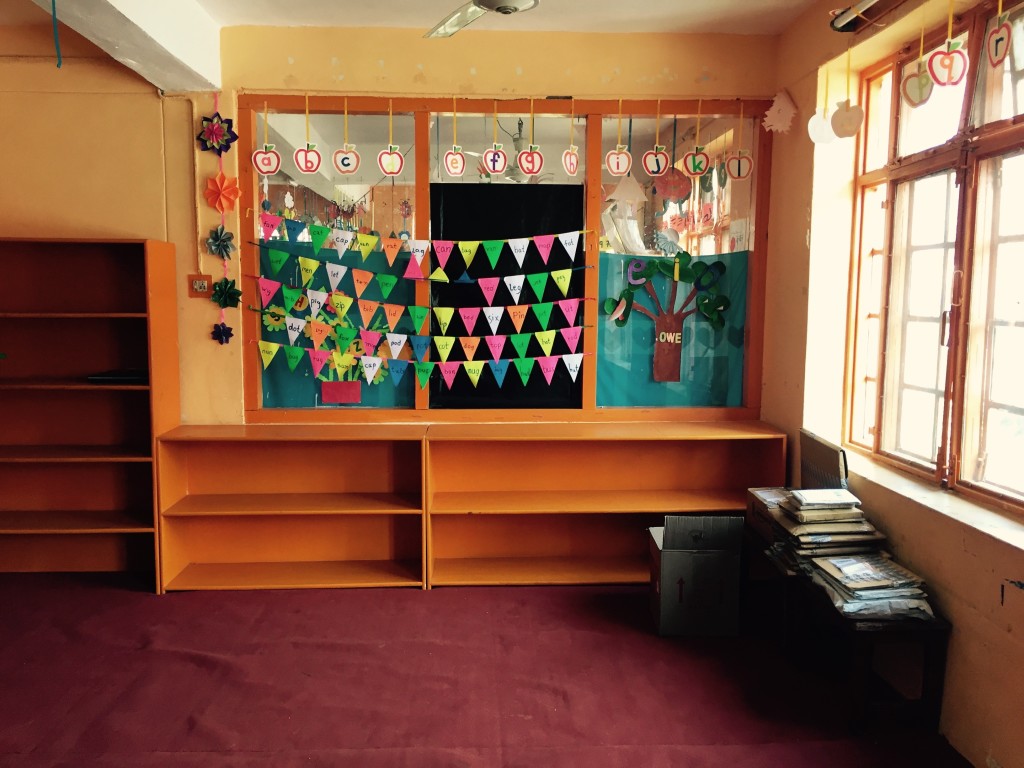
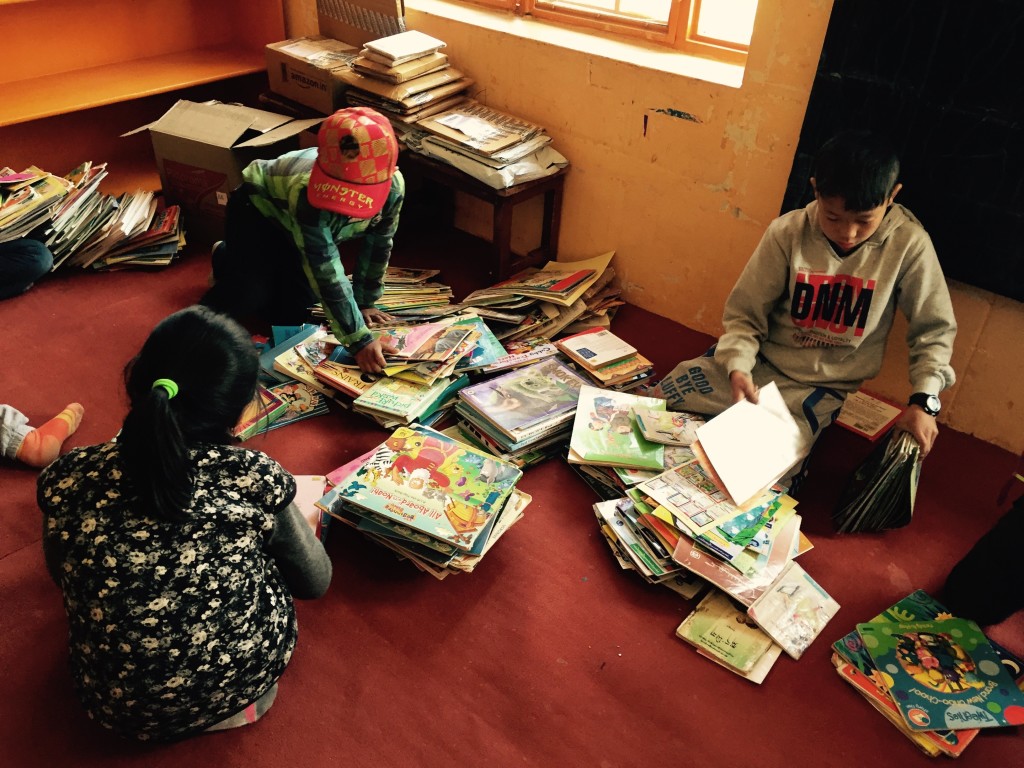
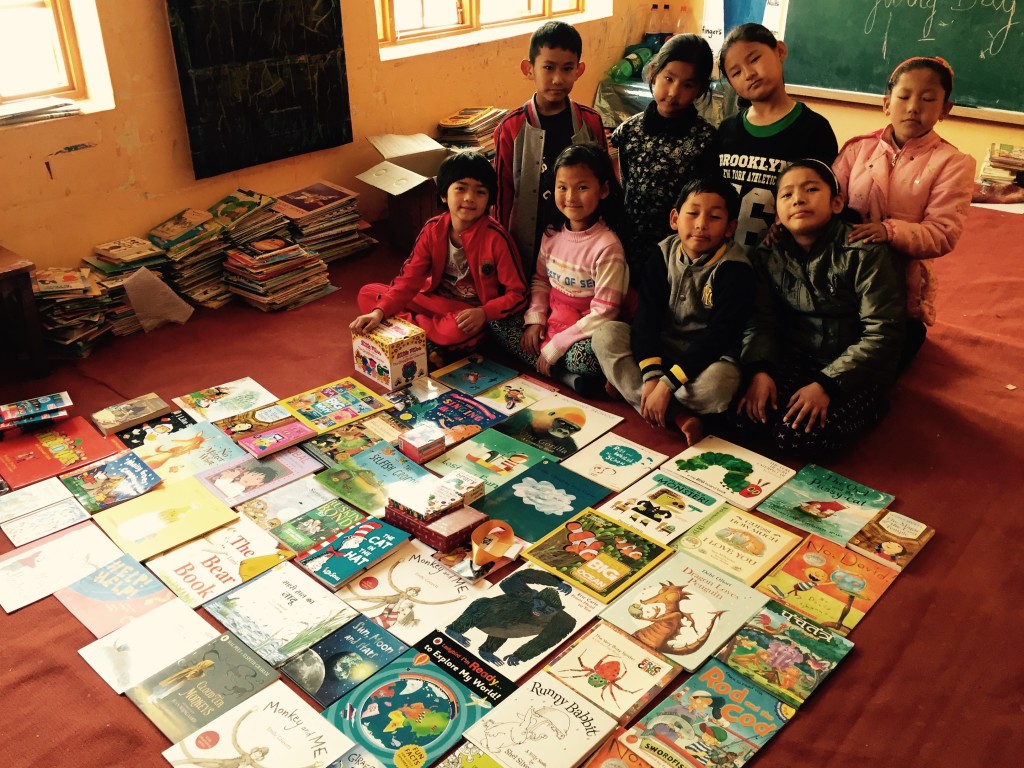
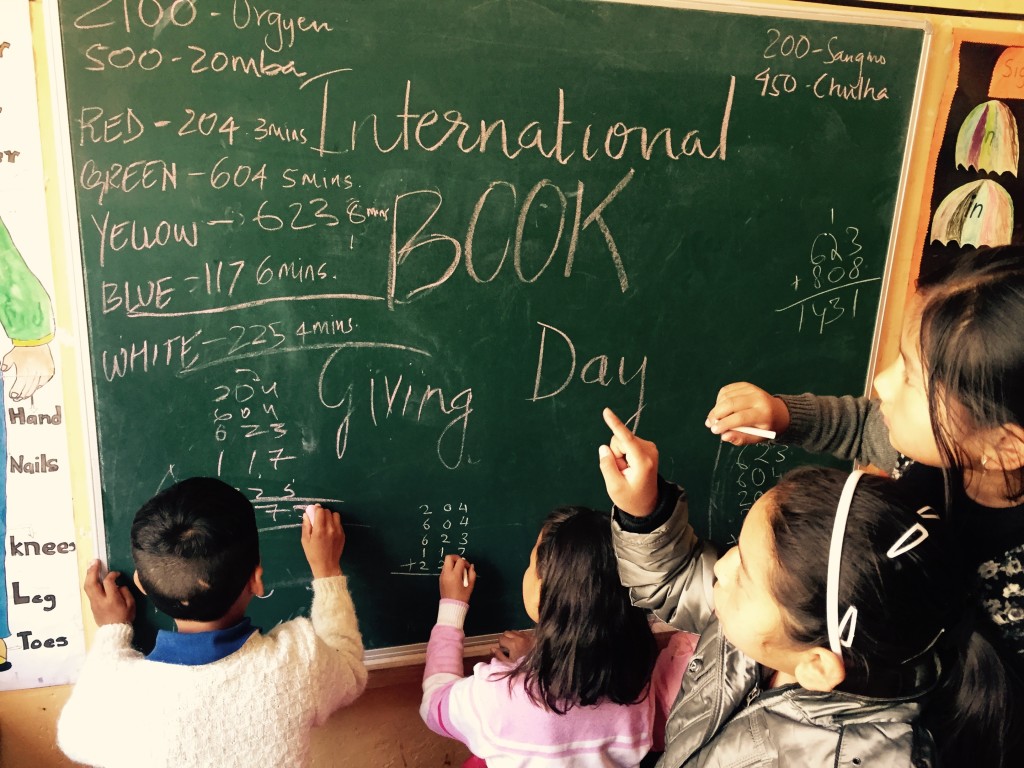
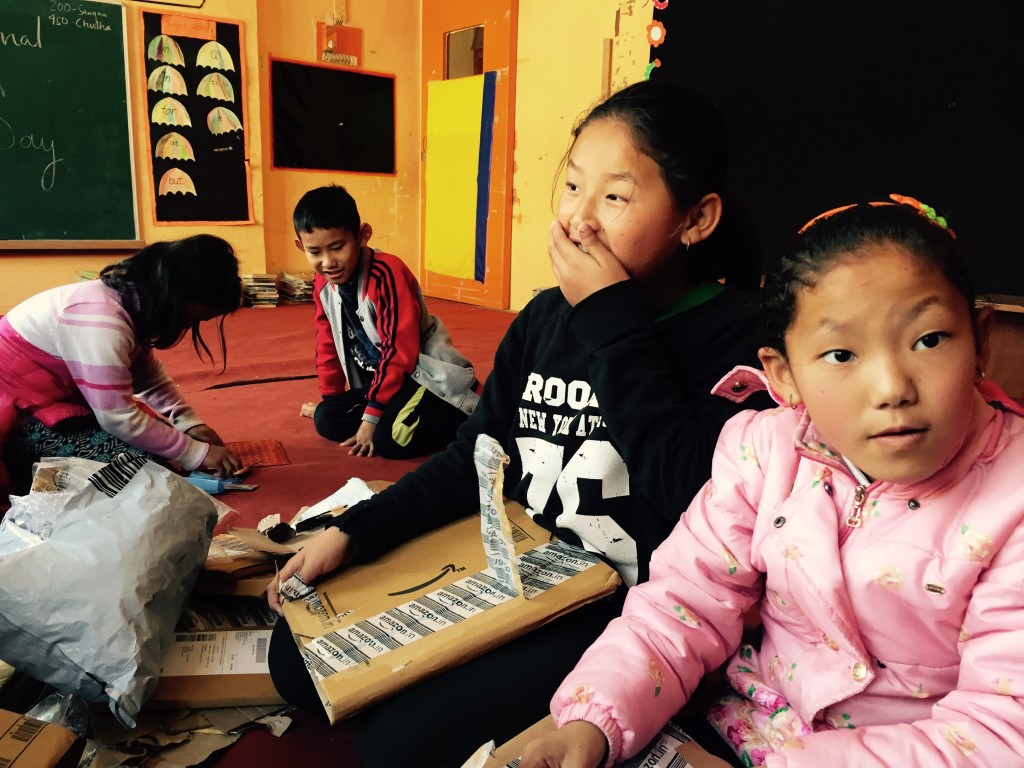
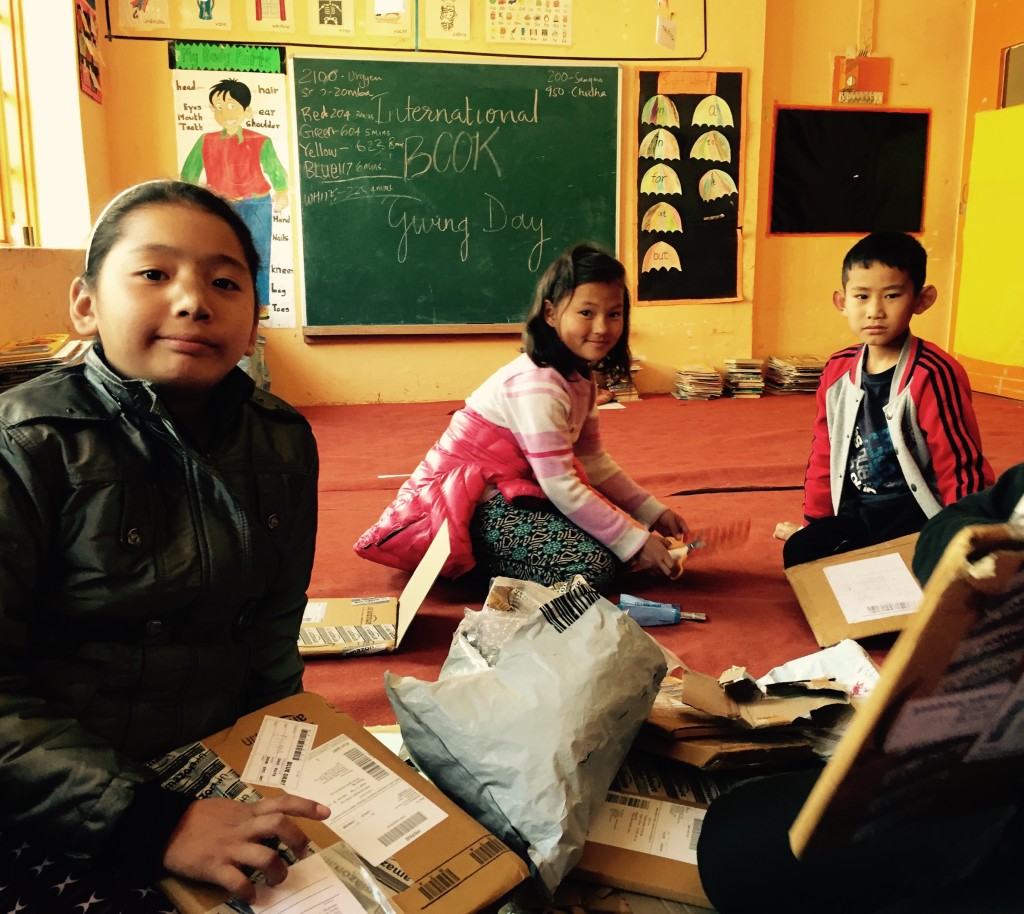
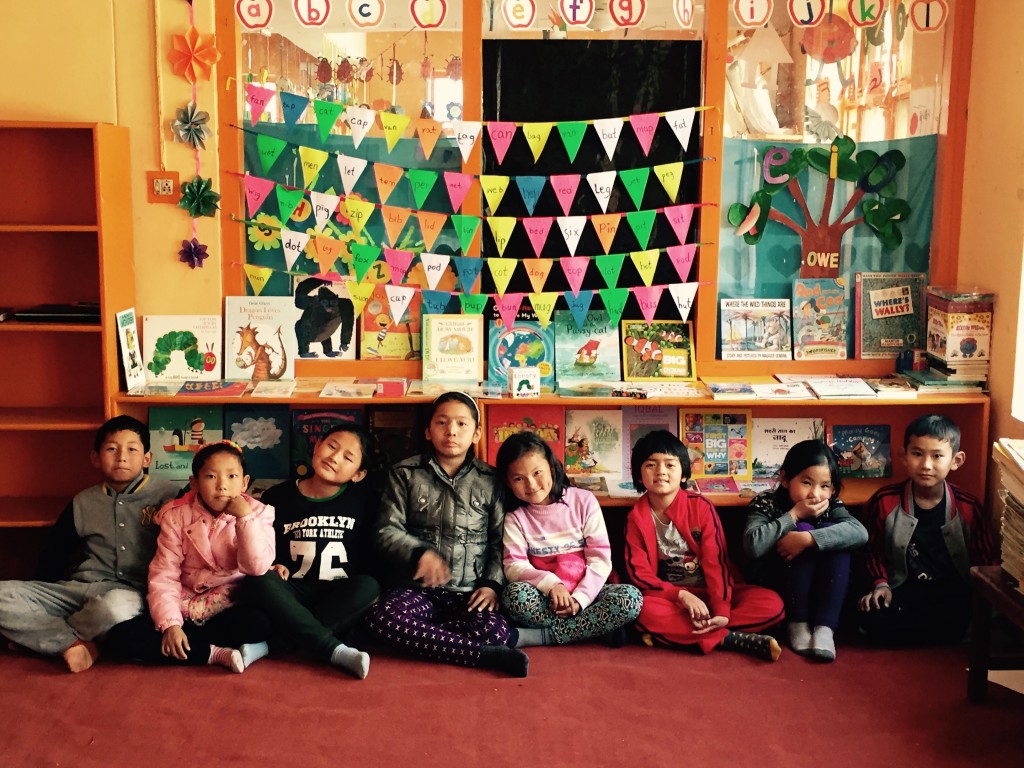
This is the kind of small, carefully planned change supported by Avalokiteśvara Trust. Its reading rooms, book drives and creative activities place technology within a wider educational setting, where reading, music, art and curiosity can grow side by side.
| Area of learning |
Before the computer |
With shared computer access |
| Research |
A small local collection and remembered information |
Digital encyclopaedias, maps and carefully selected websites |
| Communication |
Few opportunities to contact people elsewhere |
Email, supervised video calls and shared projects |
| Creativity |
Paper, pencils and locally available materials |
Digital drawing, typing, audio recording and photo projects |
| Confidence |
Hesitation with unfamiliar technology |
Gradual skills developed through regular practice |
| Community value |
One room used mainly for reading |
A learning hub for children, teachers and young monks |
A small machine with a wide reach
The first effect of a desktop computer is often practical. A child can type a name, search for an animal, locate a distant country on a map or listen to a pronunciation. These simple actions turn an abstract lesson into an experience that feels immediate and personal.
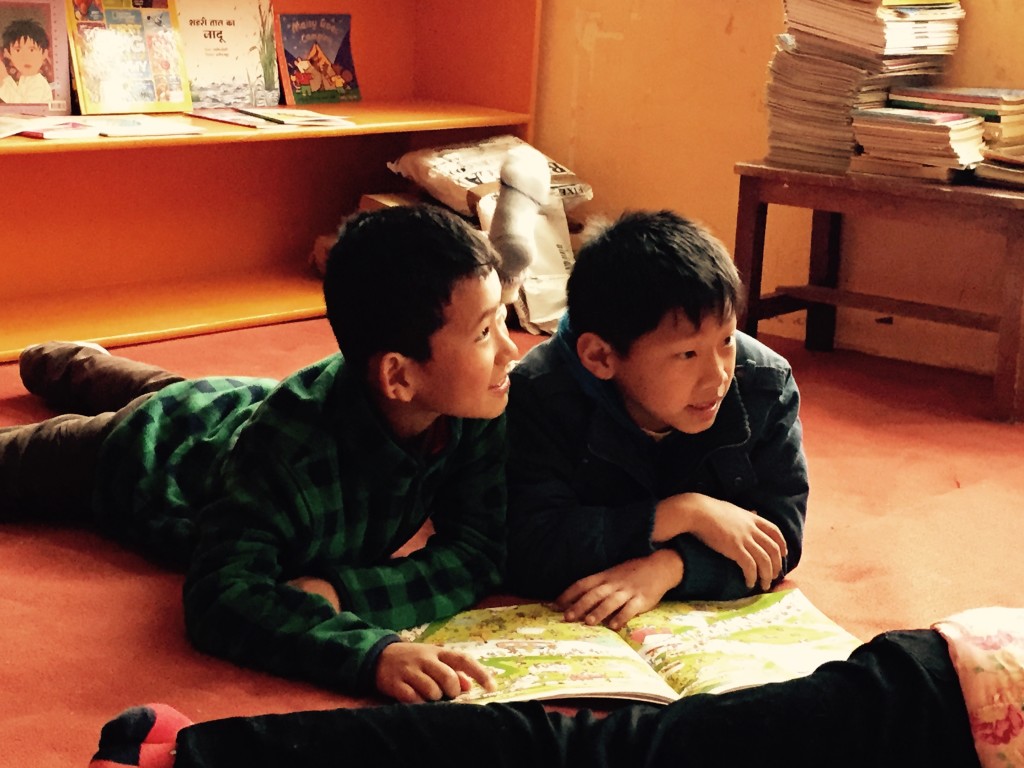
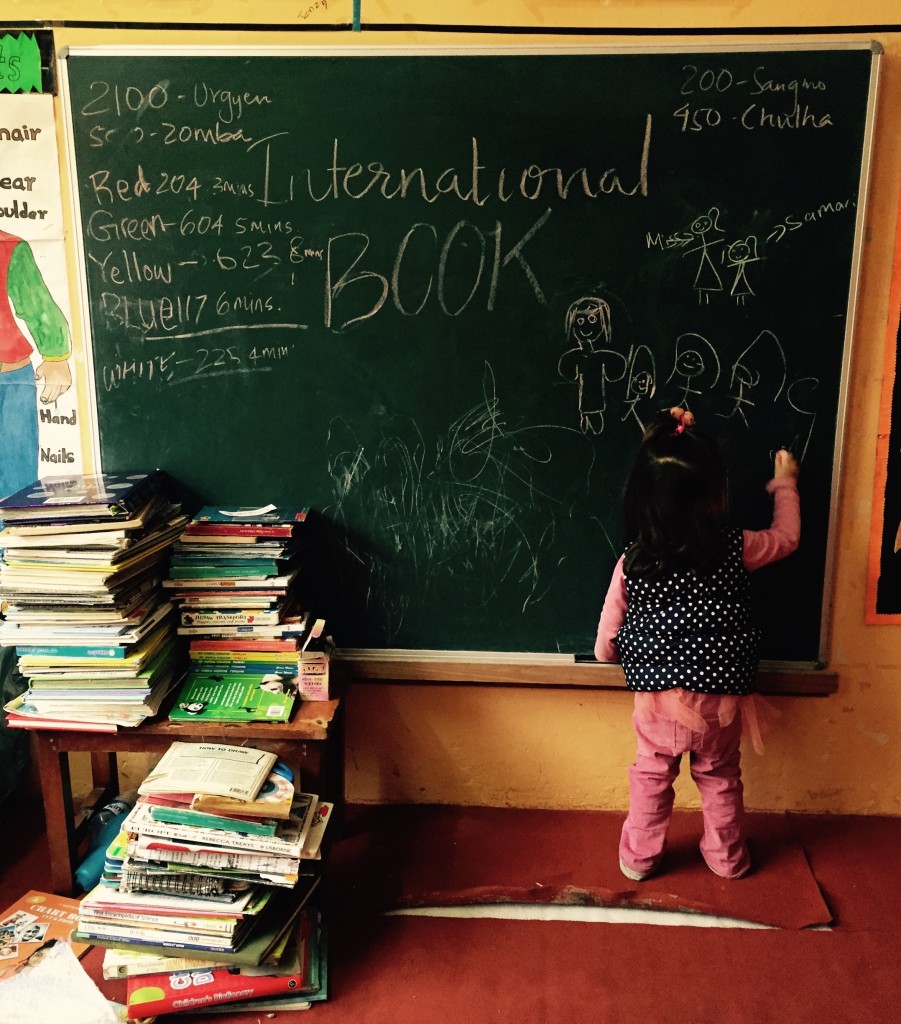
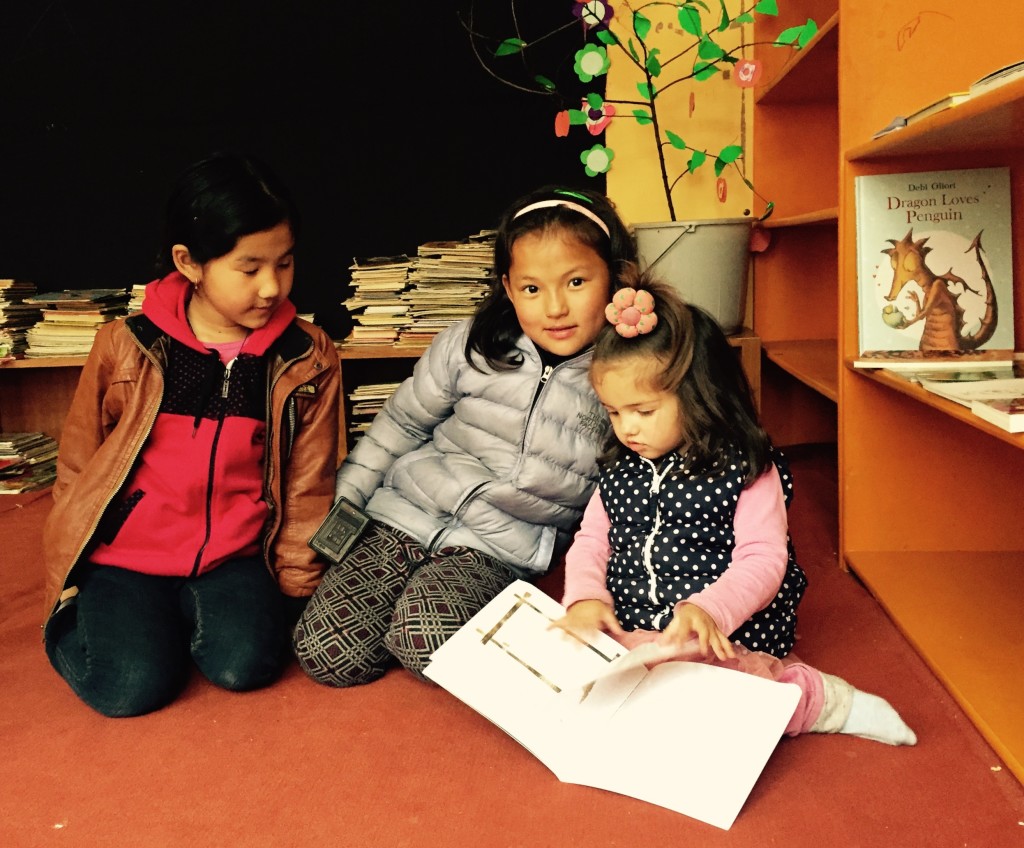
A computer in a shared learning room also encourages collaboration. One child may control the mouse while another reads instructions and a third records new vocabulary in a notebook. Older students can help younger children, building leadership and patience as they learn.
This matters in mountain communities where educational resources may arrive slowly. A single workstation does not replace teachers or books; it extends what they can offer. A story about oceans can lead to a map, a map can lead to climate research, and climate research can lead back to the changing landscapes children see outside their own homes.
Learning beyond the village
Digital access can broaden a child’s sense of place without diminishing local identity. Children may compare the architecture of a Ladakhi home with houses in Sydney, examine photographs of Australian deserts or discover how other mountain communities protect water supplies. These connections make geography and environmental studies tangible.
Australian supporters may recognise the value of this approach through their own public library culture. Families in Melbourne, Brisbane or Perth often use libraries for internet access, homework, children’s story sessions and free community events. In a remote Himalayan village, a modest reading room can perform a similar role, even when the equipment and internet connection are much more limited.
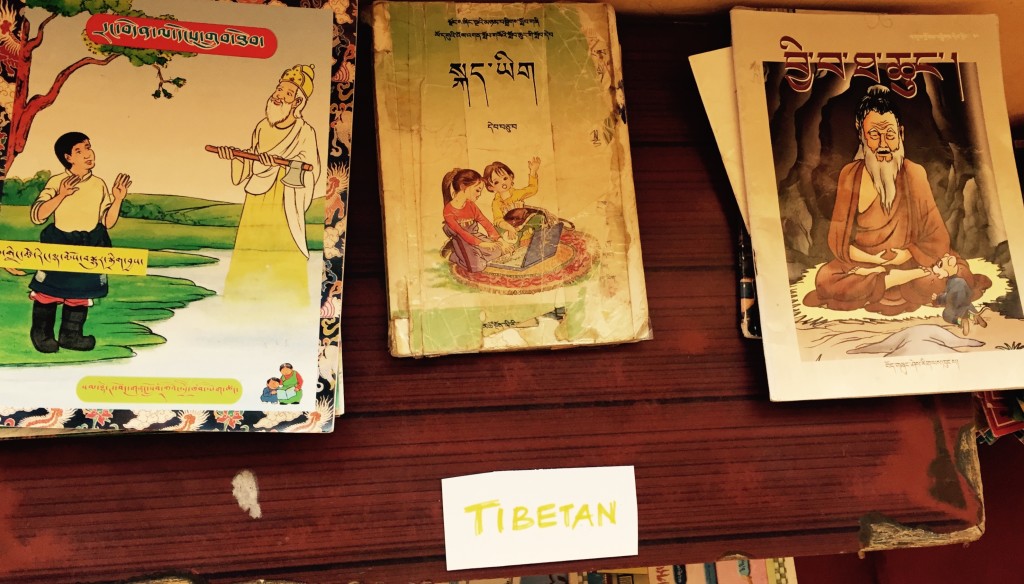
The computer can also support cultural learning. Children might type local folktales, scan drawings, record songs or create a bilingual glossary of familiar words. Such activities give technology a local purpose rather than presenting the outside world as the only source of knowledge.
Useful activities around a shared computer include:
- Creating illustrated stories about village life
- Practising English, Hindi or other languages through audio resources
- Using digital maps to study rivers, roads and mountain passes
- Recording songs, poems and oral histories with permission
- Preparing simple presentations for family or community events
A reading room becomes a meeting place
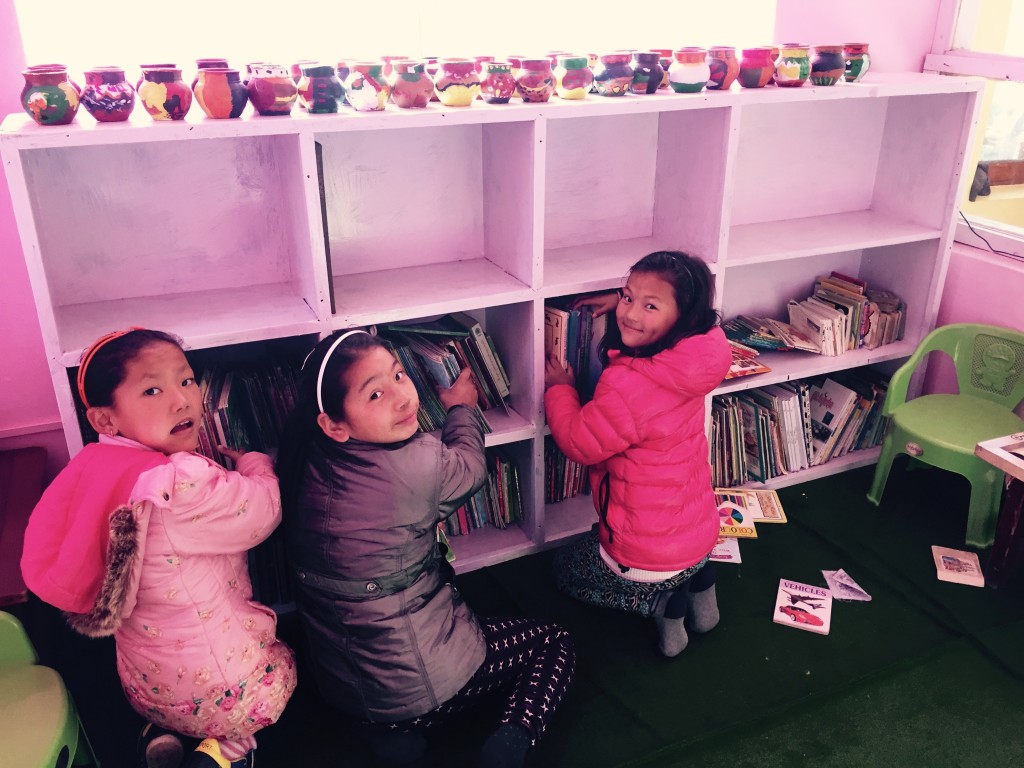
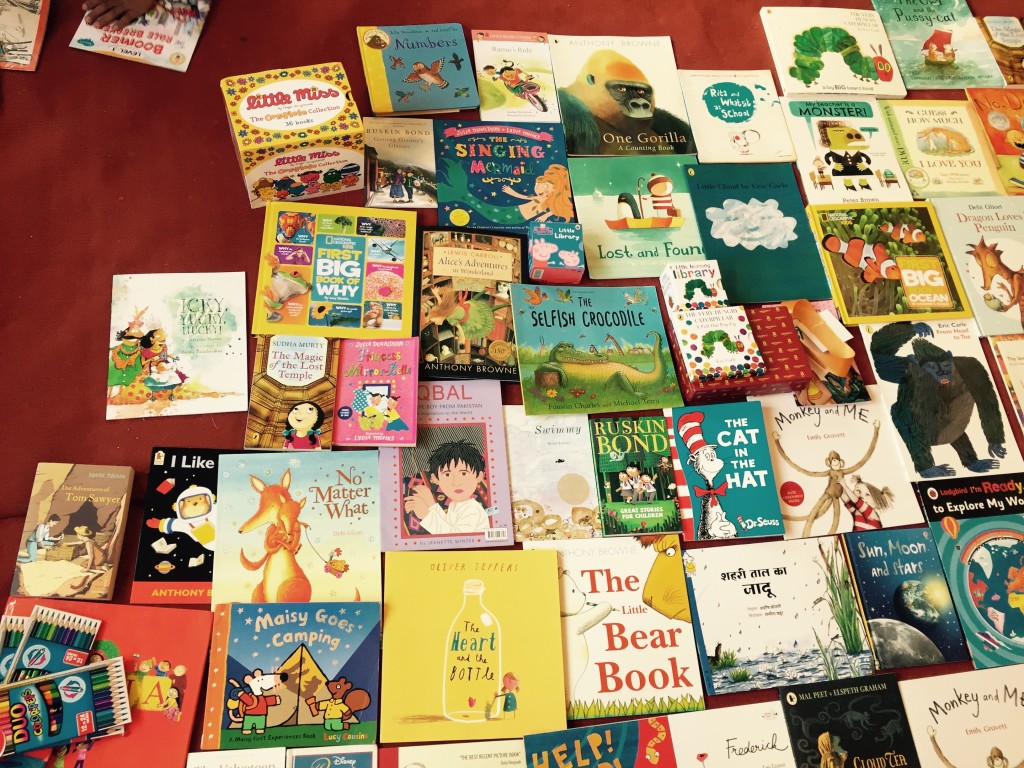
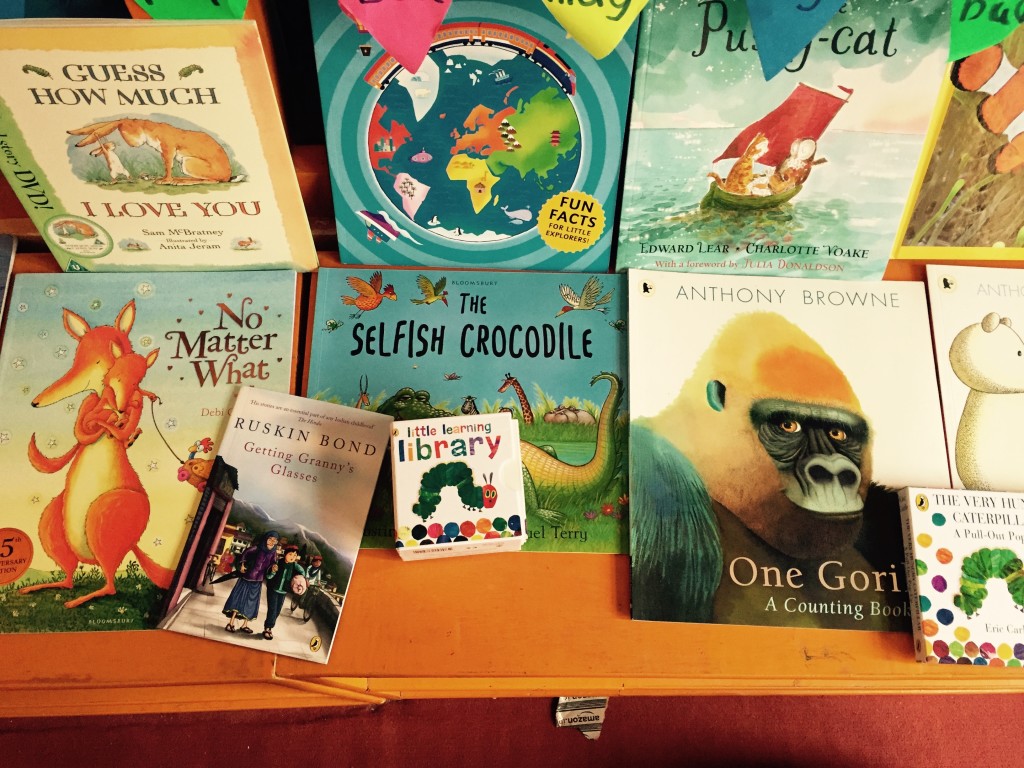
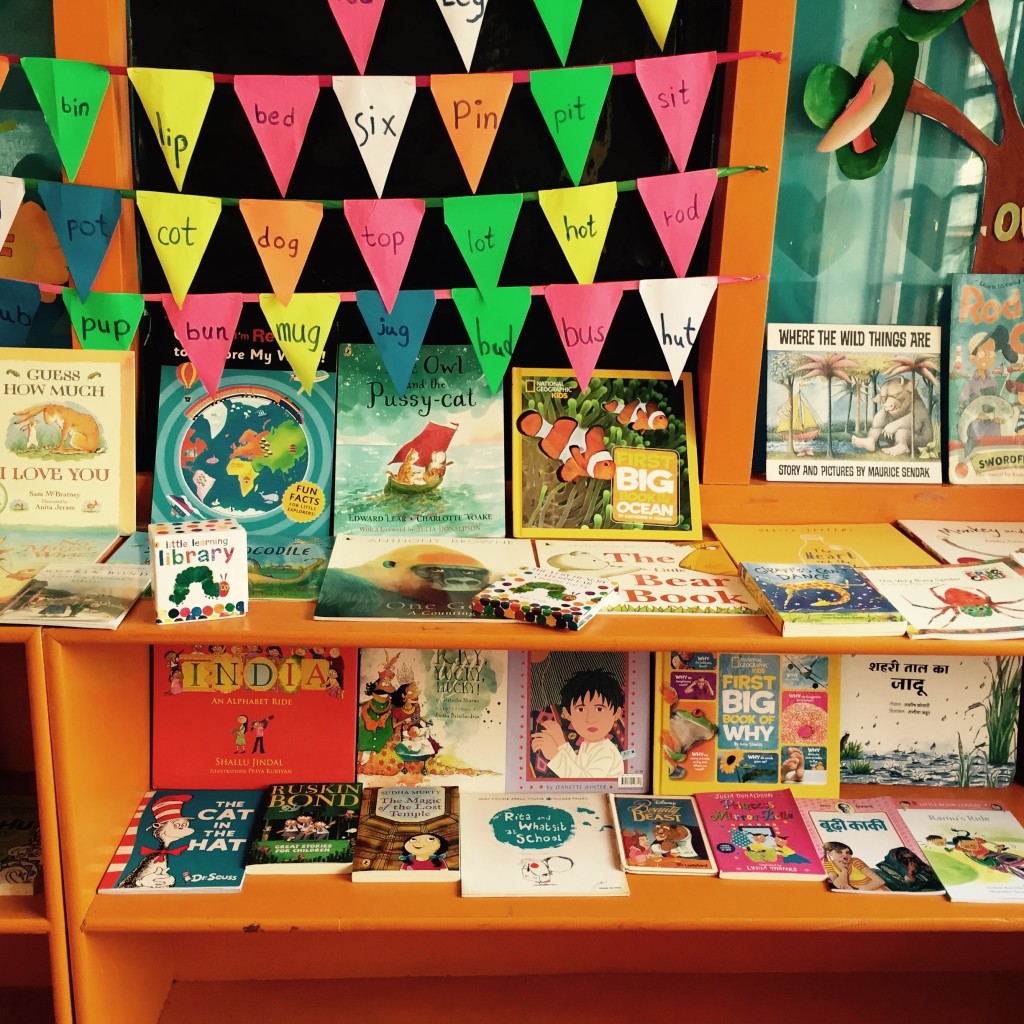
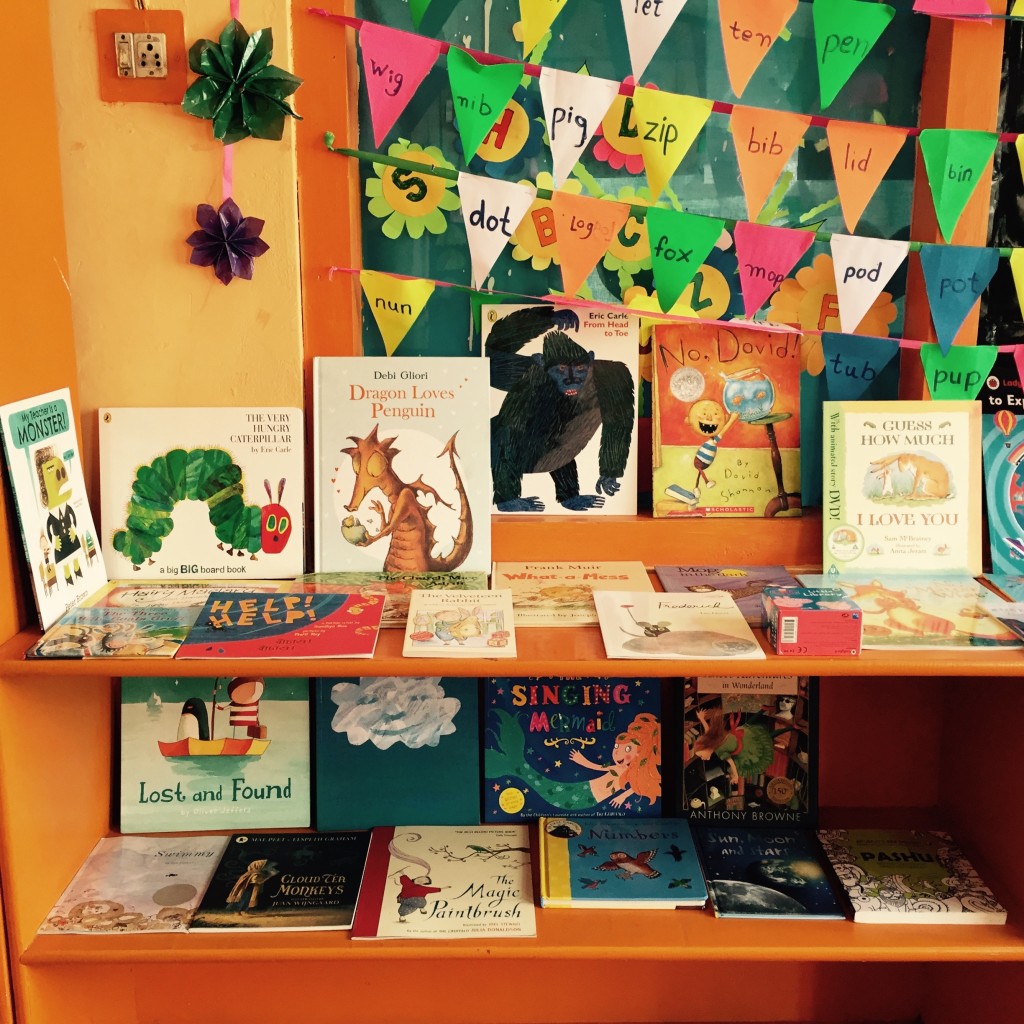
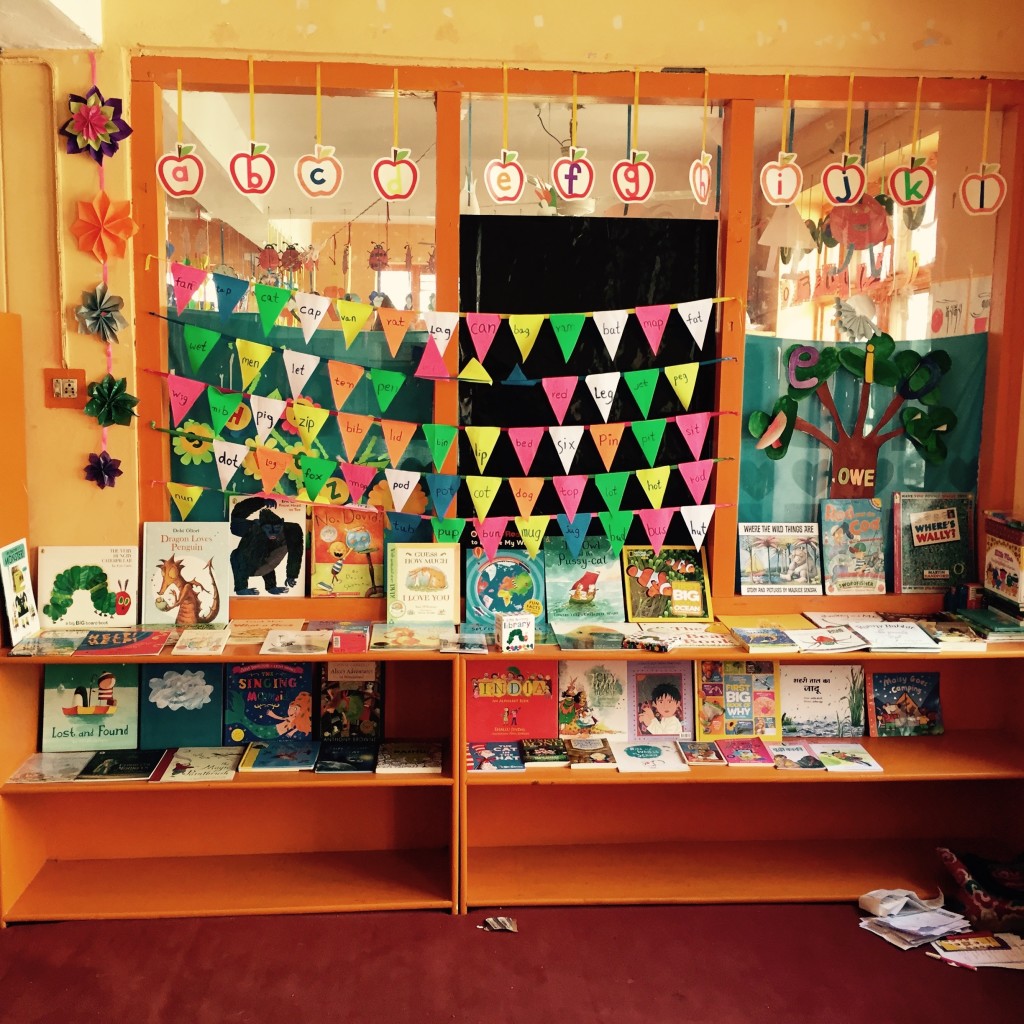
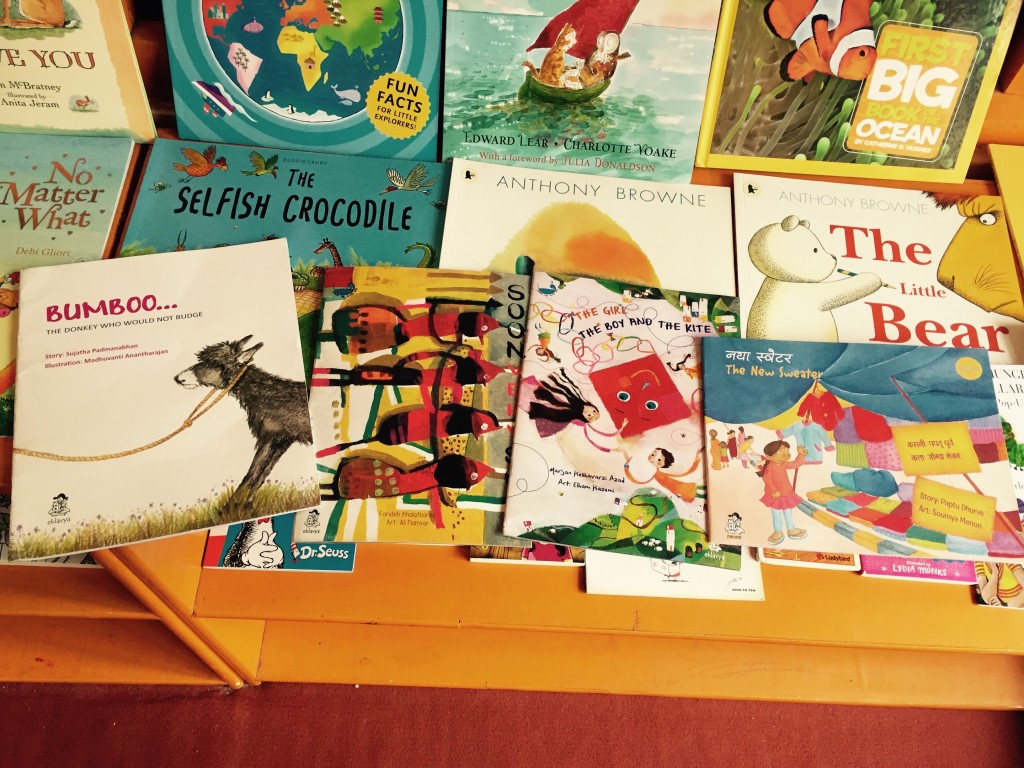
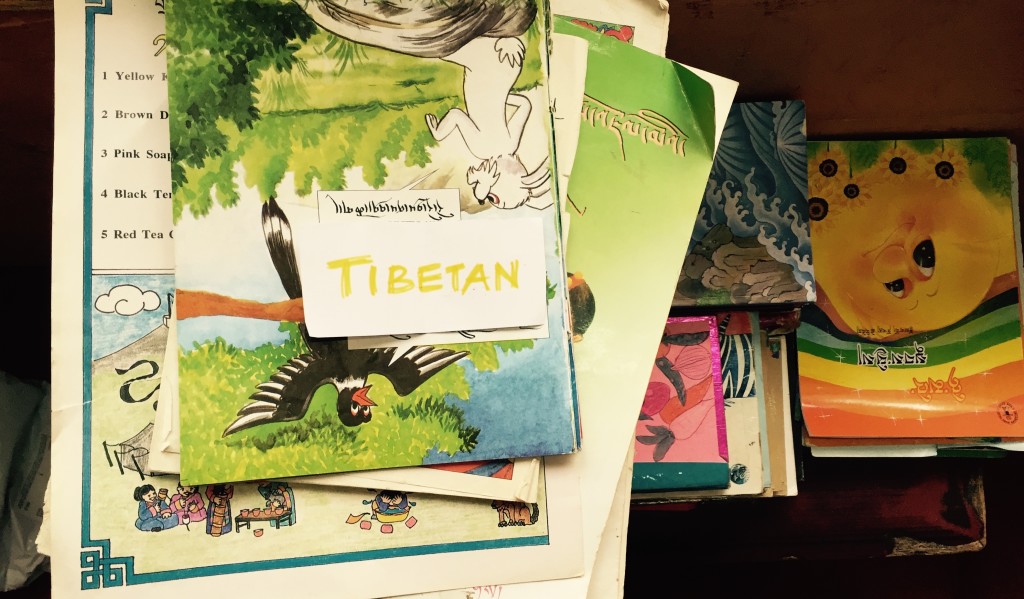
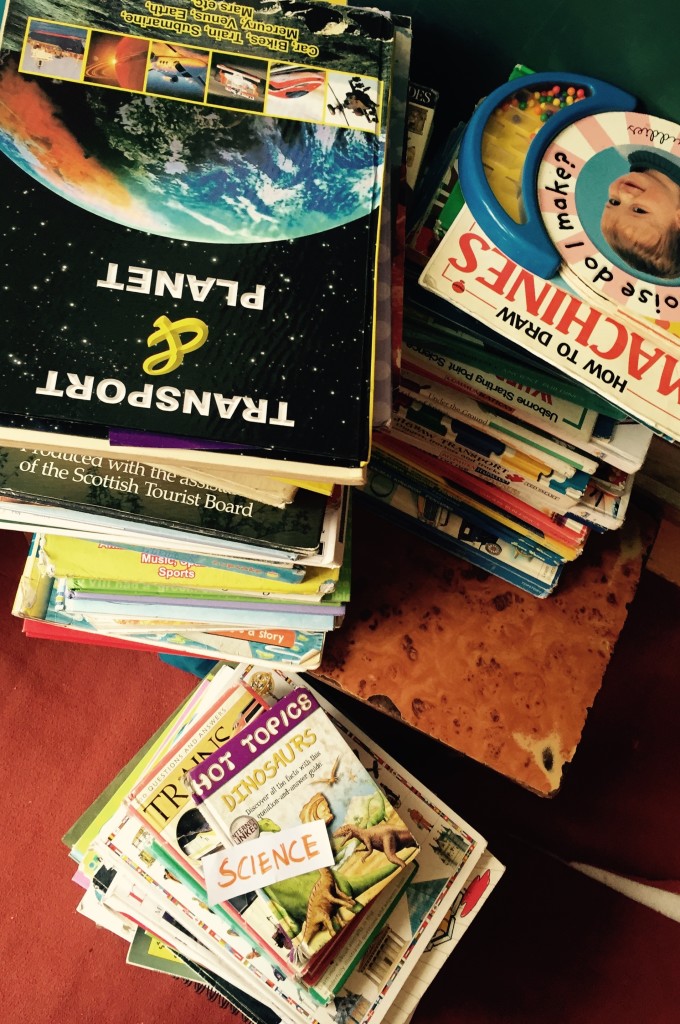
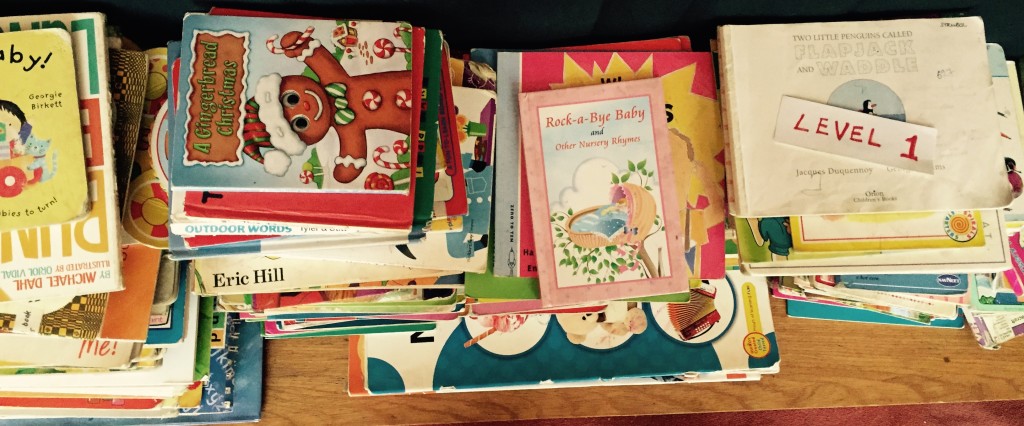
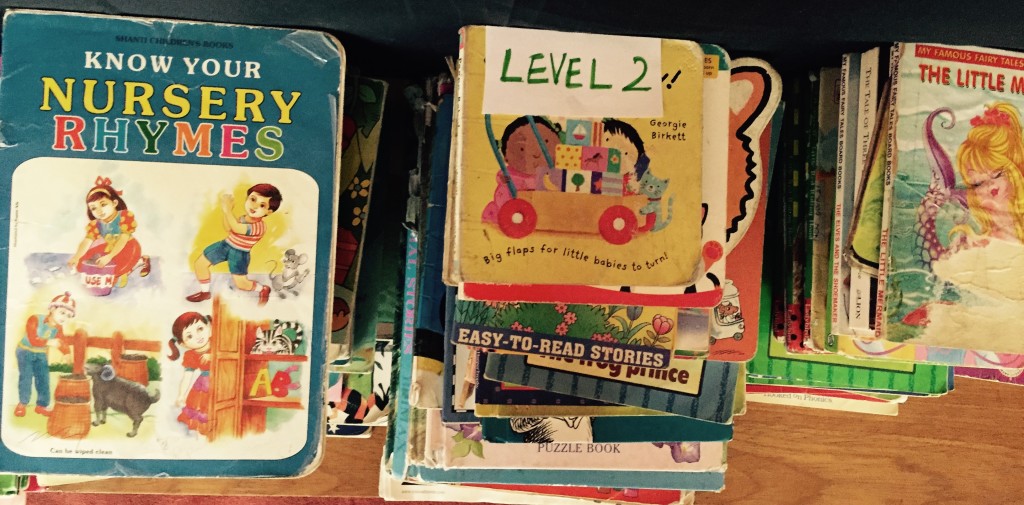
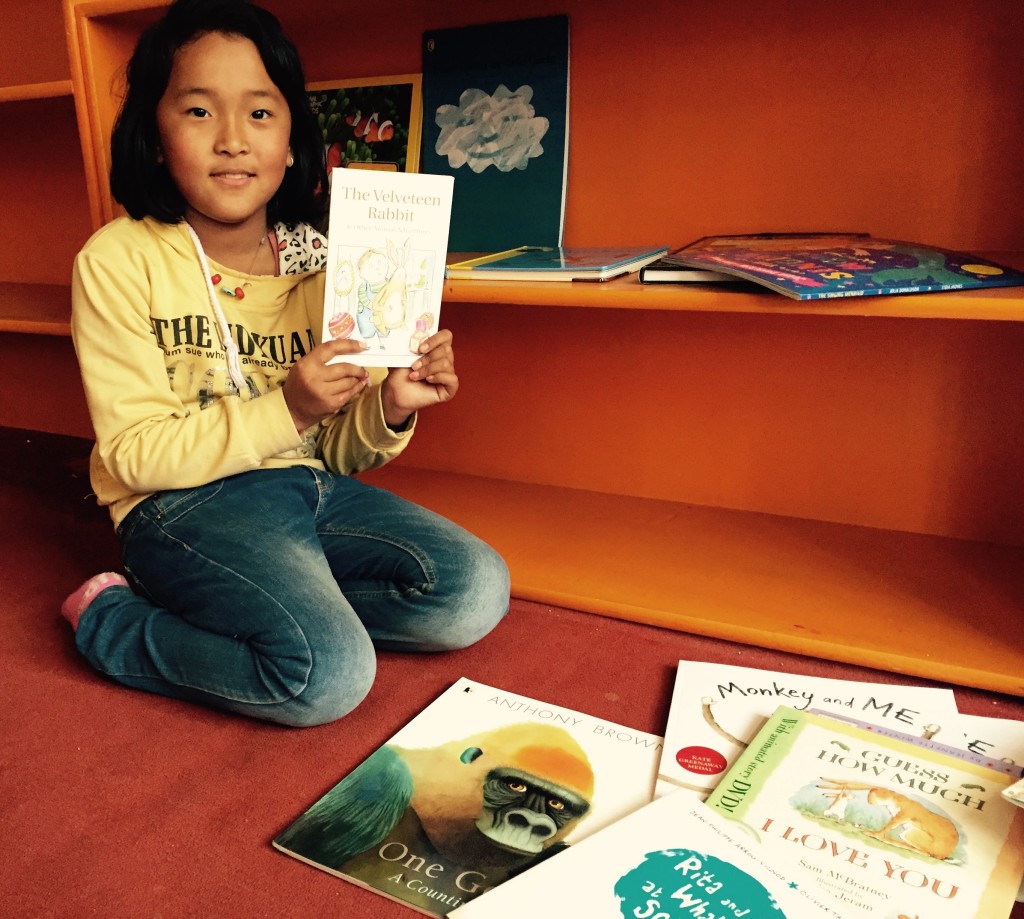
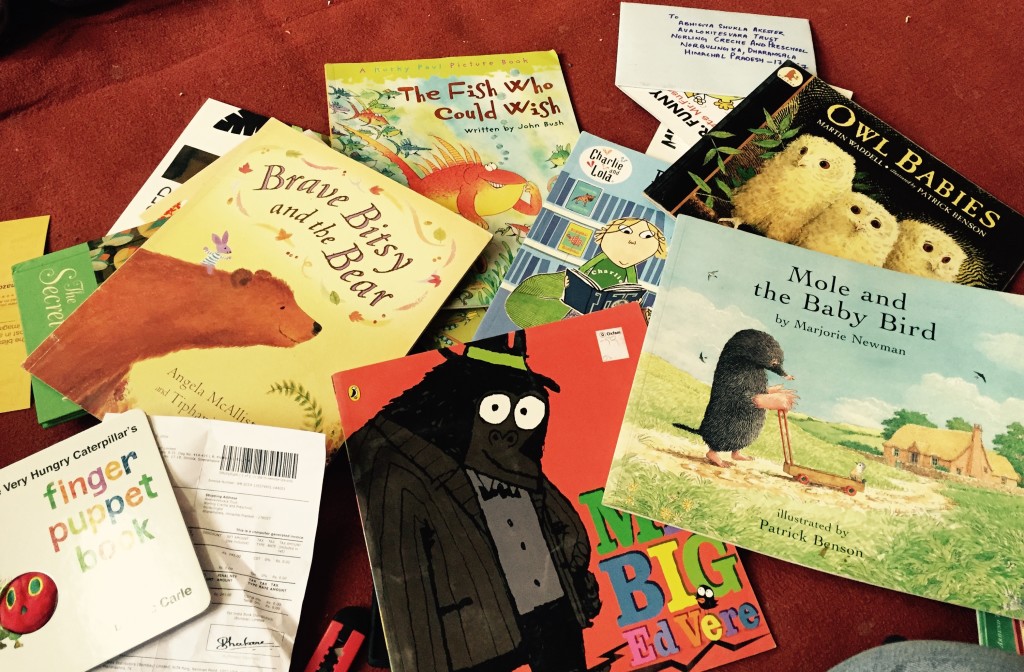
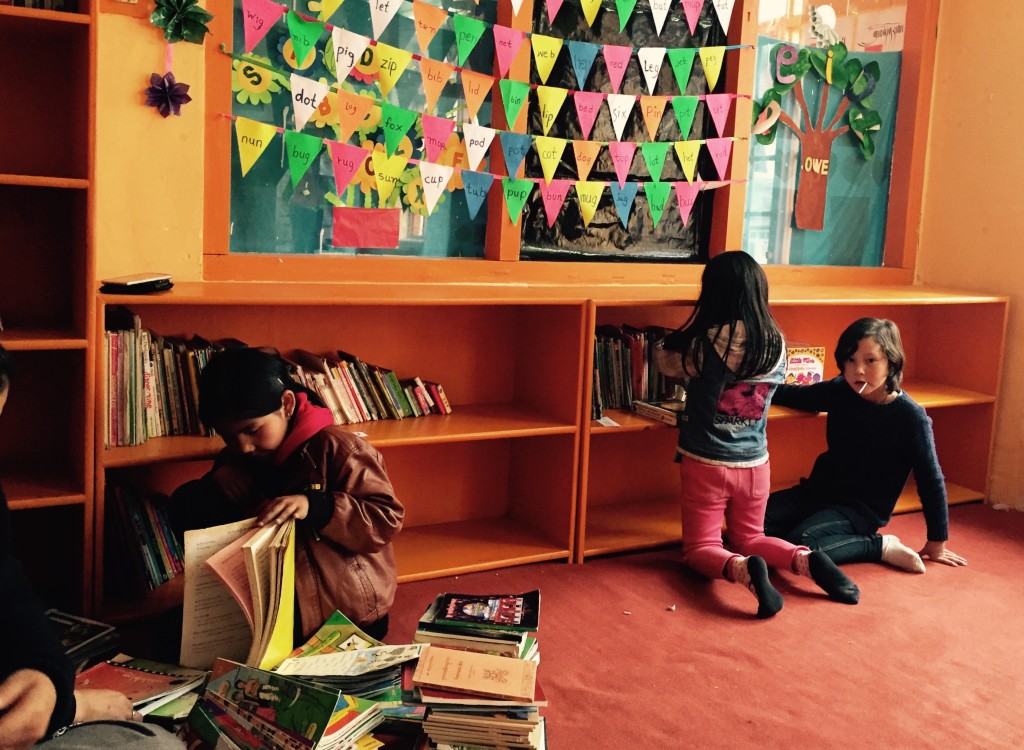
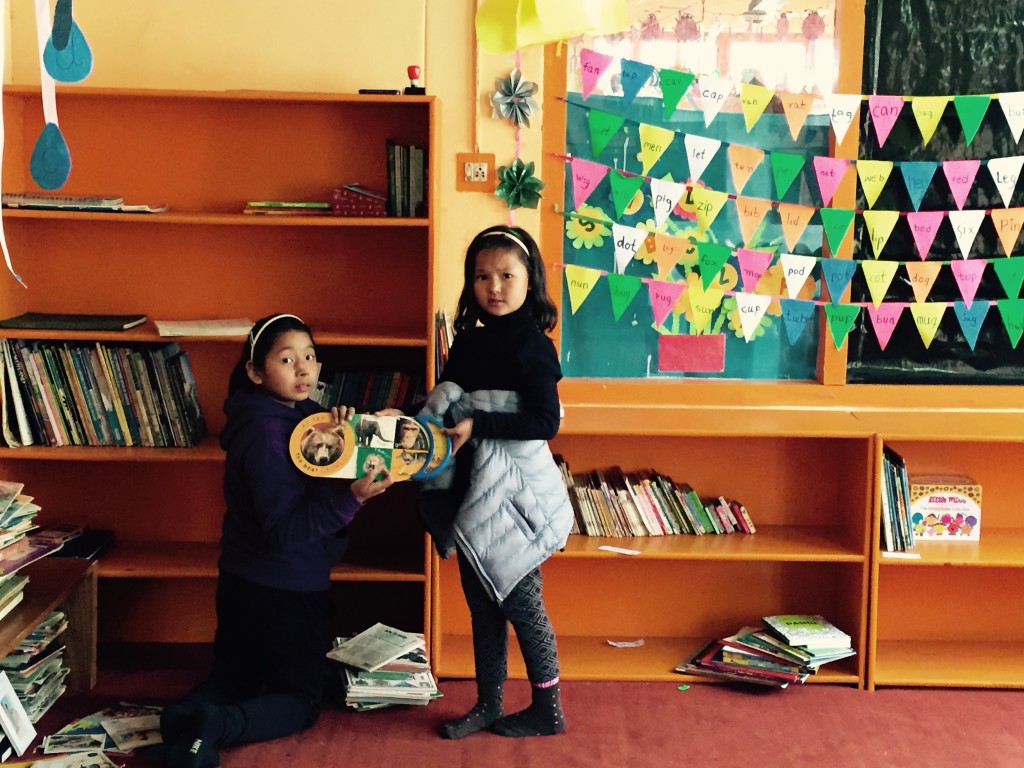
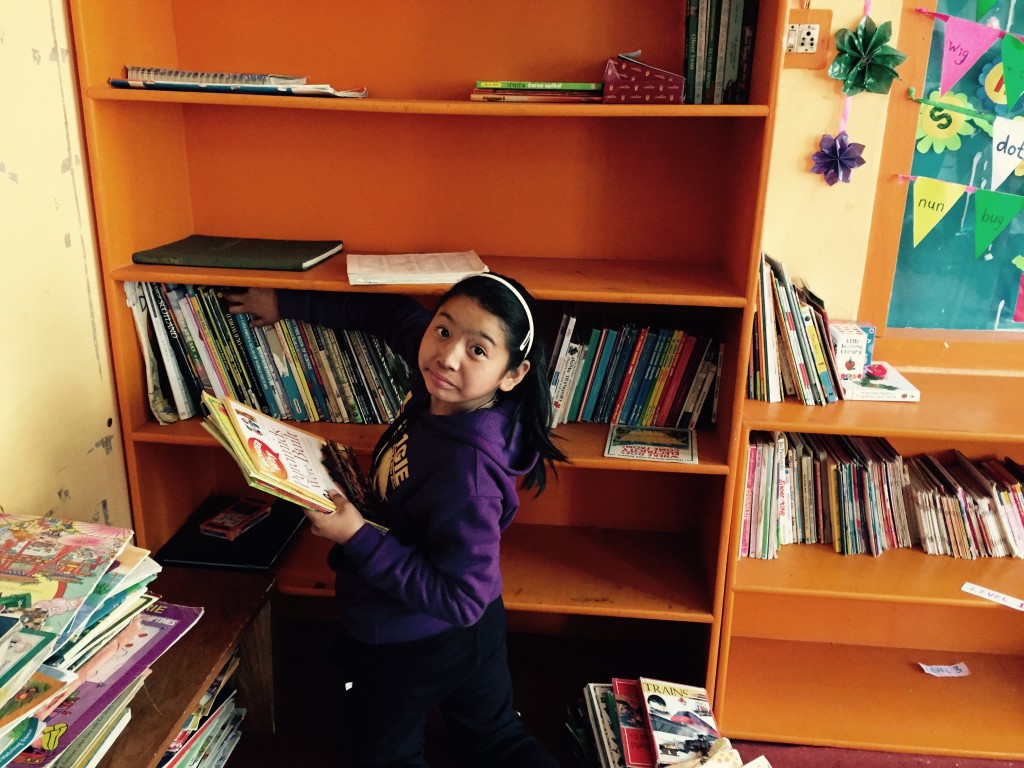
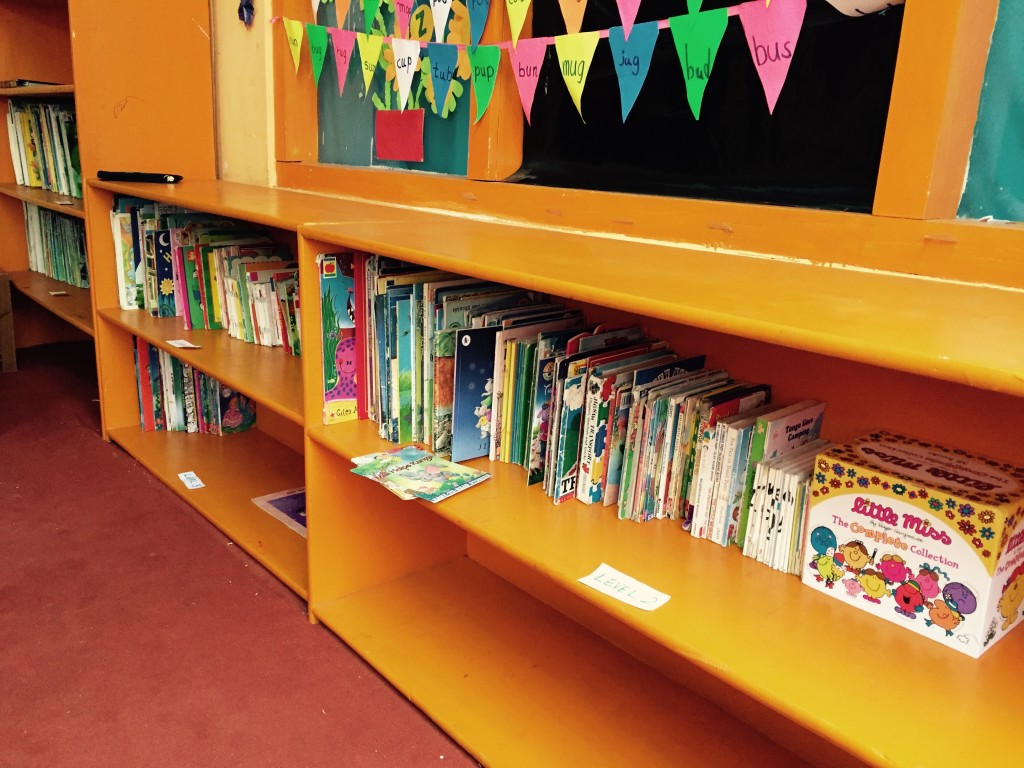
The strongest benefit comes when the desktop sits among books, not apart from them. A child who searches for information about birds can then find a field guide on the shelf. Someone reading a biography may use the computer to locate photographs, timelines or interviews. Print and digital materials reinforce each other.
That balance is familiar to Australian library users. A local library in Adelaide or Canberra may offer computers, story time, printing and shelves of books in the same building. In a Himalayan setting, a reading room may be smaller and have fewer devices, yet its social purpose is comparable: it gives children a safe, shared place to learn after school.
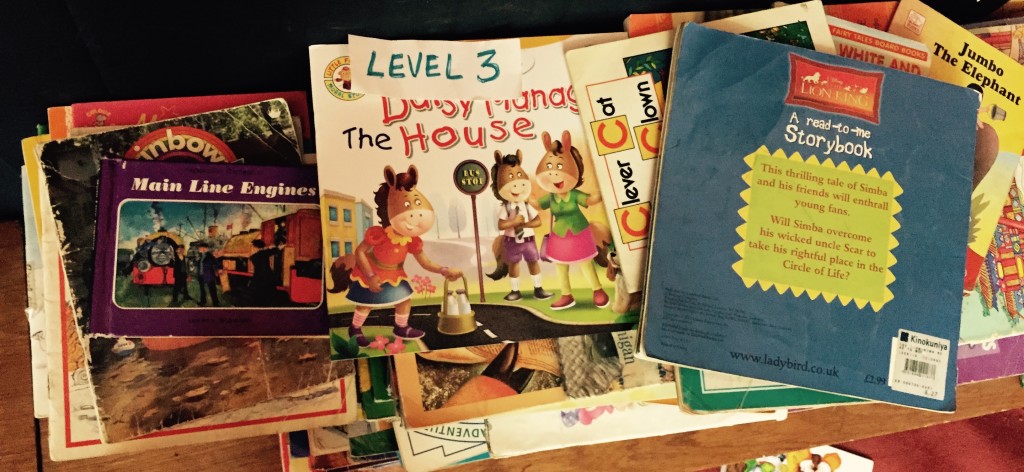
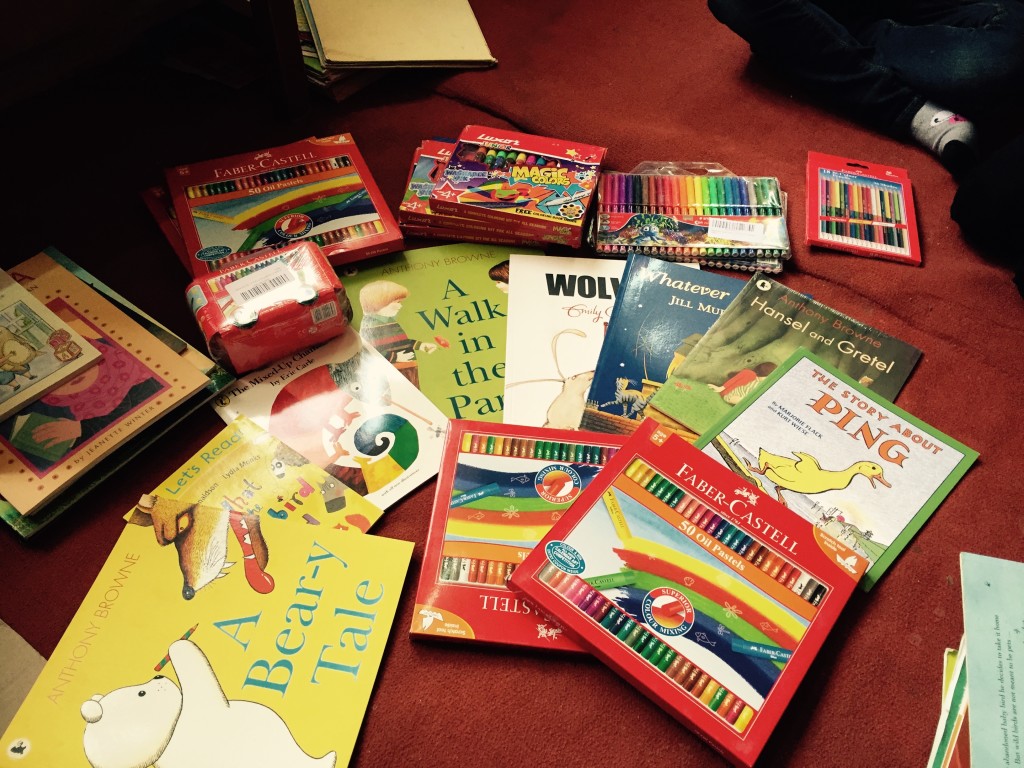
Connections with wider literacy networks can add encouragement and ideas. Organisations such as library supporters show how people who care about books and community learning can help sustain access to reading resources. For a village project, support may take the form of donated books, equipment, training or funds for maintenance.
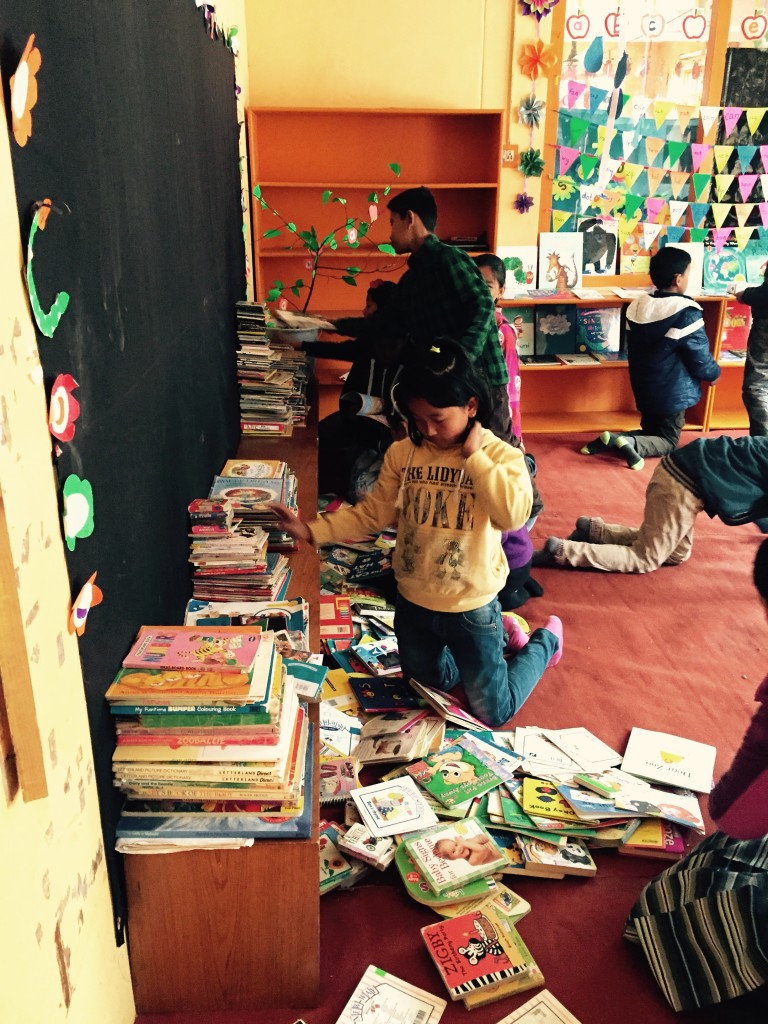
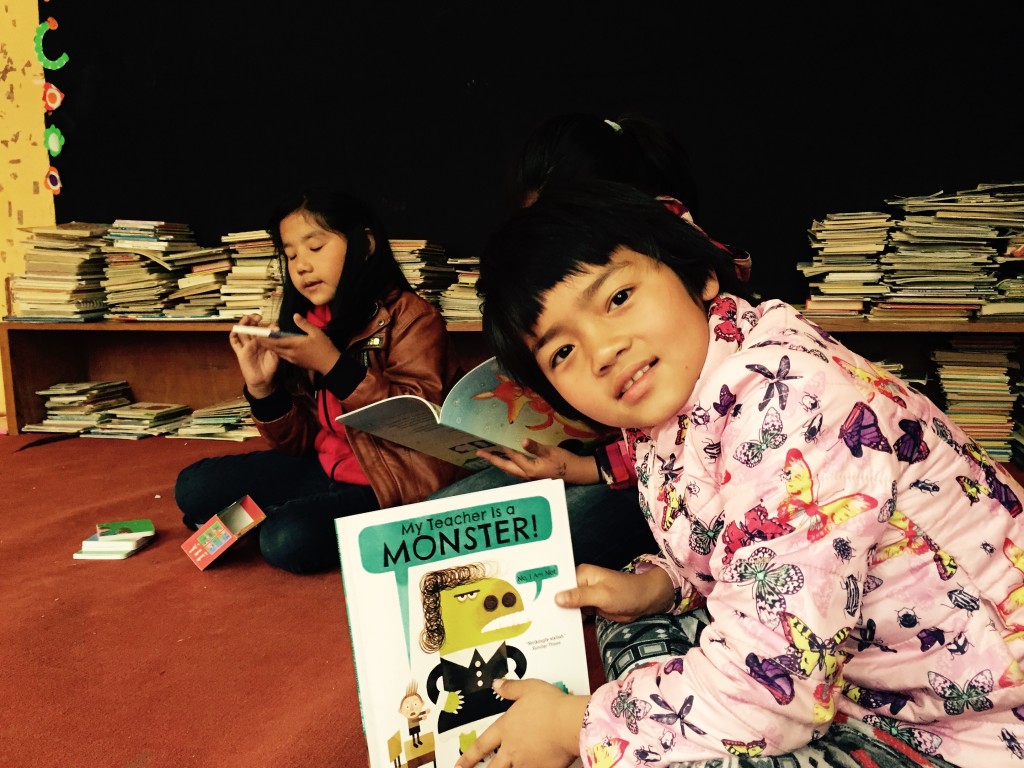
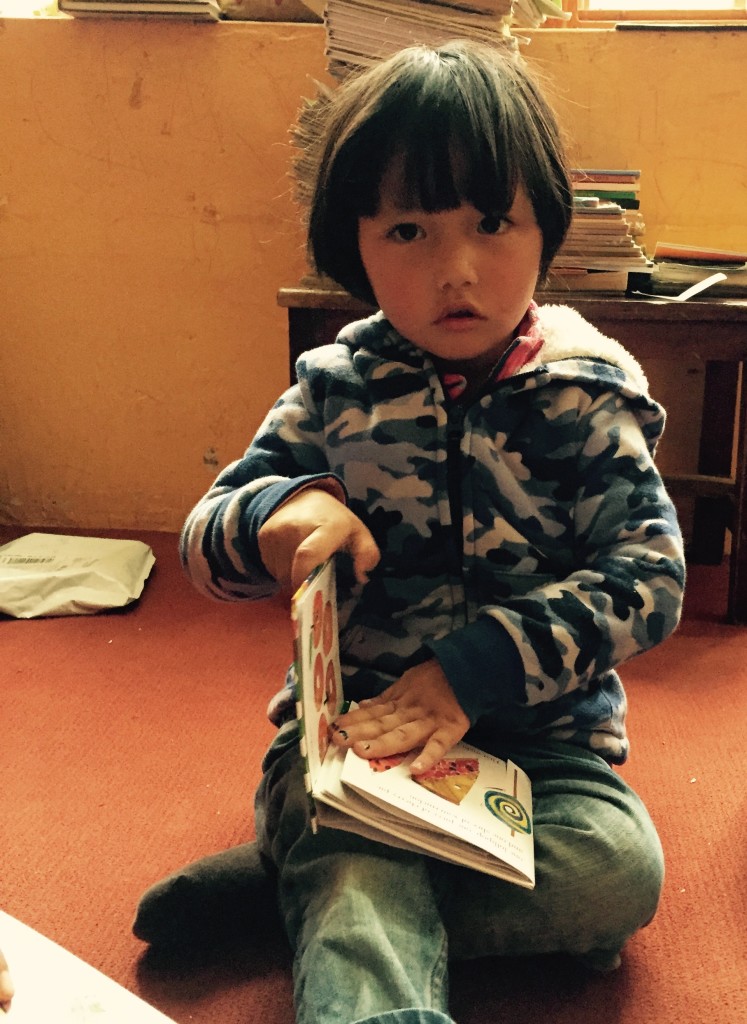
A welcoming room also matters for children who have little quiet space at home. Regular sessions can establish routines: read first, use the computer with care, save work correctly and leave the room ready for the next group. These habits build responsibility alongside technical knowledge.
Skills that grow through practice
A desktop computer introduces a sequence of useful skills. Children learn how to start a programme, use a keyboard, organise files, check information and protect personal details. Over time, these abilities can support schoolwork, vocational interests and communication with relatives or teachers in other places.
The most effective instruction is gradual and active. A volunteer might begin with typing names and sentences, then introduce folders, word processing, drawing software and supervised research. Lessons should allow mistakes, because confidence grows when children can try again without embarrassment.
For supporters in Australia, the financial picture is also understandable. A refurbished desktop may cost less than a new laptop, and local computer recyclers or community groups may provide equipment. However, transport to a remote region, voltage protection, replacement parts, software, connectivity and teacher support all need consideration. The machine is only one part of a sustainable education project.
A responsible digital learning programme gives attention to:
- Safe browsing and age-appropriate websites
- Shared schedules so every child receives time
- Offline resources when internet service is unreliable
- Basic maintenance and protection from dust or power surges
- Adult supervision and respect for privacy
From access to possibility
The long-term value of the computer is seen in the questions children begin to ask. A student may wonder how satellites photograph the Himalayas, why some books are available in several languages or how a musical instrument is made. Curiosity becomes a pathway rather than a passing moment.
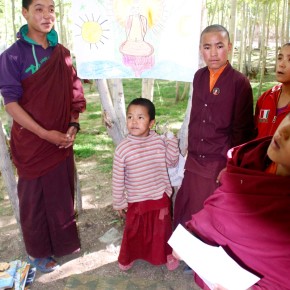
The machine may also help children communicate their own world. They can prepare a digital exhibition of paintings, write descriptions of local plants or make a short presentation about a monastery festival. These projects affirm that village knowledge deserves to be documented and shared.
For donors and volunteers, this is an important distinction. The aim is not to place a symbol of modern technology in a remote room. It is to create dependable access to information, creative expression and supportive relationships. Books, teachers, families, volunteers and children all contribute to the result.
A single desktop cannot solve every educational barrier. It can, however, change what feels reachable. In a carefully supported reading room, one screen becomes a map, a writing desk, a language partner and a bridge to people beyond the valley. What children should remember is that meaningful access begins with one shared opportunity, then grows through books, guidance and the confidence to explore.