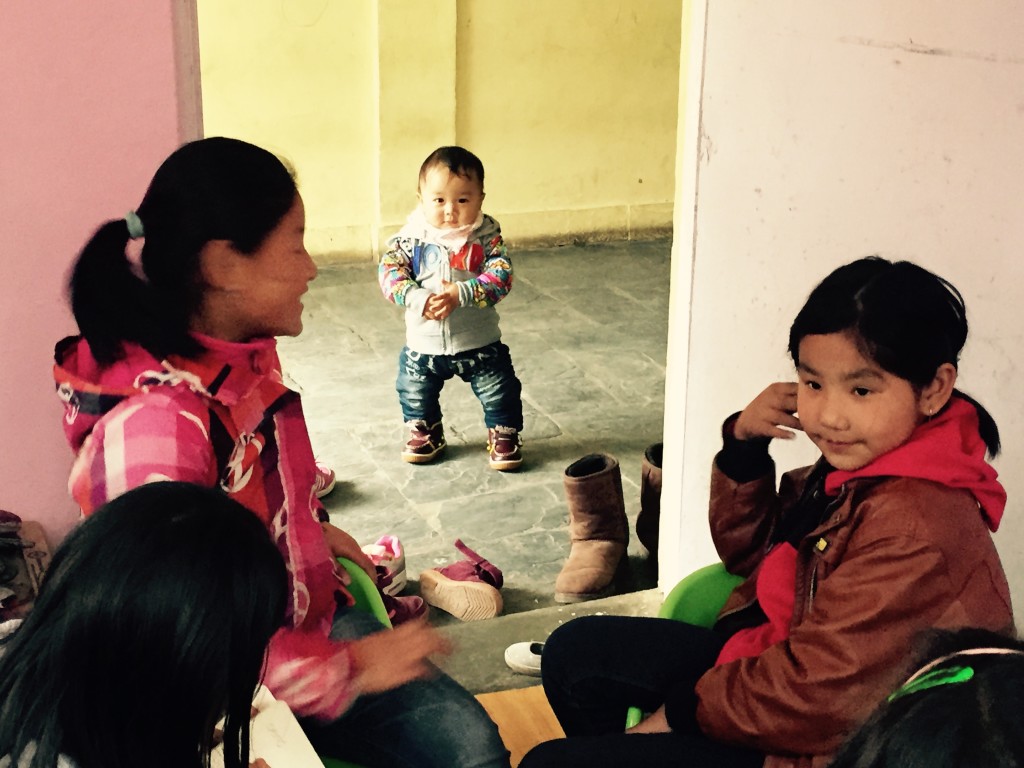
How a simple story hour helps shy children become readers
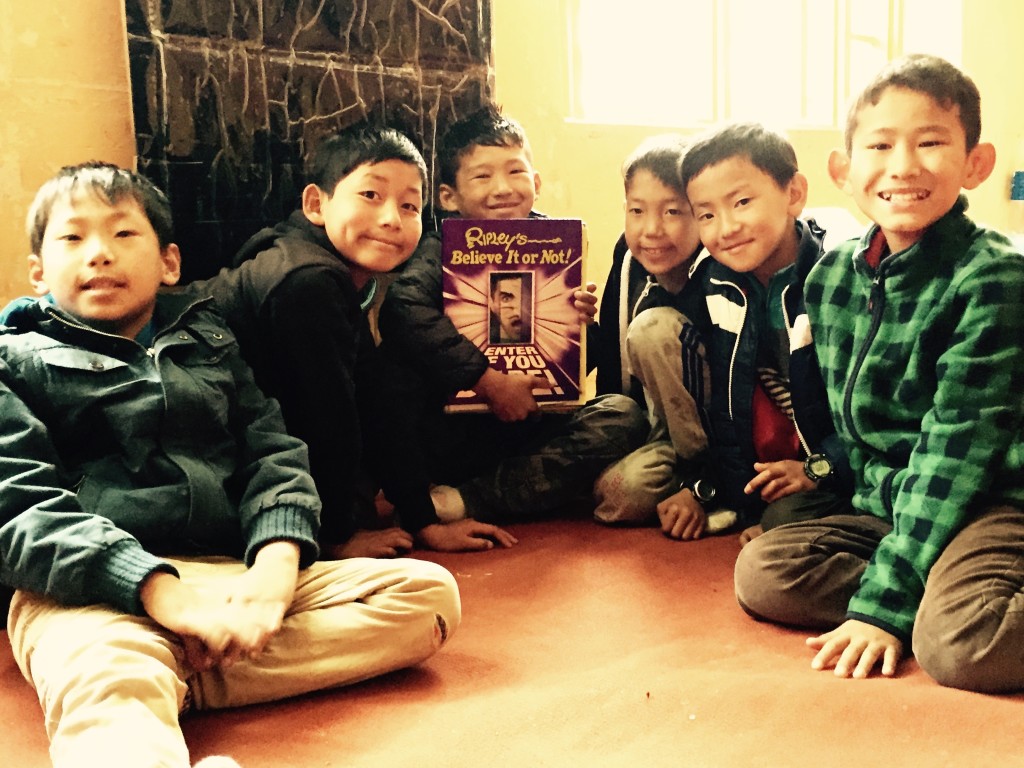
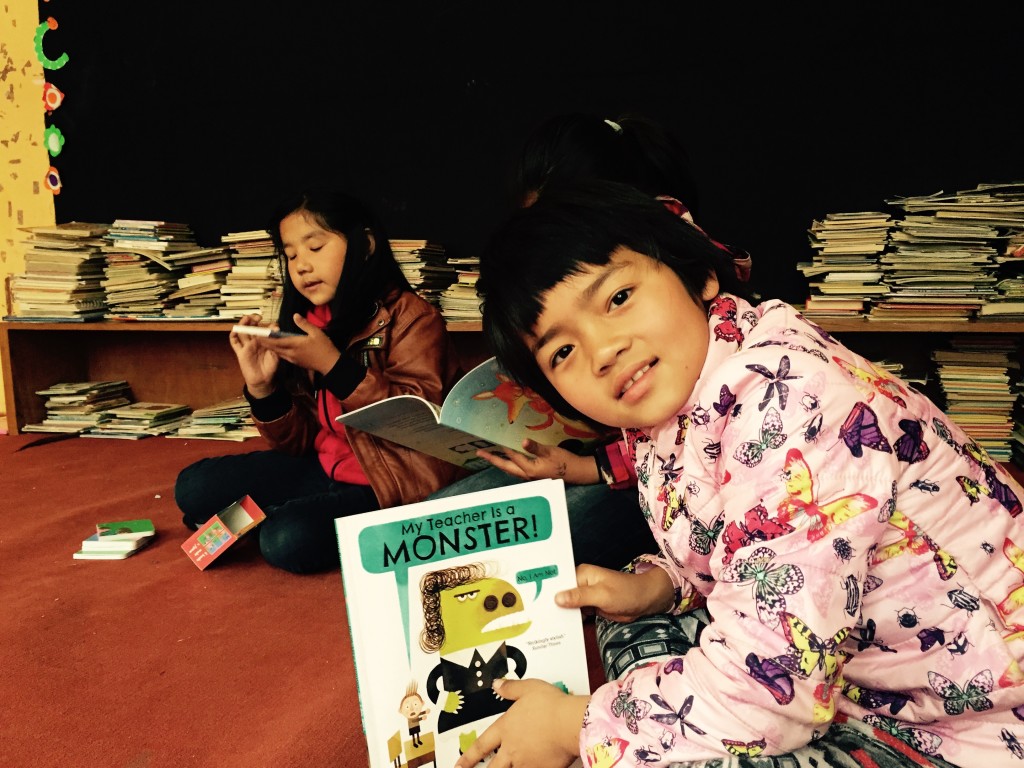
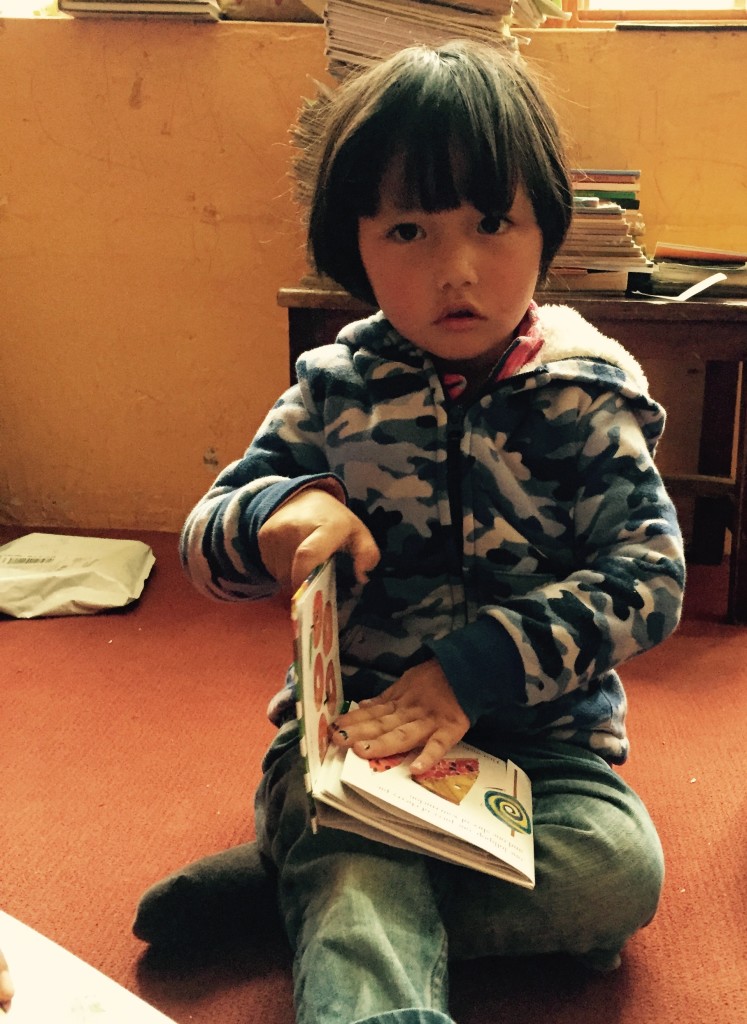
In a quiet reading room, a single story can create a remarkable change. A child who avoids eye contact, speaks softly, or stays at the edge of a group may begin by listening from a safe distance. Over time, familiar voices, welcoming books, and gentle encouragement can turn that first moment of attention into a lasting interest in reading.
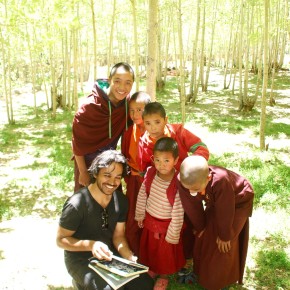
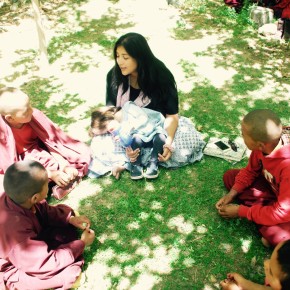
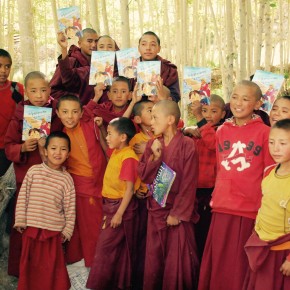
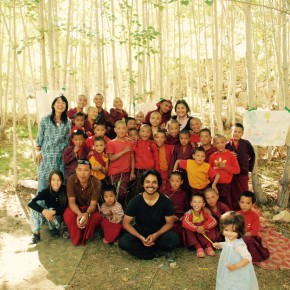
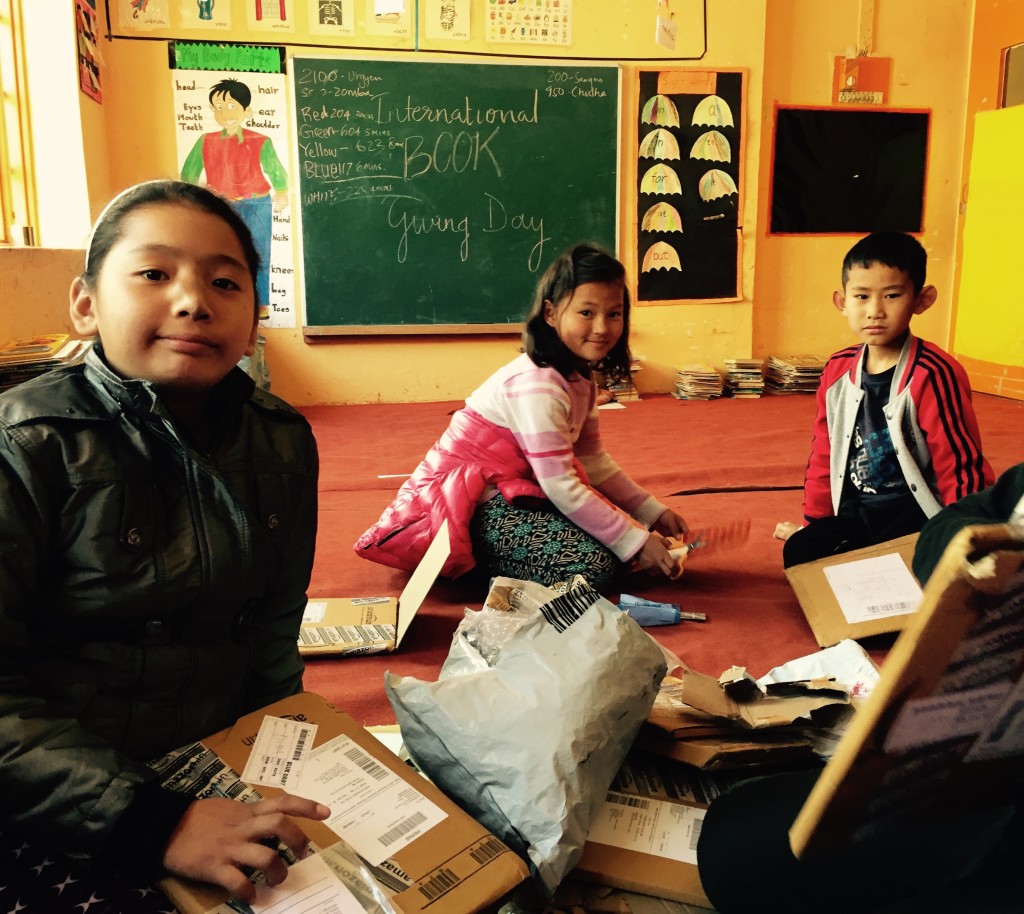
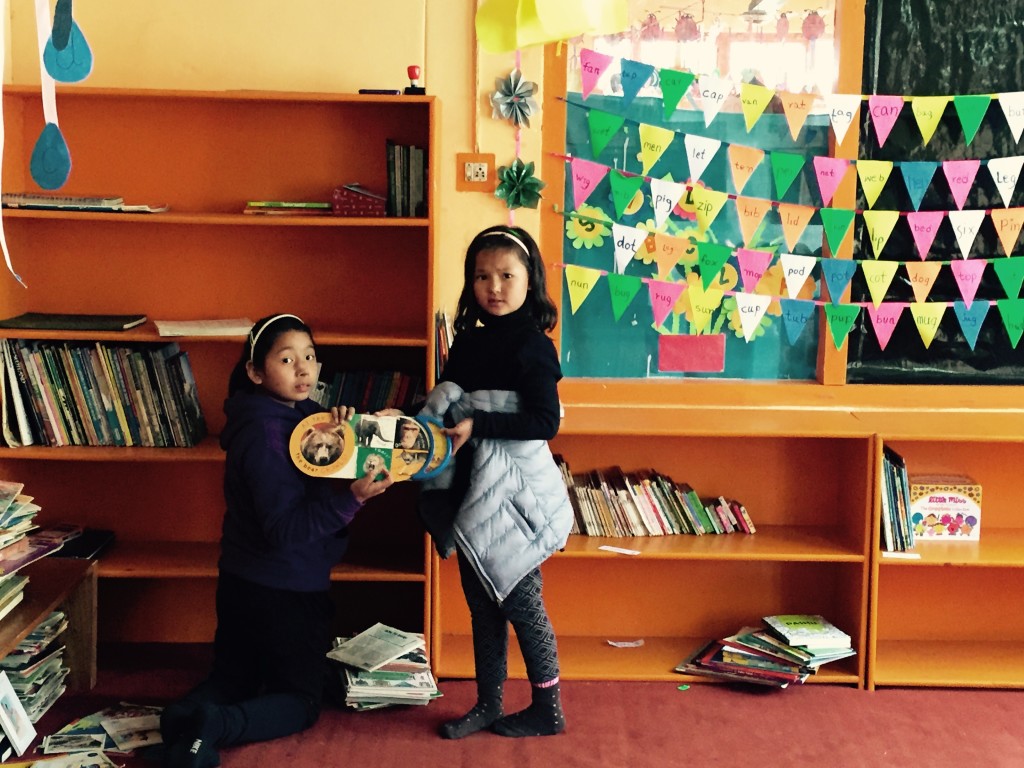
This process matters deeply in Himalayan communities, where children may have limited access to books outside school. In Ladakh and nearby regions, a story hour can offer more than entertainment. It creates a regular place for children to explore language, imagination, friendship, and self-expression without fear of making mistakes.
For shy children, confidence rarely appears all at once. It grows through repeated experiences in which they feel accepted. A shared book provides that experience, giving every child a way to participate at their own pace.
A story creates a safe first step
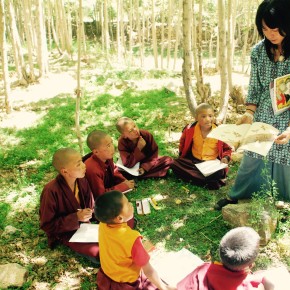
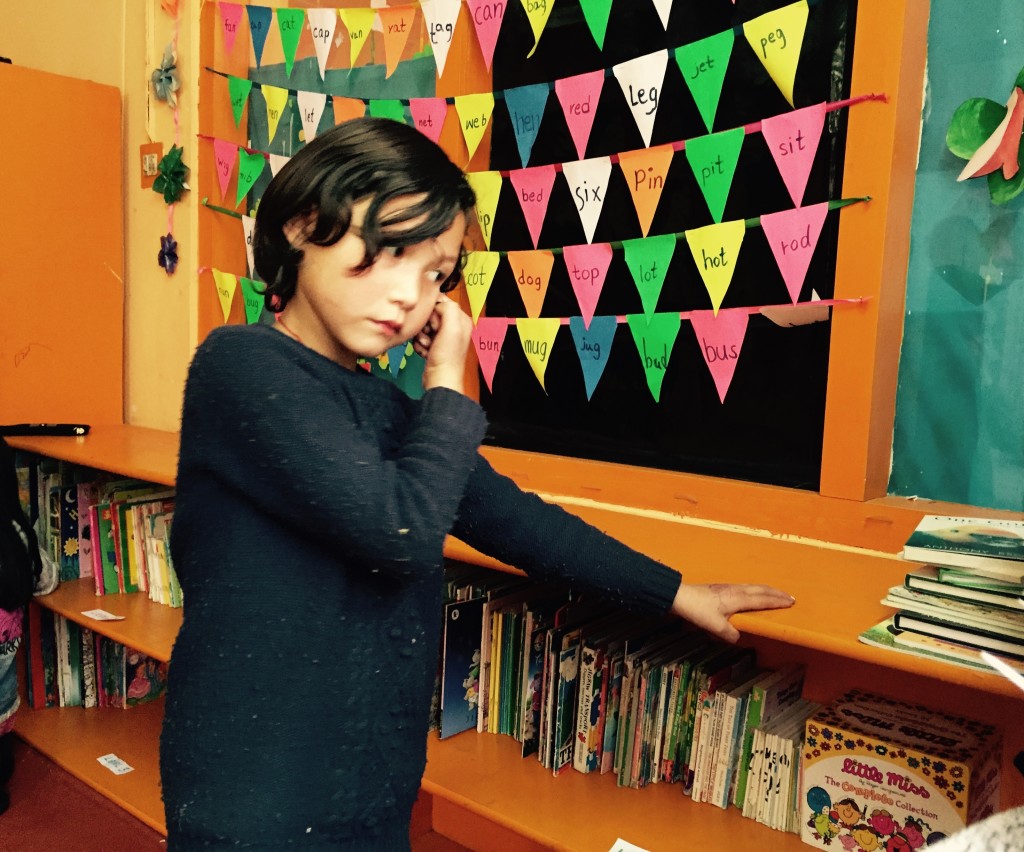
Shy children often need time before they feel ready to speak in a group. Asking them to read aloud immediately can make them withdraw further. Story hour removes that pressure by allowing them to listen, observe, and become comfortable with the people around them.
A volunteer or teacher can begin with a warm welcome, a picture walk, or a simple invitation to point at an illustration. These small activities give children ways to join in without requiring a long answer. A child may identify an animal, imitate a sound, or turn a page before saying a complete sentence.
That gentle participation helps children learn that the reading room is a safe place. They discover that their presence matters, even when they are quiet. Once anxiety decreases, curiosity has room to grow.
Familiar routines build confidence
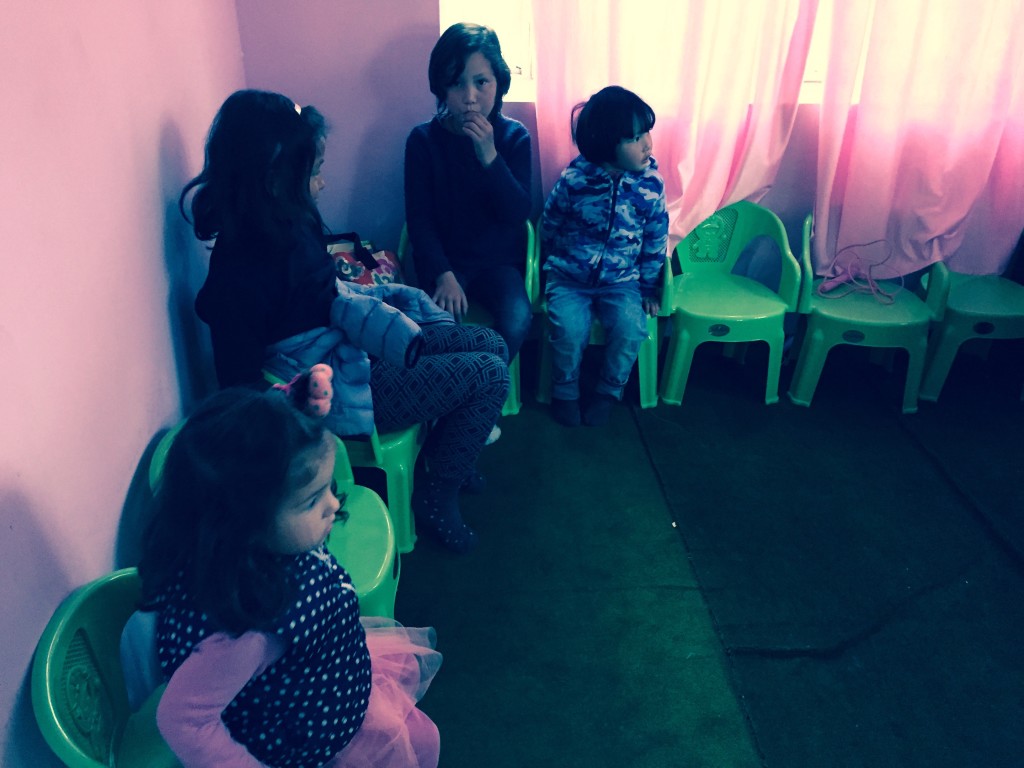
A consistent story hour gives children a predictable rhythm. The same opening song, seating arrangement, or greeting can help them understand what will happen next. For a child who feels uncertain in unfamiliar social settings, this routine provides reassurance.
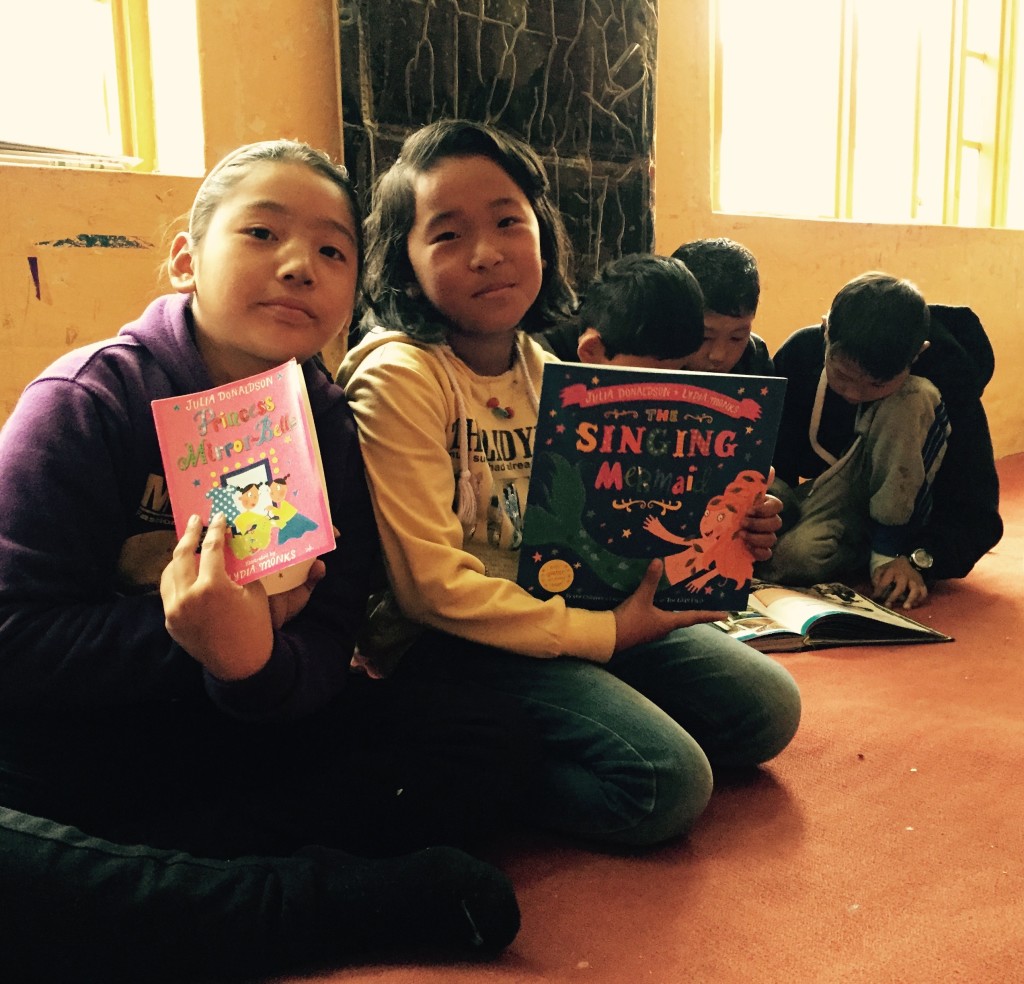
Over several visits, children begin to recognize favorite storytellers, characters, and books. They may choose where to sit, bring a friend, or ask when the next session will take place. These behaviors show that they are moving from passive attendance toward active involvement.
Repetition also supports early literacy. Listening to the same story more than once helps children remember phrases, understand sequence, and notice how written words carry meaning. Familiar books become friendly companions rather than difficult objects.
Pictures and characters open conversations
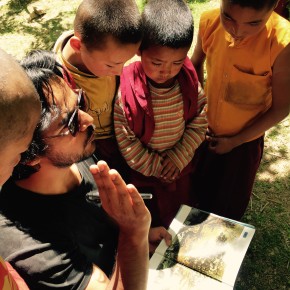
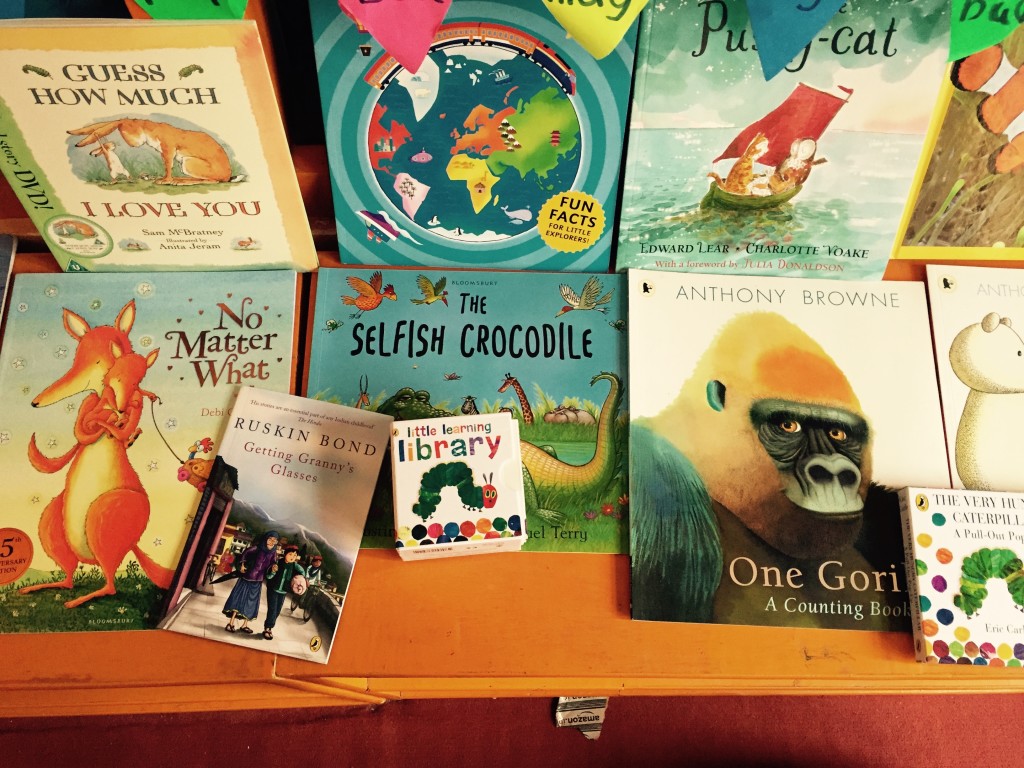
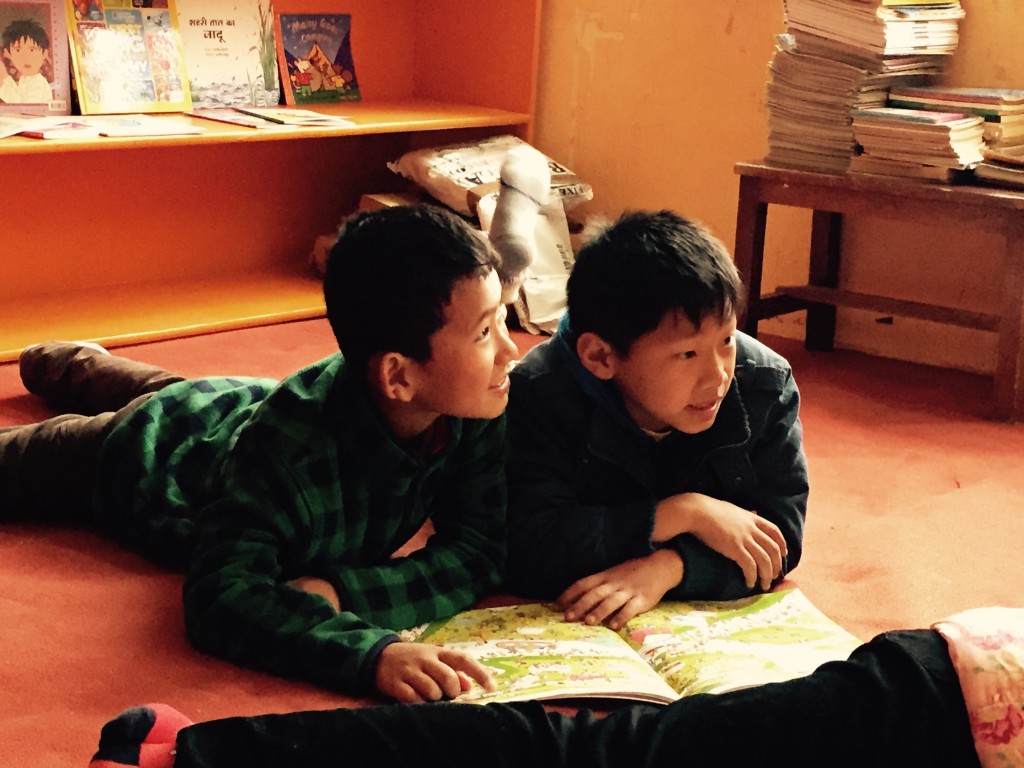
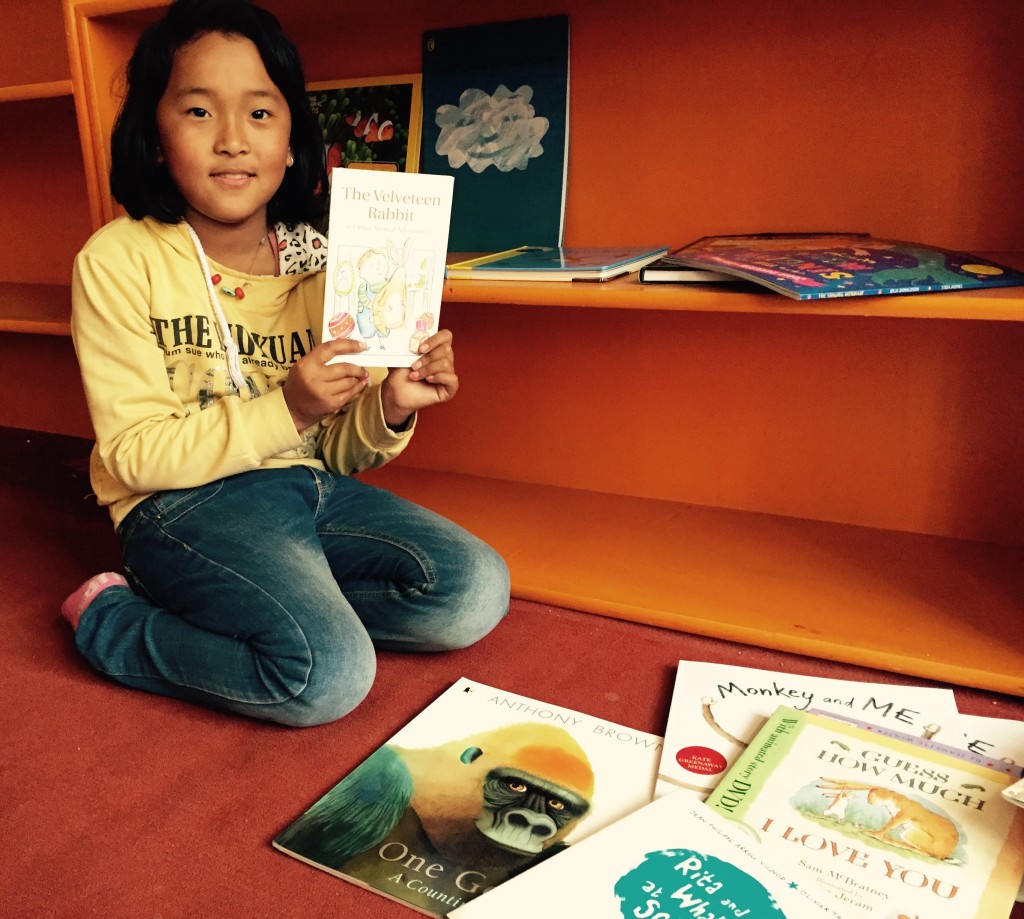
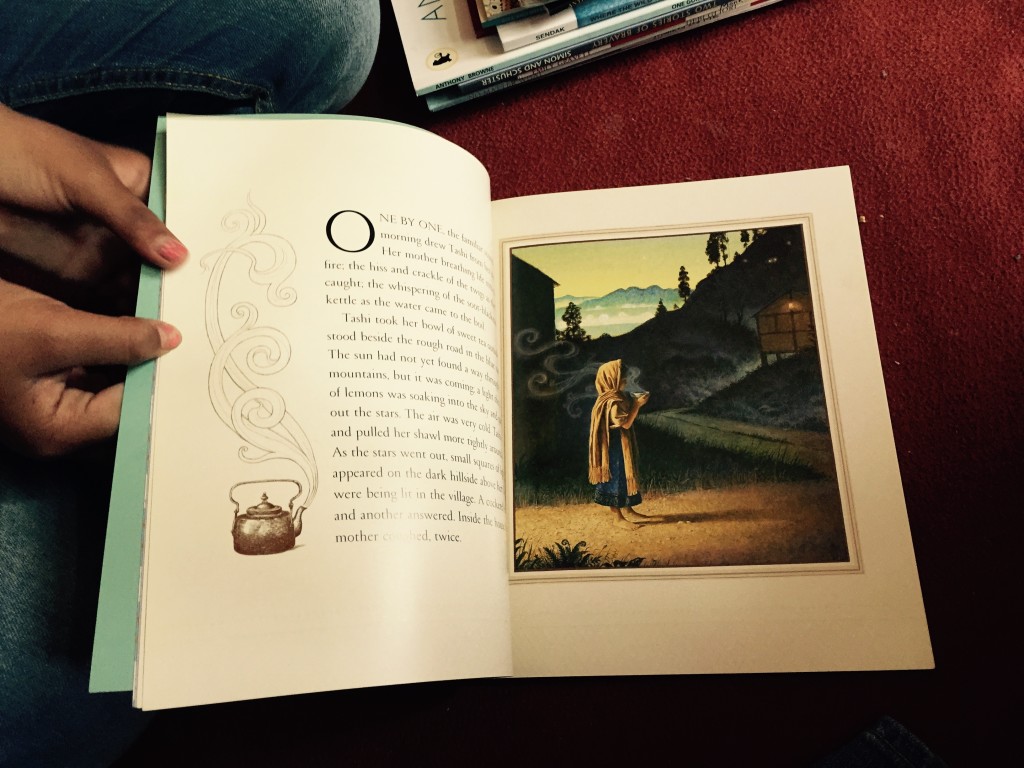
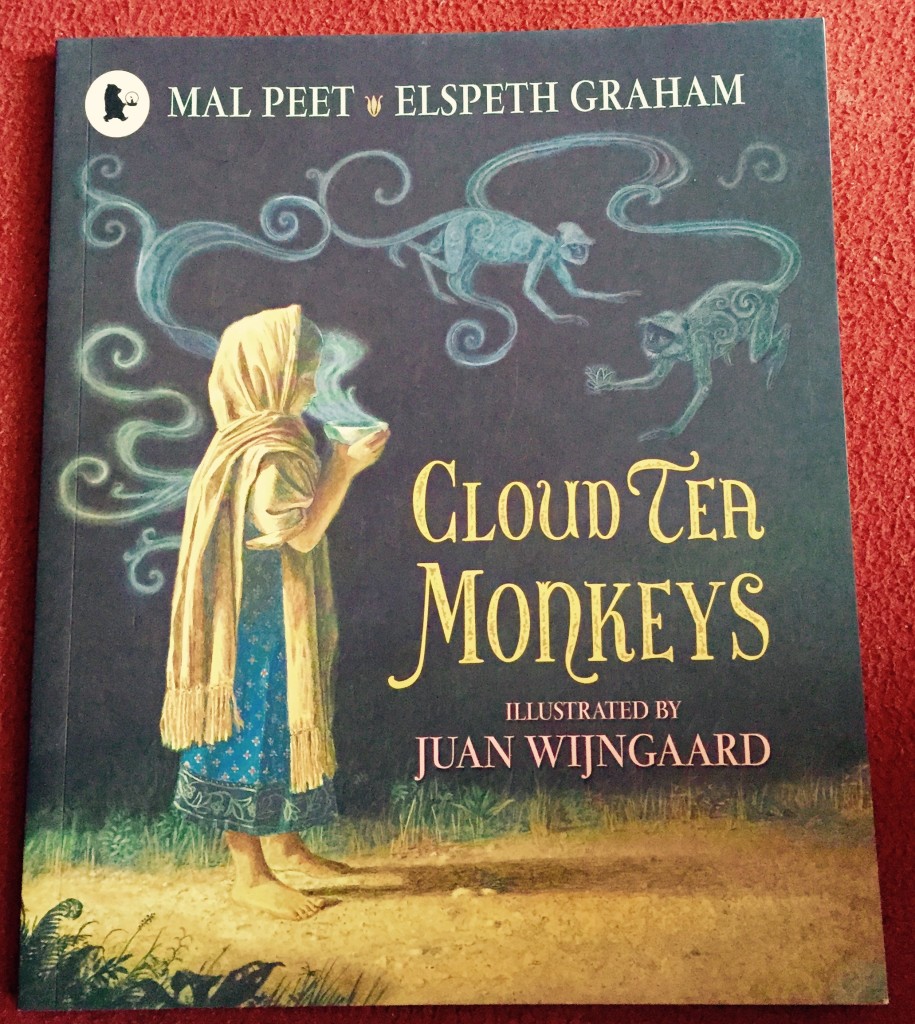
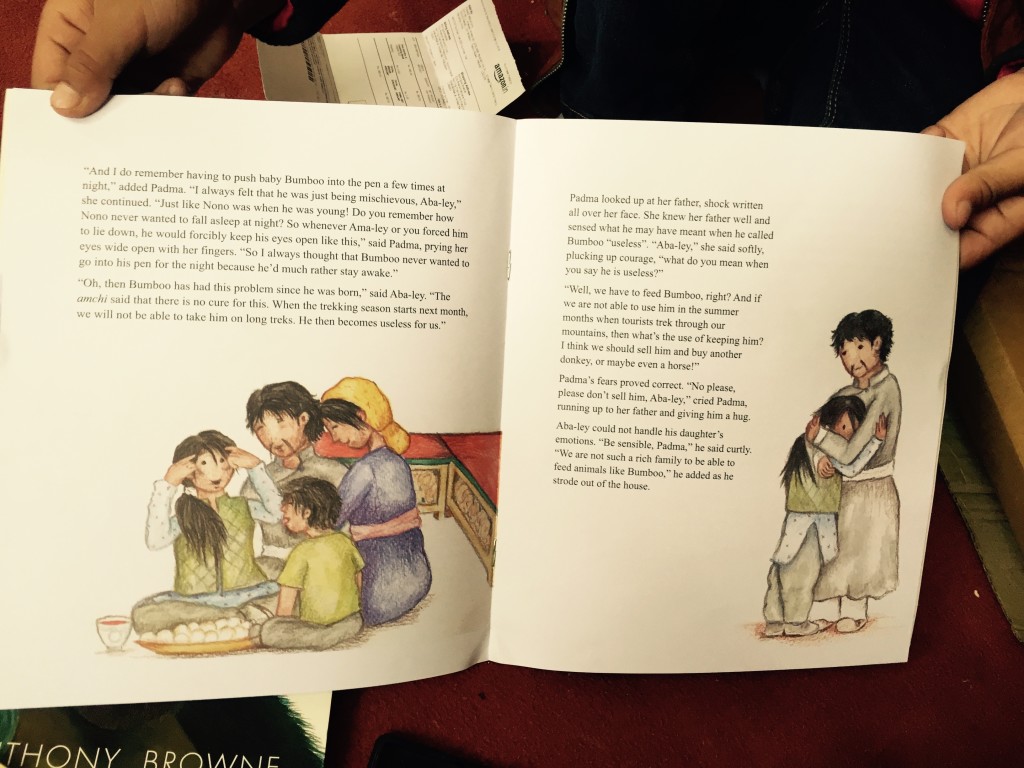
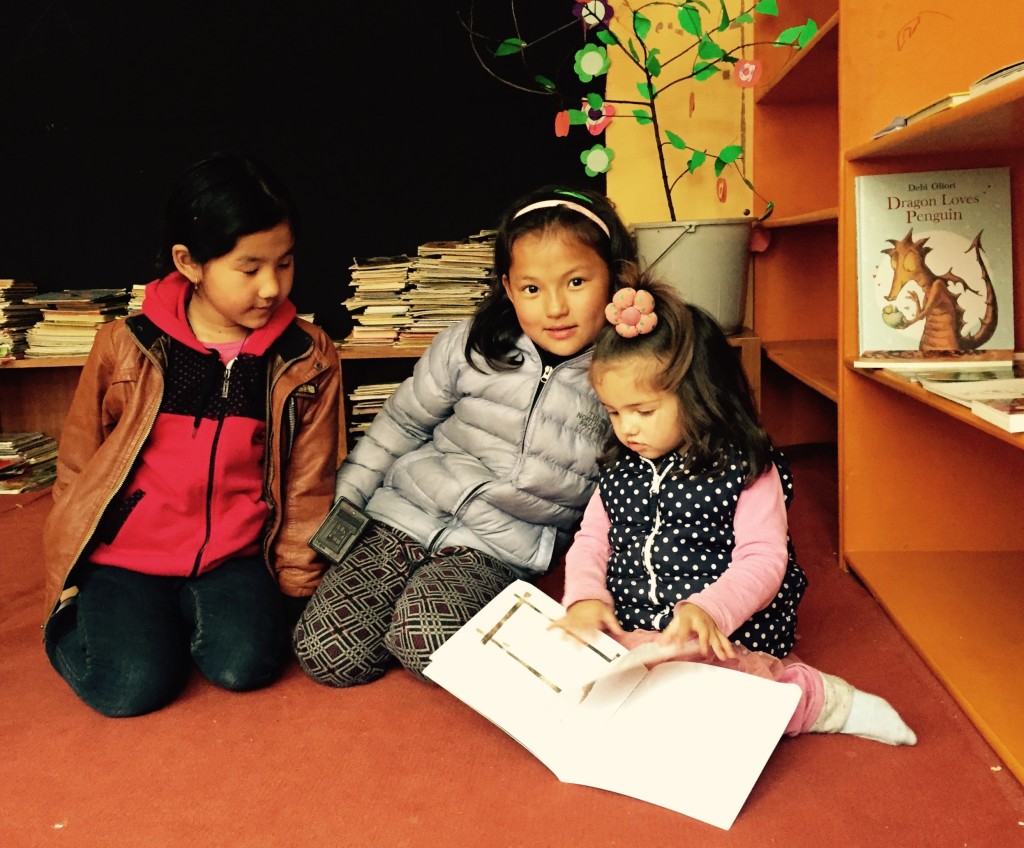
Illustrated books are especially helpful for children who are hesitant to speak. A picture can give them something concrete to discuss, even when they are not yet comfortable sharing personal thoughts. “What do you see?” is often easier to answer than a broad question about feelings or opinions.
Characters provide another layer of emotional safety. A child may recognize a character’s loneliness, bravery, or confusion without having to describe their own experience. Through stories, children can explore kindness, friendship, problem-solving, and courage at a comfortable distance.
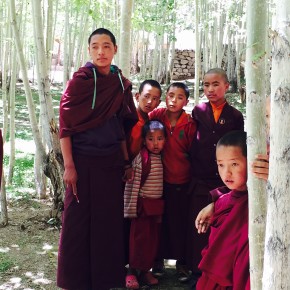
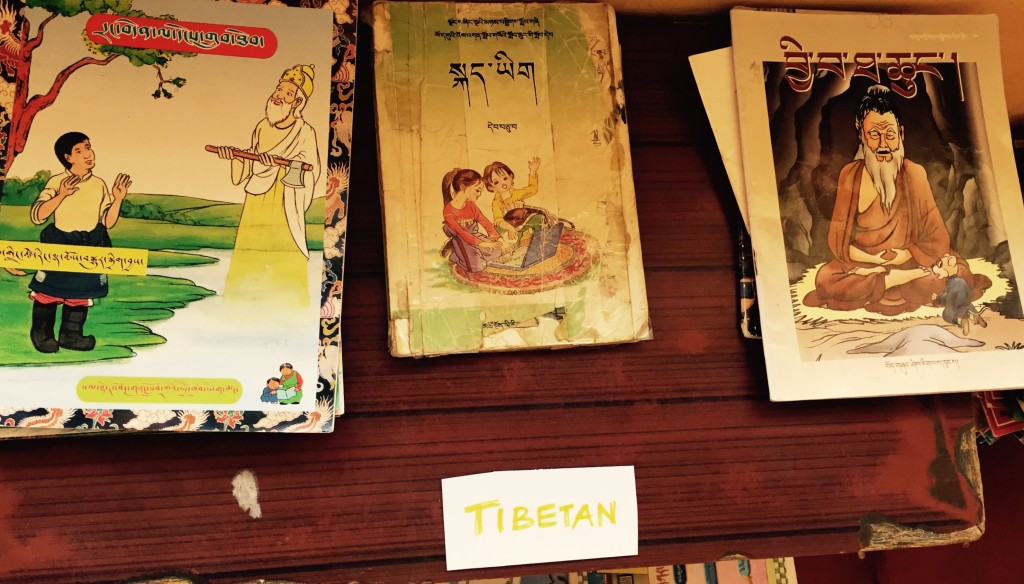
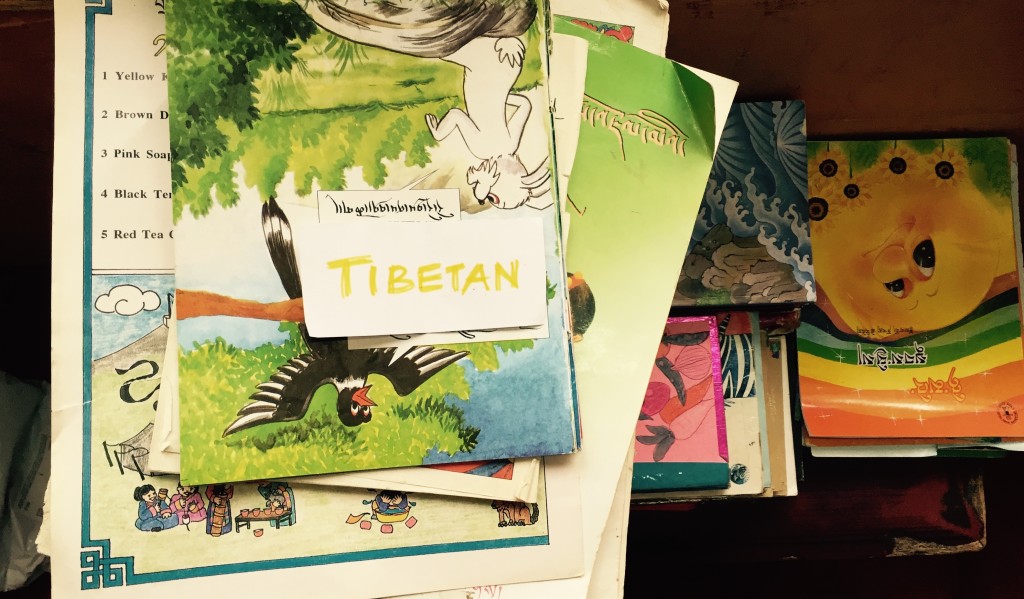
In communities where several languages may be used, visual storytelling can bring children together. A volunteer can read in one language, explain key ideas in another, and use gestures or images to support understanding. This makes books more accessible while respecting the language backgrounds of local families and young monks.
Small responses become reading habits
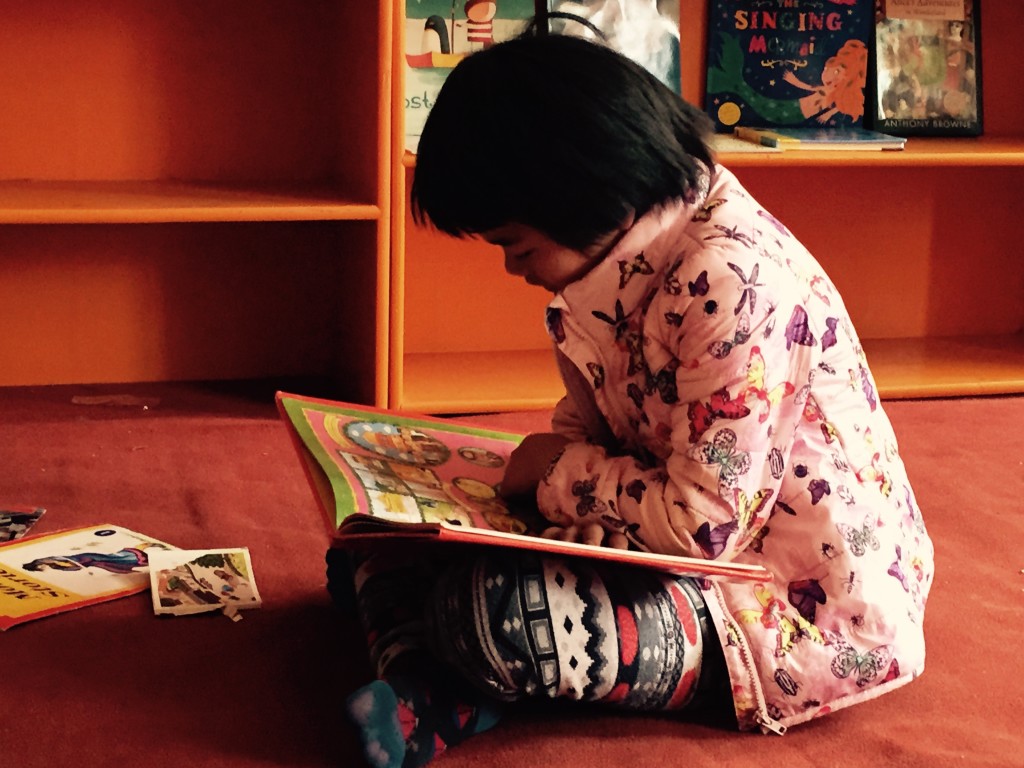
The path from listening to independent reading is made of many small responses. A child may first watch the storyteller, then repeat a phrase, select a book, follow pictures from left to right, or ask about an unfamiliar word. Each action strengthens the connection between enjoyment and literacy.
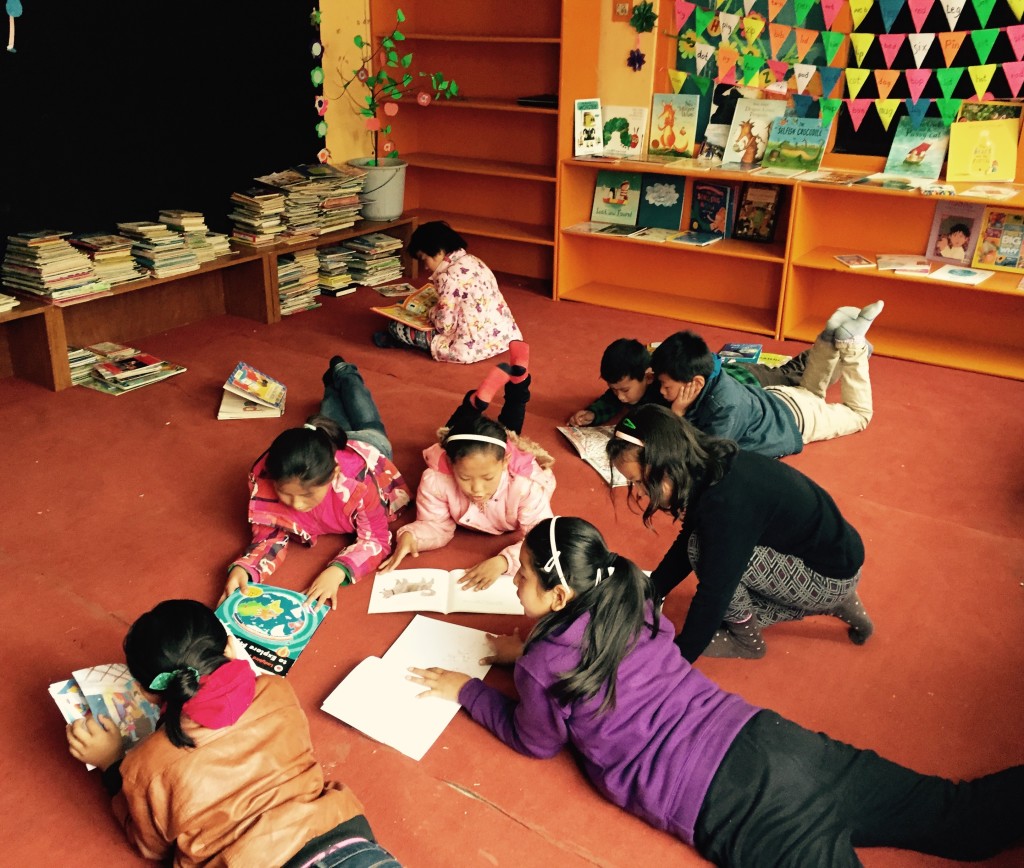
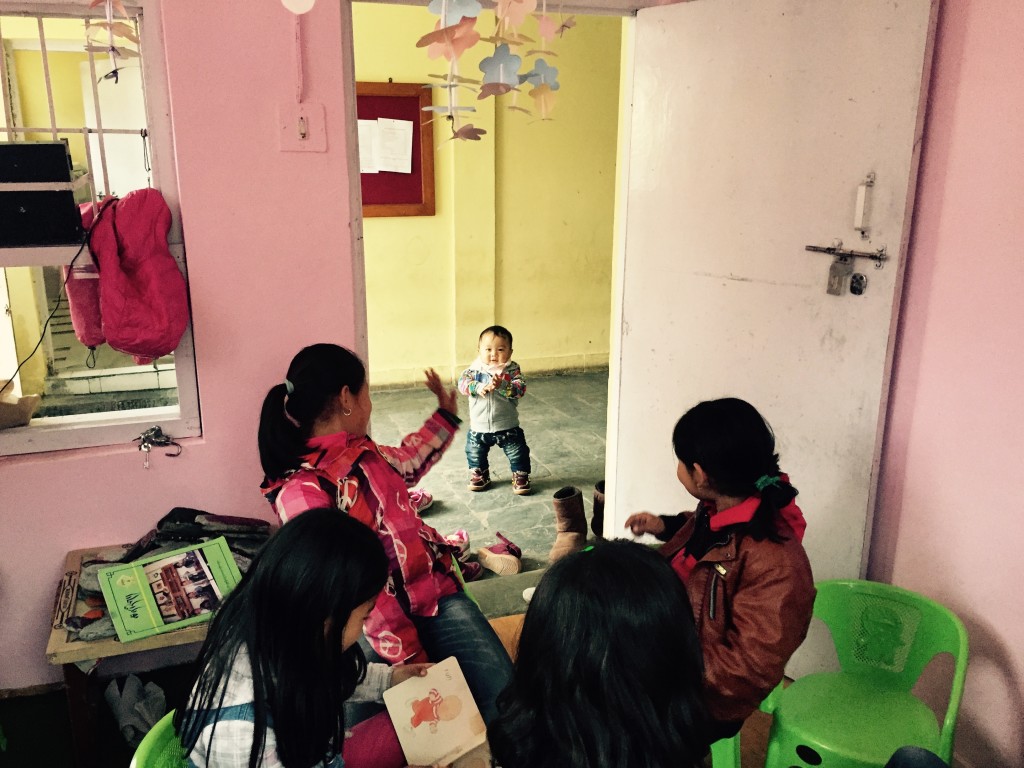
Children also learn by seeing their peers engage with books. When one child laughs at a character or proudly retells a story, others receive a natural invitation to participate. A quiet child may begin by sharing a book with one trusted friend before joining a larger discussion.
| Story hour element |
How it supports shy children |
Long-term literacy benefit |
| Repeated opening routine |
Reduces uncertainty and social pressure |
Encourages regular attendance |
| Read-aloud storytelling |
Lets children participate through listening |
Builds vocabulary and comprehension |
| Picture discussion |
Offers non-threatening ways to respond |
Develops observation and oral language |
| Choice of books |
Gives children ownership |
Strengthens motivation to read |
| Partner activities |
Makes conversation feel manageable |
Supports cooperation and retelling |
| Creative follow-up |
Connects stories with art or music |
Deepens understanding and memory |
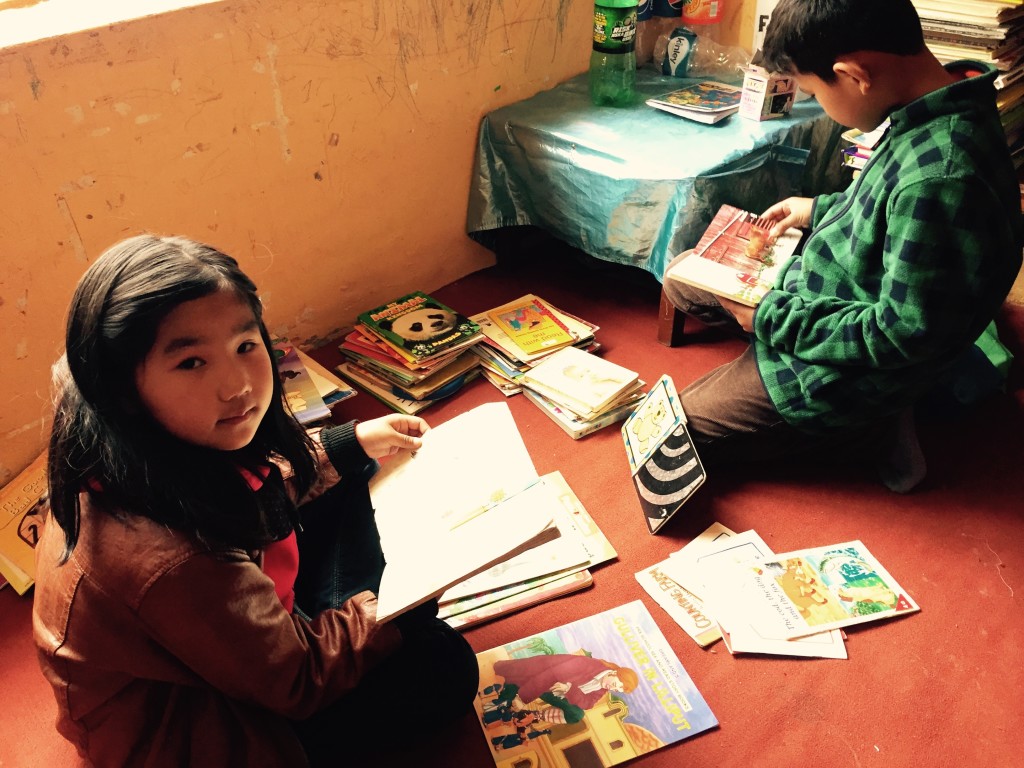
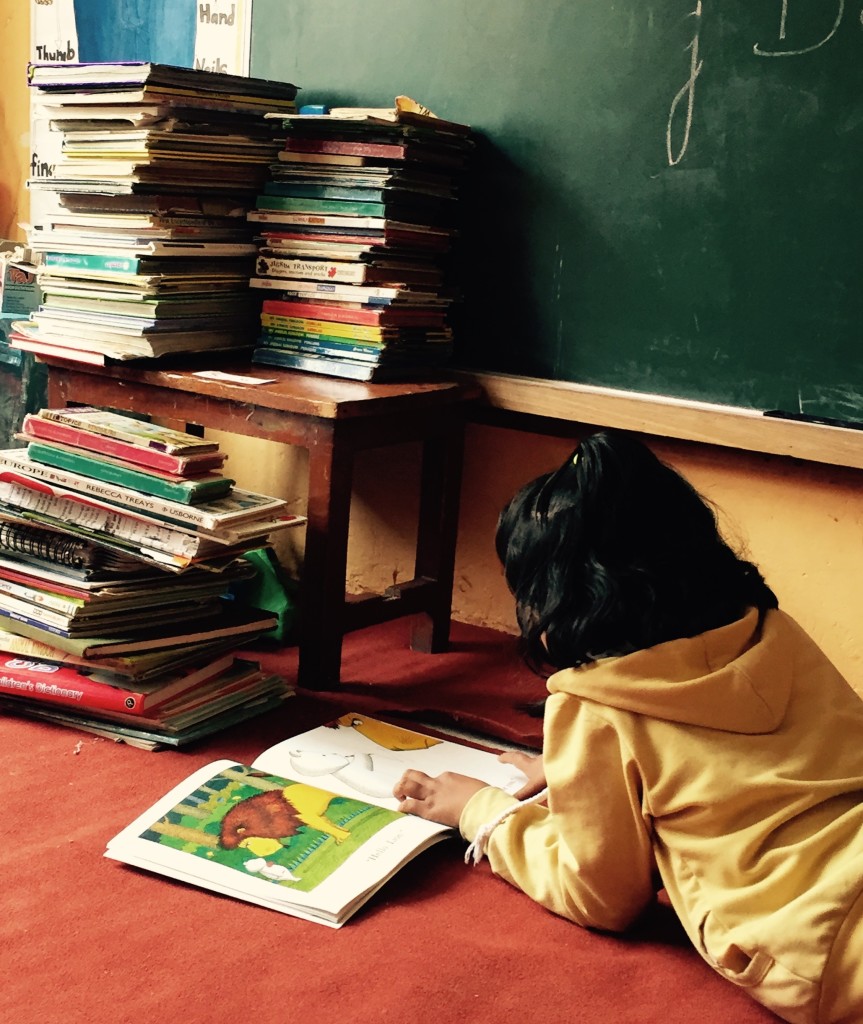
A reading habit grows when children associate books with pleasure, belonging, and personal choice. This is why access to quality books matters alongside formal instruction. A child who finds a favorite story is more likely to return to the shelf independently.
Volunteers make space for every voice
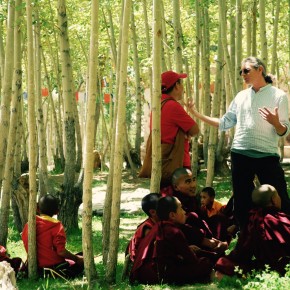
The adult leading story hour does not need to perform dramatically or have specialized teaching credentials. The most important qualities are patience, attentiveness, and respect for each child’s pace. A calm volunteer can notice who is engaged, who needs encouragement, and who may prefer a quieter role.
Inclusive storytelling avoids putting one child on the spot. Instead of requiring everyone to answer, the group can respond together through clapping, movement, drawing, or repeating a line. Children can also be invited to pass, listen, or contribute later. These choices protect dignity while keeping the door open to participation.
Volunteers can support confidence by praising specific actions. “You noticed an important detail” is more meaningful than general praise. “You waited and listened carefully” shows a quiet child that attentive participation is valuable. Gradually, such feedback helps children trust their own ideas.
Reading rooms become community anchors
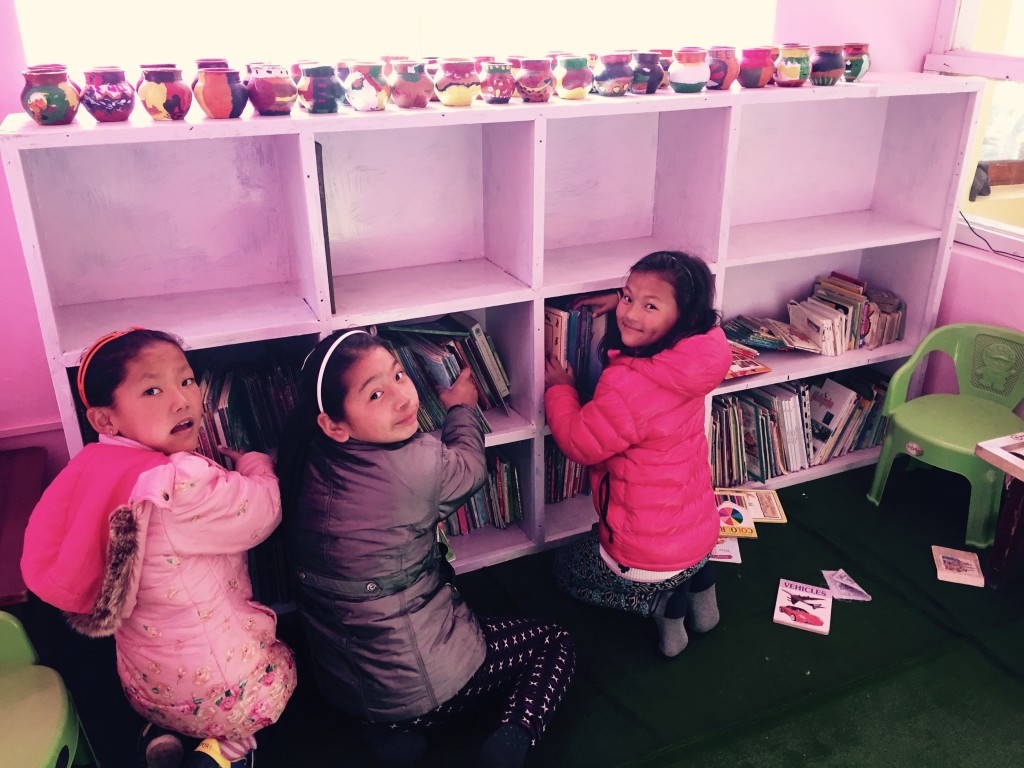
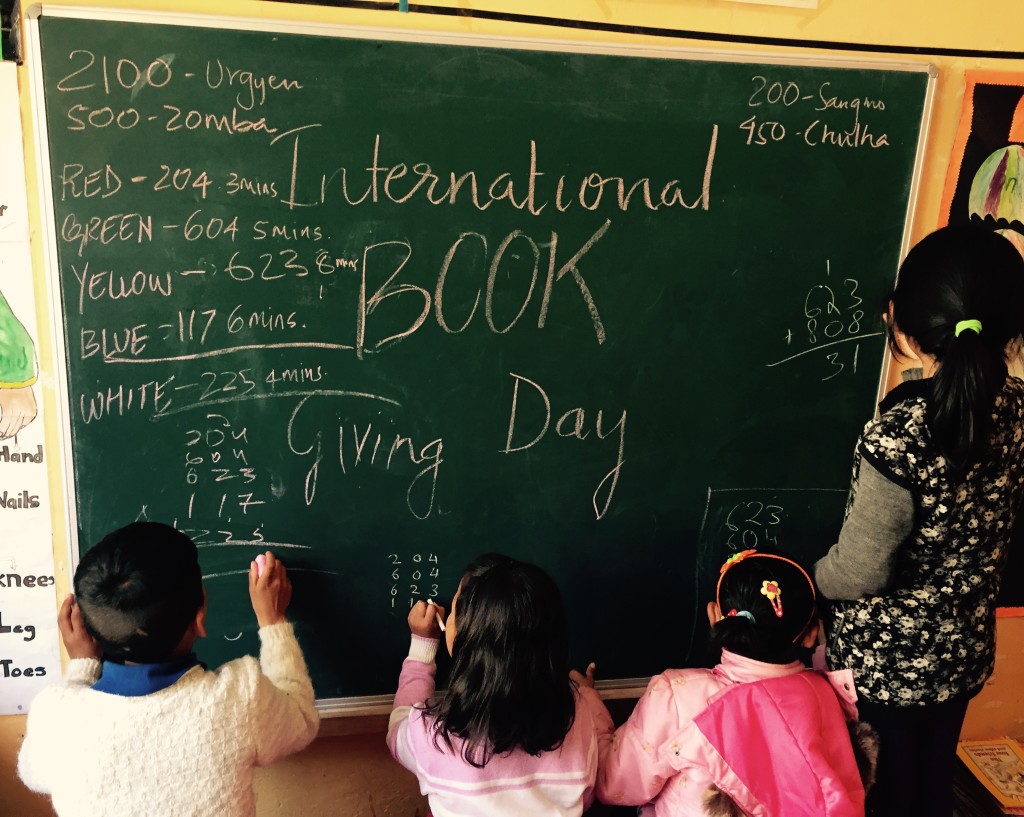
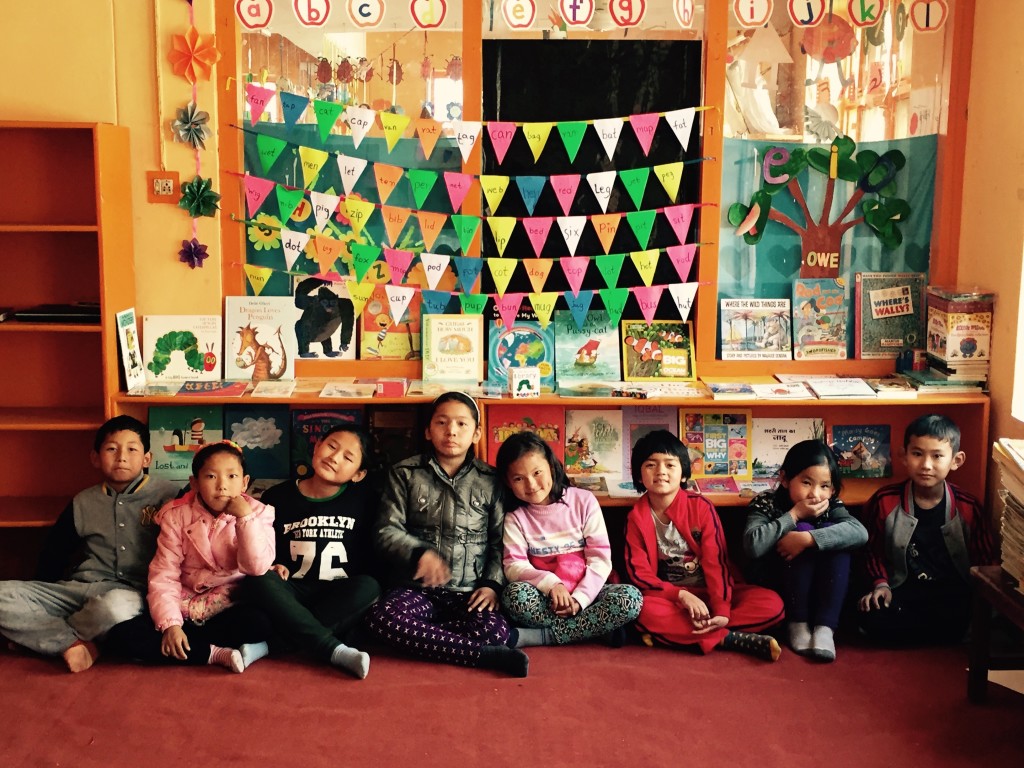
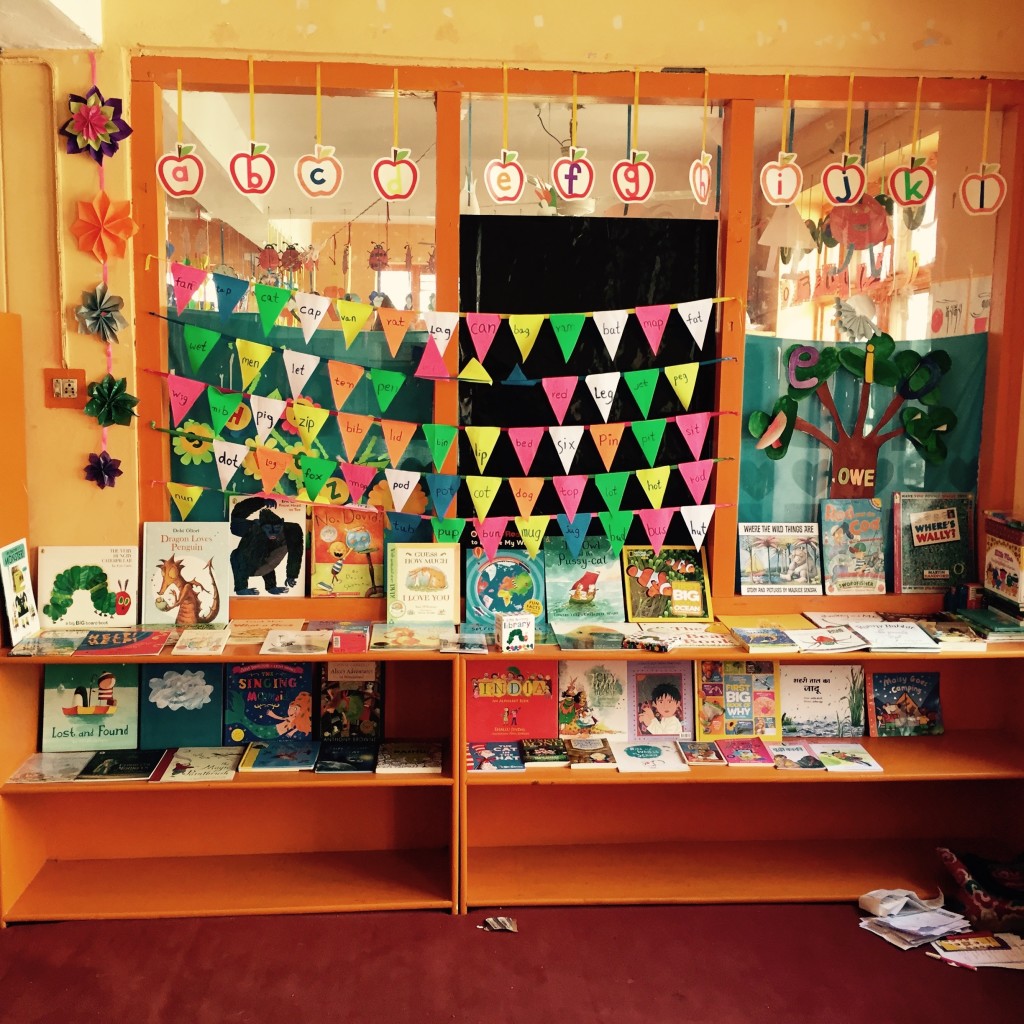
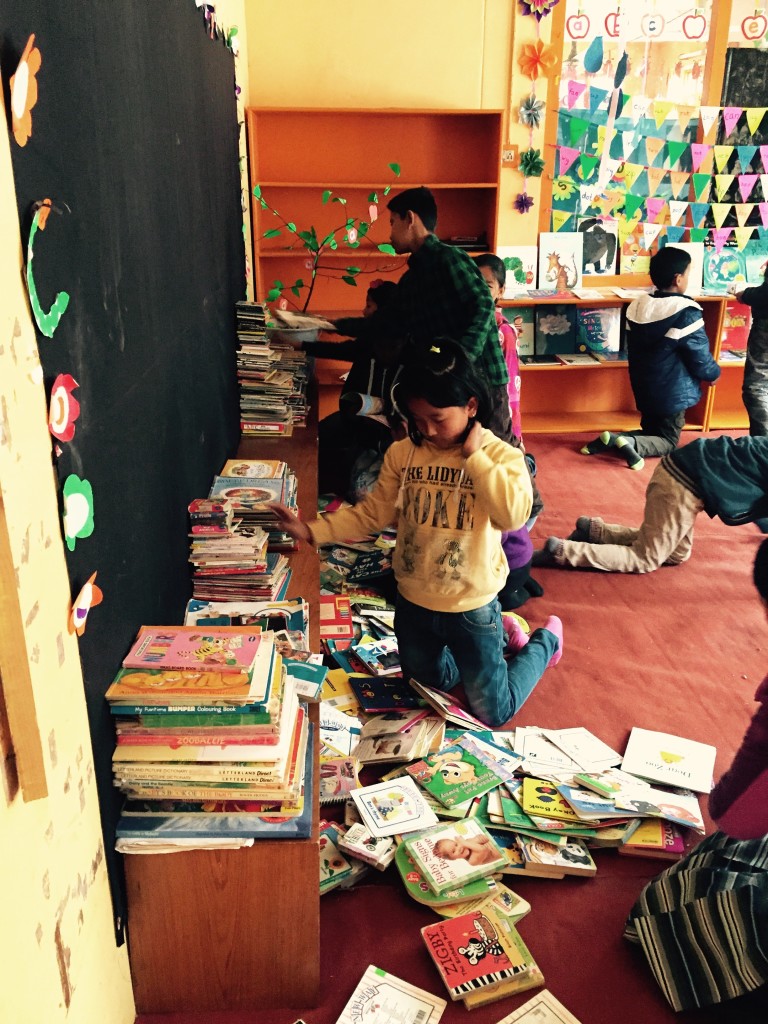
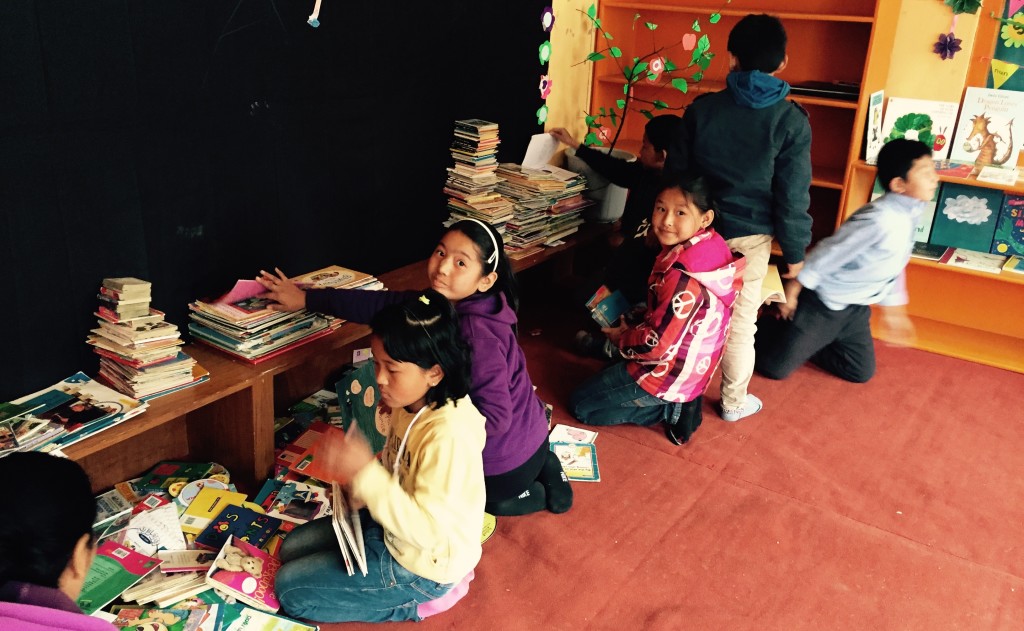
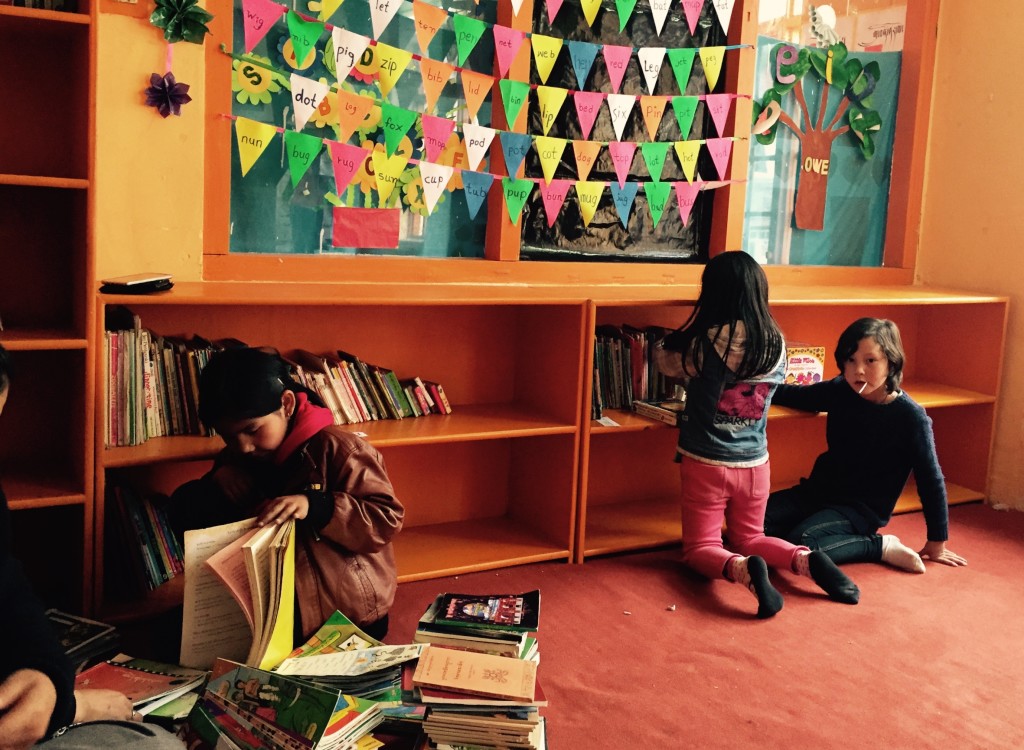
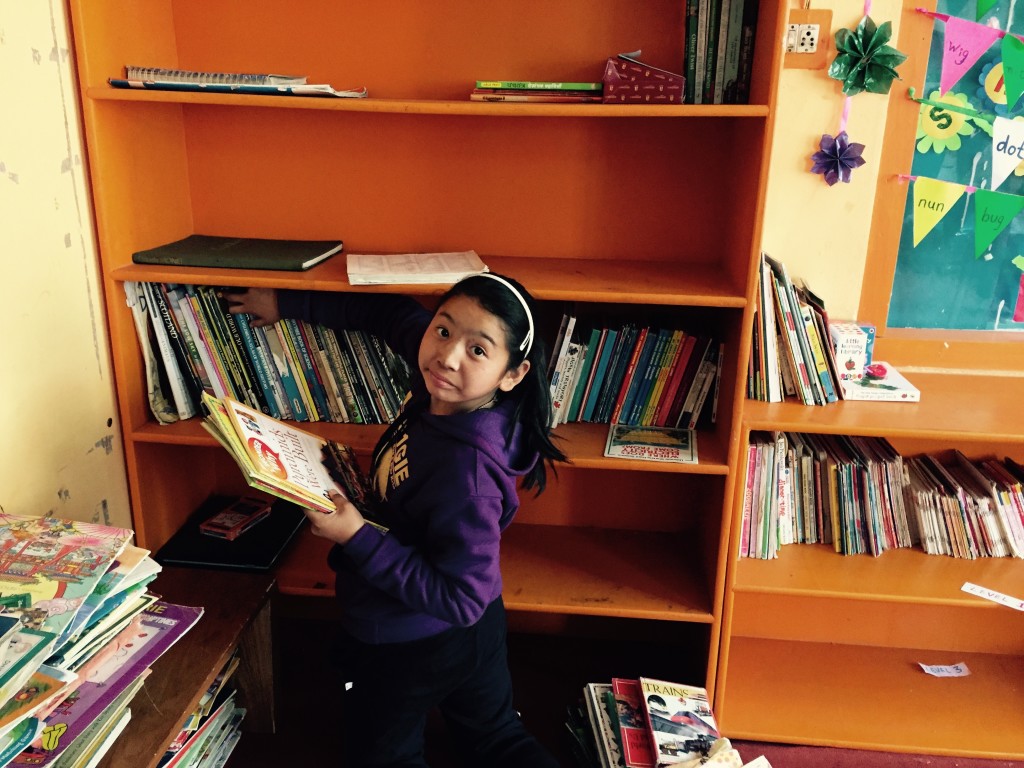
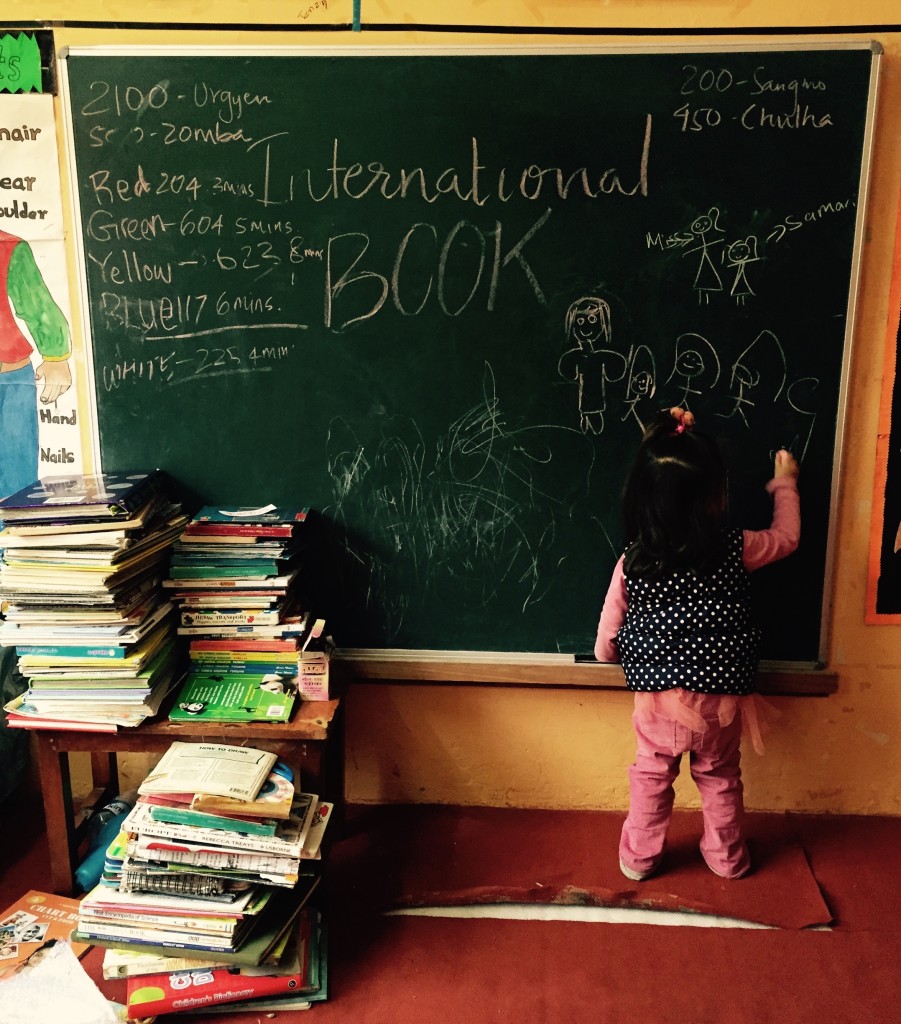
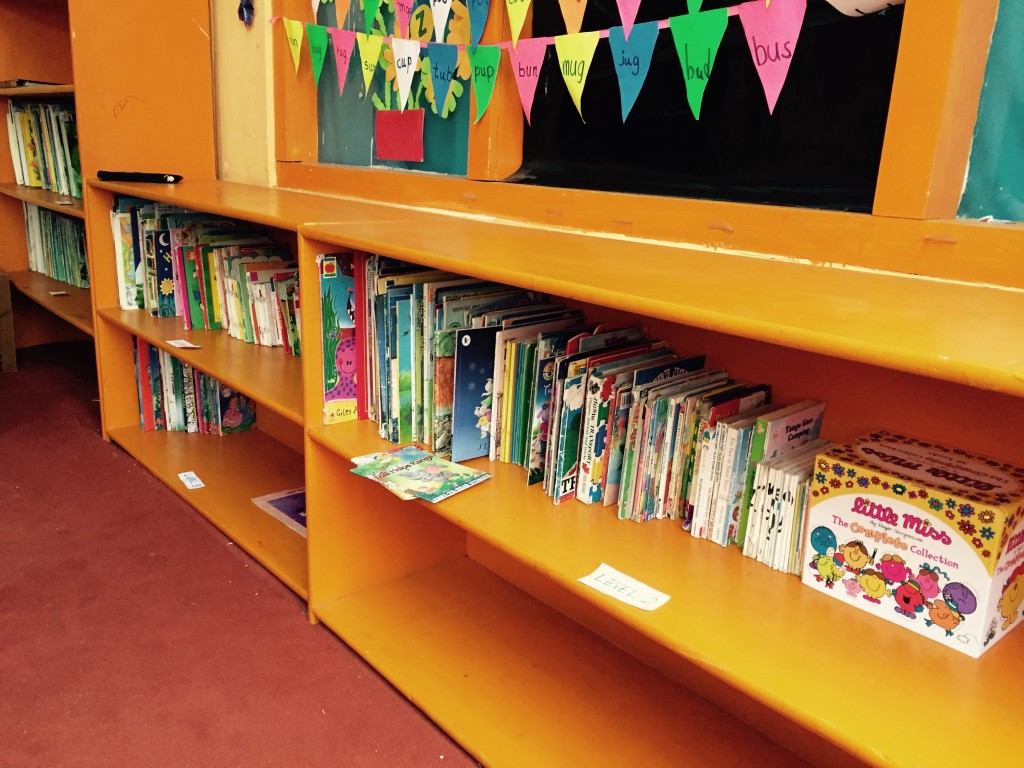
A well-supported reading room can extend the benefits of story hour beyond a weekly session. Children may return to browse books, complete schoolwork, draw characters, or listen to music. The space becomes associated with discovery rather than evaluation.
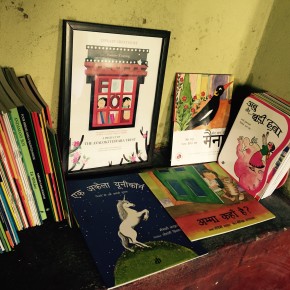
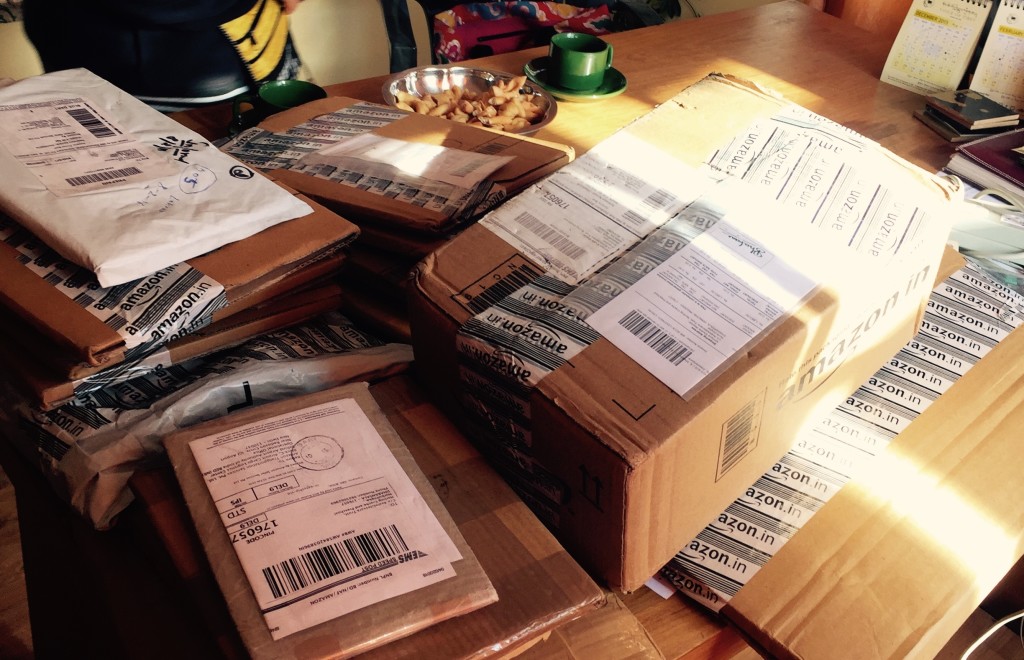
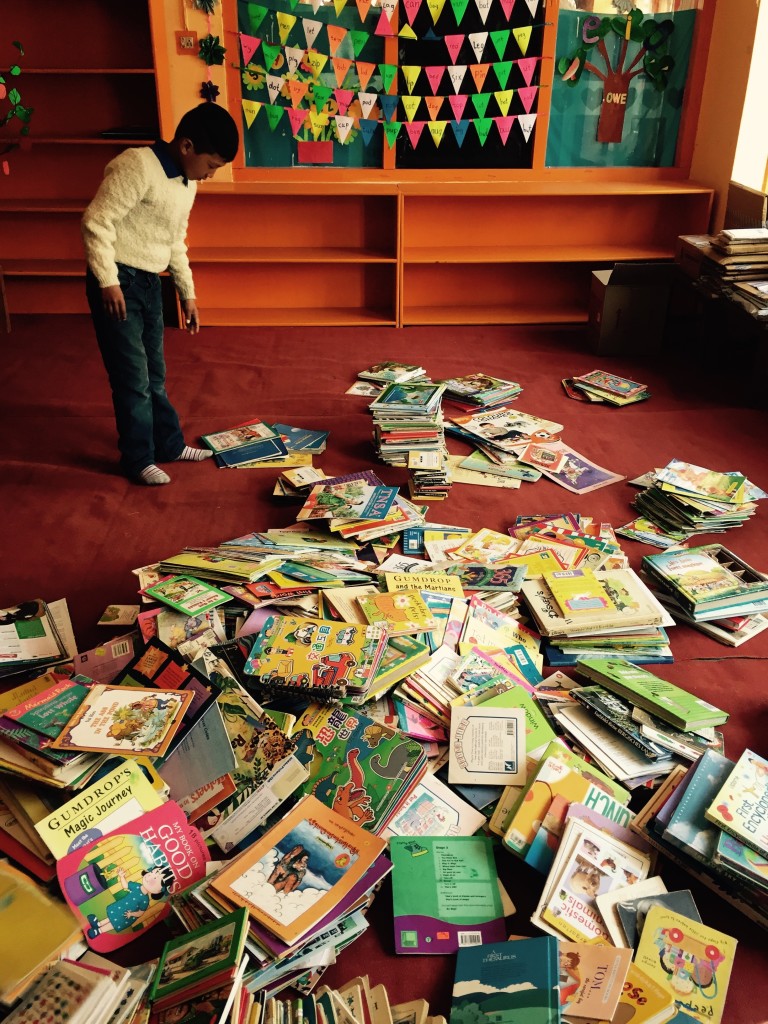
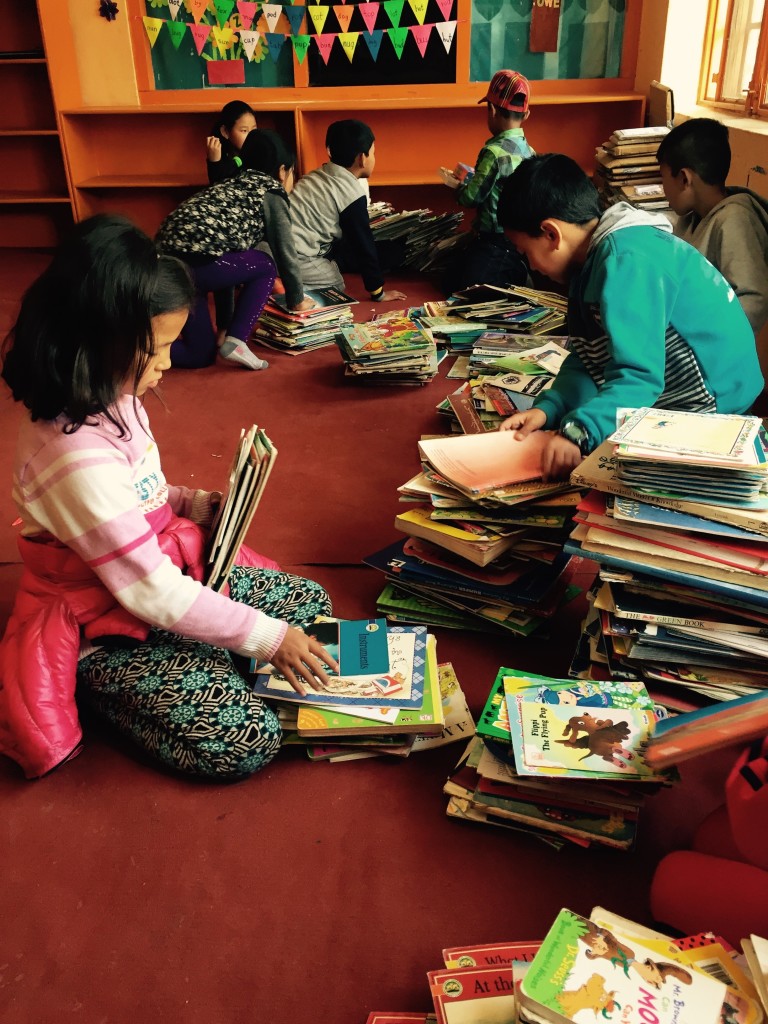
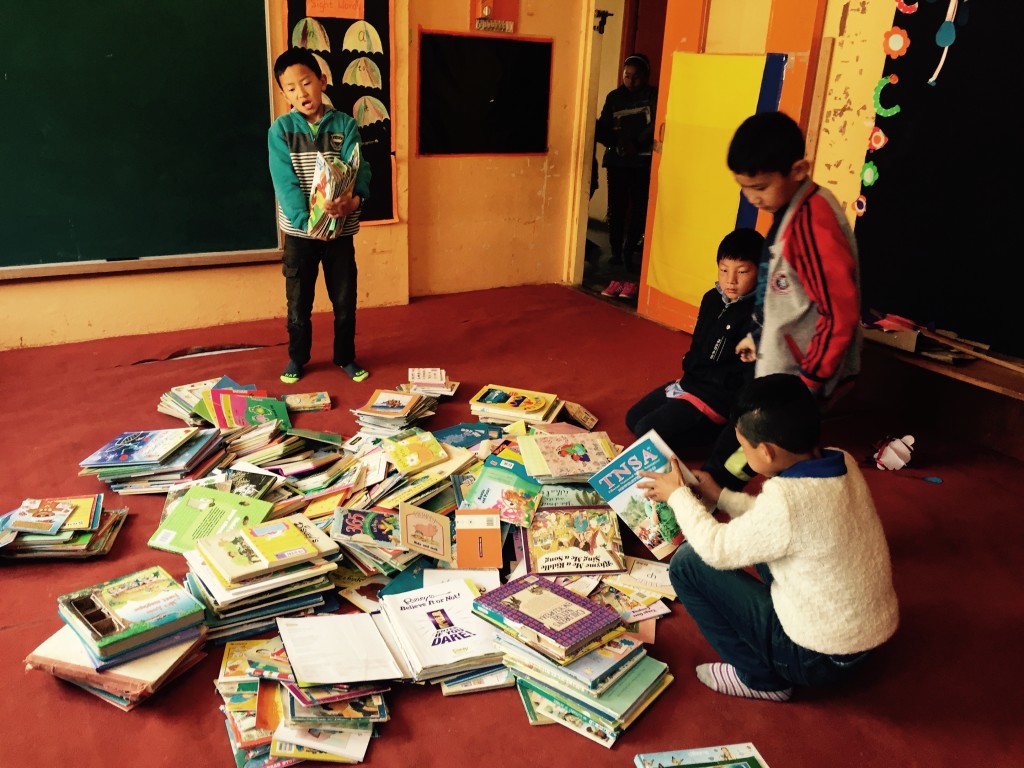
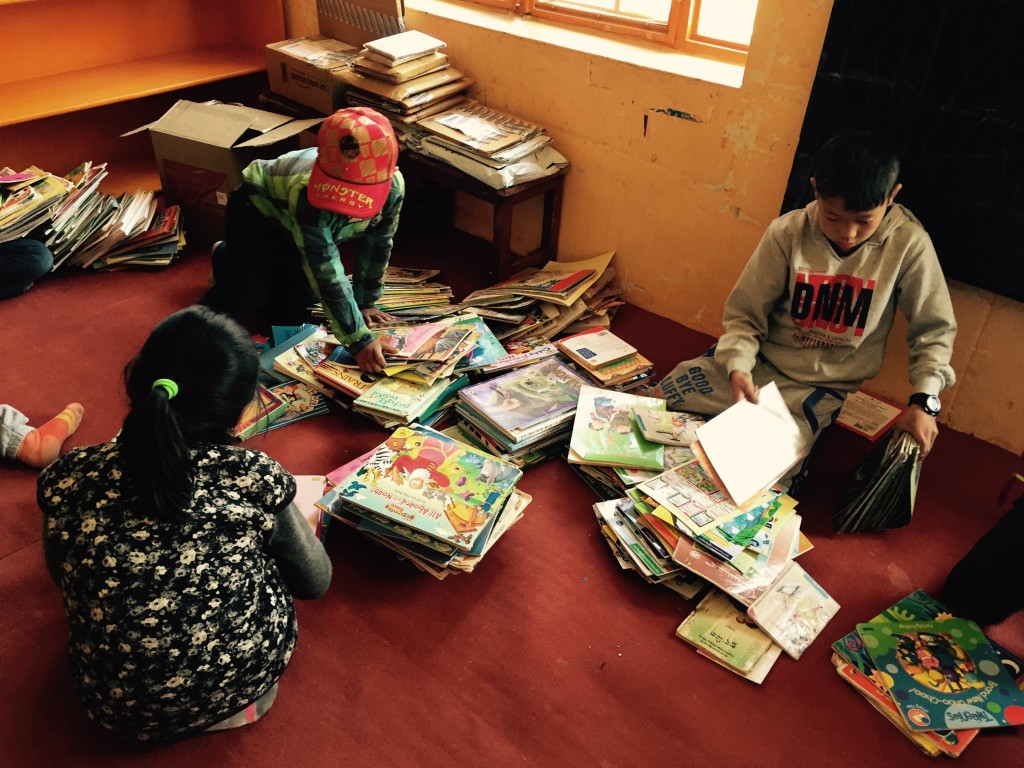
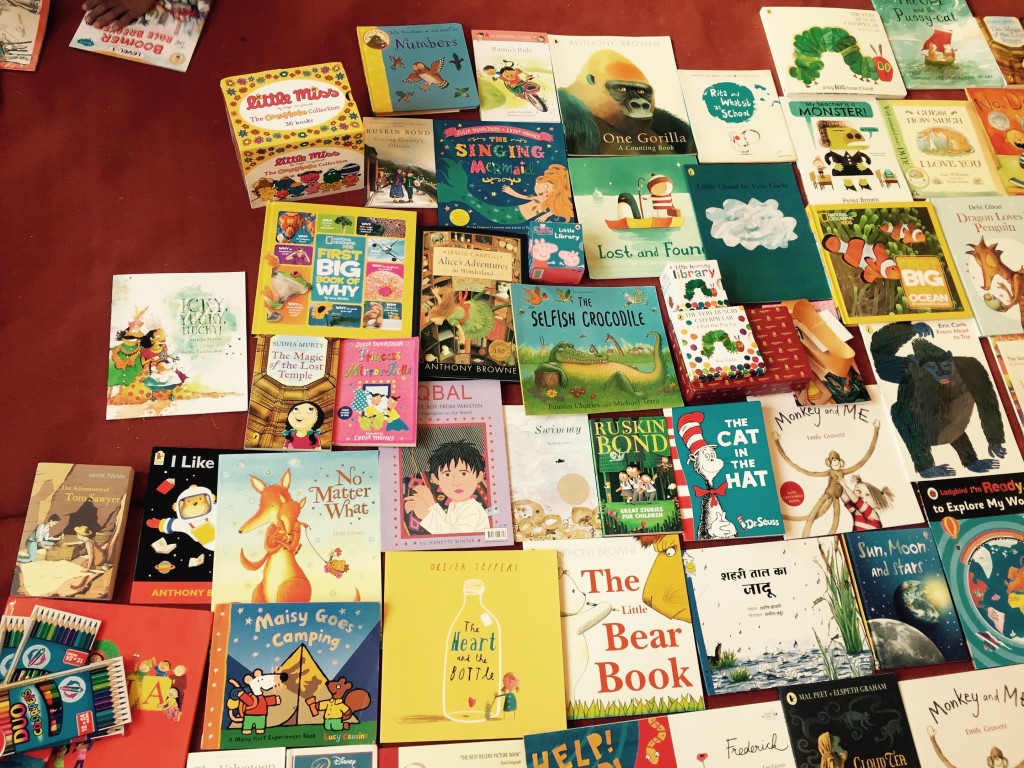
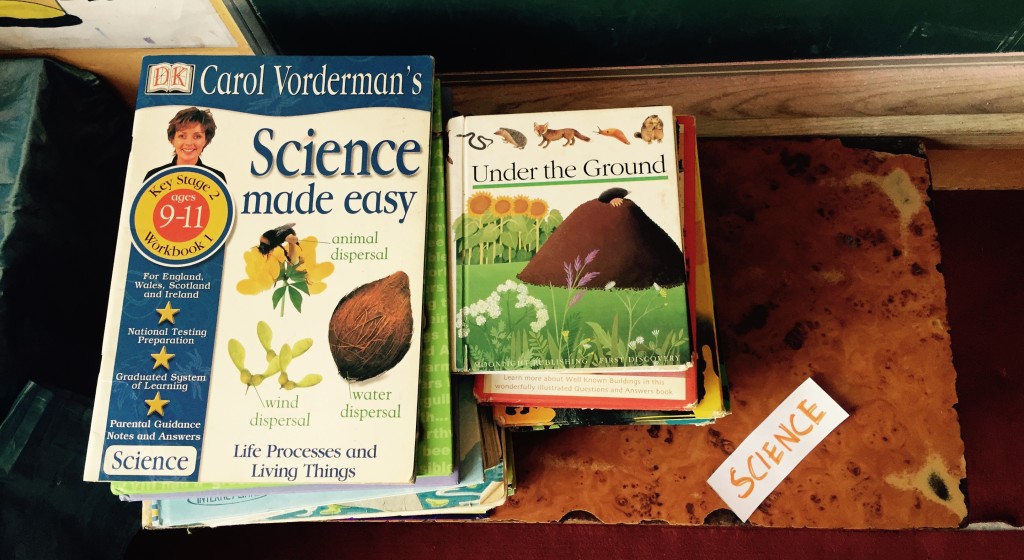
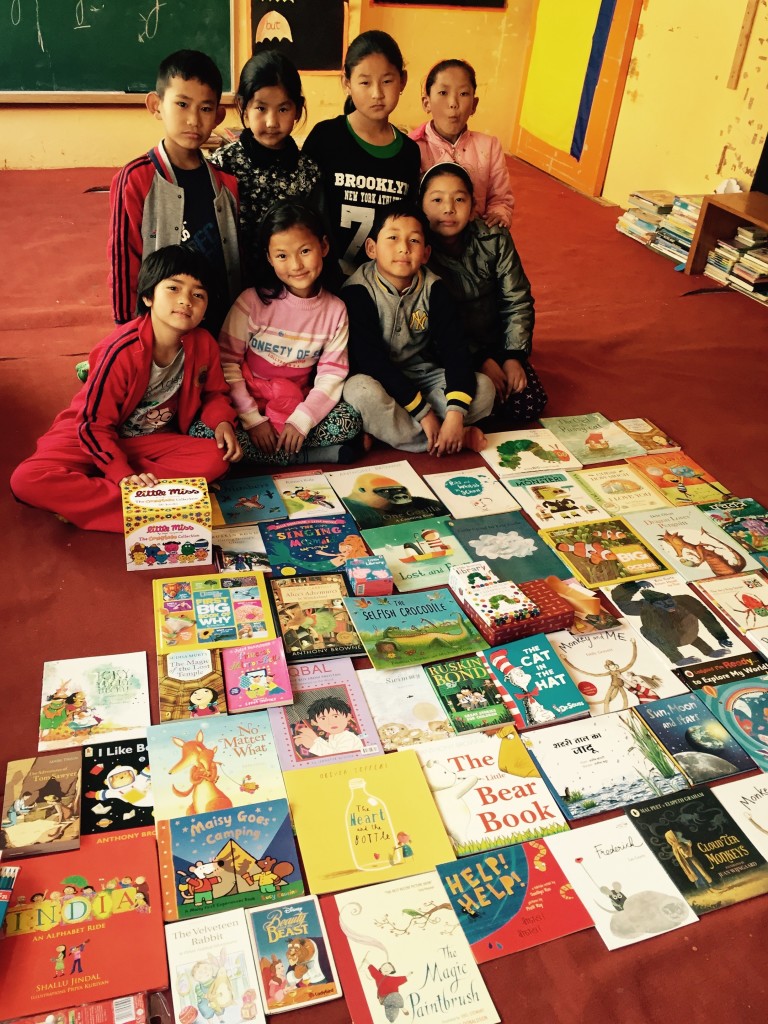
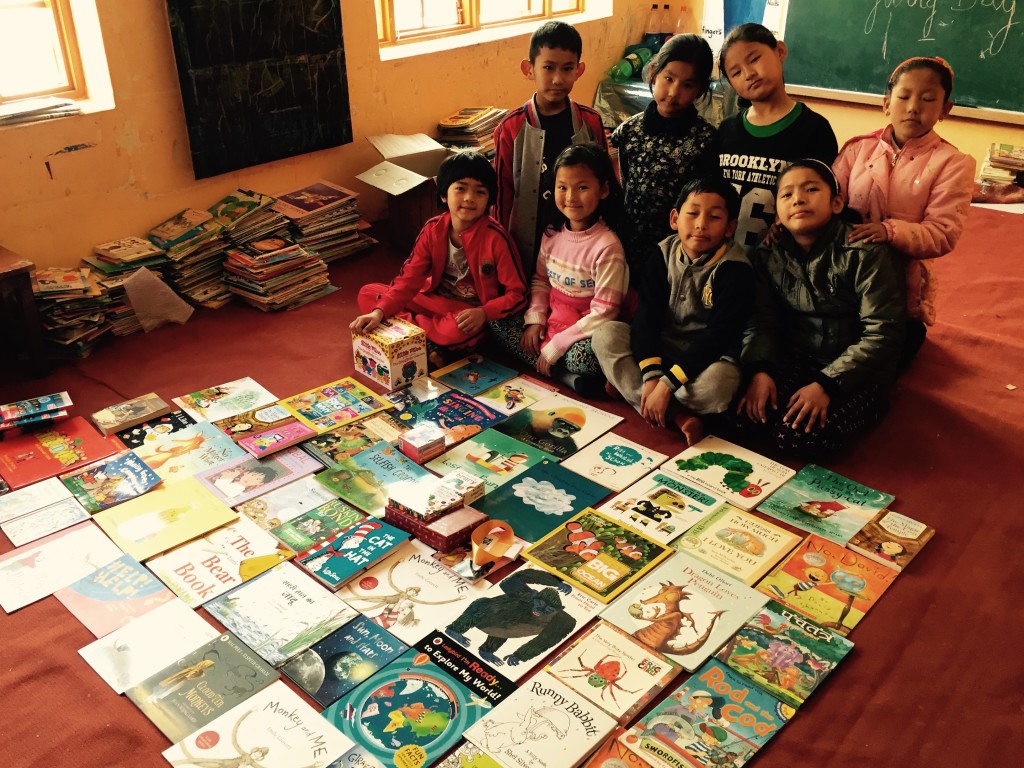
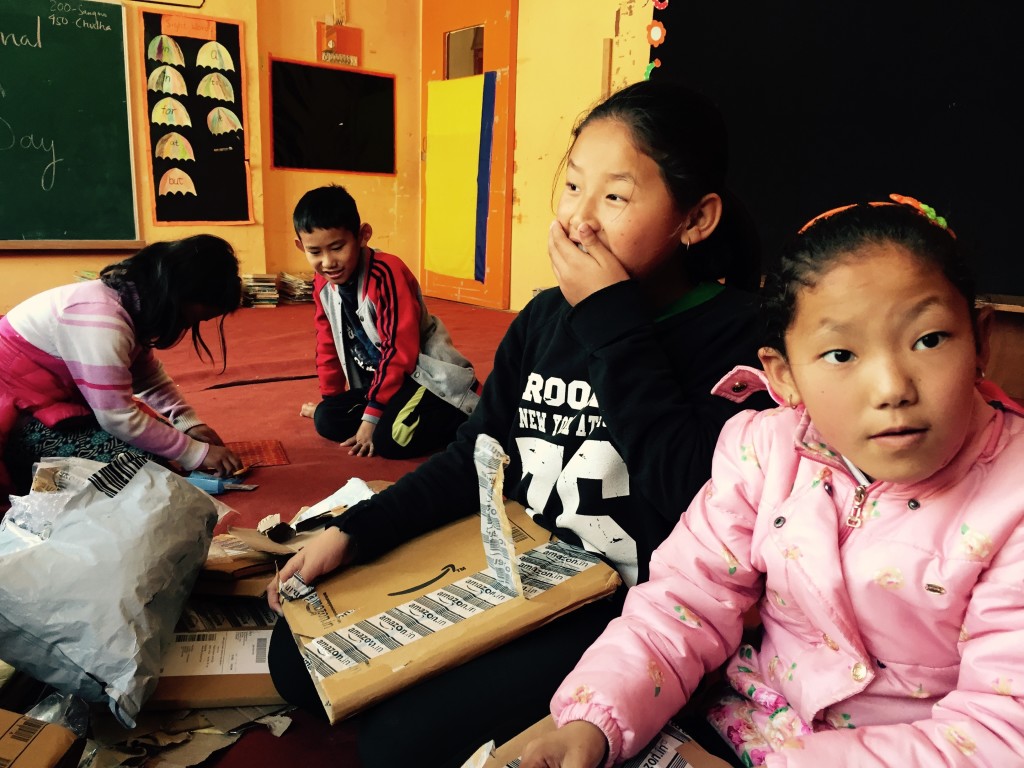
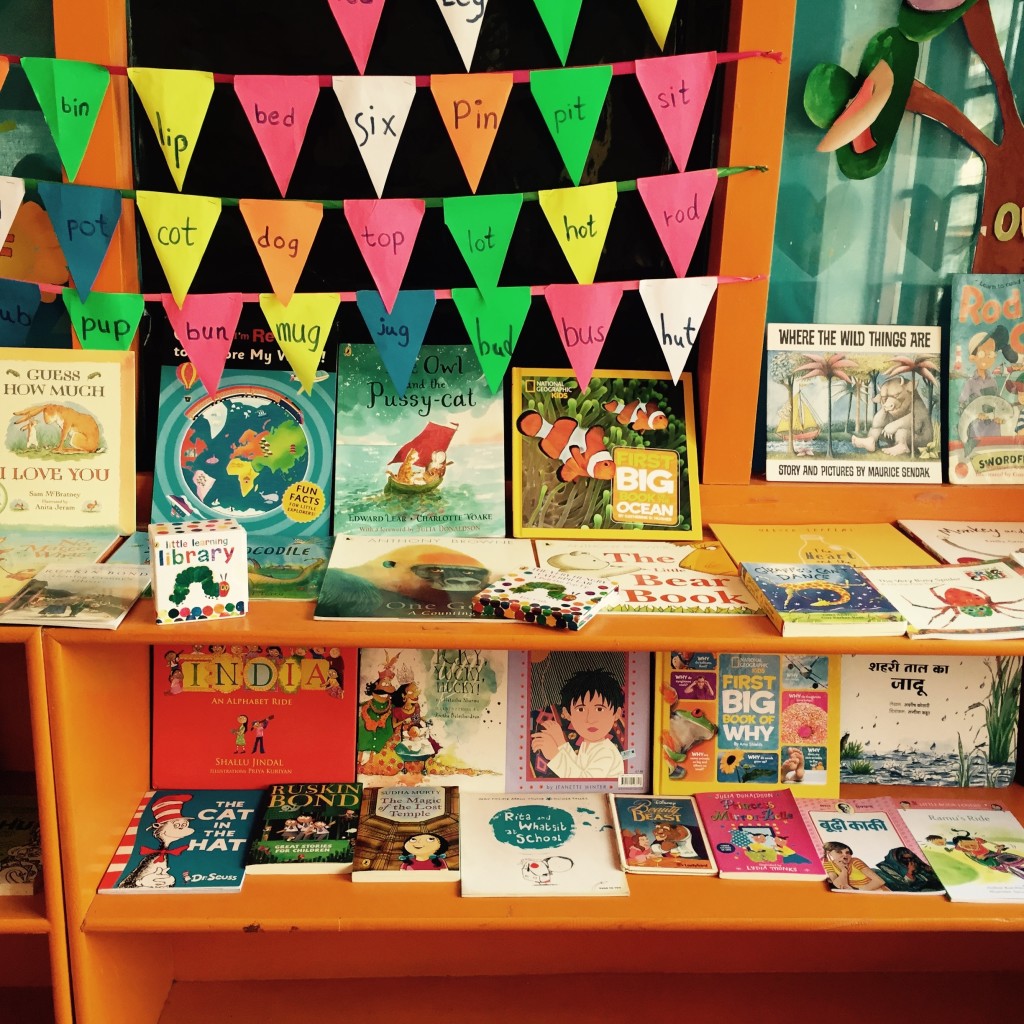
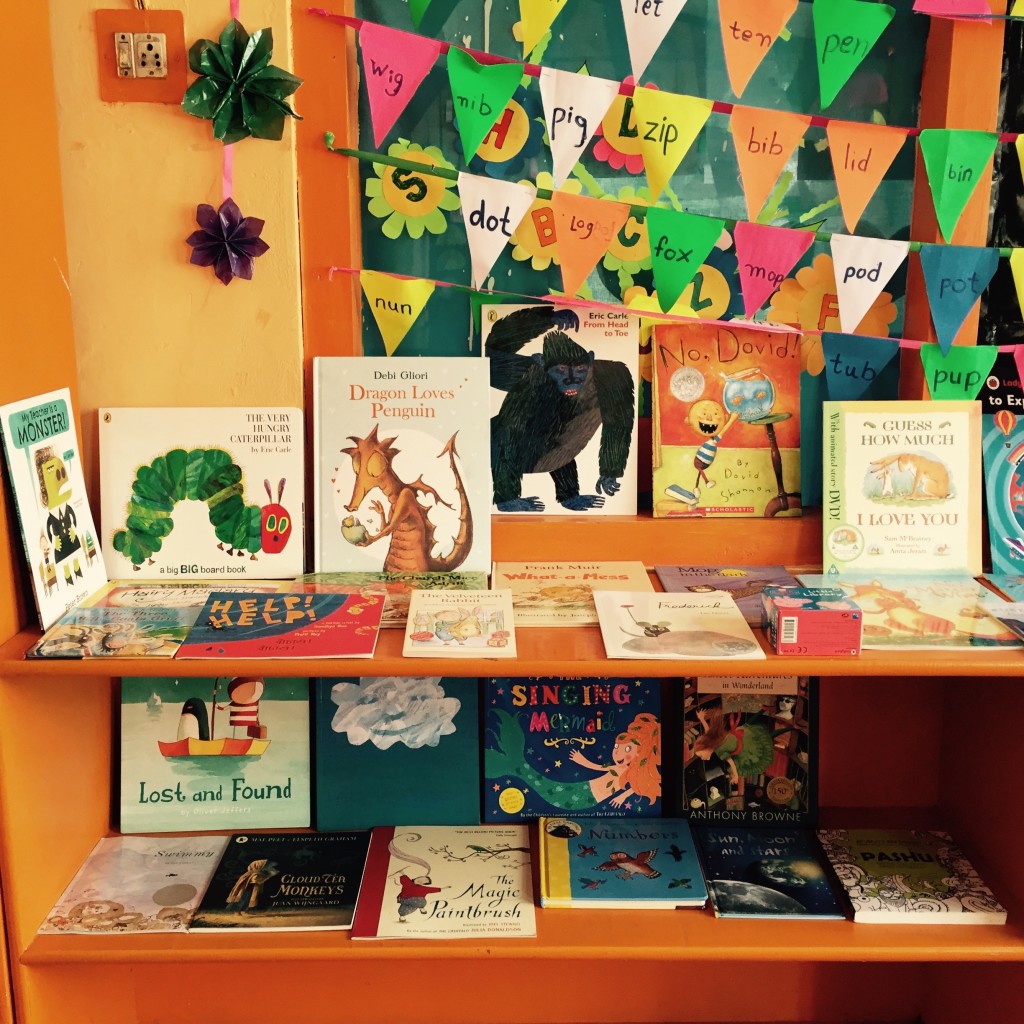
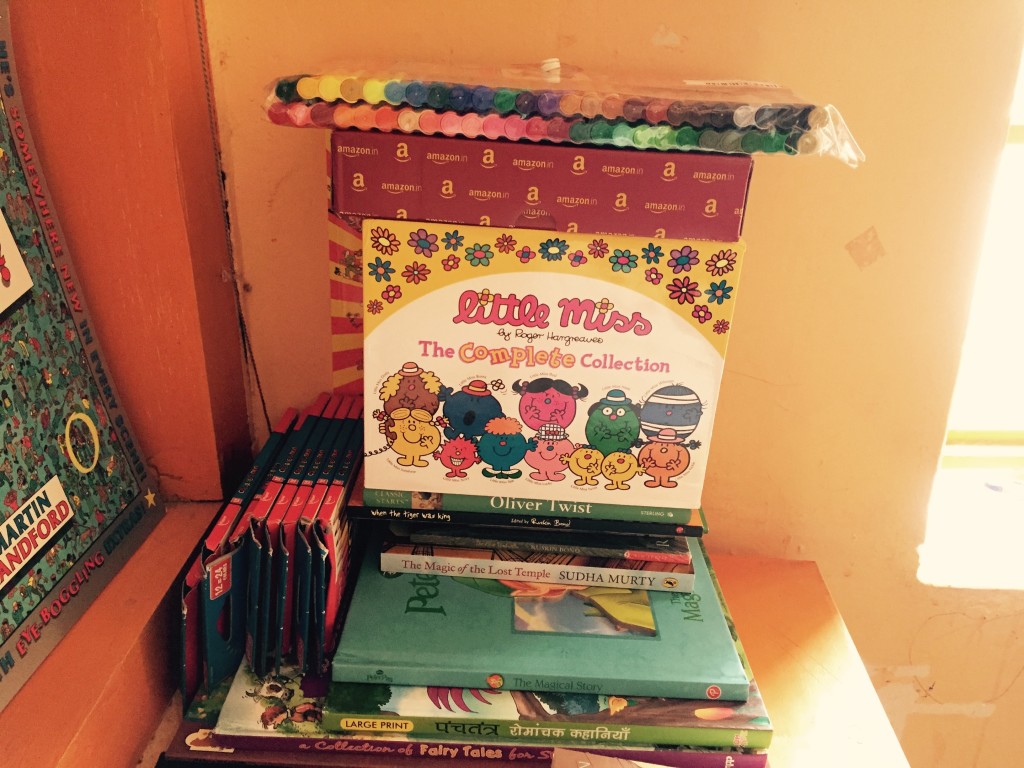
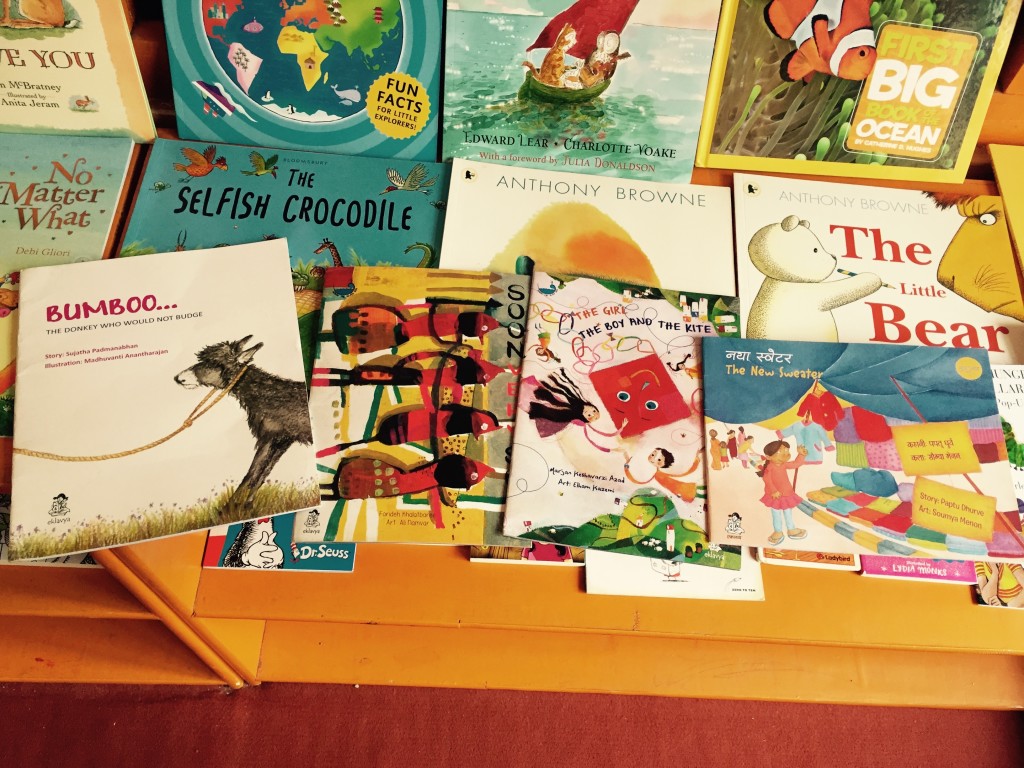
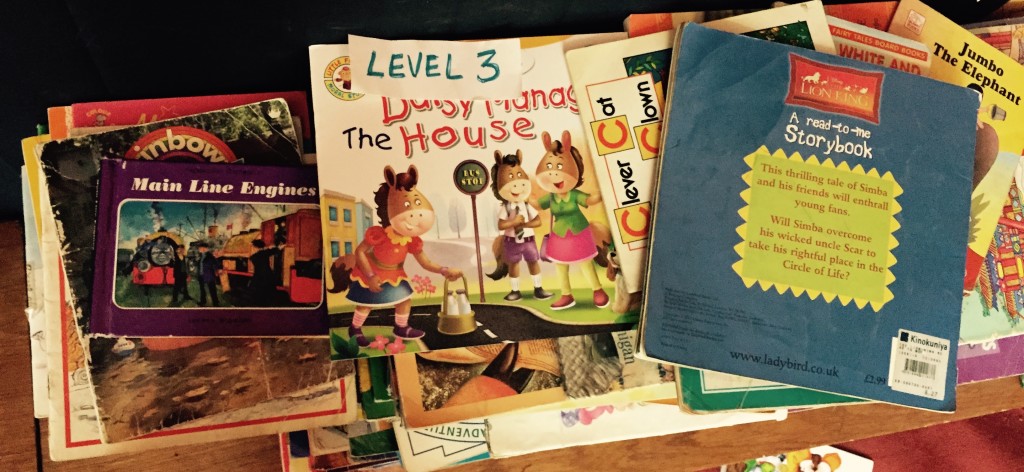
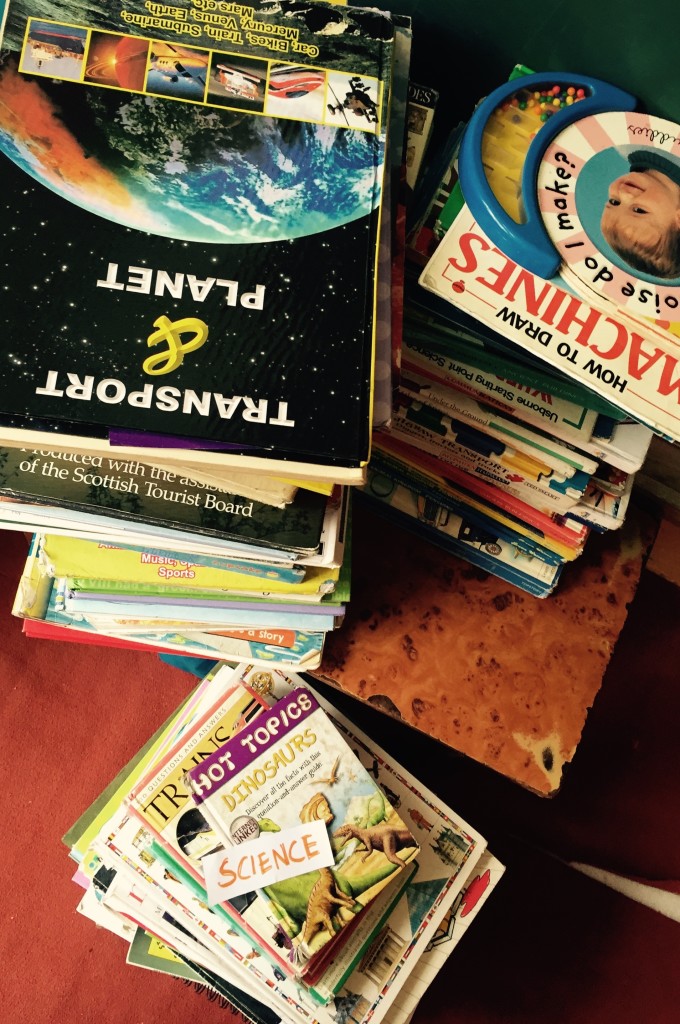
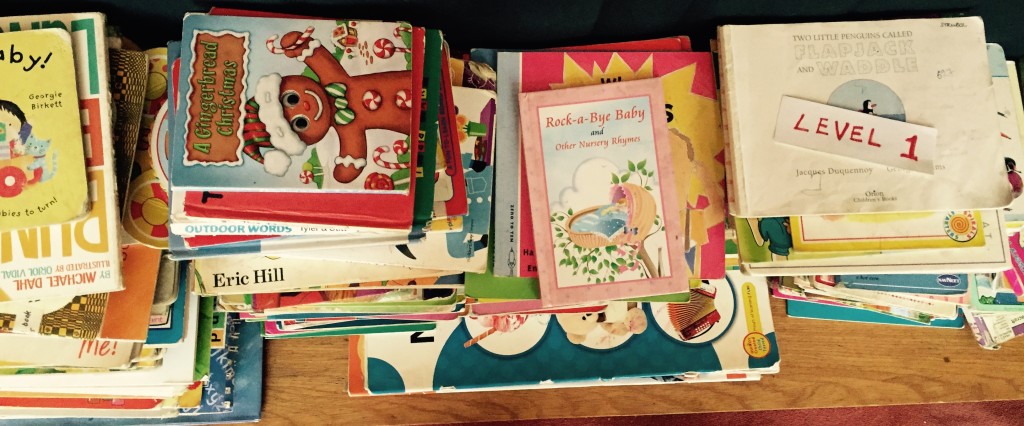
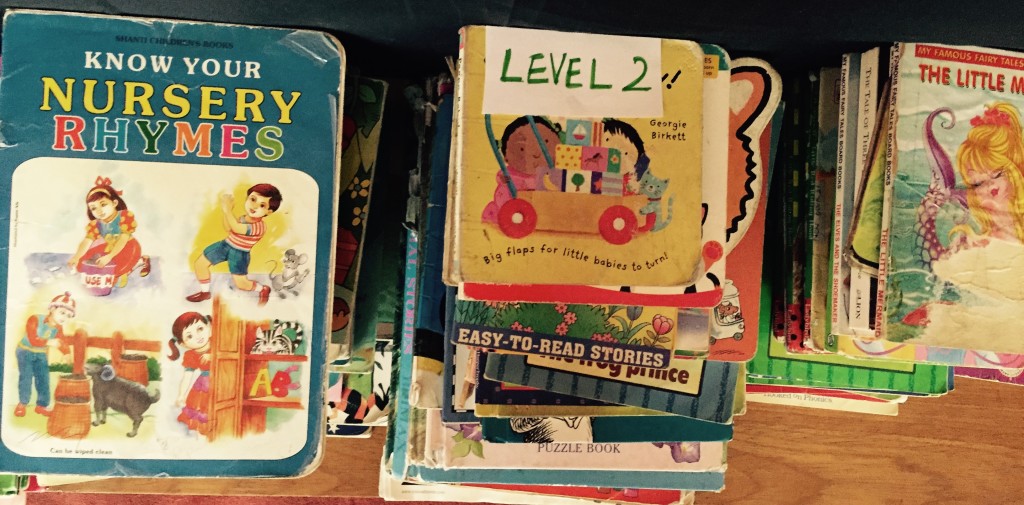
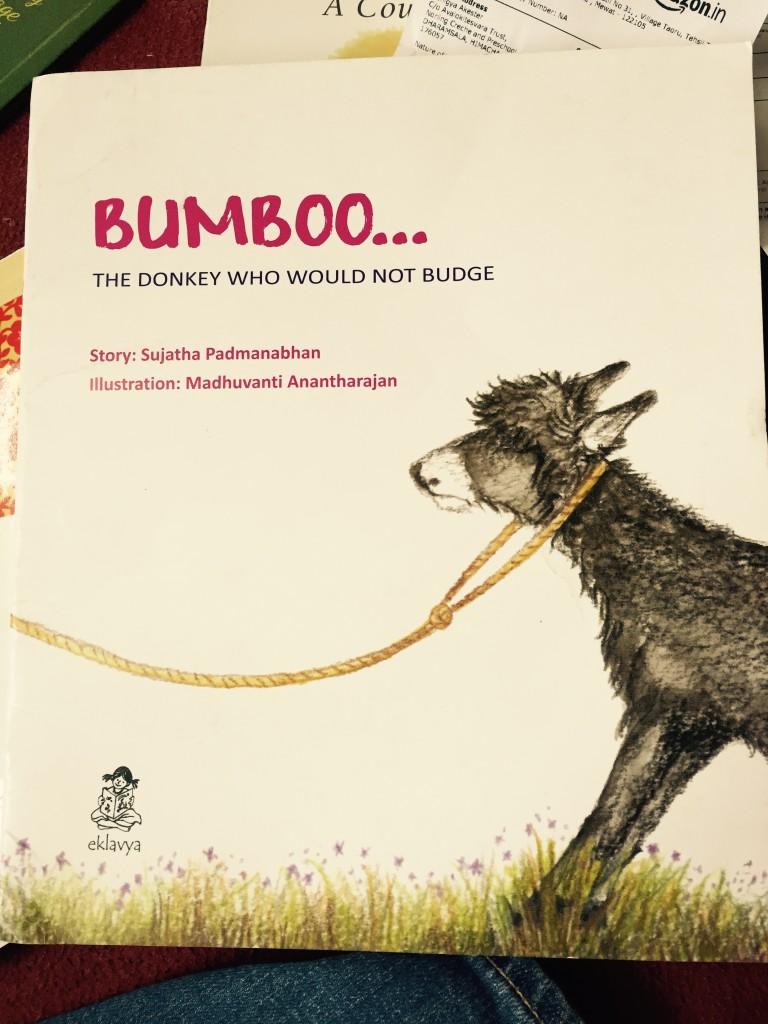
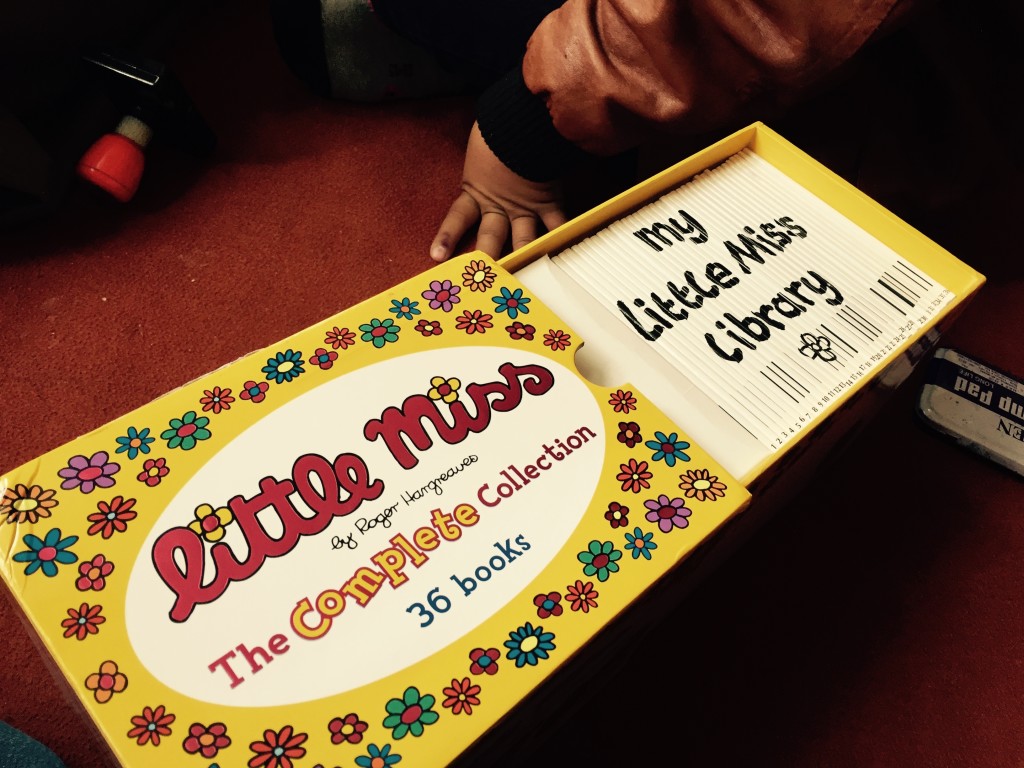
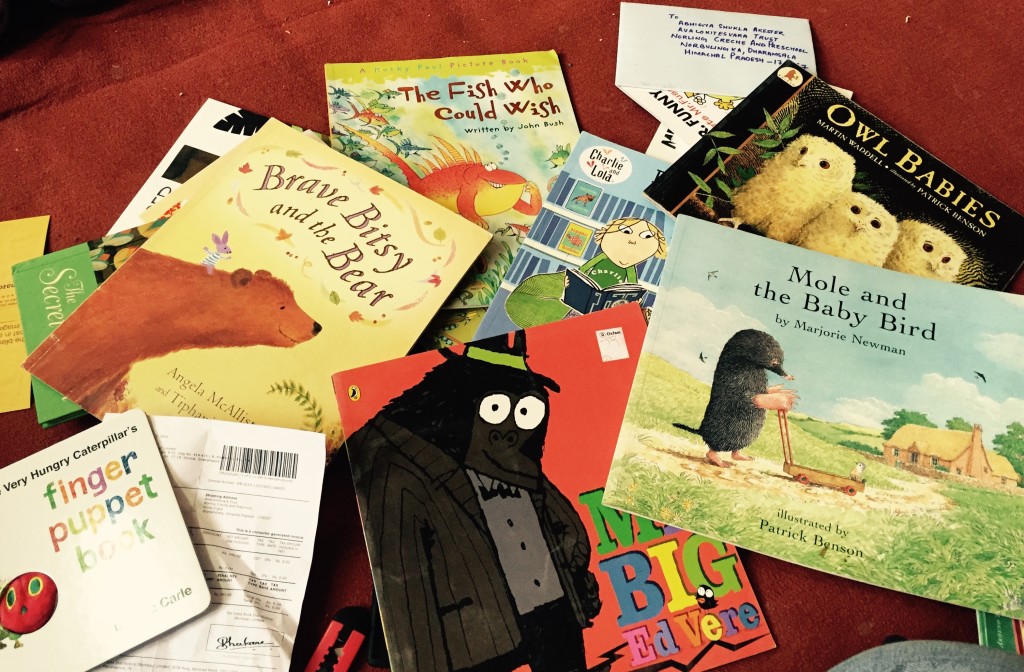
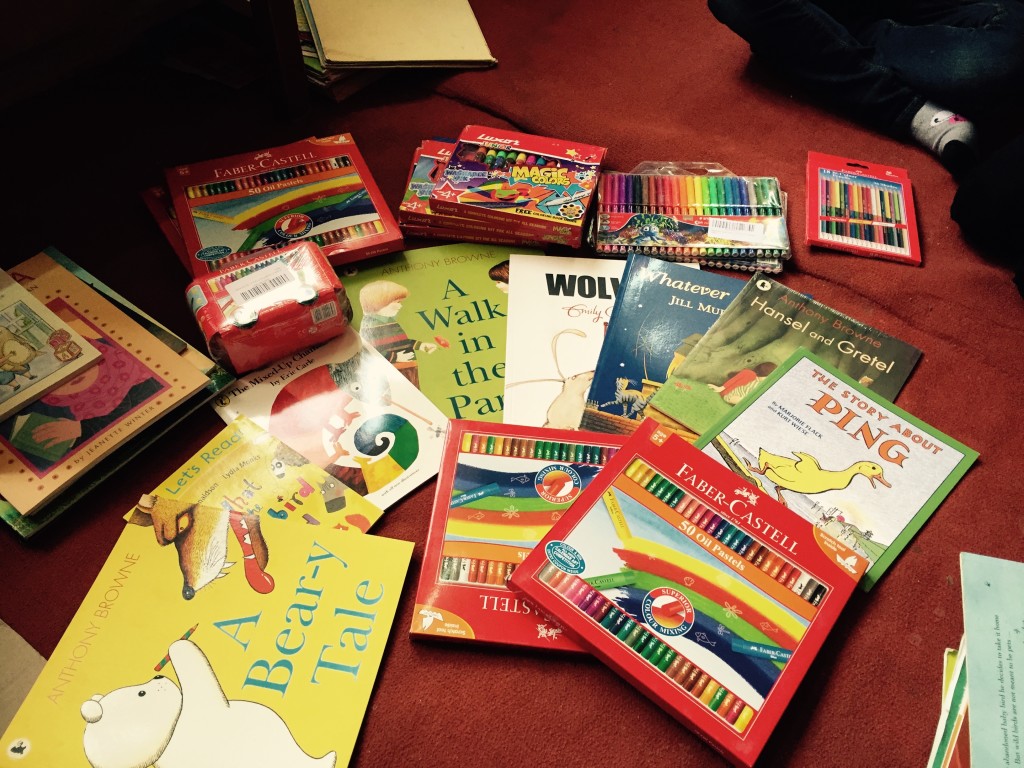
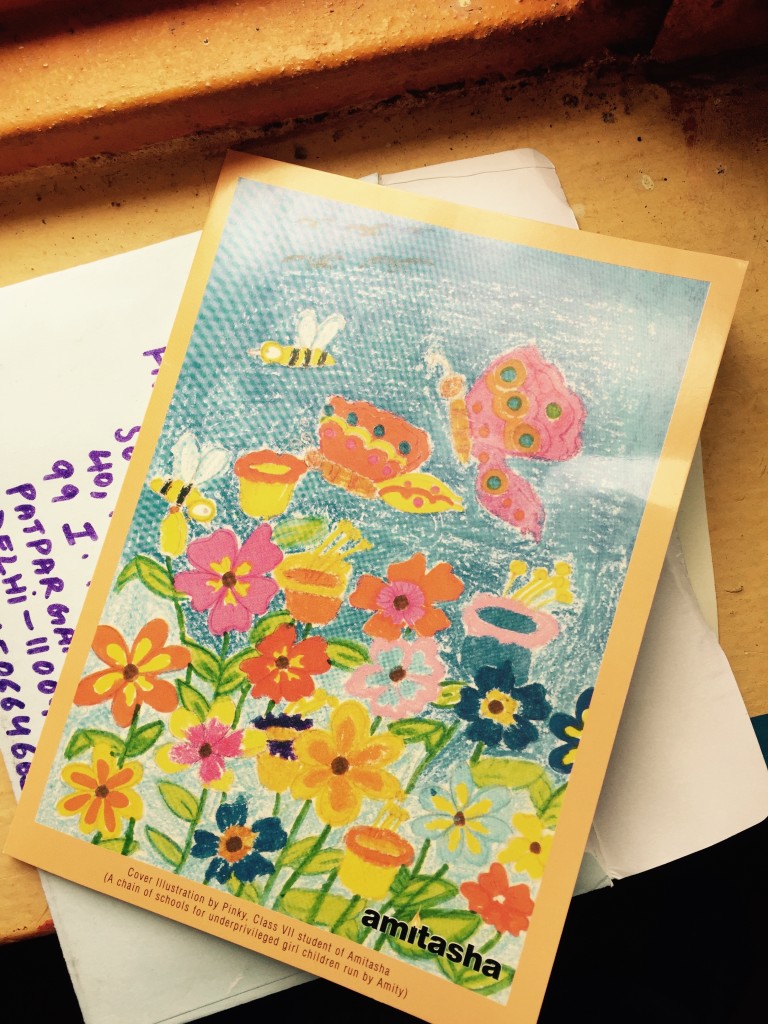
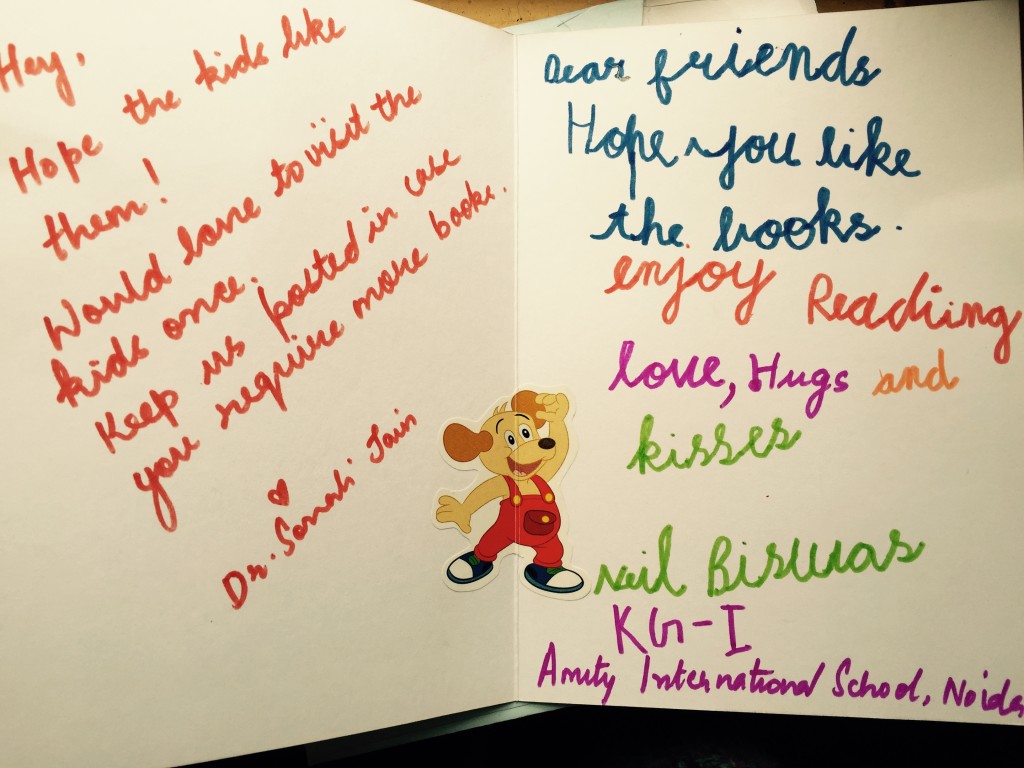
Book drives and carefully selected donations help create a collection that reflects children’s interests and experiences. Picture books, folktales, beginner readers, poetry, science books, and bilingual materials can serve different ages and reading abilities. When children see books that connect with their culture, landscape, and daily lives, reading feels more relevant.
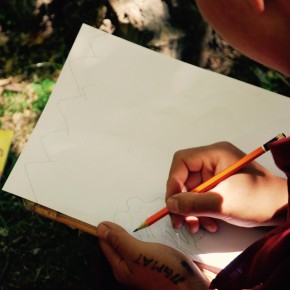
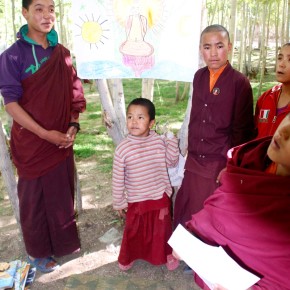
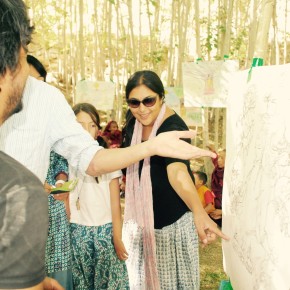
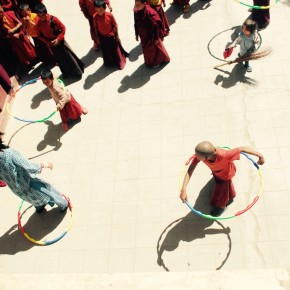
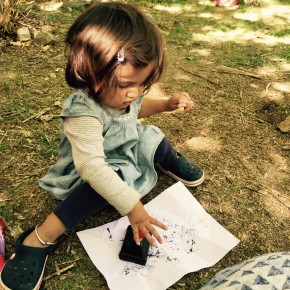
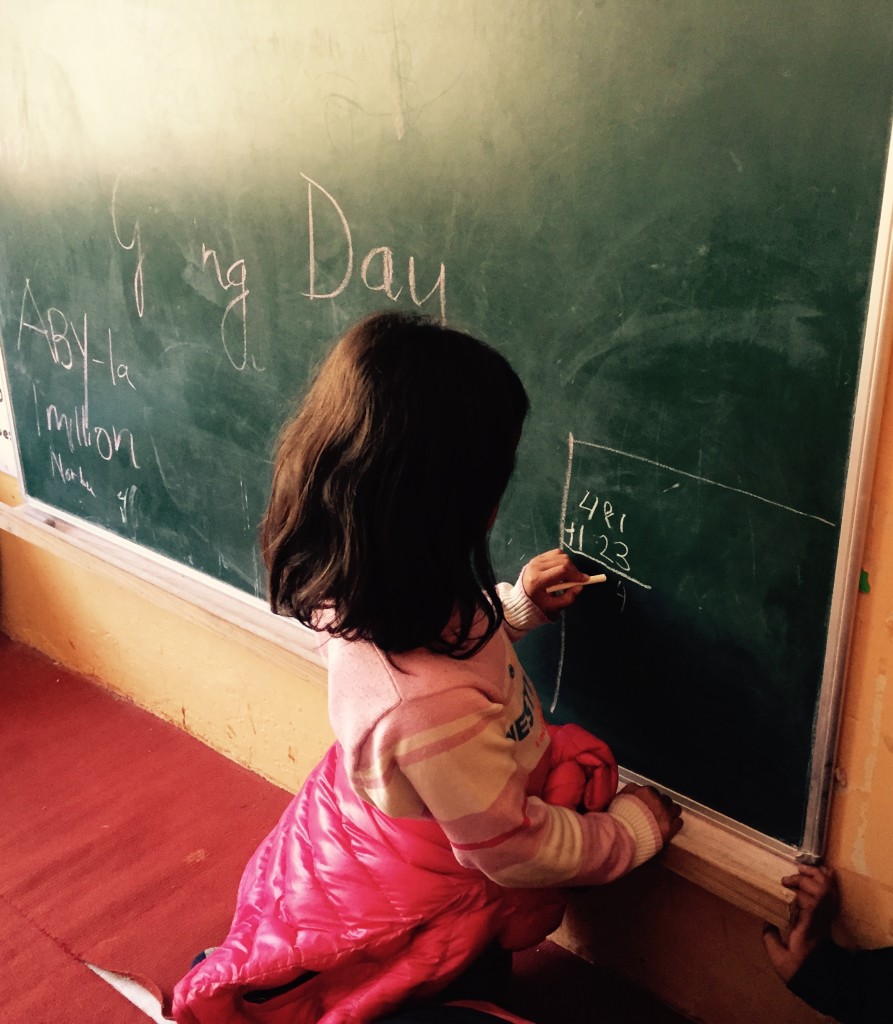
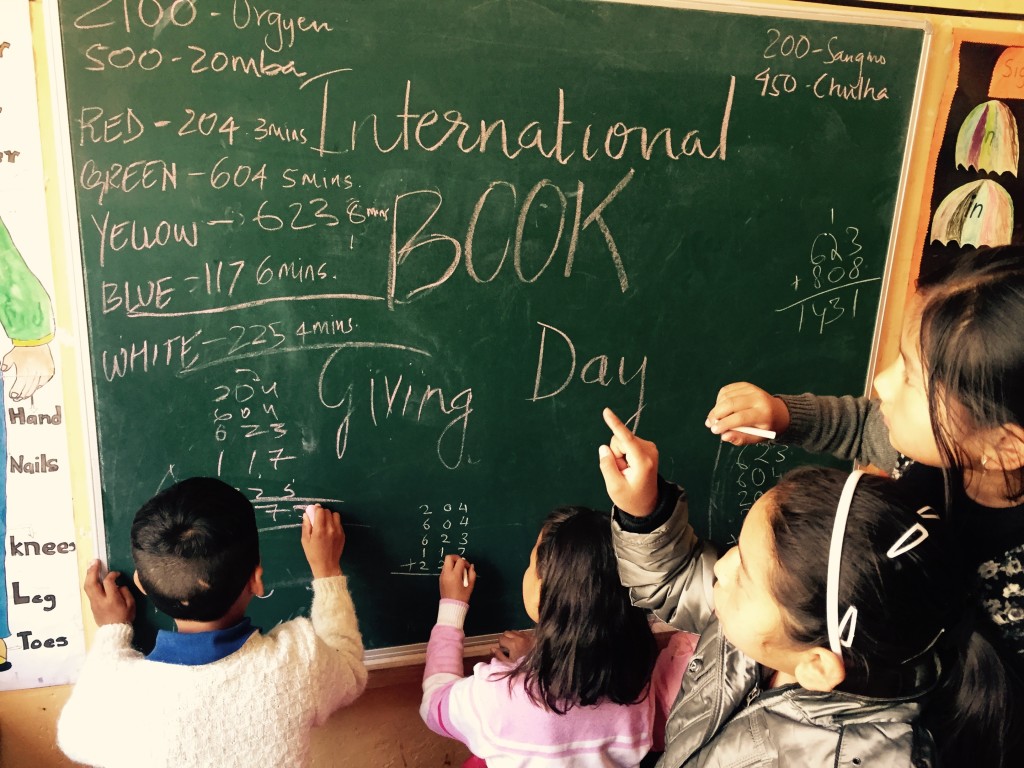
In Ladakh and other Himalayan communities, educational activities can also connect literacy with art and music. Children might illustrate a mountain story, create a rhythm for a poem, or act out a scene from a book. These activities give shy children alternative forms of expression and reinforce the idea that reading is creative.
Ways to encourage quiet readers
A story hour works best when its atmosphere is welcoming, flexible, and free from comparison. Families, educators, volunteers, and donors can help protect that atmosphere through thoughtful support:
- Offer a regular schedule so children know when and where story hour will happen.
- Provide books at several reading levels, including picture books and bilingual titles.
- Let children choose whether to speak, draw, act, or simply listen.
- Use paired reading and small groups before inviting children into larger discussions.
- Celebrate curiosity, effort, and kindness rather than speed or perfect pronunciation.
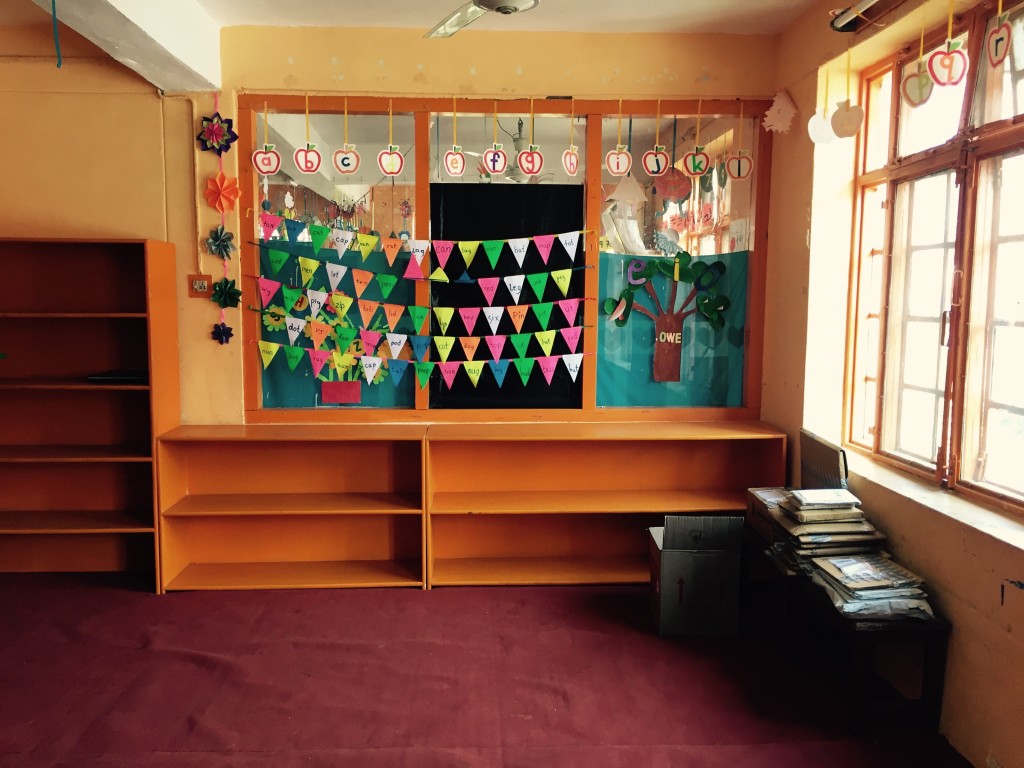
These practices can be adapted to monasteries, schools, community centers, and informal reading rooms. They require preparation, but many of the most effective tools are simple: a welcoming mat, a shelf of appealing books, a patient reader, and enough time for trust to develop.
The results may be quiet at first. A child may return with a book tucked under one arm, whisper a character’s name, or sit closer to the group than before. Those moments are meaningful signs of belonging and growing confidence.
A story hour can begin with one book, yet its influence reaches far beyond the final page. It can help a hesitant child find words, discover imagination, and understand that reading is a joyful activity shared with others.
Avalokiteśvara Trust supports reading rooms, book drives, and creative learning opportunities for children and young monks across the Himalayan region. Donations help place quality books and caring educational activities within reach, while volunteers help make each story feel personal and welcoming. Support this work by contributing books, time, or funding so more children can find confidence between the pages.