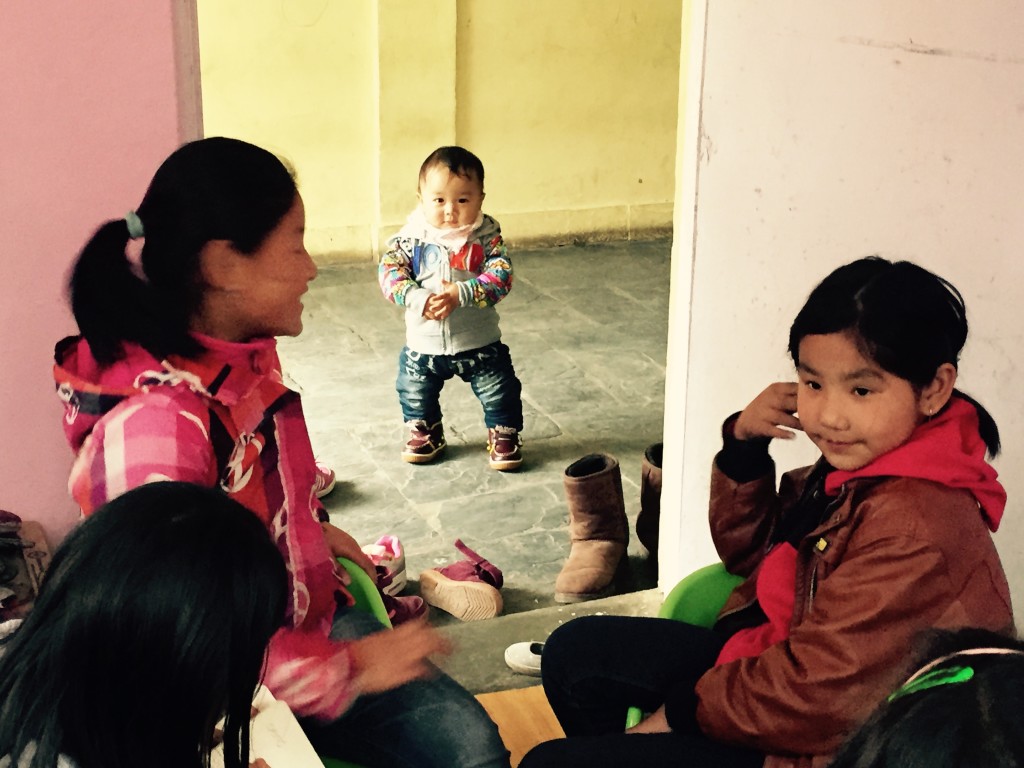
Reading Room Reels: How a Ladakhi Village Built Its First Film Club
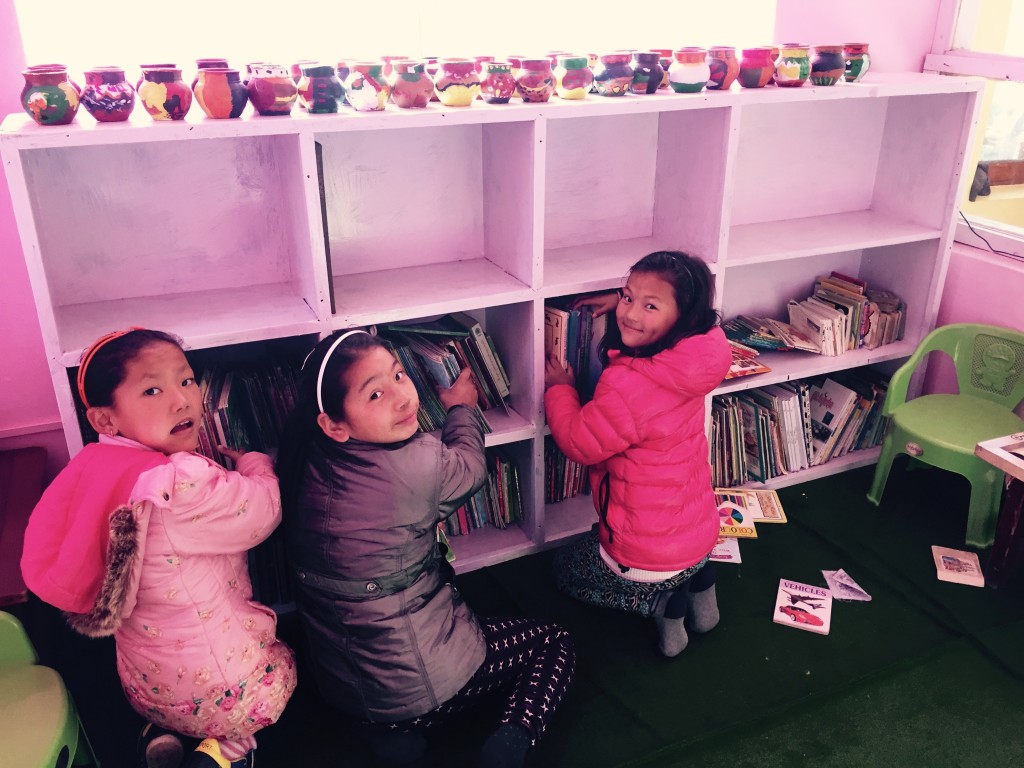
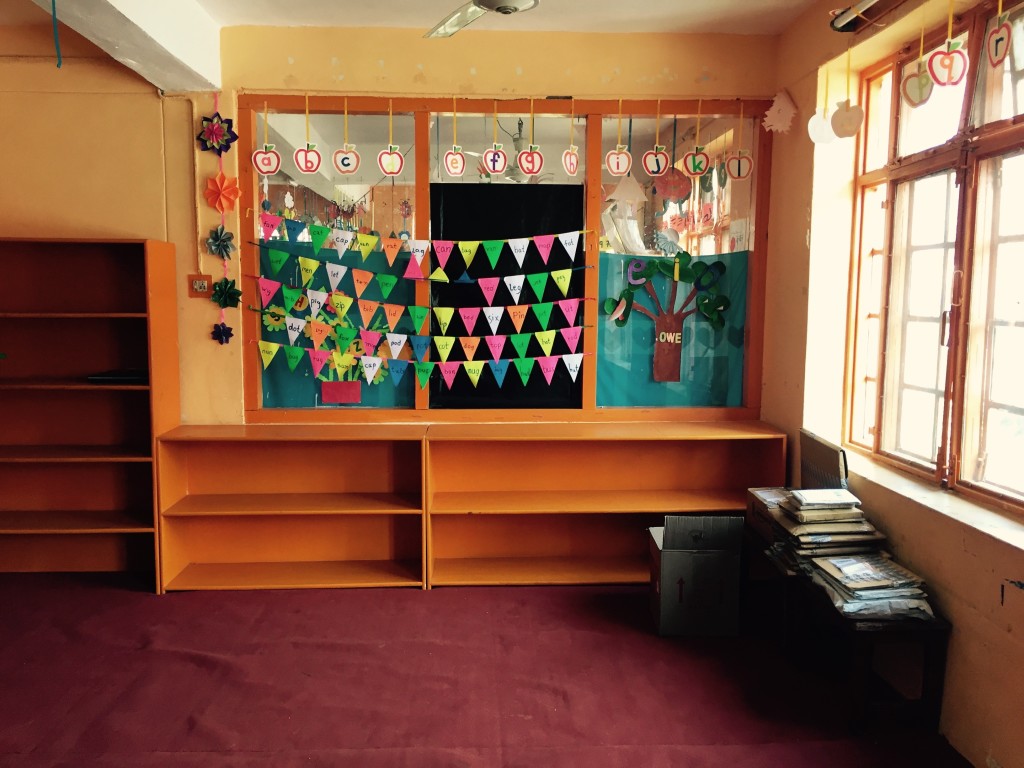
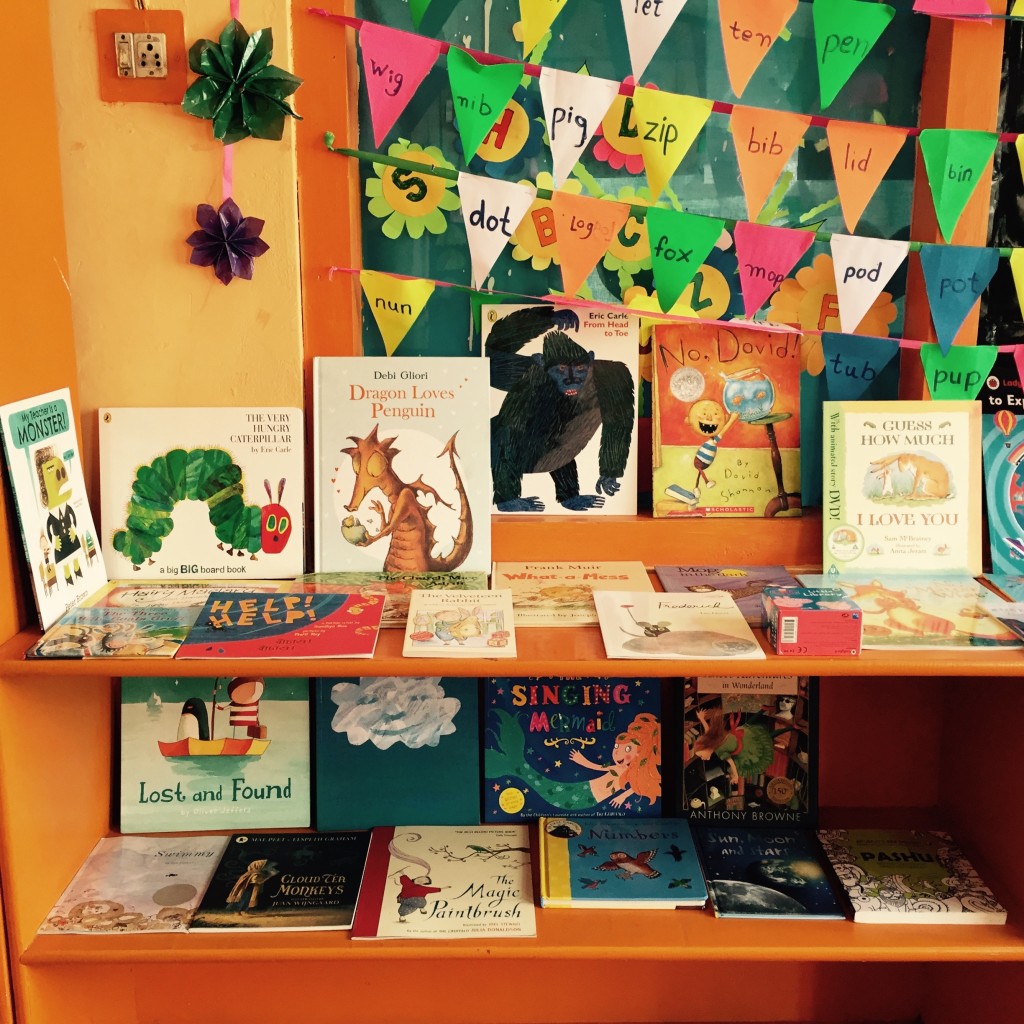
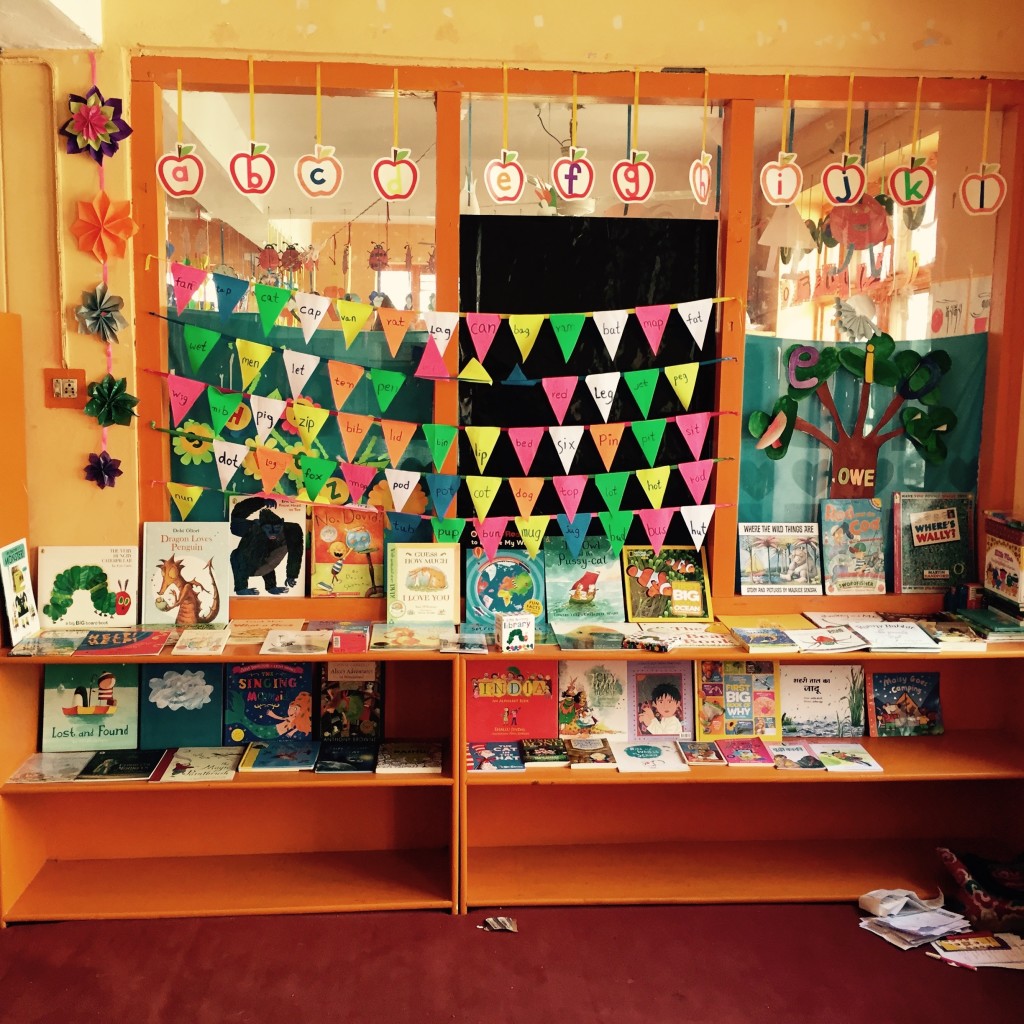
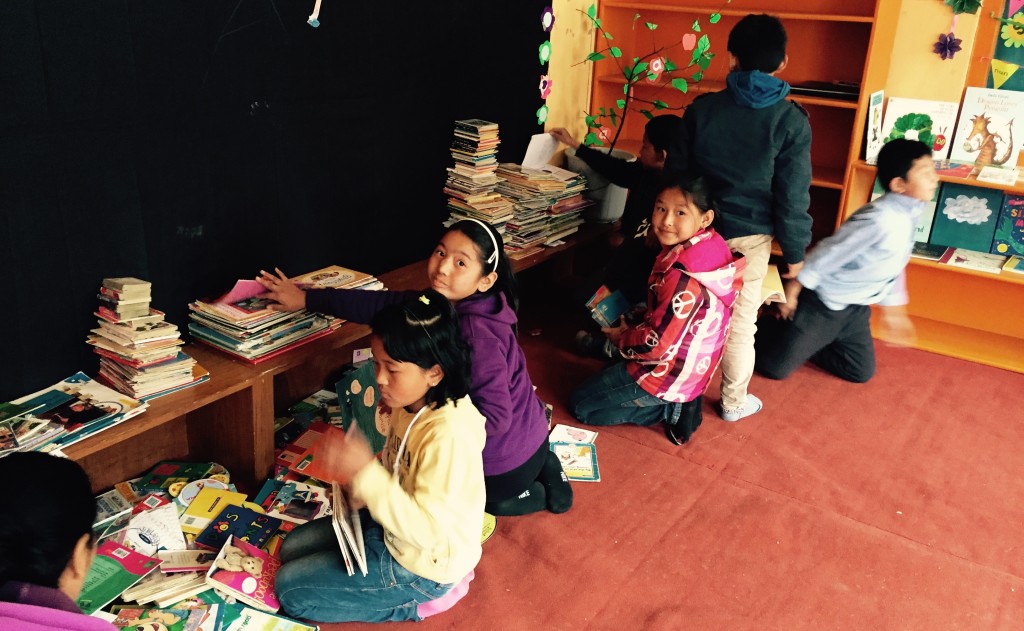
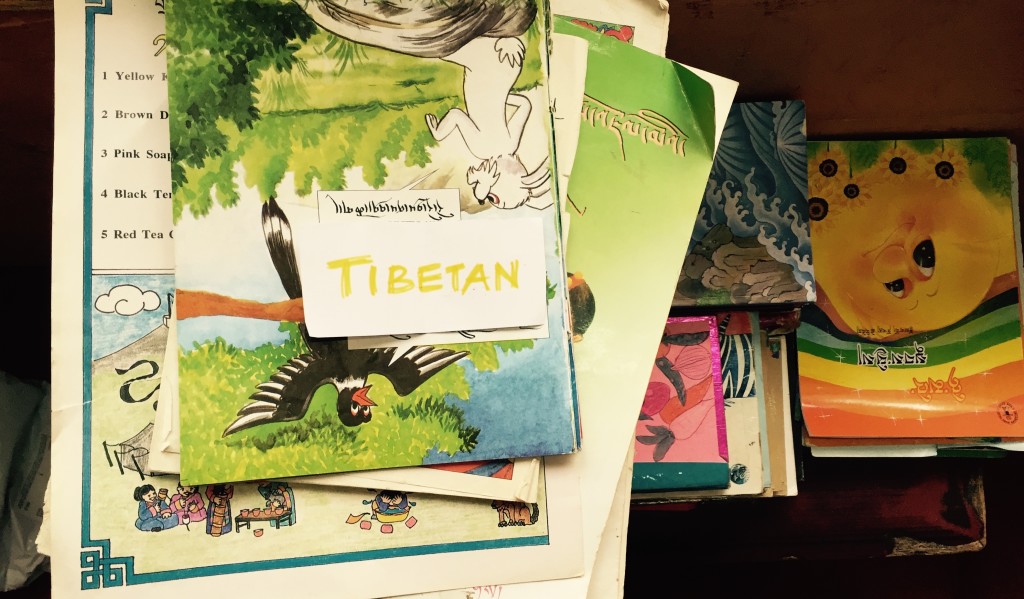
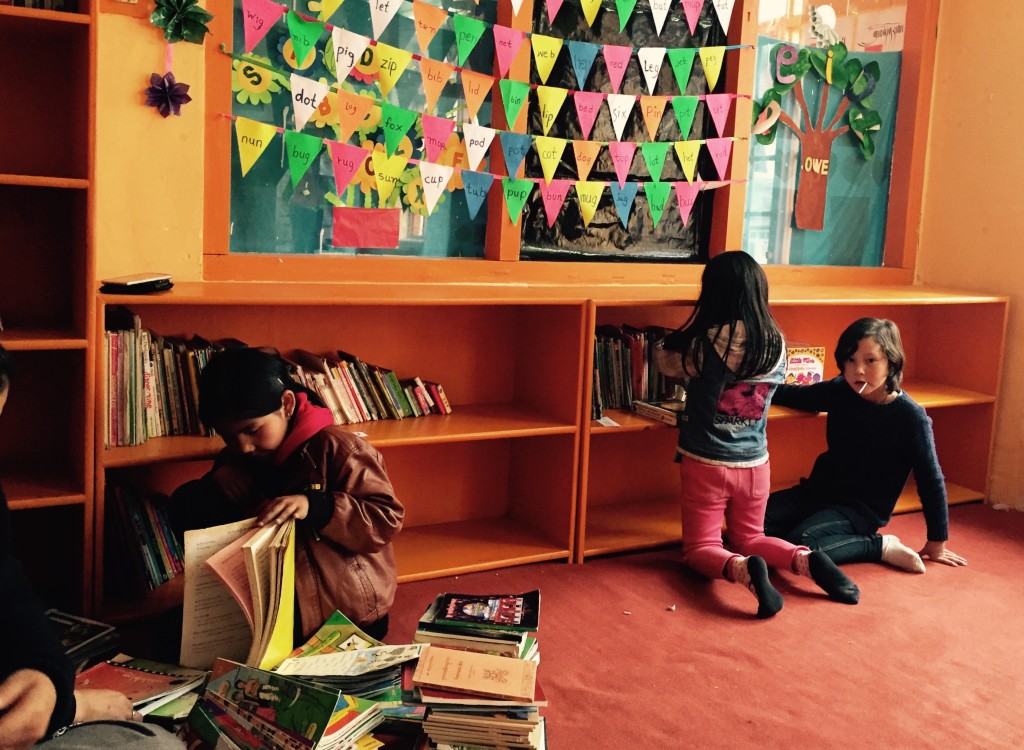
High in the Indus valley, where the air thins and the horizon stretches to mountain ranges few travellers cross, a small room lined with storybooks has begun to do something its founders never planned. The reading space carved out by the Avalokiteśvara Trust in a Ladakhi hamlet was built for quiet afternoons, picture books, and the slow work of learning to read. Last winter it quietly learned a second life.
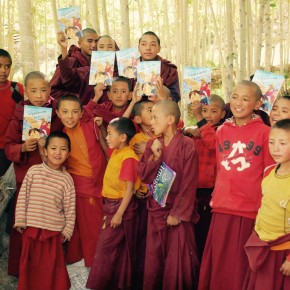
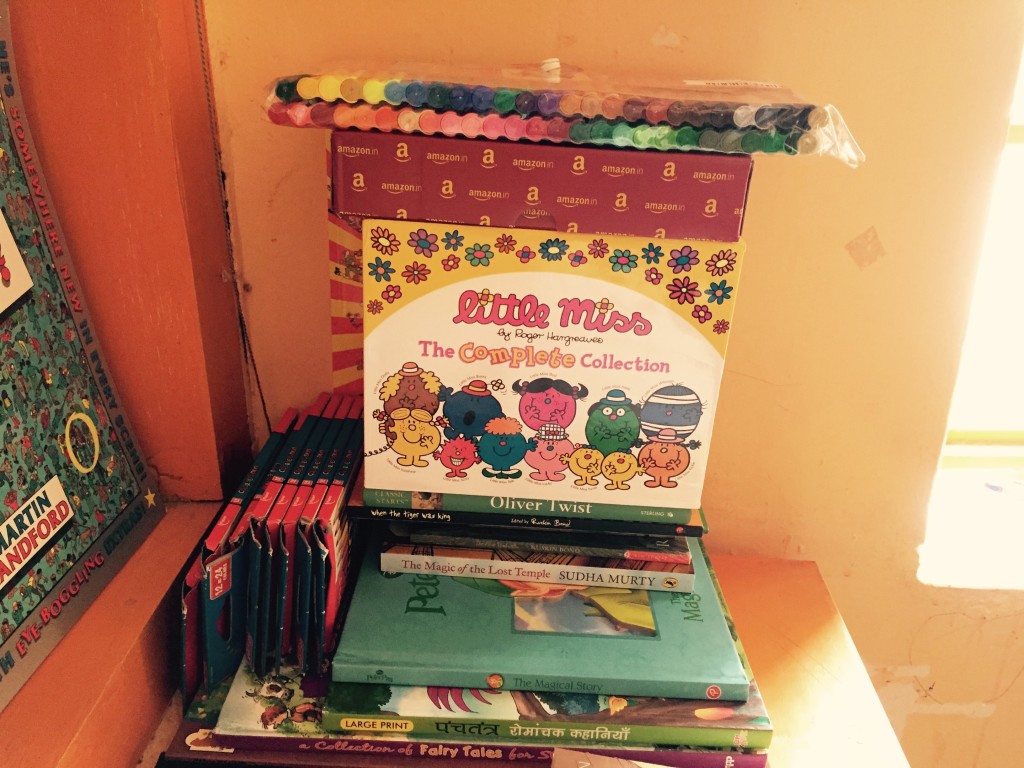
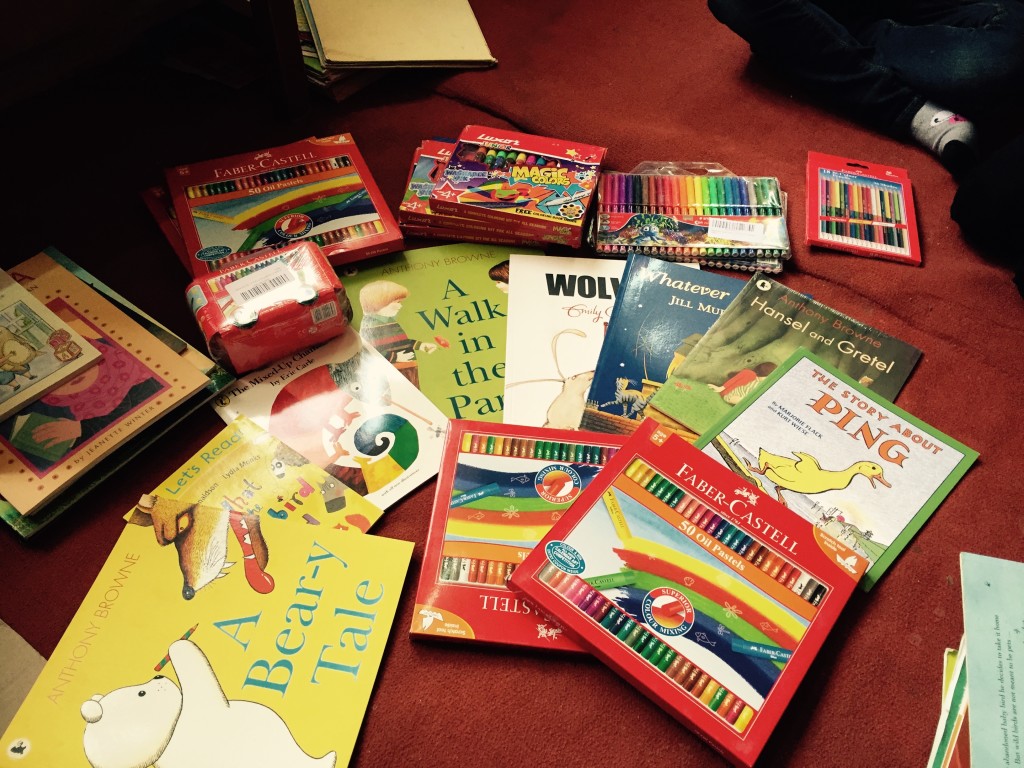
The Trust has long organised book drives, story sessions, and art afternoons for children and young monks across the Himalayas. Reading rooms in places like Leh, Diskit, and the smaller settlements further west have carried that approach to literacy and creative play for years. When villagers asked for a way to gather after dark, the answer arrived as a coil of cable, a small projector, and a handful of subtitled films.
Australian readers may find the arc familiar, even if the geography is reversed. From suburban halls in Brisbane to community libraries in Perth, neighbourhood groups have turned borrowed spaces into pop-up cinemas for decades. The difference in this village is that the projector shares a roof with a stack of Tibetan folktales, and the screenings happen at altitudes where oxygen itself is rationed.
The corner where curiosity began
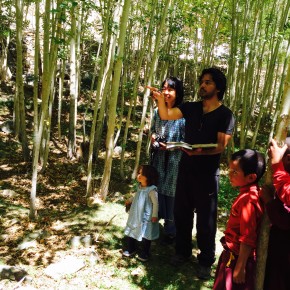
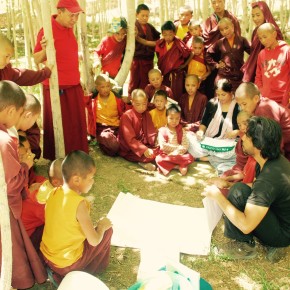
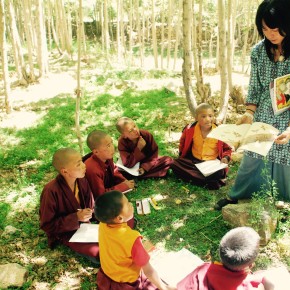
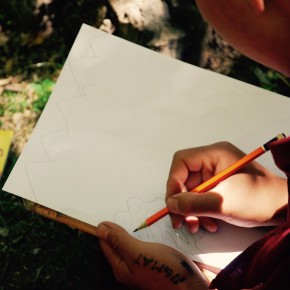
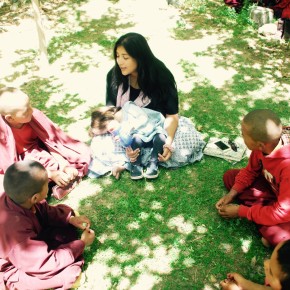
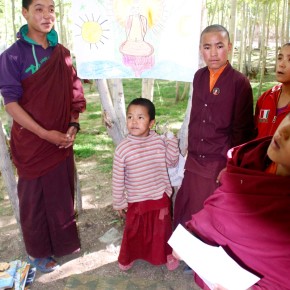
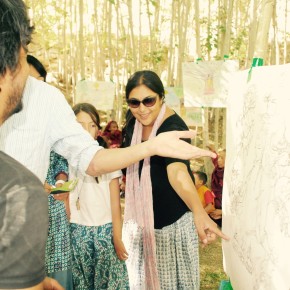
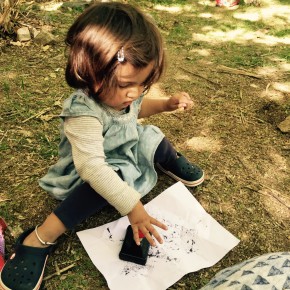
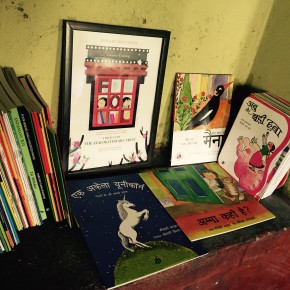
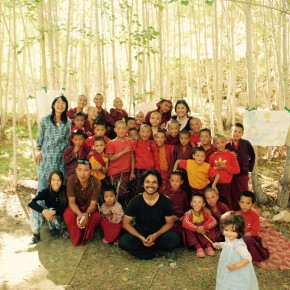
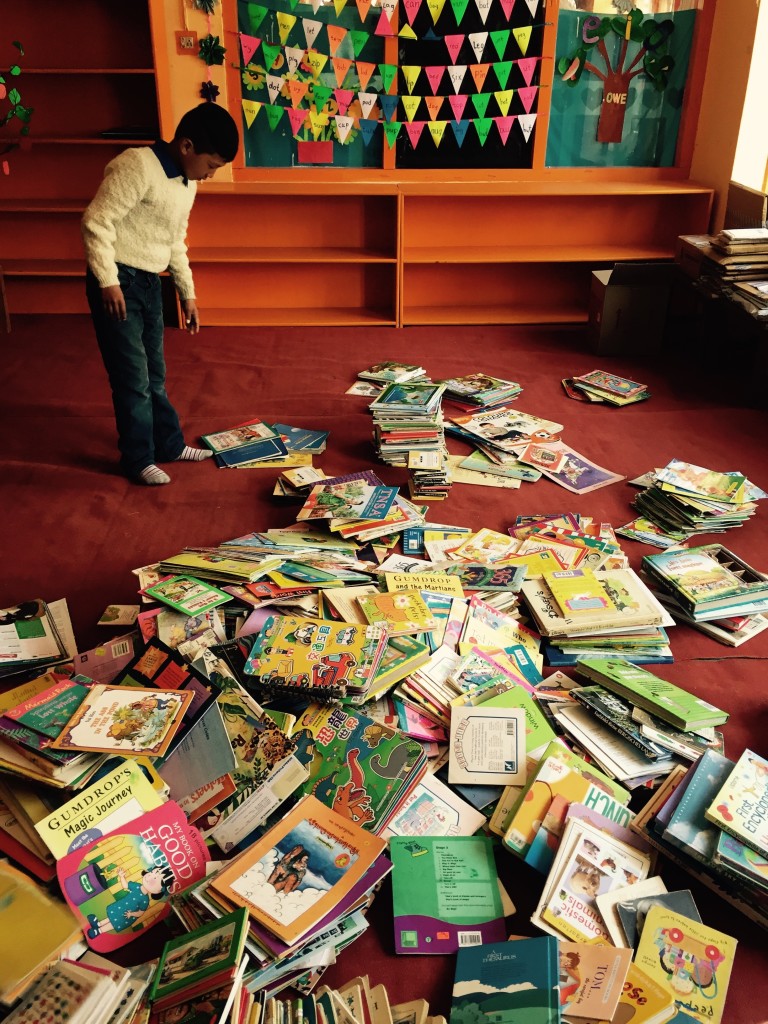
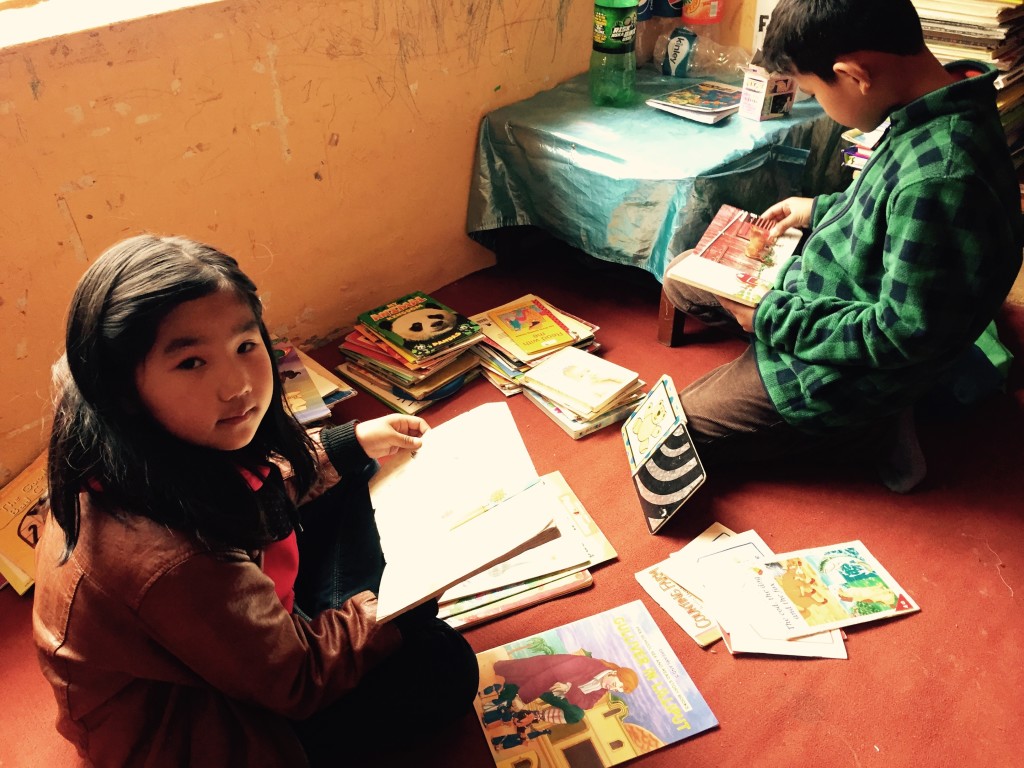
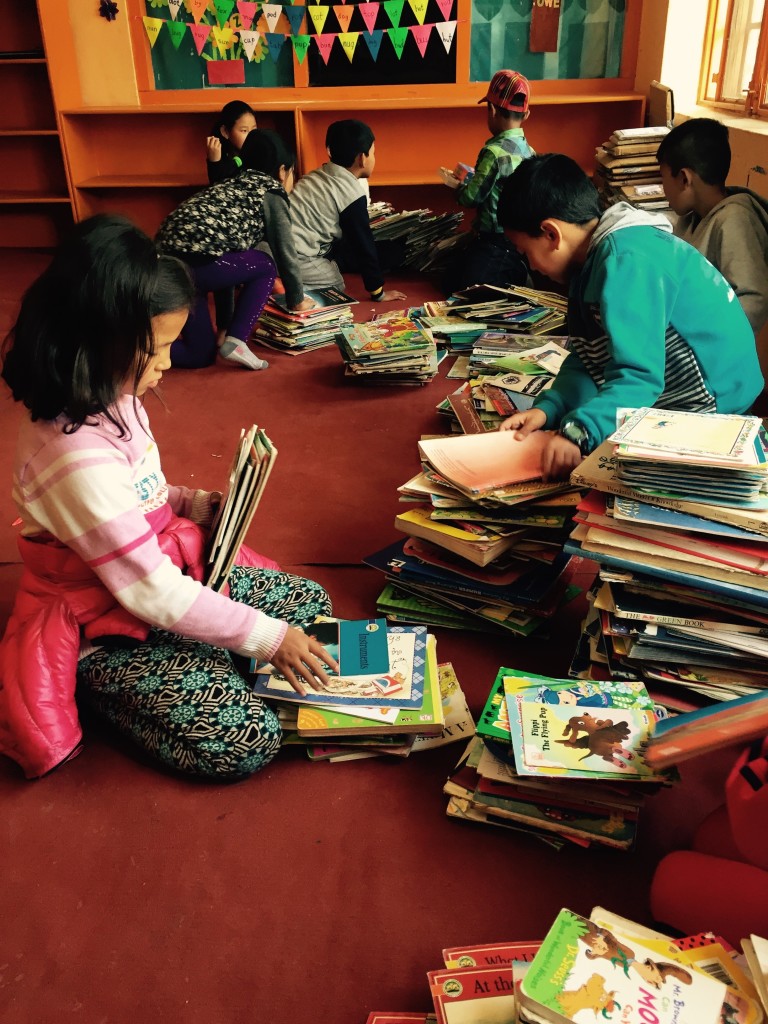
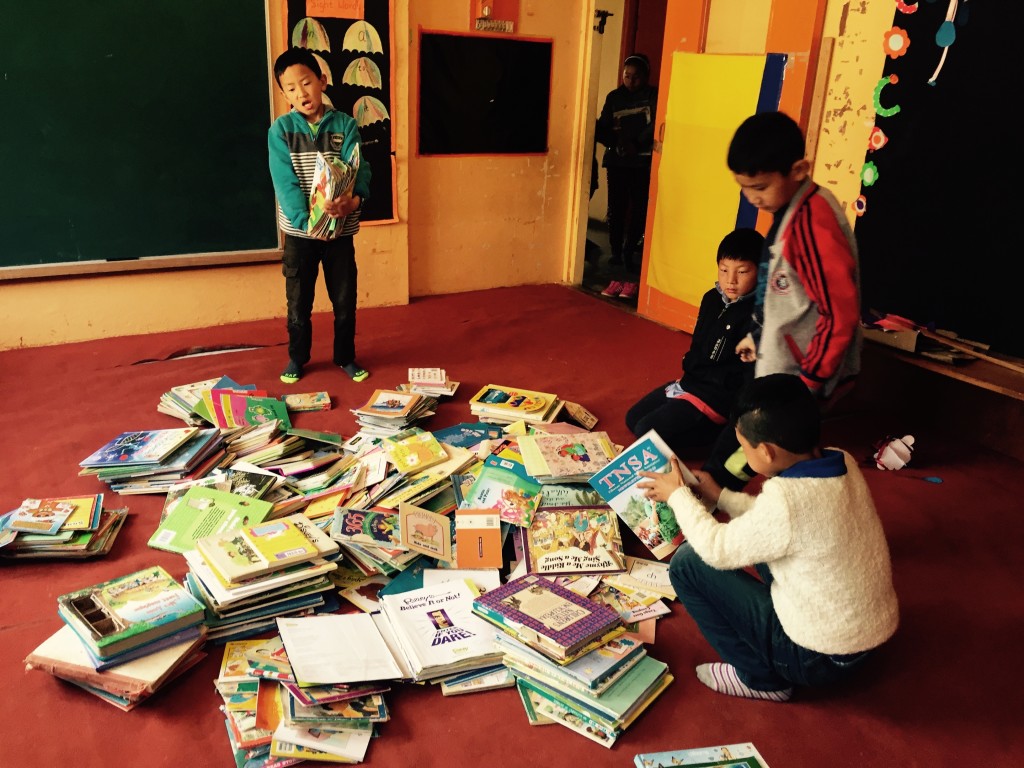
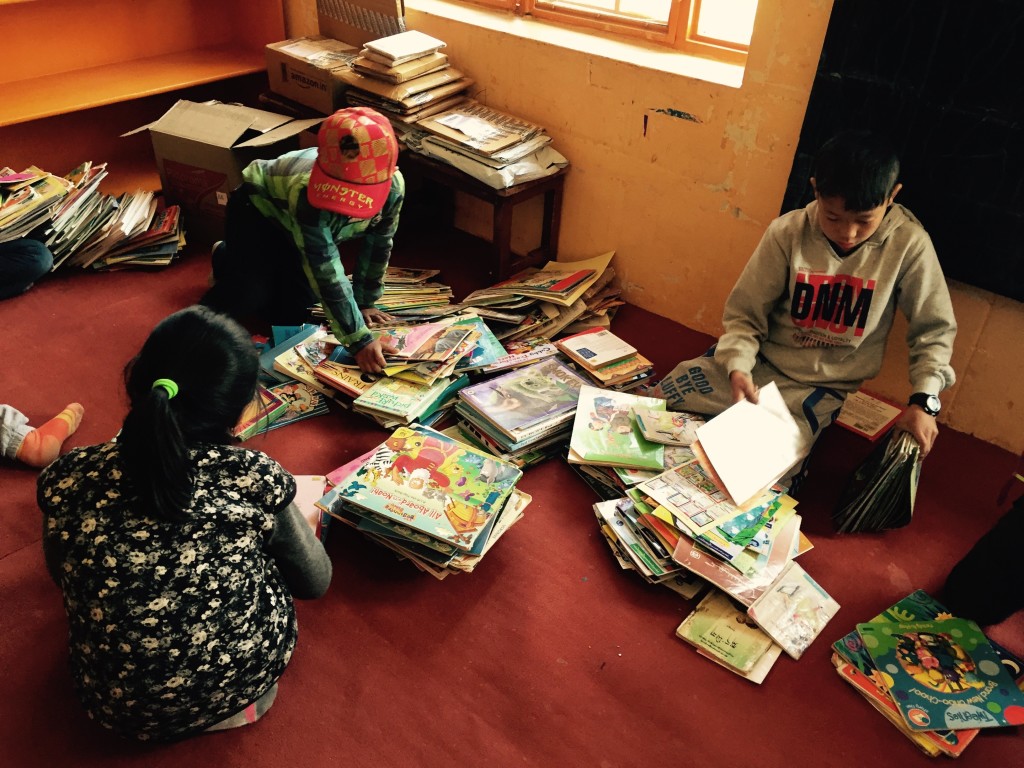
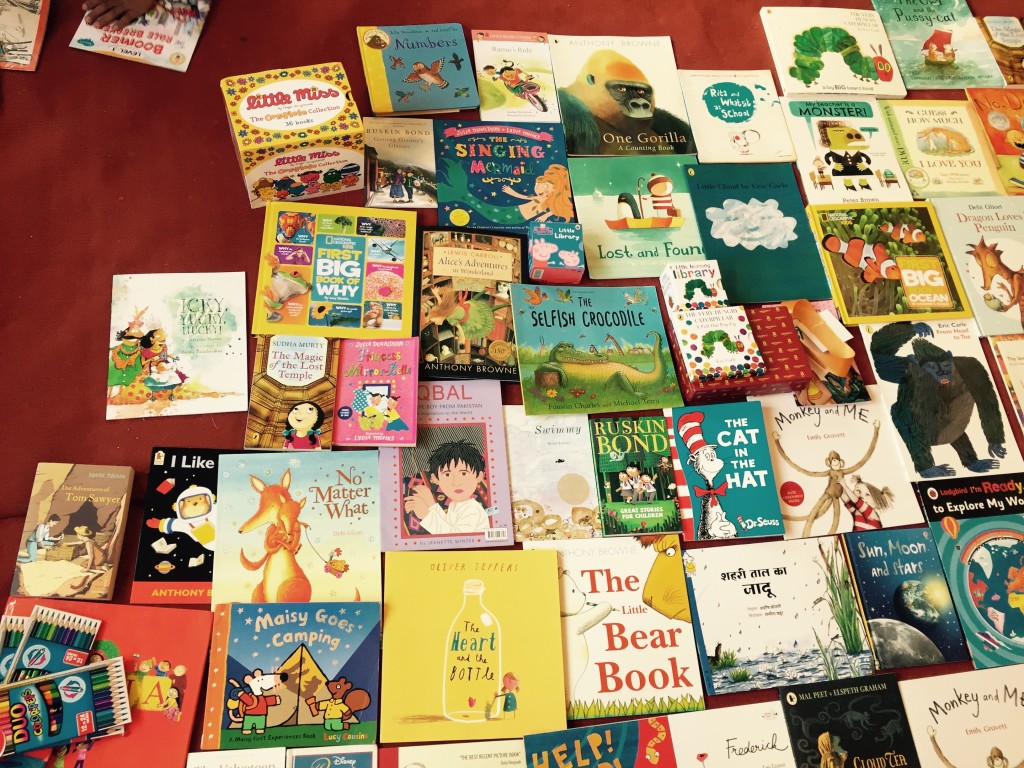
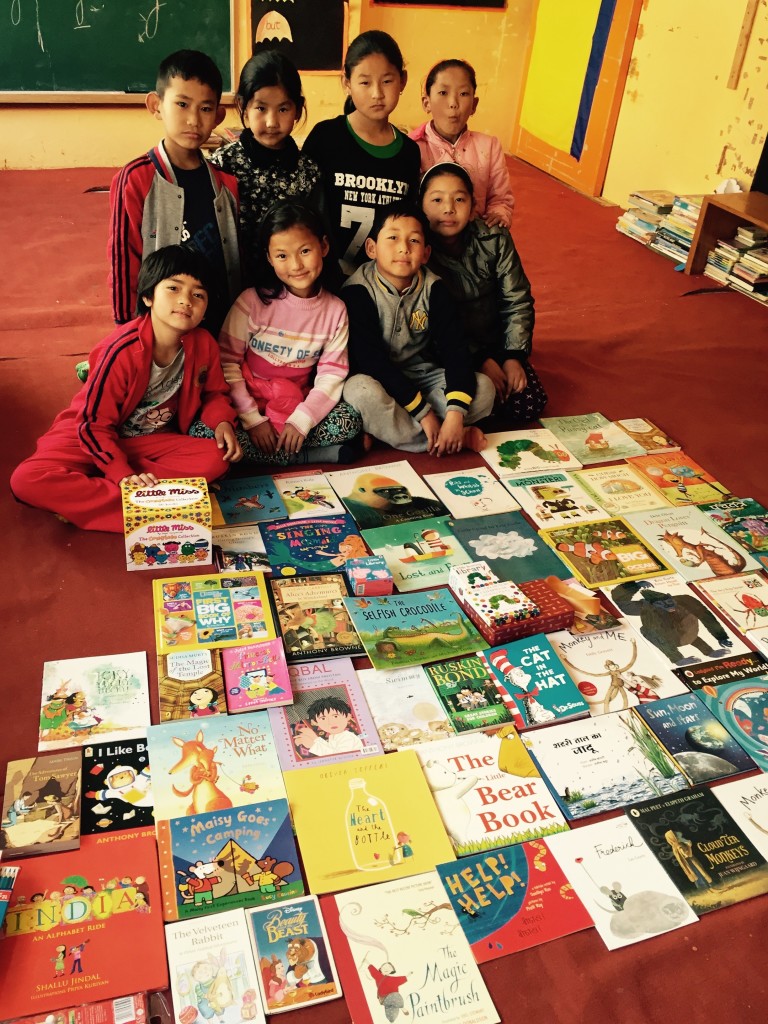
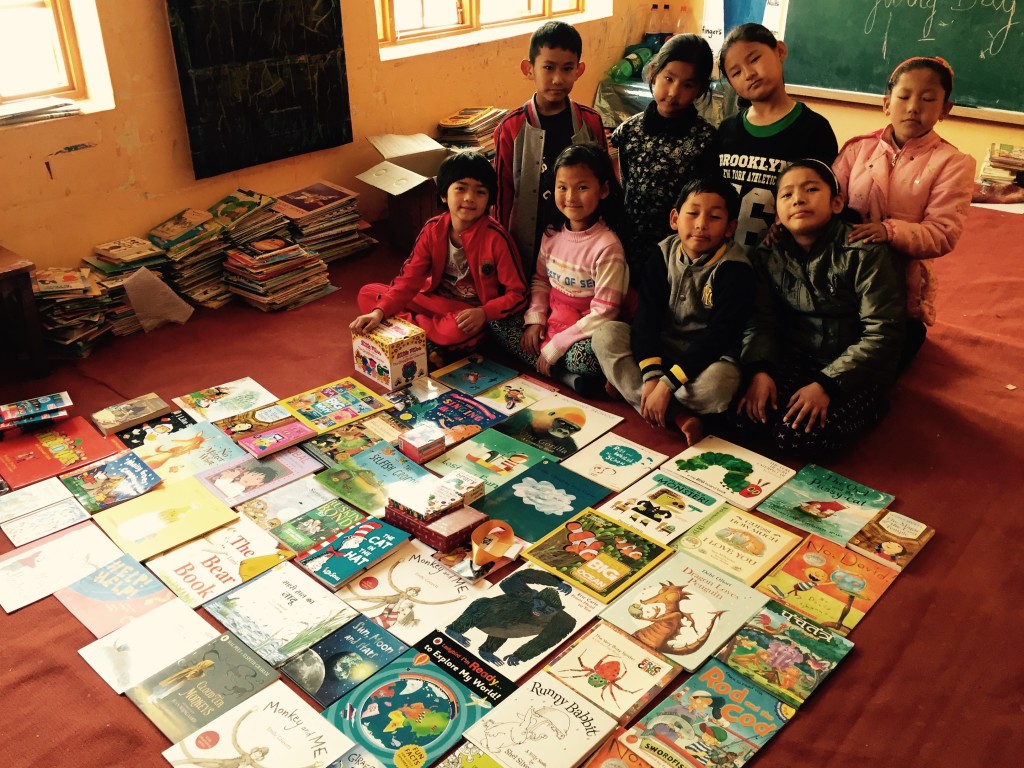
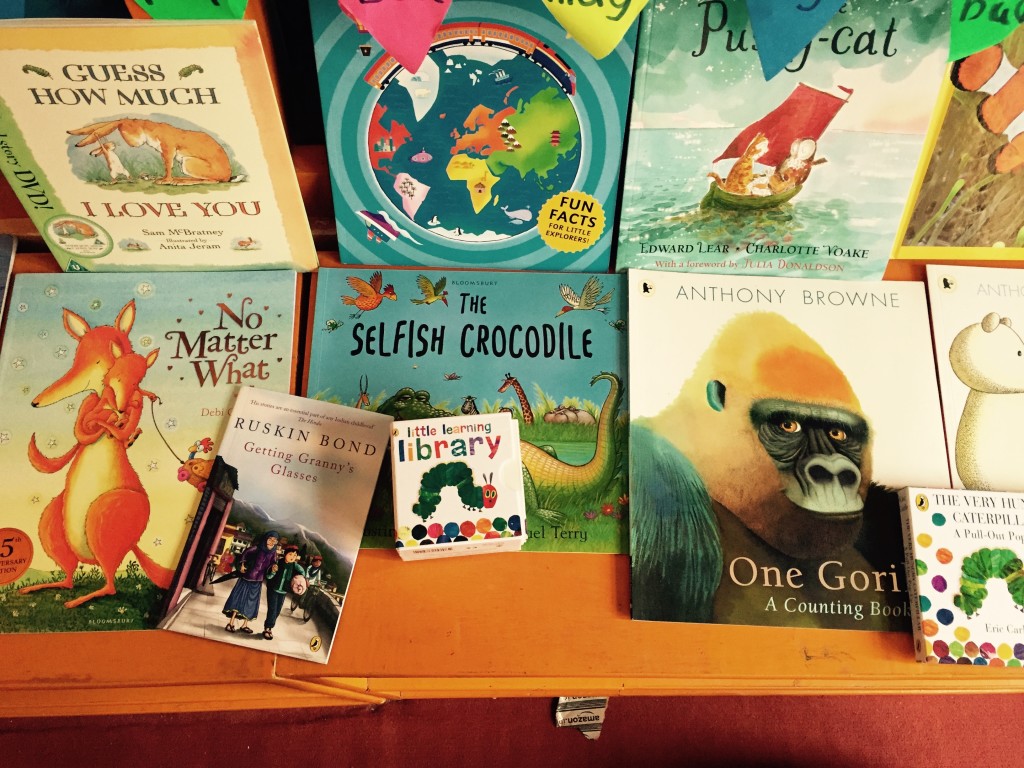
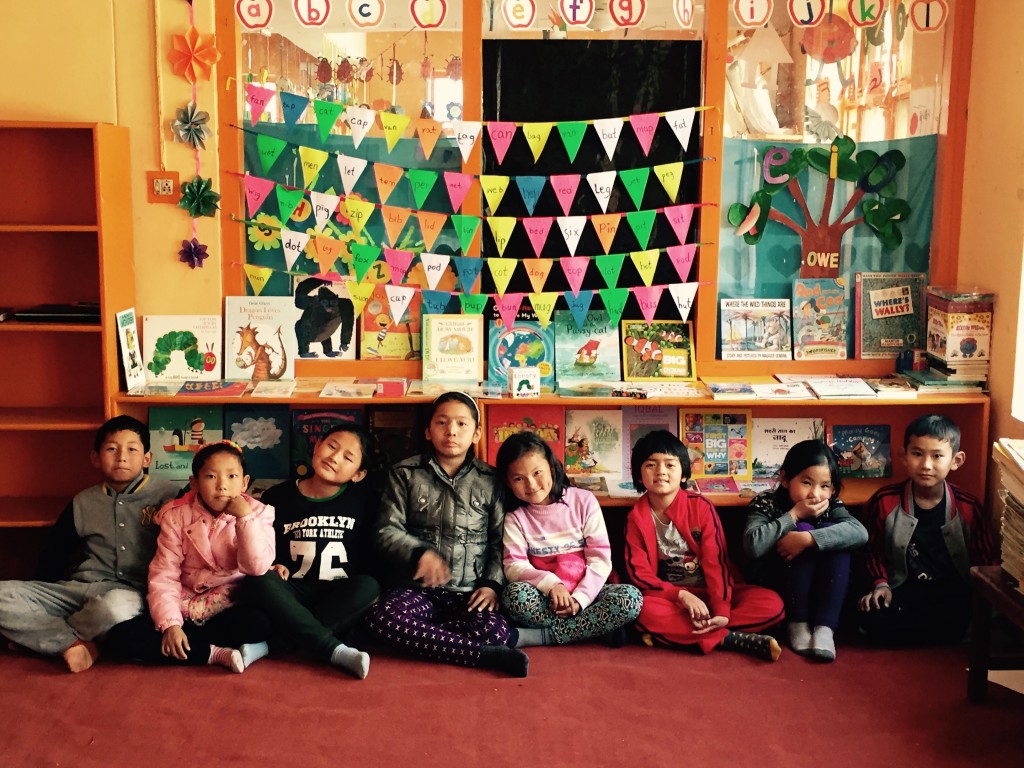
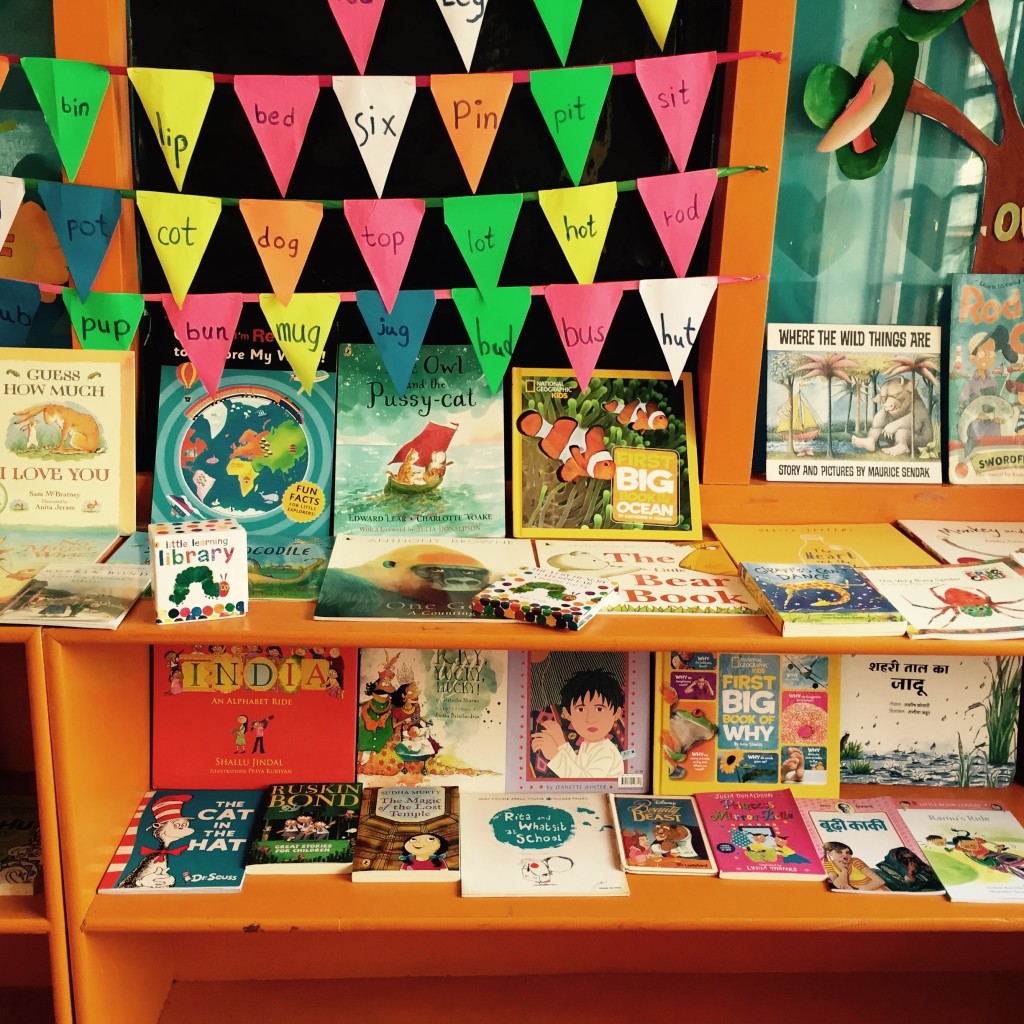
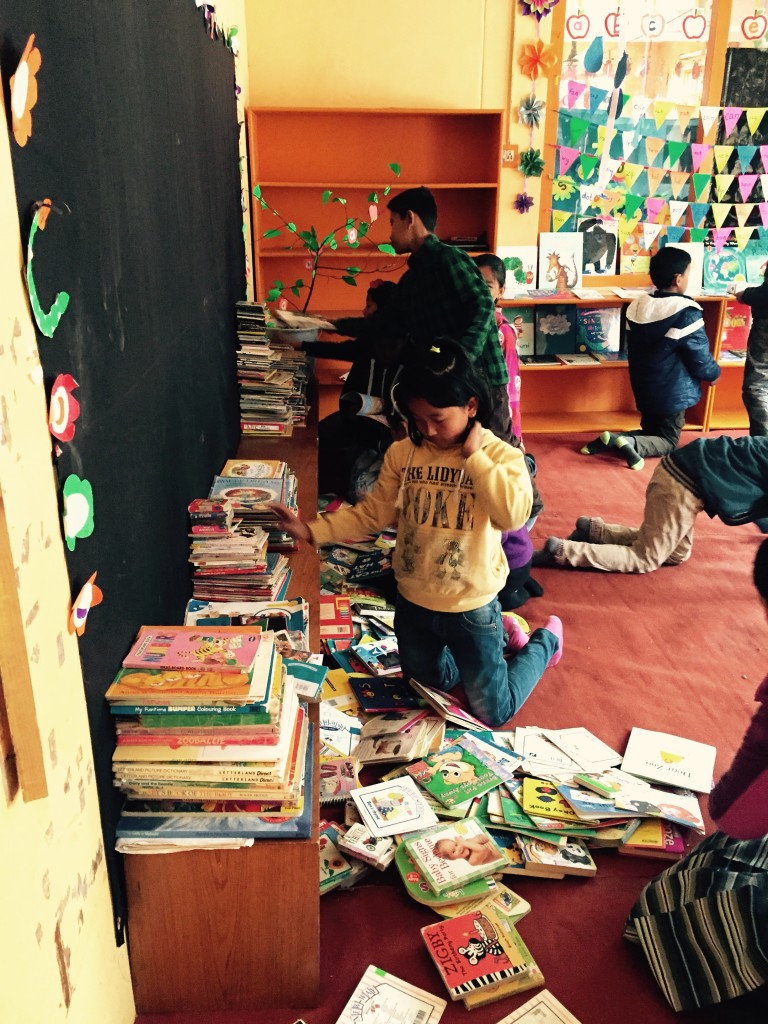
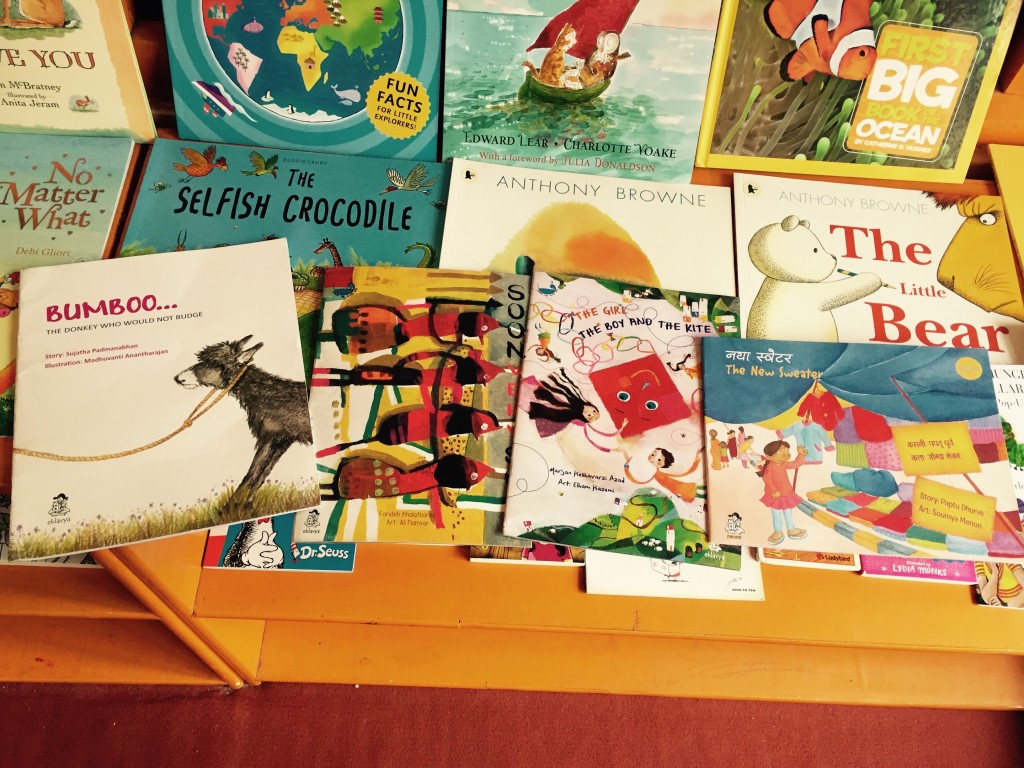
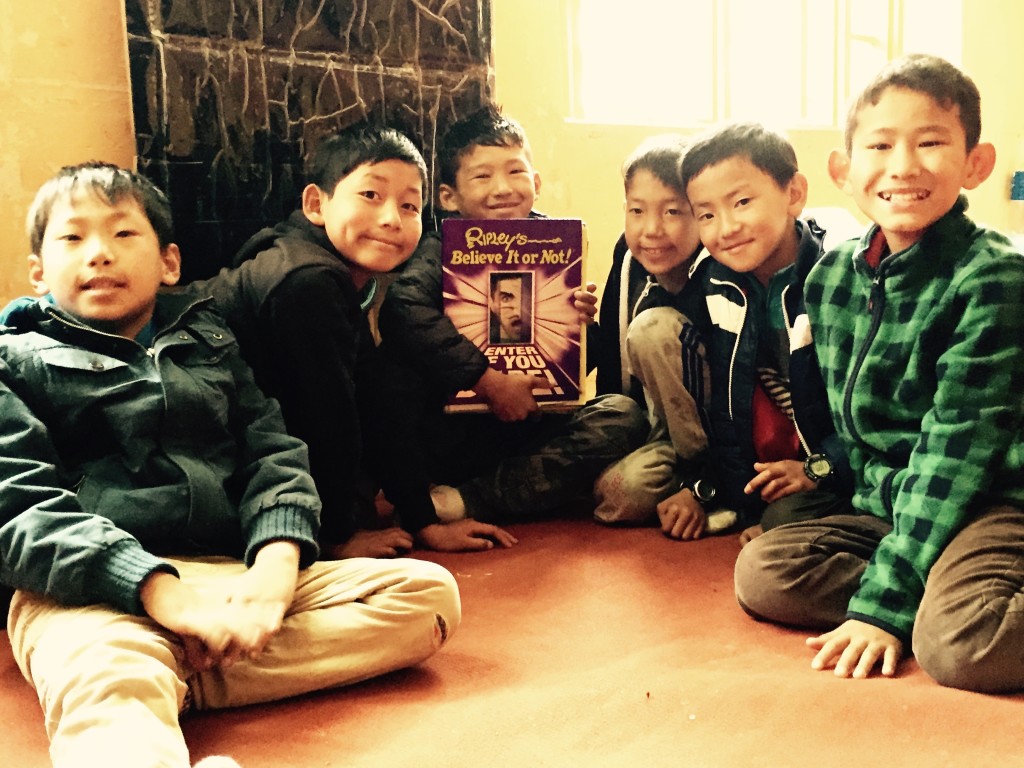
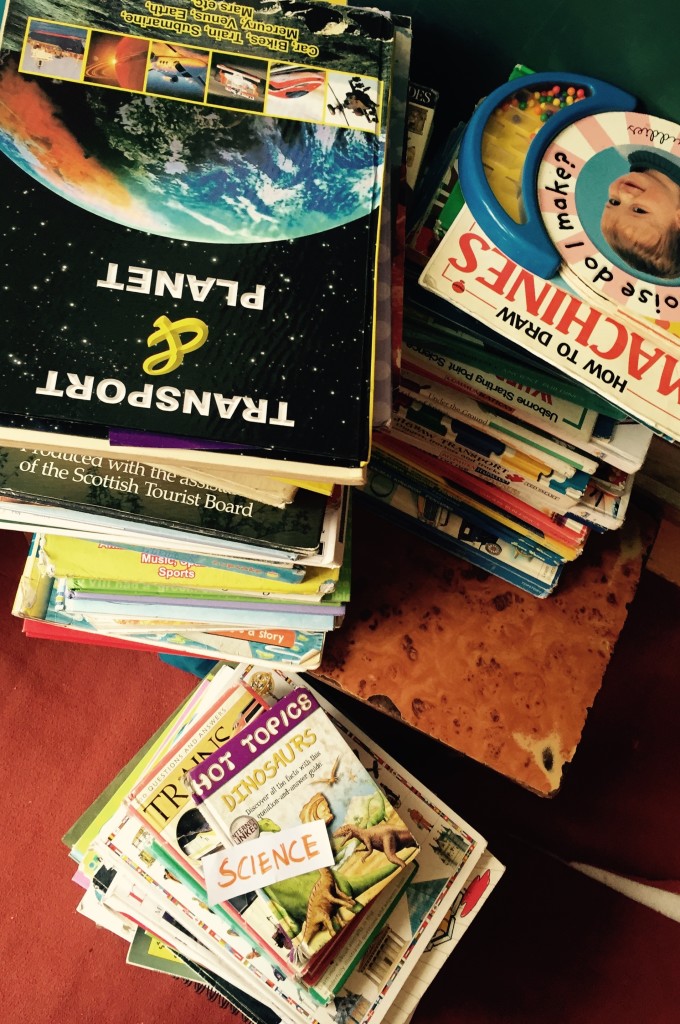
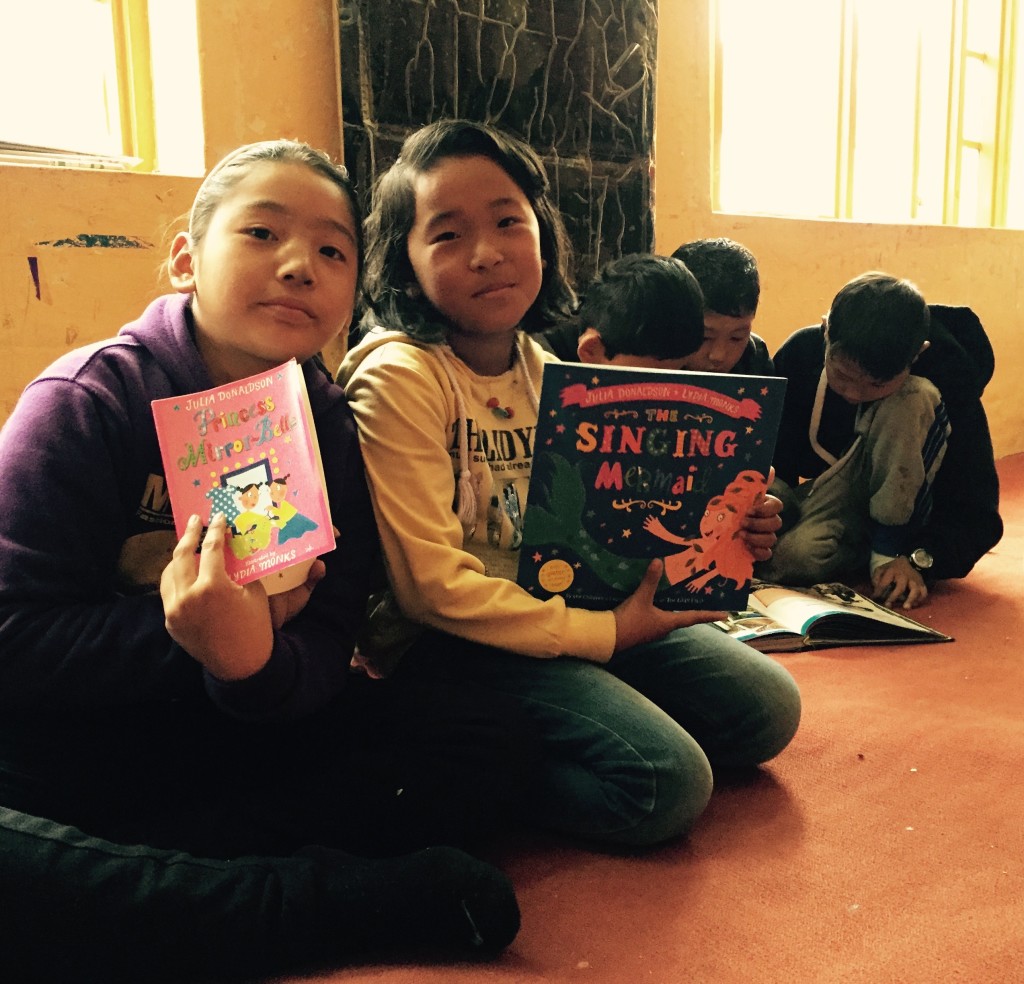
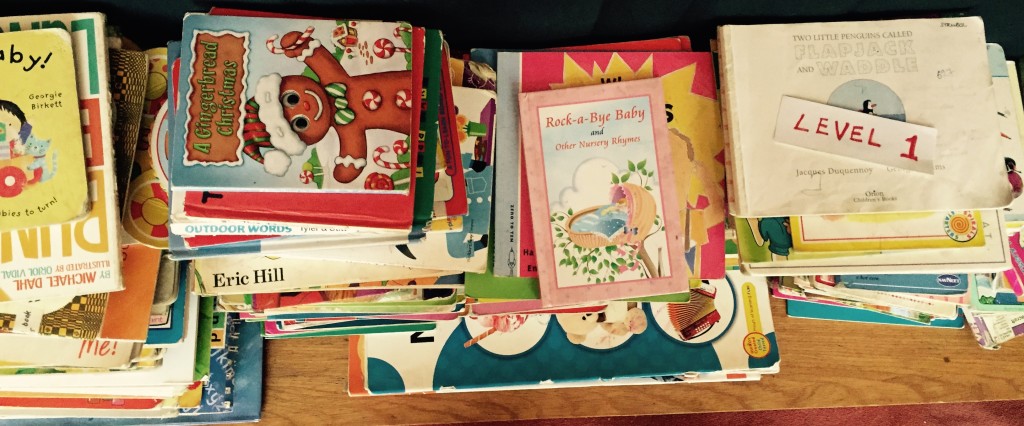
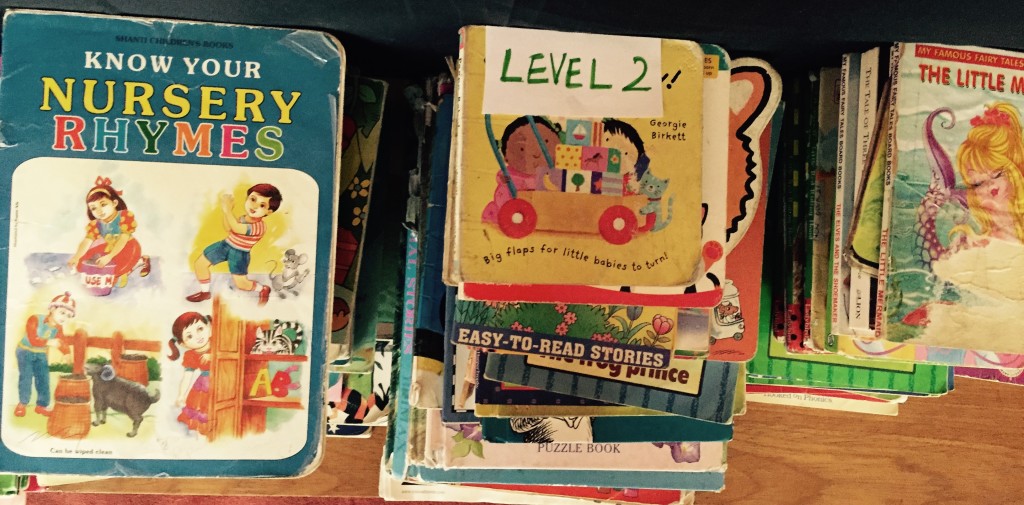
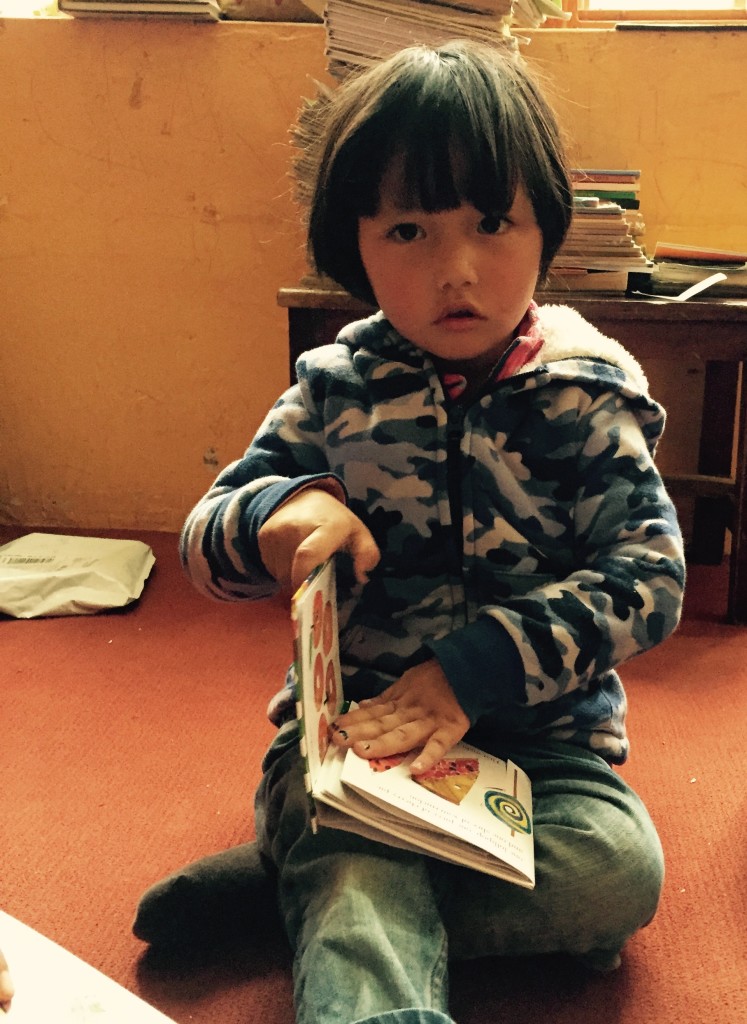
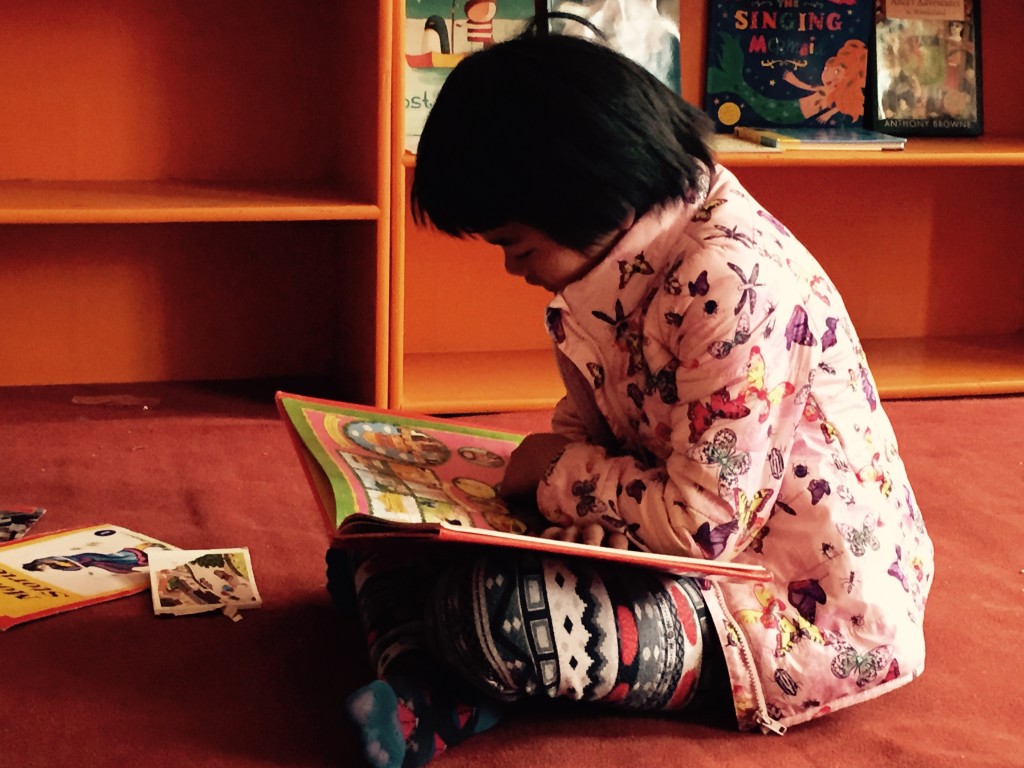
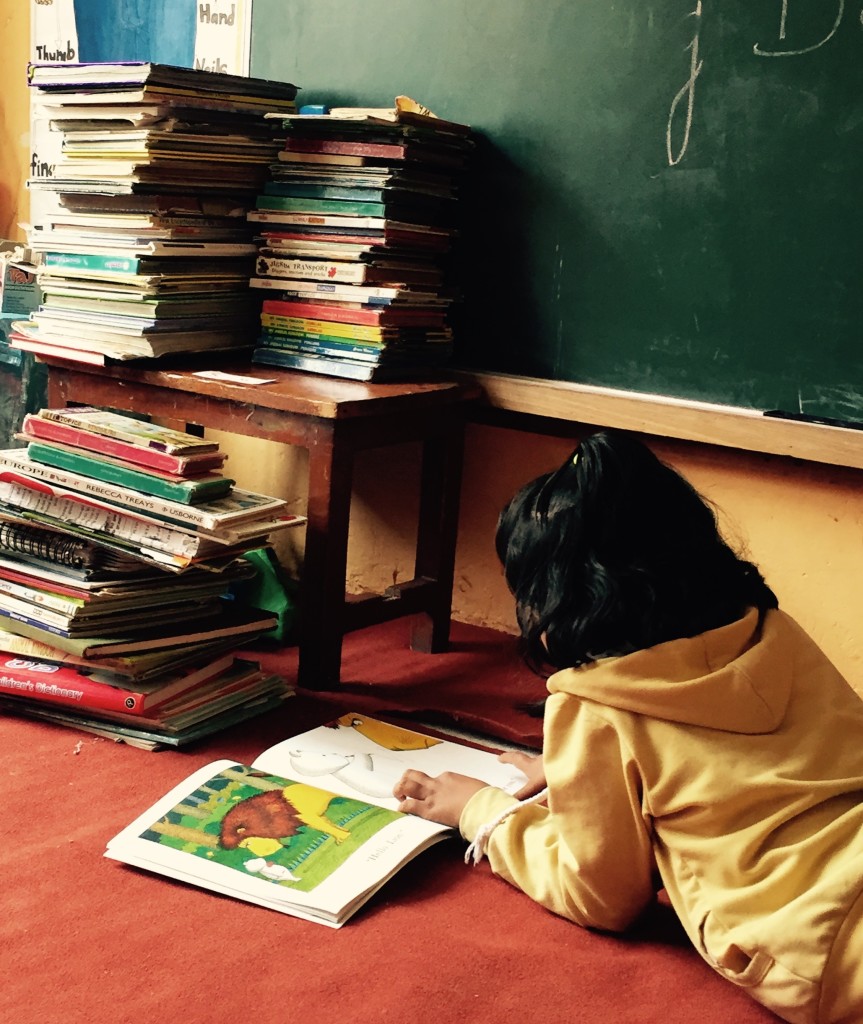
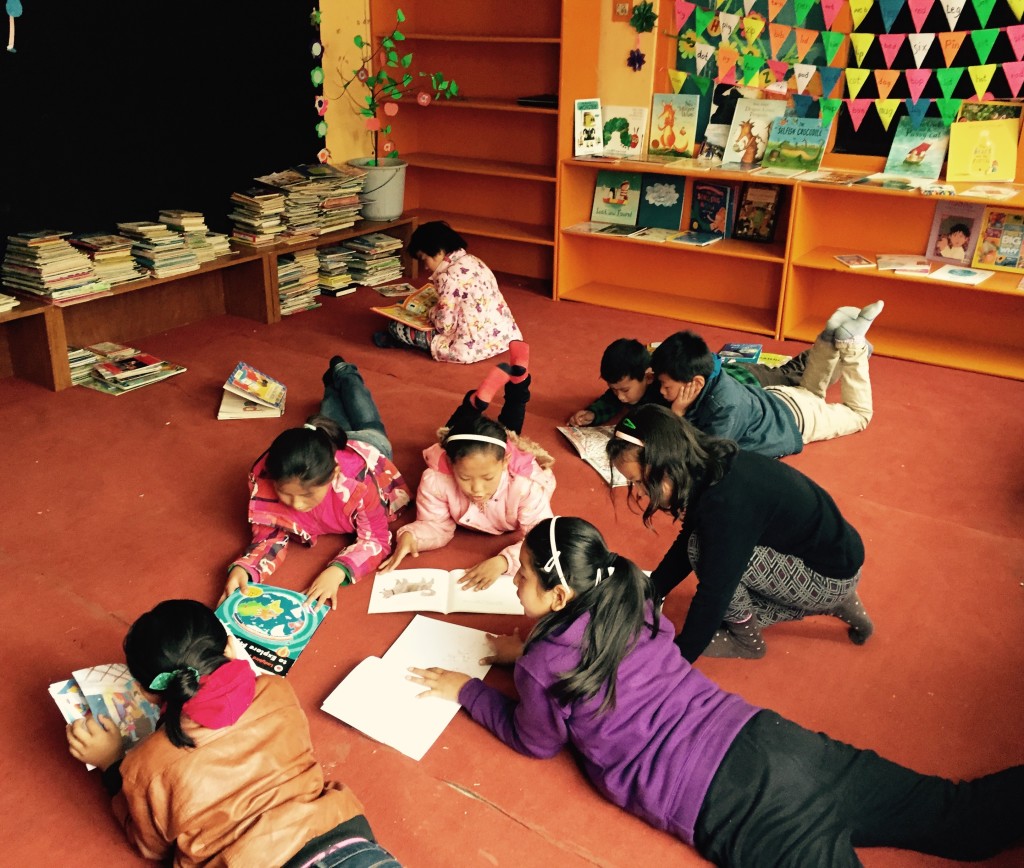
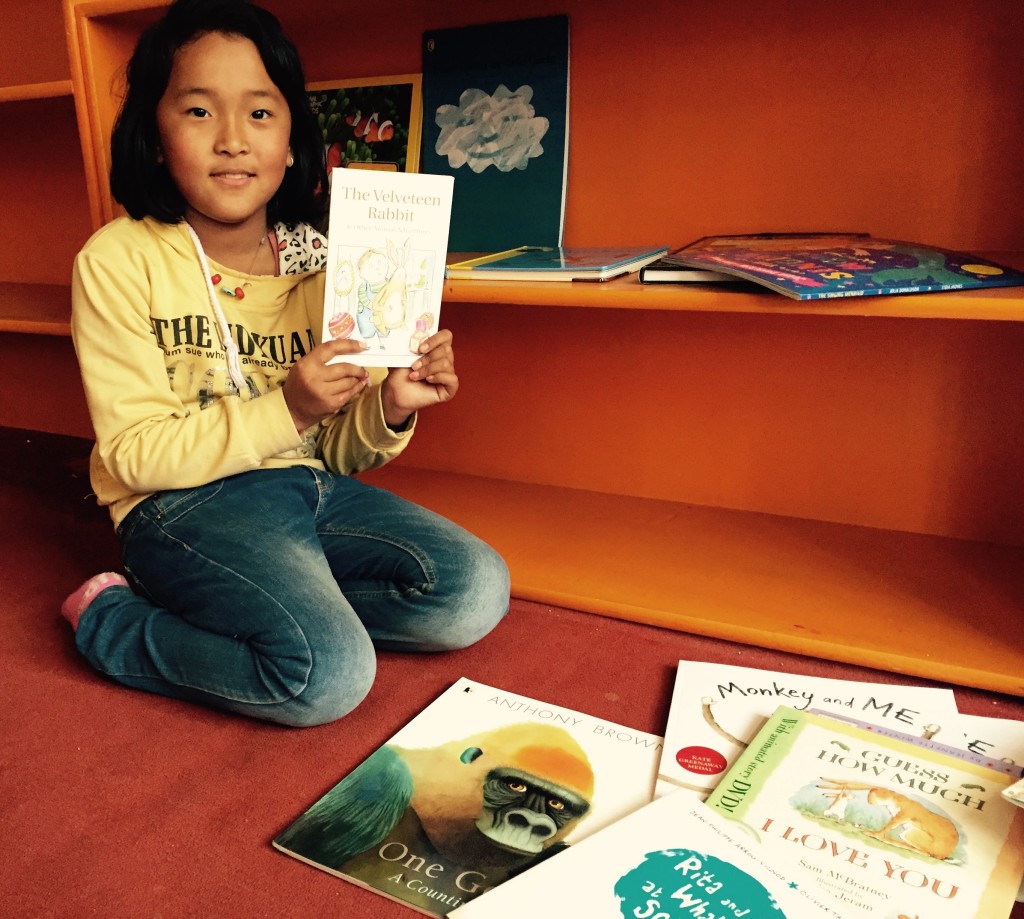
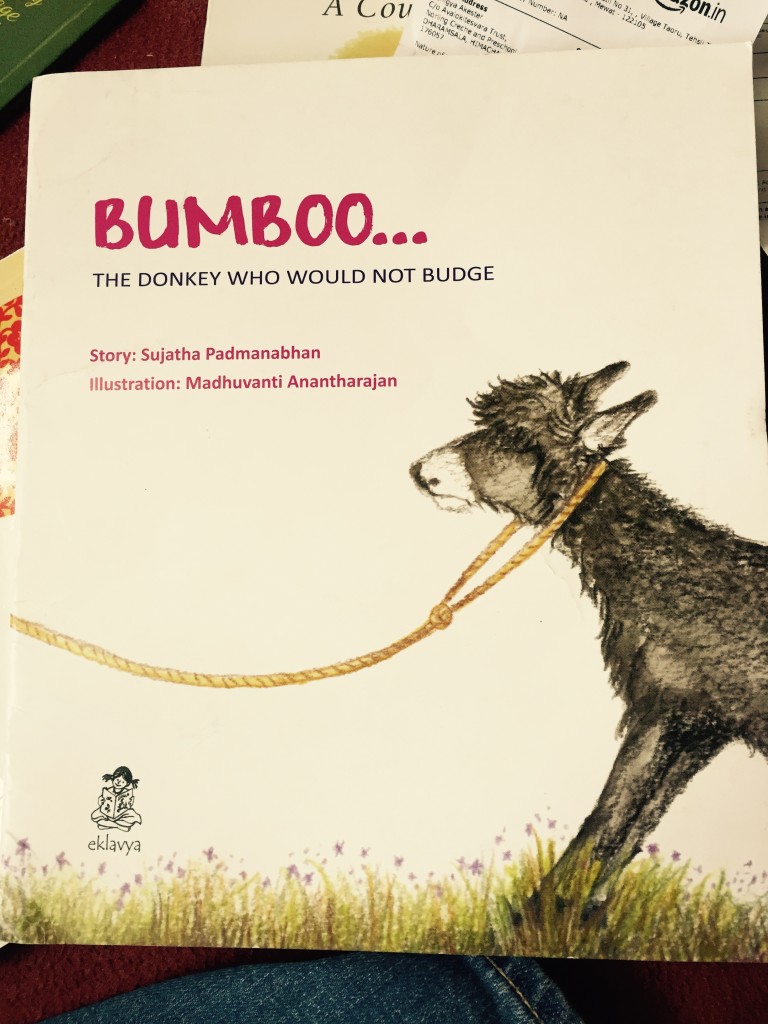
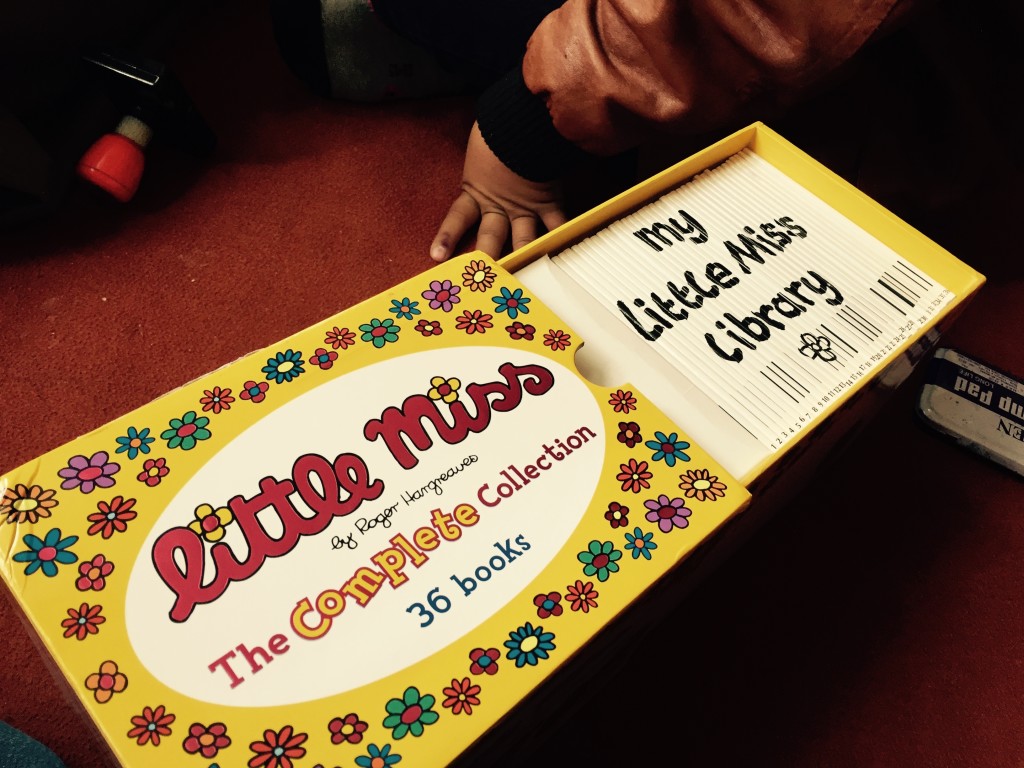
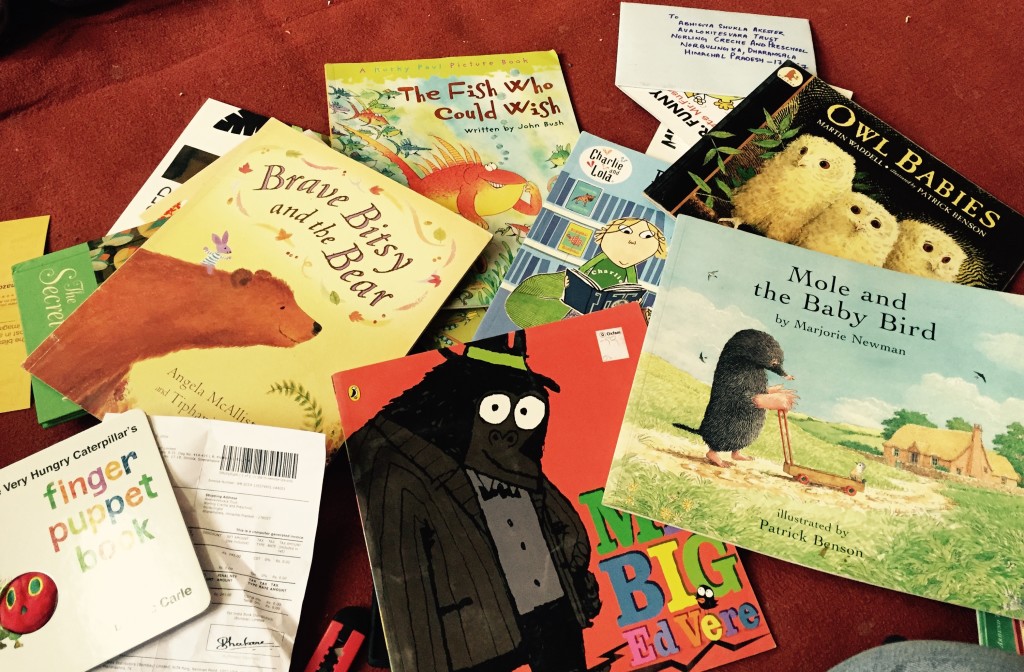
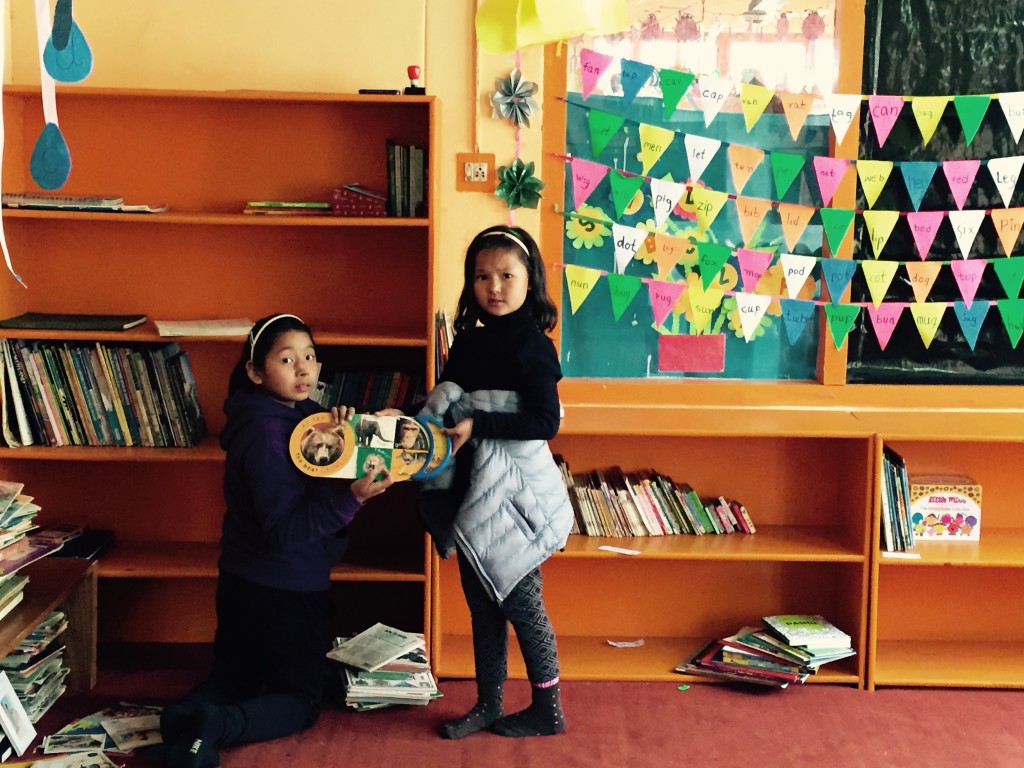
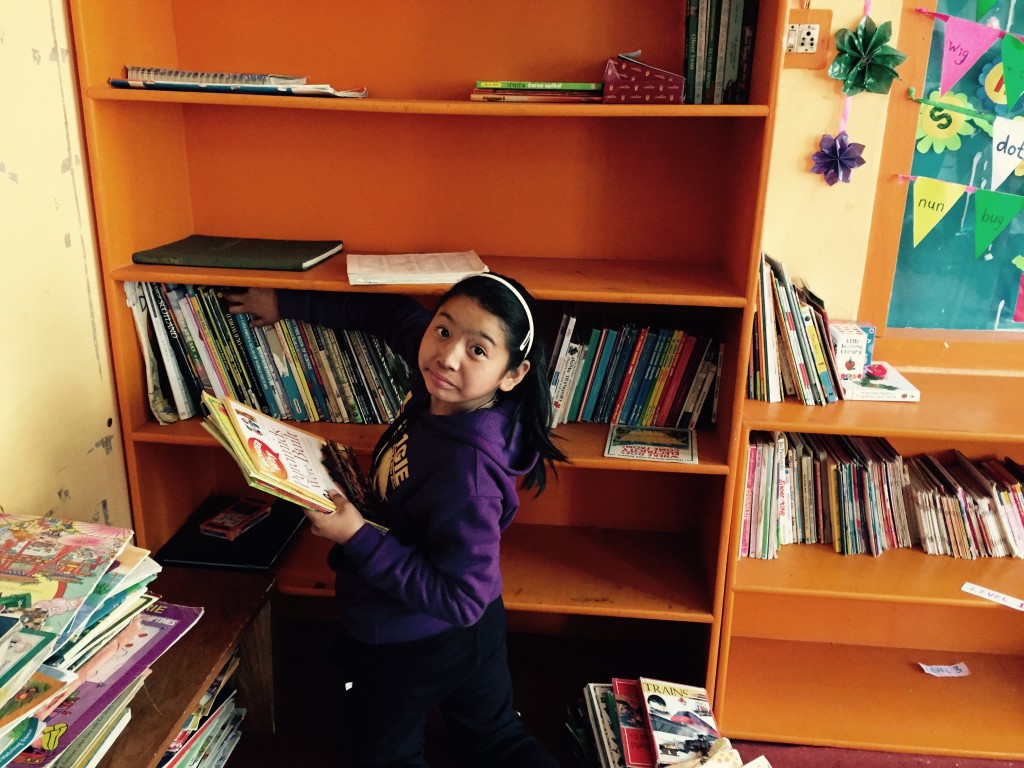
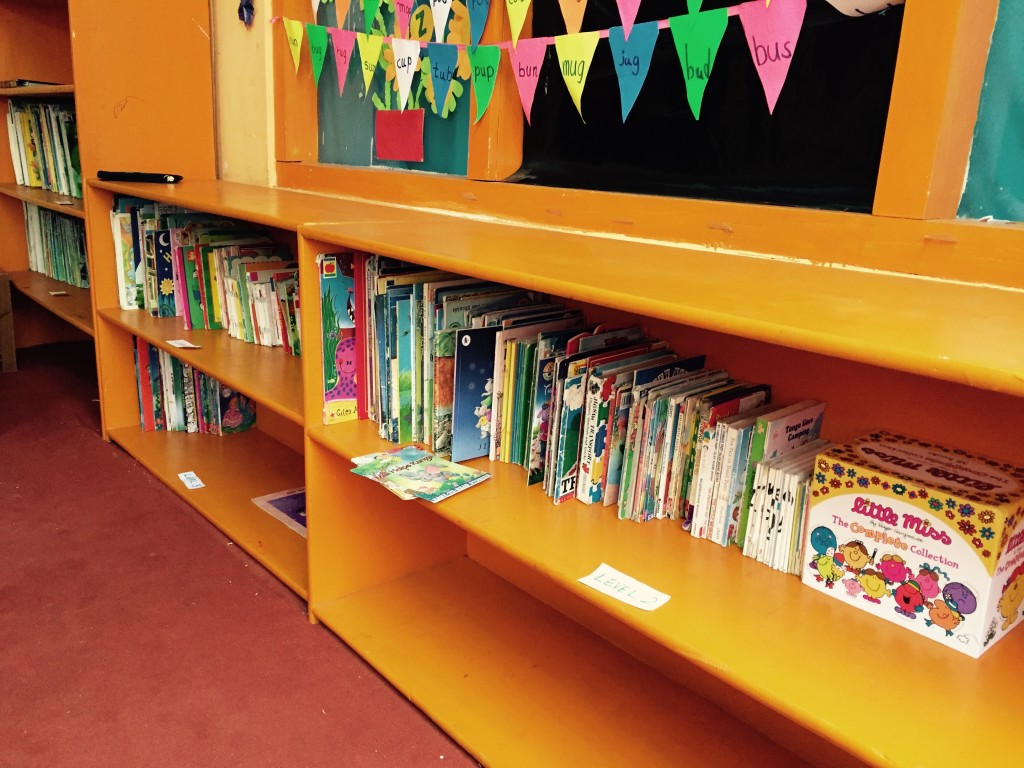
The reading room opened three years ago with about 240 picture books and a rug on the floor. Sessions started with a single volunteer reading aloud while children crowded around, then expanded into drawing prompts, calligraphy practice, and a weekly hour where older students took turns as storytellers. Volunteers from Sydney and Adelaide have cycled through the program since then, often arriving with donations and leaving behind ideas drawn from Australian primary school libraries.
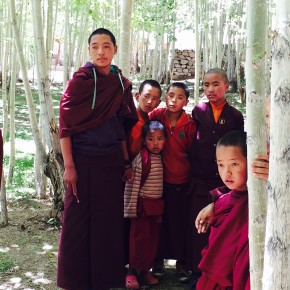
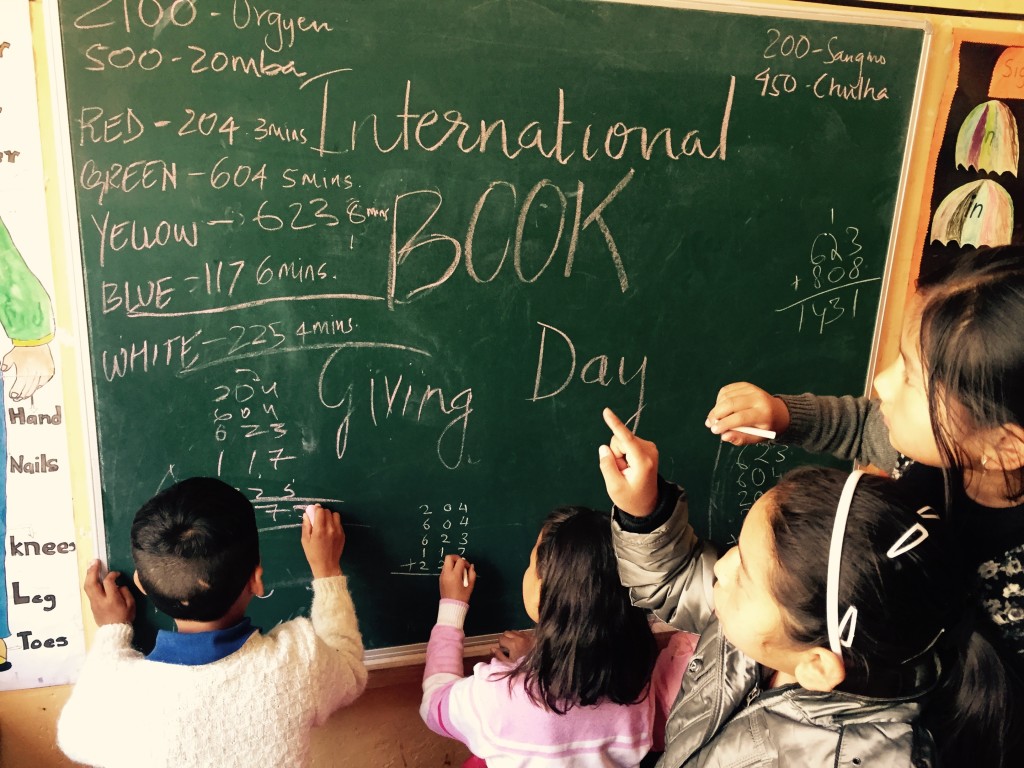
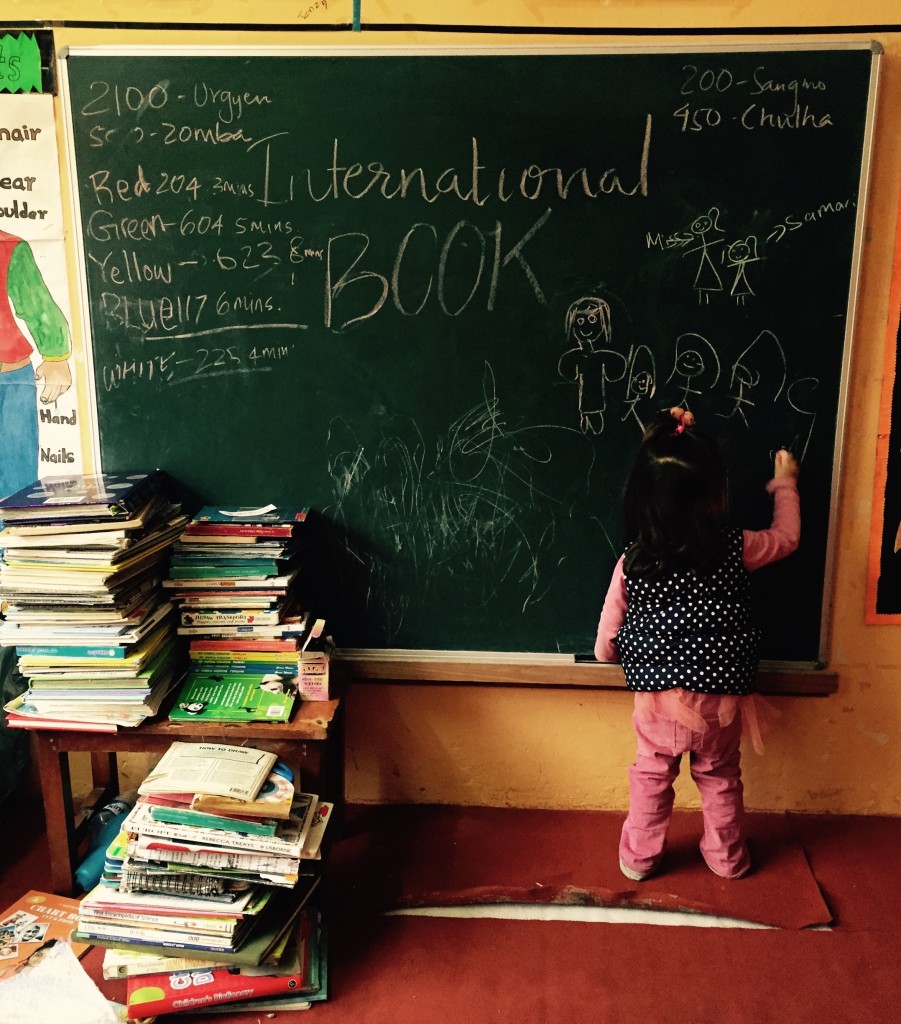
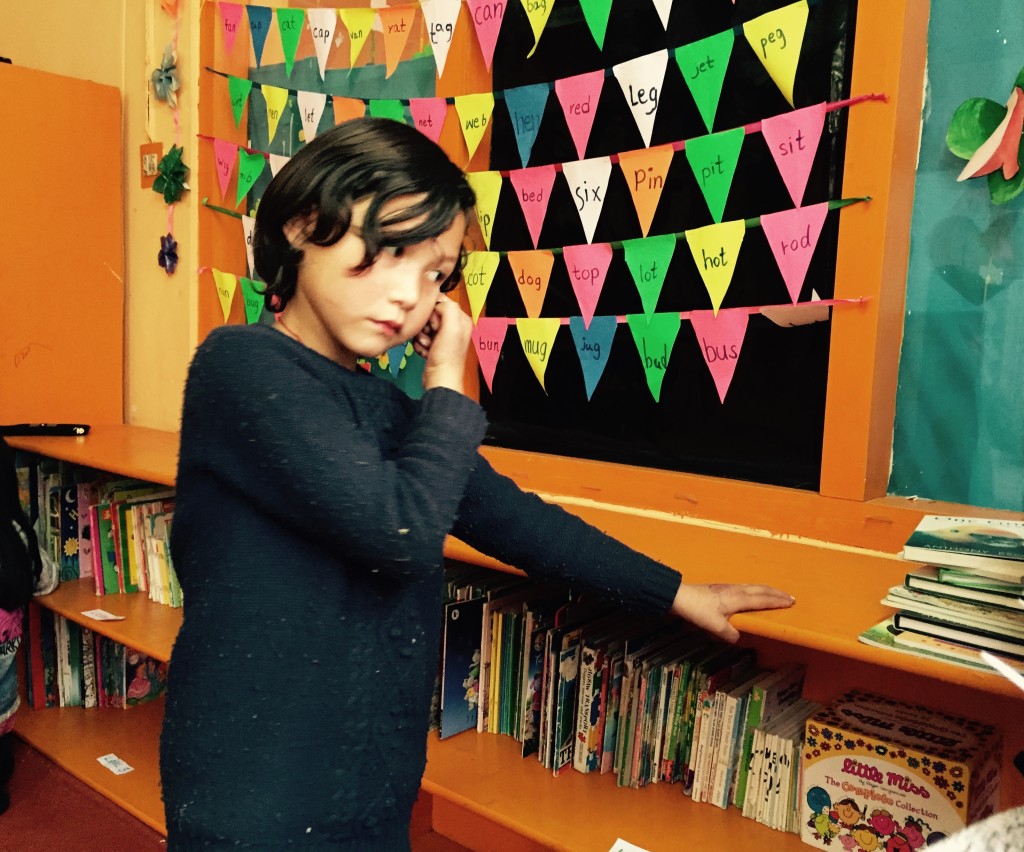
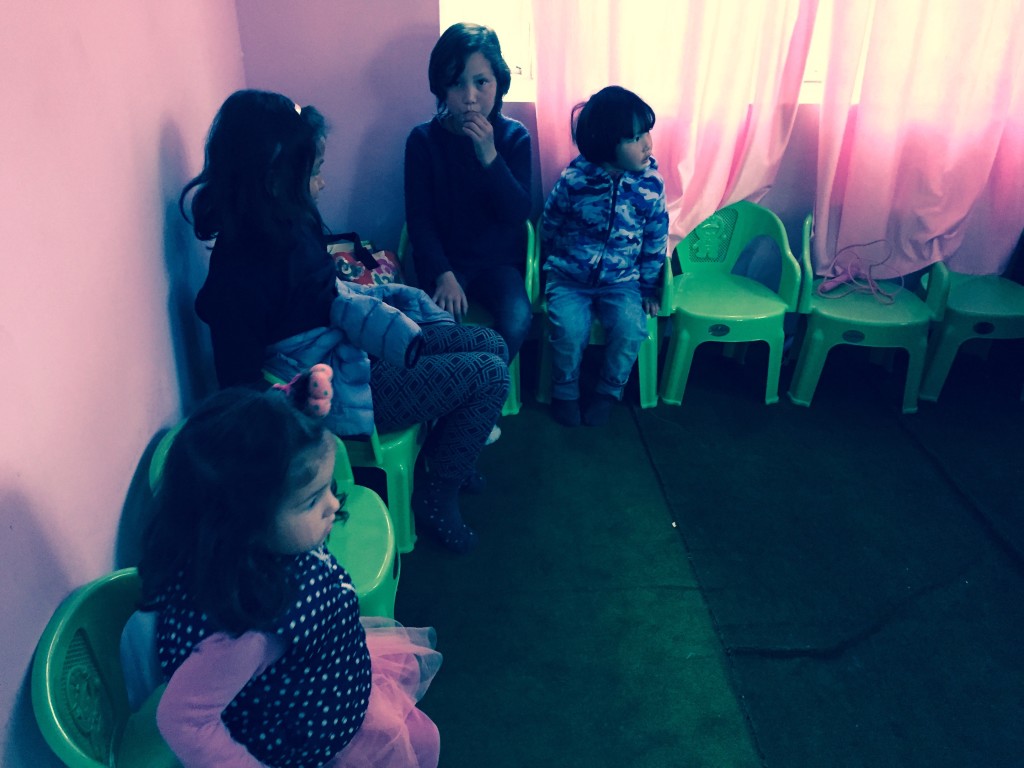
By the second winter, attendance had grown past sixty children a week. A quiet observation from one of the older monks changed the conversation: many of the children were drawn to stories that moved. They asked what would happen if a story could travel across a screen the way it travelled in their heads. That single remark sat on the whiteboard for weeks before anyone acted on it.
A borrowed projector and the first screening
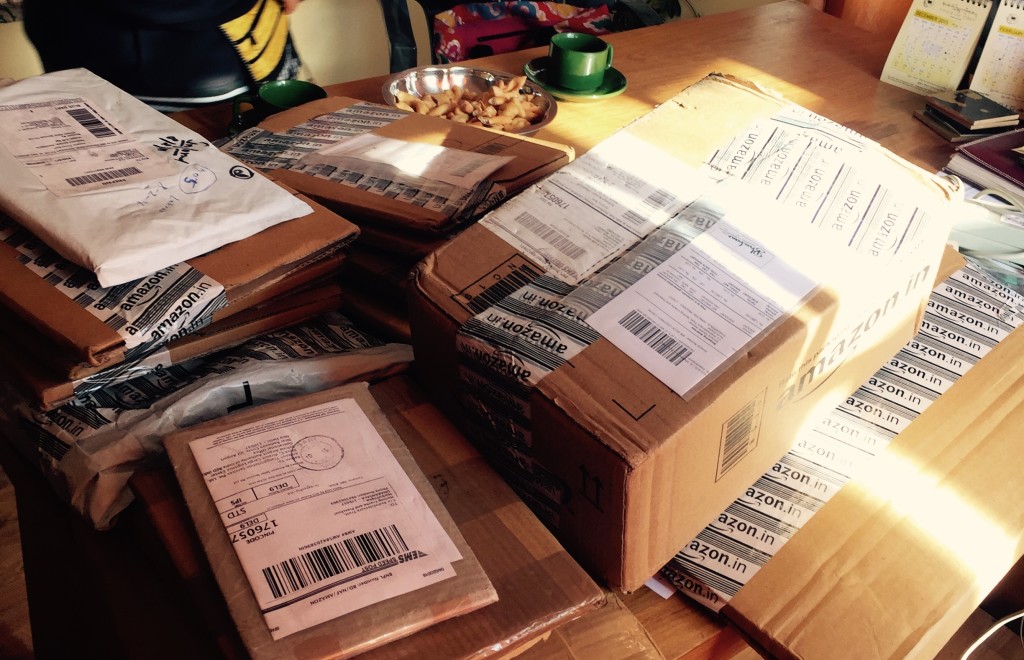
The equipment arrived in pieces. A solar inverter and a small motorbike battery joined a second-hand projector donated by a film studies course in Melbourne that was upgrading its inventory. A whitewashed section of wall became the screen; a pair of speakers salvaged from an old community hall covered the sound.
The first film shown was a short animated piece, twenty-two minutes long, telling a tale about a wandering yak and a lost herder. Subtitles in English and Hindi appeared above the butter-lamp light. About forty people squeezed into a room built for twenty, and the silence during the closing credits gave way to a storm of questions. The question that kept returning for months afterwards was simple: can we make one too?
A quick look at how the room's daily rhythm shifted once films joined books on the menu:
| Aspect |
Reading room |
Film club |
| Core equipment |
Books, rugs, lamps |
Projector, speakers, screen, films |
| Time slot |
Open weekday afternoons |
Two evenings a week after sunset |
| Engagement |
Silent reading, drawings |
Group viewing, spoken reflection |
| Preparation |
Volunteer reads aloud |
Volunteer curates next screening |
| Skills practised |
Vocabulary, comprehension |
Listening, visual literacy, dialogue |
| Cost per session |
Very low |
Moderate, mostly electricity |
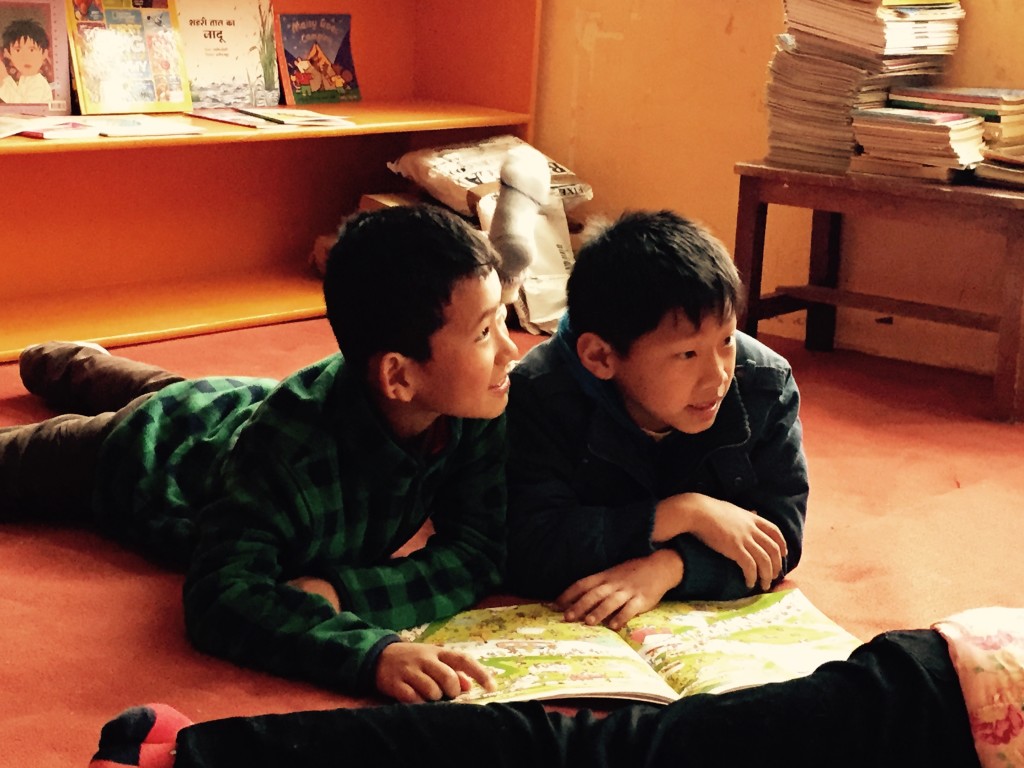
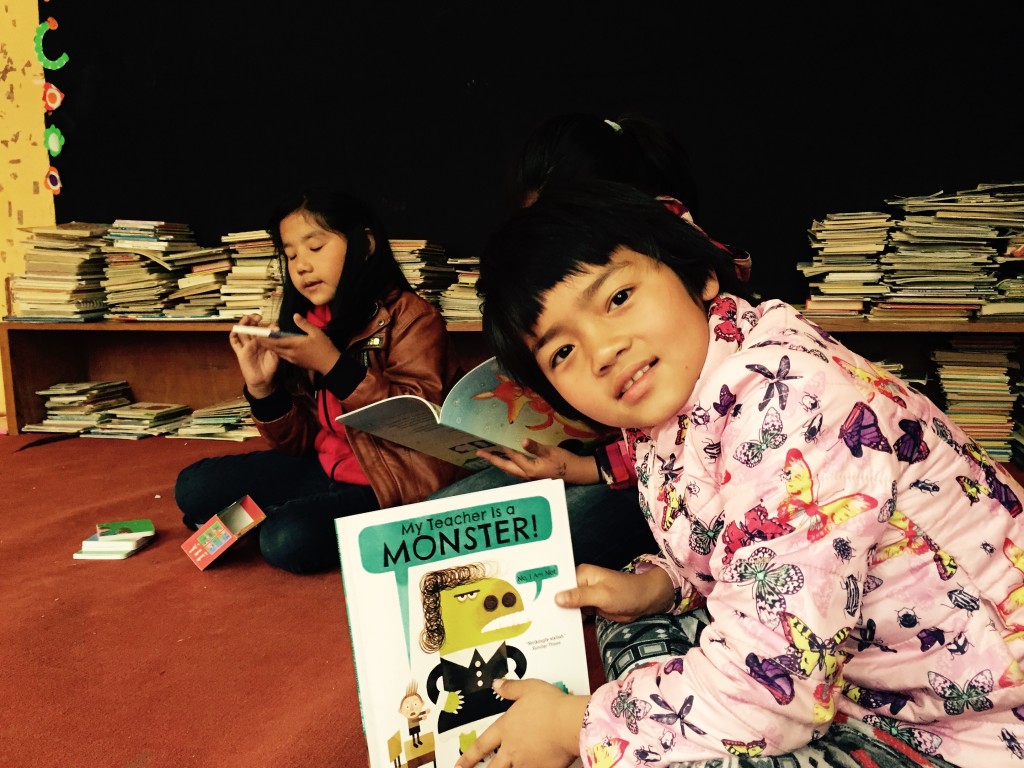
The transition did not push the books aside. Reading hours stayed put, and children who arrived early often settled in with a book while waiting for the projector to warm up. Some picked titles inspired by what they had watched the previous week; others simply wanted a quiet corner before the noise level rose.
Building a calendar around books and weather
Scheduling a film club in a high-altitude village is its own small craft. Power cuts arrive without warning in winter, and the highest passes stay buried under snow from November through April. The team chose a calendar that mirrors the academic rhythm Australian teachers would recognise from a state school in Hobart or Canberra: concentrated terms, quiet recesses, and a long pause over the coldest months when children are sent home early to beat the dark.
Subtitled films were sourced from open archives, regional short film festivals in India, and a growing list of donations from documentary makers. The Trust's volunteers built a checklist for each screening: confirmed subtitles in at least two scripts, a run time under ninety minutes, and a topic loose enough to fuel a discussion afterwards. Films about road-building, river management, and migration tended to draw the longest conversations.
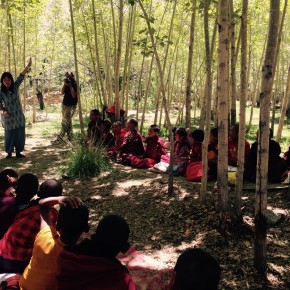
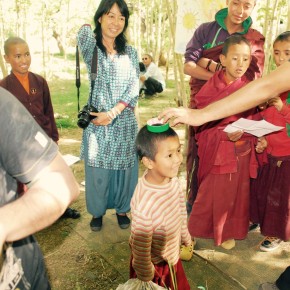
Some screenings moved outdoors on calm evenings. Children sat on borrowed cushions laid across the courtyard, and the kitchen sent up popcorn made in a heavy pot over the same stove used for the morning's tea. Parents and grandparents, including a few elders who had never sat through an entire film before, drifted in to see what the noise was about.
Voices from the cloister and the courtyard
The shift to film began to reshape conversations inside the room well beyond the screenings themselves. Volunteers noticed that children arrived earlier, stayed later, and talked more freely. Teenagers, who once slipped out of the reading room after thirty minutes, began asking for extra time so they could prepare short introductions to the films for the younger viewers.
Patterns of engagement that emerged in the room
- Children requesting biographies of Himalayan travellers after watching adventure films.
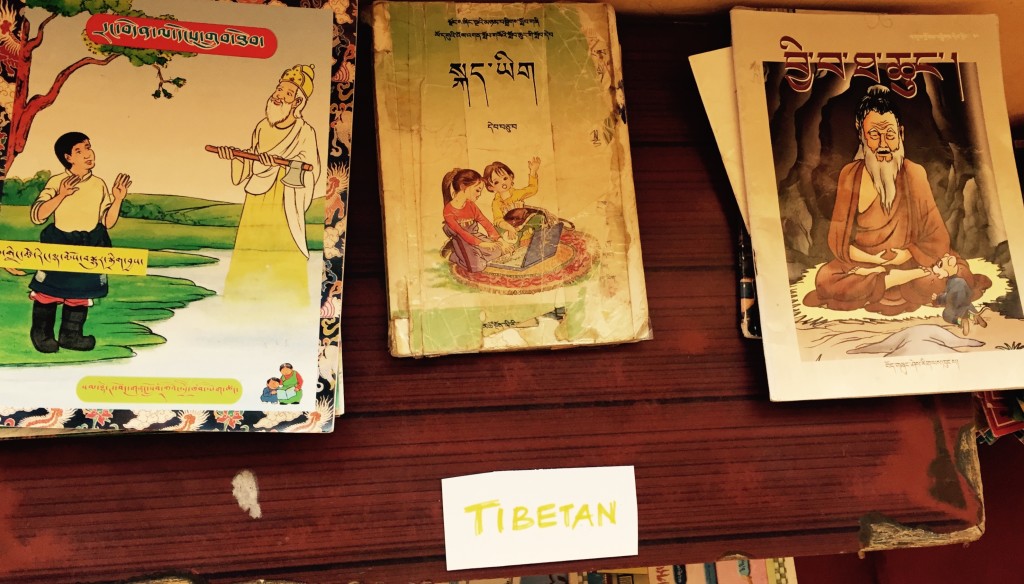
- Young monks writing short reviews in Tibetan and English after each screening.
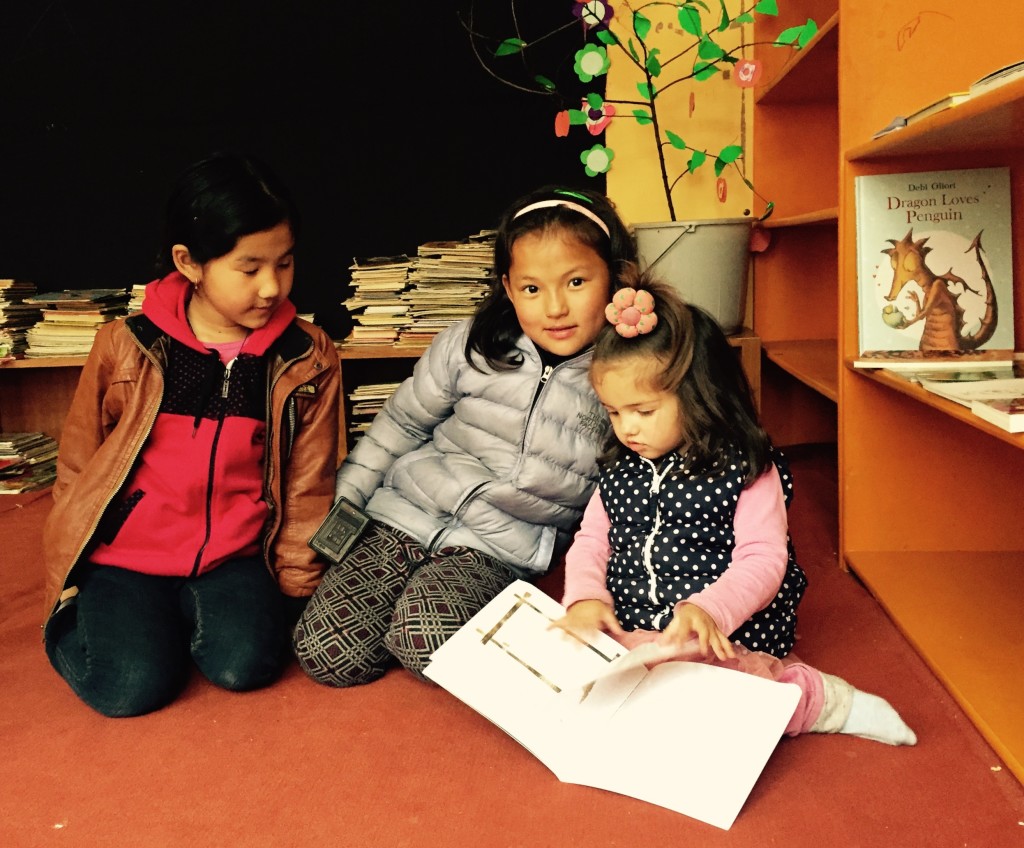
- Older sisters reading picture books aloud to younger siblings during quiet hours.
- Elders asking for films about other mountain communities, especially those in Nepal and Bhutan.
- Teenagers collaborating on stop-motion shorts using clay figures made in art hour.
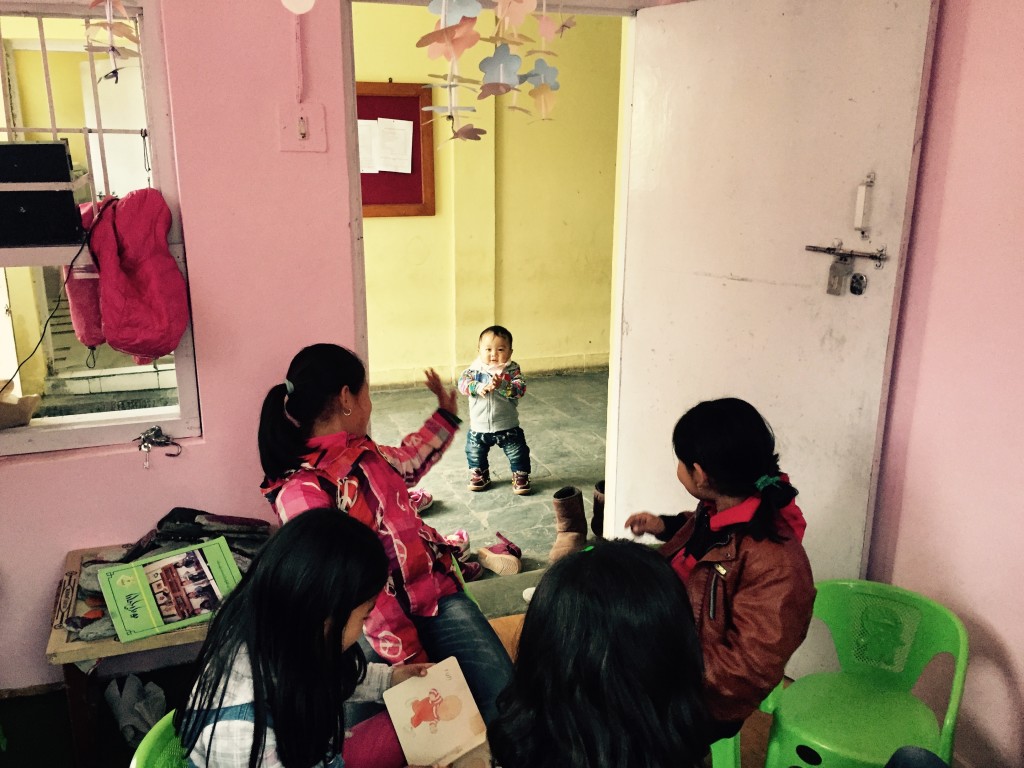
The most unexpected signal came from families who lived an hour's walk away. Parents began asking whether the projector and the books could be packed onto a mule for a weekend visit. That suggestion turned into a small mobile kit that the Trust now loans to three neighbouring villages, with volunteer coordinators trained in how to set up a screen on a hanging sheet.
Films that sparked the longest conversations
Every film club has titles that lodge themselves in the memory of the room. For this village, the most discussed works fell into a handful of themes that still come up whenever a new visitor asks what the children like to watch.
Themes that drew the longest discussions
- Animated shorts featuring animals in winter landscapes, often used to teach younger viewers new English and Hindi vocabulary.
- Documentaries about river systems and irrigation, which opened long debates about local water management.
- Coming-of-age stories about boarding school life, a topic that resonated with young monks studying away from home.
- Travel films tracing pilgrimage routes through Ladakh and Zanskar, prompting questions about villages not visited in years.
- Short dramas in which characters teach themselves a skill, frequently cited by teenagers as inspiration for their own stop-motion experiments.
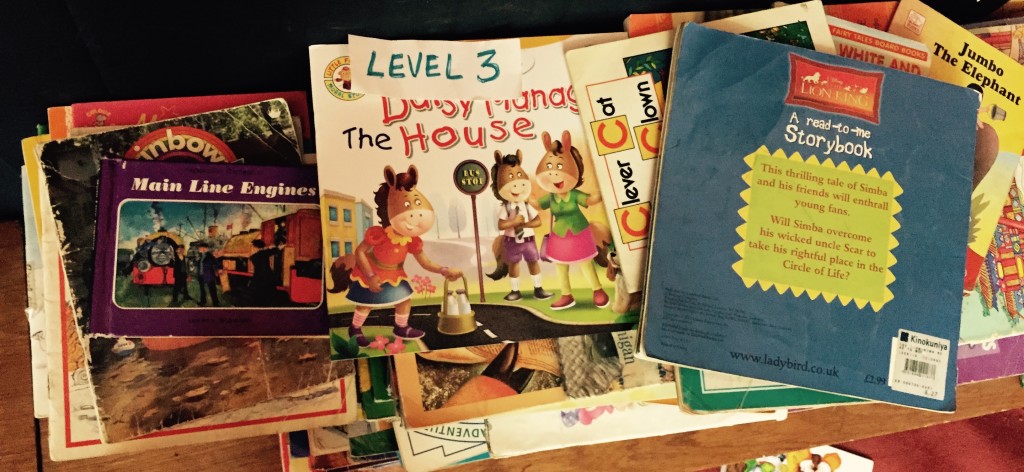
These titles do not sit on a separate shelf. They live in the same wooden cabinet as the picture books, checked out by anyone who wants to revisit a scene or share a film with a relative. Volunteers organising screenings now treat the shelf and the film library as a single collection, and the handwritten index at the front of the cabinet has grown to record both.
The next step is modest and very practical: a small set of tripods, clip-on microphones, and training sessions that will let the teenagers already experimenting with short films record and edit their own work. Once a half-dozen of those films are complete, the Trust will host the village's first youth film night, where the audience will be the same neighbours who once came for book readings and now stay through the credits.