How a painting of a snow leopard inspired a conservation lesson
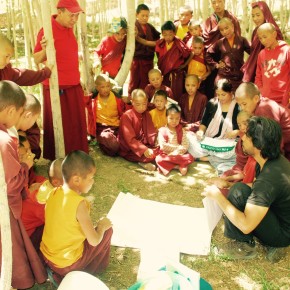
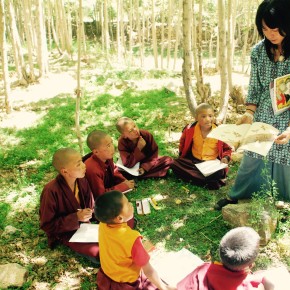
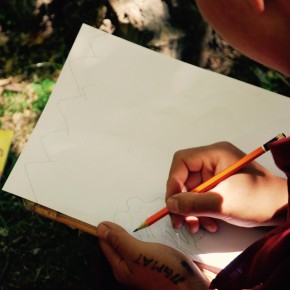
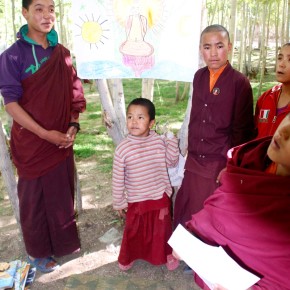
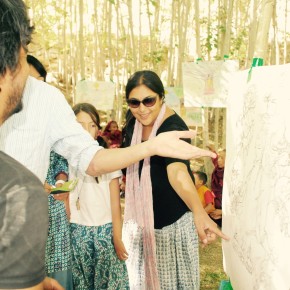
A sheet of white paper lay across a low workbench in Ladakh while children and young monks worked with brushes and coloured pencils. Their prompts invited them to paint an animal shaped for steep, cold terrain. One picture stood apart: a snow leopard crossing pale mountains, its long tail curling behind it and its paws set carefully against the snow.
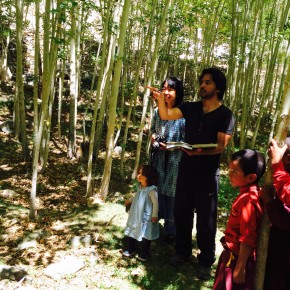
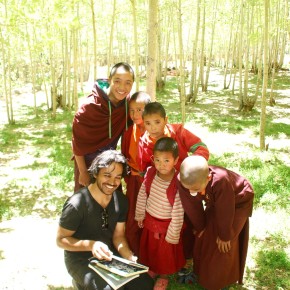
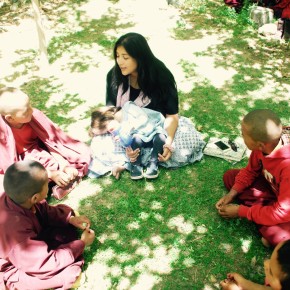
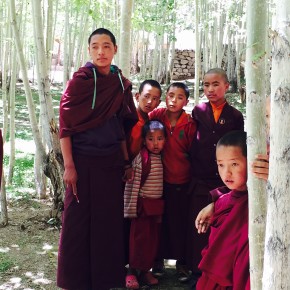
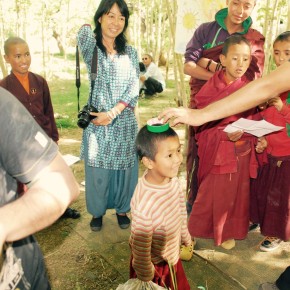
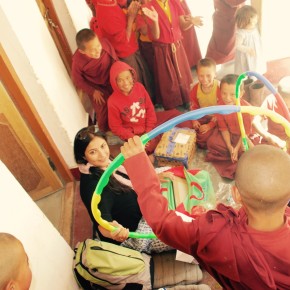
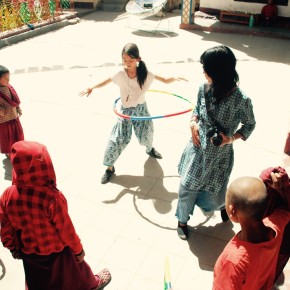
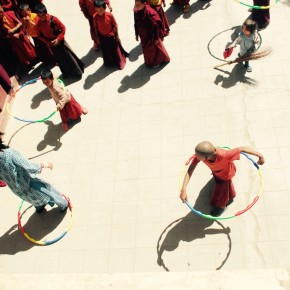
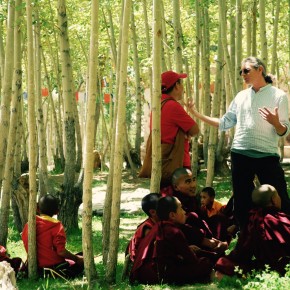
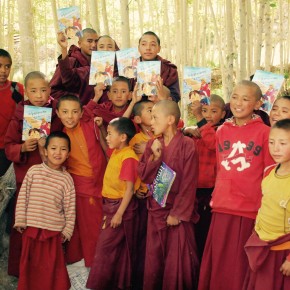
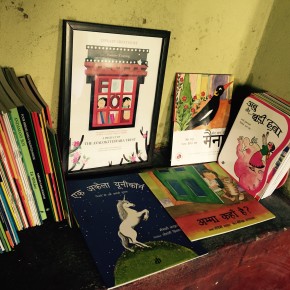
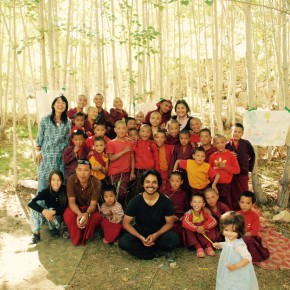
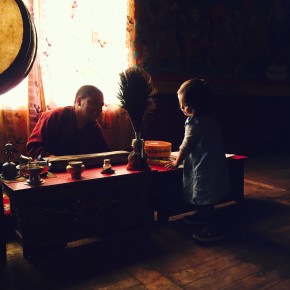
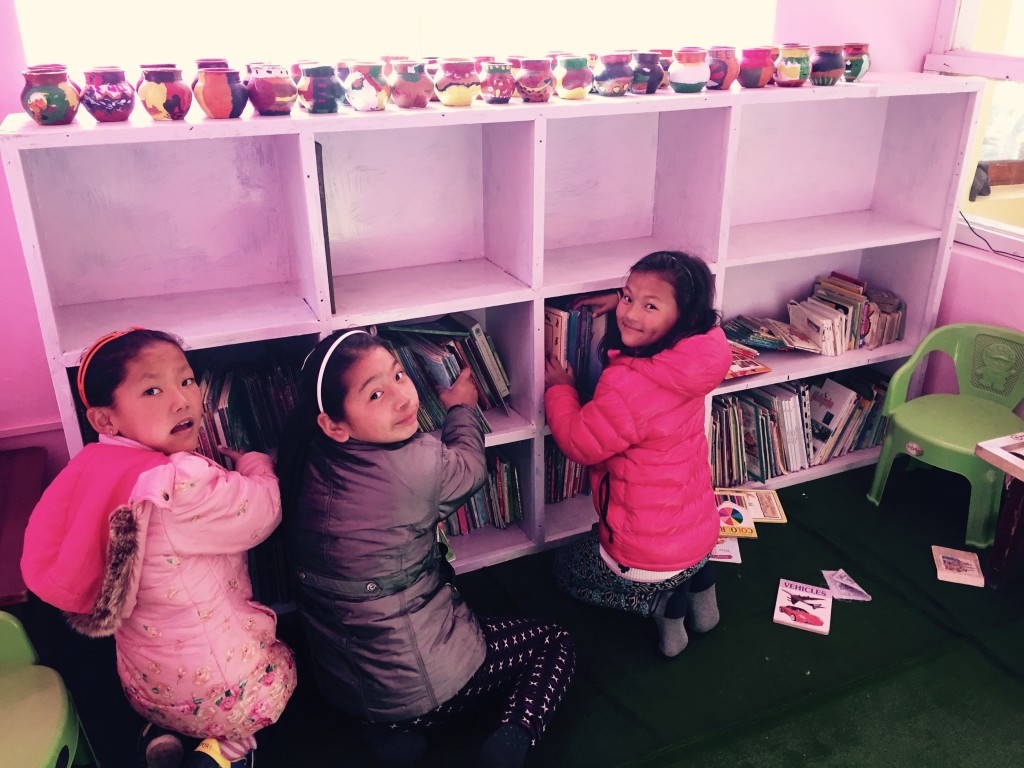
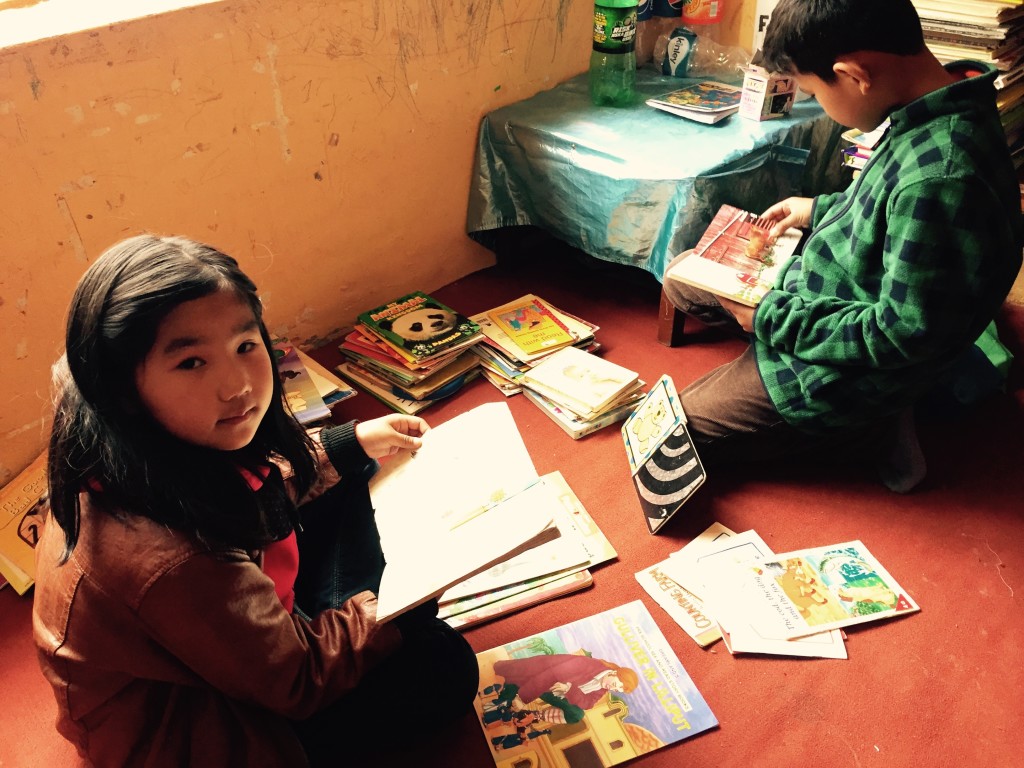
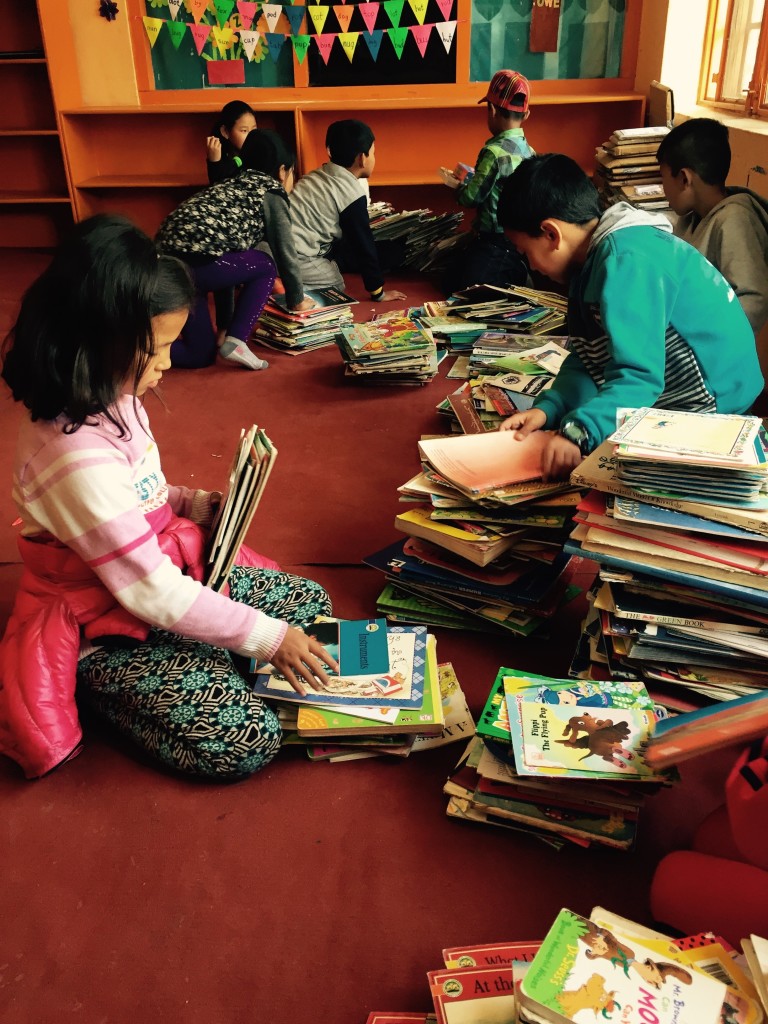
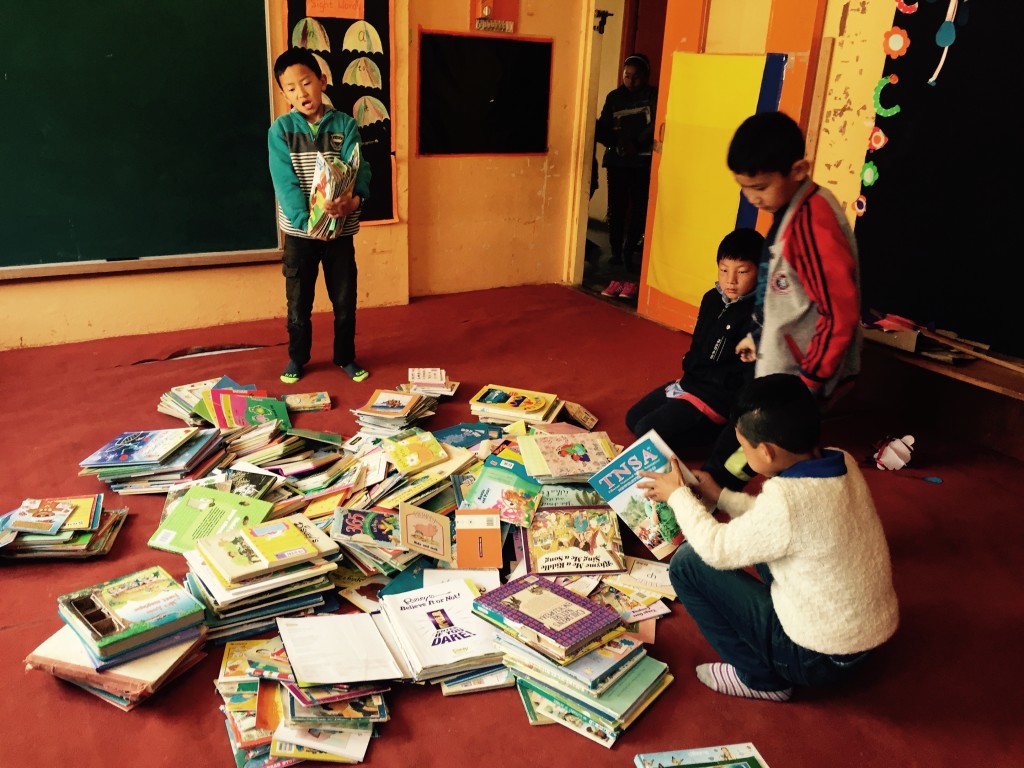
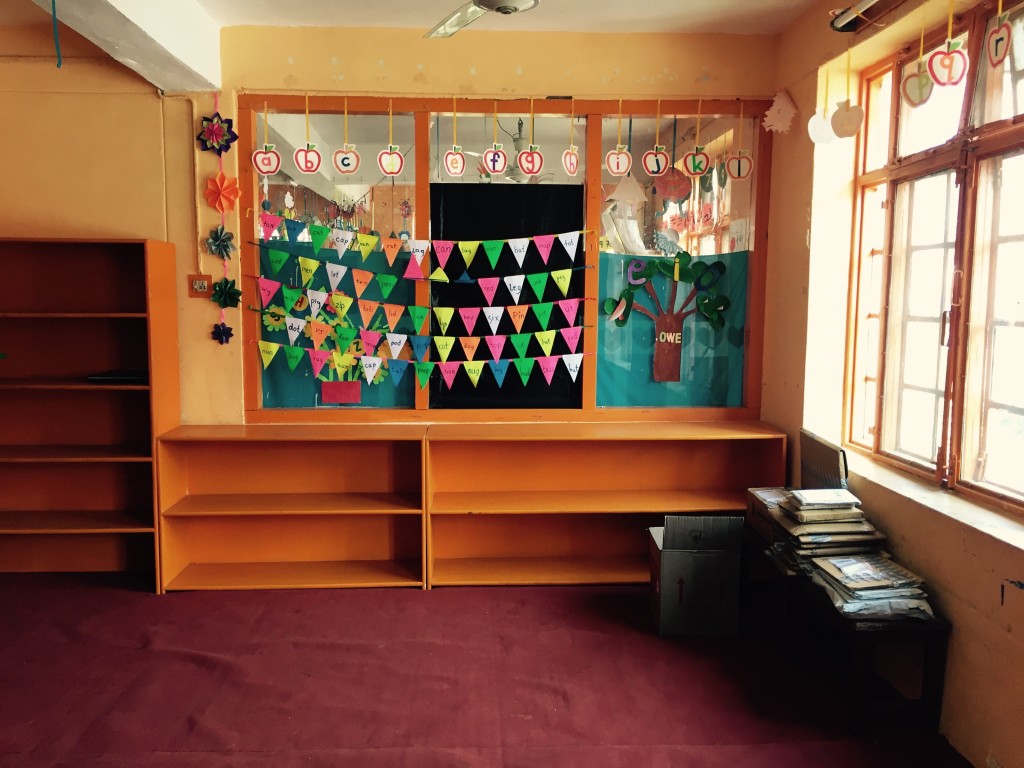
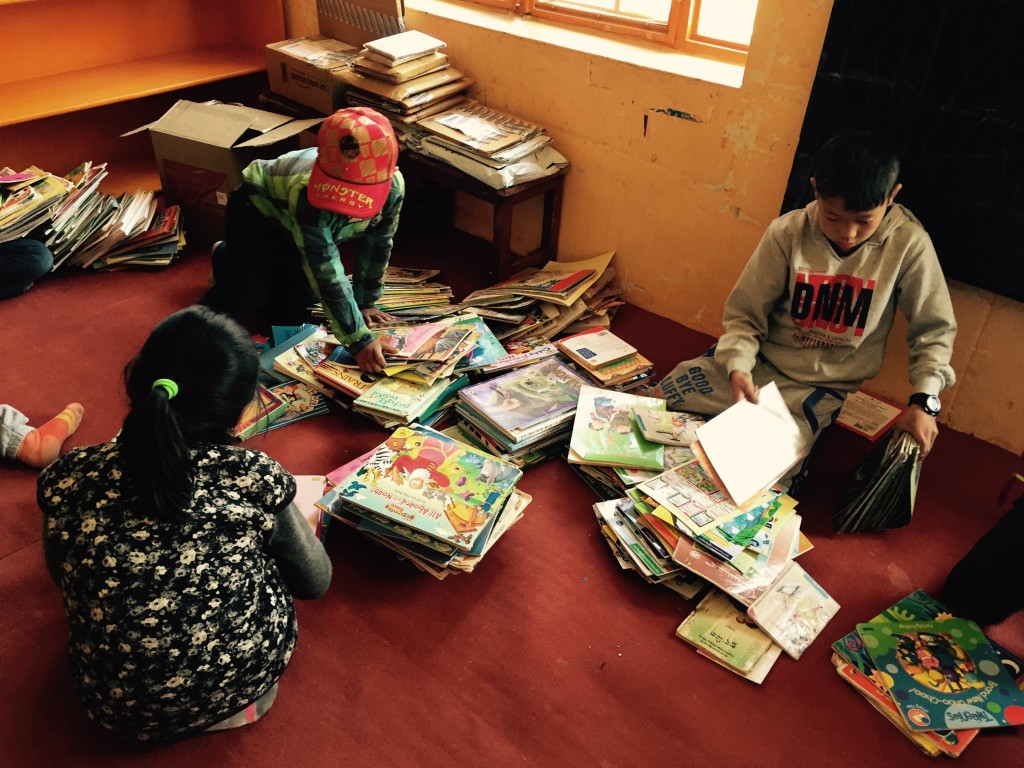
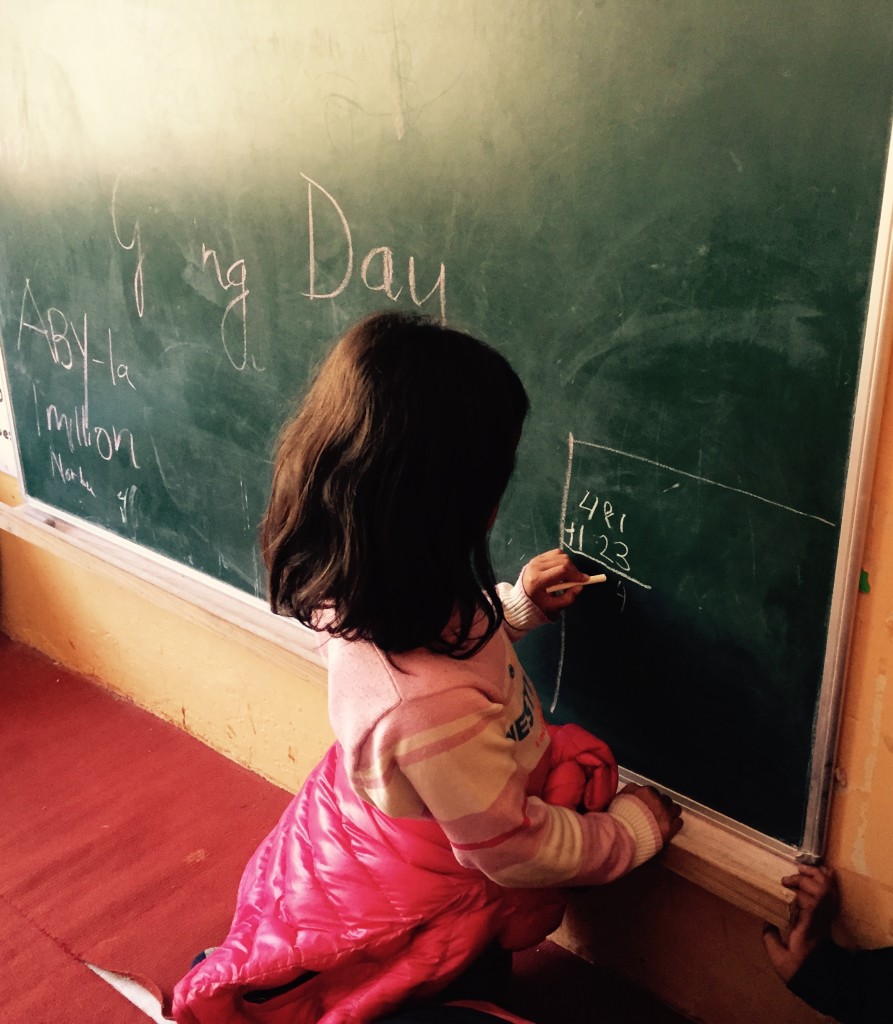
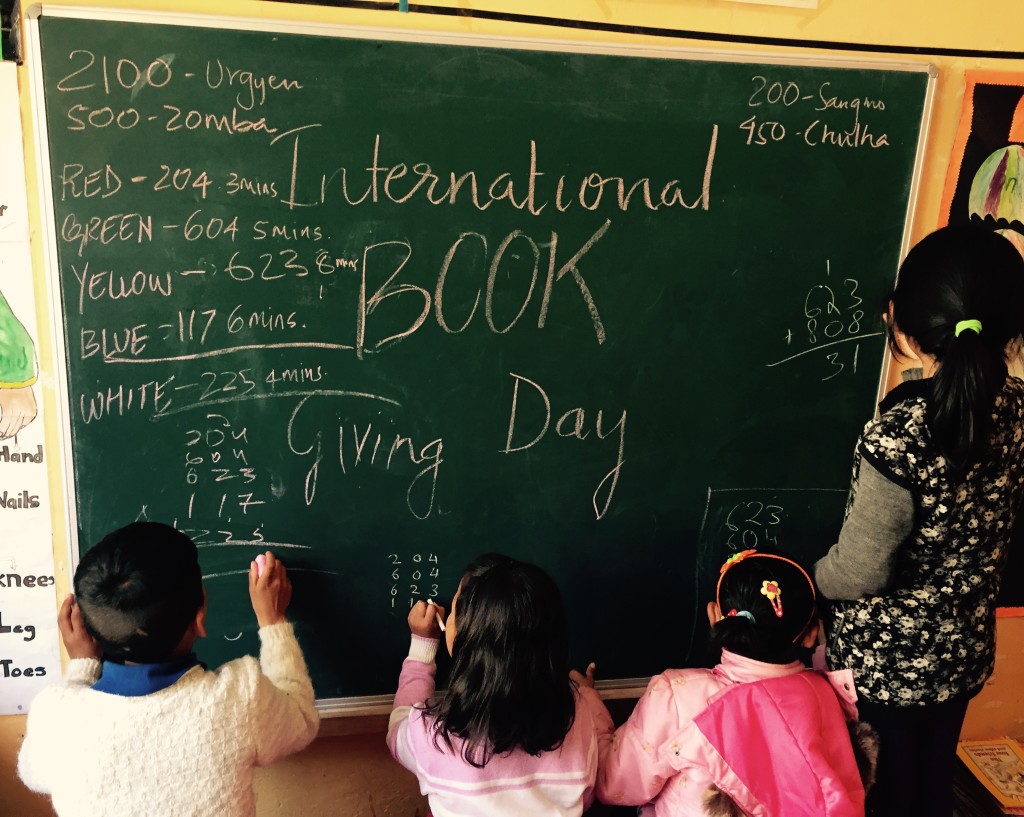
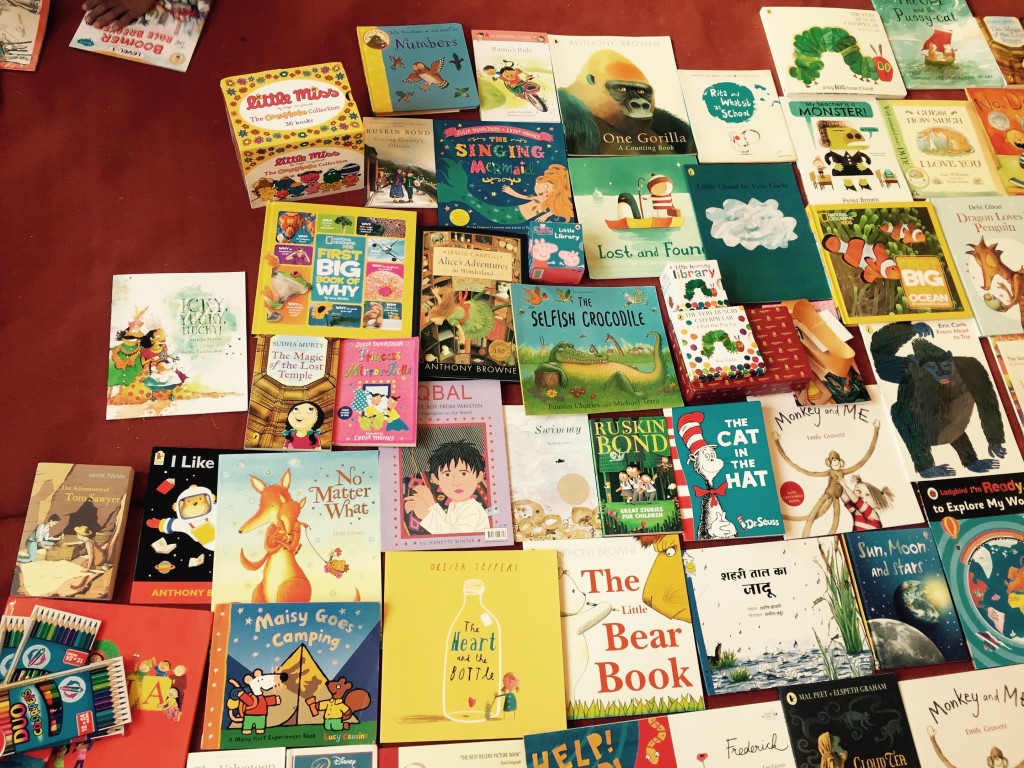
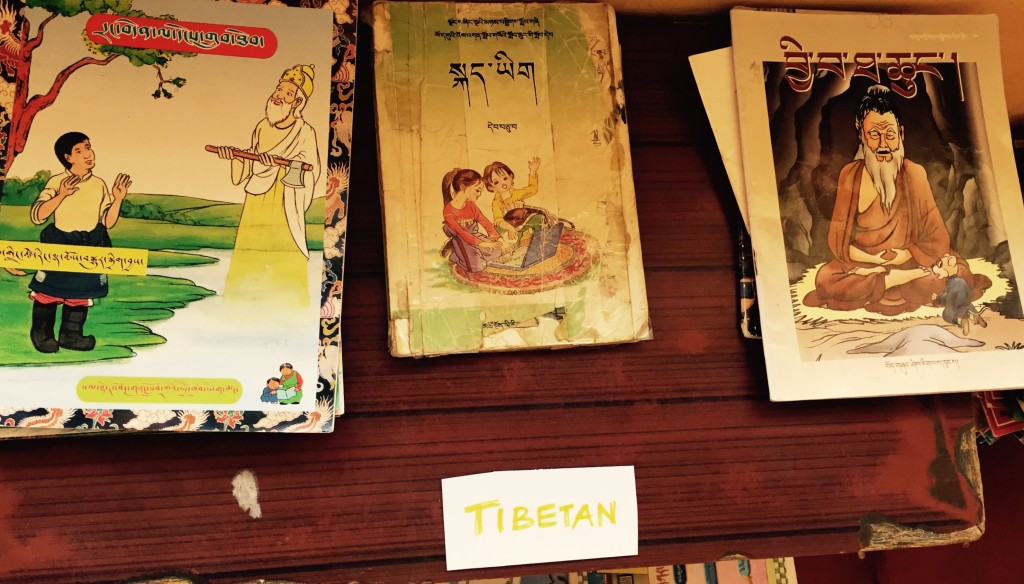
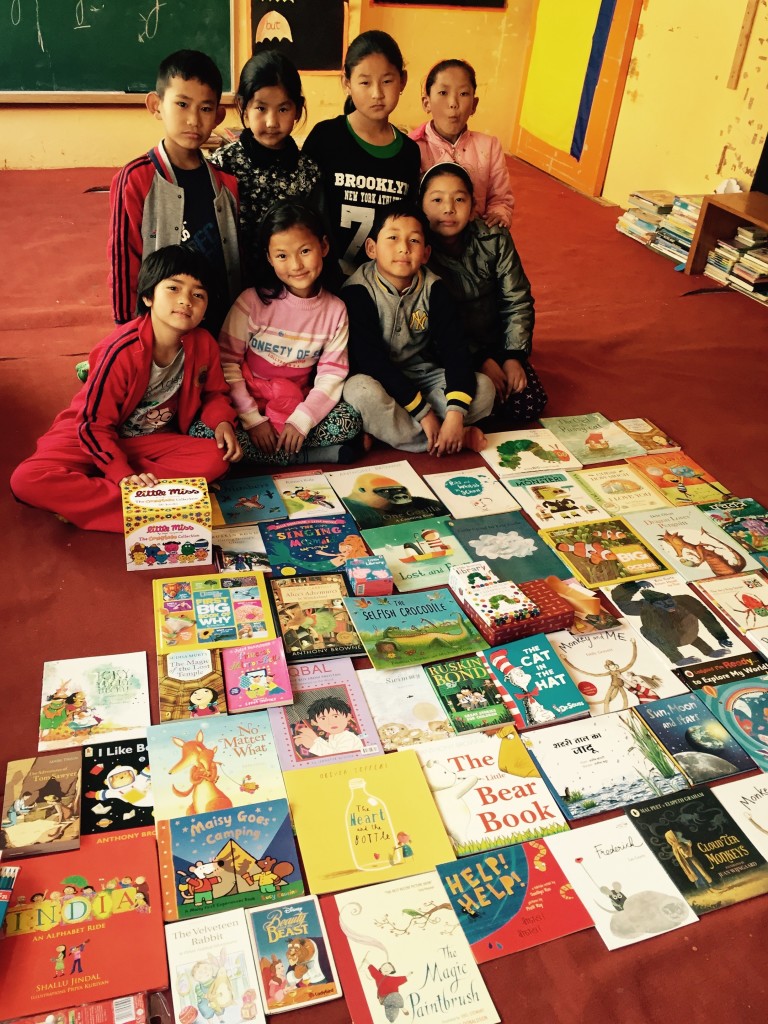
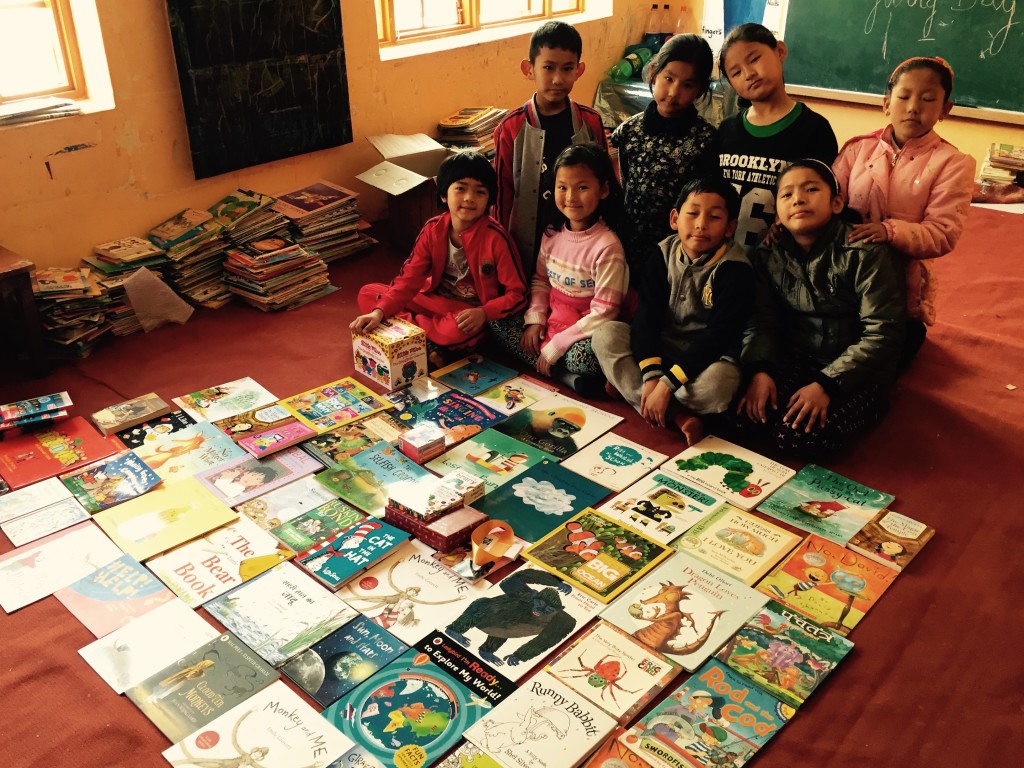
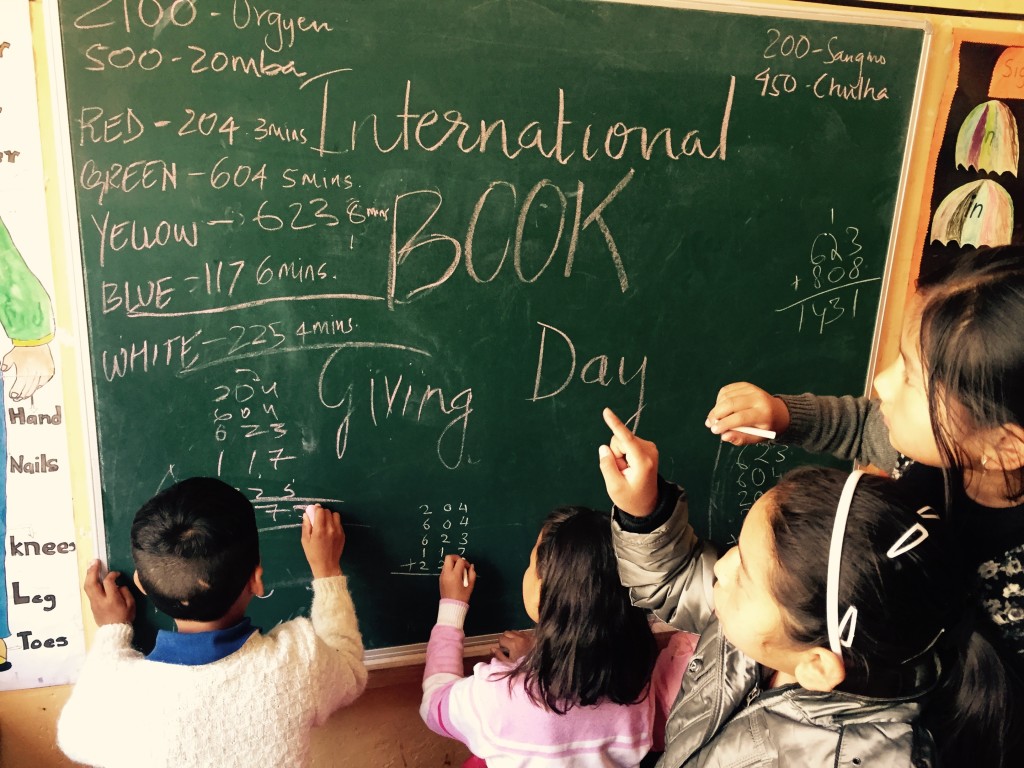
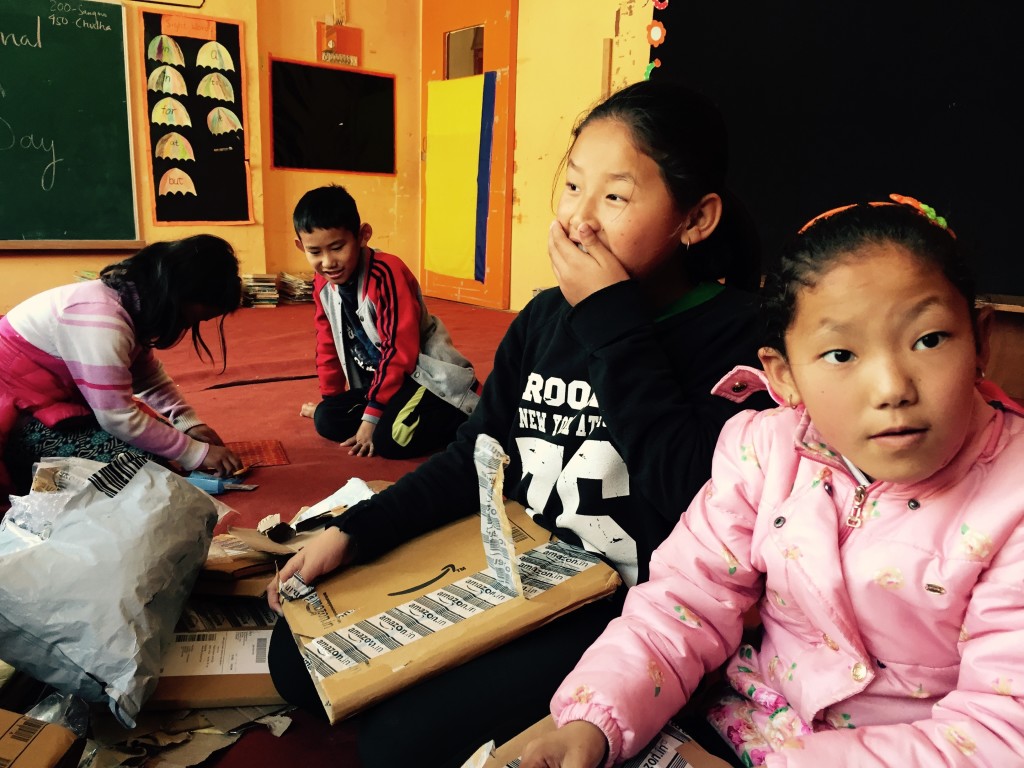
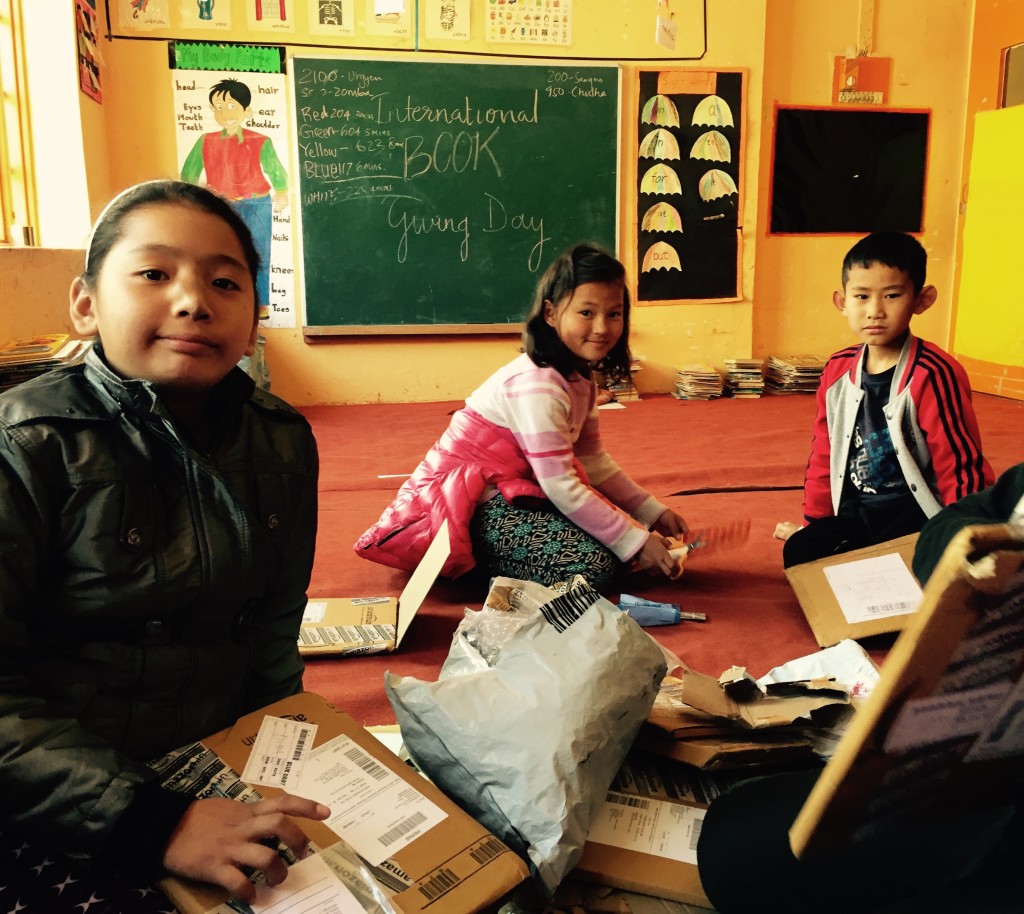
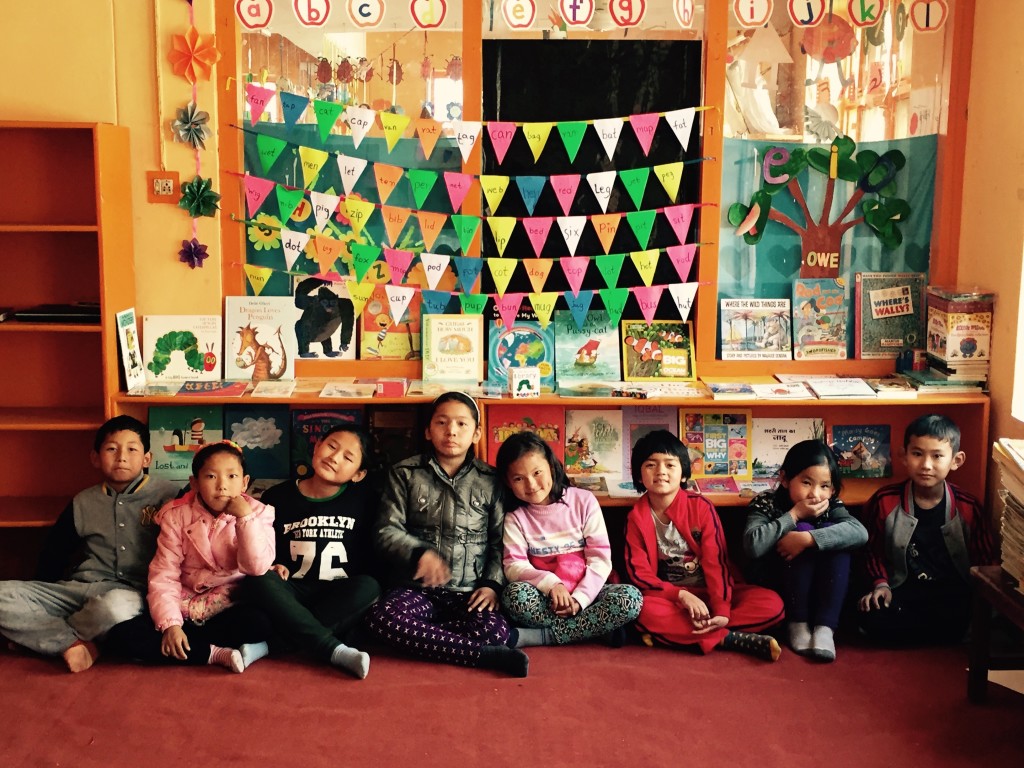
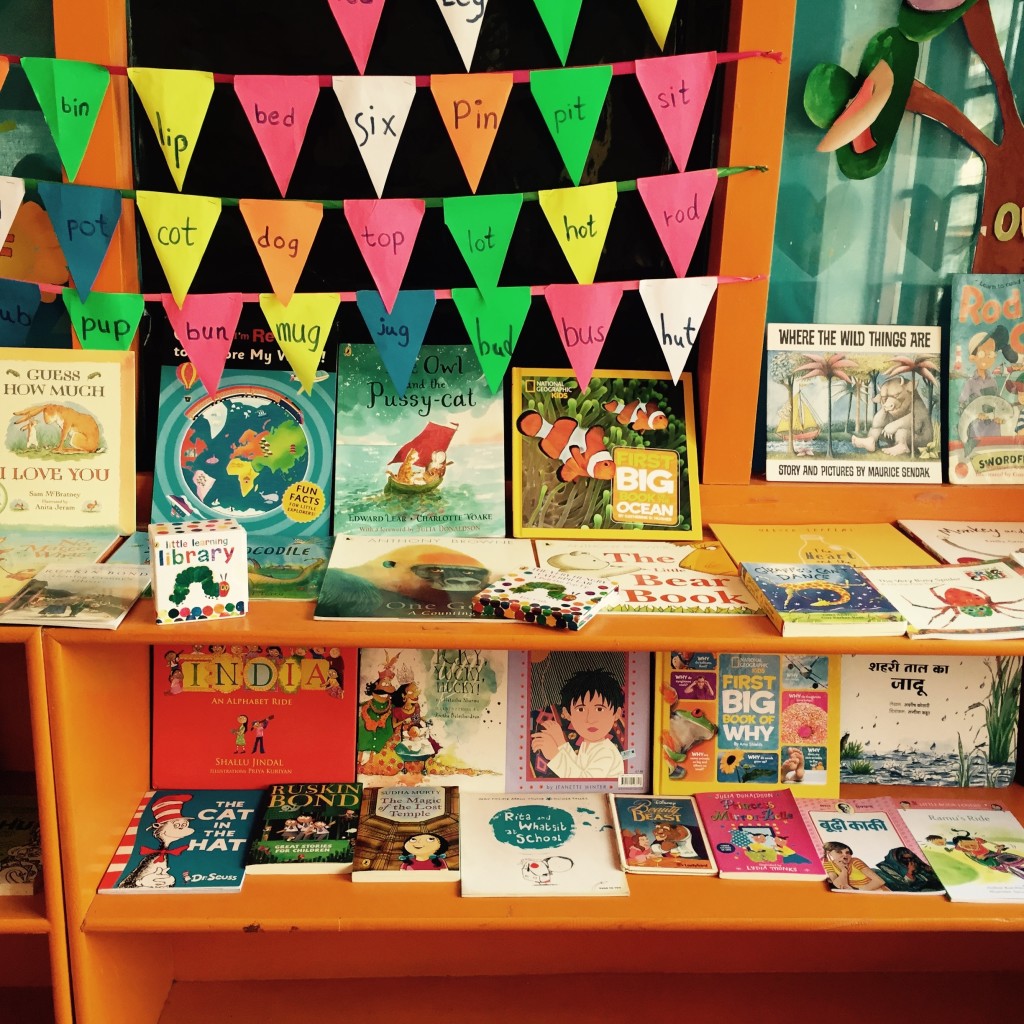
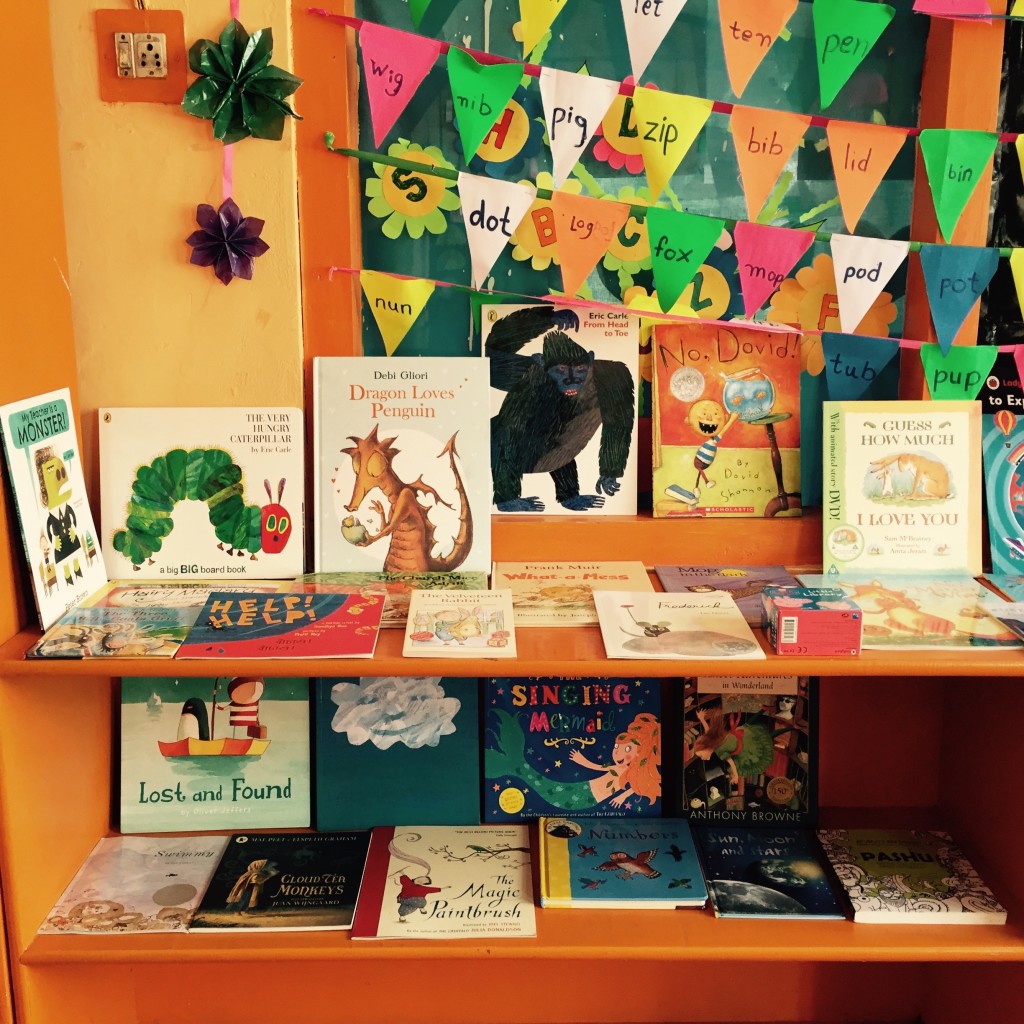
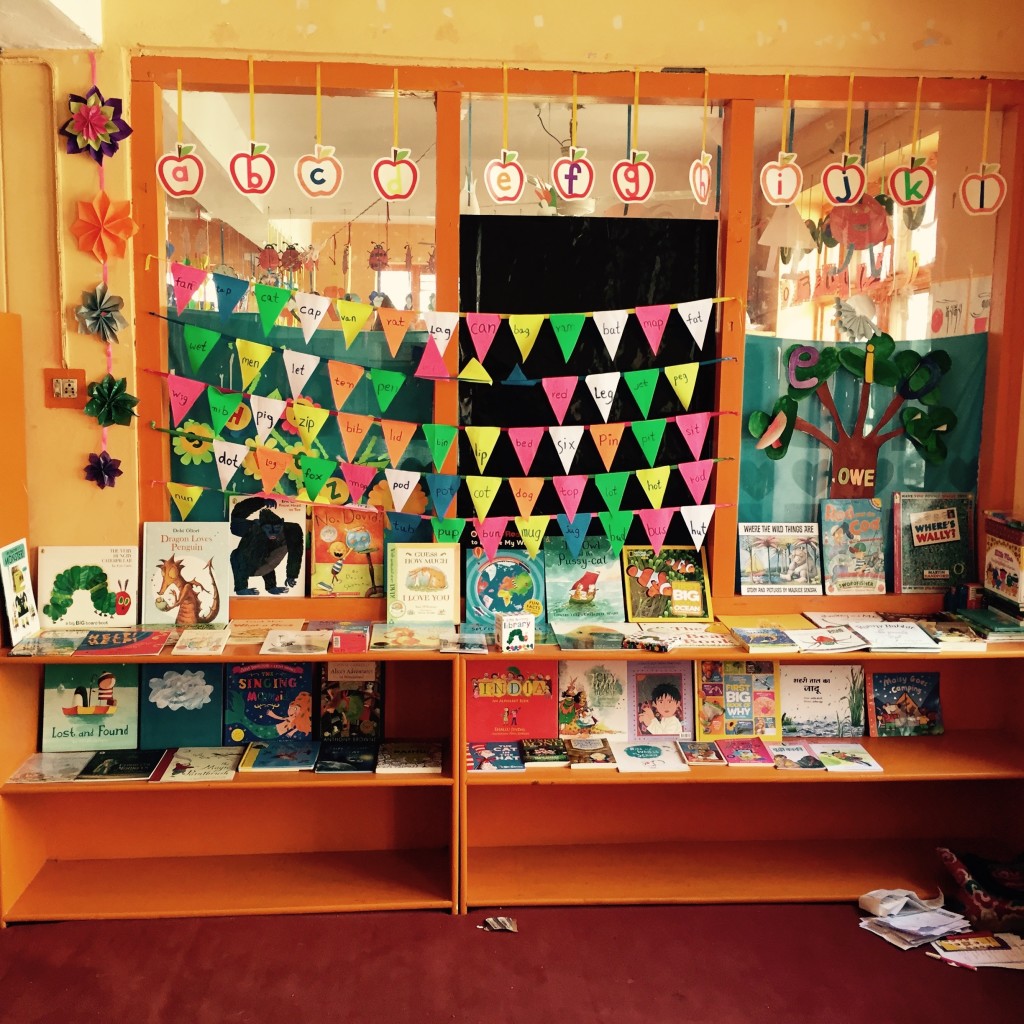
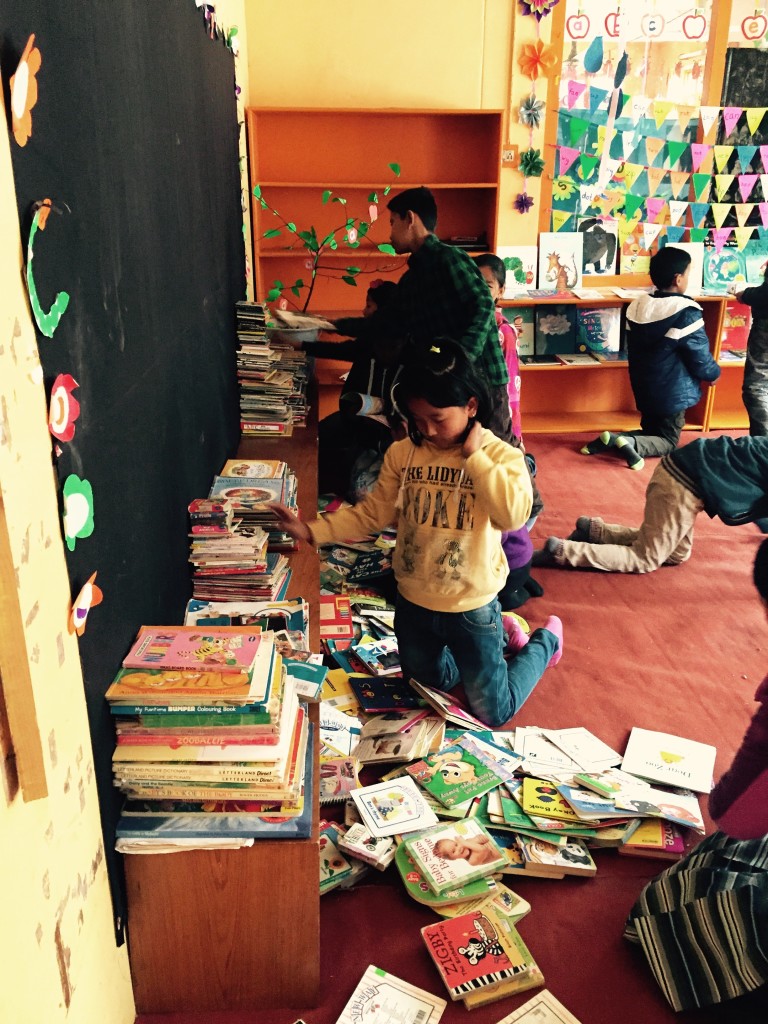
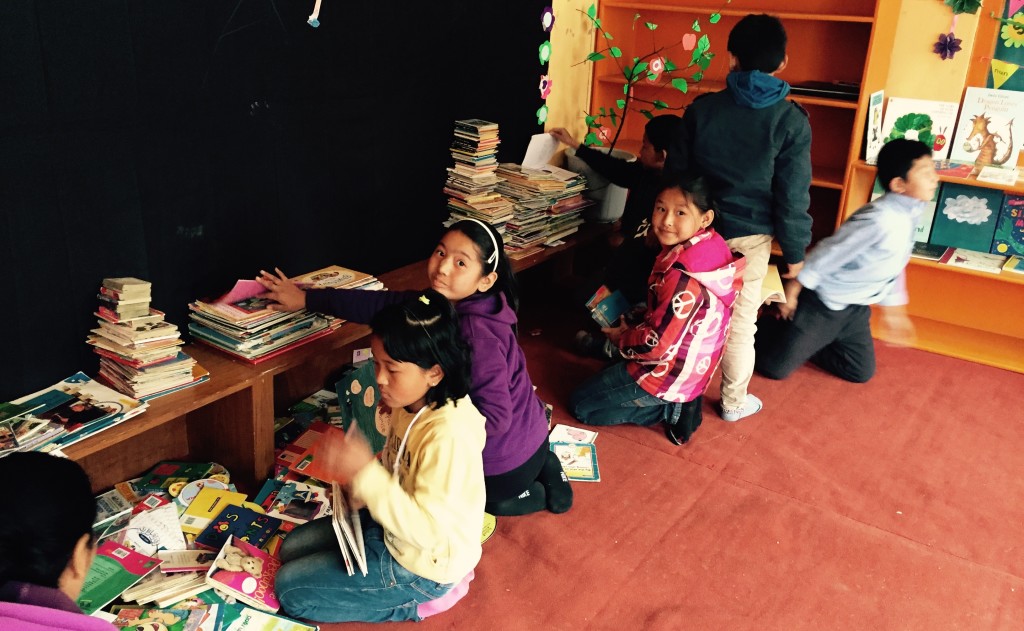
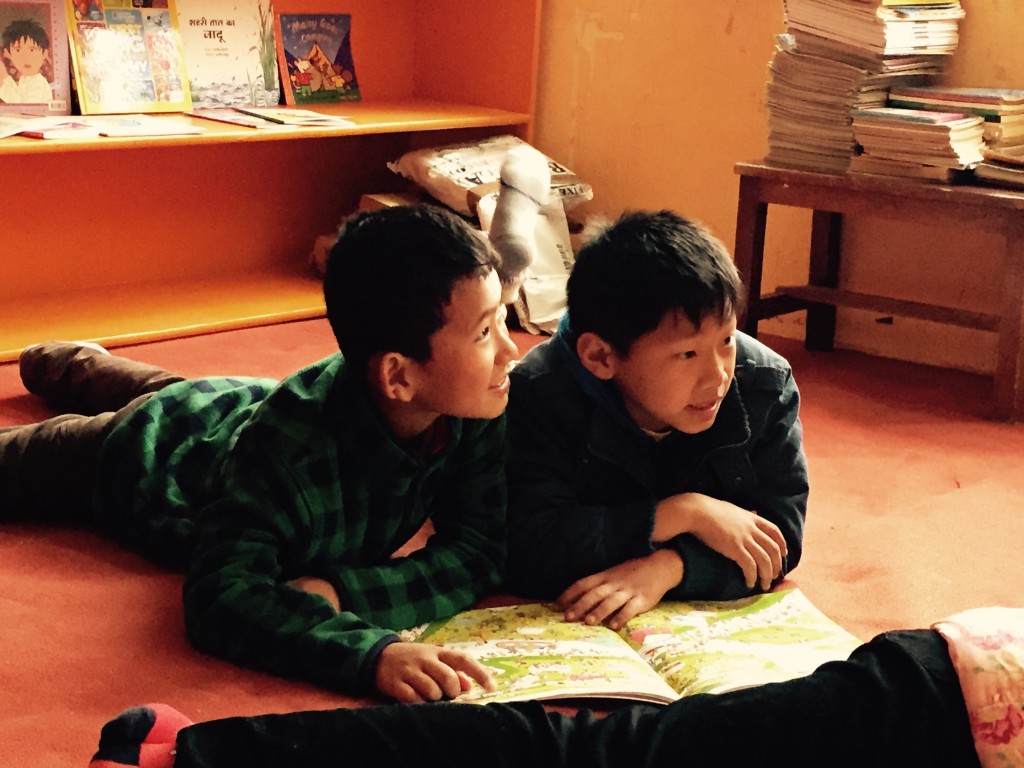
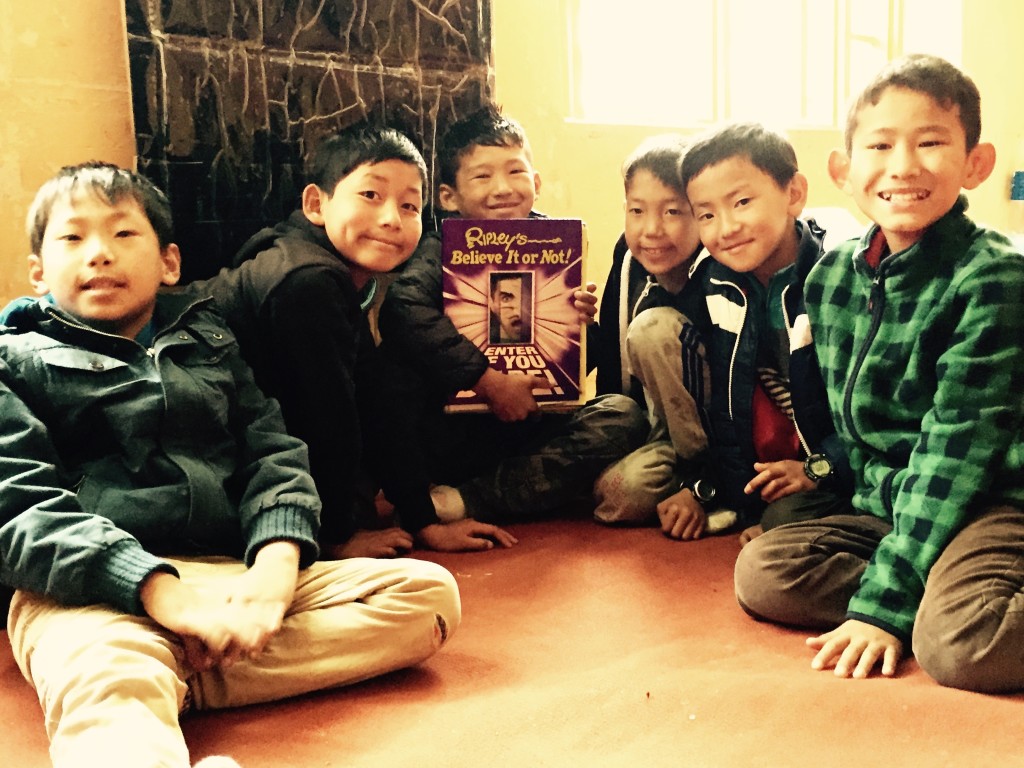
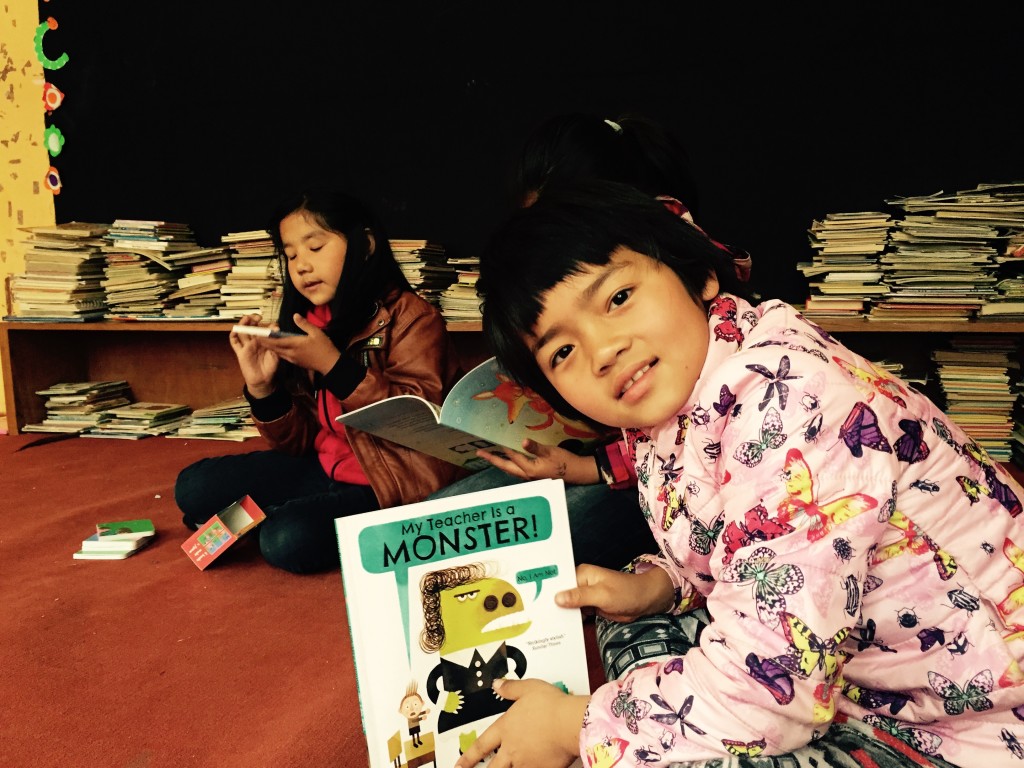
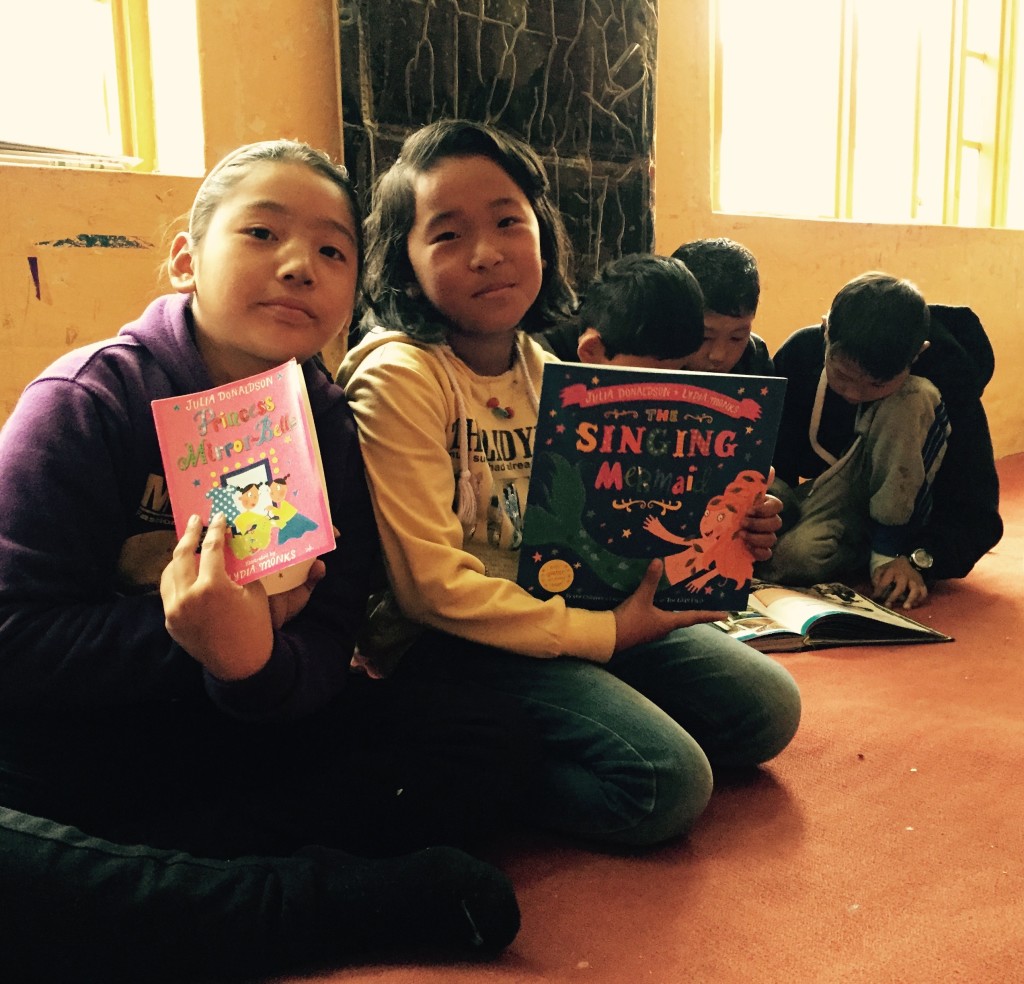
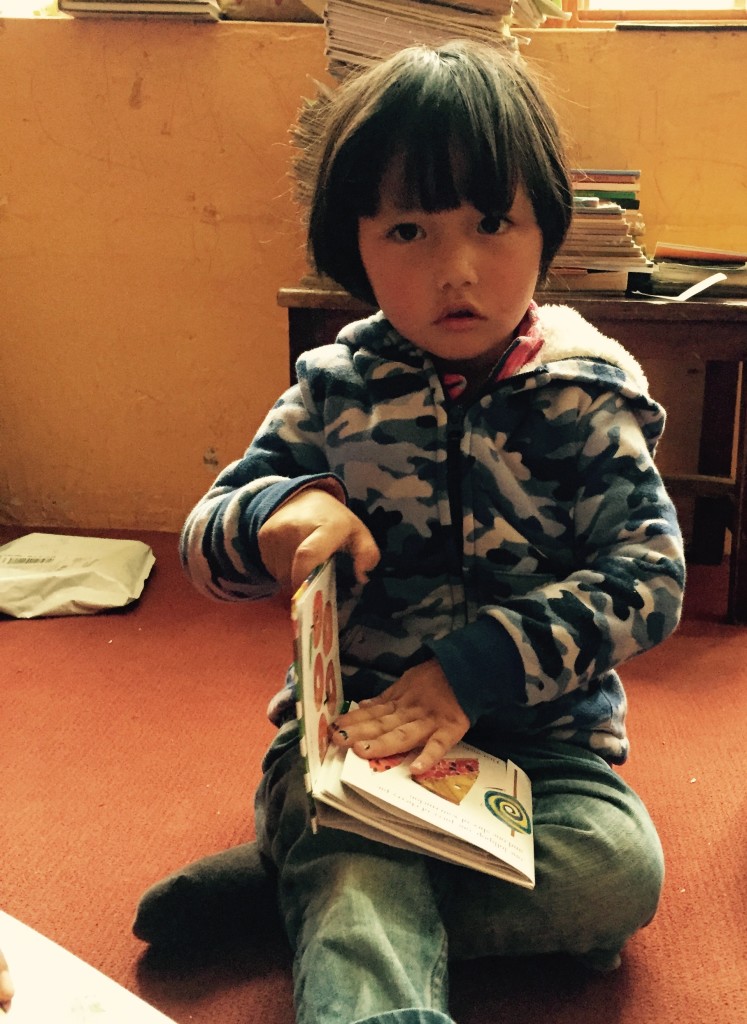
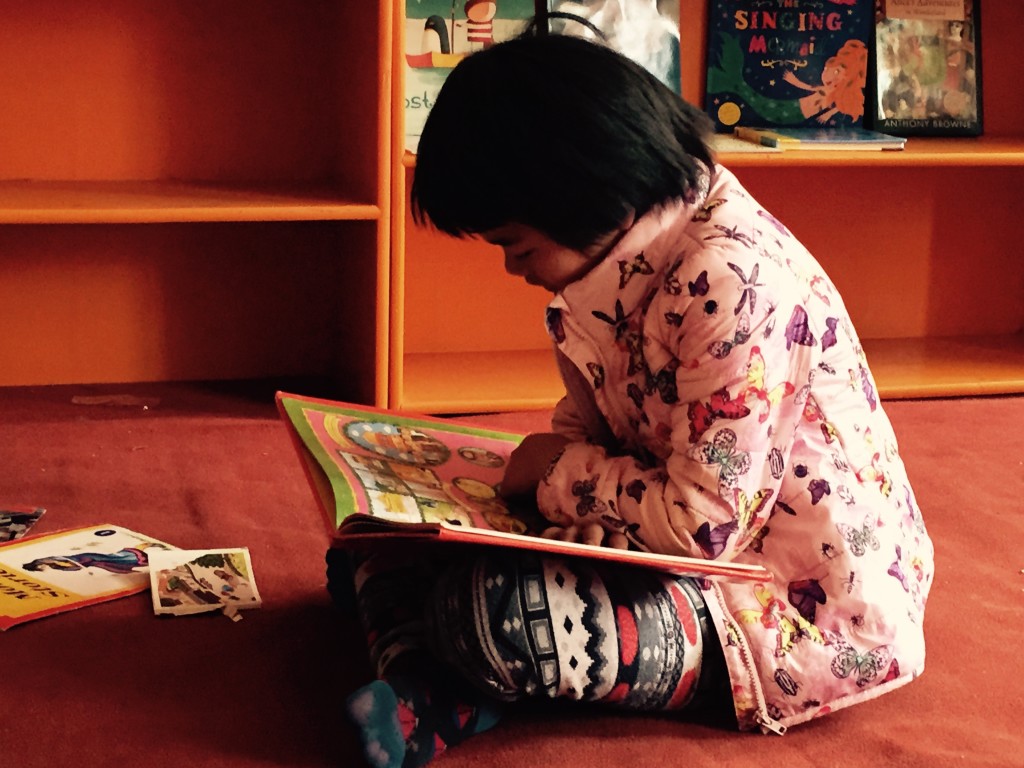
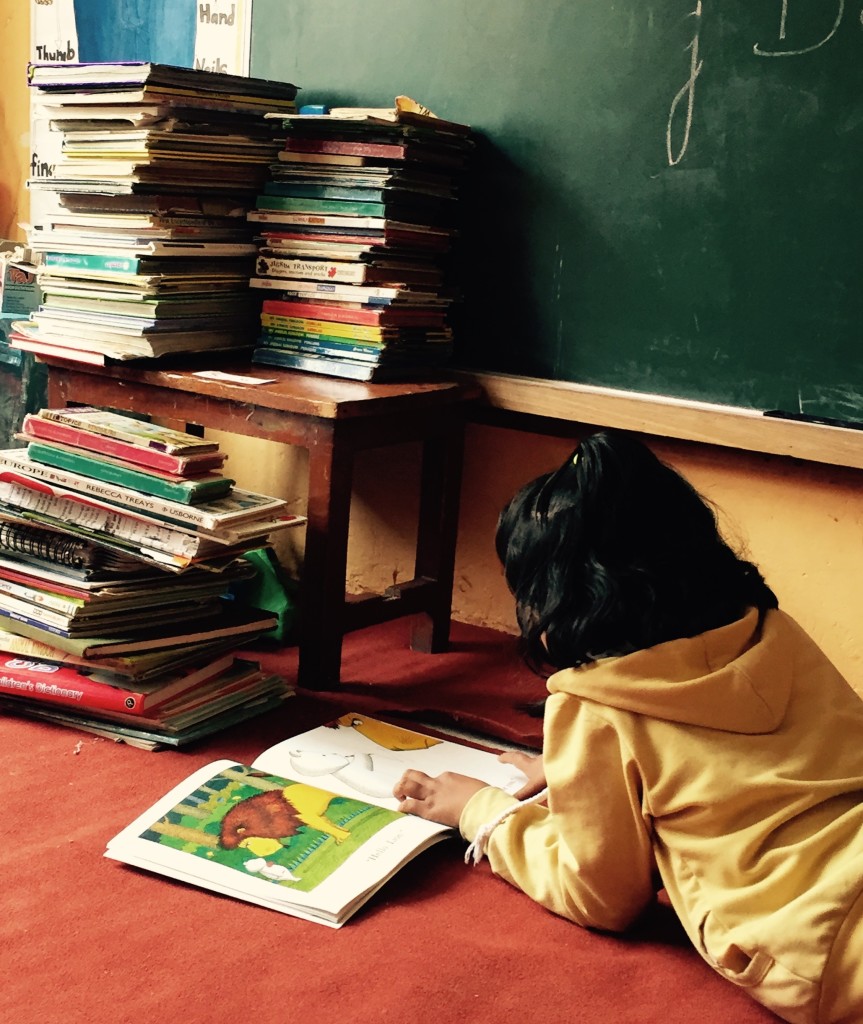
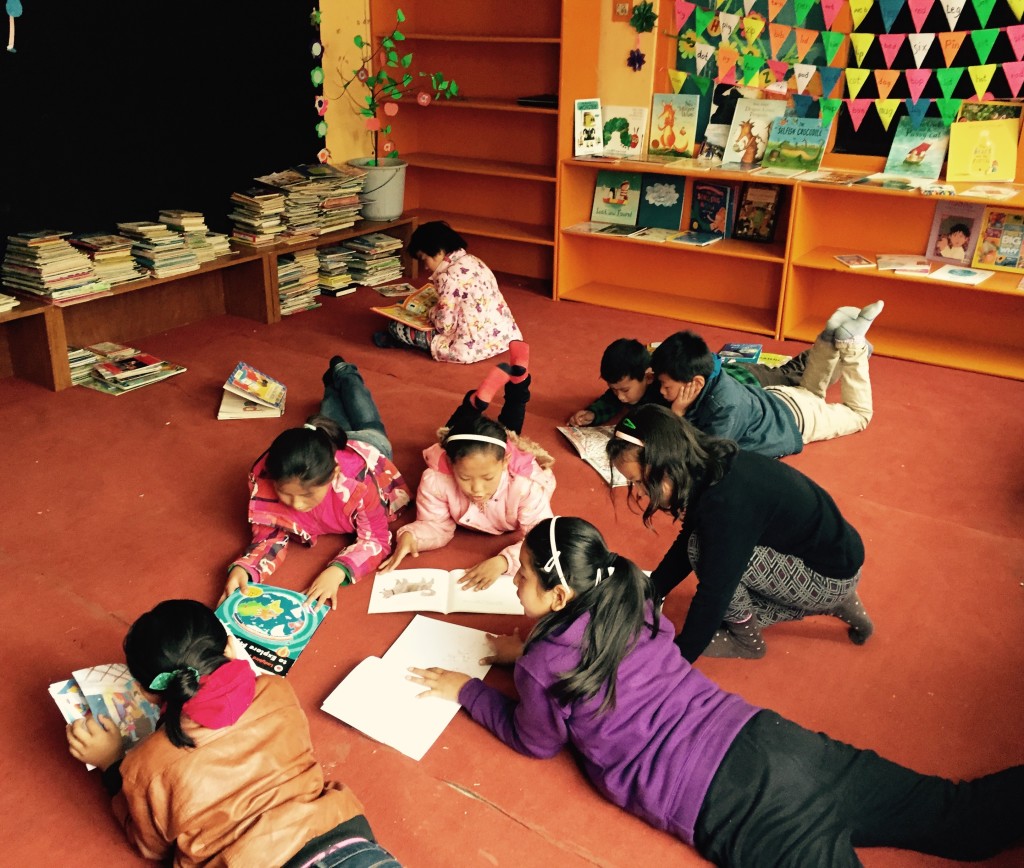
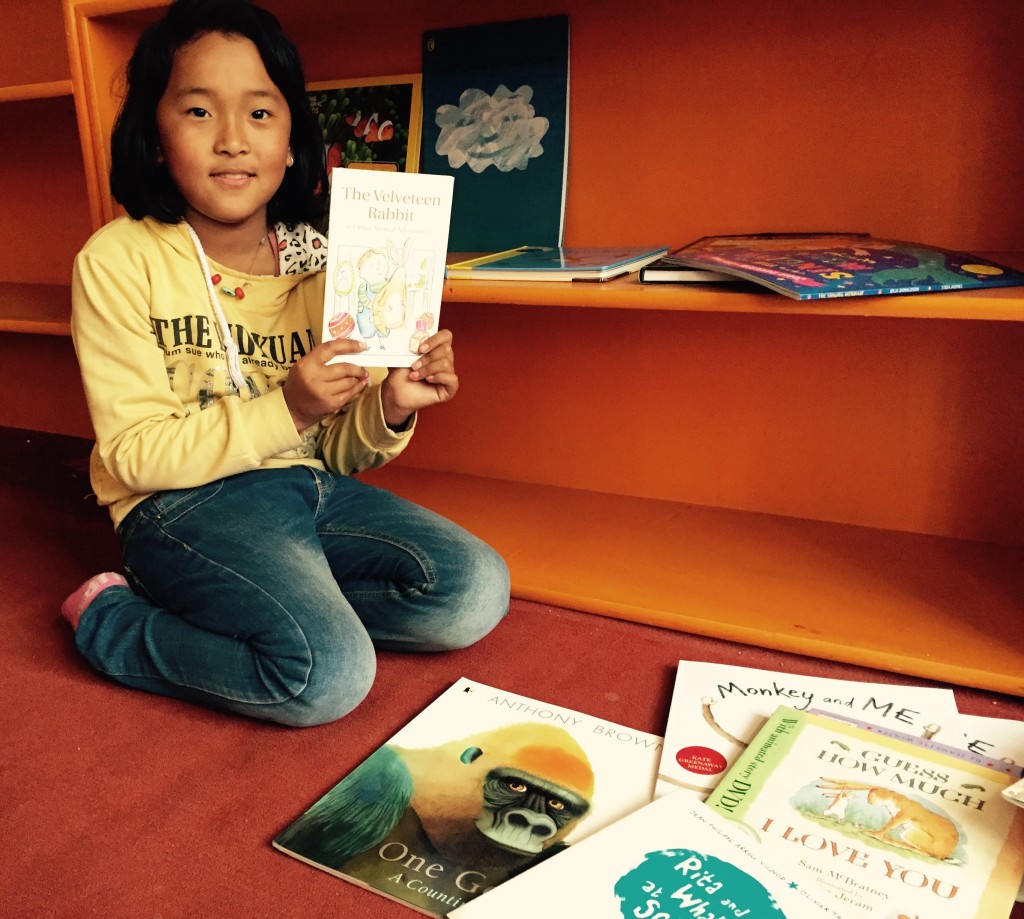
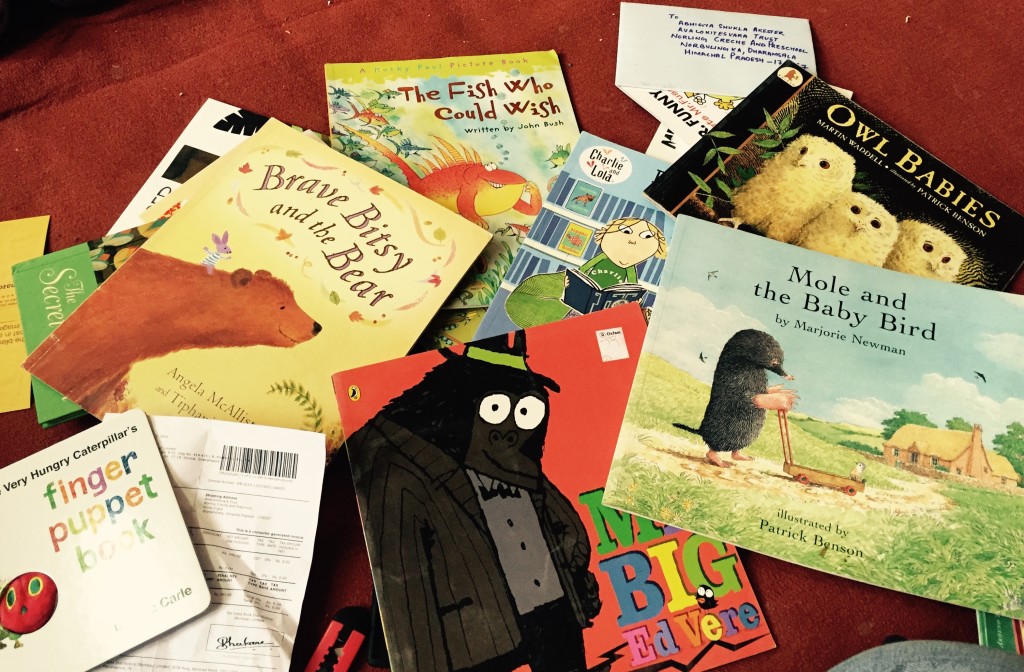
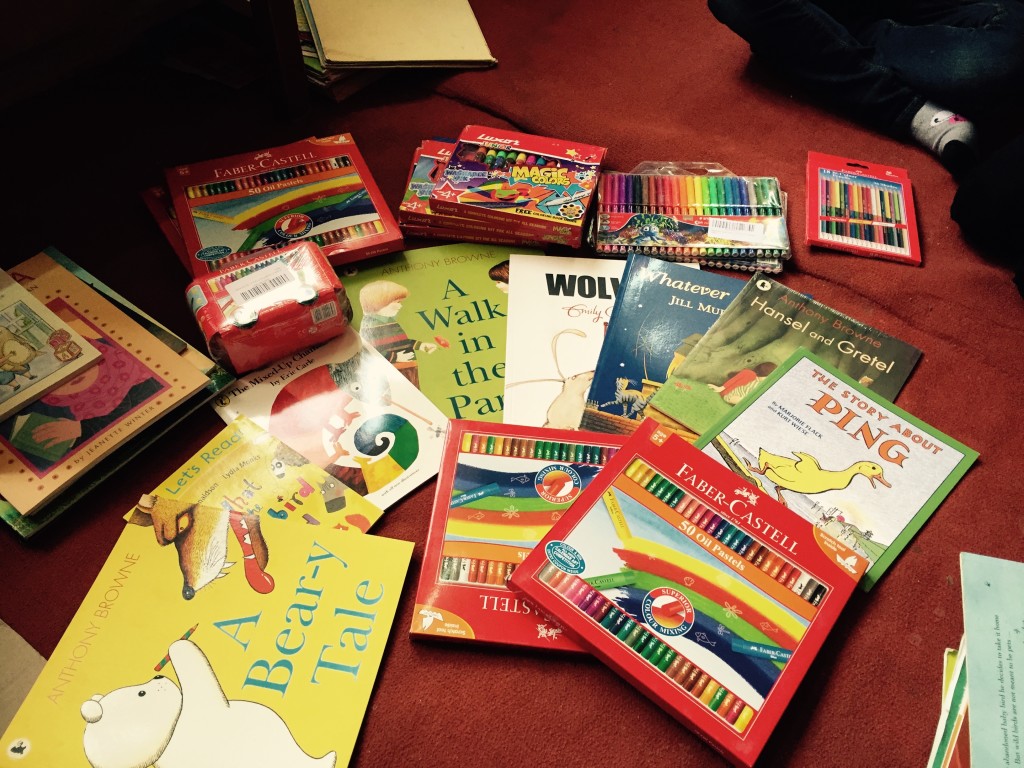
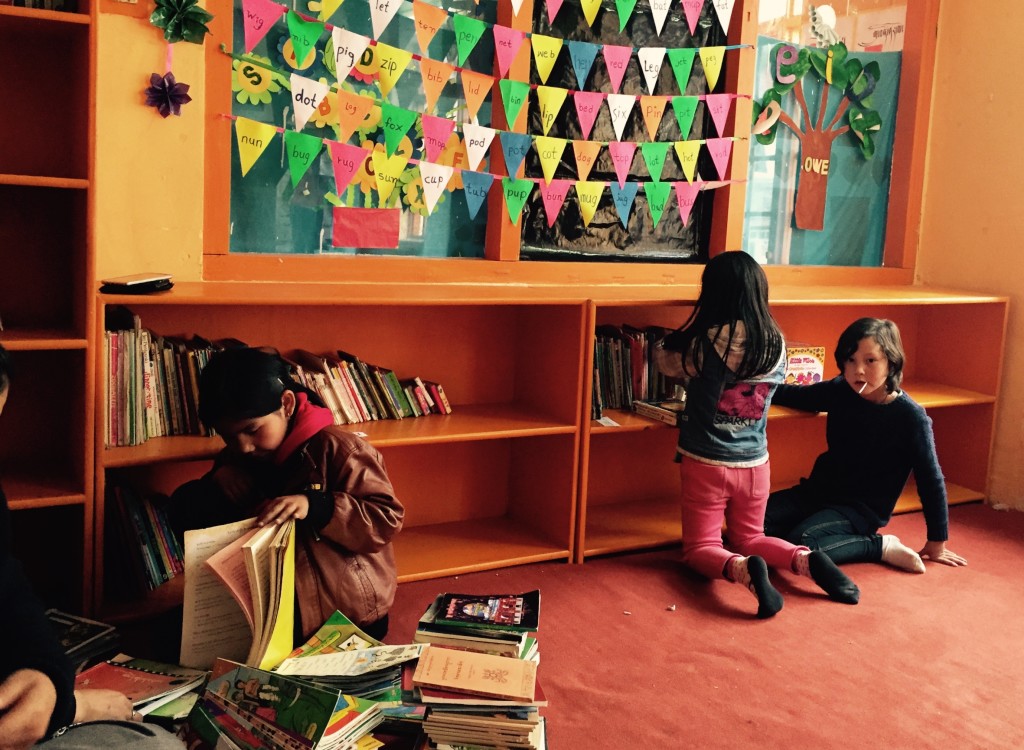
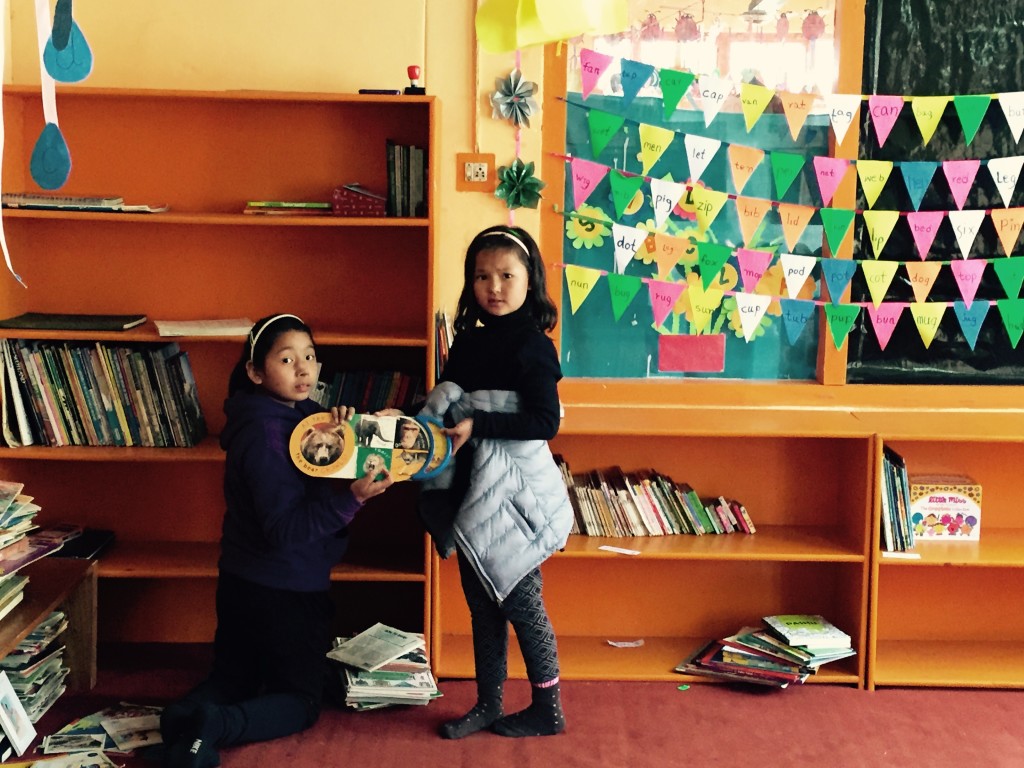
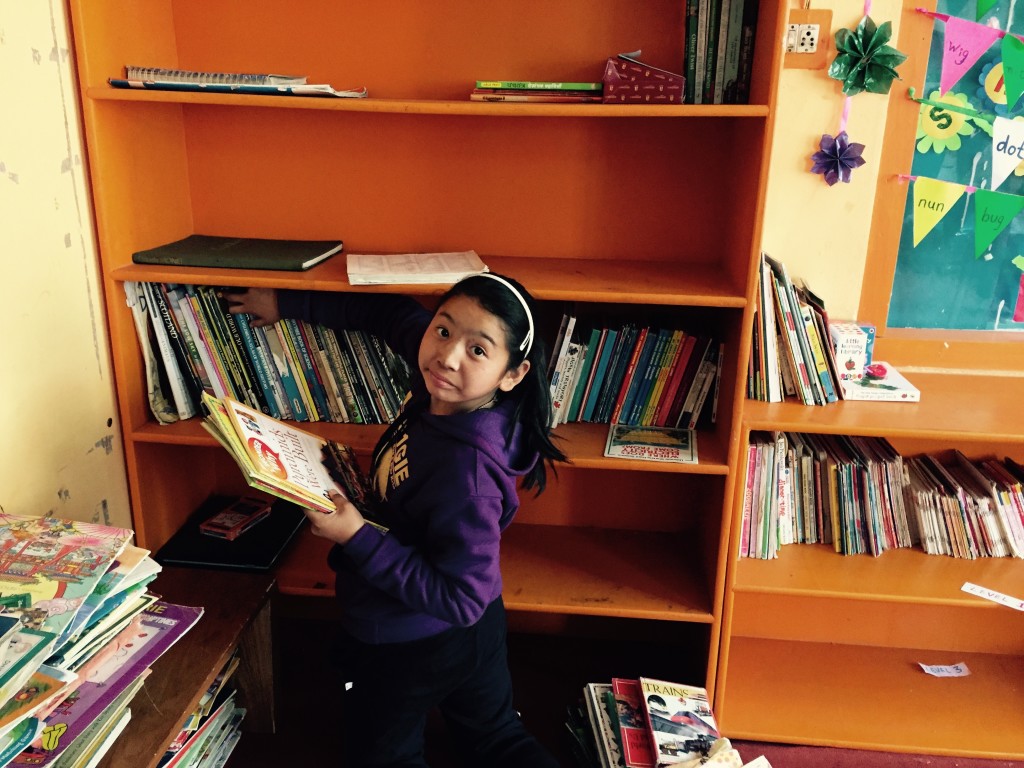
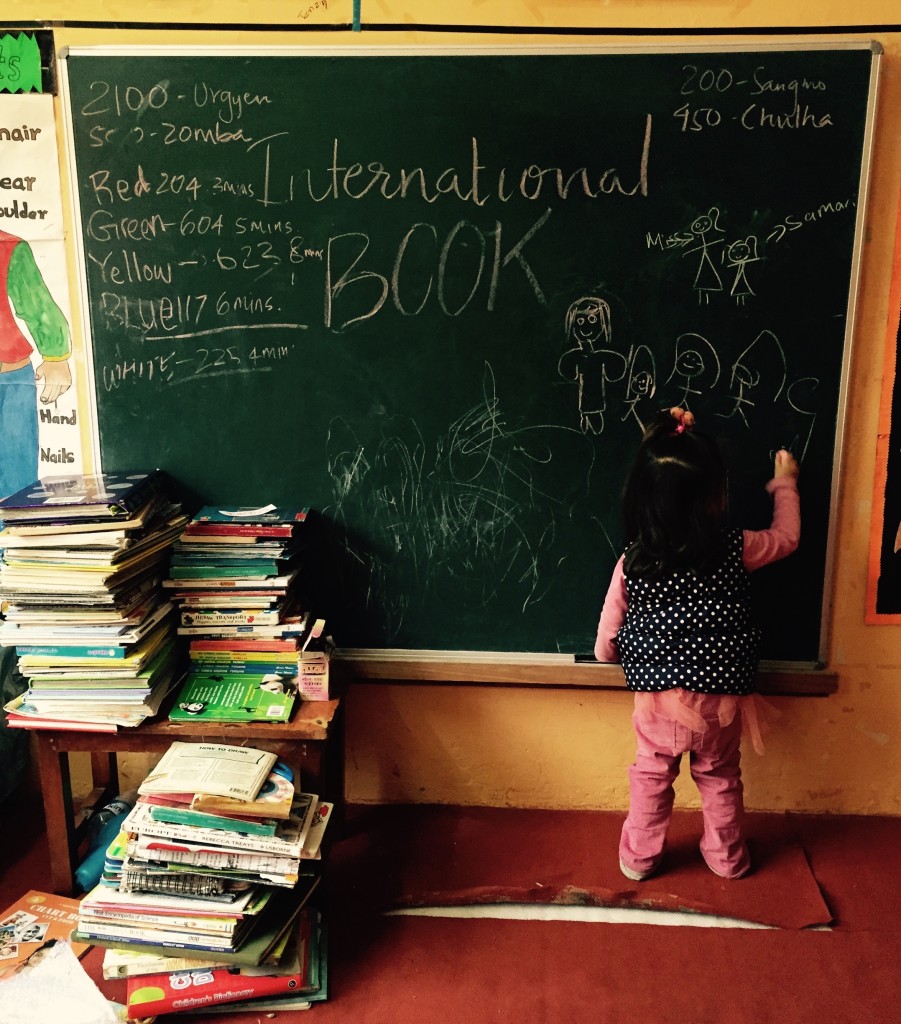
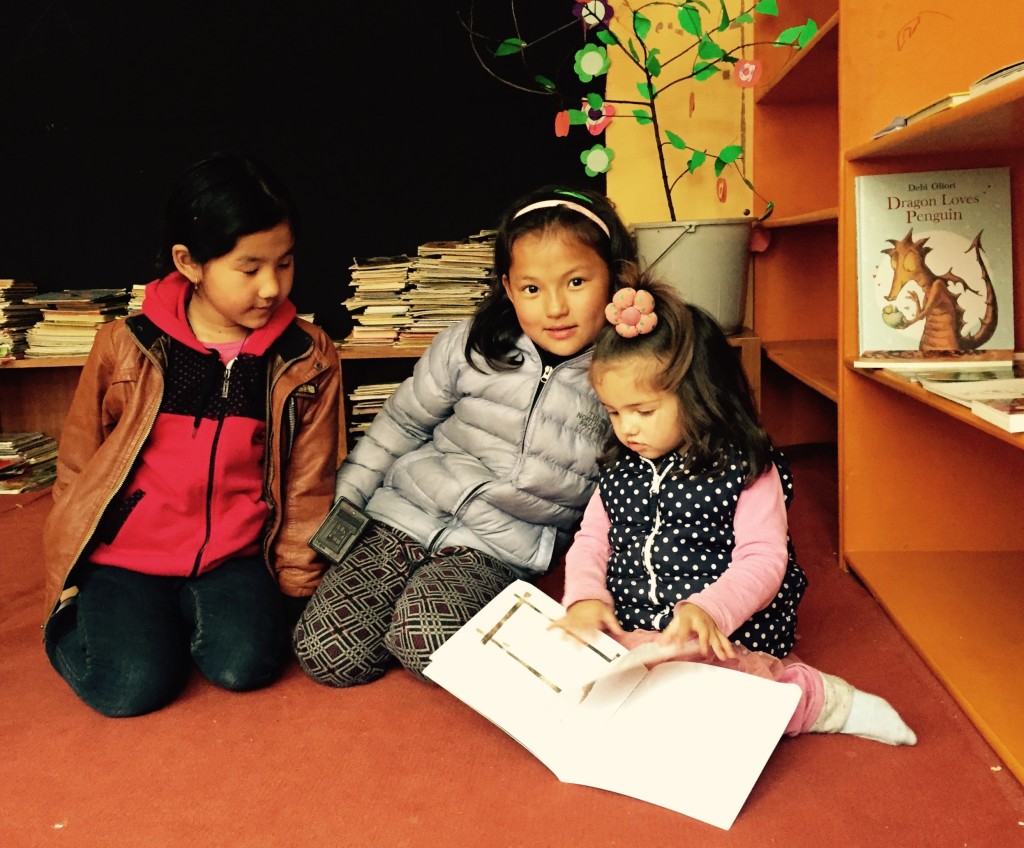
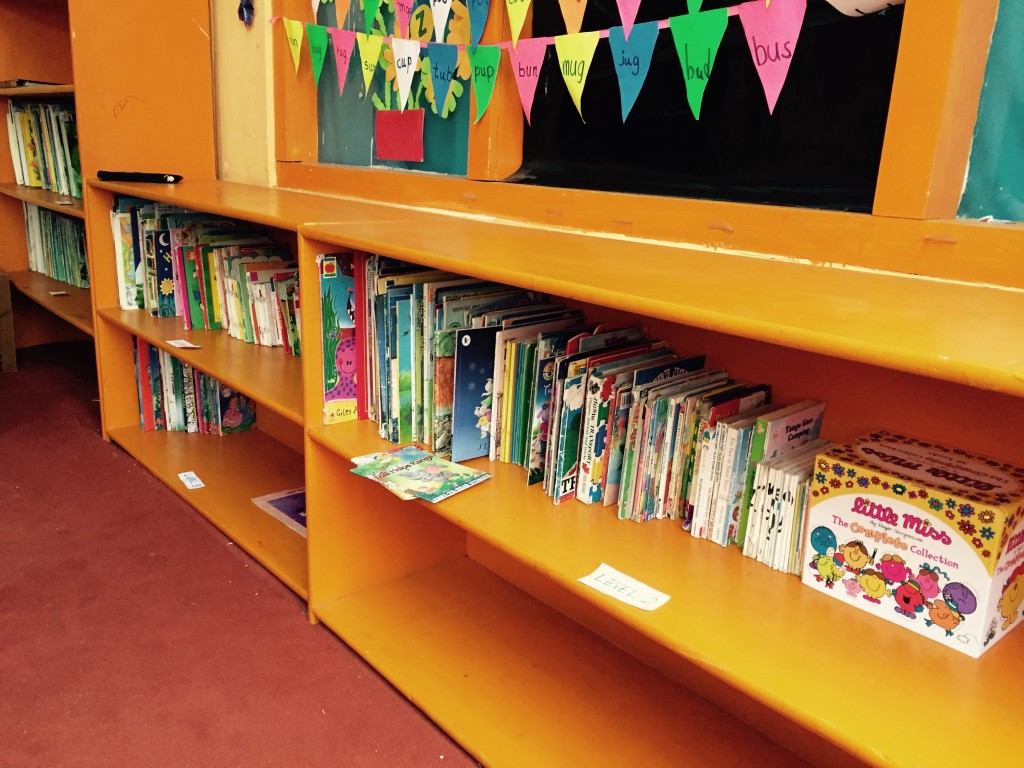
The Avalokiteśvara Trust's reading rooms bring books and conversation into the lives of children and young monks. The artwork grew from that setting rather than from a stand-alone art class. Alongside donated storybooks and natural histories, the Trust uses painting, music, and shared activities to help young people look closely at their environment.
What began as an image became a sequence of questions. Why does the animal have such a long tail? Where can it find food? Which routes connect one valley to the next? A facilitator used the painting to introduce maps, short non-fiction texts, climate discussions, and a simple exercise in choosing actions that can help fragile habitats.
Australian families may be far away, but the method travels well. A visit to Taronga Zoo in Sydney, a sustainability activity at a Brisbane school, or recycled-paper art at a Melbourne community market can combine curiosity, evidence, and creativity.
A brushstroke that began a wider lesson
At first, the group concentrated on accurate details: the pale rosettes, heavy paws, small rounded ears, and balance of the body. The teacher asked for observation before interpretation, so each child pointed to something visible in the animal's form and the landscape behind it.
Then the picture raised bigger issues. Snow leopards live in high mountains across Central and South Asia, including parts of Ladakh. They hunt animals such as Himalayan ibex and marmots, so their presence depends on connected valleys, sufficient prey, and habitat where wild prey can move safely.
Rather than answer every question at once, the facilitator recorded them on a shared chart. The group sorted what they already knew, what needed a book or map, and what could be checked through a local conservation organisation. The painting became a map of their thinking, with each brushstroke prompting another step in learning.
Where the reading room met conservation
The conservation lesson grew from the Trust's wider belief that literacy and creative work belong together. A reading room gives children a calm place to encounter ideas beyond their immediate surroundings; an art activity gives those ideas an emotional and personal form. The snow leopard connected both purposes through observation and wonder.
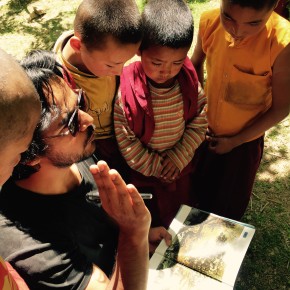
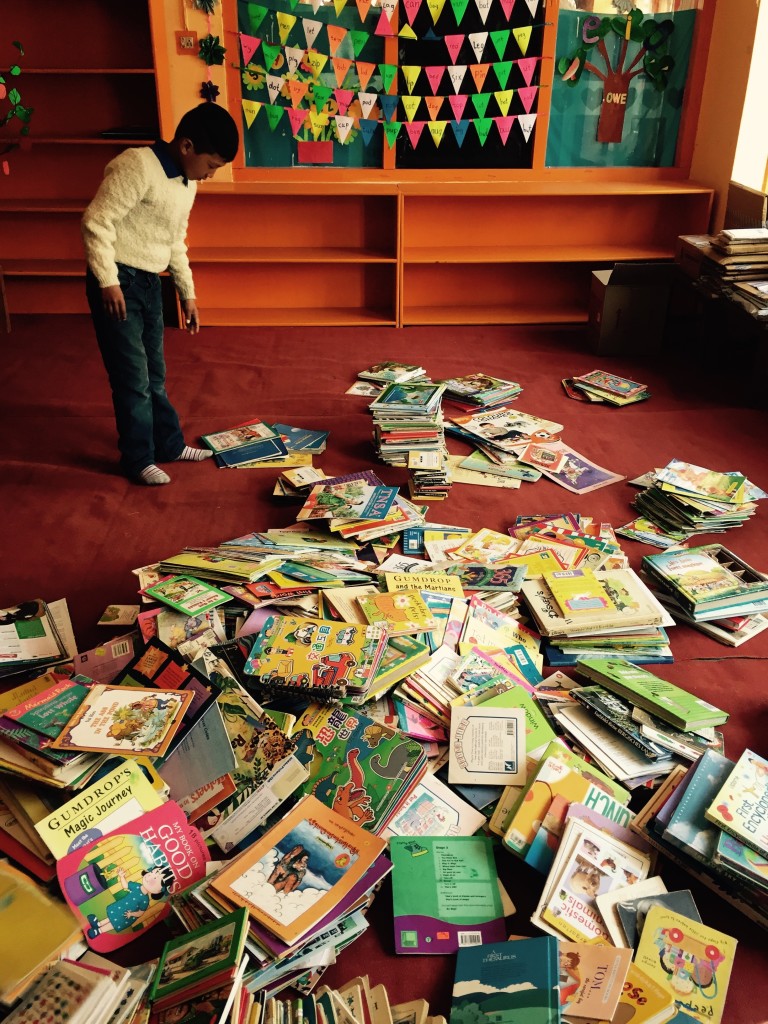
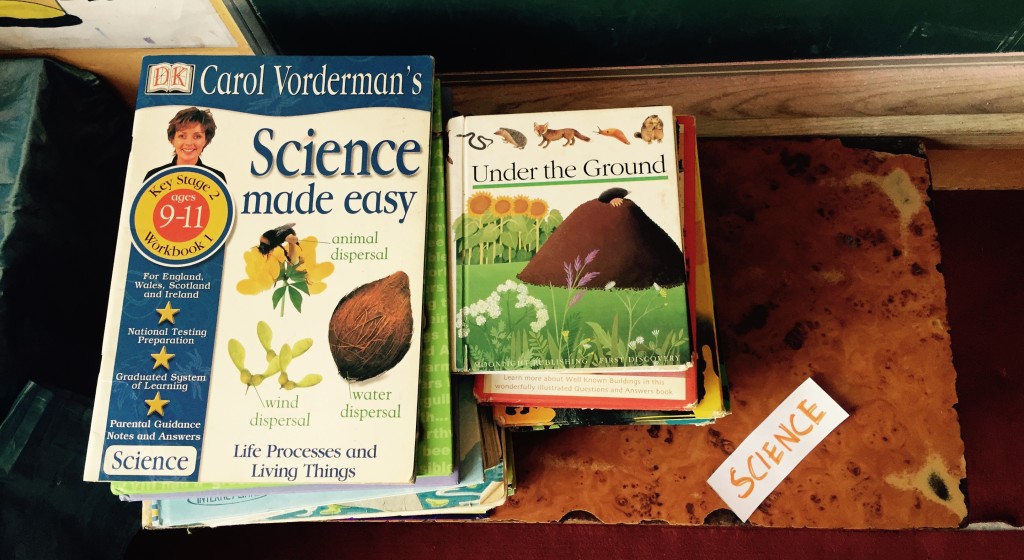
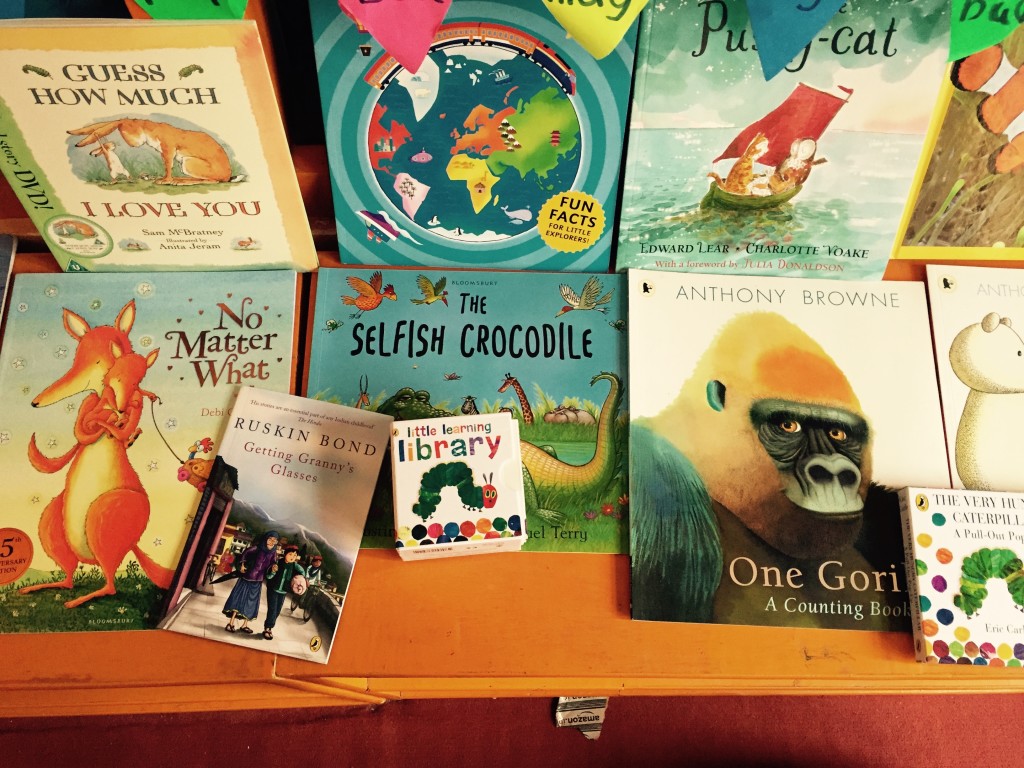
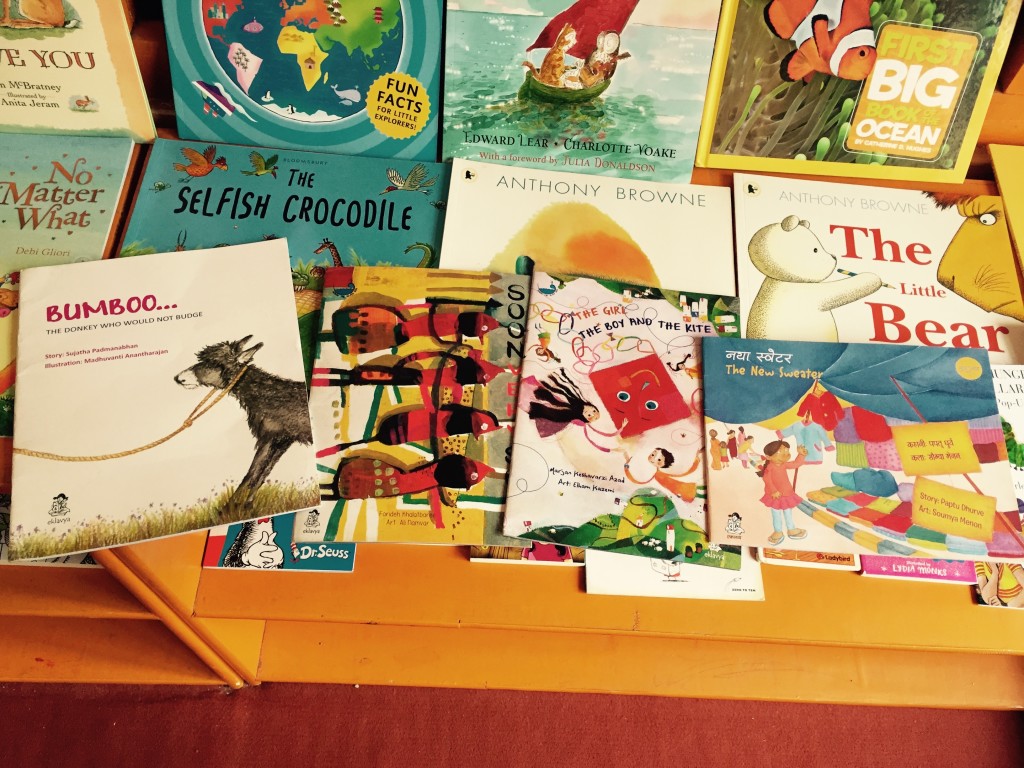
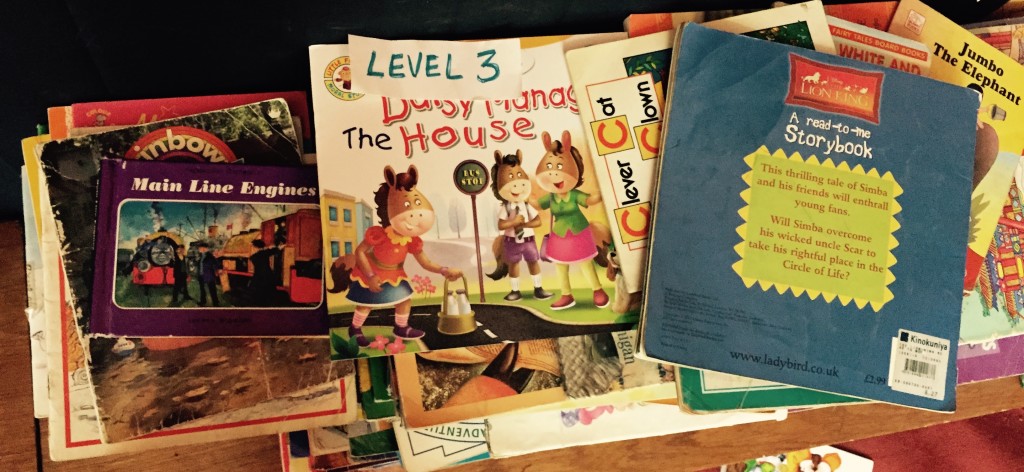
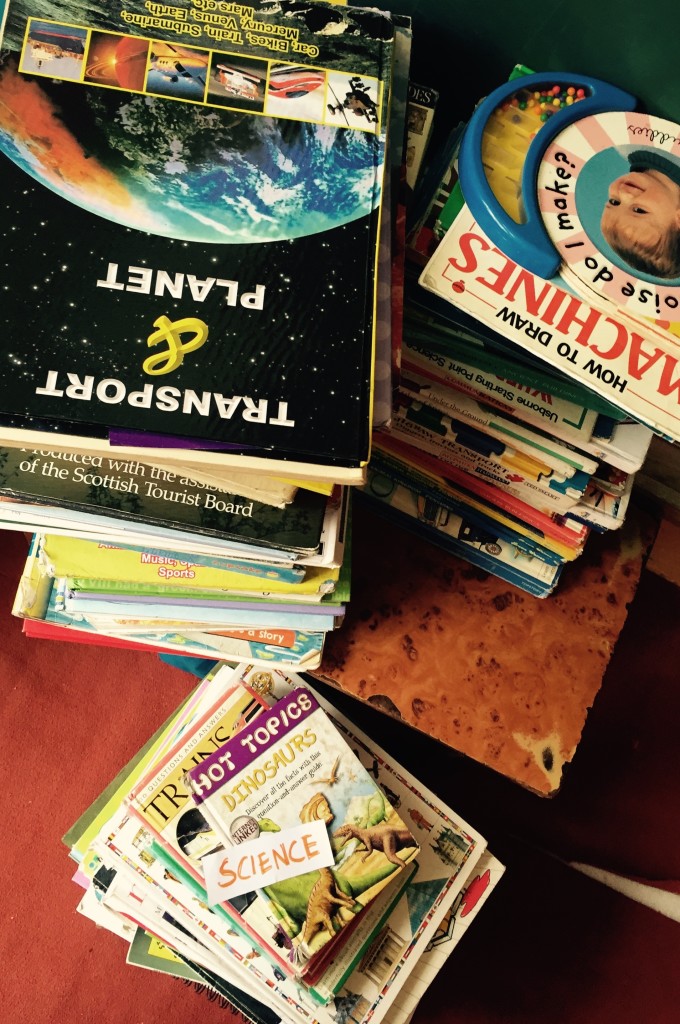
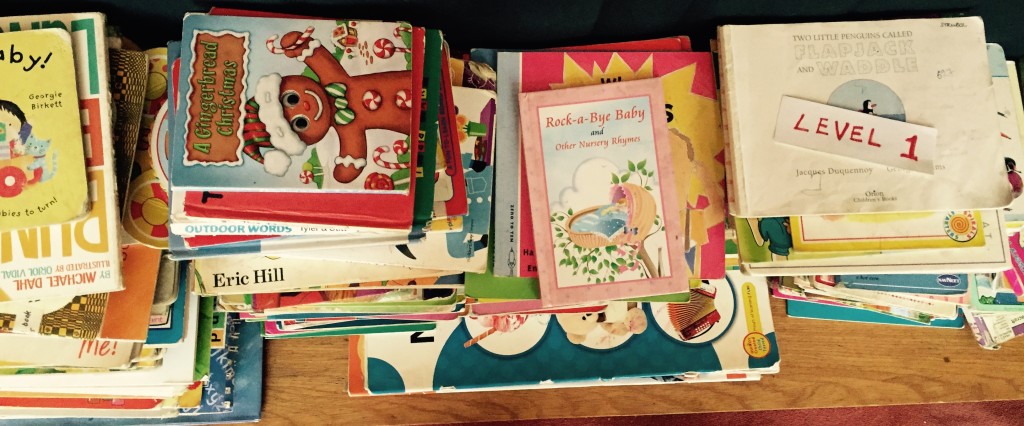
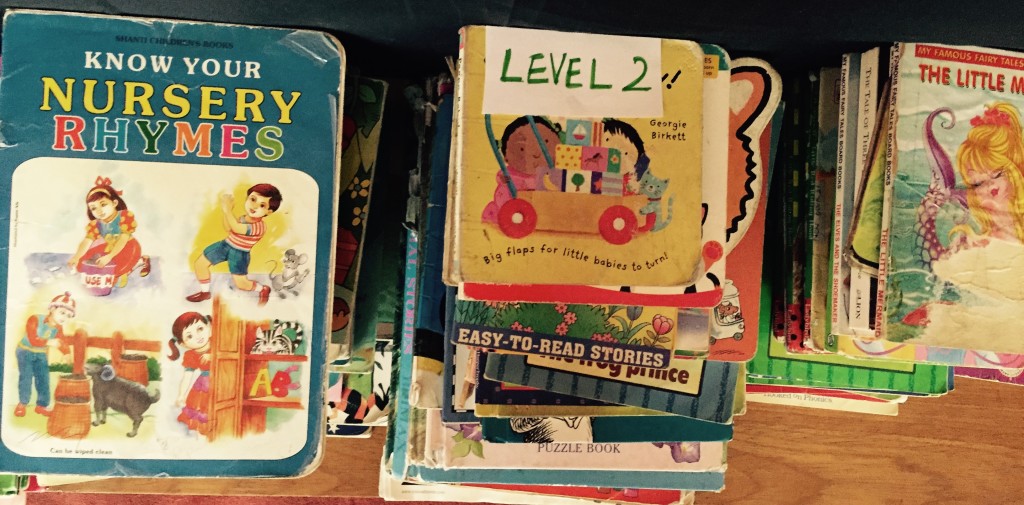
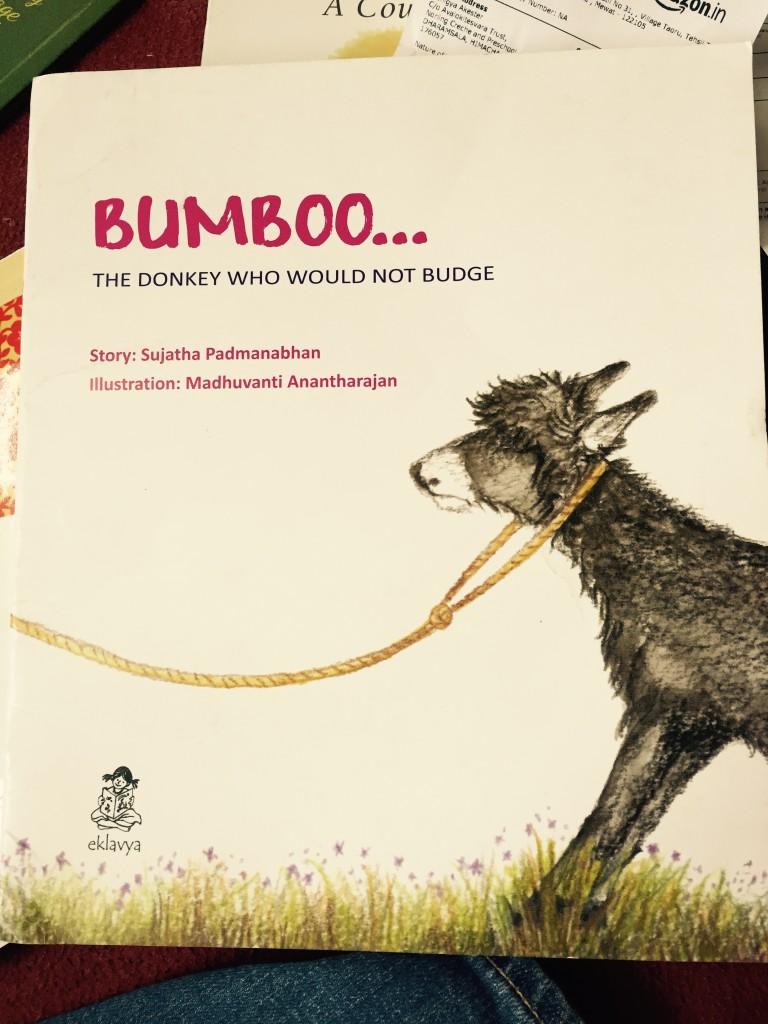
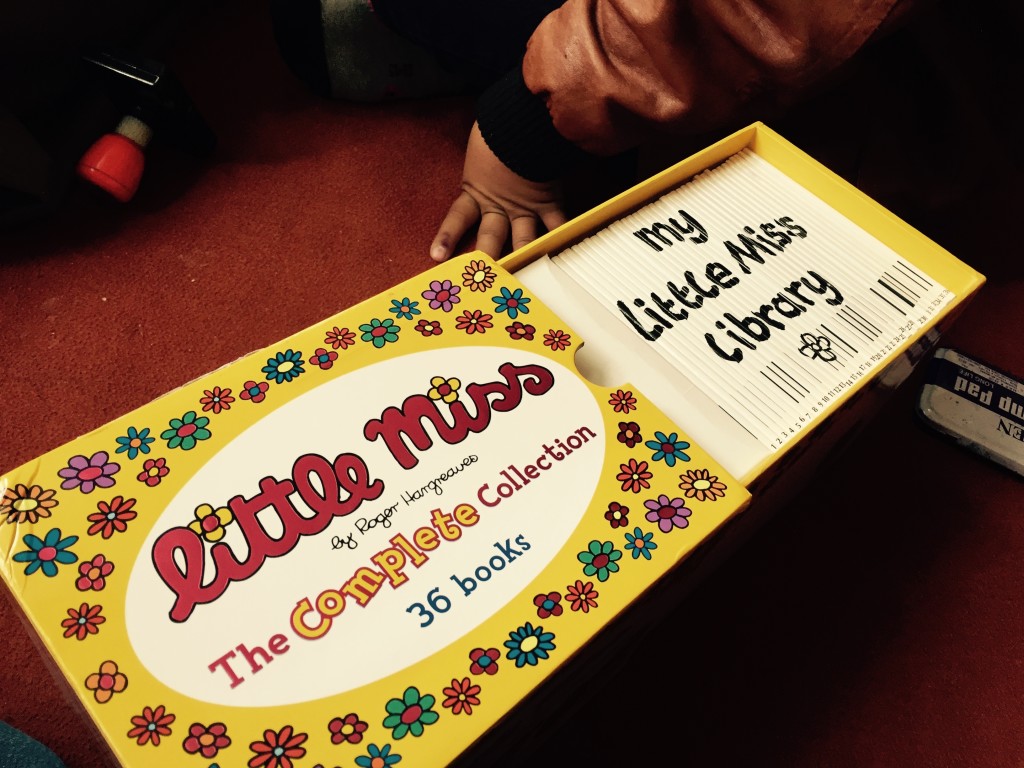
Non-fiction books supplied facts, while stories helped the group consider a young animal's chances of surviving a fragmented habitat. A small book drive could therefore become more than a collection of donated volumes. With careful selection, it could supply information for maps, vocabulary for discussions, and texts for further reading.
For organisations considering how to publicise the value of reading rooms, this library advocacy resource offers community-focused ideas that can complement local book-drive efforts. Across Australia, public libraries already offer reading programs, workshops, and shared collections, creating a close parallel to the Trust's model.
Understanding the snow leopard's mountain home
The animal's body shows how snow leopards are adapted to thin mountain air, intense cold, and rocky slopes. A long tail provides balance and wraps around the body for warmth; dense fur and large paws help it move through snow. These details made the painted features more than decoration. They became clues to survival.
Conservation also depends on an ecosystem rather than one famous species. Snow leopards need prey, connected habitat, and low levels of disturbance. Retaliatory killing after livestock attacks, prey decline, poorly planned roads, illegal wildlife trade, and climate-driven changes can weaken those conditions. A lesson focused on the leopard can therefore lead to wider questions about land use and wildlife coexistence.
In Australia, where drought and severe bushfires have made habitat loss familiar, students can compare these pressures with local experiences without pretending the situations are identical. They might examine how a threatened local species depends on water, shelter, food, and safe movement, then relate those needs to the snow leopard's mountain home.
Comparing two ways to carry learning forward
A single painting can lead towards two connected learning paths: understanding a distant landscape and examining a habitat close to home. Neither path requires specialist equipment, but each benefits from books, maps, careful observation, and a way to record what has been learned.
| Element |
Global learning path |
Local learning path |
| Starting point |
Snow leopard and Himalayan habitat |
A local species or community habitat |
| Core knowledge |
Adaptation, food webs, and climate change |
Local ecology, land use, and conservation pressures |
| Main activity |
Map a mountain corridor and build a food web |
Survey a garden, schoolyard, or nearby reserve |
| Evidence |
Annotated map and written explanation |
Observation log and short stewardship plan |
| Shared outcome |
A connection between personal choices and habitat protection |
Knowledge that guides practical action close to home |
The global path keeps the snow leopard and Ladakh in view. Its value lies in making remote habitat loss tangible through art and narrative. The local path turns the same habits—look closely, ask questions, map relationships—toward familiar places. Used together, the paths give young learners planetary perspective and practical reasons to care.
Art, music, and stories for ecological understanding
Art made the animal memorable, but the children also used sound to explore its environment. In a music activity, gentle rhythms represented footsteps on loose rock, wind moving through a valley, and water running downstream. The exercise was simple, yet it encouraged them to imagine how a living landscape feels as well as how it is drawn.
Story and science then gave the image structure. A factual account could explain camouflage and prey, while a narrative could centre a young animal whose safe route depends on an entire community. Reading, listening, drawing, and discussing encouraged empathy without replacing evidence, turning a striking picture into sustained learning rather than a brief display.
Bringing the lesson into Australian life
The same approach can fit Australian school holidays, home learning, and community events. At home, a window, garden, schoolyard, or nature reserve can supply the close observation that a museum provides in a different way. The aim is to notice relationships rather than simply collect facts.
Learning activities
- Observe a snow leopard at Taronga Zoo, then sketch its markings, paws, and behaviour without tapping the glass.
- Read a recent non-fiction book about Himalayan wildlife and compare it with a local field guide.
- Map the food web and habitat links of a species living near your school or home.
- Turn a school art display into a conservation exhibition with maps, sources, and a written rationale.
Shared support keeps the creative activity connected to literacy and place. It also makes learning visible to families and allows community knowledge to strengthen classroom resources.
Shared support
- Source children's books through Australian op shops and school book drives, checking each title for age and relevance.
- Run a stall at a local weekend market using recycled materials and a clear wildlife-protection message.
- Invite a librarian, zoo educator, or wildlife organisation to contribute local knowledge to the event.
- Record books collected, questions asked, and habitat actions completed so the group's learning remains visible.
The lesson that should remain
The painting still hangs in the reading room, but its value has shifted. It now records how curiosity can move from brushwork to geography, ecology, and empathy, and how children can help direct that journey by asking the questions that matter to them.
Success need not be judged by artistic polish. It can be found in a carefully sourced fact, a new connection between a predator and its habitat, or a class decision to use fewer resources and protect nearby green space. The strongest outcome is a child who sees both the animal and the living system around it.
What should remain is a simple memory: when young people receive good books, time to create, and space to ask questions, a vivid snow leopard can open a lasting path towards literacy, ecological understanding, and care for the places they call home.