How Watercolour Paints Opened A New Door For One Himalayan Village
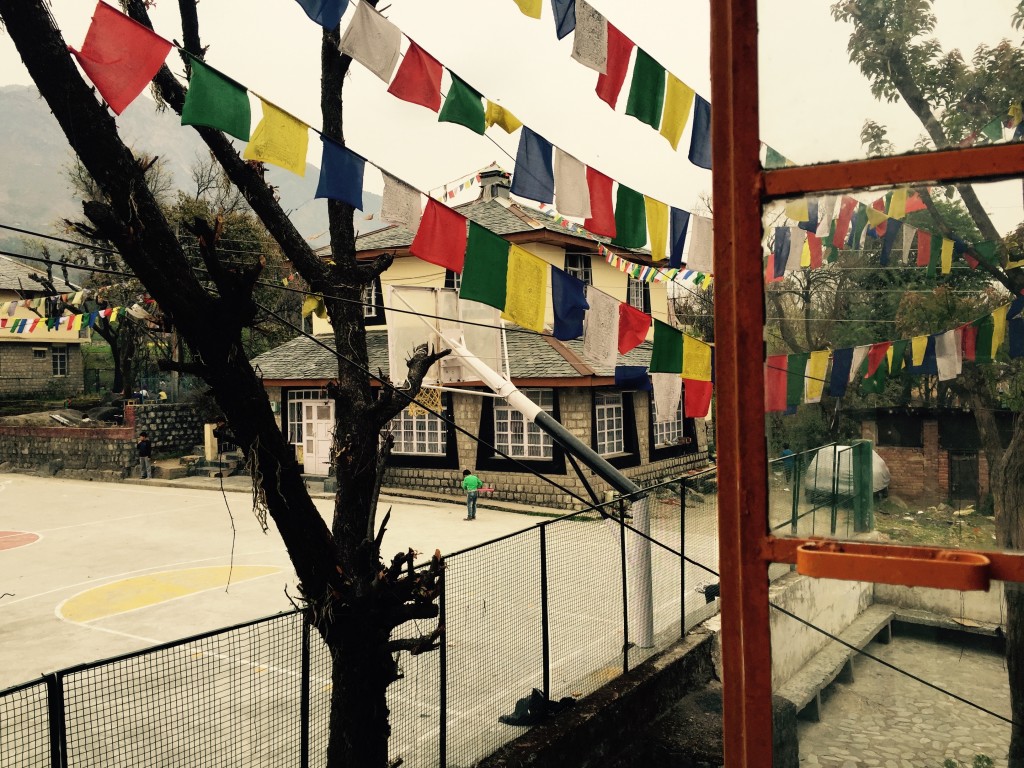
In a high-altitude village in Ladakh, art had long been part of daily life, yet formal art materials were rare. Children drew with pencils when they were available, copied patterns from prayer flags, or used whatever coloured pens remained in a classroom cupboard. Paper was carefully saved for schoolwork, and a missing packet of crayons could limit an entire activity.
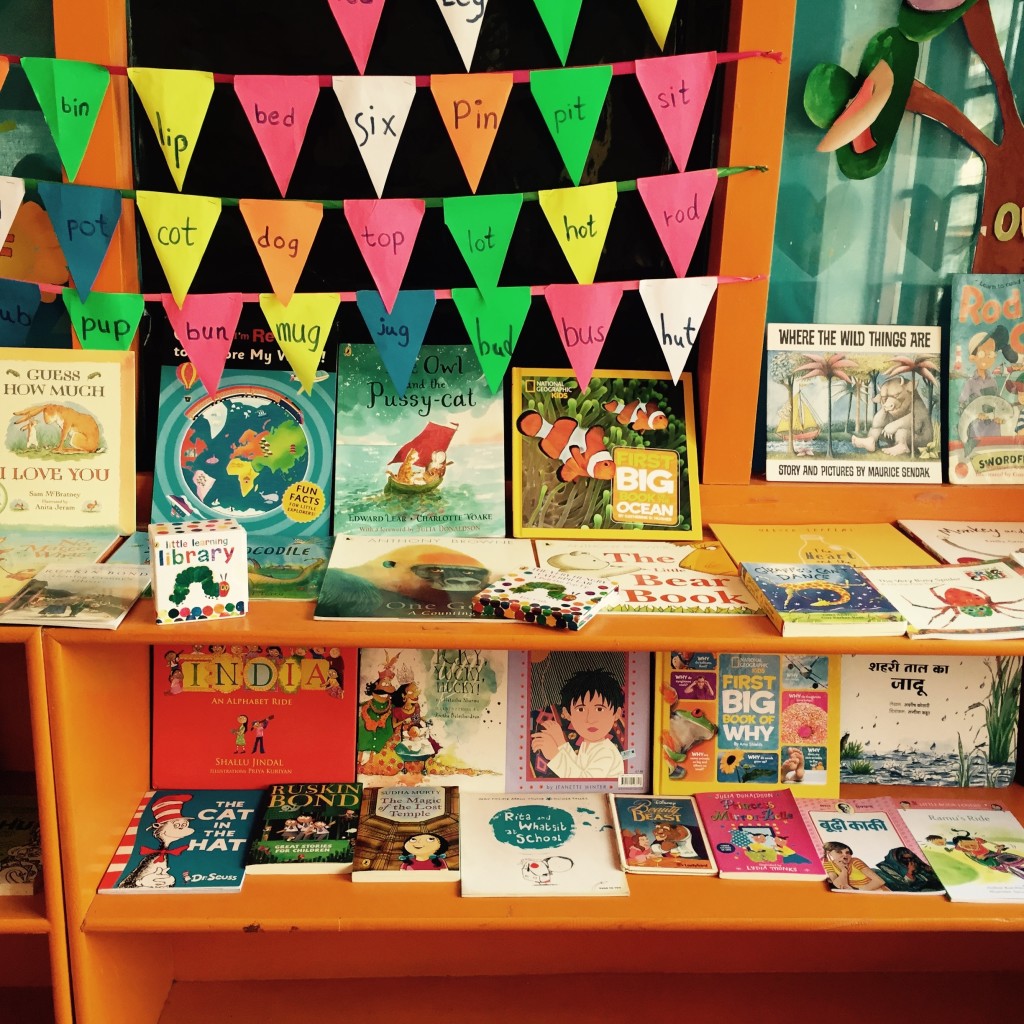
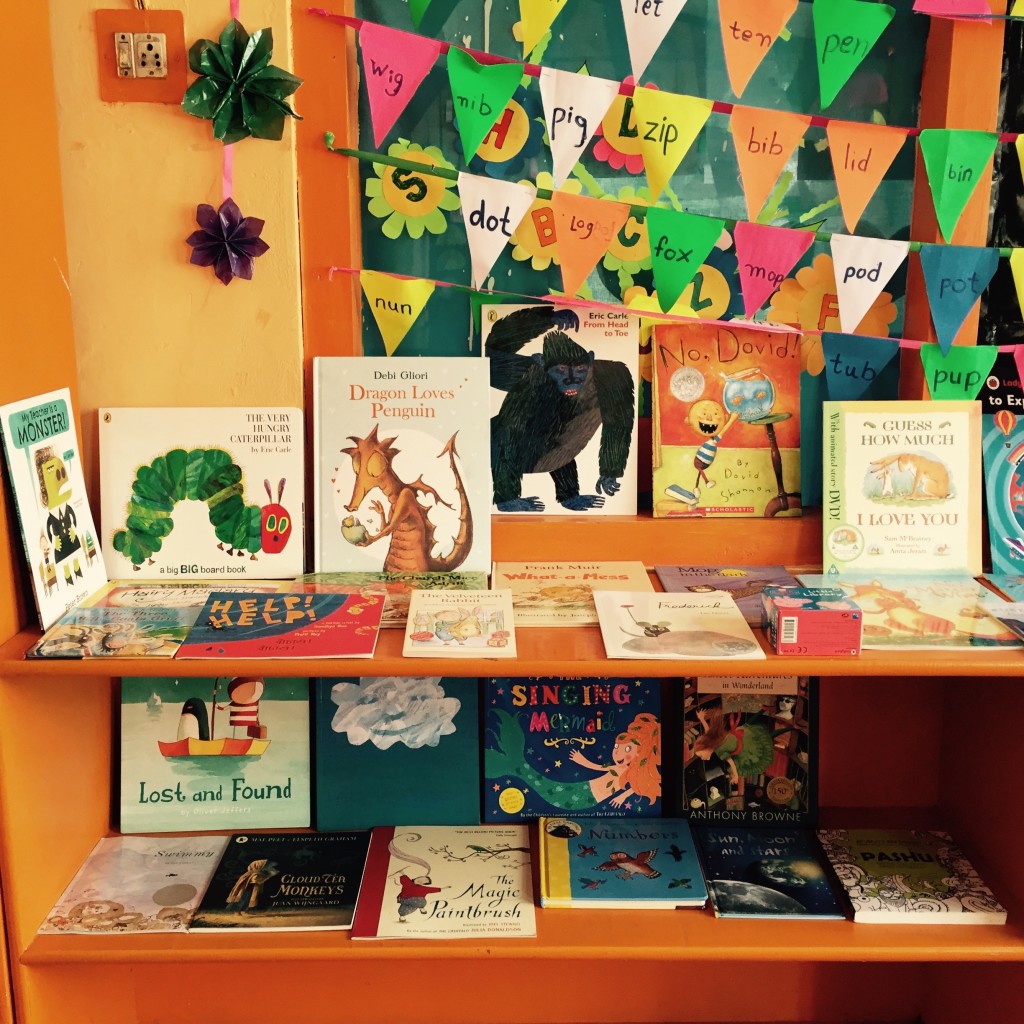
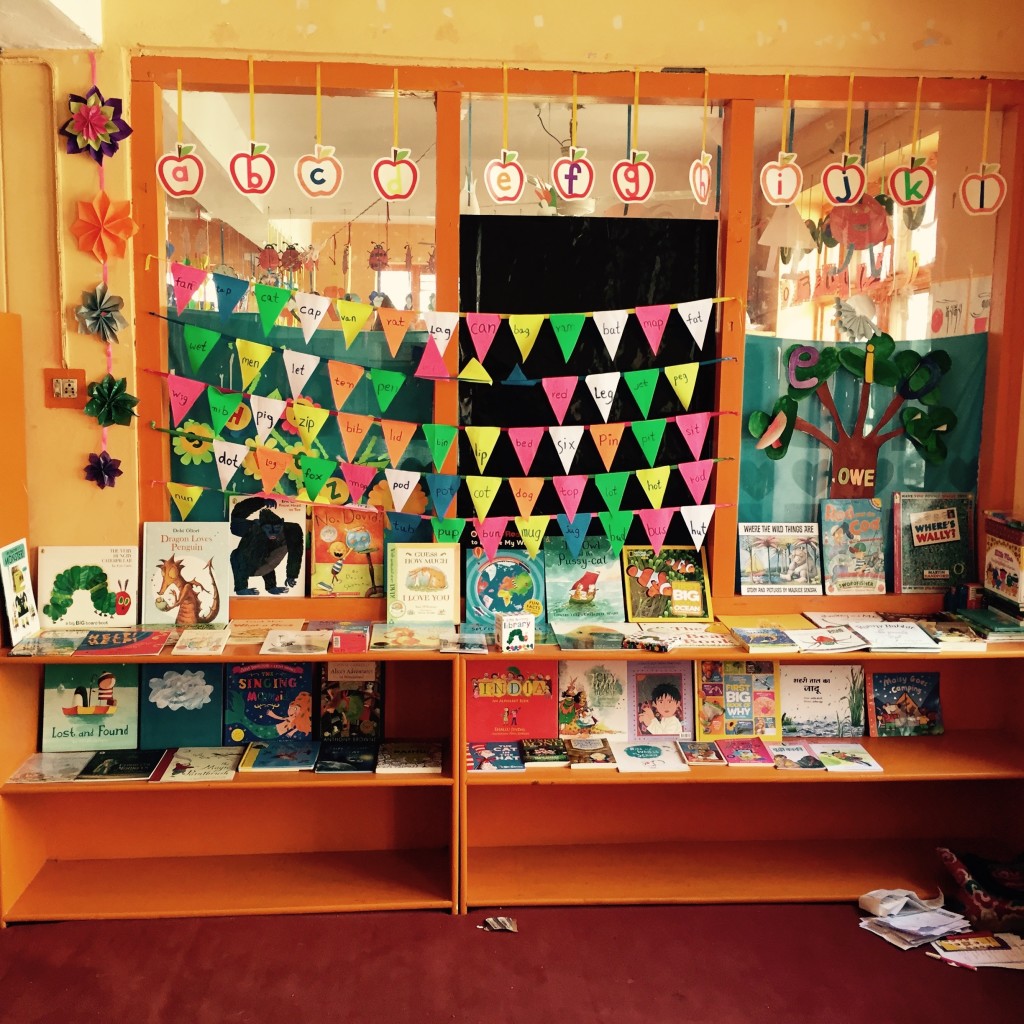
A donation of watercolor paints changed that pattern. The materials arrived through the Avalokiteśvara Trust’s wider work supporting children, young monks, reading rooms and learning activities across the Himalayan region. At first, the paints seemed like a simple gift. Over time, they became a reason for children to look more closely at their surroundings, share techniques and treat creative work as a serious form of learning.
For supporters in Australia, the story shows how a practical donation can travel well beyond its original price. A set of paints can become a shared resource in a village where books, art supplies and specialist teaching are difficult to access. The lasting value lies in the habits it encourages: curiosity, patience, collaboration and pride in local culture.
| Before the donation |
After the donation |
| Drawing was mainly done with pencils or limited classroom supplies |
Children could experiment with washes, layers and mixed colours |
| Art activities were occasional and dependent on available materials |
Painting became a regular group activity |
| Local landscapes were observed but rarely recorded by children |
Mountains, animals, homes and festivals became subjects for artwork |
| Finished pictures were often kept privately |
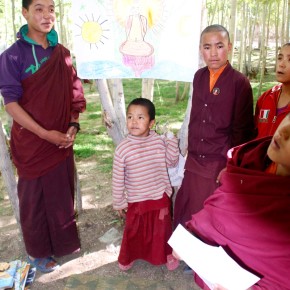
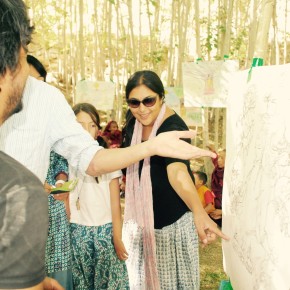
Paintings were displayed, discussed and shared with the community |
A Small Box With A Wider Purpose
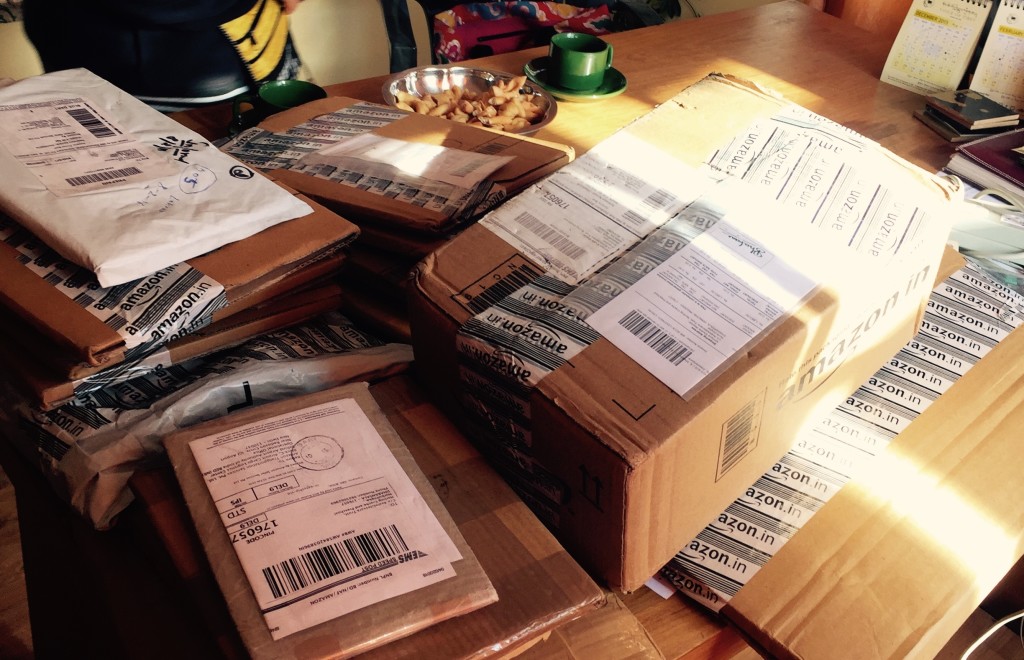
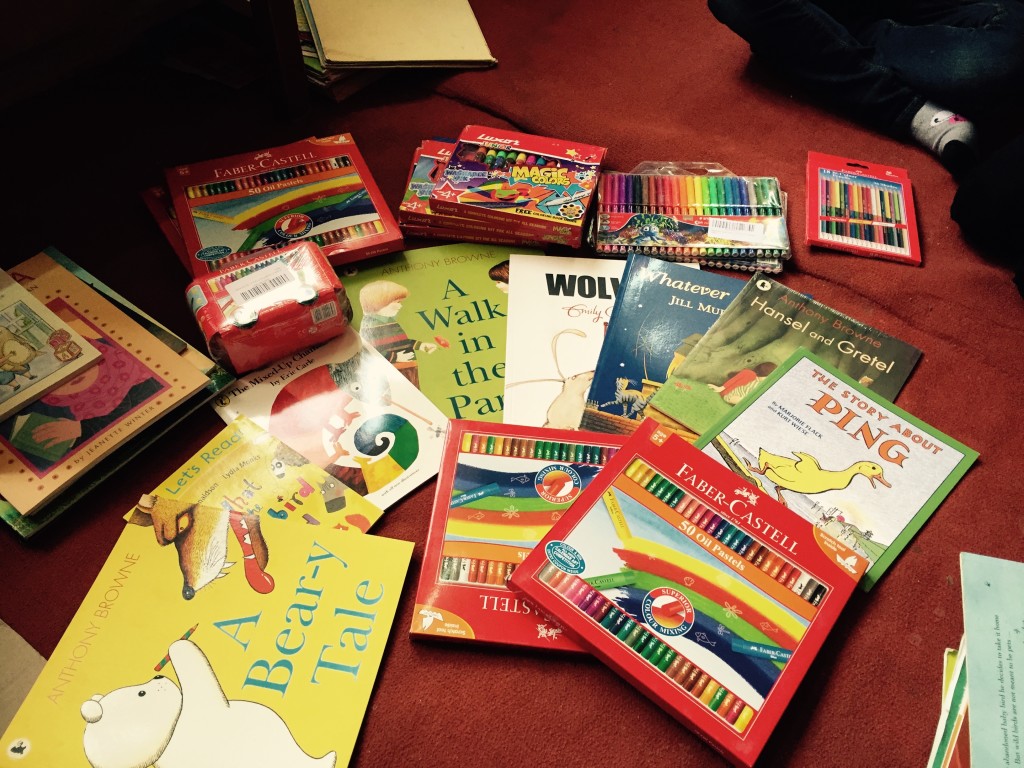
The donation included watercolour pans, brushes, palettes and paper suitable for young artists. These are modest objects in a well-stocked Australian school, where an art room may hold tubs of paint, drying racks and shelves of craft supplies. In a remote Himalayan settlement, they can represent a major expansion of what children believe is possible.
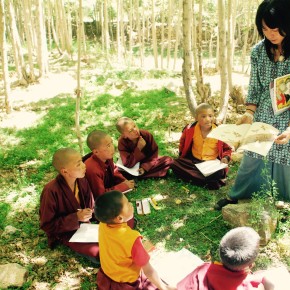
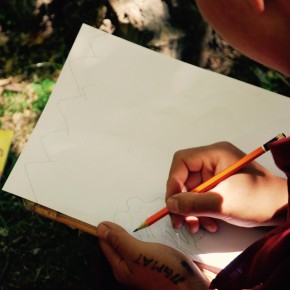
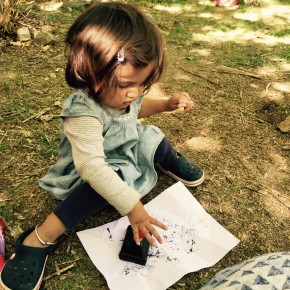
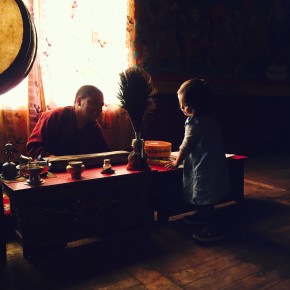
The first sessions were deliberately informal. Children learnt how much water to use, how a pale wash could become darker and how to clean a brush before changing colour. Some were cautious, making small marks at the edge of a page. Others quickly filled the paper with bright skies, fields, animals and imagined scenes.
The activity did not depend on expensive equipment or a large studio. A room with good light, a few tables and a clean water container was enough. That simplicity made the project practical for a community where supplies must often be carried long distances and winter weather can interrupt travel.
Learning To See The Village Differently
Watercolour painting gave children a fresh way to study the place where they lived. A mountain was no longer just a familiar outline on the horizon. It had changing shades in the morning, a purple edge before sunset and areas of snow that reflected the sky. A stone wall could be brown, grey, gold or blue depending on the light.
This kind of observation supports literacy as well as artistic development. Children began talking about what they had seen before putting it on paper. They described the shape of a roof, the movement of a yak, the colours used during a festival or the arrangement of houses along a slope. Those conversations helped them build vocabulary and confidence in expressing an idea.
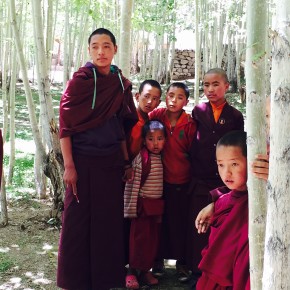
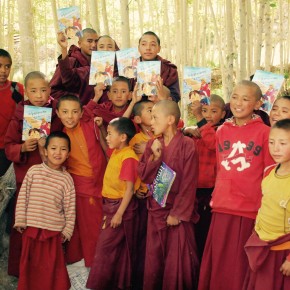
For young monks and other students, painting also offered a quiet counterpoint to structured study. Concentrating on a brushstroke required patience, while choosing colours allowed personal expression. The work respected the children’s cultural setting rather than asking them to copy distant examples from textbooks.
From Individual Pictures To Shared Practice
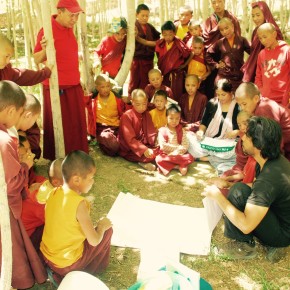
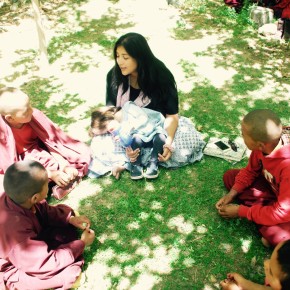
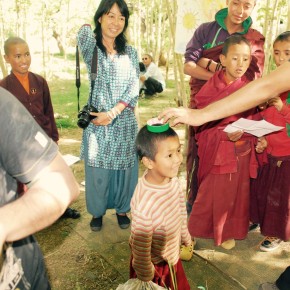
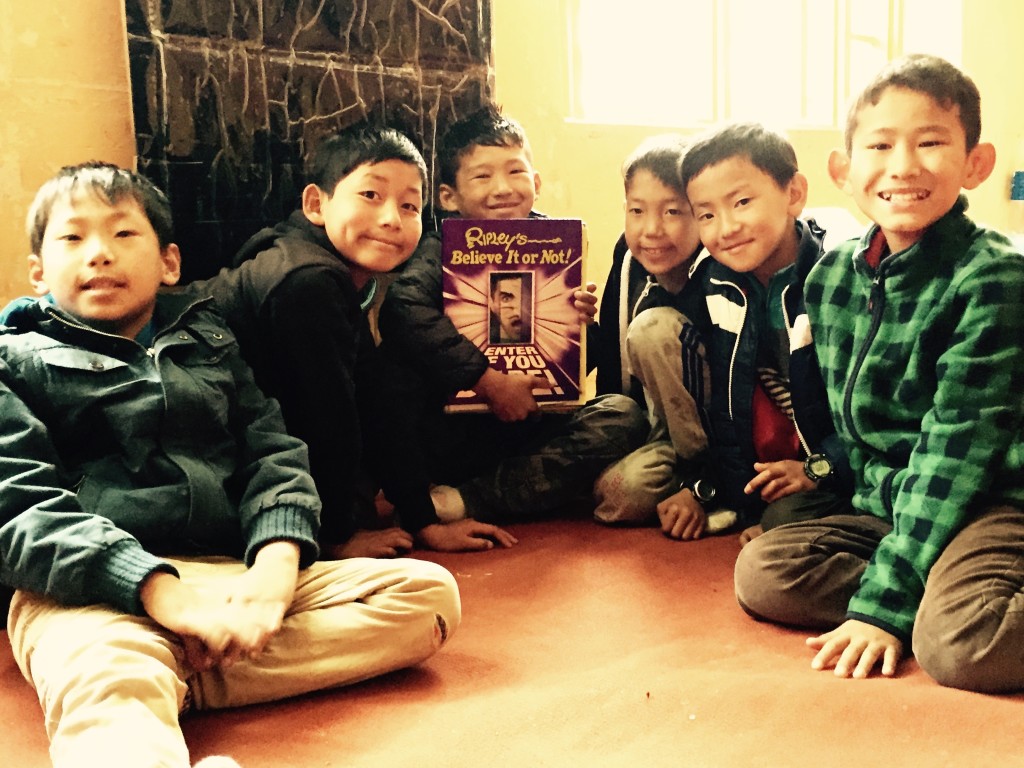
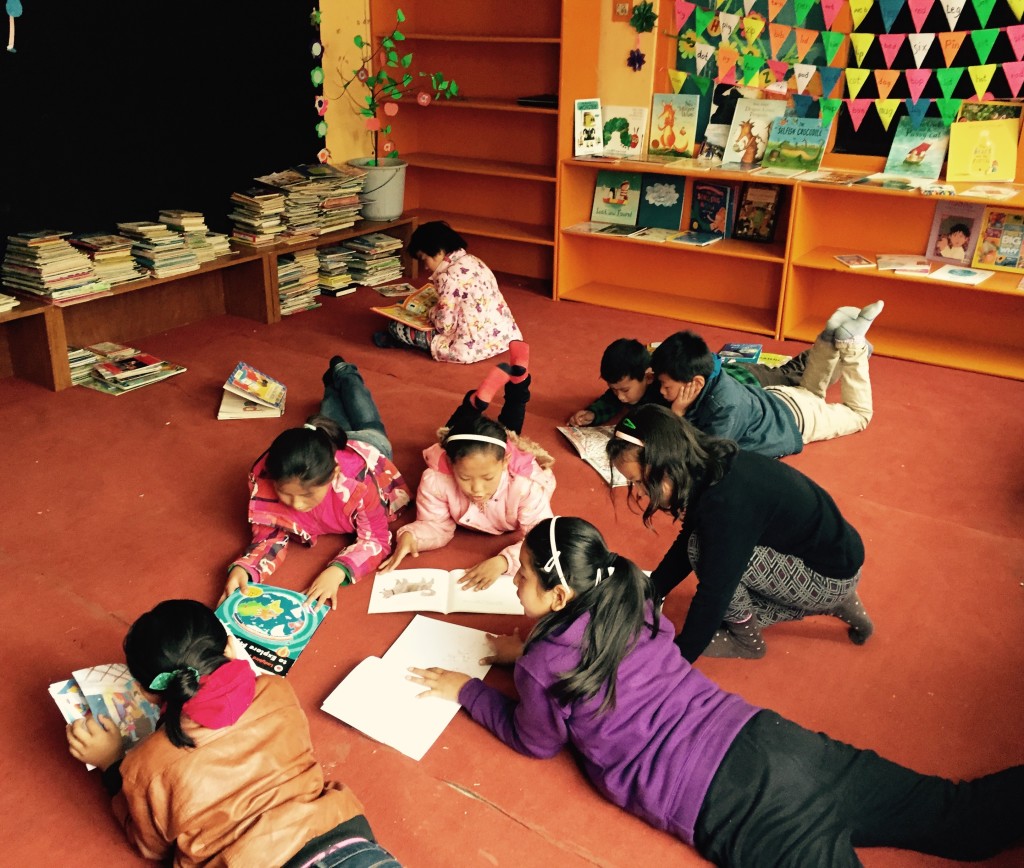
The most important change was social. Painting was no longer an activity in which one child finished a picture alone and placed it inside a schoolbag. Children began comparing colours, lending brushes and showing one another how to create a smoother wash. A confident student could demonstrate a technique that an adult facilitator had introduced earlier.
This sharing helped create a small creative community. Children learnt that artwork could be discussed without being judged as simply right or wrong. A picture of a monastery, a local bird or a family home could be appreciated for its story as much as its accuracy.
Group art activities also made room for different strengths. One child might have a careful hand, another a strong sense of colour and another an imaginative approach to storytelling. When those qualities were visible on the same table, children had more chances to recognise their own abilities and value the contribution of others.
Why Quality Materials Matter
It is easy to think that children can create with anything, and they certainly can. A pencil stub or scrap of cardboard may still inspire a wonderful drawing. Yet reliable materials reduce frustration. Paint that spreads evenly, paper that does not tear immediately and brushes that hold their shape allow children to focus on ideas rather than fighting the equipment.
Quality supplies also communicate respect. When children receive materials chosen for their learning, they understand that their creative efforts matter. This message is especially significant in communities where educational resources may be concentrated in larger towns and where families have limited access to specialist shops.
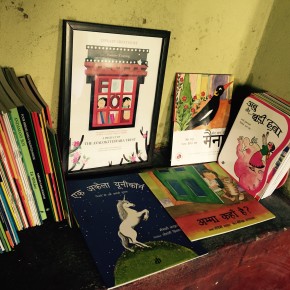
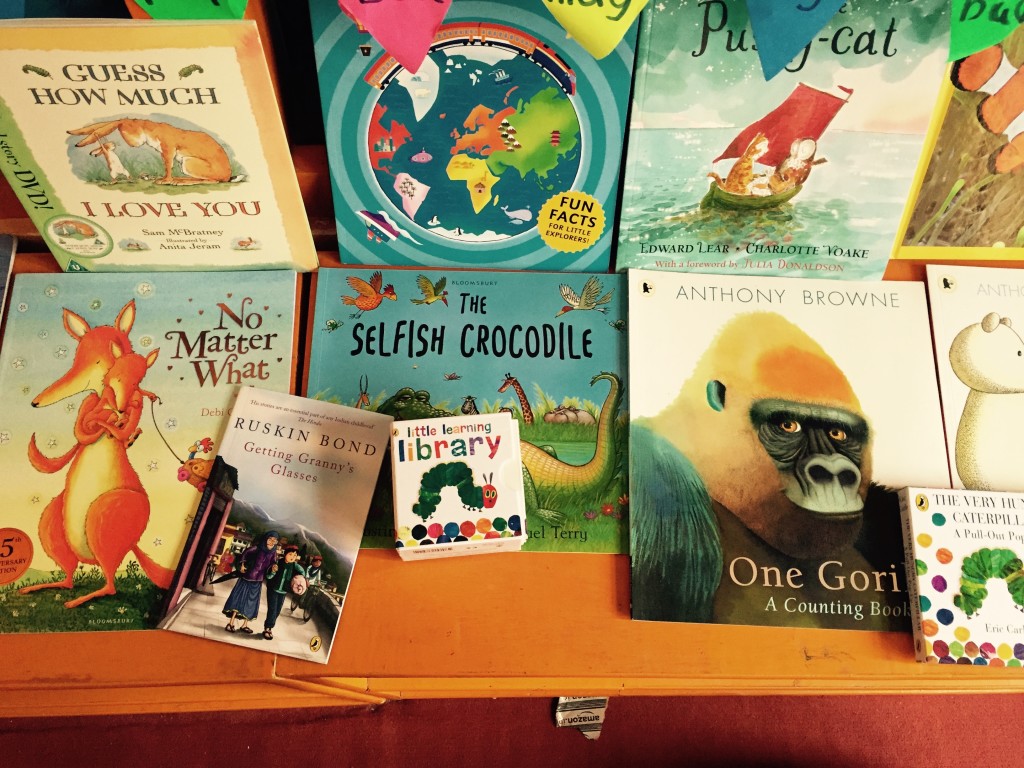
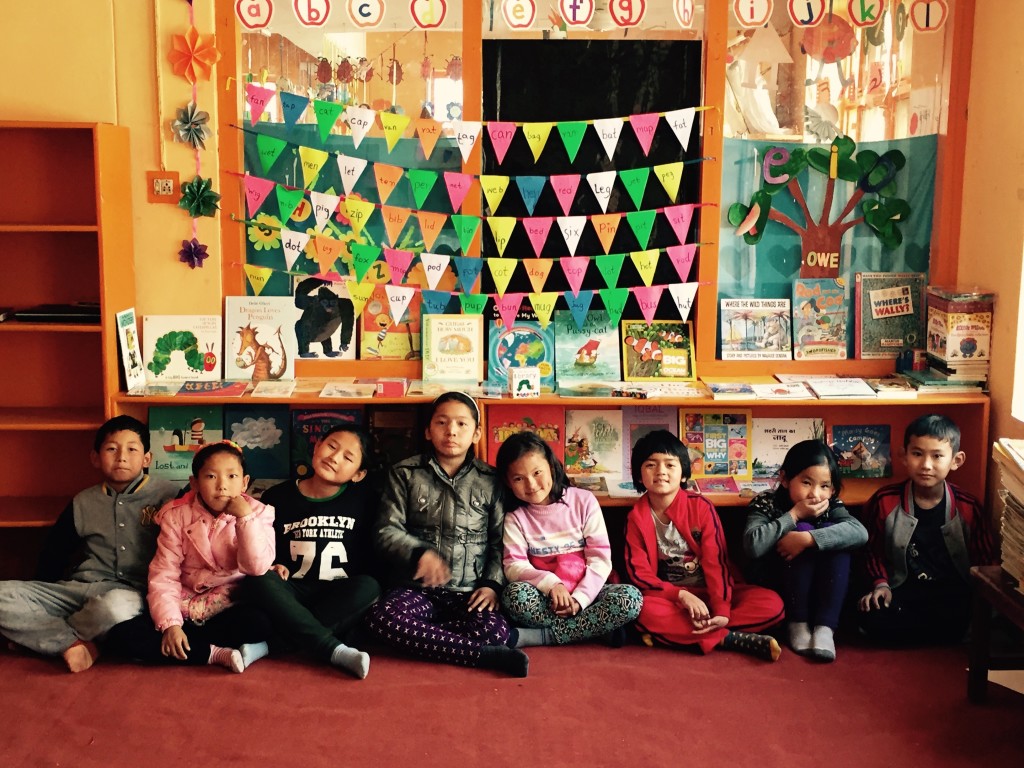
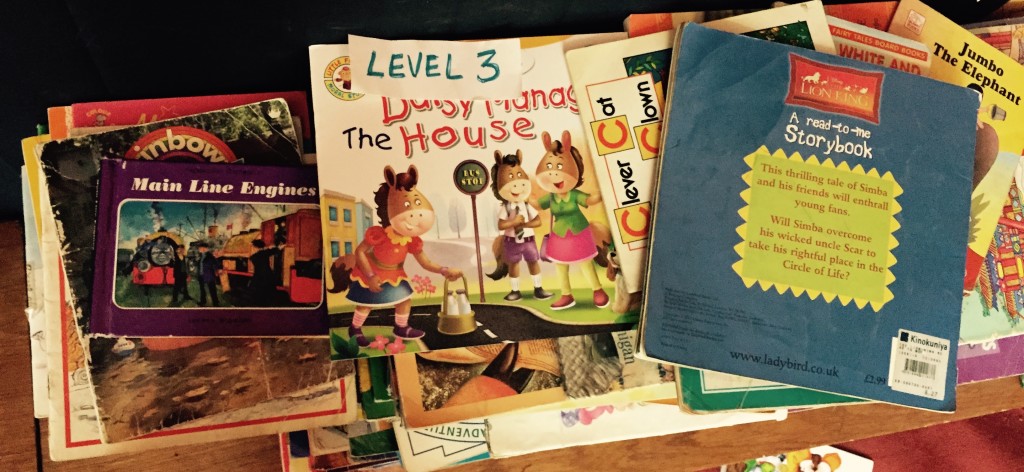
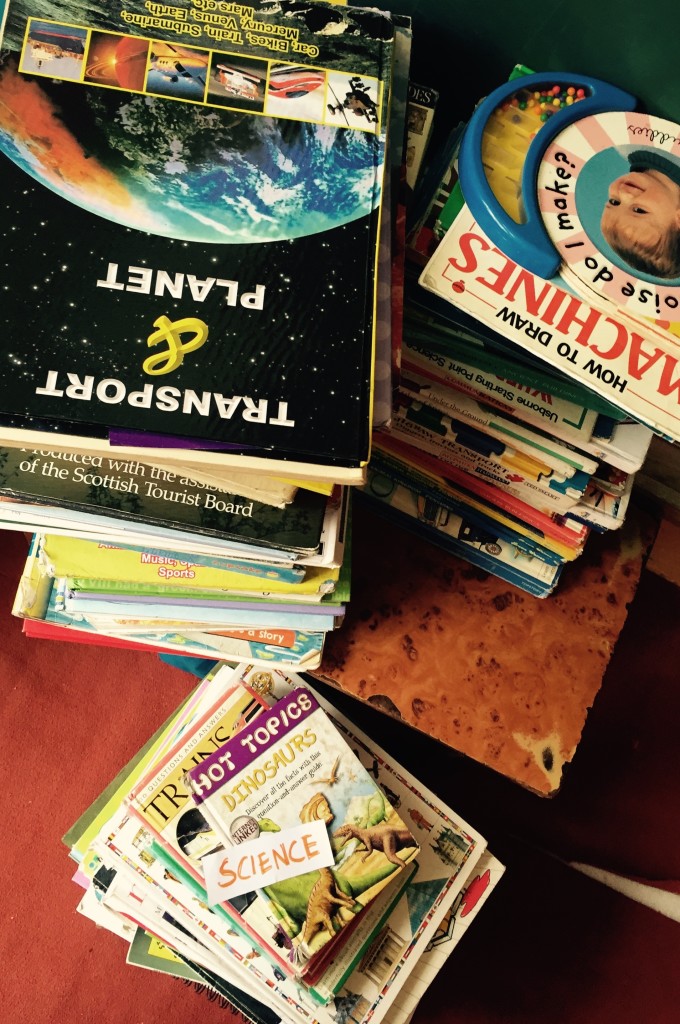
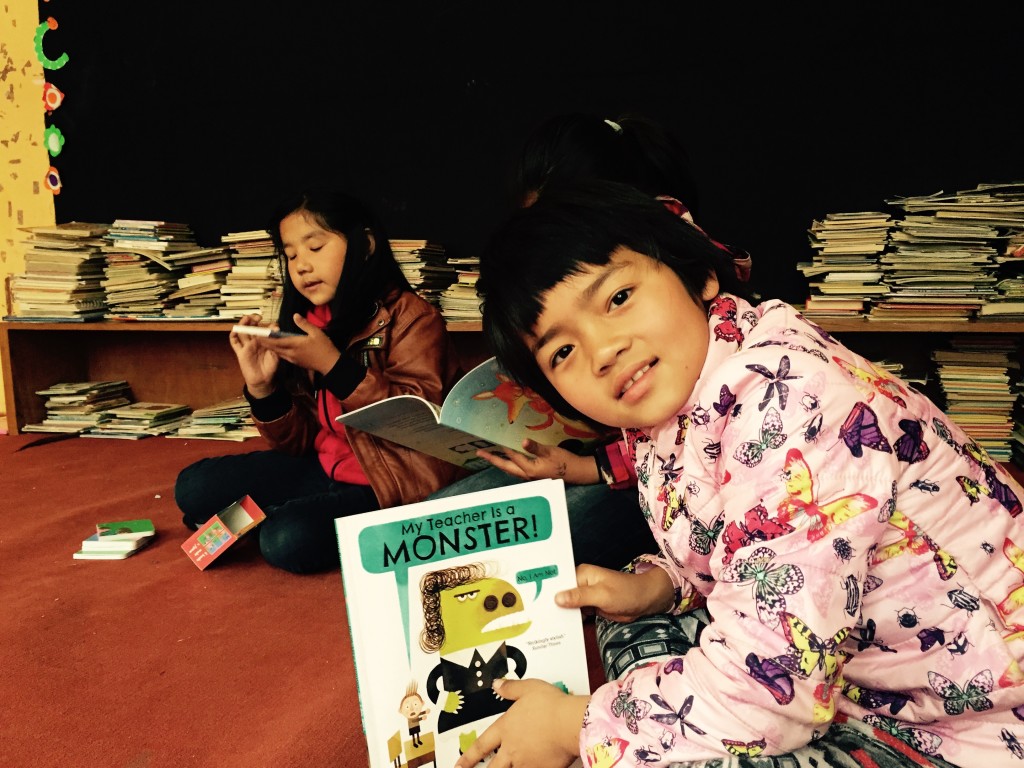
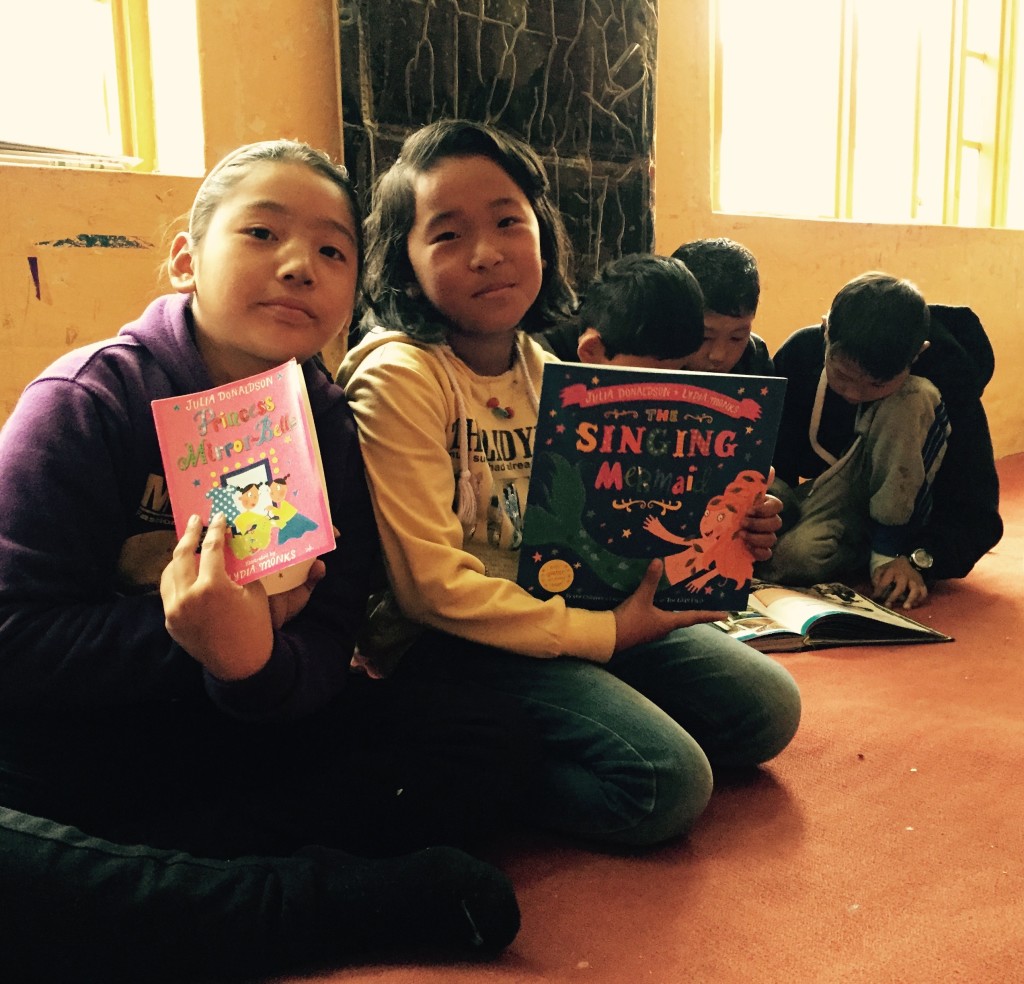
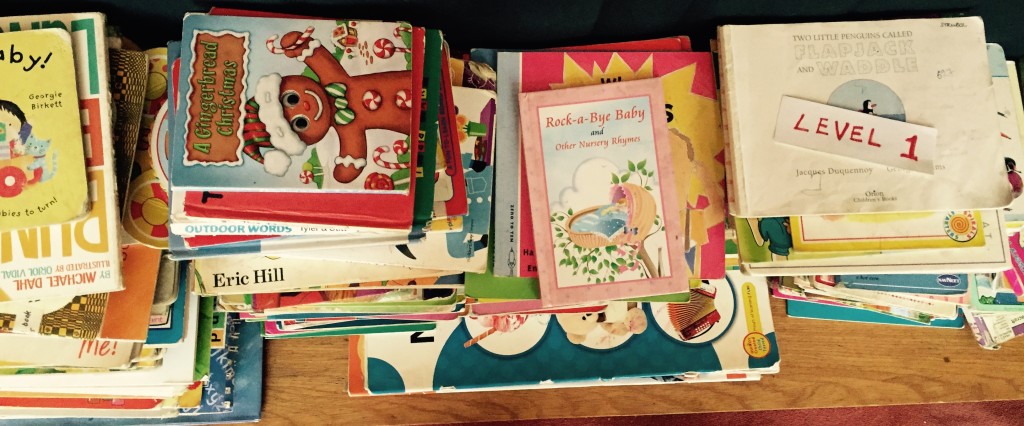
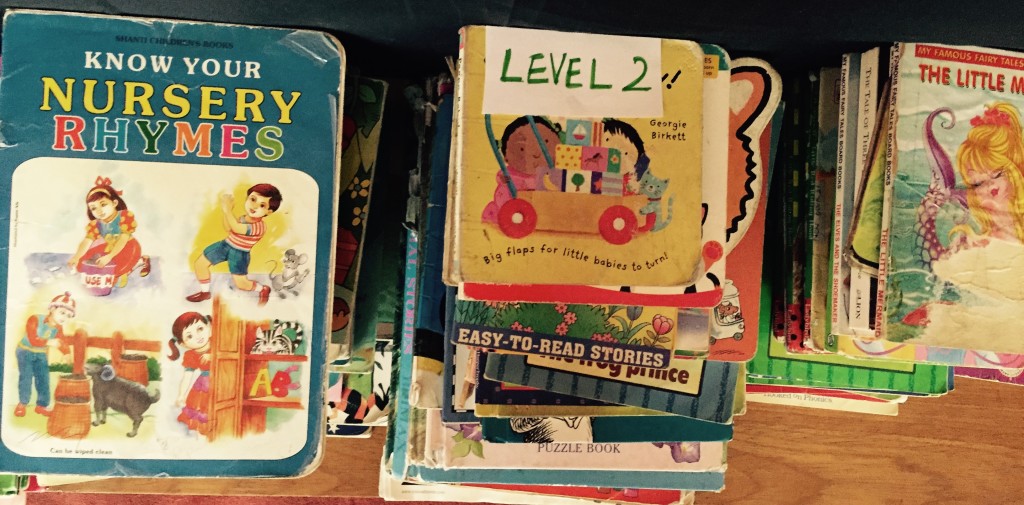
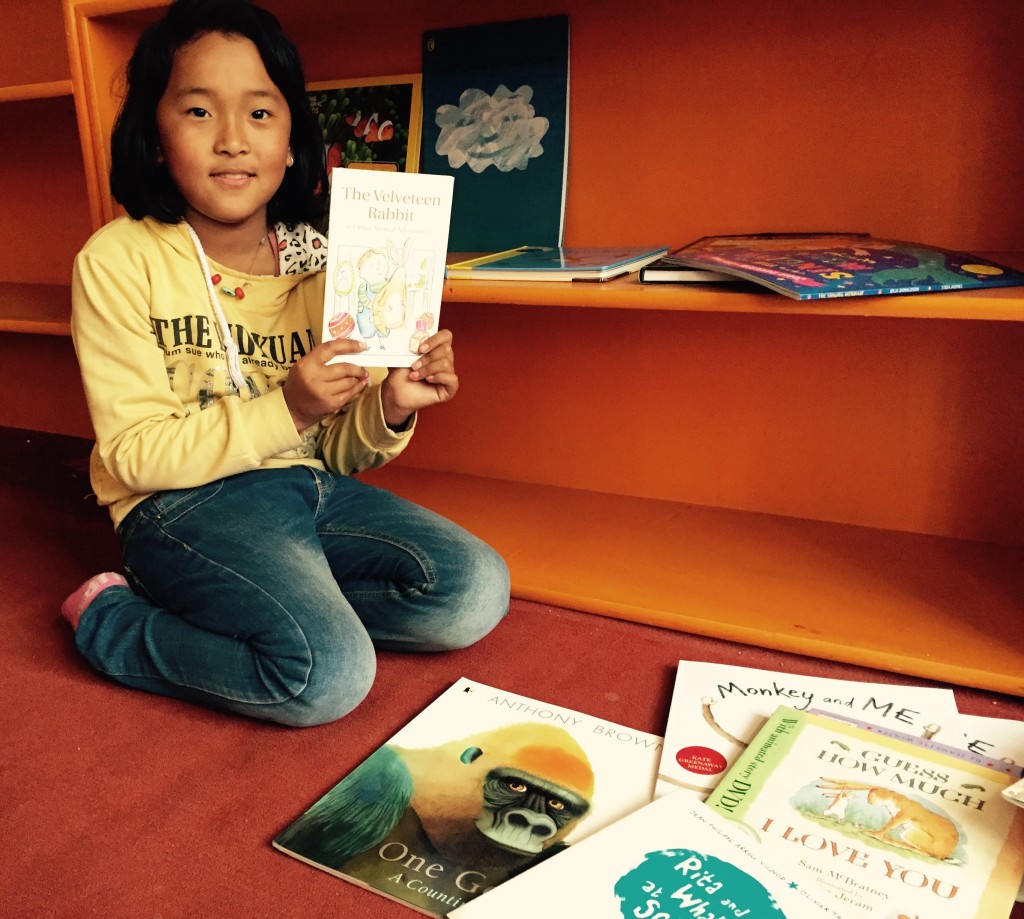
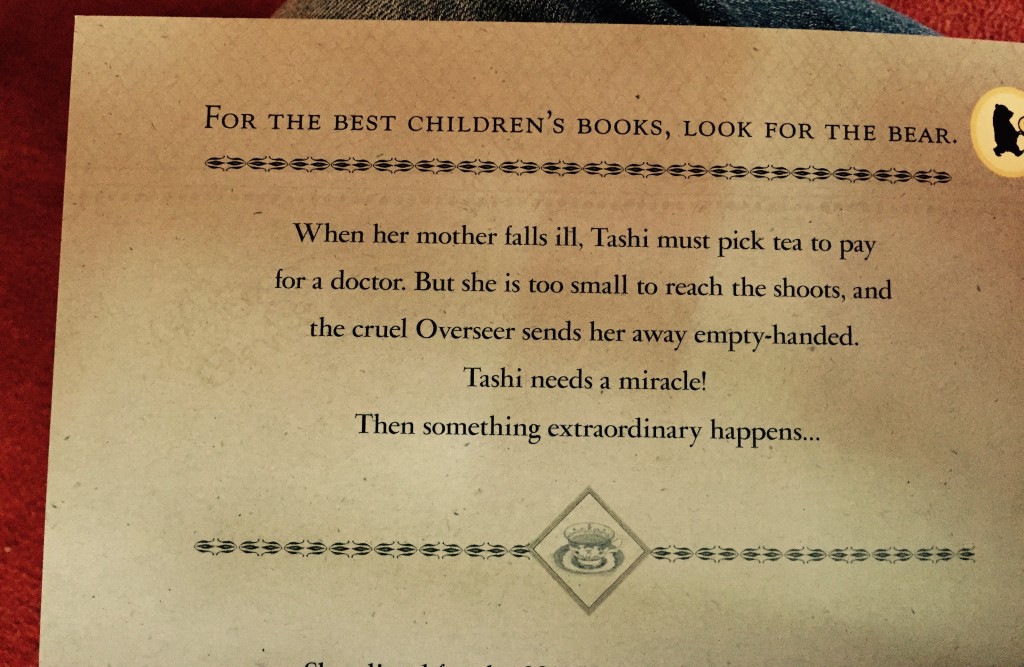
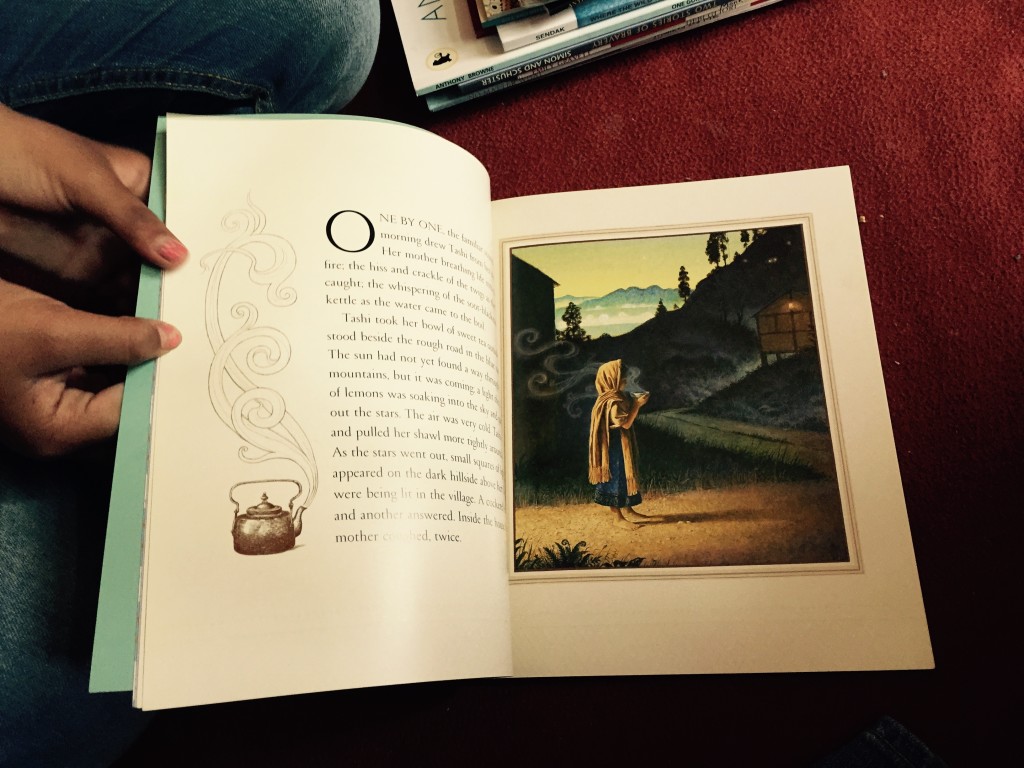
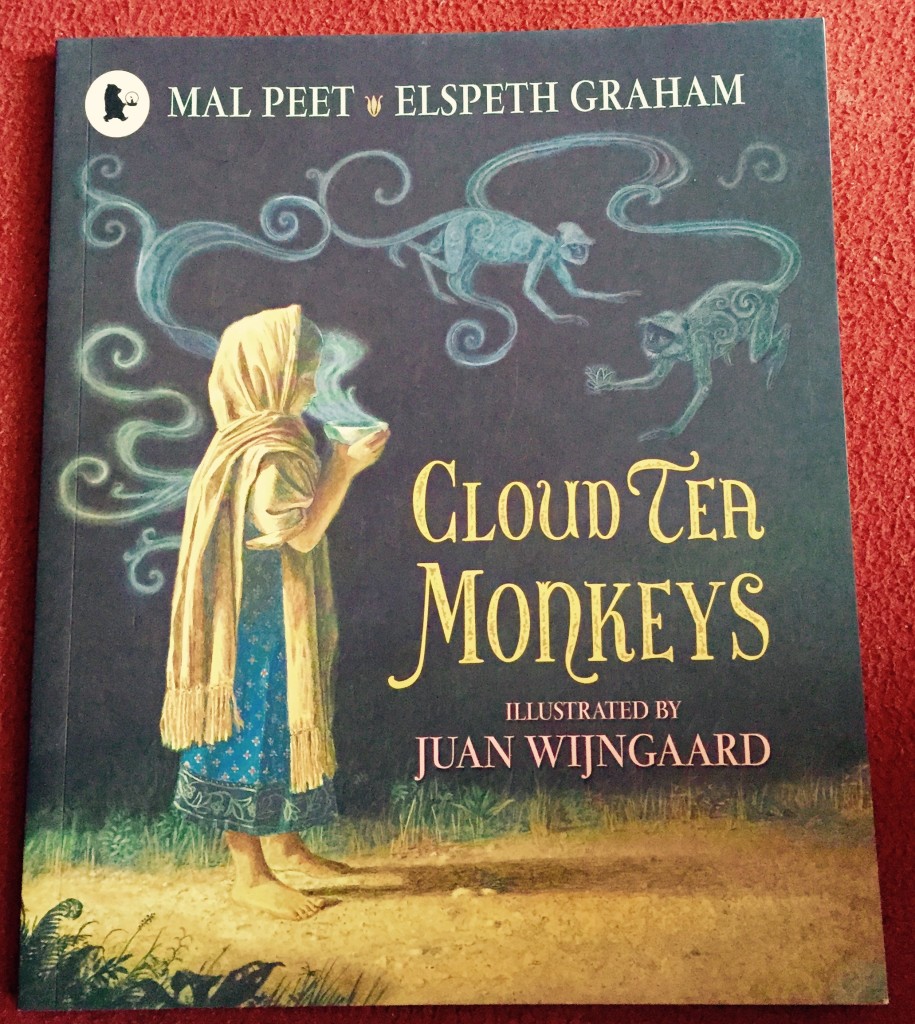
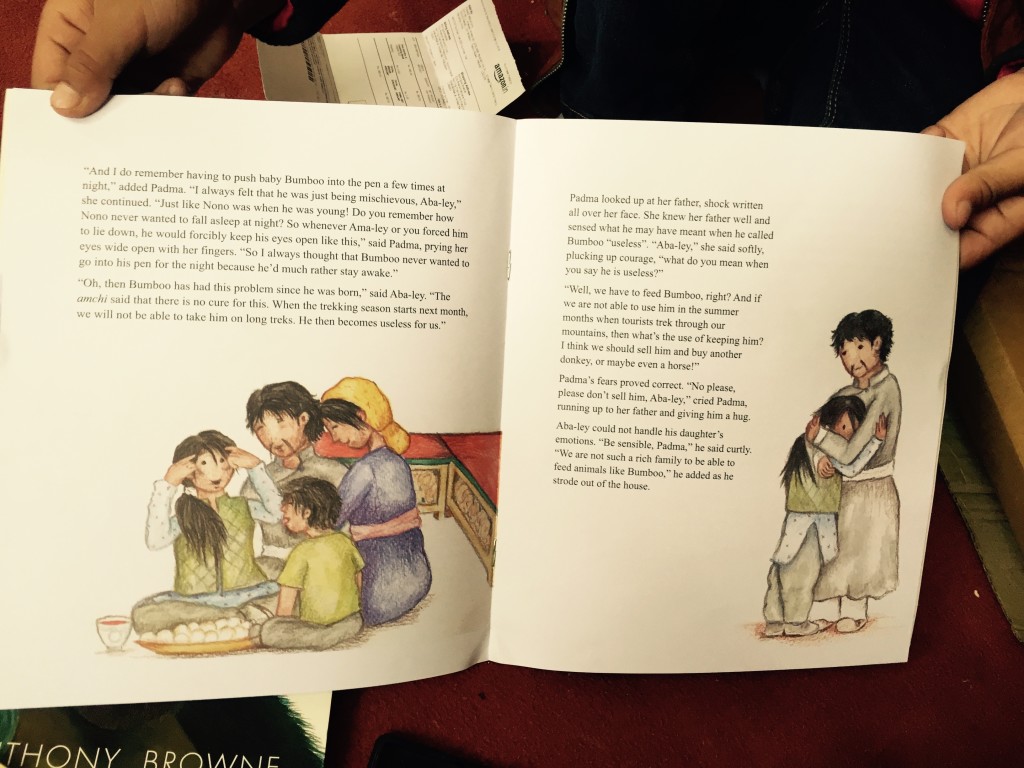
The same principle applies to book donations. A well-chosen children’s book, like a dependable paintbrush, invites repeated use. It can be shared in a reading room, discussed by a group and returned to many times. Art and literacy therefore strengthen each other: pictures help children tell stories, while stories give them new subjects to paint.
A Connection With Australian Supporters
For Australians, the project offers a clear way to understand the value of small-scale giving. A community group in Melbourne, a school in Perth or a family in regional New South Wales may collect funds through a book drive, a school event or an end-of-financial-year donation. The amount raised may feel modest beside the cost of a large building project, yet it can purchase materials that are used repeatedly.
Australian supporters also know how uneven access to services can be across a large country. A child in an outer-suburban school may have more resources than a child in a remote Himalayan village, but distance still shapes opportunity in places such as the Northern Territory, Far North Queensland and outback Western Australia. Thinking about those local realities can make the challenges of remote education easier to understand.
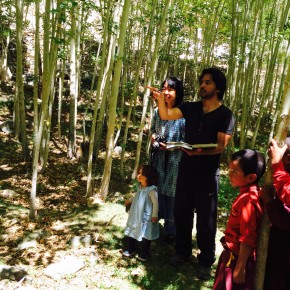
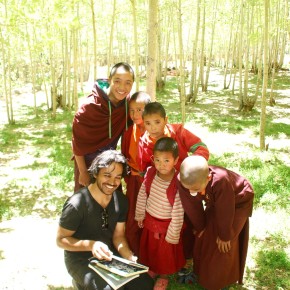
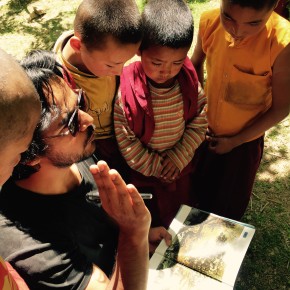
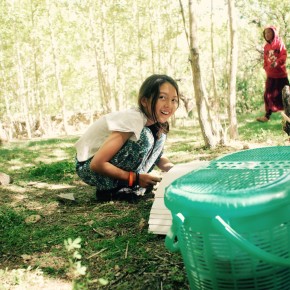
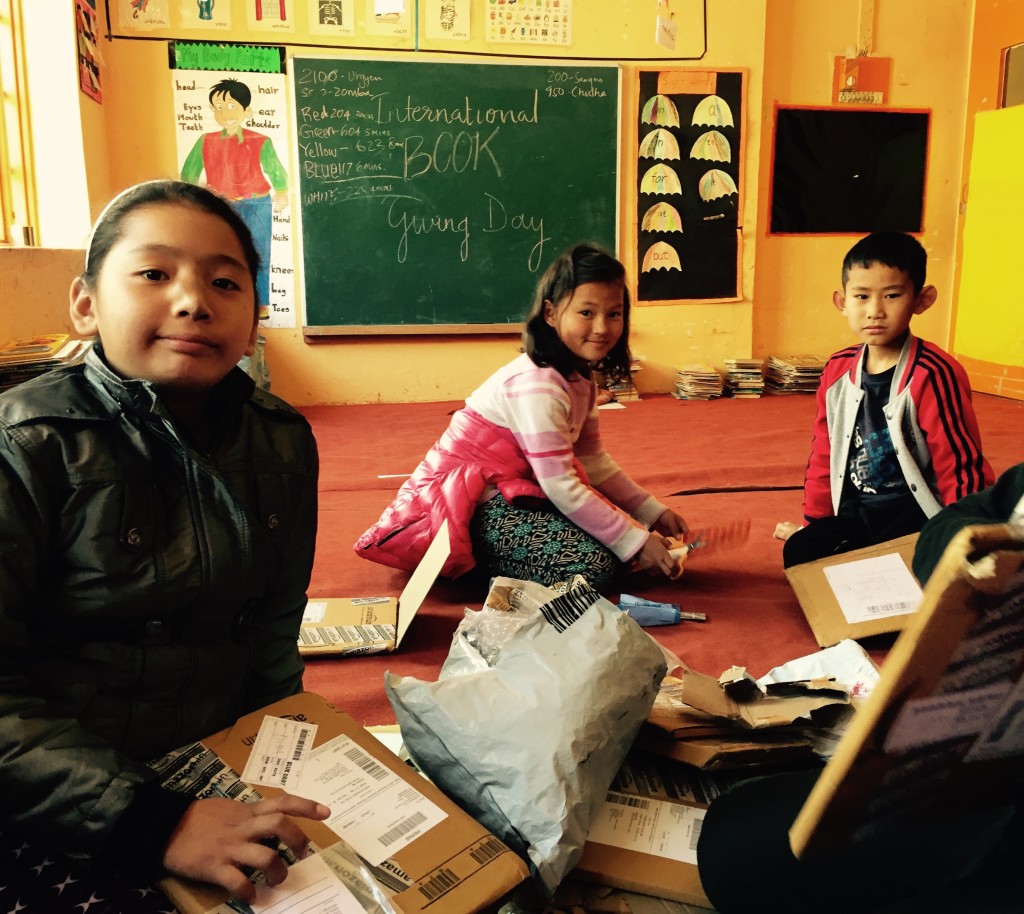
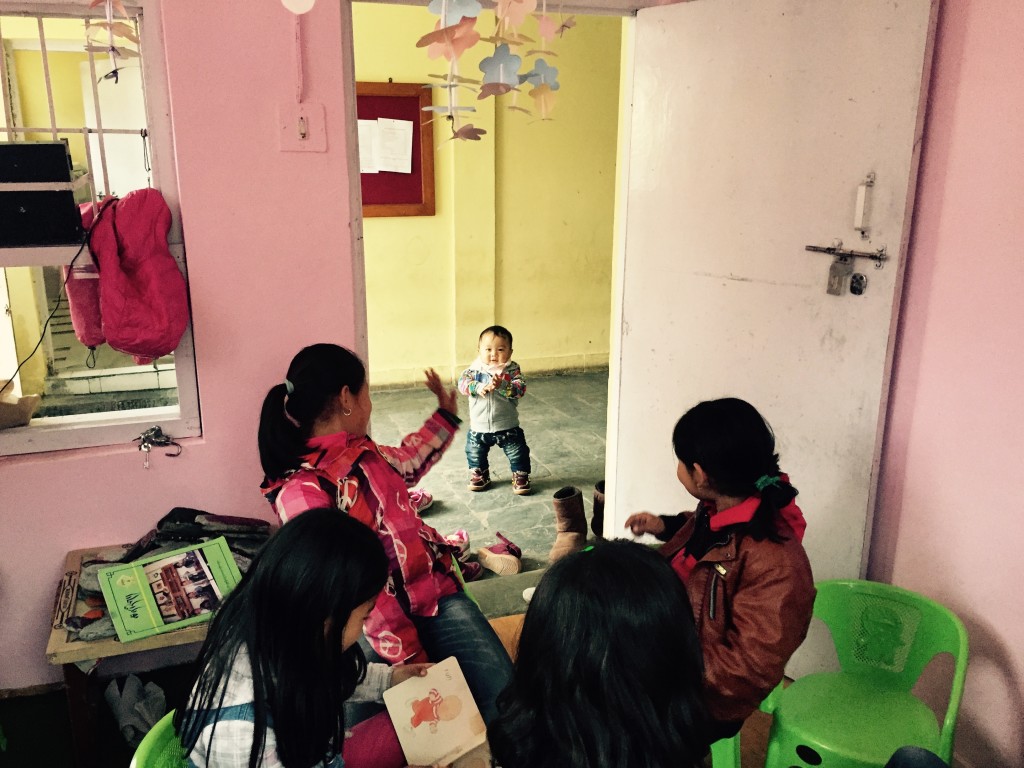
People in Australia often respond well to practical, transparent stories. They want to know what a donation helped provide and how a community used it. A photograph of children painting, a short account from a facilitator and a clear explanation of the Trust’s work can make an overseas project feel tangible without reducing it to a single fundraising appeal.
What The Village Kept
The paints did not transform the village because they were exotic or expensive. Their influence came from regular use. Children returned to the activity, developed skills and found subjects in their own surroundings. Adults saw that art could support observation, language, confidence and community participation.
The donation also showed that educational change does not always begin with a large programme. Sometimes it starts with a box of suitable materials placed on a shared table. From there, a child mixes a new shade, describes a familiar mountain in an unfamiliar way and learns that their view of the world is worth preserving. What the village kept was more than a set of watercolor paints: it kept a new belief in the value of its children’s ideas.