Bilingual storybooks in Hindi and English bridge the reading gap for Himalayan children
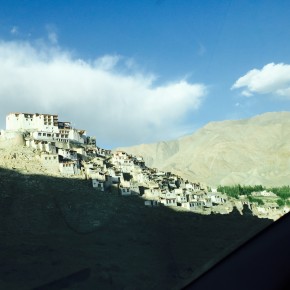
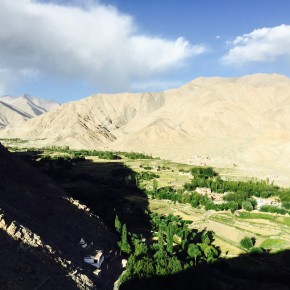
Across the high passes of Ladakh and the long valleys that fall away from them, a child can walk into a classroom speaking Ladakhi at home, recite sutras in classical Tibetan at the monastery gate, and greet visitors in Hindi or English by lunchtime. This rich linguistic layering is a source of pride for the region, yet it also makes the question of what to read a surprisingly practical one. A donation of storybooks in both Hindi and English has become one of the most effective ways to keep that multilingual web intact, especially in villages where local publishing markets rarely reach.
Australia offers a striking parallel. Walk through Harris Park in western Sydney, browse the bookshops and language schools along Dandenong's multicultural strip in Melbourne, or visit the Indian community stalls at a weekend market in Brisbane, and the same lesson appears. The Special Broadcasting Service has broadcast in Hindi, Punjabi and Tamil for decades because storytelling in a familiar tongue remains essential to identity. From Footscray to Lakemba, families navigate between English workplaces and home languages every day, and many remember exactly what it felt like to read a beloved tale in two scripts for the first time.
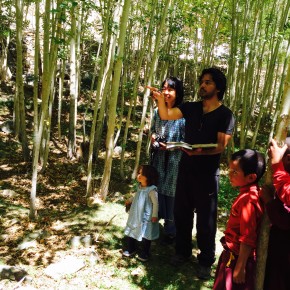
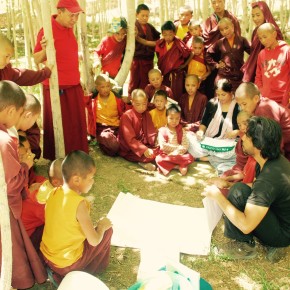
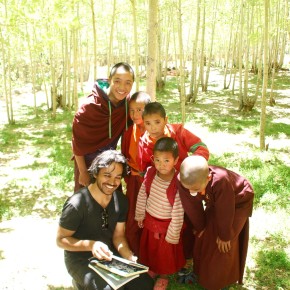
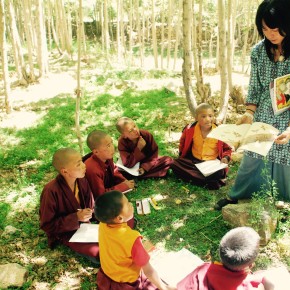
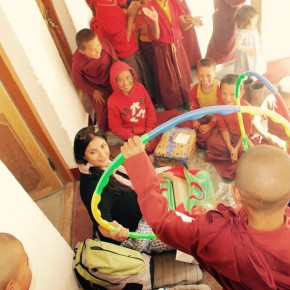
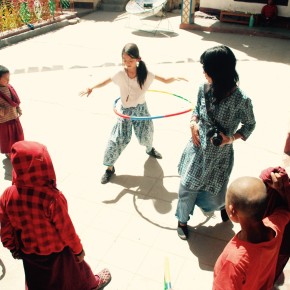
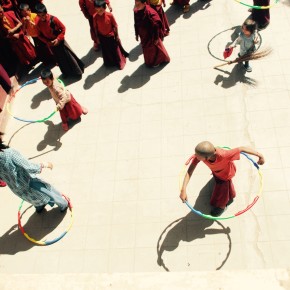
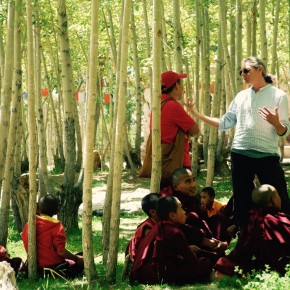
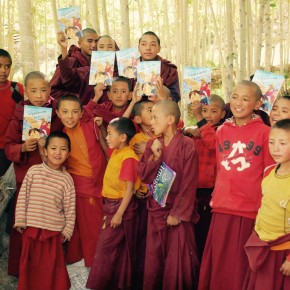
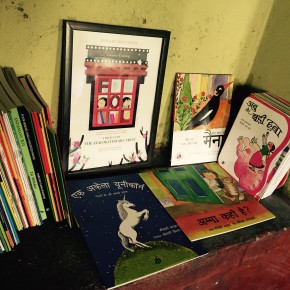
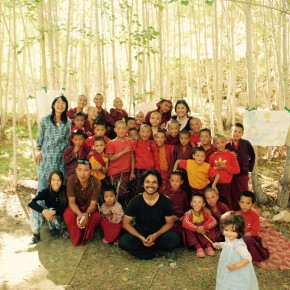
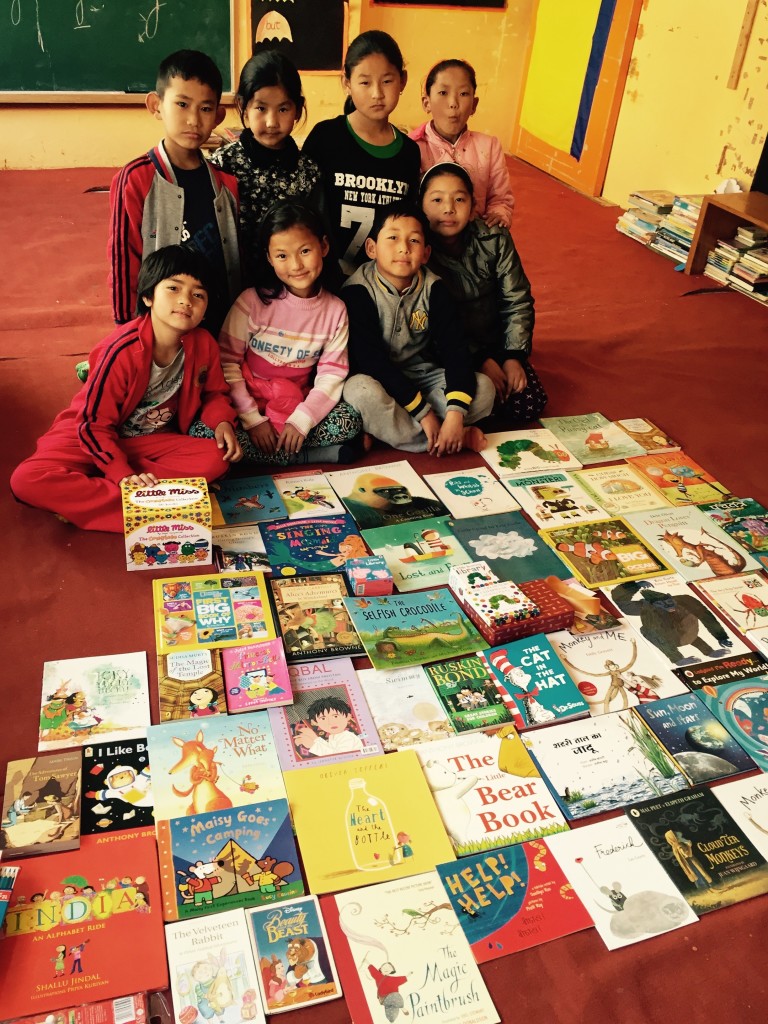
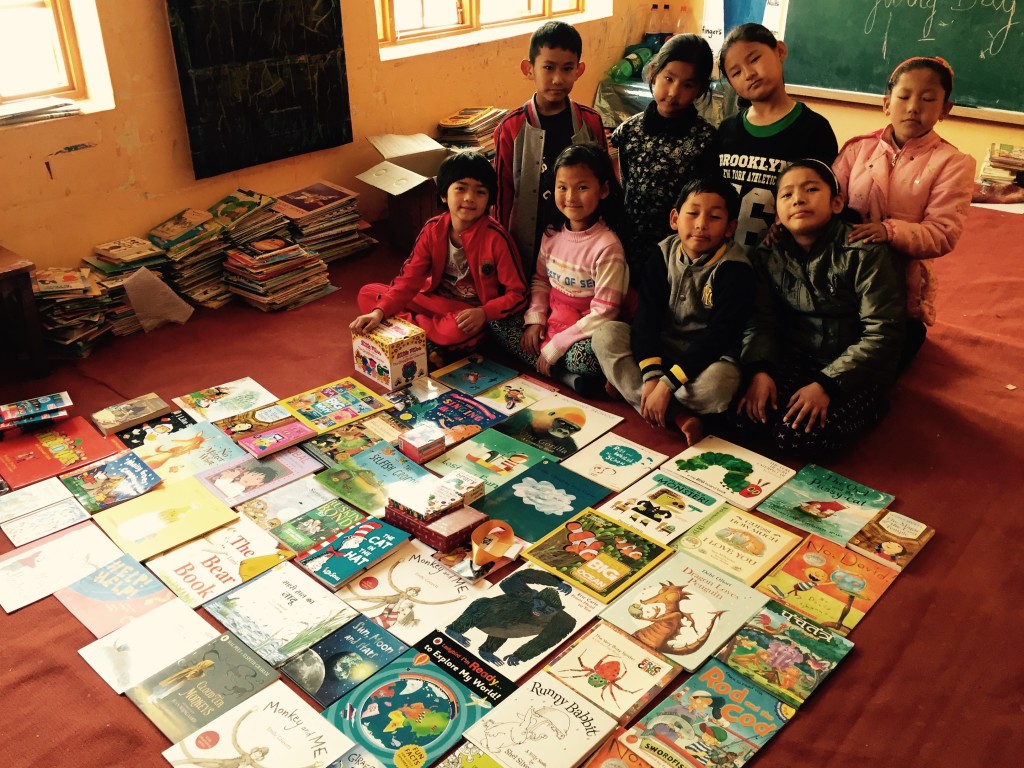
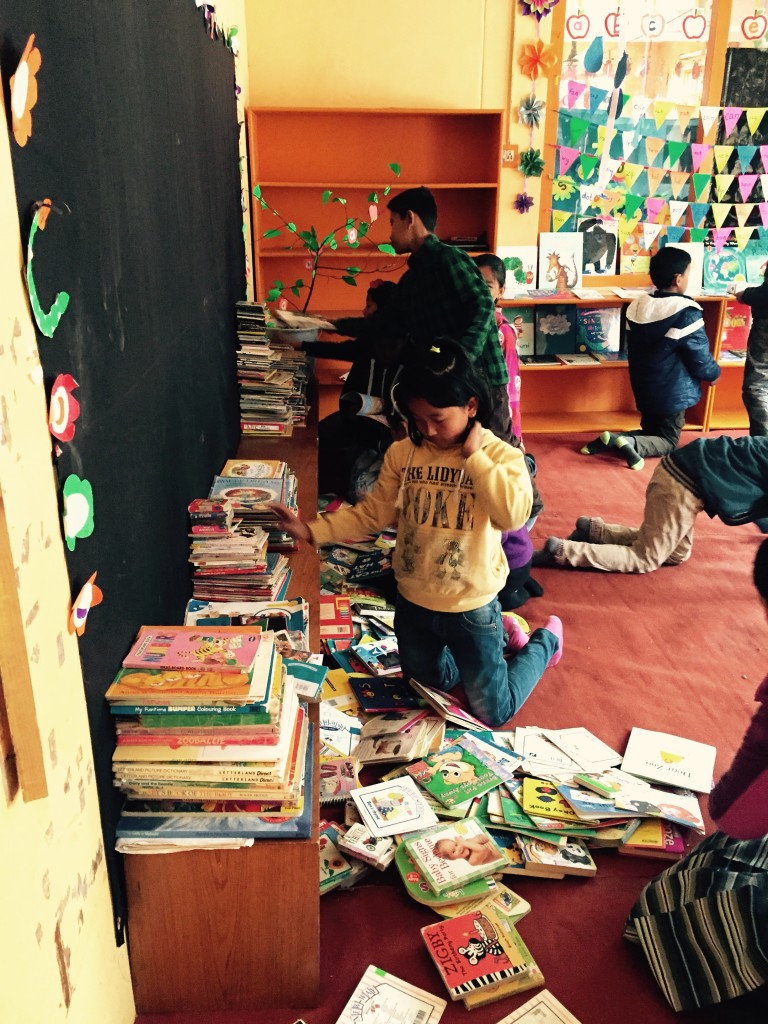
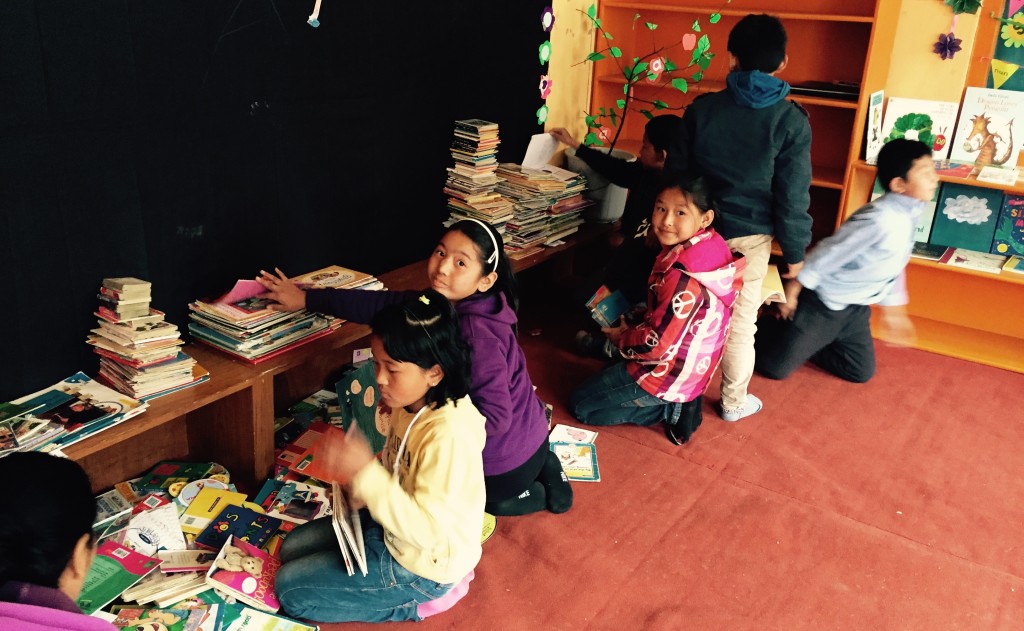
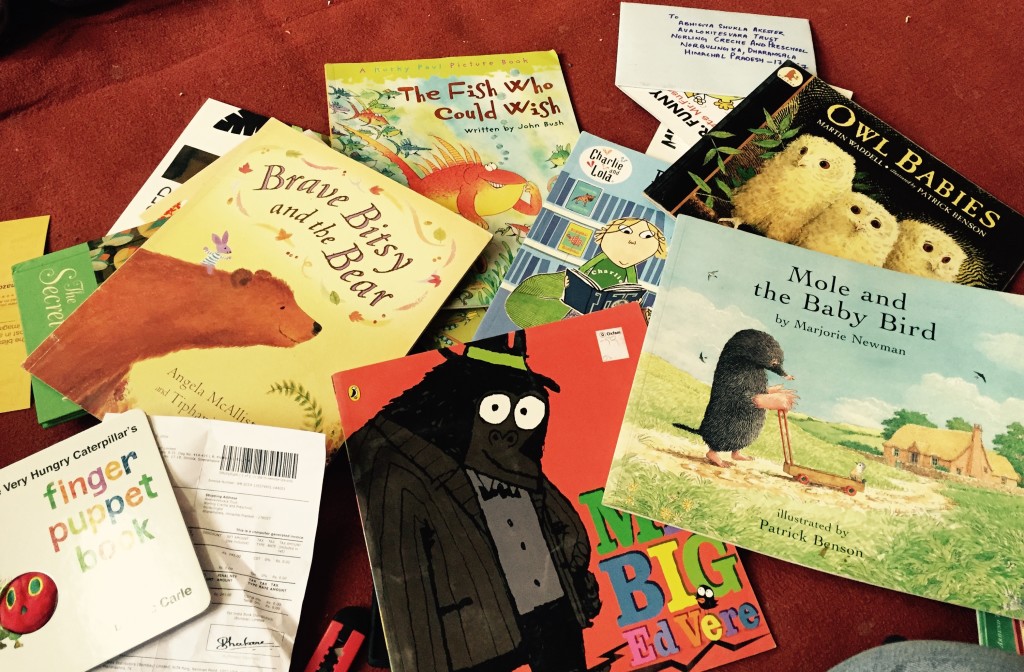
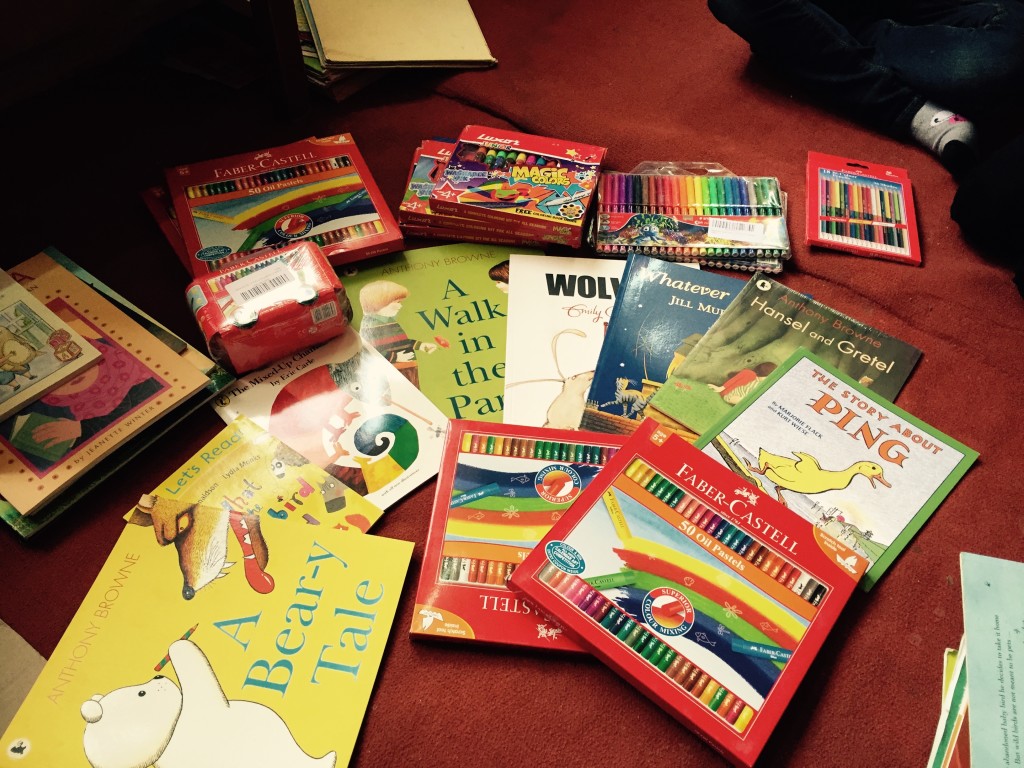
The Avalokiteśvara Trust works in this same spirit on the roof of the world, gathering Hindi and English storybooks and placing them in reading rooms that serve both schoolchildren and young monks. The aim is modest in language but ambitious in reach: to make sure the pleasure of a story never feels like a barrier, and that a child who arrives speaking only one of those languages leaves the room with both.
The multilingual reality of Himalayan classrooms
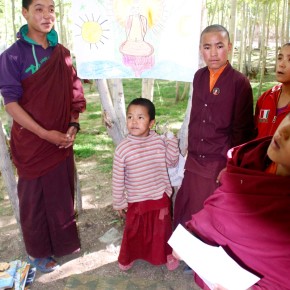
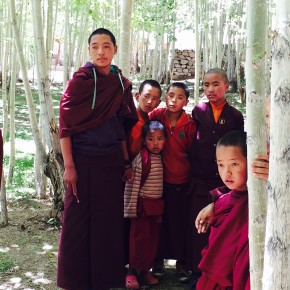
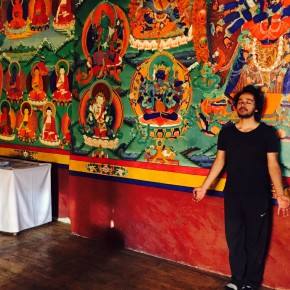
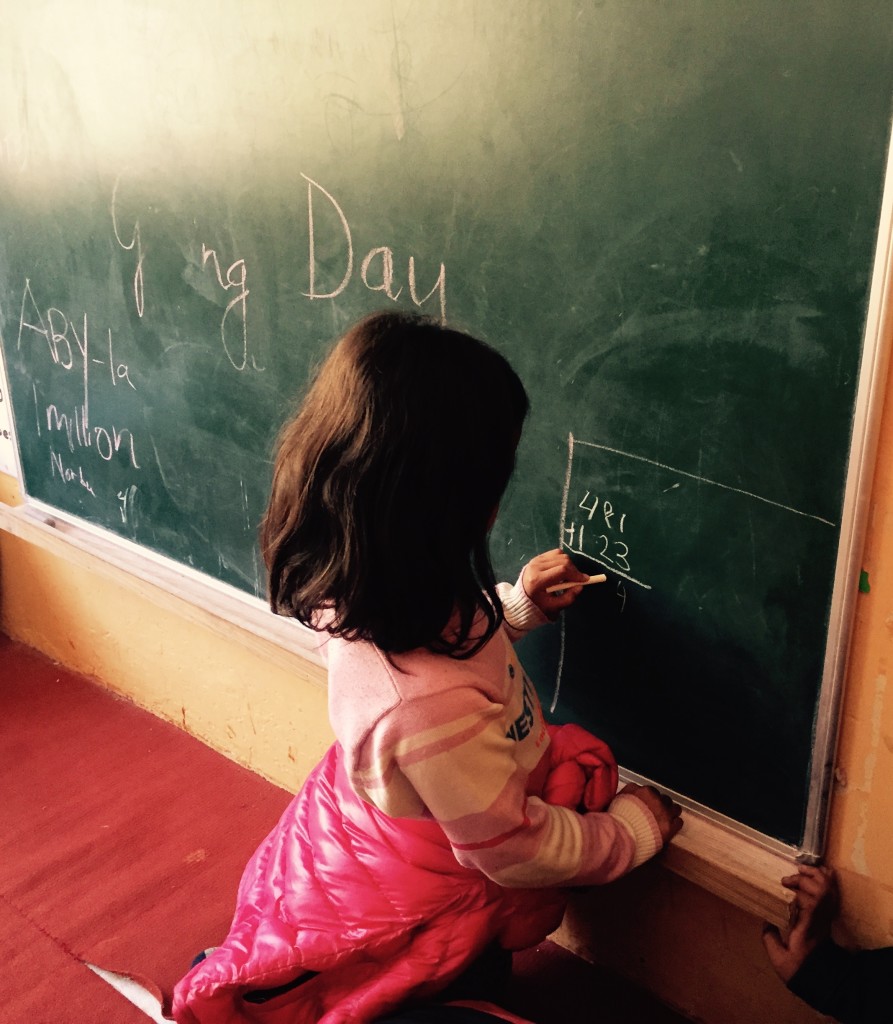
In the villages strung along the Indus and its tributaries, schooling happens in a swirl of tongues. Ladakhi remains the everyday language of most households, while Hindi is increasingly taught as the national language and English opens doors to higher study and tourism livelihoods. In monastic schools, young monks work through Tibetan script, philosophical commentaries and modern science, often flipping between three writing systems in a single morning.
Teachers in remote dzongs describe the daily friction this creates. A child may understand a story perfectly when read aloud in Ladakhi, yet struggle to engage with the same tale printed only in standardised Hindi. Adding English translations does not dilute the local language; it anchors the reading, allowing a reader to step from one language to another without losing the thread. Where families have migrated from lower Himalayan states, the trilingual approach helps newcomers settle into unfamiliar surroundings.
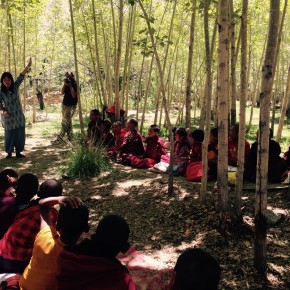
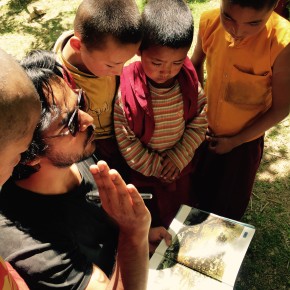
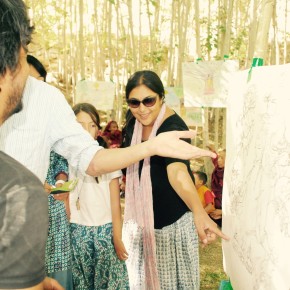
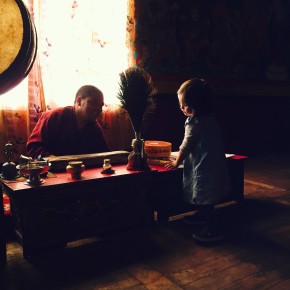
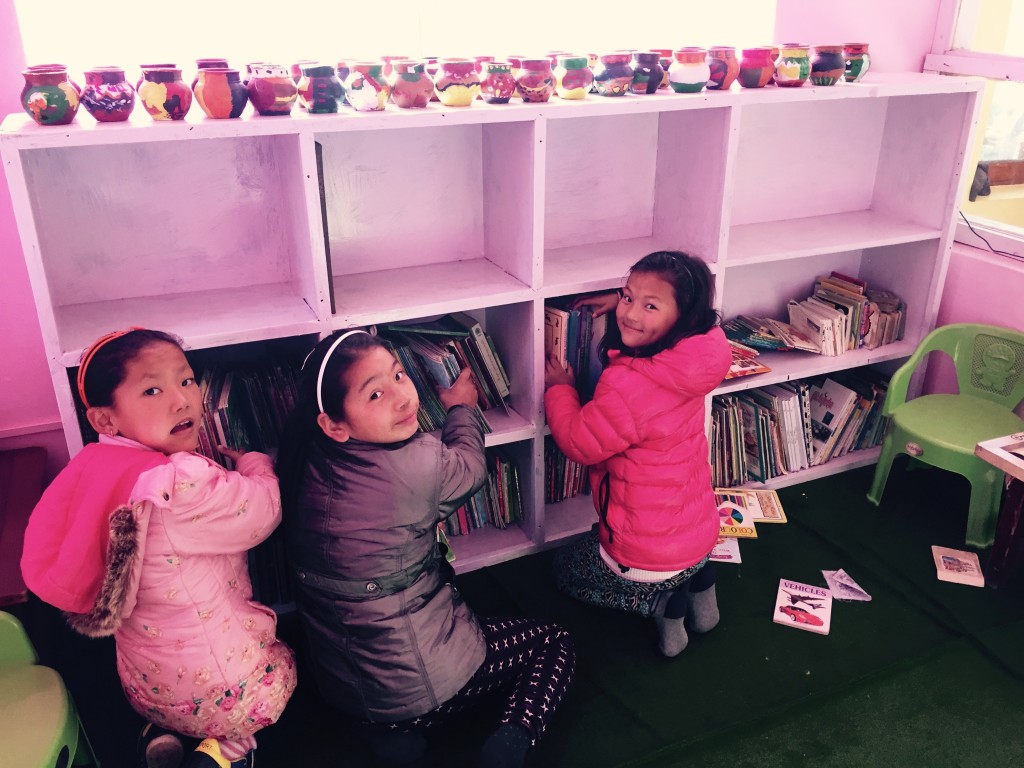
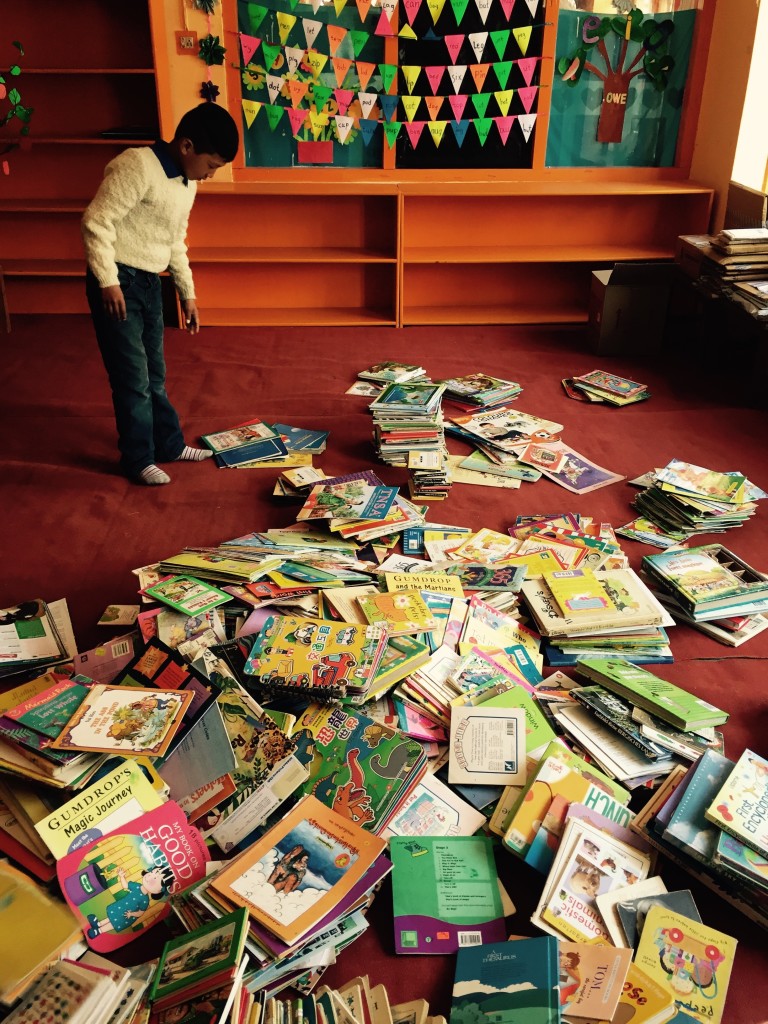
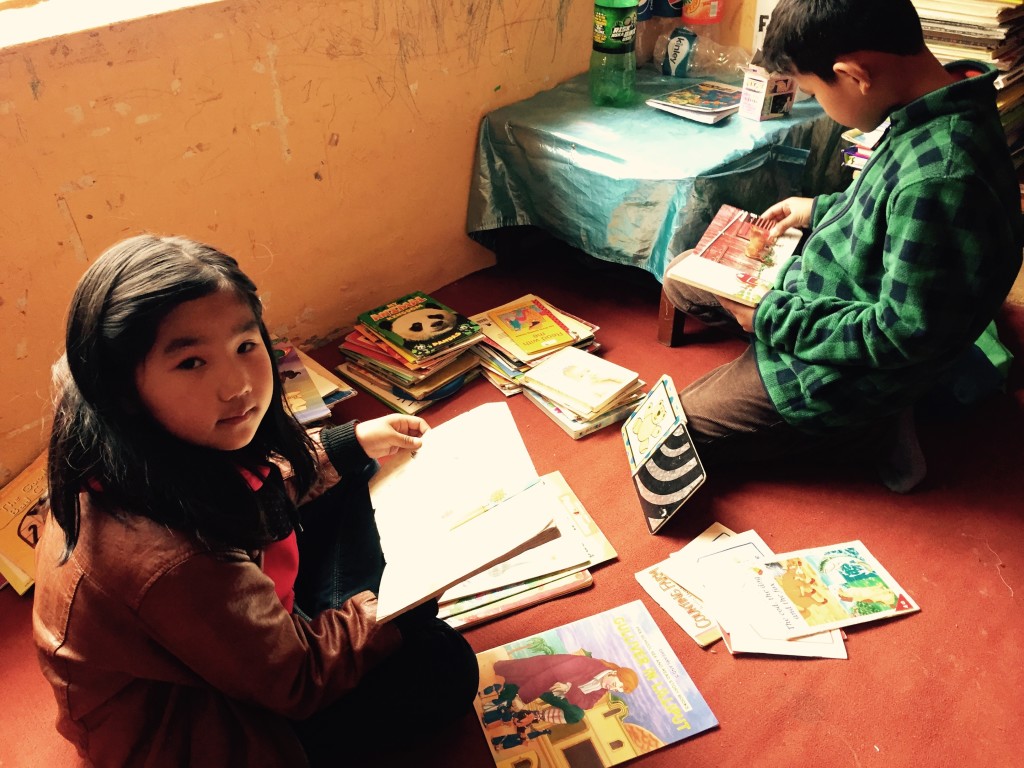
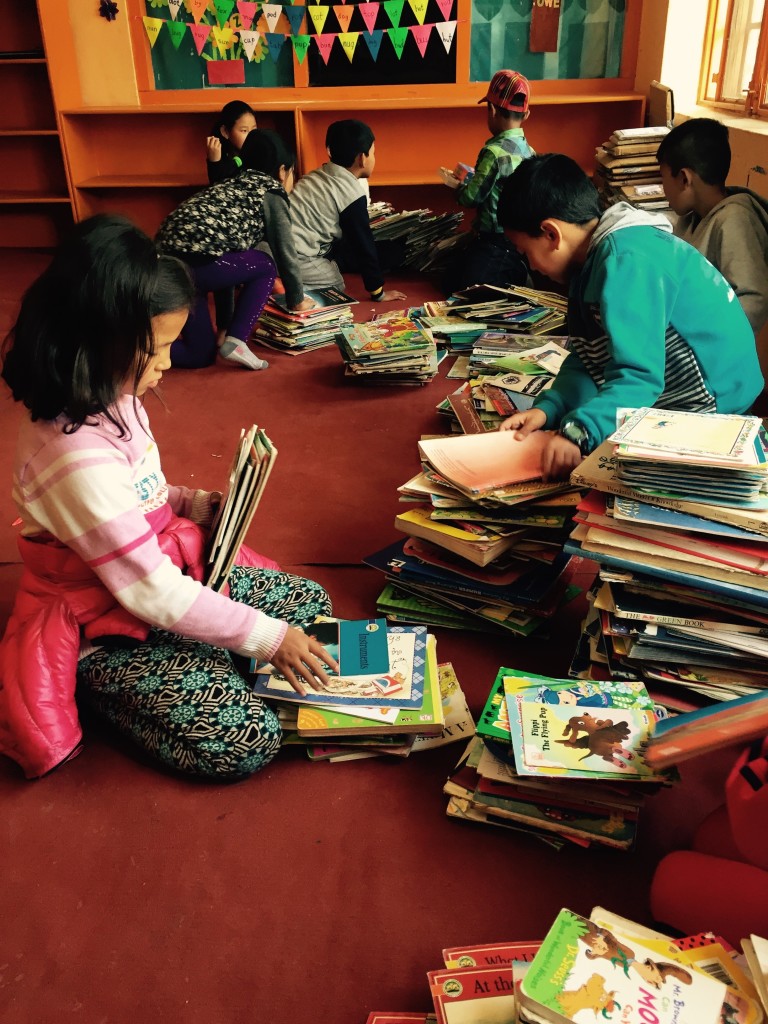
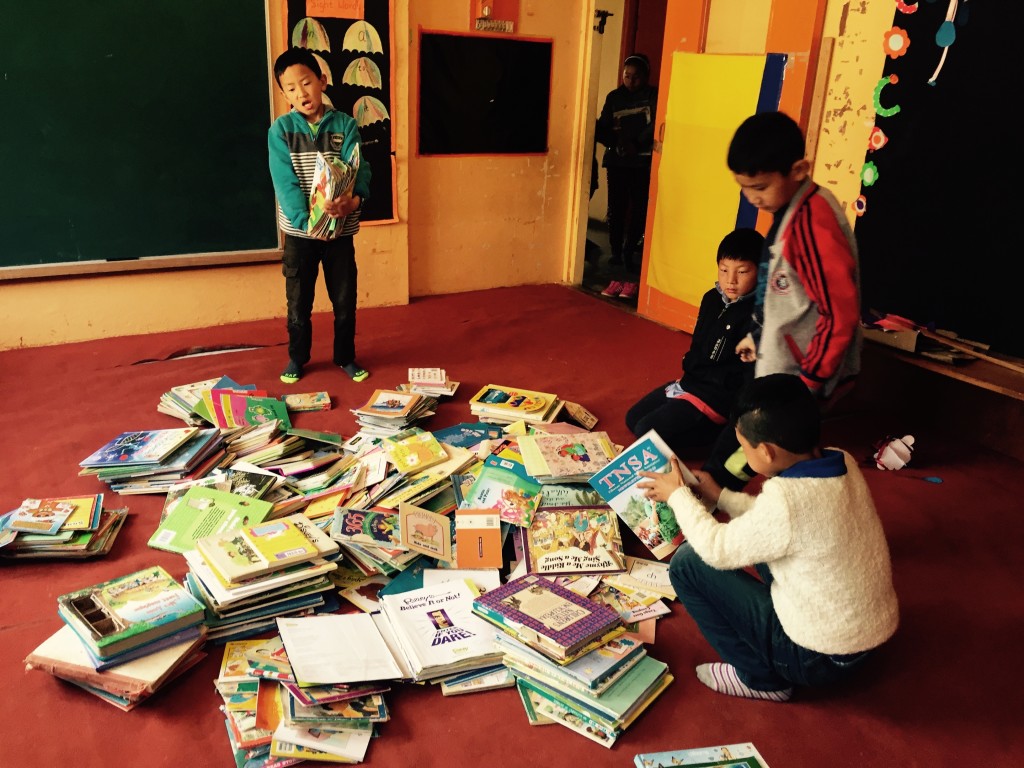
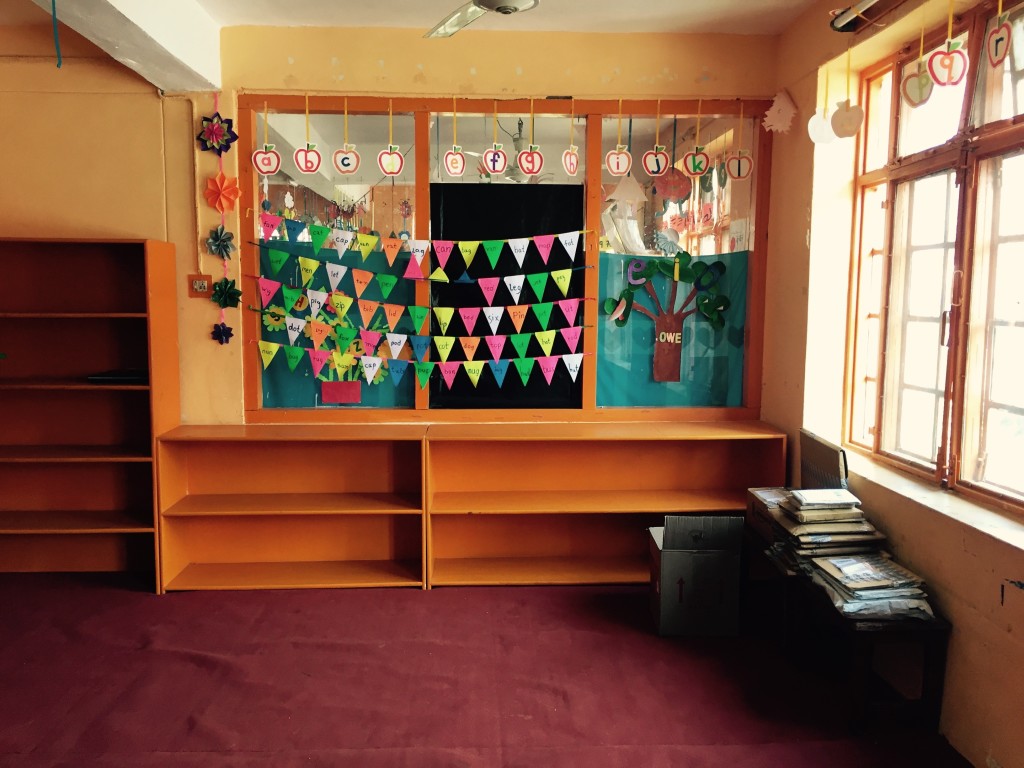
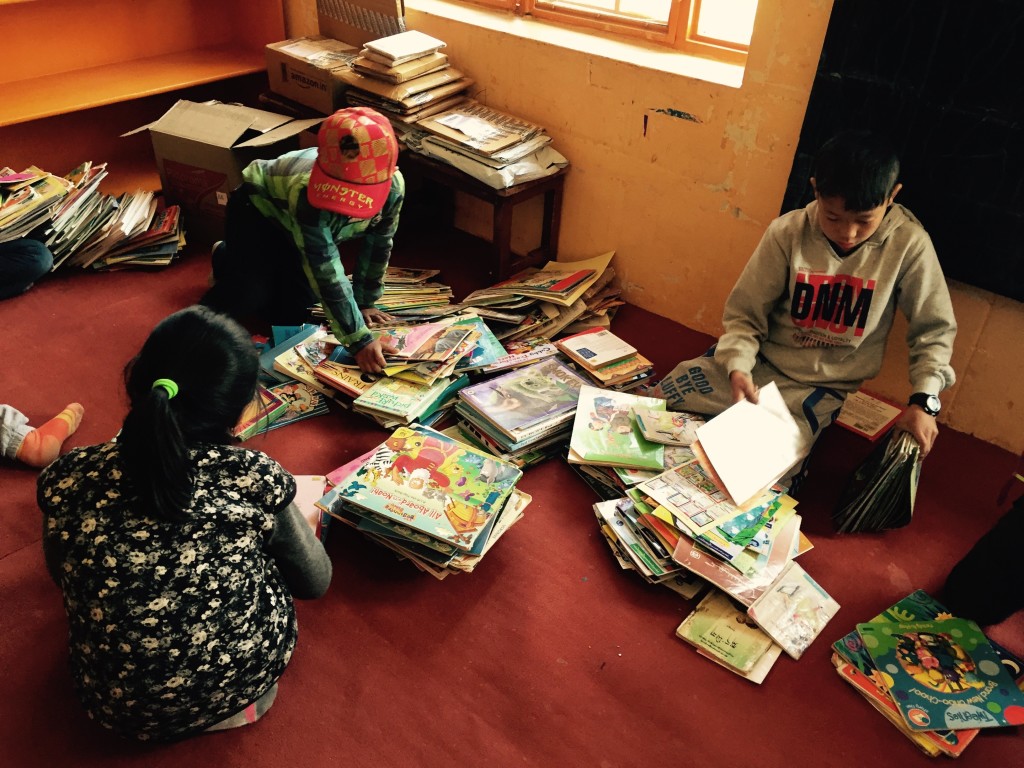
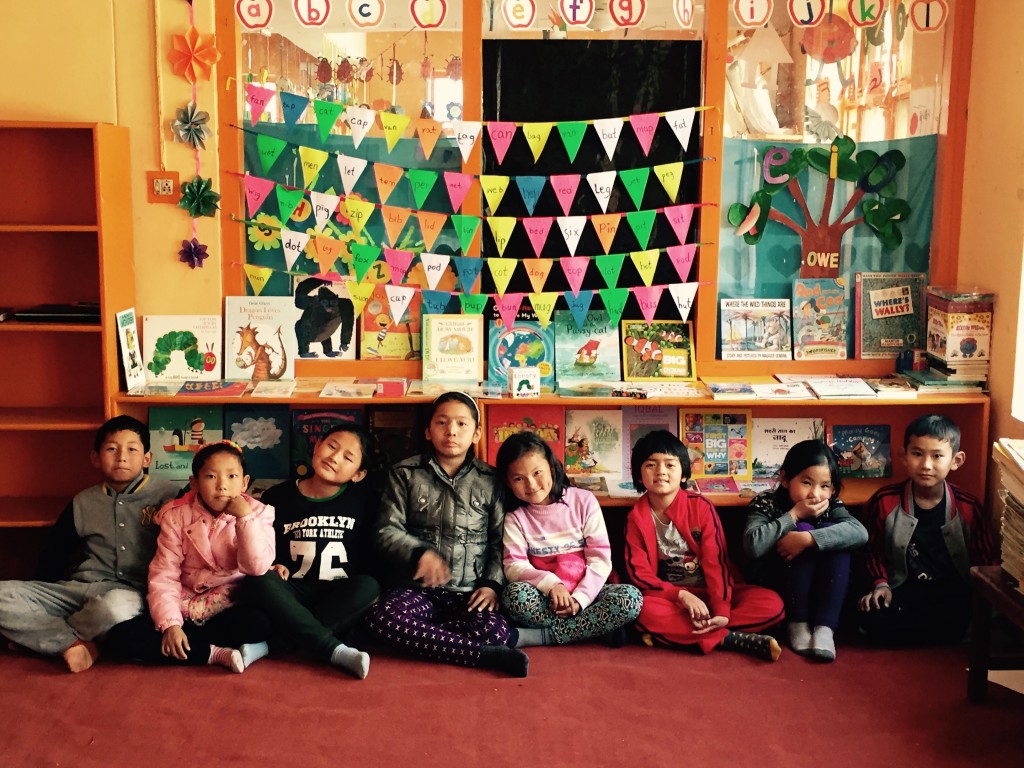
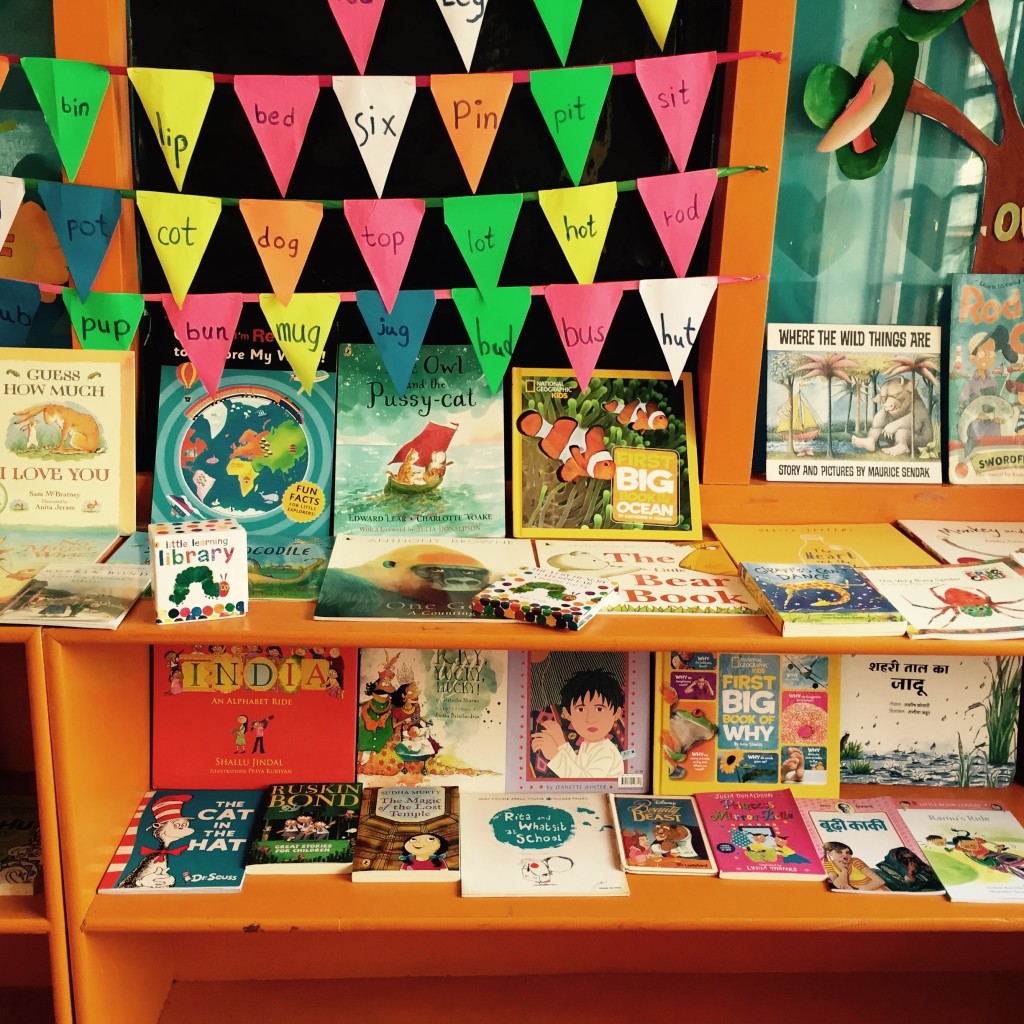
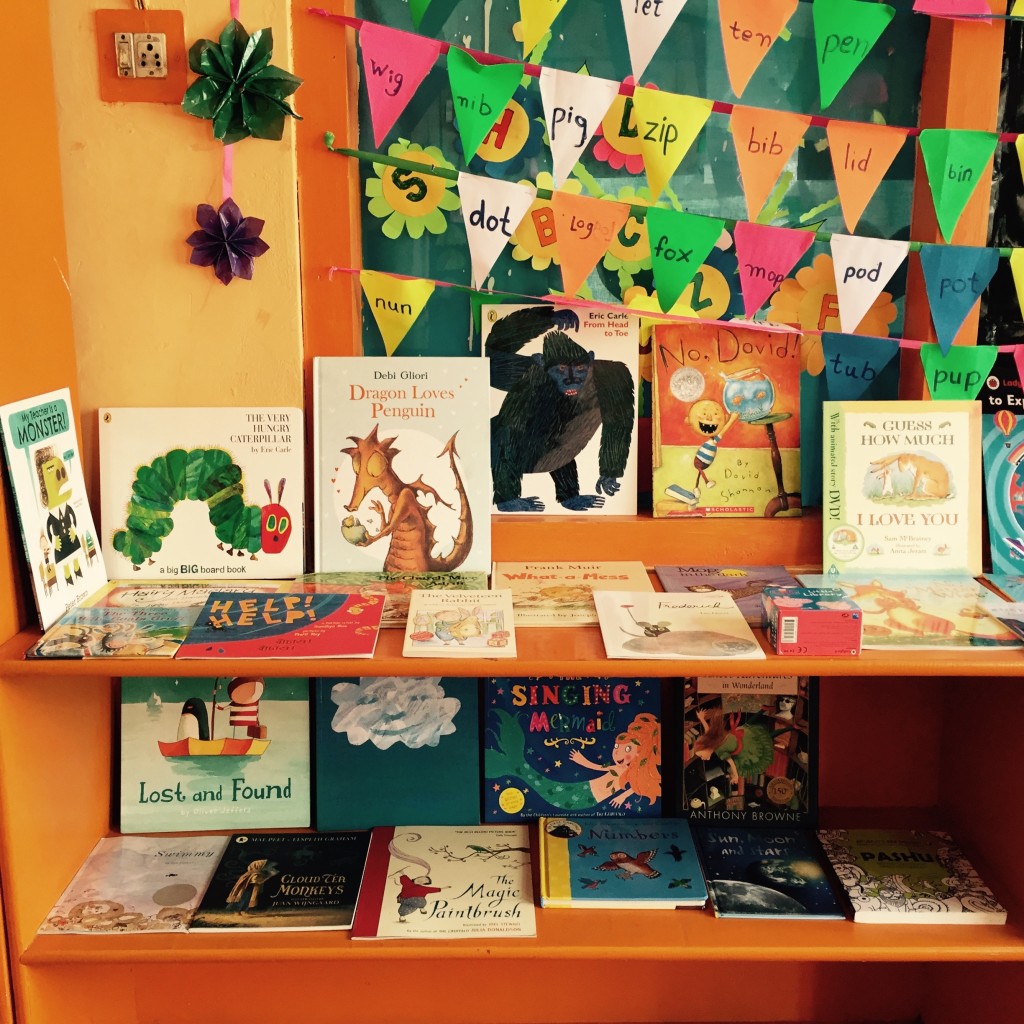
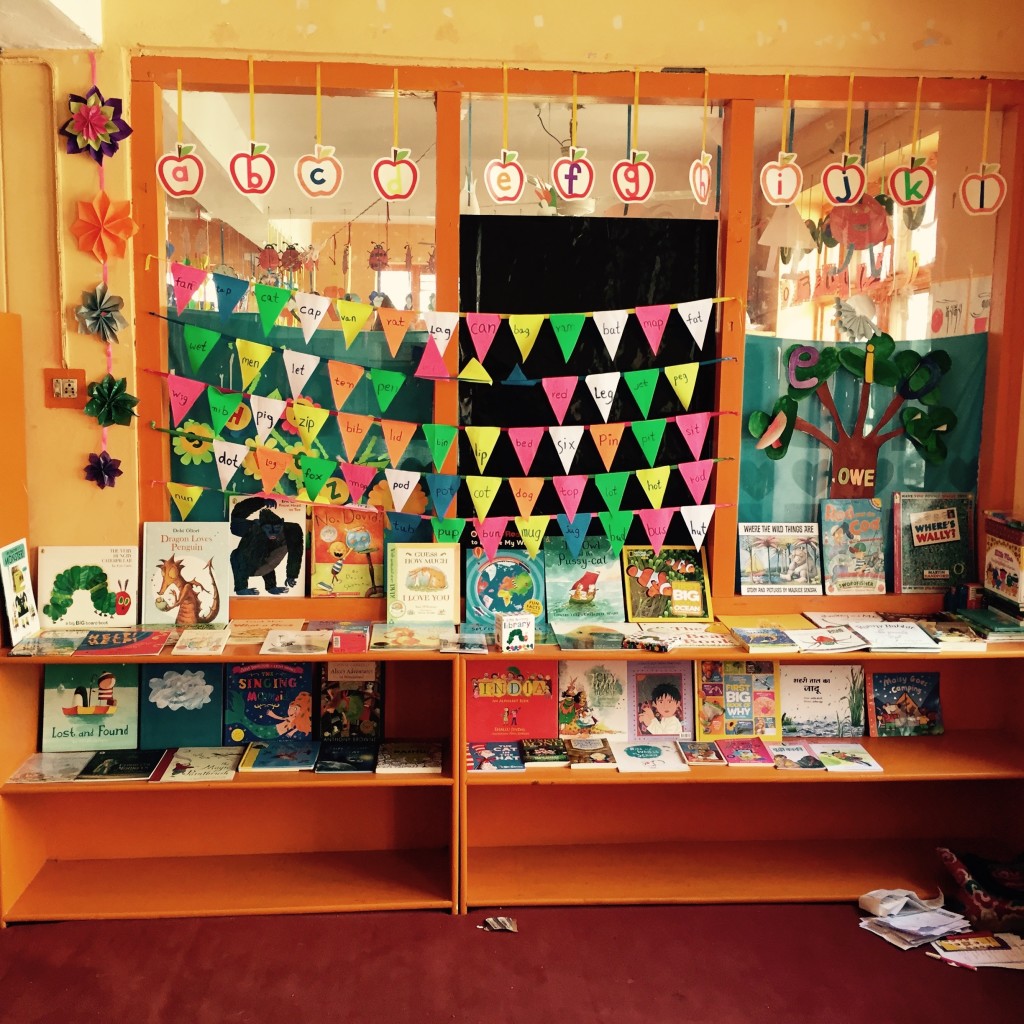
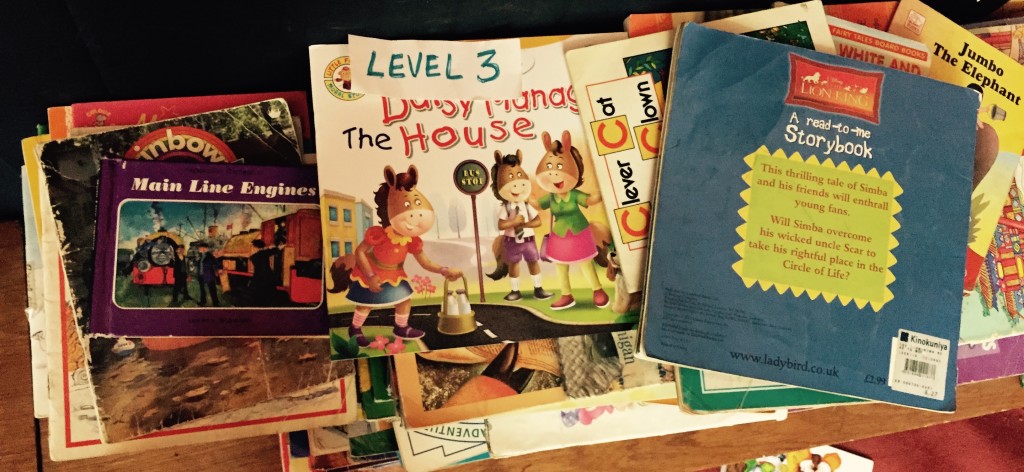
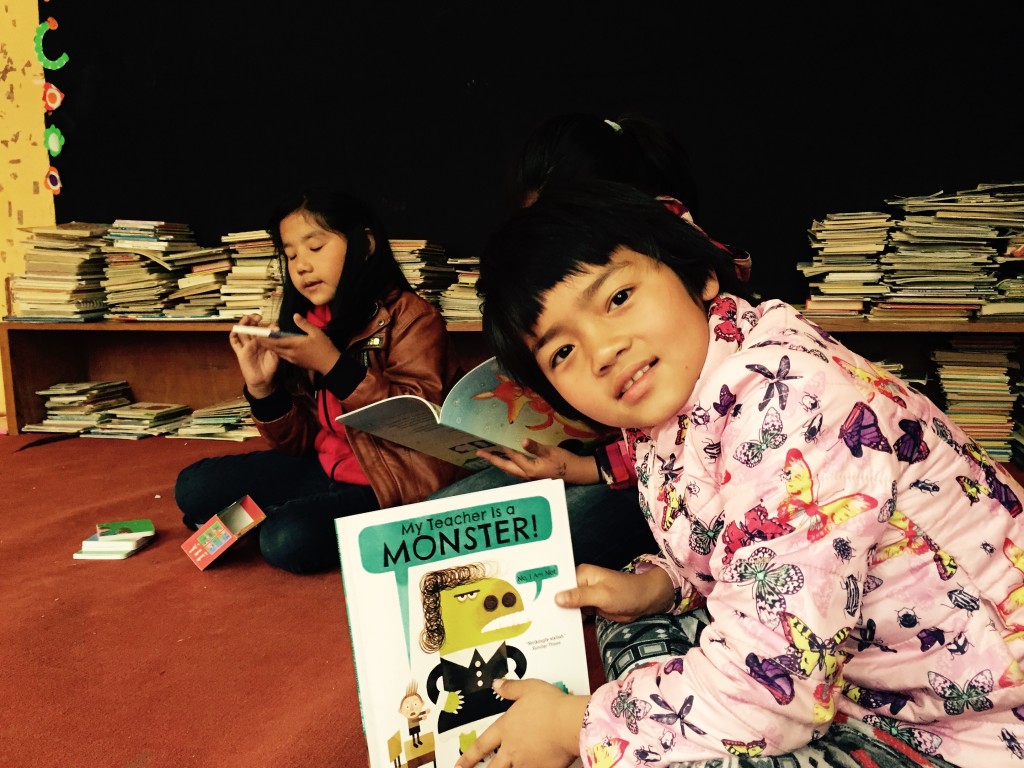
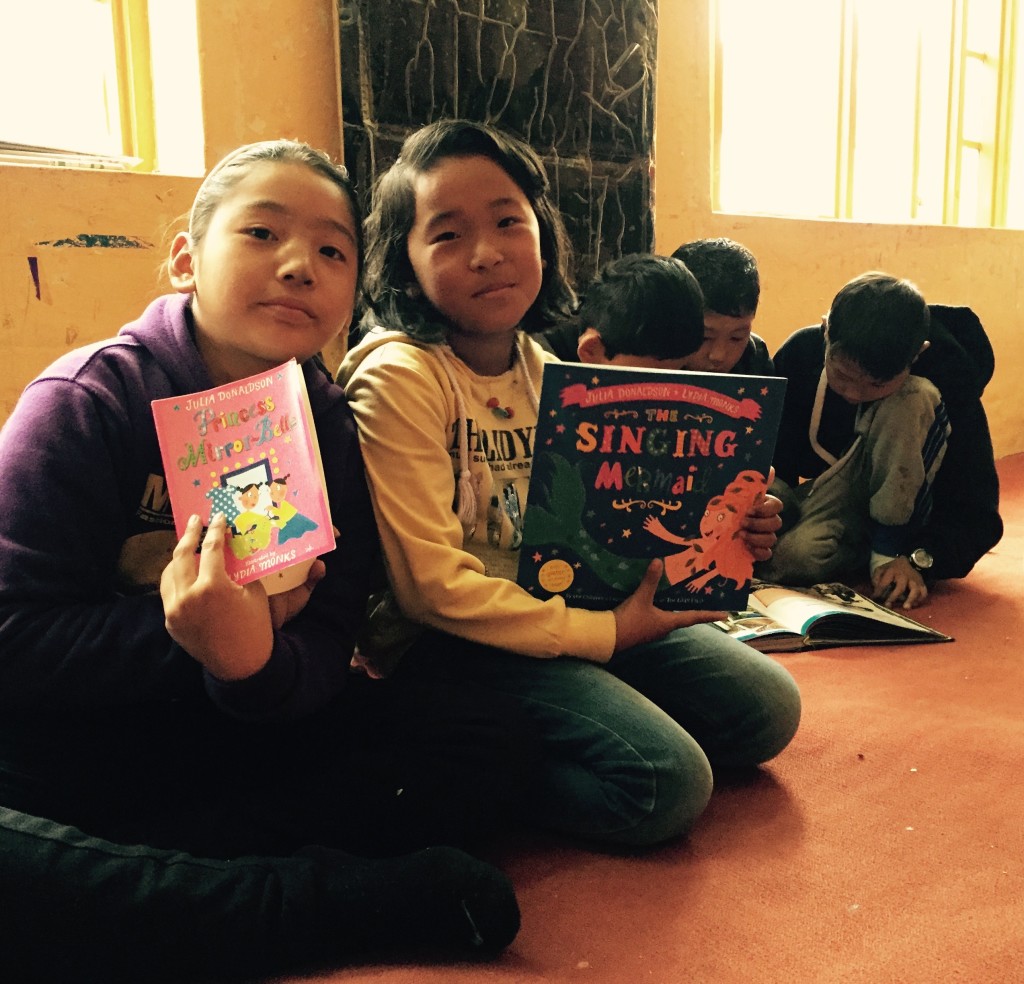
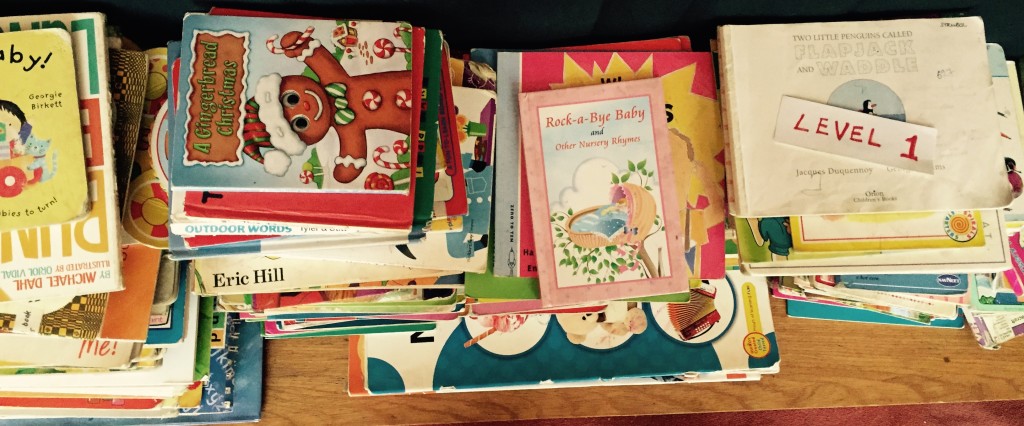
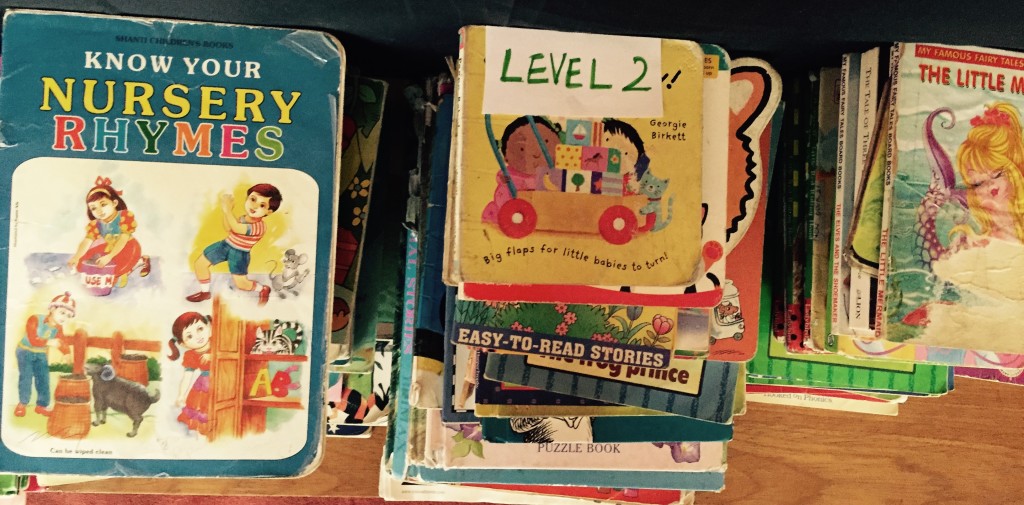
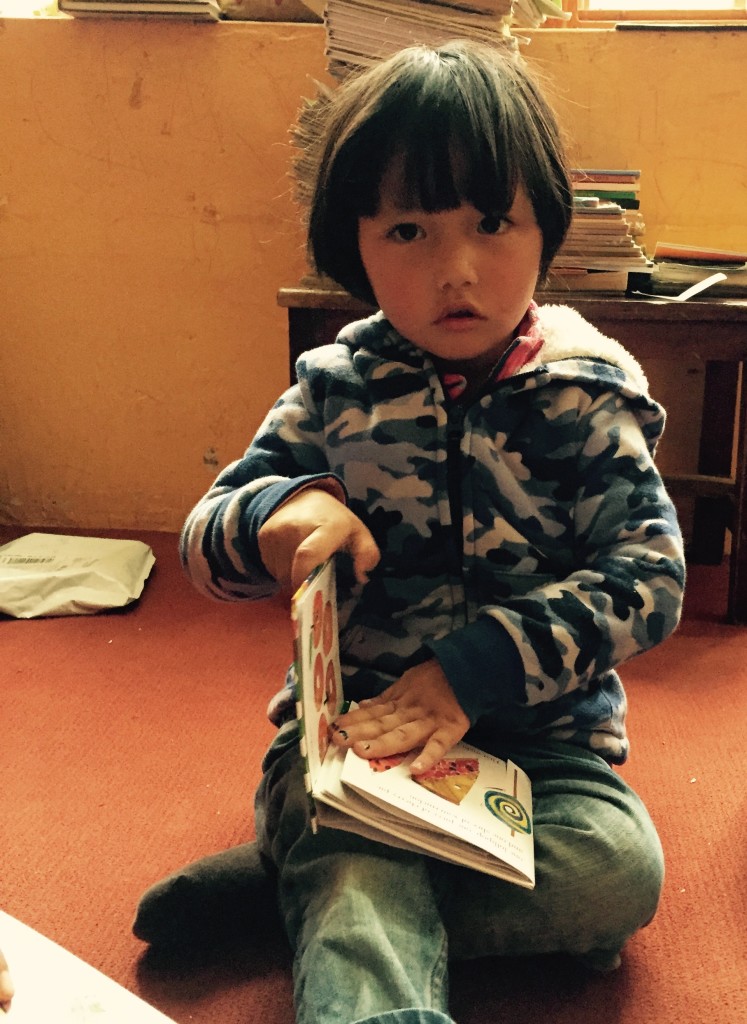
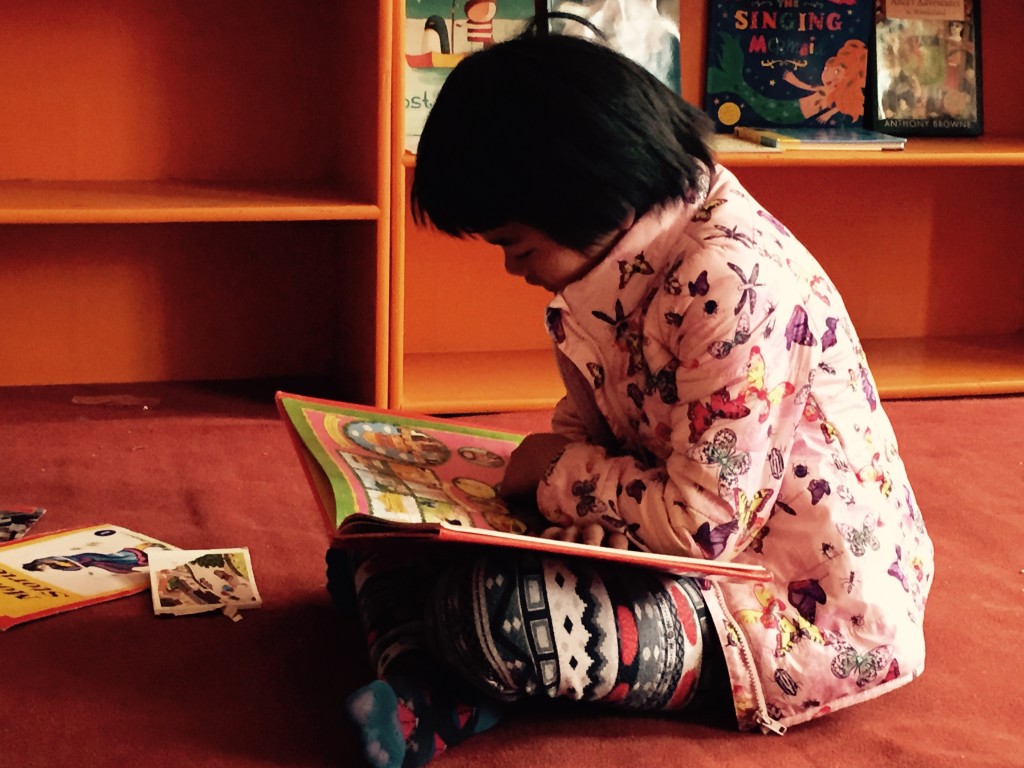
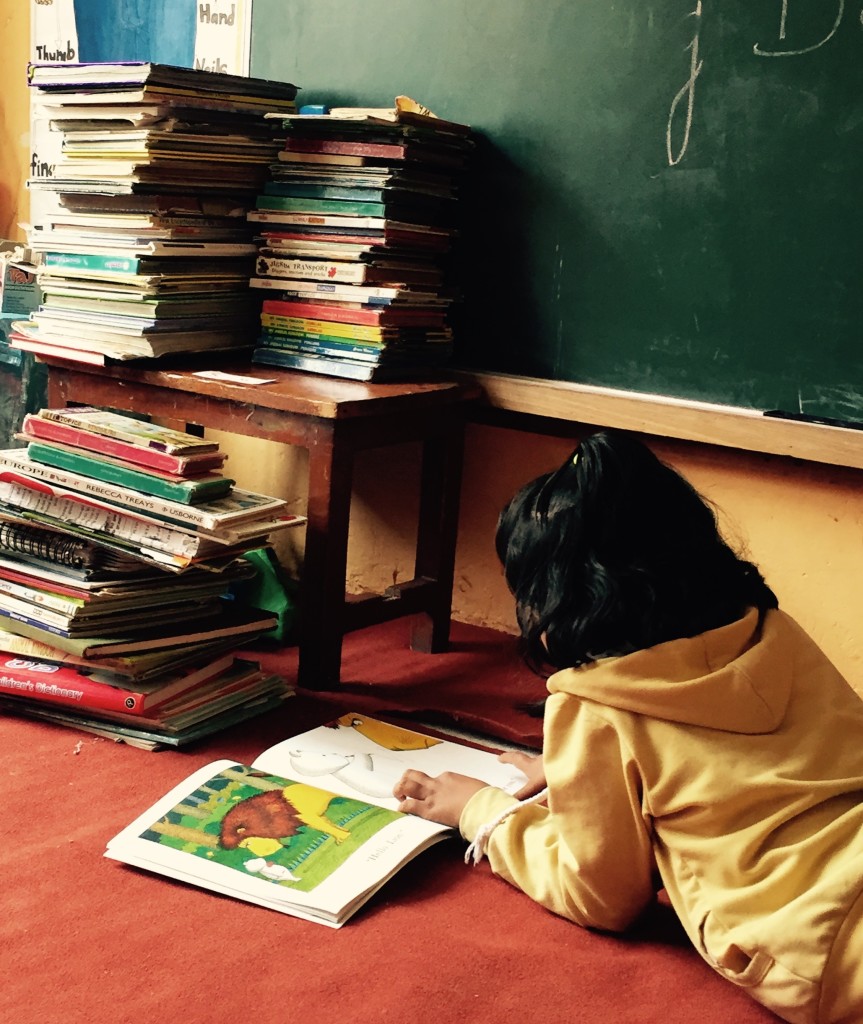
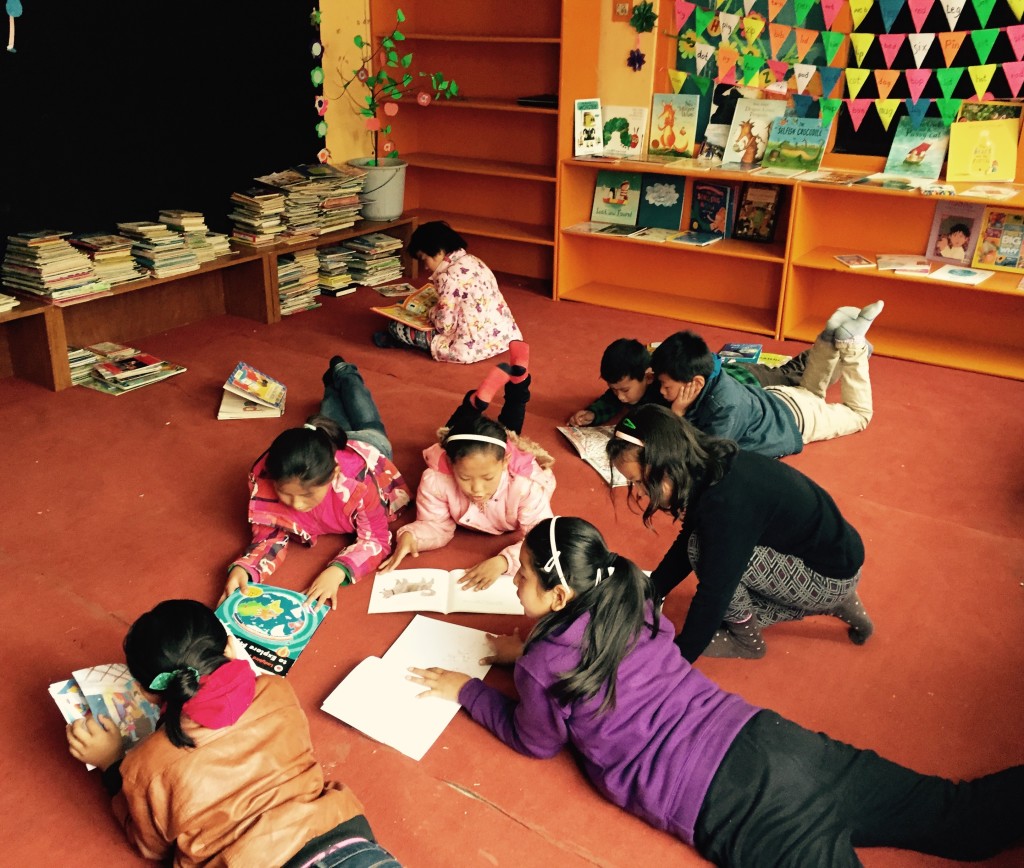
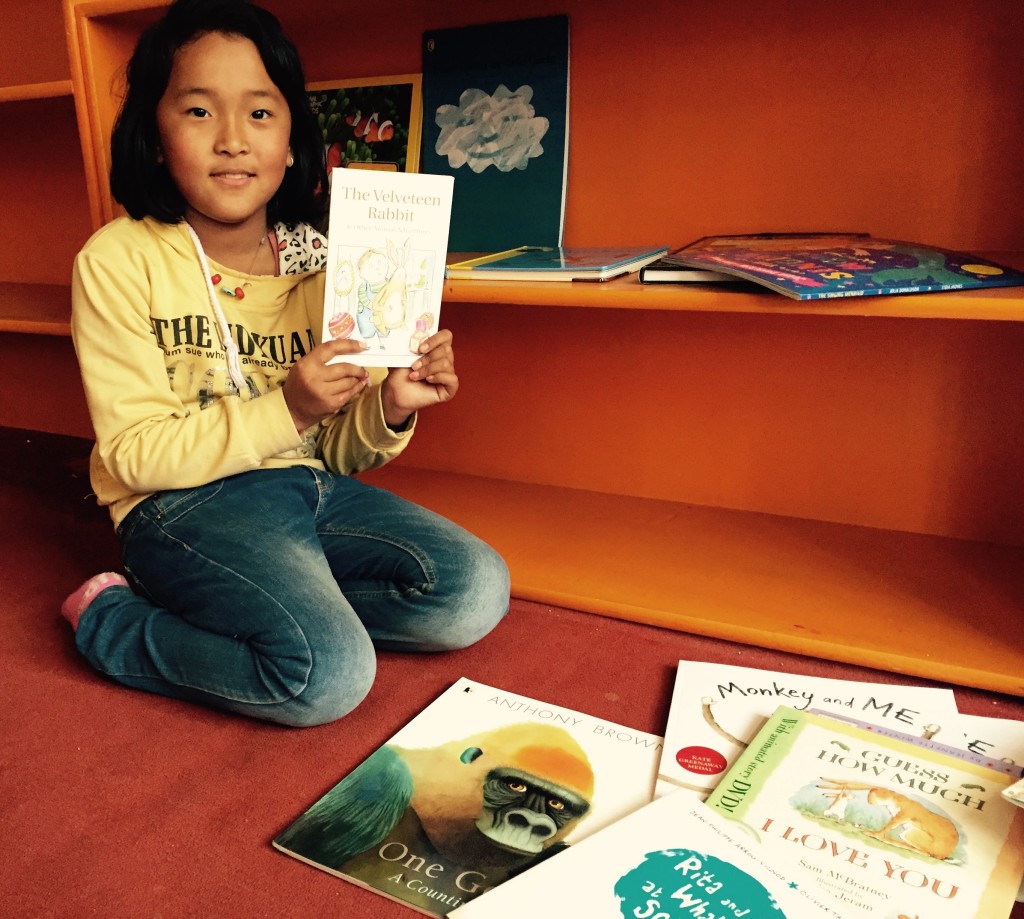
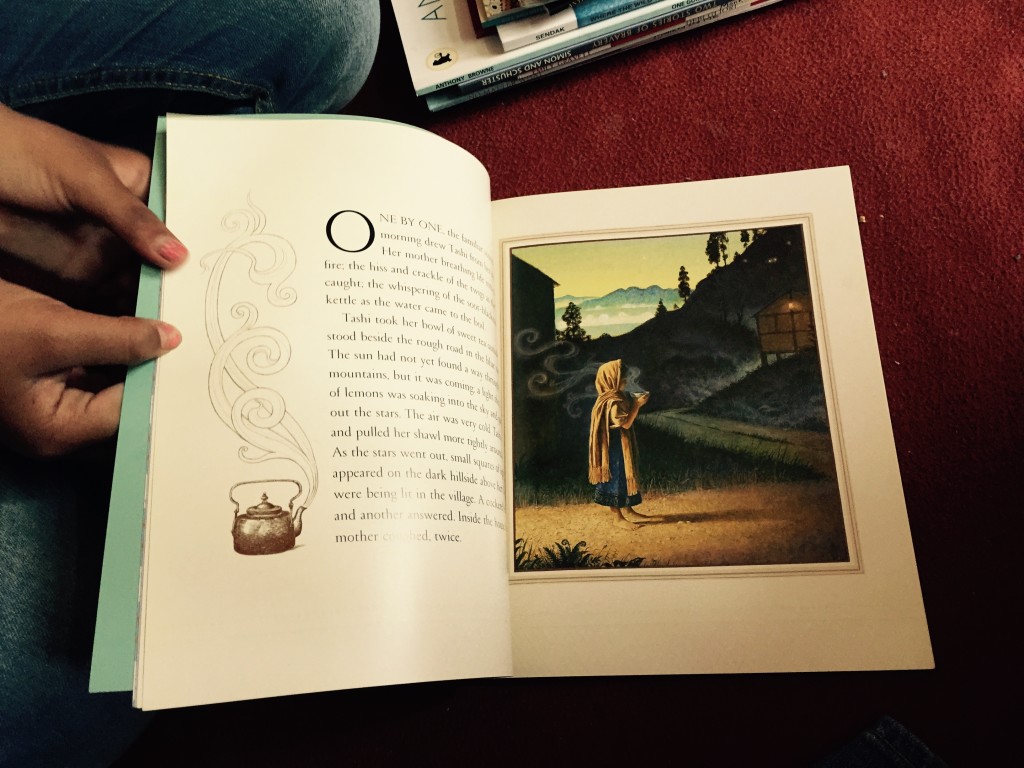
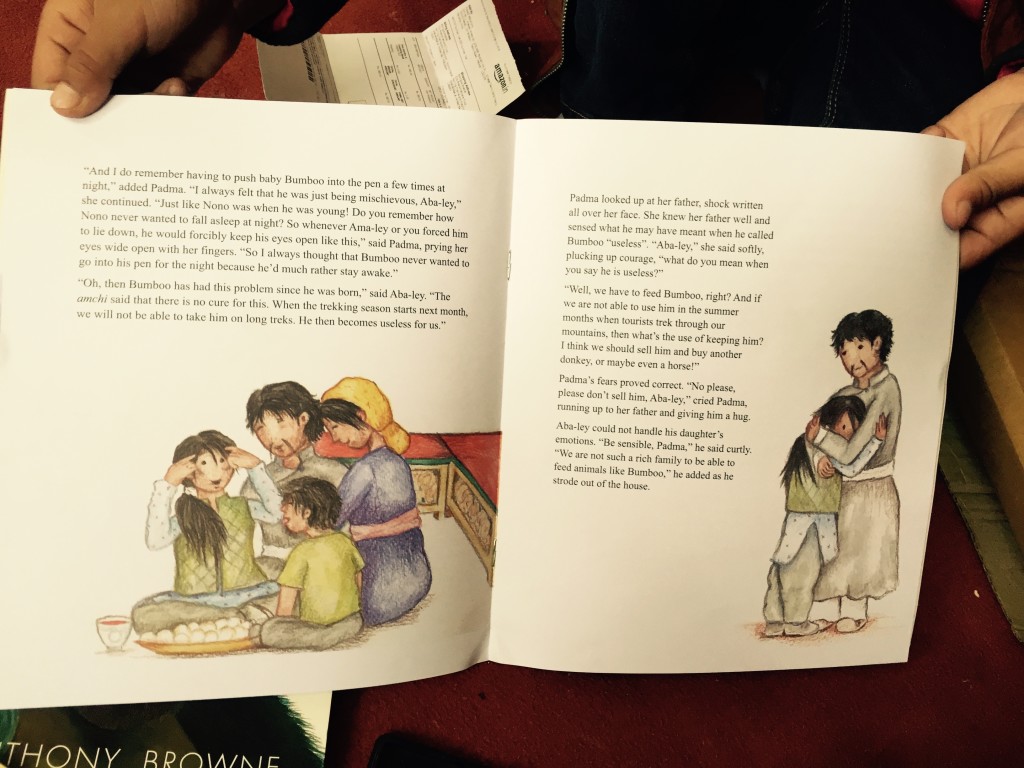
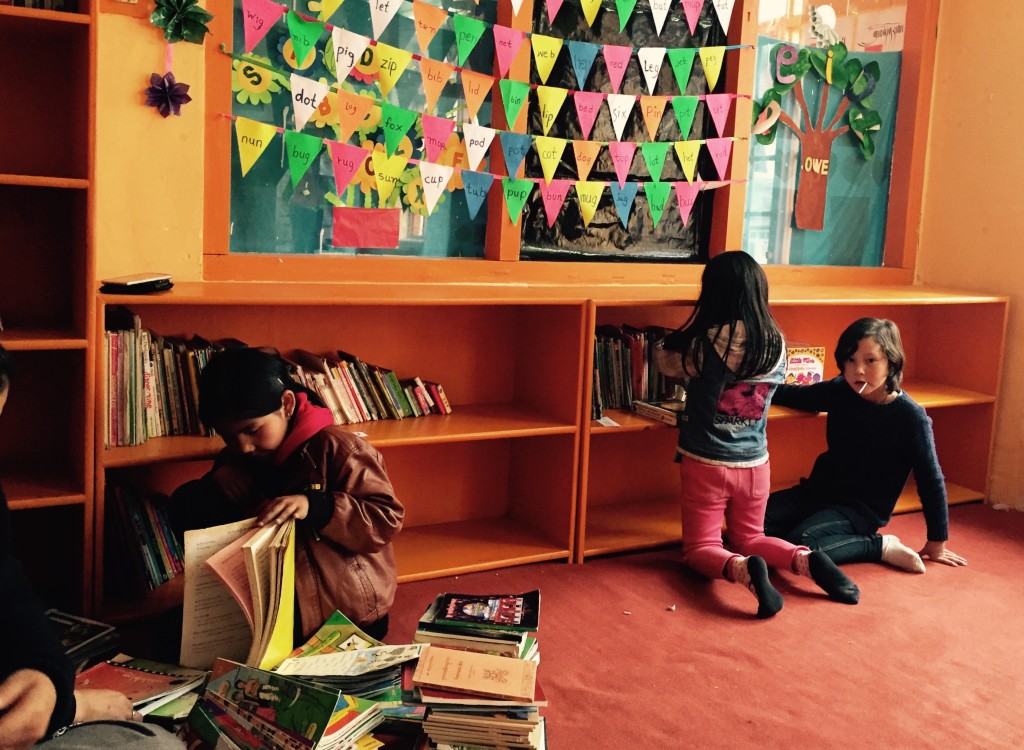
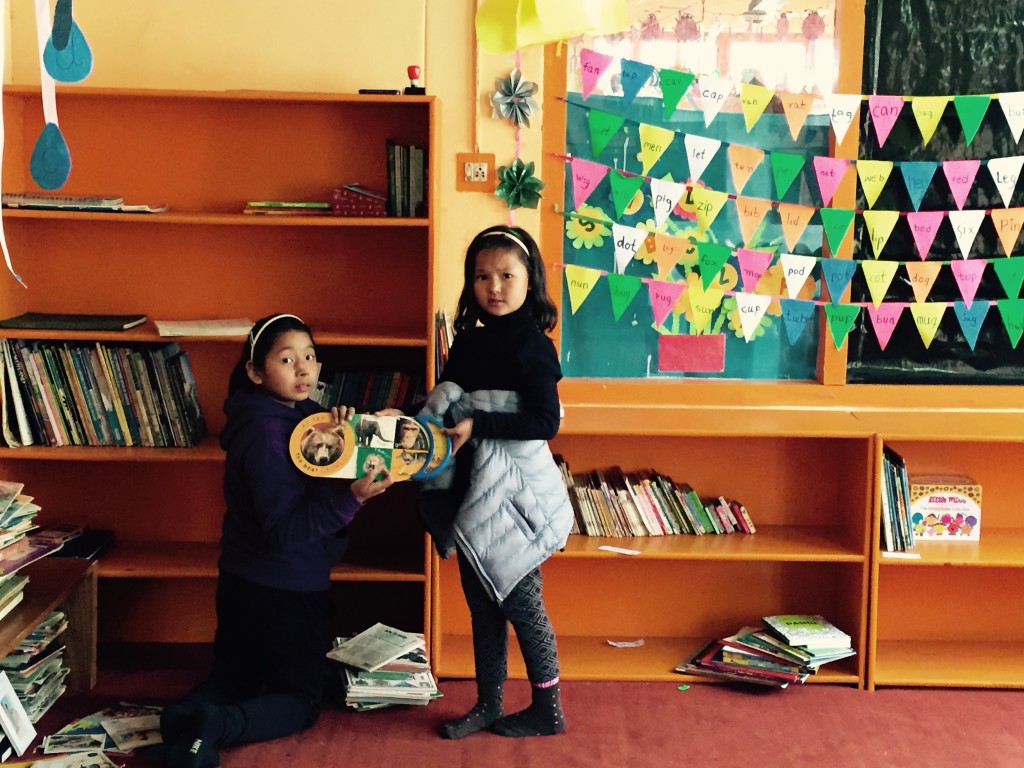
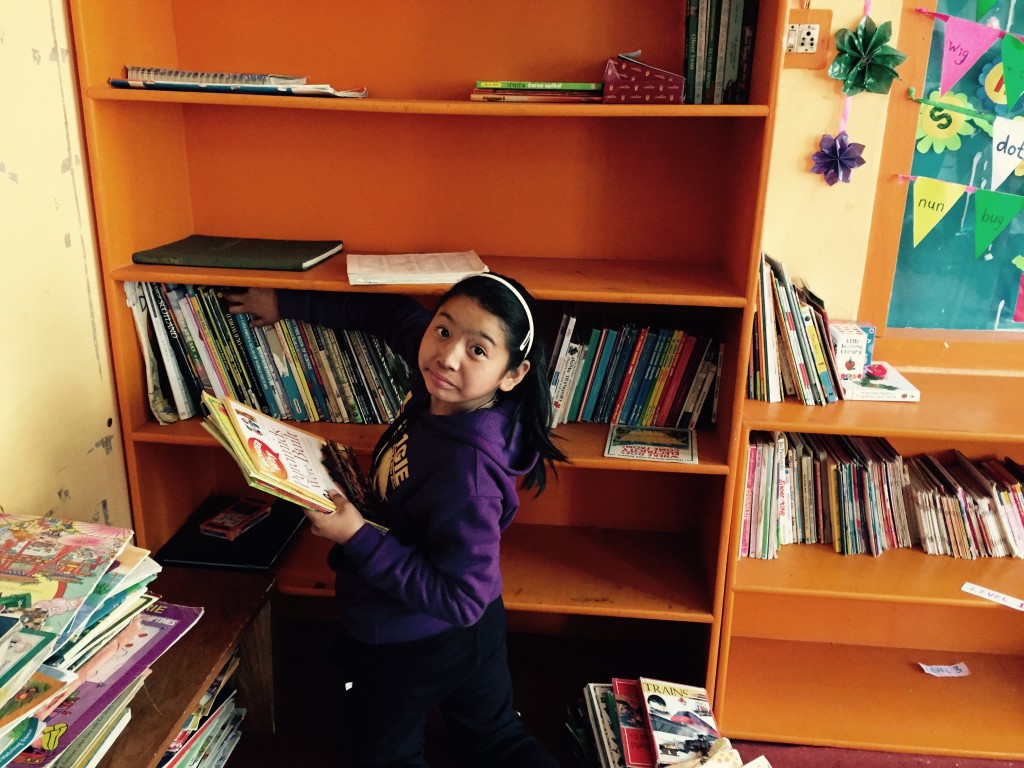
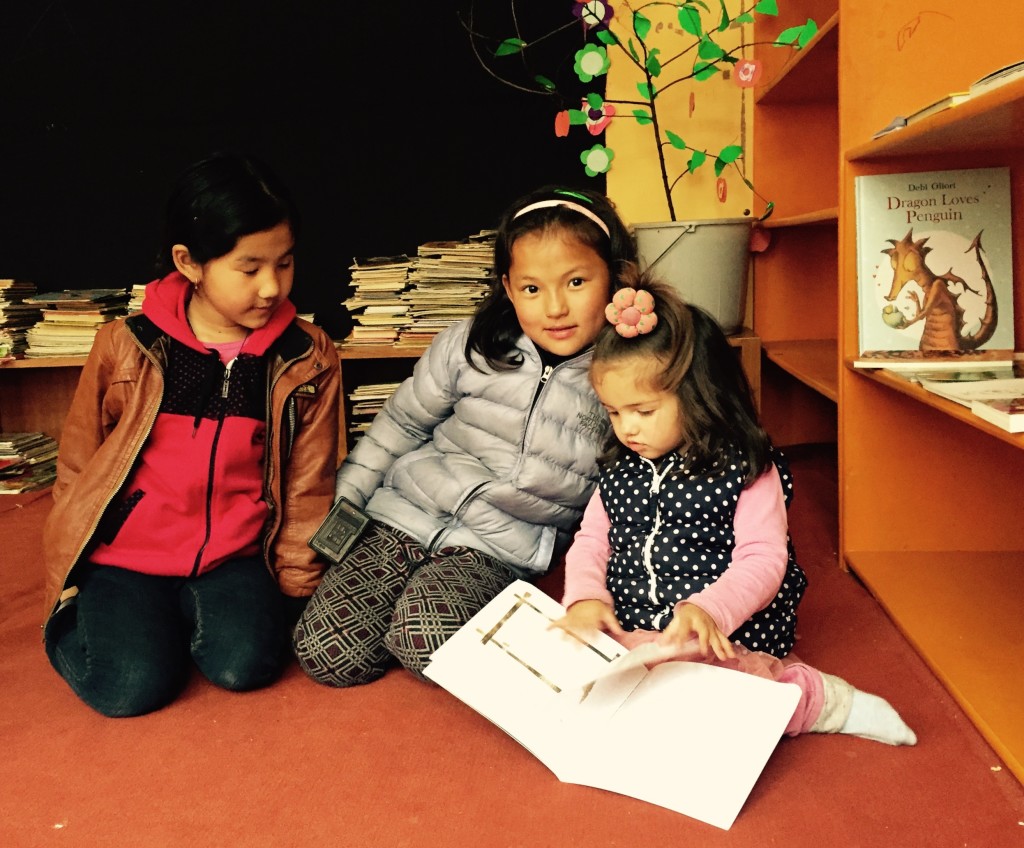
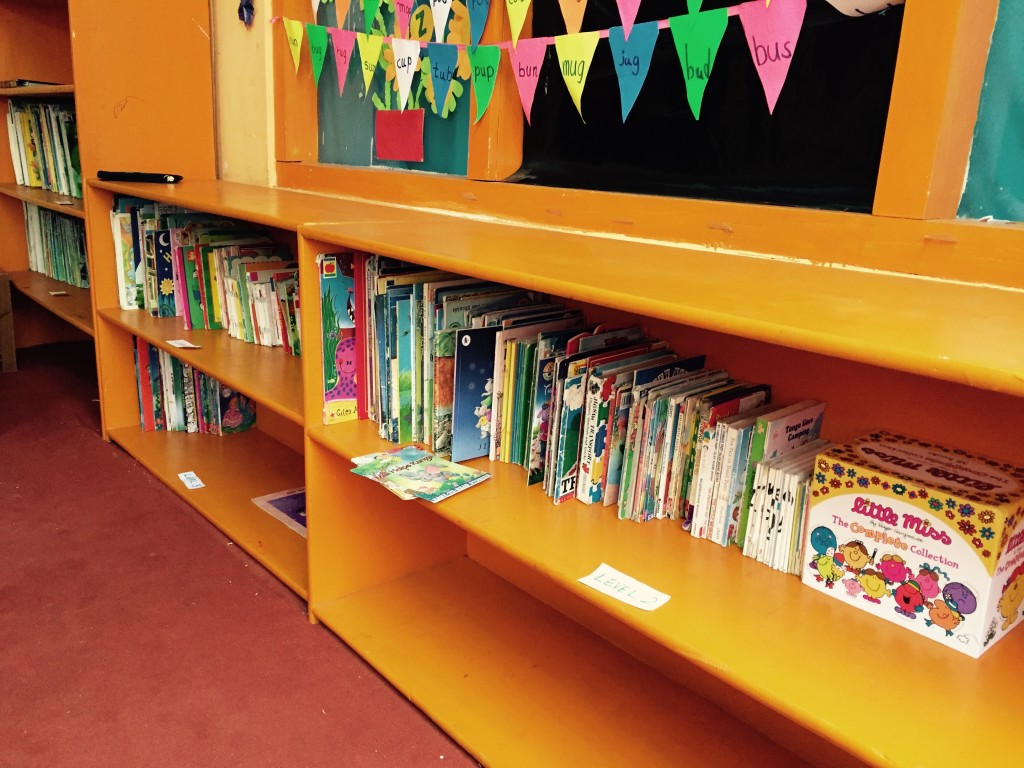
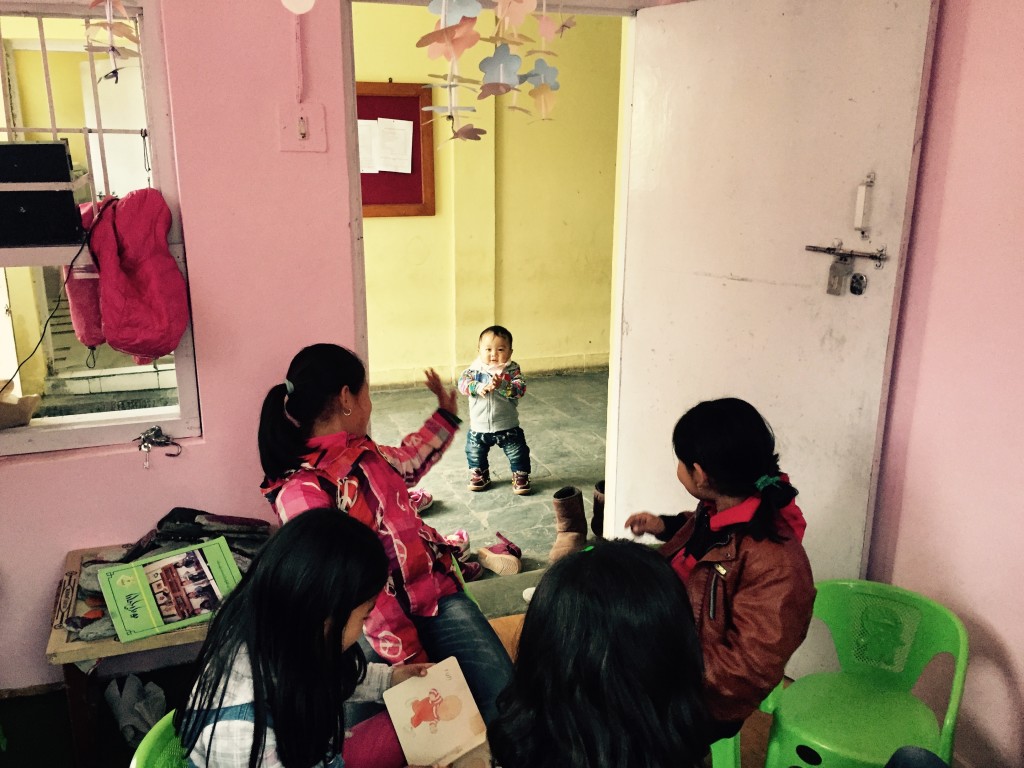
Reading rooms built and stocked by the Trust turn spare monastery rooms, community halls and village verandahs into inviting corners of books. The collections lean heavily on bilingual titles because the children themselves move constantly between languages. A typical morning might see younger readers gathering around an illustrated Hindi retelling of a Panchatantra fable while older students pore over an English translation, comparing how humour and rhythm shift from one tongue to the next.
Why Hindi and English together unlock literacy
Hindi serves as a working bridge across much of northern India, which is why so many regional storybooks are published in it. English, in turn, carries the global library and most higher education materials. A book that places both languages side by side gives a young reader the comfort of a familiar script alongside the challenge of a second one, almost the way a swimmer learns by trailing a hand along the pool edge.
The cognitive case is straightforward. Parallel text builds vocabulary faster than monolingual drills and encourages code-switching, a healthy mental habit that strengthens working memory. A child reading a Hindi-English edition of a Ramayana story can spot how a single metaphor stretches across two languages and absorb both meanings at once.
For young monks, the pairing carries a vocational edge. Many go on to monasteries in Himachal Pradesh, Karnataka or Nepal, where instruction happens in Hindi or English. Reading folk tales, modern adventures and translated Buddhist stories in both languages prepares them for that mobility. For laychildren, the same books feed dreams of becoming teachers, nurses, mountaineering guides or tour guides in the economy that sustains Ladakh.
What bilingual shelves offer that monolingual ones cannot
A reading room stocked only in one language inevitably plays favourites. Children fluent in that language race ahead, while others hang back or drift away. A bilingual Hindi-English collection changes the geometry of the room, because every title now has at least two readers ready to claim it.
| Collection type |
Strengths |
Limits in a Himalayan reading room |
| Hindi only |
Wide choice of titles, familiar script for many |
English learners excluded, weaker bridge to higher study |
| English only |
Direct access to global literature, exam support |
New Hindi readers cannot anchor comprehension |
| Hindi and English combined |
Two entry points per book, shared family reading, vocabulary in both languages |
Higher sourcing effort, larger storage footprint |
These trade-offs are what librarians and volunteers weigh when planning a donation. The combined collection, while harder to assemble, is the one that travels best to remote regions because one title serves several reading levels and language backgrounds at once.
How reading rooms reshape daily learning
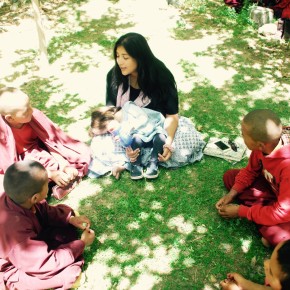
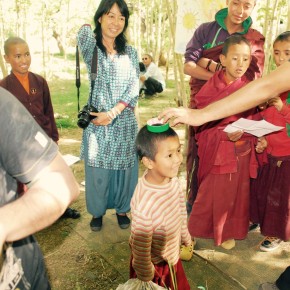
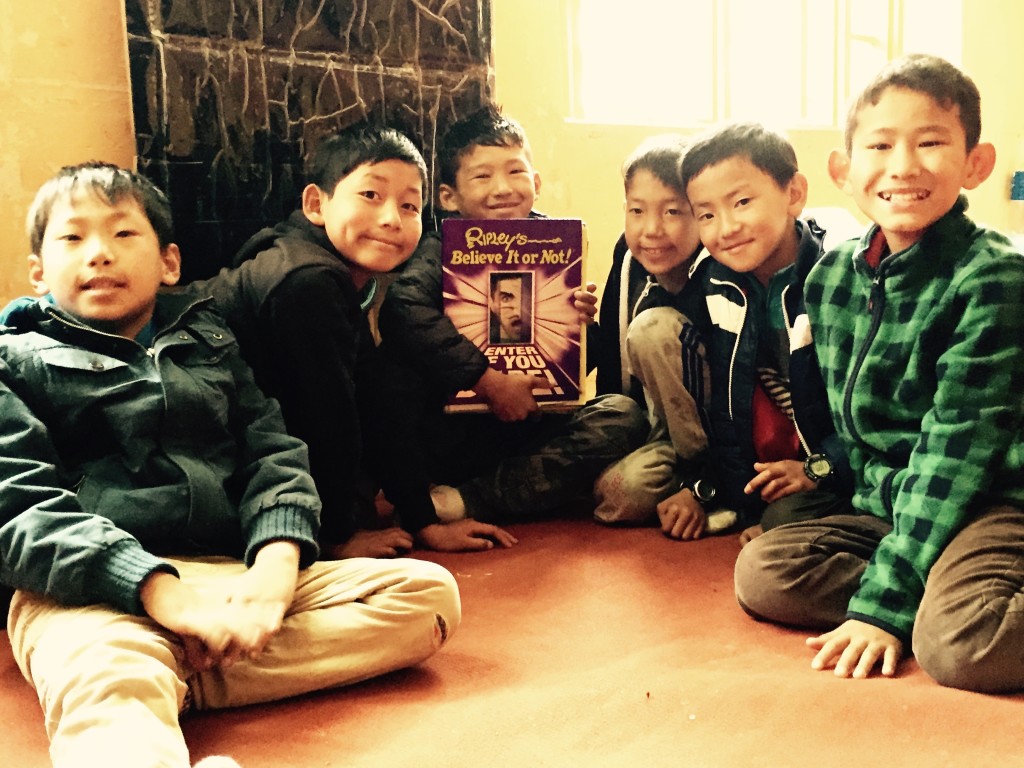
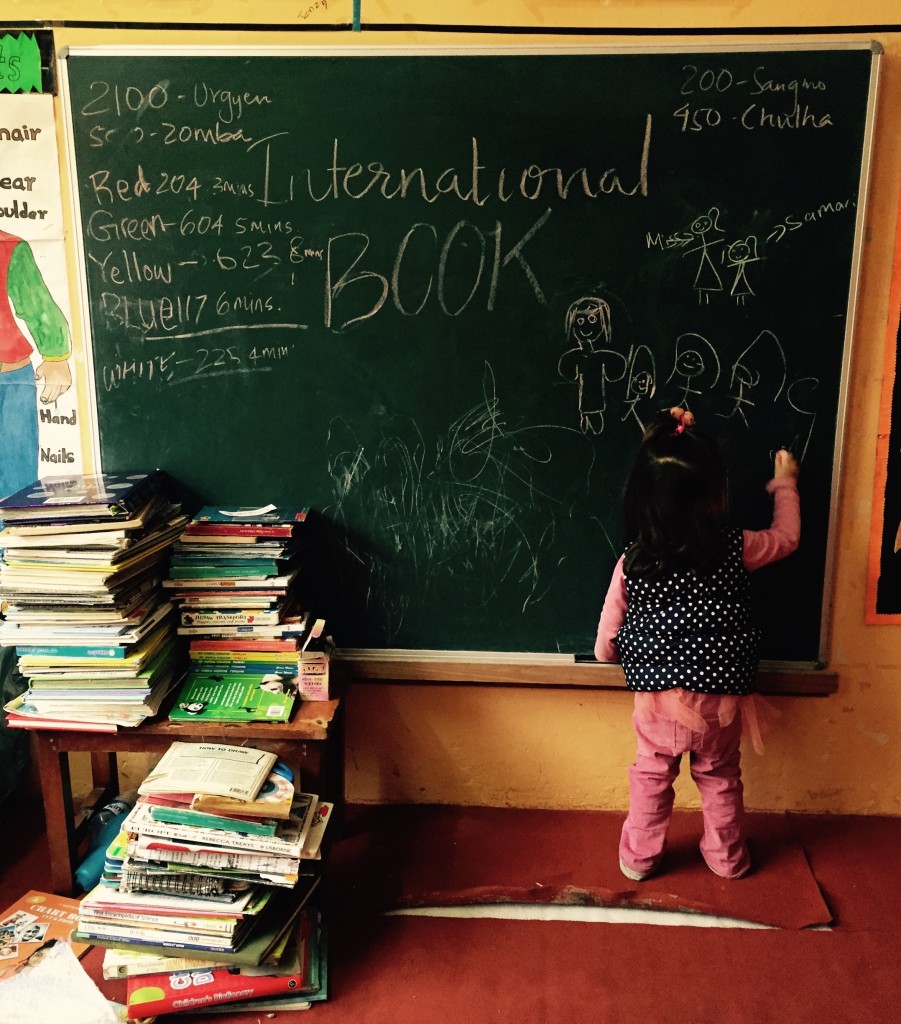
The Avalokiteśvara Trust's reading rooms function less like quiet stacks and more like shared workshops. The Trust runs them in partnership with village leaders and monastic administrators, and the rooms become a regular stopping point on the way to and from school. Younger readers often arrive in clusters, settling into cushions to chant the Hindi refrain of a story before quietly reading the English version alone.
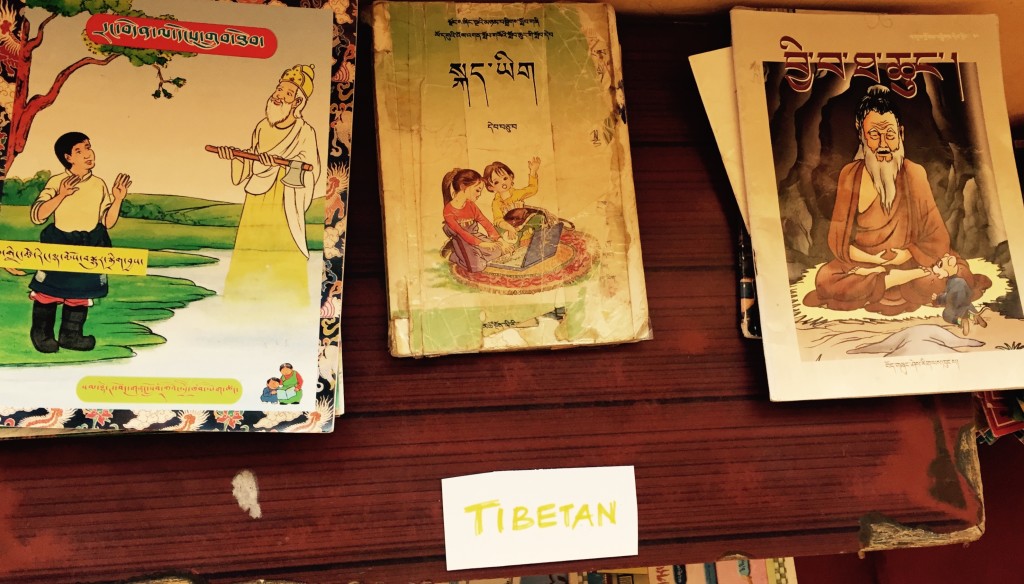
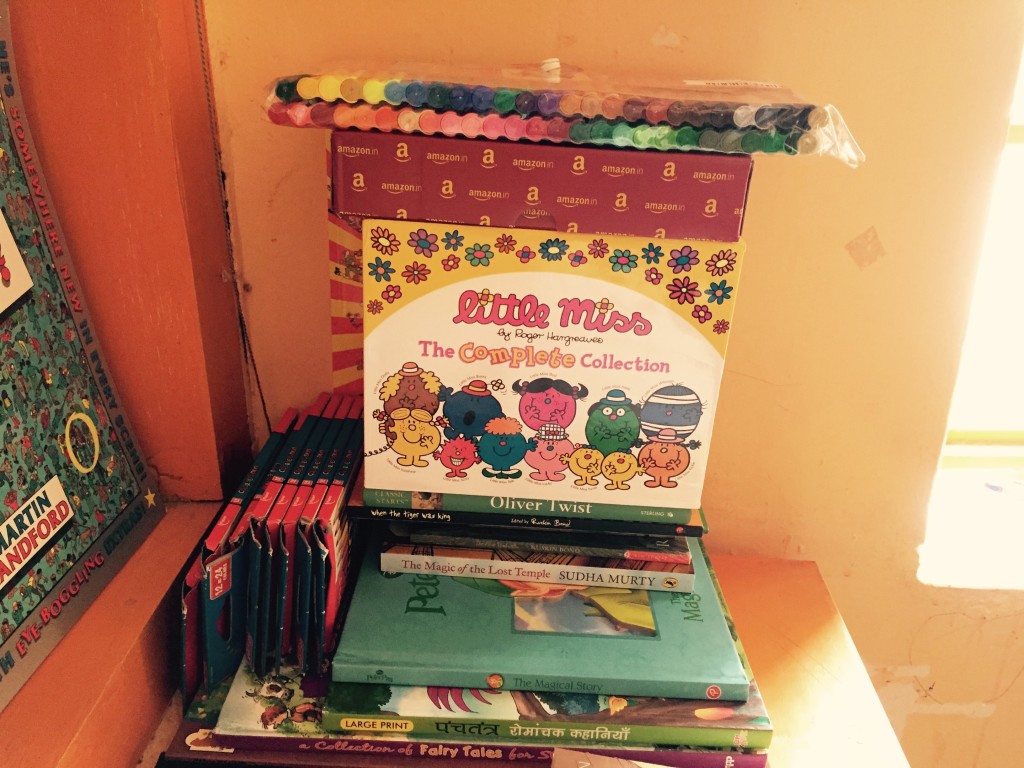
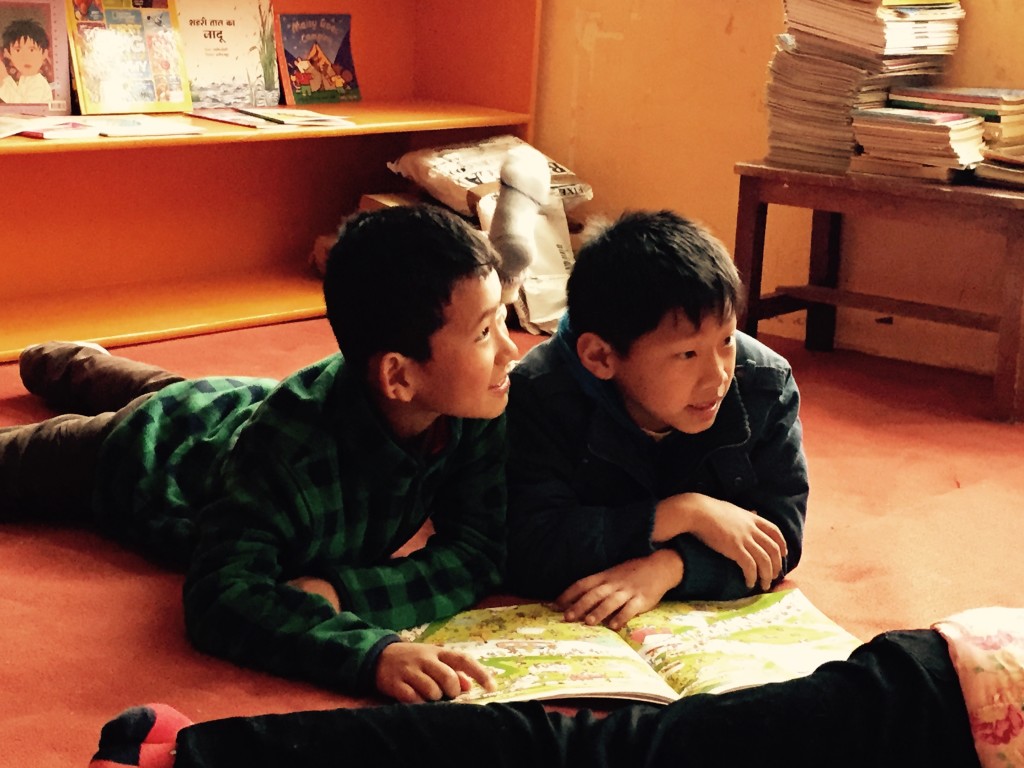
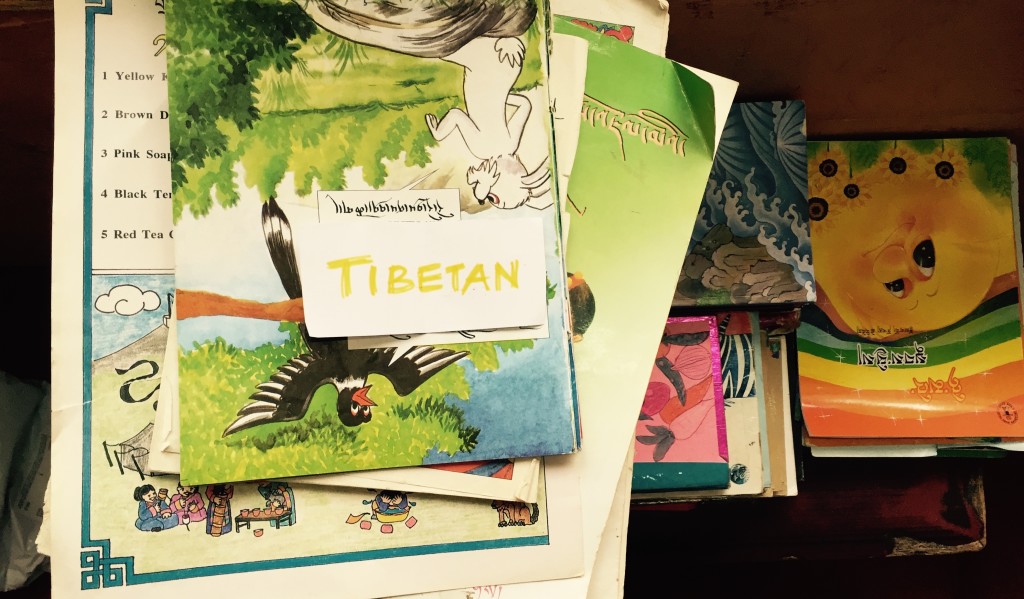
Volunteers notice how quickly children return for favourites. A bilingual edition of a Tibetan folk tale, a Hindi-English retelling of a Panchatantra fable, or an English picture book by an Indian author tends to disappear from the shelves within days, only to reappear worn at the corners and underlined in pencil. Even reluctant readers will pick up a story once they realise they can read half of it without help, with the other half waiting patiently on the facing page.
Over time, the reading rooms become small cultural exchange points. A child who reads an English story may retell it in Ladakhi to a younger sibling, while a young monk may compare a Hindi passage with a Tibetan commentary in the next room. Books donated from outside the region quietly expand the linguistic space the children move through every day.
The Australian connection to Himalayan literacy
The bridge between the two regions runs through people as much as through paper. Indian-Australian families in suburbs such as Harris Park, Lakemba, Dandenong and Footscray often keep Hindi and Punjabi libraries that grew alongside their English ones, and many are keenly aware of how much those books shaped their own childhoods. Diaspora associations in Sydney, Melbourne, Brisbane and Perth regularly organise cultural events, Diwali gatherings and language classes where children's literature is in constant demand.
State and council libraries in New South Wales and Victoria stock Hindi-English picture books alongside Dharug and Pitjantjatjara story collections, treating multilingual reading as a national asset rather than a niche interest. The Trust's reading rooms borrow from this philosophy, scaling it down for environments where every shelf must earn its place. When Australian families donate their own outgrown Hindi-English titles, the books travel further than they ever could in a suburban garage sale.
Choosing books for a bilingual donation drive
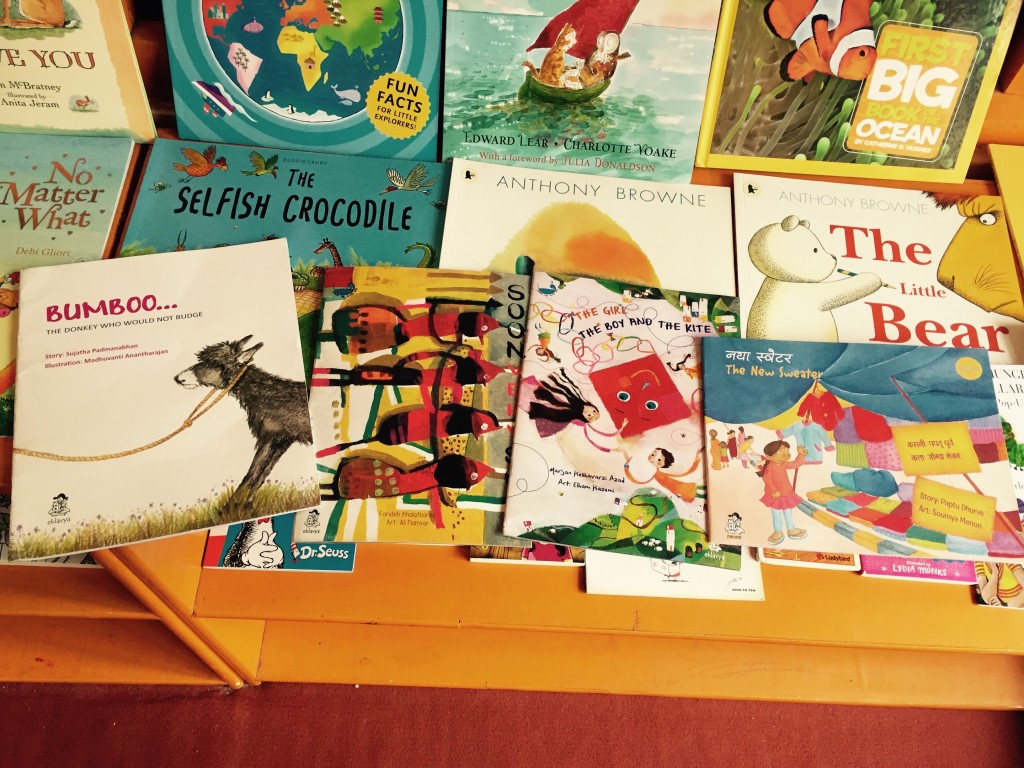
A thoughtfully chosen bilingual title can serve a reader for years, while a poorly matched one may gather dust. Volunteers and librarians assembling crates for the Trust tend to favour books that share their story across both languages clearly, rather than as a small English footnote at the back.
- Parallel layout with Hindi and English visible on facing or adjacent pages so a reader does not have to flip back and forth.
- Large, clear typography and generous spacing, since books often travel between many small hands in low light.
- Illustrations that carry the story even when the text feels difficult, helping pre-readers and hesitant readers participate.
- A balance between folk tales rooted in the region and contemporary stories, so children see their world reflected alongside wider horizons.
- Durable stitched bindings and laminated covers, because crates journey on footpaths, jeep routes and mountain buses.
- Content that respects the religious and cultural rhythms of the communities, including stories drawn from Buddhist, Hindu and secular traditions.
- Age ranges that match the reading room's mix of younger children and adolescent monks, since both groups deserve material pitched to them.
Sourcing such books in Australia is easier than many donors expect. Specialist online stores, Indian community bookshops in Harris Park and Dandenong, and school and library clearance sales can together fill a sturdy crate for a fraction of the cost of a new library set.
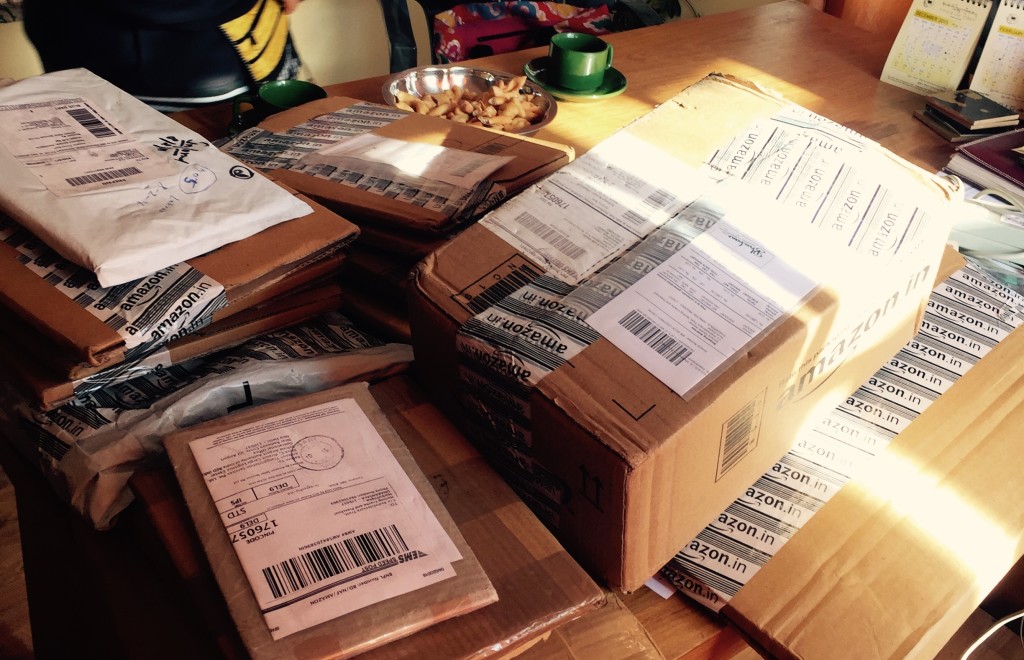
Across the mountains, summer is brief and road access even briefer, which means crates tend to leave Australia in late autumn or early spring to arrive before winter closes the passes. A small group of families in a Sydney or Melbourne suburb can clear a shelf, pool freight costs through a local temple or Hindi-language school, and post a single labelled crate through the Trust's partner channels in time for the next reading-room refill.