donated cello finds its voice in a mountain orchestra
A cello has no business in a place where the air thins at 3,500 metres and the nearest piano tuner flies in once a season. Yet that is exactly where this particular instrument ended up, after a chain of small decisions carried it from a suburban Australian lounge room to a rehearsal hall tucked into a Himalayan valley. The story of how it arrived says as much about community generosity as it does about the young musicians who now draw its bow across Ladakhi folk songs.
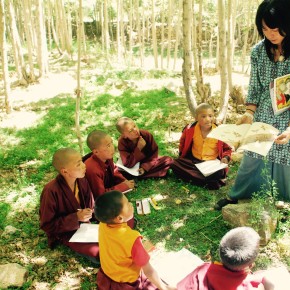
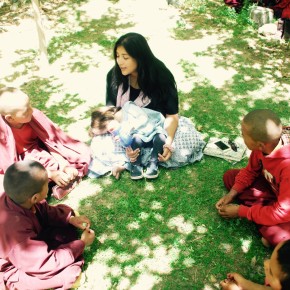
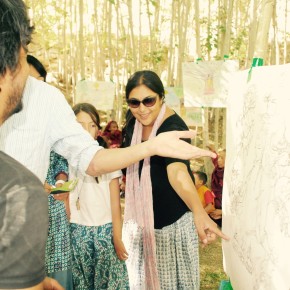
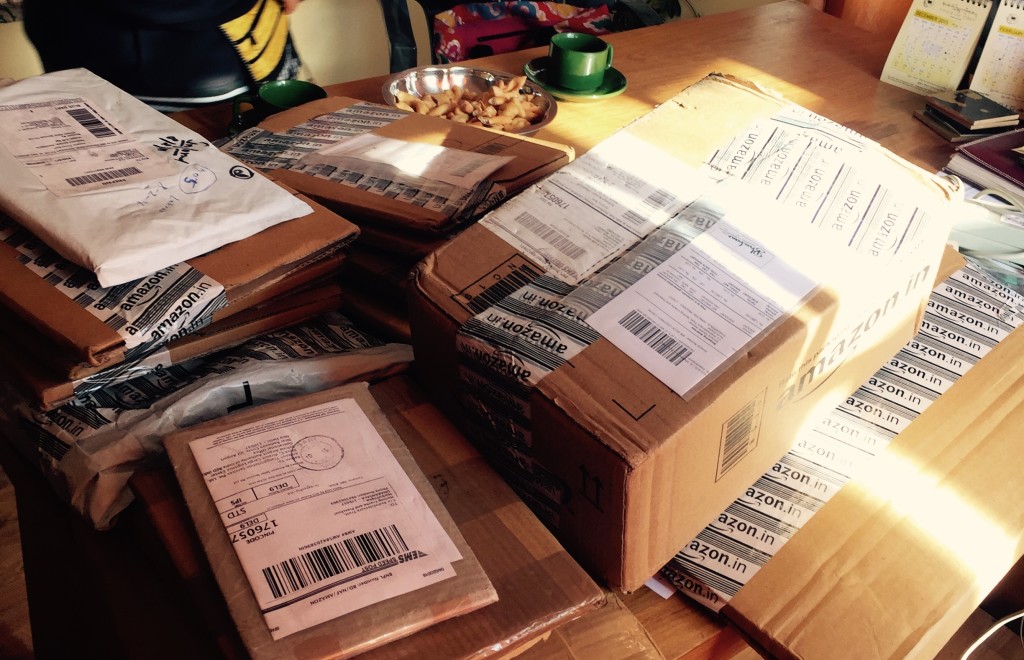
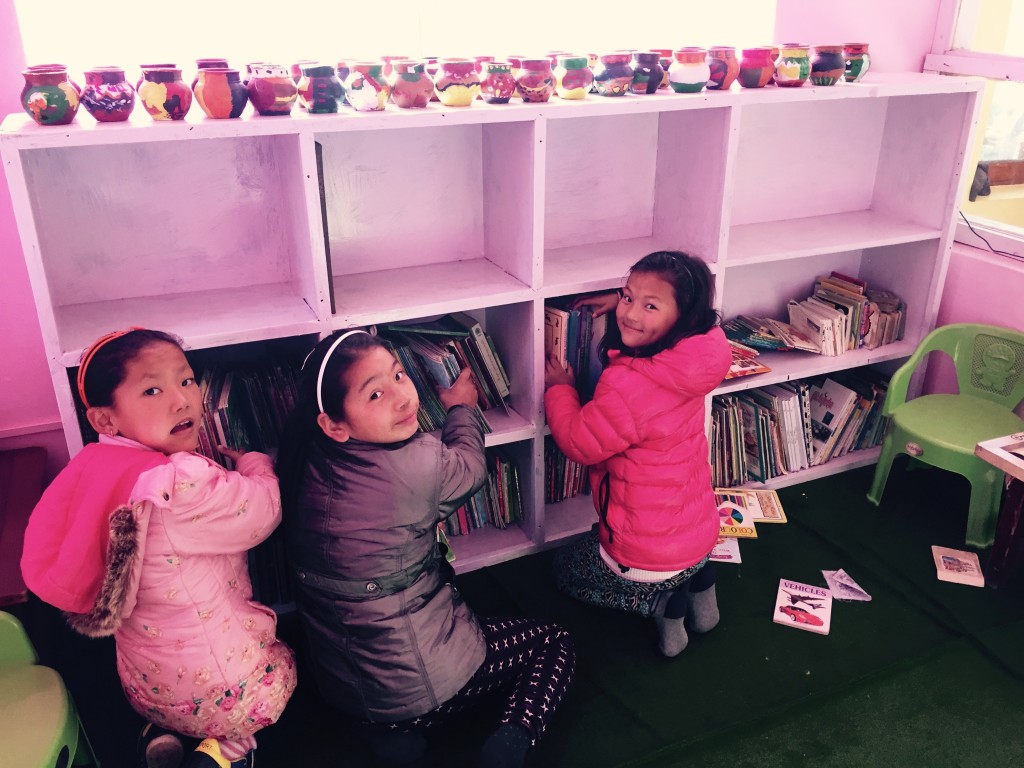
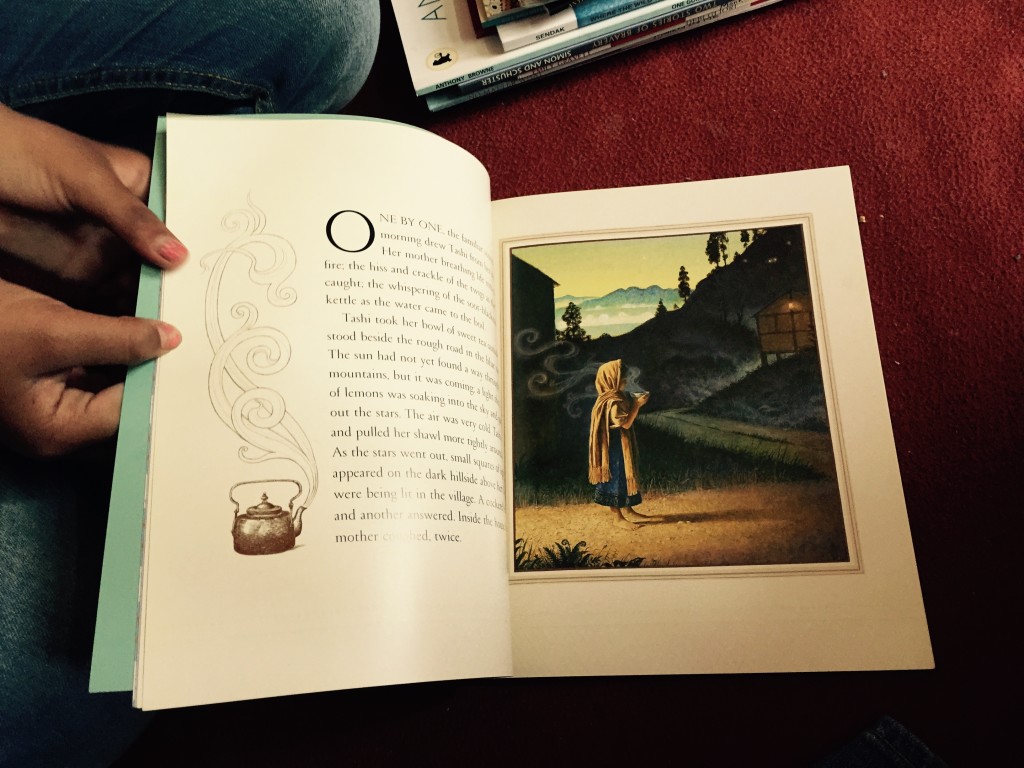
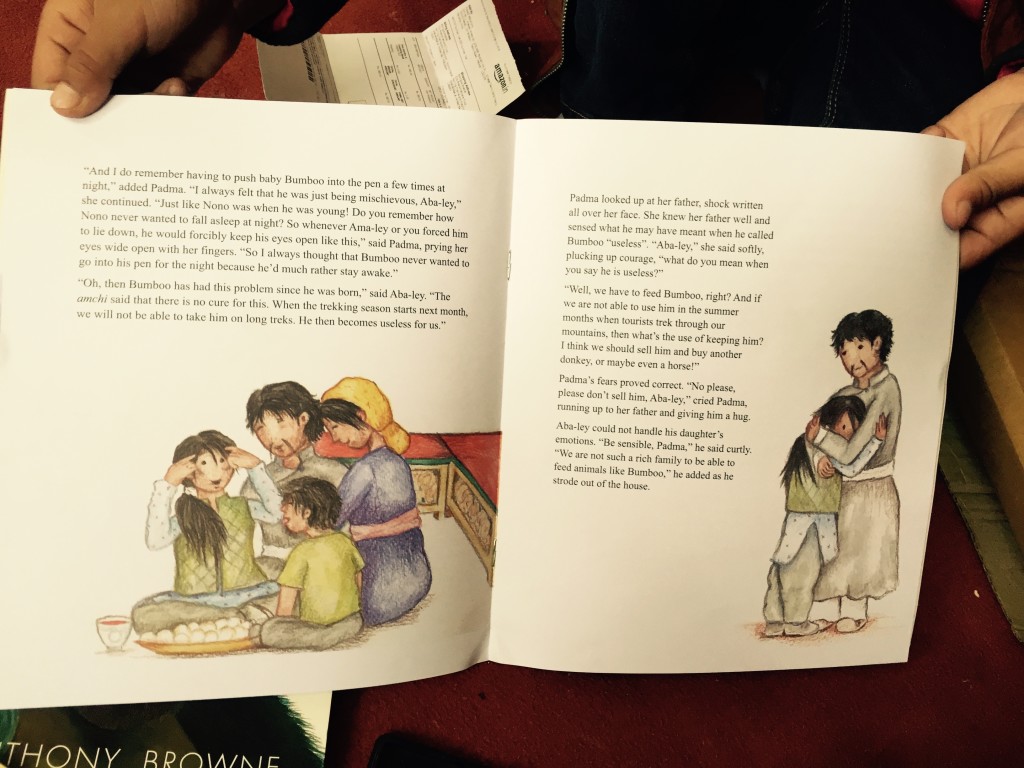
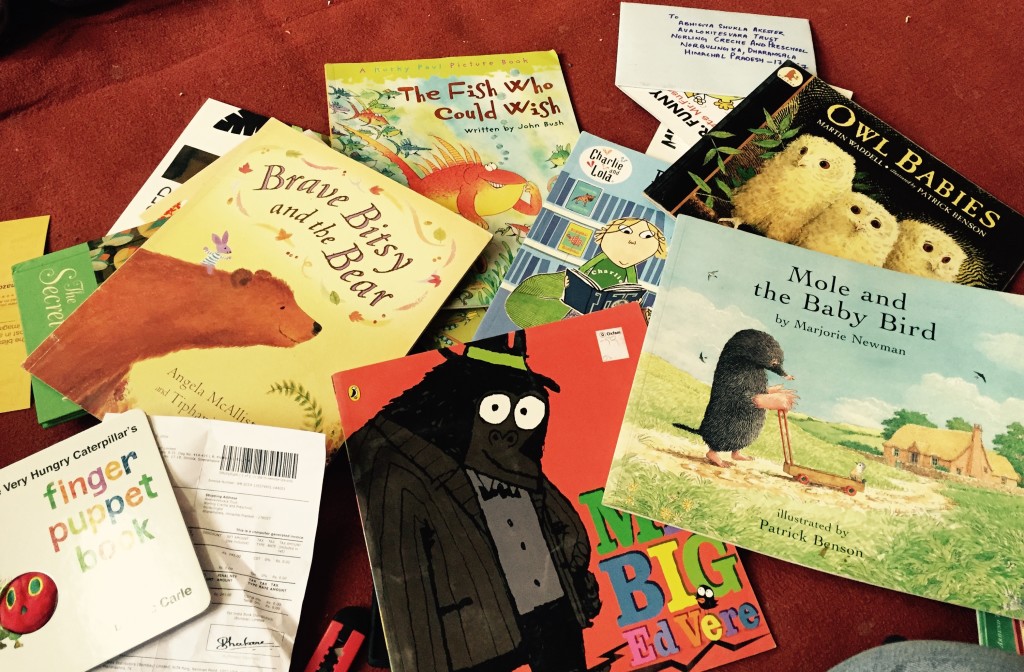
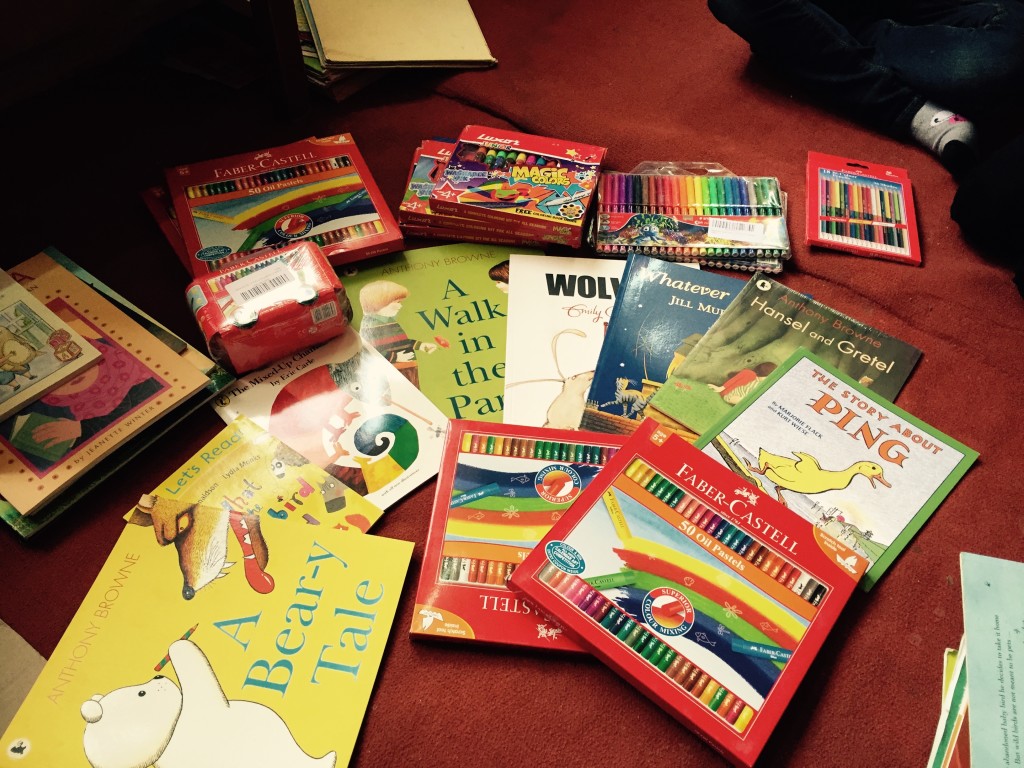
The Avalokiteśvara Trust has long worked to bring books, art supplies, and instruments into remote communities where children often learn without the tools urban students take for granted. Musical instruments in particular tend to arrive through personal connections, hand-carried donations, and the kind of logistical goodwill that rarely makes it into a grant report. A cello is heavy, fragile, and expensive to move, and the path it took to reach its new owners is worth tracing.
From a Brunswick lounge room to the cargo hold
The cello belonged to a retired music teacher in Brunswick, a Melbourne suburb known for its terrace houses, laneway cafes, and the kind of persistent drizzle that sends locals ducking into the pub for a mid-arvo pint. After her own children stopped practising, the instrument sat under a window collecting dust. She had seen a short piece on the ABC about literacy projects in Ladakh and, on a whim, emailed the Trust to ask whether a cello might be of use.
Within a week she had a reply explaining that string instruments were in short supply, that the children preferred them because they could be carried outdoors without losing tuning, and that yes, the cello would be welcome. The teacher booked a courier, paid for a custom hard case, and watched the instrument disappear down the street. From there it travelled through Singapore, Delhi, and Leh before being driven over one of the highest motorable passes in the world.
The slow climb to Leh and beyond
Transporting a cello at altitude is not quite the same as shipping a box of picture books. Stringed instruments react to pressure changes, dry air, and rough roads, and a cello that has spent its life in a temperate climate can crack on the first night in a high-altitude guesthouse. The Trust's volunteers in Leh knew this, and they let the instrument rest for several days near a wood stove before letting anyone touch it.
Funding such a journey is rarely glamorous, especially in a country where donors tend to expect their contributions to flow through registered deductible gift recipients with tidy annual reports. Some of the transport was covered by a small Australian foundation grant; other costs were absorbed by volunteers paying for extra luggage on internal flights. Supporters also contribute through online lottery pools and similar channels, where a small stake from many people adds up to the freight costs of a single fragile object. None of it is straightforward, but the alternative is that the cello stays under a Melbourne window forever.
Meeting the young musicians of the valley
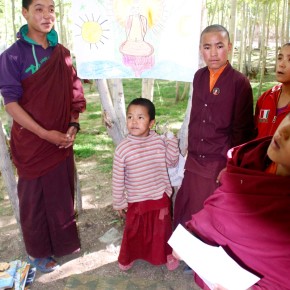
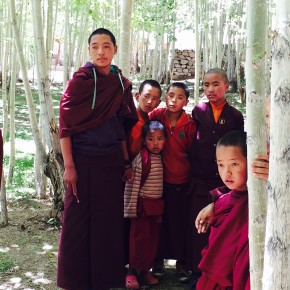
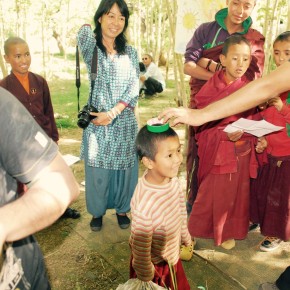
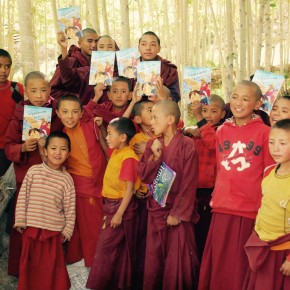
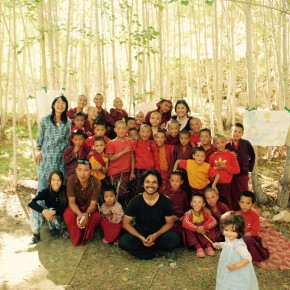
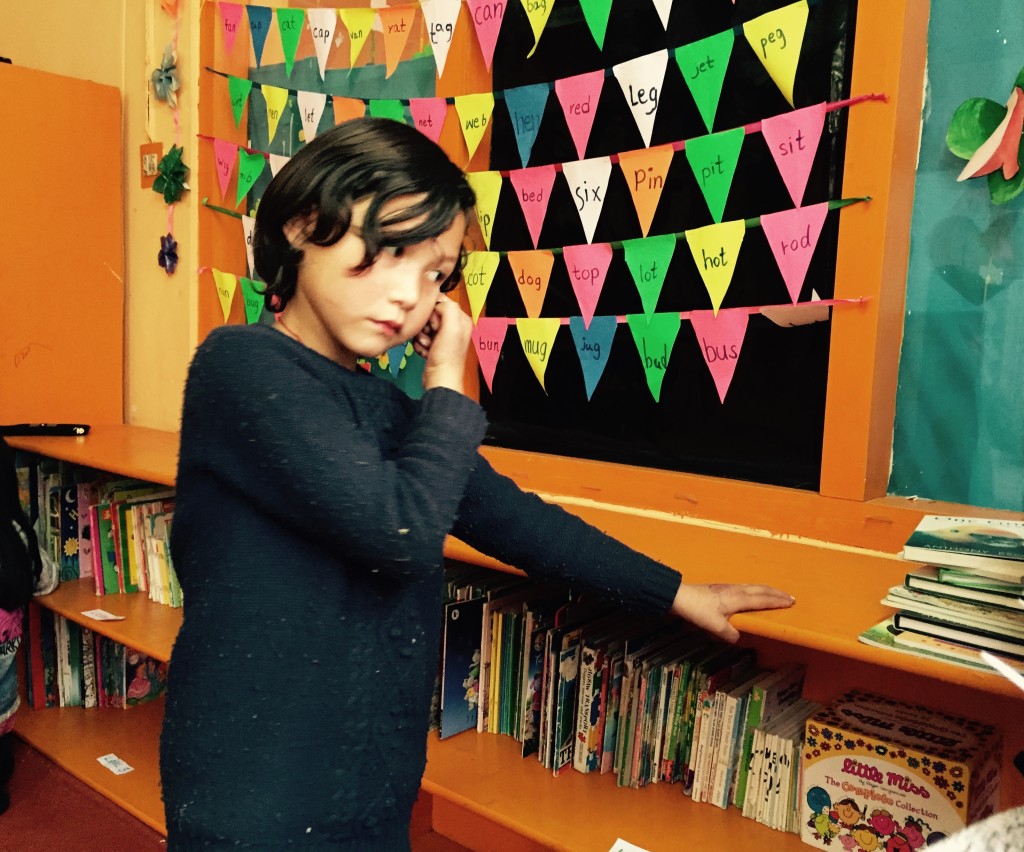
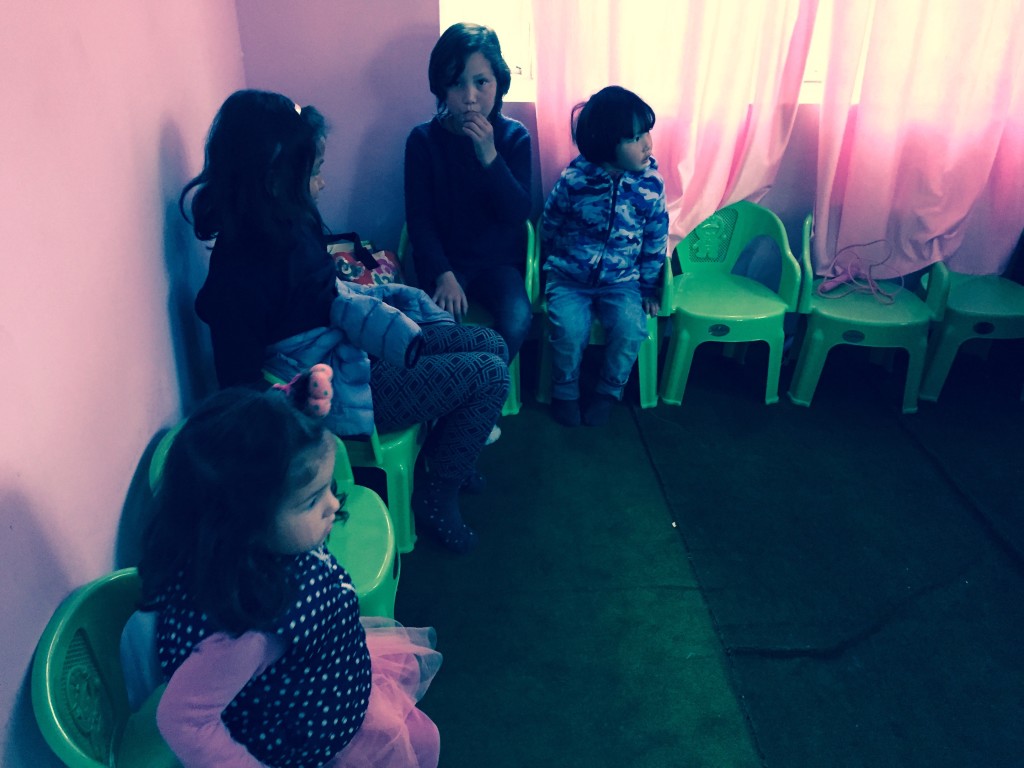
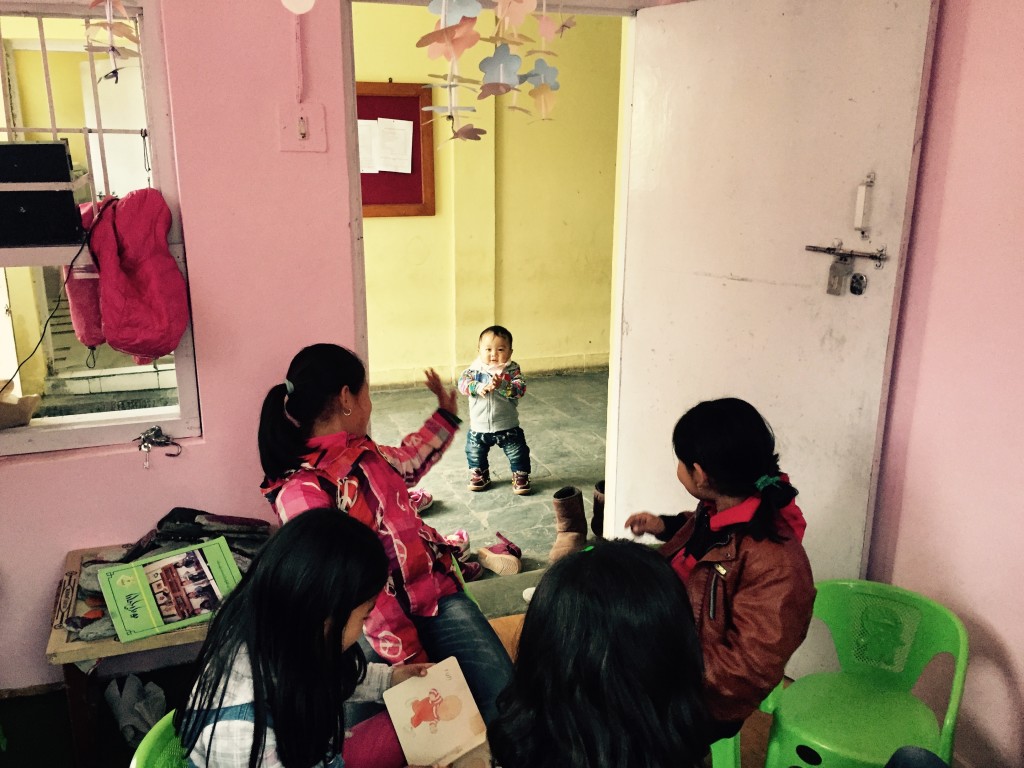
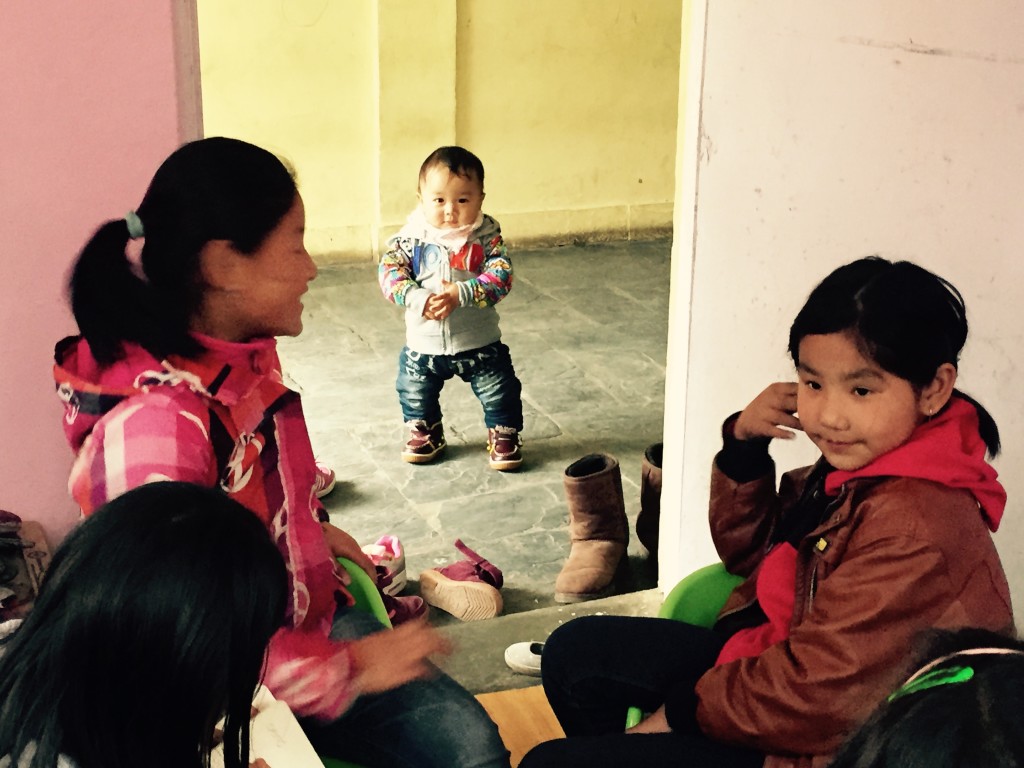
The children who received the cello live in a cluster of villages where the snow lies until late April and the school year is shaped by apricot harvests. Their orchestra had started three years earlier with violins donated by a Sydney conservatorium, a few second-hand flutes from a Brisbane community group, and a drum made from a wooden crate and goatskin. The cello was the first instrument of its kind, and the children did not quite know what to do with it.
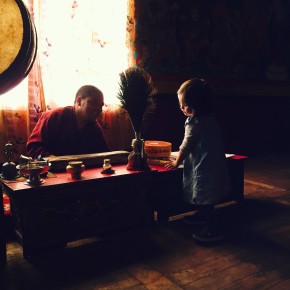
Rehearsals were held in a long room that doubled as a dining hall during festivals. The youngest players stood on wooden stools so they could see the conductor, a former monk who had learned Western notation as a teenager. When the cello was unpacked, the room went quiet. The bow hair had loosened, the bridge had shifted a centimetre, and one tuning peg needed replacing, but the body was uncracked. A volunteer luthier visiting from Dharamsala spent an afternoon resetting it.
What changed in the rehearsal room
A cello is not just another string in an ensemble. It carries the bass line, the warmth, the sense that the music has weight beneath it. The Ladakhi orchestra had been playing in a register that left the lower frequencies thin, and several of the older children admitted that they had been straining to fill that gap with their violins. Once the cello settled in, the entire dynamic shifted.
The conductor rewrote three arrangements to accommodate it, adding simple bass parts the beginners could pick up within a fortnight. By the end of the season, the orchestra was performing at a local monastery festival, with the cello played by a thirteen-year-old girl who had previously wanted to quit music lessons because, in her words, the violin felt too small for the songs she wanted to sing. The audience, mostly farmers and herders, sat through the entire set without leaving, which for that valley counts as a standing ovation.
A wider ripple across the region's projects
The story has done something quieter than the festival itself. It has made donors more confident about offering instruments that are difficult to ship, and has encouraged other teachers in Melbourne and beyond to ask whether their retired gear might find a second life. The Trust now keeps a waiting list of instruments that need rehoming, and moving them has become a steady part of its work.
A donated instrument does not just become a tool for one child. It becomes part of a repertoire, a set of arrangements, a tradition of practice that grows around it. The Brunswick cello will likely be played by dozens of students over the next twenty years, and one day it will probably need another hard case and another flight across the world.
| Aspect |
Donated from Australian cities |
Sourced locally in Ladakh |
| Typical origin |
Private homes, conservatoriums, retiring teachers |
Hand-built by local carpenters, monastery workshops |
| Transport cost |
High, paid by volunteers or pooled funds |
Low, usually carried by road or on foot |
| Tuning stability |
Needs rest after altitude change, occasional luthier care |
Built for the climate, holds tuning in dry air |
| Repertoire fit |
Western classical pieces, adapted arrangements |
Folk tunes, monastic chant, regional scales |
| Longevity in programme |
Often long, with regular maintenance |
Depends on local repair skills and materials |
Practical notes for anyone considering a similar donation
- An instrument must be properly cased before any long-haul flight, ideally in a flight-rated hard case with a humidifier pack.
- Donors should expect to pay separately for international freight, as most charities cannot absorb heavy shipping costs.
- Older instruments are often more welcome than newer ones, because they have a warmer tone suited to open-air mountain venues.
- It helps to send a photo, the make, and condition notes ahead of time so the receiving side can confirm a match.
- A short letter from the donor is sometimes read aloud at the first rehearsal, which gives the children a sense of who trusted them with the object.
What the Trust looks for in incoming instruments
- Strings in reasonable condition, even if they need replacing soon after arrival.
- Bows without severe warping, as bow repair is hard to find at altitude.
- Woodwind instruments with intact pads and no major denting.
- Cases and covers in good shape, since replacements are difficult to source locally.
- A clear provenance, including where it was last serviced and any known quirks.
- Flexibility on timing, since freight routes into Leh slow down during the winter months.
The Trust is preparing a small container for a winter shipment and still has room for one or two more string instruments. The next step is already mapped out: customs paperwork is being pre-filled for any incoming cello, the port of entry has been confirmed for the season, and the case-condition checklist is being updated this week in Leh.