From a child’s sea question to a shared ocean artwork
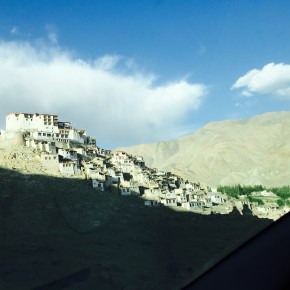
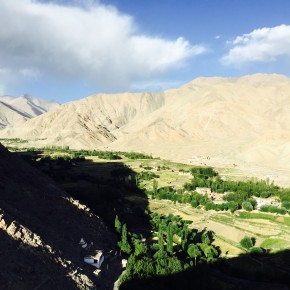
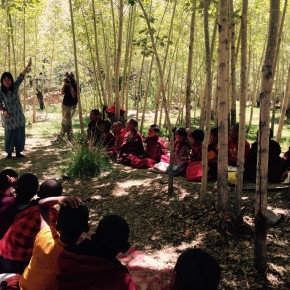
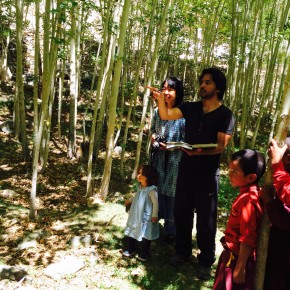
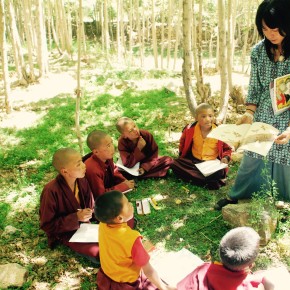
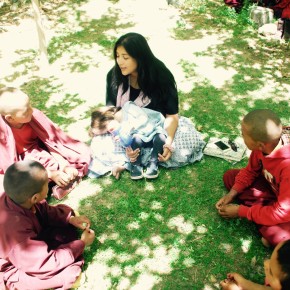
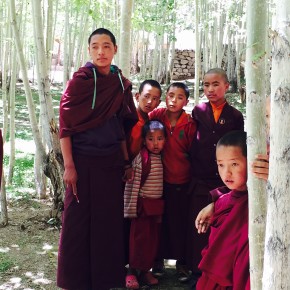
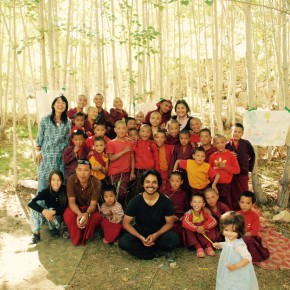
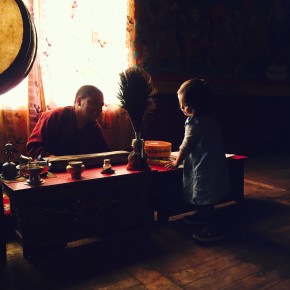
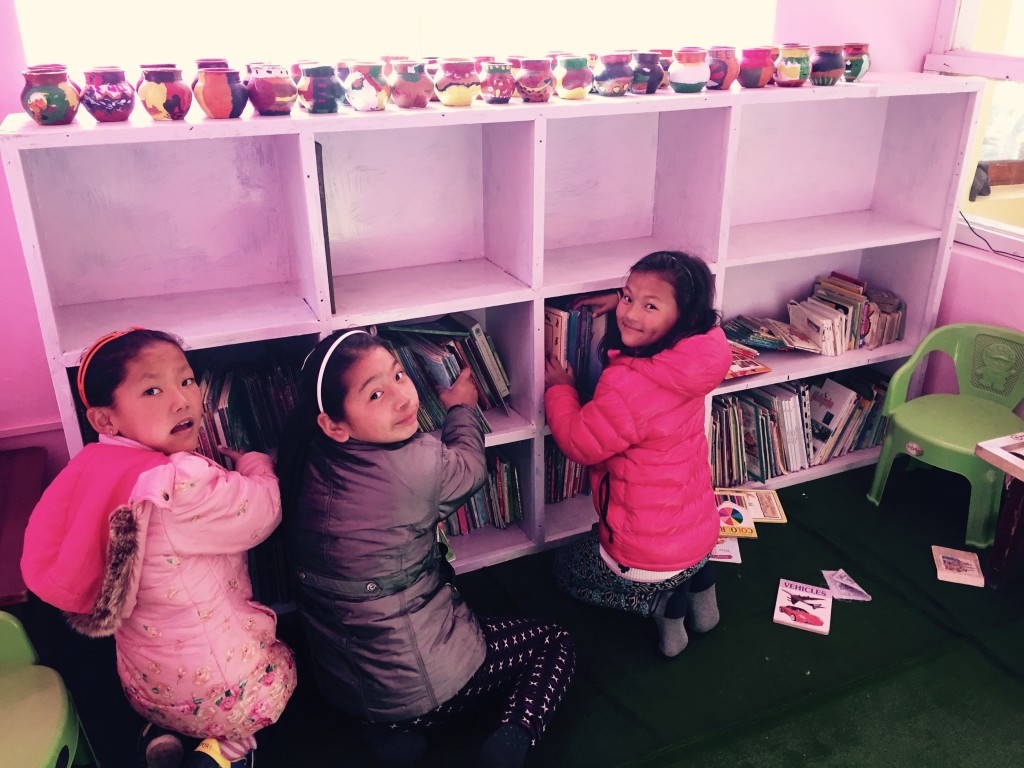
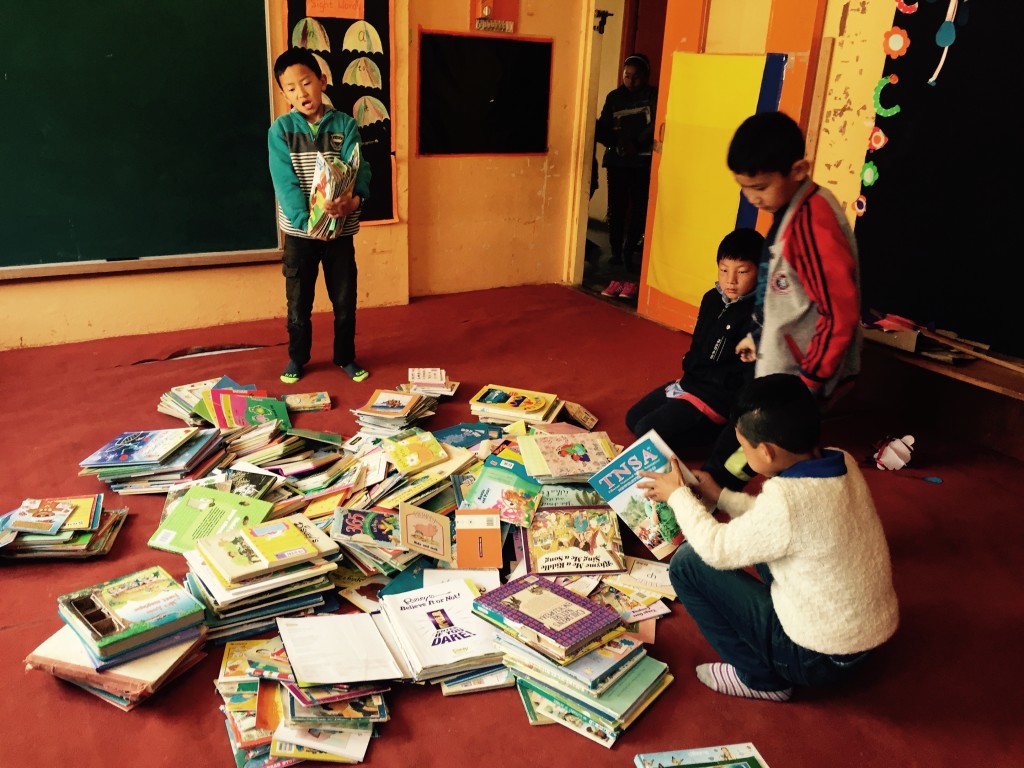
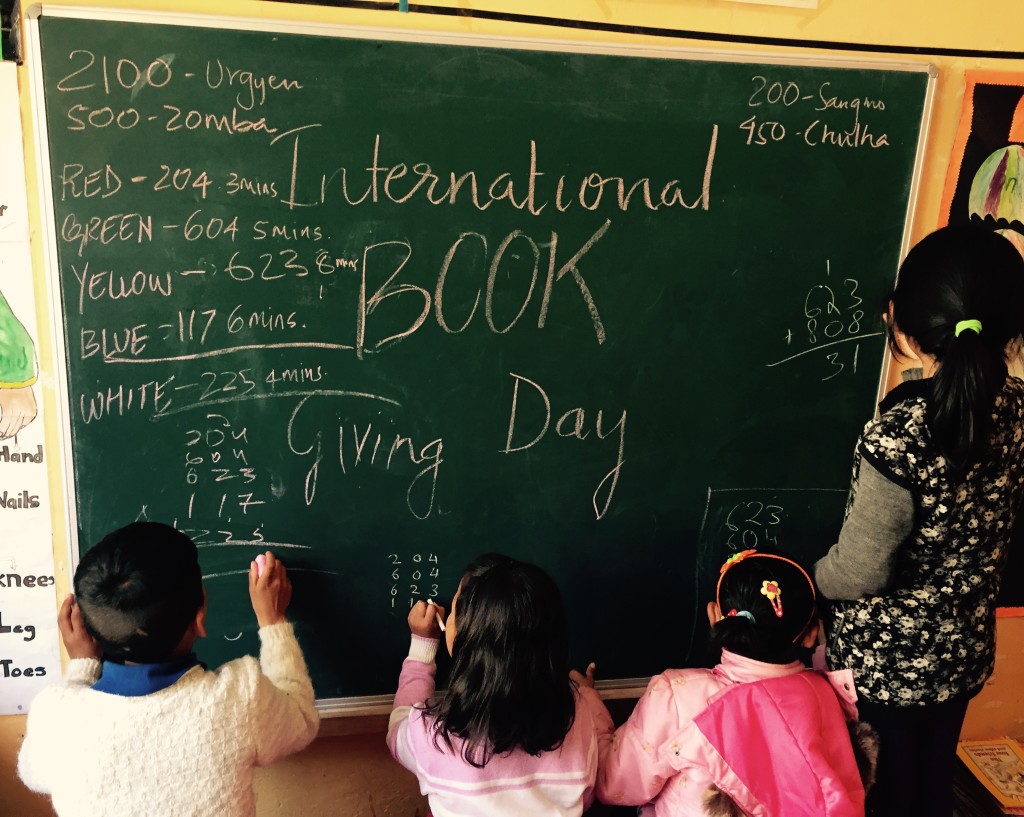
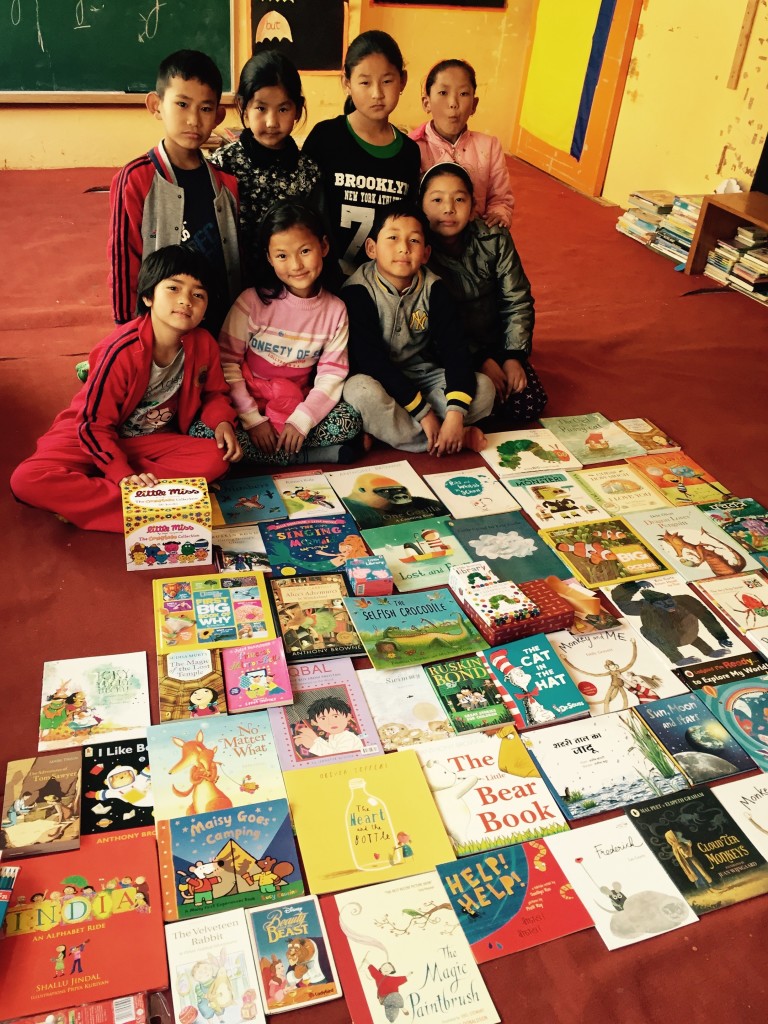
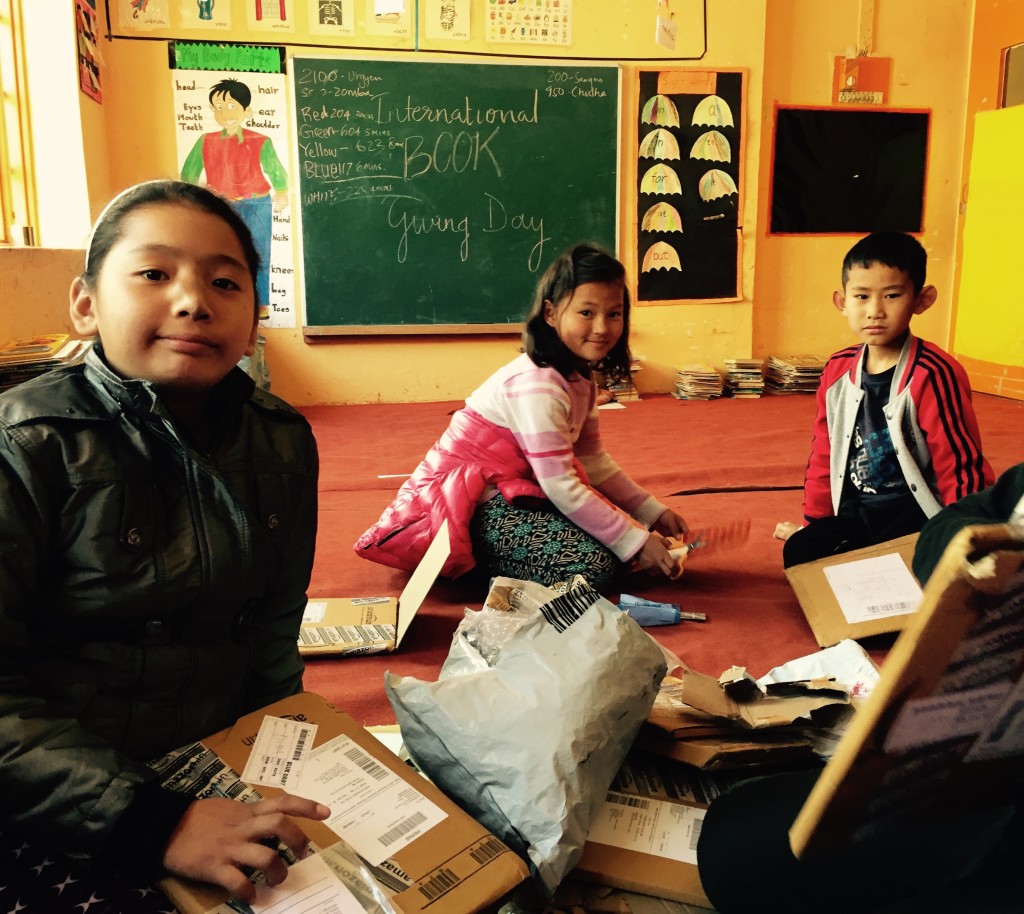
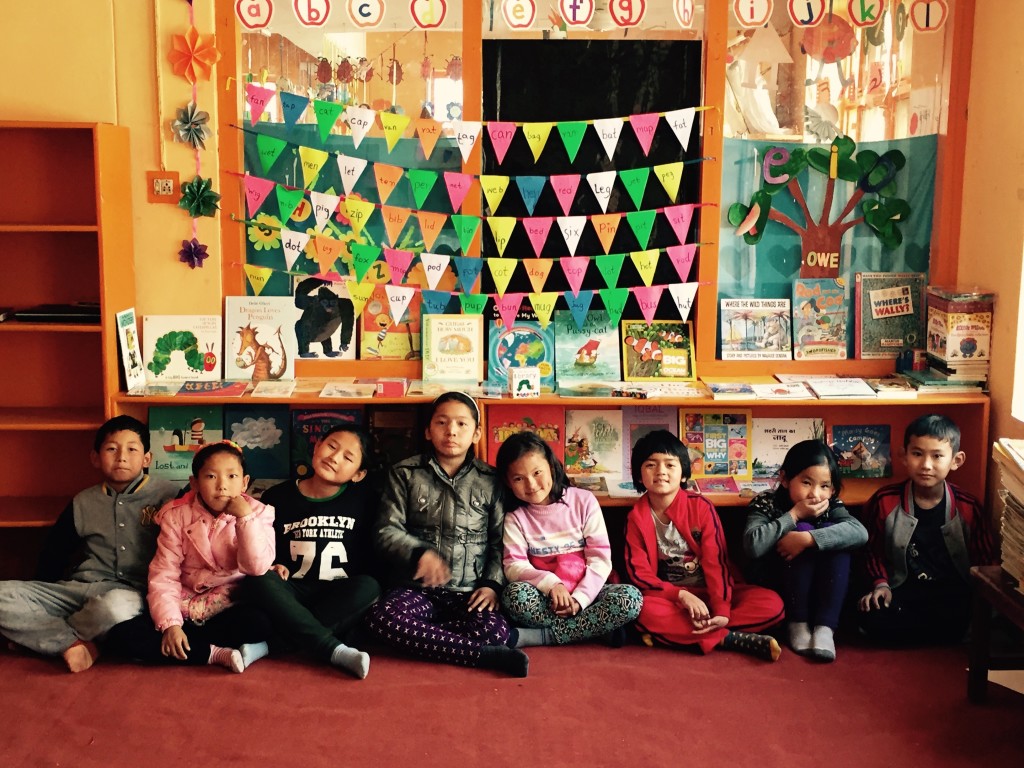
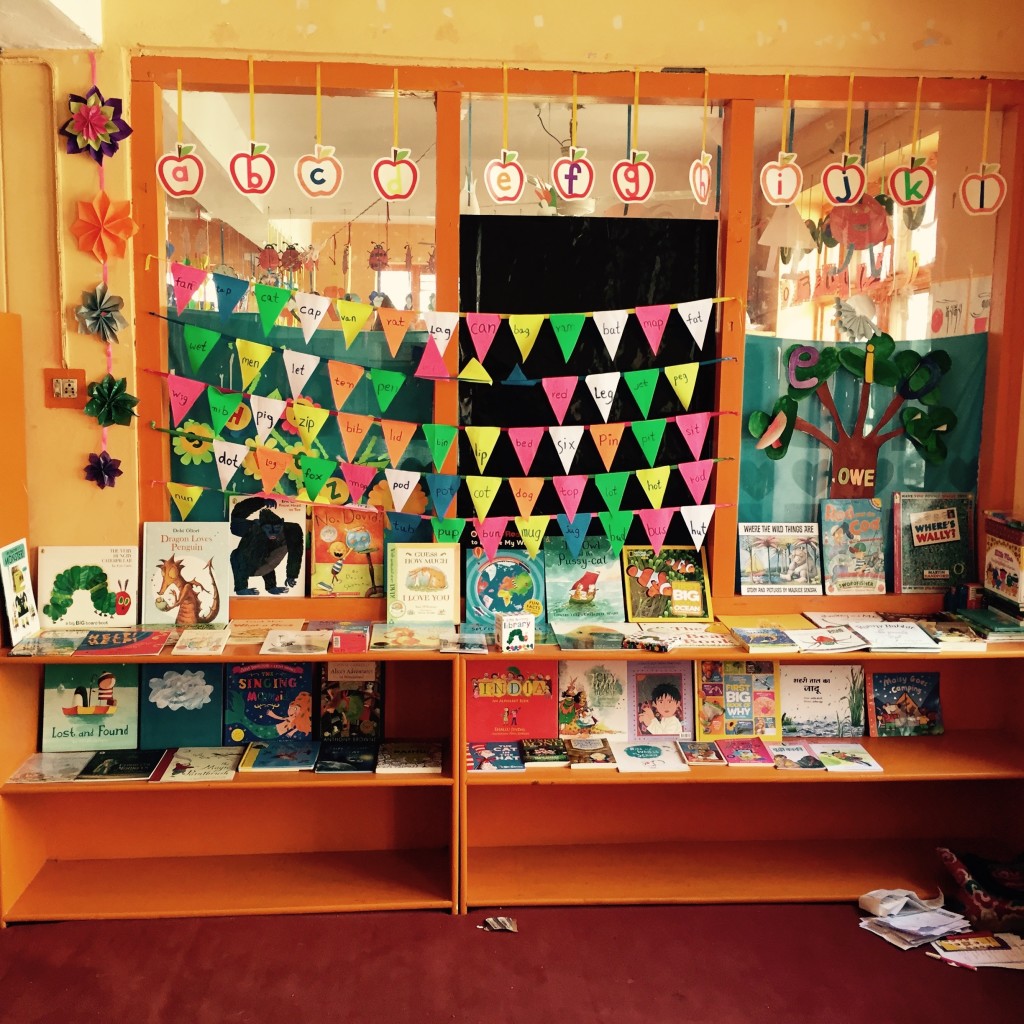
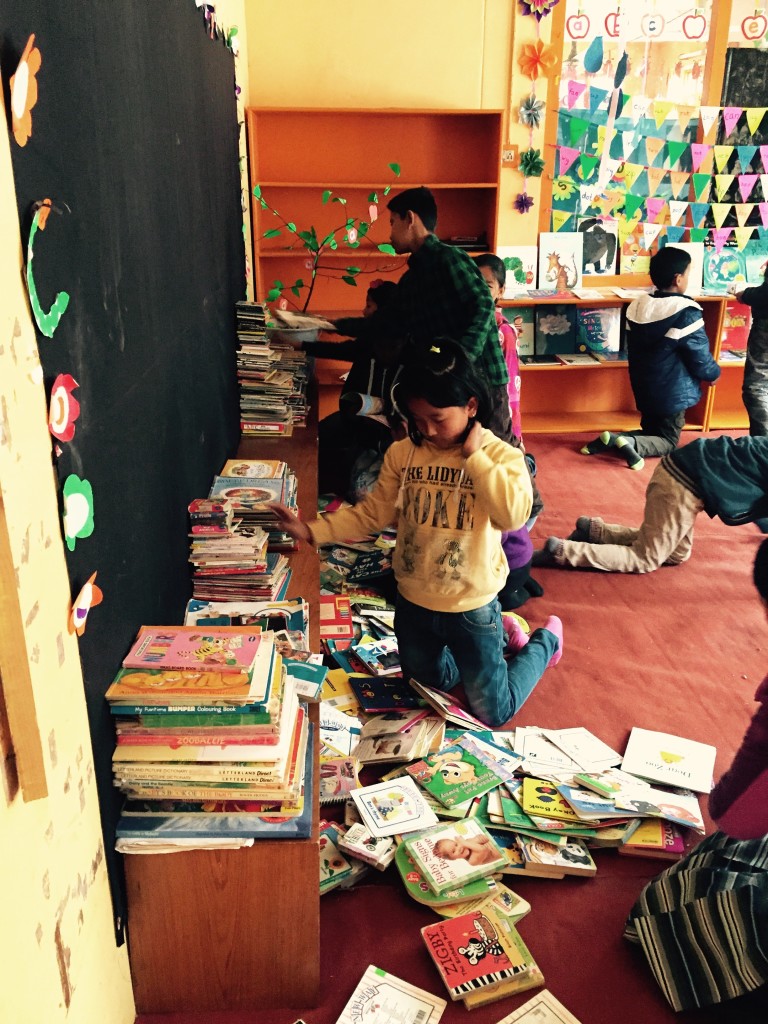
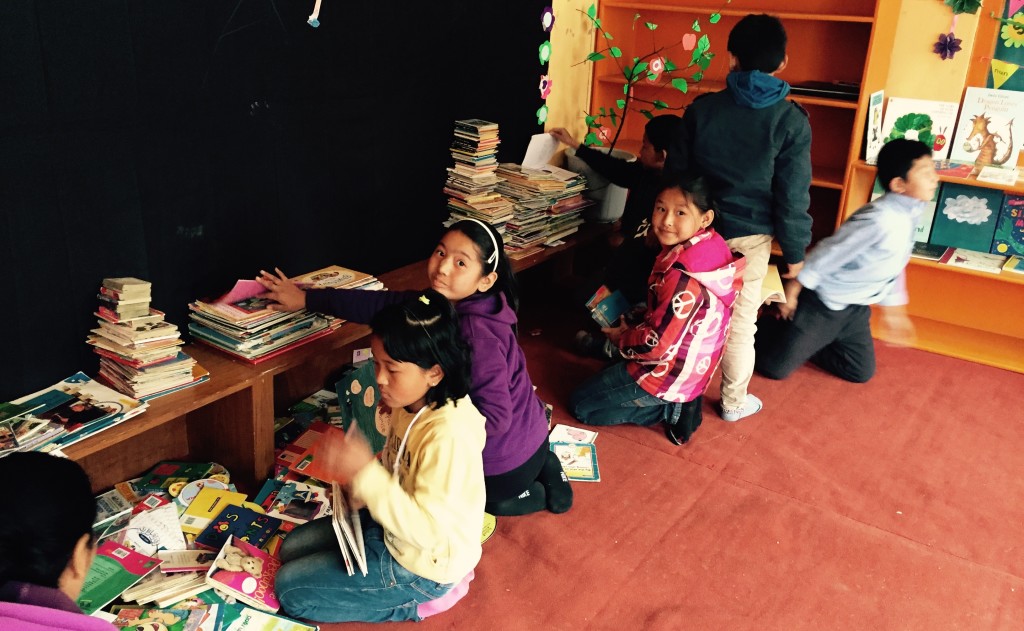
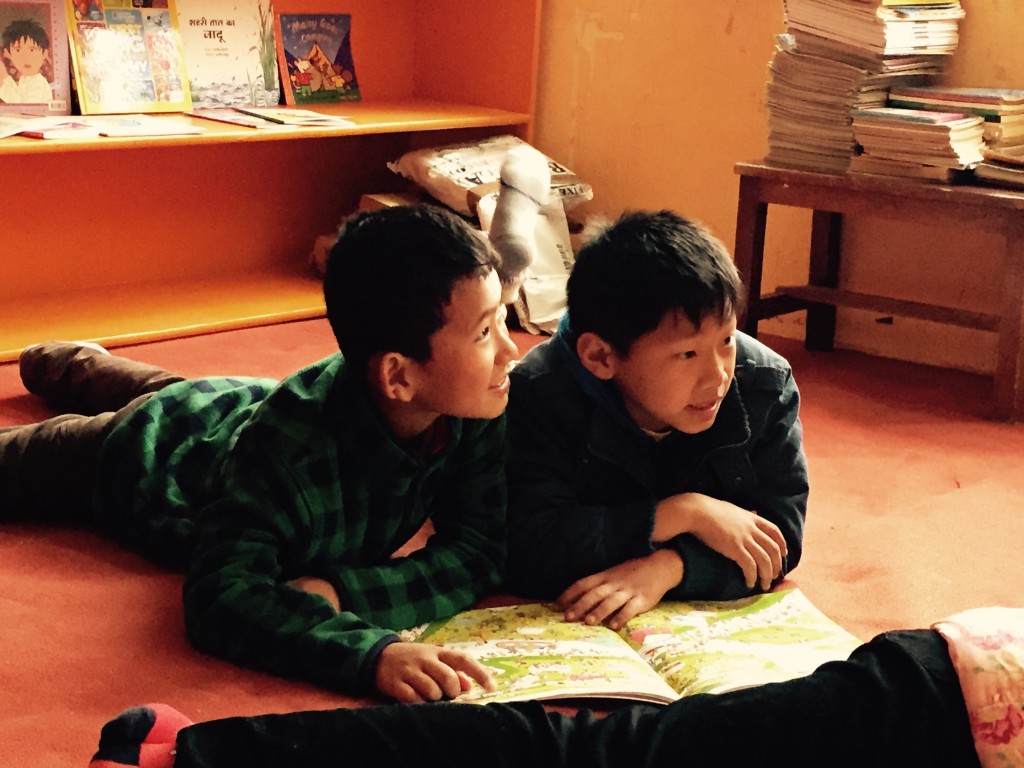
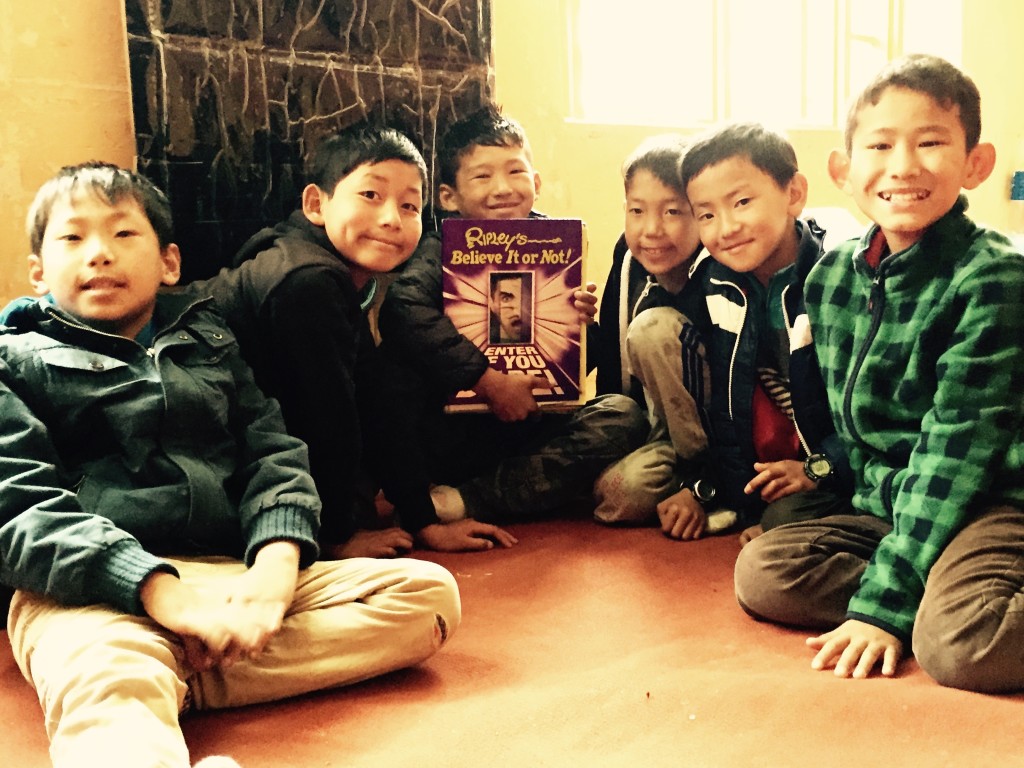
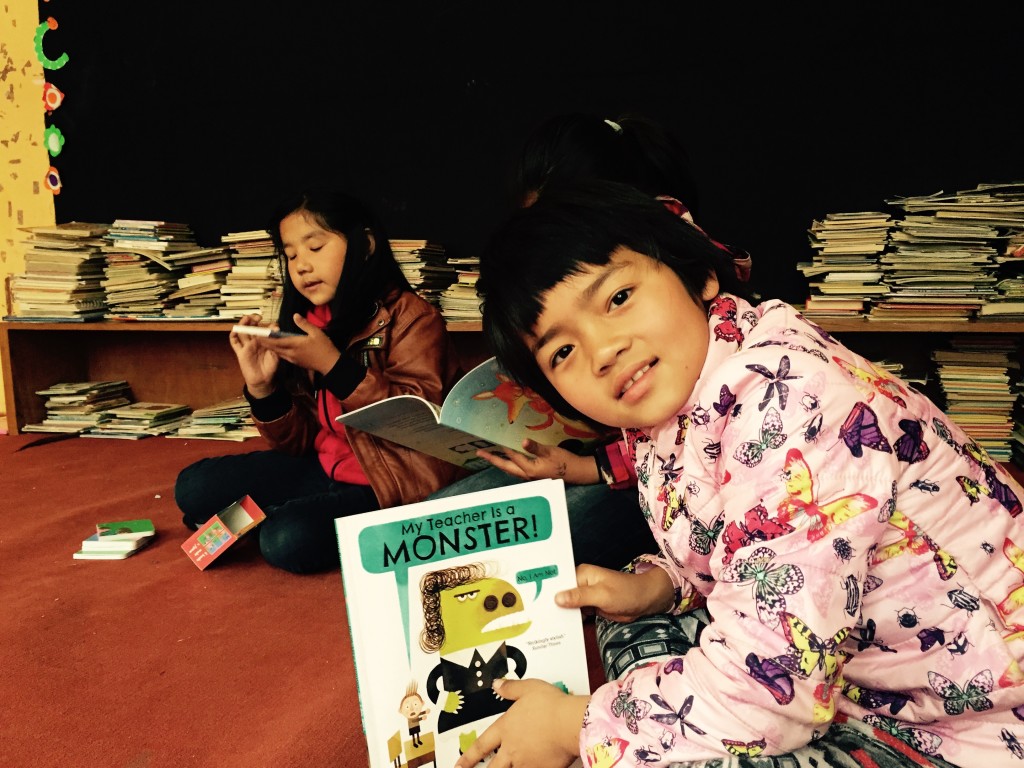
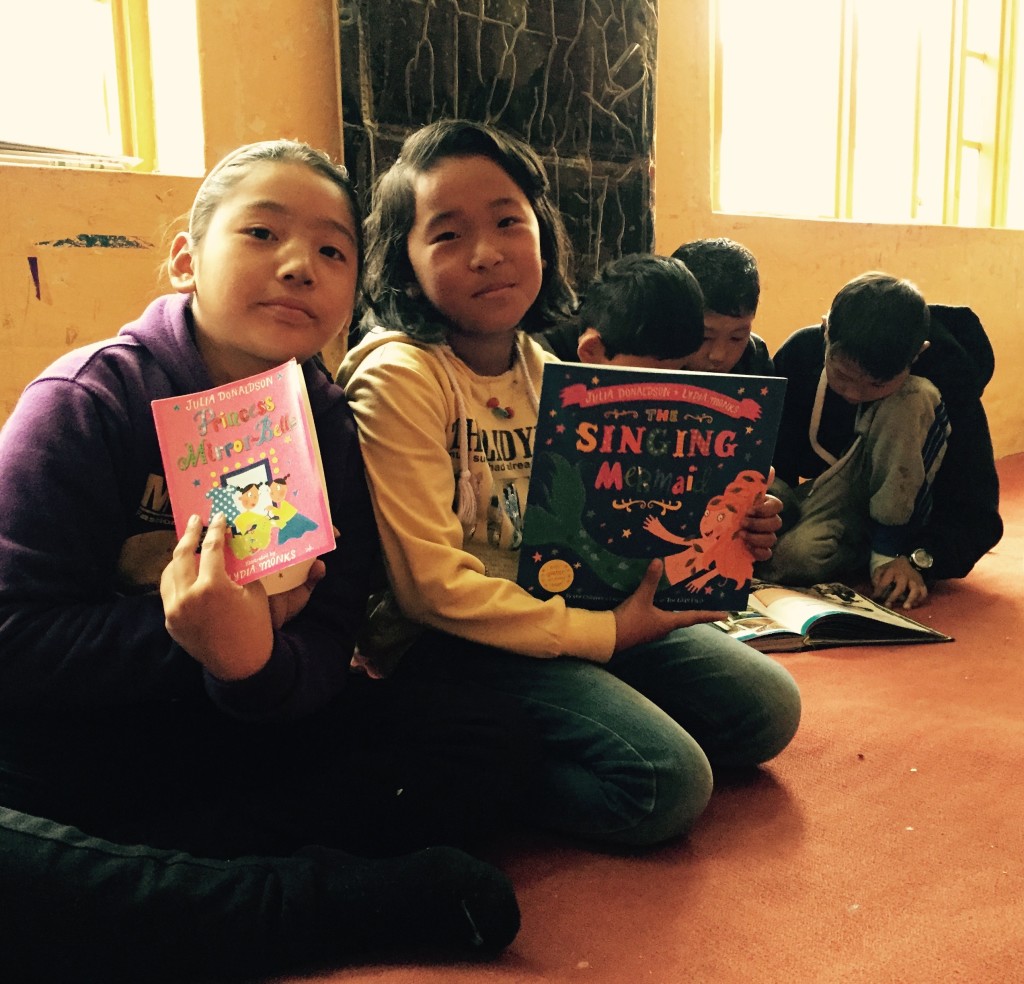
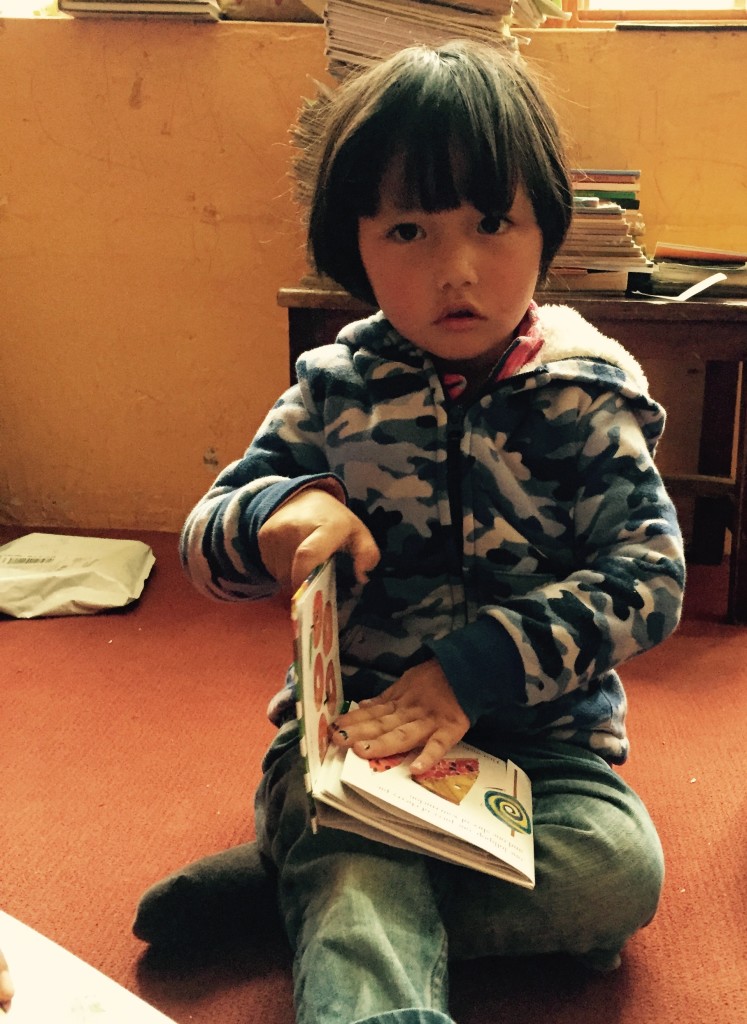
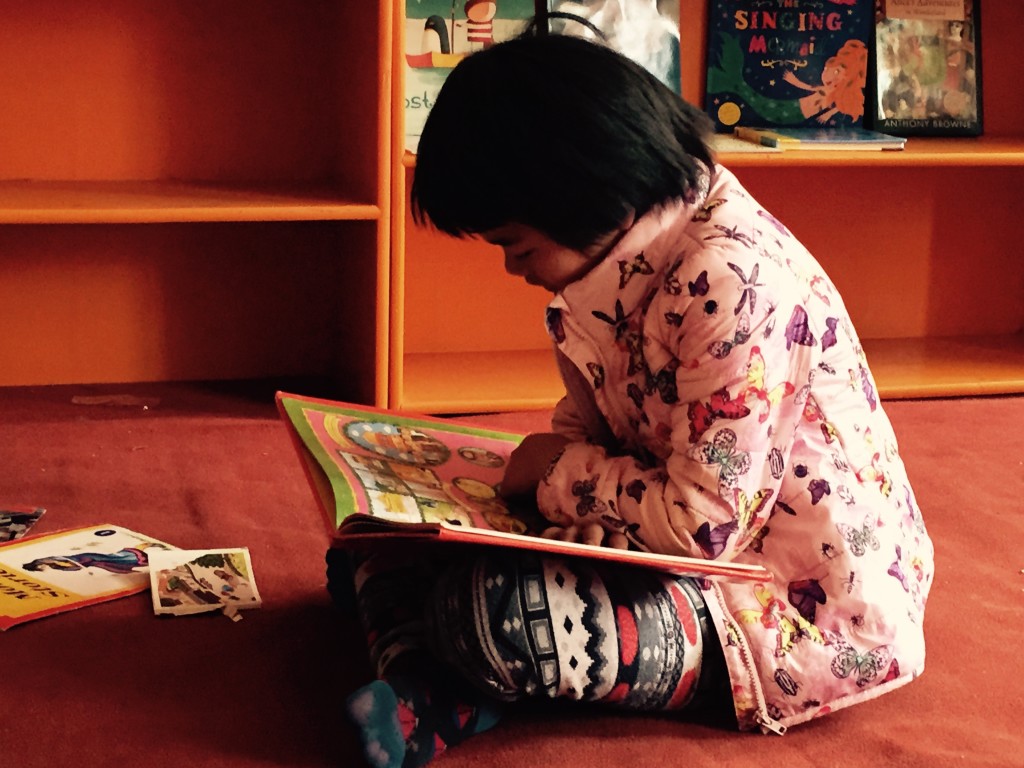
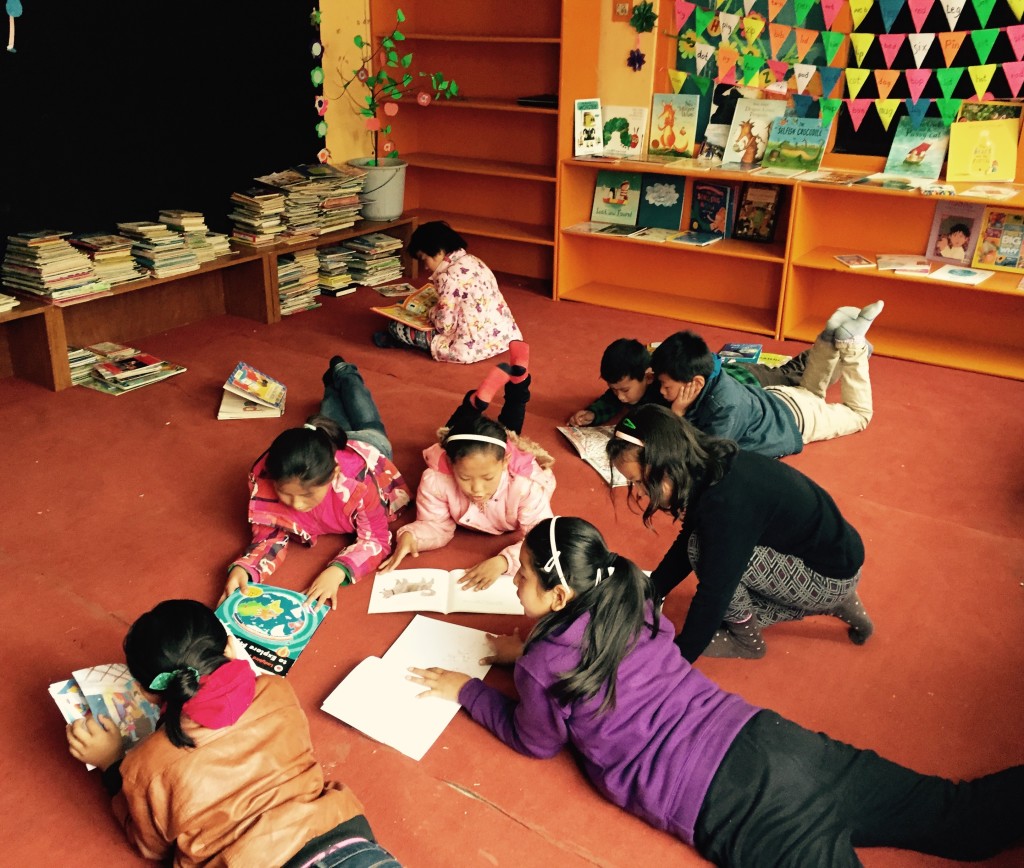
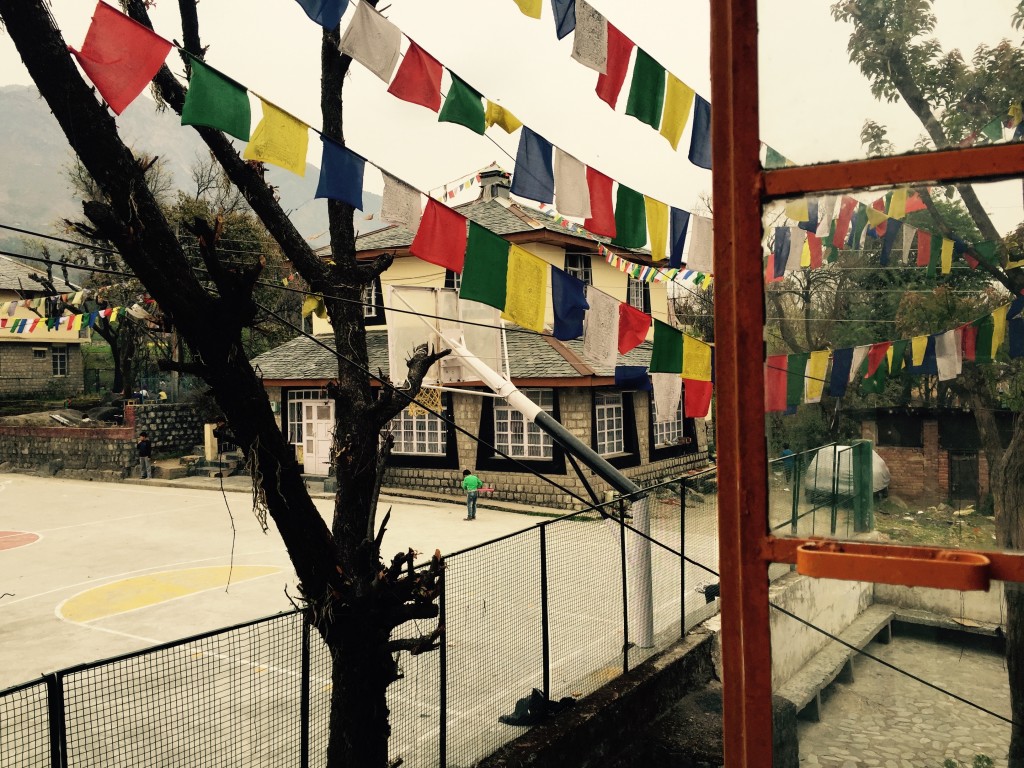
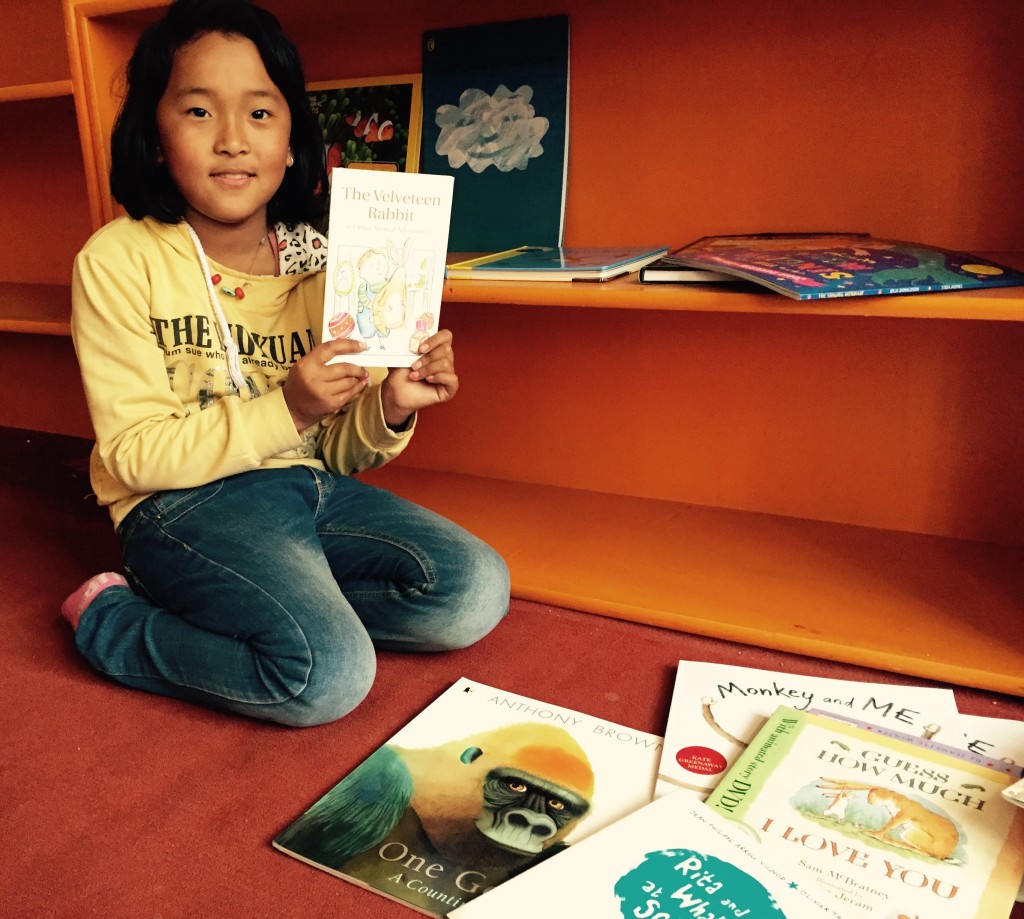
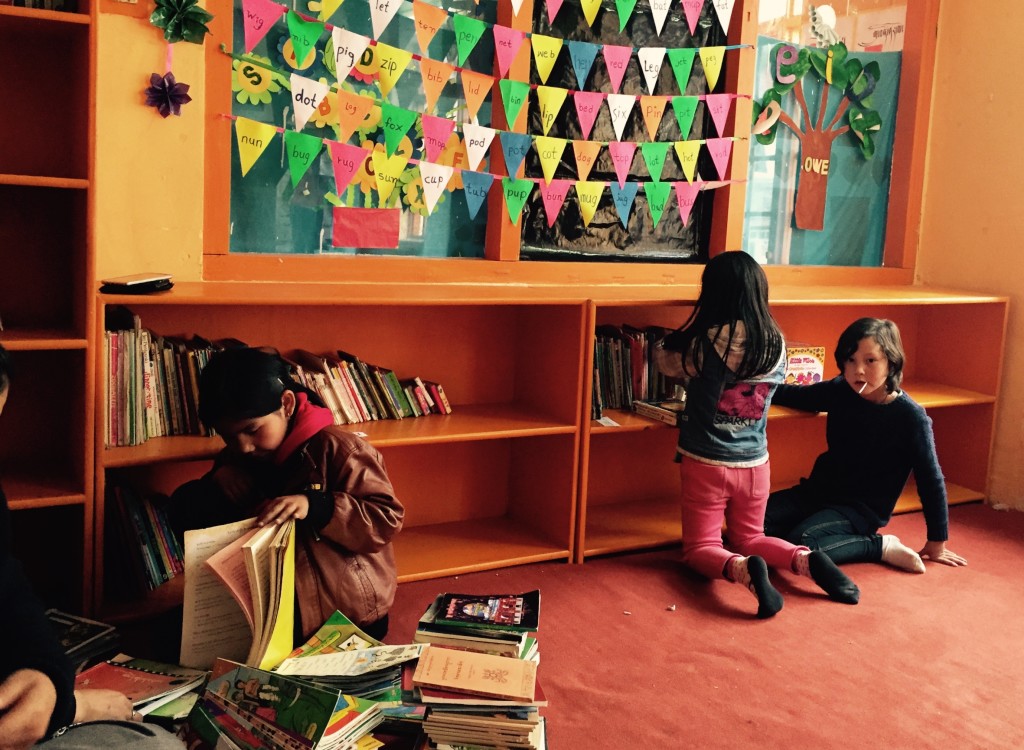
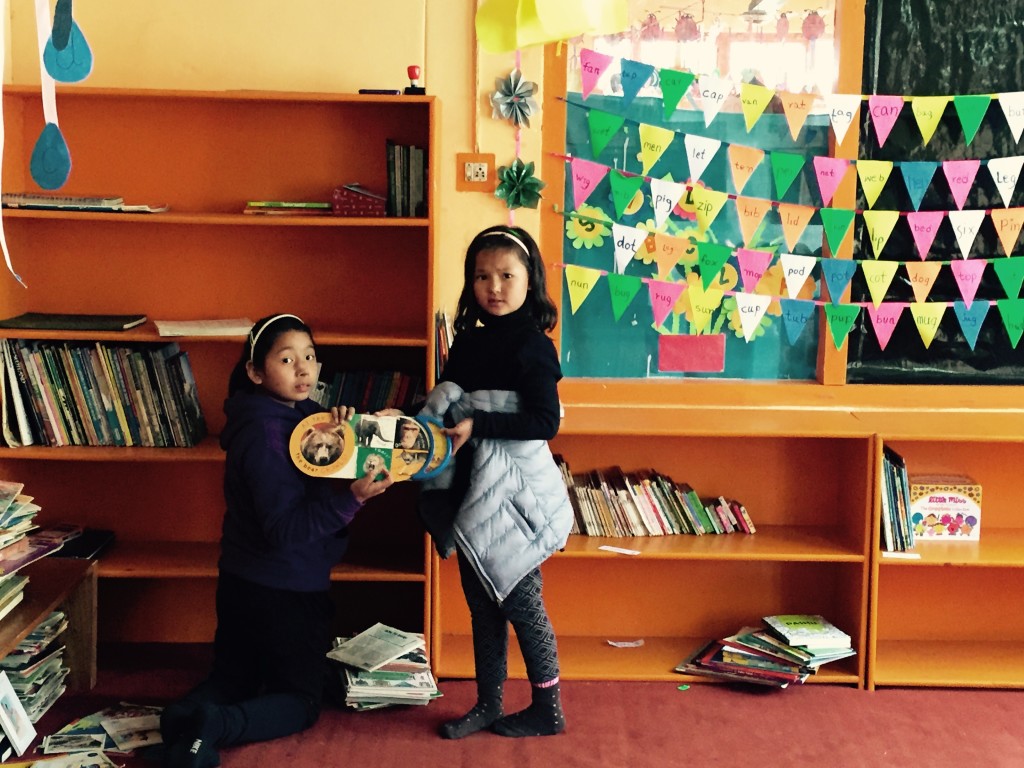
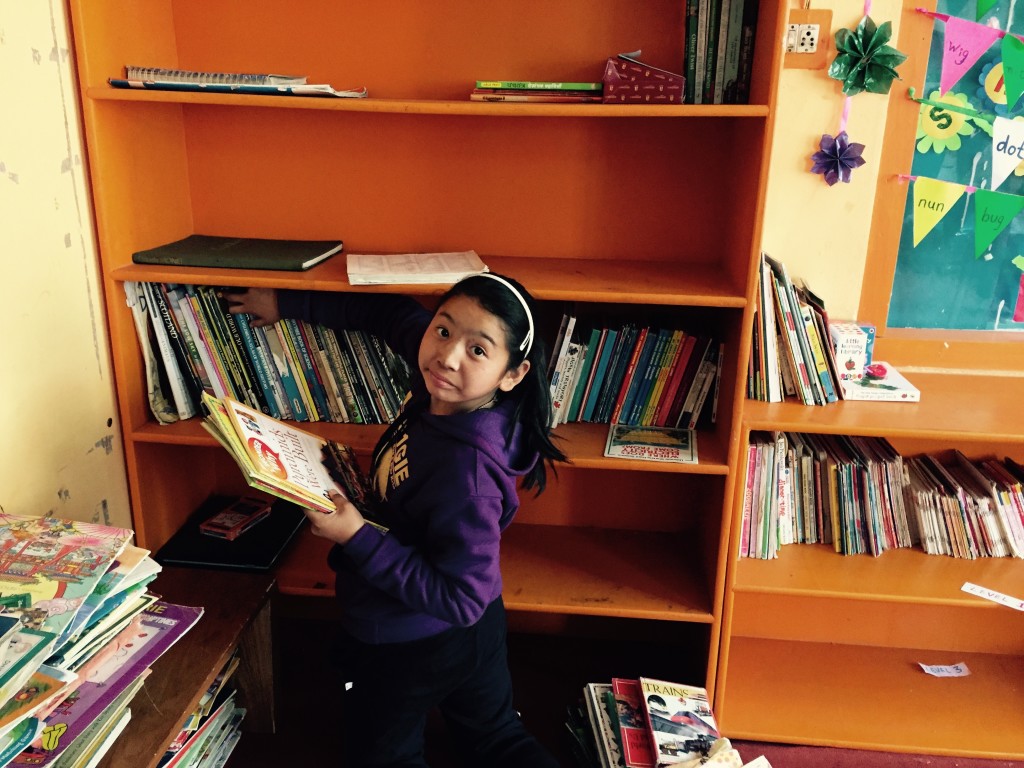
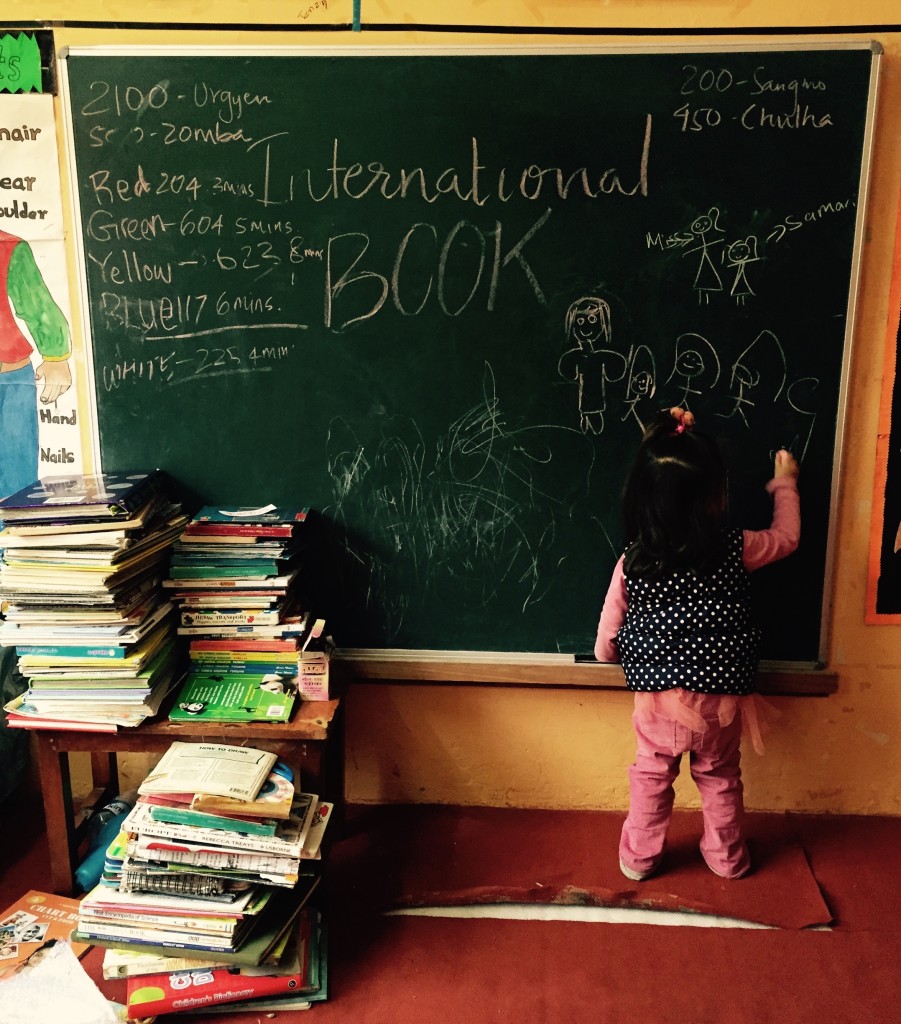
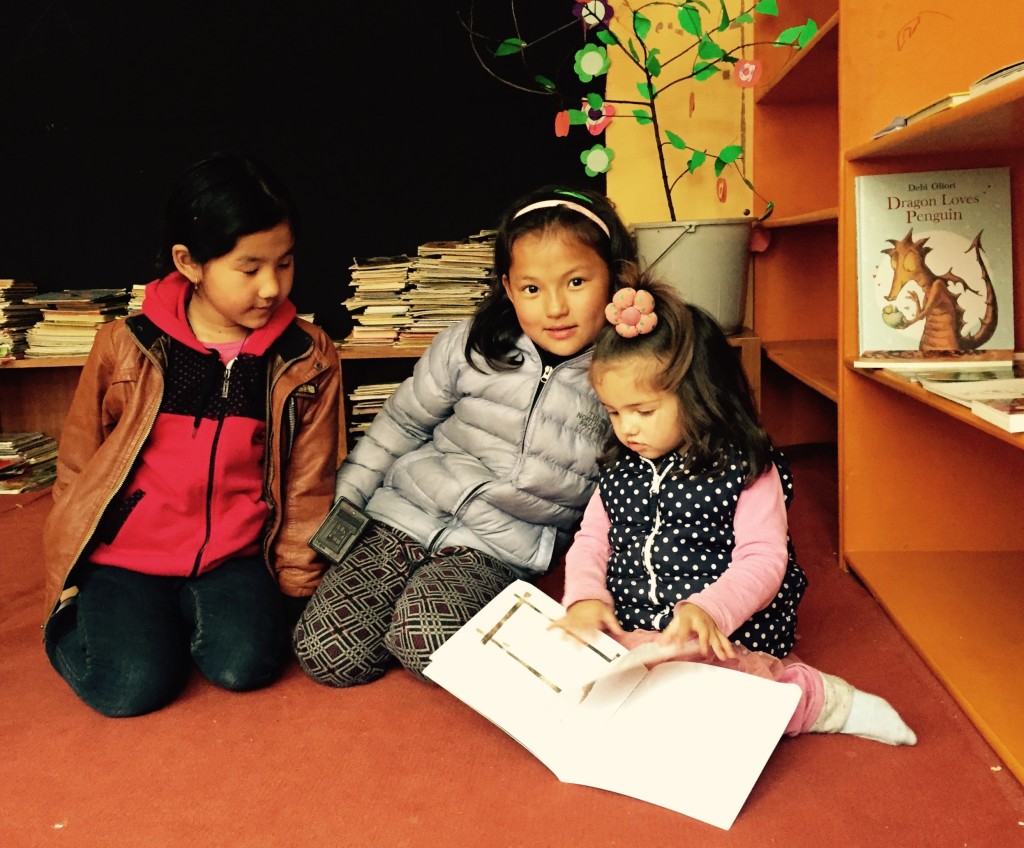
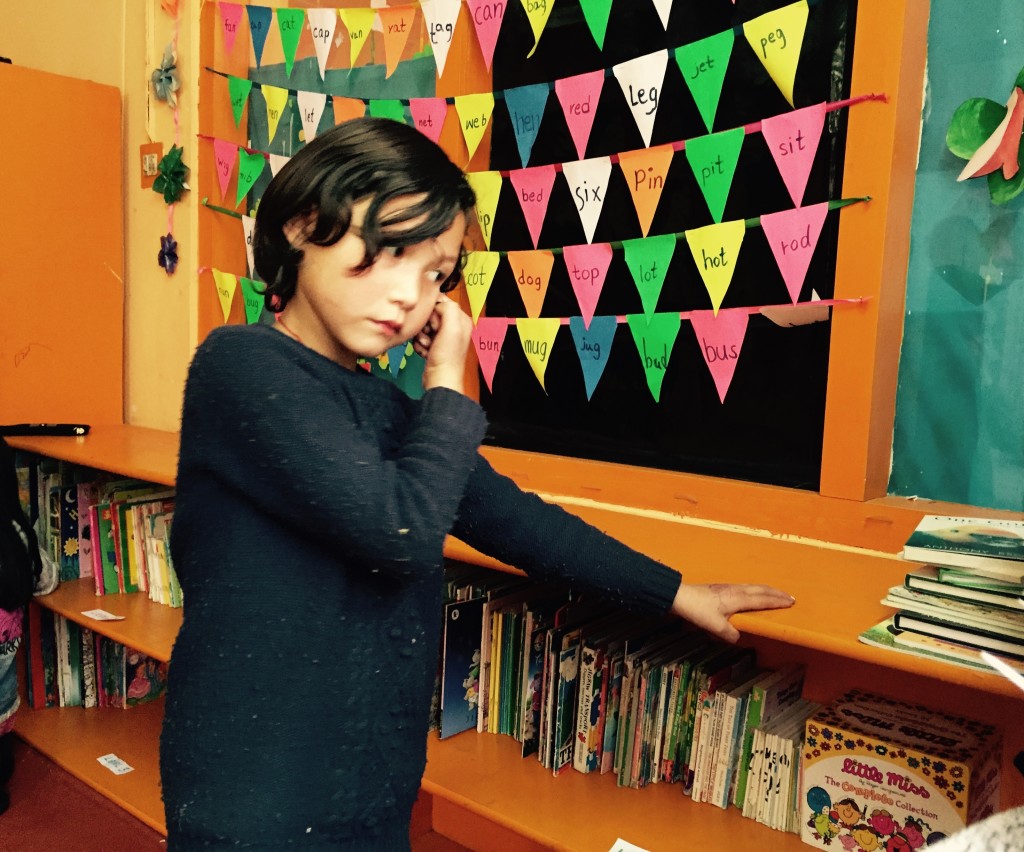
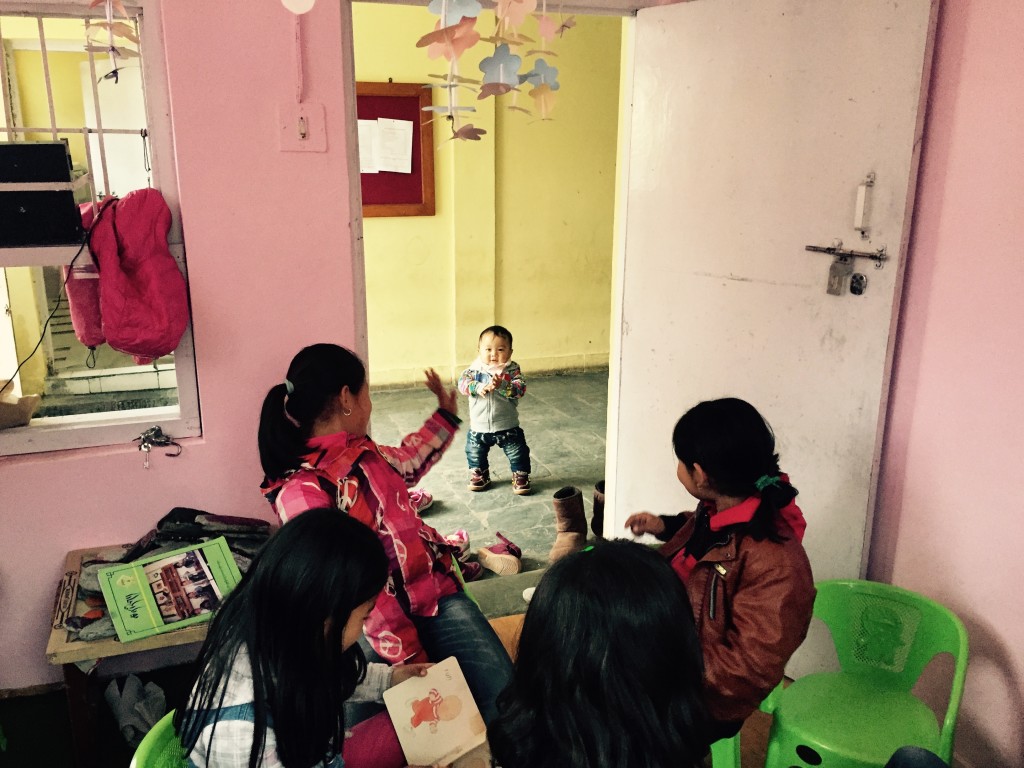
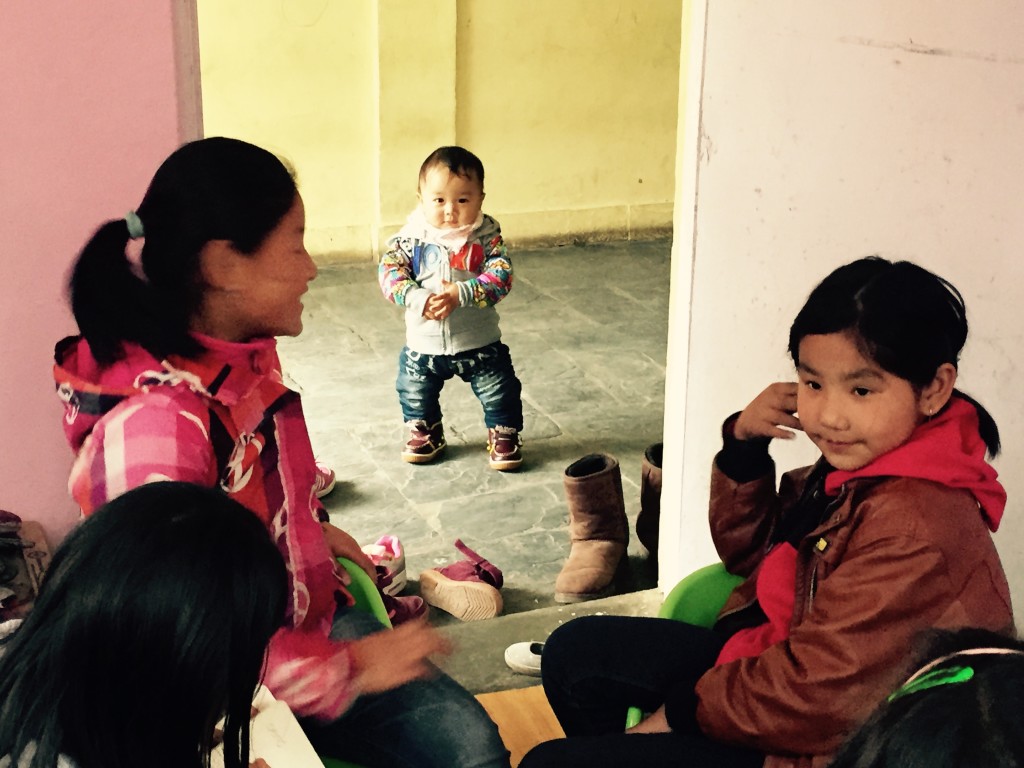
In a reading room in Ladakh, a child studying a picture of blue water asked where the sea ended. The mountains, dry valleys and rushing rivers of Ladakh made the answer hard to visualise. That moment began the story of how a child’s question about the sea led to an art project about oceans: curiosity was not corrected or hurried away, but used as the starting point for shared learning.
The project moved through drawing, collage, storytelling and music, joining marine science with creative expression. It showed why good books matter: a child can meet an ocean through a photograph, poem, map or picture book long before seeing a coastline. For Australian readers, the story offers a familiar coastal viewpoint and a reminder that distance shapes what children imagine.
| Setting |
Starting knowledge |
Learning route |
Shared outcome |
| Learning room in Ladakh |
Water is familiar as rivers and mountain streams |
Books, maps, sound, collage and storytelling |
A distant ocean becomes imaginable through creative expression |
| Coastal classroom in Australia |
The ocean is known through beaches, swimming and surf culture |
Field observation, marine facts, books and group art |
Familiar water becomes a subject for close study |
| Both settings |
Questions and local experience shape what feels meaningful |
Children research, make and explain |
Art carries knowledge between children, families and communities |
A question that became a classroom expedition
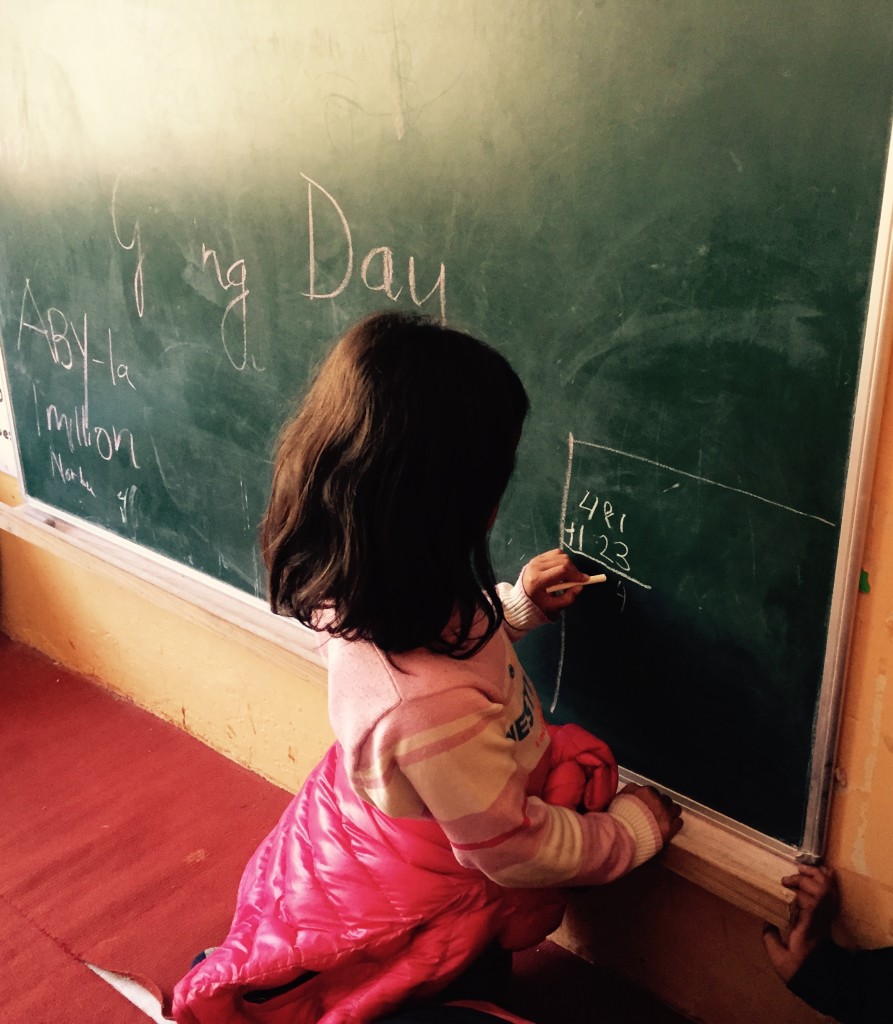
The child had not asked for a “correct” answer so much as an invitation to explore. “Where does it stop?” prompted children to consider distance, depth and the curvature of the Earth. Their first drawings were uncertain: some showed a blue edge, others a road of water winding between mountains.
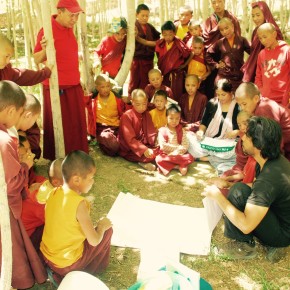
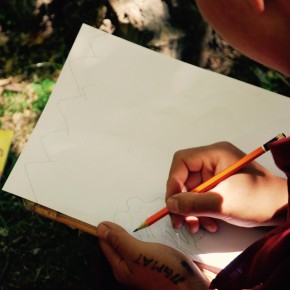
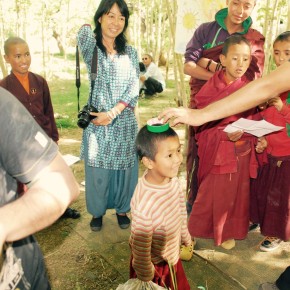
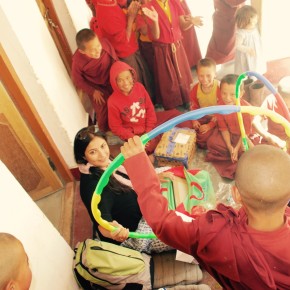
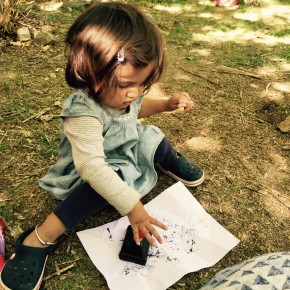
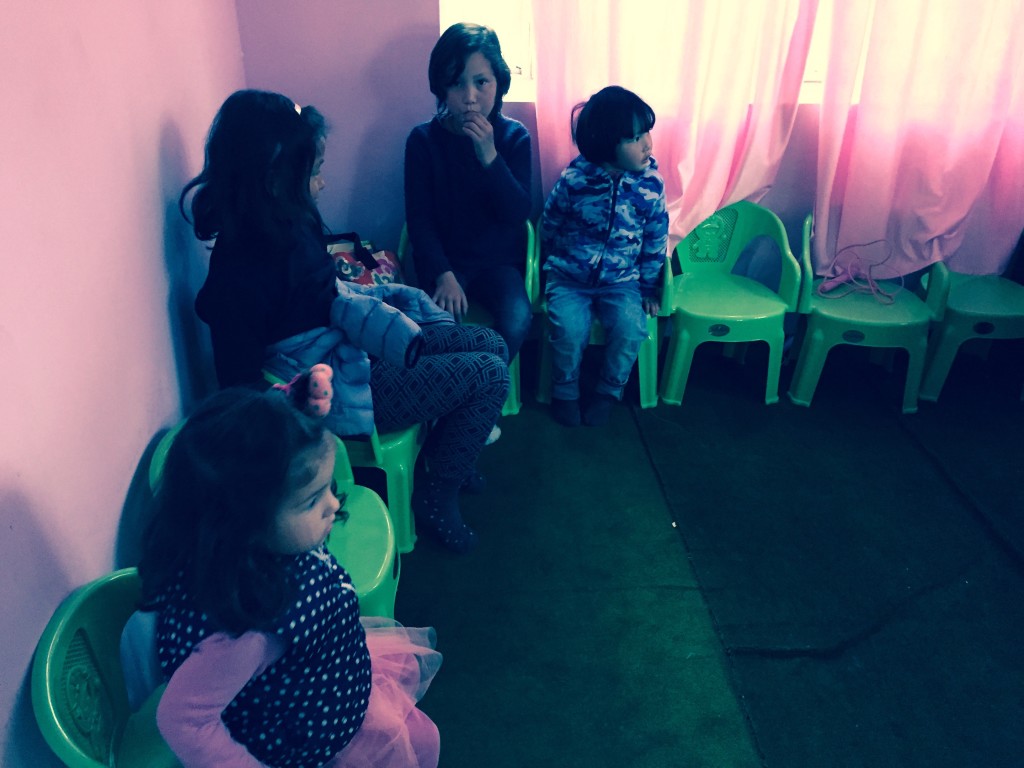
Facilitators collected visual materials, simple maps and recordings of waves without turning the session into a lecture. Children folded paper into waves, traced the movement of water and wrote captions for a growing display. A picture book provided facts, while a poem allowed the mystery to remain open.
The useful shift was from “Can you draw an ocean?” to “What do you already know, and what do you still wonder?” Each stage returned to the original question. This gave the children ownership, while the adults supplied accuracy, materials and encouragement.
Learning about water without a shoreline
Inland, children can explore water with surprising immediacy. A shallow bowl, smooth stones, blue cloth and a recording of breaking surf can suggest scale, movement and sound. These are not substitutes for the sea; they are invitations to compare textures and imagine environments beyond the valley.
For families around Sydney, Melbourne, Perth or Adelaide, the ocean is often part of ordinary life: school trips to the beach, saltwater swimming, surf lifesaving clubs or weekends beside a jetty. Familiarity can narrow imagination, though. Asking why currents behave differently, how tides work or what lives near a reef can turn a routine view into fresh discovery.
Australian speech often handles a big question with understatement. A facilitator might respond, “Good question—no worries if it is hard to picture.” That casual reassurance gives a child room to test an idea. It also opens a door to local knowledge from marine scientists, artists, lifeguards and families.
Books that carry distant water
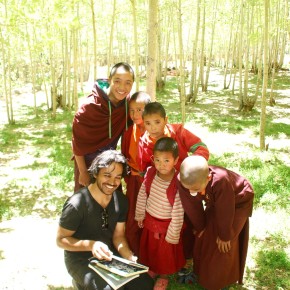
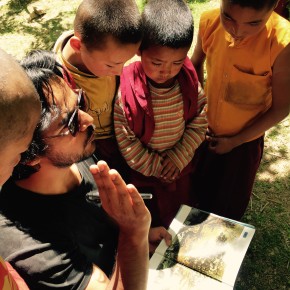
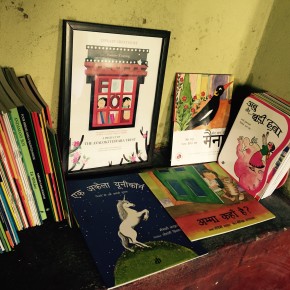
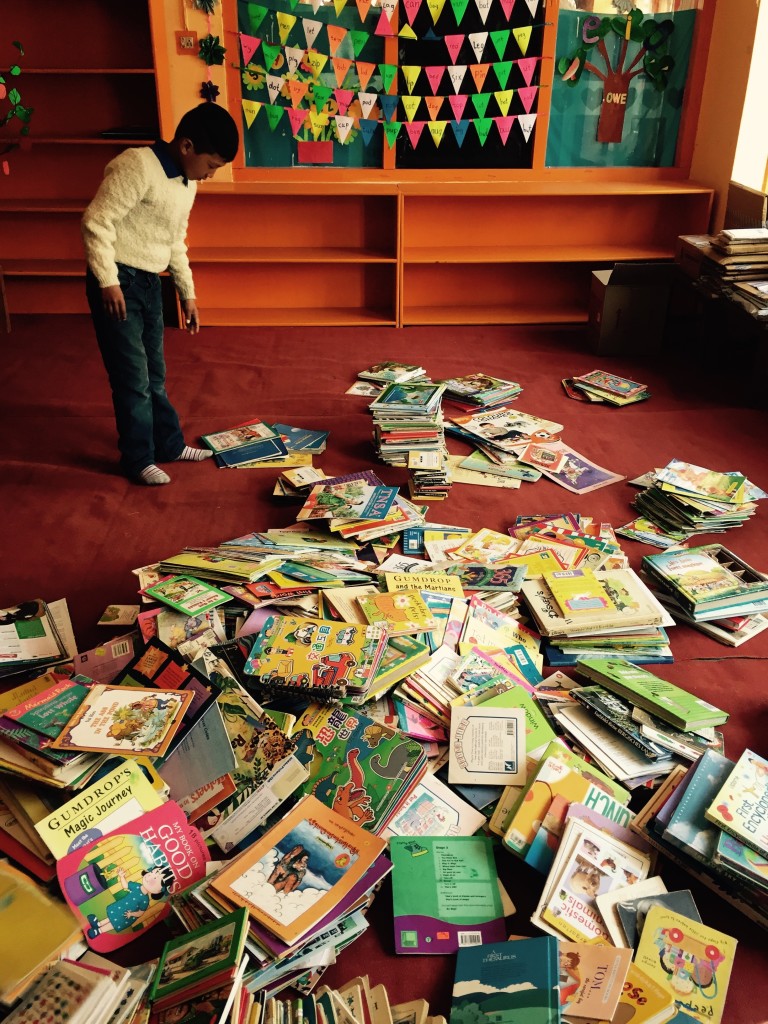
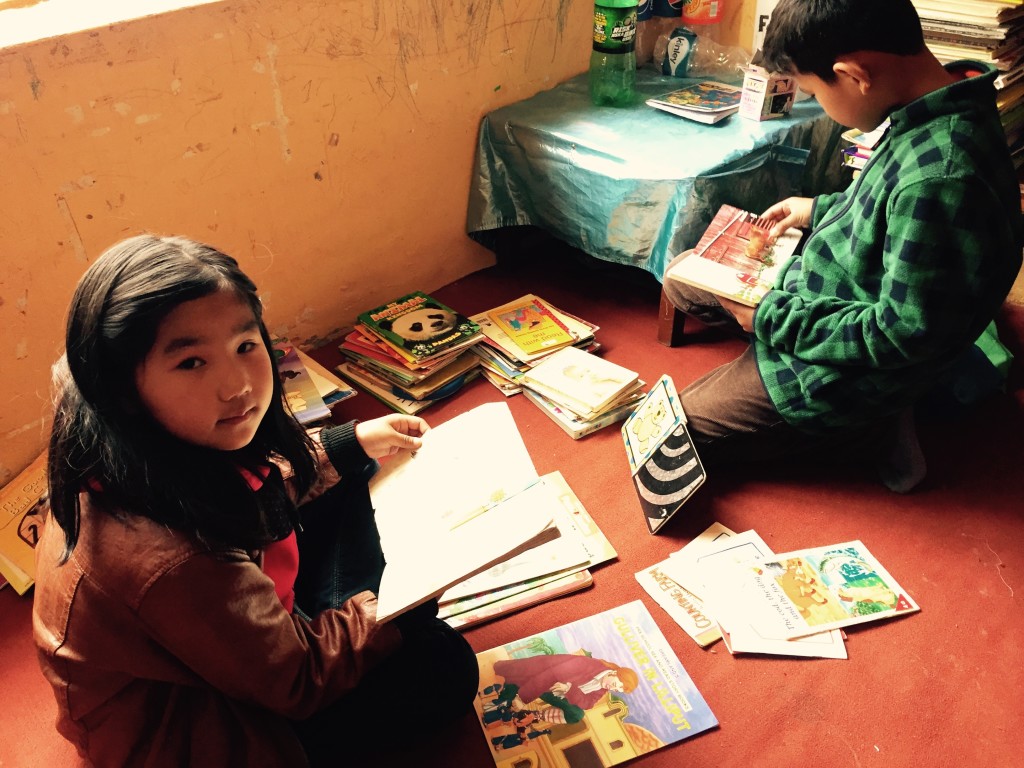
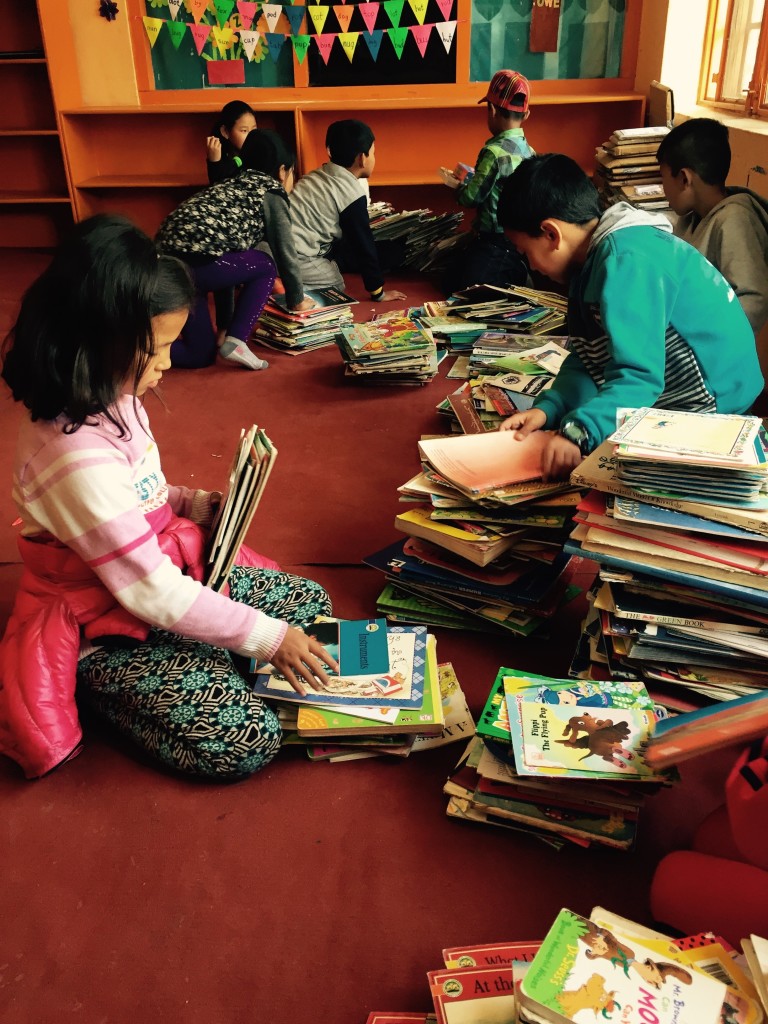
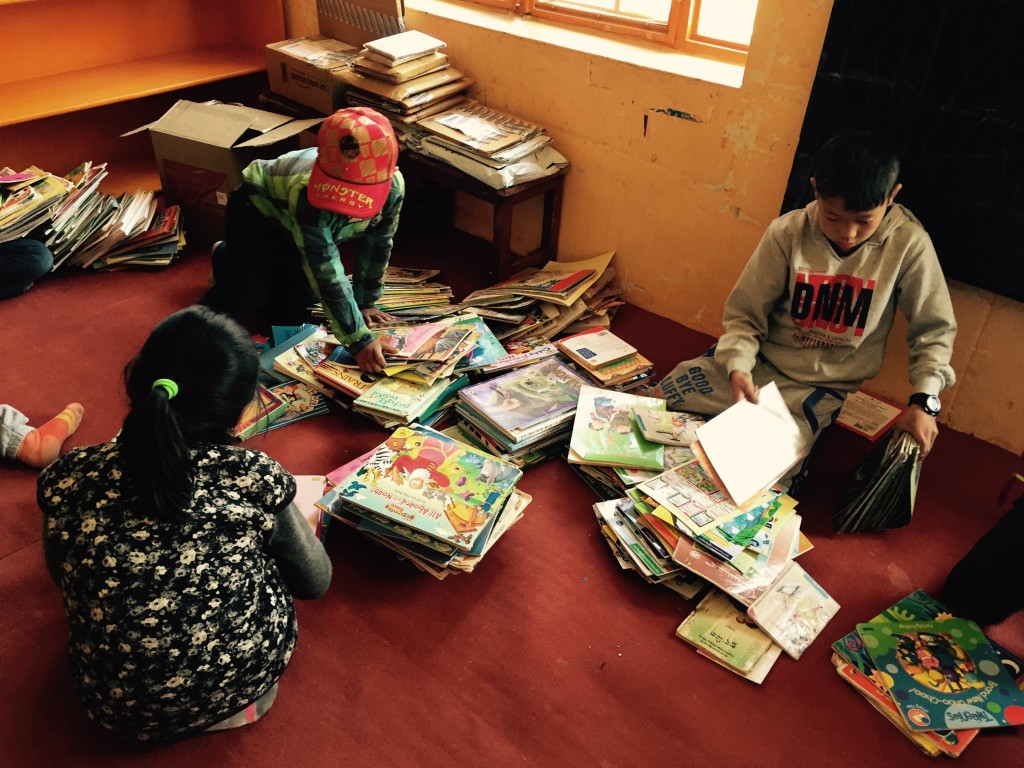
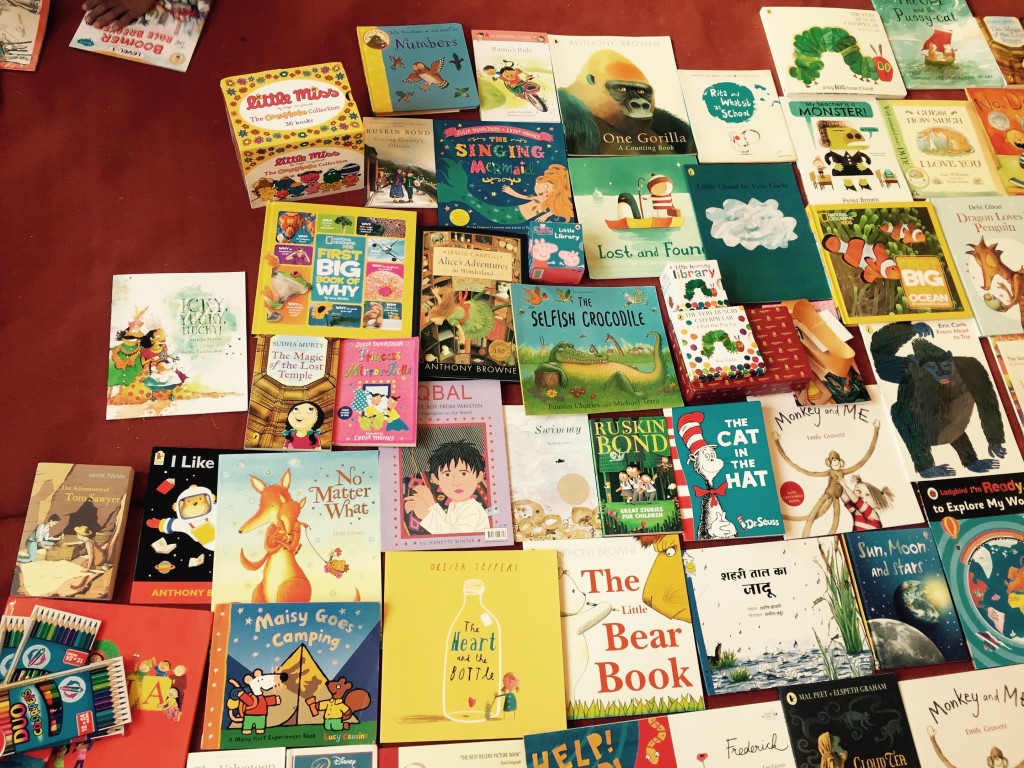
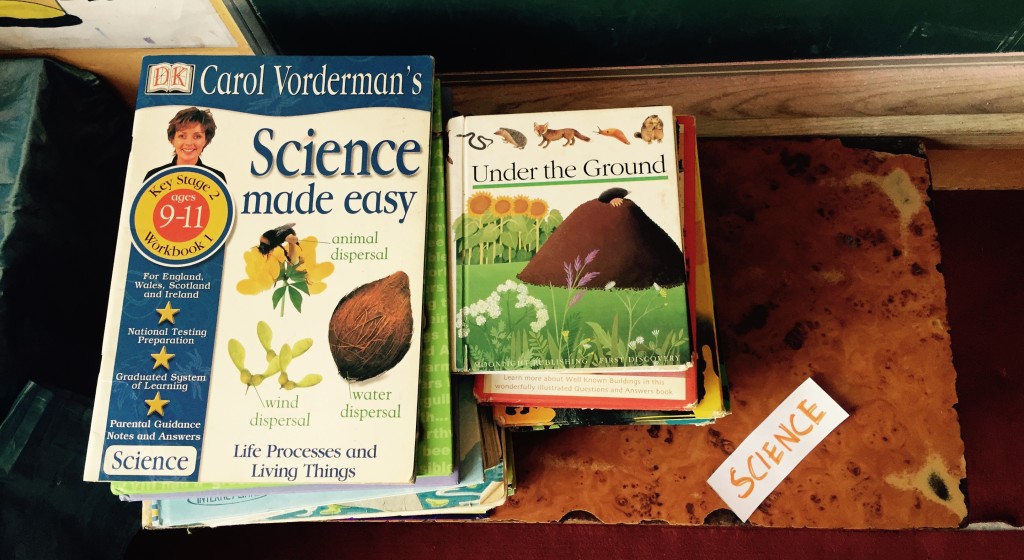
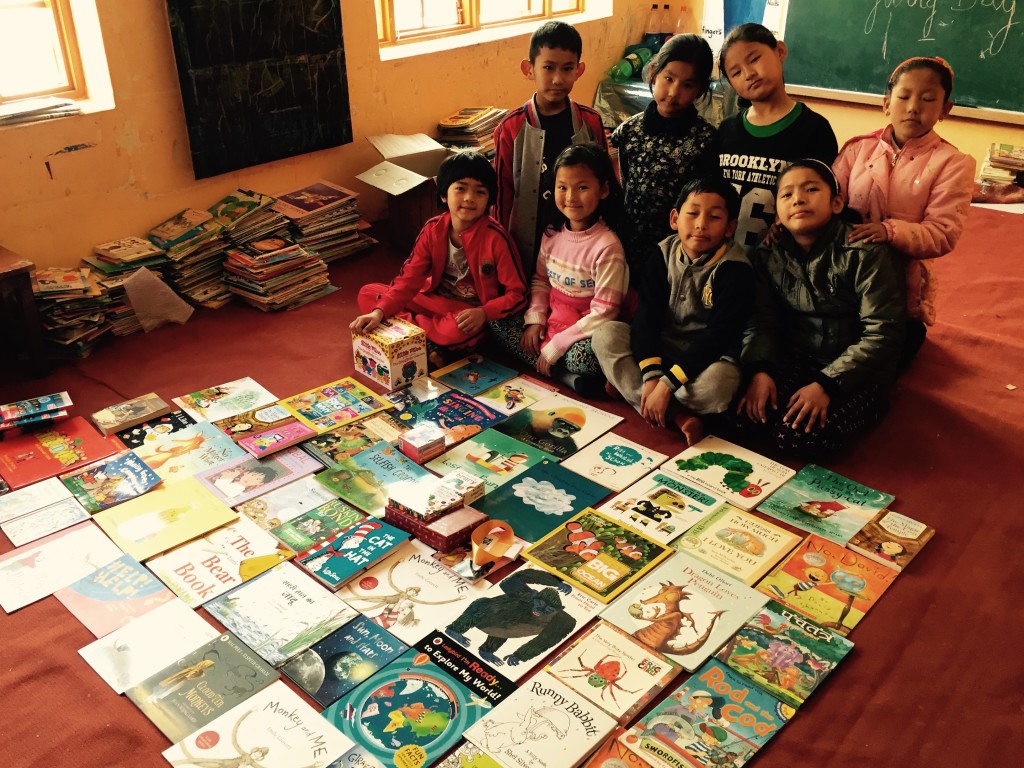
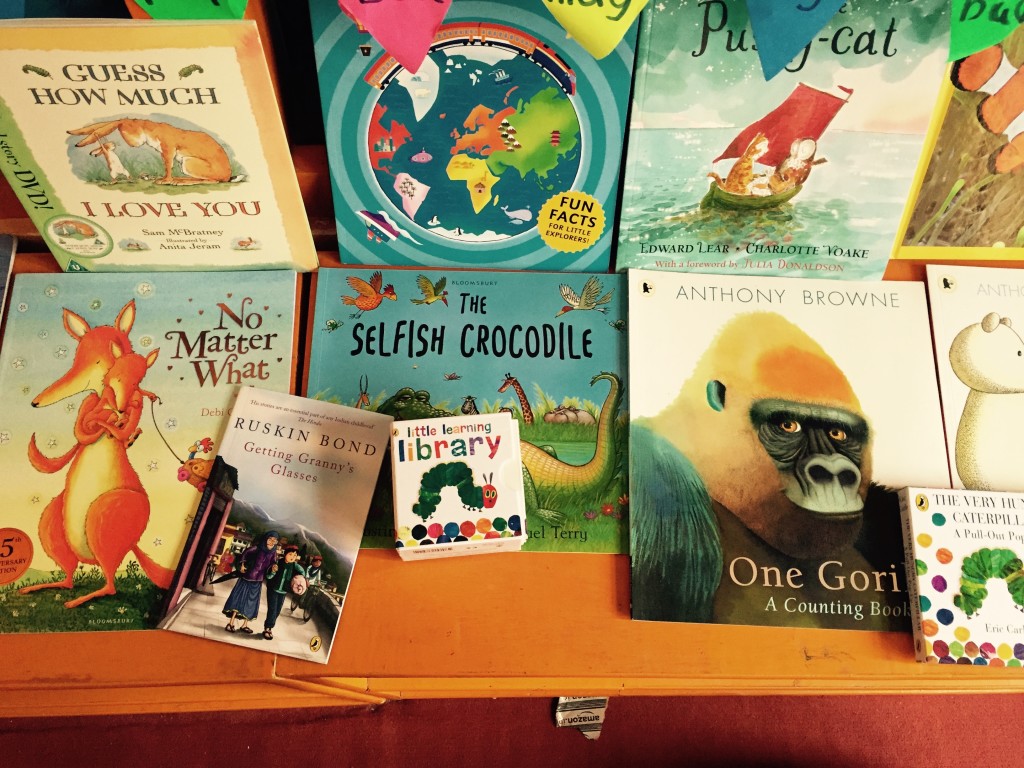
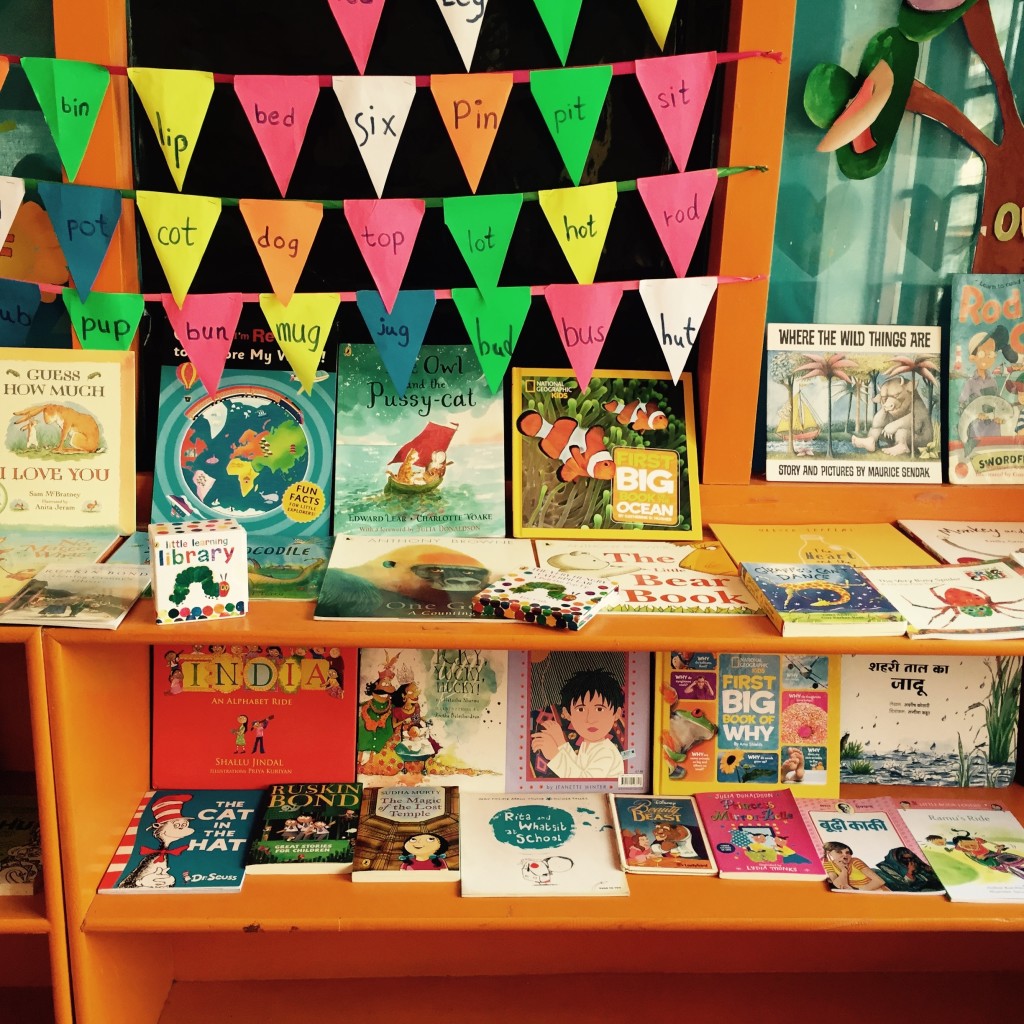
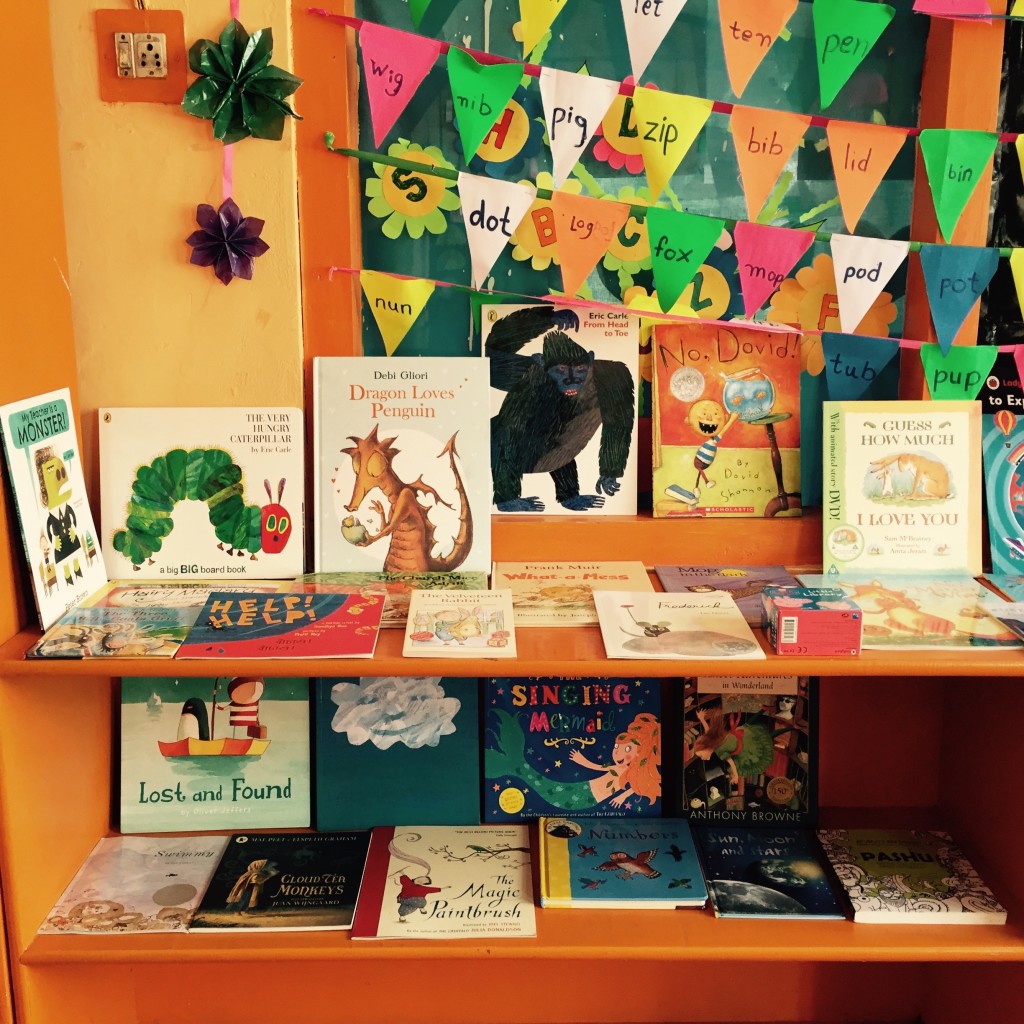
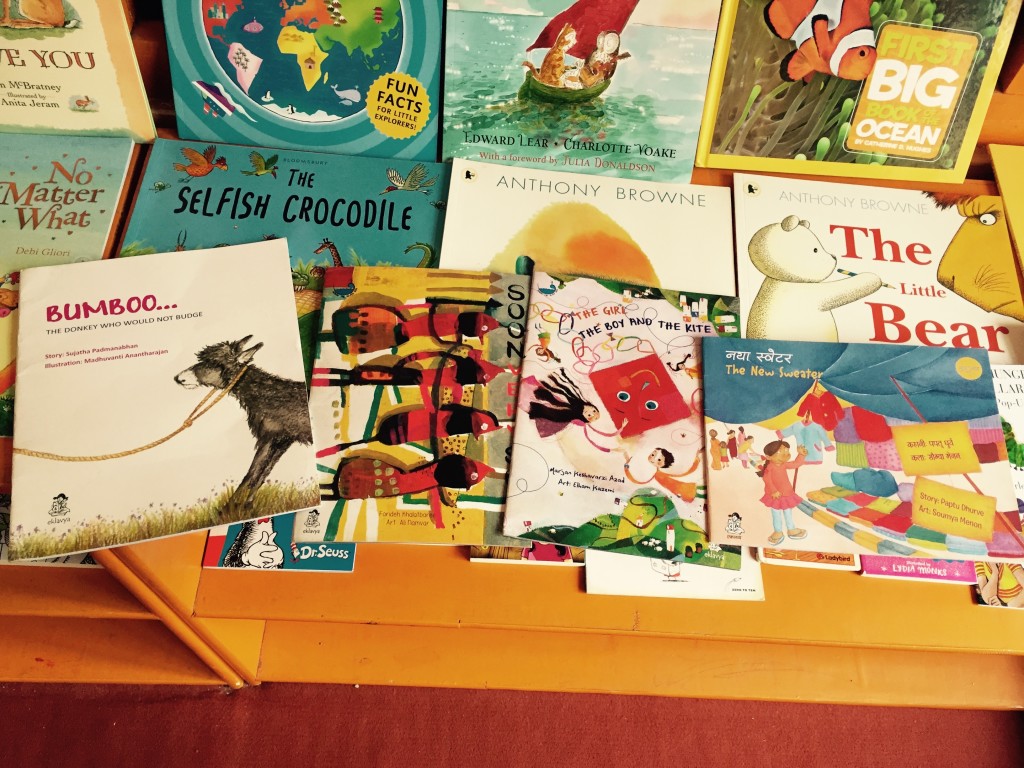
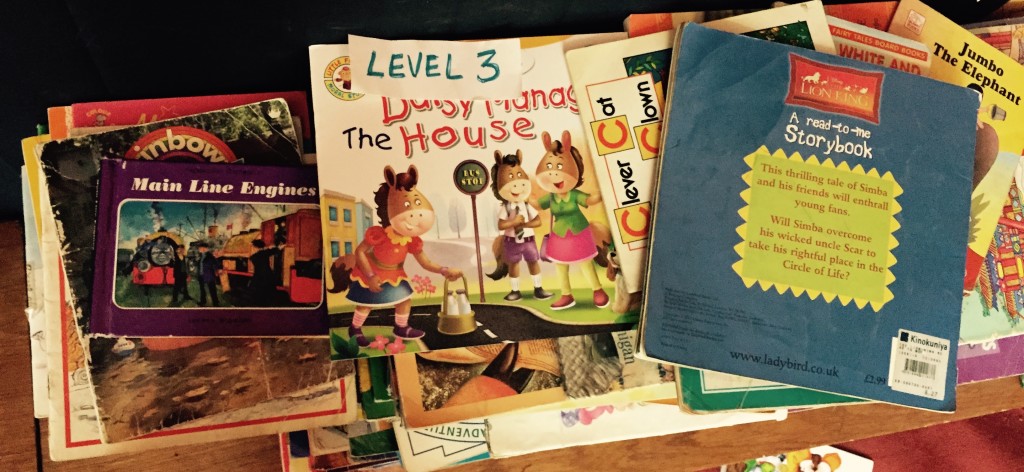
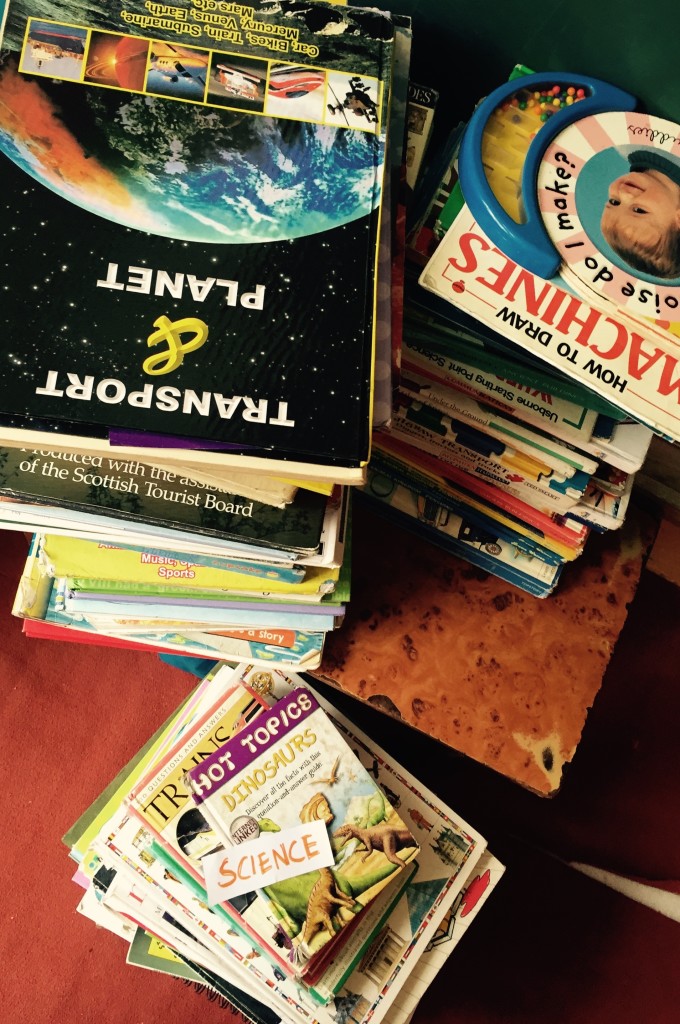
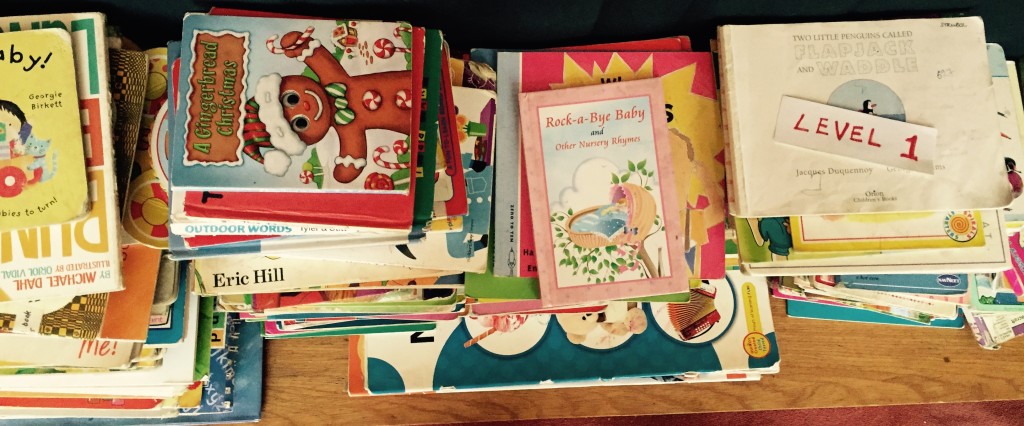
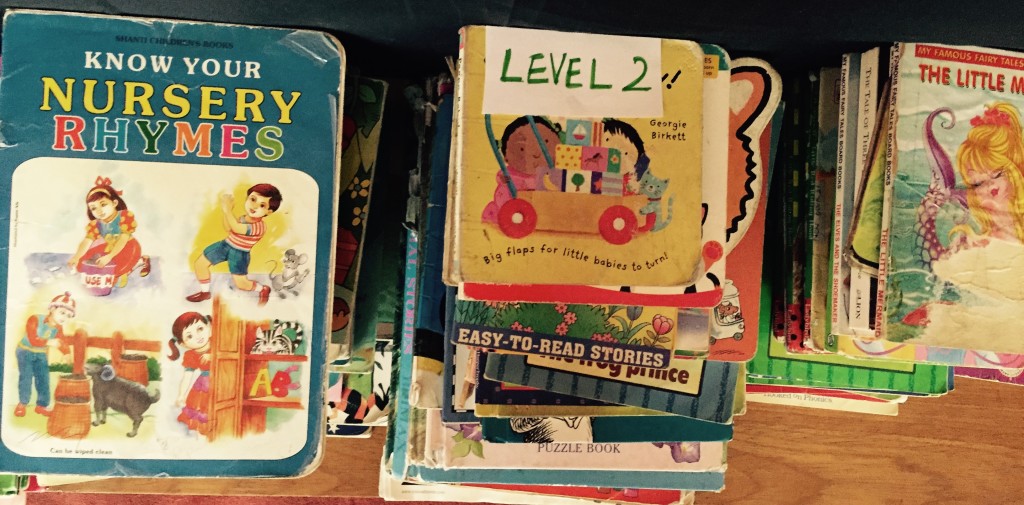
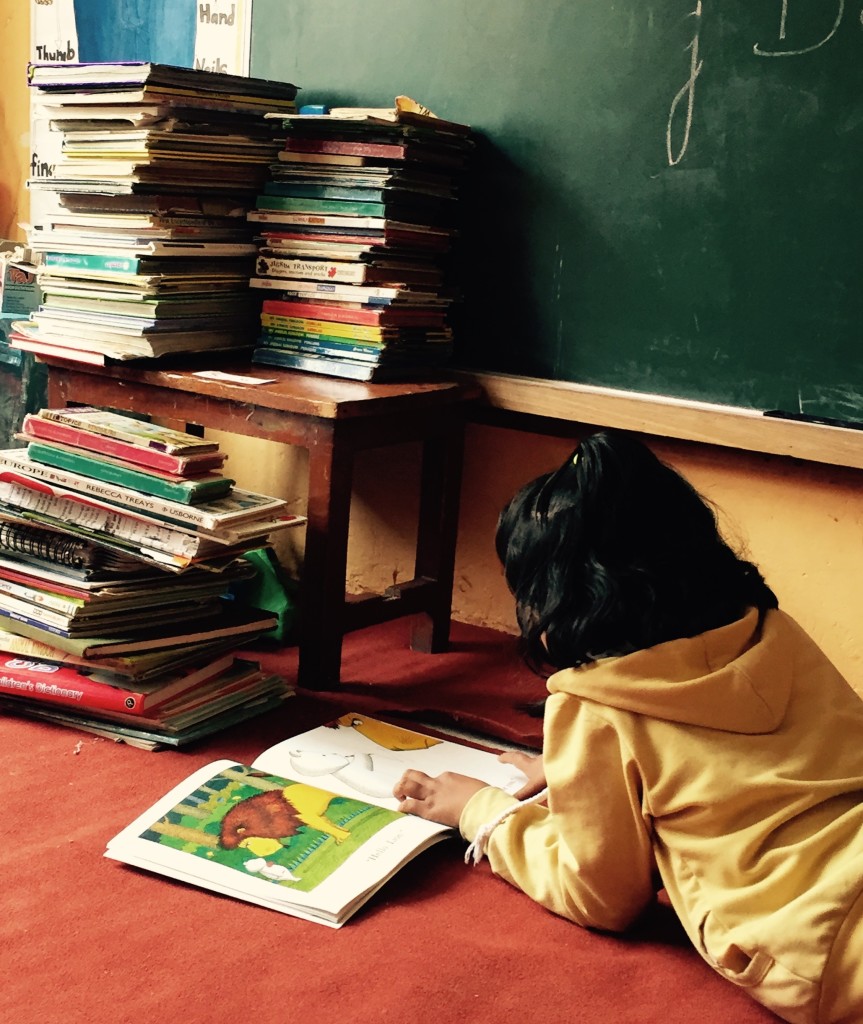
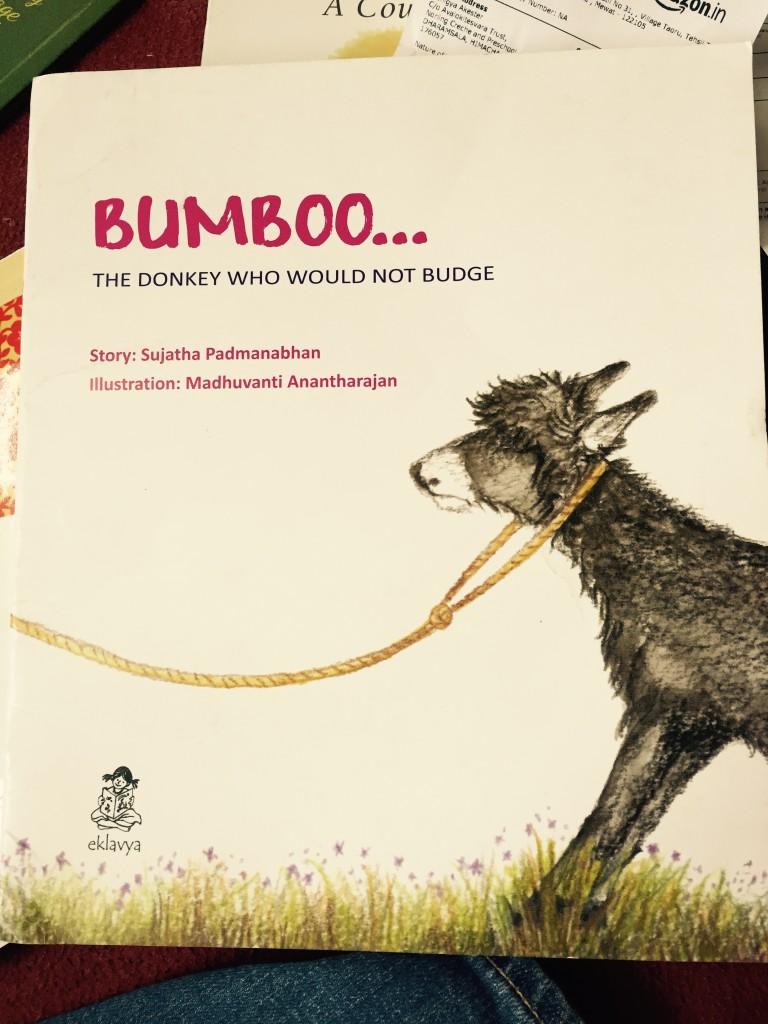
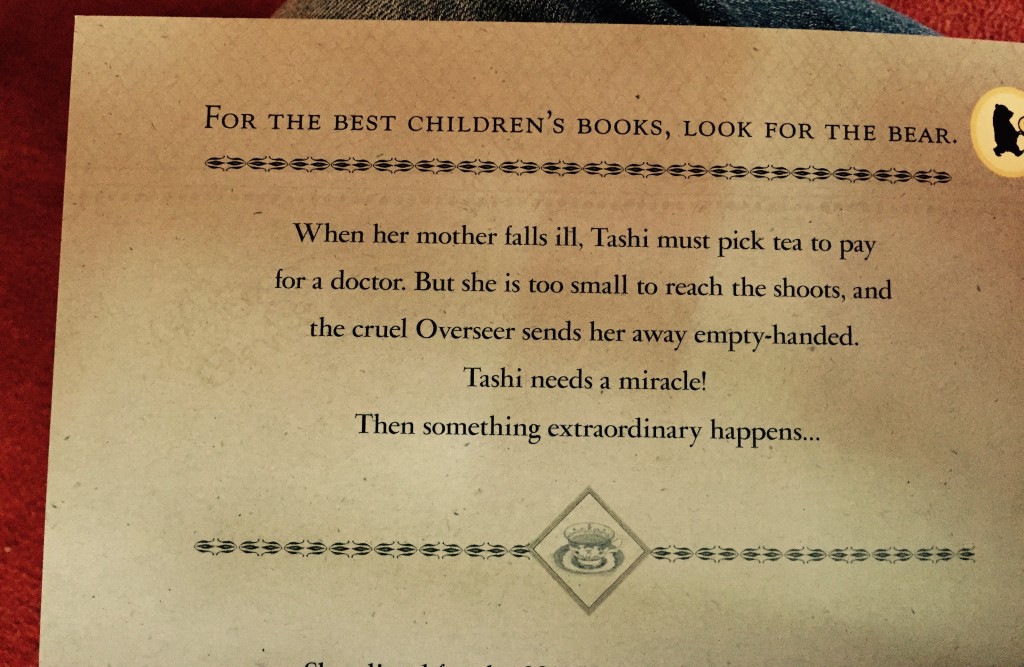
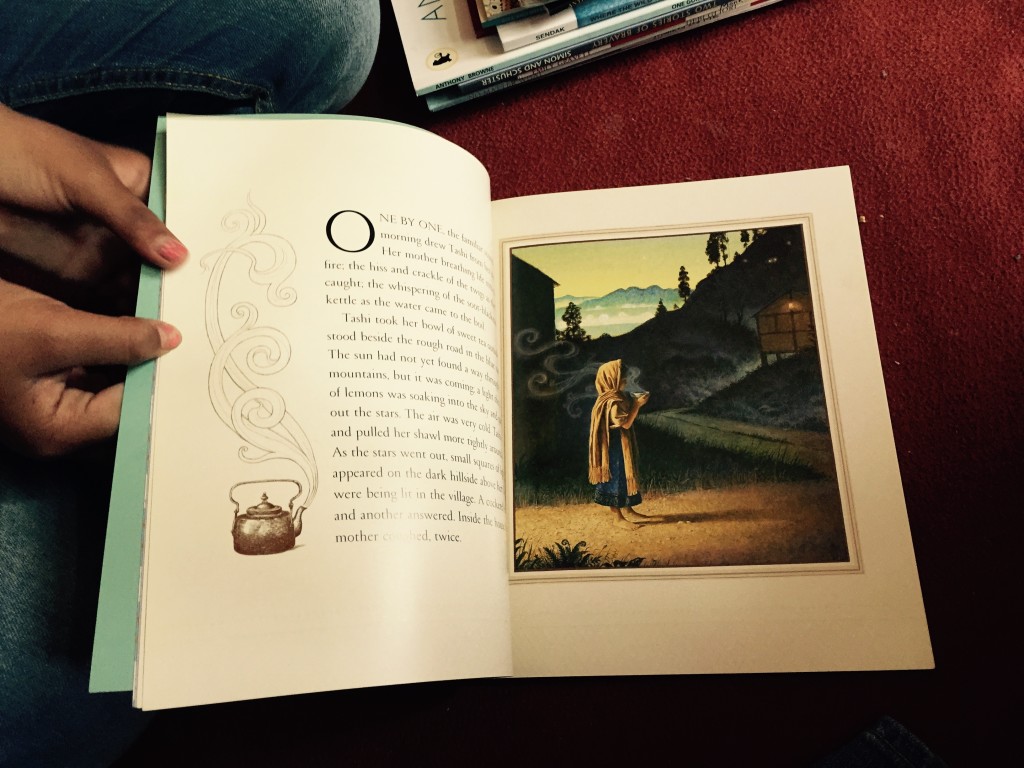
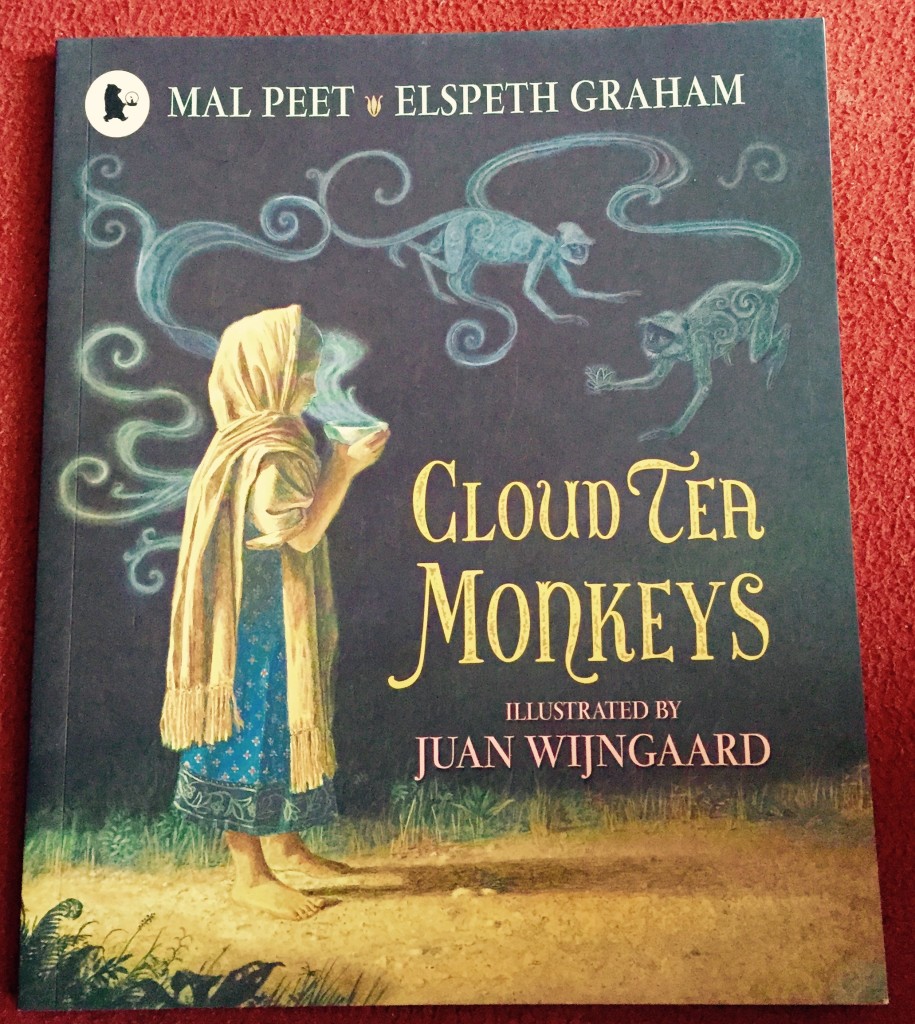
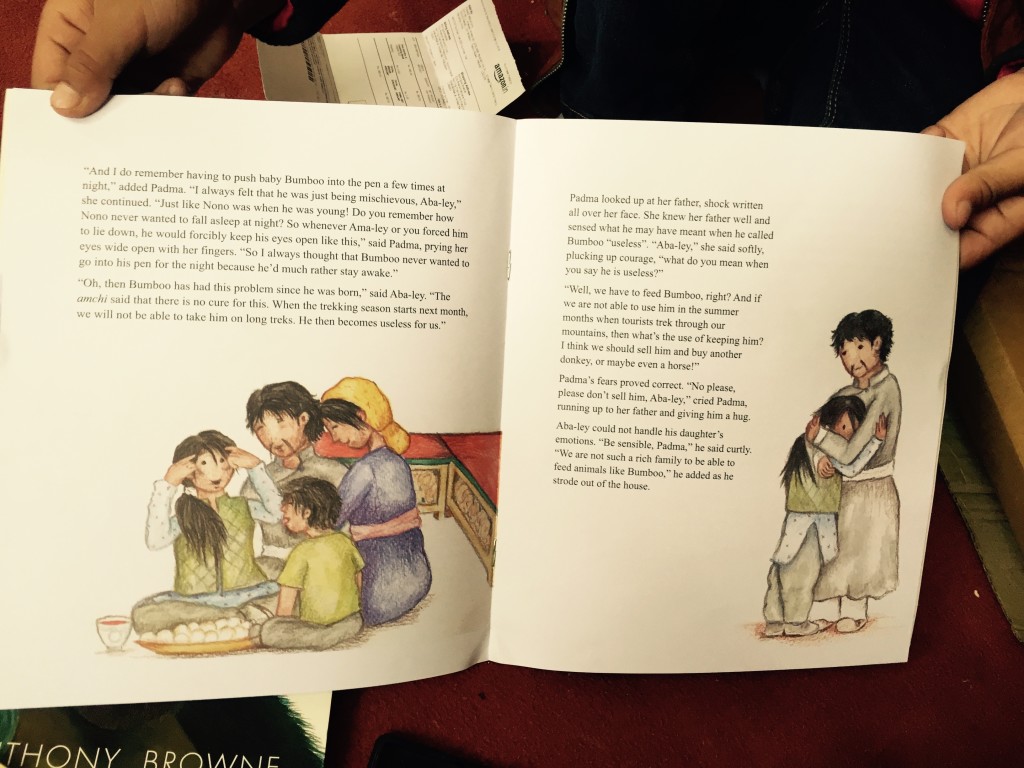
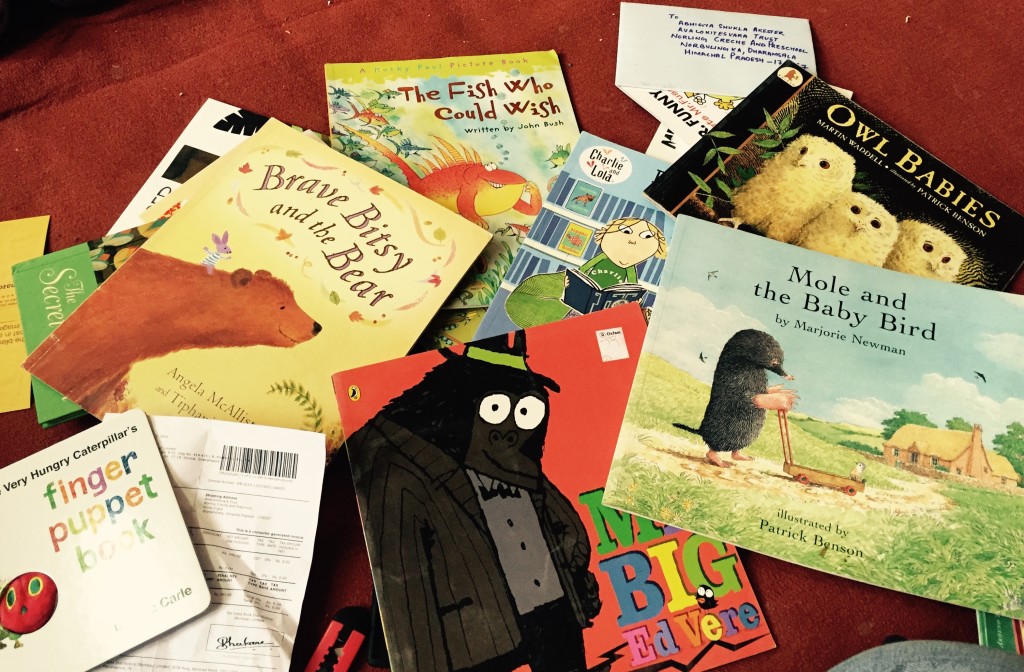
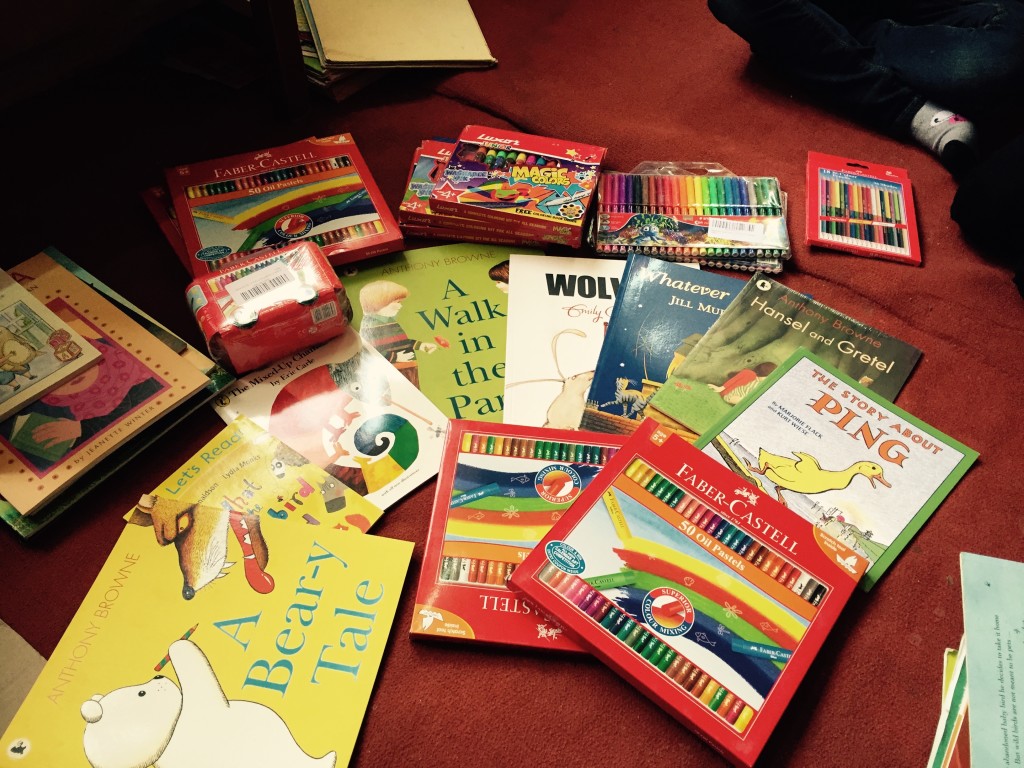
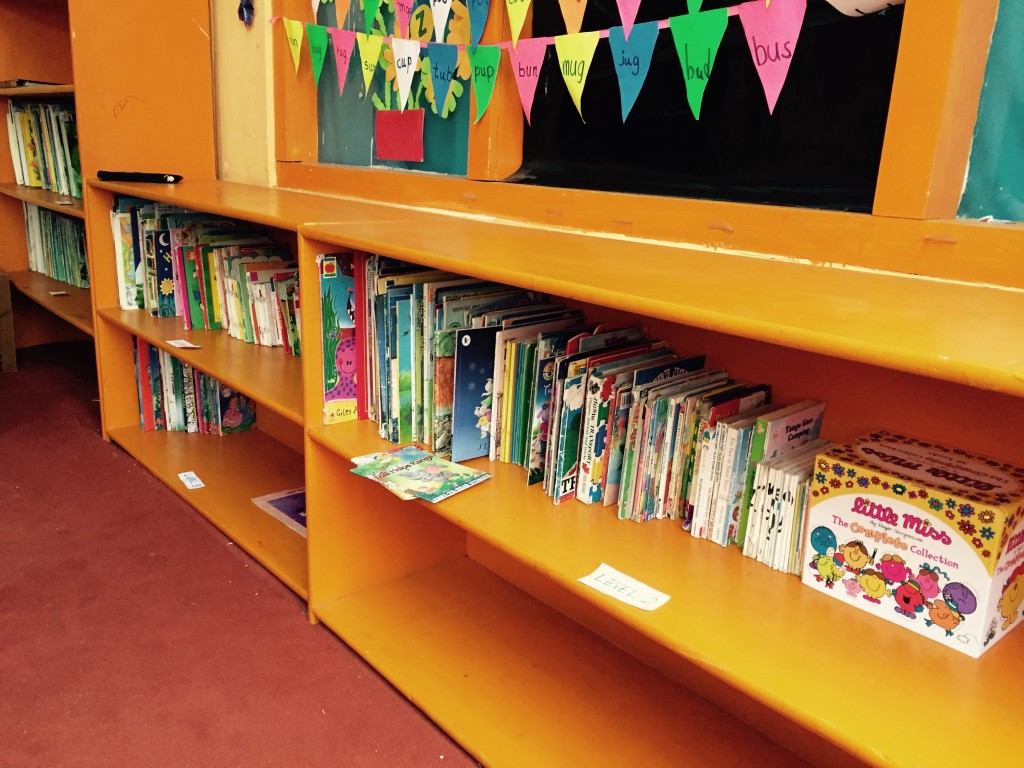
A library gave the project its factual spine. Children compared maps, zoology books, photographic works and fictional journeys, learning that an ocean is both a physical place and a human story. Reading aloud also showed how rhythm can carry a wave, while captions prompted careful looking.
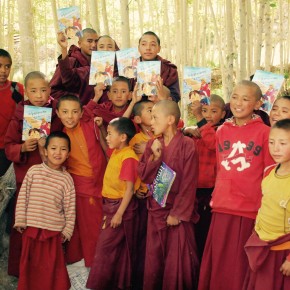
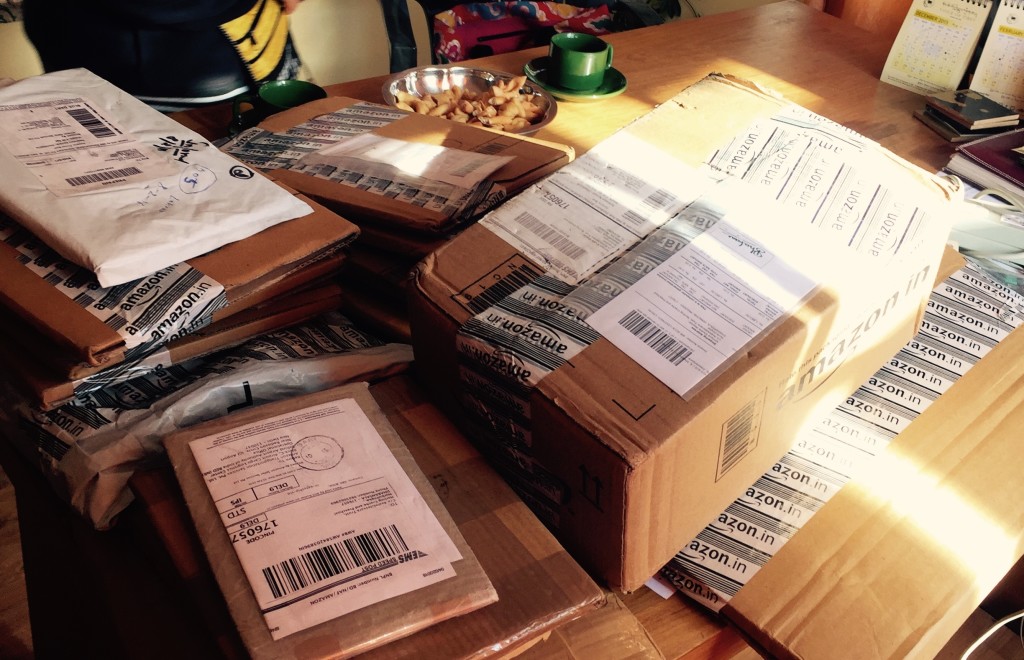
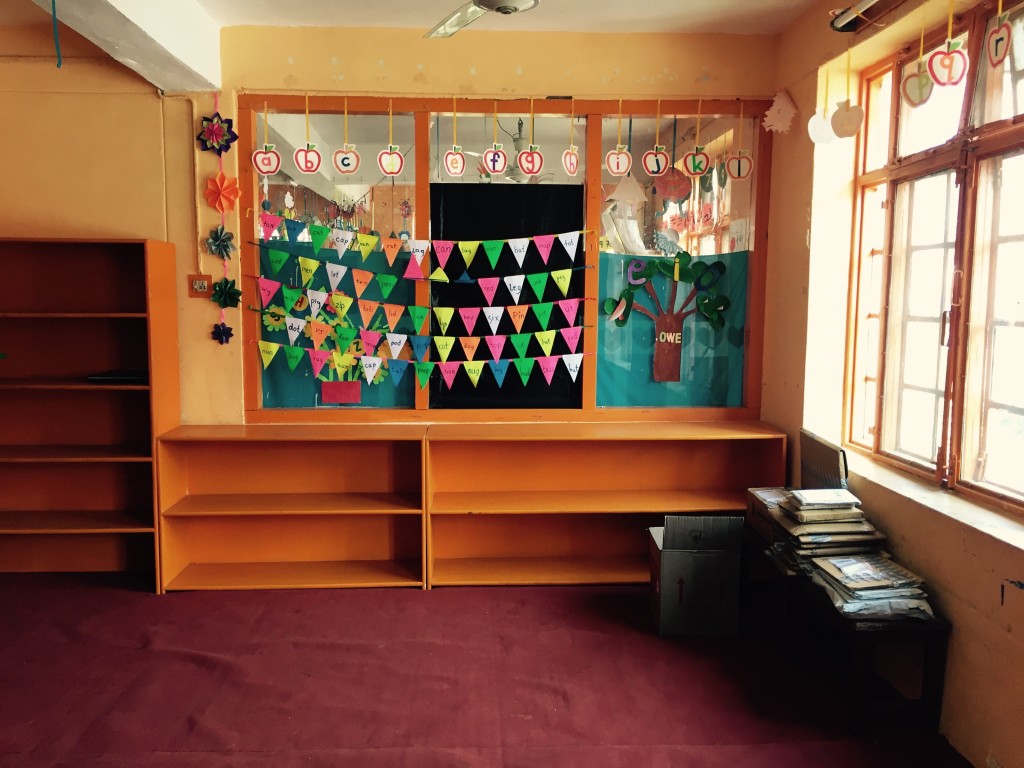
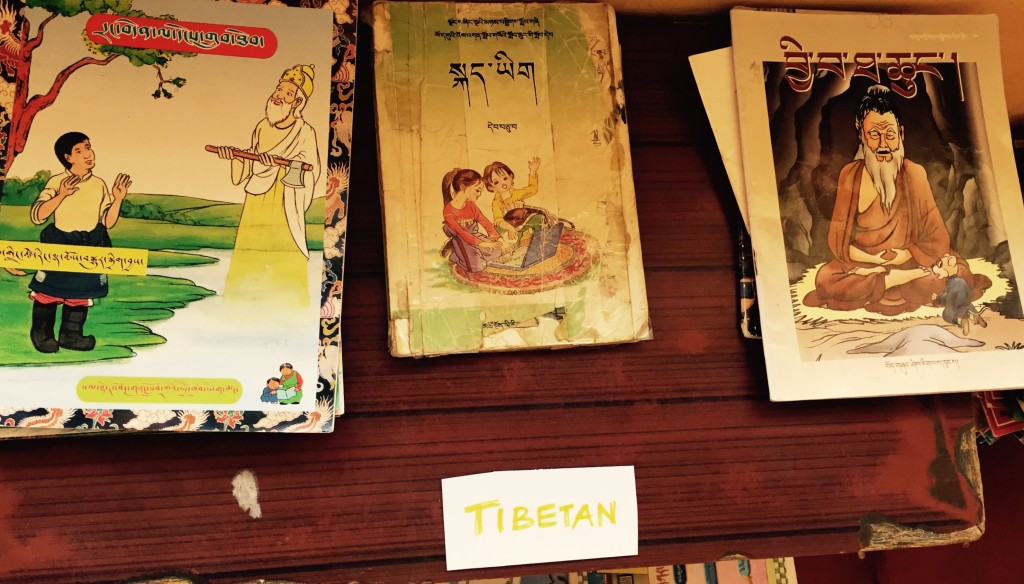
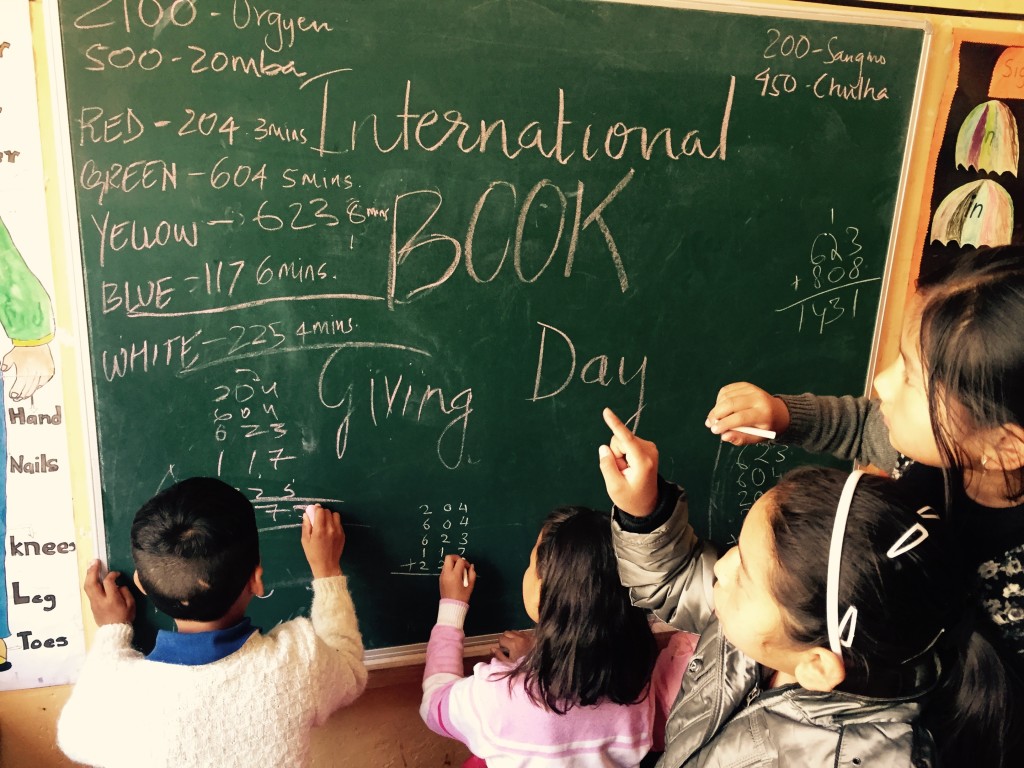
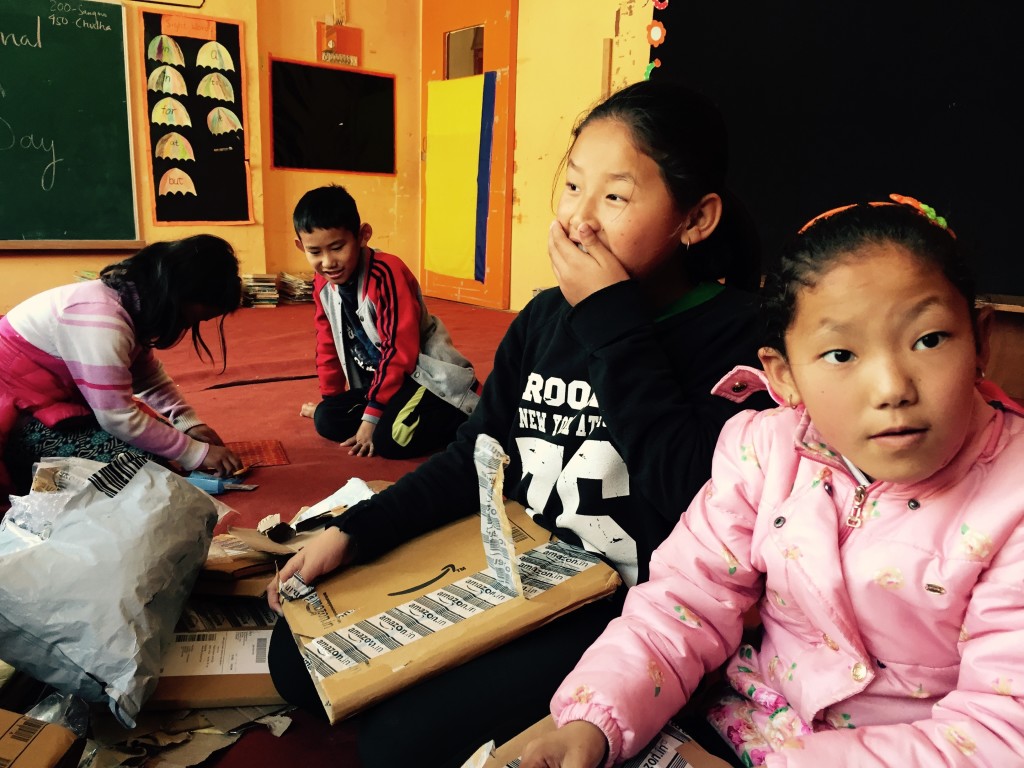
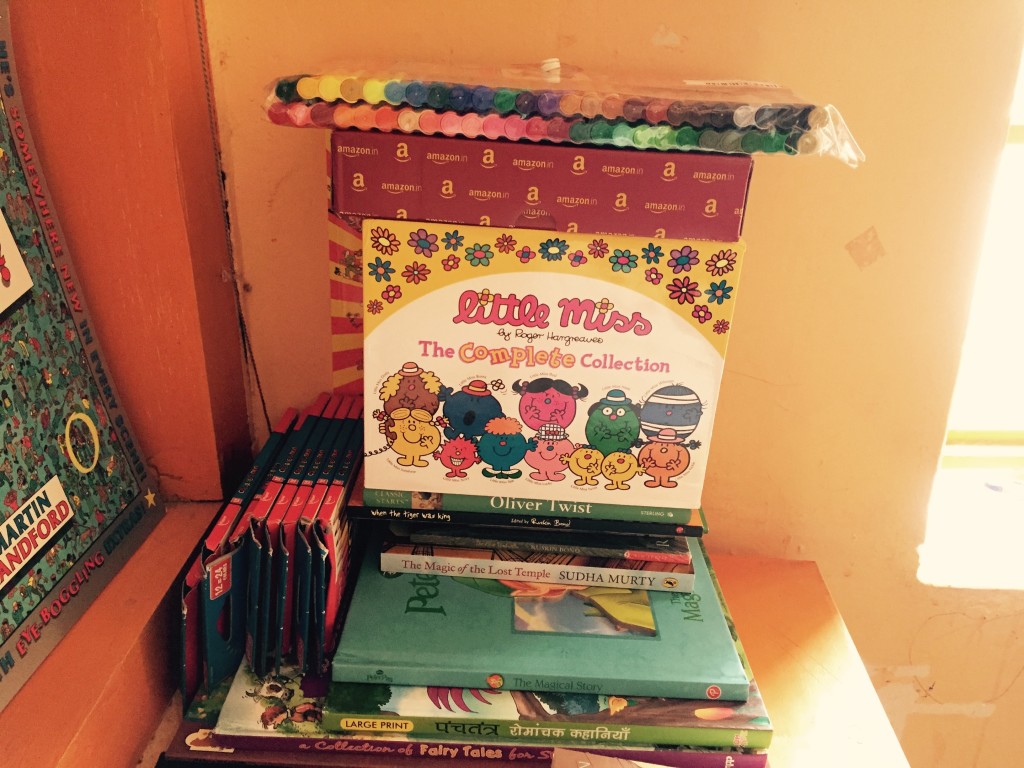
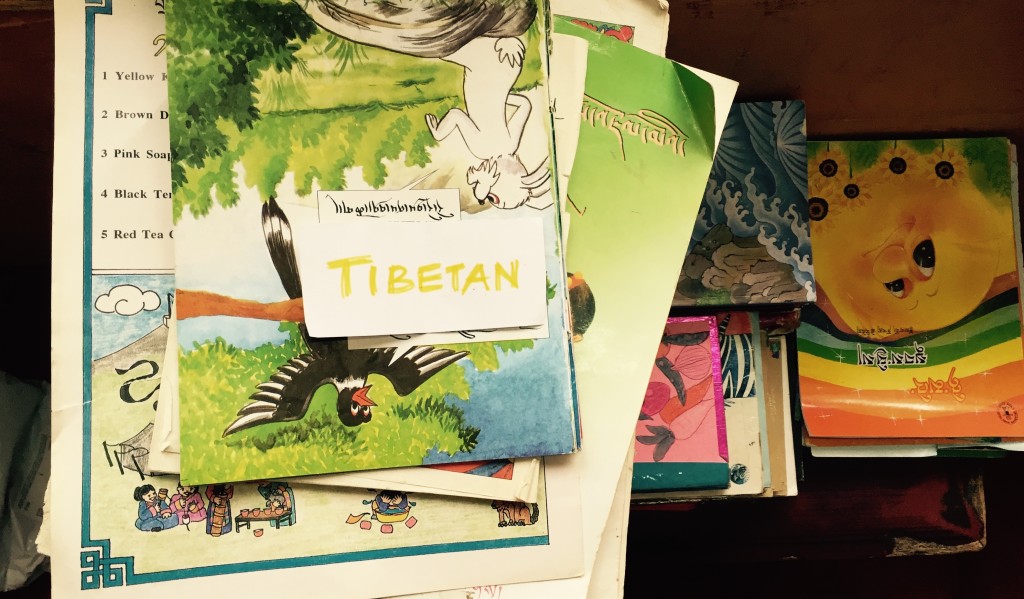
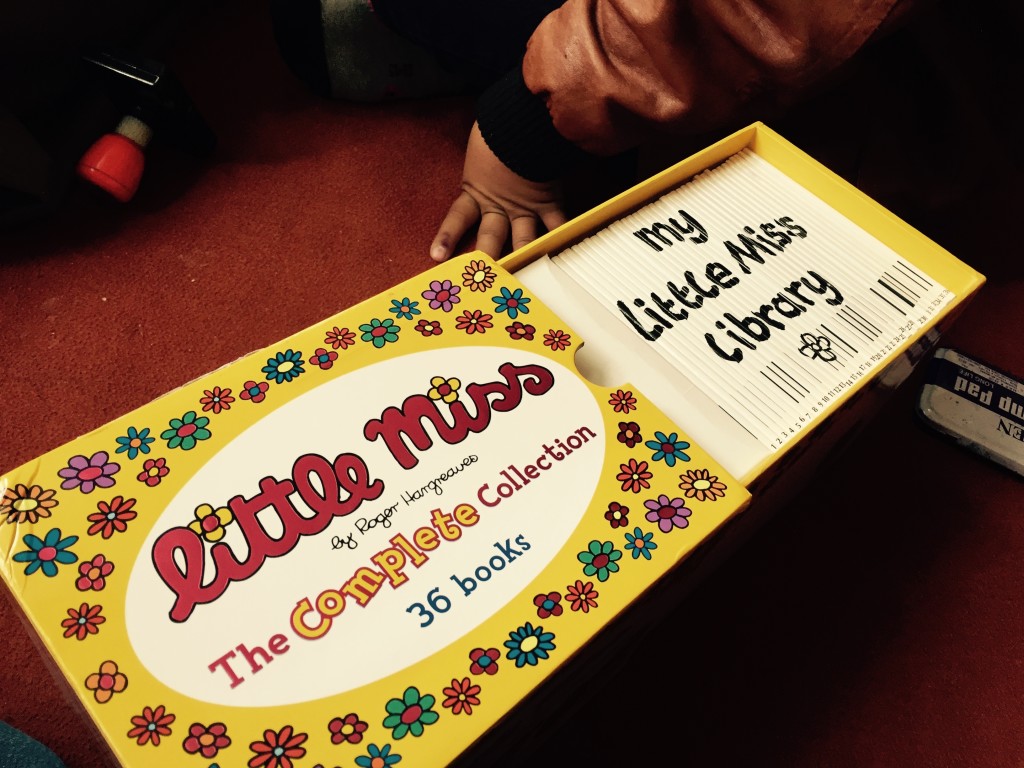
The wider work of Avalokiteśvara Trust matters because the Trust’s education work combines reading rooms and book drives with educational, artistic and musical activities. A book about tide pools or ships does more than fill a shelf: it can connect a child’s daily world with animals, ecosystems and people they may never meet.
Across Australia, the book journey often moves through public libraries, school book fairs, independent booksellers and education suppliers. Picture books about reefs, weather and migration support early literacy, while nonfiction adds detail for older readers. Ocean stories grounded in Aboriginal and Torres Strait Islander knowledge deserve attribution and cultural guidance rather than serving as generic scenery.
Turning a mural into shared knowledge
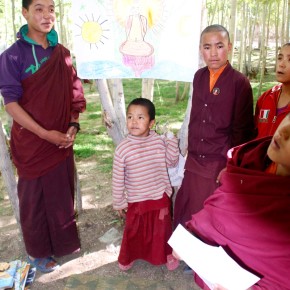
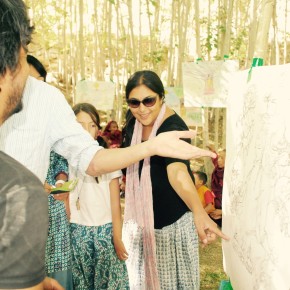
The children combined their separate images into one large mural. Painted waves curved around written observations, fish, birds, plastic fragments and imagined whirlpools. Reused cardboard became reefs and boats; layers of tissue suggested currents. The finished work was uneven by design, because individual ideas remained visible.
Alongside the painting, the group produced labels, poems and a short glossary. Each contribution answered a different part of the project: what the water contains, how creatures move, why currents matter and what people can do at the coast. Children read one another’s words aloud, turning the exhibition into a shared publication as well as an artwork.
Literacy and creativity reinforce each other here. An artist needs language for an idea; a reader gains an image; a fact becomes memorable when a child has drawn it. The mural gave families a public voice without requiring specialist scientific vocabulary.
Music, movement and marine science
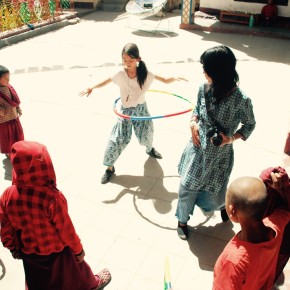
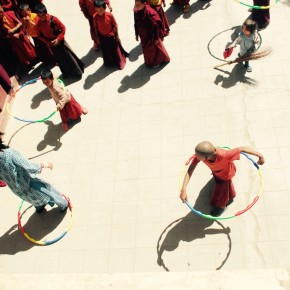
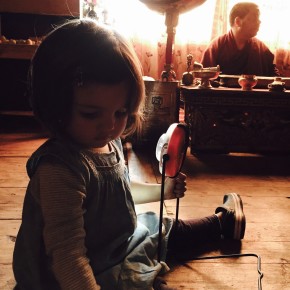
Music brought another current into the room. Children beat drums at different speeds, used body movements to represent drifting plankton and made quiet sounds for deep water. The exercise did not claim to reproduce the ocean exactly. It encouraged listening, coordination and empathy for scale.
A useful model comes from travel writing and literature, where journeys become gateways to distant landscapes and cultures. Like those accounts, the children’s project began with wonder and then gathered evidence, but it let emotion and imagination sit beside information. That combination can help factual writing feel vivid without losing precision.
Local marine knowledge can make the same approach practical. Australian families may know the Great Barrier Reef, Sydney Harbour, Bass Strait or a mangrove edge near home, and surf clubs often have detailed knowledge of currents. Bringing such knowledge into a classroom through a book, map or demonstration links global ocean science with a child’s lived environment.
Ways to keep the question moving
The transferable element is the sequence: notice, question, research, make and share. It can be small, and it does not require specialist equipment.
At home or in a neighbourhood group, families can use ordinary encounters with water:
- Keep a “wonder wall” where children record one ocean question and one possible answer each week.
- Visit a creek, beach, harbour or rain garden and sketch what moves, changes or makes sound.
- Borrow a map, picture book or nonfiction title from the local public library.
- Build a wave rhythm with household objects, then compare it with a recorded shoreline sound.
The same structure can be used by teachers and community artists:
- Pair one artwork with three reliable facts, using a different book for each age group.
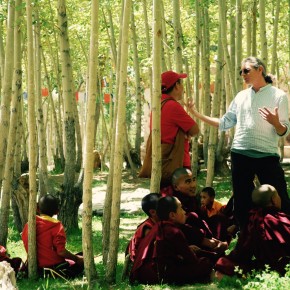
- Invite a marine educator, artist, ranger or surfer to speak briefly and answer questions.
- Display the work in a school library, public library or community centre with a shelf of related books.
- Use clean craft materials and avoid collecting objects from sensitive or polluted shorelines.
In Australia, such projects can fit the way small community organisations often work: donated supplies, public-library partnerships, parent-run fairs, local business sponsorship and community grants give children an audience while keeping the activity financially modest.
A small project with a long reach
The project’s first achievement was not technical accuracy. Children became more willing to ask precise questions, test their drawings and explain their choices to others. Their ocean was part scientific habitat, part memory and part imagined place, which made it more useful than a copied picture of waves.
That approach reflects why Avalokiteśvara Trust values literacy, creativity and access to quality learning resources. A reading room can begin with books; an art session can deepen how those books are read; music and movement can help knowledge stay with a child. The same principle travels well beyond Ladakh.
The practical takeaway is a repeatable method: preserve the original question, research it with trustworthy books, translate it into art, sound and words, and let the finished work create room for further learning without requiring a perfect final answer.