A Train Drawing Opens a Window on the World
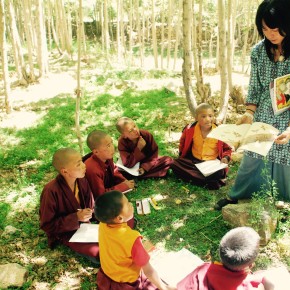
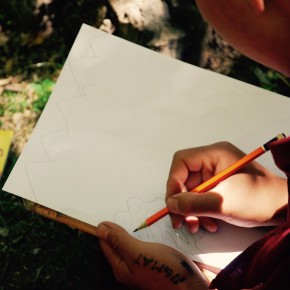
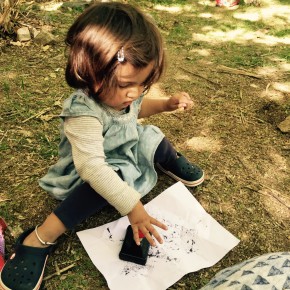
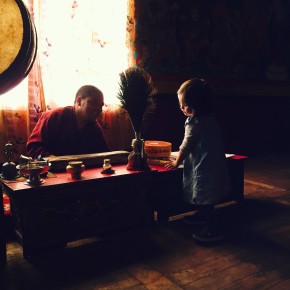
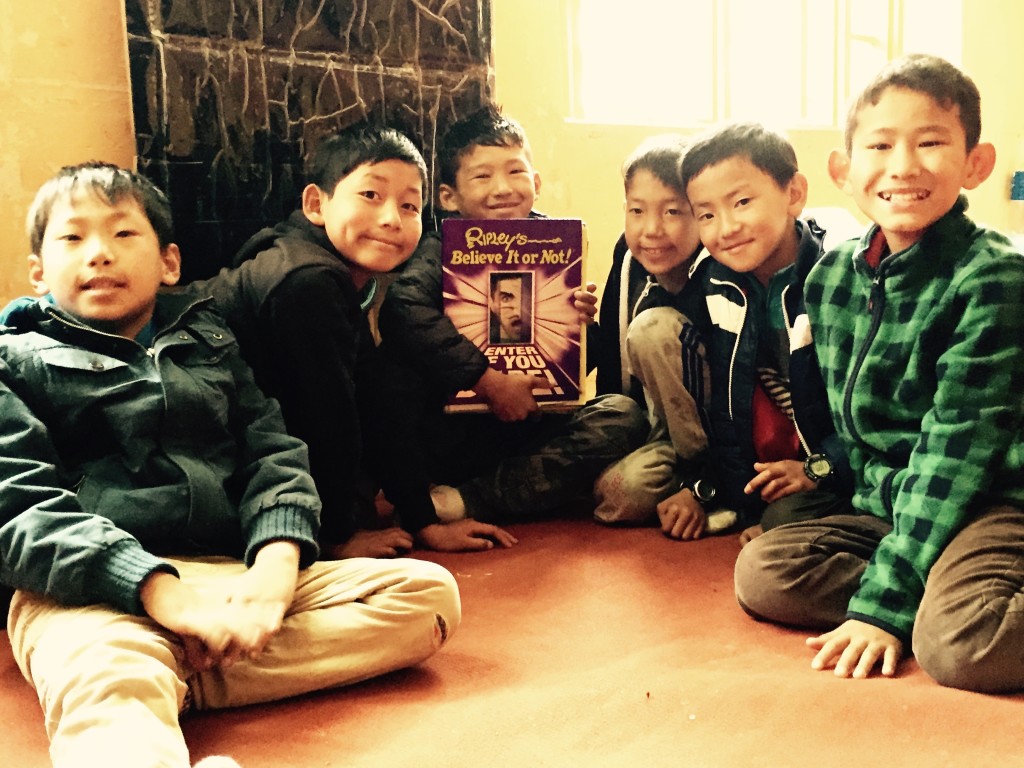
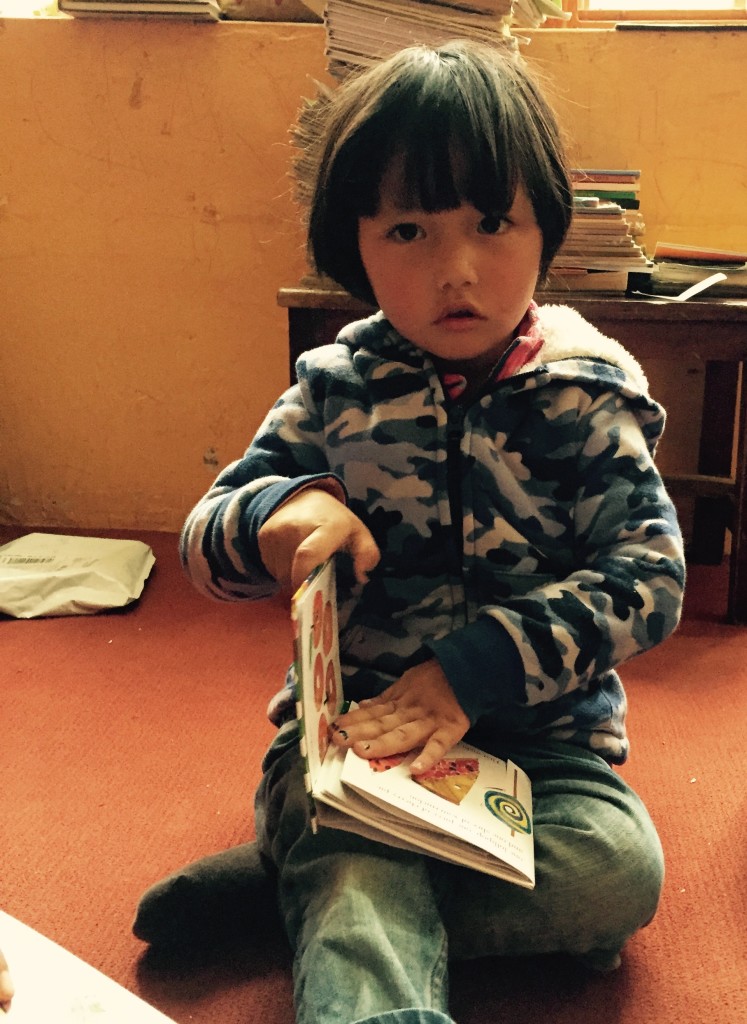
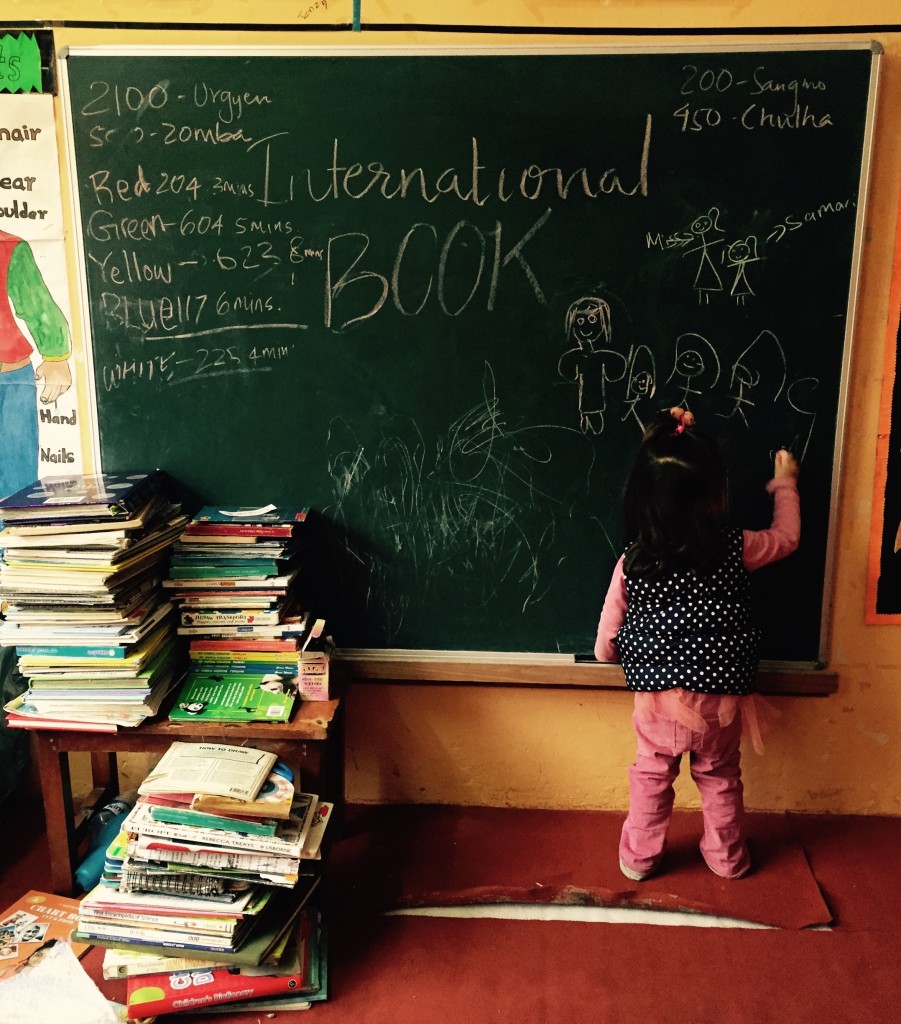
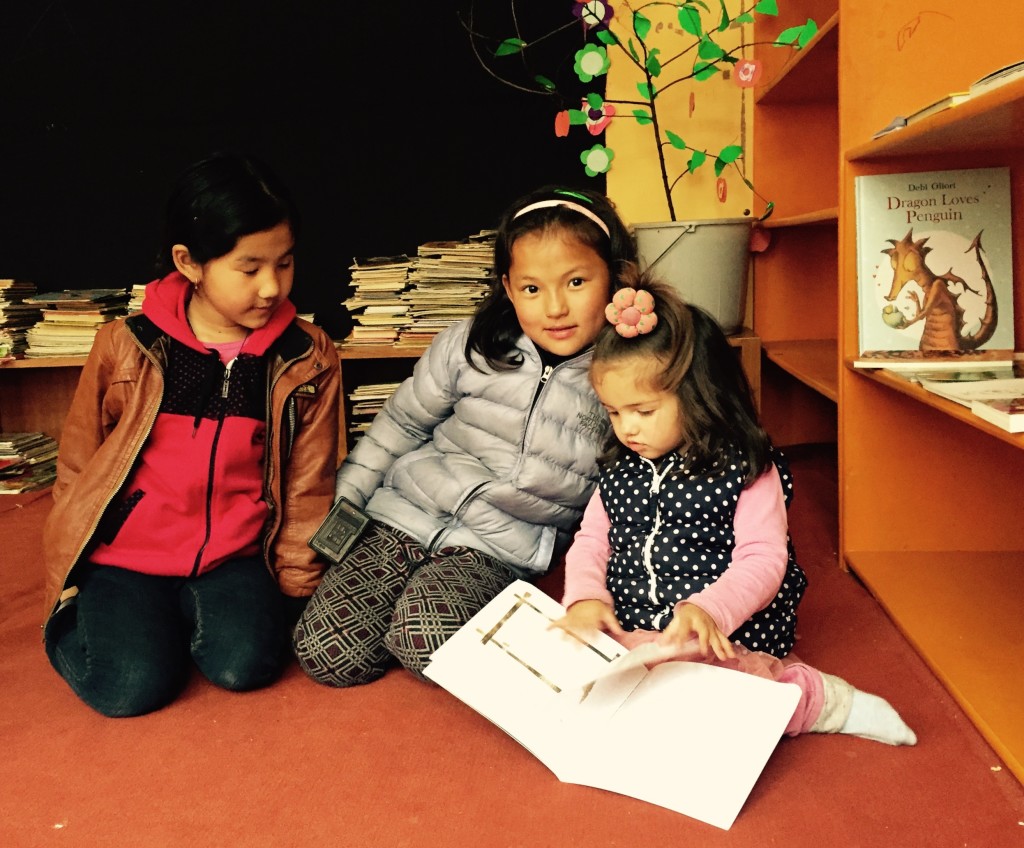
In a reading room in the Himalayan region, a child once drew a train stretching across the page. It had bright carriages, square windows and a winding track that disappeared behind blue mountains. At first glance, it looked like a simple picture. Then the questions began: Where was the train going? Who travelled on it? Did every country have trains? Why did some railways cross deserts while others climbed through snow? Learn more about Popular Roulette Litecoin.
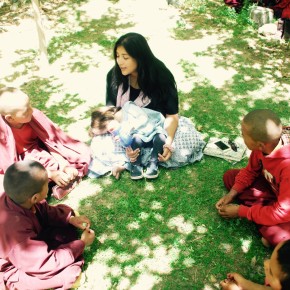
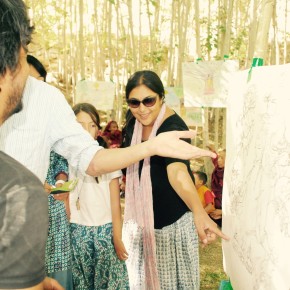
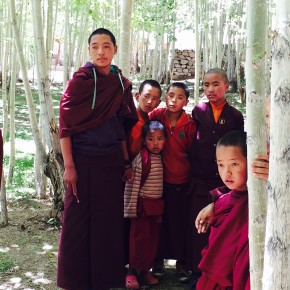
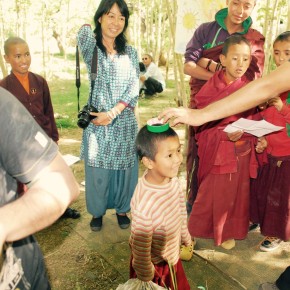
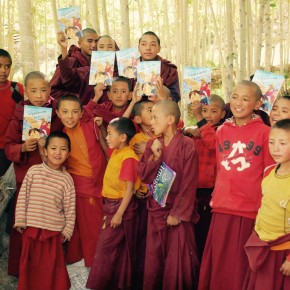
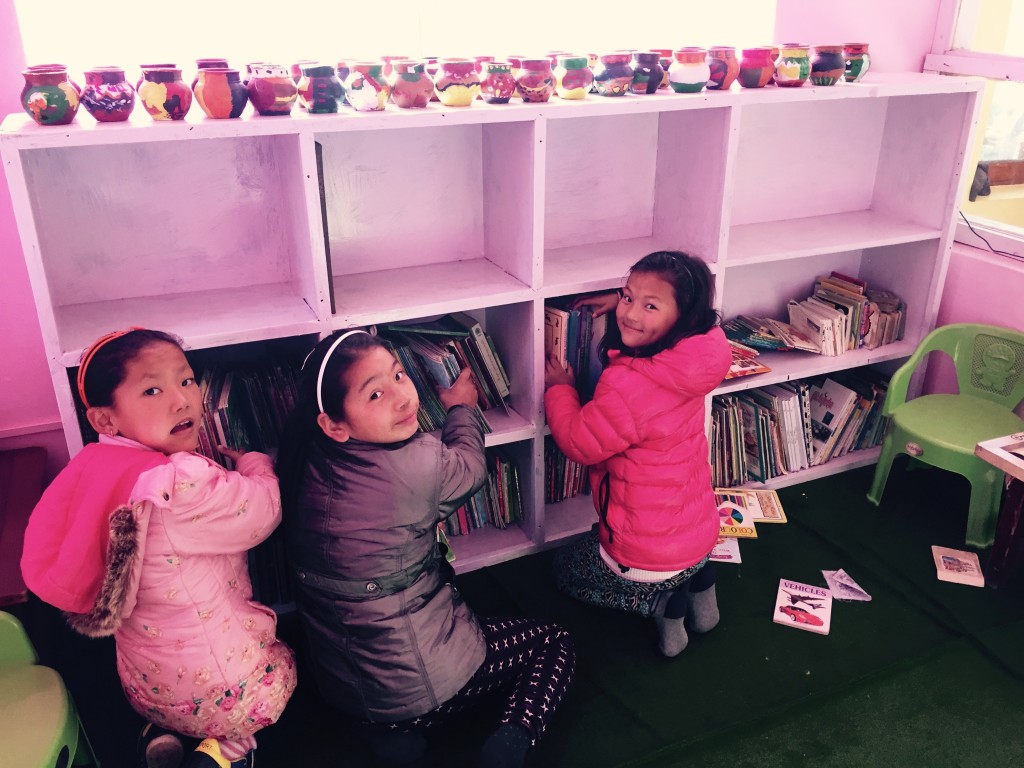
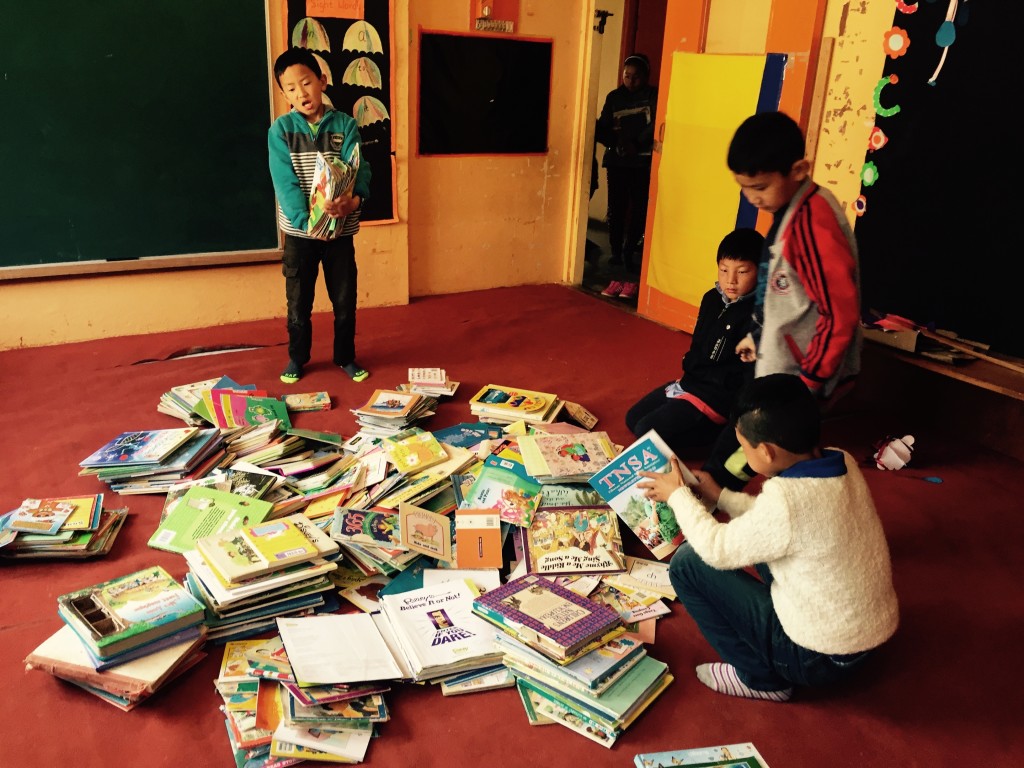
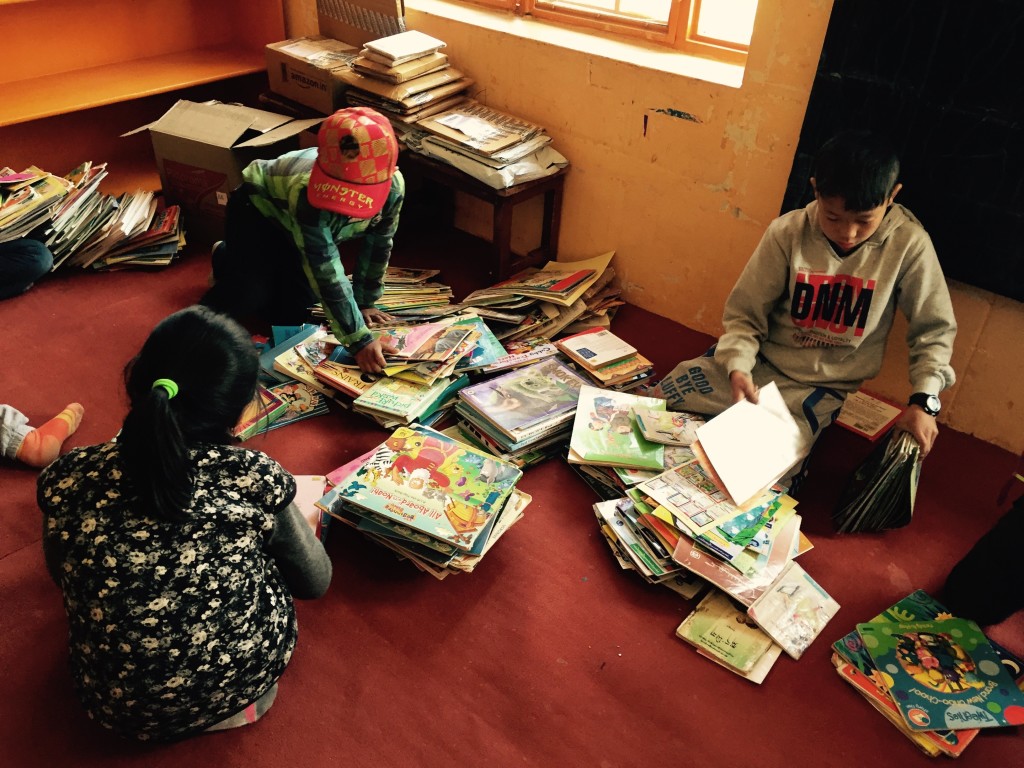
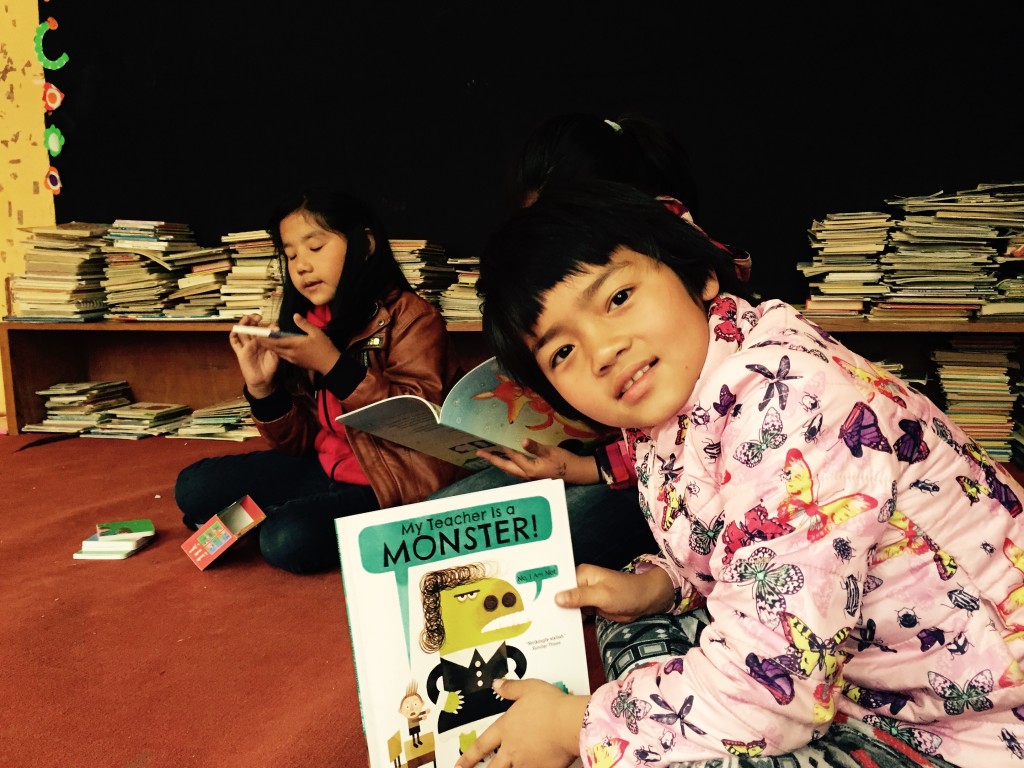
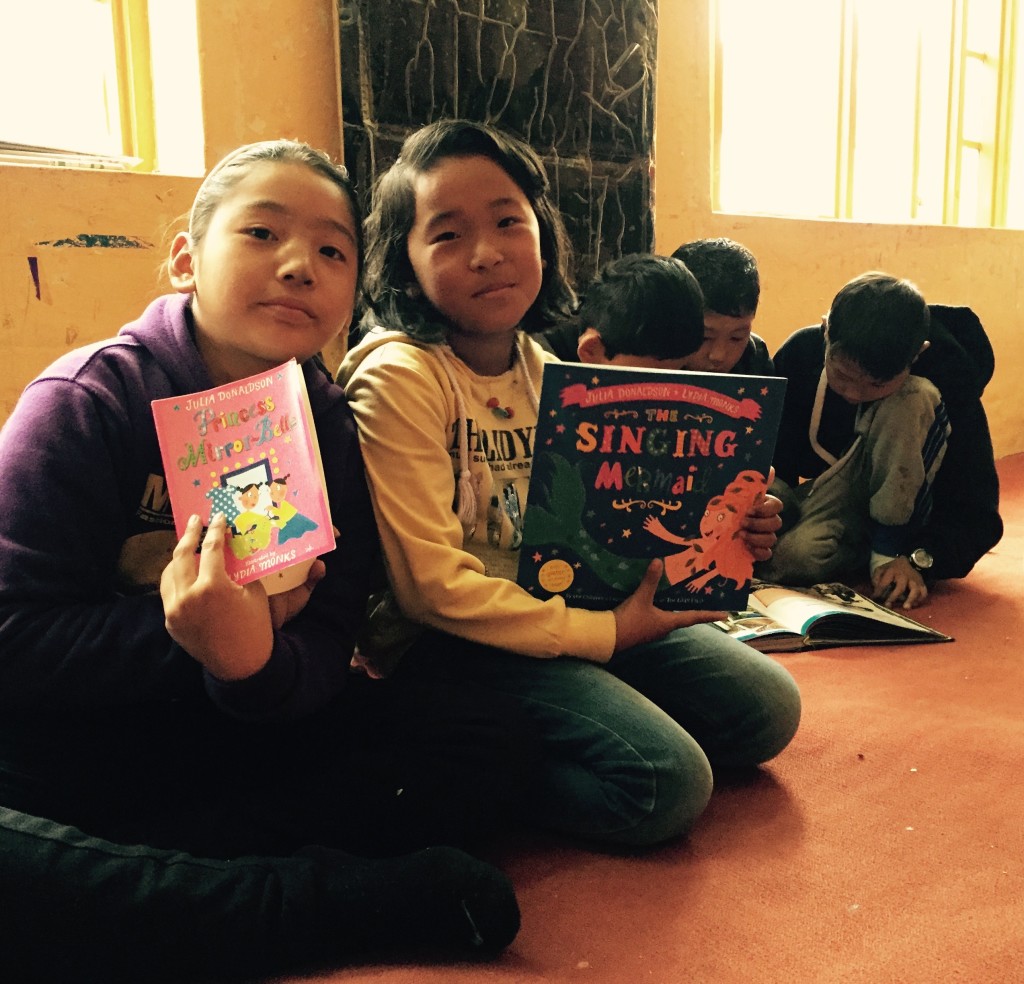
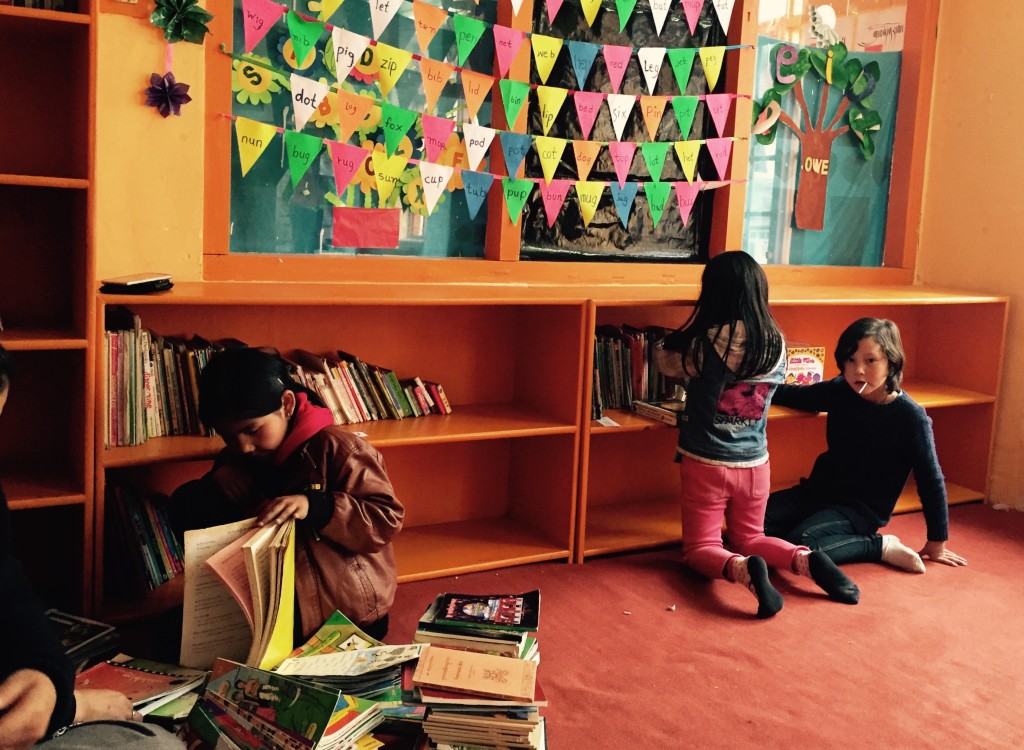
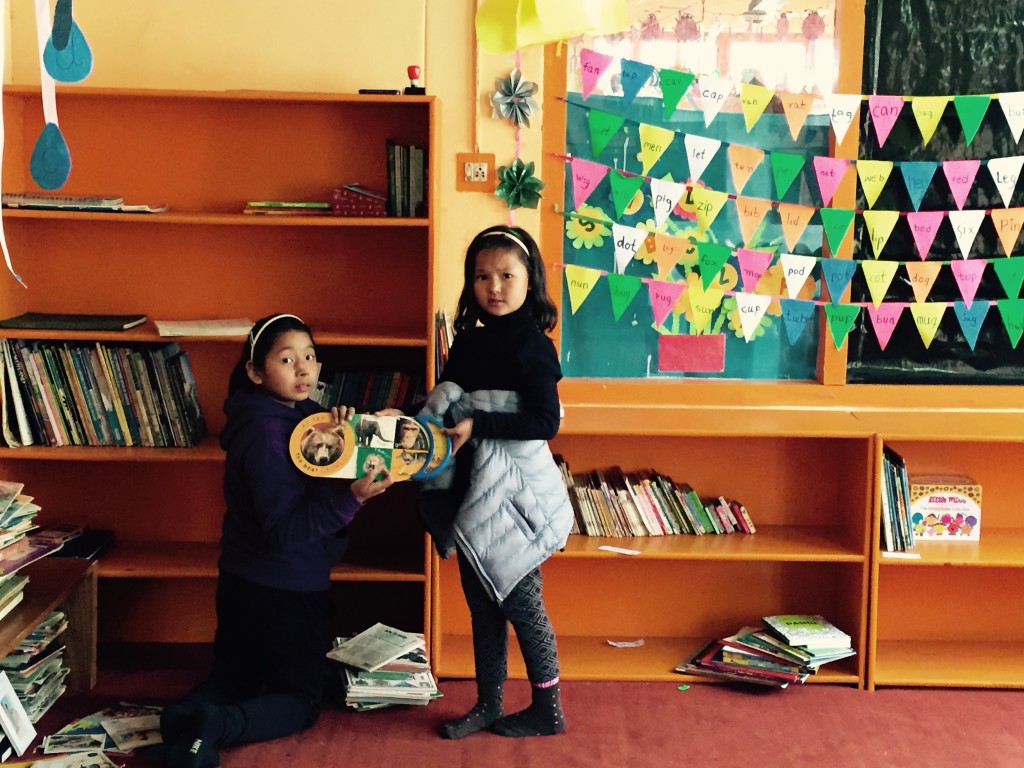
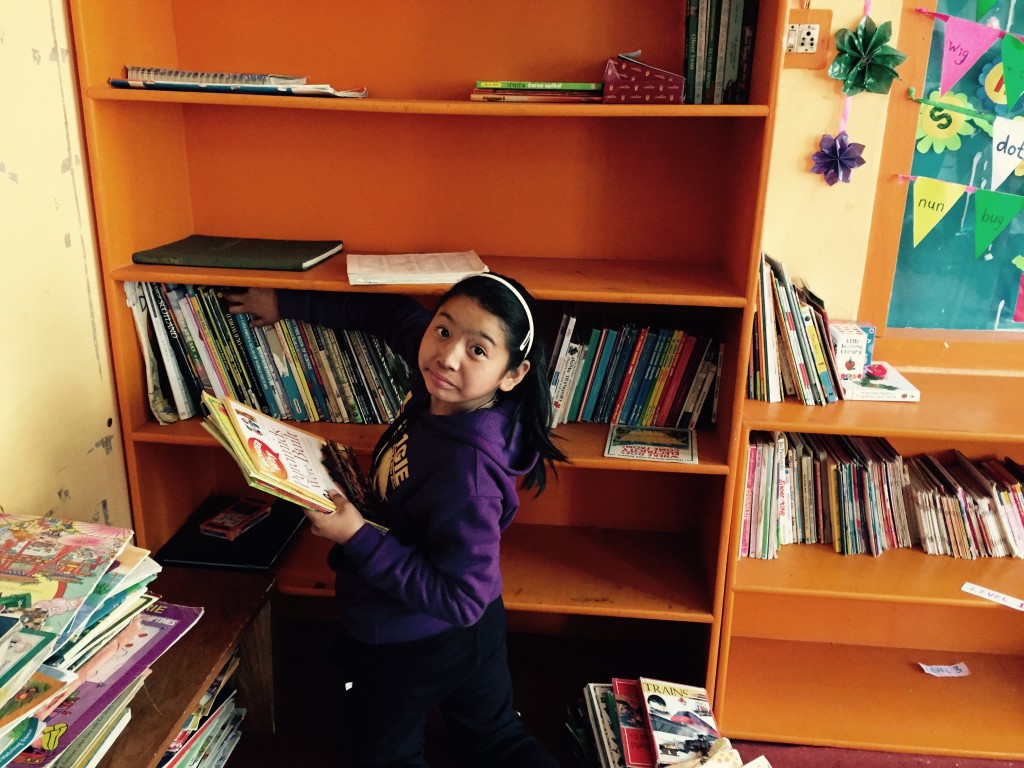
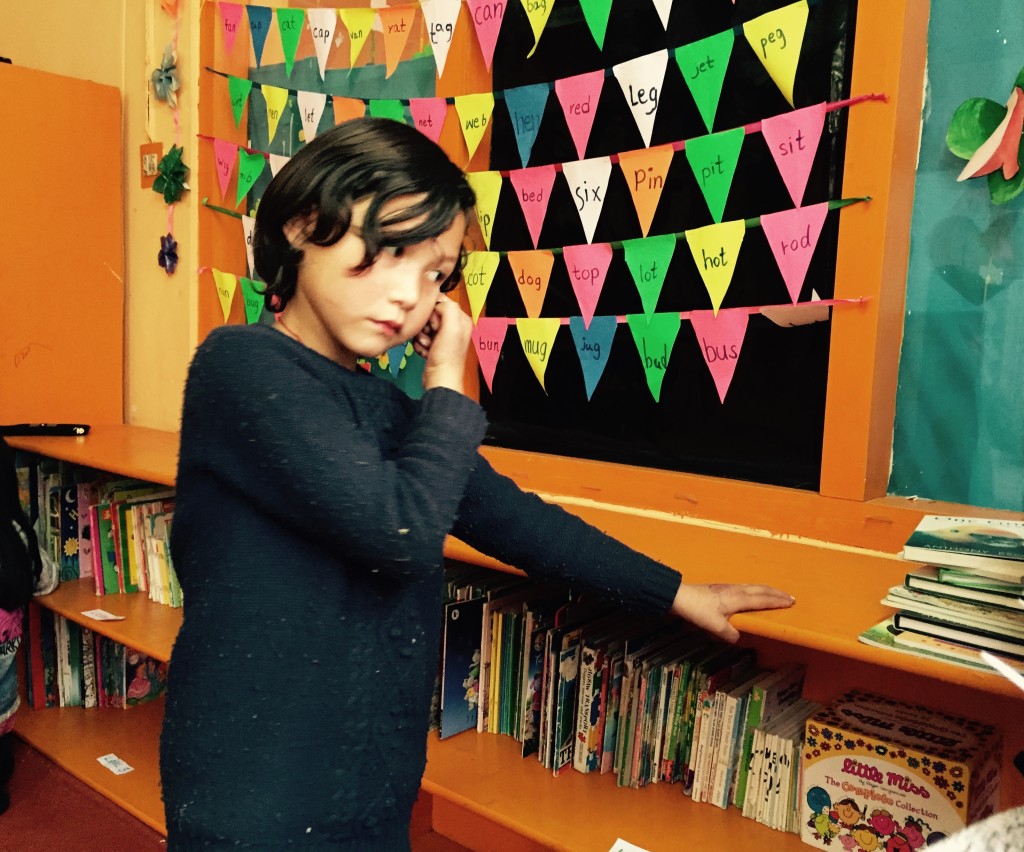
That small drawing became a geography lesson shaped by curiosity rather than a worksheet. Through maps, books, stories and conversation, children explored distance, landscapes, languages and daily life around the world. For Avalokiteśvara Trust, moments like this show why access to good books and welcoming learning spaces matters so much for children and young monks in Ladakh and neighbouring communities.
From One Picture to a World Map
The first step was to treat the drawing as a serious piece of thinking. The train provided a starting point for identifying places, directions and physical features. Children could trace a route from a Himalayan valley to a coastal city, then compare the journey with rail lines across Australia, India or Europe.
A map turns an imagined journey into a visual geography activity. Children can mark mountains, rivers, borders and oceans, then add questions beside each location. What would the weather feel like there? What food might passengers carry? Which languages could be heard at the station? This approach connects literacy, geography and imaginative play without making learning feel divided into separate subjects.
A railway also gives children a way to understand scale. A short line on paper may represent thousands of kilometres in real life. Measuring distances with string, rulers or simple map grids introduces basic mathematical ideas while keeping the focus on discovery. The train becomes a bridge between a child’s local landscape and a much wider world.
Comparing Himalayan and Australian Journeys
Children in Ladakh may know steep passes, high-altitude villages and long road journeys between communities. A world map allows them to compare those experiences with Australian places that have very different distances and environments. The Indian Pacific, for example, crosses the continent between Sydney and Perth, passing through landscapes that shift from urban centres to dry inland country.
An Australian child might picture a train beside a Melbourne tram, a Sydney commuter line or a platform in Adelaide. Someone living in Western Australia may think about the enormous distances between towns, while a child in Queensland may imagine rail travel through tropical country. These local references make geography feel real rather than remote.
The comparison can also introduce respectful discussion about Country and place. Australian educators might connect a map activity with learning about Aboriginal and Torres Strait Islander communities, including the deep cultural knowledge attached to land, water and travel routes. A lesson about movement should make room for the fact that places have histories, custodians and stories that existed long before modern railways.
For families in Australia, this kind of activity can work well during a rainy weekend, a library session or the summer school holidays. A child who says, “We could do that this arvo,” may be ready to build a paper railway, search an atlas and plan a route from their own suburb to a faraway destination.
Books Make the Journey Longer
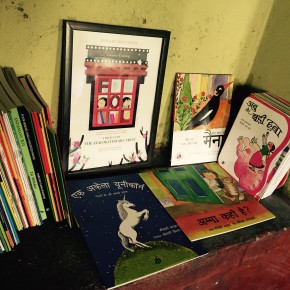
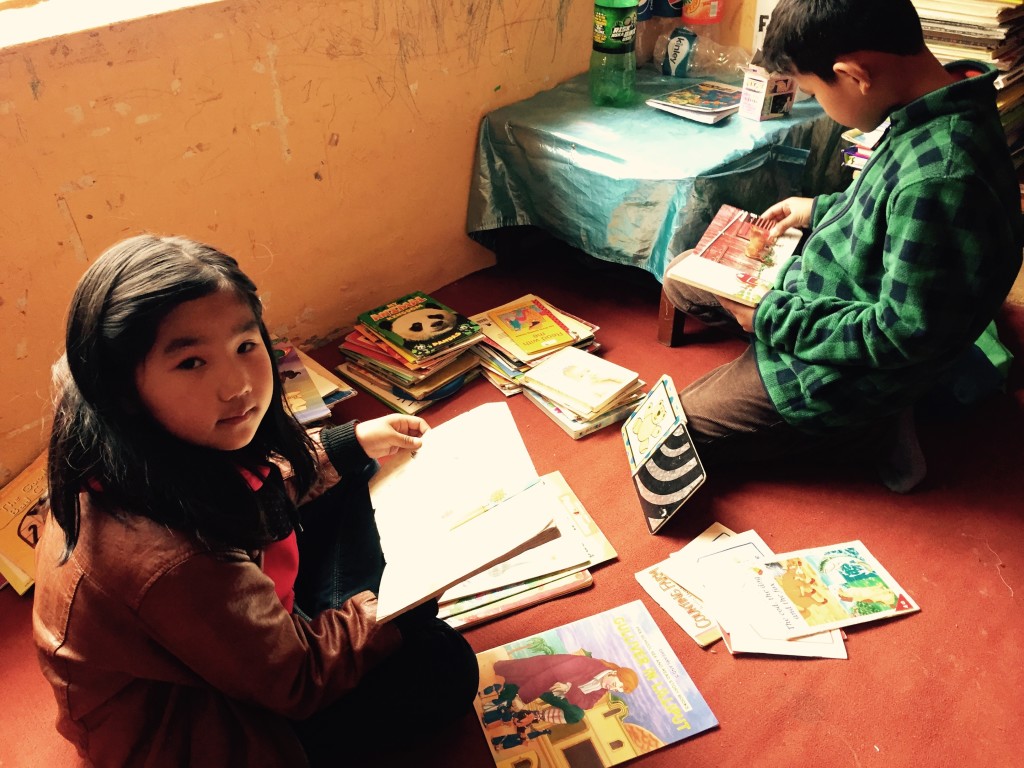
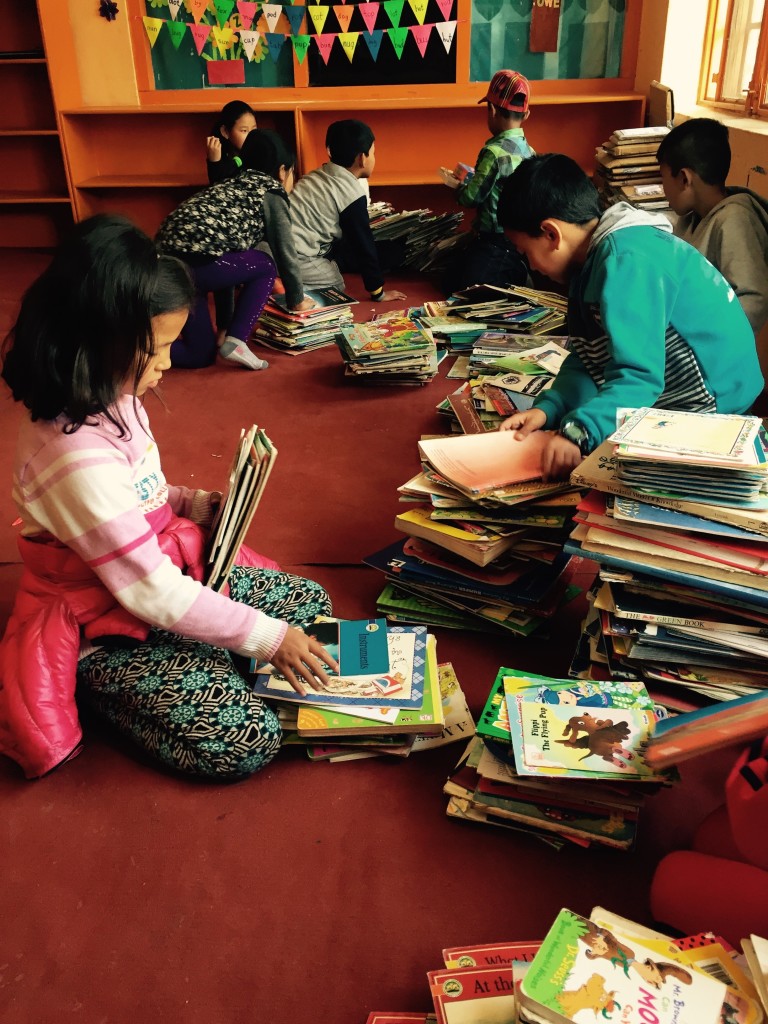
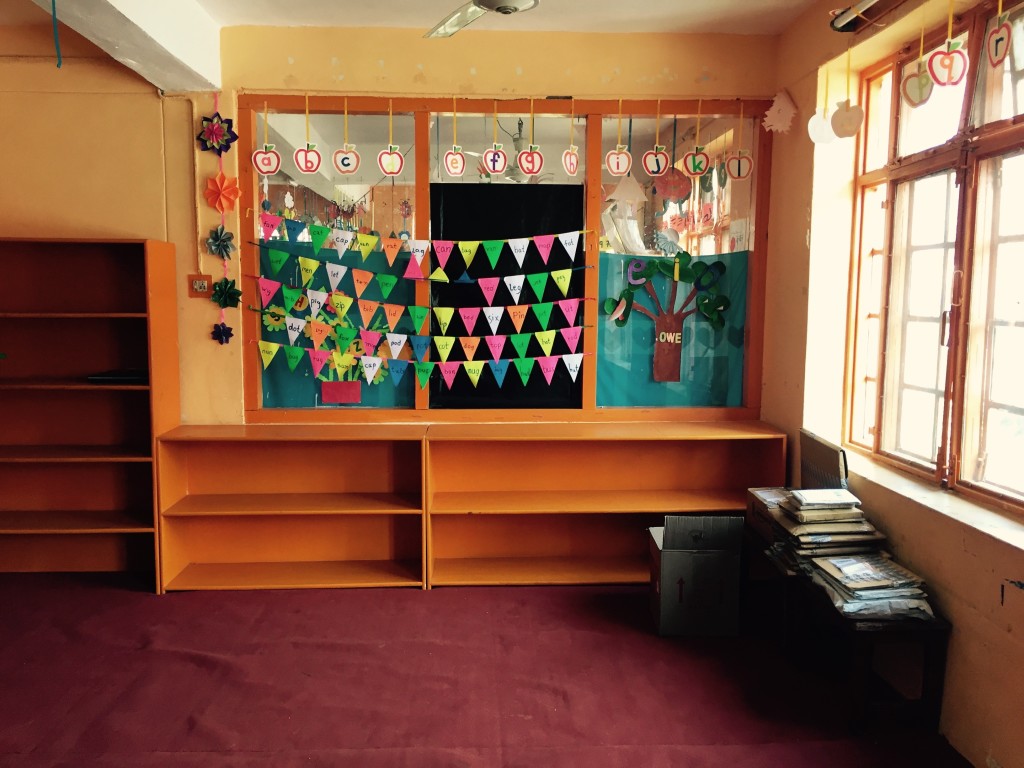
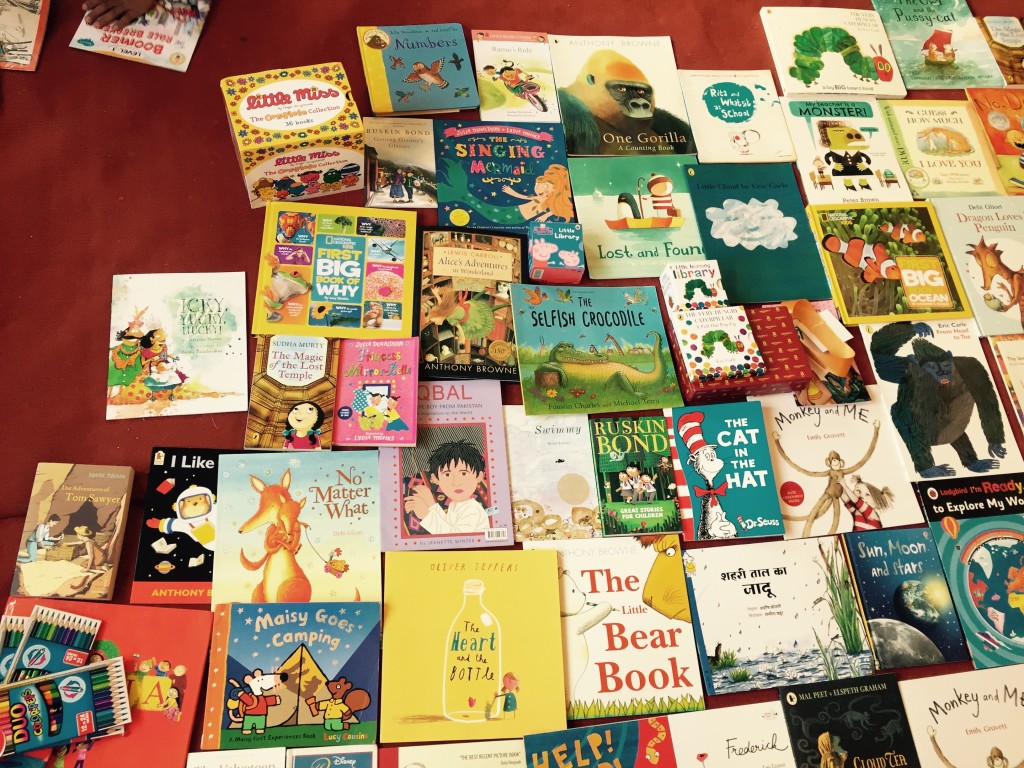
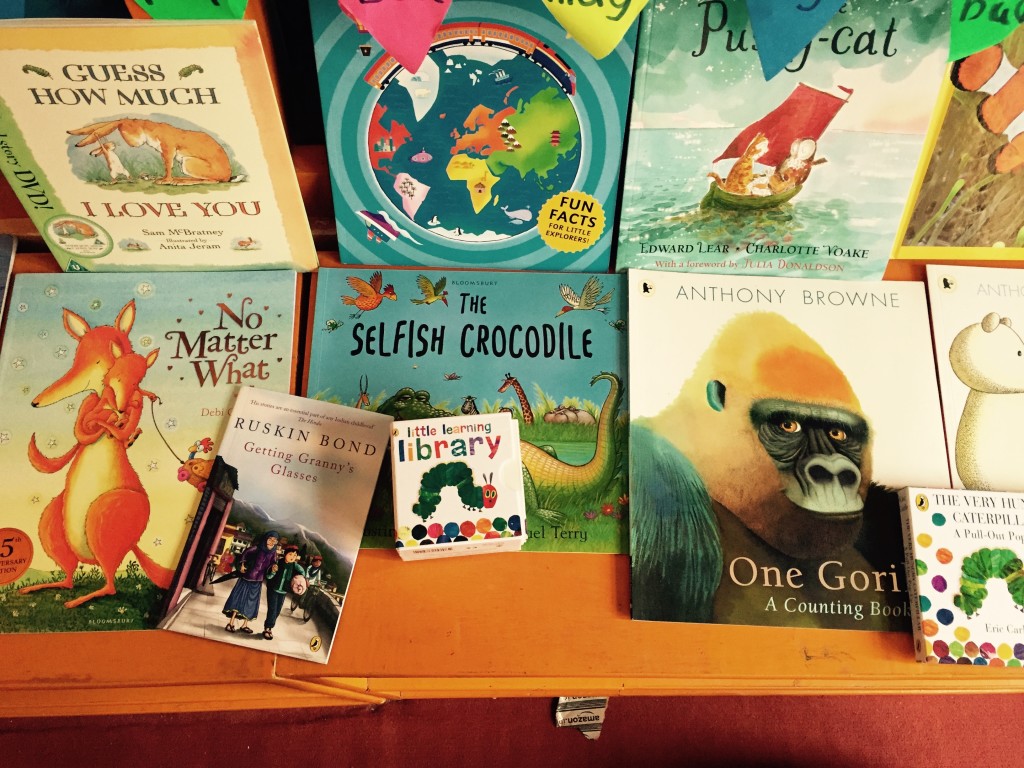
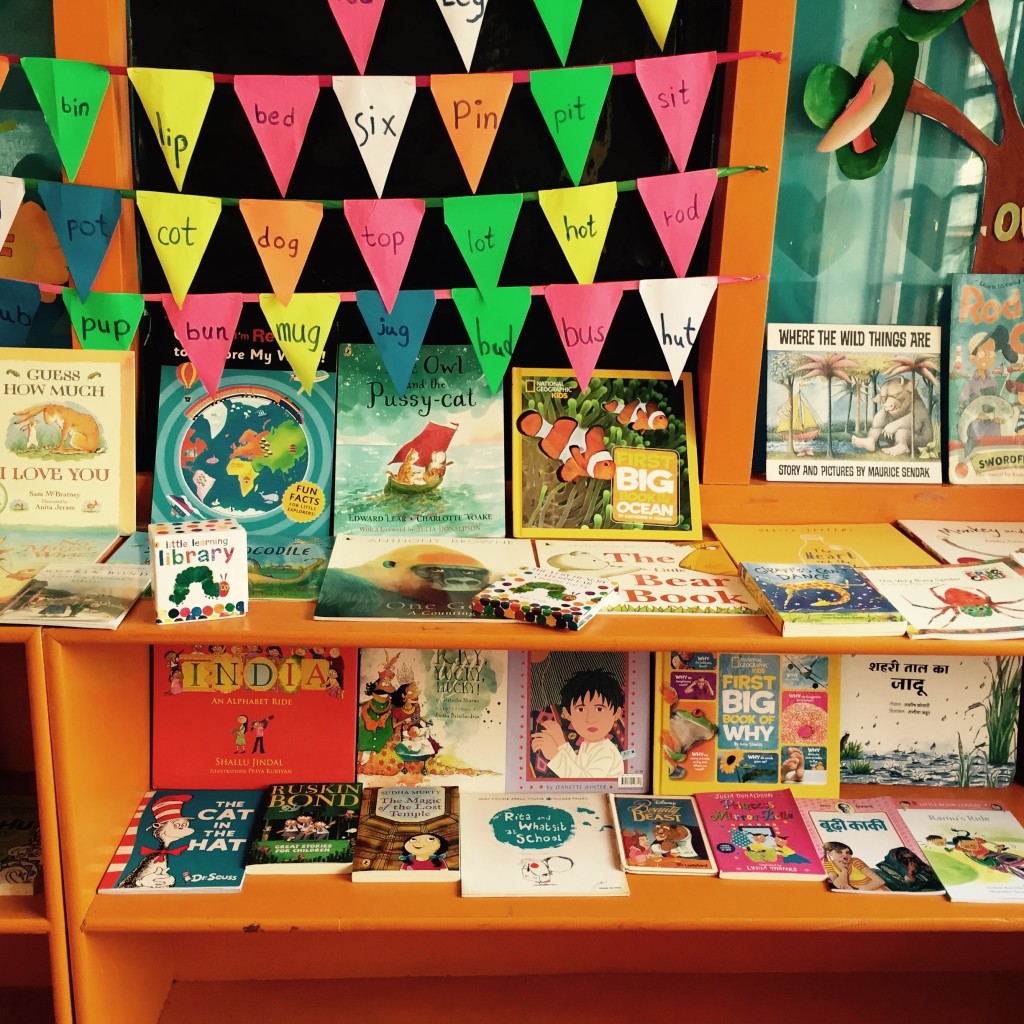
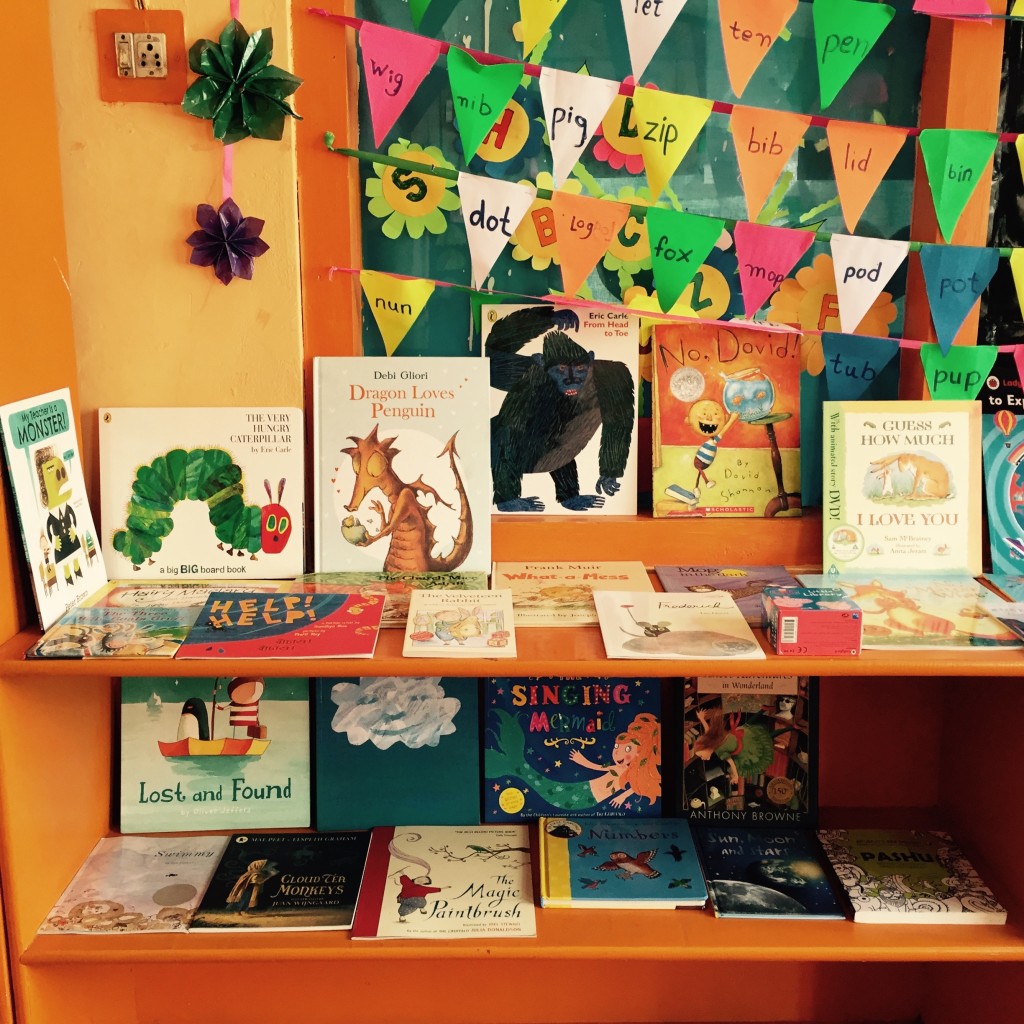
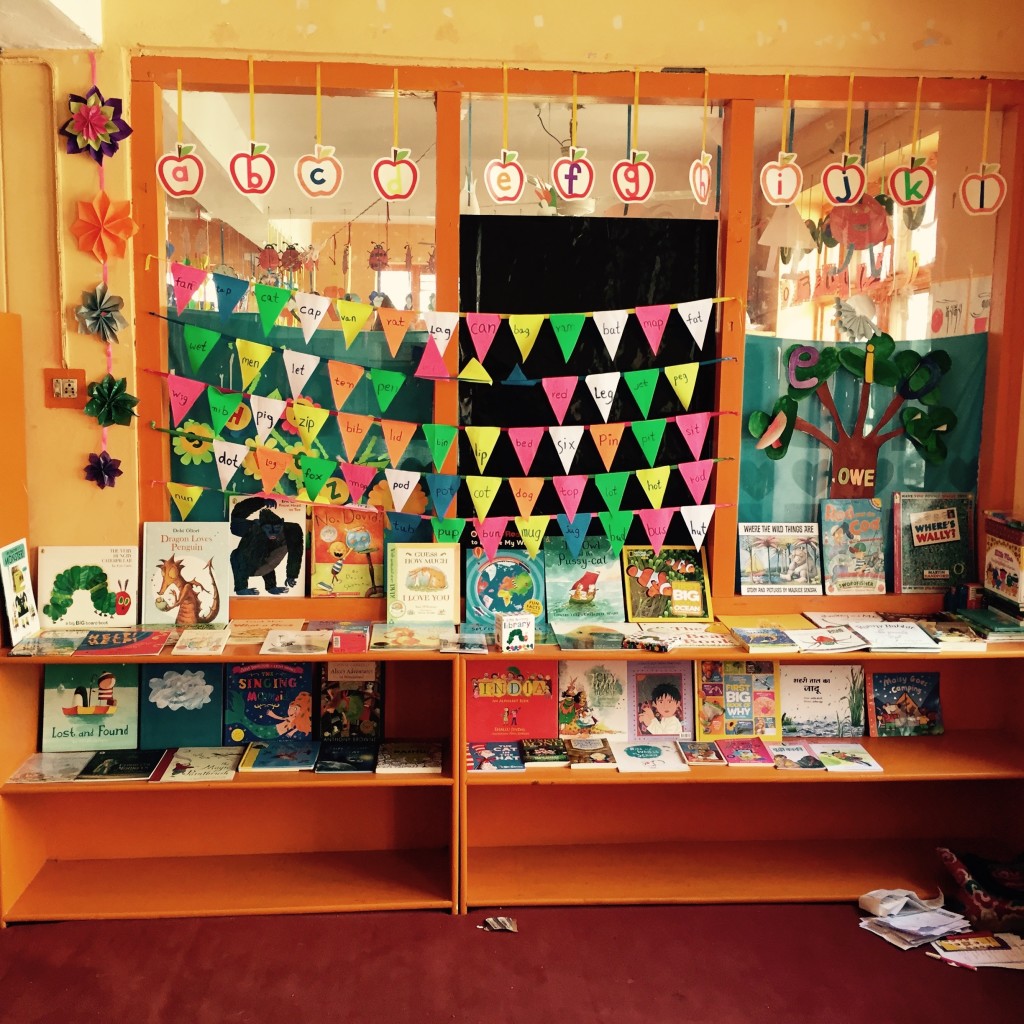
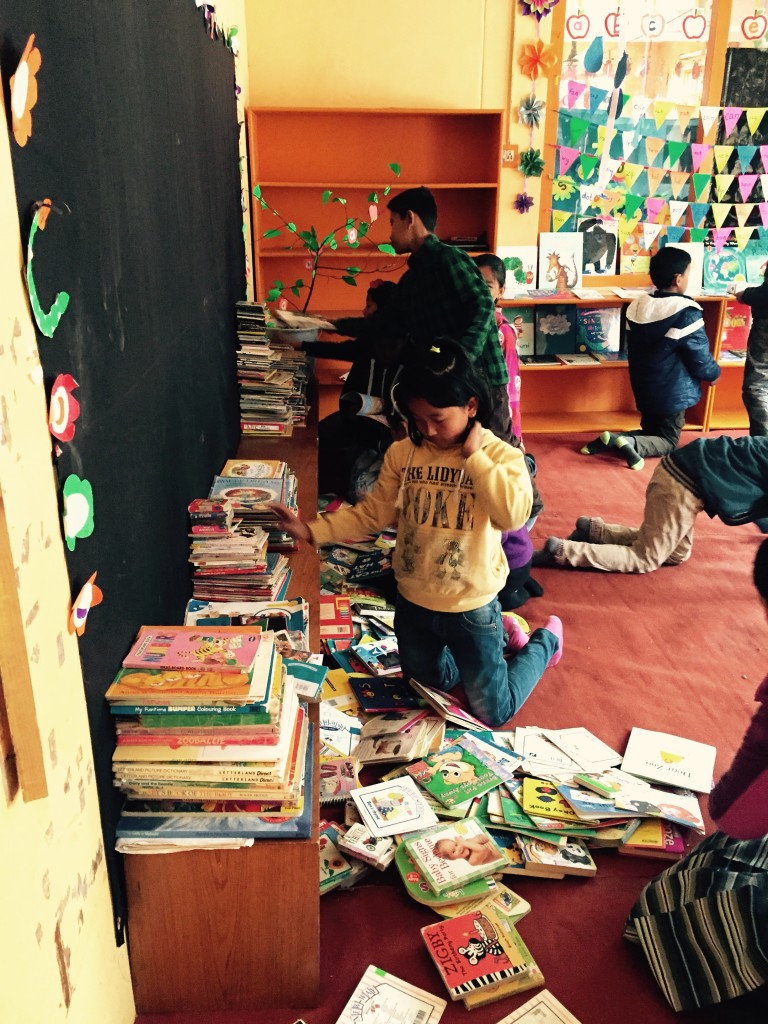
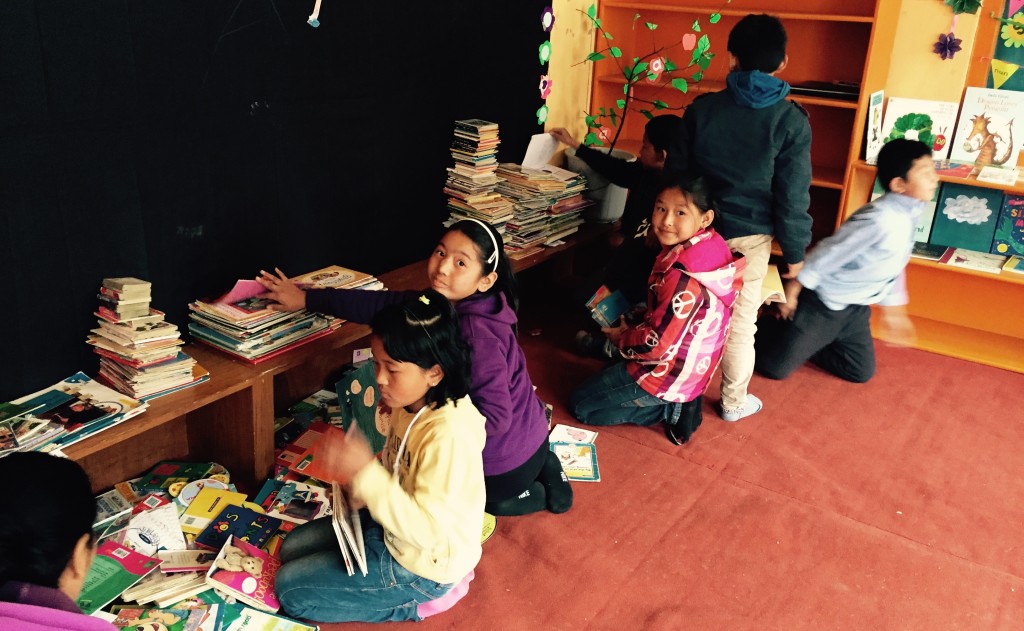
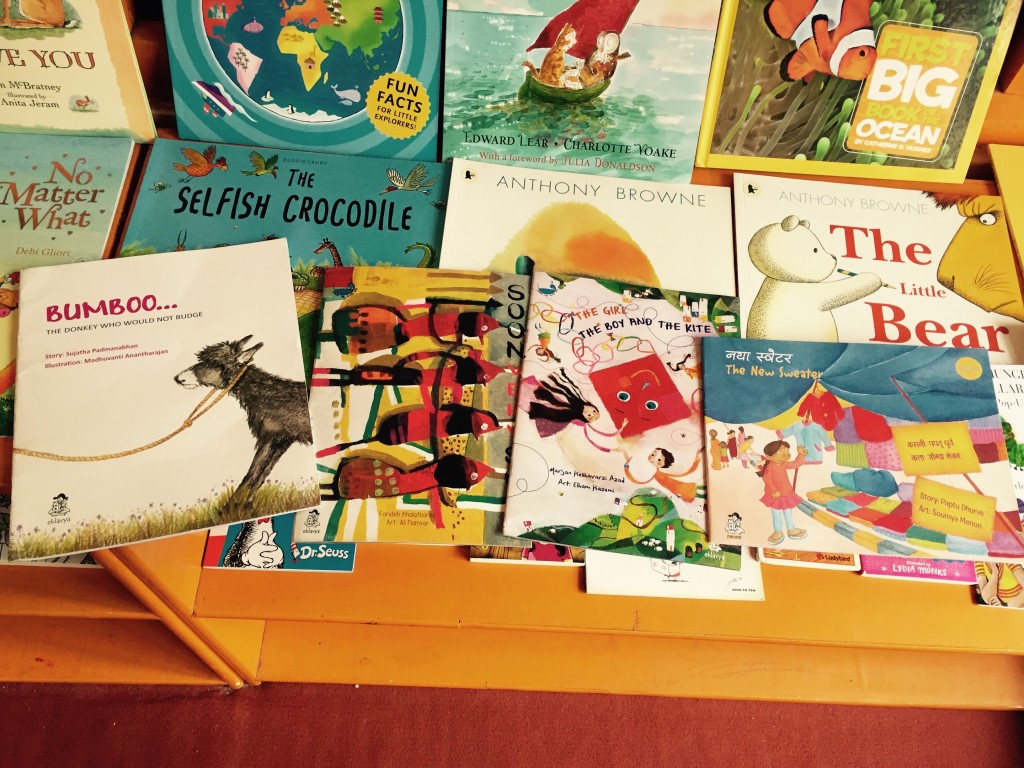
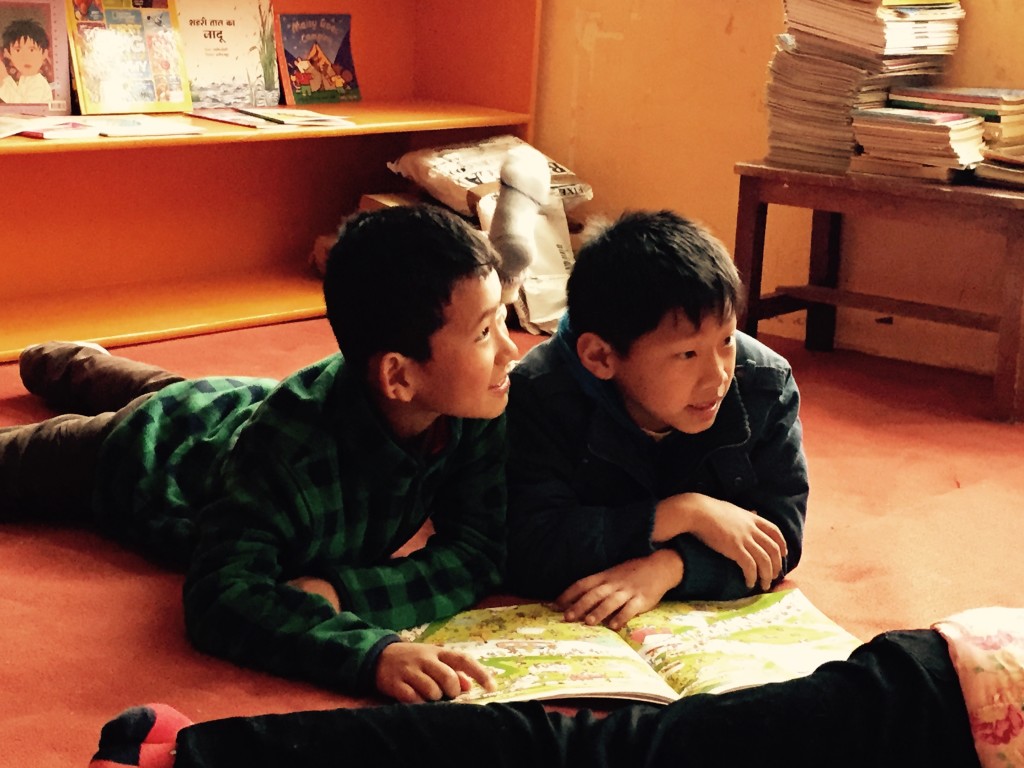
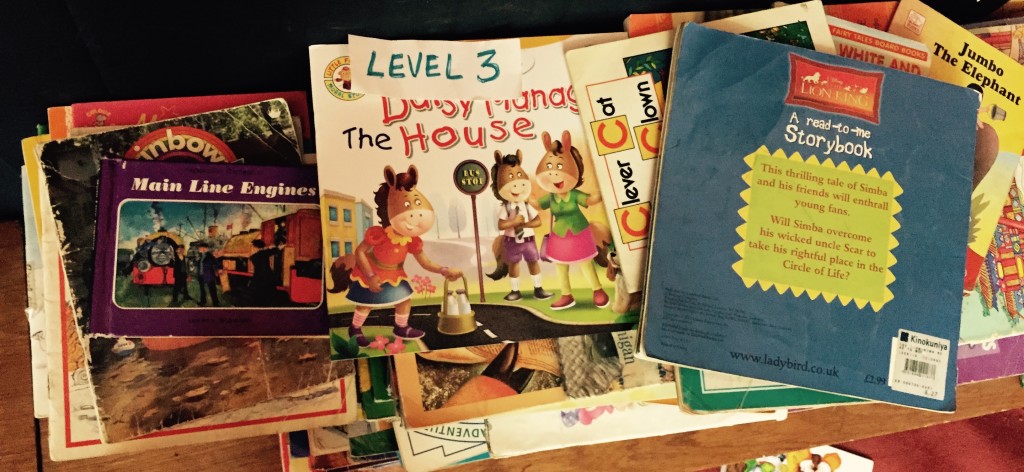
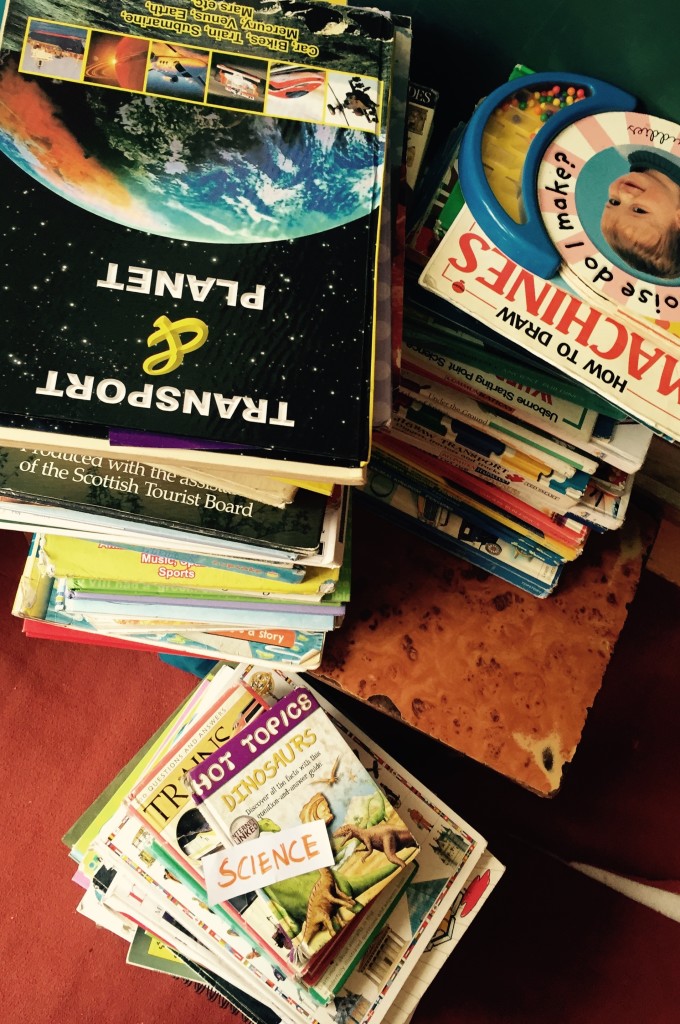
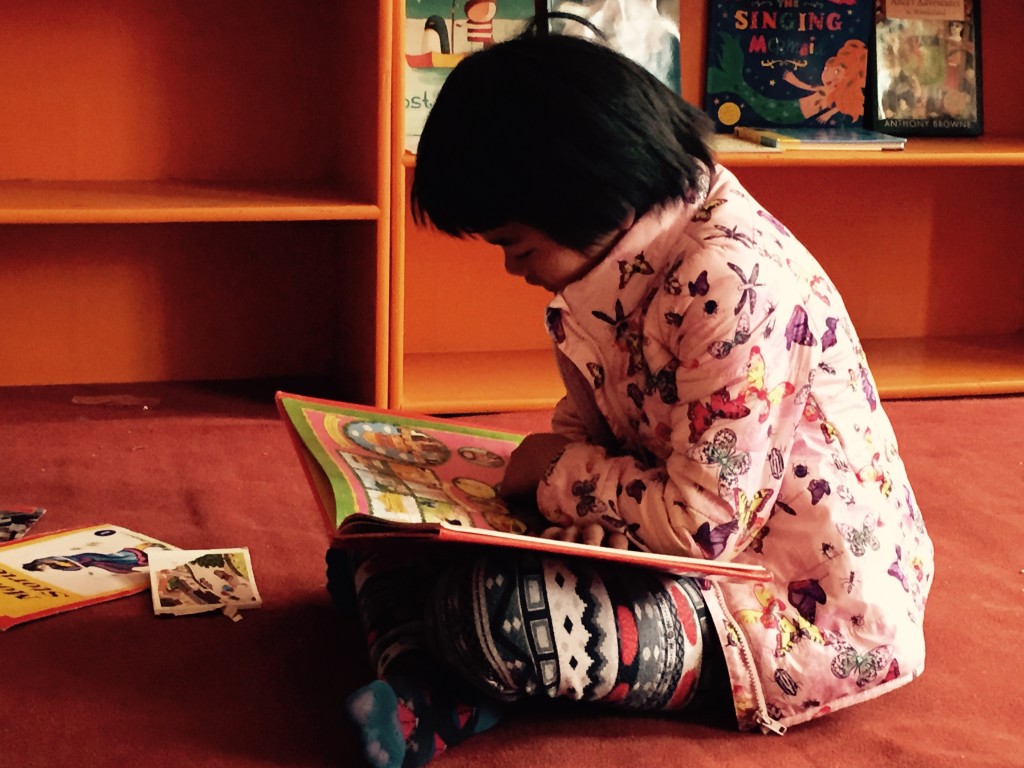
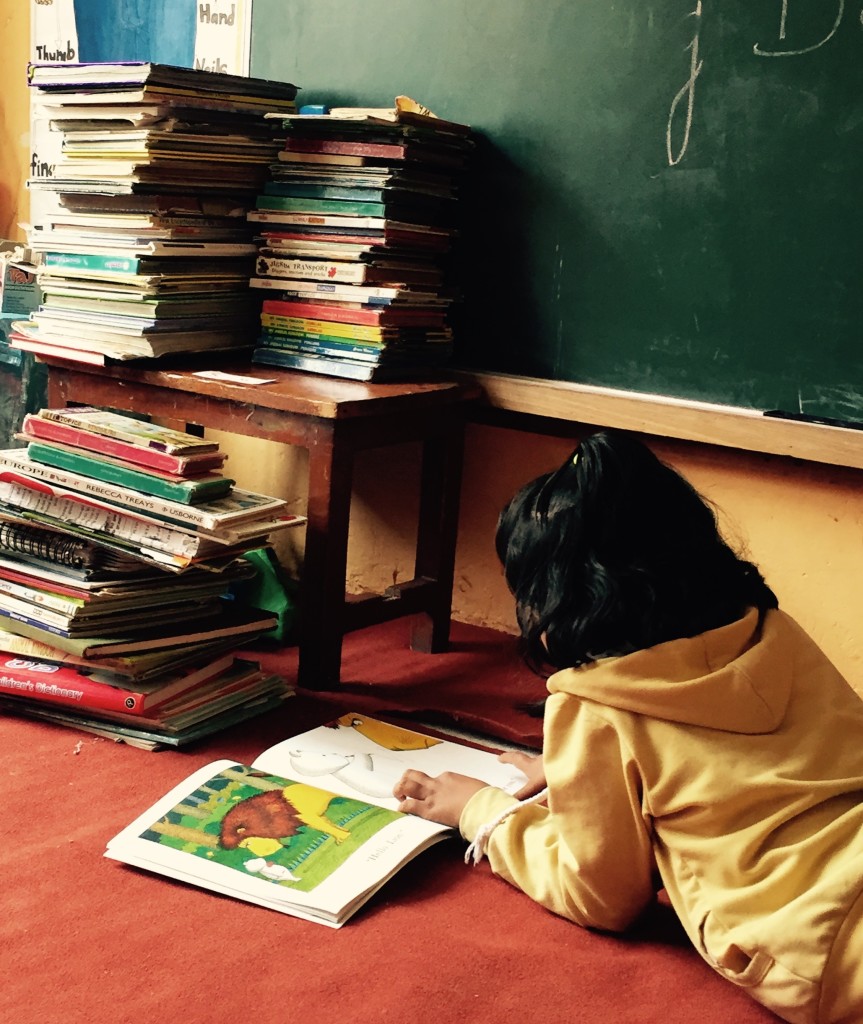
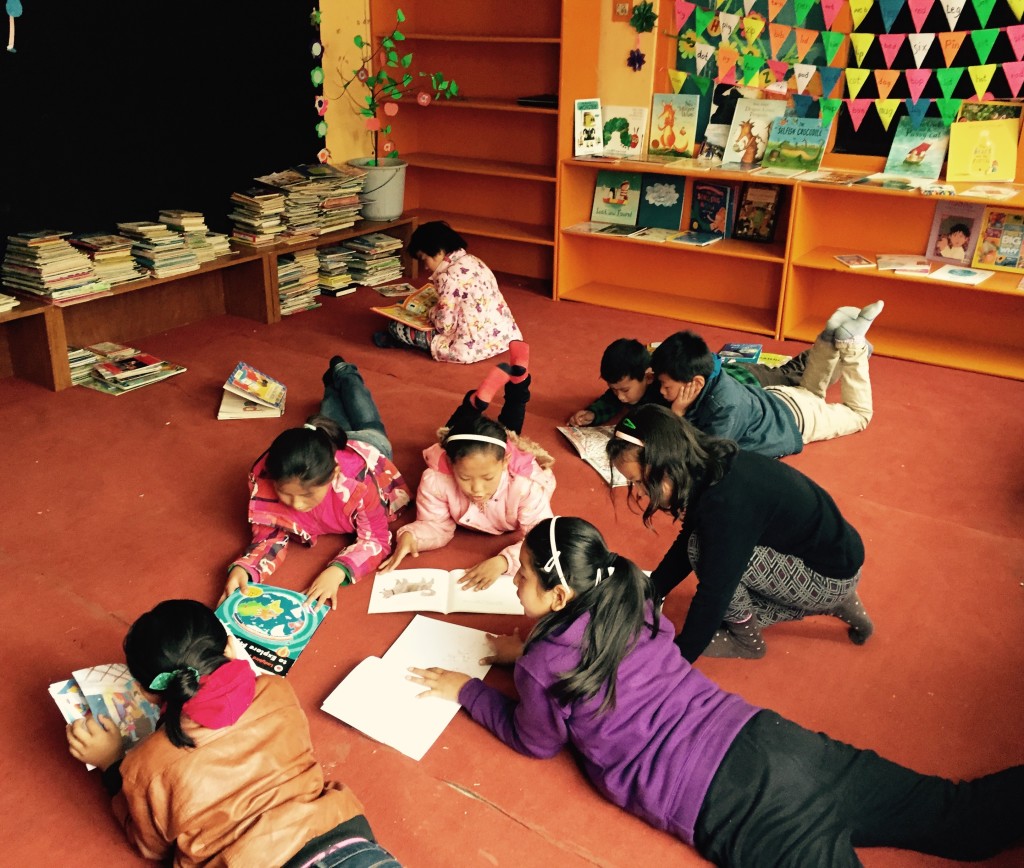
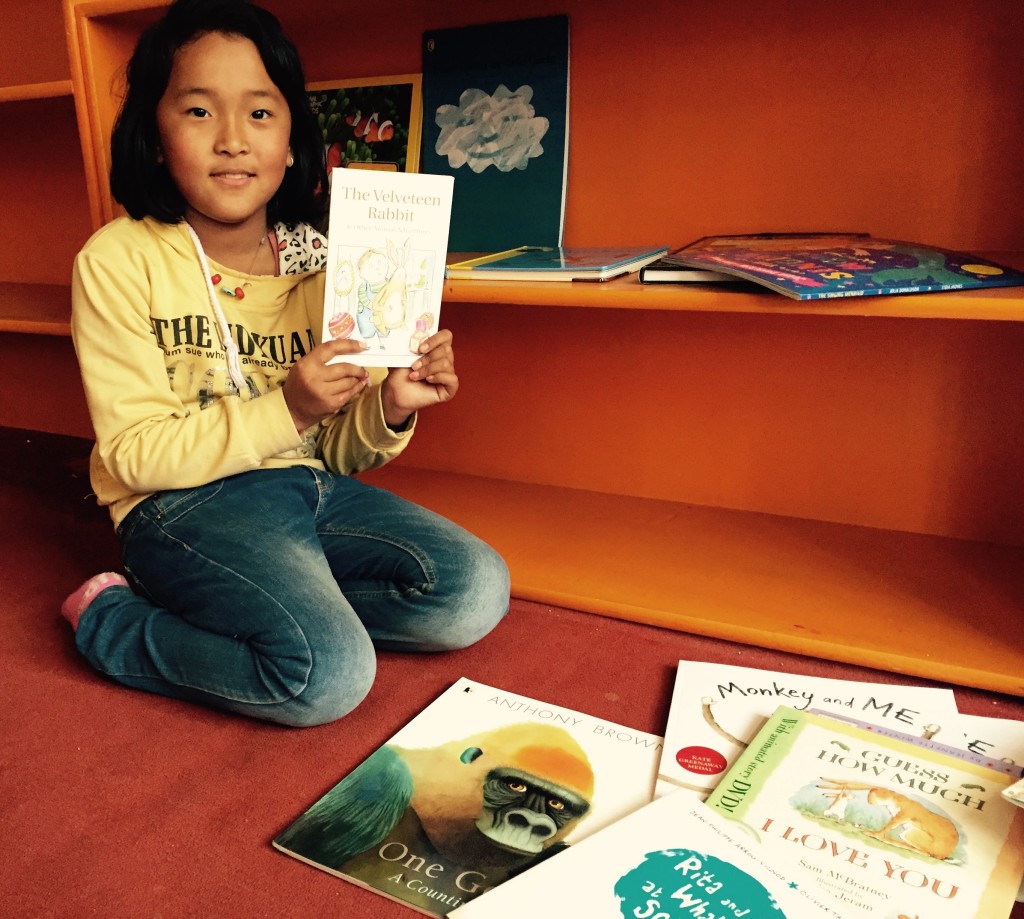
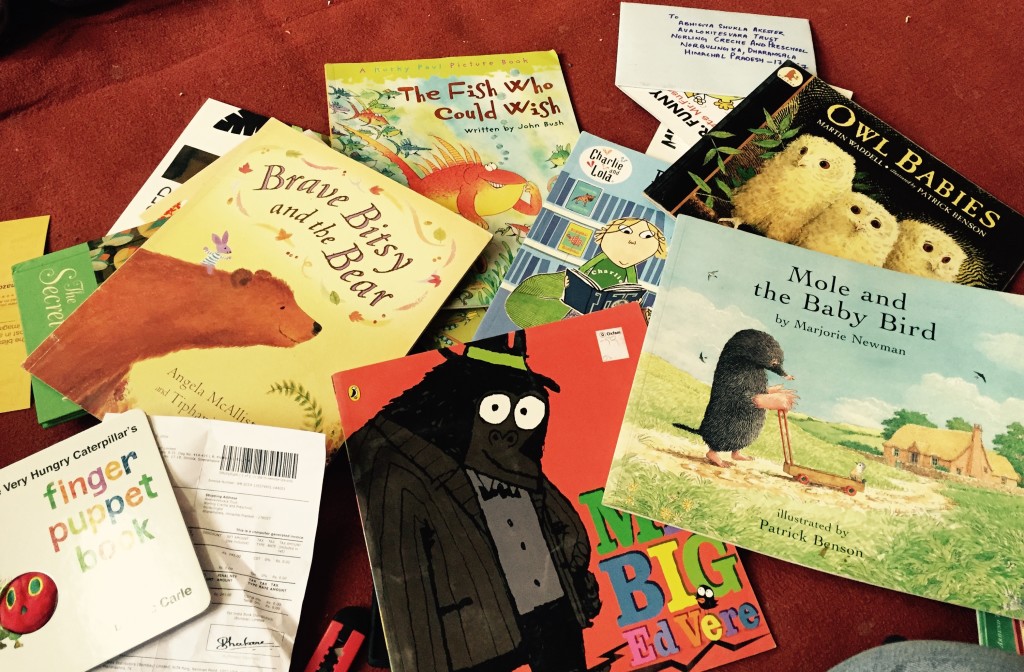
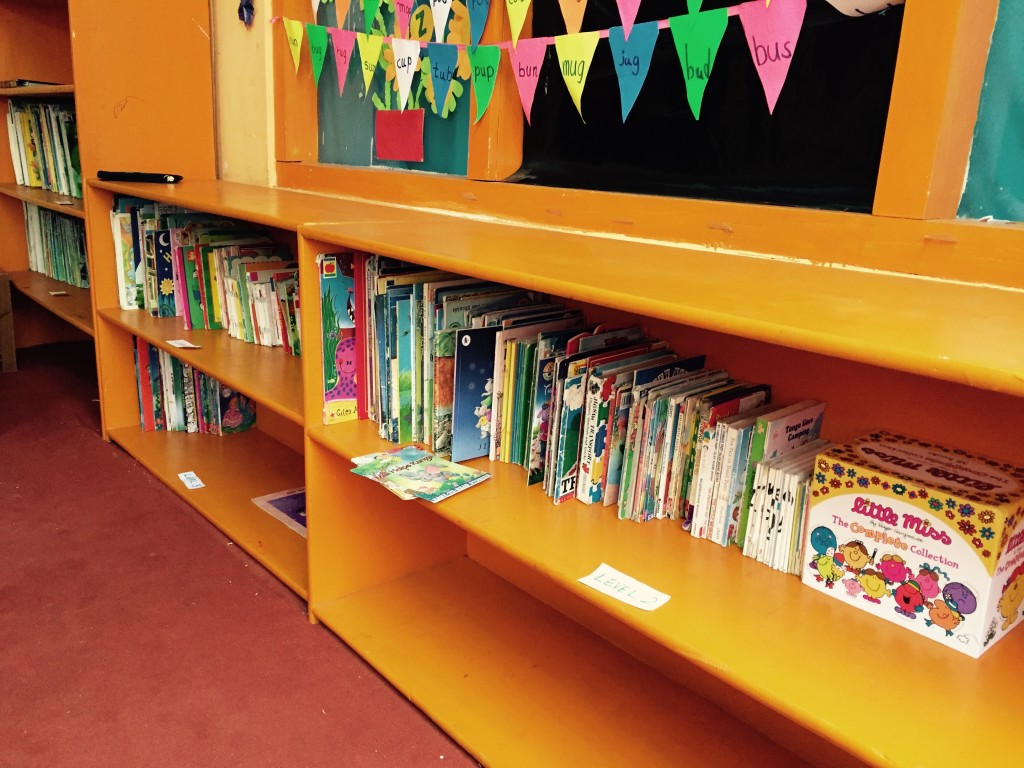
A drawing gains depth when children can find related books nearby. A picture book about trains may lead to an atlas, a story about a young traveller, a guide to mountains or a photographic book about stations. In a reading room, each discovery can lead naturally to another, helping children develop the habit of following questions through different kinds of text.
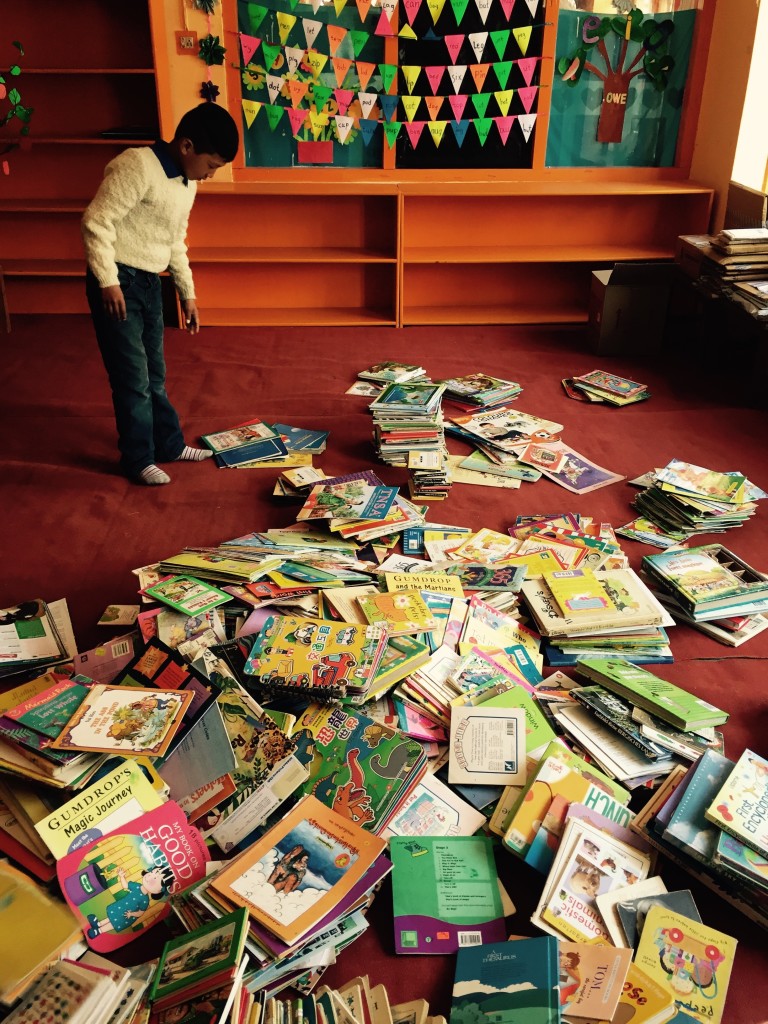
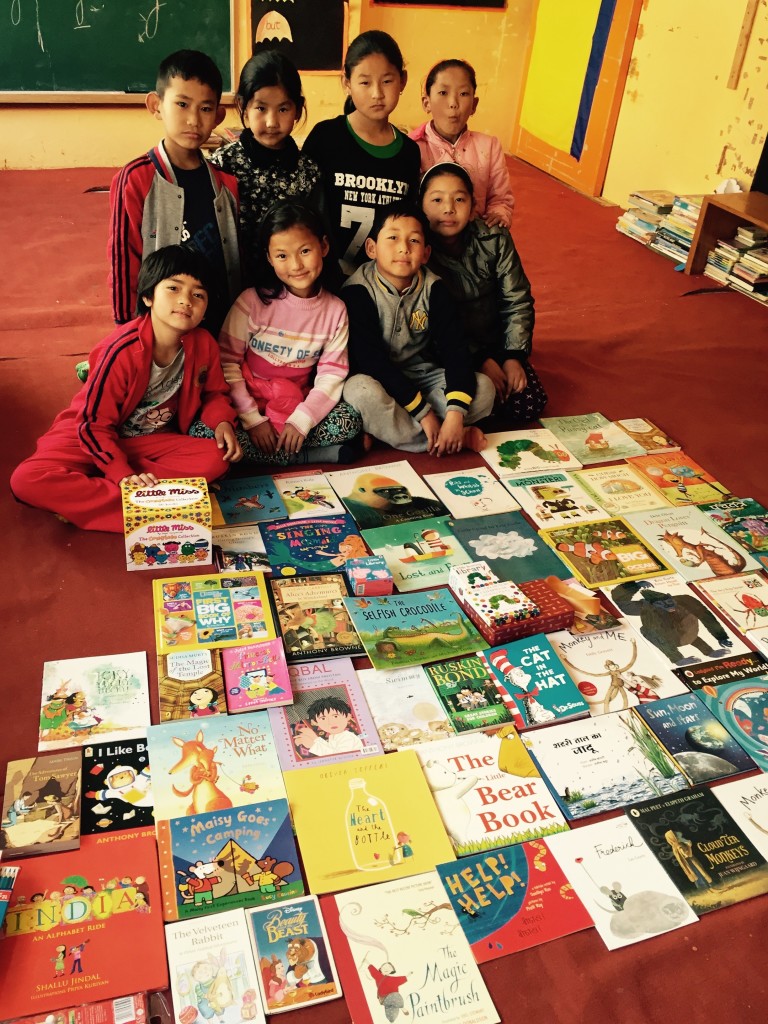
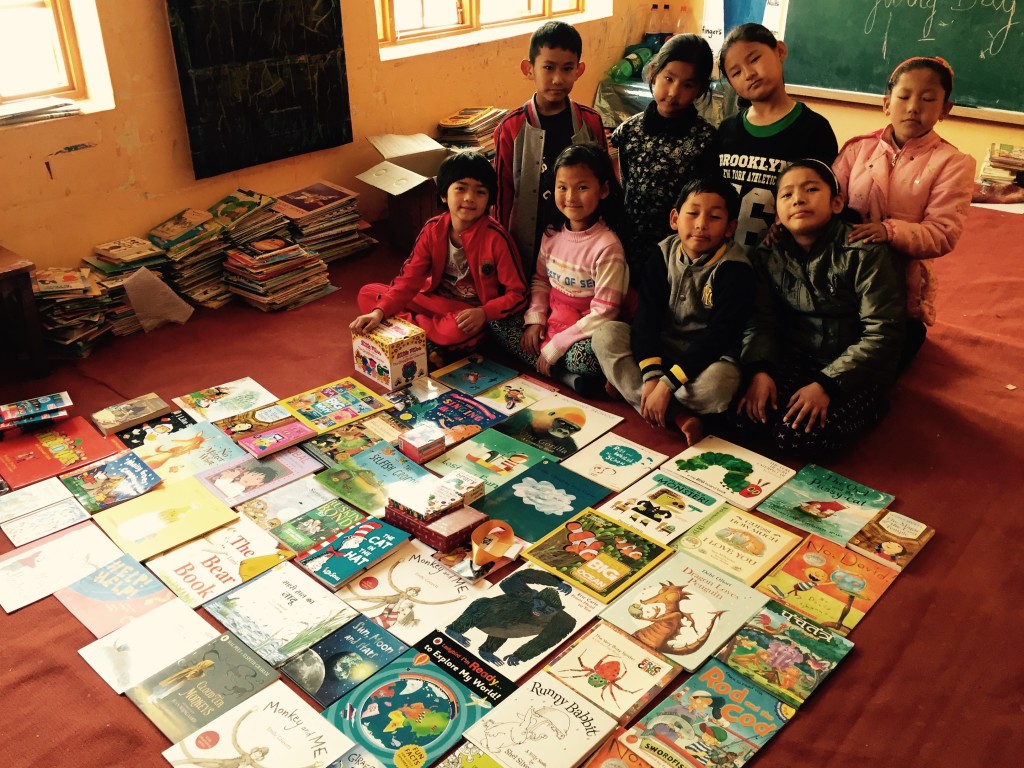
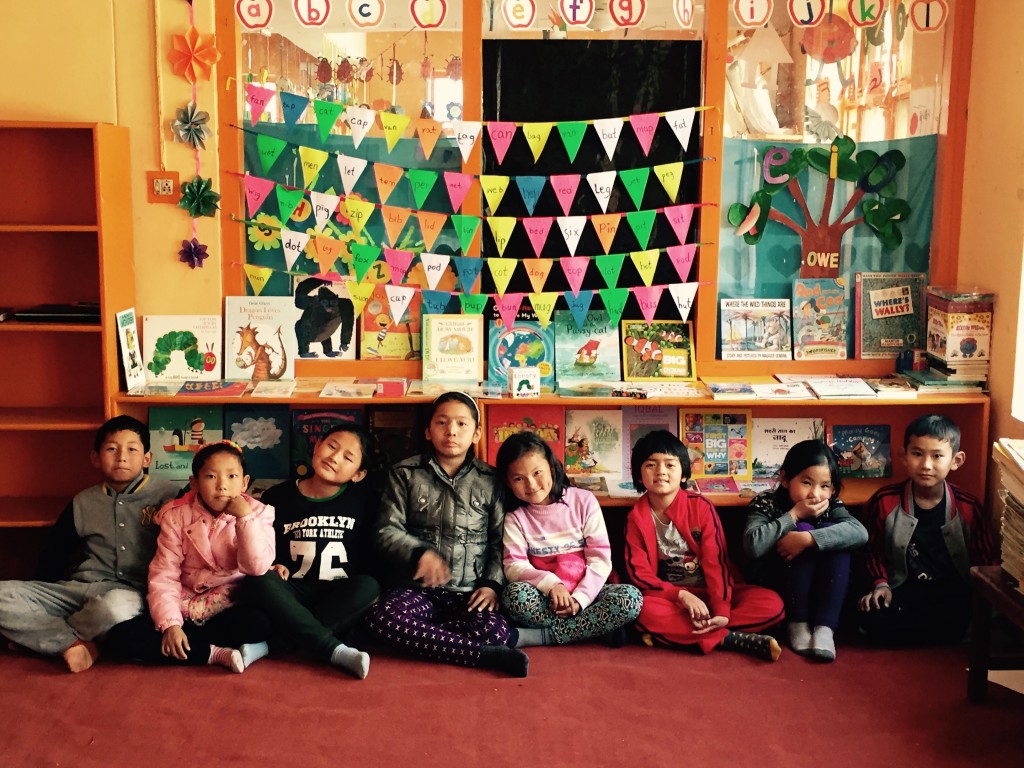
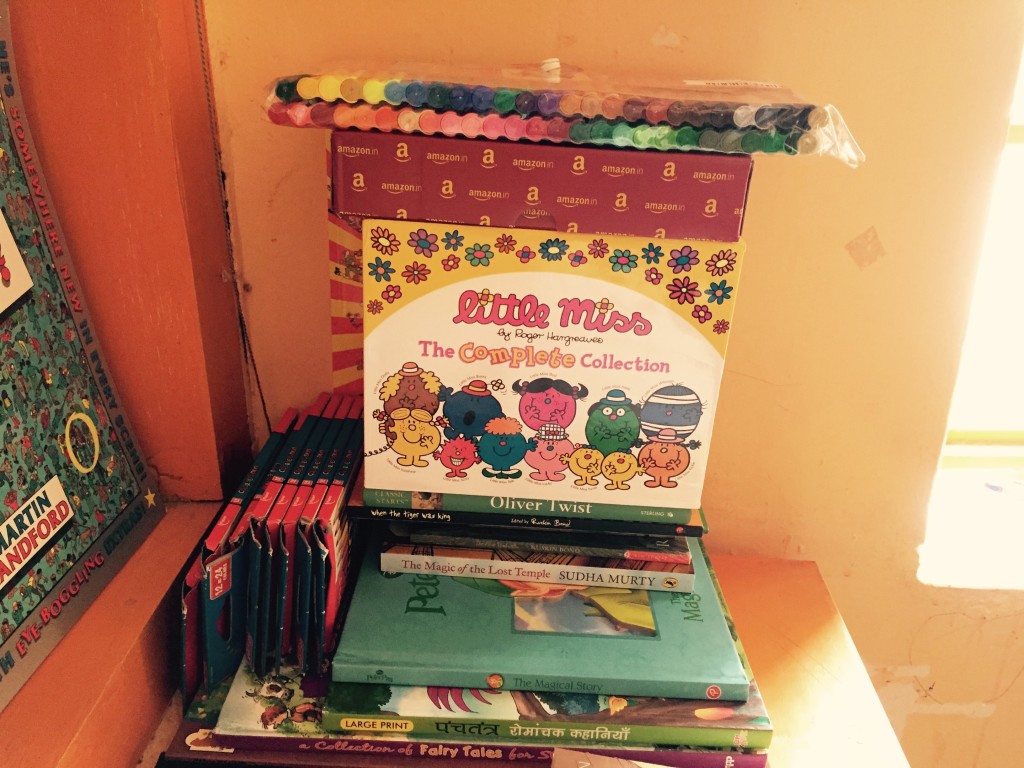
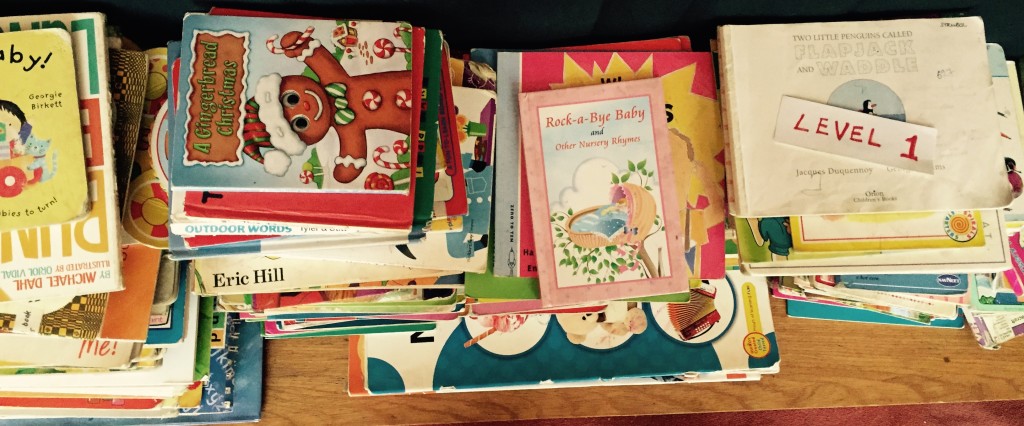
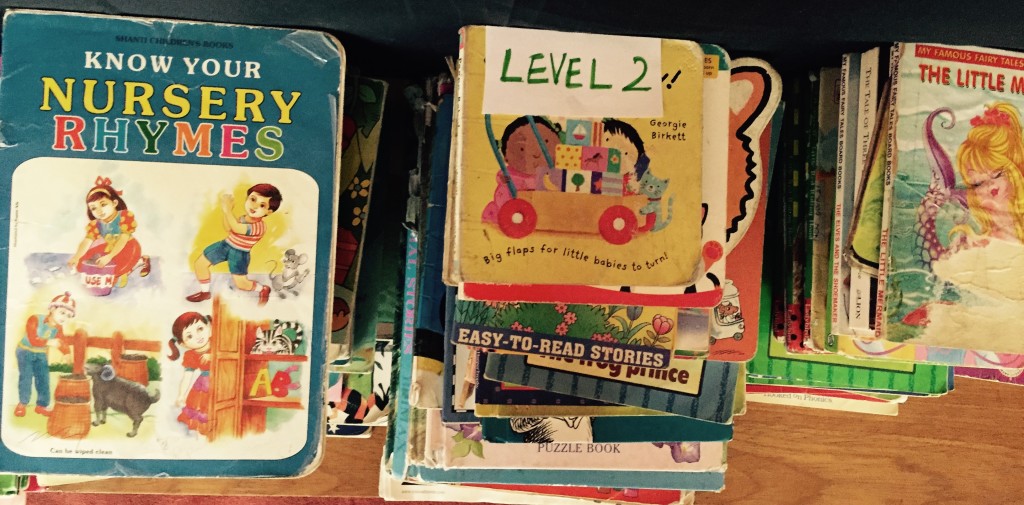
Book drives and shared libraries are especially valuable in communities where families may have limited access to new reading material. A carefully chosen collection does more than fill shelves. It gives children opportunities to encounter unfamiliar places, characters and ideas at their own pace. A child who is shy in a group may still communicate confidently through a drawing, a map or a book recommendation.
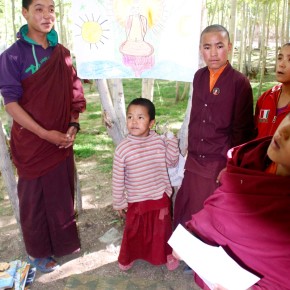
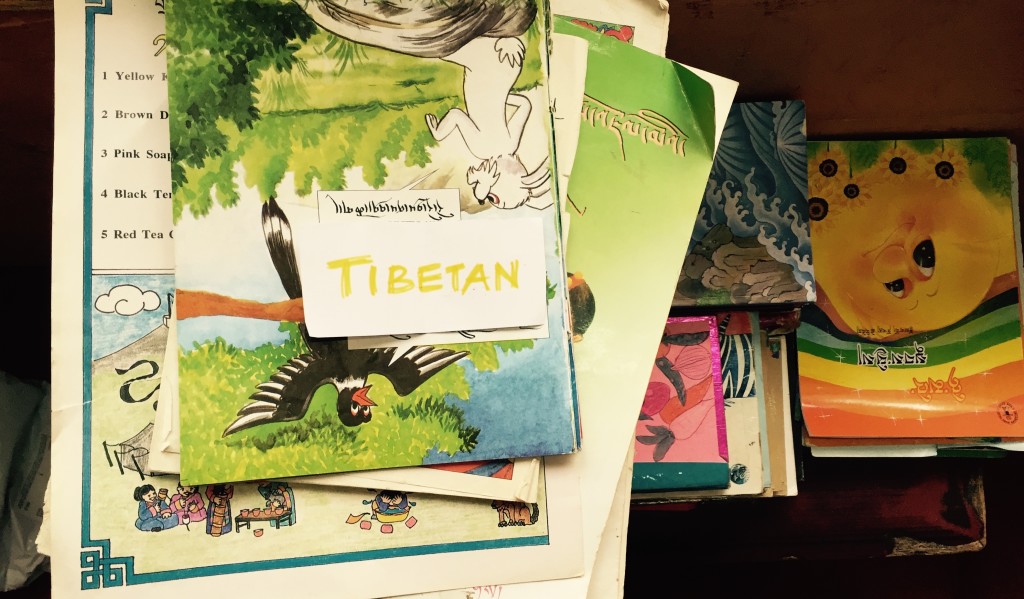
The train project could grow into a collaborative display. One child might paint the carriages, another might label countries, and a young monk might write a short description of a mountain pass. Children could add borrowed words for “station”, “river” or “friend” in several languages. The result would celebrate language diversity while reinforcing spelling, handwriting and visual communication.
This is also where creative activities become part of education rather than an optional extra. Music can provide the rhythm of a journey, while drama can turn a classroom into a busy station. In an Australian school or community library, children might compare the sounds of a tram bell with the imagined whistle of a train crossing a high mountain plain.
Learning Through Questions and Evidence
A strong geography lesson does not require children to memorise every capital city. It encourages them to ask useful questions and look for evidence. If a child believes all trains travel through flat land, photographs and maps can test that idea. If another thinks every country has the same kind of station, books can offer a wider view.
Probability and decision-making can also appear in a careful, age-appropriate way. Children might estimate how many stops a train could make, calculate travel times or sort journeys by distance. A teacher can explain that chance-based activities are different from evidence-based planning; an online roulette example can illustrate random outcomes, but it should be presented as mathematics and media literacy rather than entertainment or a money-making idea.
The lesson can then move towards responsible digital habits. Older students might compare a railway map with an online map, check whether a travel claim is reliable, and discuss why sources matter. These skills are relevant to Australian families navigating websites, advertising and social media, where attractive images do not always tell the full story.
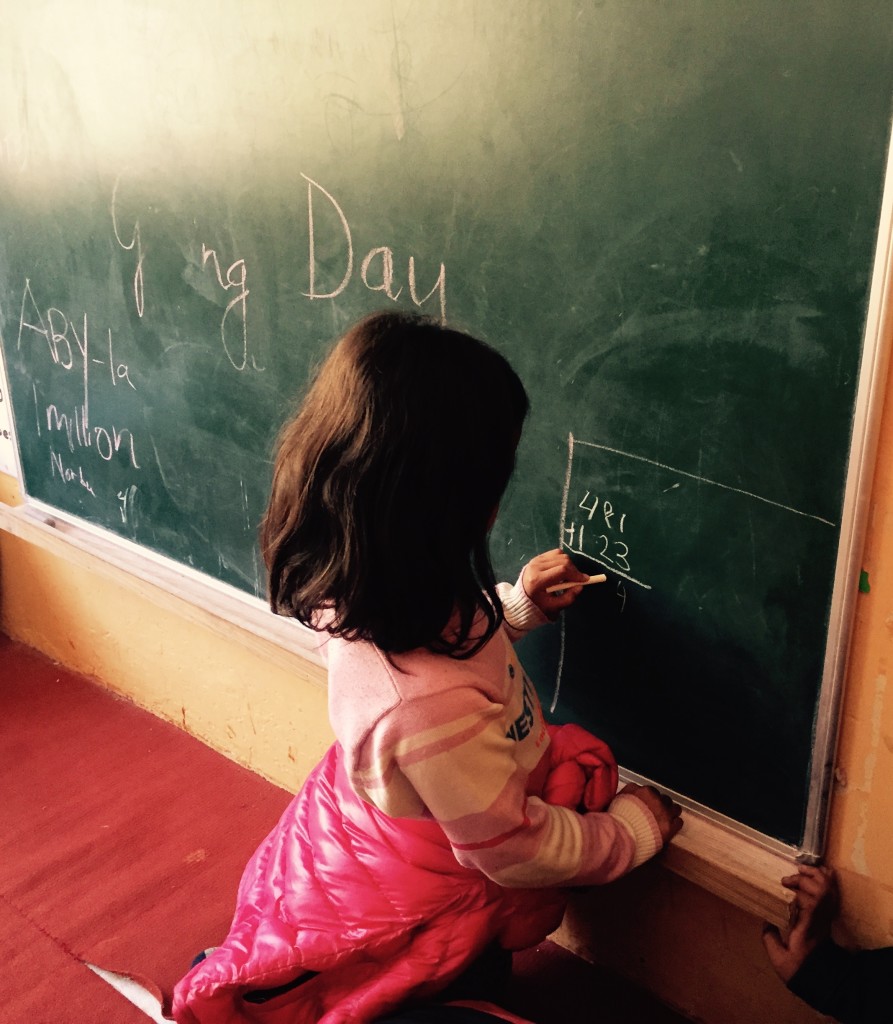
The key is to keep the child’s original idea at the centre. Adults can provide maps and facts, but they should avoid taking over the project. When children are allowed to explain their own drawings, they practise speaking, listening and revising their thinking. A simple picture becomes evidence of curiosity, not something to be corrected too quickly.
Ways to Turn Curiosity Into Learning
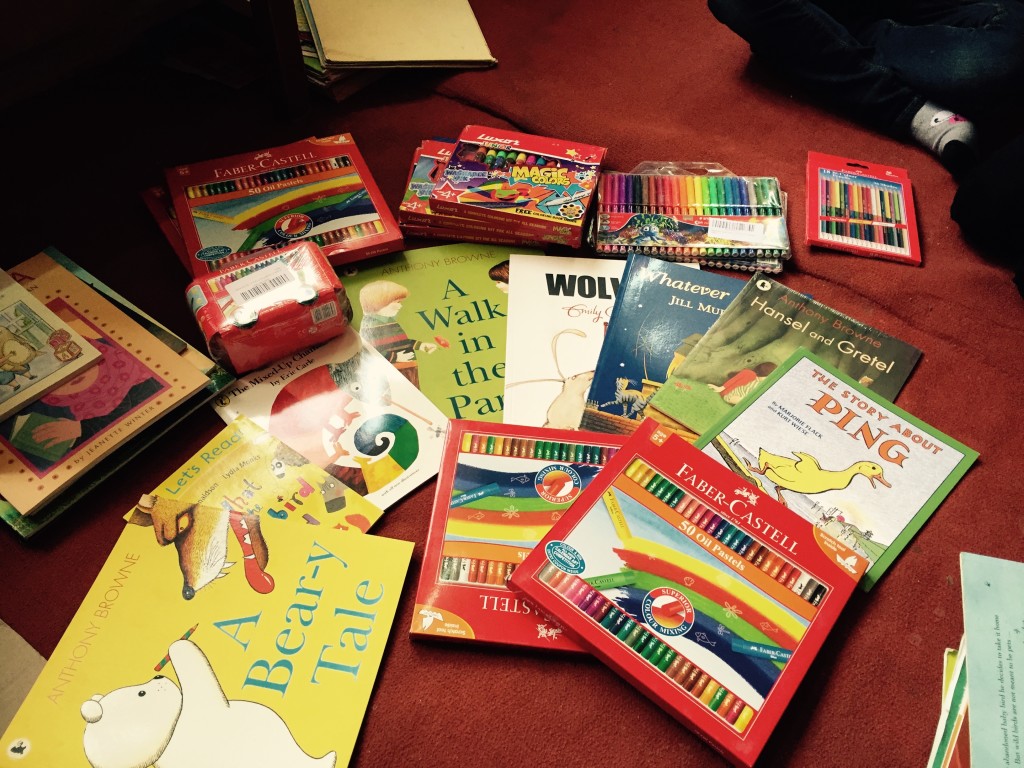
A train-themed geography activity can be adapted to a reading room in Ladakh, an Australian primary classroom or a family table at home. The materials do not need to be expensive. Recycled cardboard, coloured pencils, string, library books and a printed map can support several hours of creative learning.
The most useful activities connect imagination with a clear learning purpose. Children can make choices, explain their reasoning and add details as their knowledge grows. These ideas offer a practical starting point:
- Draw a railway from the local community to another country, then label mountains, rivers, cities and seas along the route.
- Use an atlas and library books to compare a Himalayan journey with the Indian Pacific or a Melbourne tram route.
- Create station signs in several languages and discuss how language changes from place to place.
- Build a paper train with carriages devoted to climate, food, music, wildlife and stories from different regions.
- Keep a travel journal in which children record distances, weather, new words and questions they still want to investigate.
- Invite children to present their route to the group, explaining which information came from a book, map or trusted source.
For donors and volunteers supporting children’s education, these projects show the lasting value of modest resources. A set of atlases, art supplies and age-appropriate books can support geography, reading, numeracy, creativity and cooperation at the same time. In Australia, community groups can link similar activities with local library programs, school Book Week events or fundraising gatherings that invite families to share stories from their own backgrounds.
A child’s train drawing matters because it gives adults a glimpse of how learning begins. The picture may contain a route, a question, a memory or an imagined friendship waiting to be explored. With books, patient guidance and room to create, that first line of track can lead to mountain passes, Australian deserts, busy city stations and a richer understanding of how people live across the world.
The practical takeaway is simple: start with the child’s picture, add a map and a few carefully chosen books, then let the questions set the journey’s direction.