When a broken guitar became the heartbeat of a music workshop
A battered acoustic guitar arrived at one of the reading rooms tucked into the foothills above the Indus, carried down from a delivery van by a volunteer who had found it at the back of a wardrobe in a departing teacher's house. The neck was warped, two of the tuning pegs turned freely without gripping, and a long crack ran along the soundboard. Everyone assumed it would be discarded. Instead, that unplayable instrument became the focal point of an afternoon of music that nobody in the room had planned.
The story mattered less for what the guitar looked like than for the way it shifted how the children, the young monks, and the visiting helpers thought about music. An instrument that could not be played in the usual way forced everyone to listen differently, and listening differently is often the first step toward learning differently.
A guitar travelling further than anyone expected
The instrument had begun its life in a small Australian workshop. It had been sold to a young teacher from Melbourne who taught English in a regional primary school before deciding, after a long conversation with friends in Sydney, to spend a year volunteering in Ladakh. She packed it at the bottom of a duffel, planning to strum quietly in the evenings. After two winters of dry mountain air and a road journey that included a hold-up at Manali, the glue lines had given up. She left the guitar behind when she returned to Brisbane, and it found its way into the trust's care.
That provenance gave the guitar a particular weight in the reading room. Many of the older children had met the teacher during her time in the village, and they remembered her patient way of tuning children rather than instruments. When the guitar was placed on a low wooden stool beside the chalkboard, several of them reached out and touched the strings, expecting the familiar ring. Instead they heard a dull thud. The teacher had warned the trust's coordinator that this would happen, and she had also suggested that the instrument might, in its broken state, be more useful than it had ever been in tune.
Listening to what an instrument cannot do
There is a habit, when teaching children music in a place with few resources, of waiting for a perfect moment: a working drum, a repaired harmonium, a sponsor-funded keyboard, a stack of graded music books. Children gather around the working instrument and learn to reproduce what they hear. The broken guitar disrupted that habit. It produced nothing recognisable when plucked, and the children immediately began treating it as a puzzle.
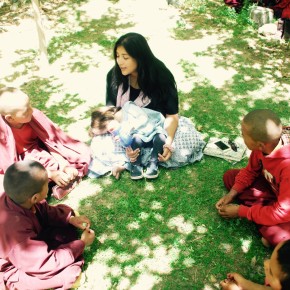
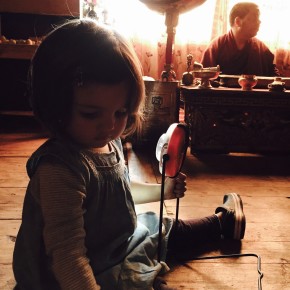
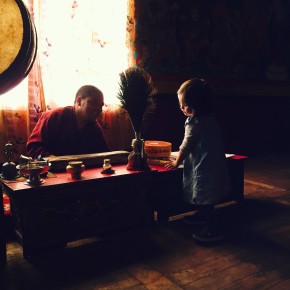
A boy of about nine lifted the guitar by its headstock and tapped the body like a hand drum. The sound was warm and rounded, nothing like the brittle twang the strings would have made. Two girls noticed that the open back could be used as a small cave for a whispered echo. A young monk, who had previously only ever approached Western instruments with caution, sat cross-legged and ran a fingertip along the cracked soundboard as if reading a sentence in braille. Within half an hour, the group had collected a vocabulary of taps, scrapes, and hums that none of them had known they owned.
Volunteers from Australia, who had been supporting the trust during their summer break, watched this transformation with the kind of puzzled pleasure common to anyone who has taught for a while. The instrument had stopped being a guitar and become, in practical terms, a small percussion set, a sensory object, and a story about provenance all at once.
Building the workshop around the broken thing
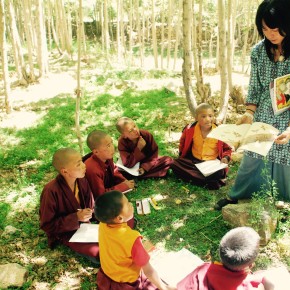
What began as a half-hour of curiosity turned, the following week, into a structured workshop. The coordinator and a visiting sound artist from a community music program in Adelaide adapted the session for the space. Children were encouraged to bring anything that had been broken at home: a cracked clay cup, a tin lid detached from a kettle, the shell of a rescued walnut. The former guitar was placed in the centre of the mat, and each new object was laid beside it and given a name.
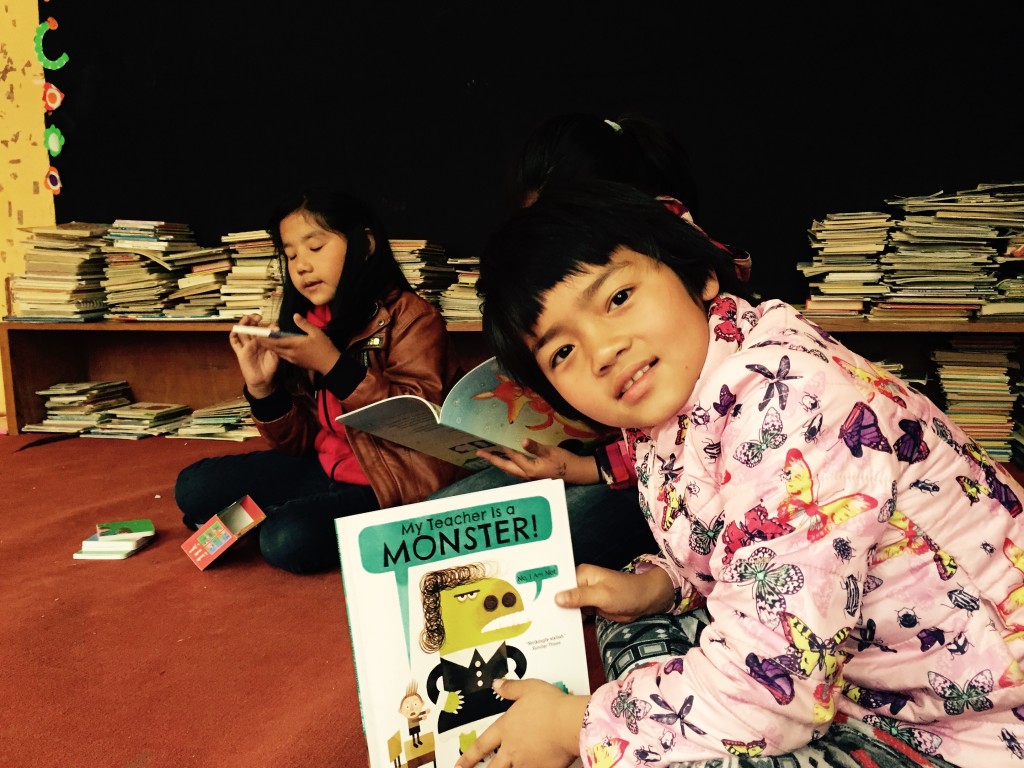
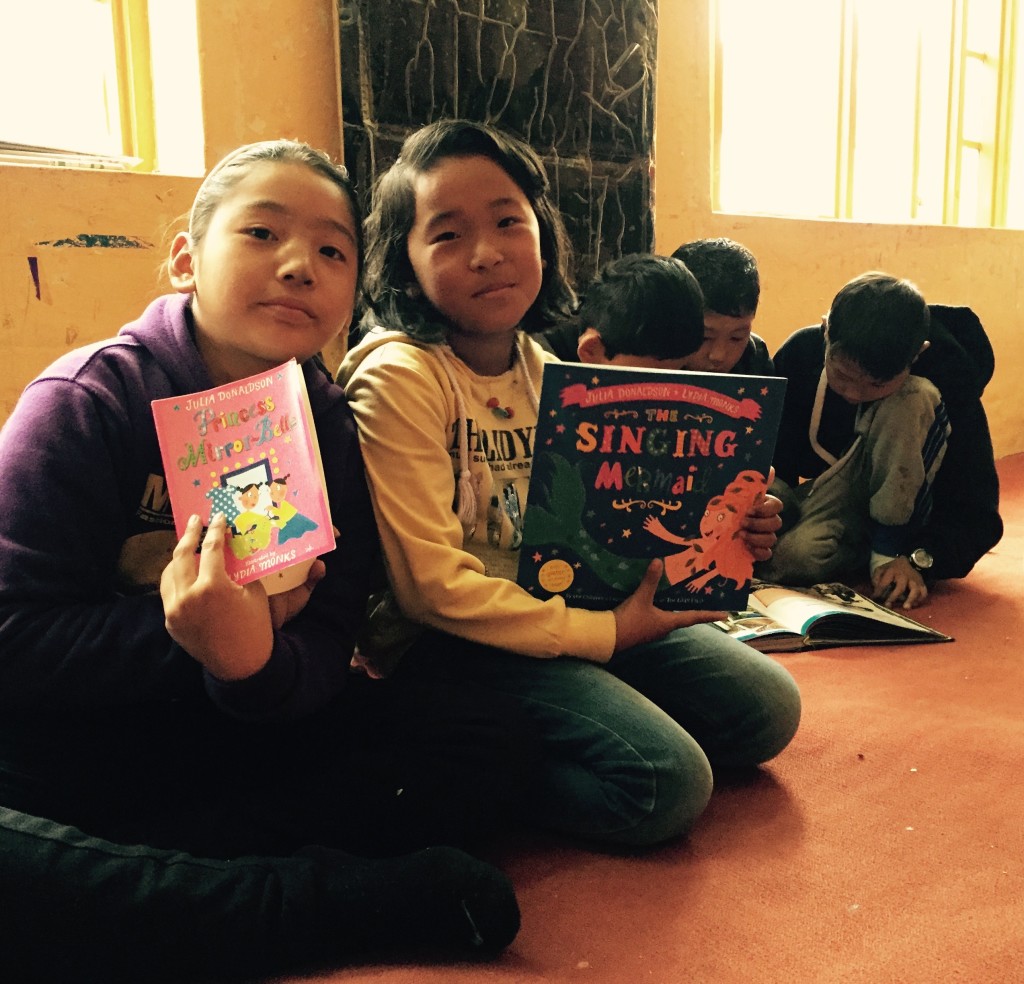
Over the course of a month, the children built small ensembles around what they had. They did not learn standard notation, nor did they follow a published method. Instead, they invented signals: a raised palm meant silence, a tapping knuckle meant listen, a turn of the wrist meant pass the sound around. Volunteers wrote down the patterns and later transcribed them as simple graphic scores for the room's growing collection of handmade instruments. A similar approach is used by some Australian organisations, and resources compiled by groups such as a Chattanooga library initiative show how community reading rooms worldwide often exchange ideas on improvised learning materials.
The workshop has now run for several seasons and has spread to two neighbouring reading rooms. The original guitar sits on a shelf in a cloth wrap, occasionally lifted out for newcomers to examine. Its strings have been replaced once, but the warped neck has not been straightened. The instrument is no longer used as a guitar. It is used as a reminder that a working object is not always the most useful one.
What the children took away from a silent instrument
The most surprising outcome has been the shift in how the children relate to music in everyday conversation. Before the workshop, when asked what music was, they tended to name instruments: the monastery horns, the small harmonium in the prayer hall, the radio in the corner shop. After several weeks of building ensembles from broken things, their answers became broader. Music, they said, was anything that organised sound with intention.
That change in vocabulary has had practical knock-on effects. Older children have begun leading short sessions for younger siblings, using whatever objects they find at home. One girl, whose family had nothing in the way of instruments, filled a glass jar with rice and made a shaker that she now keeps beside her reading book. Parents visiting the reading room have started contributing objects too, sometimes with quiet notes attached about where each one came from. The trust's staff talk gently about extending this into a parent-led session during the long afternoons when temperatures at altitude rise above freezing and the school holidays are in full swing.
Ideas for reading rooms working with limited instruments
A few practices have made this kind of session sustainable in small spaces with very modest budgets.
- Centre the workshop on an object that cannot be played in the conventional sense, so participants must listen before they respond.
- Invite children and families to bring one broken, unused or homemade item each, and document each contribution with a short note.
- Use graphic scores drawn with marker on cardboard rather than printed notation, so children can revise and redesign them between sessions.
- Rotate the role of leader so that different children practise guiding the group through a short passage.
- Record sessions using a simple phone and revisit the recordings with the group, listening for patterns they want to keep and sounds they want to change.
- Connect with a partner reading room overseas to swap methods, instruments, and scores, an arrangement that is often supported by cultural exchange grants.
The trust continues to send out repaired and lovingly broken instruments to other reading rooms, and welcomes volunteers who can spend even a few weeks helping to document the music that emerges. Many Australian supporters have contributed by funding repairs, by donating the kind of simple percussion that travels well in luggage, or by sponsoring a season of sessions through workplace giving programmes, which in Australia often allow donations to be claimed against tax under the relevant deductible gift recipient rules.
What the broken guitar taught the reading room, more clearly than any working one could have, is that music does not begin with a perfect instrument. It begins with an attentive group of people and a willingness to listen, even when the first thing they hear is a soft, unpitched thud where a chord ought to be.