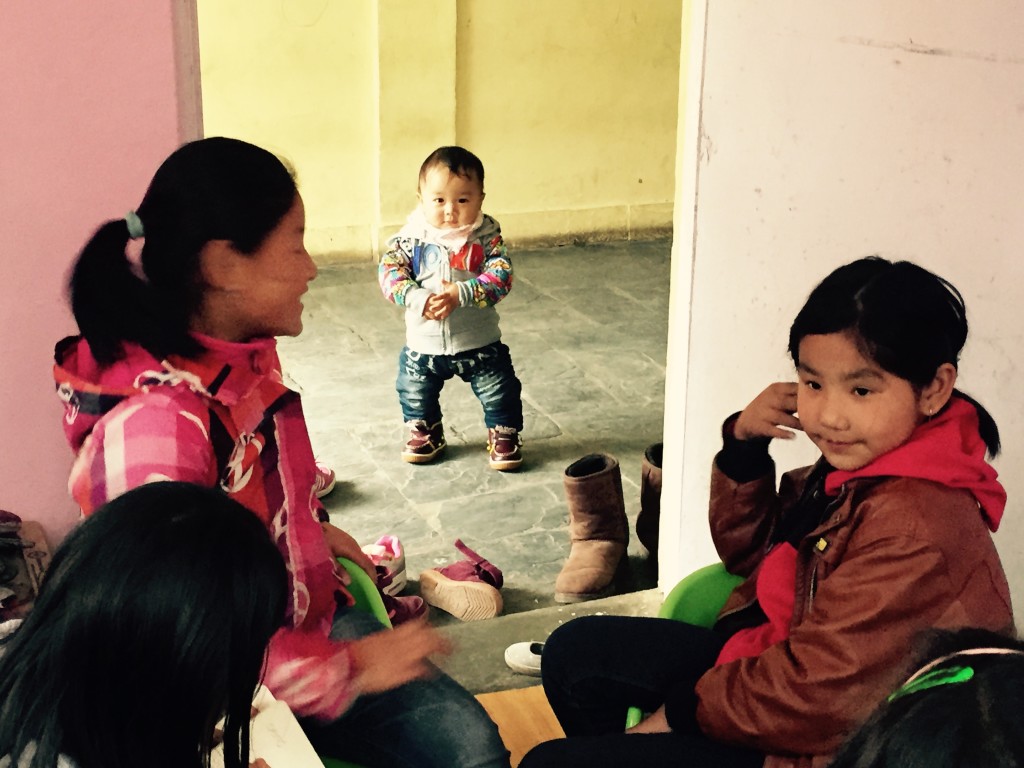
From City Shelves to a Himalayan Village
In a crowded urban neighborhood, the idea began with a simple observation: many families owned books their children had outgrown, while schools in remote Himalayan communities struggled to build welcoming libraries. A donated storybook resting unused in a city apartment could become a child’s first independent reading experience in a Ladakhi village.
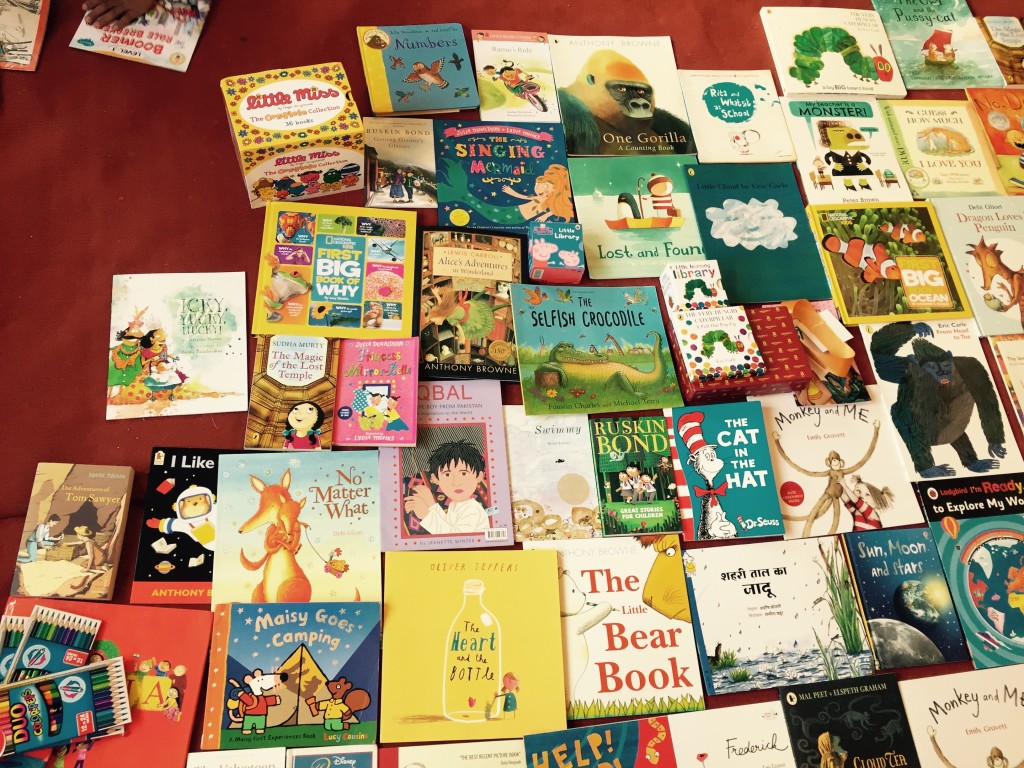
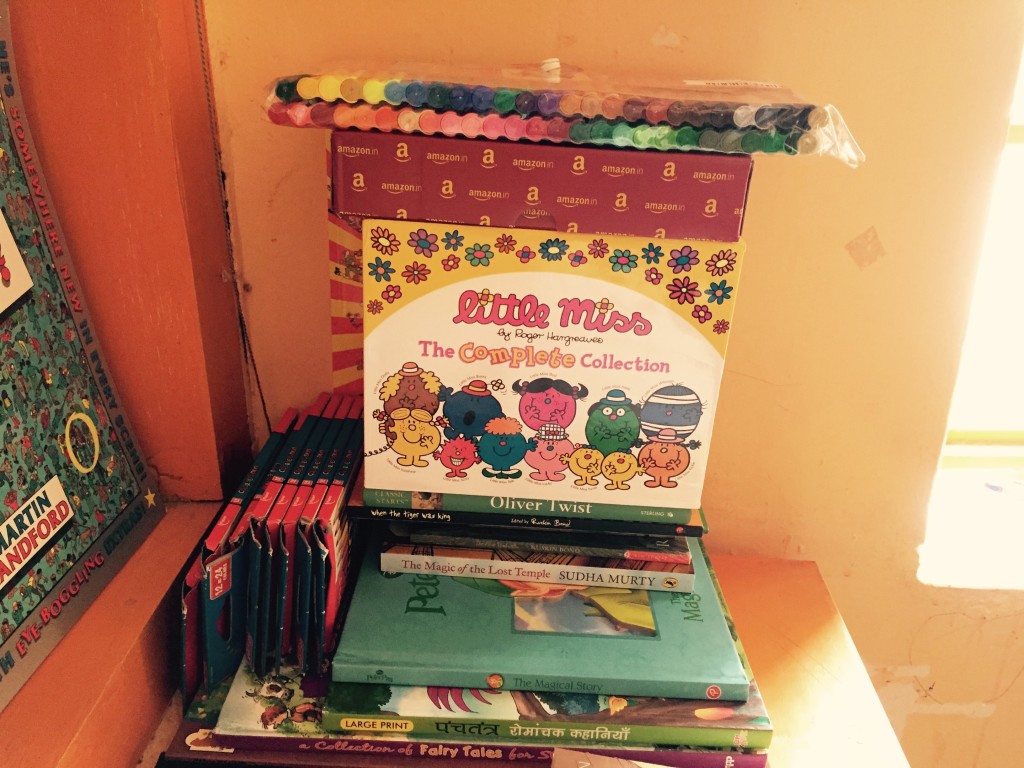
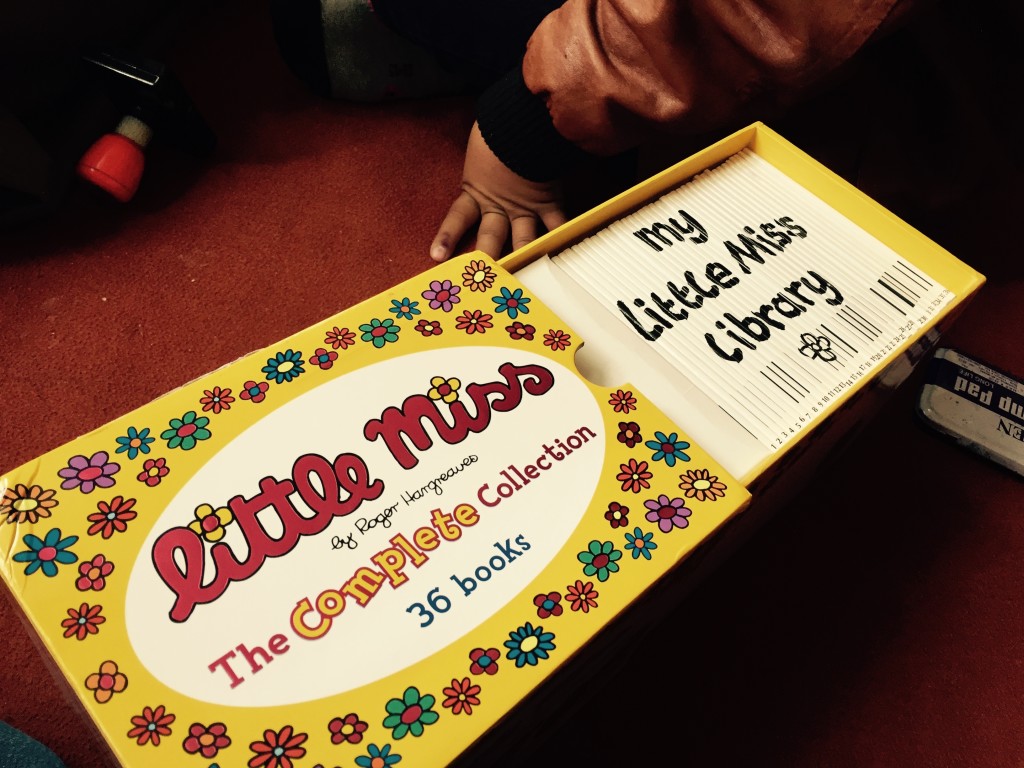
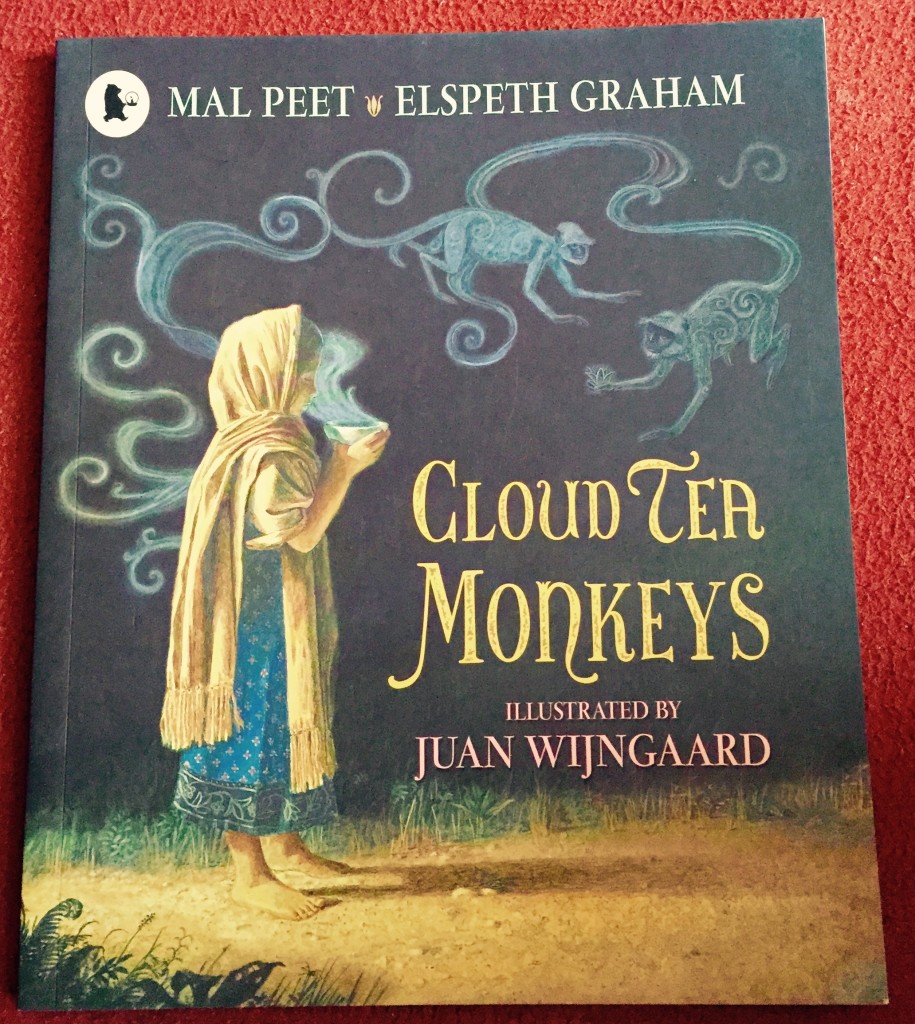
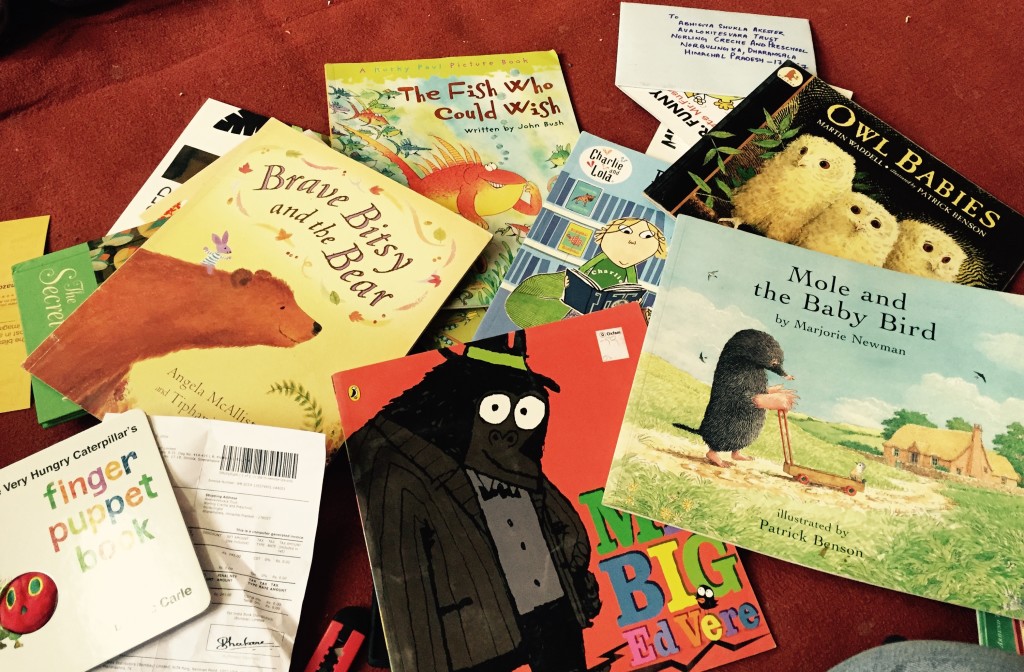
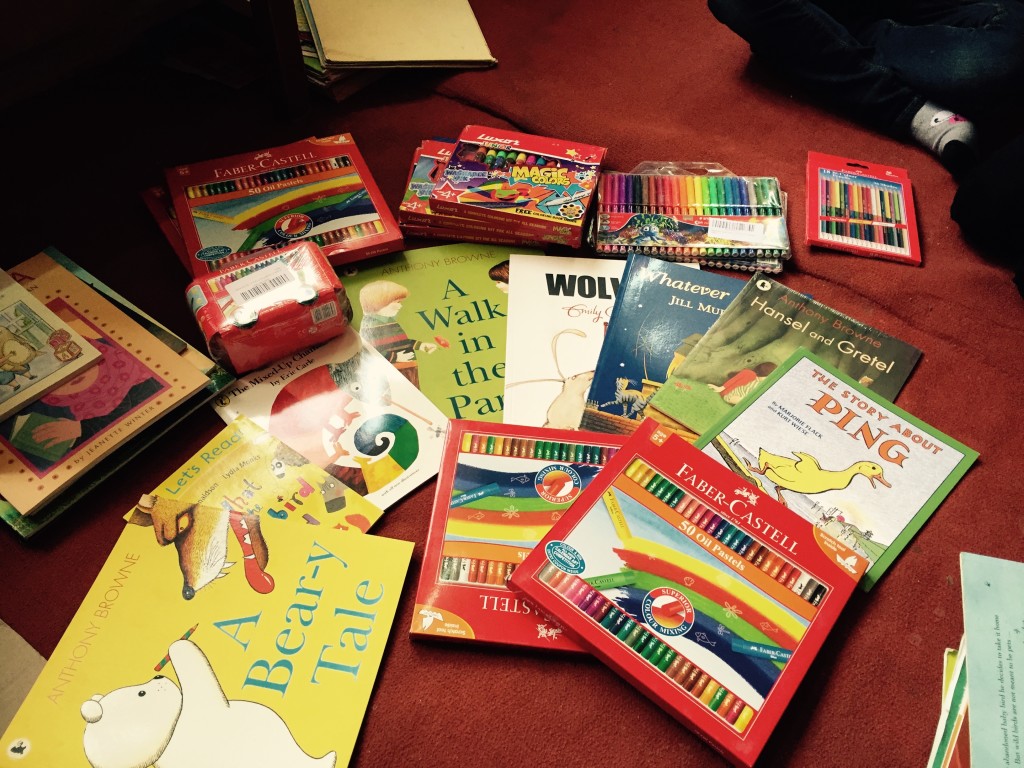
Avalokiteśvara Trust helped turn that possibility into a practical book drive. Families, schools, bookstores, and community groups gathered children’s literature, picture books, reference materials, art supplies, and music resources. The collection was prepared for a very different setting, where access to quality books can be limited by distance, cost, and difficult mountain roads.
The journey from an urban collection point to a village reading room involved much more than transporting boxes. It required careful selection, respectful partnership, patient logistics, and a clear understanding of how children and young monks learn in Himalayan communities.
A Citywide Idea Finds Its Purpose
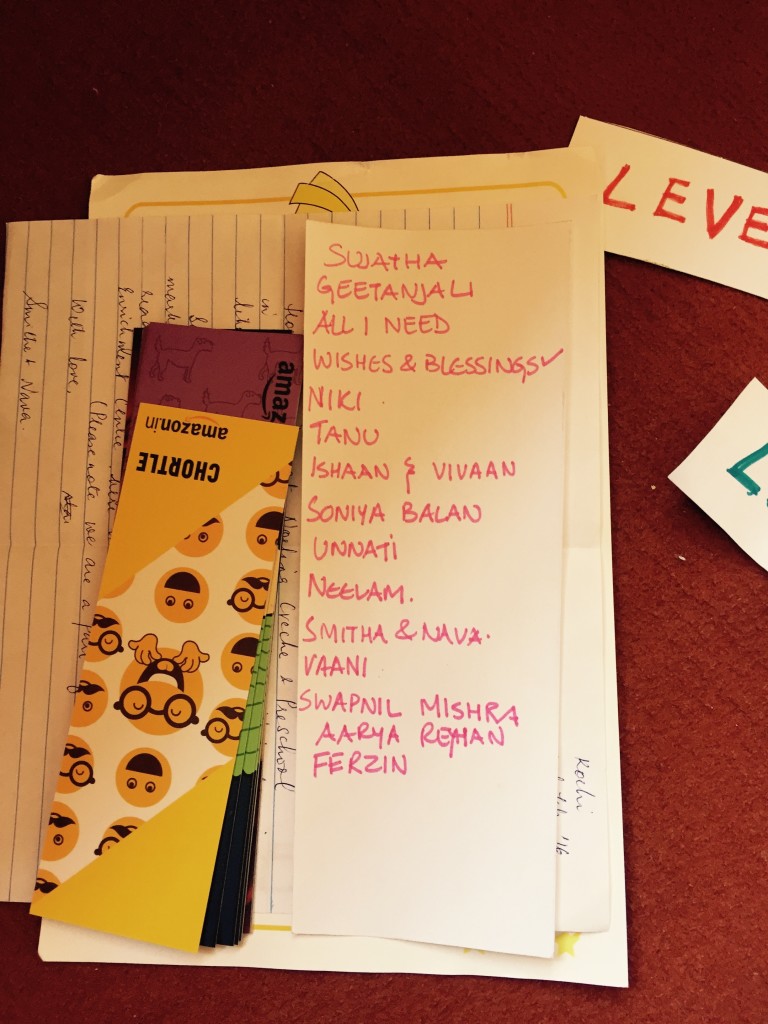
The book drive began with conversations rather than a large campaign. Volunteers explained that the goal was not to empty city bookshelves, but to create a useful and lasting learning collection. Families were encouraged to donate books in good condition, especially stories, illustrated nonfiction, poetry, early readers, and books that could be enjoyed by children with different levels of English.
Schools played an important role in widening the effort. Students created collection points, designed posters, and talked about reading access beyond their own neighborhoods. Some classes organized small fundraising activities alongside the donations, helping cover packing materials, transport, and the cost of educational resources that were difficult to obtain secondhand.
This local participation gave the project a personal character. Each book carried a connection to the people who had chosen to share it. The collection reflected the generosity of an urban community while keeping its purpose firmly centered on children in a remote village.
Choosing Books For Mountain Readers
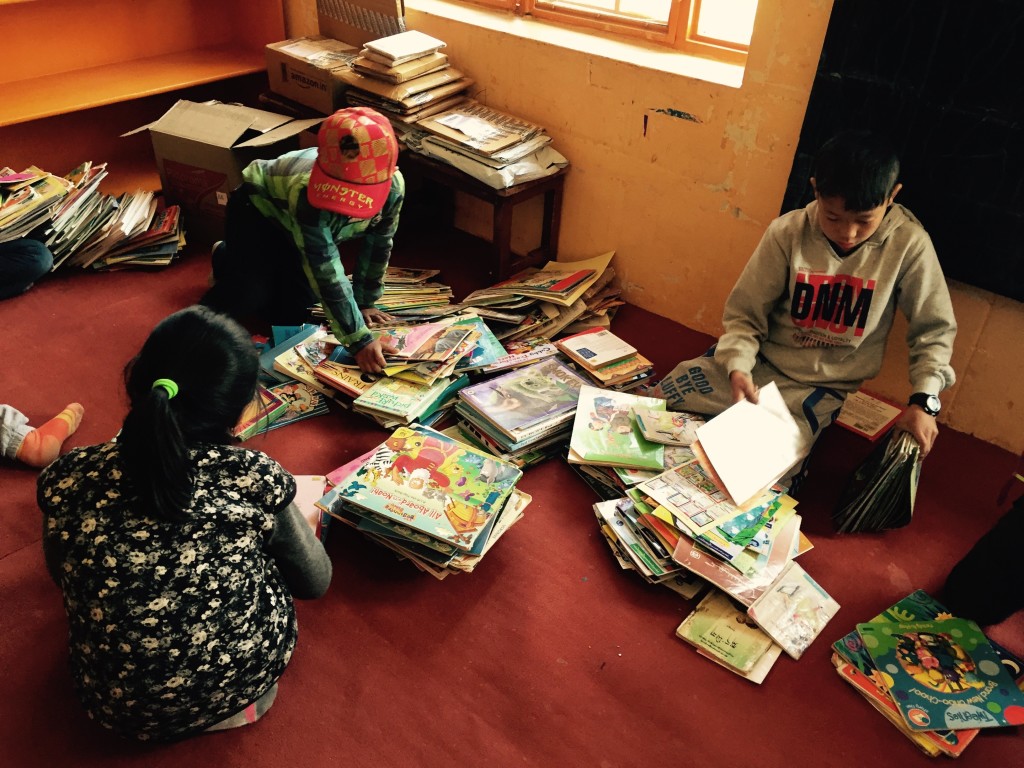
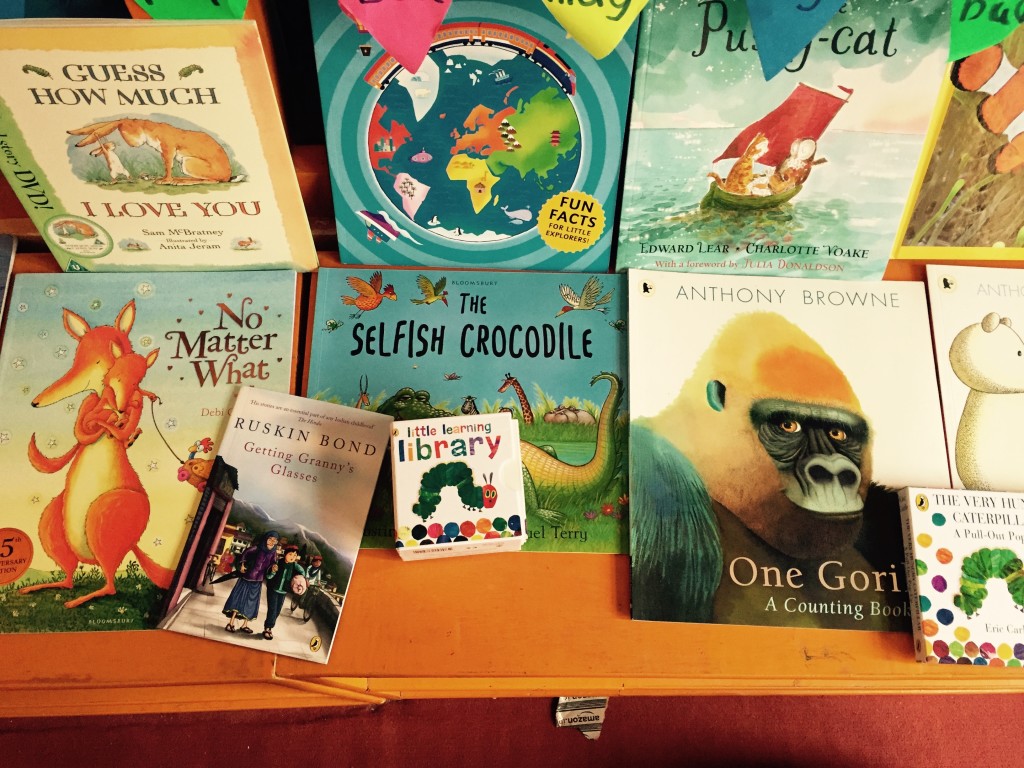
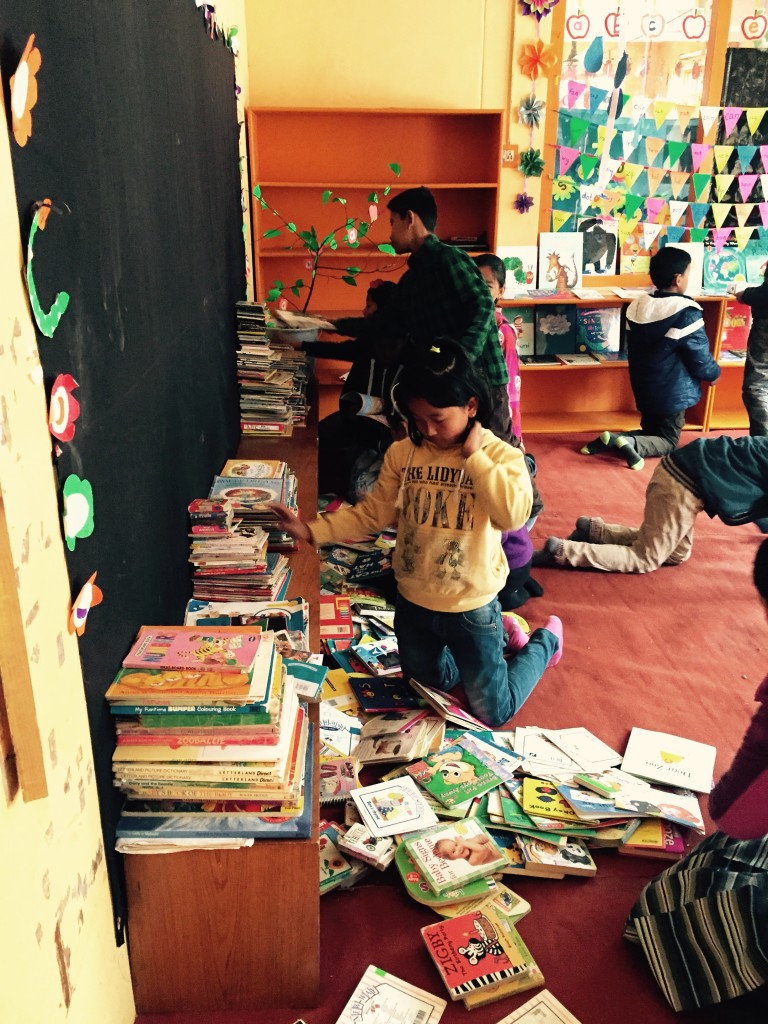
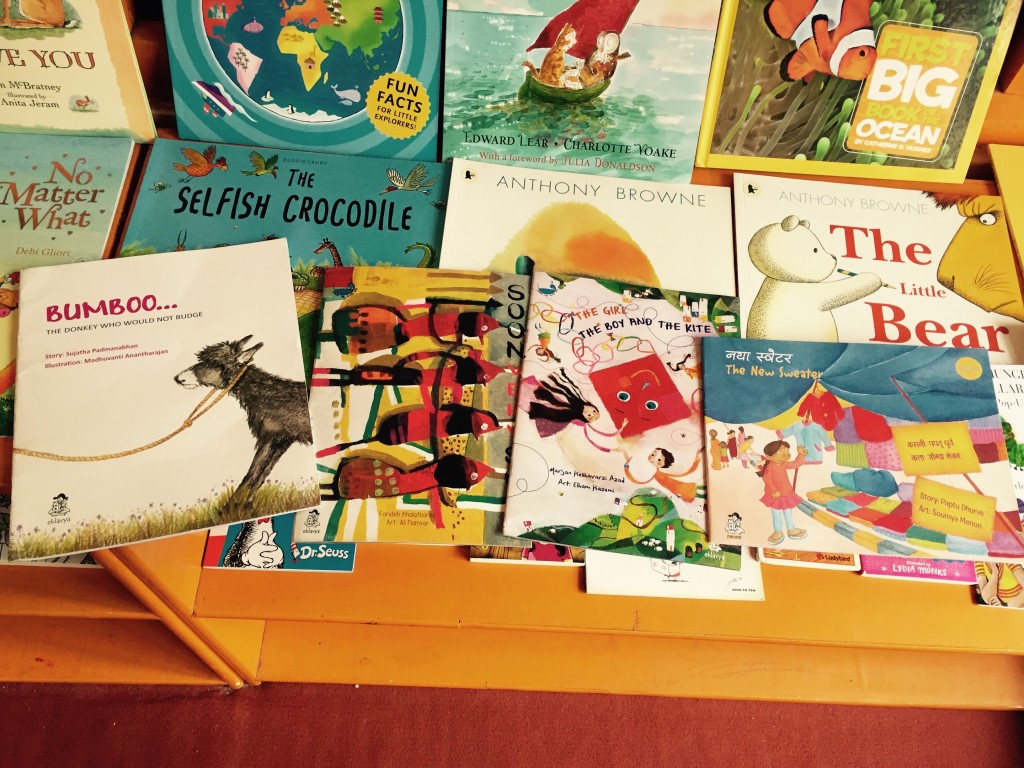
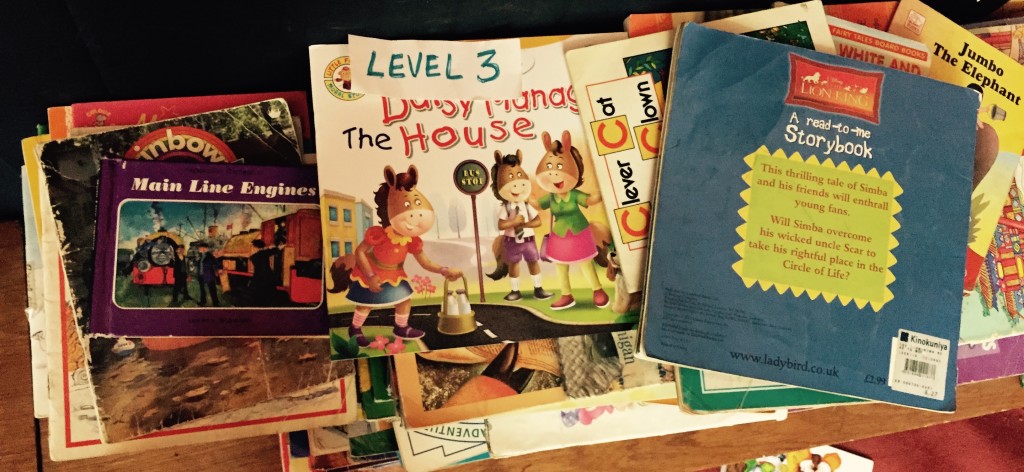
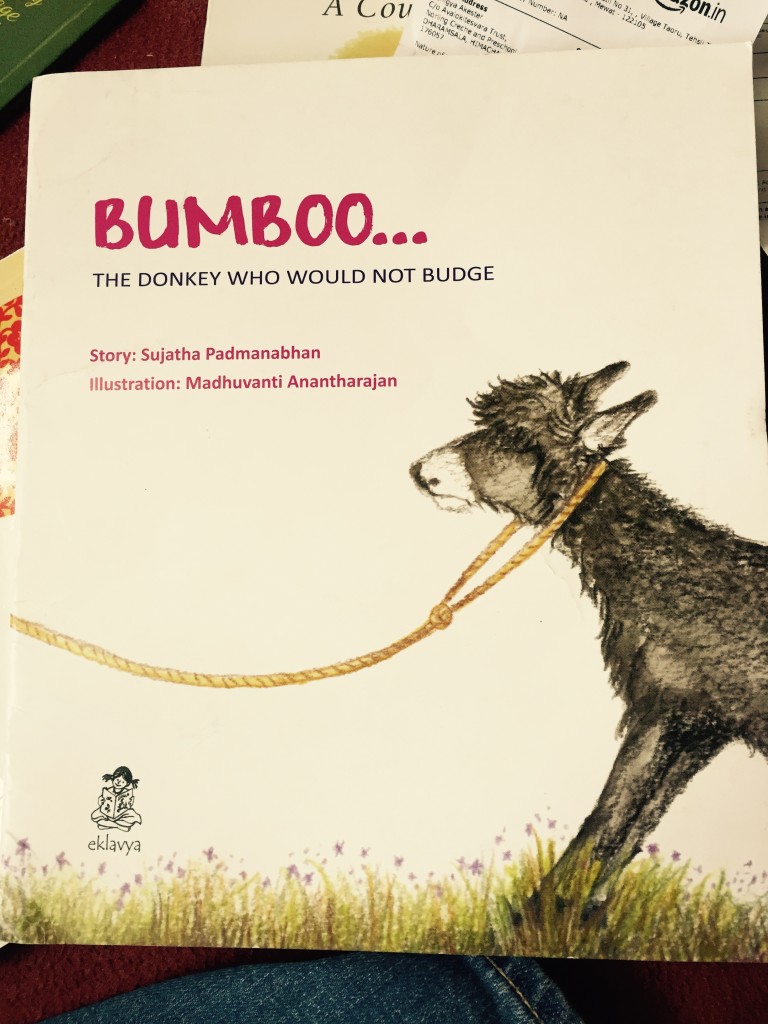
A large donation is useful only when it matches the needs of its recipients. Volunteers sorted every box, removing books that were damaged, overly specialized, or unsuitable for the age groups served by the village school and reading room. They looked for clear language, engaging illustrations, durable covers, and subjects that could encourage curiosity about the world.
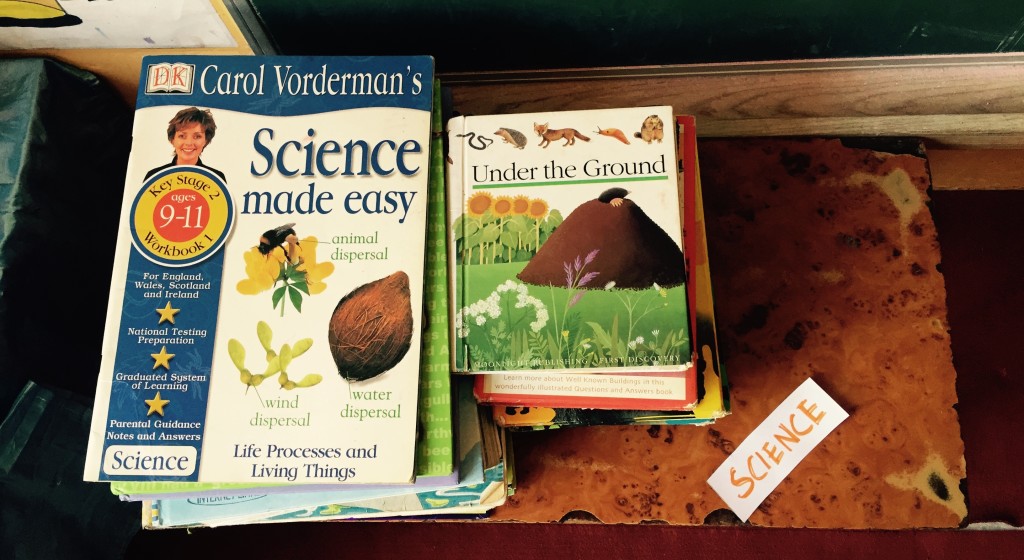
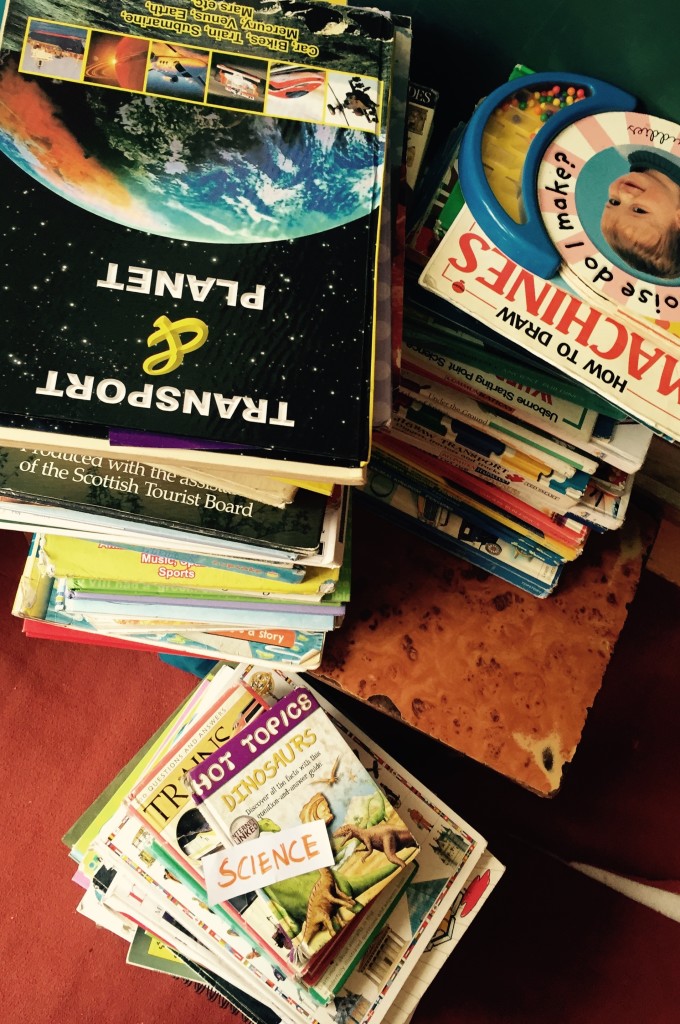
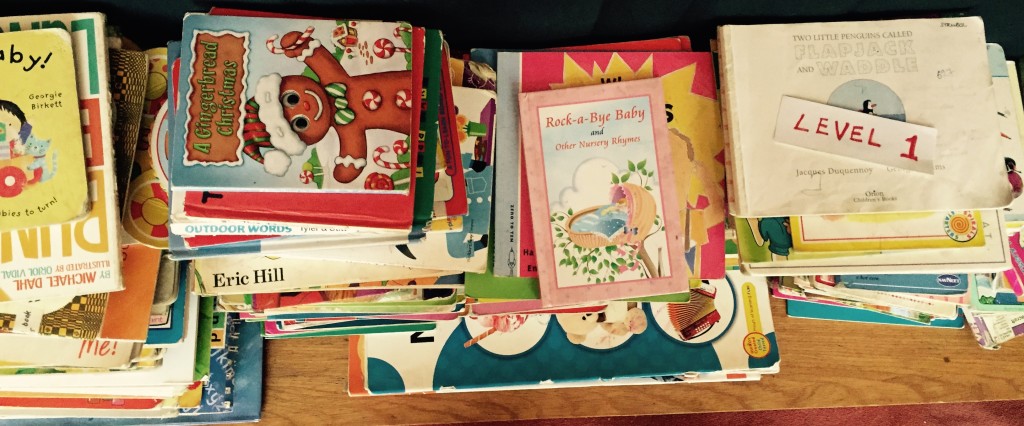
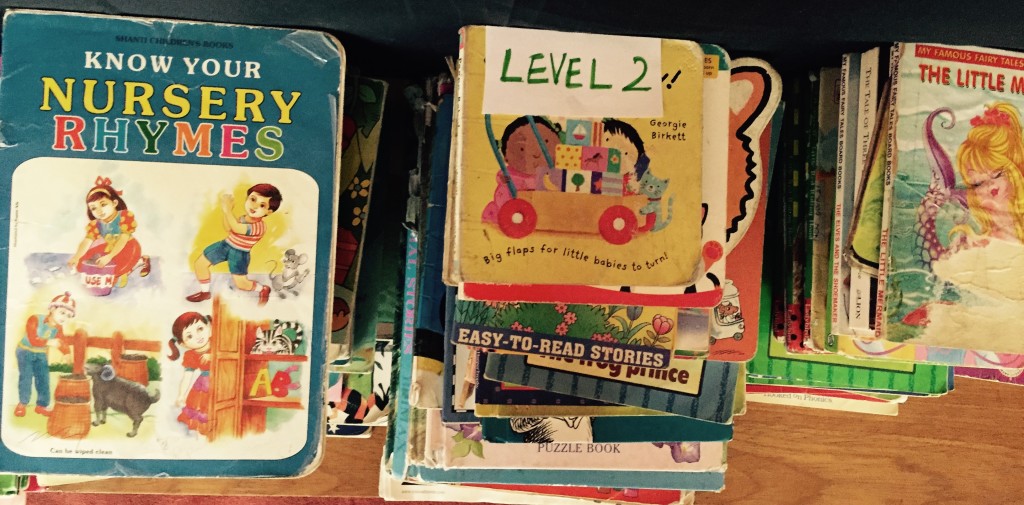
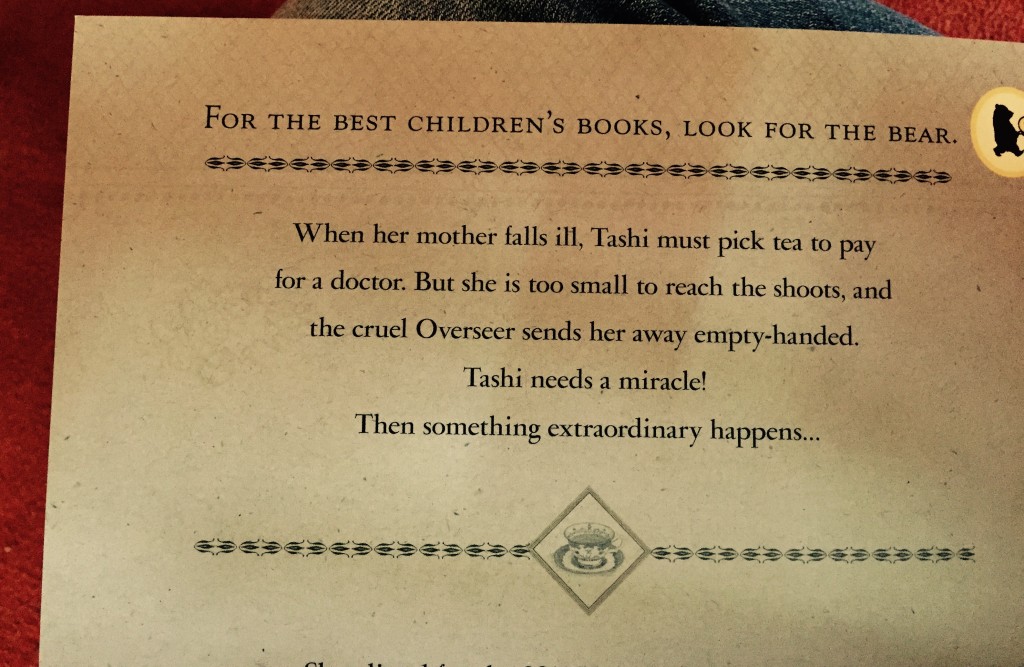
The selection also respected the variety of readers in the community. Younger children needed alphabet books, folktales, visual puzzles, and short stories. Older students benefited from adventure fiction, science books, biographies, atlases, dictionaries, and practical learning materials. Books about art, music, nature, and the environment offered alternatives to purely academic study.
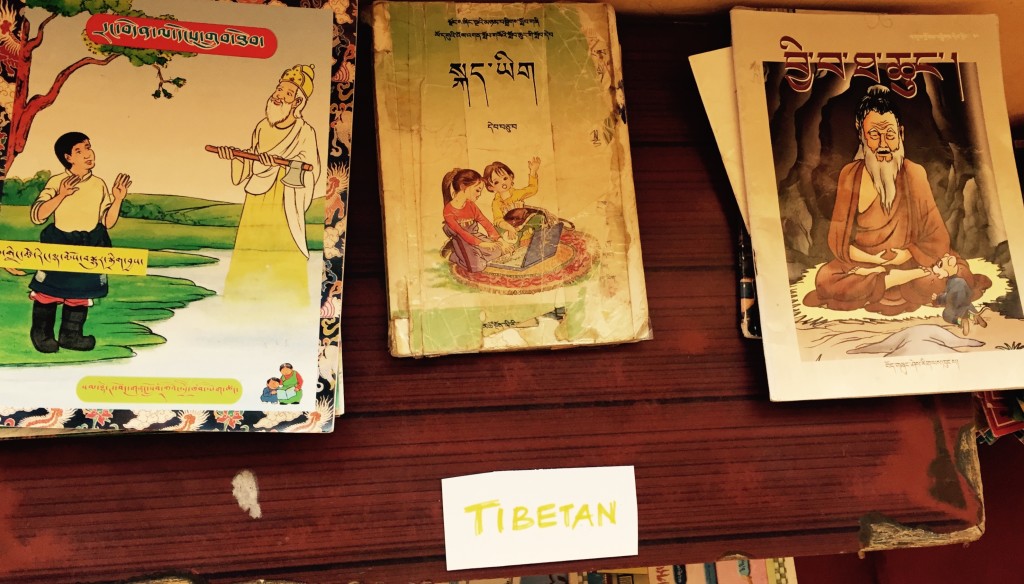
Language was considered carefully. English-language books could strengthen school learning and widen access to information, while visual books and stories with simple text allowed children at earlier reading stages to participate. The final collection was designed to invite exploration rather than turn reading into another test.
Preparing The Long Journey North
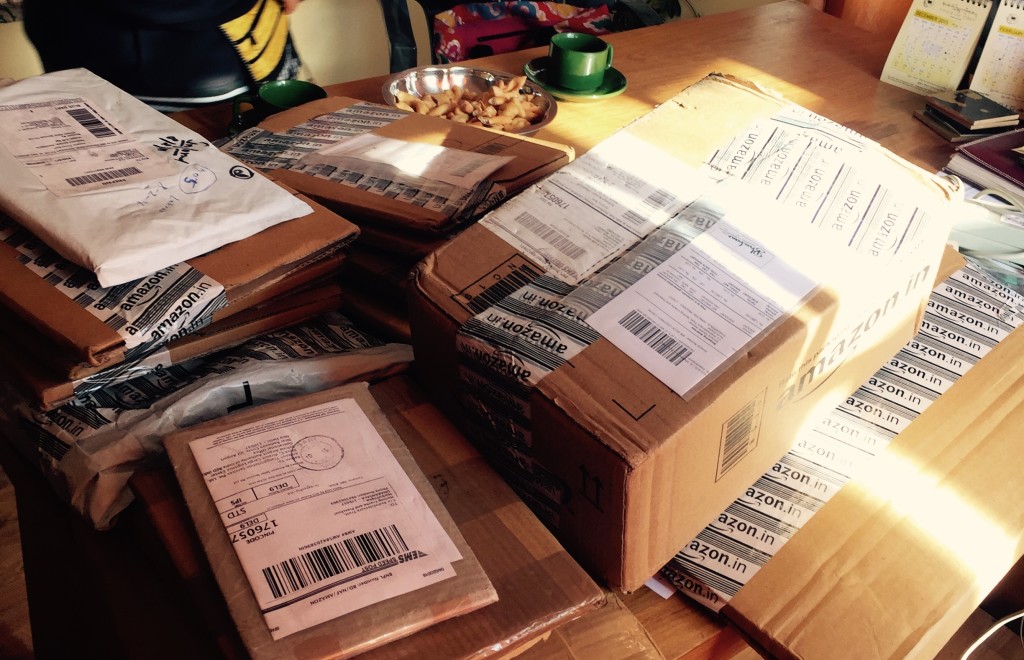
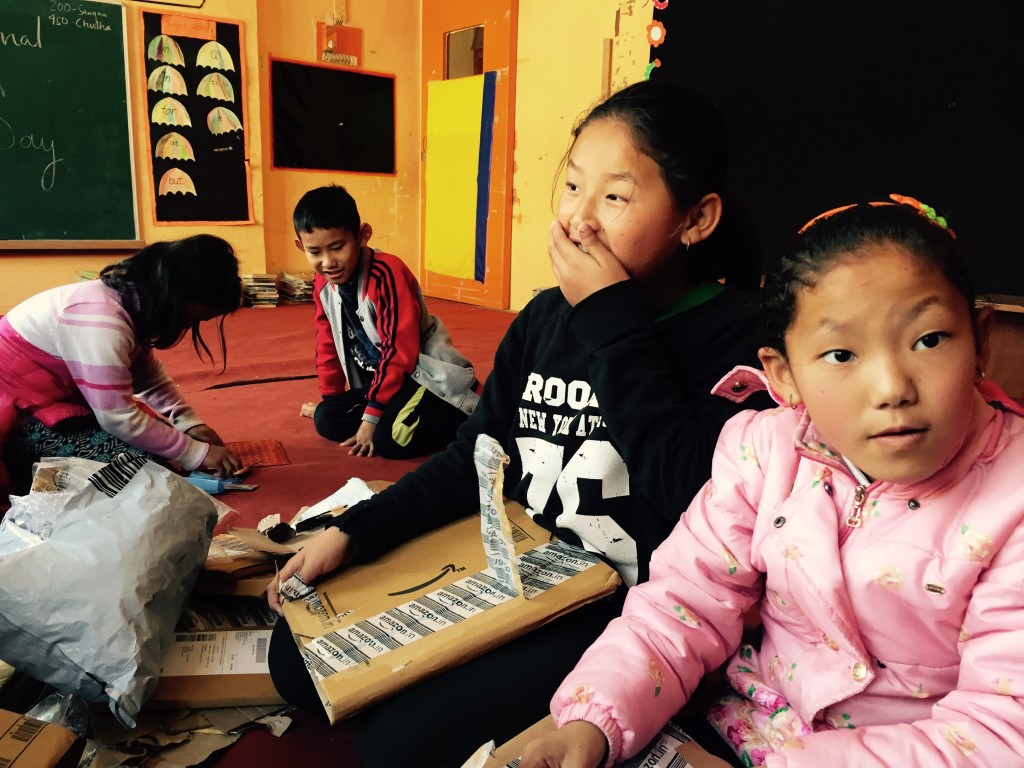
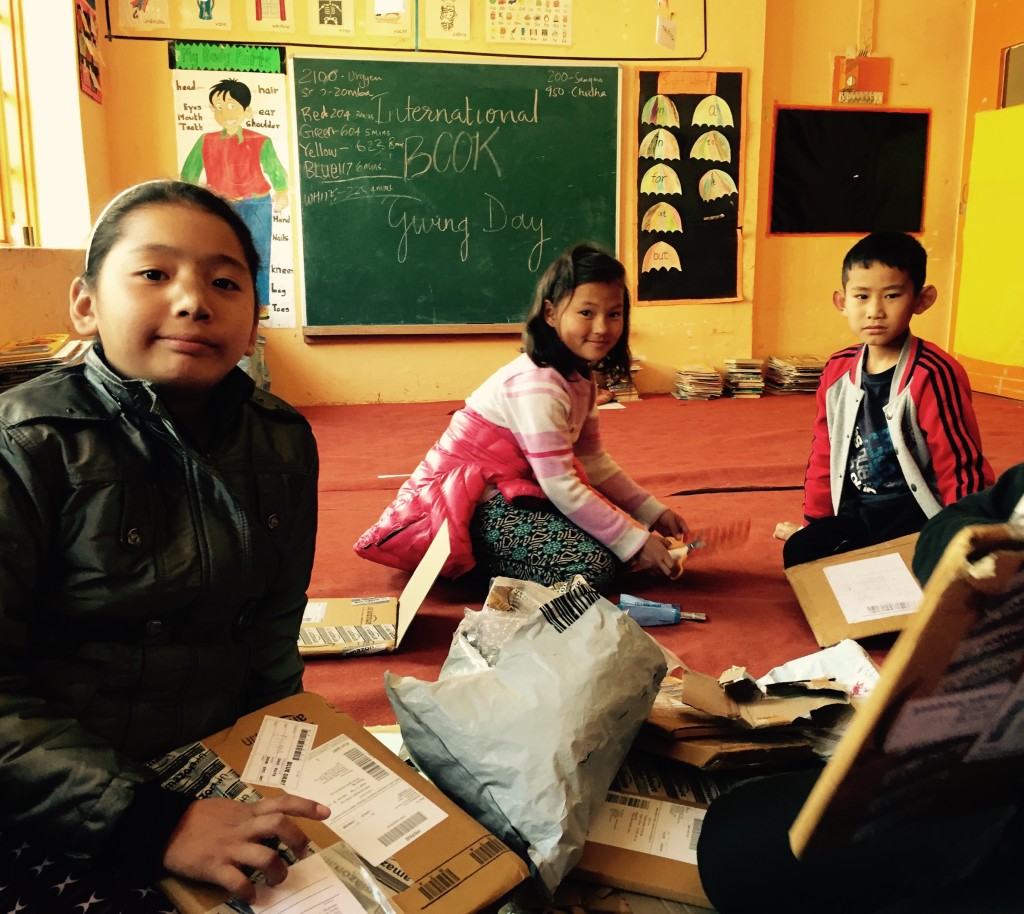
Once the books had been sorted, volunteers packed them for a demanding journey. In the city, boxes moved easily between homes, schools, and storage rooms. In the mountains, every parcel had to withstand long road travel, changes in weather, and repeated handling before reaching its destination.
The route toward Ladakh and neighboring Himalayan communities can involve winding roads, high passes, and remote settlements separated by considerable distances. Transport schedules may change with weather or road conditions. For this reason, the Trust worked with local contacts who understood the terrain and could coordinate the final movement of supplies.
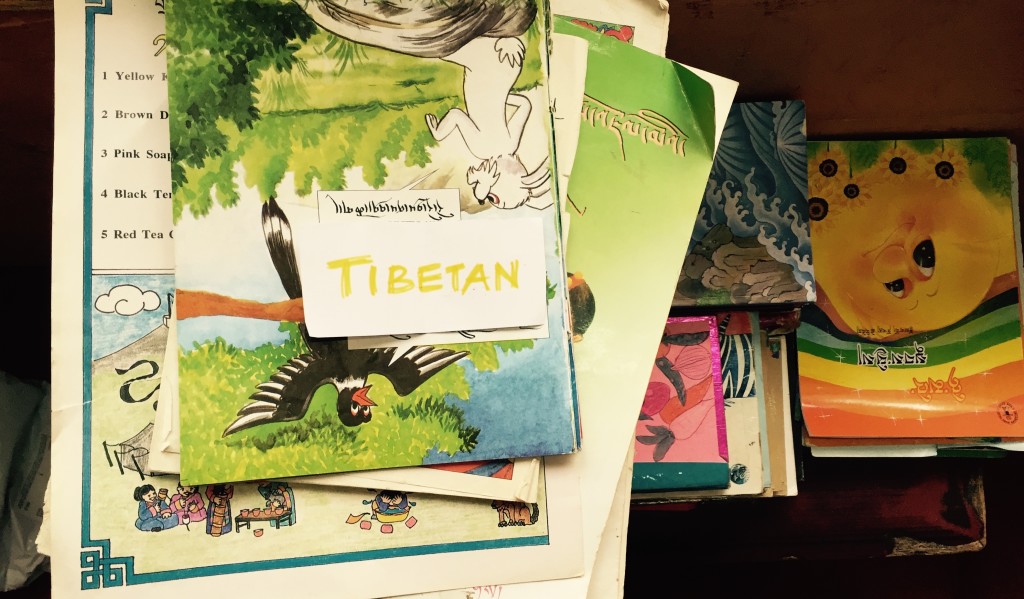
The logistics also included more than delivery. Volunteers recorded the contents of boxes, grouped books by age and subject, and prepared simple labels so local organizers could arrange them quickly. Good preparation reduced the burden on teachers and community members, allowing the new reading space to open sooner.
| Stage Of The Book Drive |
Urban Contribution |
Village Benefit |
| Collection |
Families, schools, and community groups donate books and learning materials |
A broad range of resources becomes available |
| Sorting |
Volunteers assess condition, reading level, language, and subject |
Children receive books suited to their interests and abilities |
| Packing |
Books are labeled and protected for long-distance transport |
Local organizers can arrange the collection efficiently |
| Transport |
Partners coordinate road travel into the Himalayan region |
Remote communities gain access to materials rarely found nearby |
| Opening |
Volunteers and local educators prepare the reading room |
Children have a welcoming place to read, study, and create |
A Reading Room Takes Shape
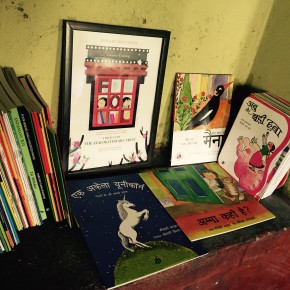
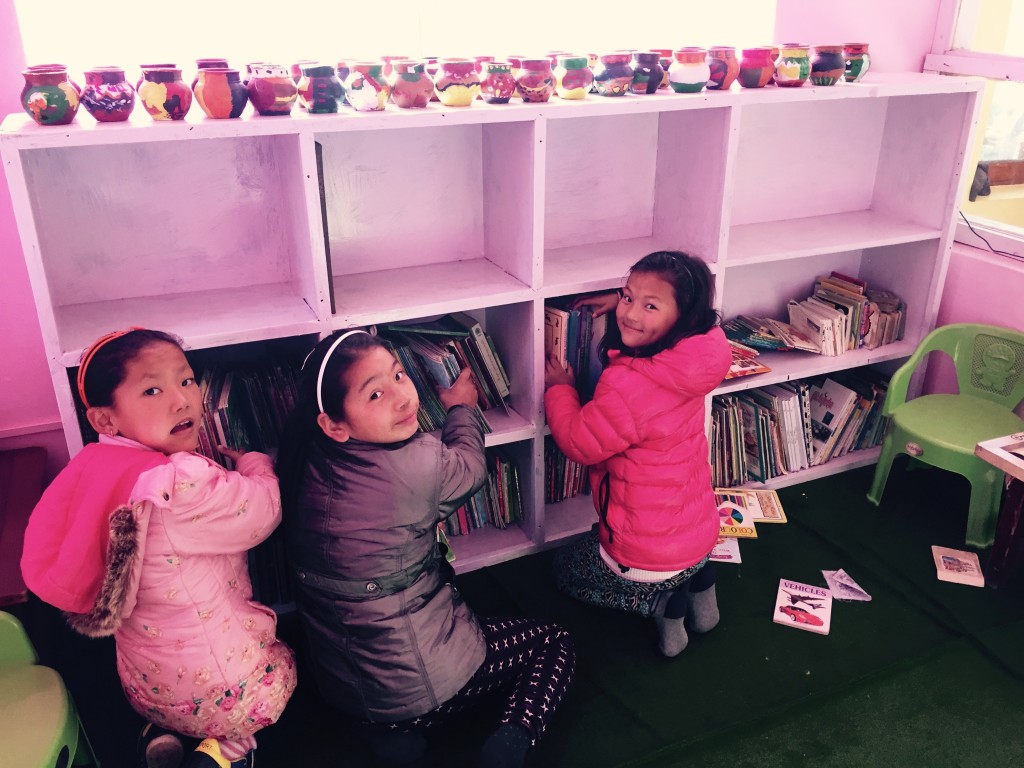
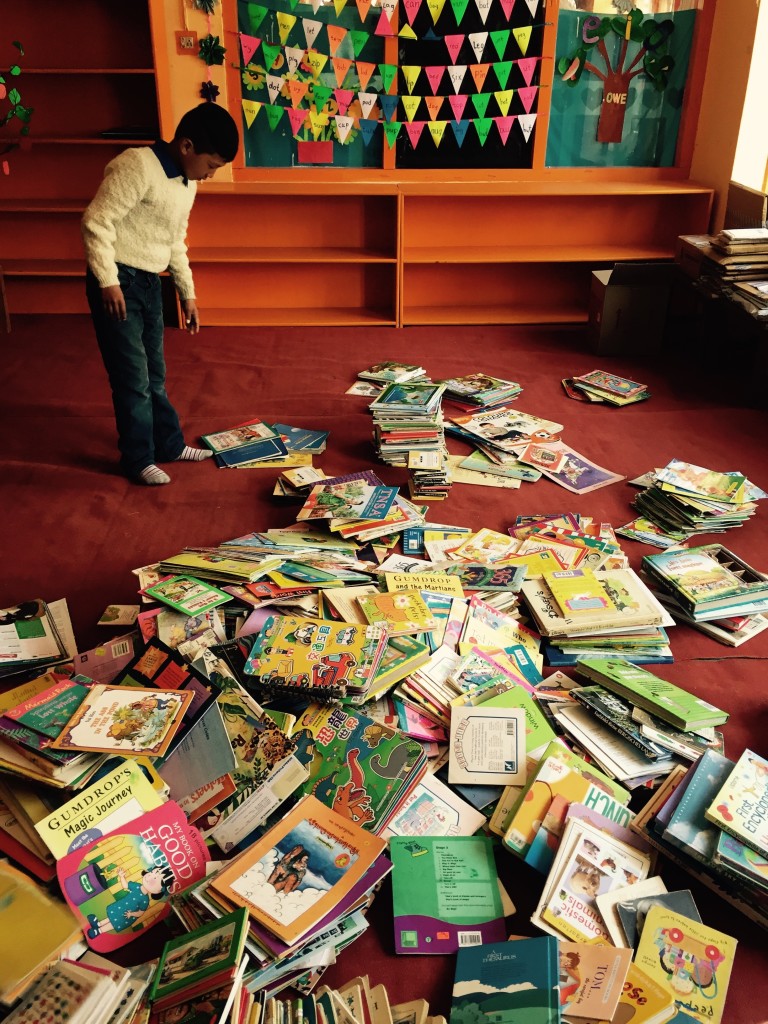
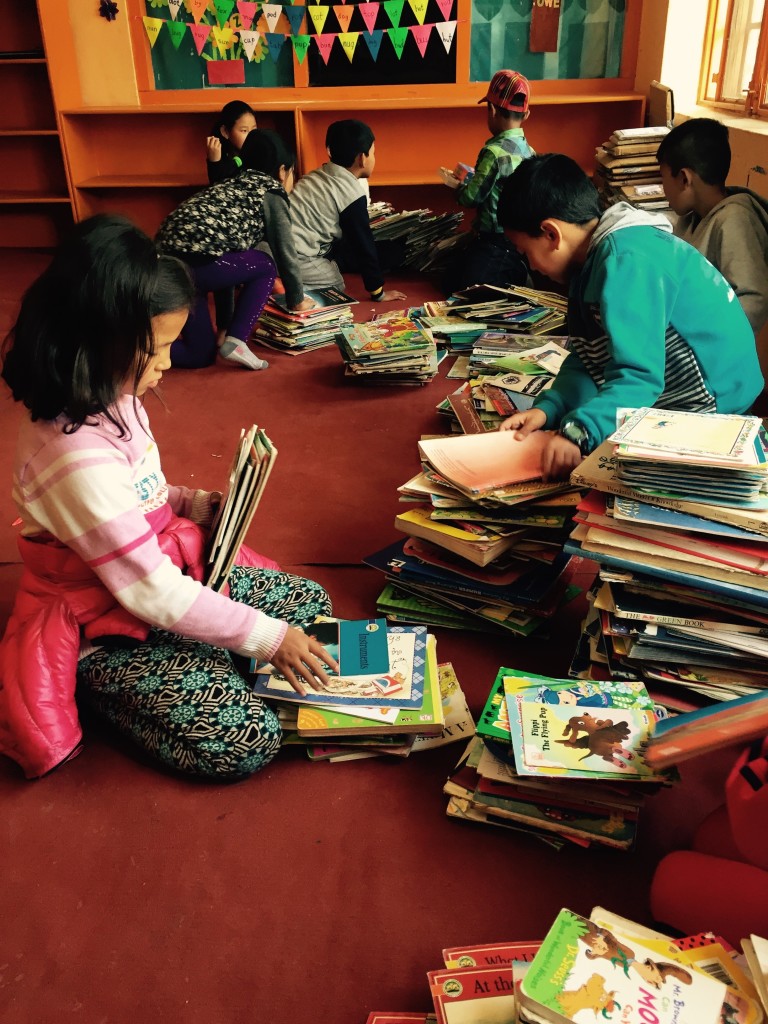
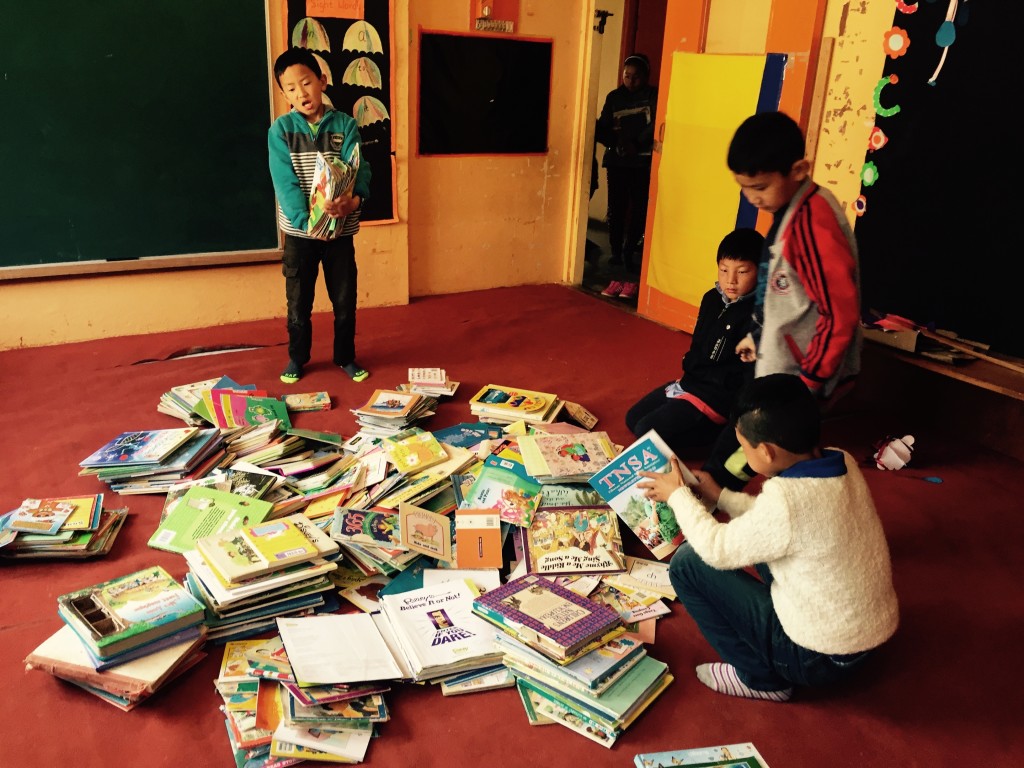
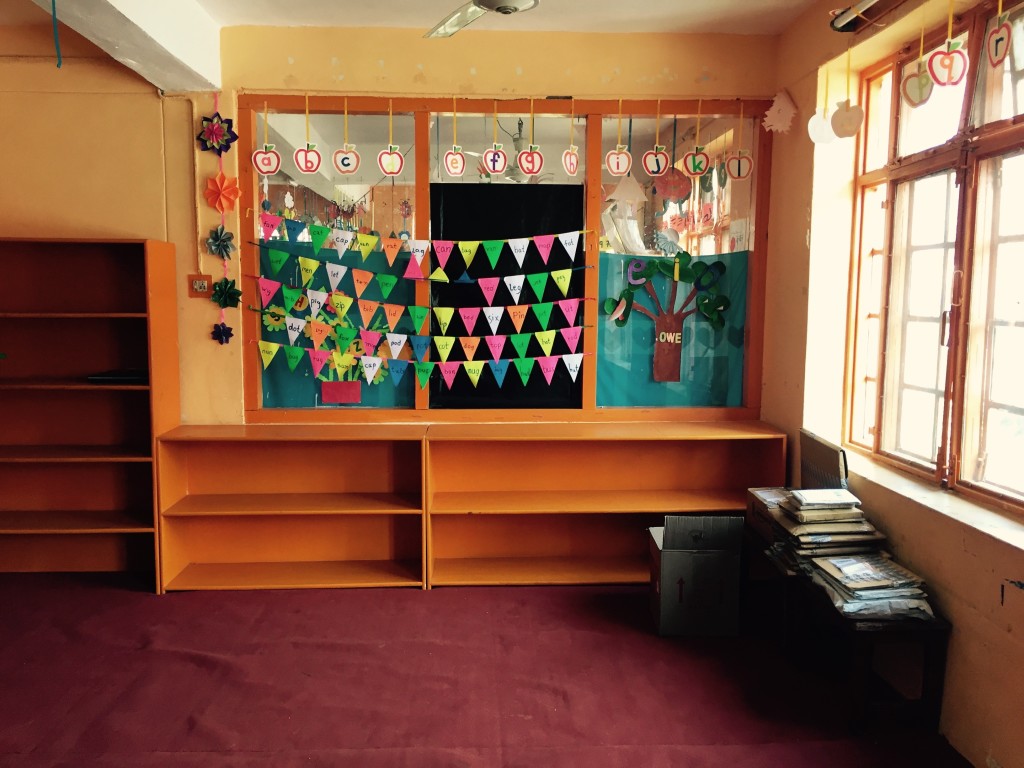
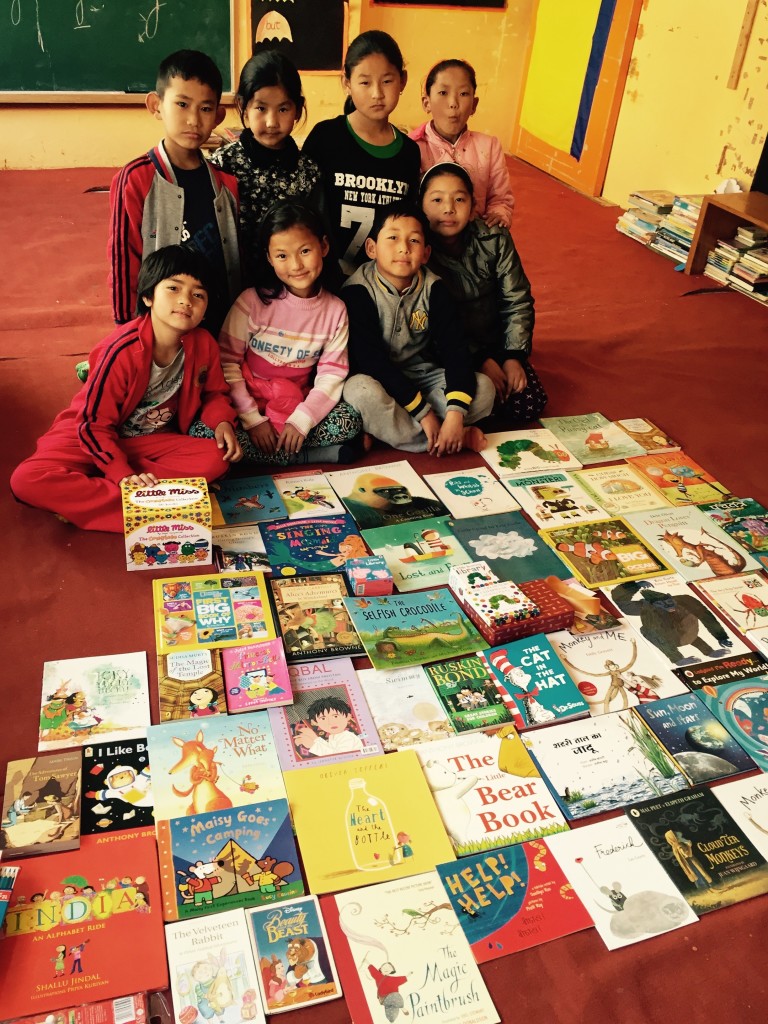
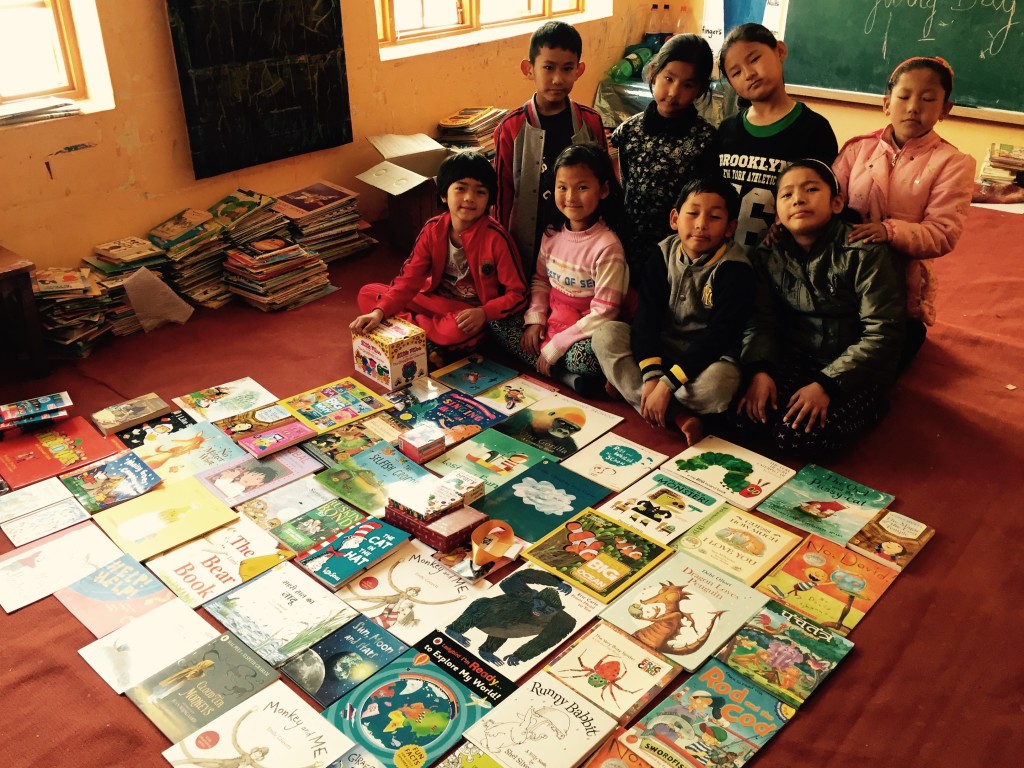
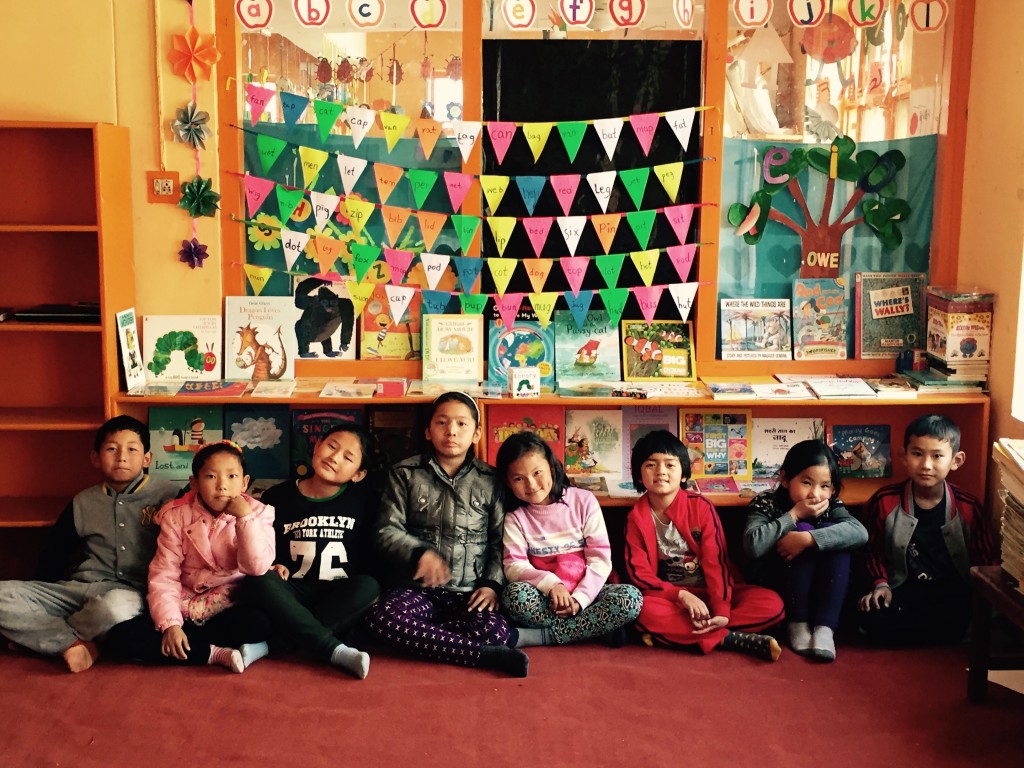
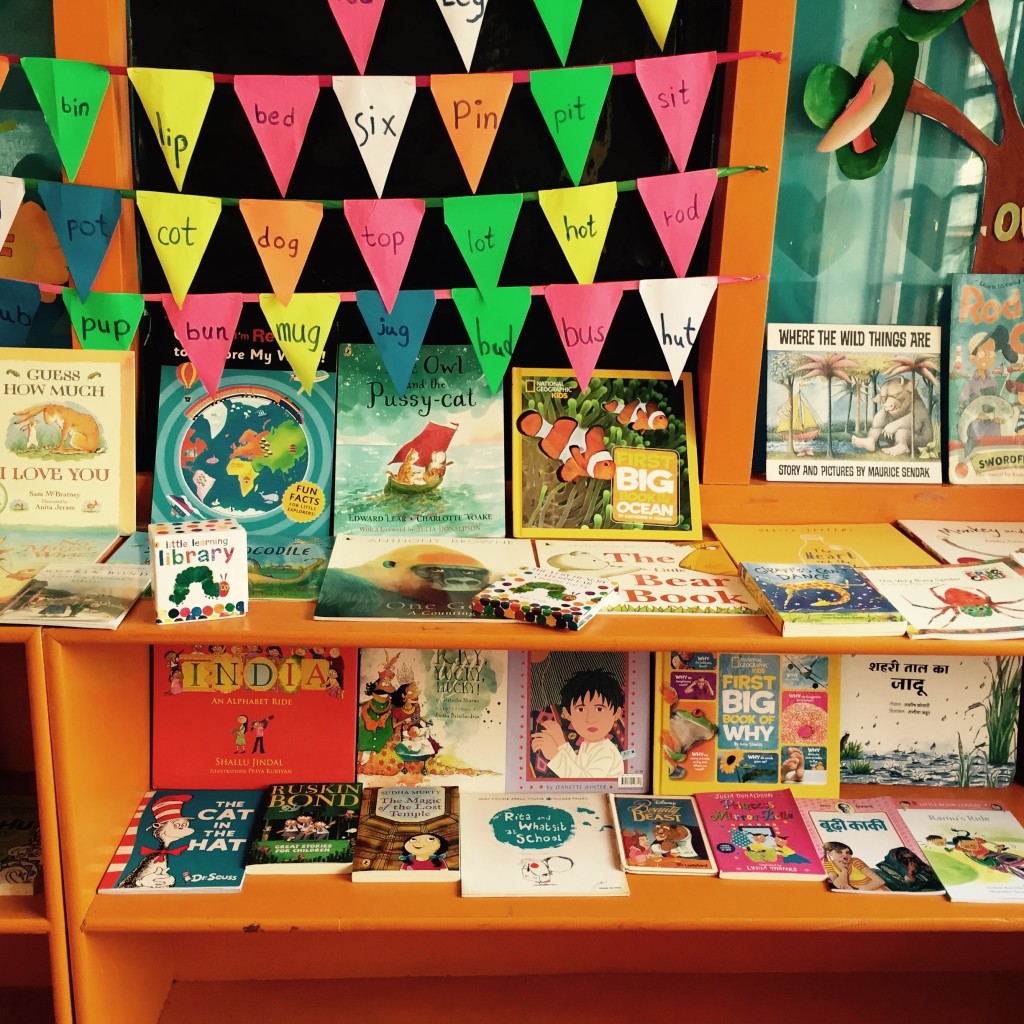
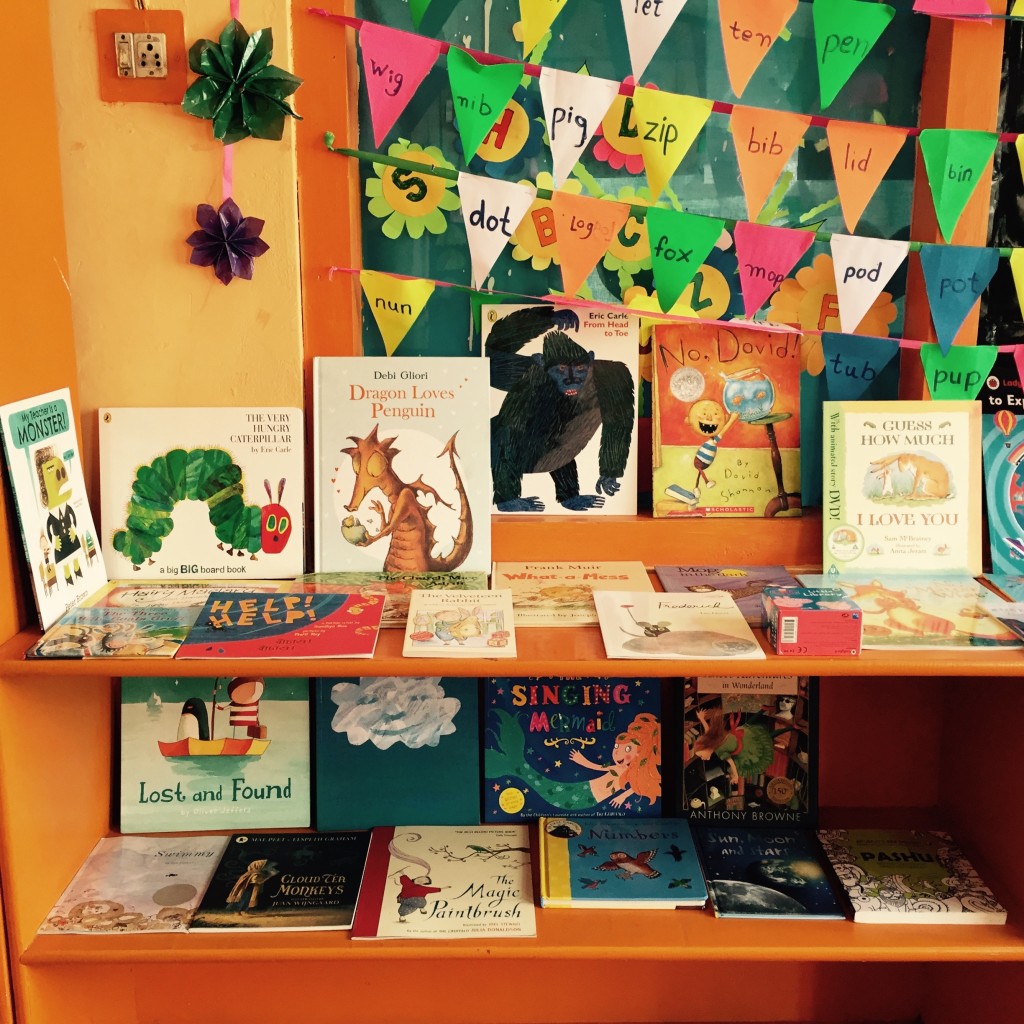
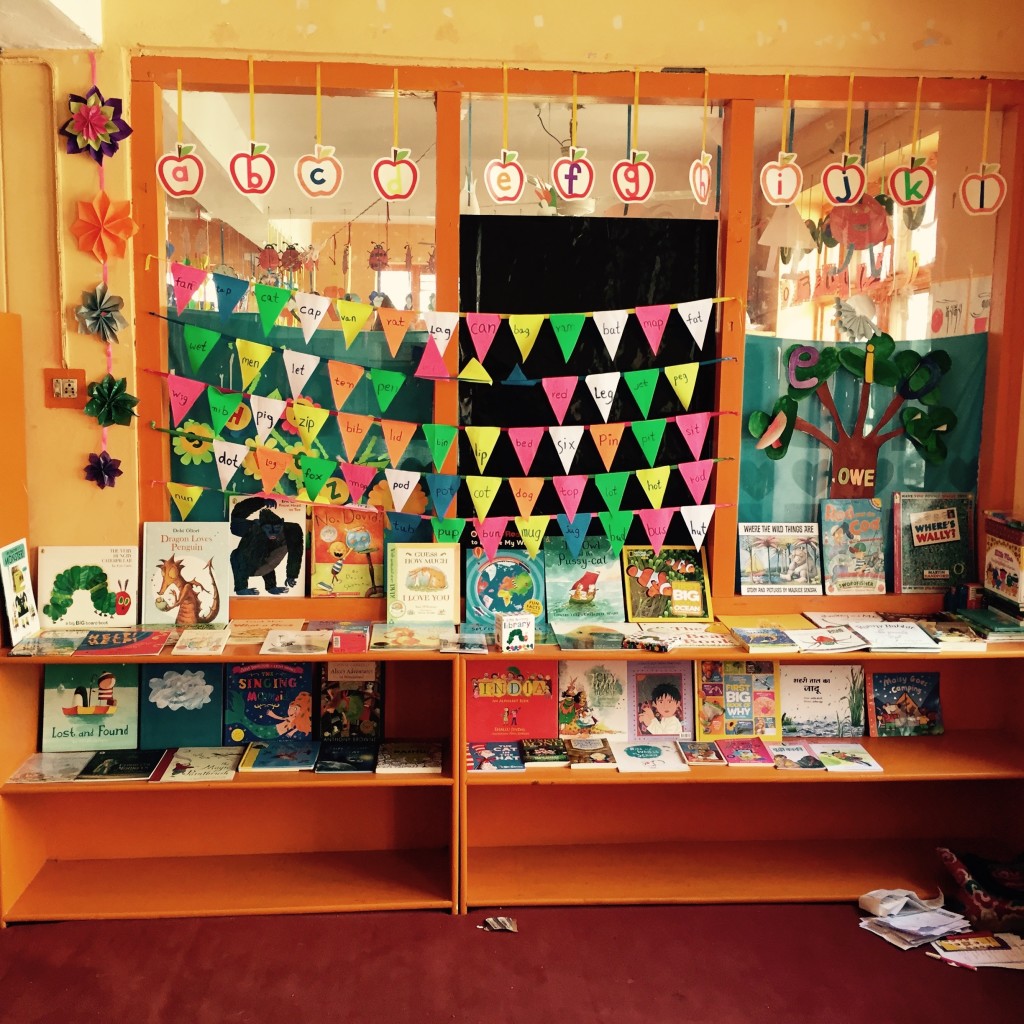
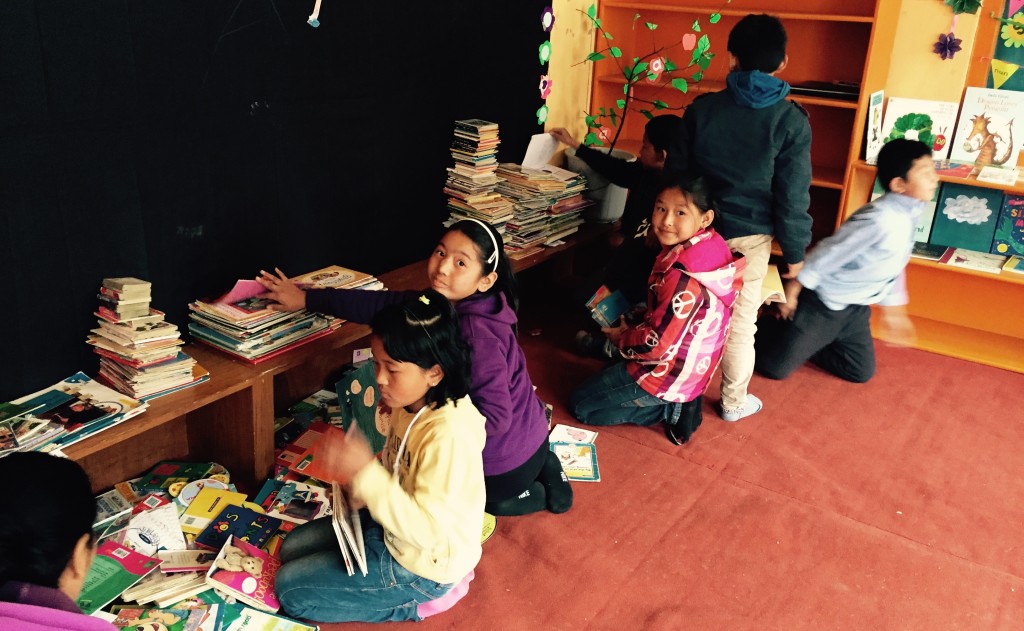
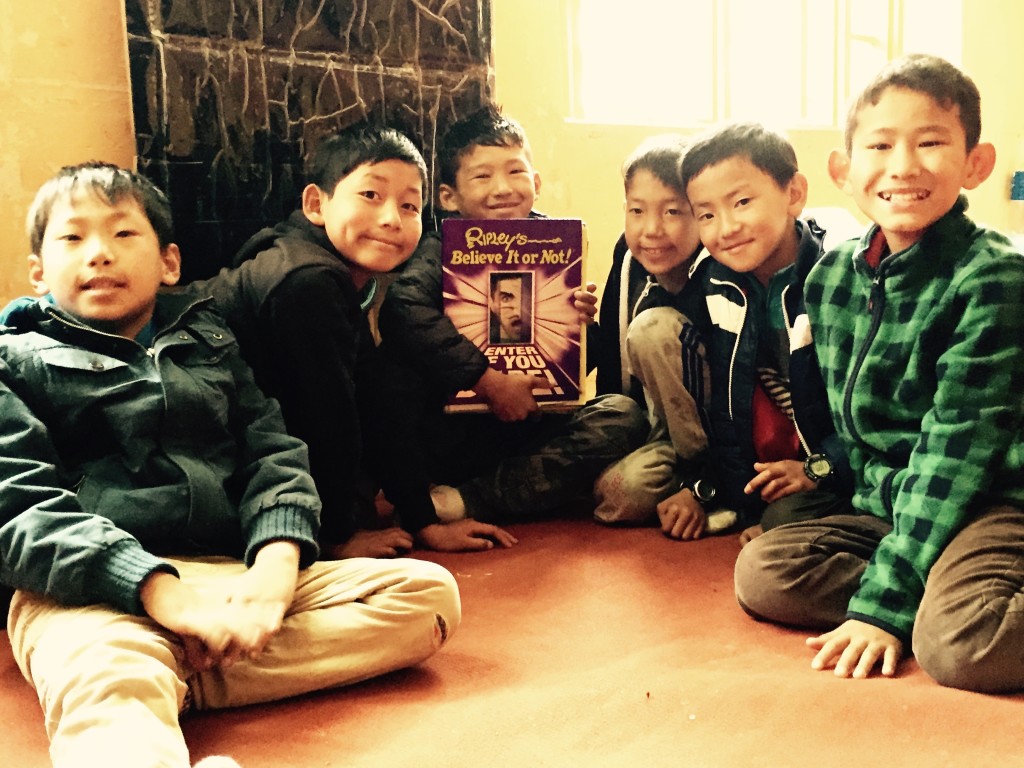
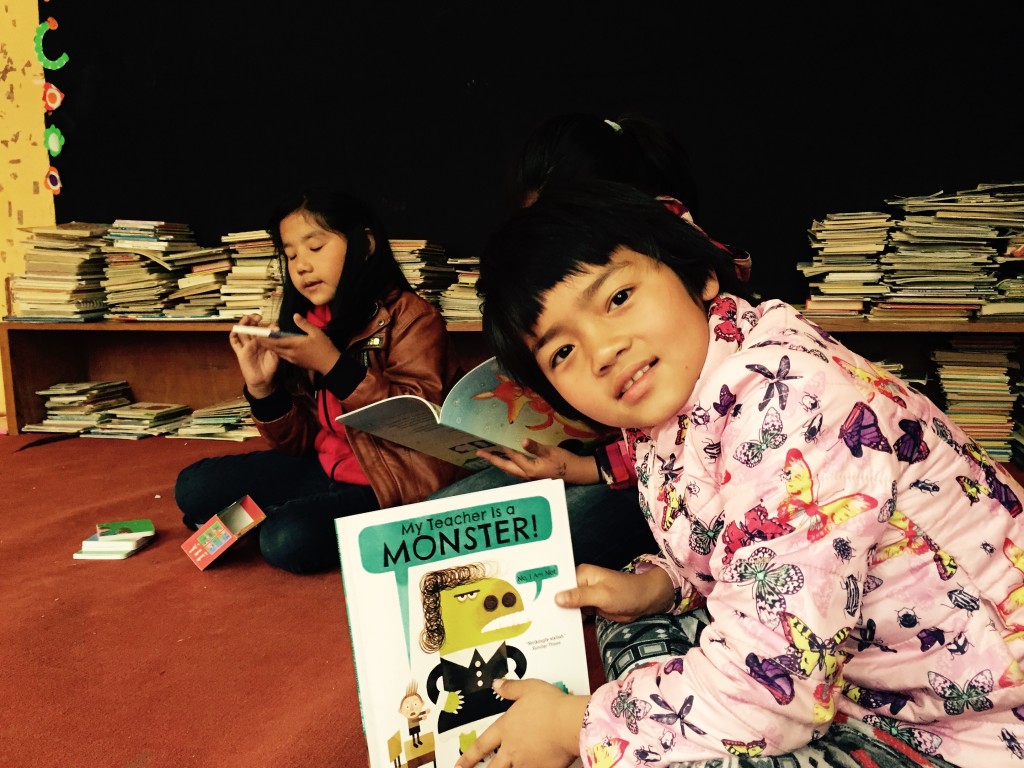
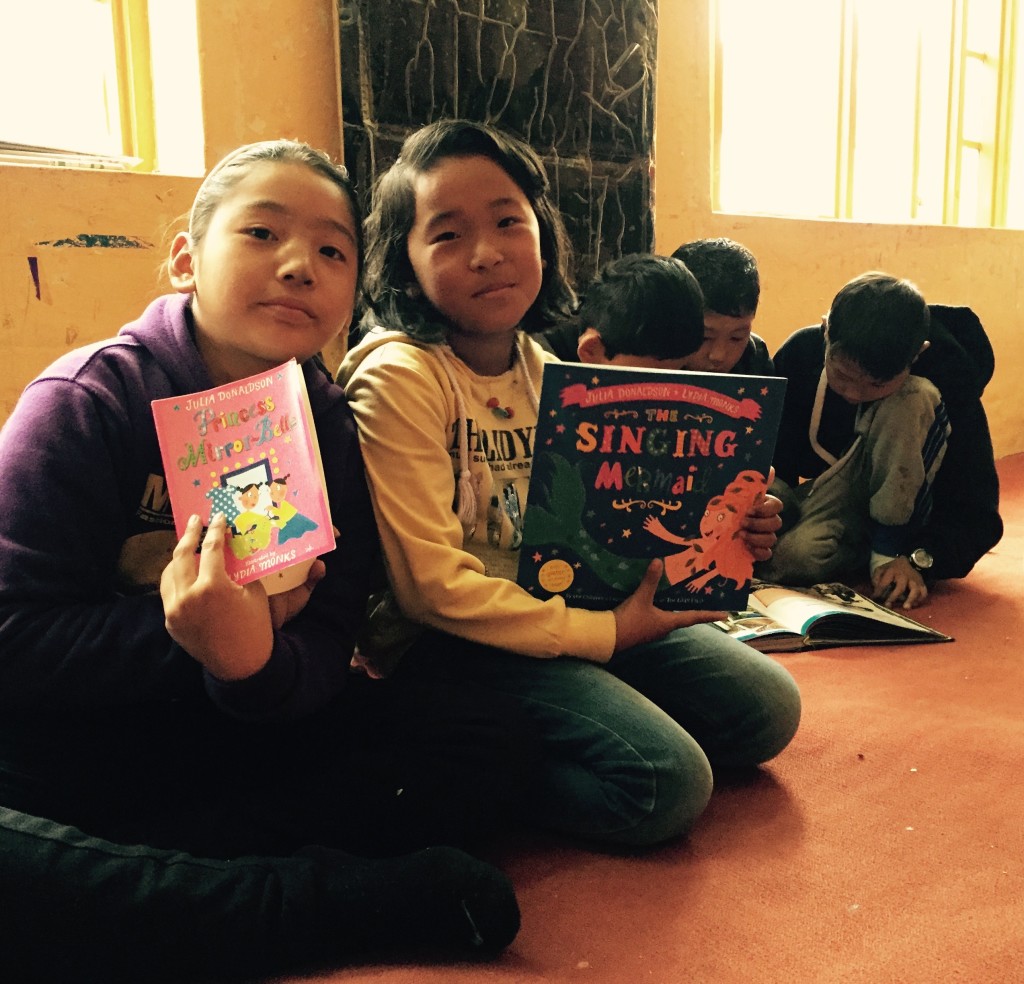
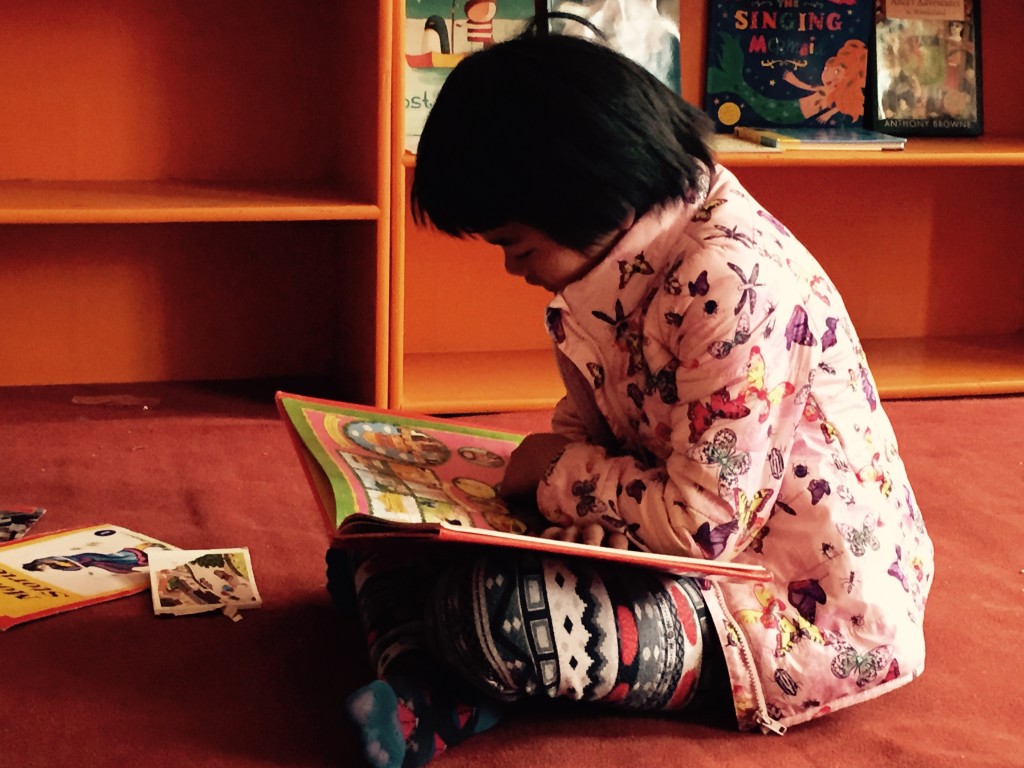
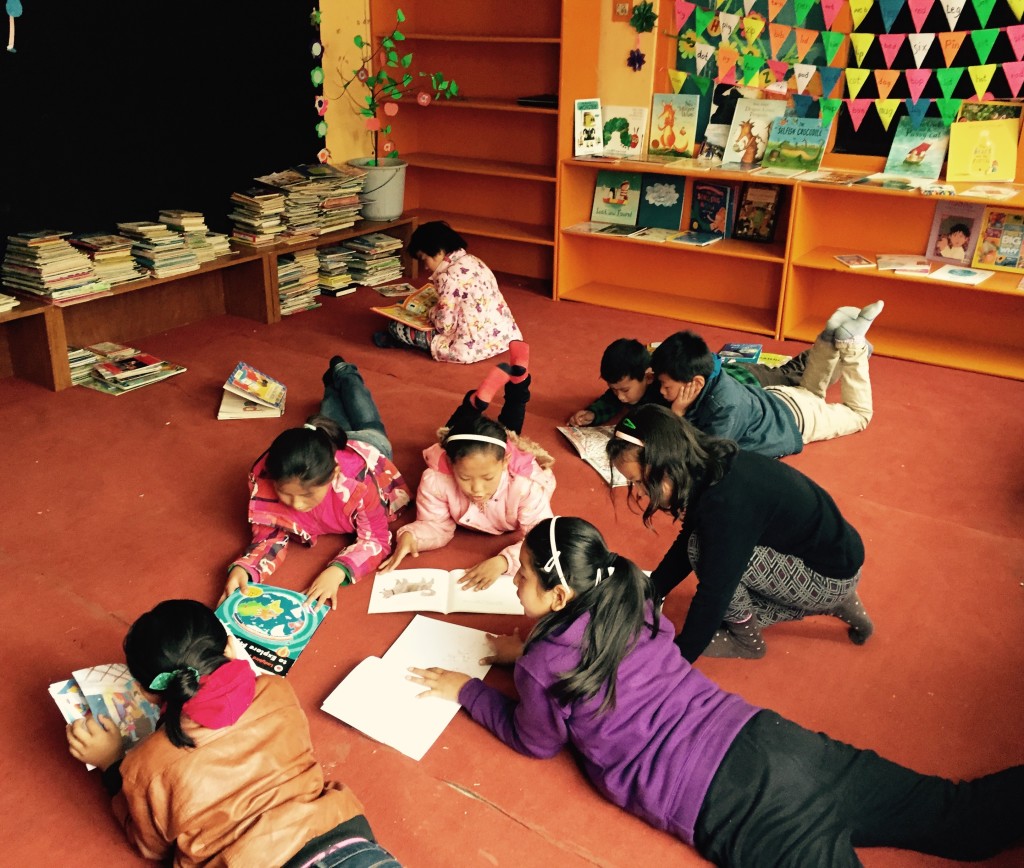
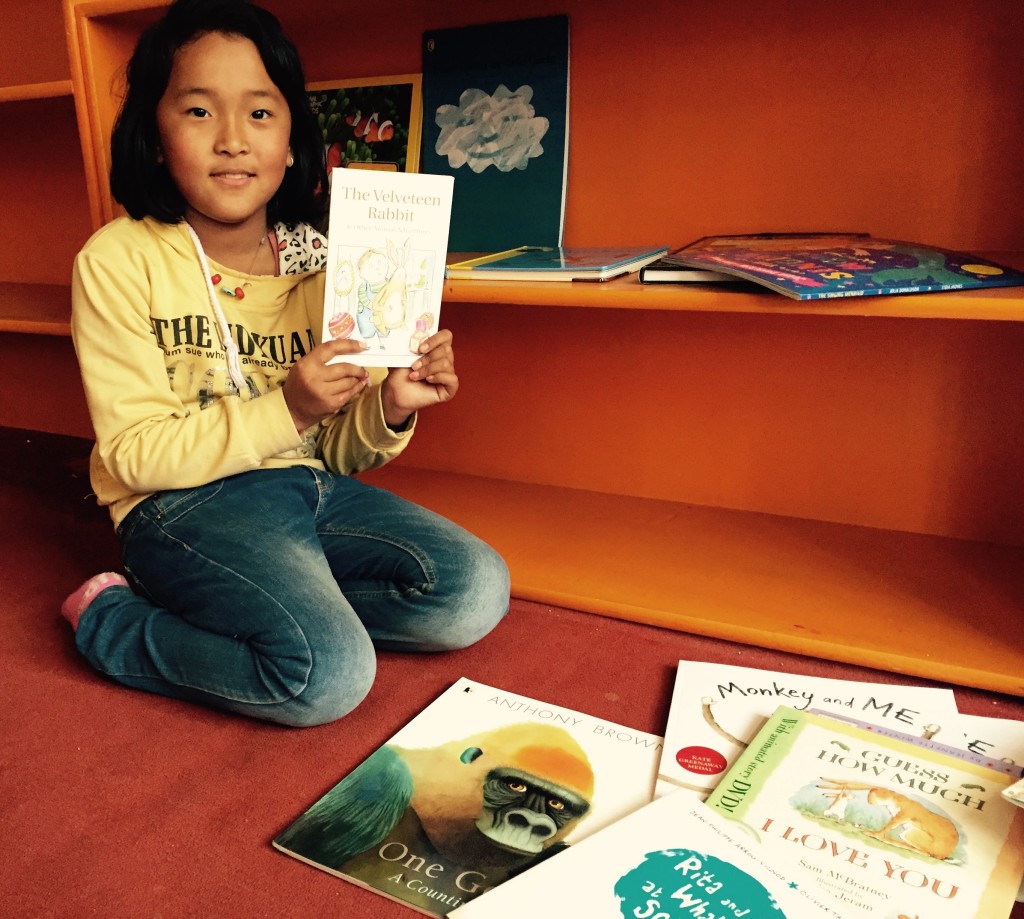
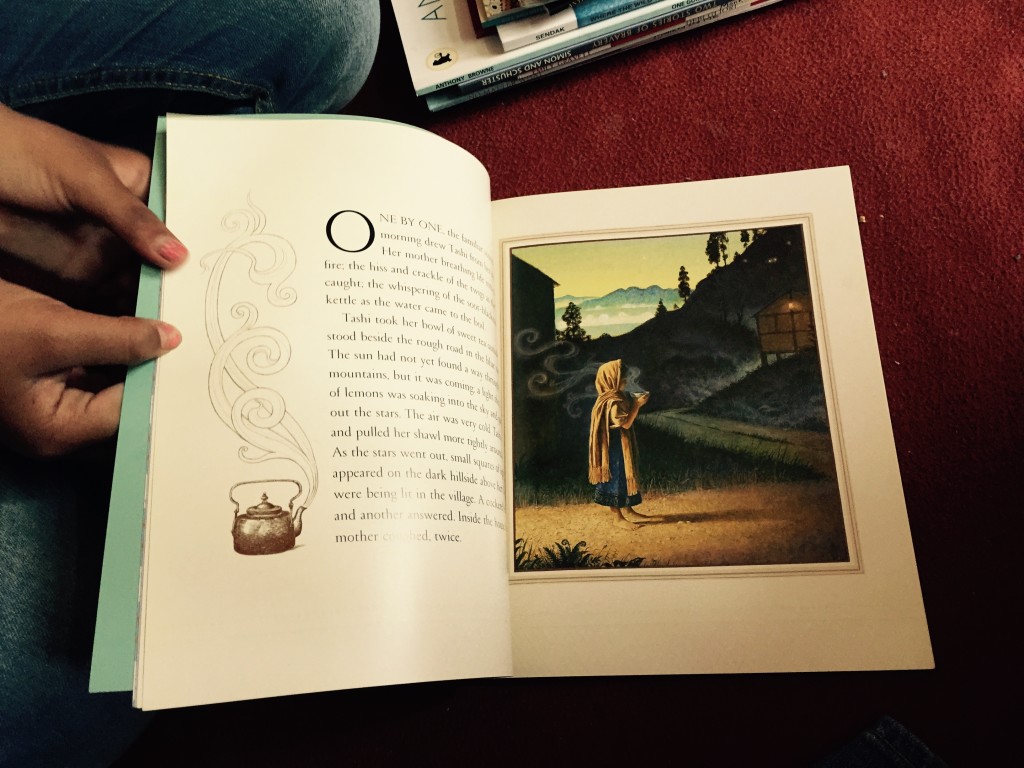
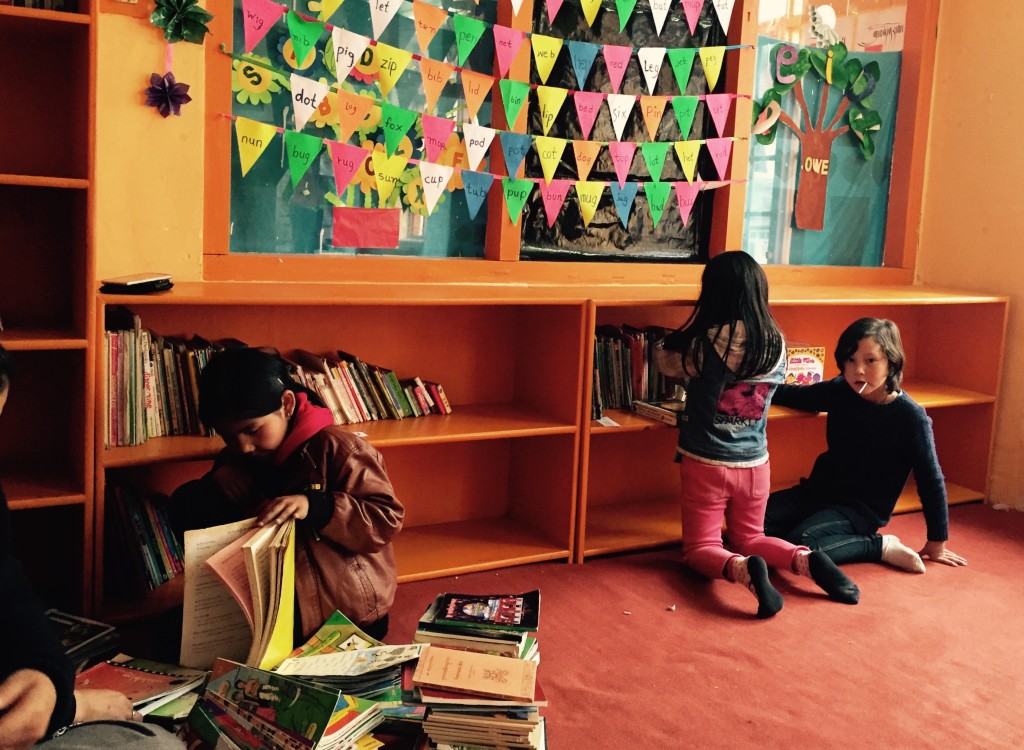
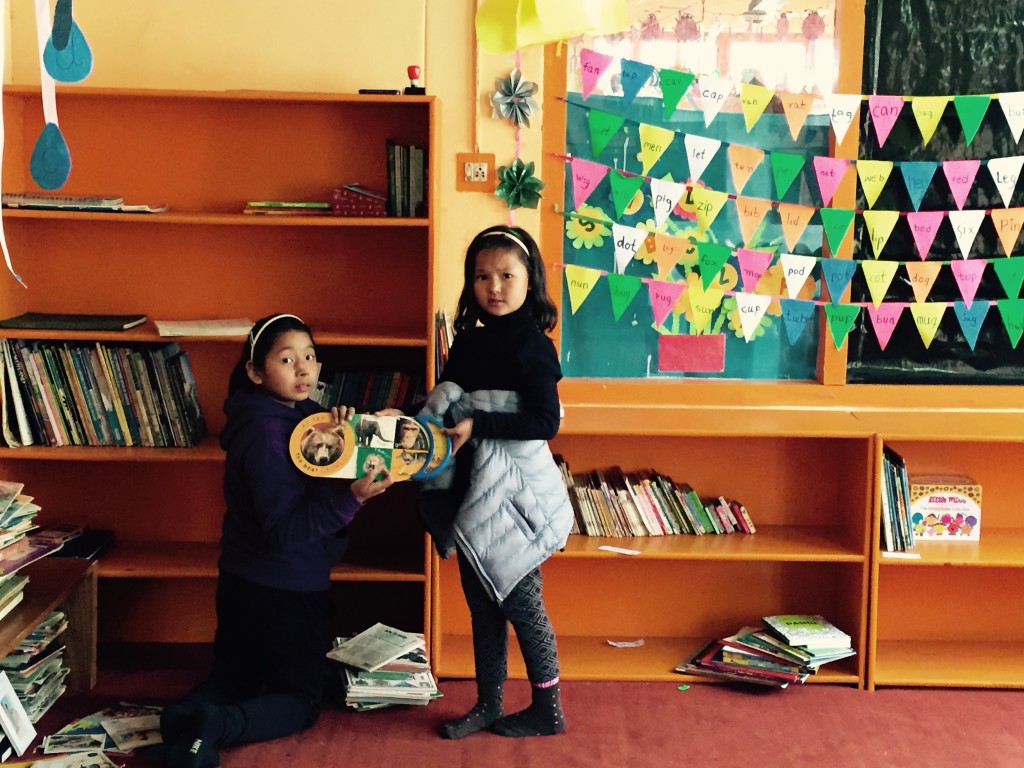
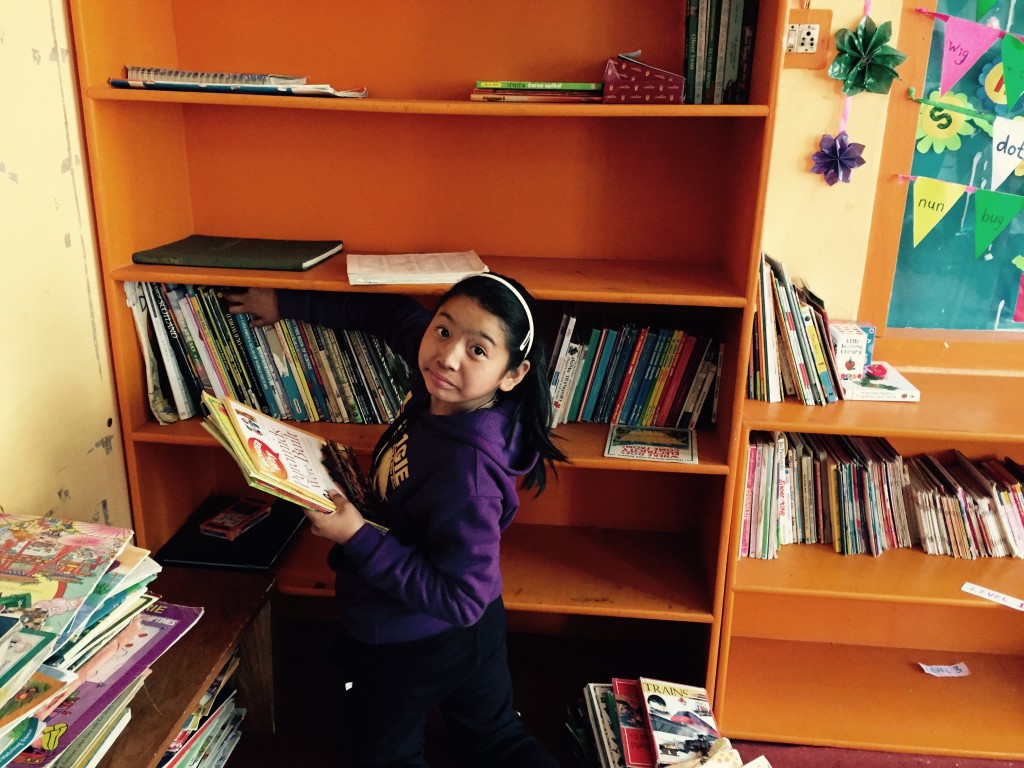
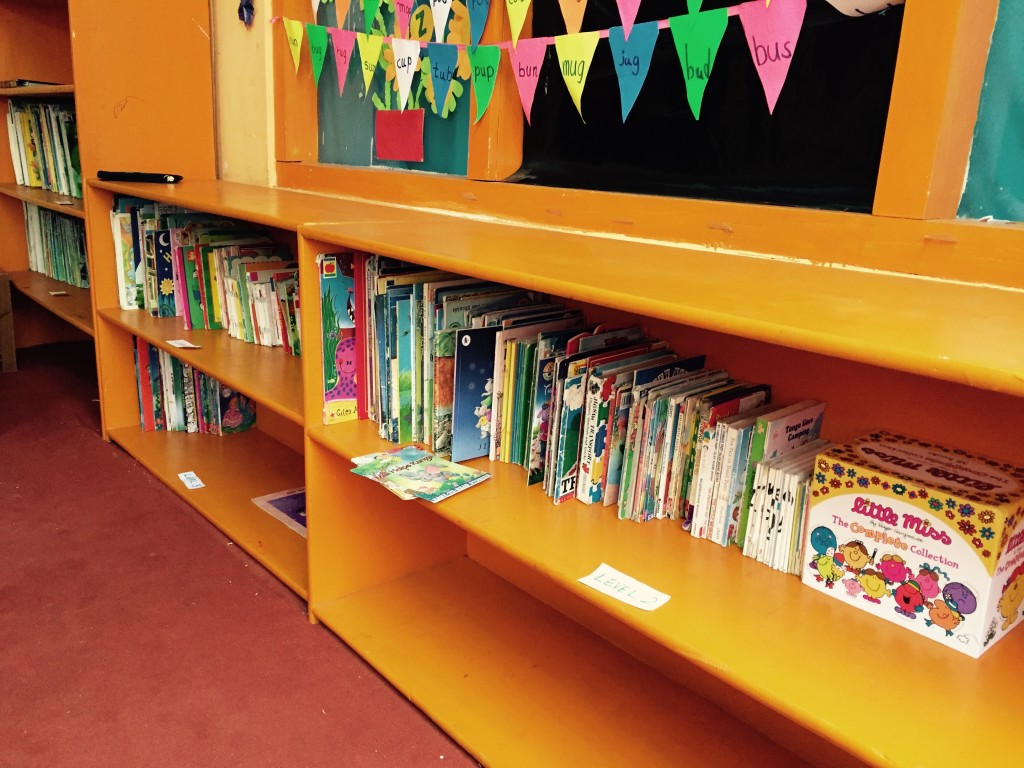
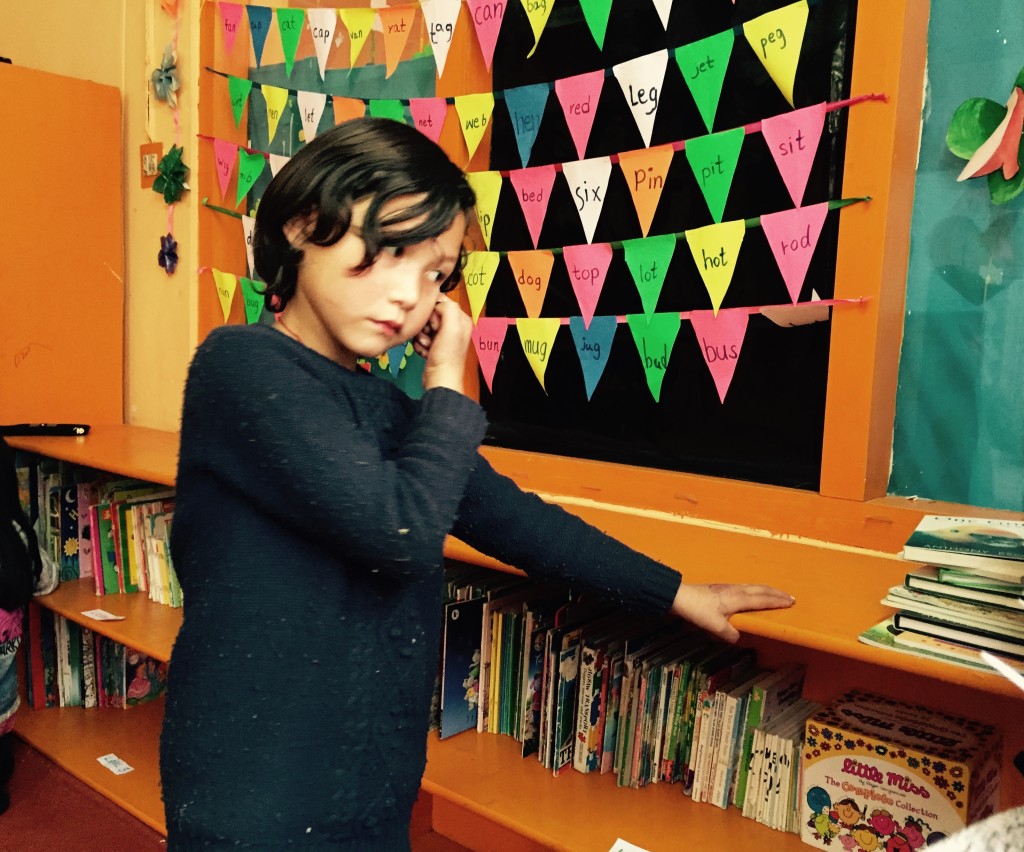
When the boxes arrived, the delivery became a shared community activity. Books were unpacked, cleaned, grouped, and placed where children could see their covers. Shelves were arranged at accessible heights, and open floor space was kept available for group reading, drawing, and educational games.
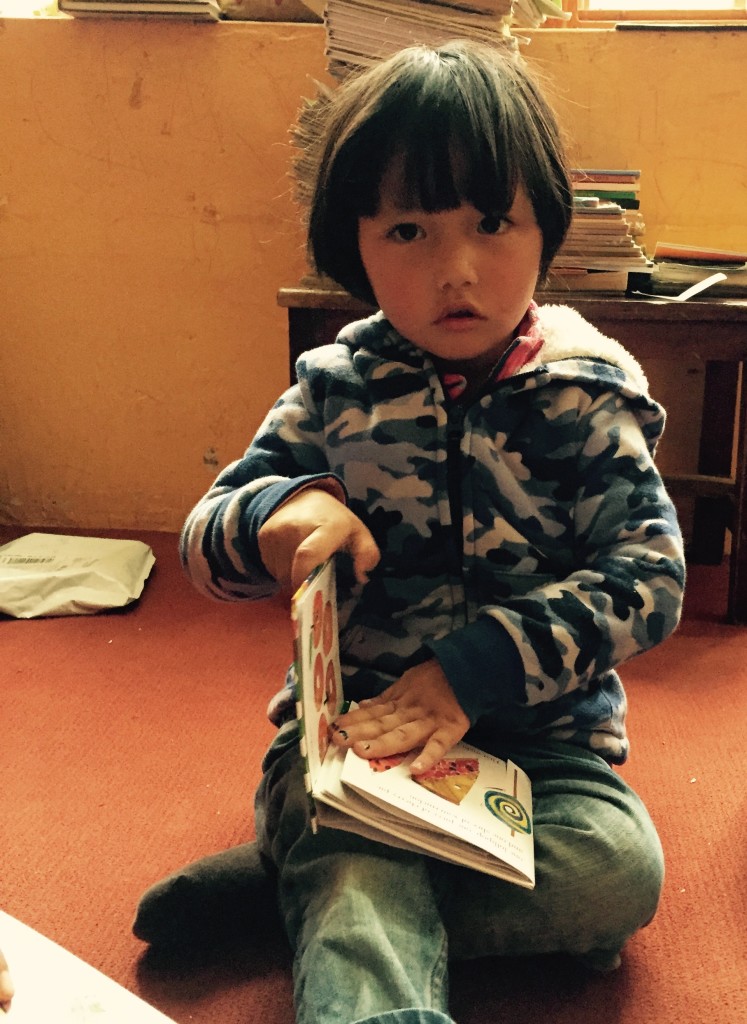
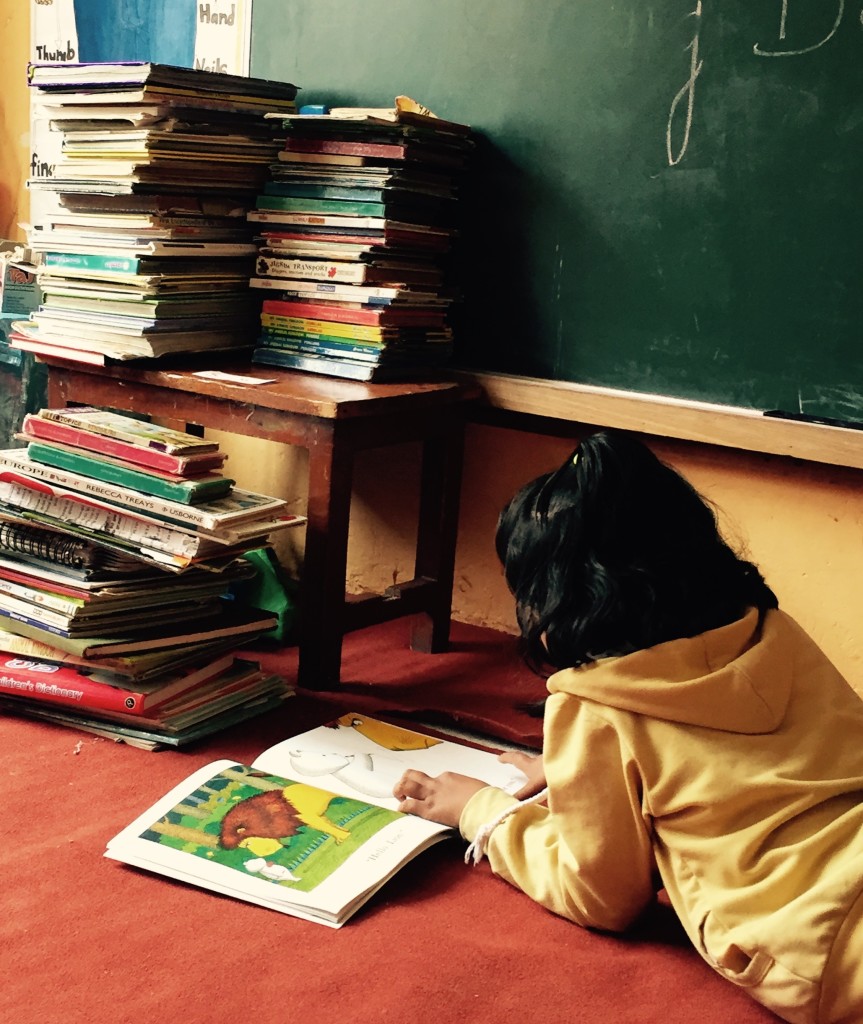
The room was intended to feel different from a formal classroom. A child could browse without waiting for an assignment, return to a favorite story, or choose a book simply because its pictures looked interesting. This freedom is central to building a personal relationship with reading.
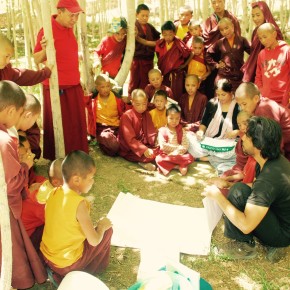
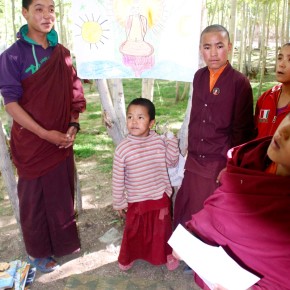
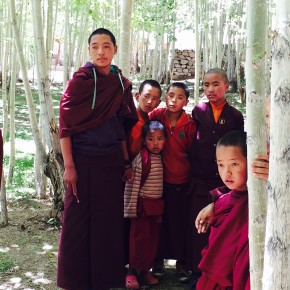
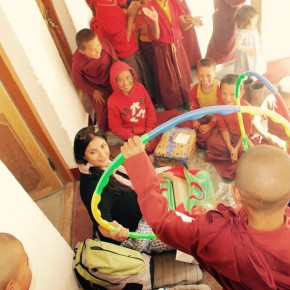
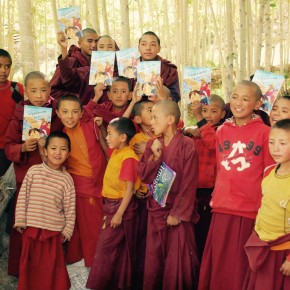
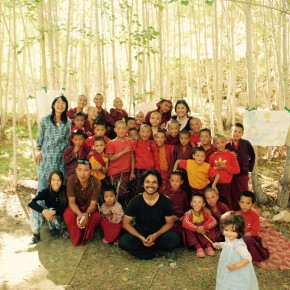
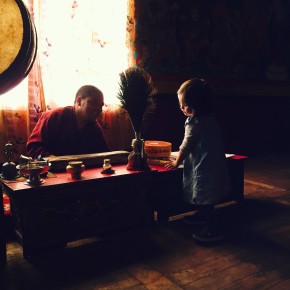
Local teachers and coordinators helped decide how the space should function. Their knowledge of the children shaped the arrangement, opening hours, and activities. In some communities, young monks also use shared educational spaces, making books available to learners whose daily routines combine study, religious training, and community responsibilities.
Stories Become Shared Experiences
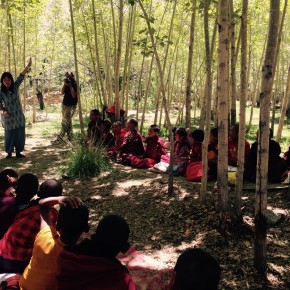
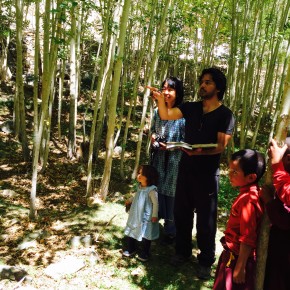
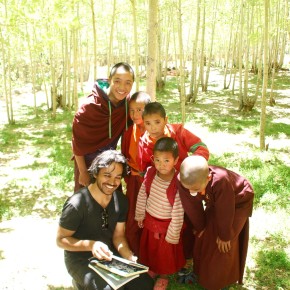
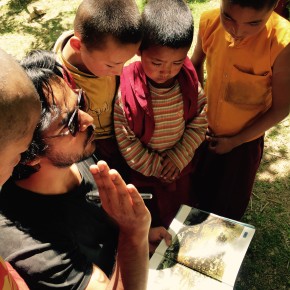
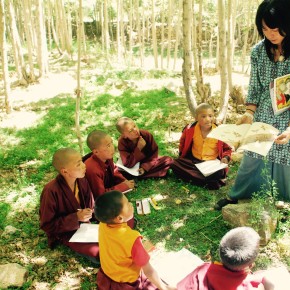
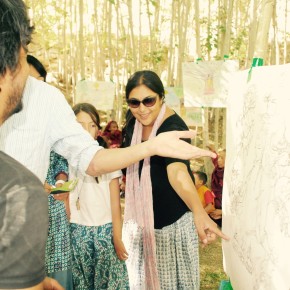
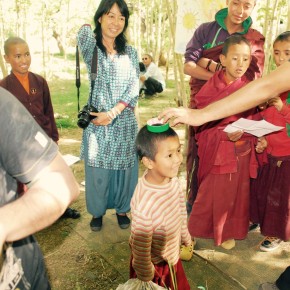
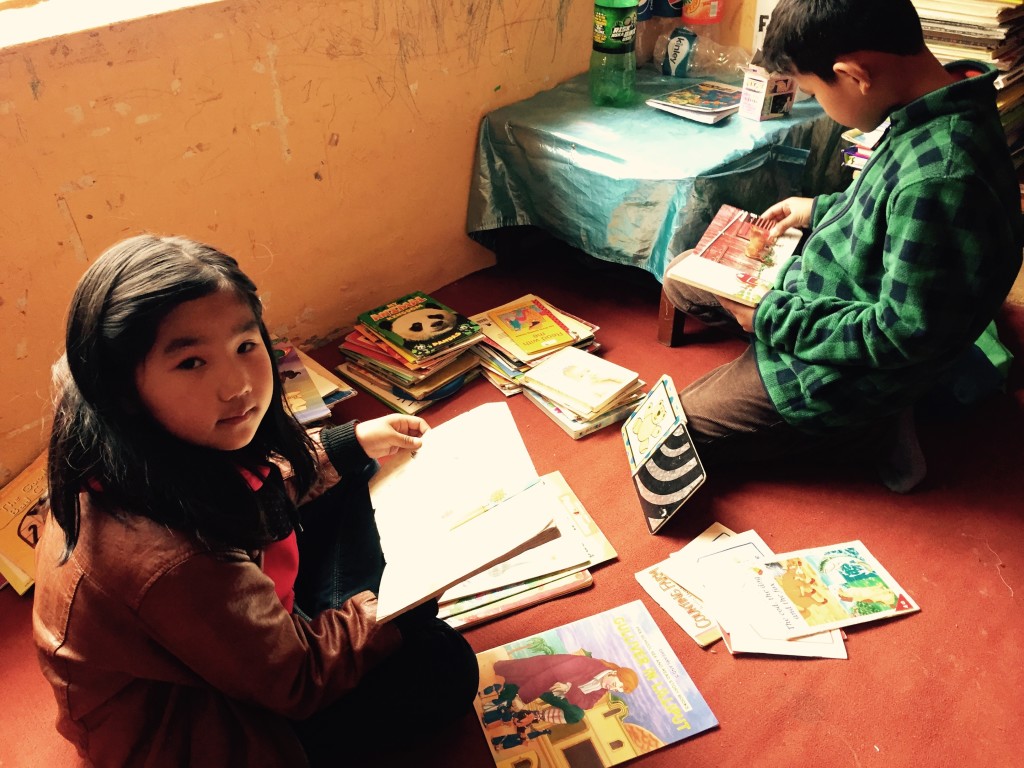
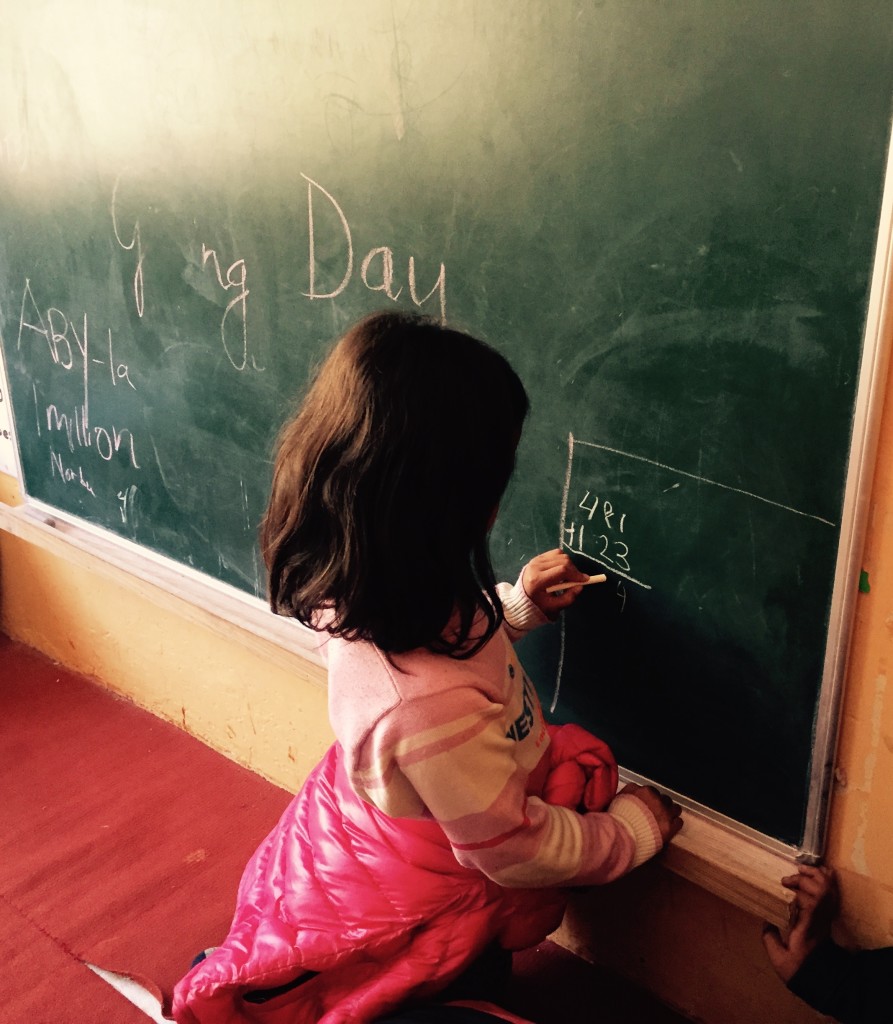
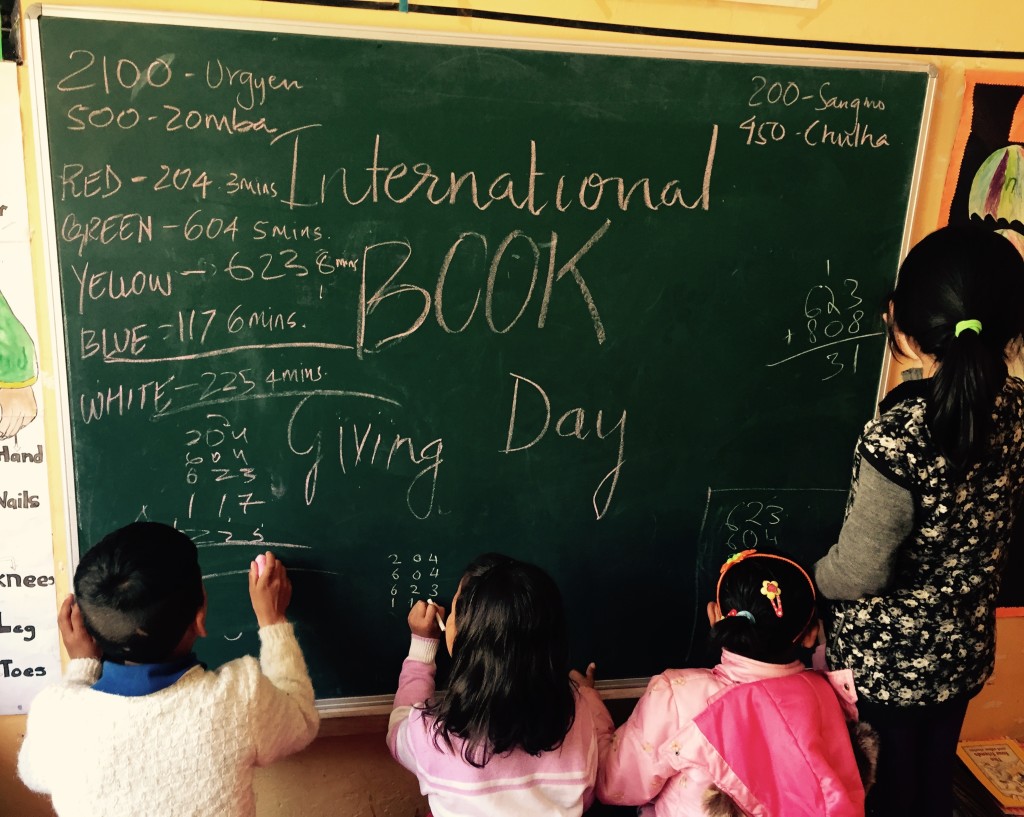
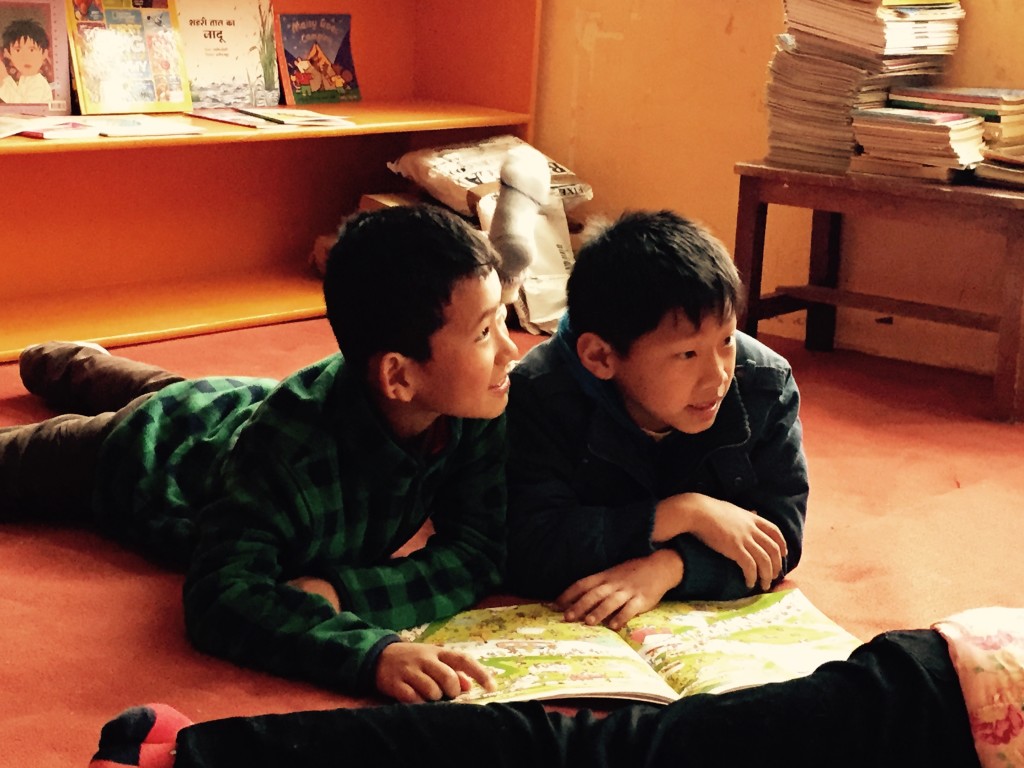
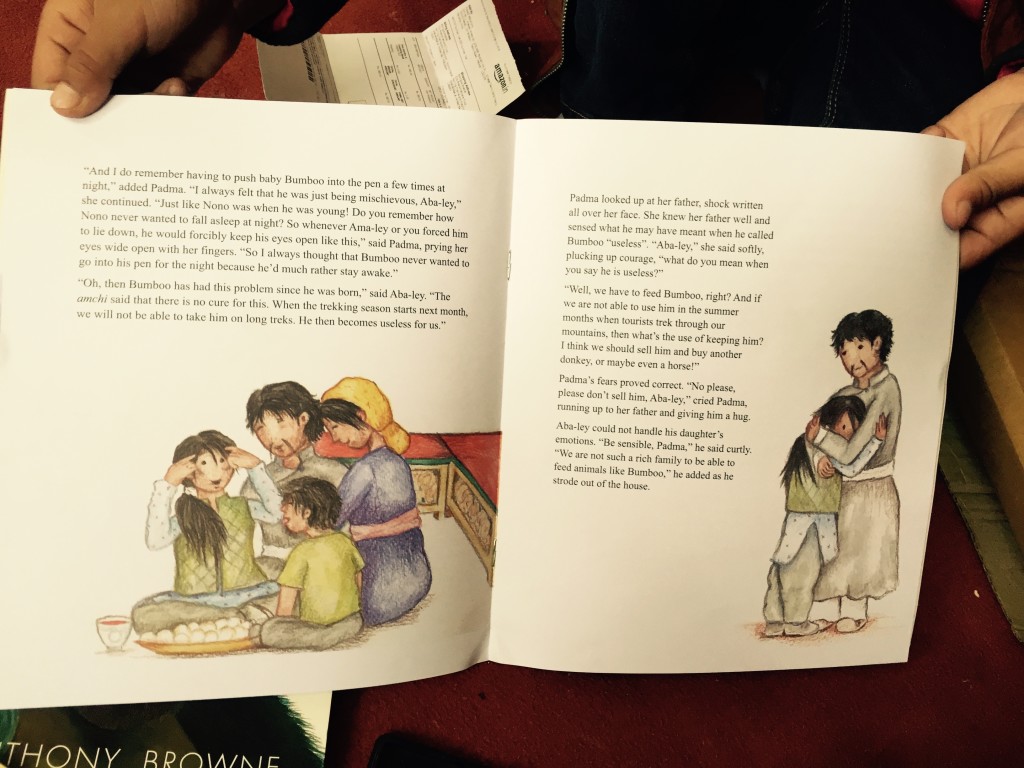
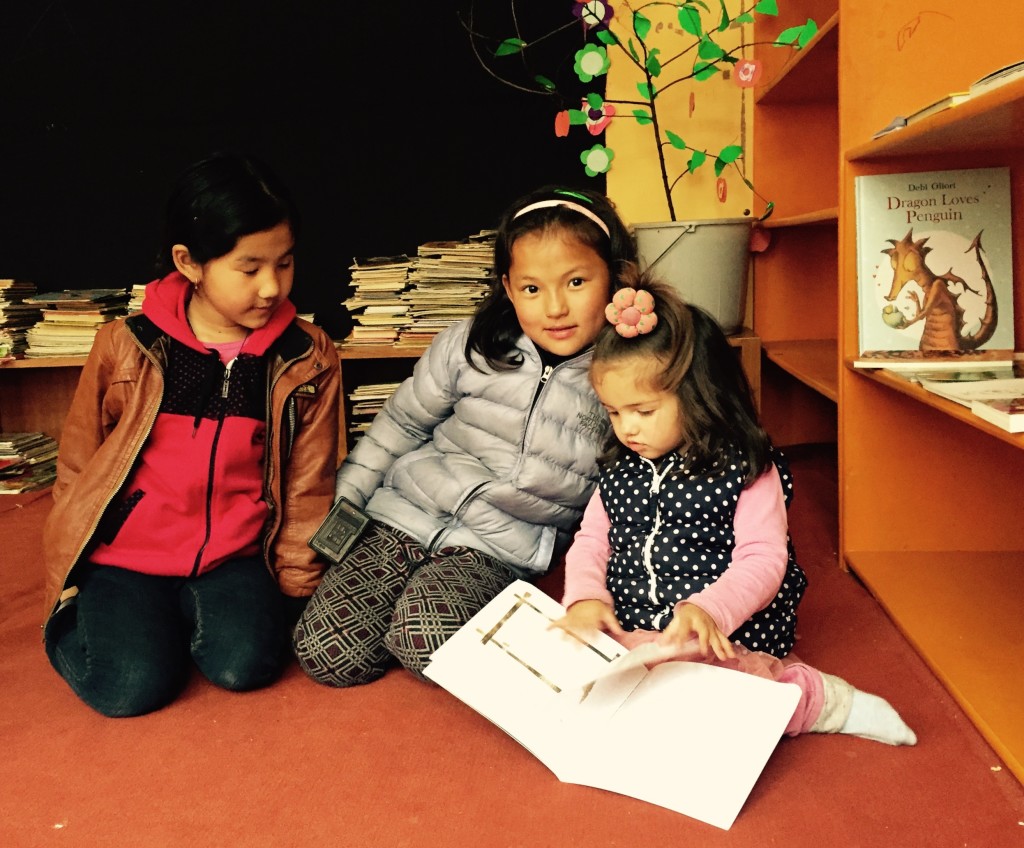
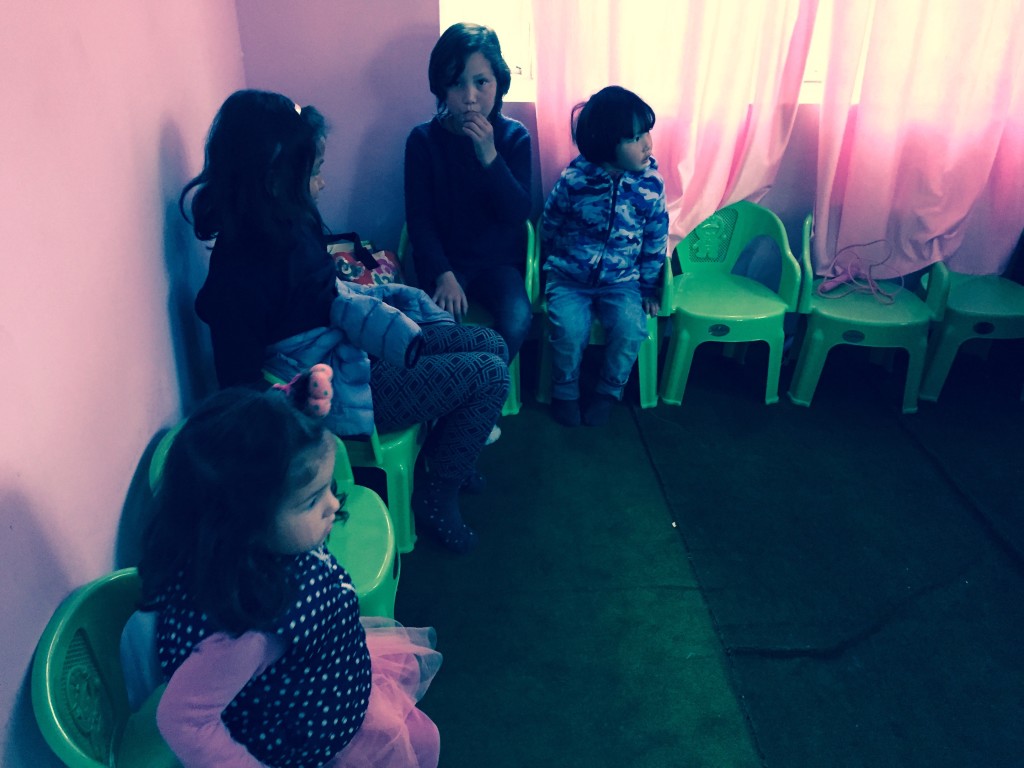
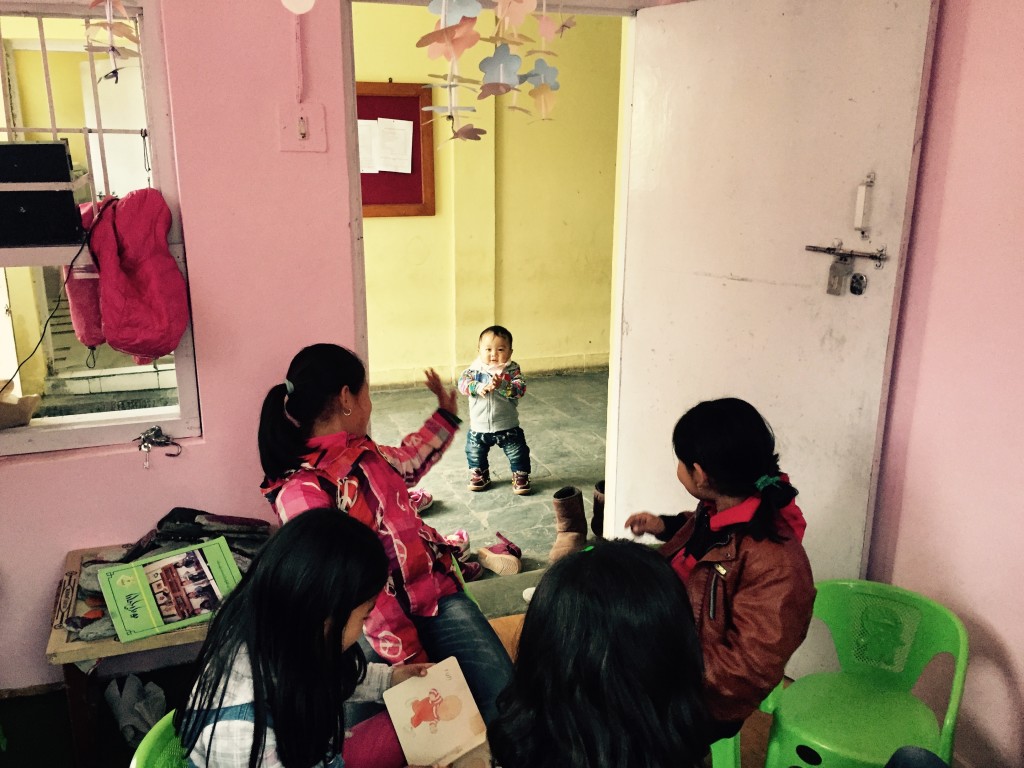
The first visits to a new reading room often reveal what children value most. Picture books attract groups of younger readers, while older children may gather around books about animals, inventions, geography, or distant places. Some students read quietly; others retell stories aloud or explain illustrations to friends.
A book drive can therefore support communication as much as individual study. Children practice vocabulary by reading together, build confidence by speaking about a story, and learn cooperation when they share limited copies. A single book may circulate through a family, a classroom, and a group of friends.
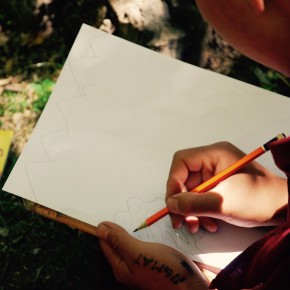
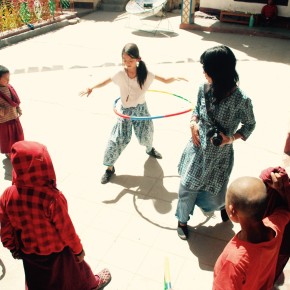
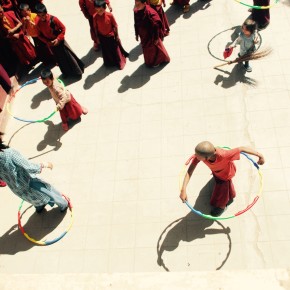
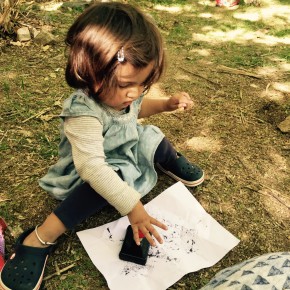
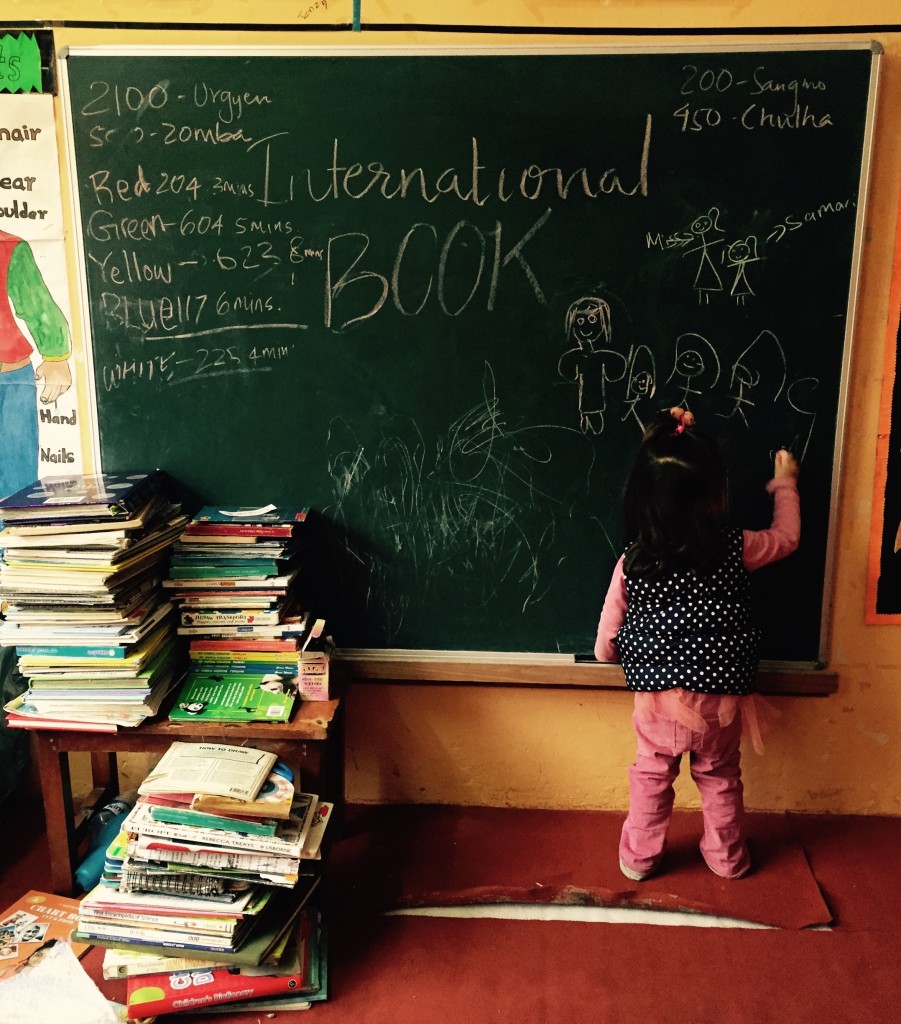
Creative activities extend the benefit of the collection. Drawing a scene from a story, composing a song, acting out a folktale, or making a handmade book gives children several ways to respond to what they read. These activities connect literacy with imagination and help reading become part of everyday community life.
Learning Continues Beyond The Delivery
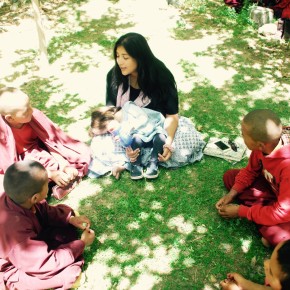
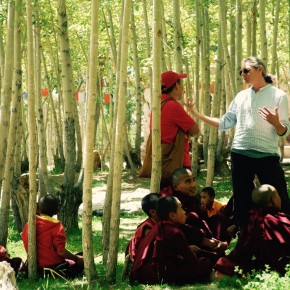
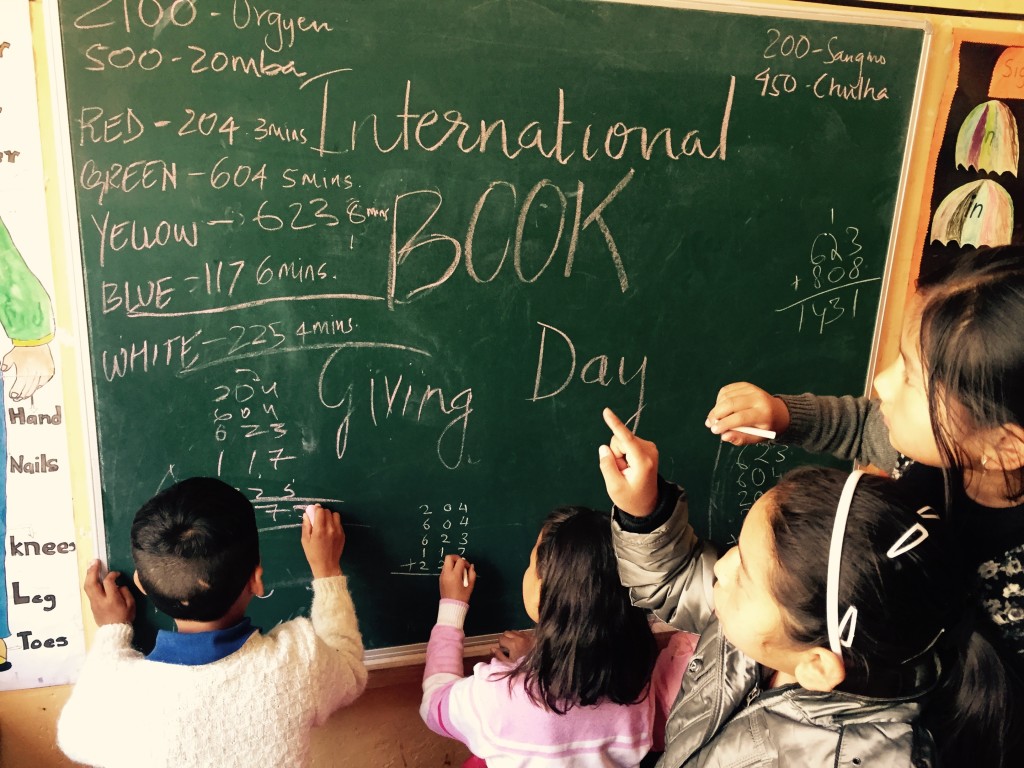
The arrival of books is an important moment, yet the value of a reading room grows through regular use. Volunteers and local educators can organize reading circles, storytelling sessions, art workshops, music activities, and quiet study periods. Such programs help children discover that books are resources for enjoyment, research, creativity, and self-expression.
The collection can also support young monks and older students who need reference materials for study. An atlas may help connect local geography with the wider world. A biography can introduce a new role model. A book about ecology can prompt discussions about mountain environments, water, wildlife, and responsible care for fragile landscapes.
Ongoing communication helps the Trust understand which materials are being used and which subjects remain underserved. This feedback guides future book donations and prevents well-intentioned collections from becoming disconnected from local priorities.
Turning Generosity Into A Lasting Connection
The urban book drive created a relationship between people who might never otherwise meet. City families contributed resources, local volunteers prepared them, transport partners carried them north, and community members in the village gave the books a daily purpose. Each part of the process mattered.
For donors, the story offers a more meaningful view of giving. A contribution is not measured only by the number of boxes delivered. Its impact can be seen in a child choosing a book independently, a group of students discussing a new idea, or a young monk finding a quiet place to study.
Projects like this also show why educational support must be grounded in partnership. Remote communities are not passive recipients. They help define the need, shape the reading space, and sustain its use. The strongest initiatives connect outside support with local knowledge and responsibility.
Ways To Support The Next Reading Journey
- Donate good-condition children’s books, youth fiction, reference materials, art resources, or music education supplies through an organized collection.
- Support transport and packing costs so educational resources can reach villages beyond major roads.
- Sponsor reading circles, storytelling sessions, creative workshops, or activities for young monks.
- Volunteer time to sort, catalog, pack, or document books before they begin their journey.
- Share the work of Avalokiteśvara Trust with schools, families, libraries, and community groups interested in literacy.
A book that leaves a city shelf can travel farther than expected. In a Himalayan village, it may become a shared story, a study aid, a source of artistic inspiration, or the beginning of a child’s lifelong reading habit. By supporting Avalokiteśvara Trust, donors and volunteers can help carry that journey forward, connecting communities through books, learning, and imagination.