From Leh to Kargil: Expanding Our Reading Rooms Westward
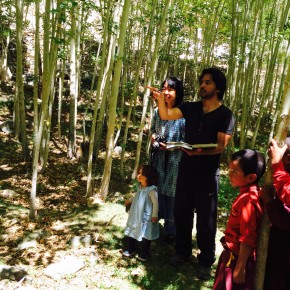
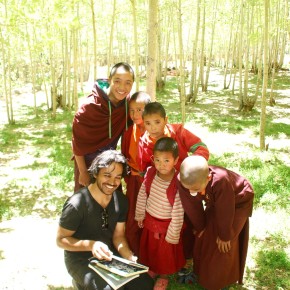
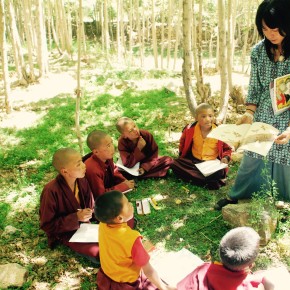
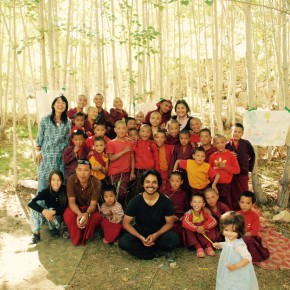
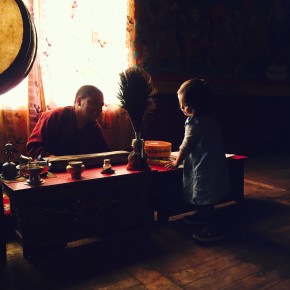
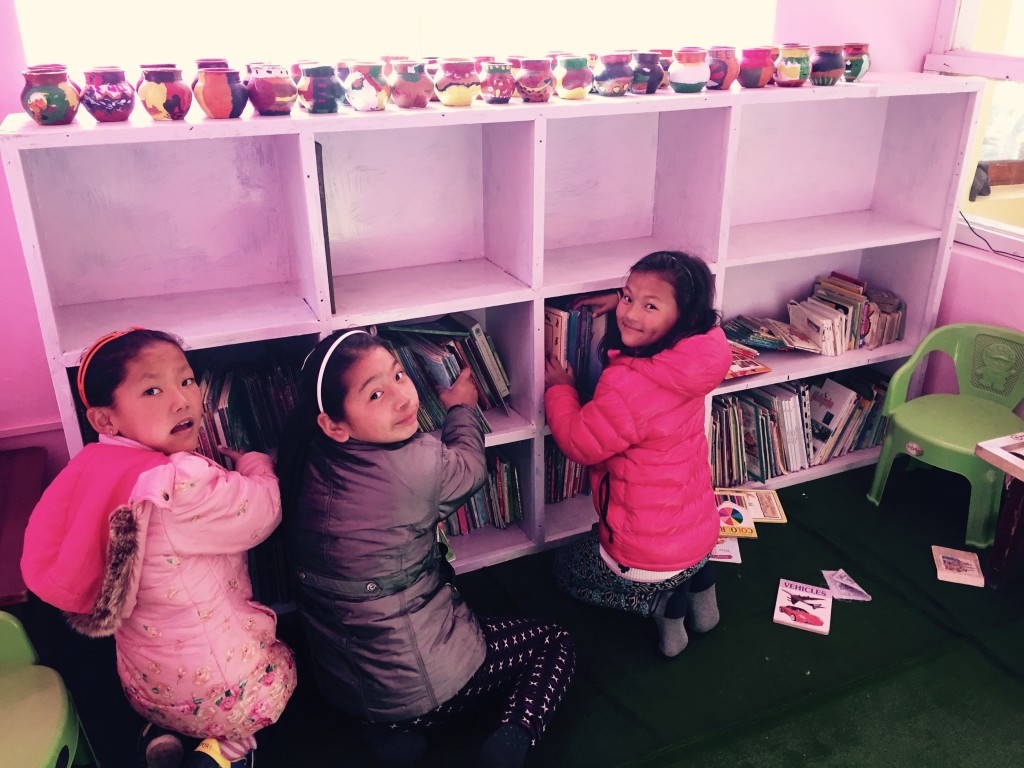
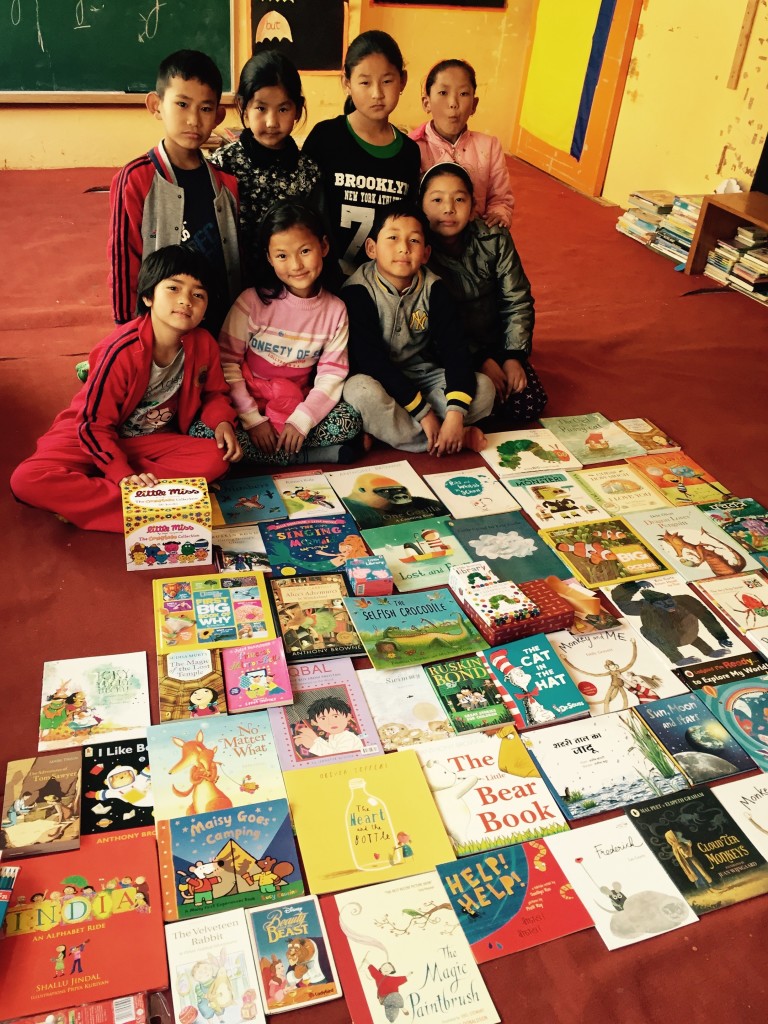
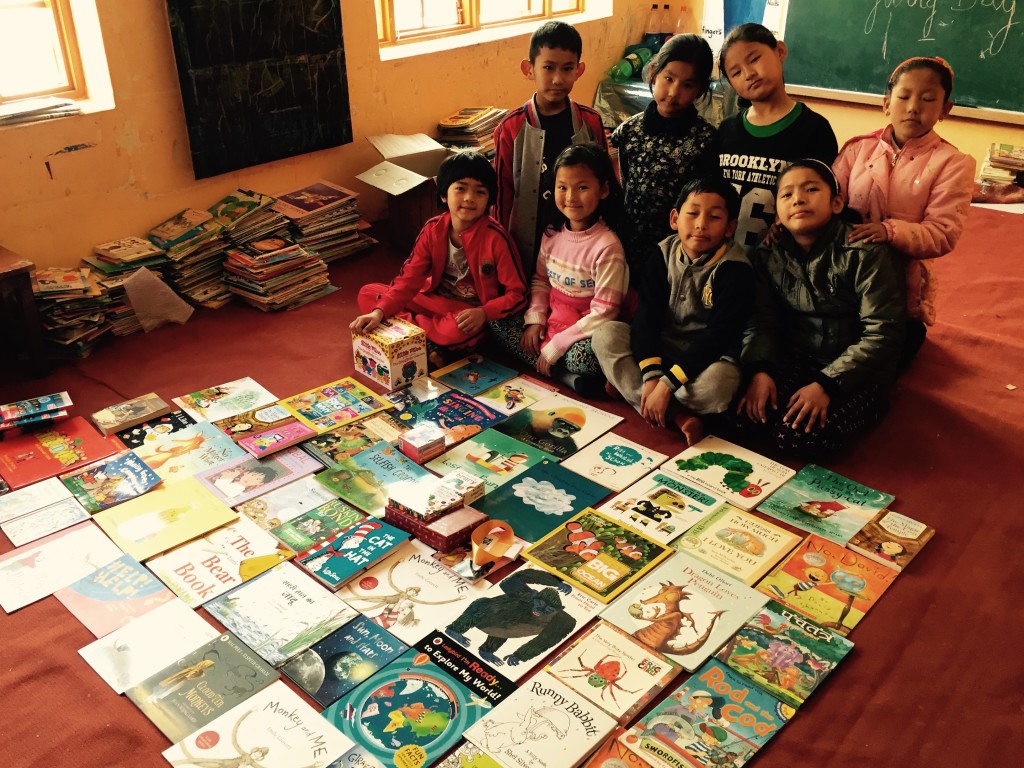
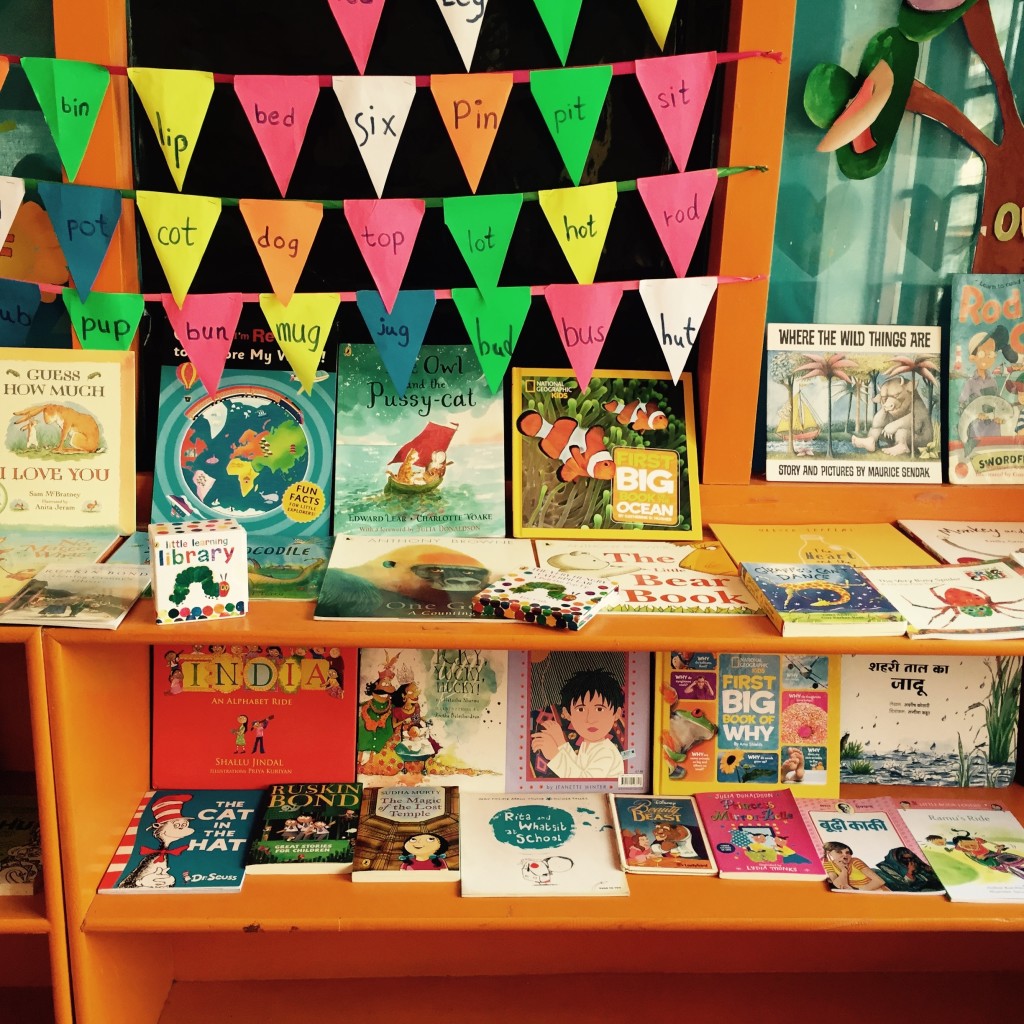
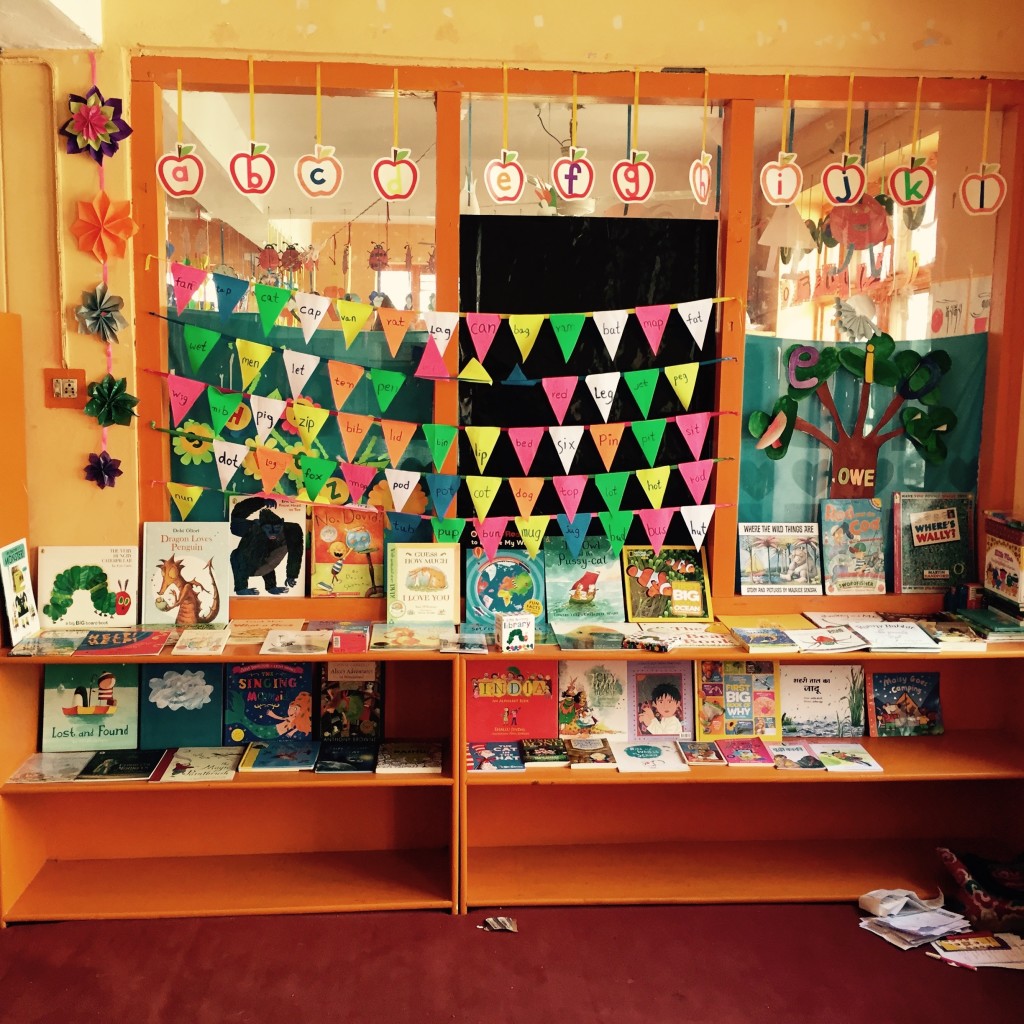
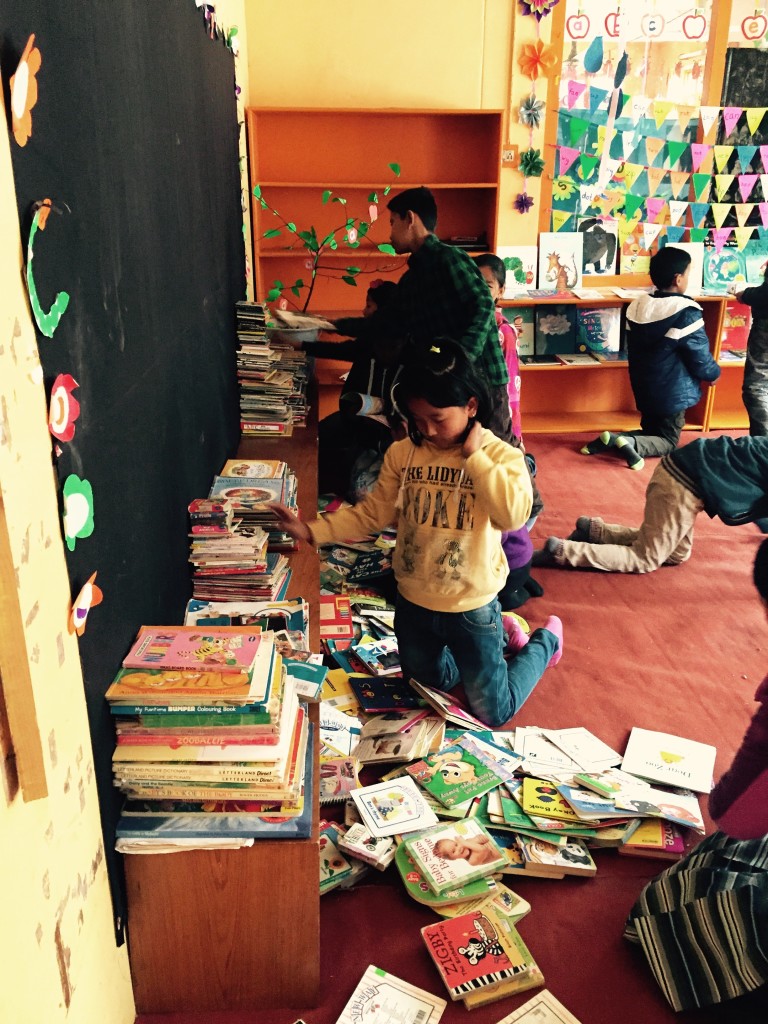
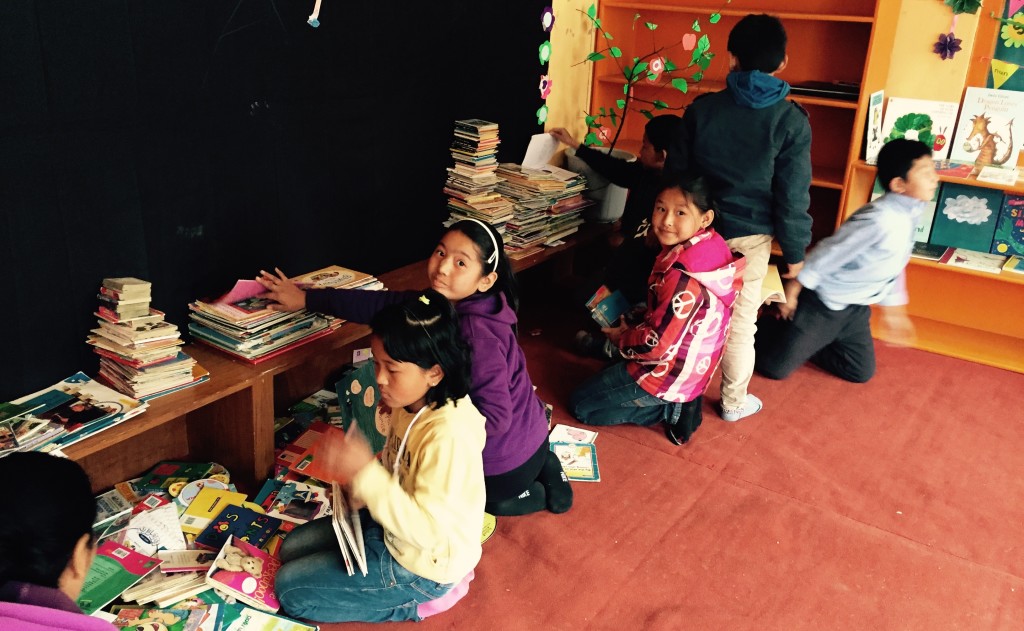
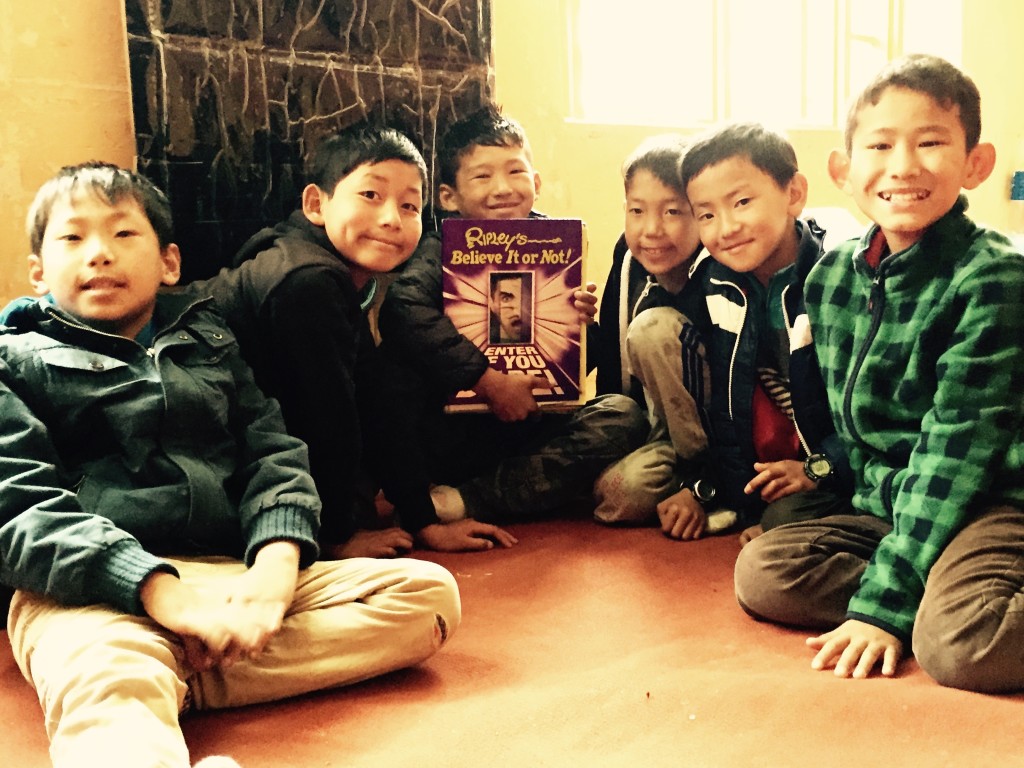
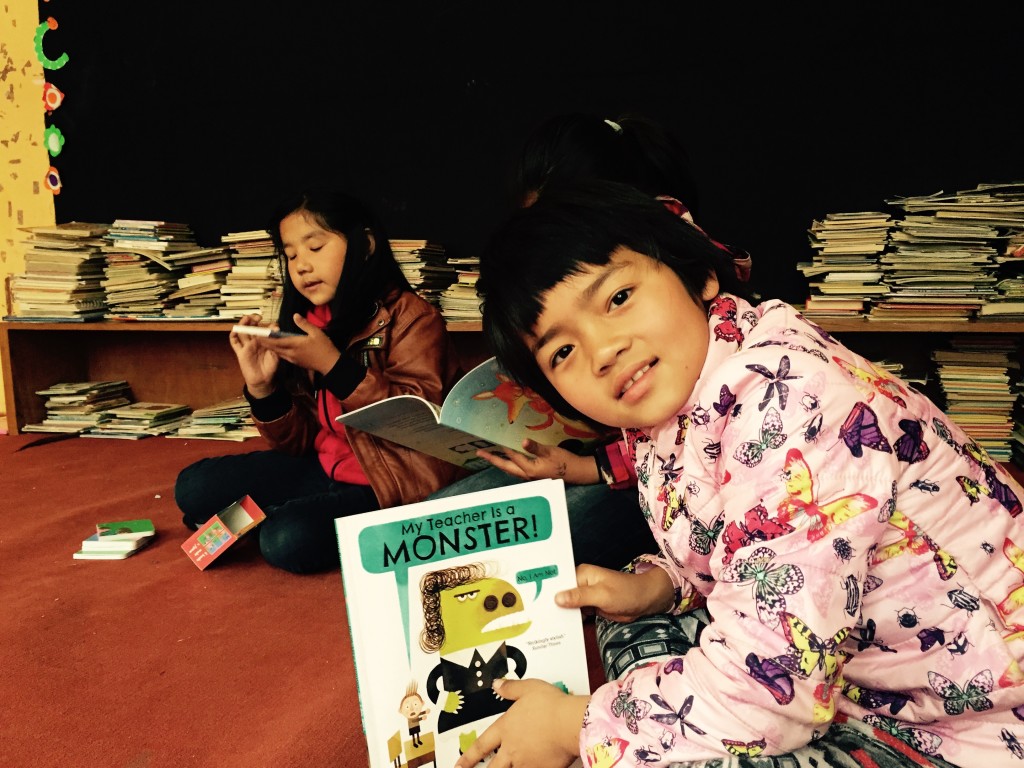
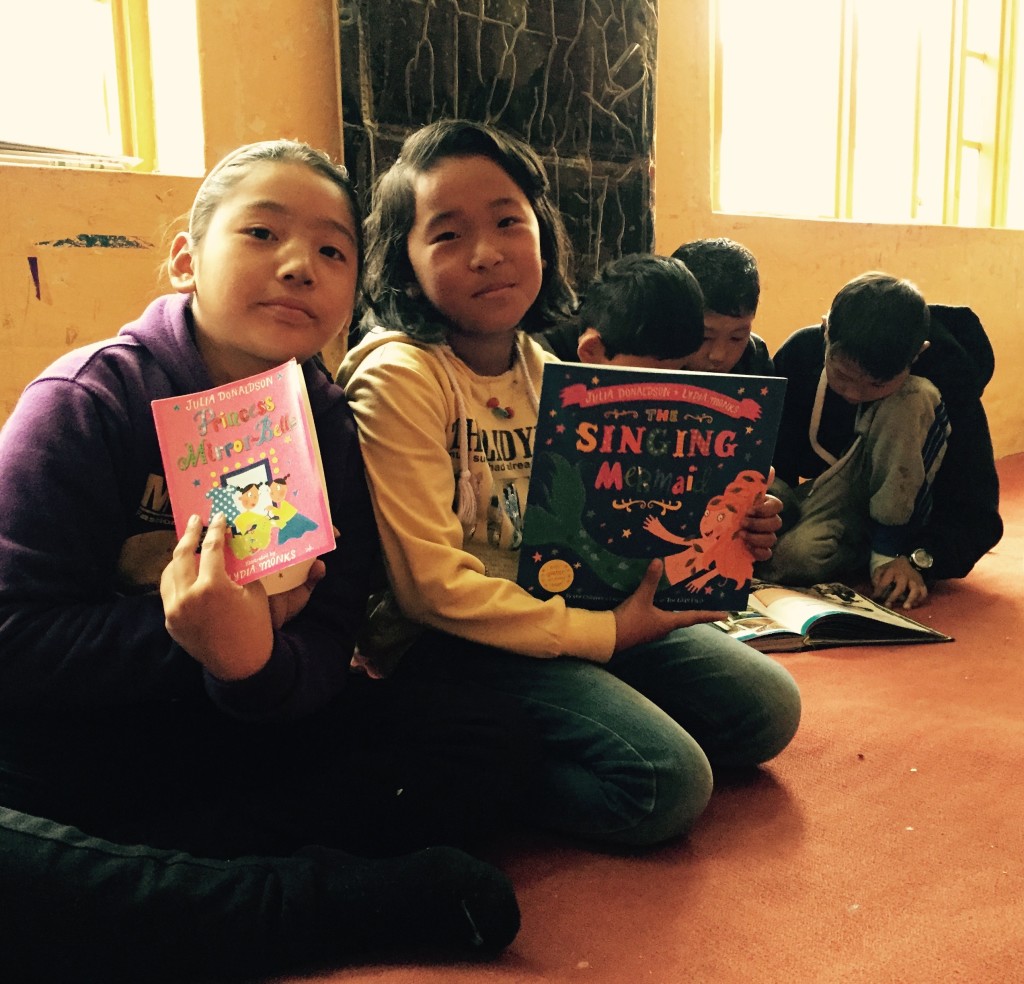
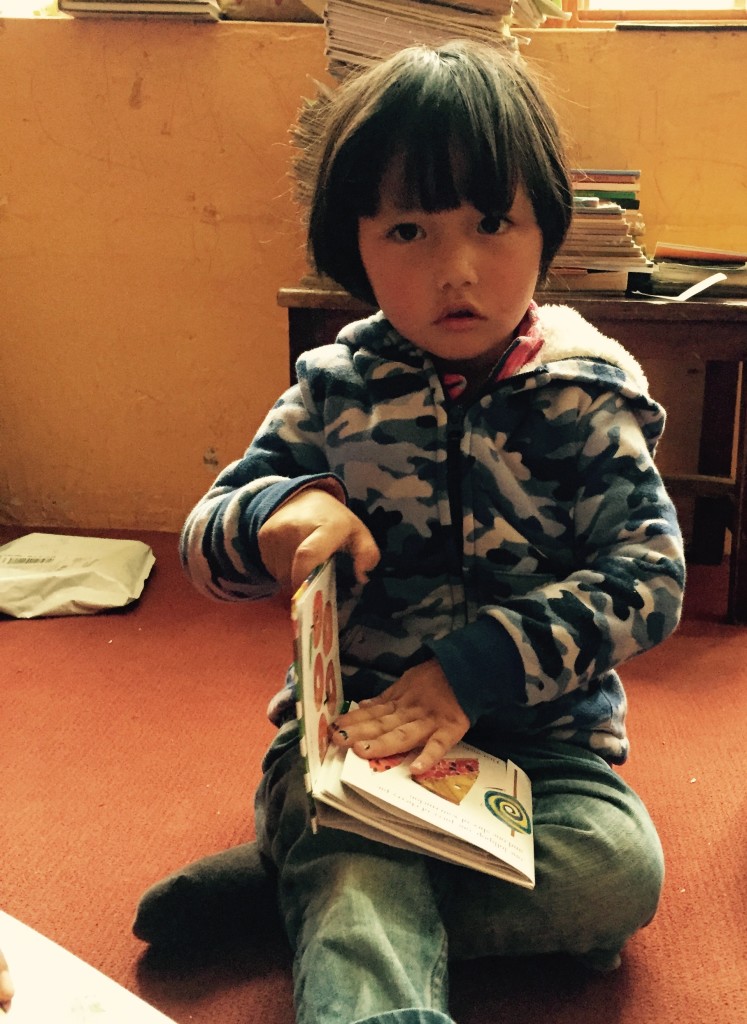
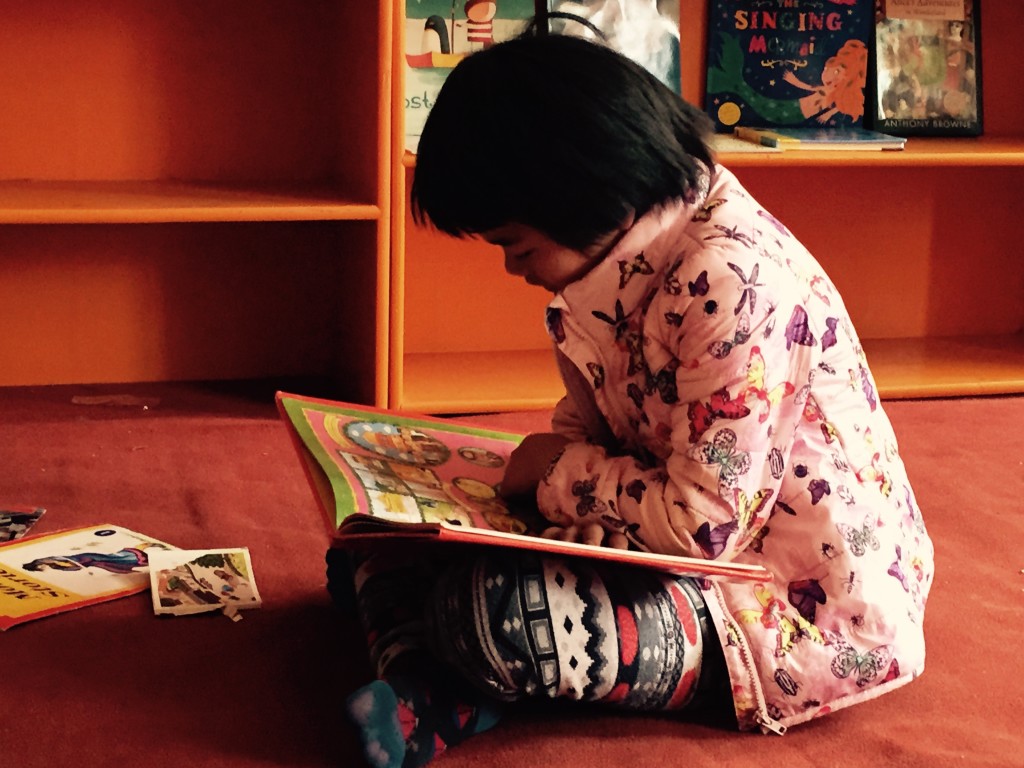
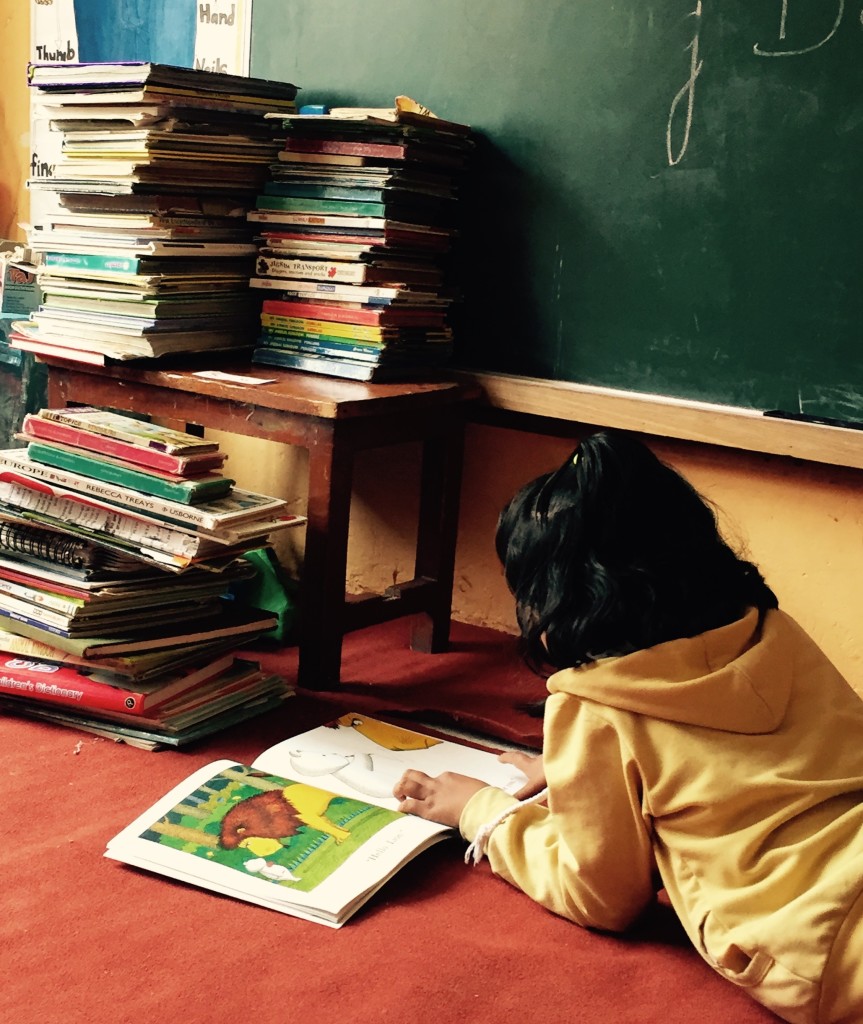
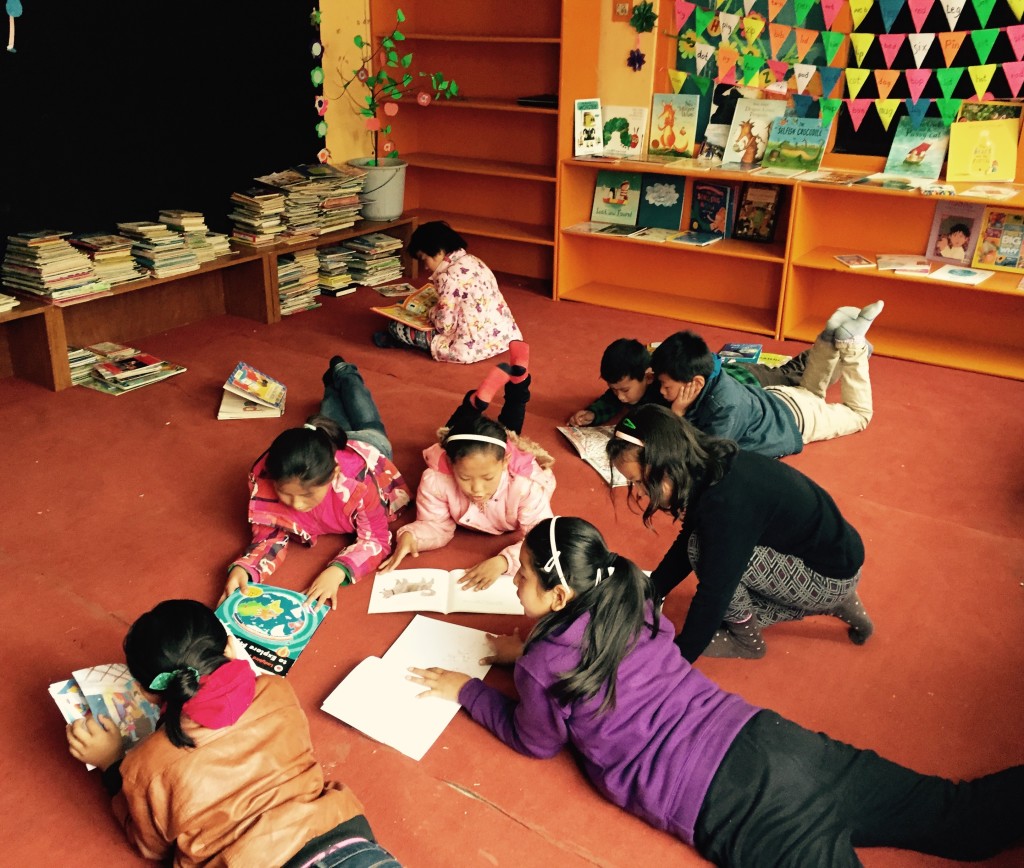
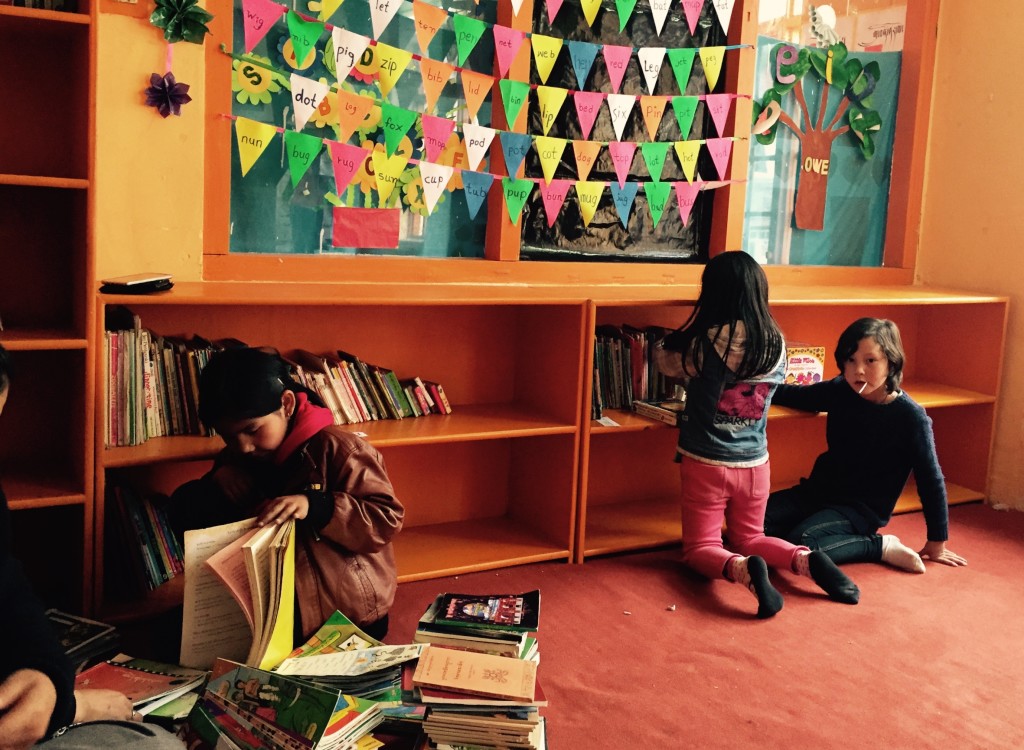
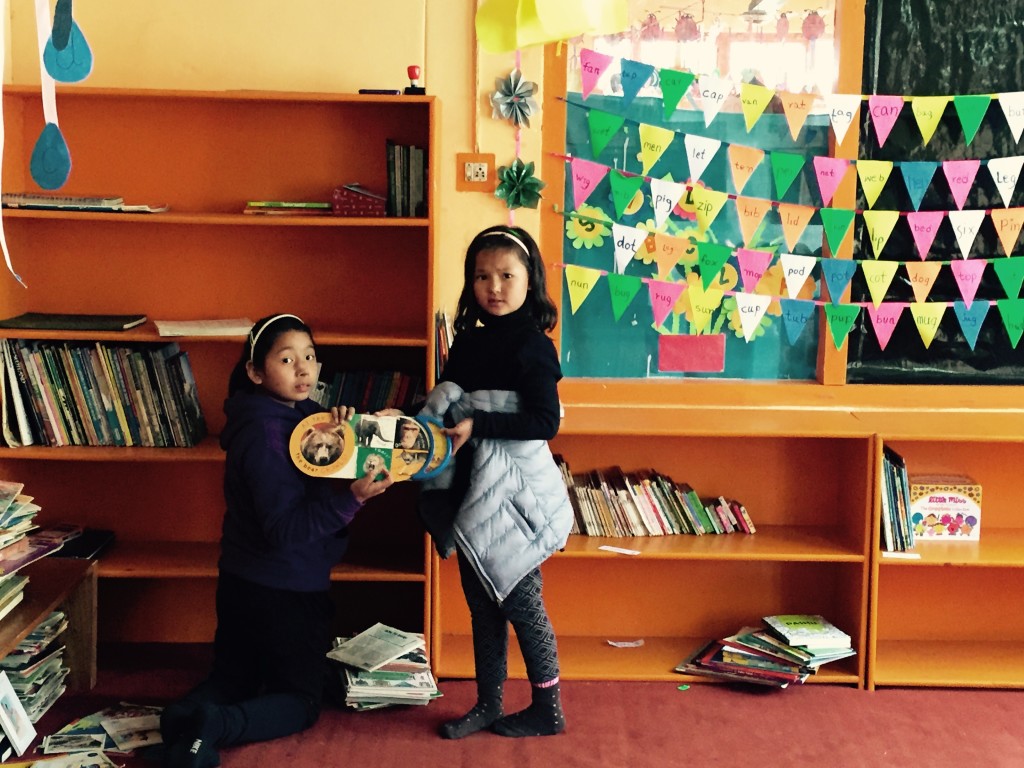
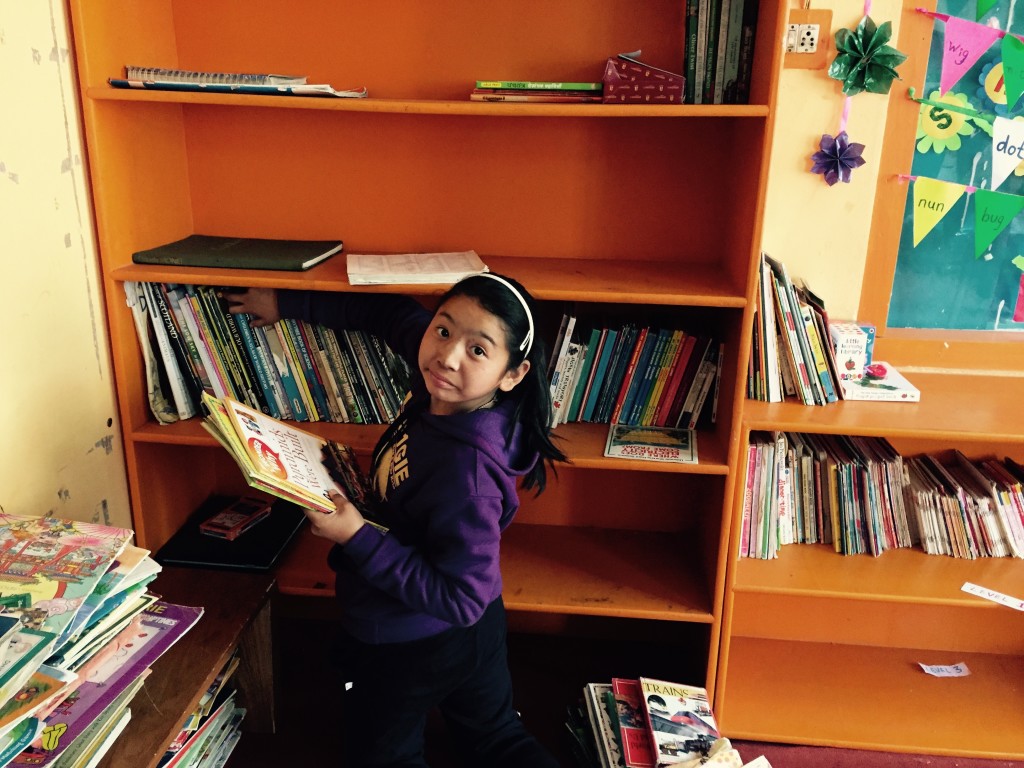
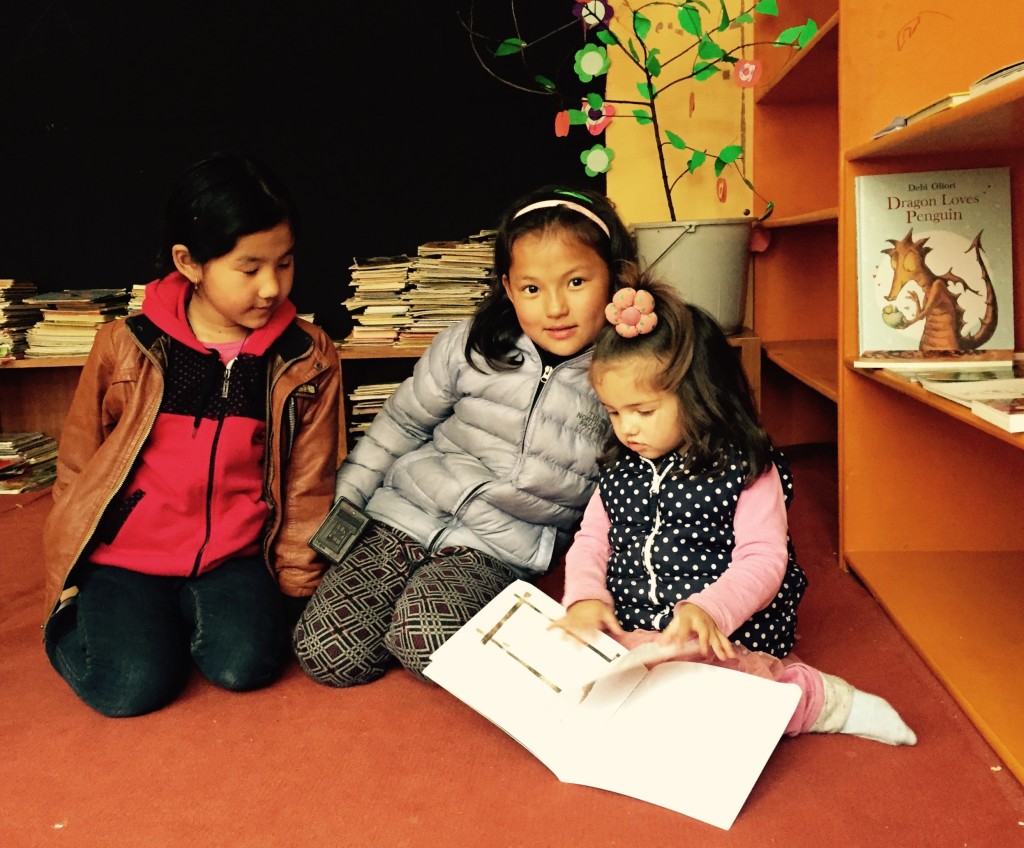
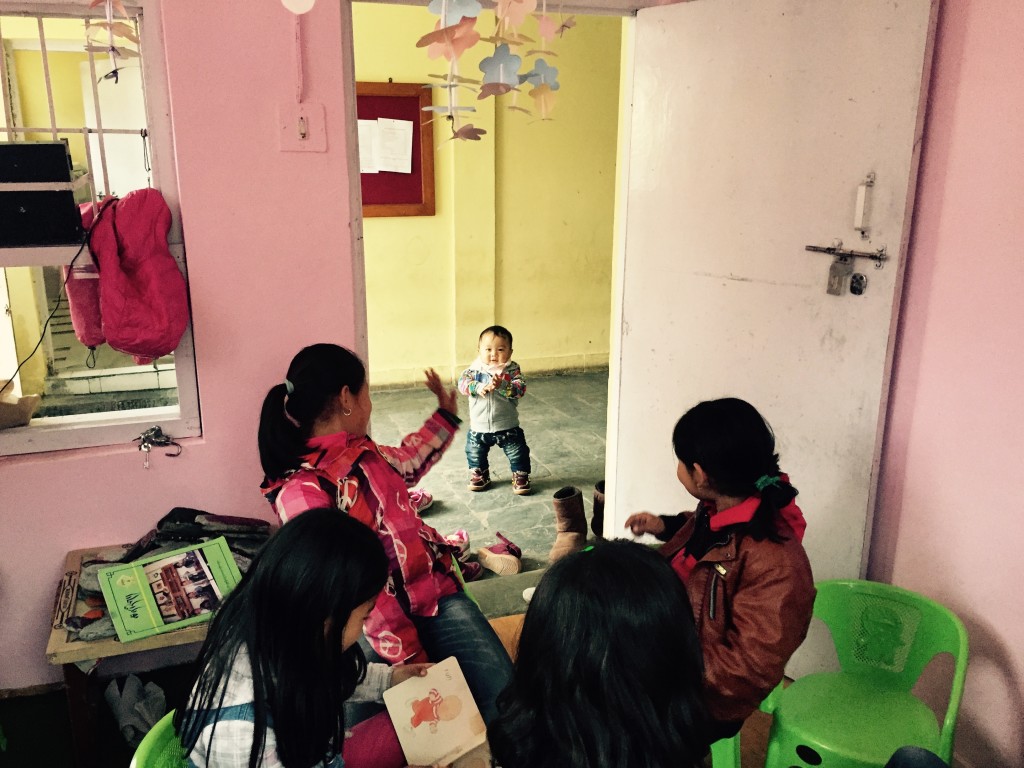
A good book can open a world far beyond the high mountain valleys where a child lives. In Ladakh, access to storybooks, reference materials, art supplies, and quiet places to read can shape how children learn, imagine, and participate in their communities. Avalokiteśvara Trust has seen this potential in Leh, where reading rooms offer welcoming spaces for children and young monks.
The next step is to carry that work westward toward Kargil. This expansion will connect more schools, monasteries, families, and local partners with carefully selected books and creative learning opportunities. The distance between Leh and Kargil is measured in mountain roads, but a shared reading culture can bring these communities much closer.
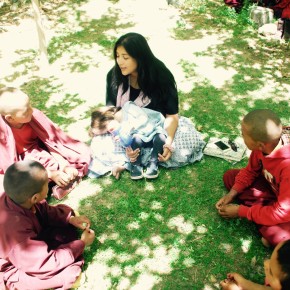
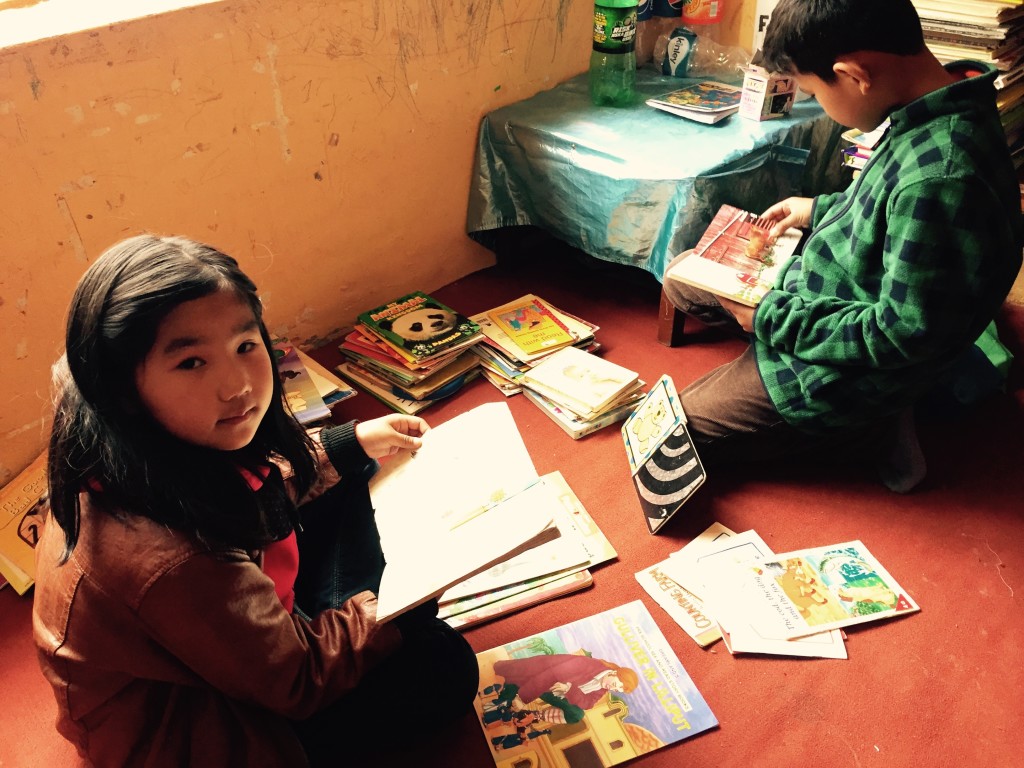
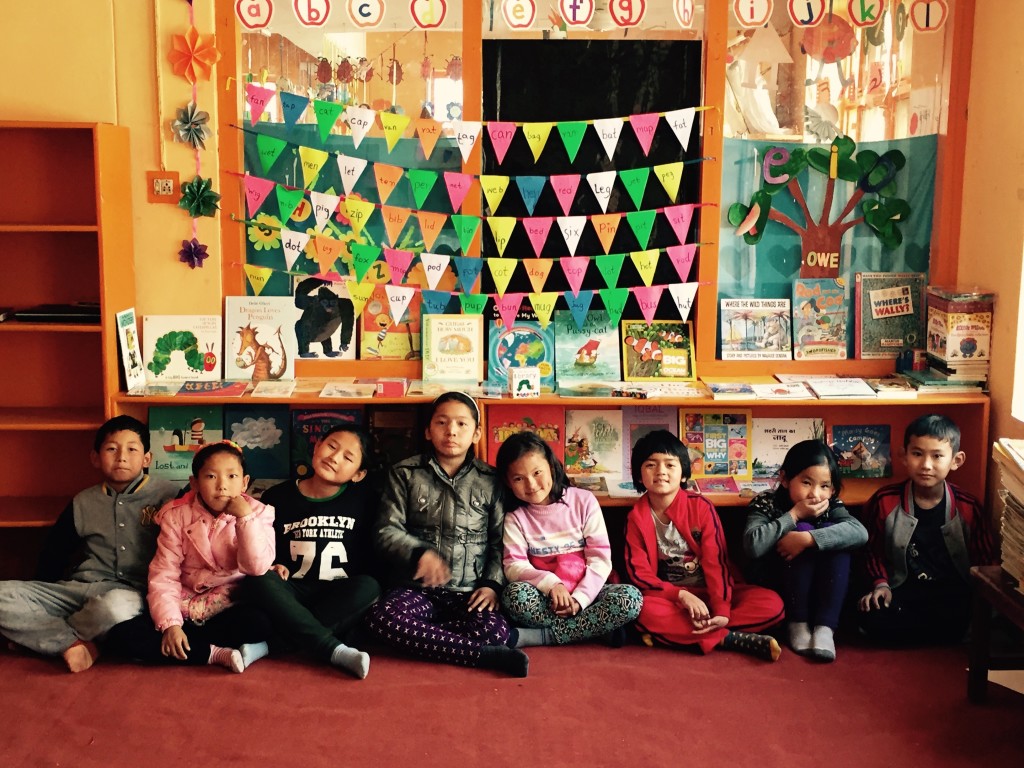
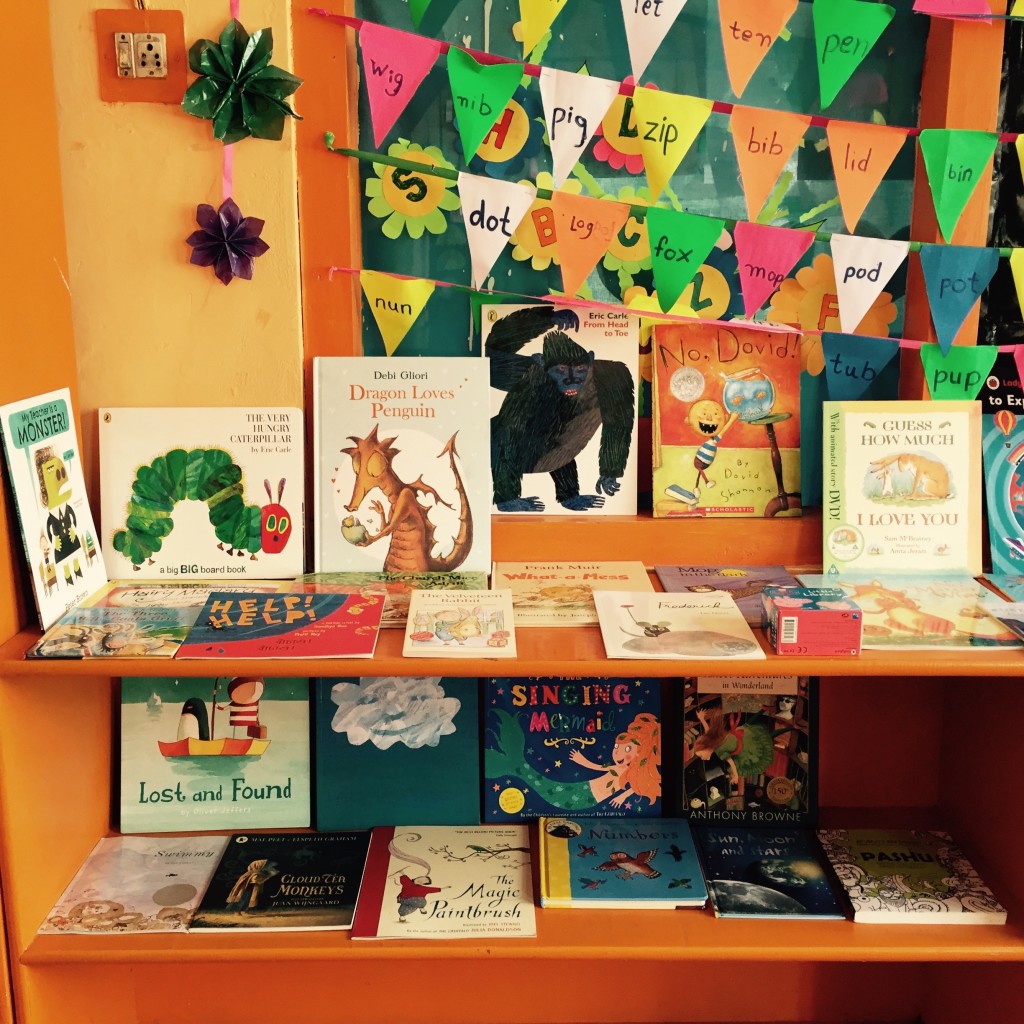
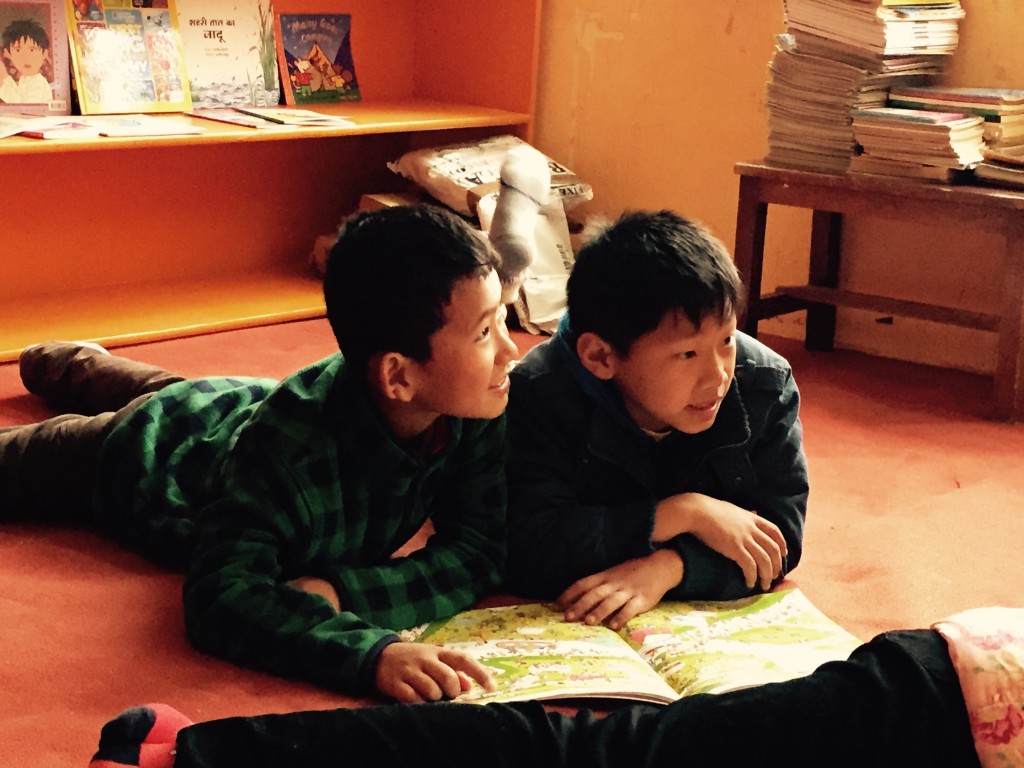
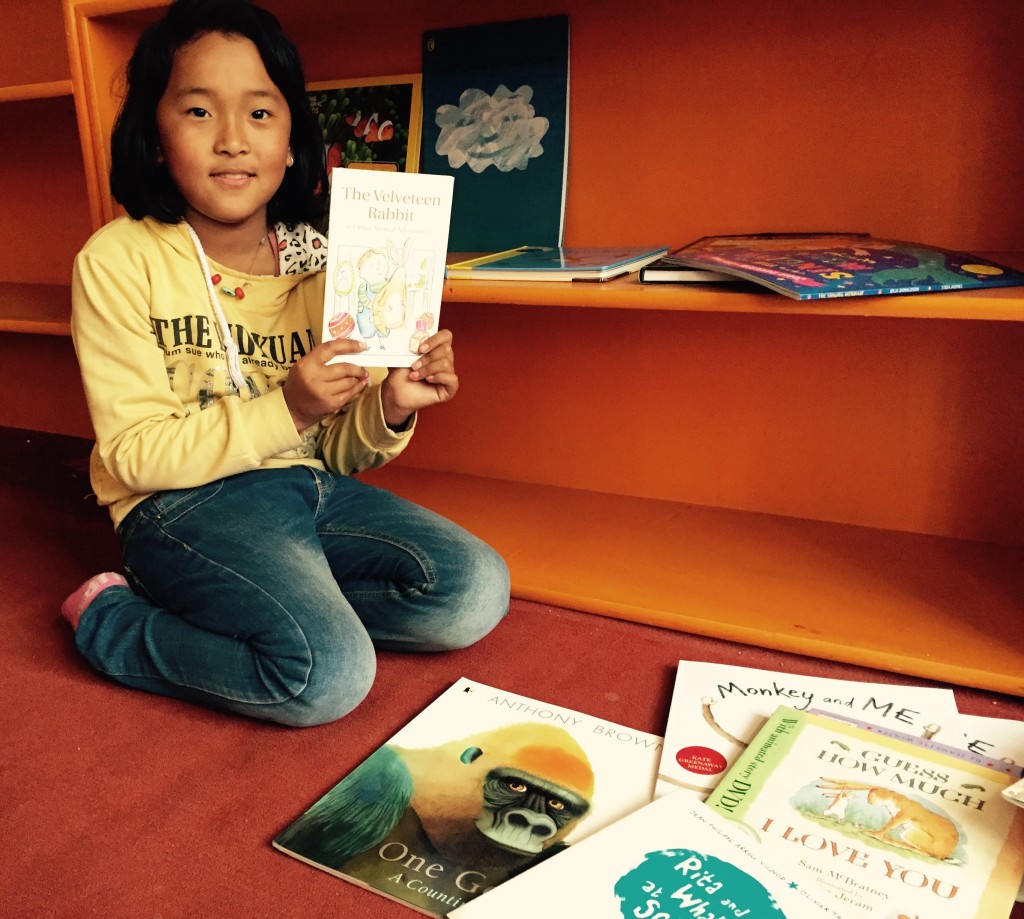
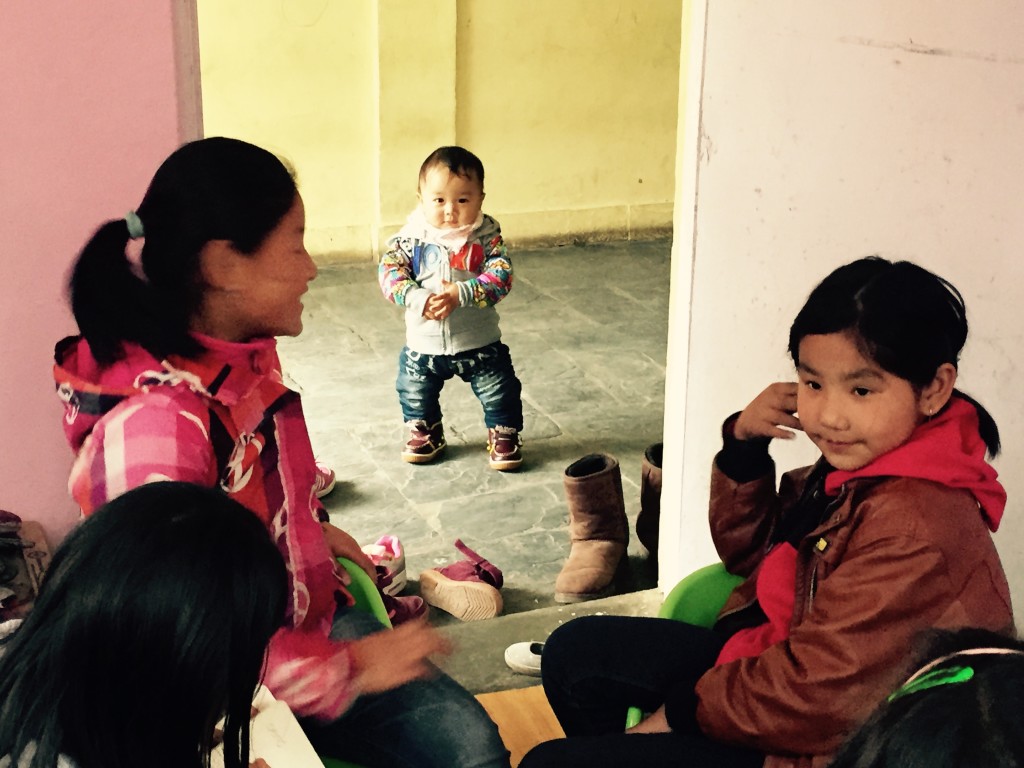
A reading room is more than a shelf of books. It is a place where a child can discover a new interest, receive help with homework, listen to a story, or create something with friends. By developing a network of community learning spaces, the Trust aims to support literacy while respecting the languages, traditions, and needs of each location.
Why Kargil Matters
Kargil is a diverse and culturally rich district with communities spread across remote valleys and difficult terrain. Children may attend schools with committed teachers yet have limited access to supplementary reading materials. A local reading room can fill that gap by making books available beyond the classroom and school timetable.
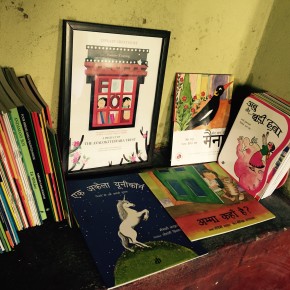
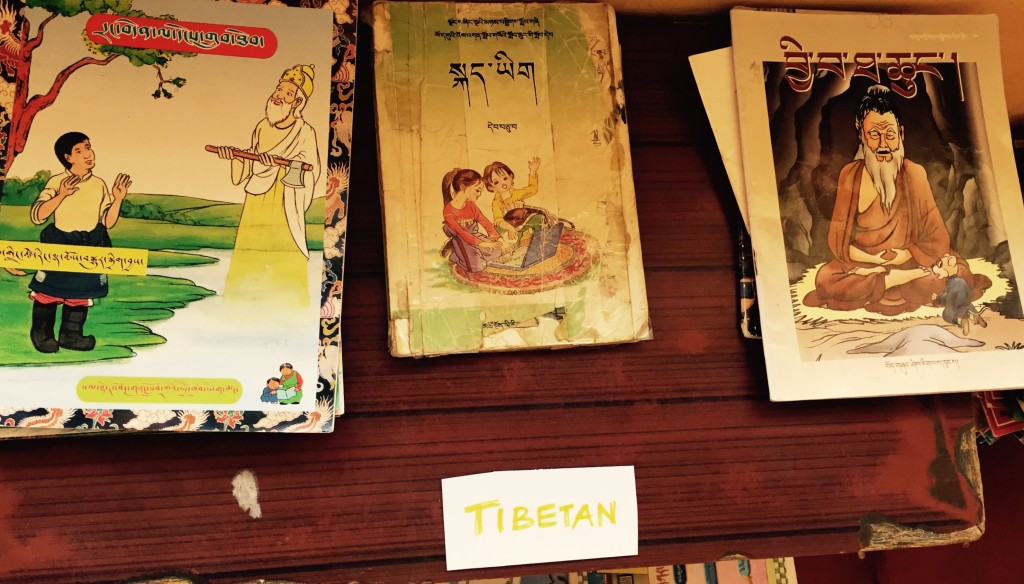
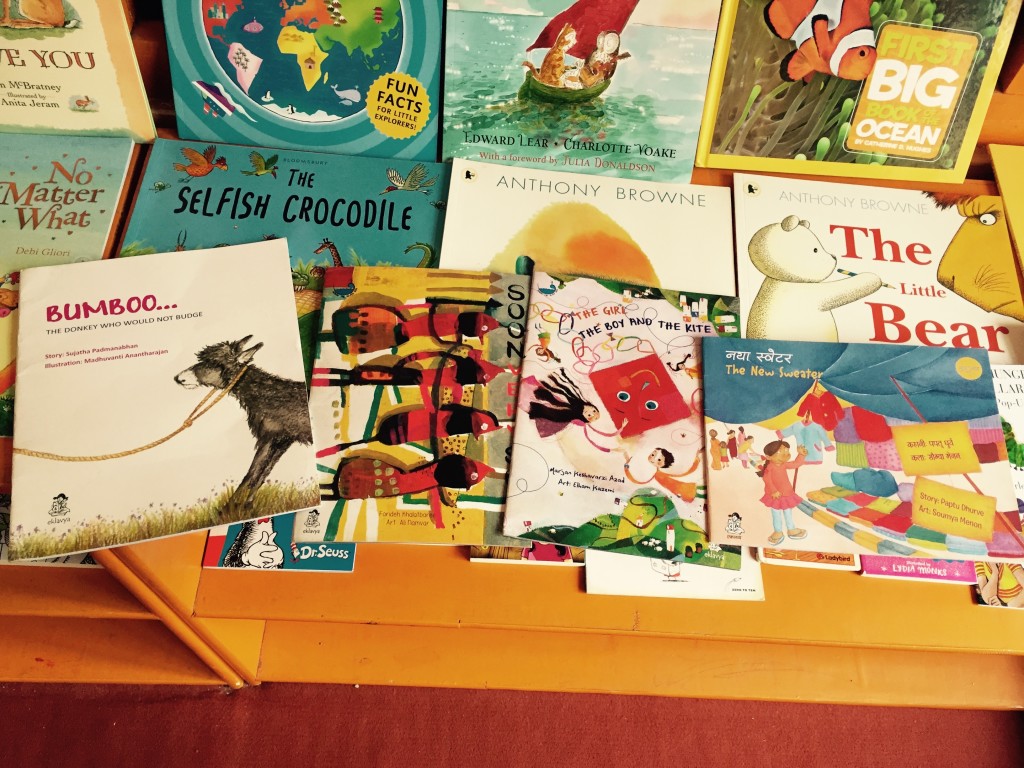
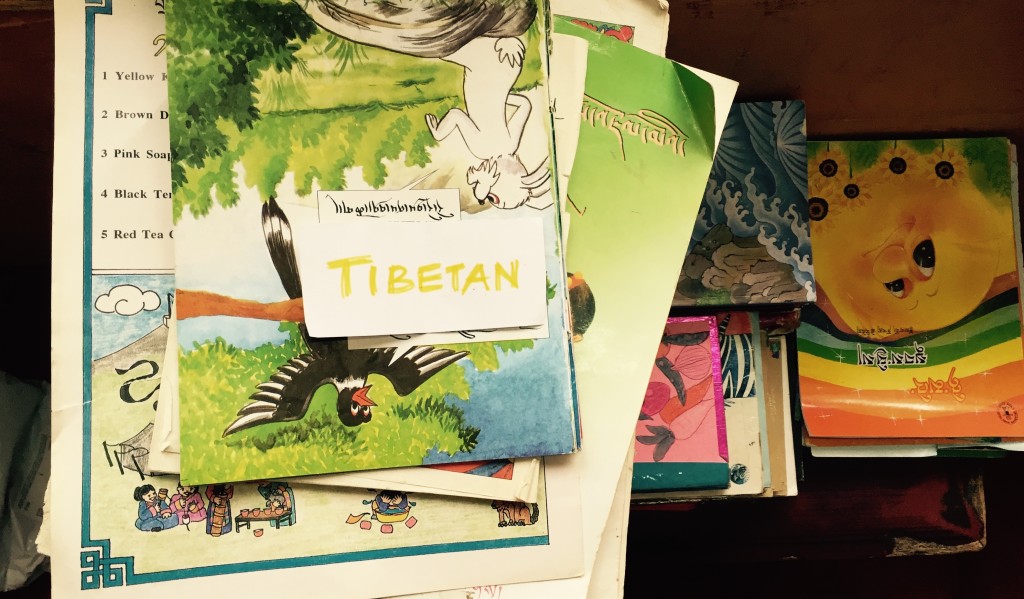
The area’s linguistic diversity also calls for a thoughtful library collection. English-language storybooks and educational resources can sit alongside materials in Urdu, Hindi, Ladakhi, and other languages used by local families. This approach helps children strengthen formal learning while seeing their own culture and experiences reflected in what they read.
The westward expansion is therefore about access and belonging. A child should be able to find a book that teaches a science concept, a story that sparks laughter, and a poem that feels familiar. Kargil’s communities can help shape collections that are useful, welcoming, and rooted in local life.
Building on the Leh Experience
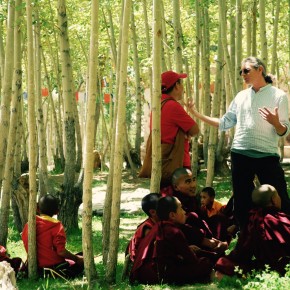
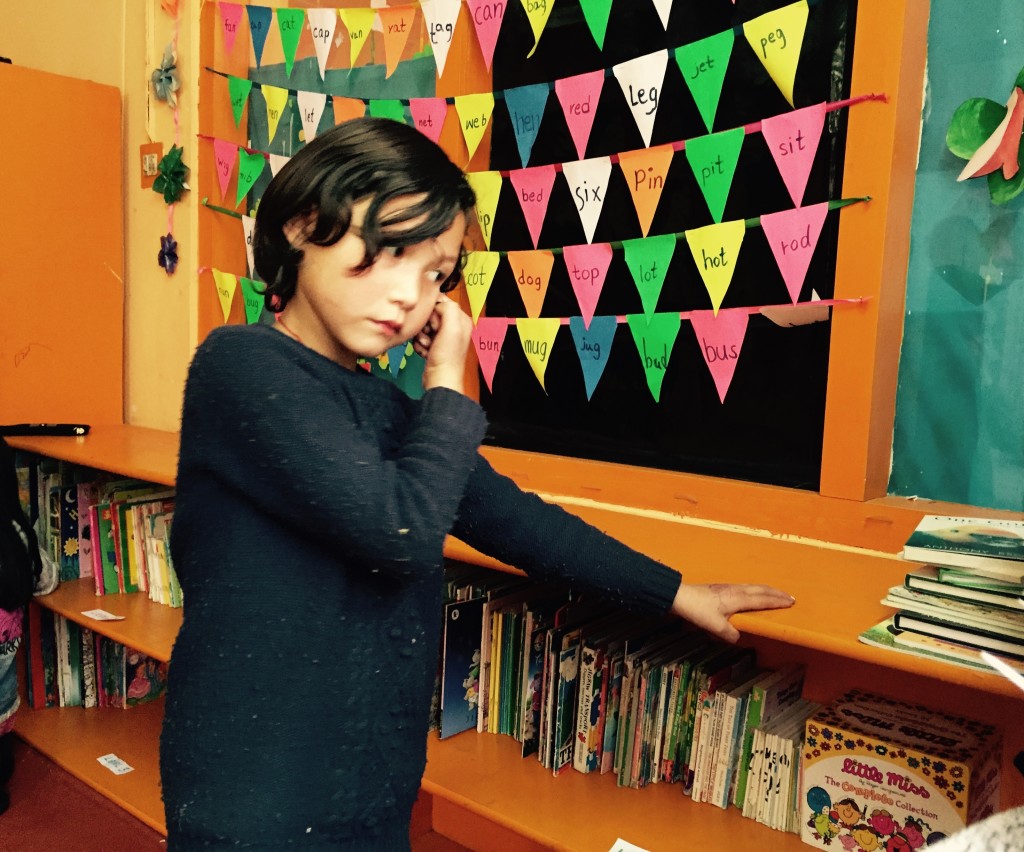
Leh has provided valuable lessons about what makes a small reading room active and sustainable. Children return when the space feels friendly, the books are at an accessible reading level, and adults encourage curiosity rather than treating reading as another examination task. Regular storytelling, drawing, music, and group activities can make the room a natural part of community life.
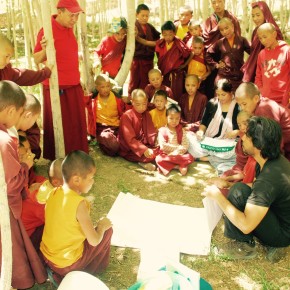
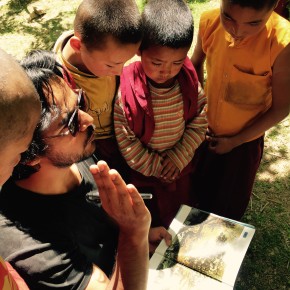
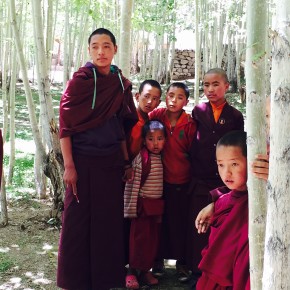
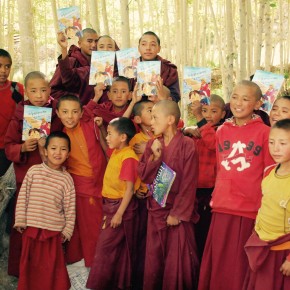
Young monks also benefit from access to age-appropriate literature, biographies, history books, and creative resources. A reading room can support their studies while giving them time to explore subjects beyond their formal curriculum. These spaces are designed to complement monasteries and schools, working with local leaders instead of imposing a single model.
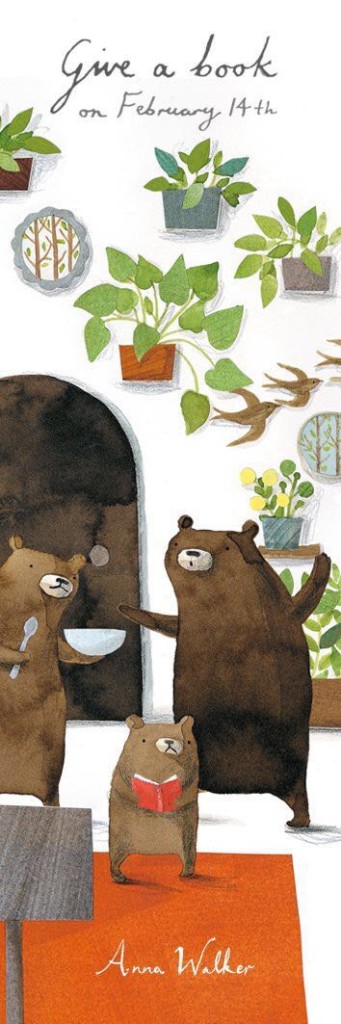
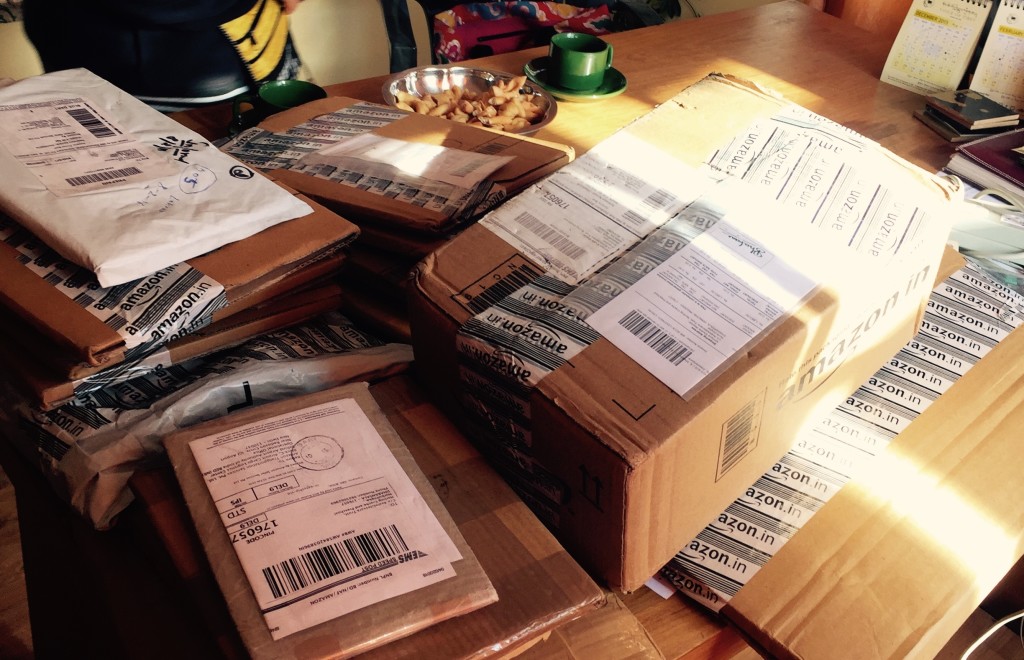
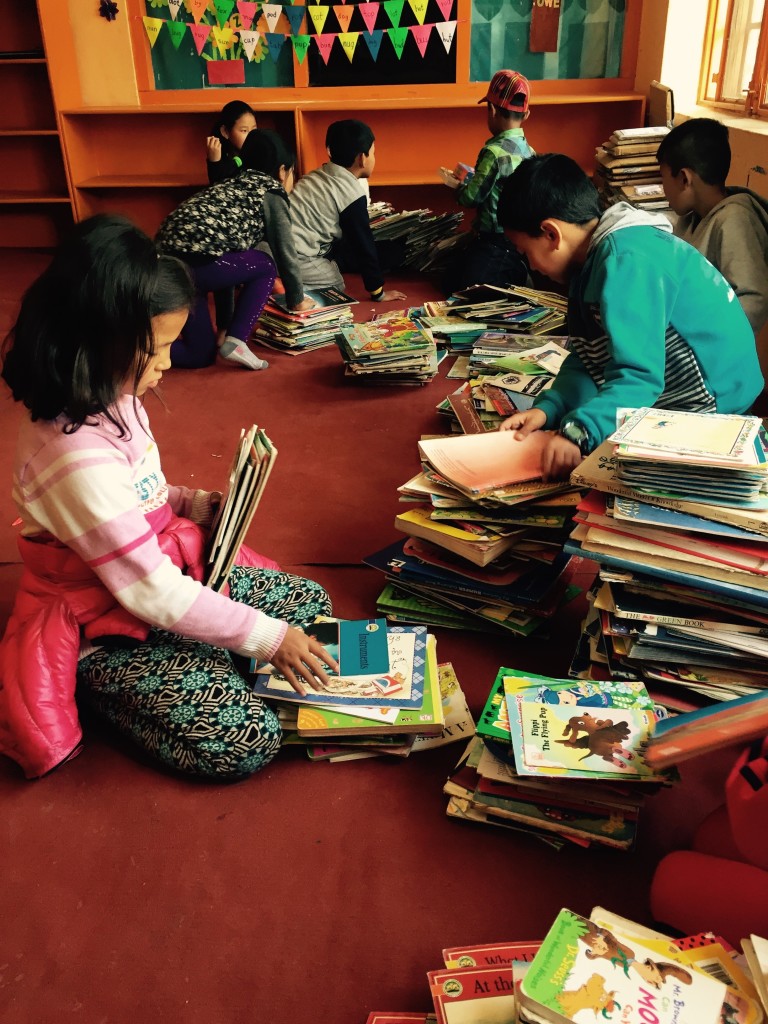
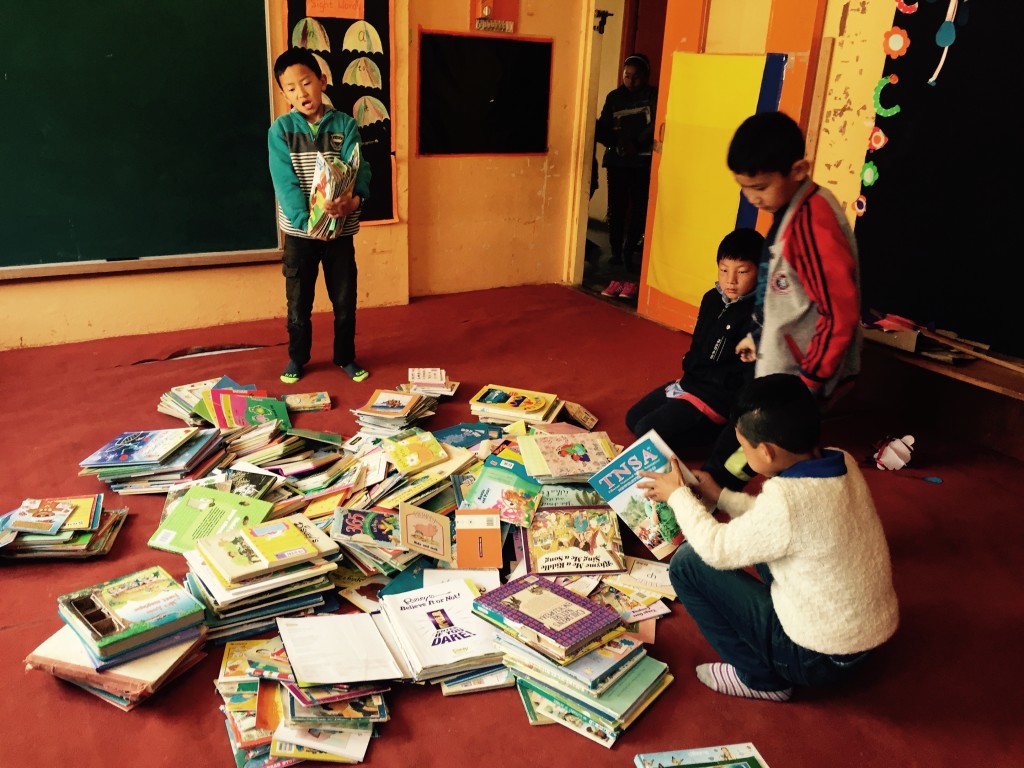
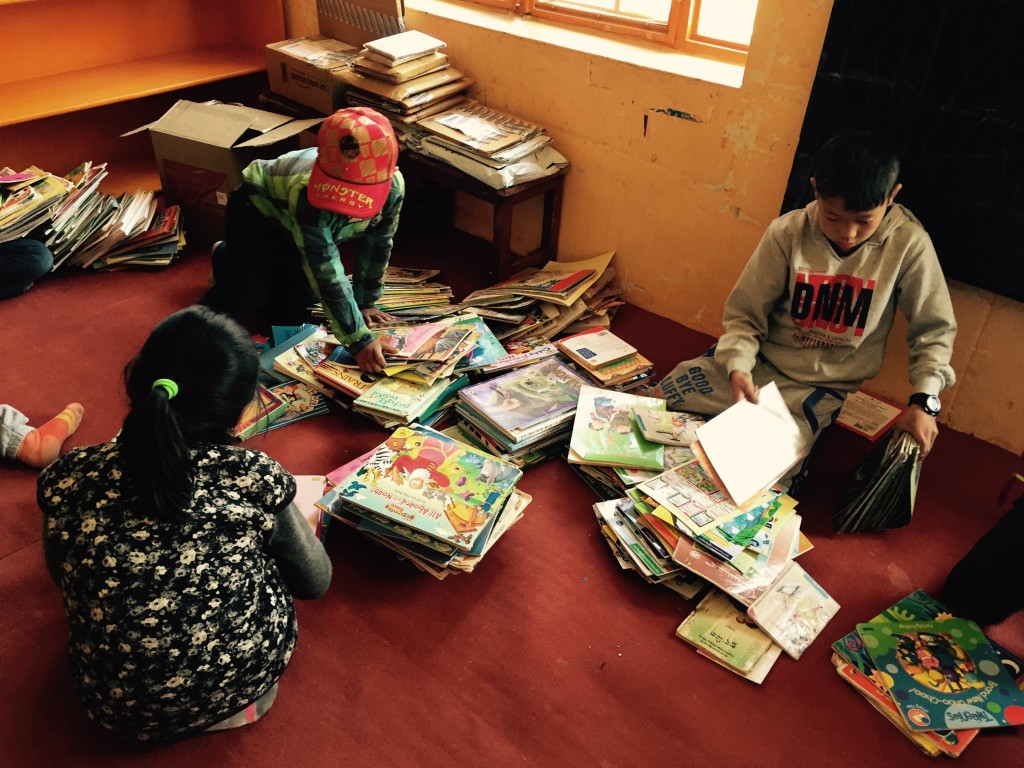
The Trust’s book drives and volunteer efforts will continue to support this work. However, the long-term strength of each reading room depends on local participation. Caretakers, teachers, parents, and older students can help organize shelves, recommend titles, welcome new readers, and keep the space active throughout the year.
A Network Designed for Local Needs
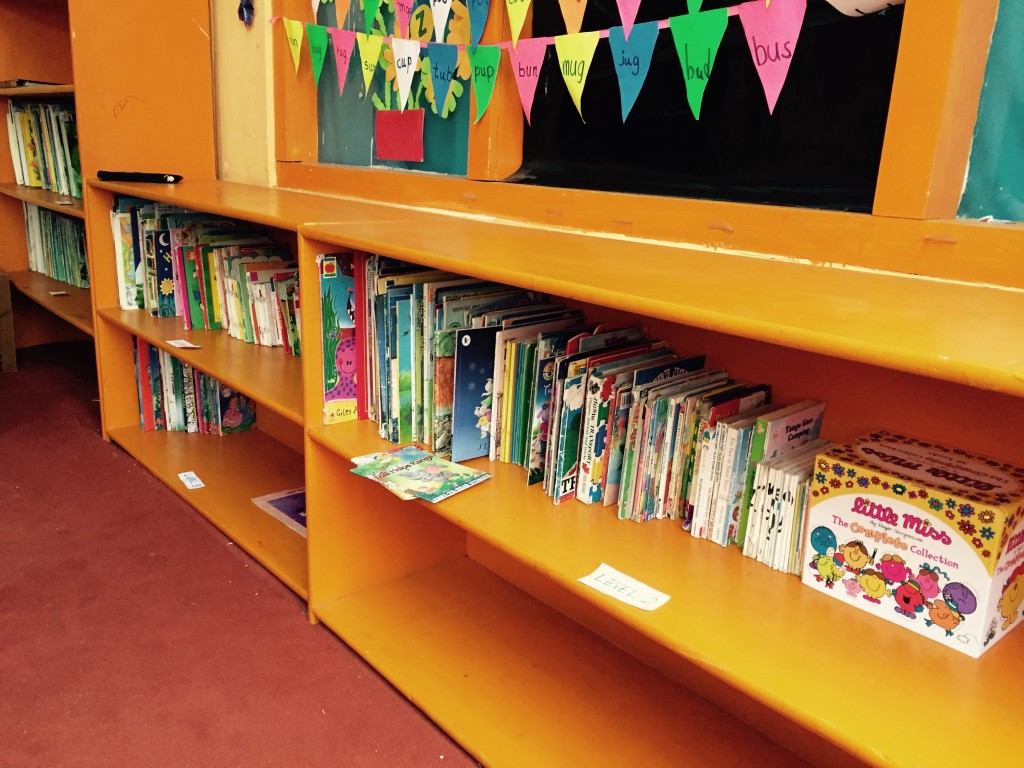
There is no single blueprint for a Himalayan reading room. A space in a busy town may need a larger lending collection, while a smaller village room may focus on shared reading sessions and mobile book deliveries. Some communities may request more early-reader books; others may prioritize exam support, environmental education, or local history.
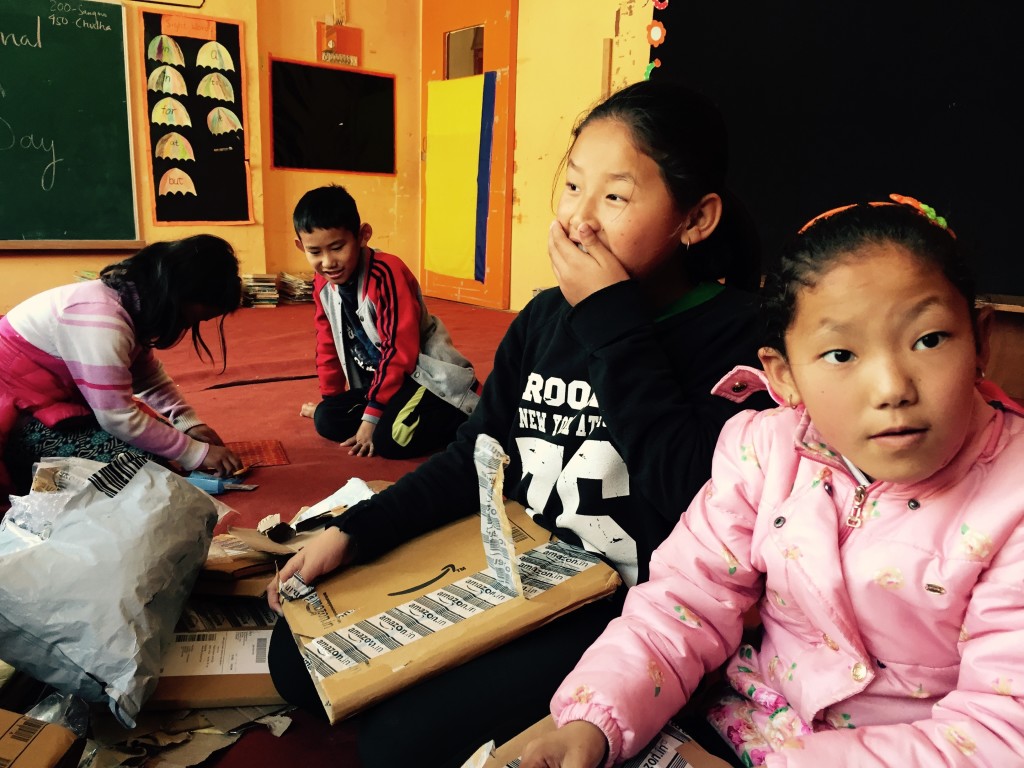
The expansion from Leh toward Kargil will use consultation as its starting point. Before books are gathered, local partners can identify age groups, preferred languages, school schedules, available rooms, and practical storage needs. This helps ensure that donations become useful resources rather than unopened cartons.
| Reading Room Element |
Value For Children |
Local Partnership |
| Storybooks and picture books |
Builds vocabulary, confidence, and imagination |
Teachers and families recommend suitable titles |
| Reference and study materials |
Supports schoolwork and independent learning |
Schools identify priority subjects |
| Art and music resources |
Encourages creativity and self-expression |
Local artists and facilitators lead activities |
| Multilingual books |
Connects literacy with culture and home language |
Community members guide language selection |
| Trained caretakers |
Keeps the space welcoming and organized |
Local volunteers manage regular sessions |
This flexible approach also makes it easier to respond to seasonal realities. Winter weather, road closures, school calendars, and local festivals all influence when activities can take place. Planning with communities allows the reading rooms to remain practical throughout the year.
Books That Travel Well
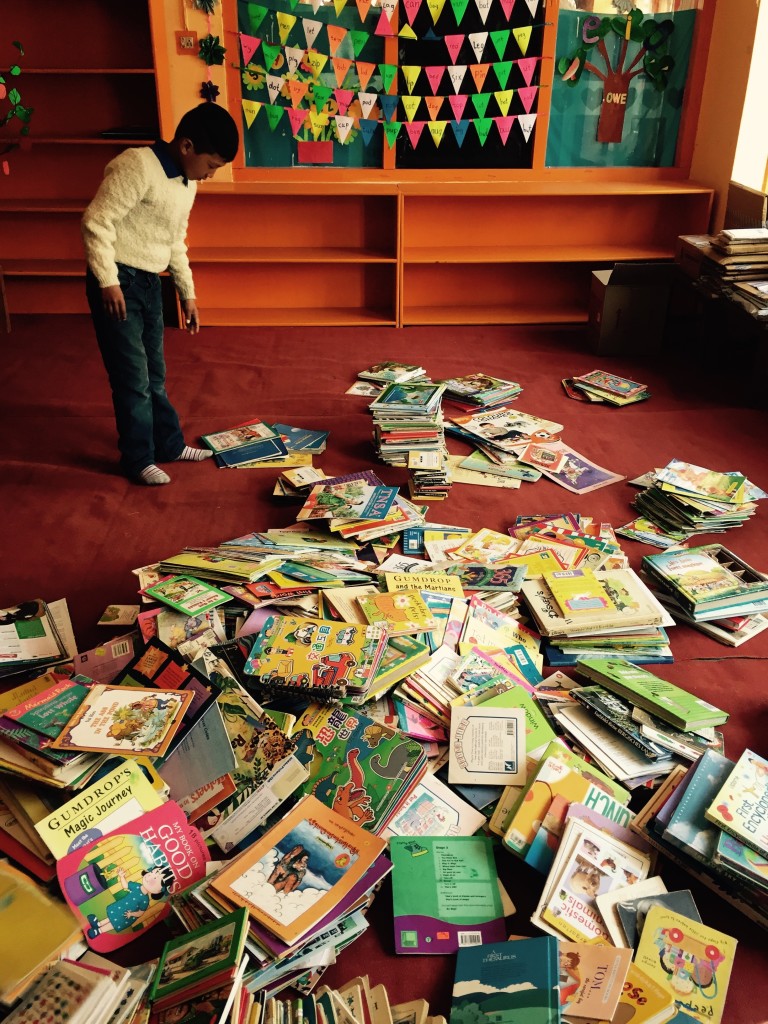
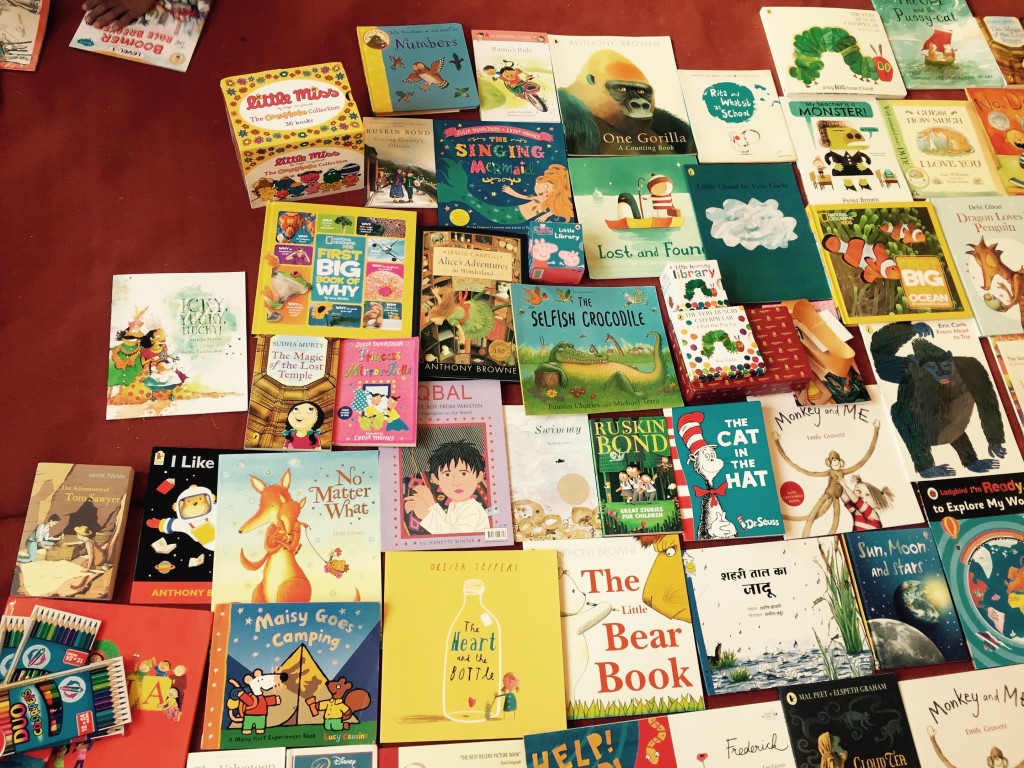
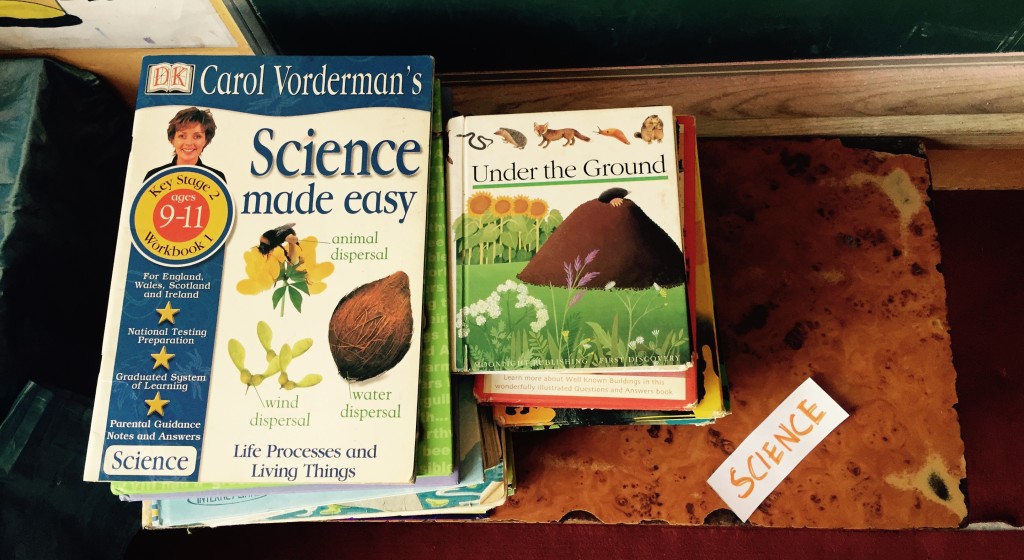
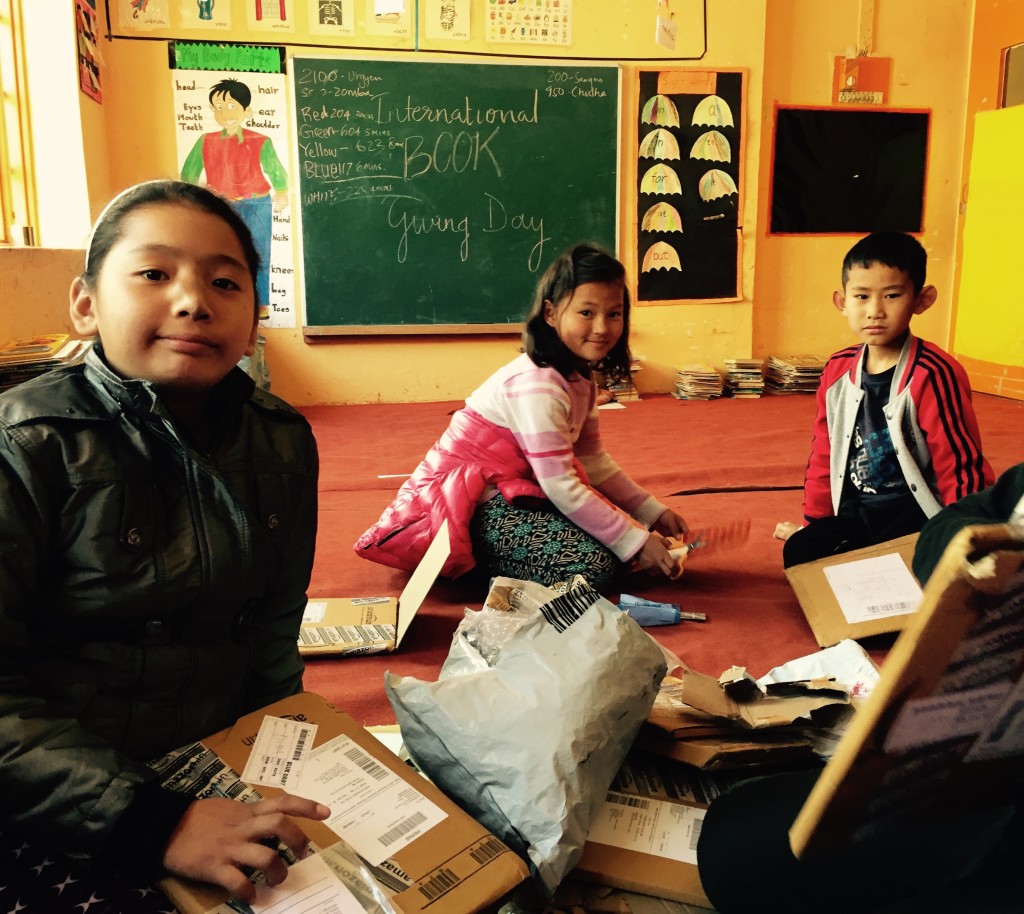
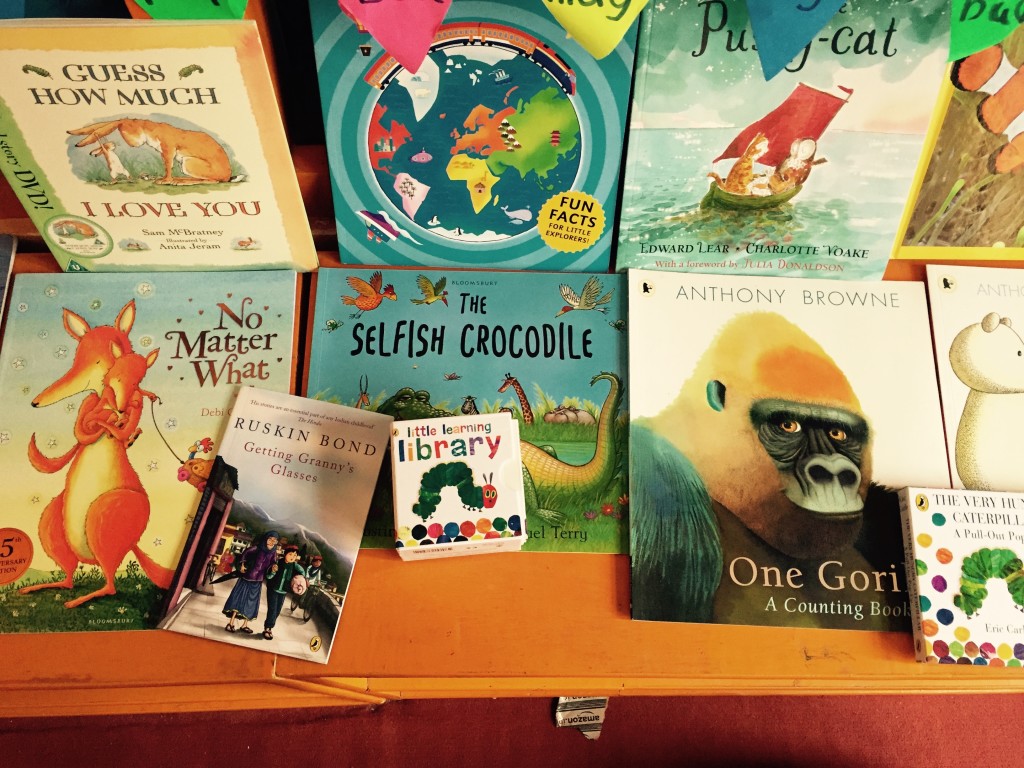
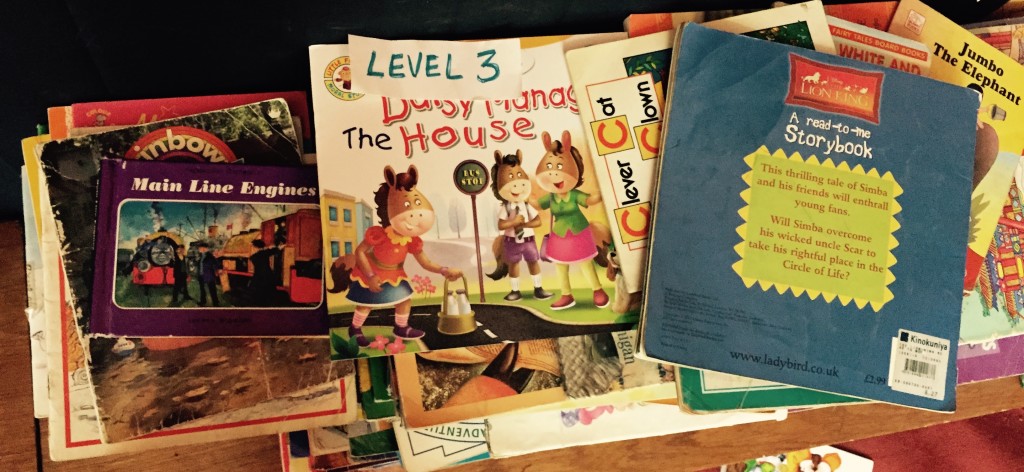
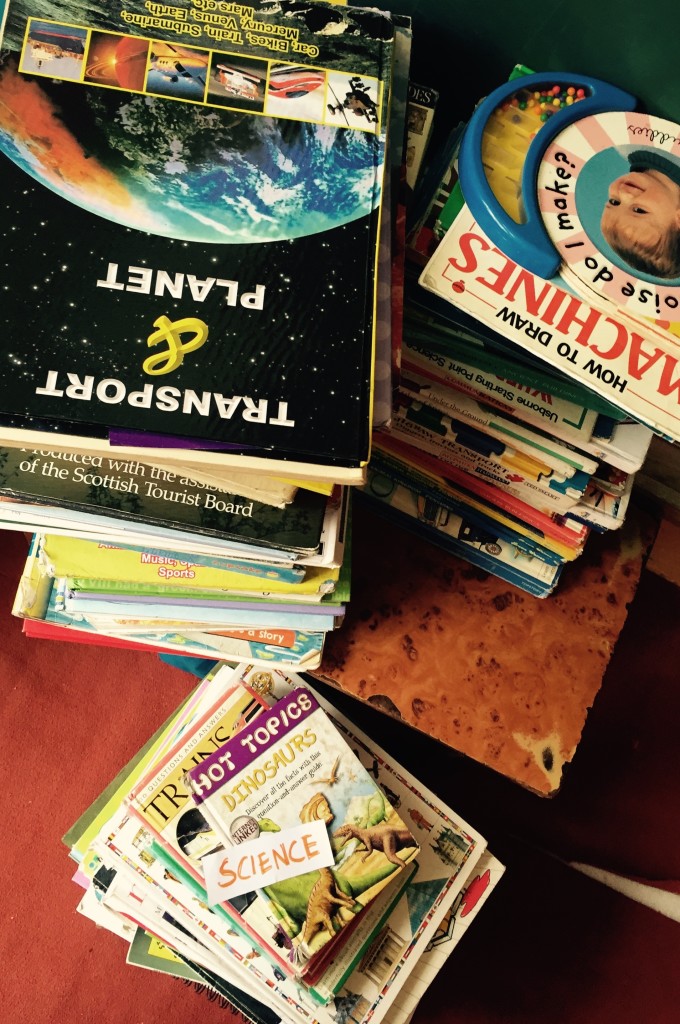
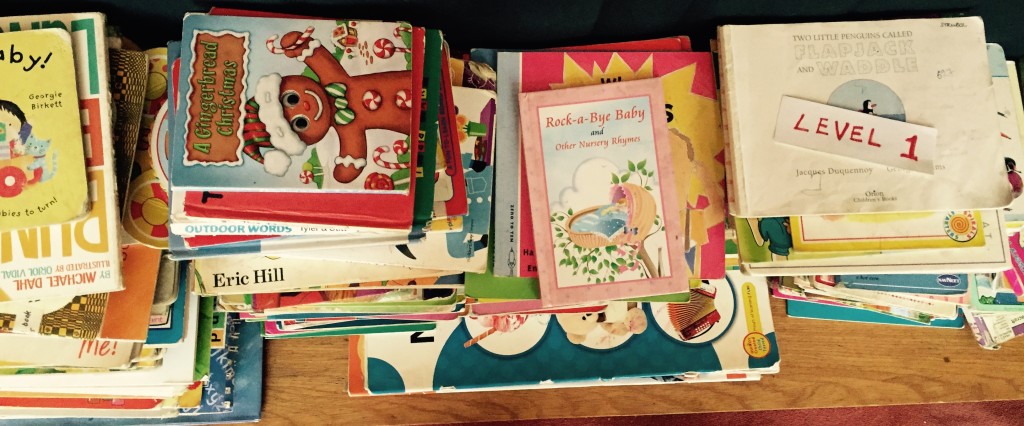
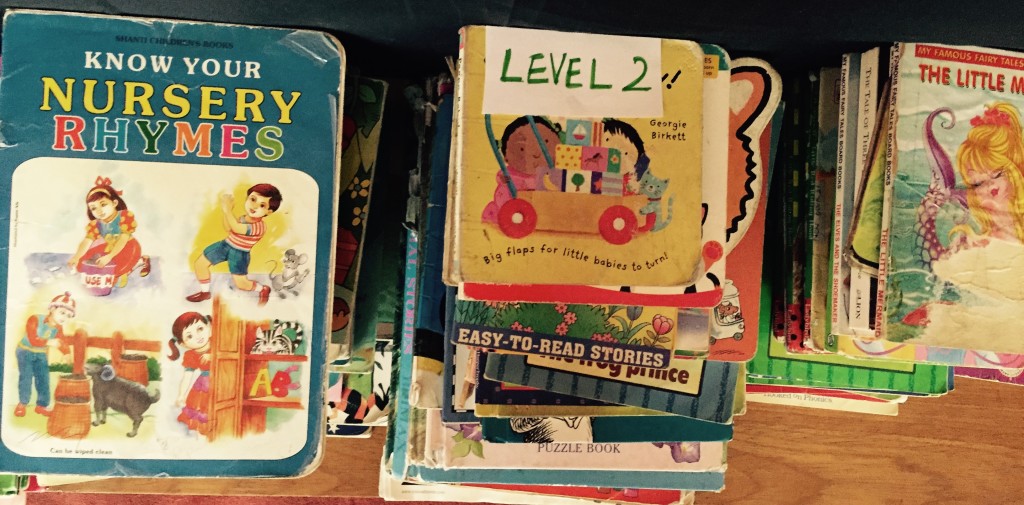
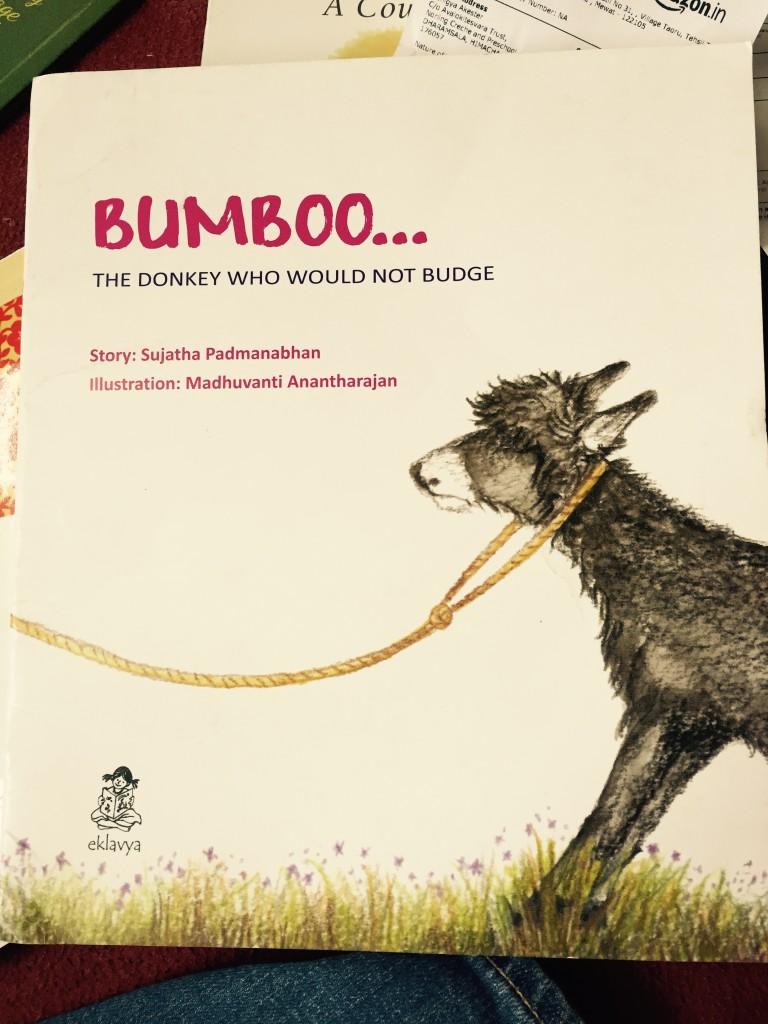
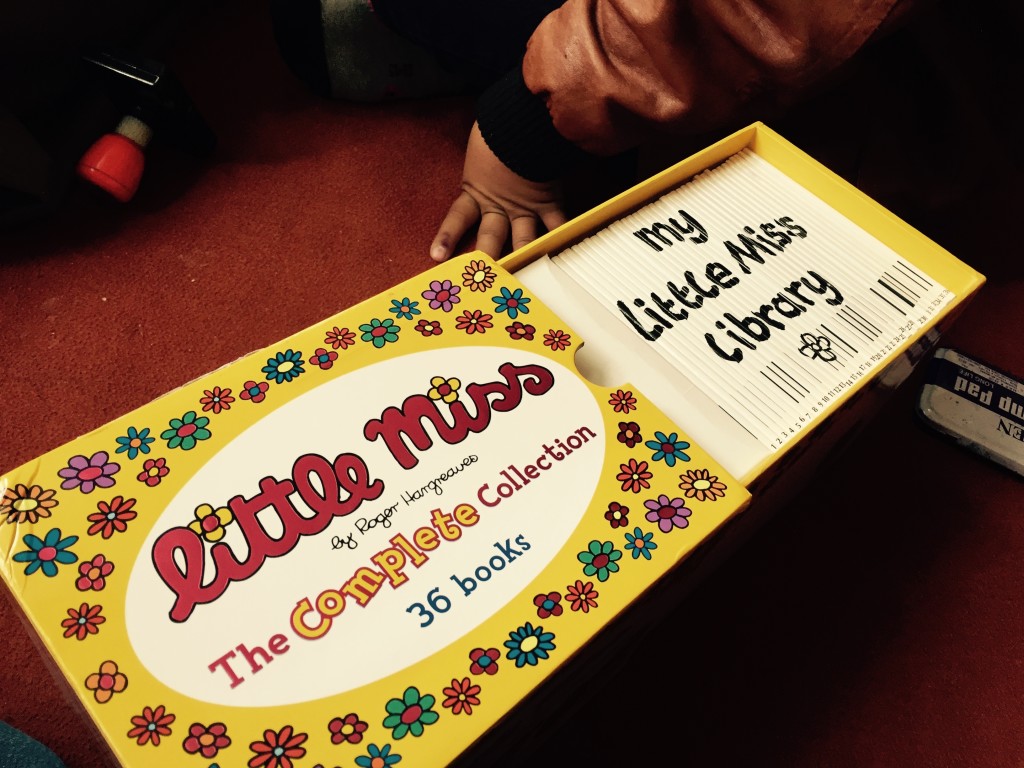
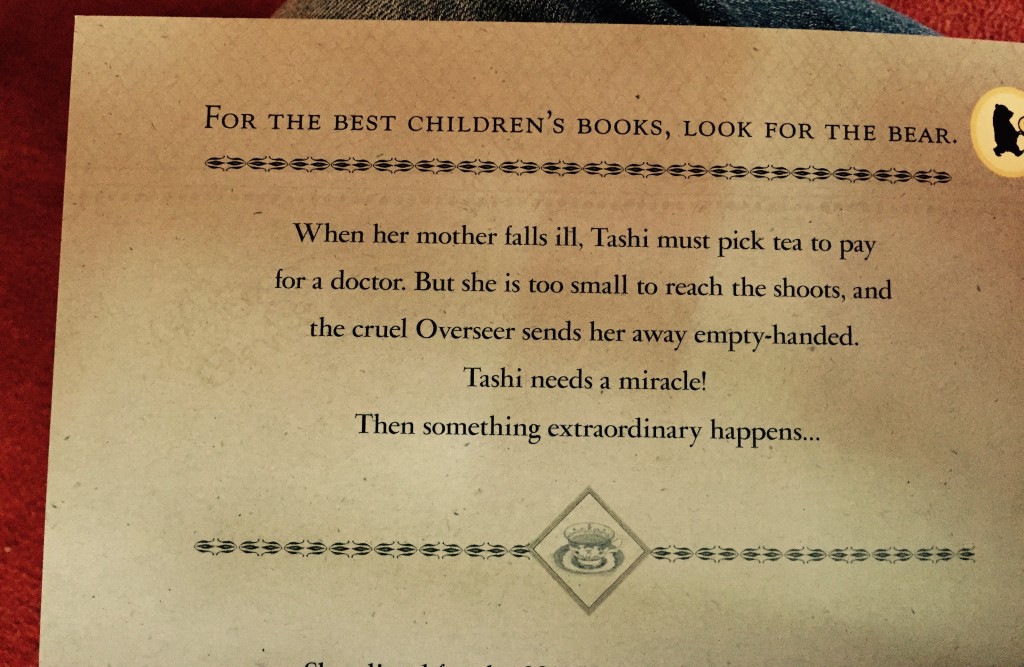
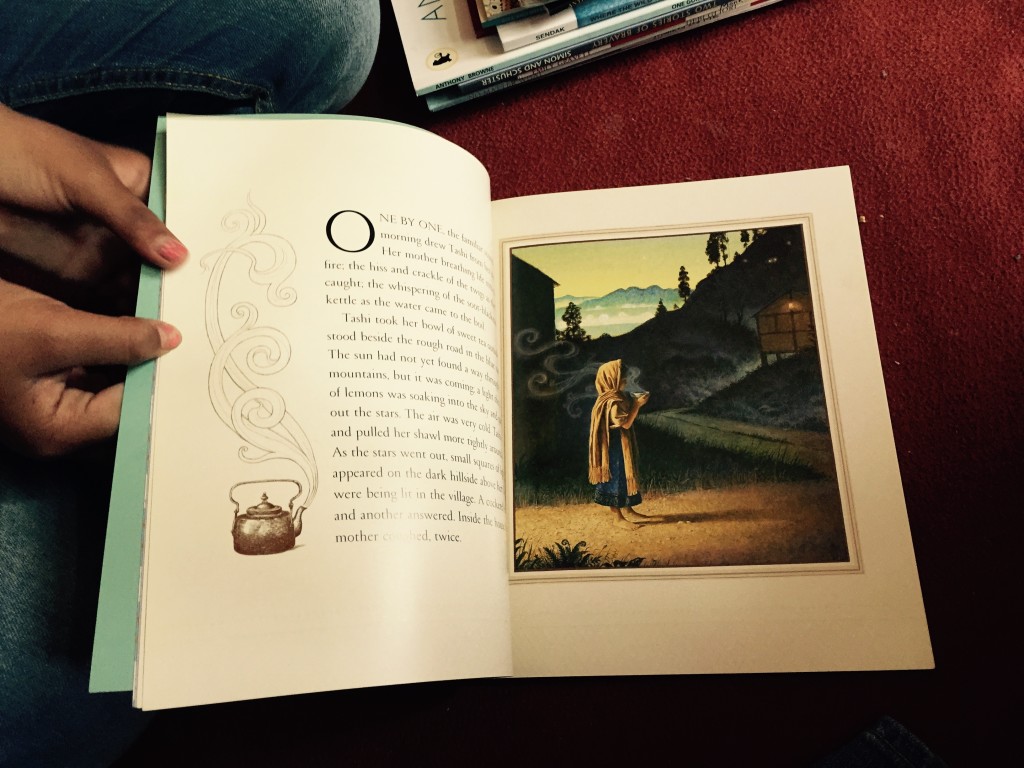
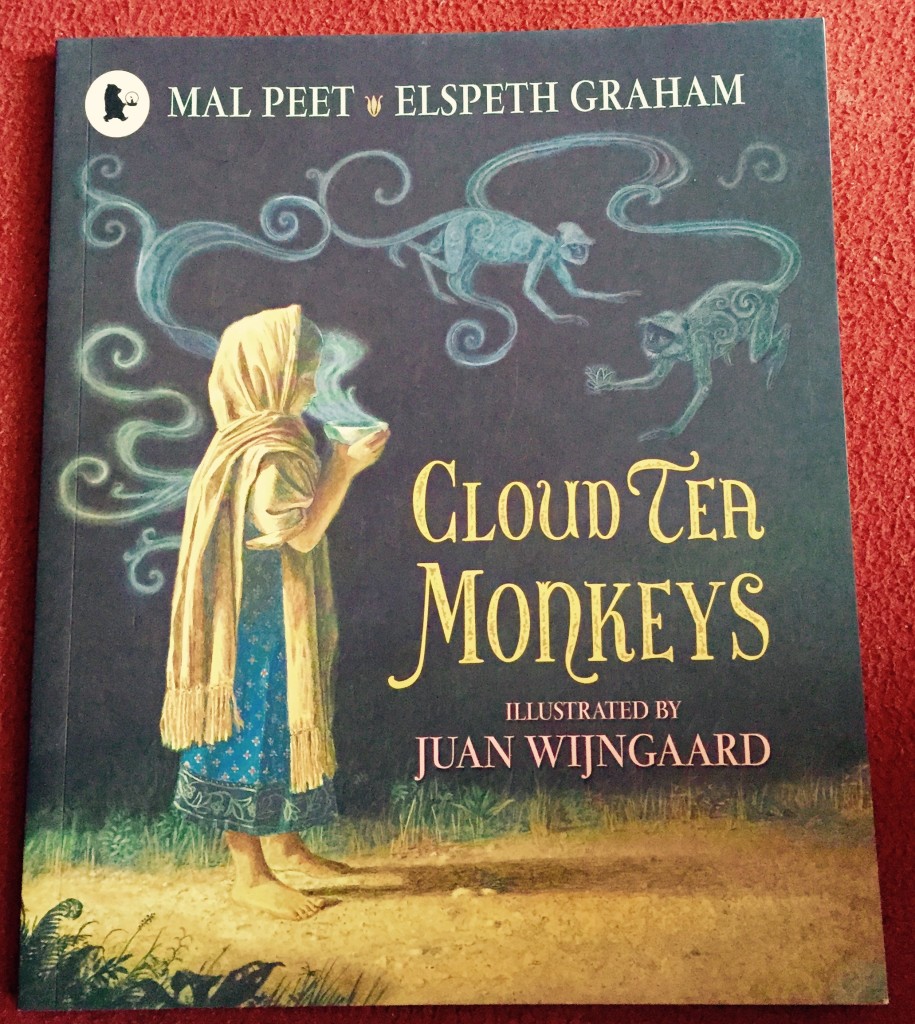
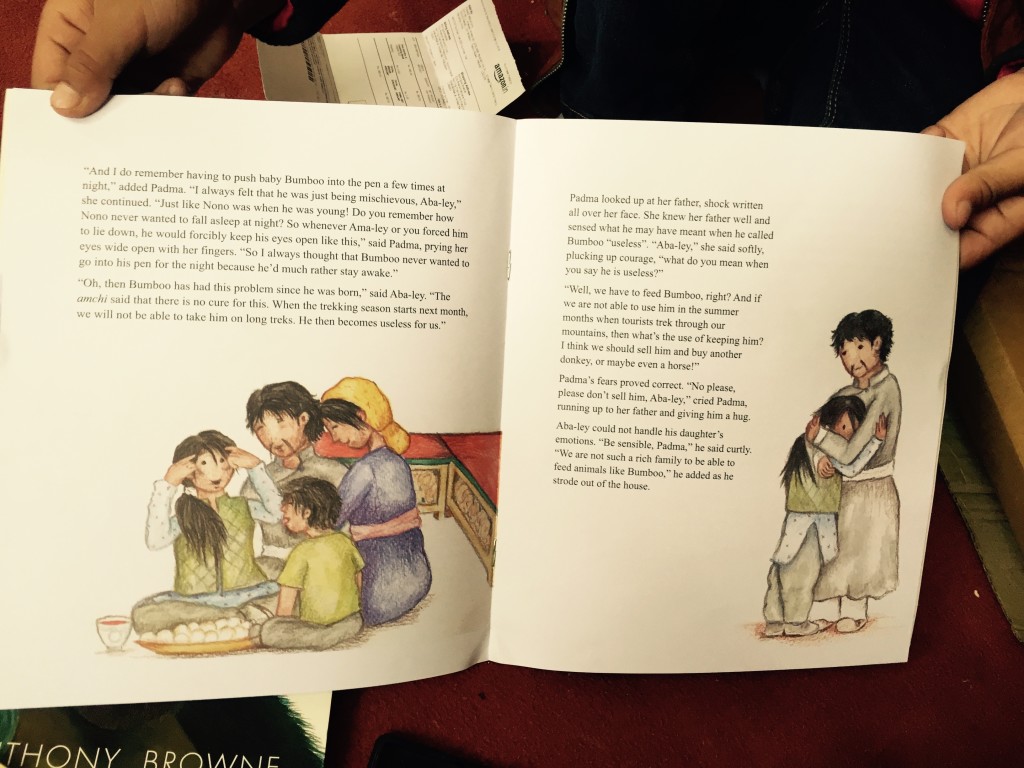
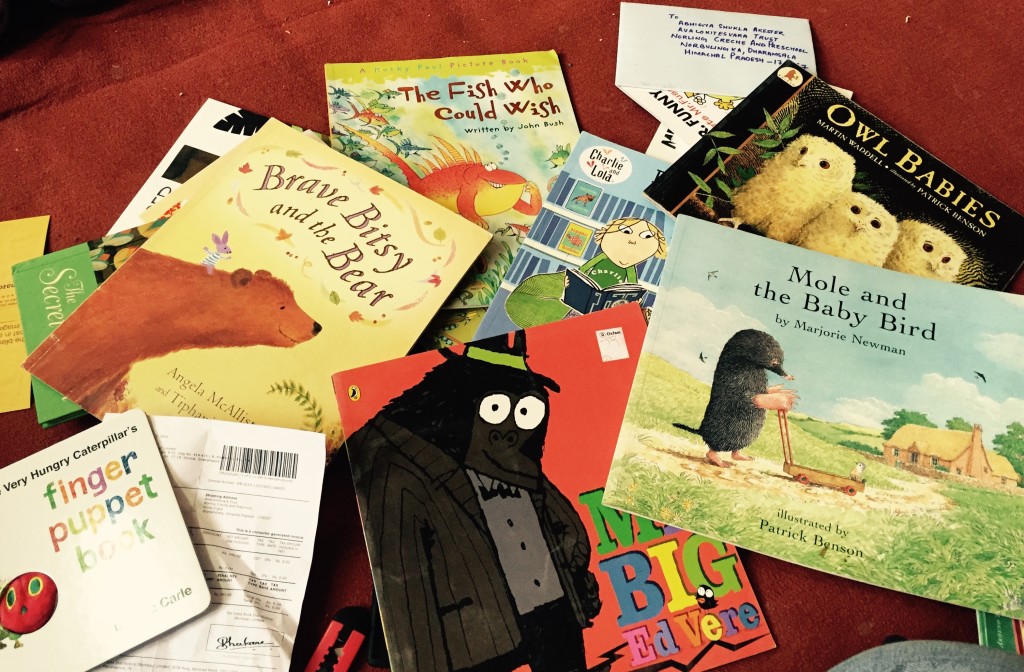
Sending books to remote areas requires more than collecting as many titles as possible. Children need a balanced selection that includes durable picture books, short novels, folk tales, nonfiction, atlases, dictionaries, comics, and books about science and nature. Materials should reflect different reading levels so that beginners and confident readers can share the same space.
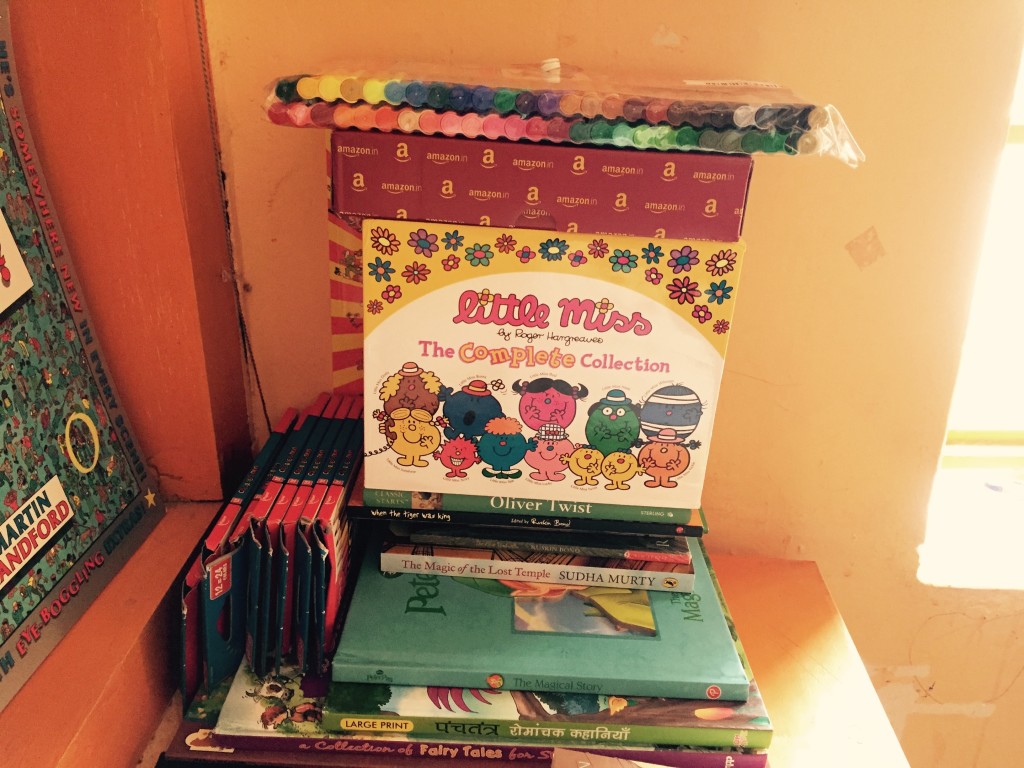
Quality matters. A damaged or unsuitable donation can take valuable time to sort and store. Book drives are most effective when supporters choose clean, relevant, and age-appropriate materials. New books are especially important for popular subjects, early literacy, and titles that need to withstand frequent handling.
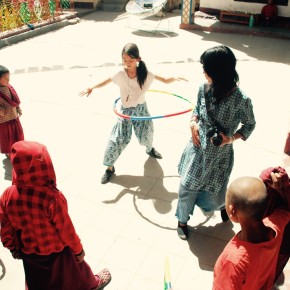
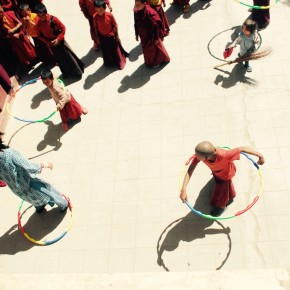
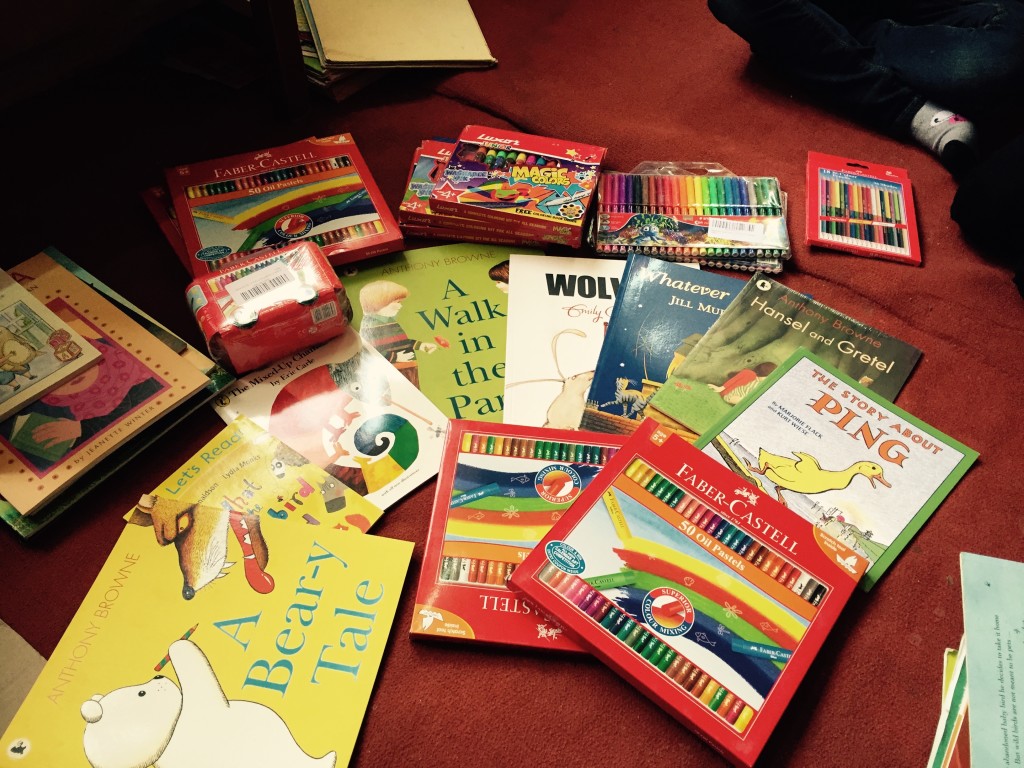
The Trust can also combine physical books with simple learning tools such as flashcards, puzzles, drawing paper, musical instruments, and classroom games. In areas where internet access is inconsistent, a well-curated physical collection remains dependable. It does not require a signal, subscription, or personal device to offer a child a new idea.
Learning Through Creativity
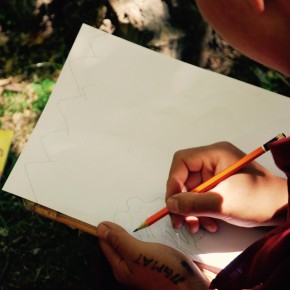
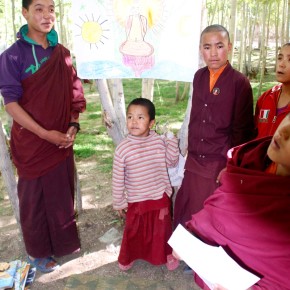
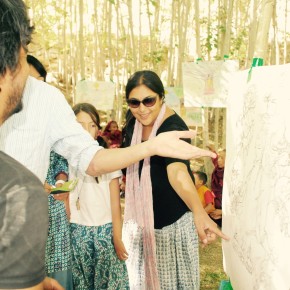
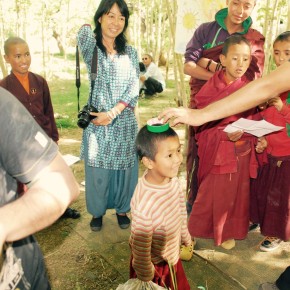
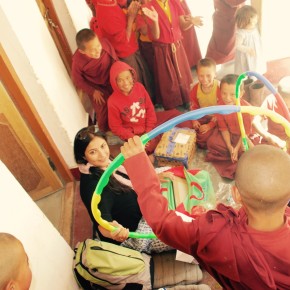
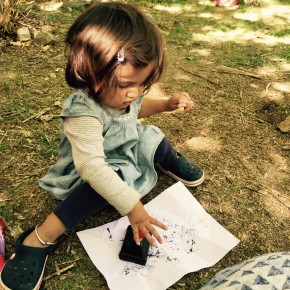
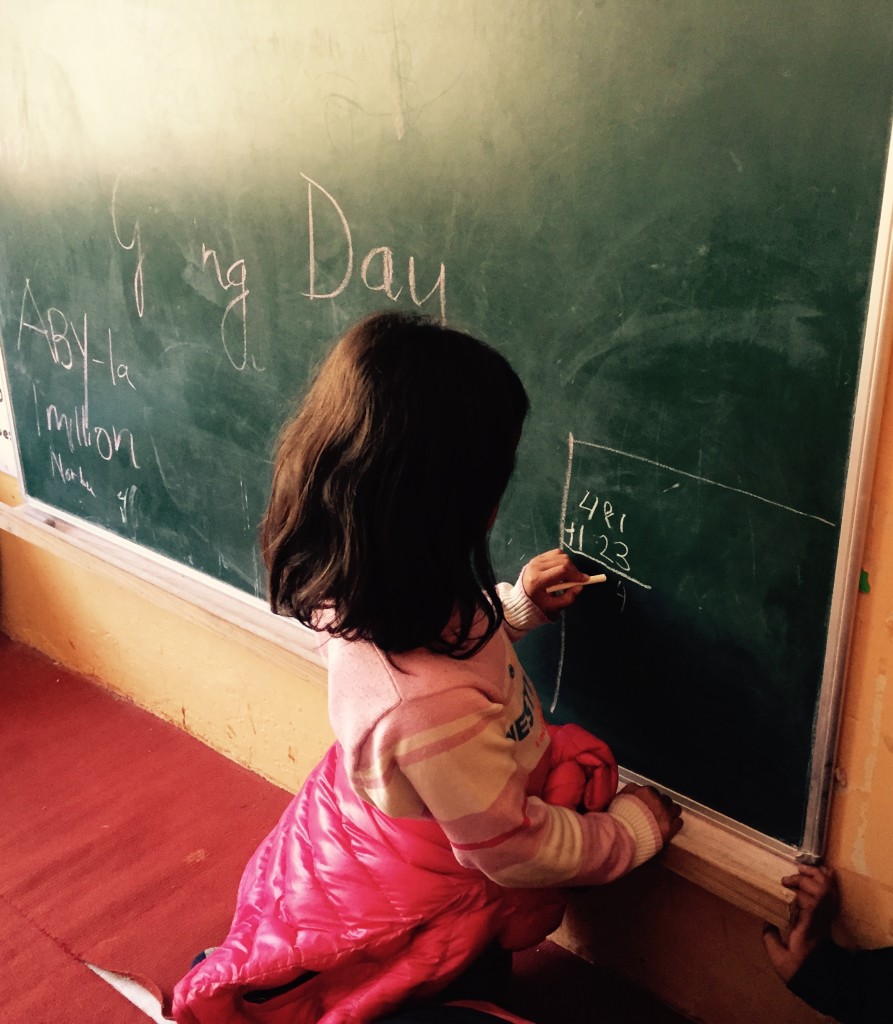
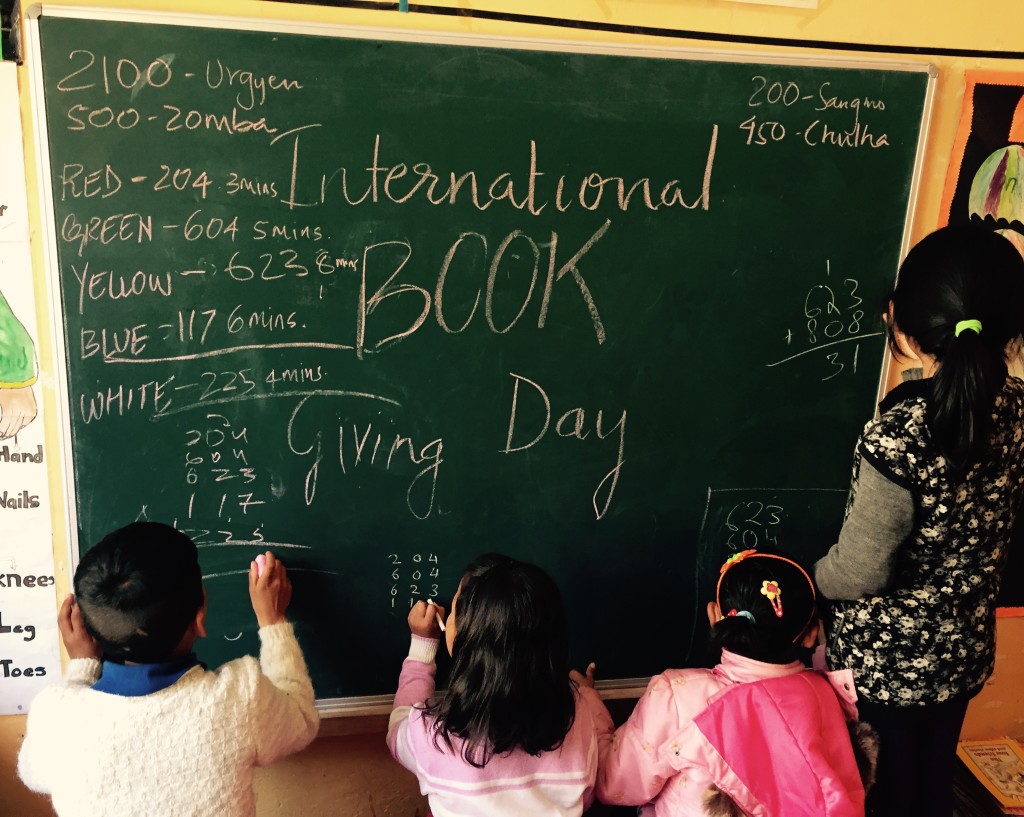
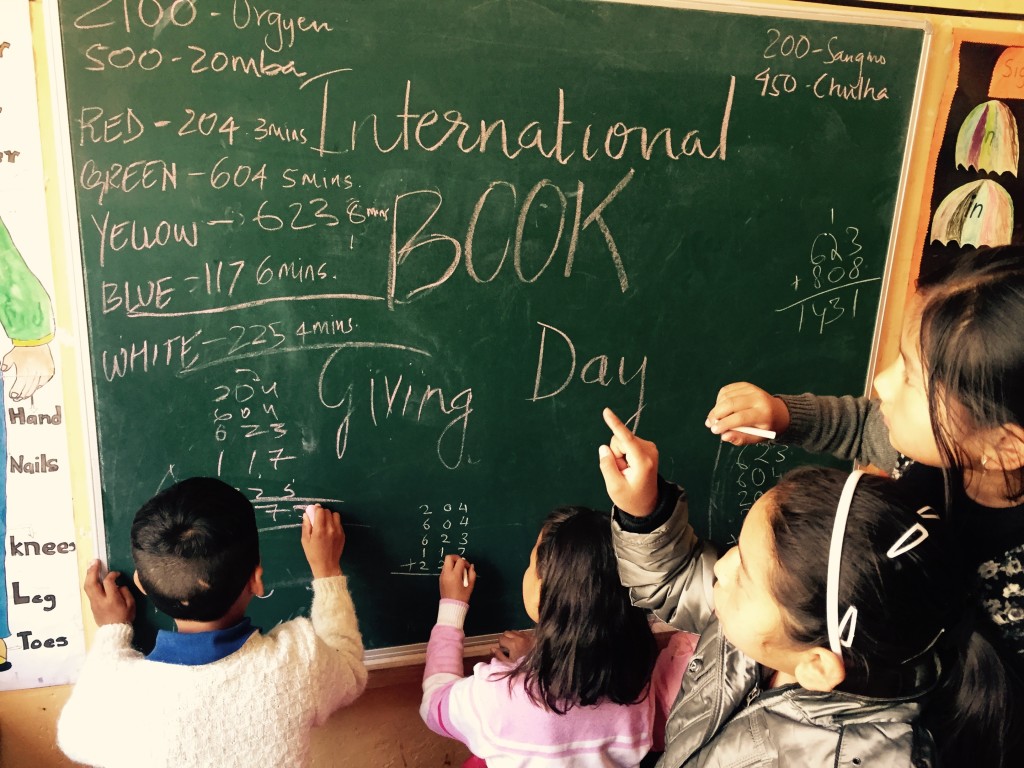
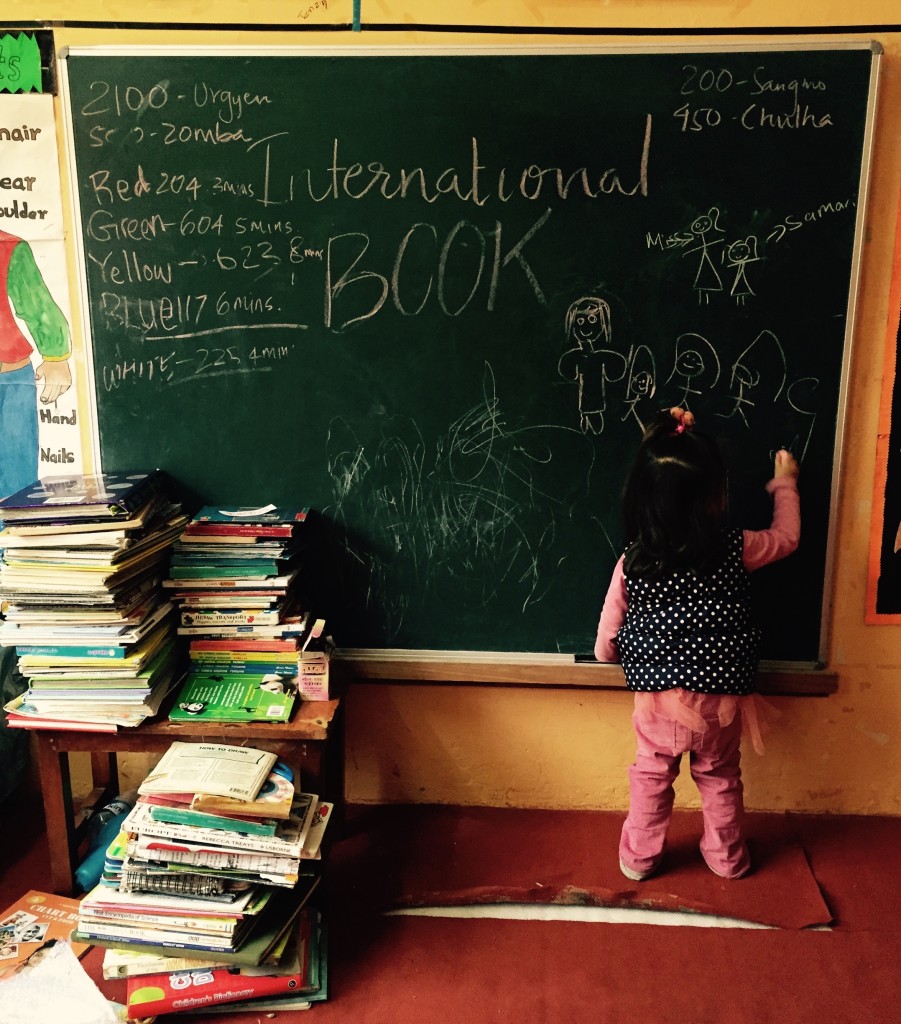
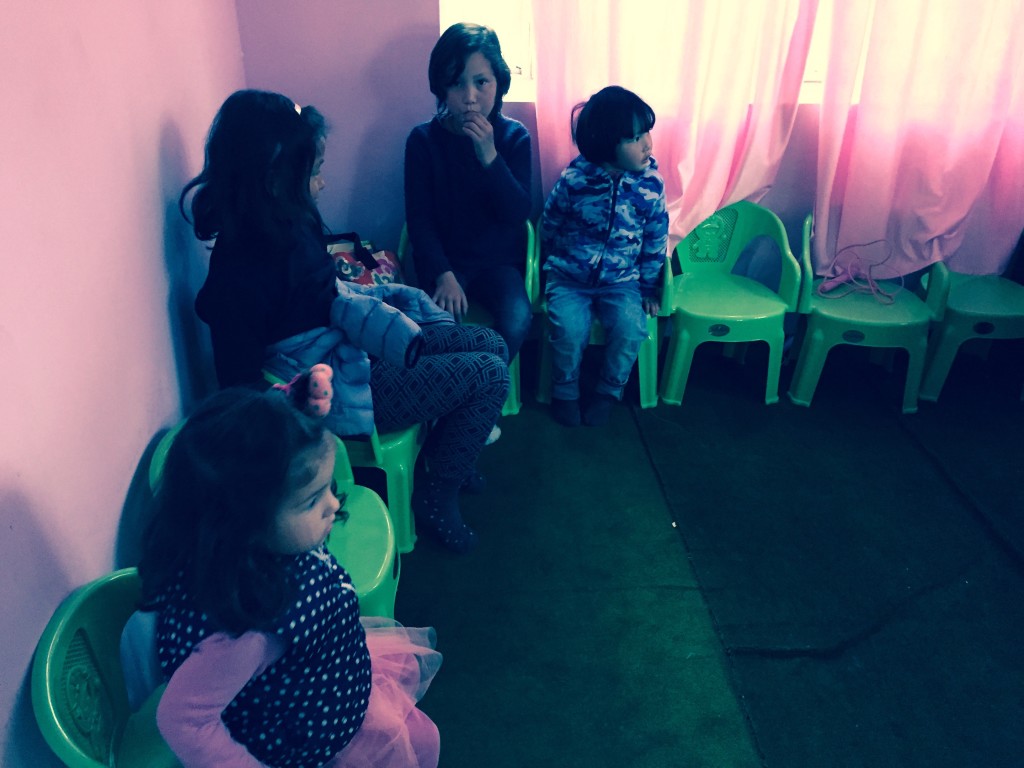
Reading grows stronger when children can respond to books in their own ways. After hearing a folk tale, they might draw a character, perform a scene, write a different ending, or compose a song. These activities help children understand what they read while building confidence in speaking, teamwork, and creative expression.
Art and music are central to the Trust’s educational work because they make learning active. A child who is hesitant to read aloud may feel comfortable joining a rhythm activity or illustrating a story. Over time, that participation can lead to greater curiosity and willingness to explore books independently.
Reading rooms can also host small exhibitions, poetry gatherings, book discussions, and seasonal workshops. Such events give families a reason to visit and allow children to share their work. They transform literacy from a solitary task into a visible, joyful part of community life.
Supporting a Sustainable Westward Journey
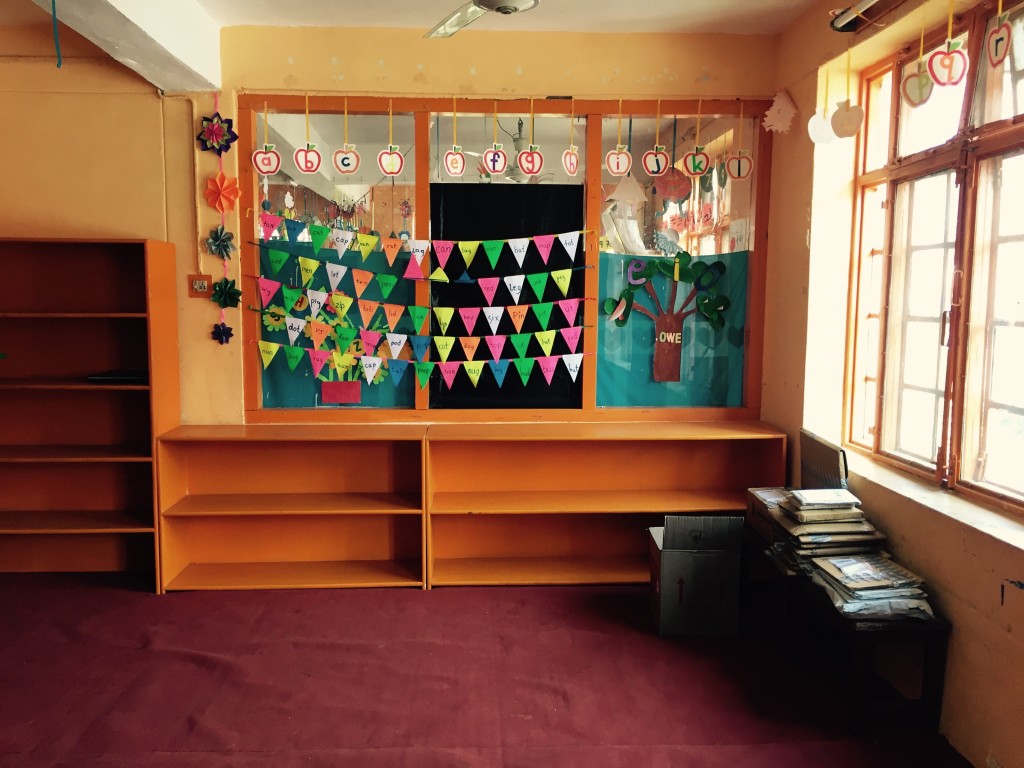
Expansion requires reliable support for transportation, shelving, room preparation, book selection, volunteer coordination, and local activities. Donors can help fund individual reading rooms, contribute to book drives, or support educational materials that are often overlooked in standard donations. Every contribution becomes more valuable when it is paired with careful planning.
Volunteers can contribute in several ways. Some may sort and catalog books before shipment. Others may help create reading lists, lead storytelling sessions, document activities, or support arts and music workshops. Volunteers who understand children’s literature, education, library work, or community development can offer especially useful guidance.
The Trust will also continue sharing stories and photographs from its work, with appropriate care for children’s privacy and dignity. Clear updates help supporters see how resources are used and how reading rooms develop over time. They also celebrate the children, teachers, monks, families, and local partners whose efforts give each space its character.
Ways To Strengthen The Reading Room Network
- Donate new or gently used children’s books that are clean, durable, and suited to different reading levels.
- Sponsor shelves, floor cushions, art materials, musical instruments, or other practical items for a community learning space.
- Join a book-sorting, storytelling, creative education, or documentation effort as a volunteer.
- Recommend multilingual titles and locally relevant resources for children in Ladakh and Kargil.
- Share the Trust’s reading room work with schools, libraries, community groups, and responsible donors.
The journey from Leh to Kargil is a gradual effort built through relationships. Each book delivered, shelf organized, workshop held, and child welcomed contributes to a wider culture of learning across the mountains. With local guidance and sustained support, new reading rooms can become lasting places of discovery for children and young monks.
Support Avalokiteśvara Trust as it extends access to books and creative learning westward. Donate to a book drive, volunteer your skills, or help connect the Trust with people who believe every child deserves a welcoming place to read.