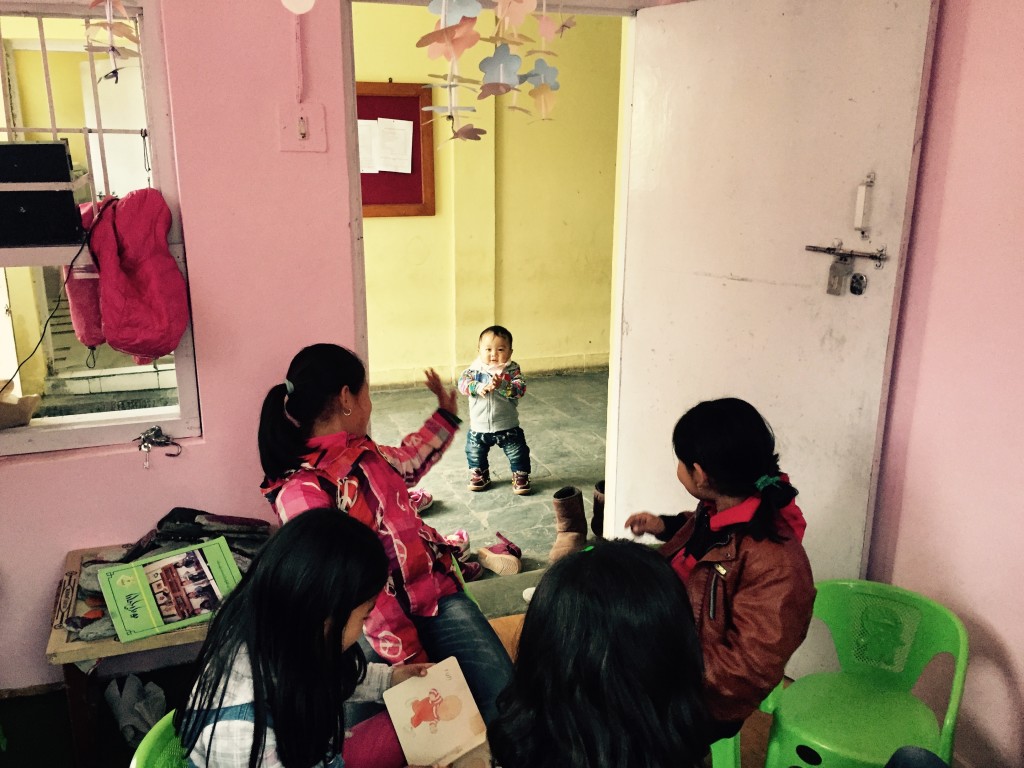
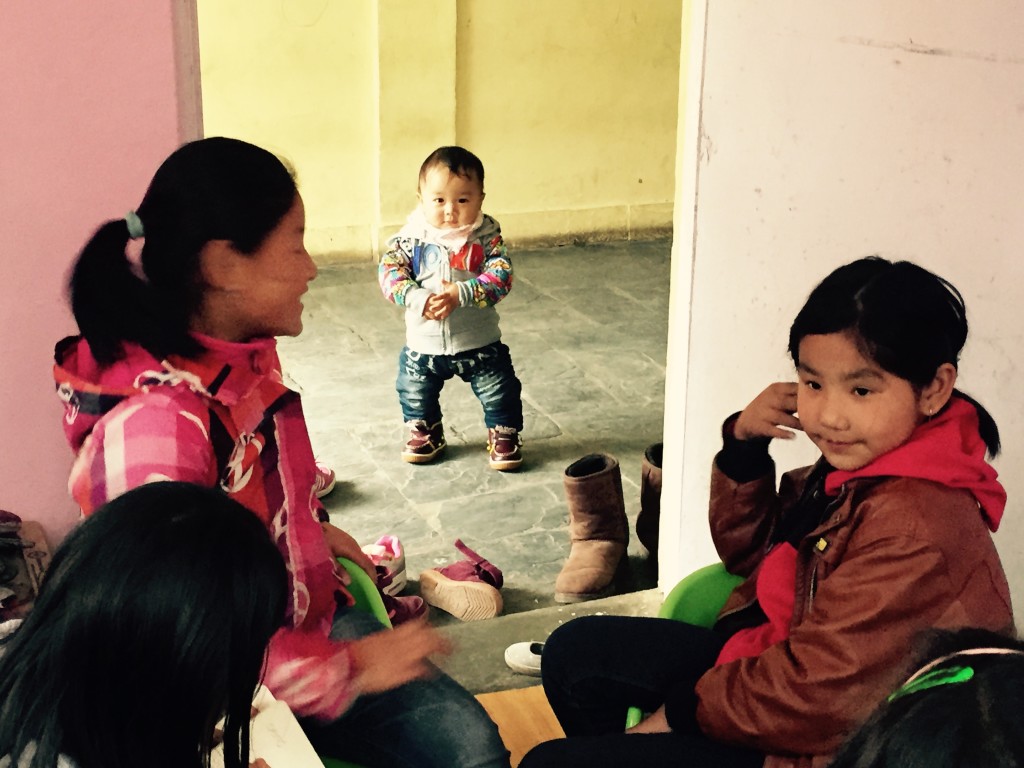
Where Stories Make Room For Healing
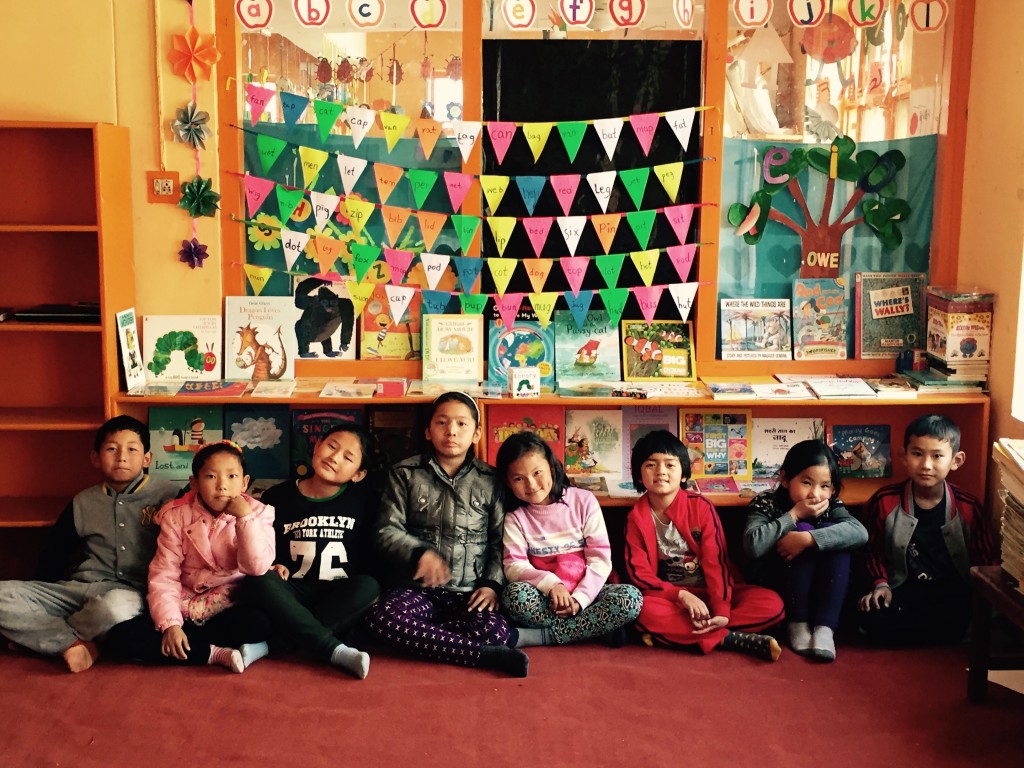
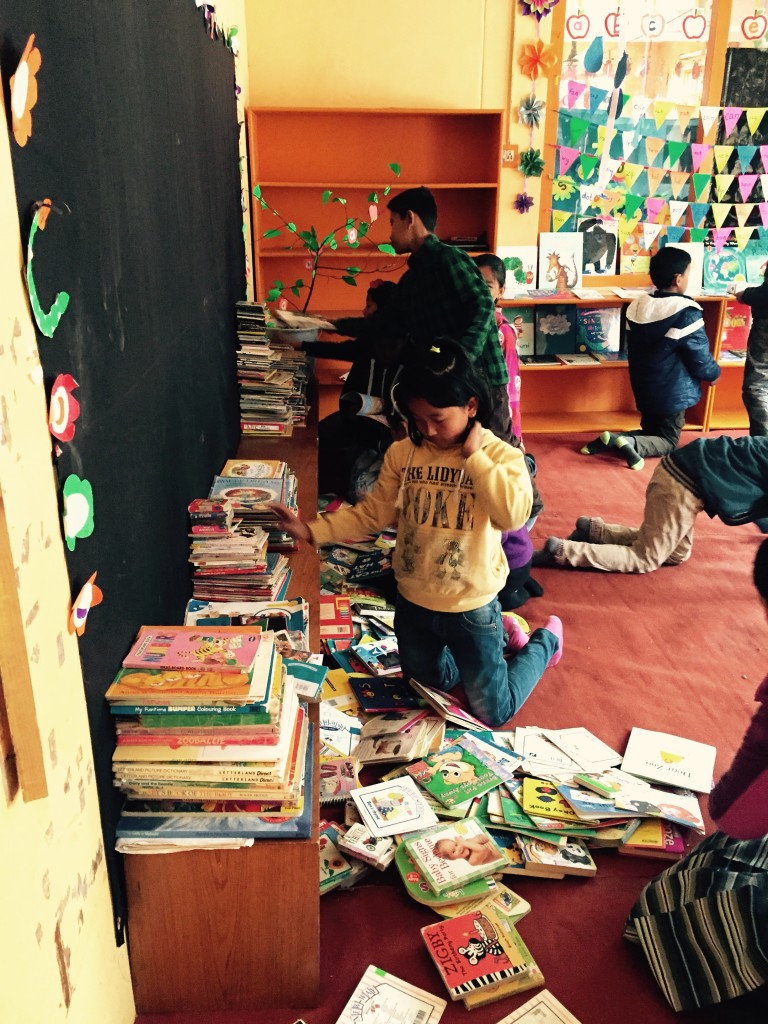
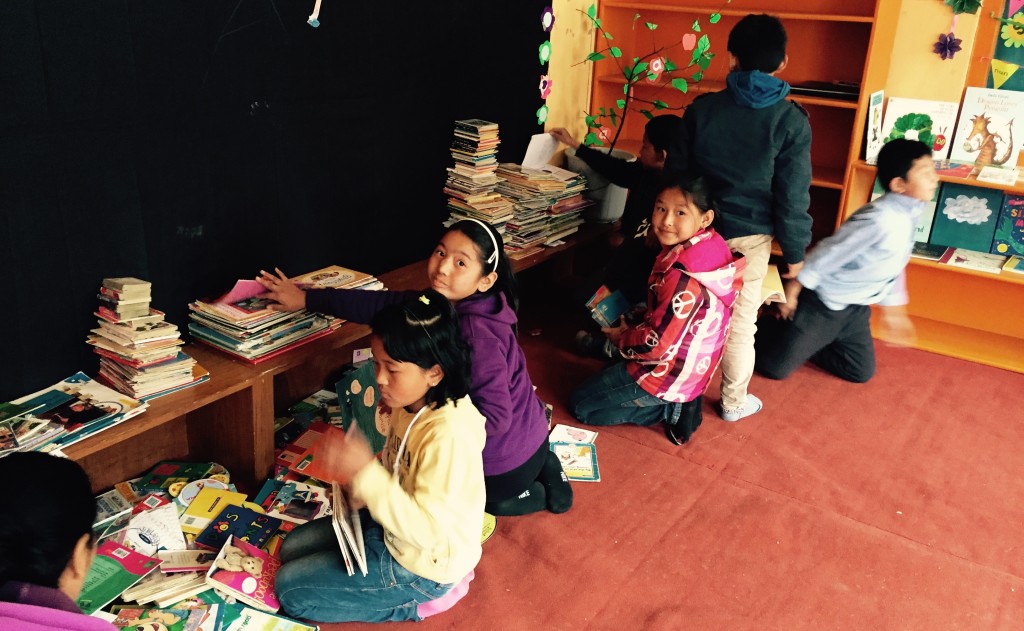
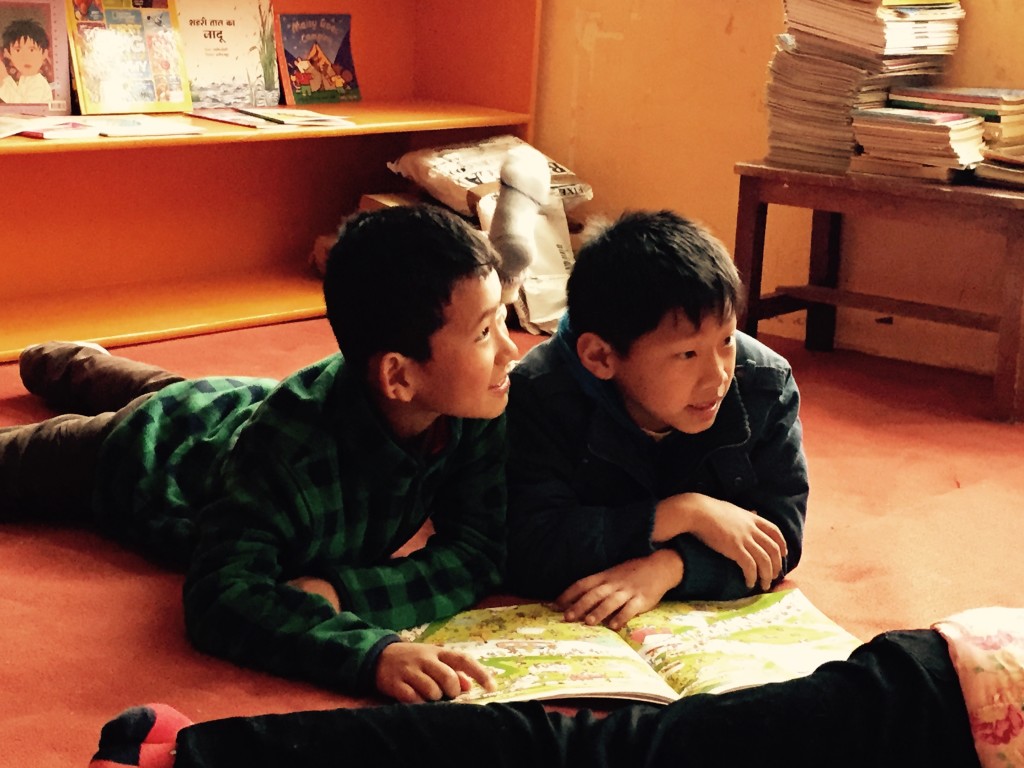
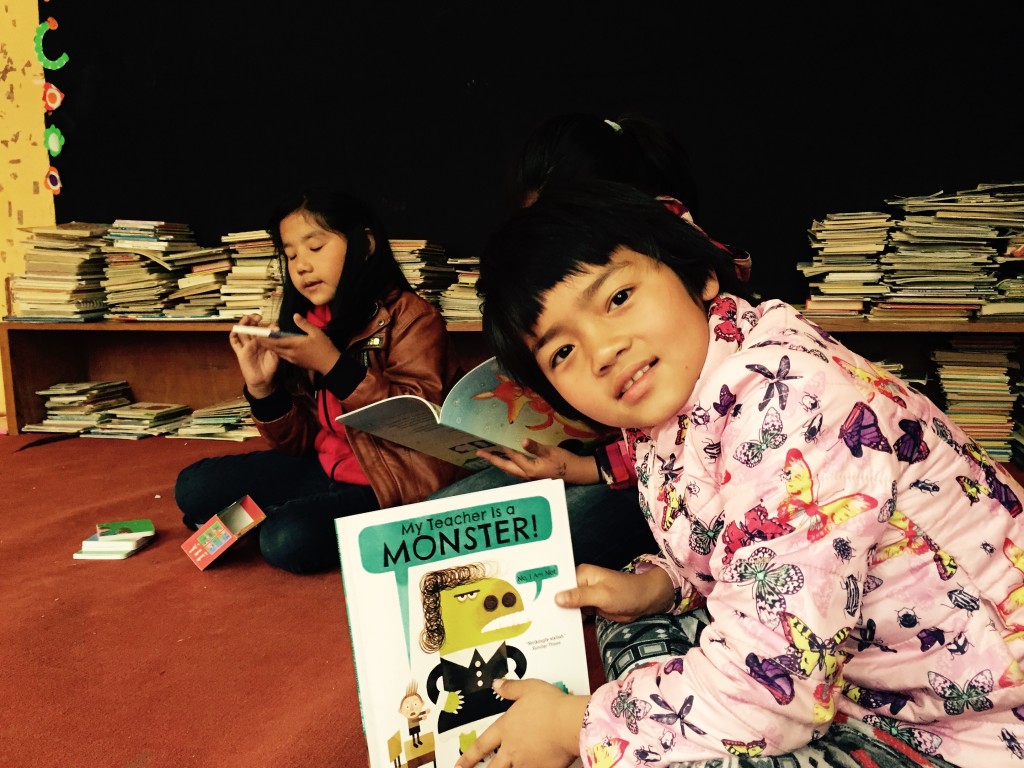
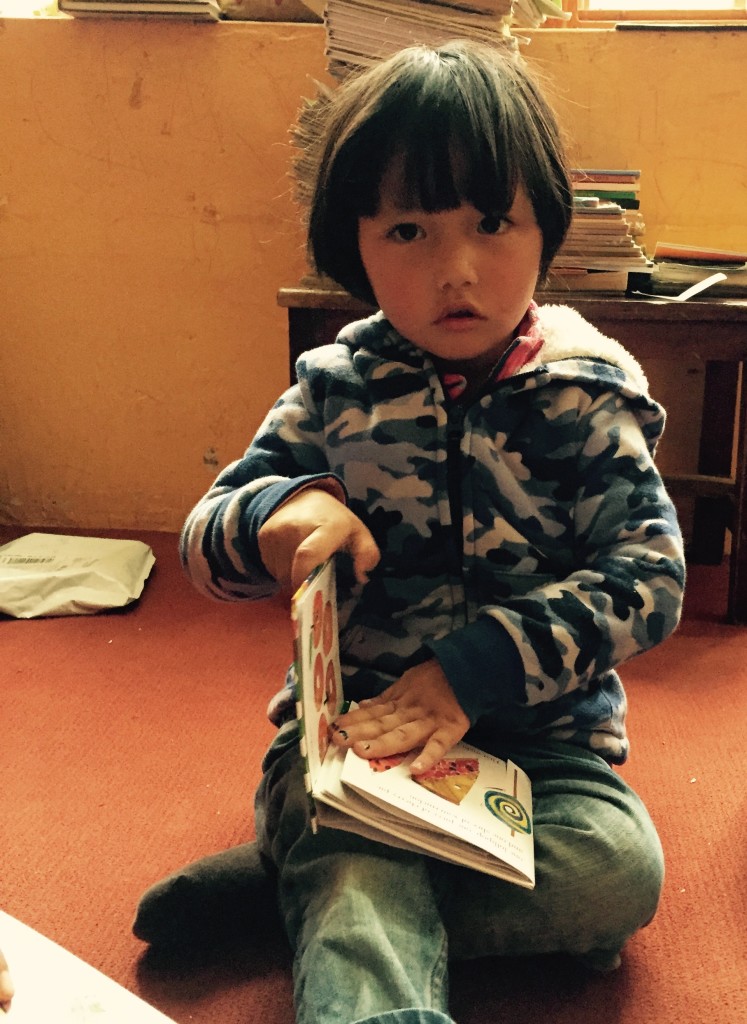
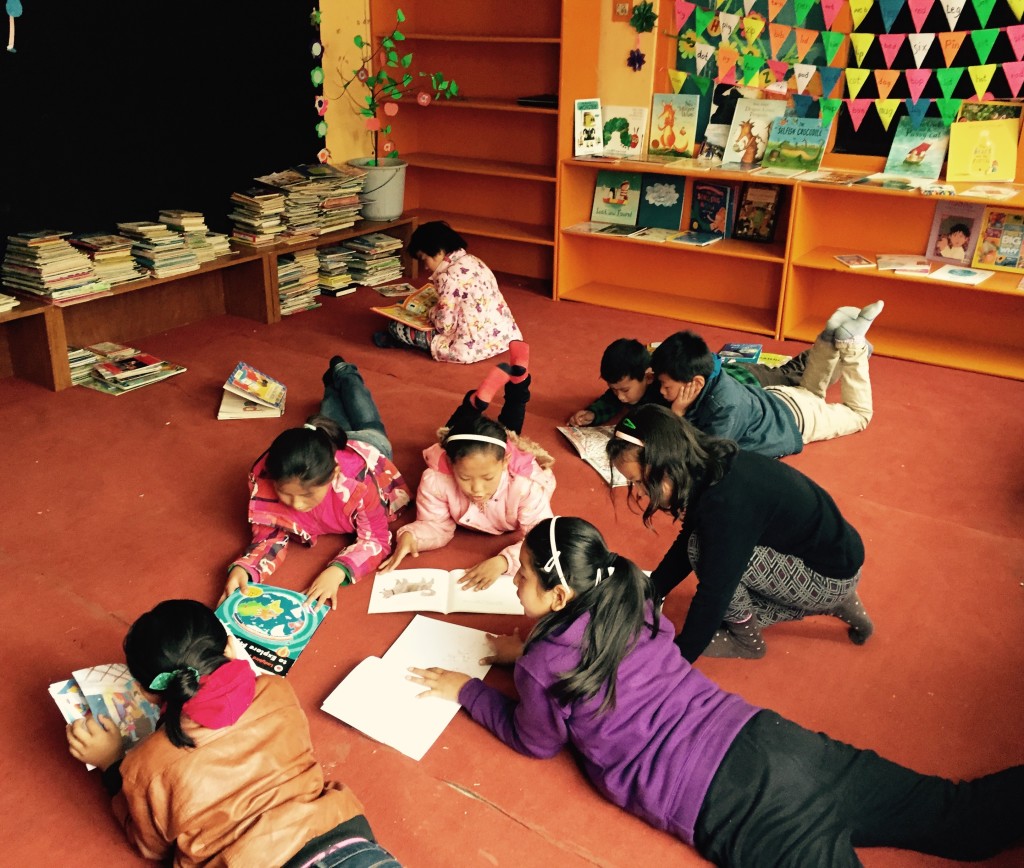
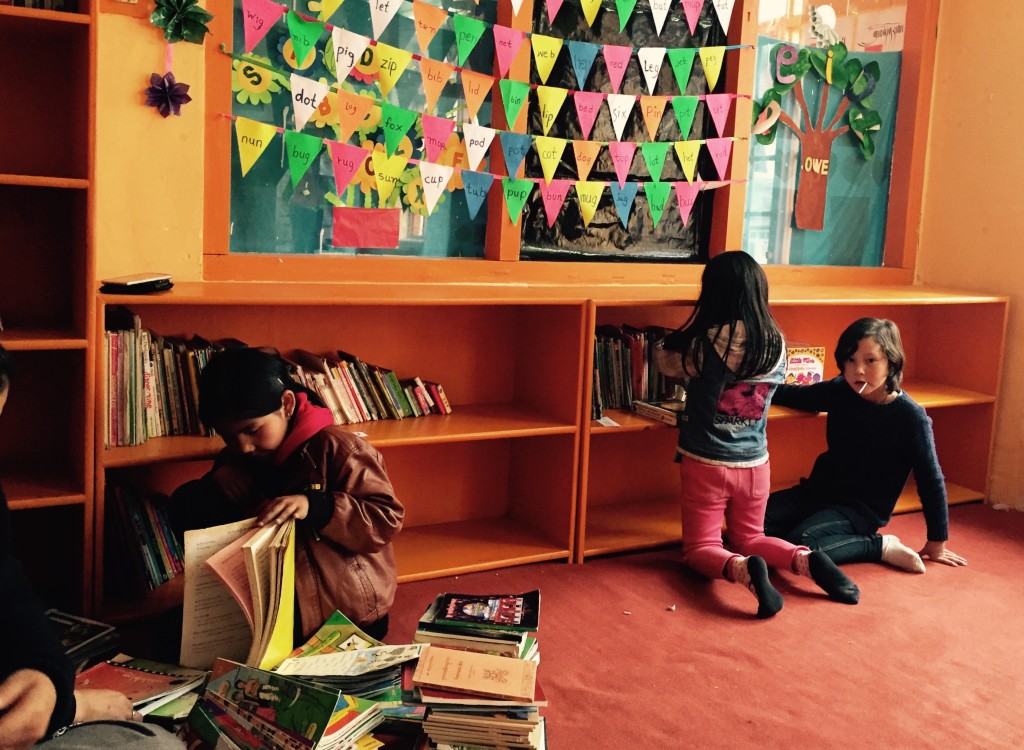
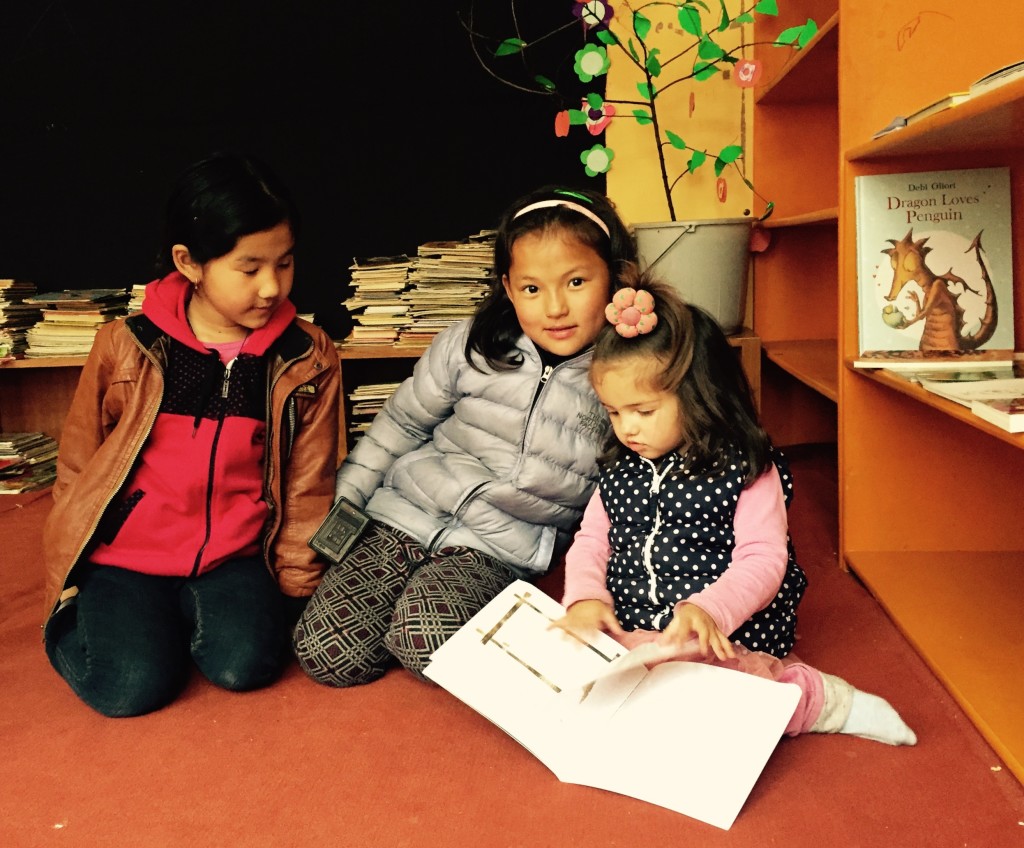
A quiet room filled with books can become much more than a place to read. For a child living with loss, displacement, fear, or prolonged uncertainty, it can offer a steady environment where daily life feels understandable again. Familiar shelves, kind adults, and a predictable routine create small points of safety.
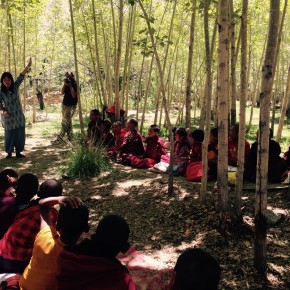
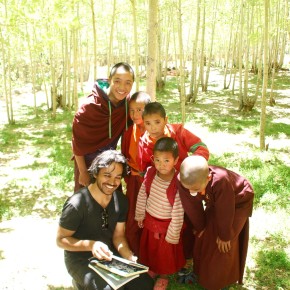
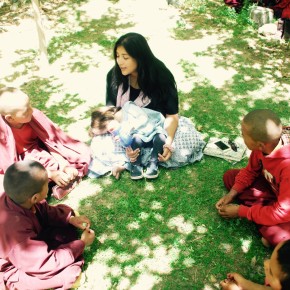
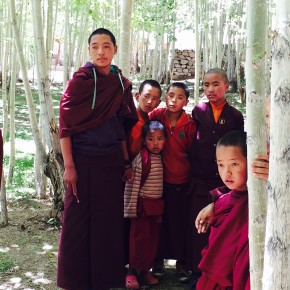
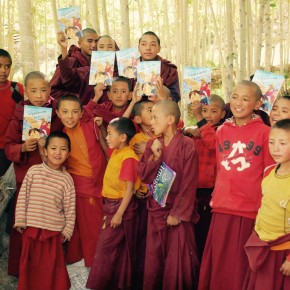
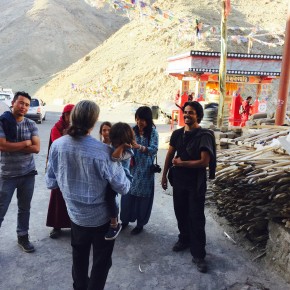
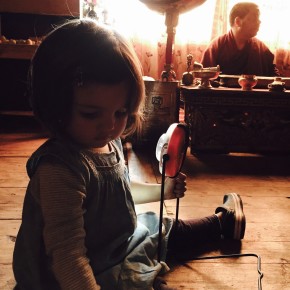
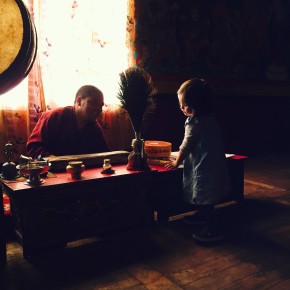
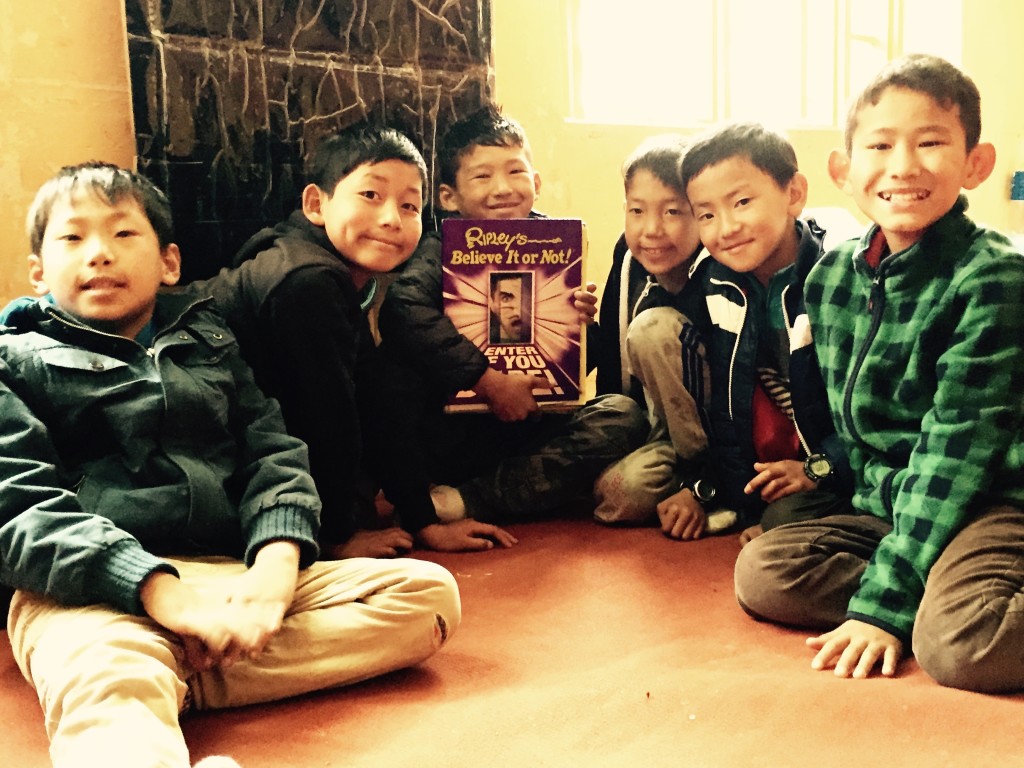
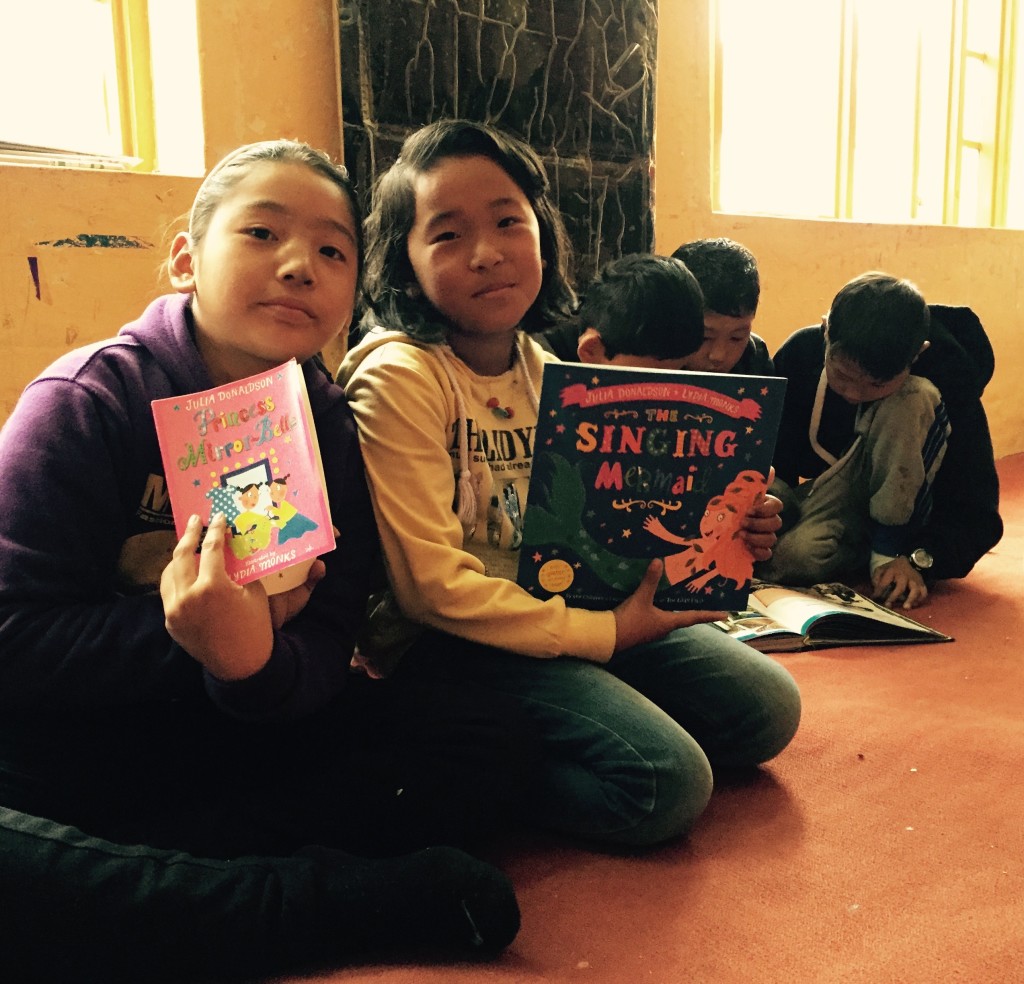
In Himalayan communities, including Ladakh, children may face pressures connected to family separation, poverty, difficult journeys, social change, or limited access to educational resources. Young monks may also live away from their families while adapting to a demanding communal and spiritual life. A reading room cannot remove these experiences, but it can give children space to process them at their own pace.
Through books, creative activities, and trusted relationships, children can rediscover curiosity. That sense of possibility matters. Healing often begins with simple experiences: choosing a story, drawing a picture, being heard, or returning to a welcoming room the next day.
Safety Begins With Predictability
Children affected by trauma often benefit from environments where expectations are clear and adults behave consistently. A reading room can establish this kind of emotional safety through regular opening hours, familiar faces, accessible materials, and simple routines. Knowing where books belong, how activities begin, and whom to approach for help can reduce anxiety.
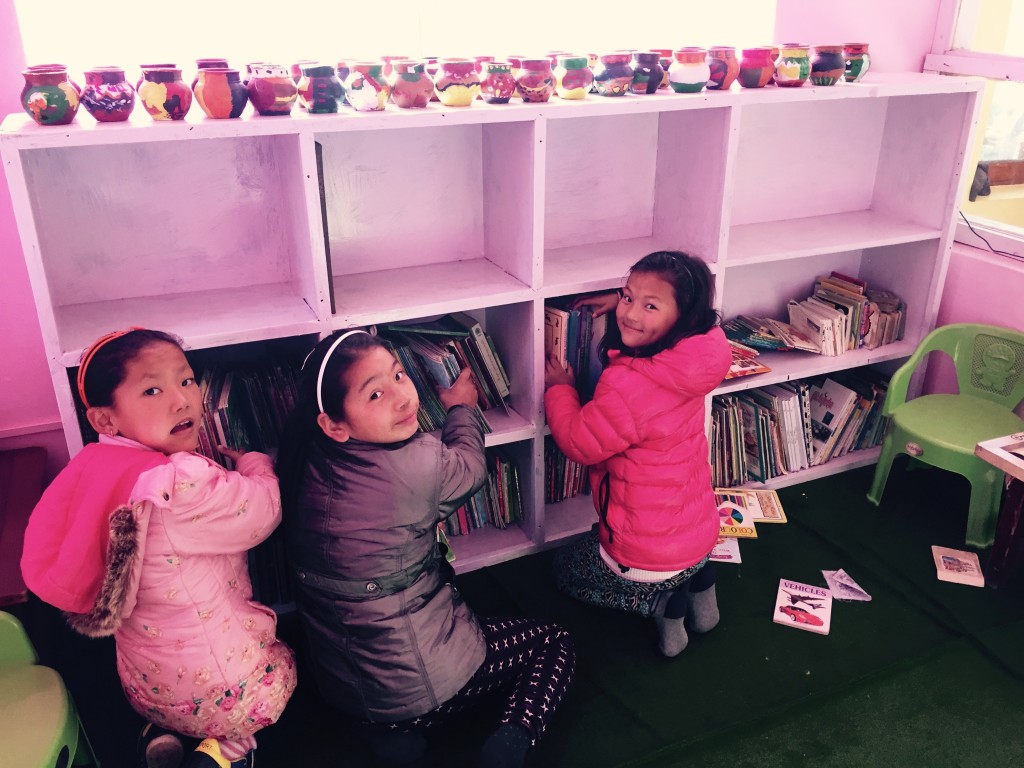
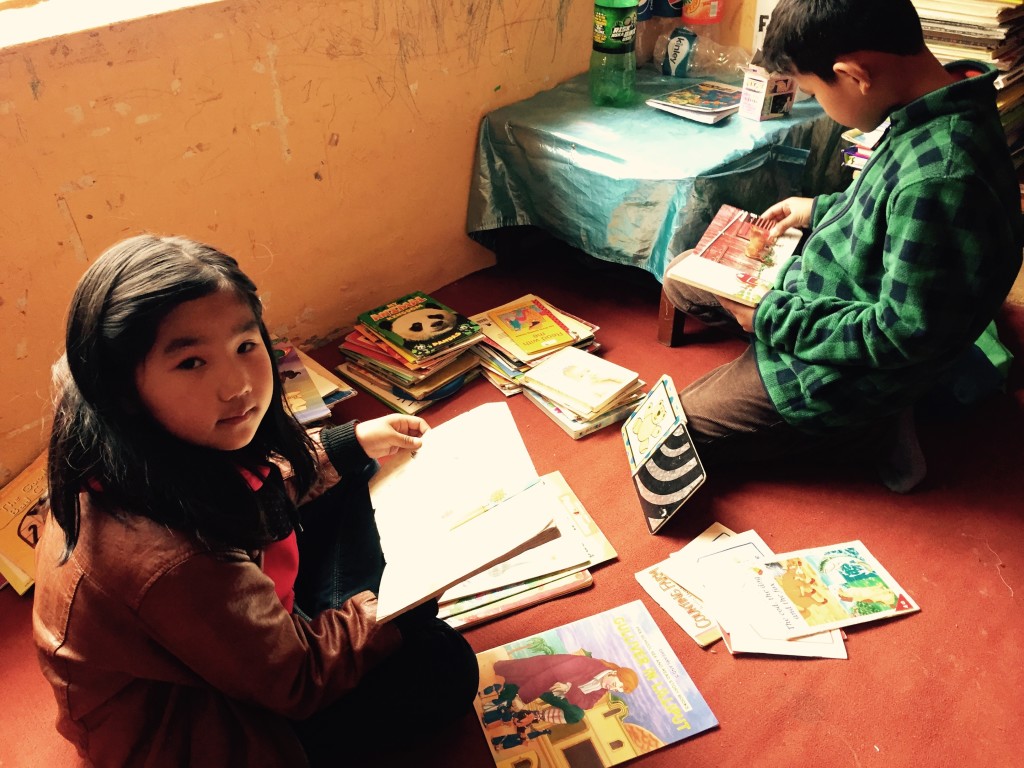
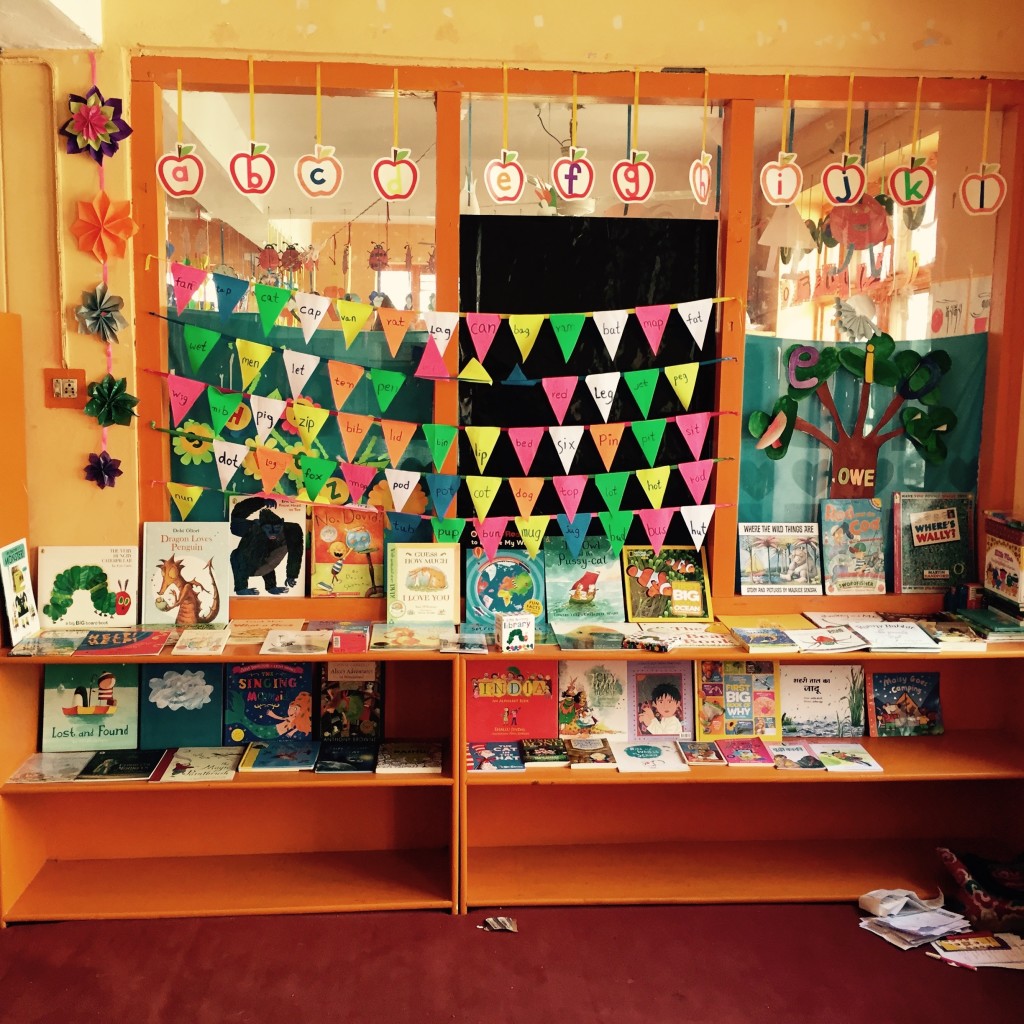
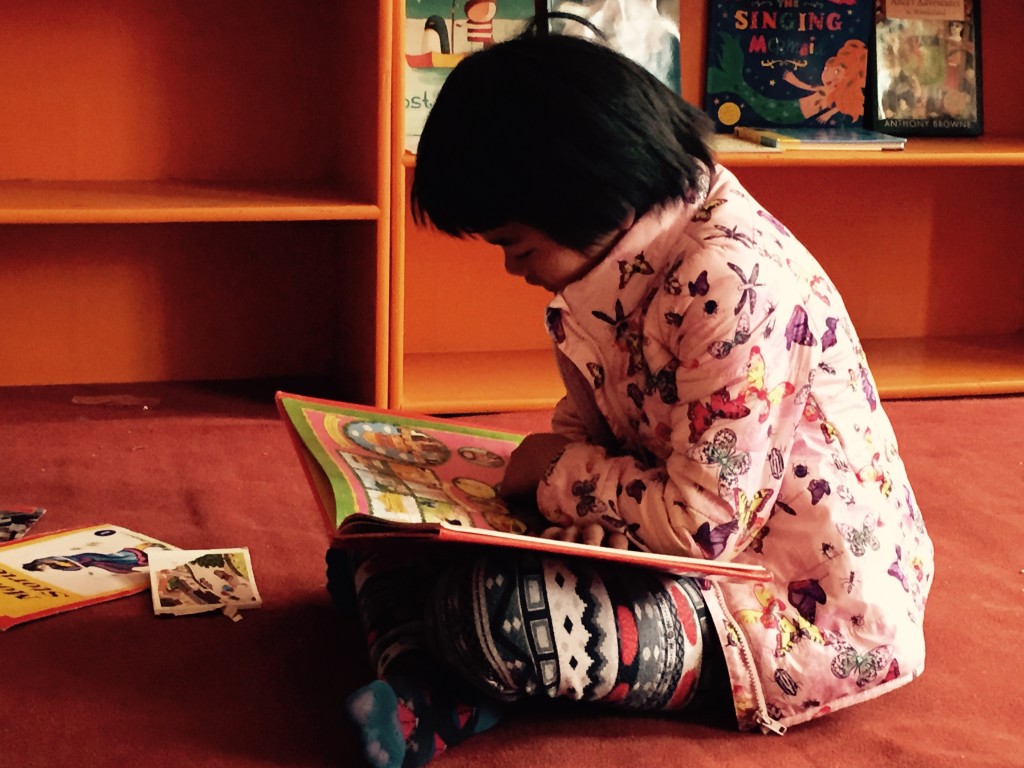
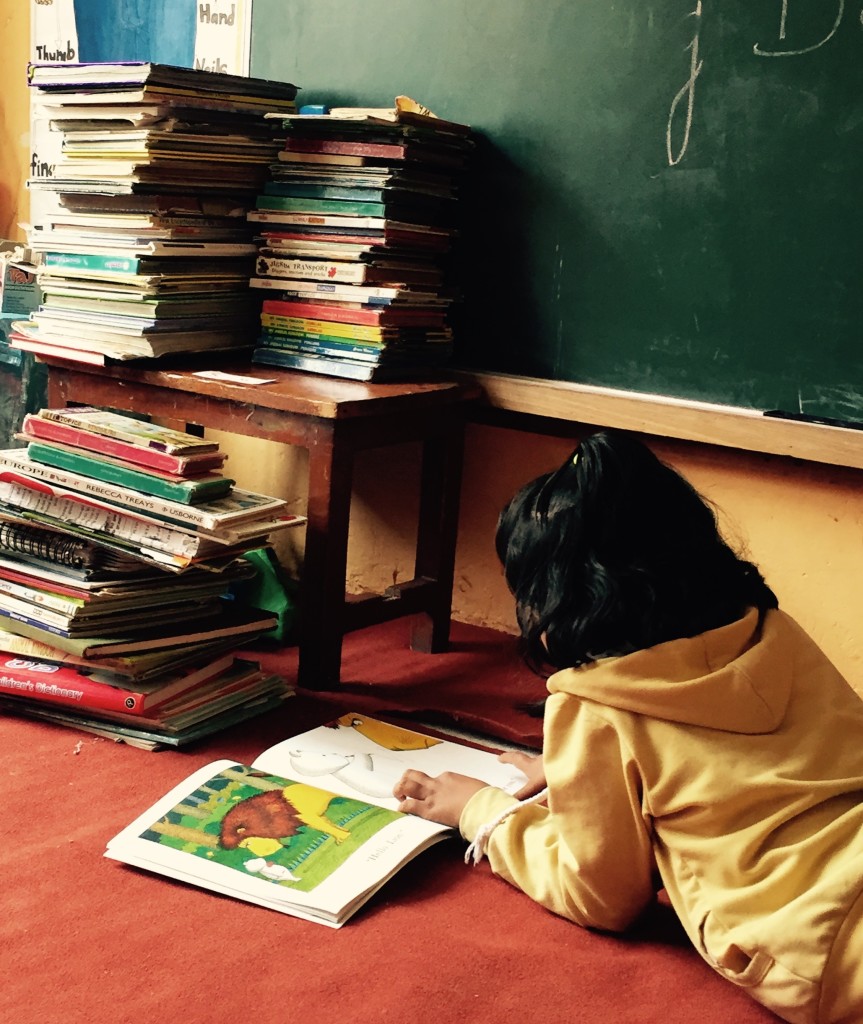
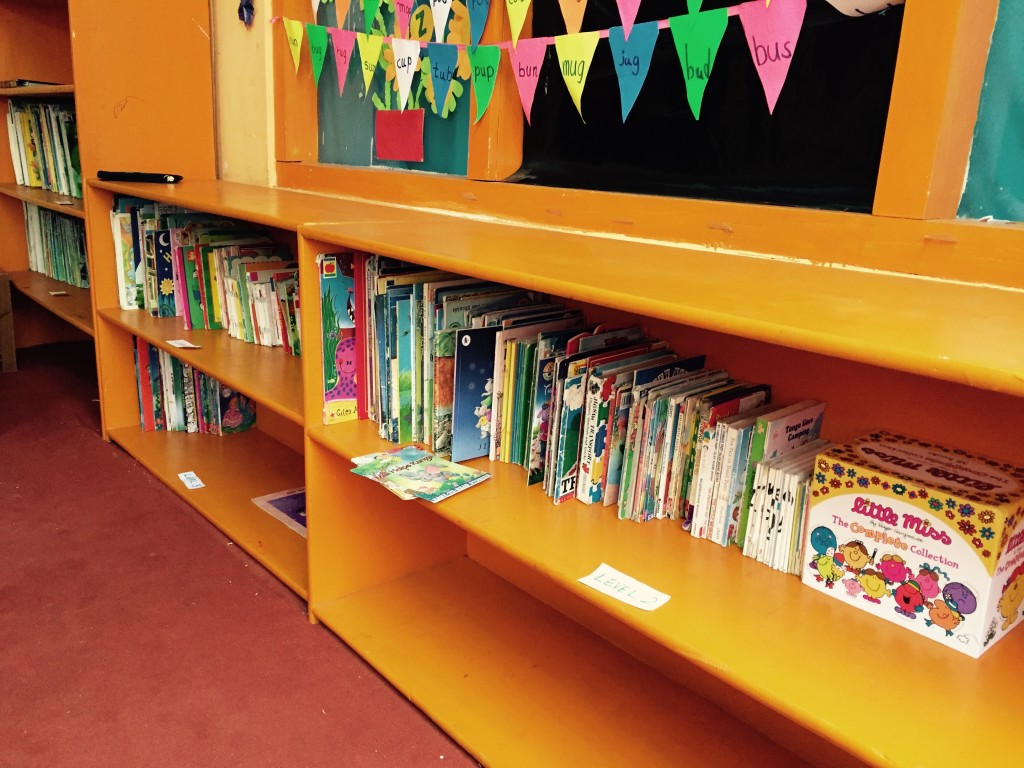
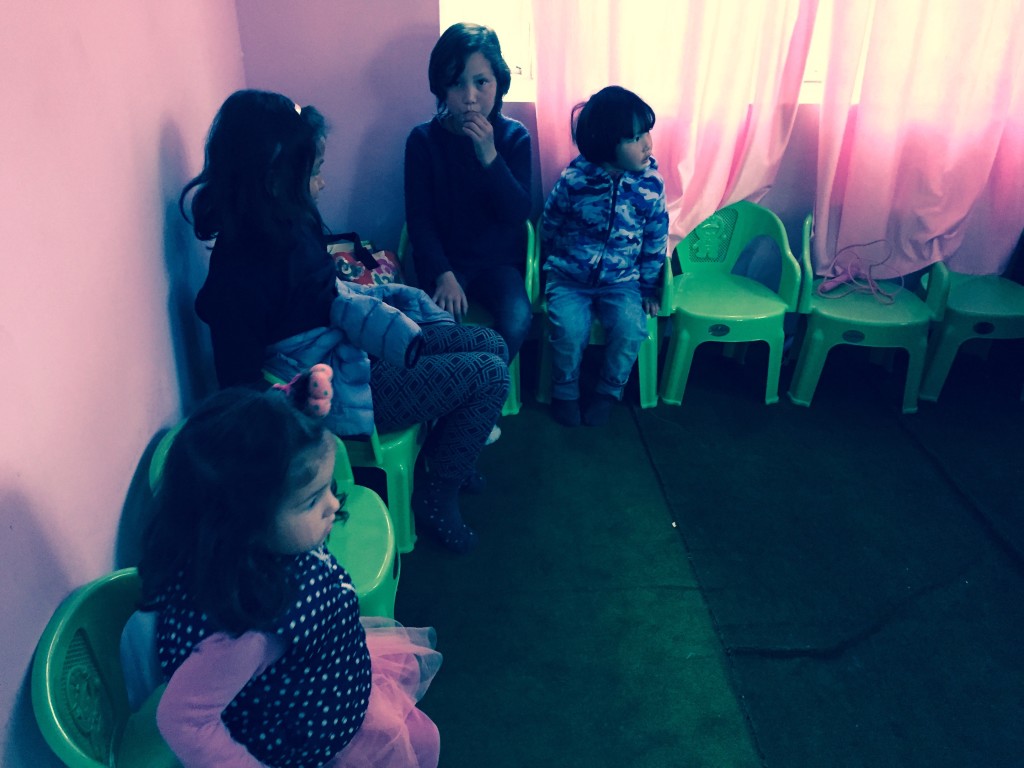
The physical design also matters. Comfortable seating, good lighting, uncluttered shelves, and a quiet corner allow children to choose how they participate. Some may want to read aloud with a group, while others need time alone with a picture book. Giving children appropriate choices helps restore a sense of control that difficult experiences may have taken away.
A safe learning space should also have clear safeguarding practices. Staff and volunteers need to understand boundaries, respectful communication, confidentiality, and the process for responding to concerns. Warmth is important, but responsible care gives that warmth a dependable structure.
Stories Help Children Name Difficult Feelings
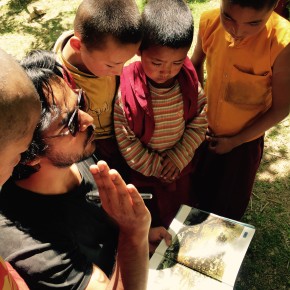
Books give children language for experiences that may otherwise feel confusing or overwhelming. A character who is lonely, frightened, angry, or hopeful can help a child recognize similar emotions without having to describe personal events directly. This distance makes stories a gentle tool for emotional learning.
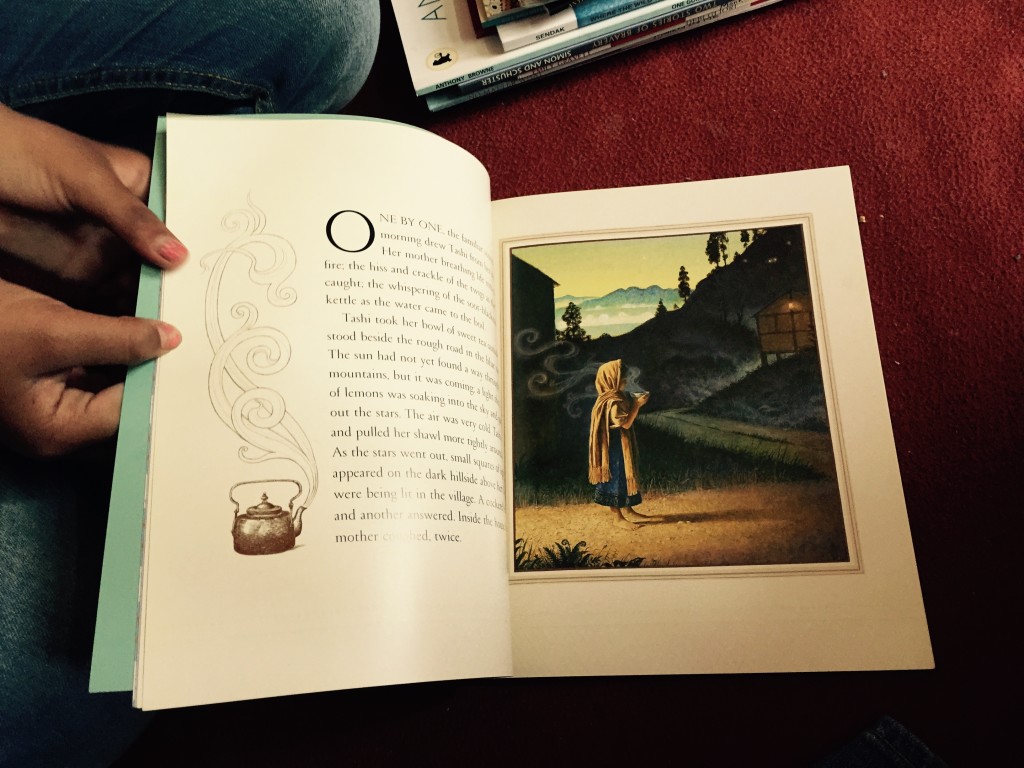
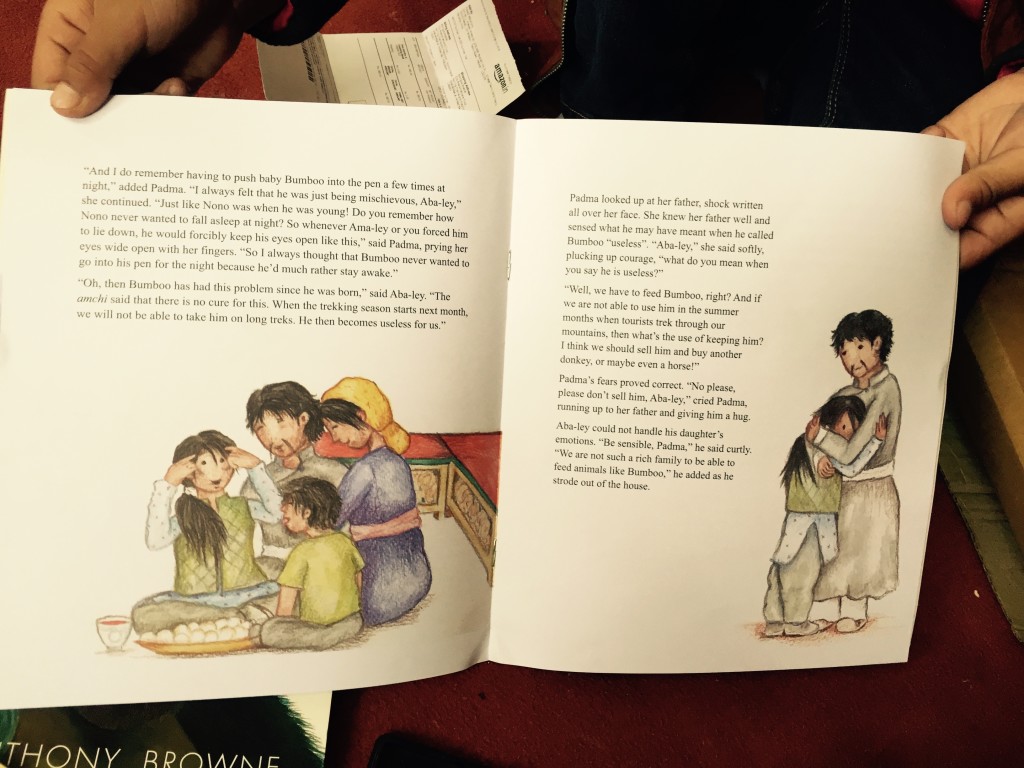
Picture books, folktales, biographies, and novels can show many ways of responding to change. A child may find comfort in a story about friendship, identify with a character who starts again in a new place, or gain courage from a tale in which patience and cooperation resolve a problem. The value is not in forcing a particular lesson, but in allowing children to find meaning for themselves.
Adults can support this process by asking open, low-pressure questions about the story rather than demanding personal disclosures. “What do you think this character needs?” may feel safer than “Has this happened to you?” Listening carefully and accepting silence are part of trauma-sensitive reading support.
Creative Activities Expand The Path To Recovery
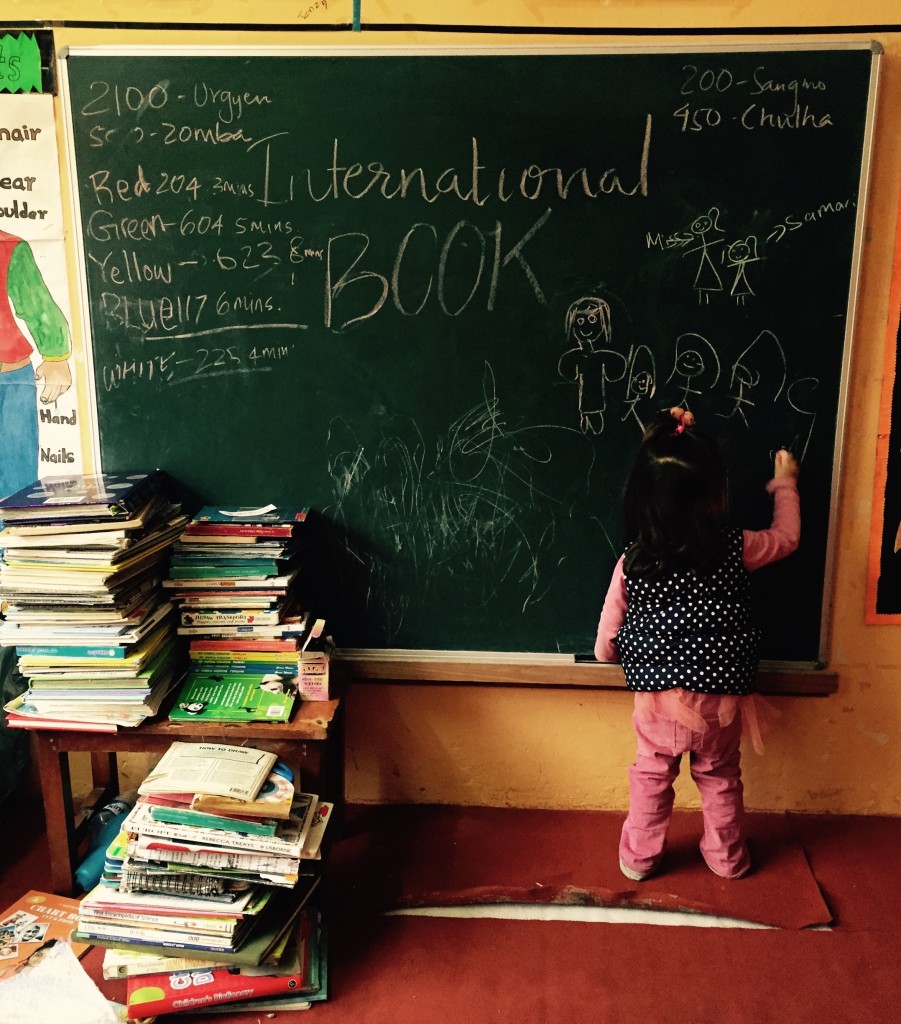
Reading rooms become richer when books connect with art, music, drama, and play. Children who struggle to express themselves in conversation may communicate through color, rhythm, movement, or imaginative storytelling. These activities give them multiple ways to explore emotions and rebuild confidence.
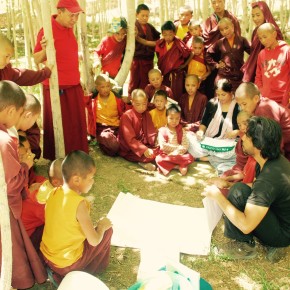
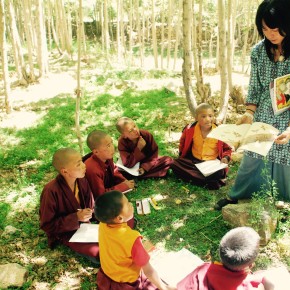
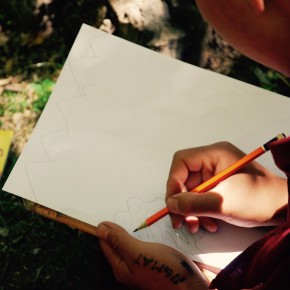
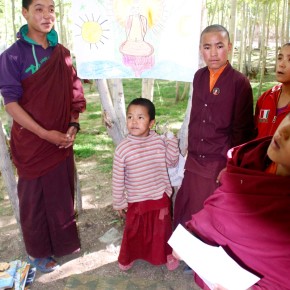
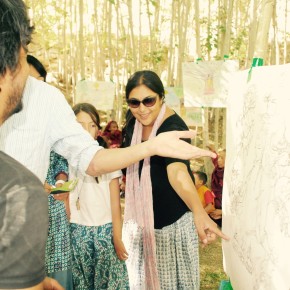
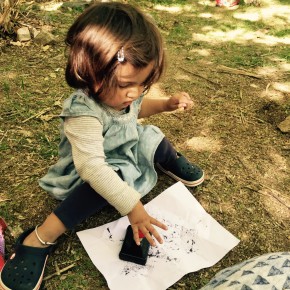
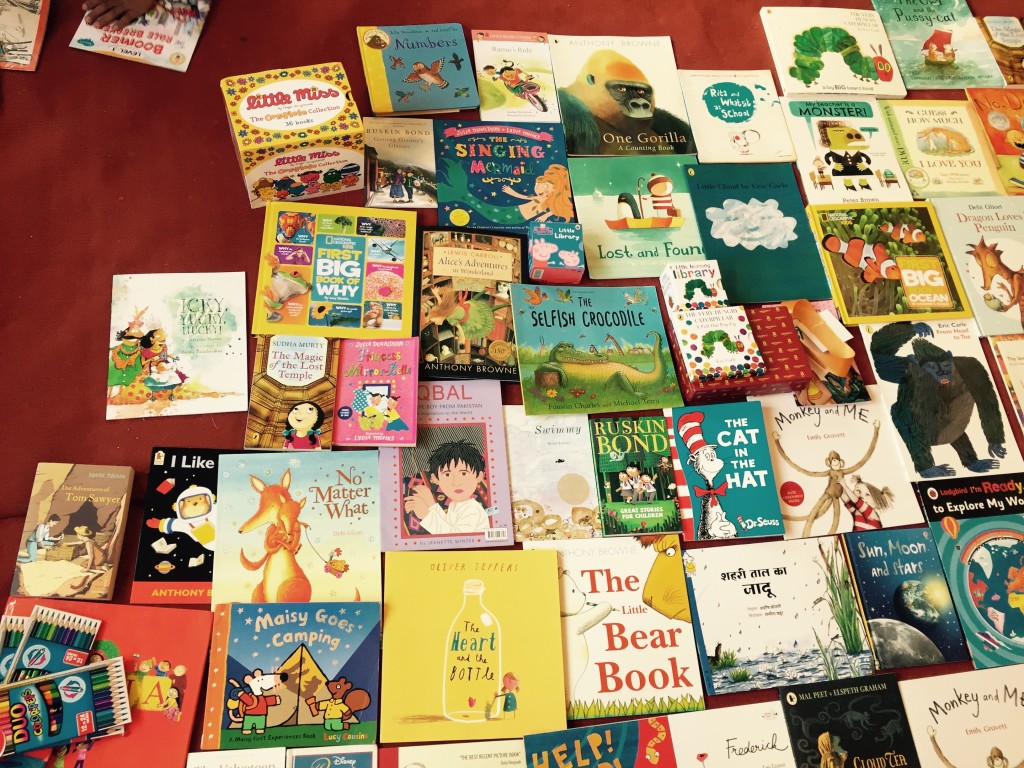
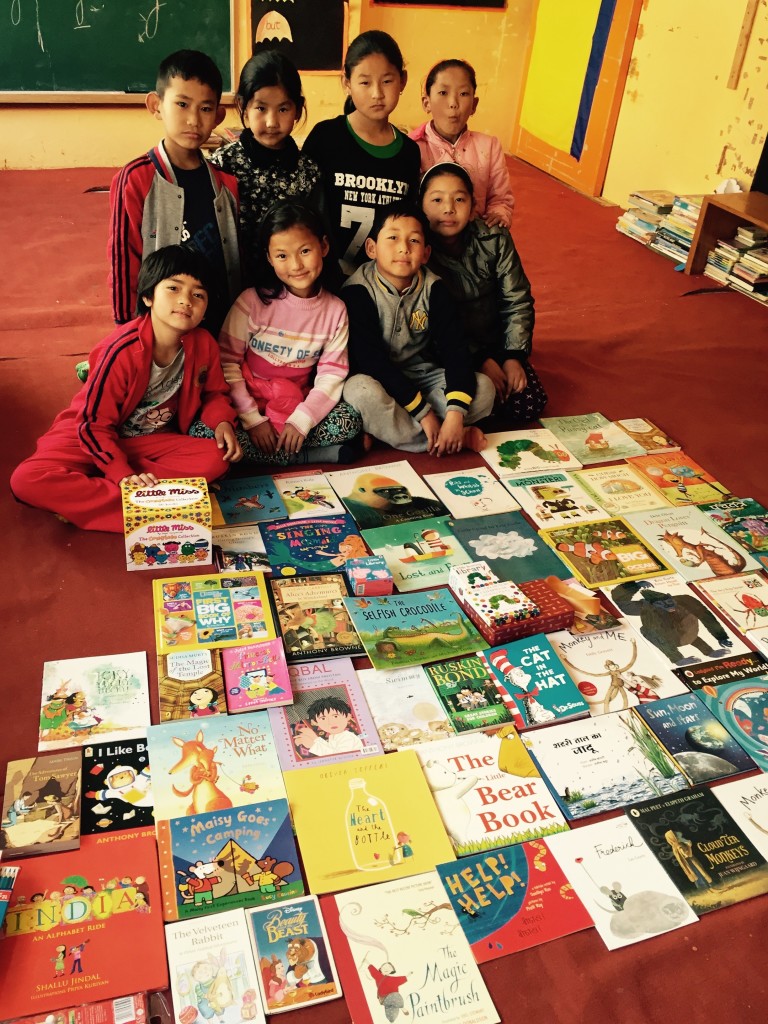
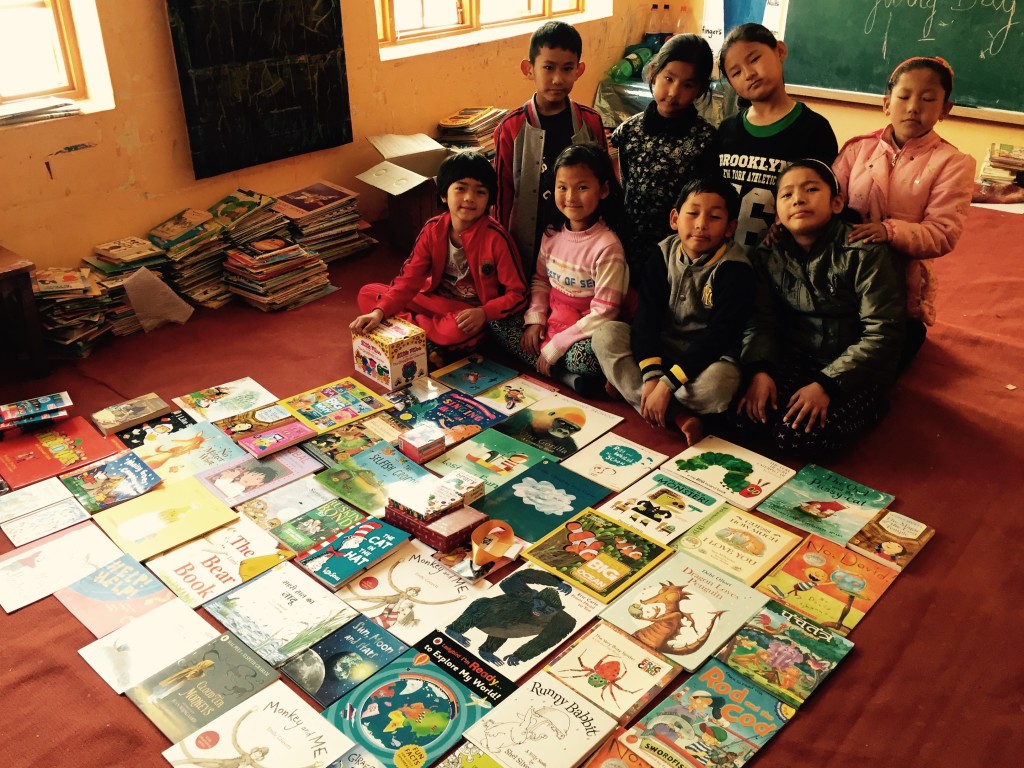
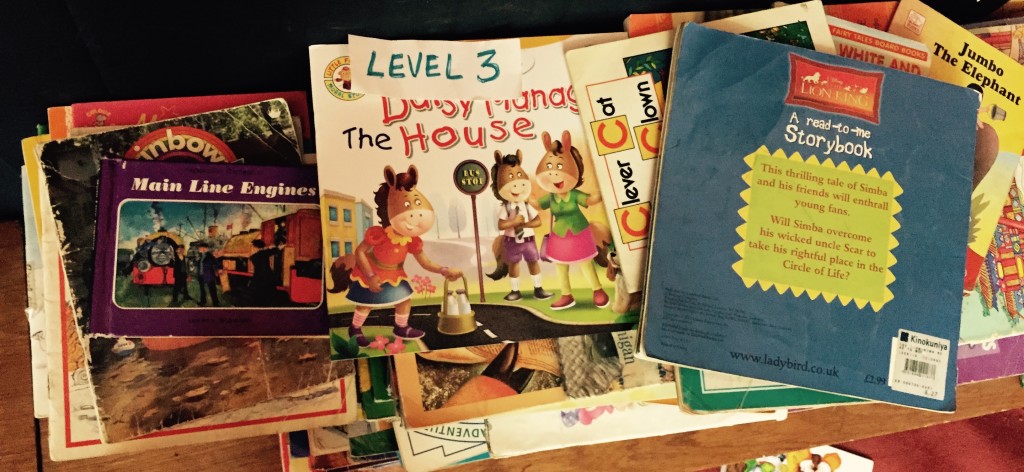
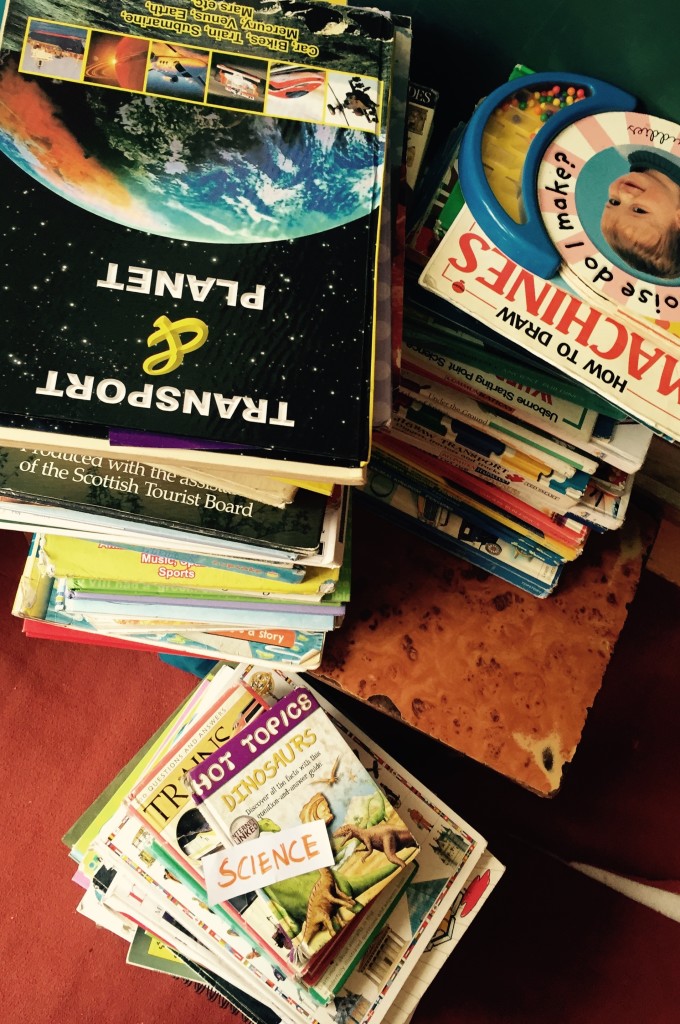
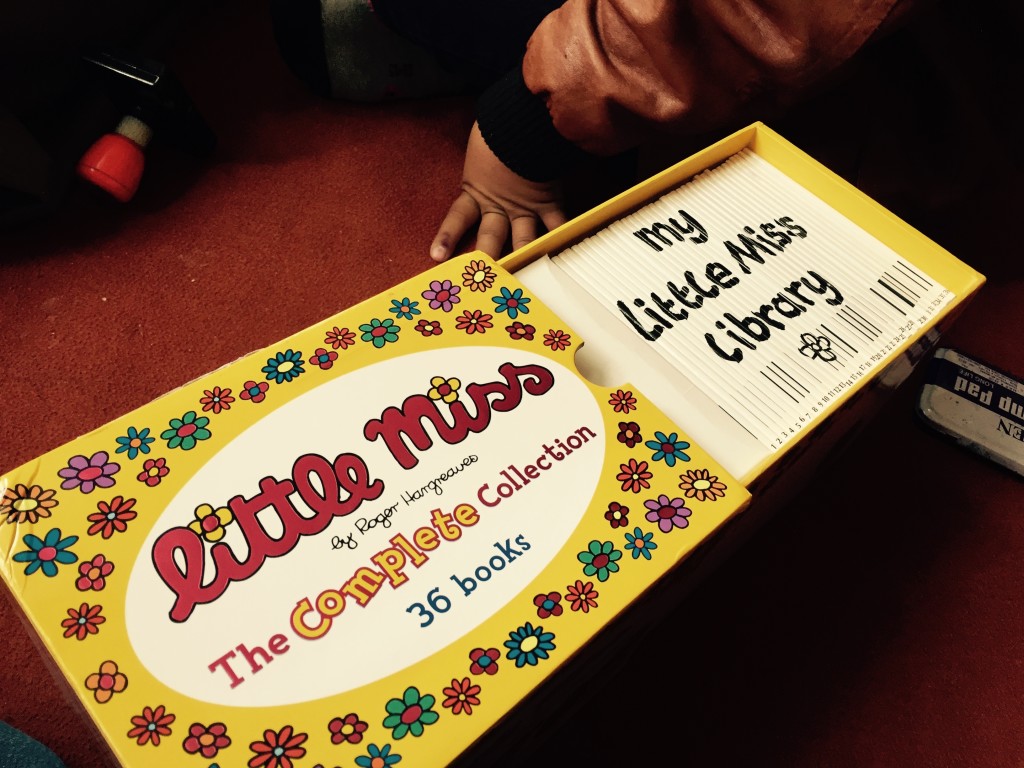
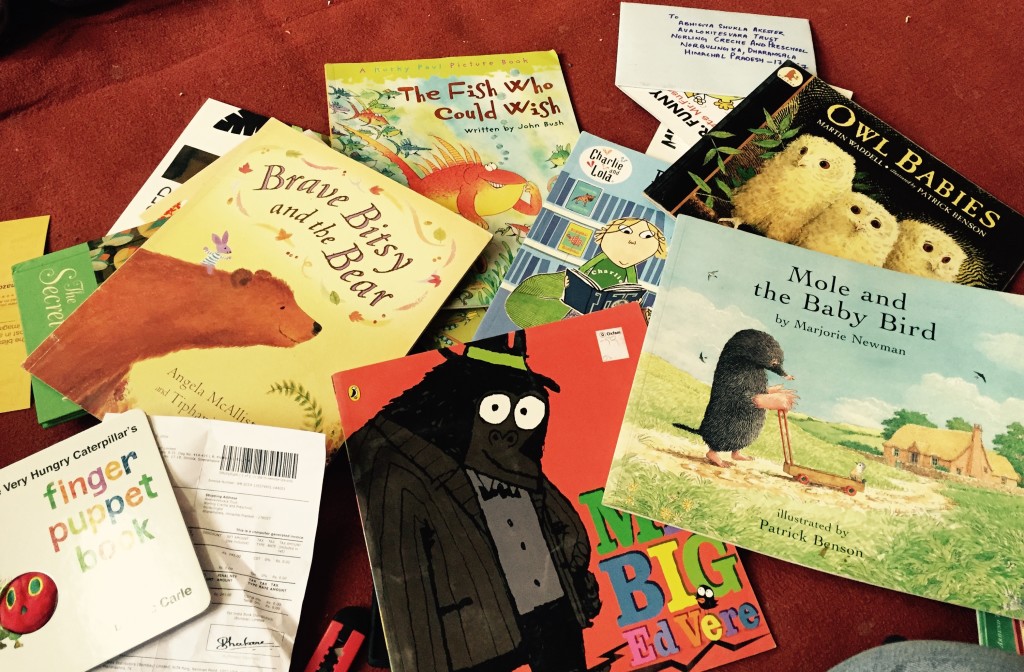
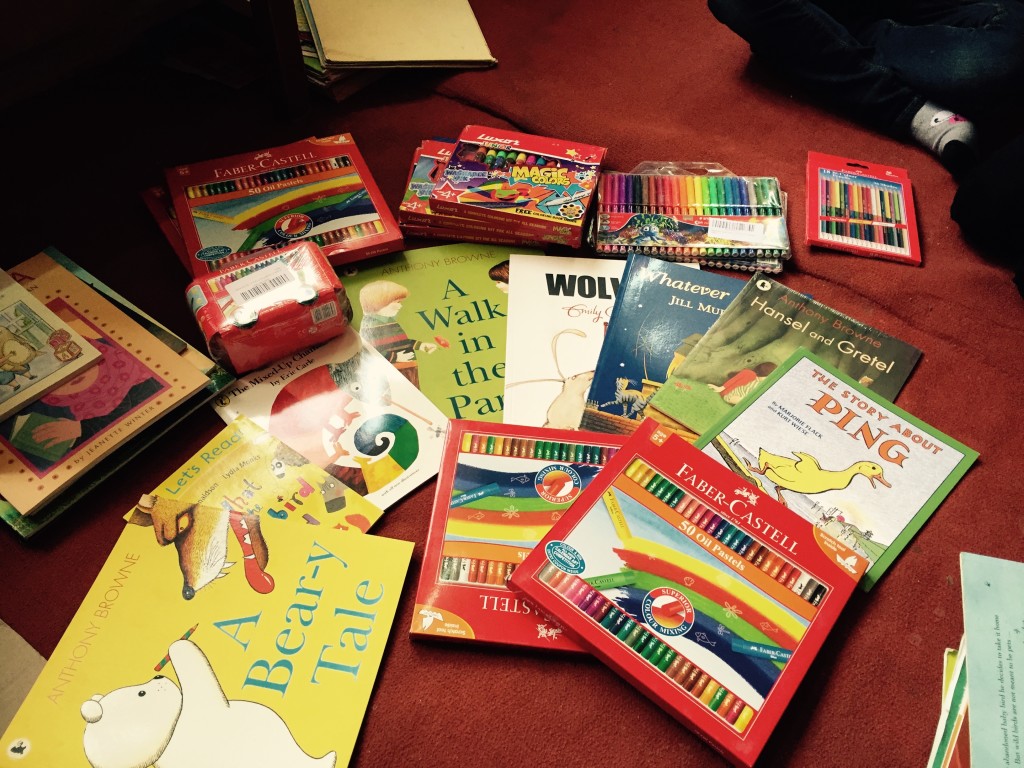
A book drive can provide the materials, while a well-planned program brings them to life. After reading a folktale, children might paint a landscape, create a musical response, make puppets, or write an alternative ending. Such projects develop literacy and creativity while allowing children to decide how much of themselves they wish to share.
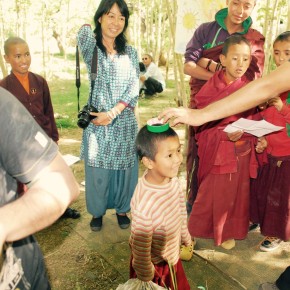
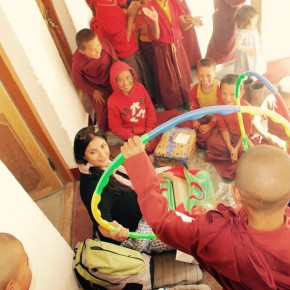
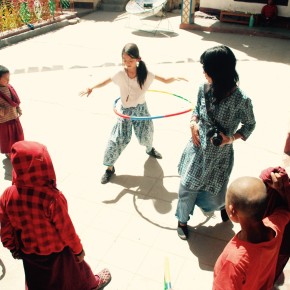
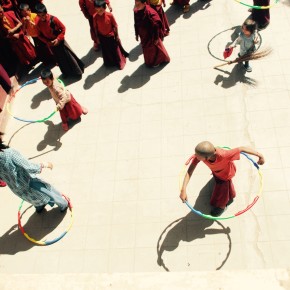
Play is especially valuable because it returns learning to a natural, enjoyable state. Games with clear rules can encourage cooperation and self-regulation. Open-ended play can help children rehearse solutions, imagine safer outcomes, and experience pleasure without pressure. Adults should guide these activities without taking over the child’s creative choices.
A Reading Room Needs More Than Books
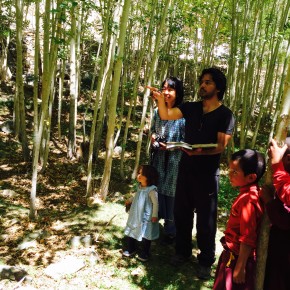
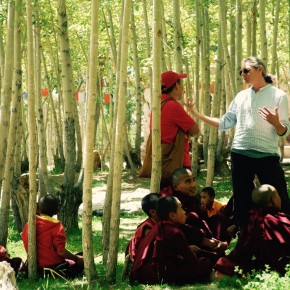
Books are central, yet the healing potential of a reading room depends on the relationships and systems around them. Volunteers need orientation before working with children, including guidance on cultural respect, appropriate conduct, active listening, and recognizing signs that require referral to a trained professional.
A volunteer should never promise secrecy when a child reveals that someone may be in danger. The appropriate response is to listen calmly, avoid judgment, record concerns according to organizational policy, and contact the designated safeguarding lead. Reading-room programs should build connections with families, schools, monastic communities, and local health or social-care services when specialist support is needed.
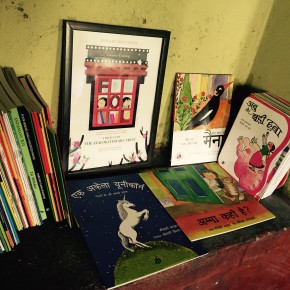
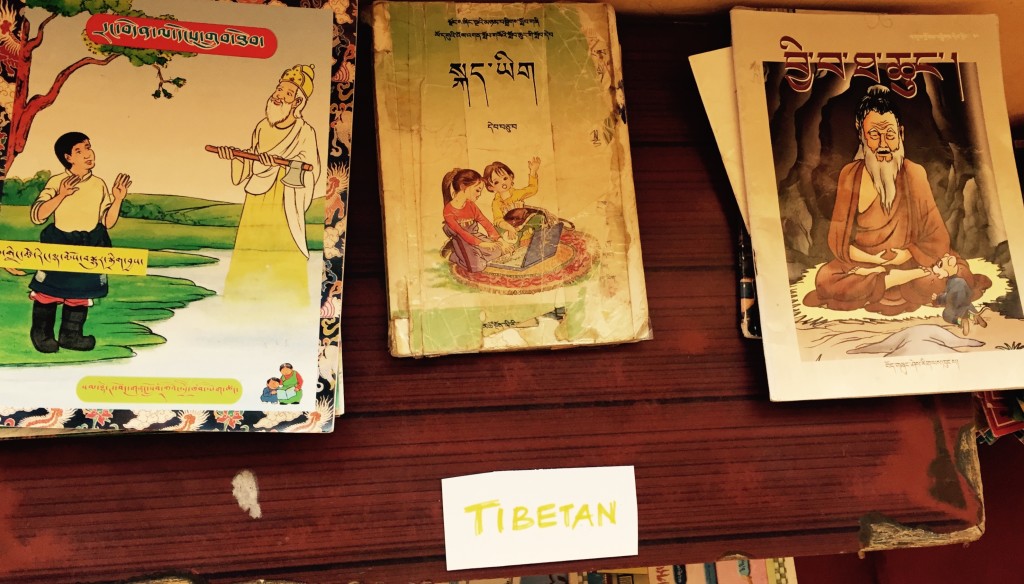
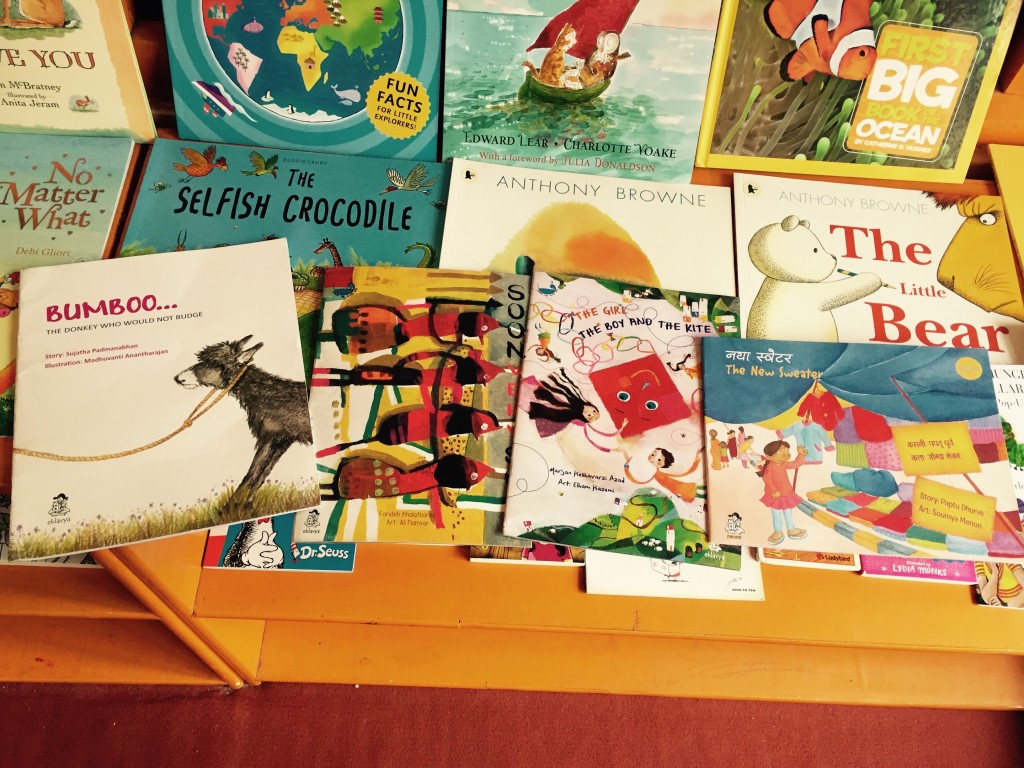
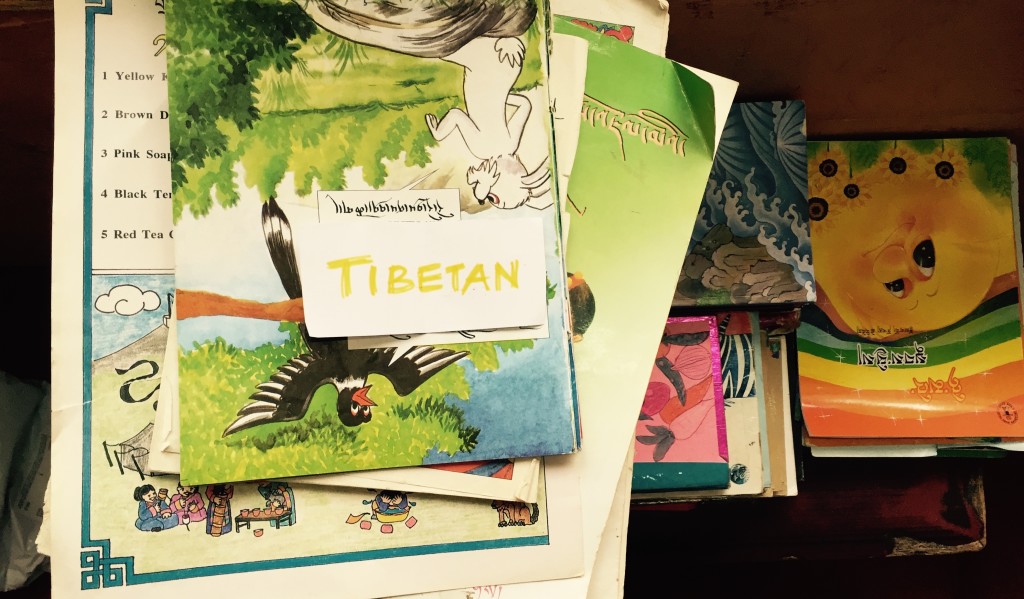
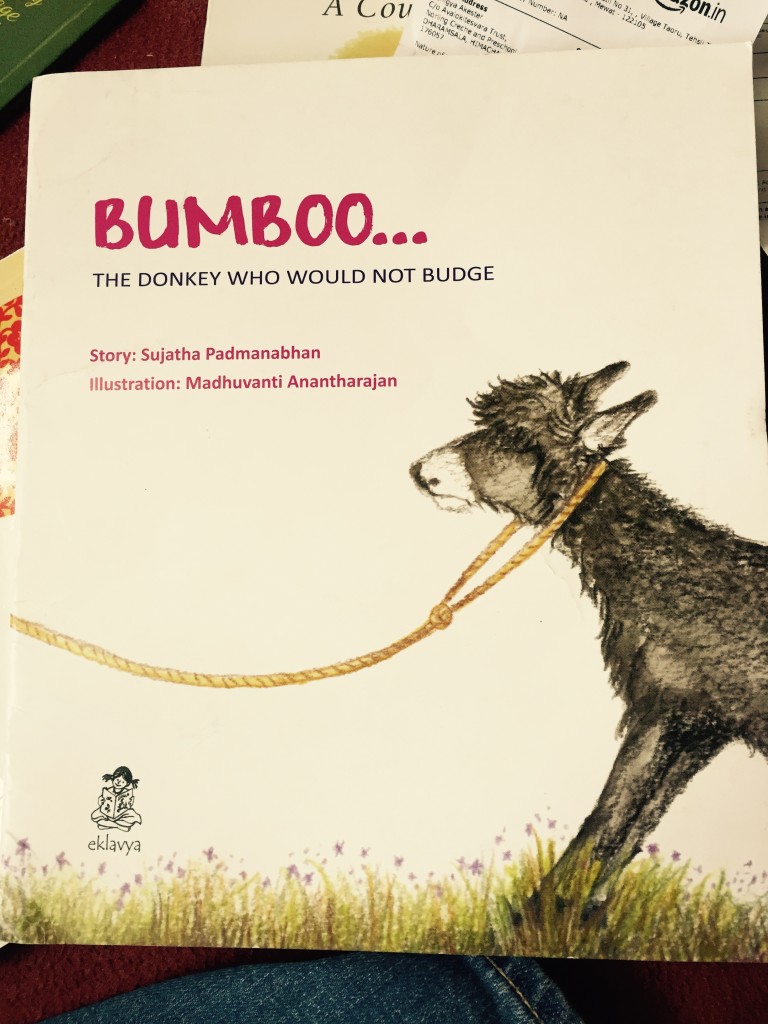
The approach must also reflect local language and culture. In Ladakh and other Himalayan communities, children may be most comfortable reading in different languages or moving between languages at home, school, and religious settings. Multilingual books, local stories, and culturally familiar illustrations can make the room feel welcoming rather than imported.
| Element |
How It Supports Emotional Safety |
Practical Example |
| Consistent routine |
Reduces uncertainty and builds trust |
Regular reading hours and a familiar welcome |
| Personal choice |
Restores agency and supports participation |
Letting children select books or activities |
| Quiet spaces |
Helps children regulate stimulation |
A small corner for independent reading |
| Creative expression |
Offers alternatives to direct conversation |
Drawing, music, drama, or story-making |
| Trained adults |
Protects children and supports responsible care |
Safeguarding procedures and referral pathways |
| Local relevance |
Strengthens belonging and recognition |
Ladakhi, Tibetan, and multilingual resources |
Adults Create The Emotional Climate
Children notice how adults speak, respond, and manage mistakes. A volunteer who remains patient when a child becomes restless sends a different message from one who reacts with shame or irritation. Calm, respectful behavior shows that strong feelings can be handled safely.
Trauma-sensitive support does not mean excusing harmful behavior or removing every boundary. Children still need clear limits, but those limits should be explained without humiliation. A gentle reminder, a brief pause, or a choice between two acceptable actions can preserve dignity while maintaining order.
Adults should also watch for changes in behavior without attempting to diagnose them. Withdrawal, aggression, difficulty concentrating, or sudden fear may have many causes. These signs call for careful observation and communication through established support channels, rather than pressure, punishment, or amateur counseling.
Small Design Choices Can Build Belonging
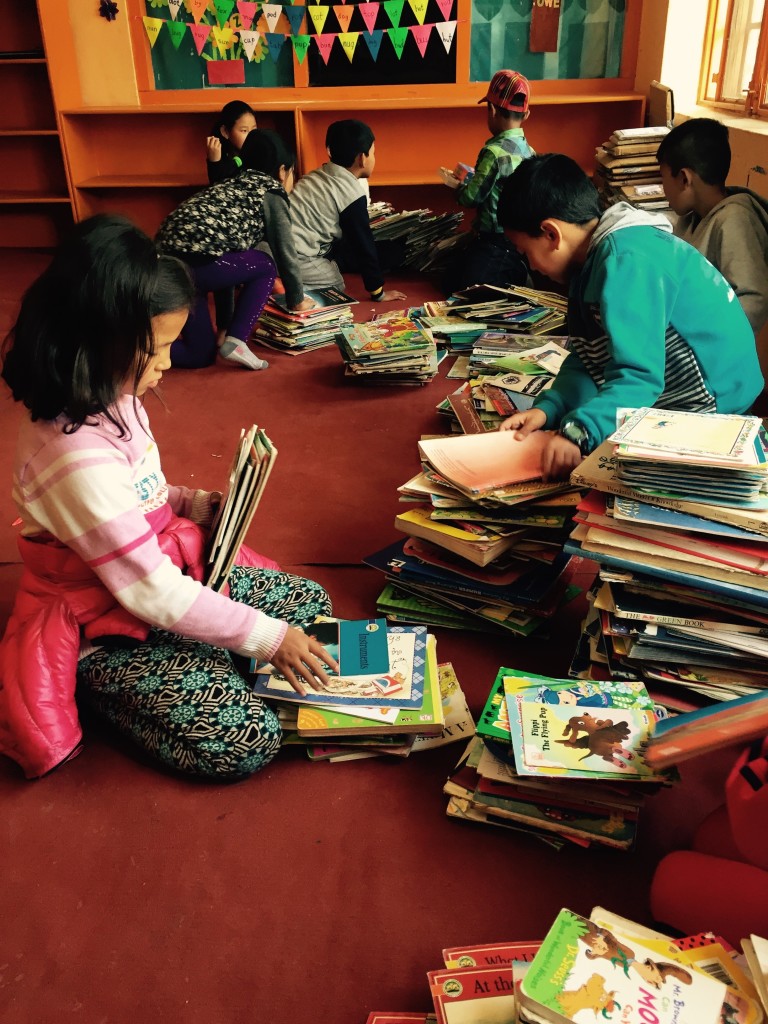
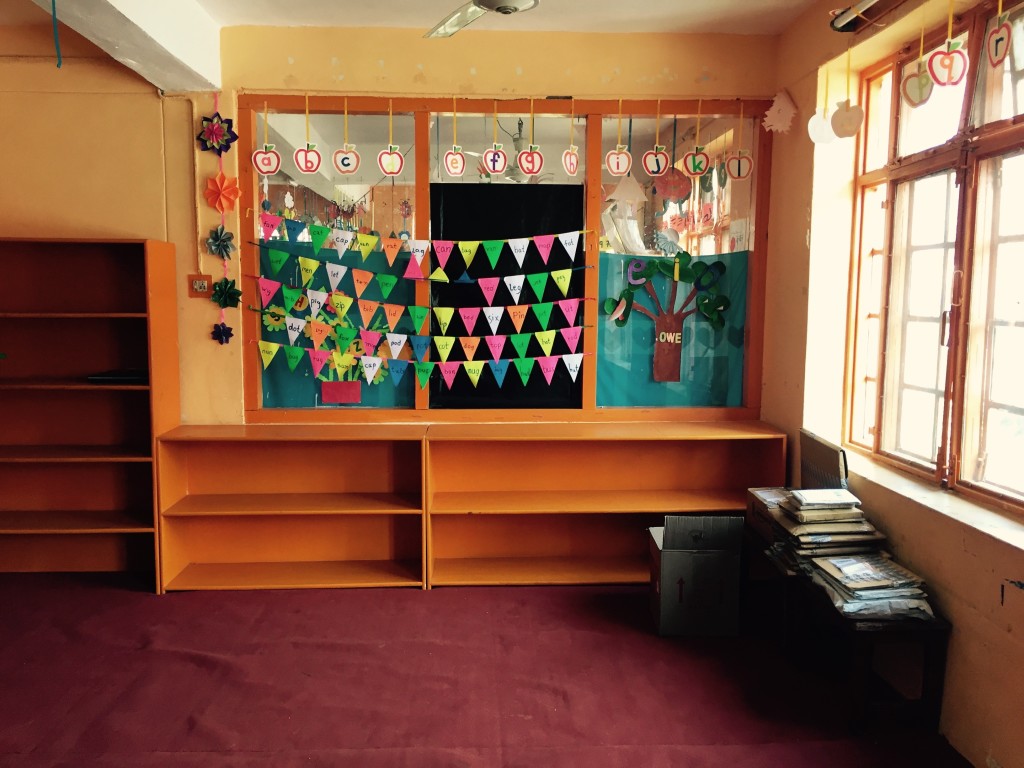
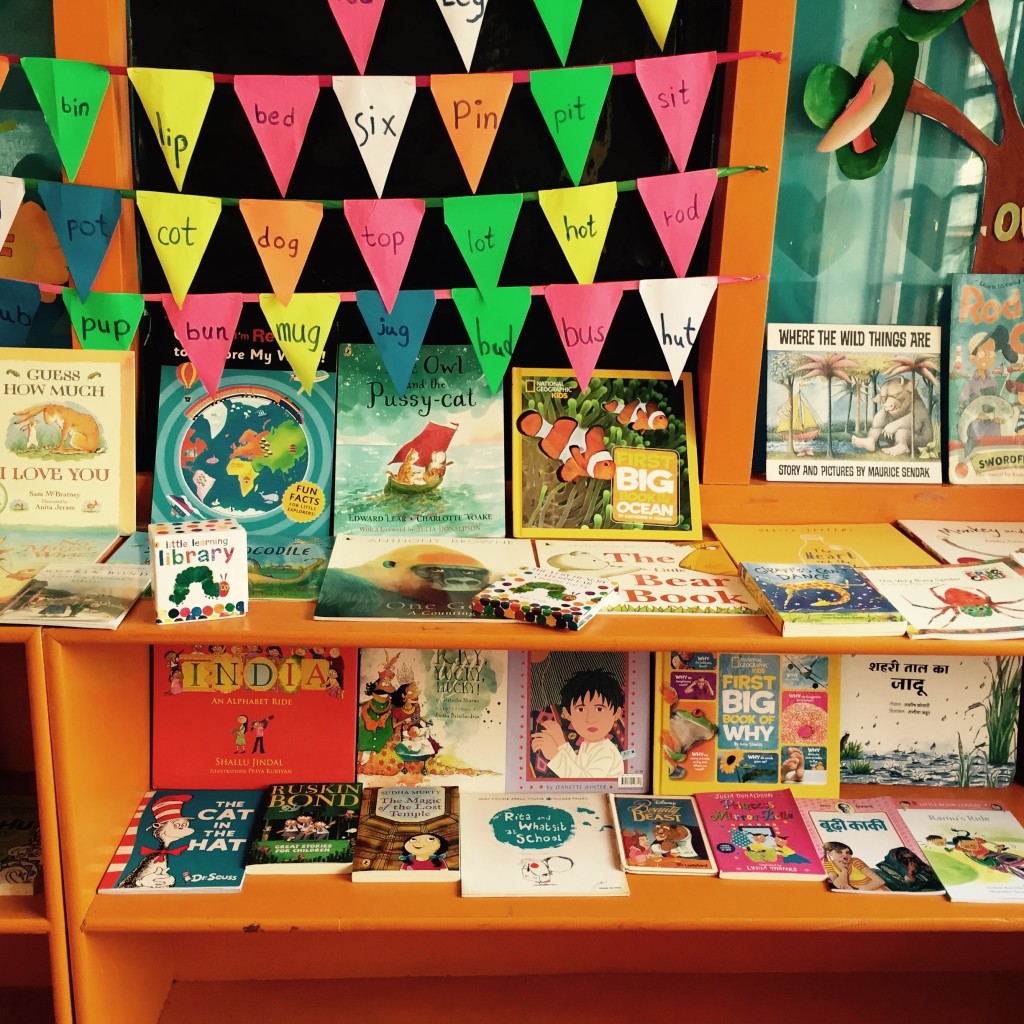
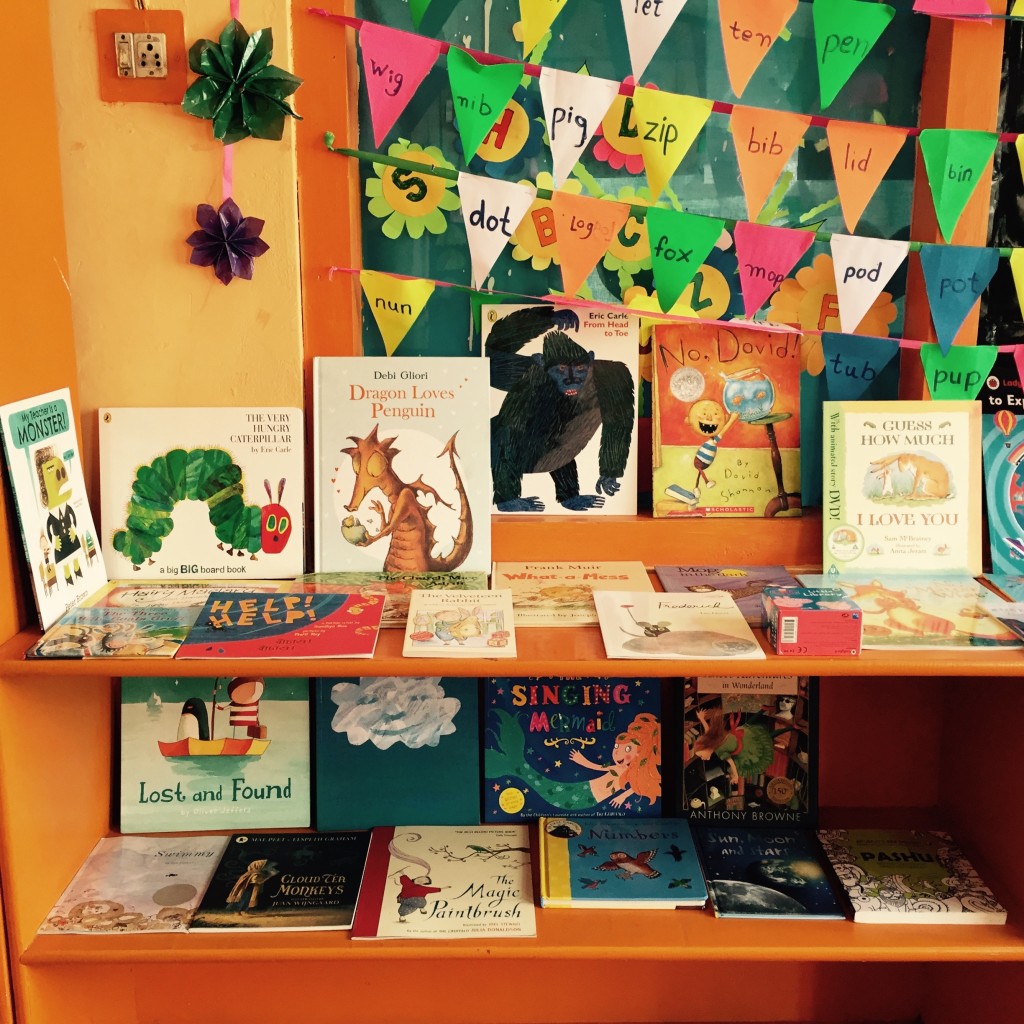
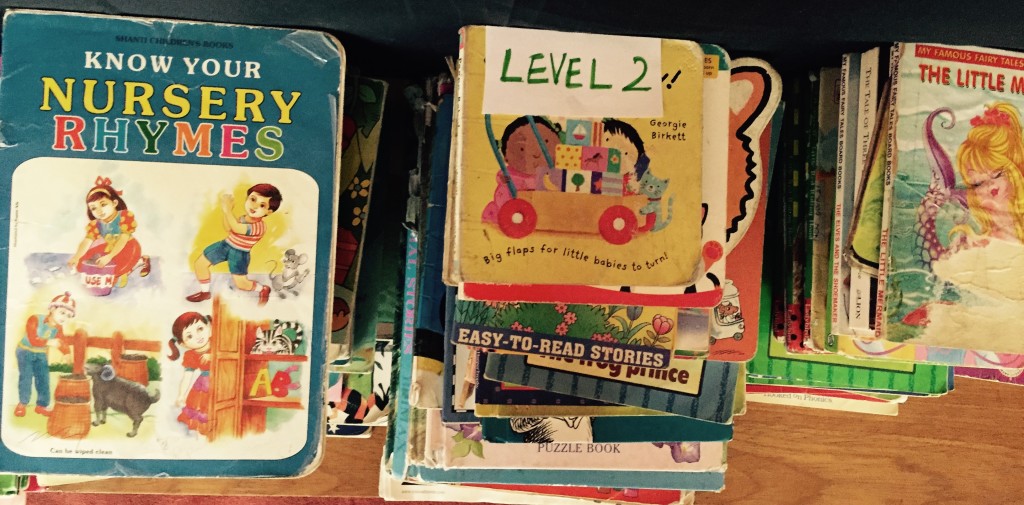
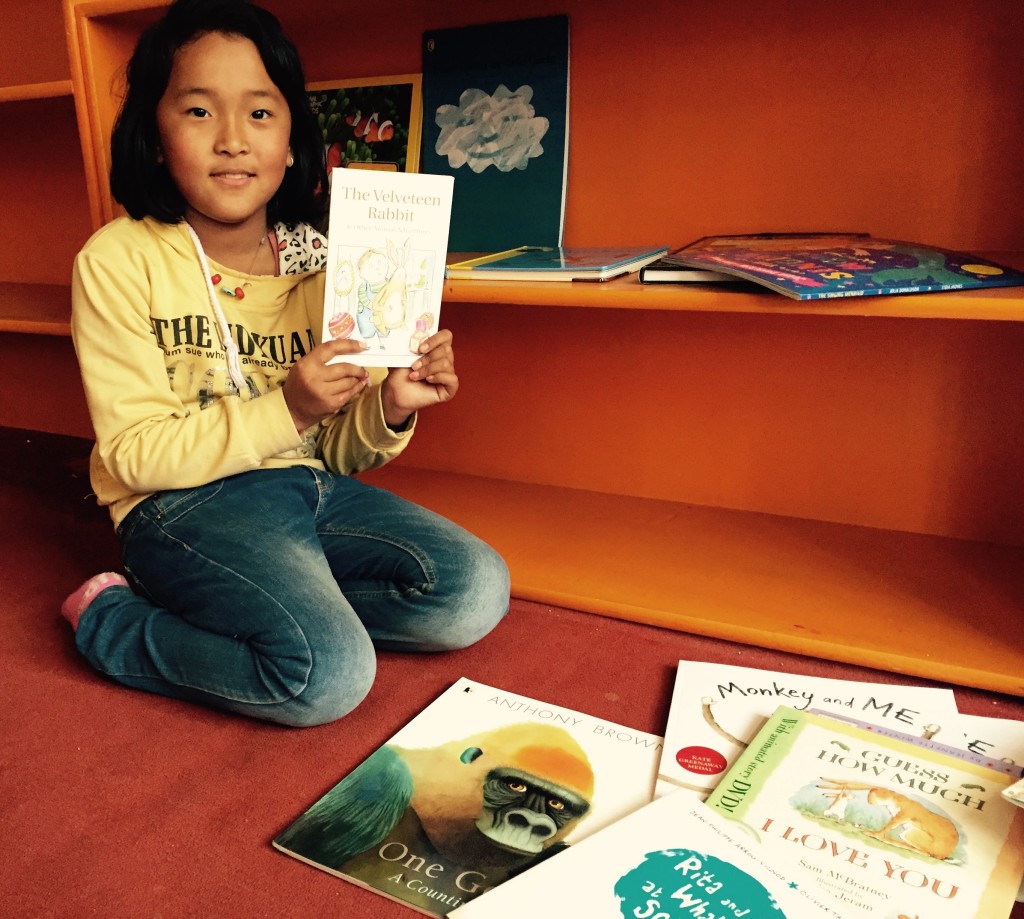
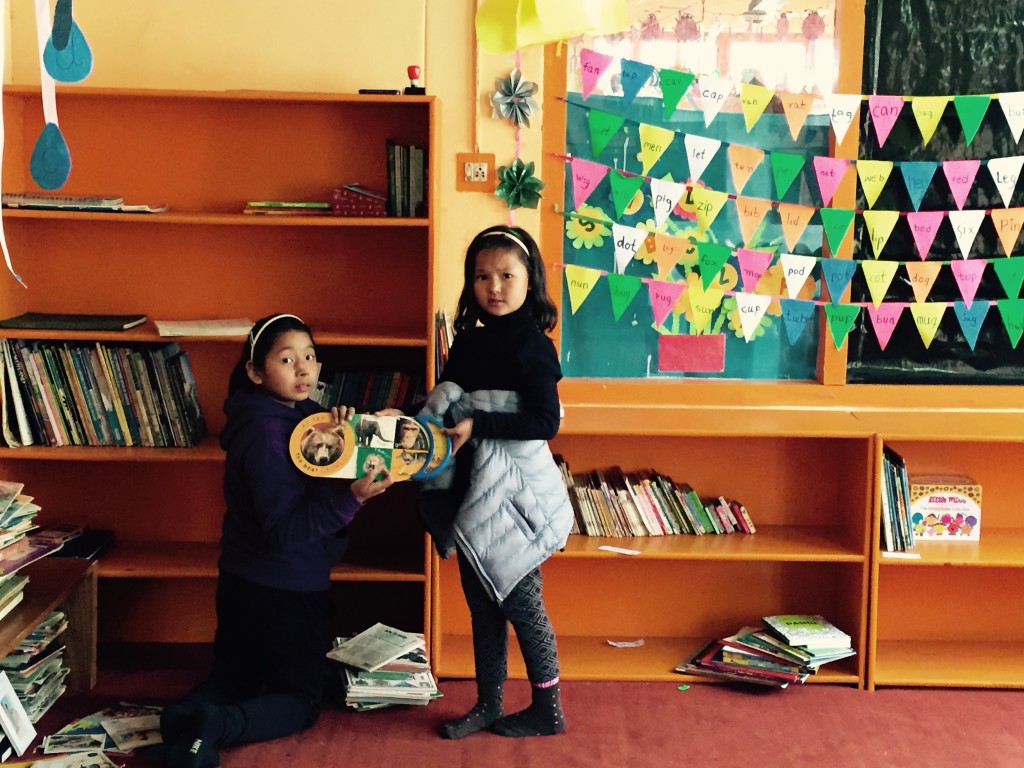
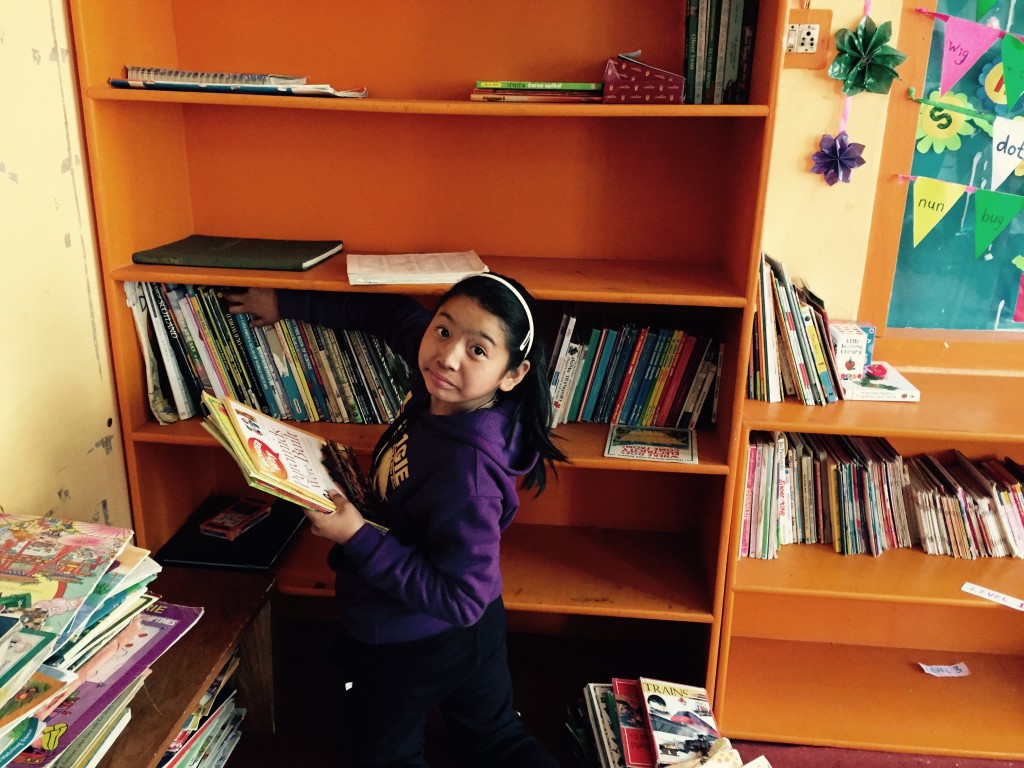
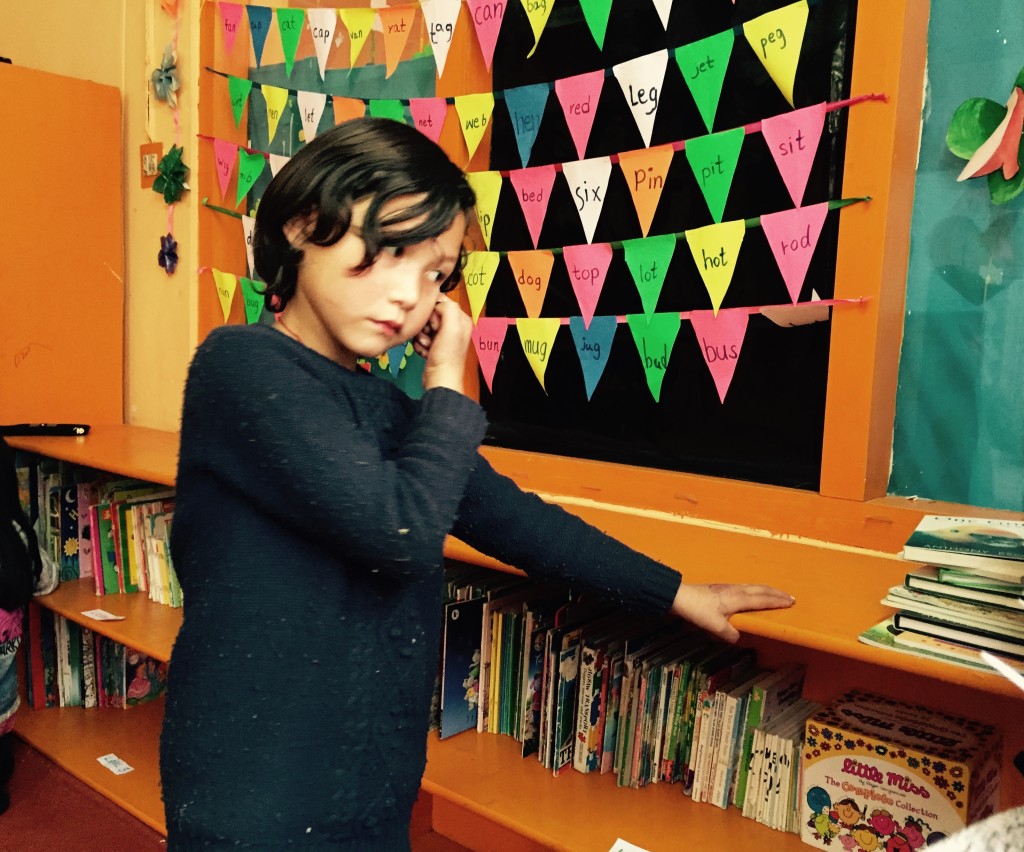
A child’s experience begins before the first page is opened. Shelves arranged at a child’s height, signs with clear images, cushions, art supplies, and visible displays of children’s work communicate that the room belongs to them. Books should include a range of ages, interests, abilities, family structures, and cultural experiences.
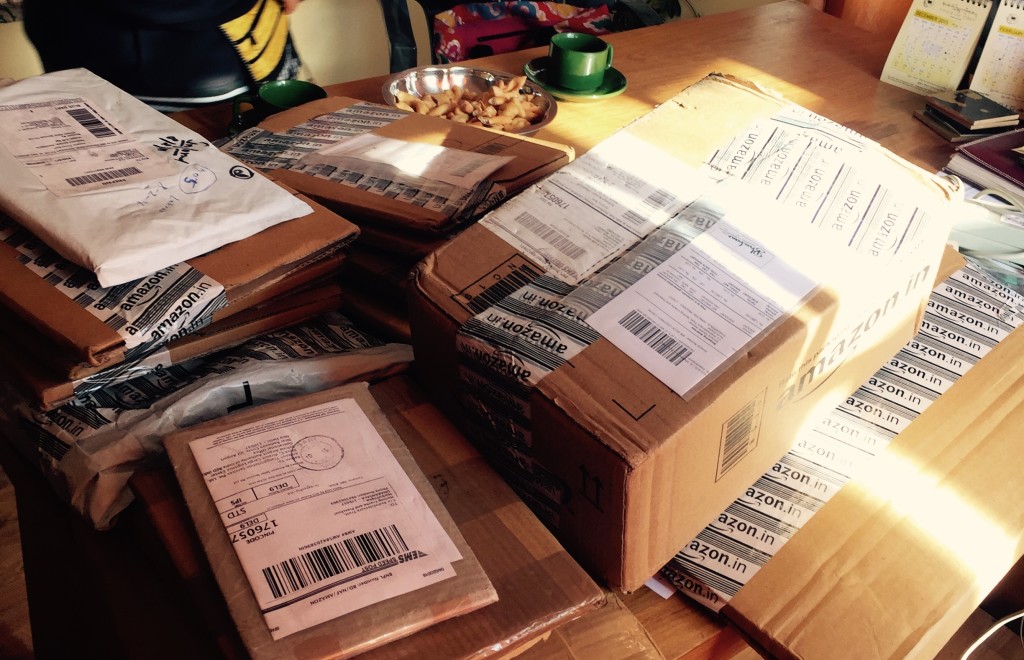
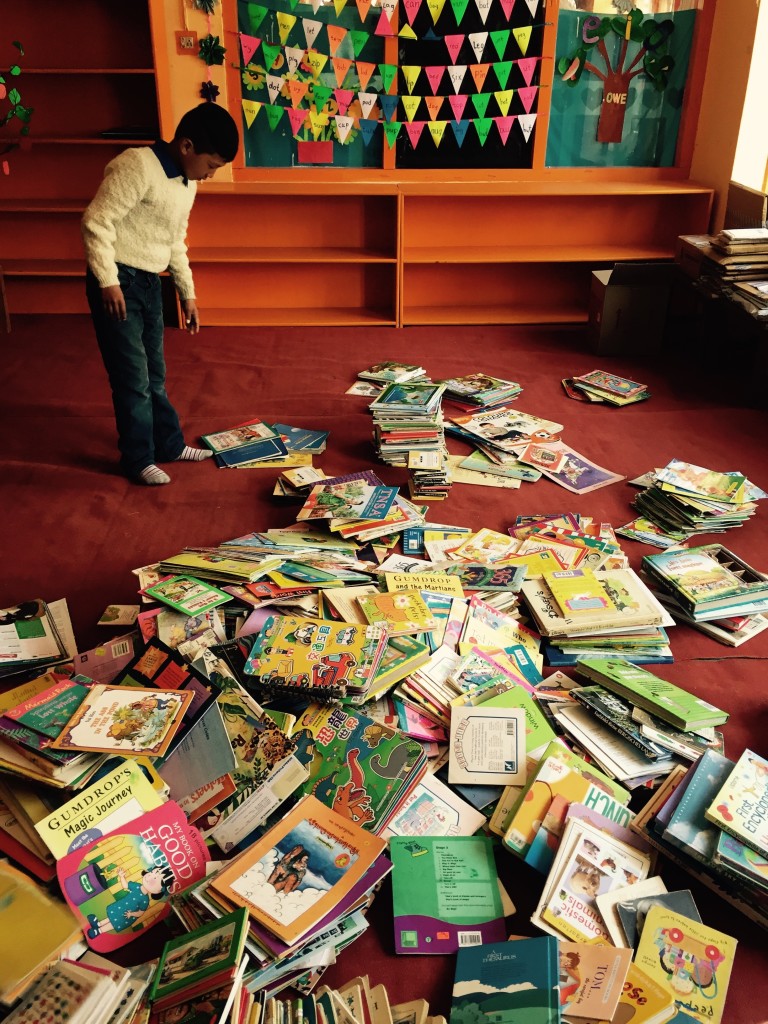
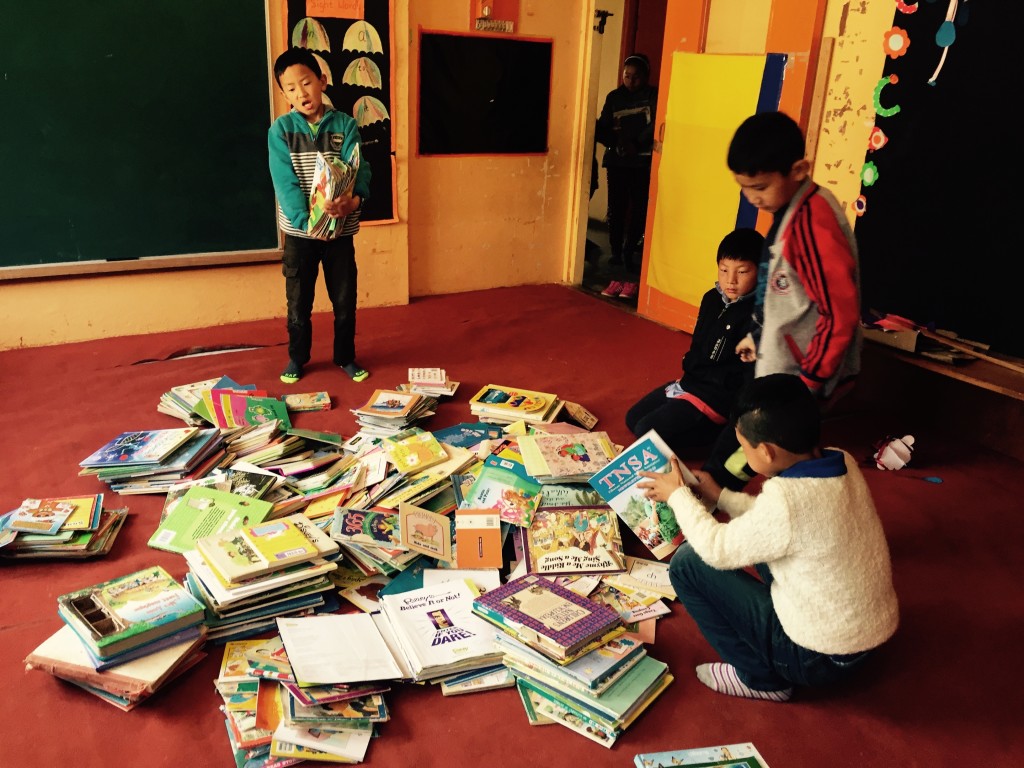
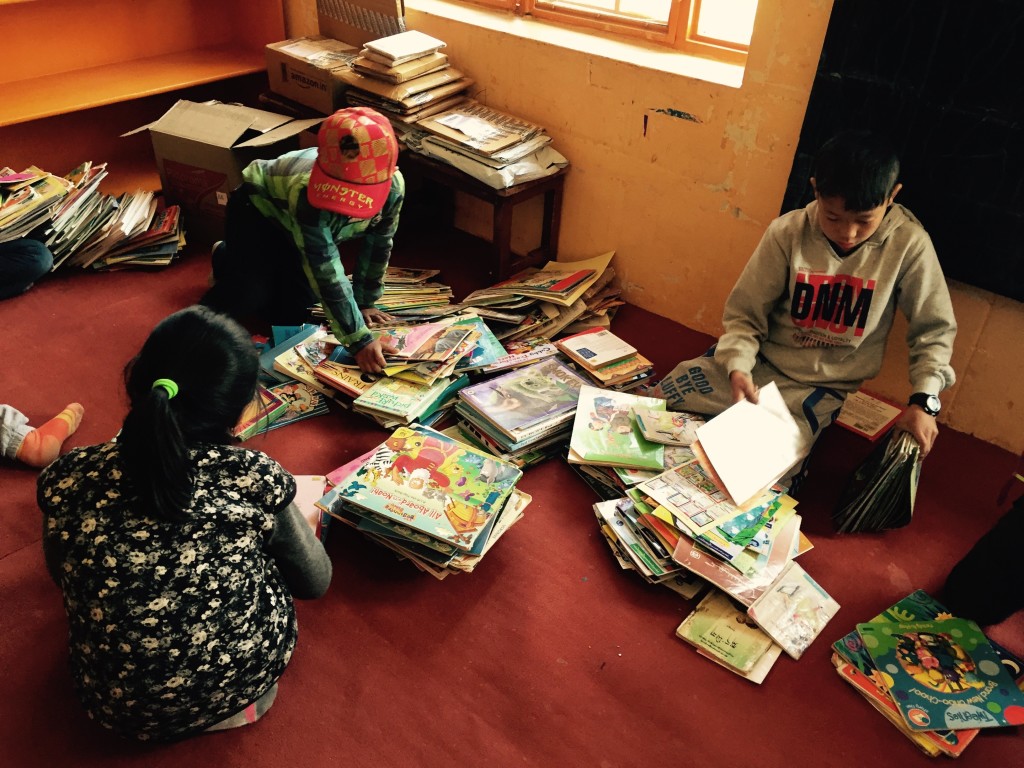
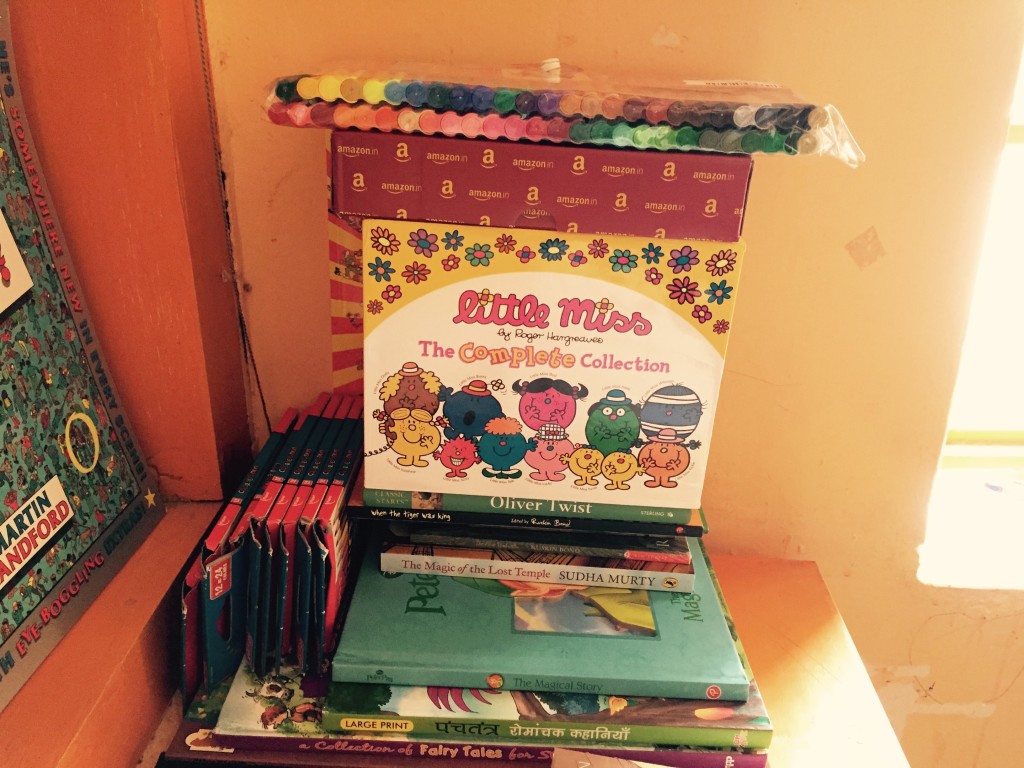
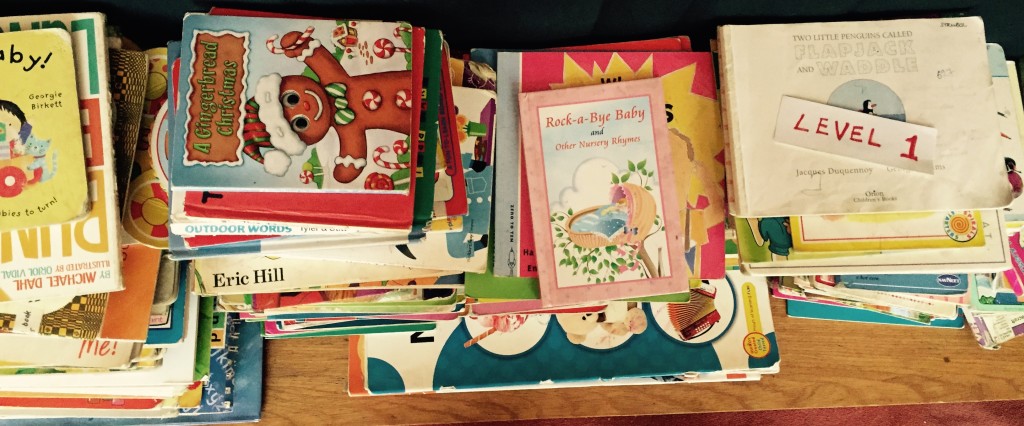
For children in remote communities, access may be irregular. Mobile book collections, rotating shelves, outreach sessions, and partnerships with schools or monasteries can extend the benefits beyond a single building. A donated book becomes more useful when children can return to it, discuss it, and discover related activities.
Good evaluation should focus on meaningful signs of engagement rather than expecting children to describe trauma recovery. Programs can track attendance, reading participation, book circulation, creative work, and feedback from children, caregivers, teachers, and monastic educators. These observations help organizations improve access while respecting privacy.
Practices That Help Children Feel Secure
- Establish consistent schedules, welcoming rituals, and simple room guidelines.
- Offer books and activities in relevant local languages and across different reading levels.
- Train every volunteer in safeguarding, boundaries, cultural sensitivity, and referral procedures.
- Provide quiet options alongside group activities so children can regulate their participation.
- Coordinate with caregivers, schools, monasteries, and qualified services when a child needs specialized support.
A reading room is not a substitute for mental-health care, stable housing, family support, or protection from harm. Its strength lies in the everyday experiences it makes possible: a dependable adult, a peaceful hour, a story that reflects a child’s feelings, and a community that values learning. These experiences can complement professional and family support in practical, humane ways.
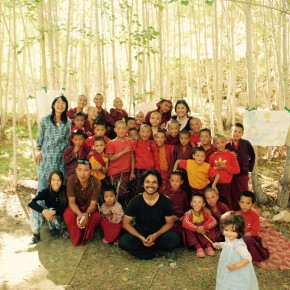
For Avalokiteśvara Trust, book drives and educational programs can therefore serve a wider purpose than increasing library collections. They can help create places where children and young monks feel respected, included, and free to explore their inner worlds. Each carefully chosen book and each thoughtful activity can contribute to a culture of care.
Support this work by donating quality children’s books, funding a reading room, volunteering with appropriate training, or sharing the stories of Himalayan communities. A welcoming space begins with a few shelves, but it grows through sustained attention, trusted relationships, and the belief that every child deserves room to learn, create, and heal.