Celebrating Ladakhi Children’s Books And The Voices Behind Them
In the high-altitude communities of Ladakh, a children’s book can become a bridge between home, school, language, and imagination. Stories rooted in mountain landscapes help young readers recognize familiar places while discovering new ideas, characters, and possibilities. When local writers and illustrators create for children, they preserve cultural memory in a form that can be shared across generations.
Celebrating Ladakhi authors means valuing the many ways stories are told across the region. Some grow from folktales, monastery traditions, family histories, and village life. Others address friendship, environmental change, identity, or the experience of growing up between languages. Together, these works contribute to a richer reading culture for children and young monks.
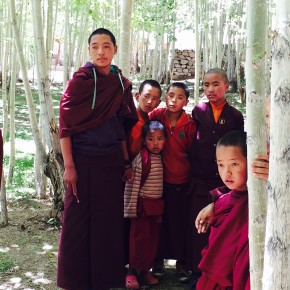
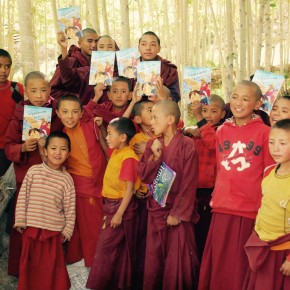
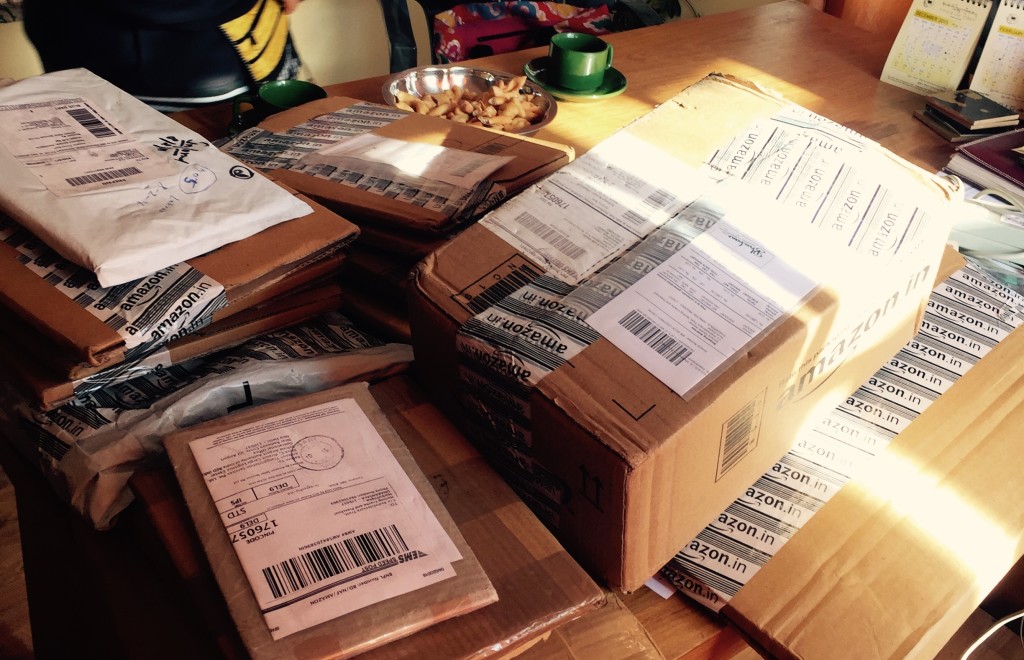
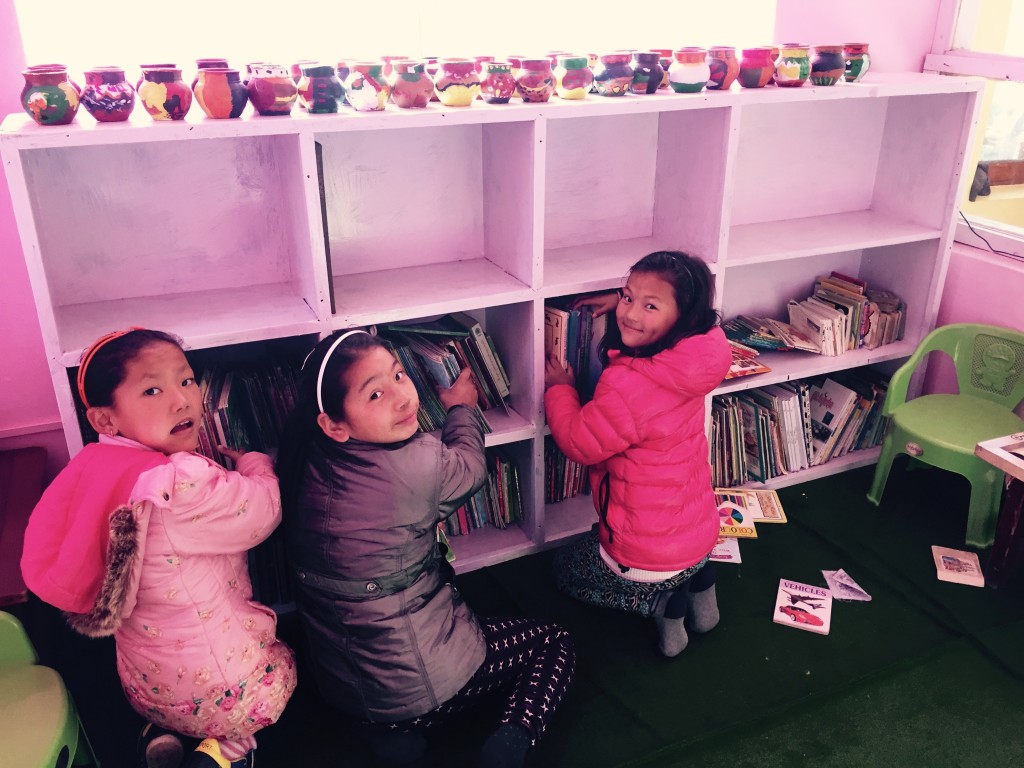
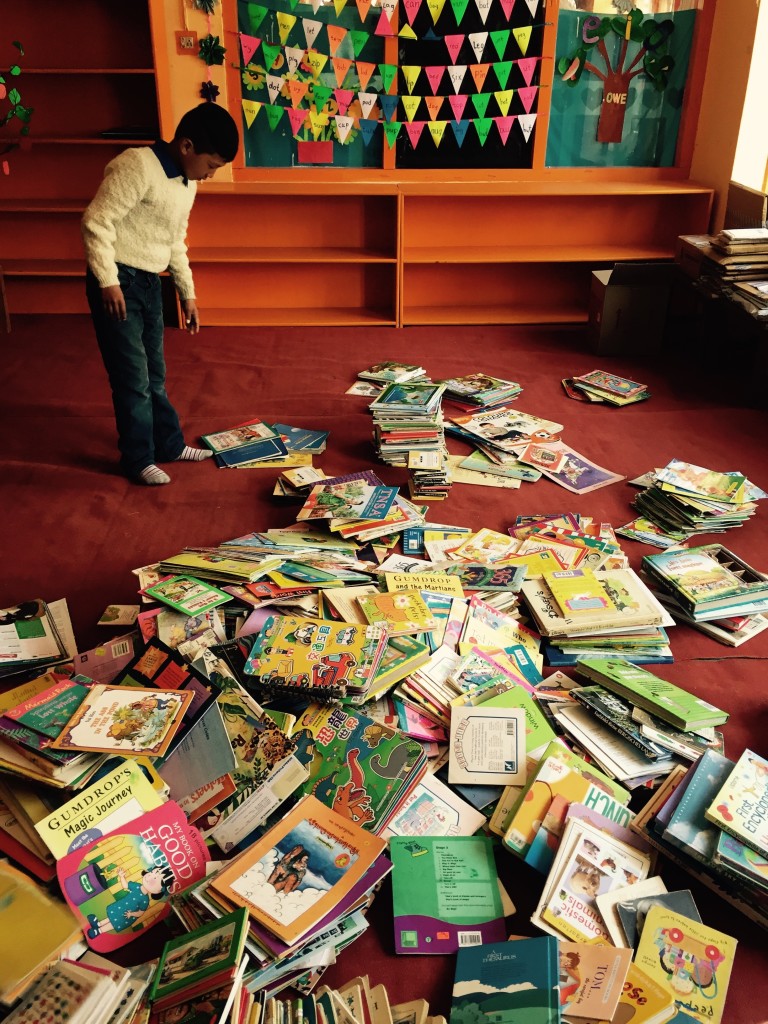
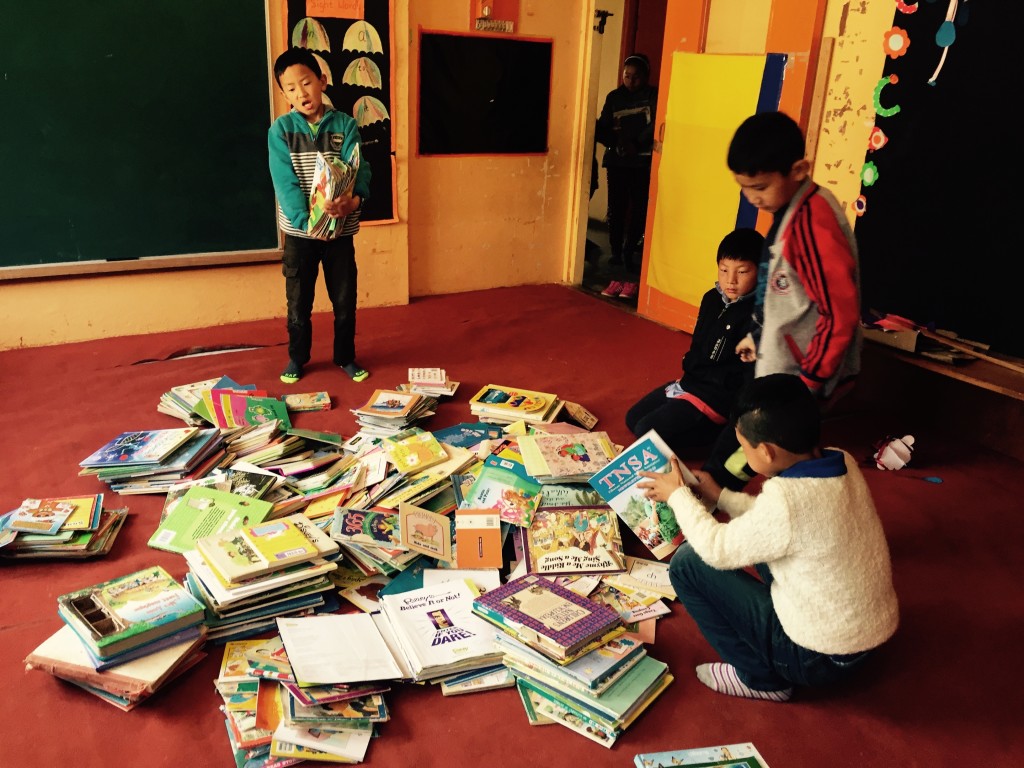
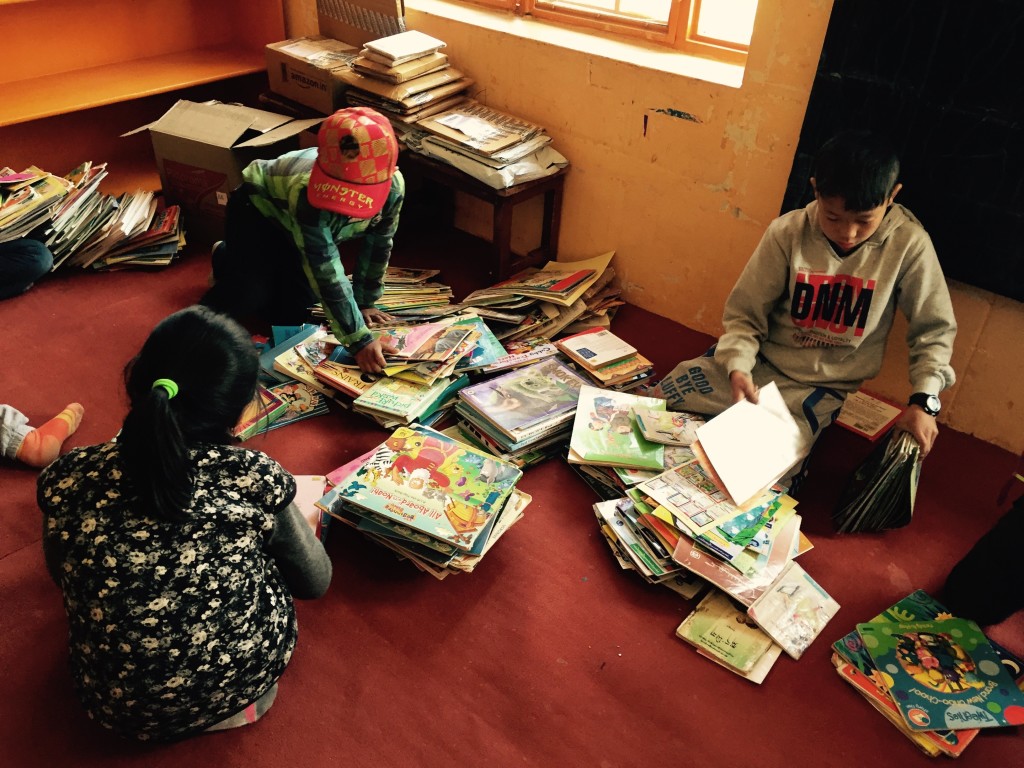
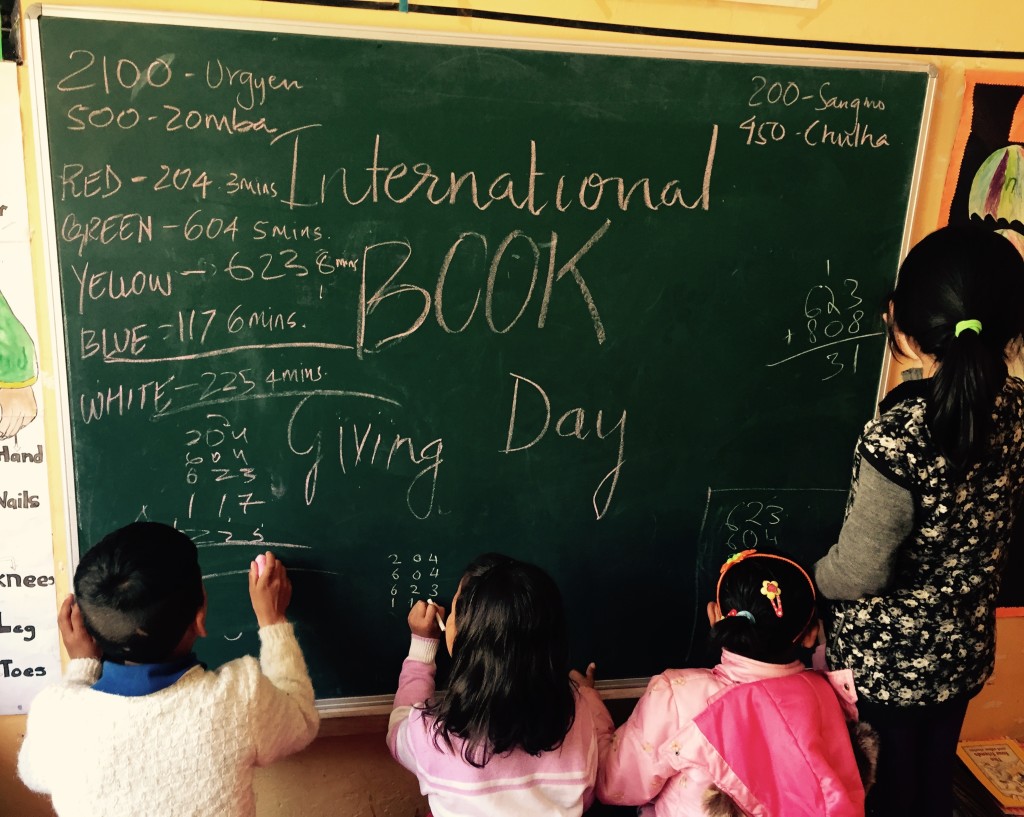
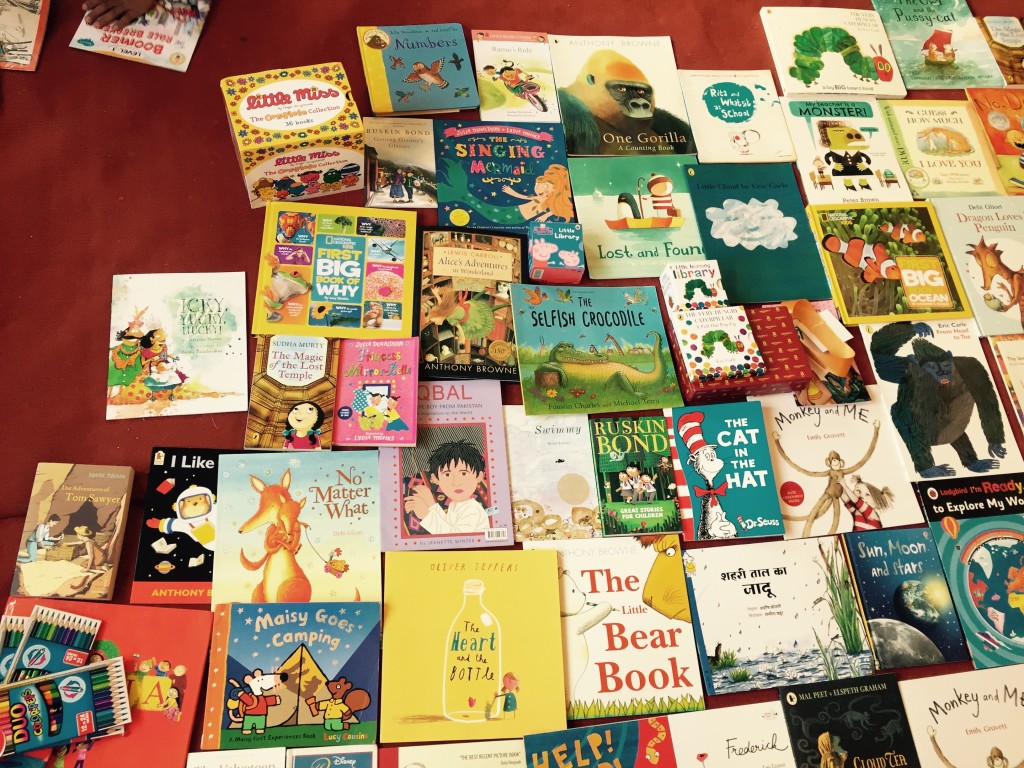
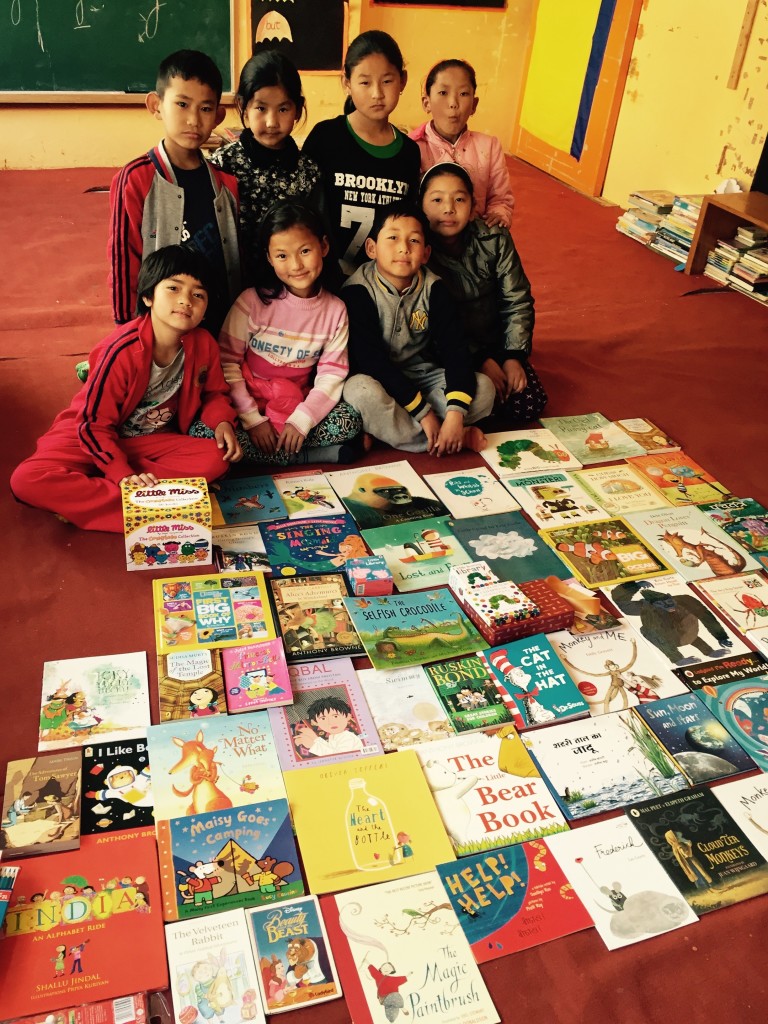
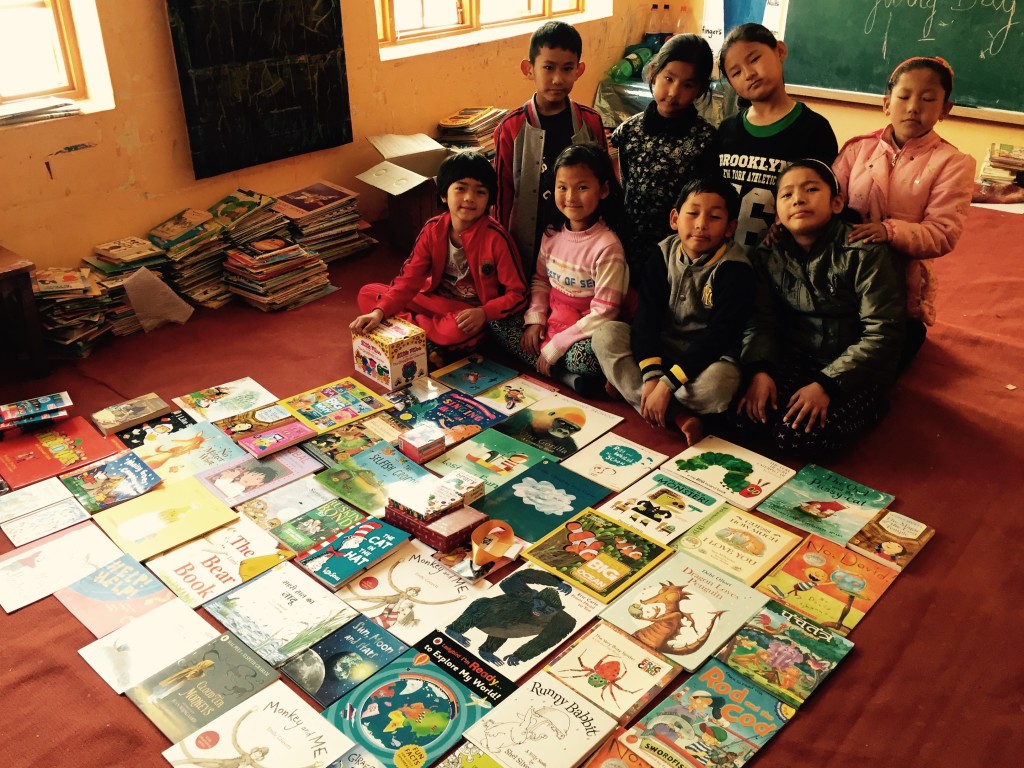
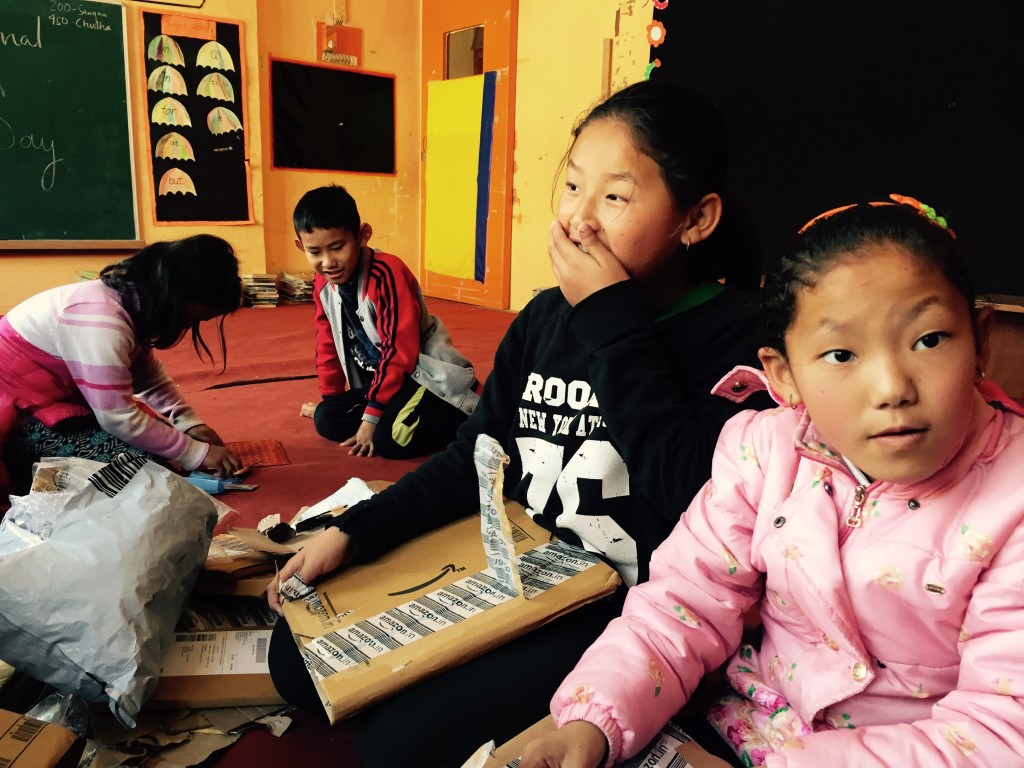
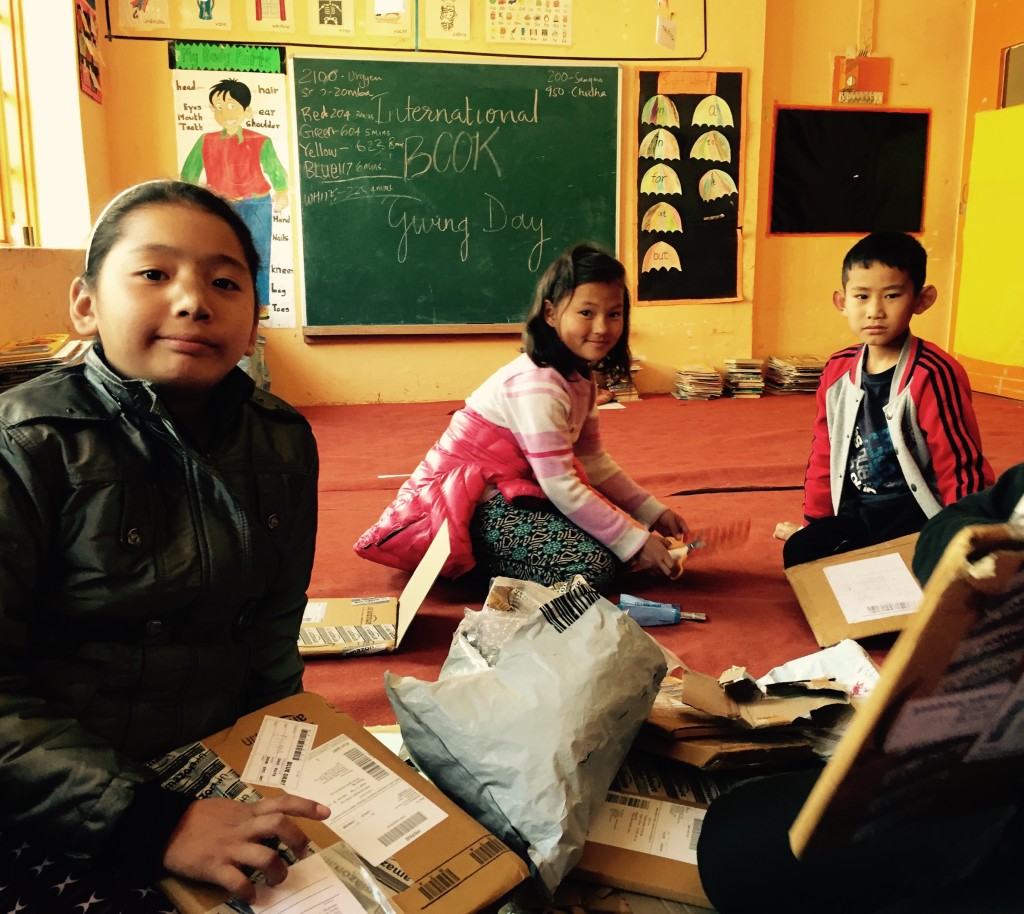
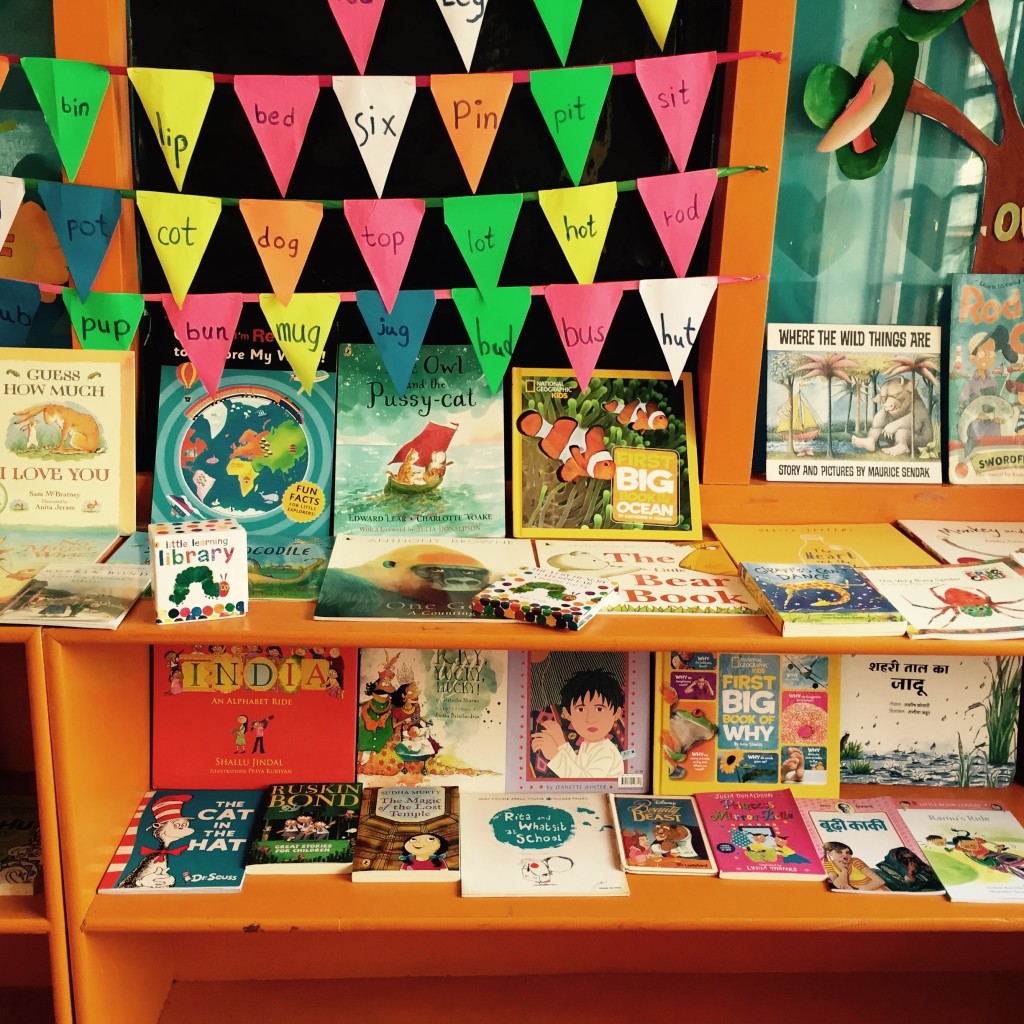
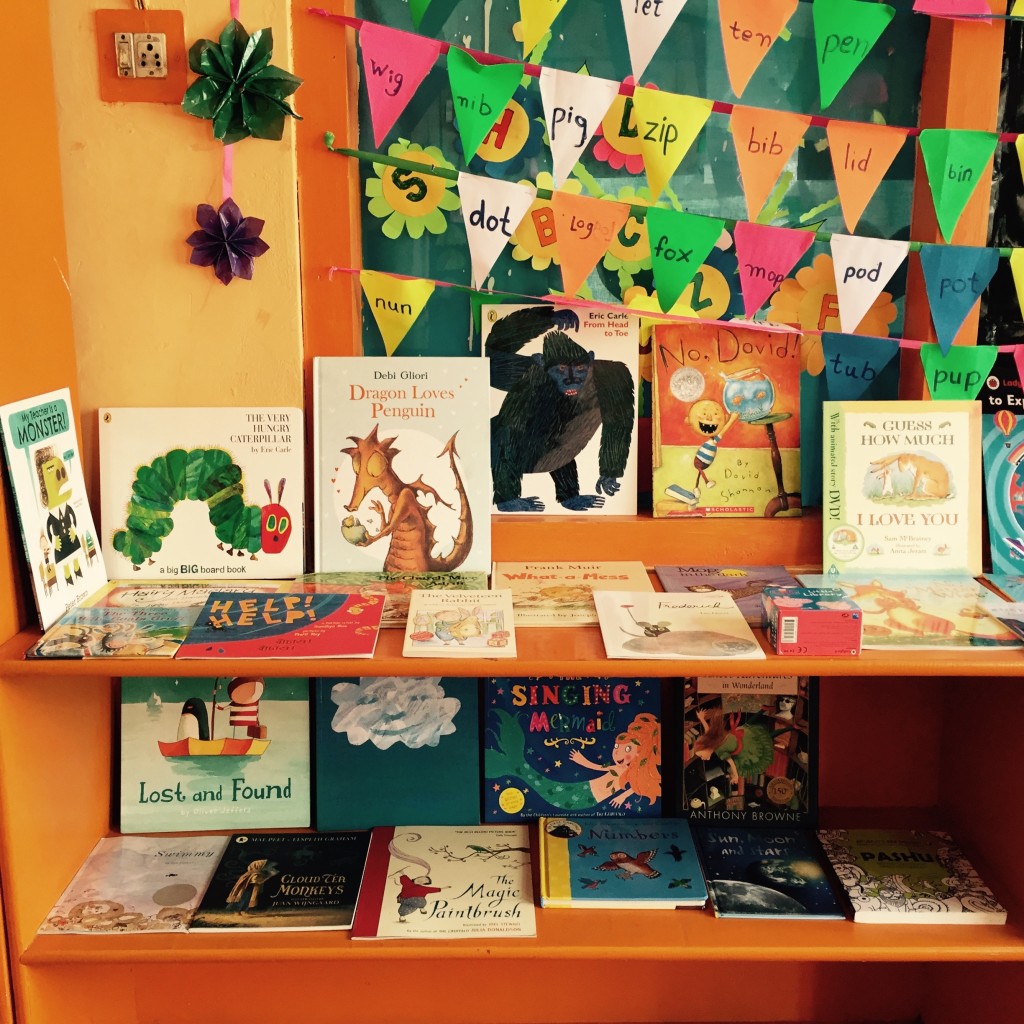
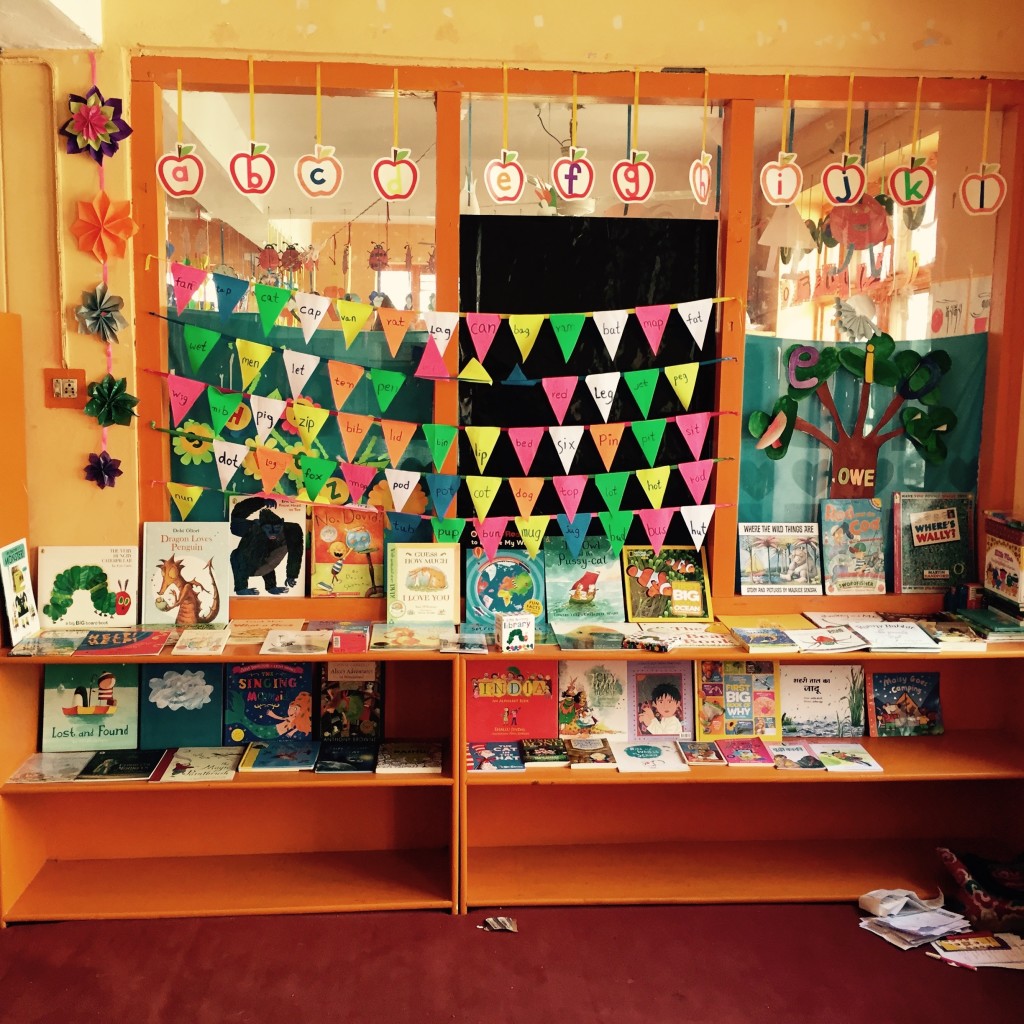
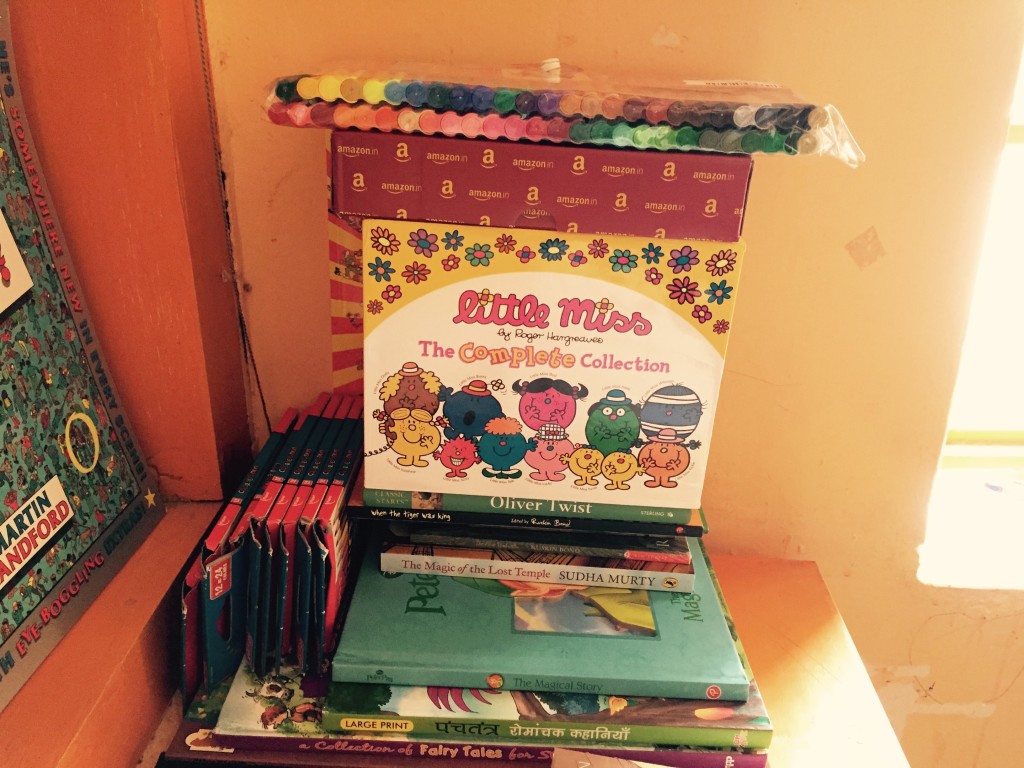
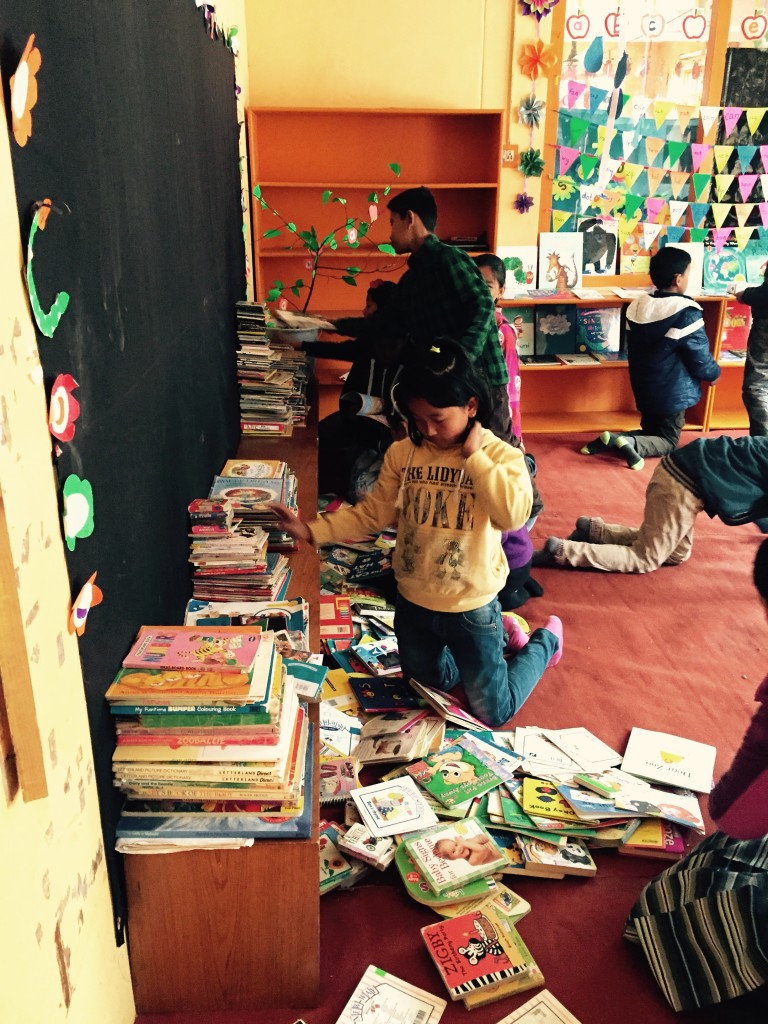
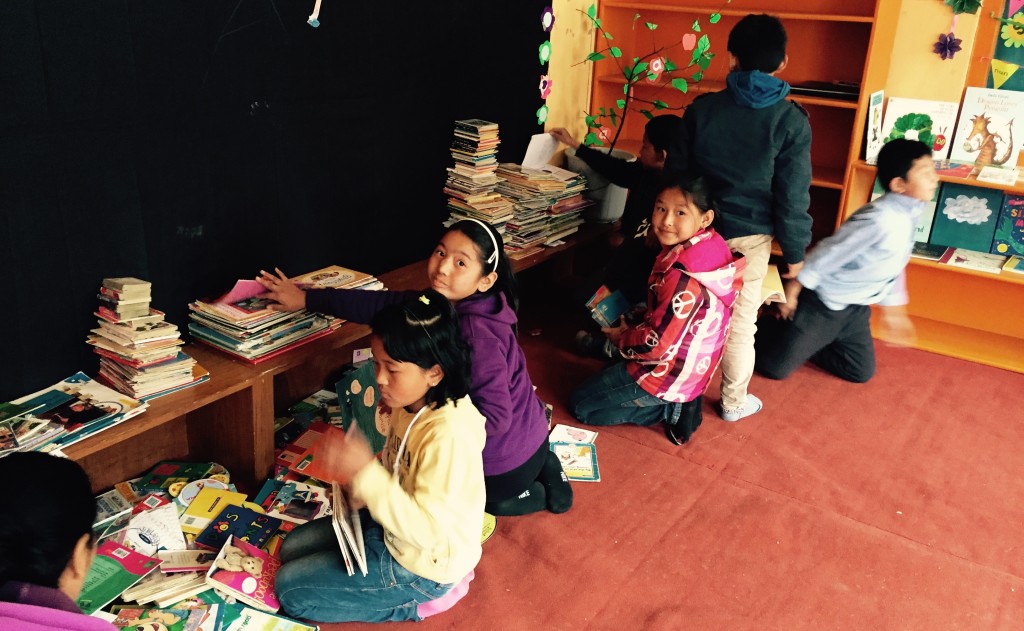
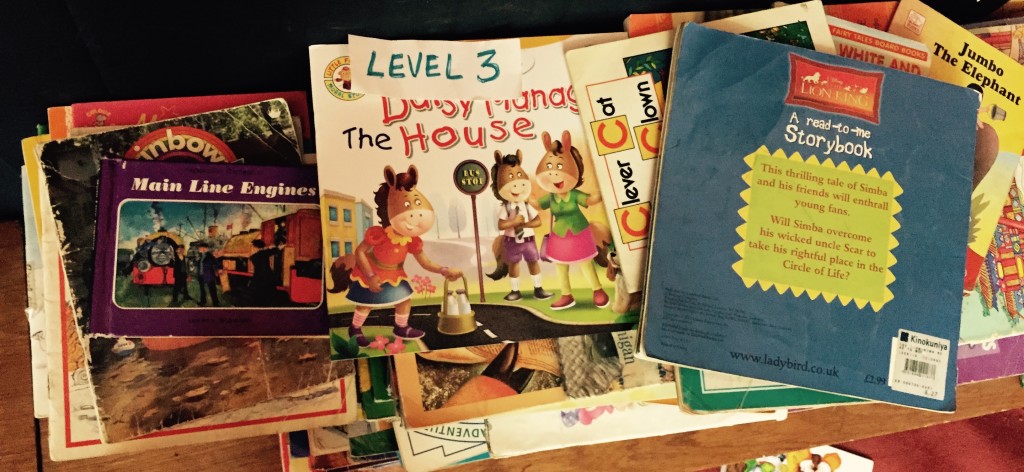
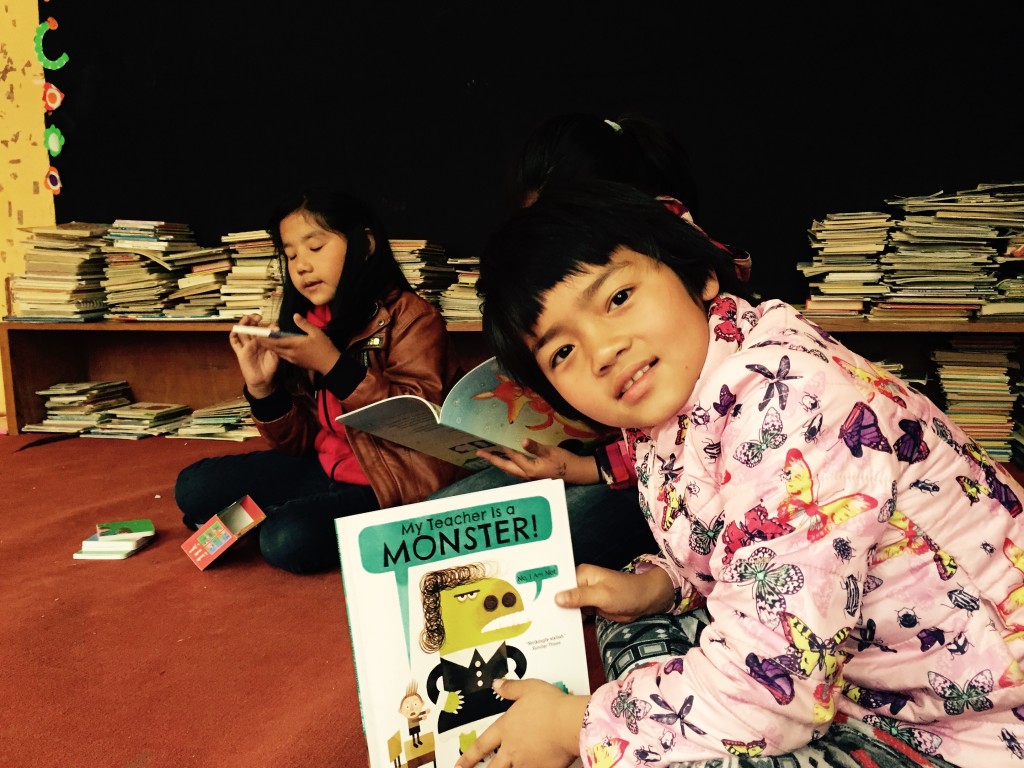
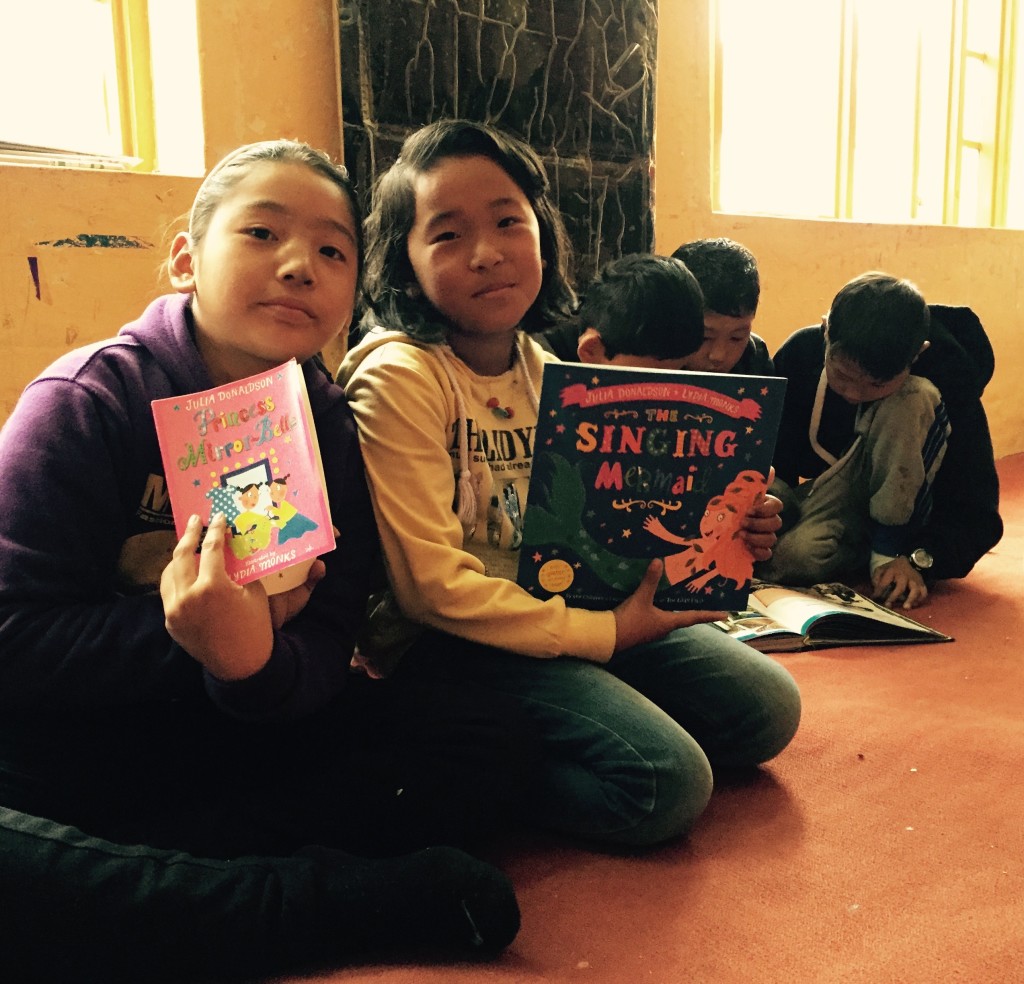
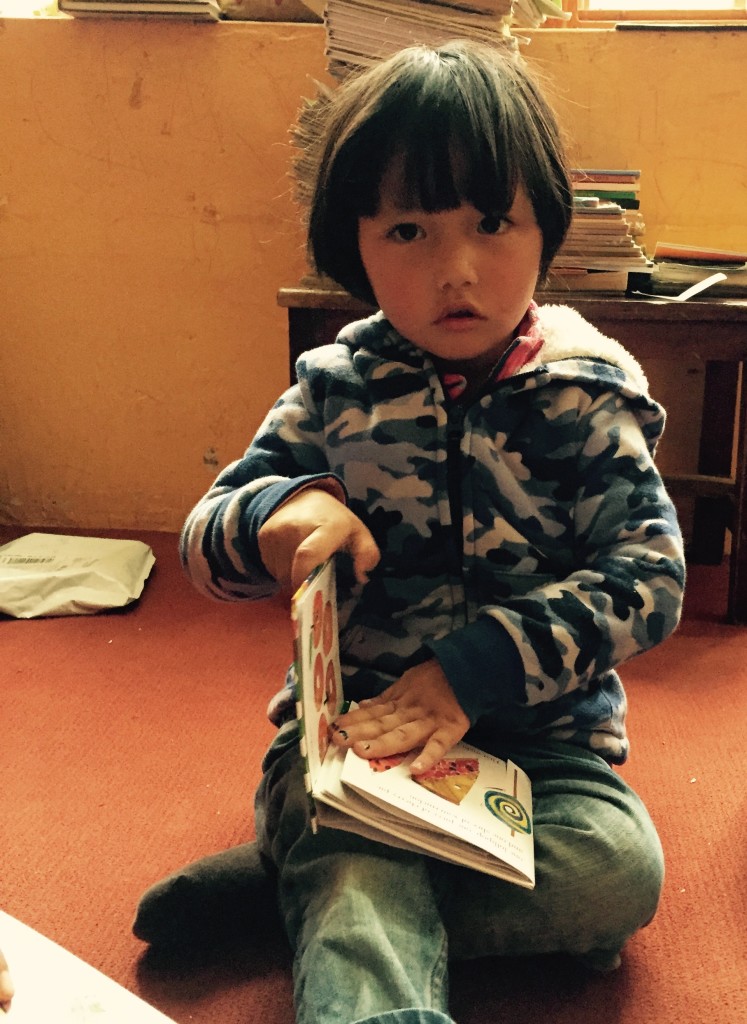
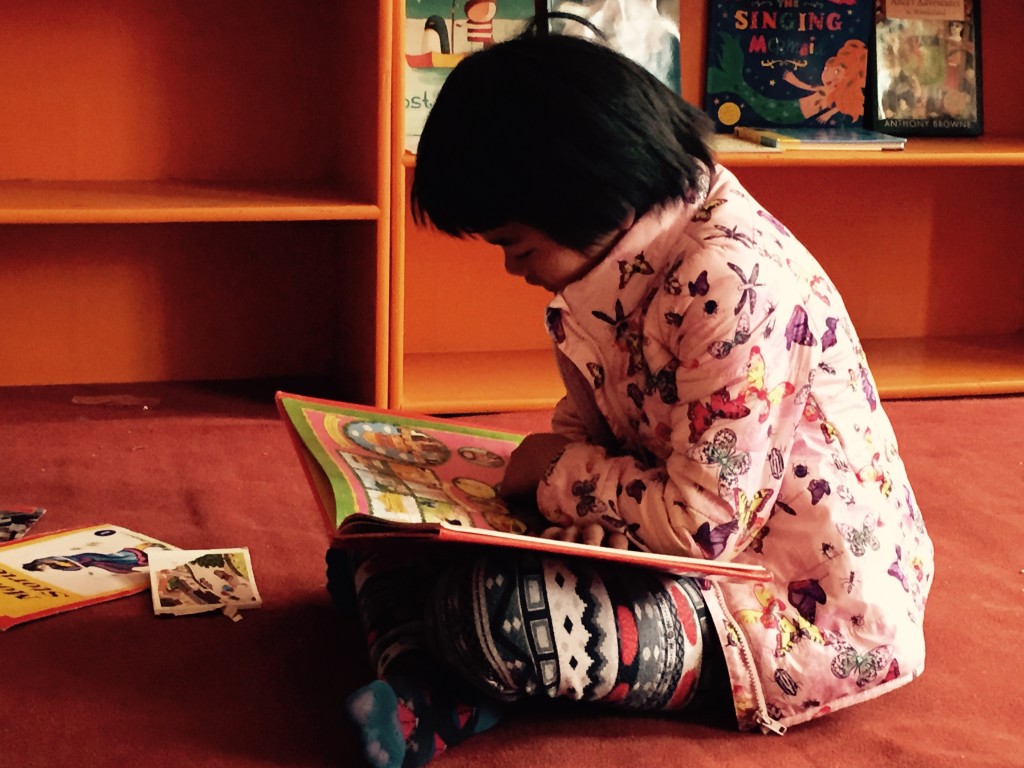
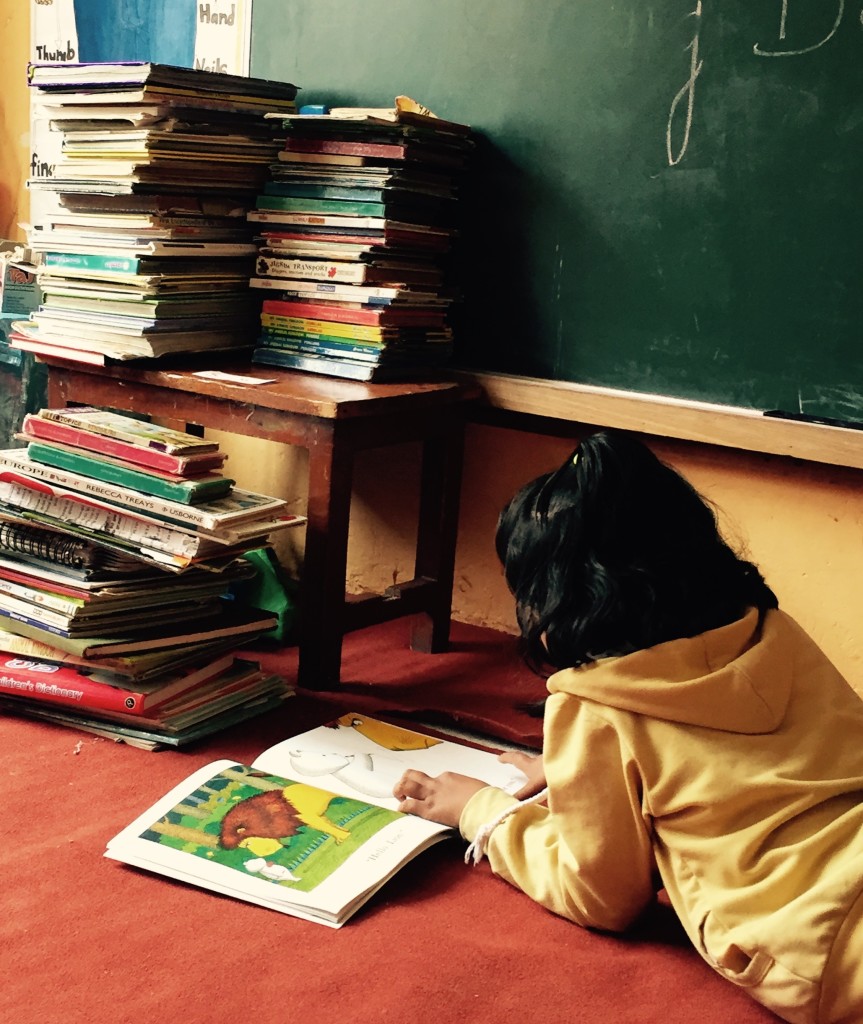
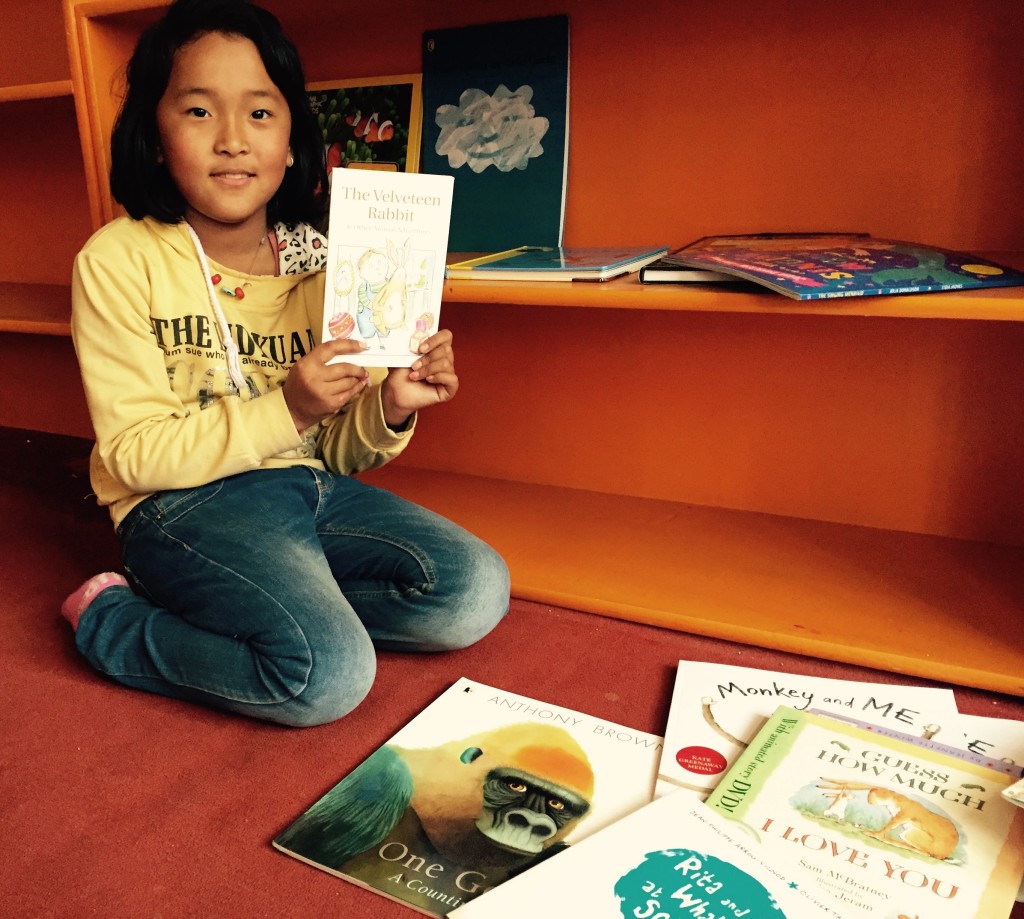
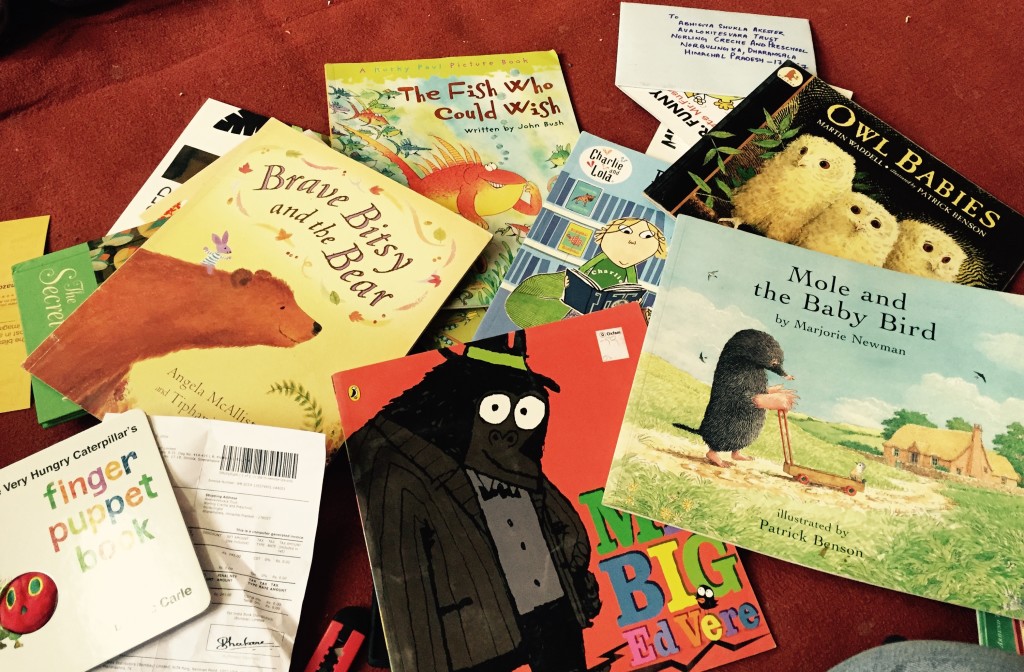
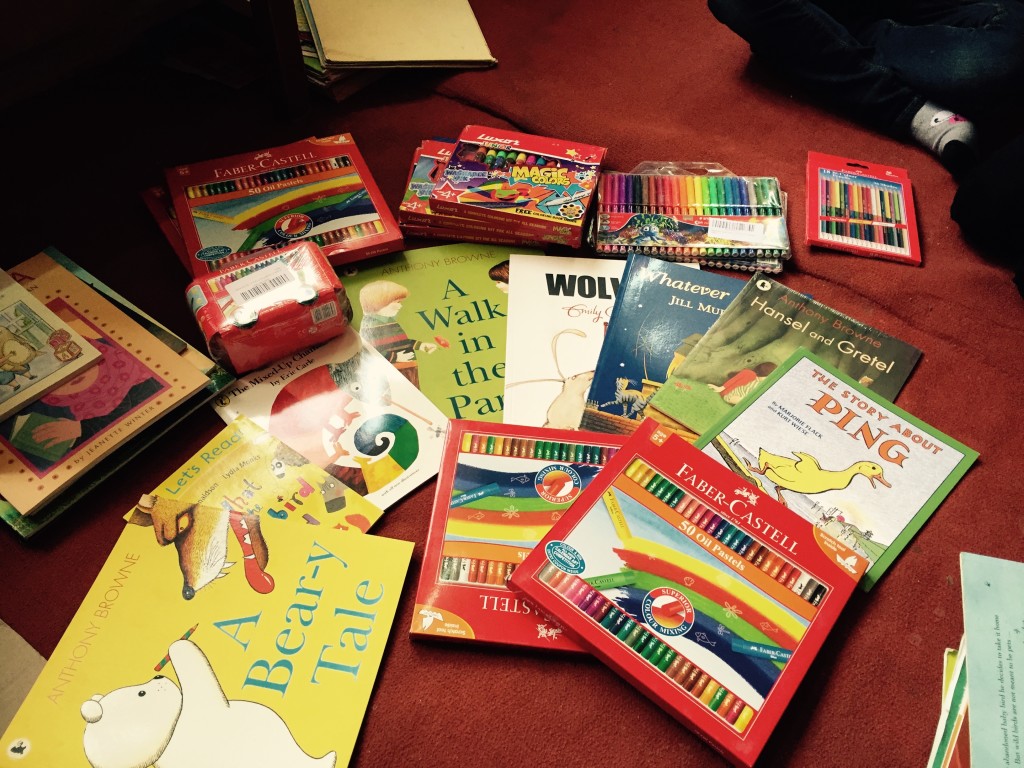
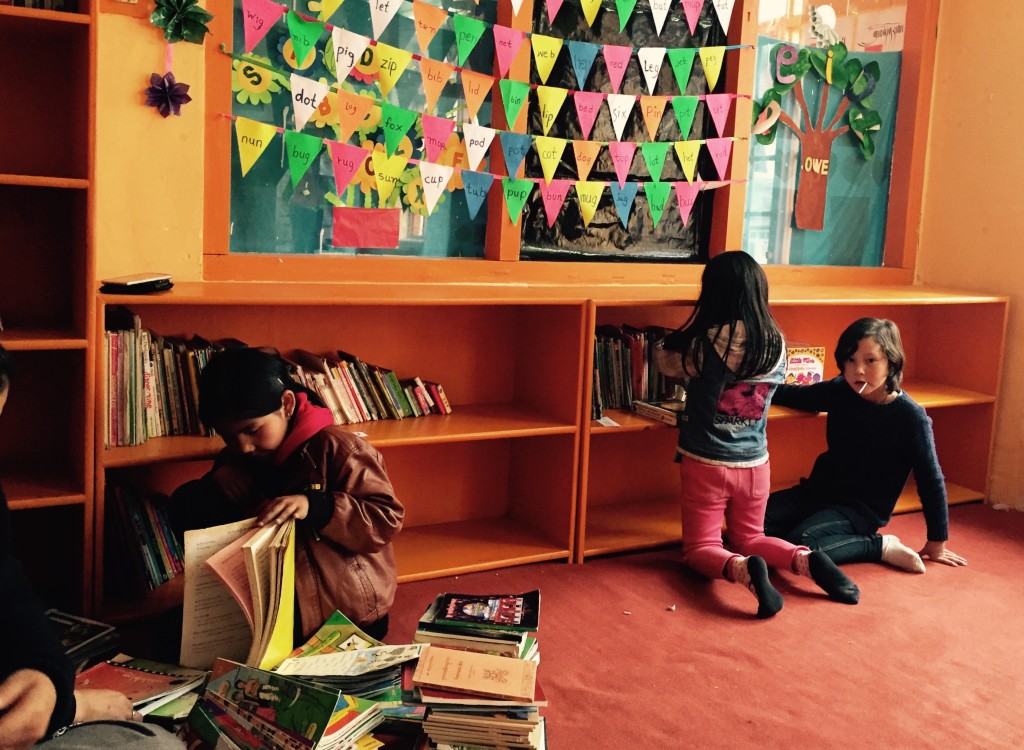
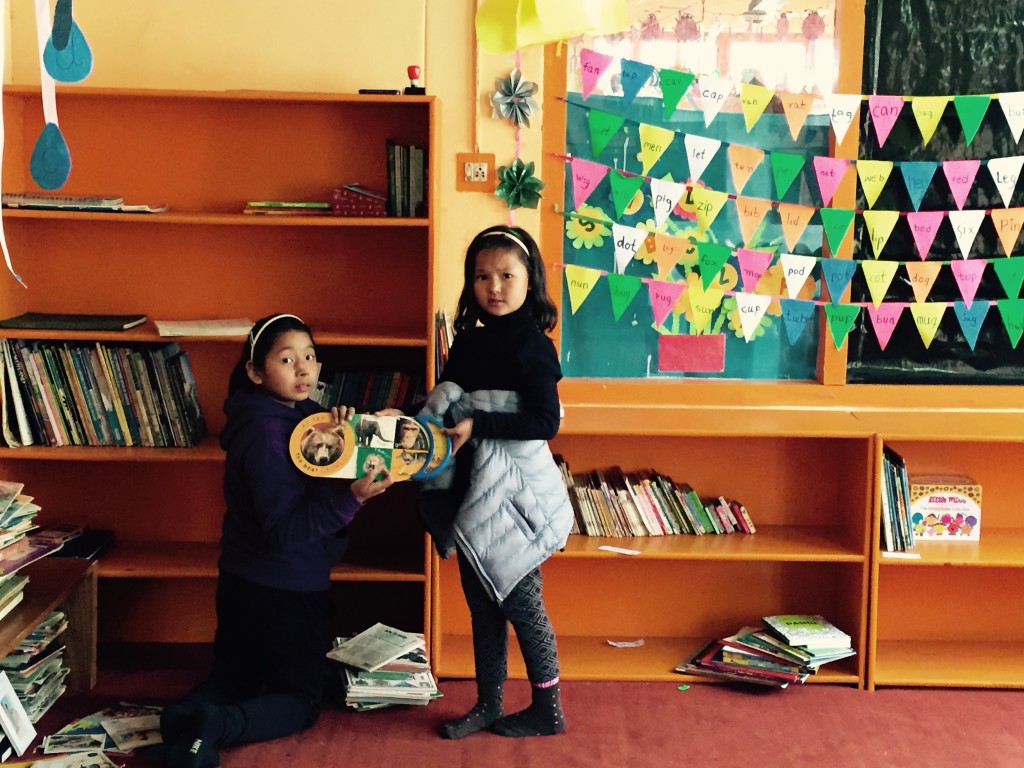
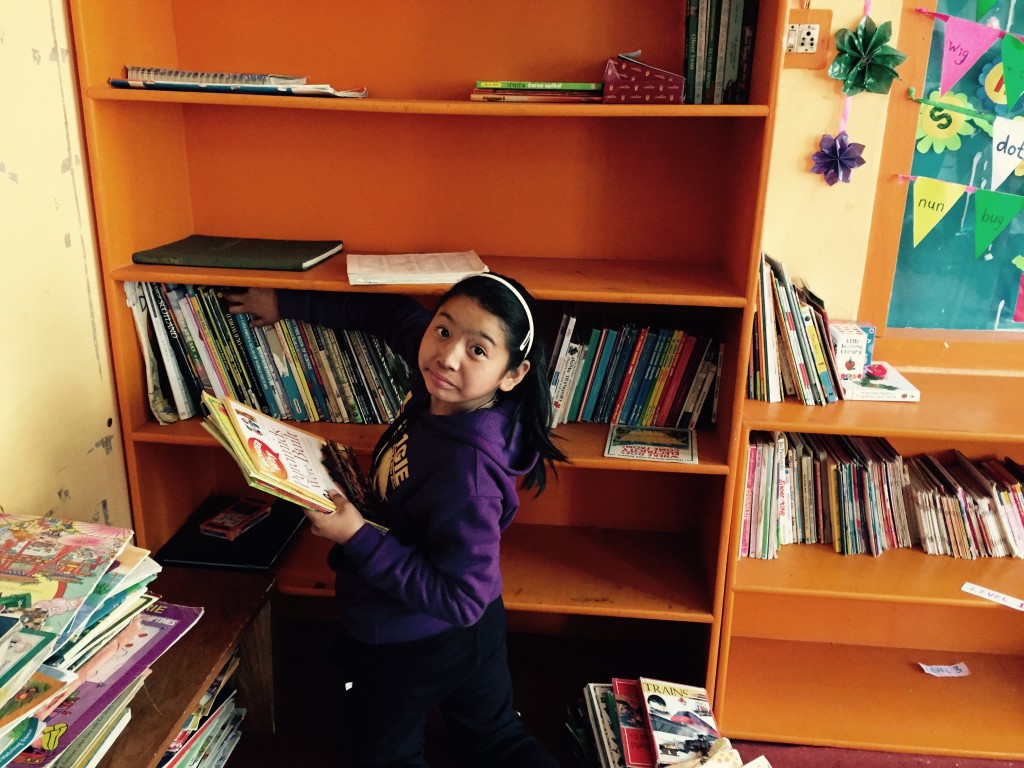
Access remains essential. A beautifully written story has little impact if it cannot reach a classroom, reading room, or family library. Through book drives, literacy activities, and creative learning programs, the Avalokiteśvara Trust helps place meaningful books in the hands of children who may have limited access to varied reading materials.
Stories Shaped By Mountain Life
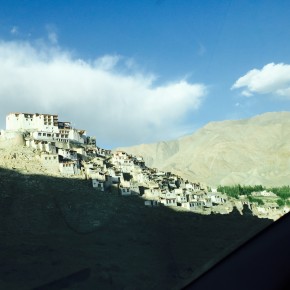
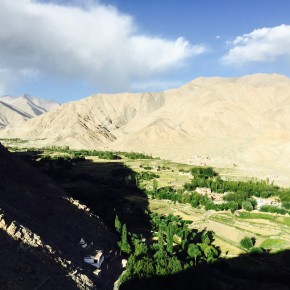
Ladakh’s landscape naturally leaves its mark on children’s literature. High passes, changing seasons, rivers, grazing animals, monasteries, and tightly connected villages can all become settings for stories. Young readers may recognize the rhythm of winter, the importance of water, or the responsibilities shared within a household. These details make reading feel personal rather than distant.
Local authors also bring cultural knowledge that may be missed in books written for a general international audience. A story can show how a festival is prepared, explain the meaning of a traditional object, or portray the relationship between a child and an elder with warmth and accuracy. Such books affirm that ordinary experiences are worthy of literature.
This connection does not mean every Ladakhi story must be strictly traditional. Contemporary writers can use familiar surroundings to explore modern education, technology, migration, and changing aspirations. A child cycling along a mountain road or studying in a new school can be just as representative of Ladakh today as an ancient folktale.
Language As A Living Part Of Reading
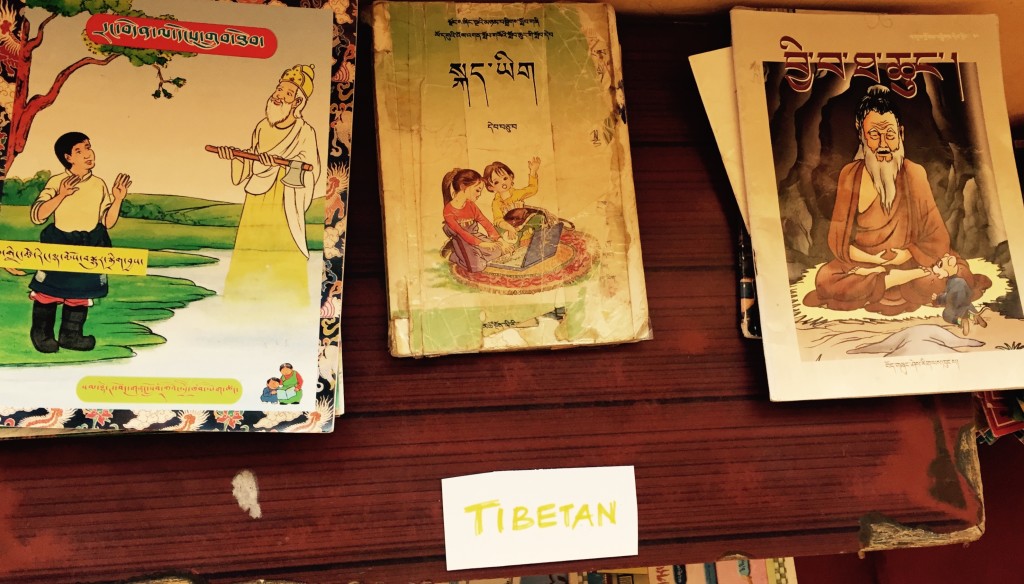
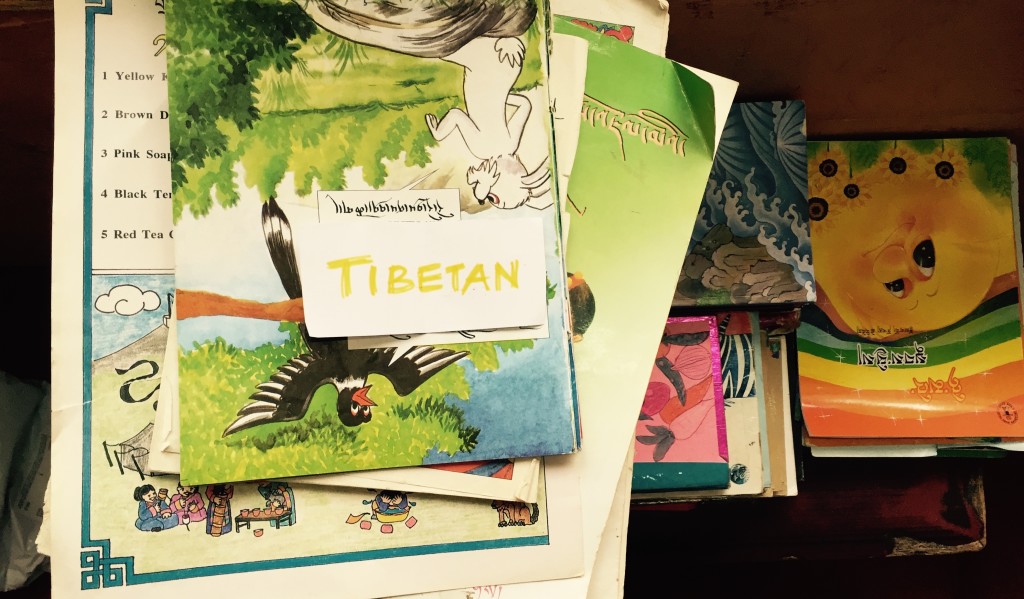
Children’s books have a special role in supporting multilingual development. In Ladakh, readers may encounter Ladakhi, Tibetan, Hindi, Urdu, and English in different parts of daily life and education. A book that includes more than one language can help children move between these worlds without treating their home language as secondary.
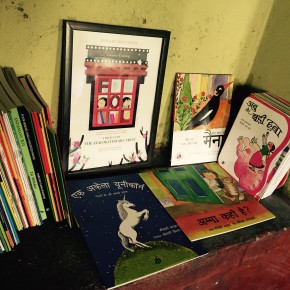
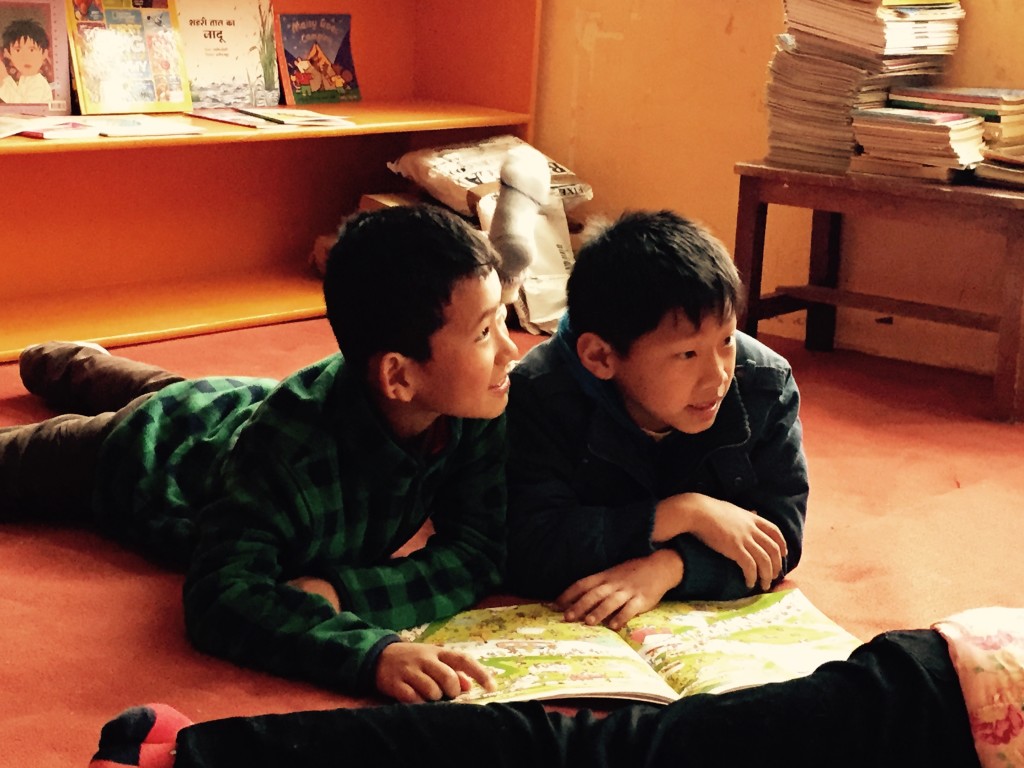
Bilingual and translated stories also give families opportunities to read together. A parent or grandparent may tell a story in the language used at home, while a child follows the printed English version. This shared experience builds vocabulary, confidence, and affection for reading. It also allows children to see their language represented in a polished, valued format.
Translation requires care. Names, humor, cultural references, and the sound of oral storytelling may not transfer directly from one language to another. Local editors, teachers, and authors can protect the spirit of a story while making it accessible to new readers. Their knowledge is an important part of responsible publishing.
From Oral Tradition To The Printed Page
Many children first meet stories through spoken narration. An elder may recount a tale during a family gathering, or a teacher may share a legend during a lesson. These performances use voice, repetition, gesture, and memory. When such a tale becomes a picture book or early reader, the printed version can preserve it while giving children a new way to revisit the narrative independently.
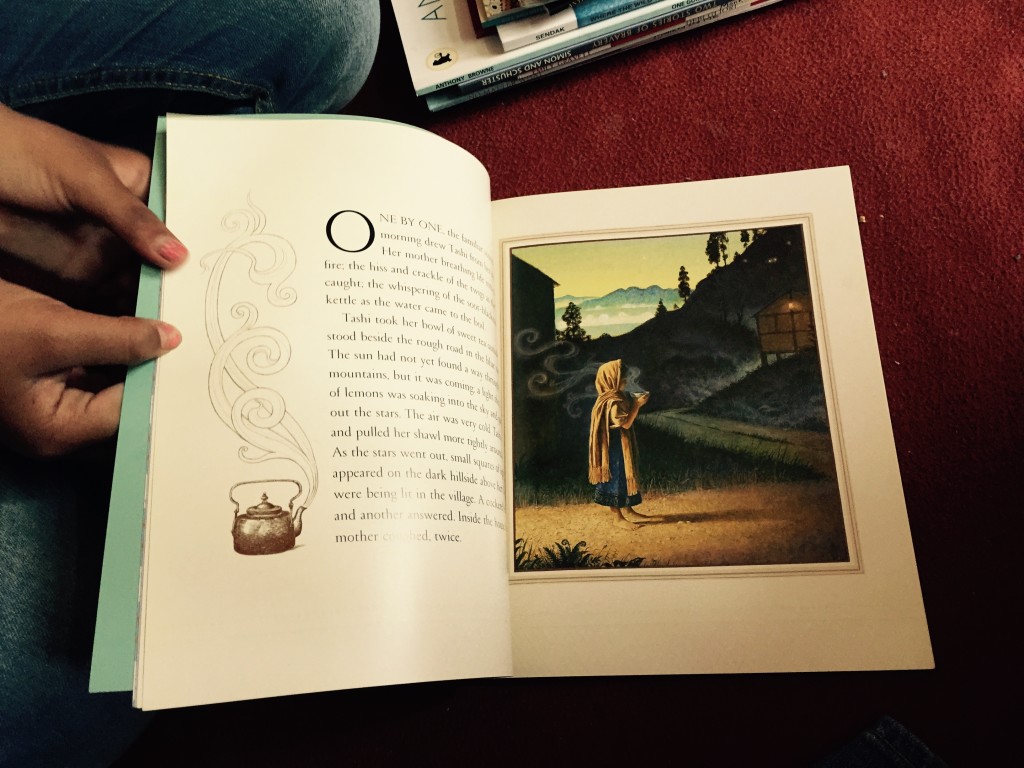
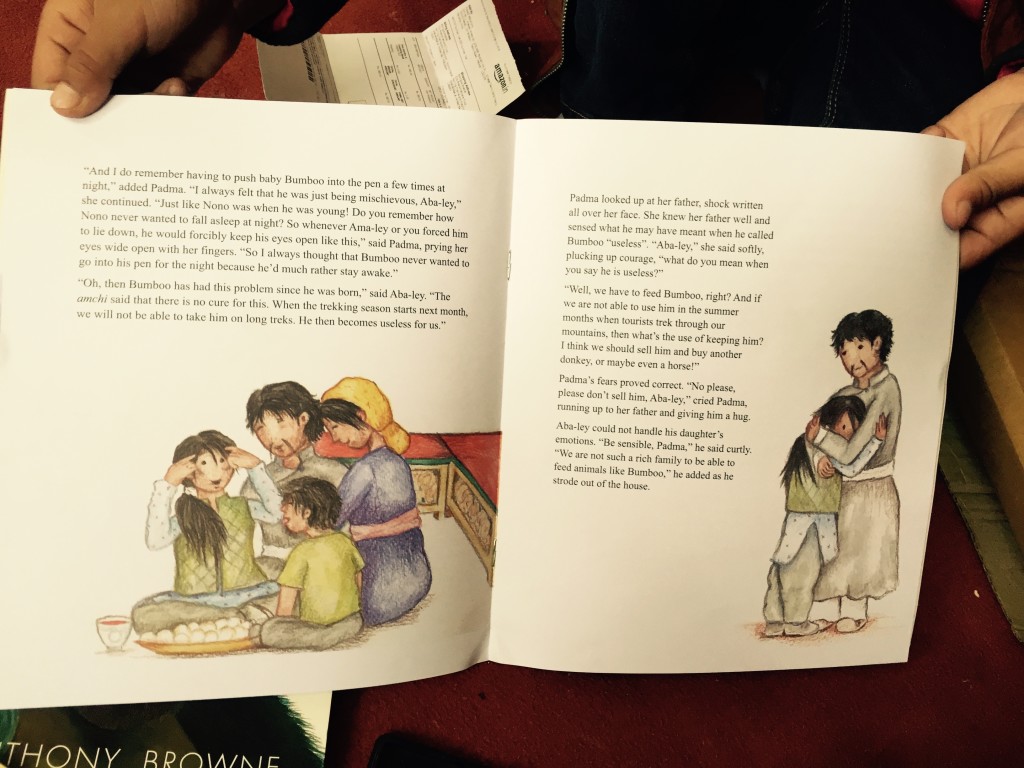
Illustration is especially powerful in this process. Artists can show the colors of a local landscape, the design of clothing, the details of a village home, or the expressions of familiar animals. Strong images support children who are still developing reading fluency and help younger listeners understand the story before they can read every word.
| Feature |
Value For Young Readers |
Support For Local Culture |
| Local settings |
Makes stories recognizable and engaging |
Records places and ways of life |
| Home-language elements |
Builds confidence and vocabulary |
Keeps linguistic heritage visible |
| Regional illustrations |
Helps children connect words with experience |
Encourages local artistic expression |
| Folktale adaptations |
Links generations through shared narratives |
Preserves stories in a durable format |
| Contemporary themes |
Reflects children’s present lives |
Shows that local literature can evolve |
A printed story should not replace oral tradition. The two forms can strengthen each other. Books give families and educators a lasting resource, while oral storytelling keeps language flexible, communal, and emotionally rich.
Why Local Representation Matters
Seeing a child like oneself in a story can influence how reading feels. When characters have recognizable names, homes, clothing, concerns, or landscapes, young readers may feel that books belong to them. Representation can also broaden the imagination of children from outside the region, helping them encounter Ladakh through the perspectives of its own communities.
Local authors offer nuance that outsiders may overlook. They can portray children as curious, funny, inventive, thoughtful, and complicated rather than reducing them to symbols of remoteness or hardship. This distinction matters when books are shared internationally. A child in Ladakh should appear as a complete person, not simply as a figure in a dramatic landscape.
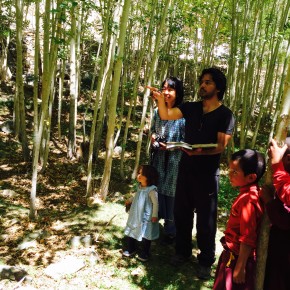
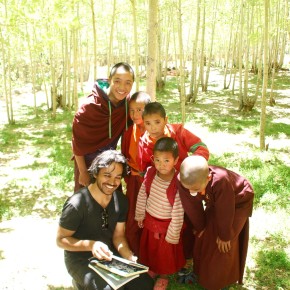
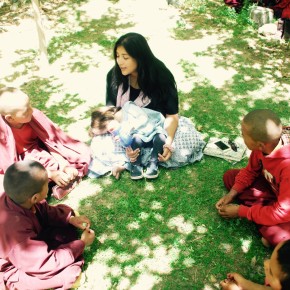
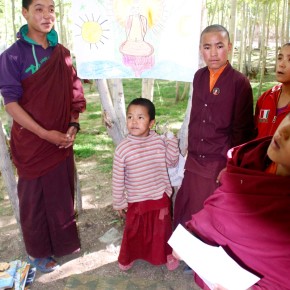
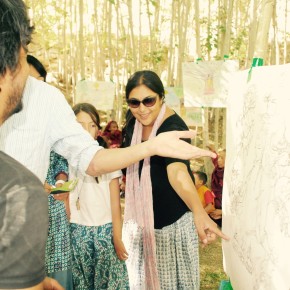
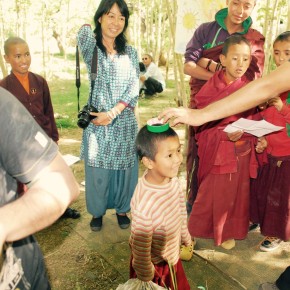
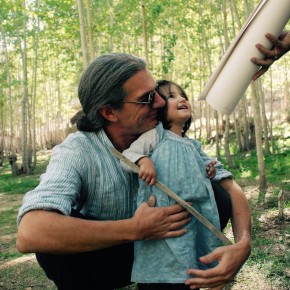
Publishing regional voices also creates opportunities for young people to imagine creative futures. Meeting a local writer, illustrator, musician, or storyteller can make artistic work seem possible. Author visits, drawing workshops, reading circles, and story-making sessions extend the value of a book beyond its pages.
Books That Build Community
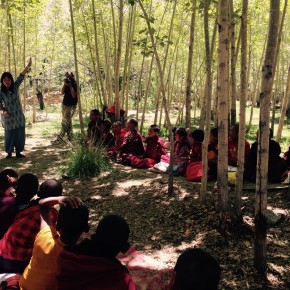
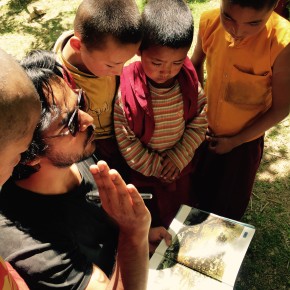
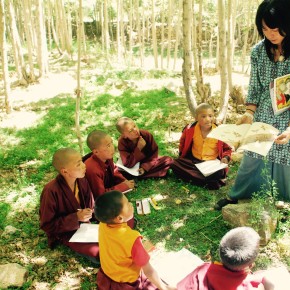
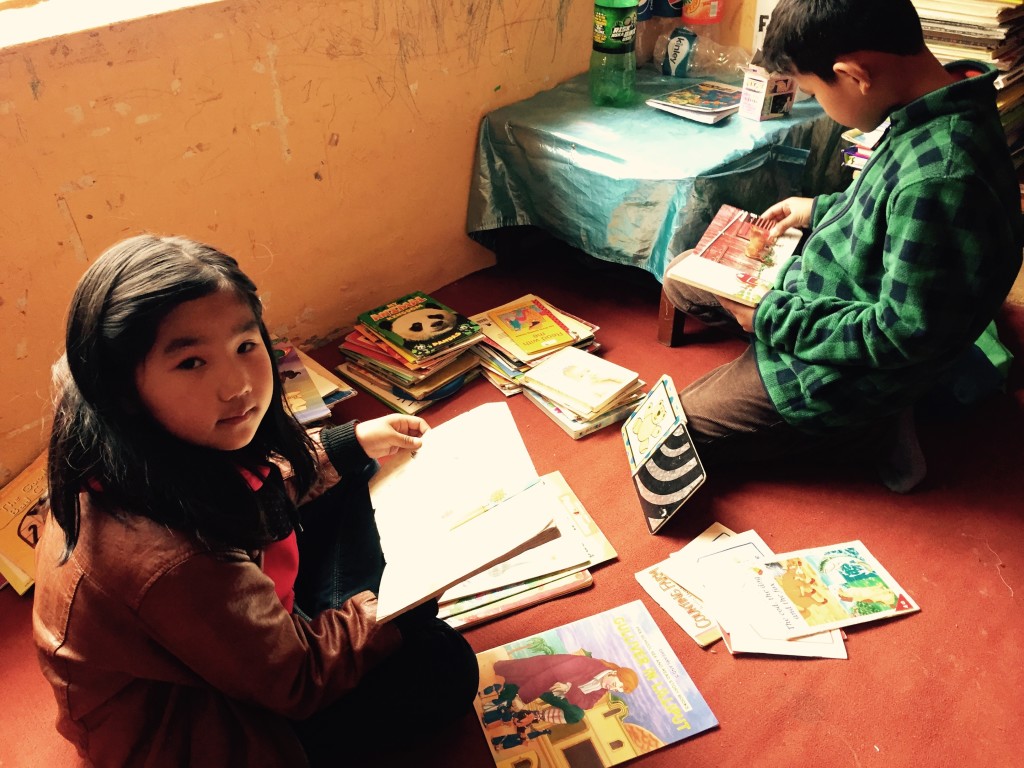
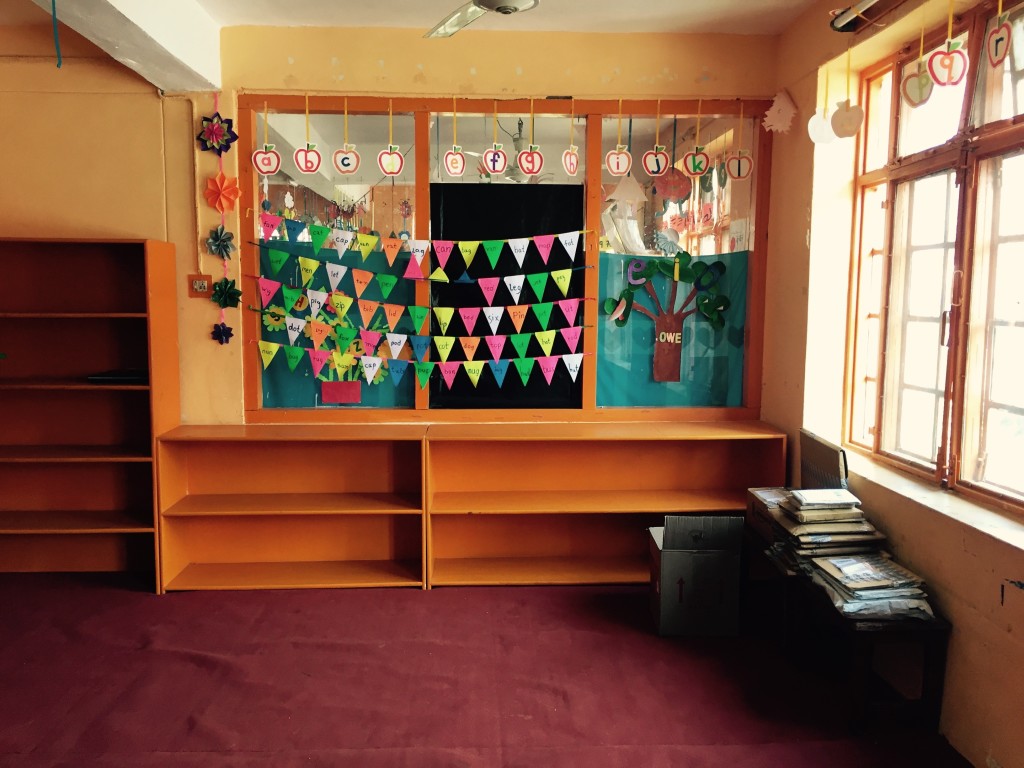
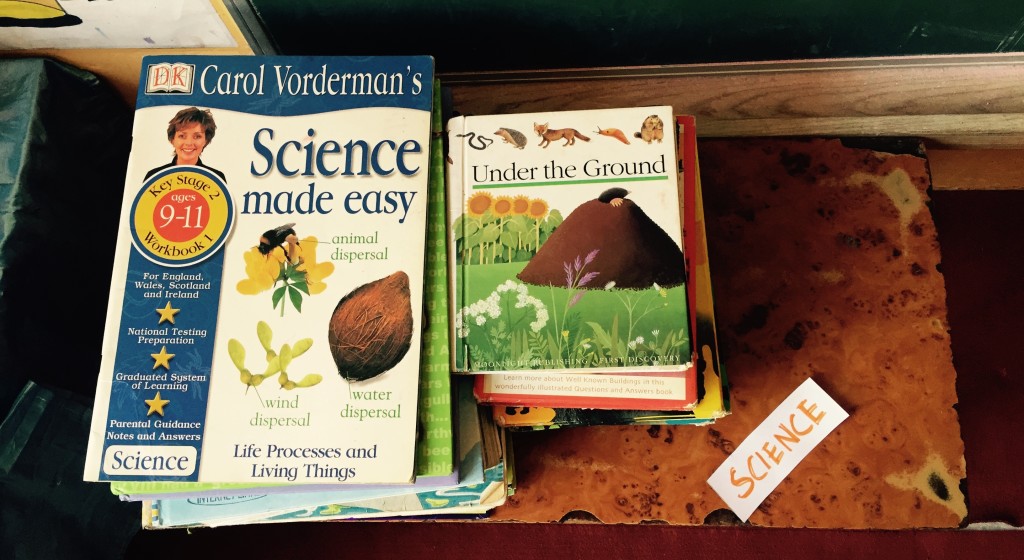
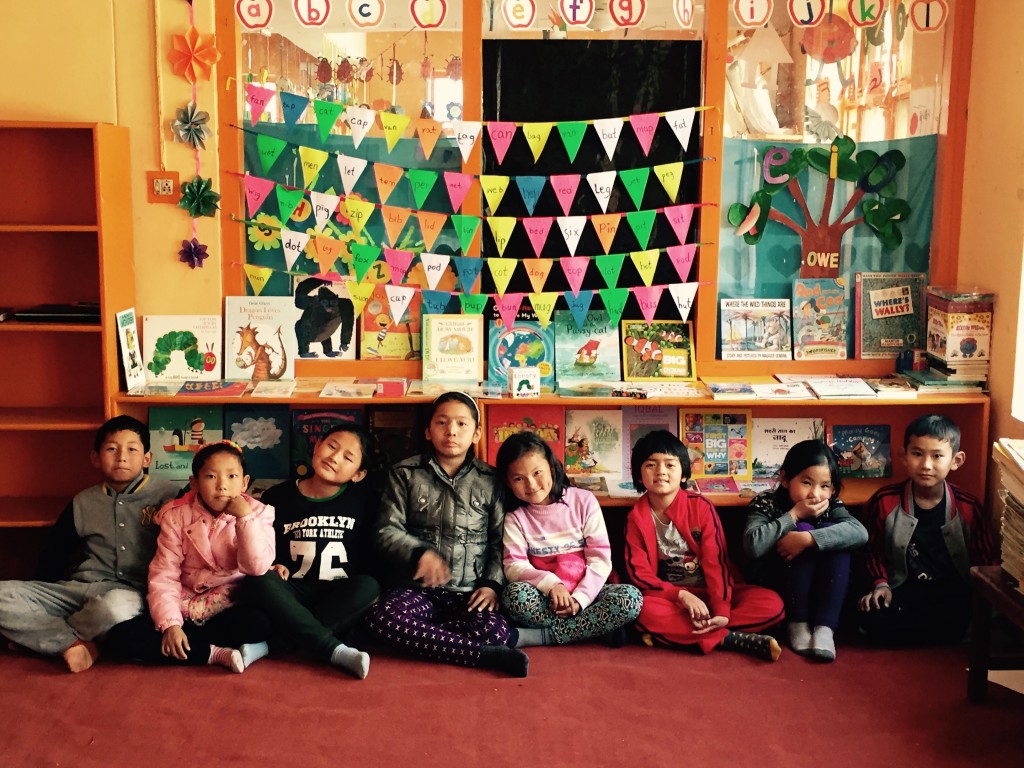
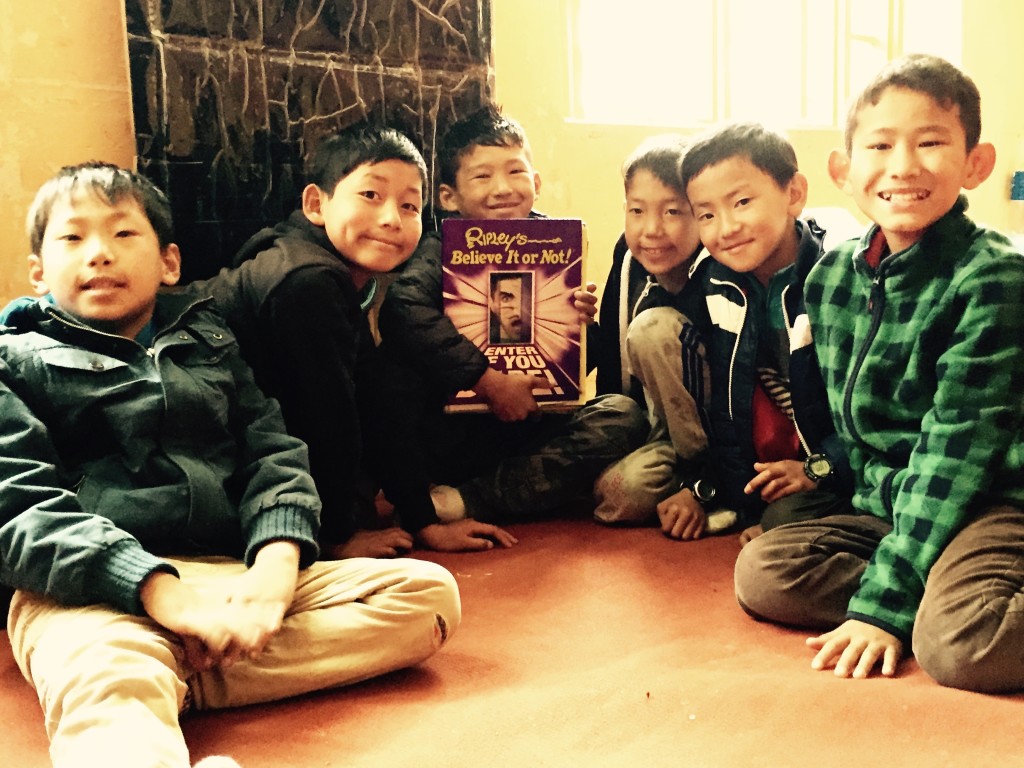
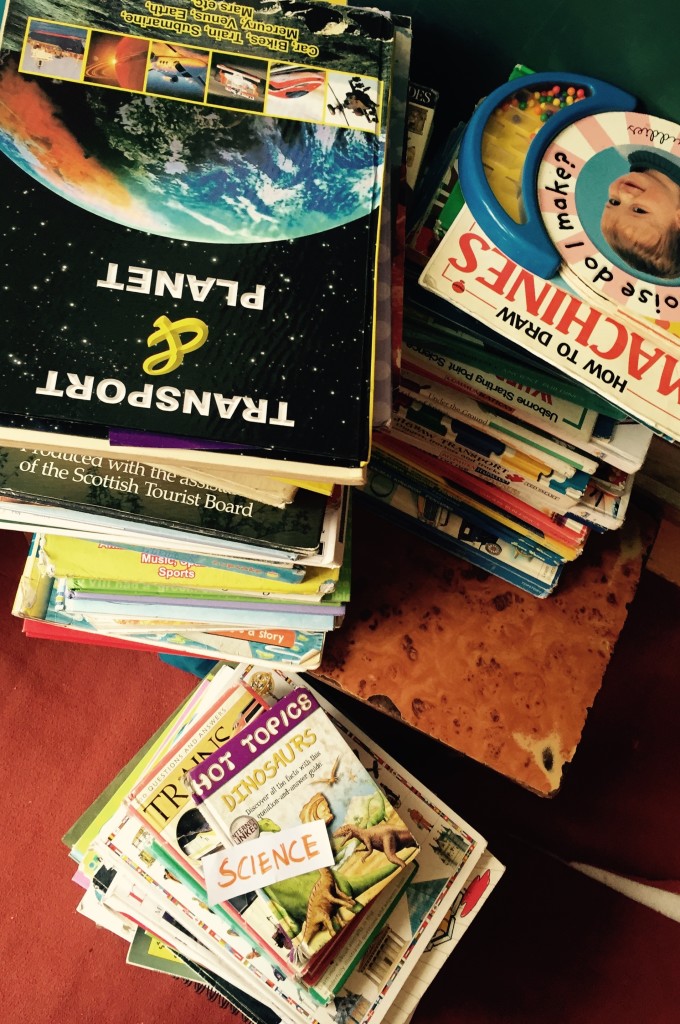
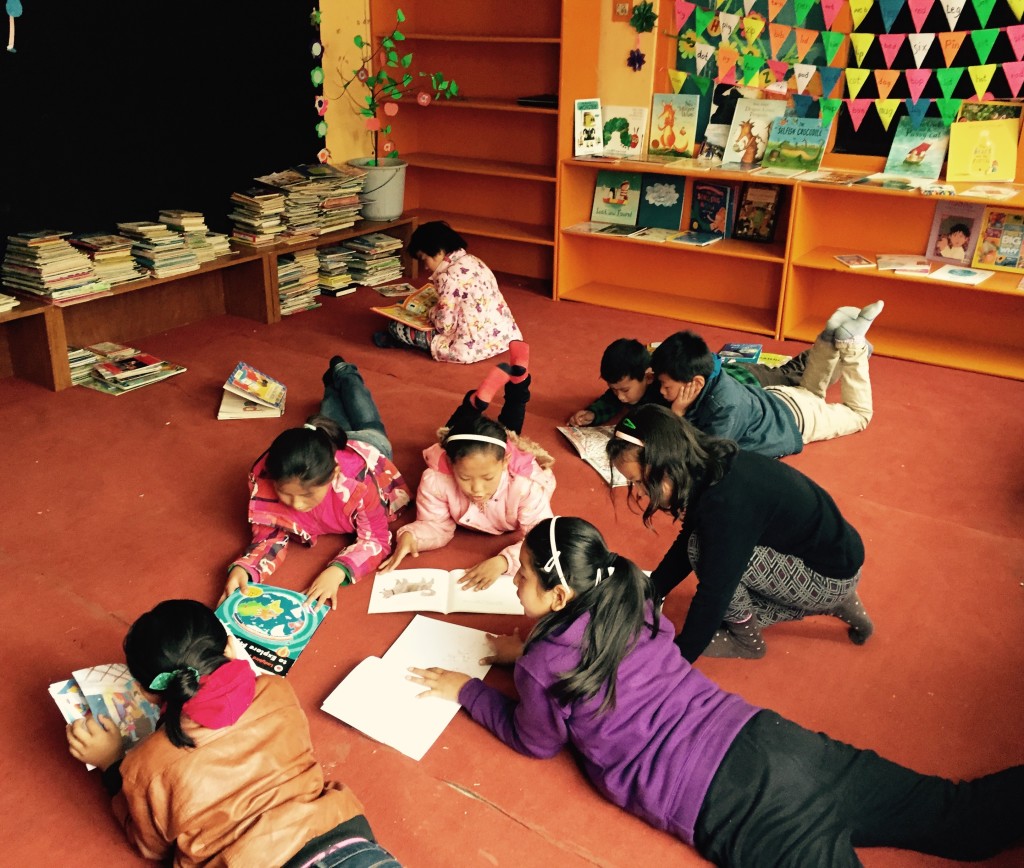
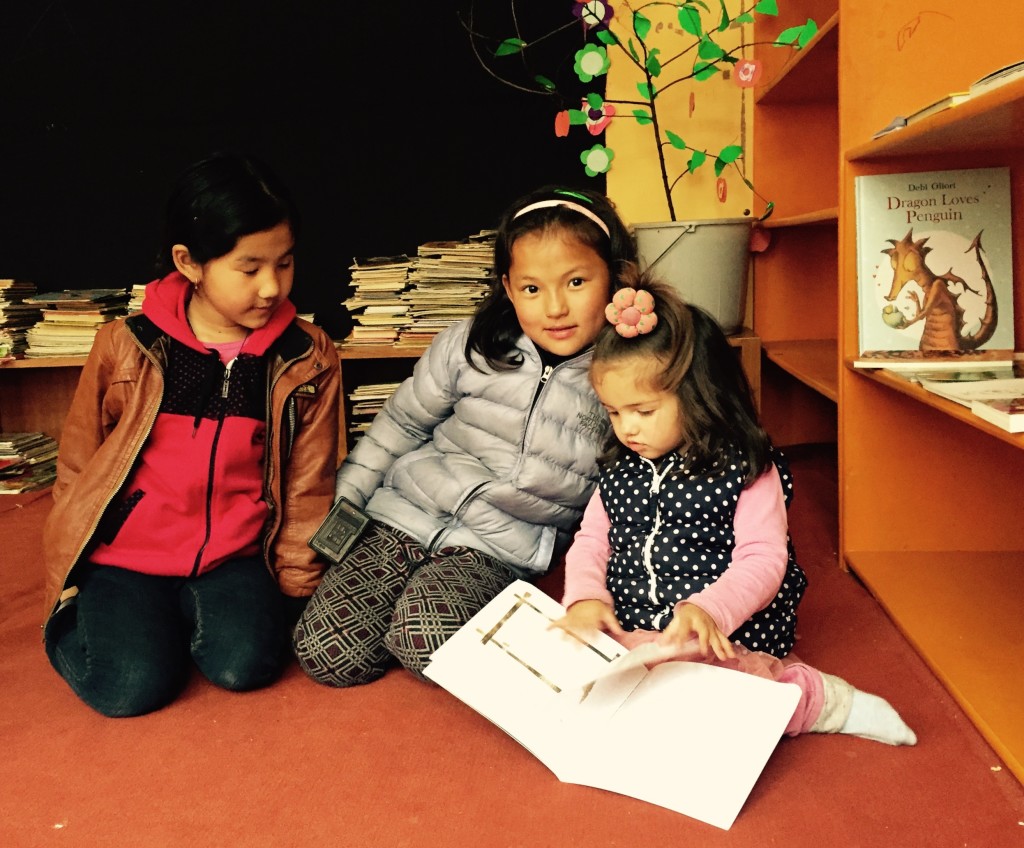
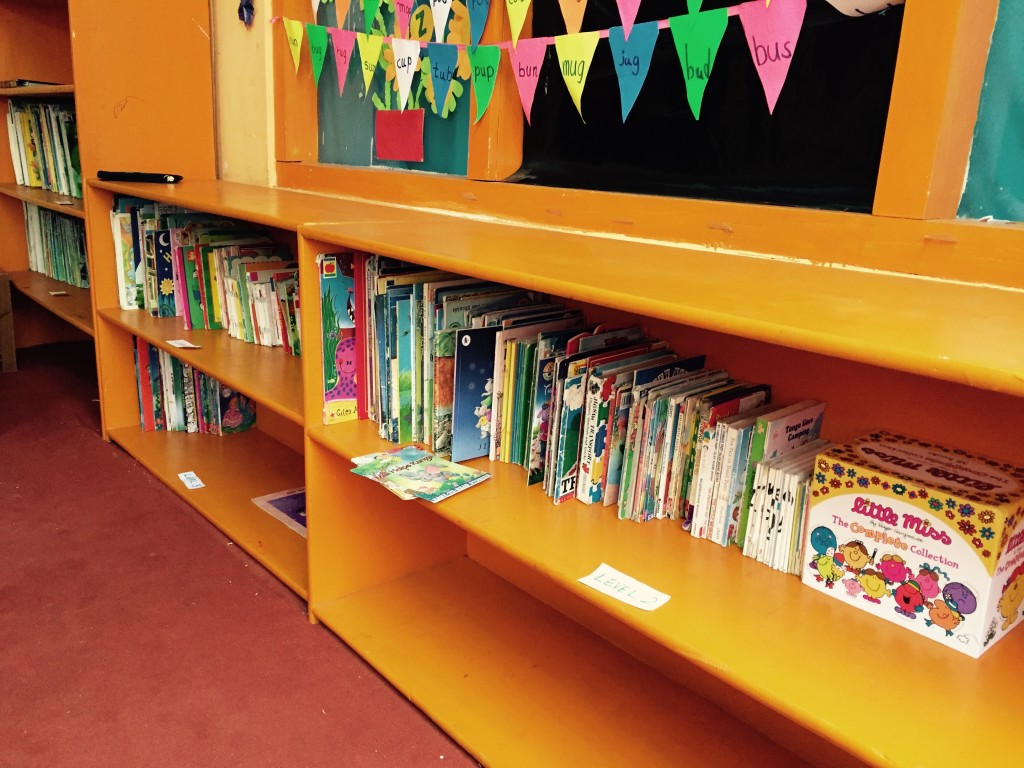
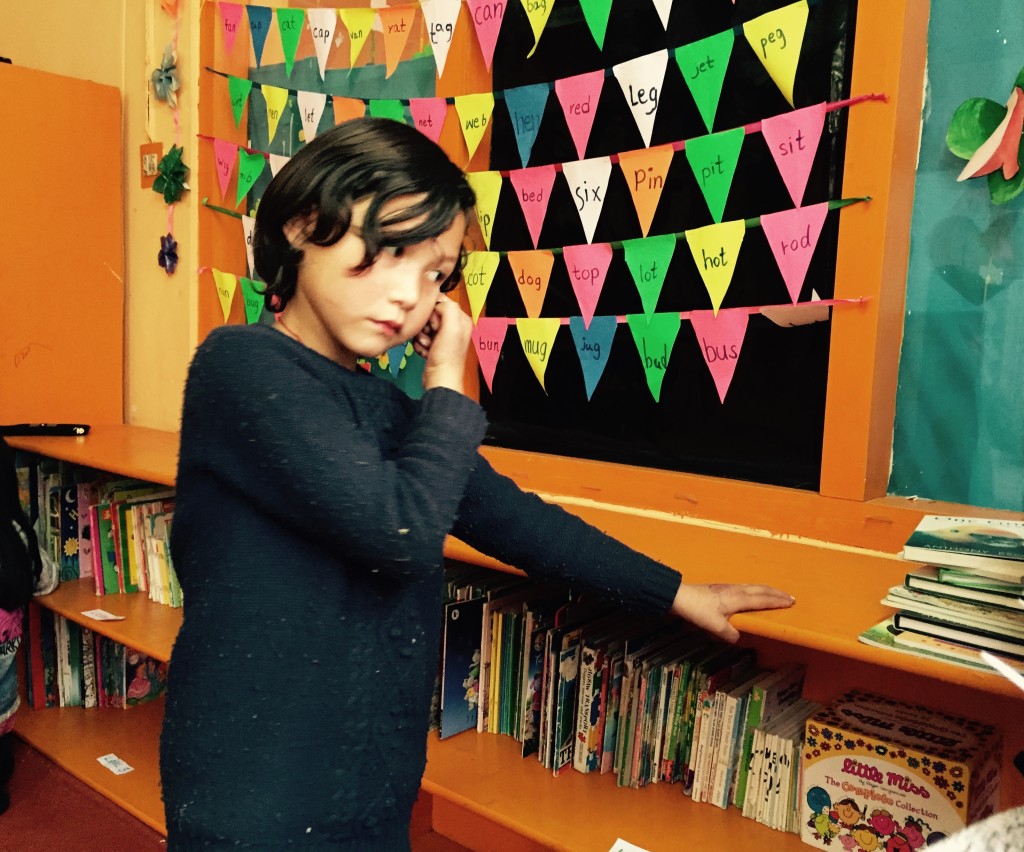
A children’s book becomes more useful when it is part of a wider learning environment. In a reading room, children can choose books at their own pace, discuss characters with friends, and return to stories that interest them. This freedom encourages independent reading and helps children discover whether they prefer poetry, adventure, folklore, science, biography, or visual storytelling.
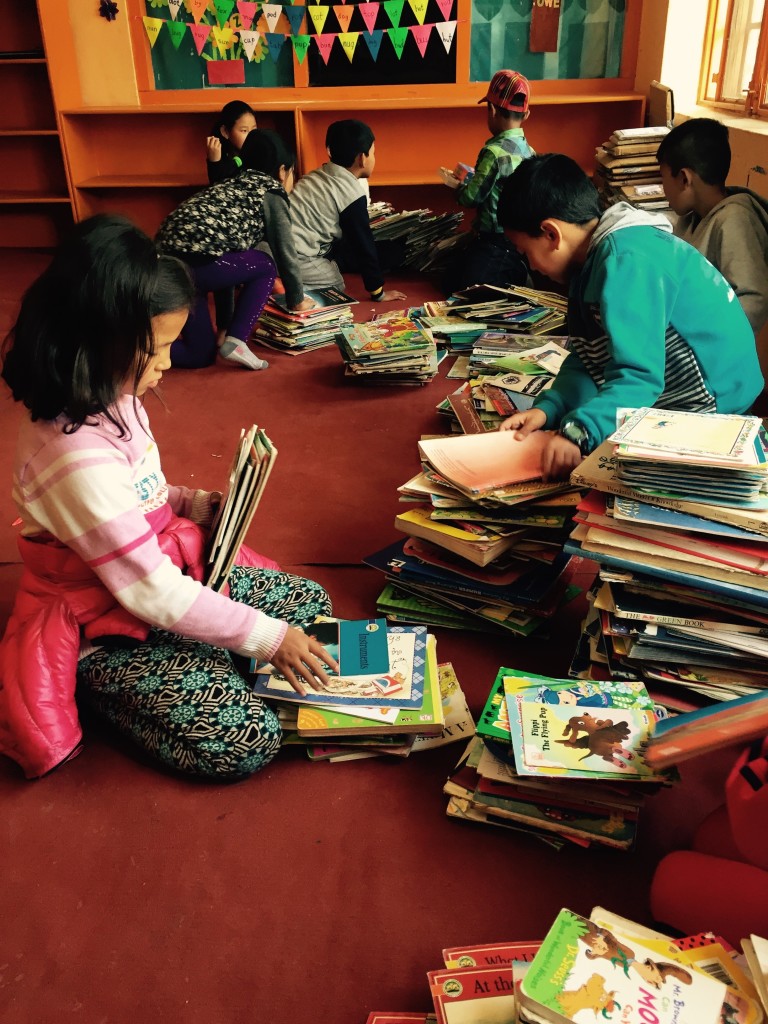
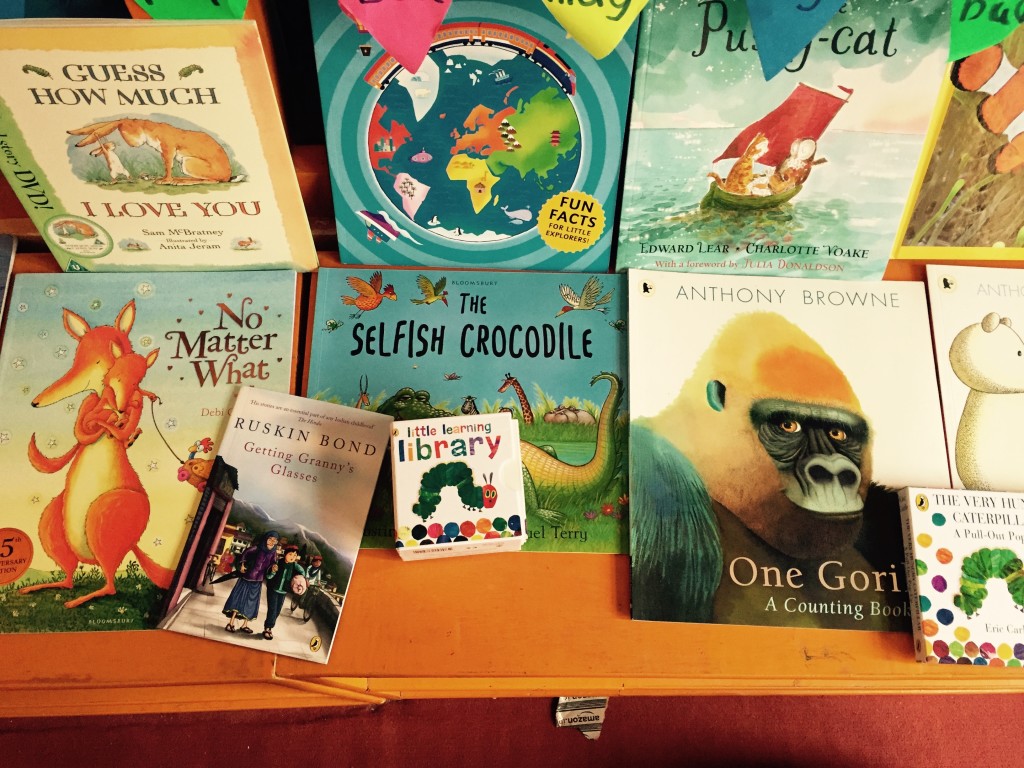
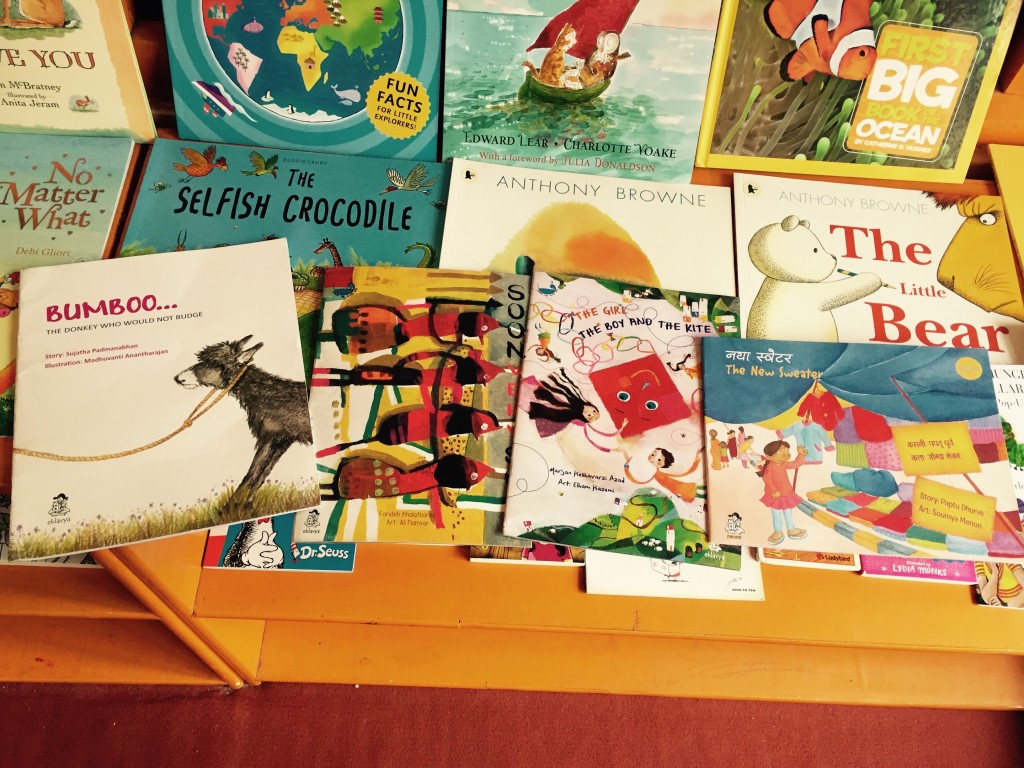
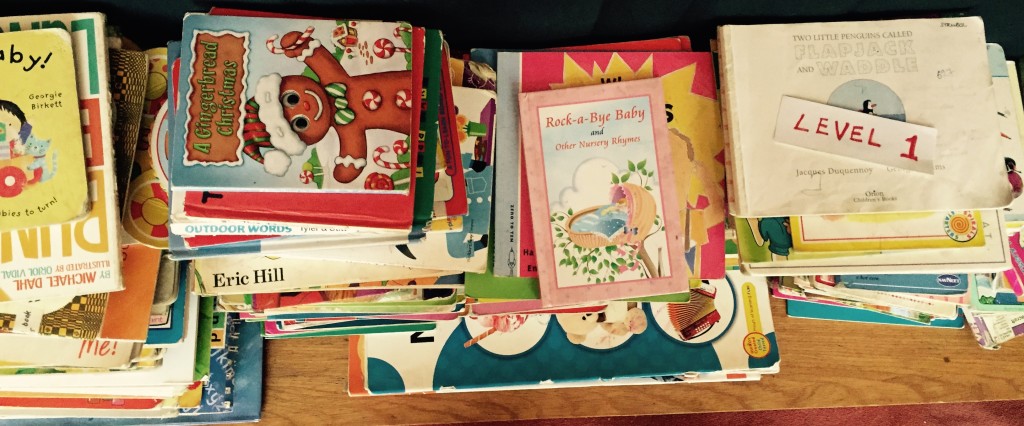
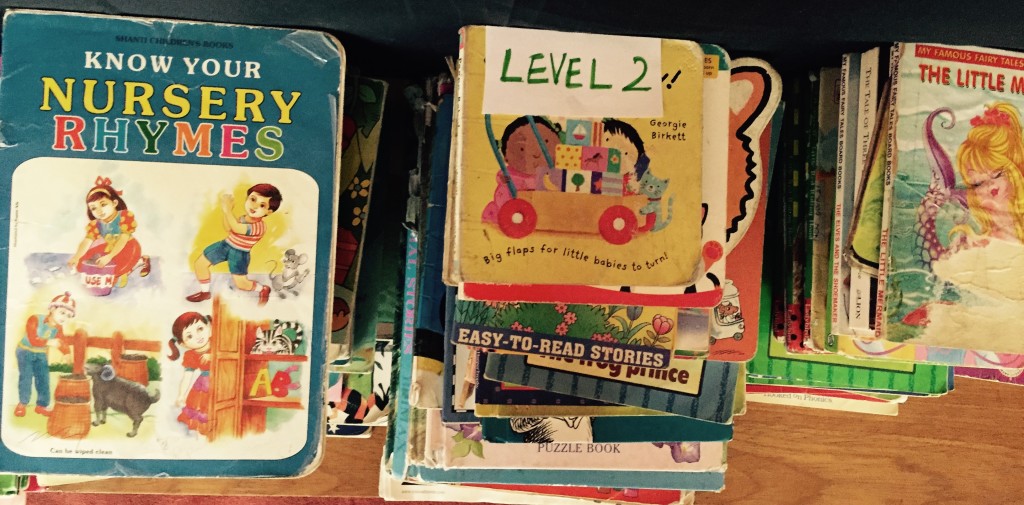
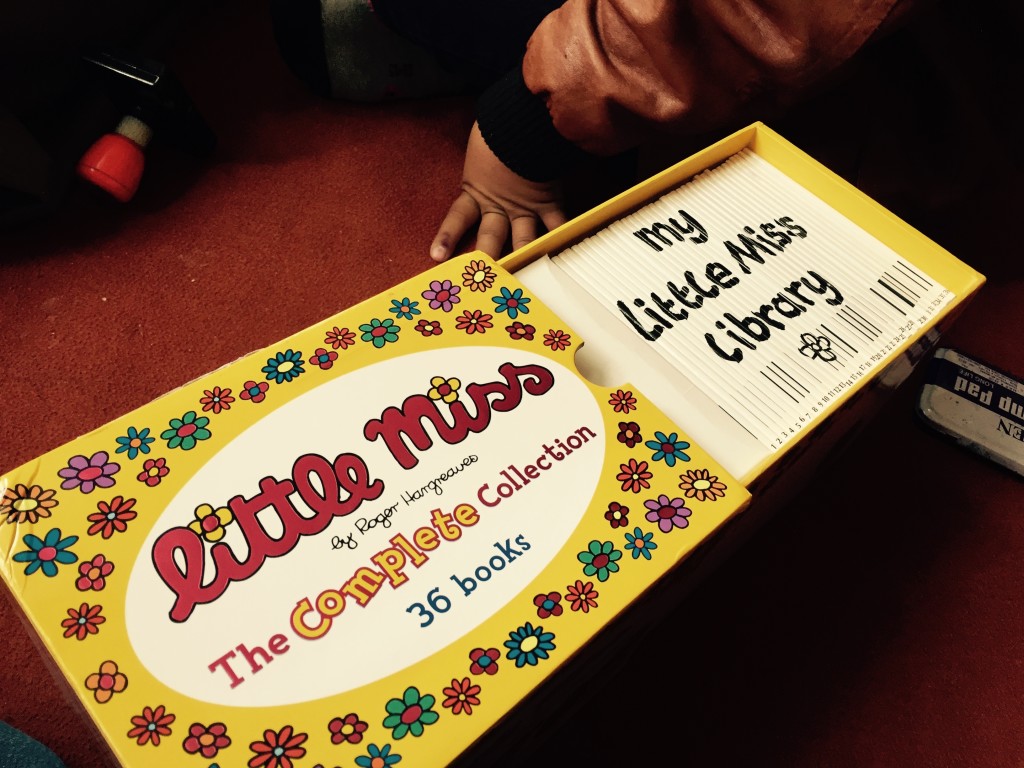
Book drives can be designed with local needs in mind. Alongside new titles, communities may benefit from durable picture books, beginner readers, illustrated dictionaries, art materials, and books for older children. A balanced collection supports different ages and reading levels rather than assuming that one type of book will suit everyone.
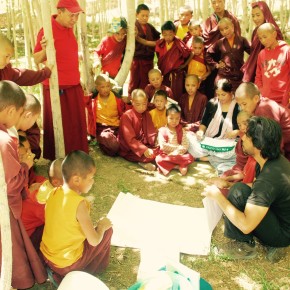
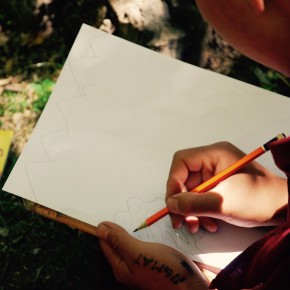
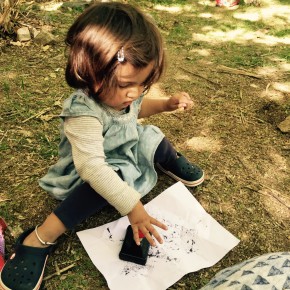
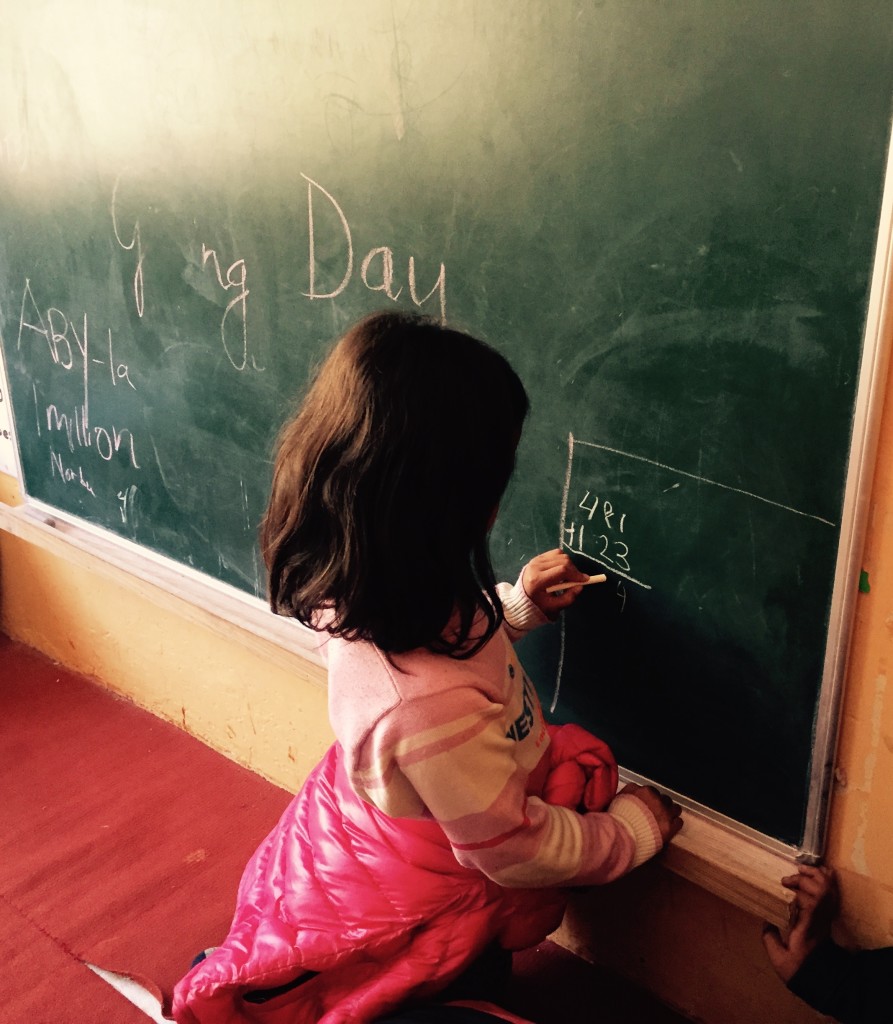
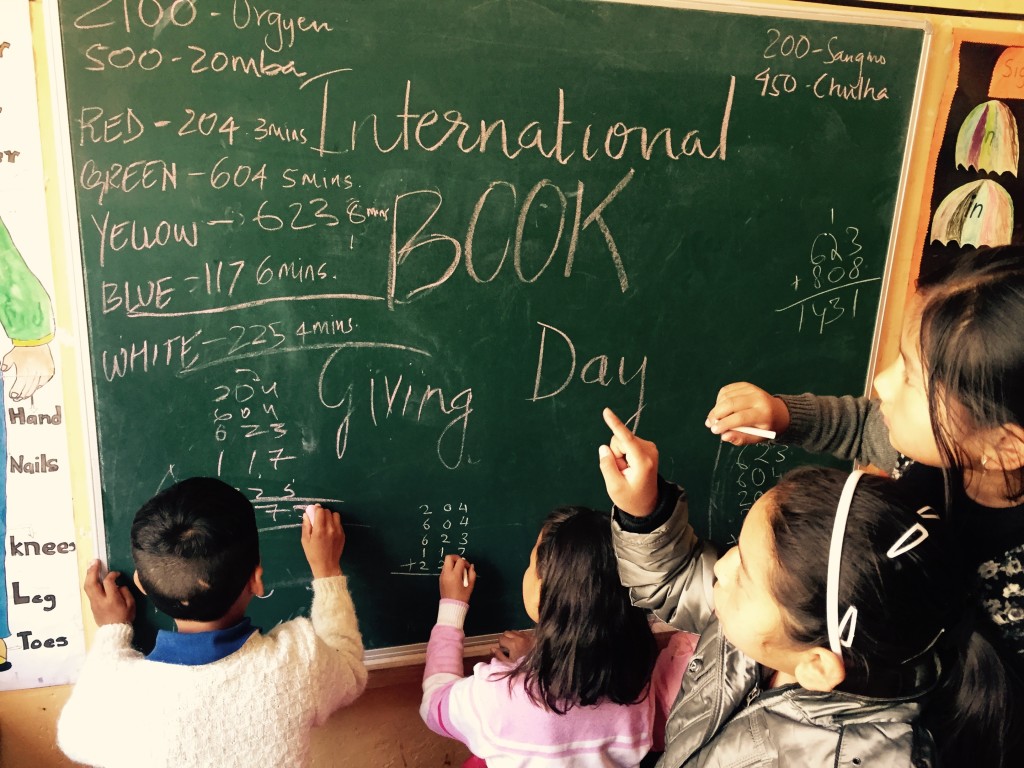
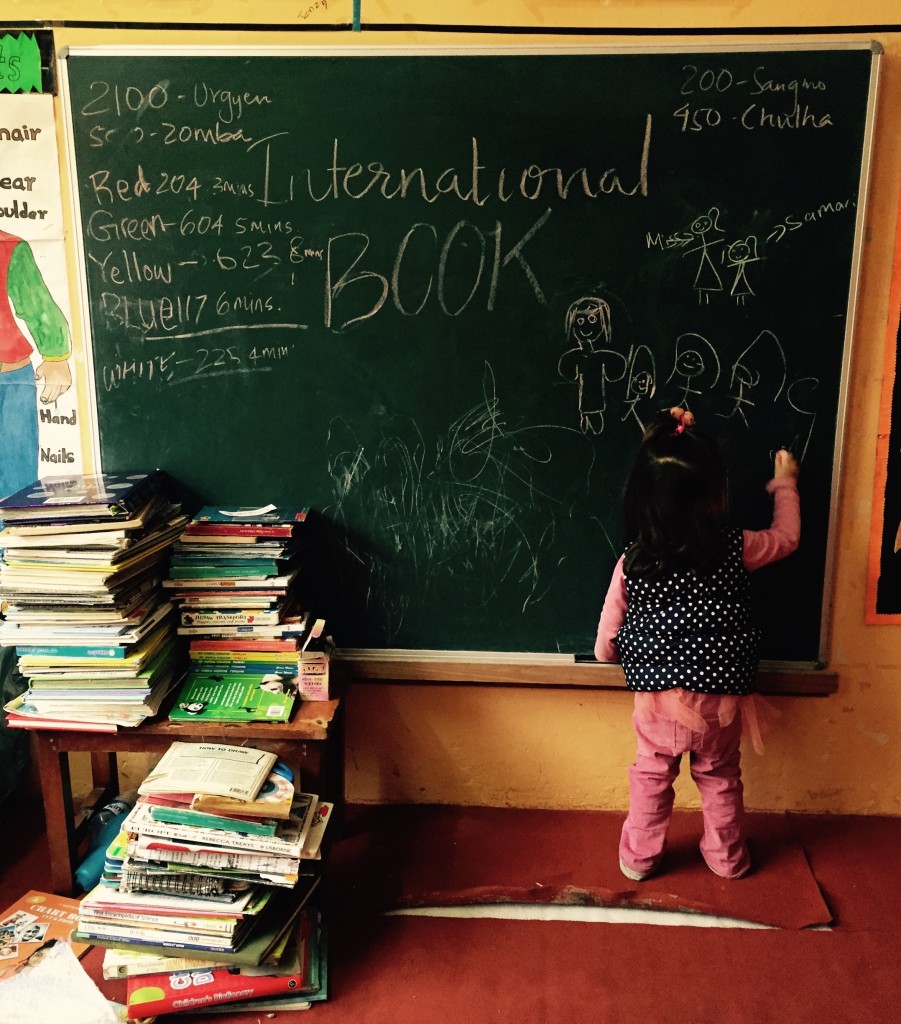
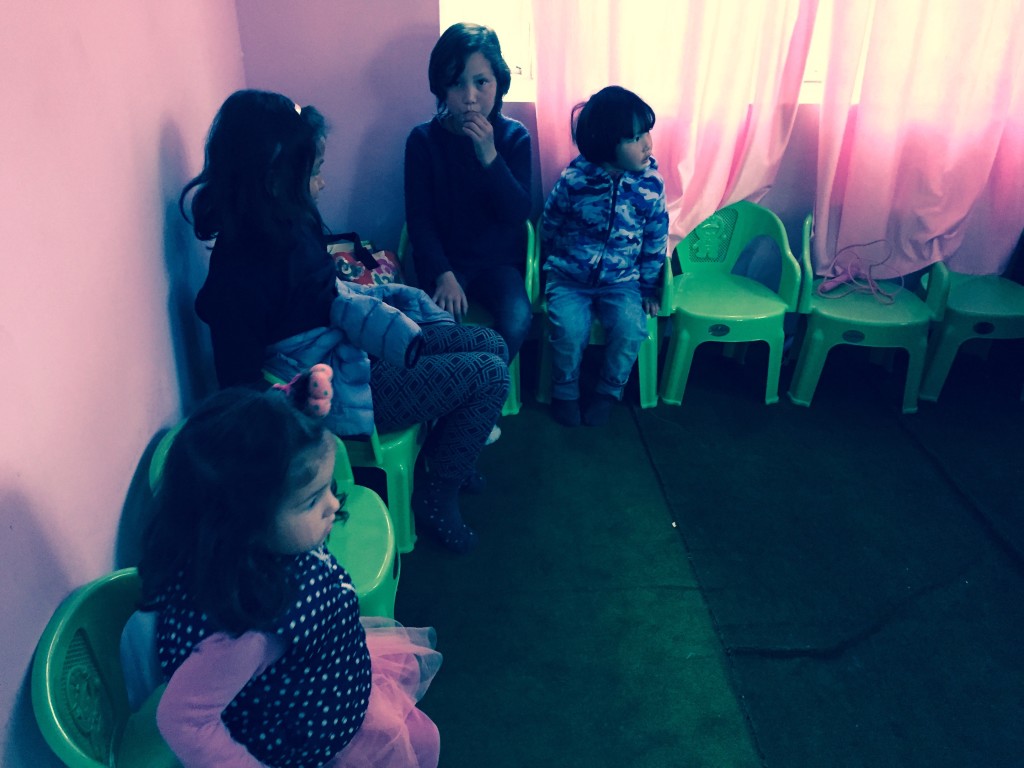
Projects connected with children’s literacy work can also invite community participation. Teachers may recommend titles, families may share traditional stories, and young readers may create drawings or short books of their own. These activities turn children from passive recipients into contributors to a growing culture of reading.
Thoughtful Ways To Support Regional Publishing
Readers, educators, and donors can help Ladakhi children’s literature grow through practical, respectful choices. Support is most effective when it strengthens local knowledge and responds to what children, teachers, and community partners actually need.
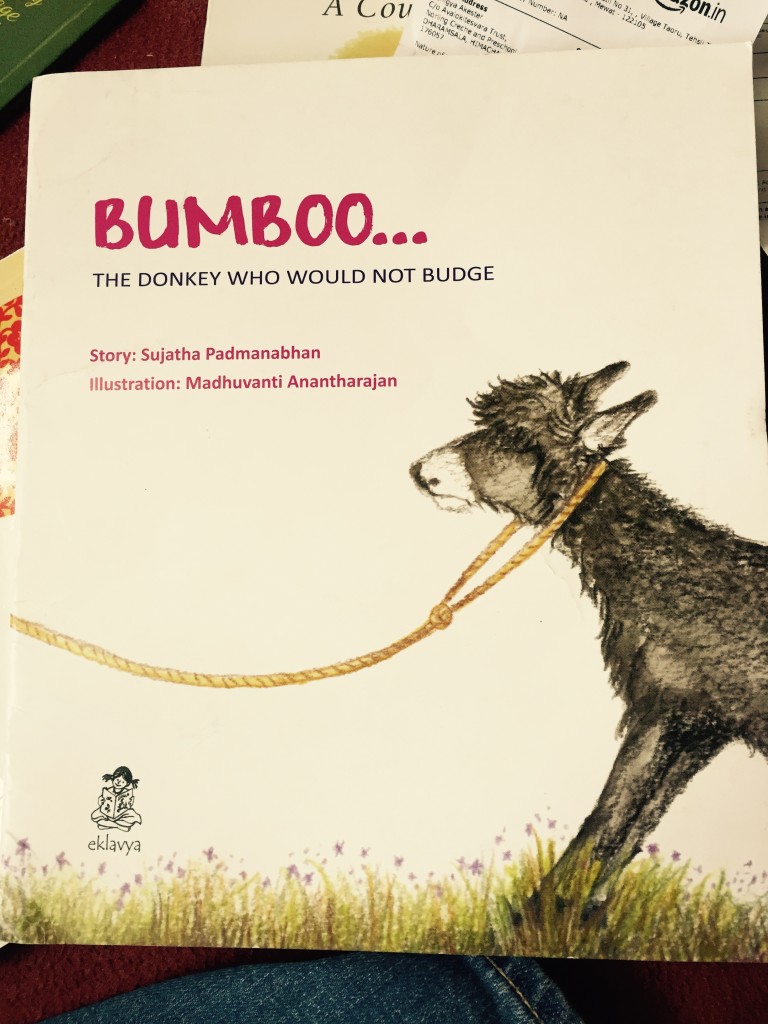
- Choose books by Ladakhi or Himalayan writers when building a classroom, home, or community library.
- Pair book donations with reading circles, storytelling sessions, and age-appropriate creative activities.
- Support bilingual editions and careful translations that retain local names, settings, and cultural meaning.
- Invite local teachers and families to guide book selection and identify gaps in available resources.
- Credit authors, illustrators, translators, and storytellers clearly so their work receives lasting recognition.
These steps help create a literary ecosystem rather than a one-time collection. They also encourage publishers and institutions to invest in stories that may have a smaller commercial audience but significant cultural and educational value.
A celebration of Ladakhi children’s books can begin with one shared story and grow into a lasting relationship with reading. By donating suitable books, supporting reading spaces, sharing local authors, or contributing to creative education, you can help children encounter stories that reflect their lives and expand their horizons. Support the work of the Avalokiteśvara Trust and help make books, imagination, and local voices part of every child’s learning journey.