A Library Built From the Landscape
At first glance, a library seems to require shelves, desks, windows, and walls bought from a distant supplier. In a Himalayan village, however, every component must answer to steep roads, high transport costs, cold winters, and limited electricity. A local carpenter can turn those constraints into a design language rooted in the place itself.
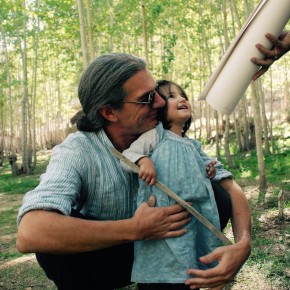
This is the story of Dorje, a carpenter who built a small reading room with materials gathered close to home. His project became more than a construction job. It showed children and young monks that a useful, welcoming learning space could grow from familiar resources, careful hands, and shared effort.
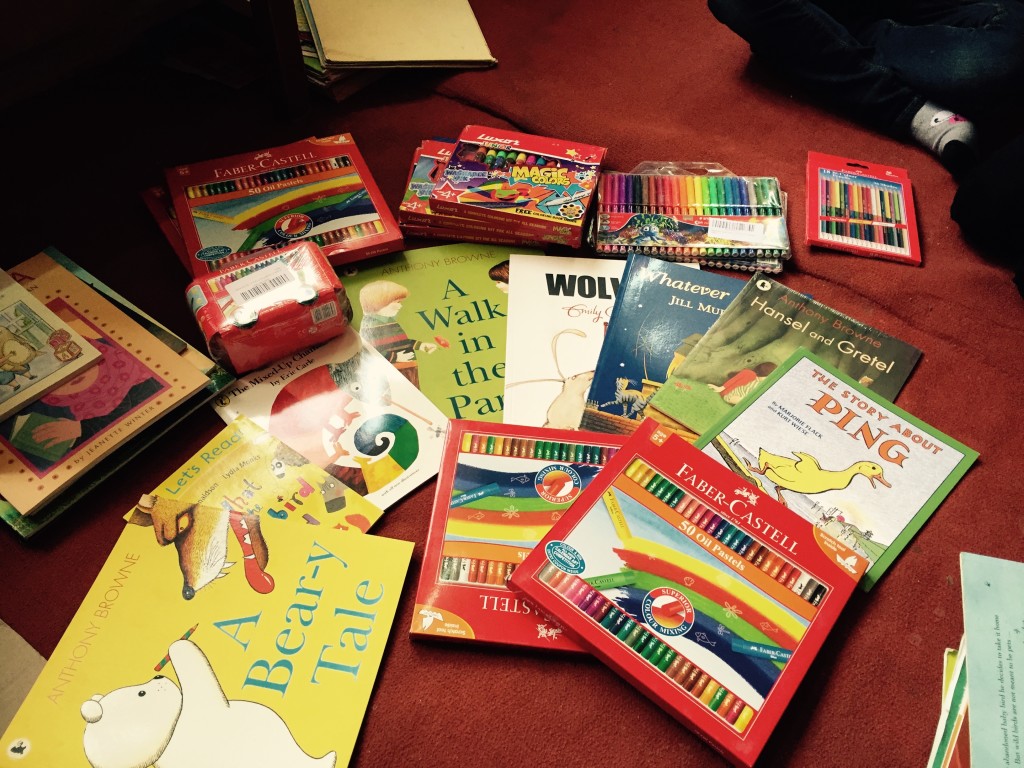
The work also reflects the educational mission of the Avalokiteśvara Trust, which supports reading rooms, book access, creative activities, and learning opportunities across Ladakh and other Himalayan communities. A library made locally carries that mission into its walls, shelves, and daily routines.
Materials With A Memory
Dorje began by walking through nearby homes, workshops, and storage yards. He found lengths of willow and poplar, discarded packing crates, stone offcuts, wool scraps, and sheets of corrugated metal. Some pieces had already served as fruit boxes or roof repairs. Rather than treating them as waste, he considered their strength, age, and possible second life.
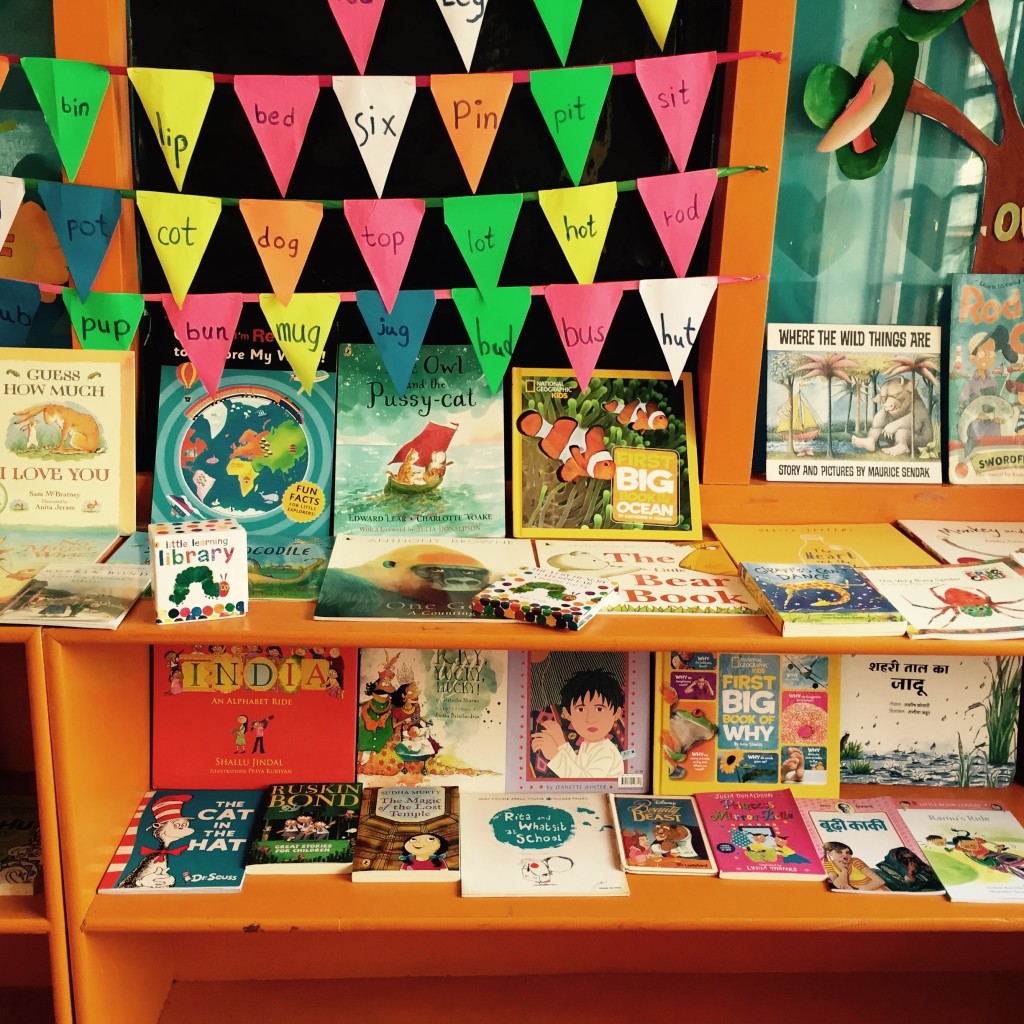
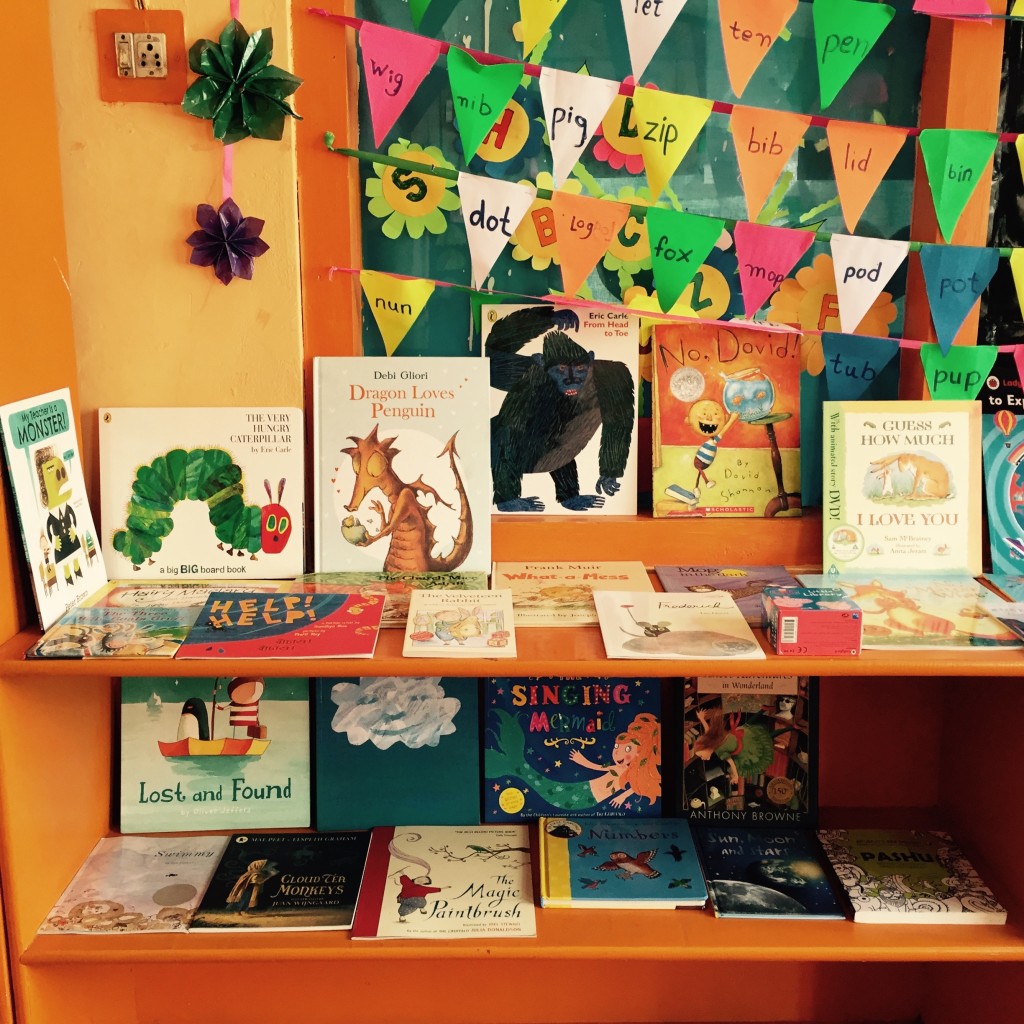
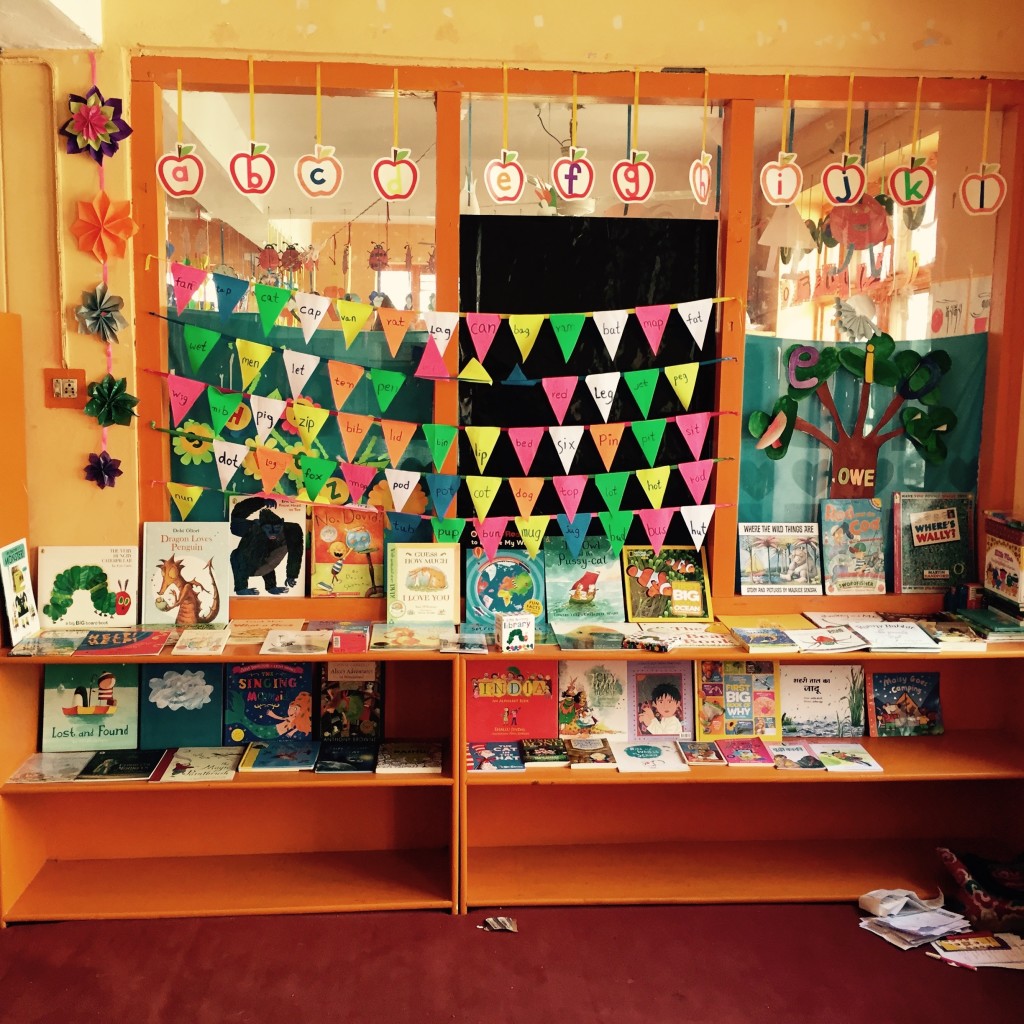
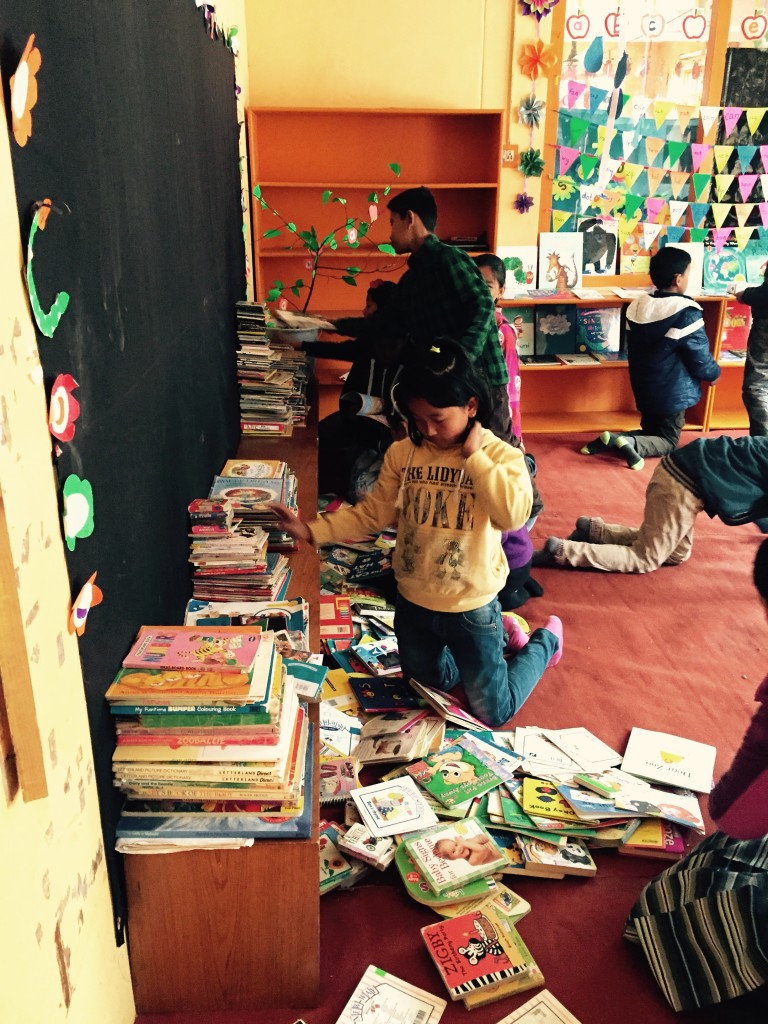
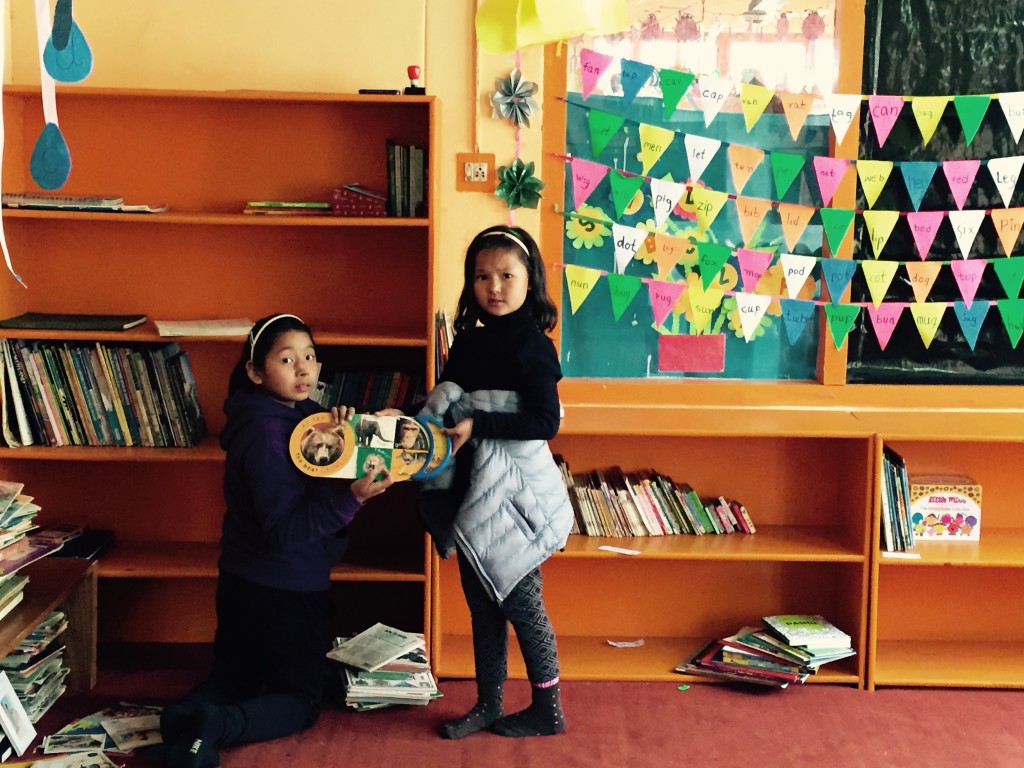
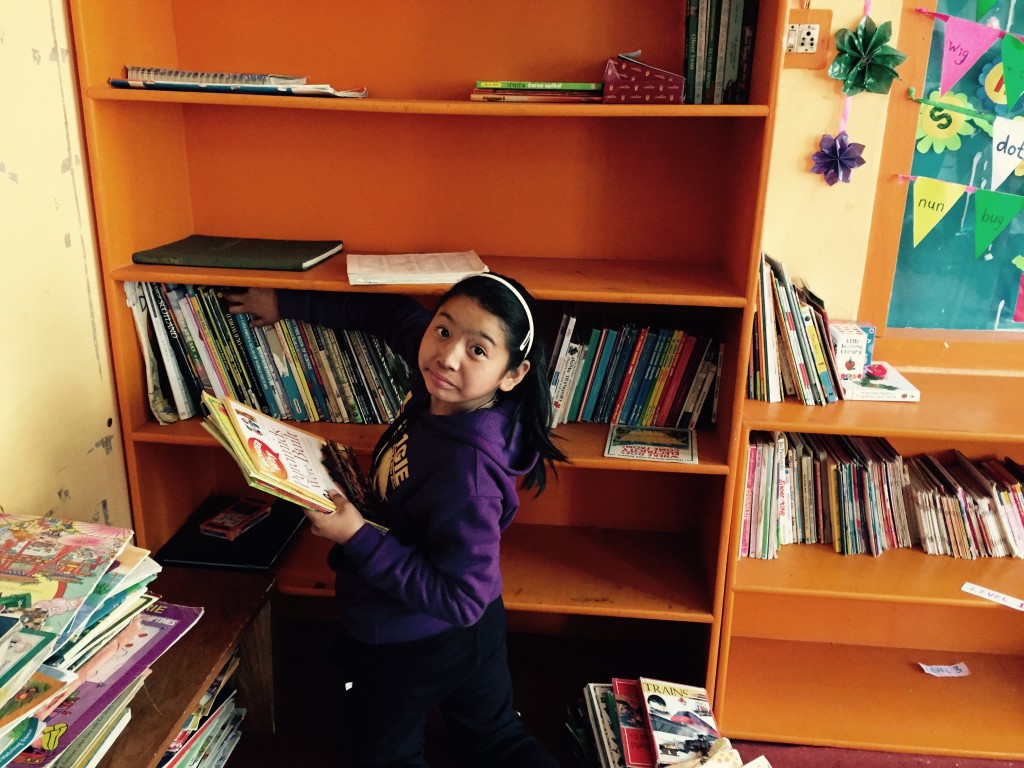
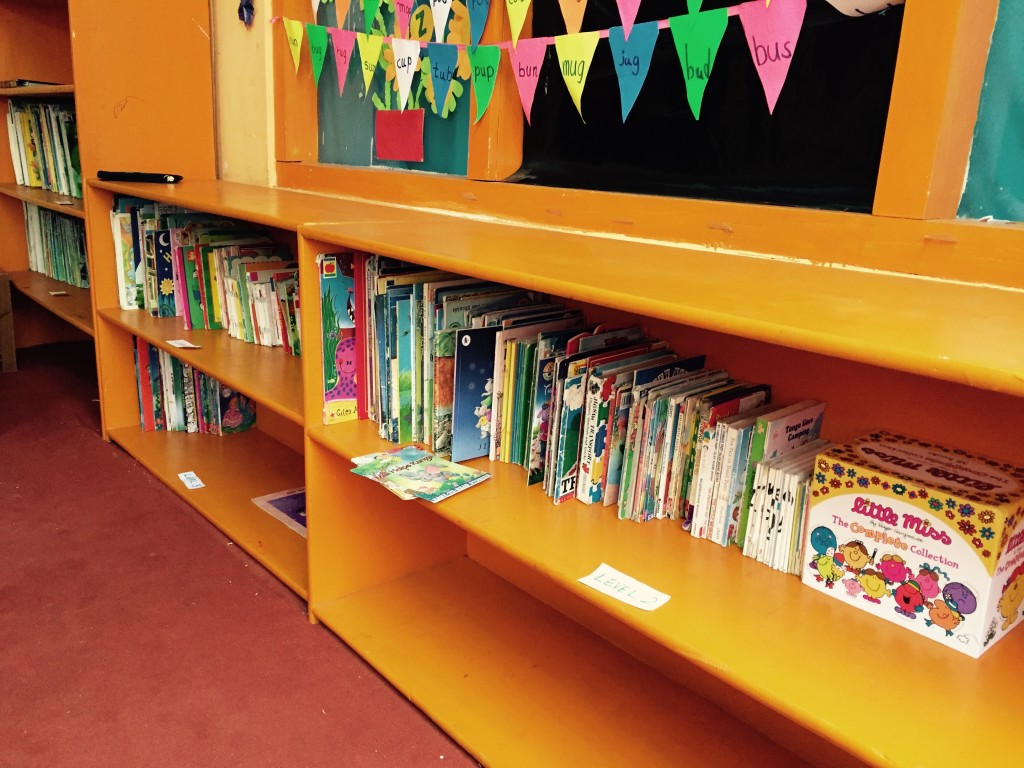
The main shelving came from local timber. Dorje selected boards with small knots and uneven edges, then planed only the surfaces that children would touch. Keeping some natural marks reduced waste and gave the room a warm, handmade character. Crates became low book bins, allowing younger readers to browse without climbing or asking an adult for help.
Mud plaster and stone completed the interior. Stone from a nearby building site formed the lower part of the walls, where it could resist knocks and winter damp. A mixture of earth, straw, and natural binder filled gaps around the windows. These choices kept the building connected to traditional construction while making the room comfortable for reading.
Designing For Mountain Weather
A library in a high-altitude settlement must protect books from more than dust. Snow, dry air, strong sunlight, and sudden temperature changes can damage paper and bindings. Dorje raised the shelves above the floor, left a small gap behind them for air circulation, and placed the most delicate books away from direct sunlight.
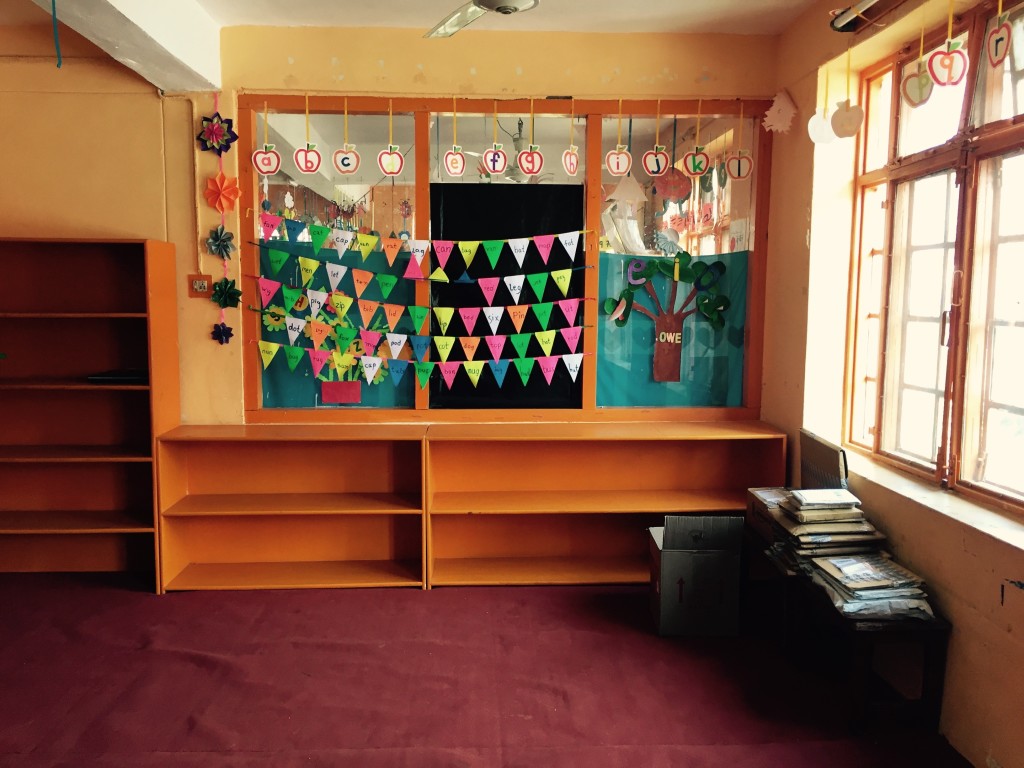
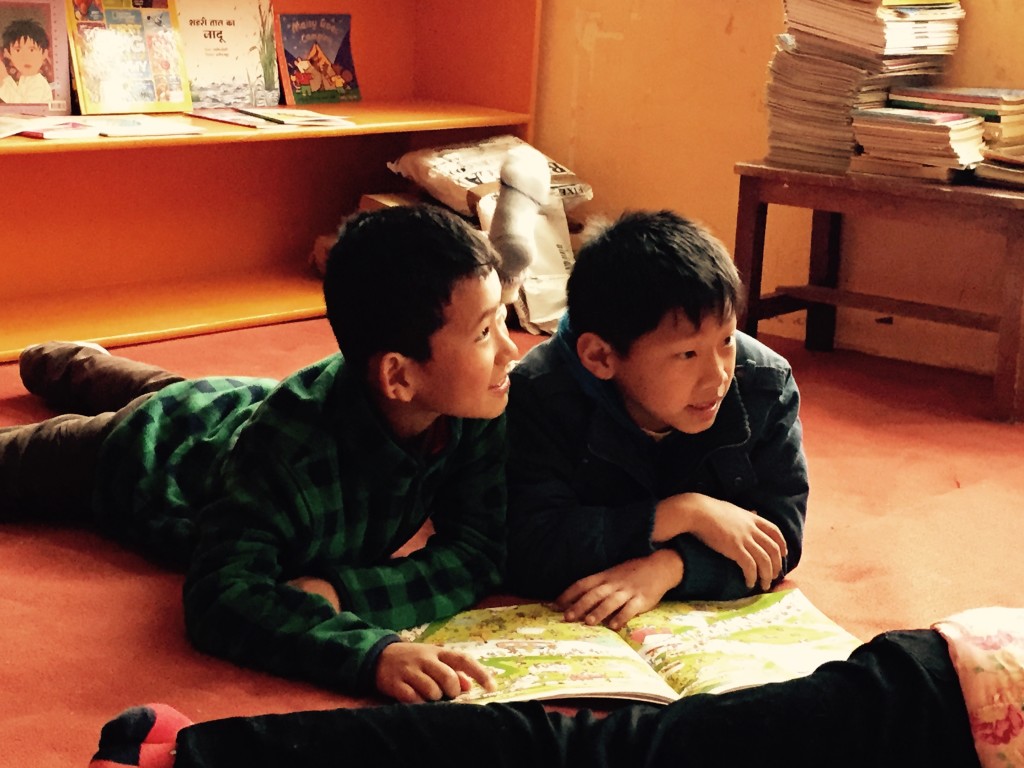
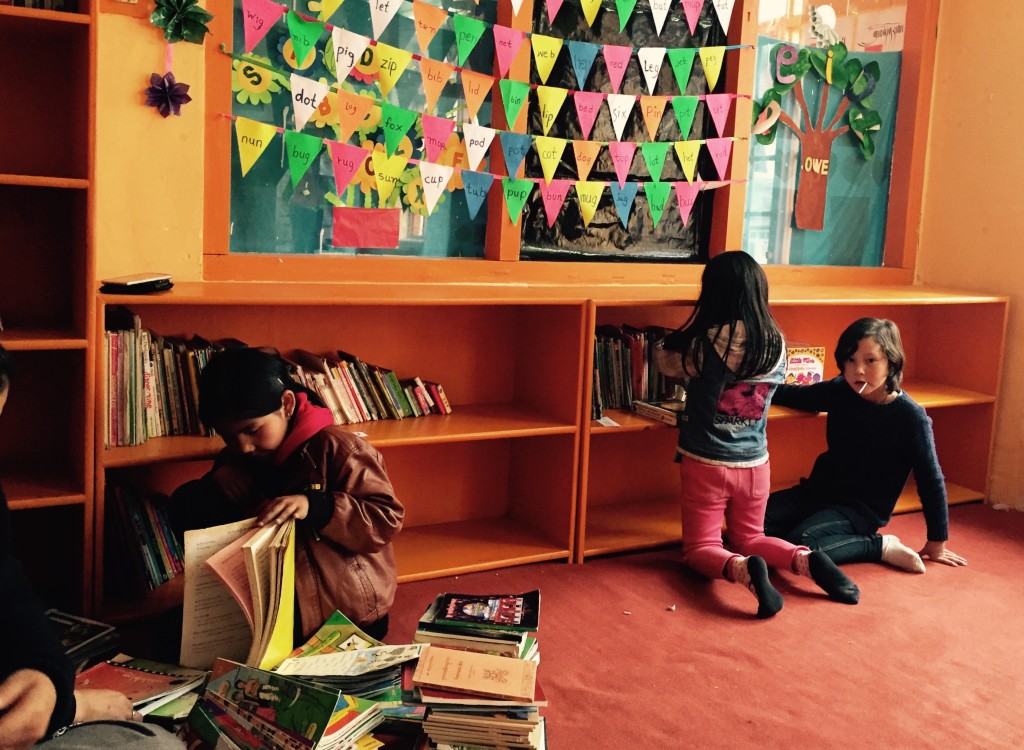
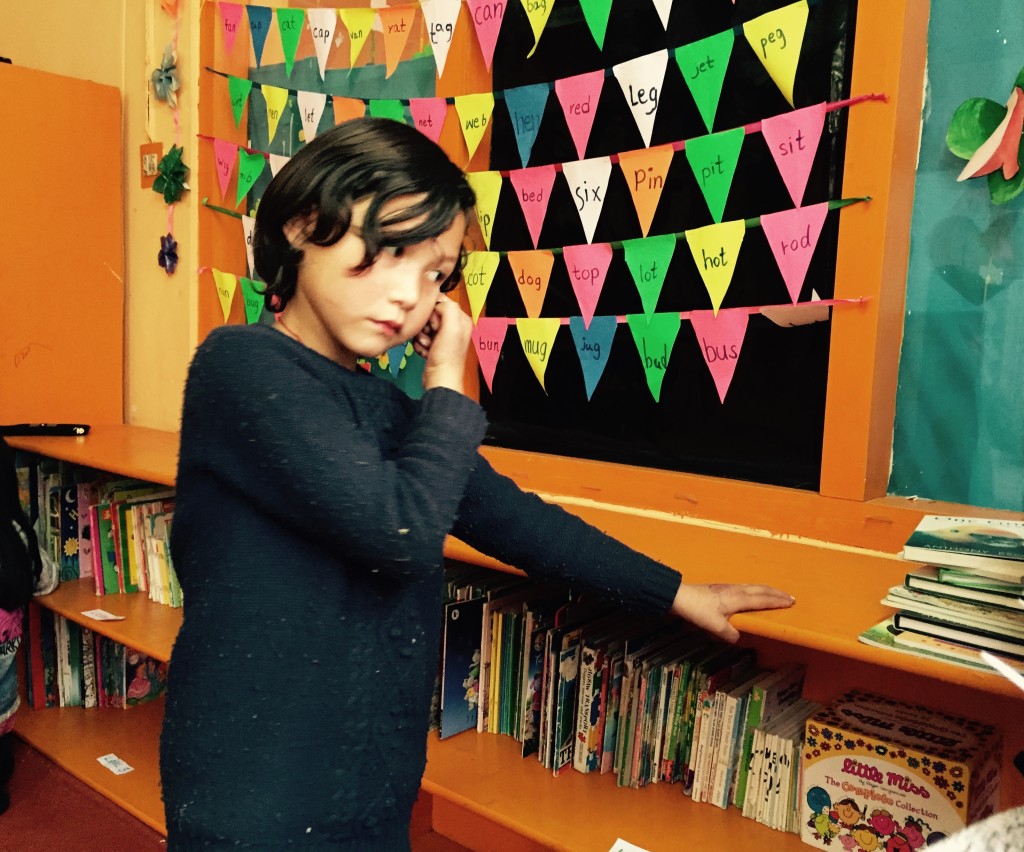
The windows were modest in size but positioned to bring daylight deep into the room. Their wooden frames were sealed with wool and natural oil, while thick curtains helped retain warmth after sunset. A broad ledge beneath one window became a reading bench. Children could sit there with picture books, watch the mountains, and still remain sheltered from the cold.
Every measurement served a practical purpose. Shelf heights matched the reach of children and young monks. Corners were rounded rather than left sharp. A central table was heavy enough to remain steady during group activities but light enough for older children to move. Good carpentry, in Dorje’s view, meant noticing how people would use a room long after the tools were put away.
Building Skills Alongside Shelves
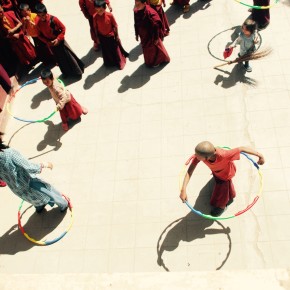
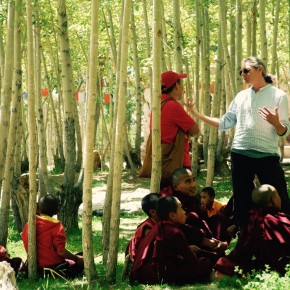
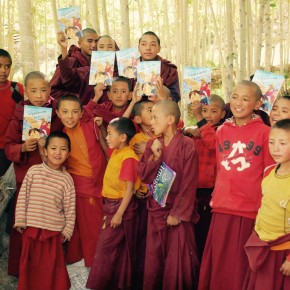
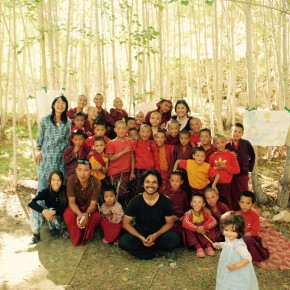
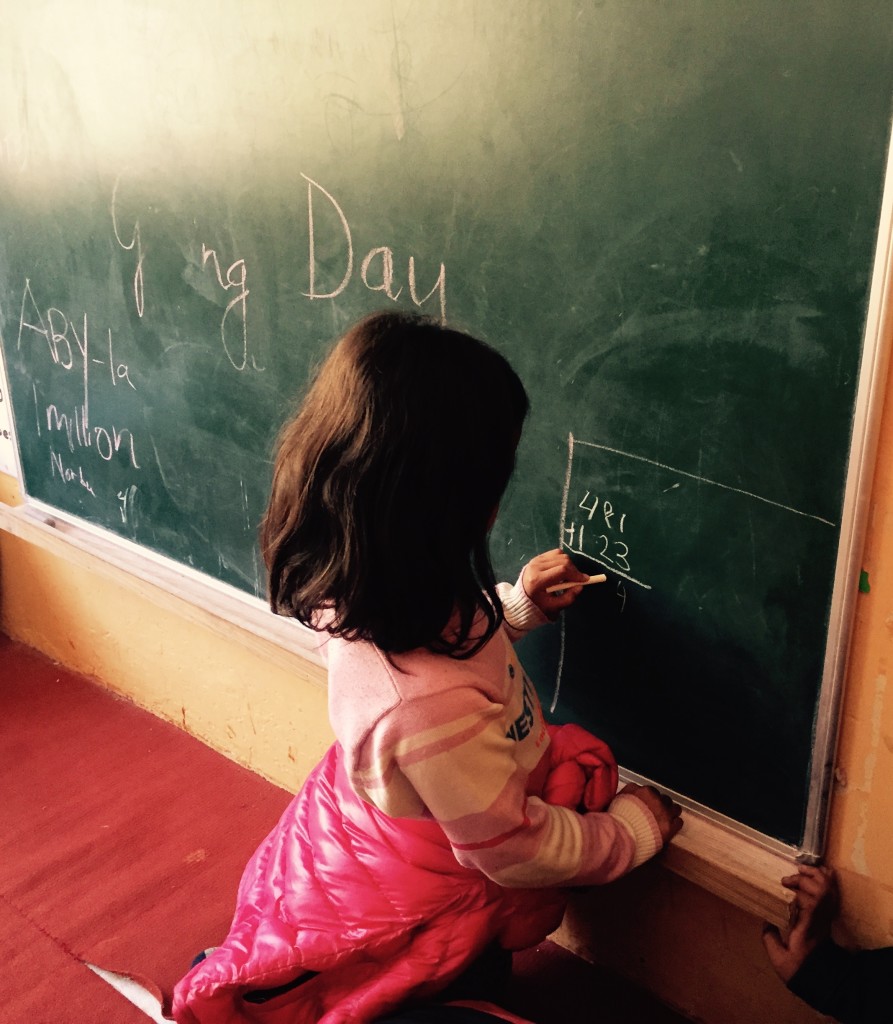
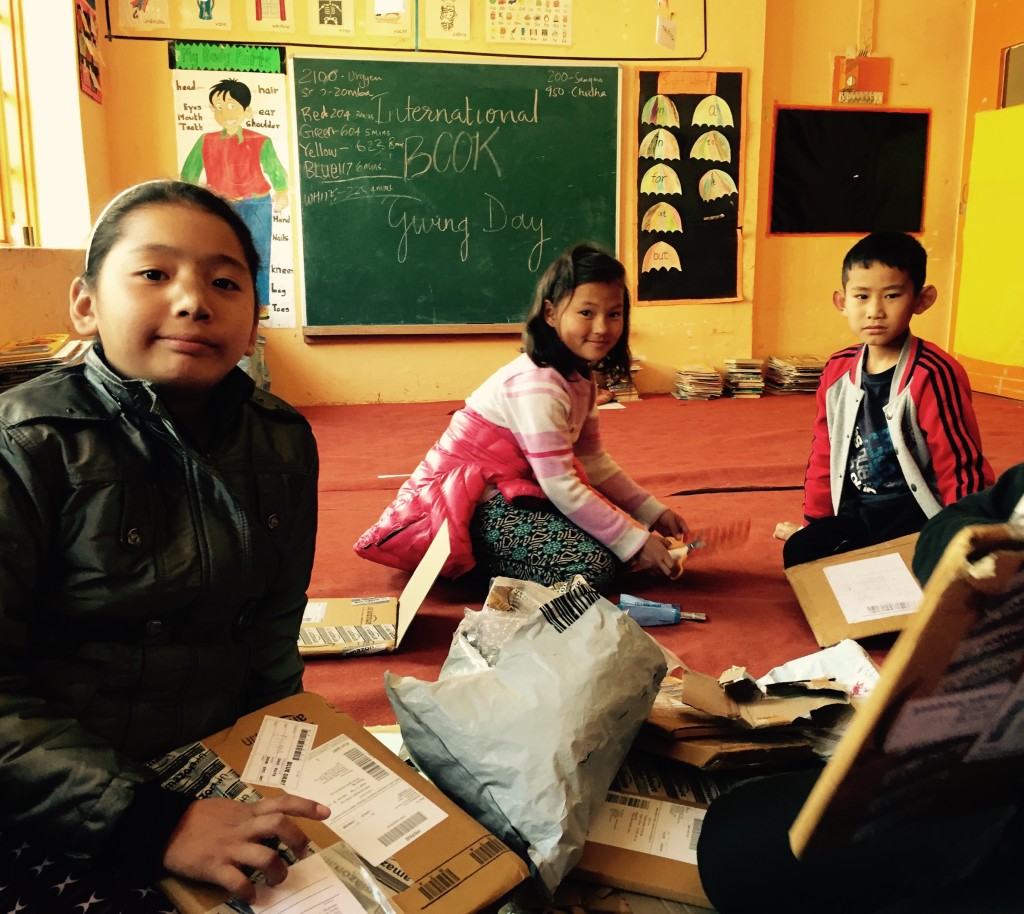
The construction gathered a small group of helpers. Older students sanded boards, sorted nails, and painted simple symbols on the book bins. Younger children collected smooth stones for a path leading to the entrance. Monks helped move timber and suggested a quiet corner for study and reflection.
These tasks introduced practical skills without turning the reading room into a formal workshop. Children learned how wood grain affects sanding, why a wall needs a solid base, and how careful measuring prevents wasted material. They also saw that literacy projects depend on many forms of knowledge, from design and repair to organization and care.
Dorje kept a box of offcuts beside his bench. The smallest pieces became bookmarks, sign holders, and wooden labels for different subjects. A few were carved into animals and mountain shapes for a storytelling shelf. Creative details made the space feel like a community room rather than a storage area for books.
Choosing What Belongs
Limited resources made each purchase important. The project team compared locally available materials with manufactured alternatives, considering lifespan, repair needs, transport, and the experience of children using the room. The least expensive option was not always the most suitable, especially where freezing temperatures or frequent handling could shorten its life.
| Material |
Library Use |
Main Benefit |
Care Needed |
| Local timber |
Shelves, benches, tables |
Repairable and familiar to local craftspeople |
Periodic oiling and sanding |
| Reclaimed crates |
Book bins and storage |
Low cost and easy to adapt |
Check for splinters and moisture |
| Local stone |
Wall base and entrance path |
Durable in heavy-use areas |
Repoint gaps when needed |
| Mud and straw plaster |
Interior wall finish |
Natural insulation and easy repair |
Patch cracks after severe weather |
| Wool scraps |
Window sealing and cushions |
Warm, flexible, and locally available |
Keep dry and replace when compressed |
The comparison shaped the final design. Factory-made metal shelving would have been uniform, but transporting it over mountain roads would have increased the budget and made future repairs difficult. Local wood could be adjusted on site, and a replacement shelf could be made without waiting for a shipment.
This approach also helped the reading room become an example of responsible resource use. Children could see how old materials gain value through thought and workmanship. The building offered a quiet lesson in sustainability without relying on a poster or lecture.
Recommendations From The Workshop
Dorje’s experience suggests several principles for anyone creating a small rural library, reading corner, or community learning space:
- Measure children’s reach before deciding shelf height, table size, and seating style.
- Choose materials that local workers can repair with familiar tools.
- Protect books from moisture, direct sunlight, dust, and contact with cold floors.
- Reserve a portion of the budget for cushions, lighting, labels, and maintenance supplies.
- Involve children in safe construction-related tasks so they develop ownership of the space.
A local-material library should still meet basic standards for safety and accessibility. Timber needs smooth edges, walls need stable foundations, and paths should remain usable for children carrying books or mobility aids. Simple materials are valuable when they are selected carefully and installed well.
The room also needs a plan for daily care. A rotating group can return books, dust shelves, check for dampness, and report loose hinges or damaged furniture. Maintenance becomes easier when everyone understands that the library belongs to the community rather than to a single donor or builder.
A Room That Keeps Growing
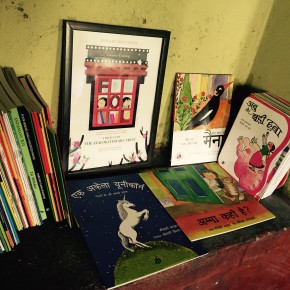
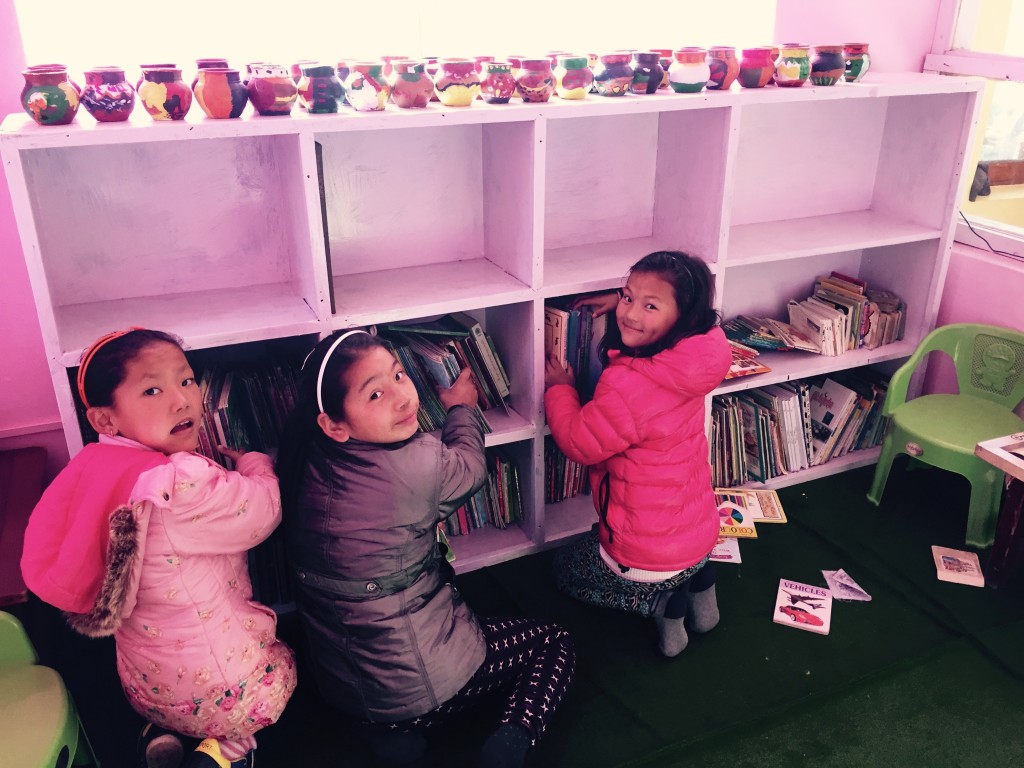
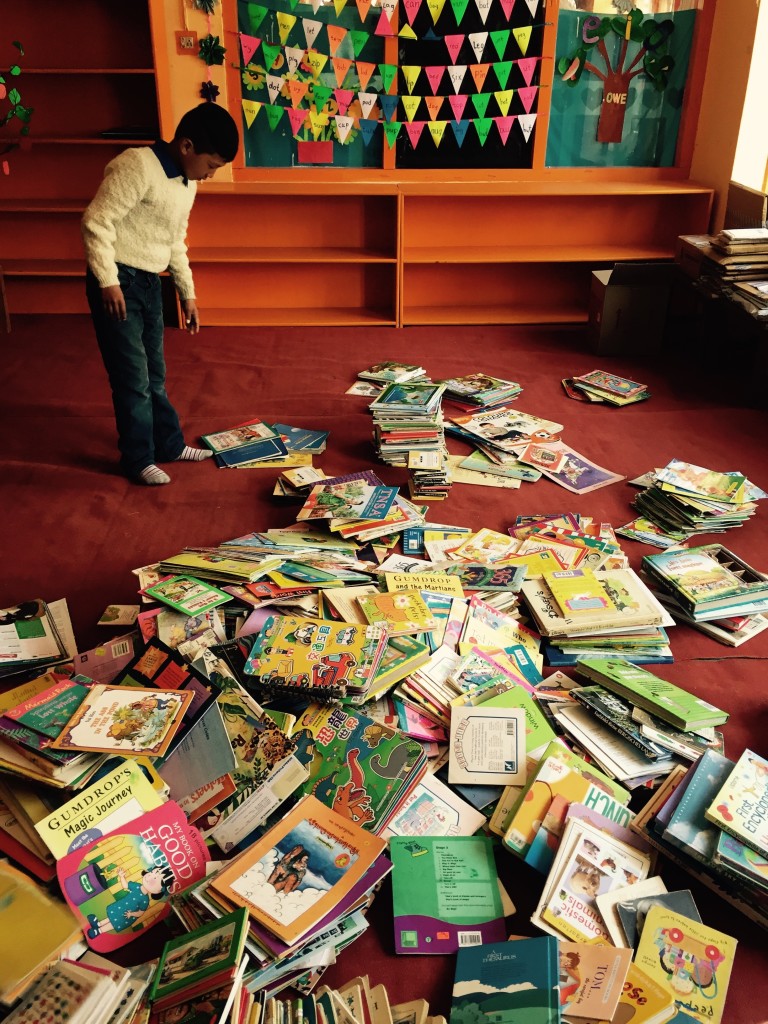
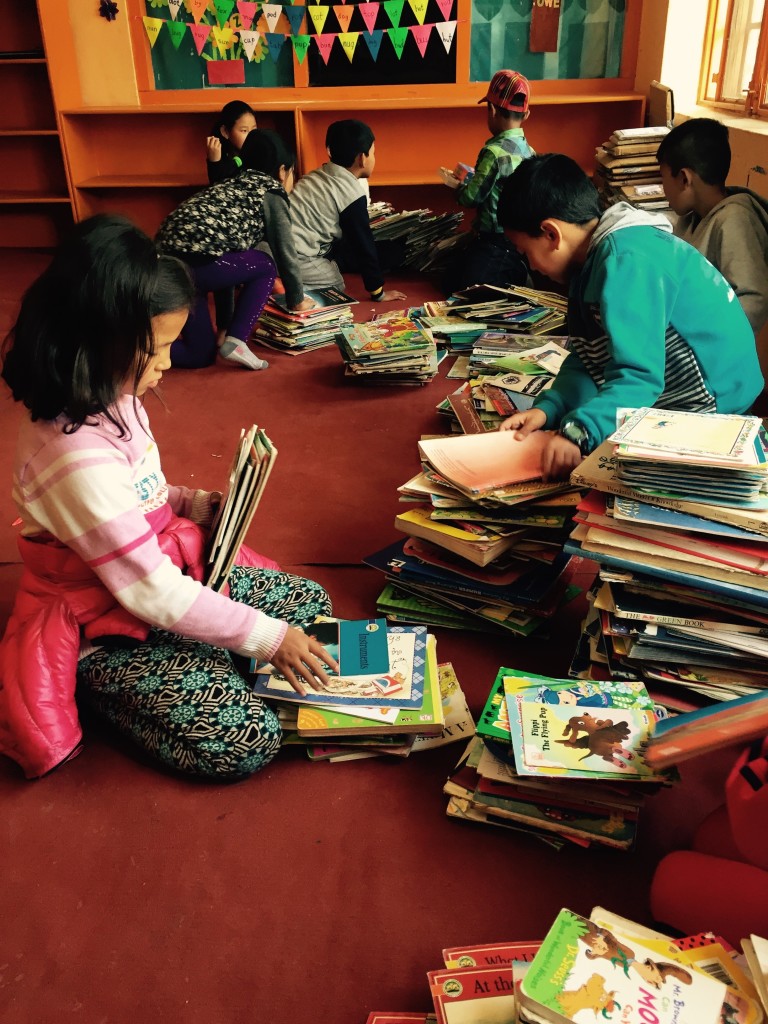
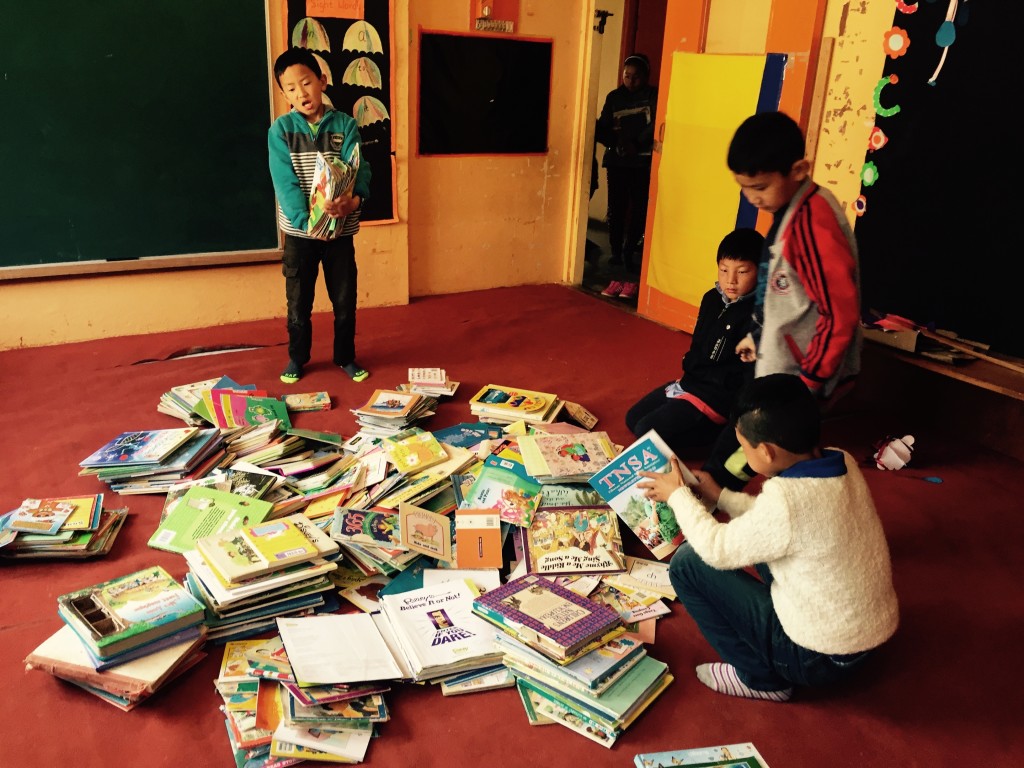
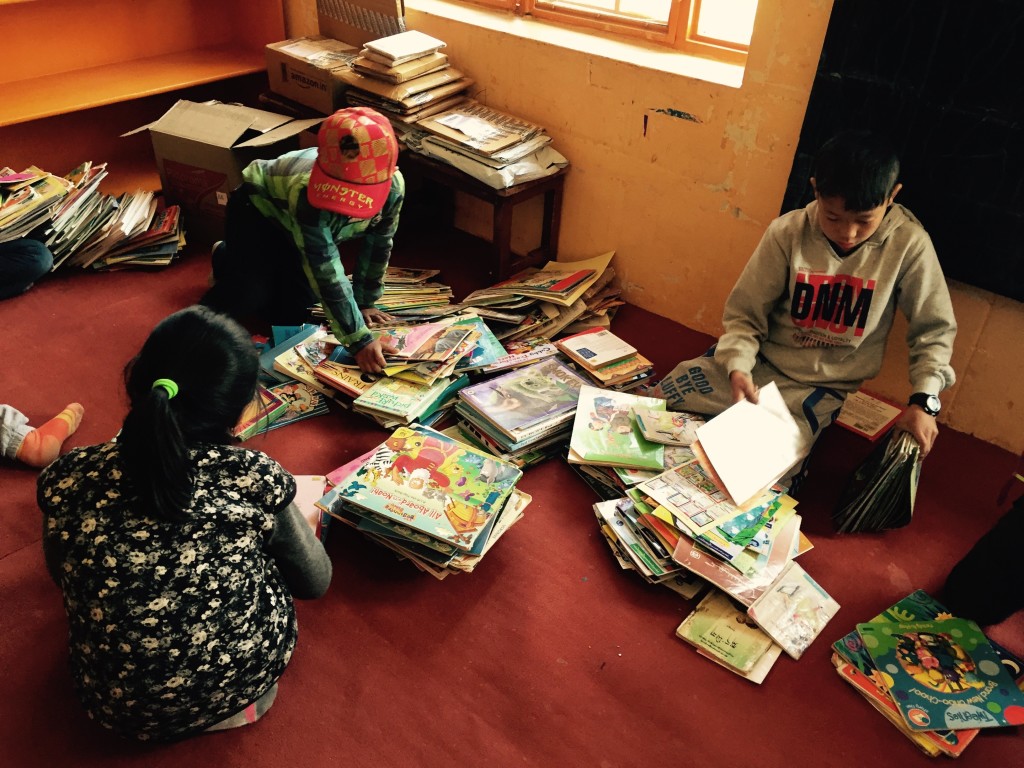
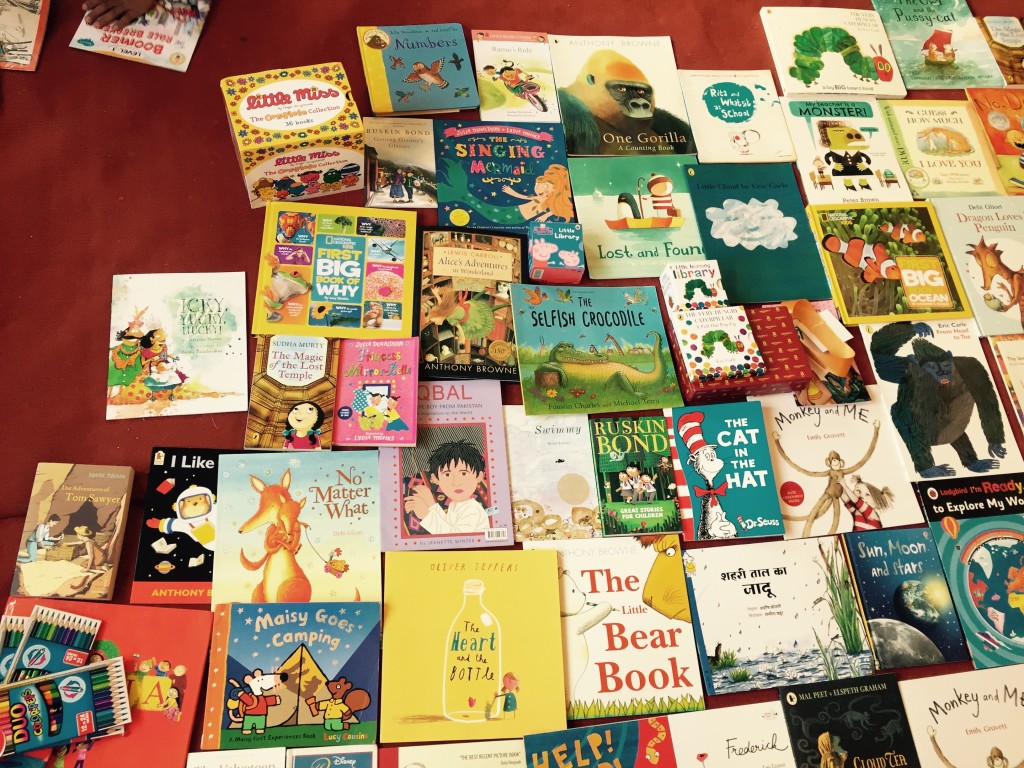
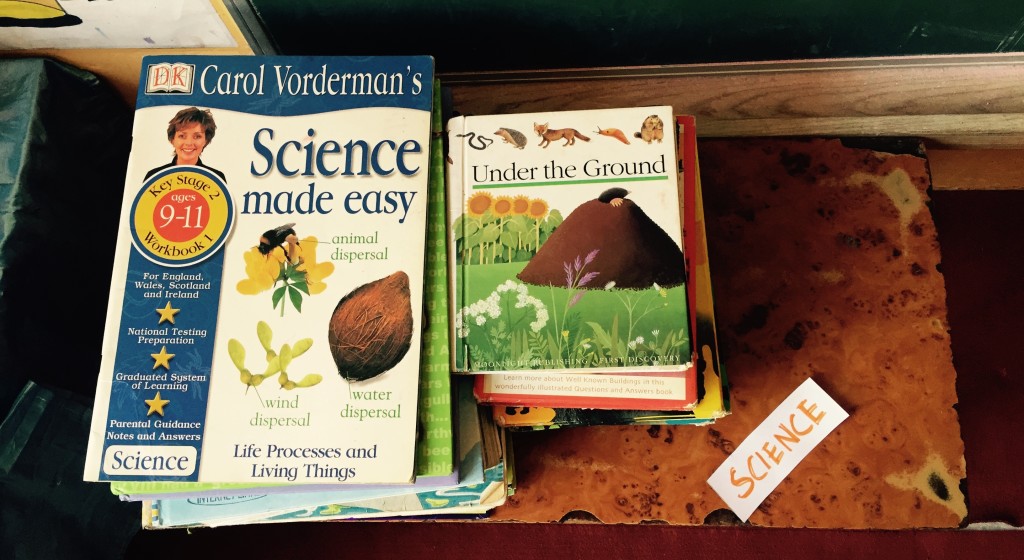
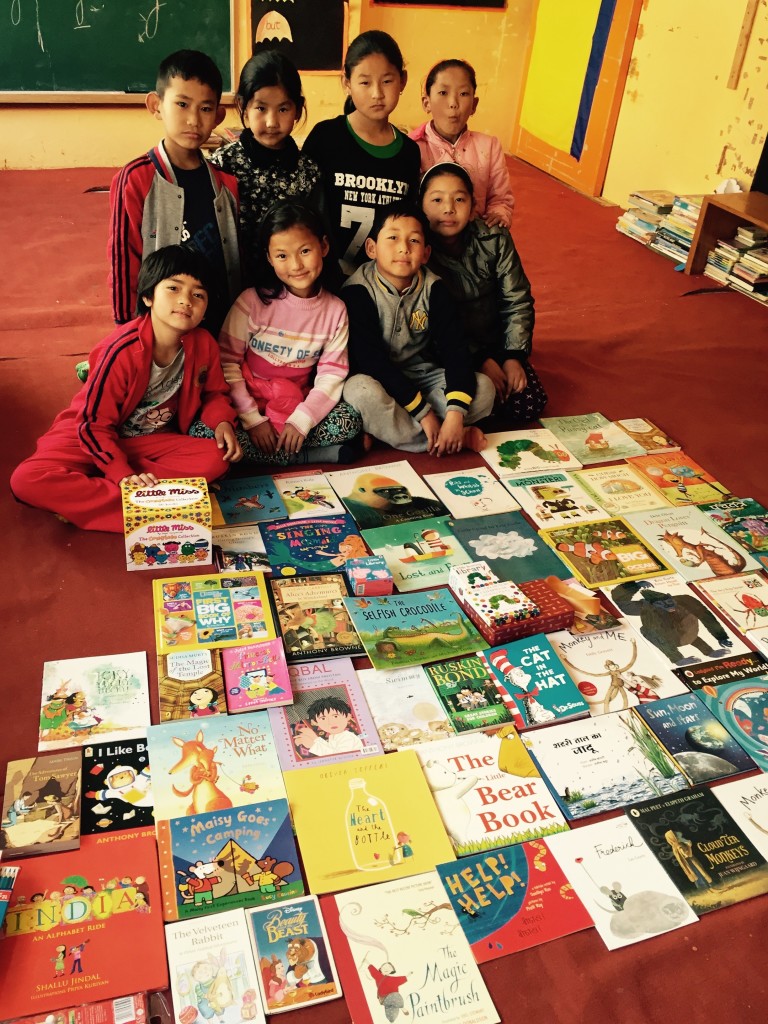
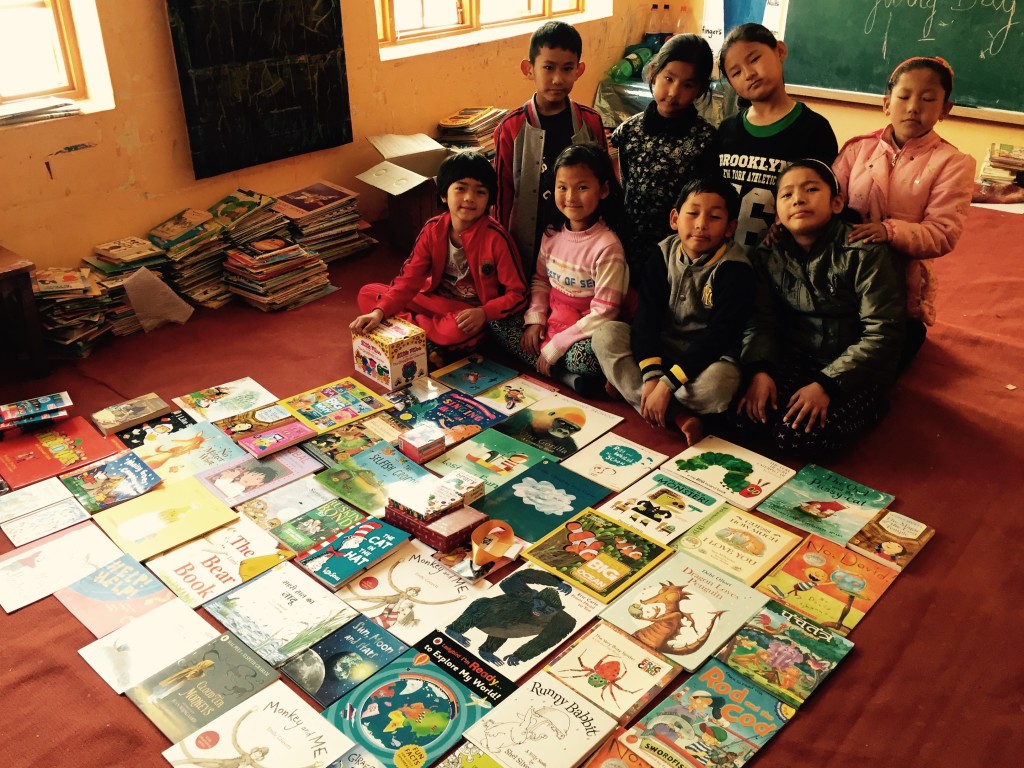
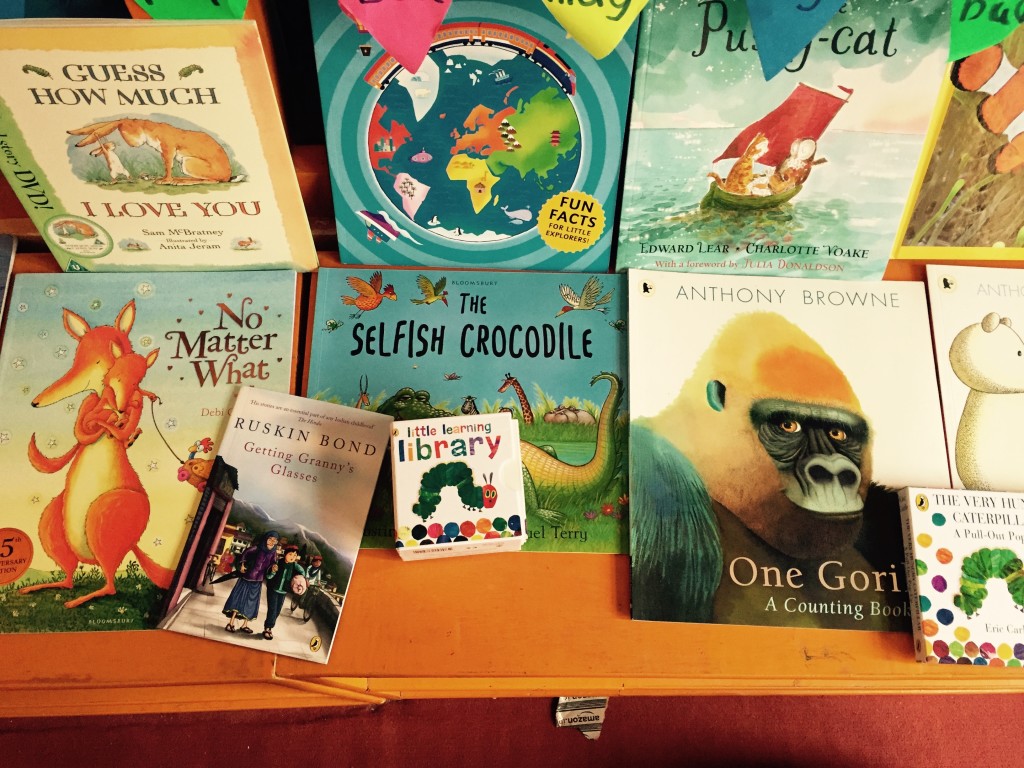
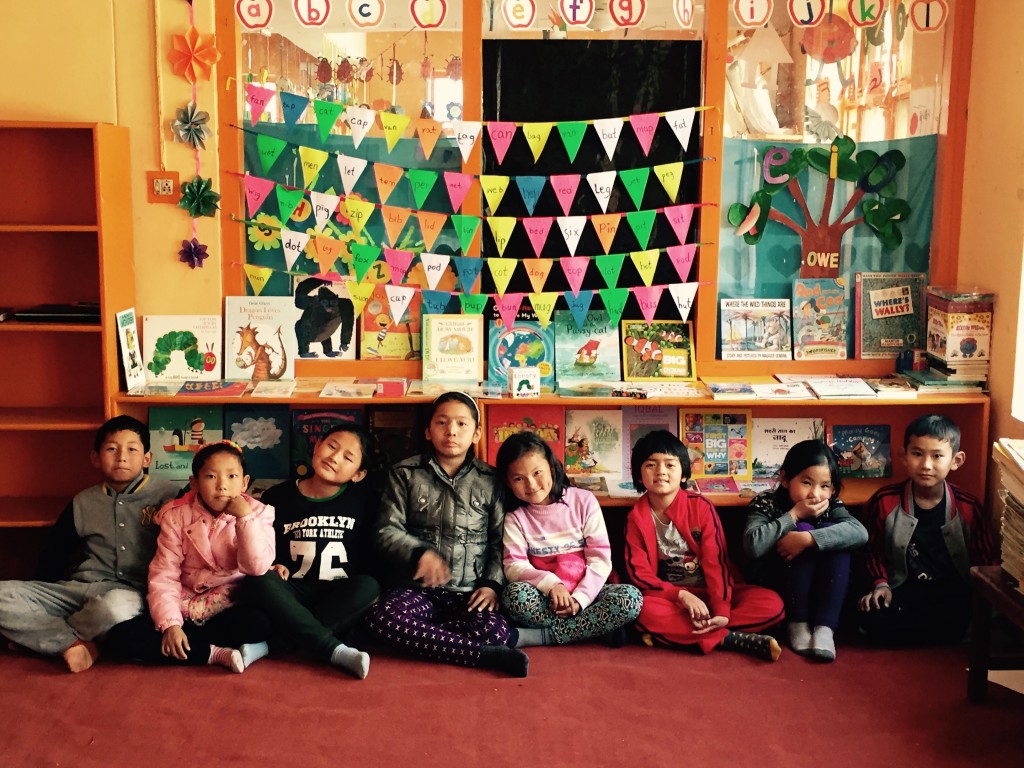
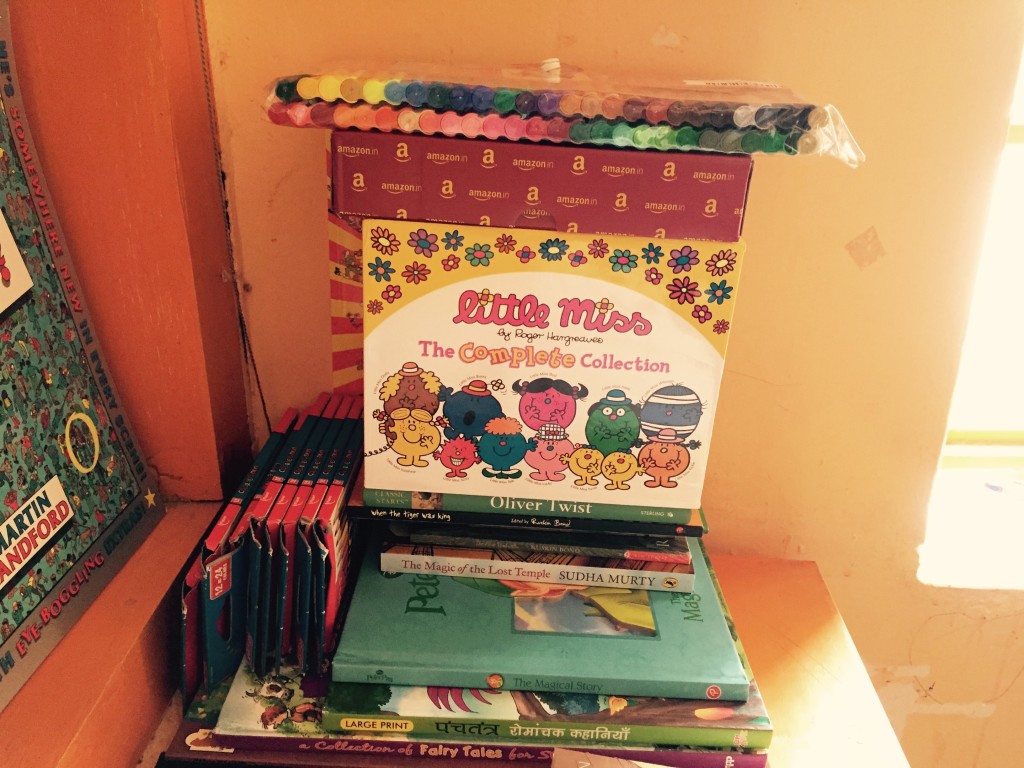
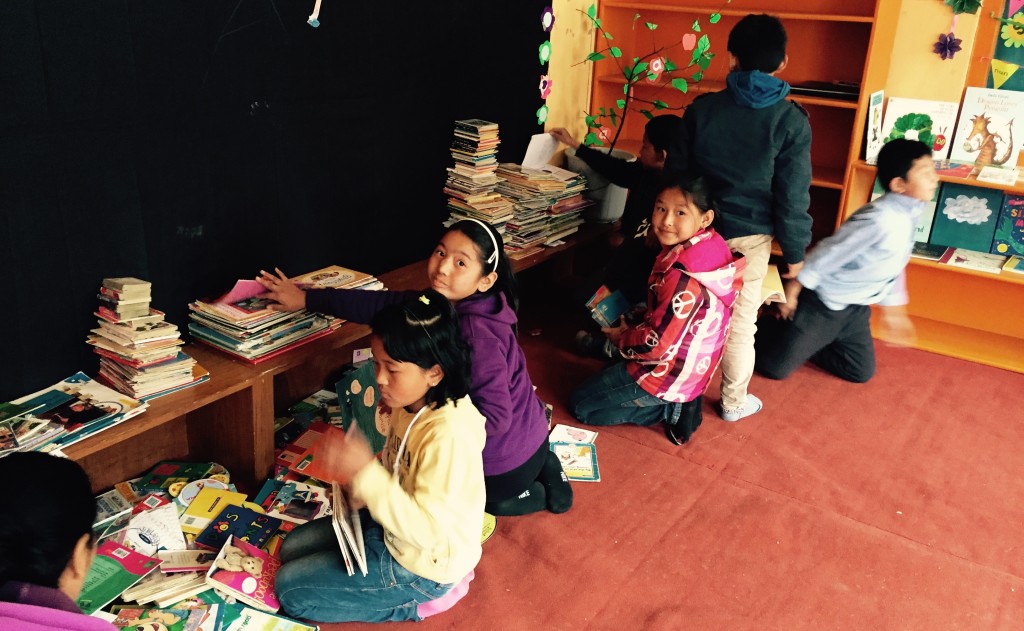
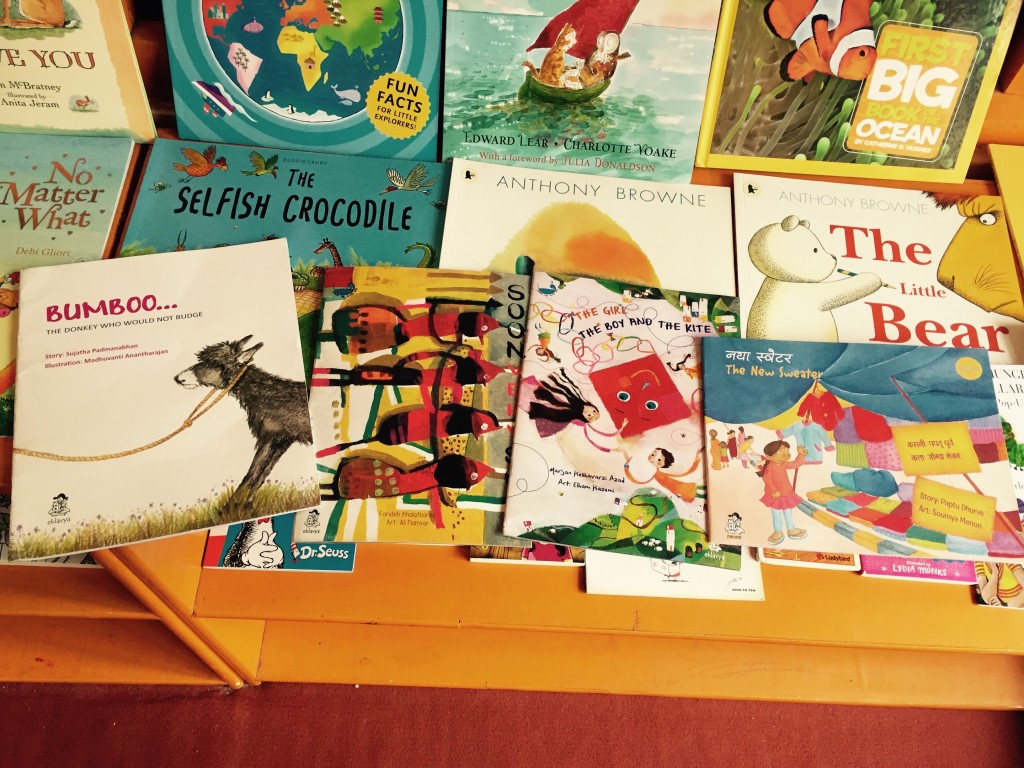
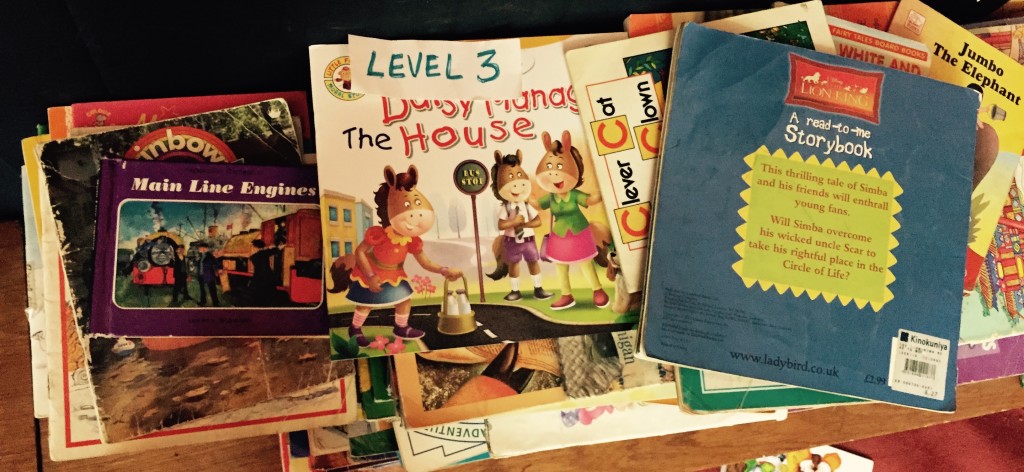
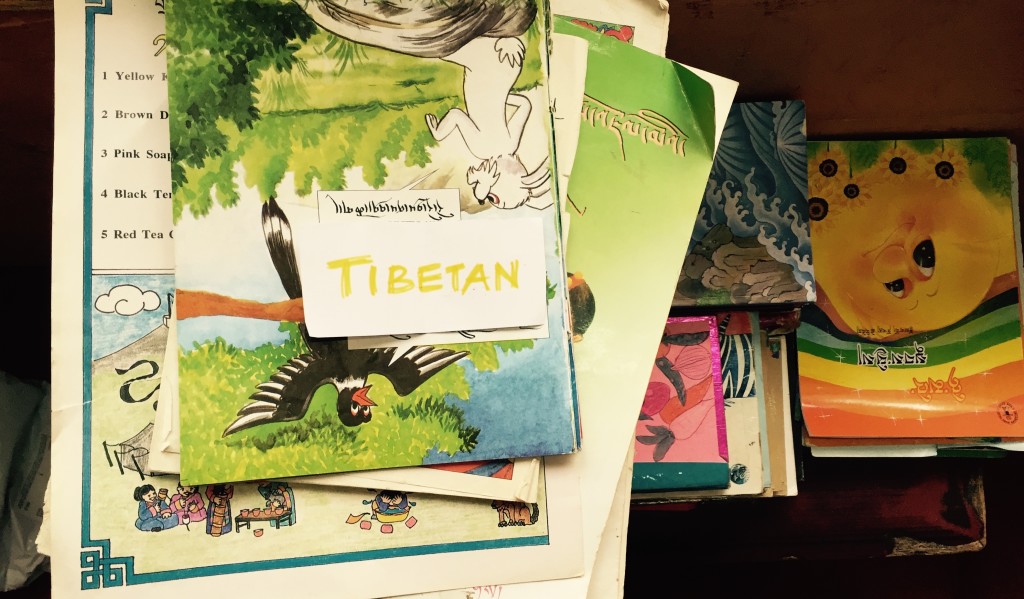
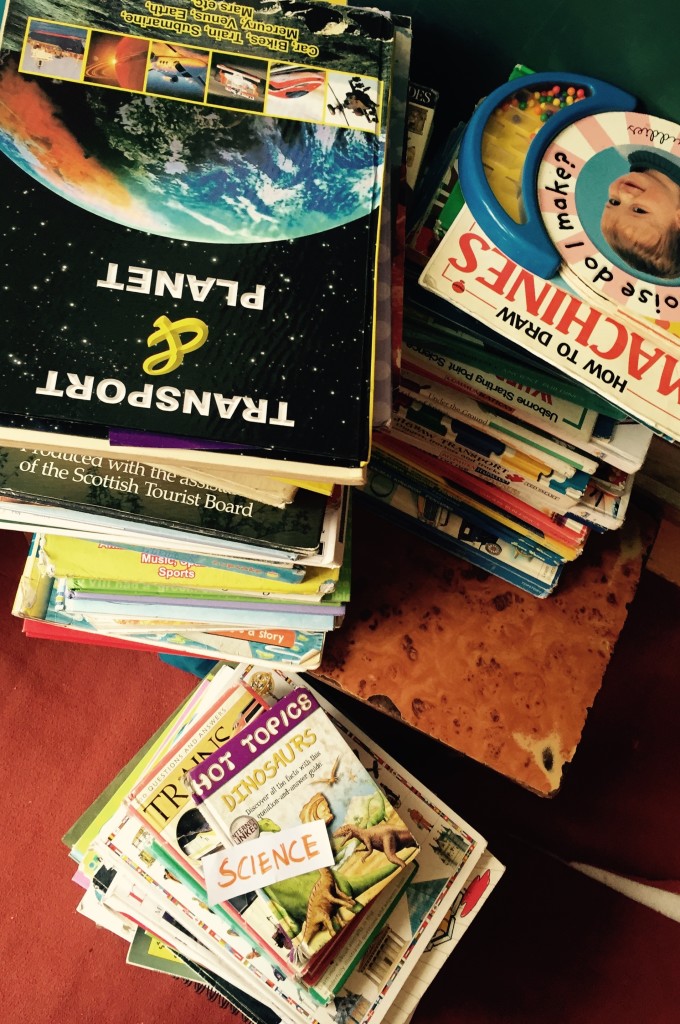
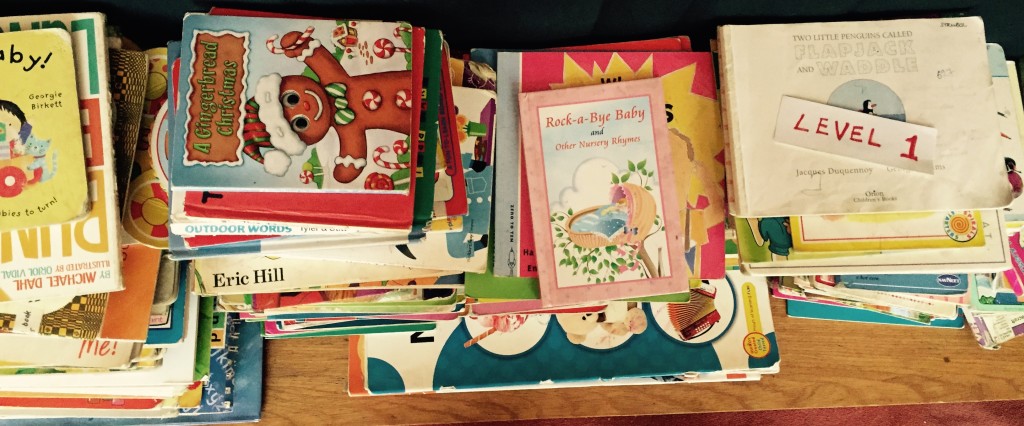
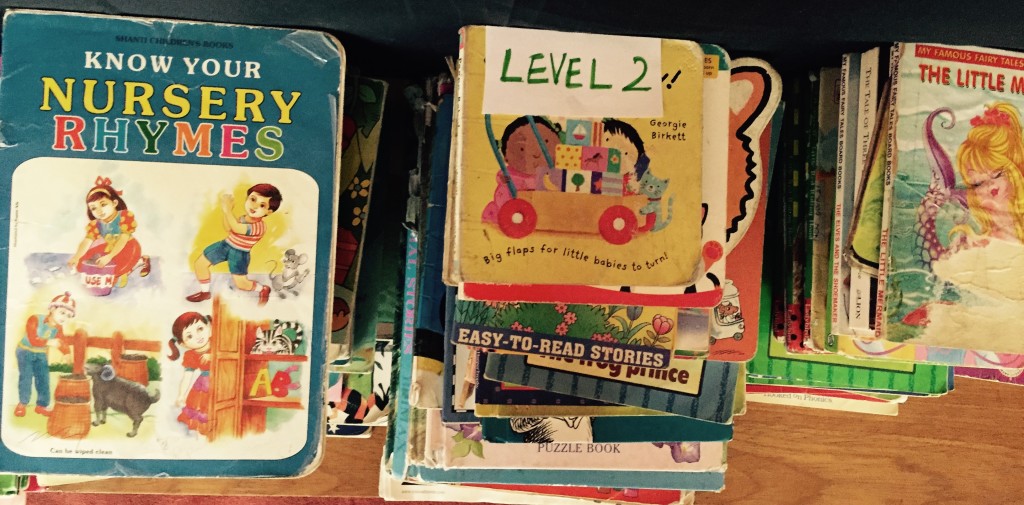
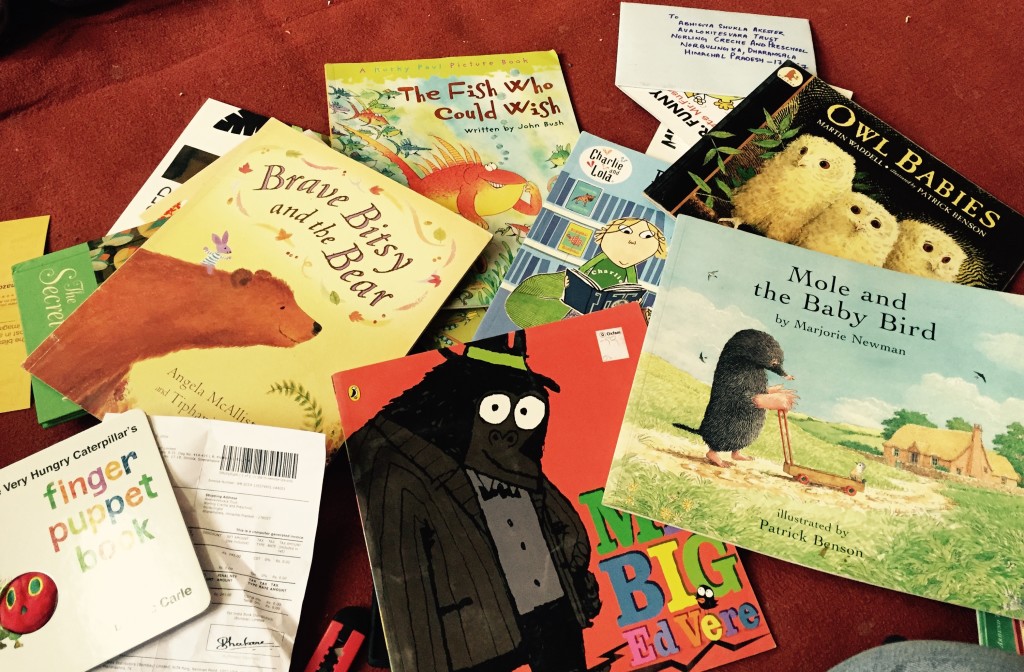
When the shelves were installed, they looked almost too empty. Dorje saw this as an invitation rather than a problem. The first book drive filled the lower bins with storybooks, picture books, local history, science titles, and bilingual resources. More volumes arrived gradually, carried by visitors, volunteers, teachers, and families.
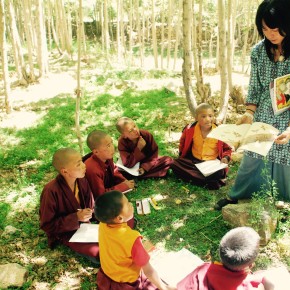
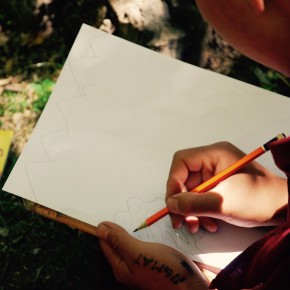
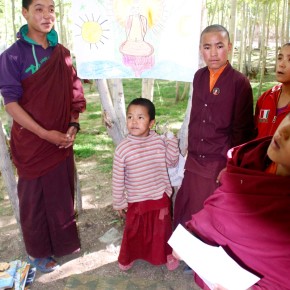
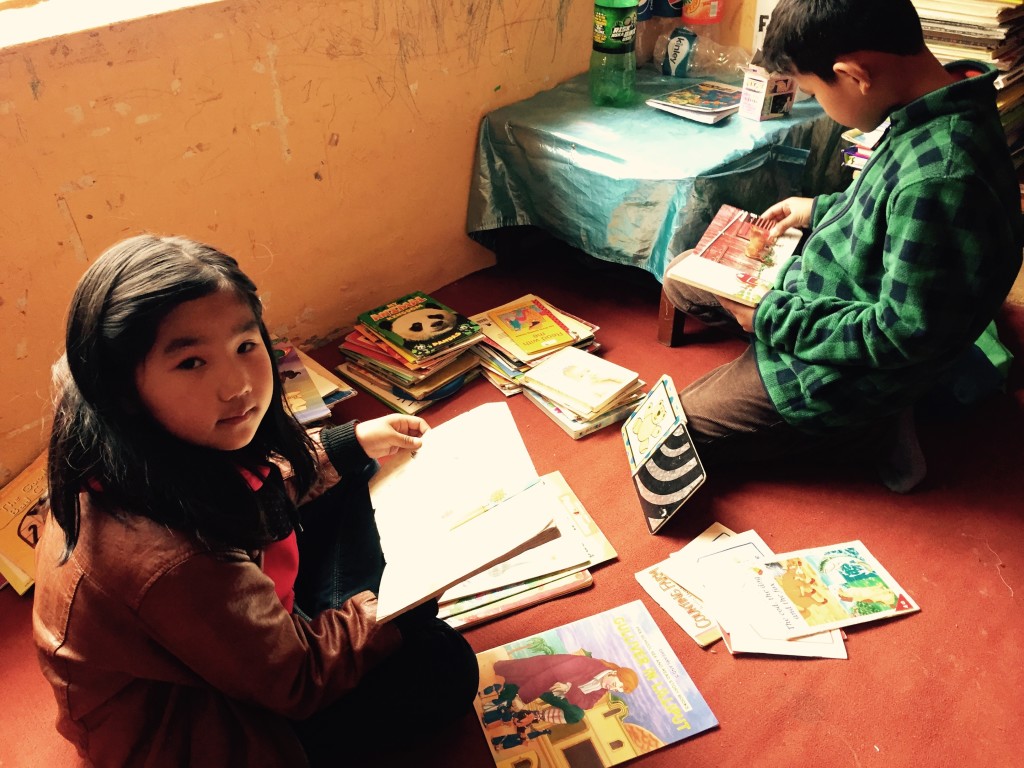
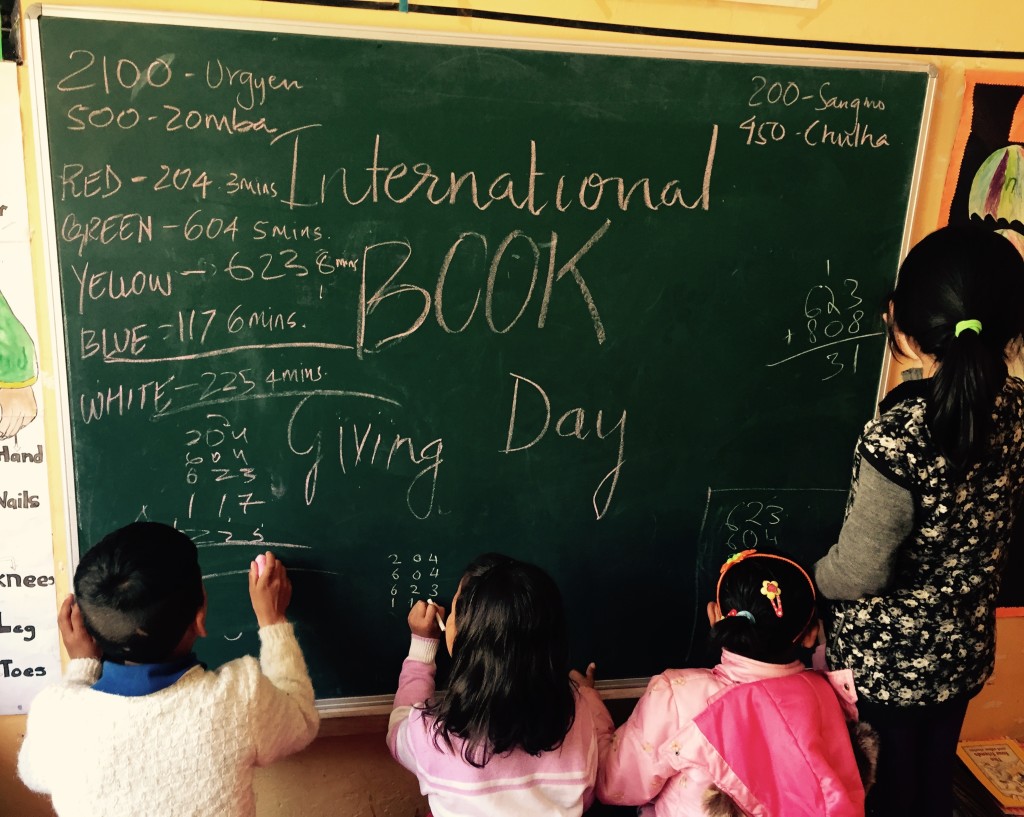
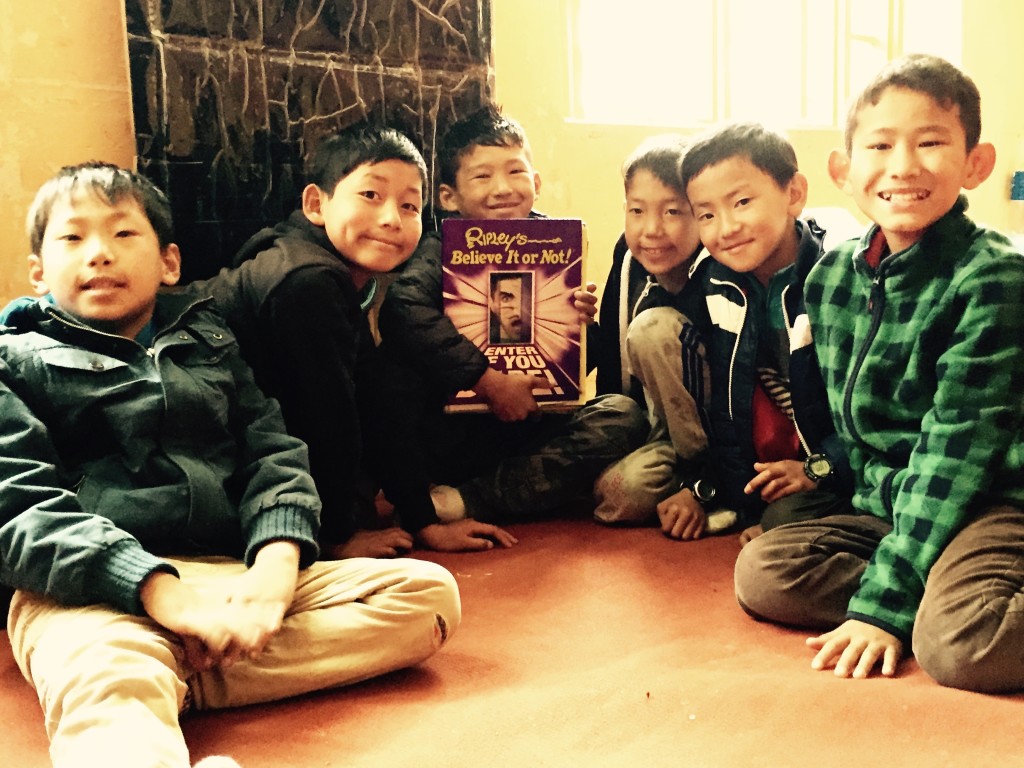
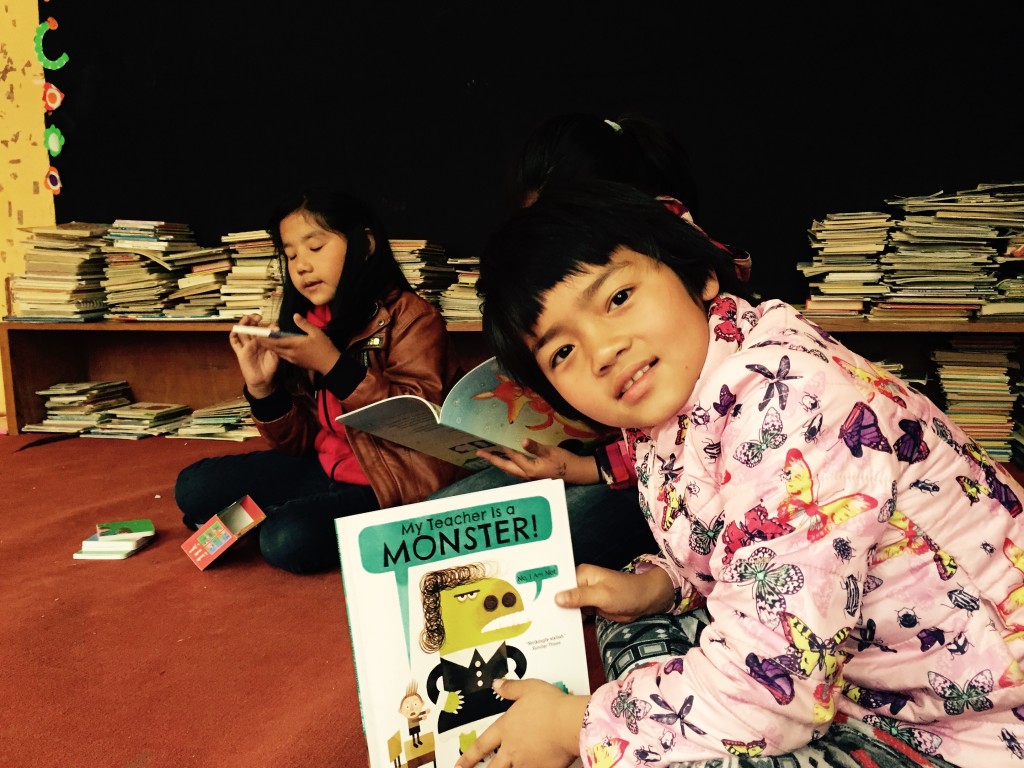
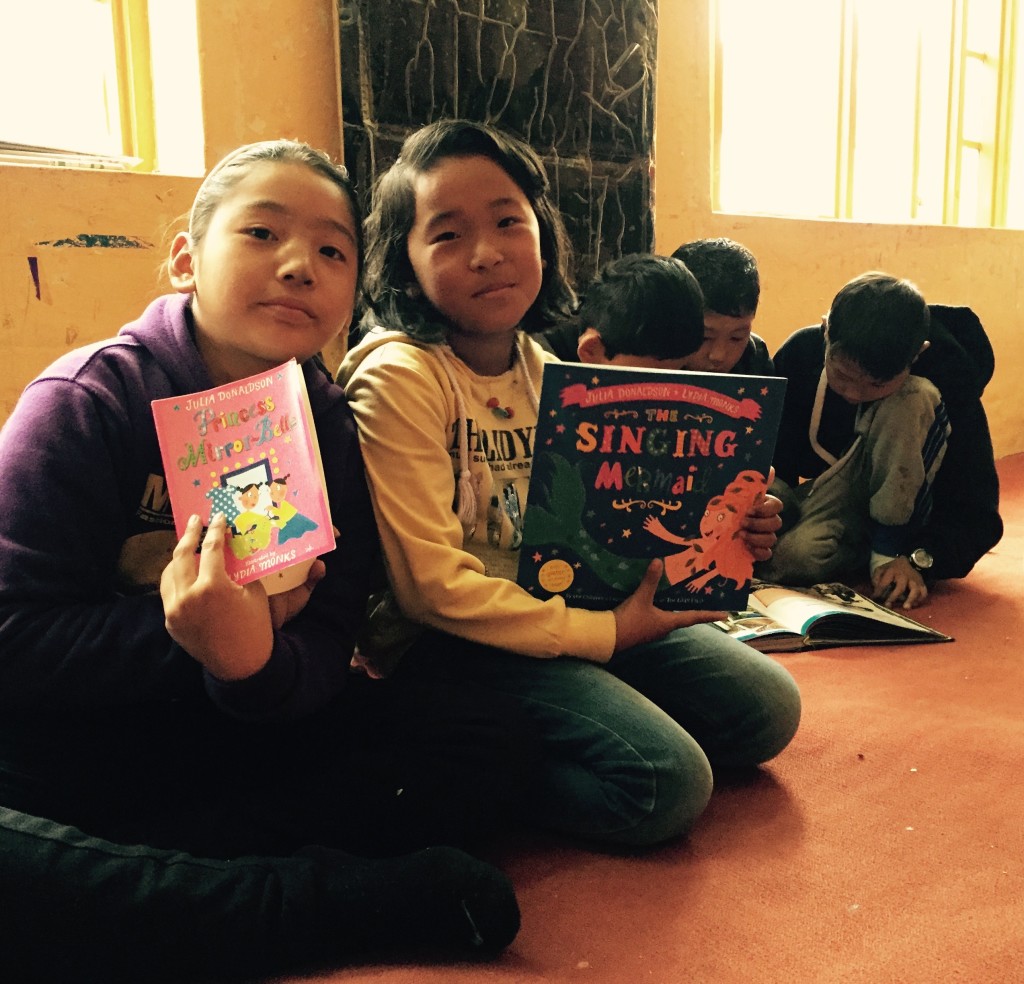
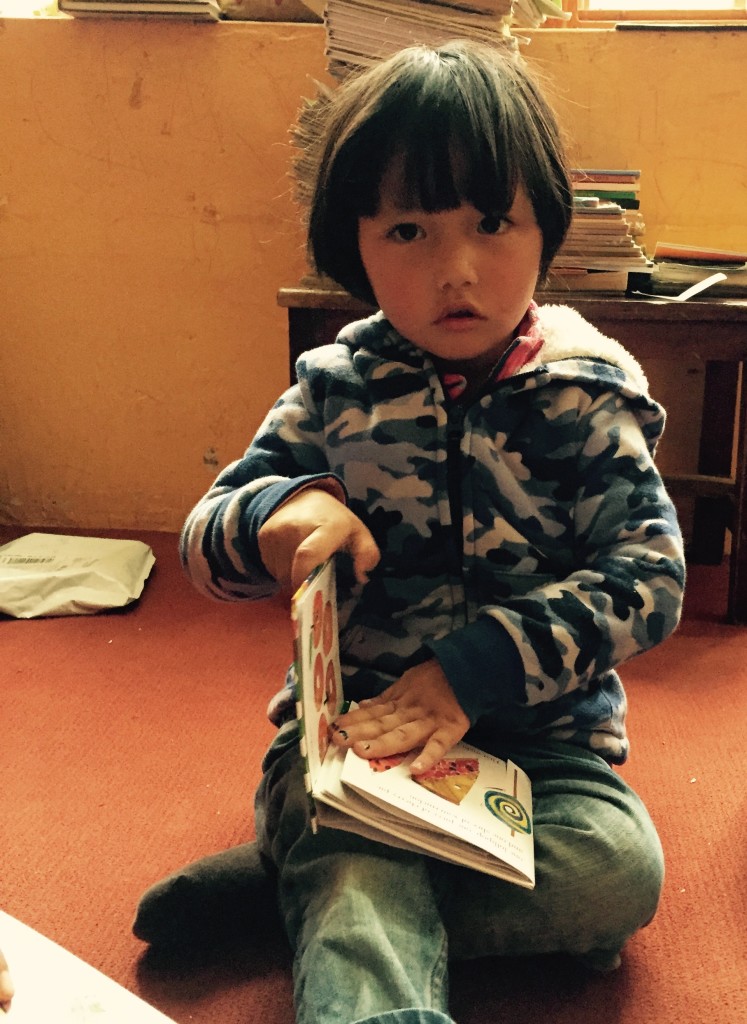
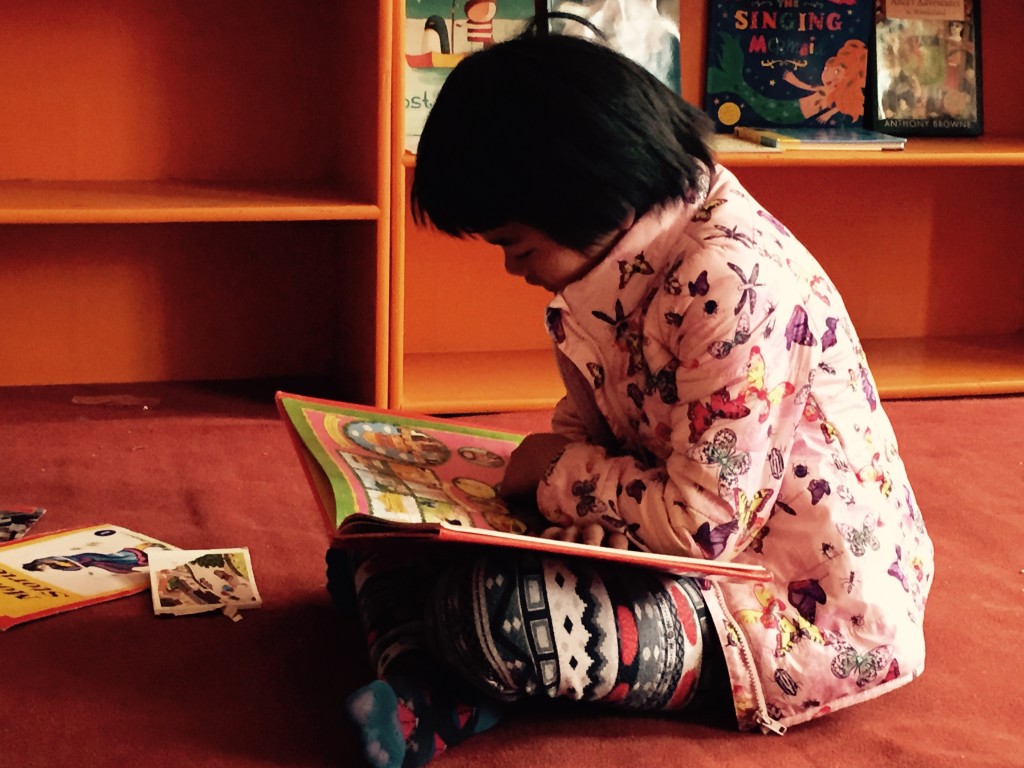
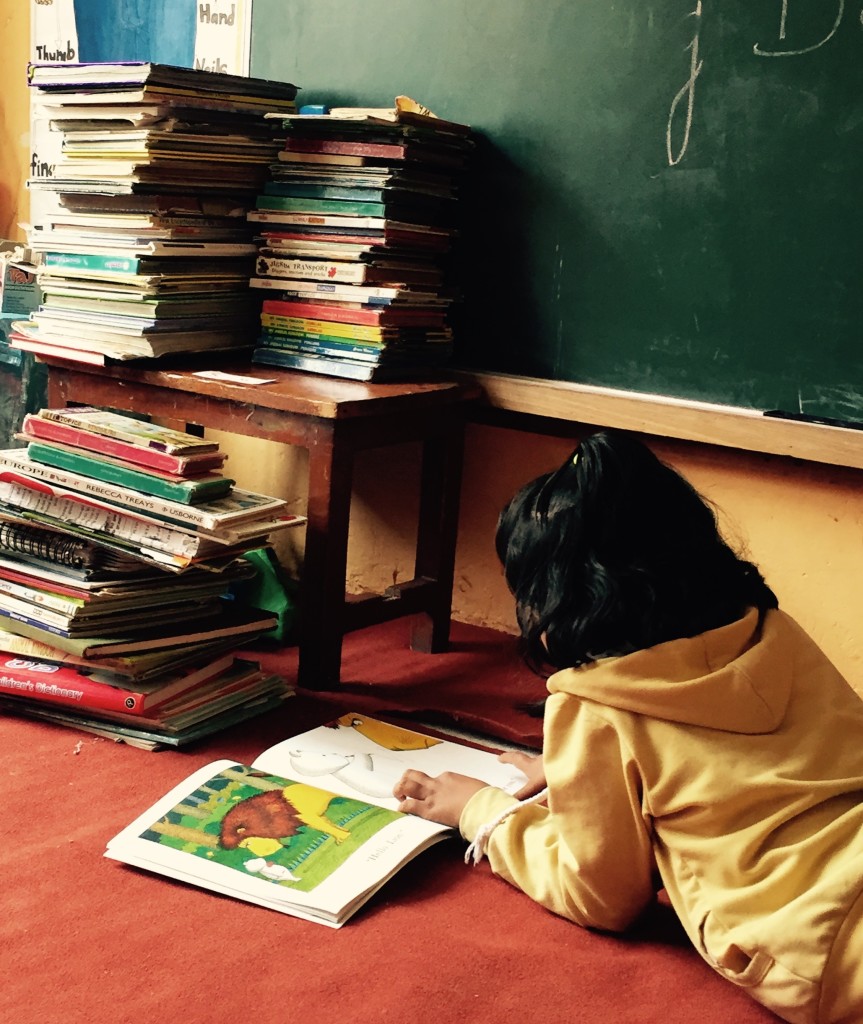
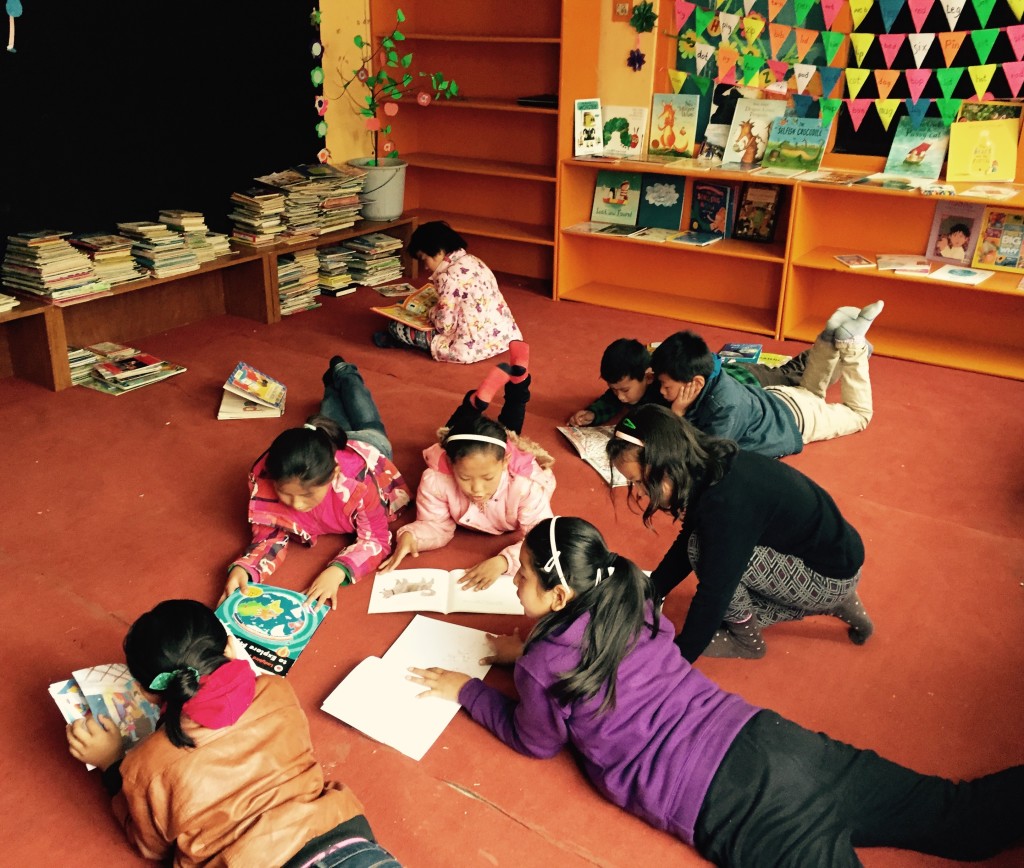
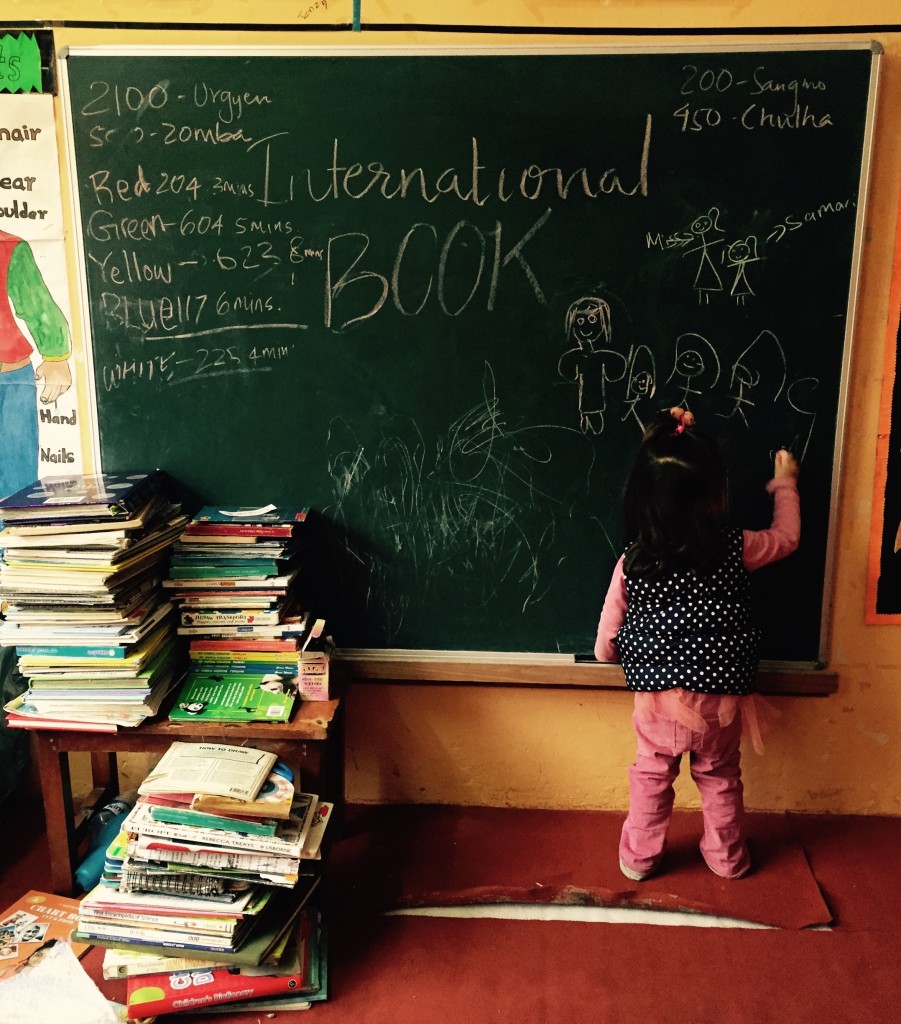
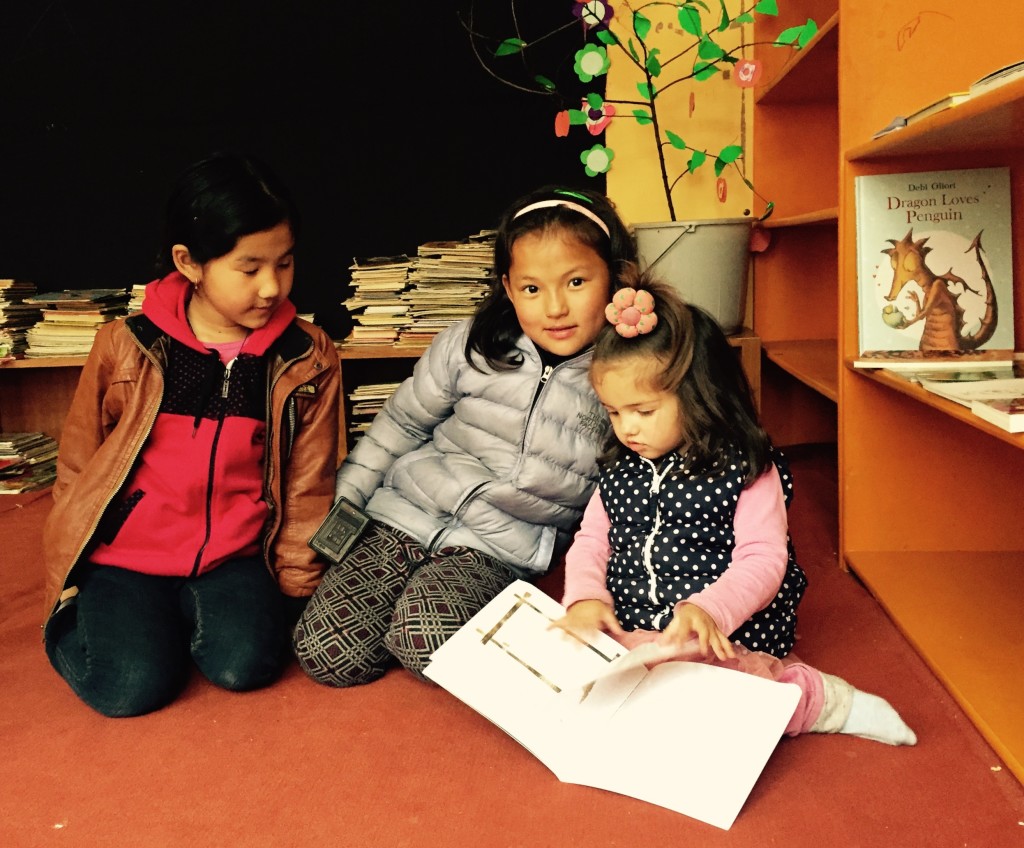
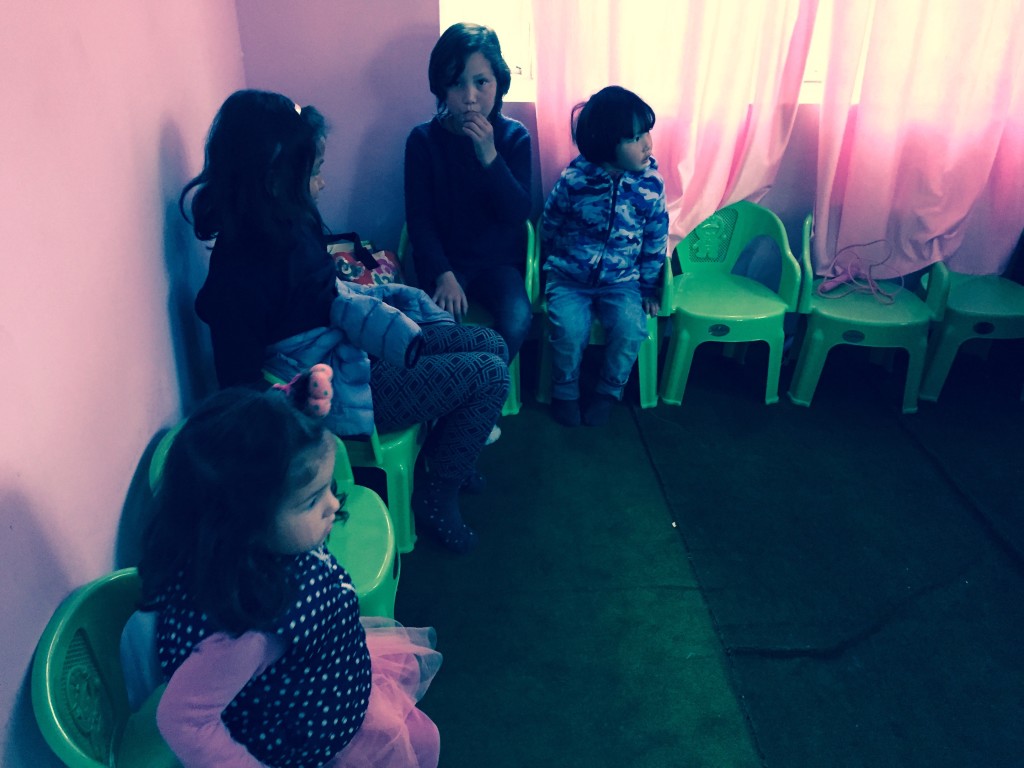
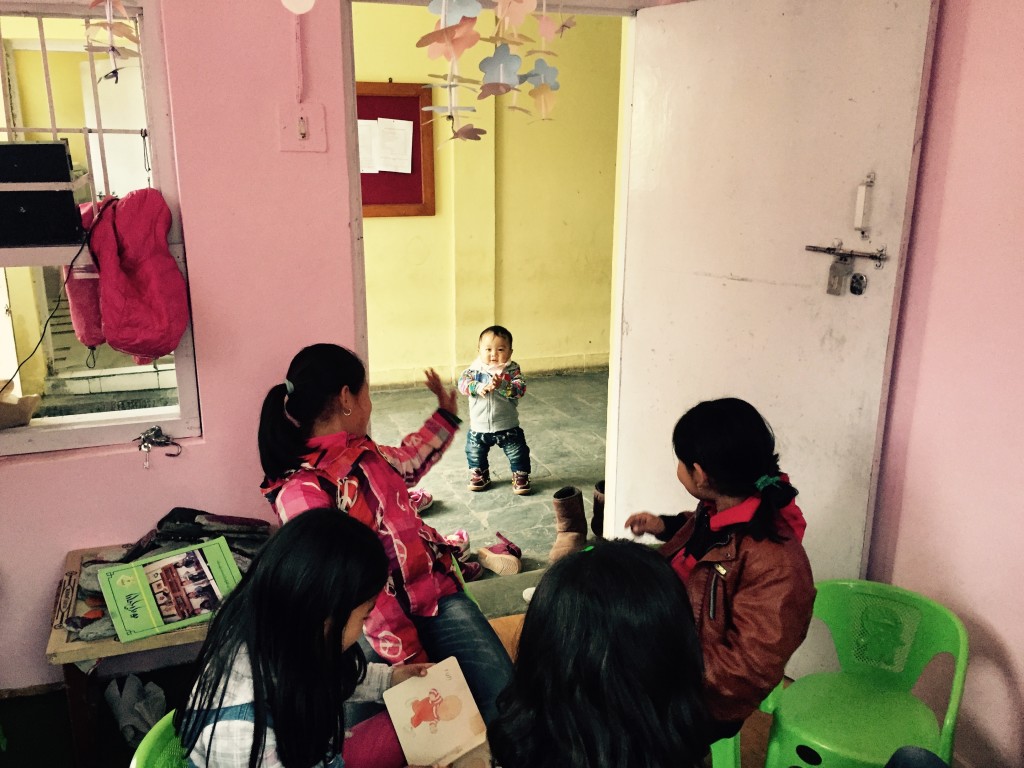
The reading room soon supported activities beyond silent reading. Children drew illustrations for stories, practiced music in the open space, and listened to older students read aloud. Young monks used the tables for study, while younger visitors explored picture books and puzzles. The carpenter’s work created a flexible setting where different ages could learn together.
Dorje returned several months later with a plane, a handful of screws, and a small tin of oil. One shelf had loosened after heavy use, and a book bin needed a new base. He repaired both in an afternoon. The visit reminded everyone that a library is a living project. Its books change, its users grow, and its furniture must be cared for as thoughtfully as it was built.
Carry The Work Forward
A library made from local materials proves that educational investment does not have to begin with a large building or imported equipment. It can begin with one skilled craftsperson, a few dependable materials, a welcoming design, and people willing to contribute time. Every shelf becomes a promise that children’s curiosity deserves a place to grow.
Support for reading rooms, book drives, art sessions, music activities, and practical learning helps Himalayan communities create that place. Visit the Avalokiteśvara Trust website to learn about its work and find a meaningful way to support access to books and education. A contribution, donated book, volunteer hour, or shared story can help turn another carefully built room into a lasting center of imagination.