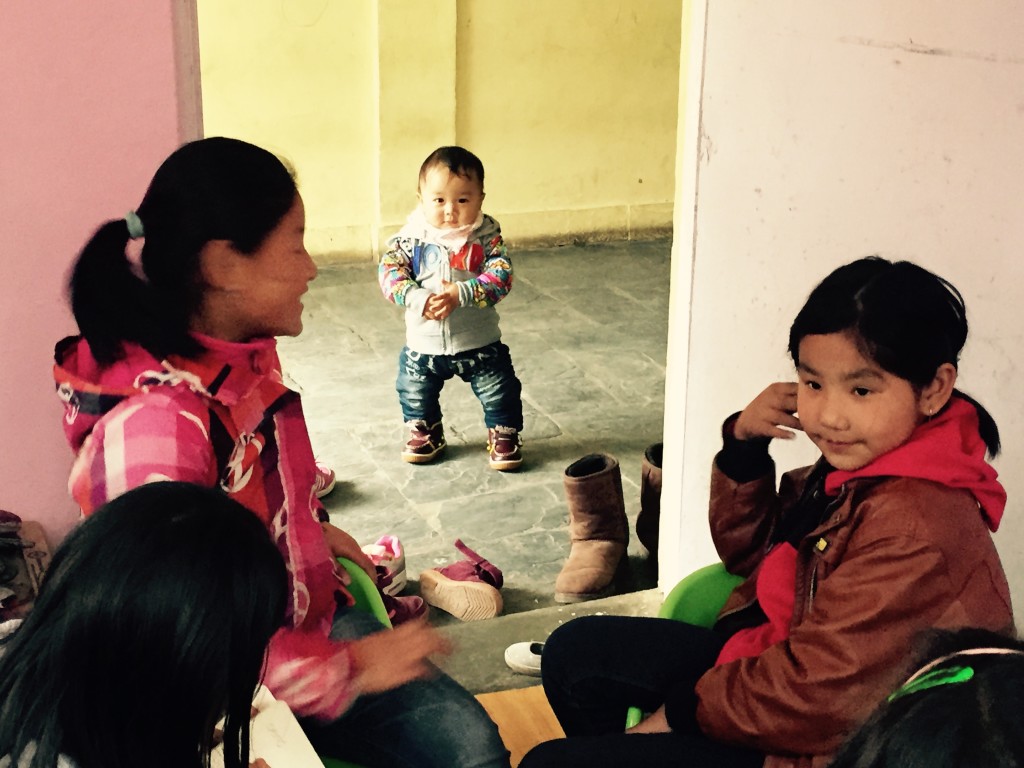
A Children’s Library Where Daylight Leads the Way
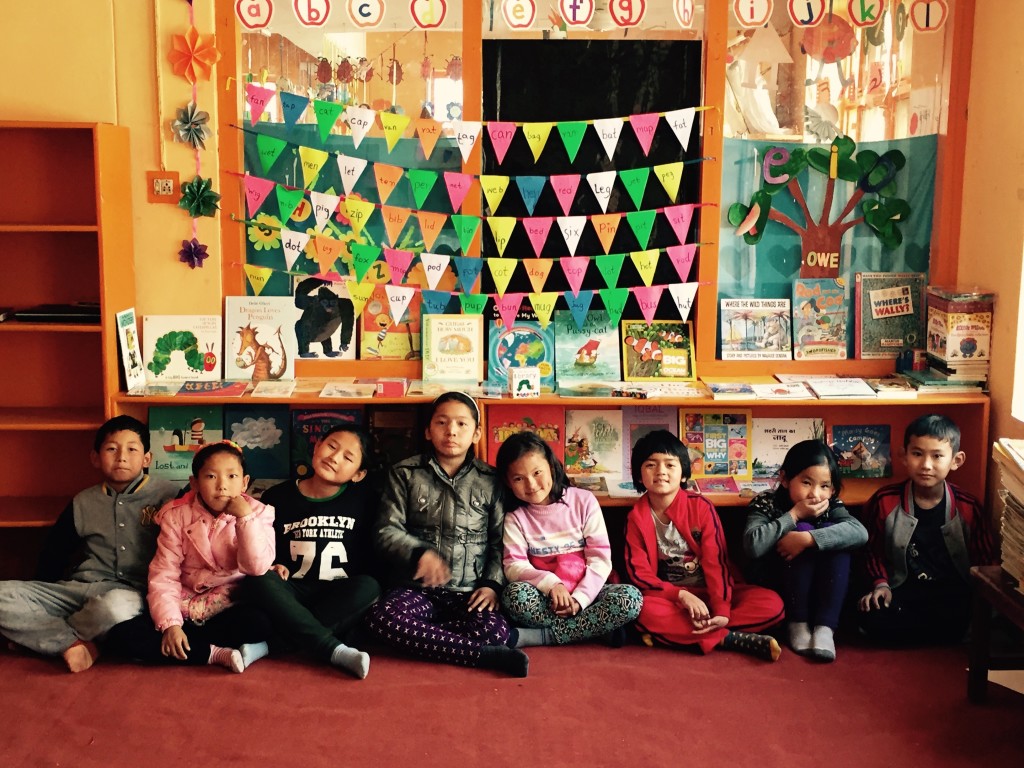
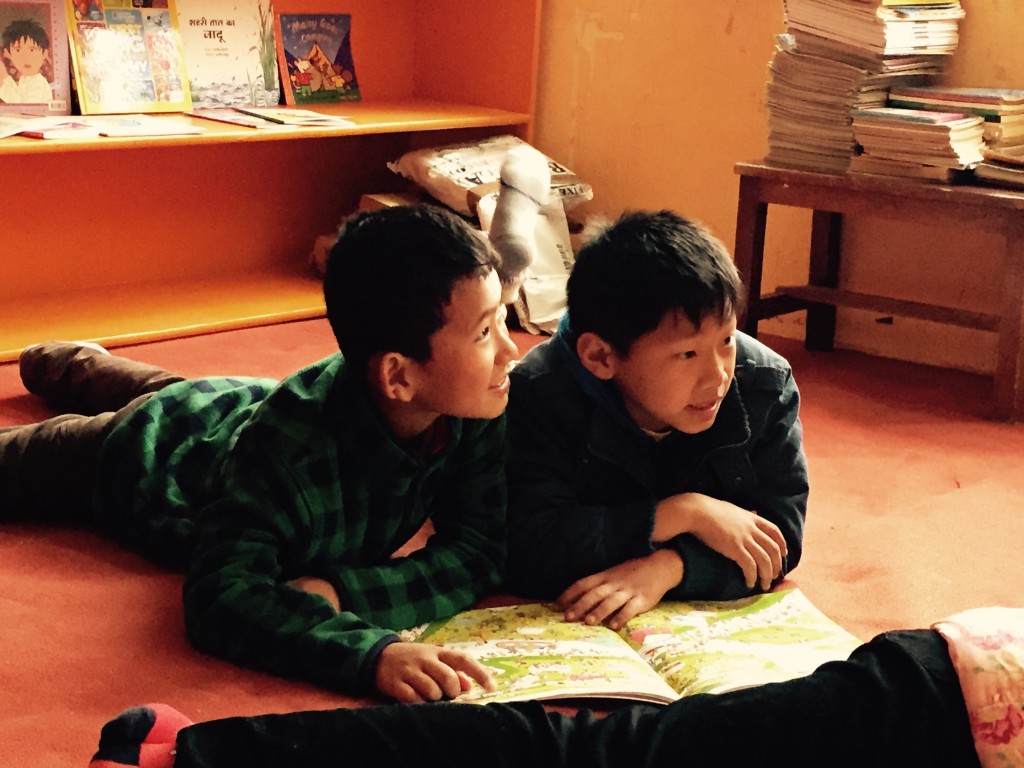
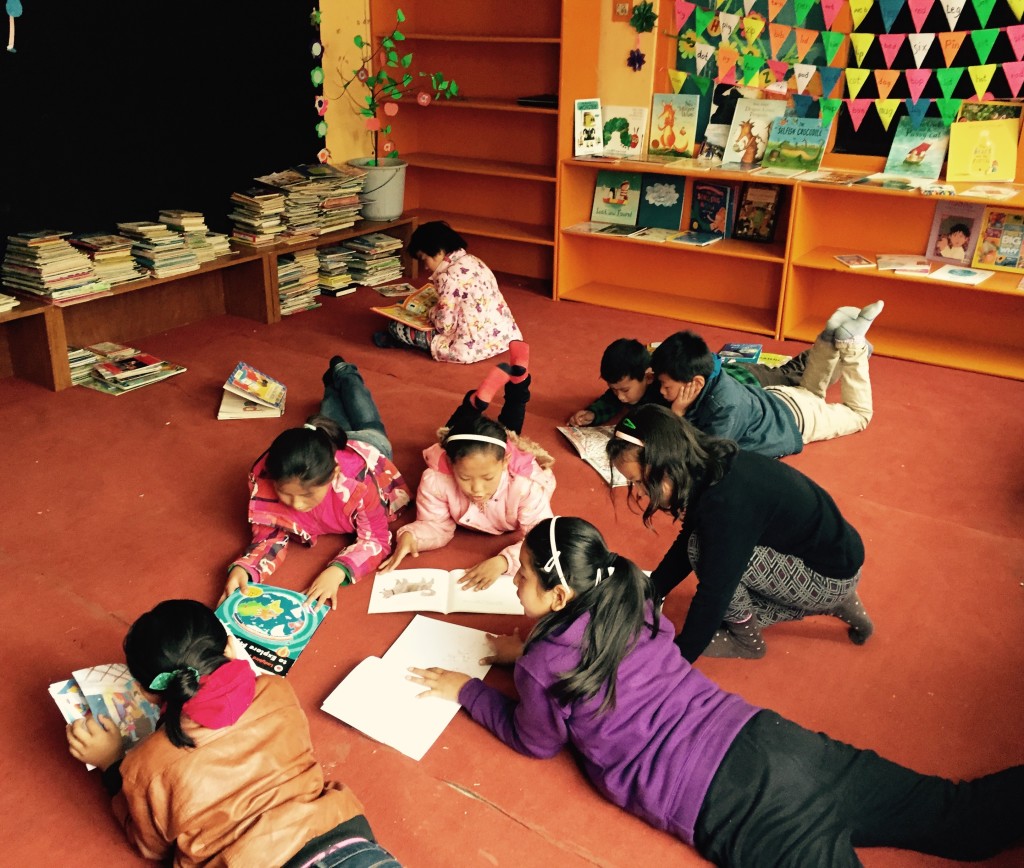
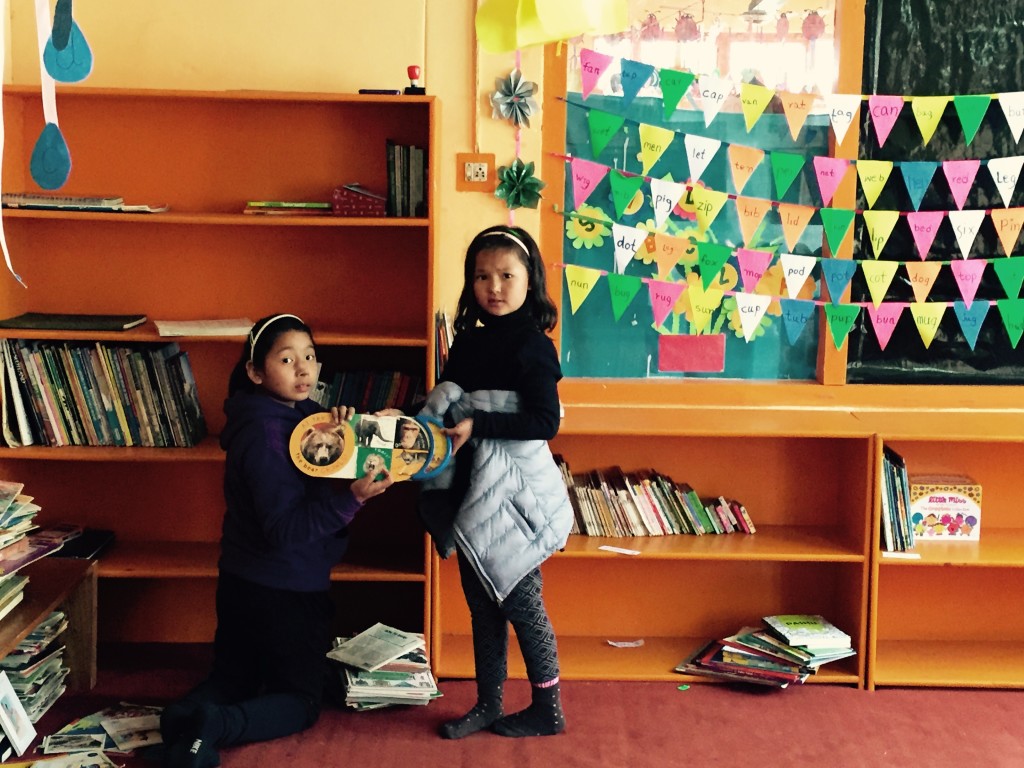
In a Himalayan village, a library can begin with a room, a few shelves, and a carefully chosen stack of books. It does not need bright ceiling lights, computers, or a constant power supply to become a place of discovery. With thoughtful planning, natural light, local knowledge, and community care can create a welcoming reading room for children and young monks.
Building a children’s library in a village with no electricity requires a different understanding of what educational access means. The goal is not to copy an urban library. It is to create a durable, useful space that works with the mountain environment and reflects the language, culture, interests, and daily routines of the children who will use it.
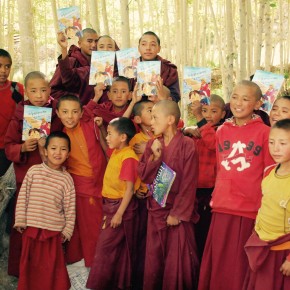
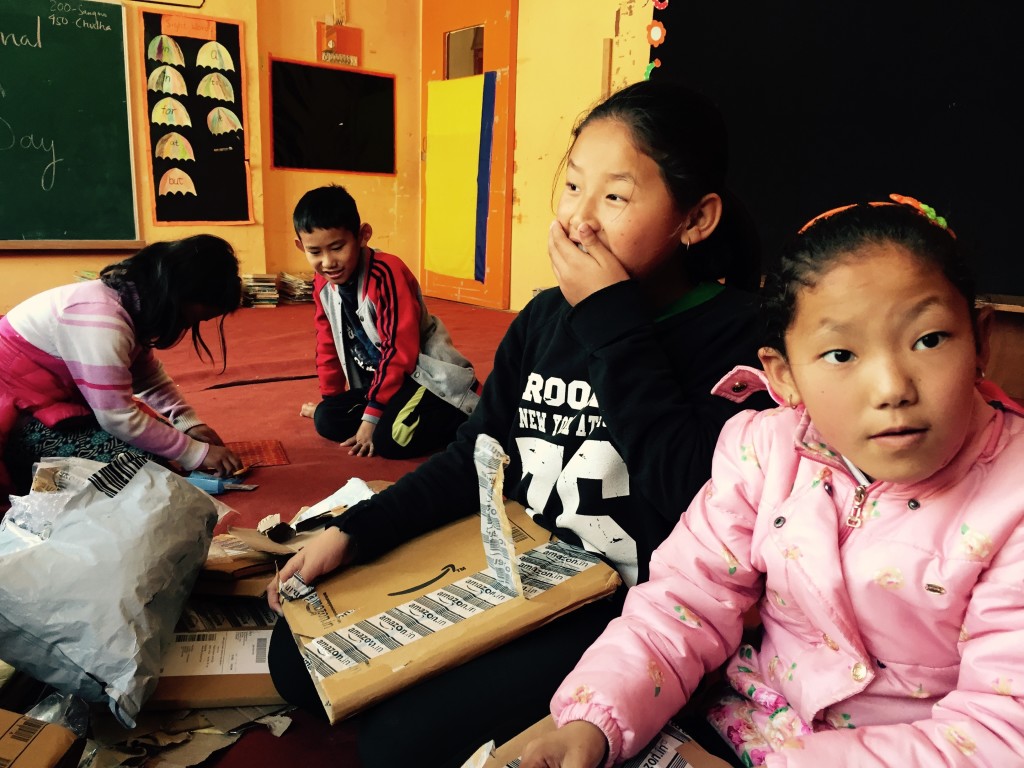
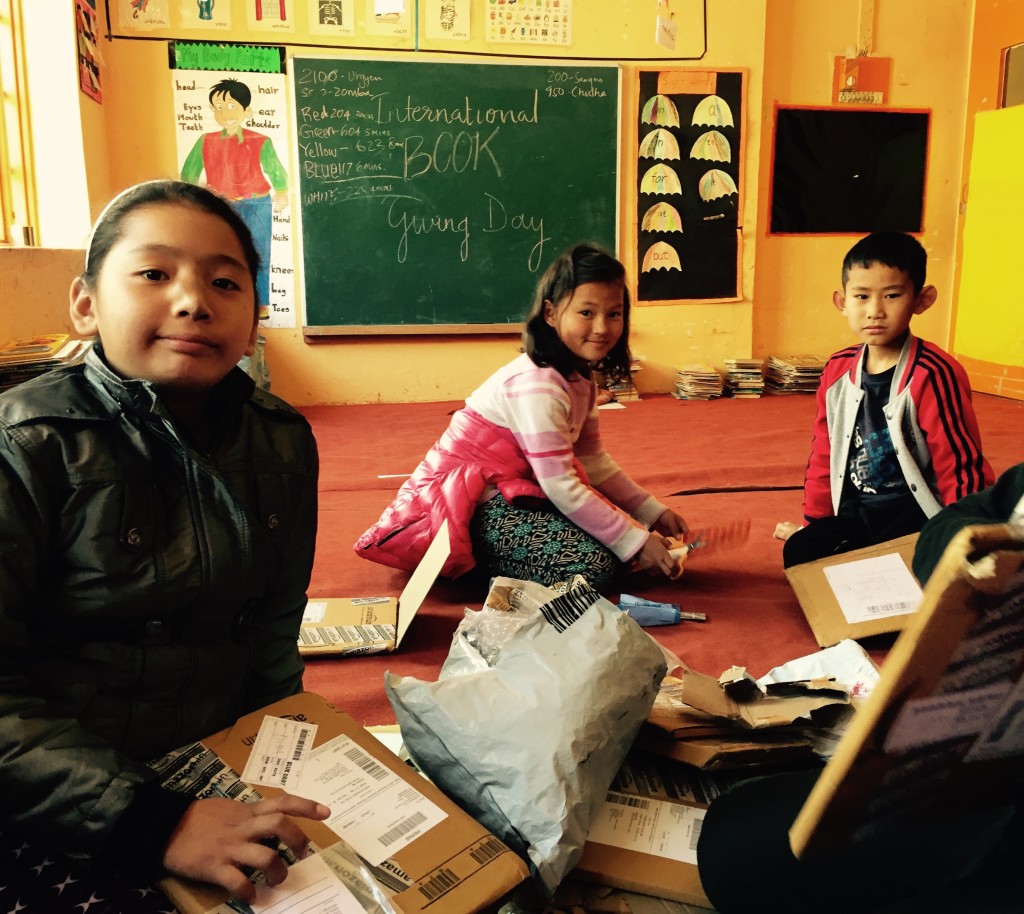
For Avalokiteśvara Trust, this work connects literacy with creativity and community participation. A village reading room can offer children stories, reference books, drawing materials, music, and a quiet place to learn, even when homes and schools have limited resources.
Begin With The Village Community
The strongest rural library projects begin by listening. Before collecting books or ordering furniture, organizers can speak with children, parents, teachers, village leaders, and monastic educators. These conversations reveal which languages children read comfortably, which subjects are missing from the classroom, and what kind of space families will trust.
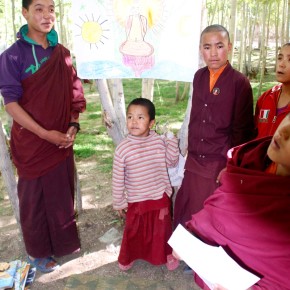
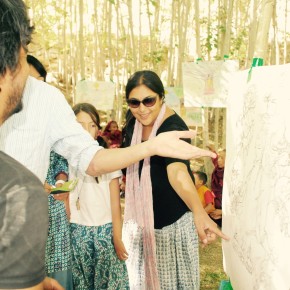
A small survey can be practical rather than formal. Children might be asked to name their favorite stories, draw a picture of their ideal reading room, or identify topics they want to explore. Teachers can recommend suitable reading levels and curriculum support. Parents may explain when children are free to visit, while local artisans can advise on materials that withstand cold, dust, and transport over difficult roads.
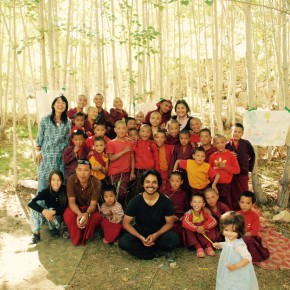
Community involvement also creates shared responsibility. If residents help prepare the room, repair shelves, or establish visiting routines, the library is less likely to be seen as a temporary outside project. It becomes a village resource that belongs to everyone.
Design Around Daylight And Climate
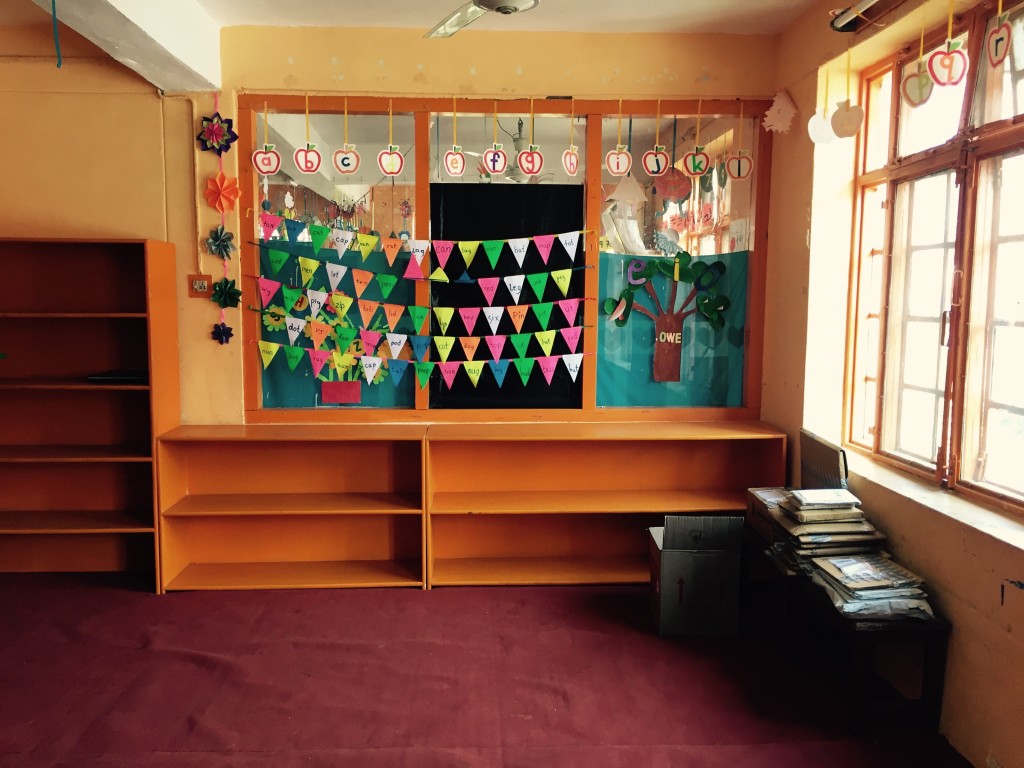
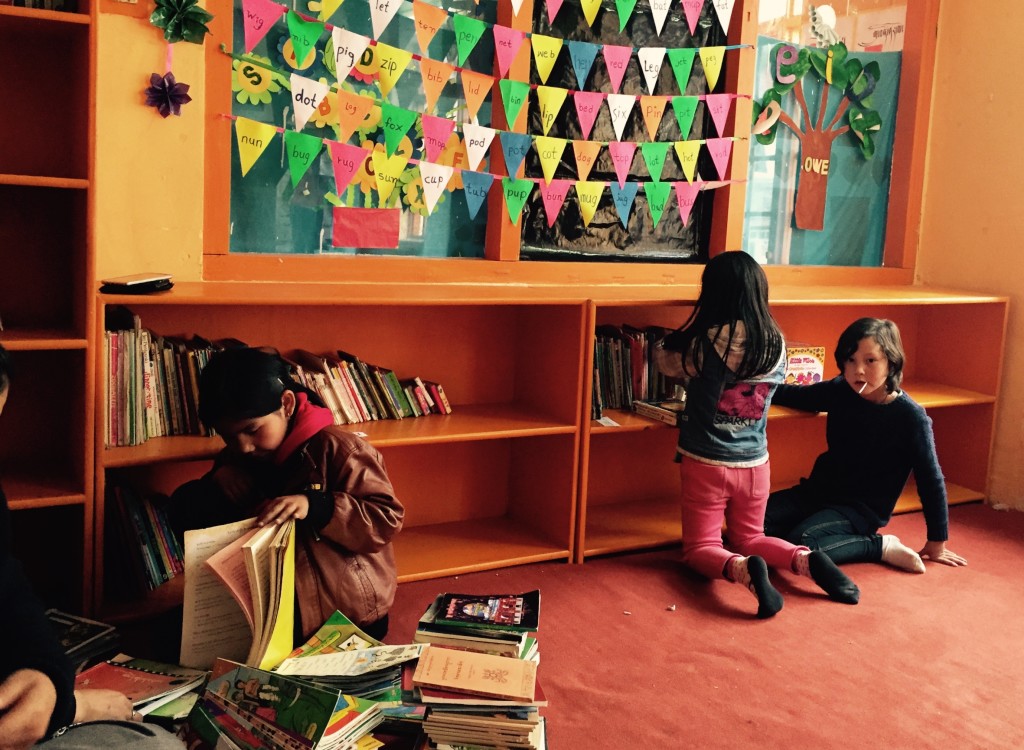
Without grid electricity, daylight becomes the library’s primary lighting system. Windows should be positioned to bring in useful natural light without creating glare on pages. Pale interior colors can brighten the room, while curtains or adjustable shades help manage strong sunlight and winter drafts.
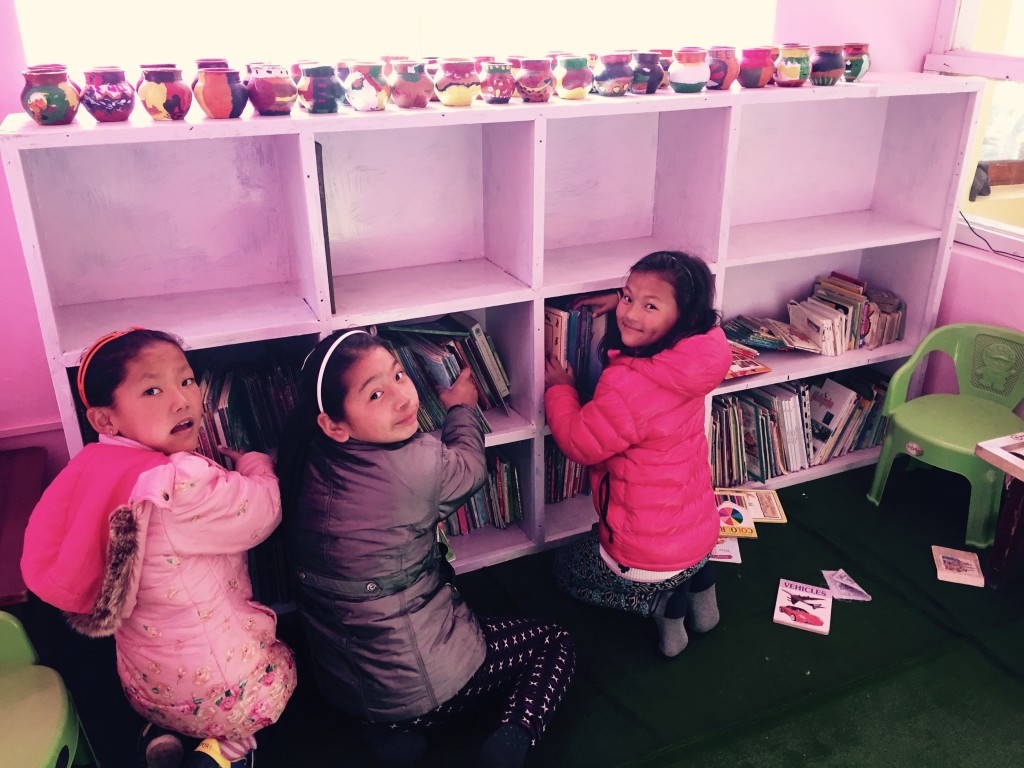
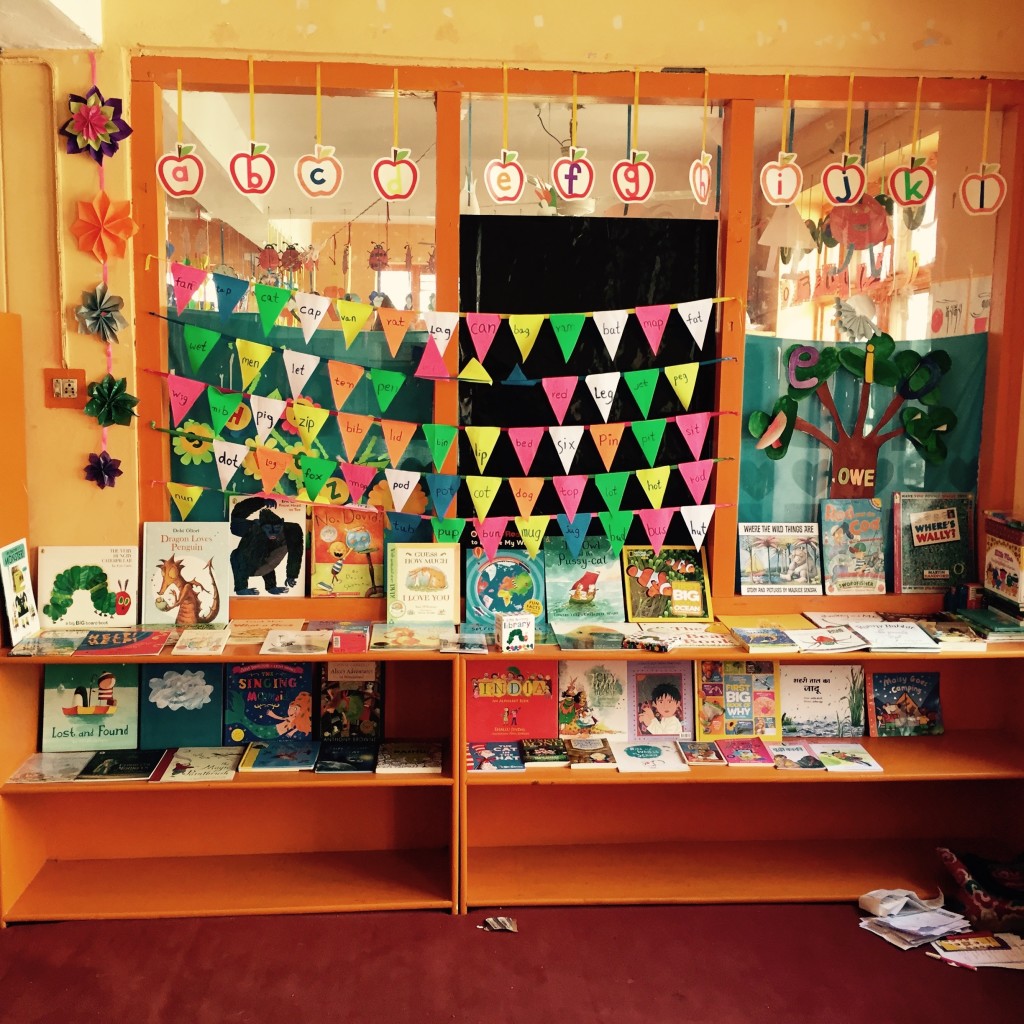
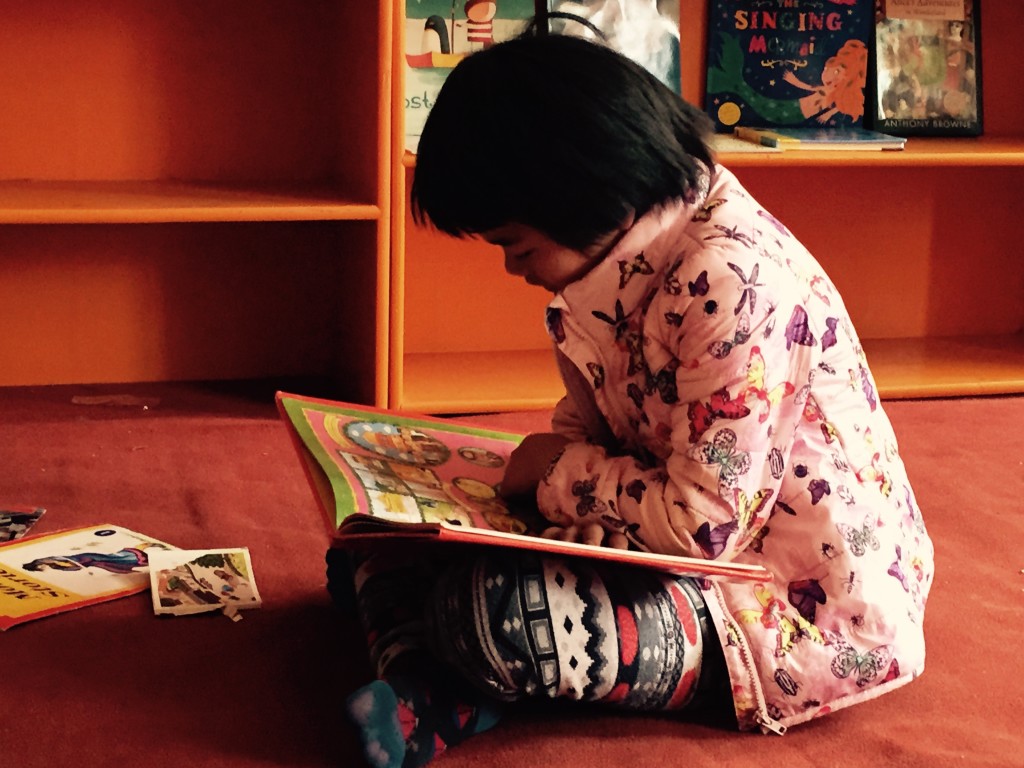
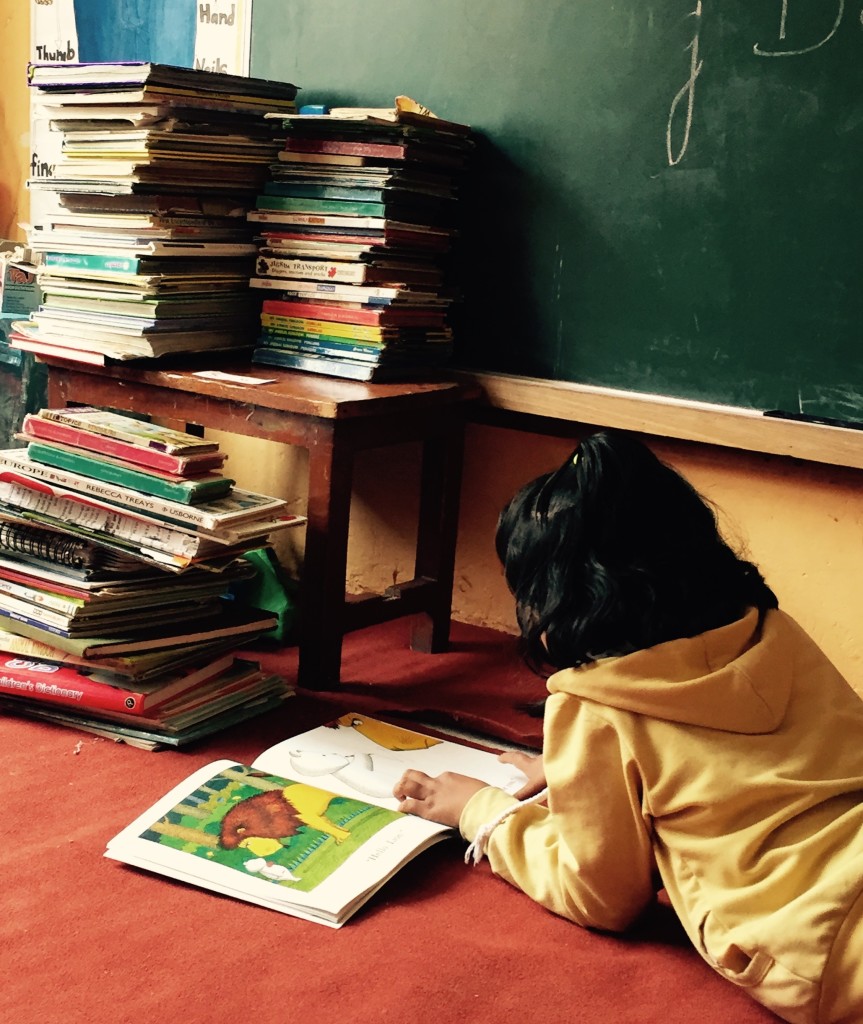
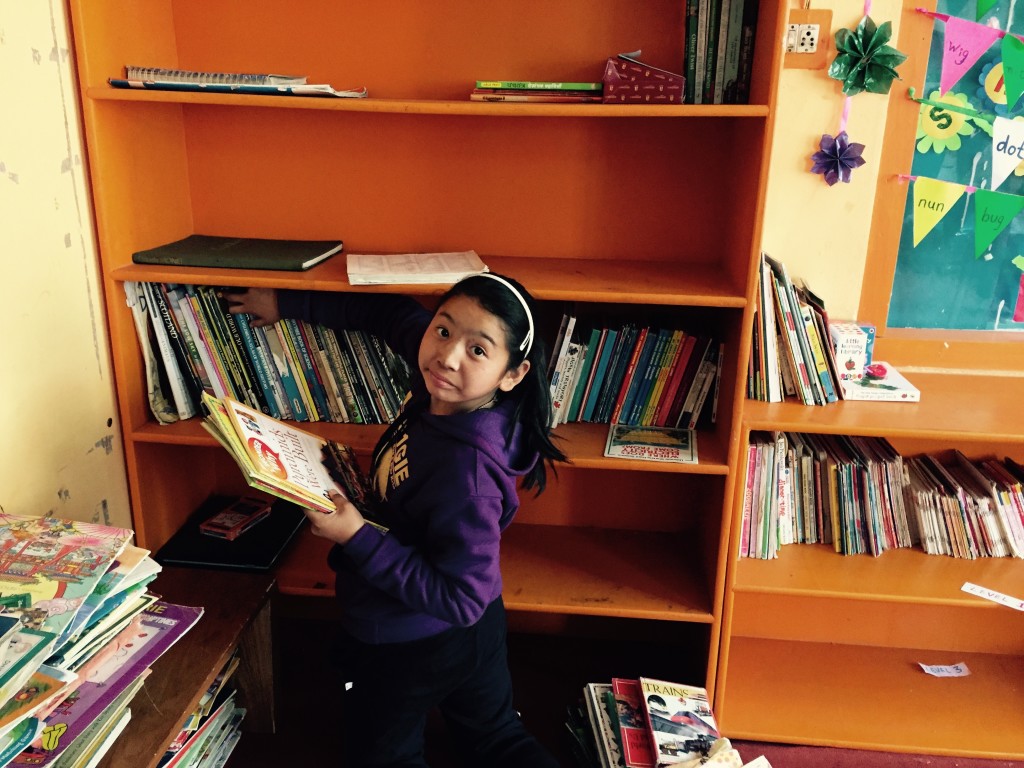
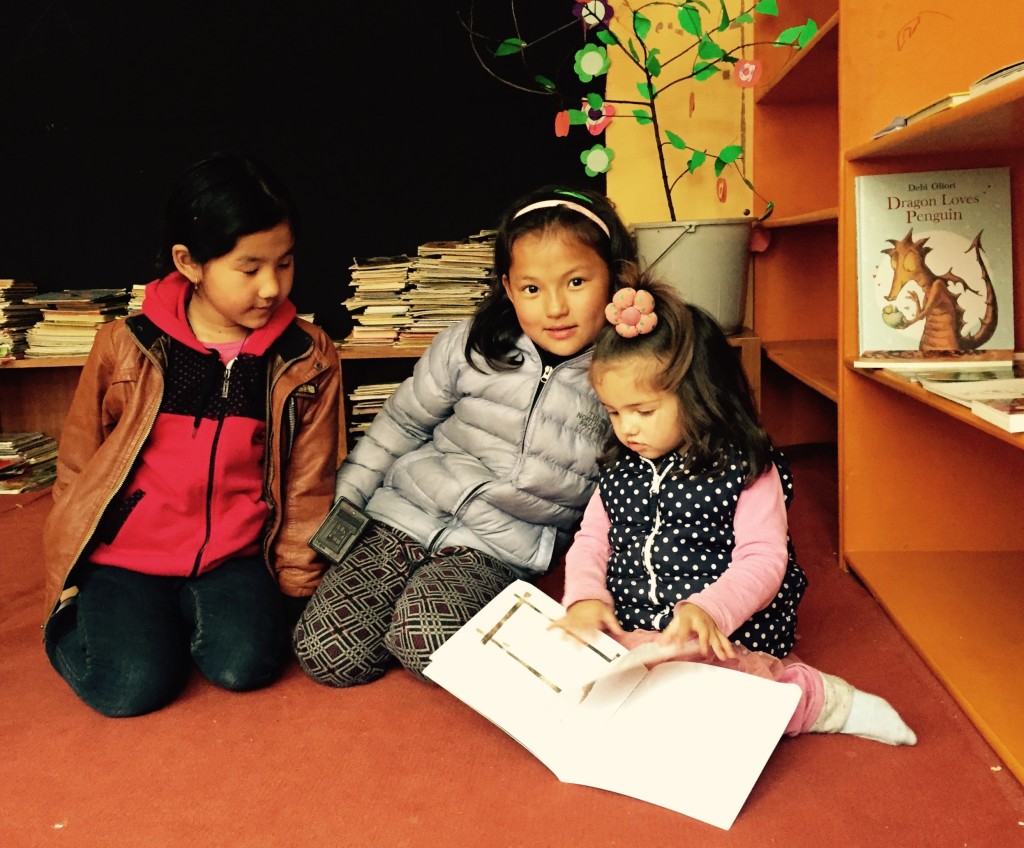
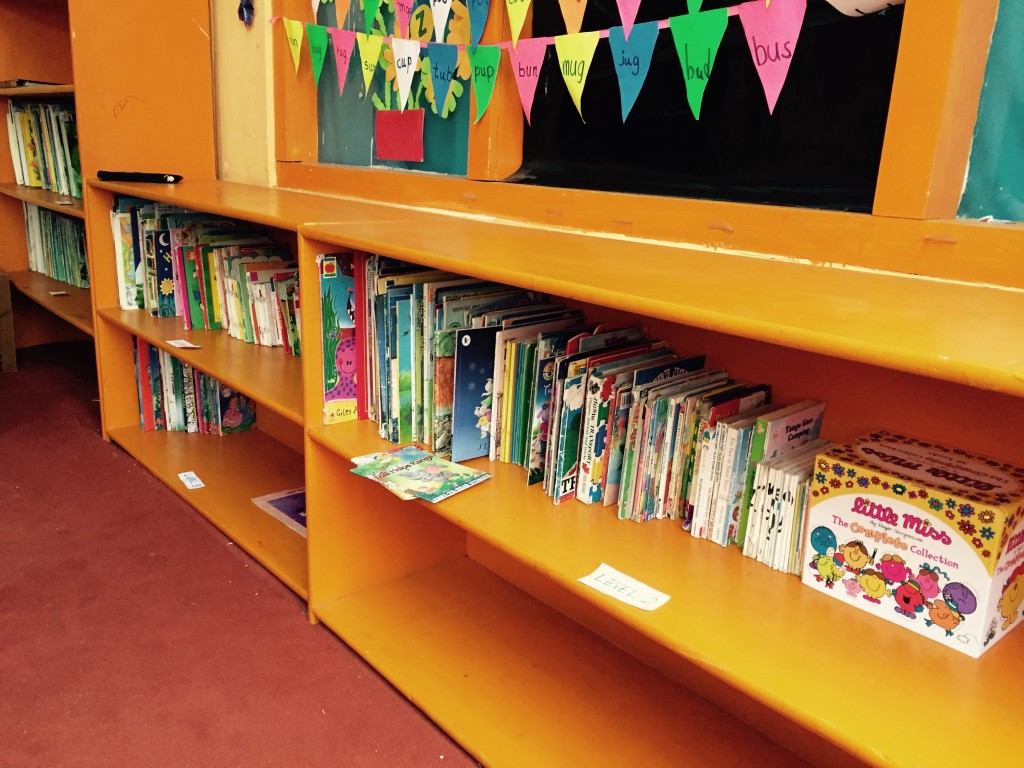
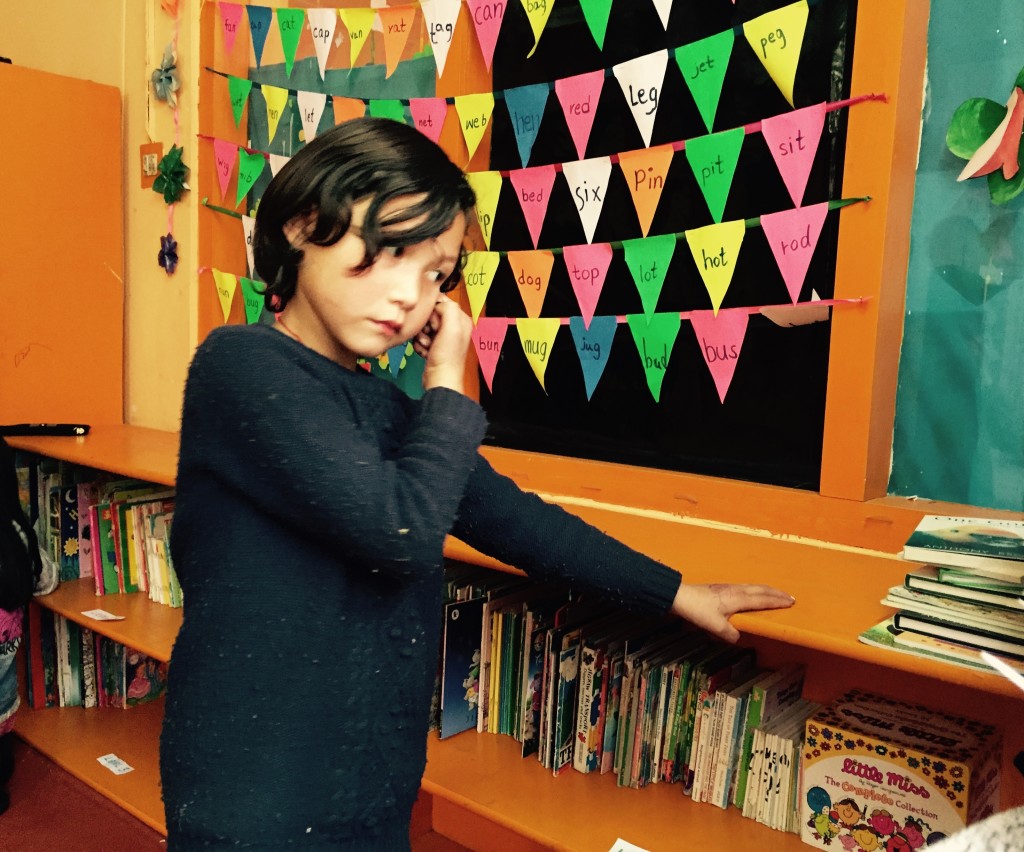
Reading tables should be placed near windows, with shelves arranged so they do not block the brightest areas. Low bookcases are safer for younger children and allow light to travel across the room. A few floor cushions, woven mats, and sturdy benches can make the space comfortable without requiring expensive furniture.
Cold temperatures and dry mountain air affect books, paper, and people. Shelves should keep books above the floor and away from damp exterior walls. Simple insulation, a well-sealed door, and a safe traditional heating arrangement can extend the reading season. If a solar system is appropriate and affordable, a small panel and battery may power a lamp, but the library should remain functional when that system is unavailable.
Build A Collection Children Can Use
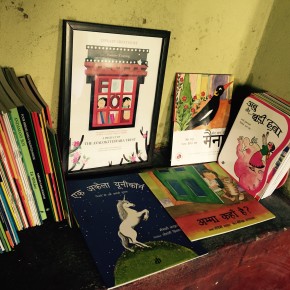
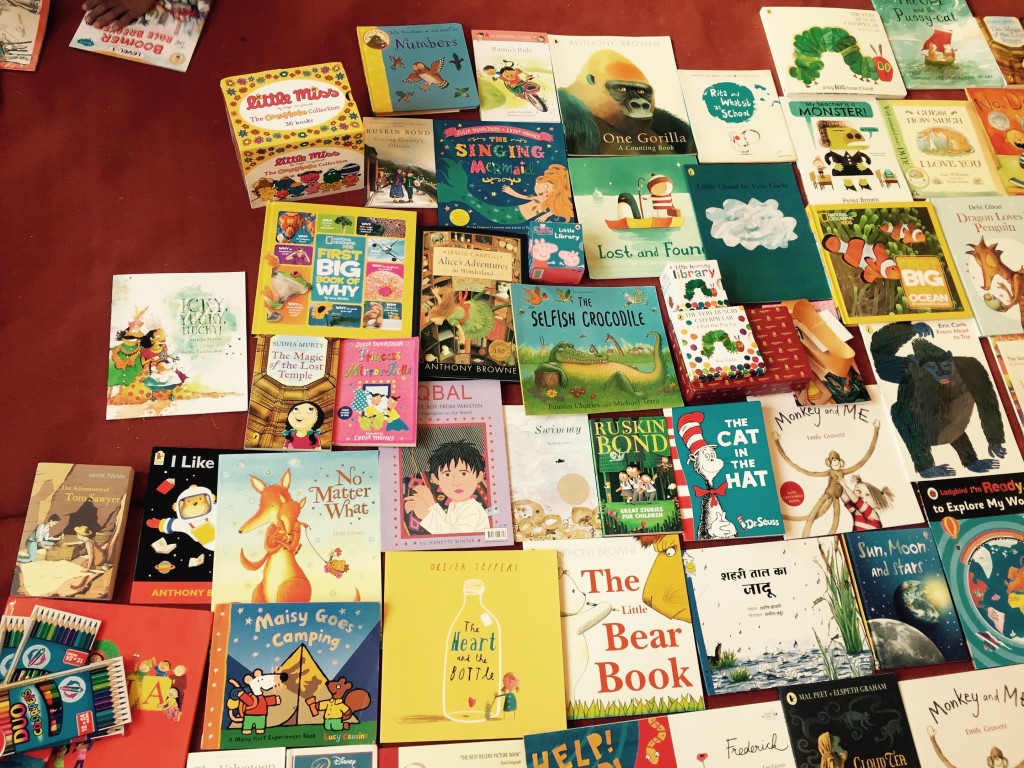
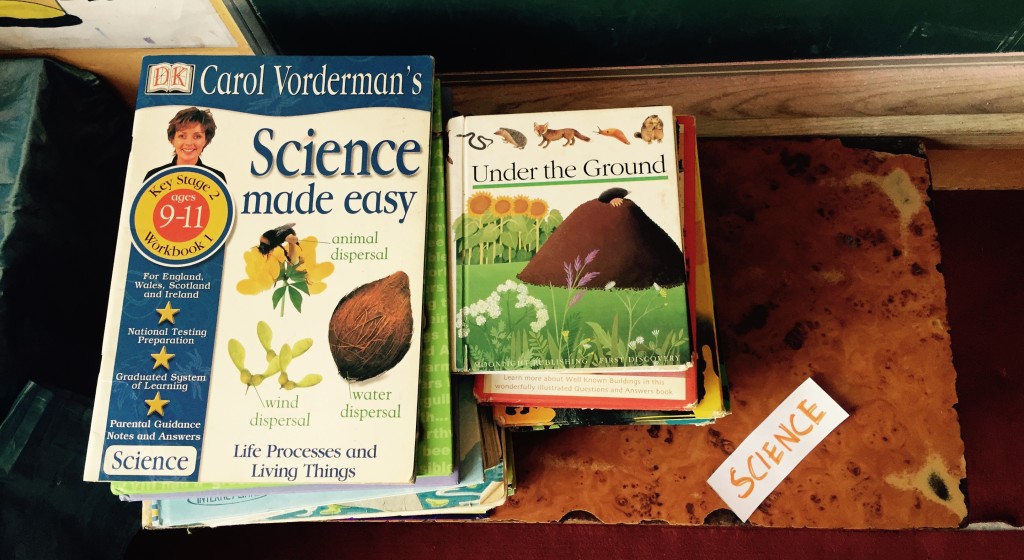
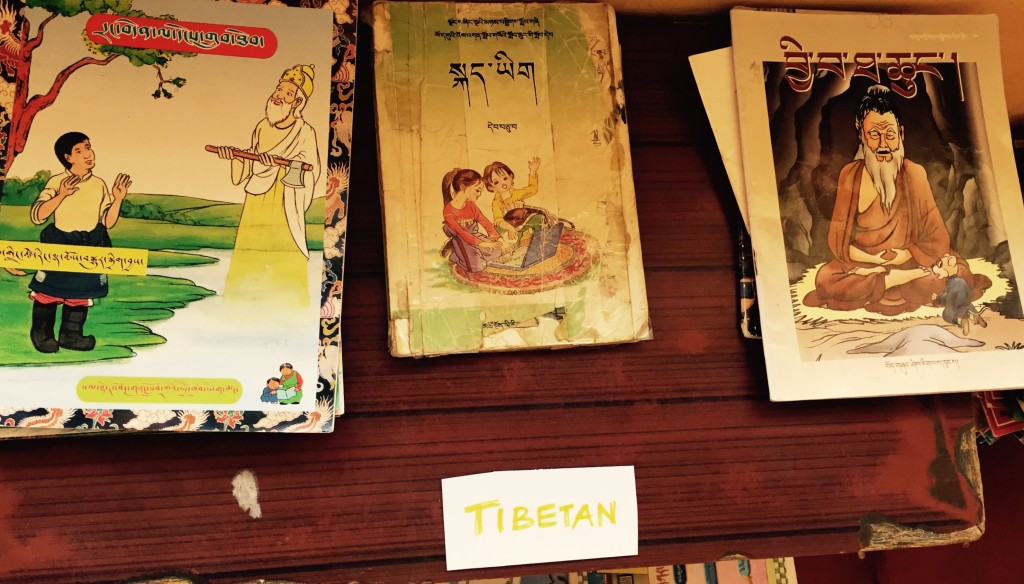
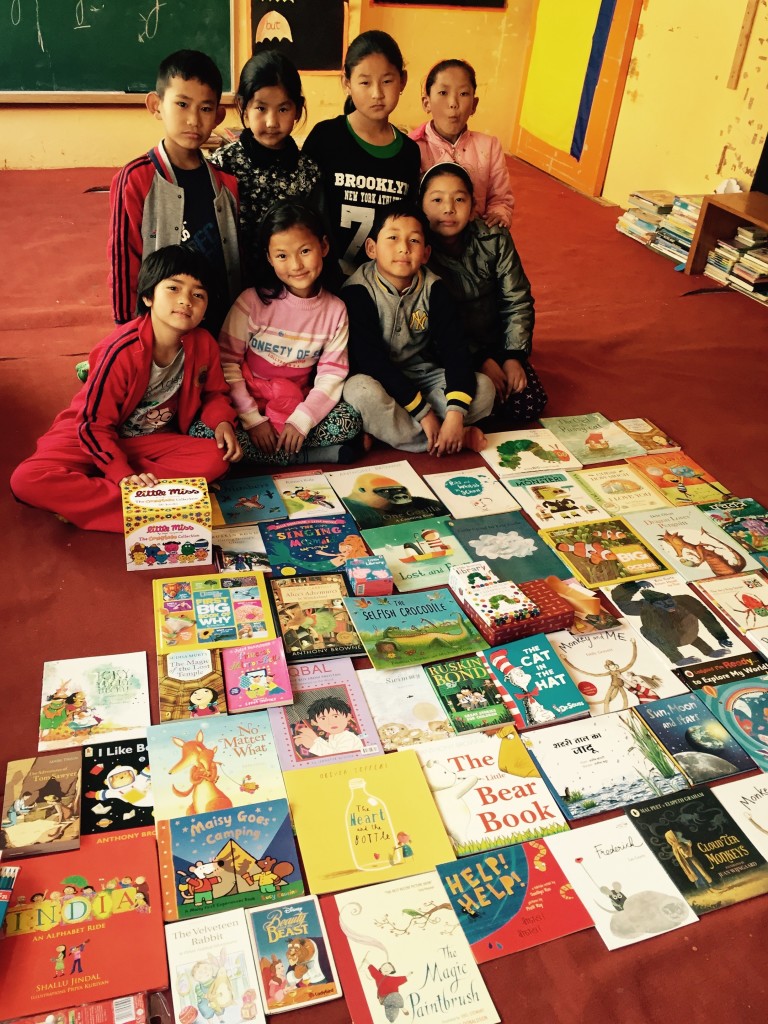
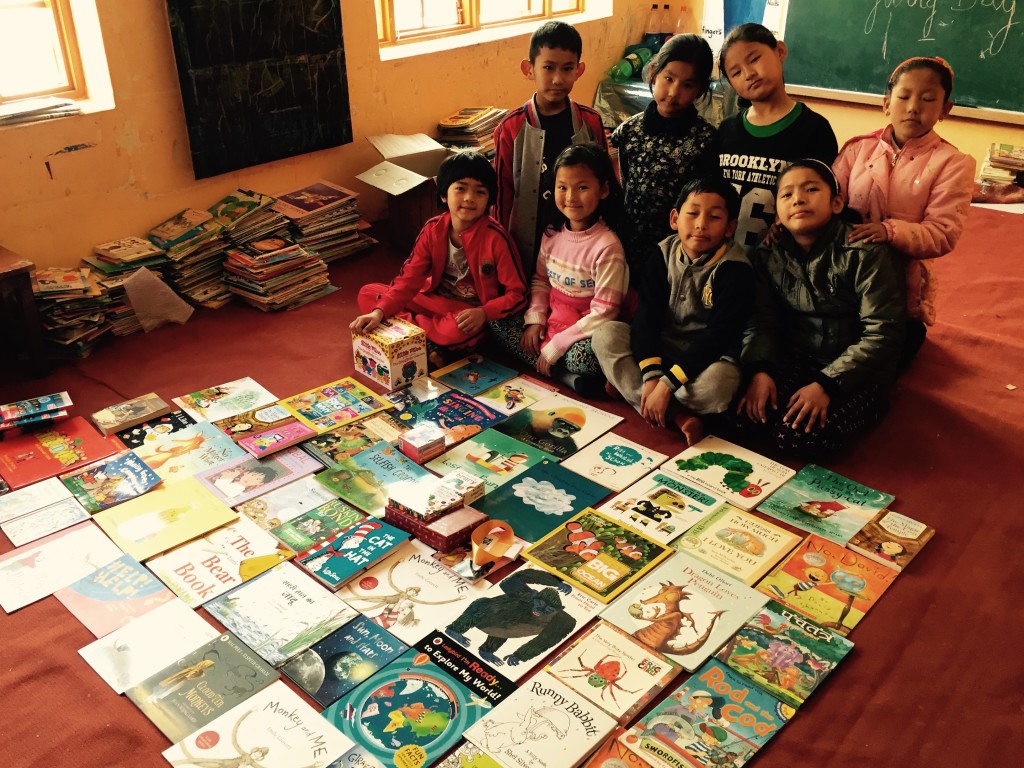
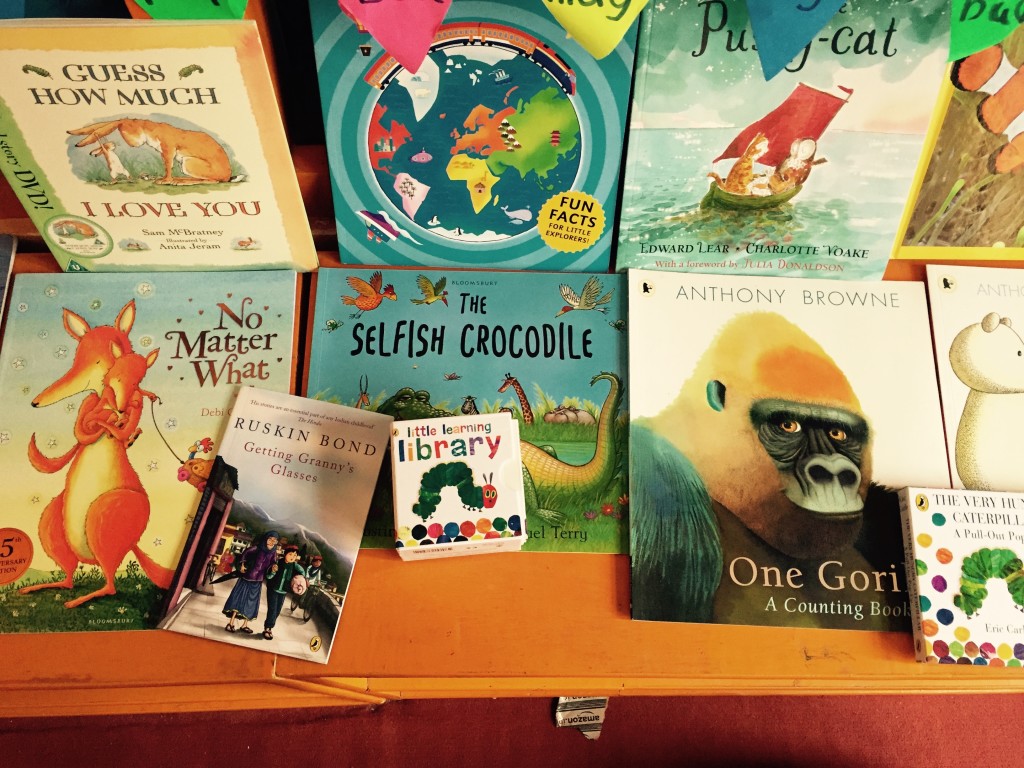
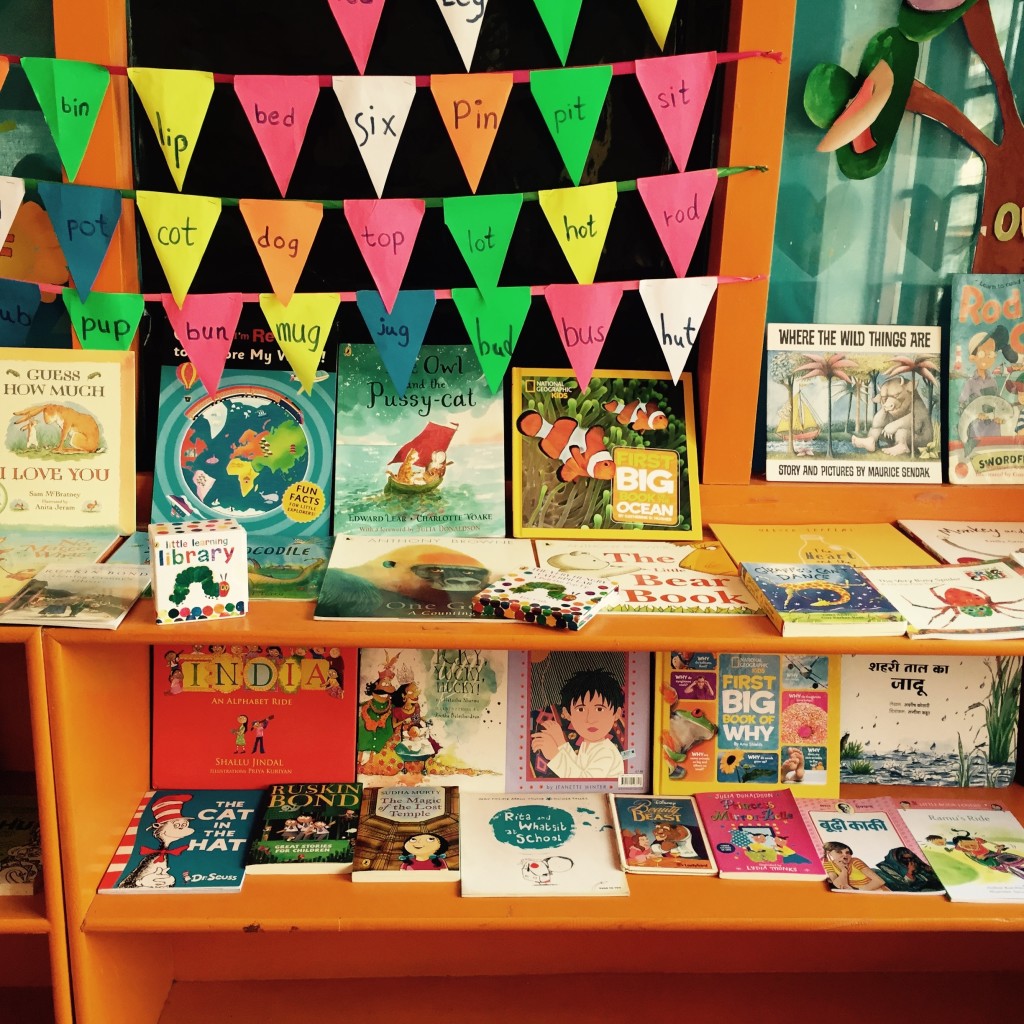
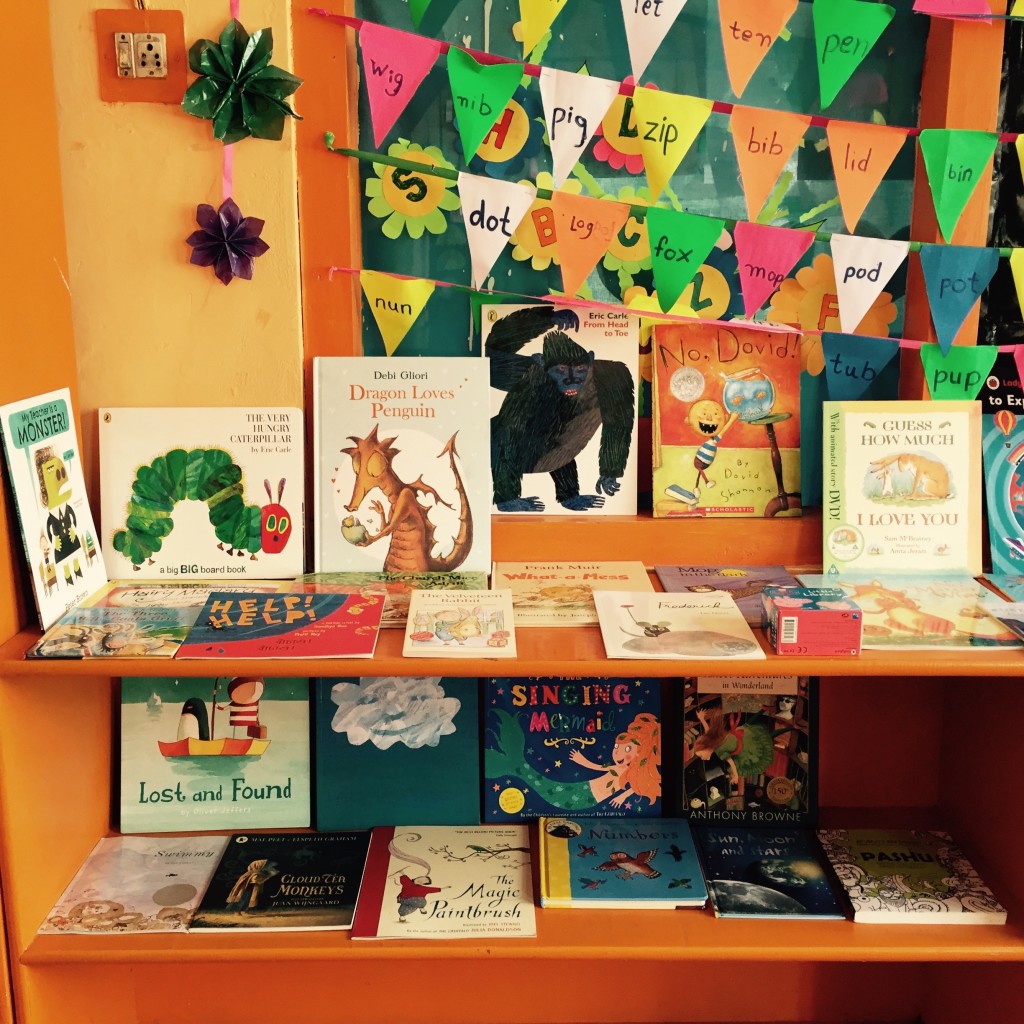
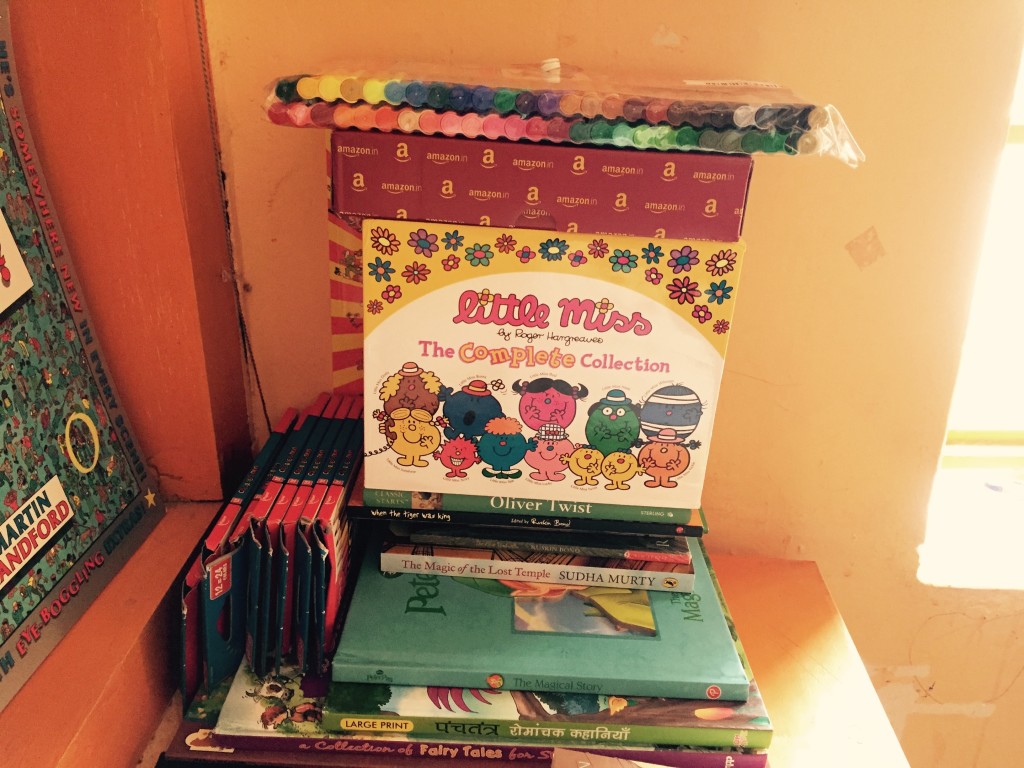
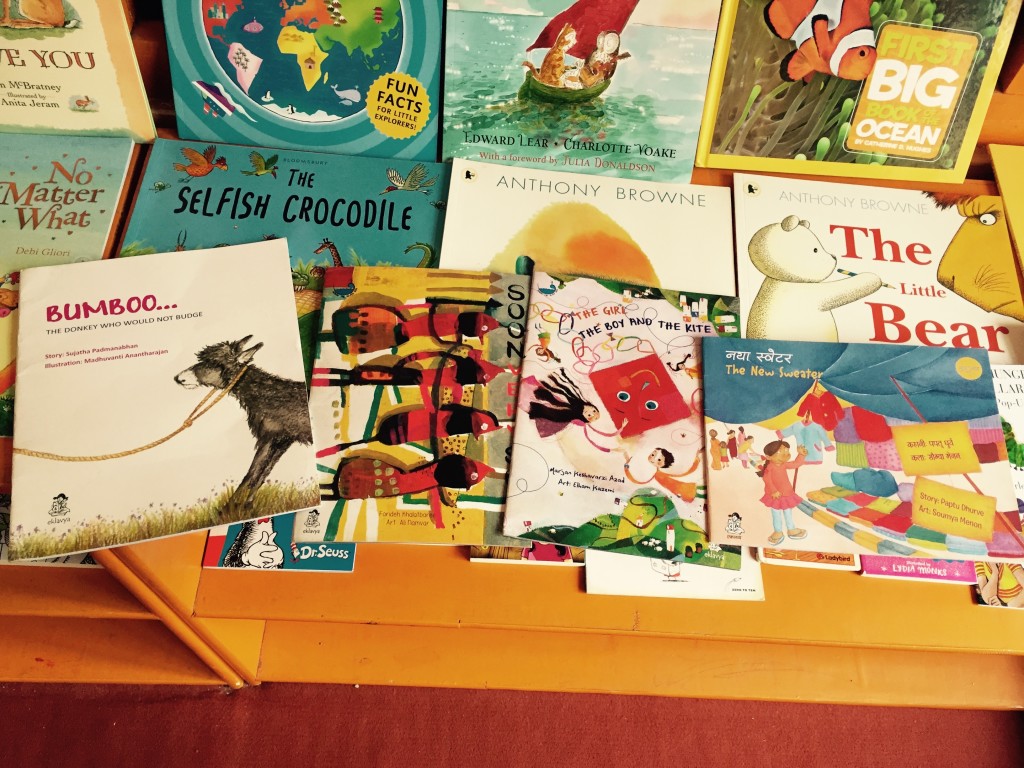
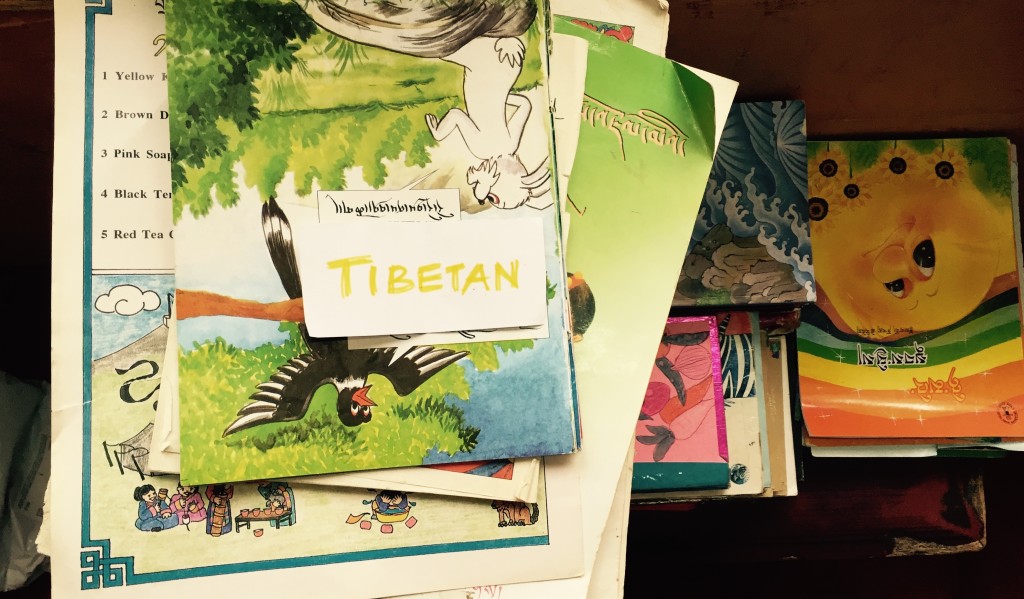
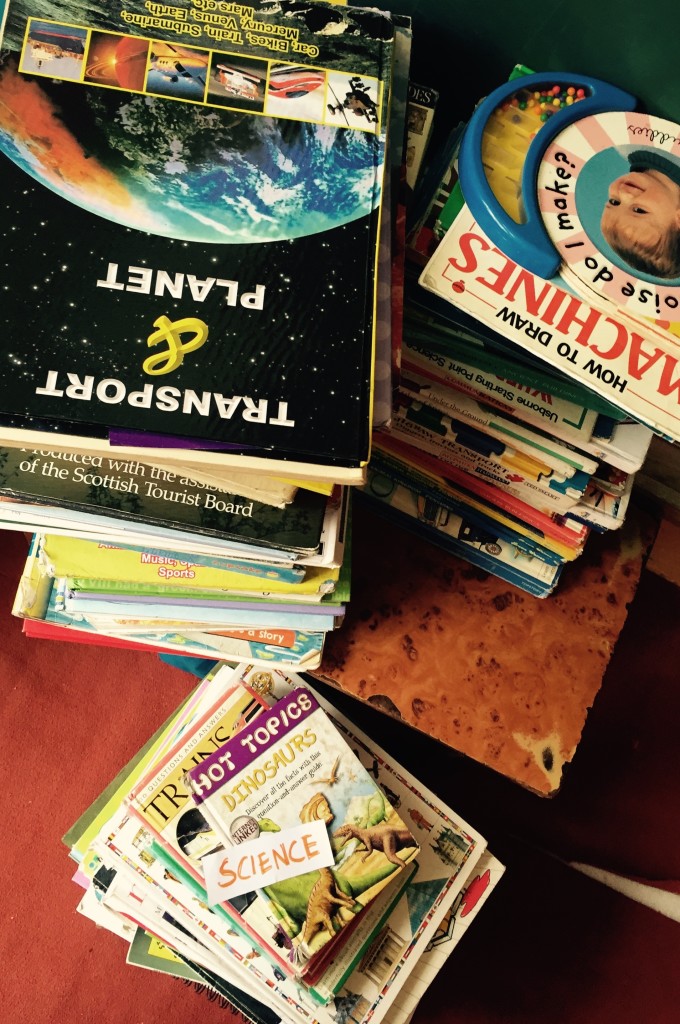
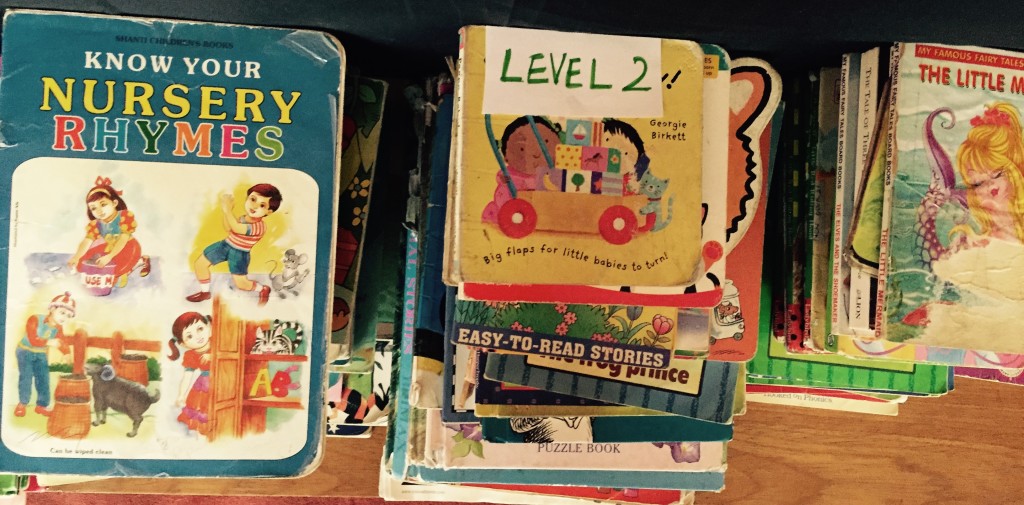
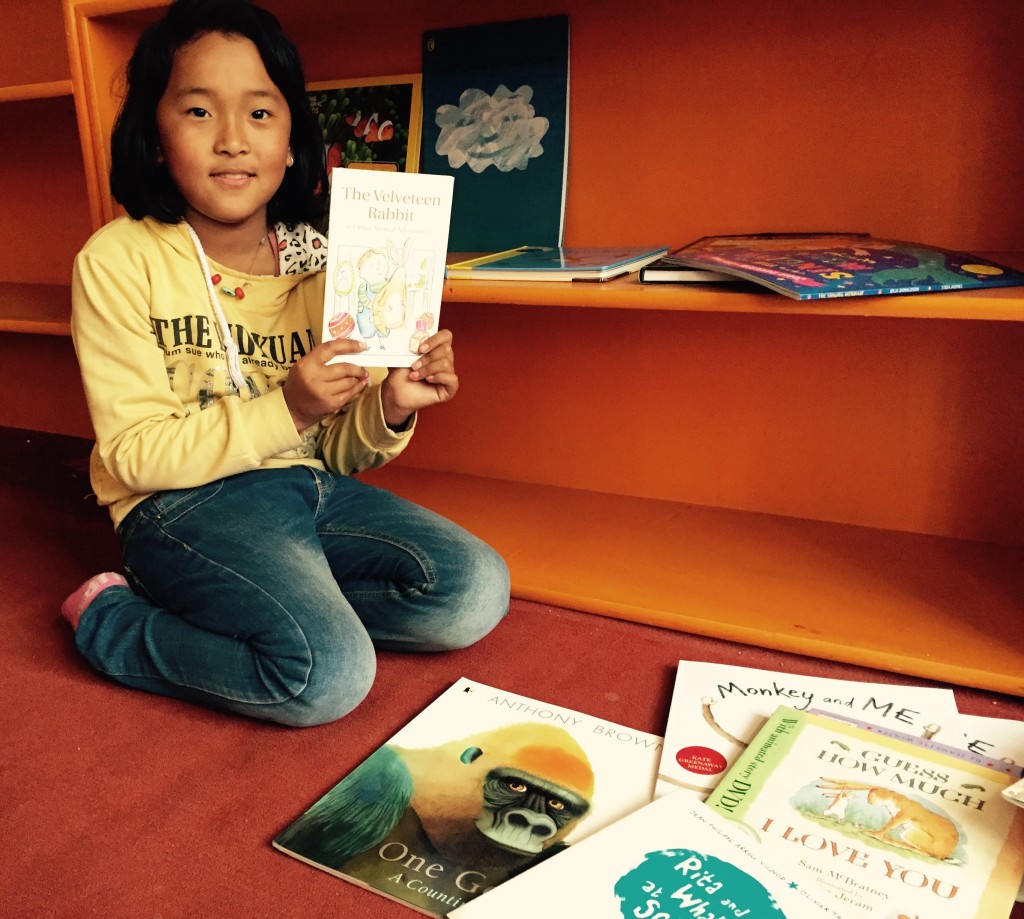
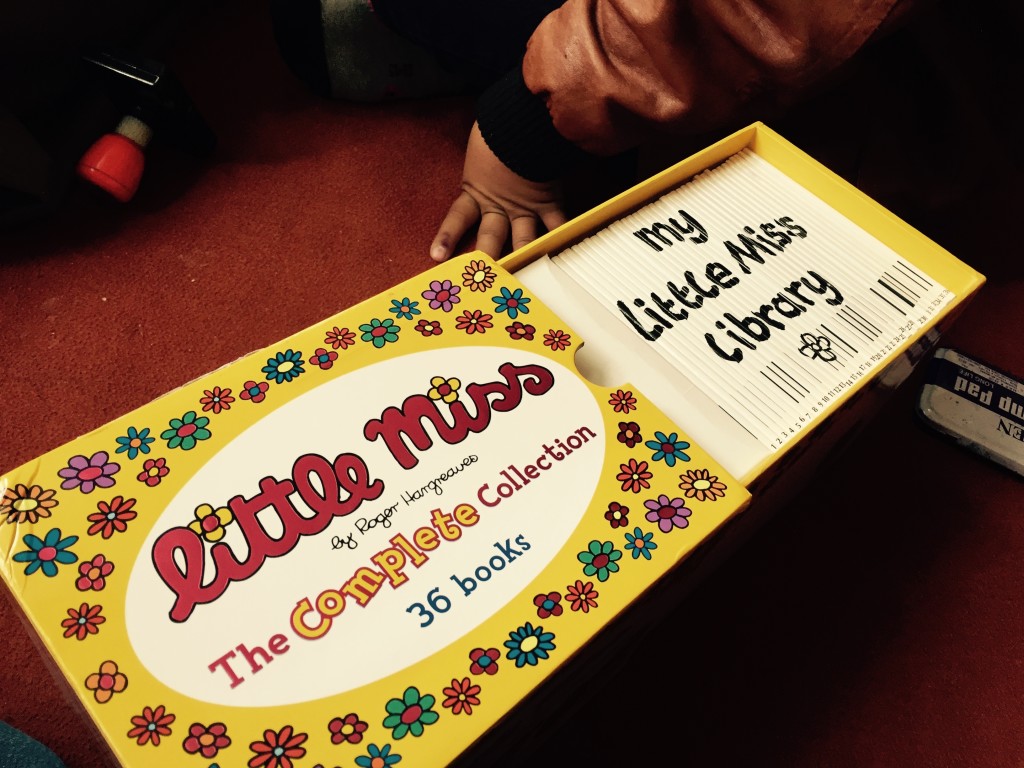
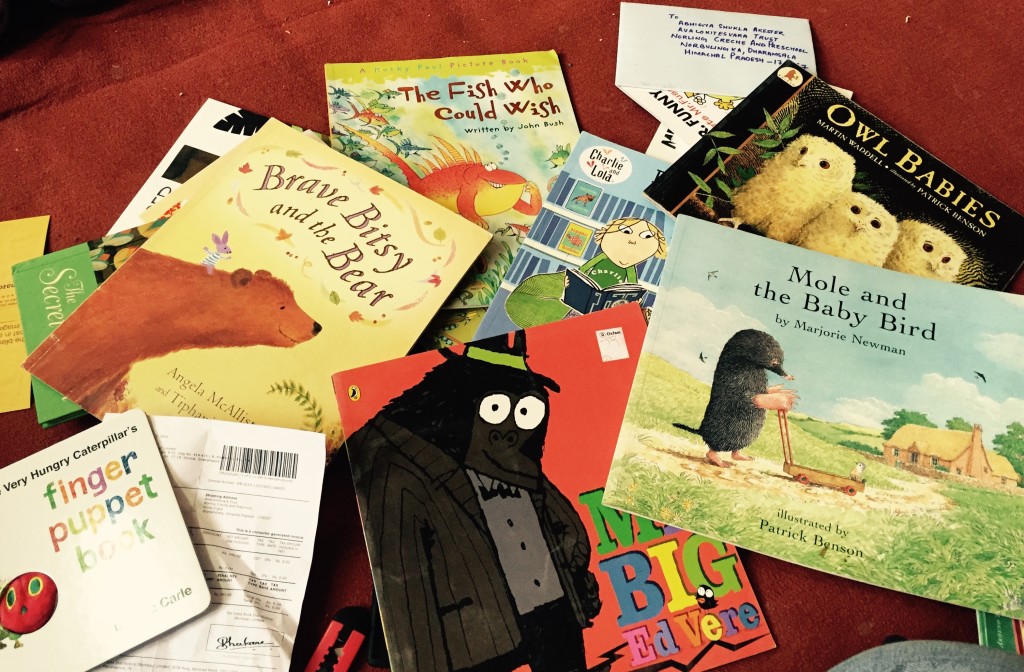
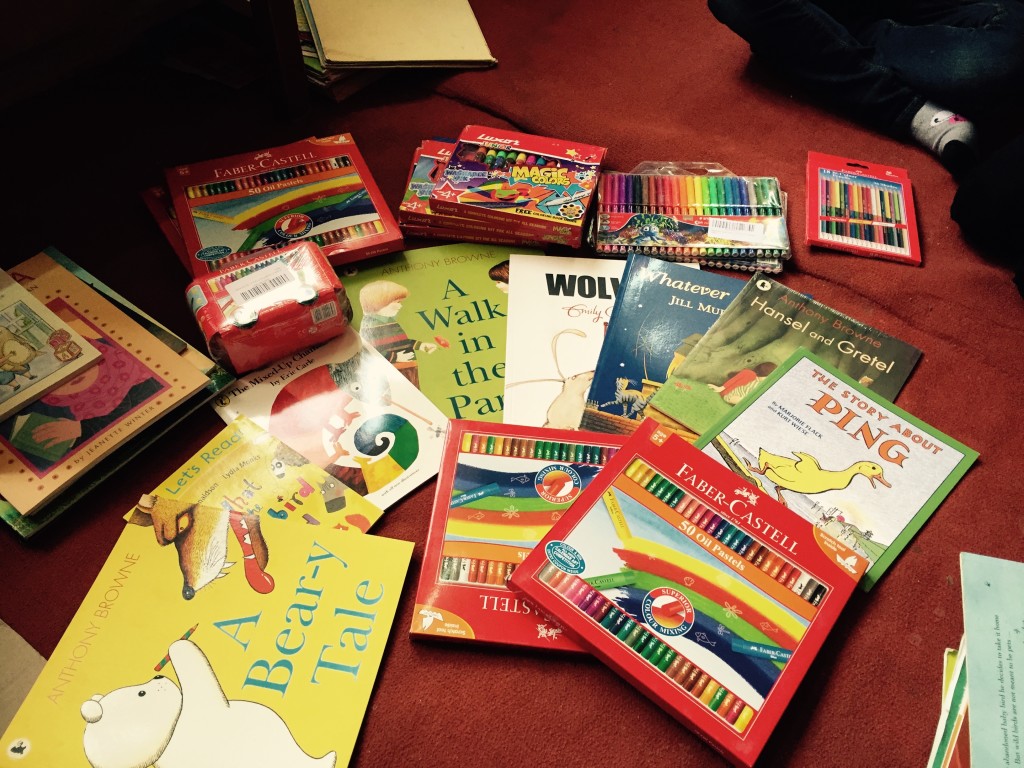
A useful collection is shaped by purpose, not by volume. Books should include picture stories, folk tales, beginner readers, chapter books, poetry, science, geography, nature, health, art, and practical reference materials. Large-print editions and illustrated books help emerging readers gain confidence, while bilingual resources can connect home languages with English or other school languages.
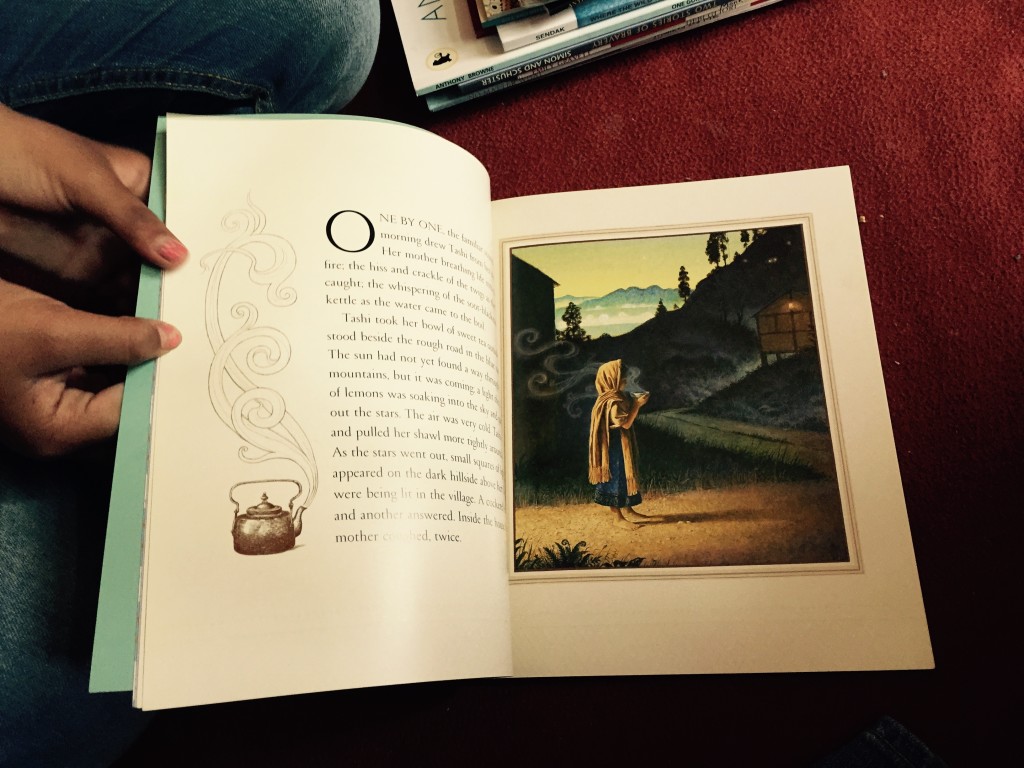
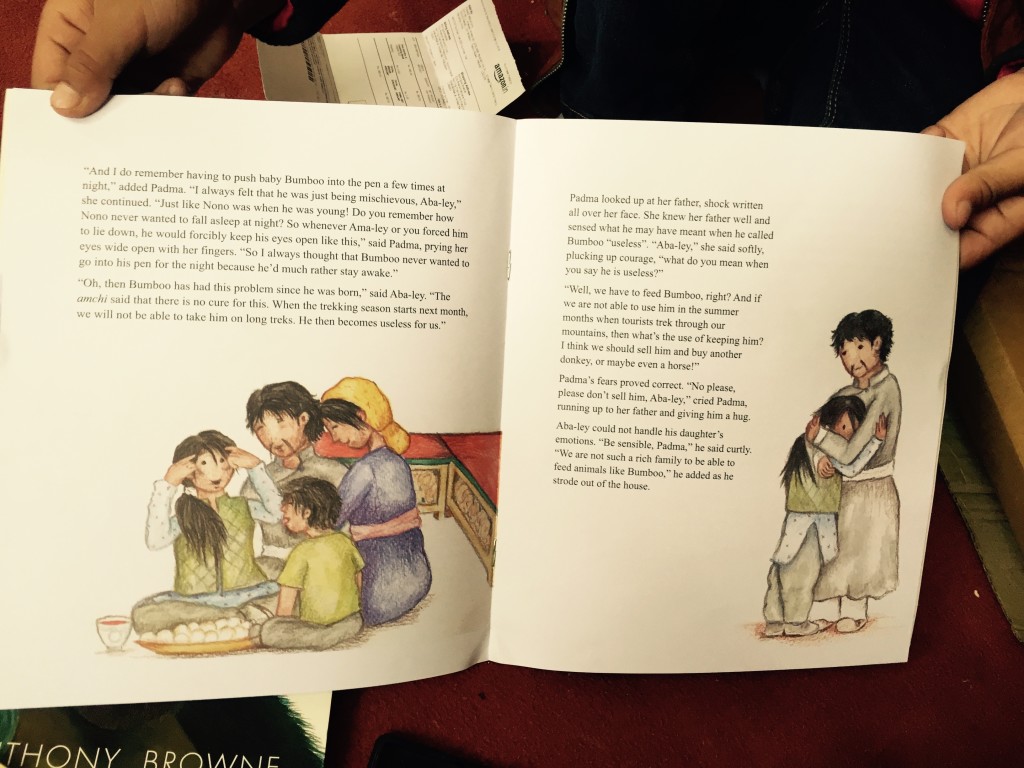
In Himalayan communities, local relevance matters. Stories featuring mountains, animals, family life, festivals, and journeys can help children recognize their own world in books. Alongside local and regional literature, carefully selected books from other cultures can expand their sense of place and possibility.
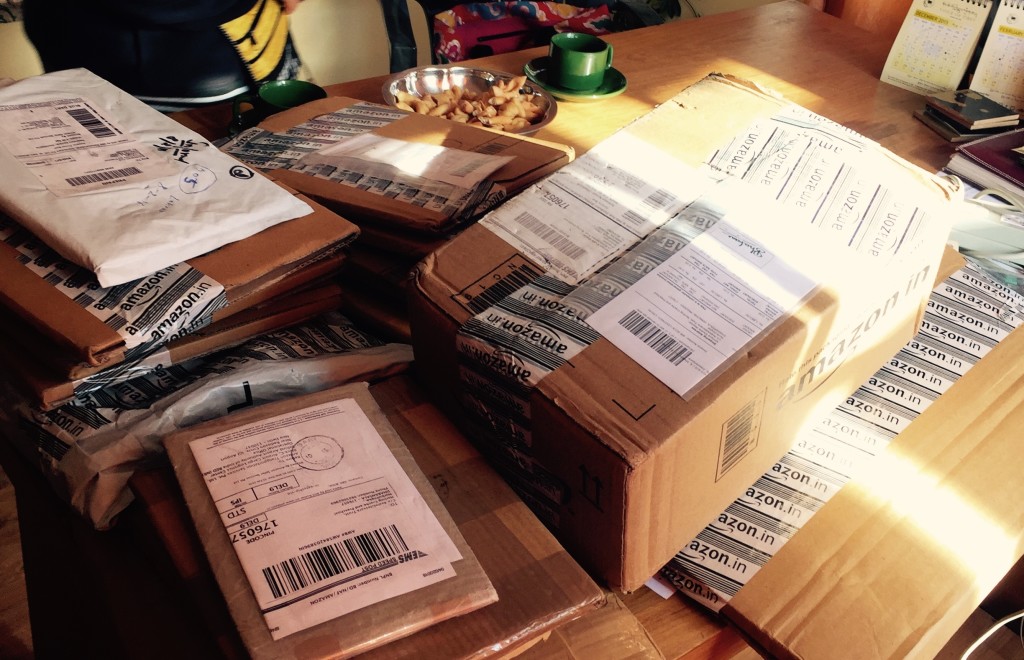
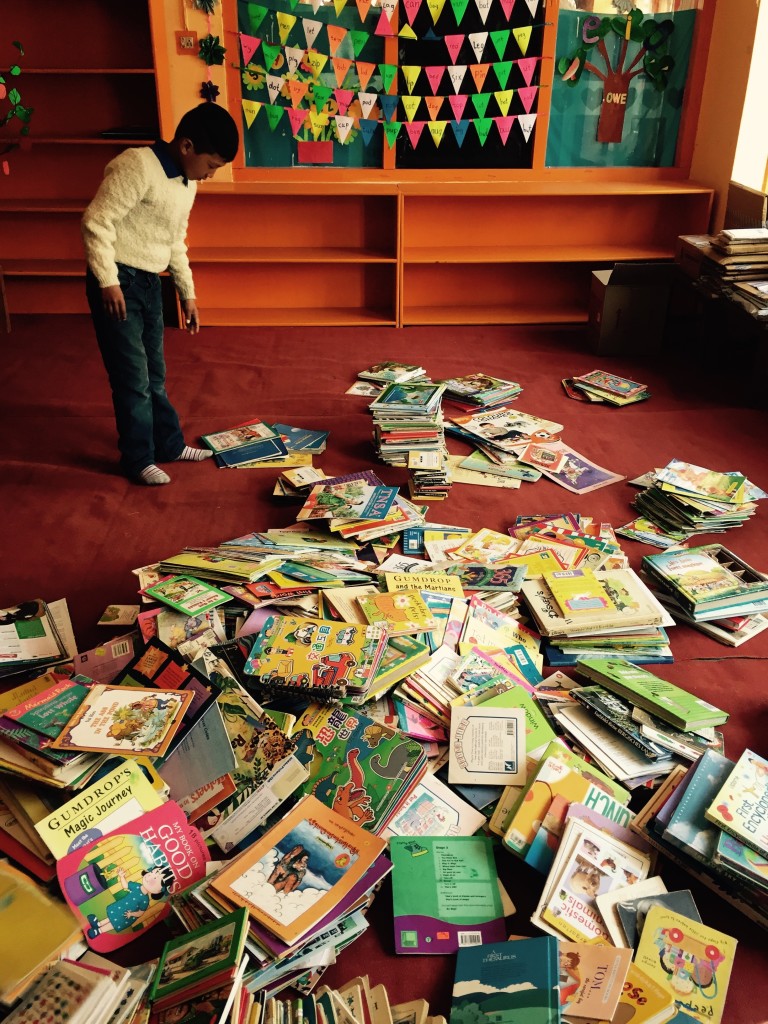
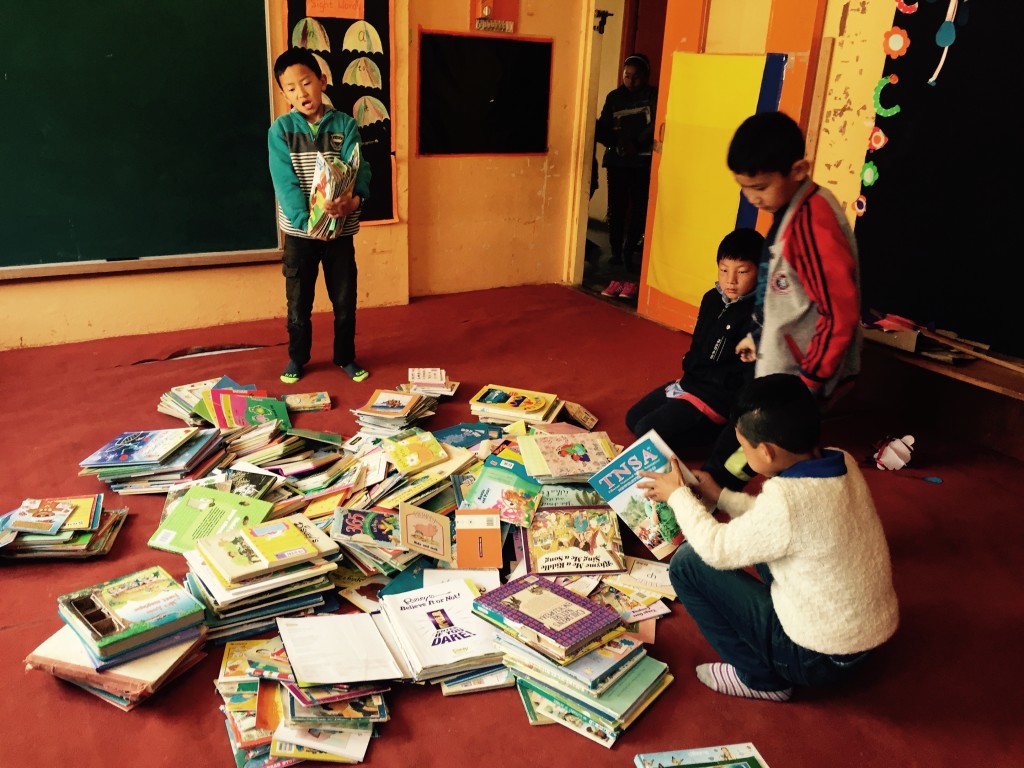
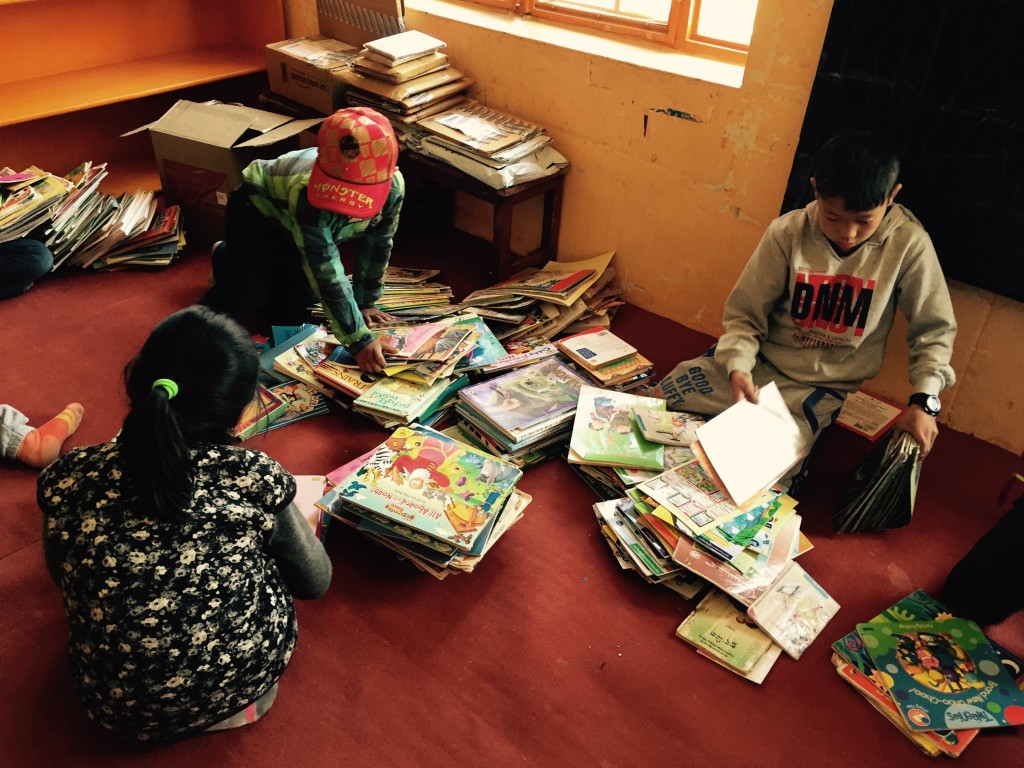
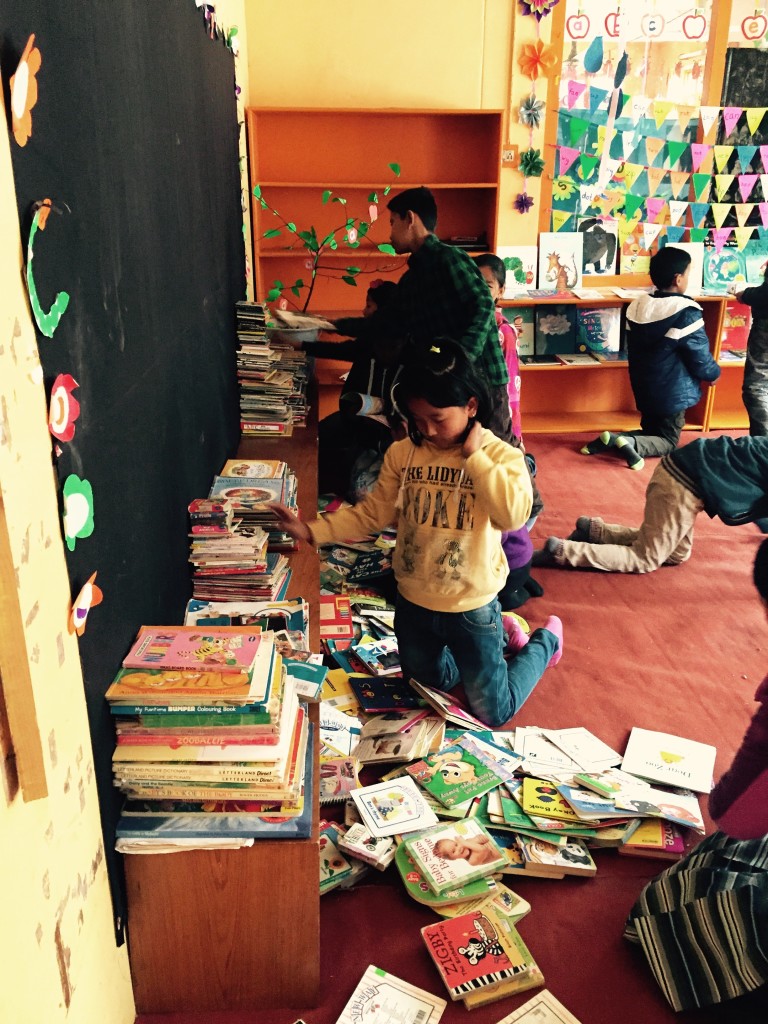
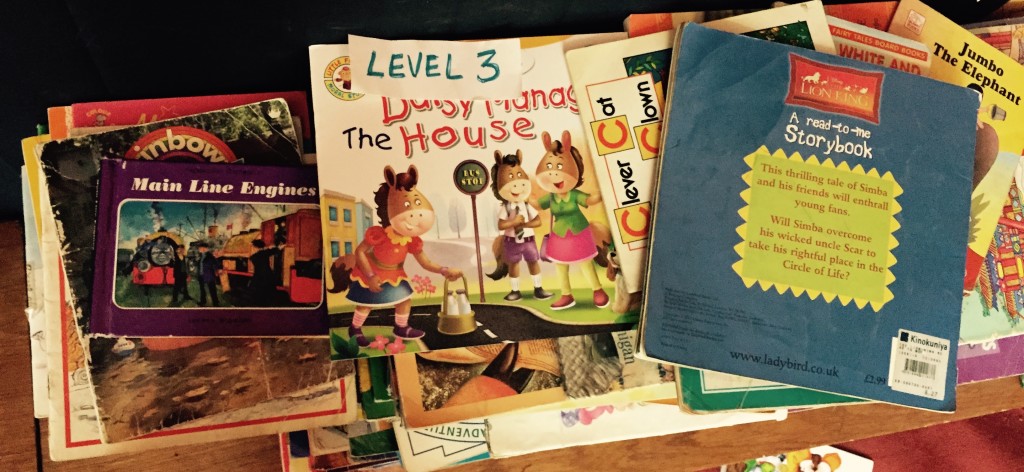
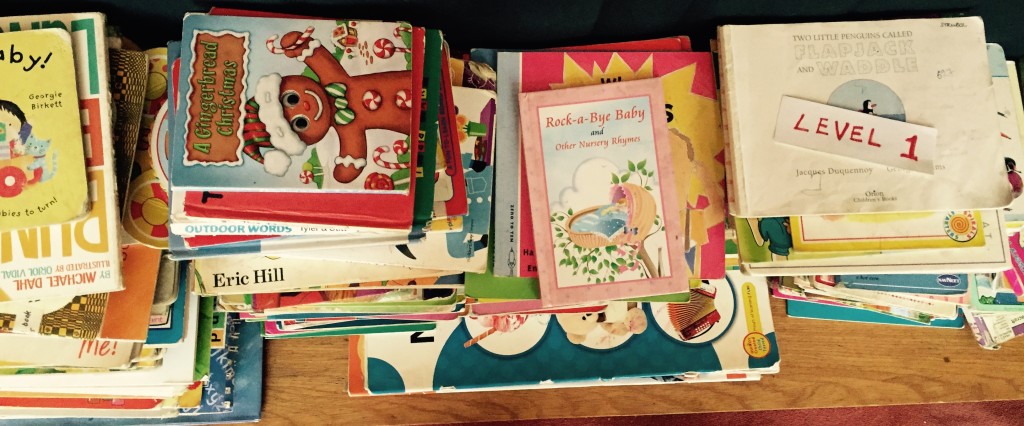
Book drives are valuable when donations are screened before transport. Damaged, outdated, highly specialized, or unsuitable books can consume limited shelf space and raise shipping costs. Each volume should be checked for condition, reading level, language, and relevance. Labels, simple color coding, and a handwritten or printed lending register make it easier for children to find and return books.
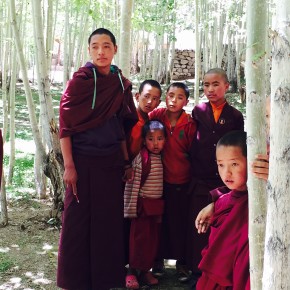
Young monks may benefit from biographies, philosophy for children, illustrated history, calligraphy resources, music books, and materials that support language learning. Children outside the monastery may seek adventure stories, craft guides, atlases, and books about careers. A balanced collection welcomes different ages and interests.
Select Practical Library Equipment
A no-electricity reading room needs equipment that is durable, easy to repair, and simple for local volunteers to manage. The comparison below shows how common choices can be adapted to a remote Himalayan setting.
| Library Need |
Practical Choice |
Why It Works Without Electricity |
Care Consideration |
| General lighting |
Large windows and pale walls |
Uses free daylight throughout the day |
Keep windows clean and control glare |
| Evening or cloudy-day light |
Rechargeable solar lanterns |
Provides flexible light without grid power |
Store and charge batteries safely |
| Book storage |
Raised wooden shelves |
Protects books from dust and floor moisture |
Inspect for insects and loose joints |
| Reading furniture |
Low tables, benches, and floor mats |
Requires no power and suits mixed ages |
Use washable, repairable materials |
| Book organization |
Color labels and paper registers |
Works without computers or internet |
Assign a regular volunteer to update records |
| Learning activities |
Art supplies, puzzles, puppets, and instruments |
Encourages active learning away from screens |
Keep materials in labeled containers |
Solar lighting can extend opening hours during winter afternoons, though it should be treated as an aid rather than the foundation of the library. Batteries require careful storage, and replacement parts may be difficult to obtain. A library that depends mainly on daylight remains more resilient.
A small repair kit is equally important. Include glue, archival tape, scissors, labels, pencils, cleaning cloths, and basic tools for shelves and furniture. Teaching children to handle books respectfully is more effective than relying on equipment alone.
Create A Routine Around Reading
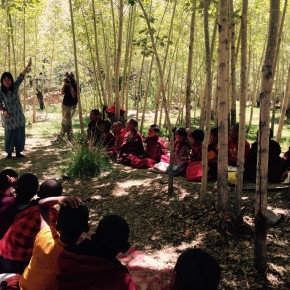
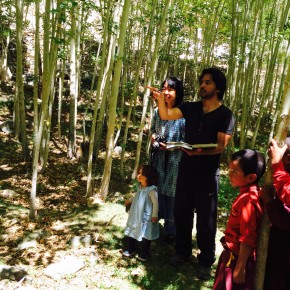
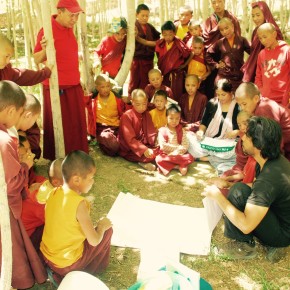
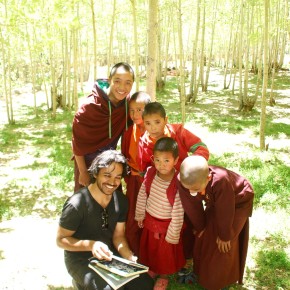
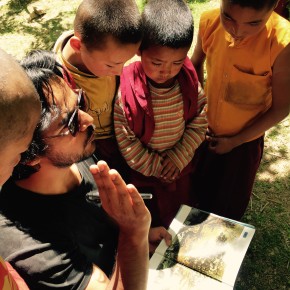
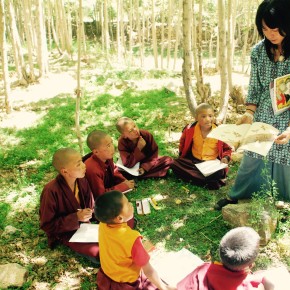
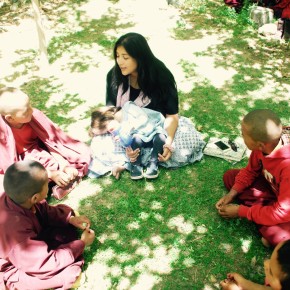
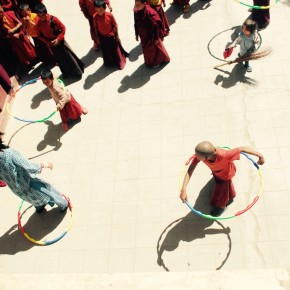
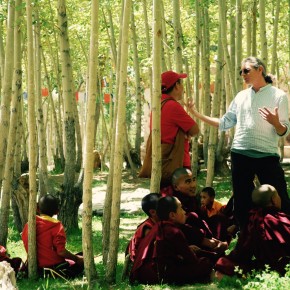
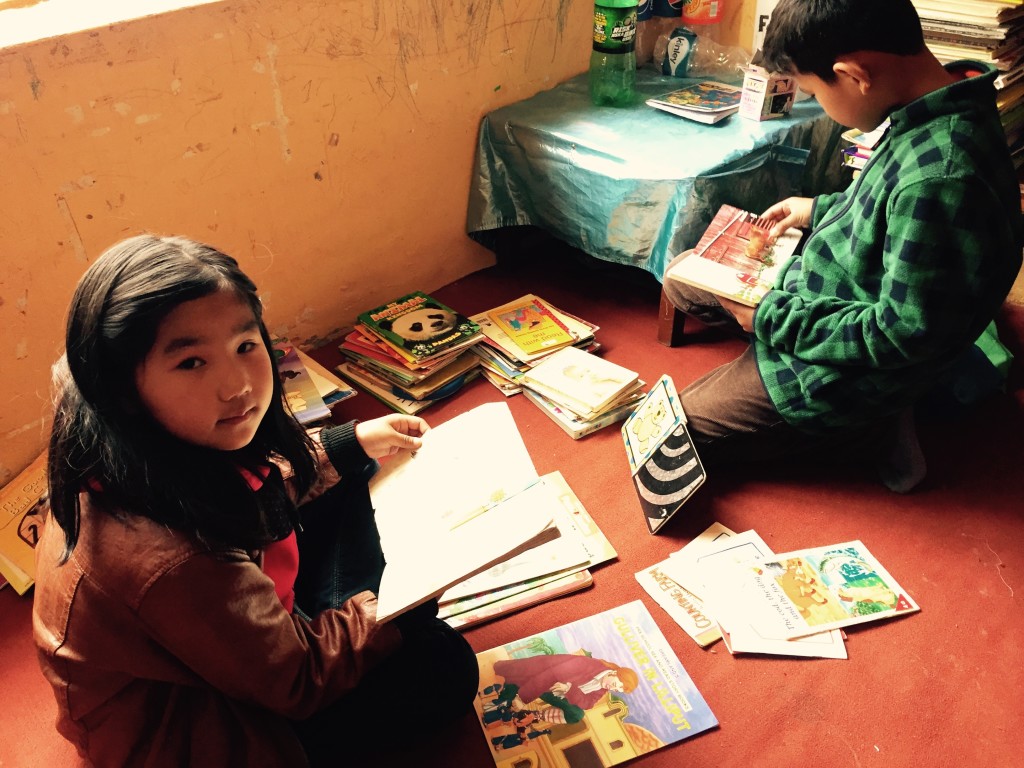
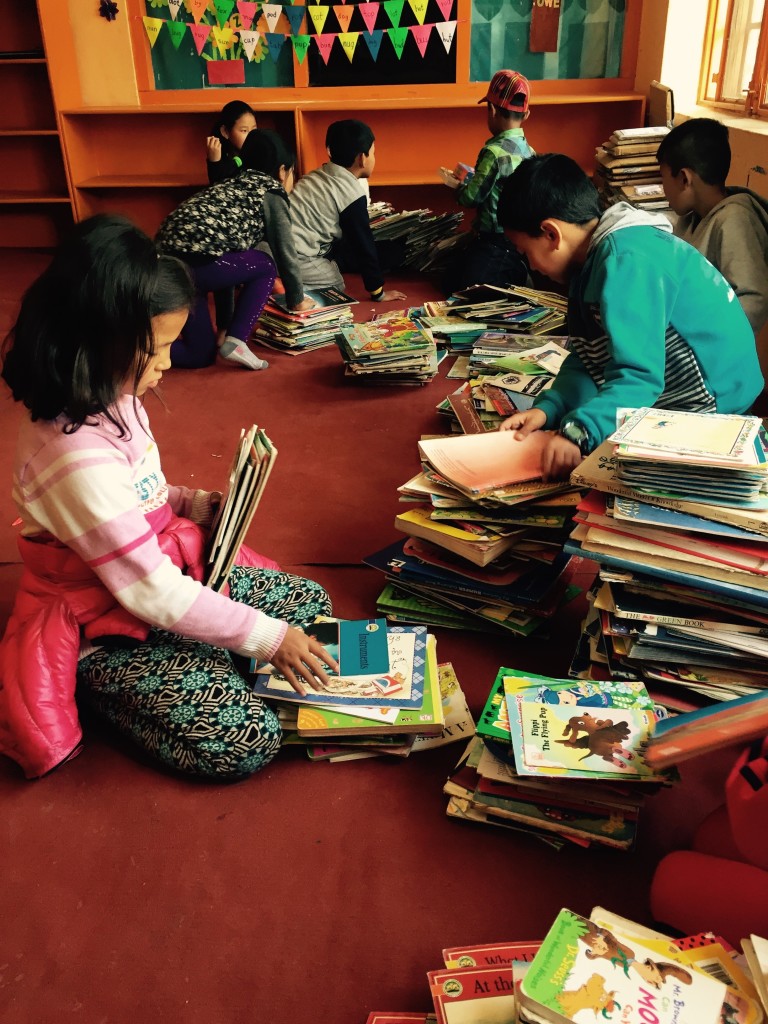
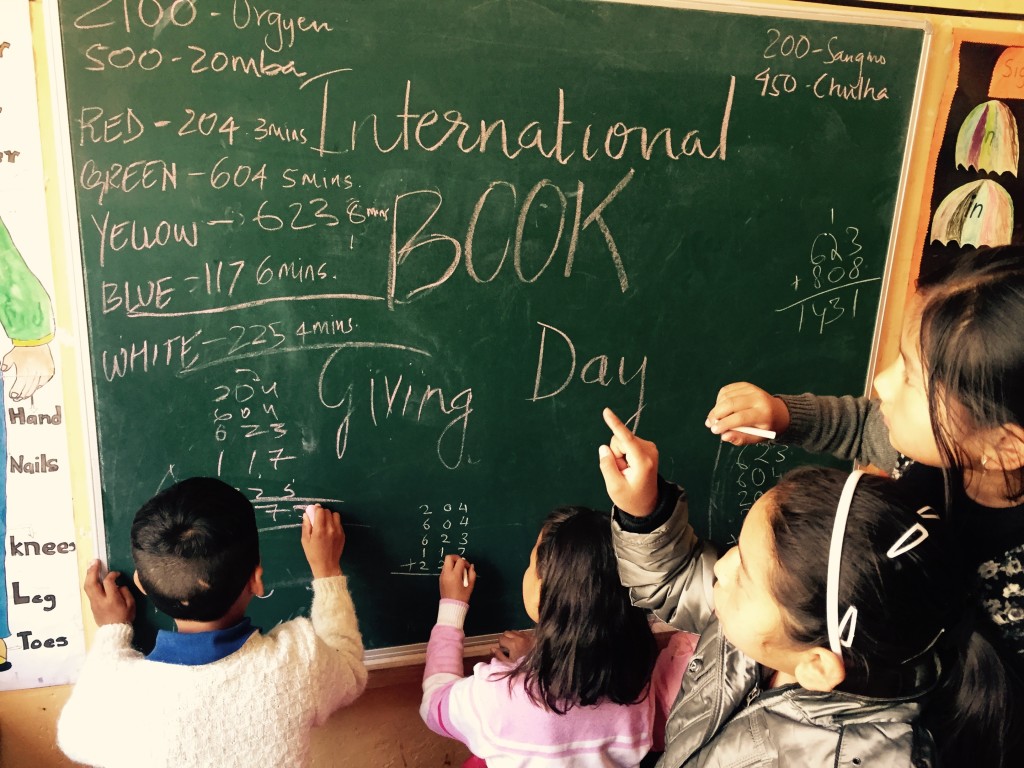
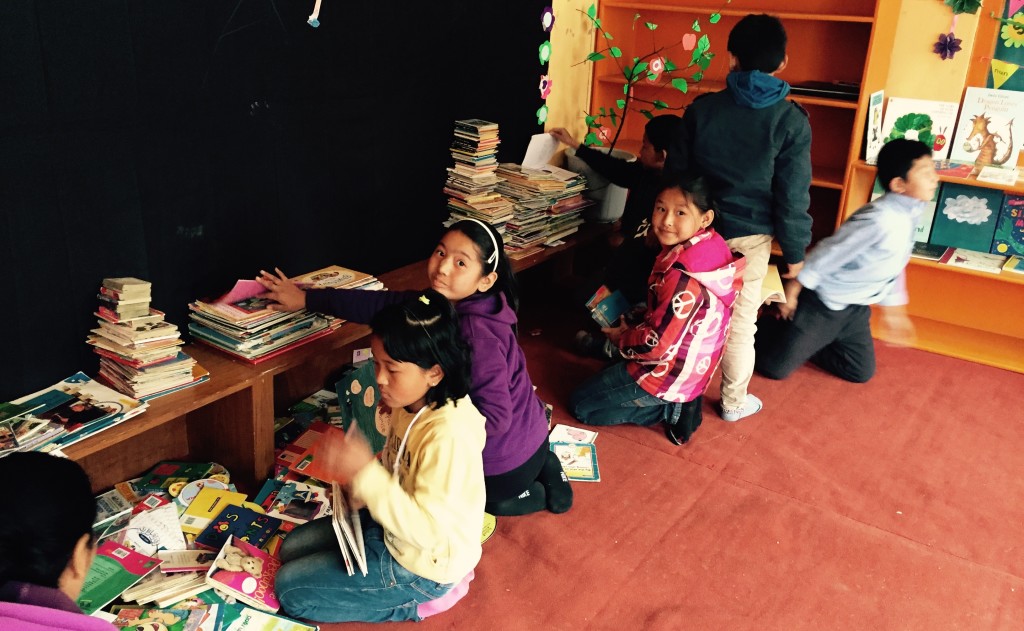
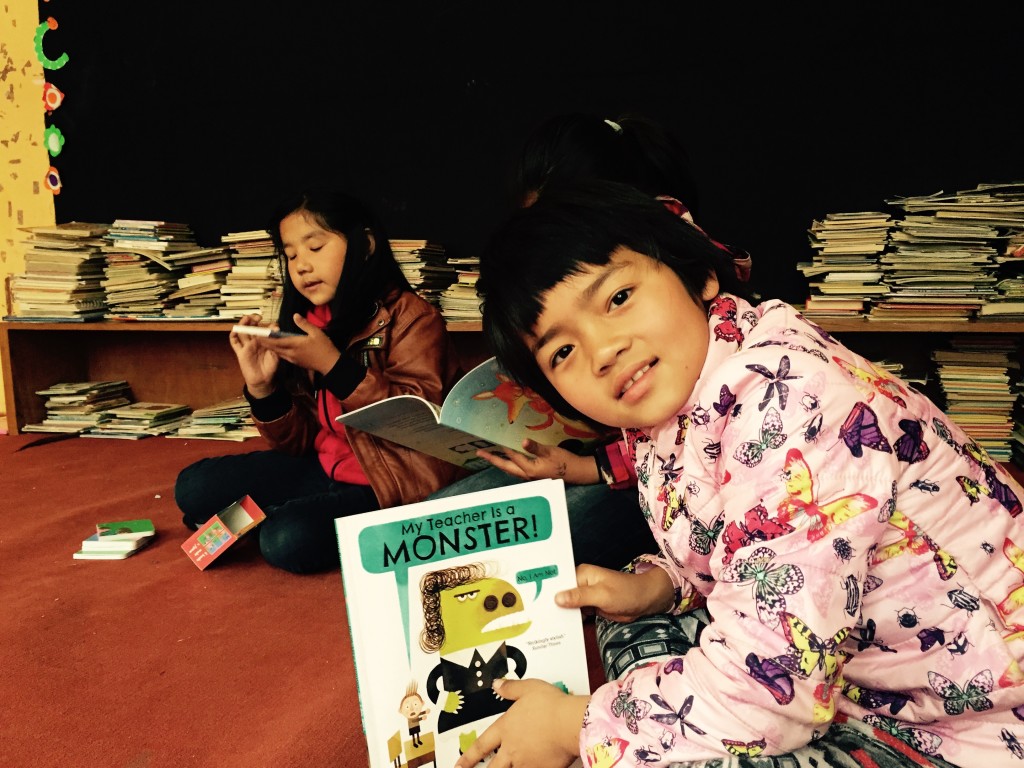
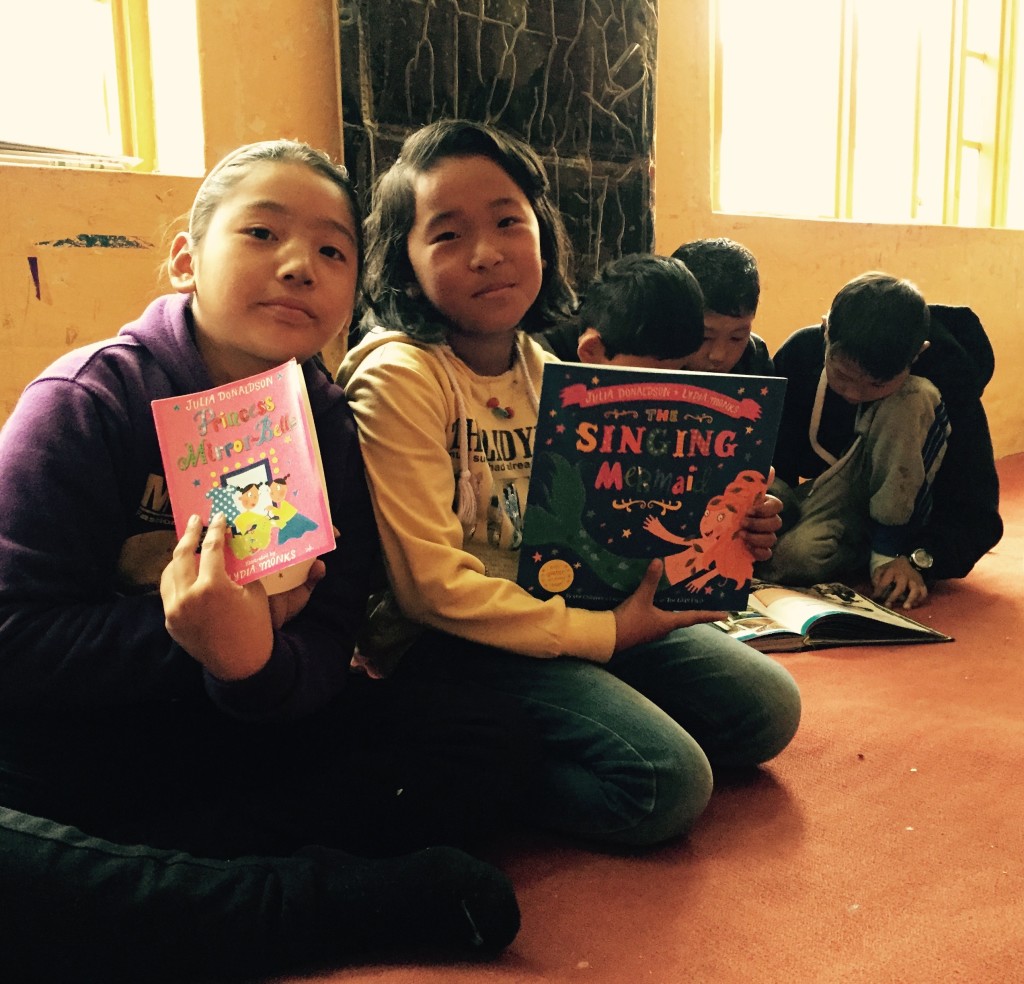
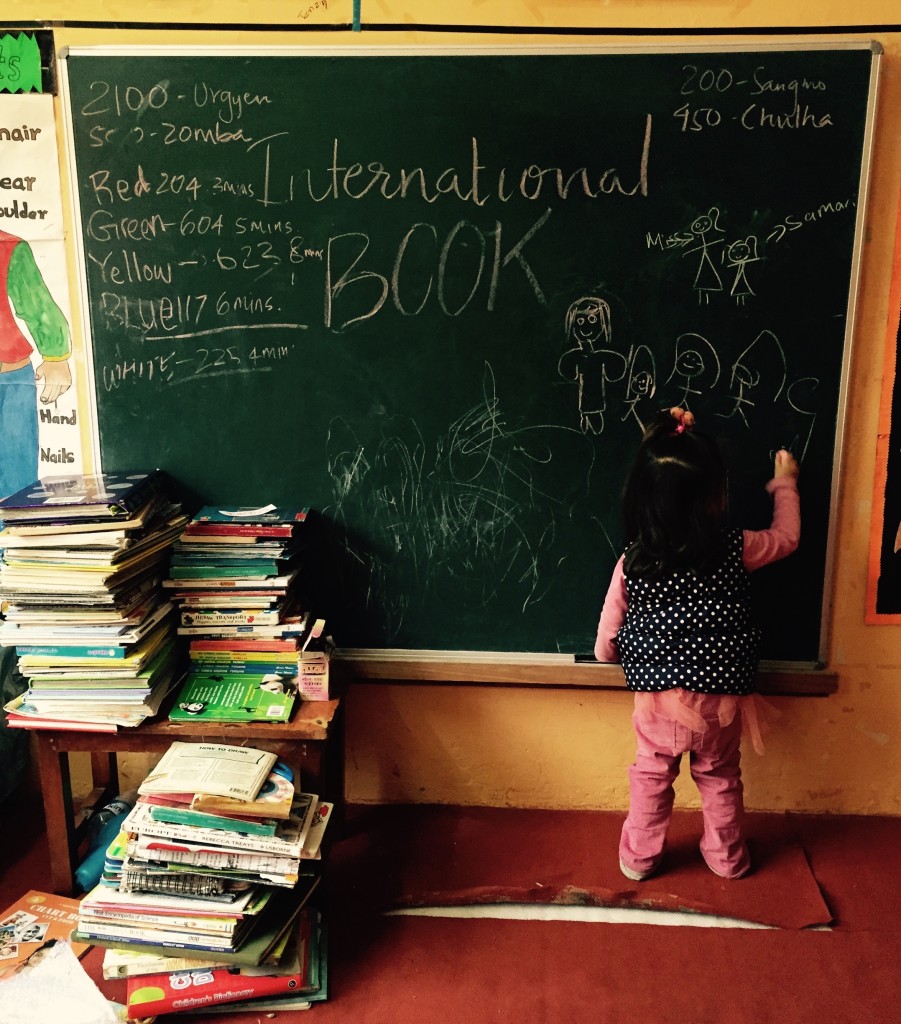
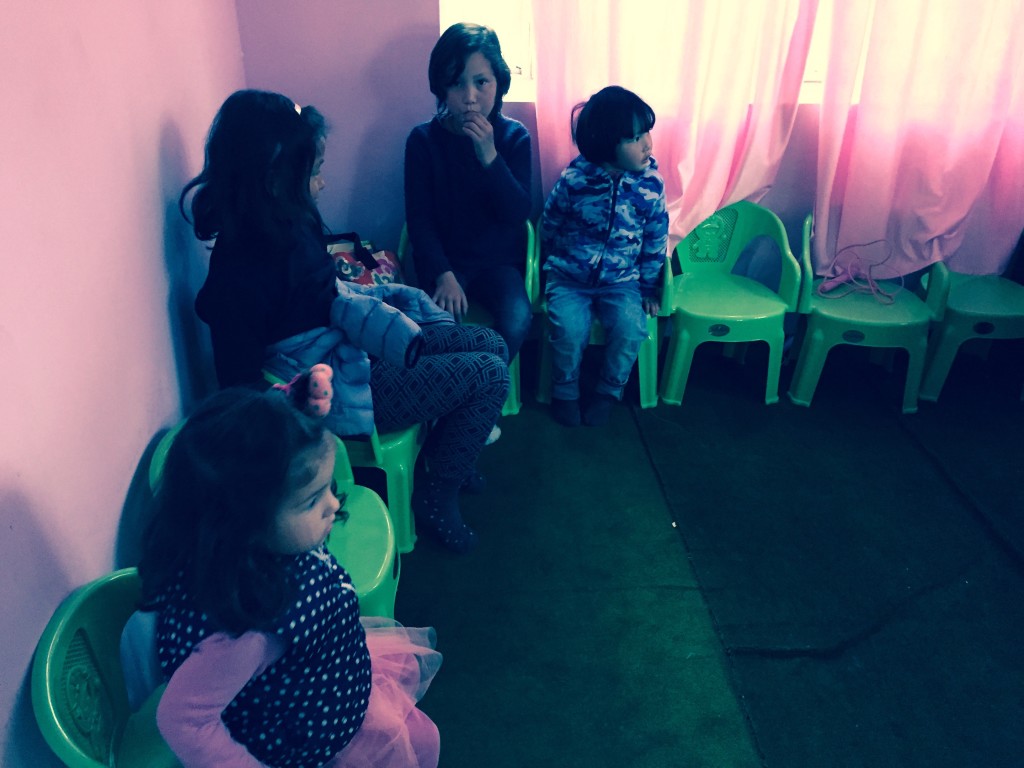
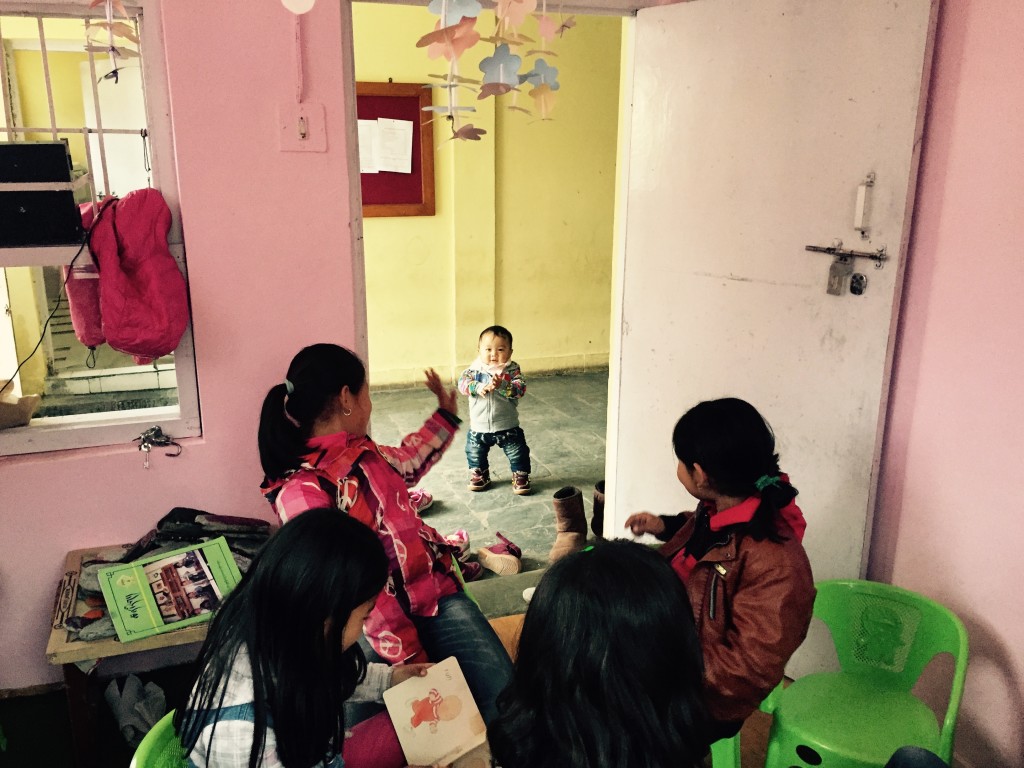
A library becomes lively when books are connected to regular experiences. Story hours, reading circles, drawing sessions, music practice, and simple science demonstrations can turn a silent room into a shared learning space. Activities should be short, repeatable, and suitable for several age groups.
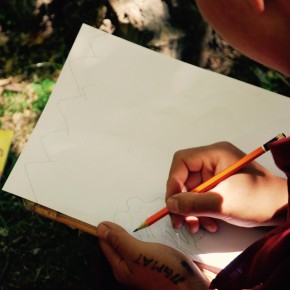
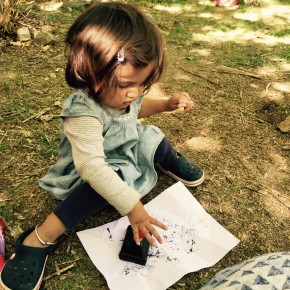
Volunteers can invite children to retell a story, illustrate a favorite character, or make a small book from folded paper. Older readers may read aloud to younger children, help maintain the shelves, or keep a list of books they recommend. These roles build confidence and encourage stewardship.
A weekly schedule might include open reading time after school, a storytelling afternoon, and a quiet session for young monks or students preparing lessons. The schedule should follow village life, seasonal work, religious observances, and weather conditions. Flexibility matters more than a strict timetable.
Practices That Keep The Reading Room Active
- Set aside a daily period when children can visit without needing an appointment.
- Rotate featured books near the entrance so the collection feels fresh.
- Pair reading with drawing, music, drama, or craft activities.
- Train local teachers, monks, and older students to lead short sessions.
- Record attendance, popular subjects, damaged books, and new requests.
Measure Value Beyond Book Counts
The number of books delivered is easy to report, but it does not show how a library changes daily life. More meaningful signs include children returning regularly, borrowing books independently, reading aloud with greater confidence, and choosing materials beyond their school assignments.
Simple records can help the trust understand what is working. A paper ledger may track visits and loans. Volunteers can note which languages and subjects are most requested. Short conversations with children and teachers can reveal whether the reading room supports homework, creative expression, vocabulary development, or social connection.
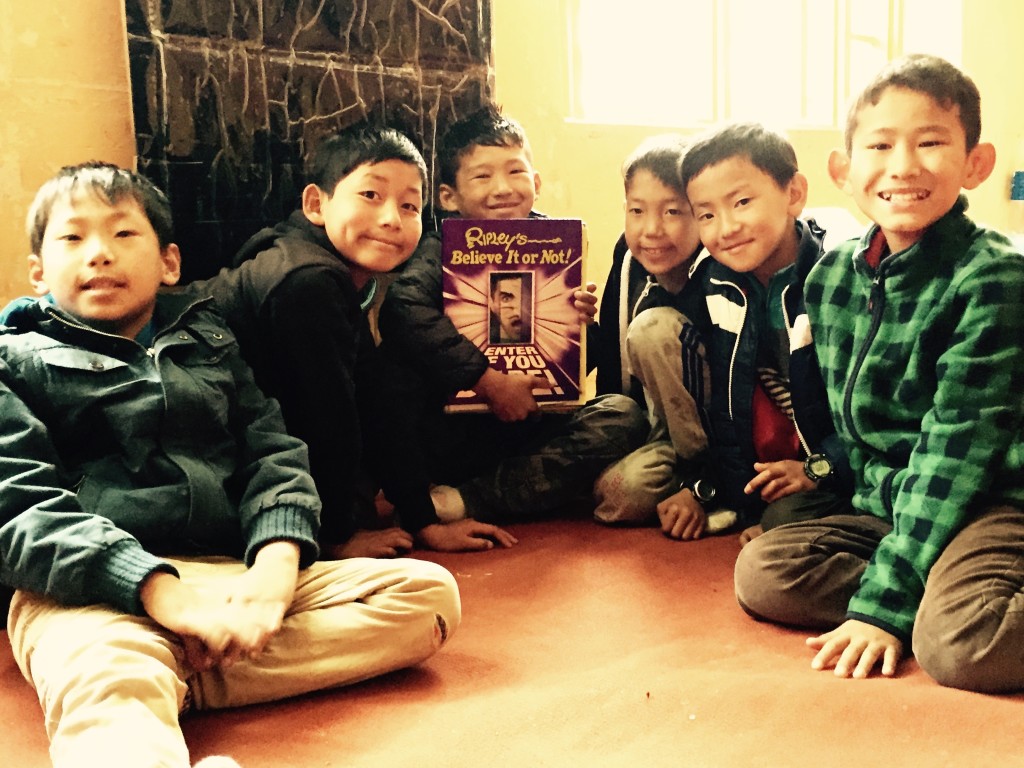
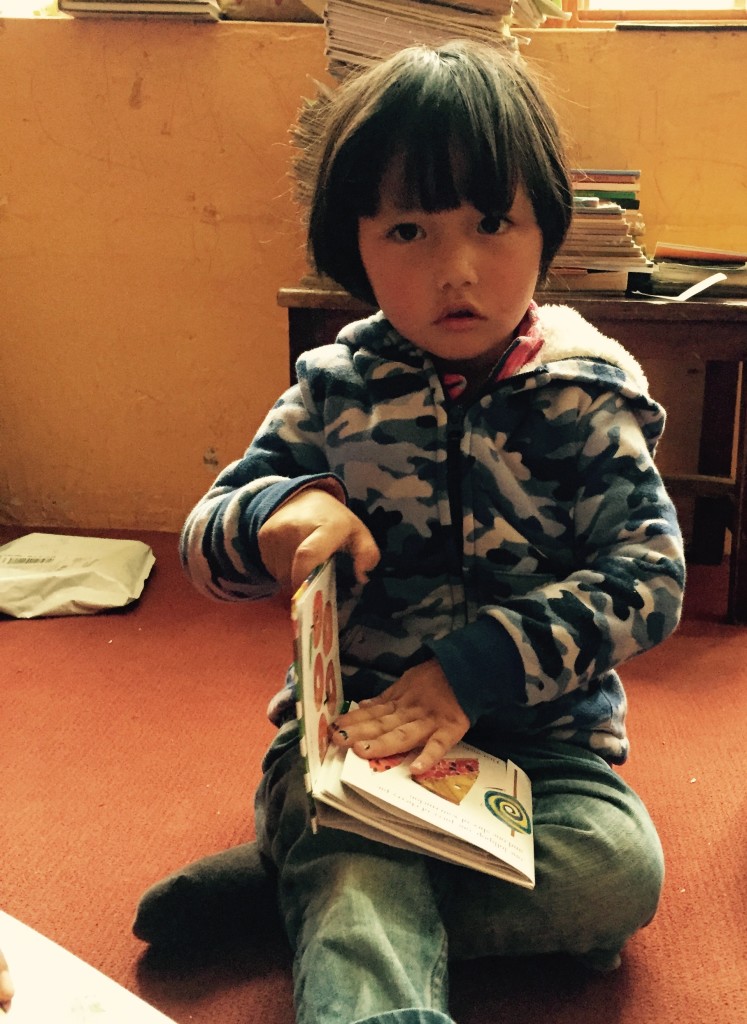
Photographs and stories from the library can share its progress with supporters while protecting children’s dignity and privacy. A picture of a child absorbed in a book, a shelf repaired by local hands, or a group creating a puppet show can communicate the value of the project more clearly than a shipment total.
Long-term care should be planned from the beginning. A local library committee can oversee opening hours, book repairs, cleaning, and future requests. Periodic book drives can respond to changing needs instead of filling shelves without direction. When communities guide these decisions, the reading room can grow steadily and remain useful for years.
Help A Reading Room Take Root
A daylight library in a remote village is built through many modest contributions: books matched to young readers, transport to a mountain community, shelves made by local craftspeople, solar lamps for dark afternoons, and volunteers who make reading feel joyful. Each contribution helps turn an underused room into a dependable place for learning.
Avalokiteśvara Trust welcomes support for village libraries, book drives, educational activities, and creative programs across Ladakh and other Himalayan communities. Donors can help provide quality books and practical furnishings. Volunteers can contribute time, skills, storytelling, cataloging, or activity leadership. By supporting this work, you help place knowledge within reach of children, wherever they live and whatever resources surround them.