Behind the scenes of preparing books for Himalayan readers
A book donation begins long before a box reaches a reading room in Ladakh. At Avalokiteśvara Trust, each shipment represents a careful chain of decisions: which titles are suitable, how they should be grouped, what condition they are in, and how they can travel safely across long distances.
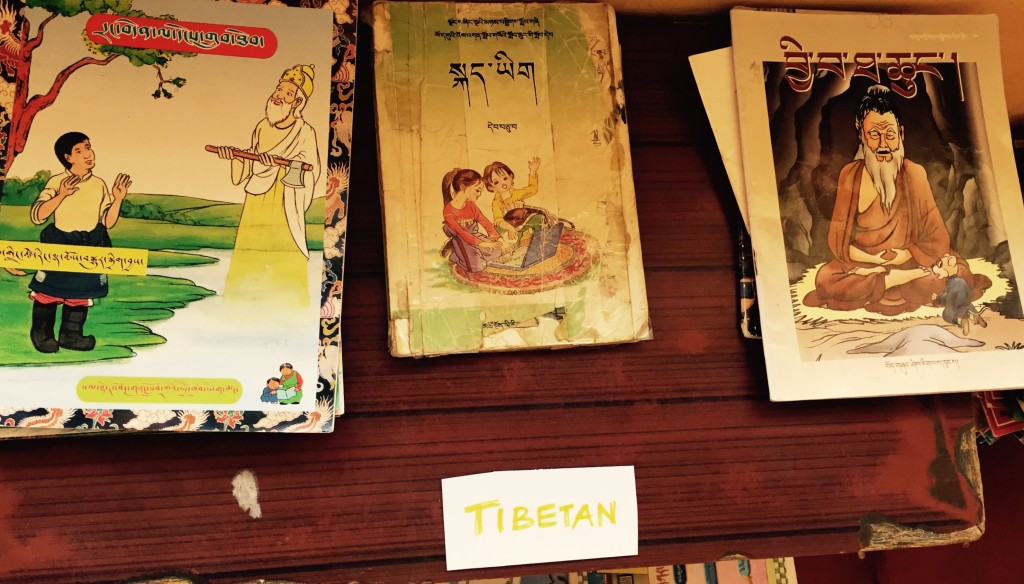
Sorting and packing books for the Himalayas is practical work, but it is also an act of listening. Children, young monks, families, teachers, and community organizers need resources that reflect their ages, interests, languages, and learning goals. A well-chosen collection can encourage independent reading, support classroom study, or give a child the freedom to discover a new subject.
The process combines book drives, volunteer energy, storage space, packing materials, and reliable coordination. Behind every parcel is an effort to make sure that useful, engaging books arrive ready to be shared.
Starting with a clear purpose
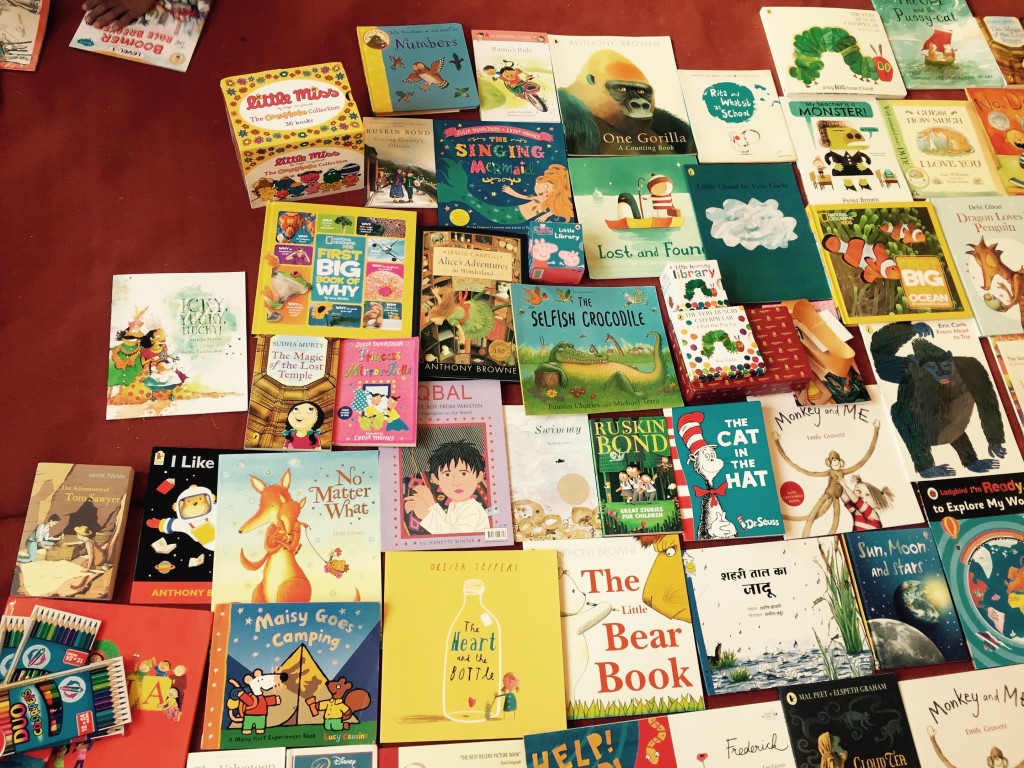
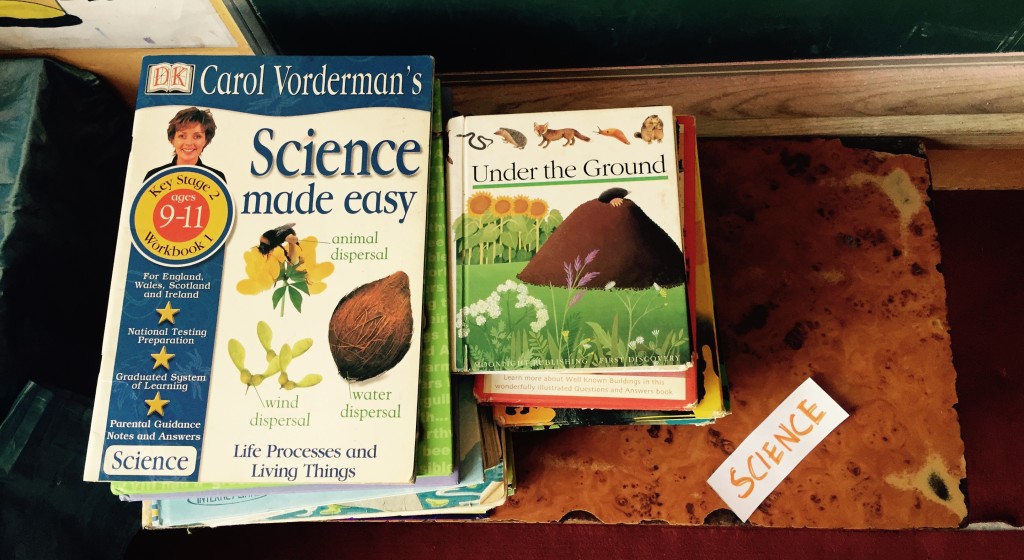
The first step is to understand where books are going and how they may be used. A reading room serving younger children will need a different collection from a space used by adolescents or young monks. Picture books, early readers, reference works, novels, art books, and science titles each have a place when they match the readers’ needs.
Local context matters as well. Himalayan communities can be separated by difficult roads, seasonal weather, and significant distances between settlements. Books must therefore earn their place in a shipment. A smaller collection of relevant, durable titles is often more helpful than a large assortment that is difficult to organize or does not suit the intended audience.
The Trust’s educational and creative activities also broaden the meaning of a useful book. Stories can support language development, while books about music, drawing, nature, history, and practical skills can become starting points for workshops and group discussions.
Receiving and reviewing donations
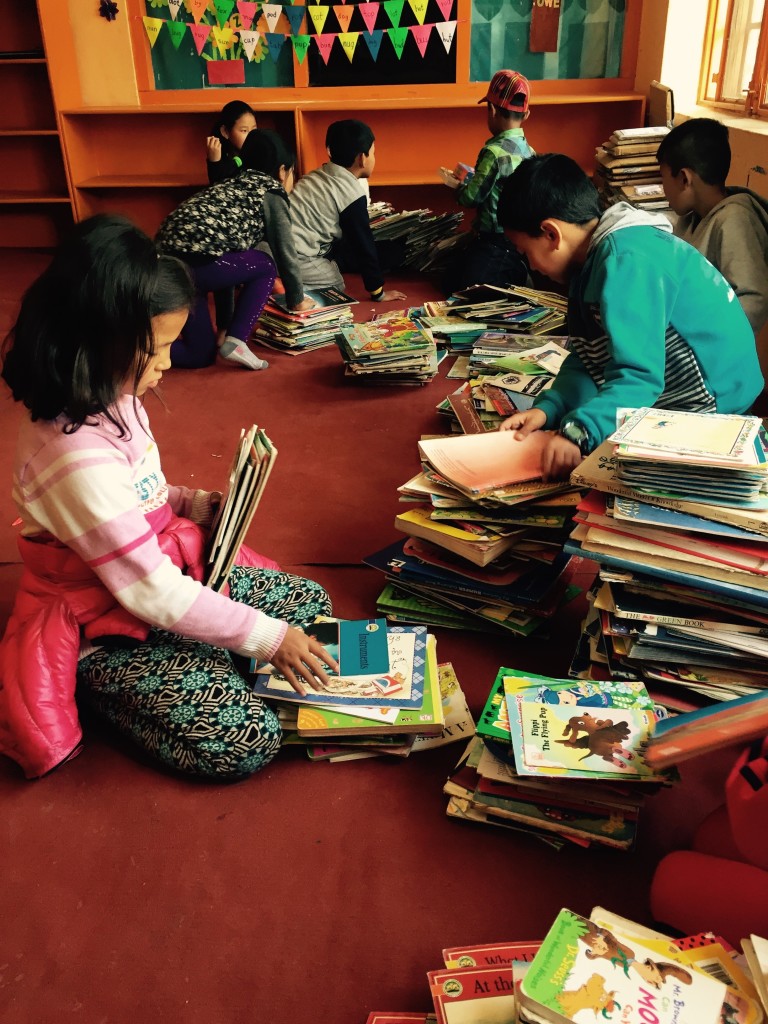
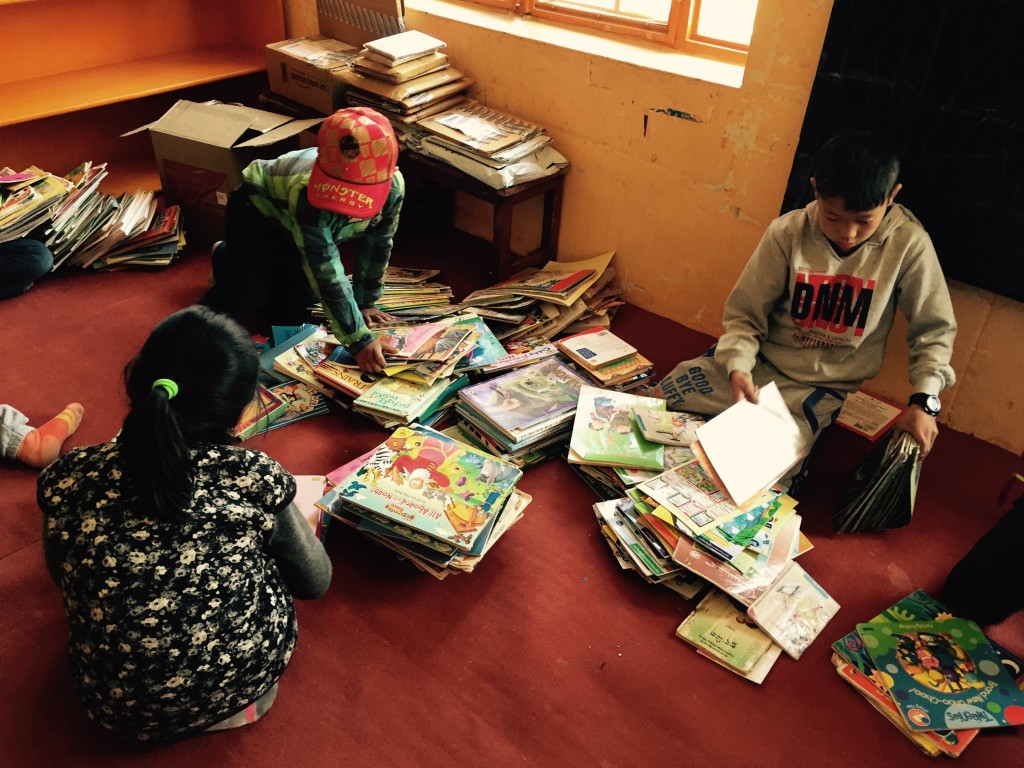
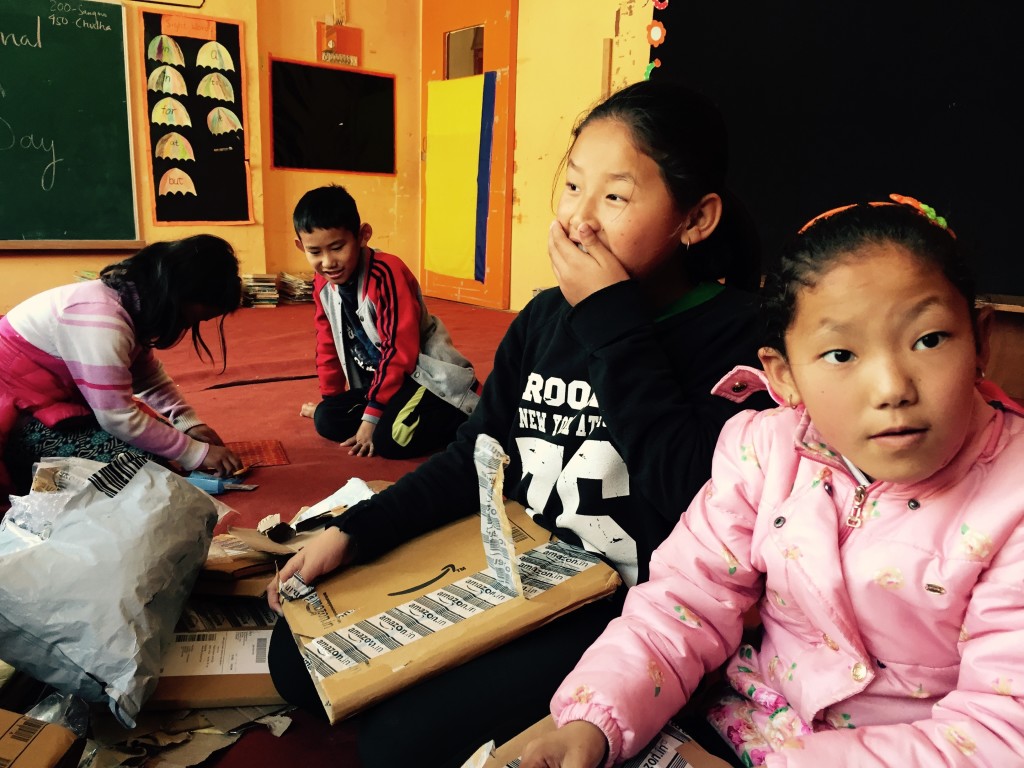
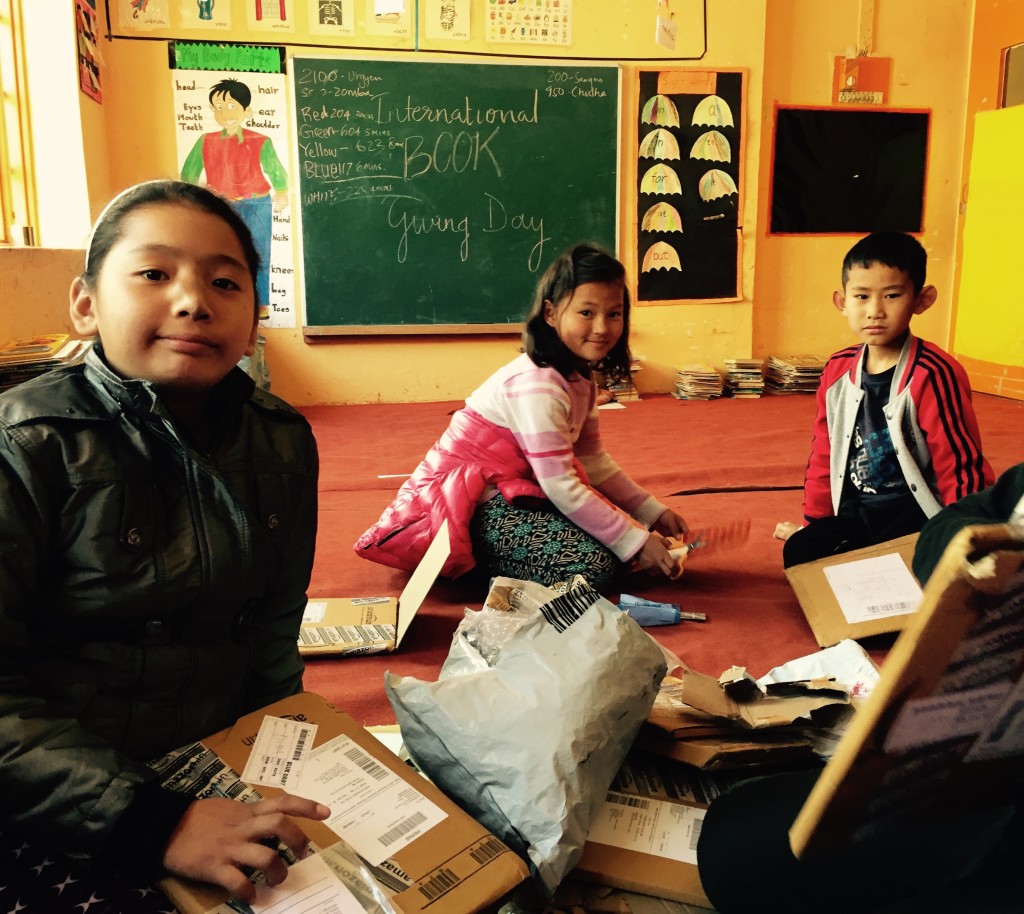
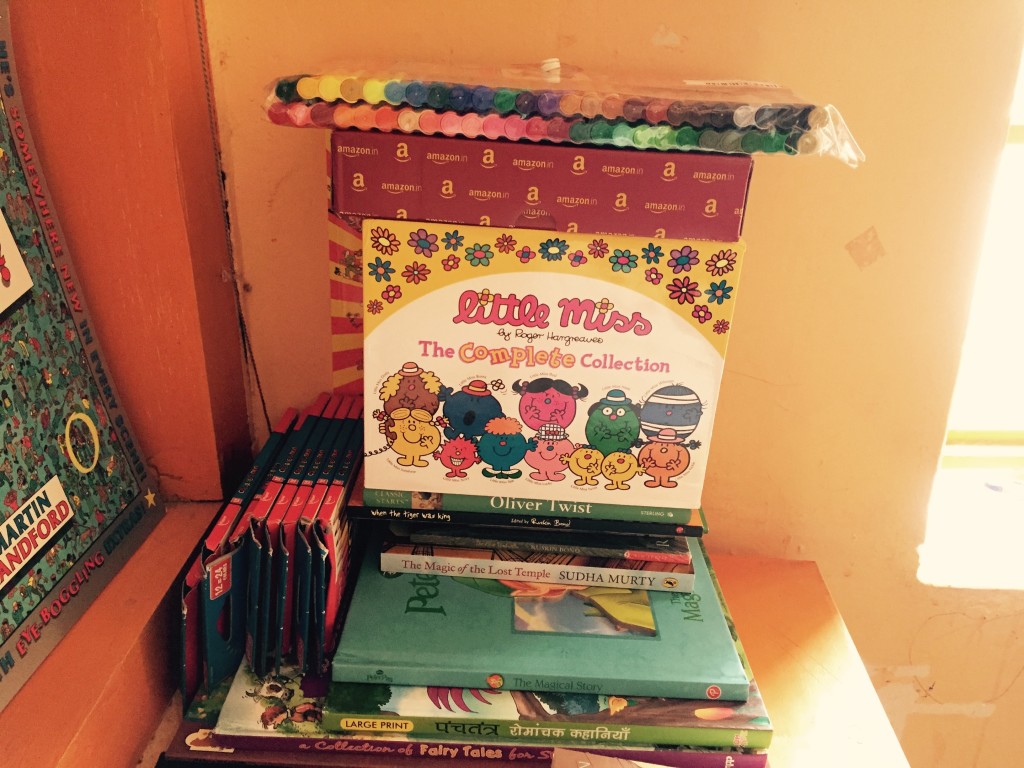
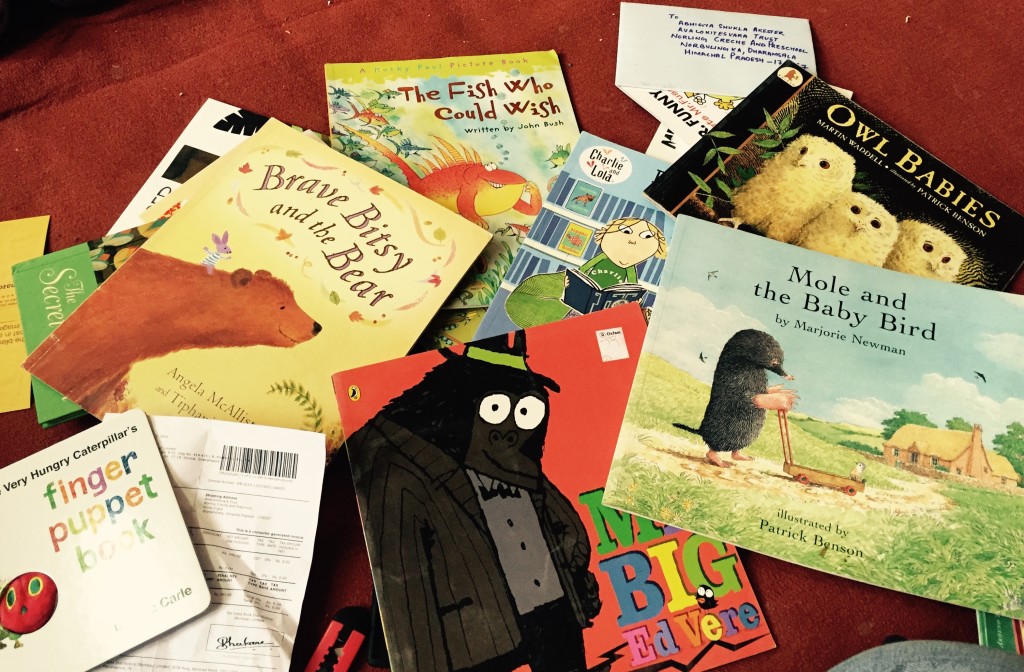
Book drives often bring together donations from households, schools, publishers, libraries, and supporters. When books arrive, volunteers first look at the overall condition of each item. Covers, pages, binding, stains, writing, and missing sections all affect whether a book can be sent onward.
This review is not about demanding perfection. A gently used book can be valuable, especially when it is clean, complete, and suitable for repeated reading. However, books with serious damage, mold, offensive content, or outdated information may not be appropriate for a shared reading space. Removing unsuitable items protects storage areas and helps keep the final shipment focused.
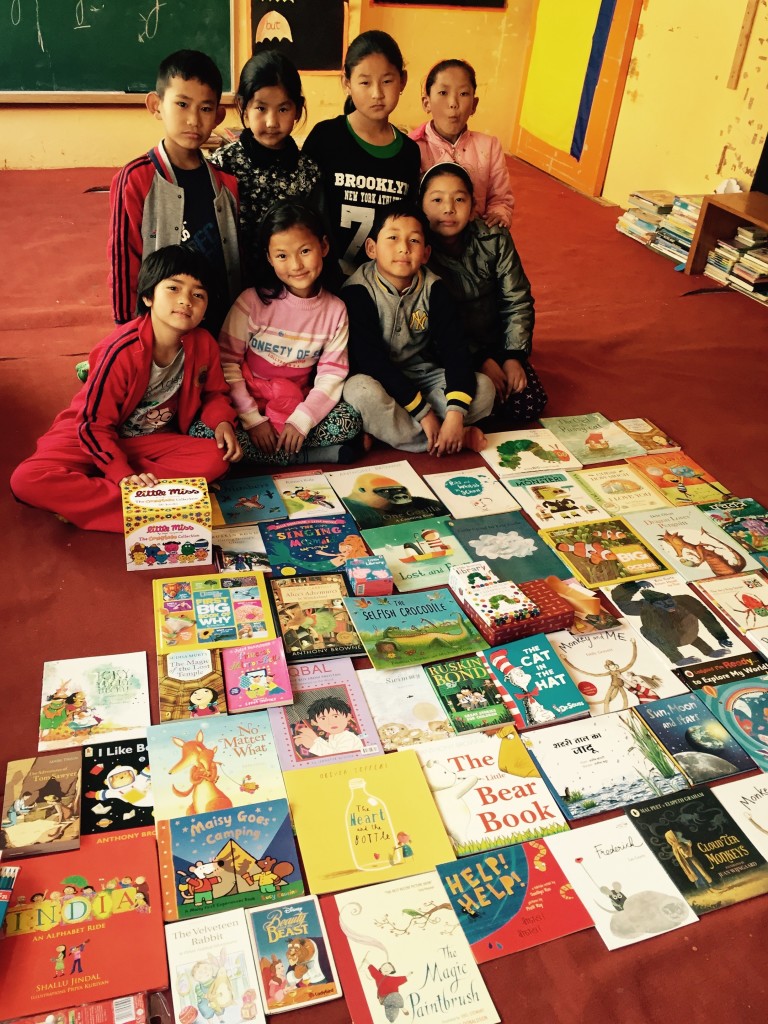
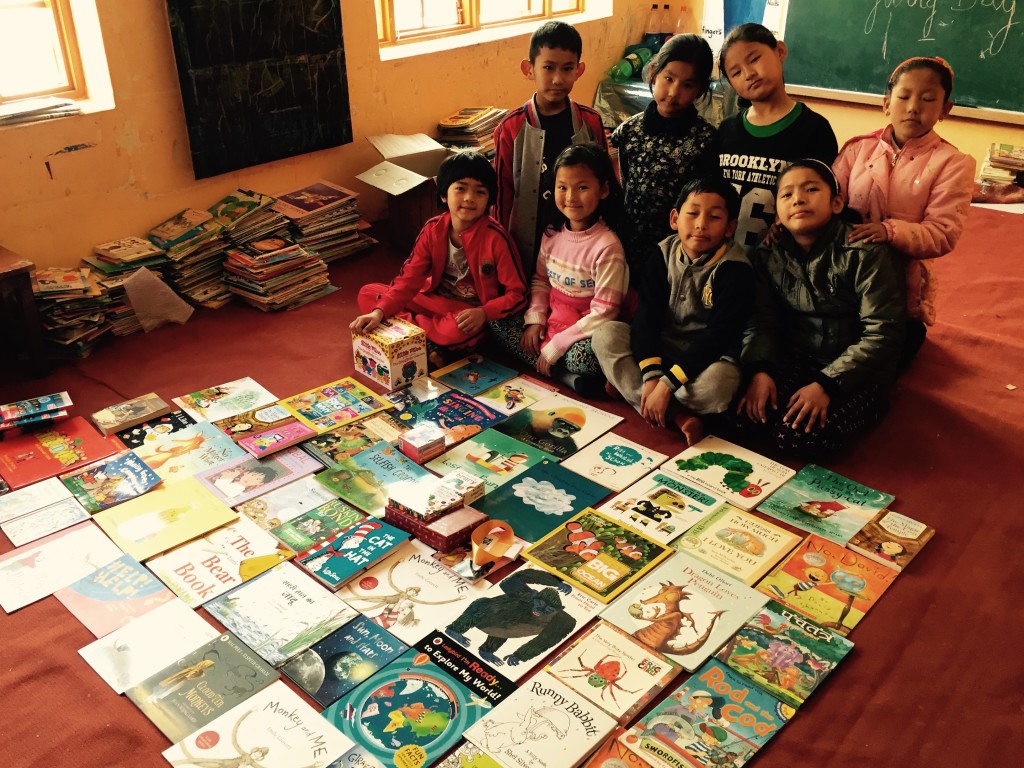
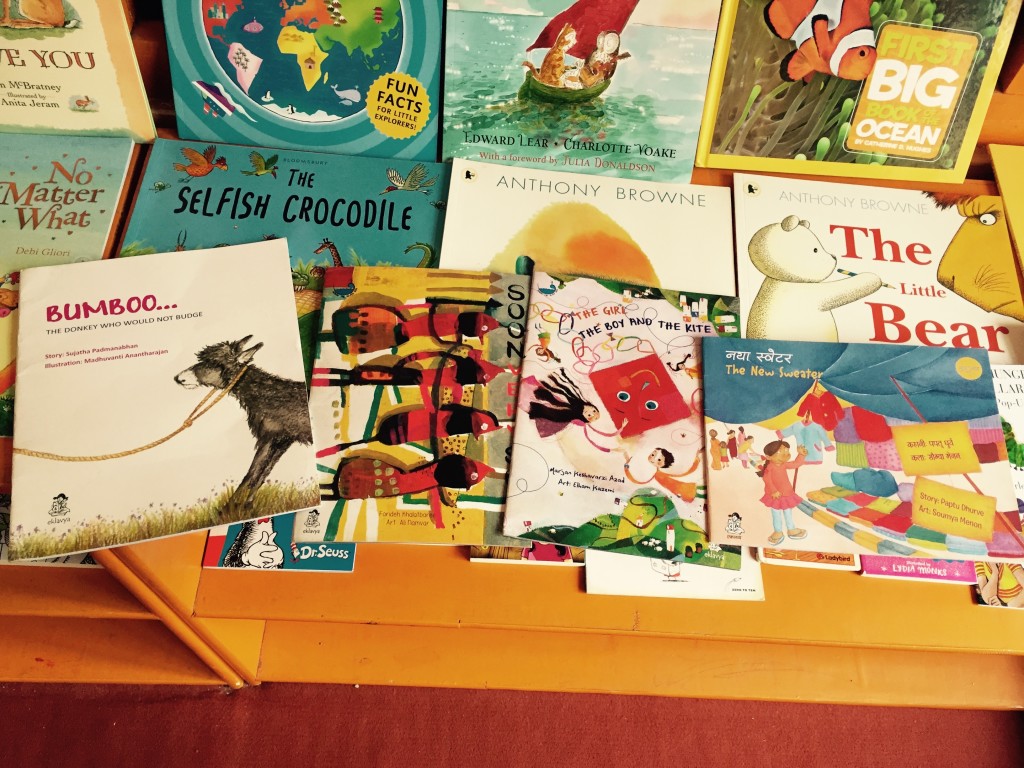
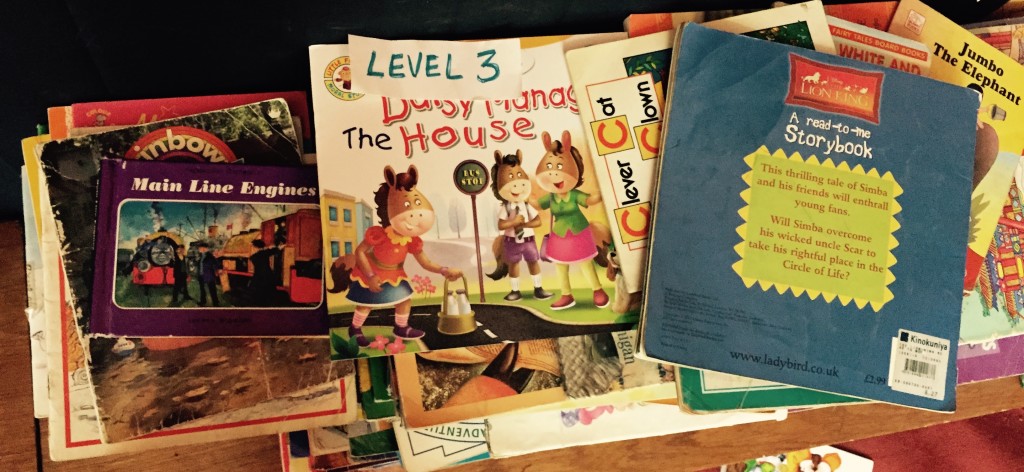
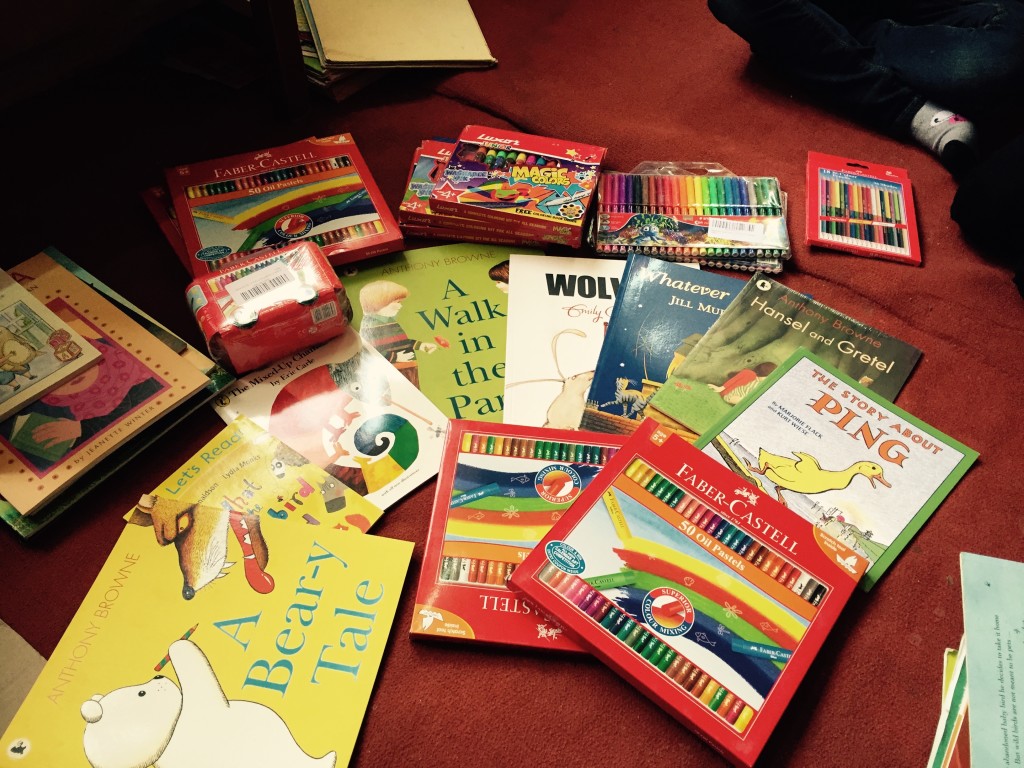
Volunteers also consider age level, subject, reading difficulty, and likely appeal. A balanced box might include familiar stories, visual books, general knowledge, creative activities, and titles that encourage young readers to explore beyond their usual interests.
Sorting books for real readers
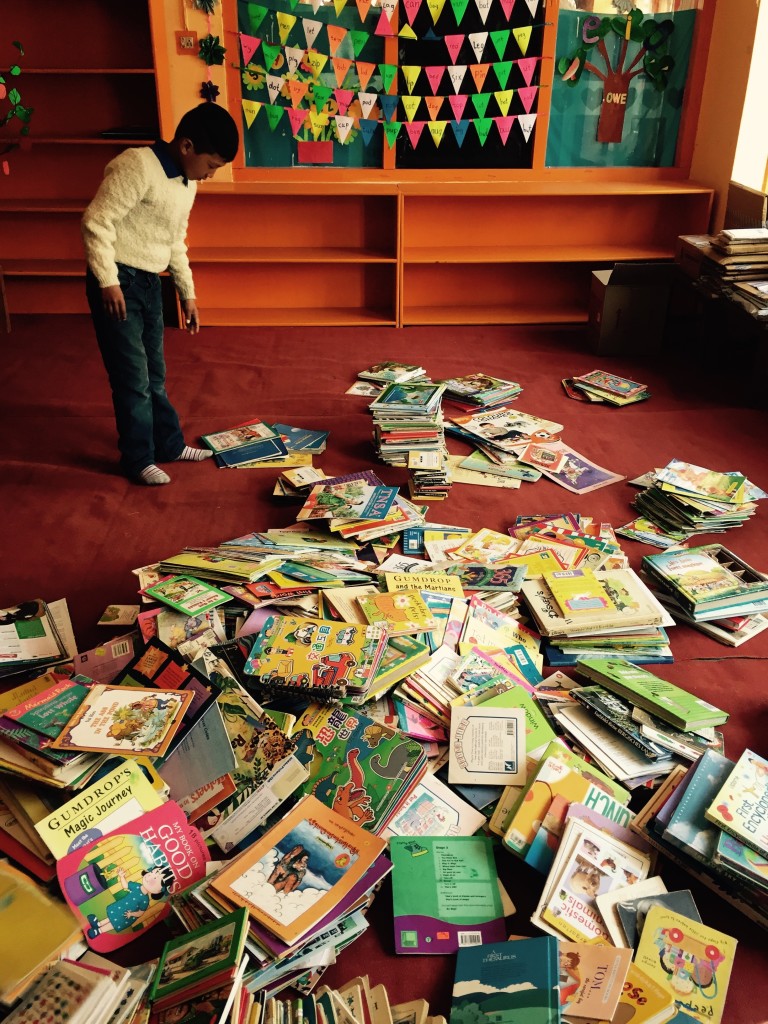
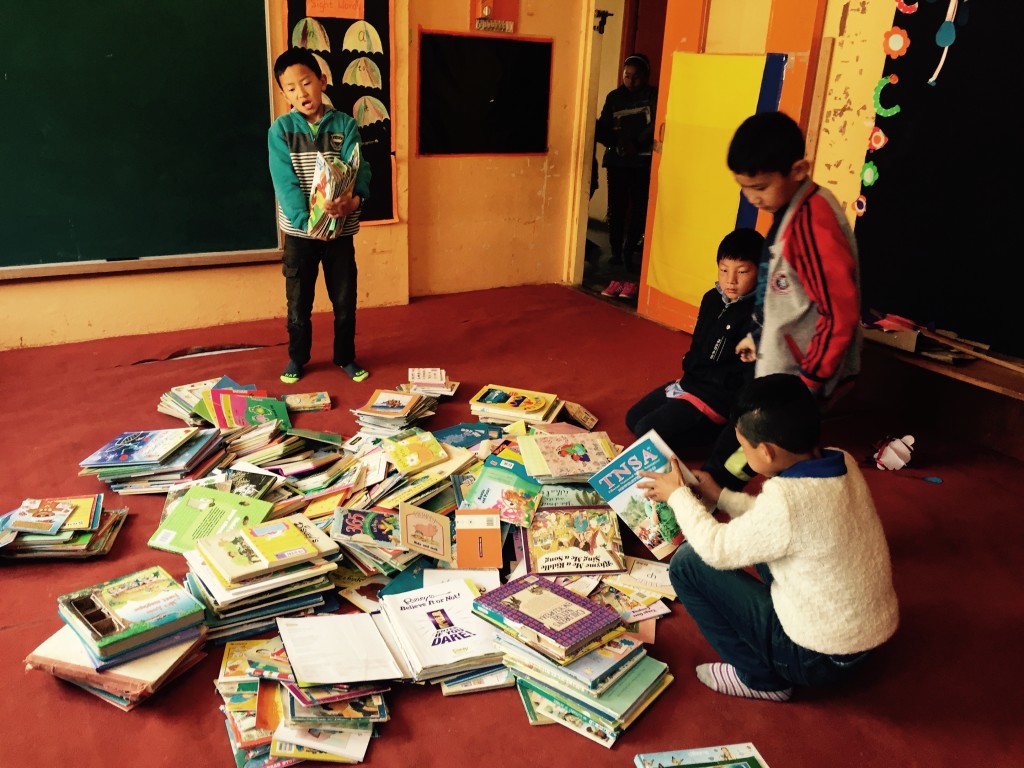
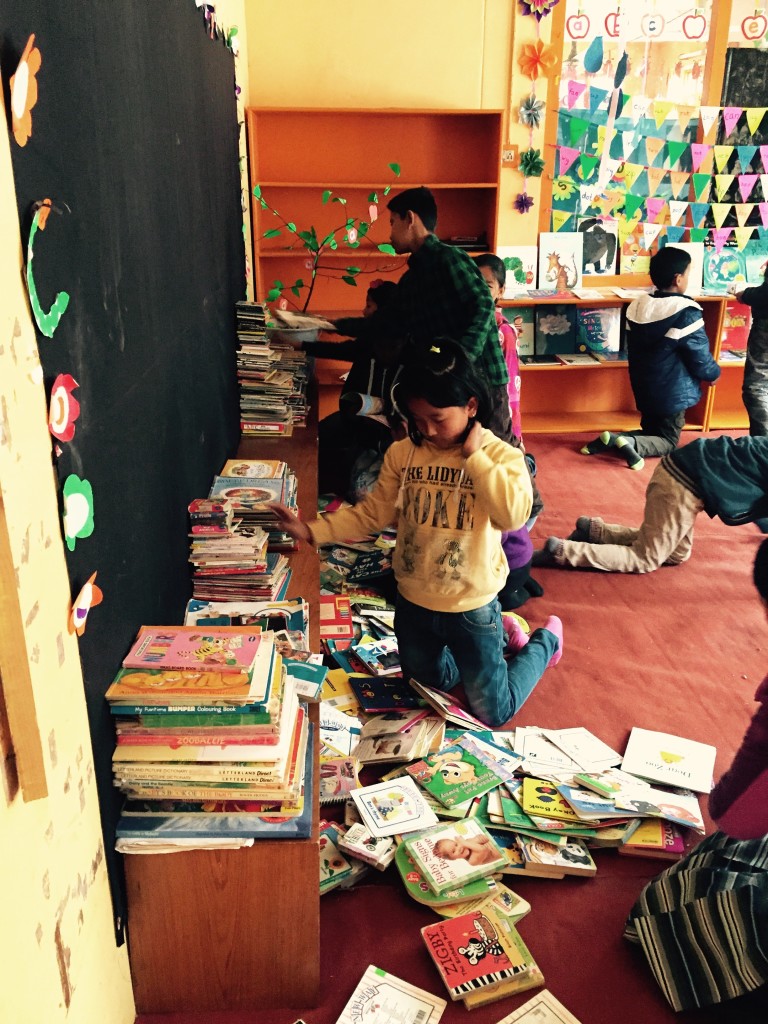
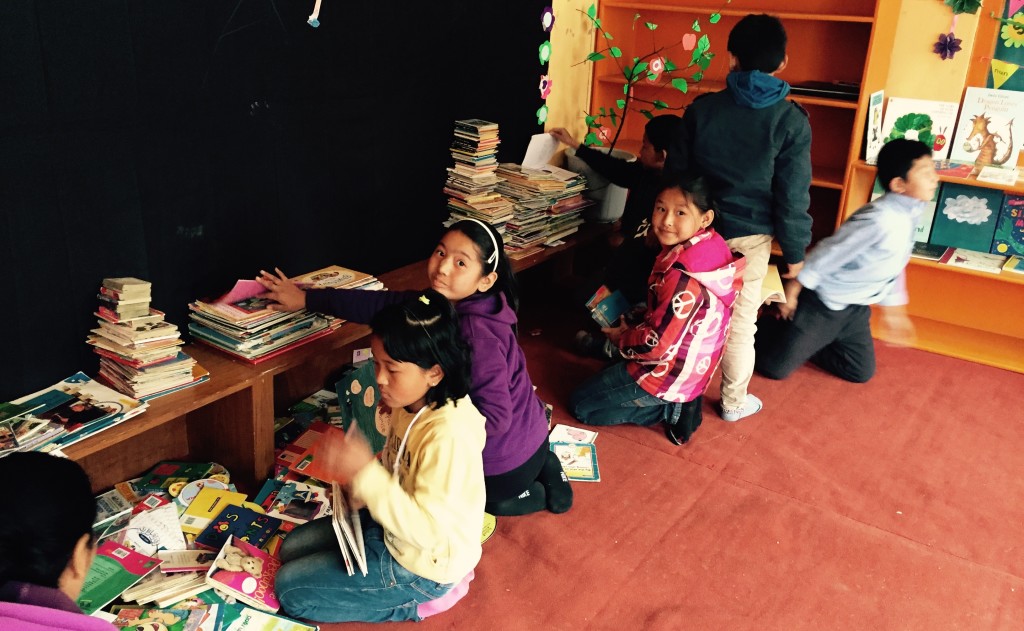
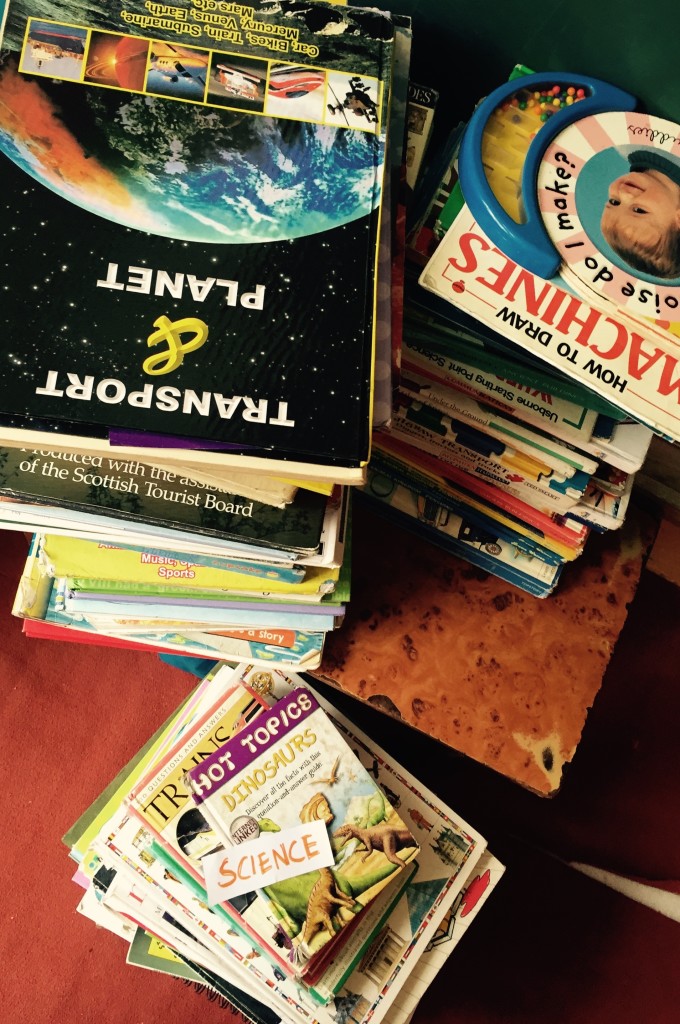
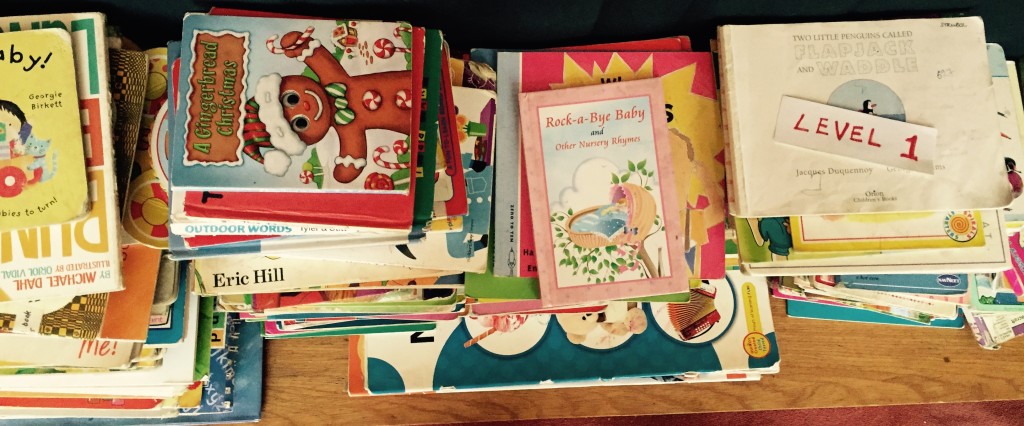
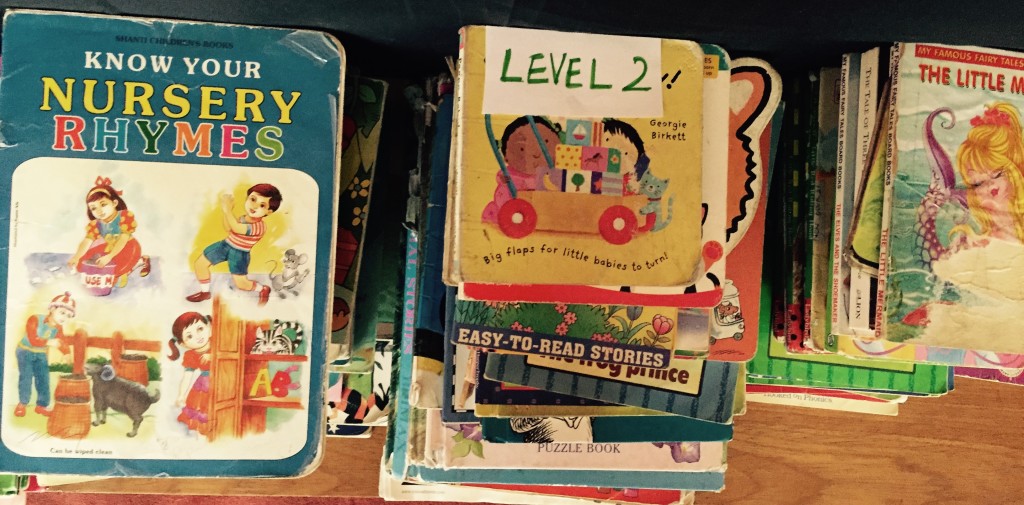
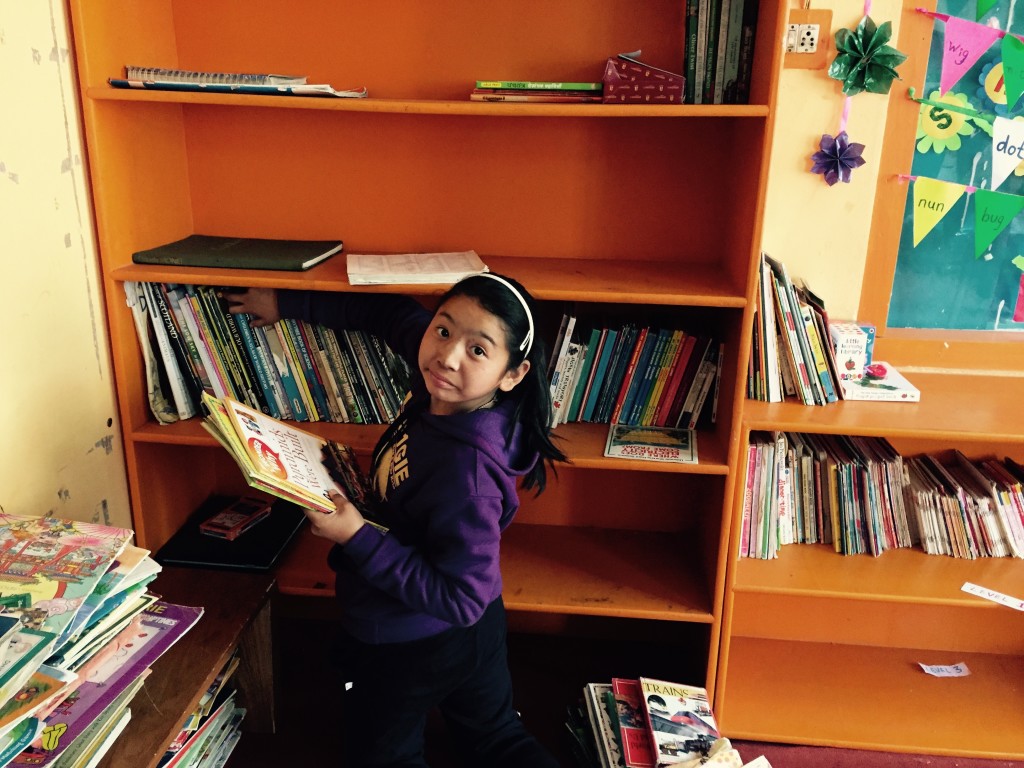
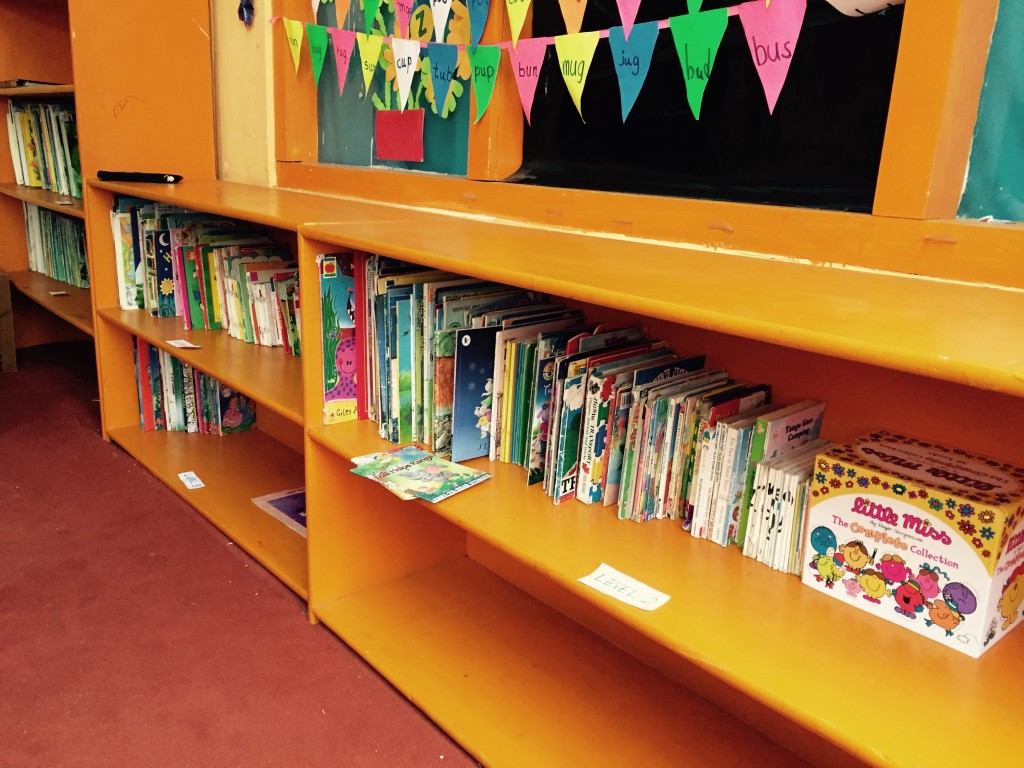
Once books have passed the initial review, they can be arranged into practical groups. Sorting makes packing faster and allows partner communities to receive collections that are easier to use. It also helps volunteers notice gaps, such as a shortage of books for beginning readers or a need for more nonfiction.
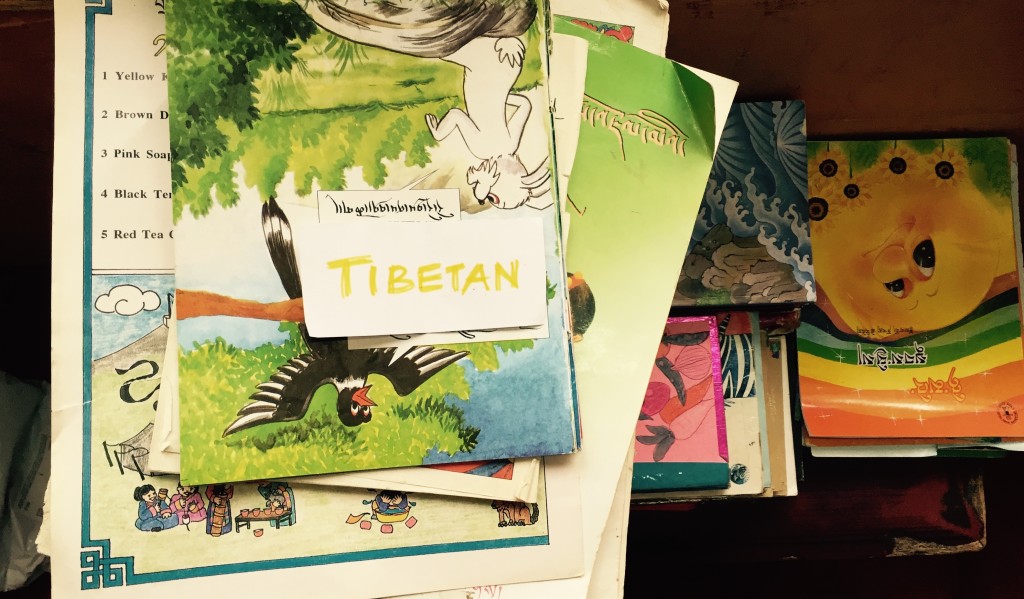
Books may be grouped by reading level, subject, language, format, or destination. Some titles are ideal for quiet individual reading, while others work better for shared storytelling. Large illustrated books can support younger children, and durable paperbacks may be convenient for older students who carry books between home, school, and community spaces.
| Sorting consideration |
Why it matters |
Examples |
| Reading level |
Helps children choose books they can enjoy independently |
Early readers, middle-grade fiction, young adult novels |
| Subject |
Creates variety and supports learning |
Science, geography, history, art, music, nature |
| Physical condition |
Reduces waste and protects shared collections |
Clean pages, secure binding, readable print |
| Format and size |
Makes storage and transport more efficient |
Board books, paperbacks, illustrated references |
| Destination needs |
Connects donations with local use |
Reading rooms, schools, monasteries, activity groups |
This stage can also identify duplicate copies. Multiple copies of a popular title may be useful in a classroom or group activity, while too many copies of a narrow subject may take space away from more varied materials. Thoughtful selection gives each box a stronger educational purpose.
Packing for a long journey
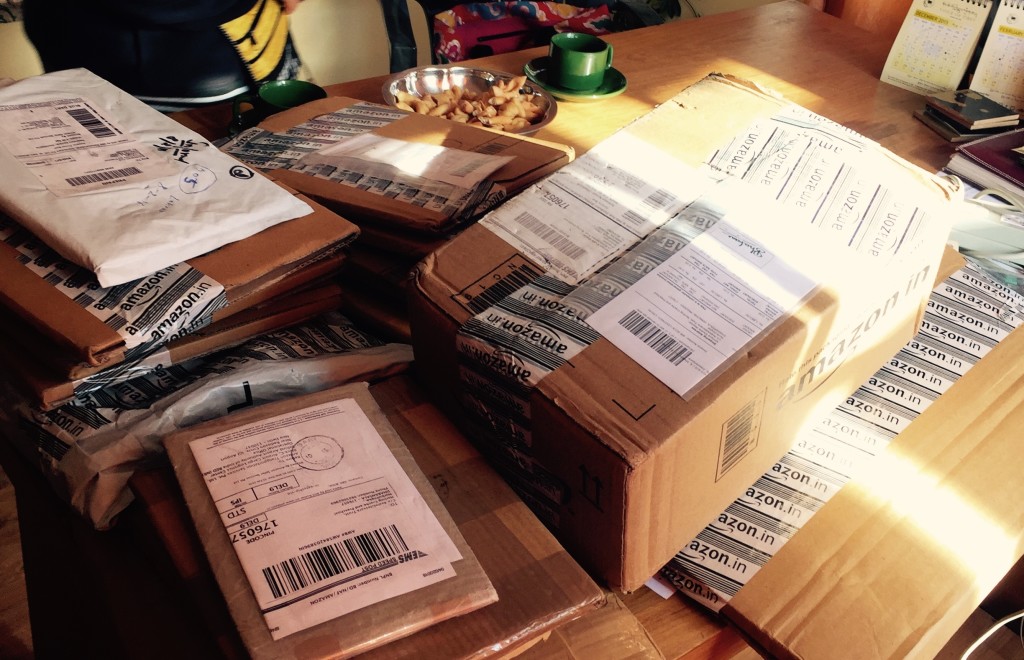
Packing is a form of preservation. Books may pass through several stages of handling before they reach a Himalayan community, so boxes need to be stable, manageable, and protected from moisture. Volunteers choose cartons that can carry the weight without collapsing and avoid making them so heavy that they become unsafe to lift.
Books are usually placed with attention to size and shape. Heavier volumes can form a secure base, while lighter or more delicate items are positioned above them. Empty spaces are filled with suitable material so that books do not shift sharply during transport. The aim is to prevent crushed corners, bent covers, and broken bindings.
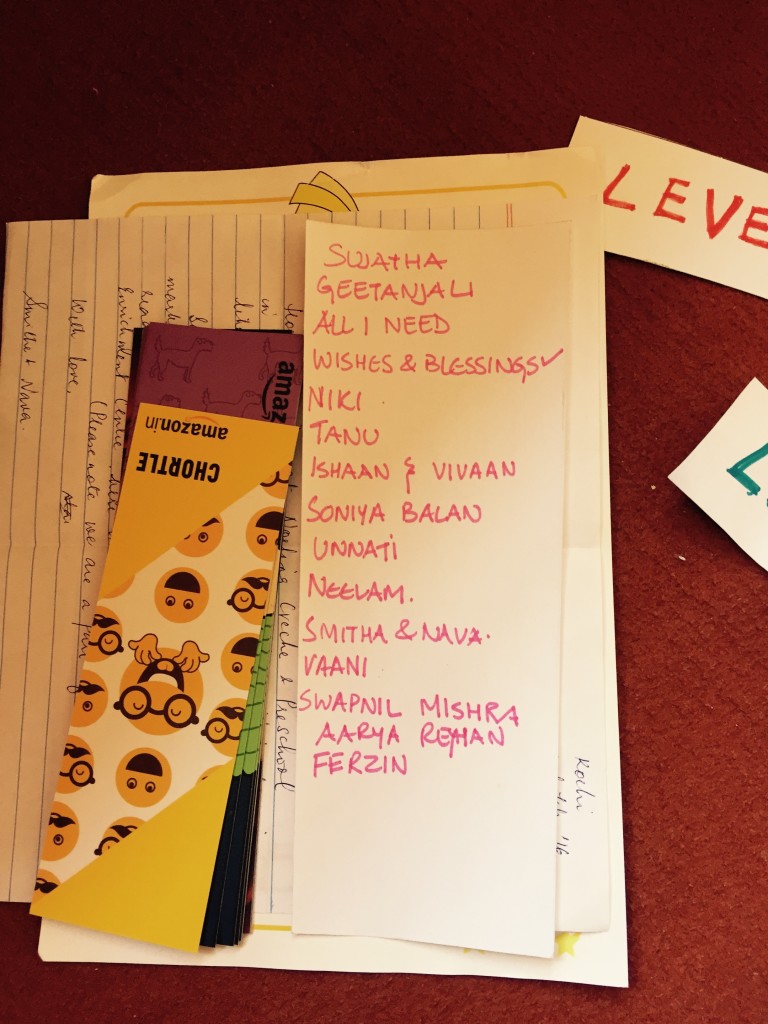
Labels are equally important. Clear information about the destination, contents, and handling can help shipments move through storage and distribution points. A simple packing record may also make it easier for the receiving team to prepare shelves, plan activities, and report which kinds of books have arrived.
Coordinating transport to the mountains
Getting educational materials to Himalayan communities requires patience and careful communication. A shipment may involve collection points, storage locations, road transport, and local partners who understand the final route. Weather, road conditions, and seasonal access can influence timing, so coordination is part of the work from the moment boxes are prepared.
Local knowledge helps ensure that books are delivered where they will be used. Community members and partner organizations can advise on suitable destinations, reading interests, available storage, and the best way to introduce new materials. Their role is essential because they connect a donation with everyday learning rather than treating delivery as the end of the project.
The journey also highlights why packing lists and basic inventory records matter. If a box is delayed or separated from the rest of a shipment, accurate information can help identify its contents and resolve the problem. Small administrative details support a much larger educational goal.
Making the collection welcoming
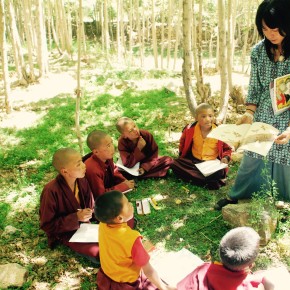
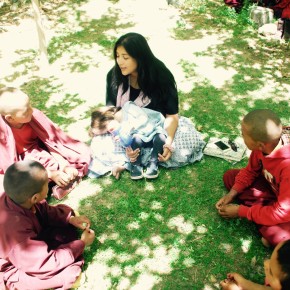
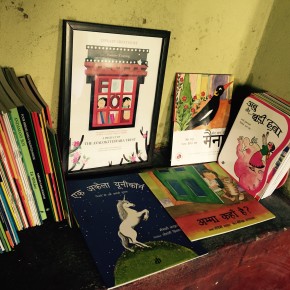
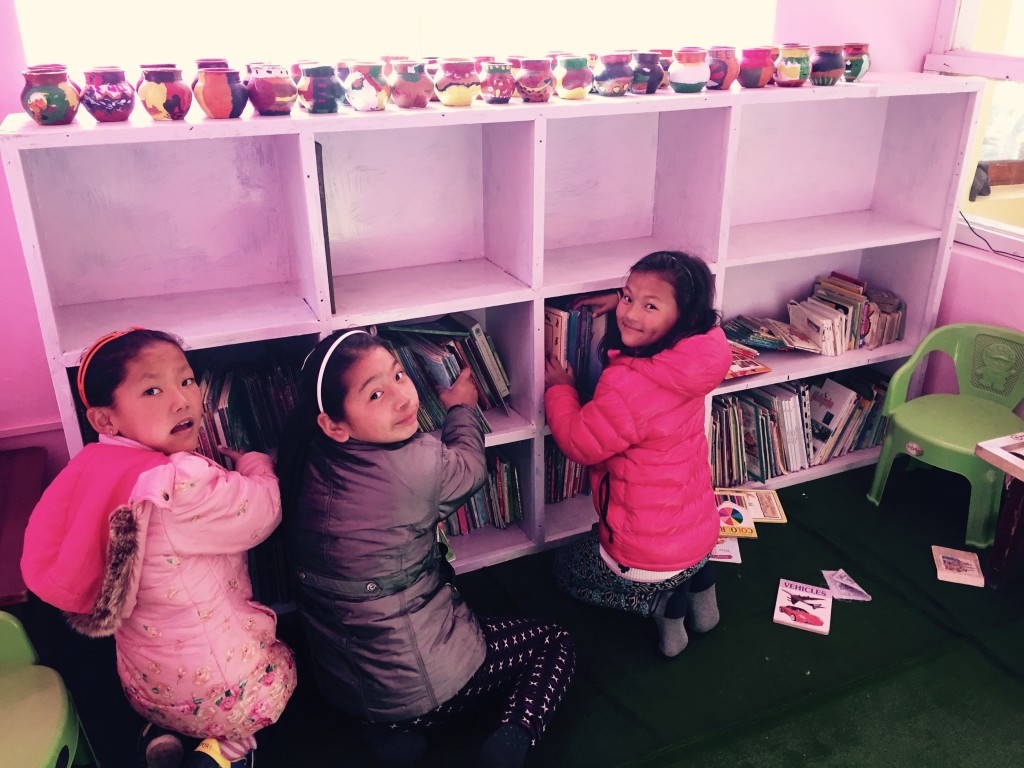
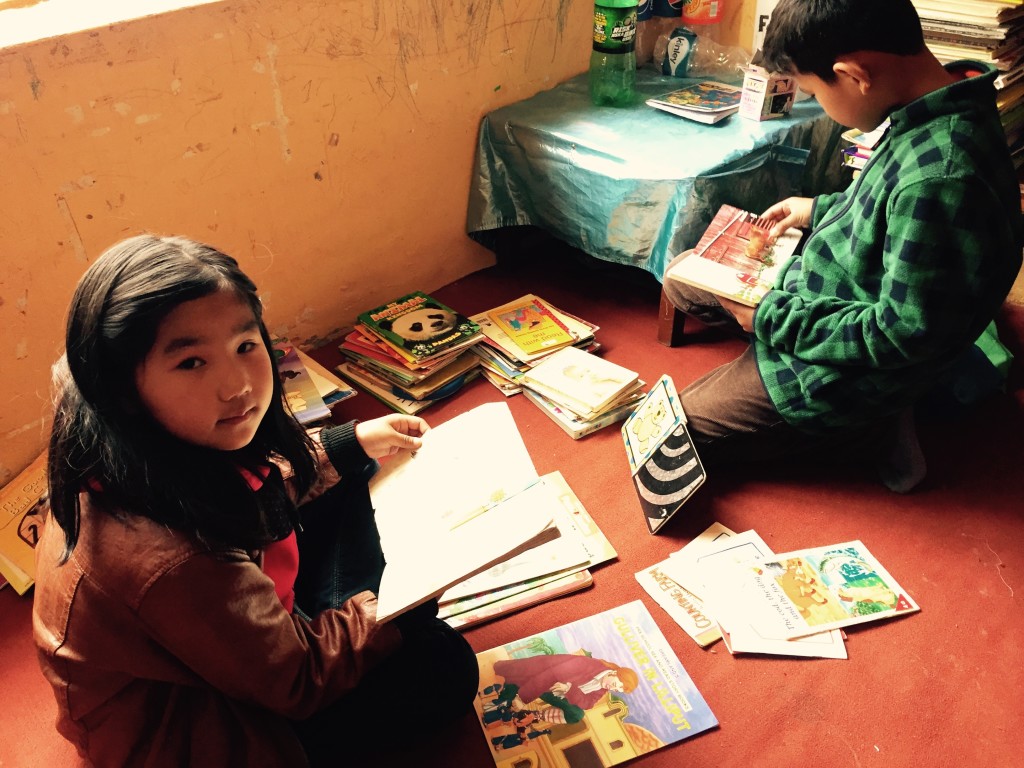
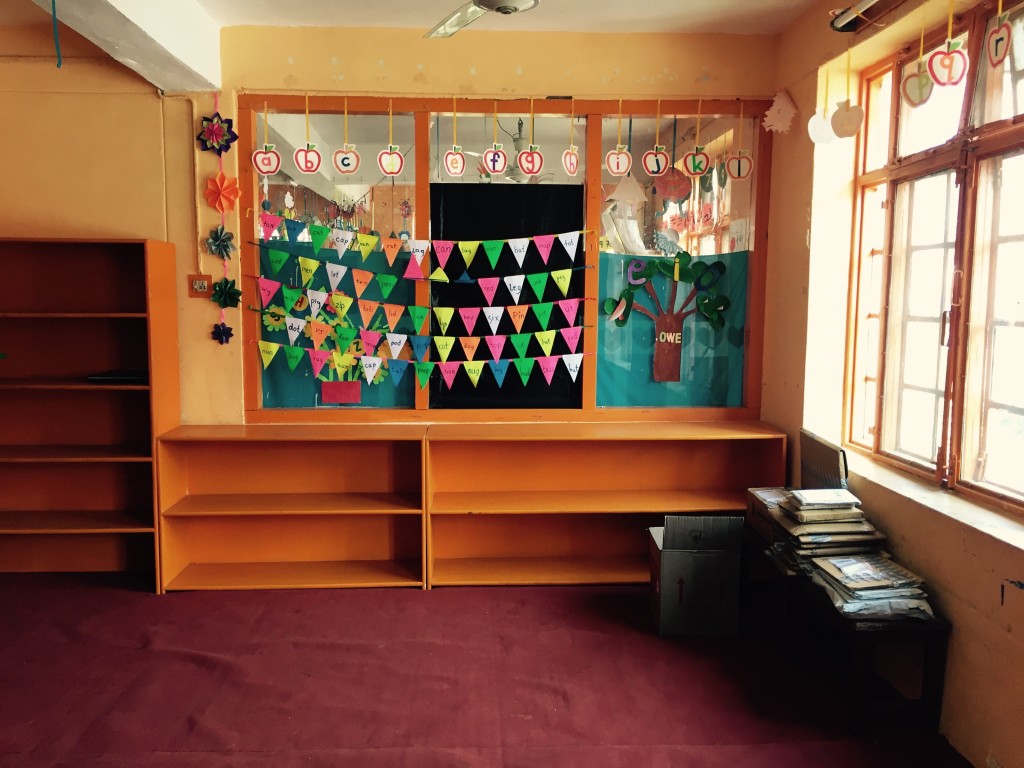
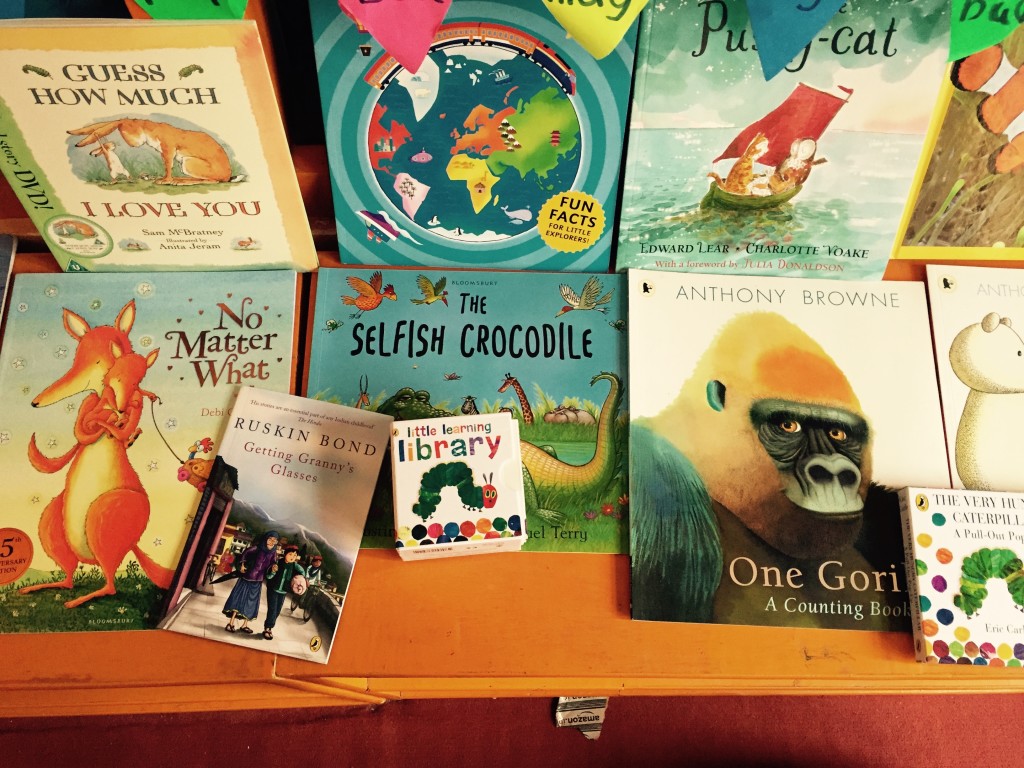
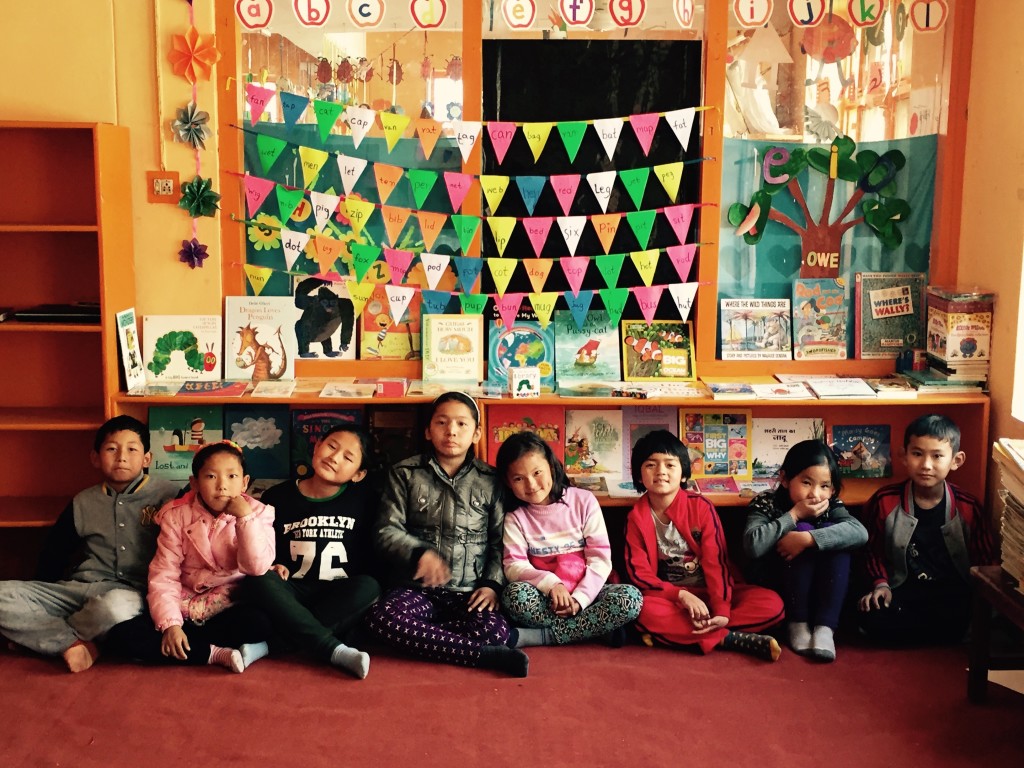
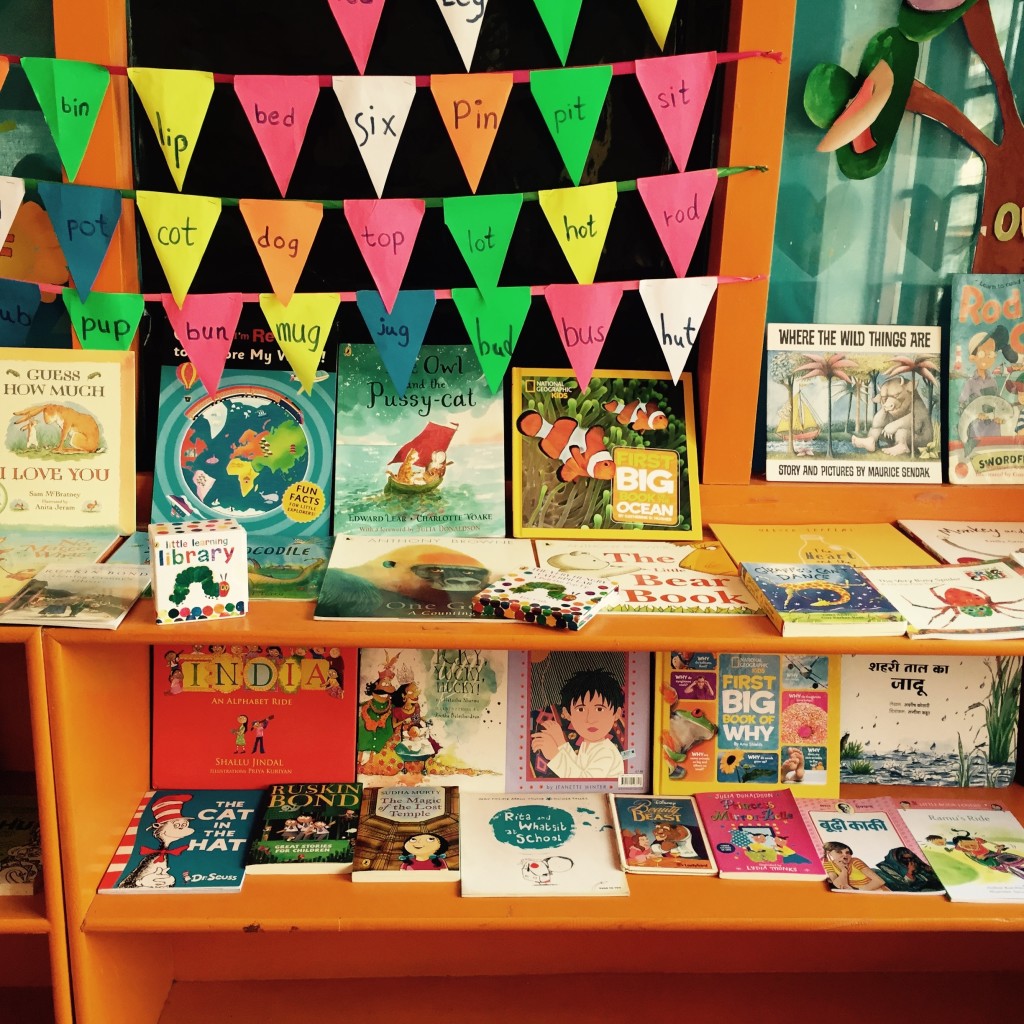
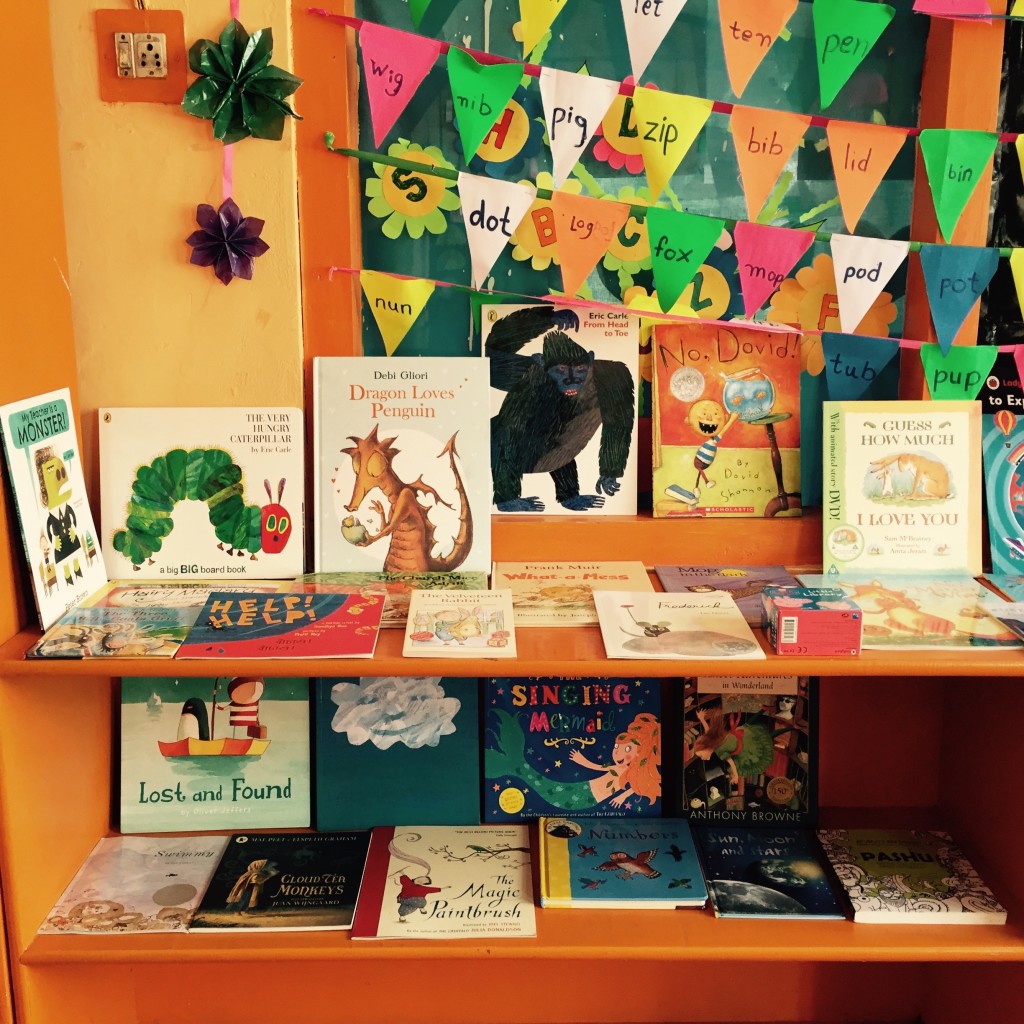
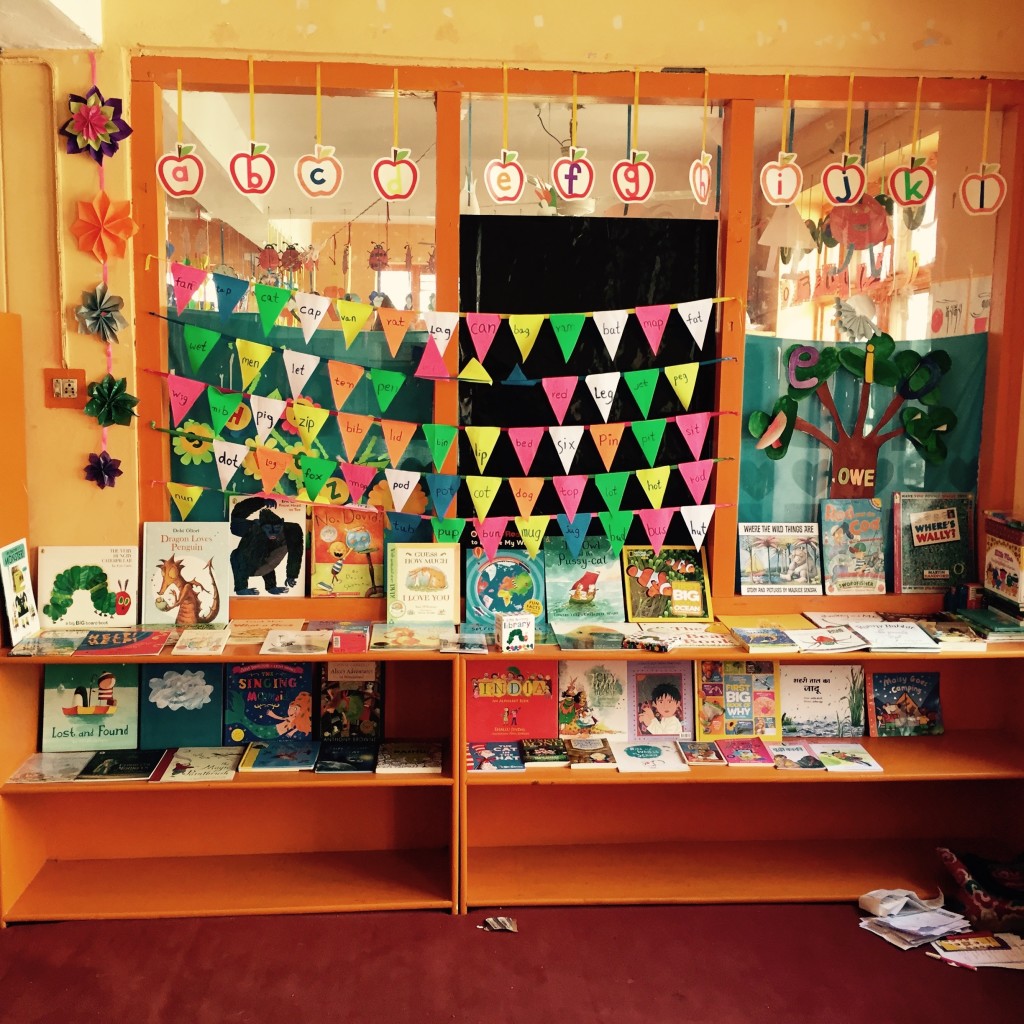
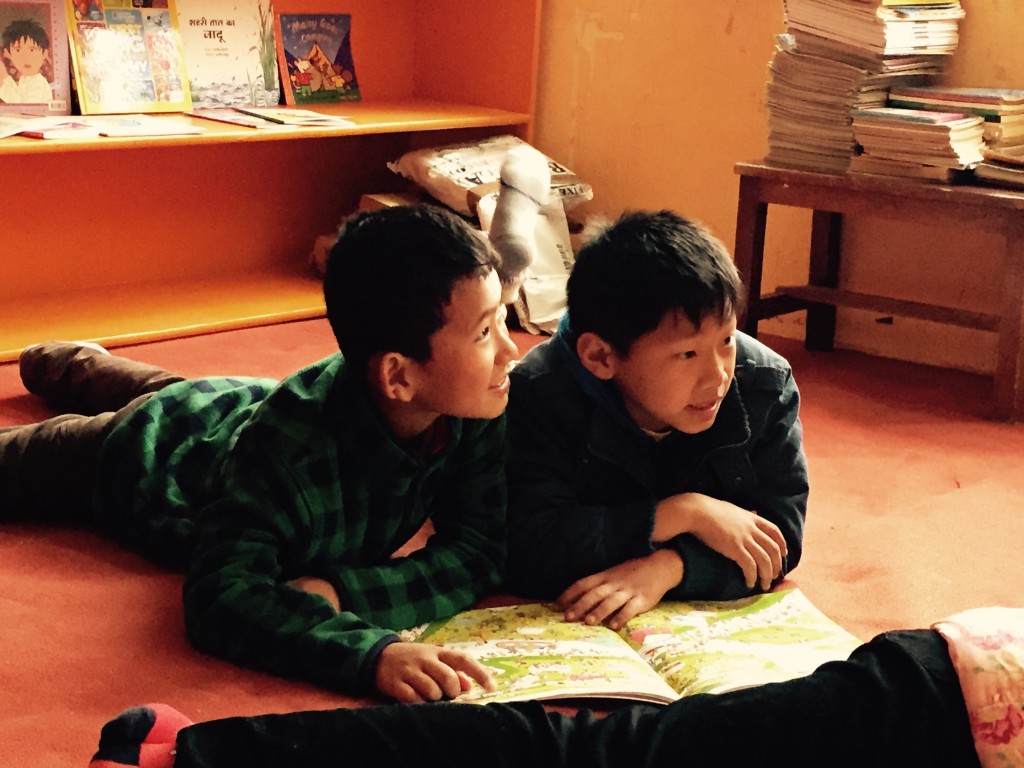
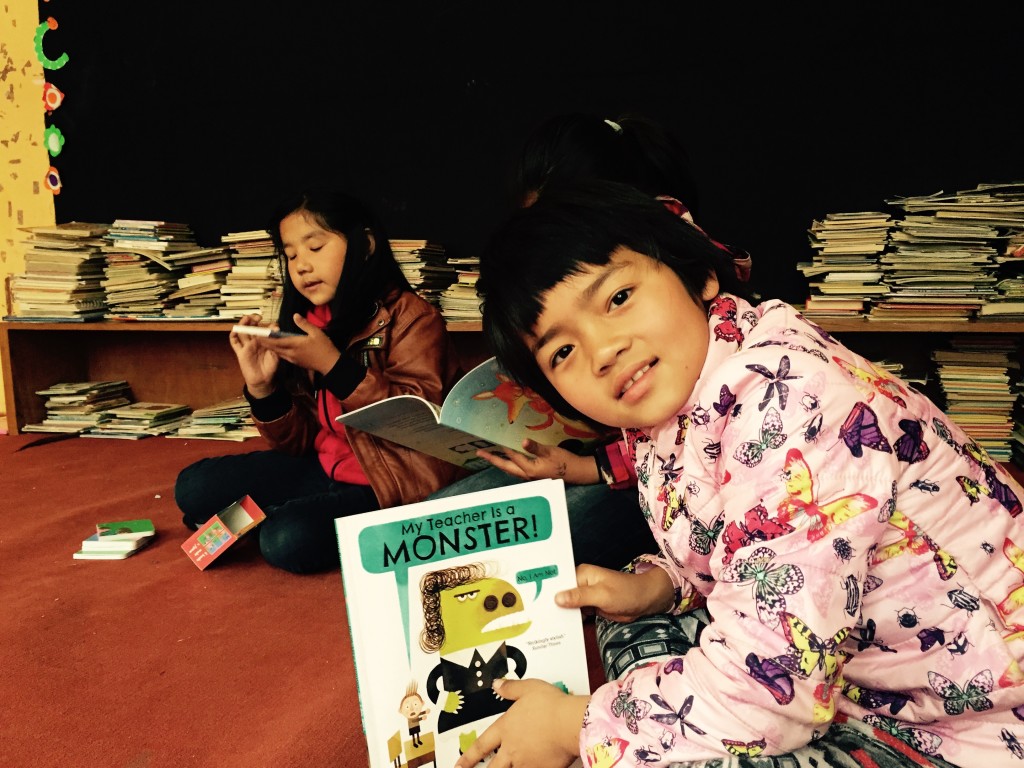
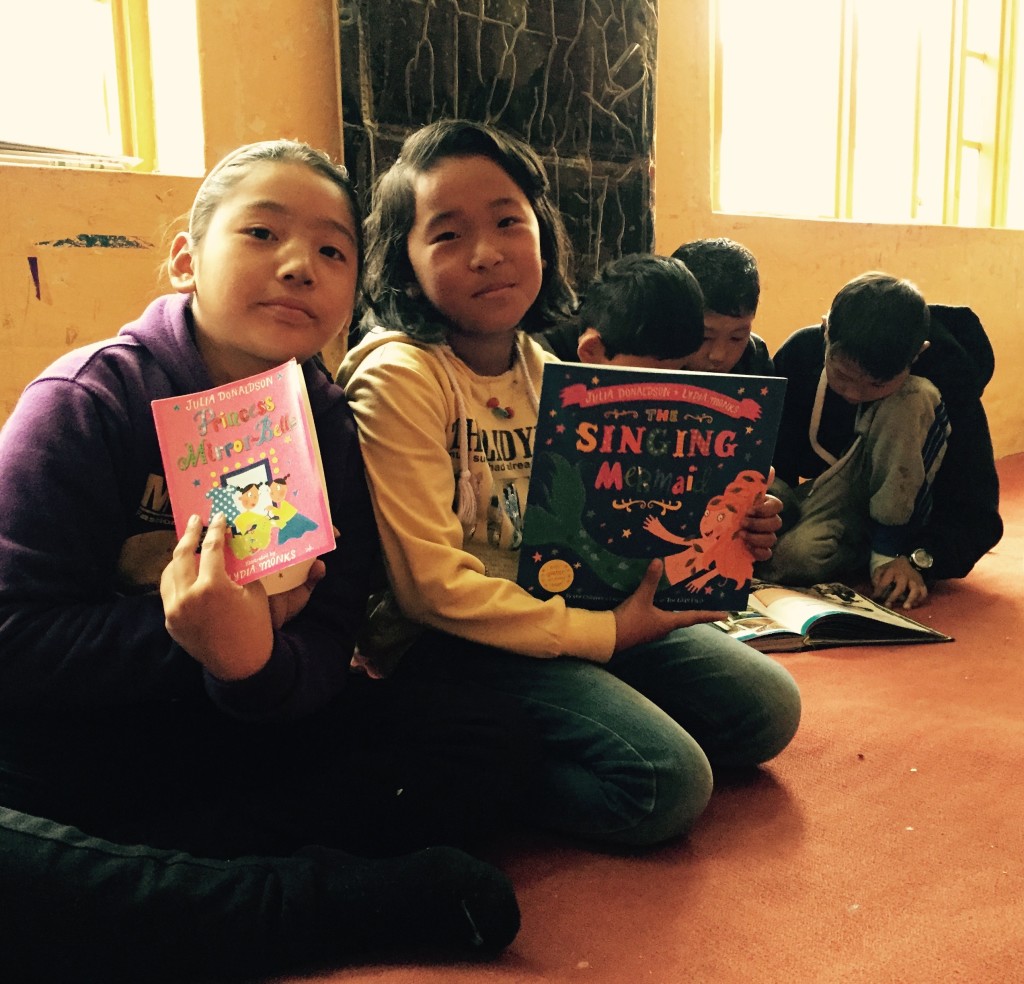
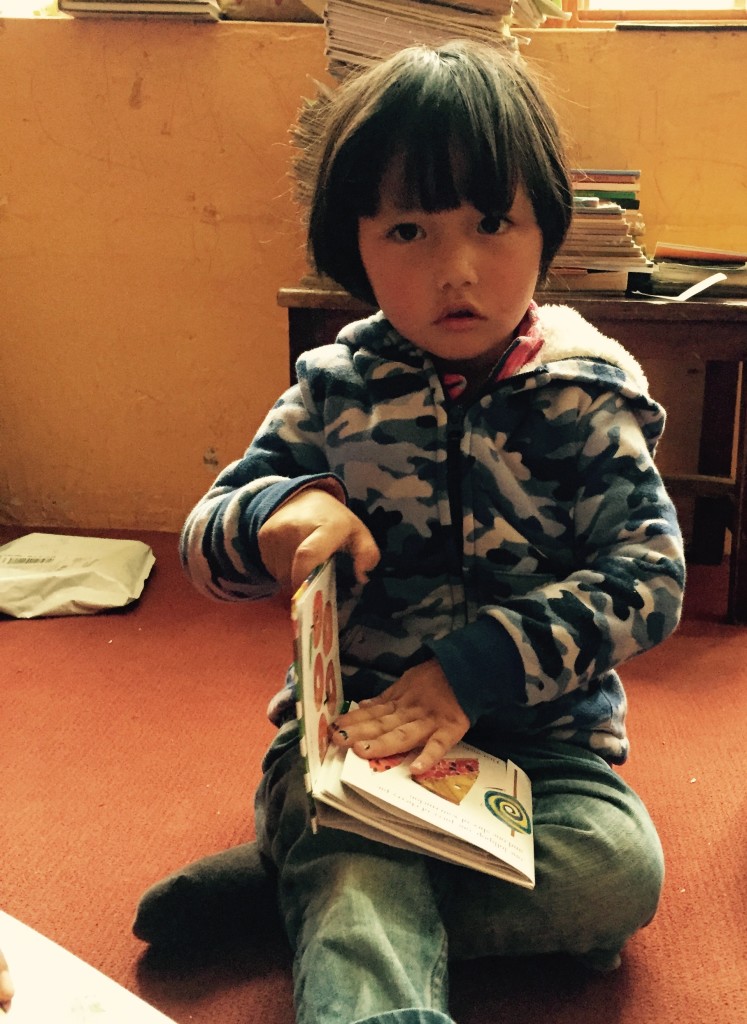
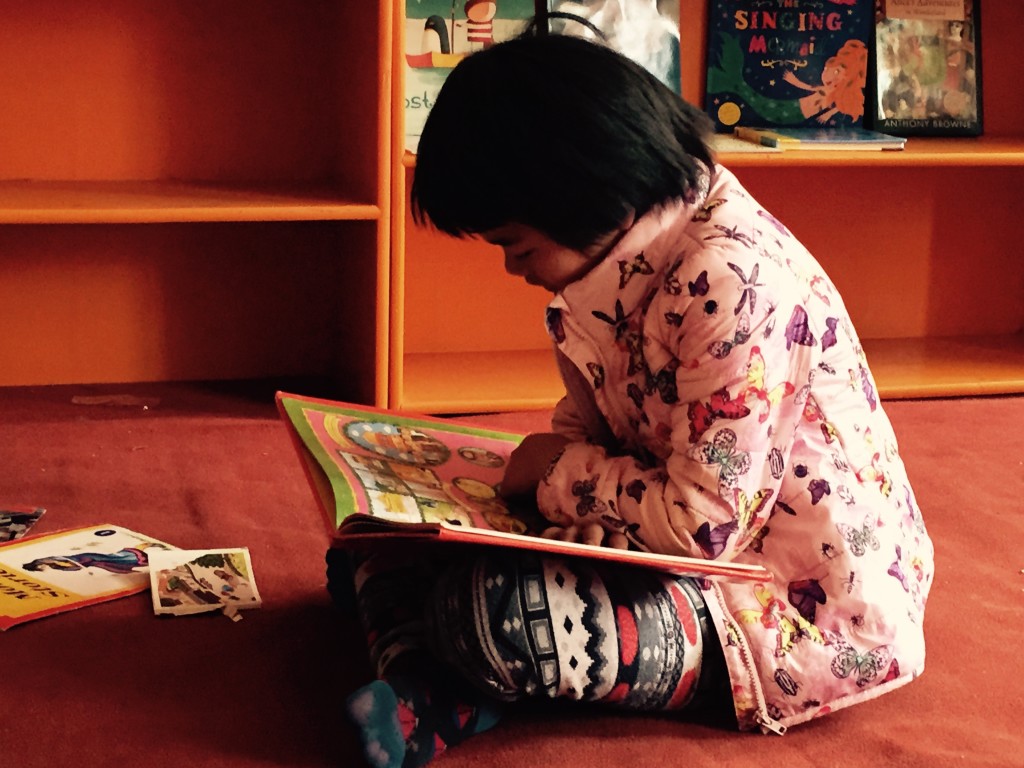
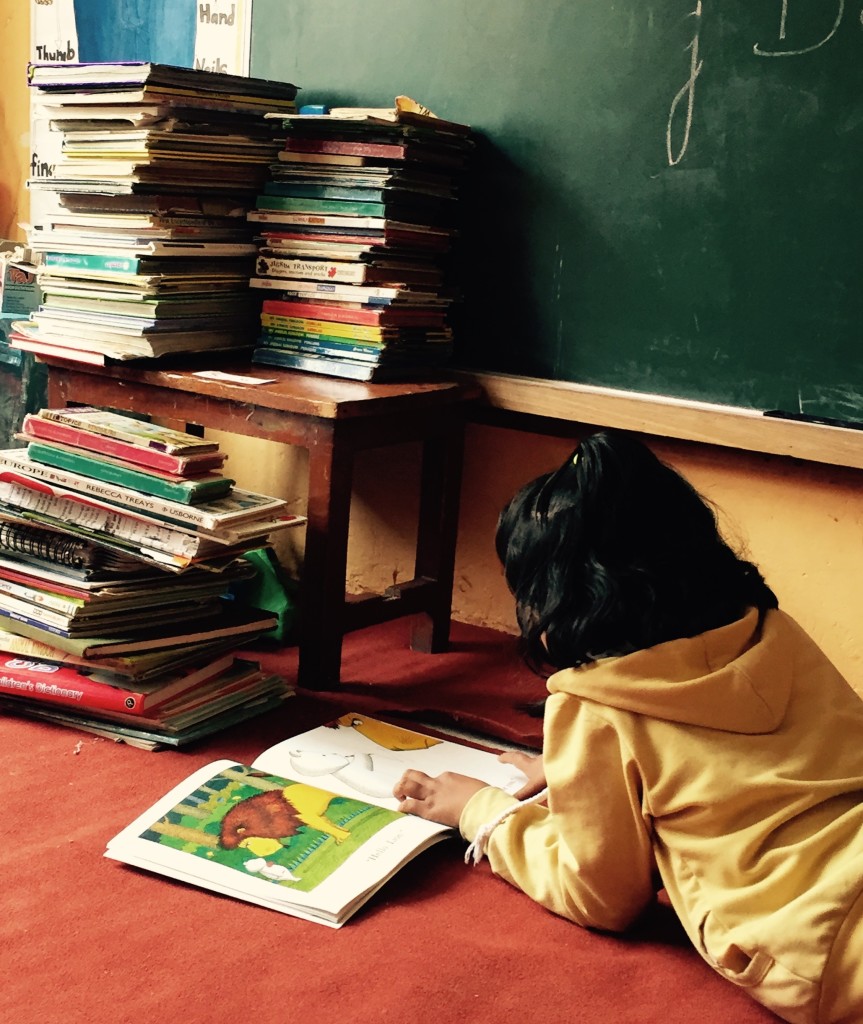
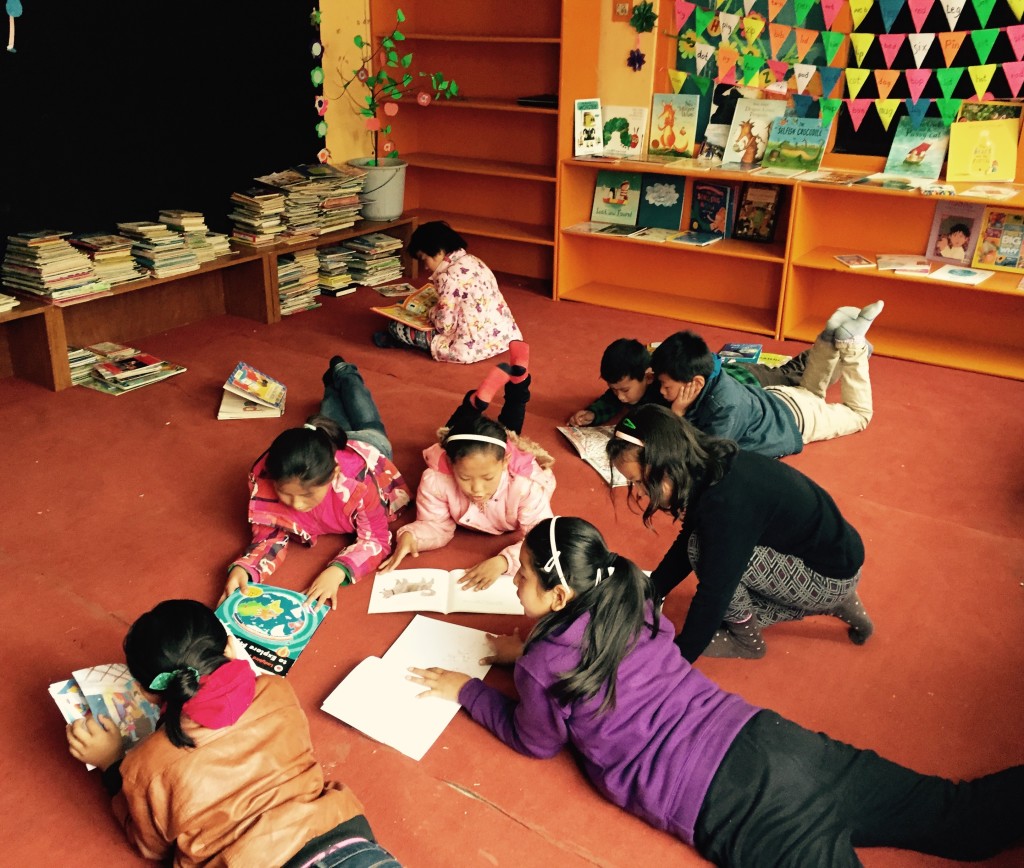
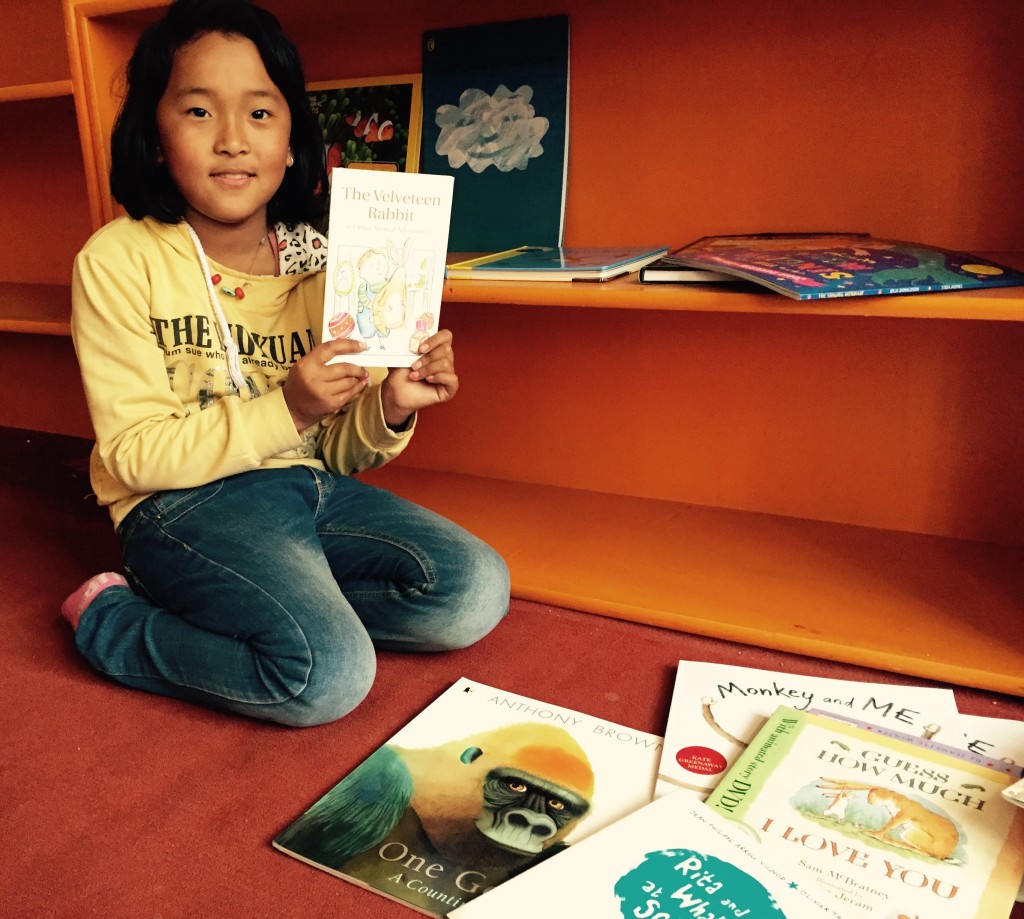
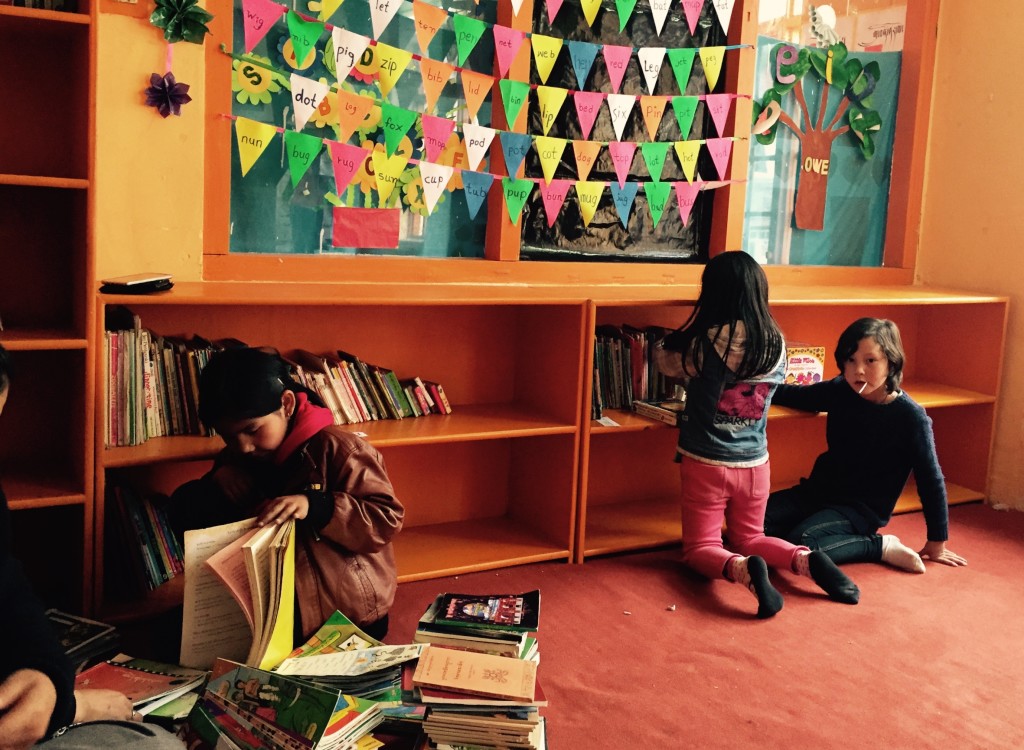
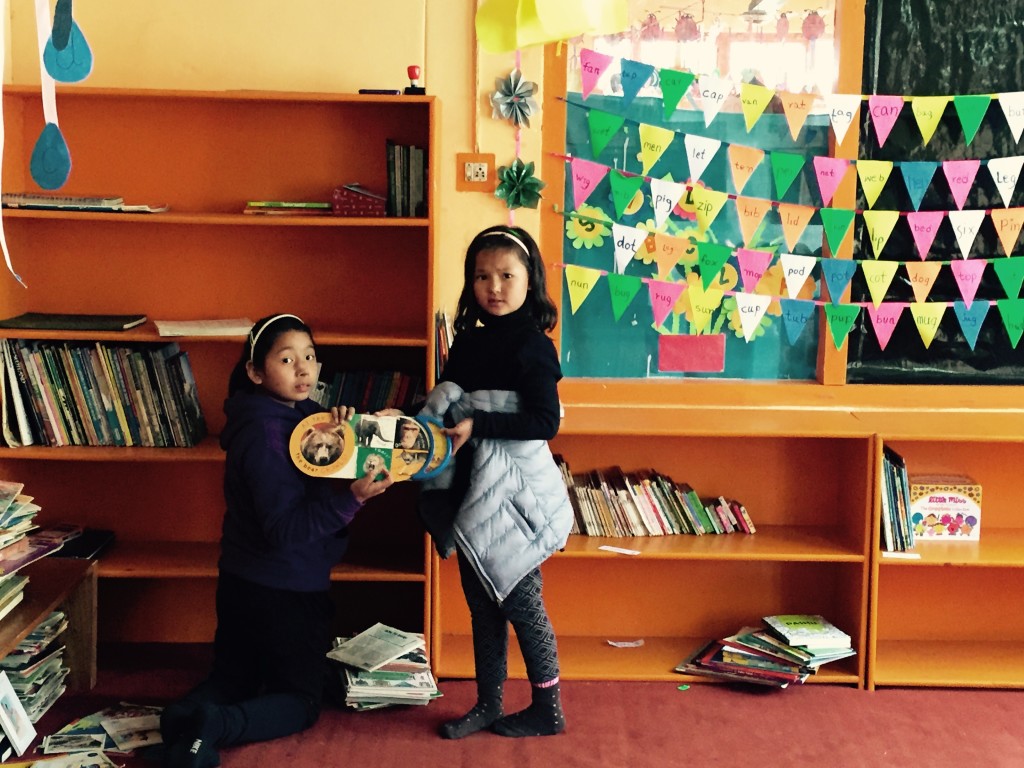
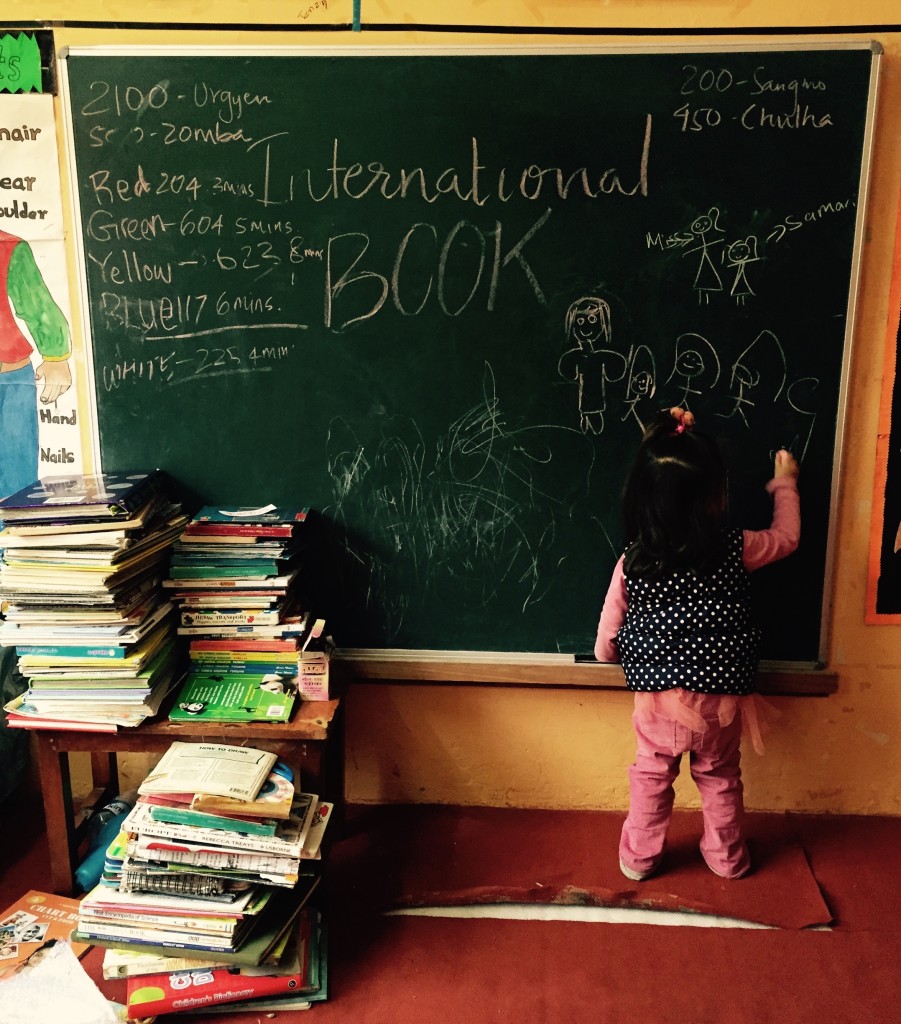
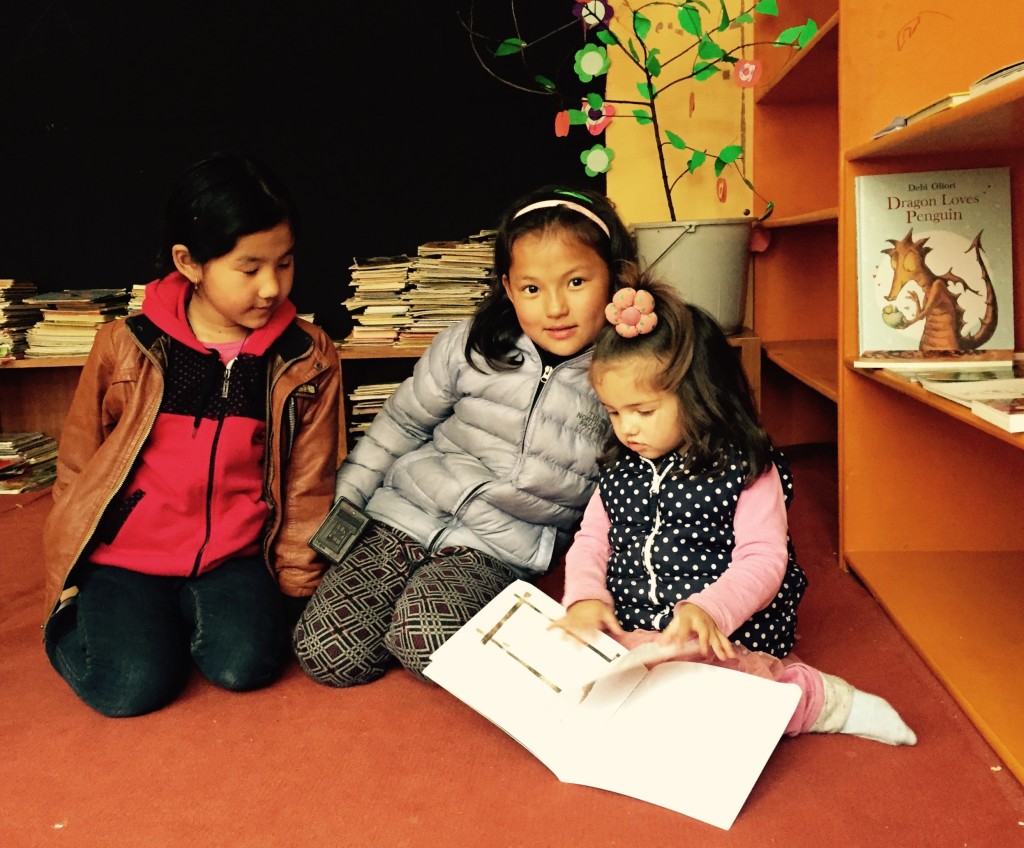
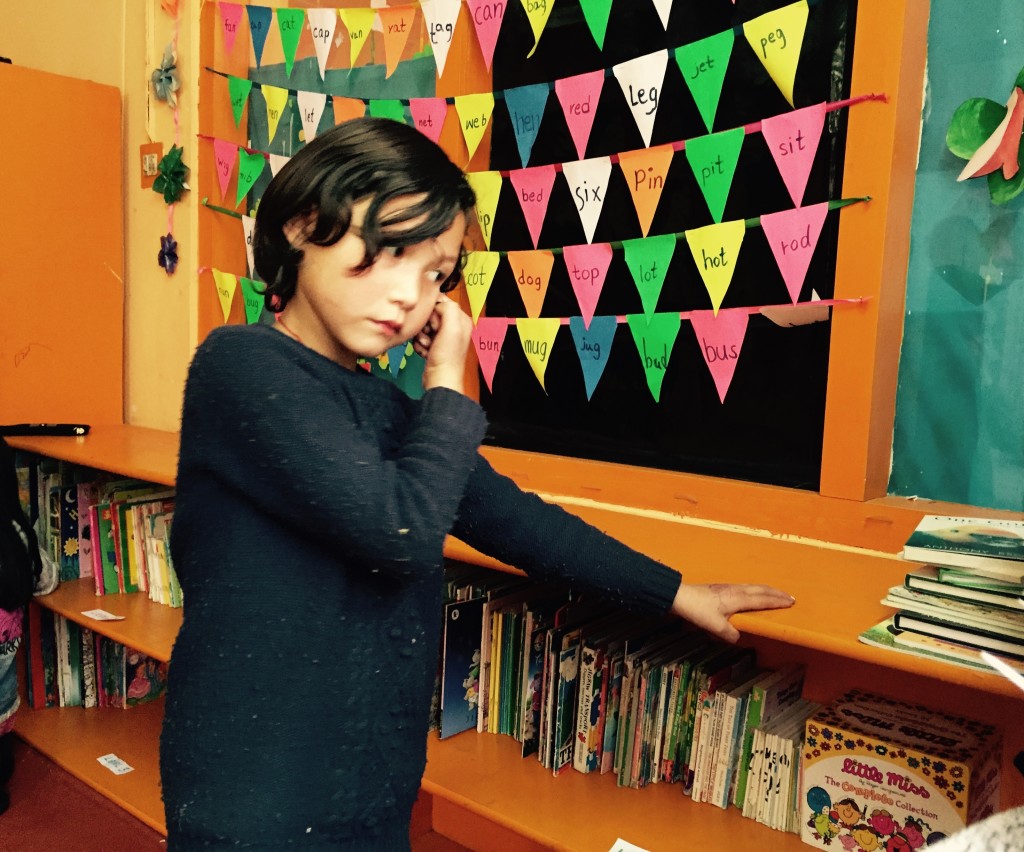
A reading room becomes more inviting when books are easy to find and enjoyable to handle. After delivery, titles can be arranged so that children see attractive covers, recognize familiar subjects, and discover something unexpected. Displays, themed groups, and story sessions can encourage readers who may feel uncertain about choosing a book.
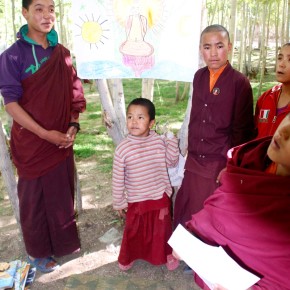
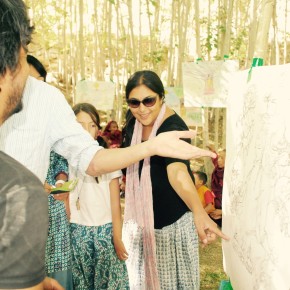
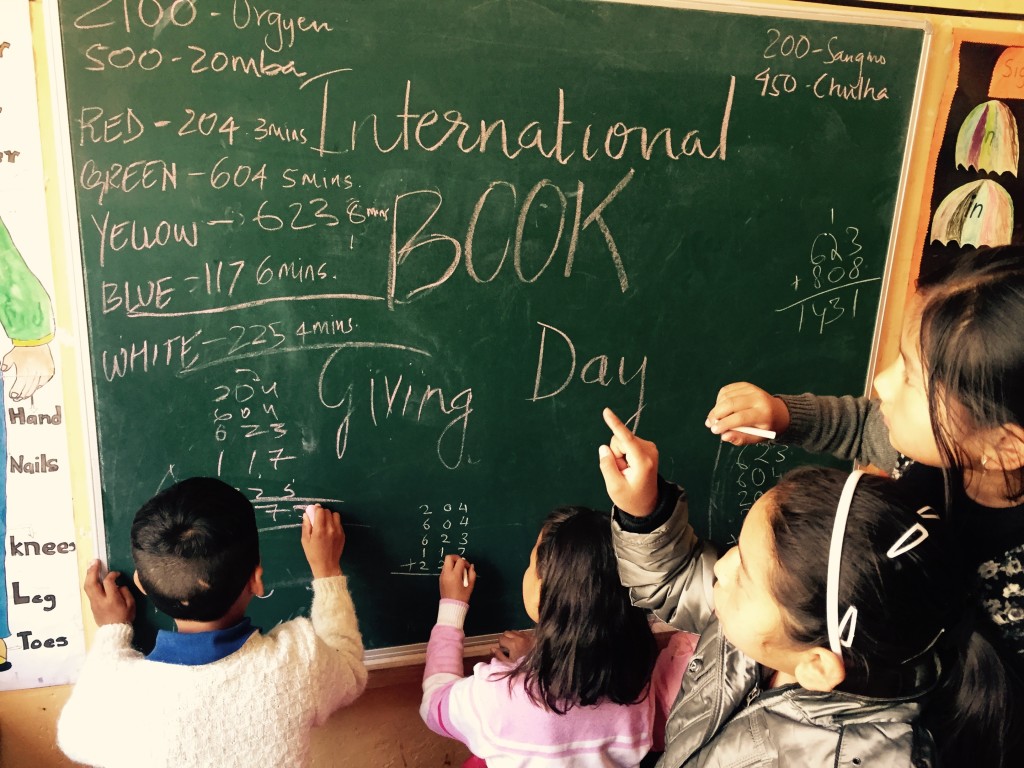
Books also work best when they are part of a wider program. Art activities can follow picture-book themes, music sessions can connect with biographies or cultural stories, and nature reading can lead to observation projects outdoors. These links help children experience books as active tools for imagination and learning.
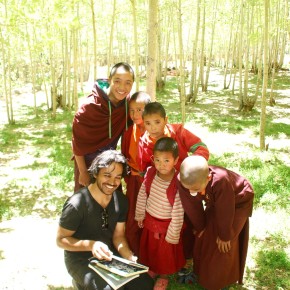
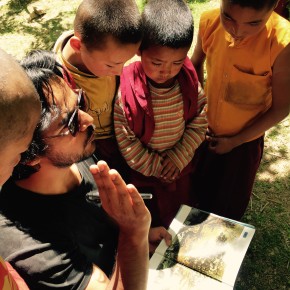
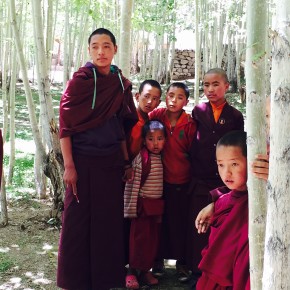
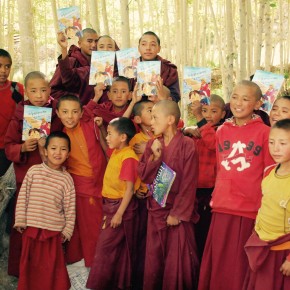
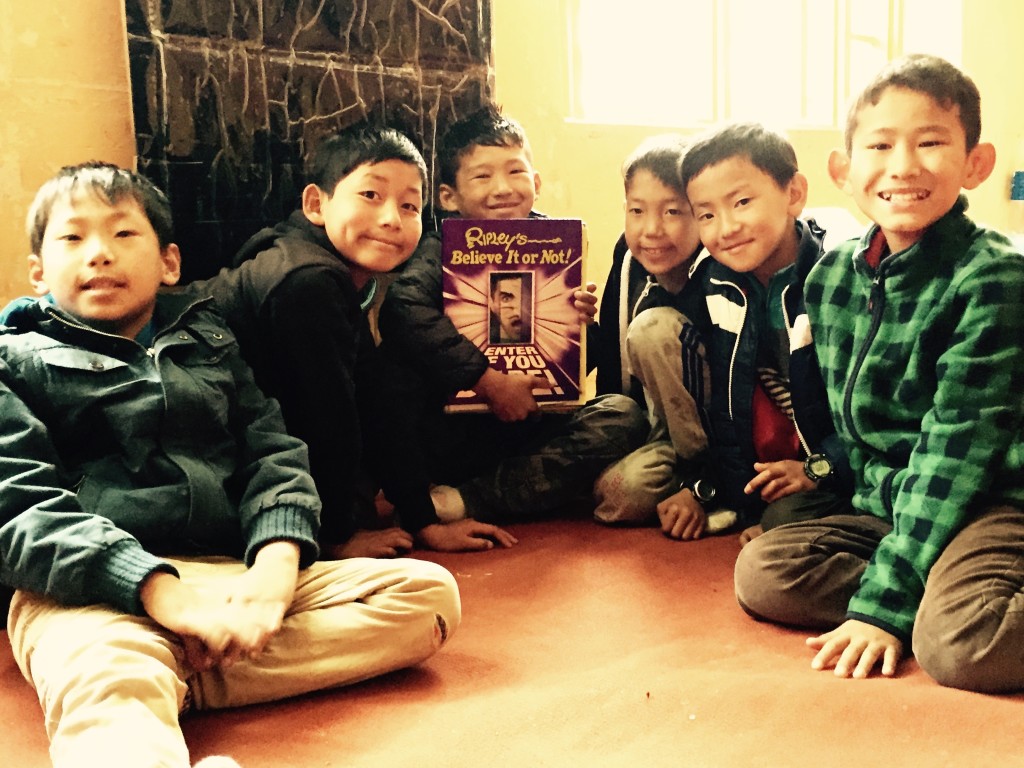
For young monks and other students, access to varied reading material can support concentration, vocabulary, curiosity, and confidence. A donated book may be read many times, shared with friends, used in a lesson, or remembered years later. Its value grows through repeated use.
Ways to support thoughtful book shipments
The most useful contributions are selected with the final readers in mind. Supporters can help by:
- Donating clean, complete books suited to children, teenagers, and young learners
- Grouping books by age or subject before bringing them to a collection point
- Providing sturdy boxes, packing materials, or funds for transport and storage
- Volunteering time to inspect, sort, label, and record donated titles
- Supporting reading rooms and educational activities so books remain part of an ongoing program
Financial gifts can be especially helpful when shipping costs, local purchasing, or specific community requests need to be addressed. In some cases, buying carefully chosen books near the destination may be more efficient than transporting every title over a long distance.
The strongest book drives are collaborative. Families may contribute a few volumes, schools can organize collections, and volunteers can turn a mixed donation into a useful library. Each part of the process reduces waste and increases the chance that a book will reach a reader who needs it.
When you support Avalokiteśvara Trust, you help move books from shelves and storage rooms into places where children can read, create, study, and share ideas. Donate suitable titles, offer practical volunteer support, or contribute to the Trust’s education and reading-room work. A carefully packed box can open many pages of possibility across the Himalayas.