A Volunteer's Reflection: Teaching Yoga To Young Monks
Before travelling to Ladakh, I imagined that teaching yoga would involve planning a sequence, demonstrating poses and helping students improve their balance. I packed lesson notes, comfortable clothing and the confidence that comes from practising regularly in Australia. The mountain landscape soon showed me that the most important preparation was emotional rather than physical.
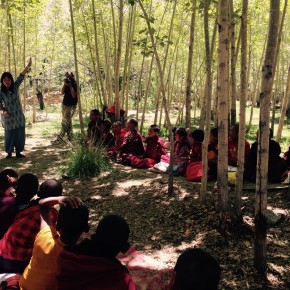
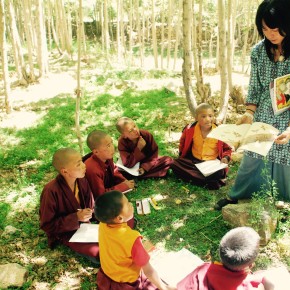
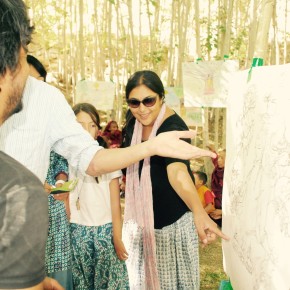
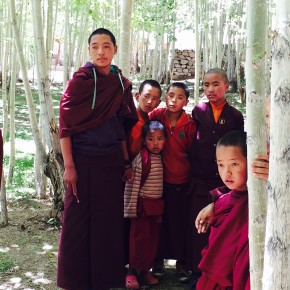
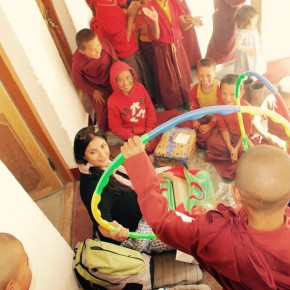
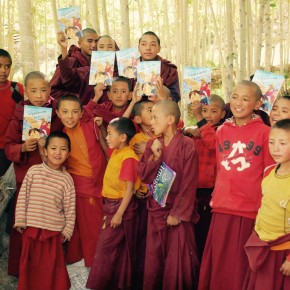
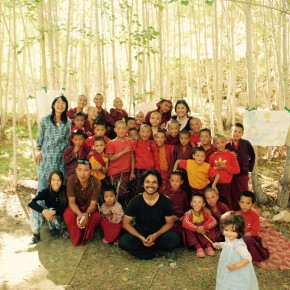
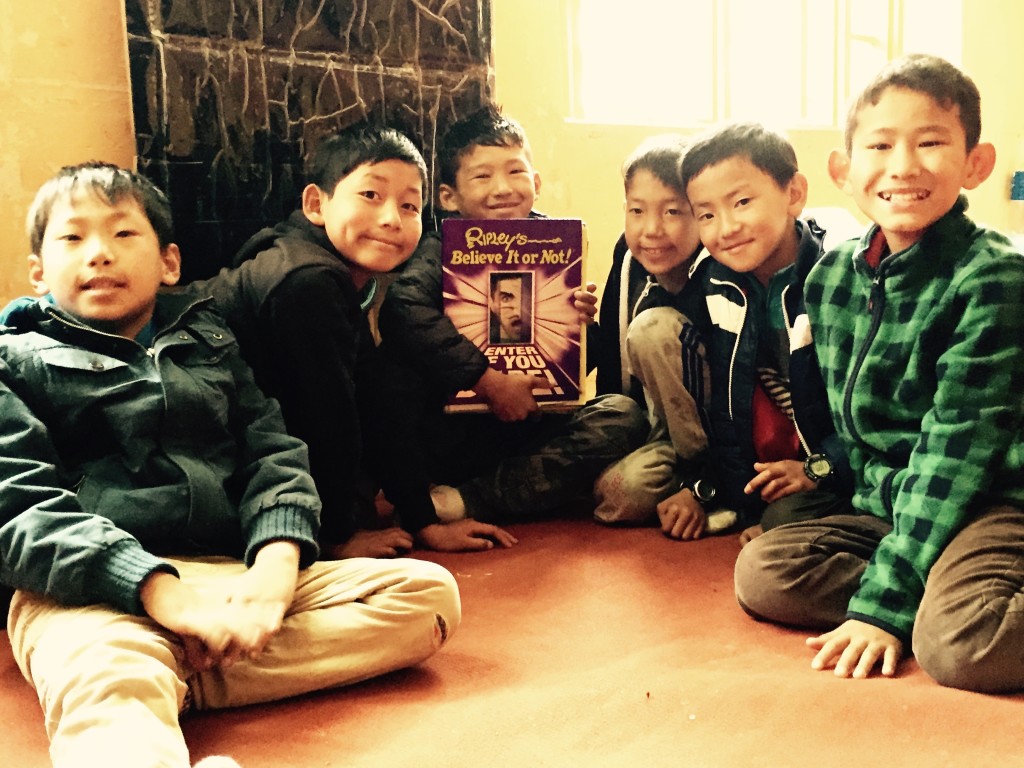
The young monks I met were curious, energetic and observant. Some had encountered yoga before, while others were meeting it through simple stretches, breathing games and movement stories. Their days included study, prayer, chores and community life, so a yoga session had to fit naturally into an already meaningful rhythm.
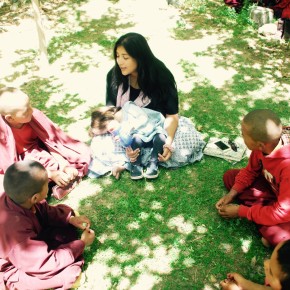
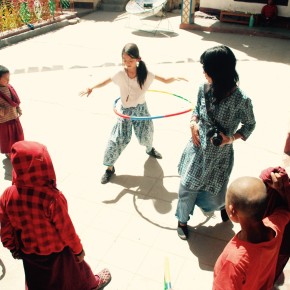
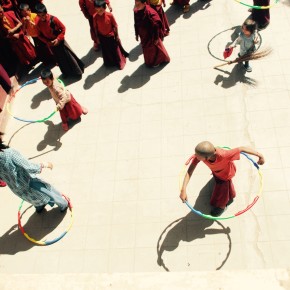
For a volunteer from Australia, the experience also involved adjusting expectations. A class that might feel quiet and restorative in a Melbourne studio could become playful and lively in a monastery courtyard. Teaching yoga to young monks became less about delivering a perfect programme and more about creating a safe space for attention, movement and shared discovery.
Arriving With A Beginner's Mind
Ladakh changes the way the body understands effort. The altitude can make a short walk feel demanding, and dry air requires regular hydration. I quickly learned to move slowly, allow extra pauses and avoid treating tiredness as a problem to overcome. That same patience shaped each class.
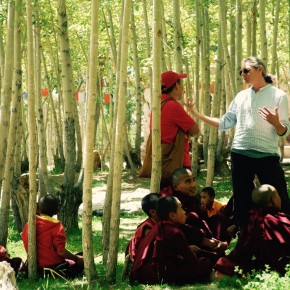
The first sessions began with observation. I watched how the children and young monks responded to instructions, whether they preferred copying a demonstration or moving independently, and how much space they needed. Laughter was common, especially when balance poses became unexpectedly difficult. It helped to accept that a lively room could still be focused.
Cultural respect was central. The monastery was not a neutral classroom, and yoga was introduced as a gentle practice for wellbeing rather than as a replacement for Buddhist teachings or local traditions. Simple explanations about breathing, posture and awareness allowed the students to connect the activity with their own experience.
Building A Gentle Class
Each session followed a flexible structure: arrival, warm-up, active movement, calming poses and a short rest. The sequence was familiar enough to provide security, yet adaptable when the group was tired, excited or working with limited floor space. Mats were useful, although folded blankets and clean rugs also supported the practice.
Instructions had to be clear and physical. Rather than giving long explanations about anatomy, I demonstrated one movement at a time. Mountain pose became a chance to feel steady feet. Cat and cow movements encouraged gentle mobility. Tree pose introduced balance, concentration and the humour of wobbling without embarrassment.
Breathing exercises were kept brief. A few slow breaths with hands on the ribs worked better than complicated techniques. The young monks responded particularly well when breathing was linked to an image, such as warming the hands or listening for the quietest sound in the room.
Learning From Mountain Rhythm
The daily life of the monastery influenced the atmosphere of every lesson. The children were familiar with discipline, repetition and shared responsibility, yet they also needed room to be playful. Yoga fitted best when it respected both sides of their routine: the need for steadiness and the need for joyful movement.
I learned to replace correction with invitation. Instead of saying that a posture was wrong, I offered another way to explore it. This encouraged the students to notice their own bodies. A young monk who struggled with a standing pose might discover that a wider stance or a hand on the wall made the movement comfortable.
The experience also challenged my assumptions about progress. In Australia, yoga is often linked with flexibility, fitness or stress relief, and classes may be shaped by individual goals. In the monastery, progress could look like waiting patiently, helping a friend, taking one calm breath or returning attention after becoming distracted.
A Practical View Of Each Session
The following comparison helped me adapt familiar practices to the local setting. It also clarified that a successful class depended on accessibility and relationships rather than expensive equipment.
| Practice Element |
Common Australian Class |
Adapted Monastery Session |
| Space |
Studio with mats and set lighting |
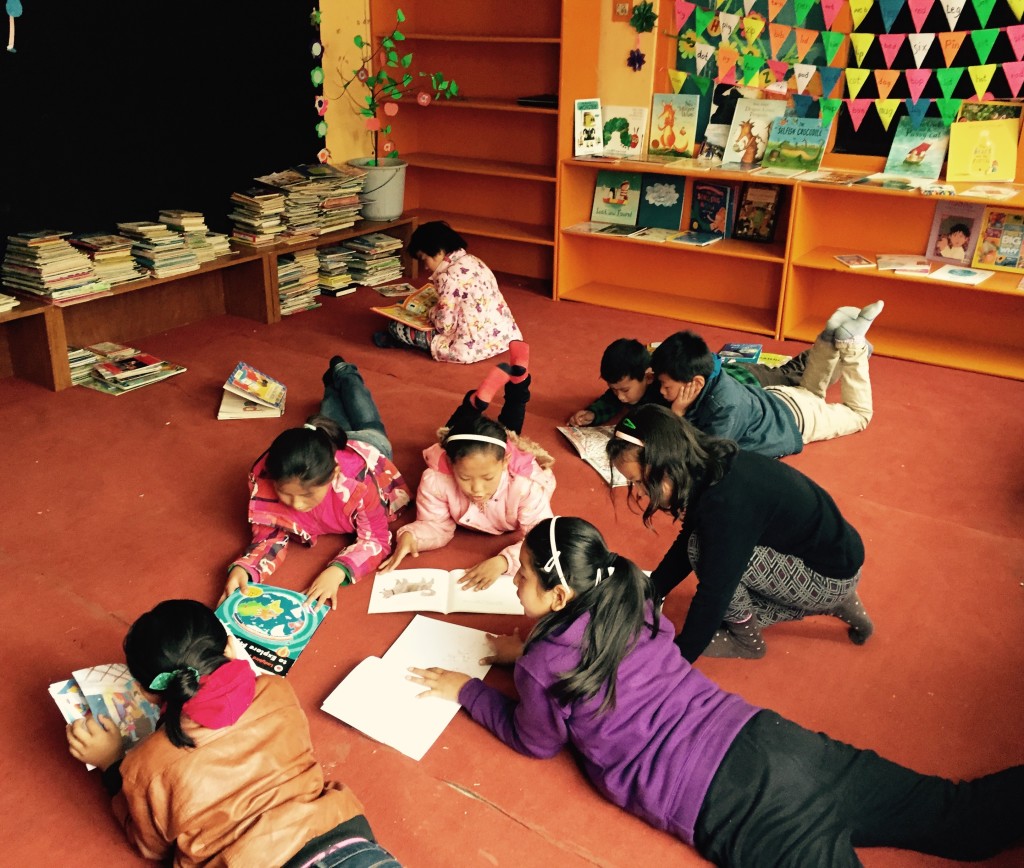
Courtyard, reading room or shared hall |
| Timing |
Forty-five to ninety minutes |
Shorter blocks with pauses |
| Equipment |
Mats, blocks, straps and bolsters |
Mats, blankets, walls and open floor |
| Teaching Style |
Verbal cues with individual adjustments |
Demonstration, visual cues and group copying |
| Main Focus |
Fitness, mobility or relaxation |
Balance, attention, cooperation and calm |
| Environmental Needs |
Moderate climate and easy access |
Altitude awareness, warmth and hydration |
This approach was useful for volunteers because it made adaptation practical. A class did not need to resemble a commercial studio in Sydney or a community centre in Brisbane. It needed to suit the people present, the available space and the energy of the day.
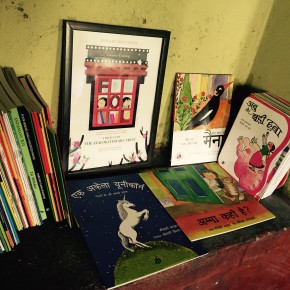
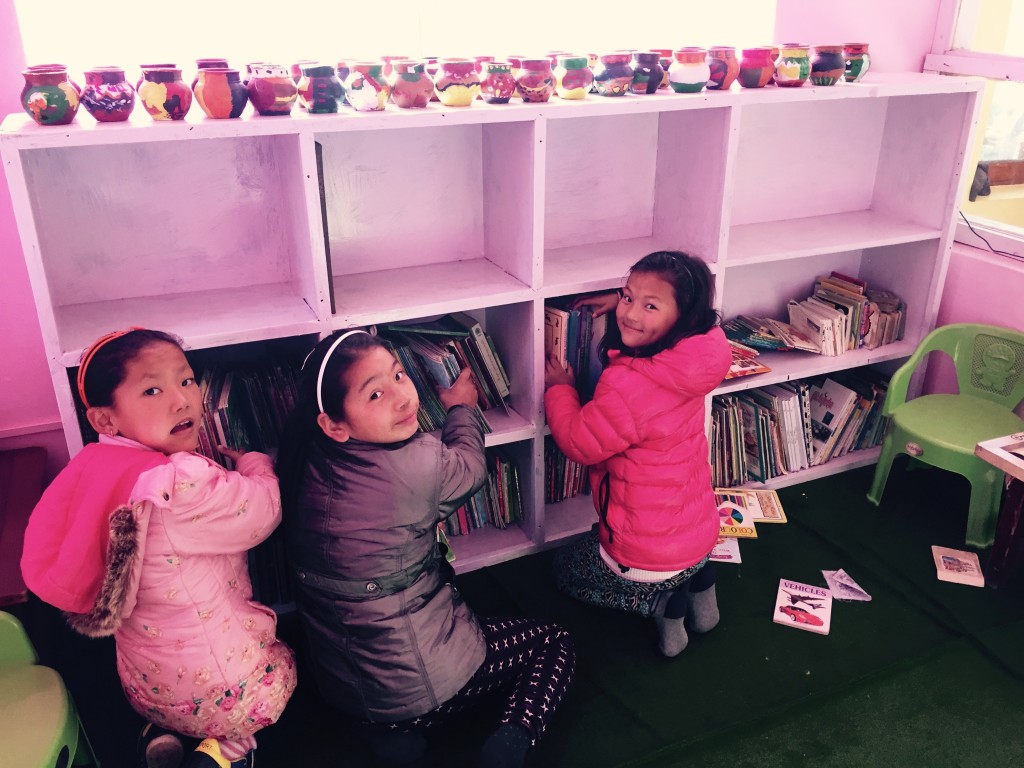
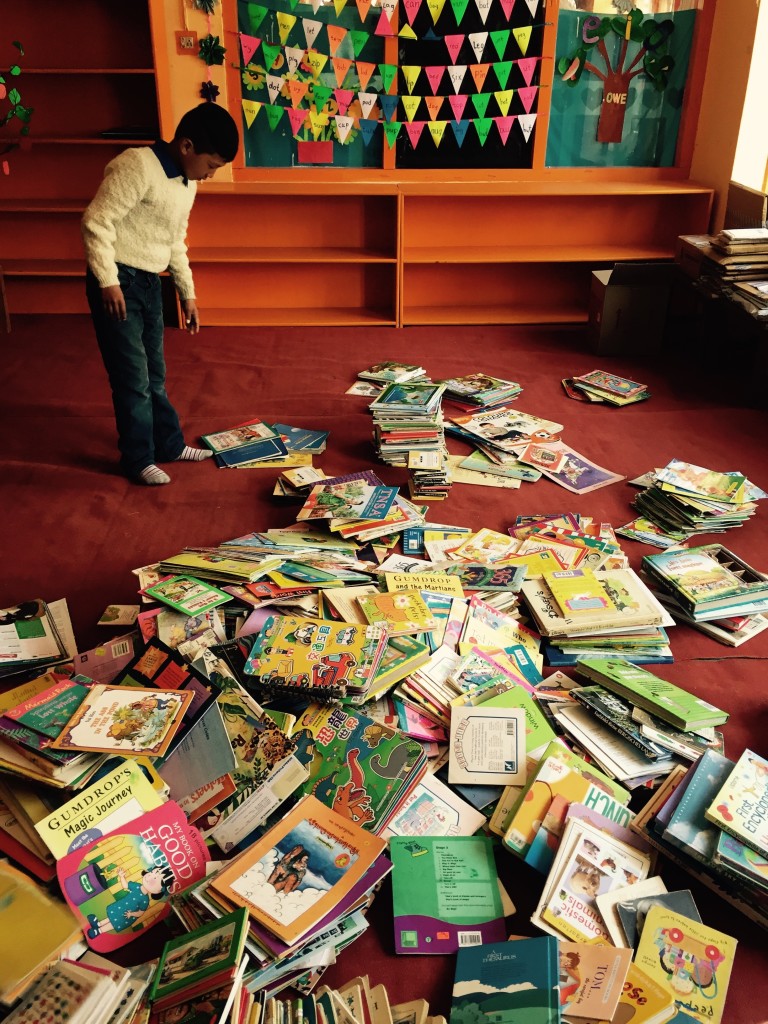
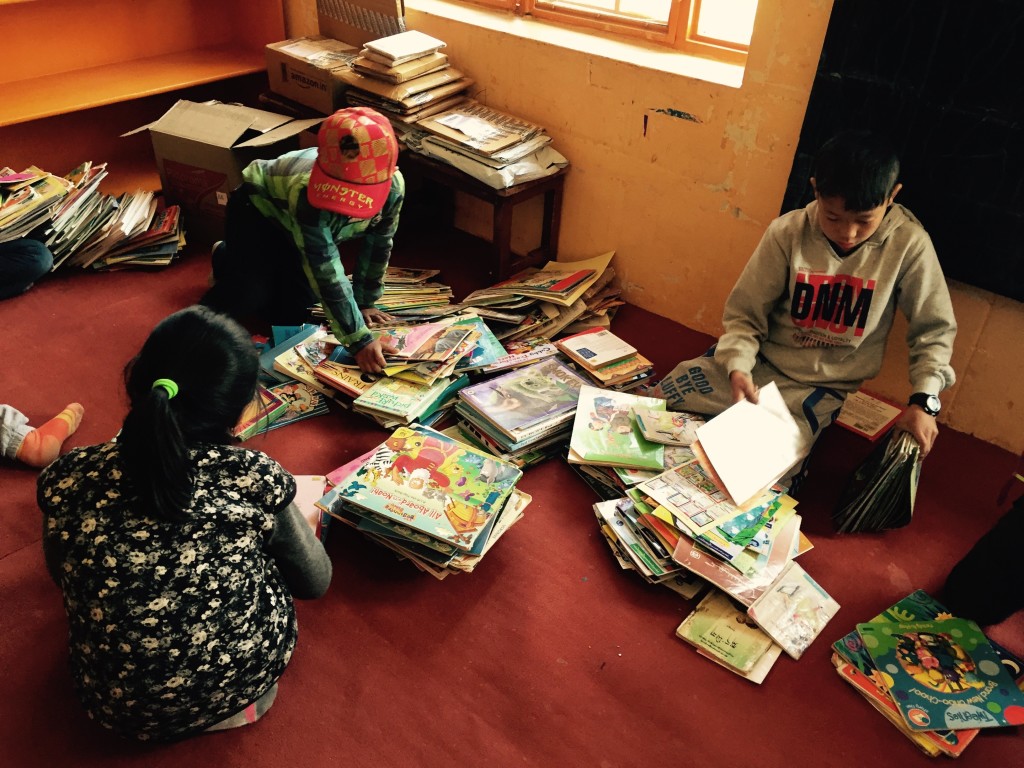
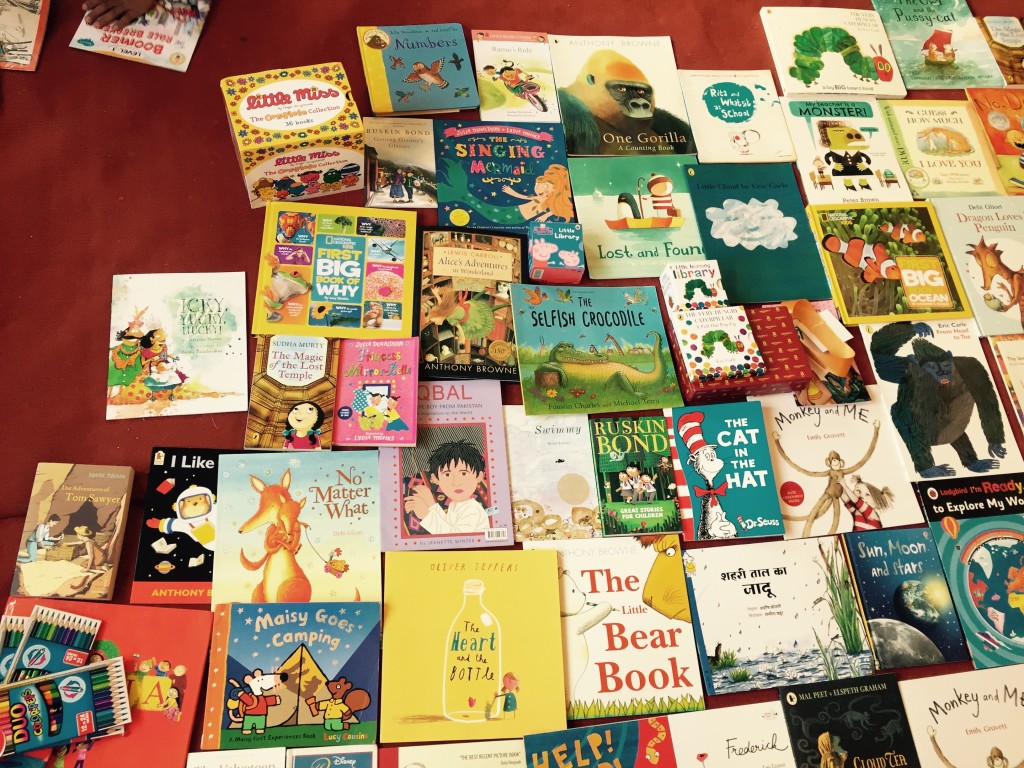
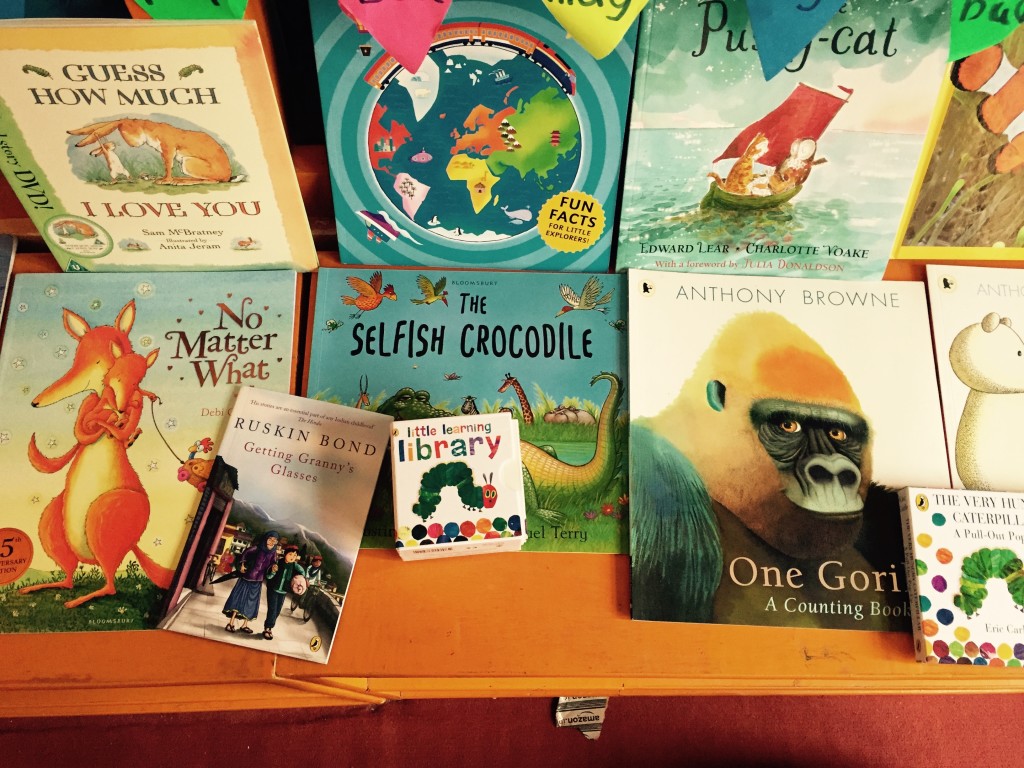
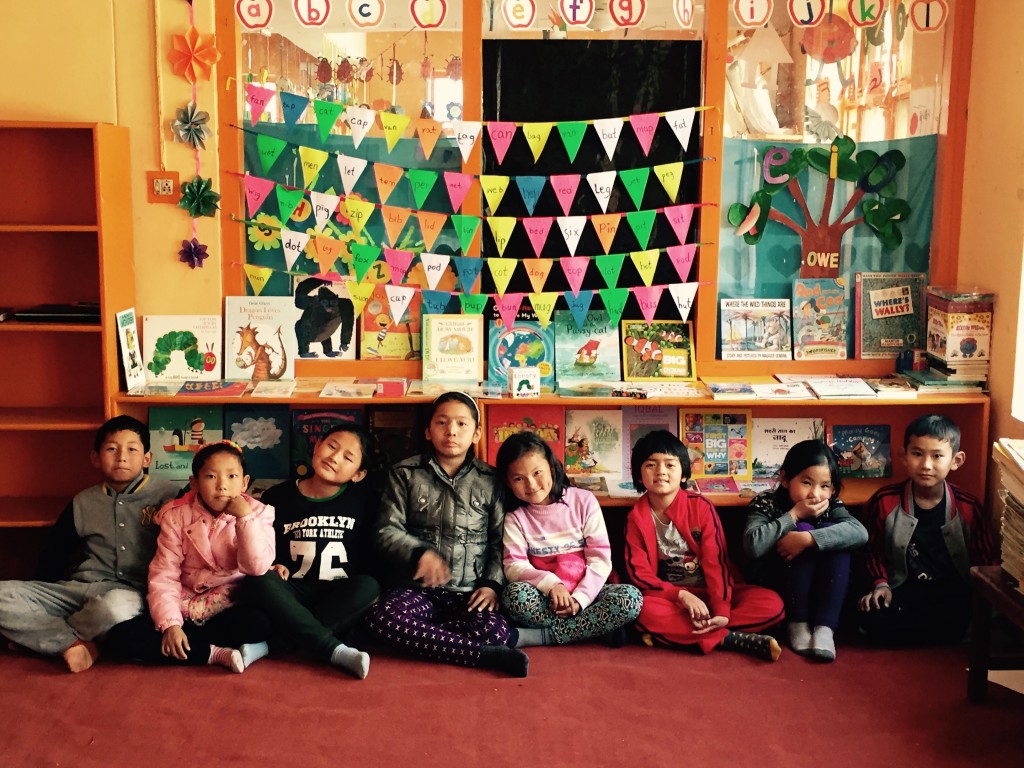
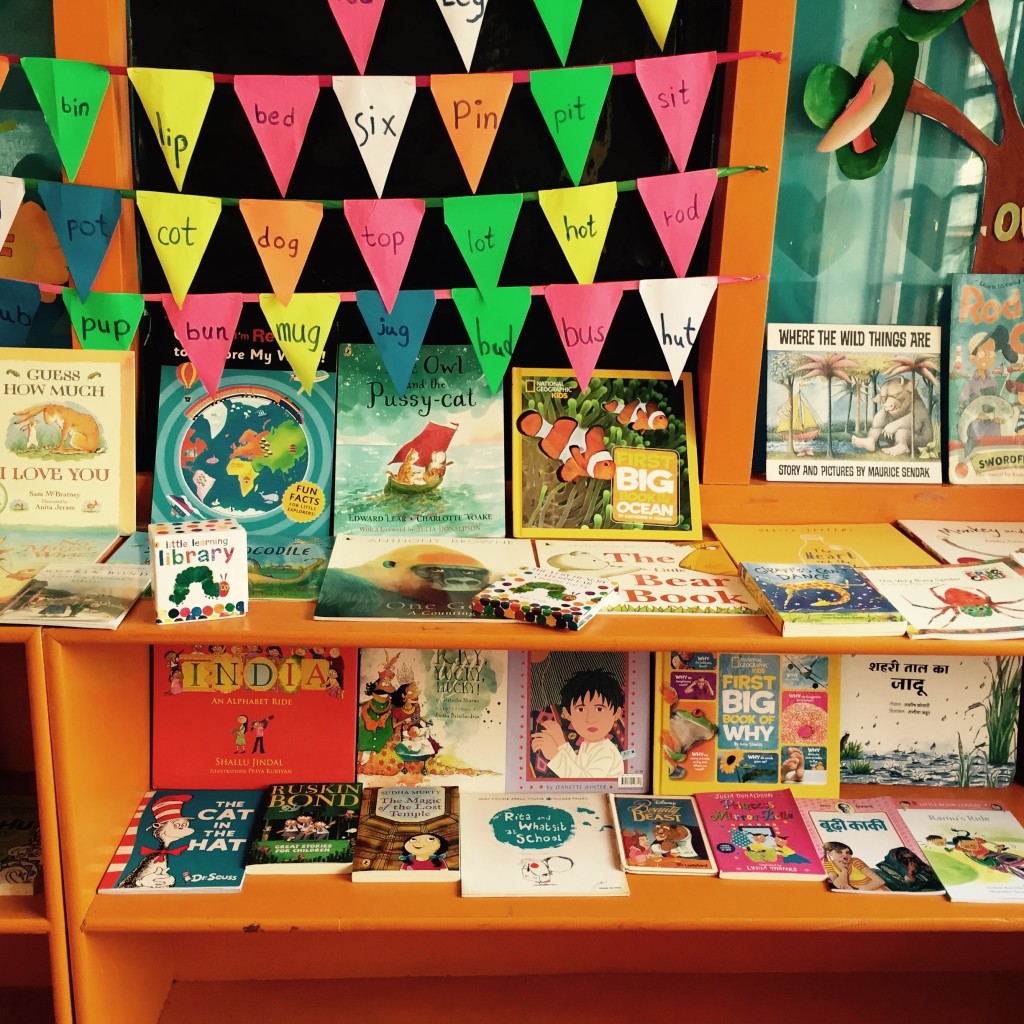
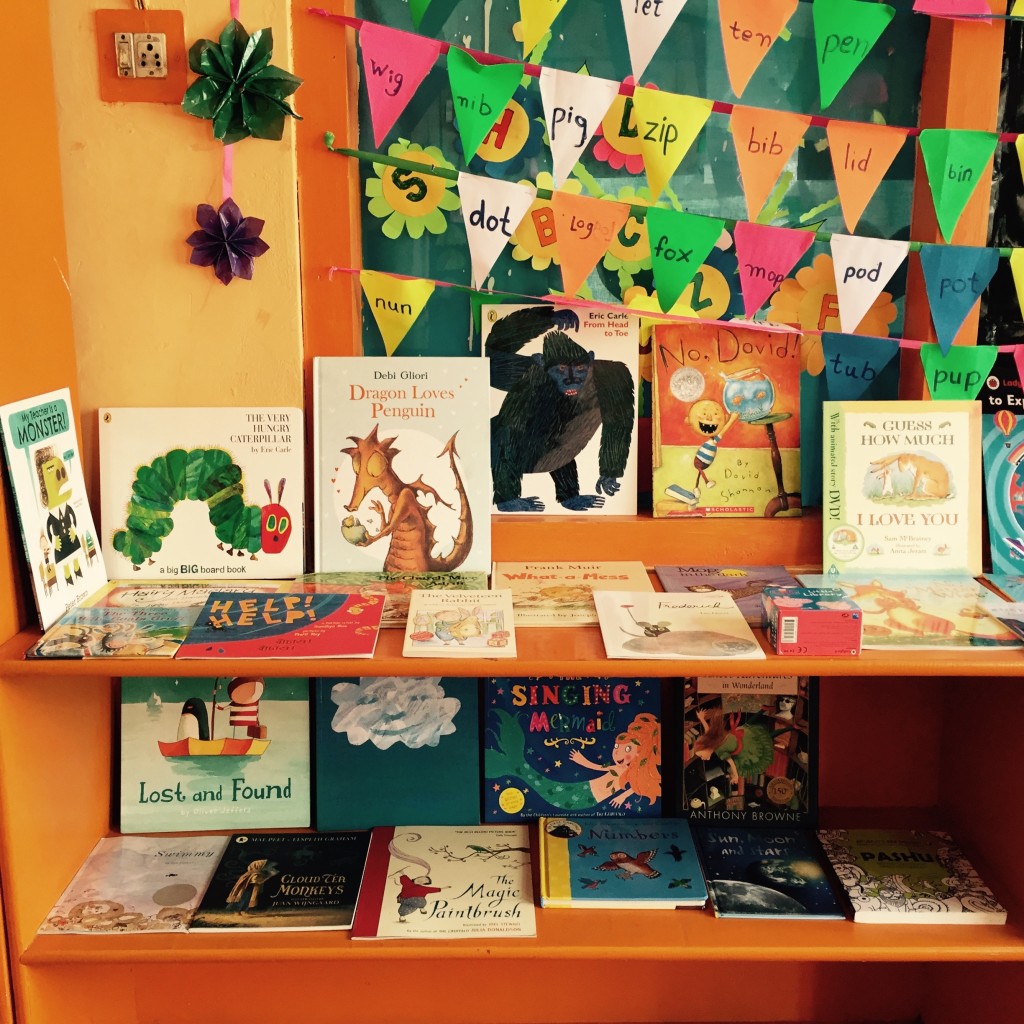
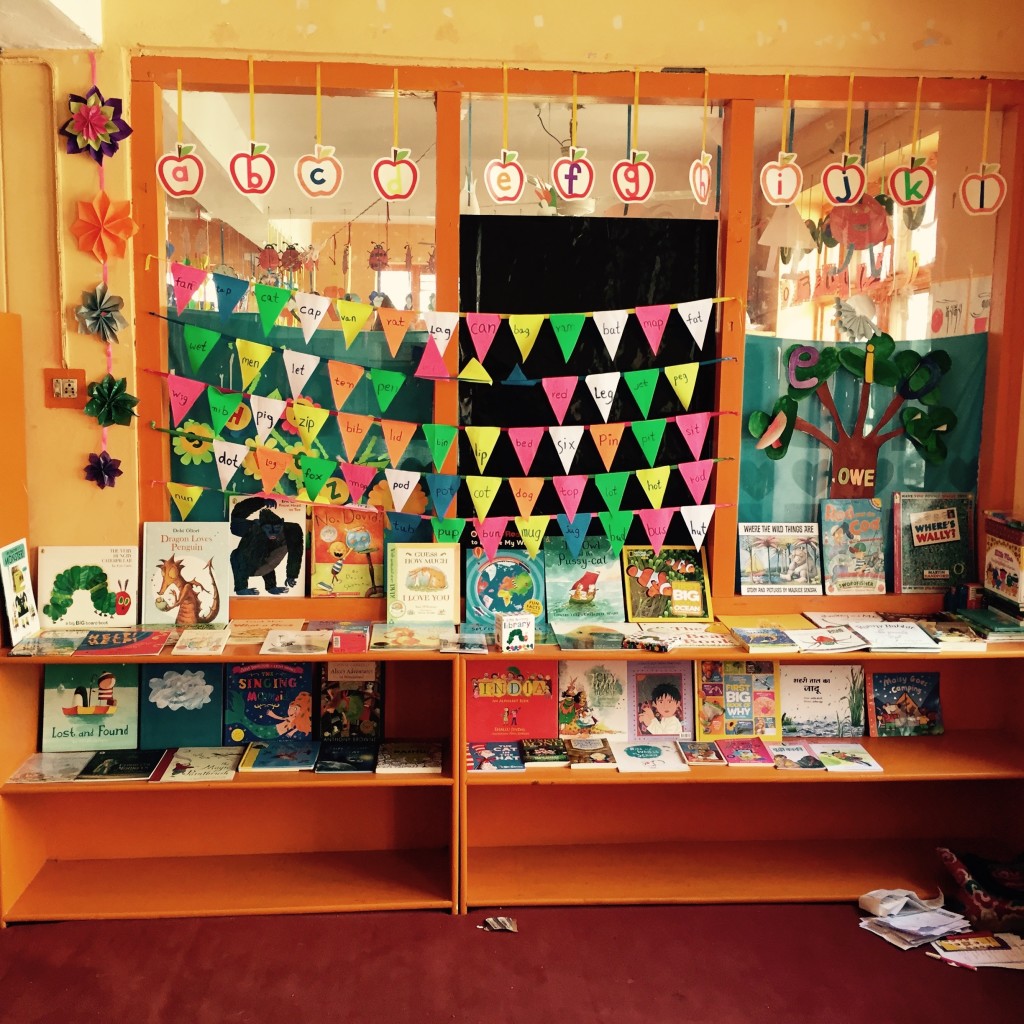
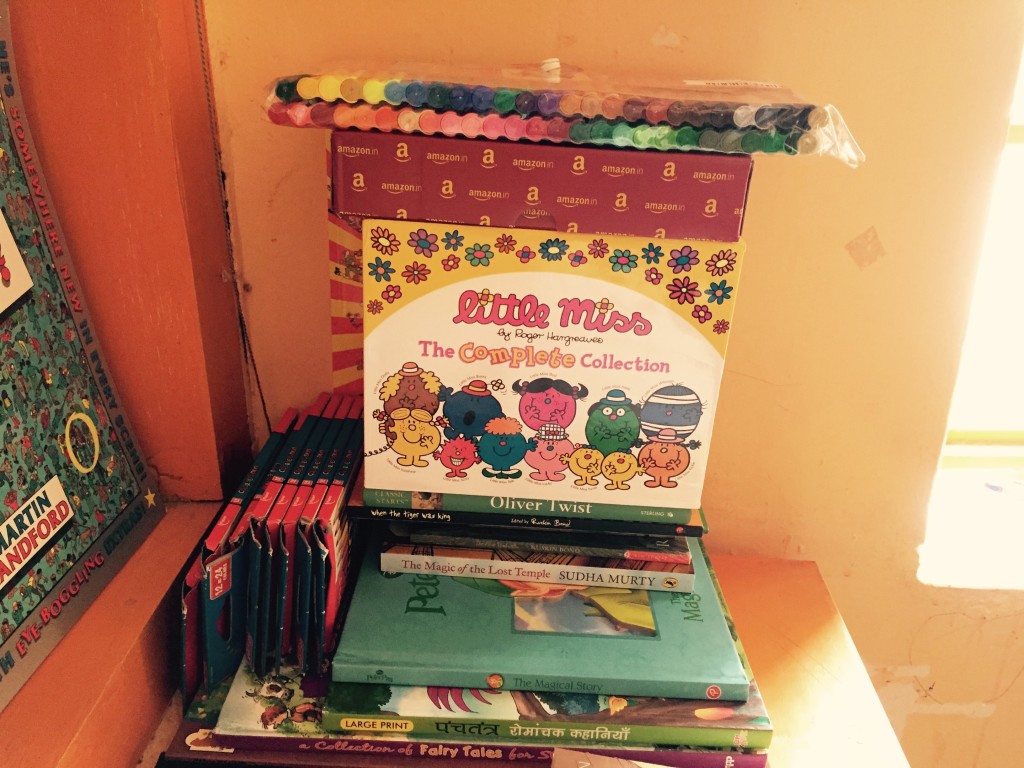
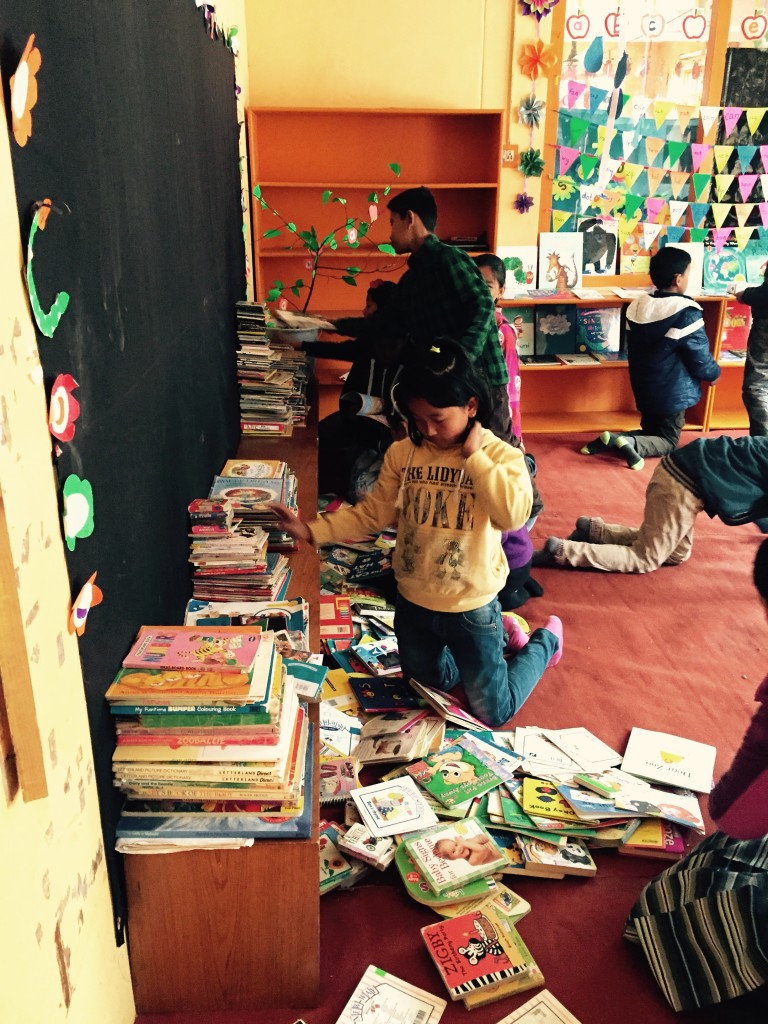
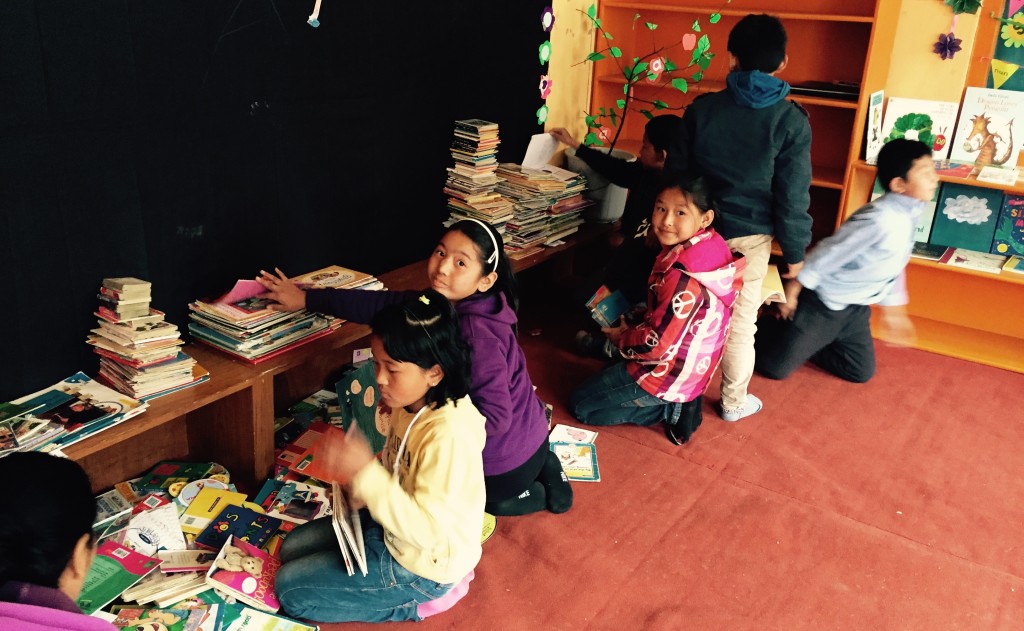
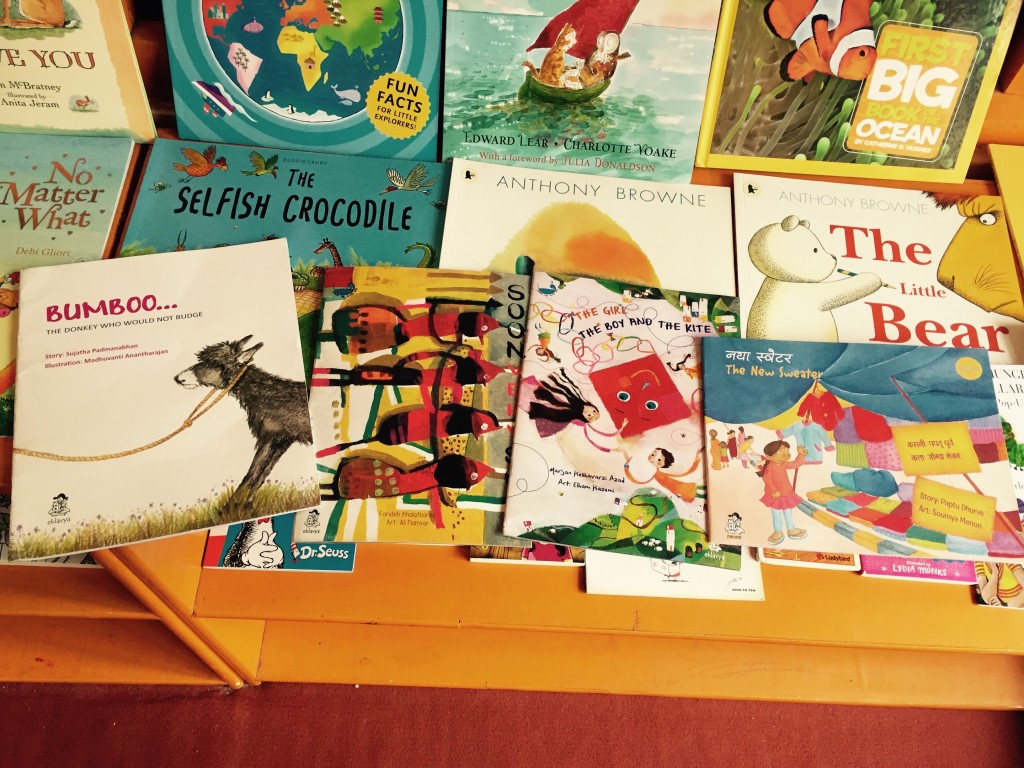
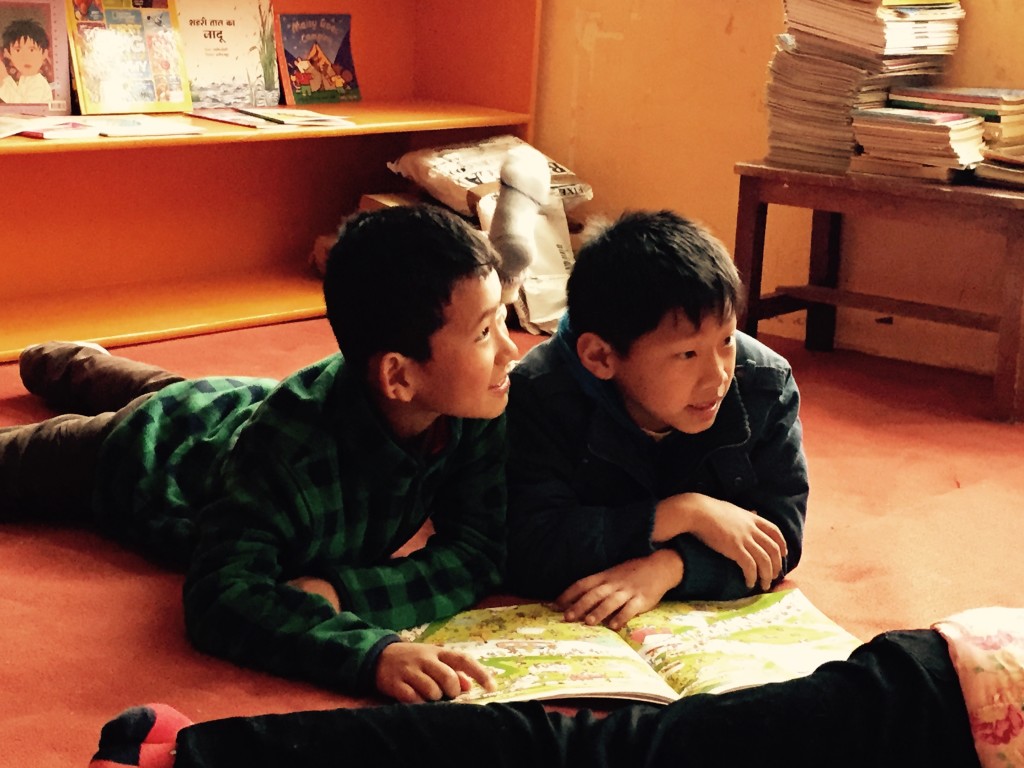
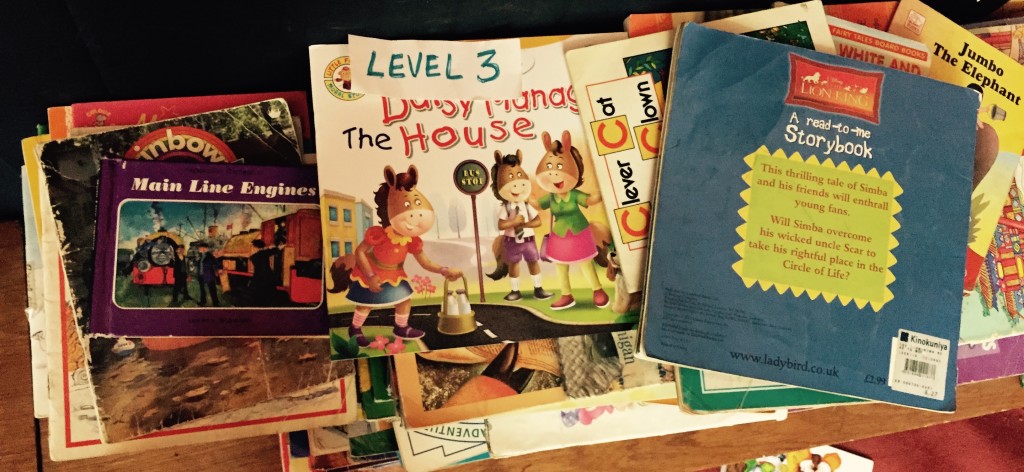
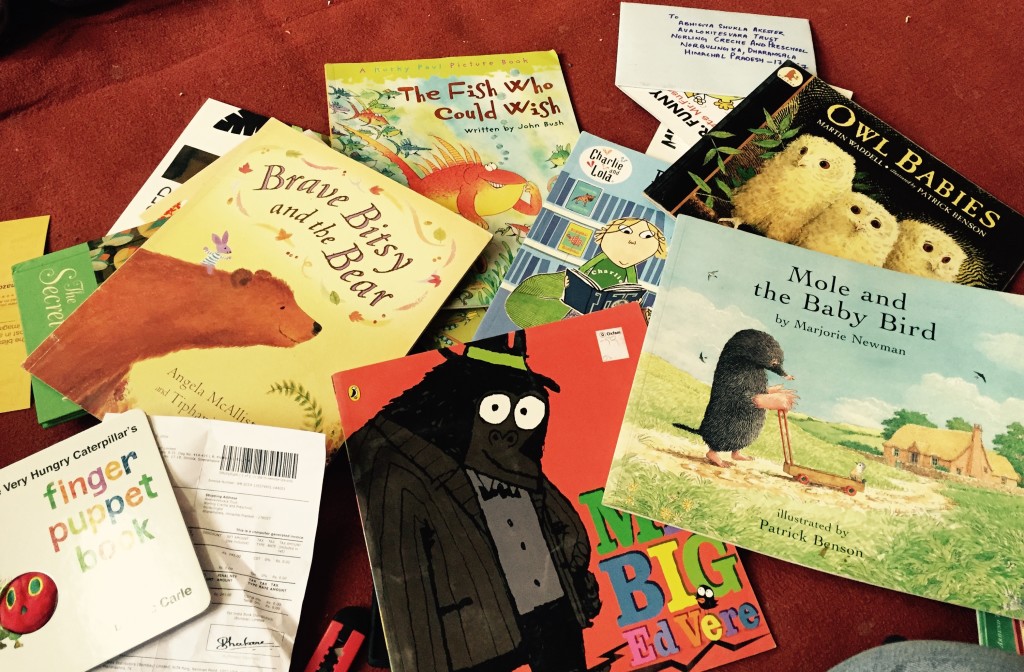
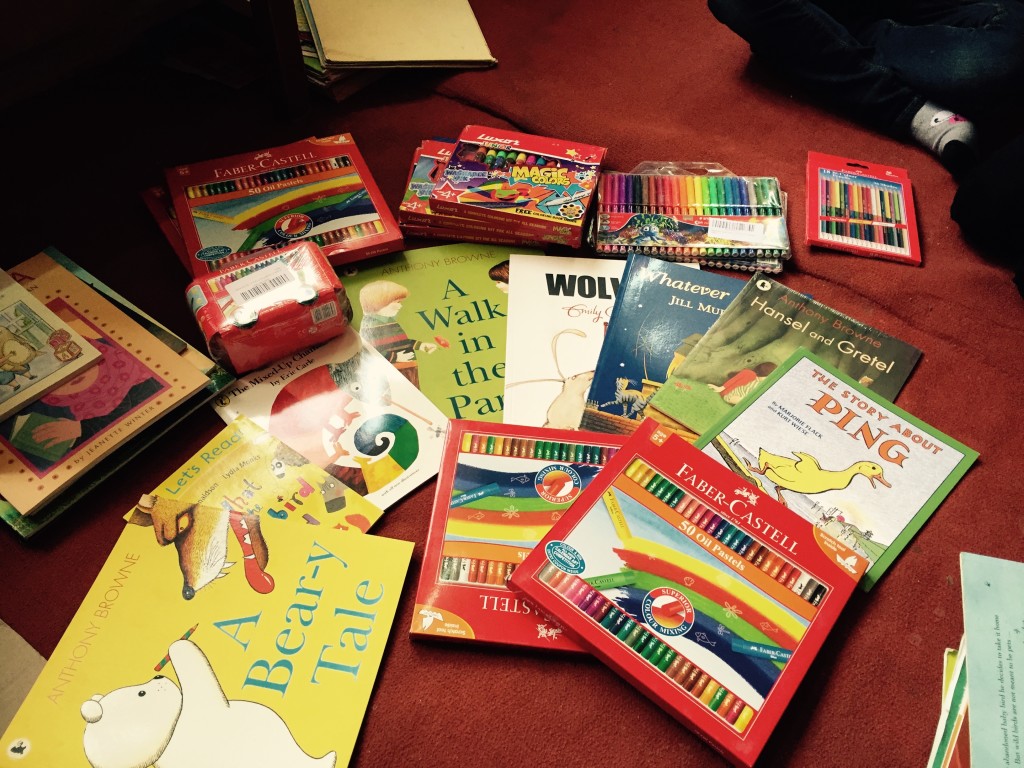
For Australian supporters, this is an important distinction. Funds directed towards books, reading rooms and educational activities can have a lasting effect, while a visiting volunteer contributes through time, care and responsiveness. The strongest contribution is often the ability to work with what is already available.
Making Practice Accessible
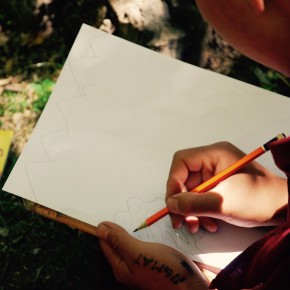
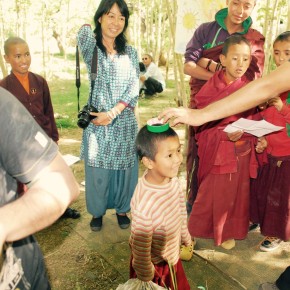
The most memorable classes used stories and games. Students moved like mountains, birds and trees, then practised stillness after the activity. Partner exercises encouraged trust without requiring physical contact. A simple group balance became a lesson in cooperation when everyone held hands or stood near a wall.
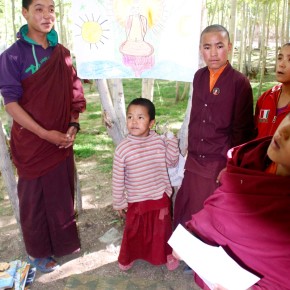
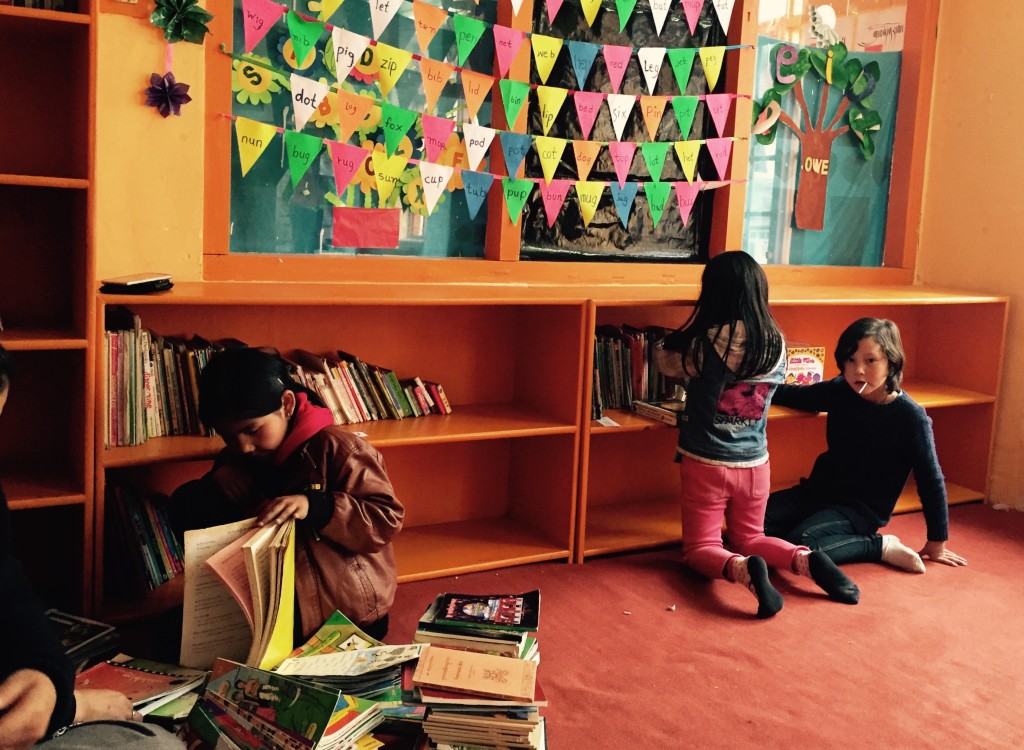
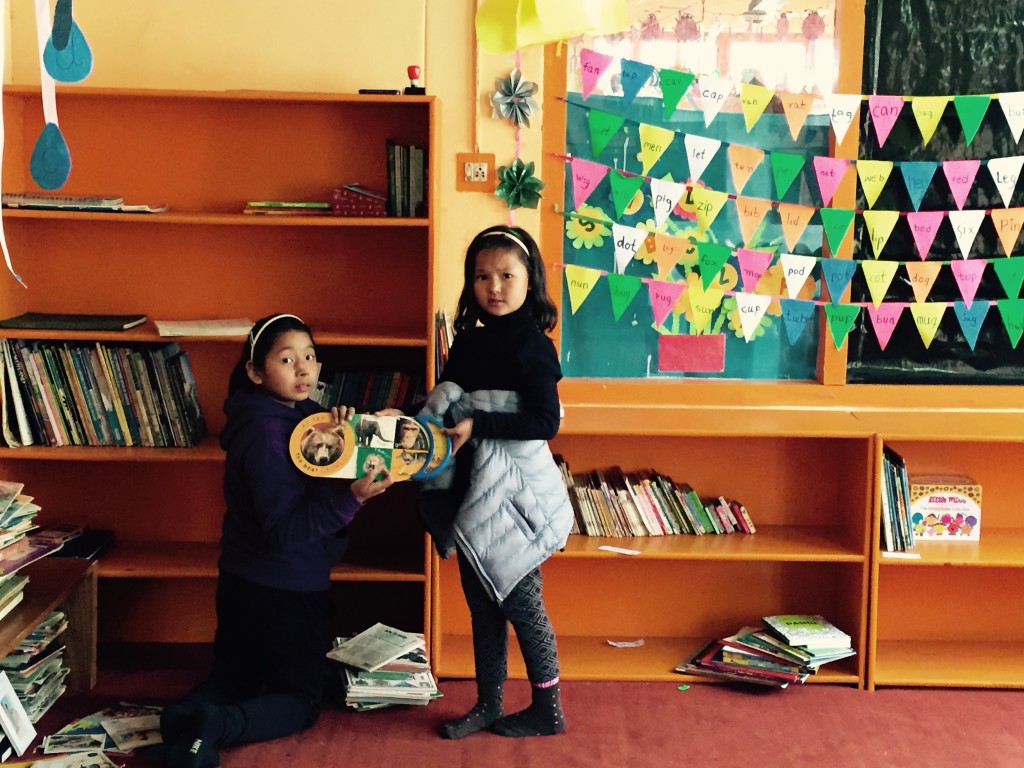
Music also helped bridge language differences. Rhythm made warm-ups easier to follow, and clapping patterns gave the group a shared beginning and ending. This connected naturally with the creative and musical activities supported by Avalokiteśvara Trust, where learning is treated as something lively, social and open to imagination.
A volunteer should also be prepared for mixed ages and abilities. Some children may be confident and physically active; others may be shy, recovering from illness or unfamiliar with group movement. Offering choices—standing or seated, eyes open or lowered, stillness or gentle motion—allowed every student to participate with dignity.
Small Practices That Travel Well
The practices below became reliable tools during the visit because they required little equipment and could be adjusted for different ages.
- Three slow breaths with hands resting on the belly or ribs
- Shoulder rolls and gentle neck movements after reading or study
- Tree pose beside a wall to develop balance without pressure
- A quiet listening game followed by one minute of stillness
- Lying down with feet supported by a folded blanket
These activities can also be useful in Australian schools, libraries and community groups. A reading room in Adelaide, for example, might use a two-minute stretch between storytelling and creative work. A volunteer team in Perth could include breathing games in a children’s holiday programme without presenting them as a formal yoga class.
The aim is to build body awareness and calm attention, not to create advanced practitioners. Clear consent, modest clothing, respectful language and sensitivity to local customs matter more than technical complexity. Volunteers should ask local staff how sessions can fit comfortably within the community’s routines.
Carrying Lessons Home
Returning to Australia, I noticed yoga differently. A crowded class in Melbourne, a warm community hall in Darwin or a dawn session near Sydney’s coast each offered useful reminders about access and context. The practice did not belong to one type of studio or one style of student. It could be adapted wherever people had enough room to breathe and pay attention.
The visit also changed how I think about giving. Australian donors may contribute through monthly support, book drives, workplace fundraising or gifts in Australian dollars. Volunteers may bring teaching skills, but they should listen first and avoid assuming that a short visit can solve long-term needs. Educational projects grow through trust, continuity and local leadership.
The young monks taught me that calm is not always silent and learning is not always solemn. A room full of movement, laughter and imperfect balances can still be a place of concentration. The next step is to set aside one regular practice this week, such as five minutes of breathing and stretching, and dedicate it to the children and communities supported through the Trust.