A Volunteer's Diary: Teaching Origami in a High-Altitude Classroom
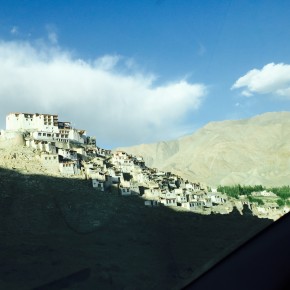
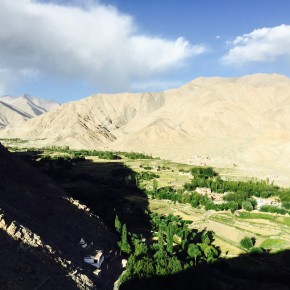
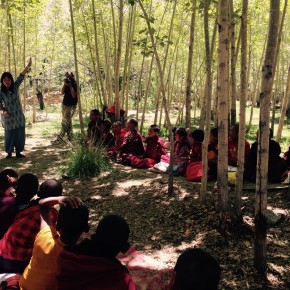
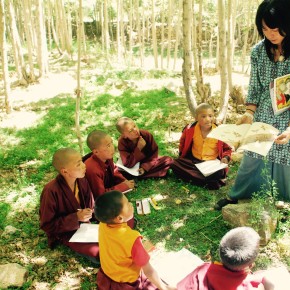
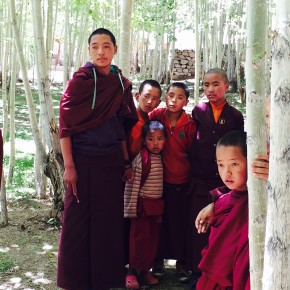
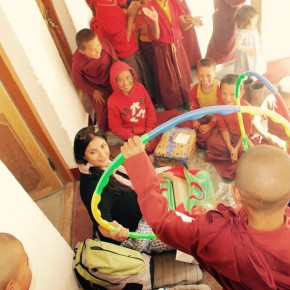
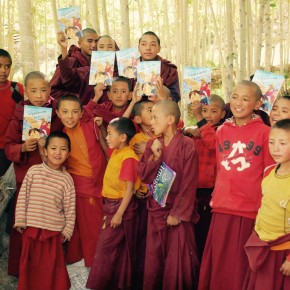
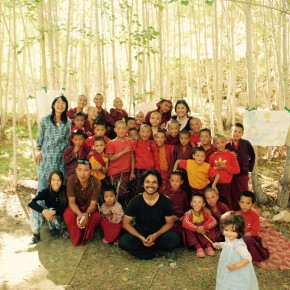
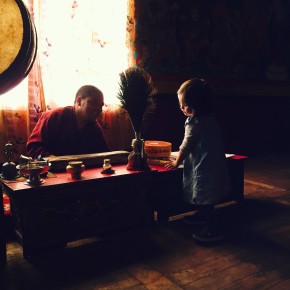
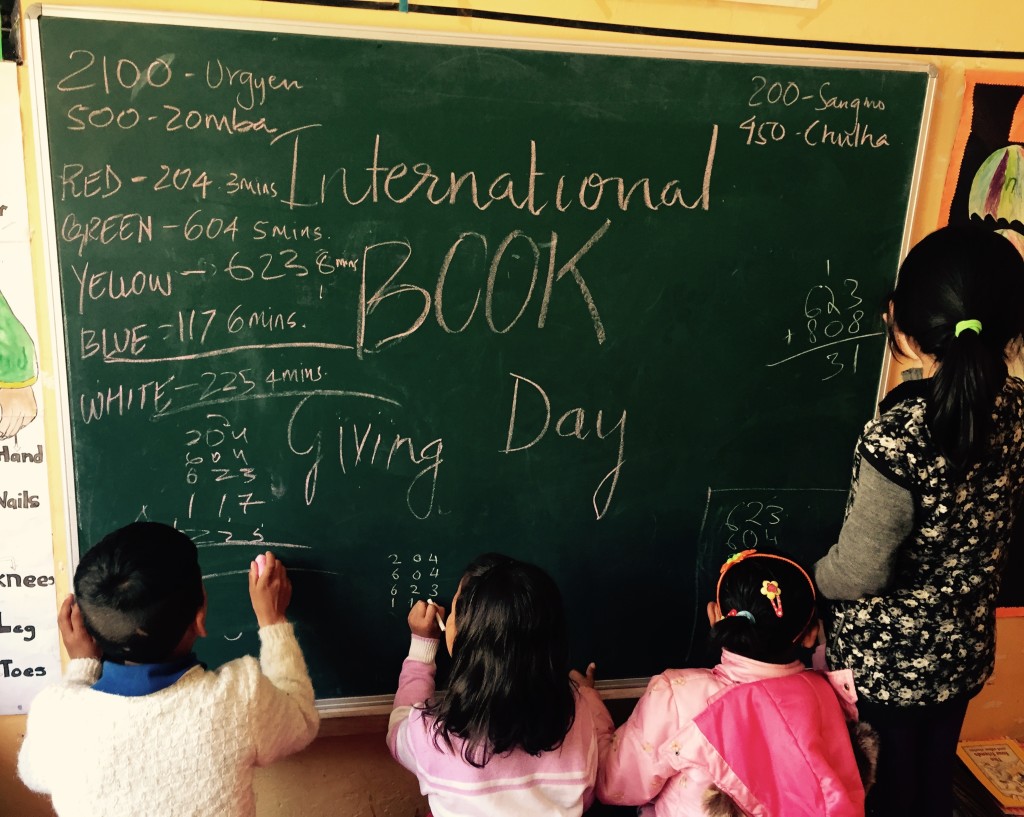
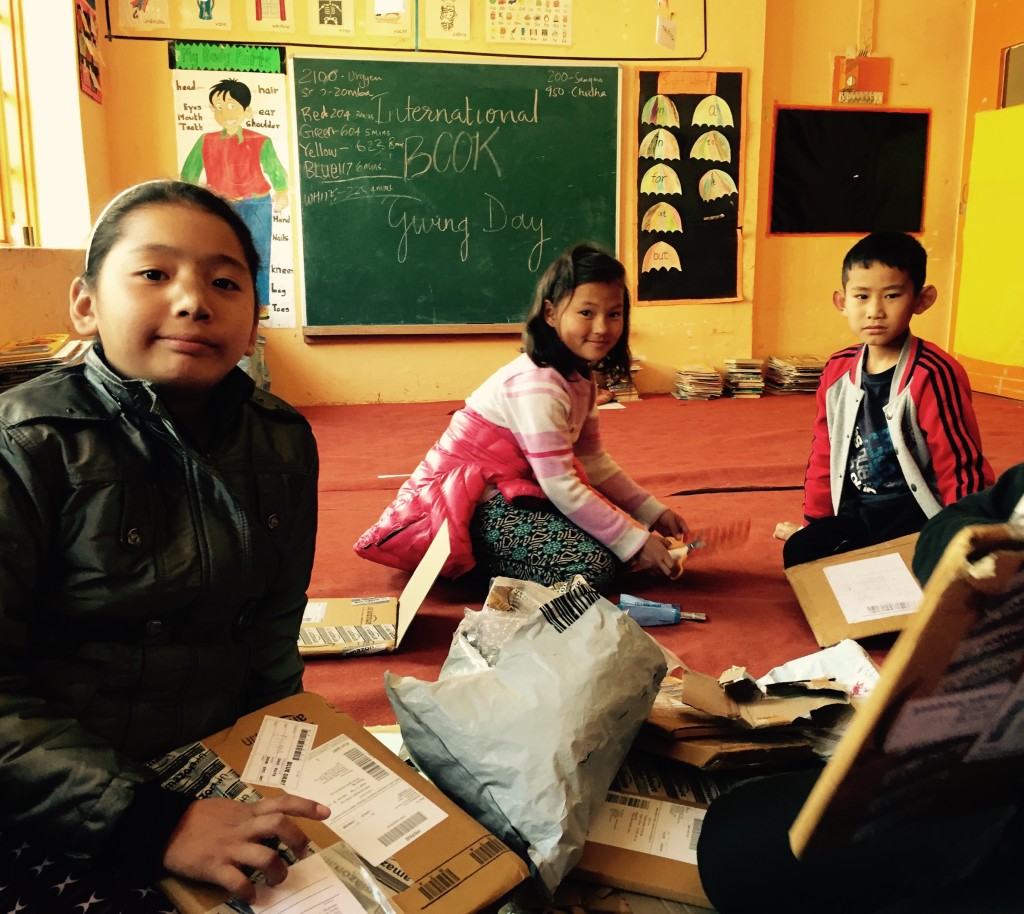
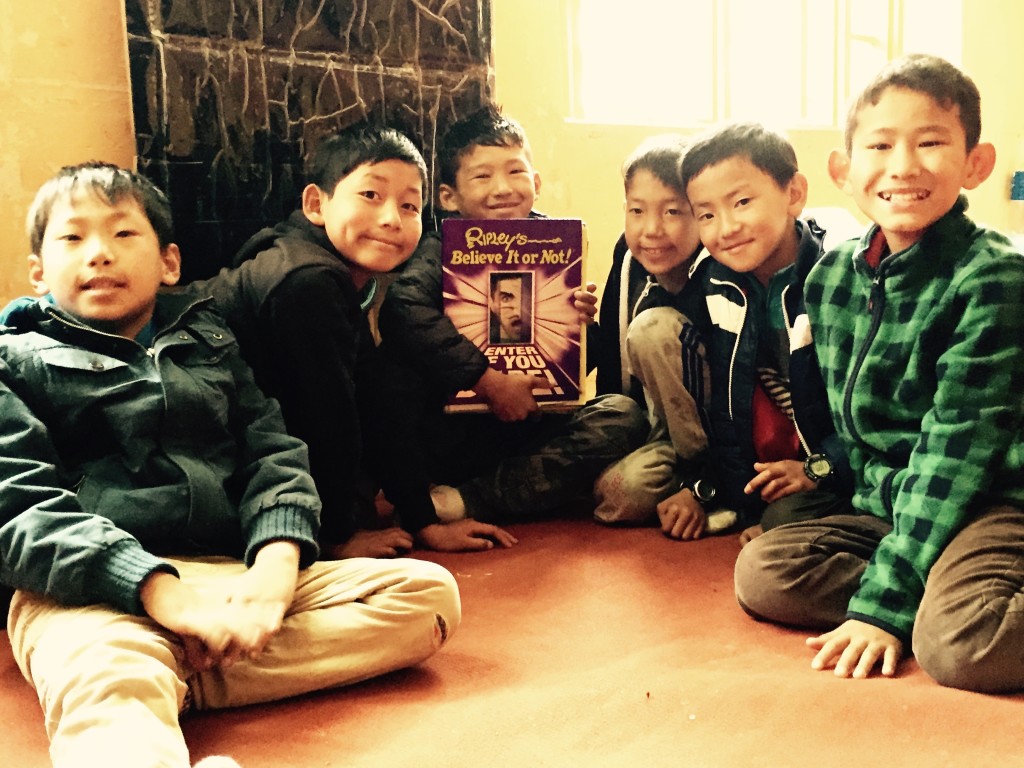
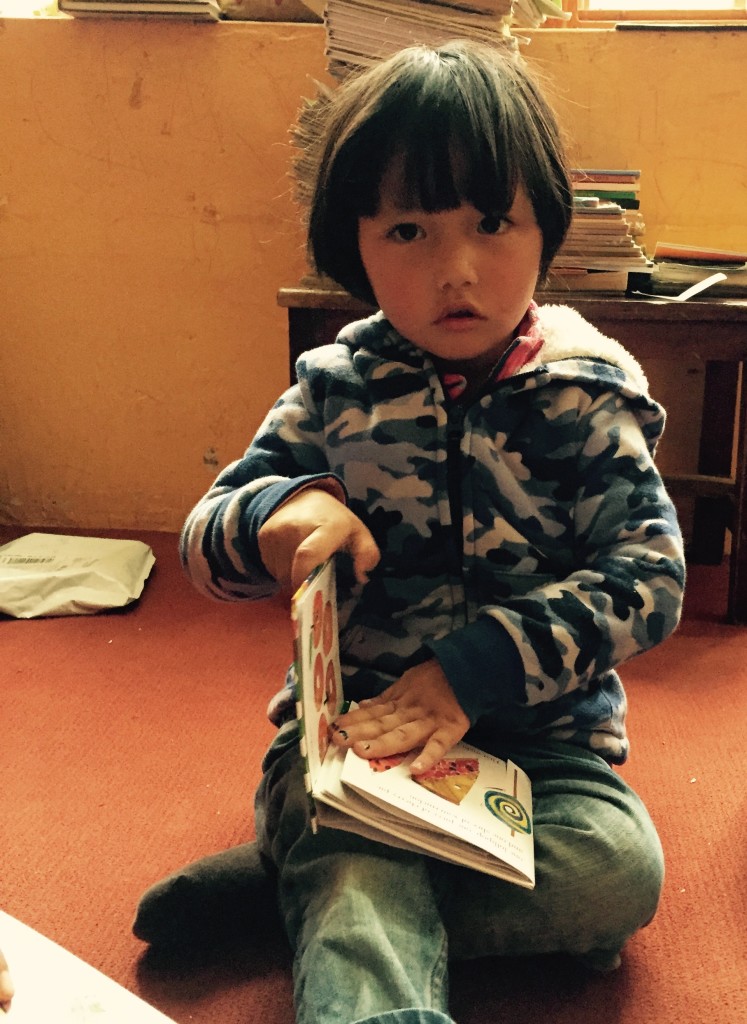
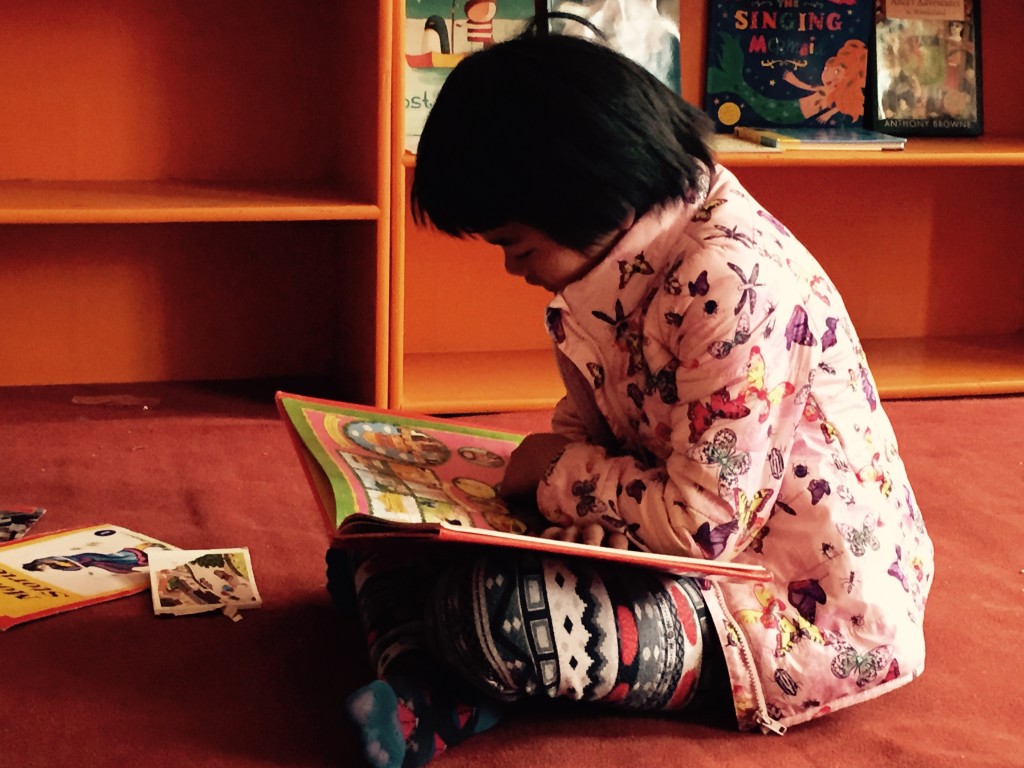
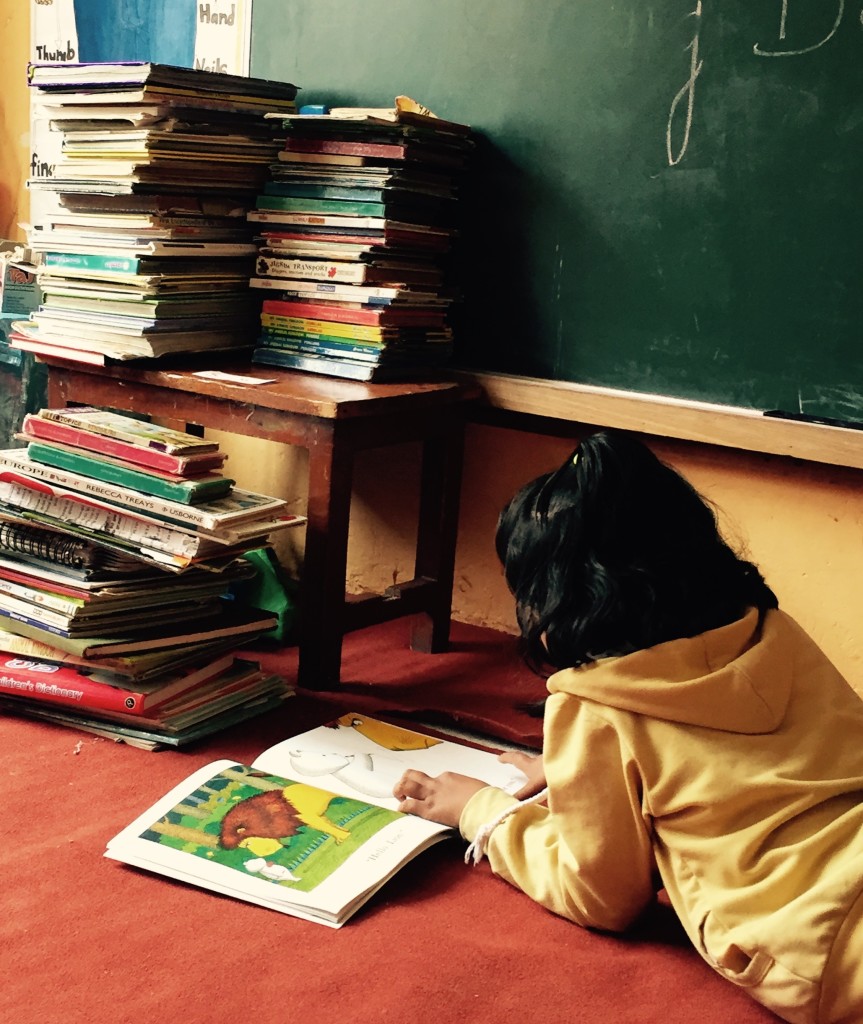
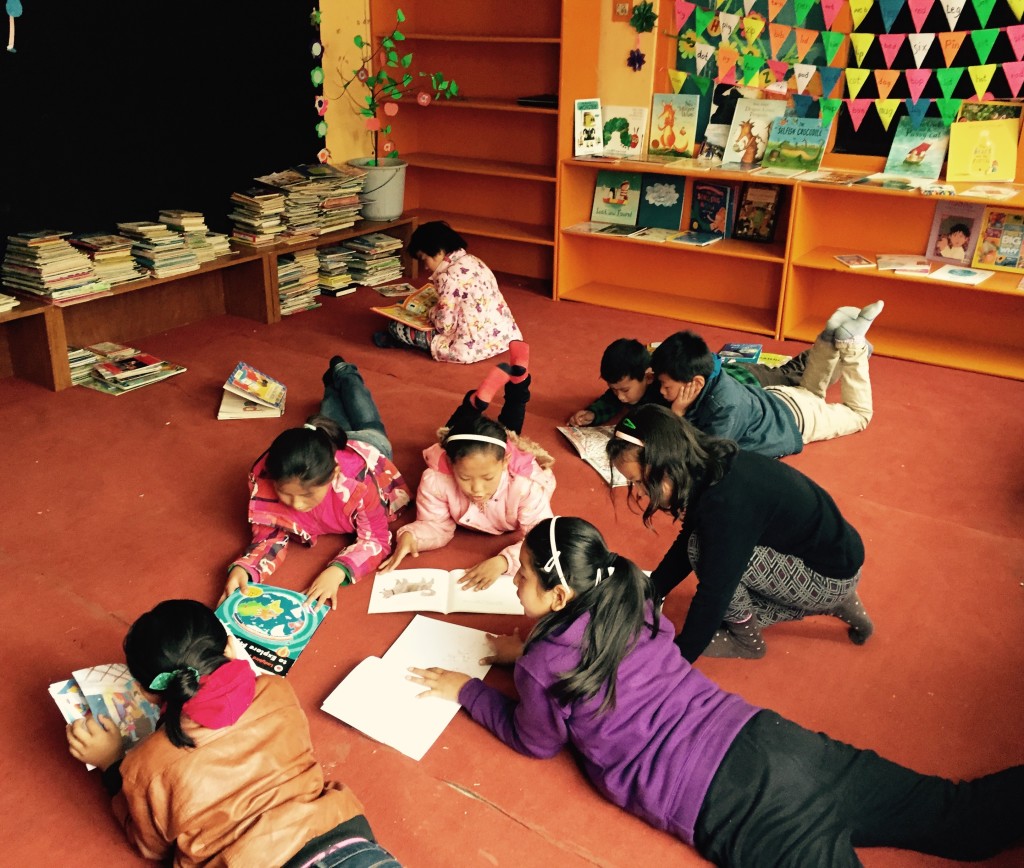
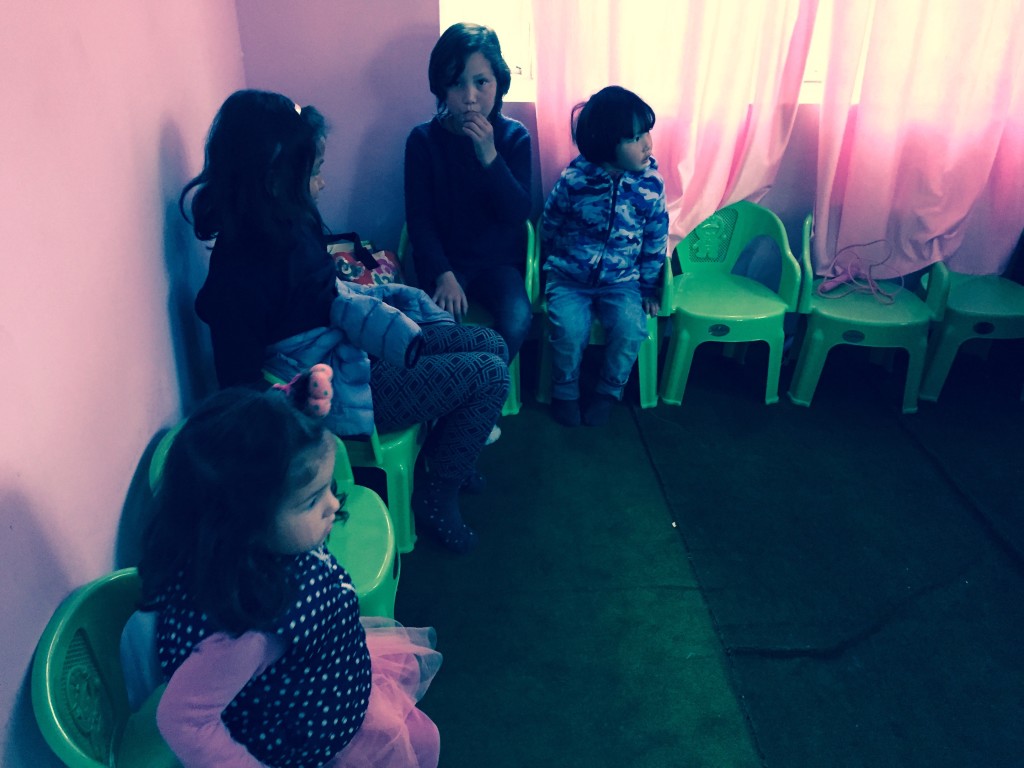
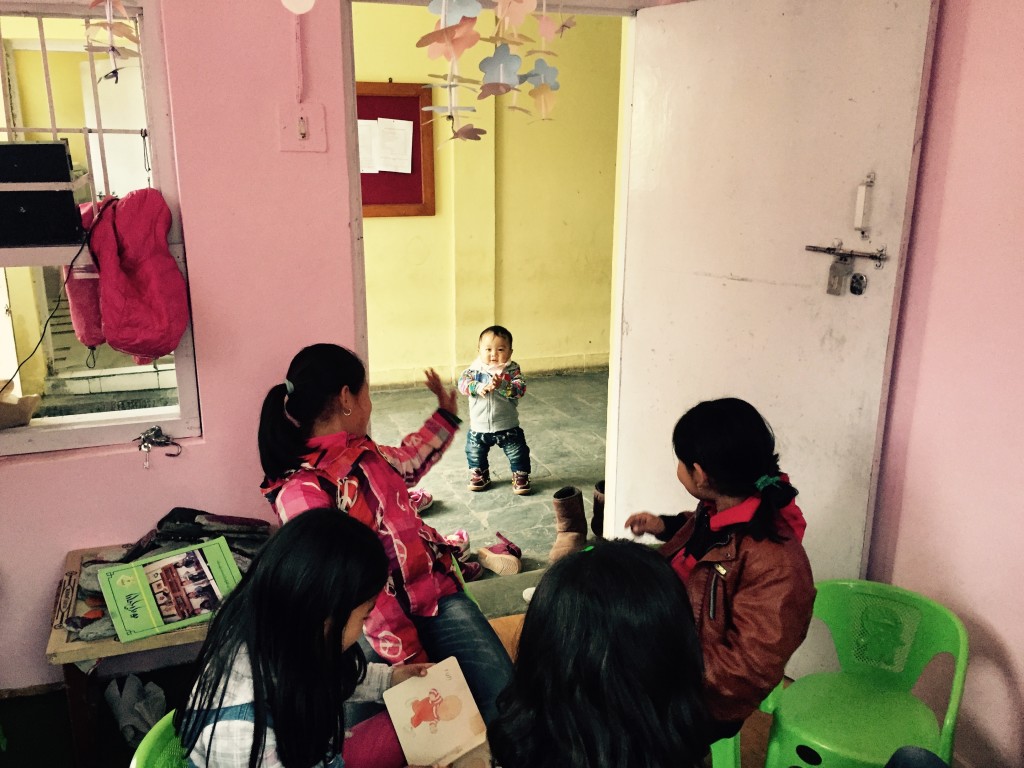
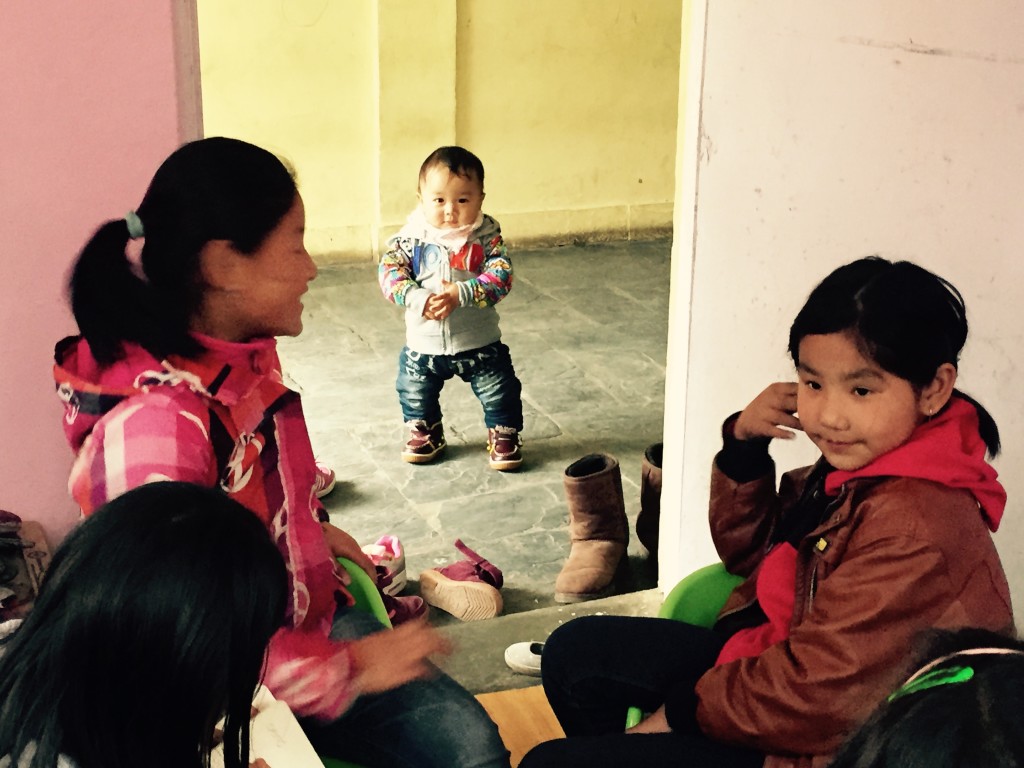
The classroom stood above a broad Himalayan valley, where sunlight fell sharply across the mountains and the air felt thin even after several days of adjustment. Inside, the room was warm with conversation. Children gathered around low tables, young monks arranged their notebooks in neat piles, and a bundle of colored paper waited to become something unexpected.
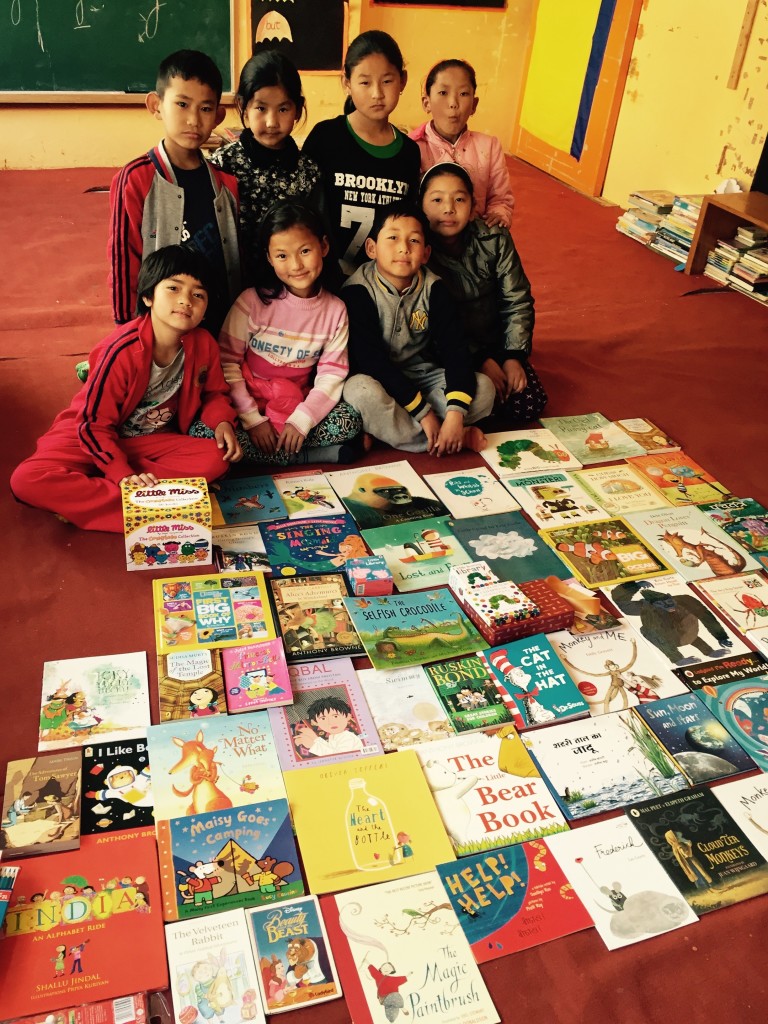
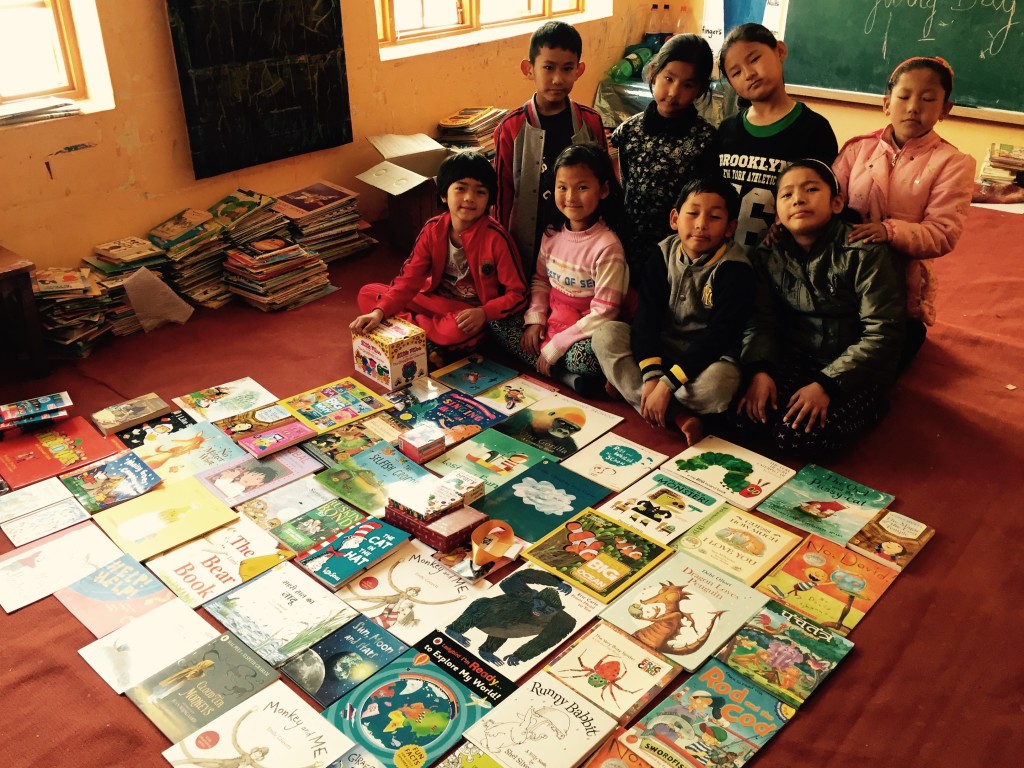
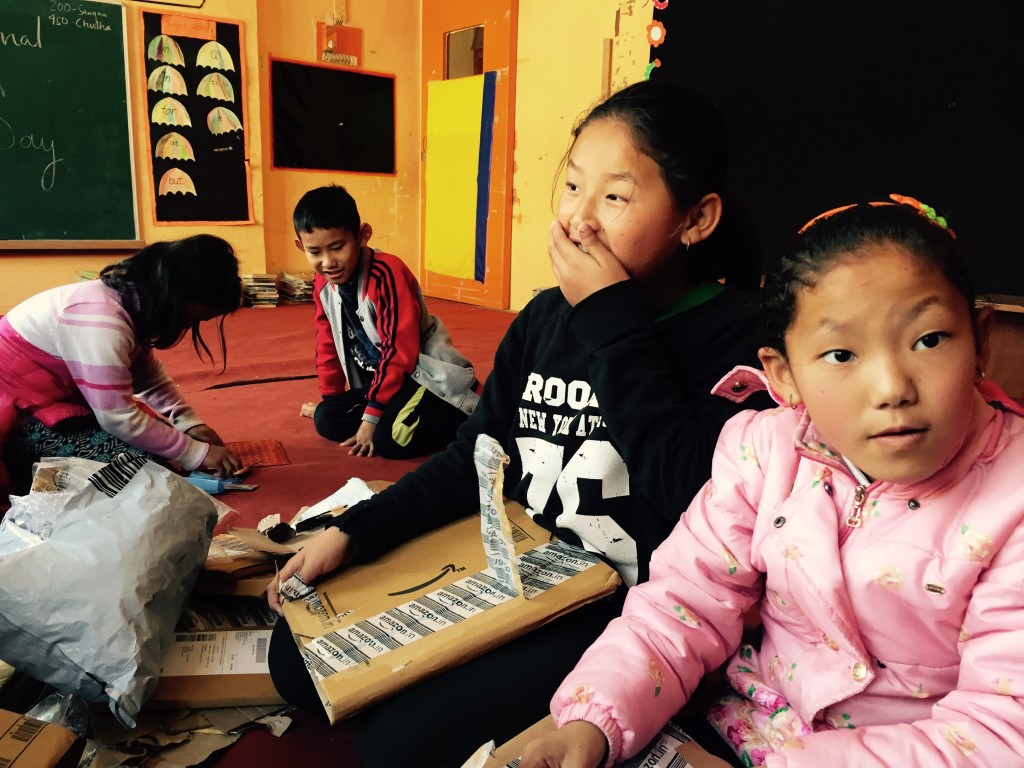
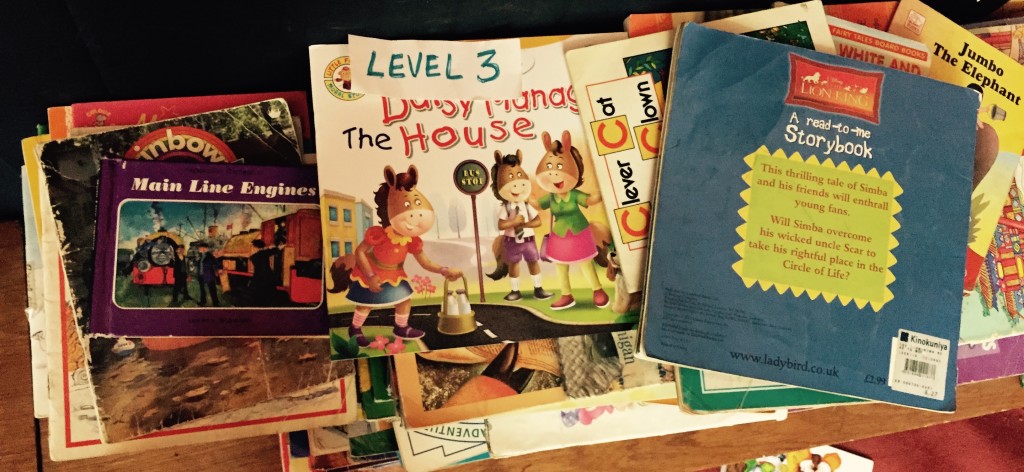
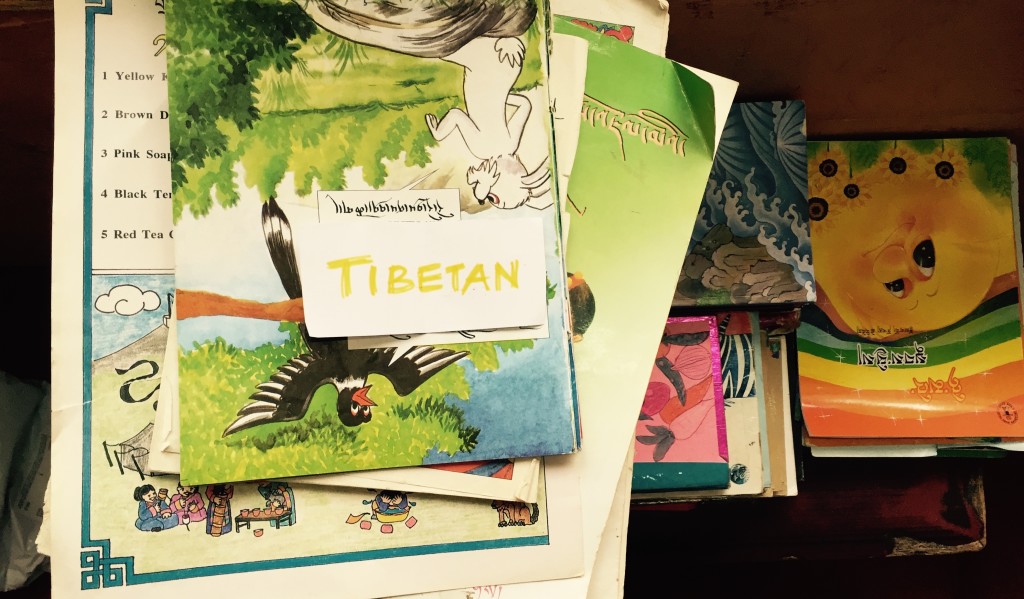
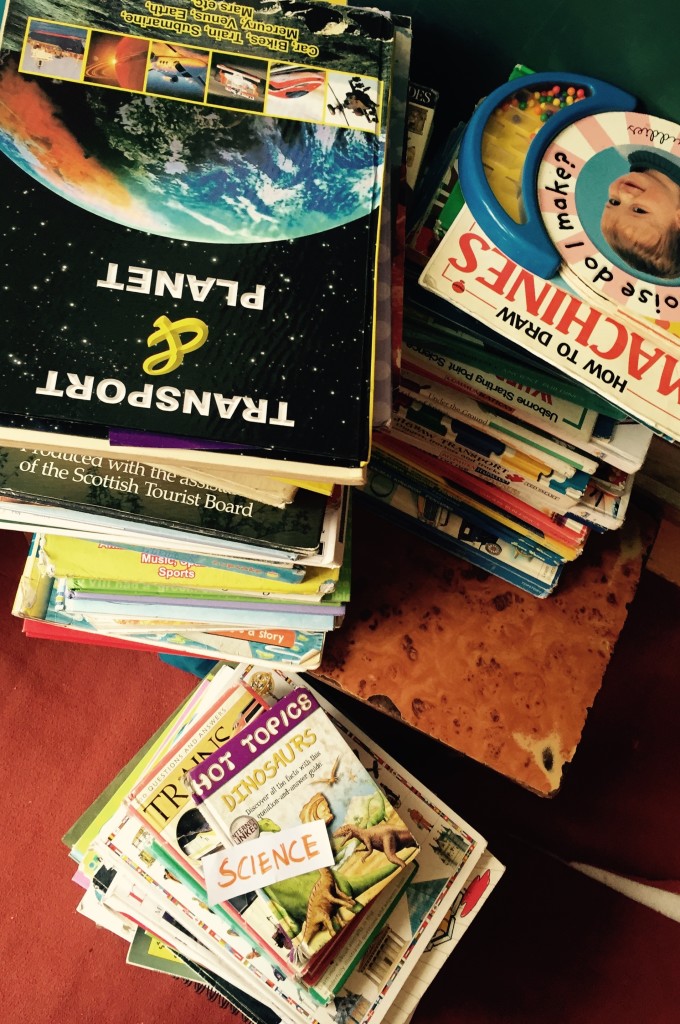
I had come to support the educational activities of Avalokiteśvara Trust, an organization that helps children and young monks access books, creative learning, and welcoming spaces for study. My particular assignment was simple to describe: introduce origami. The real task was more meaningful—to make creativity feel available to everyone, even with limited materials and unfamiliar instructions.
Arriving With Paper And Patience
On the first morning, I carried paper squares, pencils, picture cards, and a small folder of sample models. The journey had taught me to pack carefully. At high altitude, every item has to earn its place, and classroom supplies are especially valuable when the nearest shop is far away. A packet of bright paper can become a lesson, a decoration, a gift, and a reason to gather.
The children were curious but cautious. Some watched my hands closely; others reached for paper immediately and began experimenting. The young monks asked whether the activity had a correct answer. I told them that a finished crane or flower could look different from the example and still be successful. That idea became the first lesson.
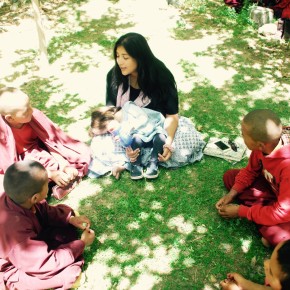
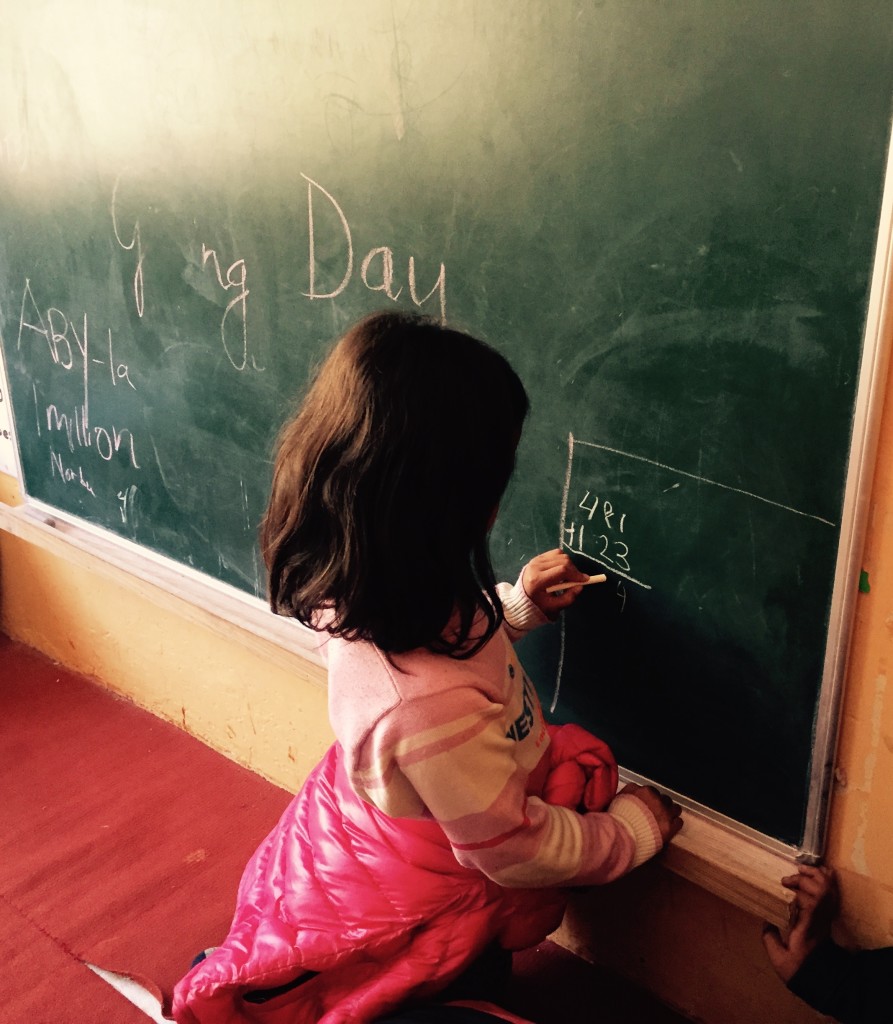
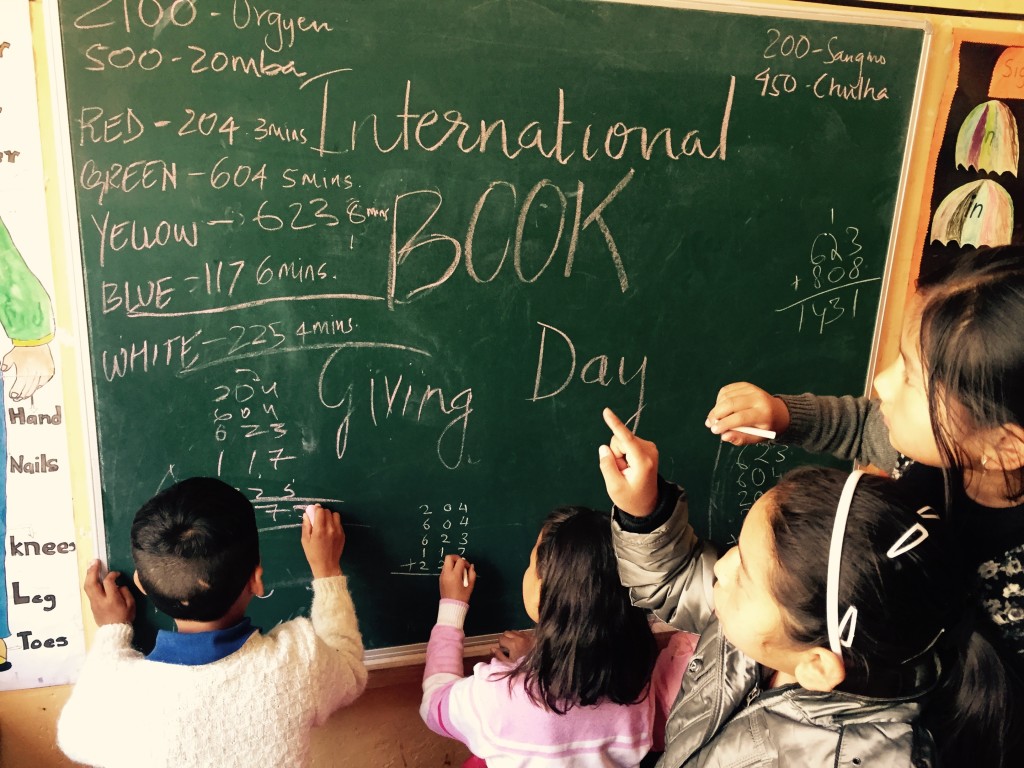
I quickly learned that teaching in a Himalayan classroom required patience in practical ways. Instructions had to be brief, demonstrations had to be visible from every seat, and pauses mattered. A cold room, a busy schedule, or a student still building confidence with English could affect concentration. Folding paper gave us a quiet, flexible way to work together.
The First Fold
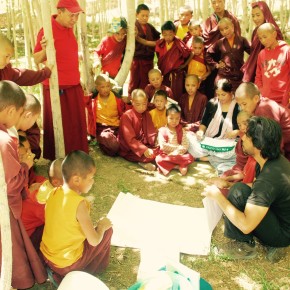
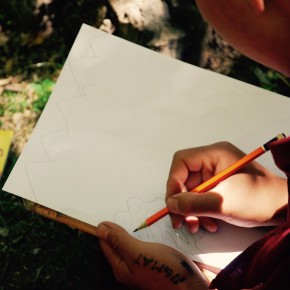
We began with the simplest shapes: a valley fold, a mountain fold, and a careful crease made with the side of a finger. I demonstrated each movement slowly, then unfolded the paper so the children could see the line left behind. Instead of giving a long explanation, I repeated the process several times and invited the group to copy one step at a time.
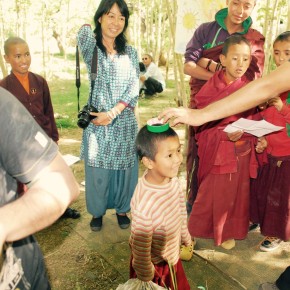
Our first project was a paper boat. It was familiar enough to feel approachable, yet it introduced symmetry, sequence, and spatial awareness. A few children finished quickly and decorated their boats with windows and flags. Others needed help opening the folded layers without tearing them. Every table developed its own rhythm, with students showing one another how to turn the paper.
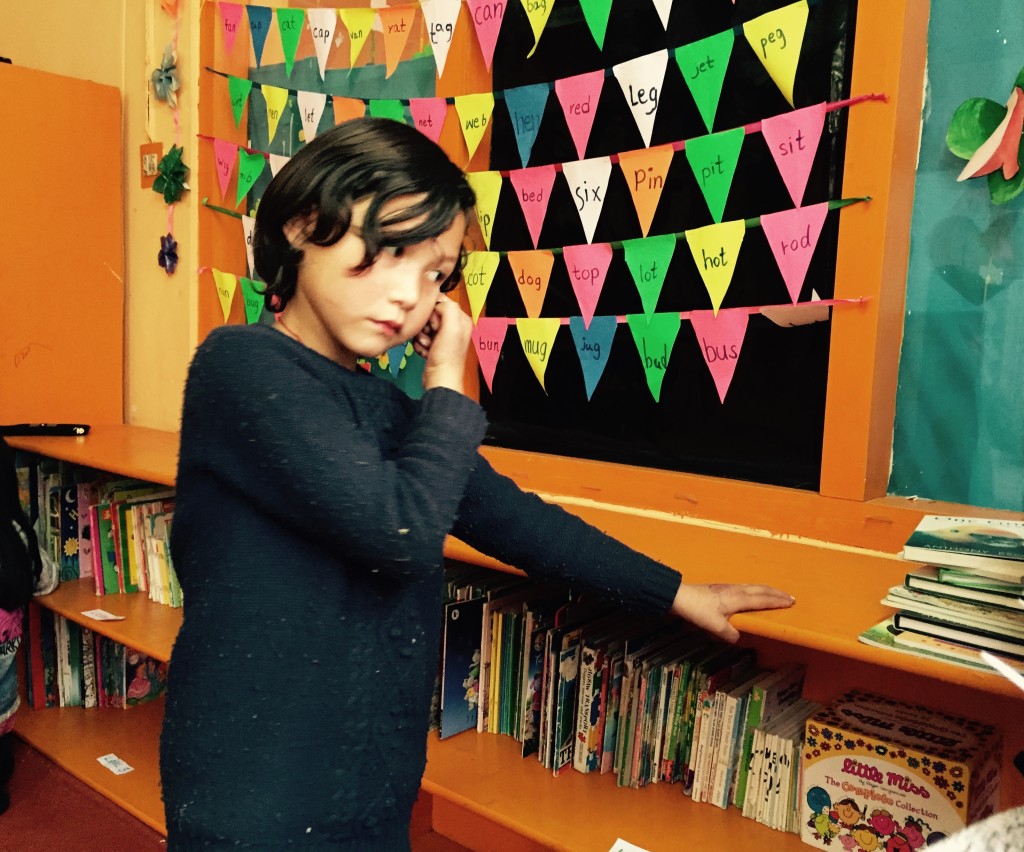
The activity also created natural opportunities for language practice. We used words such as corner, edge, center, inside, outside, press, turn, and unfold. Children pointed, repeated, and demonstrated the meaning. A craft project became a small literacy exercise, linking spoken vocabulary with movement and visual memory.
When A Craft Becomes A Conversation
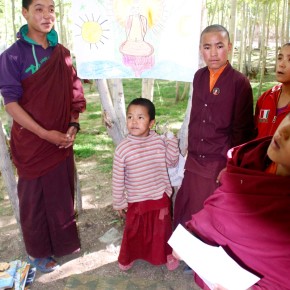
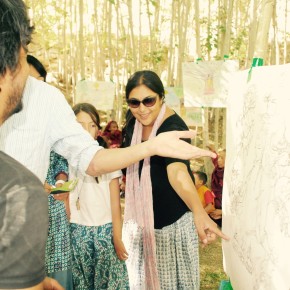
By the third session, the room had changed. Students began arriving with ideas for what they wanted to make. One group requested birds, another wanted flowers, and a young monk carefully designed a row of paper animals for the reading room. Their choices revealed interests that might not have appeared during a conventional lesson.
Origami encouraged collaboration without forcing it. A child who struggled with reading could still become the person who remembered the next fold. Someone with strong drawing skills could add details after another student completed the shape. The work made different strengths visible and gave everyone a useful role.
There were moments of frustration. Paper tore, folds went in the wrong direction, and finished models sometimes collapsed. Rather than replacing each imperfect piece, we examined what had happened. A misplaced corner became a chance to retrace the sequence. This helped the children see mistakes as information instead of proof that they could not learn the skill.
Choosing Materials For A Remote Classroom
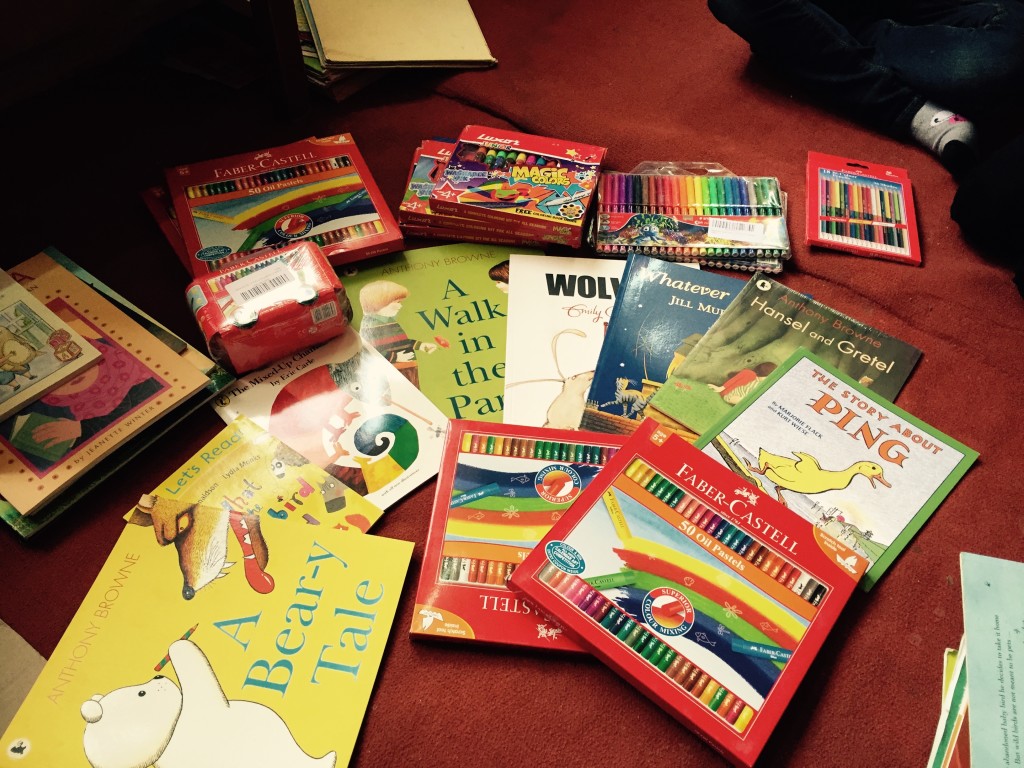
Good preparation made the sessions easier, but the most effective materials were not necessarily the most sophisticated. I wanted the lessons to continue after my visit, so I used supplies that could be stored, shared, or recreated locally. The following guide became useful when planning each activity.
| Material or approach |
Purpose in the lesson |
Practical advantage |
| Reused colored paper |
Folding models and decorations |
Affordable and easy to collect |
| Plain notebook paper |
Practice folds and repeated attempts |
Available in most learning spaces |
| Picture-based instructions |
Showing each stage visually |
Supports mixed language abilities |
| Pencils and crayons |
Adding faces, patterns, and labels |
Extends the activity into art and literacy |
| Small group demonstrations |
Allowing close observation |
Reduces confusion in a large class |
| Completed sample models |
Providing a clear goal |
Builds curiosity and motivation |
I also learned to avoid making the activity depend on perfect squares or specialized origami paper. Rectangles could be trimmed, reused sheets could be folded, and plain white paper could become expressive with color. The purpose was creative access, not presentation-quality results.
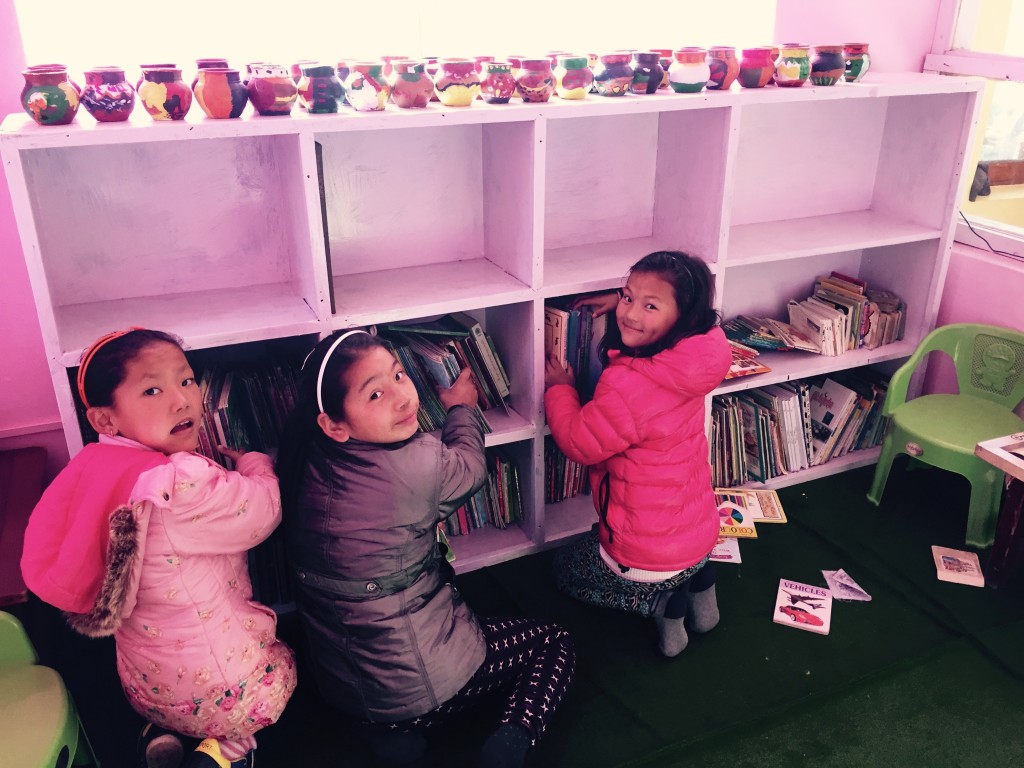
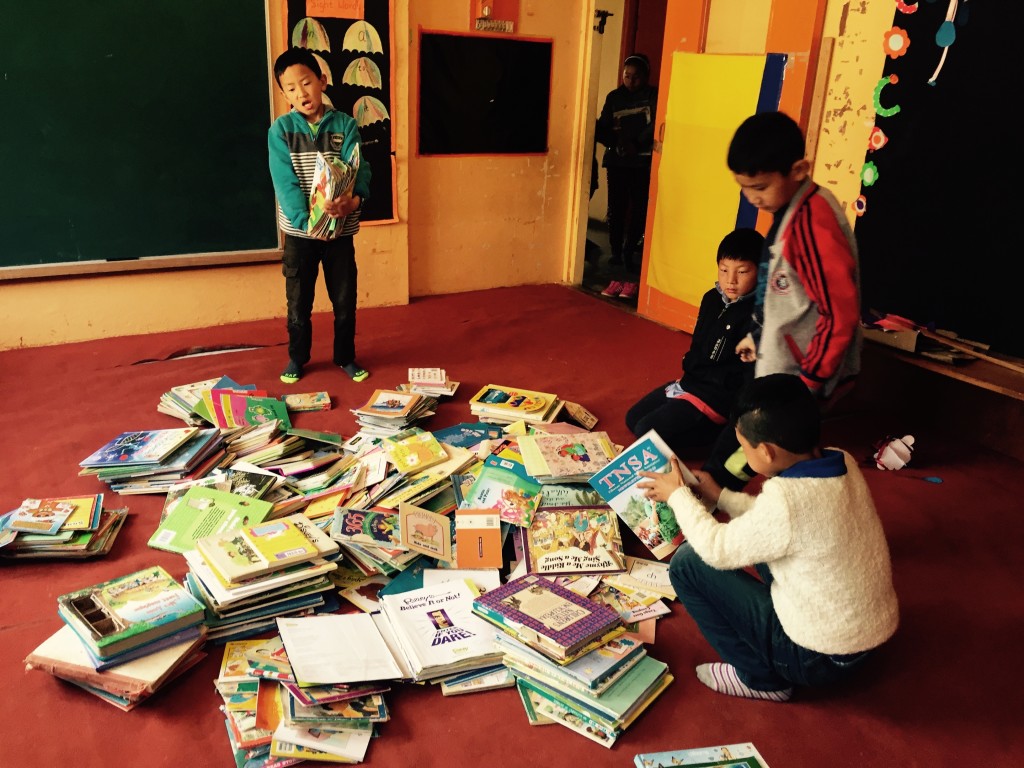
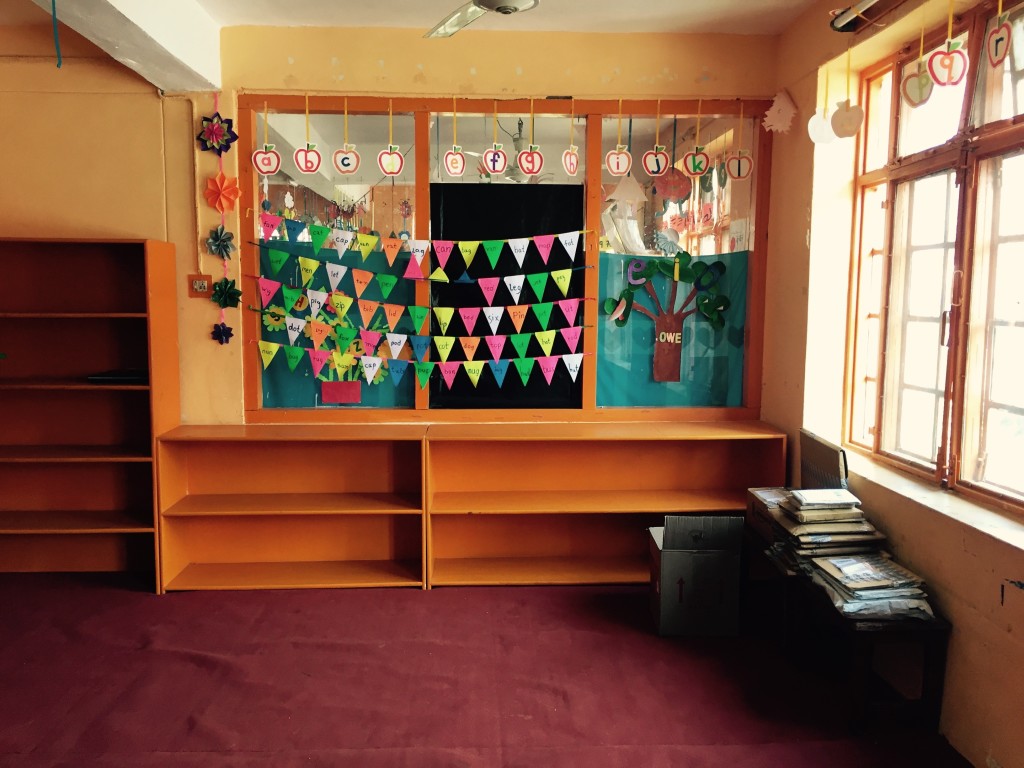
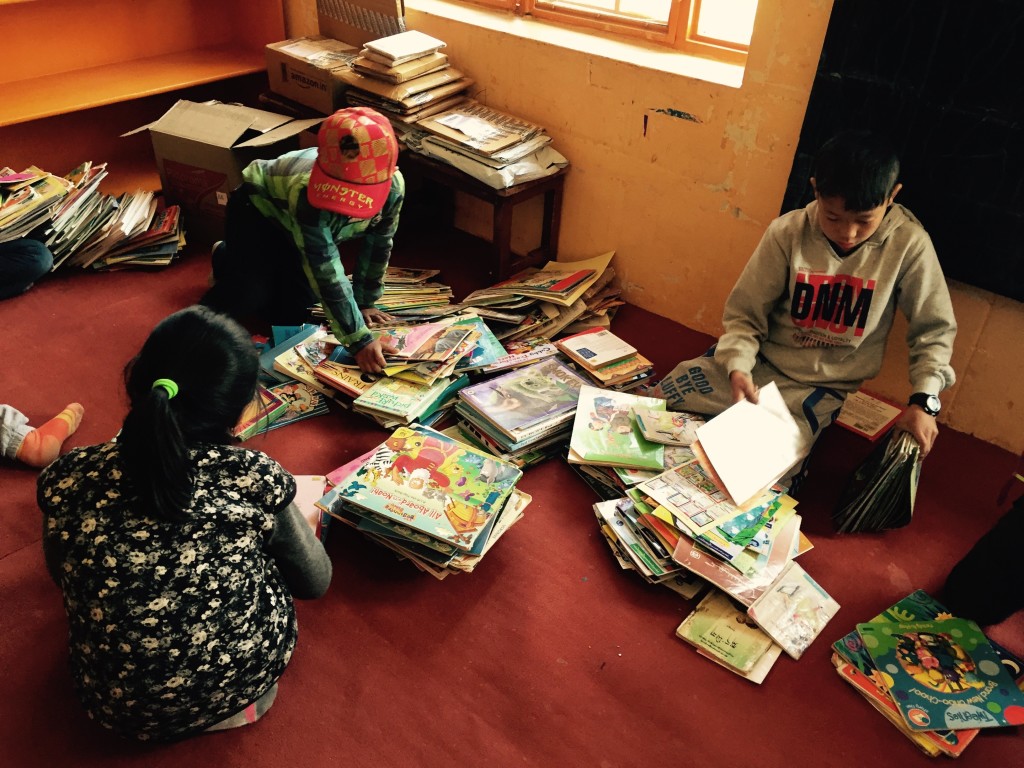
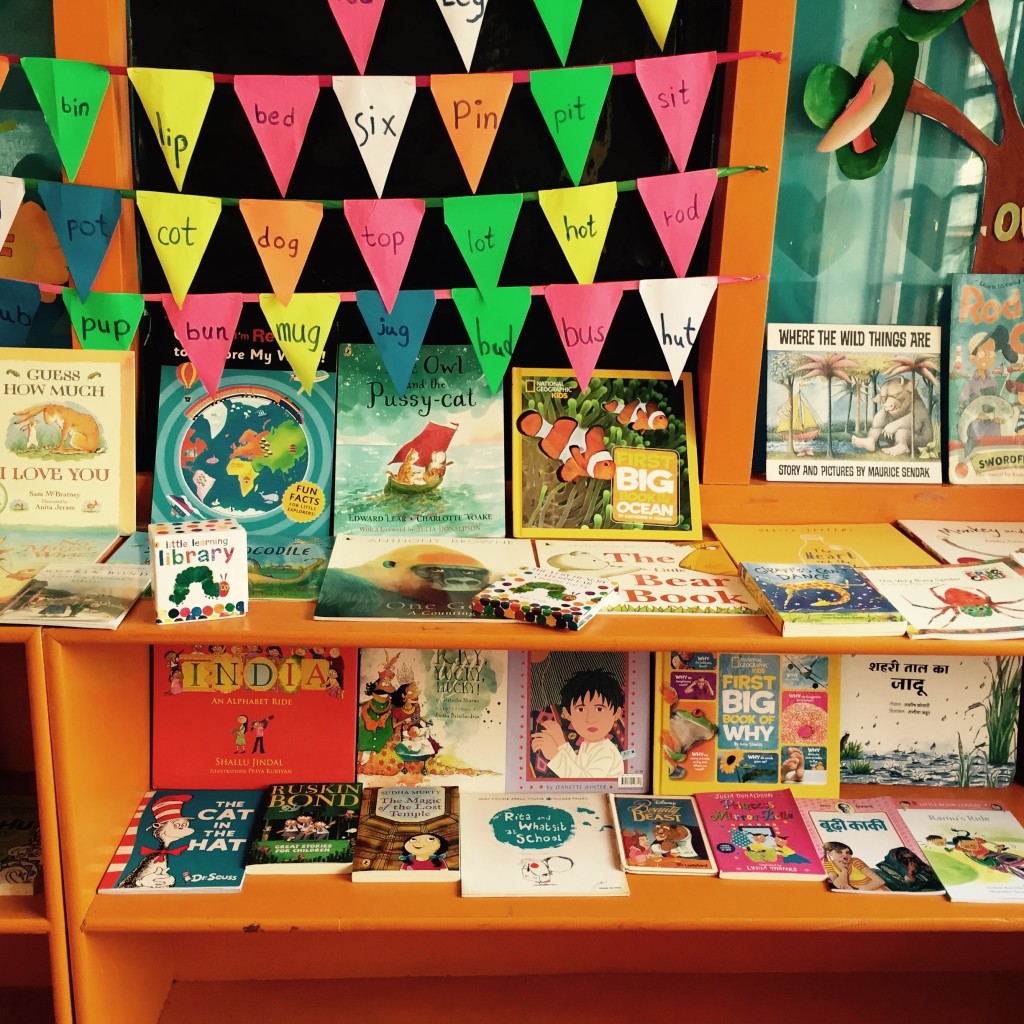
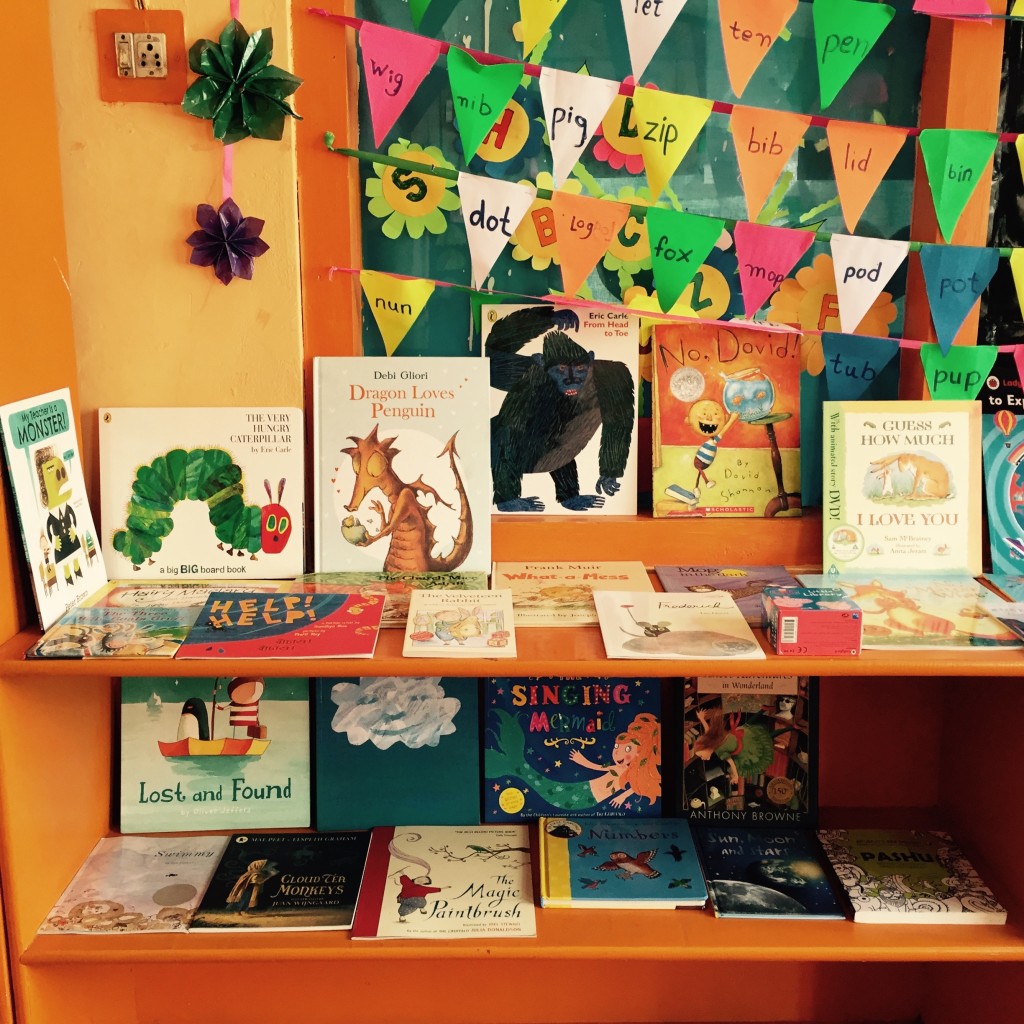
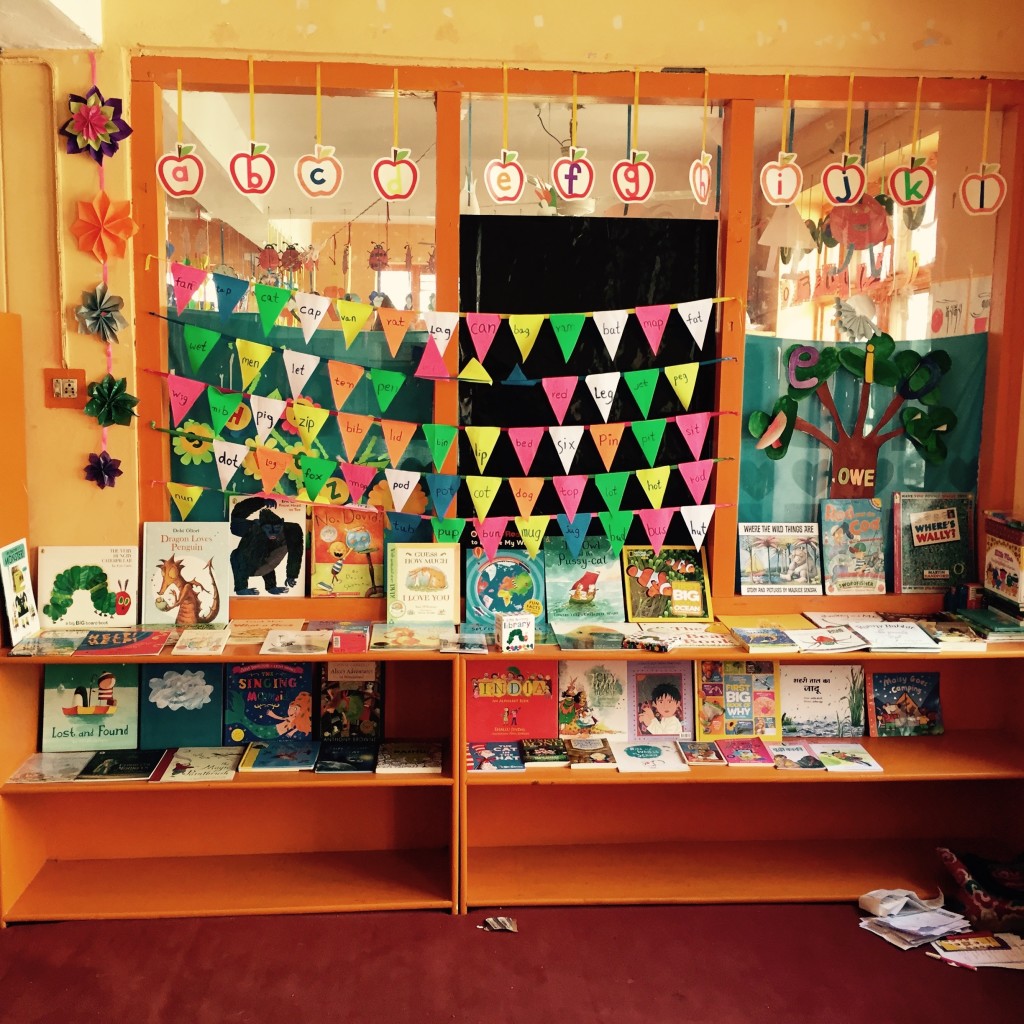
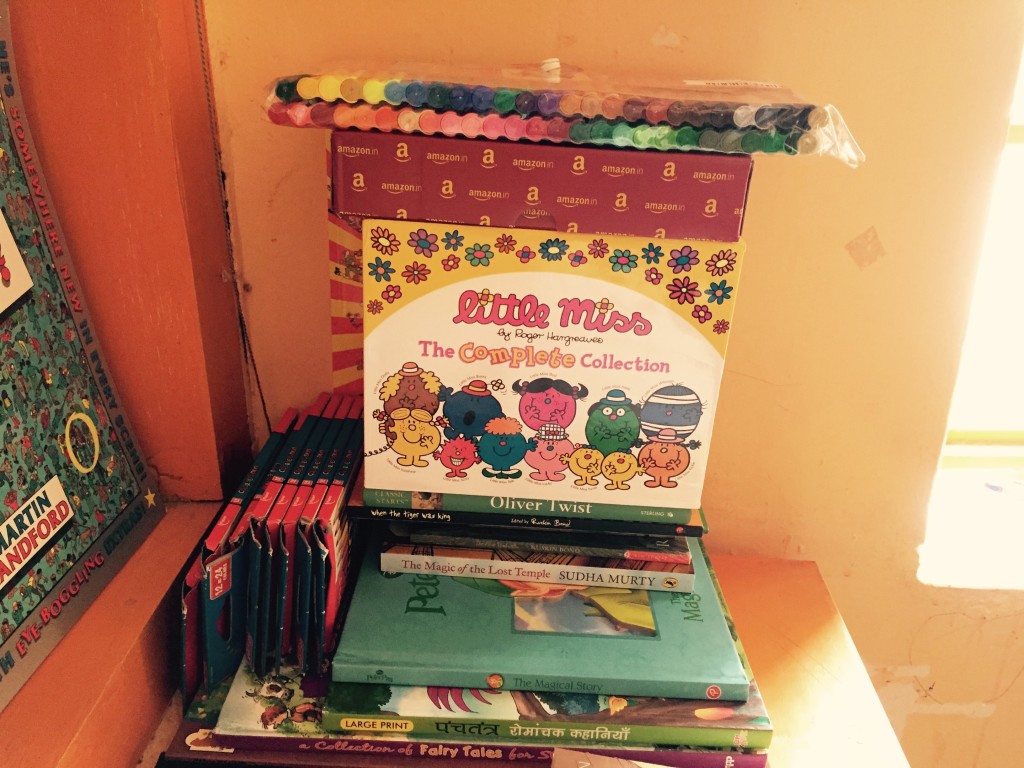
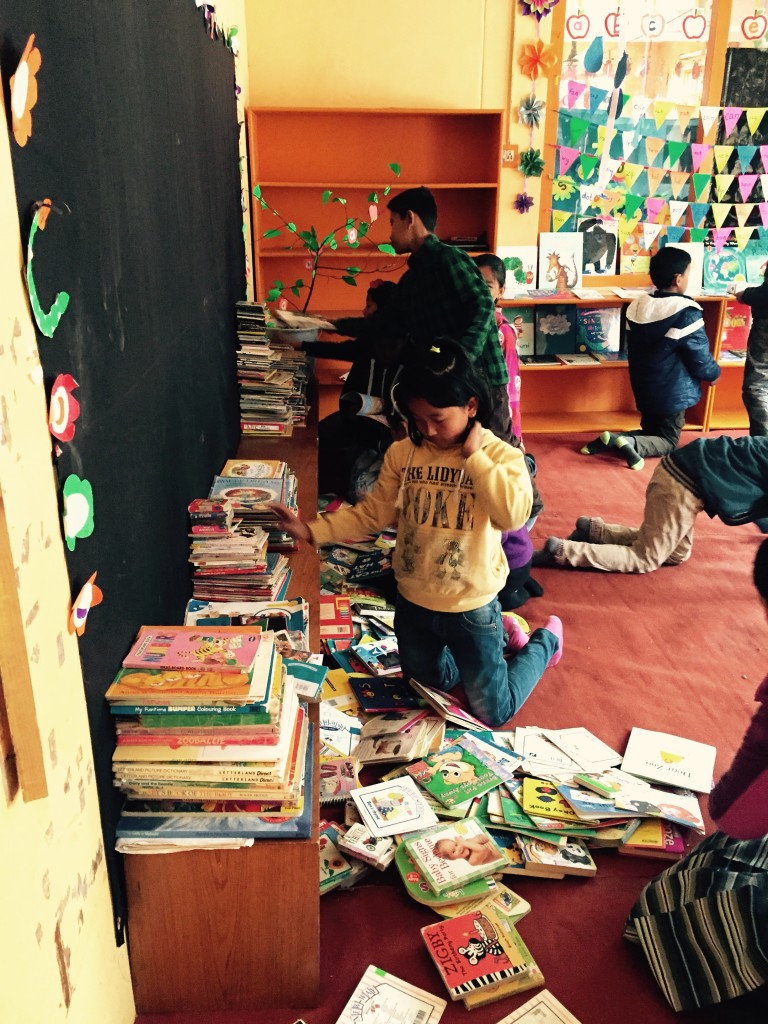
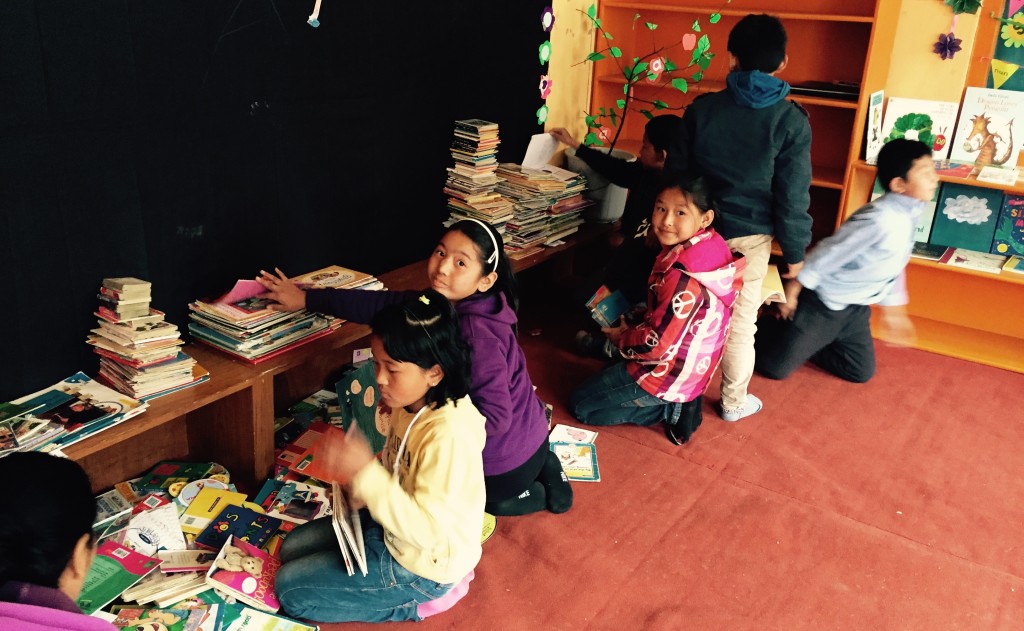
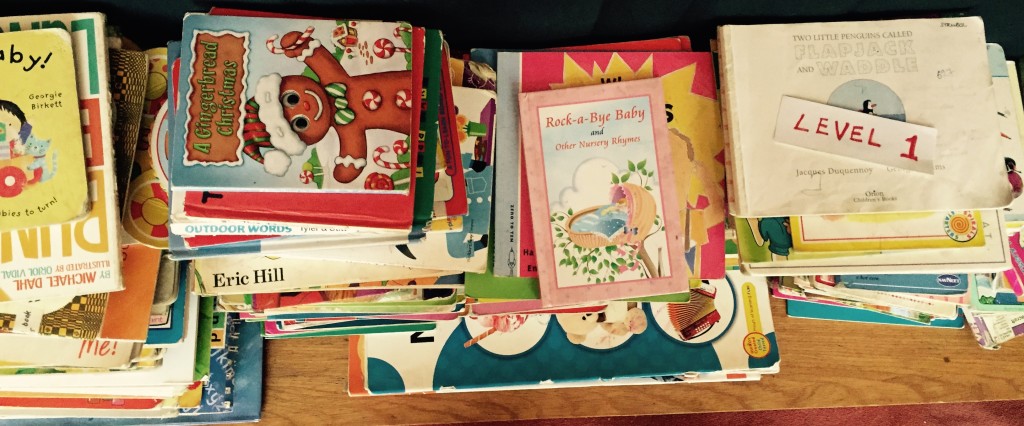
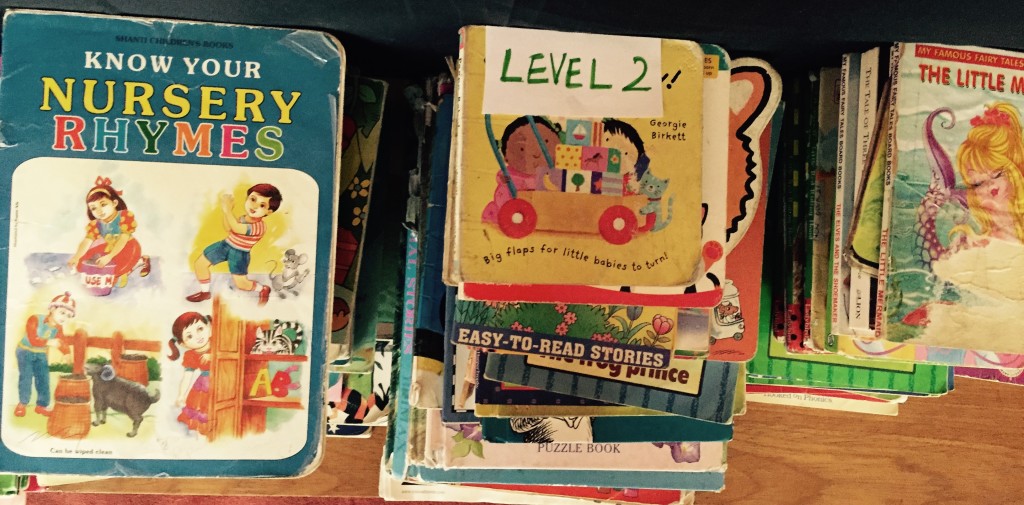
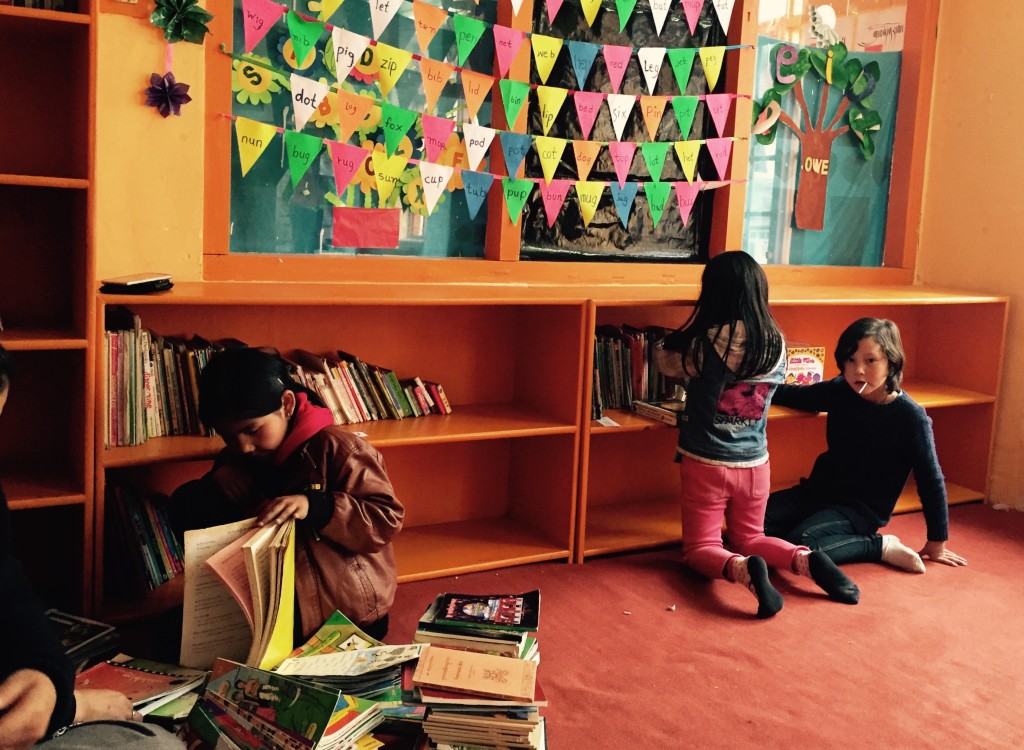
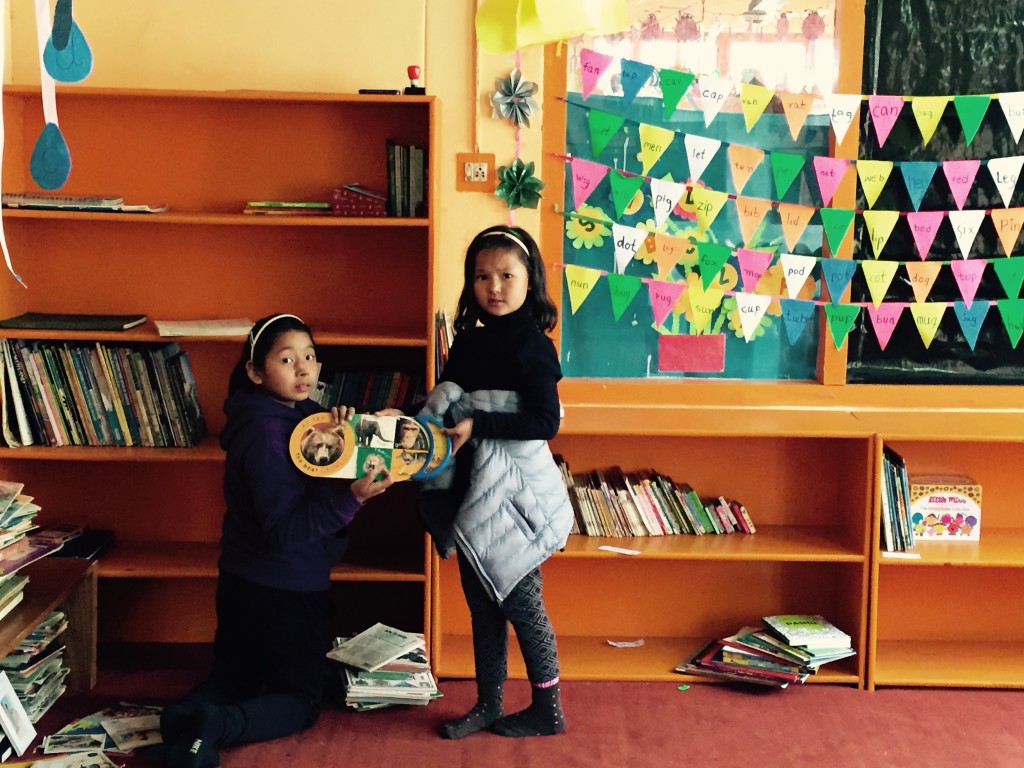
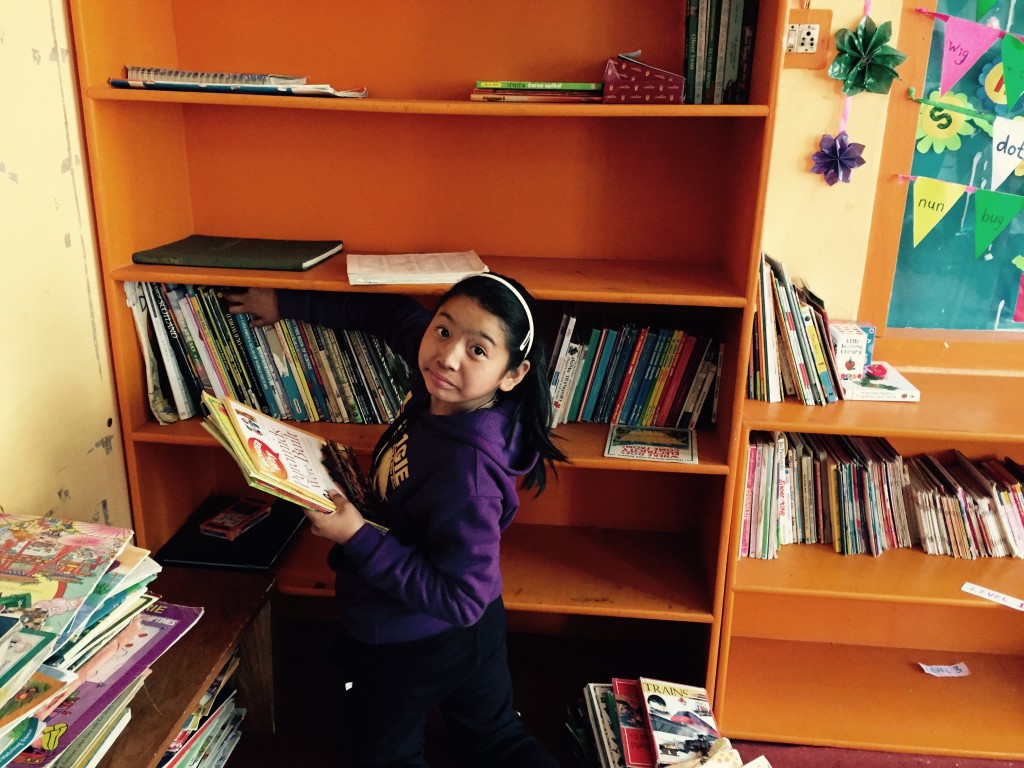
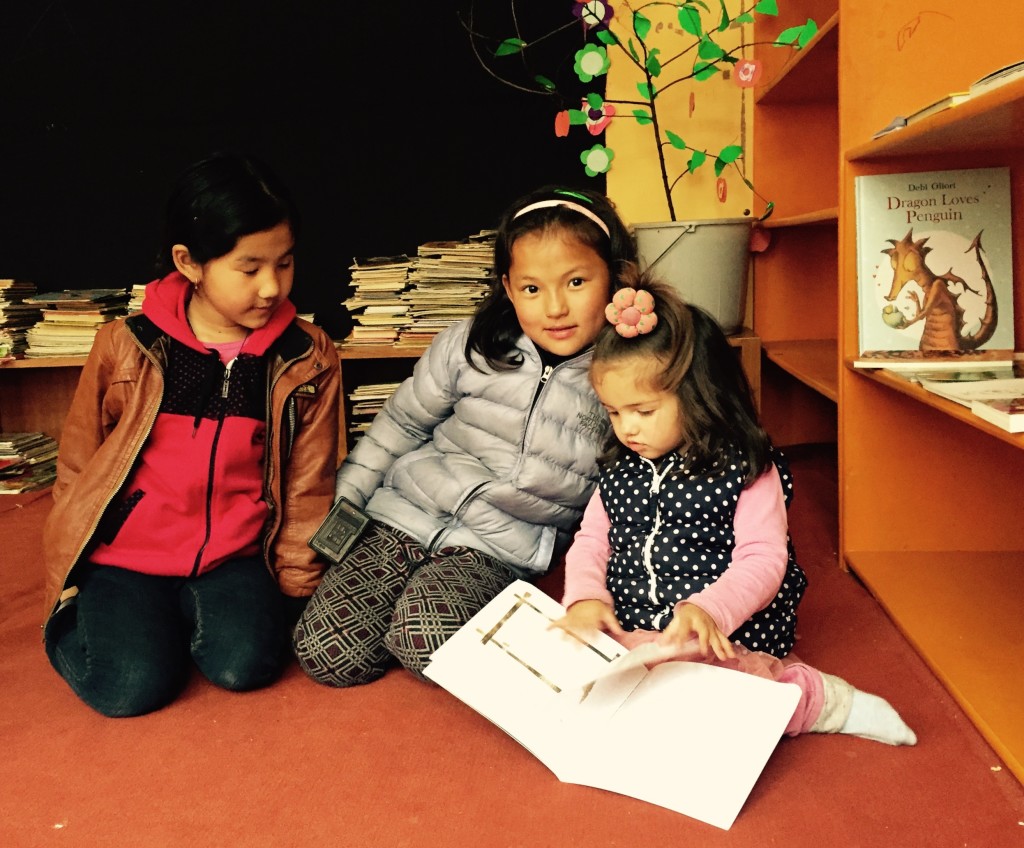
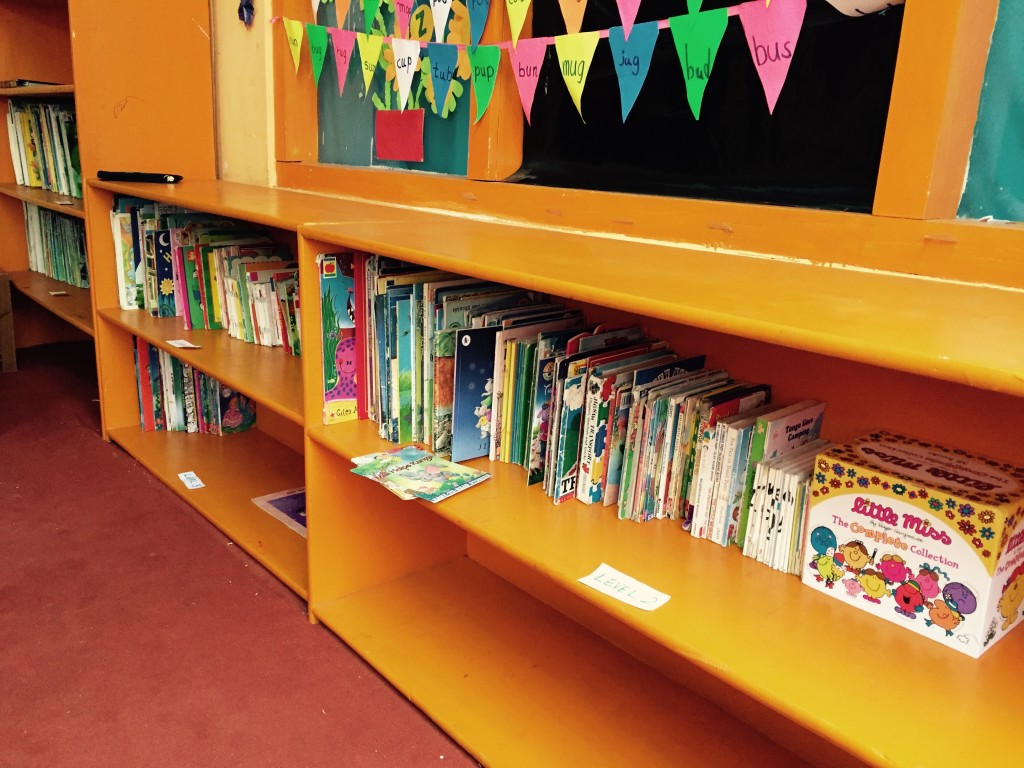
Storage mattered too. Finished models were placed in a shallow box instead of being left on crowded desks. Some were displayed near the bookshelves, where they brightened the reading room. Others were given to family members or kept inside notebooks. The children understood that their work had value beyond the lesson itself.
Lessons I Will Carry Home
Teaching paper folding in a high-altitude classroom changed my understanding of volunteer work. The most useful contribution was not delivering a polished performance. It was listening, adapting, and leaving behind activities that local teachers and students could continue using. A volunteer enters an existing community; the work should respect its pace, knowledge, and priorities.
For anyone preparing a similar creative learning session, these principles helped:
- Start with two or three basic folds before introducing a complex model.
- Demonstrate with oversized paper so children at the back can follow each movement.
- Pair visual instructions with simple spoken vocabulary and repeated gestures.
- Allow time for decoration, storytelling, and free experimentation after the main task.
- Keep successful models and picture guides so the activity can continue independently.
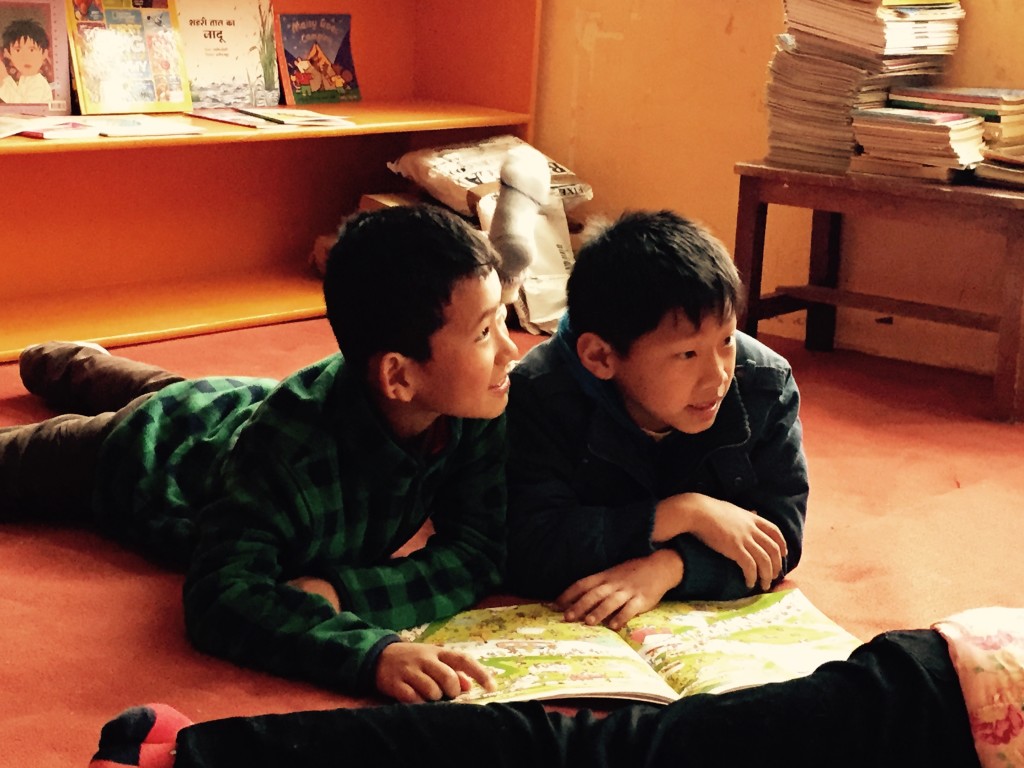
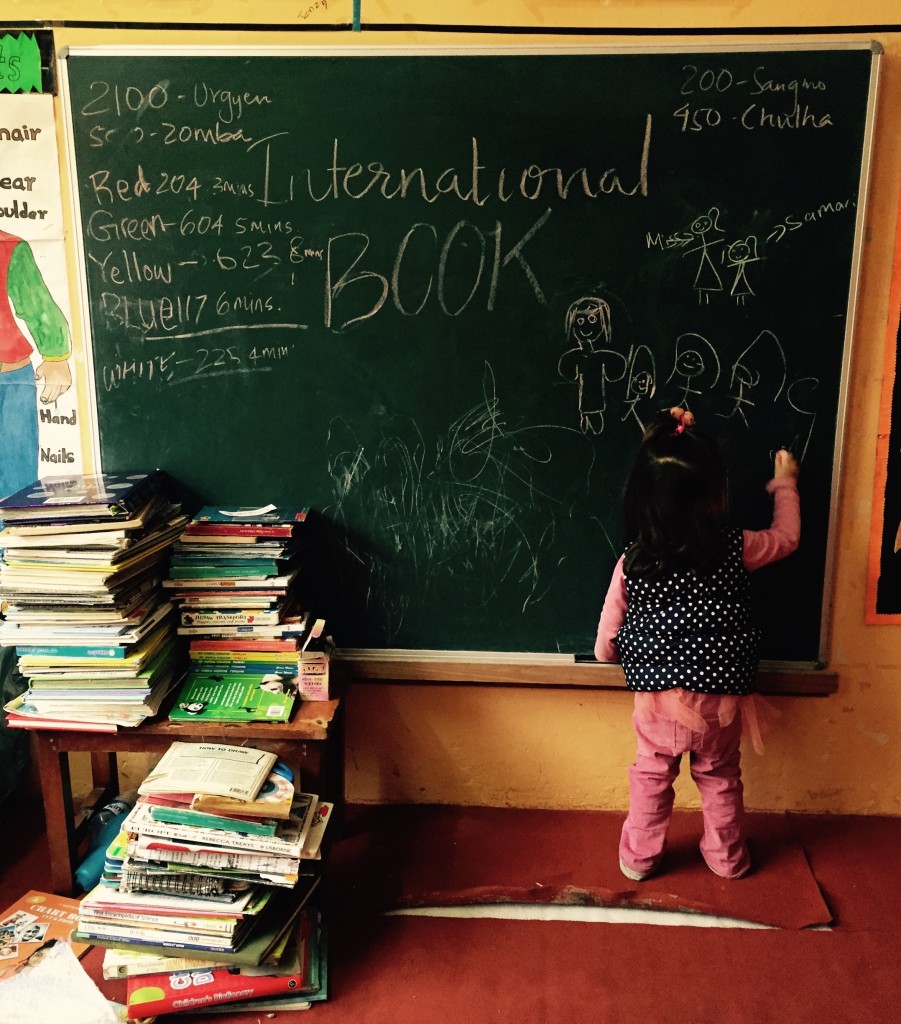
The experience also reinforced the connection between literacy and creativity. A child who designs a paper bird may write a name for it, describe where it lives, read a short story about it, or draw a landscape for it. Art does not sit apart from education; it can open a path into language, observation, memory, and confidence.
Small Shapes, Lasting Connections
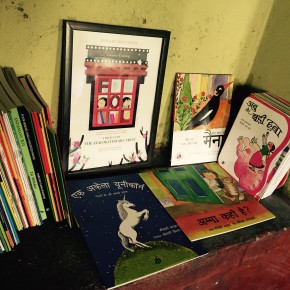
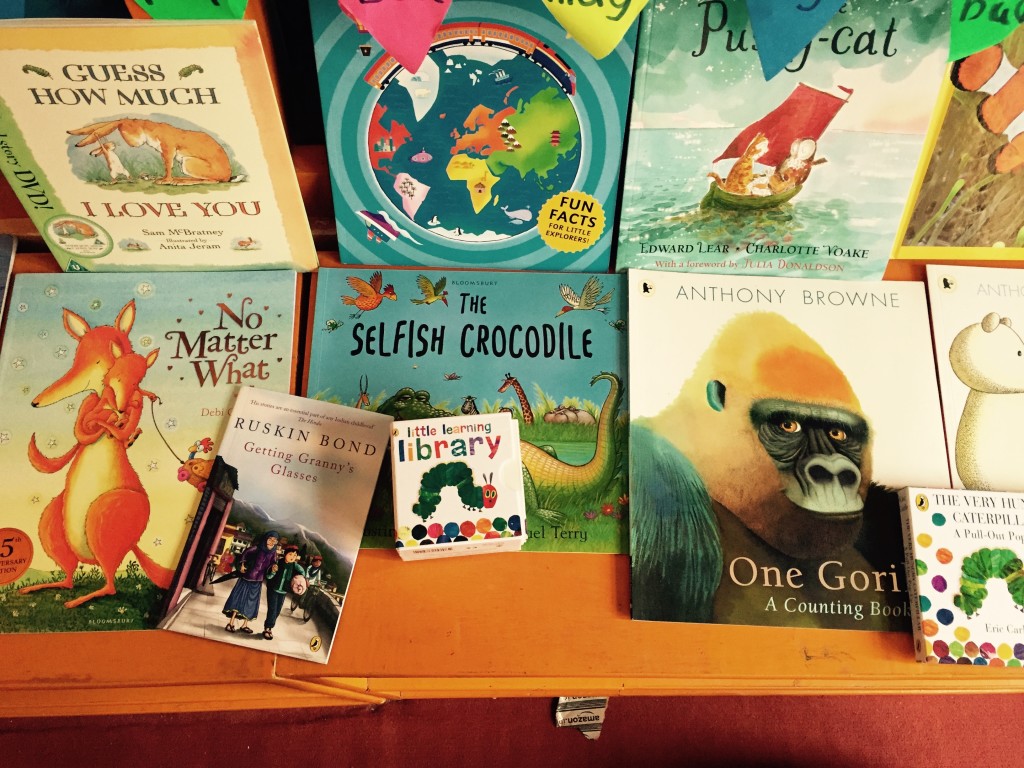
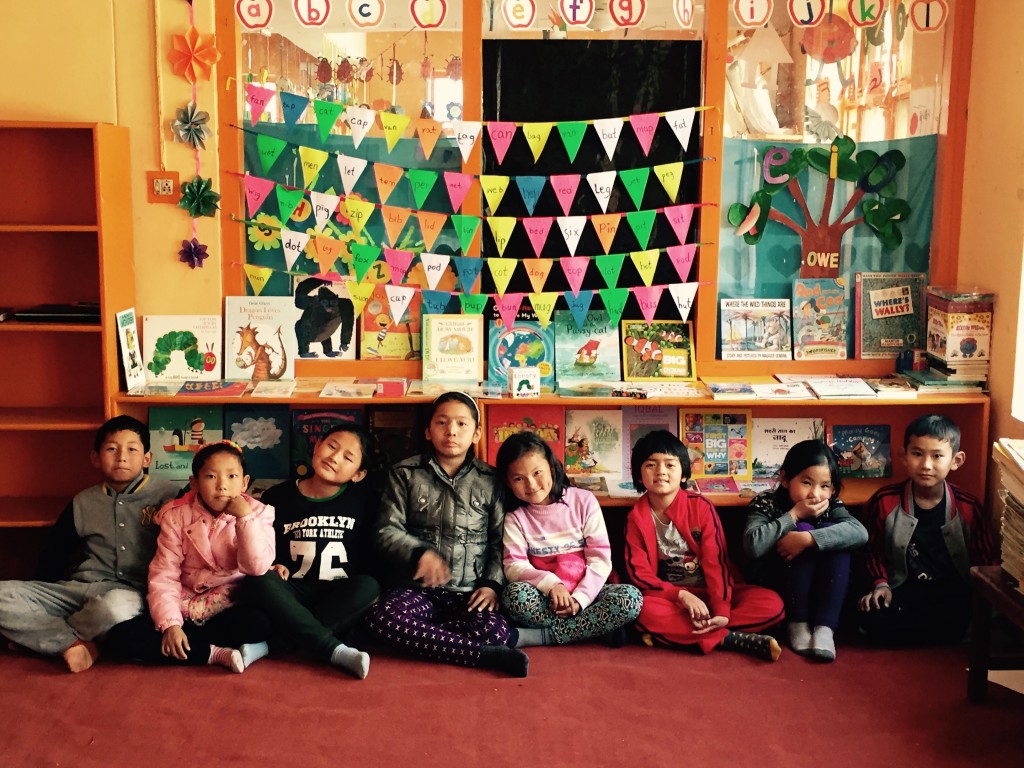
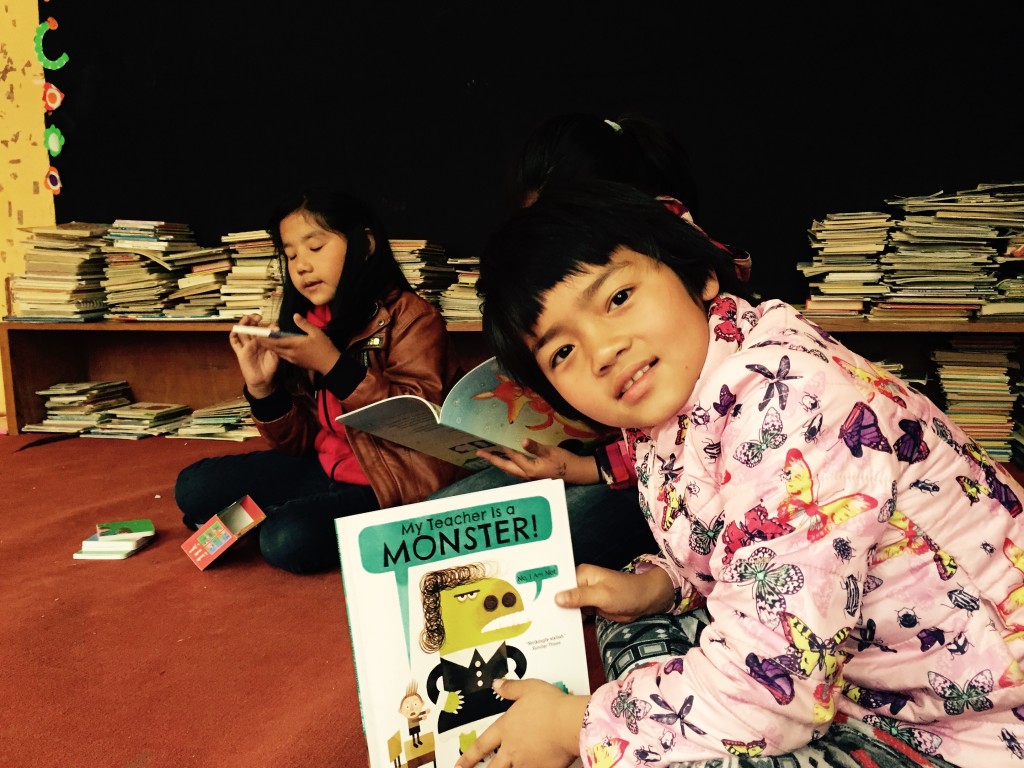
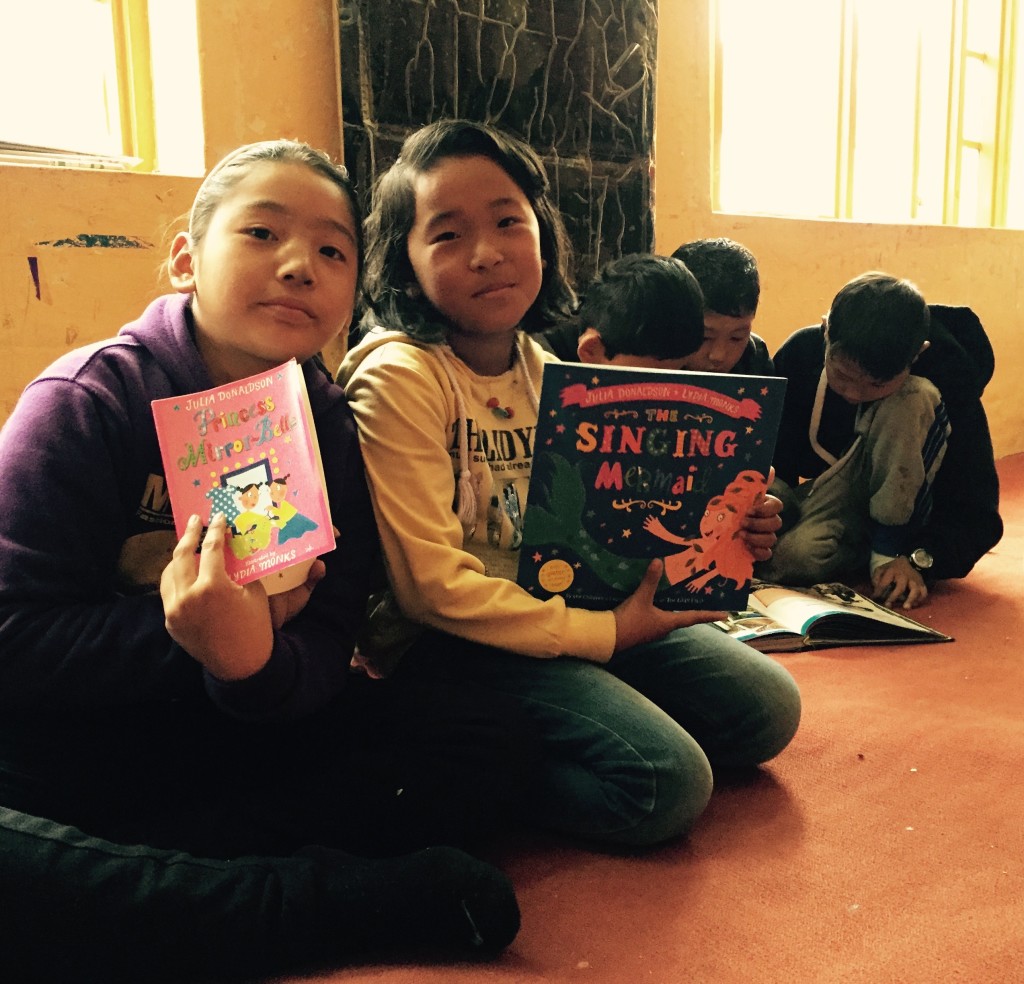
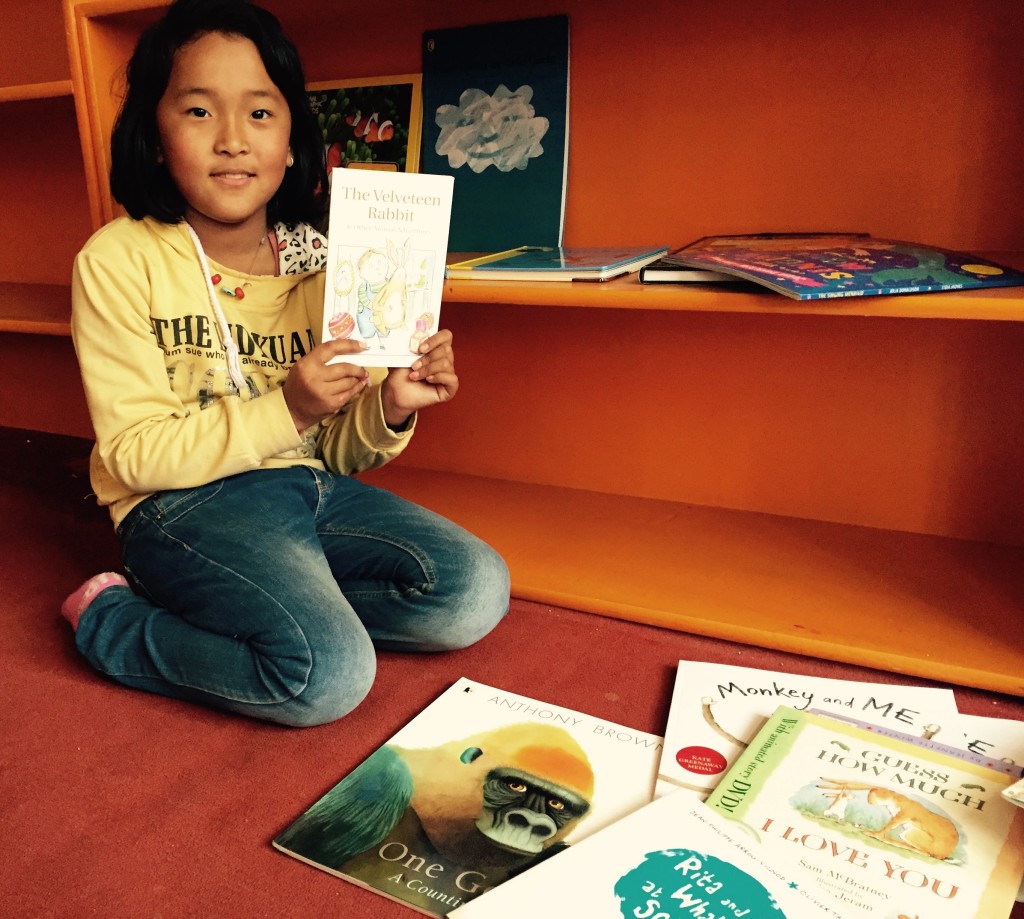
On my final afternoon, the students made paper flowers for the reading room. The room was quieter than usual because everyone was concentrating. When the flowers were finished, they arranged them around a shelf of children’s books. The display was uneven, colorful, and entirely theirs.
Before leaving, I found one of the first paper boats tucked beside a notebook. Its folds were soft from repeated handling, and one corner had been repaired with a narrow strip of tape. It was not the neatest model we had made, but it represented the most important part of the week: the willingness to try again.
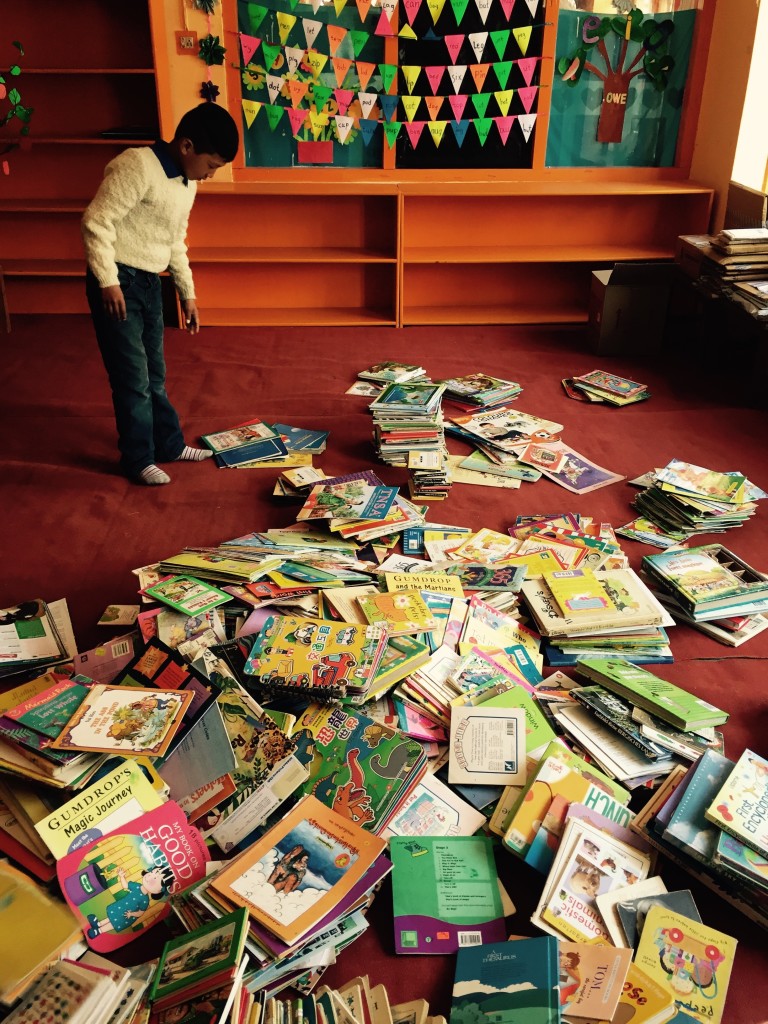
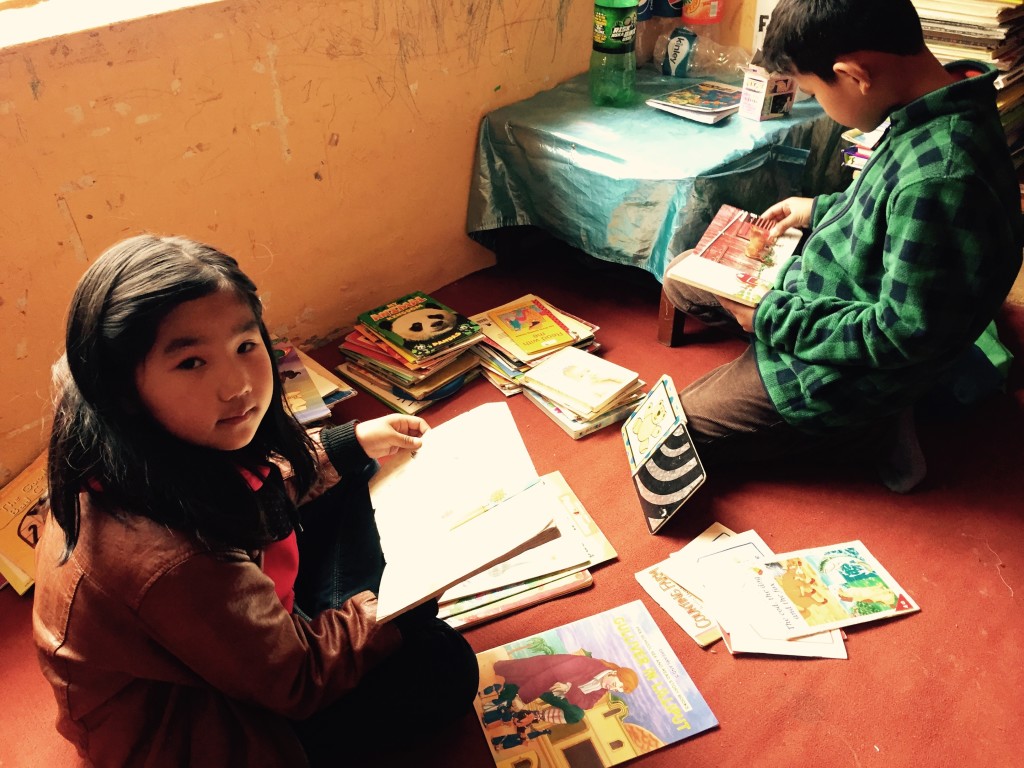
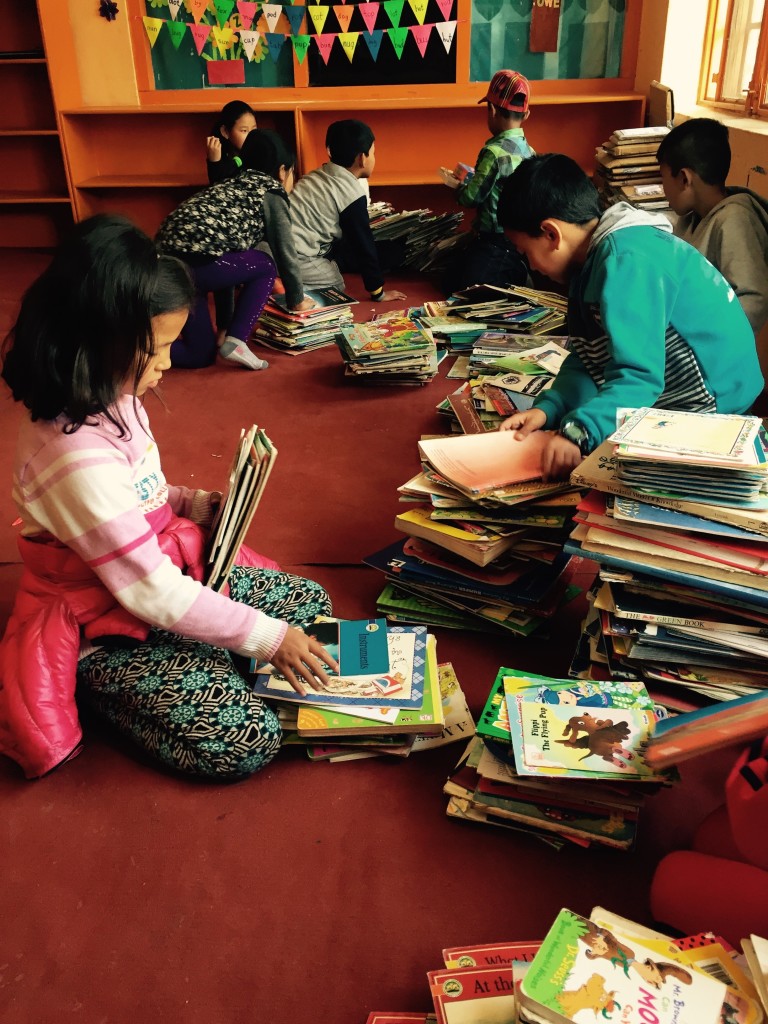
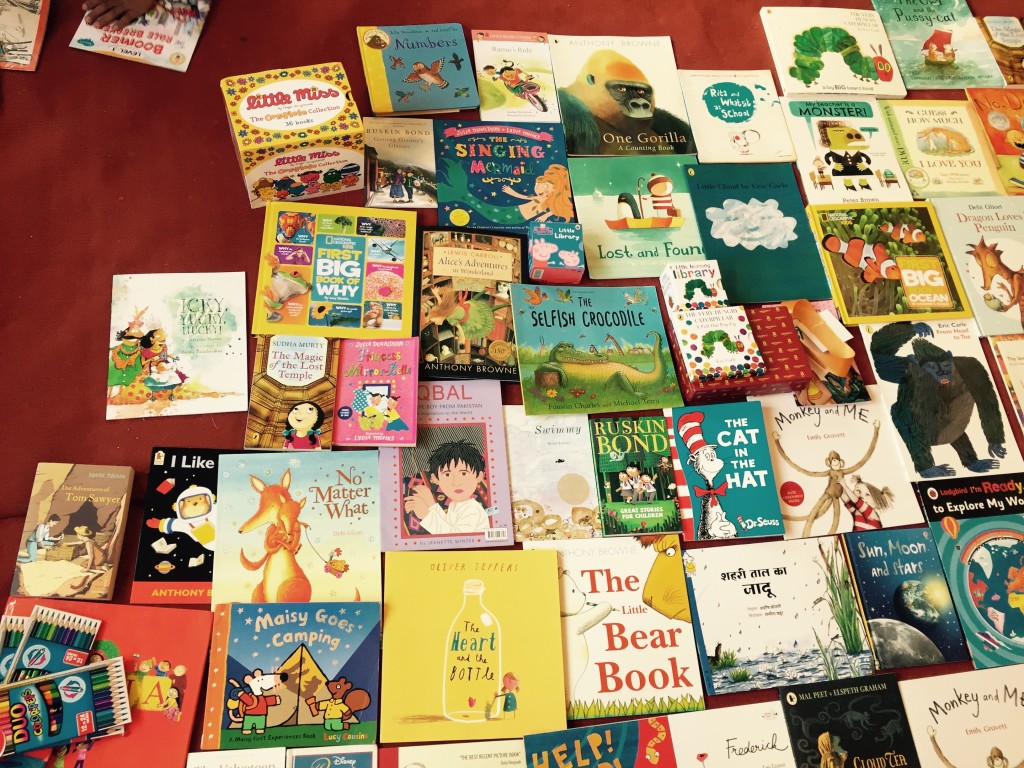
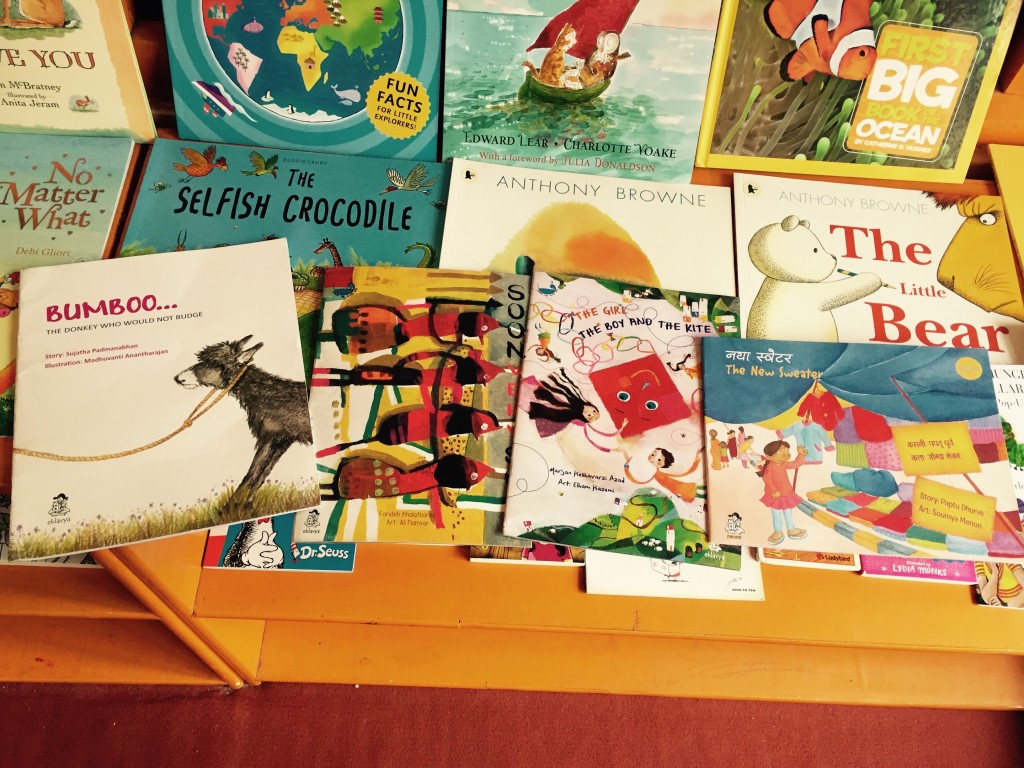
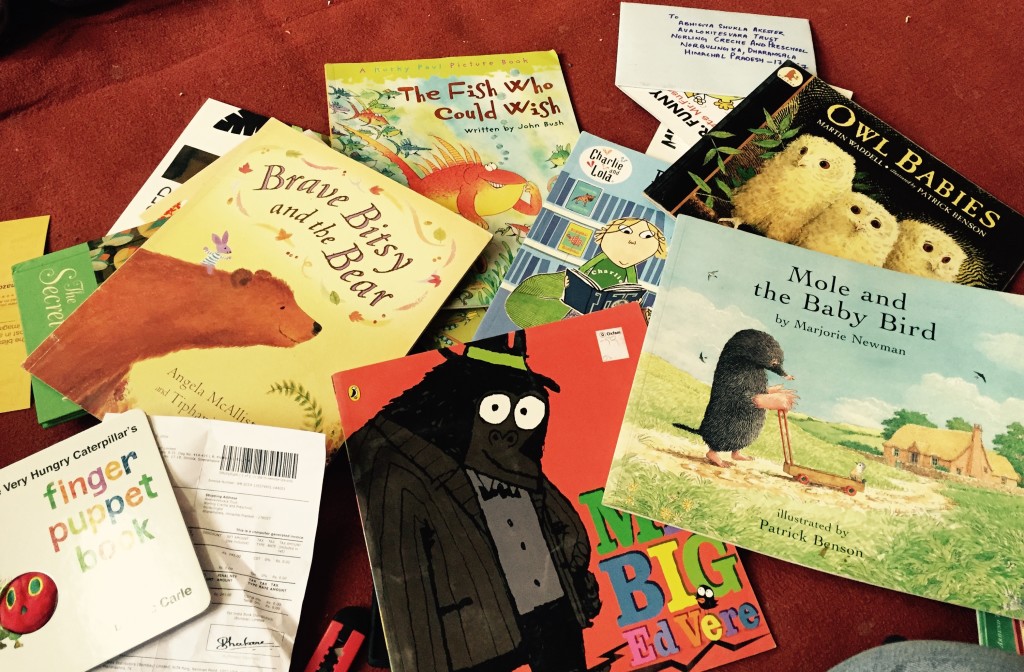
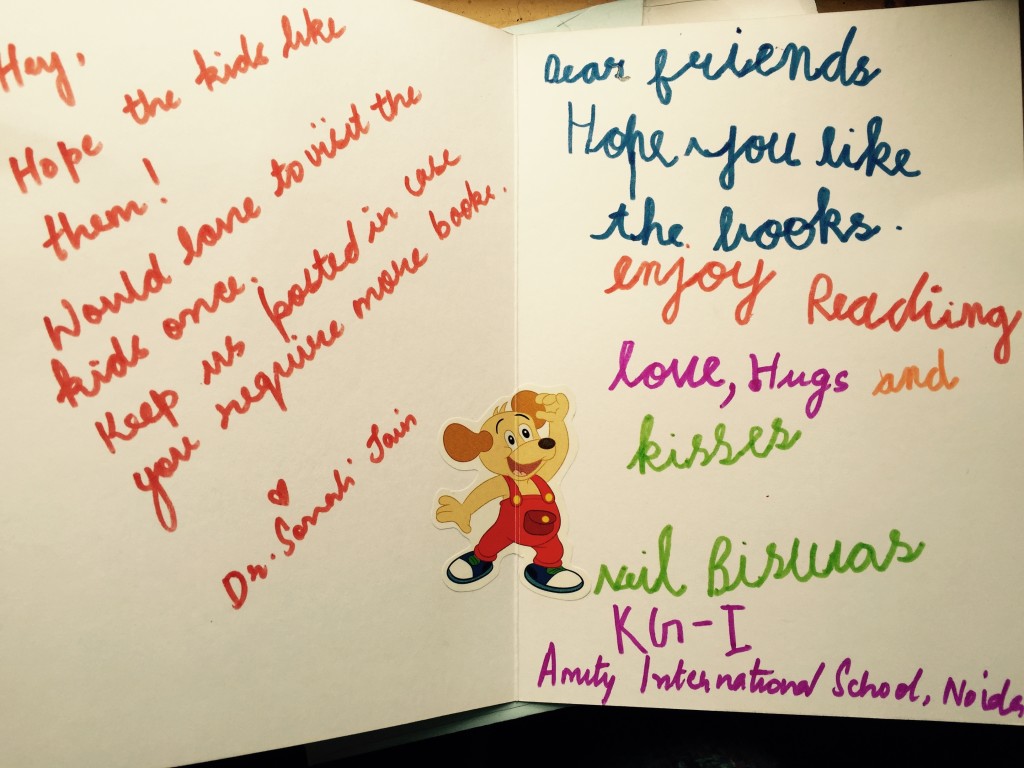
Avalokiteśvara Trust’s work in Ladakh and other Himalayan communities shows how books, art, music, and welcoming learning spaces can support a child’s growth together. A volunteer teaching origami may arrive with paper, yet leave with a deeper appreciation for local creativity and shared learning.
You can help extend that exchange by supporting reading rooms, book drives, educational activities, and creative programs for children and young monks. Learn more about Avalokiteśvara Trust, share its stories, volunteer when possible, or make a donation that helps place quality books and learning materials within reach of Himalayan communities.