A First-Time Volunteer’s Guide to Packing for Ladakh
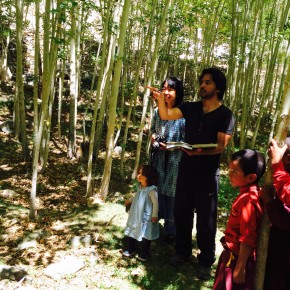
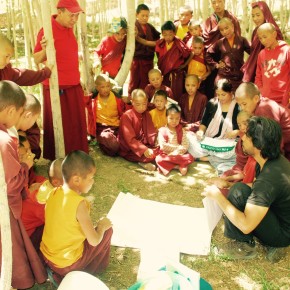
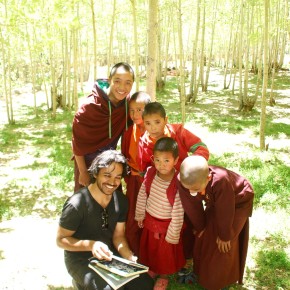
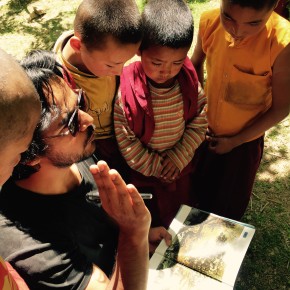
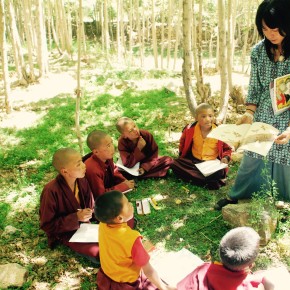
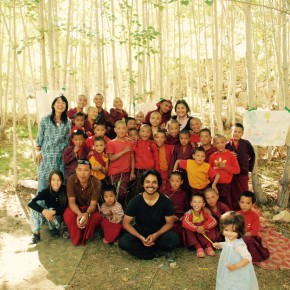
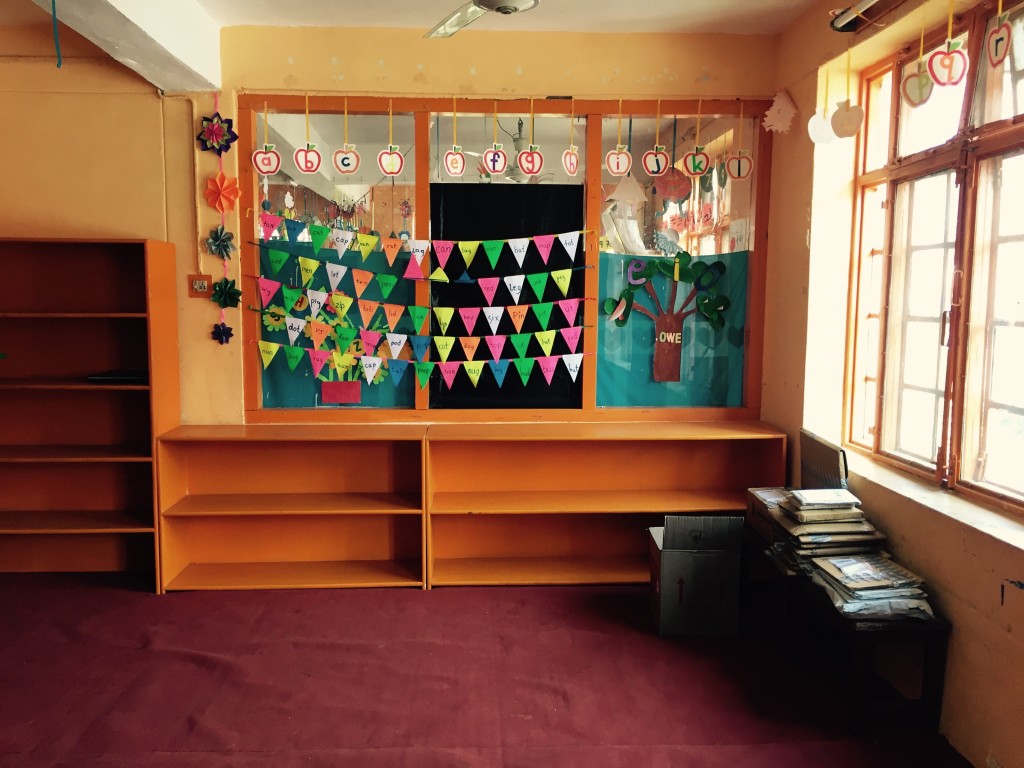
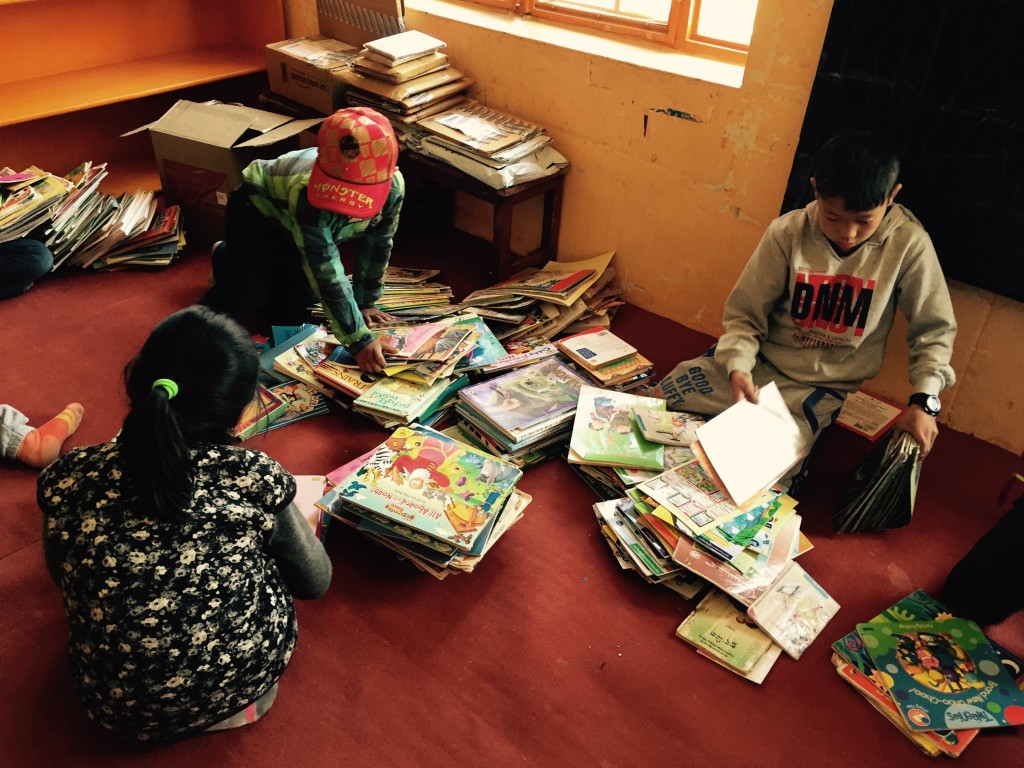
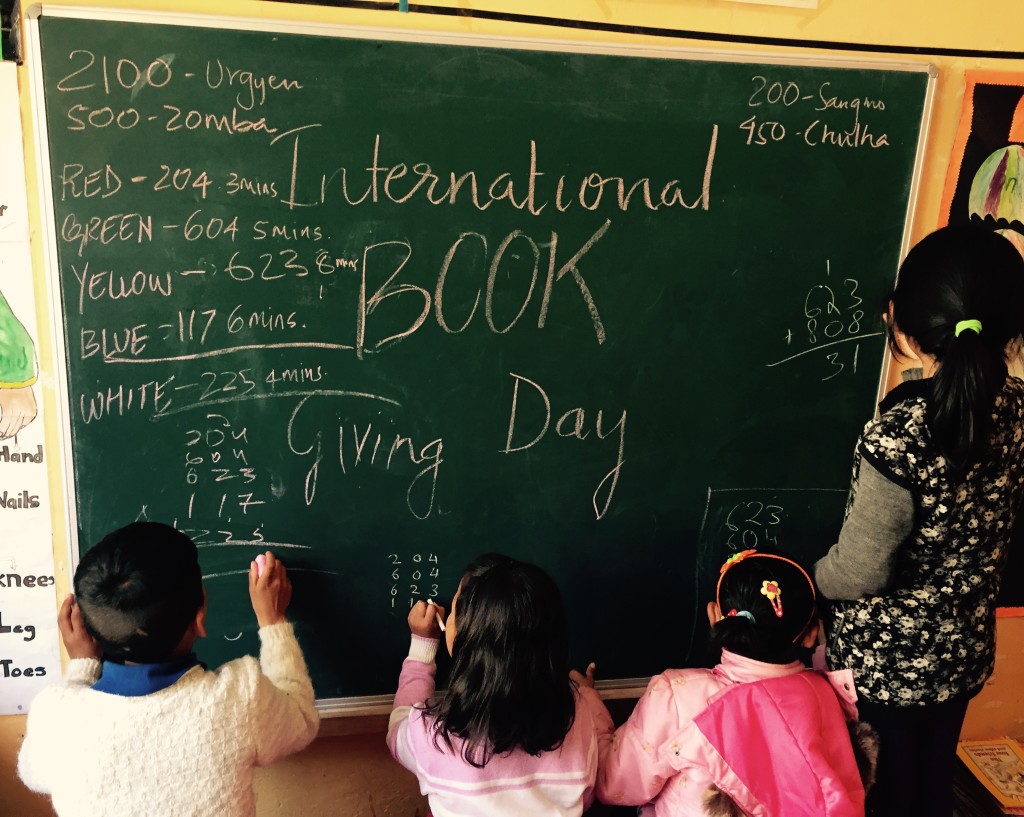
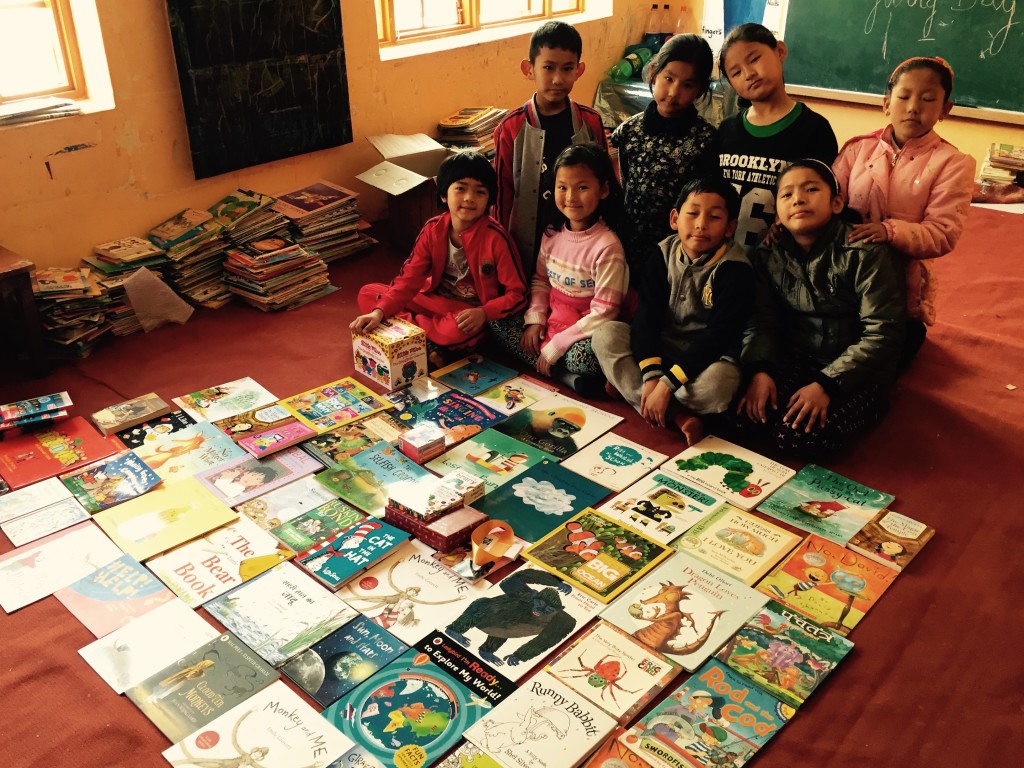
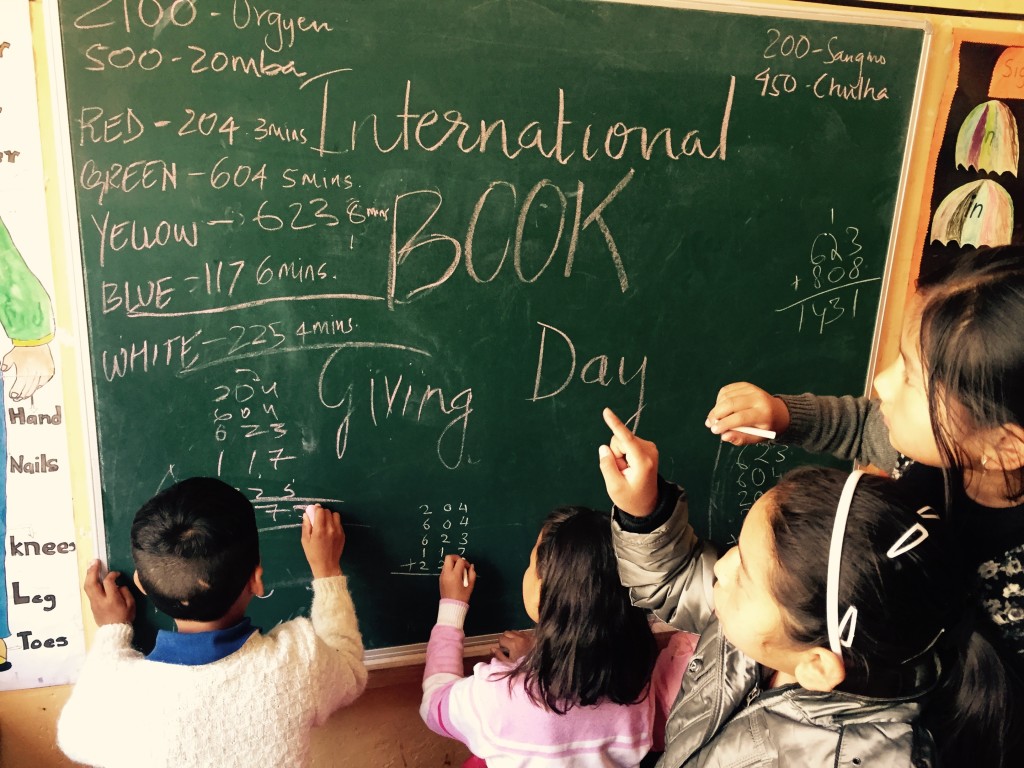
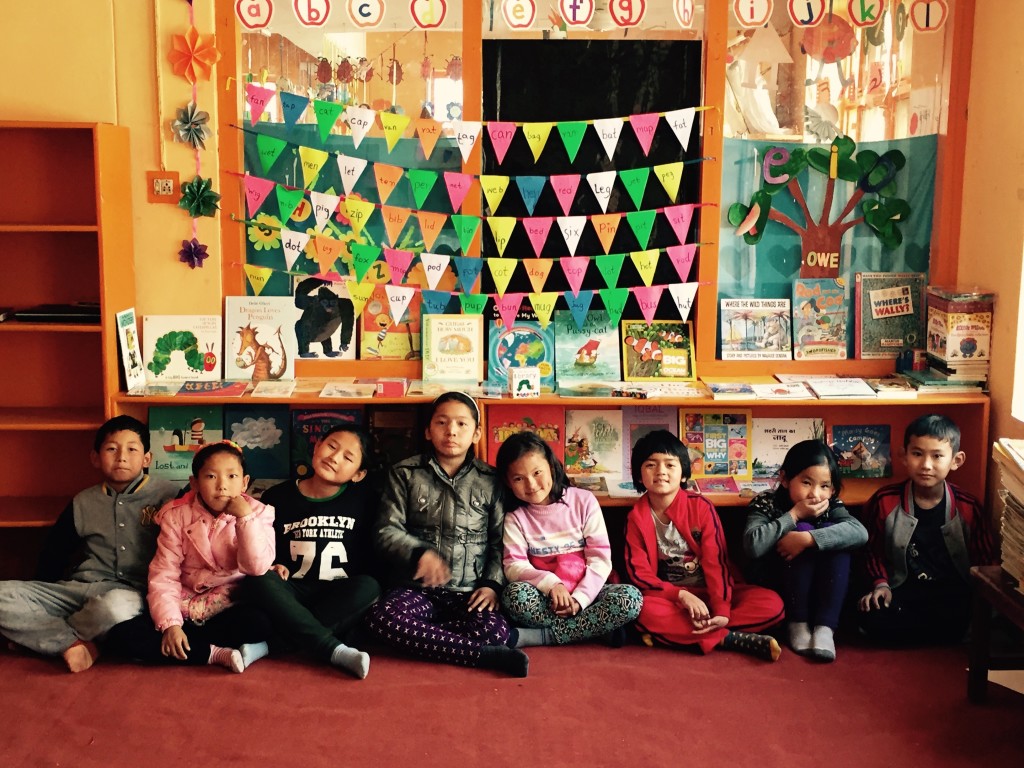
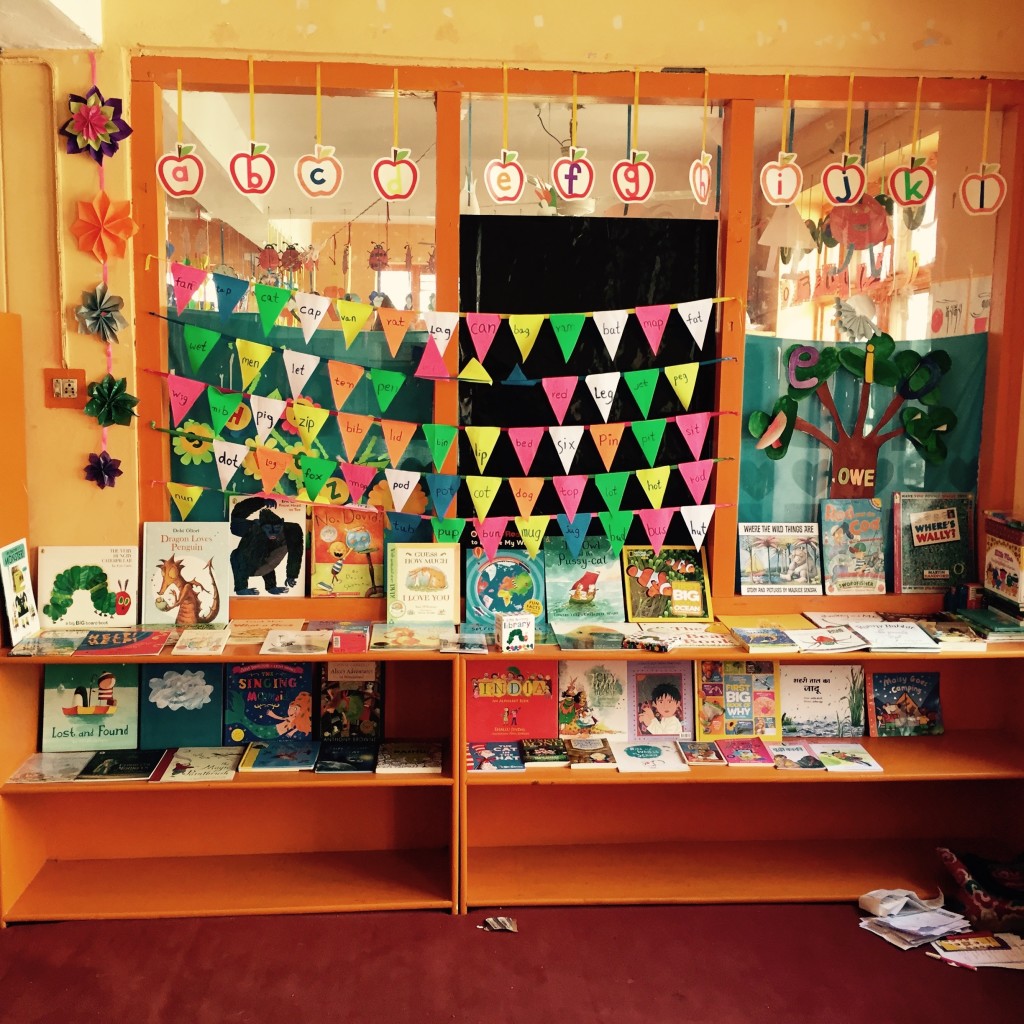
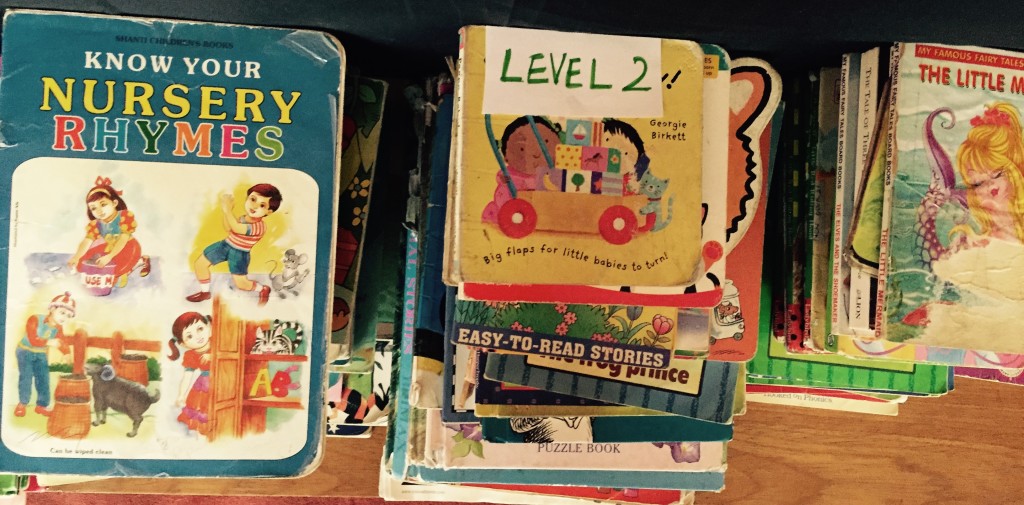
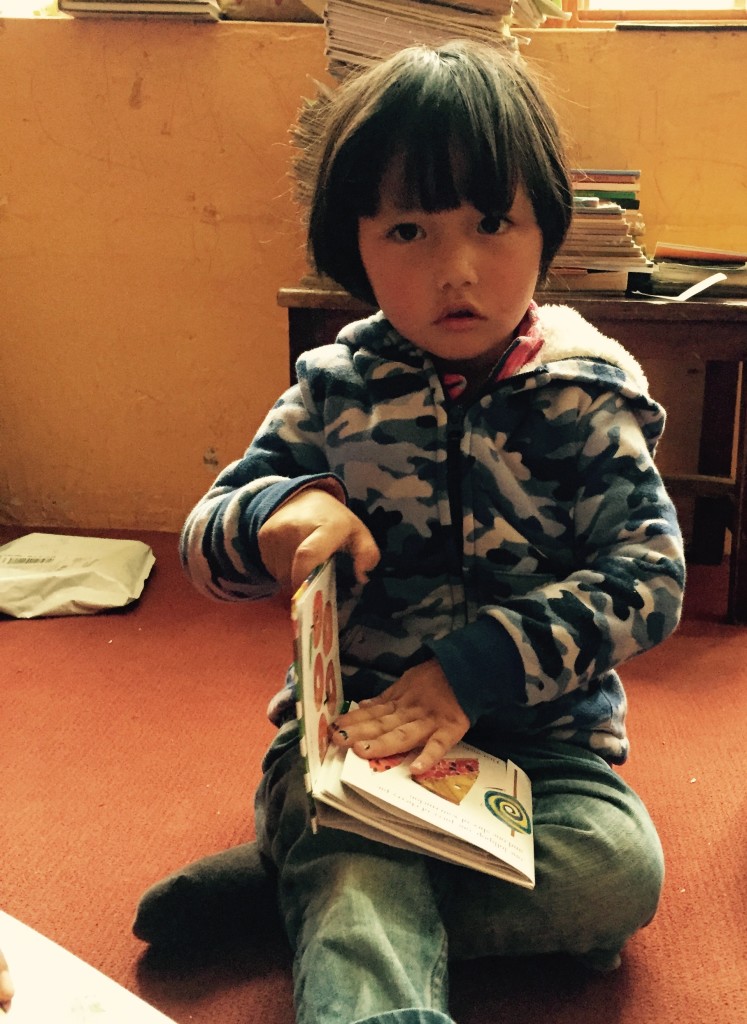
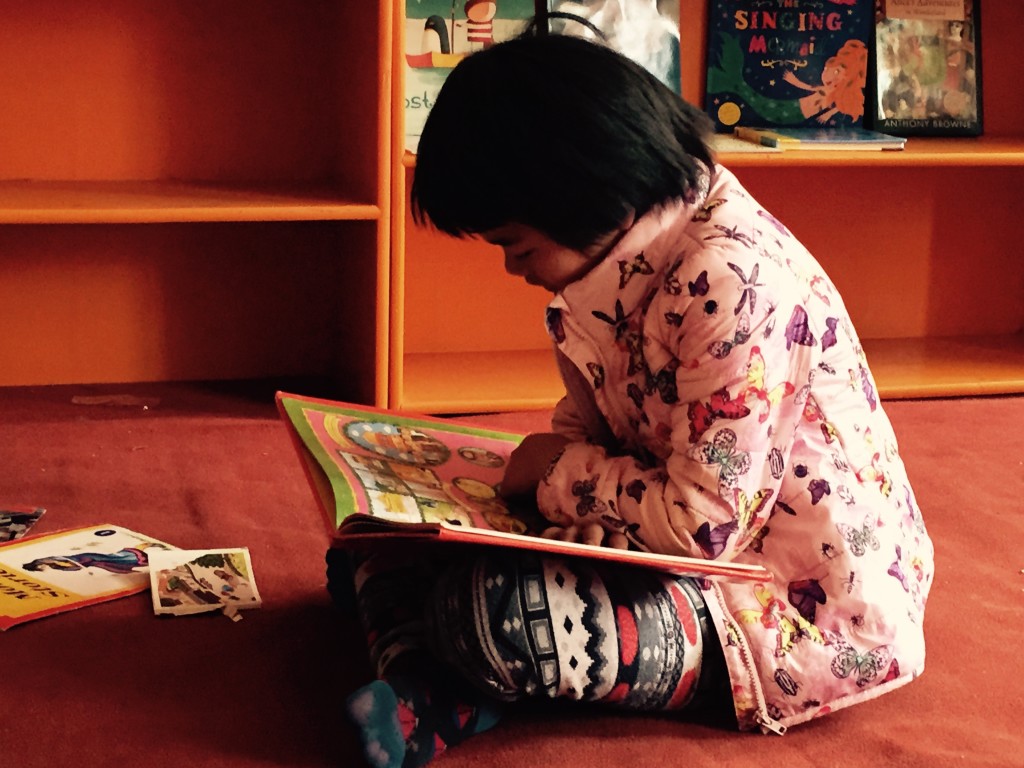
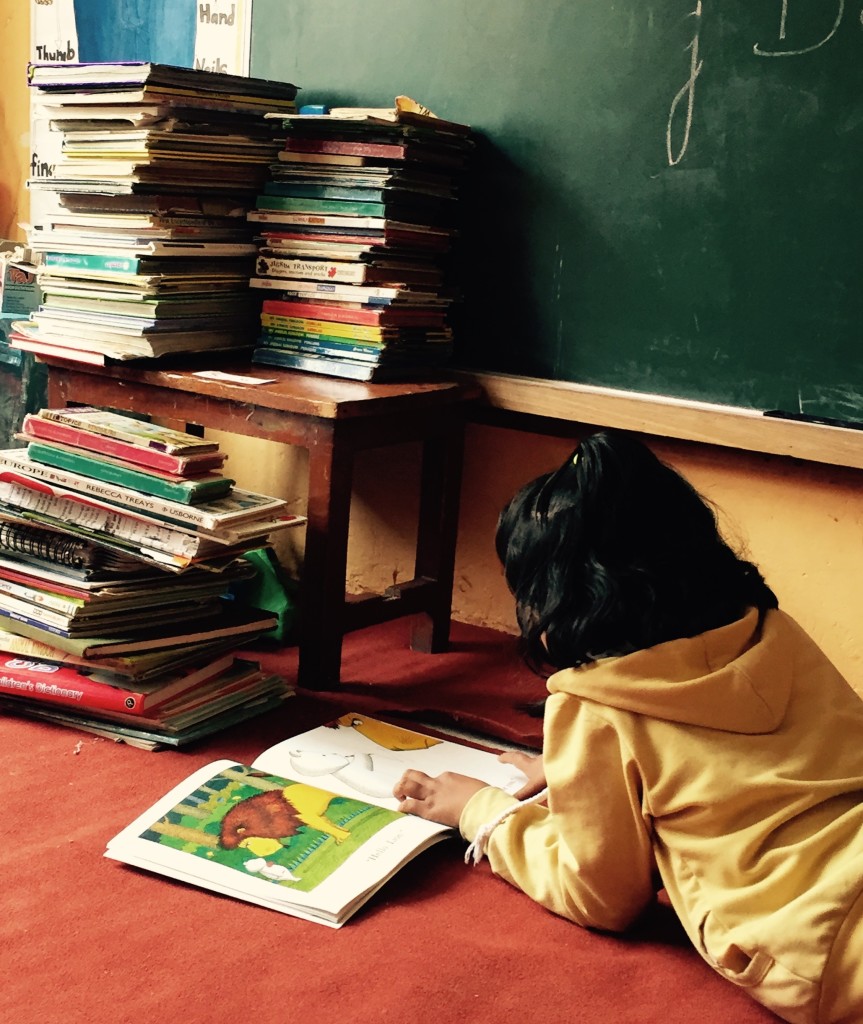
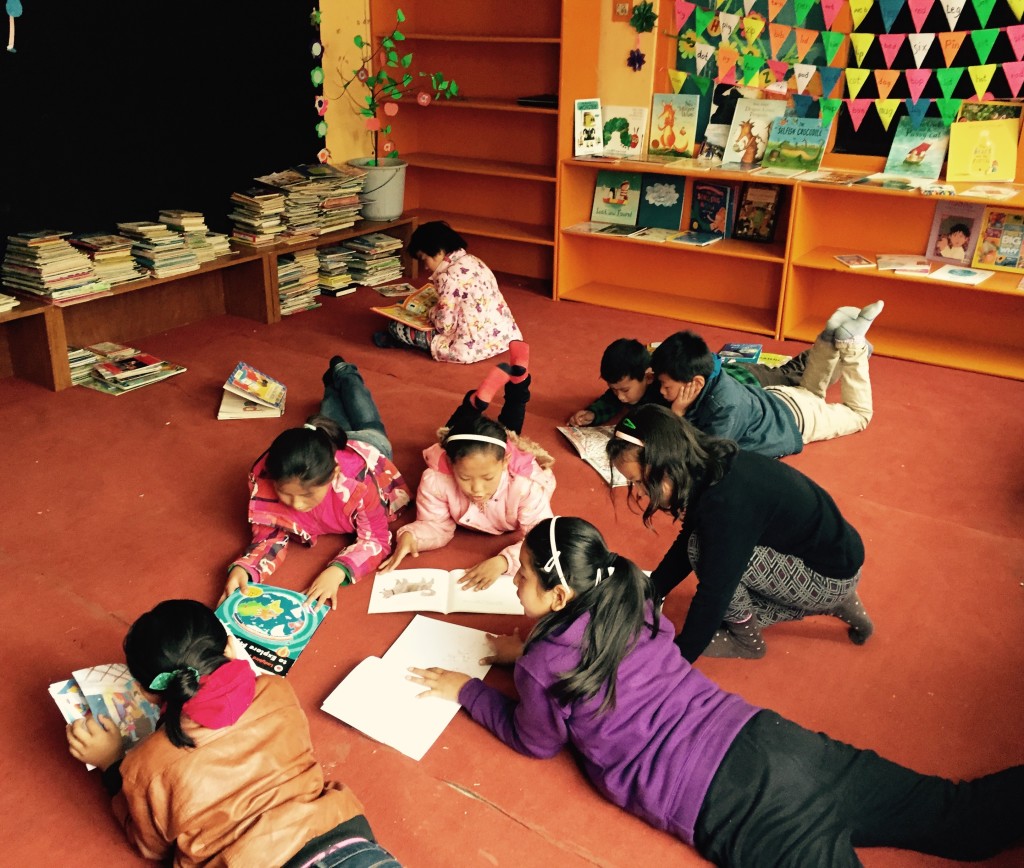
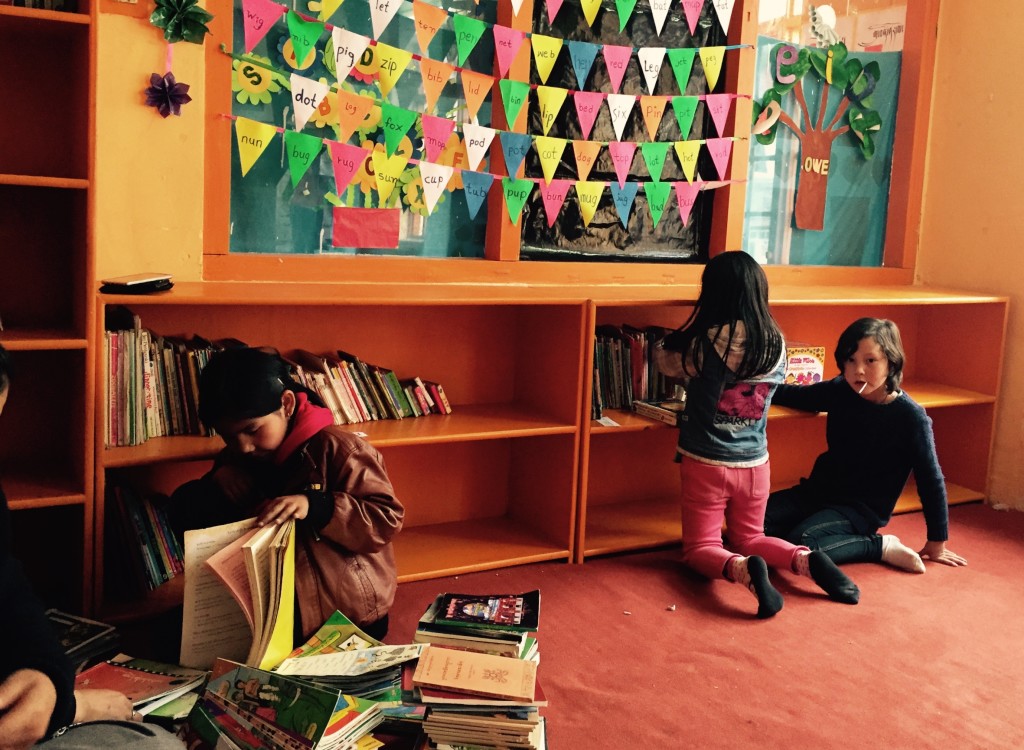
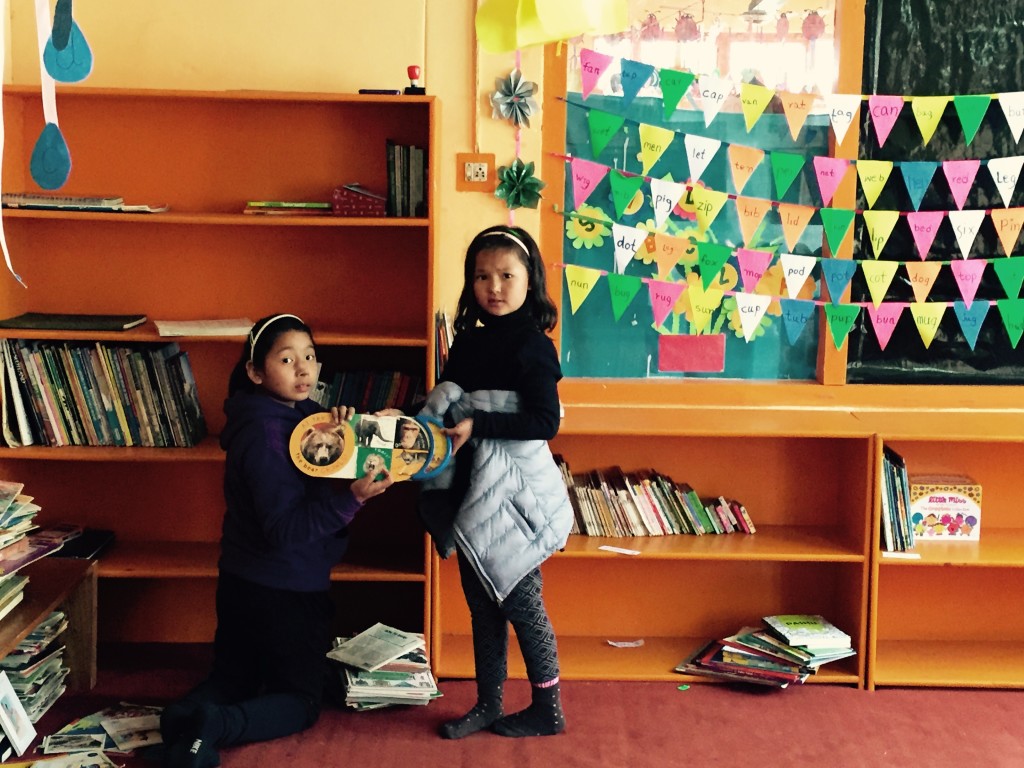
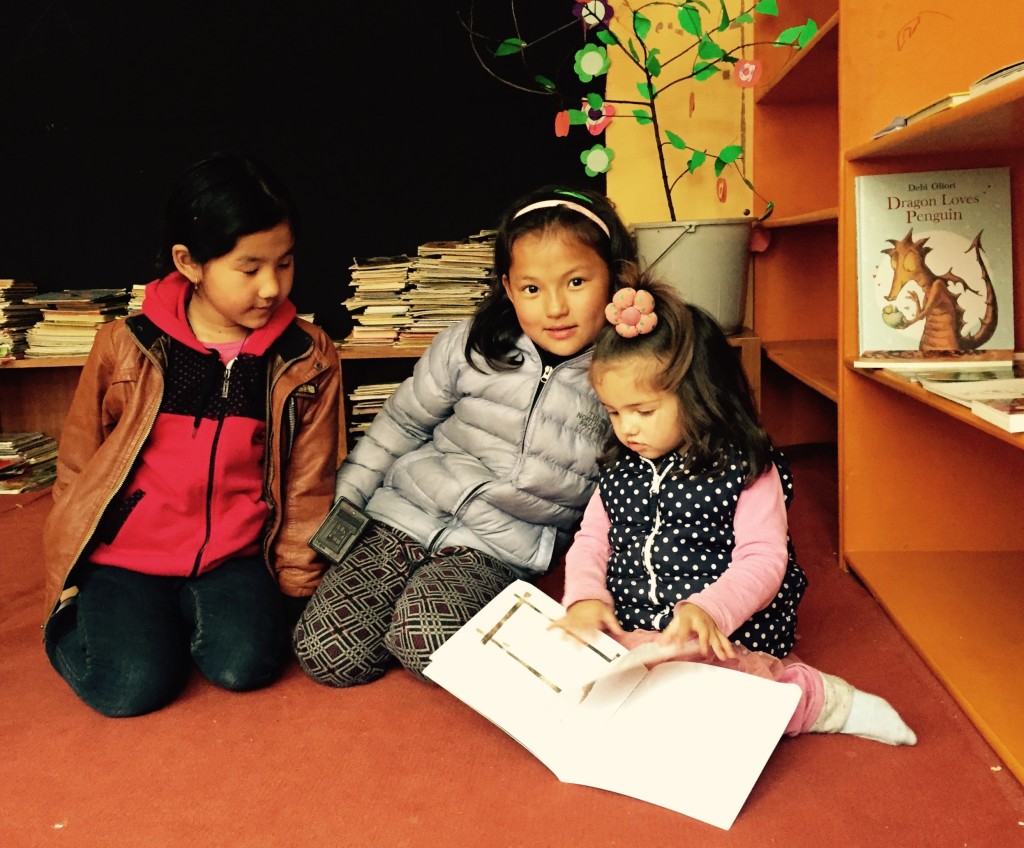
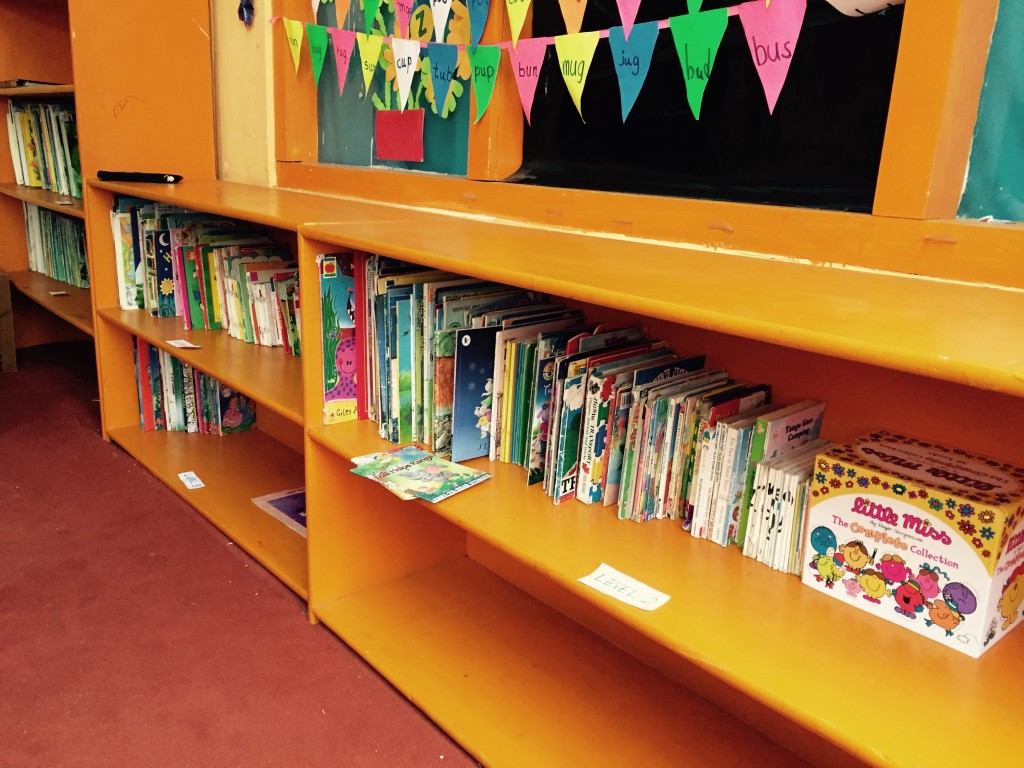
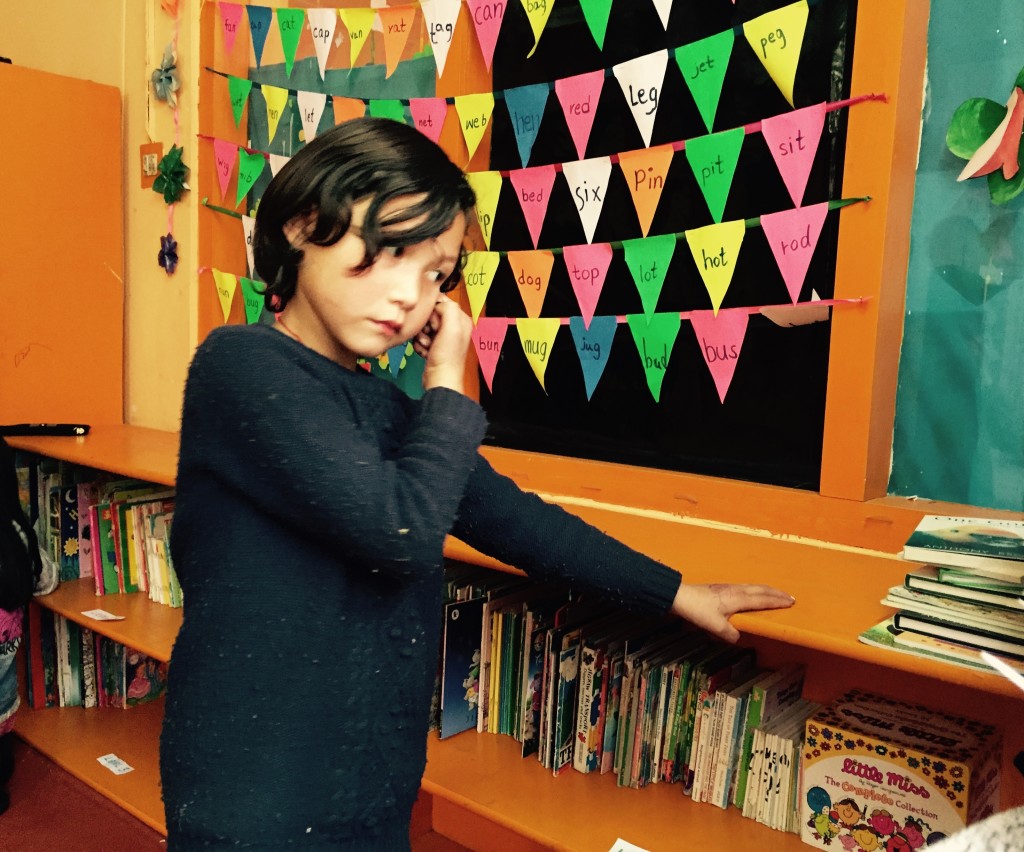
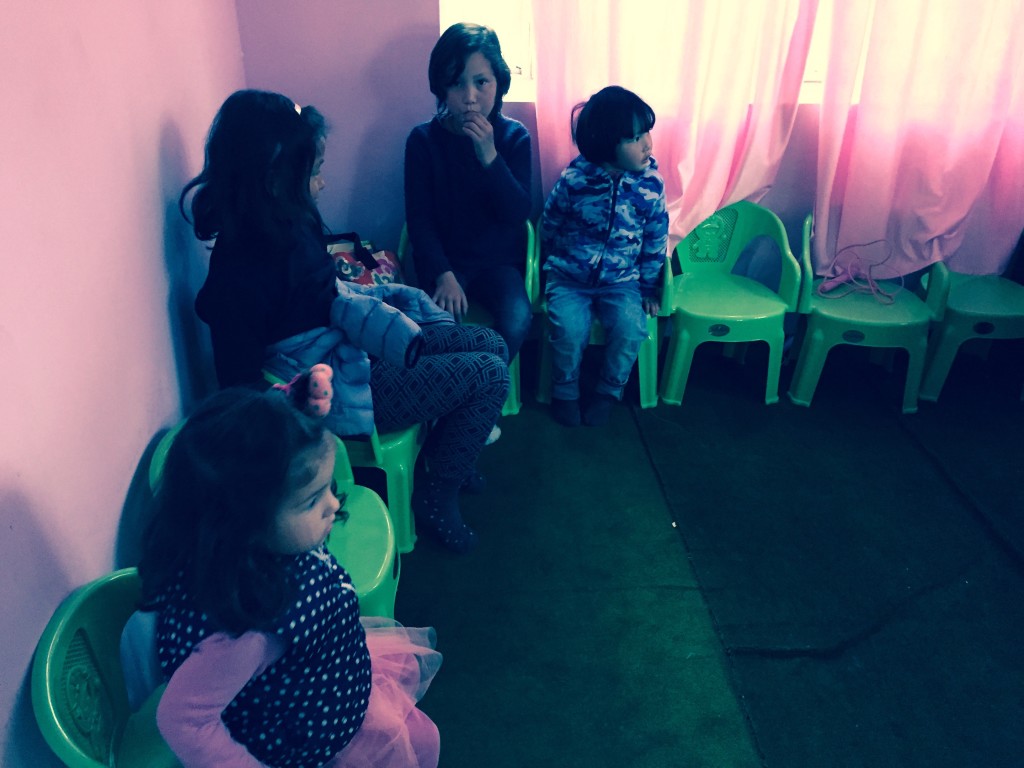
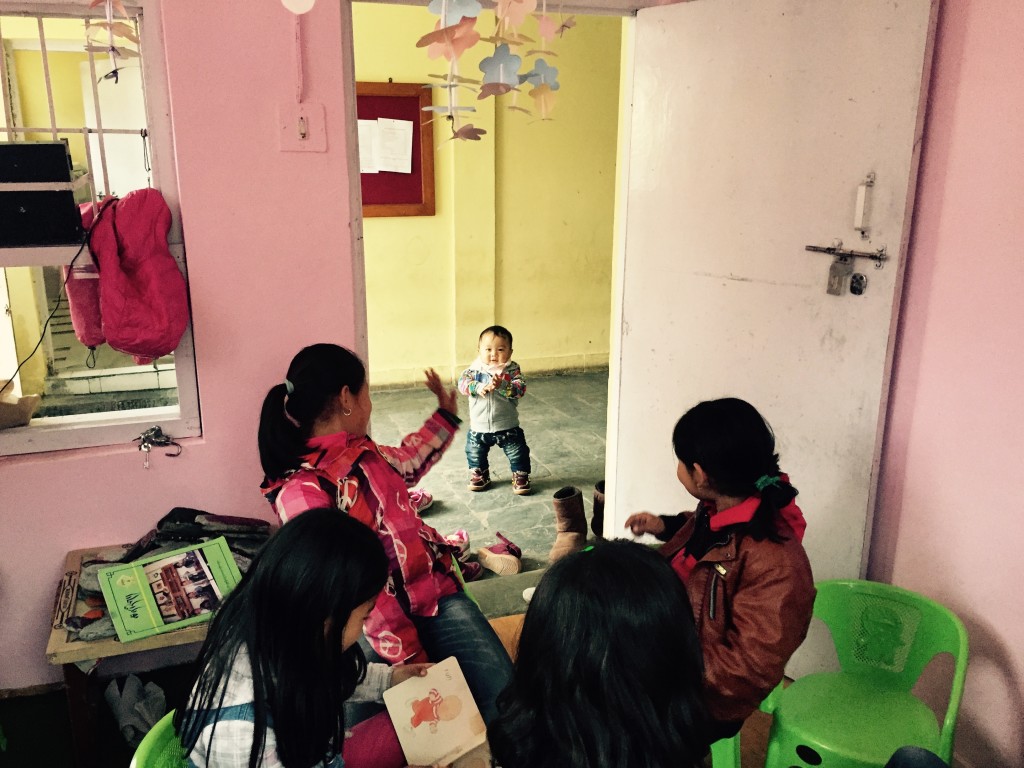
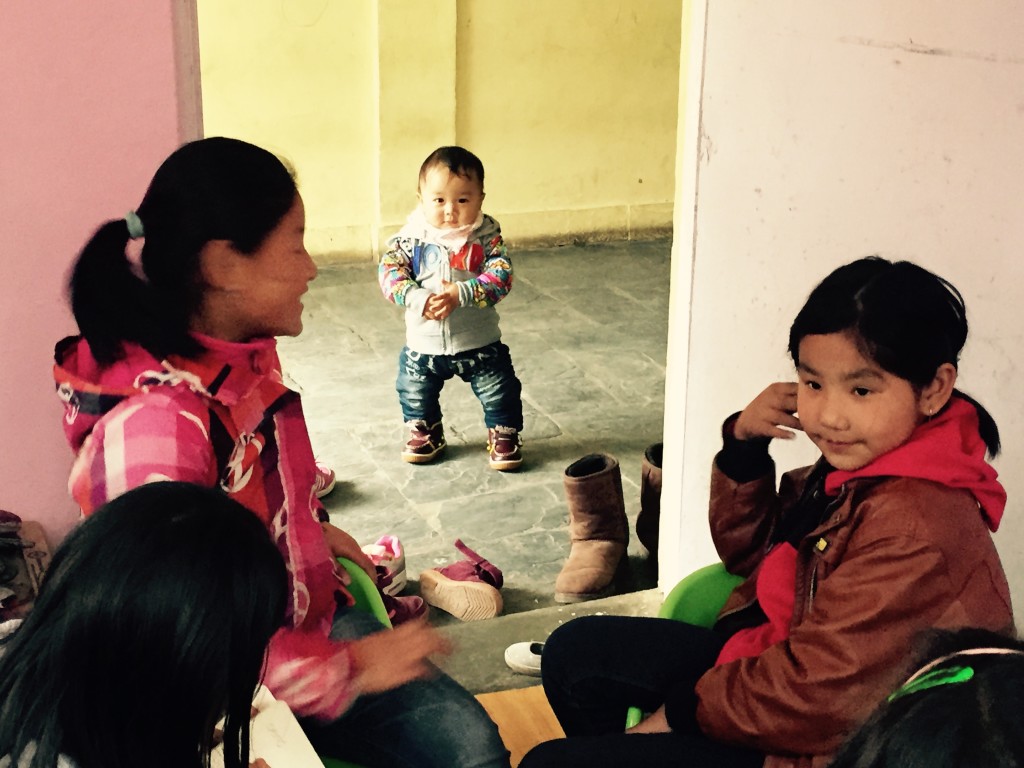
Volunteering in Ladakh can be a deeply rewarding way to support children, young monks, and community learning initiatives. Through reading rooms, book drives, and creative activities, volunteers may help make books and educational resources more accessible in Himalayan communities.
The experience also requires thoughtful preparation. Ladakh’s high-altitude environment, dry climate, limited transport options, and distinctive cultural traditions can feel very different from home. Packing well helps you stay healthy, respectful, and ready to contribute.
Your role may involve reading with children, arranging books, assisting with art or music sessions, documenting activities, or helping with practical tasks. Flexibility matters because schedules, weather, and local priorities can change quickly.
Prepare for the altitude and environment
Ladakh is a high-altitude region, and many destinations sit well above 2,500 metres. Leh, a common arrival point, is approximately 3,500 metres above sea level. At this elevation, even simple activities can feel demanding during the first few days.
Plan to rest after arrival rather than beginning volunteer work immediately. Walk slowly, drink water regularly, and allow your body time to adjust. Headaches, fatigue, mild breathlessness, and reduced appetite can occur during acclimatization. Serious or worsening symptoms require prompt medical attention and should never be ignored.
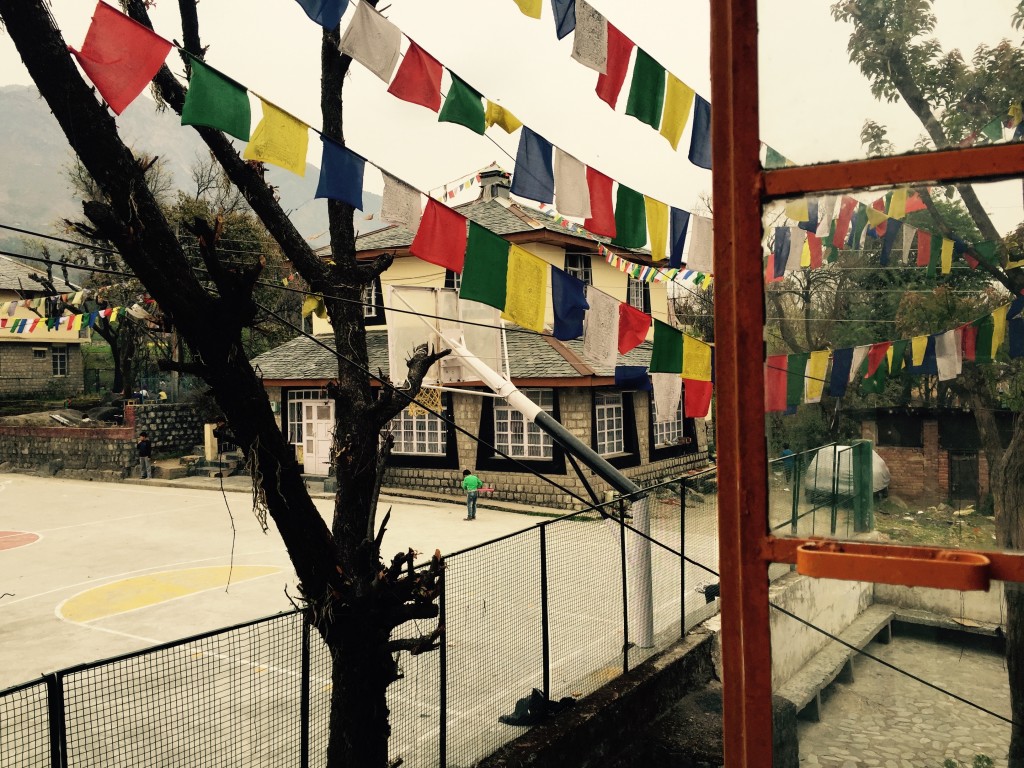
The climate is usually dry, sunny, and cool, with strong ultraviolet exposure during the day. Temperatures can fall sharply after sunset. Dust, wind, and sudden weather changes are also possible, particularly during travel between communities.
Pack with purpose
A useful packing list balances personal health, practical work, and respect for local customs. Soft luggage or a durable backpack may be easier to manage than a rigid suitcase when roads are uneven or storage space is limited.
Bring versatile clothing that can be layered. A warm base layer, fleece or sweater, insulated jacket, comfortable trousers, and a weather-resistant outer layer will serve you better than a large collection of specialized outfits. Choose sturdy shoes with good grip for walking on unpaved paths and stone steps.
| Item |
Why it matters |
Packing note |
| Reusable water bottle |
Supports regular hydration in a dry climate |
Select a durable, leak-resistant bottle |
| Sun hat and sunglasses |
Protects against intense high-altitude sunlight |
Choose sunglasses with reliable UV protection |
| Sunscreen and lip balm |
Helps prevent sunburn and cracked skin |
Bring high-SPF sunscreen and reapply often |
| Warm layers |
Temperatures change quickly between day and night |
Use several light layers rather than one bulky item |
| Comfortable walking shoes |
Useful for roads, trails, and community visits |
Break them in before travelling |
| Personal medications |
Local supplies may be limited |
Carry prescriptions and essential medicines |
| Headlamp |
Helpful during power cuts or dark paths |
Pack spare batteries or a rechargeable model |
| Small daypack |
Keeps daily necessities accessible |
Include water, layers, tissues, and snacks |
| Hand sanitizer and tissues |
Useful where facilities are basic |
Keep a small supply with you |
| Notebook and pens |
Supports planning, reflection, and activity ideas |
Avoid assuming every site has stationery |
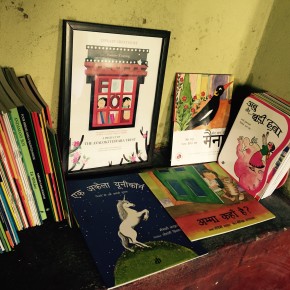
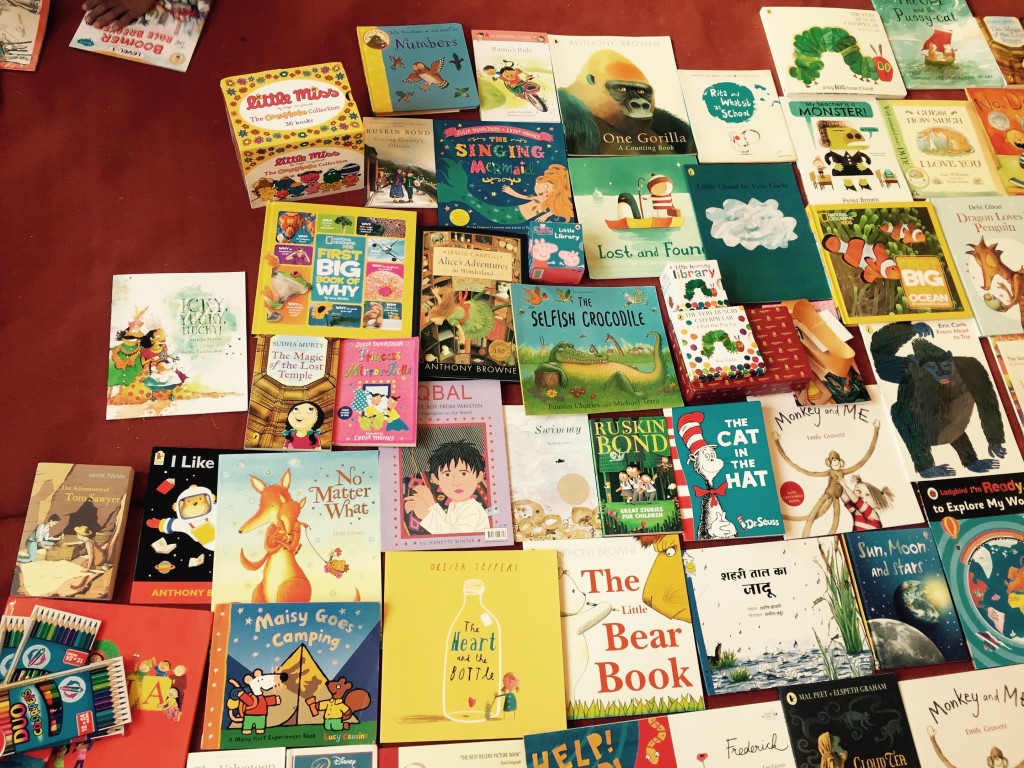
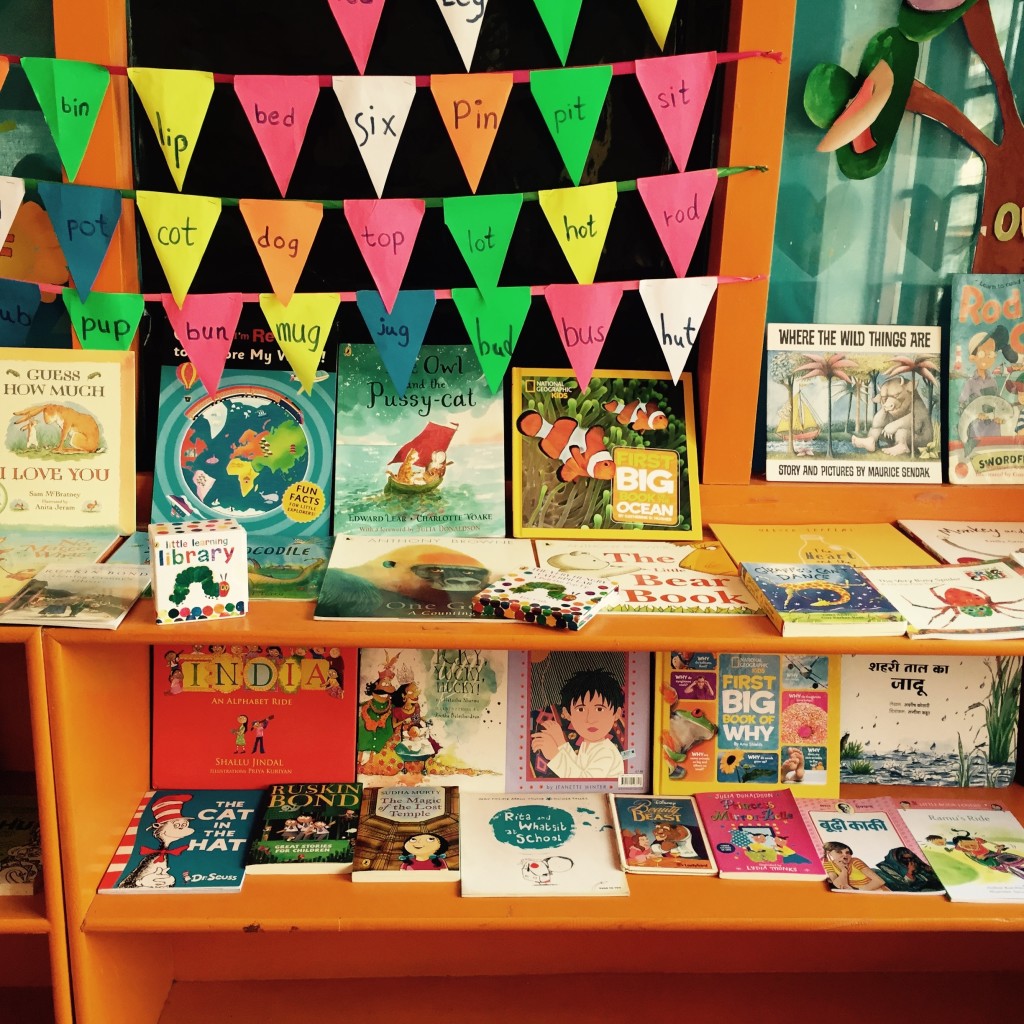
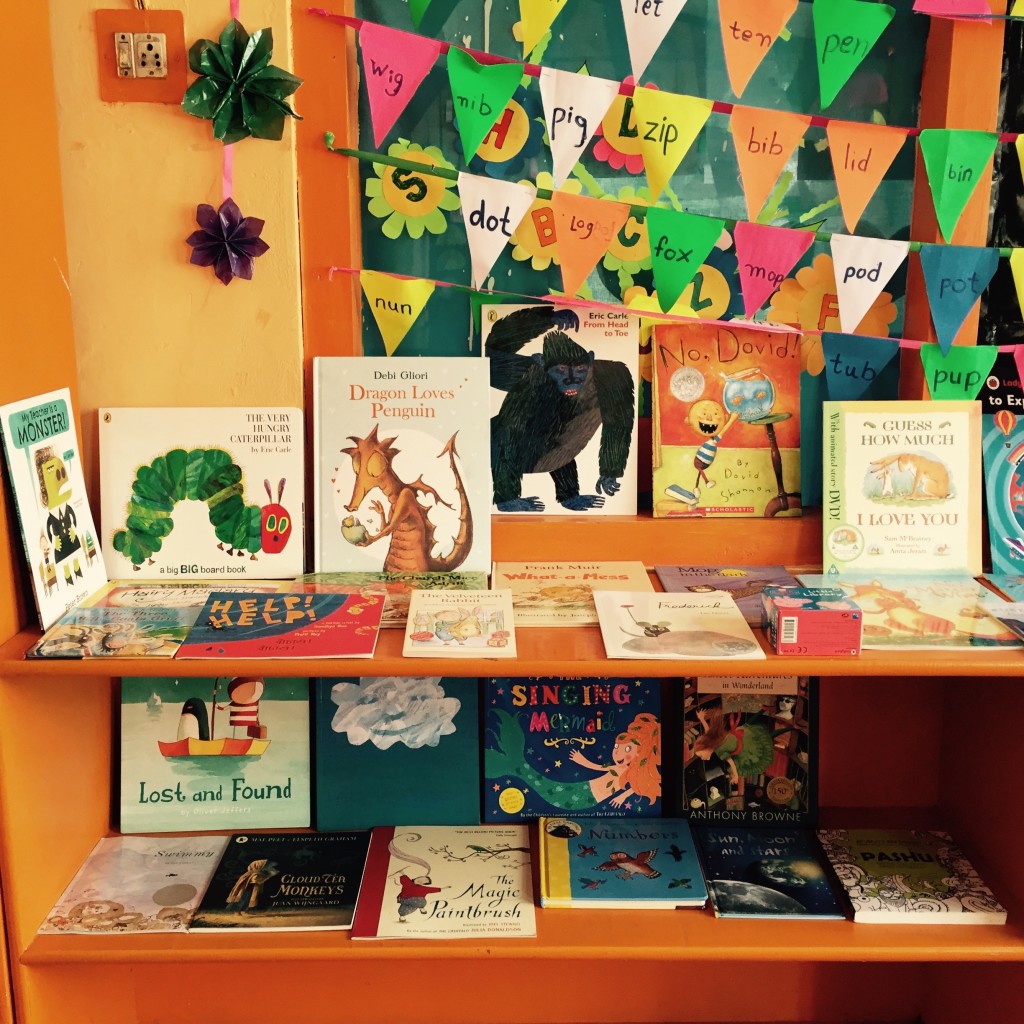
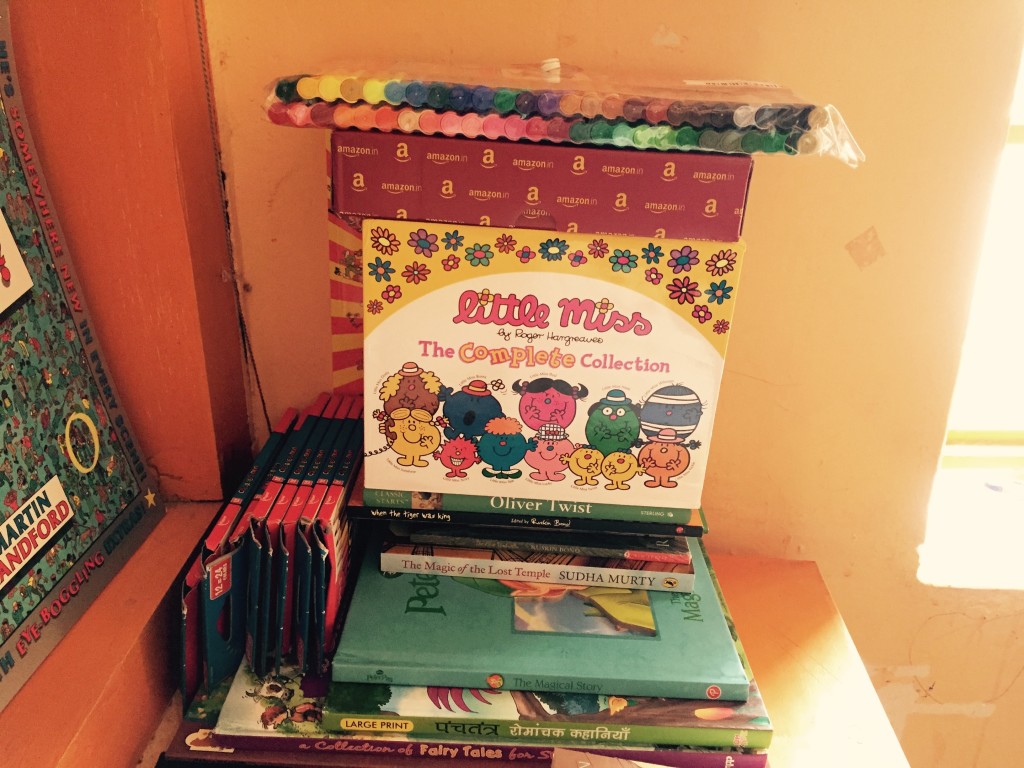
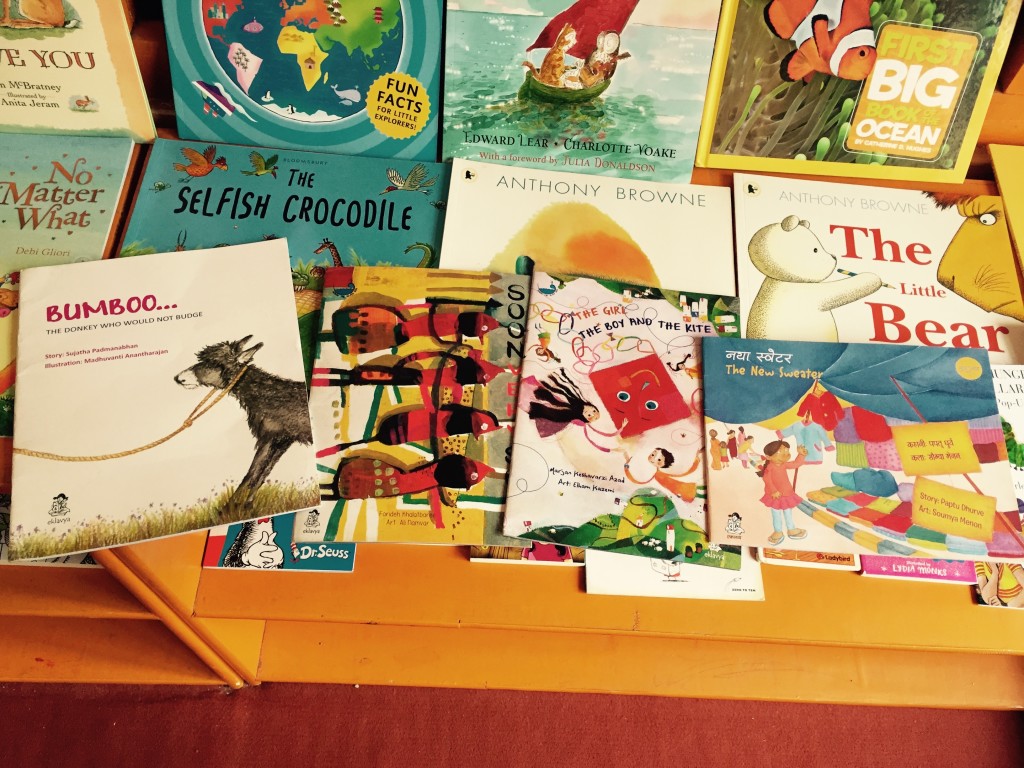
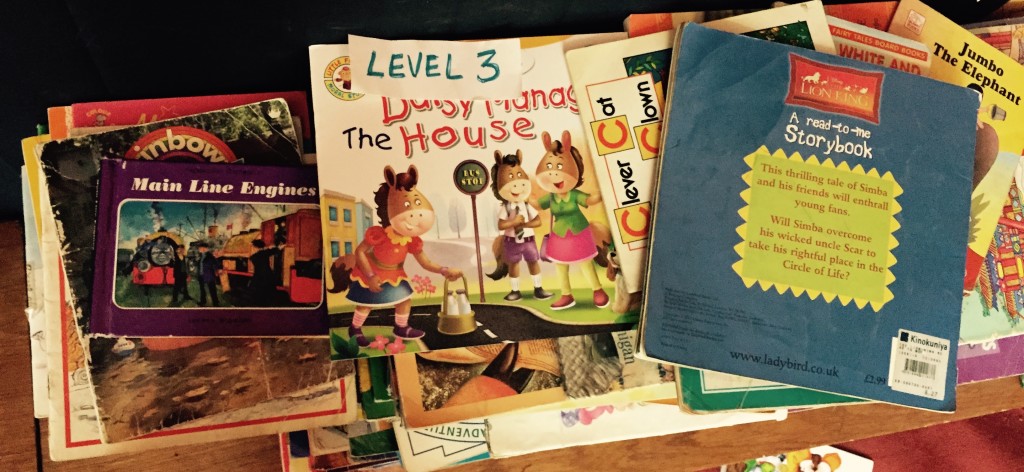
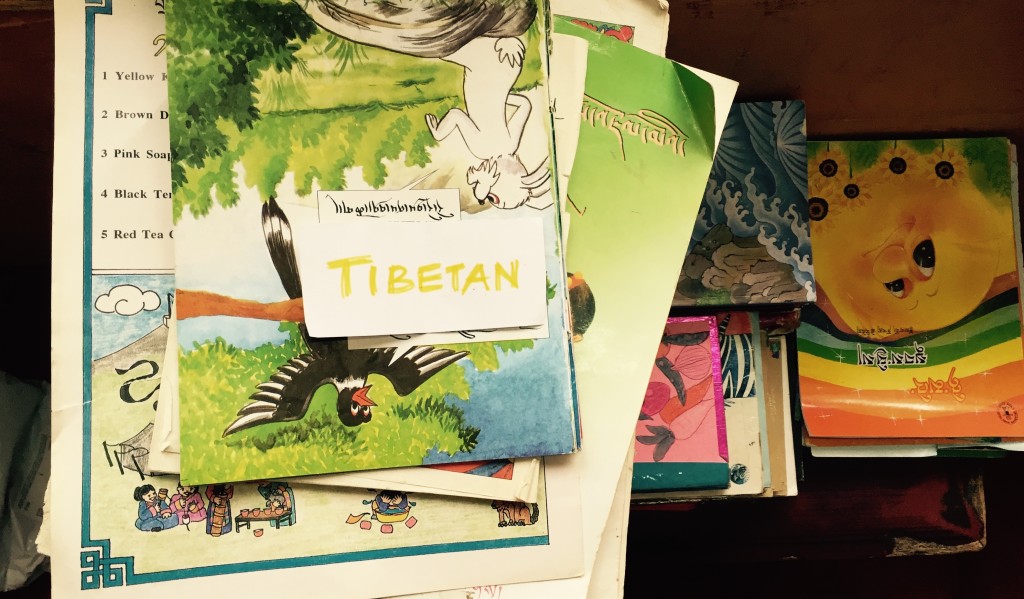
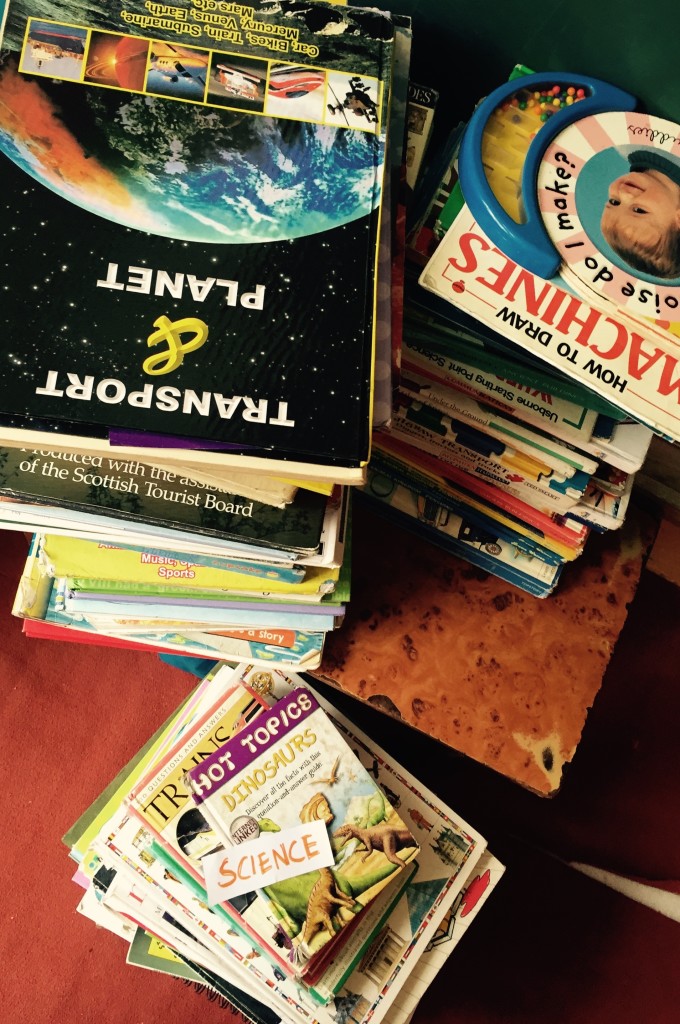
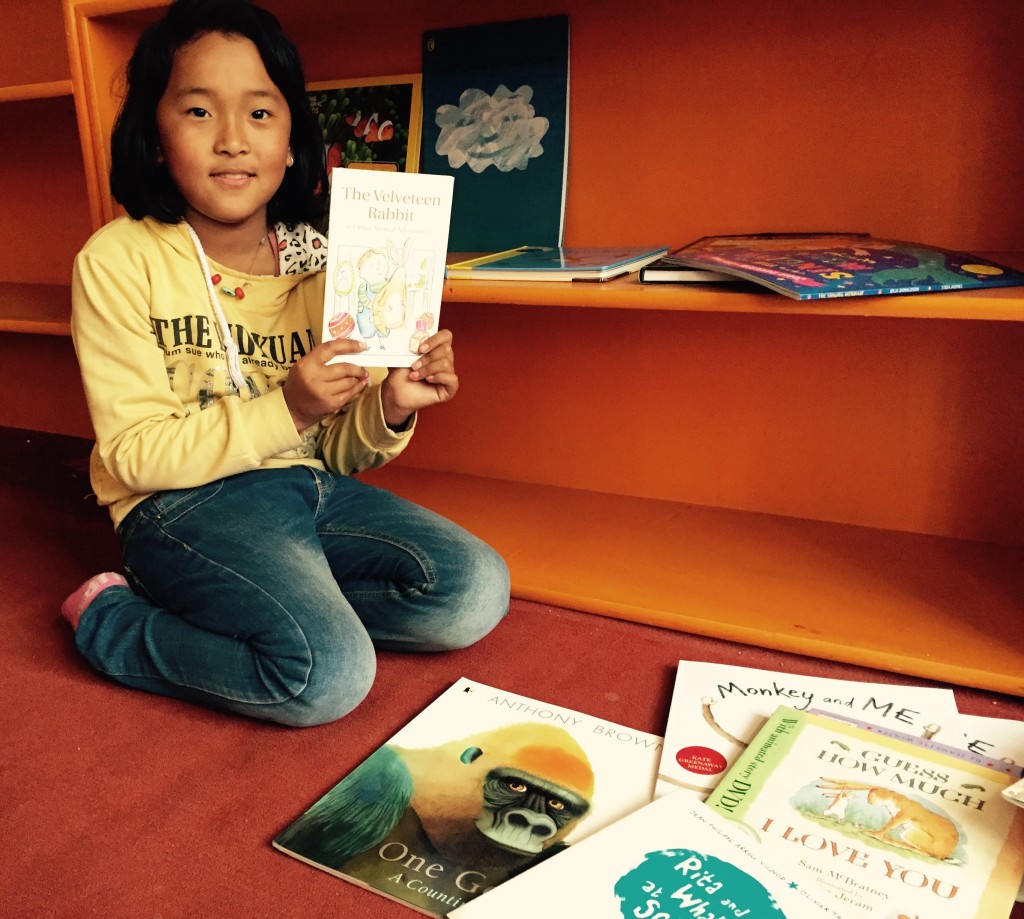
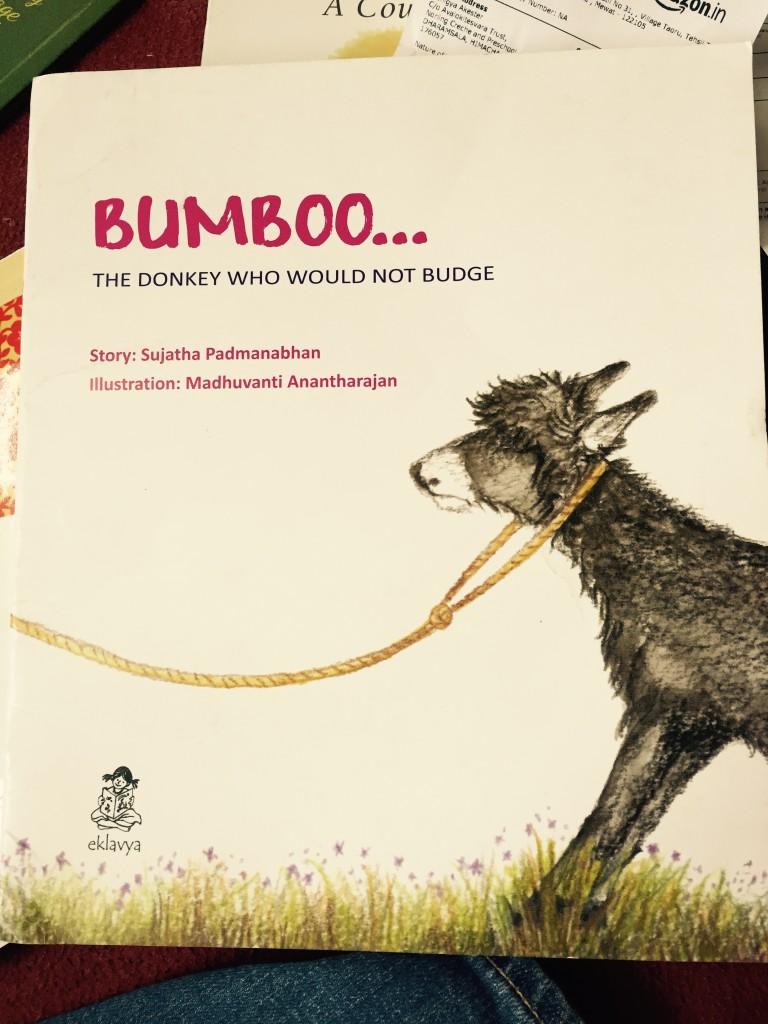
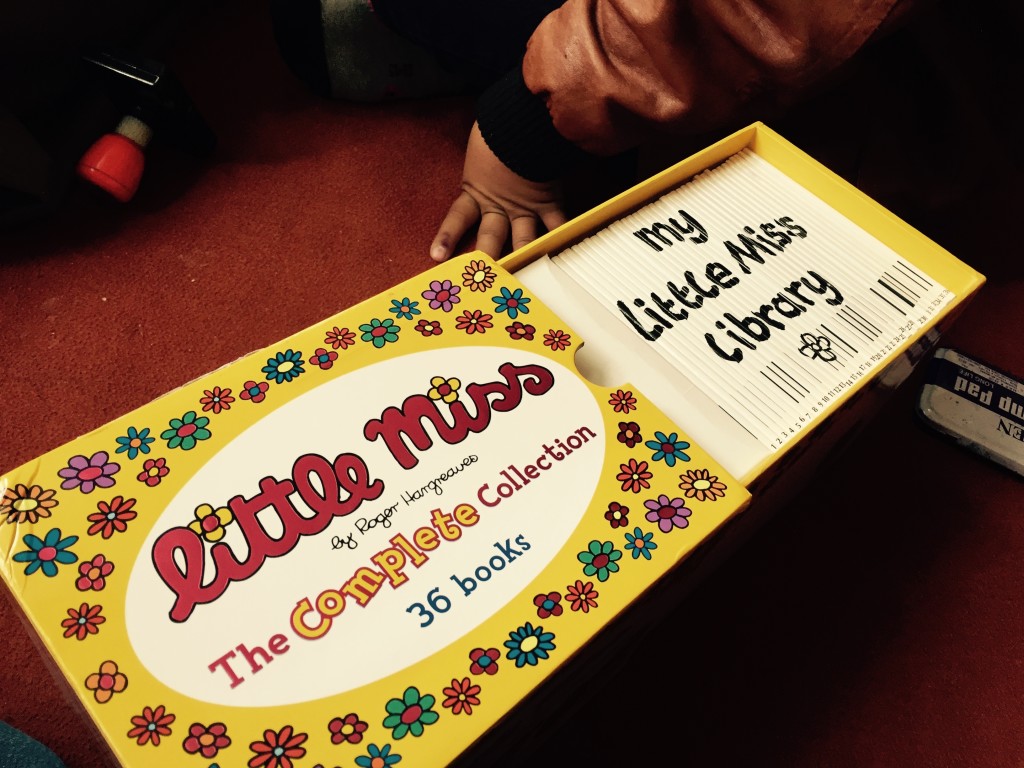
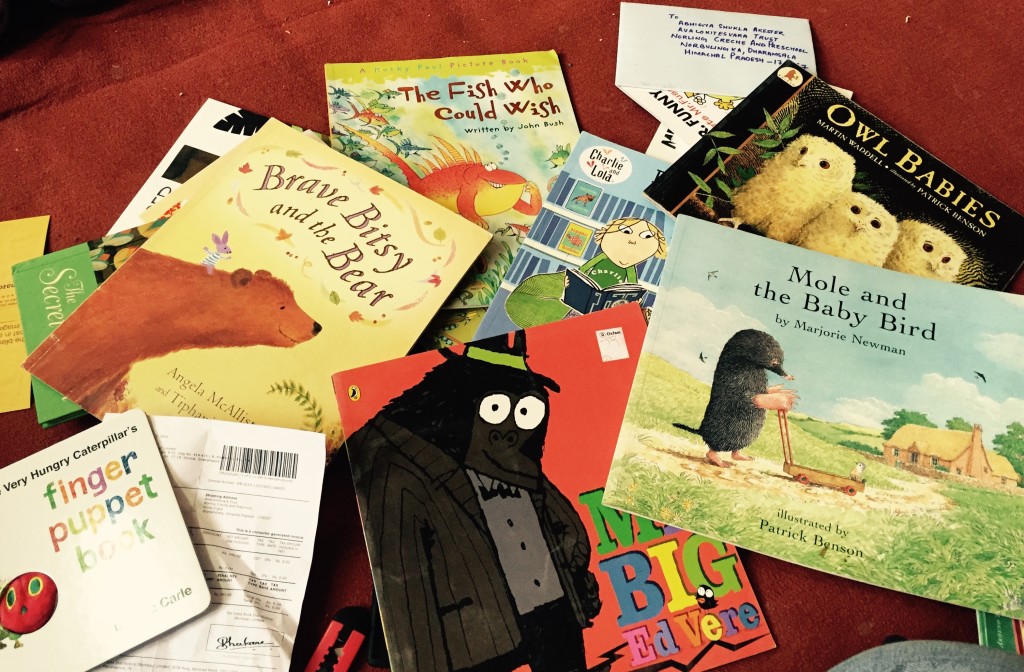
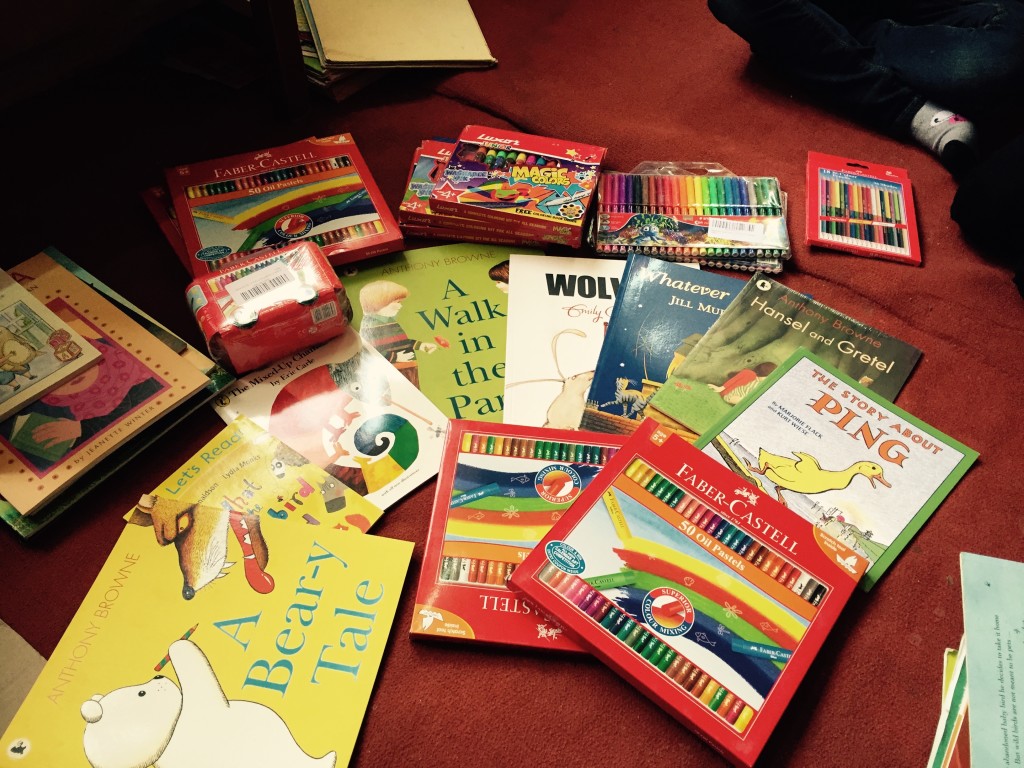
Pack modestly and leave room for materials supplied by the organization or purchased locally. If you plan to bring books, confirm the needs of the reading room or partner community first. Books that are suitable in age, language, subject, and condition are more helpful than random donations.
Avoid bringing large quantities of sweets, disposable plastic items, or clothing that is unsuitable for local customs. Ask the organization about restrictions on photography, technology, and donated materials before departure.
Protect your health and comfort
A travel health appointment is worthwhile before visiting Ladakh. Discuss altitude, routine vaccinations, travel insurance, existing medical conditions, and any medicines you may need. Keep important medication in your carry-on luggage and bring enough for the full journey, with extra supply where medically appropriate.
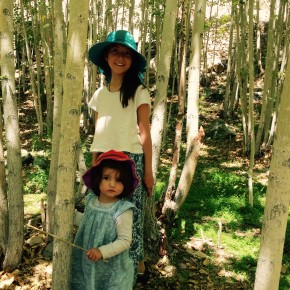
Sun protection is essential even when the air feels cool. Wear sunscreen on exposed skin, use lip balm, and consider a long-sleeved shirt for extended time outdoors. Hydration can be easy to neglect in cold, dry conditions, so carry water during both work and sightseeing.
Food and water habits also deserve attention. Follow local guidance about drinking water, wash your hands before meals, and introduce unfamiliar foods gradually. A few familiar snacks can be useful during long road journeys or busy activity days.
Rest is part of responsible volunteering. Exhaustion makes altitude adjustment harder and can reduce the quality of your work with children. Build quiet time into each day, especially during the first week.
Dress and behave with cultural awareness
Ladakh includes Buddhist monasteries, villages, schools, and family homes, each with its own expectations. Modest, practical clothing is generally the safest choice. Tops that cover the shoulders and trousers or skirts that reach below the knees are appropriate for many community settings.
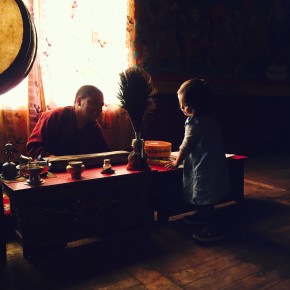
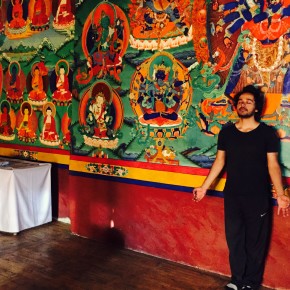
When visiting monasteries or religious spaces, follow local instructions about footwear, photography, movement, and conversation. Some areas may be restricted, and religious objects should never be touched or moved without permission. Observe first, then ask respectfully if you are unsure.
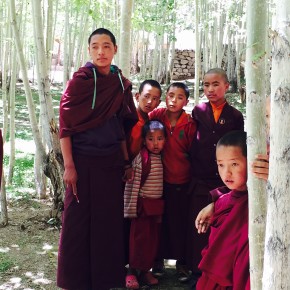
Children may be curious about visitors, cameras, accents, and personal belongings. Build trust through patience rather than treating the experience as a photo opportunity. Always follow the organization’s safeguarding guidance, obtain appropriate consent before taking or sharing images, and avoid posting identifying details about children.
Learning a few respectful phrases in Ladakhi, Hindi, or another locally used language can make daily interactions warmer. Even a simple greeting, thank-you, or request for permission shows that you value the community rather than viewing it only through a volunteer’s perspective.
Understand the rhythm of community work
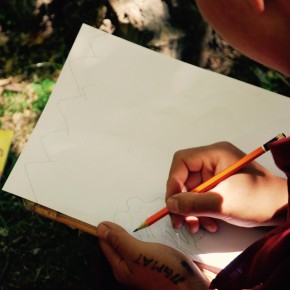
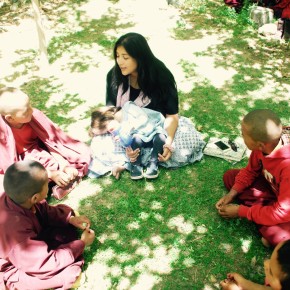
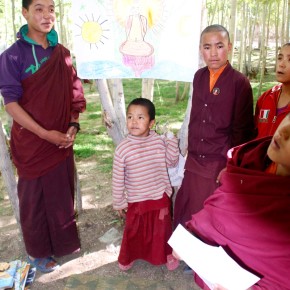
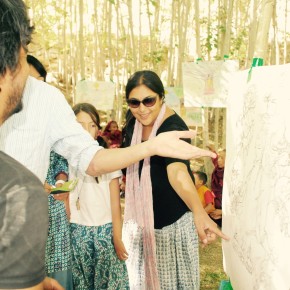
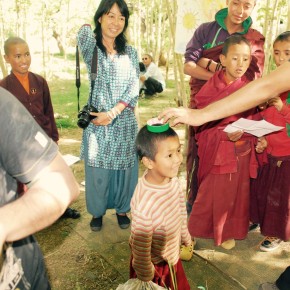
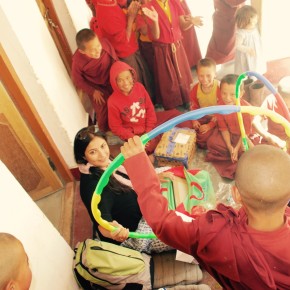
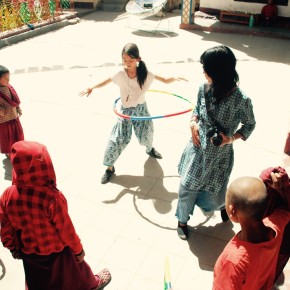
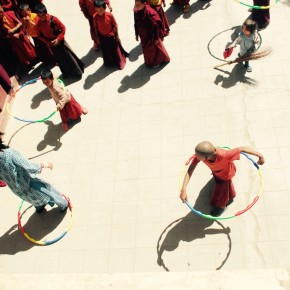
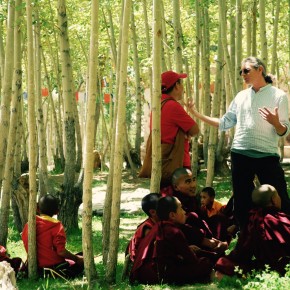
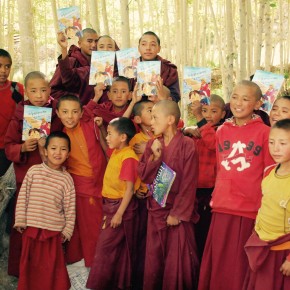
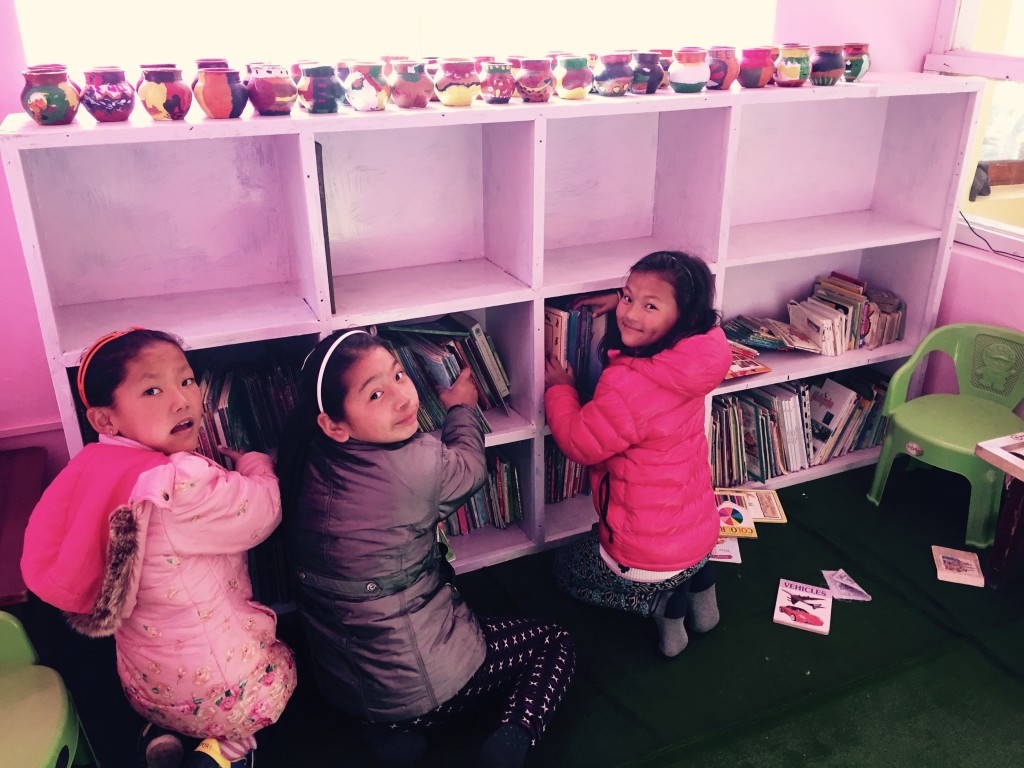
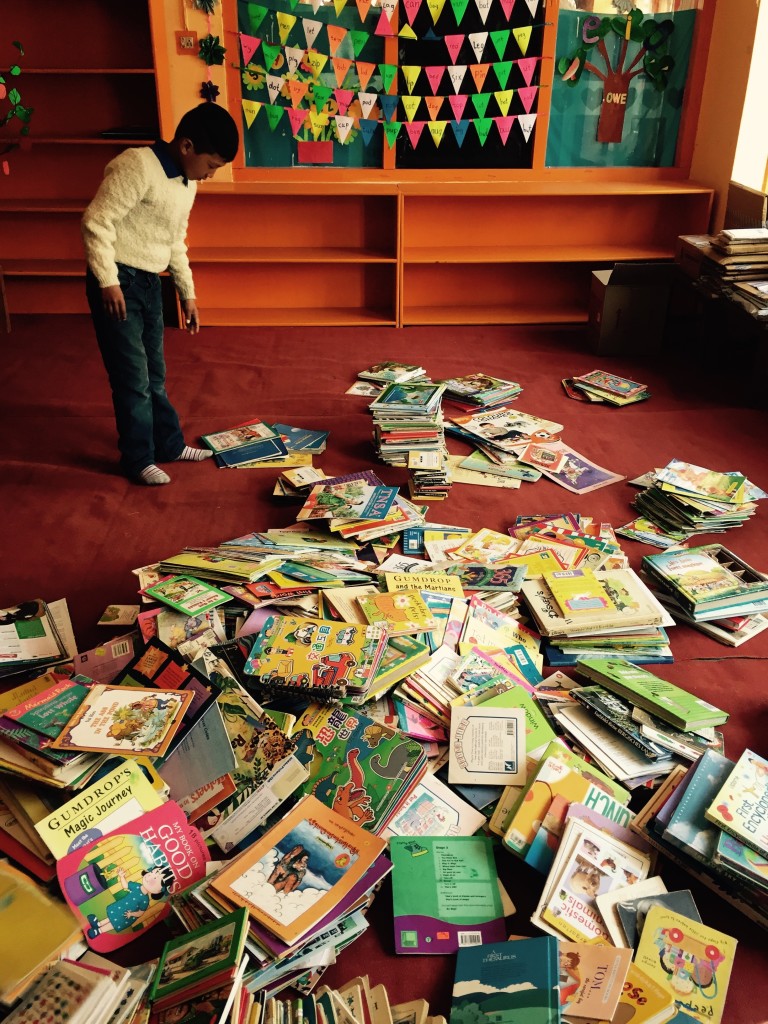
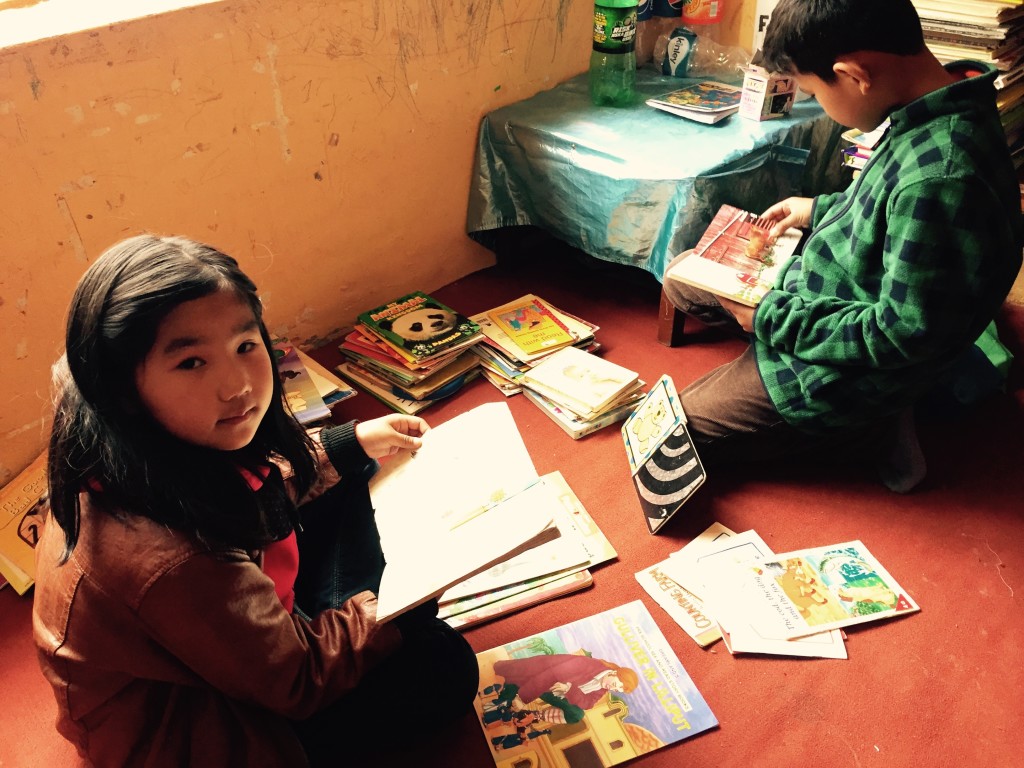
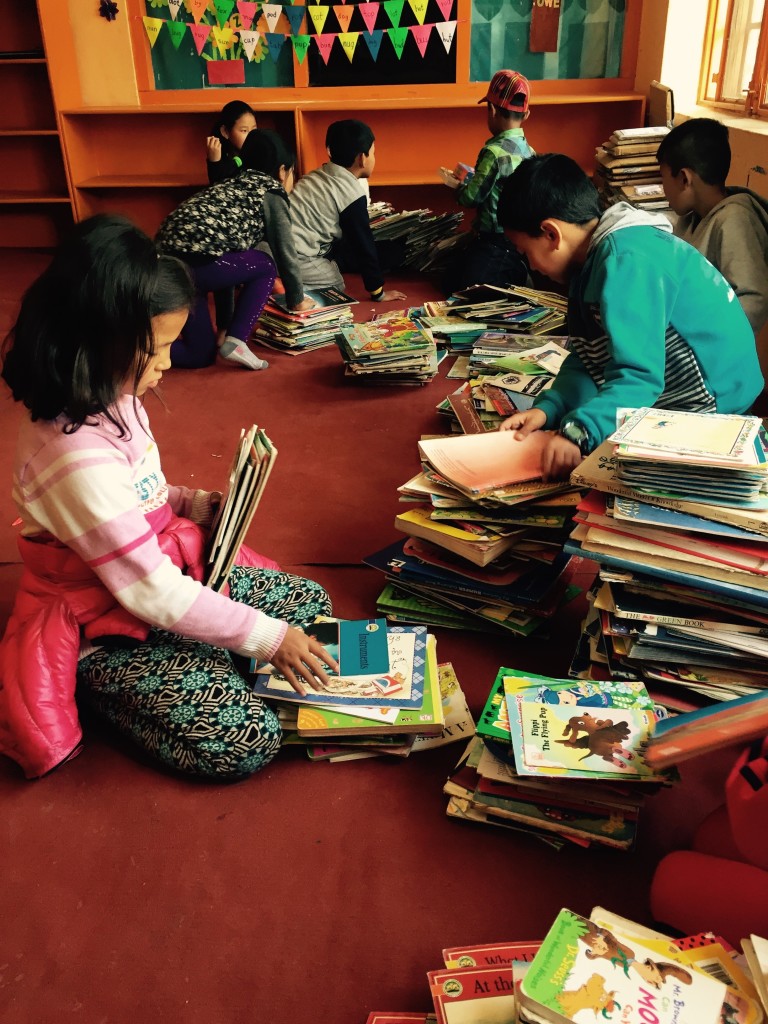
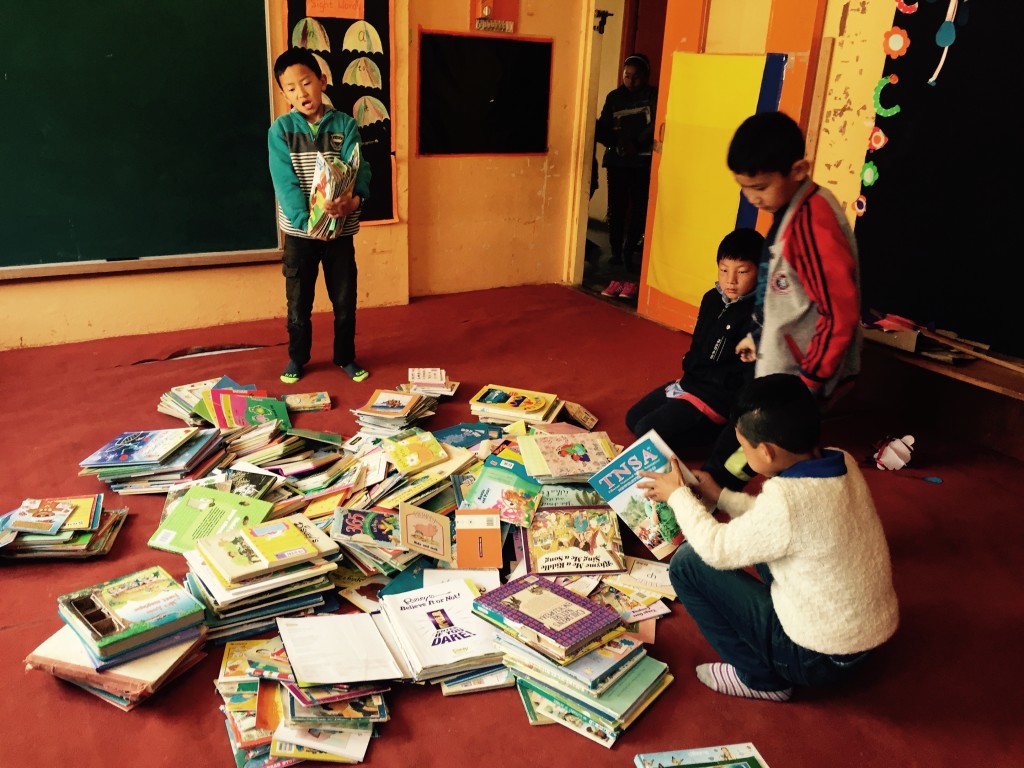
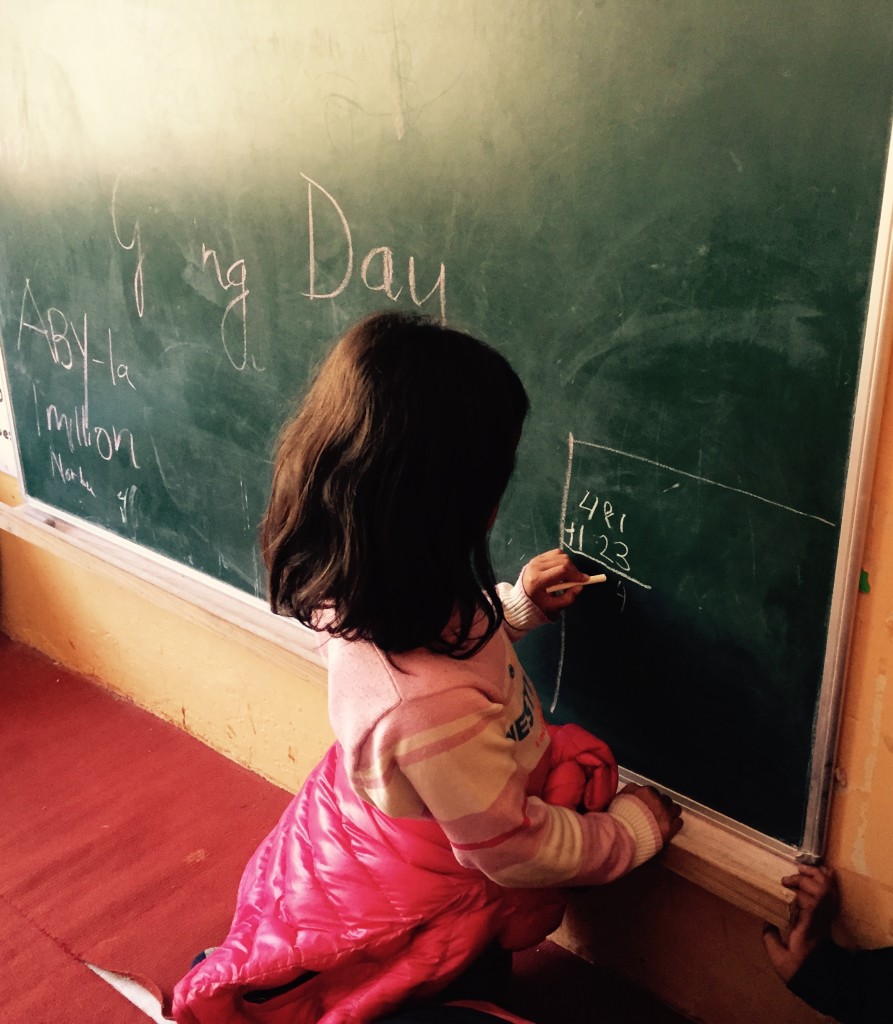
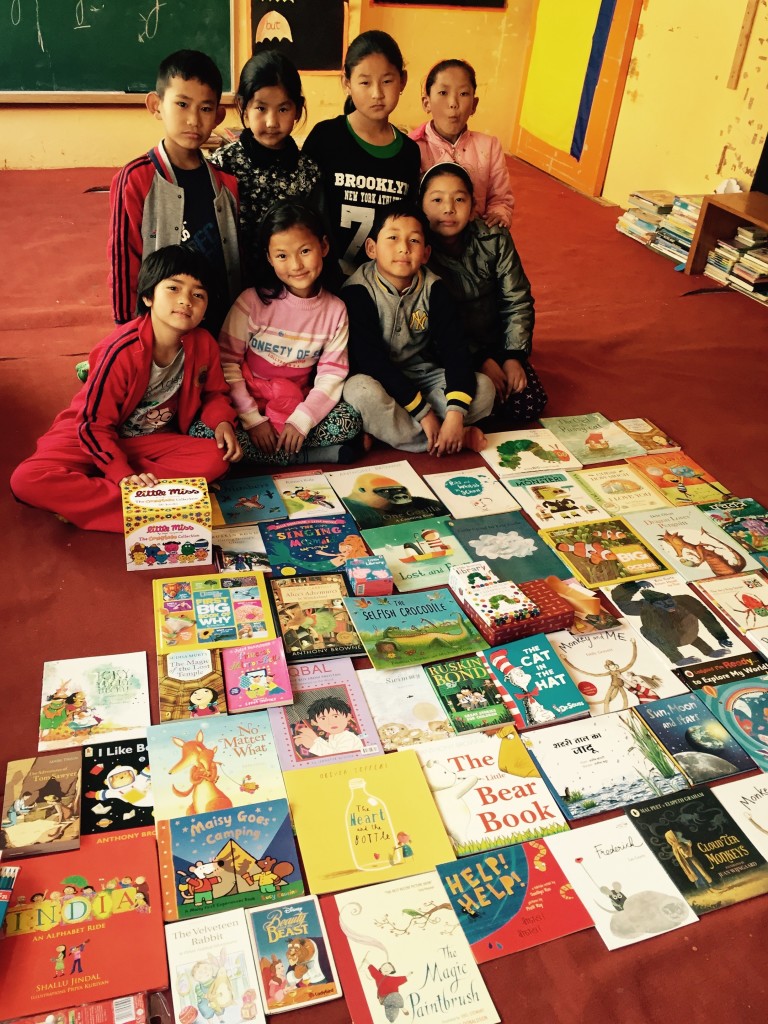
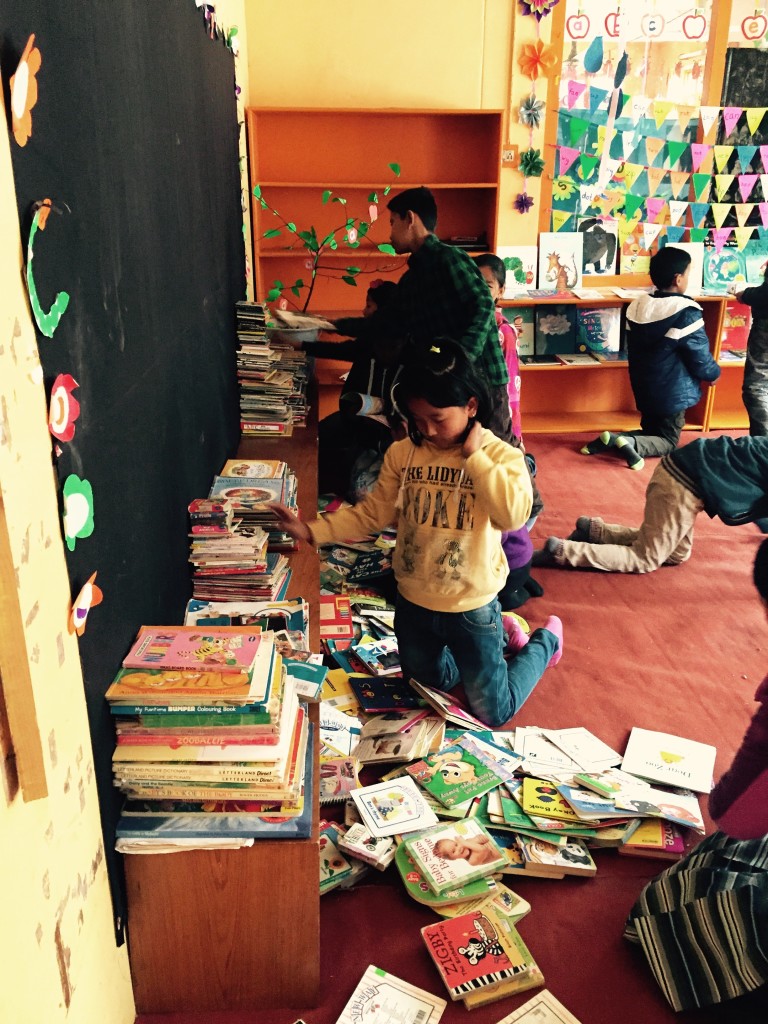
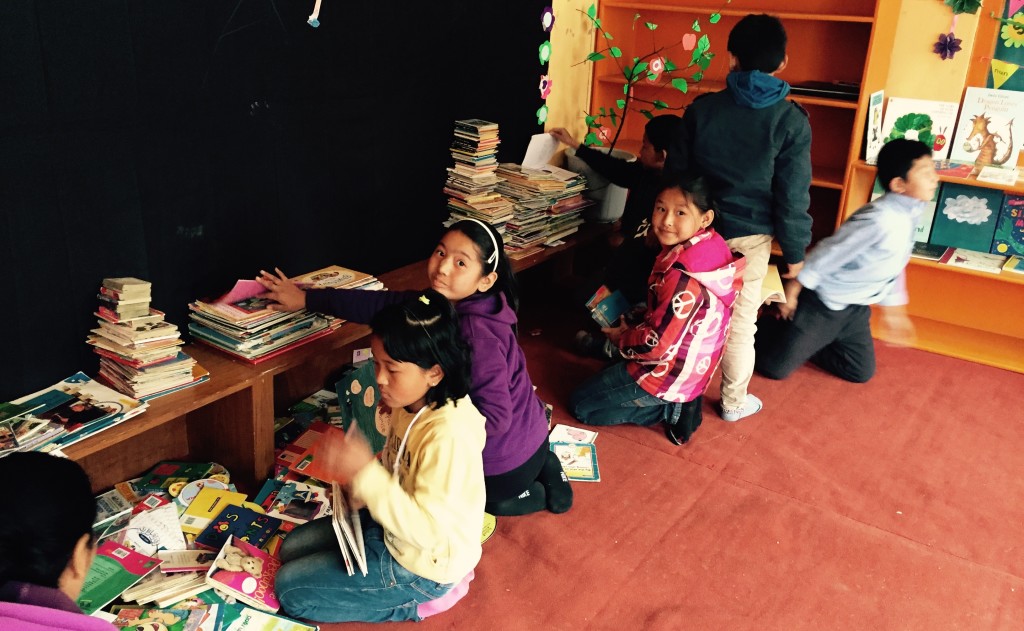
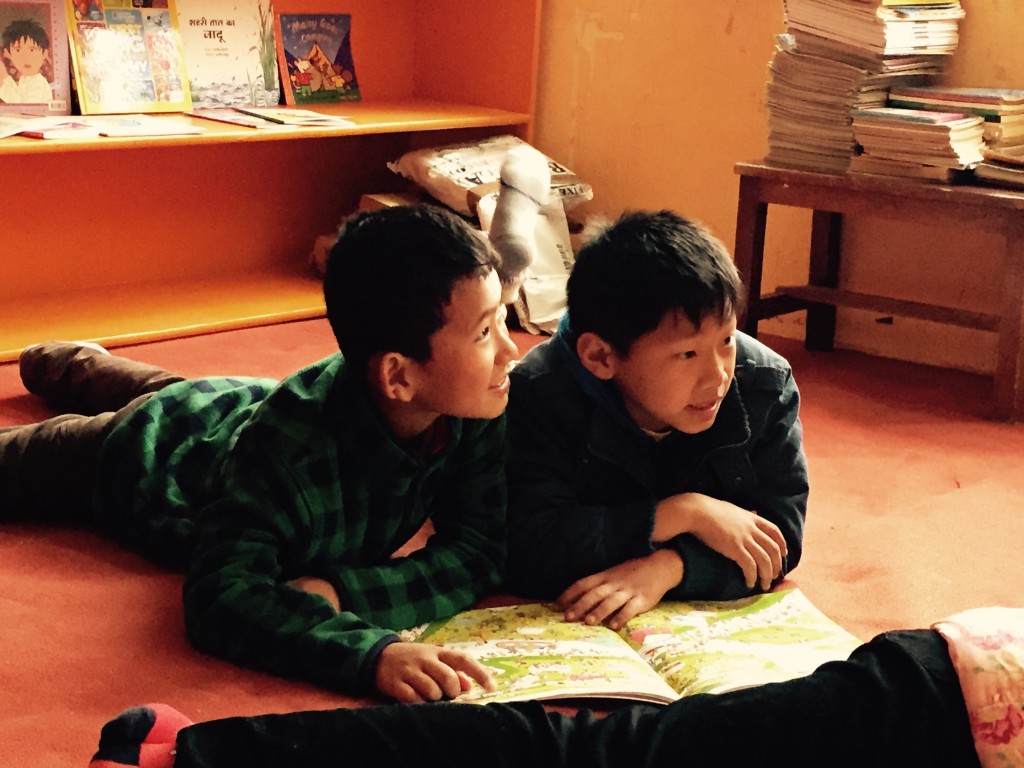
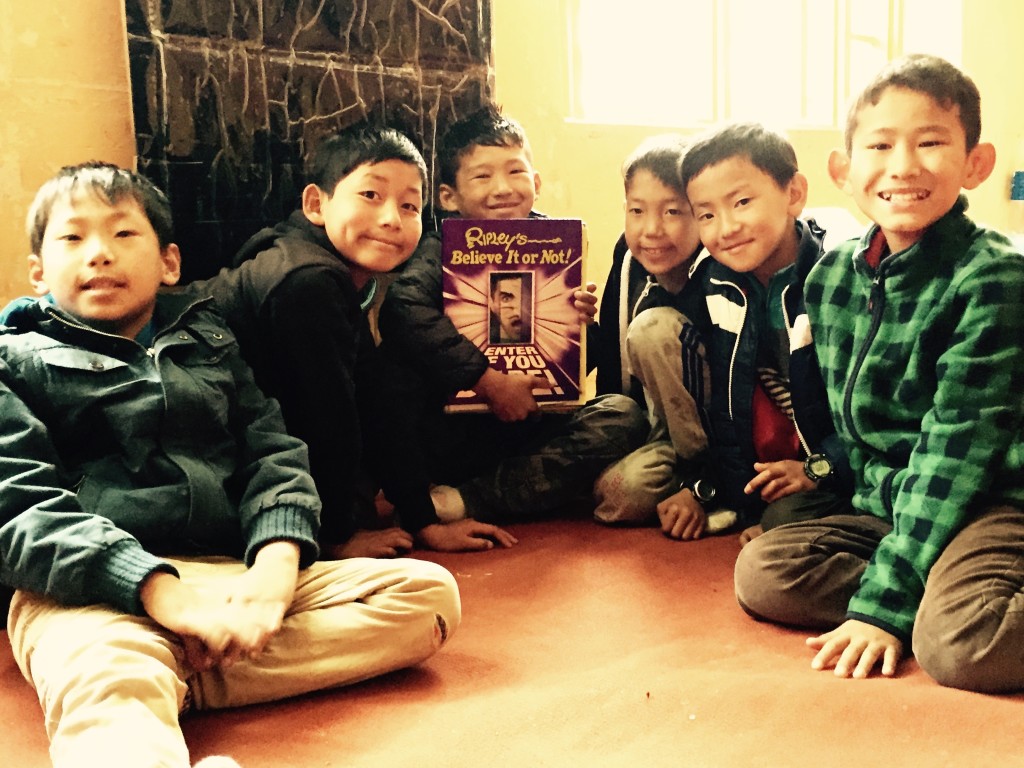
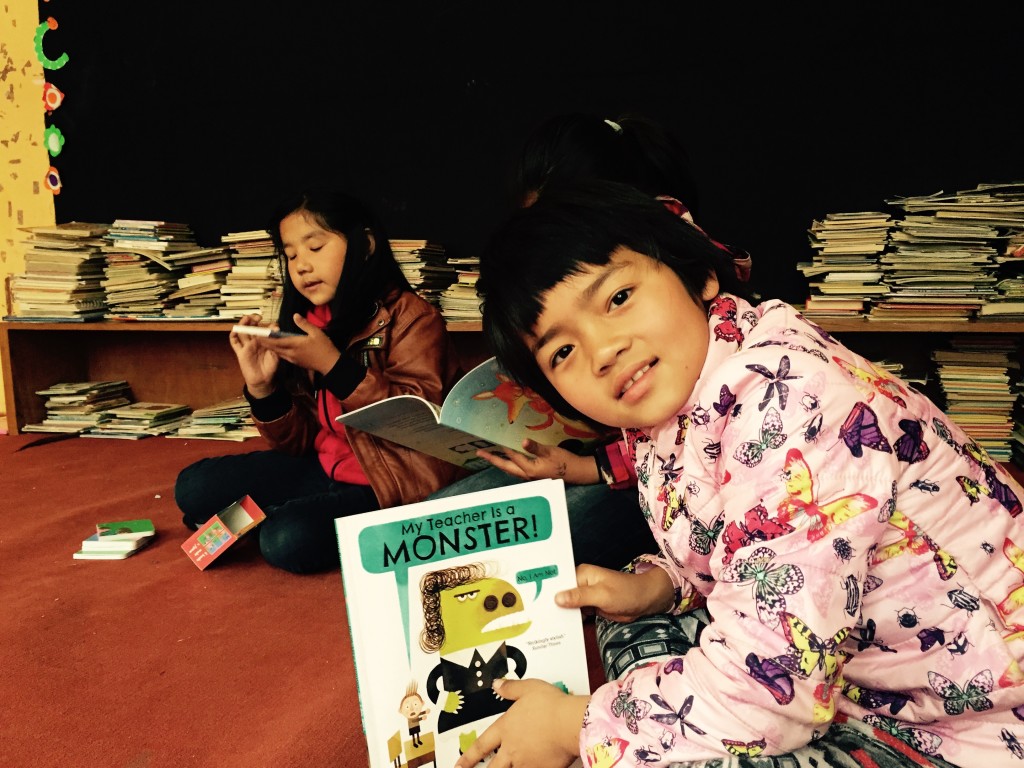
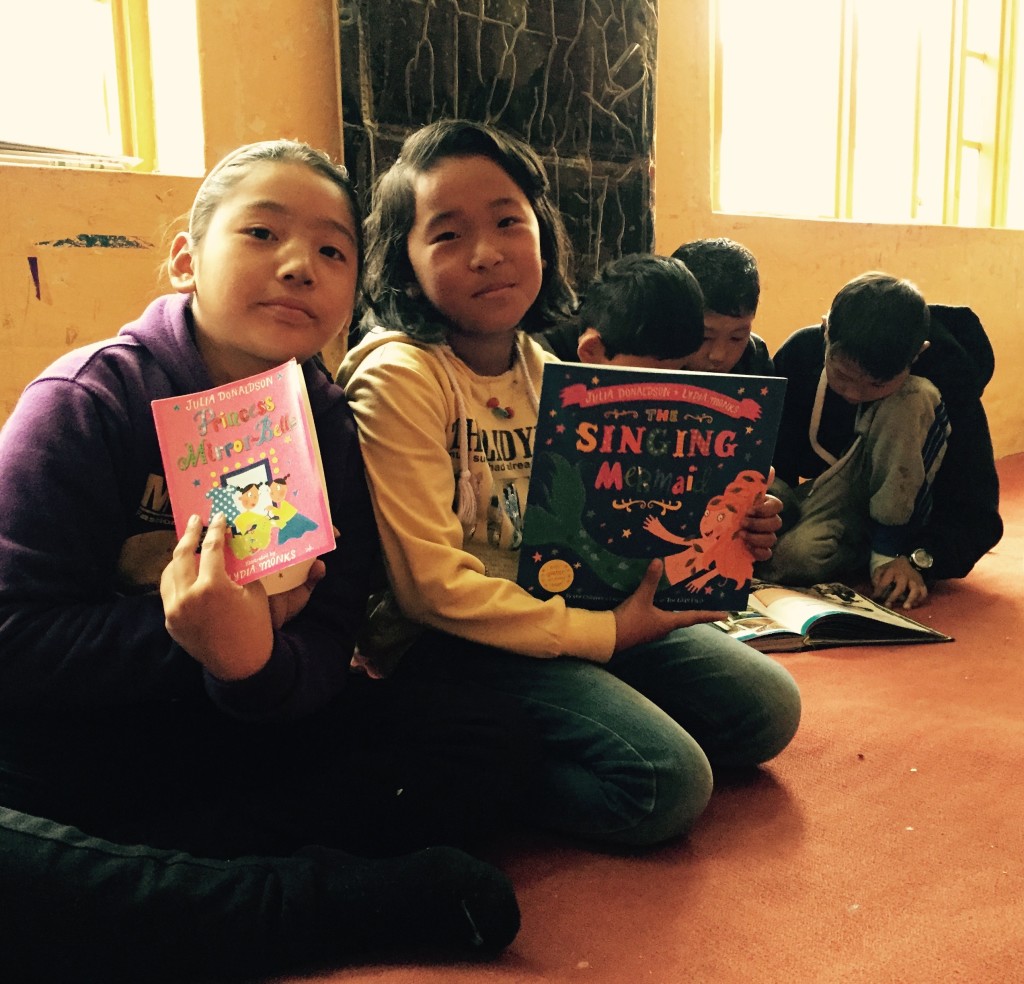
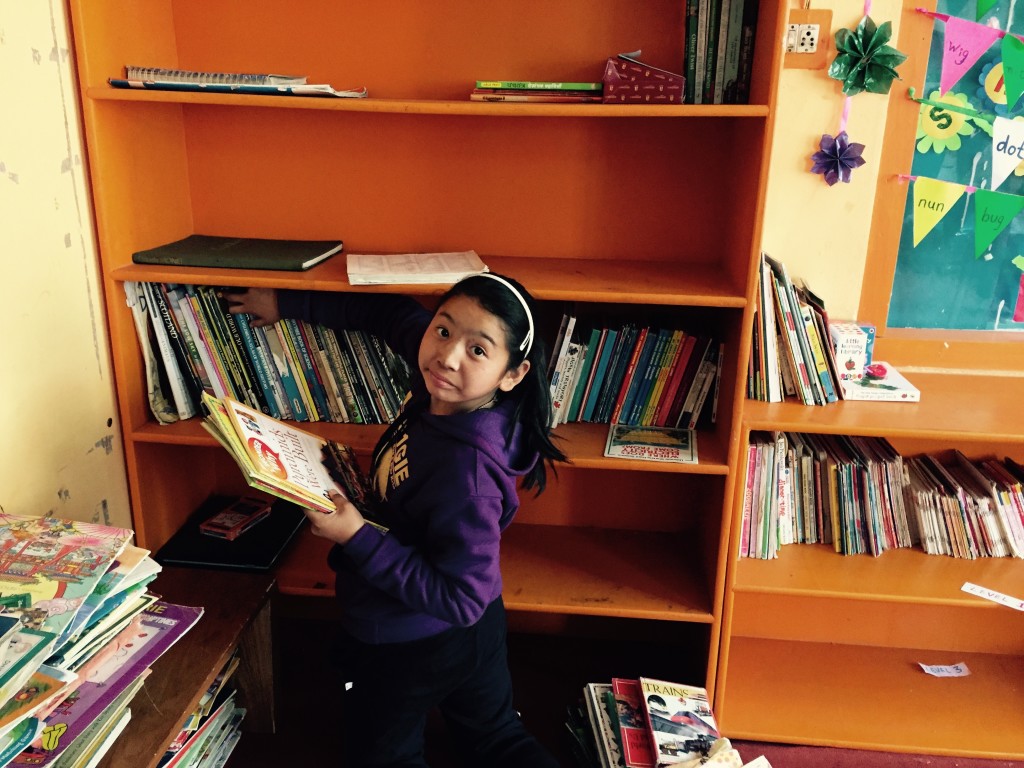
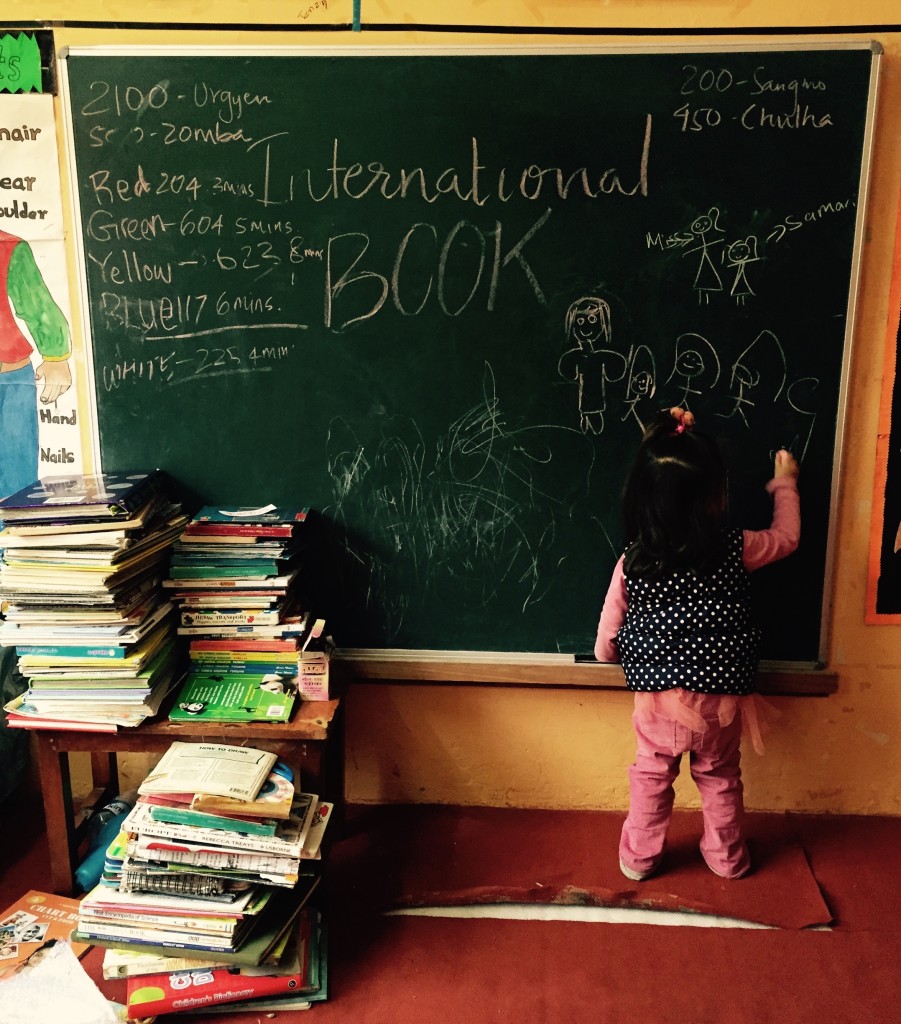
Volunteer activities may include reading aloud, supporting literacy games, sorting donated books, helping with drawing or music, or organizing a welcoming learning space. The most useful contribution is often consistency. Children benefit when volunteers create a calm, encouraging environment and return to activities with patience.
Do not assume that a lesson plan designed at home will fit the local setting. Reading levels, language preferences, school schedules, available materials, and group sizes may vary. Coordinate with local staff before introducing an activity, and adapt your approach to their knowledge of the children.
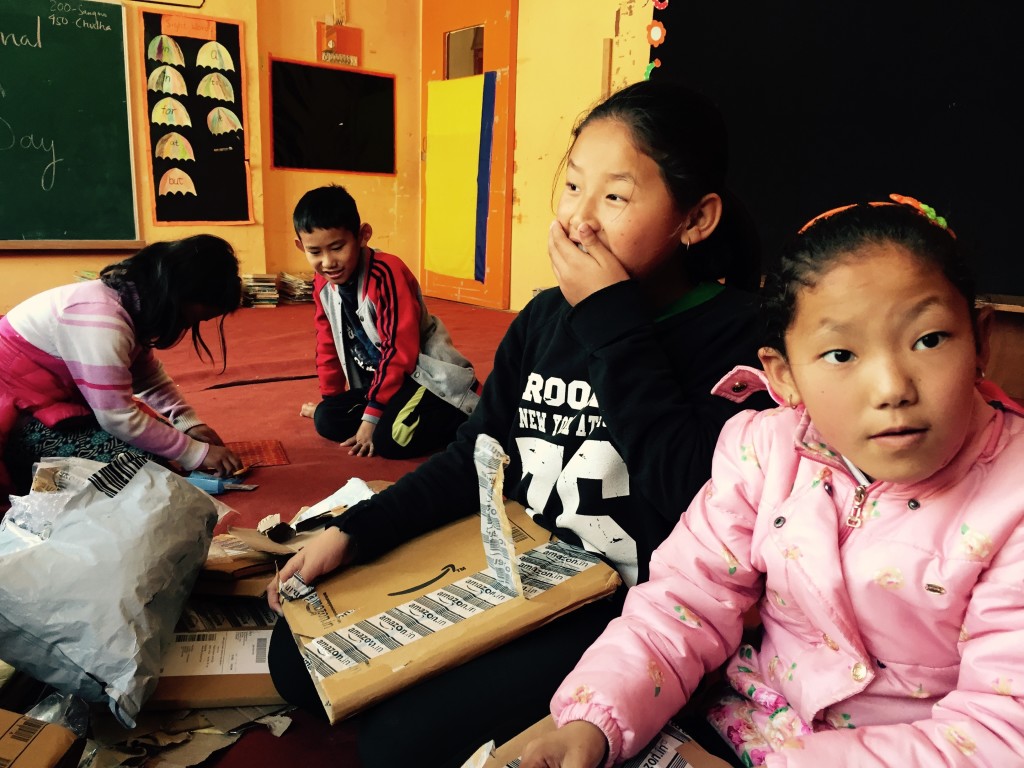
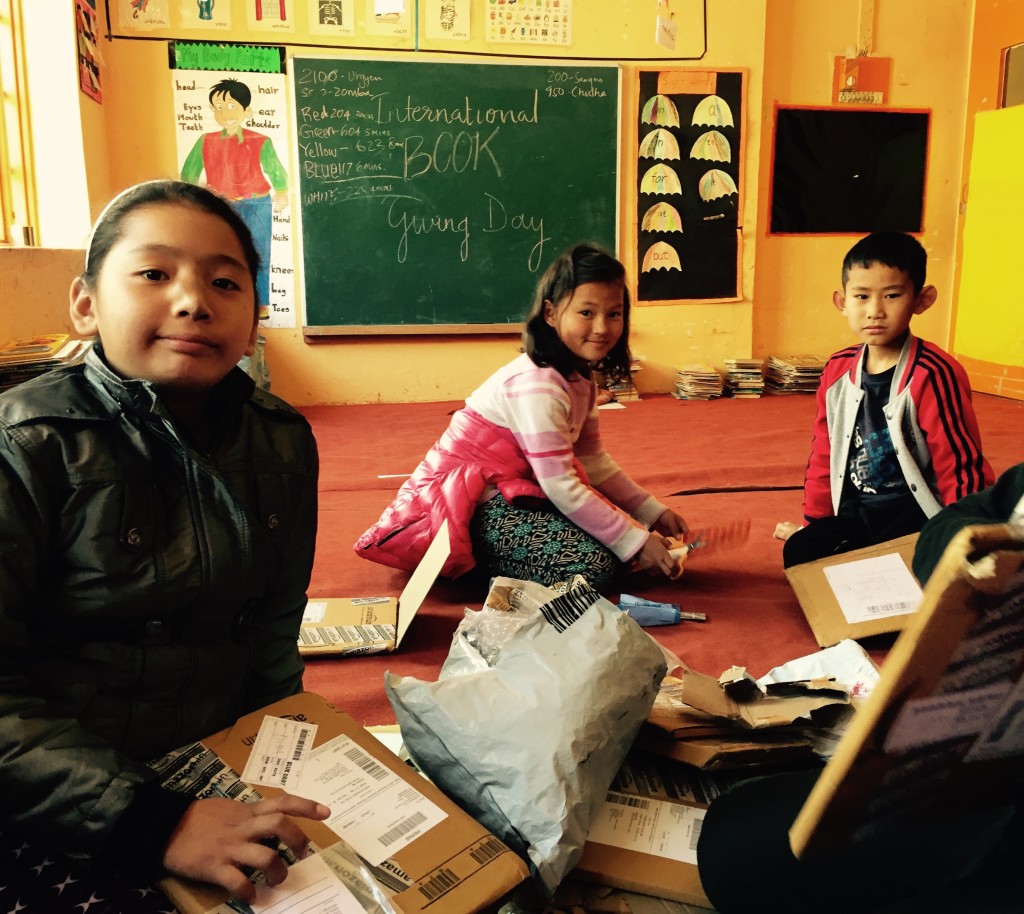
Some days may involve travel, preparation, cleaning, or waiting for supplies rather than direct work with children. These tasks still support the initiative. A reading room functions well when books are catalogued, cushions are arranged, materials are maintained, and the space feels inviting.
Keep expectations realistic. A short volunteer placement may not transform a whole community, yet a dependable reading session, a carefully selected book, or a child’s renewed interest in drawing can have genuine value. Listen to local partners and allow their priorities to guide your time.
Plan for connectivity, travel, and personal security
Internet access and mobile coverage can be inconsistent outside major towns. Download essential documents, maps, translation tools, and offline entertainment before travelling. Share your itinerary with a trusted contact and keep copies of your passport, insurance details, emergency contacts, and travel permits in a secure place.
Road journeys in the Himalayas can take longer than expected because of terrain, weather, traffic, or checkpoints. Carry water, snacks, warm layers, medication, and a charged phone in your daypack. Avoid making tight travel connections when possible.
Use reliable transport arranged through trusted local contacts, and follow guidance about road conditions and walking routes. If you are travelling independently before or after your placement, tell the volunteer coordinator where you will be and when you expect to return.
Respect personal boundaries and work within agreed responsibilities. Never take children away from an activity area alone, promise gifts or future support without approval, or share private information about families. Clear communication protects both volunteers and the communities they serve.
Make preparation part of your contribution
Before departure, focus on the needs of the specific project rather than packing for an imagined adventure. These practical steps can help:
- Confirm arrival, accommodation, local transport, emergency procedures, and the contact person for your placement.
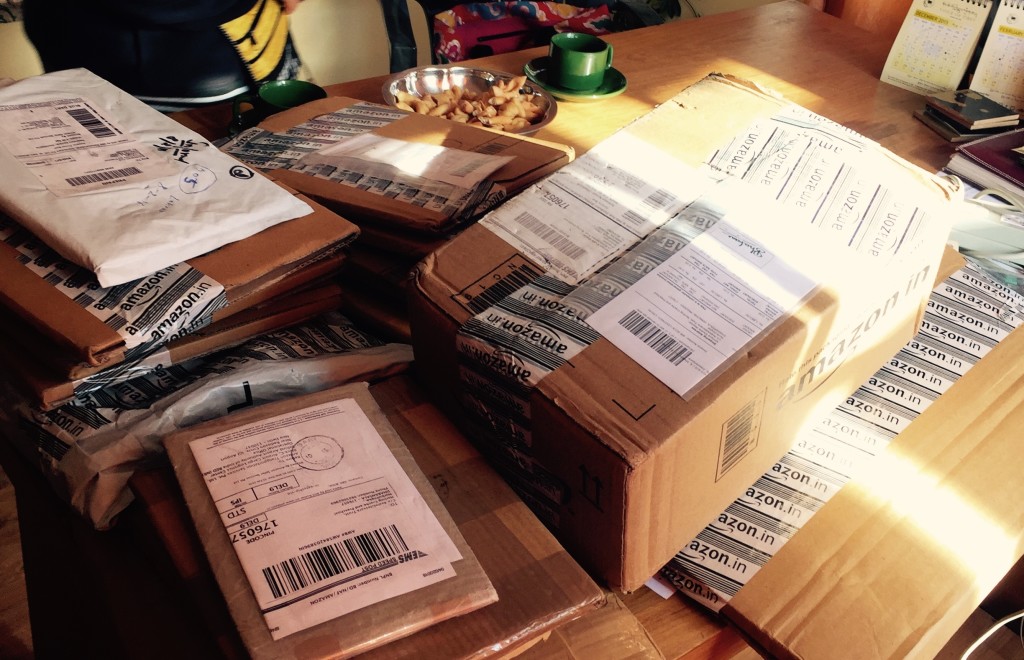
- Ask which books, stationery, art supplies, or musical resources are genuinely needed before bringing donations.
- Schedule medical advice and allow enough time for altitude acclimatization.
- Prepare modest clothing, sun protection, sturdy footwear, and a small daypack for community visits.
- Learn the project’s safeguarding, photography, cultural, and communication policies.
A prepared volunteer is more able to listen, adapt, and take part without placing additional pressure on local staff. Preparation also helps you approach the experience with humility: you are joining work that already belongs to the community, not arriving to replace local knowledge.
Avalokiteśvara Trust welcomes people who care about literacy, creativity, and equitable access to books and learning. If Ladakh is part of your volunteering plans, review the organization’s current guidance, contact the team about placement needs, and prepare to support children and young monks with patience, respect, and practical care.