Why a Brisbane Family Invests in Himalayan Book Drives
From their home in Brisbane, one family has found a meaningful way to support children and young monks across the Himalayan region. Their decision to sponsor book drives through Avalokiteśvara Trust began with a simple belief: access to good books can change the way a child sees learning, creativity, and the wider world.
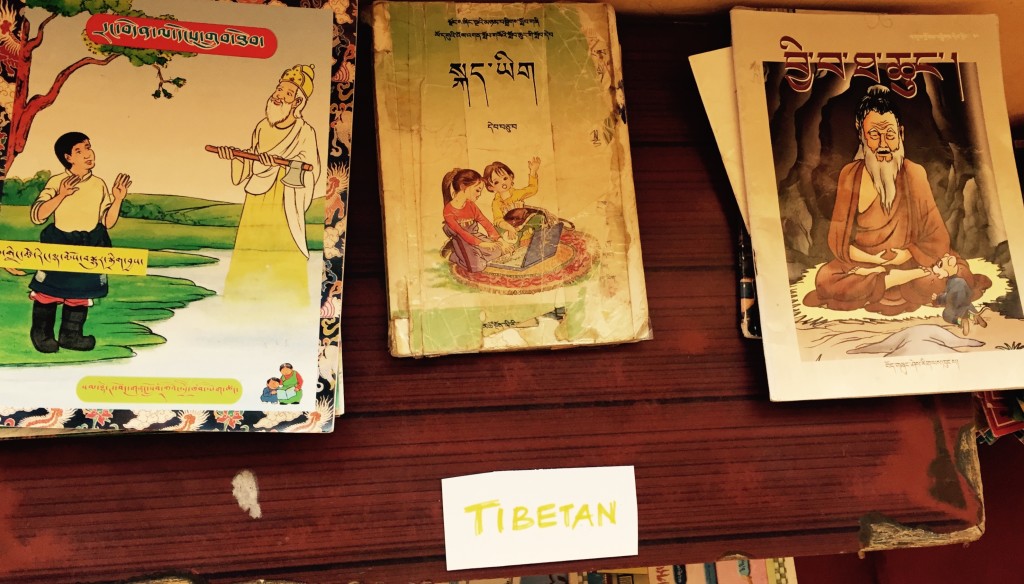
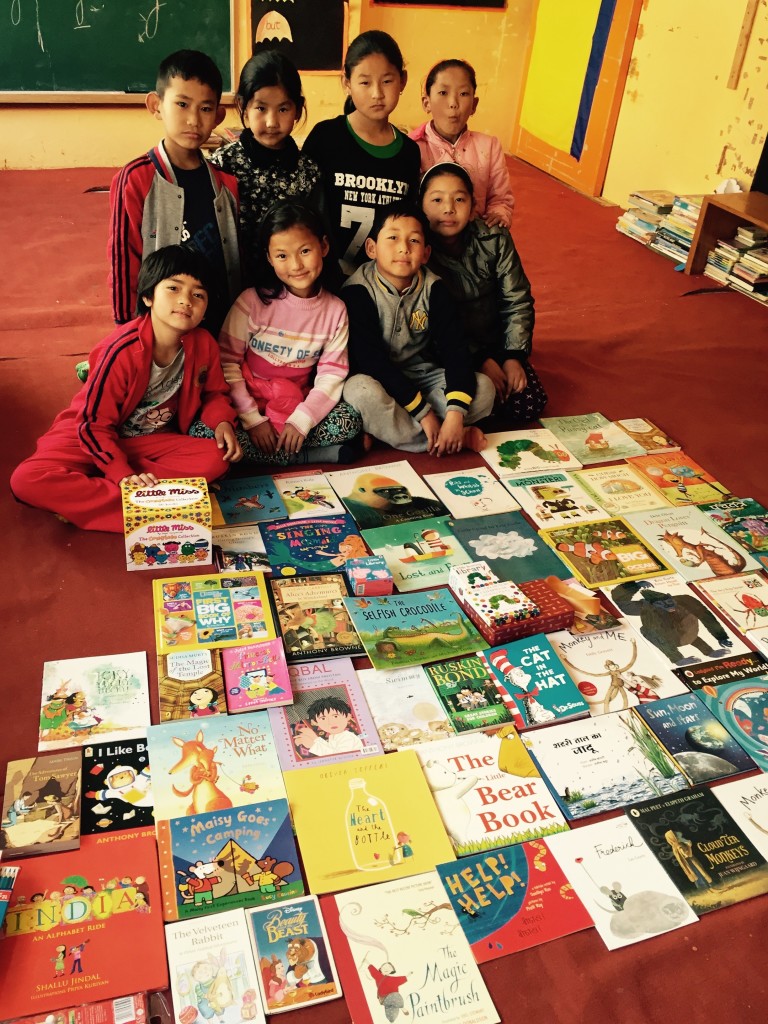
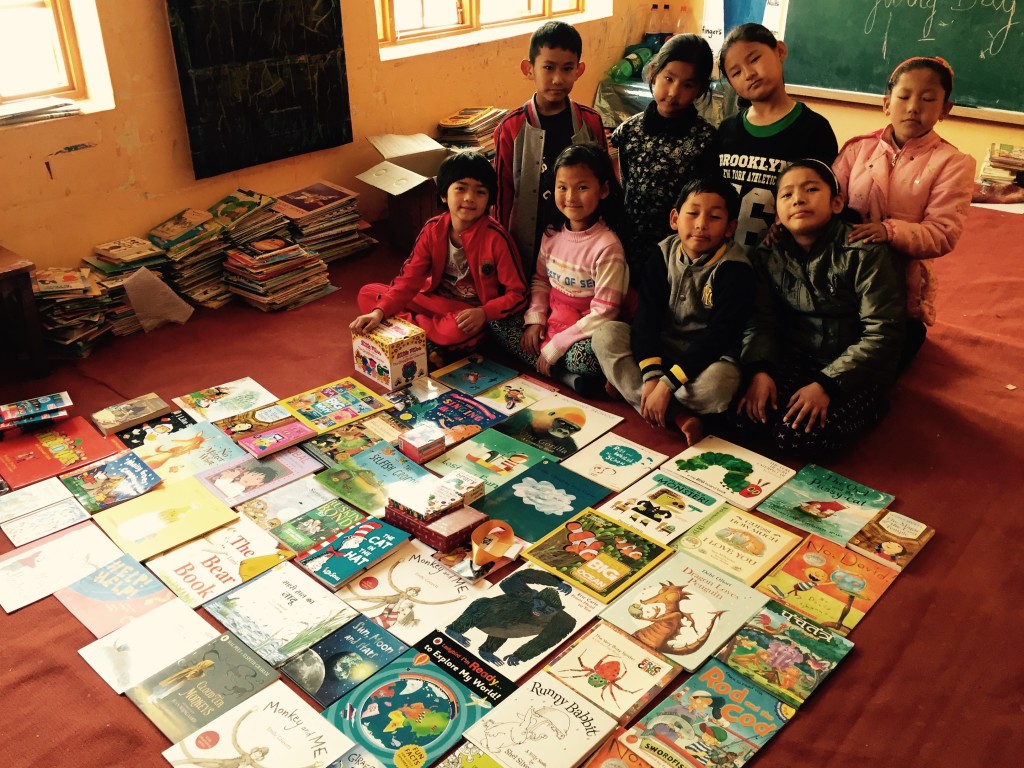
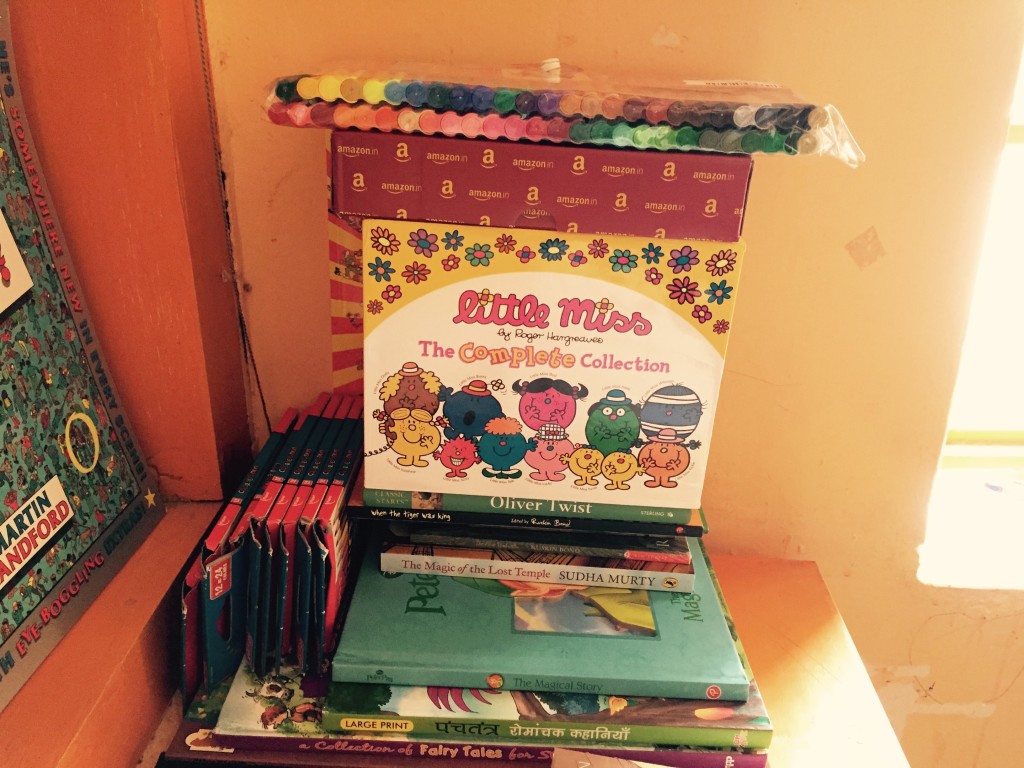
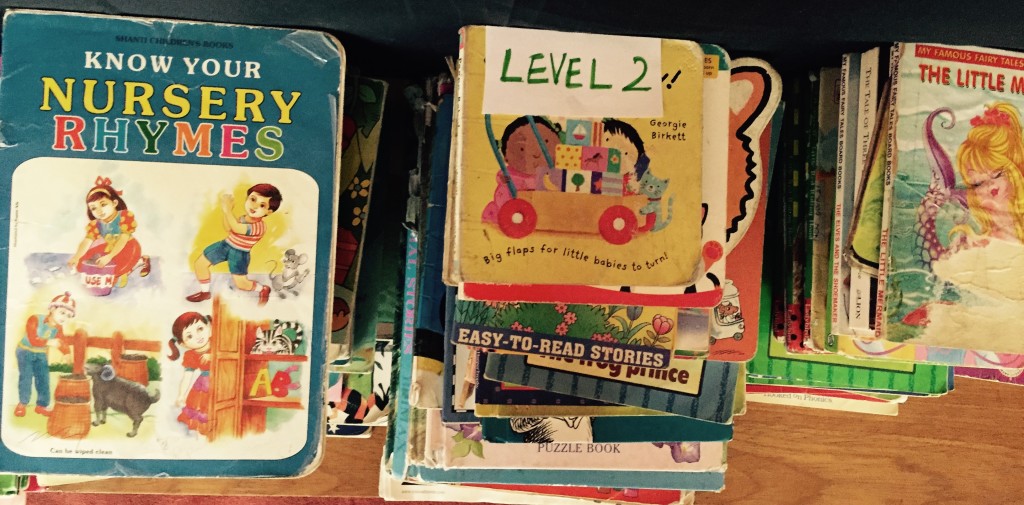
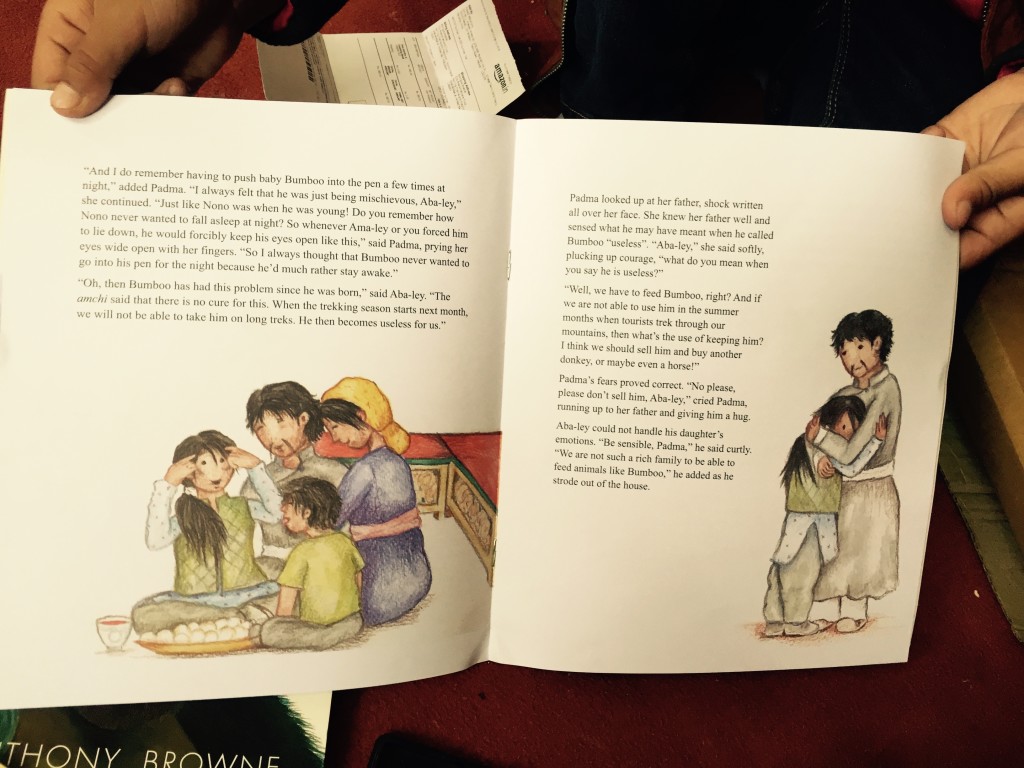
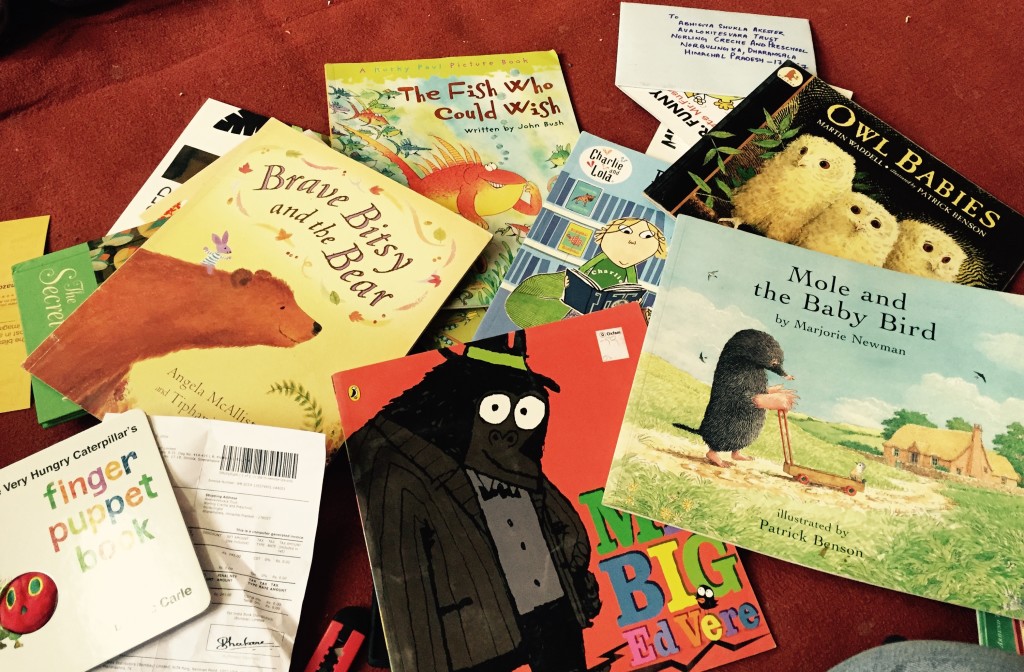
The family does not view a donation as a one-time transaction. They see it as a bridge between communities. A children’s book purchased in Australia may eventually reach a reading room in Ladakh, where it becomes part of a shared collection, a classroom resource, or a treasured source of independent discovery.
Their story reflects a growing understanding of educational charity. Meaningful support is often built through practical resources that remain useful long after a fundraising campaign has ended. For this Brisbane family, sponsoring book collections offers a direct and lasting way to encourage literacy and imagination.
A Personal Connection To Learning
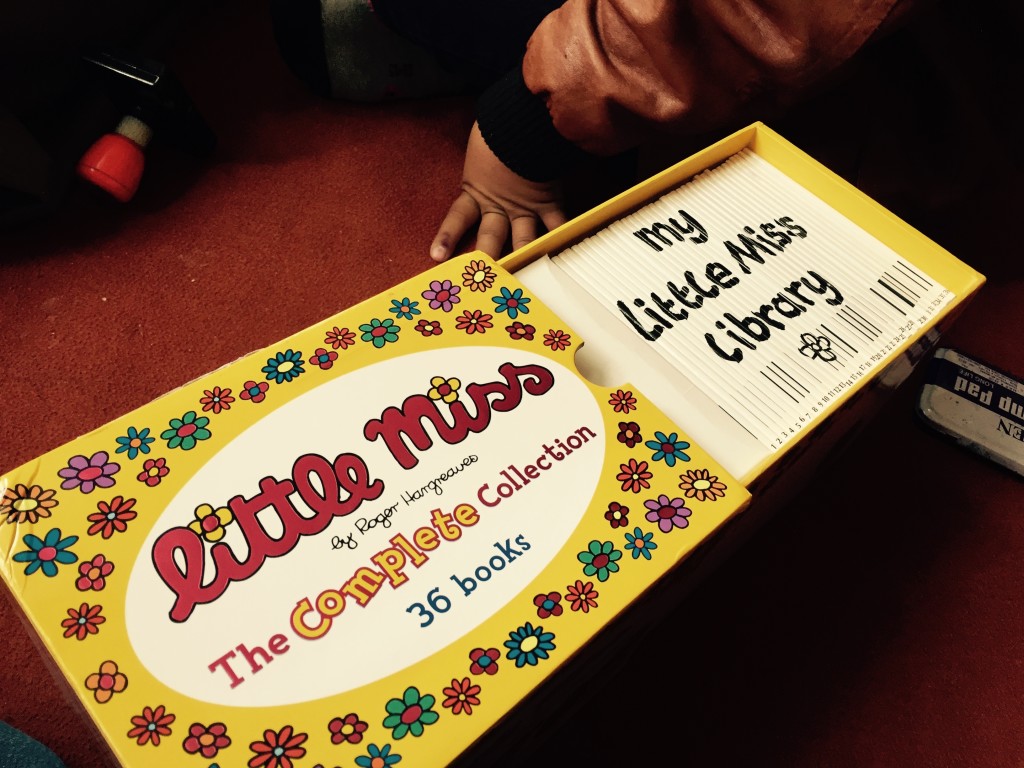
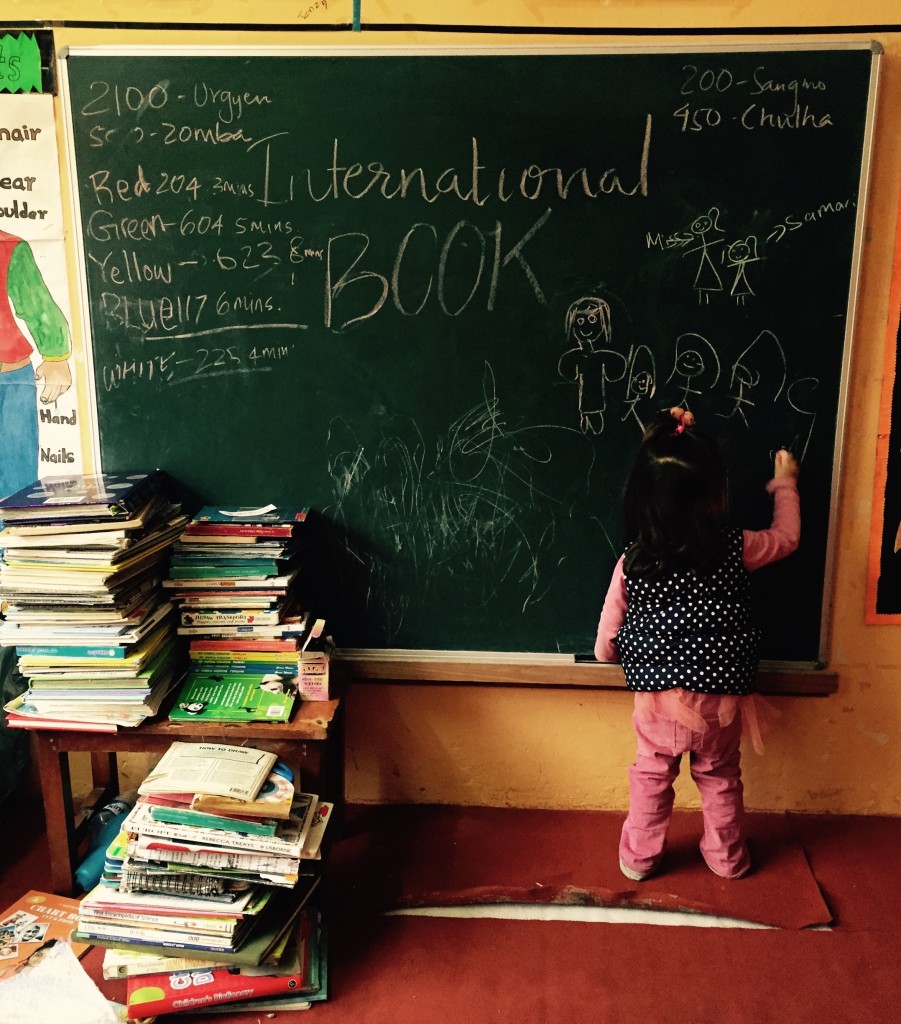
The family’s interest in book drives grew from their experience of reading together at home. Books were part of ordinary family life: stories before bed, library visits on weekends, and conversations about places, people, and ideas encountered through reading. They understood that a child does not need an expensive device or a sophisticated classroom to begin exploring new possibilities. Sometimes, a welcoming space and an engaging book are enough to start.
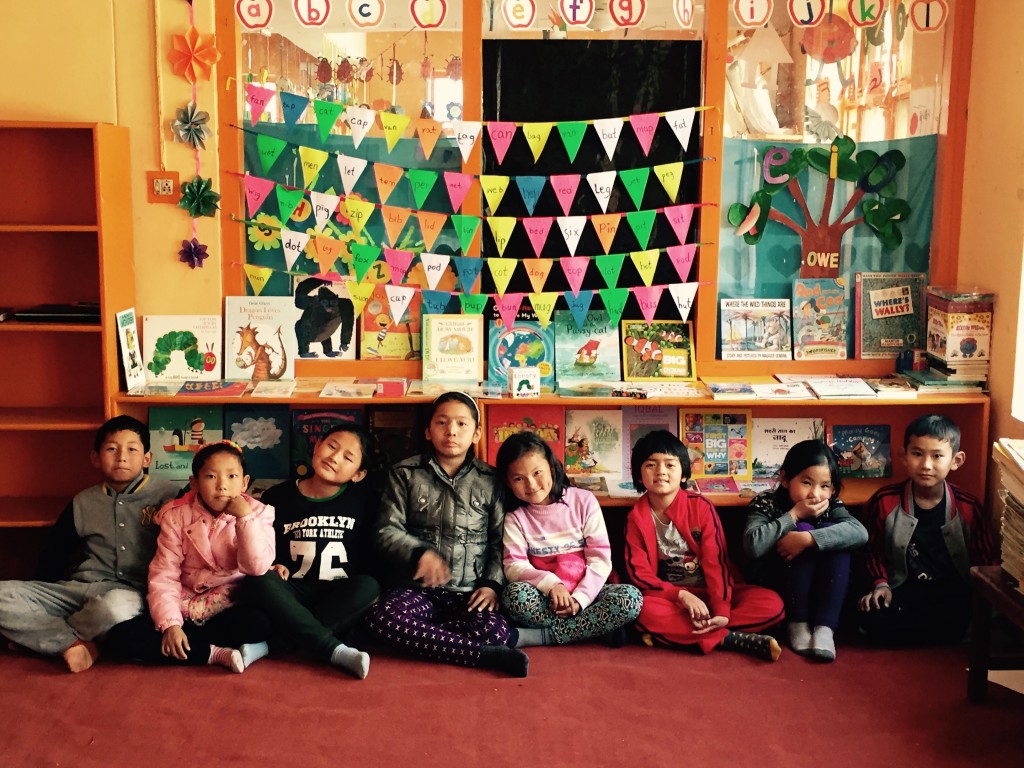
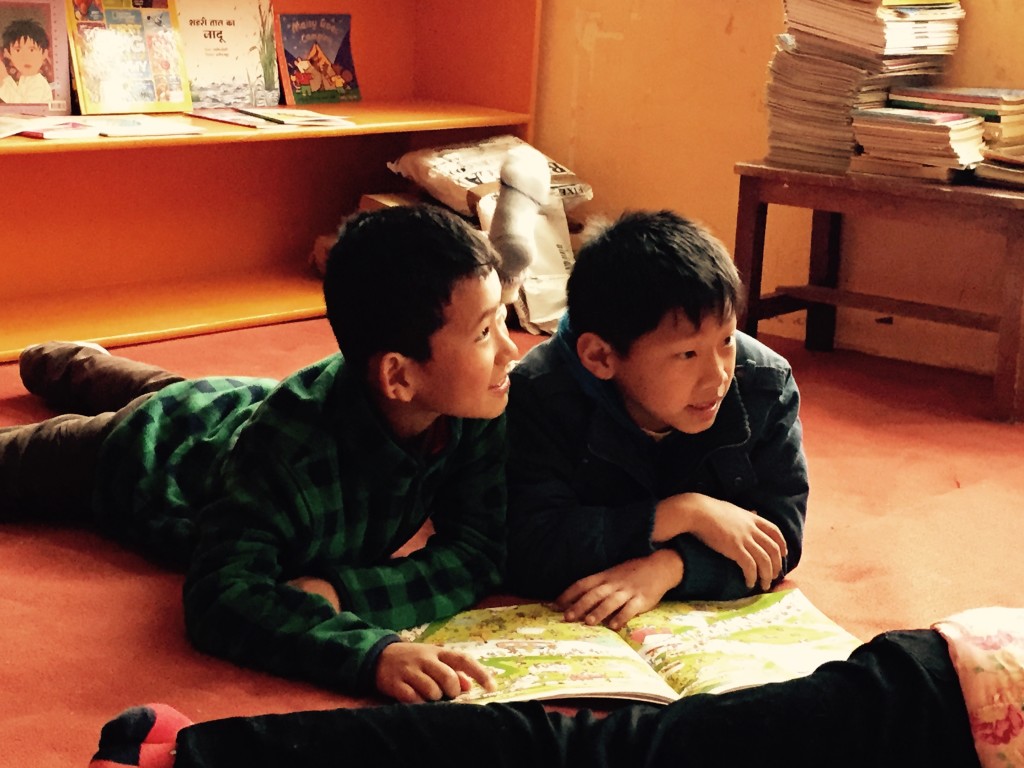
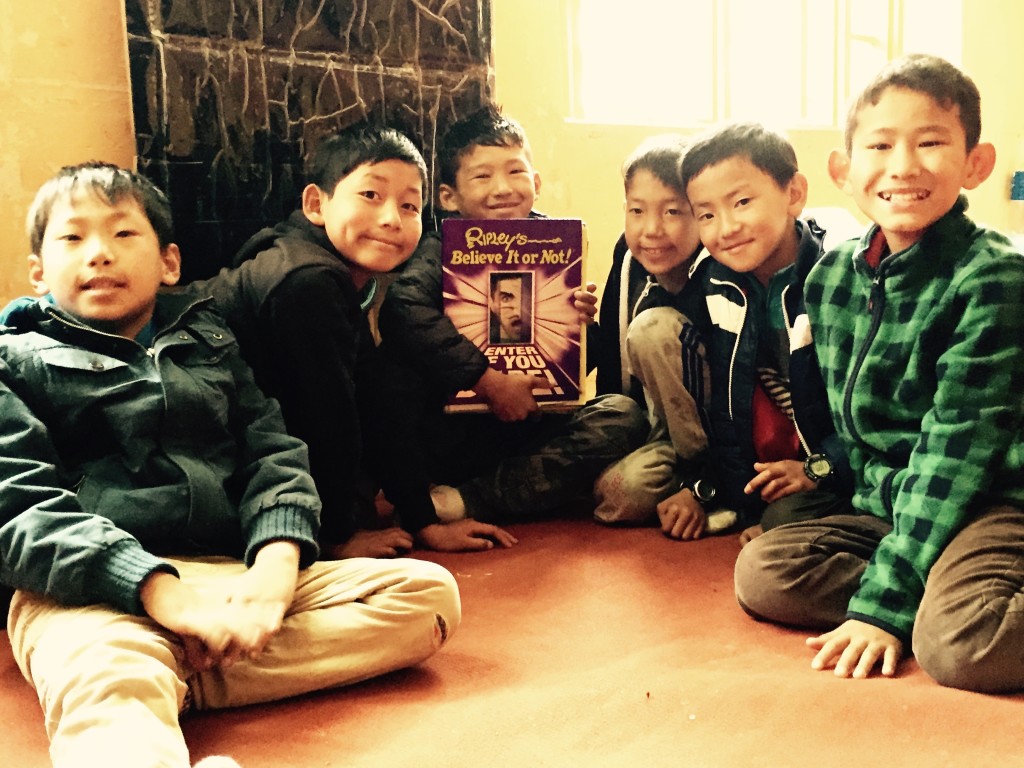
That perspective shaped their support for Avalokiteśvara Trust. The organization’s work in Ladakh and other Himalayan communities connects literacy with the broader development of children. Reading rooms provide a calm place to study, while educational, artistic, and musical activities give young people different ways to express themselves.
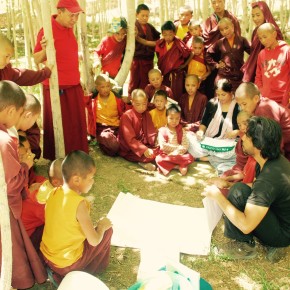
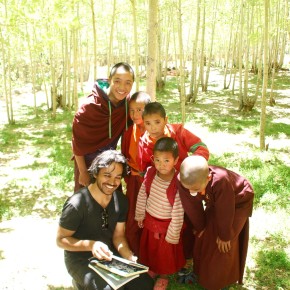
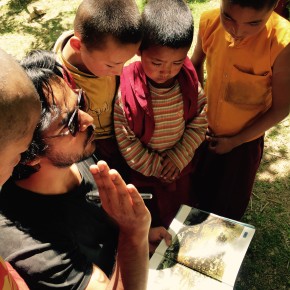
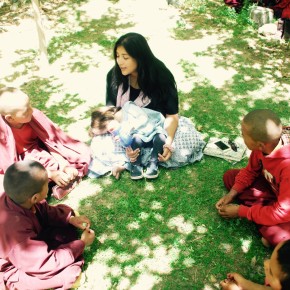
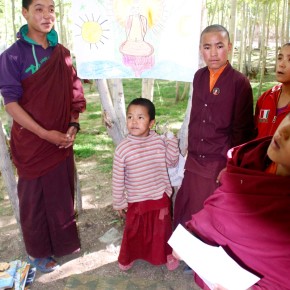
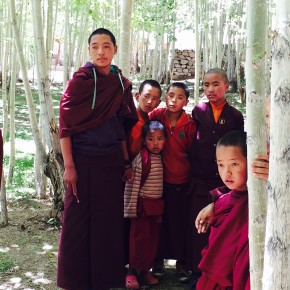
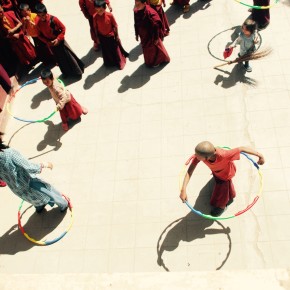
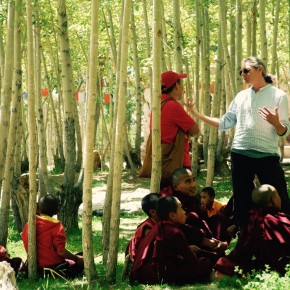
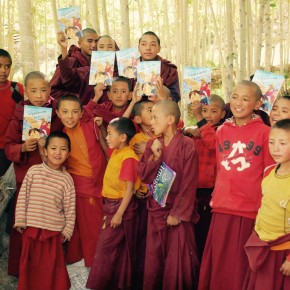
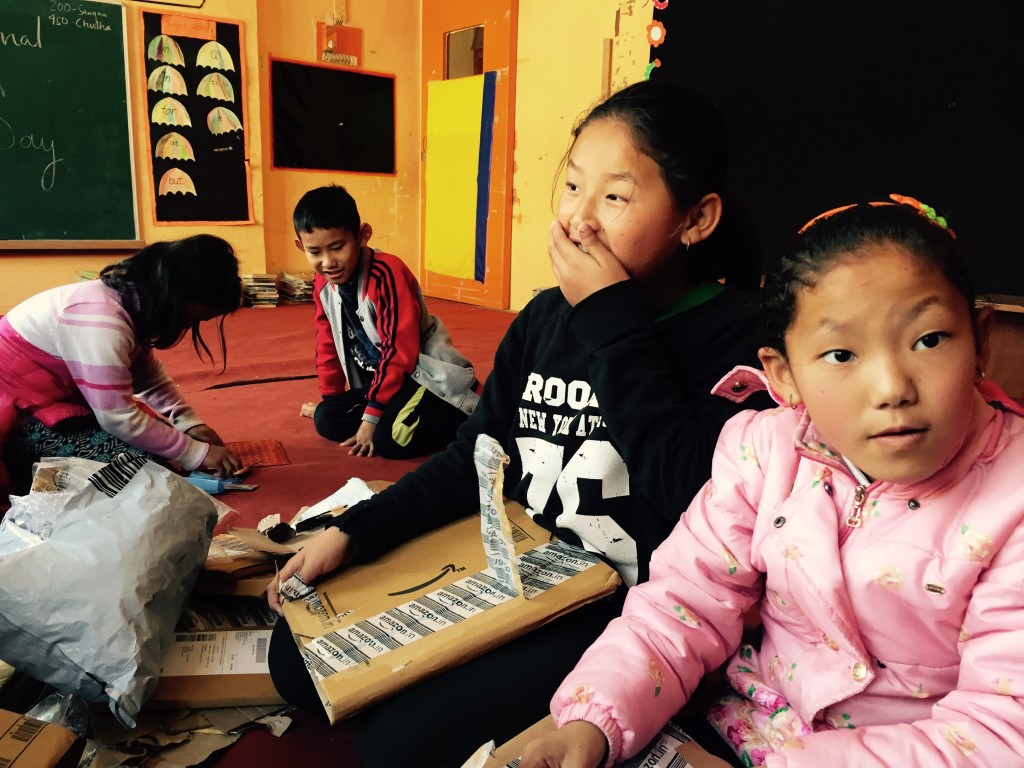
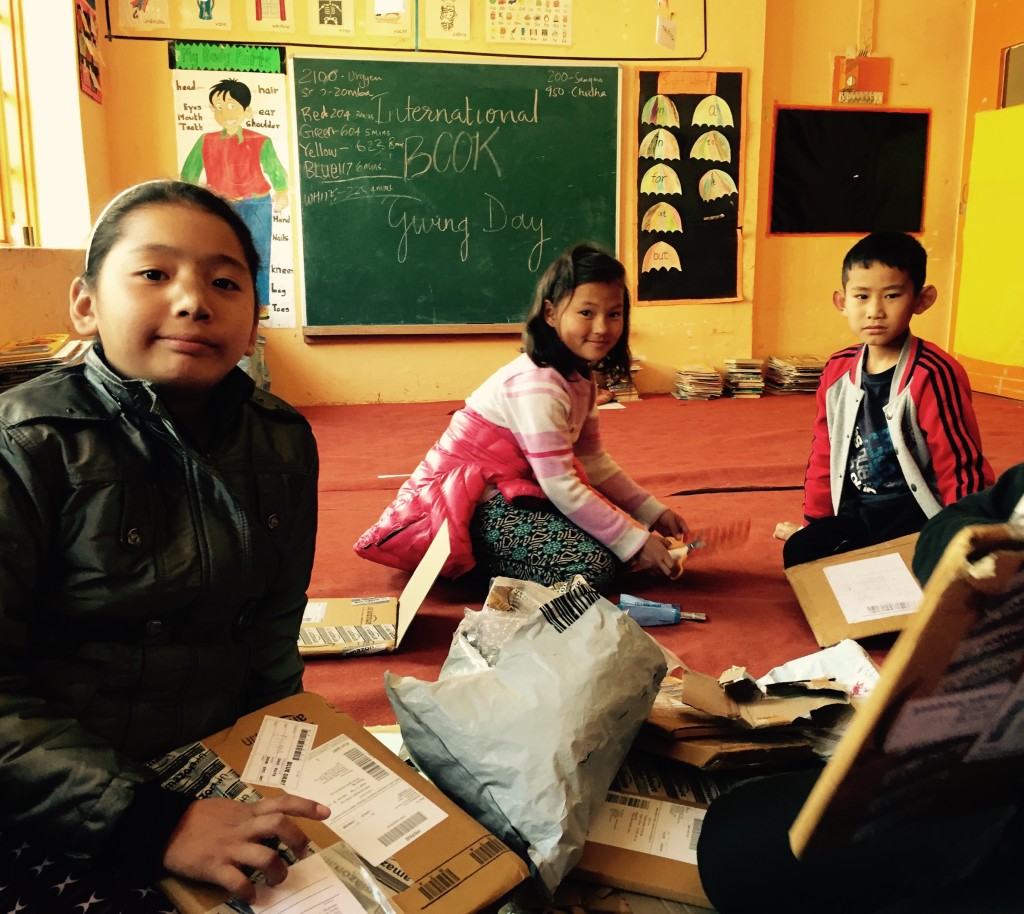
The family also appreciated that the charity supports young monks alongside other children. In remote communities, access to age-appropriate books and creative resources can be limited. A well-planned book donation helps broaden the educational environment for children who may otherwise have few opportunities to encounter varied stories, illustrations, reference materials, and contemporary ideas.
Why Book Drives Matter In Remote Communities
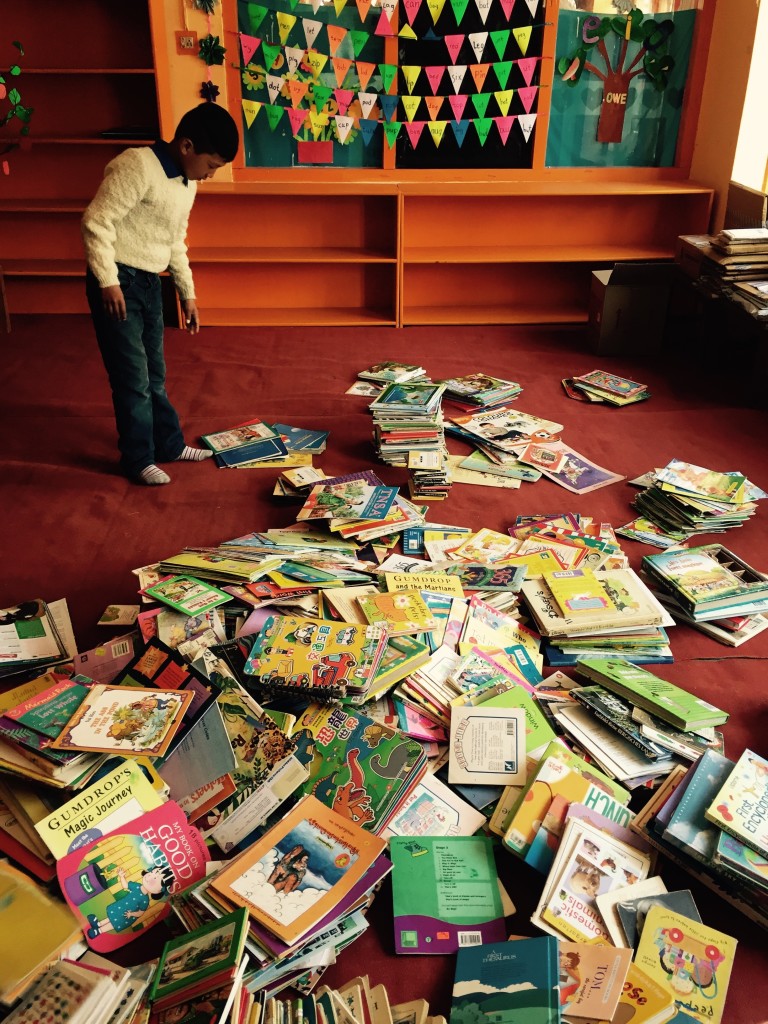
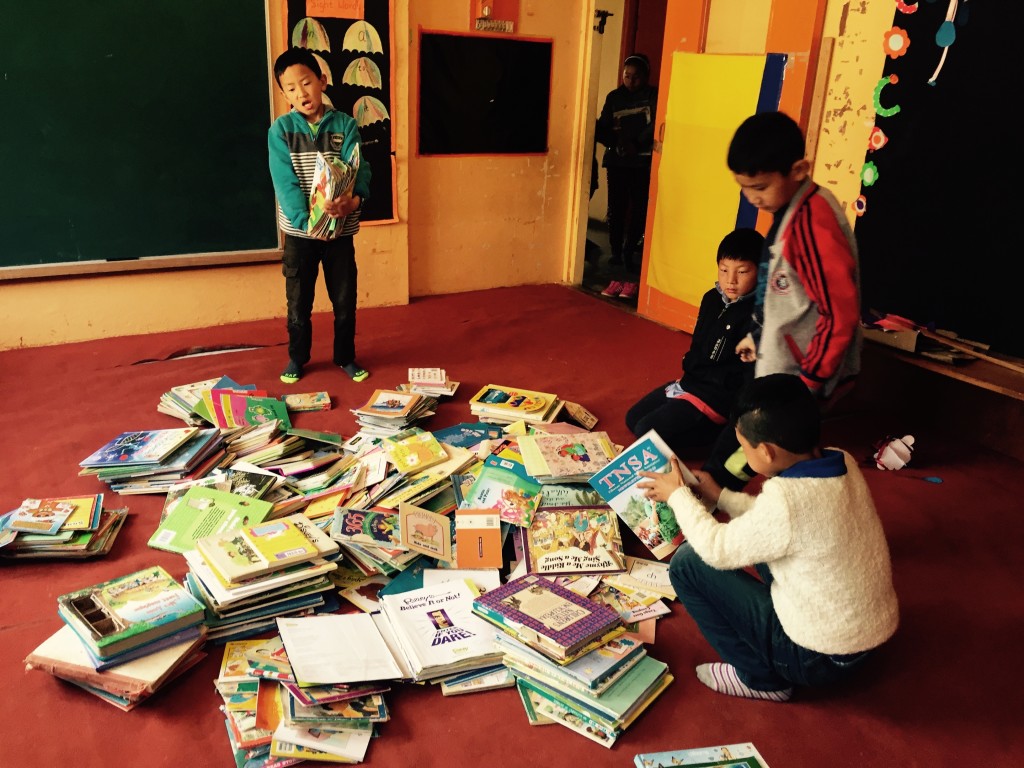
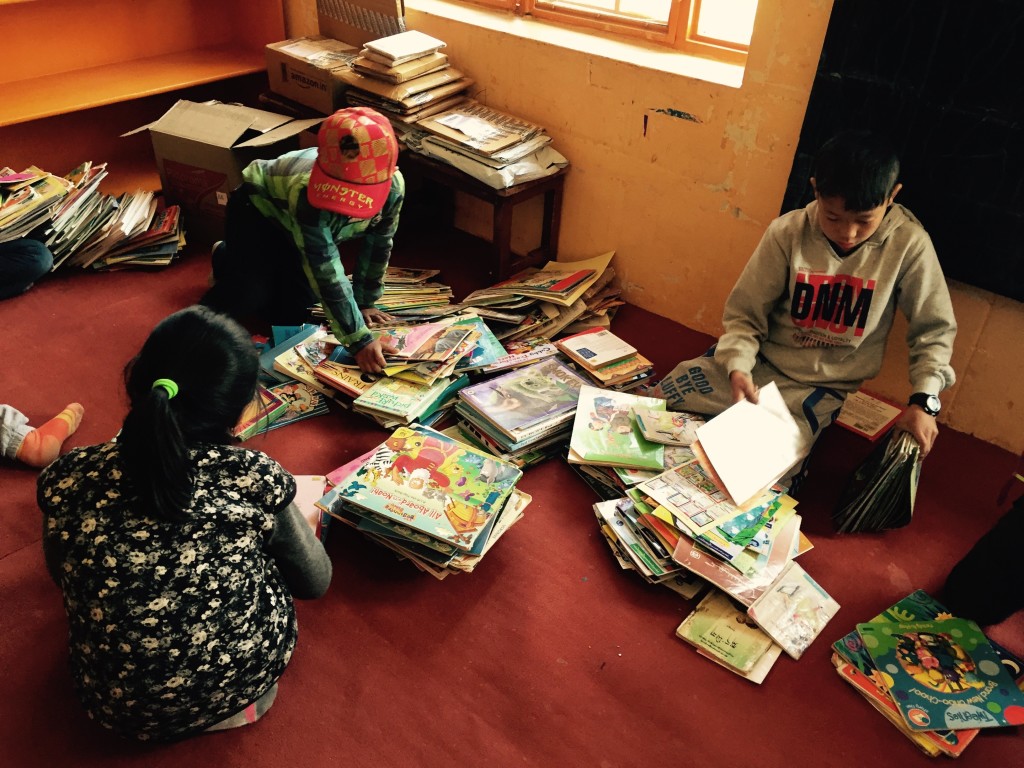
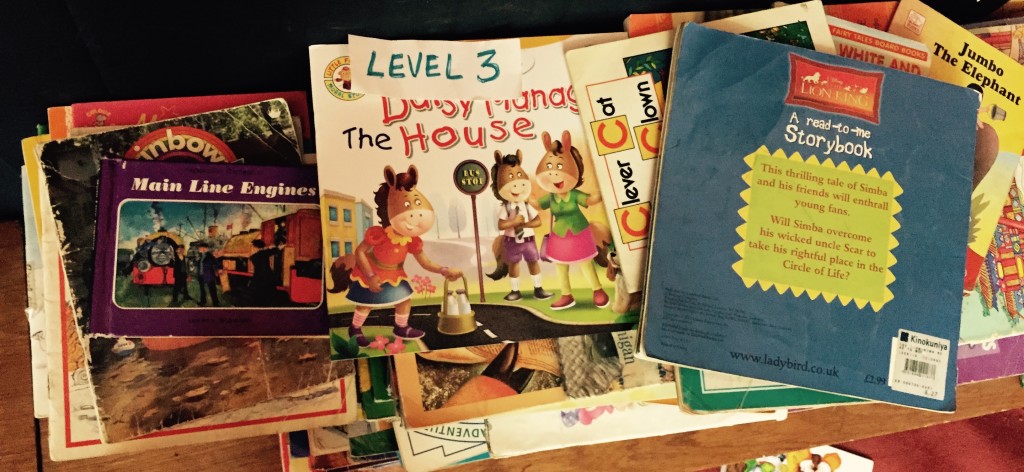
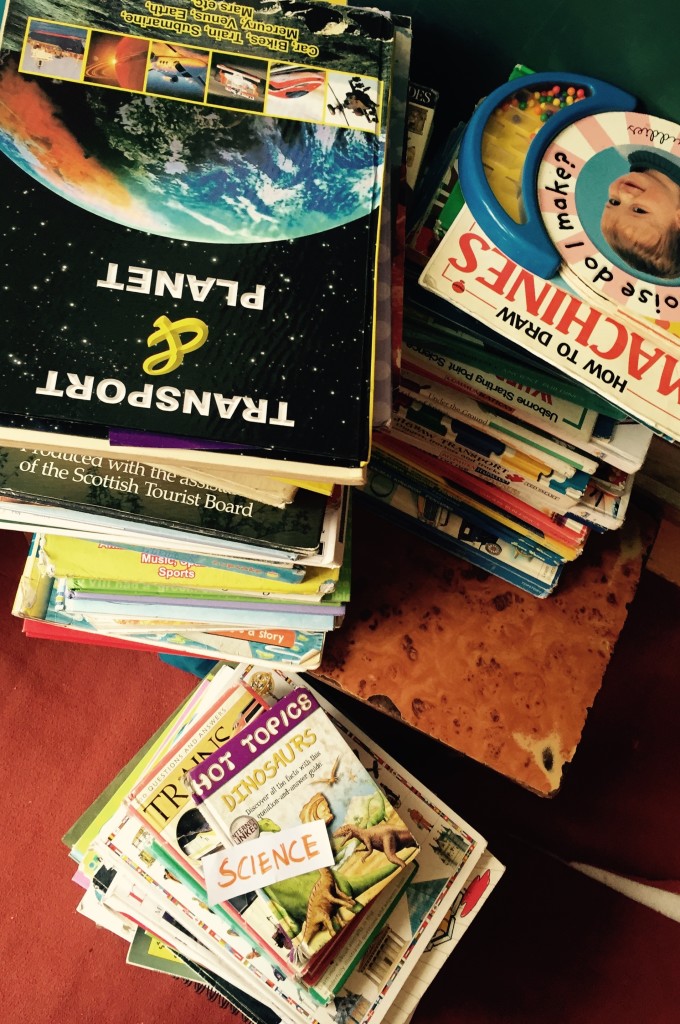
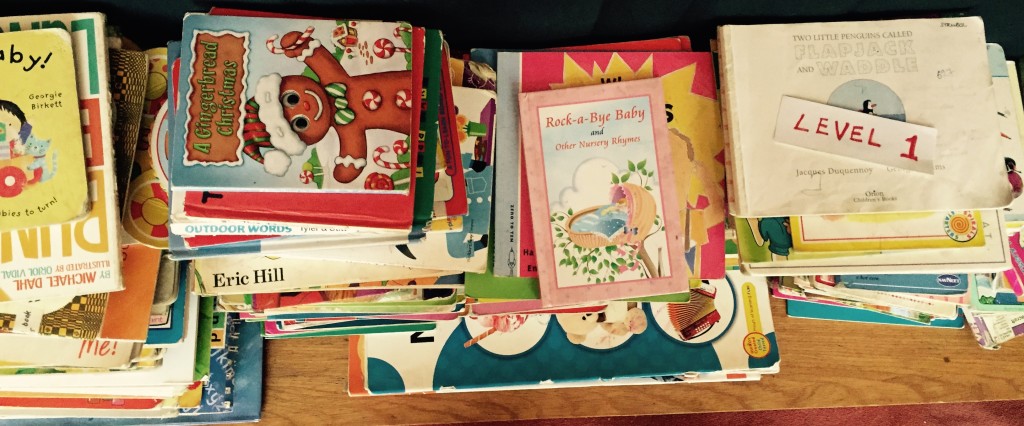
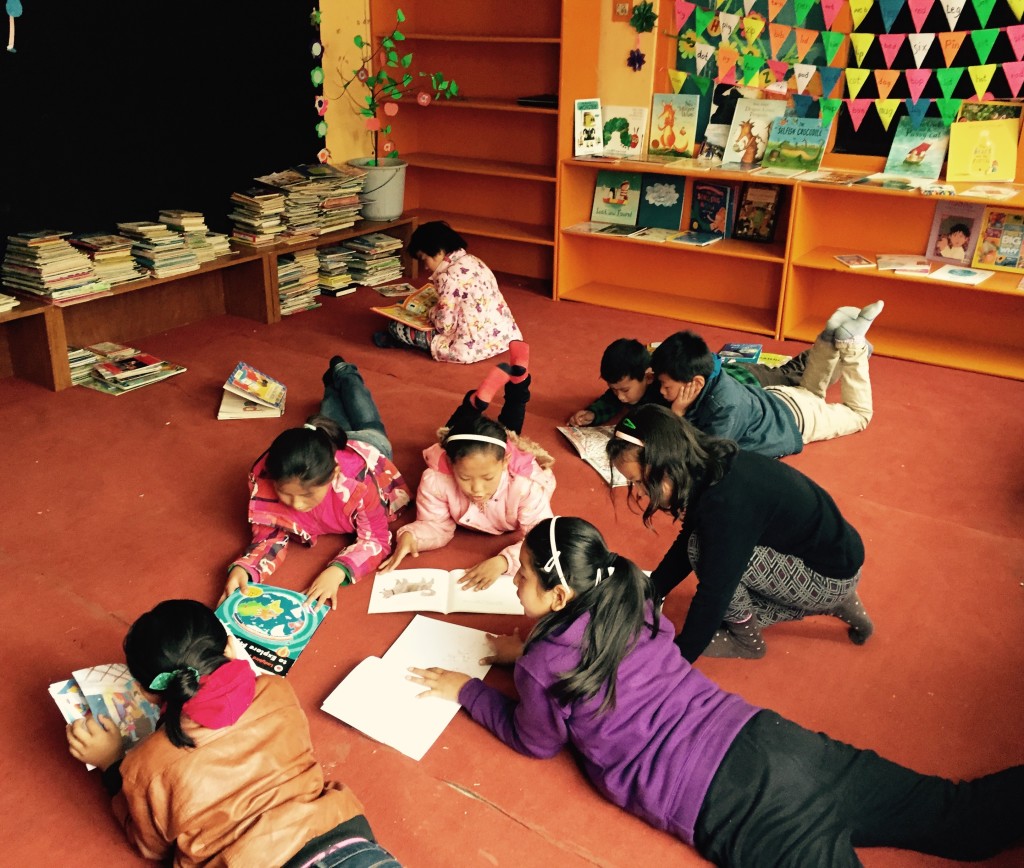
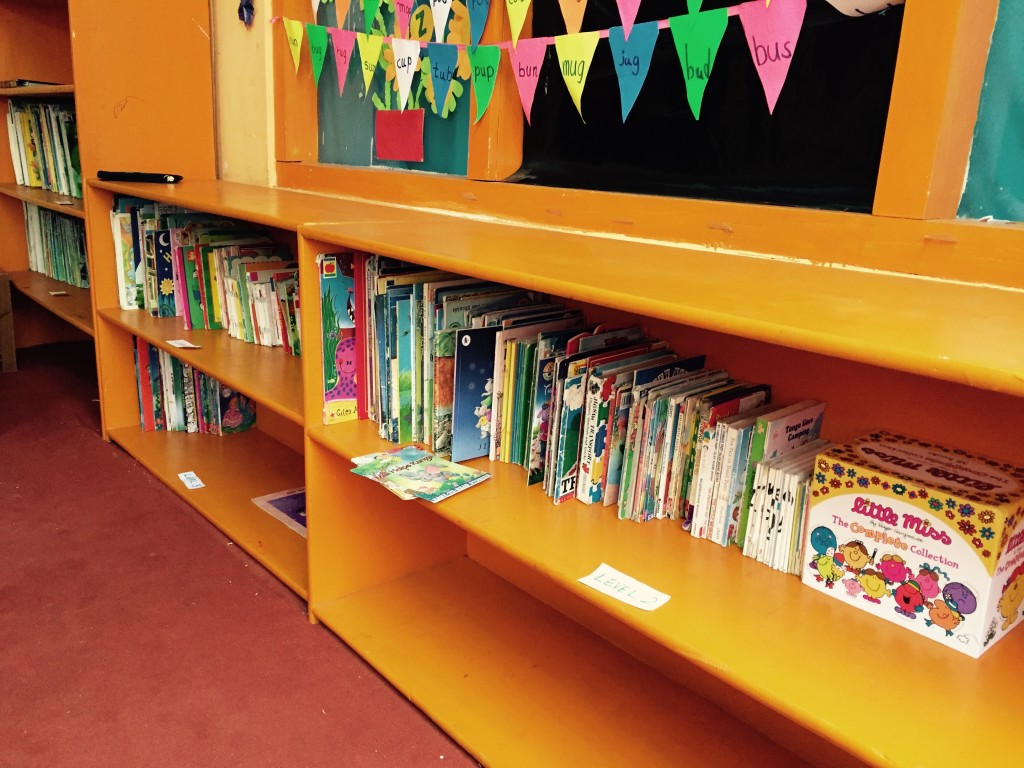
A book drive is more than a shipment of reading material. It is a process of matching useful resources with local needs. The right books can support language development, general knowledge, schoolwork, artistic exploration, and quiet personal reflection. When they are placed in a shared reading room, their benefit extends to many children over time.
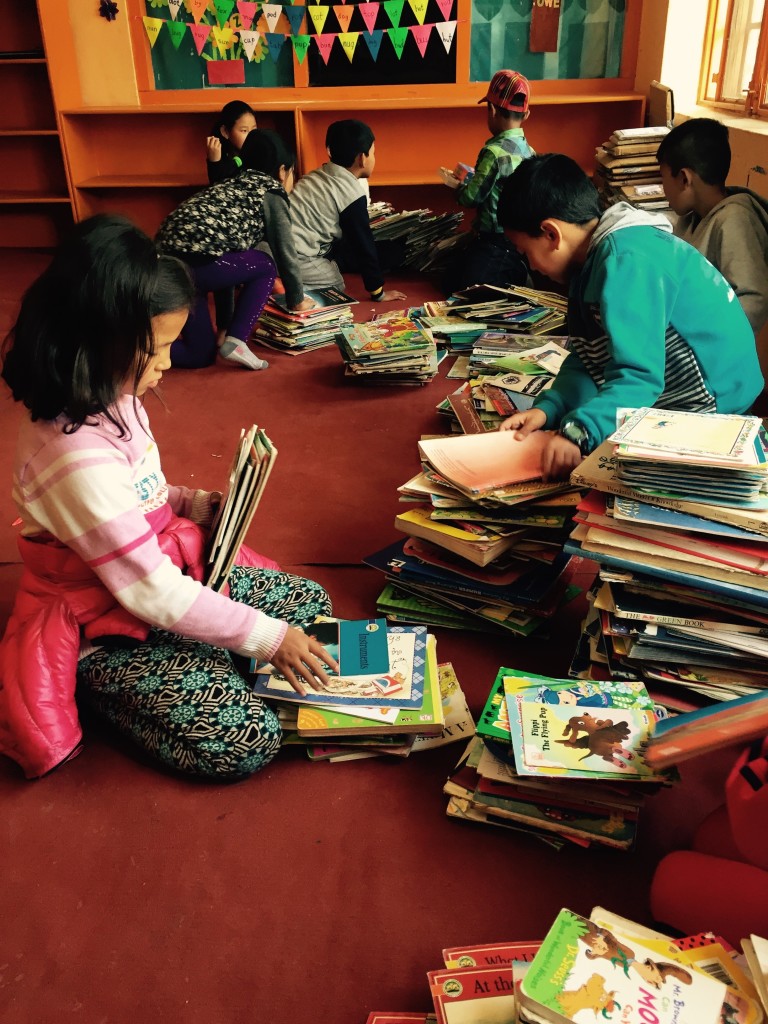
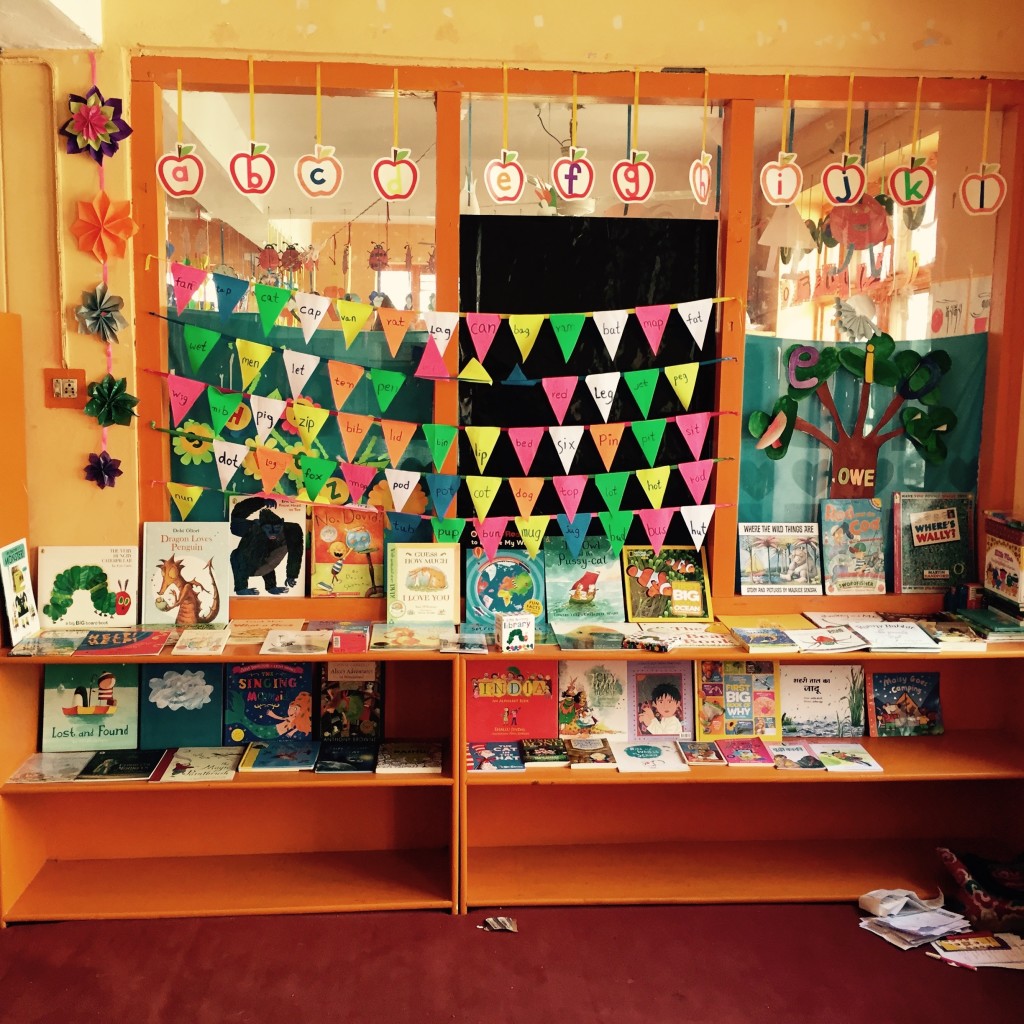
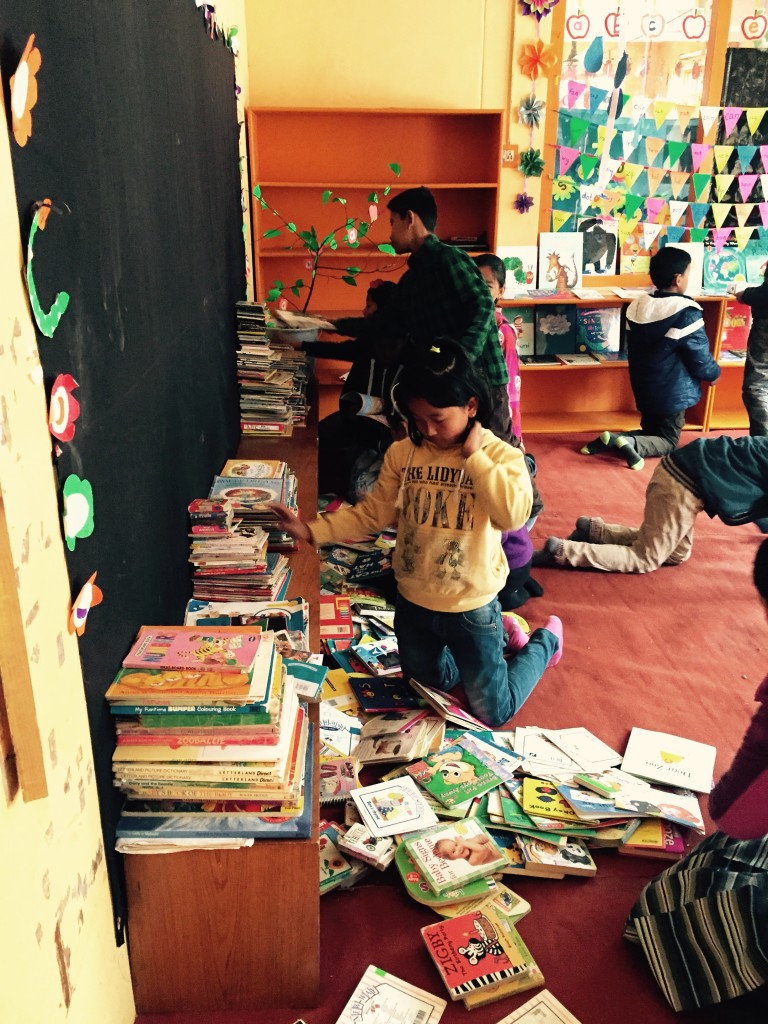
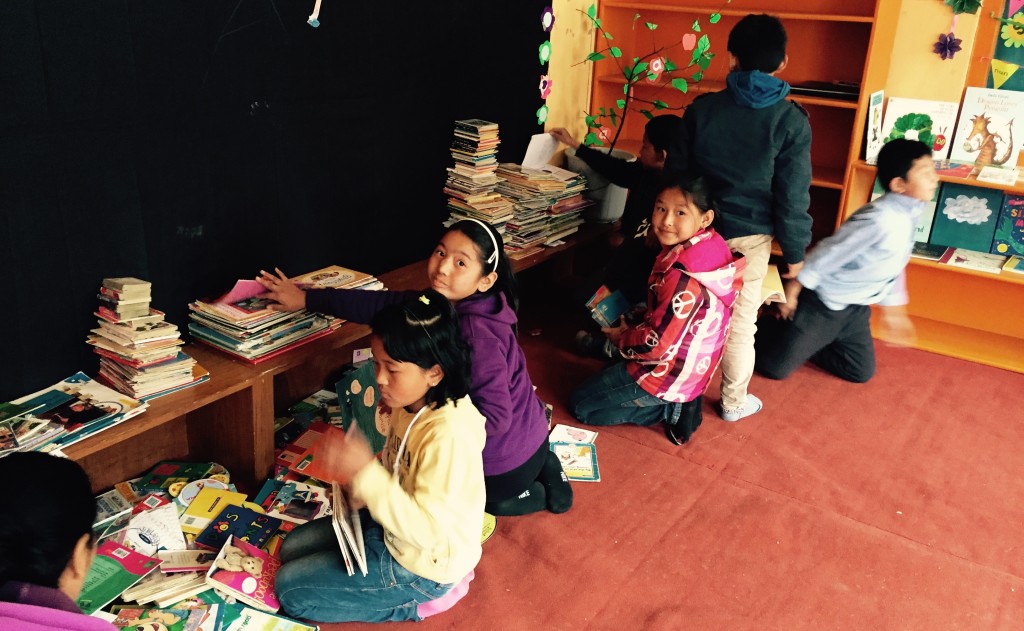
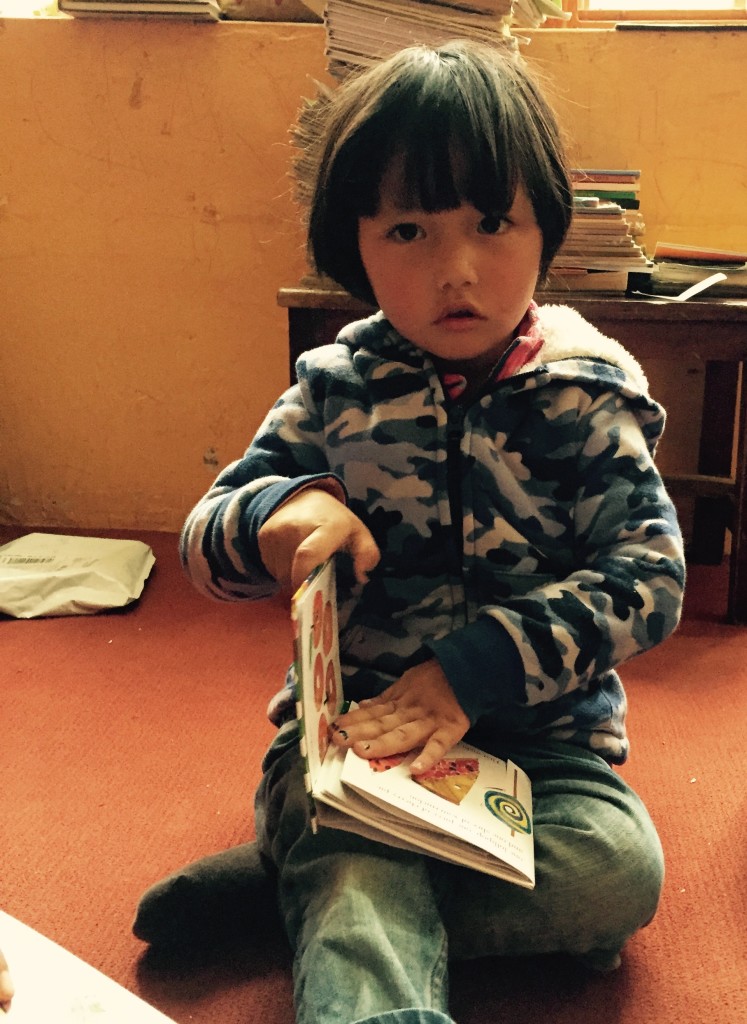
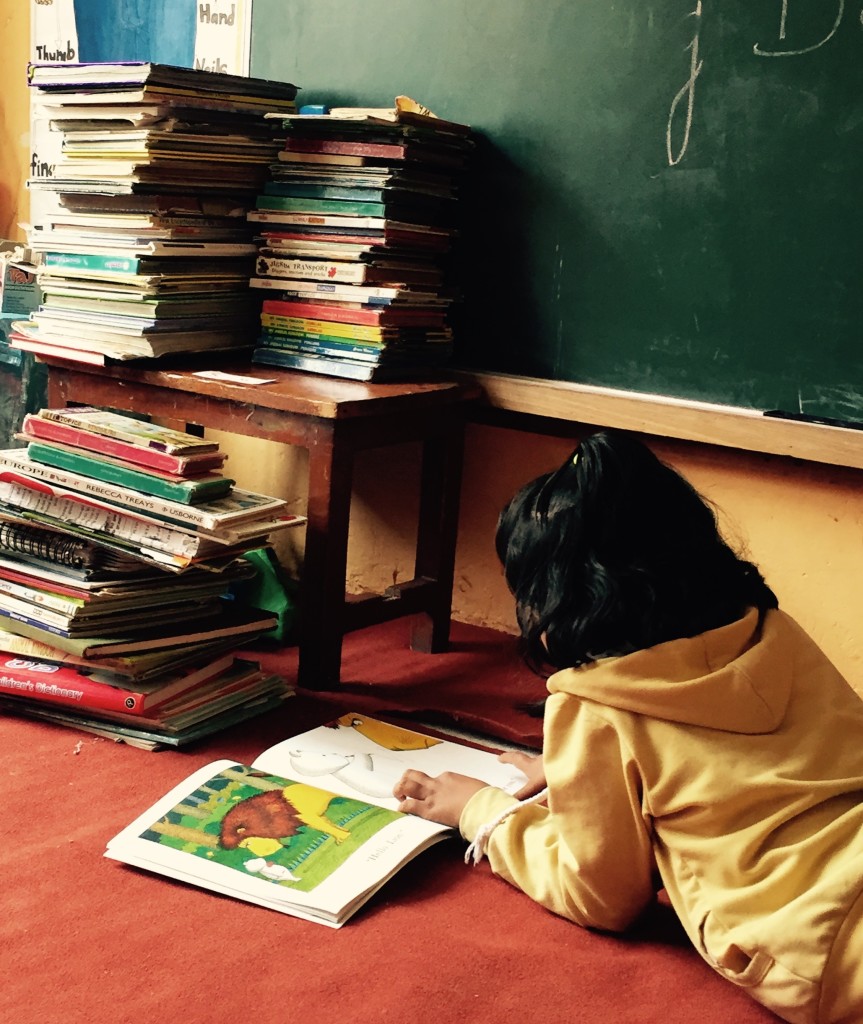
In Himalayan communities, distance and difficult terrain can make regular access to bookstores, libraries, and educational suppliers challenging. A reading room can therefore become an important community asset. It gives children a place to read beyond their formal lessons and allows teachers, volunteers, and families to encourage learning in a relaxed setting.
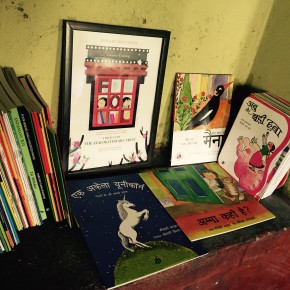
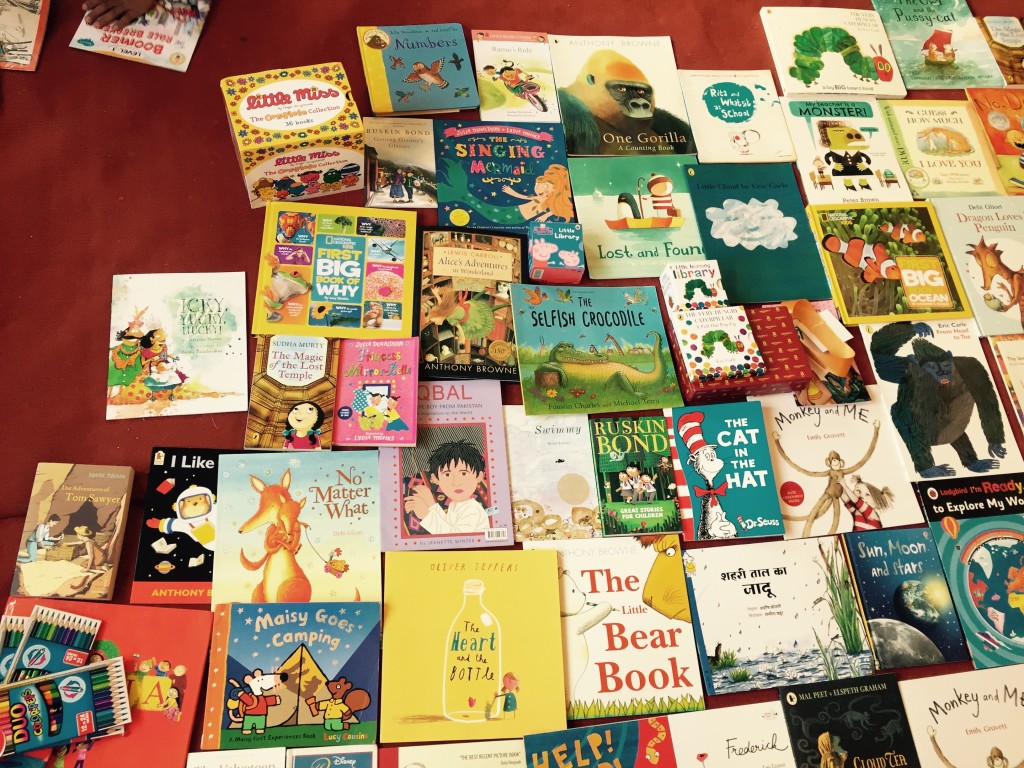
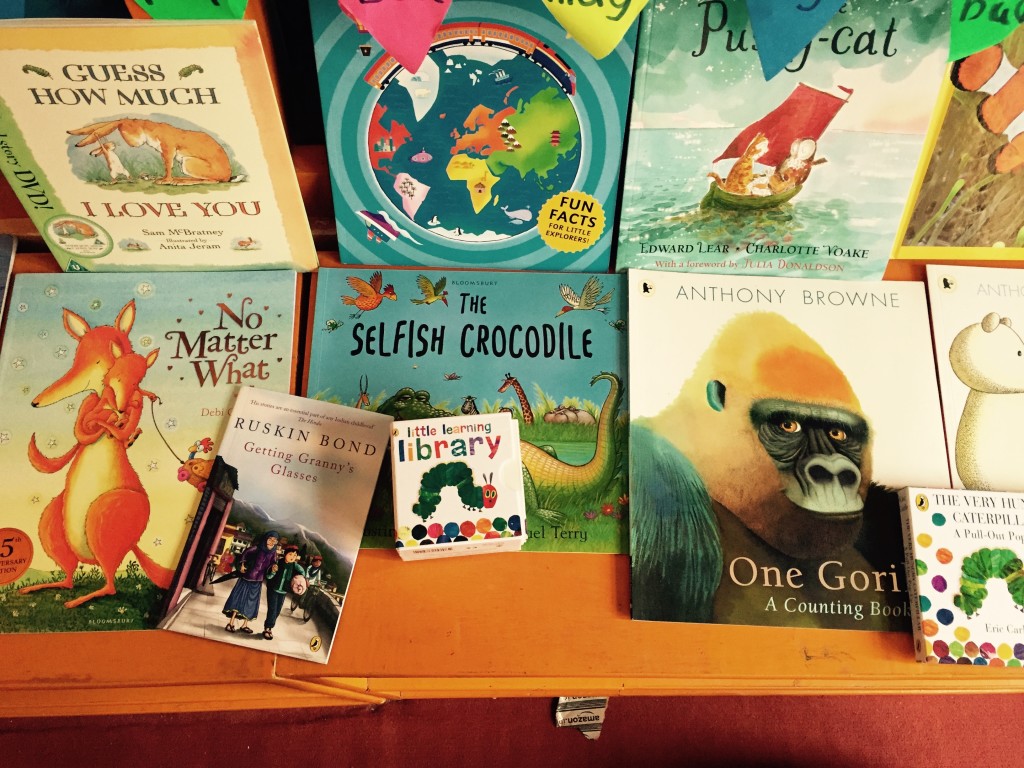
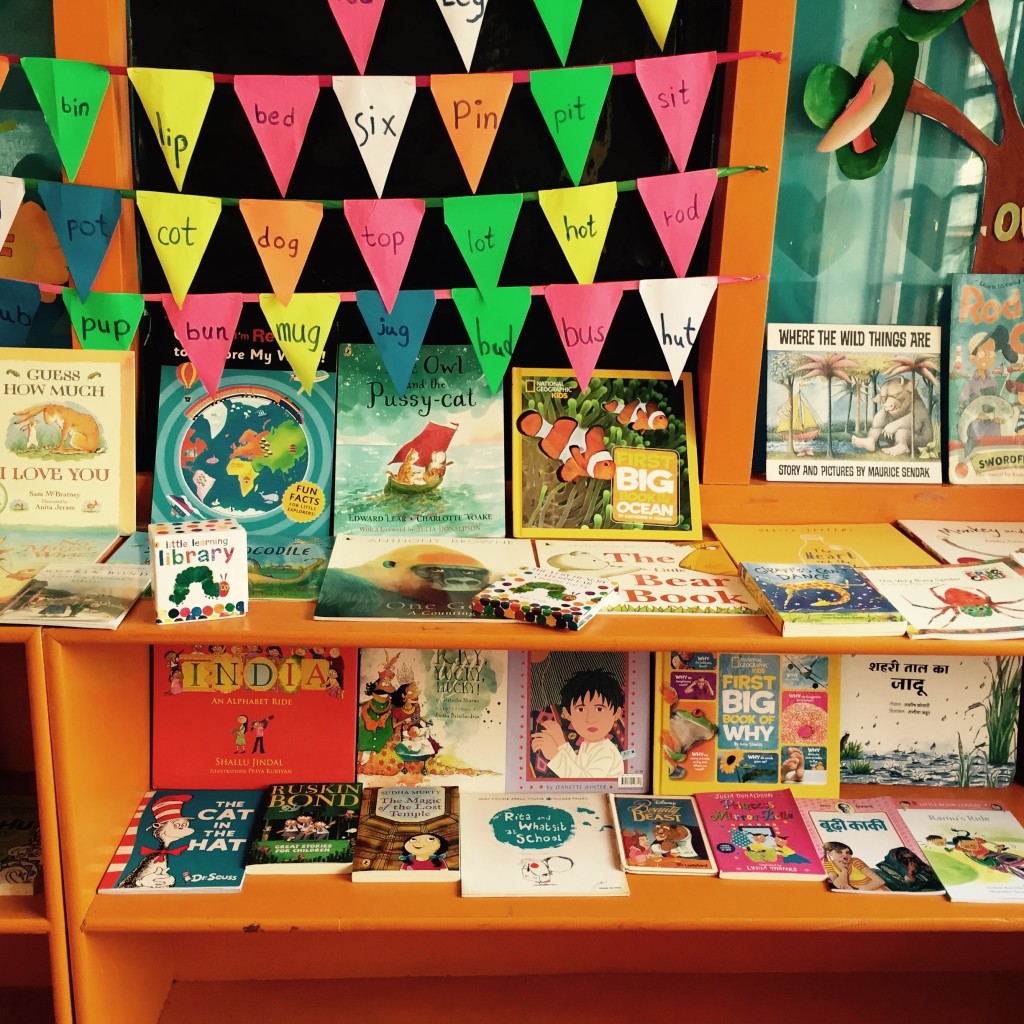
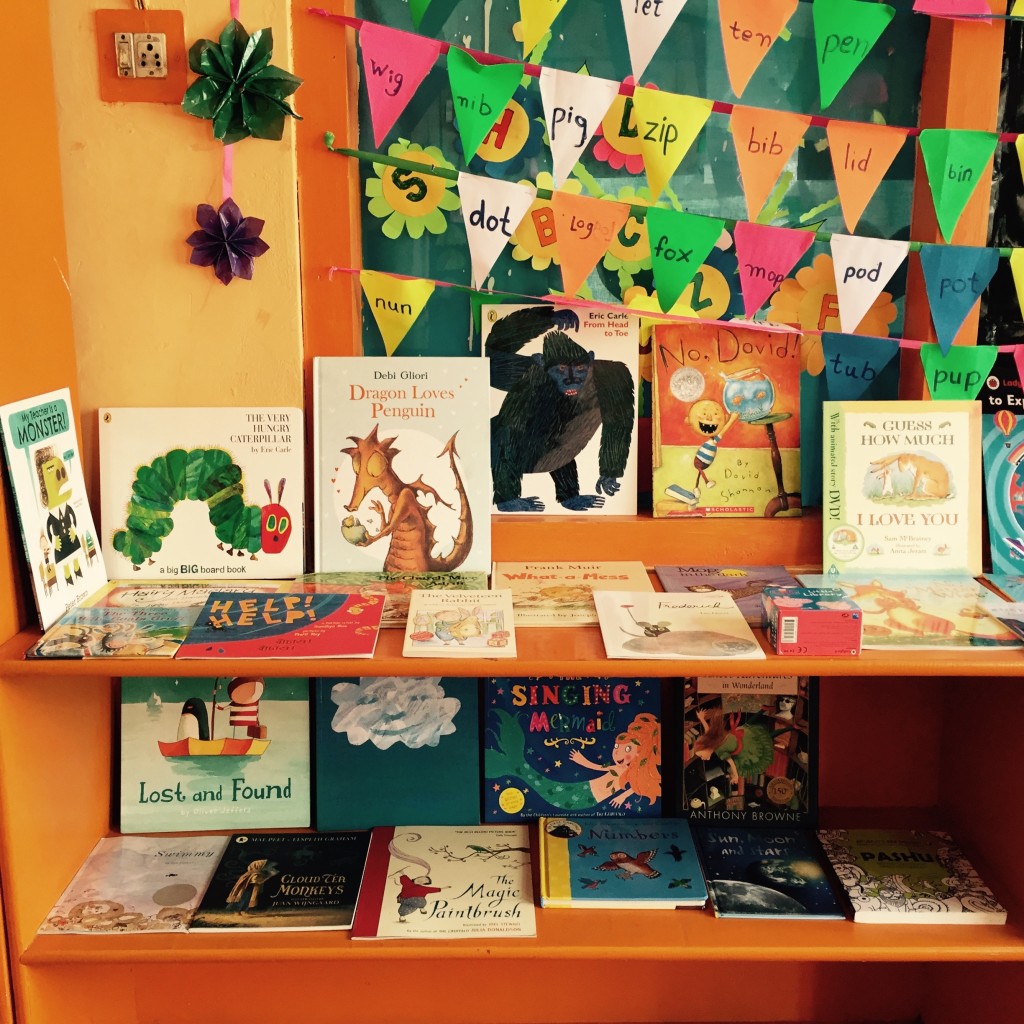
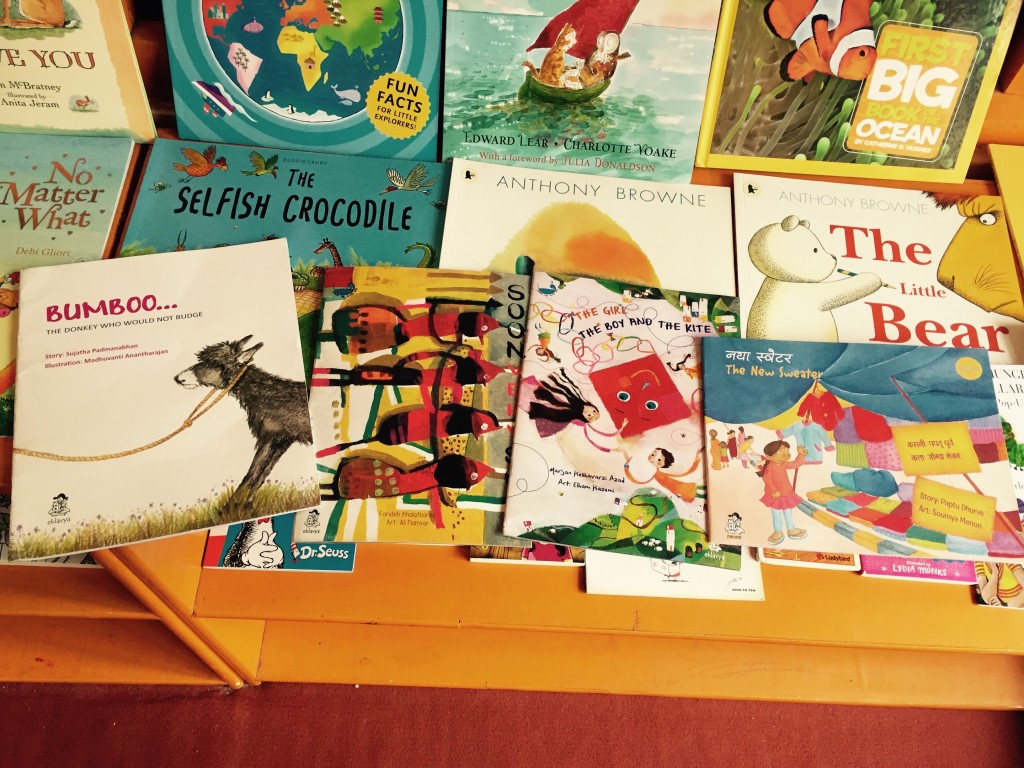
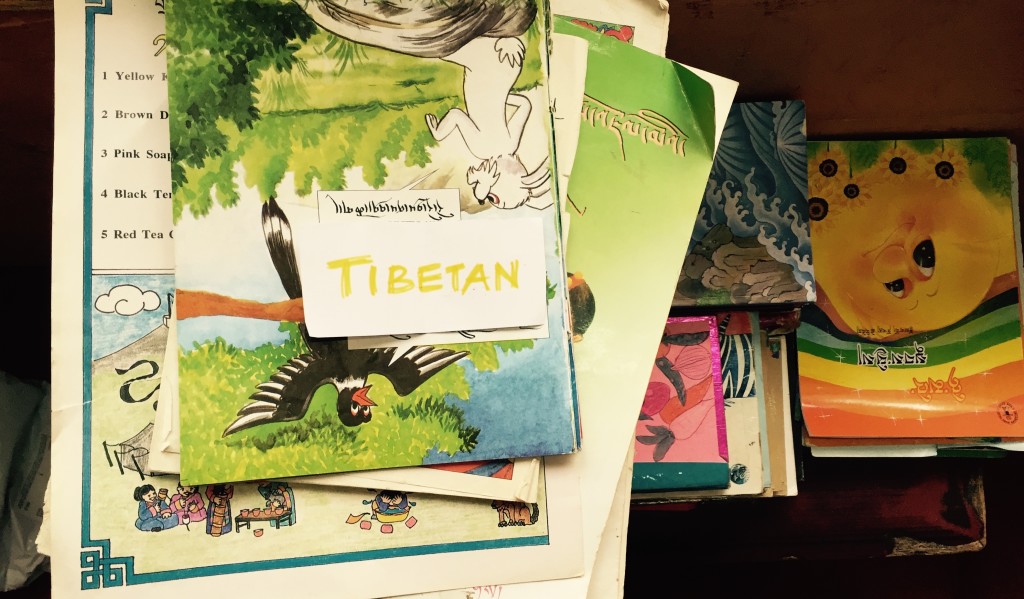
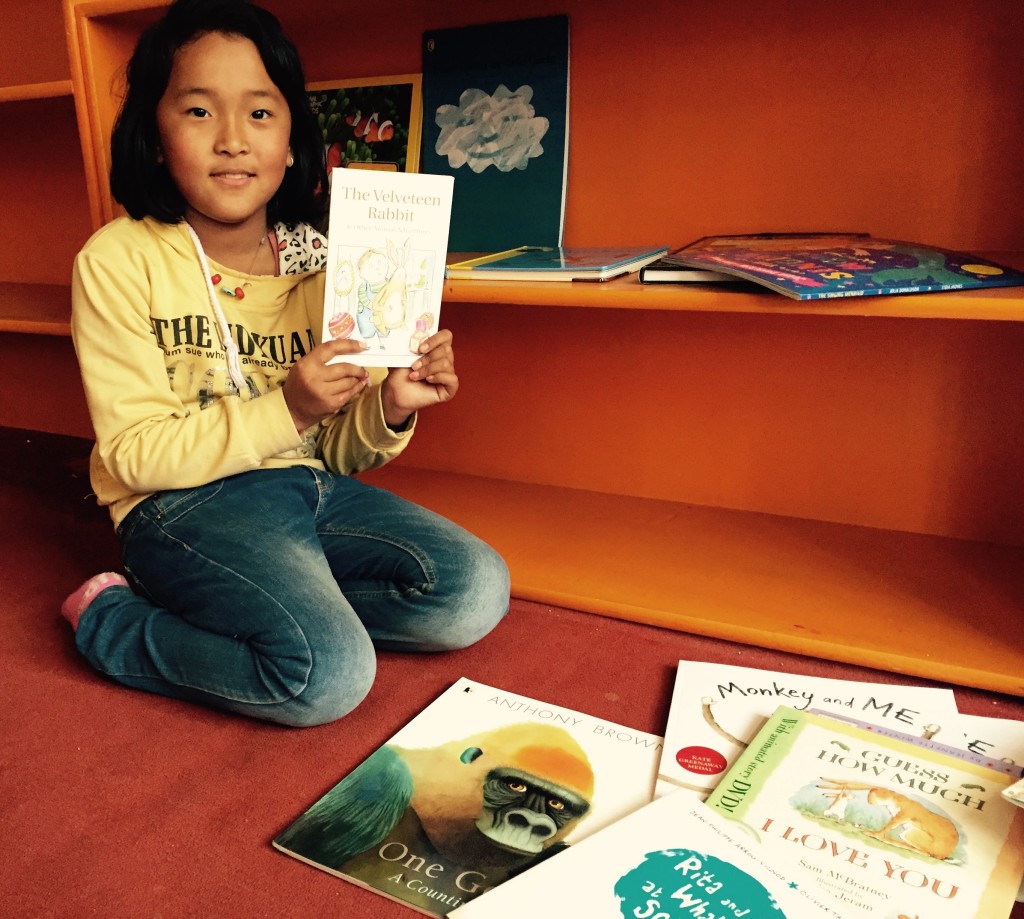
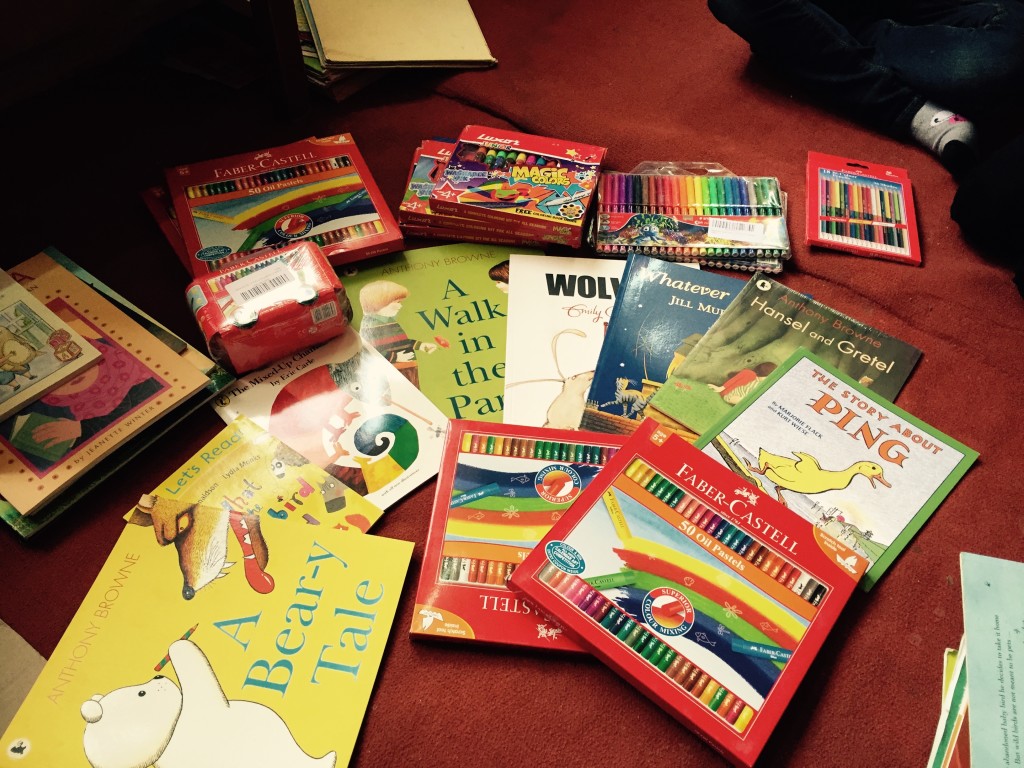
The Brisbane donors understand that educational access includes choice. A collection should offer picture books, fiction, nonfiction, art materials, music resources, and books suitable for different ages and reading levels. Variety helps children discover their own interests instead of treating reading as a single school requirement.
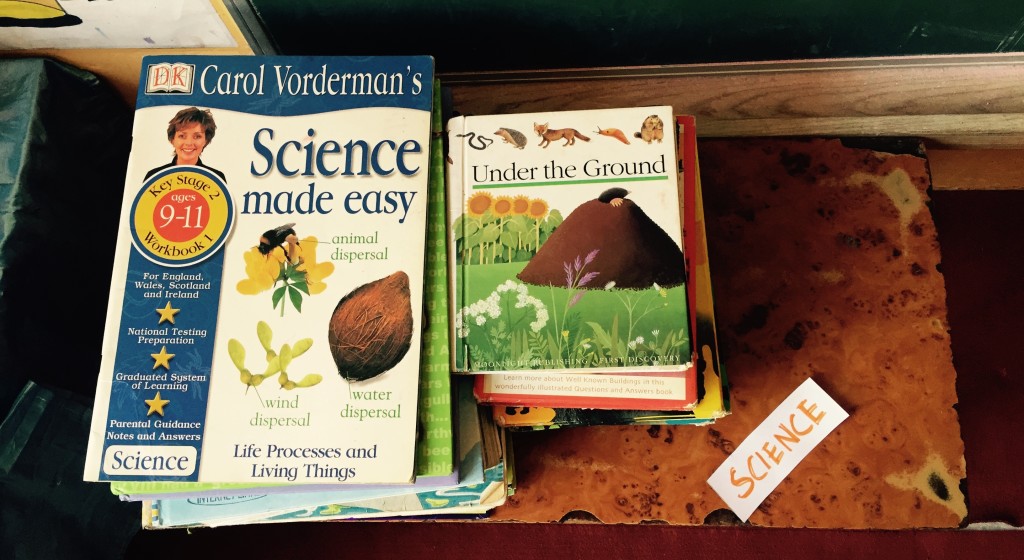
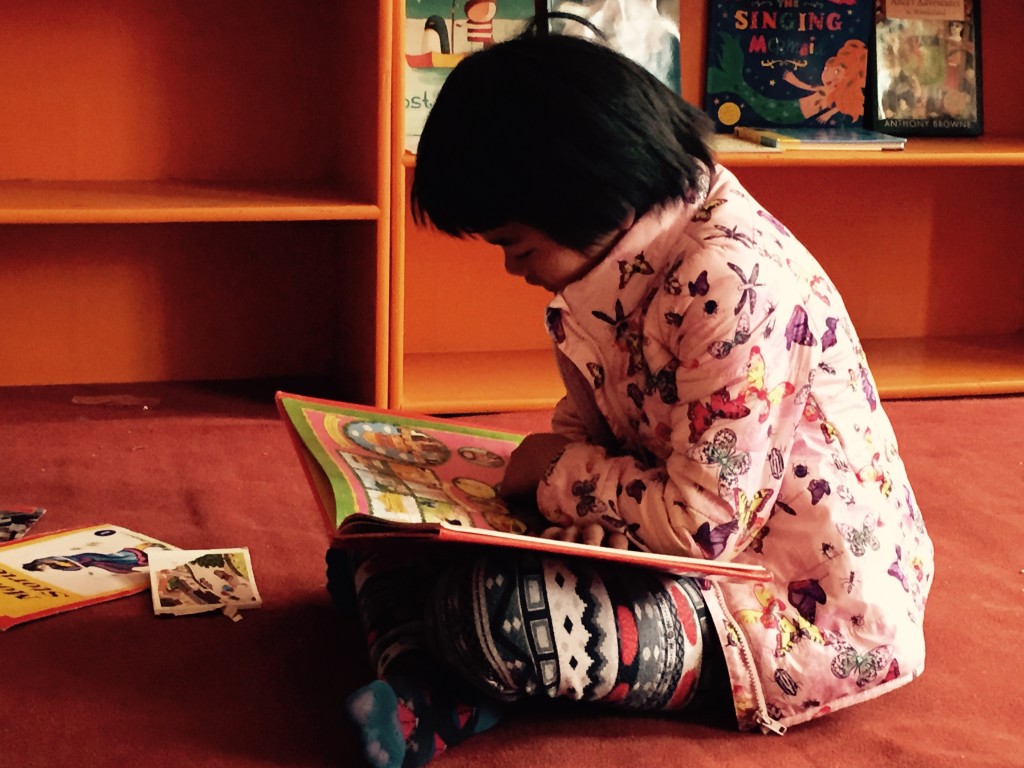
Their contribution supports a simple but powerful idea: children deserve books that invite curiosity. A story about another culture can develop empathy. A science book can prompt questions. A beautifully illustrated book can awaken an interest in art. These small moments may influence how a young person imagines their future.
From A Donation To A Shared Reading Room
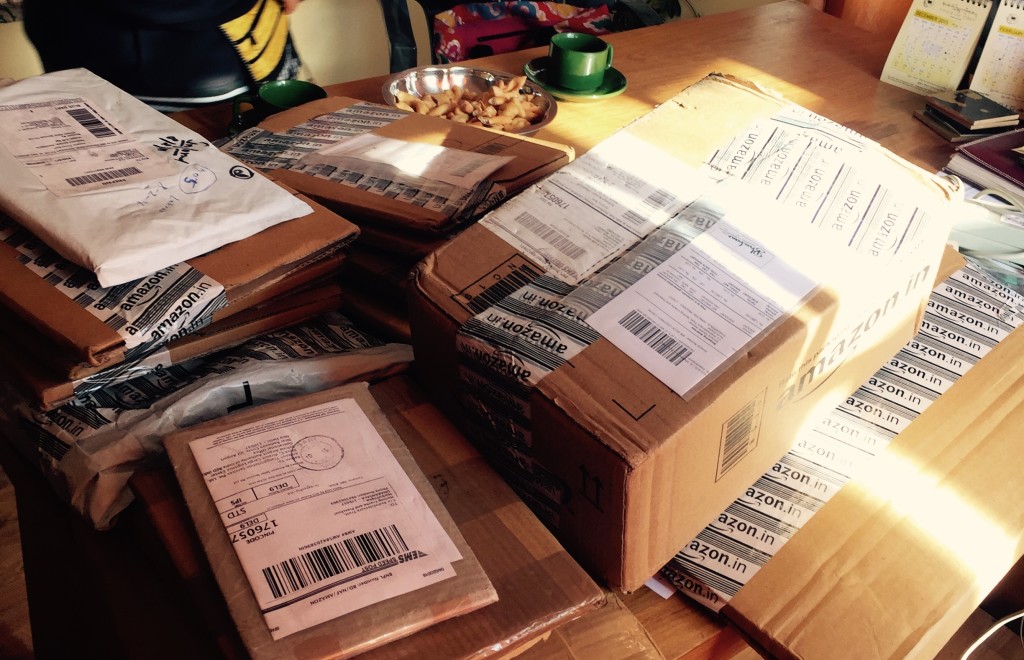
The family’s support becomes most meaningful when viewed as a chain of practical actions. Funds help make books available, but the wider process includes selecting suitable titles, organizing transport, establishing collections, and creating spaces where children feel welcome. Avalokiteśvara Trust connects these steps through its work with local communities.
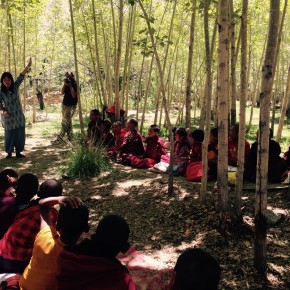
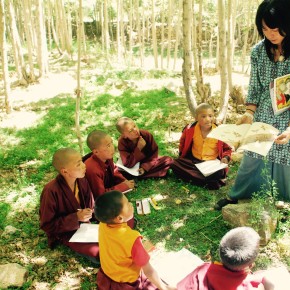
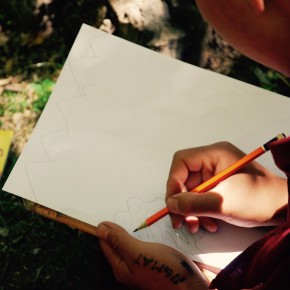
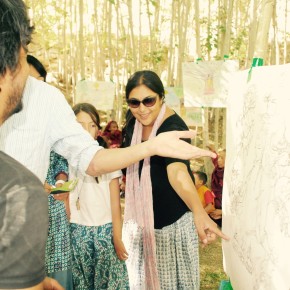
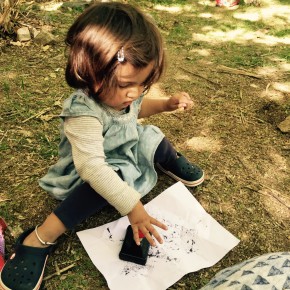
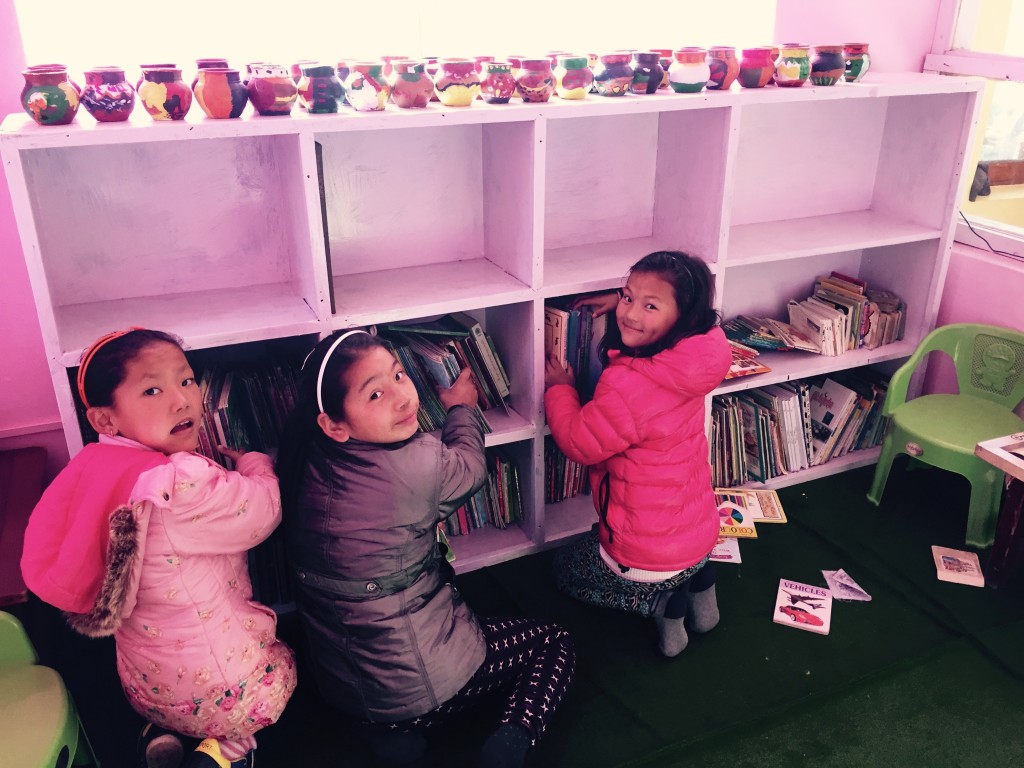
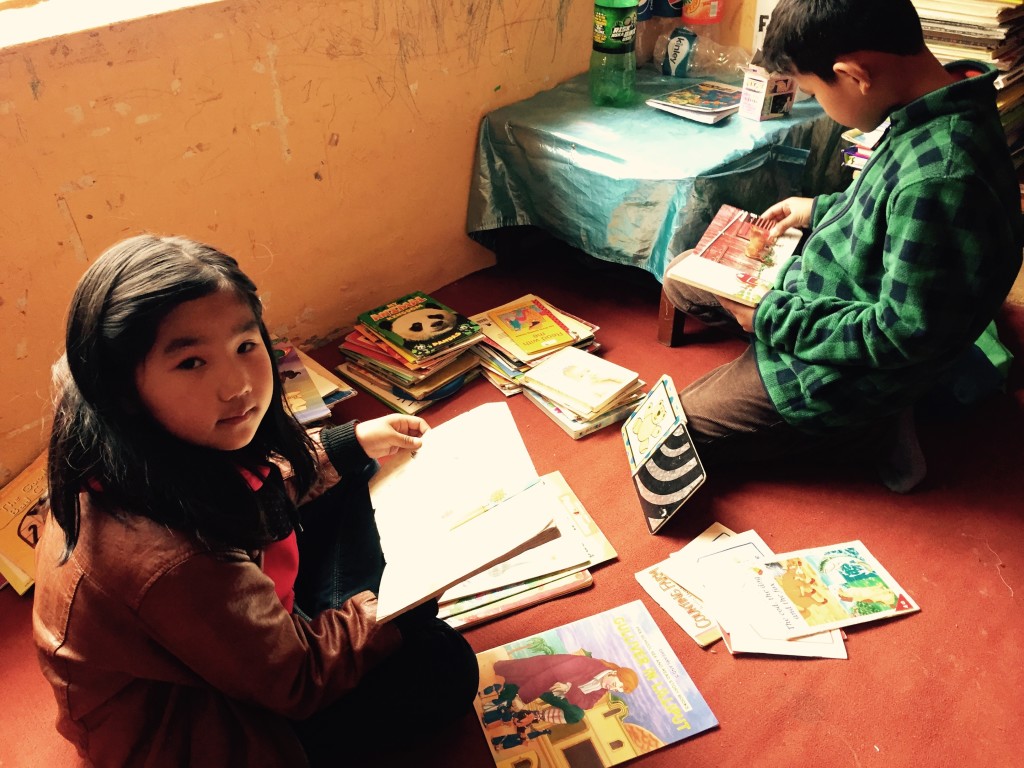
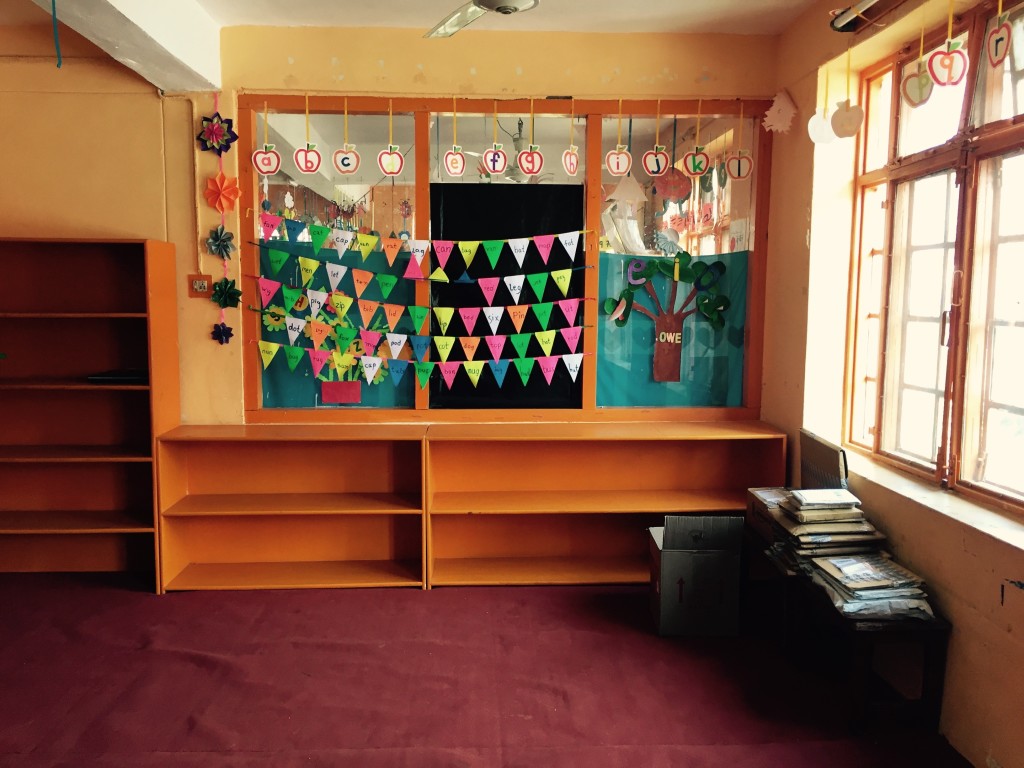
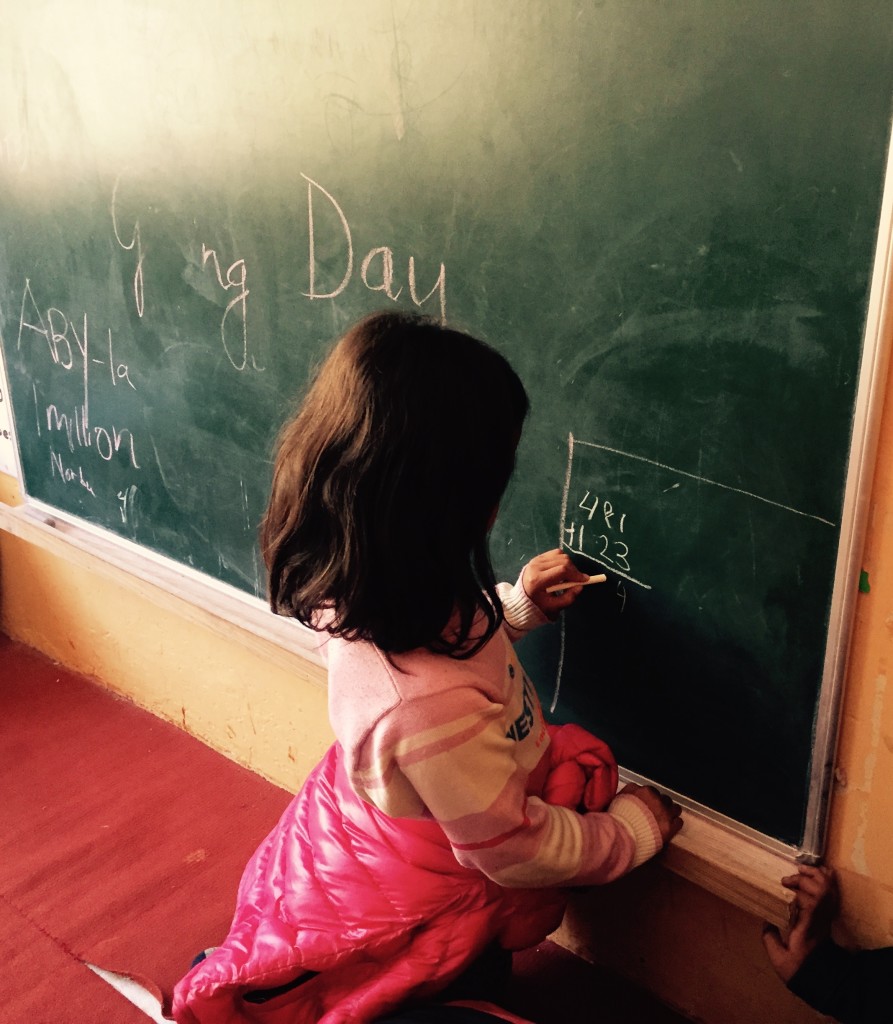
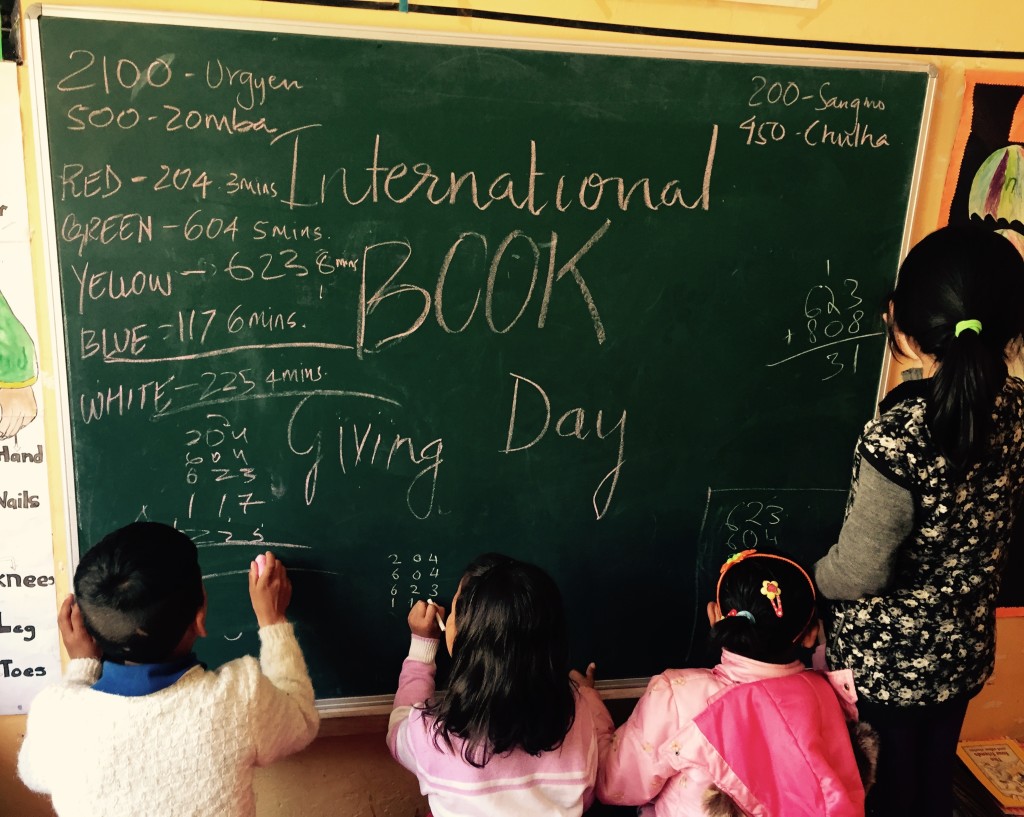
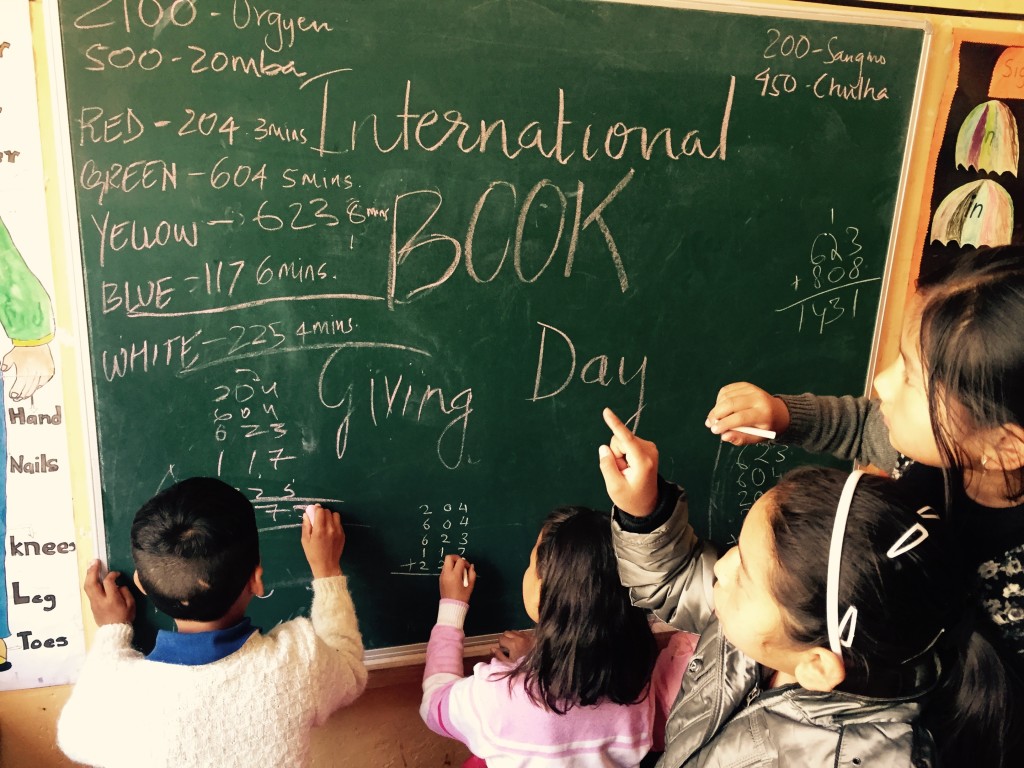
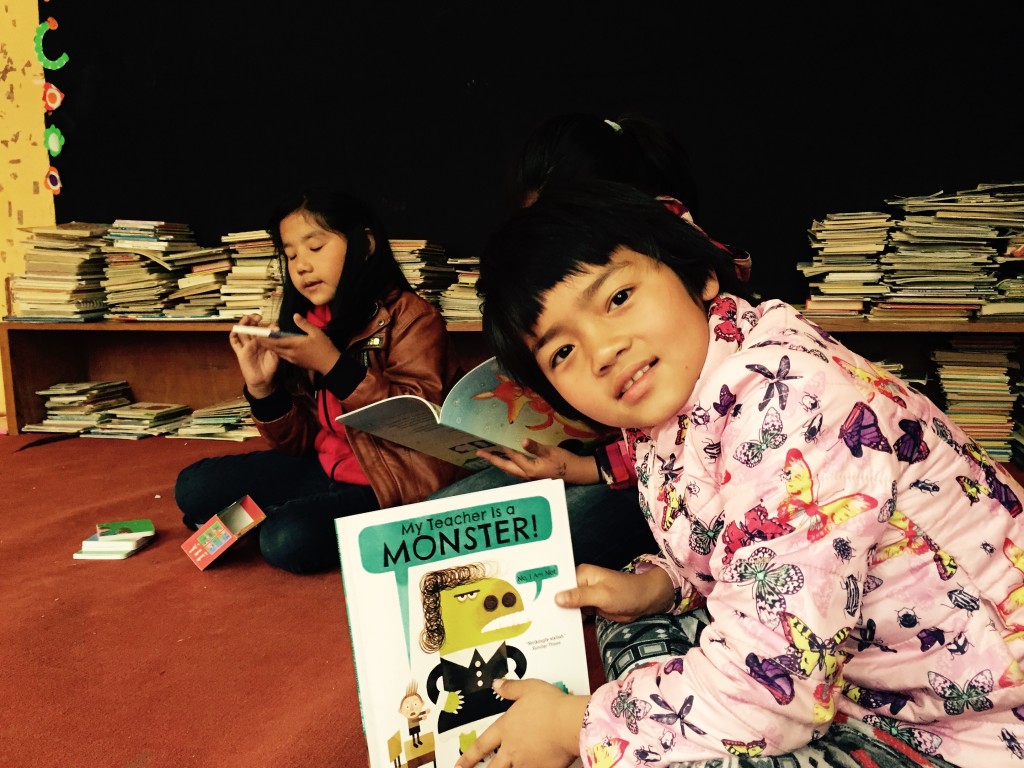
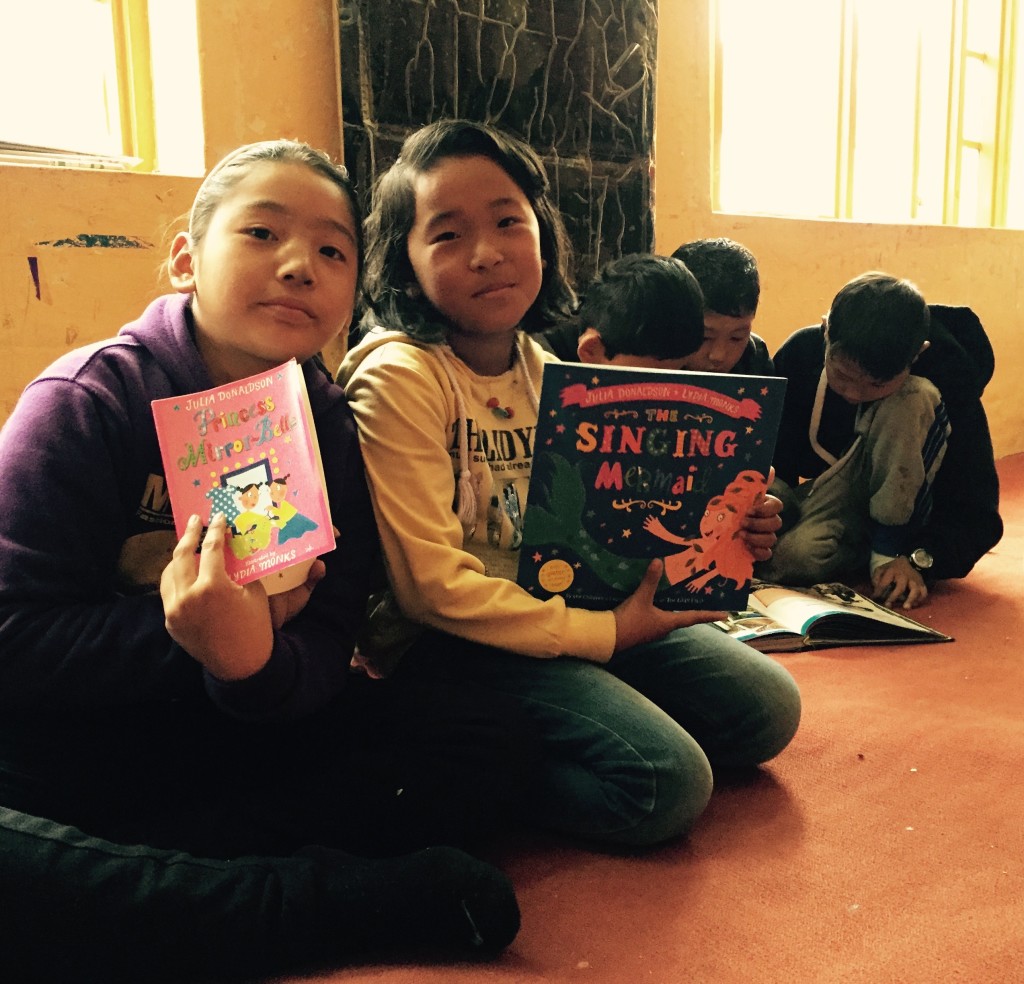
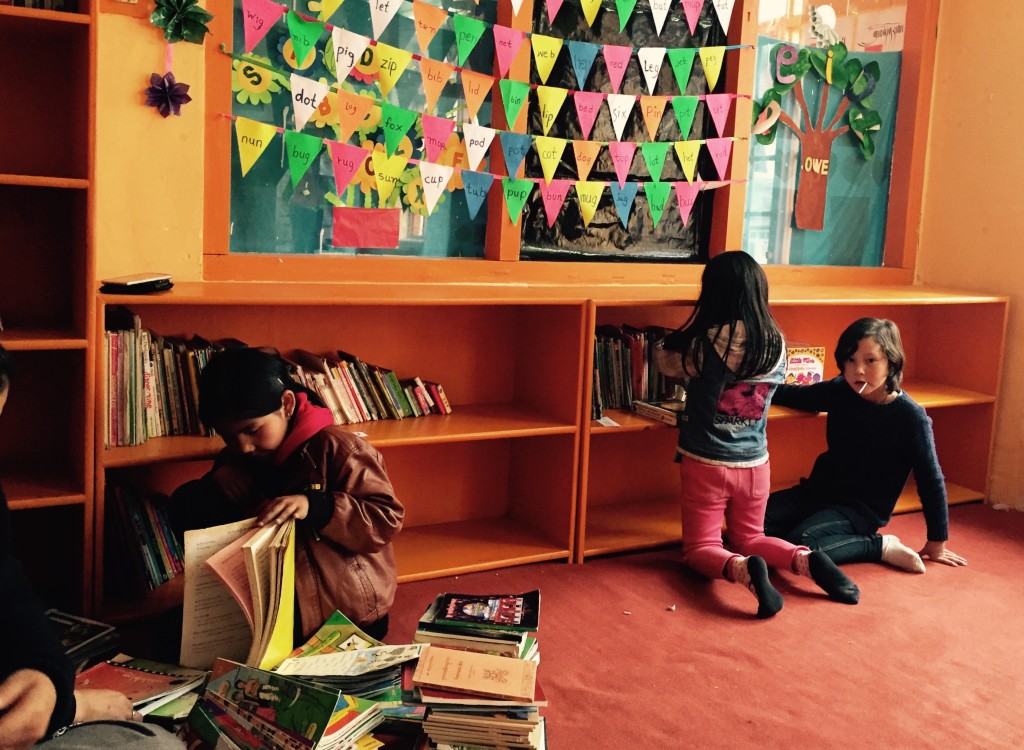
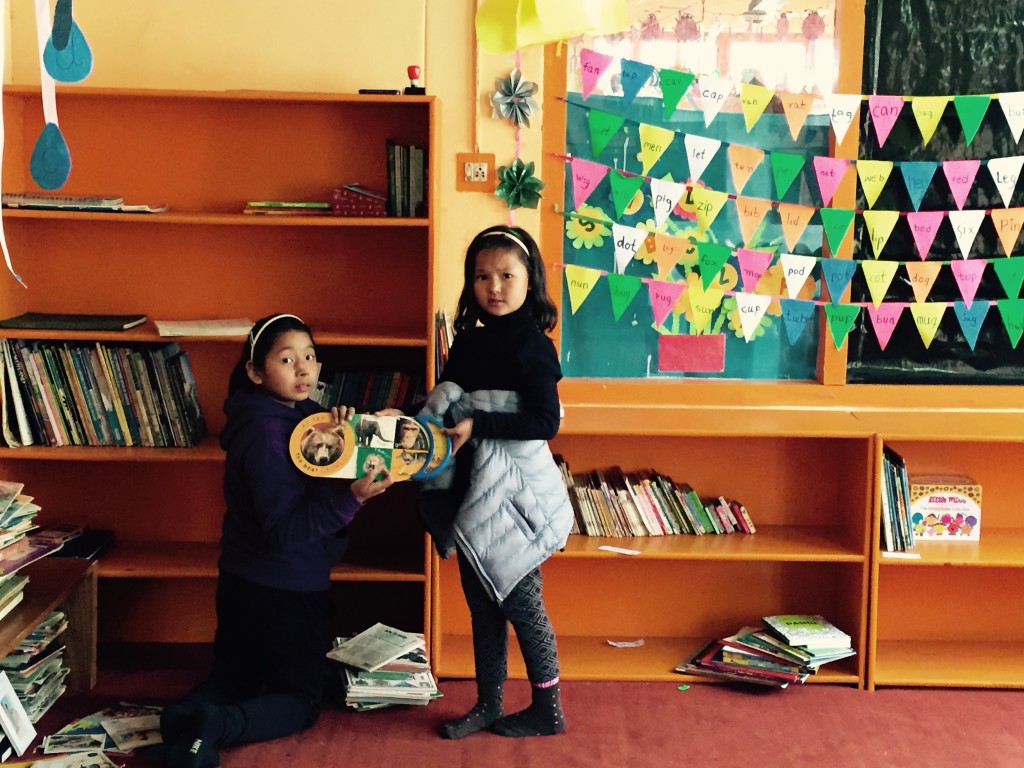
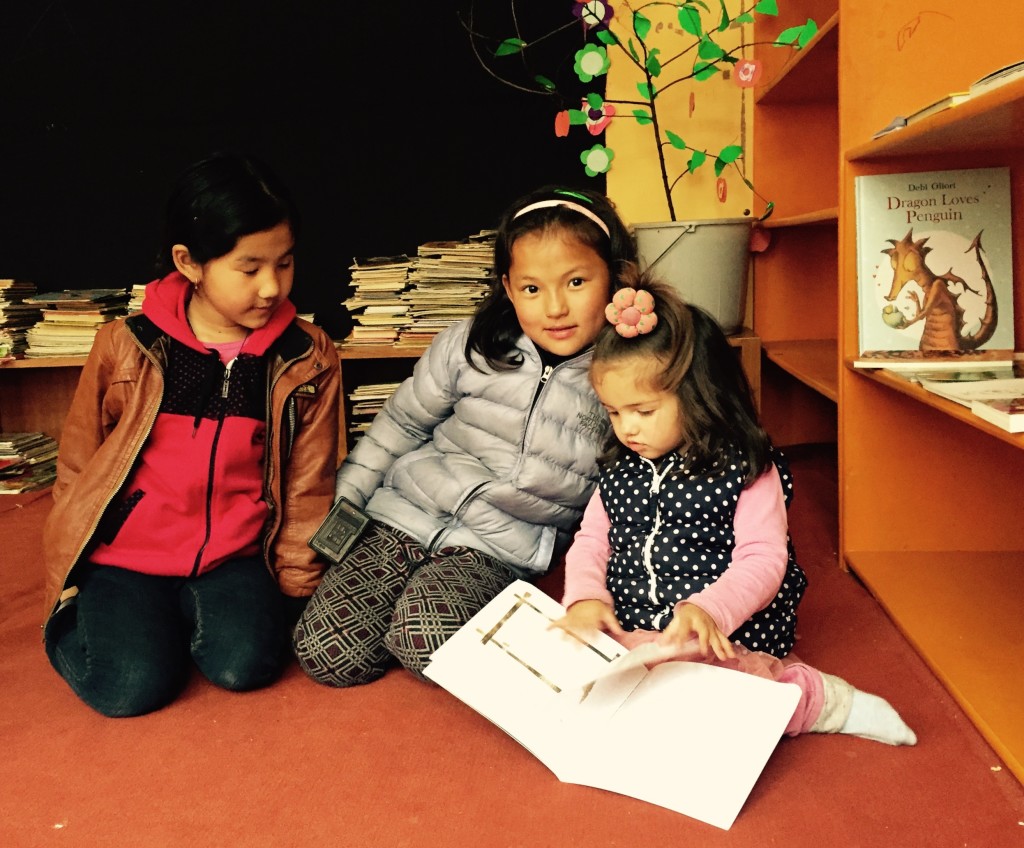
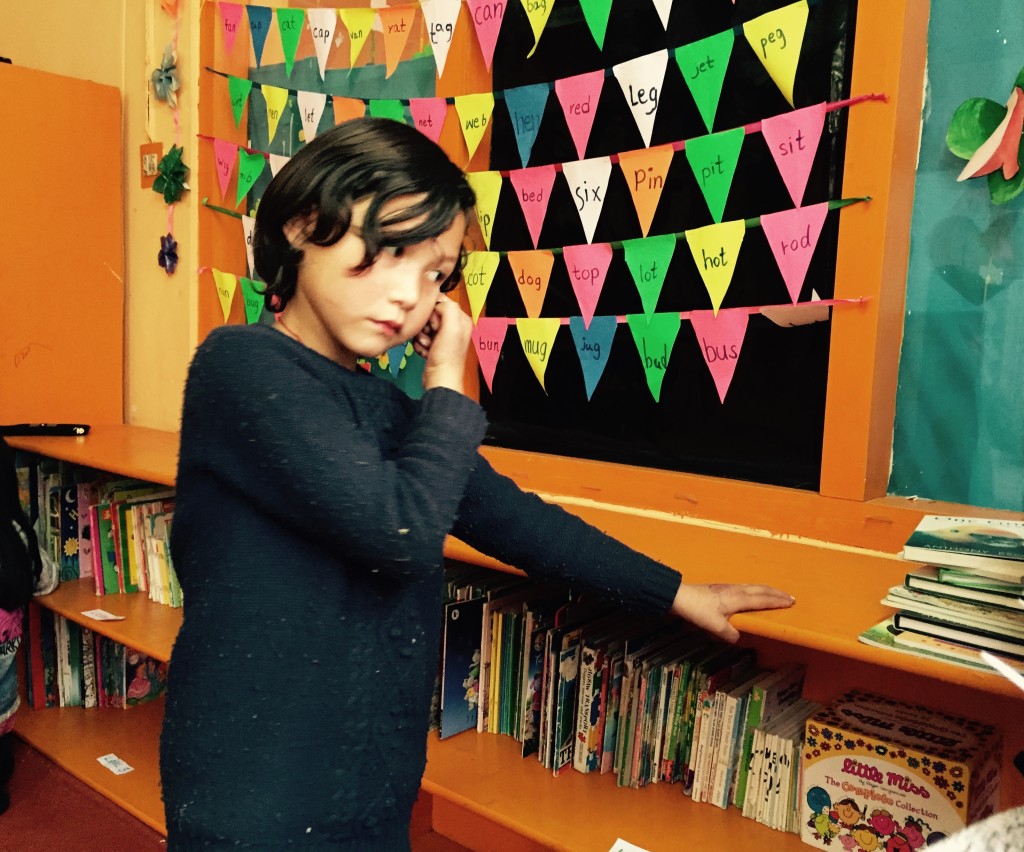
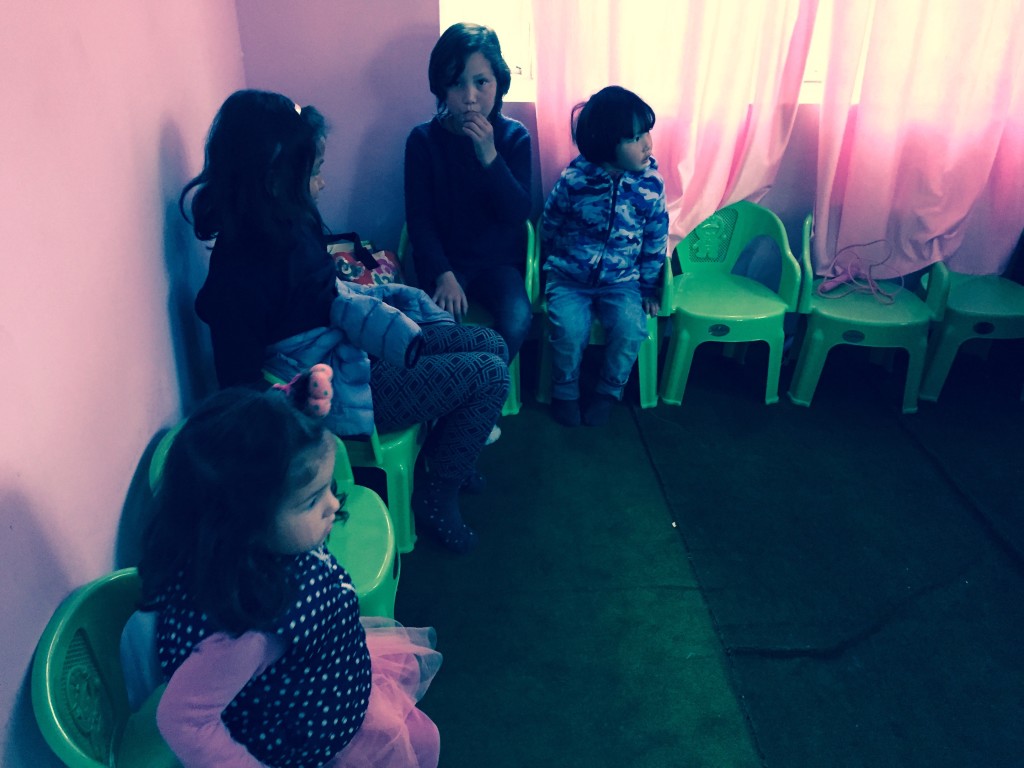
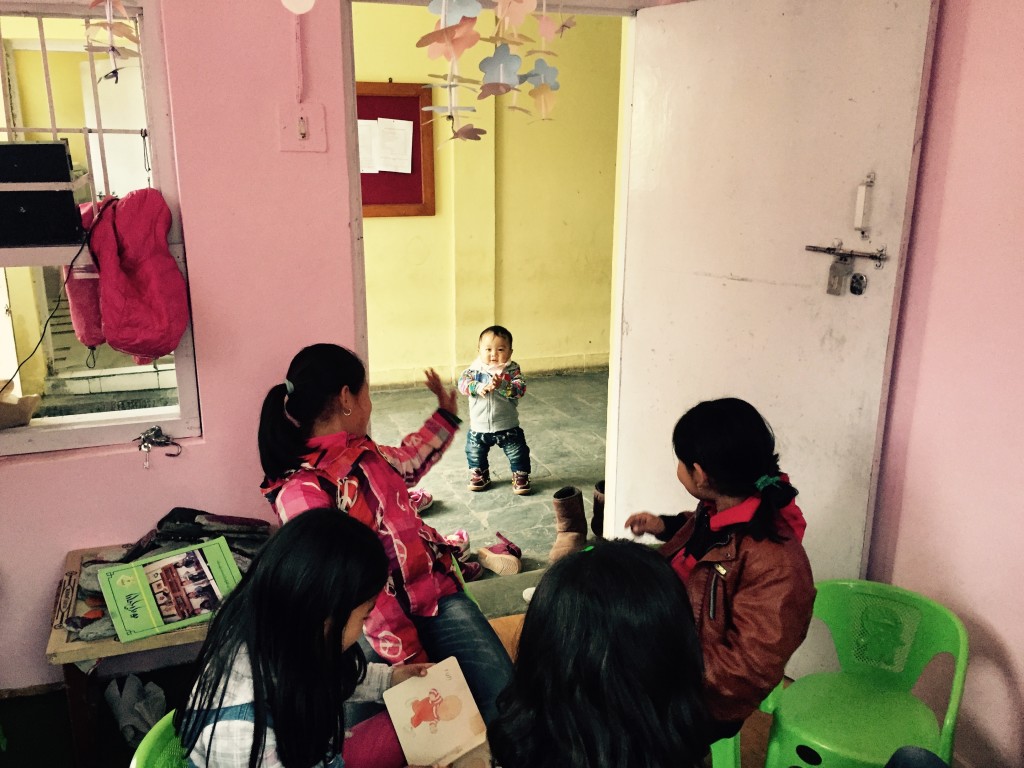
A reading room is not defined only by shelves. It depends on atmosphere and access. Children need permission to browse, time to read, and adults who value their questions. Activities such as storytelling, drawing, music, and group discussions can help transform books from static objects into starting points for participation.
| Support from donors |
Benefit for children and young monks |
| Sponsoring new books |
Expands access to age-appropriate stories and learning materials |
| Supporting reading rooms |
Creates a welcoming place for study and independent reading |
| Funding creative resources |
Encourages art, music, imagination, and self-expression |
| Contributing to book drives |
Helps build shared collections for whole communities |
| Supporting local activities |
Connects reading with social learning and confidence |
The Brisbane family’s contribution is therefore part of a larger educational ecosystem. A book may be read by one child, recommended to a friend, used during a group activity, and revisited months later. Its value grows through repeated use and shared discovery.
Giving As A Family Practice
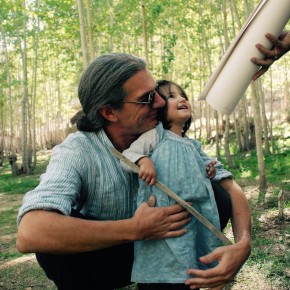
For the Brisbane donors, charitable giving is also a way to teach children that compassion can be practical. Their family discussions include where donations go, why some communities have fewer educational resources, and how a modest contribution can become useful when combined with the support of others.
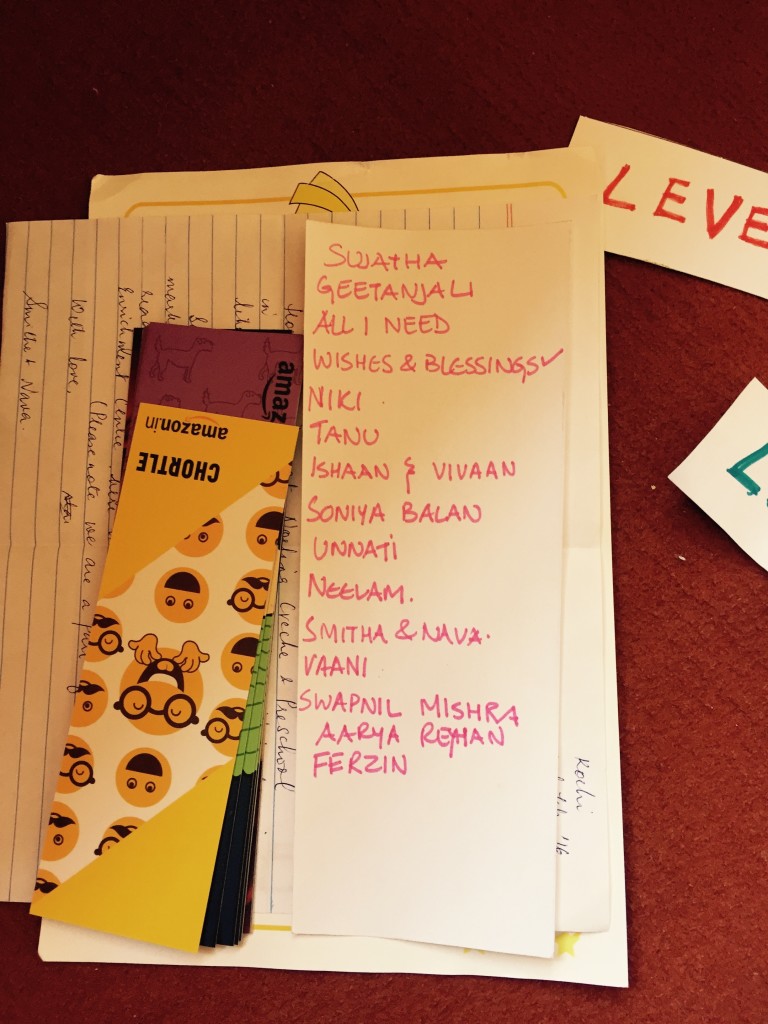
This approach makes philanthropy more personal. Children can help choose books, set aside part of their pocket money, or write notes of encouragement for a book drive. These actions help them understand that generosity is not reserved for wealthy people or special occasions. It can become a regular habit grounded in attention and respect.
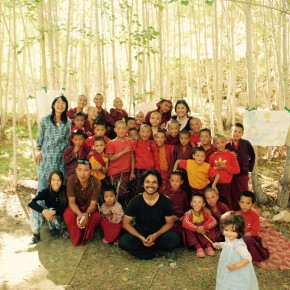
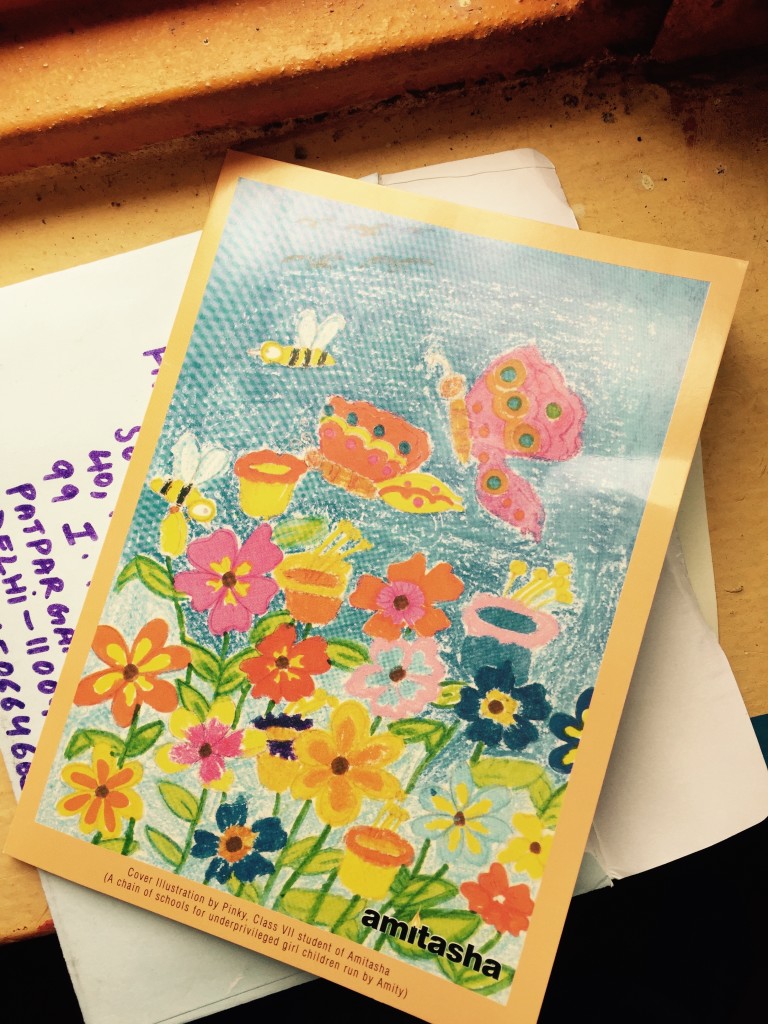
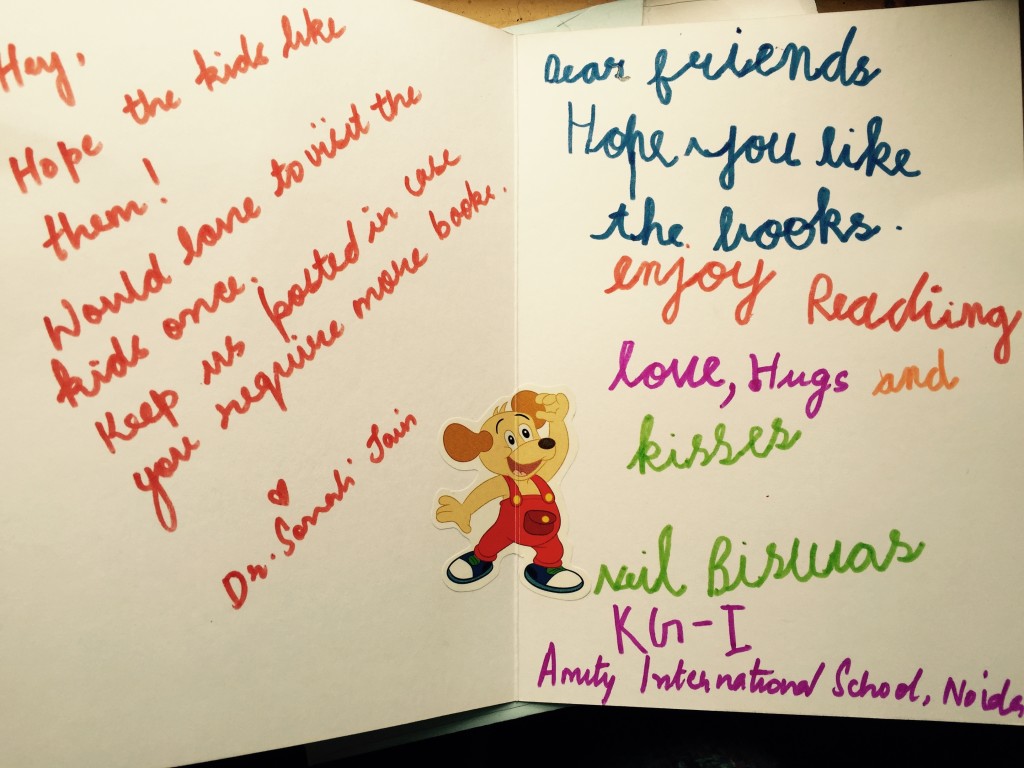
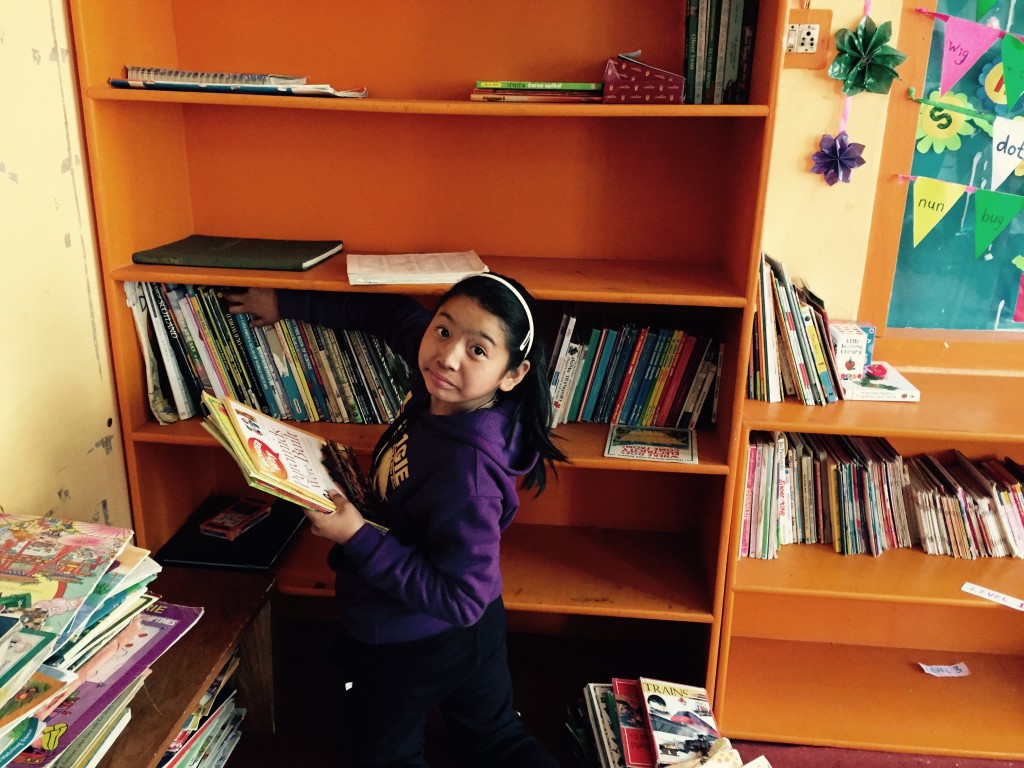
The family also values the transparency of a relationship built through updates, photographs, and stories from the field. Seeing reading rooms and community activities helps donors understand how their support is used. It turns an abstract charitable gift into a visible connection with children learning, reading, creating, and spending time together.
Their experience shows why long-term donors often remain committed. They are supporting an approach that respects local communities rather than imposing a single model of education. Books and activities are provided to strengthen existing efforts, encourage local participation, and help children make the most of the resources available to them.
Choosing Support That Creates Lasting Value
Families considering a charitable donation can learn from this Brisbane example. The most effective support begins with a clear purpose and continues with thoughtful follow-through. A contribution to a book drive can be especially valuable when it is aligned with the needs of the children and the practical realities of the community.
A donor does not need to organize an entire library alone. Consistent small gifts, workplace fundraising, birthday donations, or a family-sponsored collection can all contribute to a larger result. The important factor is that the support helps provide quality books and welcoming opportunities for children to use them.
Useful ways to support Himalayan literacy and learning include:
- Sponsor books for a reading room in Ladakh or another partner community
- Organize a book drive with a school, workplace, community group, or family
- Make a recurring donation to support educational and creative activities
- Share Avalokiteśvara Trust’s stories and fundraising campaigns with others
- Volunteer skills in communications, event planning, education, or fundraising
The Brisbane family chose book drives because the purpose was clear, the resource was practical, and the impact could be shared across a community. Other donors may be drawn to art programs, music activities, volunteer work, or reading-room development. Each form of support can help create a richer environment for children and young monks.
A Wider Circle Of Care
The story of this family is ultimately about connection. Brisbane may be far from Ladakh, yet a shared commitment to children’s learning can cross oceans and landscapes. A donated book carries more than printed pages. It carries the donor’s confidence that every child should have the chance to explore, imagine, and develop a love of learning.
Avalokiteśvara Trust makes that connection possible through practical initiatives, local relationships, and a focus on resources that remain useful. Book drives bring communities together around a clear goal, while reading rooms give children a lasting place to return to. Educational, artistic, and musical activities add further opportunities for confidence and expression.
When you support a book drive, you help place meaningful learning resources within reach of children and young monks in the Himalayan region. Sponsor a collection, organize a fundraiser, or make a donation through Avalokiteśvara Trust today, and help turn a family’s act of generosity into shared access to books, ideas, and possibility.