Behind the Stacks: A Day with a Ladakh Reading Room Librarian
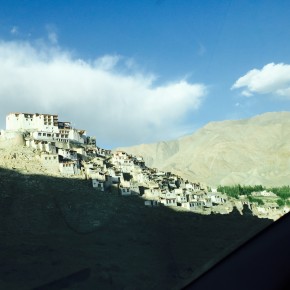
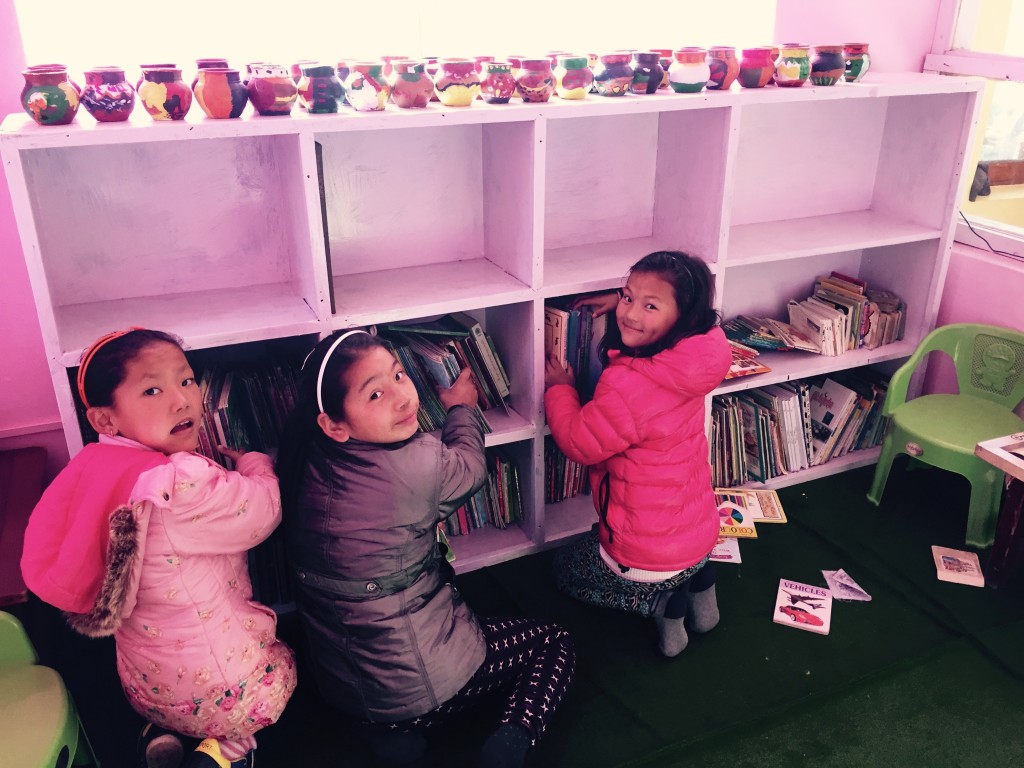
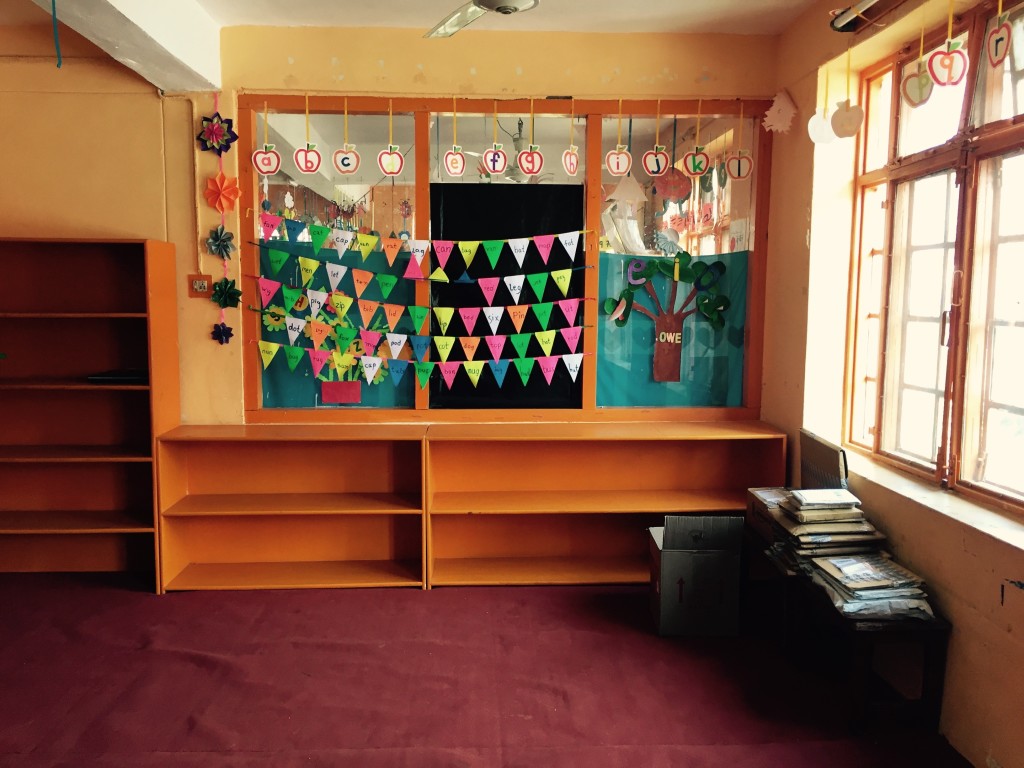
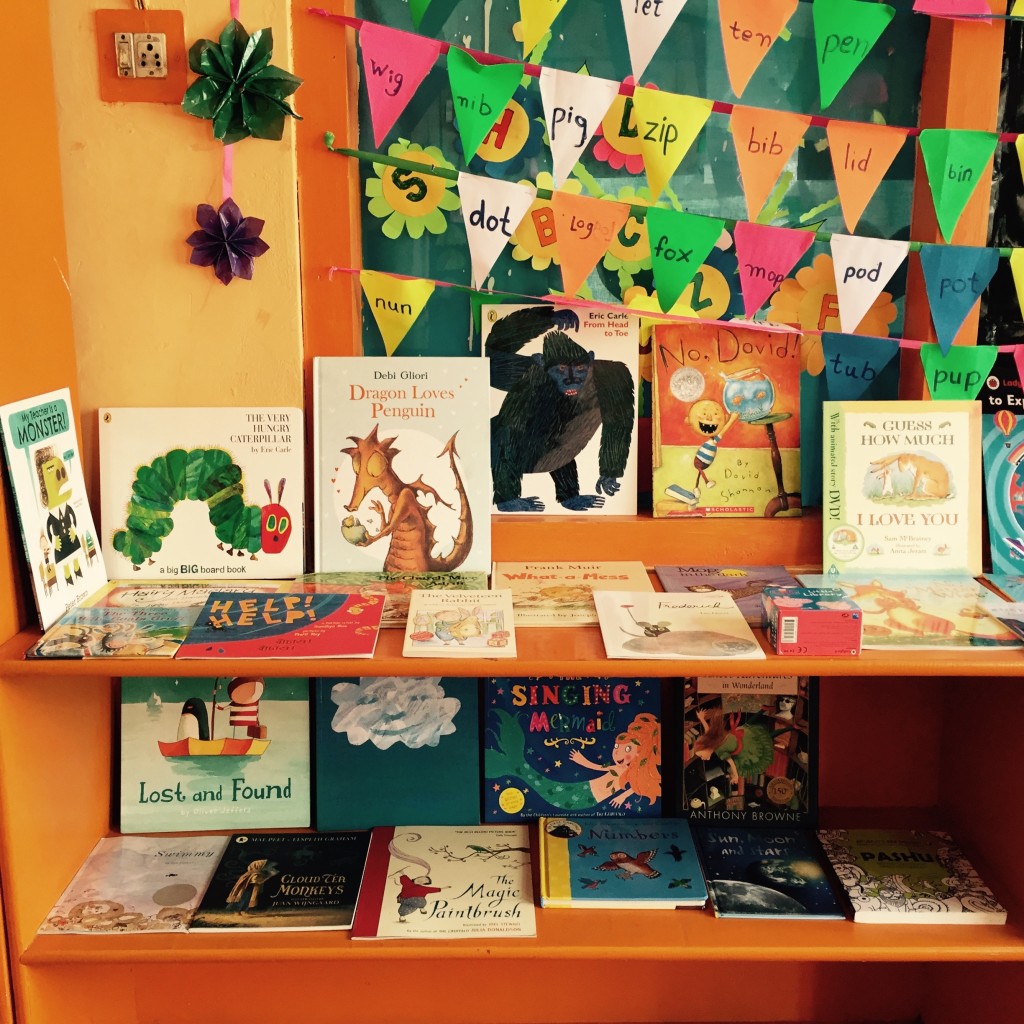
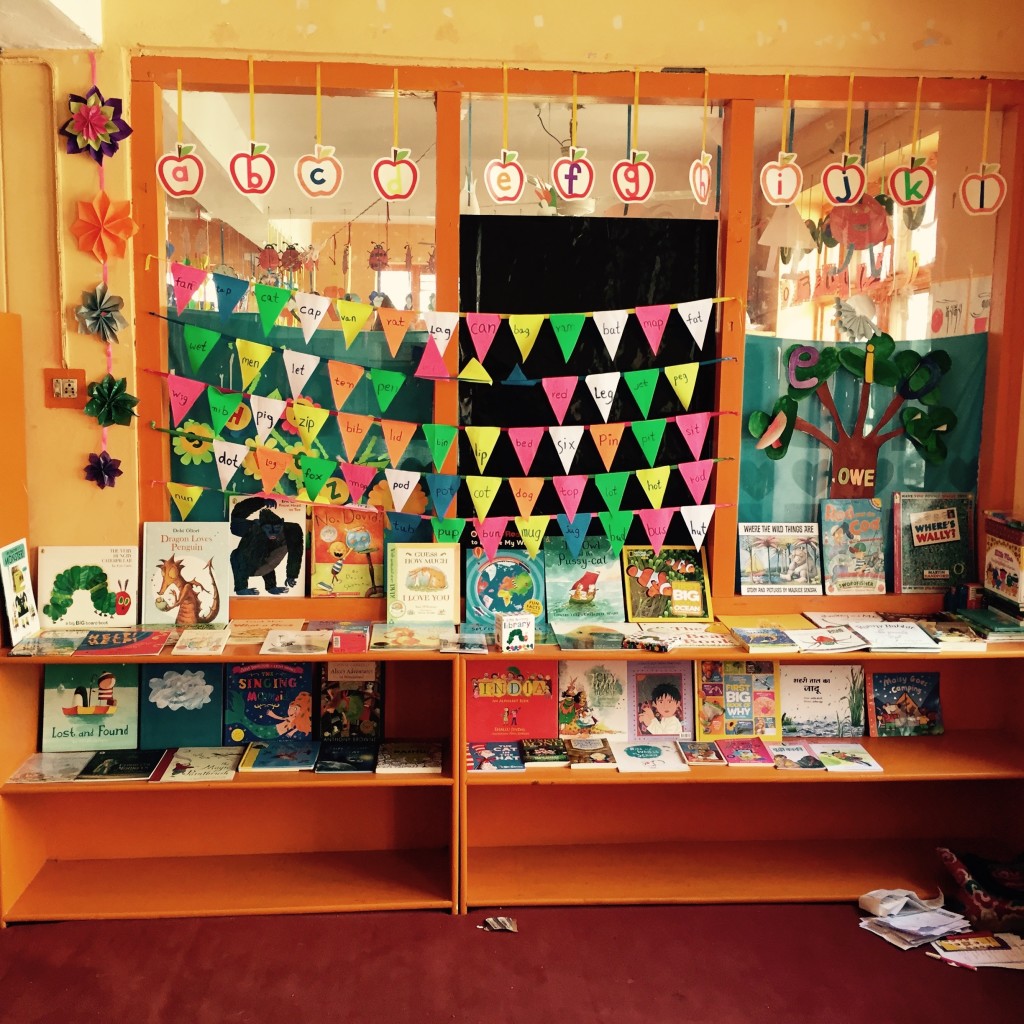
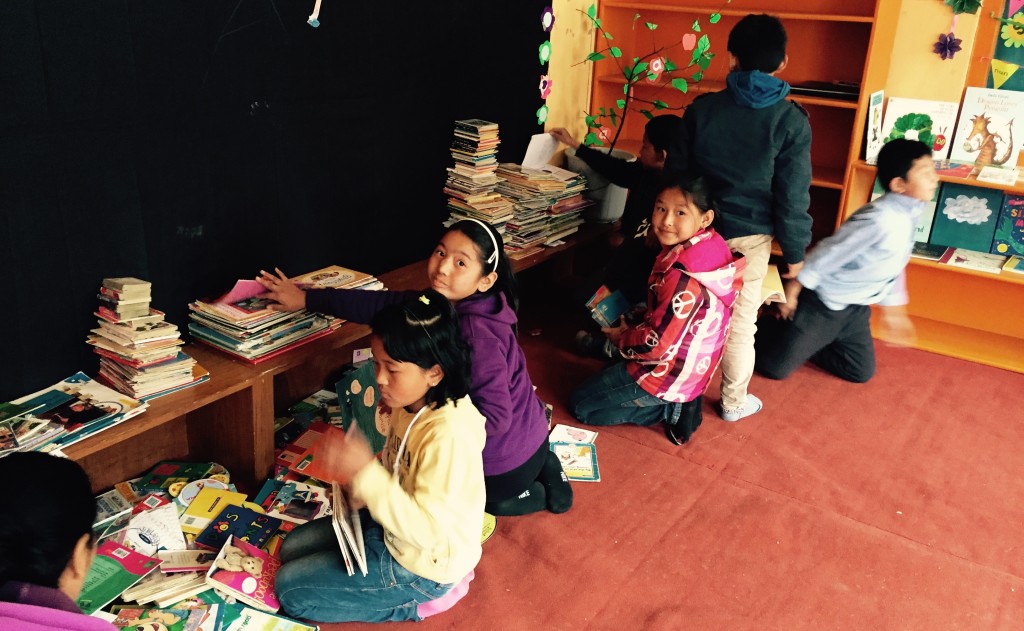
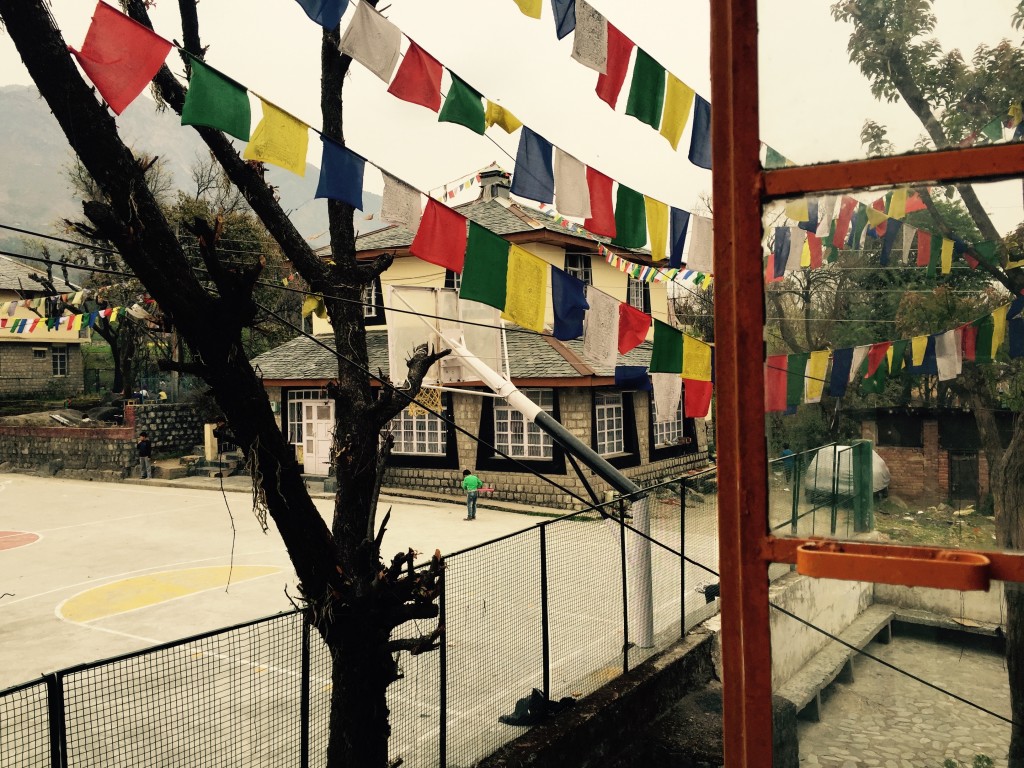
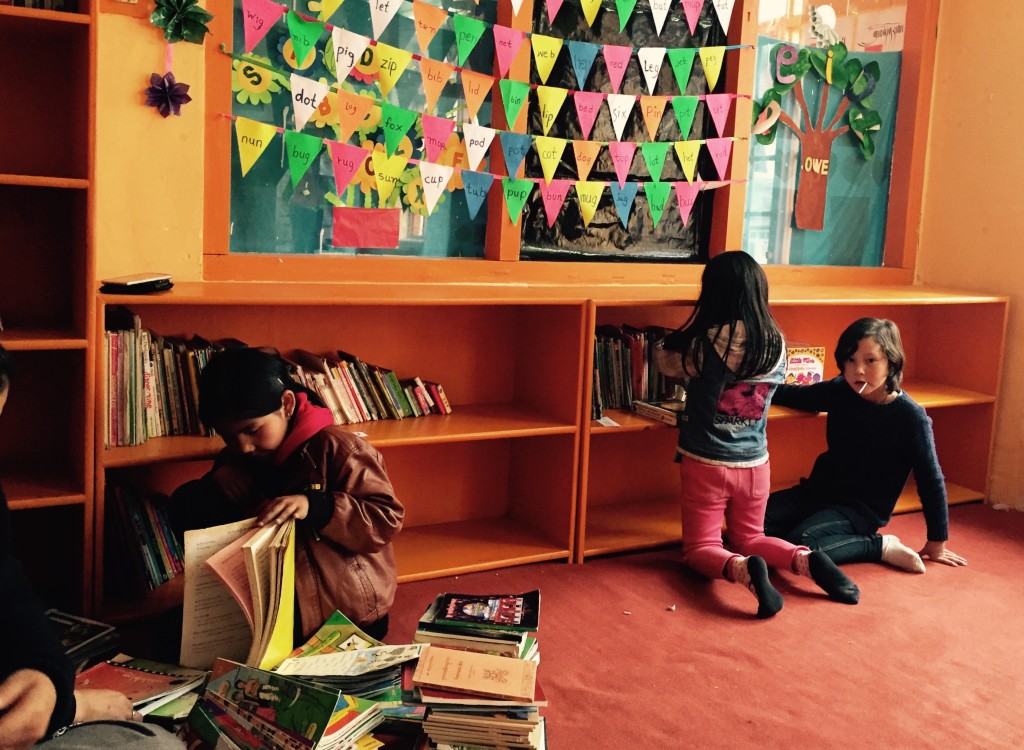
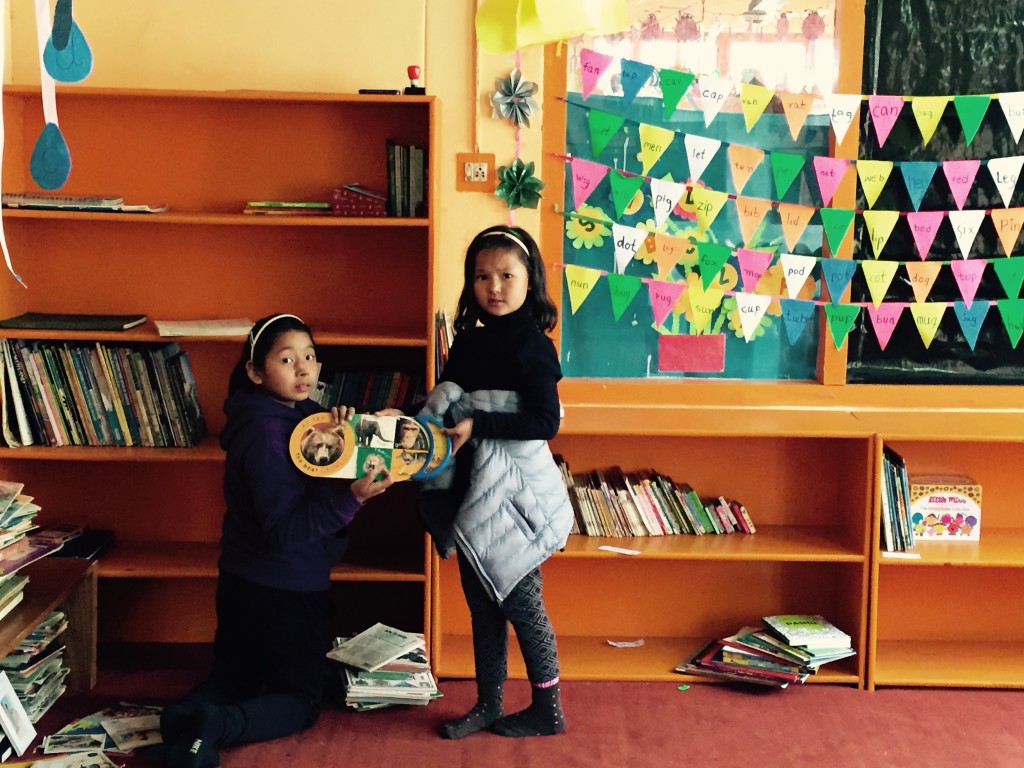
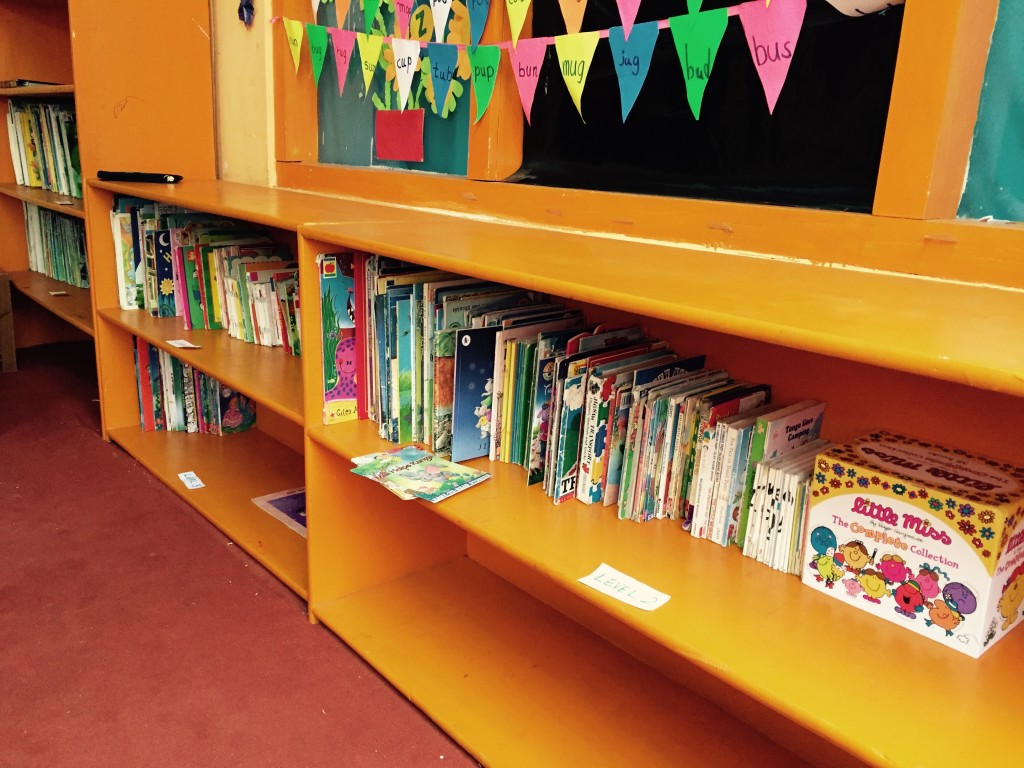
The cup of butter tea is still warm when Tsering unlocks the iron door of the reading room. Outside, the mountain village of Diskit hums with the early rhythm of donkeys, prayer wheels, and apricot trees bent under a thin overnight frost. Inside, the shelves that volunteers built last winter wait in tidy rows, each spine a quiet promise. For a reading room librarian in this stretch of Ladakh, the day begins long before any child arrives, with sweeping, lighting lamps, and laying out the wooden stools in a perfect semicircle.
Australia sits on the other side of the world, yet the impulse behind community reading spaces is recognisable. Melbourne's State Library and the small regional branches of country Victoria have opened their doors to marginalised readers for more than a century, and supporters from Perth, Brisbane, and Sydney regularly cross time zones to lend a hand overseas. The Australian Government's overseas aid program has, since the 1970s, backed education initiatives across South Asia, which is why several Australian teachers find themselves pulling on woollen hats beside local counterparts. Understanding a single day in a Ladakh reading room helps those supporters grasp what their hours, books, and post parcels actually translate to on the ground.
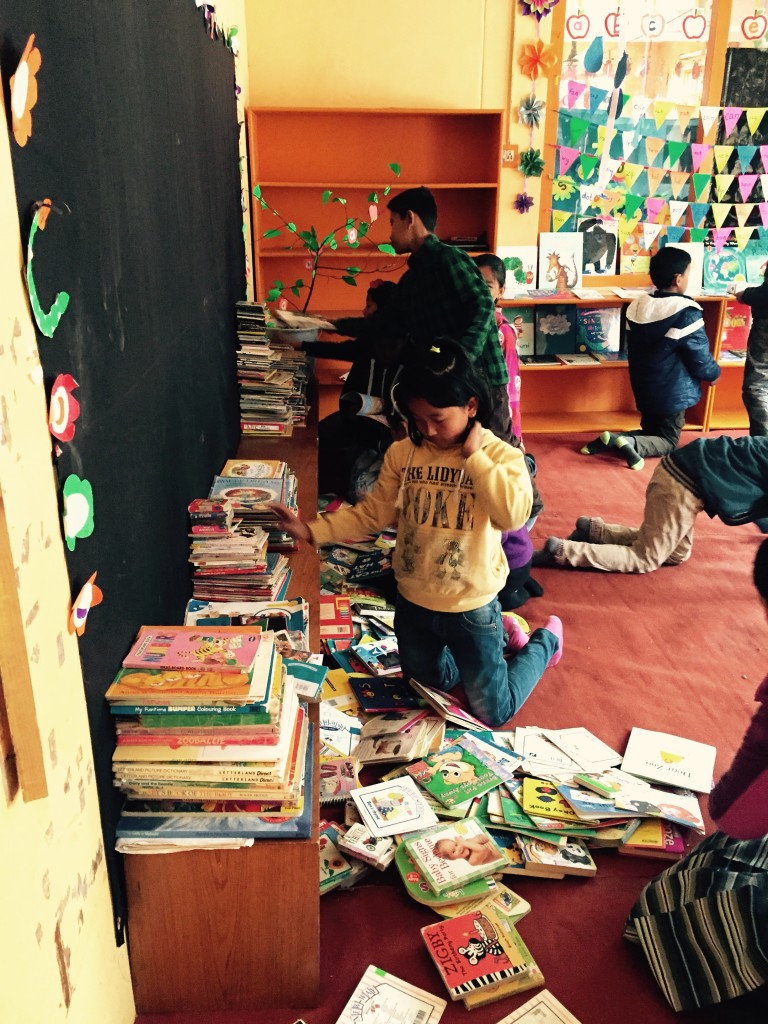
The work is quiet and physical. Pages are sorted across three scripts, candles are trimmed, and the wood stove is coaxed into a steady glow. The librarian knows that the children of the Indus valley will not drift in gently; they will arrive in bursts, throwing open the door, shaking off the cold, and asking for that one picture book about the Yeti. The day that follows is shaped by that hunger.
Before Sunrise: Setting Up the Space
Tsering arrives at the room as the eastern sky turns from indigo to mauve. The first task is feeding the bukhari, a cast-iron stove whose belly must be warm before small fingers reach for anything. A kettle is set on top, then a broom that knows every wooden plank intimately. The door is propped open with a stone so that any early visitor can smell the woodsmoke and feel invited.
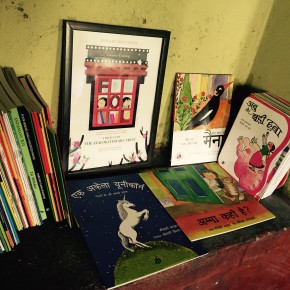
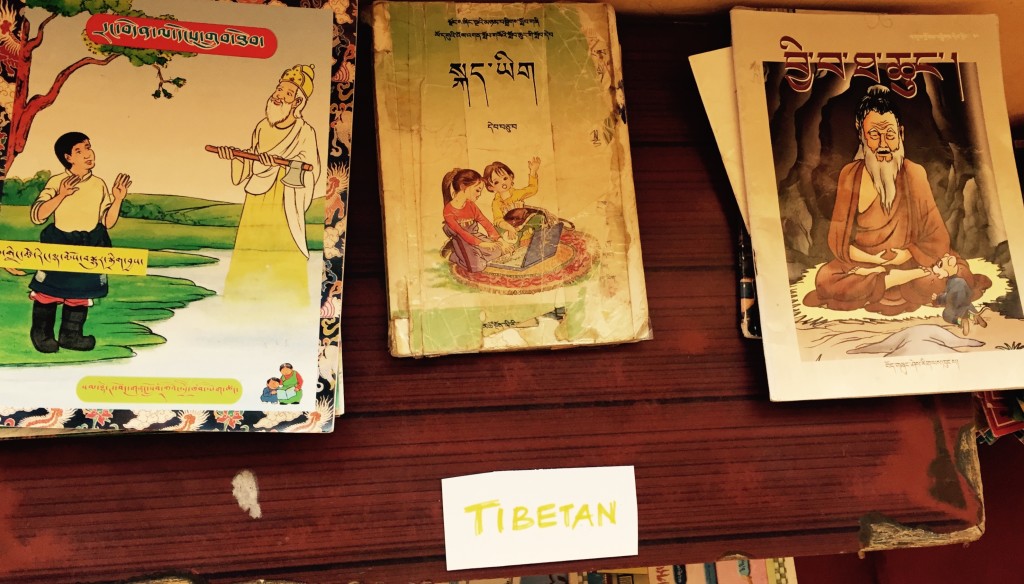
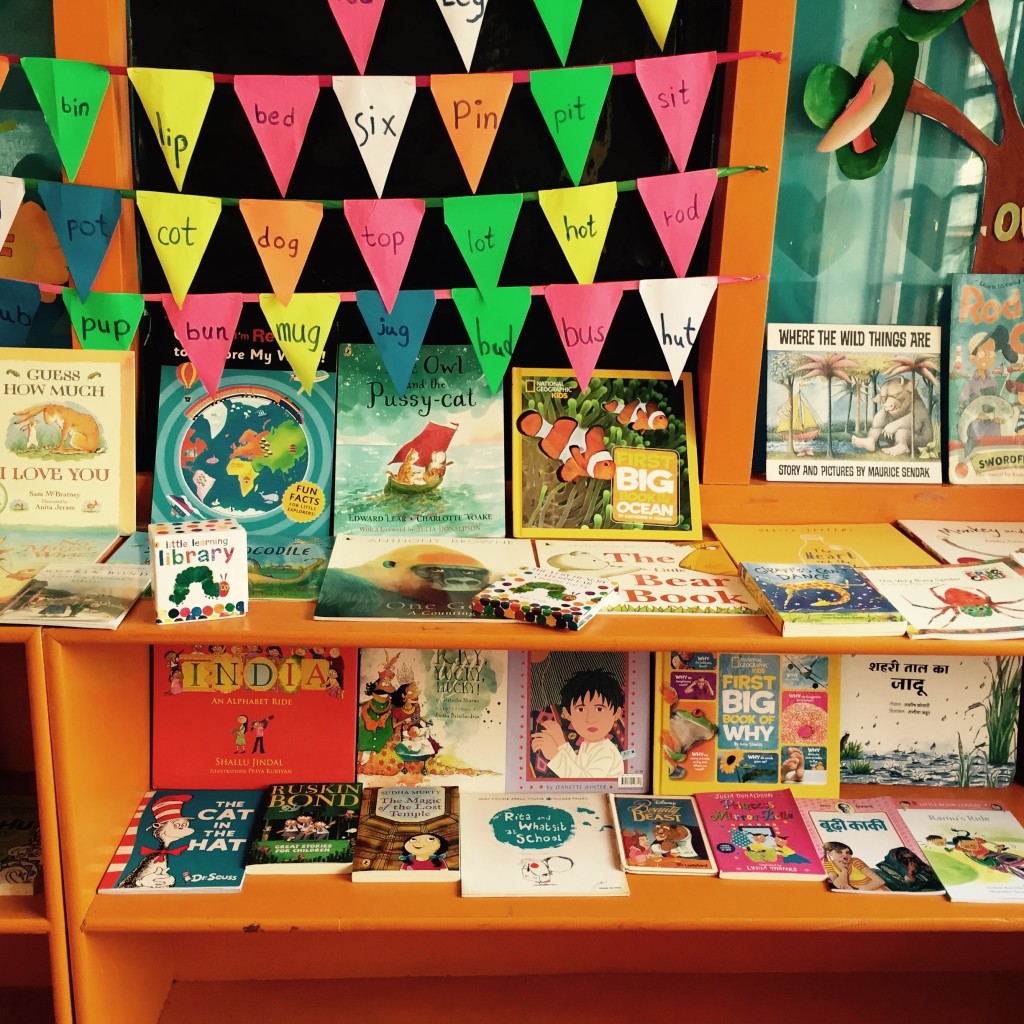
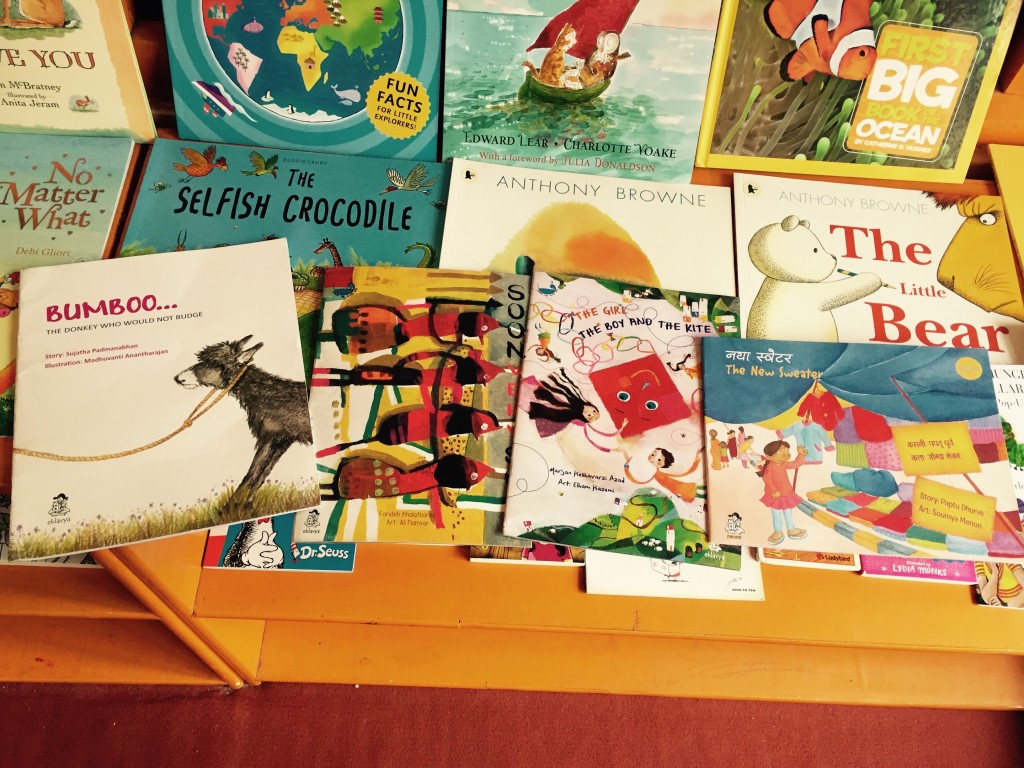
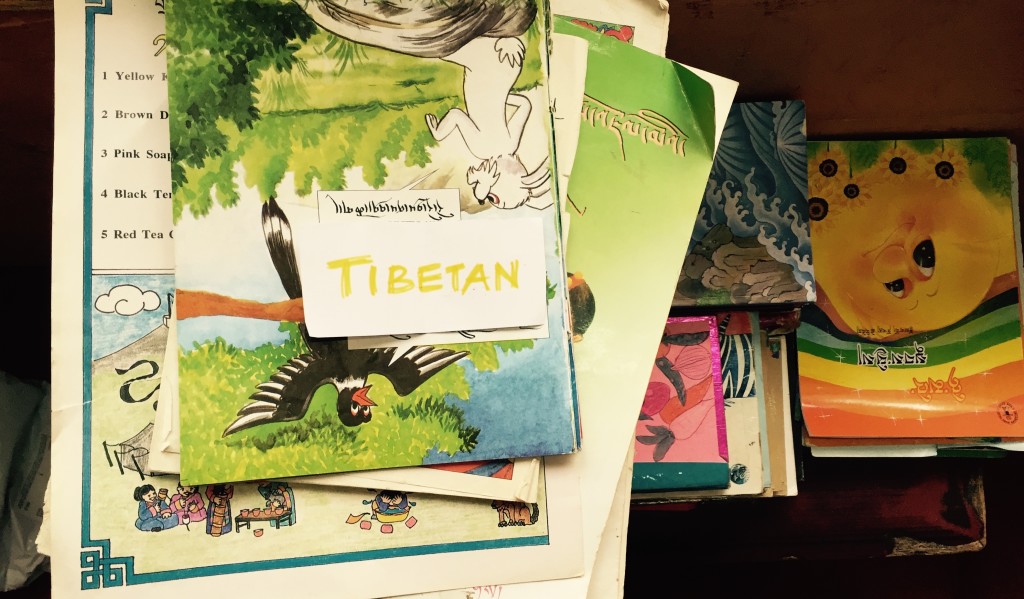
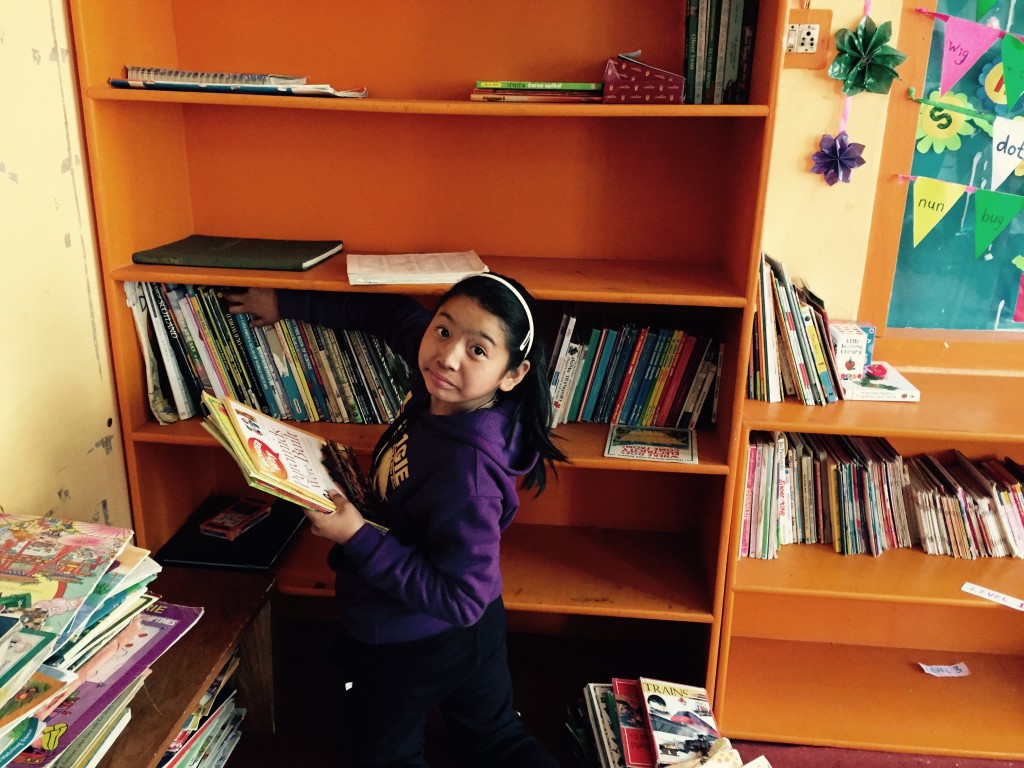
The librarian lays out a hand-painted reading chart on the long central table, where young monks will later trace Tibetan letters in coloured chalk. Picture books are checked for torn pages, and last week's pile of returned stories is reshelved by theme rather than by author, because children here often ask for "the one with the moon on it" instead of a title. A quick glance outside tells the librarian what the day will demand: frost on the courtyard flags means boots will be wet by nine, and a north wind means the heavy quilt will need to come down from the top shelf for the youngest readers.
| Aspect |
Ladakh Reading Room |
Australian Public Library Branch |
| Operating hours |
Sunrise to last light, weather dependent |
Standard 9 a.m. to 8 p.m. shifts |
| Collection size |
200–600 carefully chosen titles |
10,000–80,000 titles per branch |
| Heating source |
Bukhari wood stove and quilted cushions |
Reverse-cycle air conditioning |
| Primary patronage |
Children, novice monks, mothers with toddlers |
Readers of all ages, students, jobseekers |
| Volunteer model |
Visiting librarians, local monks, retirees |
Trained community volunteers under council programs |
| Funding base |
International donors and book drives |
Council rates, state grants, fines |
The contrast is sharp, though the purpose rhymes: a warm, well-lit room where a stranger can be welcomed into a story.
The First Children Arrive
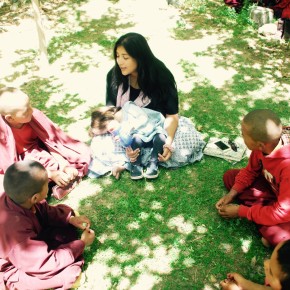
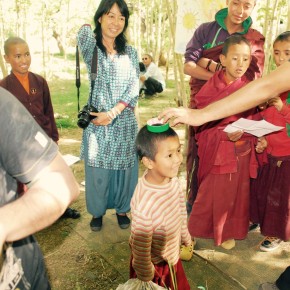
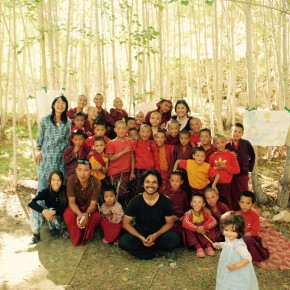
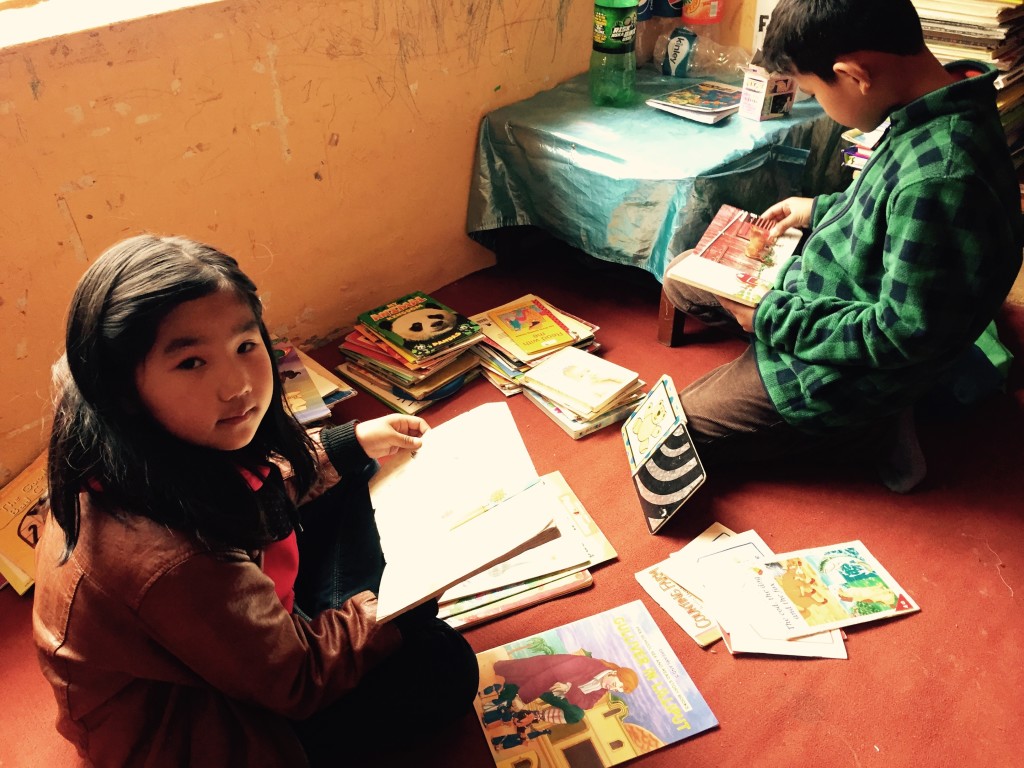
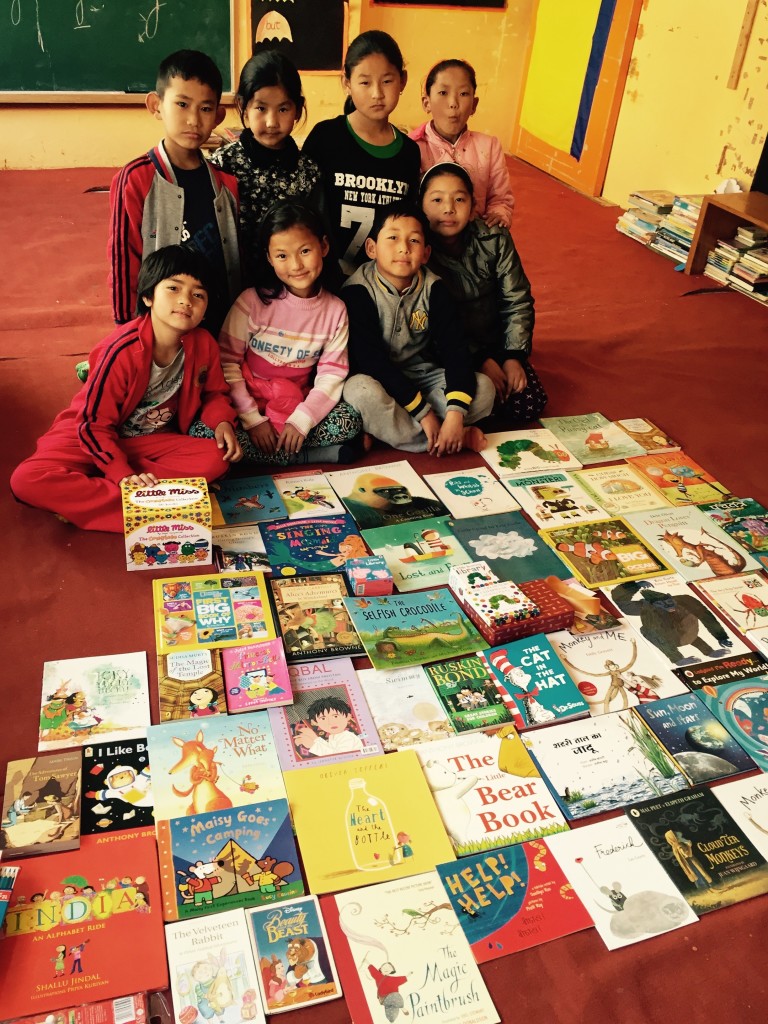
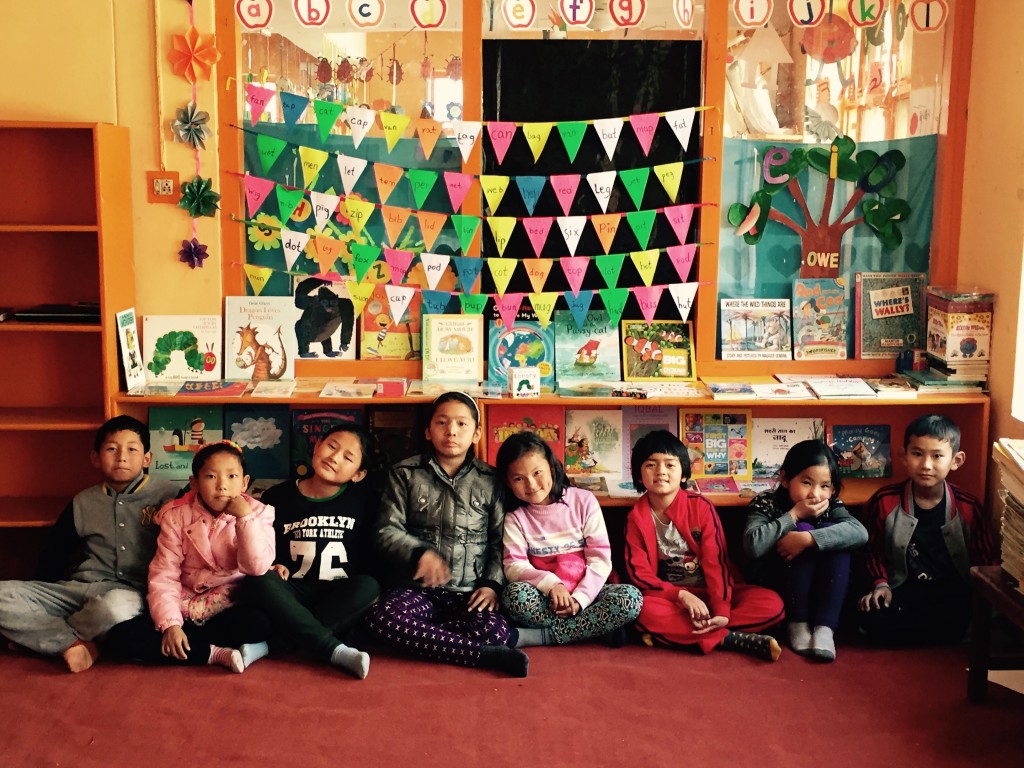
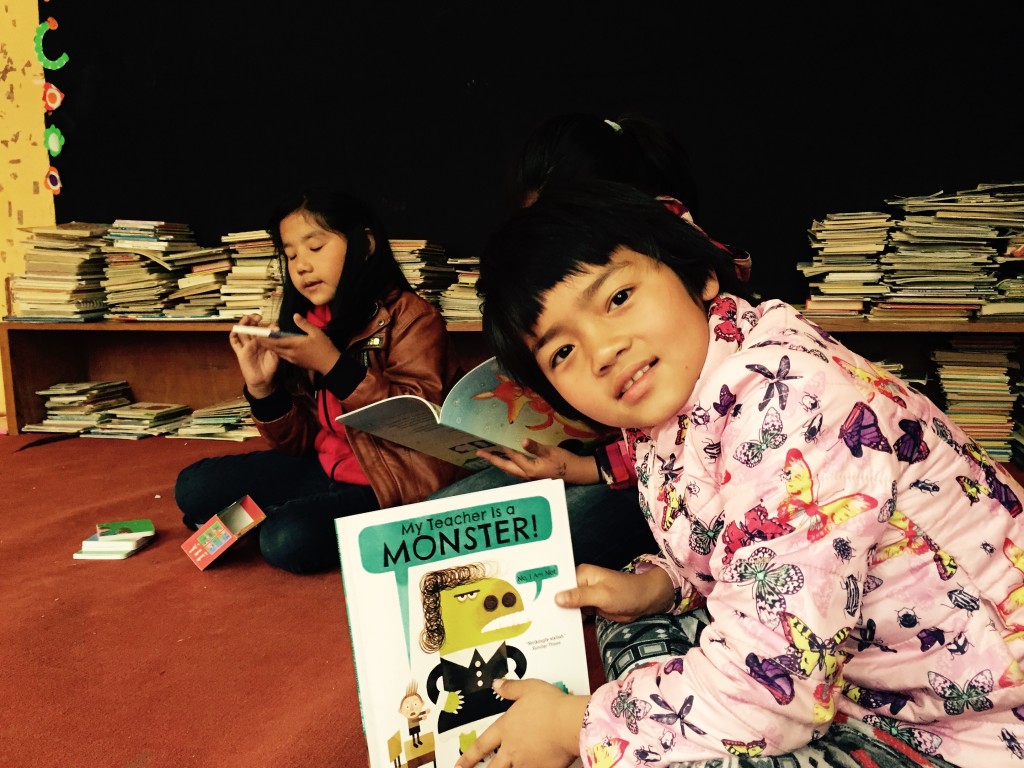
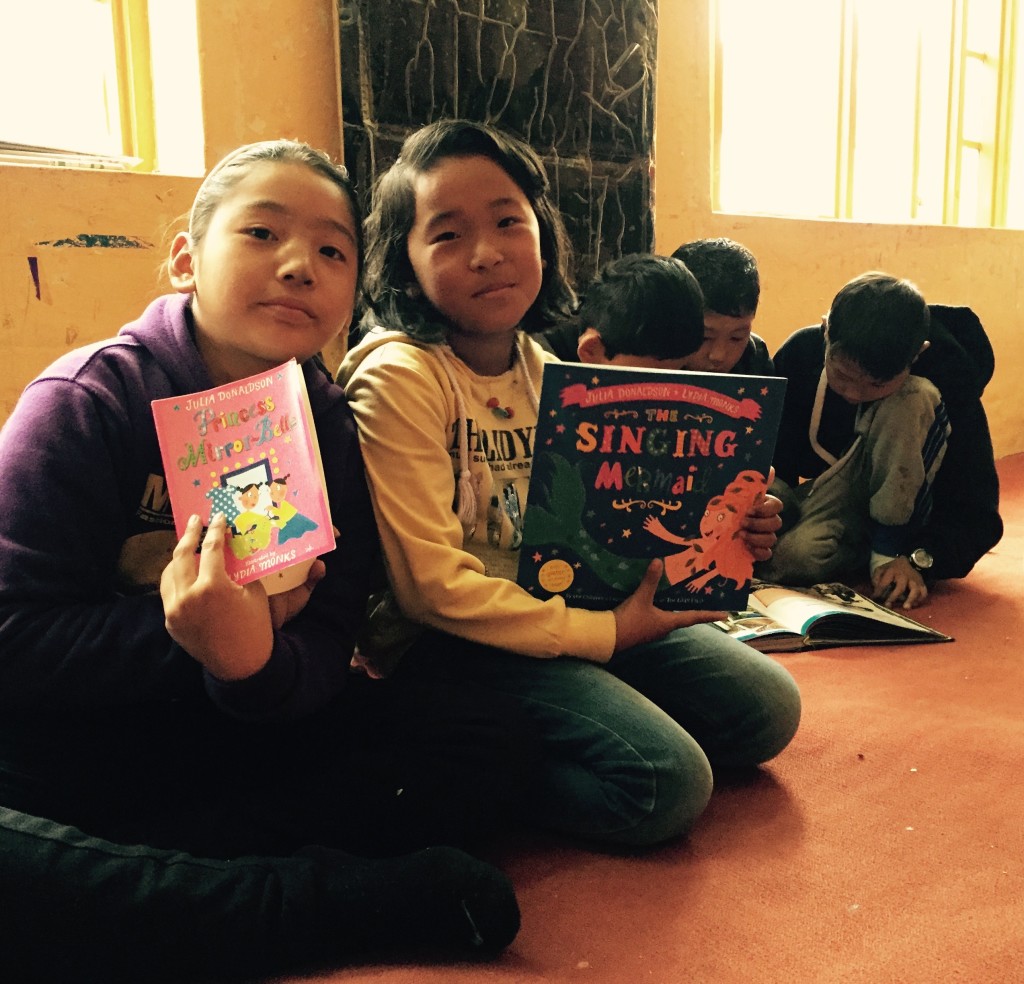
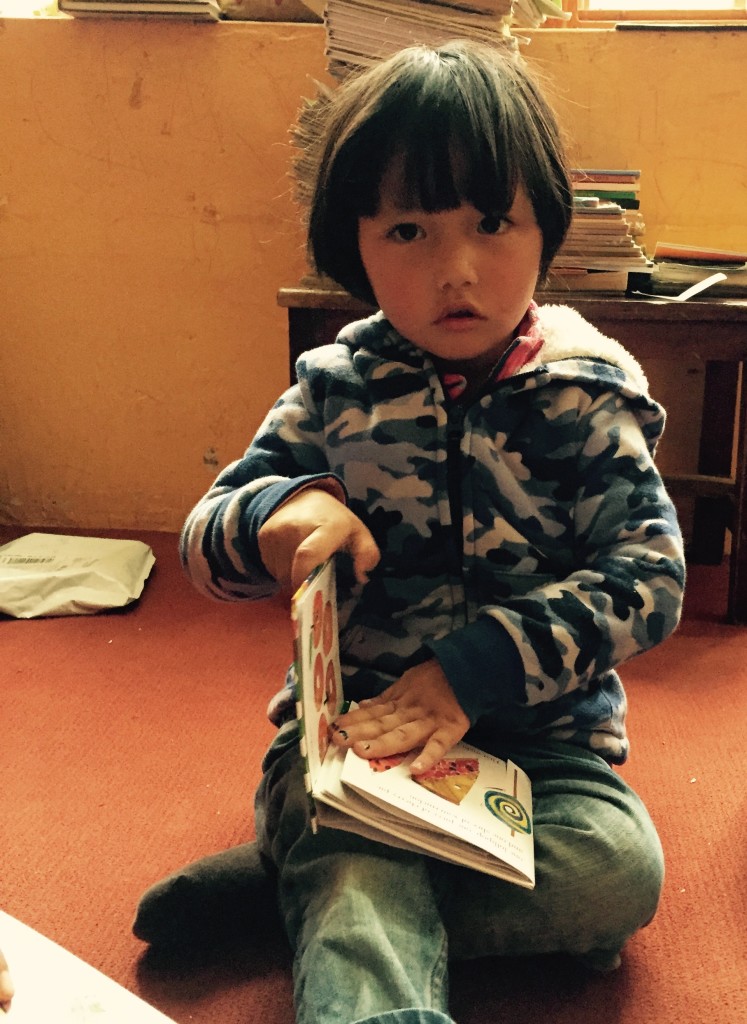
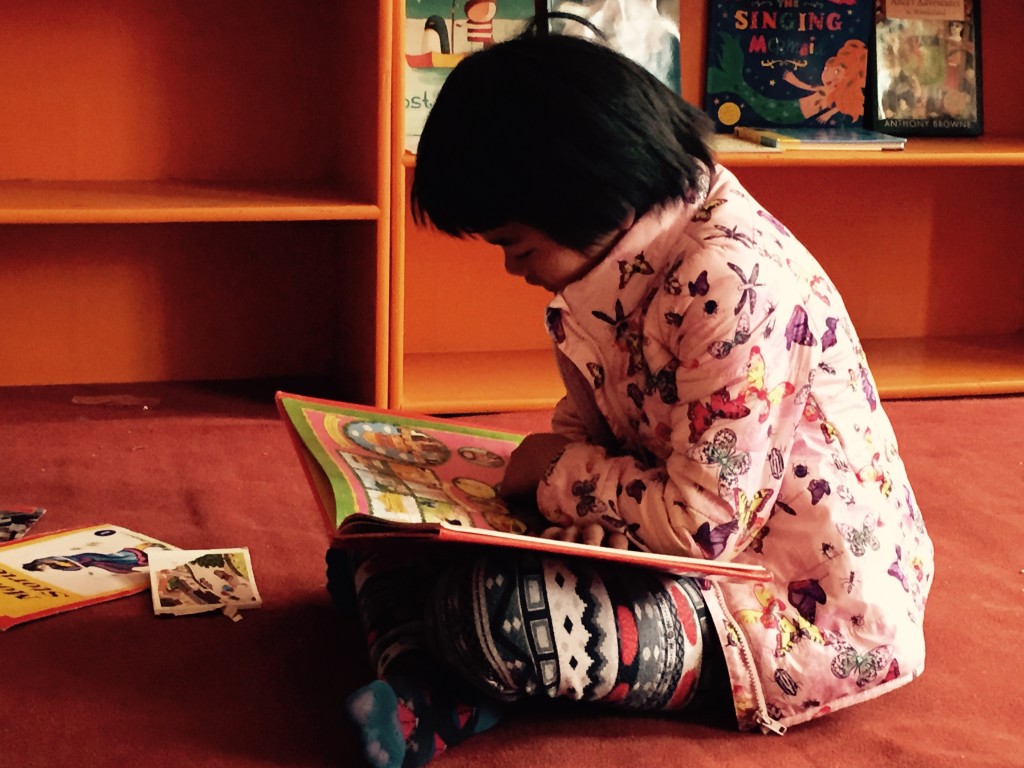
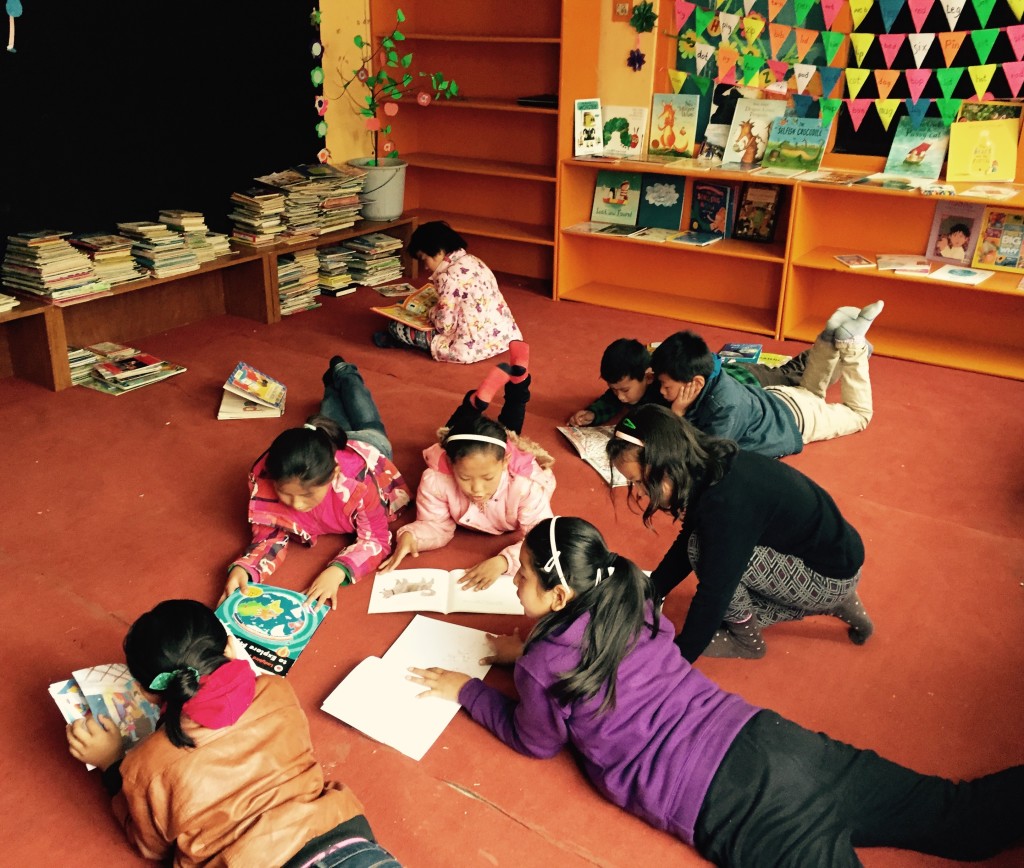
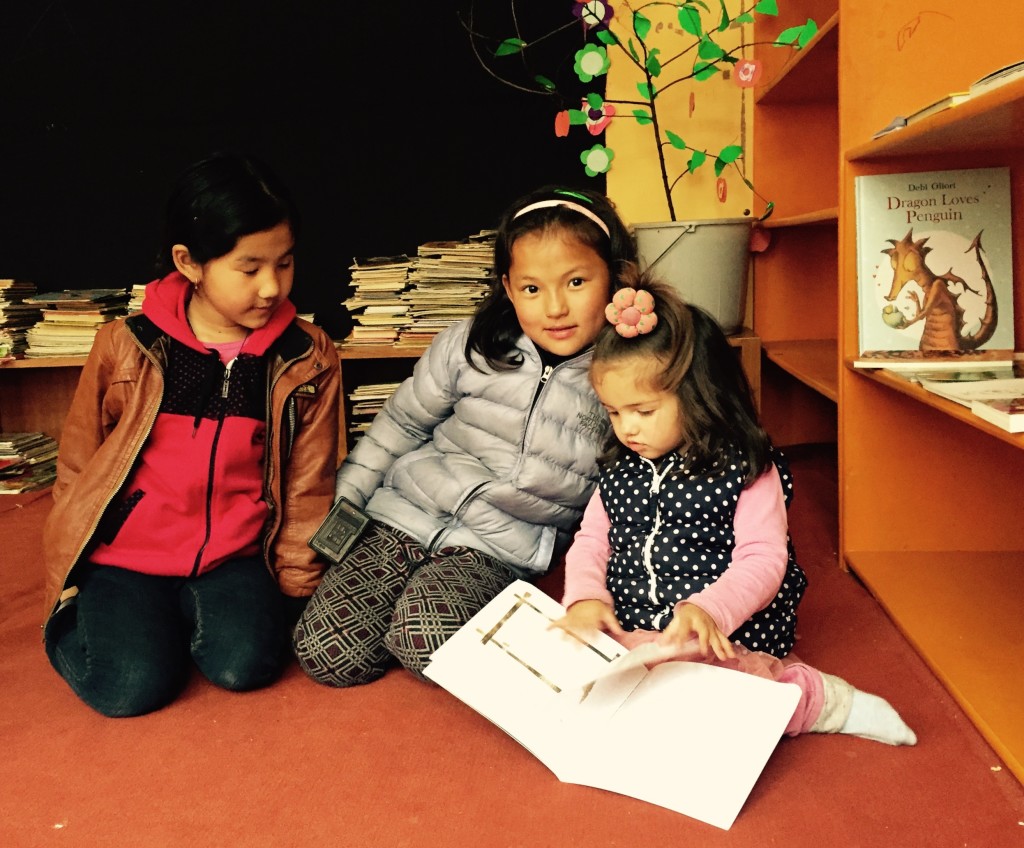
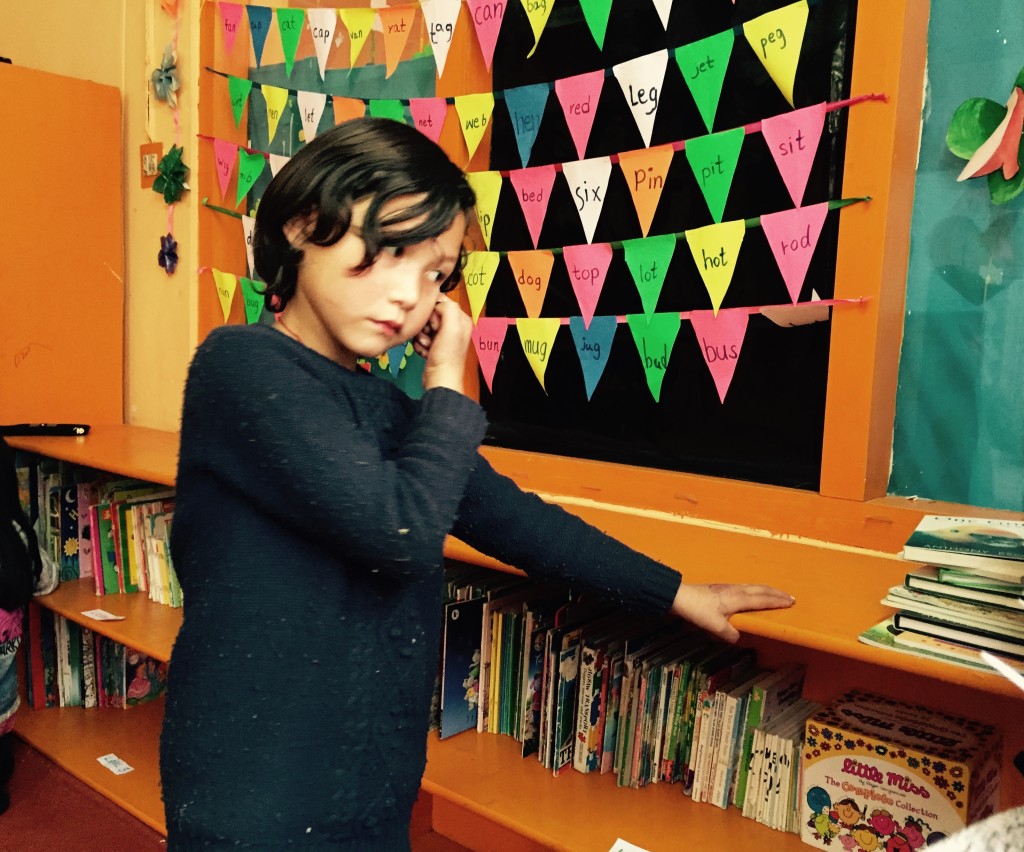
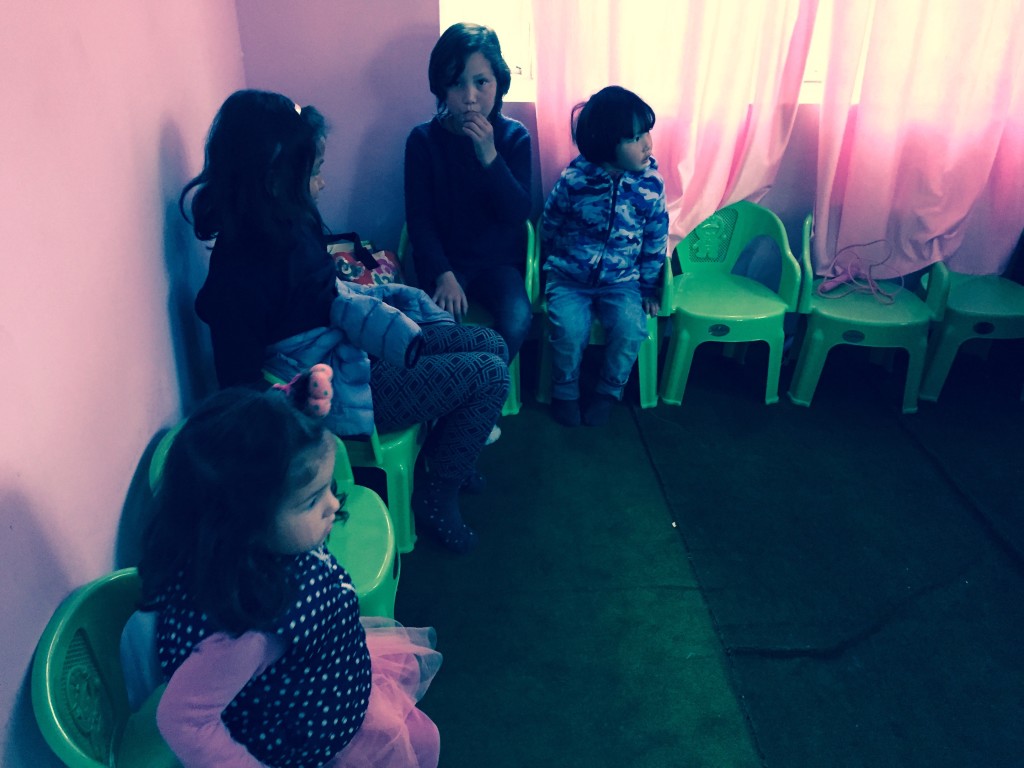
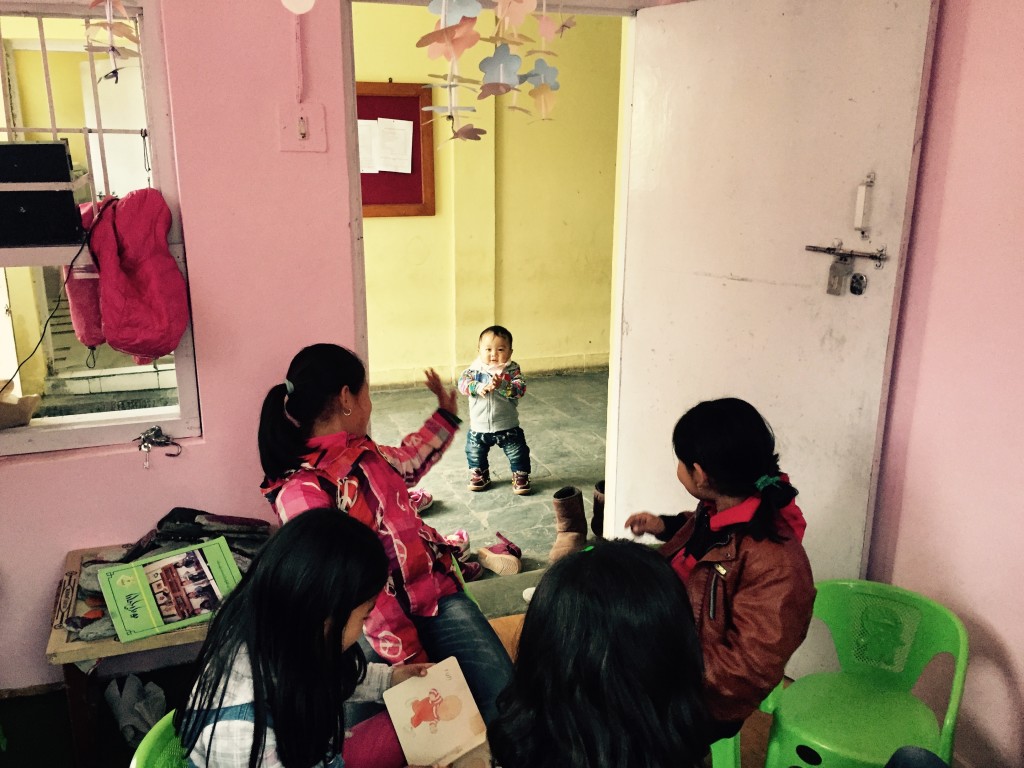
By half past seven, the door is open in earnest. The youngest children come barefoot or in felt slippers, their breath small clouds. The librarian greets each by name, because memorising names is part of the craft, much as teachers in remote Australian outposts such as Alice Springs' School of the Air have always done for their far-flung pupils. A bowl of roasted barley is placed in the centre for whoever gets hungry.
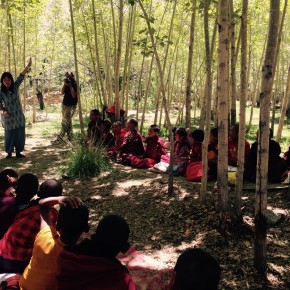
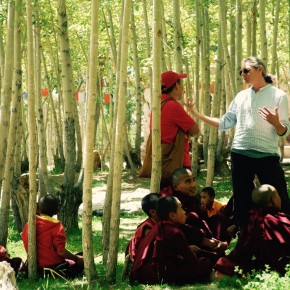
Storytime begins with a Hindi telling of a folk tale about a clever fox, then shifts into a Tibetan story of a lake that once became a rainbow. Reading aloud is bilingual and often trilingual. The children point to unfamiliar words and the librarian writes them in pencil on a strip of cardboard, which is later pinned to the wall like a banner. By nine o'clock the wall carries twenty new words and the same story has been told three different ways.
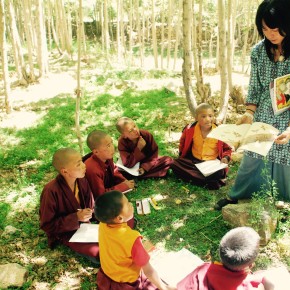
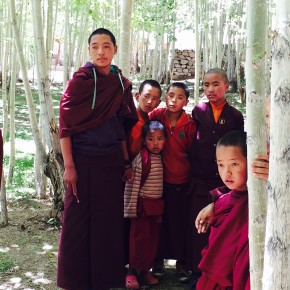
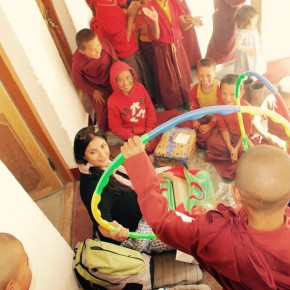
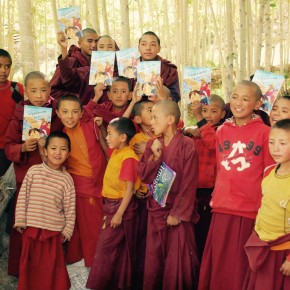
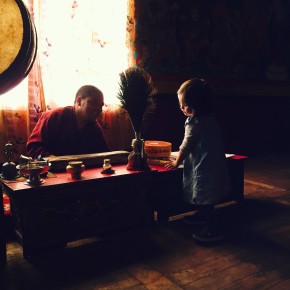
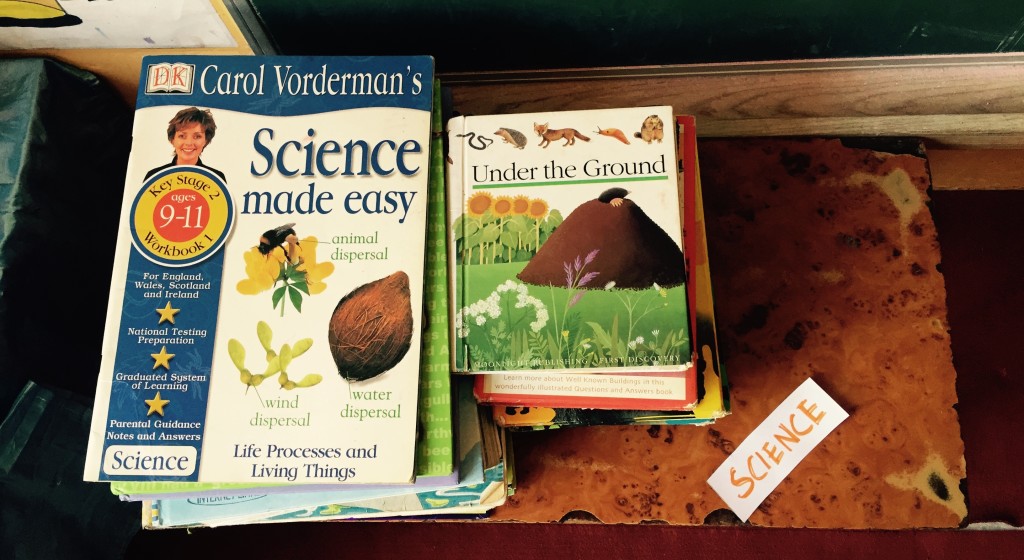
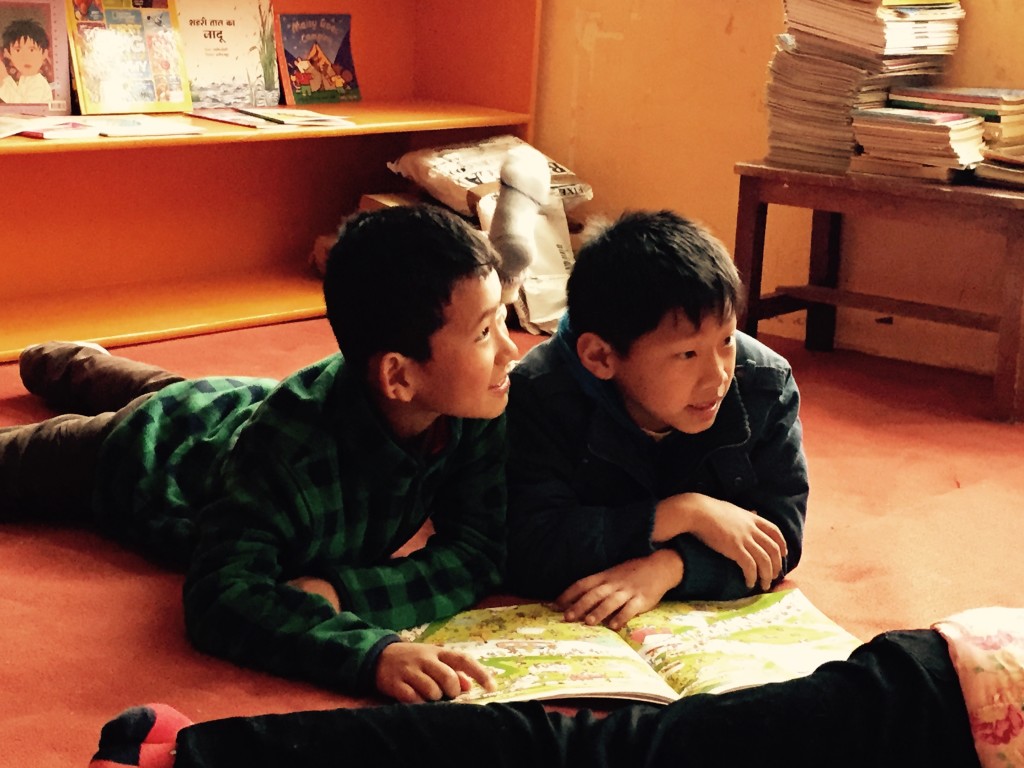
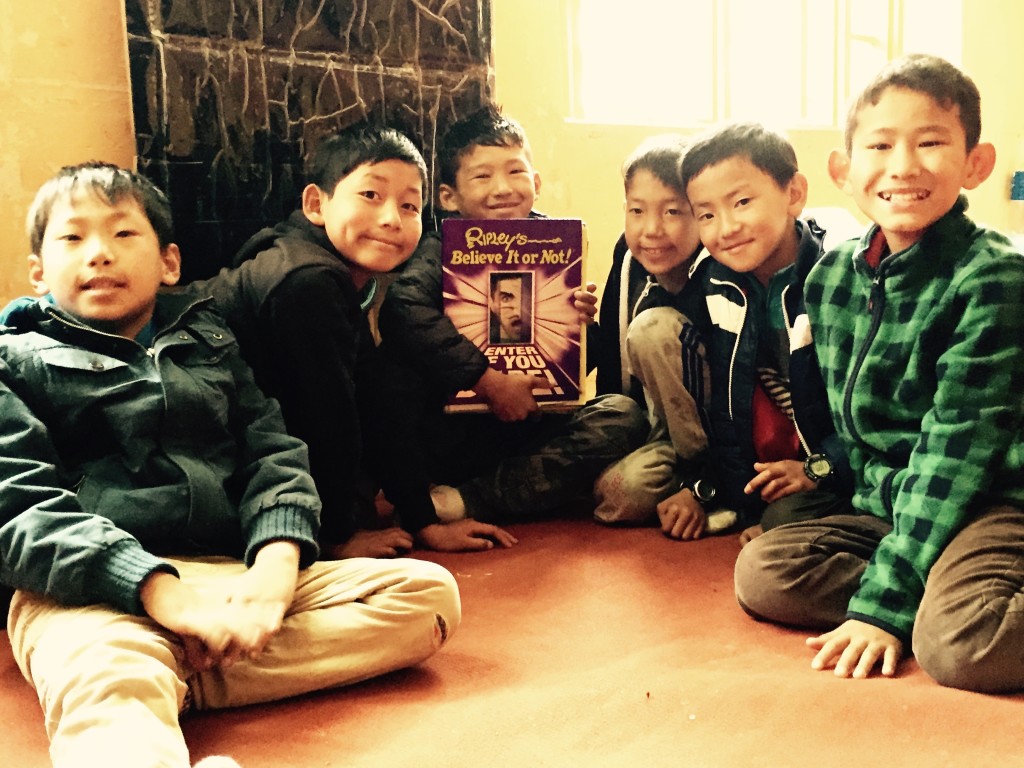
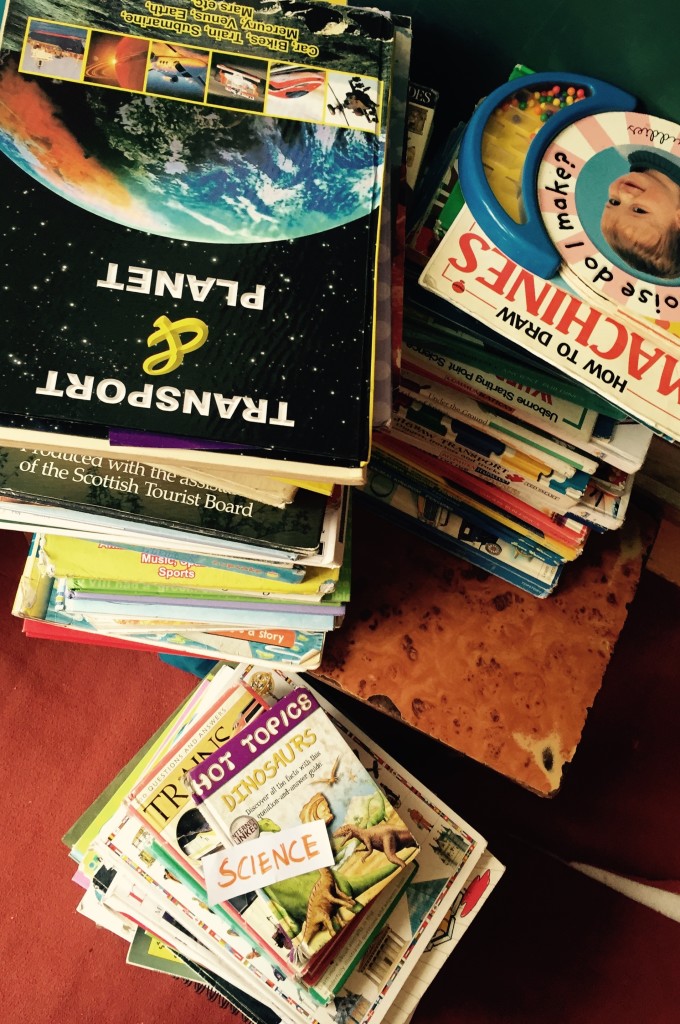
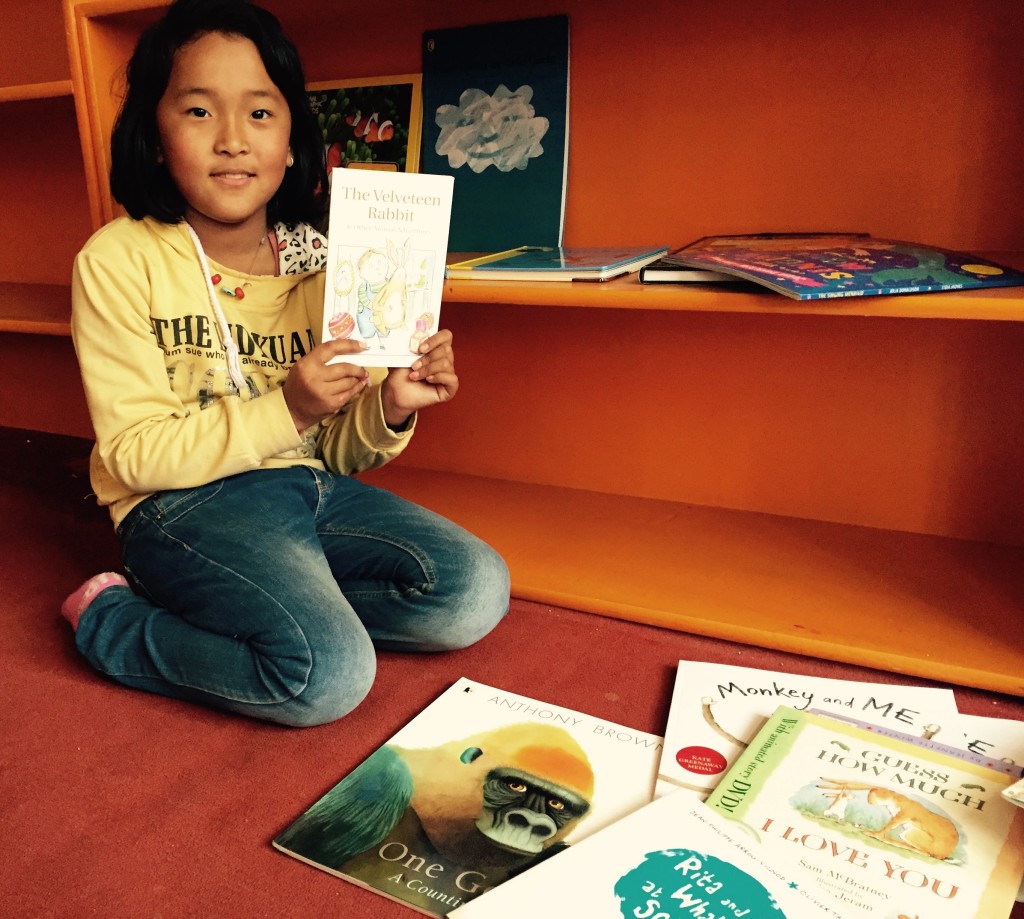
A small group of novice monks drifts in around ten, their maroon robes dusted with cold. They prefer factual texts on astronomy and geography, and the librarian keeps a slim encyclopedia on a low shelf just for them. One boy, named Paldan, has been reading about Australian animals since a Sydney volunteer left behind a battered illustrated wildlife book.
Midday Lessons on the Floor
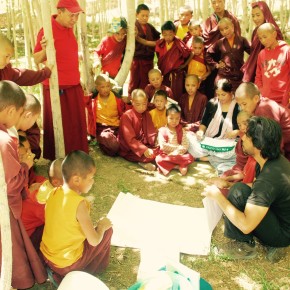
Lunch is held in the reading room when the snow is too heavy for children to walk home. The librarian unrolls the felt mat in the centre and the children sit in a tidy circle, passing around bowls of tsampa, dried apricots, and tea. Conversation drifts from favourite characters to which insects hibernate through winter. The librarian uses these digressions to draw attention back to a book about seasons, gently tying oral tradition to the printed page.
Australian classrooms, by comparison, follow a national curriculum framework with structured literacy blocks. Here the rhythm is more fluid, although the librarians do keep a register. Parents often stop by during lunch to ask whether a particular book exists in Tibetan script, and the librarian writes down each request in a soft-backed notebook, because every unmet wish becomes a future book-drive target.
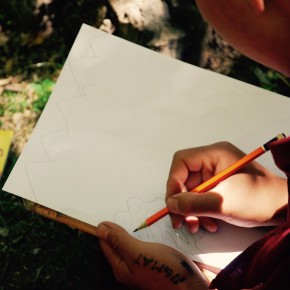
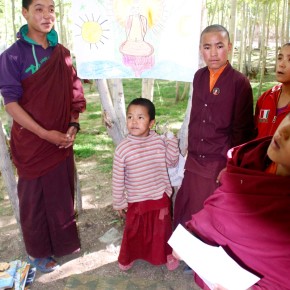
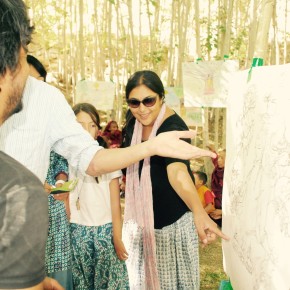
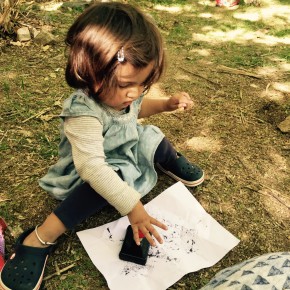
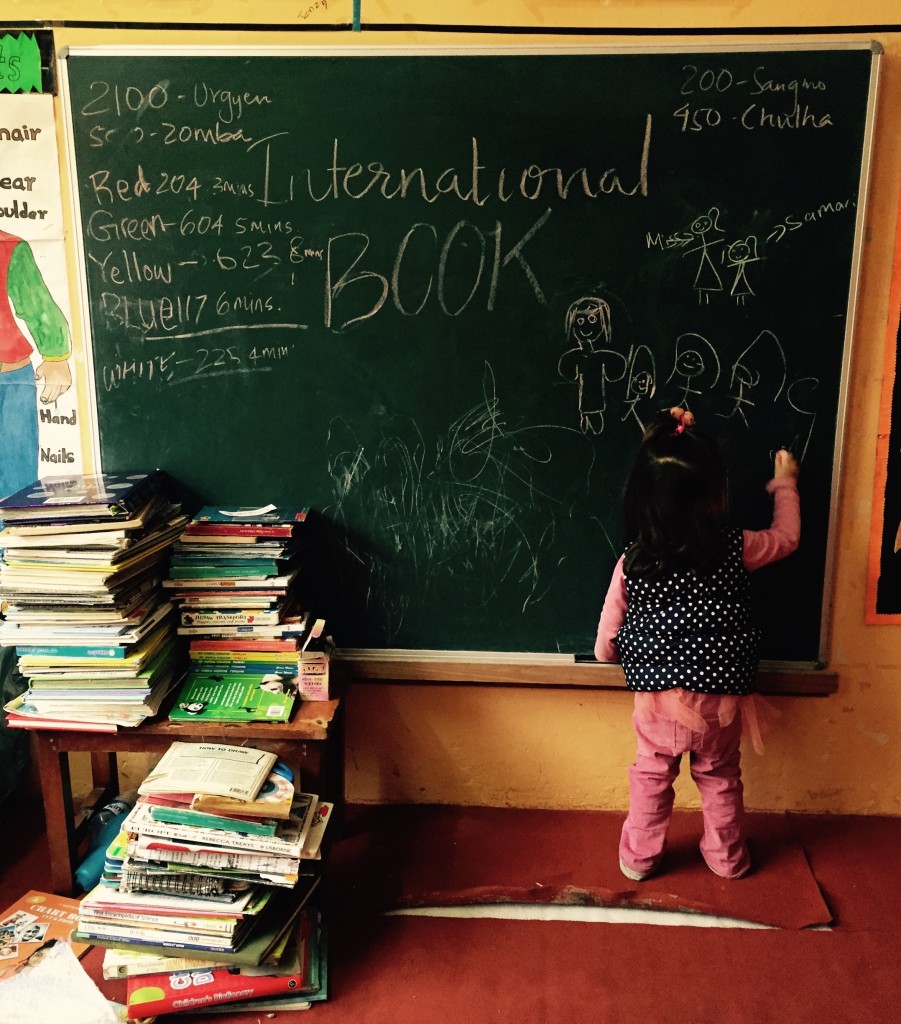
After the bowls are washed, an older group gathers for a short art activity. Crayons and paper are precious, so each child uses one sheet for a single drawing. Today's theme is "a place I would like to visit." Many children sketch beaches they have only seen in books, and several draw the Sydney Opera House, copied faithfully from a postcard pinned above the door for two years.
What the Librarian Carries Each Morning
- A canvas shoulder bag that doubles as a desk
- Three coloured pens, two pencils, and a soft eraser
- A pocket thesaurus in Hindi, Urdu, and English
- Laminated flashcards of common Ladakhi verbs
- A small sewing kit for torn spines and loose buttons on cloth books
- A thermos of salted butter tea to share with anyone who forgets theirs
The bag is light by design. Long walks in thin air punish heavy shoulders, and the librarian would rather carry enthusiasm than bulk.
Afternoon Book Drive Work
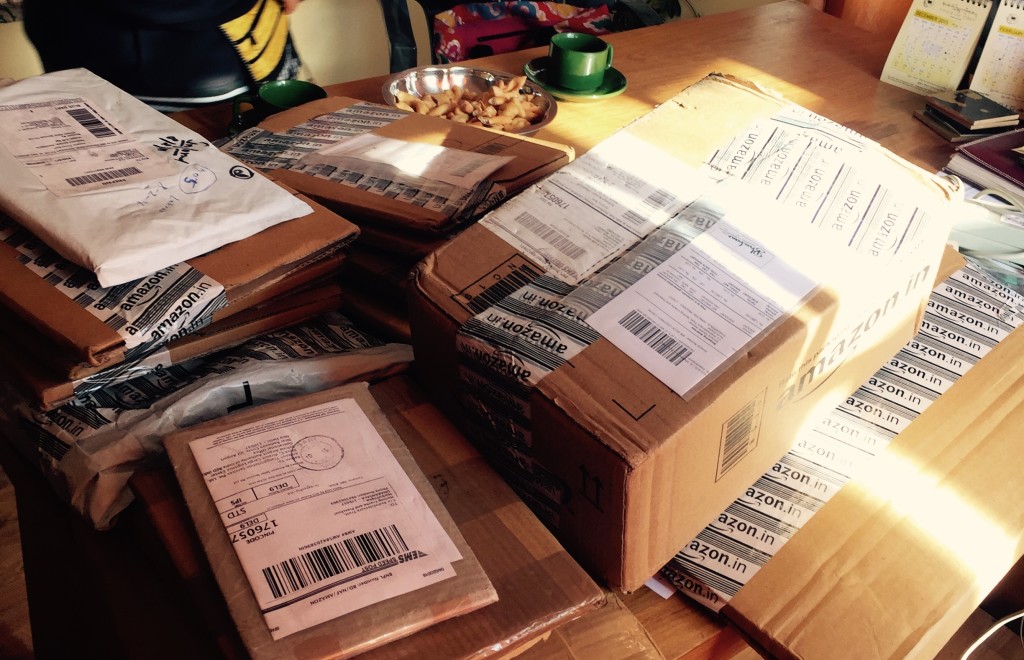
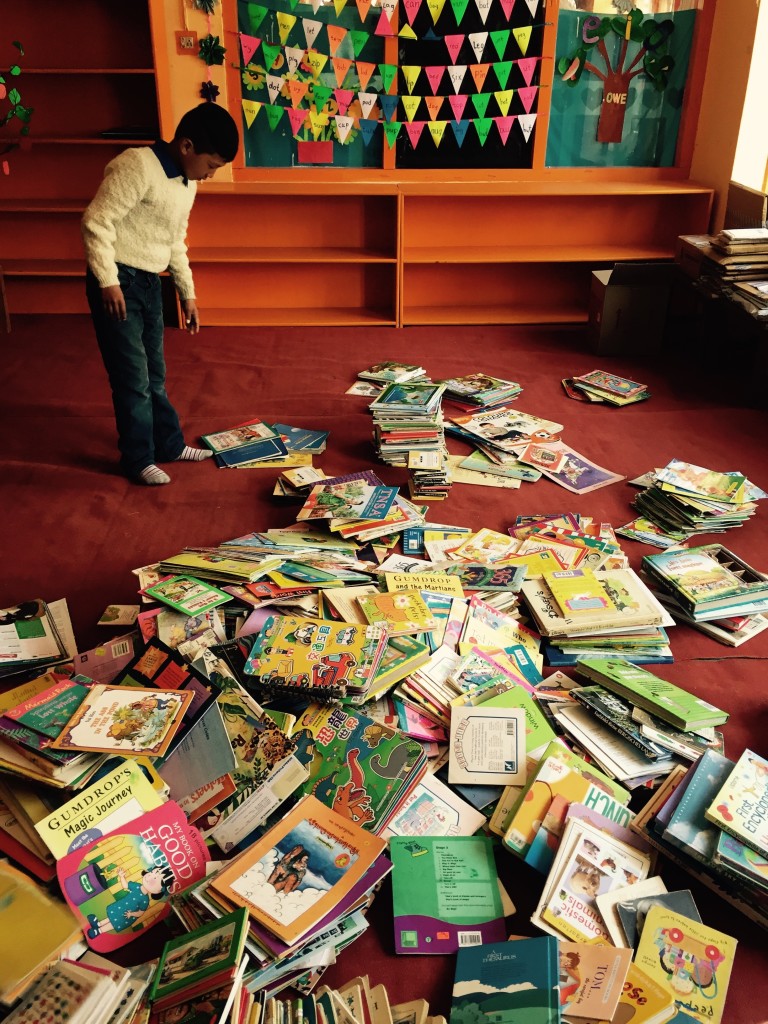
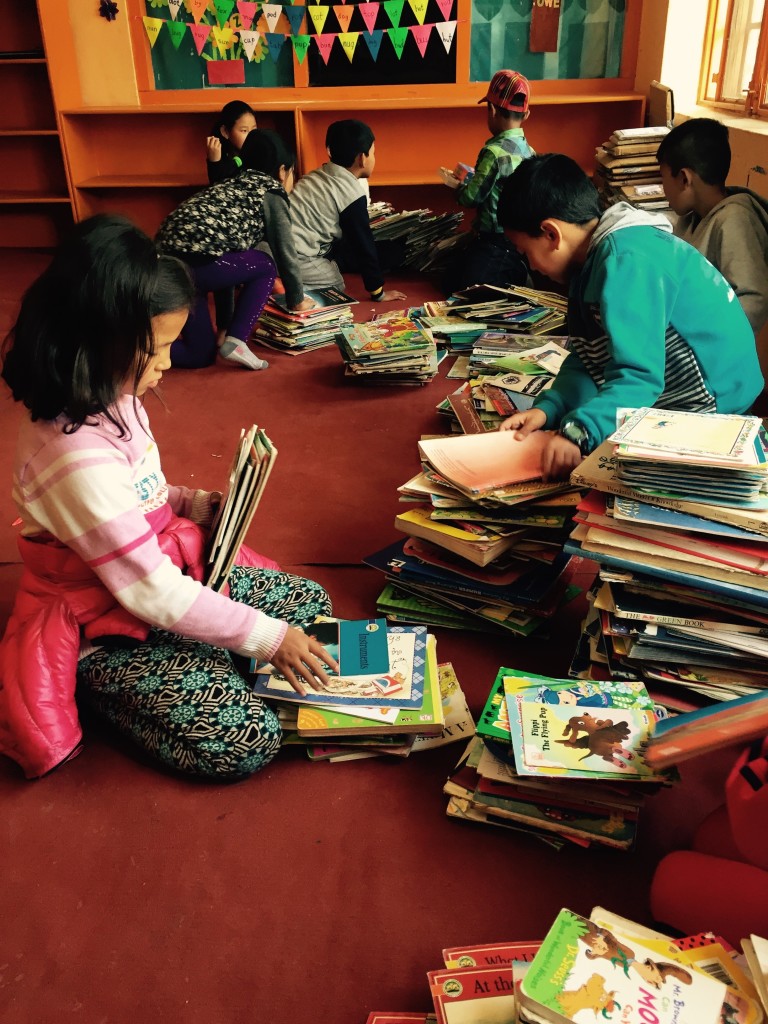
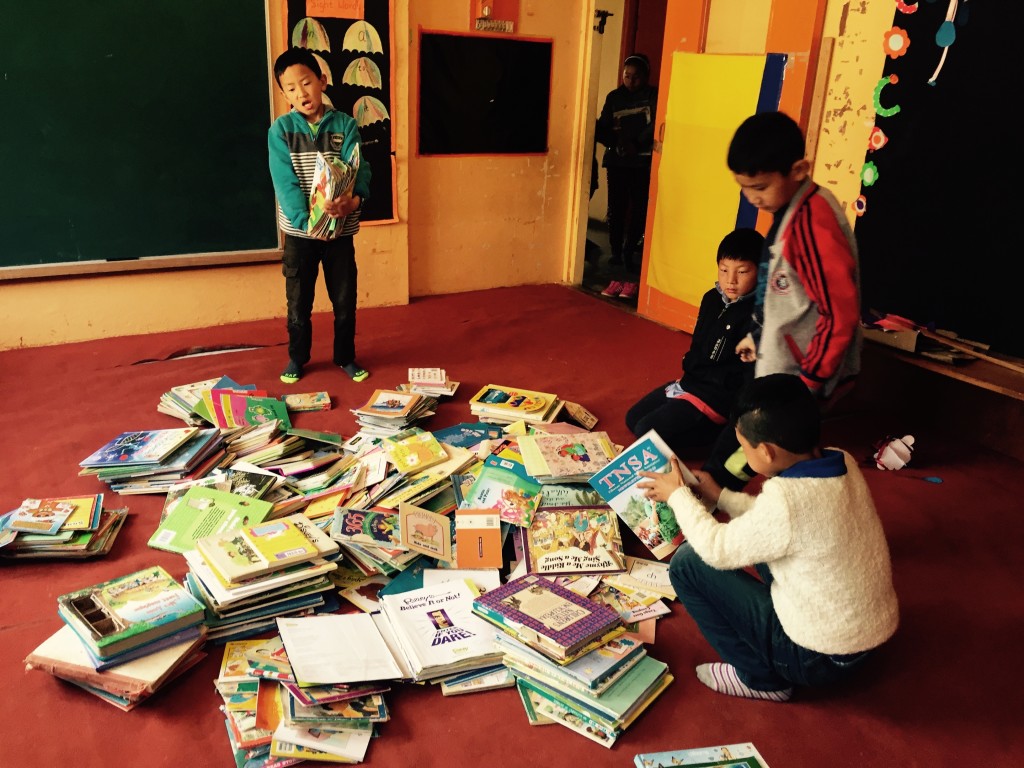
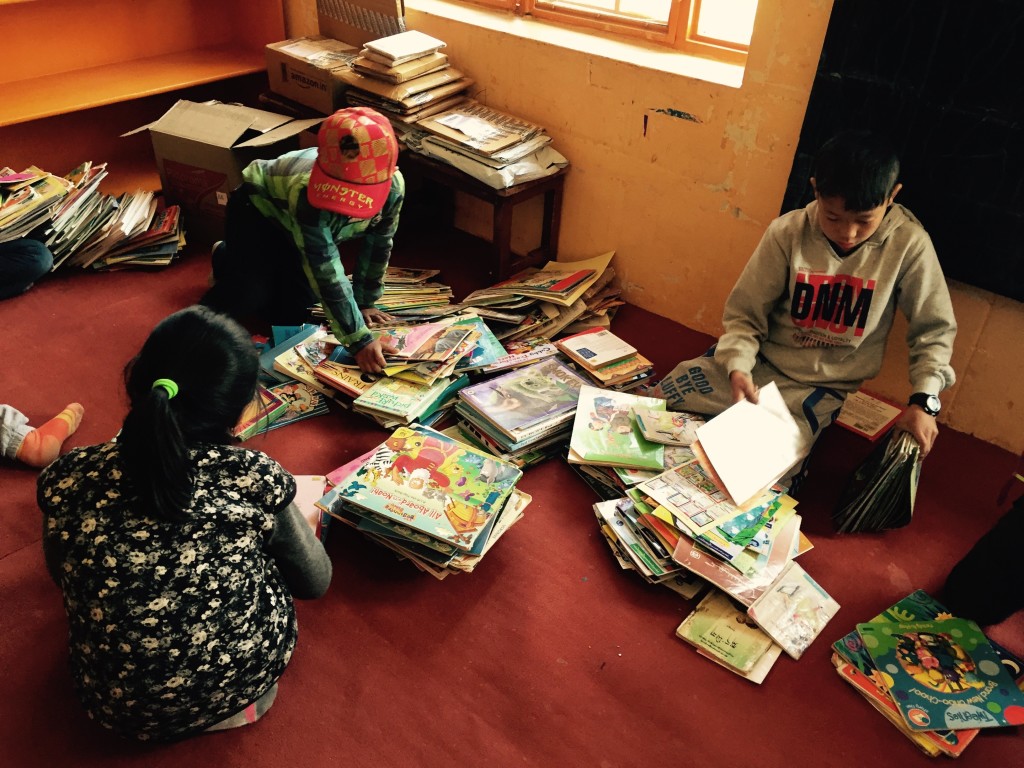
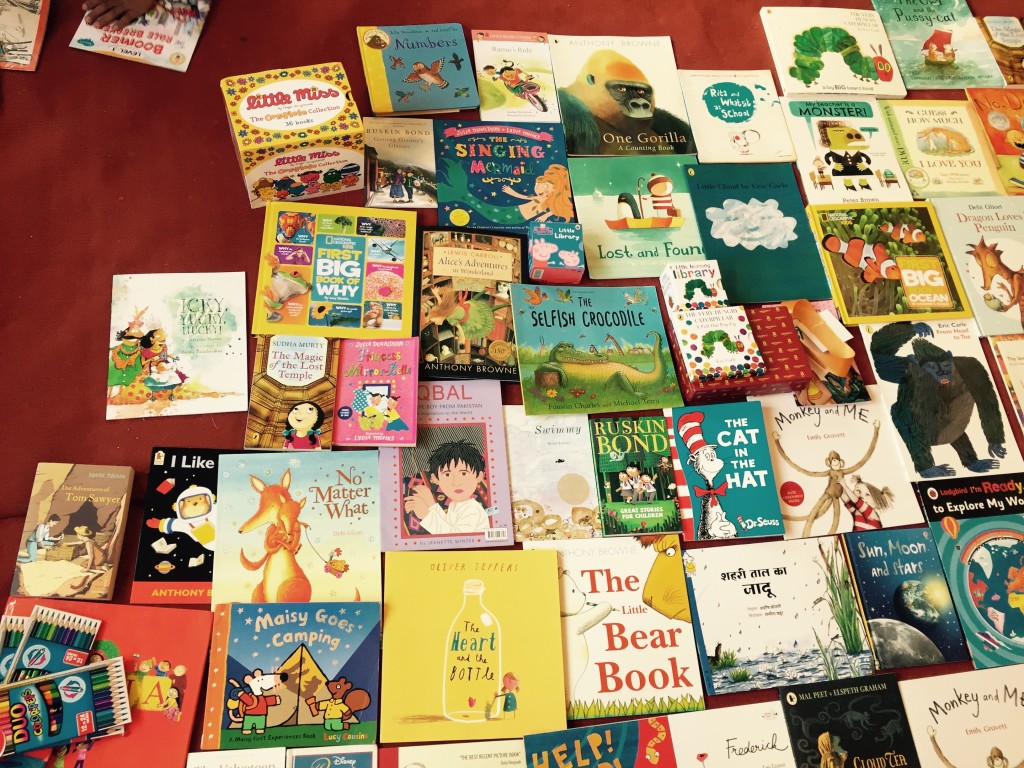
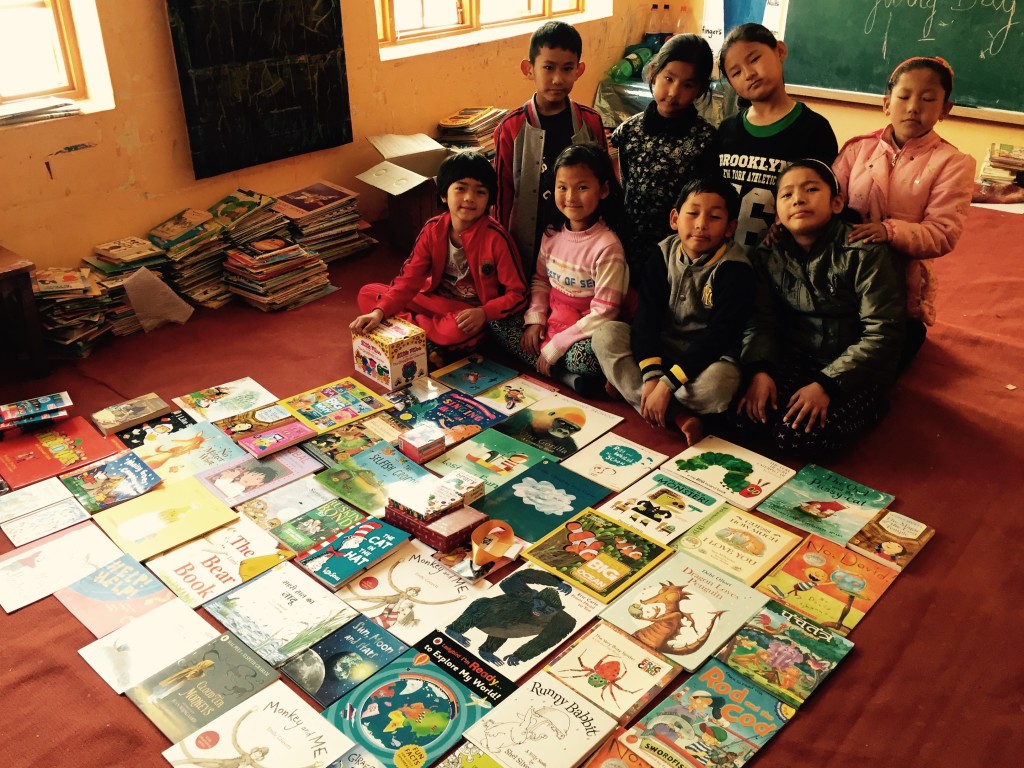
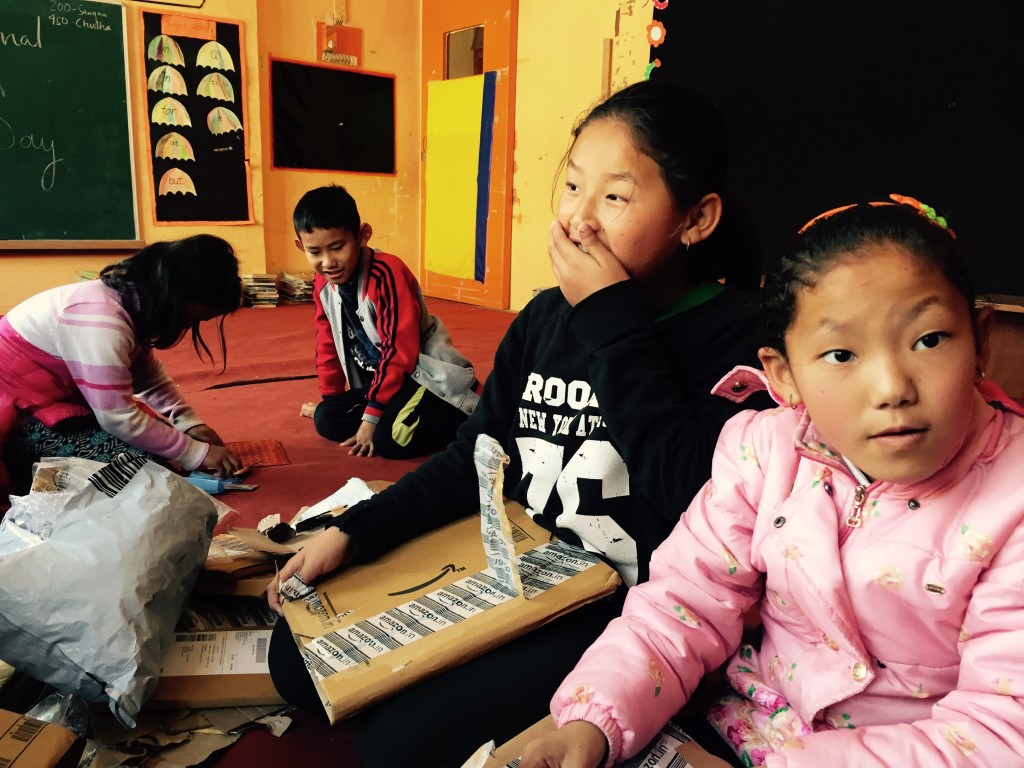
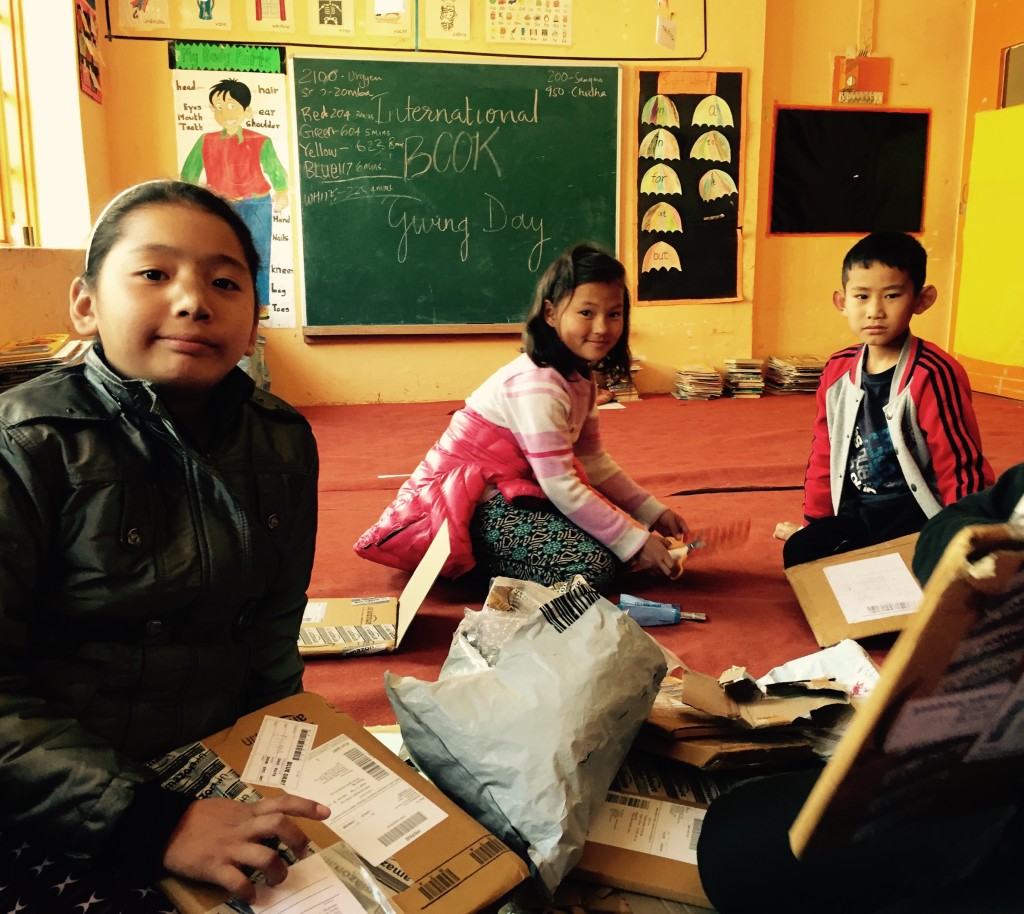
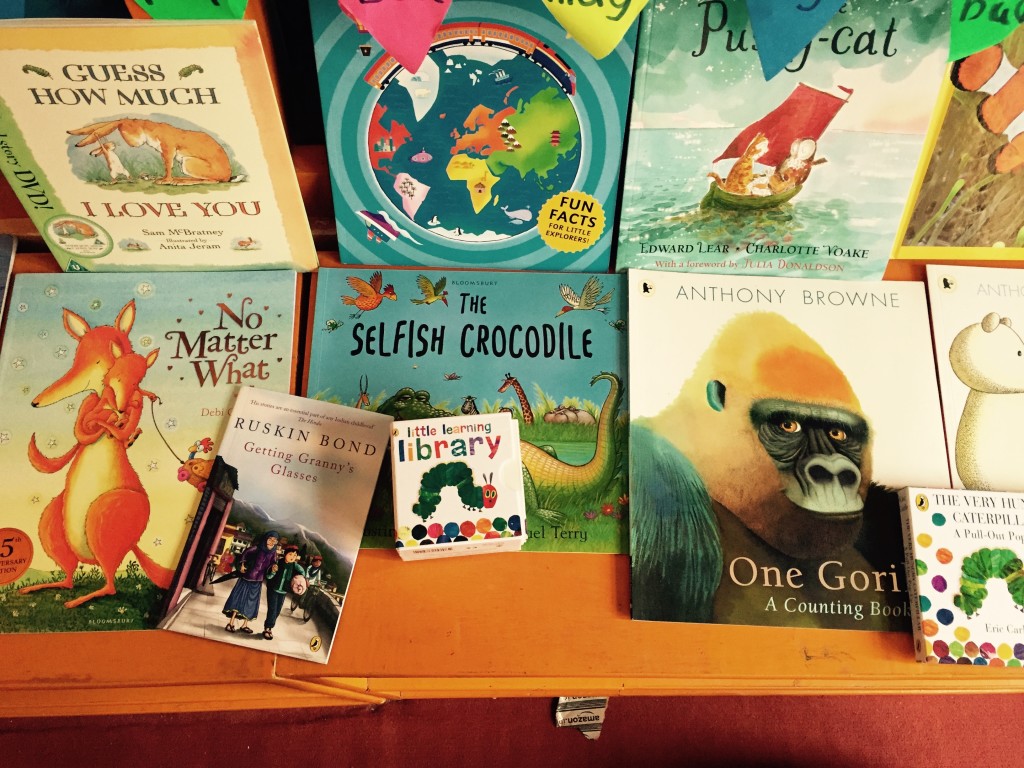
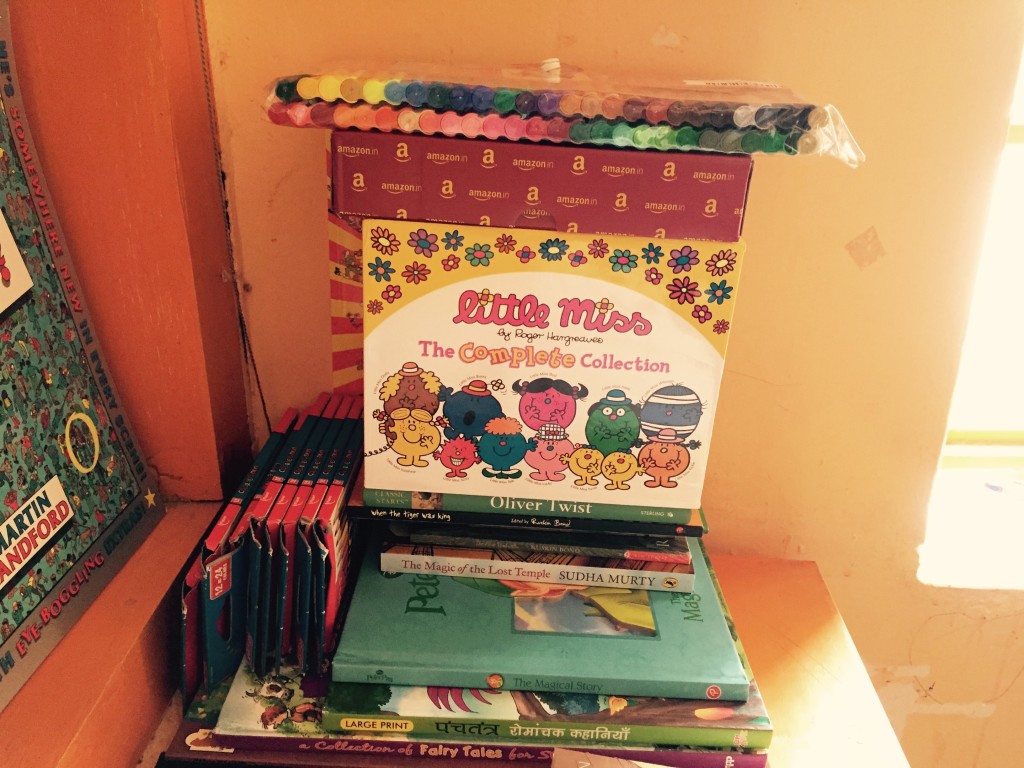
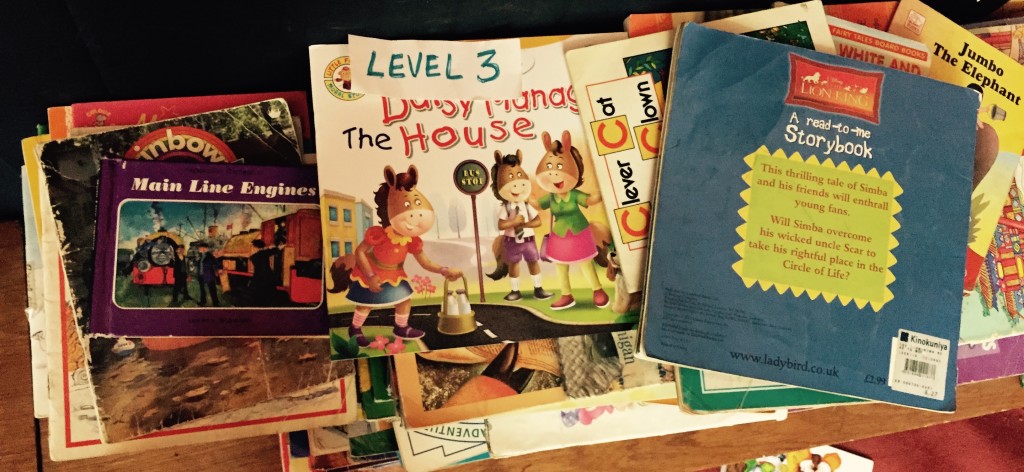
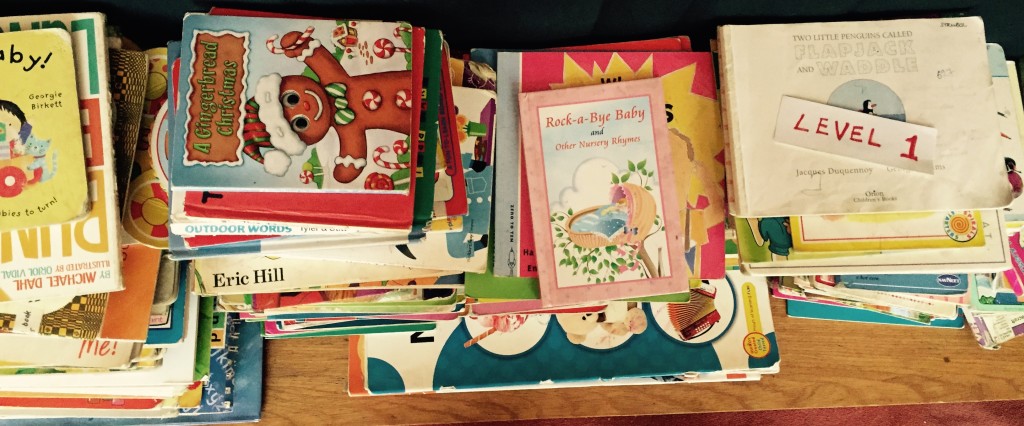
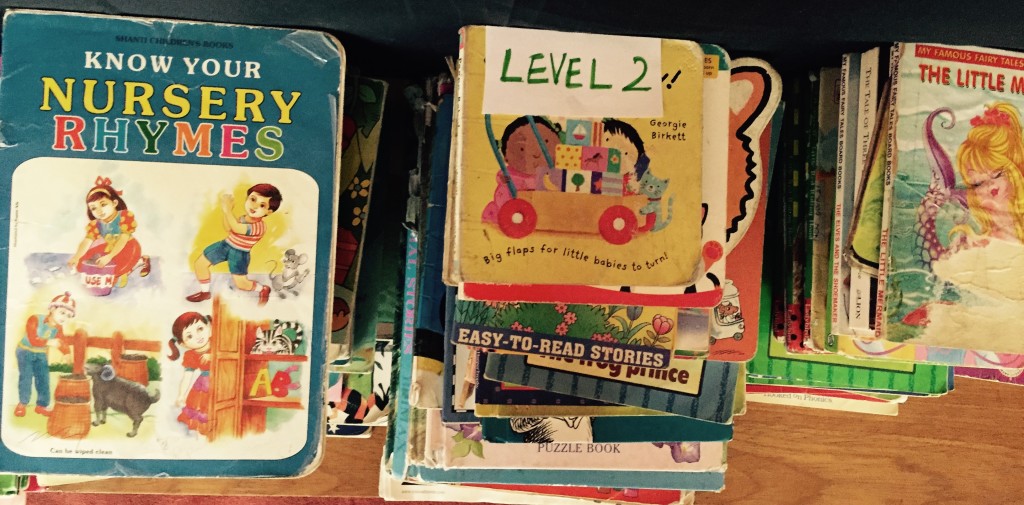
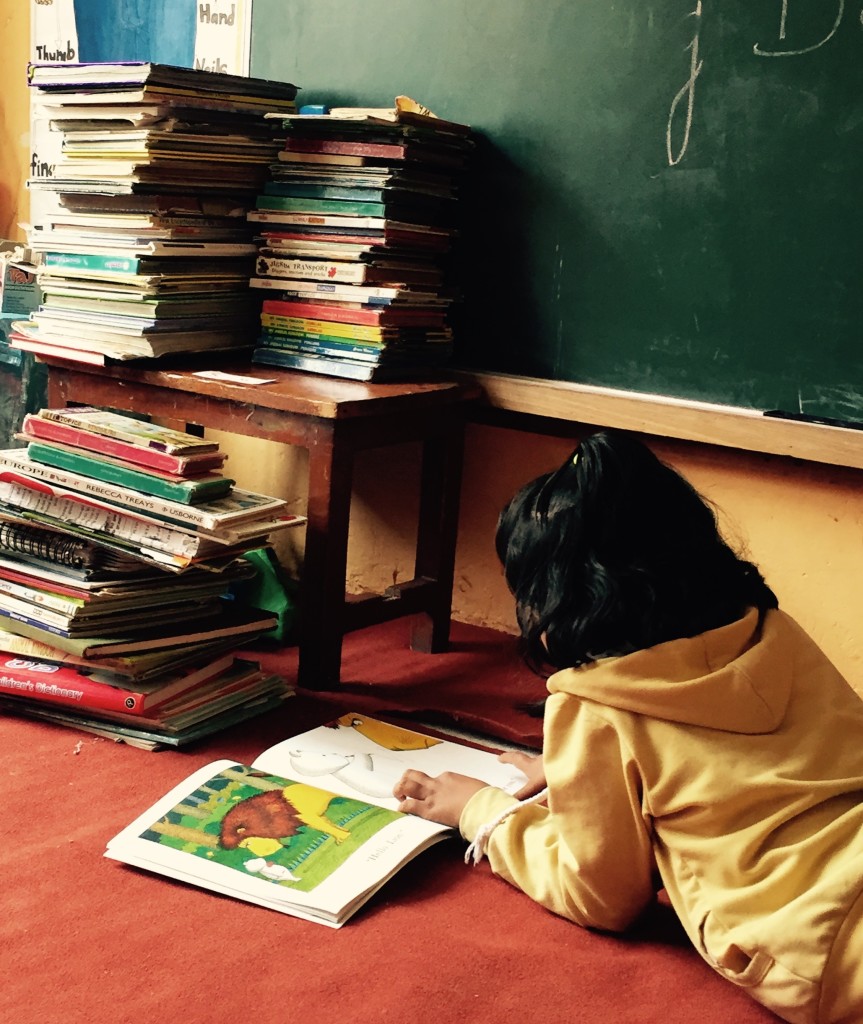
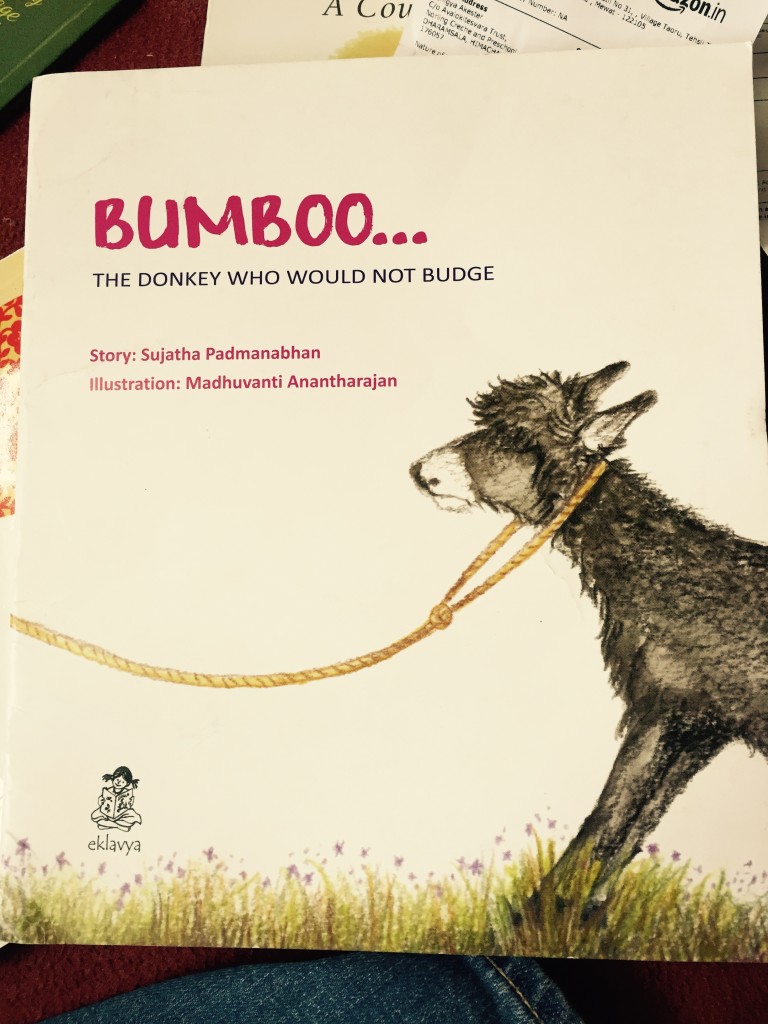
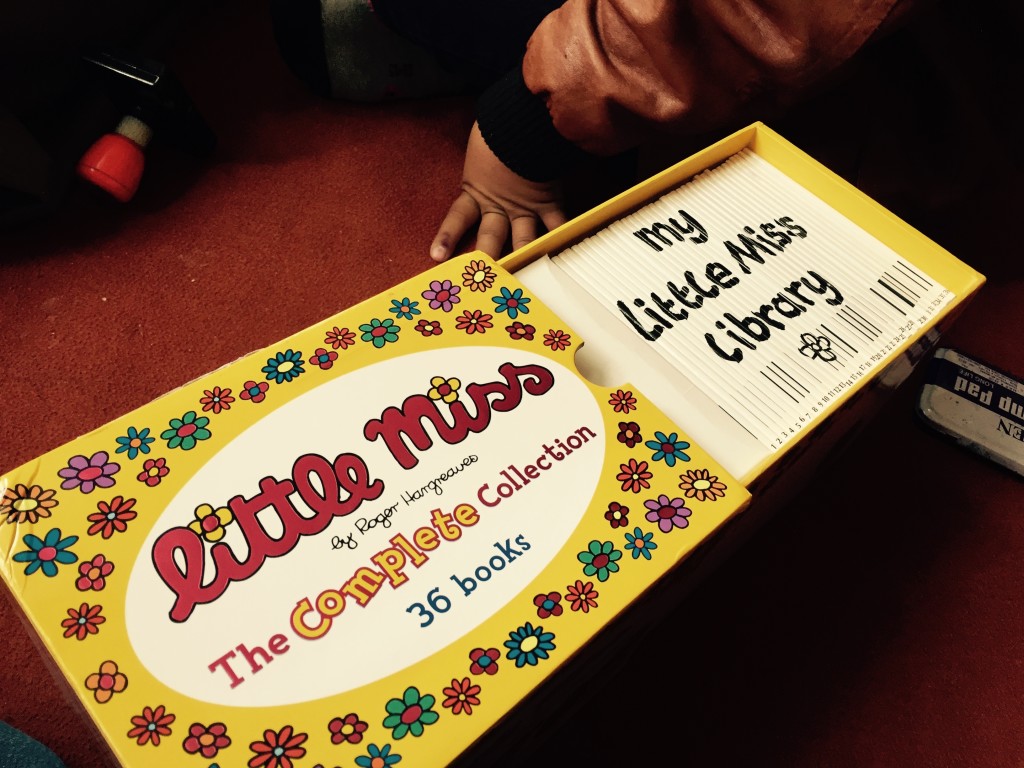
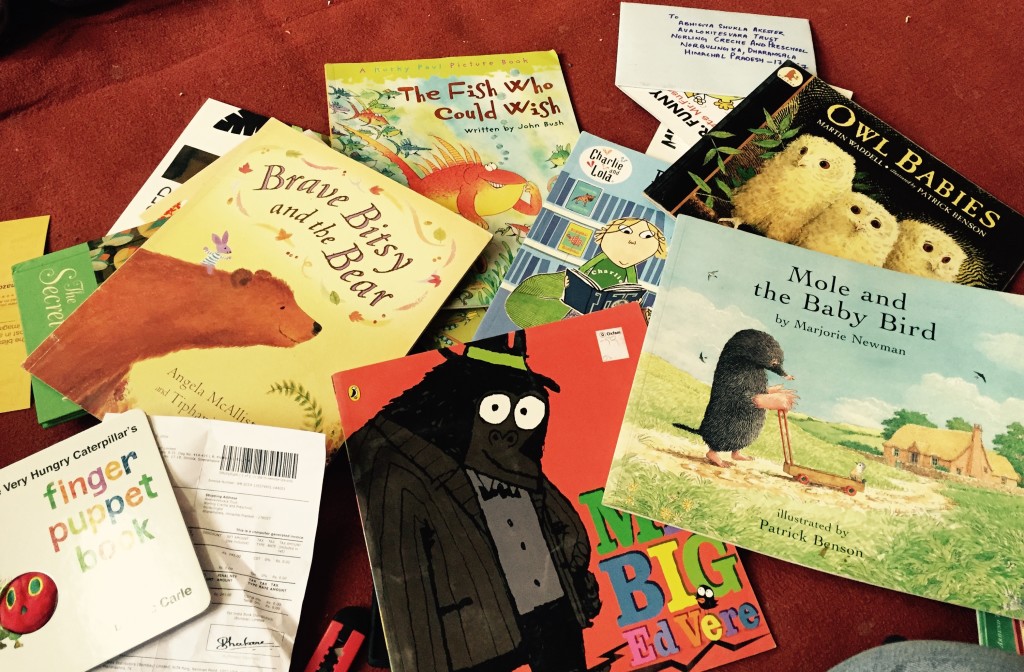
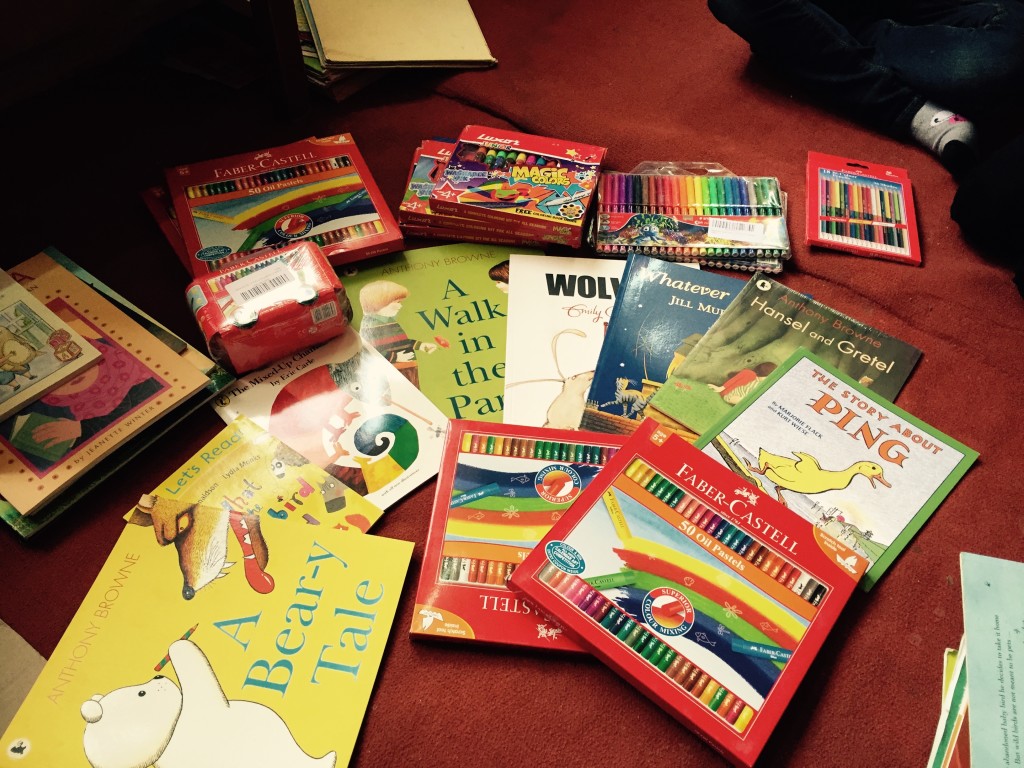
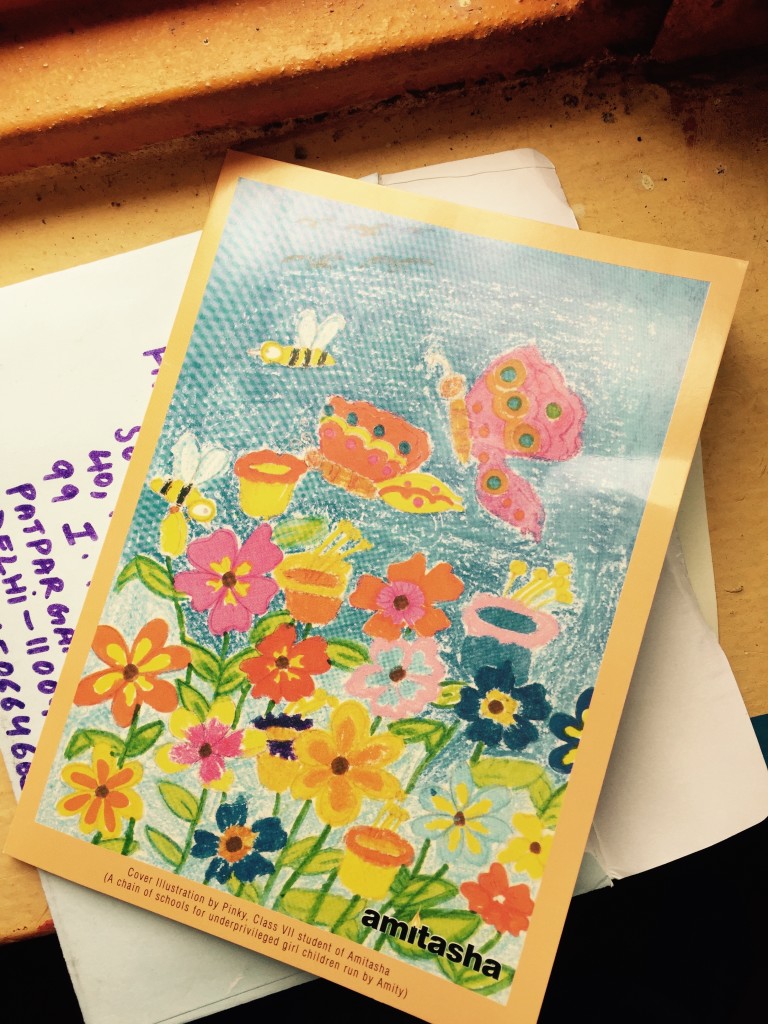
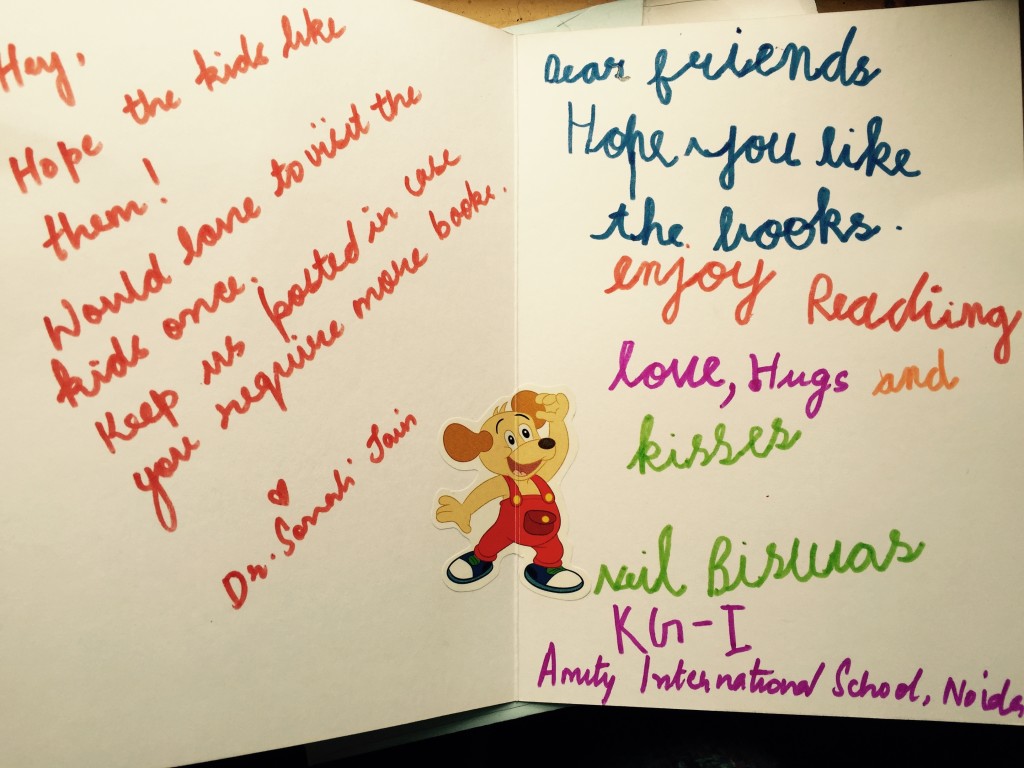
After the children leave for the day's final lessons, the librarian turns to the mechanics of keeping the shelves alive. Letters from donor organisations have piled up, including correspondence from a small Brisbane charity whose members collected 240 used children's books over a school term. Each parcel is logged, opened, and inspected. Torn covers are repaired with brown paper and rice glue, because sticky tape peels within a week in the dry winter air.
Damaged books are not discarded but repurposed. Illustrated pages become flashcards, front covers become bookmarks, and endpapers become wrapping paper for the librarian's own correspondence. Nothing is wasted, since replacements are slow to arrive from the lowlands, especially while the Zoji La pass is closed by snow.
The librarian also keeps a tally of titles requested most often. This month, three names sit at the top: a folk tale collection from Kashmir, a Hindi-English picture dictionary, and a translation of a Heidi-like novel set in the Alps. The notes are folded into a letter for the next volunteer cohort, who will be dispatched from the city with fresh supplies within the fortnight.
Children Who Walk Through Snow
The older pupils travel from as far as four hours away on foot, sometimes staying overnight with relatives near the reading room. The librarian has learned which children are likely to turn up after a storm and keeps a small stash of dry socks and barley biscuits in a tin behind the stove. The act of provision is practical and emotional, similar to how Australian community libraries often function as cooling centres during heatwaves, offering a safe room for those who would otherwise suffer outdoors.
A teenage girl named Chuskit once walked for seven hours through knee-deep snow to borrow a maths workbook. She returned it three weeks later with every problem solved, and a hand-drawn map of the Indus River sketched in the back. The map is now displayed above the registration desk, and the workbook itself has been re-bound five times. Stories like this one shape the librarian's sense of what the room can mean.
Evening Wind-Down and Closing Rituals
- Sweep the floor, count the stools, check the stove damper
- Match the day's loans to the register and tick returned items
- File any drawing or letter made by a child in the "future visitors" box
- Wipe down the children's reading nook with a damp cloth
- Pack tomorrow's bag the evening before so nothing is forgotten
- Cover the firewood with a tarpaulin before the wind rises
When the door is finally bolted, the room smells of woodsmoke, paper, and the faintest trace of cardamom from the morning tea. The librarian takes a final walk around the shelves, fingers trailing across each spine as if counting cattle. Some readers have called this ritual a form of meditation, and the staff who rotate through often comment on how the silence settles in once the last child departs.
Back in the small flat attached to the building, the librarian writes a paragraph for the monthly newsletter, describing which books brought tears, which drawings surprised the adults, and which titles need replenishing. The notes are sent to partner organisations, and visiting supporters can read a fuller account of the work at https://avalokitesvaratrust.org/, where photos and stories from the Ladakh reading rooms are published each season.
The night is cold, the stars are sharp, and the stove is finally resting. Tomorrow, another day of children, another round of names learned by heart, and another chance to make the smallest book feel enormous in a small hand.