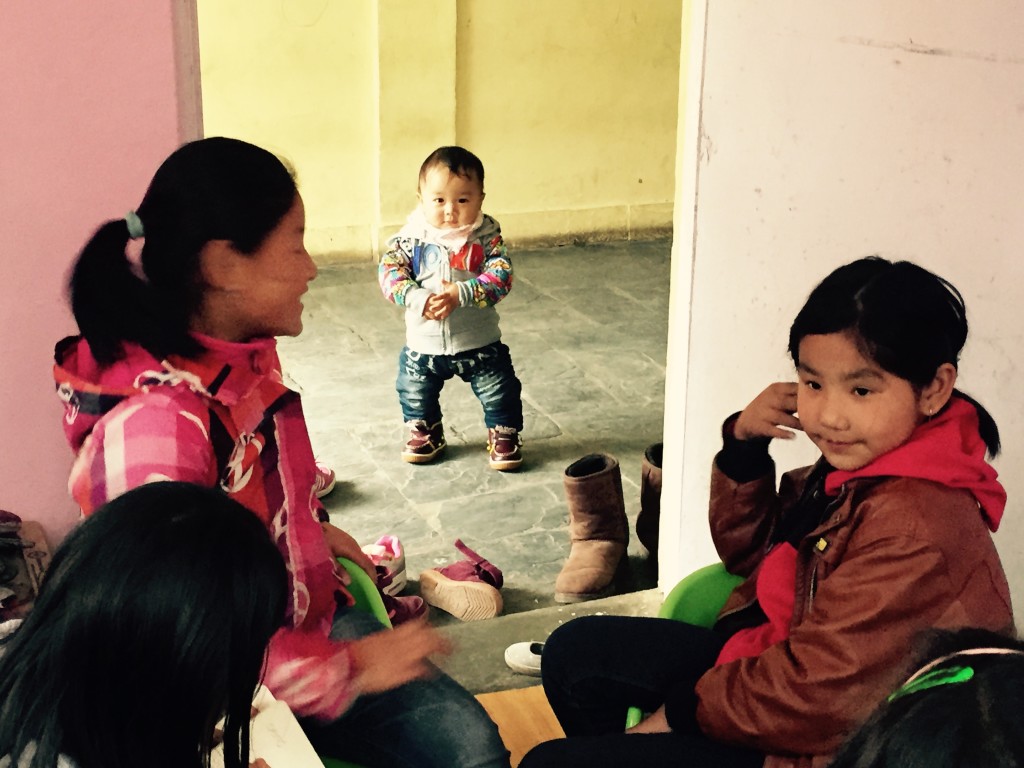
A Day Of Learning In Nubra Valley’s Reading Room
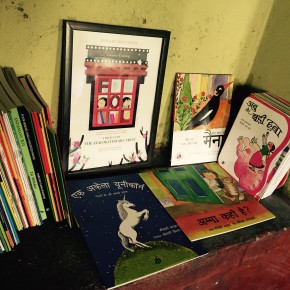
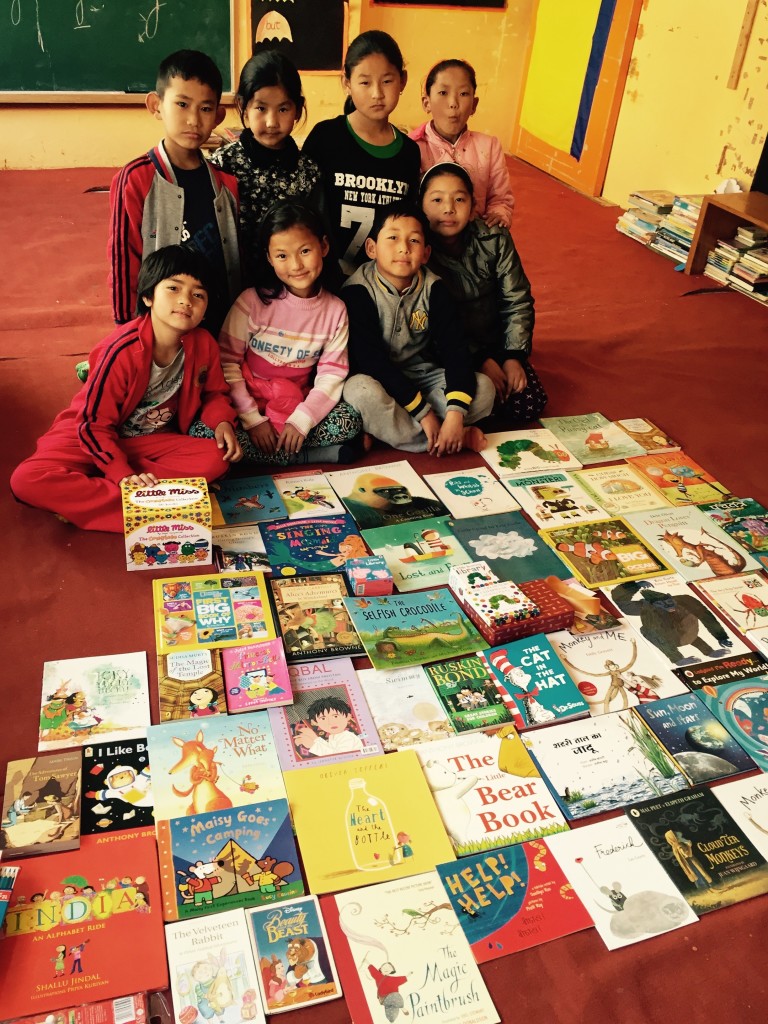
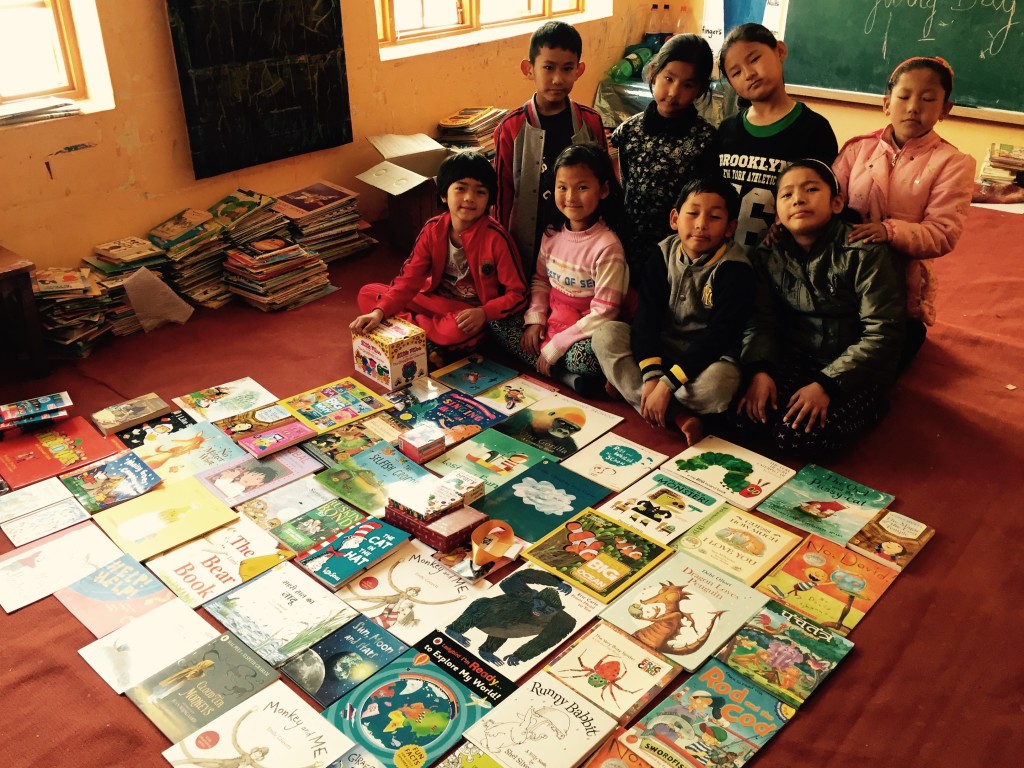
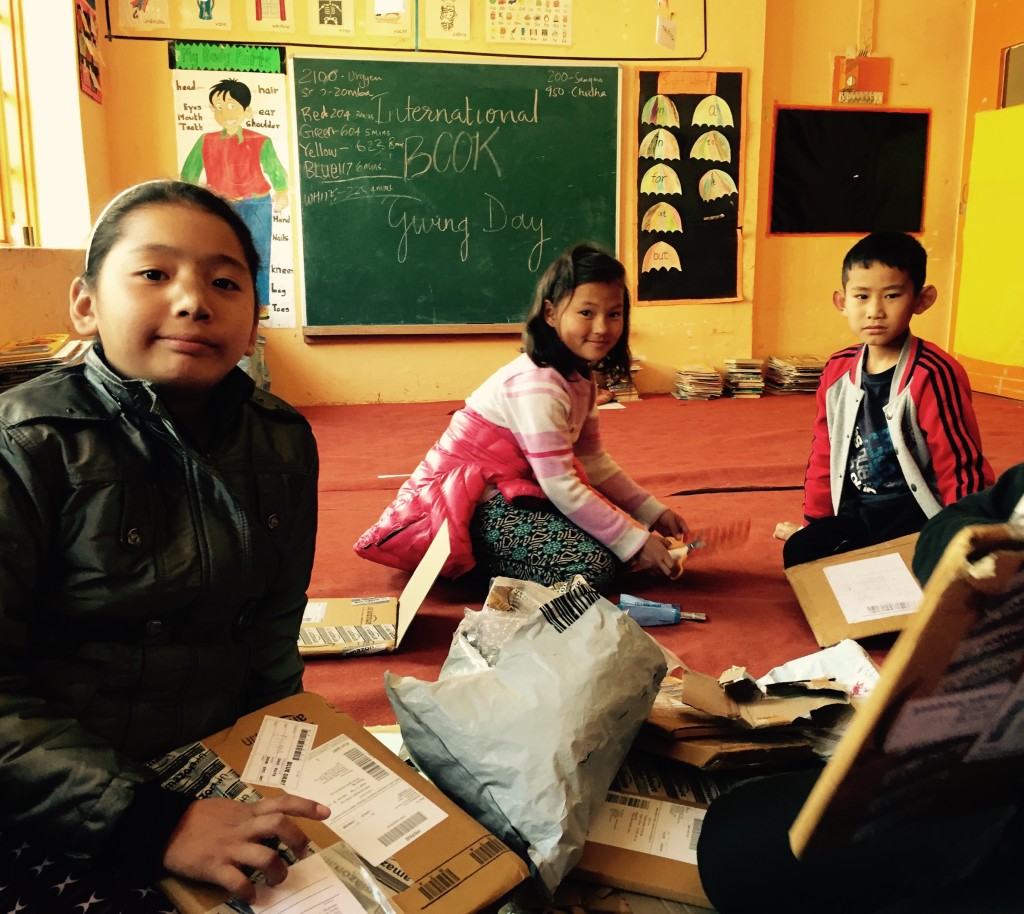
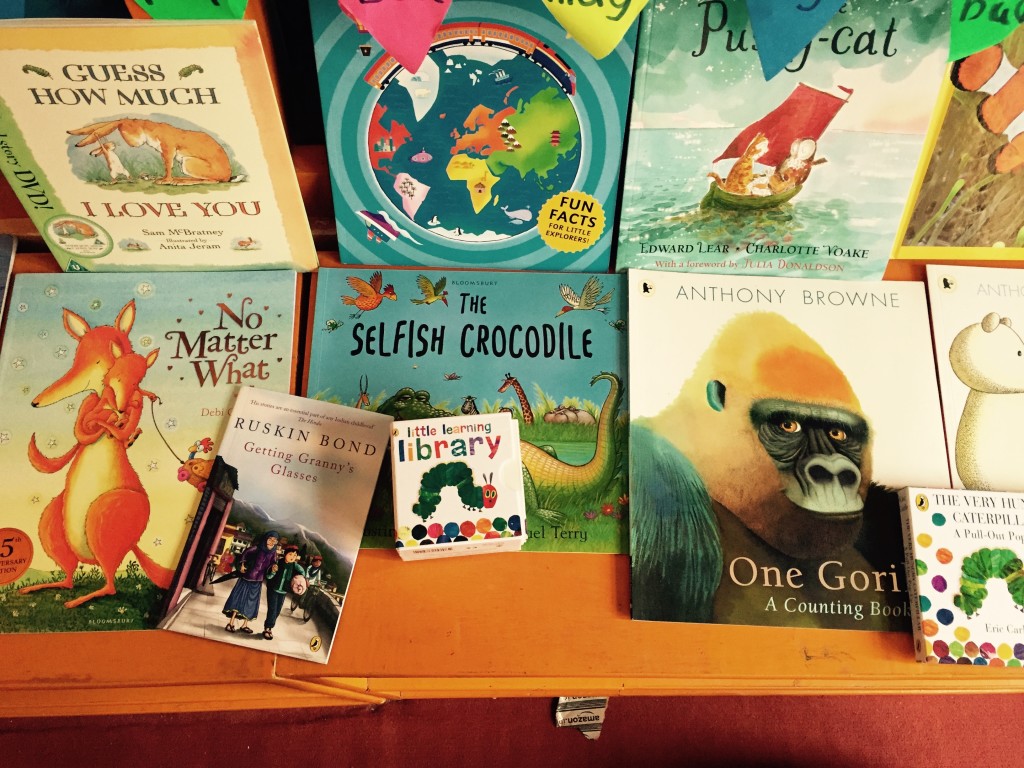
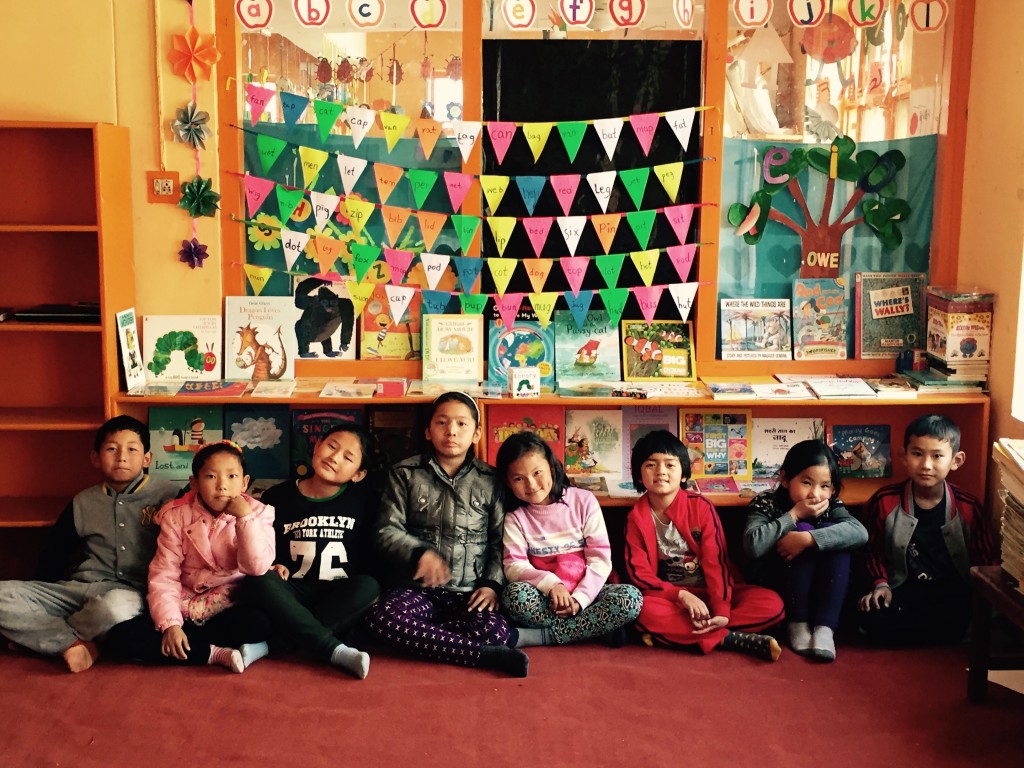
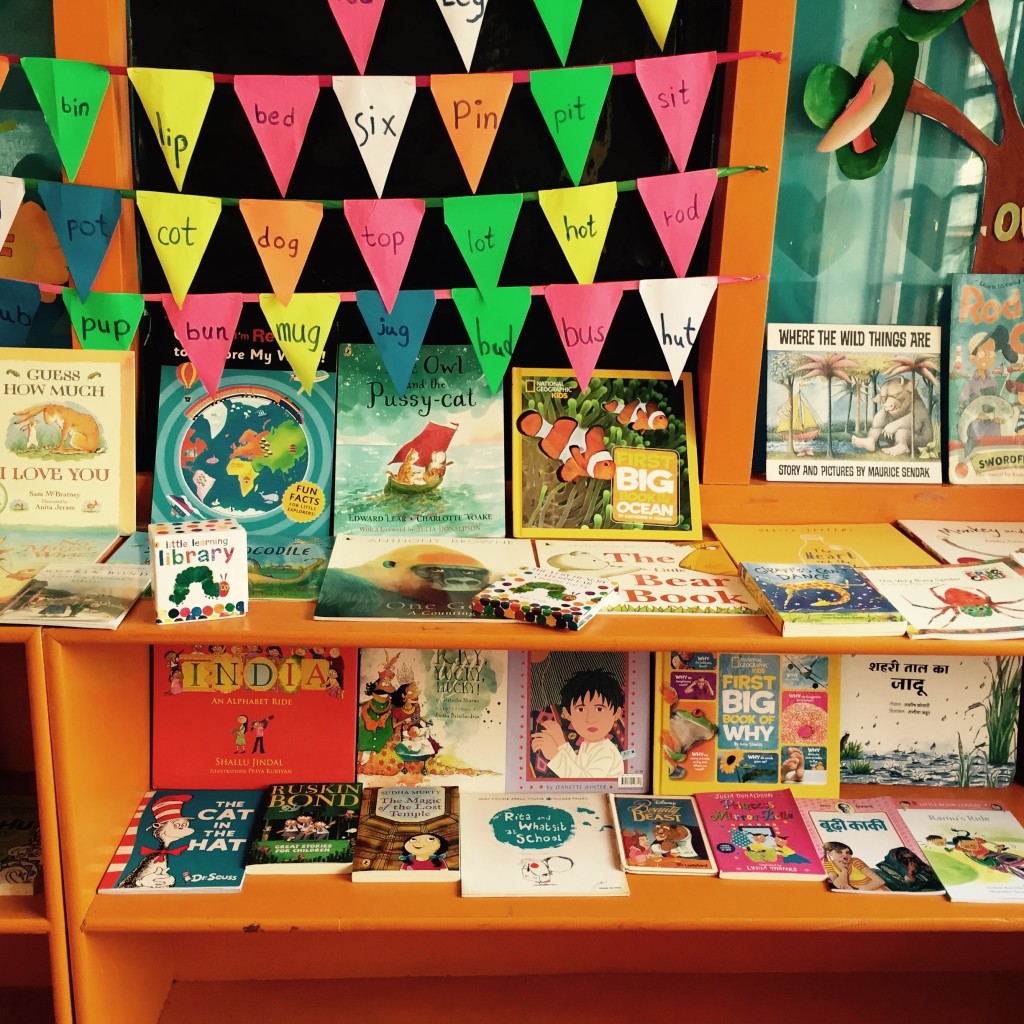
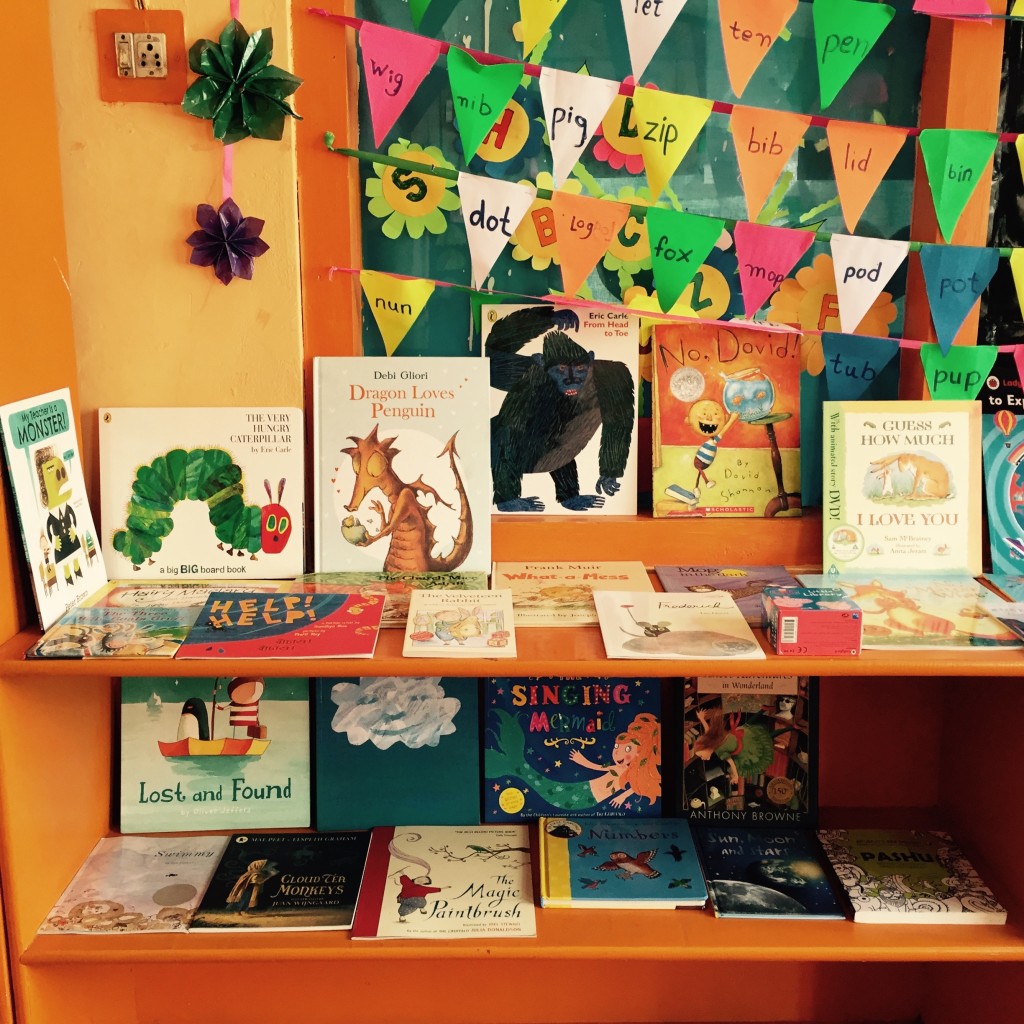
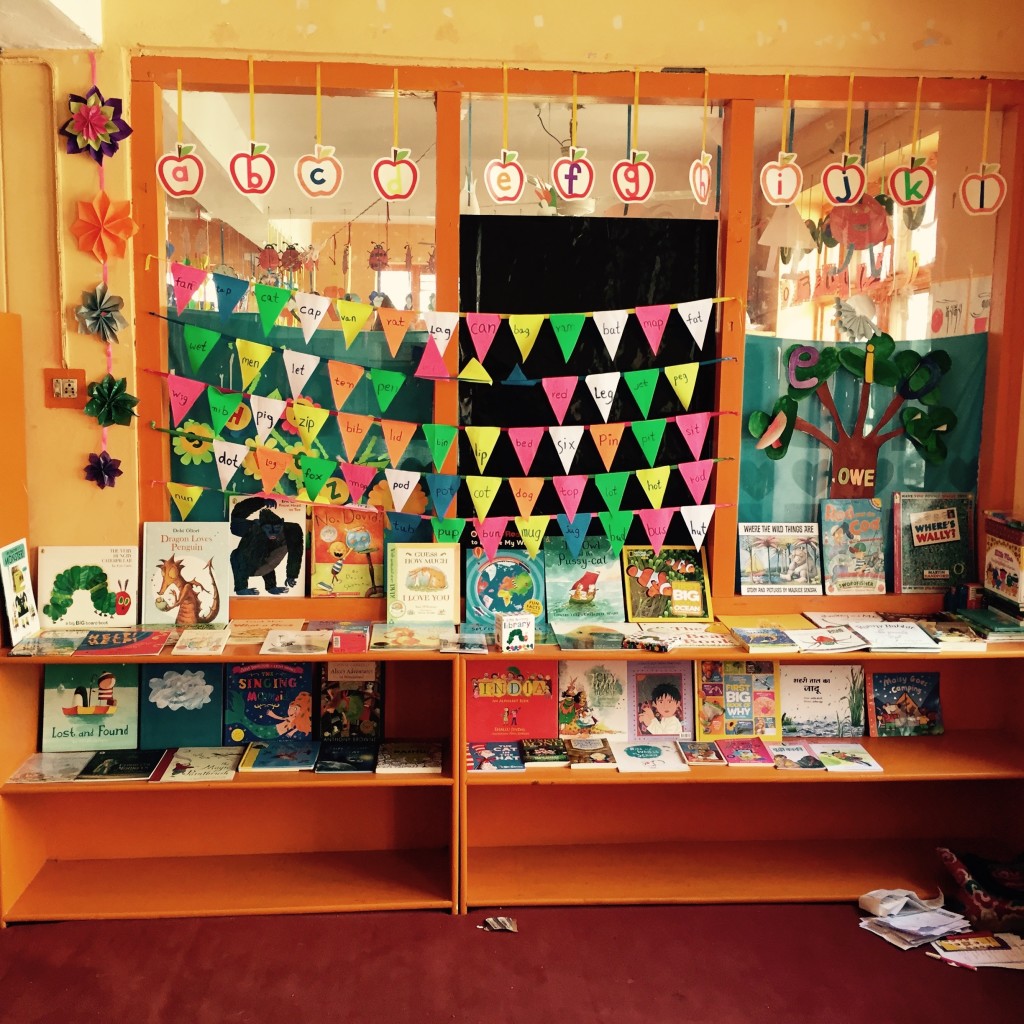
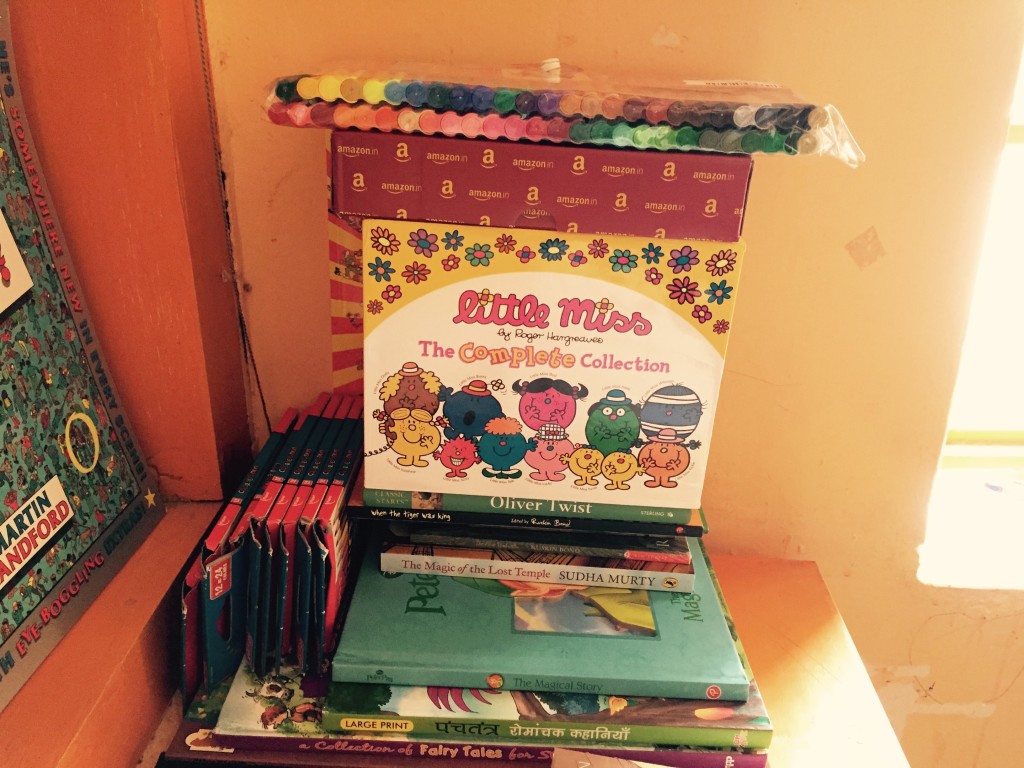
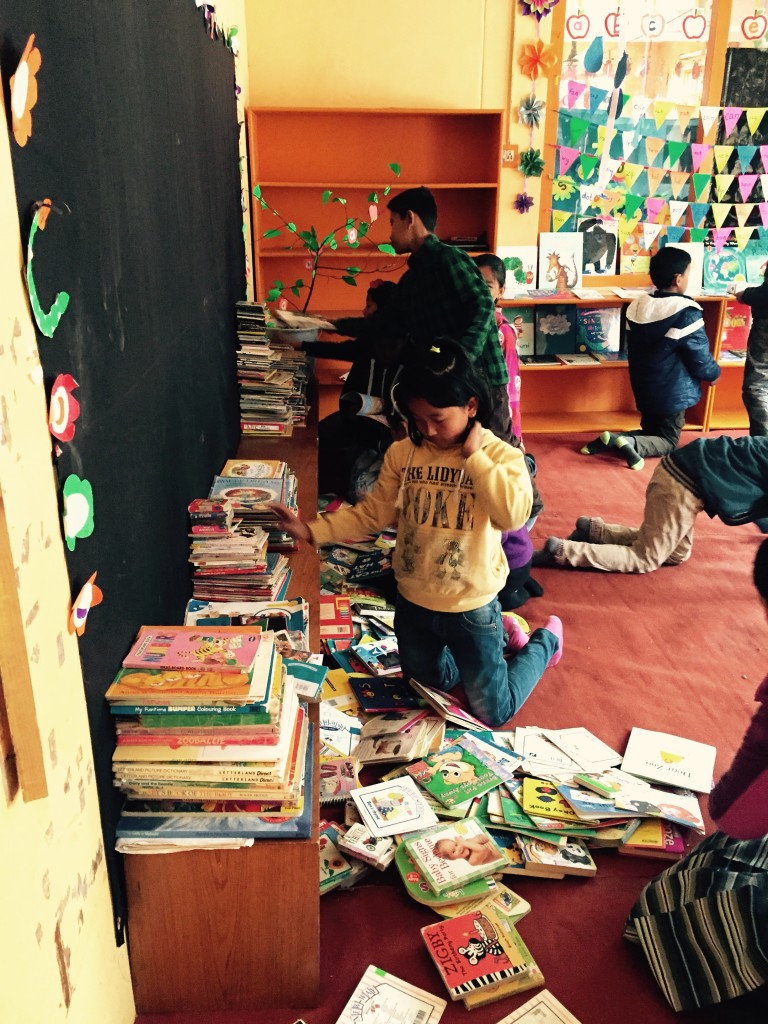
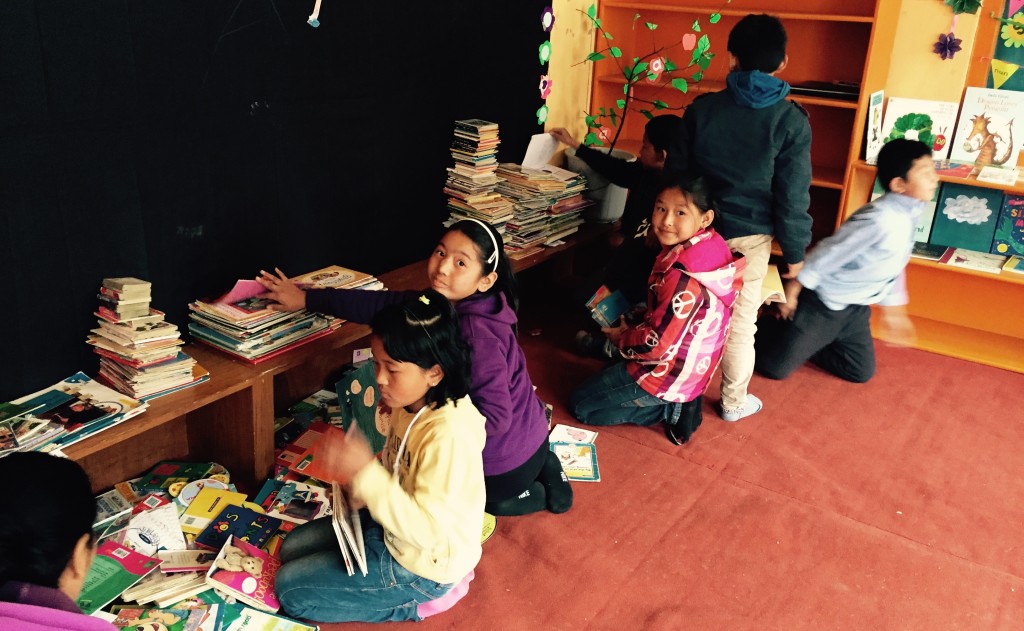
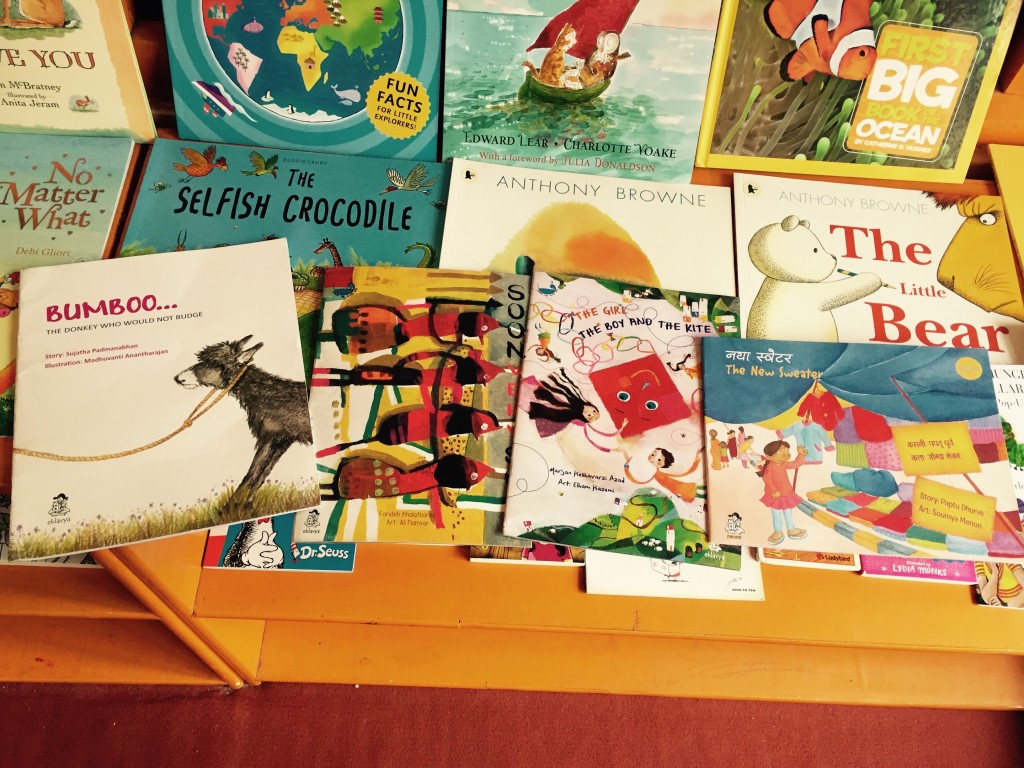
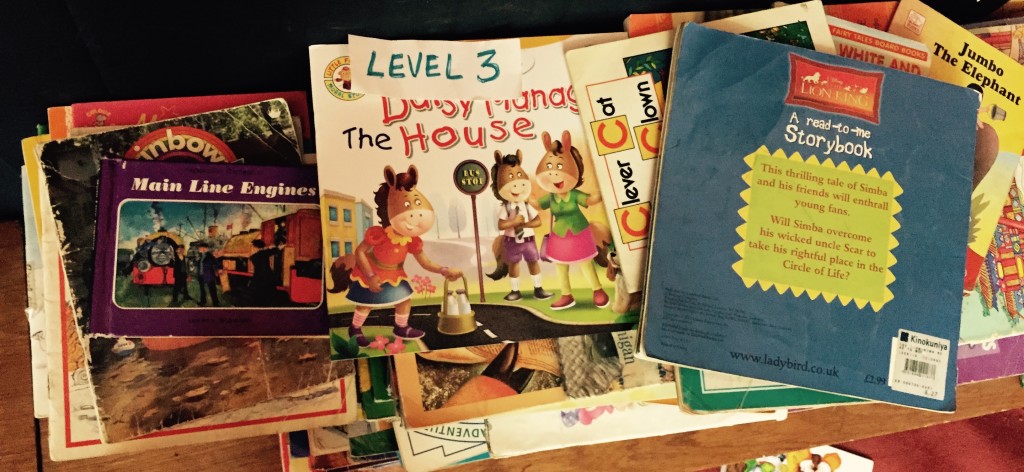
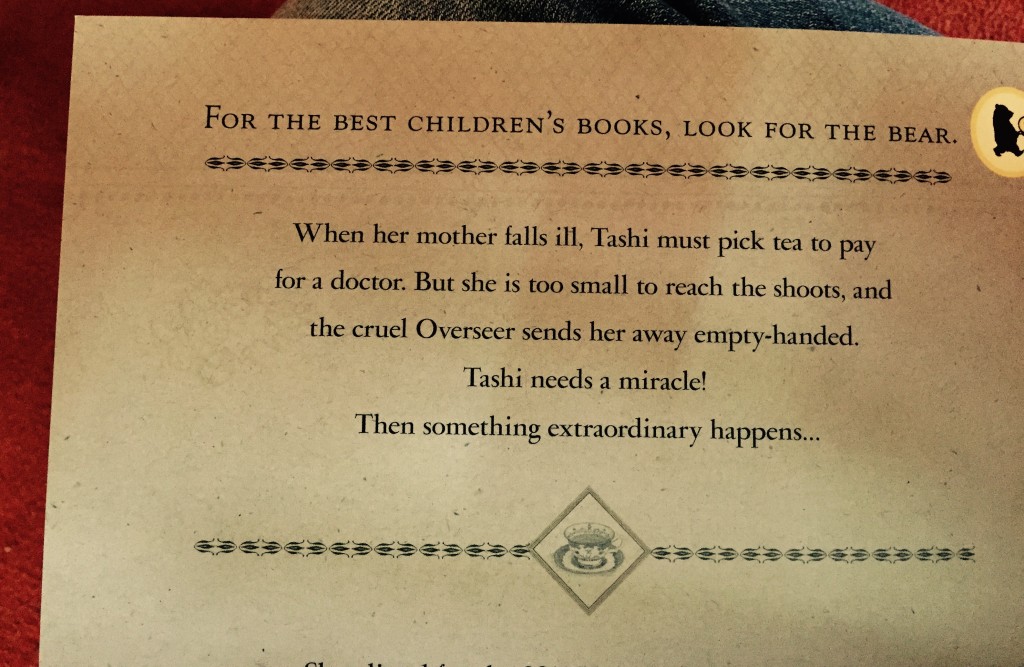
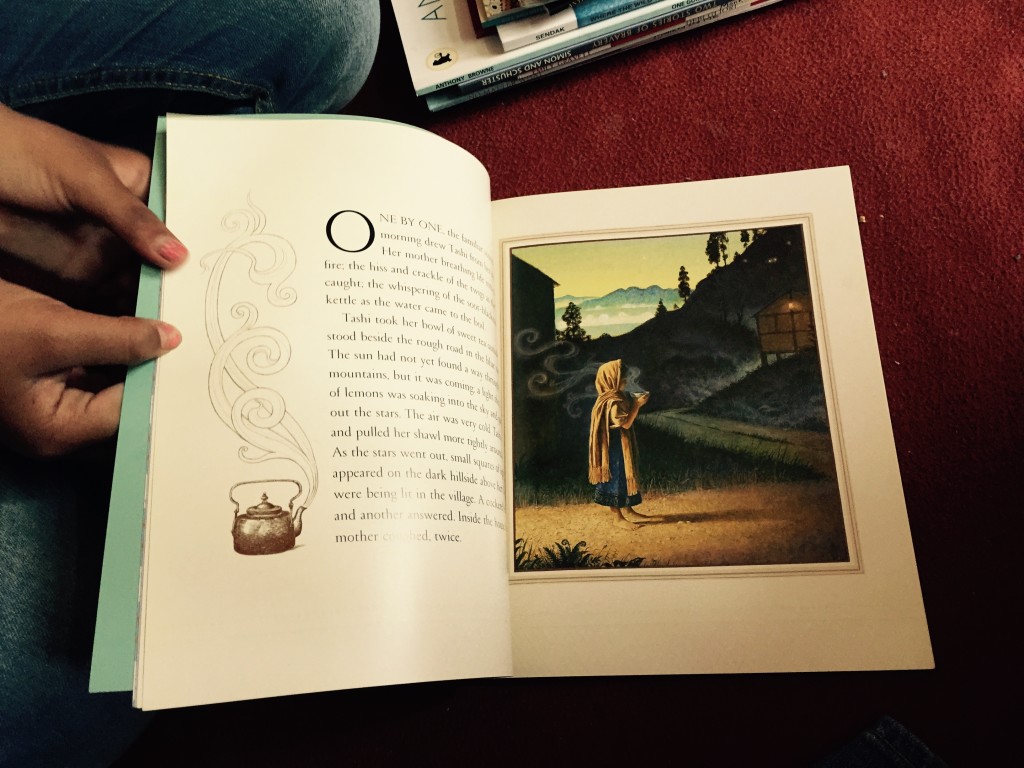
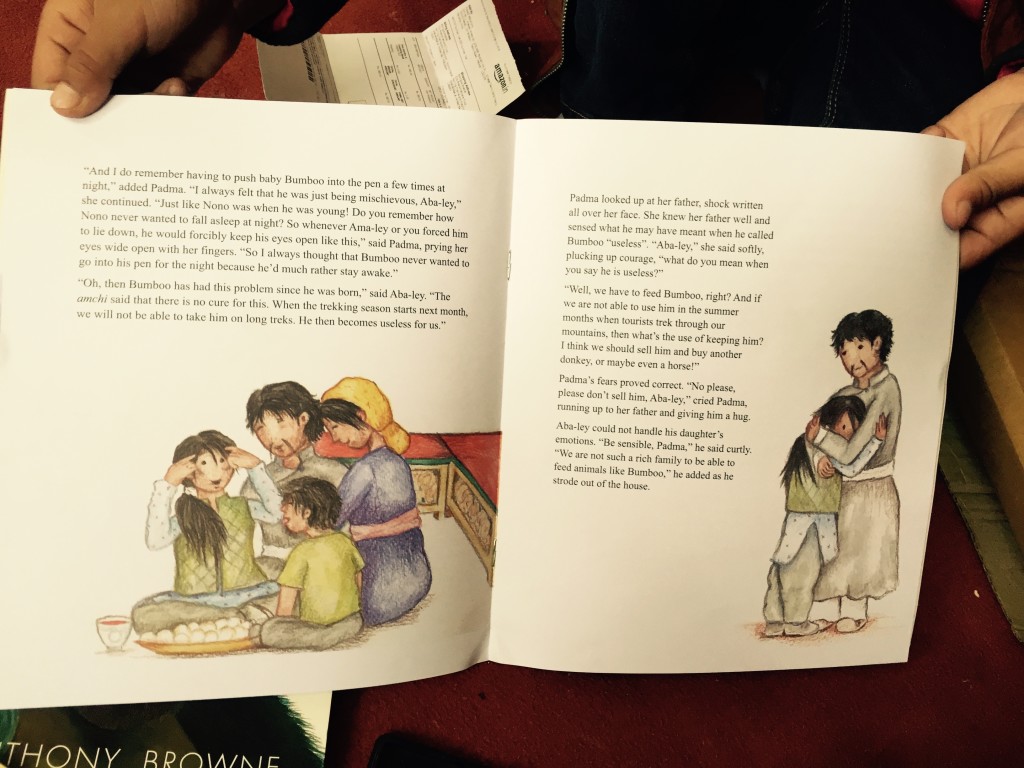
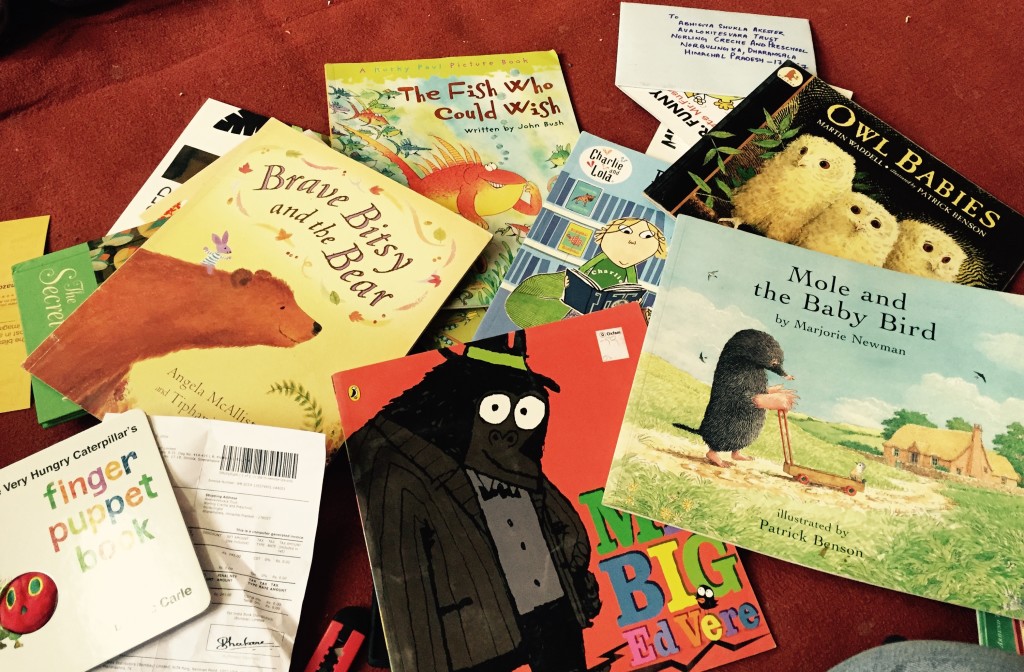
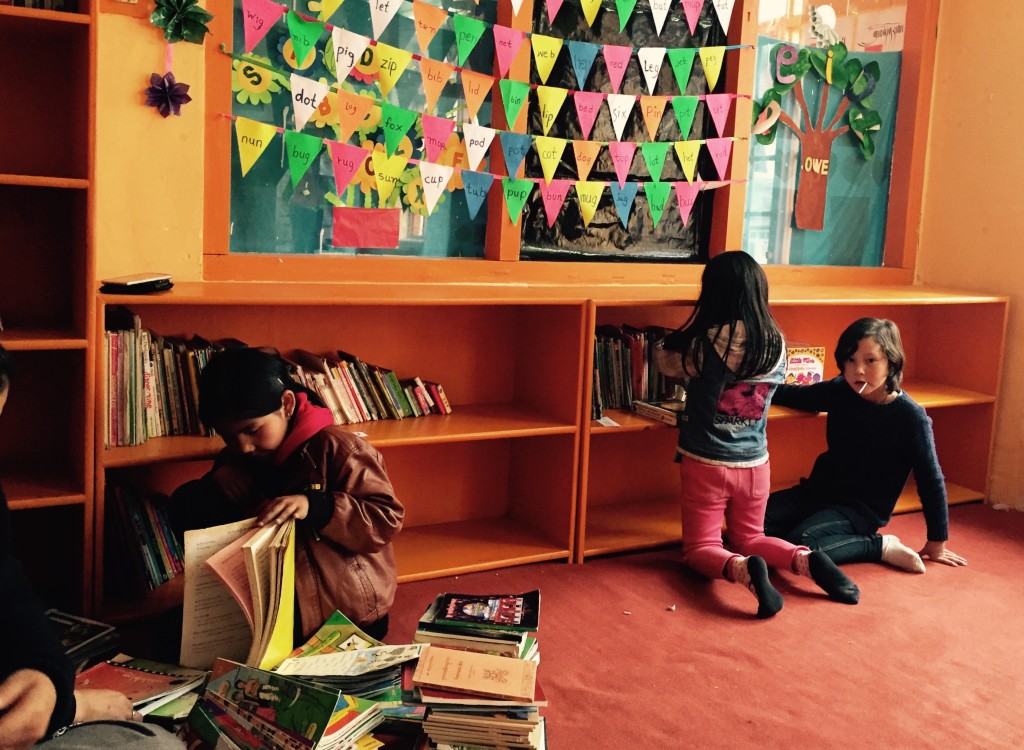
In Nubra Valley, a reading room can become many things during a single day. It is a library, a classroom, an art studio, a quiet refuge, and a meeting place for children whose homes may be scattered across high mountain settlements. Shelves of donated books bring stories from beyond the valley, while local knowledge gives those stories meaning.
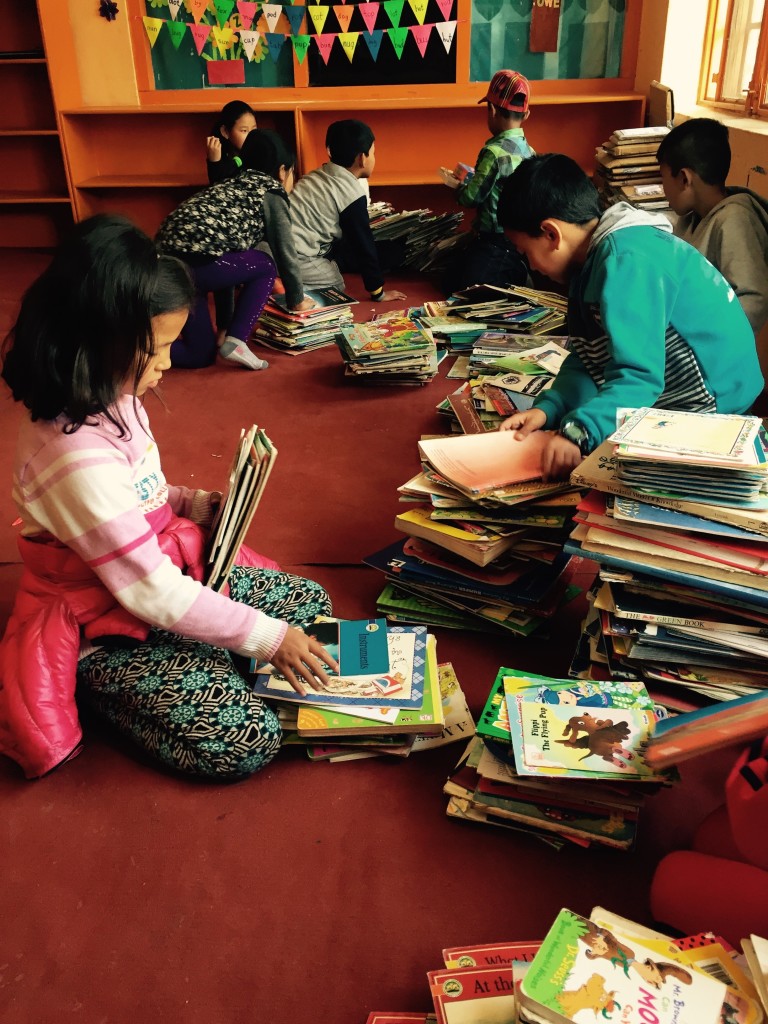
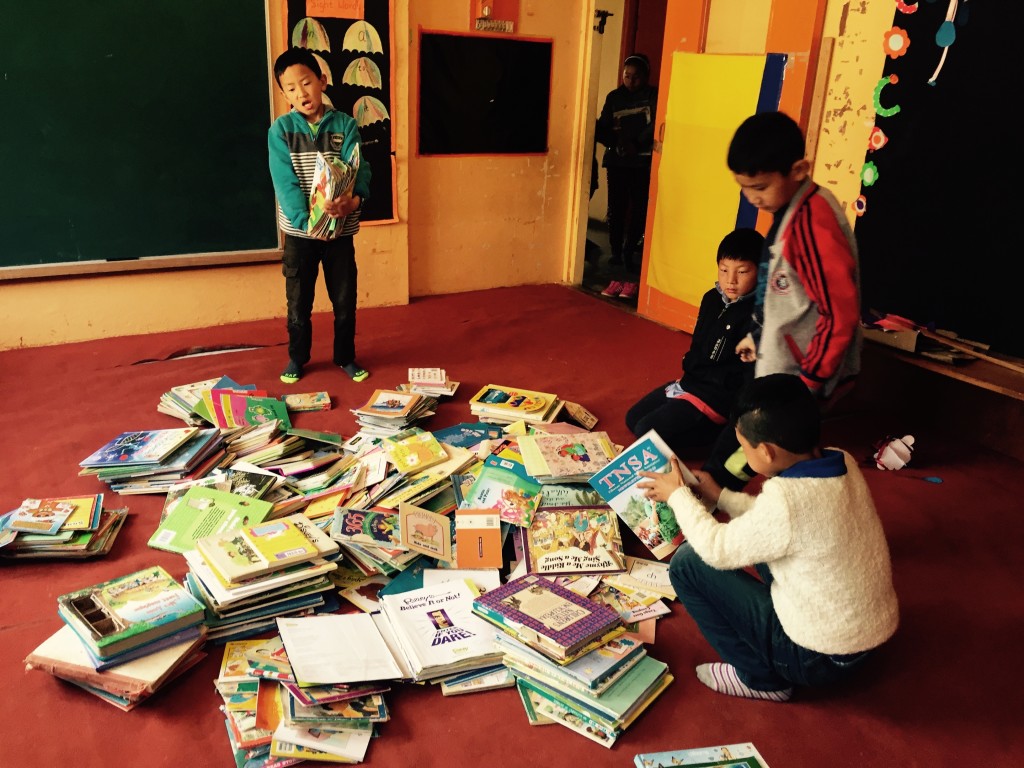
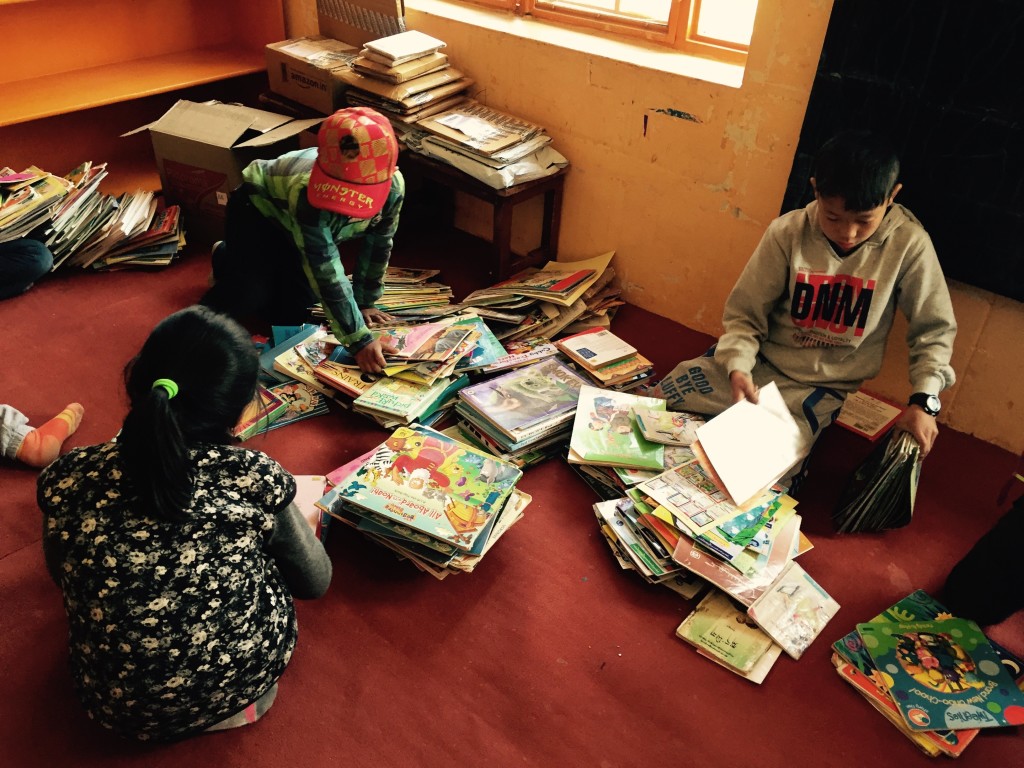
The coordinator’s work begins before the first child arrives. Books must be sorted, cushions arranged, lesson materials prepared, and the room made welcoming after a cold night. Later, the day fills with read-aloud sessions, homework support, drawing, music, conversation, and the careful encouragement that helps young readers gain confidence.
This work in Ladakh depends on patience and attention to practical details. Weather can affect travel, electricity may be limited, and a new book can attract several eager readers at once. A successful day is measured in small moments: a child finishing a story, a hesitant voice reading aloud, or a group discovering that learning can be joyful.
Preparing The Room For A New Day
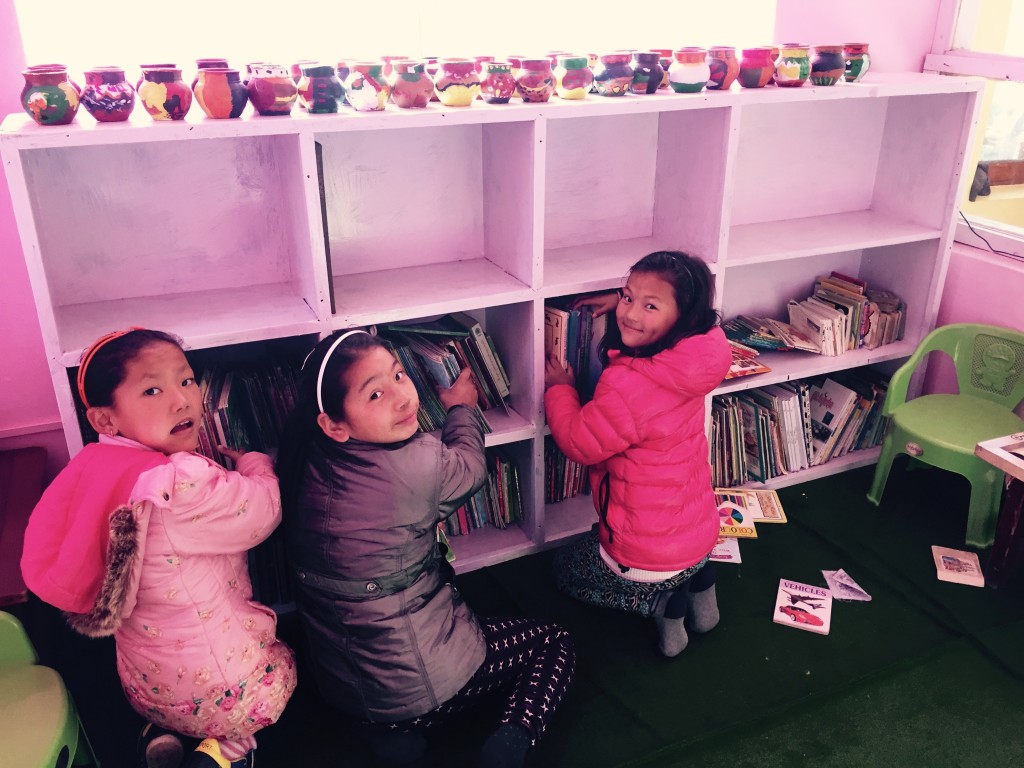
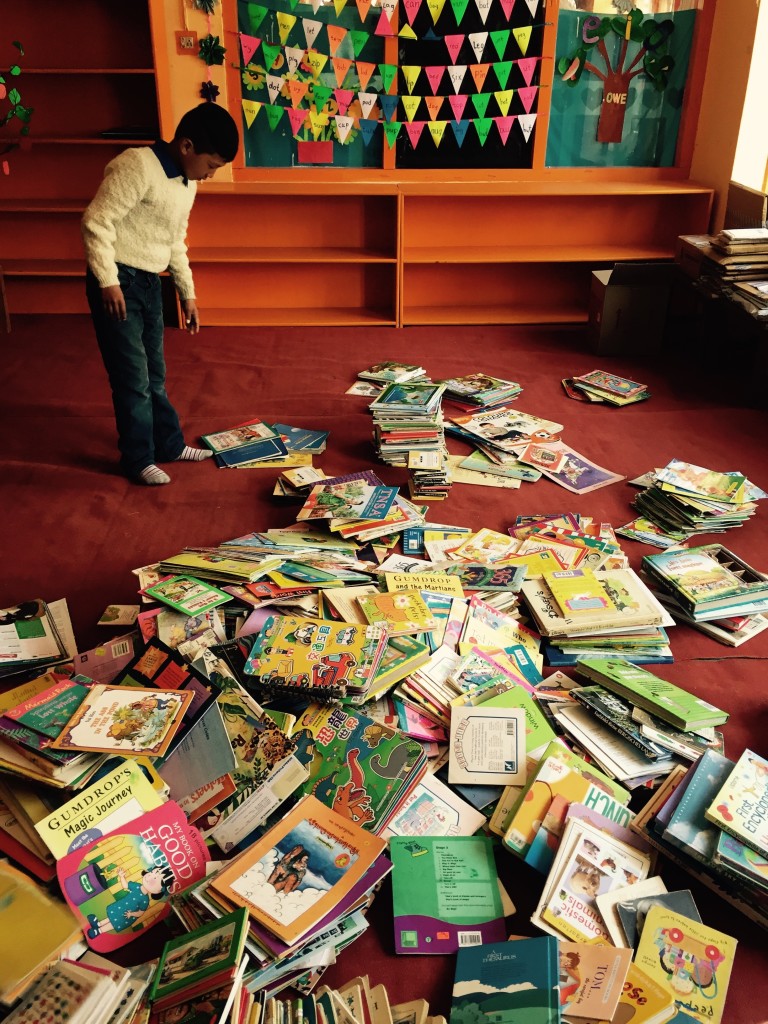
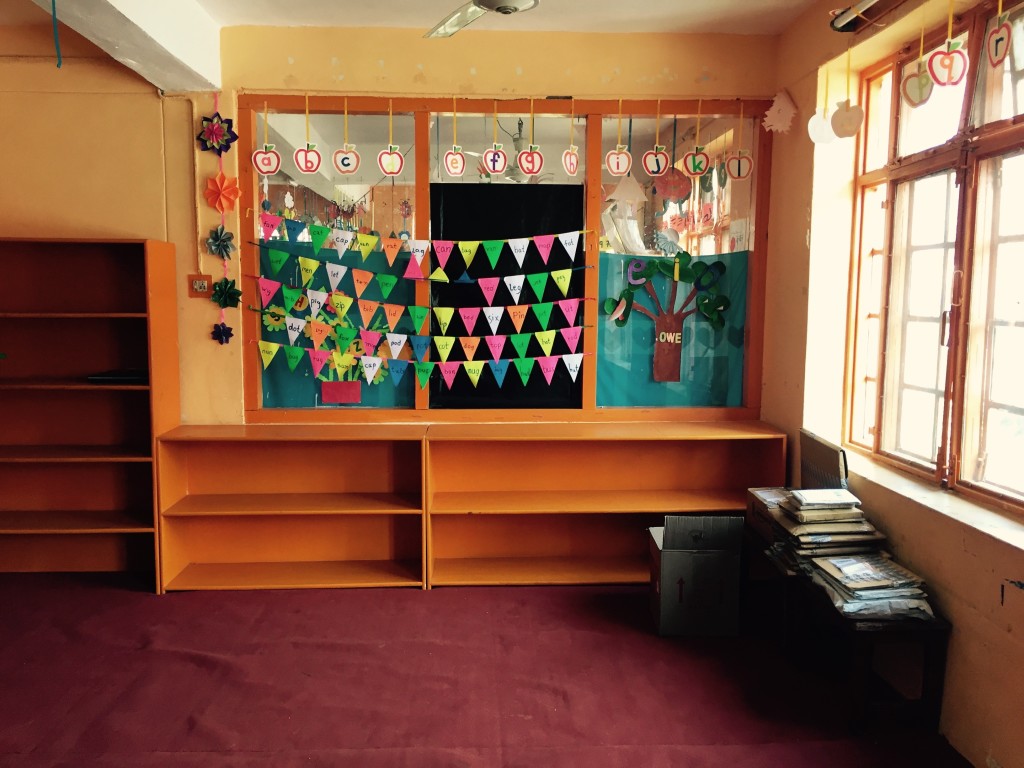
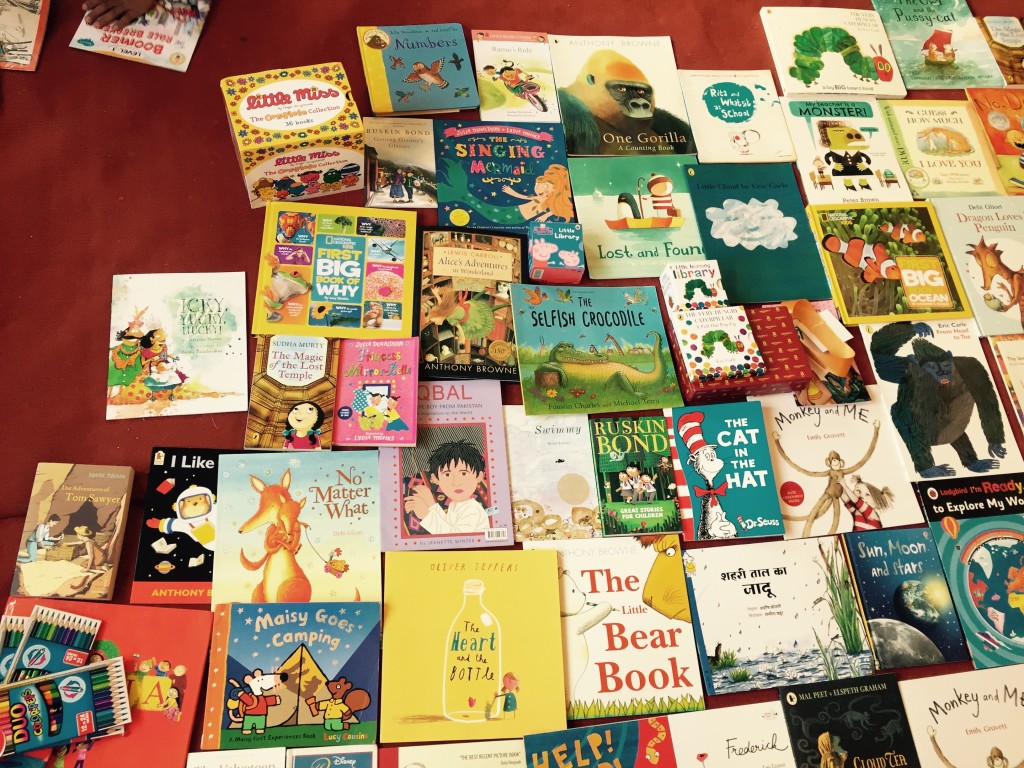
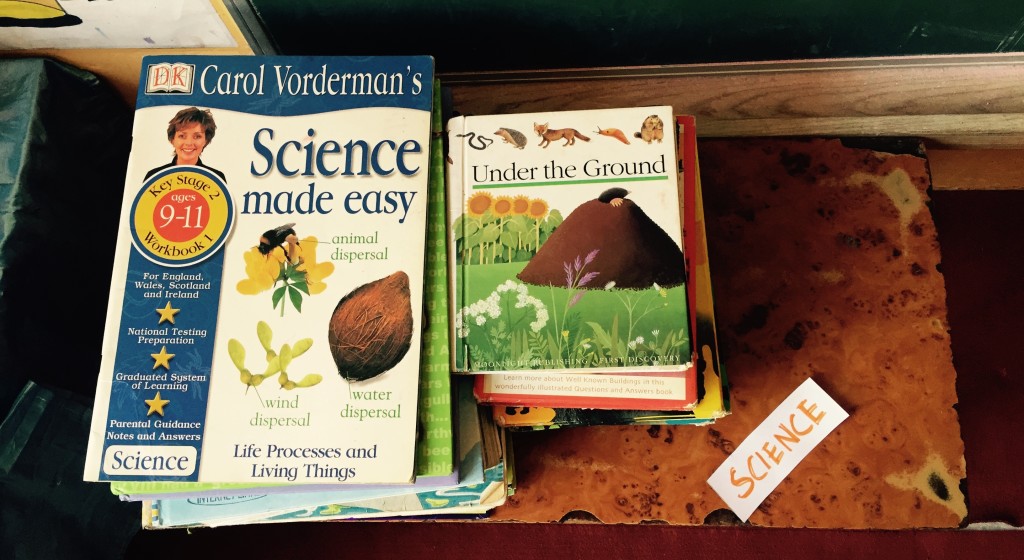
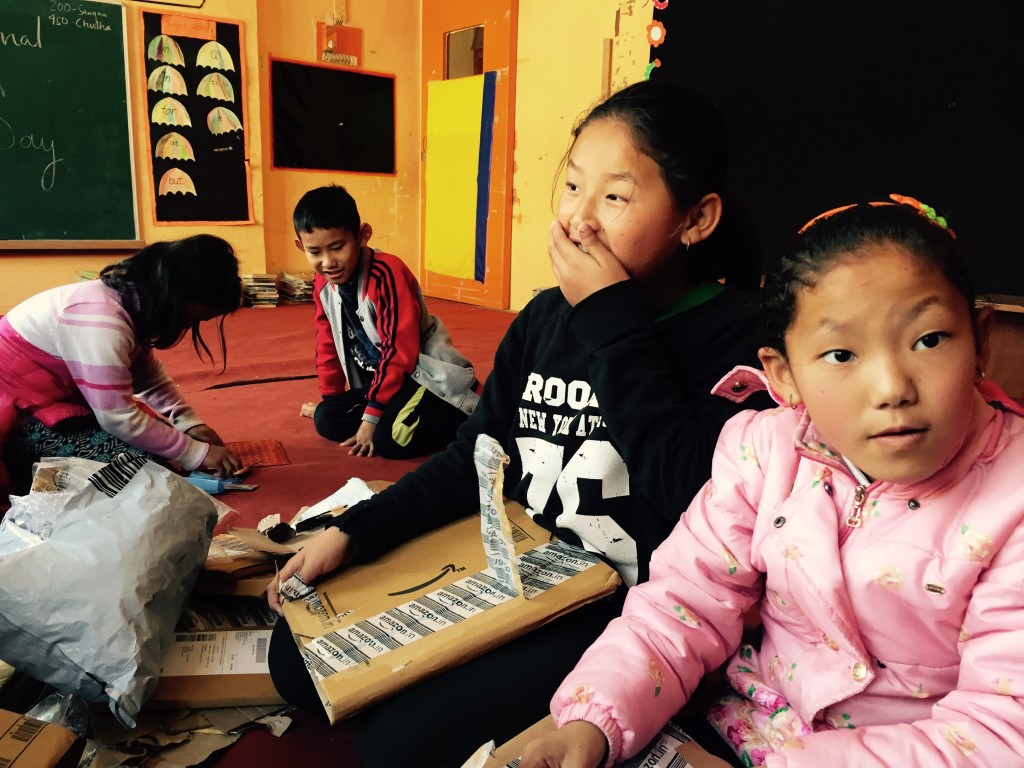
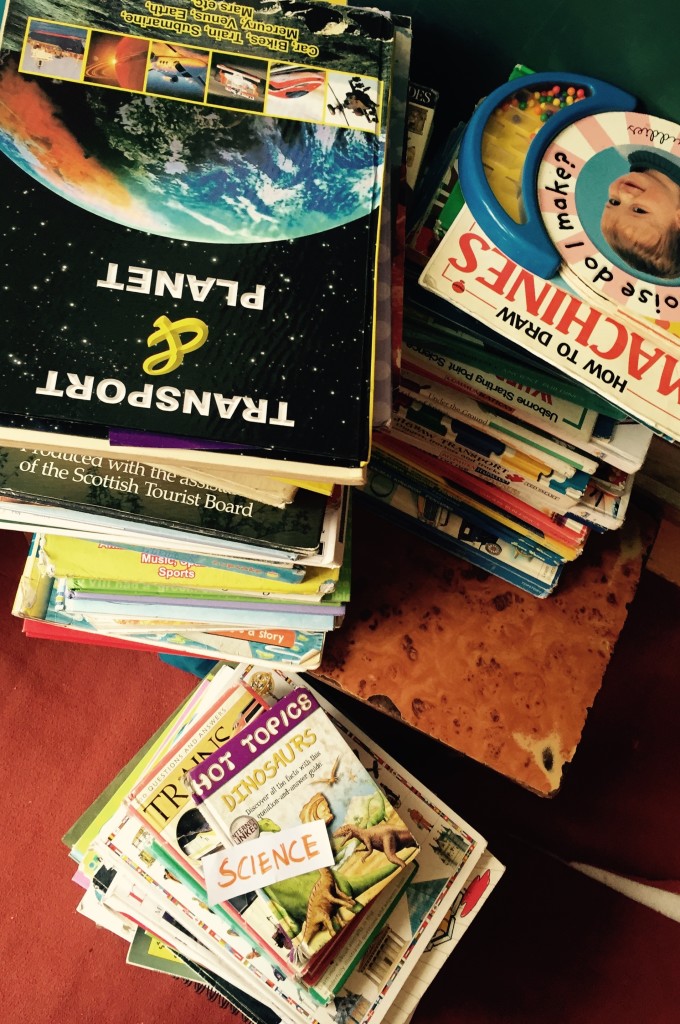
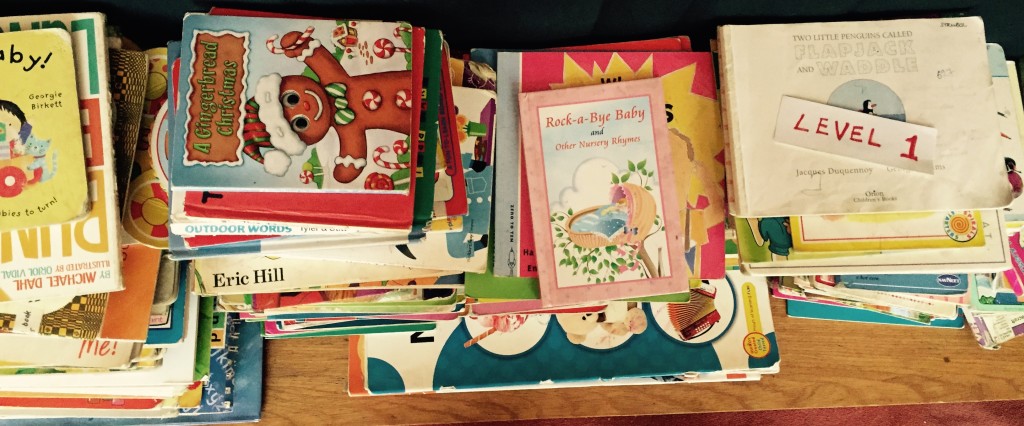
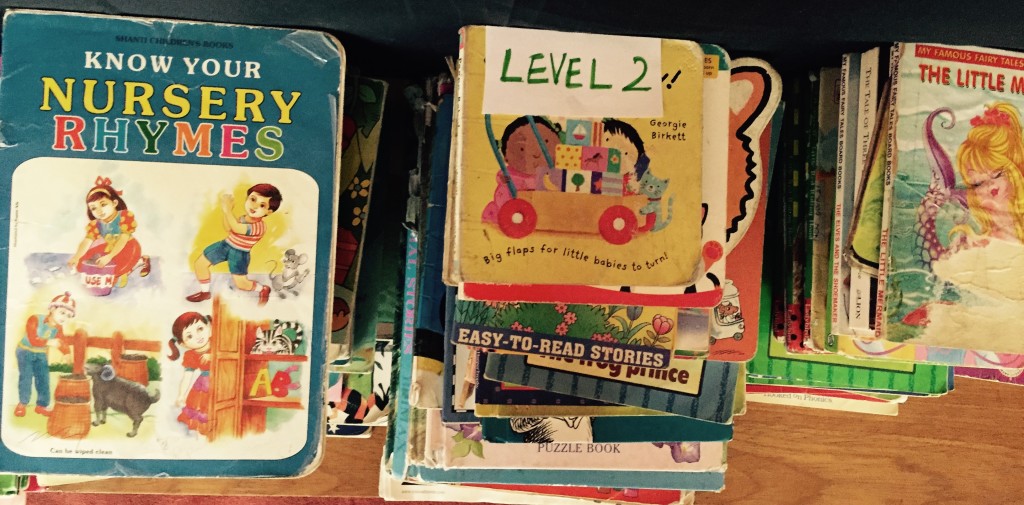
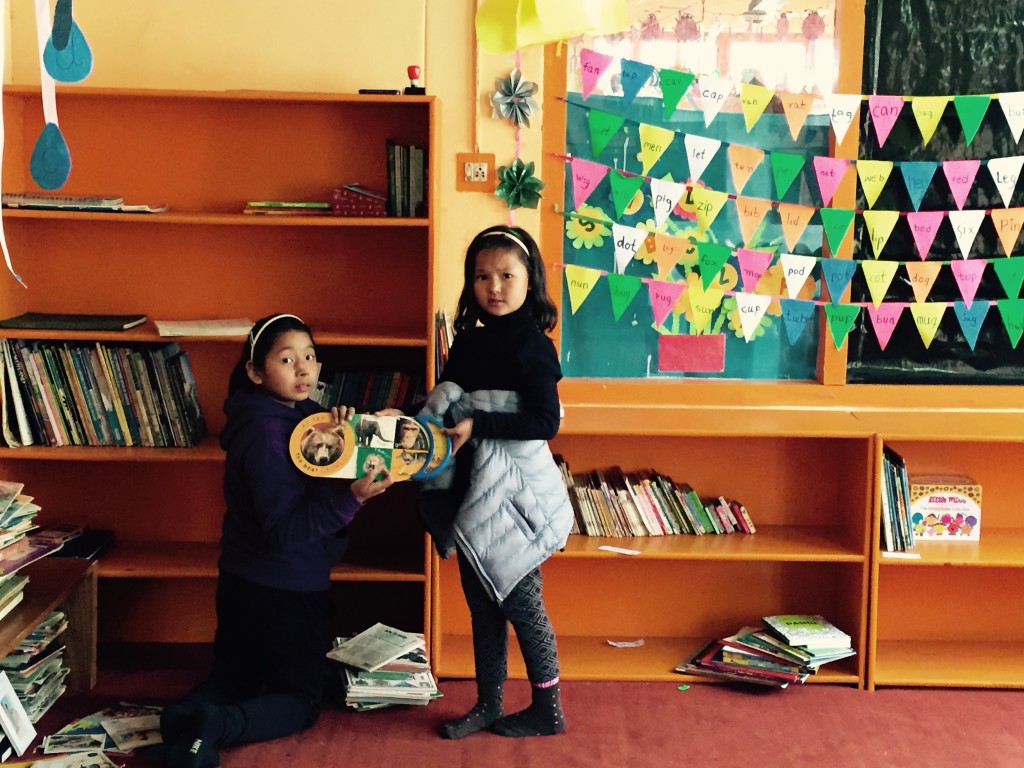
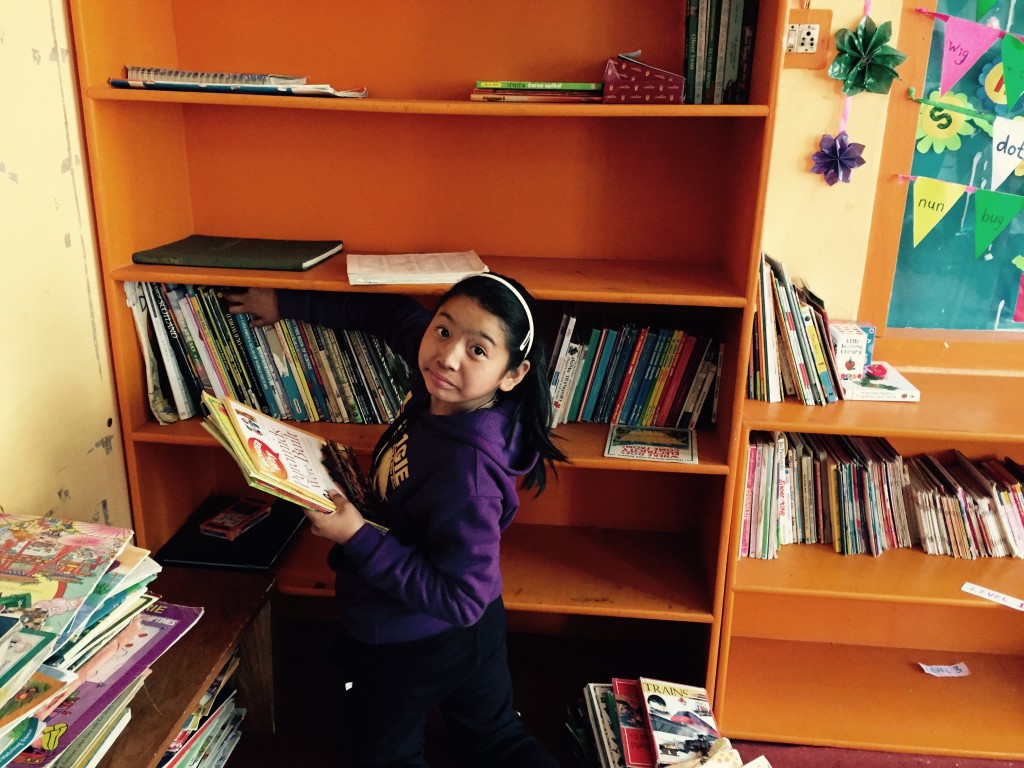
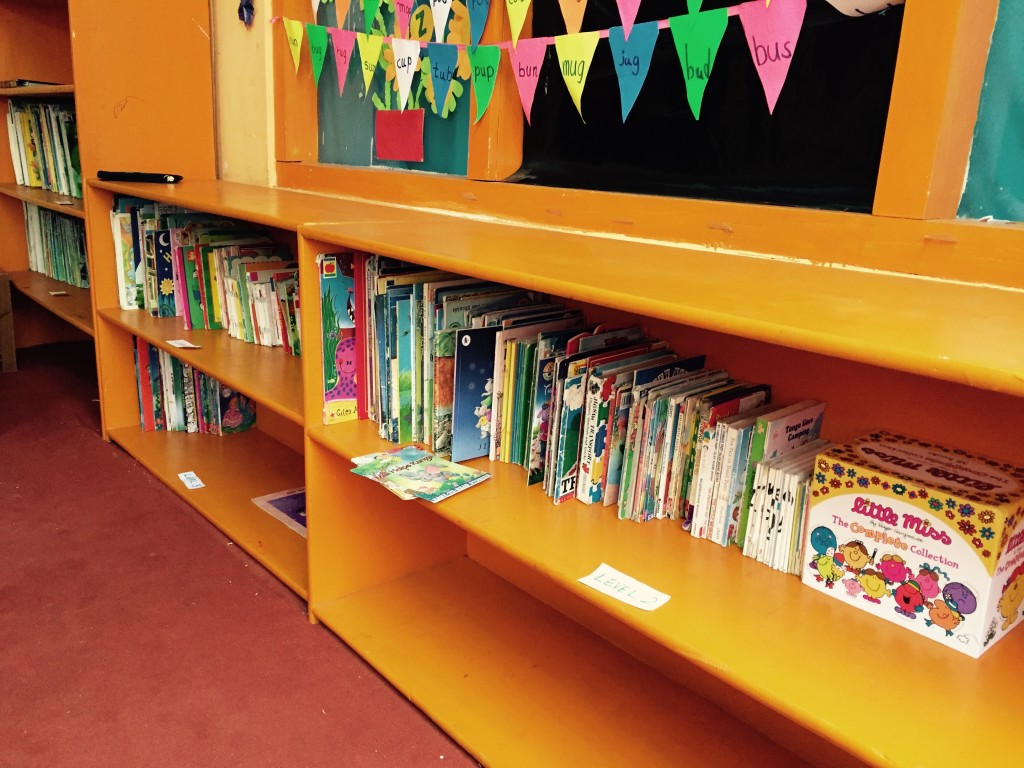
The coordinator usually arrives early, when the valley is still quiet and the light is spreading across the mountains. The first tasks are simple but important. Windows are opened when the weather permits, rugs are shaken out, and books returned the previous afternoon are placed on the correct shelves. Picture books, early readers, reference materials, and novels each need an easy-to-understand place.
In winter, warmth is part of the preparation. A reading room must feel comfortable enough for children to sit and concentrate, especially when temperatures fall sharply outside. The coordinator checks the stove or heating arrangement, keeps walkways clear, and makes sure younger children have a safe place to work. These practical details create the conditions for literacy.
The morning may also include reviewing attendance notes and planning activities for different ages. Some children are ready for longer stories, while others are still learning letter sounds or building vocabulary in English. A flexible plan allows the coordinator to serve everyone without making any child feel behind.
Welcoming Children From Across The Valley
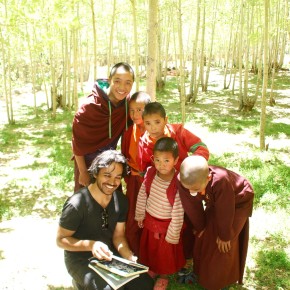
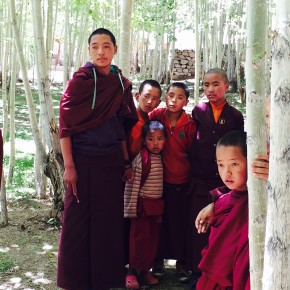
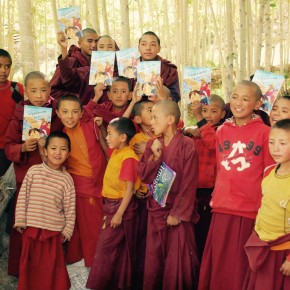
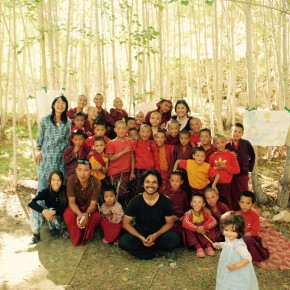
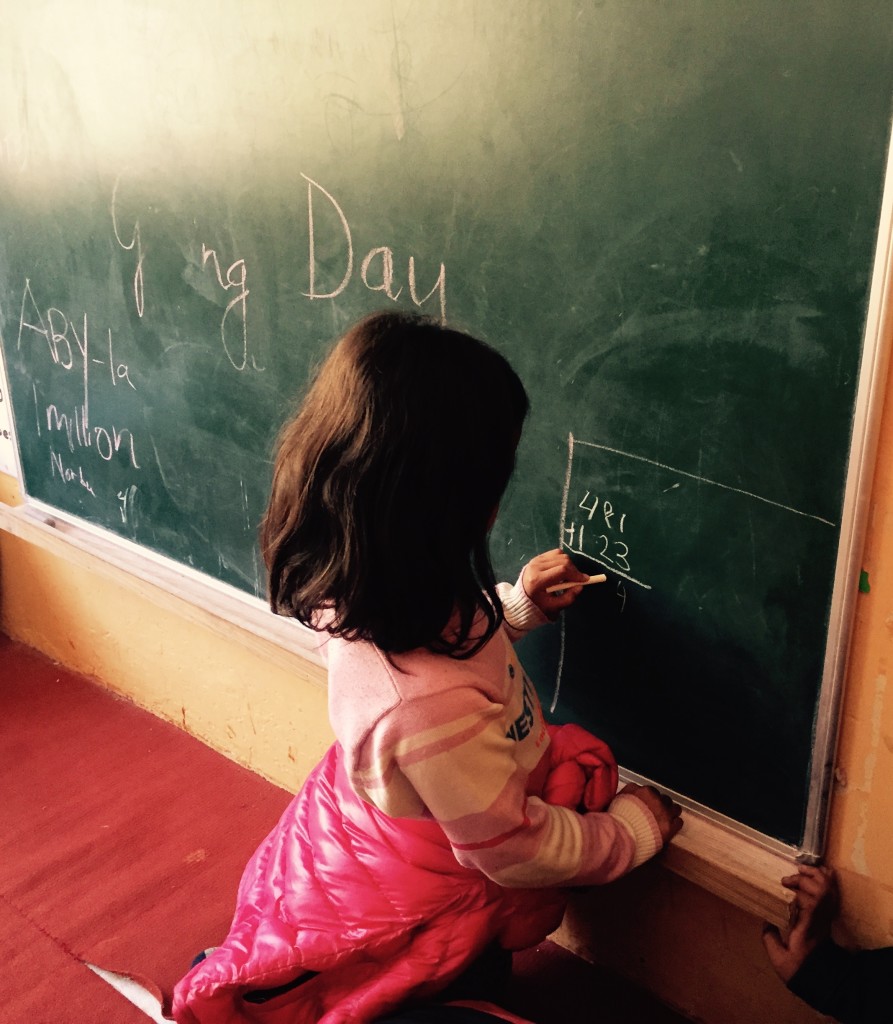
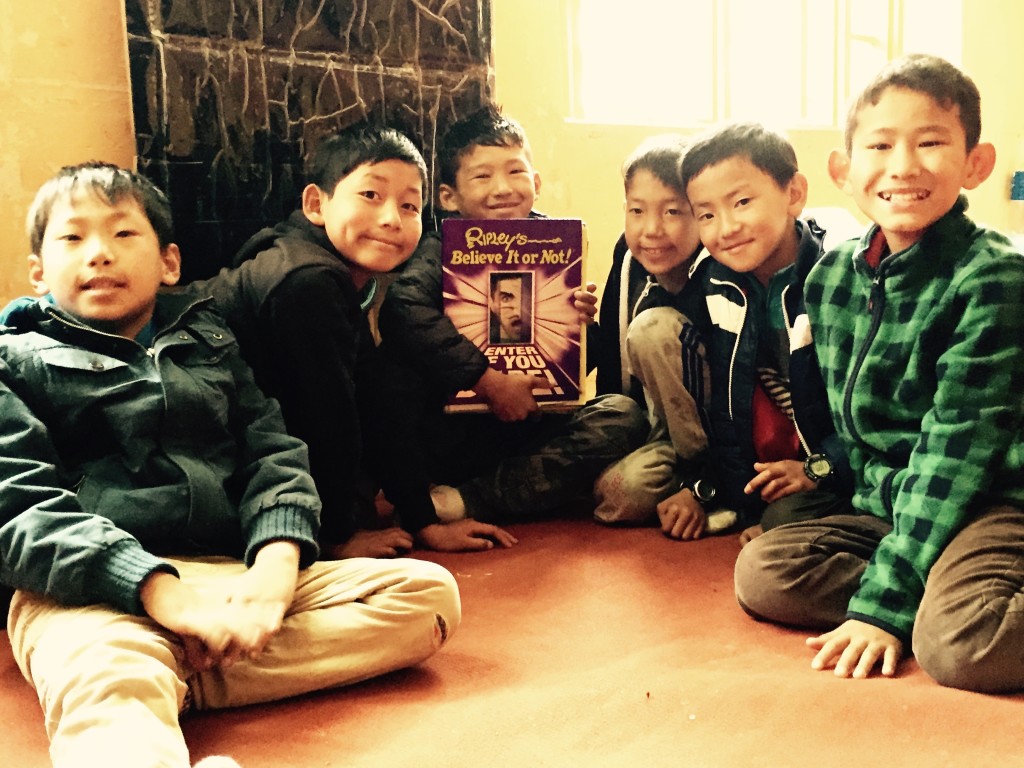
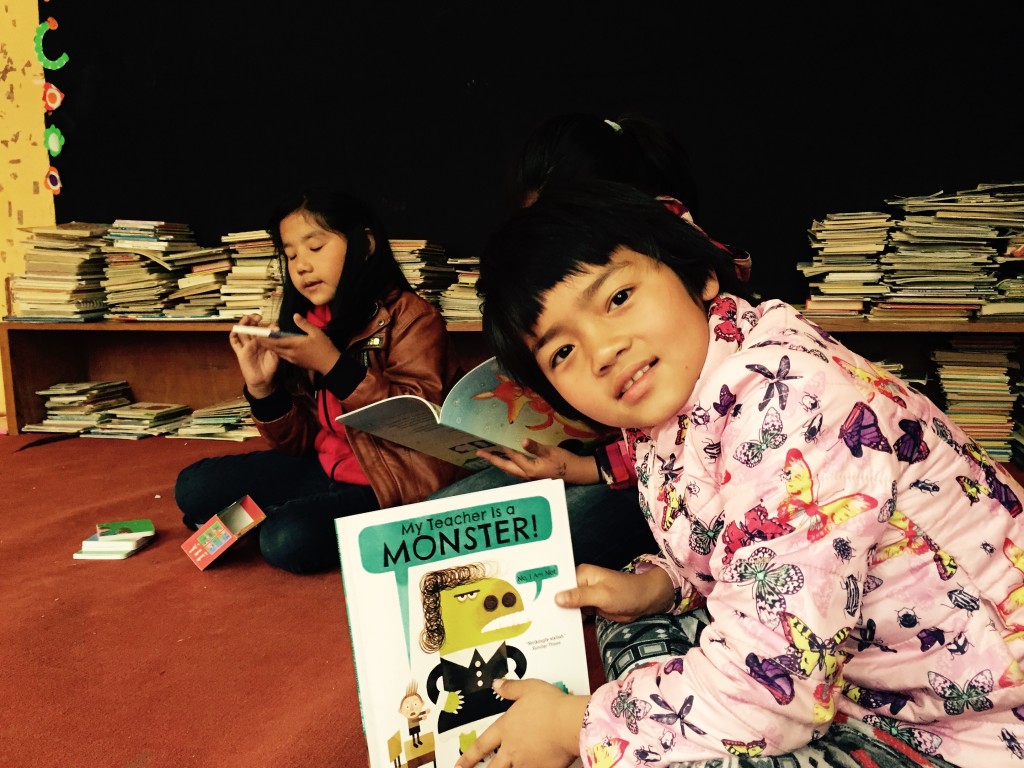
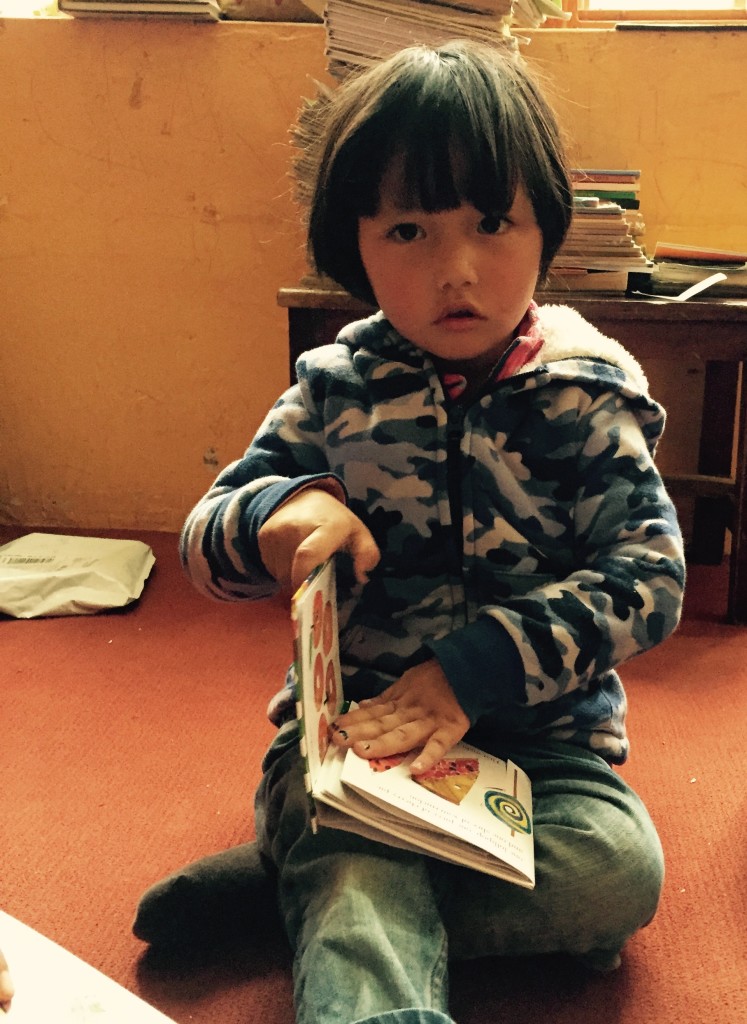
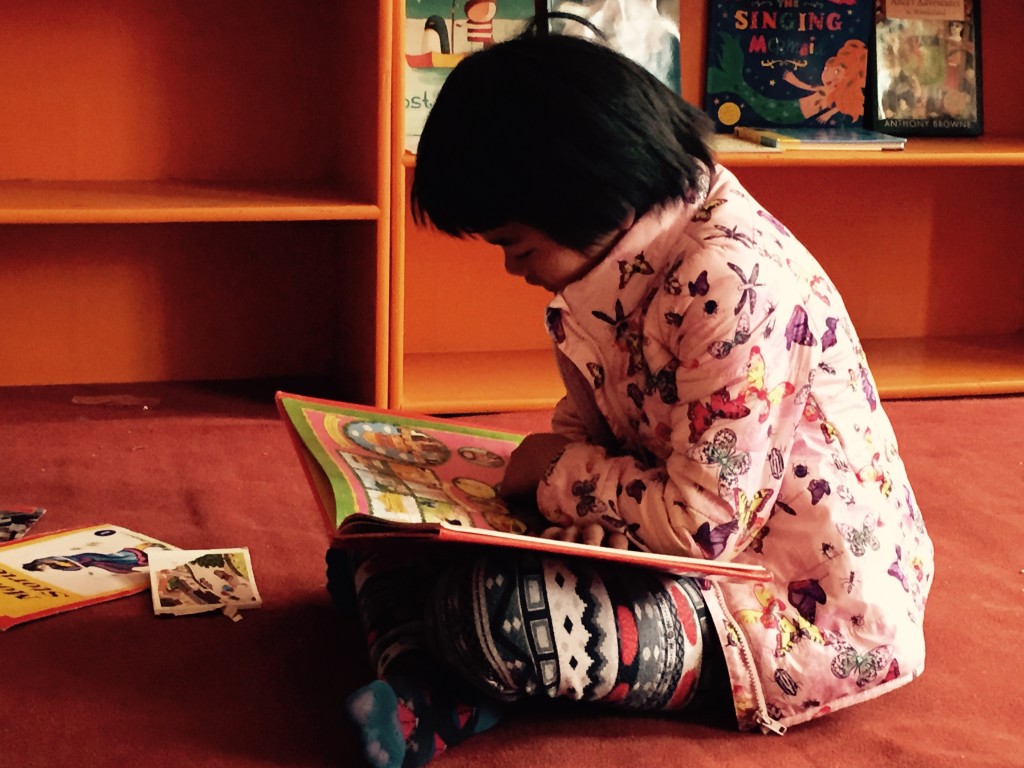
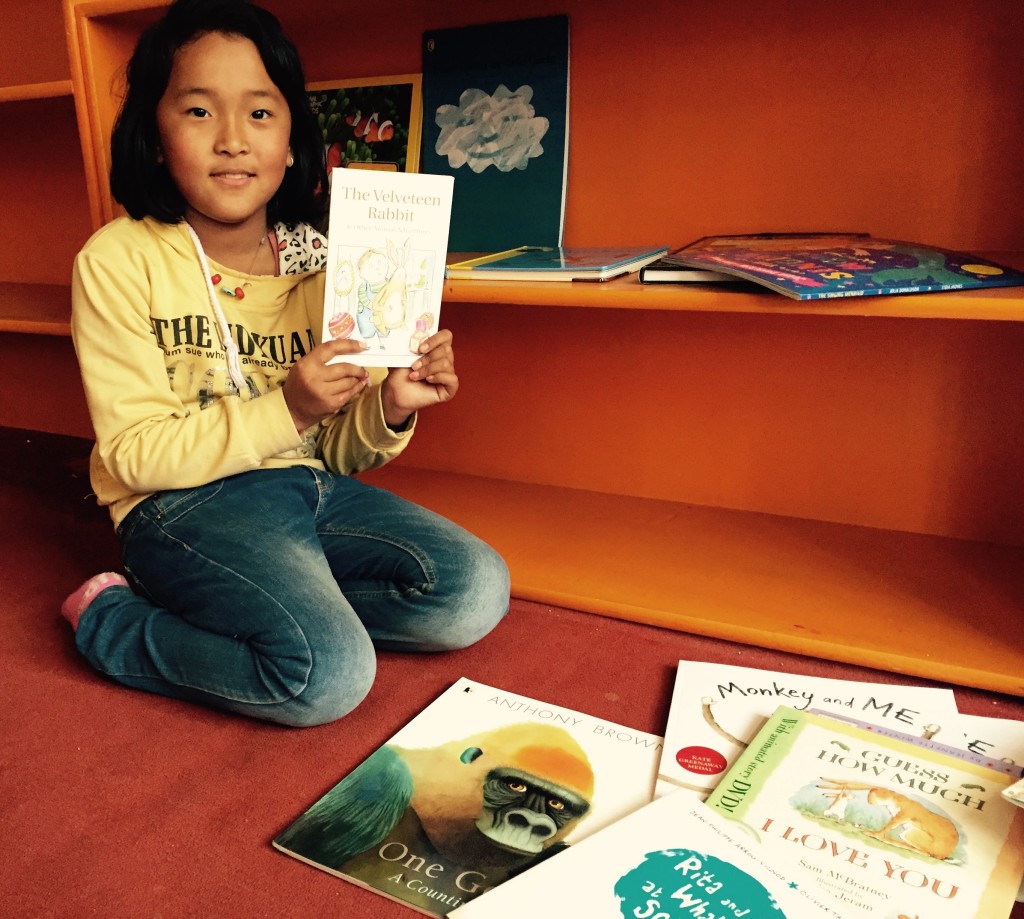
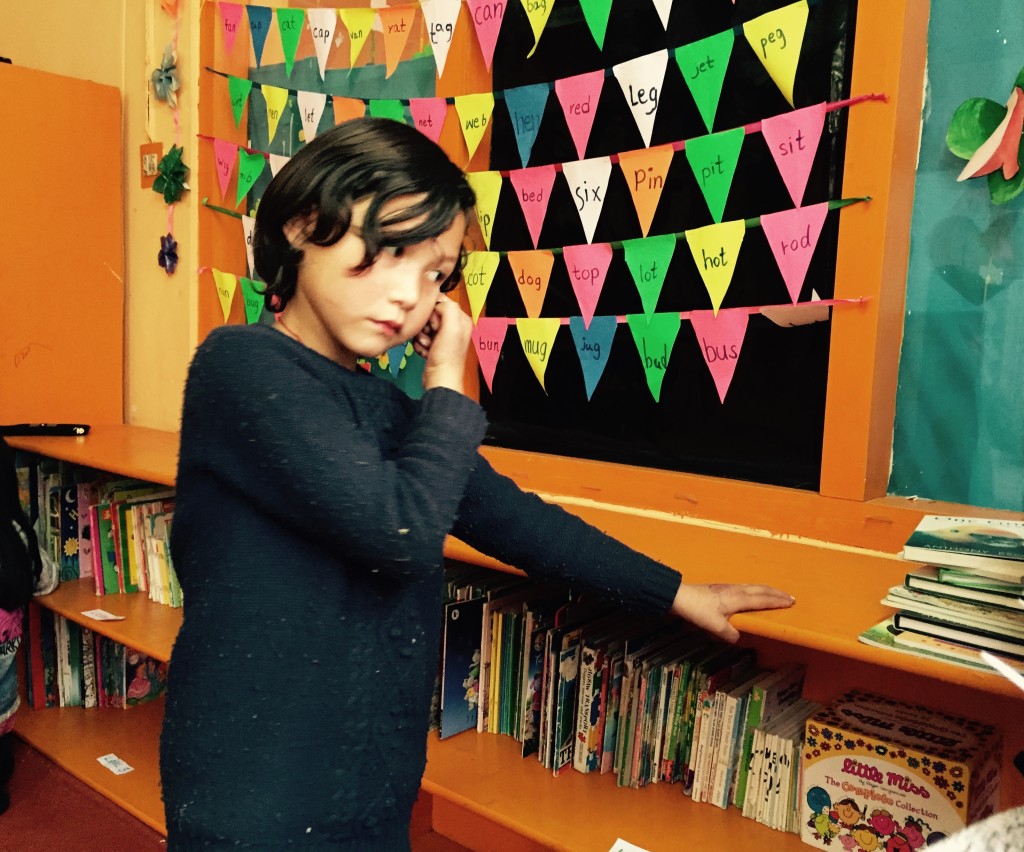
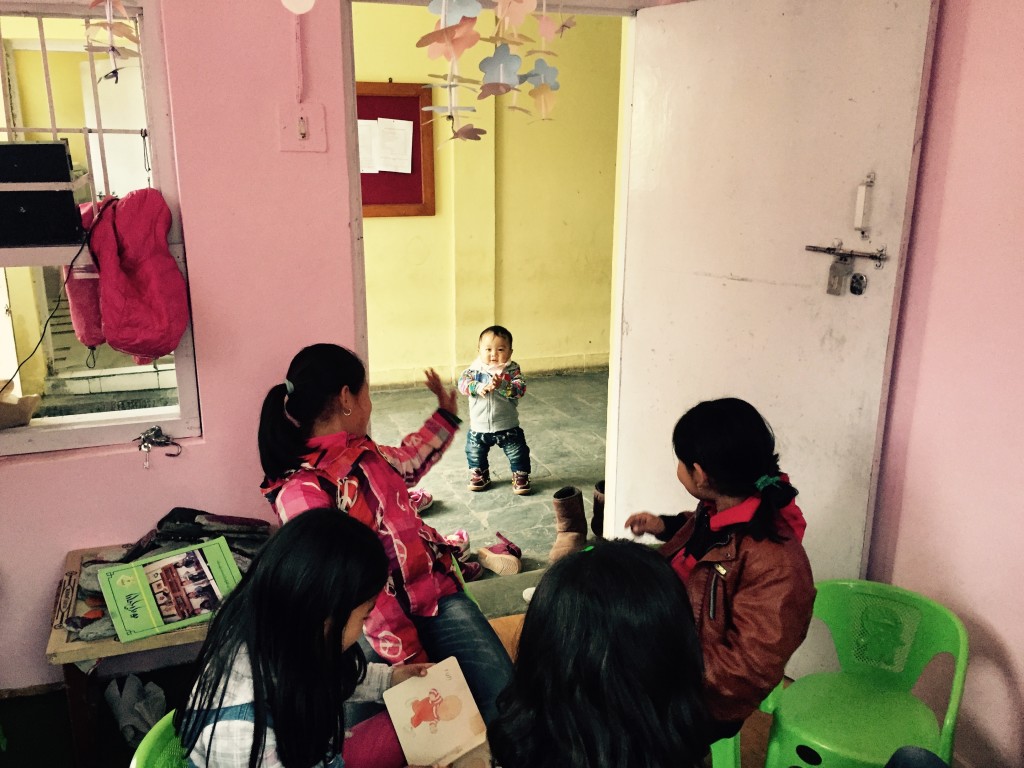
Children arrive in groups or individually, often after school, chores, or a long walk. Some come to borrow a book, while others need help with reading, writing, or school assignments. The coordinator greets each child by name and notices changes in mood, confidence, and interests. This personal welcome is central to creating a trusted community space.
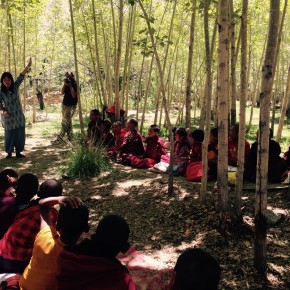
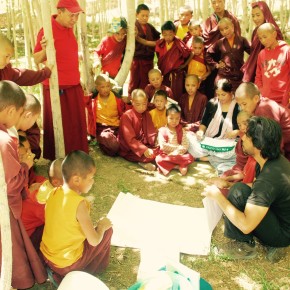
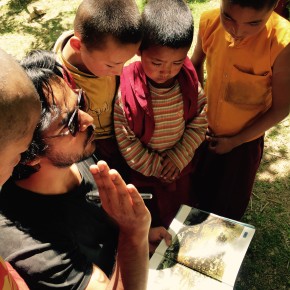
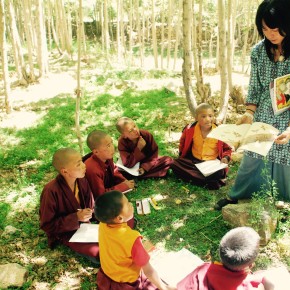
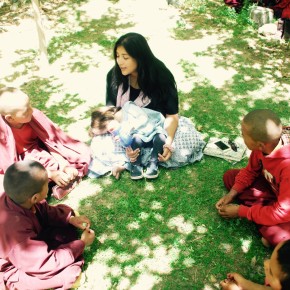
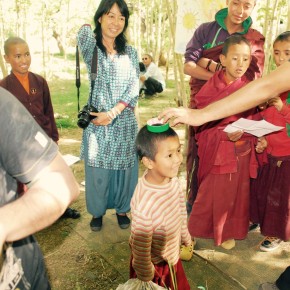
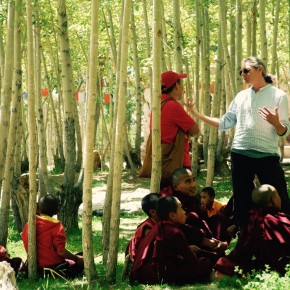
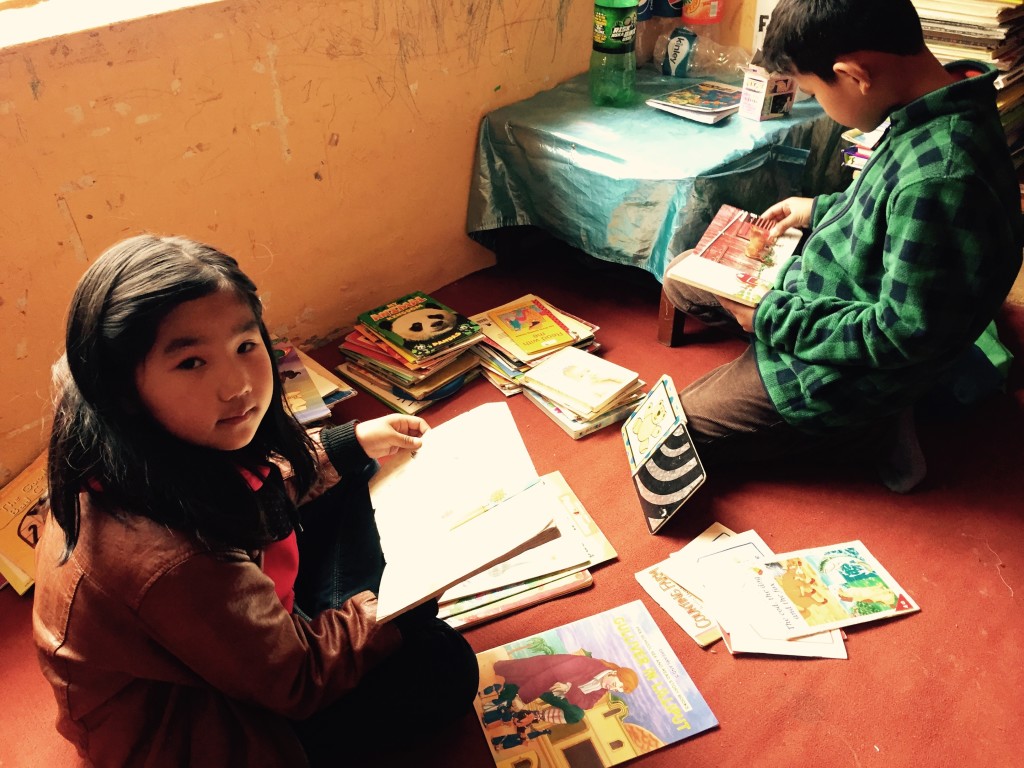
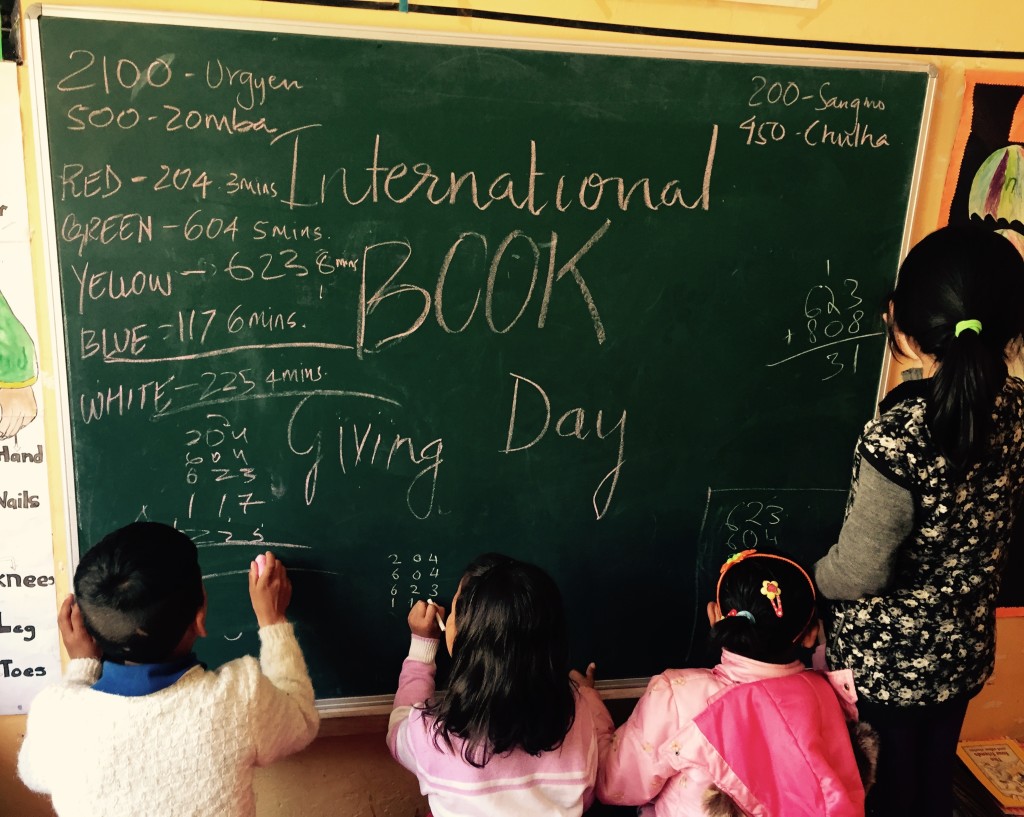
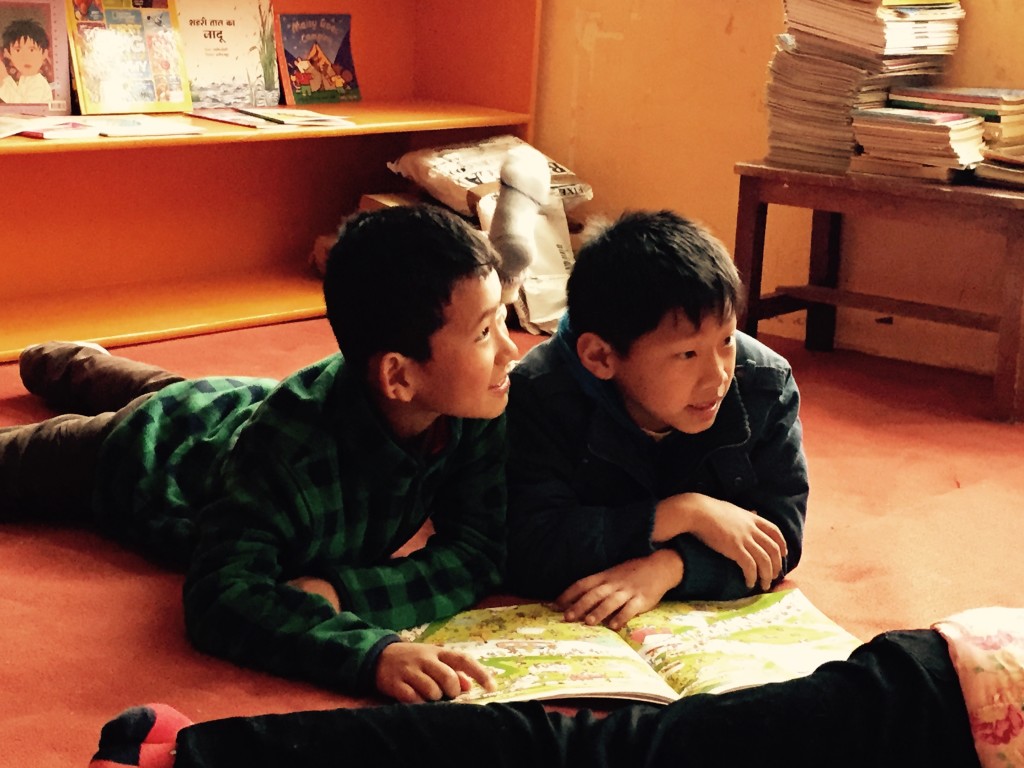
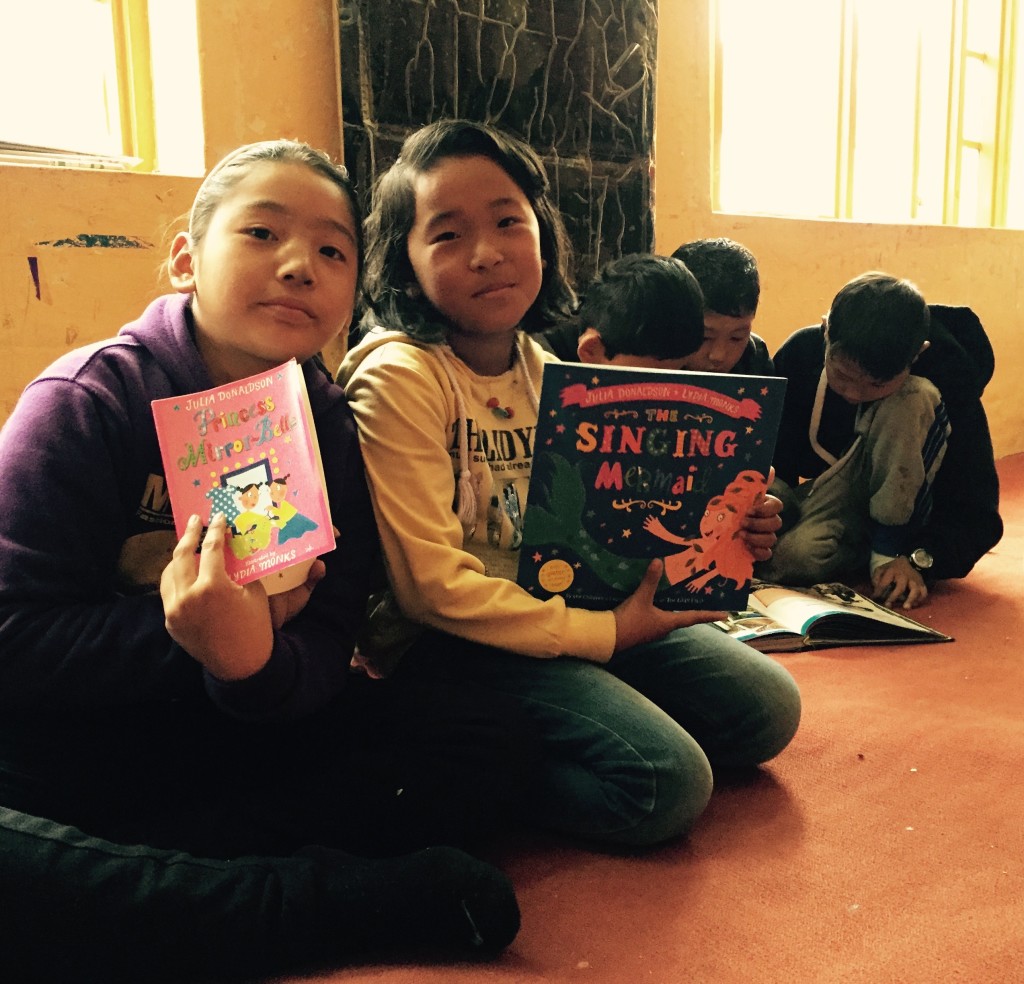
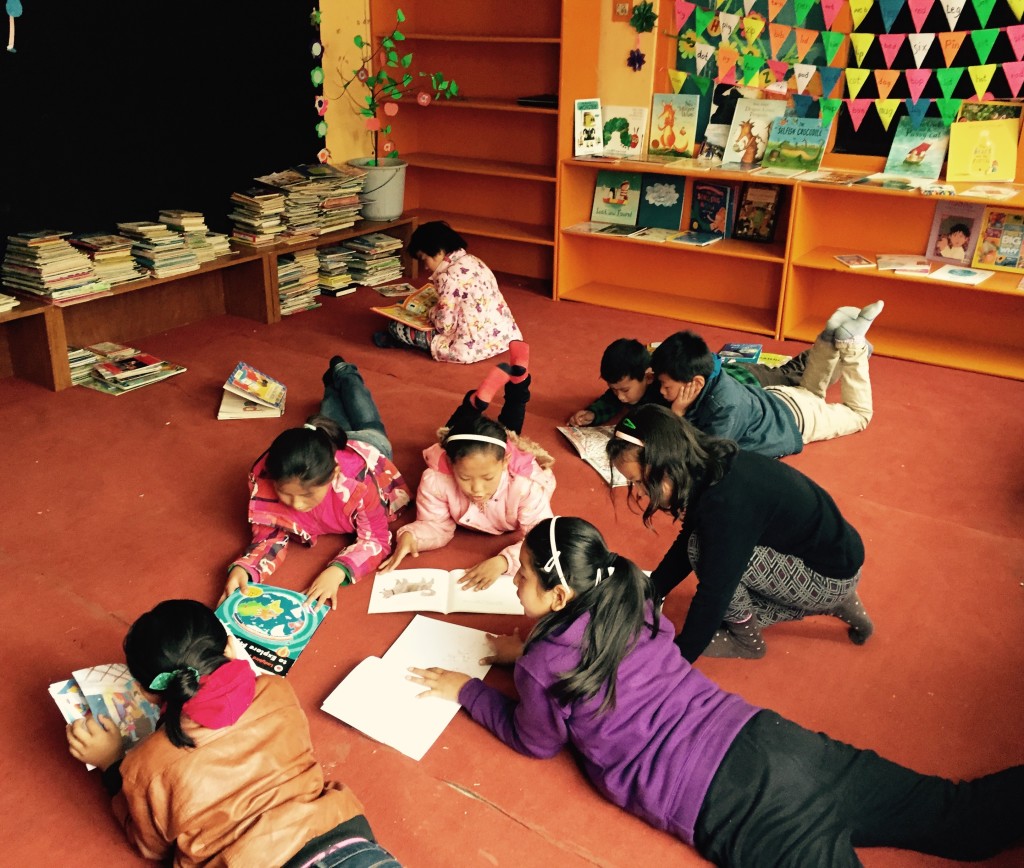
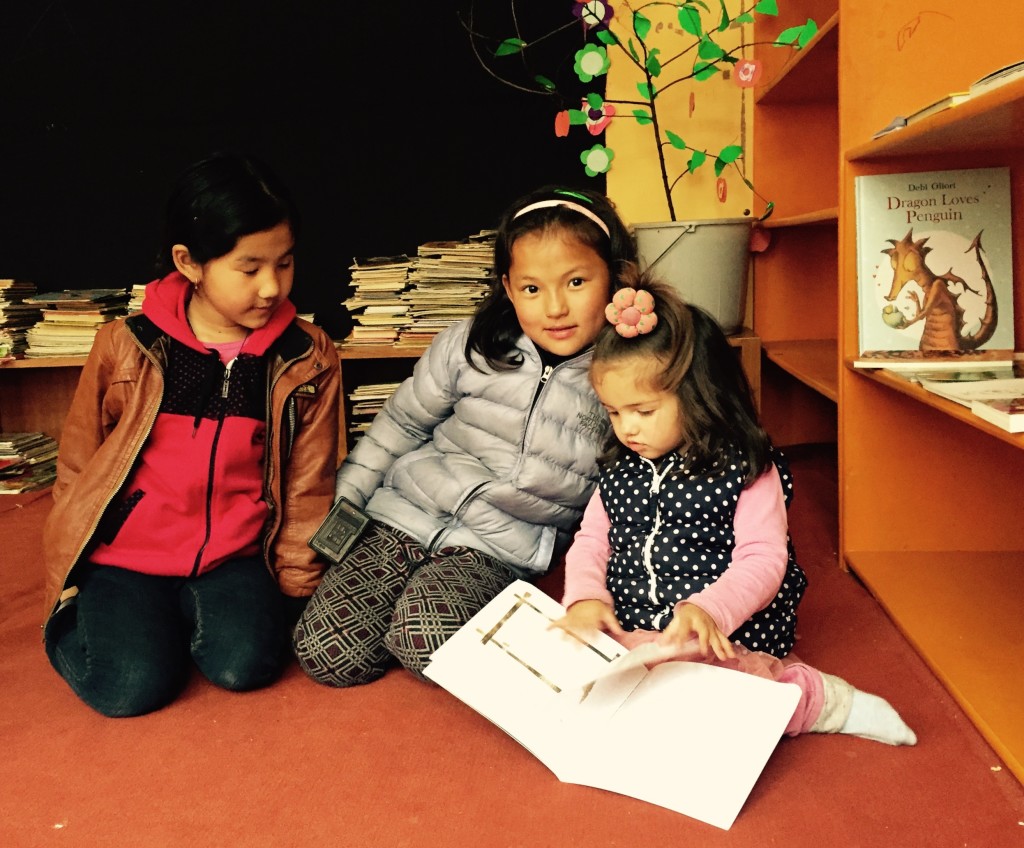
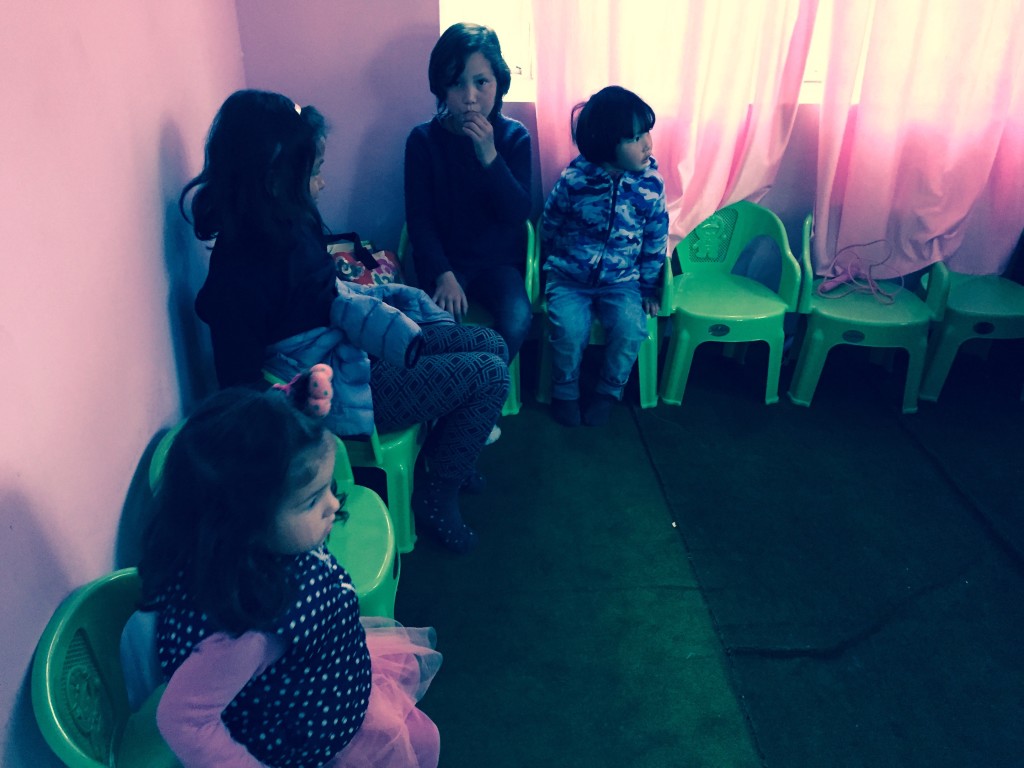
A typical first activity might be a shared reading circle. The coordinator reads a few pages aloud, pauses to explain unfamiliar words, and invites children to predict what will happen next. Young monks may enjoy stories about friendship, animals, or distant places, while older students often seek biographies, science books, travel writing, or fiction with more complex themes.
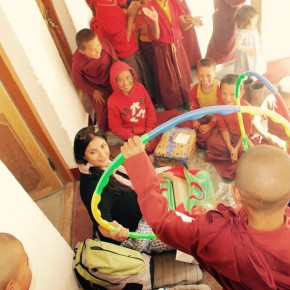
The room is busy without needing to be loud. A group may listen near the storytelling corner as another child works through a worksheet at a table. Children learn to share books and materials, take turns, and care for resources that belong to the whole community. These habits support both literacy and social development.
Turning Books Into Creative Experiences
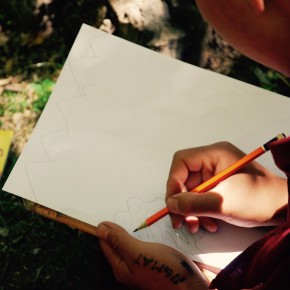
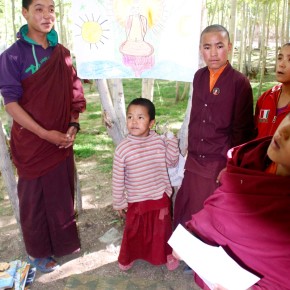
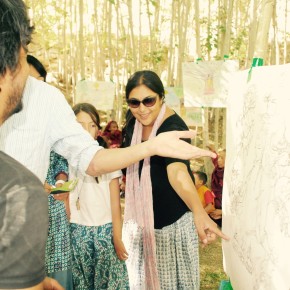
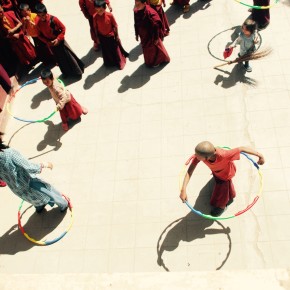
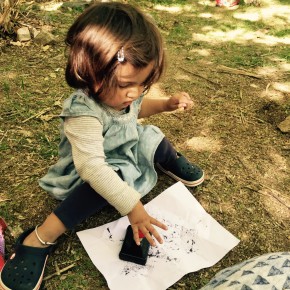
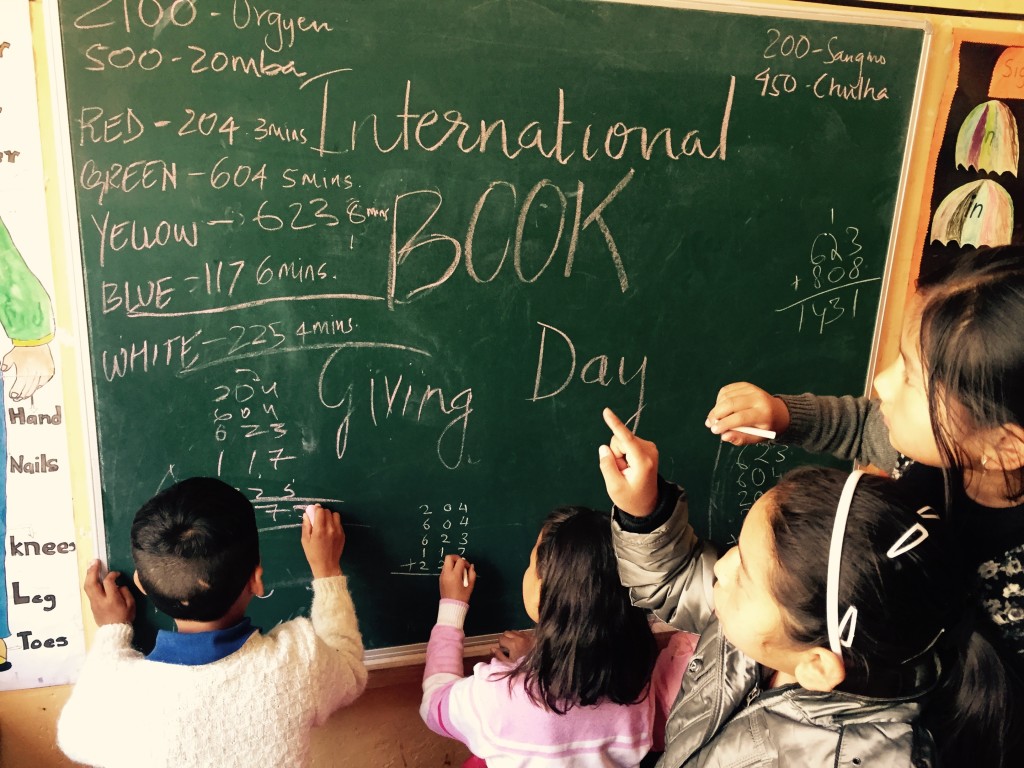
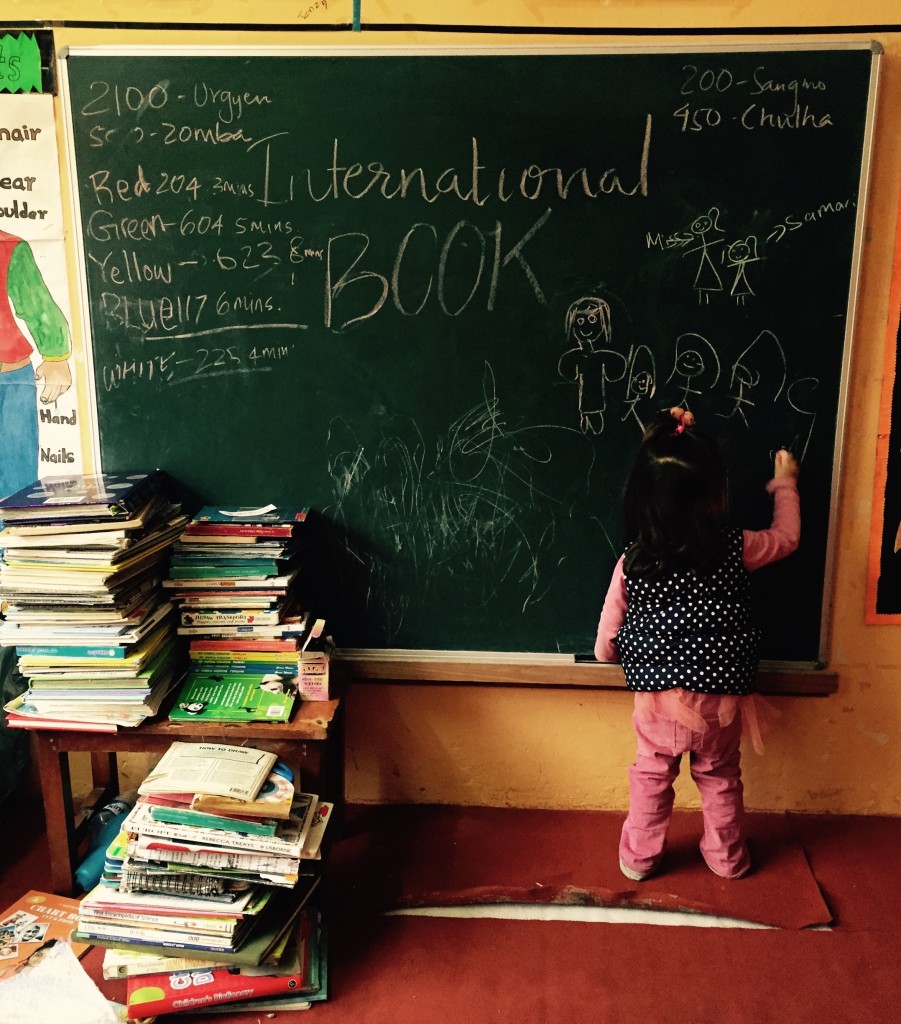
Reading becomes more memorable when children can respond creatively. After a story, the coordinator may invite them to draw a favorite scene, act out a conversation, write an alternative ending, or build a small model from recycled materials. These activities help children connect language with imagination and give quieter participants another way to express themselves.
Music and art are often woven into the afternoon. A rhythm exercise can help children remember a poem, while painting may encourage them to describe colors, landscapes, and feelings in new words. Such activities are especially valuable in remote areas where access to formal arts education may be limited.
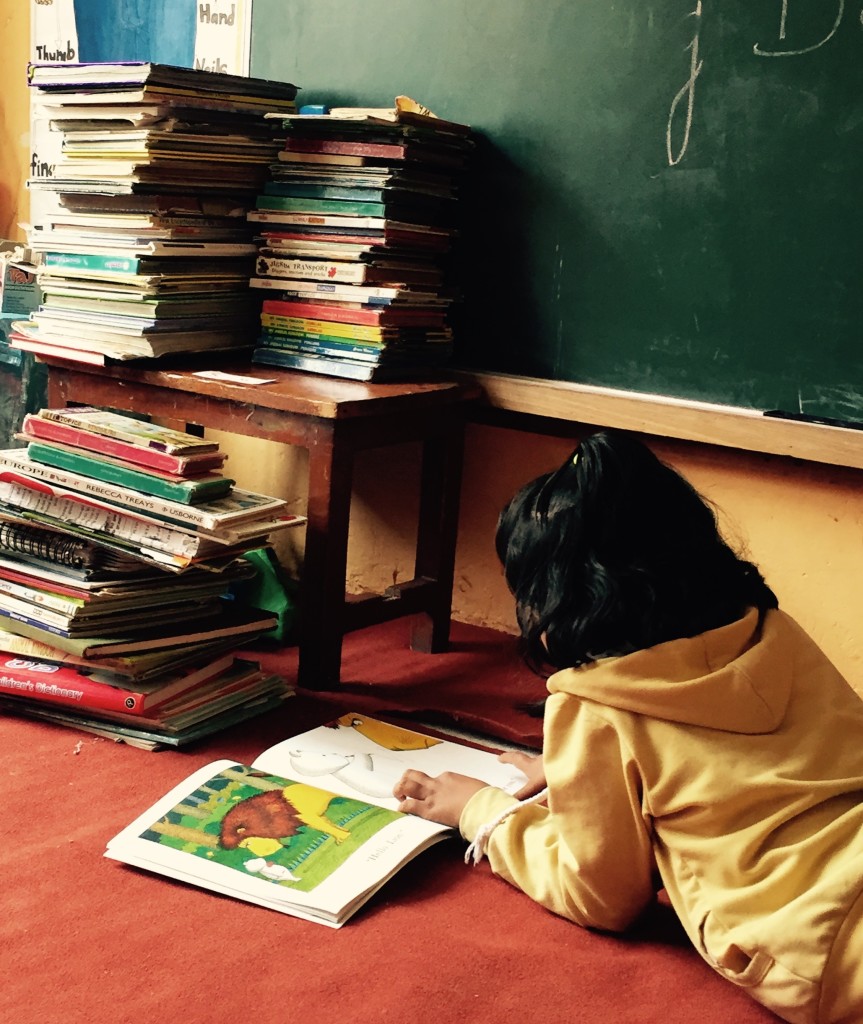
The coordinator also guides children in choosing books independently. Instead of directing every selection, they may ask what a child enjoyed previously or suggest two books with different levels of difficulty. This builds ownership. A child who discovers a personal preference for folktales, astronomy, poetry, or adventure is more likely to return and continue reading.
Balancing Learning, Care, And Local Realities
A reading room coordinator is also an observer and a listener. Children may arrive tired after helping their families, distracted by a change at home, or reluctant to speak in a group. The coordinator adjusts expectations, offers a quiet activity, or gives a child time to settle. Educational support works best when it recognizes the whole person.
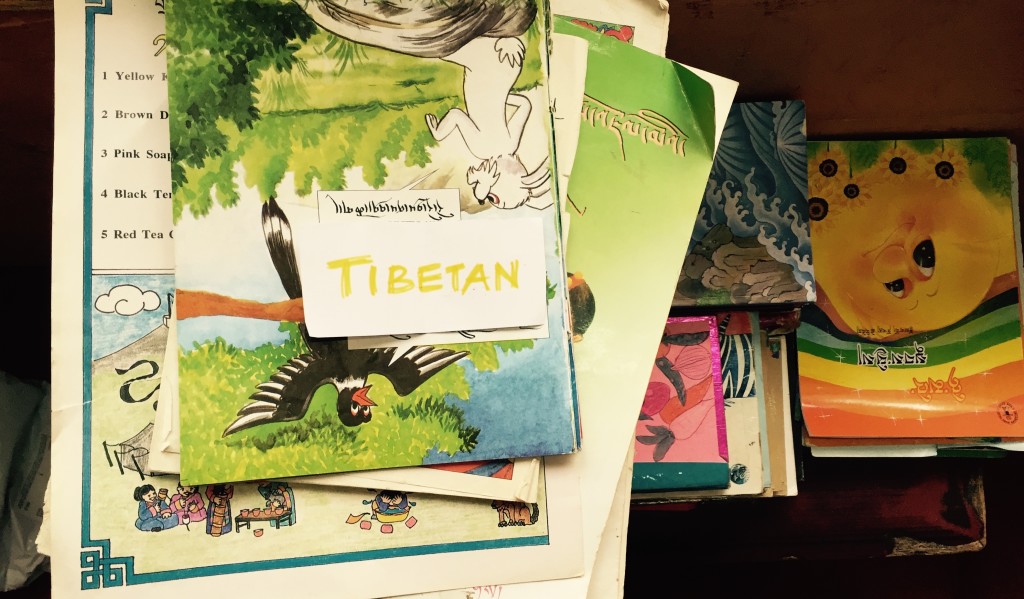
Language can require careful attention. Children may move among Ladakhi, Tibetan, Hindi, and English, depending on their family, school, and community. Explaining a new word through a familiar language, gesture, picture, or local example can make a major difference. The goal is to expand communication without diminishing the languages children already know.
Digital awareness is becoming part of this responsibility as well. When discussing how to judge online information, a coordinator might compare reliable educational sources with entertaining but commercially driven websites, using examples of digital media literacy to show why authorship, purpose, and evidence matter. The emphasis remains on safe, thoughtful use of technology rather than unrestricted screen time.
| Part Of The Day |
Main Activities |
Skills Encouraged |
| Early morning |
Organizing shelves, preparing materials, checking the room |
Responsibility and planning |
| After school |
Welcoming children, reading circles, homework support |
Comprehension and confidence |
| Creative hour |
Art, music, drama, and story responses |
Expression and imagination |
| Book borrowing |
Recommending titles and recording loans |
Independence and care |
| Closing time |
Tidying, reviewing notes, preparing the next session |
Reflection and continuity |
Building A Culture Of Care
Book lending may appear straightforward, yet it requires a thoughtful system. The coordinator records borrowed titles, explains return dates, and helps children protect books from dust, moisture, and rough handling. If a book is damaged, the response is educational rather than punitive. Children can help repair a torn page or make a protective cover, learning that shared resources deserve respect.
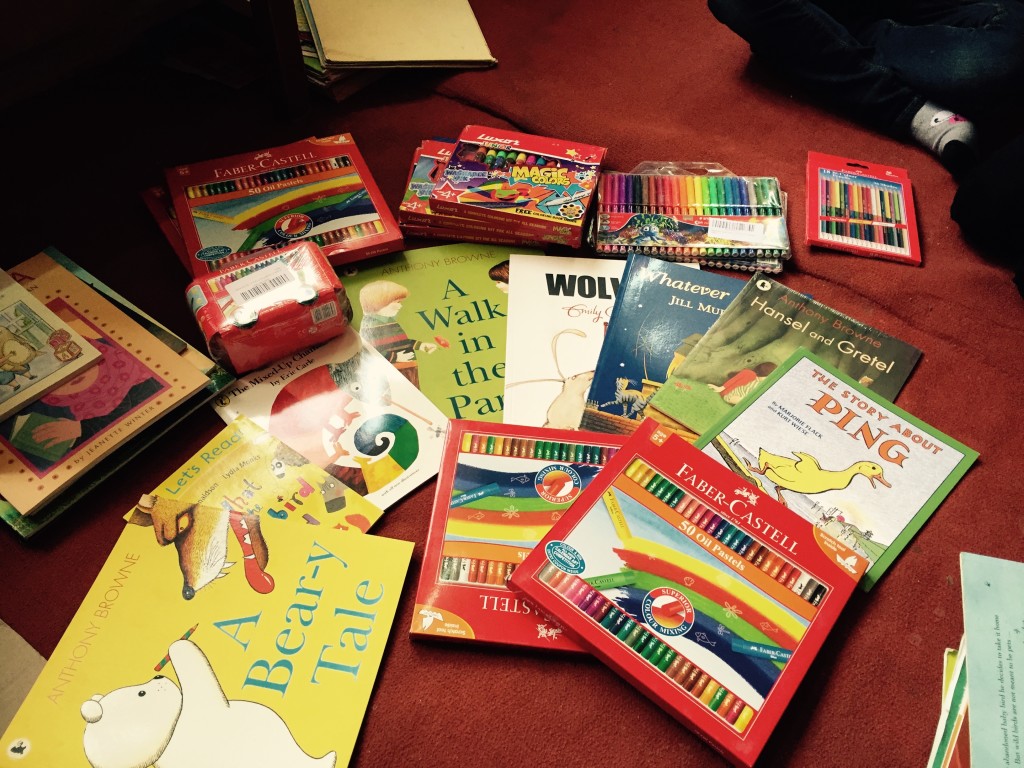
The coordinator also notices which books are frequently requested and which remain untouched. This information guides future book drives and purchasing decisions. A shelf should include accessible reading for different ages, but it should also reflect children’s curiosity. Stories with Himalayan settings, local history, diverse characters, science topics, and visual appeal can make the collection feel relevant and inviting.
Relationships with families, teachers, and monastery communities strengthen the reading room. Parents may share suggestions about children’s interests, teachers can identify useful learning materials, and local leaders can help spread information about activities. The coordinator’s role connects these groups around a common belief in children’s education.
Closing The Doors And Carrying The Work Forward
As the afternoon light fades, the room gradually becomes quieter. Books are returned to their places, pencils are collected, artwork is set aside to dry, and the floor is cleared. Before leaving, the coordinator may note a new reader’s progress, record a borrowed title, or prepare a story for the next session.
The work continues after the children go home. Attendance and borrowing records help show which activities are effective. Conversations with colleagues can reveal a need for more bilingual books, musical instruments, art supplies, or warm seating. In this way, ordinary days contribute to the long-term development of the reading room.
Practical Priorities For A Strong Reading Room
- Keep books organized by age, subject, language, and reading level so children can browse independently.
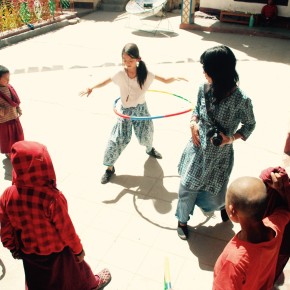
- Combine reading with drawing, music, drama, and conversation to welcome different learning styles.
- Maintain simple records of attendance, borrowing patterns, and children’s interests.
- Build regular communication with families, teachers, monasteries, and local community leaders.
- Protect quiet reading time while preserving space for joyful group activities.
A reading room in Nubra Valley grows through consistency. The shelves matter, but so do the greetings, the patient explanations, the repaired books, and the encouragement offered when a child struggles with a sentence. Each visit can strengthen a habit that reaches far beyond the room.
Support from donors and volunteers helps make these daily moments possible through books, educational materials, creative programs, and reliable spaces for learning. By supporting Avalokiteśvara Trust, you can help children and young monks in Himalayan communities discover stories, develop skills, and find a welcoming place to learn.